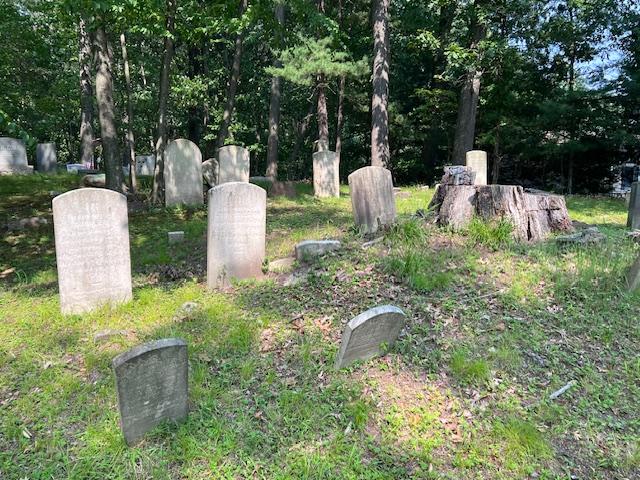
The historic Woodside Cemetery in Dumont, NJ. It is the home of many ‘founding families’ of Bergen County, NJ., such as the Demarest’s, Hopper’s, Van Buskirk’s, Haring’s (Hering’s), Van Saun’s, DeBaun’s, Westervelt’s and Zabriskie’s. These are the families that dominated the farming industry in Bergen County before and after the Revolutionary War. It is one of the many historical cemeteries and graveyards in Bergen County, NJ.
My mapping of historical cemeteries and graveyards in Bergen County, NJ:
The inside of the cemetery in the historical section of the cemetery
The historical Woodside cemetery is the resting place of many of the founding families of Bergen County and the surrounding communities of New York State.
Lining the historical Main Street of Downtown Dumont, the older part of the cemetery holds the family plots of some of the original settlers who shaped this country from its beginning.
The Voorhis family plot
The Zabriskie family plot
The Brinkerhoff family plot
The Waite Van Bushkirk family plot
The Van Bushkirk family family plot
The large Demarest family plot
The Hasbrouck family plot (the family who Hasbrouck Heights is named for)
The Blauvelt family plot
The DeBaum-Westervelt family plot
The Van Saun-Demarest family plot
The Demarest-Haring-Van Vliet-Vorhees family plot
The Demarest-Van Bushkirk family plot
The Brinkerhoff-Doremus-Demarest family plot
The Van Bushkirk-Hopper family plot
The grave of James Blauvelt DeMott
The cemetery is the resting place of many War of 1812, Civil War, the World Wars, Korean and Vietnam and the modern wars.
The cemetery is a place of respect and quiet contemplation. To see the contributions of these members of the community is to reflect on the history of Bergen County. These families and many people buried here have helped shape Bergen County and the State of New Jersey to what it is today.
Admission: Adults $12:00/Children $10.00/Military $10.00/Members and Children under 3 Free
My review on TripAdvisor:
Entering from the highway, I was surprised at this interesting place of nature and how the Institute is not just part of the community but how it integrates itself into the fabric of helping understand how Mother Nature plays a part in benefiting everyone in this shore community from cleaning the water, sustaining wildlife and preventing flooding.
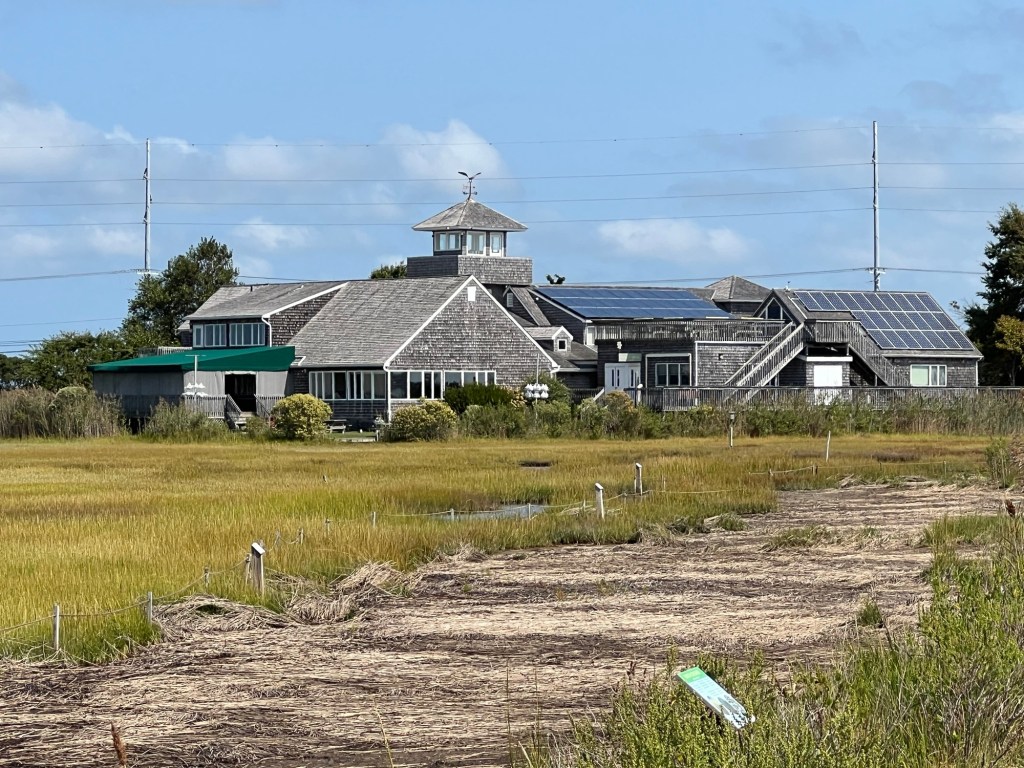
The front of the Wetlands Institute in Stone Harbor, NJ
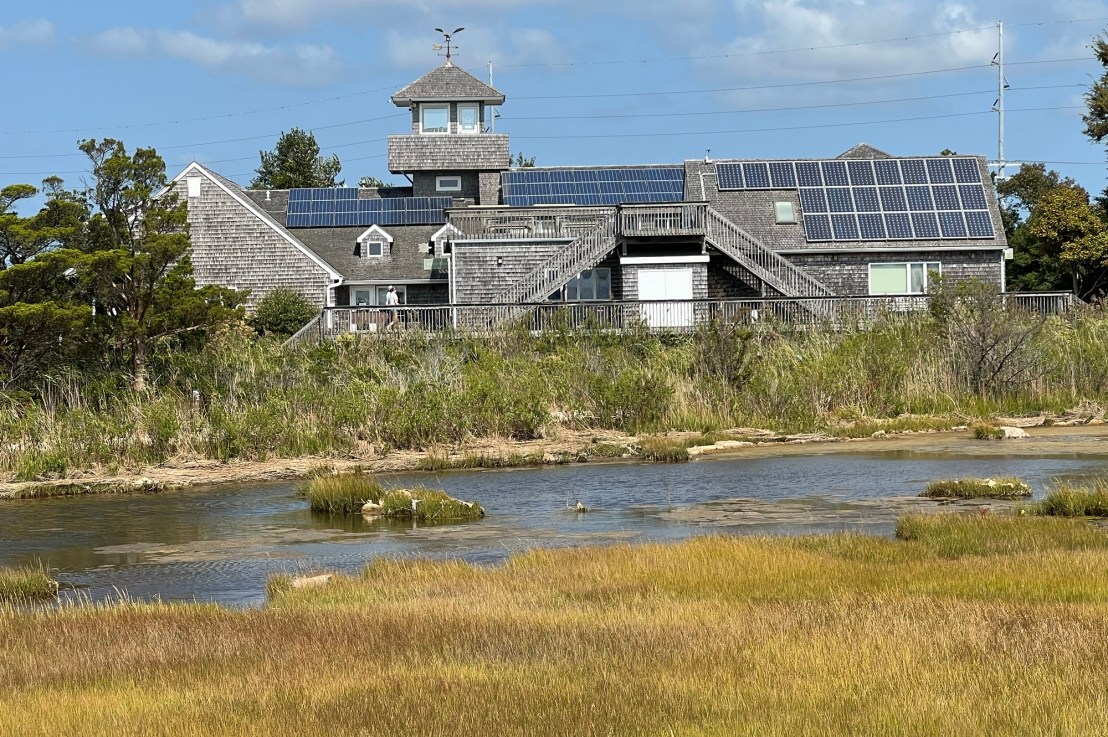
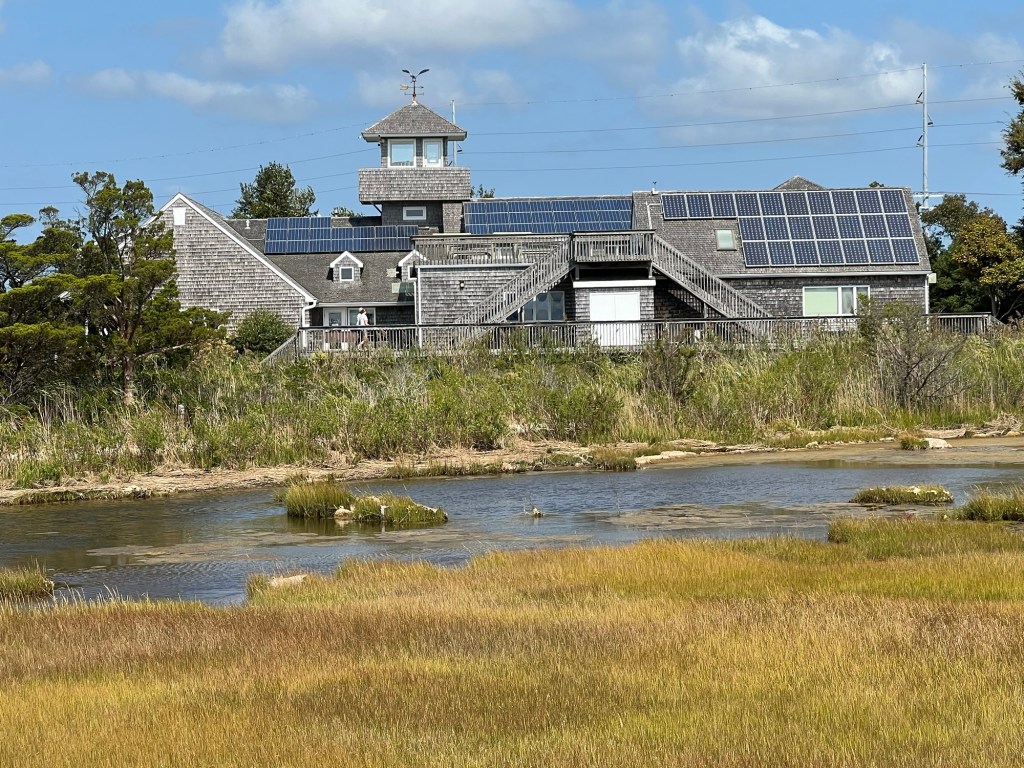
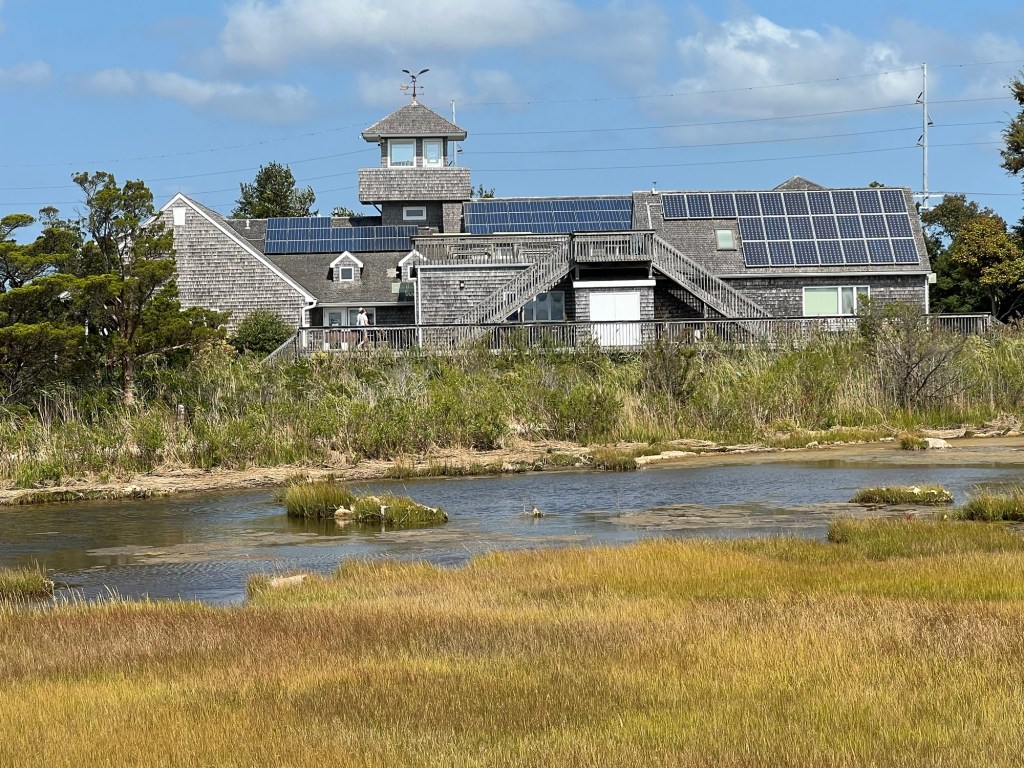
The back of the Institute from the salt marshes
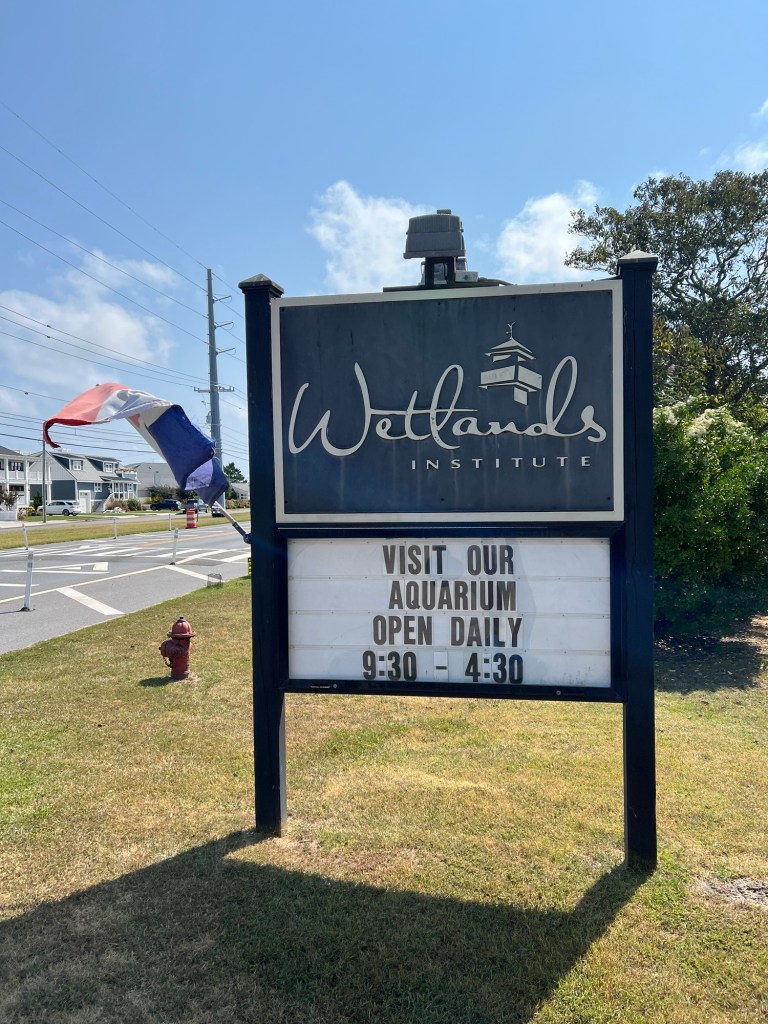
The sign that welcomes you inside
You would almost miss the Institute without the sign
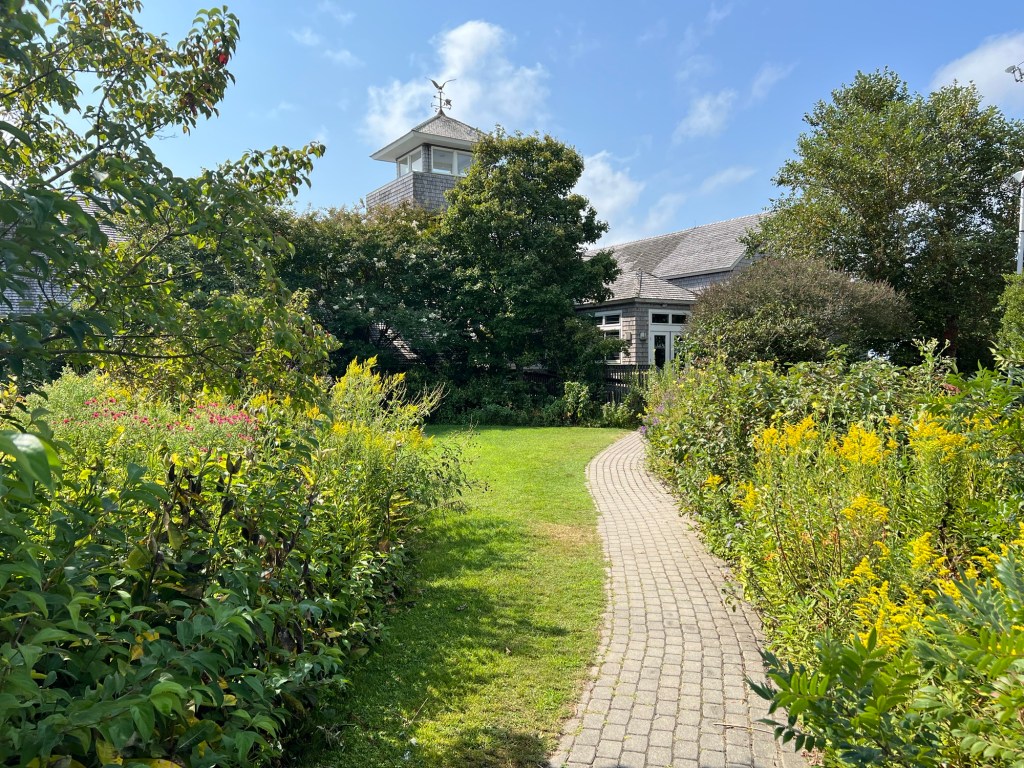
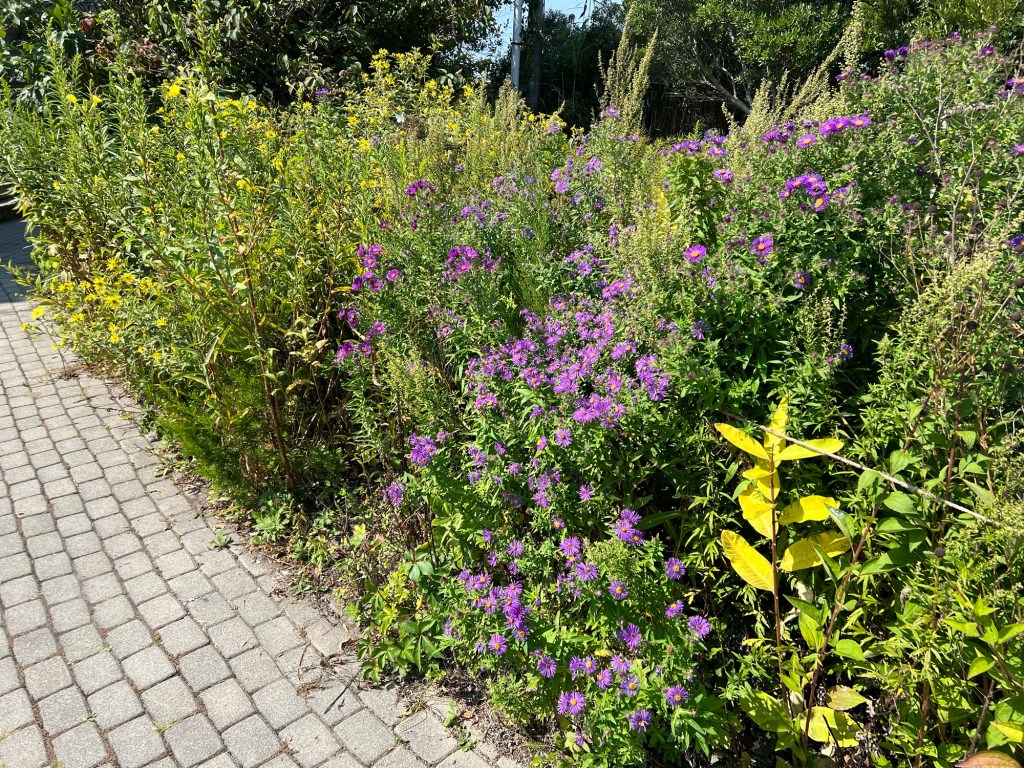
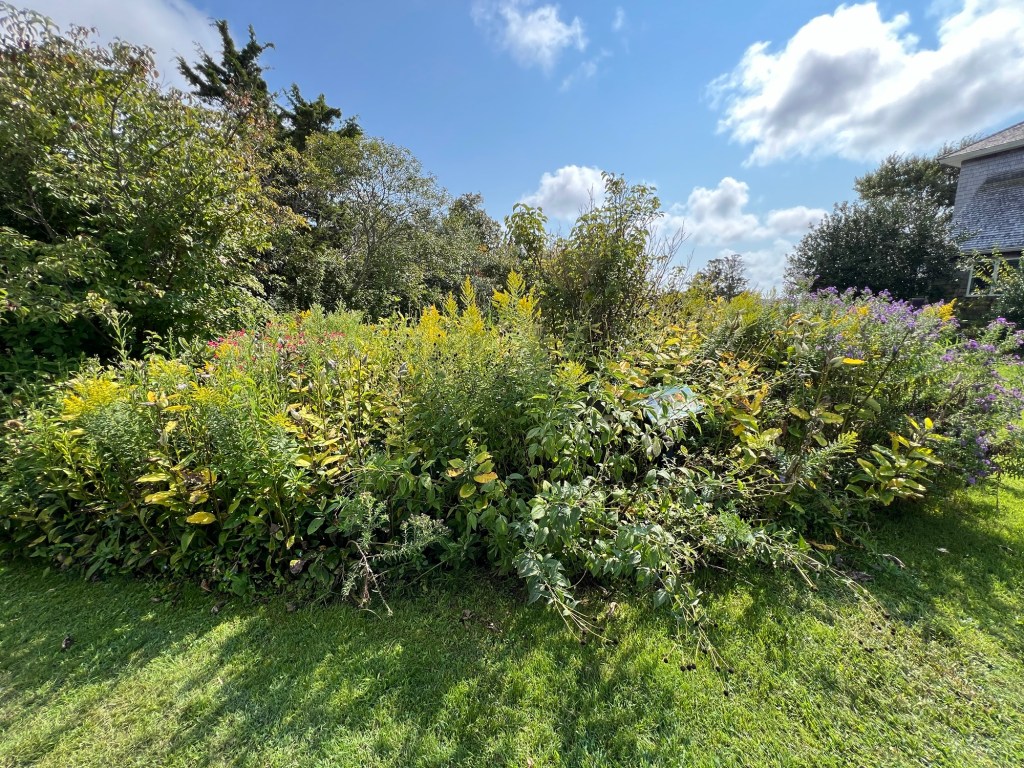
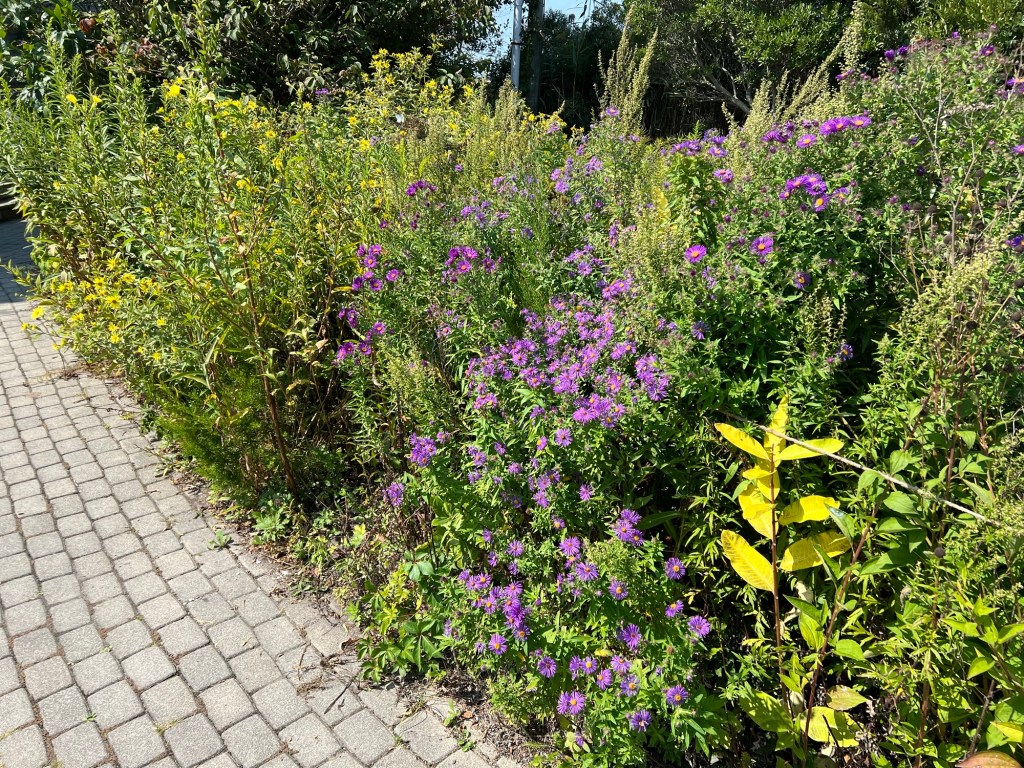
The beautiful gardens in the front during the summer months
The Institute’s gardens in the front of the building during the summer months
The History of the Wetlands Institute:
(From the Institute’s website)
The Wetlands Institute was founded by Herbert Mills in the late 1960s, thereby fulfilling his life-long vision of creating a world-class research, education and conservation center at the Jersey Shore that would educate people of all ages about the beauty and wonders of the coastal environment, and the importance of that environment to their daily lives. His dream was to inspire everyone to want to conserve and sustain that environment forever.
Herb loved birds and nature all his life. In fact, he joined the National Audubon Society at the age of seven. Many of his maturing years were spent as an executive in the glass and canning industries of South Jersey. During those years he further developed his abiding interest in conservation issues, so much so that he left the business world in 1967 to became the Executive Director of the World Wildlife Fund. In 1969, under his leadership, the World Wildlife Fund purchased 6,000 acres of salt marsh in Middle Township. 34 of those acres became the site of the Wetlands Institute’s facility. The rest were held by the World Wildlife Fund until being transferred to New Jersey’s Green Acres Program. Herb also raised the funds for the design and construction of our main building which was designed by Malcolm Wells, a world-renowned and environmentally-oriented architect.
Our building was officially dedicated on September 16, 1972. Herb Mills’ friend and the international president of the World Wildlife Fund, Prince Bernhard of The Netherlands was the keynote speaker (the Institute website).
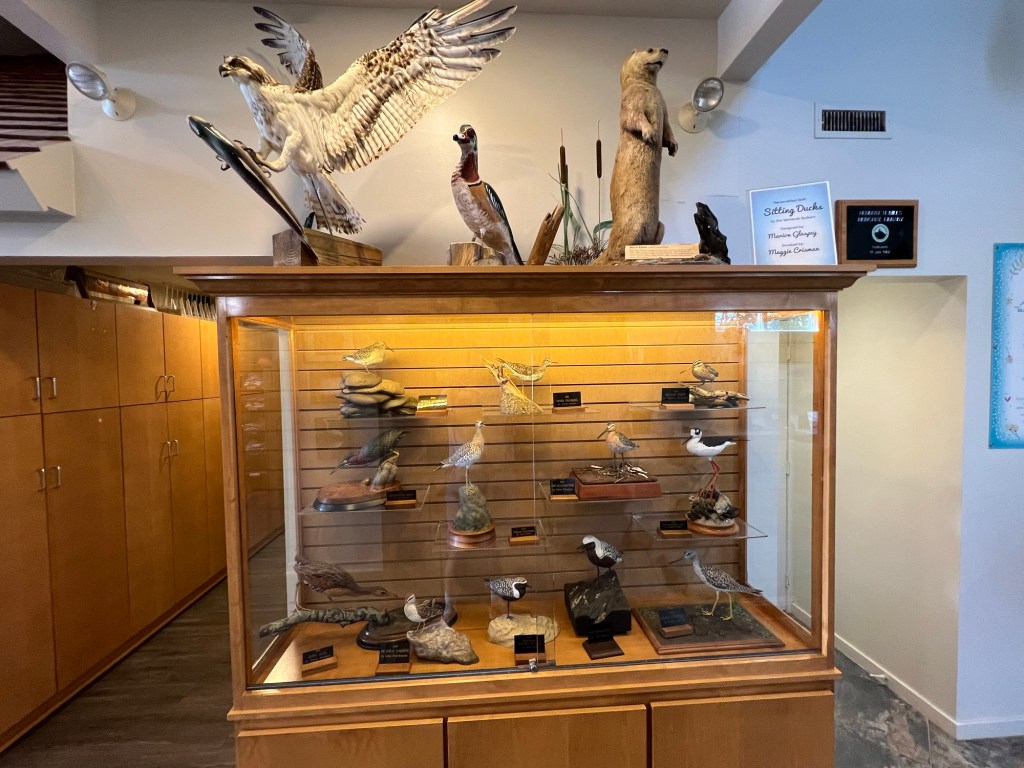
The bird exhibition at the entrance of the Institute
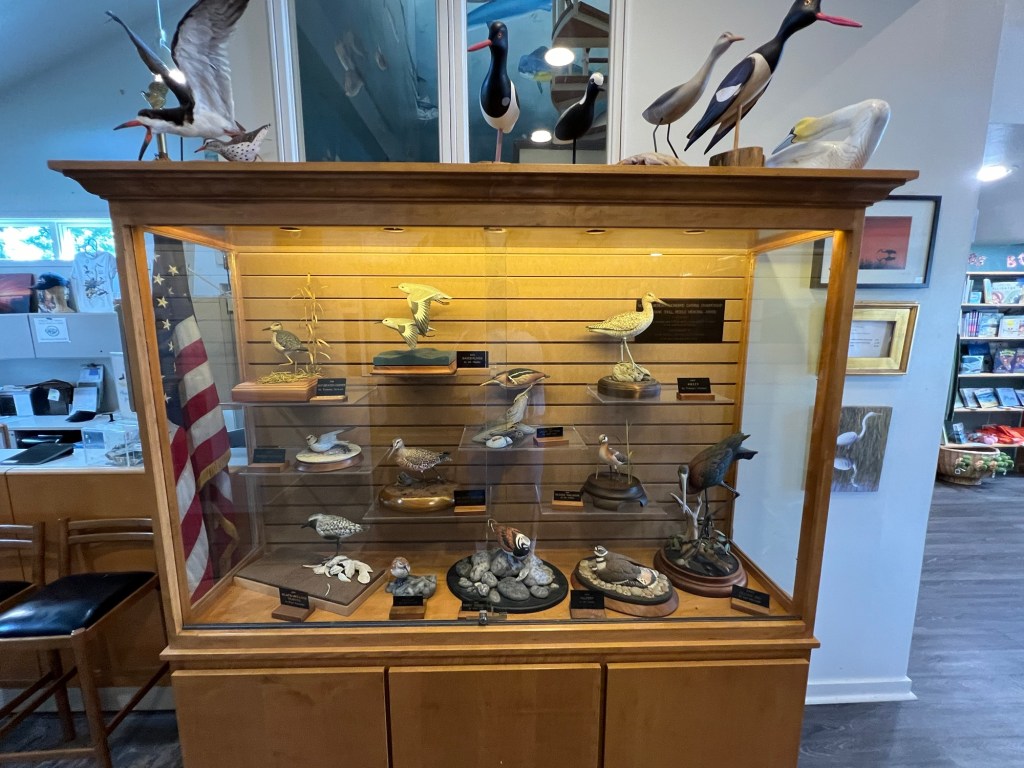
The other bird exhibition in the hallway
Later History:
(from the Institute Website)
In its earliest years the Institute was run by Lehigh University under a dollar-a-year lease. That relationship continued beyond Herb Mills’ untimely death at the age of 62 on October 21, 1972 while addressing an ornithology meeting at Cornell University, barely a month after the Institute’s dedication ceremony.
After a few years, however, the Institute and Lehigh parted company amicably. The late Marion Glaspey, a shy but very determined woman, succeeded Herb Mills as Chairman of the Board and guided the Institute for several difficult years as the Institute struggled to become a self-sustaining, independent entity, and garner and maintain the kind of financial support that is vital to any nonprofit organization. In addition to being totally dedicated to the Institute, Marion was a talented artist and photographer, teaching classes in both subjects, and–most significantly–she was a passionate gardener (she’s the “Marion” for whom our Marion’s Garden is named). She remained on our Board of Trustees until her death in 2000.
Through Marion’s leadership and that of her successors, the Institute has evolved to become a leader in coastal environmental education, research, and conservation. At present the Institute is supported almost entirely by funds from private sources, receiving only an occasional government grant for a special project.
My visit to the Institute in the Summer of 2024:
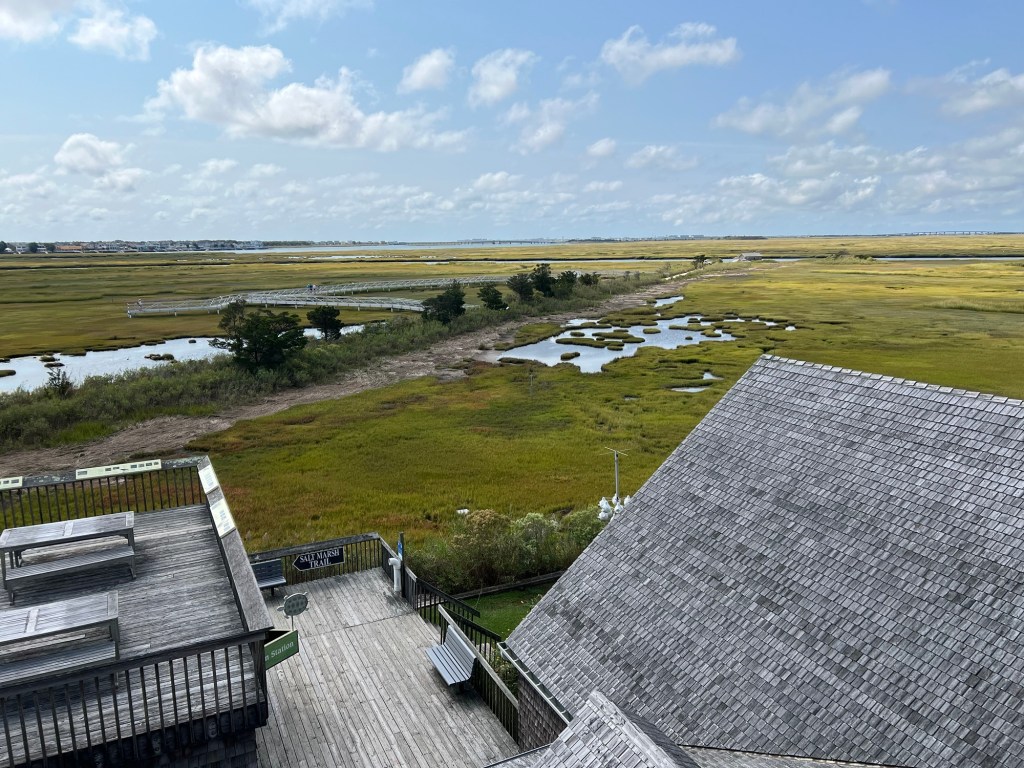
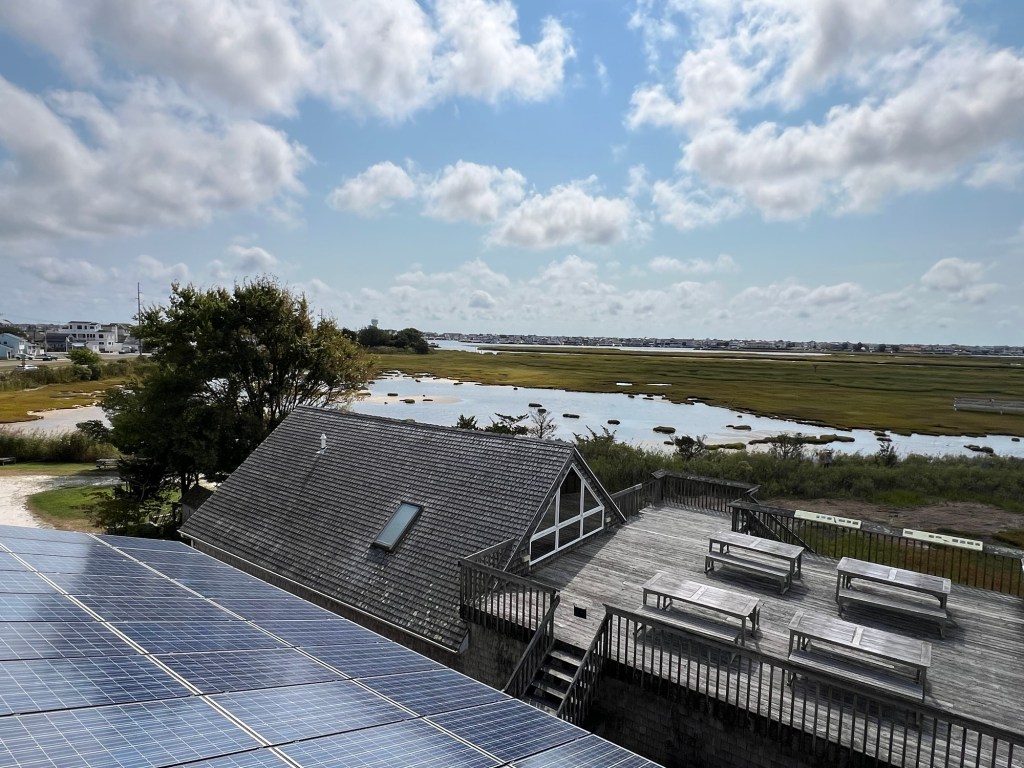
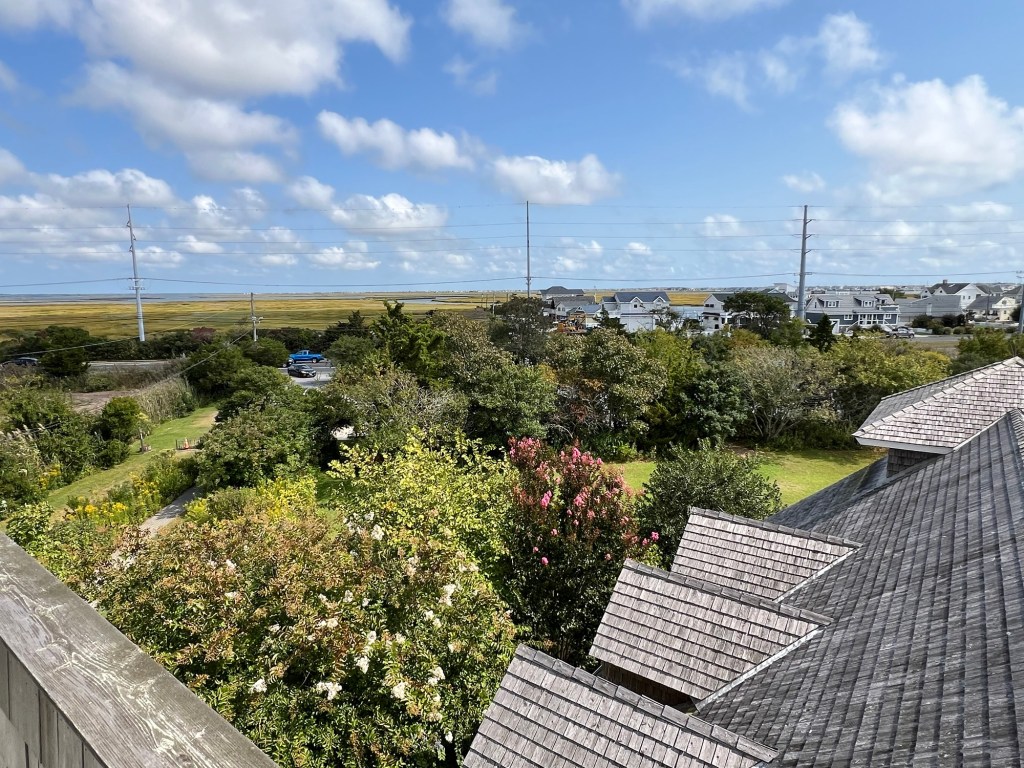
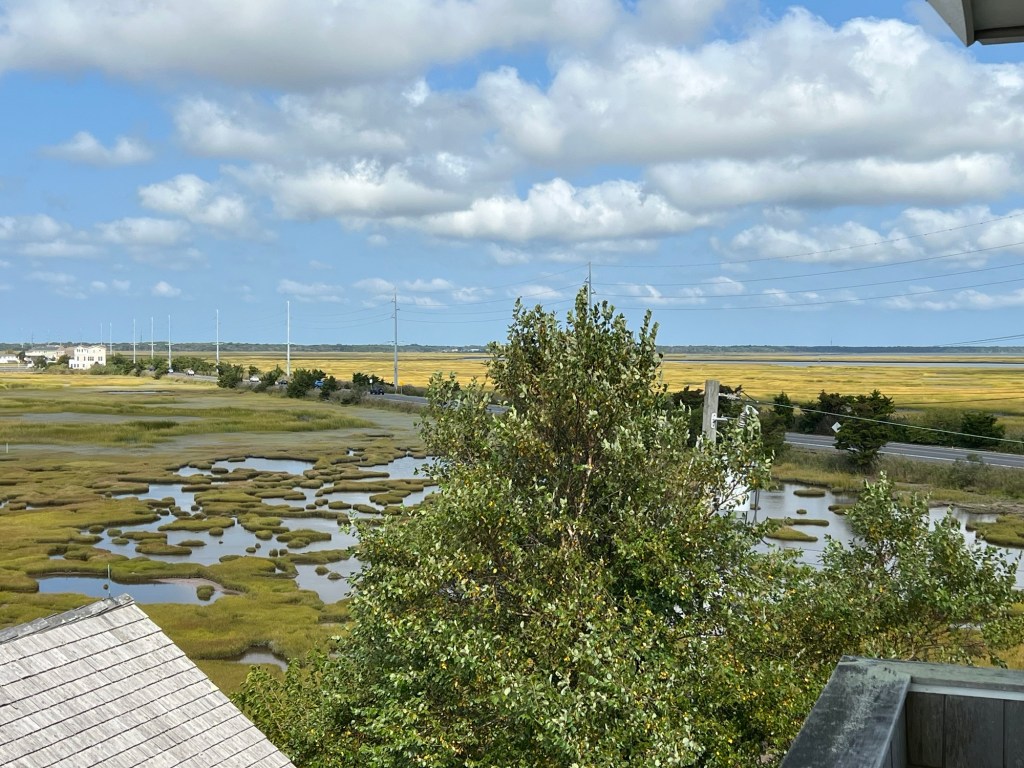
The first stop on the tour of the facility was walking up to the observation deck at the top of the building to view the salt marshes below. It gave an overview of the area that the Institute is trying to protect. The top floor observation gives a clear view of the marshes that surround the town of Stone Harbor and how these acres of area help both the natural population as well as the human population both residing in this beach community.
The view of the Wetlands between the barrier islands and the mainland
The Wetlands closer to the main road
The view of the front of the building and its colorful gardens
The Wetlands that line the highway out of Stone Harbor
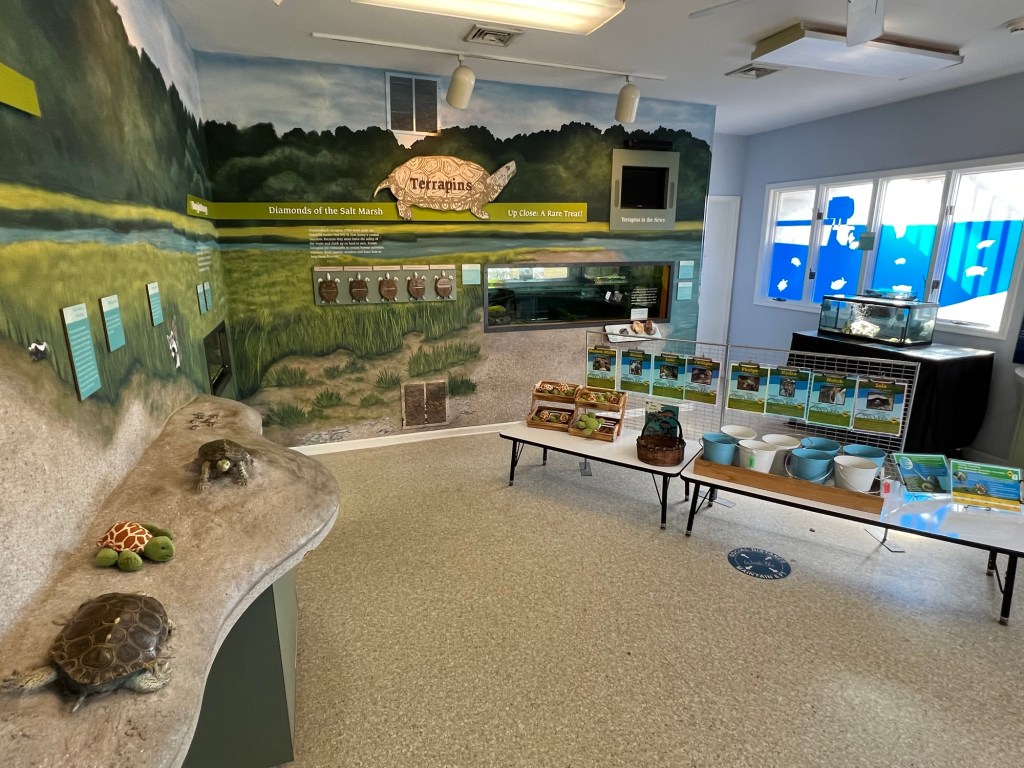
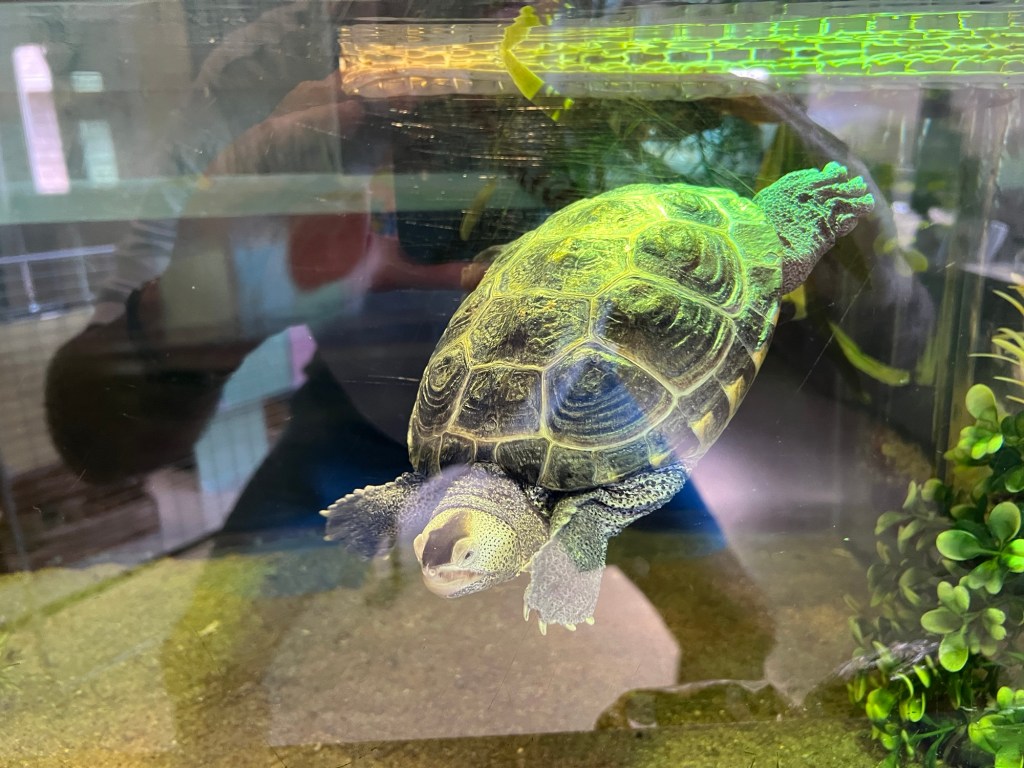
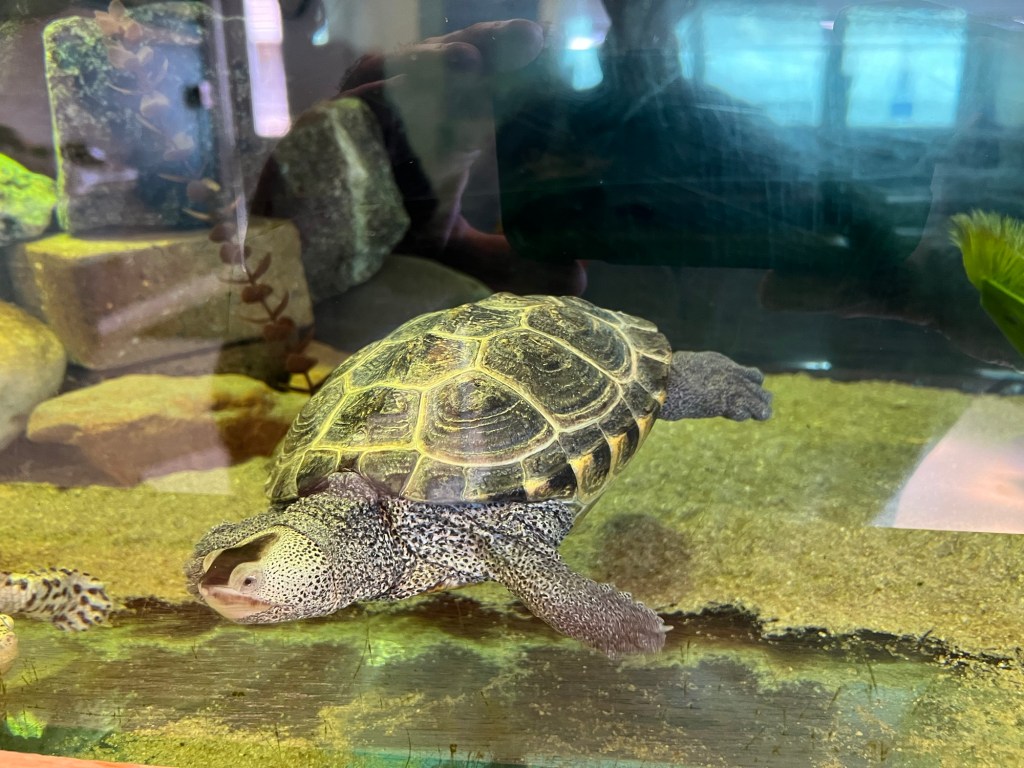
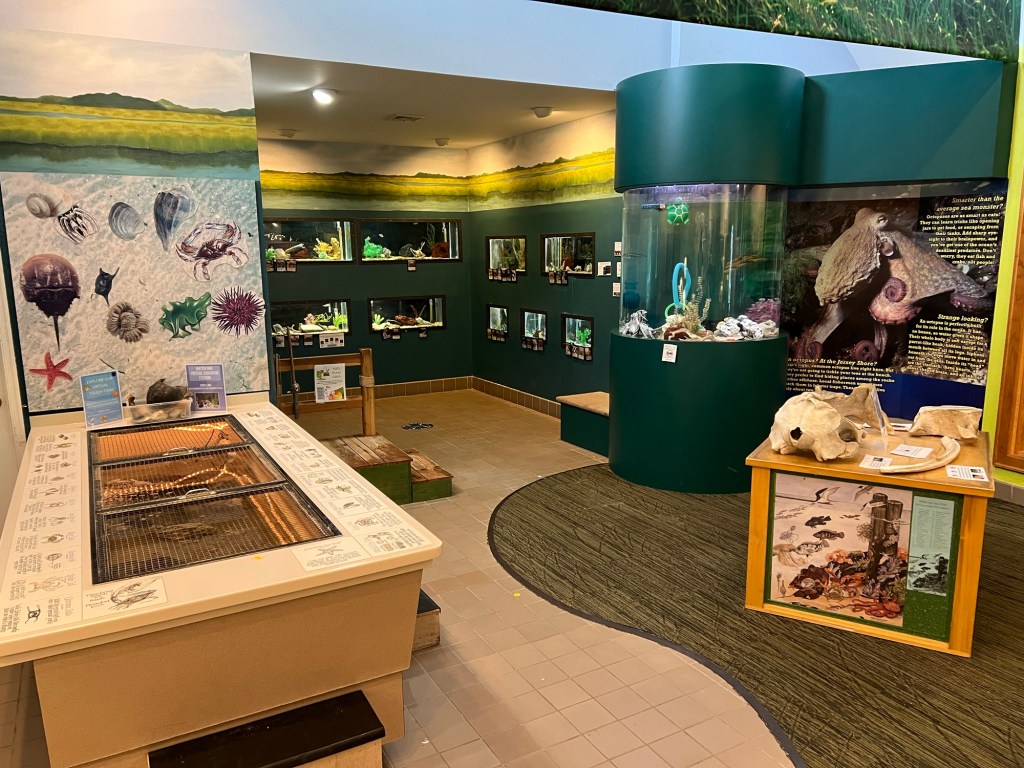
When you leave the deck area and head back downstairs, there is wonderful little aquarium that houses the background of the local fish, crabs and wildlife that are part of the ecosystem that make the salt marshes such an important part of this shore community. One side of the aquarium is dedicated to the local Terrapin turtle whose habitat has long been affected by human encroachment. This conservation effort is ongoing.
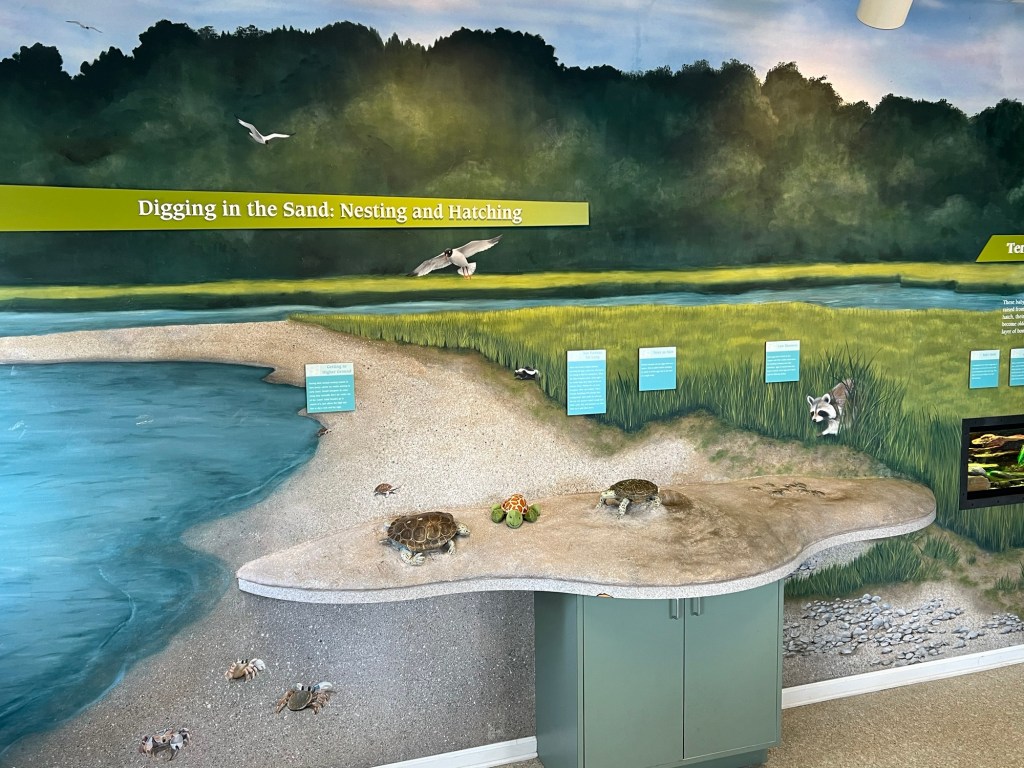
The first room in the complex of rooms is the Terrapin Turtle exhibit showing the habitat of this local creature and its importance in the ecosystem.
Conservation Programs at The Wetlands Institute
(from the Institute website)
Concerns about the local terrapin population led Dr. Roger Wood, former Director of Research at The Wetlands Institute, to establish the Terrapin Conservation Project in 1989. The project has grown and broadened in scope to become the Coastal Conservation Research Program (CCRP), where undergraduate interns work closely with research scientists at The Wetlands Institute on a wide variety of research and conservation projects, including terrapin conservation. Since 1989, over 200 college and university students from more than 100 academic institutions have participated in the program.
The turtles will just stare at you as walk their display
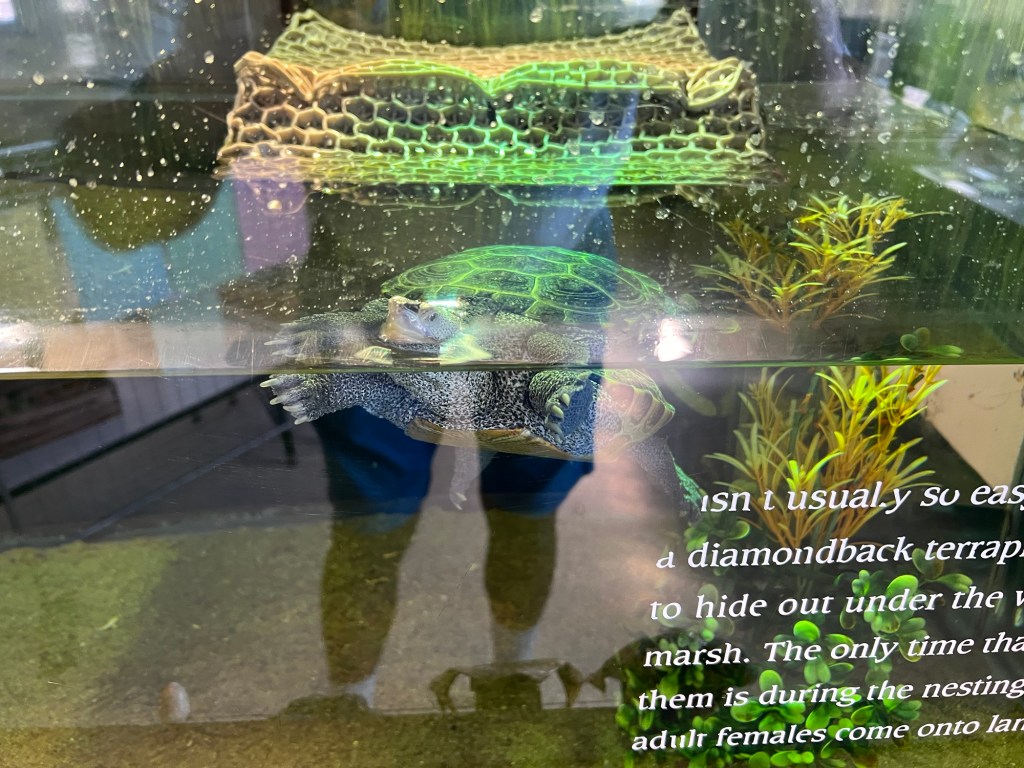
The turtles swimming around
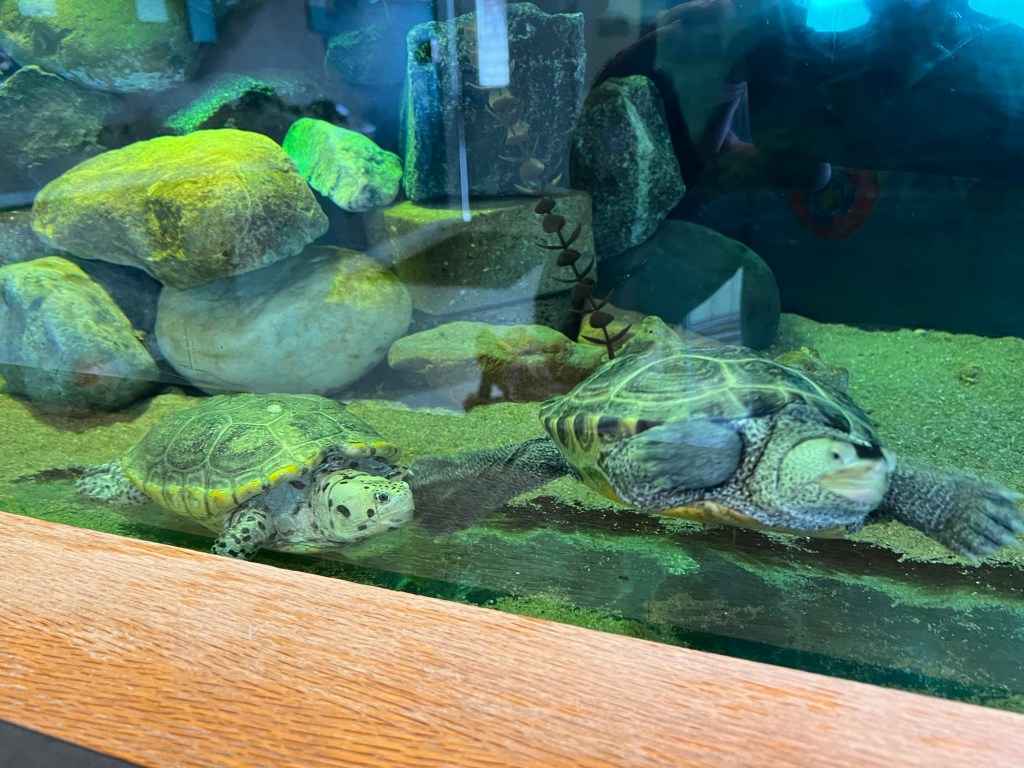
The turtles in a recreation of their habitat
The turtles in captivity interacting with one another in the tanks
These playful turtles are just part of the chain of ocean animals under study and conservation at the Institute and it is interesting to see to their interaction with each other and then watch us from the other side of the tank to see the human observation.
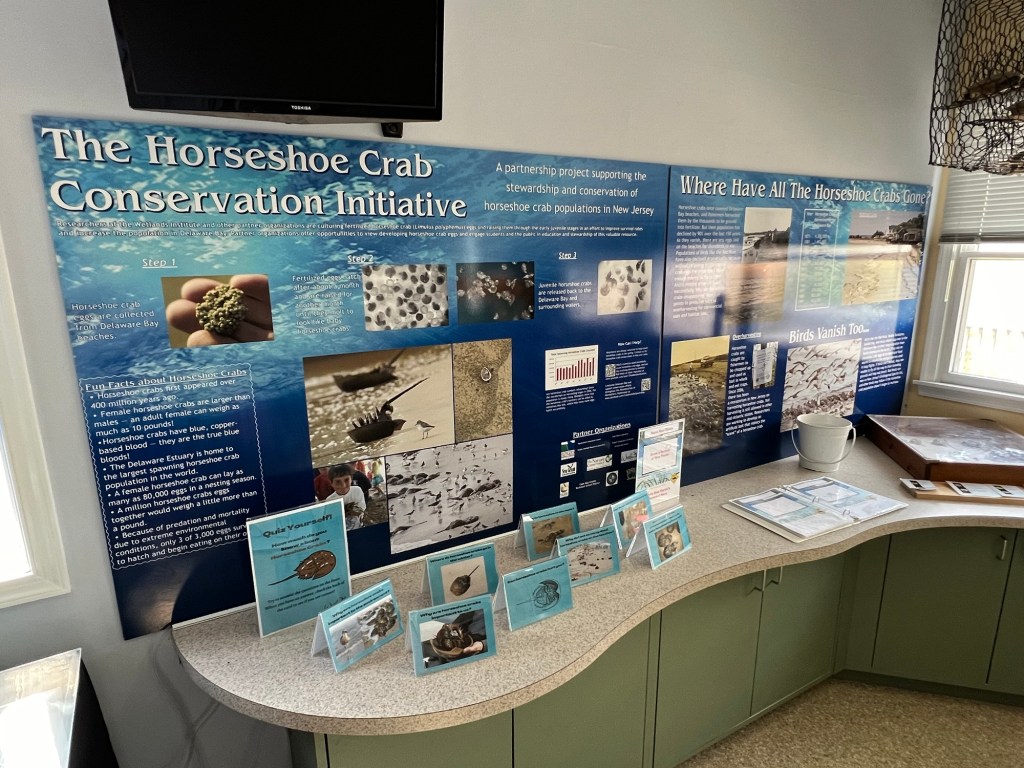
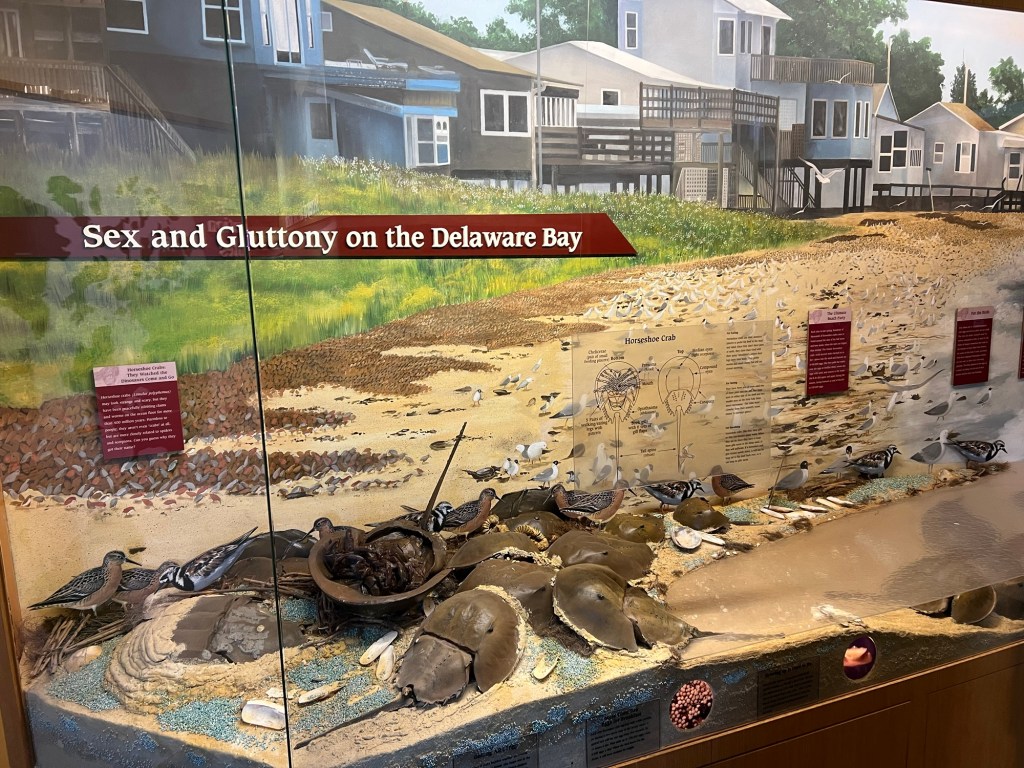
The next exhibition was the Horseshoe Crab conservation tank. The Horseshoe Crab holds a very important role in the ecology of the shore.
The Efforts with Horseshoe Crab Conservation:
(from the Institute website)
In an effort to address the Delaware Bay Horseshoe Crab situation, The Wetlands Institute has embarked on a statewide partnership project to support the stewardship and conservation of Horseshoe Crab populations in New Jersey. As part of this partnership, The Wetlands Institute collects fertilized Horseshoe Crab eggs with the proper permits from spawning beaches along the Delaware Bay and rears the eggs under controlled conditions in our aquarium. After about a month, eggs hatch and newly born Horseshoe Crabs are maintained in their culture tanks. Enclosed in this cultured environment and free of predation, aquaculture dramatically increases Horseshoe Crab survival both before and after the first molts. These small crabs are kept in culture tanks until they are ready to begin feeding, and then are released at their respective egg collection locations.
The Horseshoe Crab exhibit
The Nesting exhibition
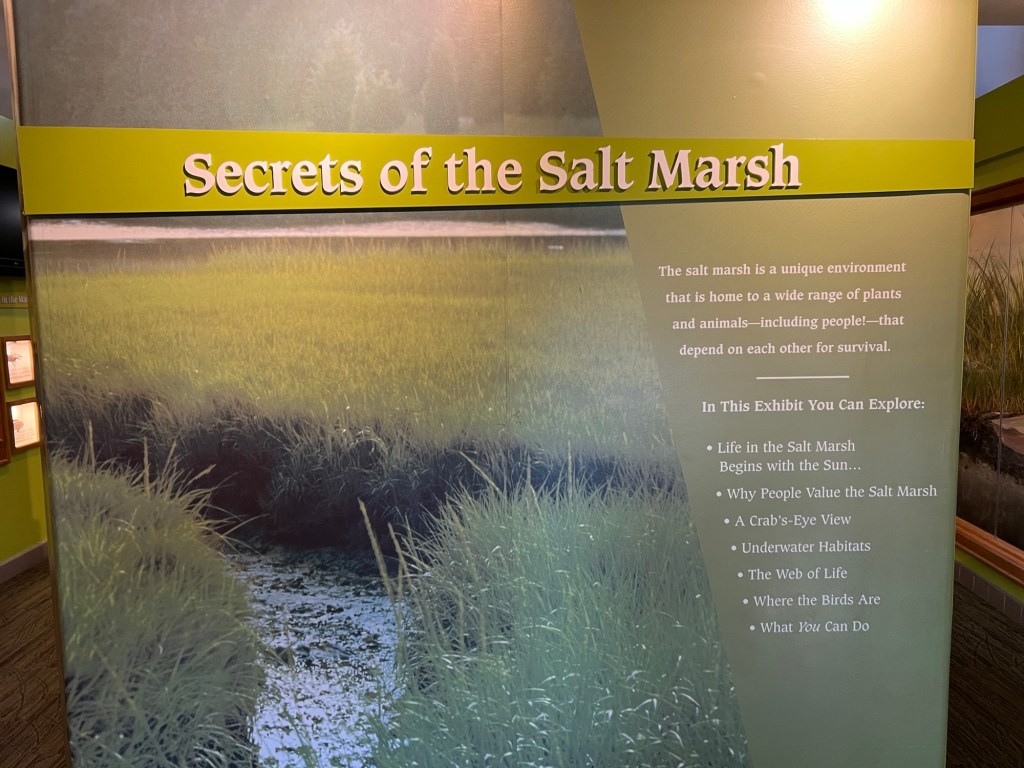
The Salt Marsh exhibition
The exhibit on how shore development is affecting wildlife and the ecosystem
The aquarium was very interesting as the exhibits were not there for amusement but to show the wildlife that lives in our oceans and how they interact with one another.
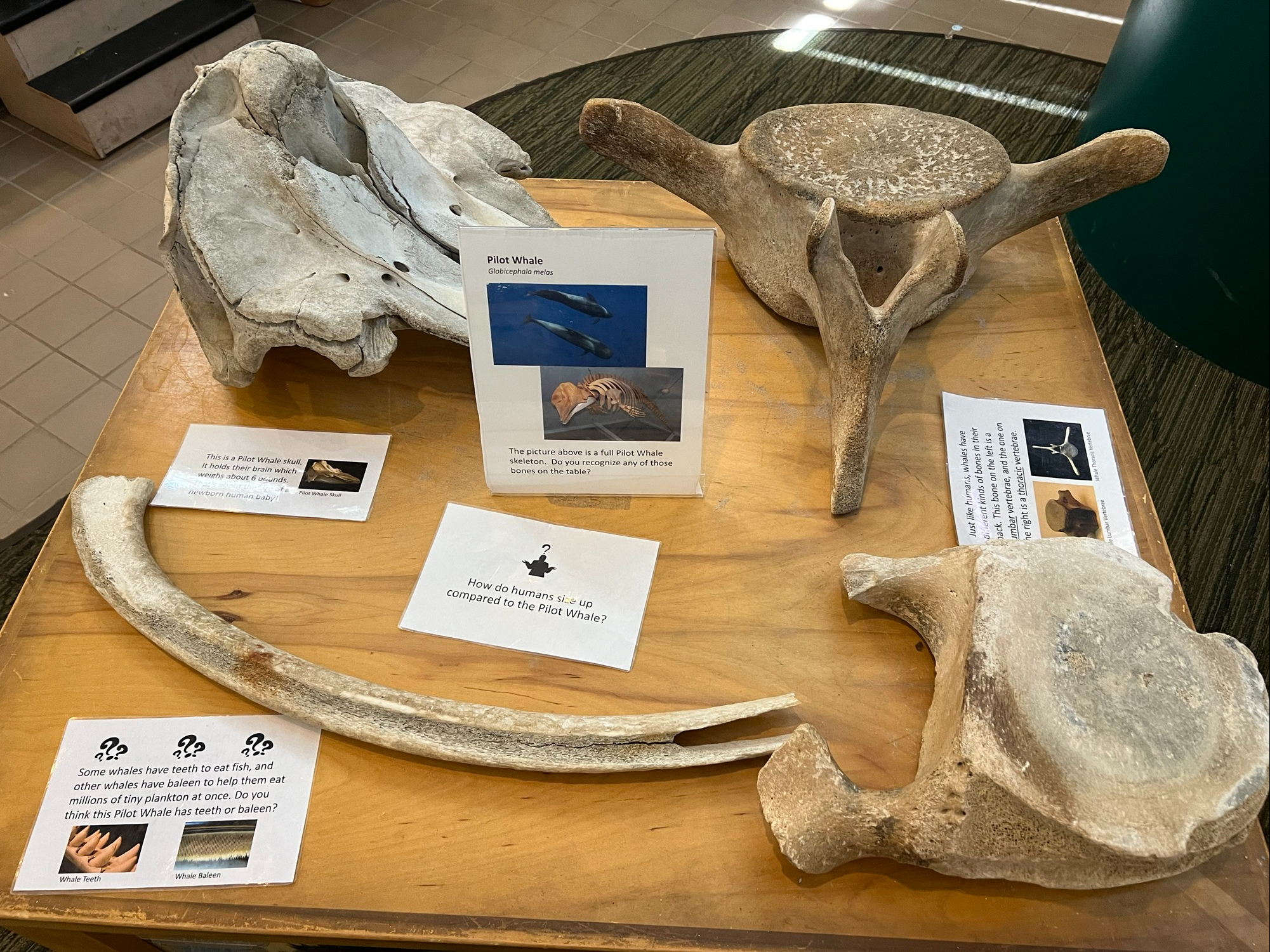
The Whale bone exhibition
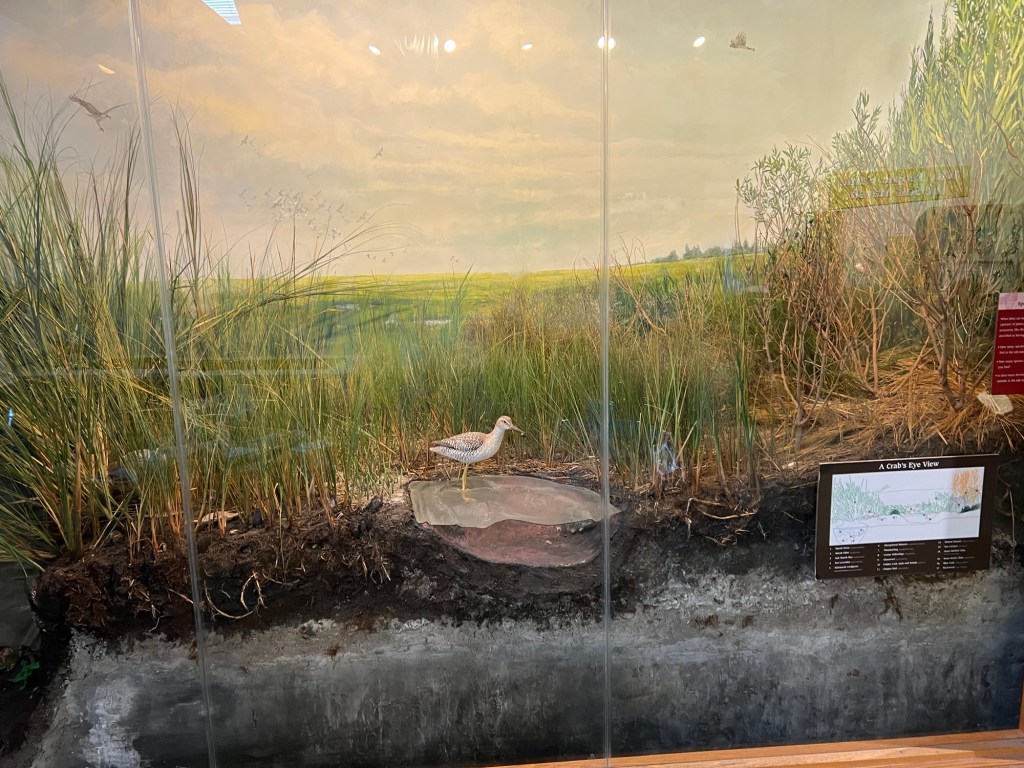
The exhibit on Shore birds and their home at the shore
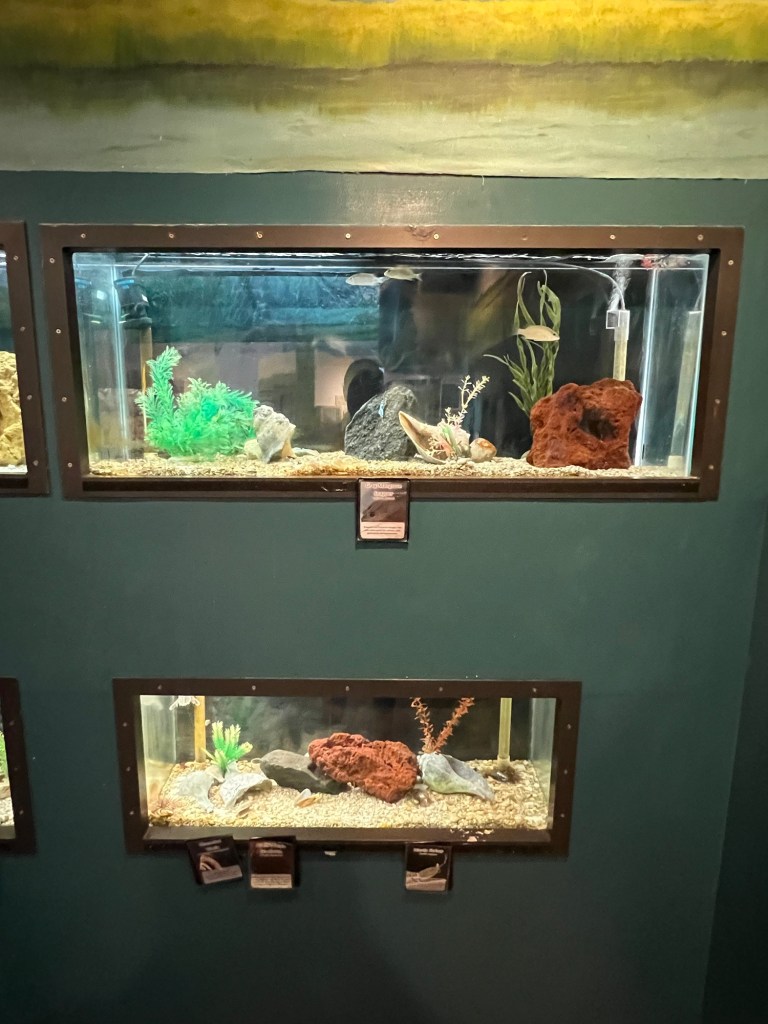
The Aquatic tanks are the interaction we have to the aquatic population. I am sure many of the fish in the exhibition are not native to New Jersey or the Atlantic still it was fun observing them.
The tanks showed the importance of marine life in our beaches and oceans
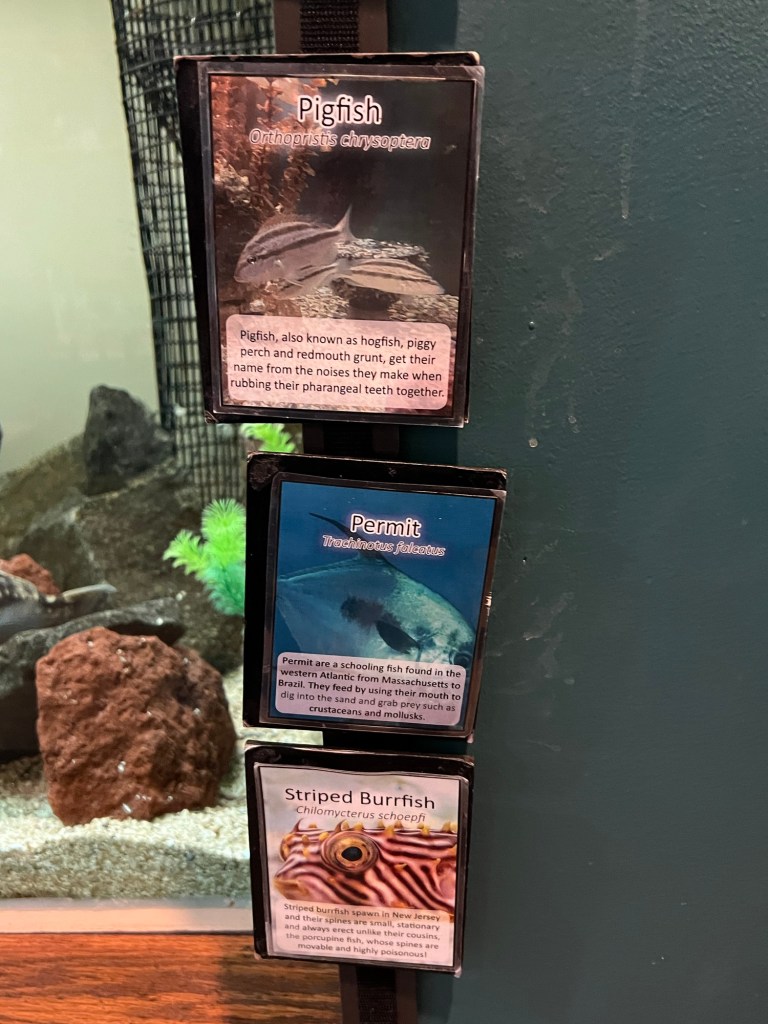
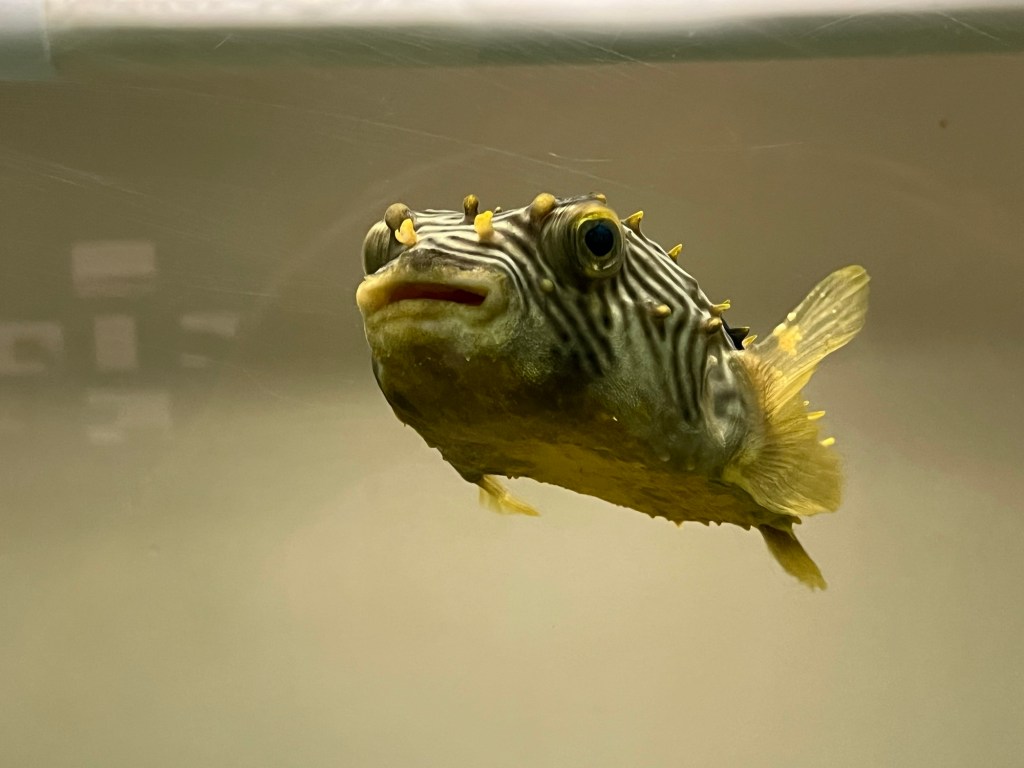
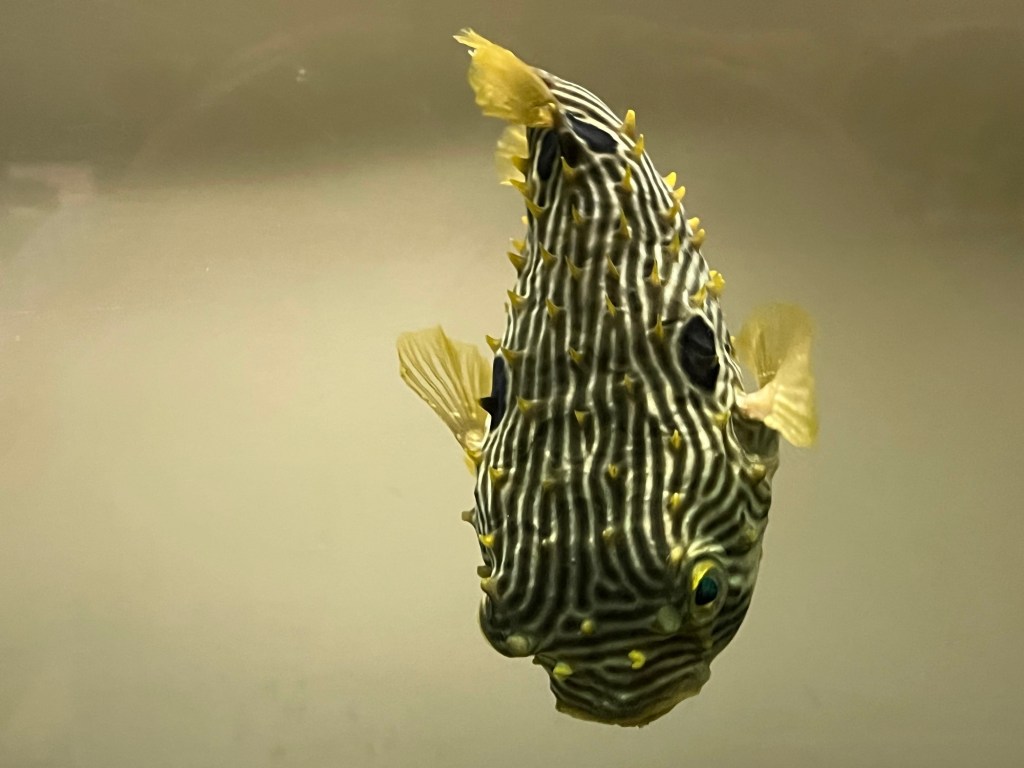
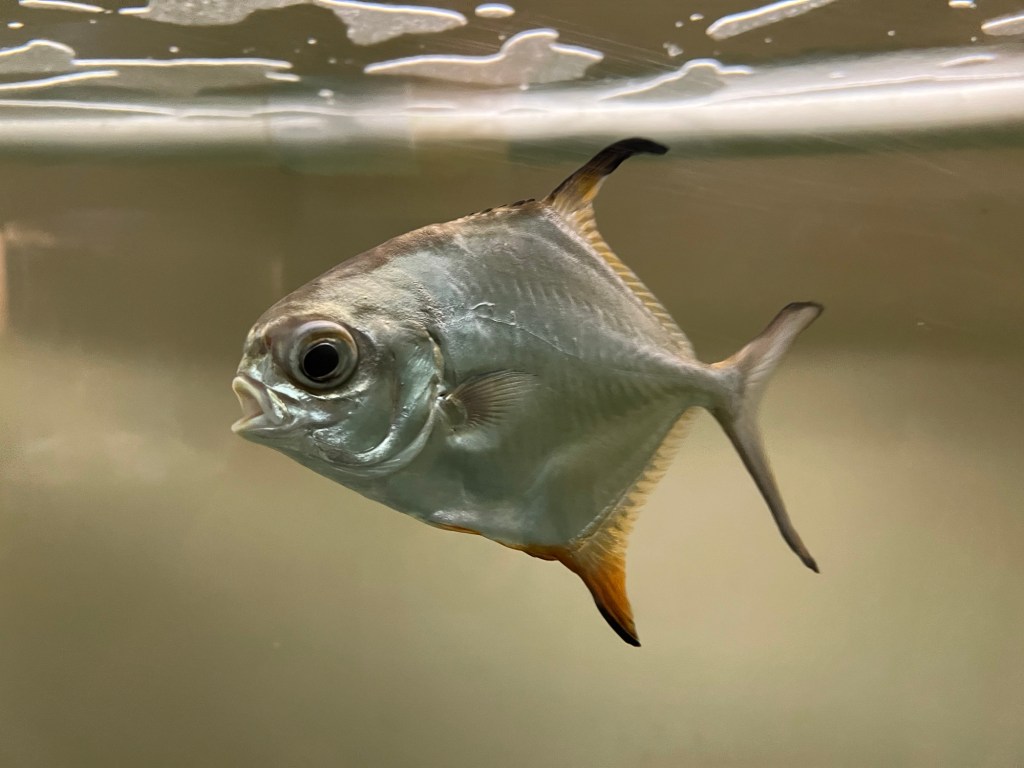
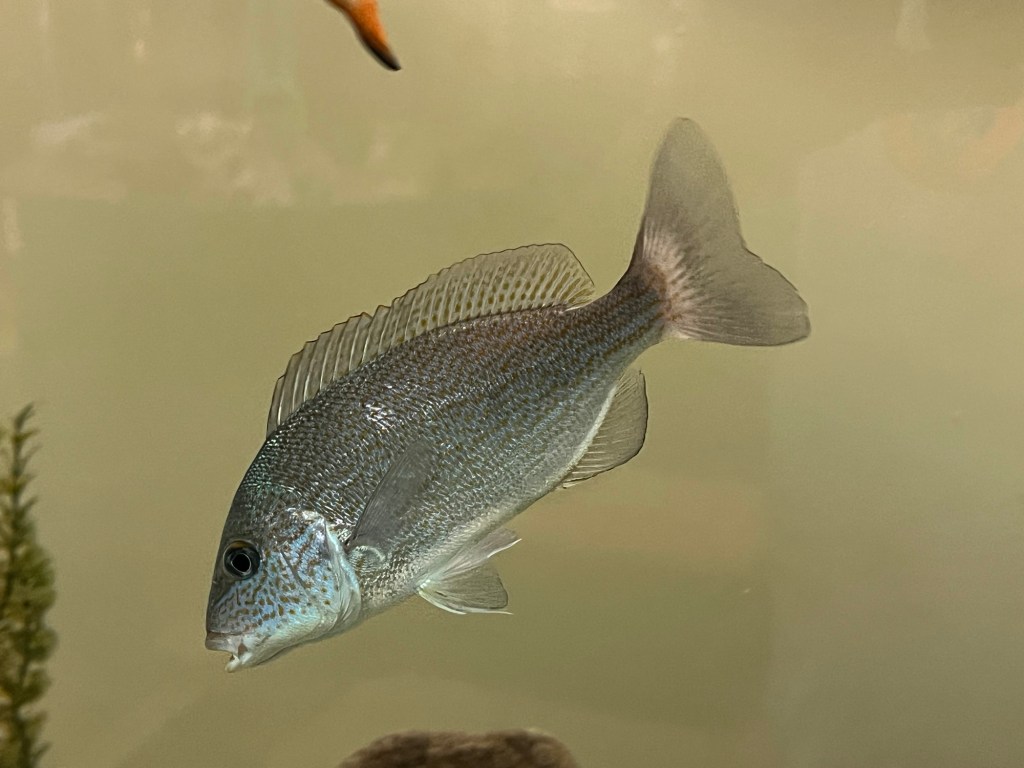
Some of the types of fish in our oceans: the Striped Burrfish, Permit, and Pigfish
The Striped Burrfish
The Stripped Burrfish
The Permit fish
The Pigfish
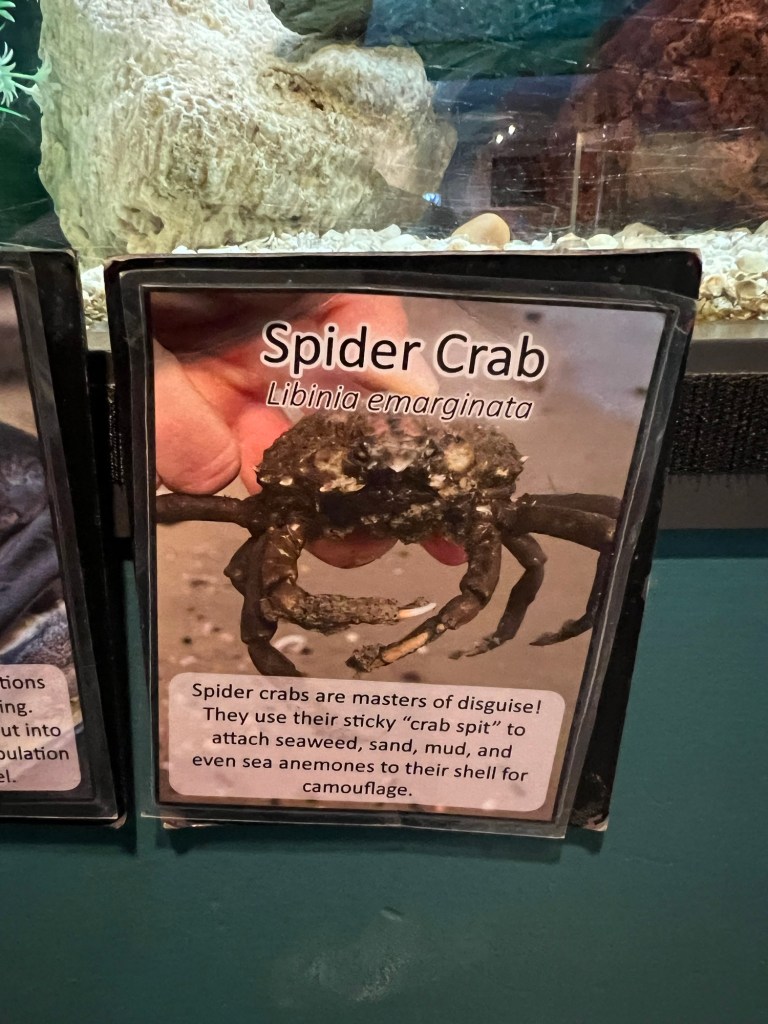
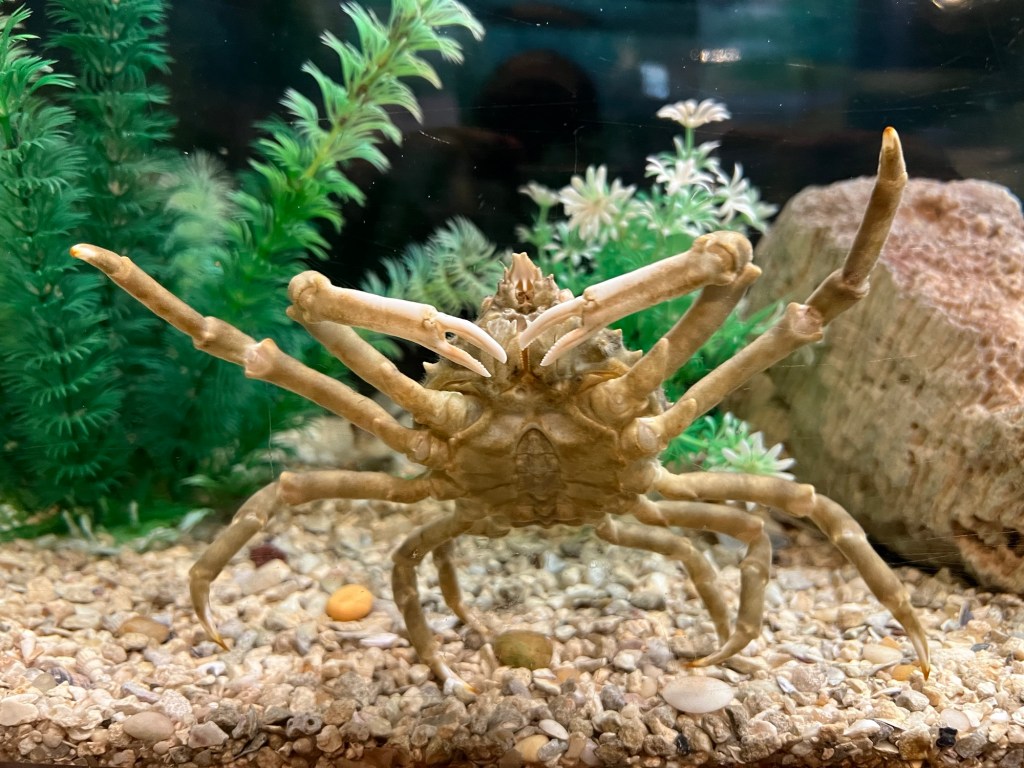
The next tank over held the very active Spider Crab, who seemed to follow my every move.
The sign at the tank of this very playful crab
This guy was following me around the tank
The aquarium was interesting because the fish seemed to be very jaded of being around humans. They seemed so used to seeing us it does not faze them.
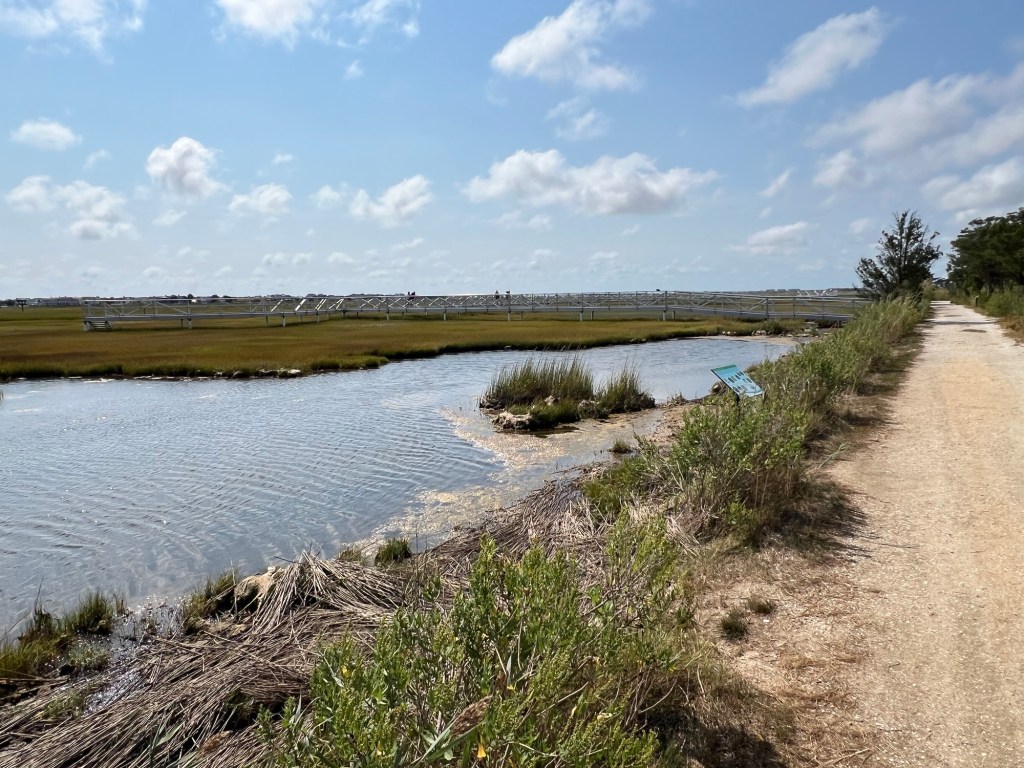
I then toured the salt marshes outside. The Institute has a series of paths and walkways where you can view the marshes and see the cause and effects these natural areas. It was a beautiful warm sunny day when I visited and it was relaxing to just walk along the paths and just take it all in.
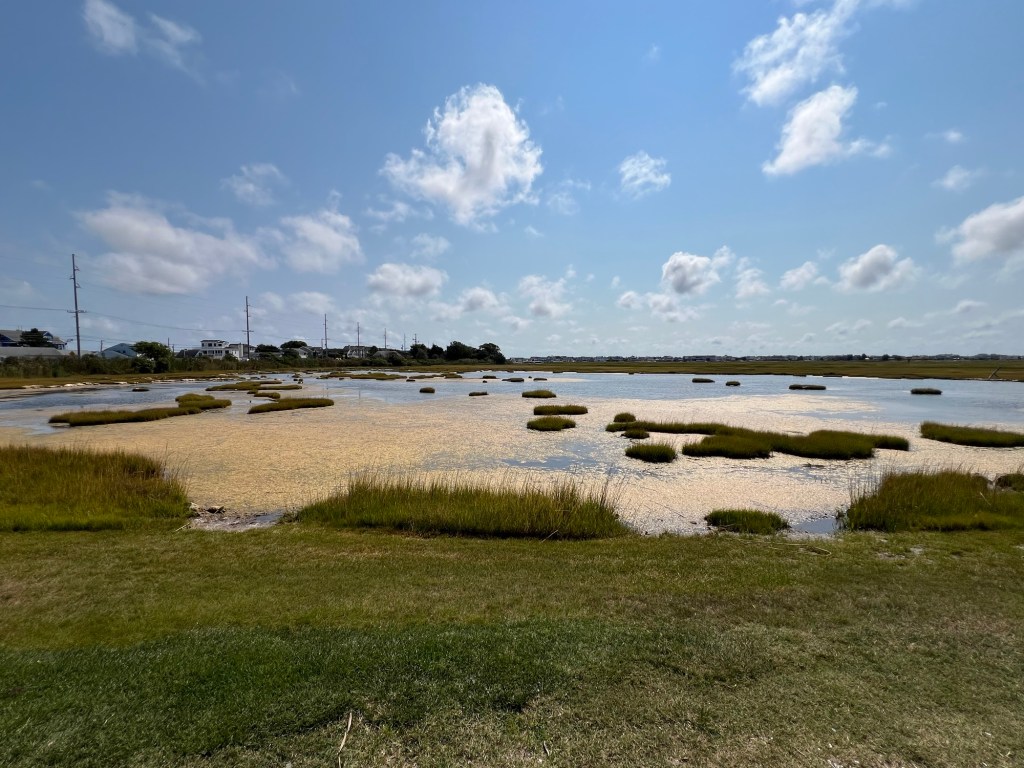
The view of the salt marshes from the back of the Institute
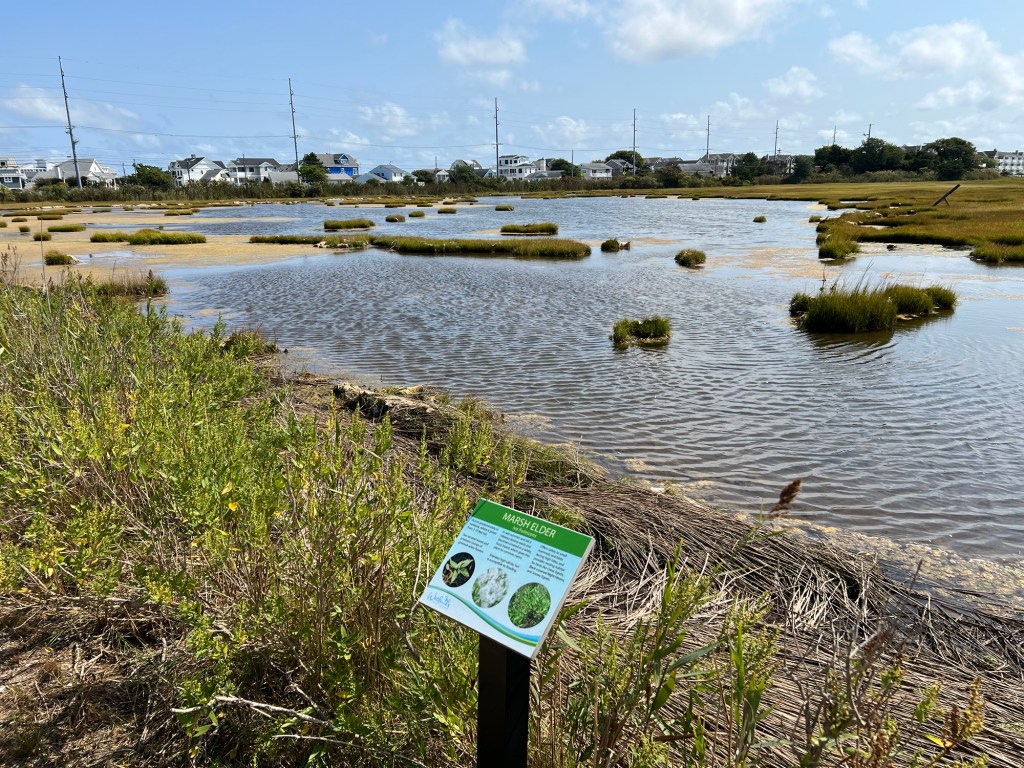
A closer view of the marshes from the paths
Coastal Sustainability and Wetland Health
(from the Institute Website)
The Coastal Sustainability and Wetland Health program began with efforts to document the impact of sea level rise on marshes and marsh-dependent species. The health of coastal bird and diamondback terrapin populations is intricately linked to the condition of coastal marsh systems; as a result, monitoring changes in the local population size, behavior, and breeding success of these animals can help us perceive changes within the salt marsh itself. Our work is also increasingly focused on the monitoring of marsh restoration and habitat creation projects. Through beneficial reuse of dredged sediments, we aim to protect the marsh platform from conversion or drowning, and to create elevated coastal bird and terrapin nesting habitat. In order to understand the response of wildlife to these projects, and to document how sea-level rise and coastal flooding are impacting local populations, we are carrying out surveys of marsh-dependent species on The Wetlands Institute property and other restoration sites (Institute website).
The Marsh Field sign
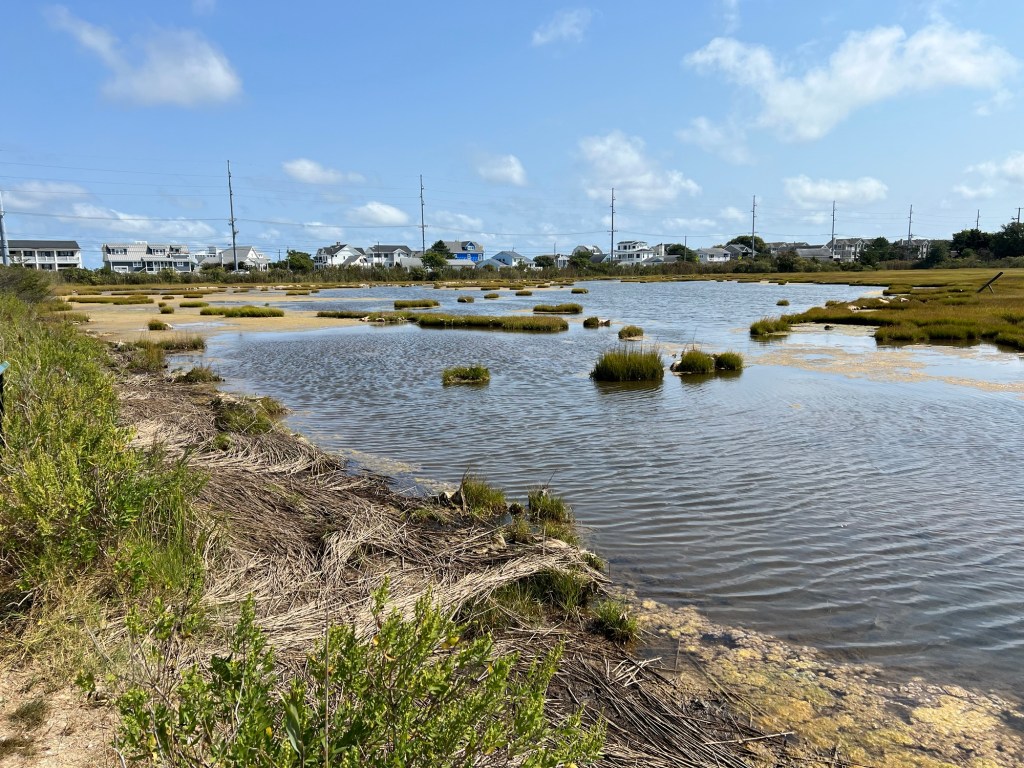
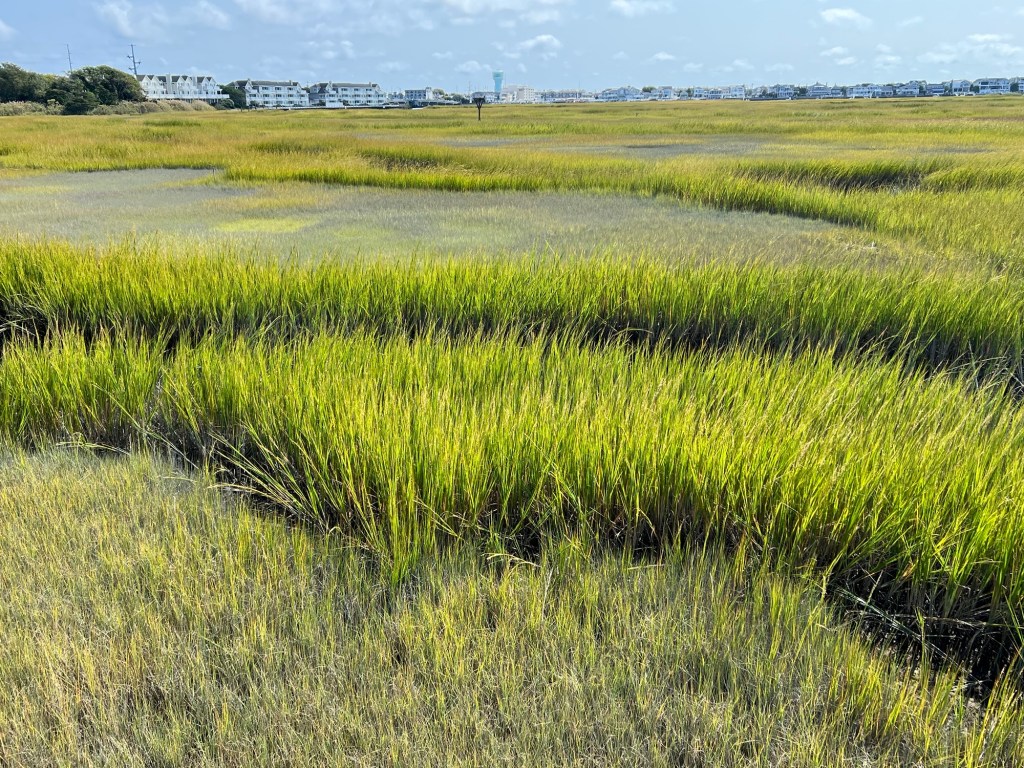
The Salt Marshes
The back of the Institute from the Salt Marshes
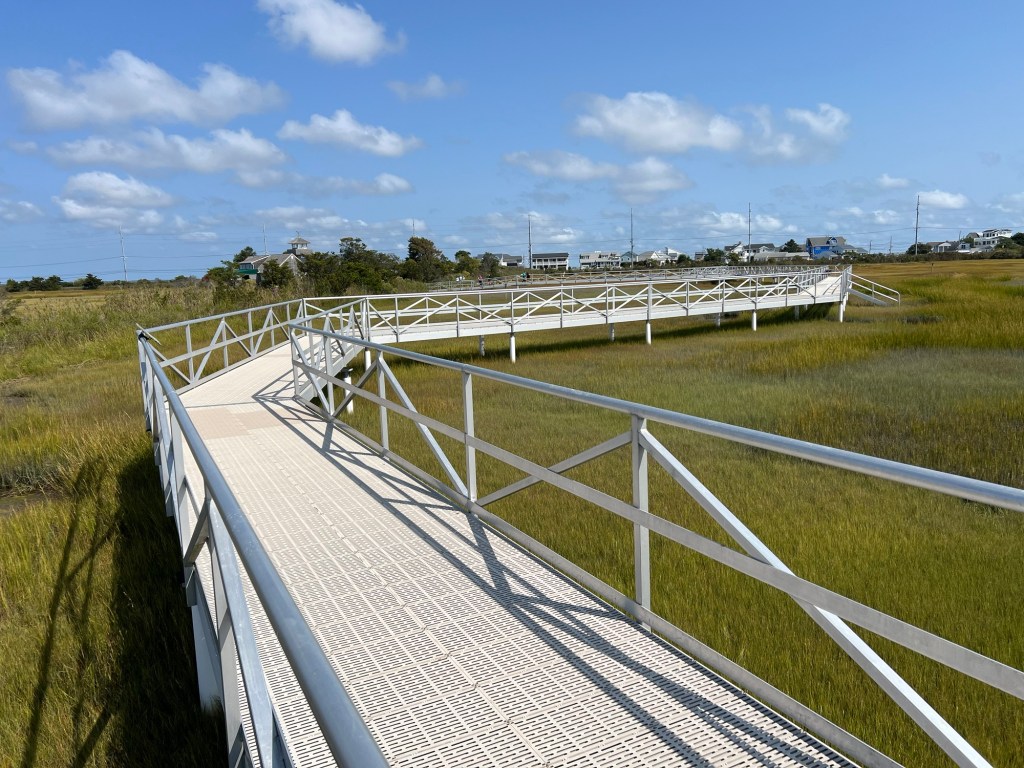
The Institute has a complete elevated walkway where you can walk through the marshes and observe the area.
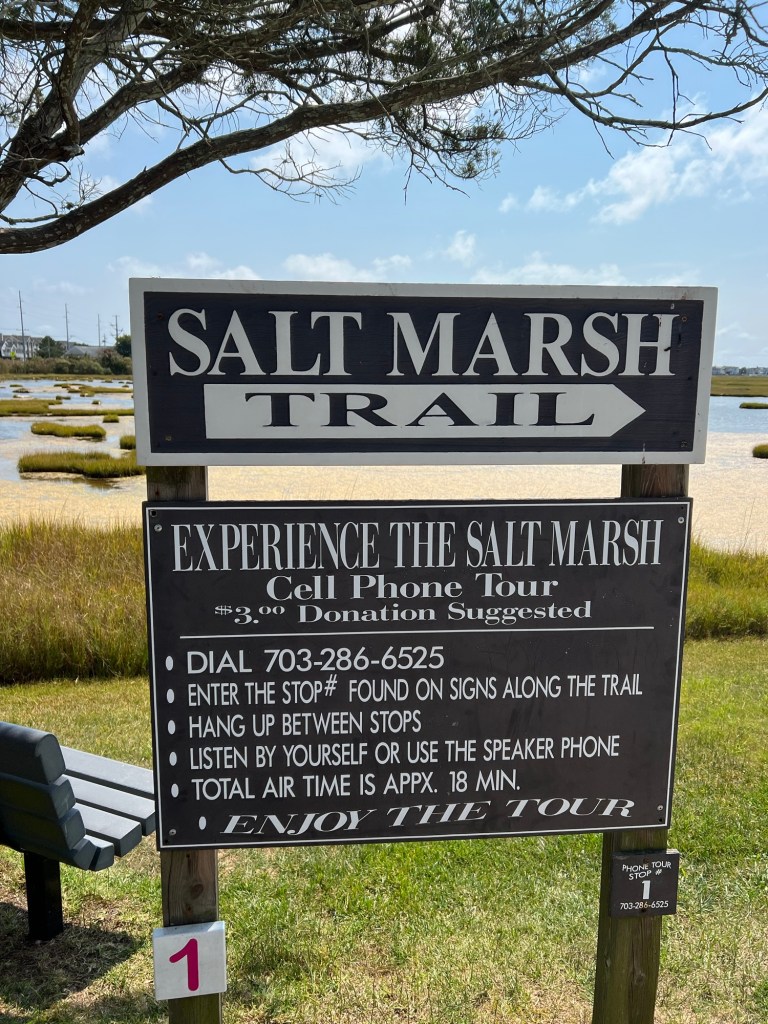
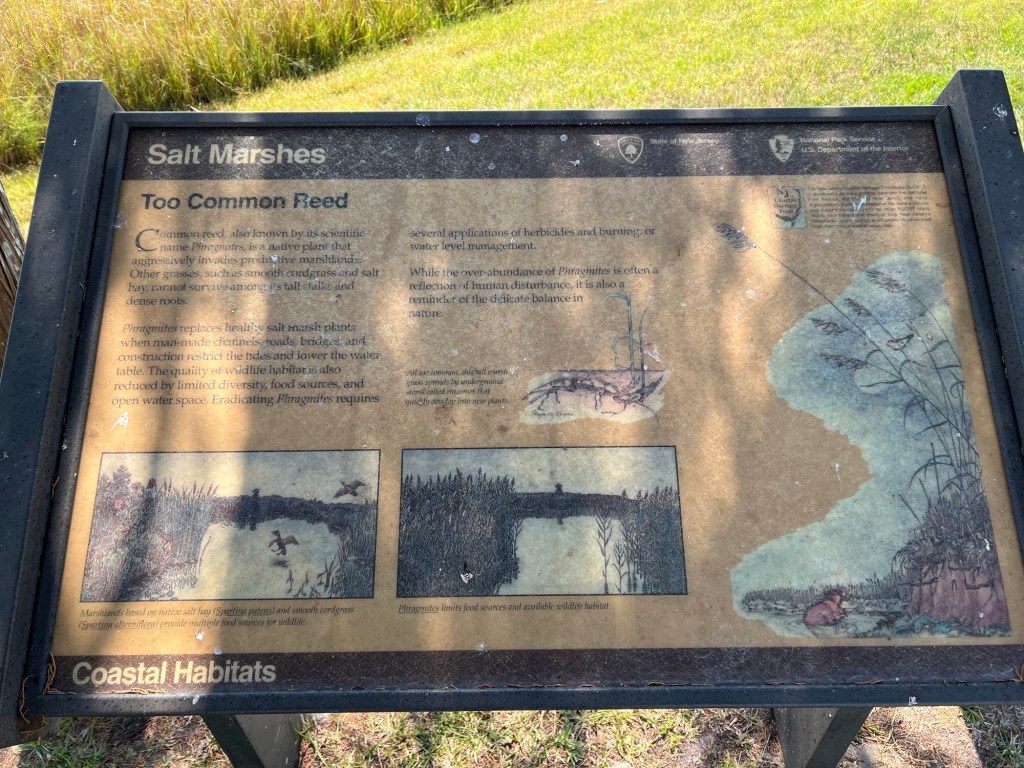
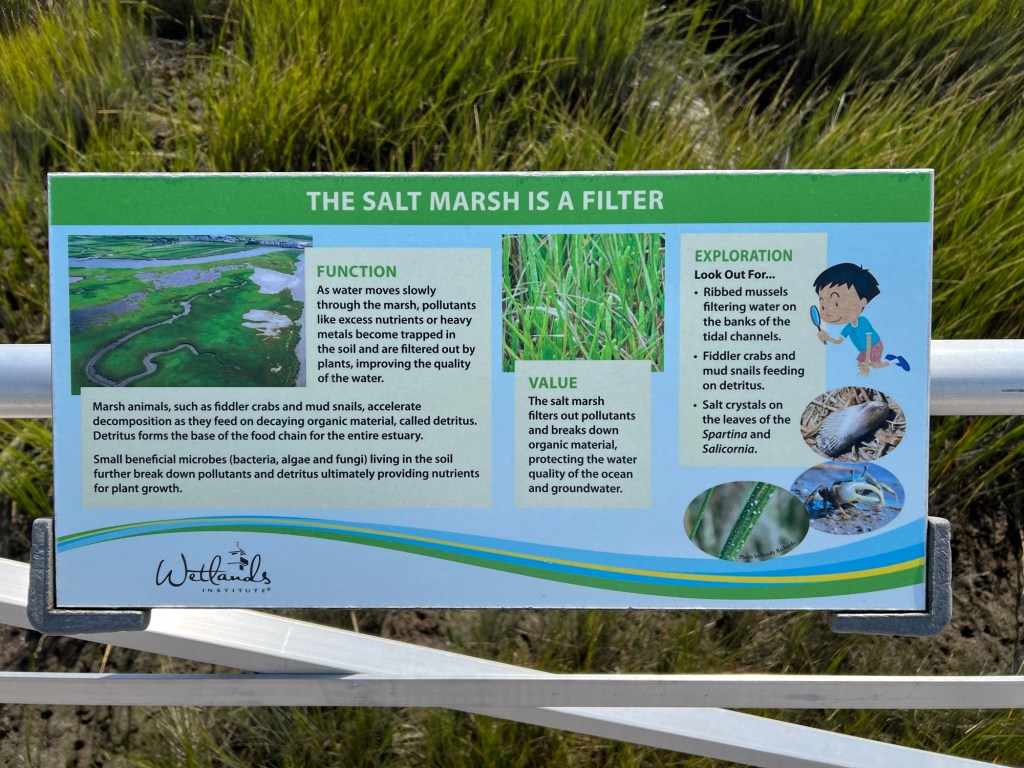
The sign explaining your walk through the marshes
The possible animals and fish you will see on the walk
Plan to take the time to walk through the pathways on a nice day and observe the salt marshes. You will not see many animals or fish but you know they are there. It is interesting to see the town of Stone Harbor in the distance and realize how much these marshes help the human population without them knowing it. Not just are they beautiful to look at but how what an important role in the environment they play.
The beautiful view of the marshes
The elevated walkway goes through the marshes and offers excellent views
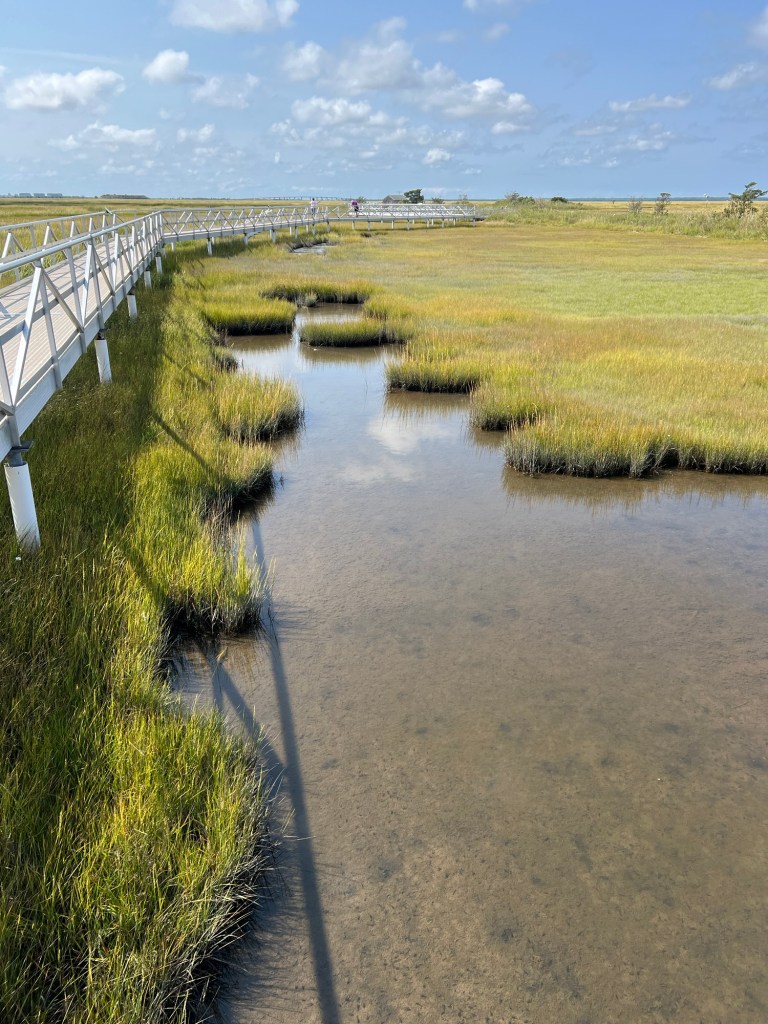
The marshes from the walkway
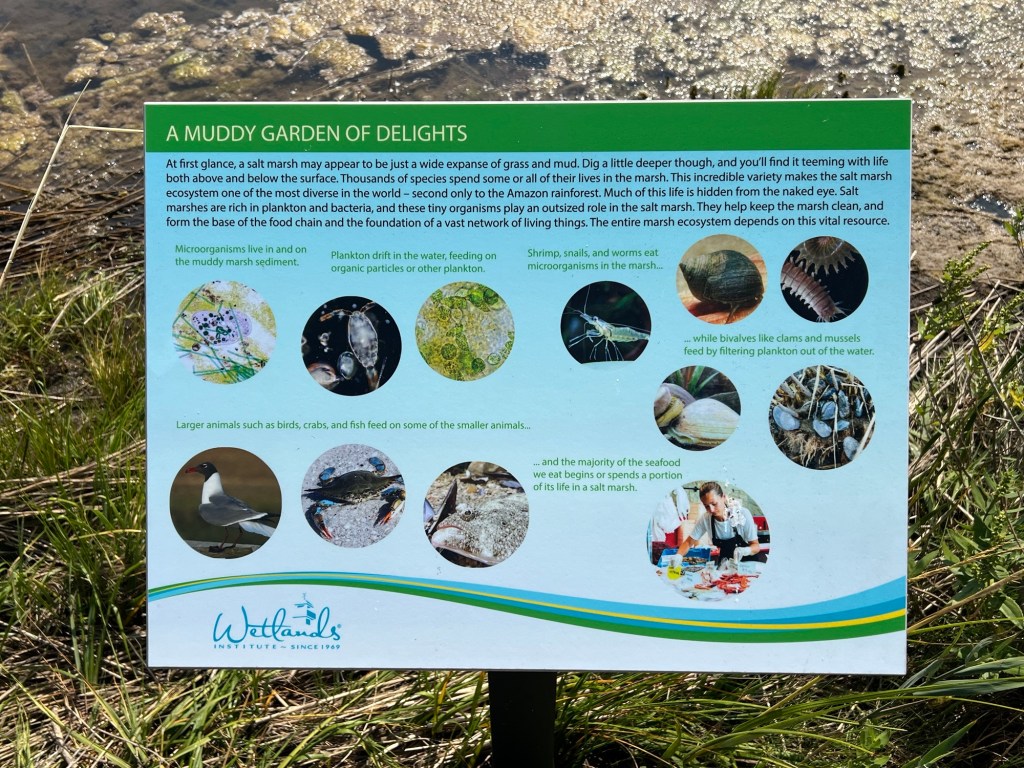
The effects of a healthy marsh
The breathtaking views of the marshes
When you finish the walk of the pathways and the elevated walkway, this leads you back to the Institute.
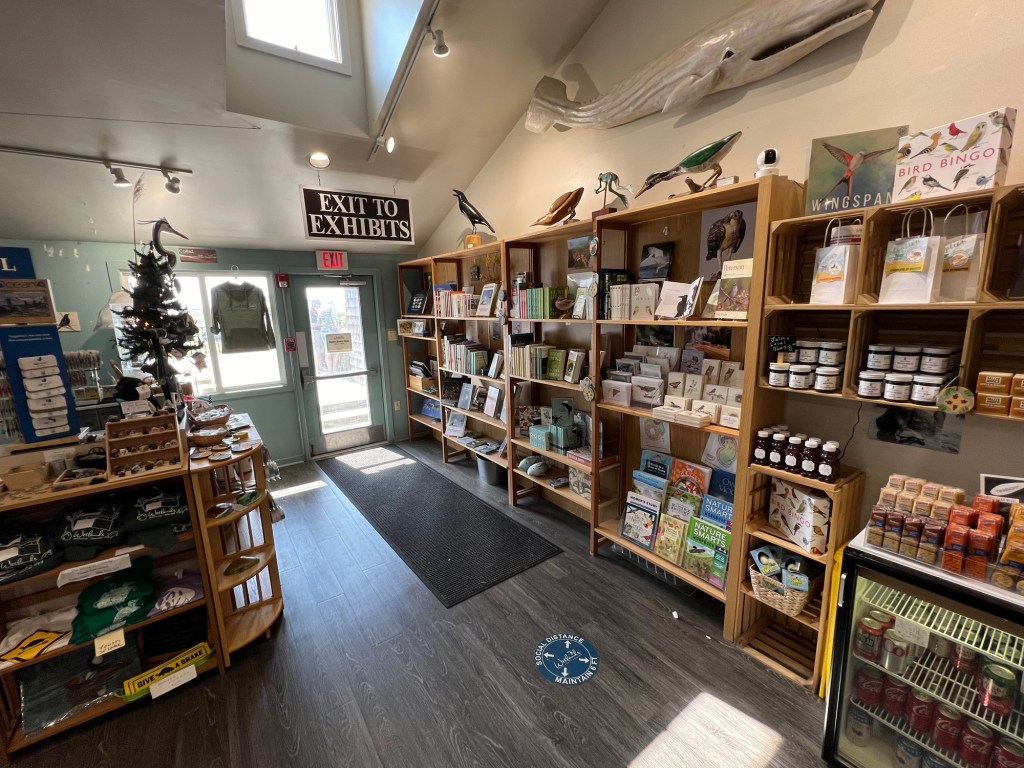
Don’t miss a trip to their terrific gift shop with all sorts of fun items and nautical gifts. I bought a delicious jar of the local beach plum jelly. That was a treat. There are all sorts of interesting gift items in the store from gifts from local farms to items dealing with conservation and nature to children’s items. This benefits the Institute and its mission.
Don’t miss one last stroll through their gardens on the way out the door.
What I liked about the Wetlands Institute was that it was engaging, entertaining and educational all at the same time. You walk out with a lesson learned of the positive efforts being made to save the environment in a way that does preach but first shows the cause and the effect and with simple efforts made can benefit everyone.
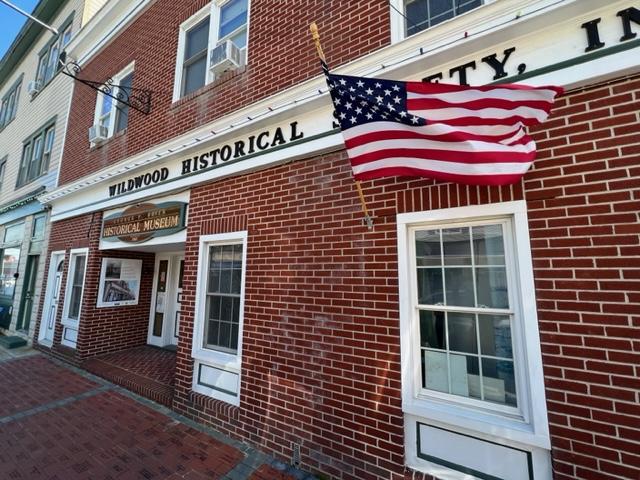
The Wildwood Historical Society at 3907 Pacific Avenue
I visited the Wildwood Historical Society George F. Boyer Museum (See review on TripAdvisor) when I was visiting Wildwood, NJ for a convention. It was a gloomy morning, and the museum is open from 9:00am-2:00pm. It is the perfect place to visit on a rainy day at the beach. When I revisited the museum in the summer of 2023, the museum was crowded with members of the fire service and their families visiting after the convention meetings.
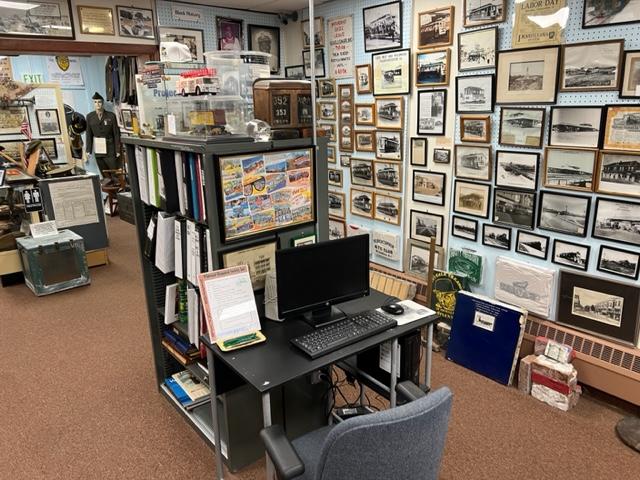
The Front Gallery
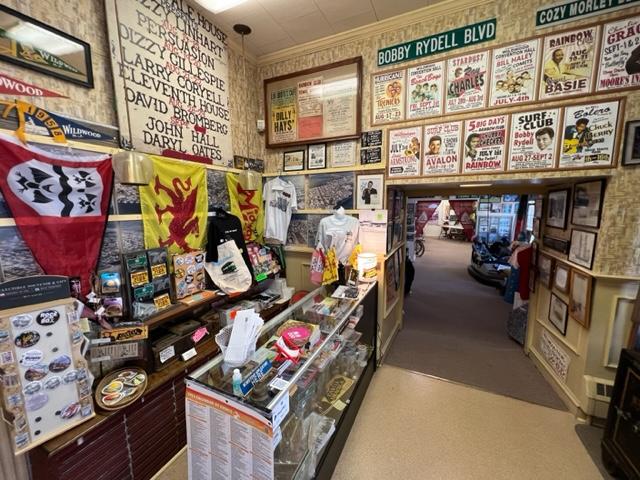
The central gallery on the Wildwood businesses.
The back gallery of the museum
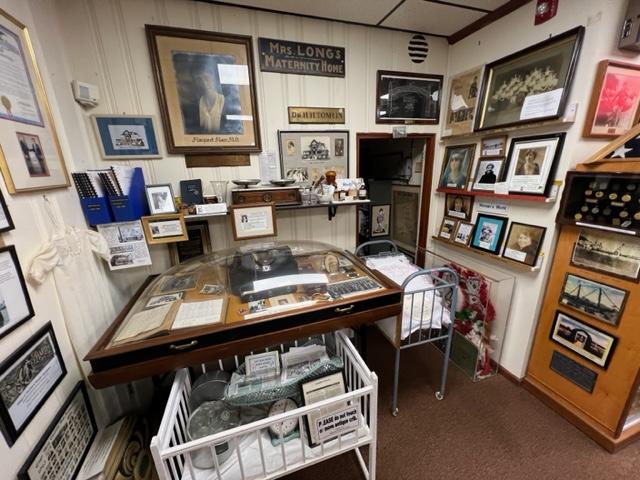
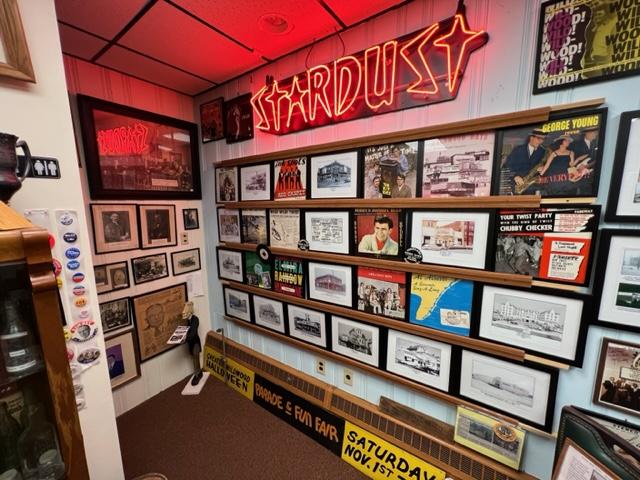
The museum is a treasure trove of artifacts of the history of the three towns, North Wildwood, Wildwood and Wildwood Crest. The history covers the original inhabitants when the Native Americans lived and fished in the area, the rise as a resort community especially its heyday in the 1950’s and 60’s as a solid middle class resort town and an extensive history of the police, fire department and schools as well as the town and its council people.
The Military display
The Fire display at the museum.
The fisherman’s display at the museum.
The doctor’s office display at the museum.
Each room of the museum is stacked with information, artifacts in case lines and the walls are lined with books, manuscripts and albums. The school history shows how integration worked even as far back as the turn of the last century and the development of the school system. There were books of graduation pictures, sporting events and band involvement.
The high school and public-school display.
There is a very interesting display of firefighting pictures especially of the amusement fires of the past and the rebuilding of the parks and piers. Take time to look at the artifacts in the hallways and pictures of the development of the parks. There are interesting pieces saved from the old parks.
The Dracula’s Castle display before the big fire at the park.
The Dracula’s Castle display
The Amusement Park and Dracula’s Castle display at the museum.
The artifacts from Dracula’s Castle
The display by Dracula’s Castle
There is even a section of restaurant menus and dishware from the well-known establishments of the past and many pictures of the hotels and motels of the ages. It showed how it went from a Victorian resort to the modern times of the sixties theme motels with art deco architecture. There was a real change after the war to a more middle-class customer who was depending on the automobile instead of the train system.
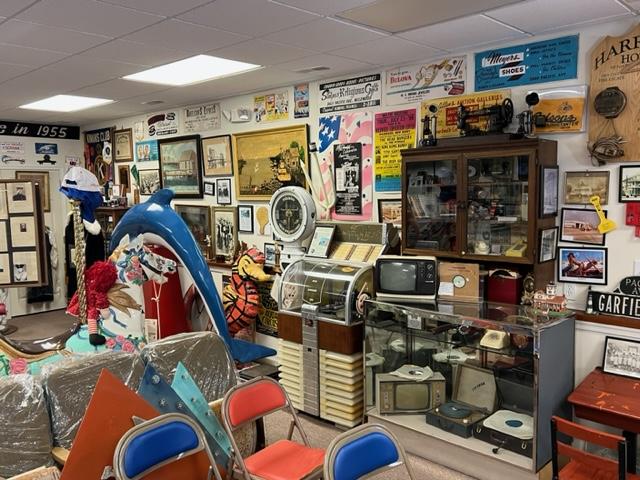
Popular businesses of the past
The Wildwood businesses of the past.
Artifacts from businesses from Wildwood’s past from restaurants to hotels.
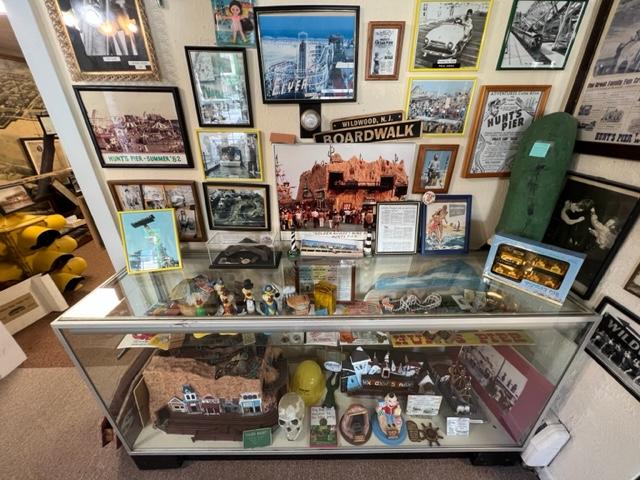
There is also a large section on the old amusement piers with pictures and artifacts from the old “Dracula’s Castle” park that burned down in the early 2000’s. There are signs, old tickets, small ride cars and prizes from the games from the piers. There is extensive detail to the display, and you have to look at all the pictures of the amusements at various points of history.
The Amusement gallery by Dracula’s Castle
The Amusement Park display of artifacts in fun and interesting. The museum admits they were lucky to save these items.
The “Dracula’s Castle Fire” was one of the biggest in Wildwood history.
Plan about two hours as you will lose track of time when looking at all the pictures and displays. It is a little packed in here but there is so much to see and take time to watch their videos which are fascinating and informative on the history of the town of Wildwood.
Artifacts and pictures from the old amusement parks that were once part of Wildwood’s glory.
Who was founder George F. Boyer:
George F. Boyer was born in Philadelphia in 1904. He came to Wildwood around 1932 and earned his living as a butcher, a merchant and a fireman. His real local fame, however, came from his role as the City of Wildwood’s first and only official historian. While serving with Wildwood fire department in 1959, he came across the stump of a tree (now known as the “W” tree) in the old city hall.
Running down the origin of the tree, sparked a tsunami of information as he talked to local residents and researched and collected old records. One thing led to another and in January of 1962, Boyer was appointed in the city’s newly established historical commission and became the first president of the Wildwood Historical Society.
The Wildwood music and ‘Doo Wop’ display.
The entertainer Mario Lanza exhibit when he used to visit here with his parents
Tireless in his efforts to collect and preserve local artifacts, Boyer spoke to school and church groups as well as civic organizations, urging them to “act now. To gather those irreplaceable links with the past and preserve them for generations to come.”
A model of Wildwood in the Business Gallery at the museum.
Founded by Boyer, Wildwood’s first historical museum opened in 1963, on the second floor of the Municipal Building in October 1976, the City of Wildwood honored Boyer for his “long and devoted service” by renaming the museum, the George F. Boyer Historical Museum.
The museum sits proudly in Downtown Wildwood.
He passed away a month later but his legacy lives on. The museum, now located at 3907 Pacific Avenue, continues to welcome visitors and locals alike, just as it did a half century ago under Boyer’s care.
Household items of the past.
The town bell
The non-profit museum is made possible thanks to volunteers who dedicate time to our cause. We always need volunteers. To learn about volunteering, drop in during our open hours, call us or fill the contact form on the website.
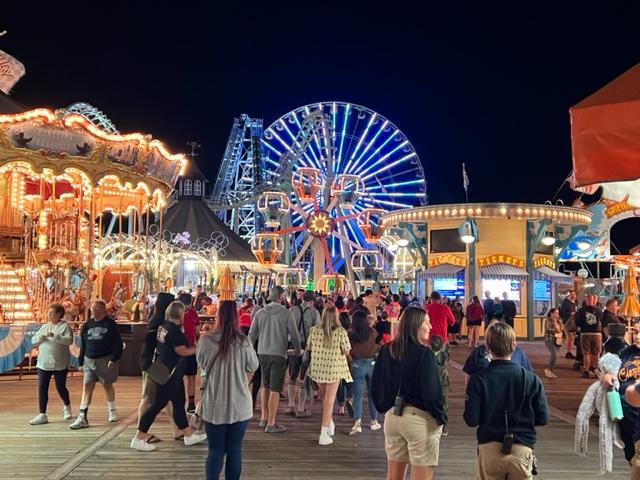
The Wildwood Boardwalk and amusements today.
Disclaimer: This information was taken directly from the History of the Wildwood Historical Museum website, and I give them full credit for the information. Remember that the museum has limited hours and the resort is seasonal so please call the above number for the times and dates when the museum is open.