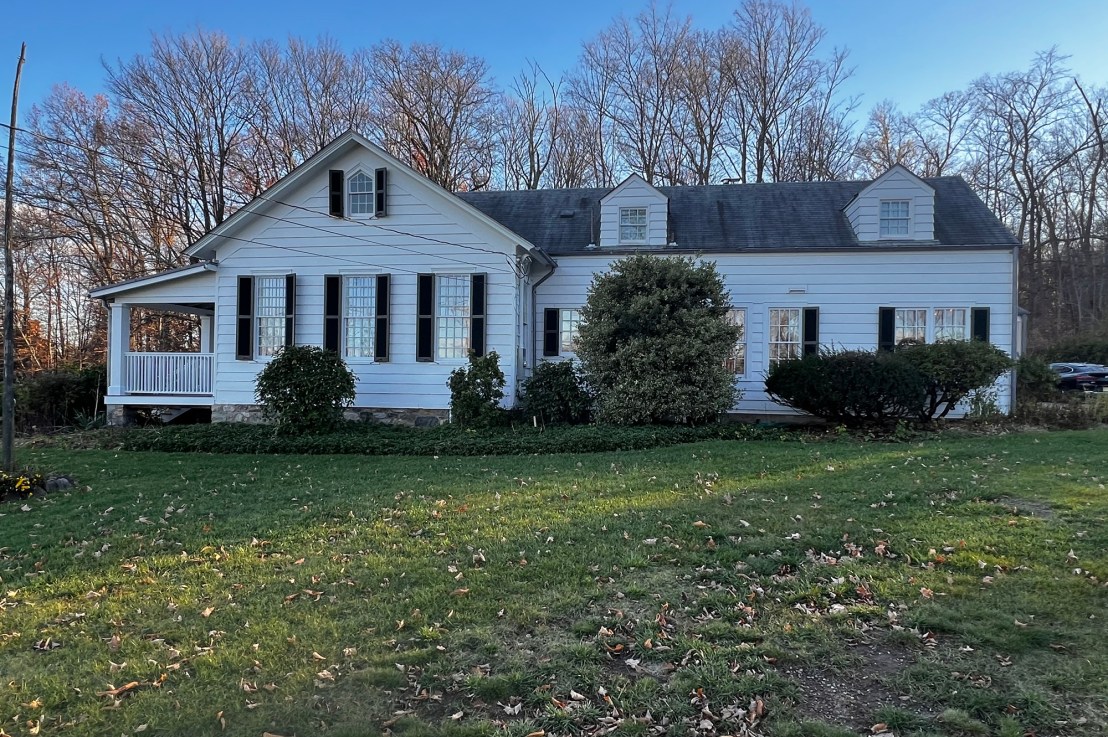
L’Ecole The Kinnelon Historical Center
130 Kinnelon Road
Kinnelon, NJ 07405
https://www.kinnelonmuseum.org/about
https://www.kinnelonboro.org/cn/webpage.cfm?TID=88&TPID=11811
Open: Sunday 12:00pm-4:00pm/Monday-Friday Closed/Saturday 12:00pm-4:00pm
Admission: Free but donations are always appreciated
My review on TripAdvisor:
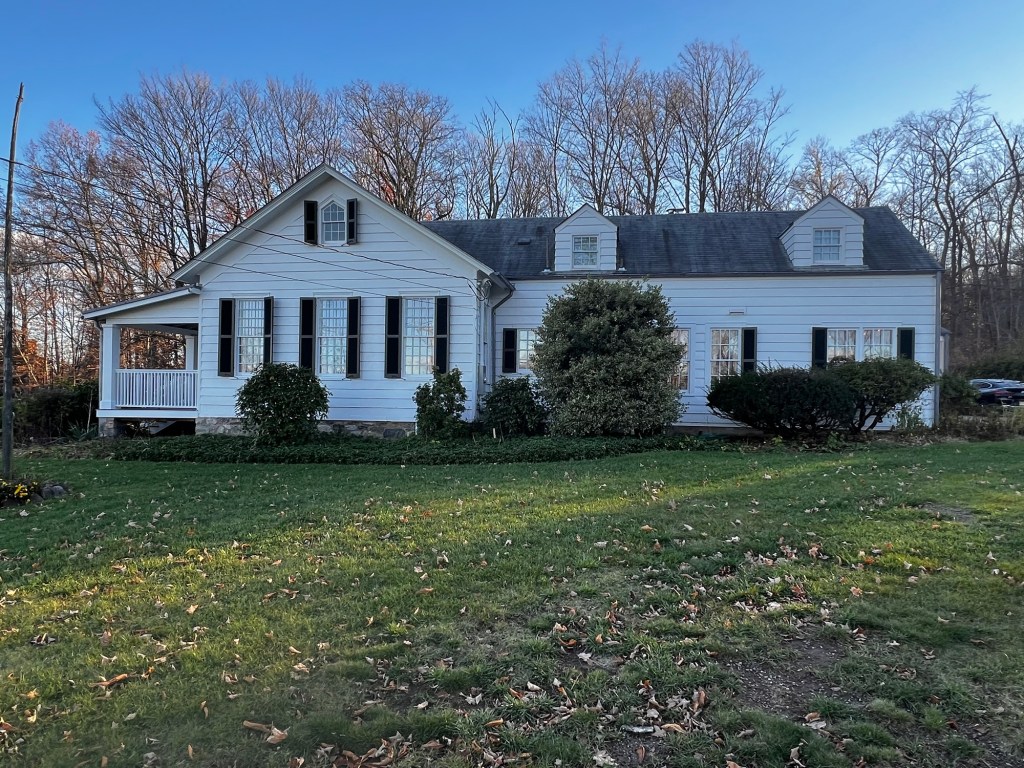
The front of the L’Ecole The Kinnelon Museum
I visited The Kinnelon Museum recently to to see this local museum. It tells the story of the community of Kinnelon, NJ. The museum is broken into several small rooms which once housed the previous owner and her medical business. The rooms include artifacts from the town of Kinnelon, the agricultural business, the medical practice of Dr. Miller, the Meadtown Schoolhouse (the original section of the building) and the meeting all filled with localized items from the town. It is a well-organized and interesting look at this former farming community.
(From the Museum website)
From pupils to politicians to patients, L’Ecole has met the needs of local citizens for well over a century. Today, L’Ecole continues to serve the community as a museum chronicling and celebrating our local history and traditions.
The Mission Statement:
(from the museum pamphlet)
We are currently raising fund to help support our efforts. 2025 marked the completion of a multi-year construction effort to renovate and upgrade the museum building and infrastructure. Moving forward, the committee will be introducing new programs and displays. In addition, it will be adding historical memorial and photographs to our growing collection.
The museum’s mission is to encourage an appreciation for the history of Kinnelon by collecting, researching and recording all pertinent data relating to the area’s history. This includes holding meetings of historical interest, encouraging the preservation of historical landmarks and collecting and displaying historical artifacts.
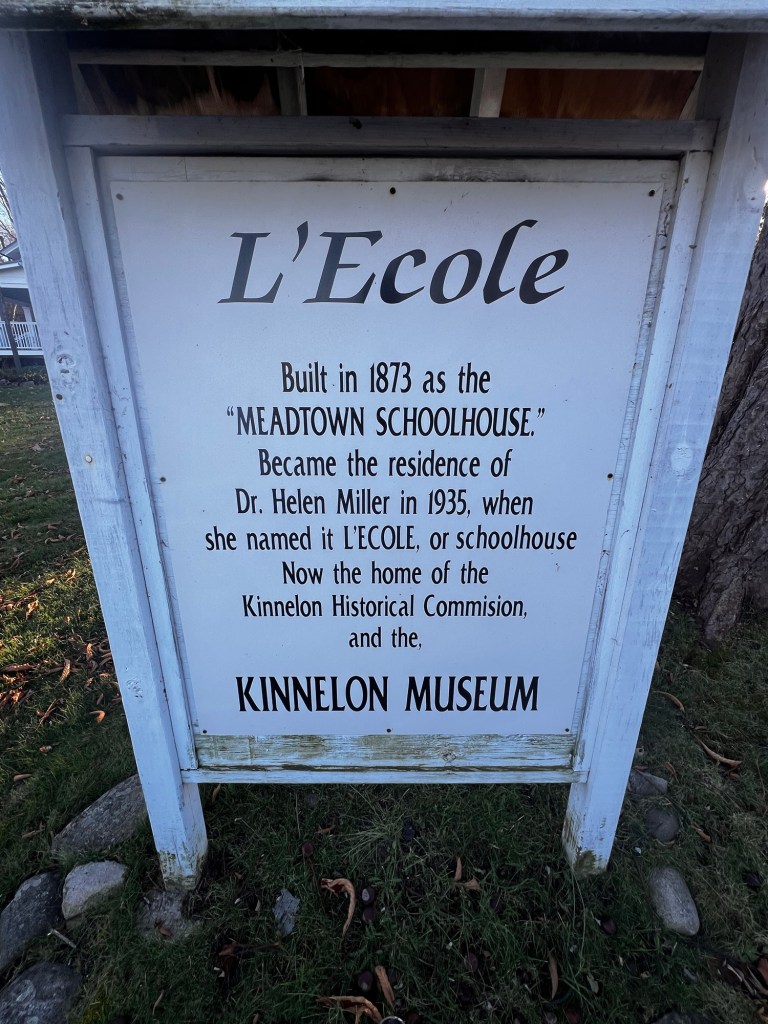
The sign of the museum
The Collections and History of the Museum:
(From the museum website)
https://book.kinnelonmuseum.org/?page=4
We invite you to come and view the collection of early 19th century farming implements mostly from local Mead and Smith farms. We have an extensive collection of maps, photographs, artifacts and memorabilia throughout the museum including the development of the Francis S. Kinney Estate (now Smoke Rise) and the summer retreat created by Frank Fay and his son (now Fayson Lakes) (museum website).
As you walk through our museum and former home of Doctor Helen Miller, you will be able to glimpse into one of her examination rooms and see some of her personal memorabilia. In our Meadtown classroom exhibit antique desks, original report cards, primers, slates, books and a cast iron stove create the atmosphere of a bygone age. Of particular interest is our collection of Kinnelon High School yearbooks which are available to browse . We have many photos and artifacts from the Kinnelon police and volunteer fire departments, such as a hand-pumped fire truck from Morris Kinney’s estate, photos from Kinnelon’s three volunteer fire houses, and historic police badges and other artifacts. Research materials are also available, such as archives of the Kinnelon Times newspaper dating from the 1940s, and a library of books on the area’s history and prehistory. (museum website).
The front room of the museum is dedicated to the farming industry and the local farms that once dotted the area.
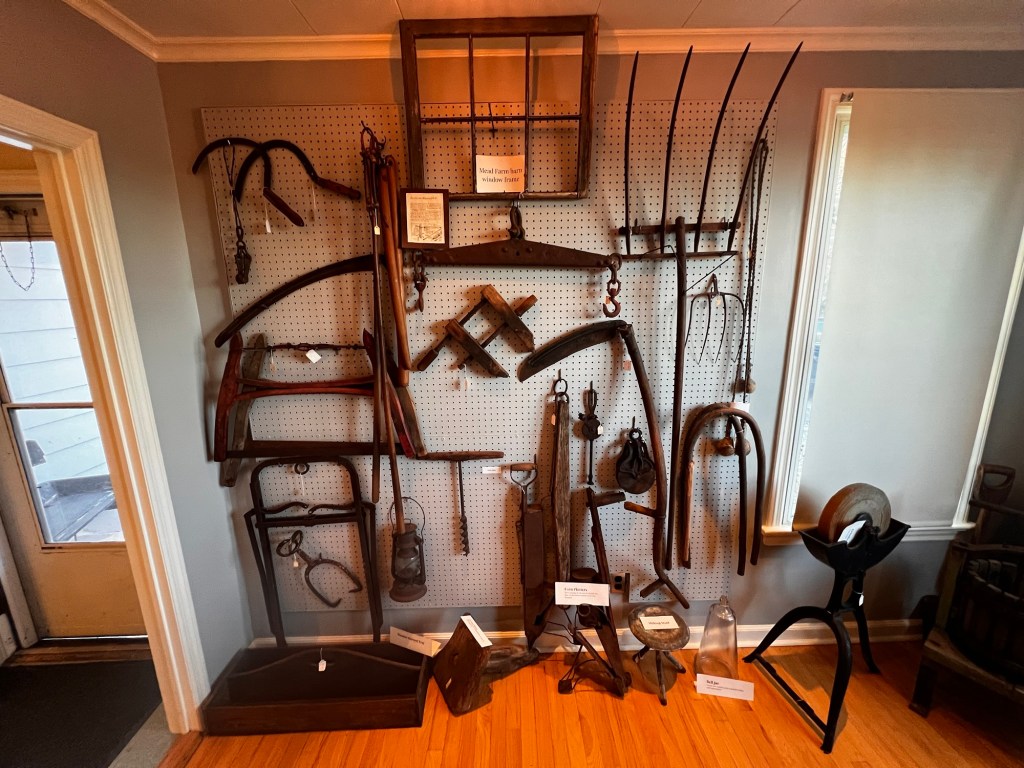
The farm equipment
The neatly displayed farm equipment shows the progression of early farming to the major agricultural business that followed up to WWII.
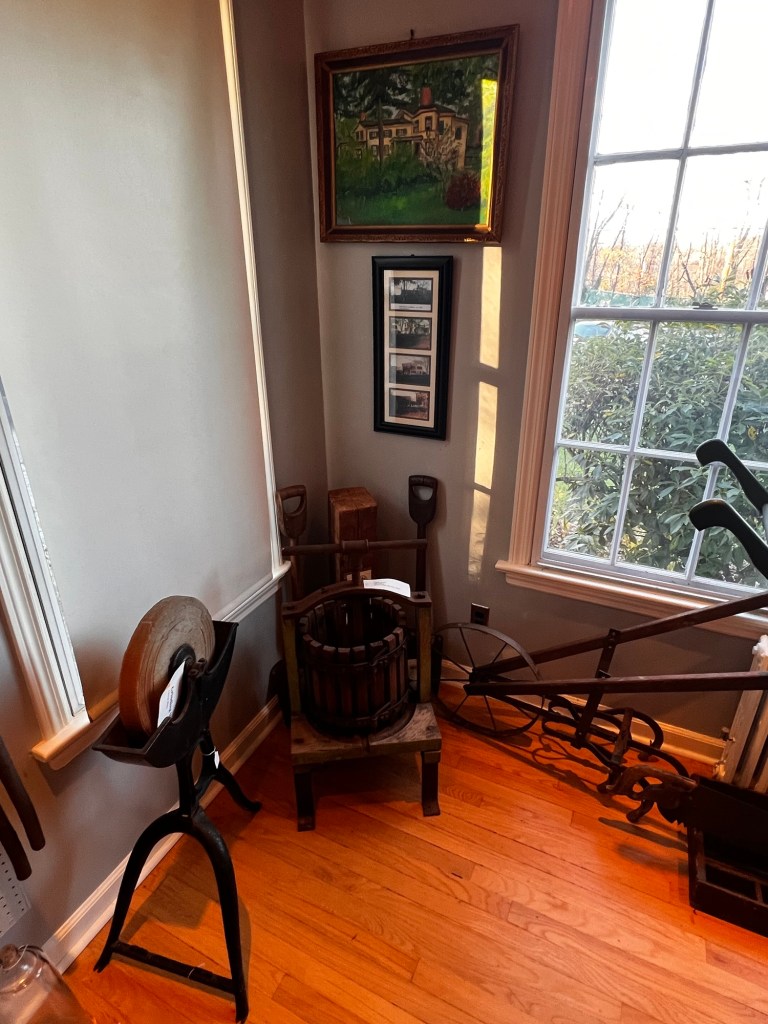
The Apple press
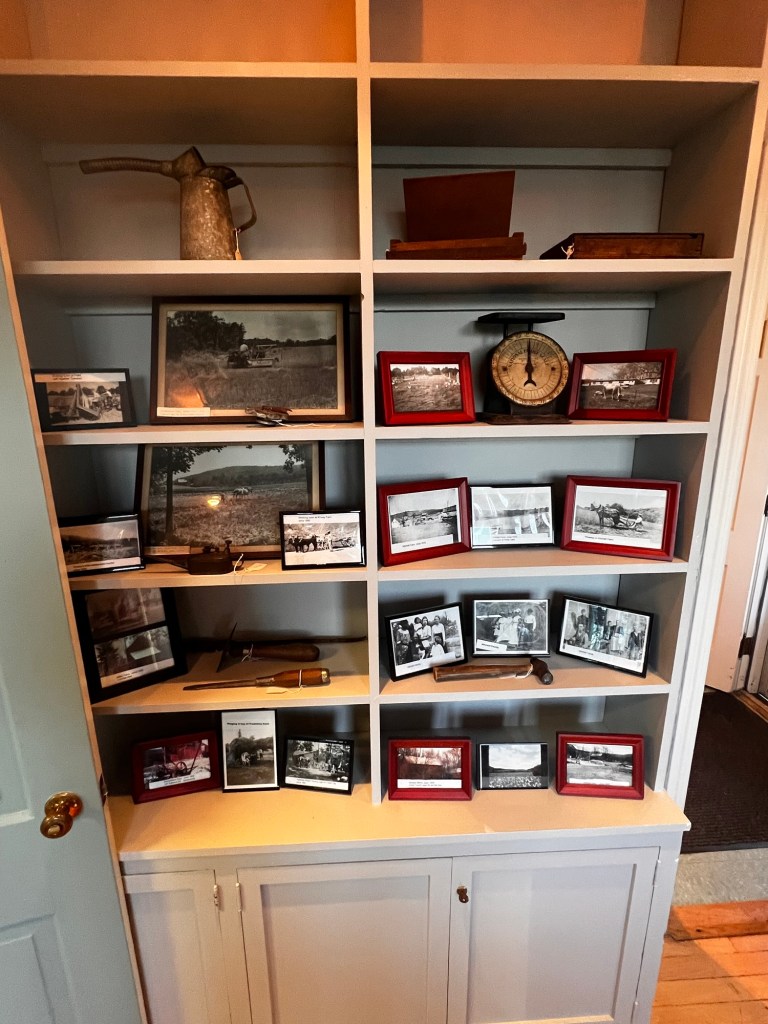
Pictures of the local farms on the area
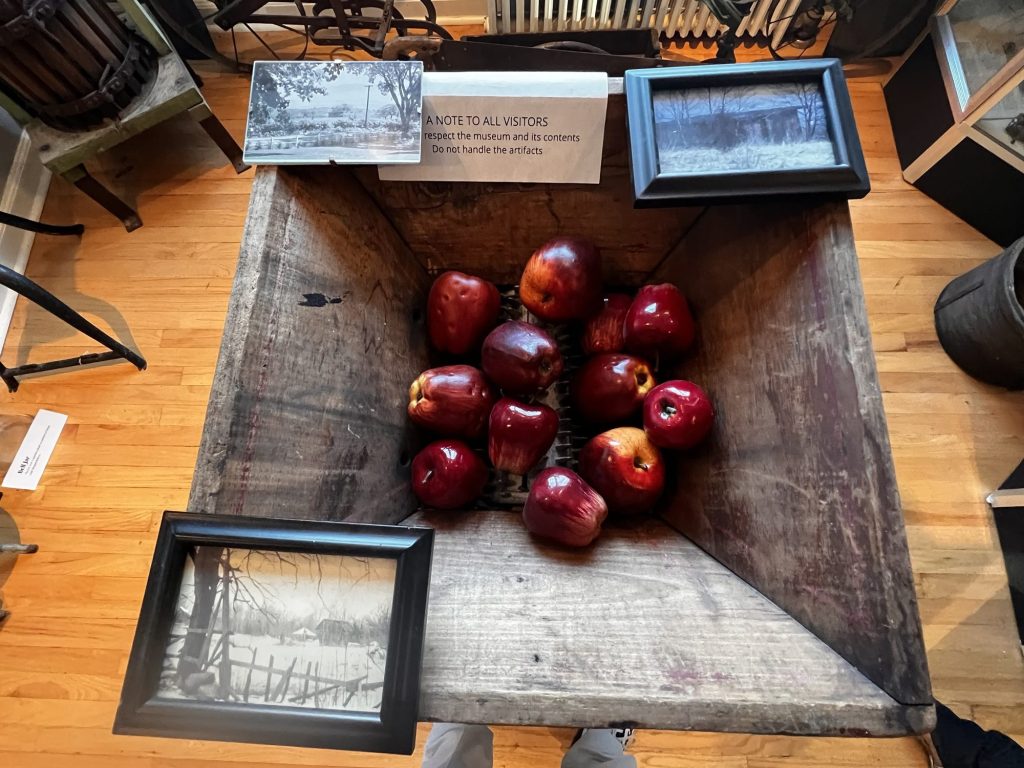
The Apple Press used to make Apple Cider and Apple Jack for early consumers
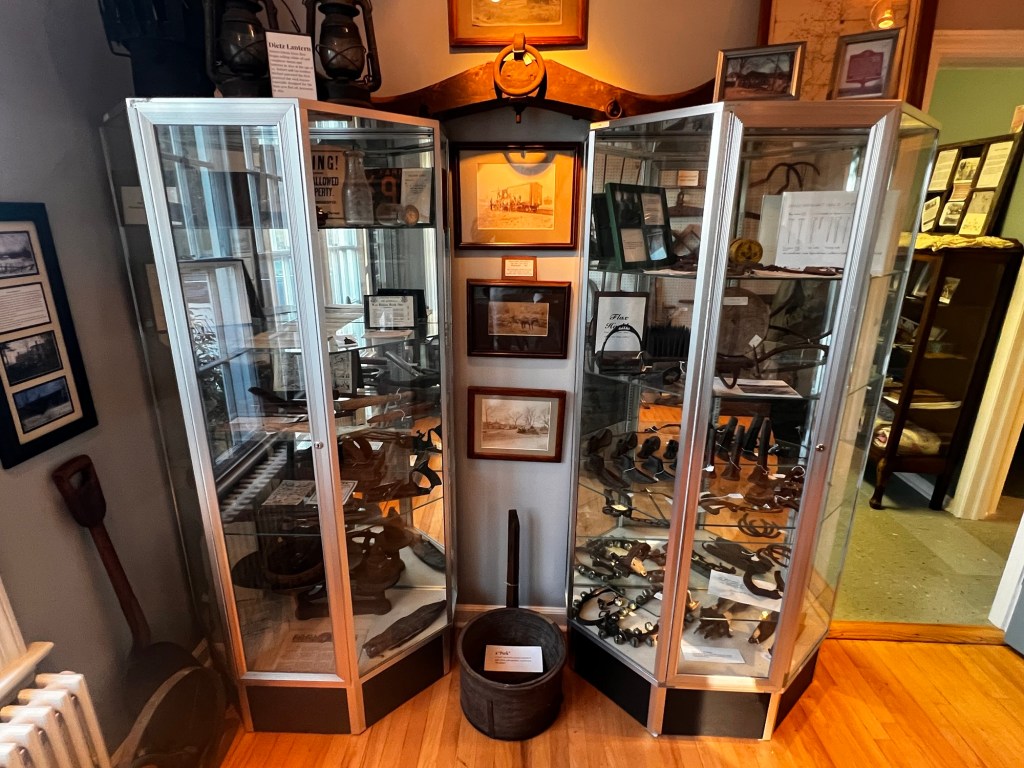
The items used on the farm
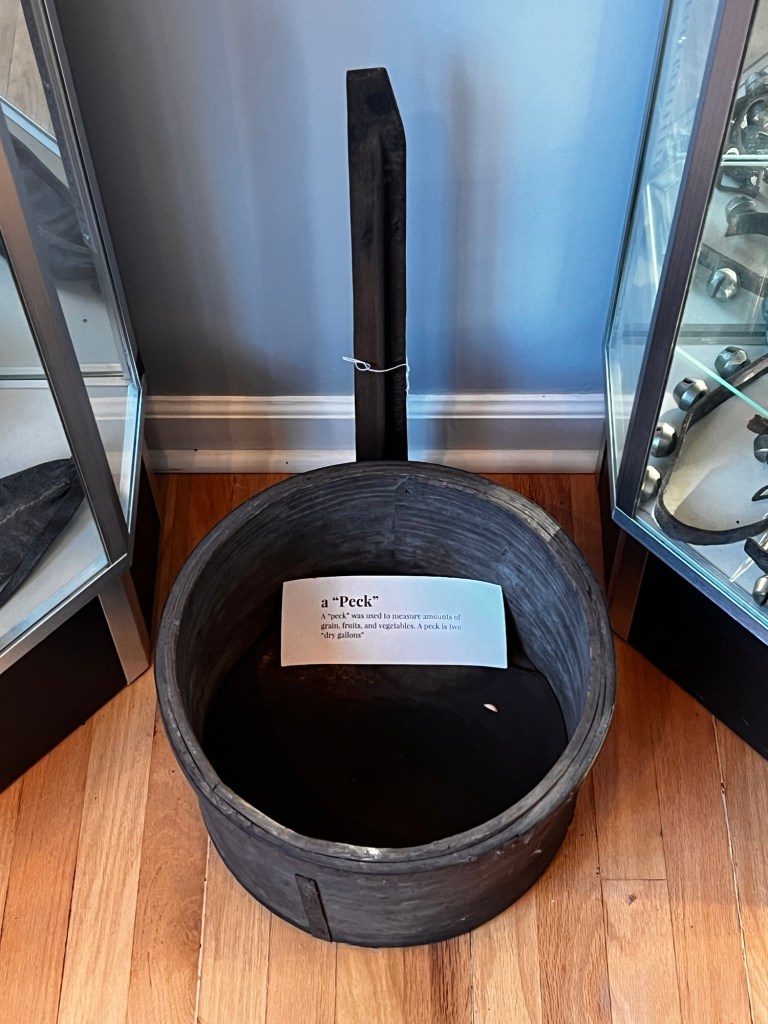
The measurement of a ‘peck’ for fruits and grains
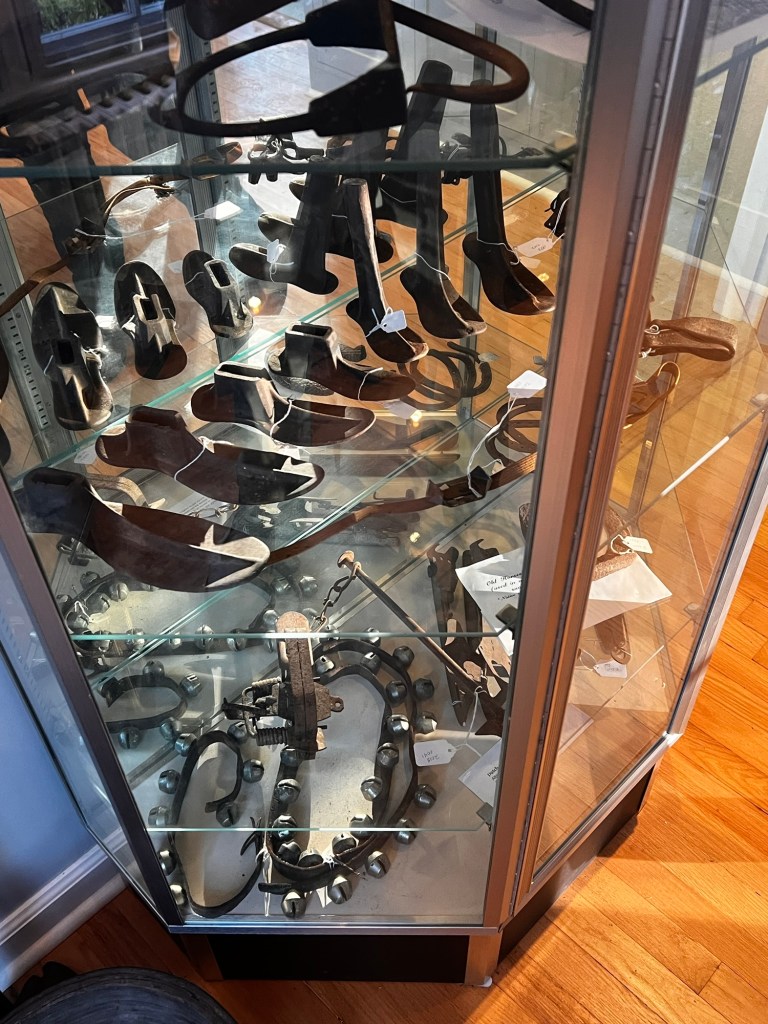
Sleigh bells and cobblers materials
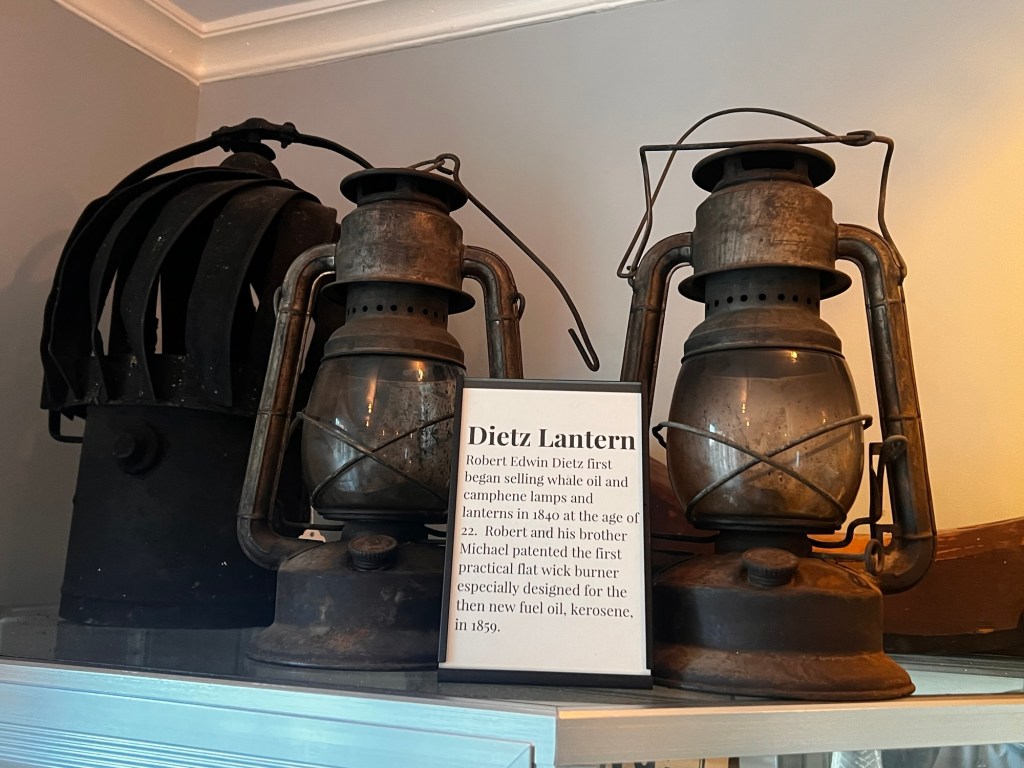
The Dietz Lanterns
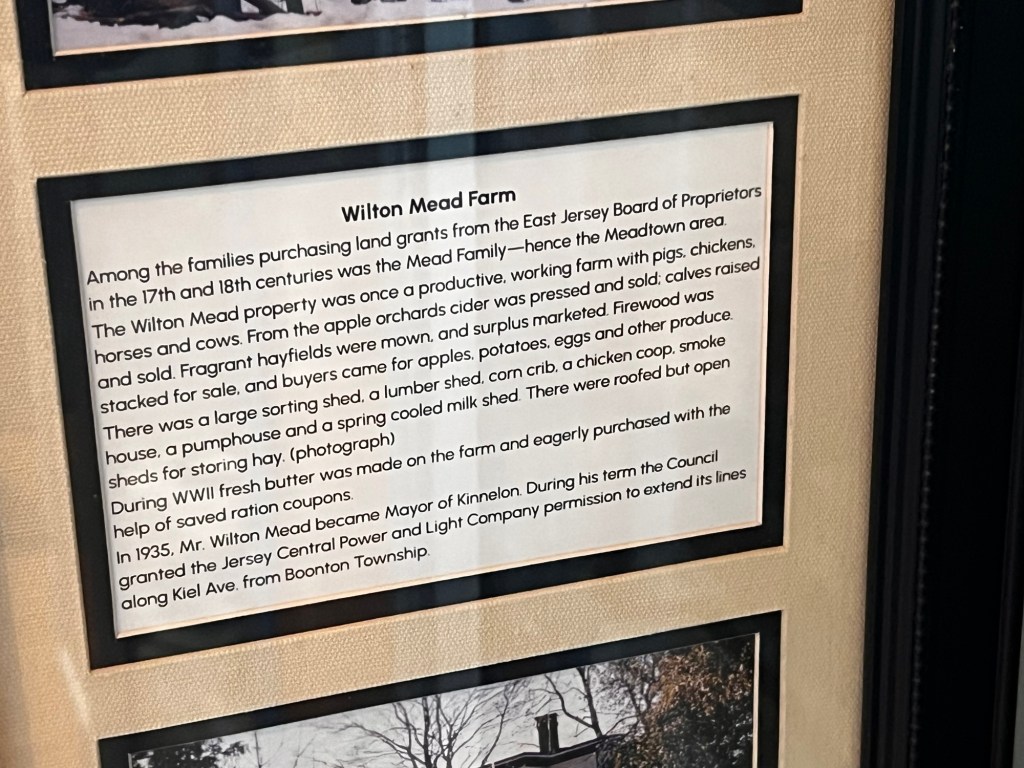
The Wilton Mead Farm history
The Mead Farm was across the street from where the museum now stands and was the namesake for this part of the community.
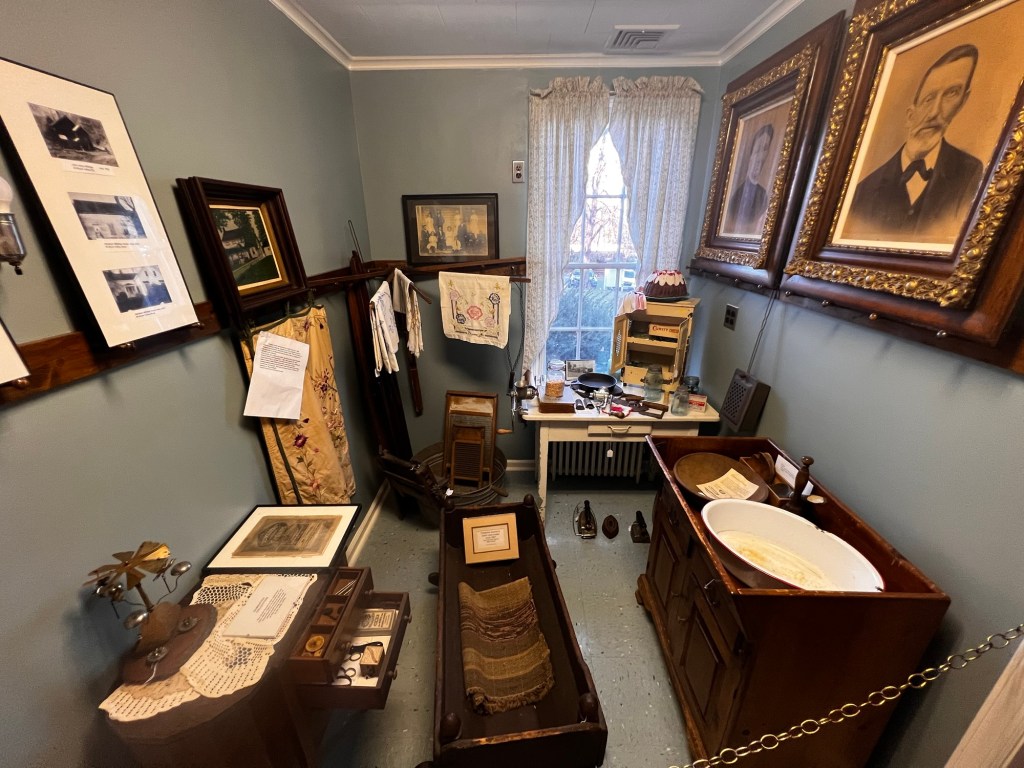
The home display on the farm and rural life
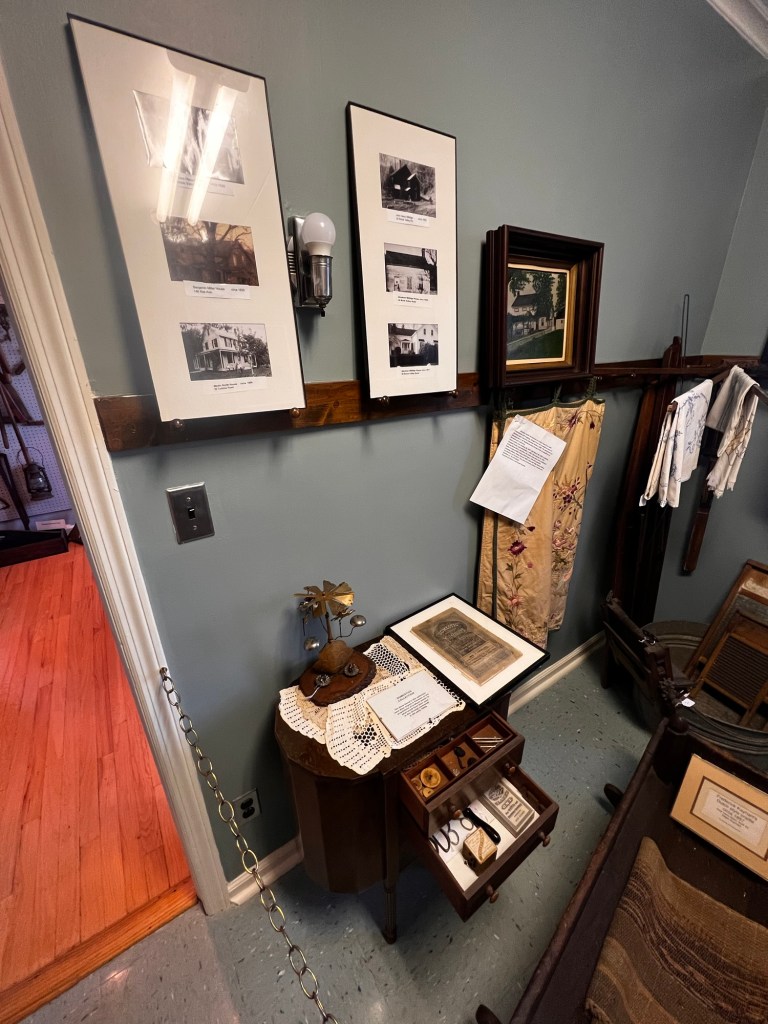
The museum had a interesting display of life on the farm and how rural households ran before WWII
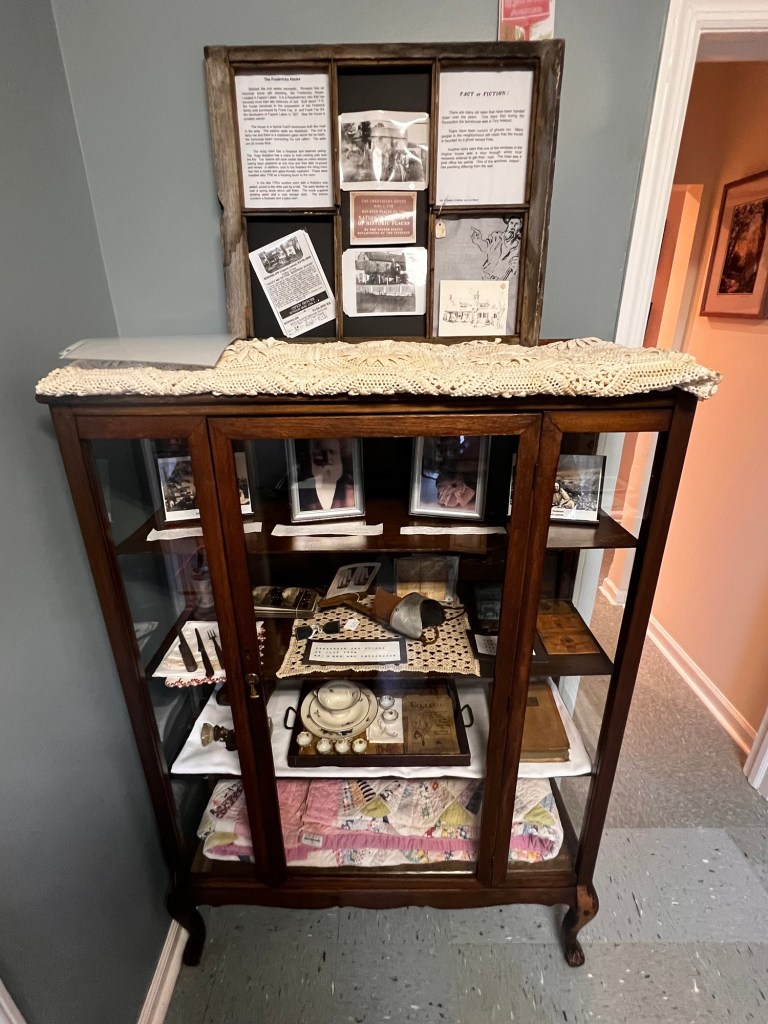
Household items for decoration and display found in rural homes in New Jersey
The next display in the museum was dedicated to Dr. Helen Miller, whose home the museum is housed in and who donated it to the town for a museum after her death in 1990.
Dr. Miller used her home as both residence and her office for her practice in Cancer Detection Research. Dr. Miller took the old one room schoolhouse as her home and built around it both her residence and her practice. This started as a weekend/summer home and then turned into her permanent residence until her death.
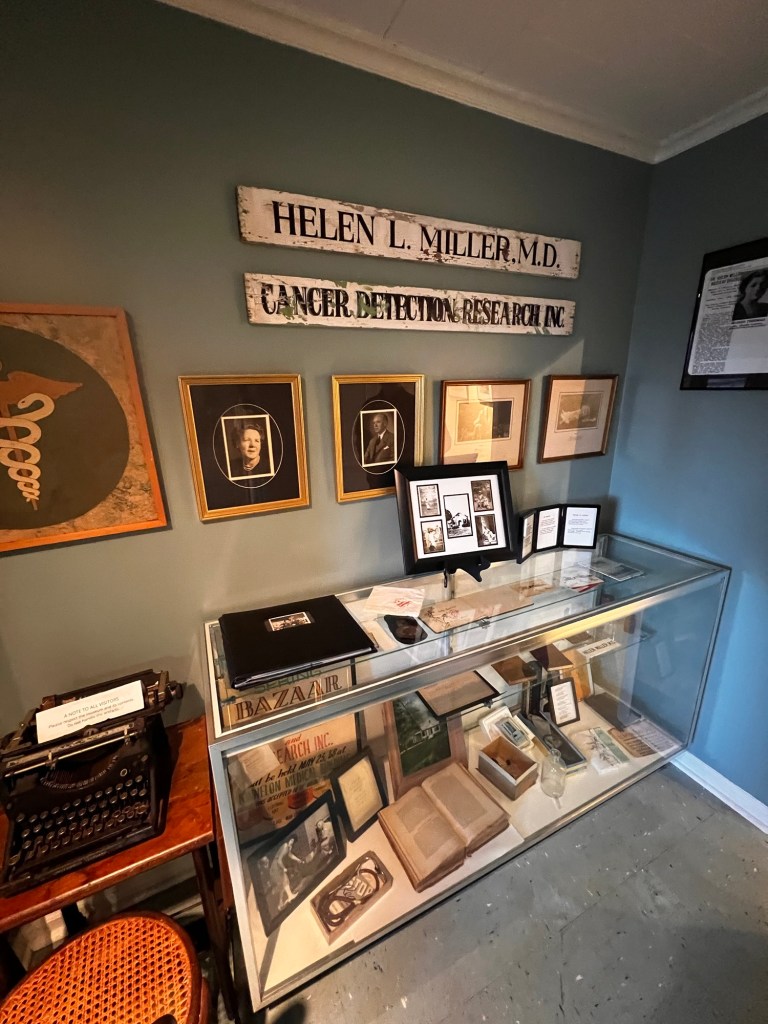
Some of the artifacts from her medical practice that Dr. Miller’s estate donated to the museum
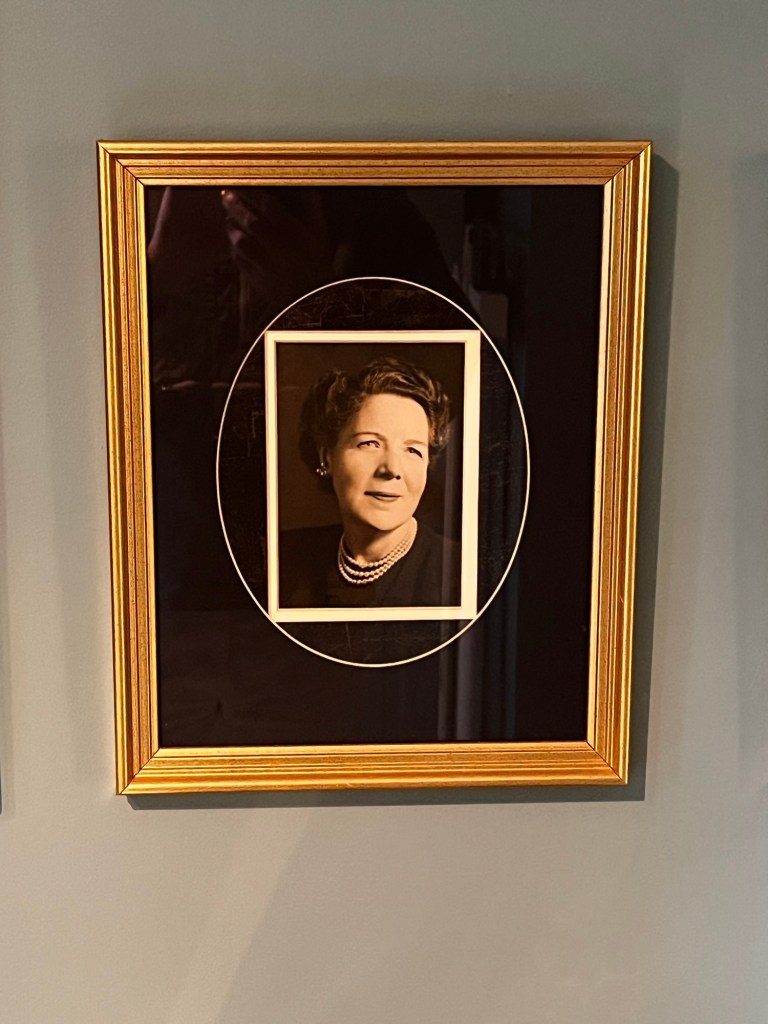
Dr. Helen Miller’s picture
The History of Dr. Helen Miller in the Community:
(From the museum website)
Around 1930, the little schoolhouse caught the eye of a young medical doctor from New York City, Doctor Helen Miller. Dr. Miller affectionately called the place L’Ecole, the French word for school. At first, Dr. Miller visited L’Ecole as a retreat from her busy practice and clinical work in New York City. By the late 1930’s, her visits became more frequent and she began additions that would turn L’Ecole into her primary residence. As local residents got to know and respect Dr. Miller, they began to appear at her doorstep with their medical problems. As time went by, more and more residents began to see Dr. Miller, convincing her that it was time to establish part of her practice in Kinnelon (Museum website).
In 1954, Dr. Miller added two examination rooms and an office to her home at L’Ecole to keep up with her growing practice. In 1963, she constructed a medical building on adjacent property and encouraged other New York City physicians to practice in this area. Upon her death in 1990, Dr. Miller bequeathed L’Ecole to the Borough of Kinnelon. It was Dr. Miller’s wish that the old schoolhouse would benefit the community that had come to mean so much to her (Museum website).
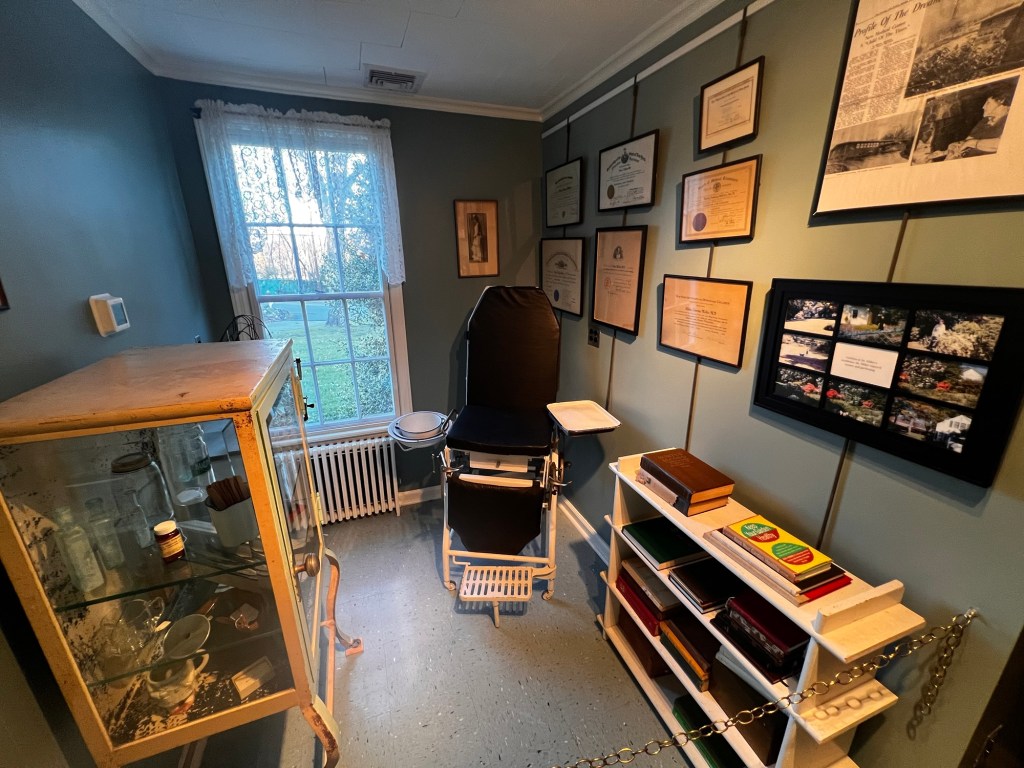
The model of her office in the museum
The next room of the museum was dedicated to town organizations and to a display in the older part of the museum which had once served as the community school for ages Kindergarten through Eighth grade. This one room schoolhouse was the model for rural New Jersey schools sometimes up to the early 1960’s.
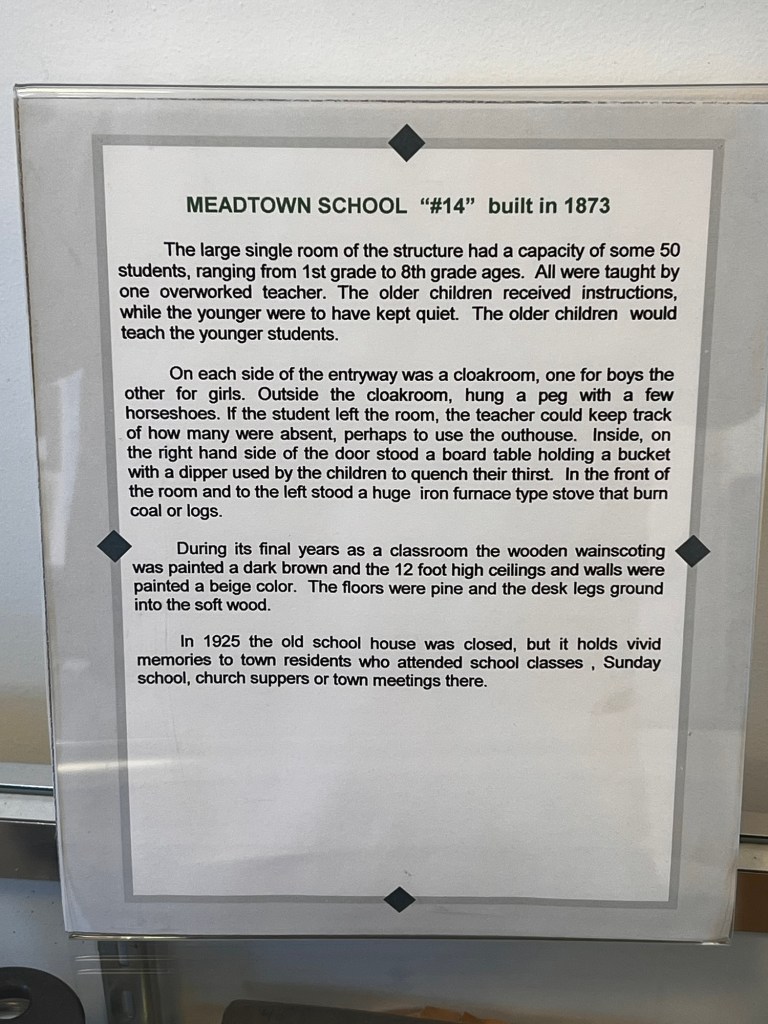
The Meadtown one room schoolhouse display
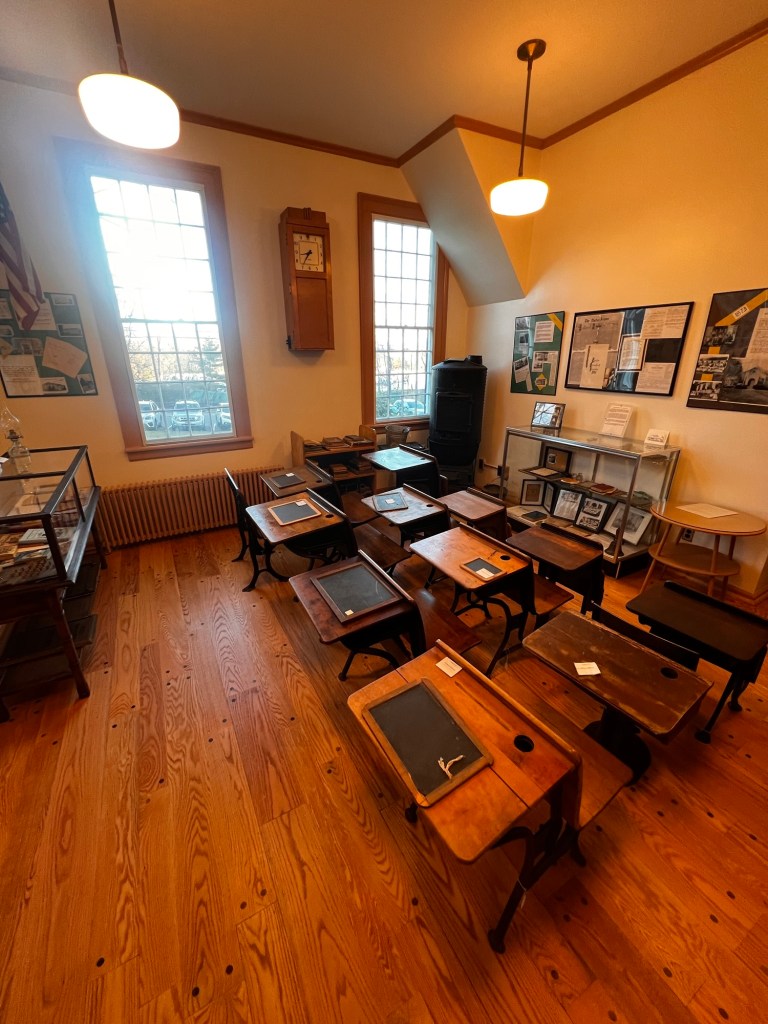
The main room of the school
The History of the Meadtown School:
(From the museum website)
The first Meadtown School was built in 1839 in the fields below Wilton Mead’s house. It served the community until 1873 when a larger, more modern school was built on the property now known as L’Ecole, Kinnelon Museum. This new school’s single room held approximately 40 to 50 pupils. The Meadtown School served the children of the community until 1925, when a new, two-room school built of native stone was constructed. The Meadtown School was also used as a meeting place, including the first organizational meeting of the Borough of Kinnelon. Sunday school classes were also held there (museum website).
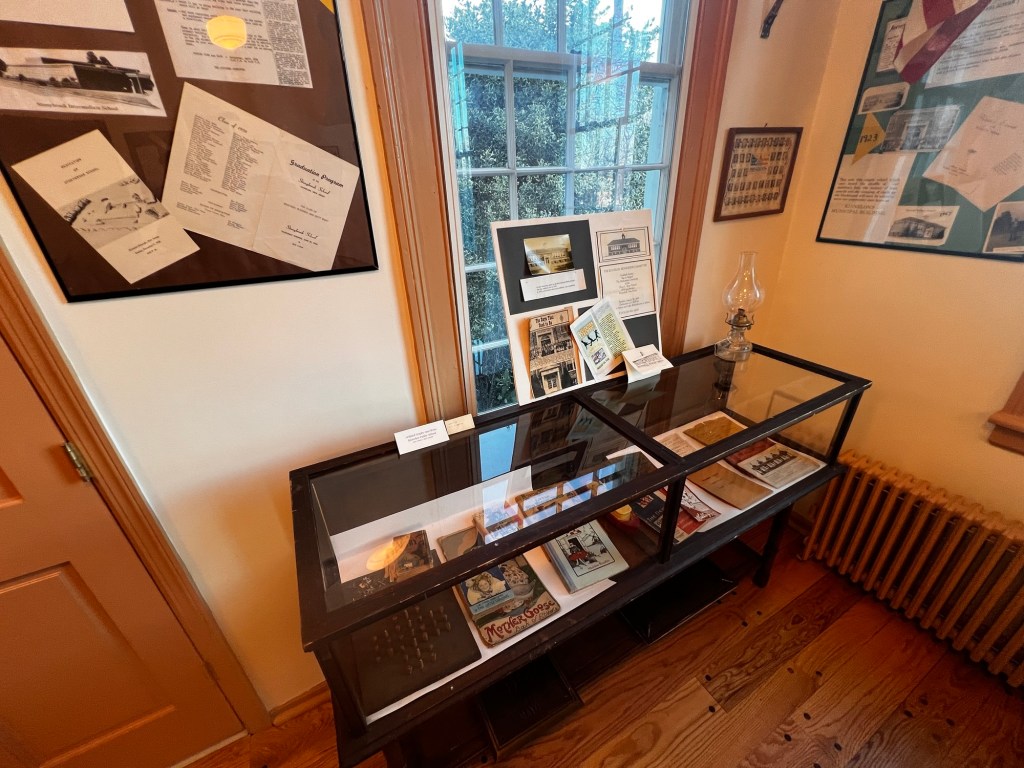
Books and materials used in the school
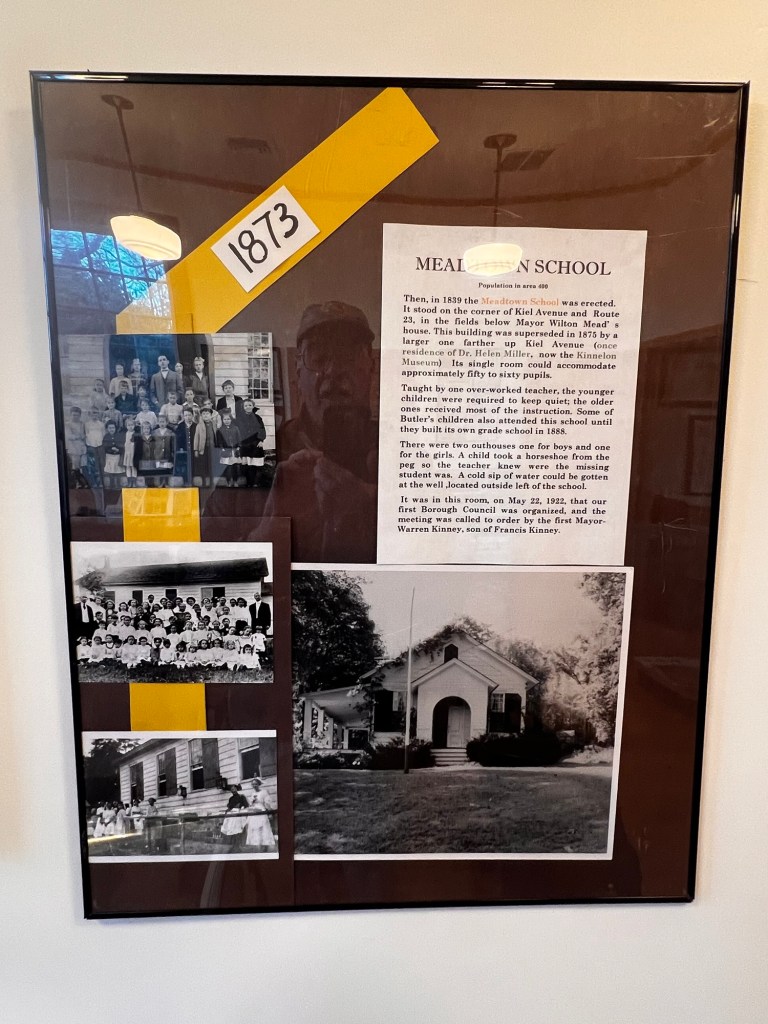
The history of the school
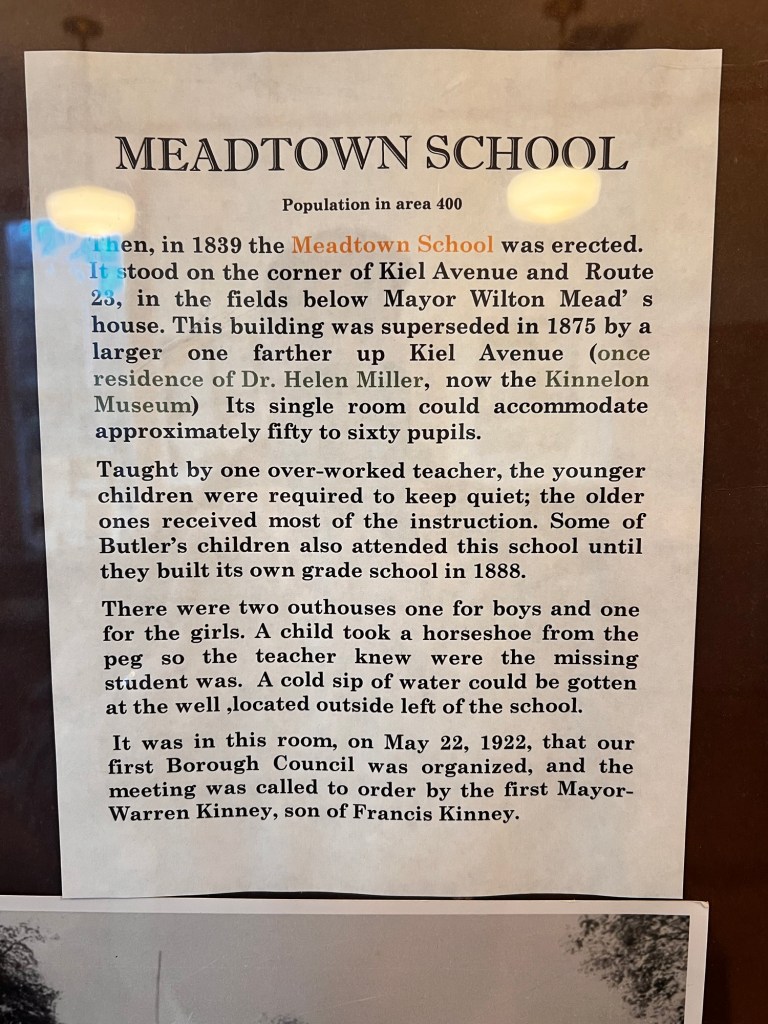
The history of the Meadtown School
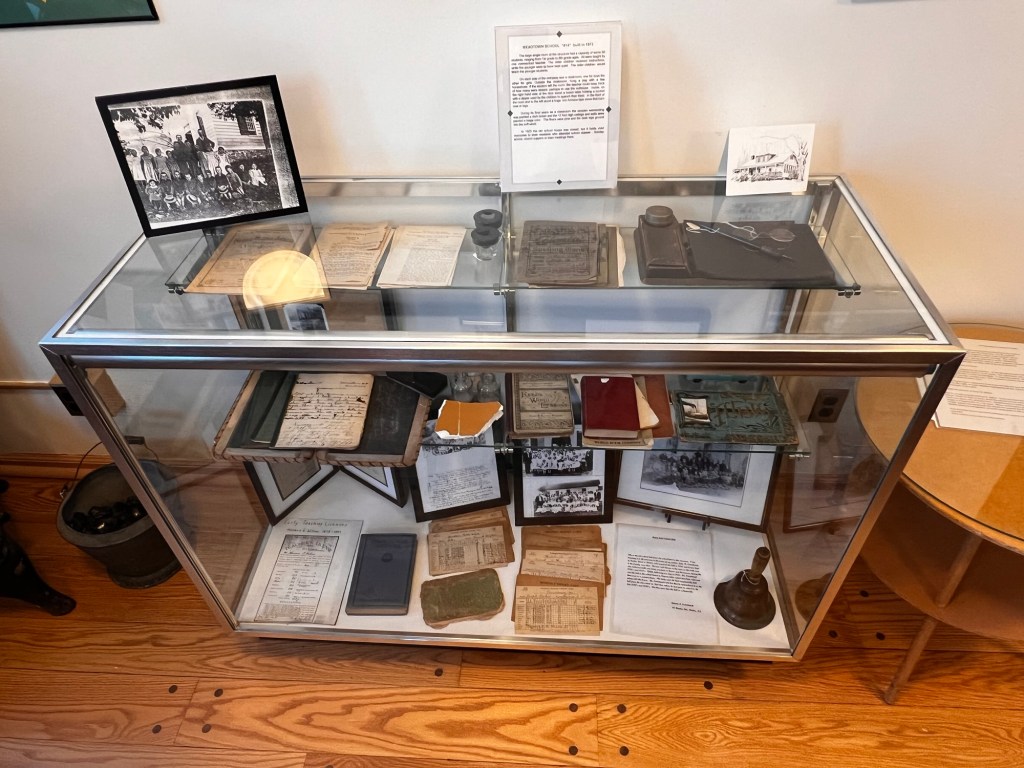
Materials used in the school
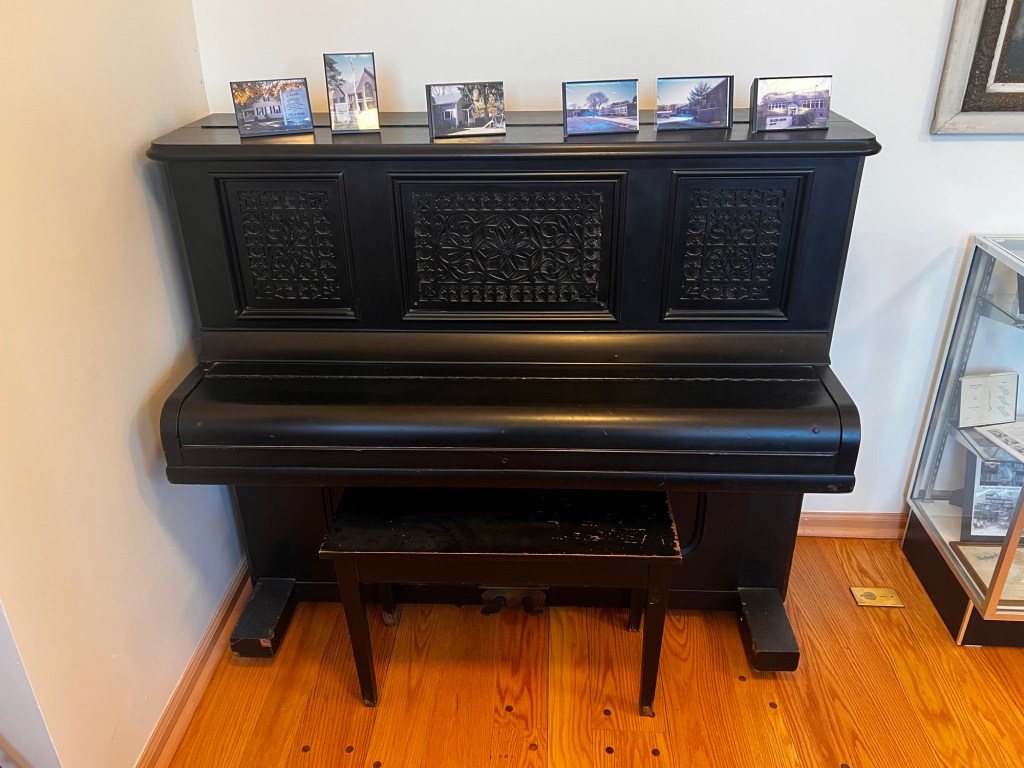
The original piano used by the school for music lessons
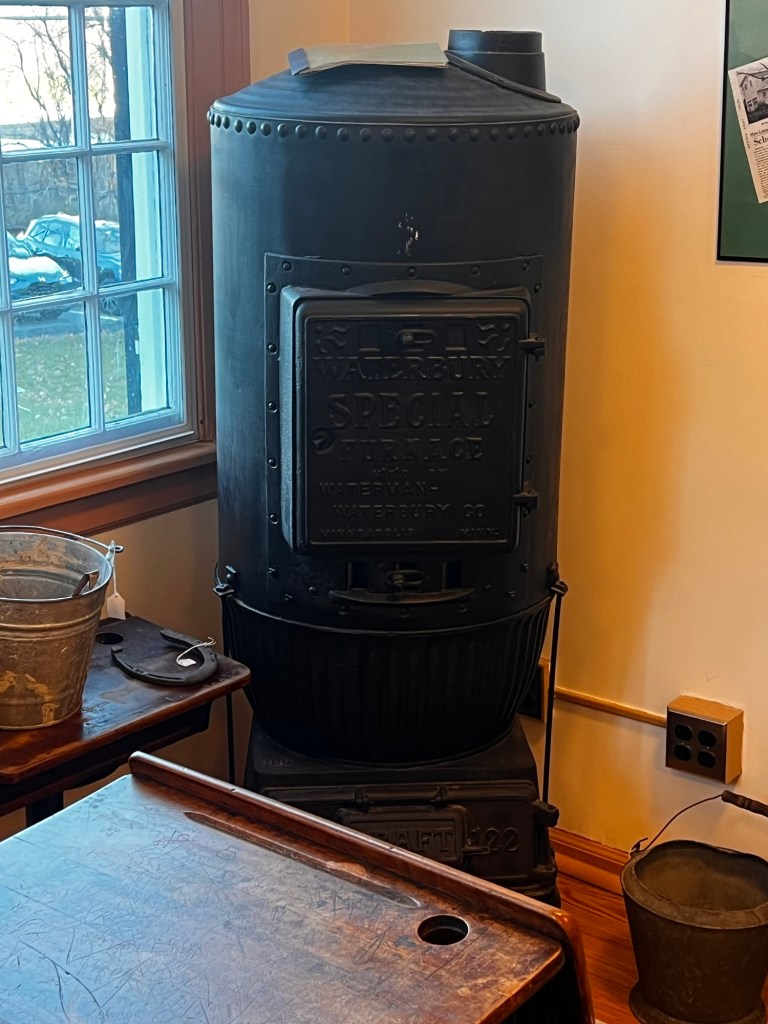
The original coal furnace that was used to warm the one room schoolhouse
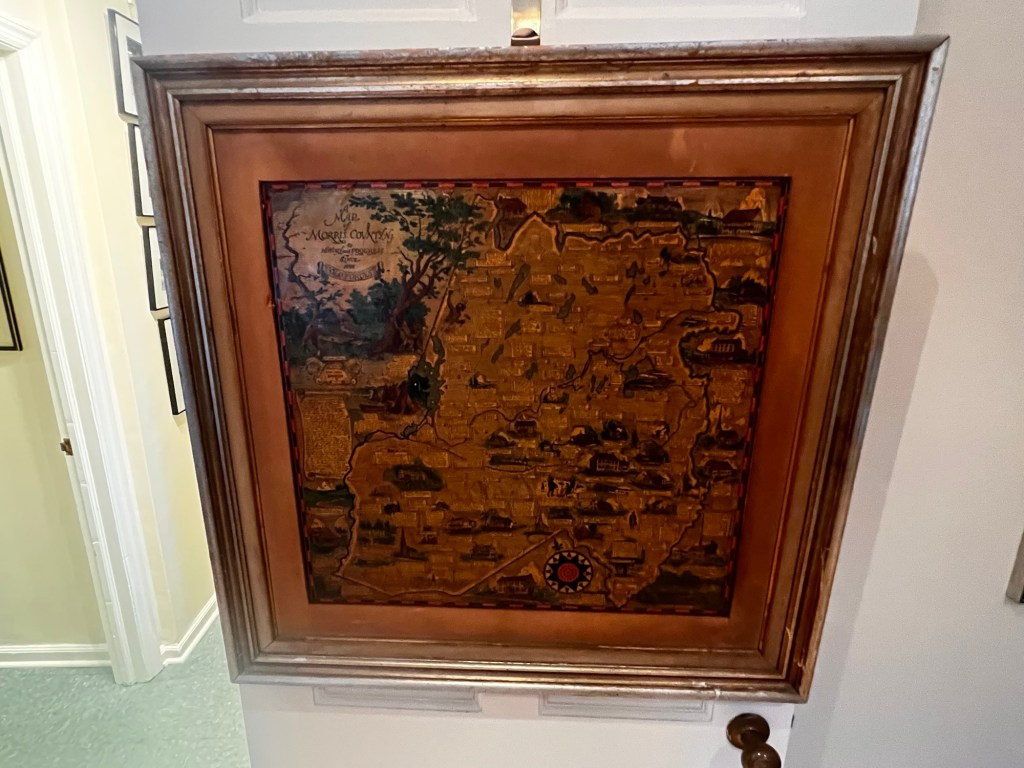
A map of the community’s farms that were once part of Killeen
The next room at the museum was dedicated to the Kinnelon community and the contributions of the organizations and people of the community. The Kinnelon Fire Department had a nice display at the museum.
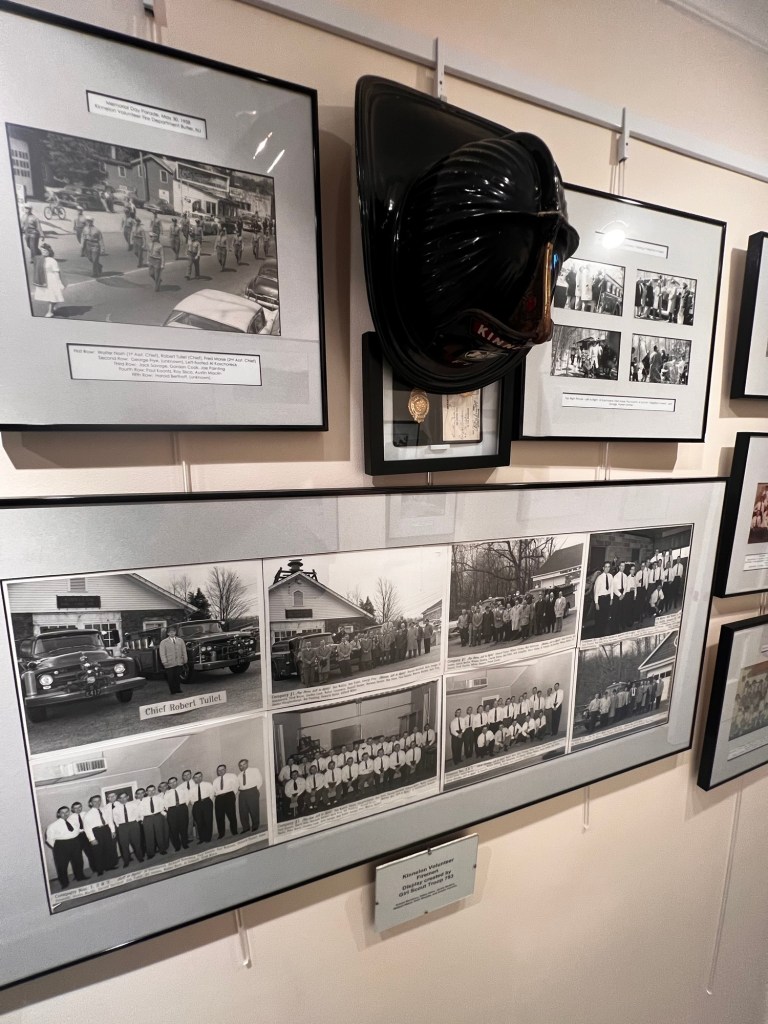
The history of the Kinnelon Fire Department
https://www.facebook.com/KinnelonVFC
https://www.kinnelonboro.org/cn/contactinfo/?did=1532
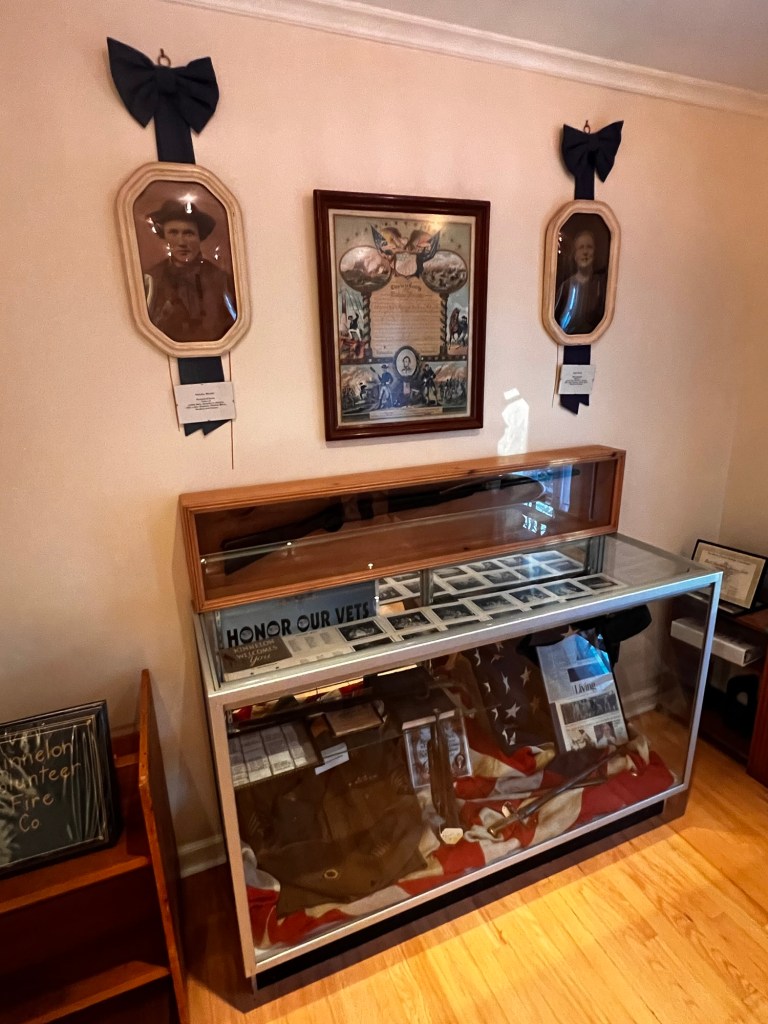
The Veterans of Kinnelon, NJ display
There was an interesting display of hometown hero, astronaut Bill Pailes, on display with pictures and one of Mr. Pailes patches from his time at NASA.
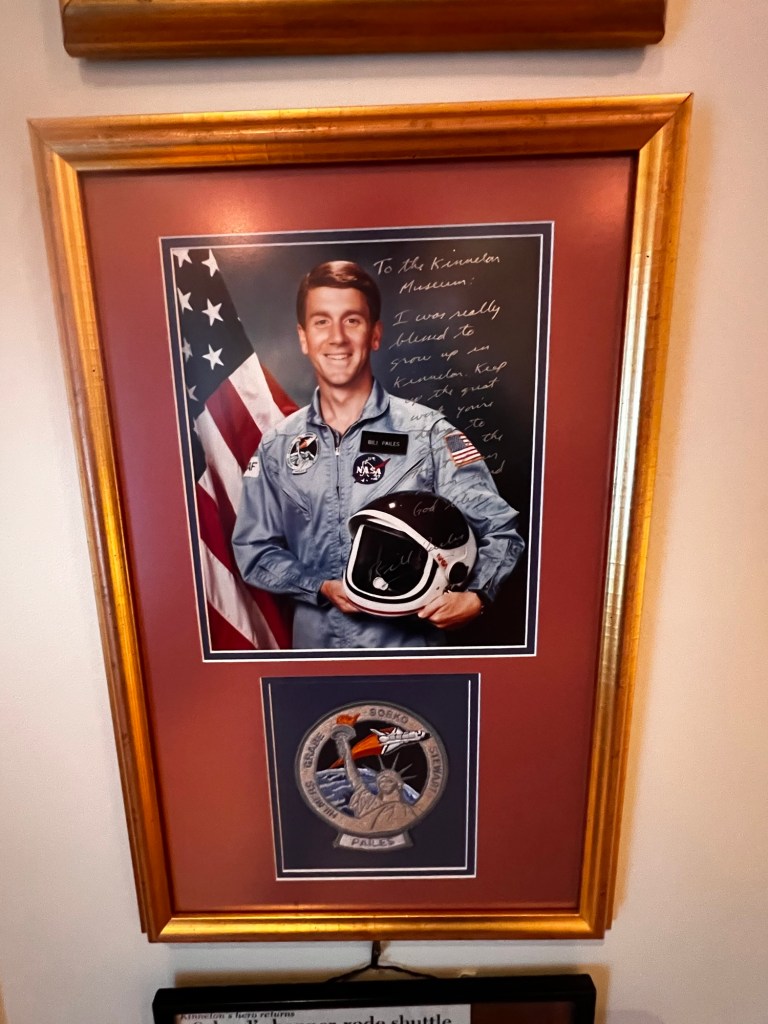
Astronaut Bill Pailes display
https://en.wikipedia.org/wiki/William_A._Pailes
https://www.nasa.gov/wp-content/uploads/2016/01/pailes-wa.pdf
https://www.spacelaunchschedule.com/astronaut/william-a-pailes
https://nasahistory.org/astronauts/william-a-pailes
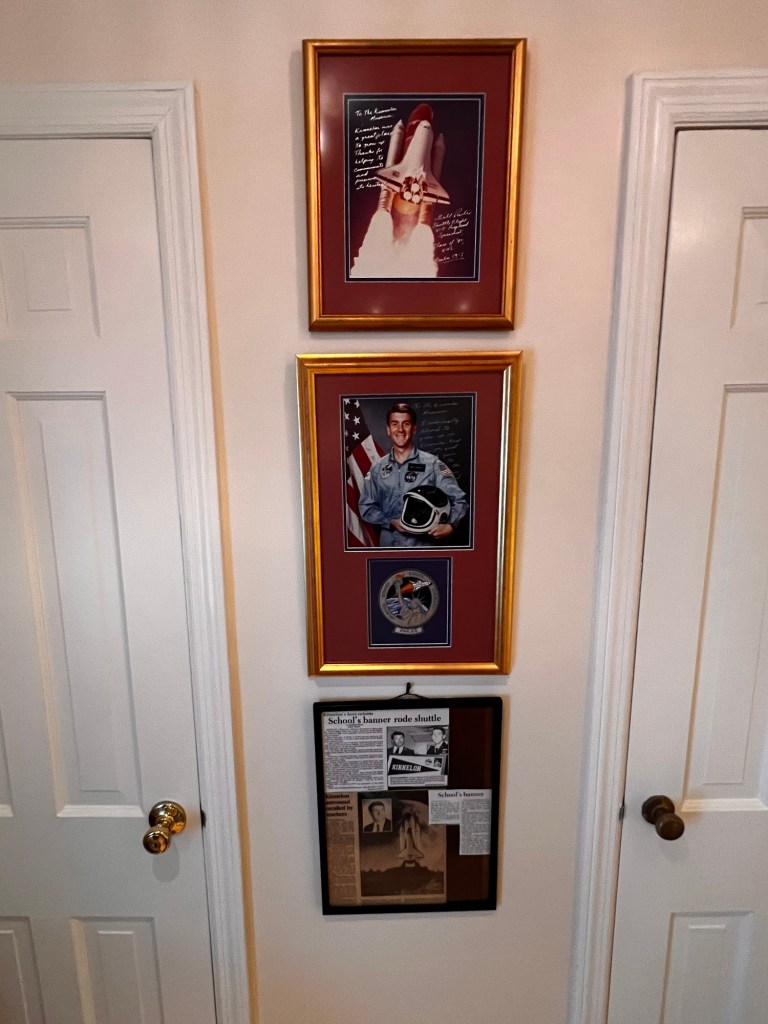
The full display and articles on his work with the government
When I left the museum and walked the grounds, I noticed the small outhouse once used by the school still standing in the back. I took time to tour some of the grounds in the back of the museum and walked around the stone paths and saw the small stream that passed by the museum.
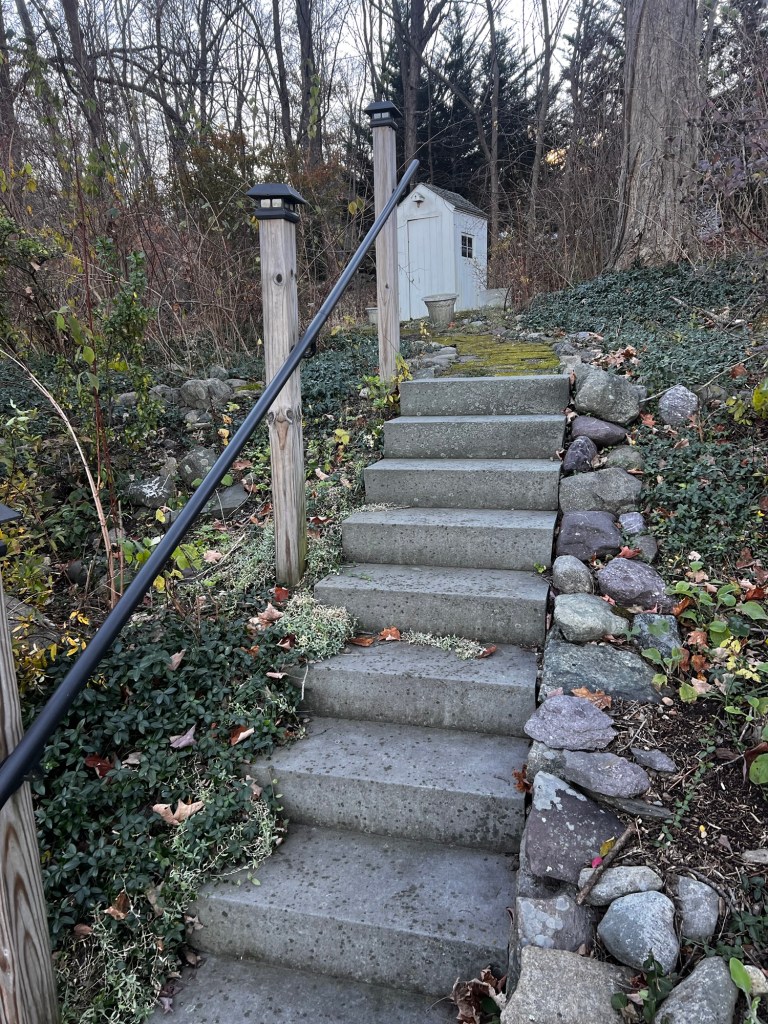
The school outhouse
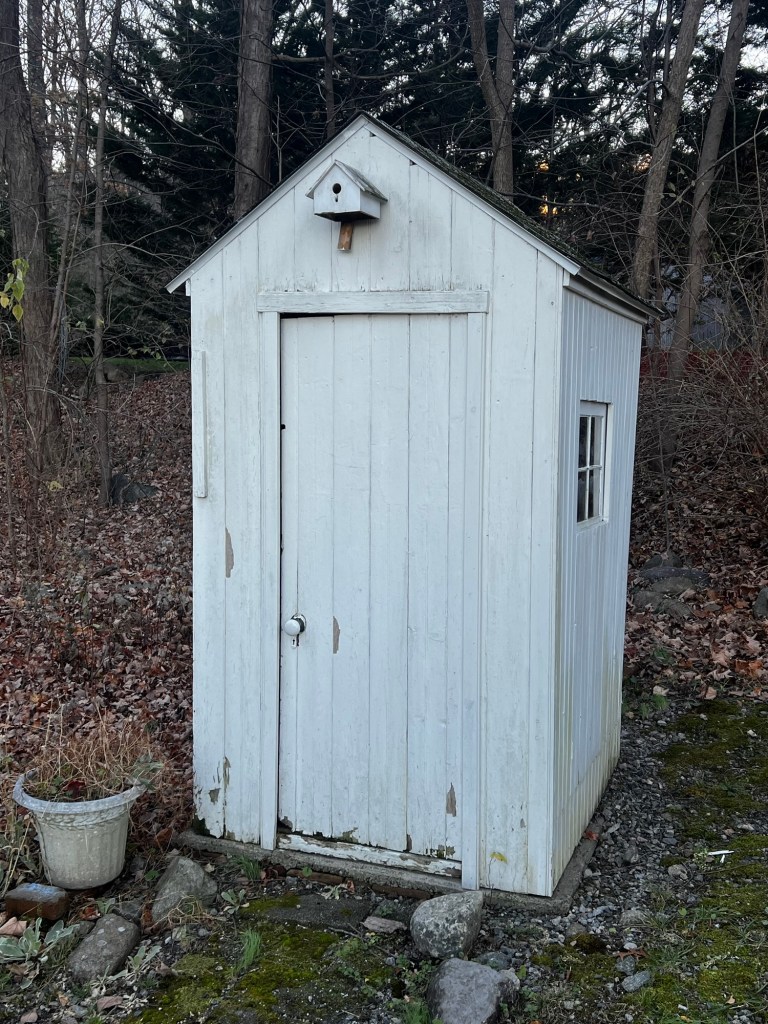
The school outhouse in the back of the museum
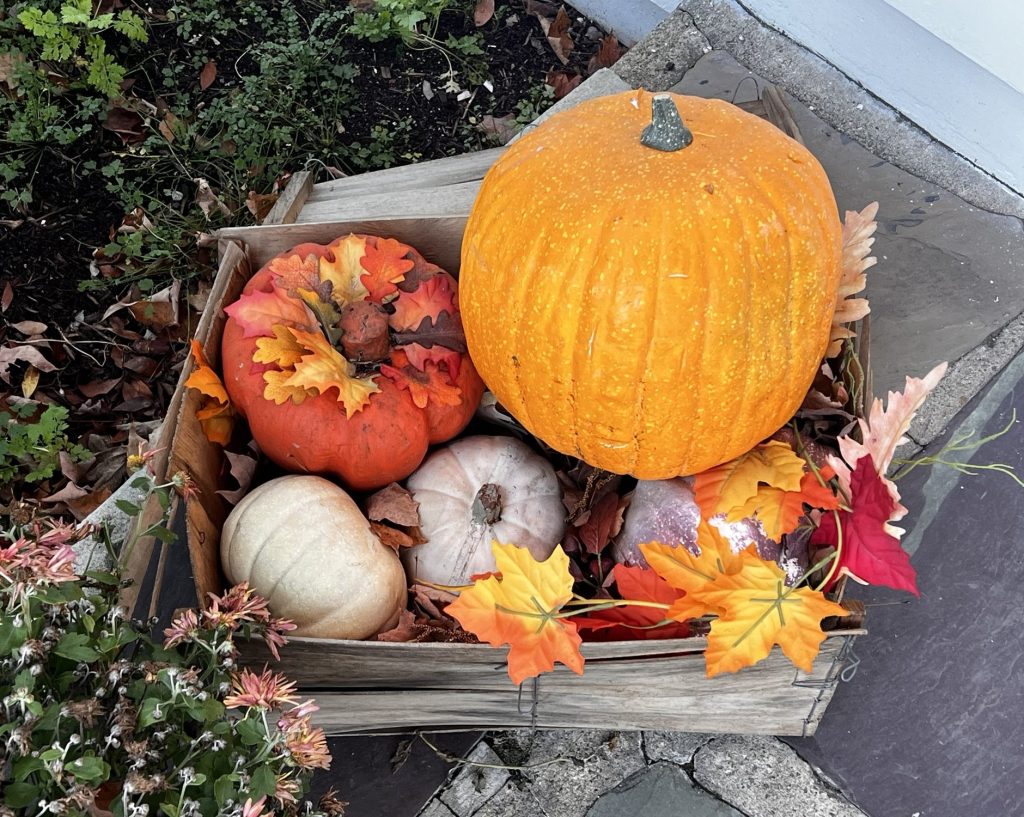
The fall display outside the museum
It was an interesting visit to the museum and seeing the changes of Kinnelon’s past from a rural community to its modern day bedroom community of New York City. The museum does a nice job of displaying its rural past as a one room schoolhouse to a doctor using the structure as a private home and practice then leaving it to the community and visitors to enjoy.