Open: The museum is seasonable and open for special events. Please check out their website for more information. Open for the Sussex County Heritage weekend event.
I visited the Old Sparta Train Station Museum as part of the Sussex Heritage Weekend and it was a fascinating trip back in time to when these rural communities started getting connected to the cities after the Civil War.
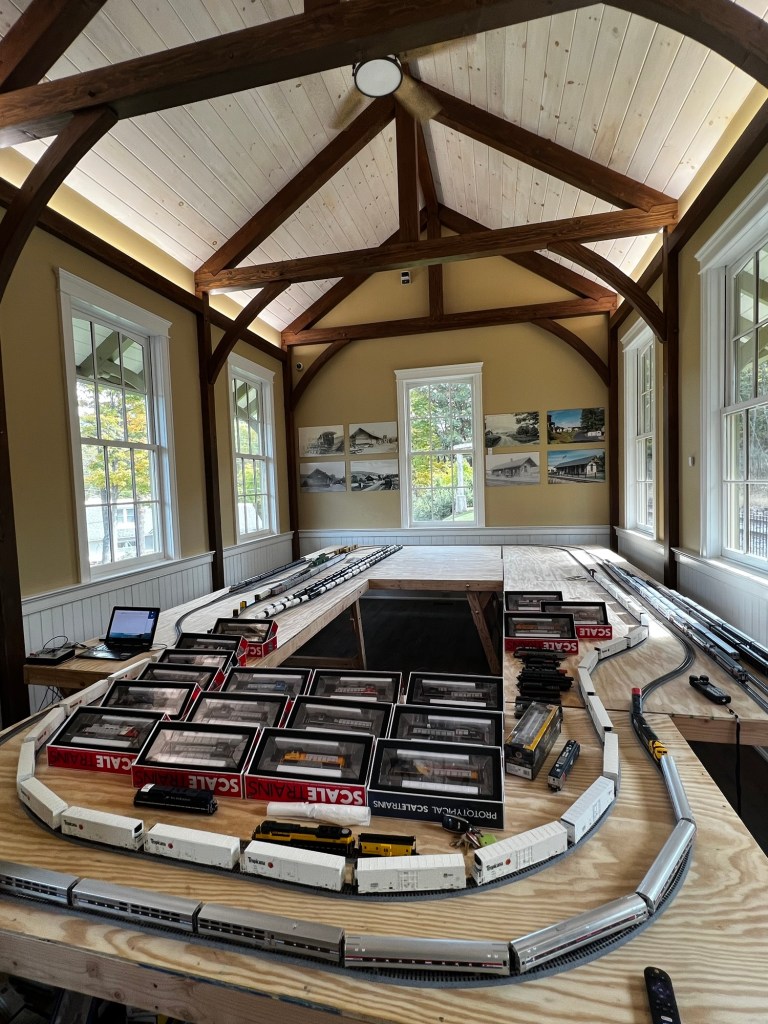
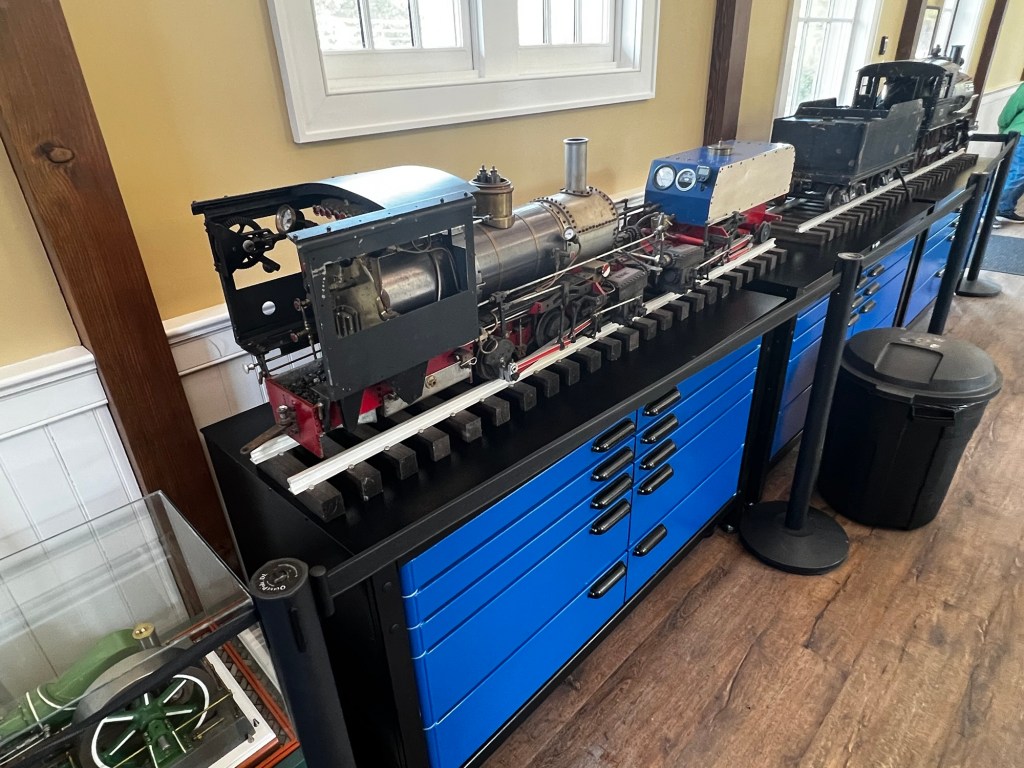
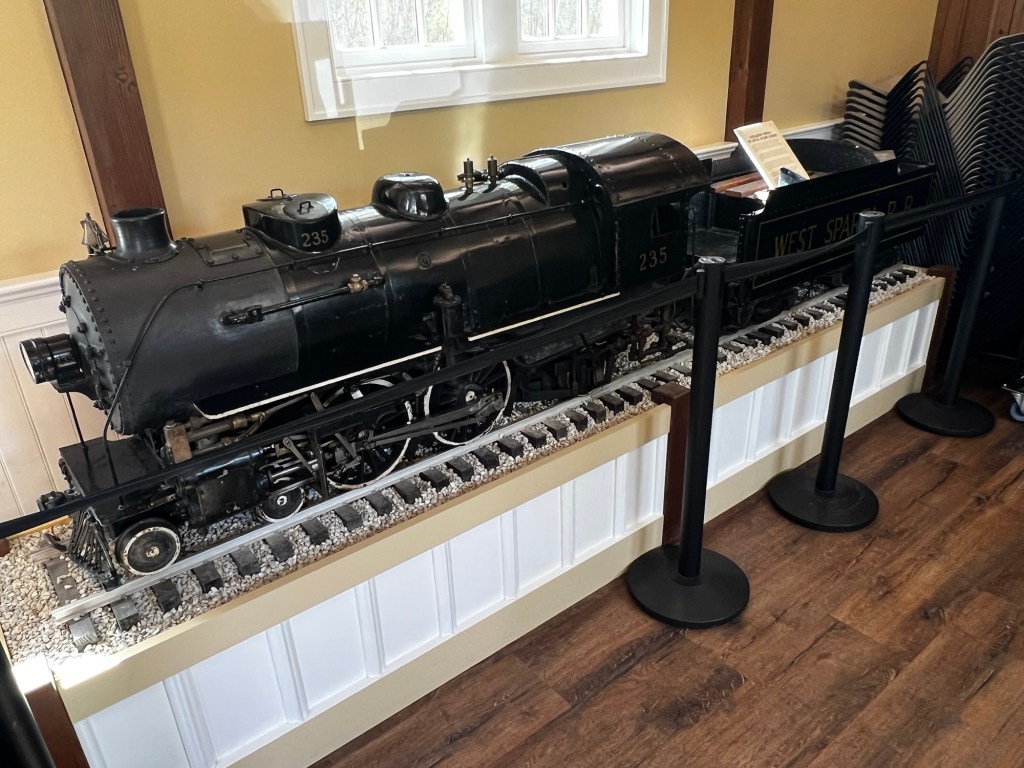
The museum was at the beginning stages of development with displays being created in the rail system in Sussex County and train artifacts that were mounted on display. There was a model train set chugging along a train route.
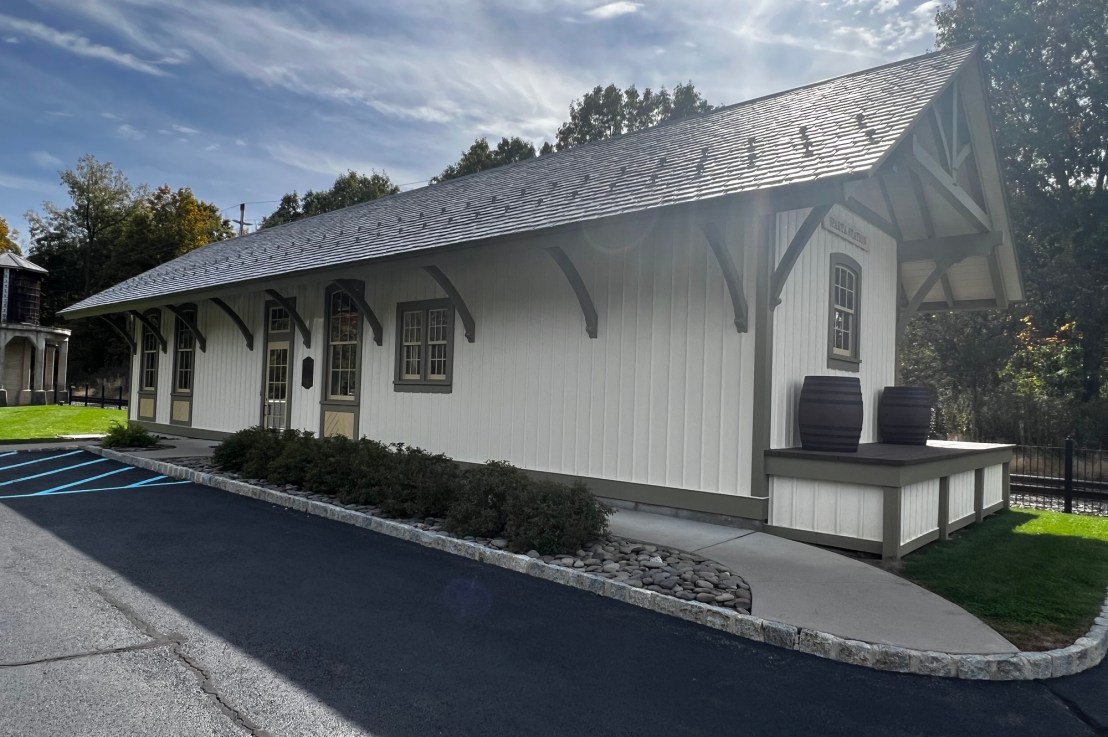
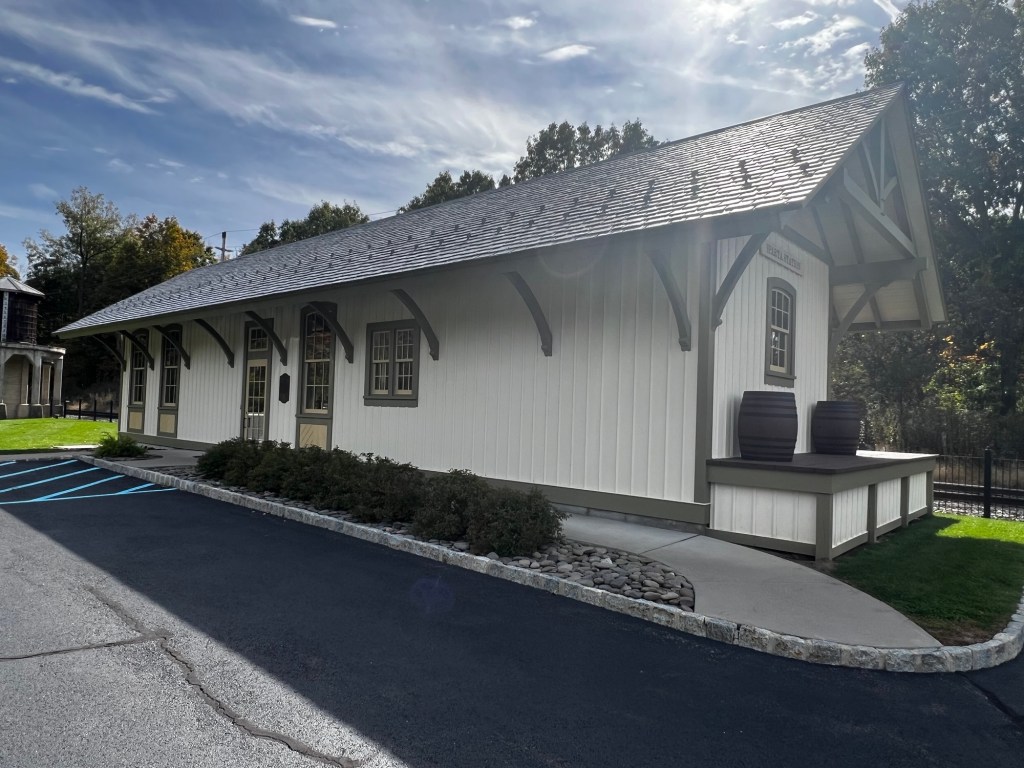
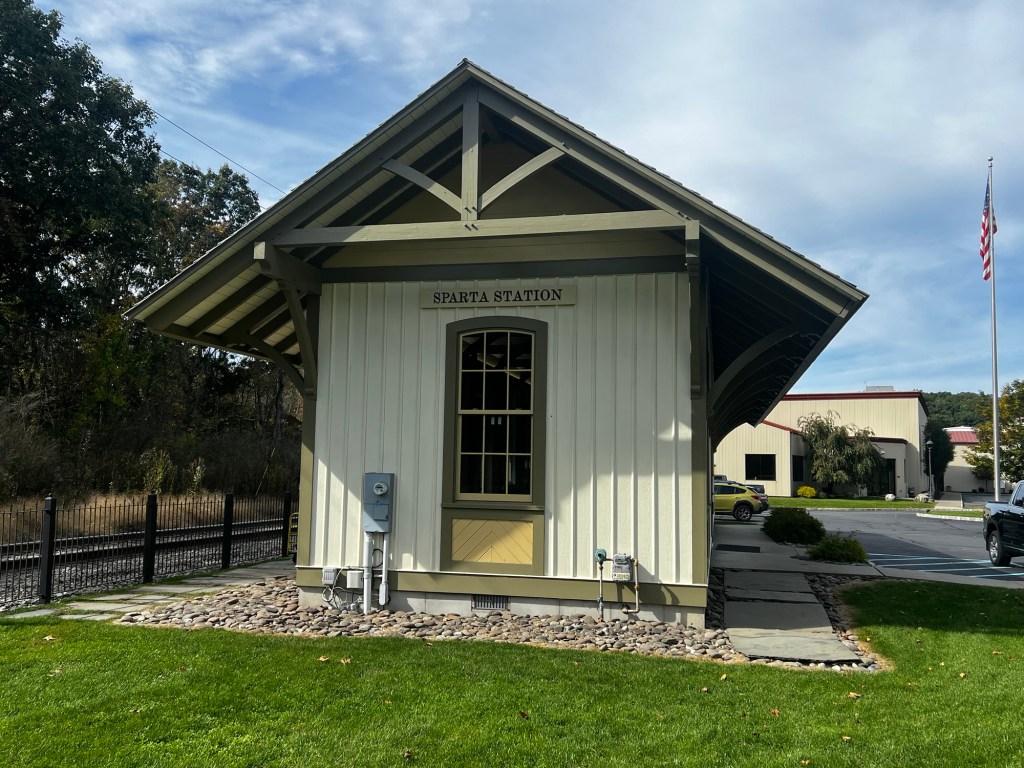
The side view of the station
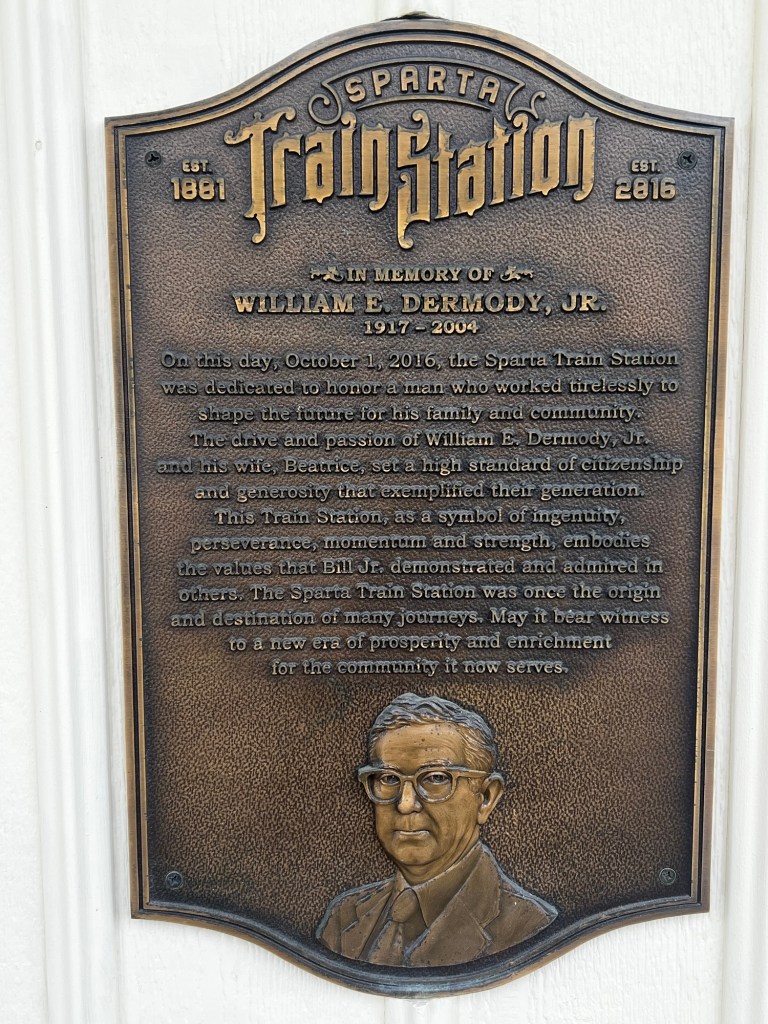
The plaque dedicated to the train station
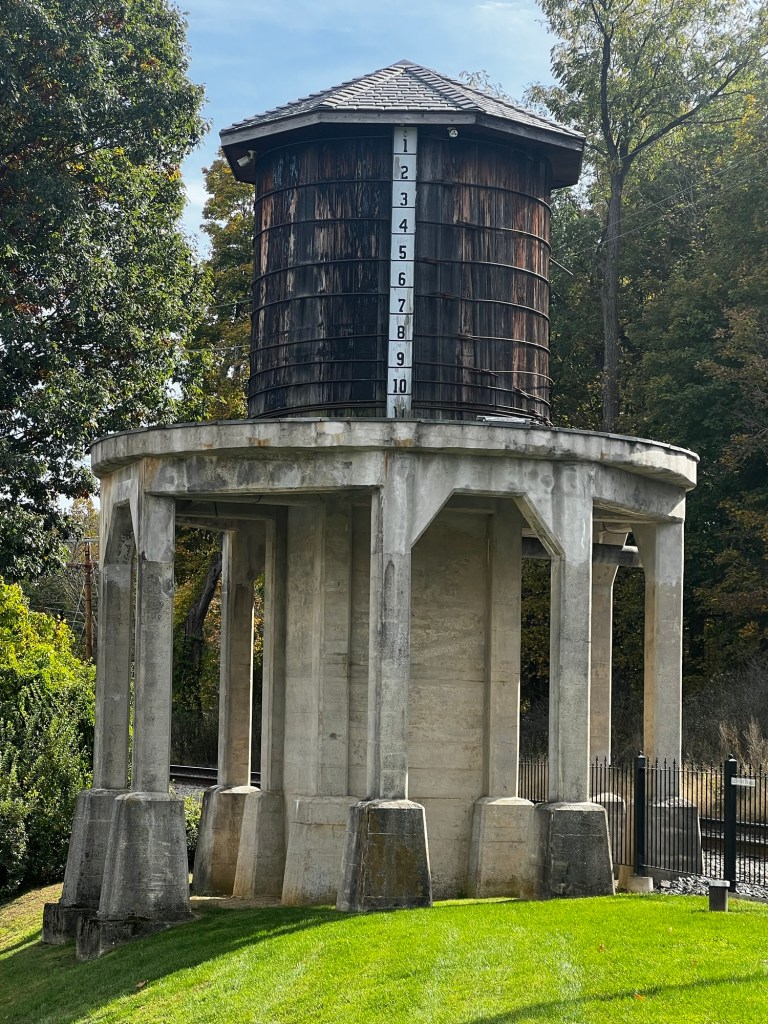
The water tower outside the train station on the station’s grounds
The grounds where the station and the water tower are located are still an active train line.
The inside gallery at the Sparta Train Station Museum
The back part of the station’s gallery
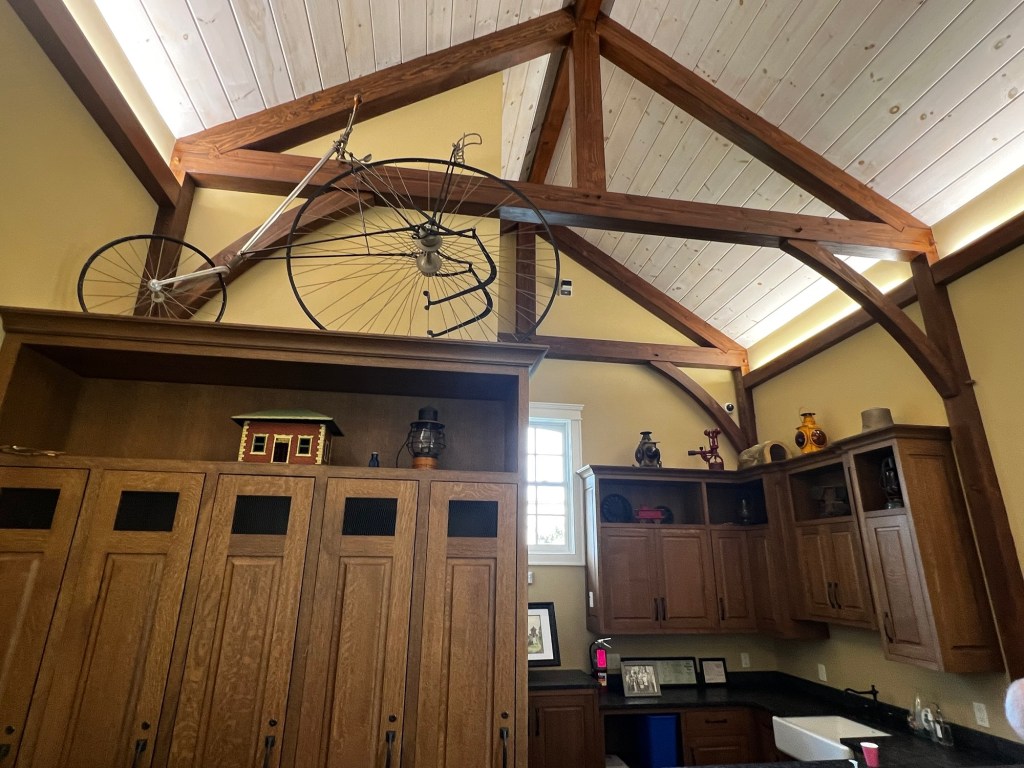
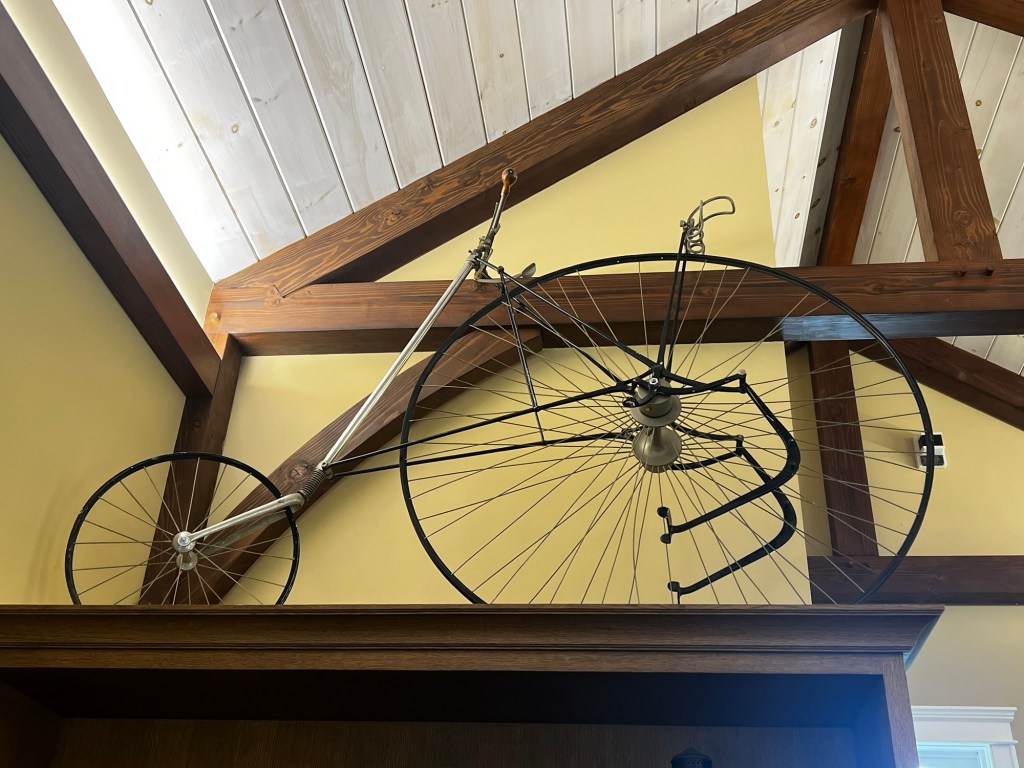
Old travel equipment used on the train rails
Though the collection is small for now, the docents explained they will continue to add more to the collection. They were also a wonder book of knowledge on the history of this area of New Jersey.
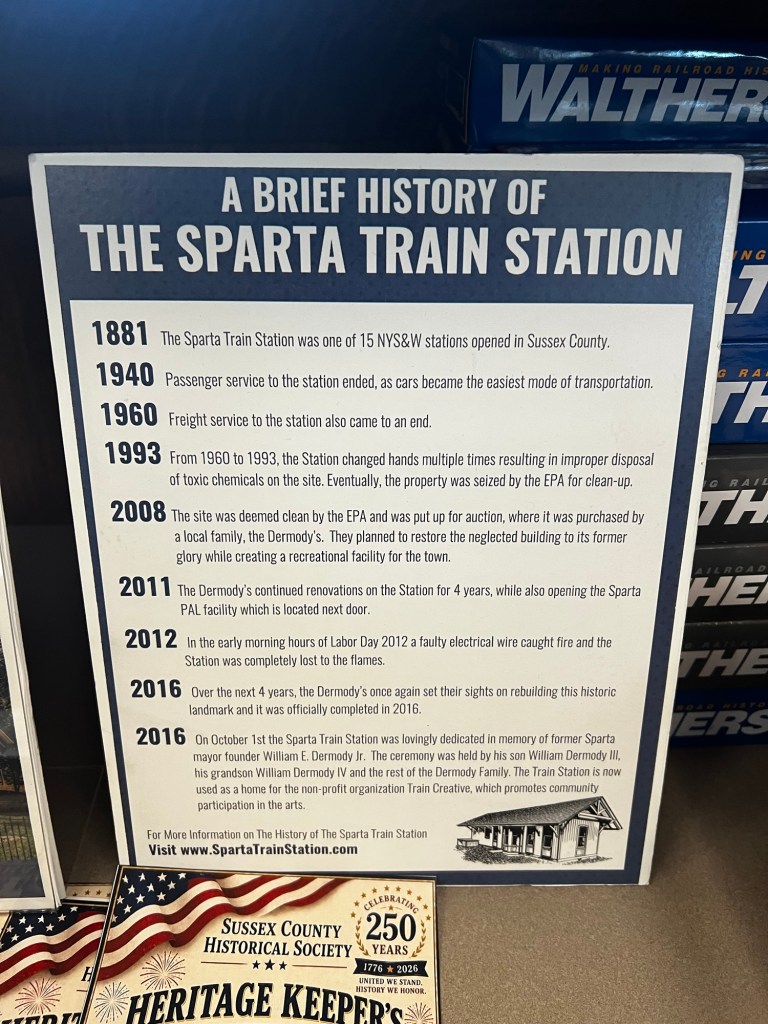
The history of the museum
The building and the museum have had quite the history. This includes the fire and the rebuilding.
The train displays
The train display
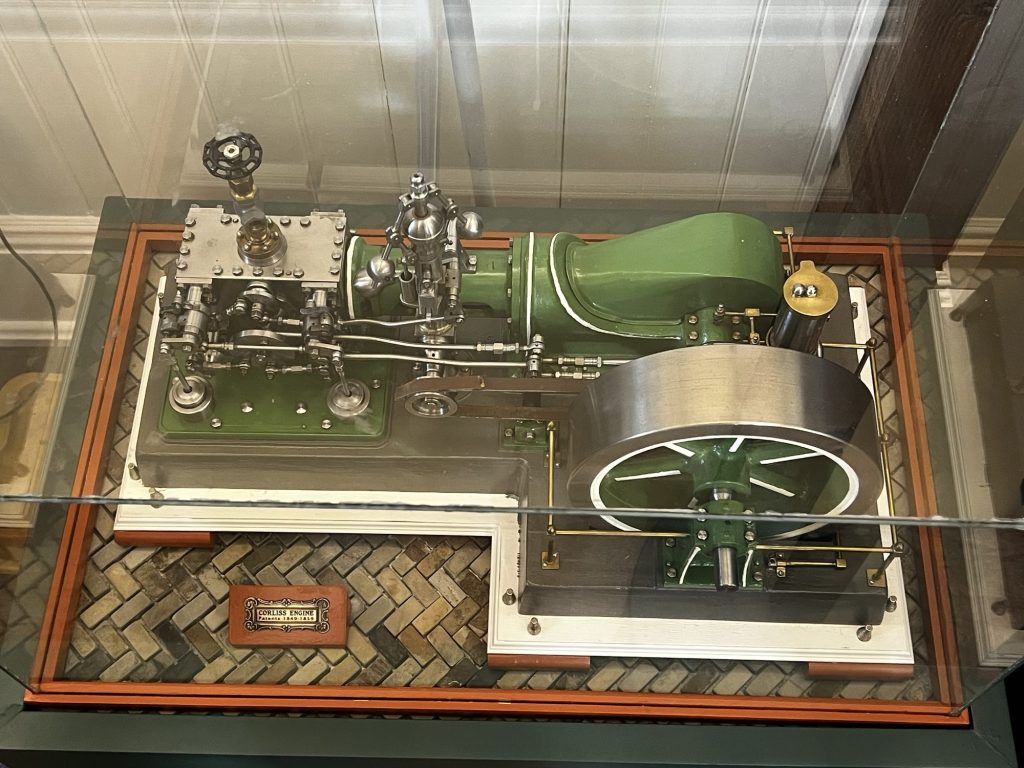
The engine display
The docents were a wonder book of information on the history of the rail system and of the station building itself. The museum is just starting to develop so for now it is quick visit through the museum when it is open and visits back to see how it grows it collections. For now, it was a very interesting visit.
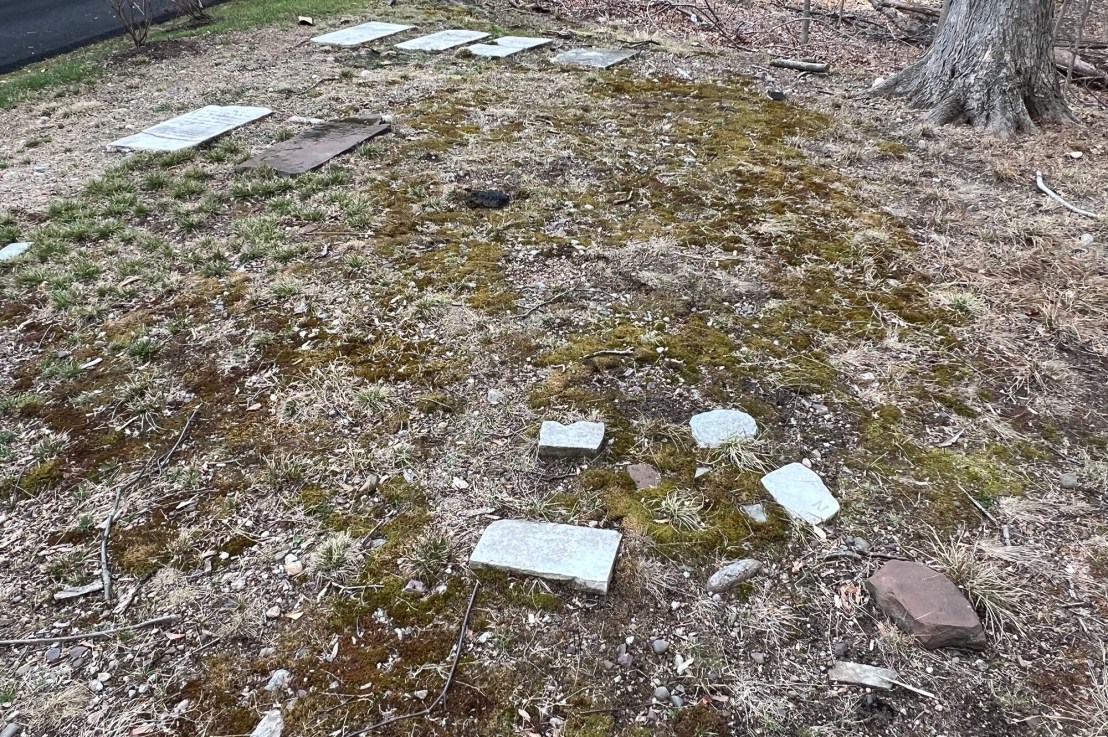
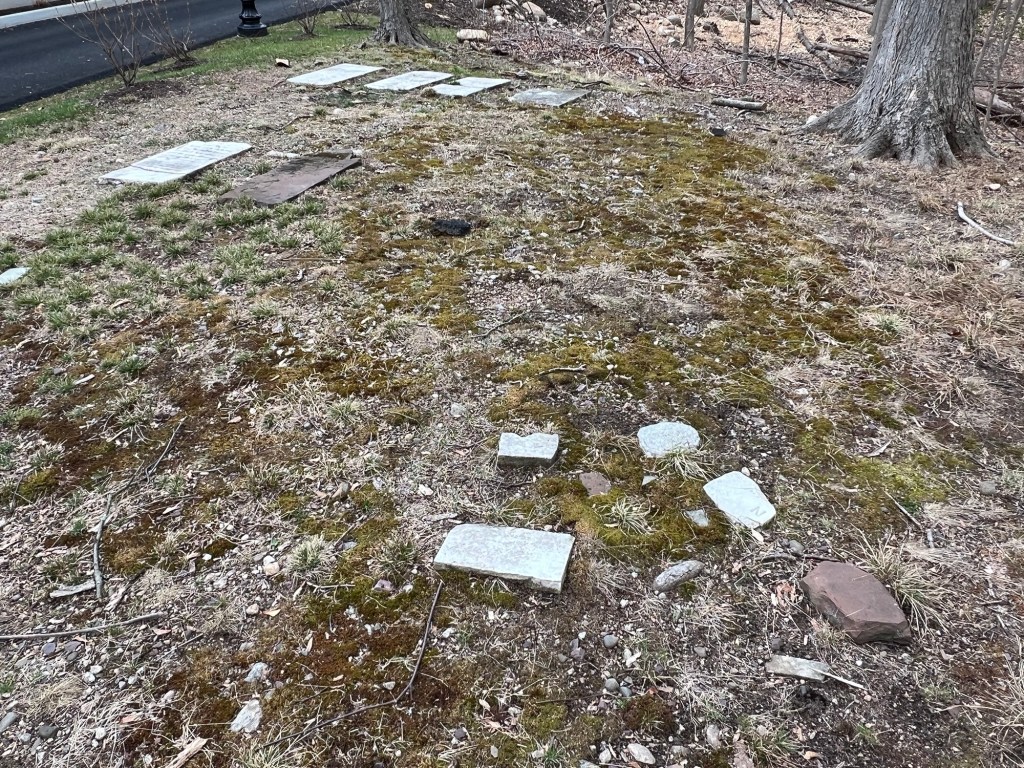
The Sturr Family Cemetery sits on a bend of the driveway of the Chabad Jewish Center of Northwest Bergen County and is a small cemetery that once sat on the edge of the J.H, Sturr farm.
The Sturr Family Cemetery
The farmhouse of the Sturr Family sits on the lot across the street from the cemetery property. This is located on a small buff on what was the edge of the farm.
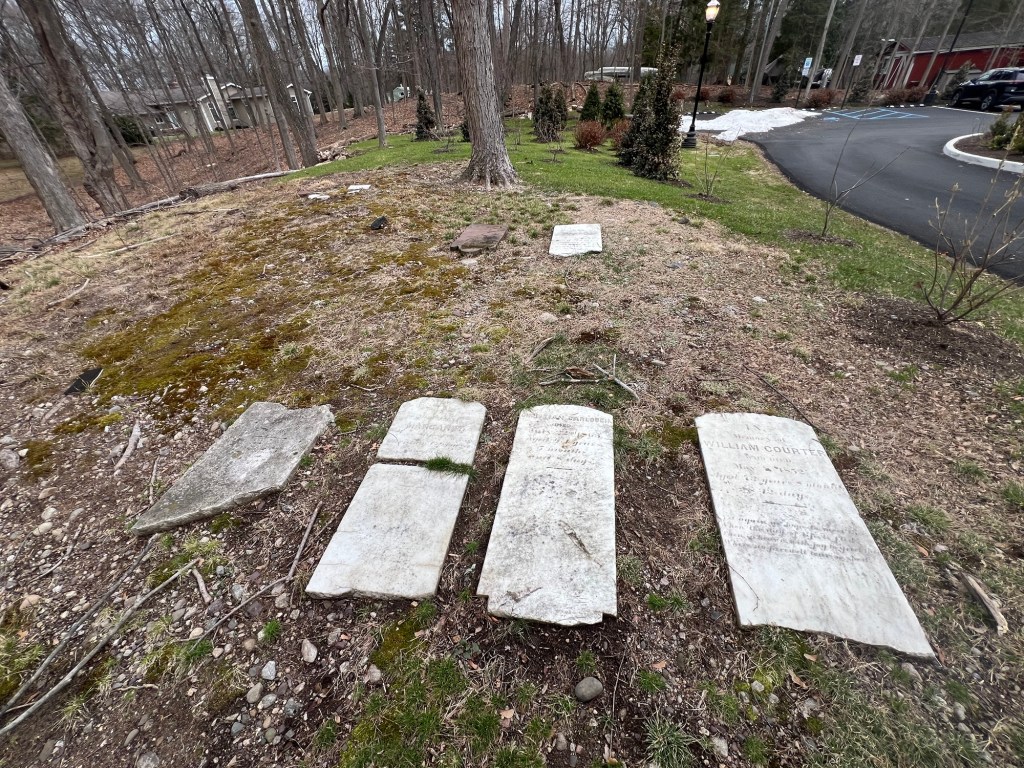
The Sturr Family cemetery tombstones
The tombstones of the Courter and Carlouch family members
The grave of William Courter
The only visible tombstones that are left in the cemetery are an Ackerman family member, Anny Ackerman and members of the Courter and the Carlouch family’s (who must have married into the family).
The Ackerman family tombstones (the one to the right was unreadable)
The other tombstones are broken and no one is sure who is buried where in the cemetery.
The History of the Cemetery:
(From Find a Grave website)
The cemetery is located in Franklin Township, Bergen County, New Jersey, on what was once the family farm of J.H. Sturr. As of October 1991 only 6 markers were still remaining.
The Sturr Family Cemetery in full view
History of the House:
(From the Franklin Lakes Municipal Website)
H. Sturr House or Blue Meadow Farm Built 1860 378 Pulis Avenue, Block 1510, Lot 8 Franklin Lakes, New Jersey 07417
The Sturr House – also known as Blue Meadow Farm -is a handsome and little altered example of mid 19th century vernacular architecture which incorporates several stylistic elements such as gable returns and frieze area of the early 19th century Greek Revival style. The Borough of Franklin Lakes lists the erection year of the house as 1860.
The façade of this 2 ½ story house consists of clapboard. The front porch has five bays with square posts and a rectangular entrance door with rectangular sidelights. Two tall 1st story windows are on one side of the porch. A single hitching post with iron rings sits in front of the porch stairs. The building has a frieze area with linear design. Semi-circular headed louvered vents are in all gable ends. The rear of the house has a one story wing. There is a detached garage to the west side of the house as well as a round frame well. Further west of the house is a stable which has been extensively remodeled and converted into a residence in recent times. The house combined with associated structures is a significant remnant of the large farmsteads which ones dotted the Borough’s landscape prior to the recent suburban housing boom.
History of the Family:
(From the Franklin Lakes Municipal website)
This Sturr house and the nearby more altered house at 402 Pulis Avenue were duplicate structures and were probably built around the same time by members of the Sturr family. The 19th century Sturr family was descended from Conraedt Sturr who purchased 190 acres of land in this area with John Coeter from Robert Livingston in 1793.
The non-extant homestead and mill was located at present-day 930 Old Mill Road. It is known that Henry Sturr, the son of Conraedt, had a fanning mill at this location in 1850. In a will dated 1852 he bequeathed his property and mill to his grandsons John, Henry, and Daniel (Maria Braun – 1976 page 26 & 27).
The property along Pulis Avenue upon which these houses are situated was probably included in this will since the homes were built around the mid-19th century. Future deed research is recommended to identify the original builder and the construction date of the house (1861: H. Sturr, 1876 Estate of H.M. Sturr). Presently the house is privately owned and occupied.
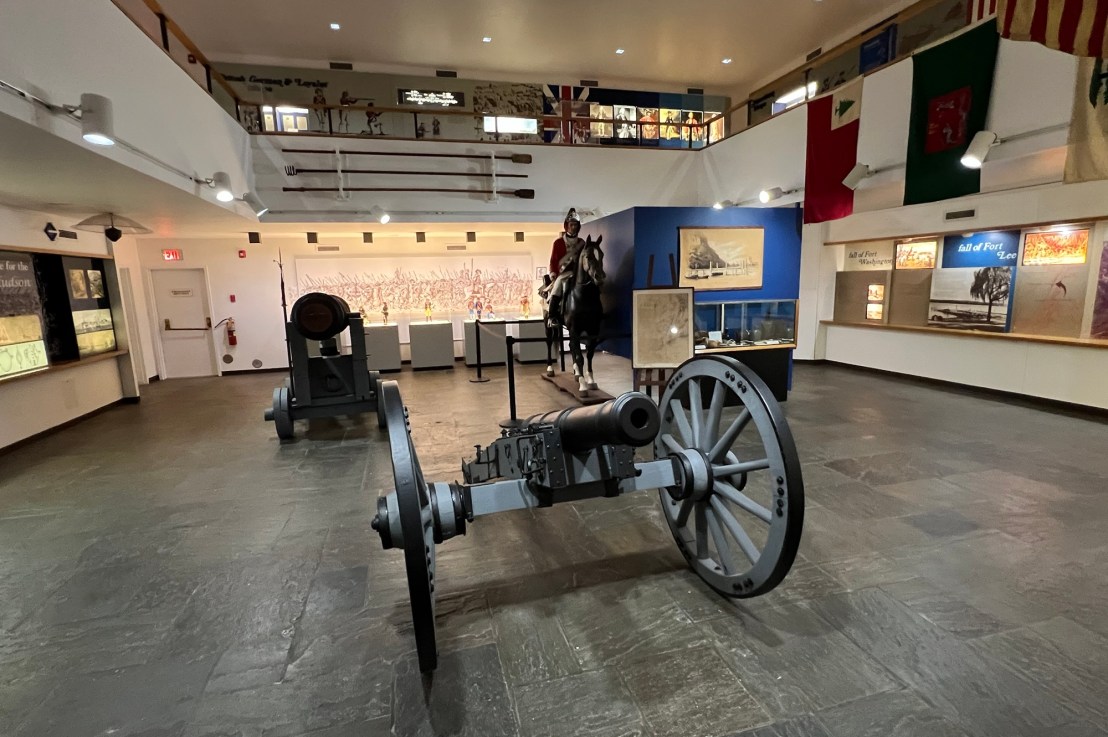
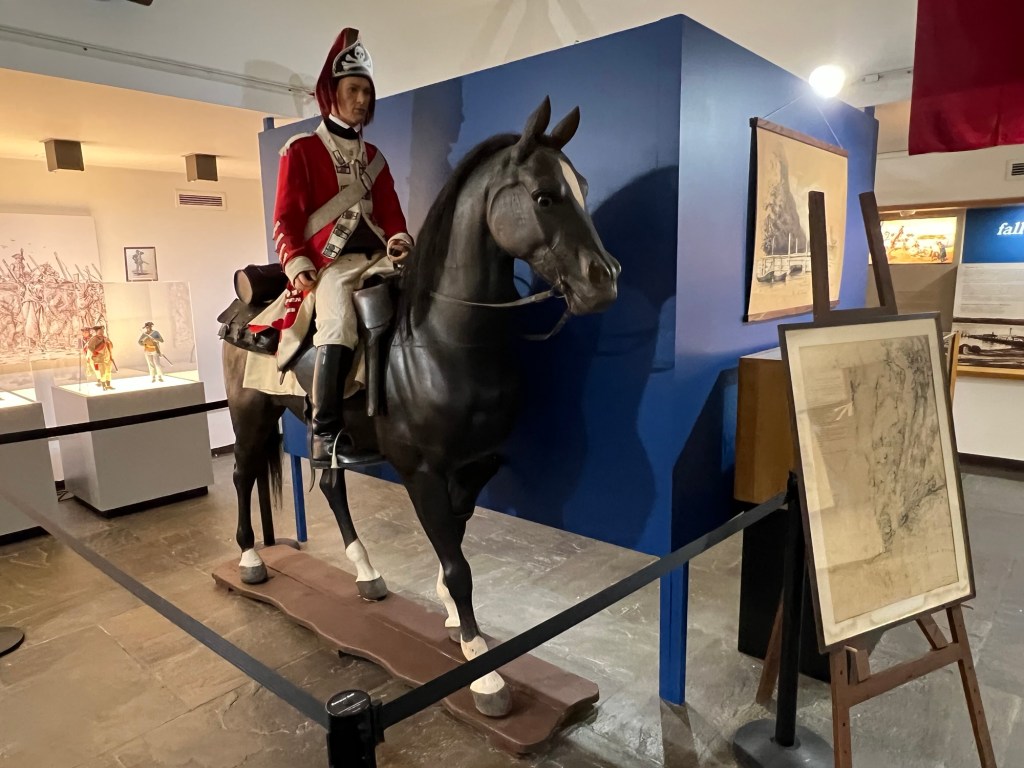
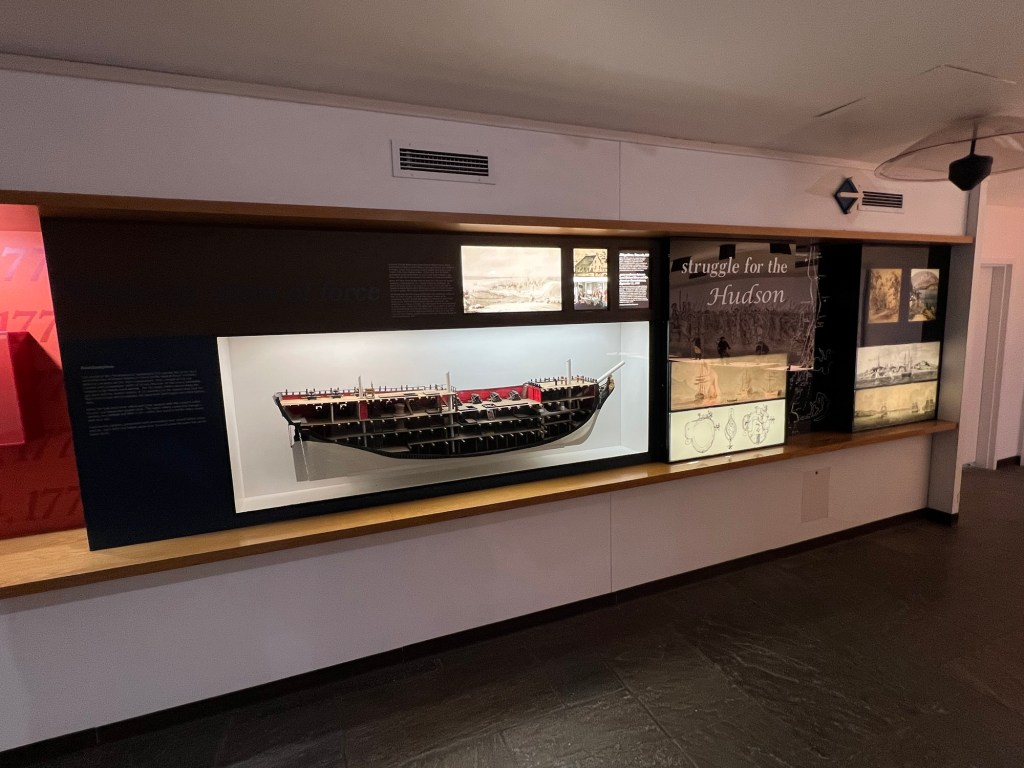
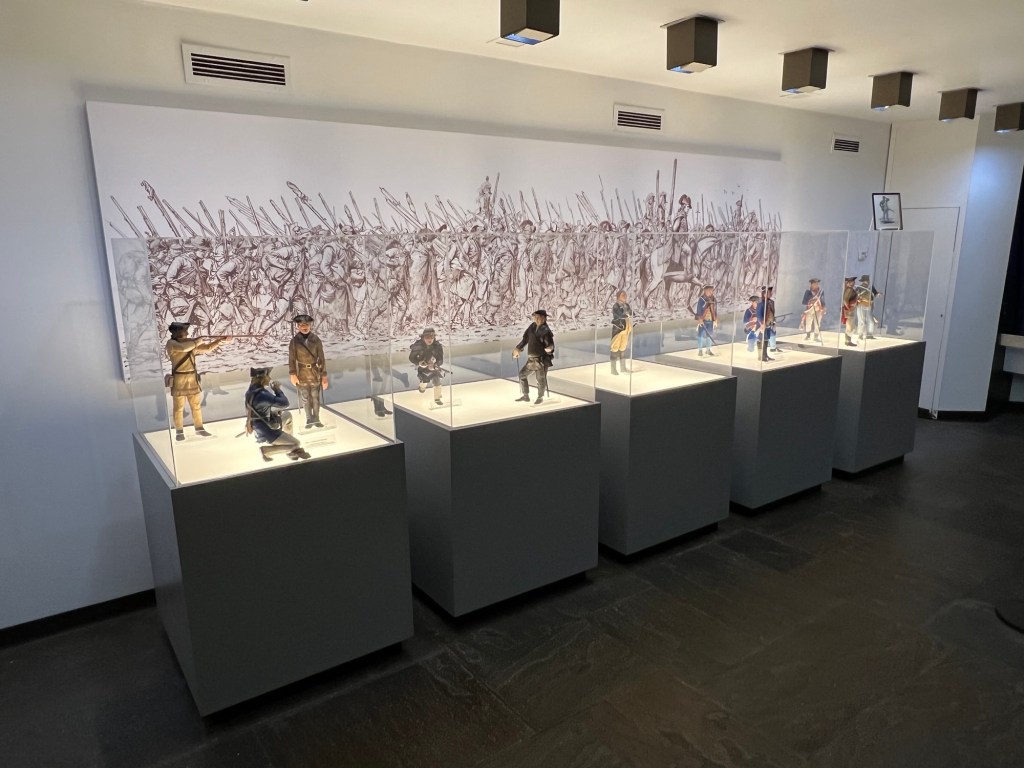
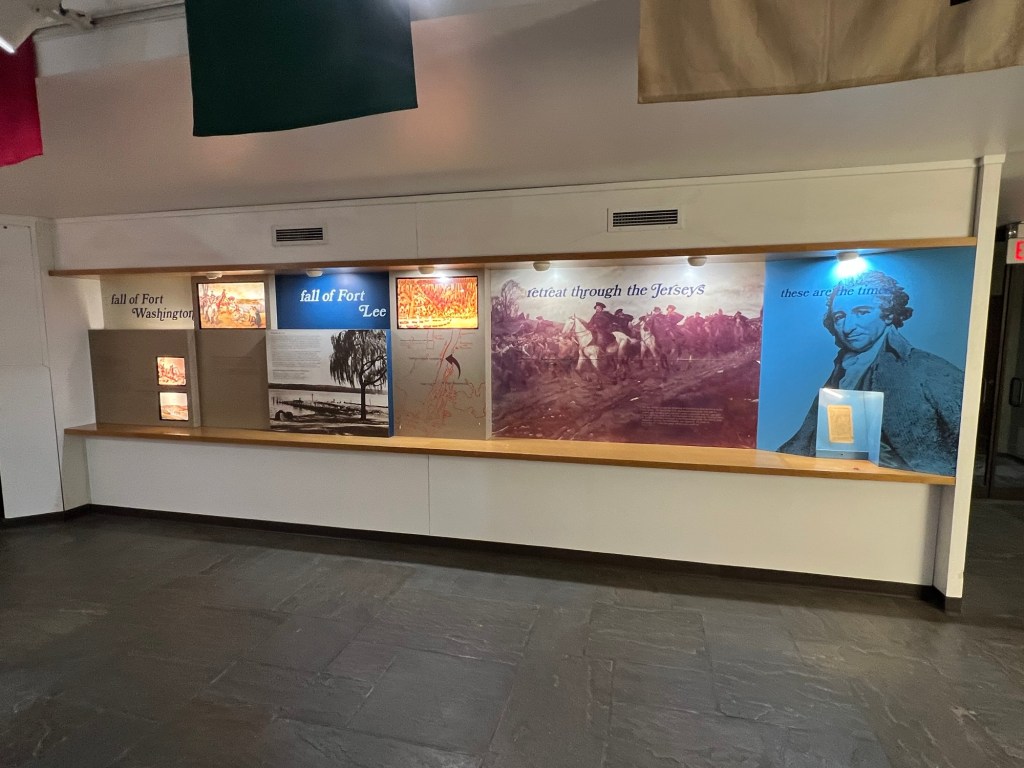
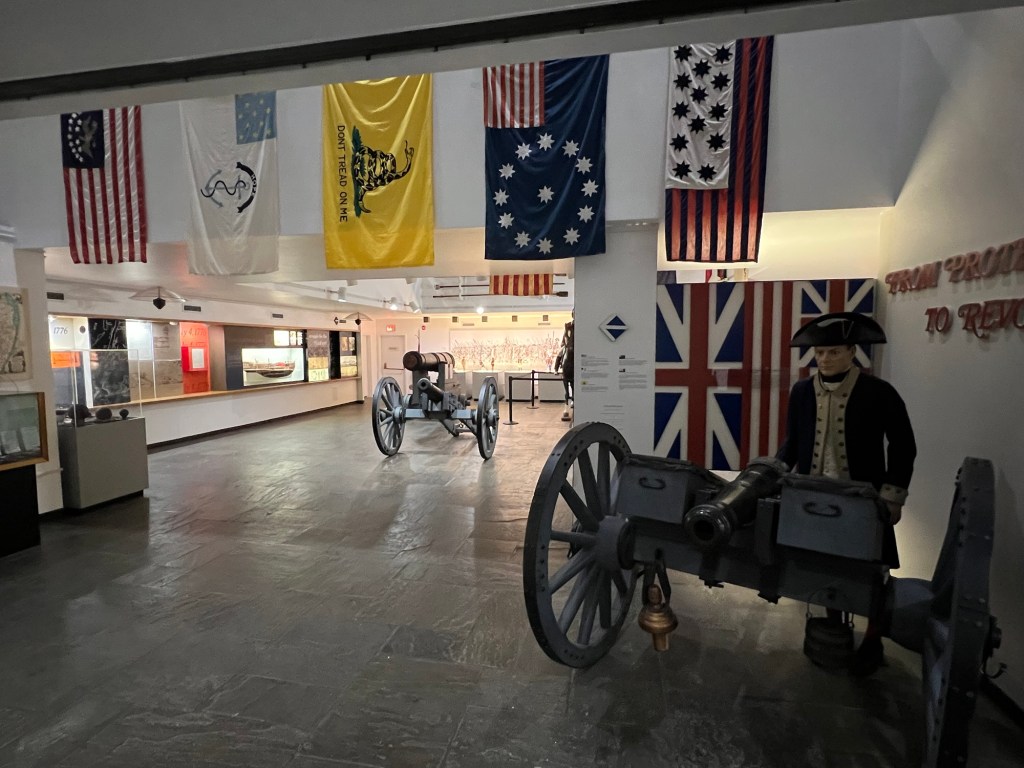
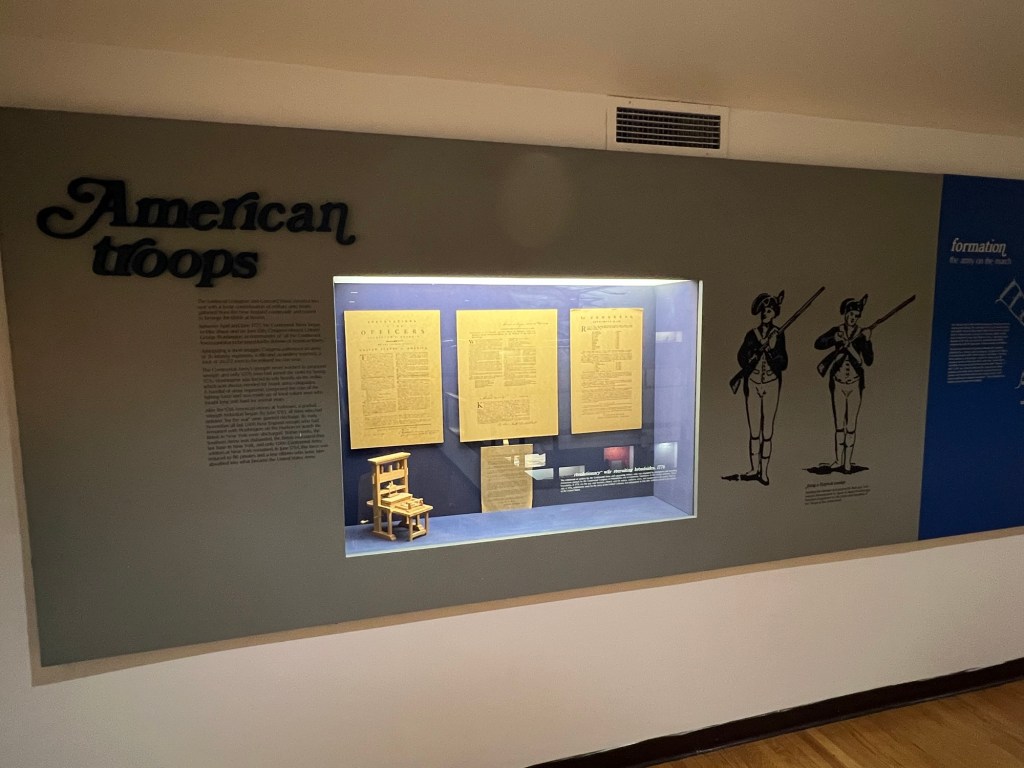
The Visitors Center offers a very interesting and thorough display of the Revolutionary and of the War effort by ordinary citizens.
The Main Gallery of the Visitors Center
About the park:
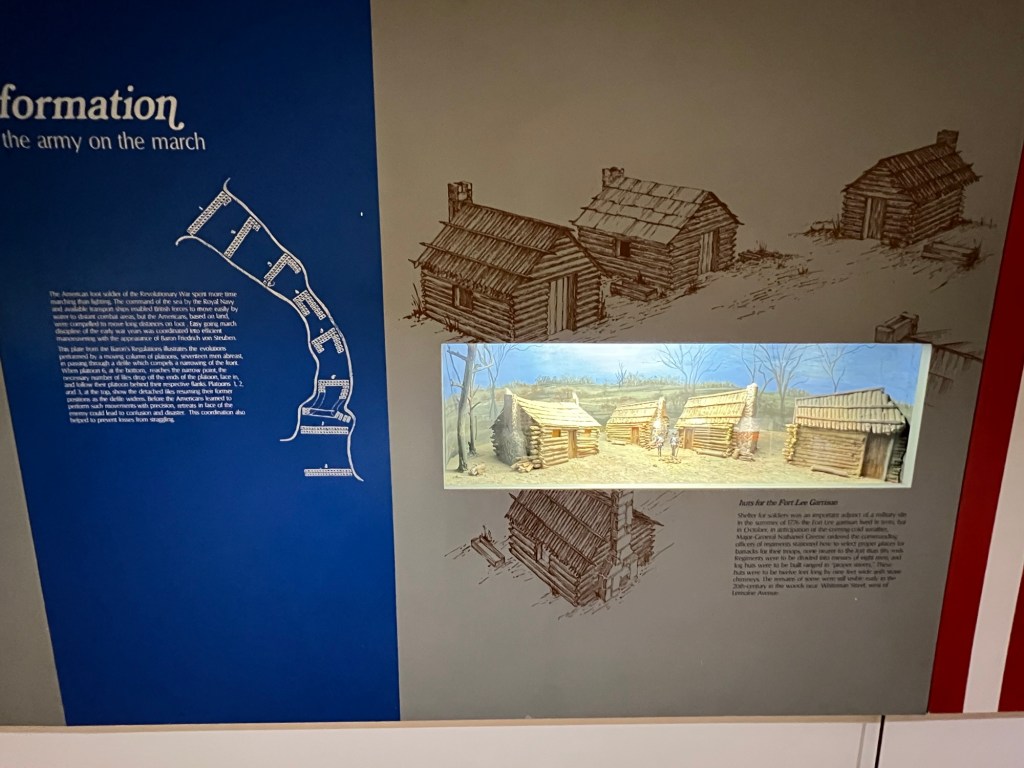
Fort Lee Historic Park is set on 33 landscaped acres atop the Palisades just south of the George Washington Bridge, with spectacular overlooks of the Hudson, Manhattan, and the George Washington Bridge. There are a Visitor Center and Museum, reconstructed 18th Century soldier hut and campsite, and reconstructed gun batteries.
Fort Lee has been named as a significant stop on the Hudson River Valley National Heritage Area Revolutionary War trail (The Fort Lee Historic Park website).
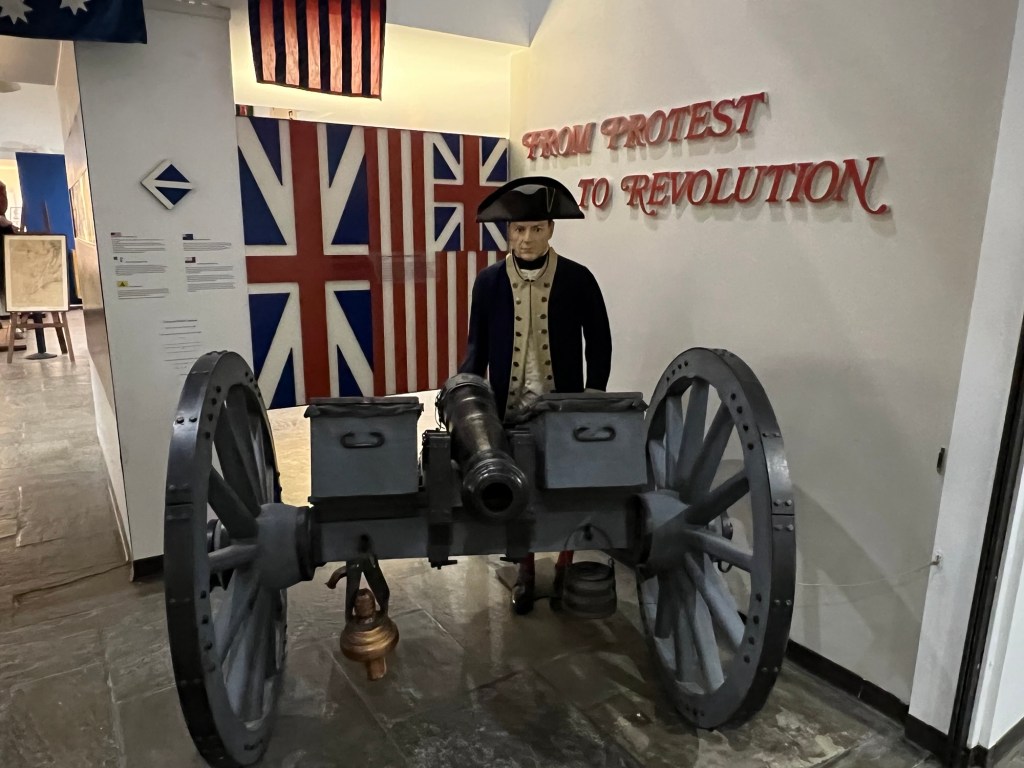
The Visitor’s Center and Museum of the site tells the story of the battles fought, the retreats done and the important role that Fort Lee played in the history and foundation of this country. Each display shows the life and times of these brave men and women who survived famine and war to help build a nation.
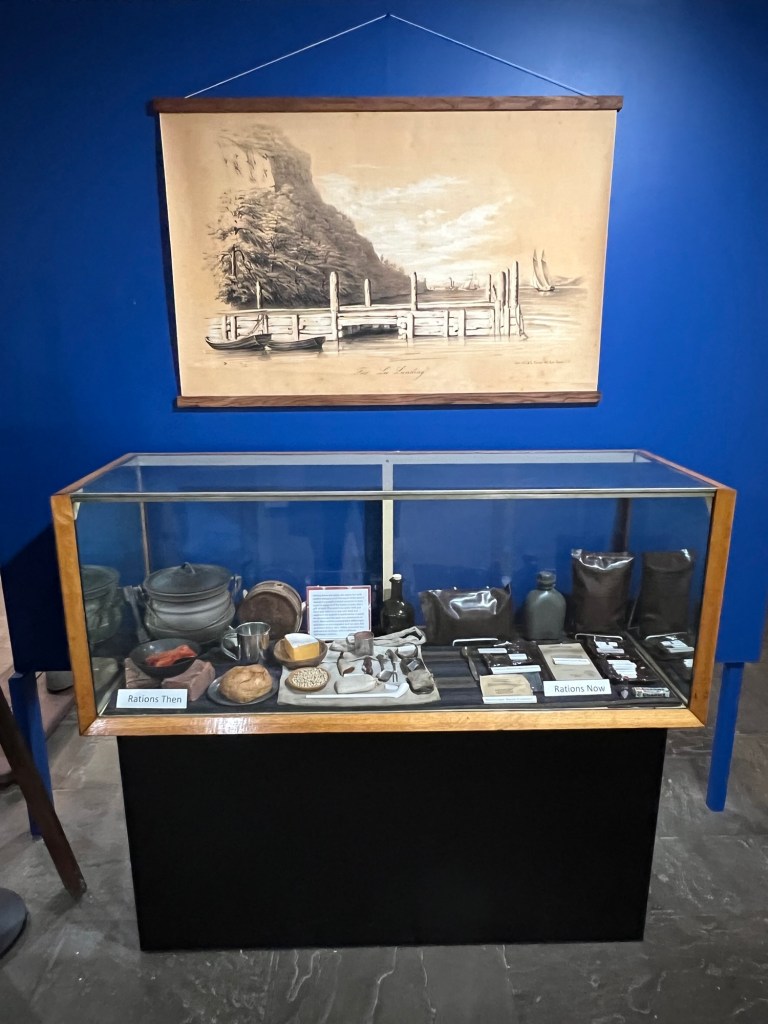
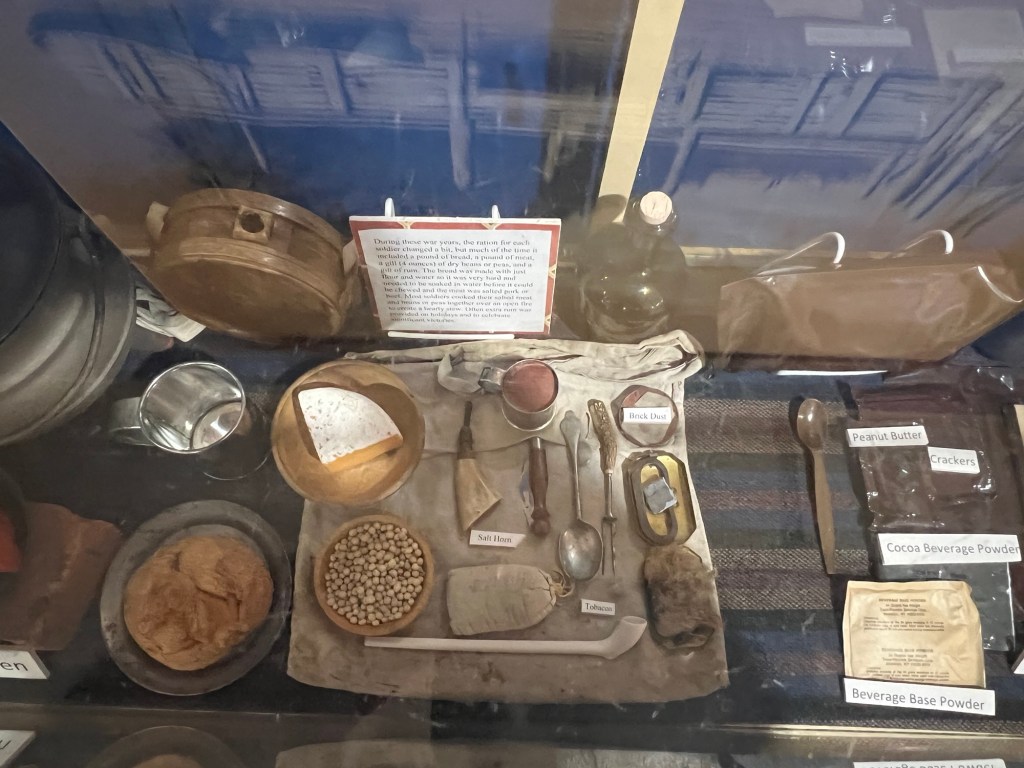
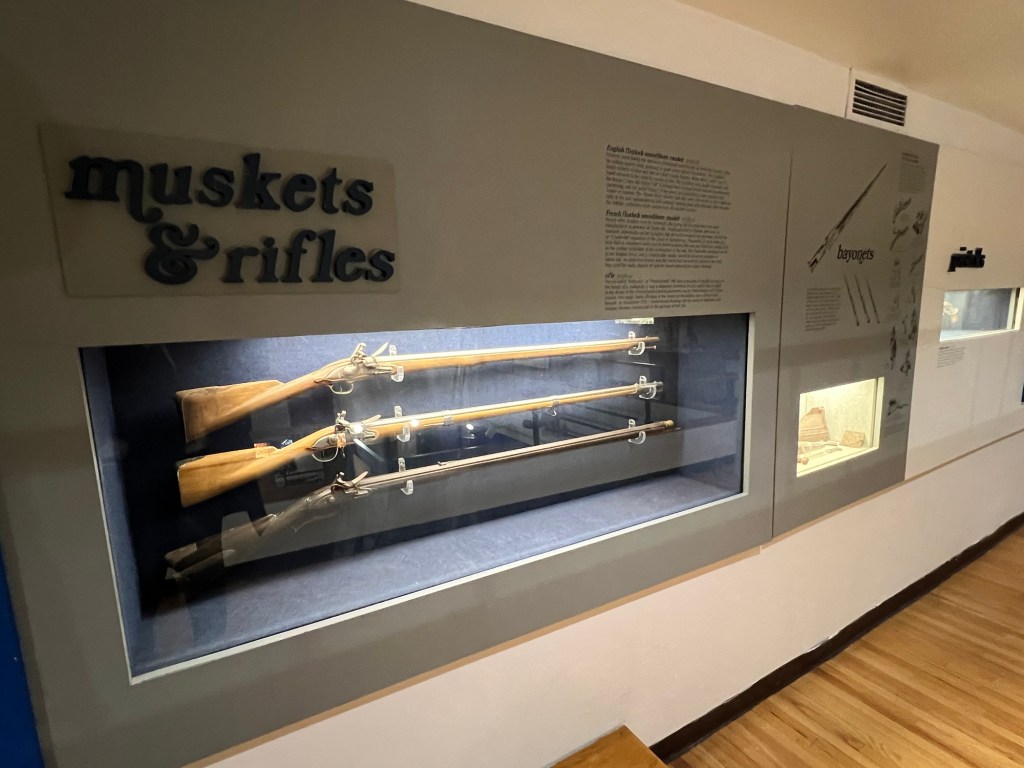
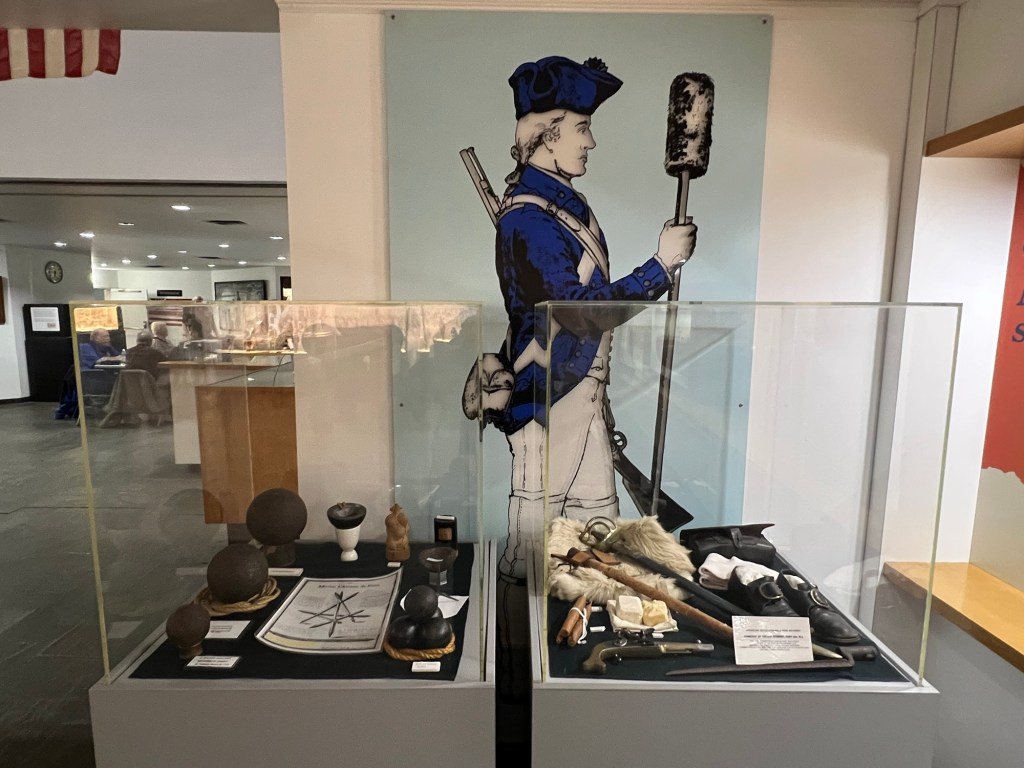
Artifacts of the soldiers equipment
Artifacts of American soldiers
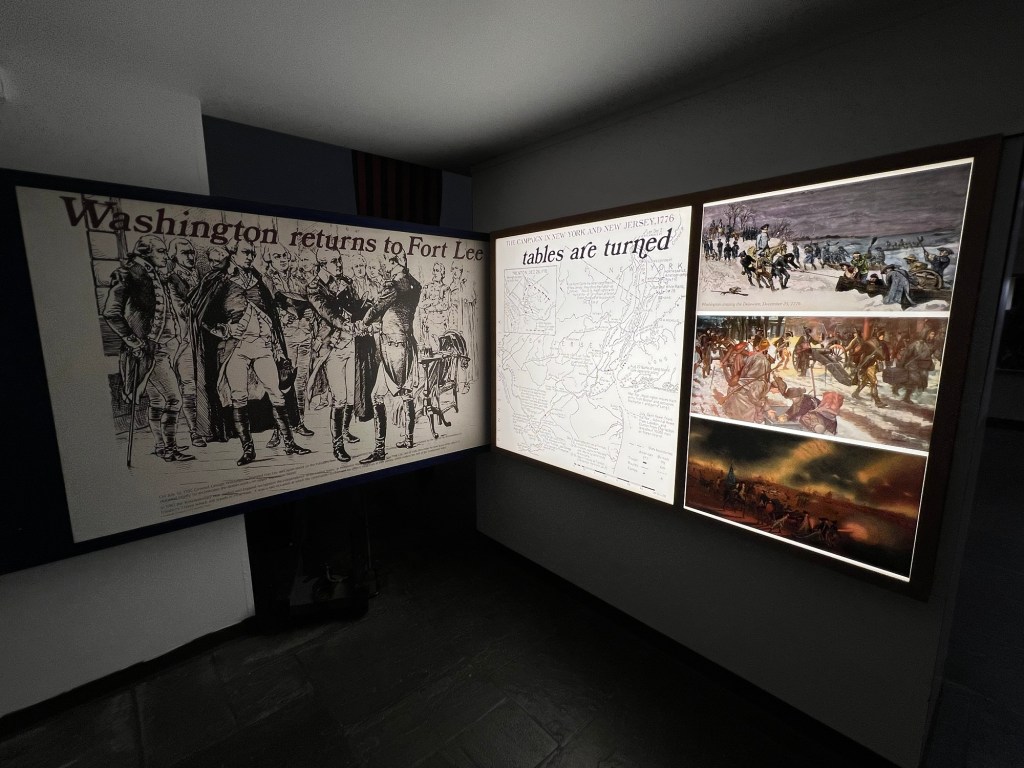
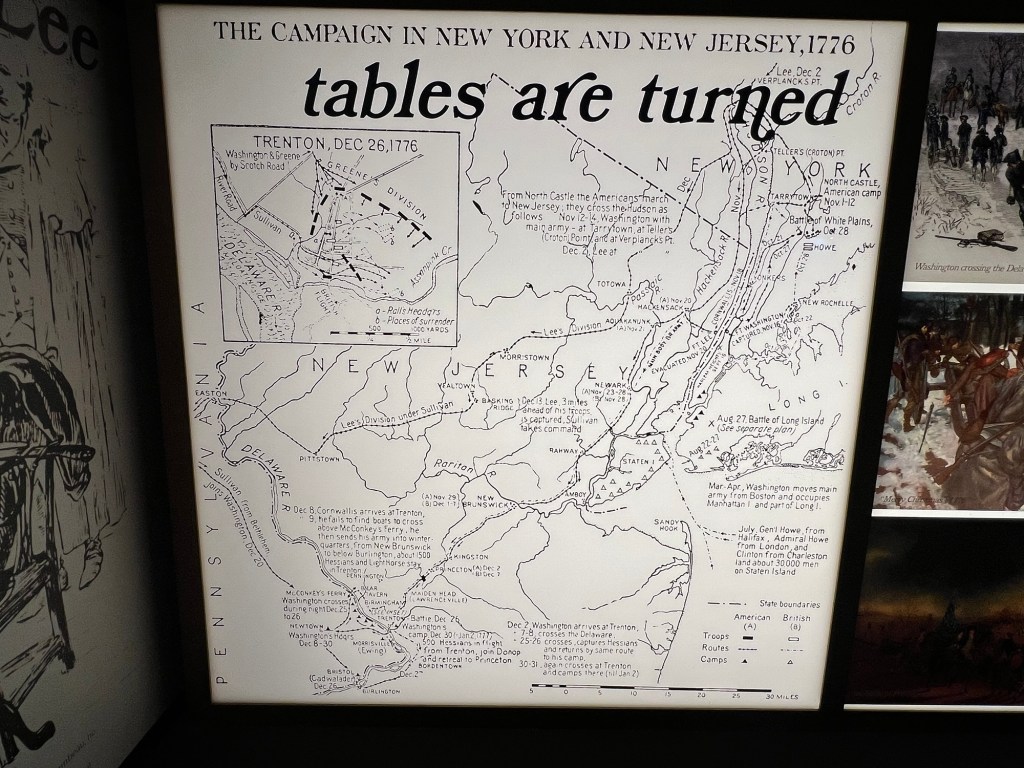
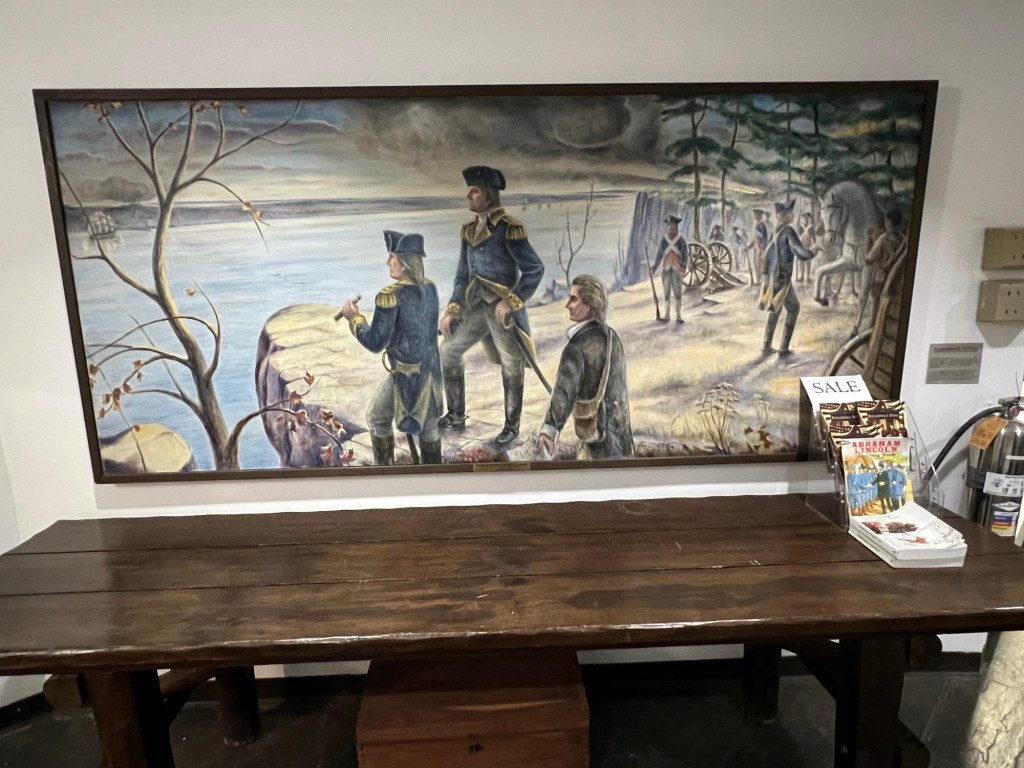
Washington returns to Fort Lee
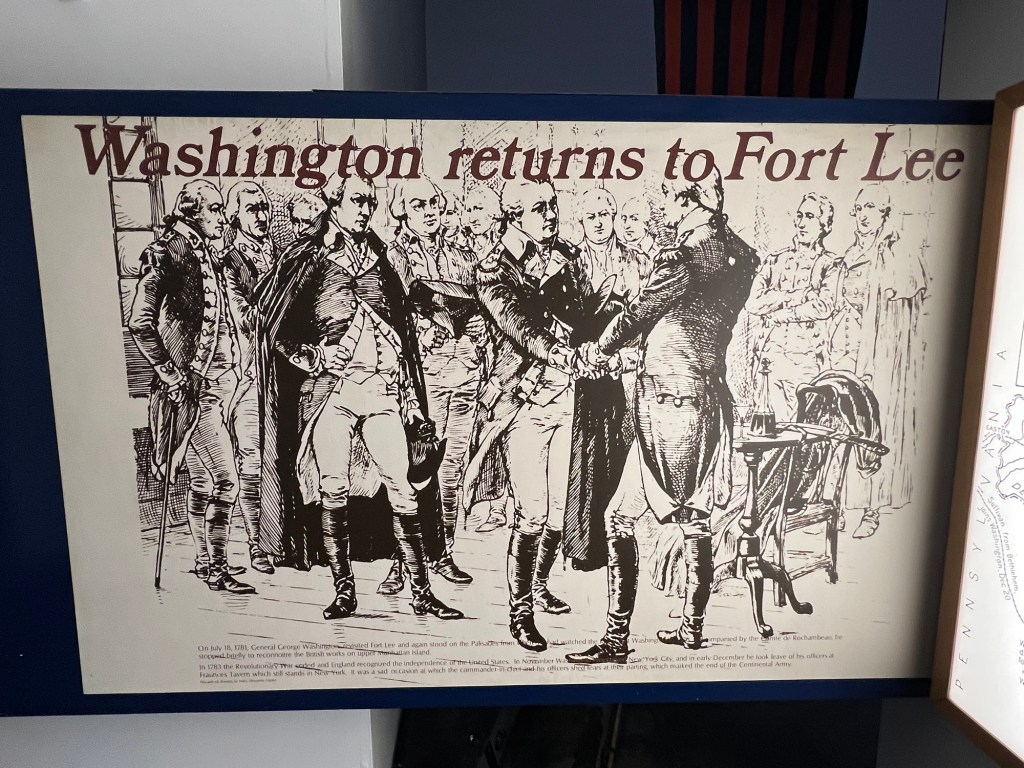
Washington Returns to Fort Lee
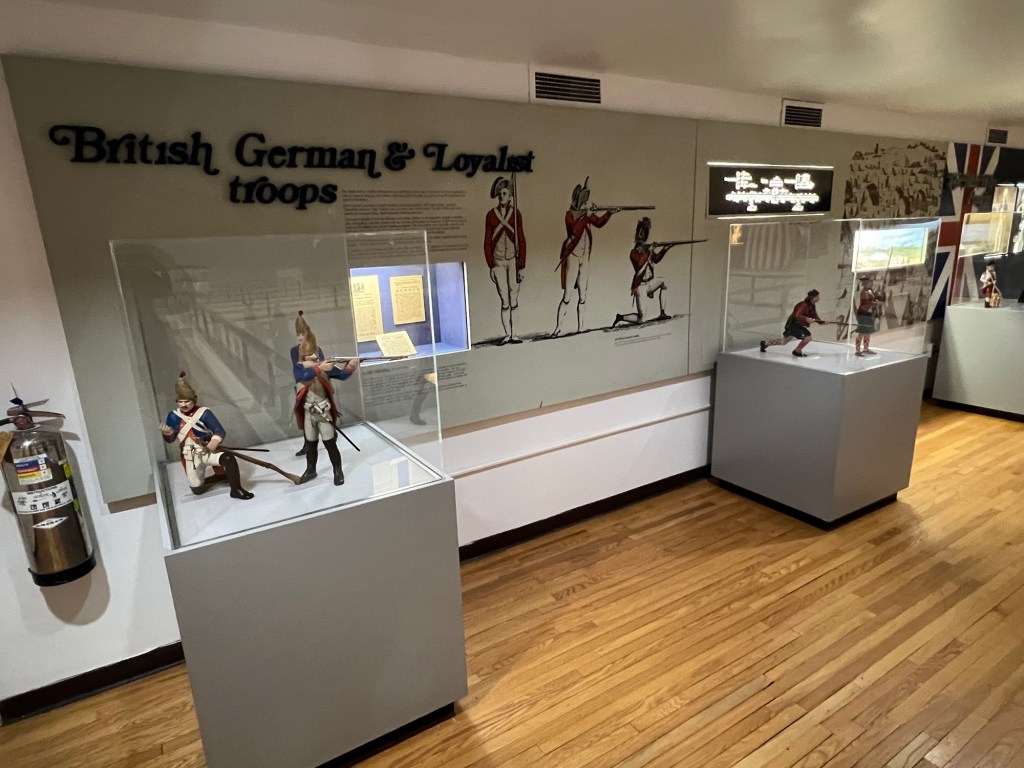
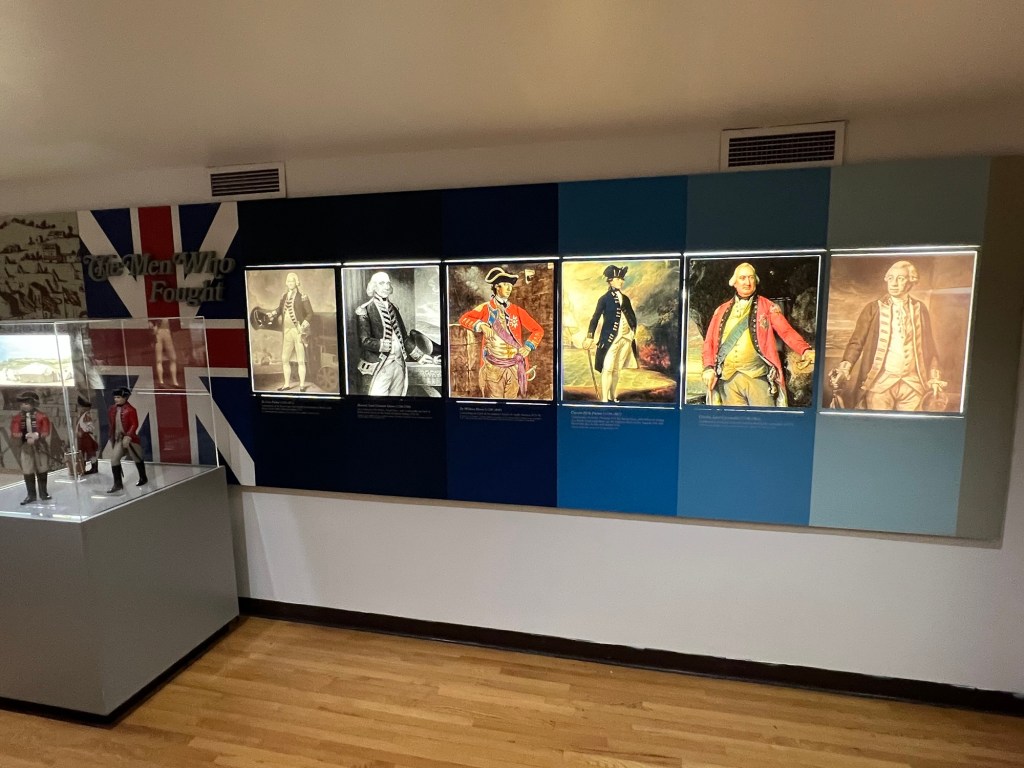
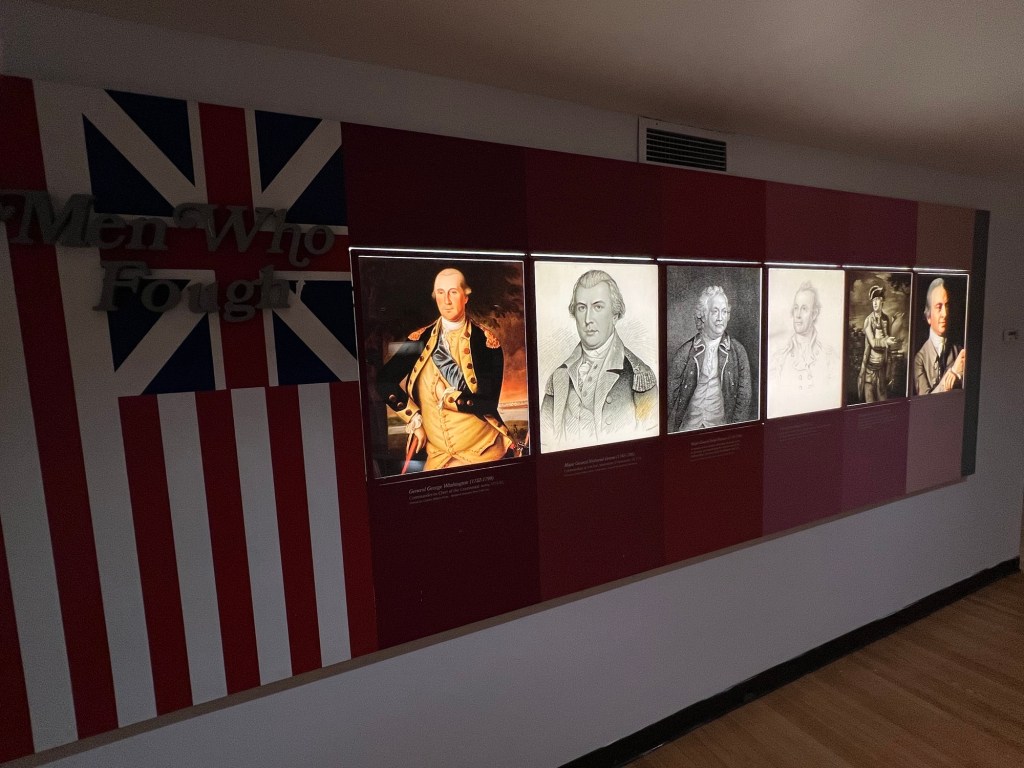
The battles and triumphs of General Washington, his fellow generals and the troops during the war effort.
The American defenses
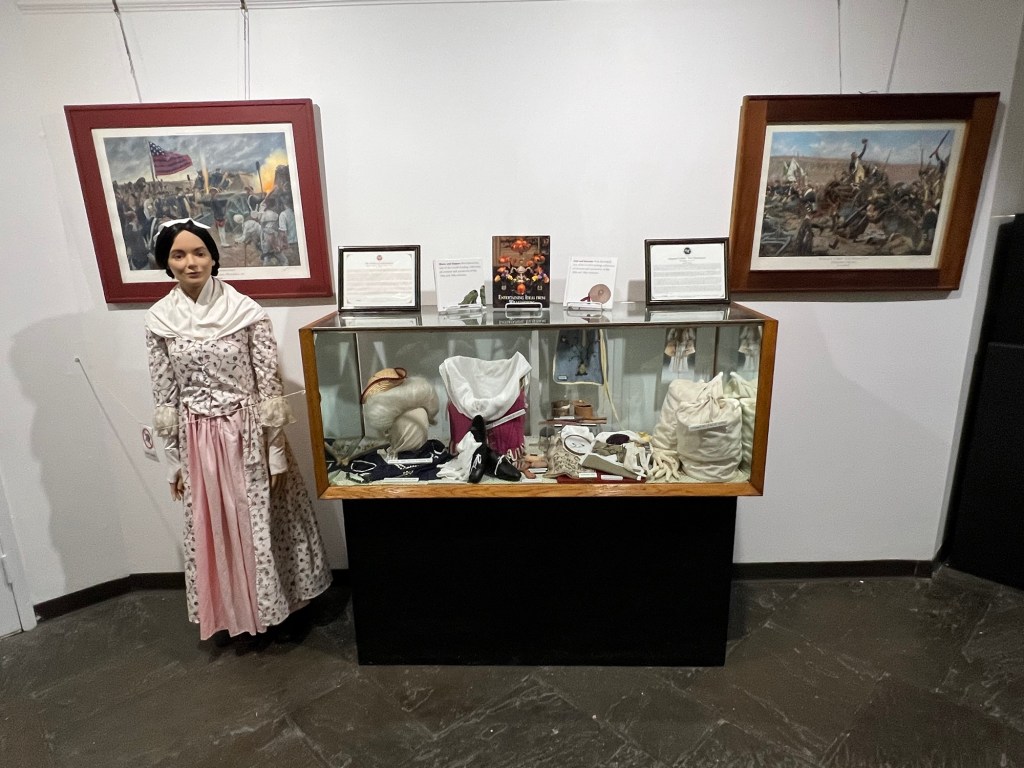
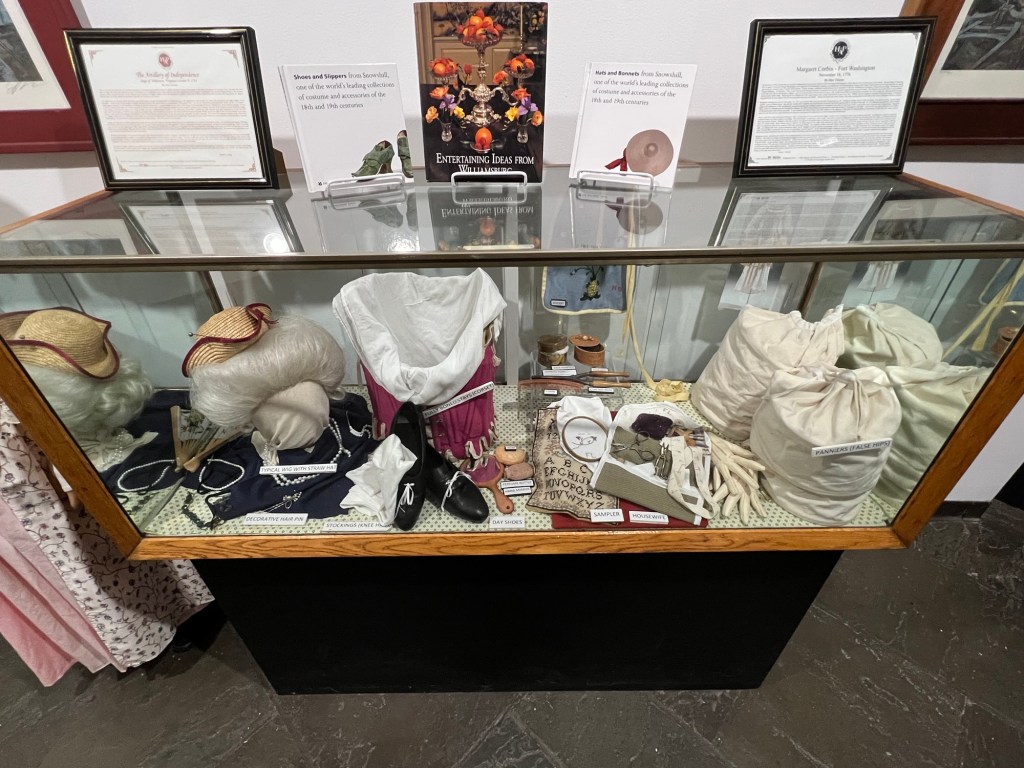
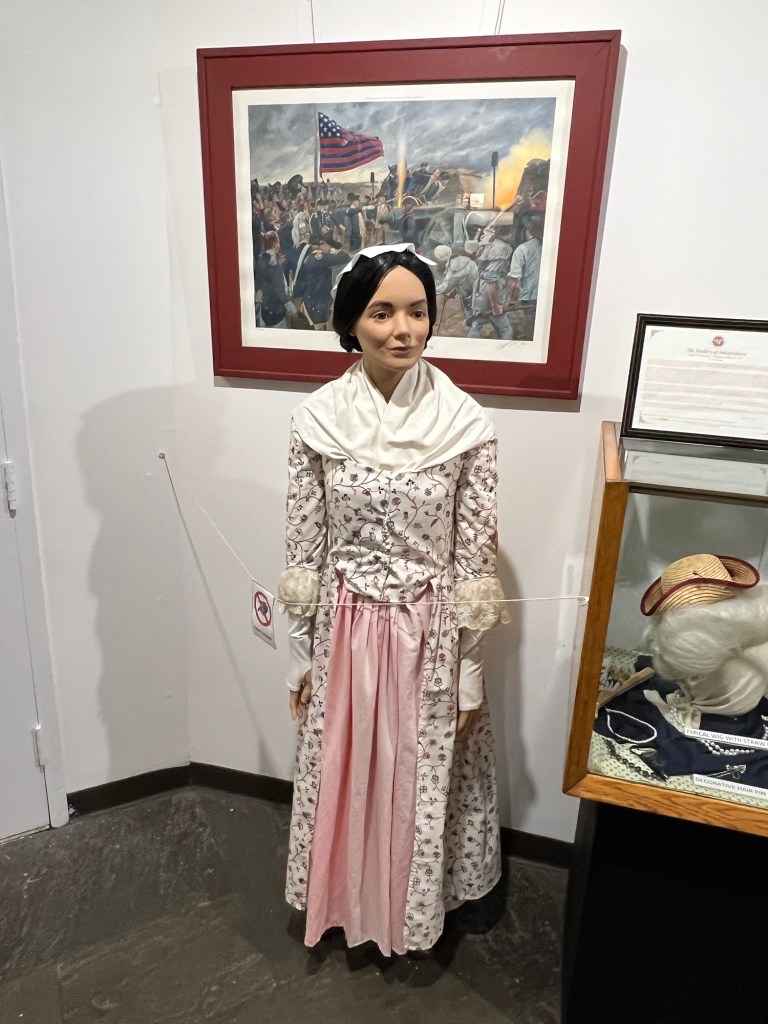
American Women’s display
Women’s accessories during the Revolutionary War
Women’s clothing
The Patriot display in the back gallery
The Patriot display
Spying on the British
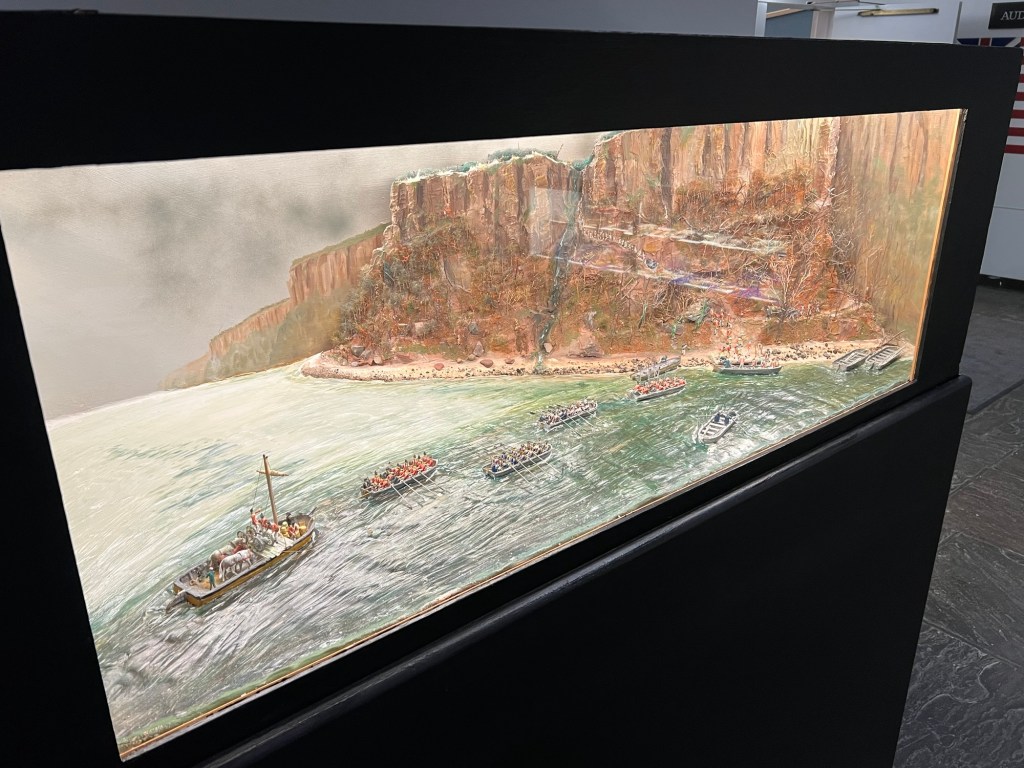
The Battle of the Palisades
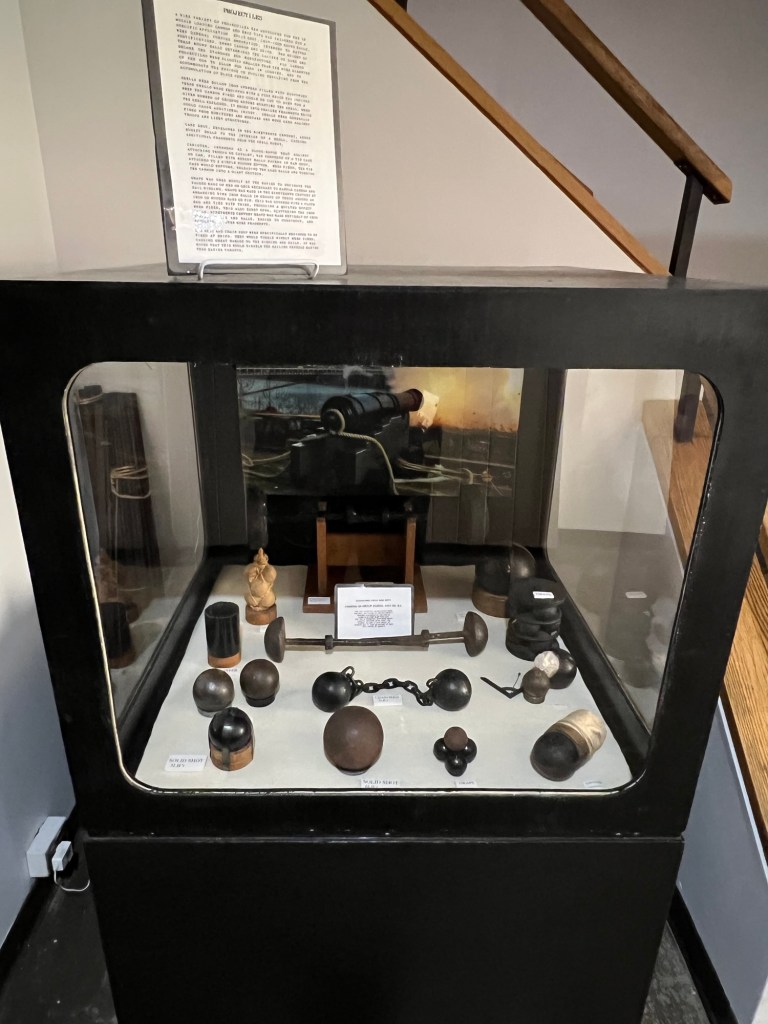
Cannonballs from the War
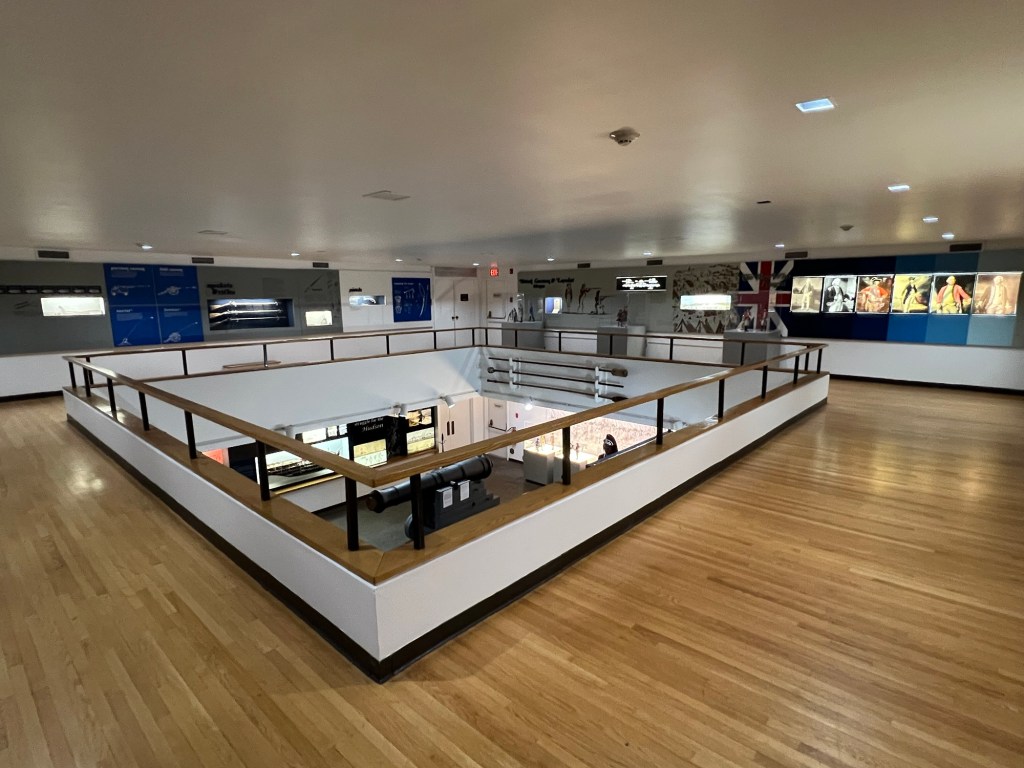
The second floor galleries at the Visitors Center better describe the people involved with the war effort
Every semester I challenge my Business 101-Introduction to Business students to a project. This year we promoted the Garretson Forge & Farm for the “Bergen 250”, the 250th Anniversary of the Revolutionary War in Bergen County, NJ. Our concentration was on the historical Garretson Forge & Farm in Fair Lawn, NJ. The students had to create a series of events to promote the site and they did an excellent job with the project!