I was recently traveling around the Newfield, NJ area, where a small museum dedicated to Matchbox cars was located. I had enjoyed playing with them and collected them when I was little and it sounded fascinating to have a whole museum dedicated to them.
They were not open that day but arranged to visit the museum when I was in the area on my next trip. A few weeks later I arranged a private tour of the museum and got a very interested and detailed tour of the collection, the history of Matchbox cars and the owner of the collection and his collection.
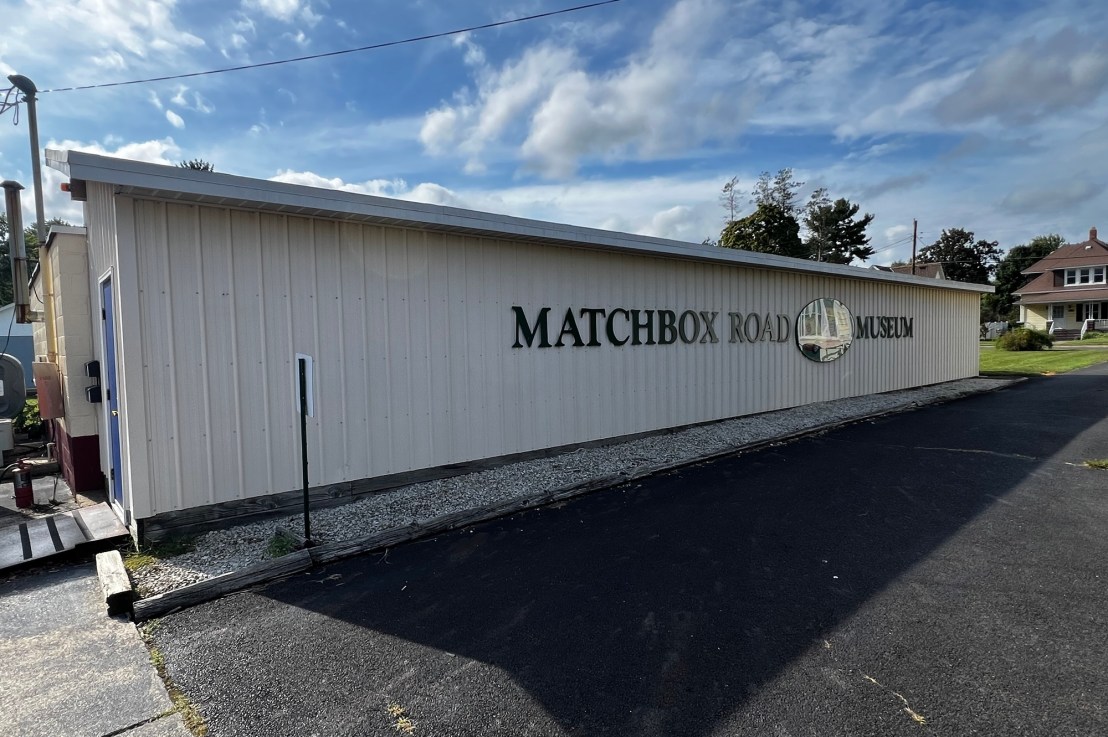
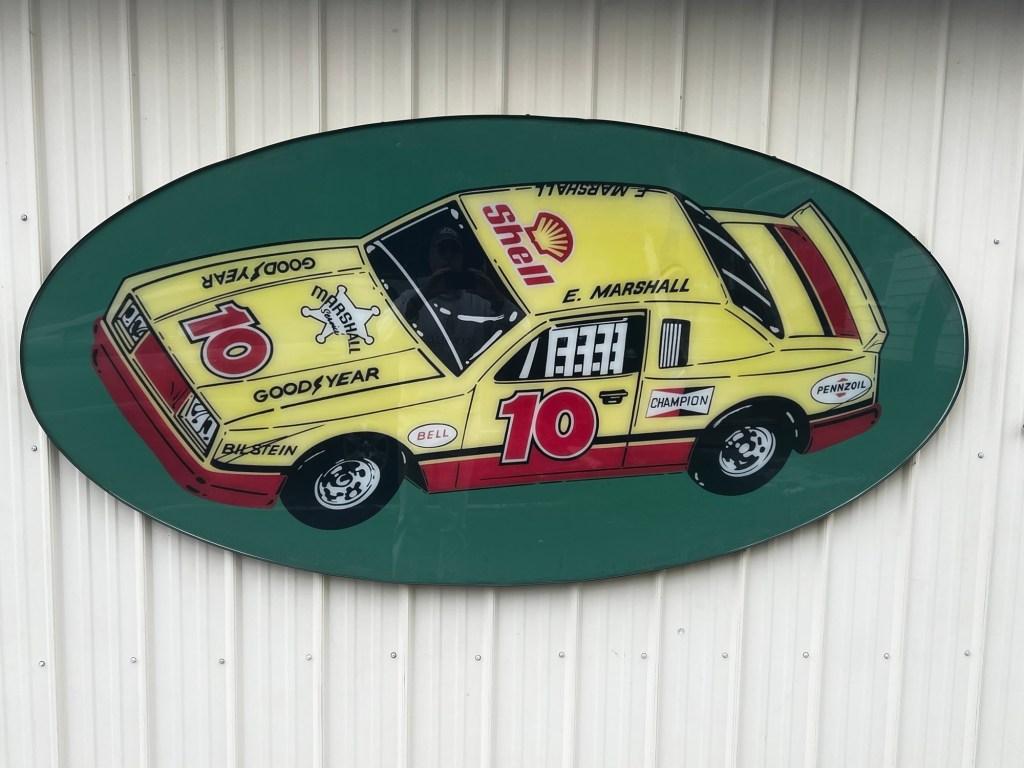
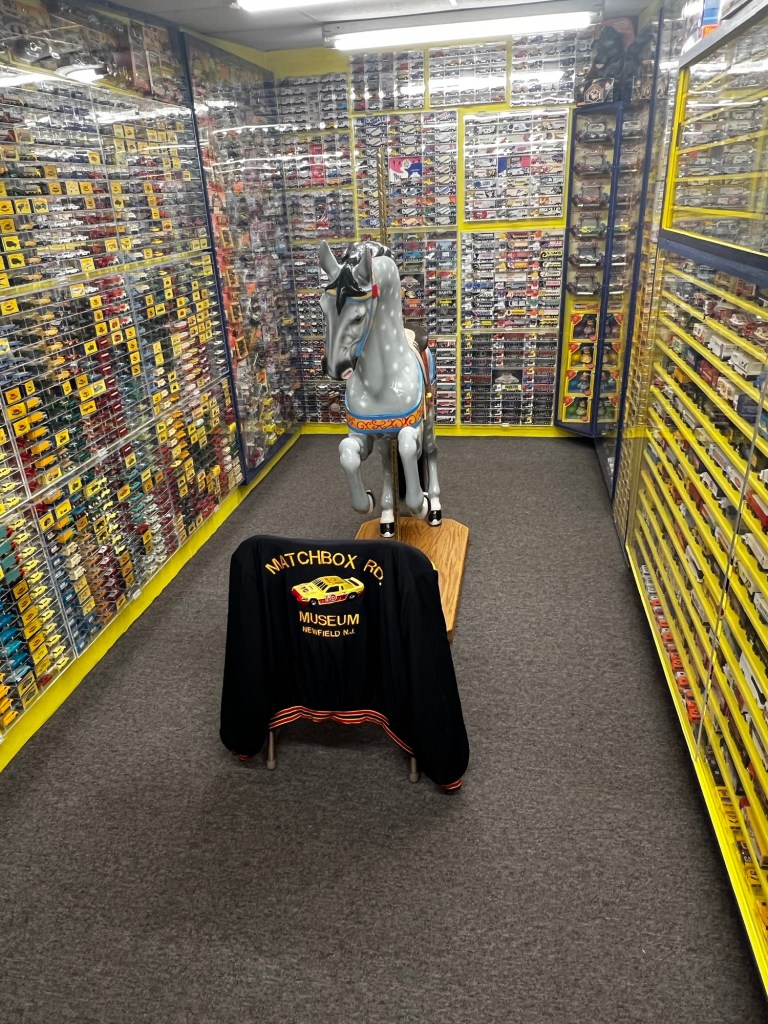
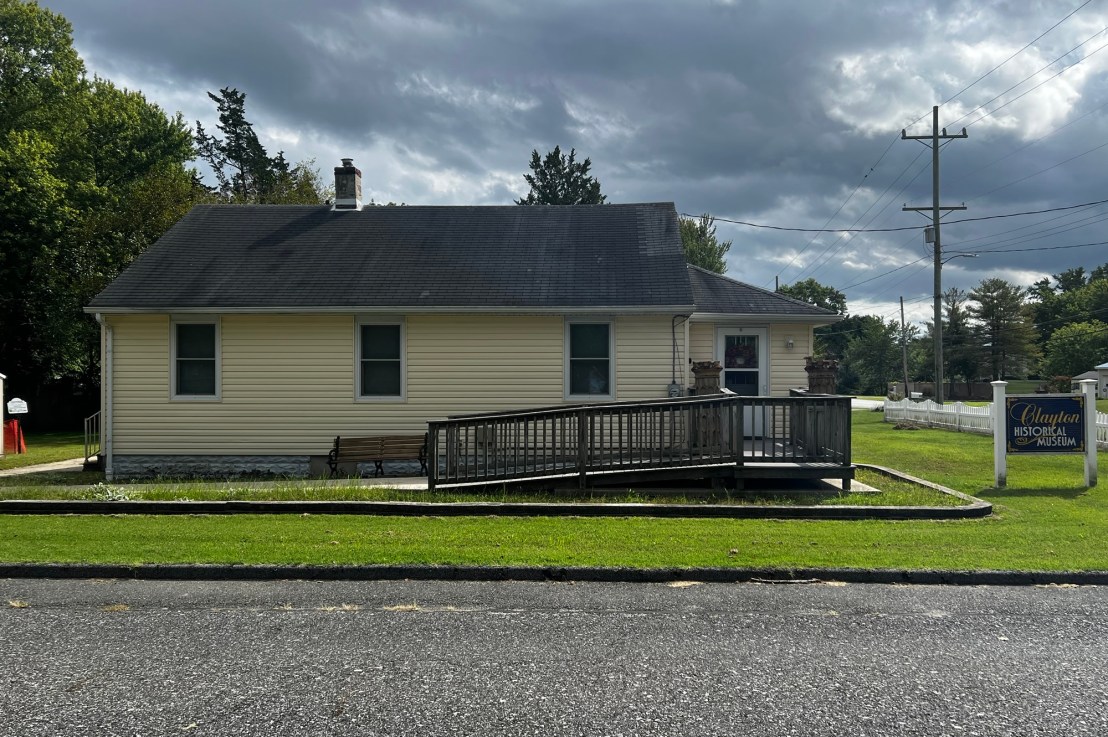
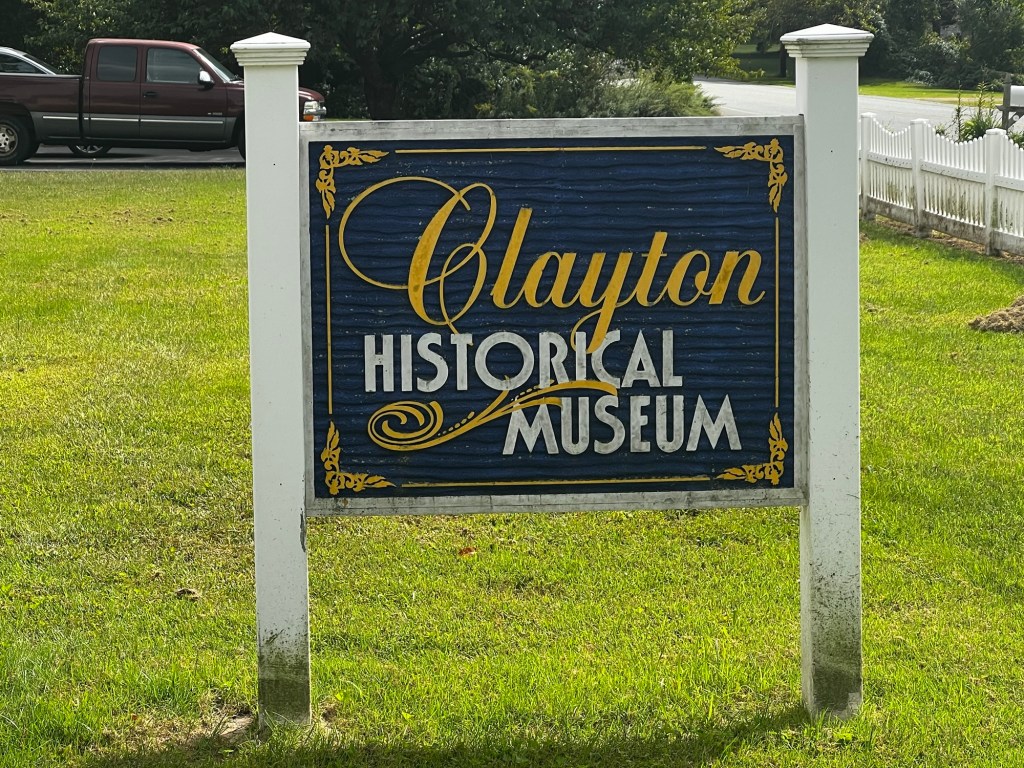
The museum sign at the front of the museum
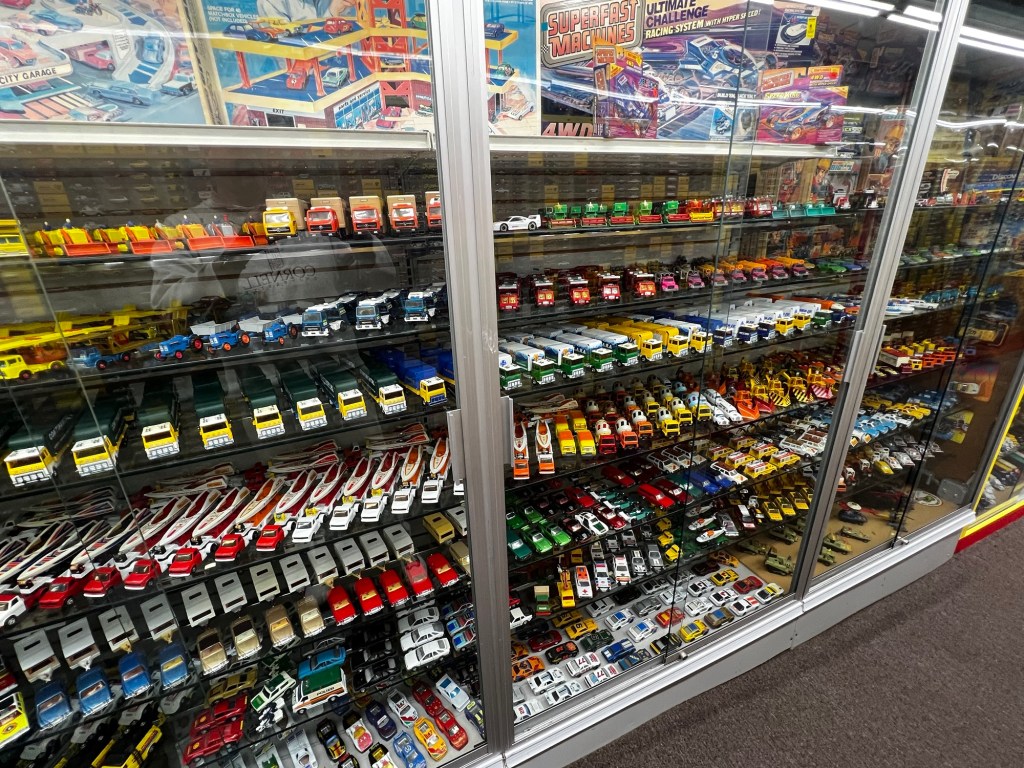
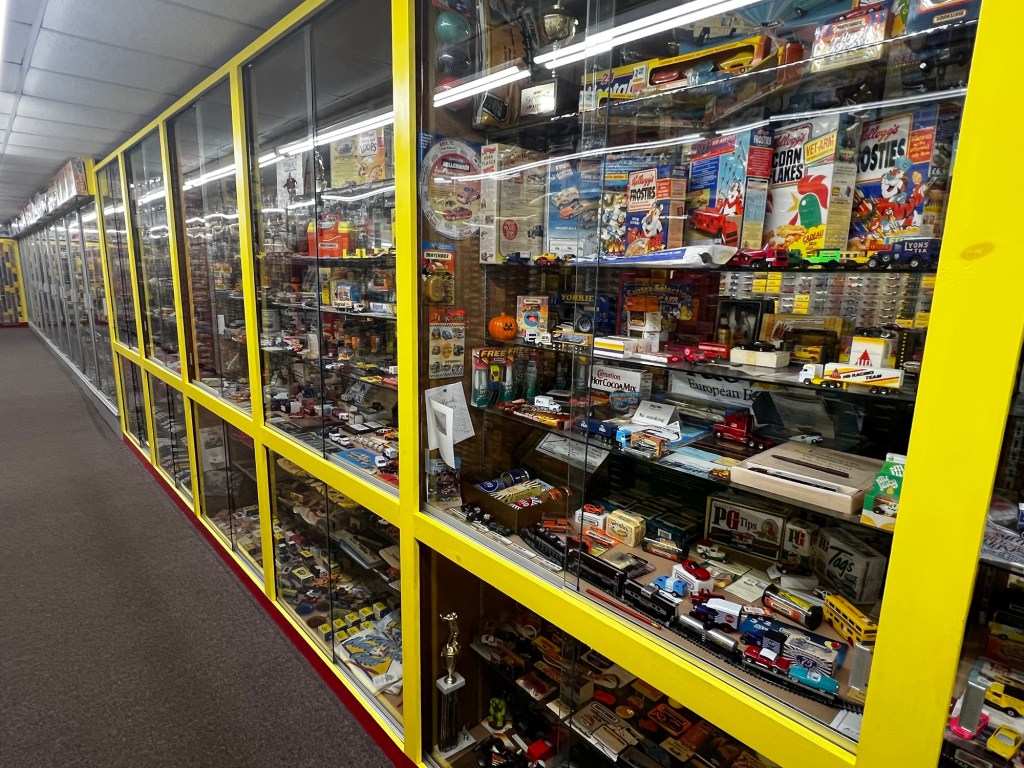
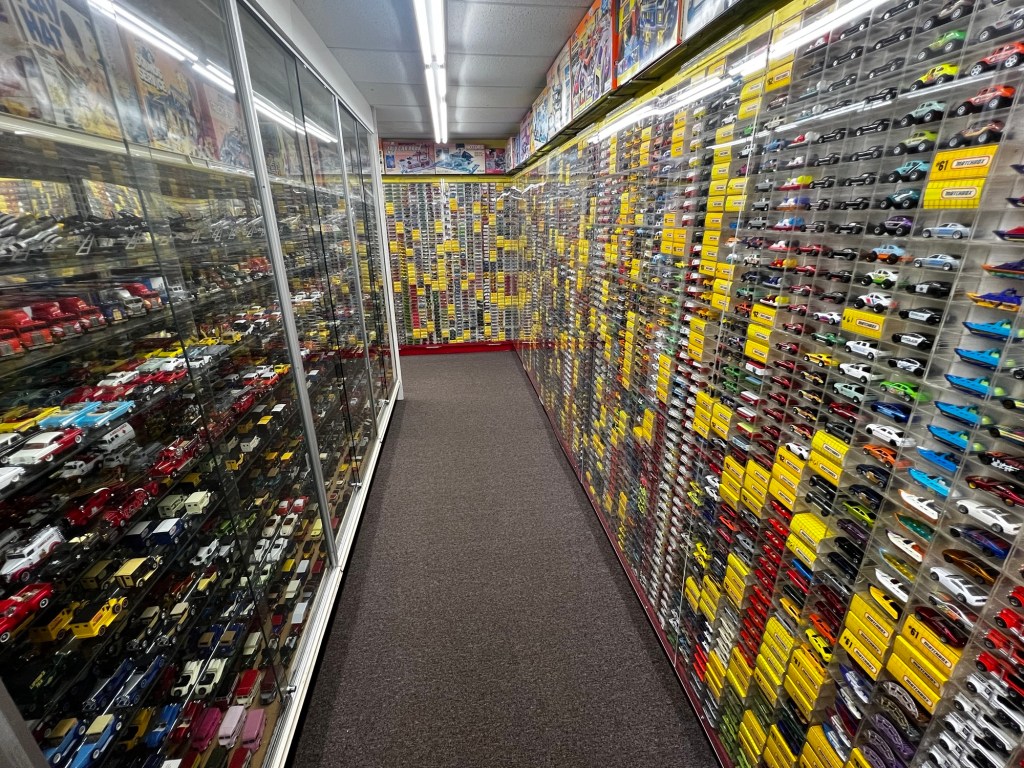
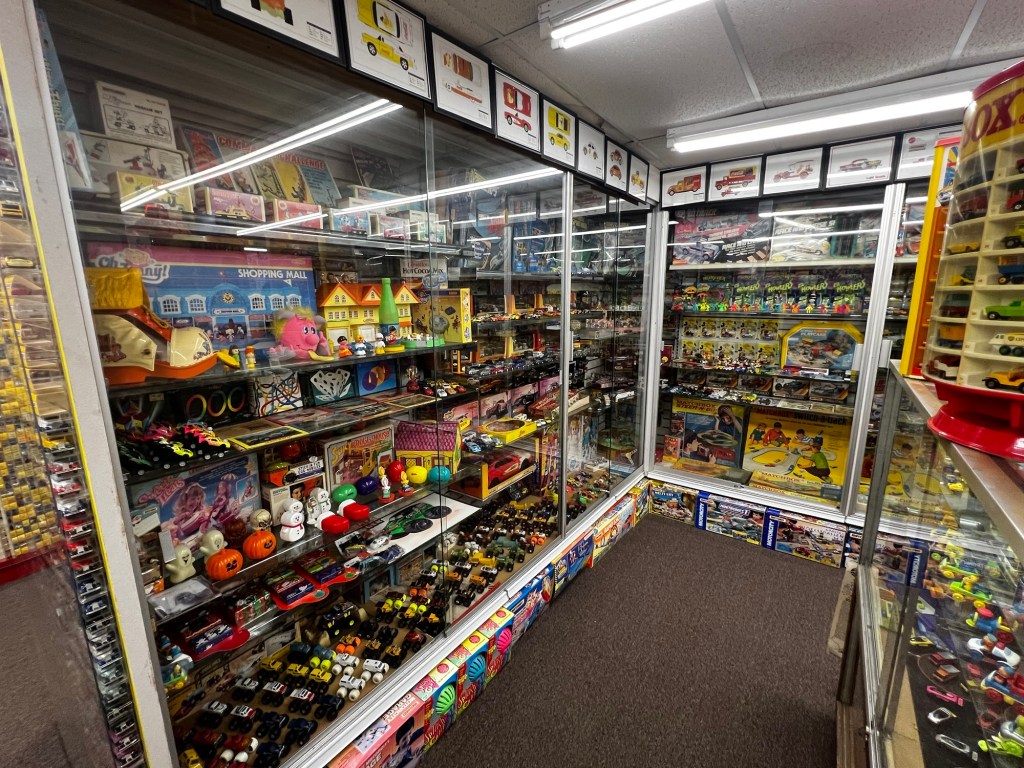
The rows and rows of cars and trucks
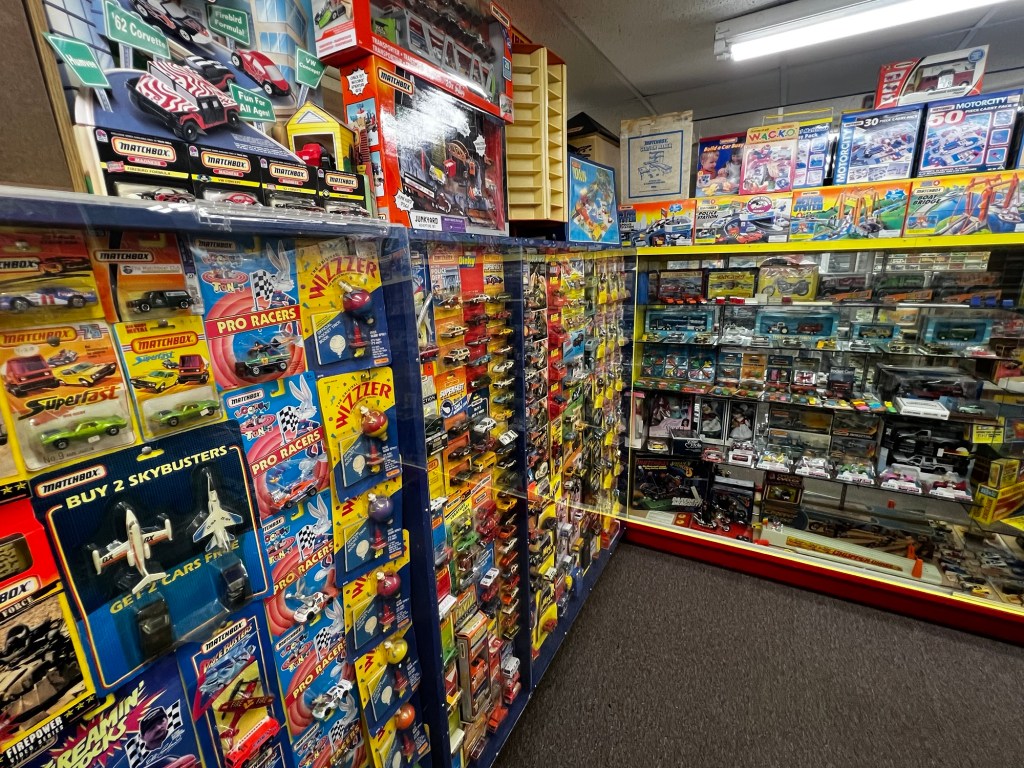
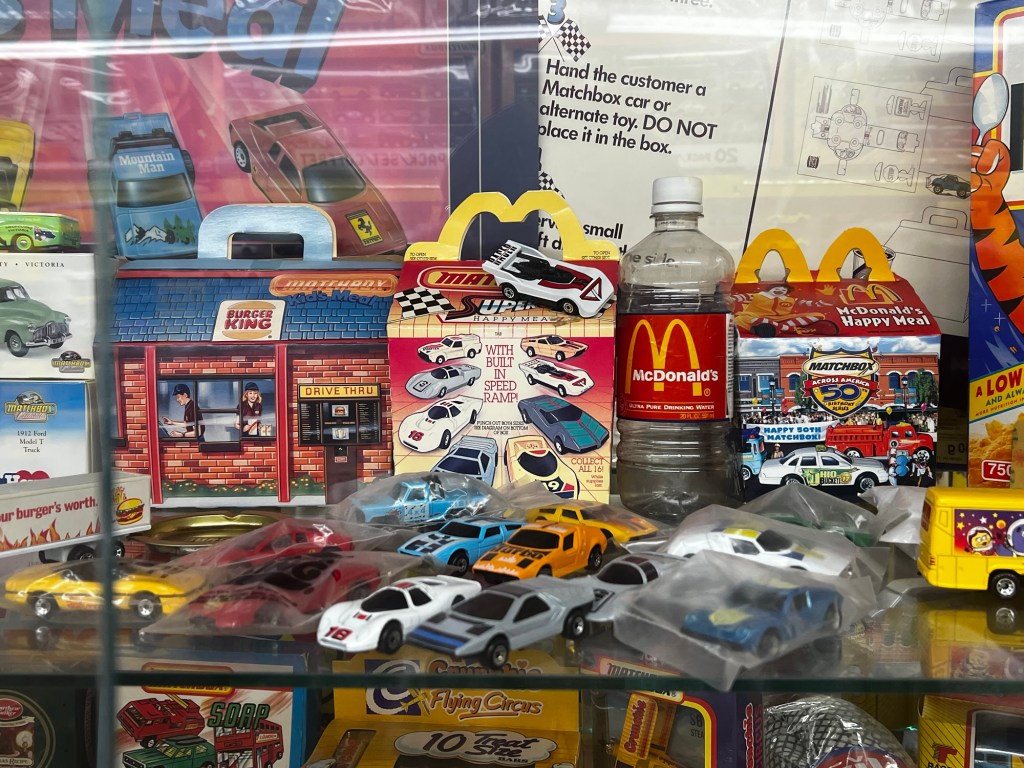
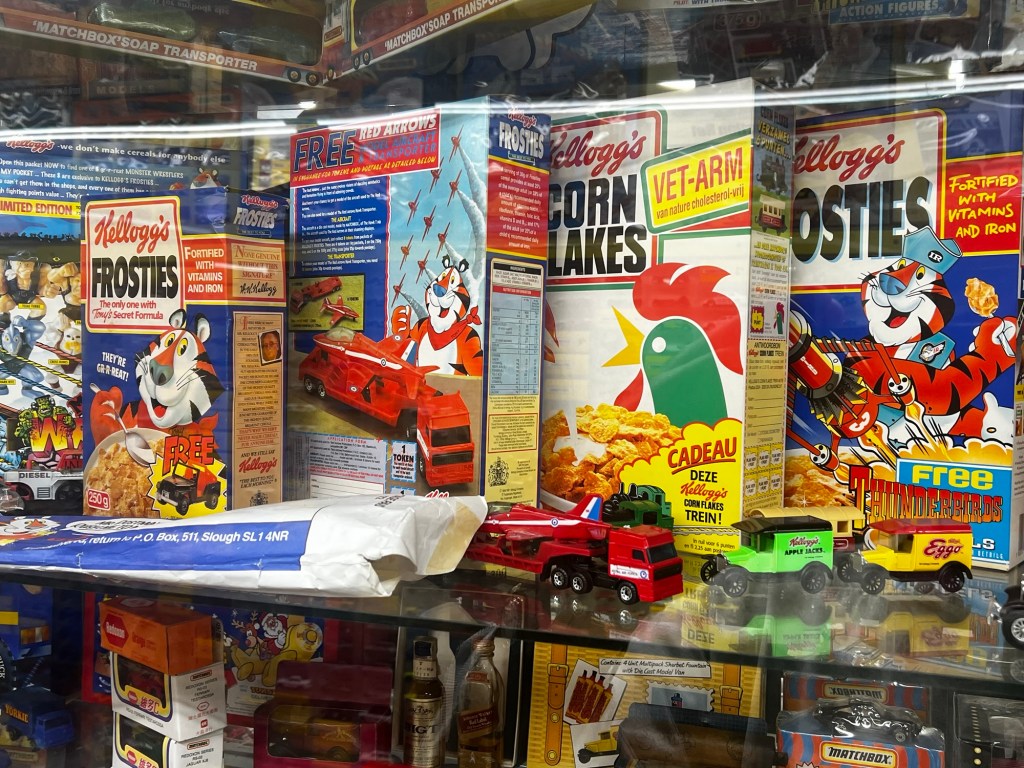
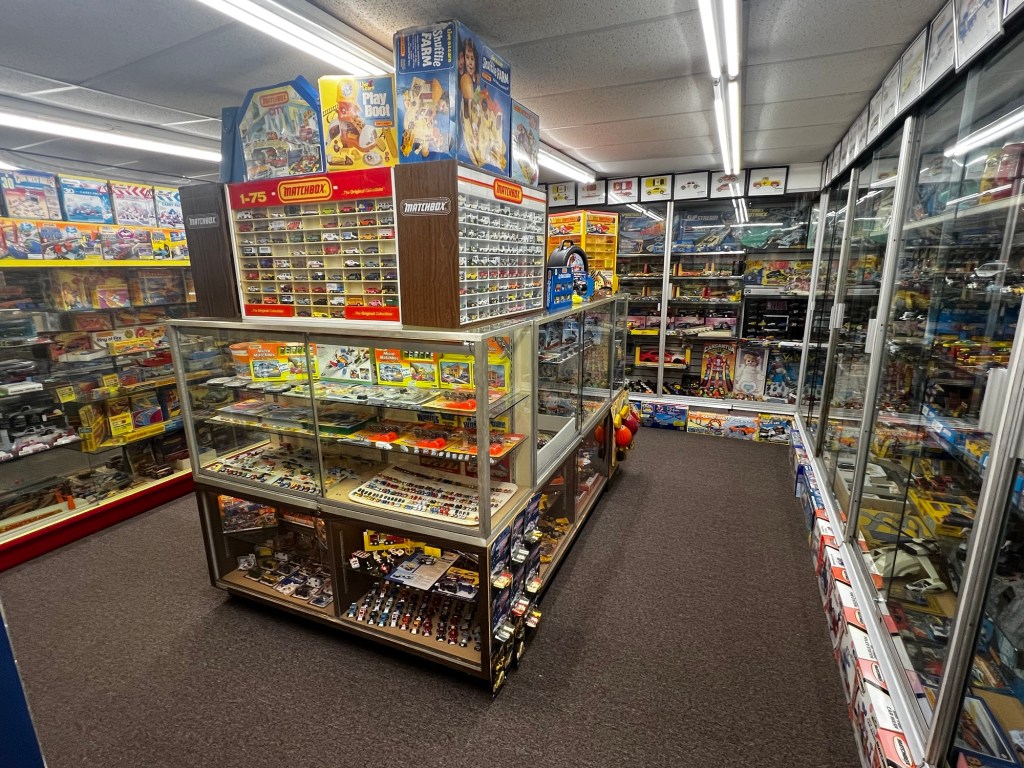
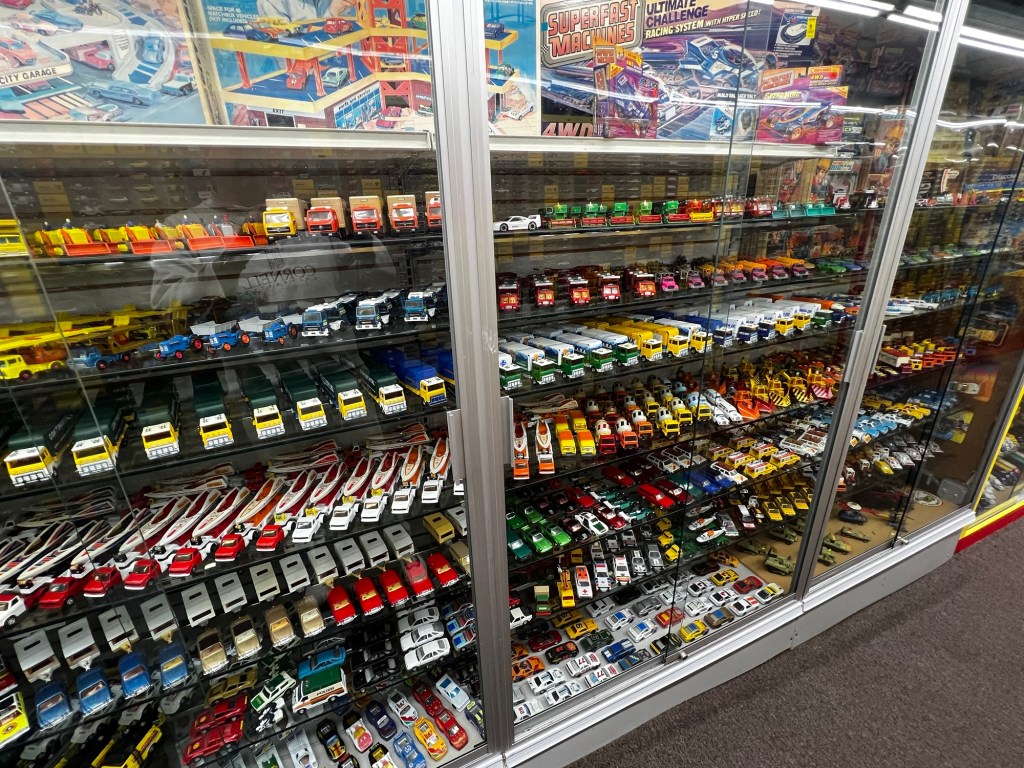
The museum houses one of the most extensive and complete collections of Matchbox cars from not just the collectibles but cars that were part of their promotions in Happy meals and in boxes of Kellogg cereal.
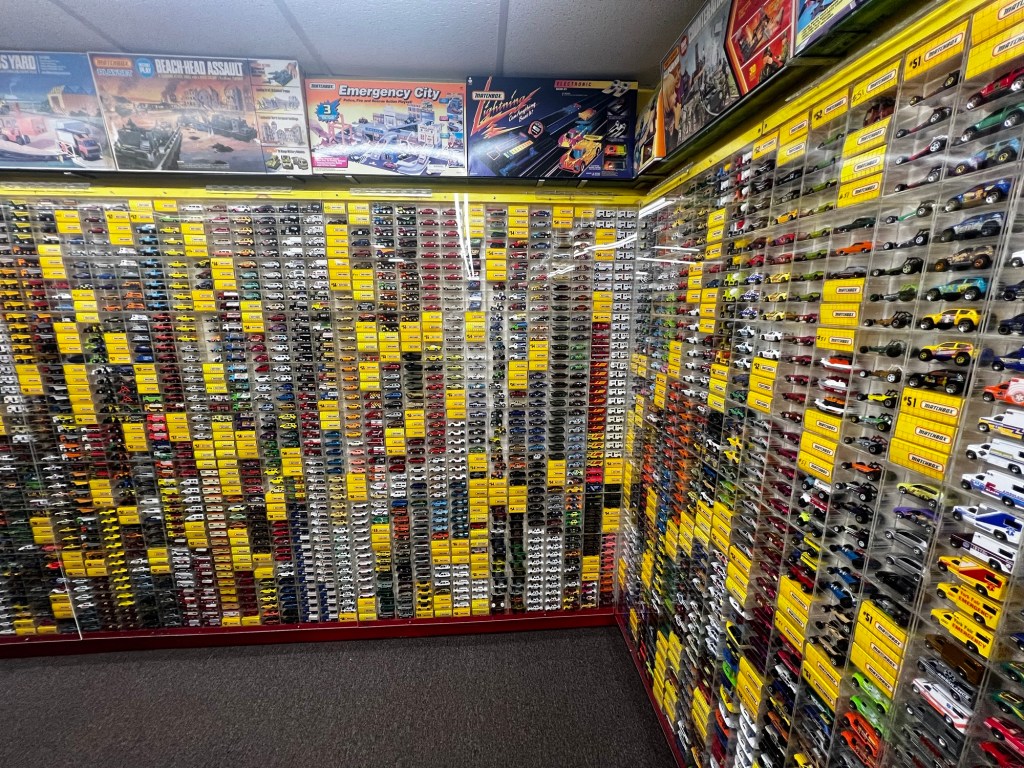
The rows and rows of the collection
The collection also extended out to toys from the company that manufactured the cars from Universal Toys to Tyco Toys to the current owner, Mattel (Wiki.com).
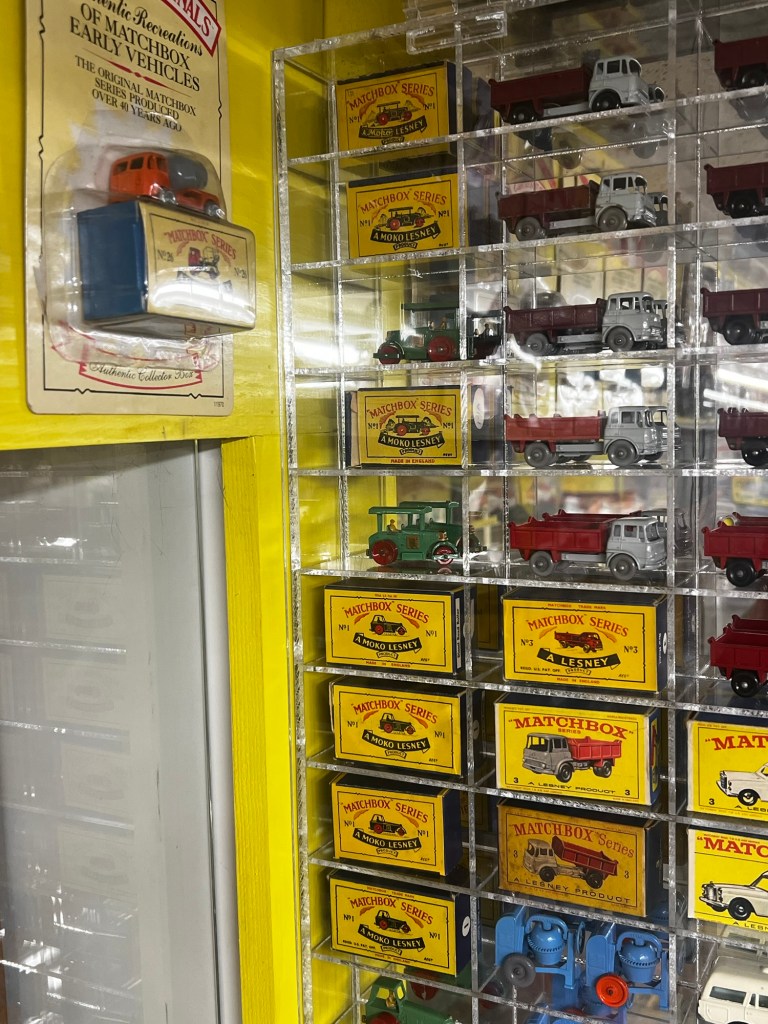
The first car created as part of this vast collection
The collection contained some of the original die cast cars from the first set that were created.
All the cars are so neatly organized
We went row by row and room by room and I was fascinated by the detail and extensive knowledge the docent had on the collection and the history of Matchbox cars. This is a great museum to take kids on just for the sheer collection and for toy collectors who are interesting in Matchbox items.
Our Story, Our Passion
(From the museum website)
The concept of Matchbox Road Museum was formed out of a life-long interest in miniature automotive perfection. The personal collection turned into a well-renowned museum of the preservation of the rare, discontinued and historically important die-cast models. Every item in our assortment symbolizes the art, nostalgia, and cultural impact of the small cars over time.
The inside of the Galley
We think such miniature cars are not just collectibles but narrators of innovations, design and childhood fantasy. By means of professional conservation, careful exhibitions and devotion to authenticity, we give our visitors and collectors an experience that is informative and inspirational.
The Matchbox cars in Happy Meals
The cars available in cereal boxes
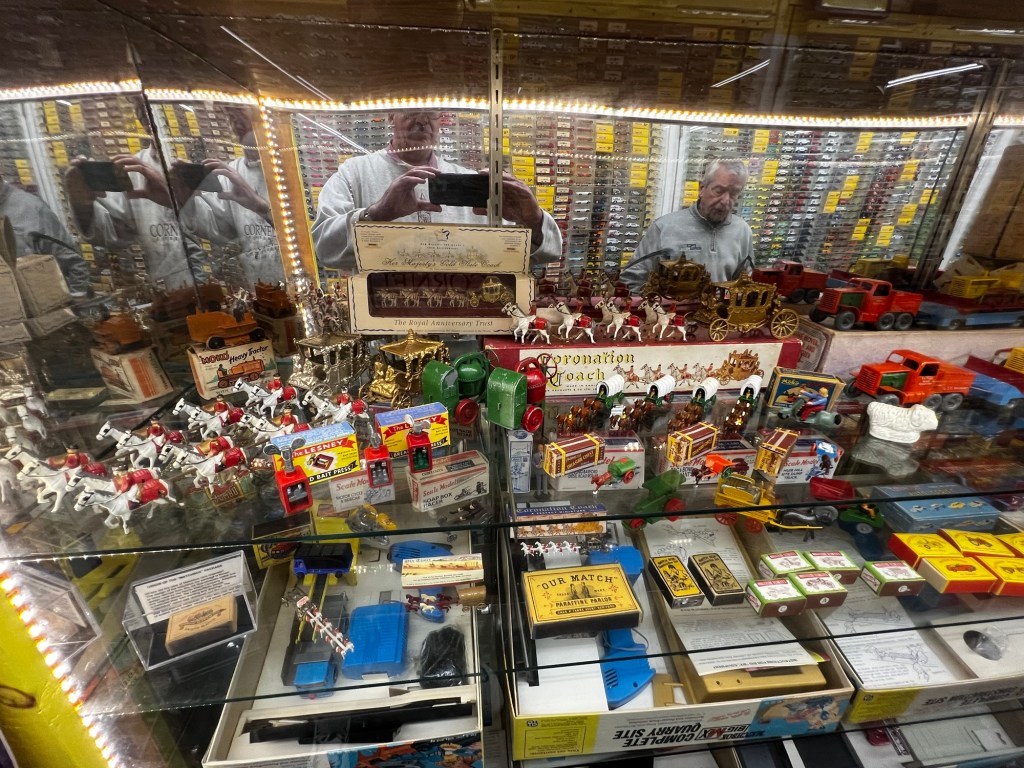
The models of Queen Elizabeth II coronation carriages that helped start the company
We have a very easy mission to fulfill, which is to secure the legacy, celebrate the history and make sure these small cars keep on telling big stories in the coming decades.
The Legacy of Matchbox Cars
(From the museum website)
Since its inception in the year 1953, Matchbox cars have changed the way we view toys as well as the toy industry.
They were not only iconic in size but storytelling. Real-world vehicles. Authentic detail. The palm of your hand Dreams at affordable prices.
These small masterpieces attracted the minds of millions of people during decades. Nowadays, they are not just toys, but a part of history, art of engineering, and culture.
We celebrate that tradition at Matchbox Road Museum.
Video on the tour
The museum also has an extensive collection of toys and playthings on display.
Walking around the extensive collections of cars
About the Founder
(From the museum website)
Every great collection begins with a single spark.
A childhood obsession turned into a lifetime goal – retain the heritage of miniature car perfection to the generations to come. The creator of Matchbox Road Museum devoted several decades to the collection of rare, discontinued, and historically important models.
This museum is not constructed using shelves of cars.
It is built on passion. Dedication. Obsession with detail.
And now that heritage open to you is there.
The museum is open for private tours that can be arranged in advance. The tour will take about an hour and you will see a lot. I was taken in by the sheer collection and the walls filled with rows and rows of cars. I really is a fascinating museum.
The Clayton Historical Museum is the perfect example of a community recording and preserving its past and showing the direction of its future through historical timeline of this town. From its place in glass manufacturing the the cheer of its high school, the museum displays the community pride of Clayton, NJ.
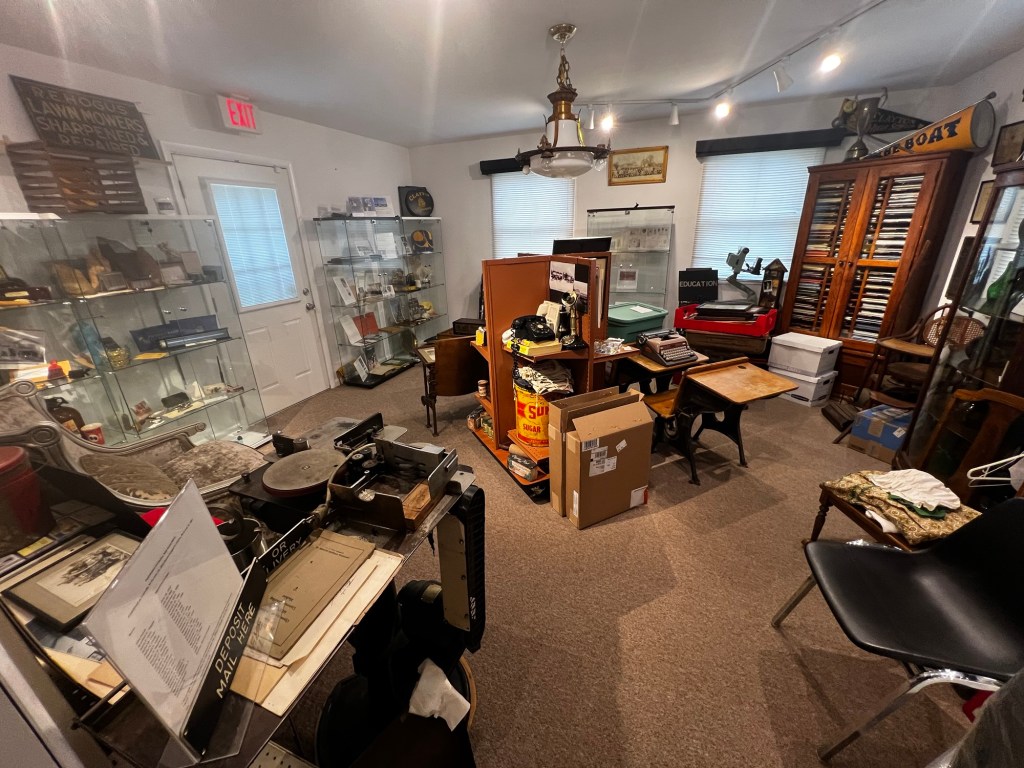
It shows how small towns all over New Jersey can preserve their past while still being part of the community at large. Each of the rooms in the museum displays a part of the community and its progression through time.
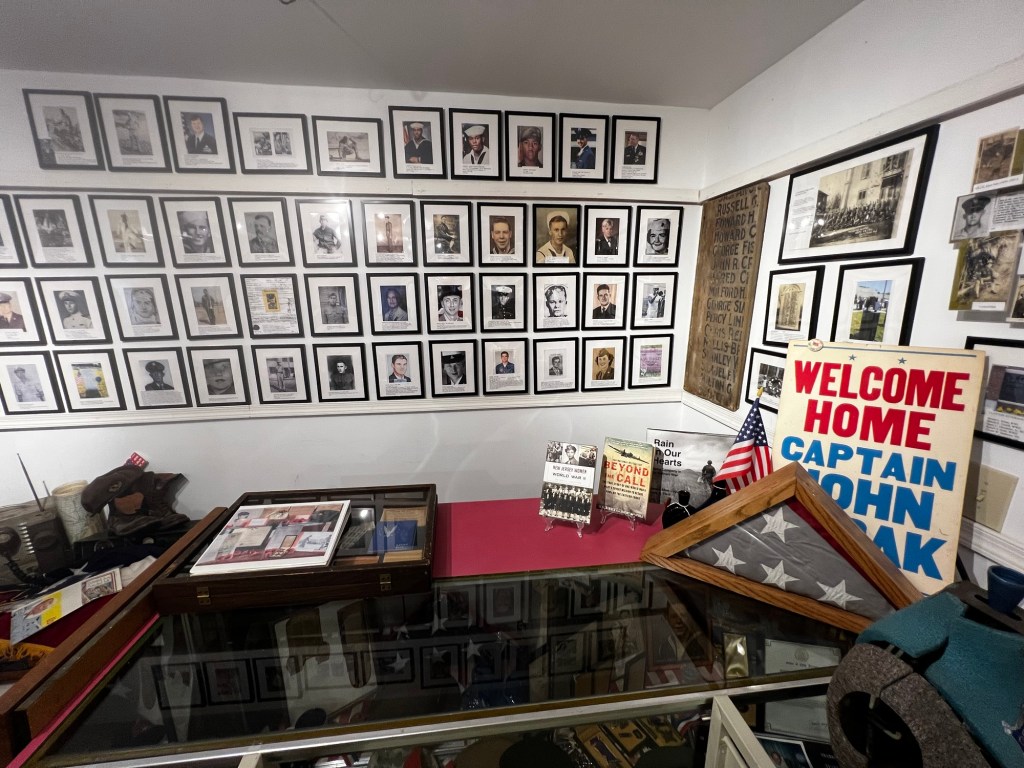
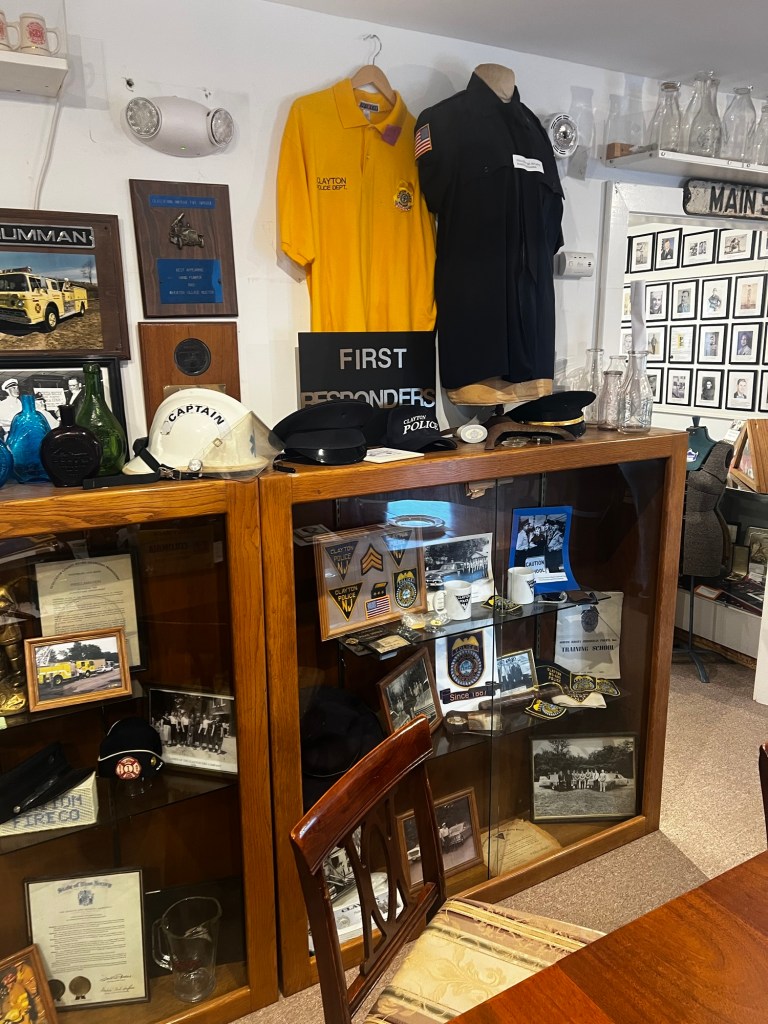
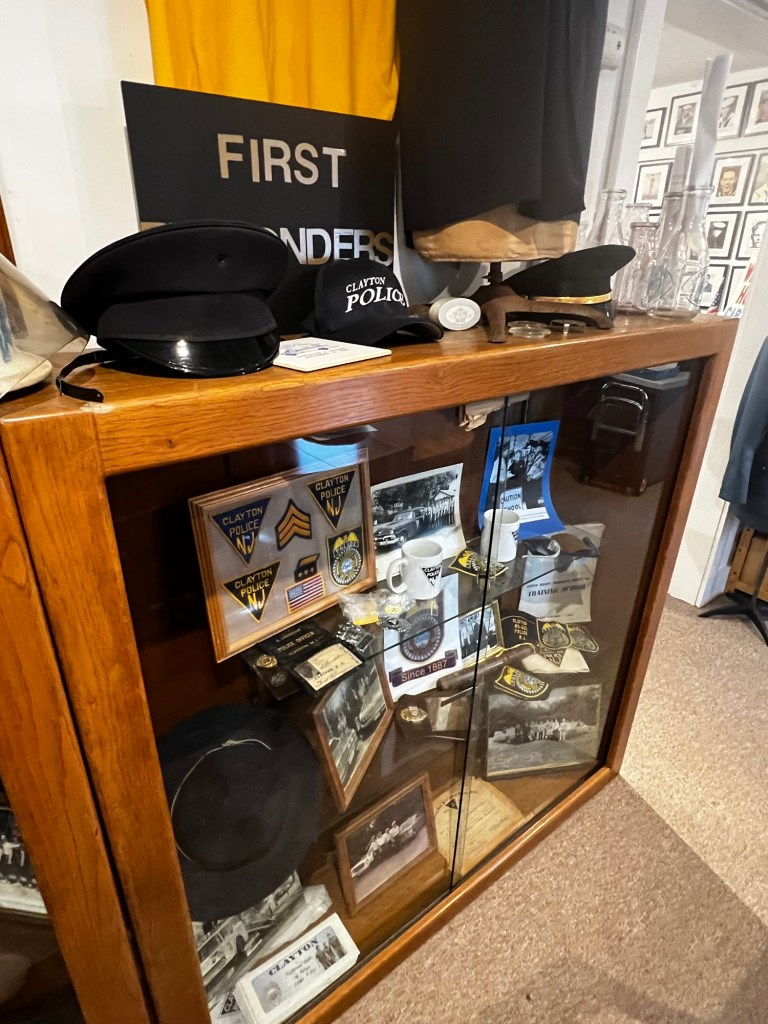
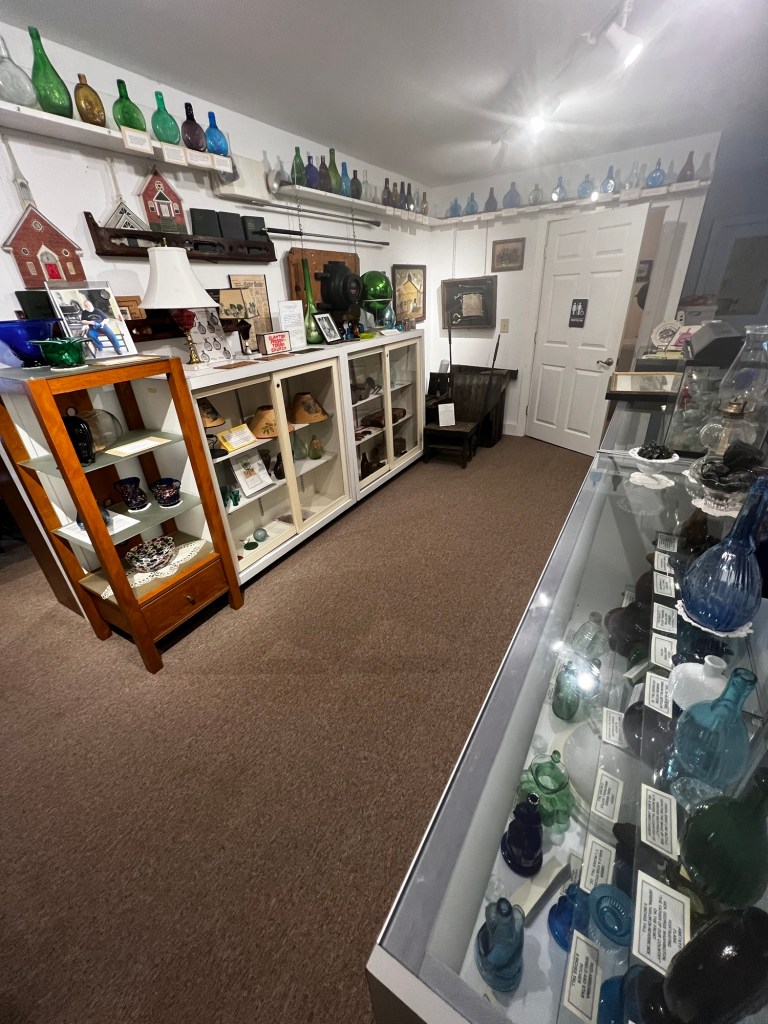
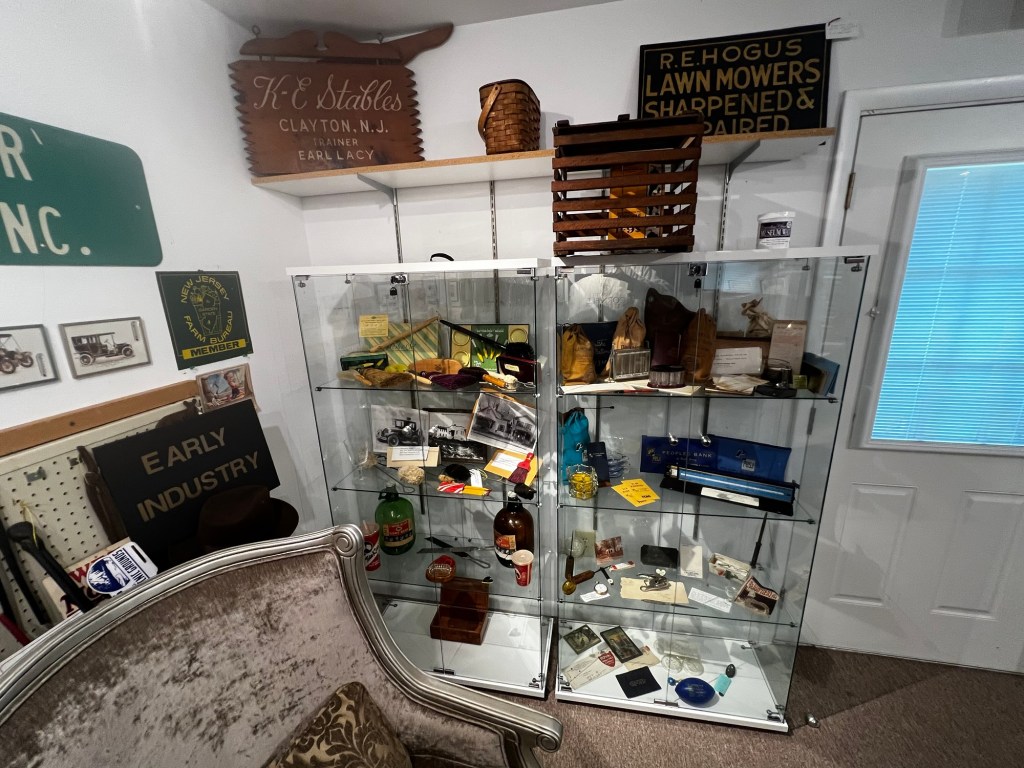
The first small gallery is dedicated to the uniformed forces that help protect this small community, the majority of the second gallery is dedicated to the glassworks business that once dominated the area and the back gallery displays its community with schools, the business district and the continuation of the glassworks.
The docents and volunteers give you the freedom to walk around but time is limited because the museum is only open for two hours a month plus special events happening in the town.
The History of the Museum:
(From the Museum website)
Clayton Historic Preservation collects personal papers, local business and organization records, photographs, early maps, genealogies, church histories, family Bibles, historic books, newspapers, artifacts and so much more.
The Veteran’s Exhibition in the middle of the museum
Our museum’s archives showcases the heritage and culture of Clayton, allowing visitors to explore and appreciate the town’s fascinating journey. Clayton Historic Museum is a guardian of the borough’s rich heritage, offering visitors a journey through its exhibits and displays (Clayton Historical Society pamphlet).
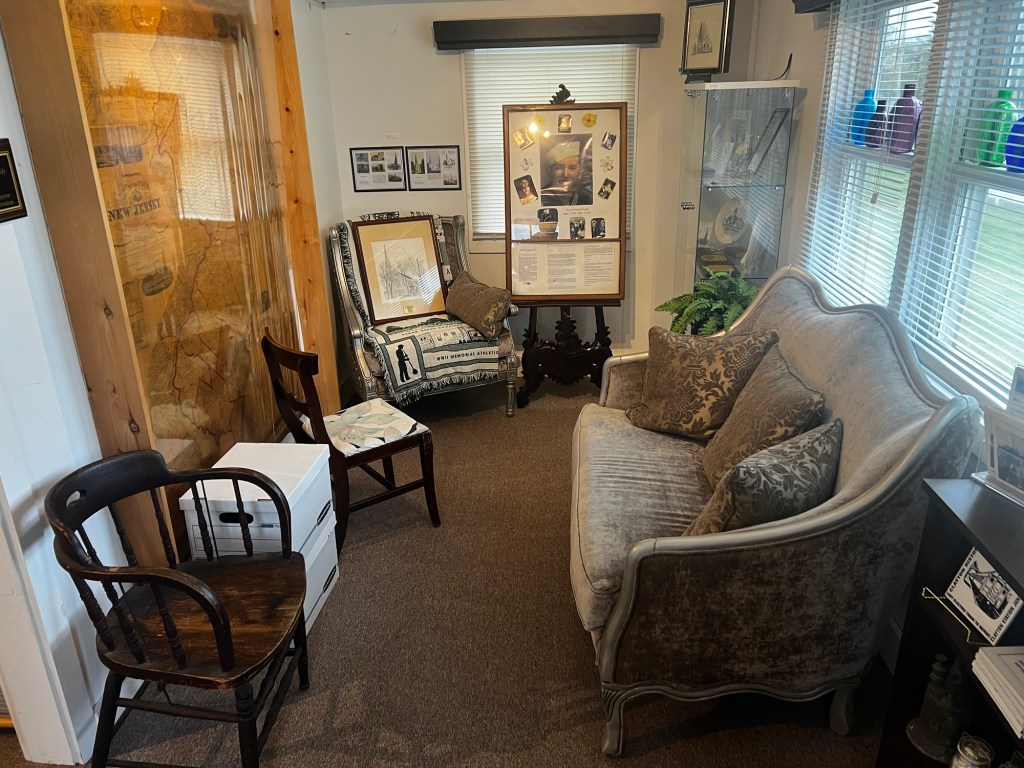
The entrance hall to the museum
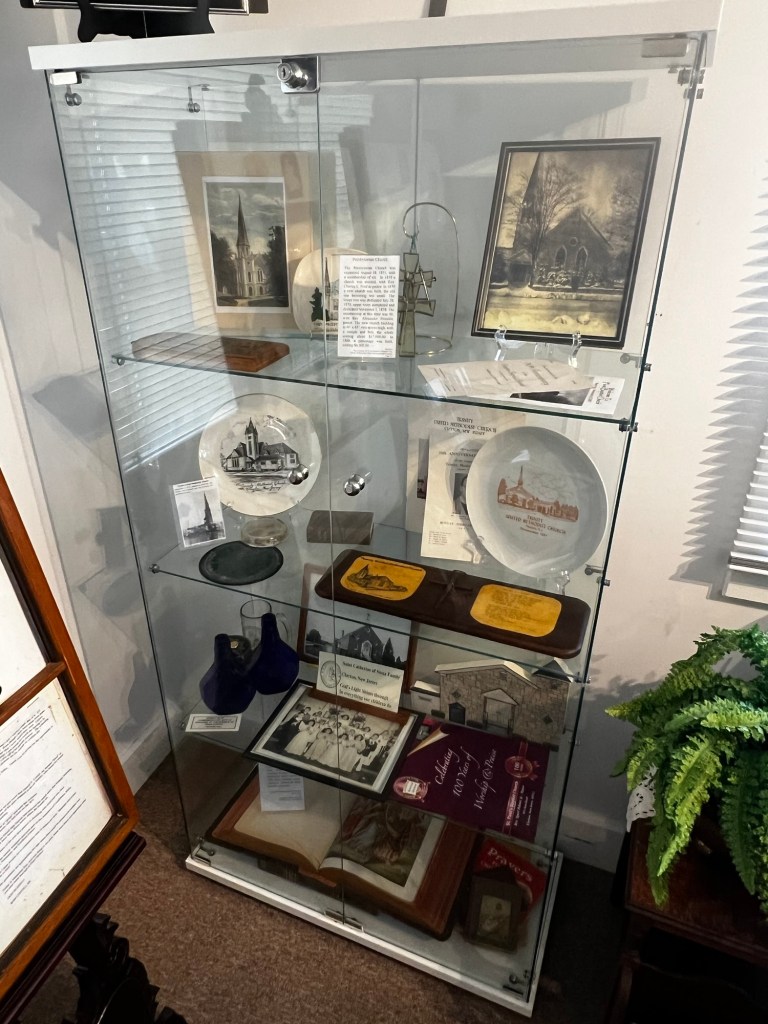
The church artifacts in the first entrance gallery
The Clayton Historic Museum fosters a sense of pride and appreciation for Clayton’s past by preserving artifacts, documenting stories and engaging the community. CHP invites residents and visitors to explore, learn and connect with the borough’s history.
As a testament to the borough’s commitment to preserving its unique identity, CHP is creating an enduring legacy for future generations(Clayton Historical Society pamphlet).
The front gallery dedicated to the town’s First Responders:
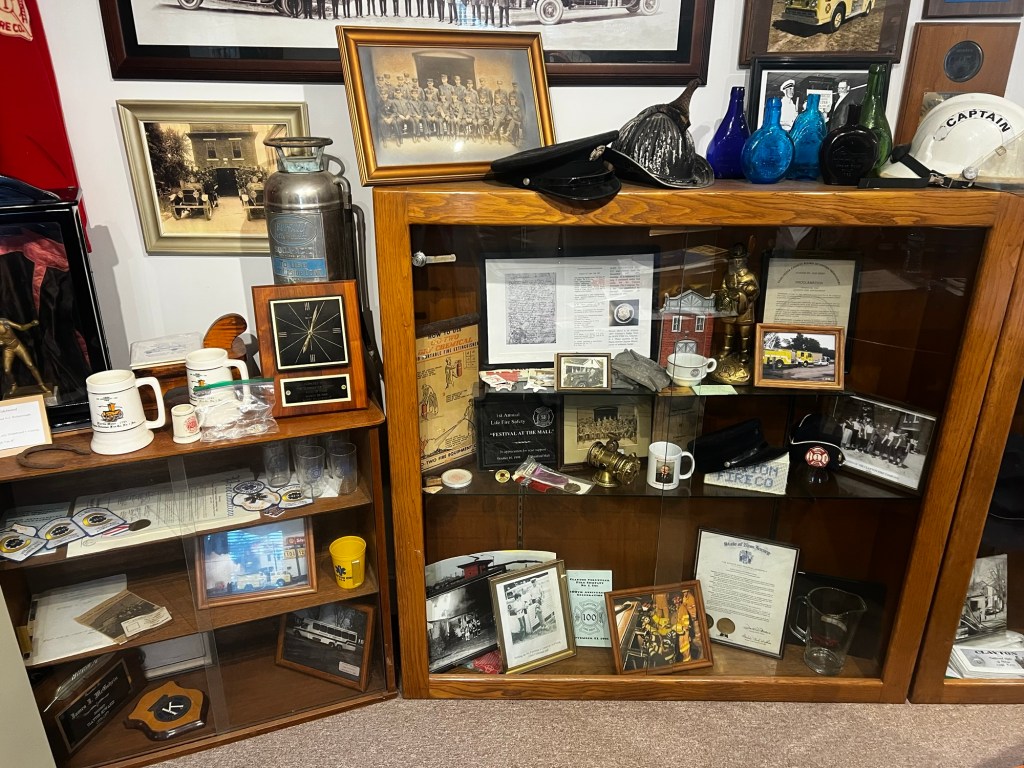
The front gallery of Clayton Fire and EMS displays
The Clayton Police and Fire Department displays
The Clayton Police display
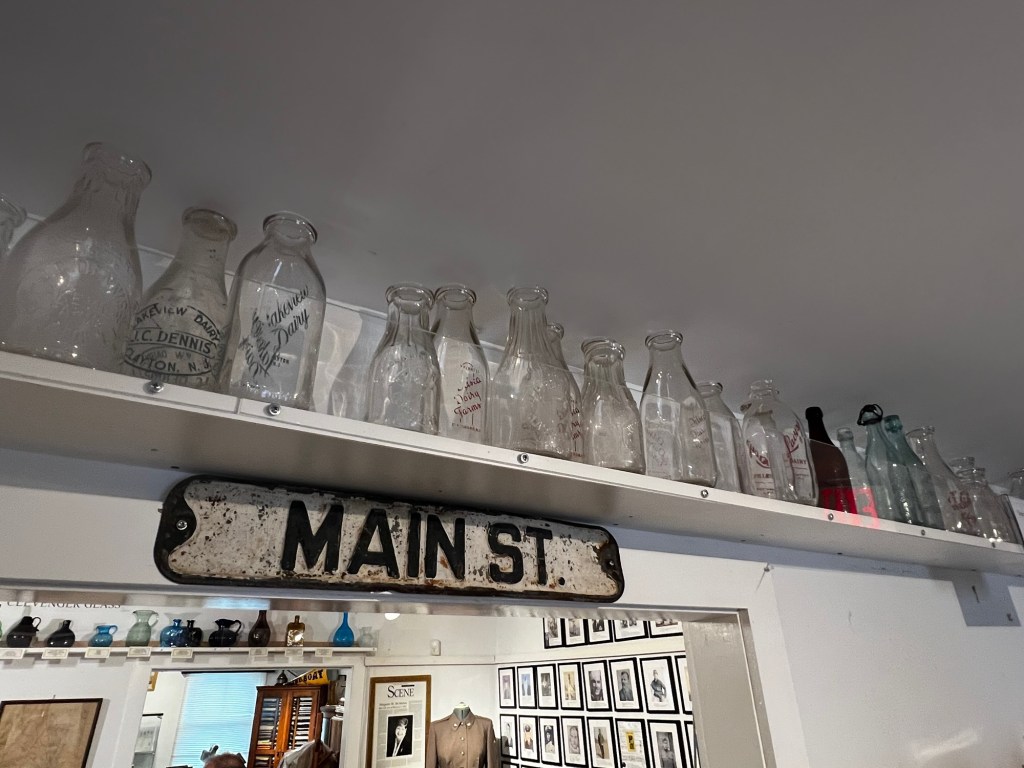
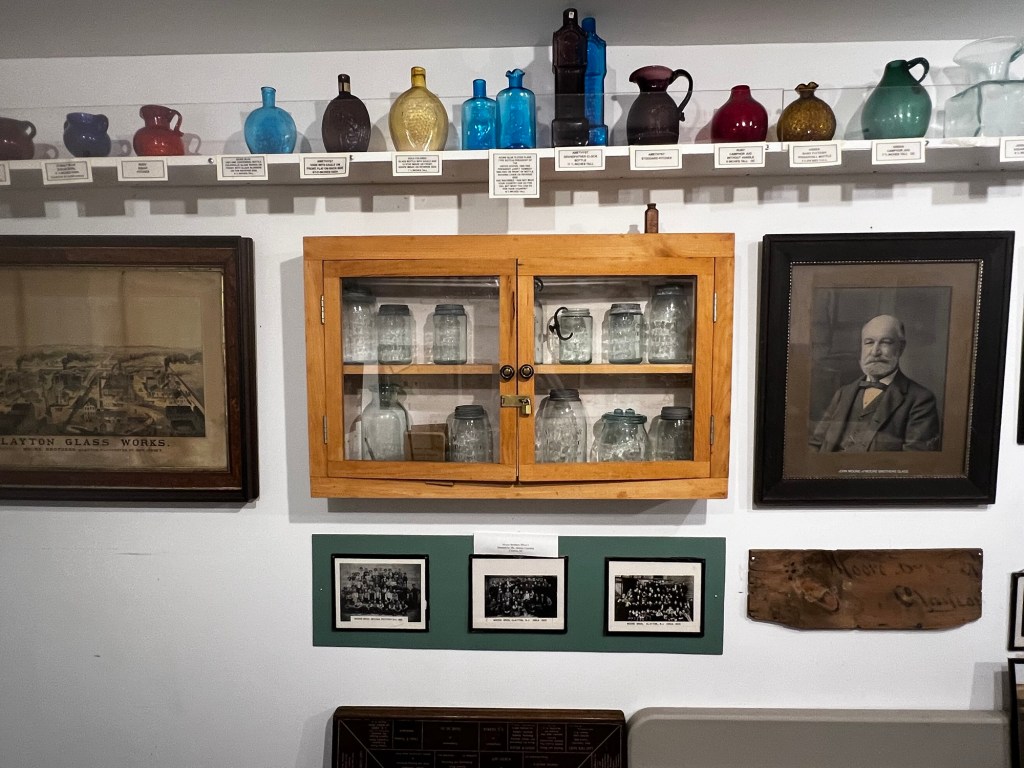
The middle gallery is dedicated to the glassworks businesses:
The middle gallery
The glass making industry was a majority of the work force at the turn of the last century and shows New Jersey’s craftsmanship over the years.
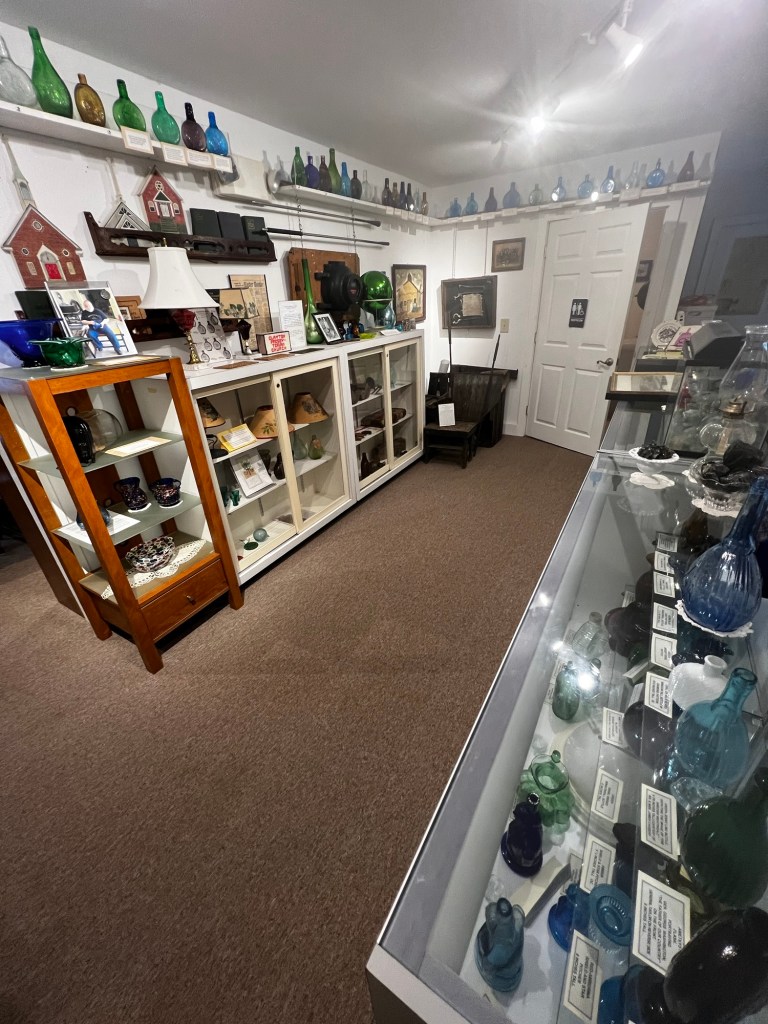
The glass milk bottles showing the areas both dairy and glass bottle industries of the past
The back gallery contained a lot of Clayton’s manufacturing and retail history
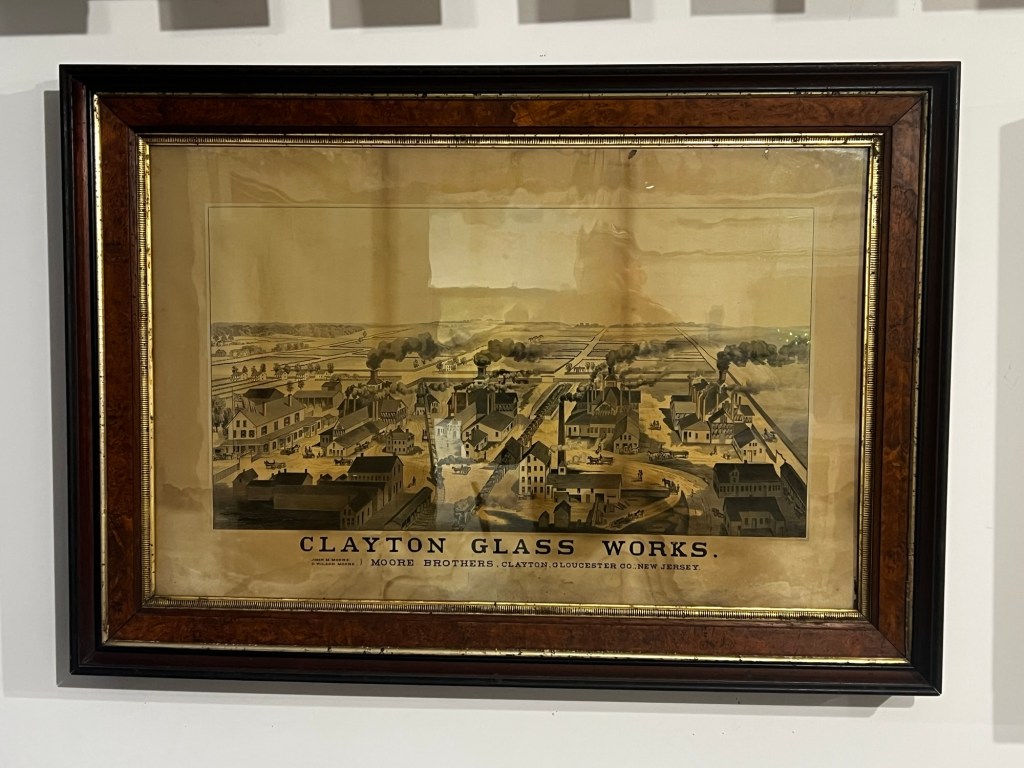
The glassworks history in the community run deep
The Clayton Glass Works factory at the turn of the last century
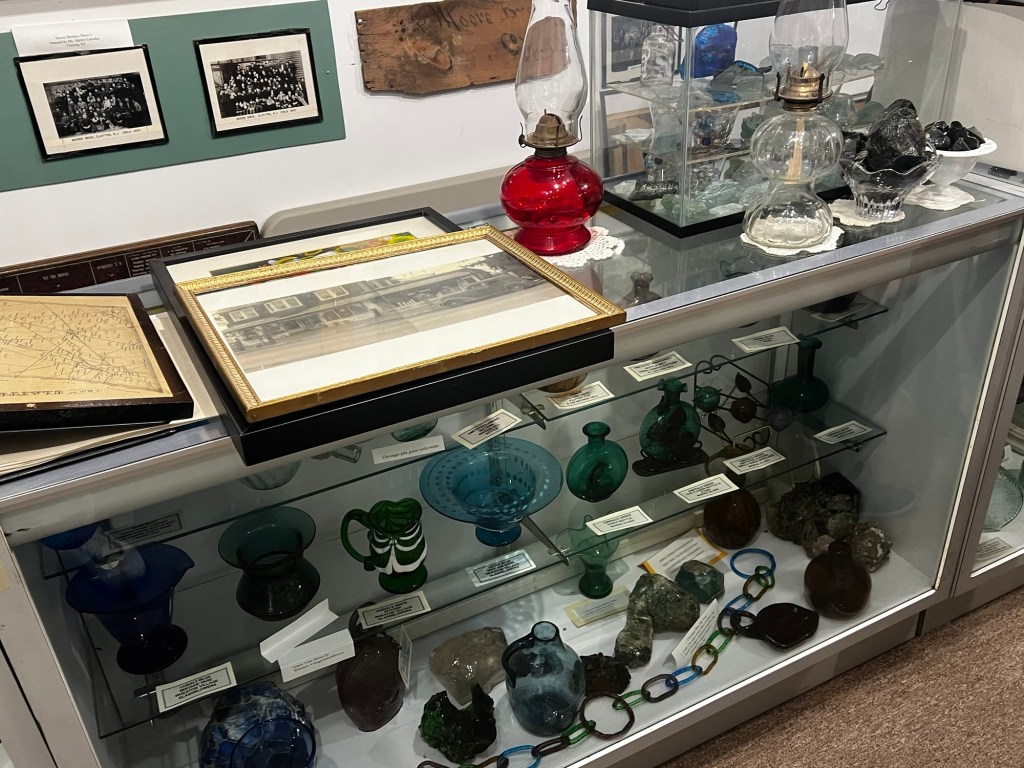
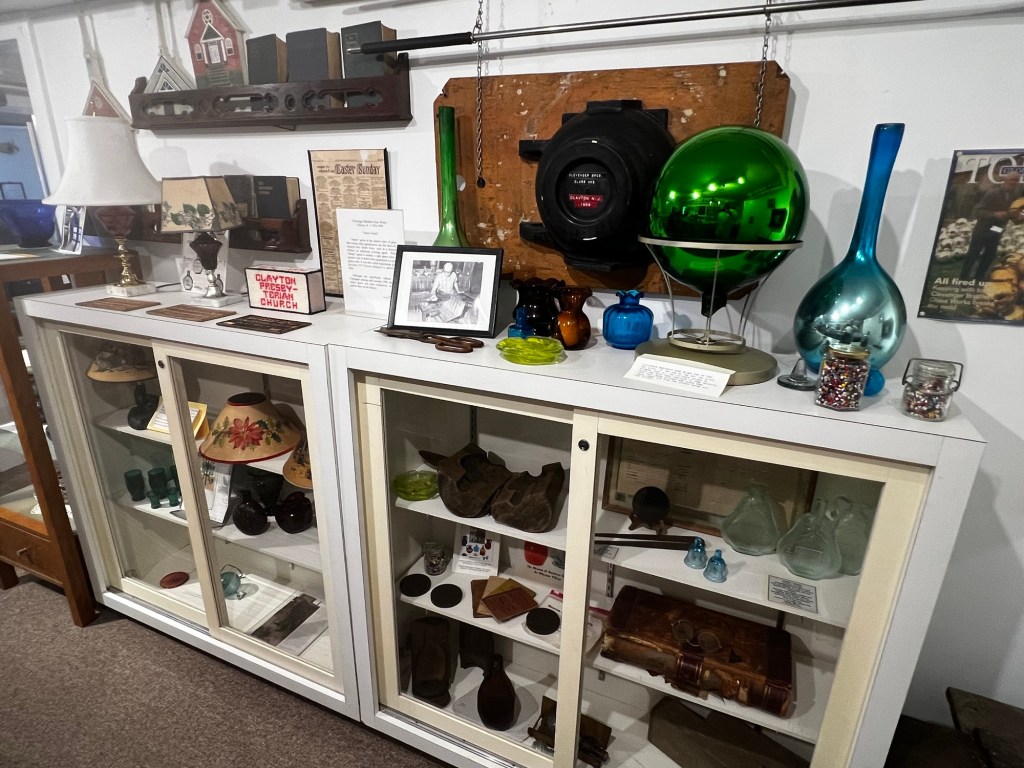
Decorative glass was one of its specialties
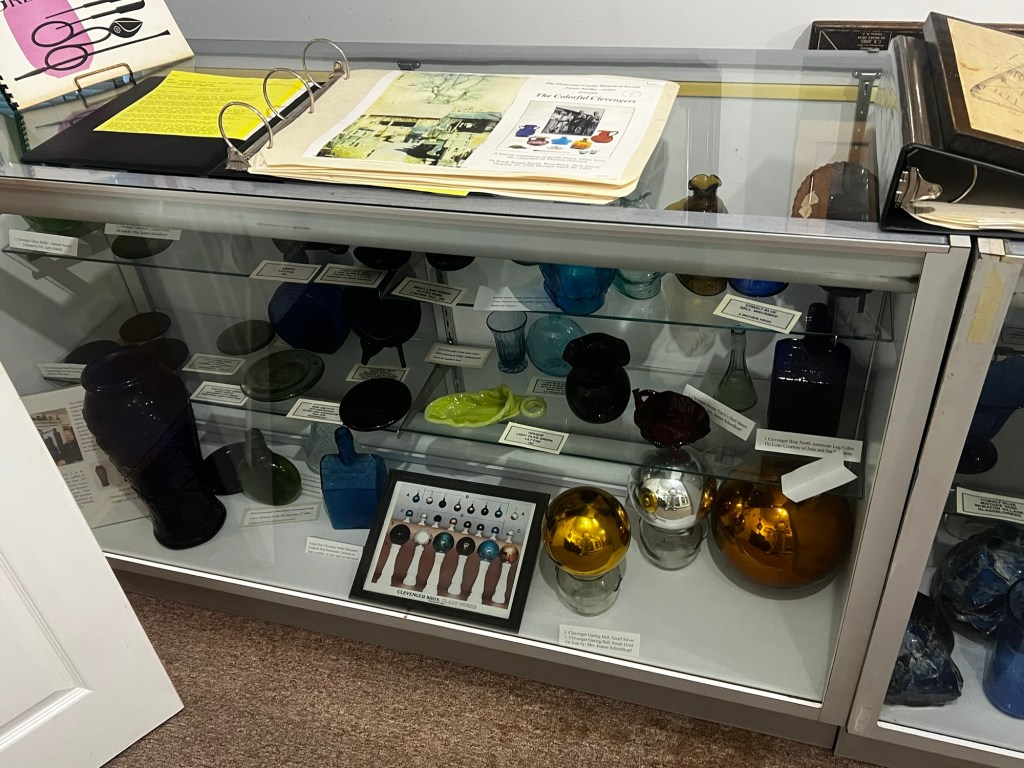
Creative glass works are part of the extensive collection at the museum
The everyday decorative items were made right here in New Jersey
The main part of the gallery discusses and displays how important the glass industry was to the community and the creativity of the artisans.
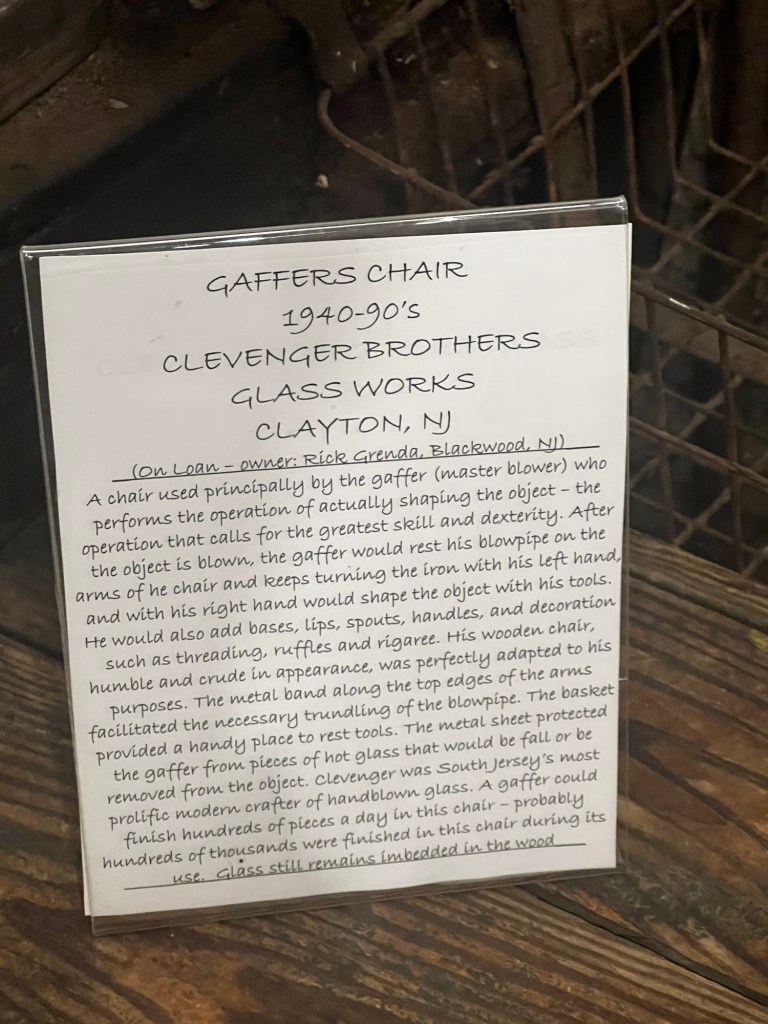
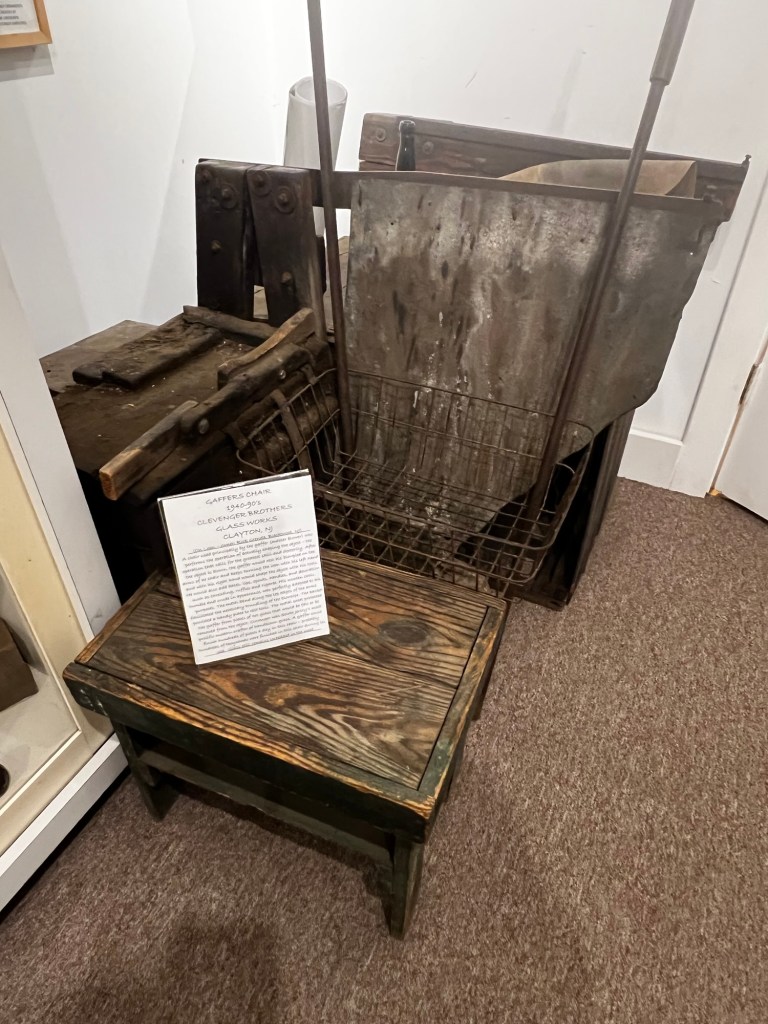
The display of the glass blowers chair and the time and effort once part of this craft
The glass blowers chair on display
The museum’s exhibits offer an overview of Clayton’s history, covering various aspects such as industry, agriculture, transportation and daily life.
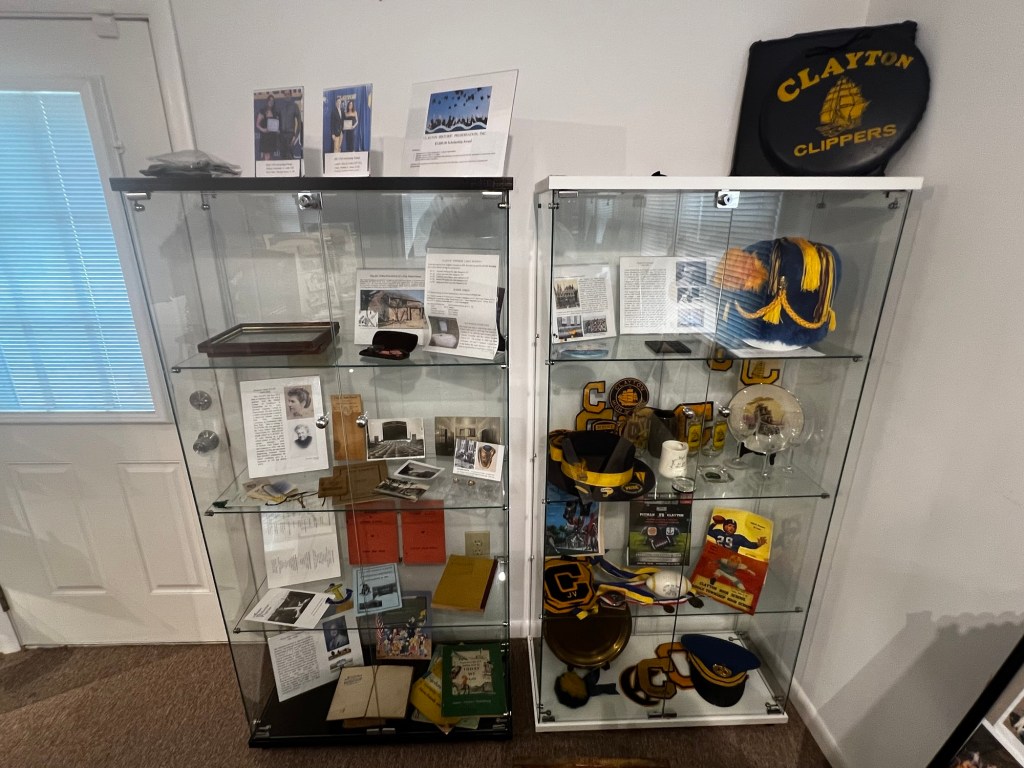
Collections from The local Clayton High School
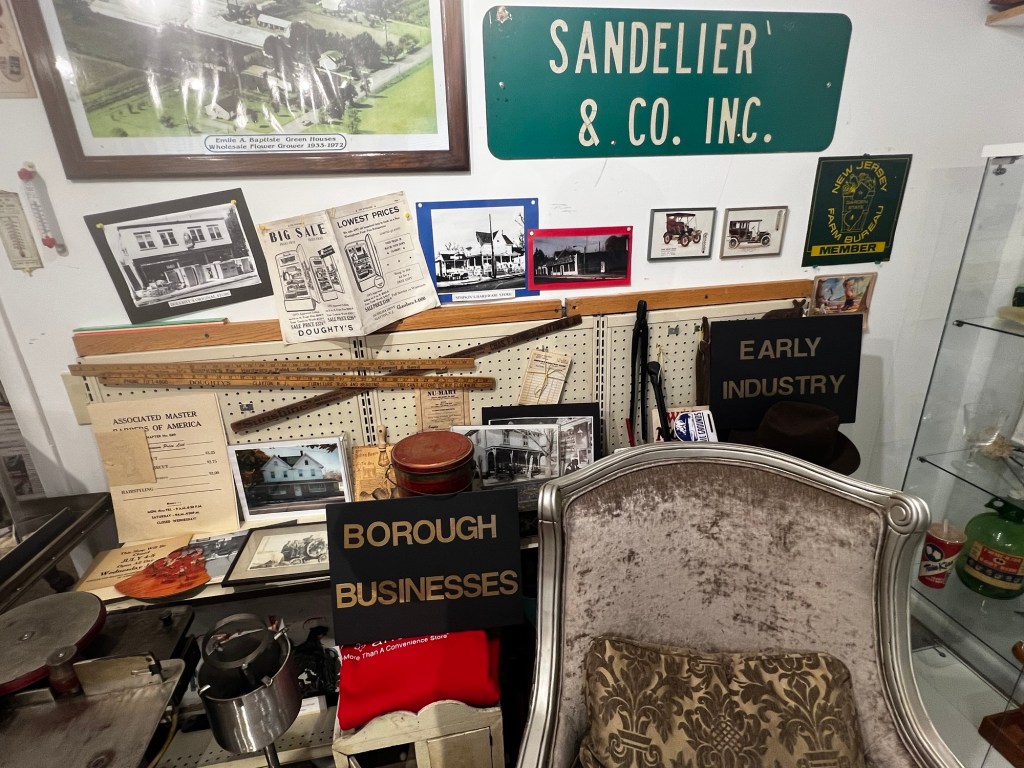
The Clayton, NJ local business district businesses
Through an assortment of photgraphs and documents, visitors can explore the Borough’s development.
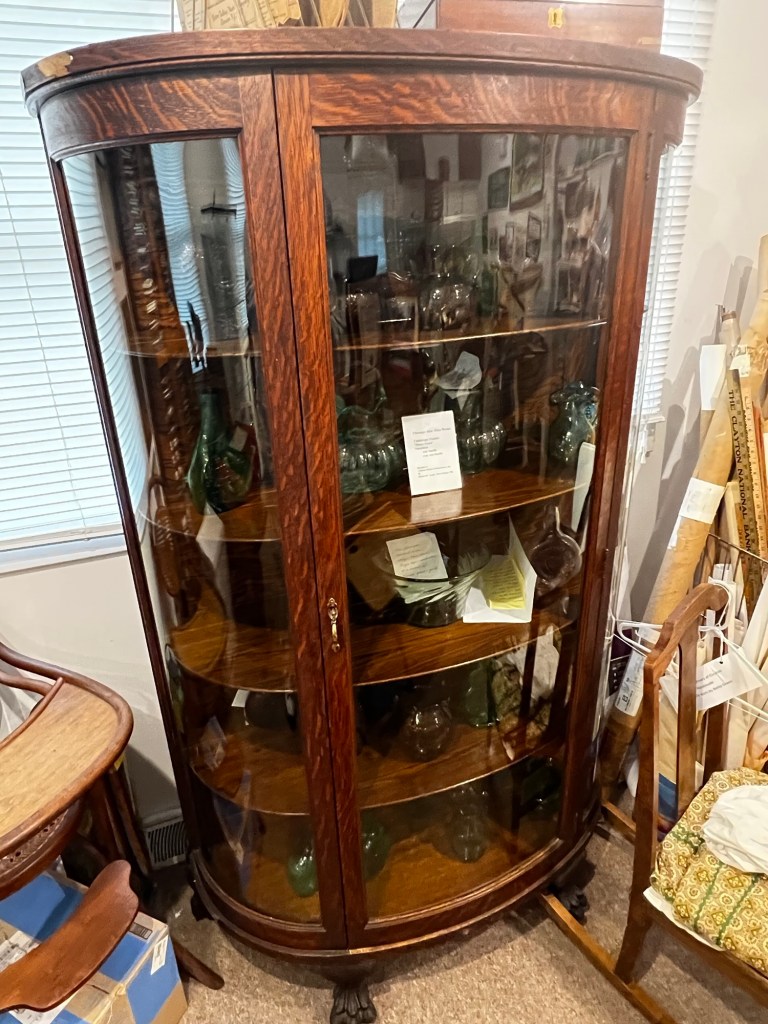
The beautiful decorative glass on display
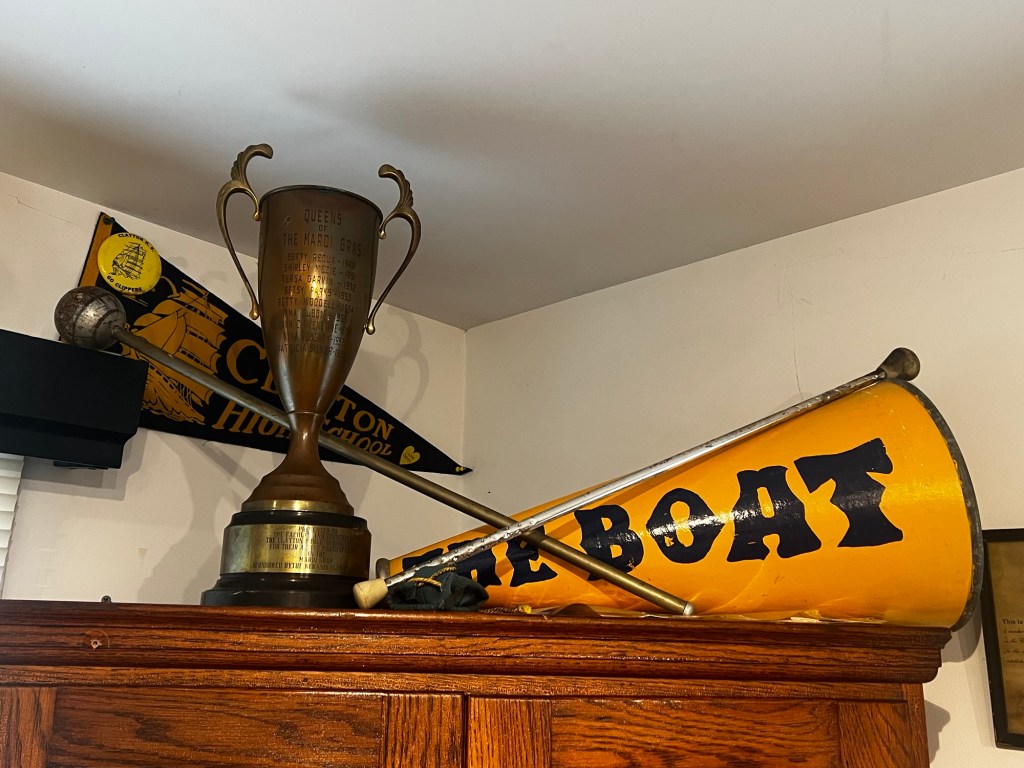
The Clayton High School display showing small town pride
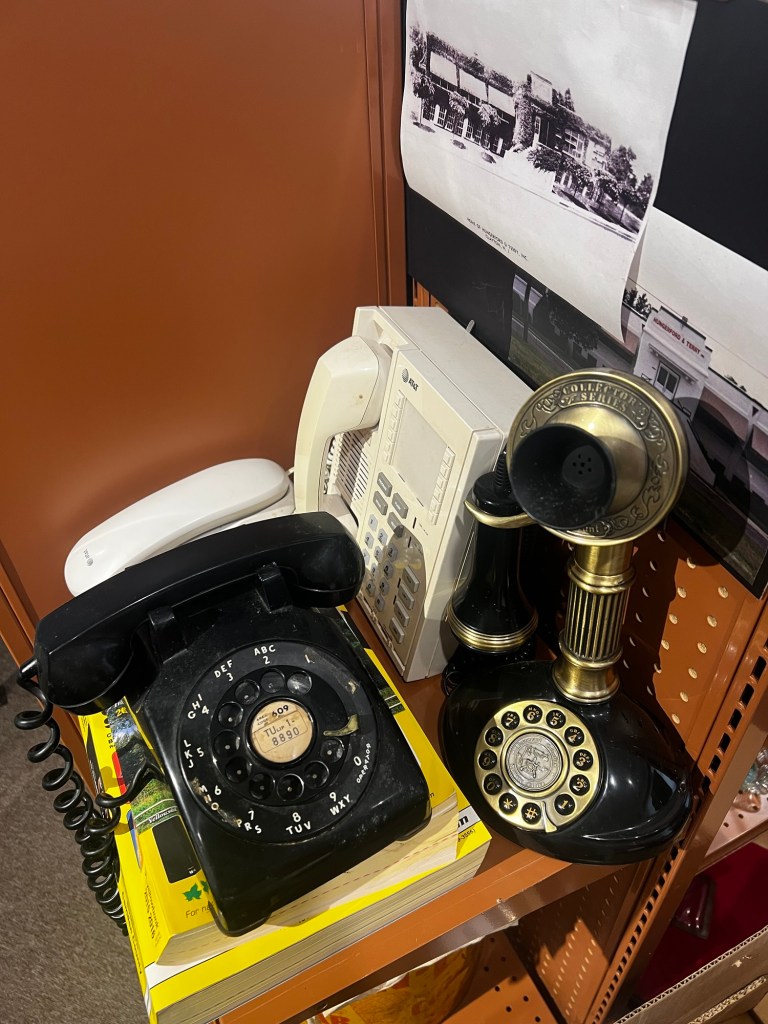
The progression of the telephone
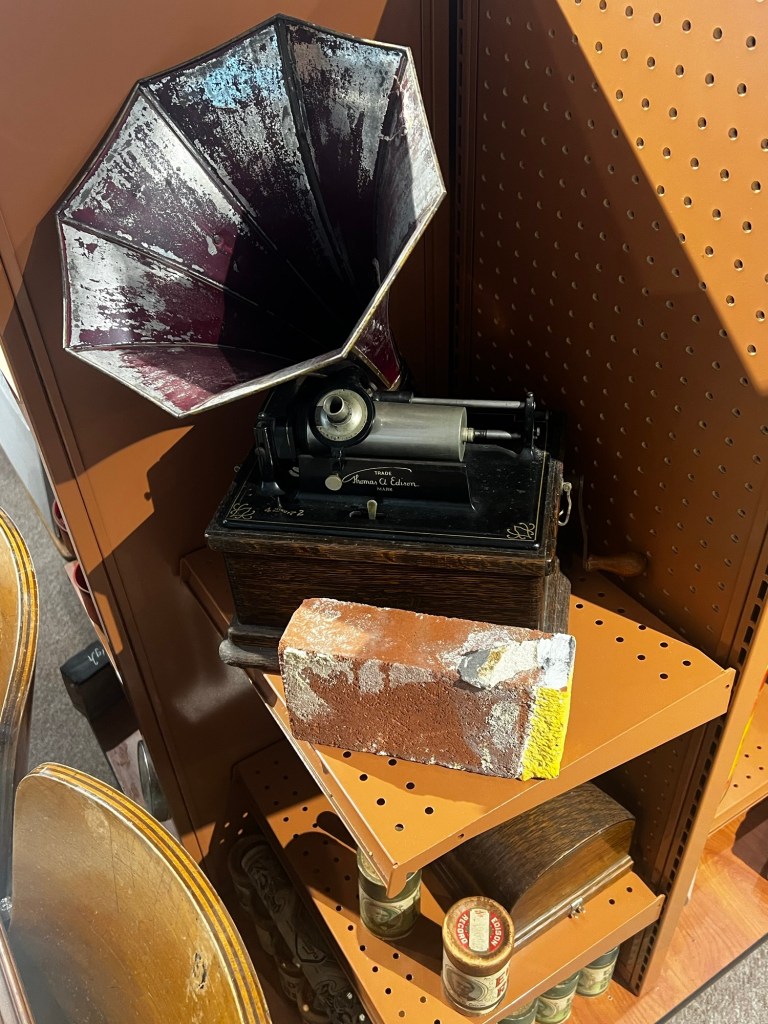
The antique Victrola got its start in the Edison labs here in New Jersey
The exhibits provide a deeper understanding of Clayton’s past, fostering an appreciation for the borough’s heritage.
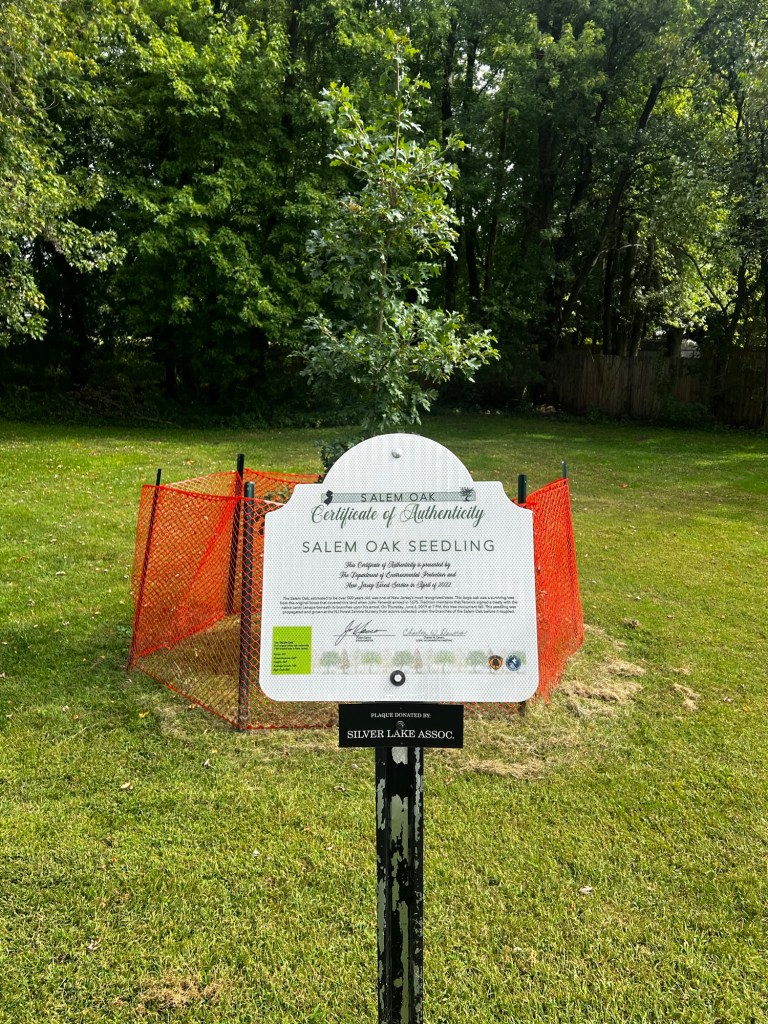
A clipping from the Salem Oak in Salem, NJ is in the yard behind the museum
The Mission Statement of the Museum:
(From the Museum website)
• Acquire and preserve documents, records and relics of the Borough of Clayton, Gloucester County and the State of New Jersey
• Encourage the protection and preservation of the historical landmarks and points of interest
Furnish historical information and documentation to the Borough
• Partner with Clayton Special Events and neighboring Preservation Associations to exchange and display historical related information, documents and artifacts
The middle gallery of the museum’s extensive glassworks collection
Remember that the museum is only open from 11:00am-1:00pm the third Saturday of the month so plan your trip to museum accordingly.
Located on 14 acres along the Black River, the Gristmill is the only restored water-powered mill in New Jersey and is listed on the State and National Registers of Historic Places. It’s a living example of the state’s transition from an agricultural to an industrial economy. Costumed staff lead guided tours of the mill, running restored machinery to harness the power of the Black River to grind grains, using two sets of massive 2,000-pound mills
The Nathan Cooper Gristmill
The sign welcoming you to the site
I spent an afternoon walking the grounds of the Nathan Cooper Gristmill after a trip to Hacklebarney Park and was able to tour the outside of the mill and the pathways around the property.
The historic sign welcoming you to the site
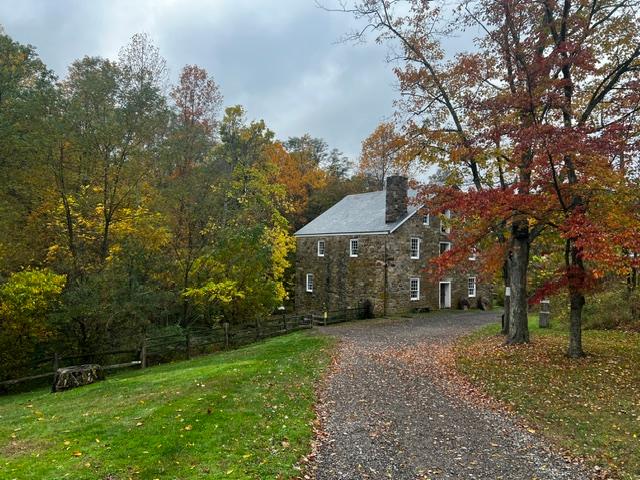
The front of the mill building
The front of the old mill had been decorated for the “250th Anniversary” of the nation and the grounds were really beautiful. The mill lined the Black River in the back of it and the lawns were filled with lush trees. The mill was not open for the day but you could walk around the grounds.
The Washington Turnpike historic sign
The front grounds and the water pump
The water pump marker in the front of the building
The water pumps at the front of the mills were closed off at this point but must have been used as a water source for the people working there at the time.
The stairway to the back of the mill
The pump by the front of the stairs
The back of the building is where the water wheel is located by the Black River water source. When I took the tour later the next month, the tour guide showed me how it worked. The mill is still a functioning mill and they still do produce flour for sale but on a limited basis.
The waterwheel that moved all the equipment inside
The Waterwheel and the water source to power it
The waterwheel
The history of the Water Wheel:
The Fitz water wheel was made in 1927 for a mill in Pennsylvania that burned down before it could be installed. It was then purchased for a mill in Pottersville, NJ in 1935 and powered until 1955. In 1974, the wheel was donated to the Morris County Park Commission and moved to the Cooper Gristmill (Cooper Gristmill pamphlet).
The video of the waterwheel working:
The historic sign on the waterwheel and the water source
The pathway to the Black River and the trails
The back trails of the gristmill have the most beautiful views of the river and the steams around the property. At the end of the Summer of 2026, it offers the most amazing views of the grounds. All the trees were still in bloom and the trails take you far back into the park. I just walked to the river stream and looked at the small waterfalls. This was the water source that powered the mill.
The historic sign on the Black River
The grounds and paths along the river are really picturesque but watch the paths when the paths are wet. It can be a muddy experience.
The Black River from the trails
The Black River water source
Video of my walk along the river:
The history of the Cooper Gristmill:
(from the site pamphlet)
A gristmill was apparently built at this site in the early 1700’s by the first Europeans to settle the Chester area. Records show that is was offered for sale in 1761. Later in the 18th century, it was owned by Ellis Howell. The property was purchased by Nathan Cooper in 1825 and then Cooper rebuilt the mill in 1826, since the original structure had been damaged by an earlier fire. This is the mill building that remains standing.
Following the death of Nathan Cooper in 1826, the mill was passed to his nephew, Nathan A. Cooper. The younger Cooper, who became one of Chester’s wealthiest and most important citizens, owned the mill property until his death in 1879.
Mills were built at close intervals. In 1832, the town of Chester reported five sawmills and three gristmills. Surrounding these mills were small settlements that developed followed by good roads so that the farmers could haul their grain to the site. Soon it was followed by a blacksmith shop and a general store. This was the beginning of the town of Milltown, later called “Milldale”.
Once in the forefront of technology and economic progress, village gristmills had become largely obsolete by the end of the 19th century. By then, milling had become a vast factory enterprise and the dynamic railroad system made it possible to ship grain and flour over great distances. No longer the bustling centers of activity, mills like the Cooper Gristmill came to be viewed as relics of a bucolic past.
In modern times and now restored, the mill once again hums with activity. The water wheel has been replaced and some of the mill’s mechanical equipment has been put back into place and now operates. In the place of farmers with wagon loads of grain, busses filled with school children arrive to see the millstones once again grinding flour. Cooper Gristmill and the Village of Milltown are good examples of the many small agricultural and industrial communities that once dotted the landscape of Morris County, NJ.
The back pathway to the front of the site
The first floor:
When I toured the facility a week later when the museum was open, I got a glimpse inside the mill’s past and how it was the economic engine of the area during Colonial times. The inside of the mill was in working shape and was still being used to produce flour when in season.
The first floor of the mill
The inside entrance to the mill on the first floor with the fireplace to the left and the millstones to the right. The stairs led to three floors of the workings of the mills from grinding to bagging and shipping of the flour produced by local wheat.
The inside framework of the mill in the process of milling wheat
The large gears that made these rocks special waterwheel work that harnessed the Black River power source. The river and lake that have been dammed are across the street.
The millstones for the grinding of wheat
The millstones on the first floor of the mill
The millstones used to process flour
The second floor:
The second floor of the mill displays contain the office of the manage of the mill, the flour separating area for the grades of flour and the old bagging area of the flour product for shipping.
The recreation of the manager’s office
The milling and bagging area
The flour processing machine
The flour grade sorting machine is off to the left. The machine would sort the grades of flour based on the weight and bulk.
The machines processing and sorting the milled wheat
Pieces of millstones
Pieces of the millstones used in the production. The pieces would be shipped individually and then assembled when they arrived at the mills because of their sheer weight.
The attic room
The Attic:
The attic was the last part of the tour and where a lot of the inner workings of the mill were located. Just watch your head.
The Visitors Center:
When I finished the inside tour of the mill museum, I returned to the Visitors Center with the tour guide where a small museum on historic Morris County and the county’s rural past and development was displayed.
The small museum inside the Visitors Center
The inside of the museum tells the story of the development of Morris County, NJ
The small gift shop inside the museum
After the tour of the inside of the mill and museum was over, I explored the grounds of the property and admired the foliage. I decided to explore the power source of the mill on the advice of the tour guide who was preparing to close up for the day.
The grounds of the mill building and the beautiful surrounding foliage
The tunnel under the road taking you to the damned river and the lake on the other side of the road.
The video of the walk through the tunnel:
The path underneath the tunnel lead to the lake that was the original and still the power source to the mill. It still makes the water wheel run and is its source of power.
The lake and the waterfall are the source of power for the mill
The Water source of the Cooper Gristmill:
(from the Cooper Gristmill site pamphlet)
Unlike the electric machinery of today. the water powered gristmill drew upon the natural environment for its power. The miller chose a location close to a water course that has a drop in elevation. A dam was built to form a pond that would store the water needed to power the mill even in the dry summer months.
A sturdy building was required to support the water wheel and its associated machinery. The water was brought from the pond in a wooden trough, headrace or flume. The height from which the water would fall when it reached the mill was called the ‘head’. It determined the amount of power that could be generated. A tailrace carried the water away from the wheel and returned it to the stream. The turning shaft of the water wheel transferred its mechanical power into the mill. The gears and belts then transmitted the power throughout the building. The four sets of millstones at the Cooper Gristmill originally required two water wheels to operate.
The mill was often the social center of an agricultural community and the miller was a community leader. The miller lived nearby in order to attend to the constant stream of customers and keep his machinery in good order.
The beautiful foliage on this side of the road
I walked through the pathway and looked into the pond to see the small waterfalls in the distance. The foliage colors on the background of the water was quite spectacular.
The Visitors Center and the mill complex from the other side of the road
It was a very interesting visit to see part of New Jersey’s manufacturing past and how it was still being utilized in the present. The tour guide explained that at certain times of the year, they still mill flour and sell it to the public.
So it is still a working mill in production and you can still see that production in the warmer months. You can also buy the finished product on premise.
Not only is it an interesting tour but the surrounding foliage in the Fall is breathtaking. It really was a fascinating tour of New Jersey’s past.
Take you time and enjoy the paths and trails around the mill building
In the whole time I toured the gristmill did the tour guide say the place was haunted. I never saw or felt anything but according to many videos, the place is haunted.
During the Annual Sussex County Heritage Weekend, one of the first stops I made was to the Franklin Heritage Museum in Downtown Franklin, NJ. The museum was the house in one of the offices of the mining company. The museum was a glimpse into community’s mining past and how it shaped this area of the State of New Jersey.
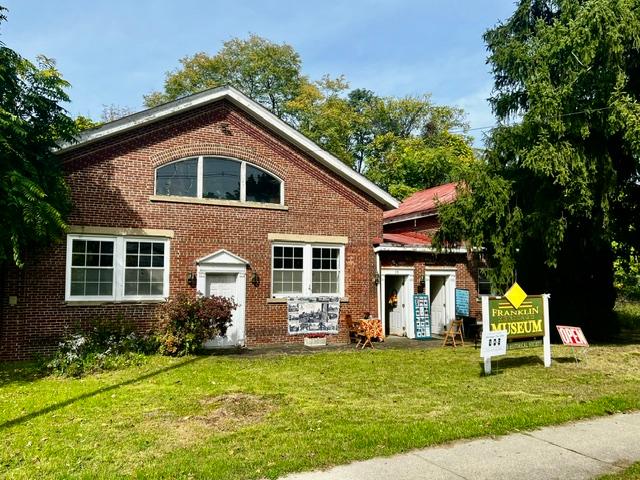
The museum sign out front
The museum building was the old New Jersey Zinc Company ‘Time Office’. This meant that the miners had to punch into their shift at the mine through this building. The old turnstile is to the right of the building.
History of the Franklin Historical Society:
(From the museum pamphlet)
The Franklin Historical Society was organized and incorporated in September 1996 as a non-profit all volunteer education association. It was founded to preserve the heritage of the Franklin Borough to create awareness of both the County and Borough of Franklin and its rich history of culture and ethnic heritage.
The Historical Society’s Museum is located at 95 Main Street in the historic Franklin Mill complex of the former New Jersey Zinc Company.
The Heritage Museum was opened to the public in April 1997 and its displays include:
Iron and Zinc Mining
Railroads
Franklin’s Churches and Schools
Franklin’s Local History
The sign for the old New Jersey Zinc Company ‘Time Office’ historical sign
The history of the Franklin Mine and its place in New Jersey history
The smaller gallery off to the side of the building concentrates on the history of the NJ Mining industry and the many mining areas in Sussex County.
The room contains all sorts of artifacts related to the industry including both pictures and everyday equipment.
The pictures of all the miners at the company
The Mining Gallery
The Mining Gallery with equipment and artifacts for a day of working in the mines
Artifacts from home and work
This gallery was in transition with the volunteers working on the displays. This side of the museum with be on the local NJ Zinc Mine Company and its history.
The main gallery in the old Main Office space
The main gallery of the museum has a mixture of more mining artifacts and town objects that cover the history of the town.
The ‘250th Anniversary exhibition of the town and its mining past
For the ‘250th Celebration’ of our country, the museum created an interesting display of the formation of the community around the mining industry to its growth today.
The Mining and Equipment display
Community artifacts
Pictures of the police and fire department’s in this small mining community
The museum’s main emphasis is on the development of the mining industry both its early development up until when the mines closed in the 1980’s. The display above is on the early mining tools used by the workers.
The Mineral display
What I found interesting was all the minerals that are on display and the glow in the dark components that make these rocks special. When the lights go out, the true magic begins.
The old turnstile to enter the mining compound before the start of the shift
The back of the museum behind the fencing and the weeds, is the entrance to the old mines. Both the entrance building and entrance to the mine has been closed off for years but you can still see behind the fencing. This is the old turnstile off to the side of the building where the miners entered the complex.
Across the street from the museum is the old Hungarian Reformed Church, which is planned to be renovated.
The sign for the church
The old Hungarian church
Down the road from the downtown area where the museum is located is the Franklin Furnace Park, which is a beautiful picturesque park situated around a lake.
All along the highway facing the park and in the park itself was the most beautiful and colorful foliage. Plan to visit the park after the museum for a colorful and relaxing break.
The foliage around the park in early October
The lake view of the park from the highway
The views from every angle of the park are breathtaking.
The view from inside the park and the footbridge to the island
The view of the park from south of the park
A view of the islands in the park
A view of the islands and the foliage
The islands and the foliage in the beginning part of October
The small center pine island
Traveling back down the road back to Route 23 South to continue my tour of museums
The view of the islands to the north in the lake
The view of the lakes from the south
The view of the foliage from the south
For a small town, Franklin offered such an interesting look at this part of New Jersey’s mining past and its transition from a mining industry to tourism based around the mines. The series of museums and cultural sites offers so much for visitors to see and experience.
A start at the Franklin Heritage Museum offers a glimpse into that past and as the museum keeps developing their exhibits will tell that story to visitors.