Tag: Exploring the Hudson River Valley during Halloween

Hessel Museum of Art-Bard College Campus                         33 Garden Road                                                                  Annandale-On-Hudson, NY 12504

Hessel Museum of Art-Bard College Campus 33 Garden Road Annandale-On-Hudson, NY 12504

Hessel Museum of Art-Bard College Campus

33 Garden Road

Annandale-On-Hudson, NY 12504

https://ccs.bard.edu/museum

Open: Sunday 11:00am-5:00pm/Monday-Tuesday Closed/Wednesday-Saturday 11:00am-5:00pm

My review on TripAdvisor:

https://www.tripadvisor.com/Attraction_Review-g29820-d1069234-Reviews-Hessel_Museum_of_Art_at_Bard_College-Annandale_on_Hudson_New_York.html

The Hessel Museum on the Bard Campus

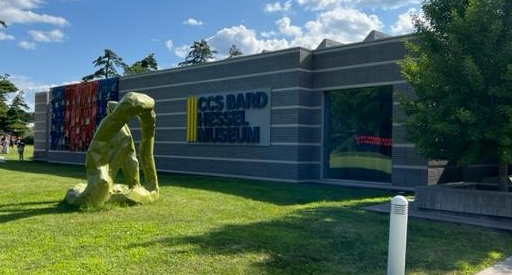
When I was visiting Rhinebeck for the recent Sheep and Wool Festival (See day One Hundred and Forty-Nine on “MywalkinManhattan.com), I decided to visit Bard College and their contemporary art museum, the Hessel Museum. When approaching the museum, it almost appears to be a fortress with several large pieces of contemporary sculpture on the grounds outside the building.

Day One Hundred and Forty-Nine:

https://wordpress.com/post/mywalkinmanhattan.com/10723

Once upon entering the museum, you are greeted by many welcoming volunteers who will check your vaccination card and ID and your mask and then you can enter the museum for viewing. At the time I was there, NY State still had a lot of their mandates.

There were a couple of interesting exhibitions going on when I visited. The first one I visited that afternoon was “Closer to Life: Drawings and Works on Paper in the Marieluise Hessel Collection”, which was many of the works of the founder of Bard’s private collection that had been donated to the school. I have to admit that the works were very contemporary with lots of squiggles and political themes.
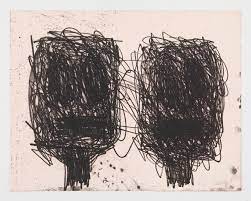
The show piece from the exhibition

Many of the works you had to look at a second time to try to find the meaning in them. I was having a tough time relating the titles to the works. Reading the exhibits press release, the exhibition said “Hessel’s dedication to the depiction of the human figure as an essential act of examining the self and social relations. The exhibit focuses, with a few exceptions, on drawing as a discrete, stand-alone practice and preoccupation of artists rather than as a tool to create studies for works in other mediums. Drawing is a way of thinking and the intimacy of the act is echoed in much of the subject matter depicted in the exhibition (Museum website).

Ms. Hessel traveled extensively and had relationships with many artists along the way, who touched on the themes of the day. She traveled from Germany to Mexico City and then onto New York City at different phases of her life and it shows in the collection that she amassed. The collection twists and turns in its theme from room to room.

The opening exhibition room of the “Closer to Life” exhibition

The other exhibition I toured was the current “With Pleasure: Pattern and Decoration in American Art 1972-1985” which was an interesting exhibition of design of the home and space which seemed to be an art movement in the early to mid 1980’s that I never noticed when I was in high school and college. It seemed that home design went from the home furnishings to a form of art.
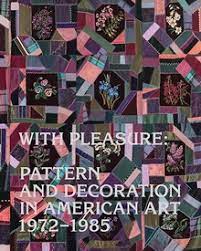
The “With Pleasure: Pattern and Decoration in American Art 1972-1985” logo

This I had seen the artist’s starting to design things like dishware and placemats for everyday use and in things like wallpaper from the dining room. There was a cross over in home design as artists became more commercialized and their work showed up on walls and floors. It is not too different today with people like Martha Stewart and her paint and home furnishing collections or Halston designing for JC Penny with the Halston II Collection.

Some of the art was quite colorful

The art in those galleries really looked something you would find in the average person’s home in the era. Some of the ‘over the top’ really looked like it belonged on a rug or on wallpaper. As the exhibition’s literature stated, “the exhibition examines the Pattern and Decorative movement’s defiant embrace of forms traditionally coded as feminine, domestic, ornamental or craft based and thought to be patterns and arranging them in intricate, almost dizzying and sometimes purposefully gaudy designs” (Exhibition literature).

I returned to the Hessel Museum in the summer of 2023 and they were having some performance art out on the lawn when I got there (I was wondering why there were not parking spaces). One guy walked up to me complaining how lousy it was and it did not make sense. I told him that that was contemporary art for you. It’s not supposed to make sense. He just smiled.

I toured the two new exhibitions that were being shown at the museum.

Artist Erika Verzutti had her “New Moons” exhibition

The first exhibition was by Artist Erika Verzutti with her “New Moons” exhibit. Frankly, I did not get here work. It made no sense to me. I was not sure what she was going after. I read her exhibit work and did not see any planetary connections. There were a few pieces that I thought were colorful and pretty creative in the works of the exhibition but the rest of it I just did not understand. I could tell the security guards were bored because no one was coming into this part of the museum.

“New Moons” exhibition piece
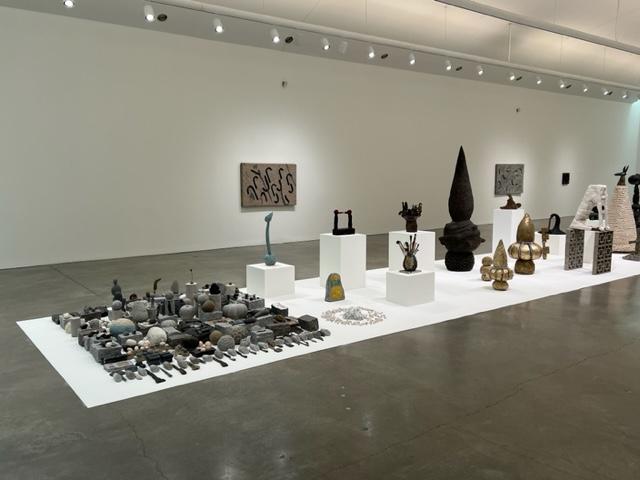
The main gallery of the “New Moons” exhibition
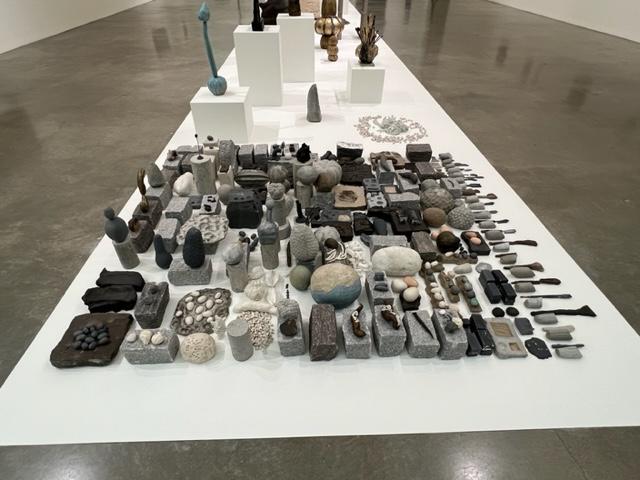
I thought this piece was very interesting

The “Indian Theater: Native Performance, Art and Self-Determination since 1969”

The other exhibition was the “Indian Theater: Native Performance, Art and Self-Determination since 1969”. Outside the museum they were showing the performance from the exhibition (the one that the patron was complaining about) and inside, the works were very contemporary and again some of the works did not make much sense to me. There were a few standouts though that I thought made a statement.
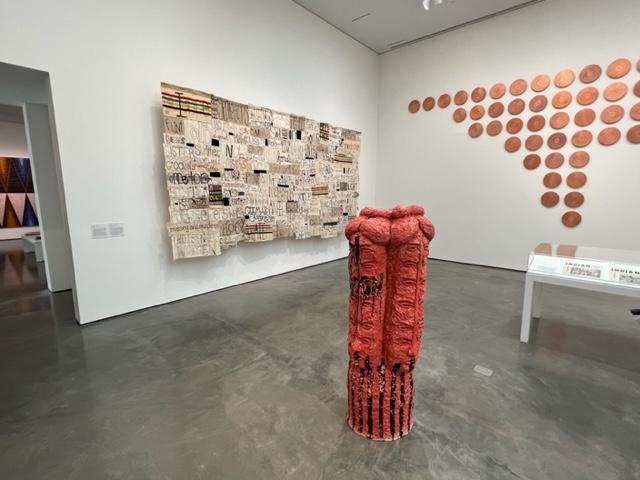
One of the galleries from the “Indian Performance” exhibition

“Indian Headdress” by artist Dan Claxton (Lakota)
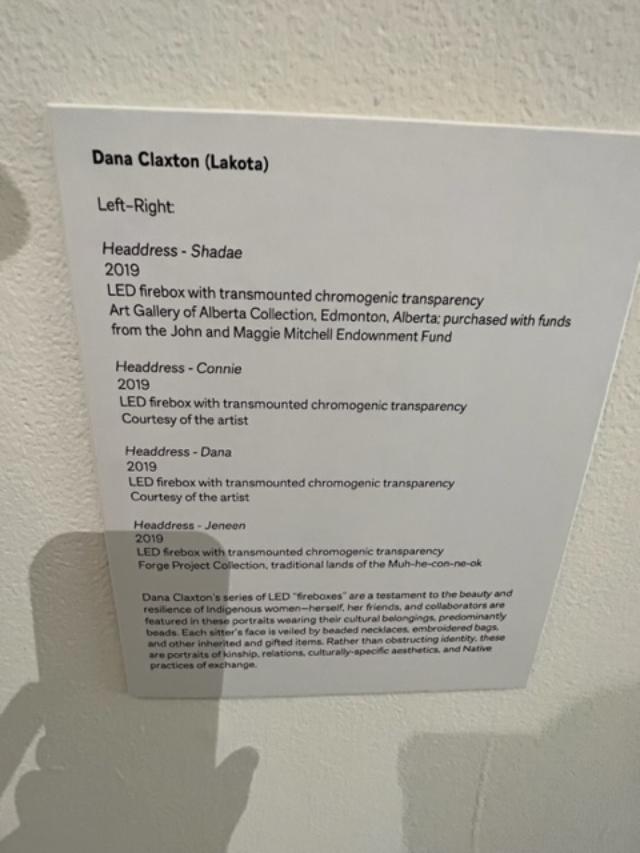
Artist Dan Claxton (Lakota)

“Counterblaste” by artist Gabrielle L’Hirondelle Hill (Metis) was interesting

Artist Gabrielle L’Hirondelle Hill (Metis)

Both exhibitions in the summer of 2023 were a little far reaching even for me who likes contemporary works. I think it is in the eye of the beholder but I like the fact that the Hessel Museum brings these works to the public. They do make you think.

The Hessel Museum doesn’t offer just interesting art but it approaches it in a thought-provoking way, asking the patrons to see beyond not just what is on the walls but think about the exhibit from the era in which the art is from and ask ‘does this still ring true today’. The Hessel asks us to think ‘out of the box’ and look at their works from different perspectives.

Some I understood and some I didn’t but I still enjoyed wondering the galleries and exploring the art on its terms. I think that’s what contemporary or just art in general does. We need to think about it. The museum also has a nice little gift shop to explore.

The History of the Hessel Museum:

About CCS Bard:

Established in 1990, the Center for Curatorial Studies (CCS Bard) is an incubator for experimentation in exhibition-making and the leading institution dedicated exclusively to curatorial studies-a discipline exploring the historical, intellectual and social conditions that inform curatorial practice.

The Center for Curatorial Studies has several interconnected parts:

The Hessel Museum of Art, built in 2006, presents experimental group exhibitions and monographic shows and also draws from the Marieluise Hessel Collection of Contemporary Art, comprised of more than 3,000 objects collected contemporaneously from the 1960’s to the present day. The Hessel Museum is open and free to the public. Public sculptures by Franz West, Cosima von Bonin and other artists surround the Museum. Please see the museum page for more details.

CCS Bard hosts a range of public events throughout the year. All events are free and open to the public. Please see upcoming events on the website.

The CCS Bard Archive provides access to a wide range of primary materials documenting the history of the contemporary visuals arts and the institutions and practices of exhibition-making since the 1960’s. Please see our research center page for further details.

The Graduate program in Curatorial Studies is an intensive course of study in the history of contemporary art, the institutions and practices of exhibition making and the theory and criticism of contemporary art since the 1960’s. Throughout its over thirty-year history, the program has actively recruited perspectives underrepresented in contemporary art and cultivated a student body representing a diverse spectrum of backgrounds in a board effort to transform the curatorial field. Please see the school page for further details.

The Center for Curatorial Studies is part of Bard College and located on their Annandale-on-Hudson campus. Bard acts at the intersection of education and civil society, extending liberal arts and sciences education to communities in which it has been undeveloped, inaccessible or absent. Through its undergraduate college, distinctive graduate programs, commitment to the fine and performing arts, civic and public engagement programs and network of international dual-degree partnerships, early colleges and prison education initiatives, Bard offers unique opportunities for students and faculty to study, experience and realize the principle that higher-education institutions can and should operate in the public interest. For more details on the Bard College, please see their website.

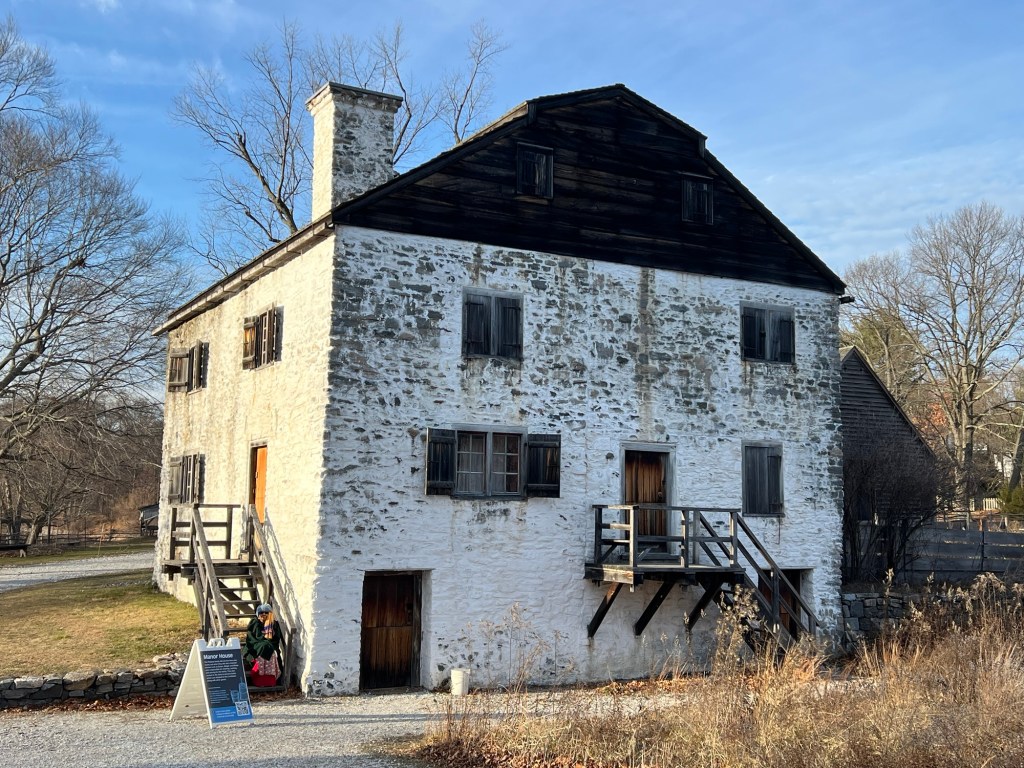
Philipsburg Manor House                                                        381 North Broadway                                                            Sleepy Hollow, NY 10591

Philipsburg Manor House 381 North Broadway Sleepy Hollow, NY 10591

Philipsburg Manor House

381 North Broadway

Sleepy Hollow, NY 10591

(914) 336-6900

Open: Please check the website for COVID updates

Fee: Please check the website for the COVID updates

My review on TripAdvisor:

https://www.tripadvisor.com/Attraction_Review-g48622-d299069-Reviews-Philipsburg_Manor-Sleepy_Hollow_New_York.html

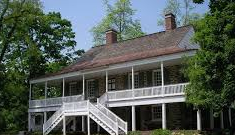
The Philipsburg Manor House from the back

I have visited the Philipsburg Manor House and Estate many times over the years. During the “Headless Horseman” Halloween activities, the house is open for tours. You are able to tour the rooms and see the home in a spooky environment. The house was lit by candles and the tour guides lead you through the house.

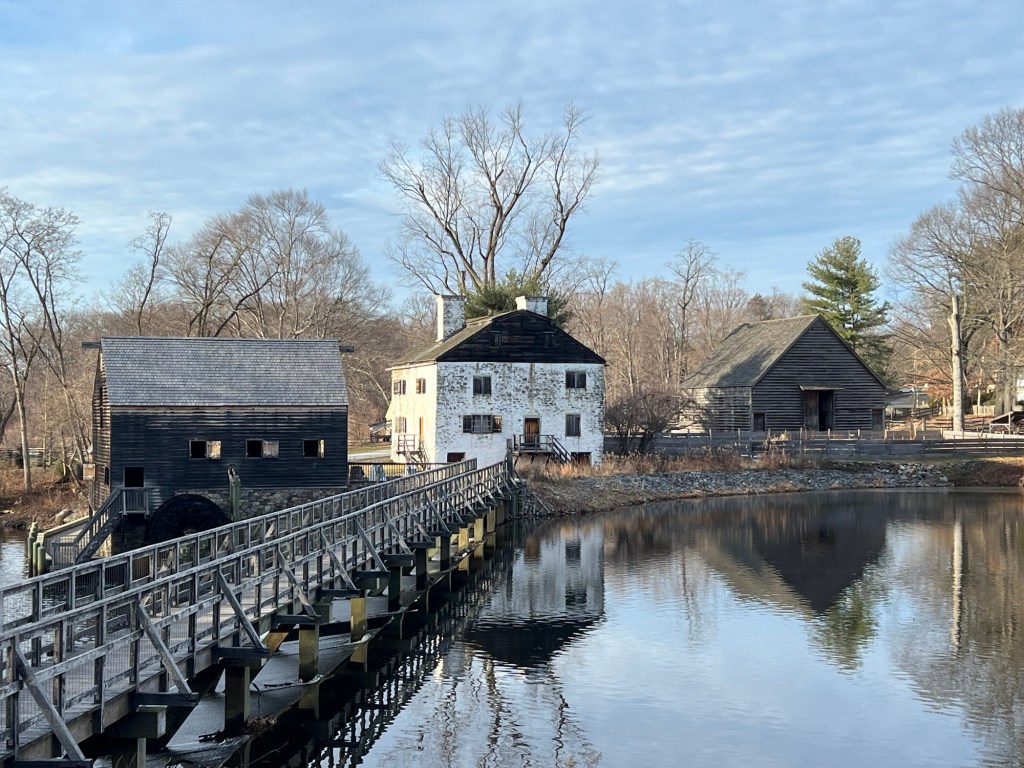
The Manor House from the bridge over the creek

During a special event at the holidays, the house had seasonal decorations, lit by a combination candles and open hearth fires in the fireplace and tour guides explained a Colonial holiday season.

The estate during the day

The Manor House as it was explained to me was a place where the Philipse family stayed when they were away from the main family mansion and was doing business on the estate. So the home was comfortable and workable and functional but not luxurious as the main manor house where the family lived.
The back gardens are used during the Spring and Summer to grow fruits and vegetables

The kitchen, common room and bedrooms were nicely furnished at the time for the owners visits but was not elegant in the form of the main manor house.
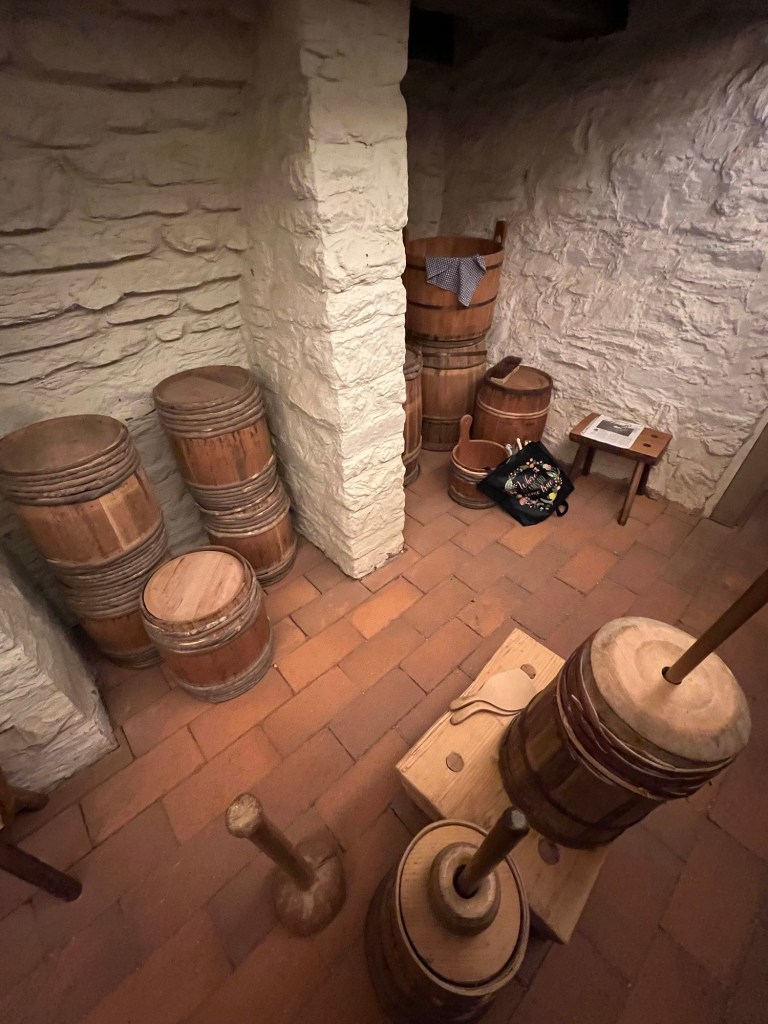
The butter-churning work area

This was full working estate at all times. The Mill is located near the manor house and their are walking paths around the house.

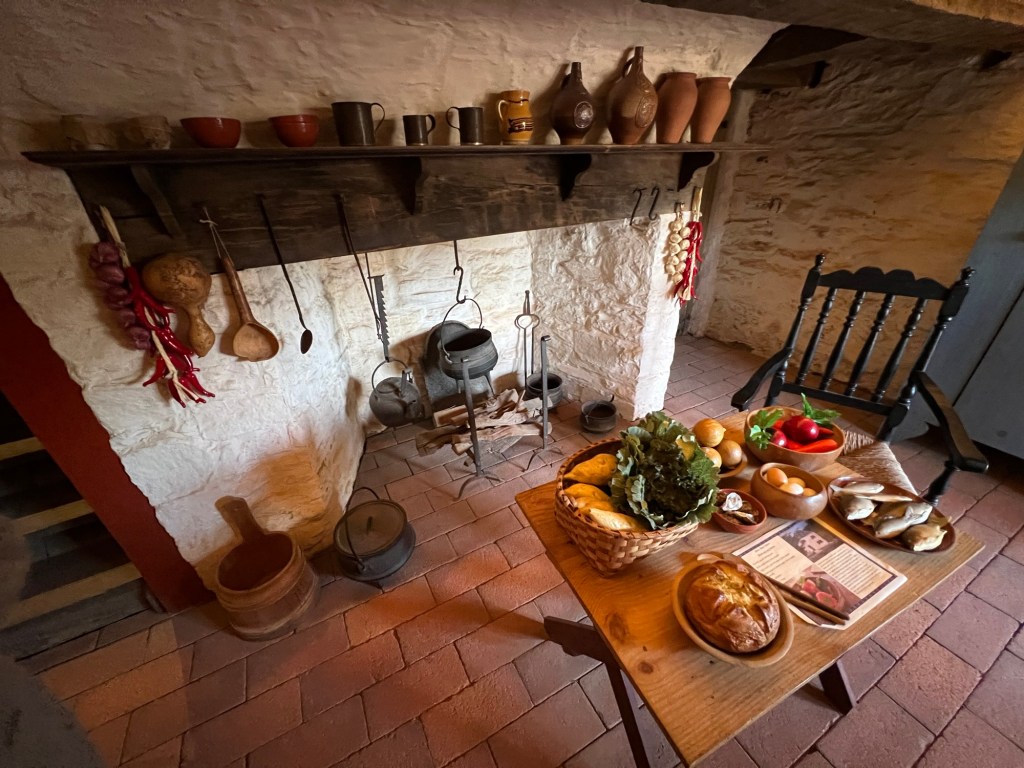
The downstairs kitchen at the manor house was functional but not elaborate

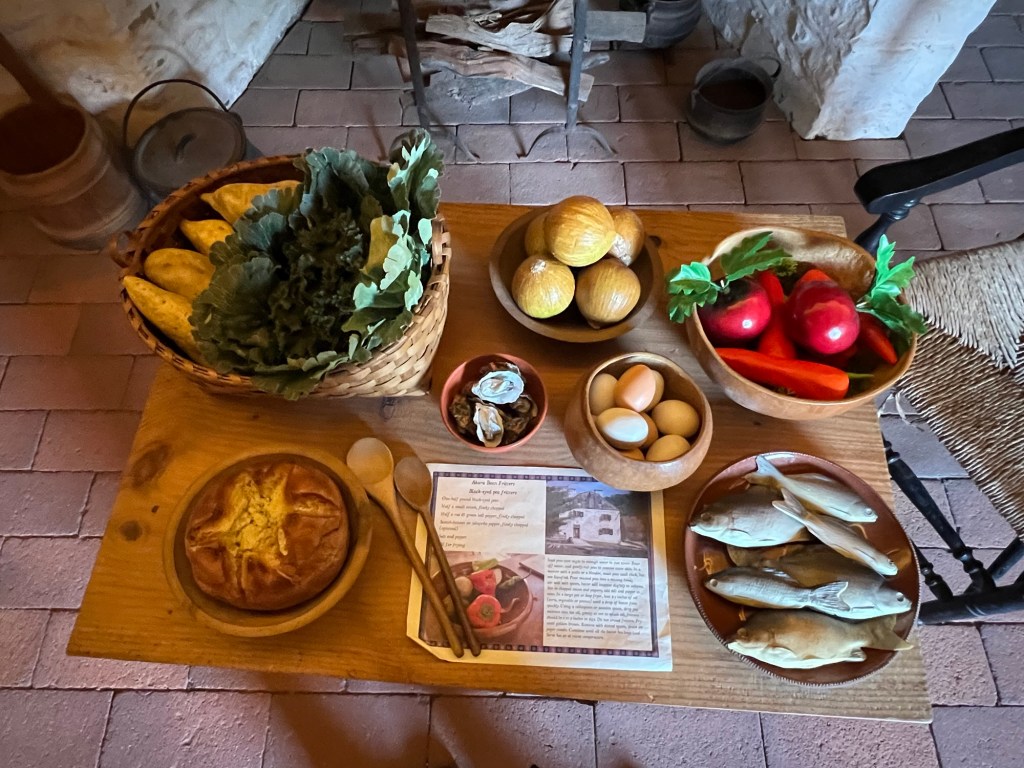
The farm bounty was plentiful during the seasons

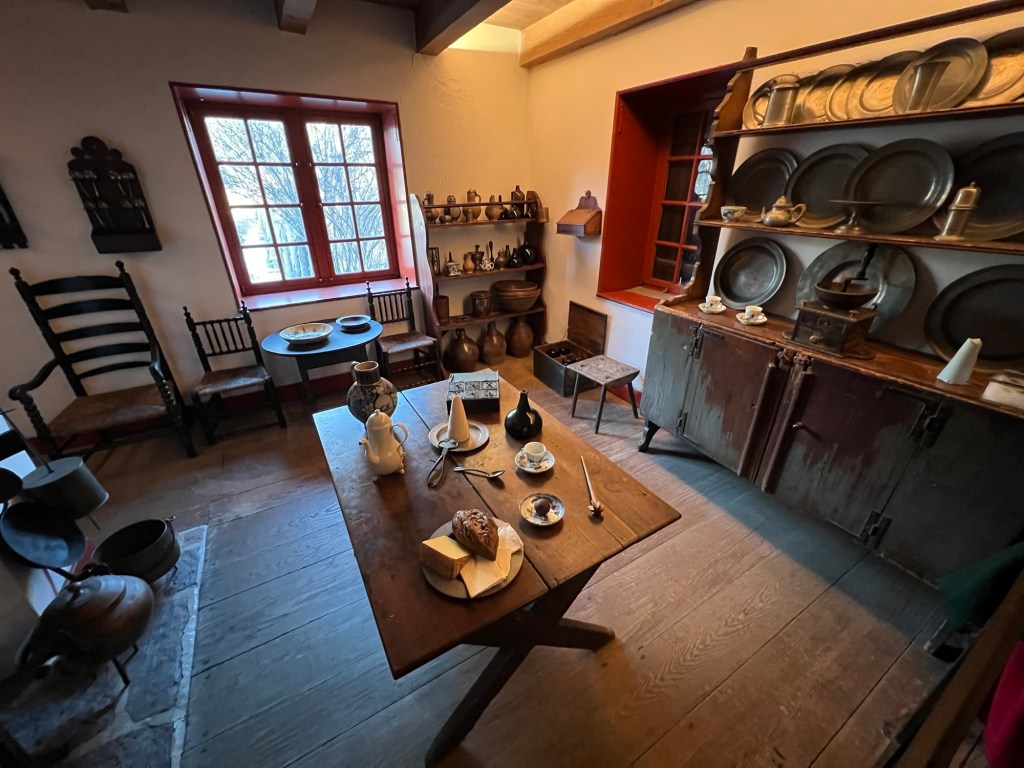
The upstairs kitchen is where all the owners meals were prepared along with all the dish ware and crockery.

The upstairs kitchen

The items of a wealthy Dutch kitchen

During the Halloween season, both Tarrytown and Sleepy Hollow are busy with activities with readings, cemetery tours, ‘haunted events’ and other activities. Please check out the Historic Hudson Valley website for the roster of events. Things have changed since the era of COVID.

A recreation of the owners bedroom at the Philipsburg Manor

During the Christmas holidays, the house in the past was decorated for Christmas but in the post-COVID time, the house was just open for tours. In December 2022, I got to visit the house the week before Christmas before it closed for the season. Like most older historical homes and sites will be closed until the Spring so this was the last opportunity to see the house and grounds. Unlike the past, the house was kept in regular touring state.

The guest bed chamber

When I revisited the estate in 2025, it was the last weekend it was open for touring and the house had no decorations for the holidays as again this was not their primary residence.

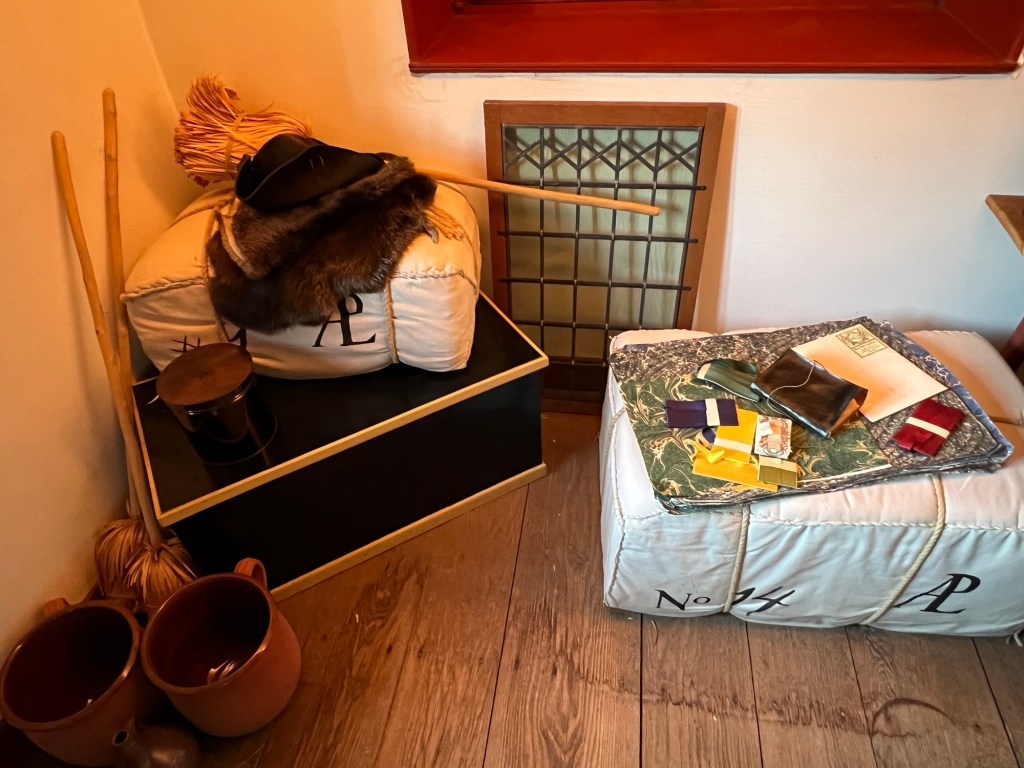
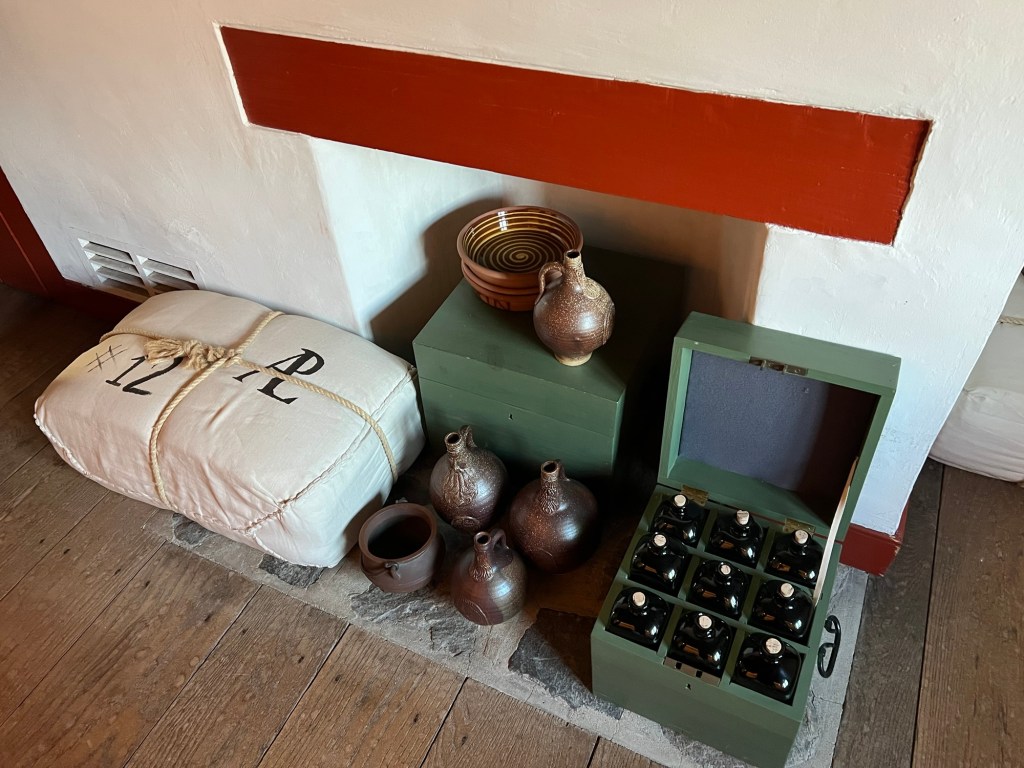
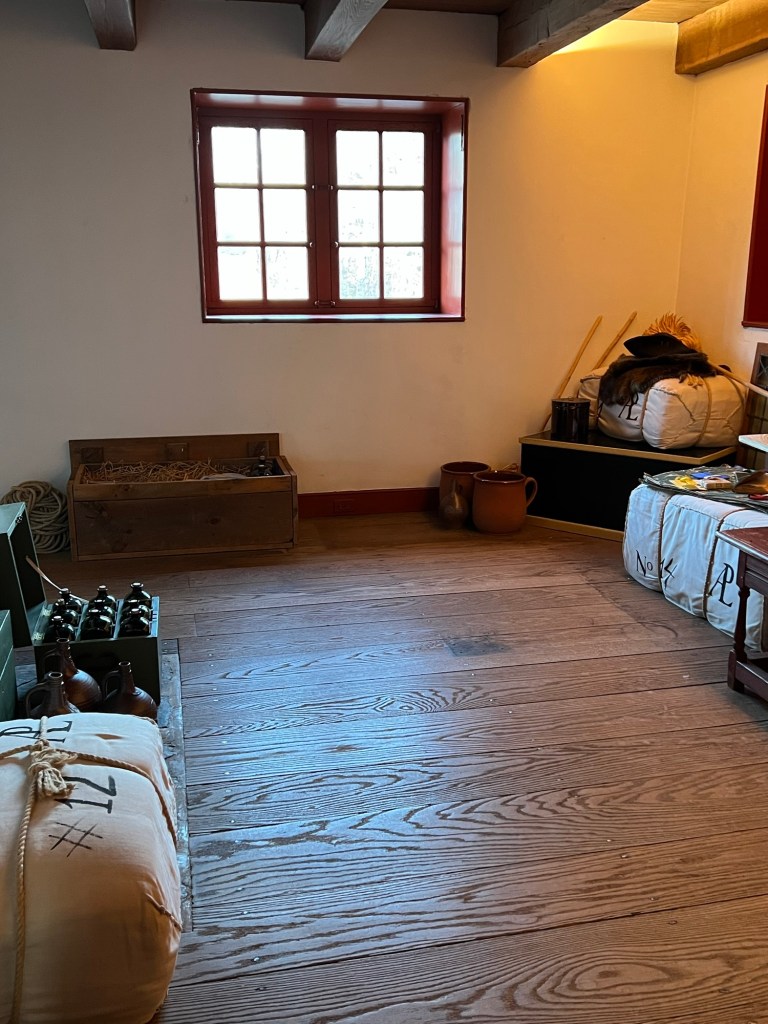
We got to tour the kitchens and bedrooms of the home and heard a talk on how the how was run when Mr. Philispe was not in residence. There was also a market within the house where tenant farmers could buy their wares for their homes.

The tenant farmer shop

The tenant farmer shop

This was strictly a working farm and mill for the family with the main residence being closer to the City.

The difference in 2025, we were finally able to take pictures indoors and that helped give mug readers a clear view of what to expect they come to visit.

The estate at the close of winter

Most of the action was outdoors with tours of the mill, the outside ovens used for the family’s bakery business and outdoor gardens that were cleared out for the winter months.

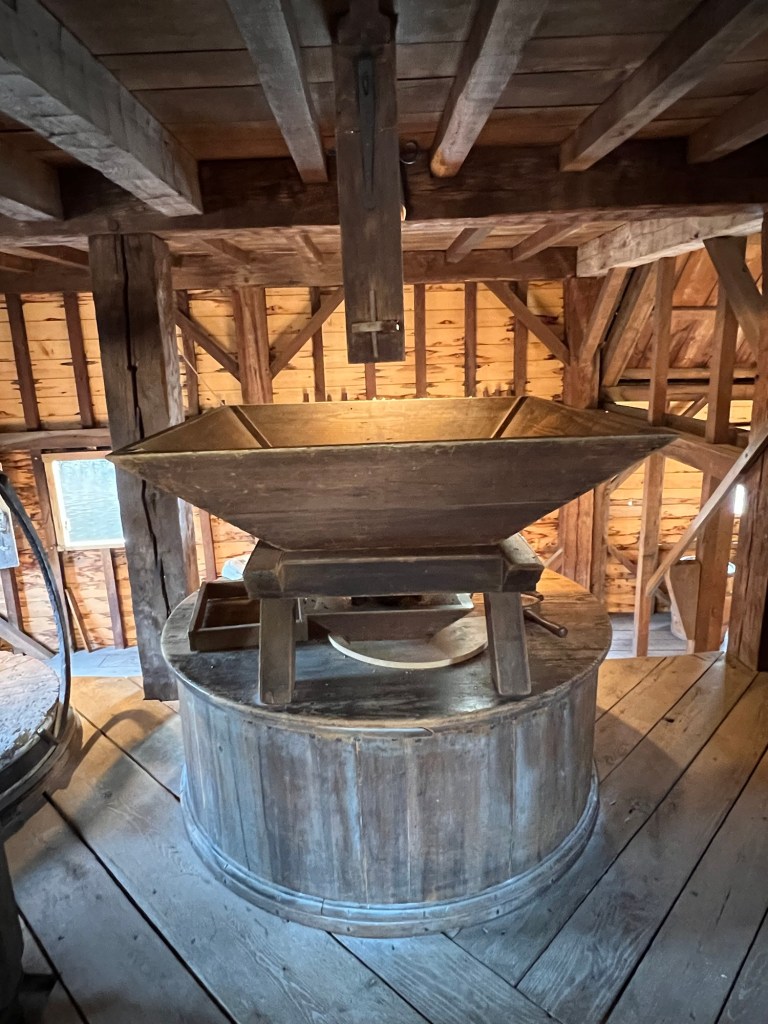
The wheat processing area

The processing area

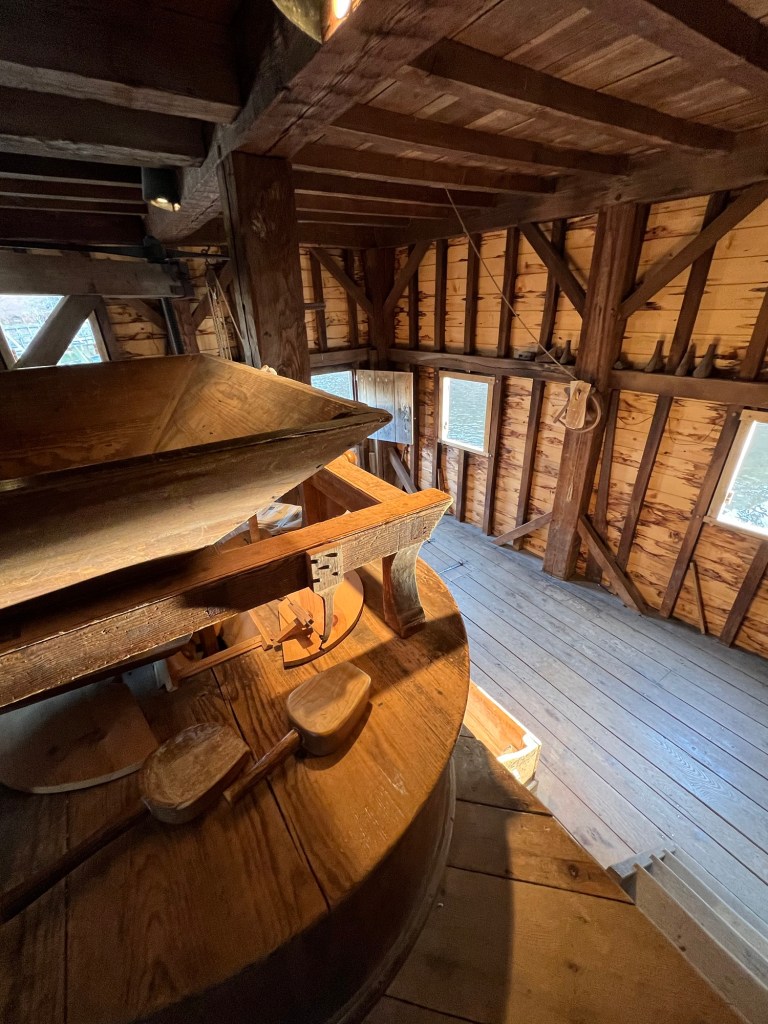
The Mill is where the process of converting wheat grown on the estate was made into flour for the New York market.

The Milling wheel to process wheat to flour

The system of wheat processing

The History of the Philipsburg Manor House:

(WIKI/Historic Hudson River Valley Society)

The manor house in the Fall of 2024

The grounds around the park

The sunset over the estate in the Fall of 2025

The Philipsburg Manor House is an historic house in the Upper Mills Section of the former sprawling Colonial-era estate known as Philipsburg Manor. Together with the water mill and the trading site the house is operated bas a non-profit museum by the Historical Hudson River Valley. It is located on US 9 in the Village of Sleepy Hollow, NY. (Wiki)

The Philipsburg Manor House and Mill area of the estate

The Manor House dates from 1693 when wealthy Province of New York merchant Frederick Philipse was granted a charter for 52,00 acres along the Hudson River by the British Crown. He built this facility at the meeting of the Pocantico and Hudson Rivers as a provisioning depot for the family Atlantic sea trade and as headquarters for a worldwide shipping operation.

For more than thirty years, Frederick and his wife, Margaret and later his son Adolph shipped hundreds of African men, women and children as slaves across the Atlantic. The manor was tenanted by farmers of various European backgrounds and operated by enslaved Africans (Wiki).

Recreation of the baking operations on the estate

The baking oven

Baking hardtack at the ovens. This would have been used for shipping voyages.

(From the museum website)

At the outbreak of the American Revolutionary War, the Philipses supported the British Crown and their landholdings were seized and auctioned off. The manor house was used during the war, most notably by British General Sir Henry Clinton during the militaries in 1779.

It was there that he wrote what is known as the Philipsburg Proclamation, which declared all Patriot-owned slaves to be freed and that blacks taken prisoner while serving in Patriot forces would be sold in slavery (Wiki/Hudson River Valley History).

Touring the Dutch barns for wheat seed processing

The processing of wheat and straw

A National Historic Landmark in 1961, the farm features a stone manor house filled with a collection of 17th and 18th Century period furnishings, a working water-powered grist mill and millpond, an 18 century barn, a slave garden and reconstructed tenant farm house (Wiki/Hudson River Valley History).

Philipsburg Manor in the Fall of 2024

During the season when the estate is open for visitors, there are costumed interpreters who reenact life in pre-Revolutionary War times doing various chores around the estate. During the Halloween season, the home is open for haunted tours of the manor during the “Headless Horseman” event. During the Christmas holiday season, the home is open for seasonal activities. Please check the website during COVID for activities (Historic Hudson River Valley).

The Philipsburg Manor and grounds in the Fall of 2024

The manor house in the Fall of 2025

Van Cortlandt Manor                                                                  5 Riverside Avenue                                                           Croton-on-the-Hudson, NY 10502

Van Cortlandt Manor 5 Riverside Avenue Croton-on-the-Hudson, NY 10502

Van Cortlandt Manor

5 Riverside Avenue

Croton-on-the-Hudson, NY  10502

(914) 366-6900

Open: See website for seasonal hours

My review on TripAdvisor (Manor and Pumpkin Blaze):

https://www.tripadvisor.com/Attraction_Review-g47560-d116391-Reviews-Van_Cortlandt_Manor-Croton_on_Hudson_New_York.html?m=19905

A trip to the Van Cortlandt Manor in Croton-on-the-Hudson is an interesting step back into the Colonial history of this country. During the summer, there is an interesting walking tour of the home offered usually from the end of July to Labor Day. Then the house is closed to prepare for the huge ‘Pumpkin Blaze’ during the months of October and November and then the house is shut down until the spring.

The house tour is interesting because it shows the home as a working farm and place of commerce for the family. This was not a weekend home for the family working in the City but crops being grown for shipping, vibrant gardens that supplied the house and a small tavern for travelers along the Albany Post Road as well as a place for shipping goods down the rivers.

van-cortlandt-manor-1.jpg

Van Cortlandt Manor

The home is furnished in the most modern furnishings of the time and you can see how the house reflected the needs of the family at that time. It was more of a home than a luxurious place to entertain. The furnishes are practical, very in fashion of the time and nicely decorated.

van-cortlandt-manor-ii.jpg

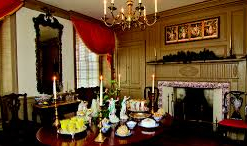
The Dining Room

The tour of the kitchens and storage areas show that even in what was the modern era was not such easy living without servants. The estate was somewhat self-contained with animals and provisions being raised on the land and there is even an area where fabric such as flax and cotton where spun and made into clothing.

Van Cortlandt Manor III.jpg

The kitchen dining area

The upstairs bedrooms show that the linens were under lock and key even with the servants and that the rooms were well-appointed and comfortable. A lot of the family heirlooms still reside in the house and it gives you a perfect look at what life must have been like when the family lived here.

Don’t miss the gardens as well. Some have been over-grown because of the lack of volunteers but still you can see the beauty of the flowers and trees around the house. The house sits right on the cross between the Croton and Hudson rivers and even though it is now grown in, you can see that the house stood at one of the busiest sections of Upstate commerce.

As of 2026, the home is still under renovation and is still not open for inside tours.

The Pumpkin Blaze-Hudson Valley Historical Association:

During the months of Halloween, there are thousands of pumpkins that line the walks and beautiful displays to see along the paths of the estate and the river. This event is sponsored by the Hudson Valley Historical Association and is one of their biggest fundraisers. Don’t miss this annual event every fall.

The Blaze is amazing!

The Pumpkin Blaze in 2019:

Some pictures from the MoMA Pumpkin Museum:

368

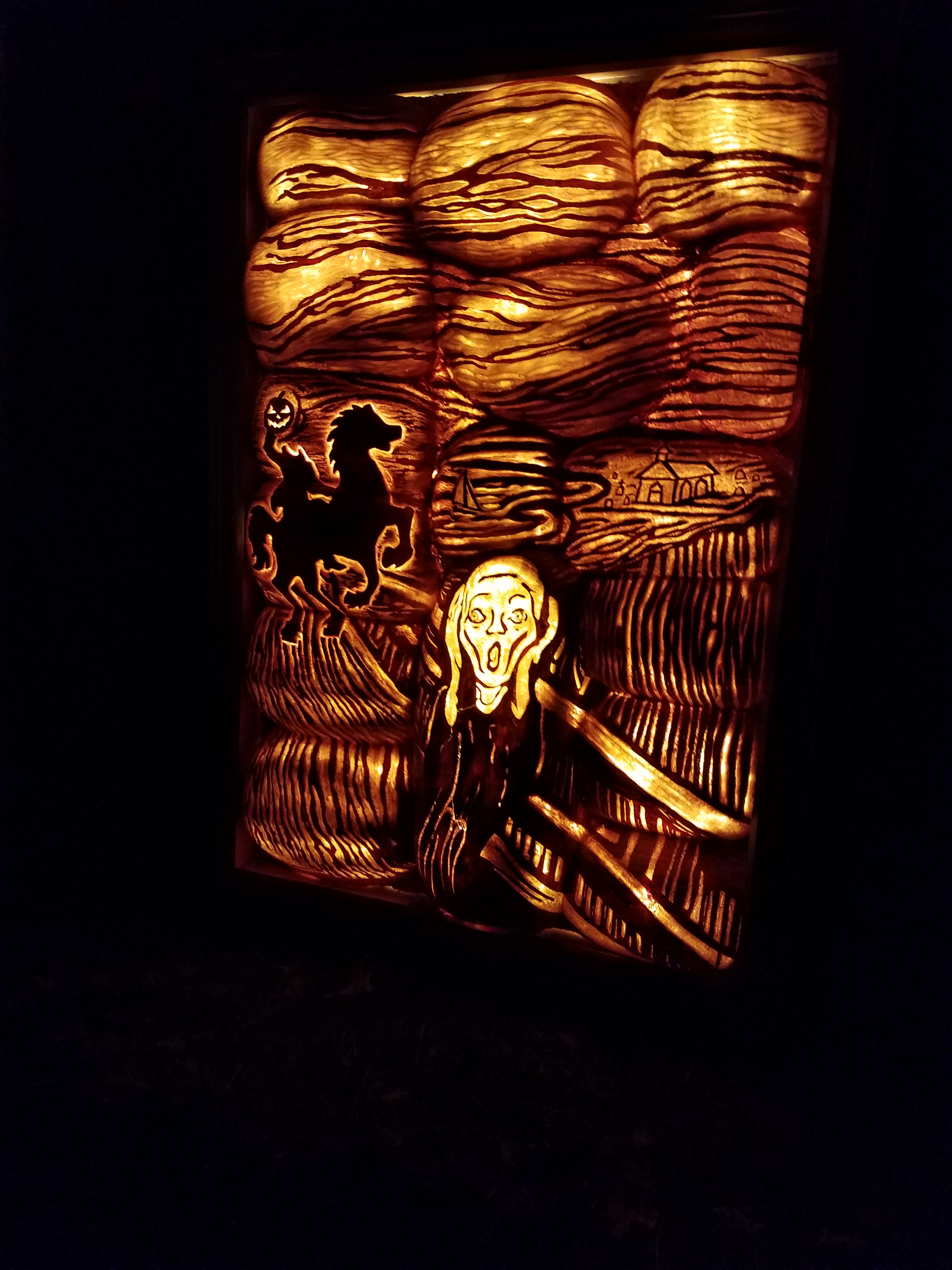
Their version of “The Scream”:

366
393

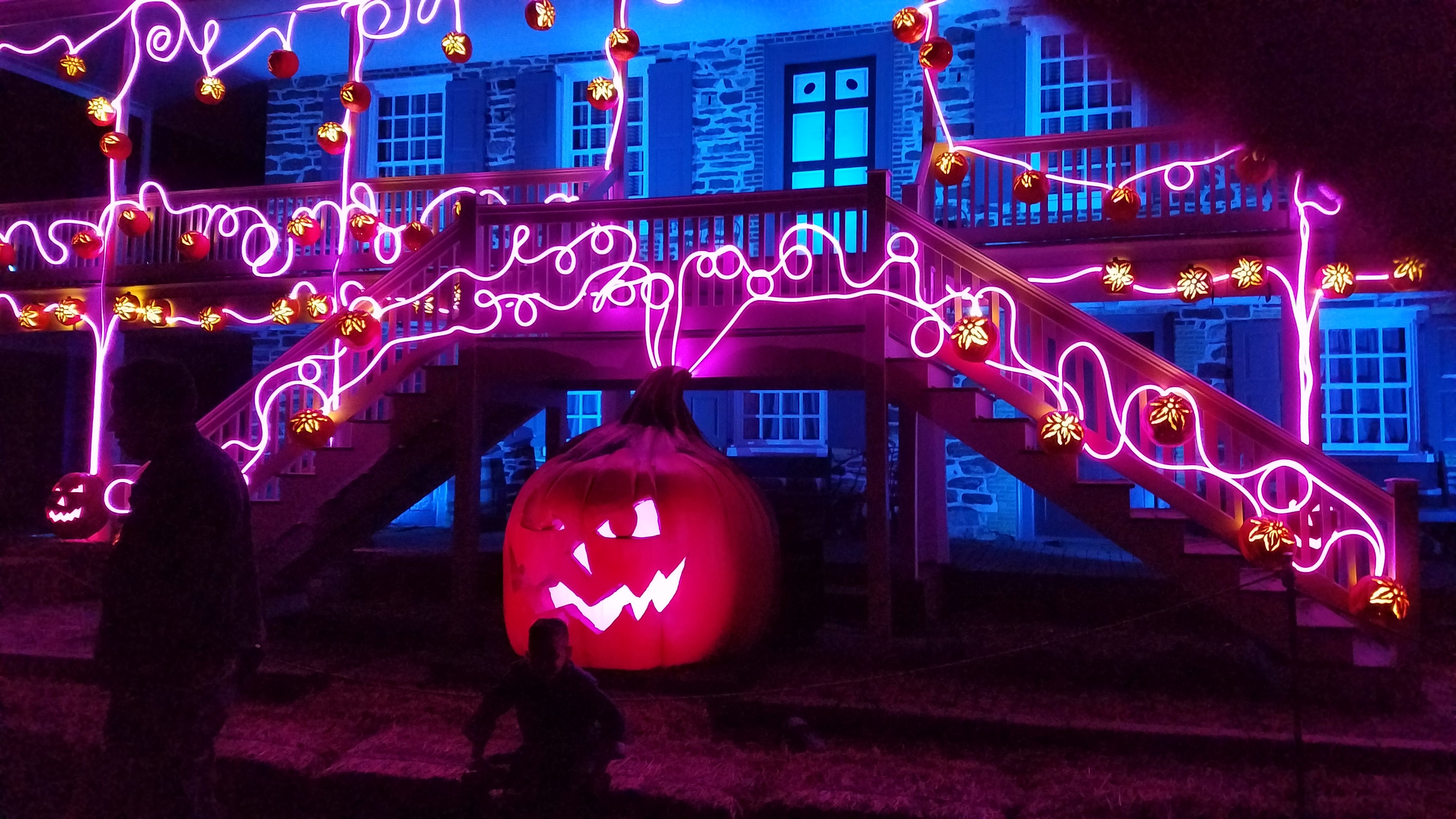
The Van Cortlandt Manor ablaze with lights and sounds

406

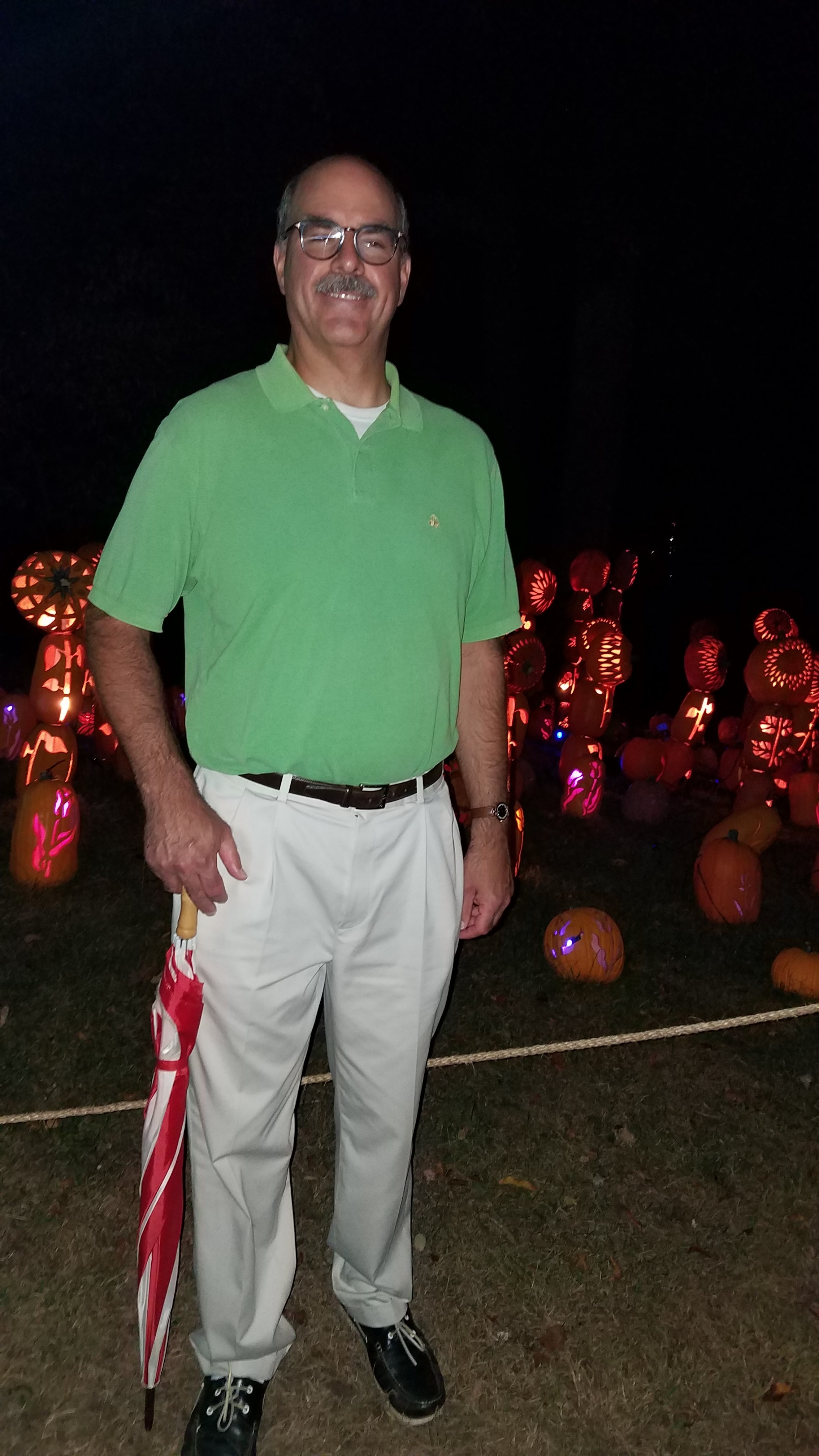
Justin Watrel at the Pumpkin Blaze

412

My Aunt and I at the Pumpkin Blaze in 2019

The Pumpkin Blaze in 2022:

Entering the Pumpkin Blaze in 2022

Pumpkins greeting you in all shapes and sizes

The Pumpkin Planetarium at the Pumpkin Blaze

My video walking inside

Pumpkin Bee Hive

The “Terror Zee Bridge” at the Pumpkin Blaze

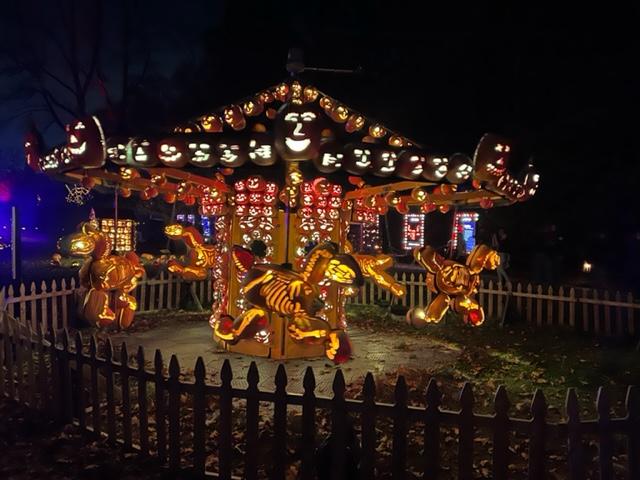
The Pumpkin Carousel

My video on the Carousel

The Pumpkin Fire Services

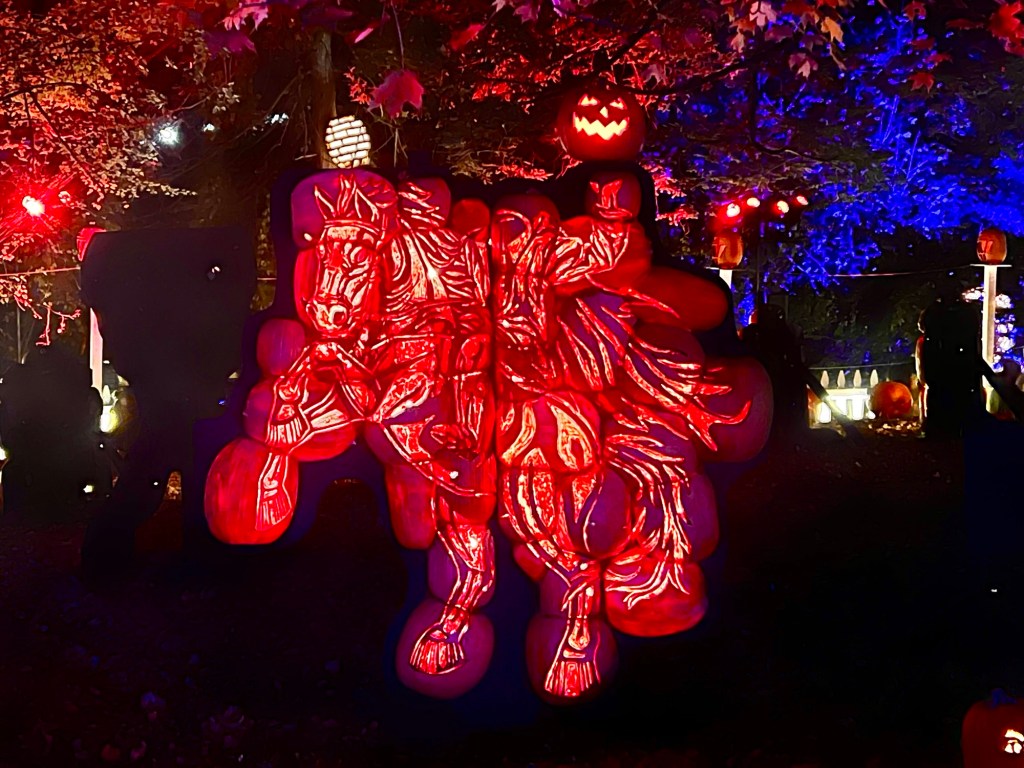
The Headless Horseman is the theme of many October festivals in the Hudson River Valley

The Pumpkin Blaze in 2026:

The Blaze this year I noticed had less carved pumpkins and more props which led me to believe they have less people to carve pumpkins. Still there were a lot of new displays and new music. Here are some of the things I saw on the Blaze in 2026:

Arriving at the Blaze the weekend before Halloween

I noticed one thing about the Blaze and that is the crowds are much bigger before Halloween than after and the weather is much warmer. When I got there, it was 60 degrees and sunny. When I left at 9:30pm, it was 40 degrees. Quite the drop, so always dress warmly.

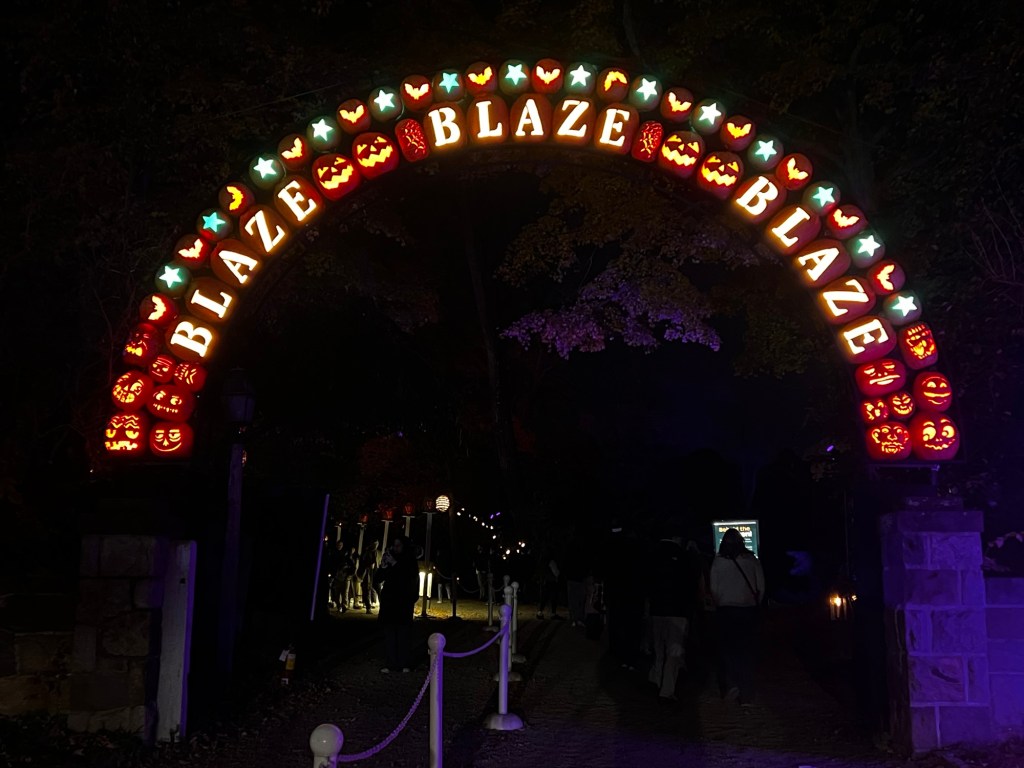
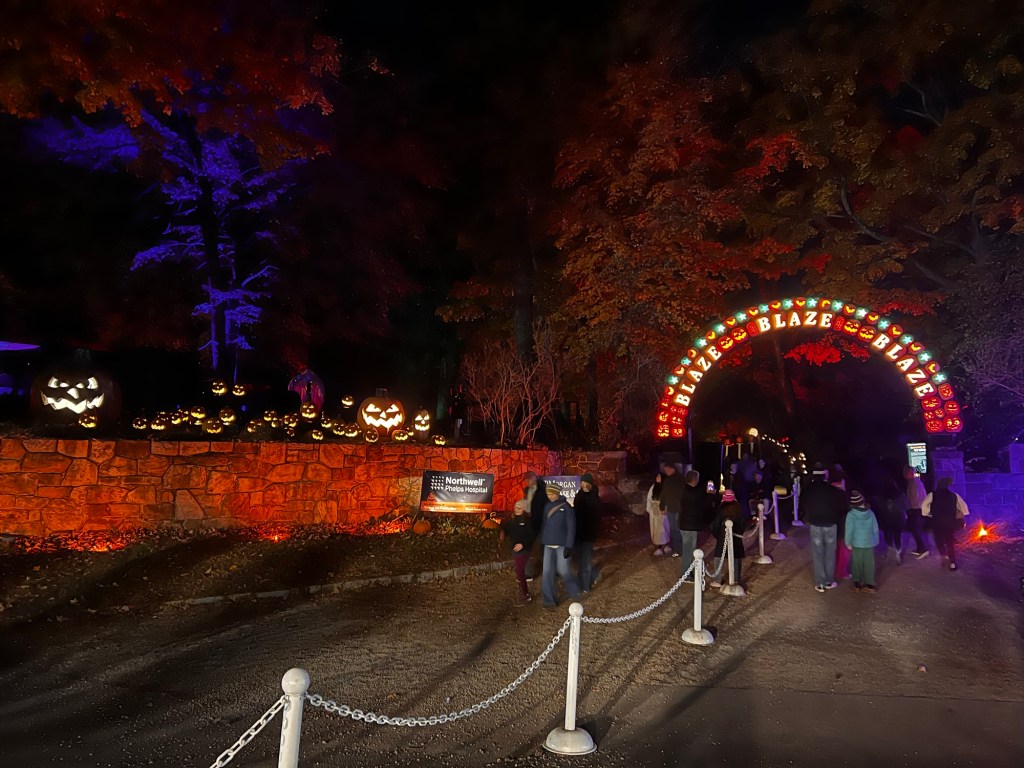
The entrance to the Blaze in 2026

The entrance to the Blaze

The shoe has gotten very popular over the years and the crowd was really big when I got there at 8:00pm. All the times from 8:00pm and before were completely sold out.

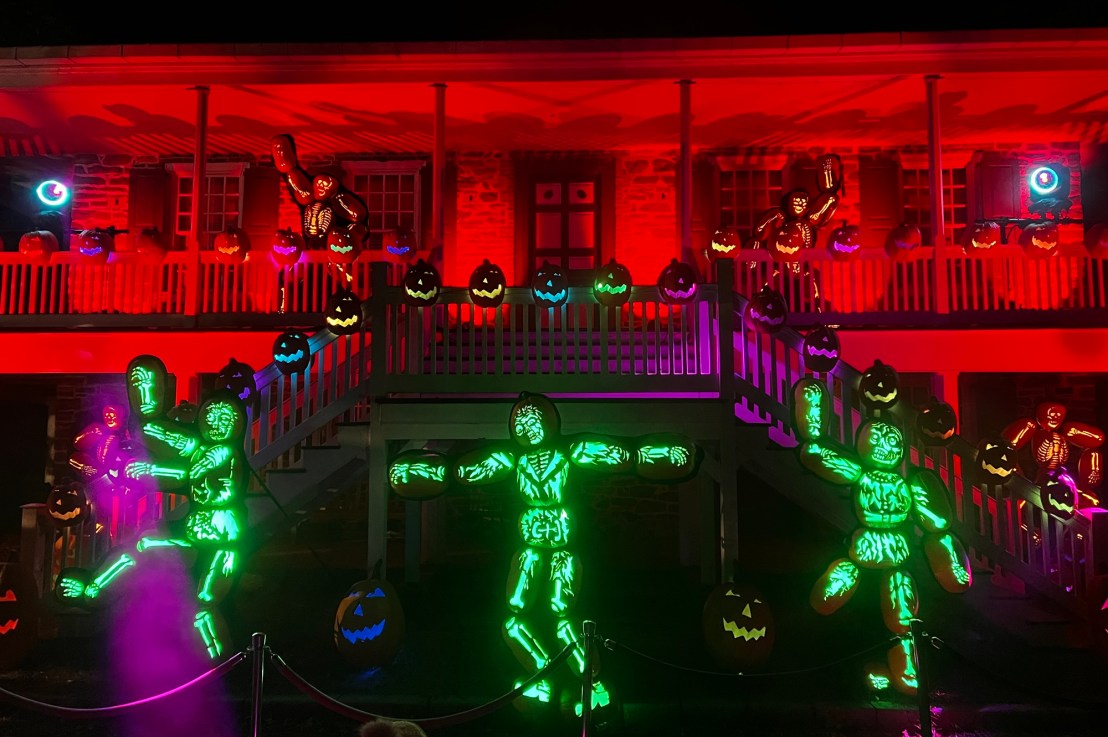
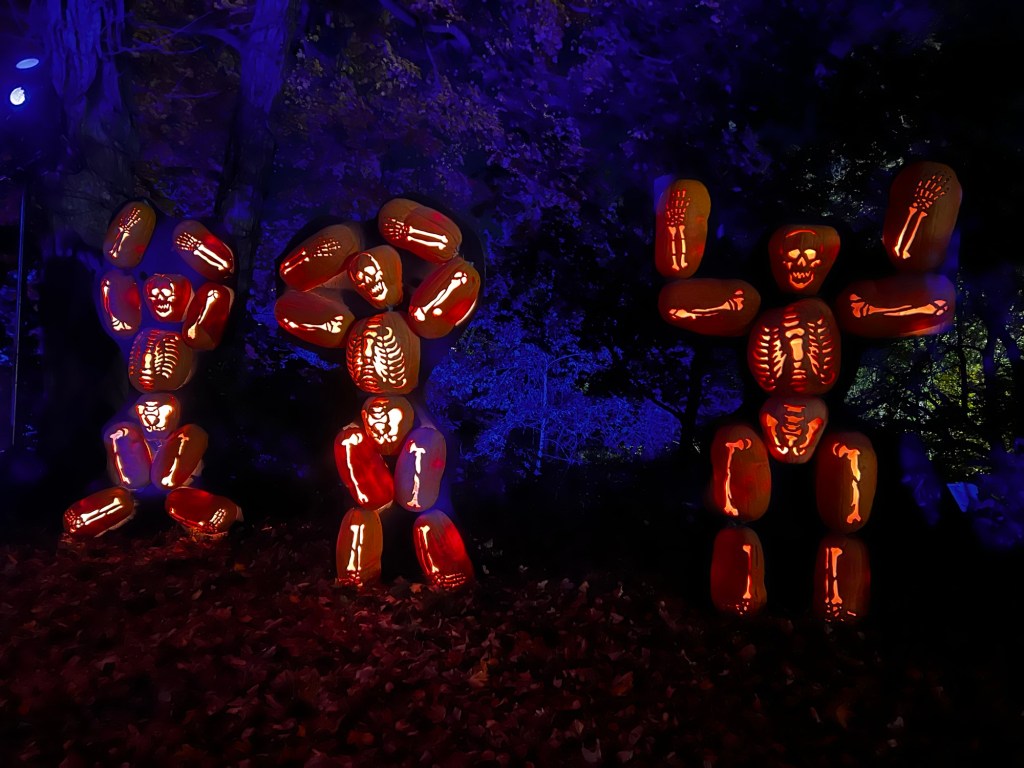
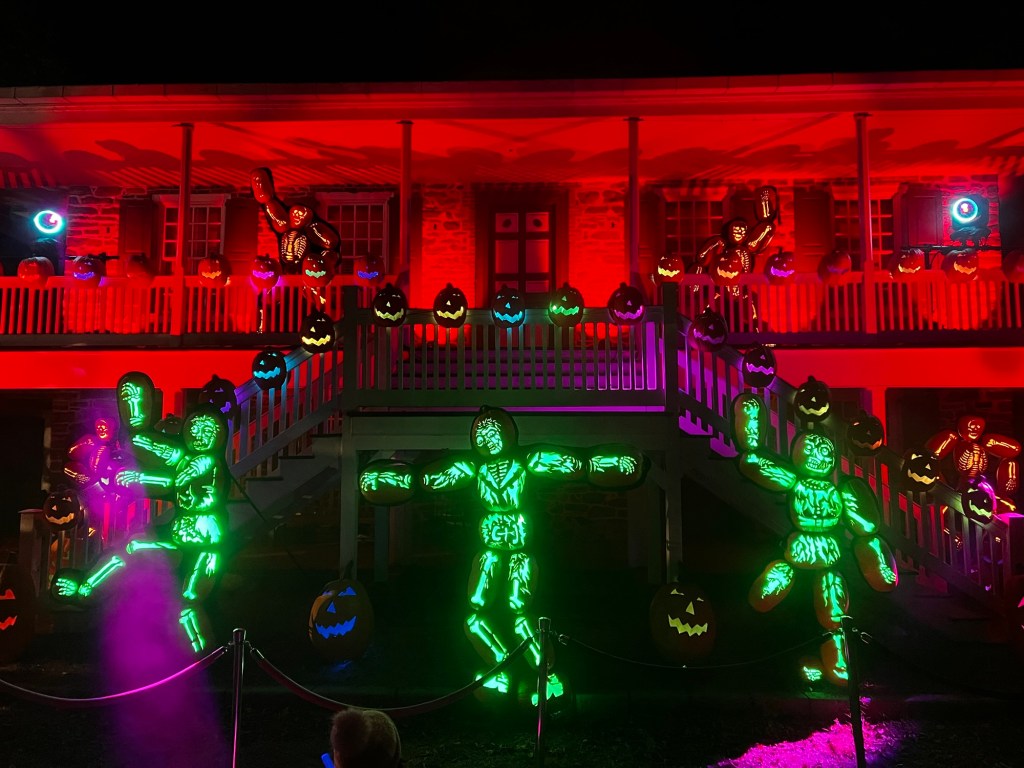
The dancing Skelatons

The video on the Skelatons

I walked through the exhibition and the carved pumpkins are mostly in this part of the display. After I left this area, it was mostly props.

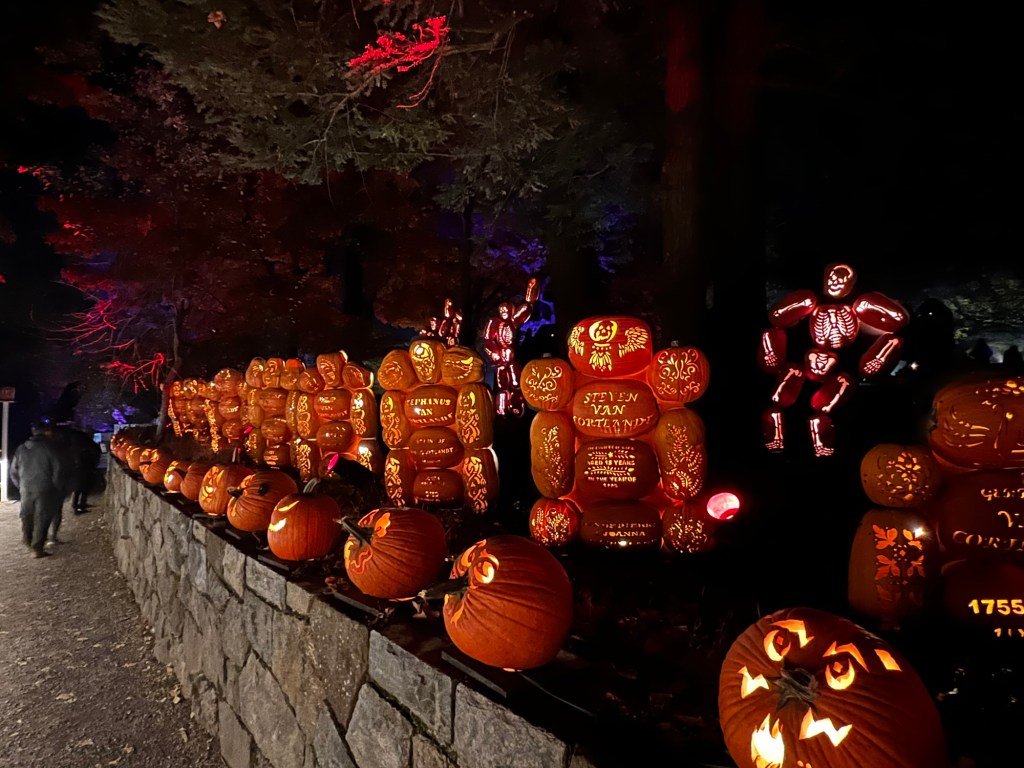
The carved pumpkins on display

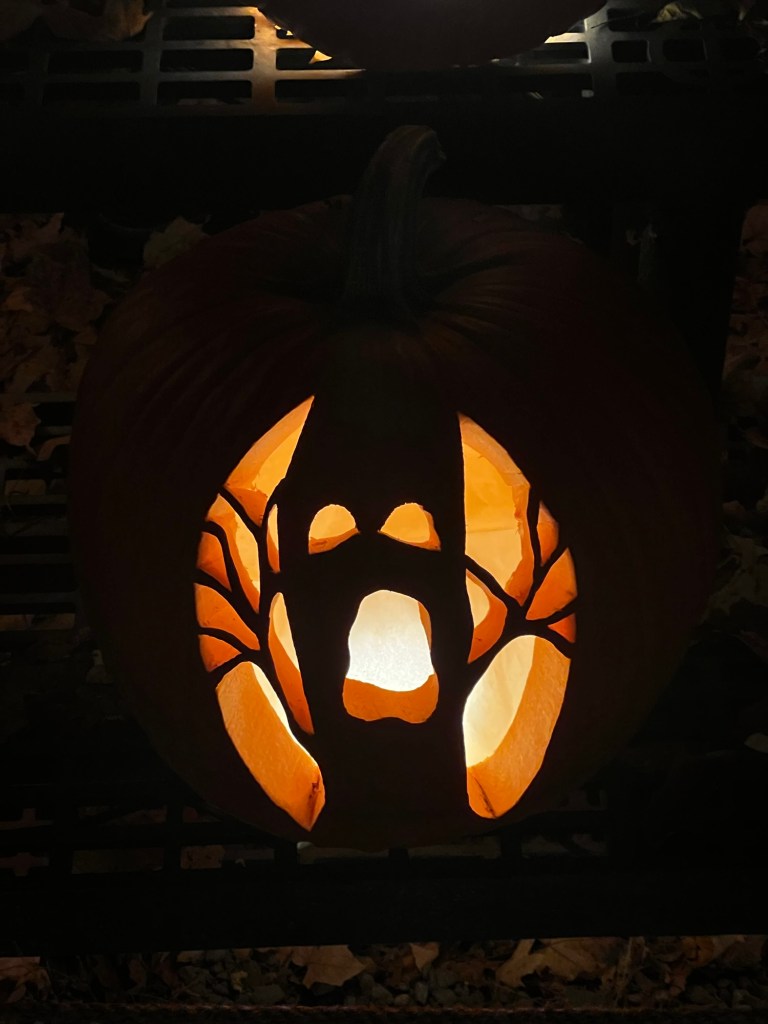
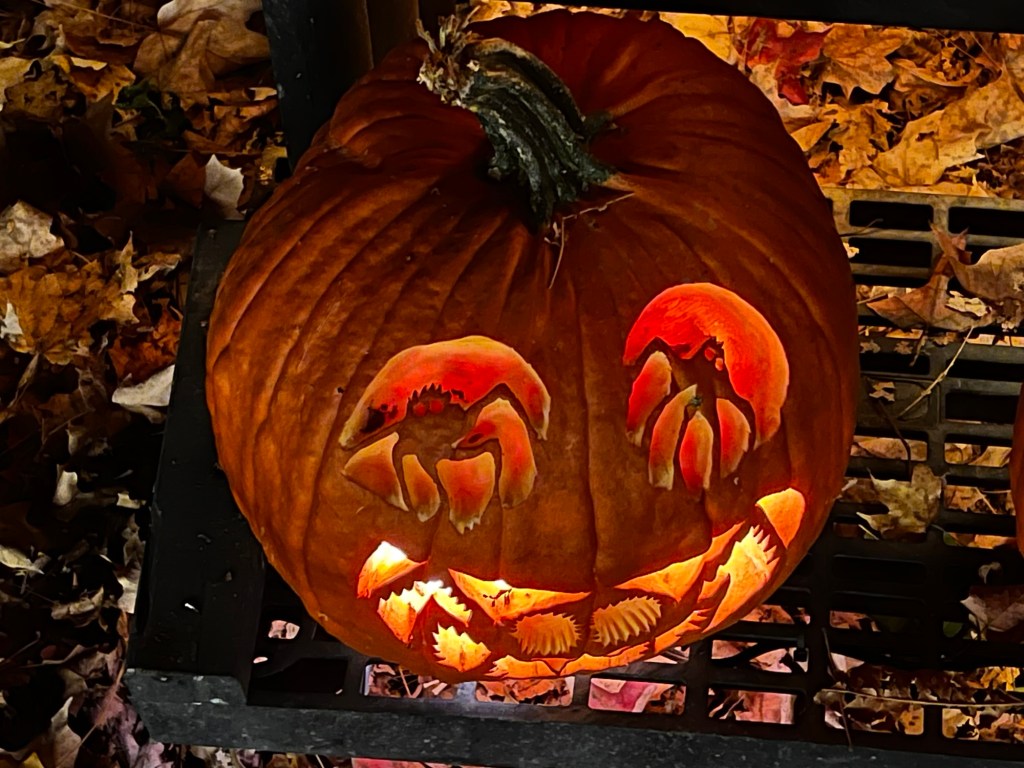
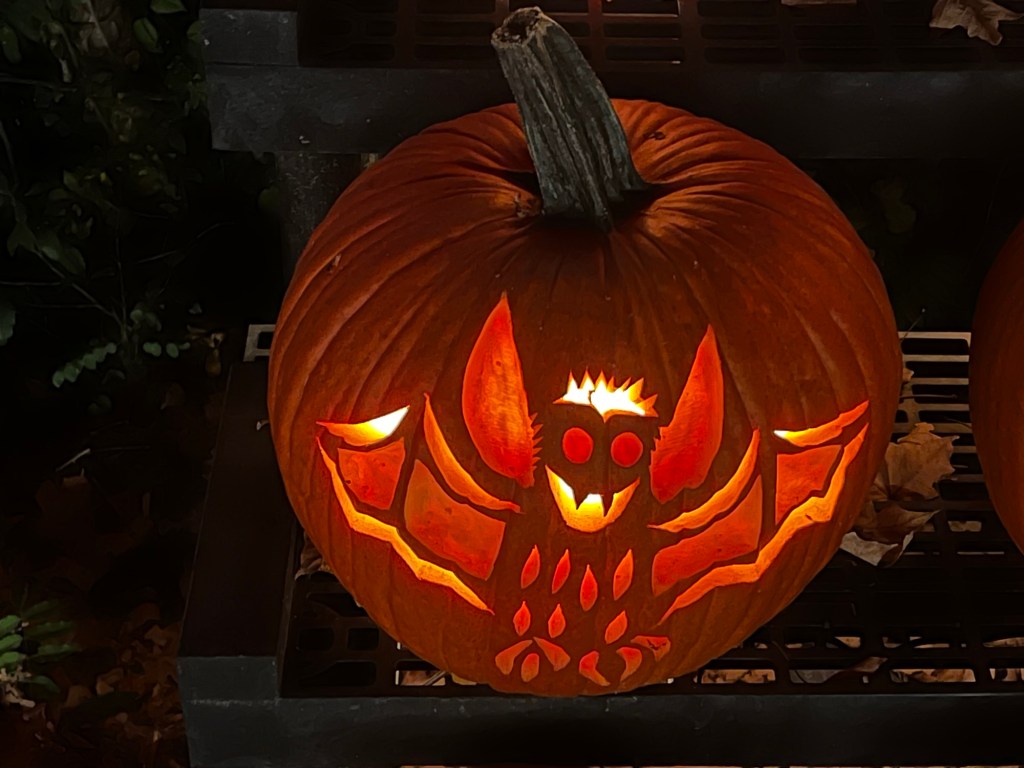
My favorite pumpkin of 2026

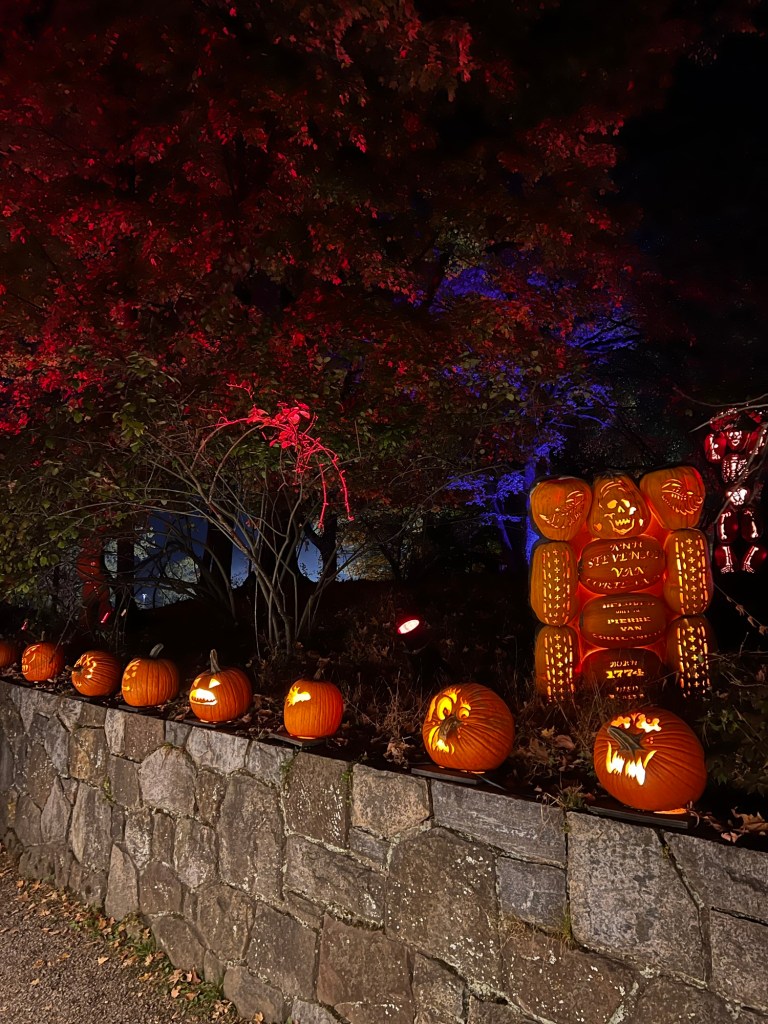
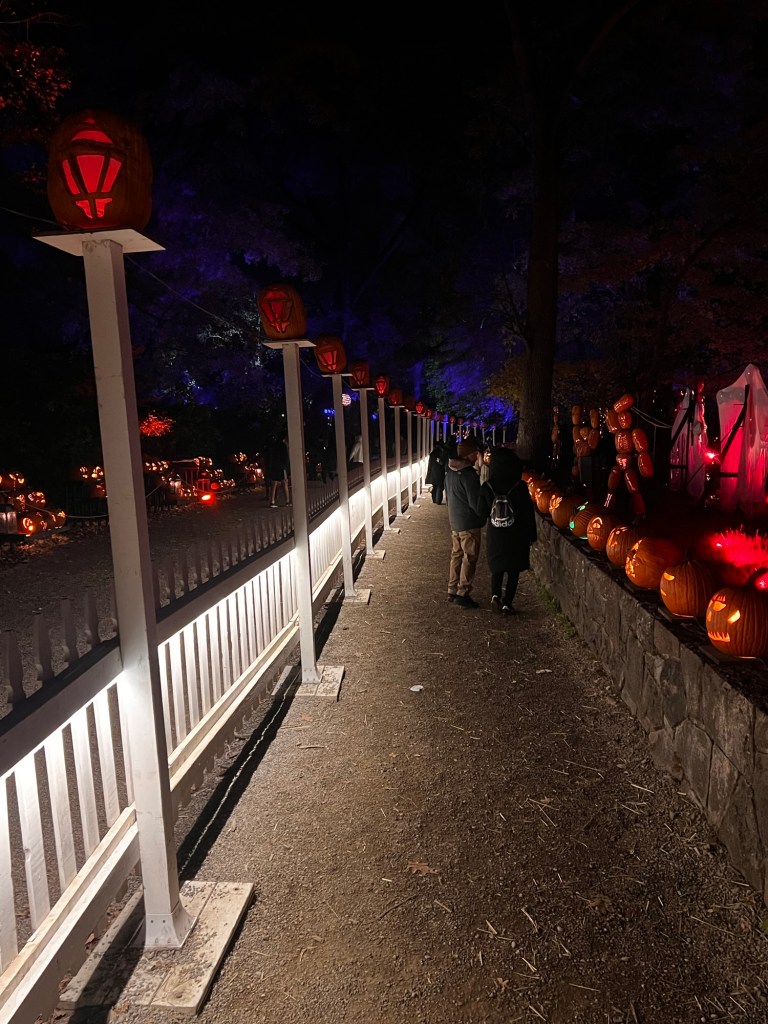
The pumpkins lining the entrance to the inside of the Blaze

Some of the pumpkins were really creative

I thought this was very clever

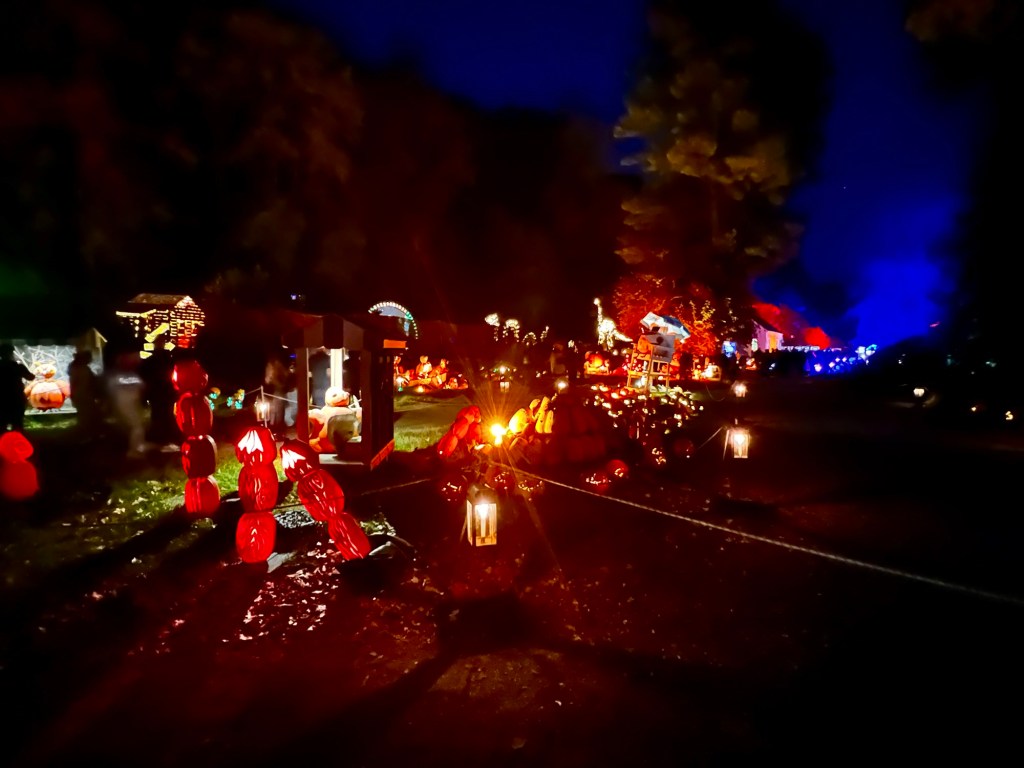
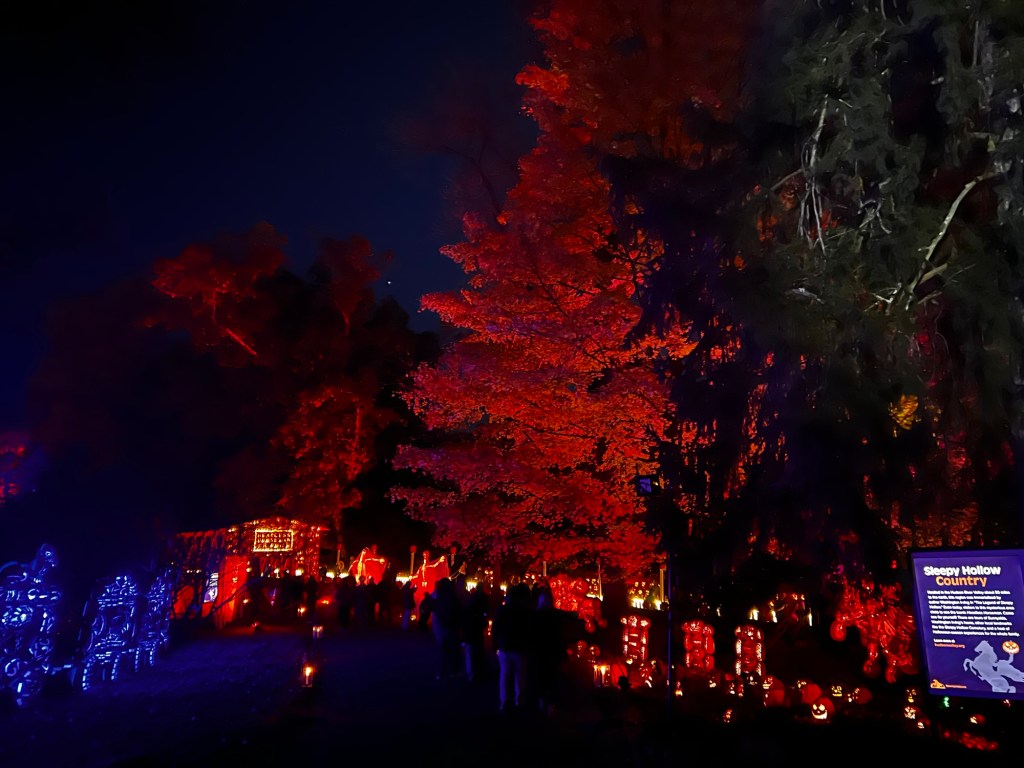
The inside of the Blaze at night

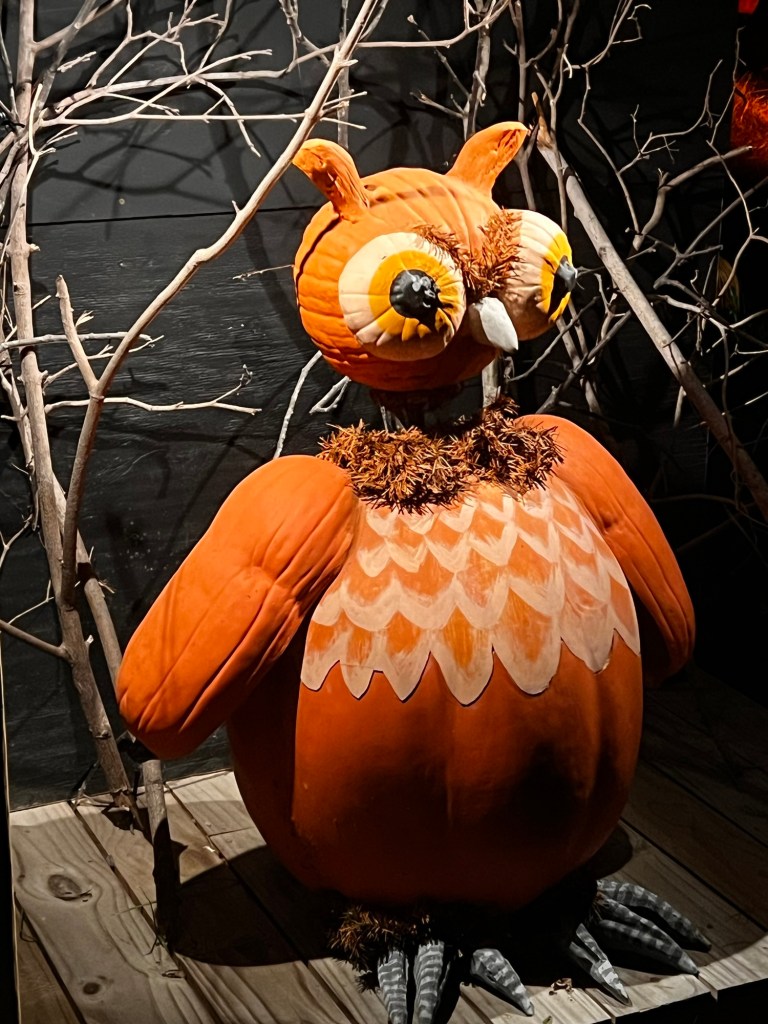
This clever owl was part of the new displays in 2026

My video of the owl

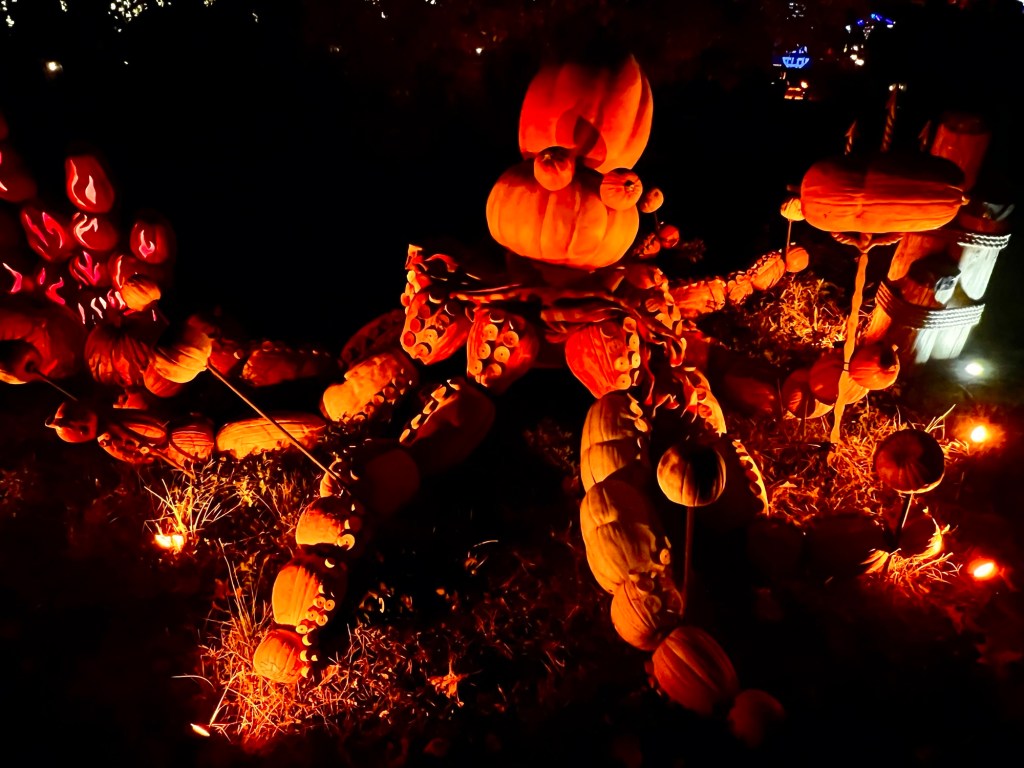
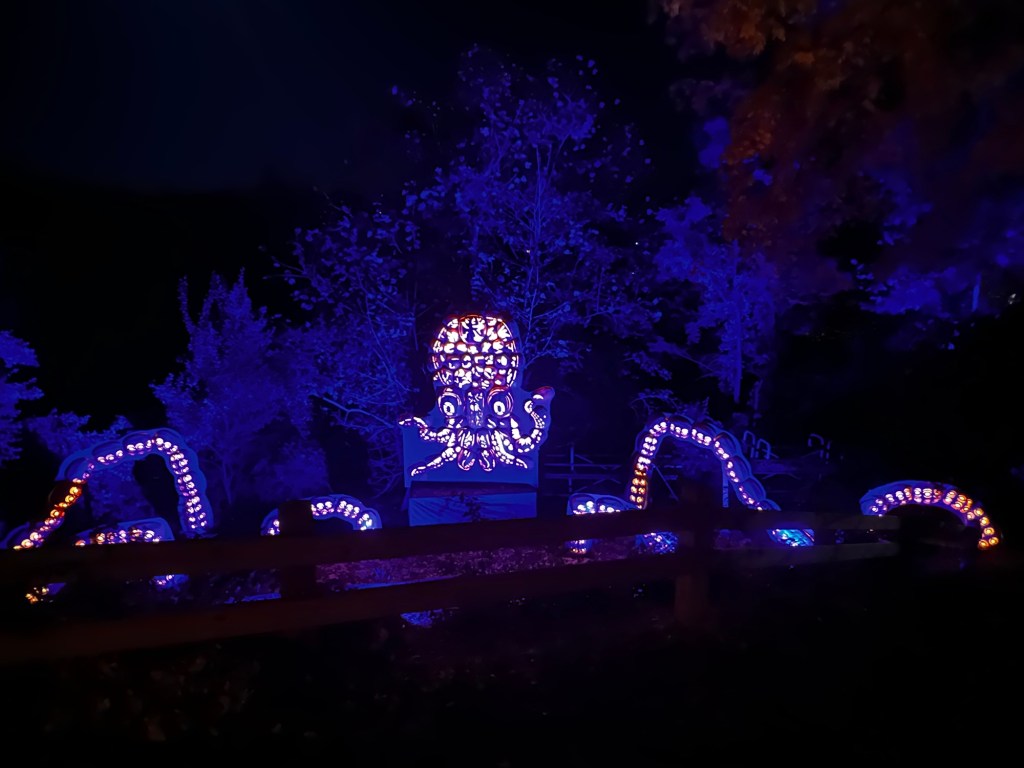
The octopus was new

So was this octopus

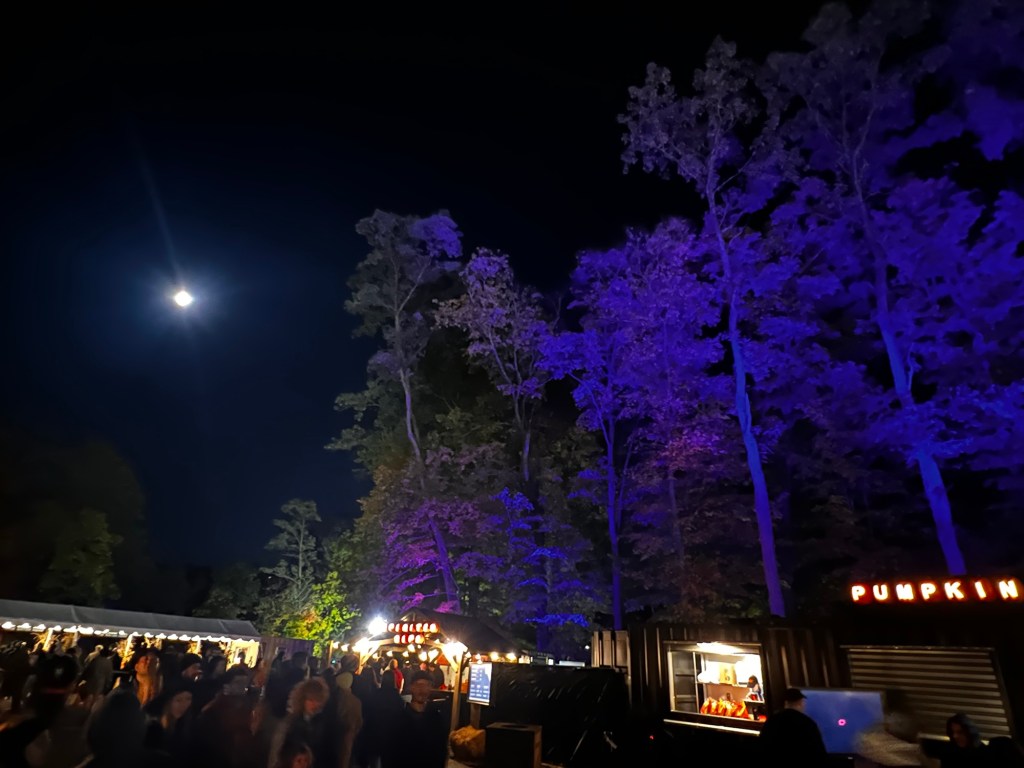
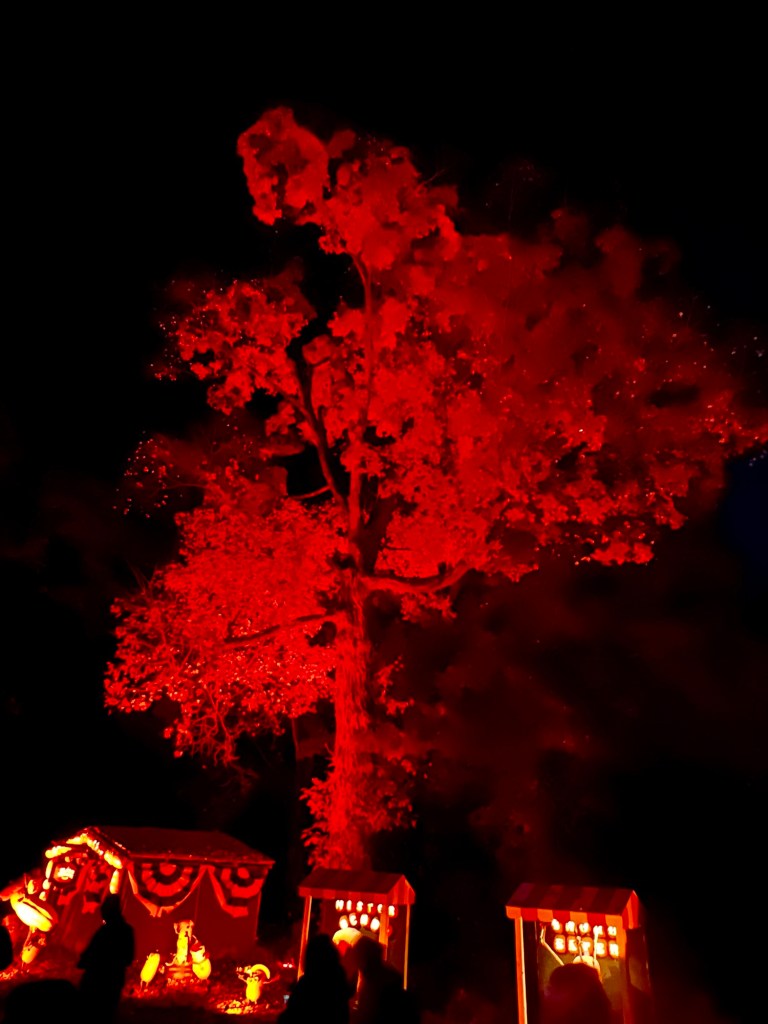
The way they lit the grounds was colorful and eerie

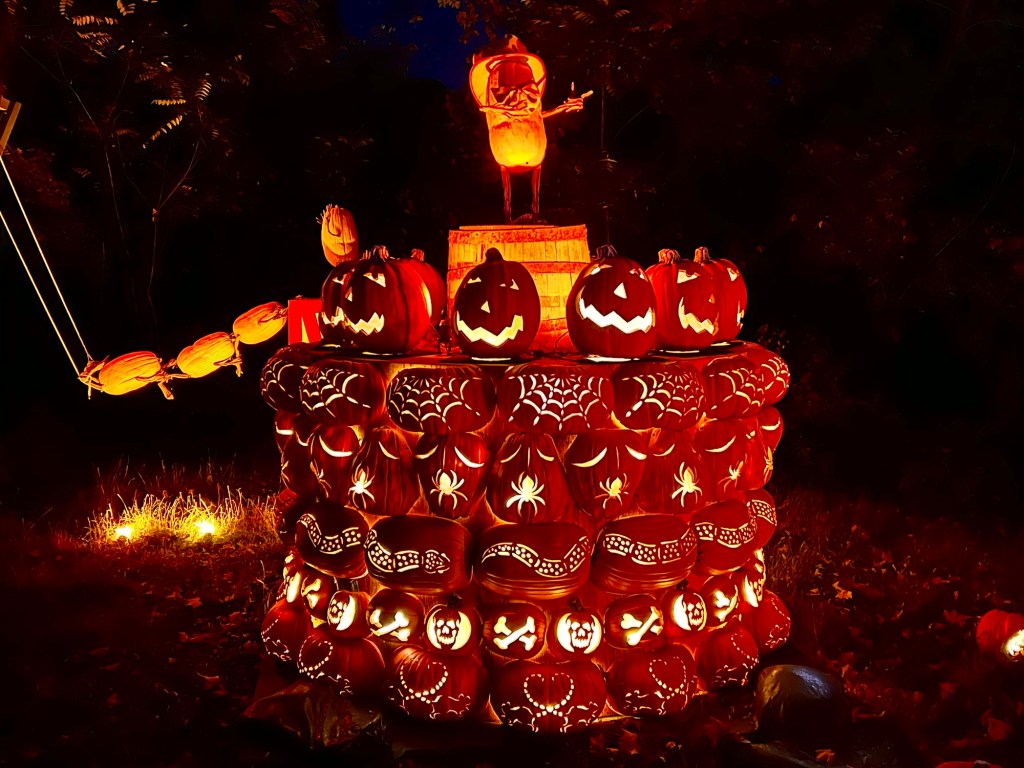
The birthday cake was new

The trick or treaters were new and I thought very clever

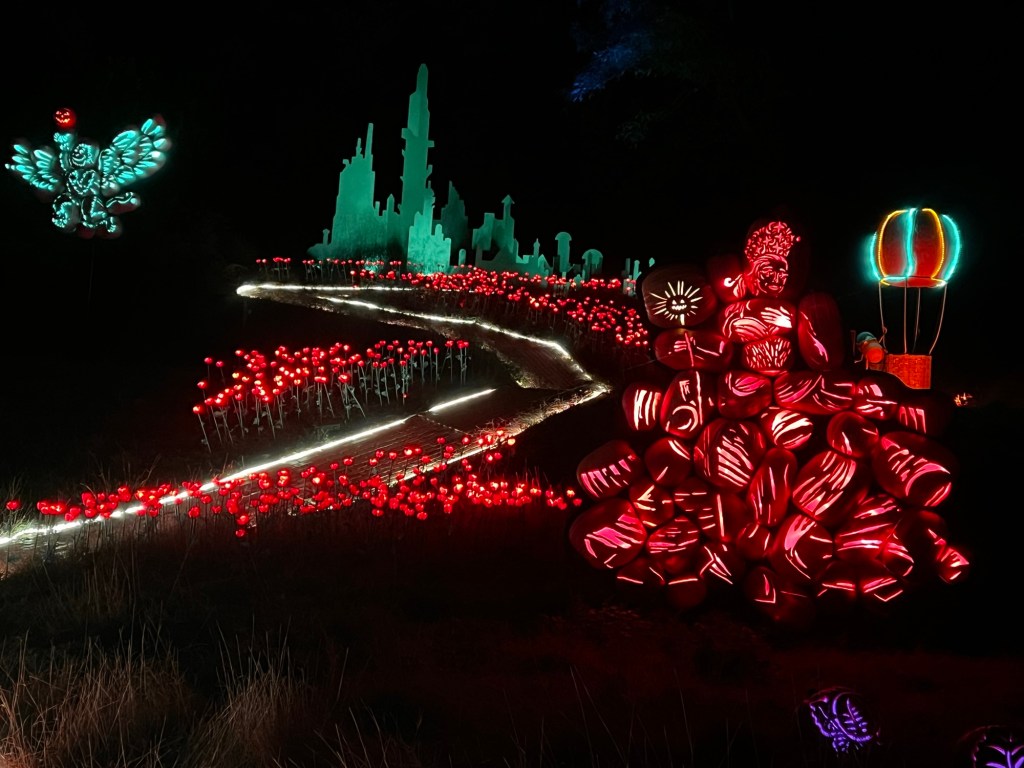
The Wizard of Oz display

Van Cortlandt Manor was a disco dance that evening. This was led by a pumpkin DJ

My video on the dance

The Pumpkin DJ

My video on the Pumpkin DJ

I thought this was very clever. The music was a lot of fun and people really got into it. There were a lot of lights and sounds.

The Blaze from a distance in 2026

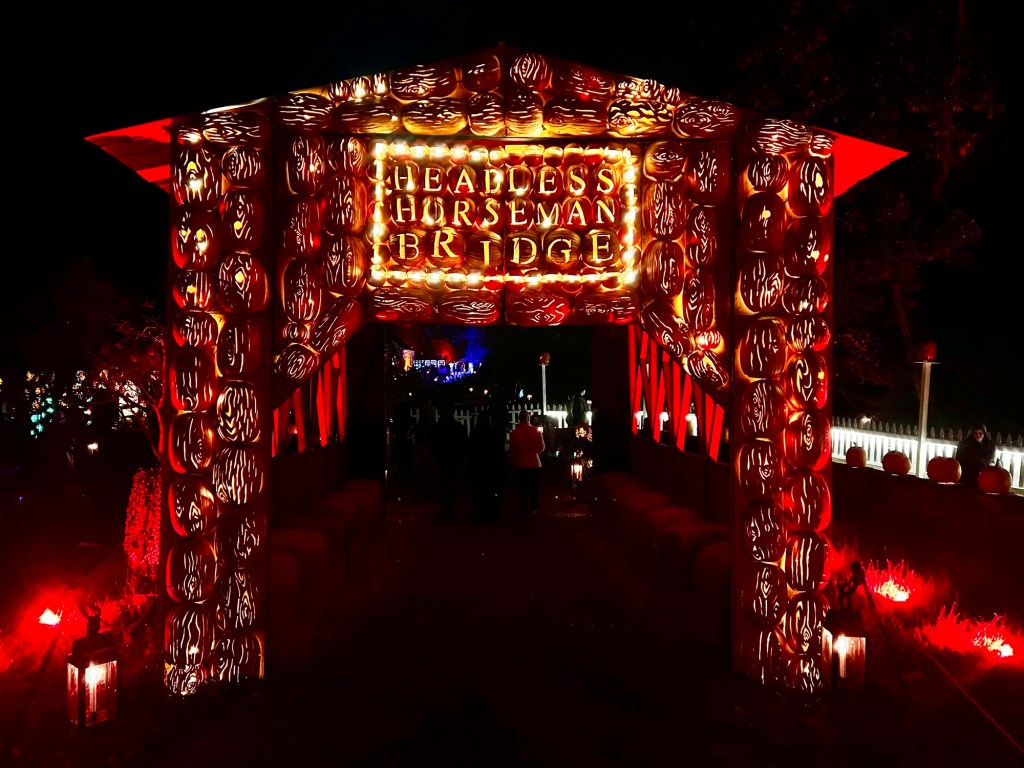
The Headless Horsemen Bridge kept with the theme of the event

The Headless Horseman at the other side of the bridge

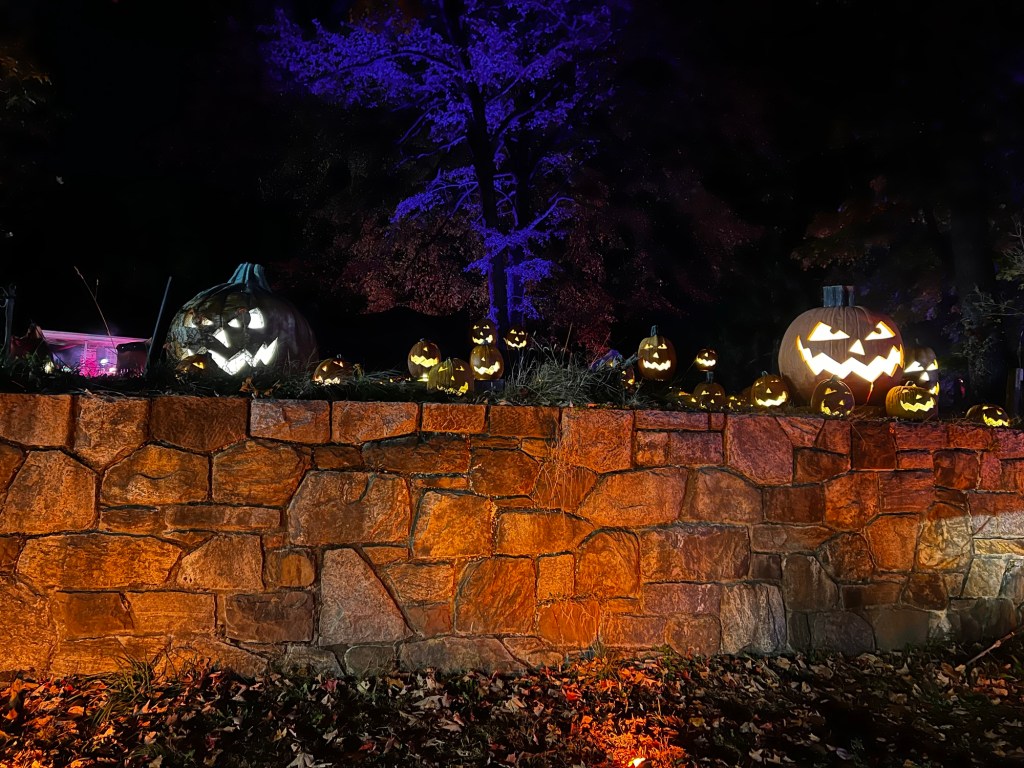
Ghosts and ghouls and gravestones lined the paths

The carved pumpkins stare at you as you leave for the evening

The pumpkins staring and saying goodbye at the end of the Blaze

If you dare!

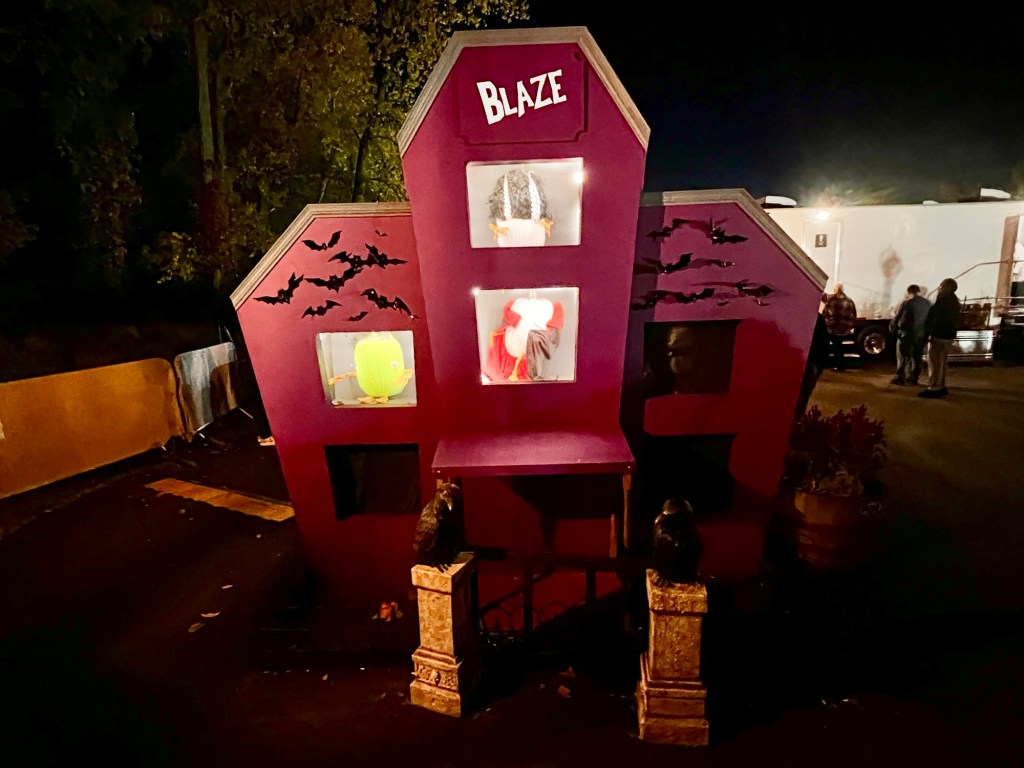
The family displays to take pictures at the end of the Blaze

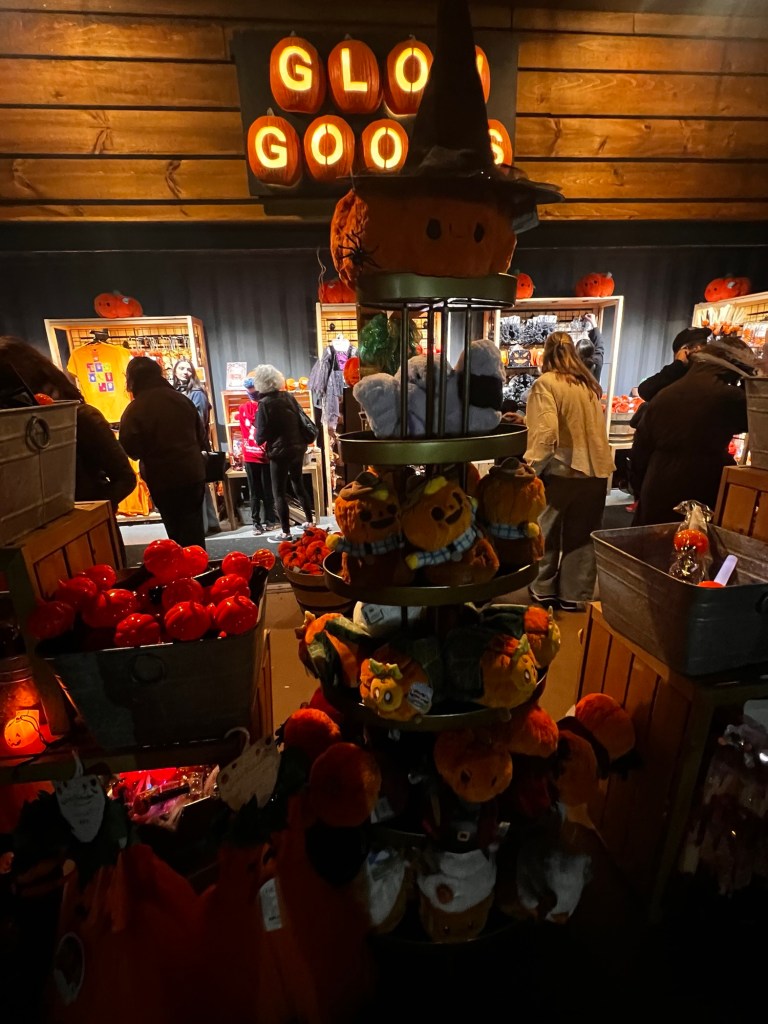
The ever popular gift shop which raises money for these much needed sites

The annual Pumpkin Blaze takes place each year from the first weekend in October until the second weekend in November. Trust me I have gone many years on the last night of the Blaze and it gets cold by that weekend so plan the visit accordingly.

It is also always busier before Halloween so if you want good picture taking, plan to go after Halloween and late in the evening. On the 9:00pm time slot, you get great pictures.

The event raises money for the upkeep and maintenance of all the organization’s sites. I wonder if the Van Cortlandt’s ever thought a hundred years ago that this would go on at their home?

The History of the Van Cortlandt Manor:

(from the museum site website)

By Royal Charter, Van Cortlandt Manor was originally a 86,000 acre tract granted as a patent to Stephanus Van Cortlandt in 1697 by King William III, stretching from the Hudson River on the west to the first boundary line between the Province of New York and the Colony of Connecticut, on the east, twenty English miles in length by ten miles in width in shape nearly a rectangular parallelogram forming, “The Manor of Cortlandt”.

The massive holding was acquired by direct purchase from the Indians, in part by Stephanus van Cortlandt, a native born Dutch gentleman of New York and in part by others whose titles he subsequently bought, this tract together with a small tract on the west side of the Hudson River opposite the promontory of Anthony’s Nose, which he also purchased from the Indians.

The Manor House was built sometime before 1732 but was not any owner’s principal residence until a grandson, Pierre Van Cortlandt, moved there in 1749. At the time the manor house was on a 1000 acre portion of the original tract.

Pierre brought his family to the estate in 1749 and established the manor into it most vibrant days, according to some. During this period, the manor was operating an apple orchard, dairy farm, a bee house, a kiln, a tavern and a carpenter and blacksmith shops. Van Cortlandt Manor was a self-sustaining community while Pierre and his family resided in the estate. At this time, tensions leading to the Revolutionary War were building and the manor would become a place of wartime retreat.

Pierre sided with the colonies and the manor was used to assist the Continental Army, using its resources to make food and supplies. Pierre was involved with military legislature and his son Philip was a soldier for the Continental Army. Eventually Pierre and his family vacated the manor in the thick of war. The manor was ransacked by the British Army and left in poor standing. Philip, becoming a brigadier general by the war’s end, returned and along with his sister, Catherine, brought the manor back to working order.

Van Cortlandt Manor became an essential stop on the route from New York to Albany in the years that followed the war. The mills were once again thriving and provided the community and travelers with food, supplies and lodging. Pierre and his wife did not return until 1803 once the manor was in full working order again. The manor was passed down in the family until it was sold to a non-relative, Otis Taylor in 1945. By this time, the property had lost its luster and was not the flourishing estate it had once been.

In 1953, John D. Rockefeller Jr. purchased the property and began restoring the manor to previous prominence. In 1961, Van Cortlandt Manor became registered as a National Historic Landmark.

Disclaimer: This information on the history of the house was provided by Wiki and I give them full credit on the information.

Places locally to eat before the Blaze:

Located in the ShopRite Mall next to the Blaze:

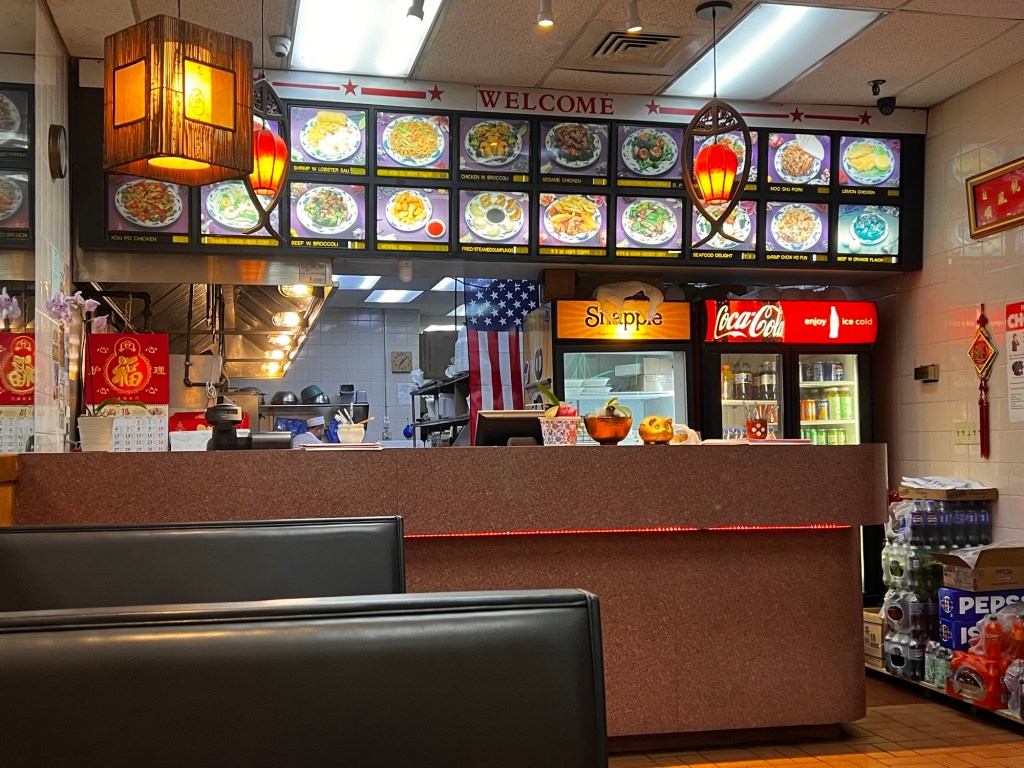
The inside of Dong Happy Gardens

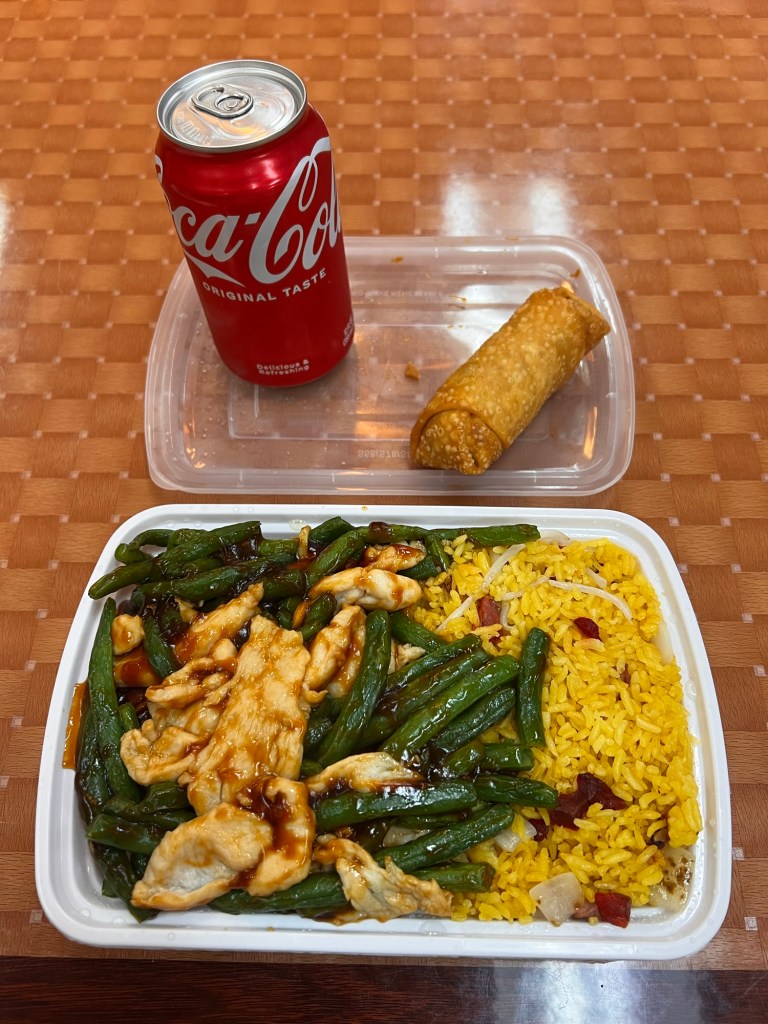
The food at Dong Happy Gardens in the Shoprite Mall is excellent and you can sit down in the restaurant. It is the perfect place for lunch or dinner before or after the Blaze. Their Lo Mein and General Tso’s Chicken are excellent. On this trip, I had the Chicken and String beans with an egg roll. Please read my reviews on TripAdvisor.

The Chicken and String beans combination meal

The Chicken and String beans was delicious

The food here is so good and you can eat inside

Dong Happy Garden

440 South River Side Avenue

Croton on the Hudson, NY  10520

(914) 271-7888/8268

https://www.menupix.com/westchester/restaurants/3212099/Dong-Happy-Garden-Menu-Croton-On-Hudson-NY

Open: Sunday 12:00pm-9:00pm/Monday Closed/Tuesday-Saturday 11:00am-10:00pm

My review on TripAdvisor:

https://www.tripadvisor.com/Restaurant_Review-g47560-d4616434-Reviews-Dong_Happy_Garden-Croton_on_Hudson_New_York.html?m=19905

My review on DiningonaShoeStringinNYC@Wordpress.com:

Even the local ShopRite in the mall got into it