Tag: Historic Museums of New Jersey

Old Schoolhouse and Firehouse Museum                                    6 Passaic Avenue                                                                   Ogdensburg, NJ 07439

Old Schoolhouse and Firehouse Museum 6 Passaic Avenue Ogdensburg, NJ 07439

Old Schoolhouse and Firehouse Museum

6 Passaic Avenue

Ogdensburg, NJ 07439

https://www.sussex.nj.us/561/Old-Schoolhouse-Fire-Museum

https://www.facebook.com/oburghistoricalsocietypage

Open: Sunday 1:00pm-4:00pm (Only on the forth Sunday of the Month) Monday-Saturday Closed-Check the website for seasonality.

Admission: Free but a donation is appreciated

My review on TripAdvisor:

https://www.tripadvisor.com/Profile/R4960NKjustinw/mediabatch/14495681?m=19905
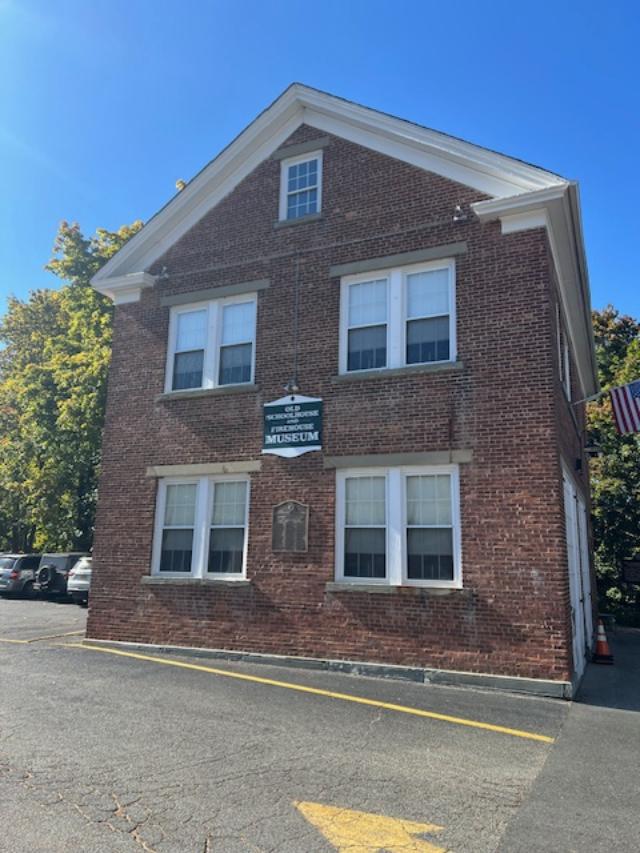
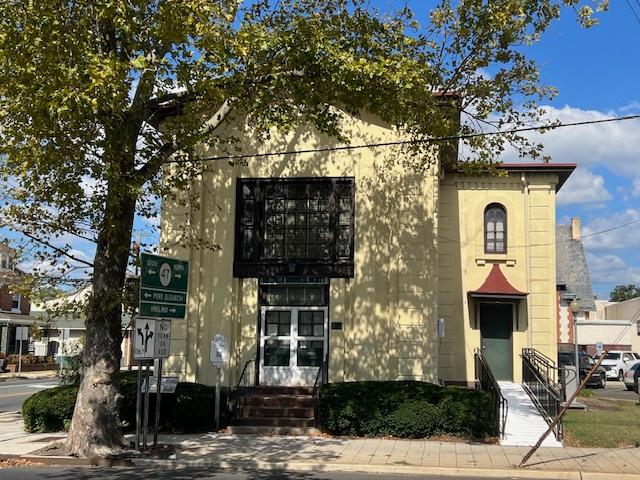
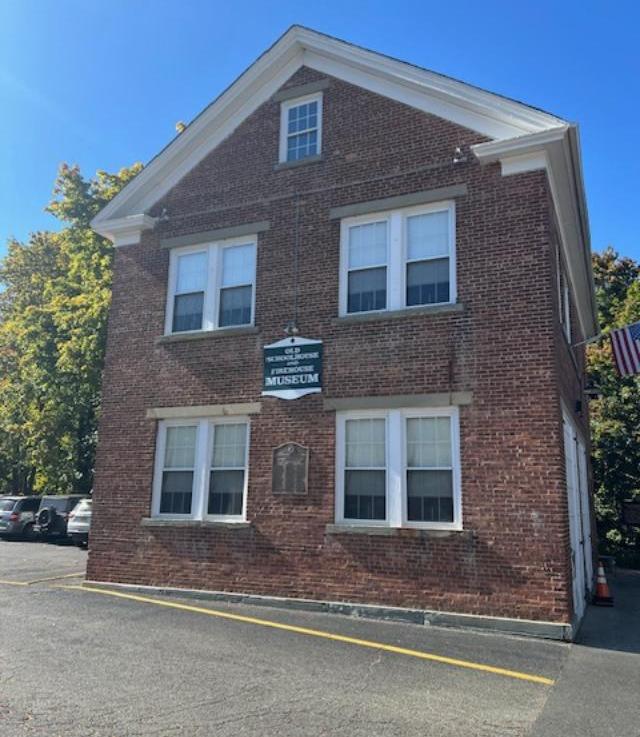
The front of the museum

I recently visited the Ogdensburg Old Schoolhouse and Firehouse Museum at 6 Passaic Avenue in Downtown Ogdensburg and discovered the community’s rich history of farming and mining in its past and its current destination as a weekend vacation spot and a up and coming bedroom community of New York City.

The County still has some farming and agriculture going on as the County continues to be built up with expats from the City, and Bergen and Morris Counties. The first floor is dedicated to the history of the Ogdensburg Fire Department with an old Engine and Ladders trucks, artifacts from the Sterling Mine just up the road and township property such as an old voting booth. You can read about the history of the Ogdensburg family as you head to the outside gallery.

The second floor has displays of various town departments including the Rescue, the Police Department and Fire Department. There are various displays of the town’s school system and various clubs in town. There are displays on the town’s mining and agricultural past with items such as farm advertising and mining equipment and minerals. Each display plays a role in the development of the community and how it progressed from farming to mining to manufacturing to the bedroom community it is today.

History of the Building:

“Built in 1910 as Ogdensburg’s fifth public school, it was adapted for re-use in 1930 as the Borough’s first firehouse replacing the one built in 1872. In 1984, with the aid of two state grants, the Ogdensburg Historical Society adapted it for re-use and dedicated it as the Old Schoolhouse and Firehouse Museum in 1987.

After 97 years, the Museum continues to serve the Borough of Ogdensburg as an historical learning and preservation center, and as a meeting hall.  On June 10, 2006 it was dedicated as an Ogdensburg Historic Site.”
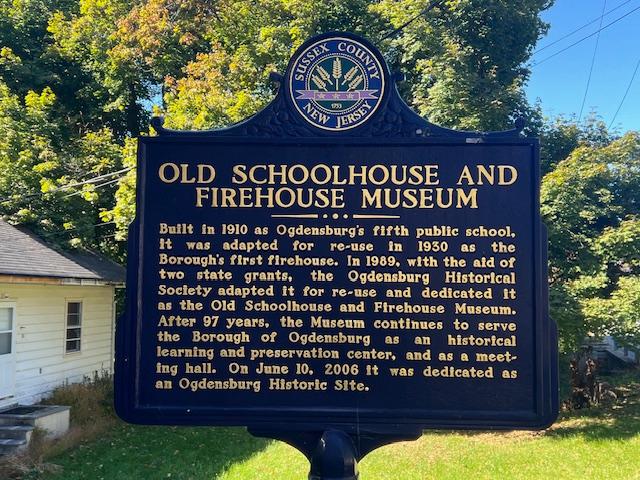
The historic sign of the museum

The Borough of Ogdensburg is the host of this marker commemorating the rich history provided by this building.  This building has been maintained with much thought and care and remains as a museum and meeting place for the residents of the town. The marker is located in front of the building on Passaic Avenue just off Main Street by the Ogdensburg Elementary School.  This marker was part of the 2008 placement (Museum website).

The outside of the museum which served as a school and a firehouse

The first floor of the building has the fire trucks, the history of the fire department and Ogdensburg’s 250th Anniversary of the United States on display.

The museum artifacts from the 250th celebration of the Country

The museum is on the heart of mining country of Sussex County, NJ and the museum has an interesting mineral collection along with their collection of mining artifacts.

The Mineral and Mining Collection

The museum being home to the Ogdensburg Fire Department contains the history of the local fire department along with vehicles and artifacts from the department.

The history of the Ogdensburg Fire Department

One of the early Ladder Trucks

The history of the department

One of the early Engine Trucks

The history of the department

One of the early pull hose beds pulled by men and then by horses

The first floor also contains the history of the Ogden family in the region.

The history of the Ogden family in the community

The town voting booth and a turn of the last century phone

The second floor gallery used to serve as offices and living space of the fire department.

The main gallery on the second floor

The gallery case lines are filled with memorabilia from different aspects of the community telling the story of the growth of the community that included Mining and Farming. It explains the growth into the modern suburbs of today.

The main gallery on the second floor of the museum

The main gallery on the second floor

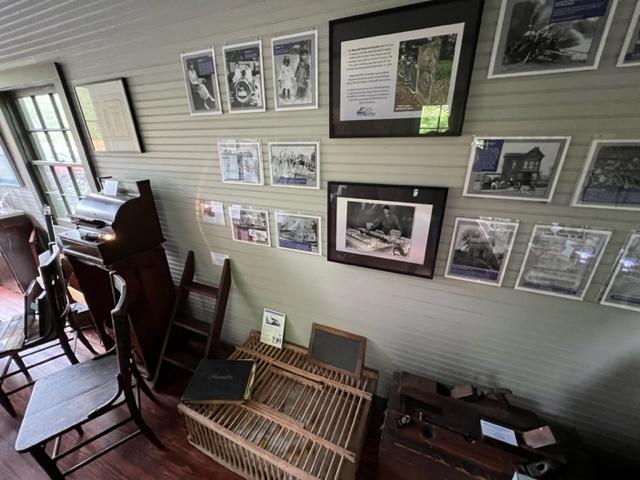
The display case of Ogdensburg departments including school, fire and police departments

The display of the Ogdensburg Police Department

The display of the Ogdensburg First Aid Squad

Blanket with historical sites and artifacts of the town of Ogdensburg, NJ

The businesses including schools and the domestic and farming industries

Each of the display cases represented different aspects of the town and has a variety of pictures and memorabilia from a variety of eras. The case lines show how the community changed over time from a mining community to the changes of a bedroom community of Newark and New York City.

The school system with classes and sports teams

Household, town and business artifacts

Military and early Native American artifacts

The Glenbrook Farm Milk Bucket

The Domestic home display

The Entertainment display of recorders, phonographs, radios and early record players

The influence that Thomas Edison had on the community with new technology.

Close up view of record players and Victrola’s

The School system display

The Church display

The Sterling Mine display with minerals and equipment

The Sterling Mine and Mineral display is a small s as molding of the museum down the street and the importance of the mining industry at the turn of the last century.

A closer look at the minerals display

A replica of a working mine operation. The machine shows how workers descending and brought up rock from the mines.

The Dedication to Mr. Waco Hadowantez, the town historian

The last display as you leave the museum is dedicated to the man who founded the historical society, Waco Hadowantez.

The museum tells an interesting story of the history of Ogdensburg and the surrounding area. It shows the importance of the Mining Community at the turn of the last century and how the community is pivoting towards tourism to tell its story.

Millville Historical Society                                          200 East Main Street                                              Millville, NJ 08332

Millville Historical Society 200 East Main Street Millville, NJ 08332

Millville Historical Society

200 East Main Street

Millville, NJ 08322

(856) 293-1078

http://millhistsoc.org/

https://www.facebook.com/Millvillehs/

Open: Sunday 1:00pm-4:00pm/Monday-Tuesday Closed/Wednesday 1:00pm-4:00pm/Thursday-Saturday Closed

Admission: Free but donations are accepted and recommended to help operate the museum

My review on TripAdvisor:

https://www.tripadvisor.com.au/Attraction_Review-g46627-d27044122-Reviews-Millville_Historical_Society-Millville_New_Jersey.html

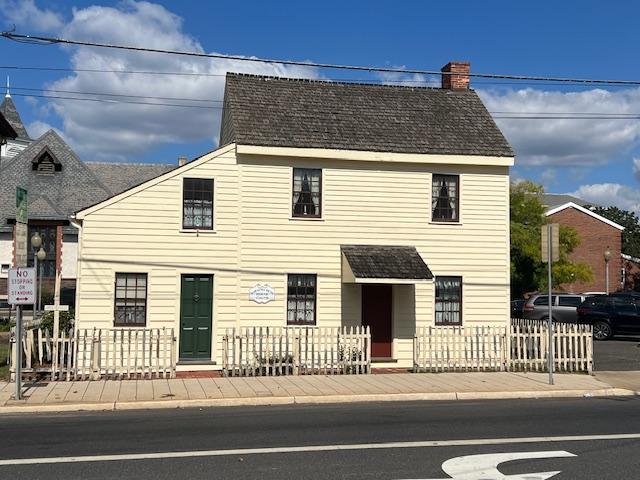
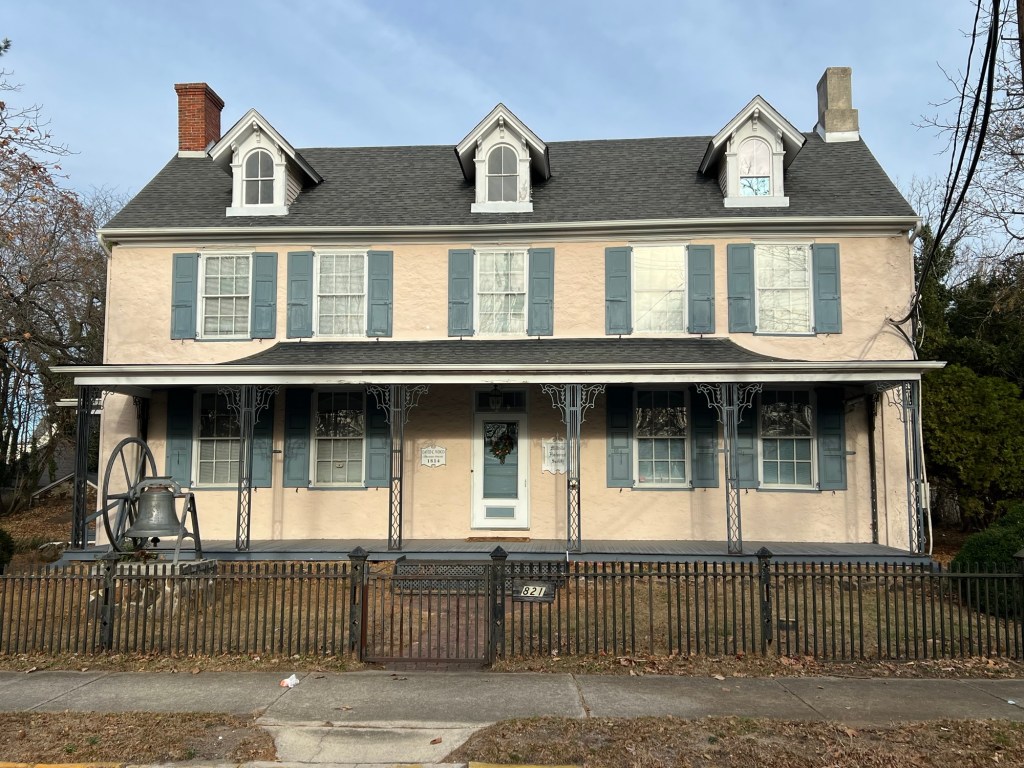
The Millville Historical Society at 200 East in tv Main Street

The Baracha-Dunn House right next door to the Historical Society is open for touring.

History of the museum:

(from the museum’s website)

The Millville Historical Society has been preserving Millville, New Jersey’s past for over nine decades.  Incorporated in 1927, the organization’s headquarters and archives depositary is located in the historic 1857 Millville Bank at 200 E. Main St., Millville.

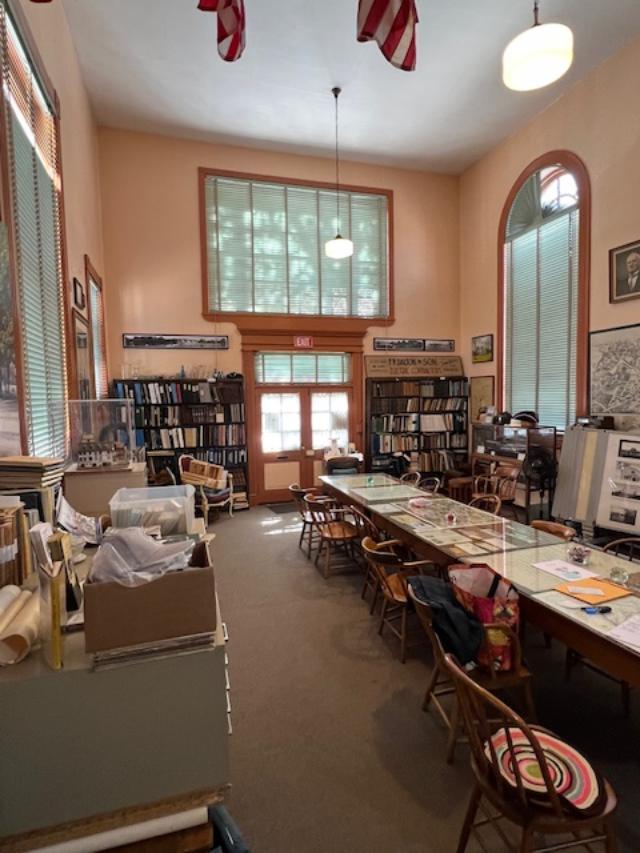
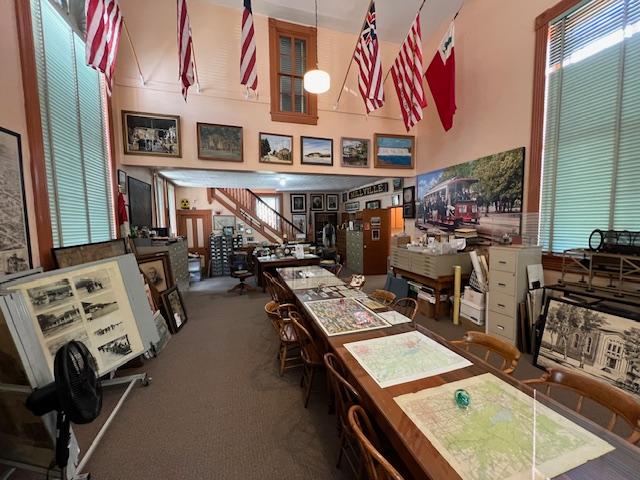
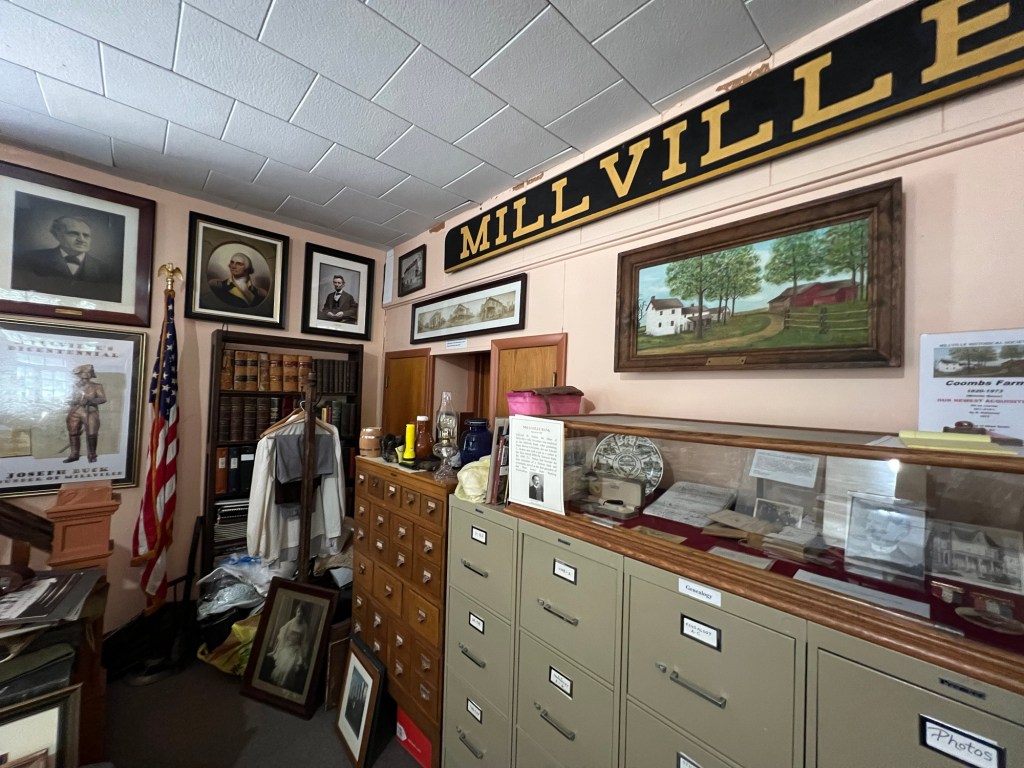
The main gallery of the Millville Historical Society

The Society has been entrusted with the care of three of Millville’s most historic structures: the 1857 Bank building at 200 E. Main Street, the 1798 Baracha Dunn House, and the 1814 Wood Mansion House.  

Admission to all buildings is free.  Donations are gratefully accepted.

The main gallery of the Millville Historical Society from the front door

I recently visited the Millville Historical Society and got to tour the museum and the historical home next door. The main part of the museum is built inside a historic bank that the Society took over in the 1970’s. All the displays are showcased around the museum.

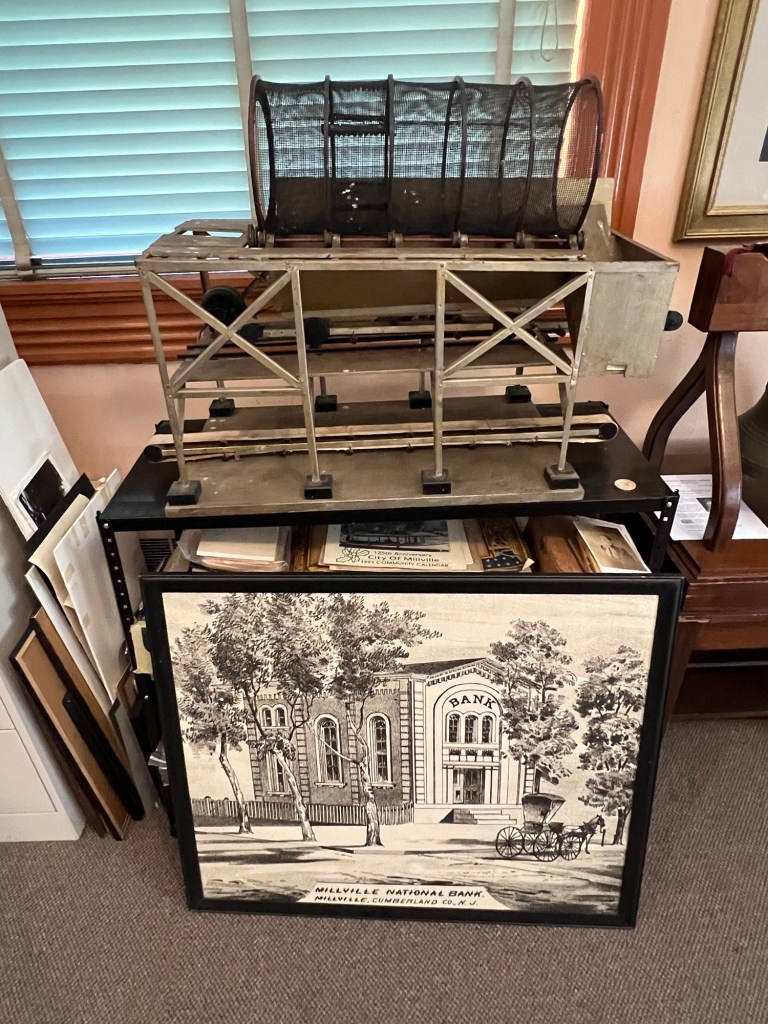
The original picture of the Millville National Bank during the turn of the last century

One of the first displays you will see is the original drawing of the bank. This beautiful historic building sits on the very edge of the downtown as you enter Millville. On the top of the display was a model of a sand separator that was in the creation of glass which the area was known for in the previous century.

The historic map of Downtown Millville, NJ

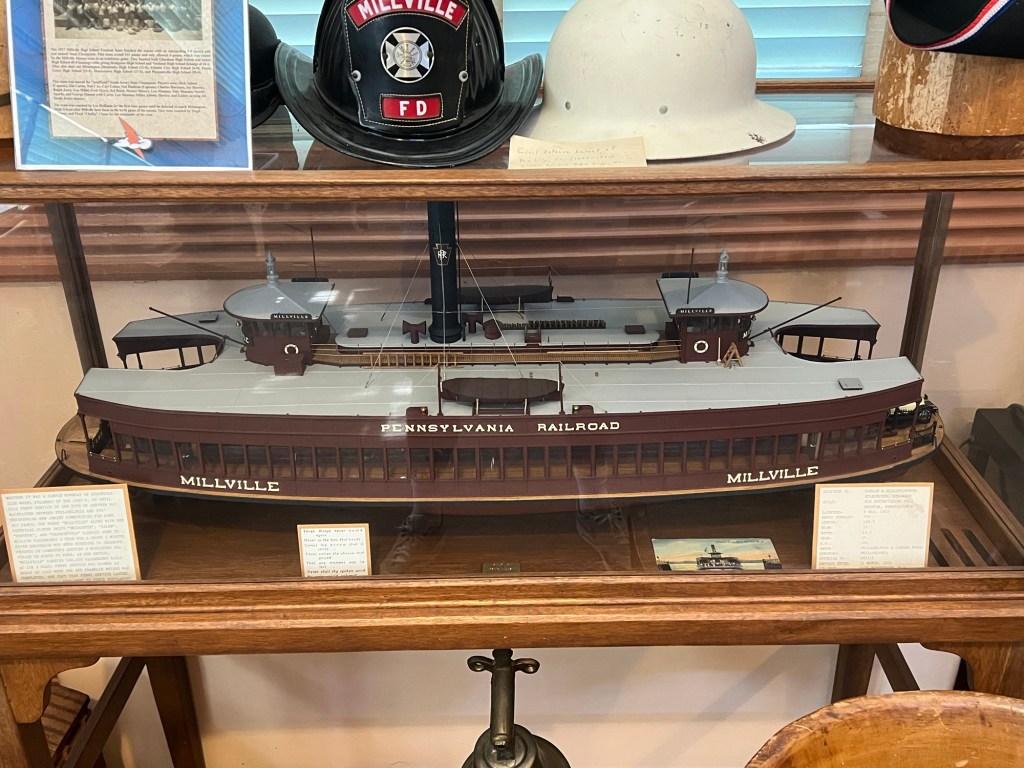
Another display has a model one of the major ferries that once ran in Millville.

The model of the Millville

The ferry that once ran in the area

The pictures of when the boat was christened

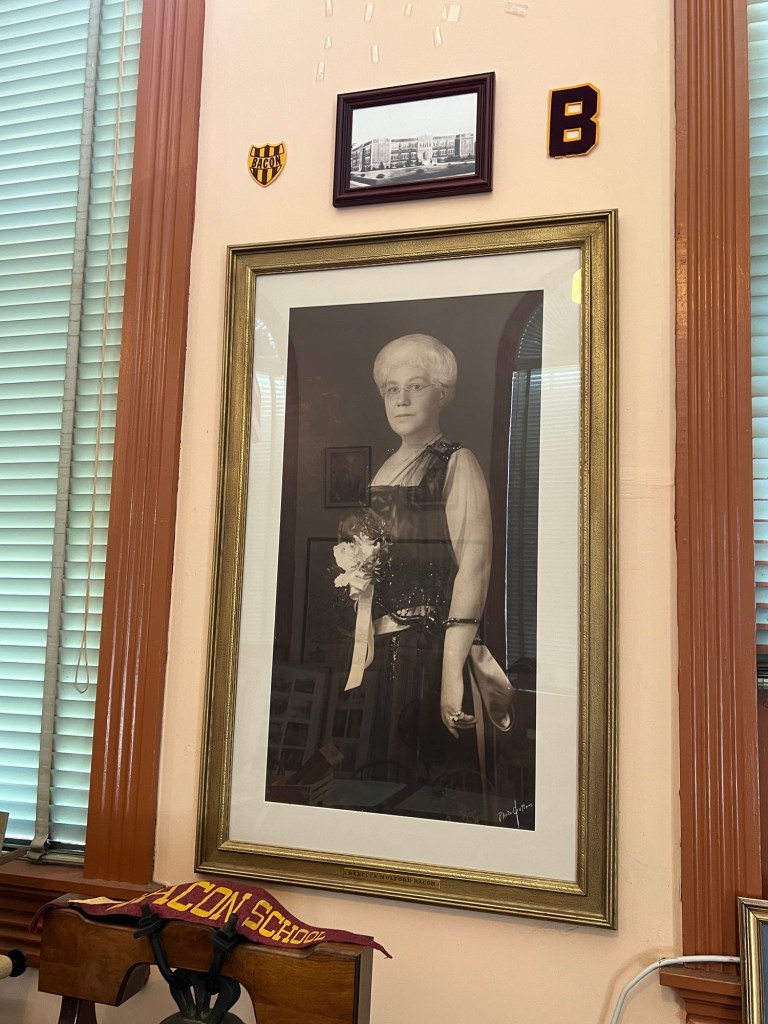
There was school display with one of the old bells of the school’s in Millville and a picture of one of its long serving principles, Rebecca Mulford Bacon.

The bell from the schoolhouse

Principal Rebecca Milford Bacon

The Principal’s plaque

The museum houses the recorded history of the town and the genealogy of the town and its citizens for people to research.

The Research Library along with more artifacts

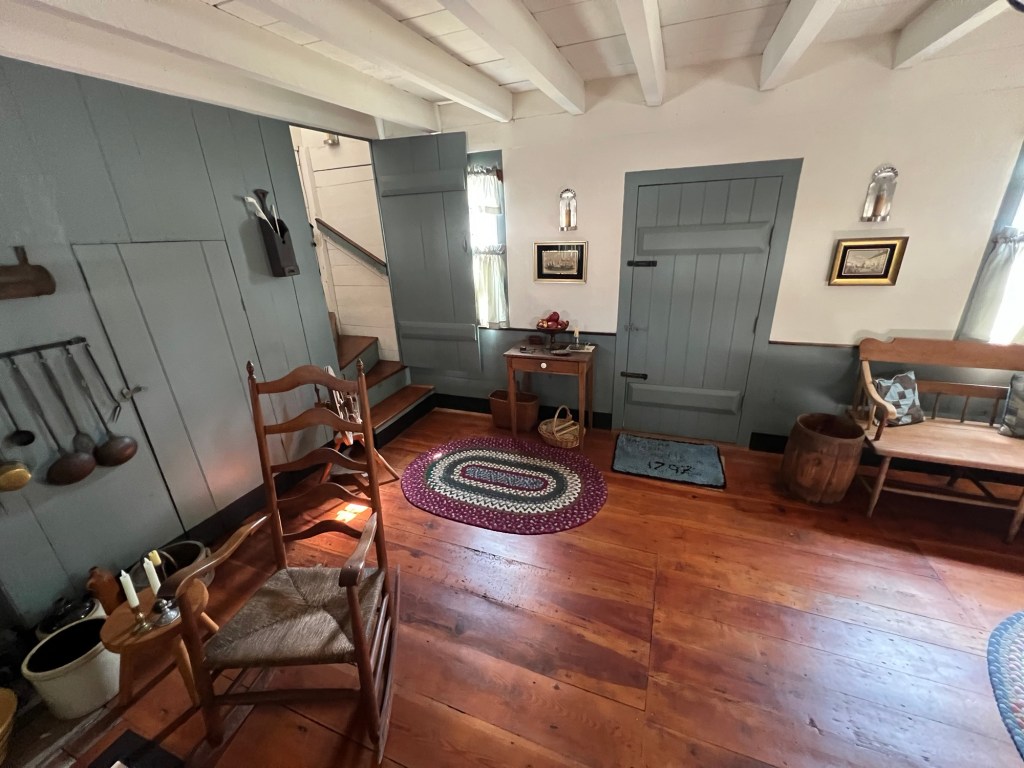
After I toured the displays along the perimeter of the museum, I had a tour of the Baracha-Dunn House next door which was part of the historical society’s complex. These historic buildings were built in the late 1700’s and the addition in the early 1800’s. The tour takes you through both the main house and the later addition both upstairs and downstairs.
The Barack’s-Dunn house was open for a tour

The entrance the house from the street

The main room of the original house with the hearth in the main room for cooking and for heat in the house

The hearth is the center of the house

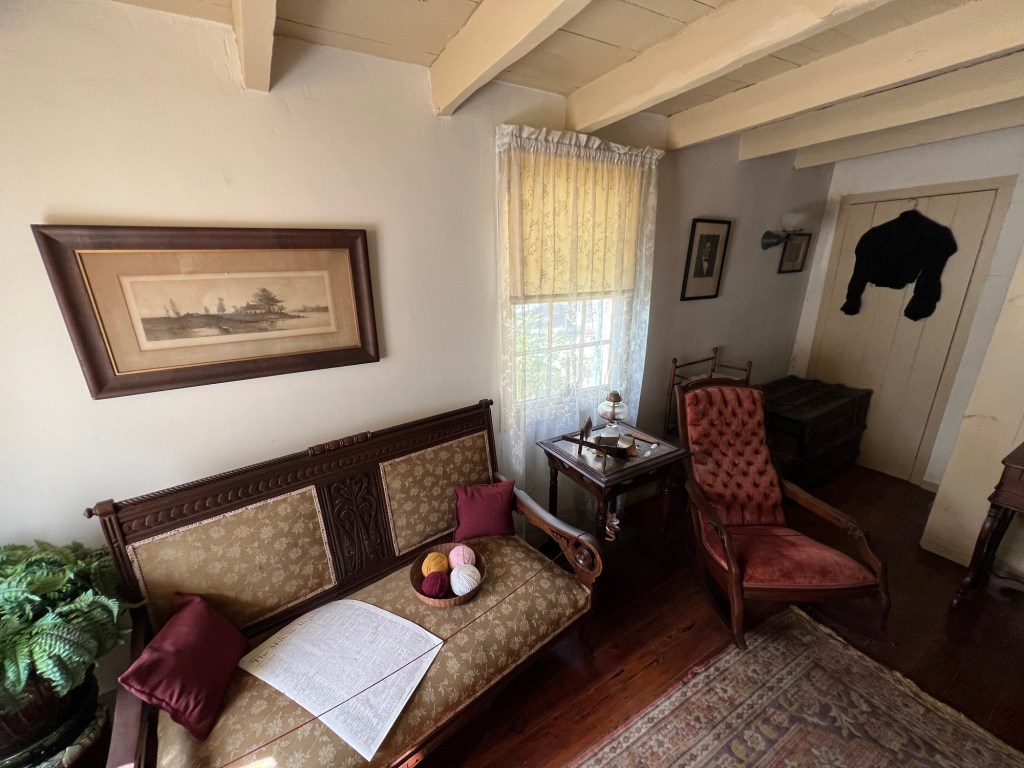
The Living Room of the main home

The Living Room of the home

The Living Room

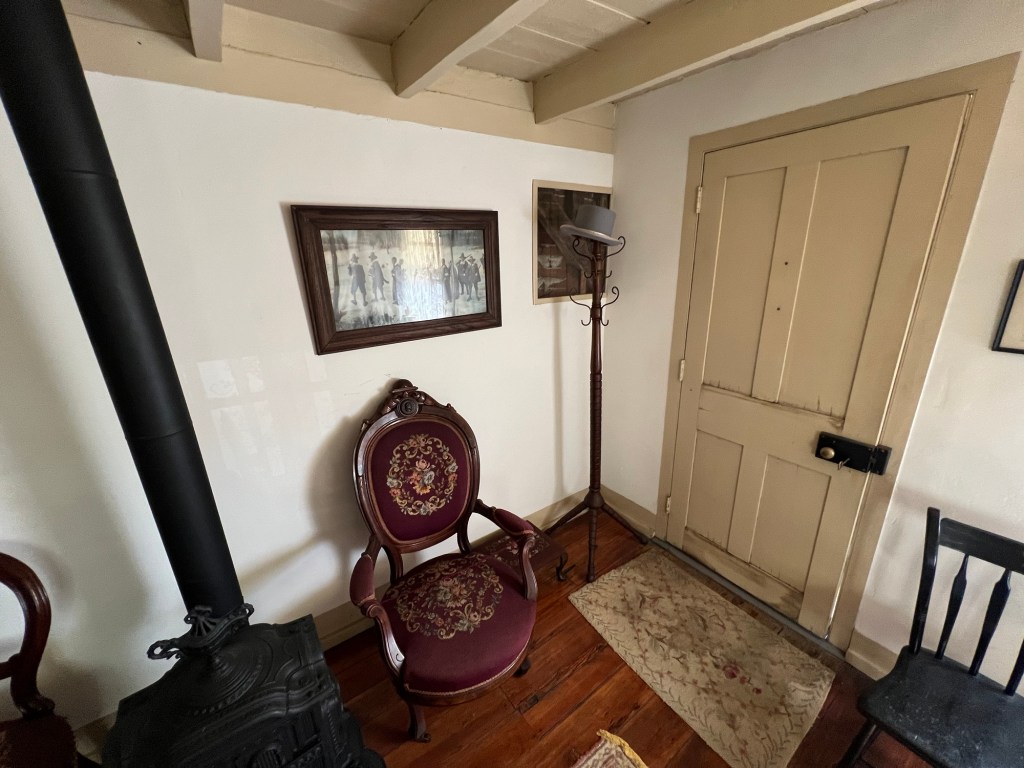
The other side of the house which was the later addition to the home offered more rooms.
The Living Room from the main door

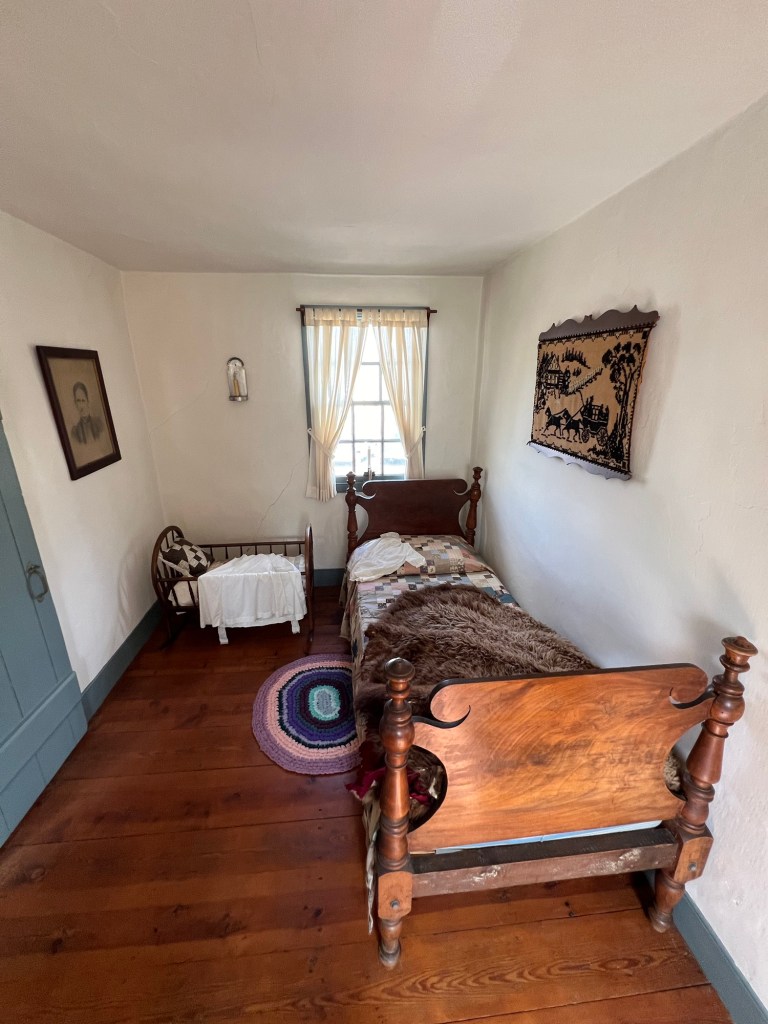
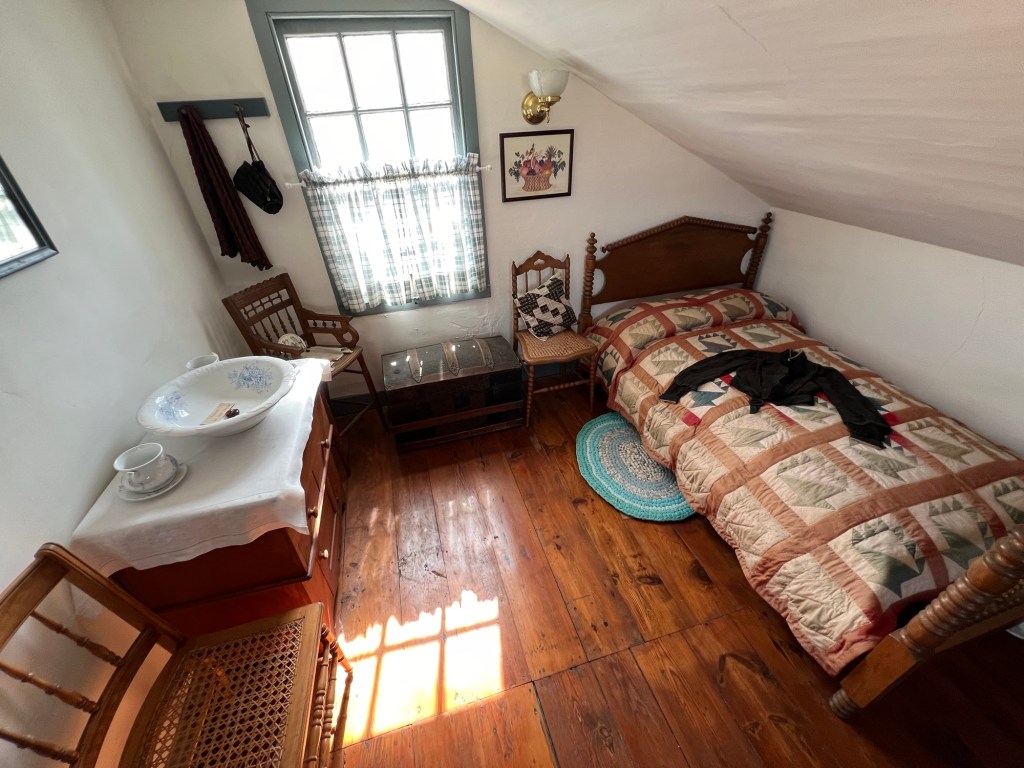
We walked up the narrow stairs to the second floor to the bedrooms. Each small room on the second floor was furnished with period furniture.
The bedroom on one side of the house

The second floor bedroom the leads to the attic

The second floor bedroom

This room led to the connected room on the other side of the floor

The small room on the second floor

The bedroom on the second floor

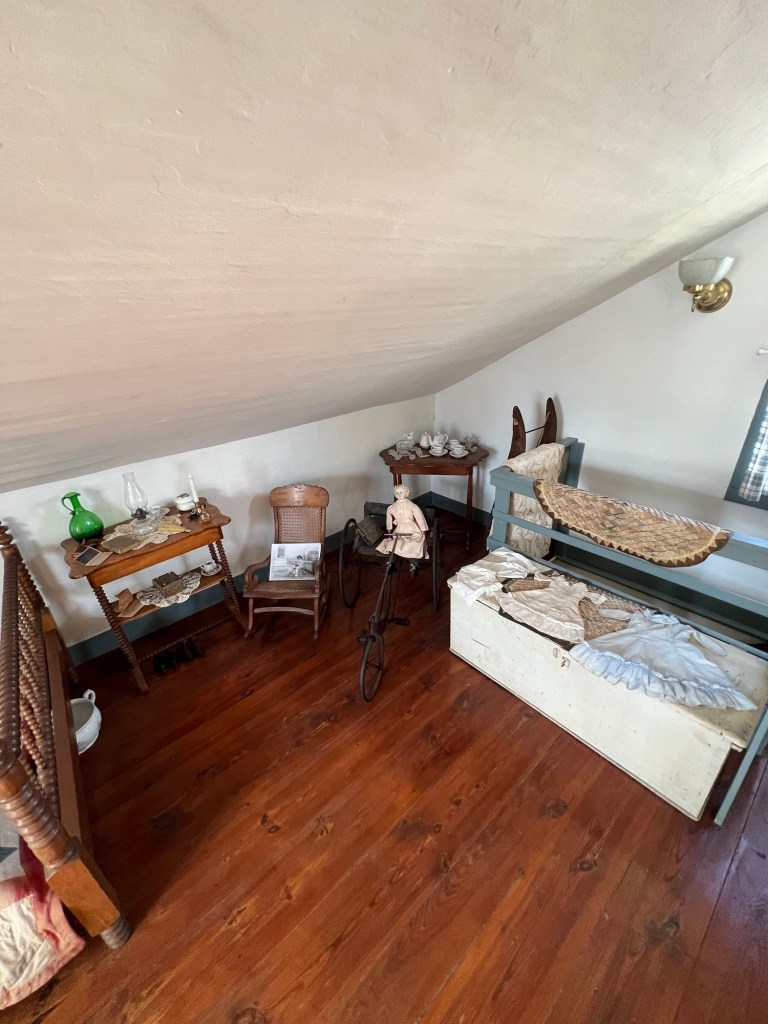
The Children’s room display of toys, furniture and clothing

The display of Children’s item

The house really showed life in the early parts of the 1800. The home’s period furniture decorates all the rooms in this home. The museum has another historical home in the downtown area that was closed that day. The museum offers a glimpse of Millville in its past.

The historical sign outside the museum

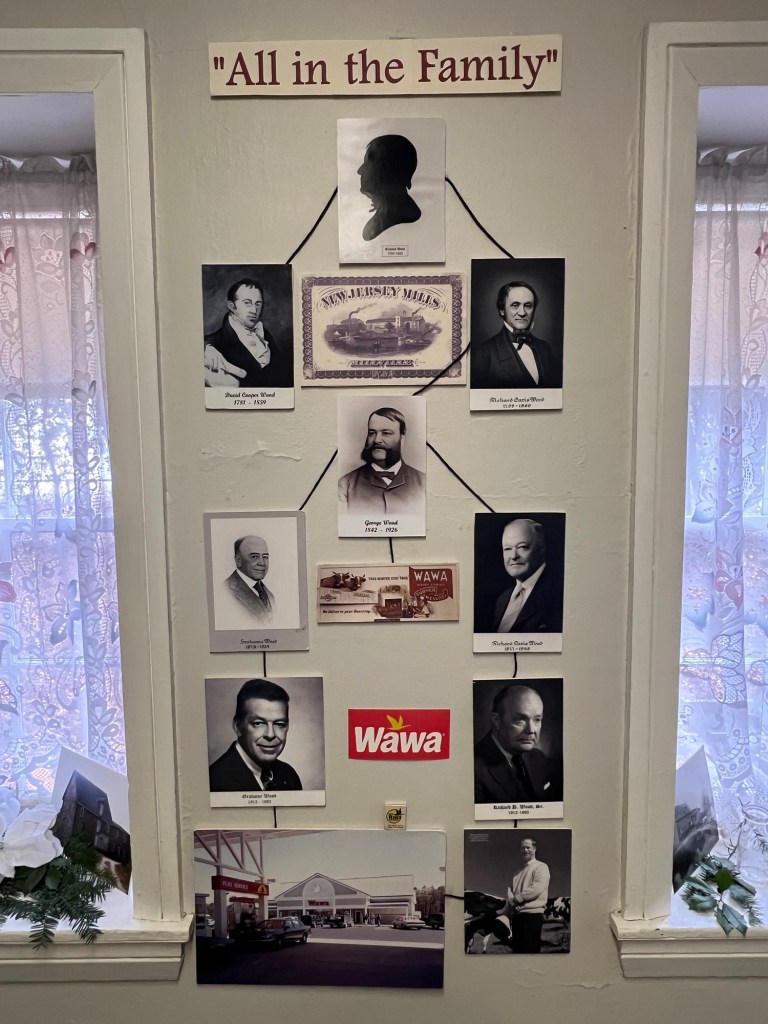
On my second trip to the Millville Historical Society, I was able to visit the Wood Mansion from 1814. The home had been home to generations of the Wood family, the founders of Wawa, among other businesses.

The Wood Family Mansion

The Historical Society Museum sign

The David Wood Historical sign

The Living Room decorated for the holidays

The Victorian Christmas tree in the formal parlo

The Christmas decorations in the Living Room

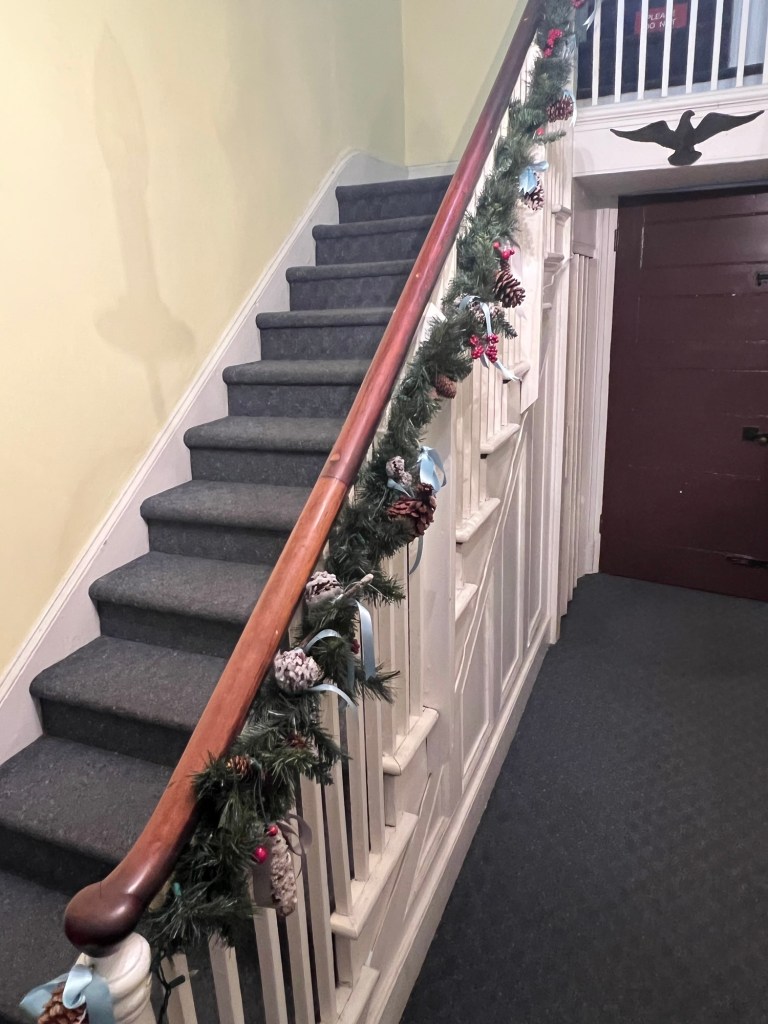
Th bannister decorated for the holidays

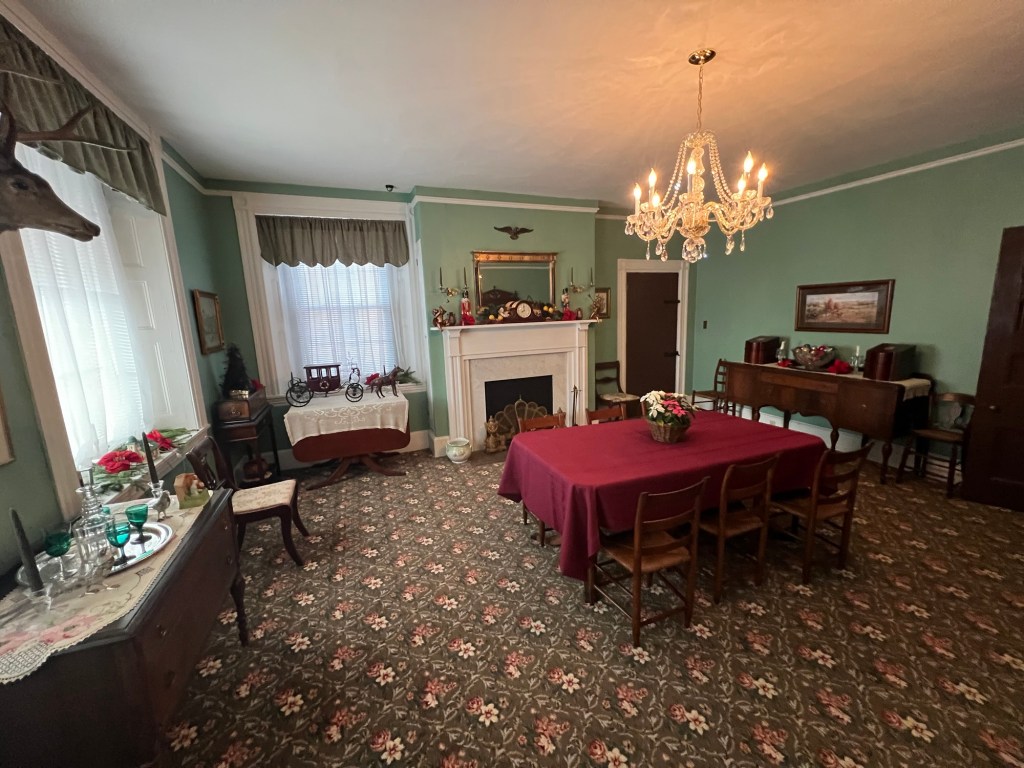
The Dining Room decorated for the holidays

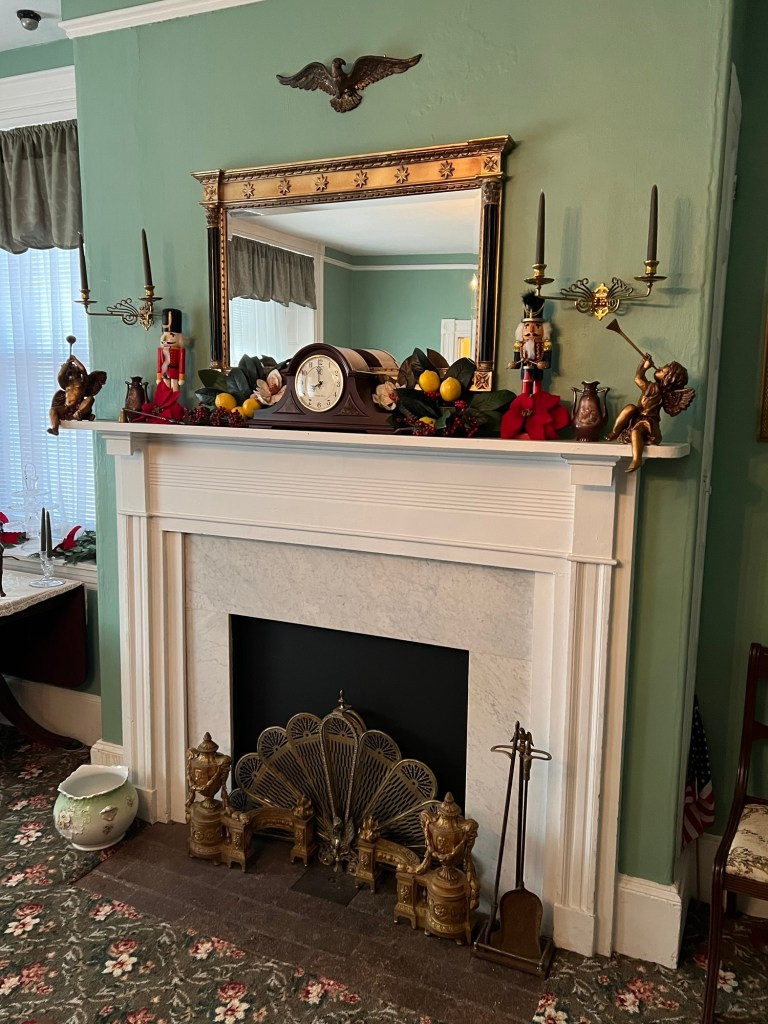
The mantle in the Dining Room decorated for the holidays

The dish-ware area

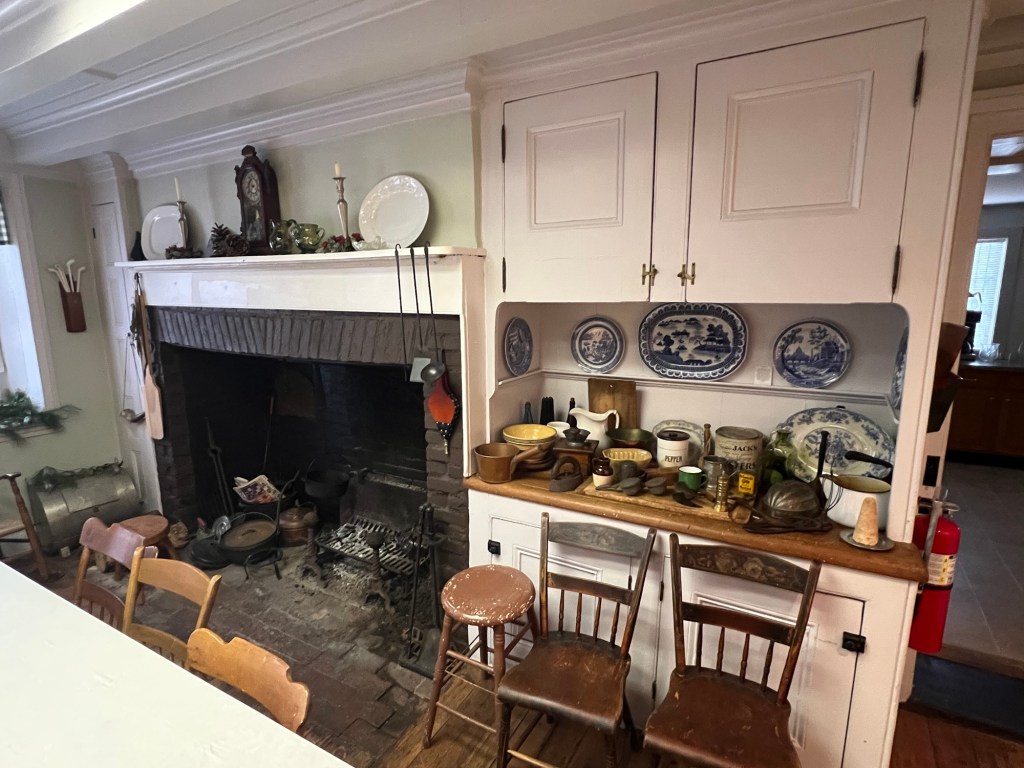
The kitchen fireplace

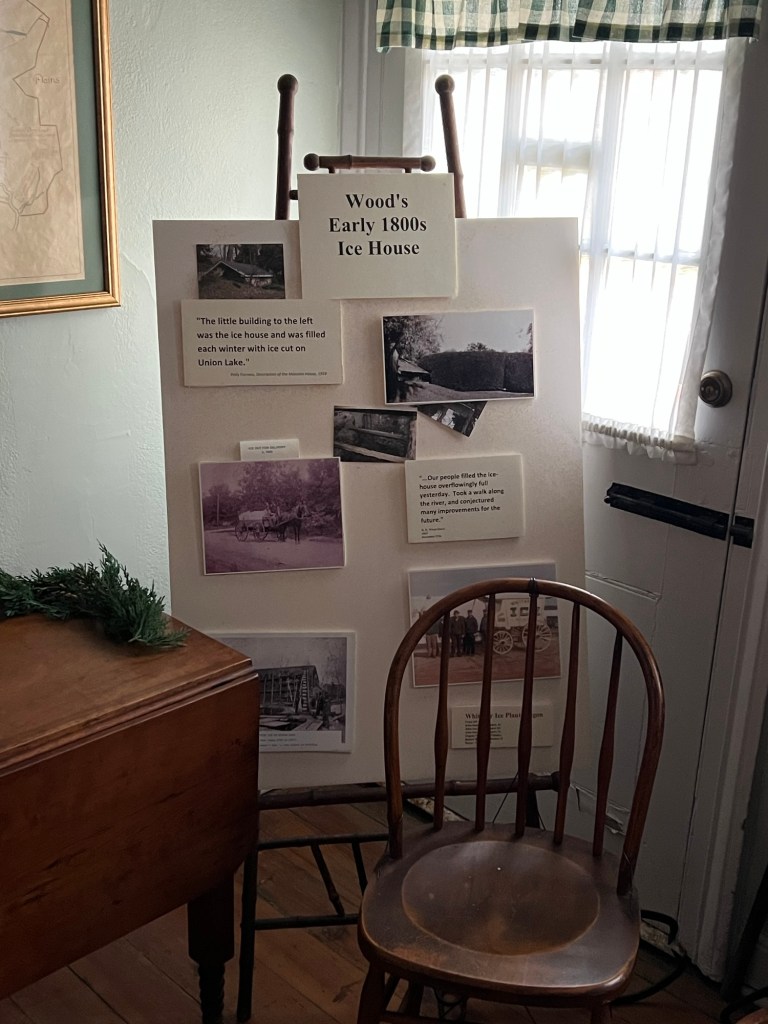
The Ice House display under renovation

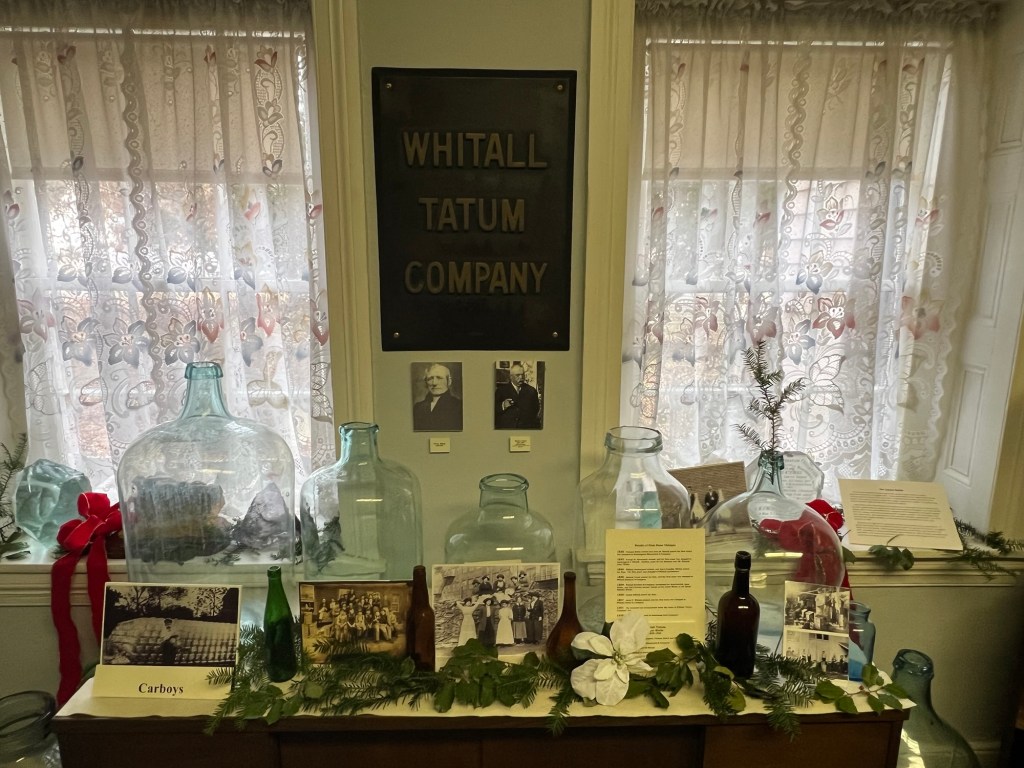
The Whitall Tatum glass display

The Whitall Glass display

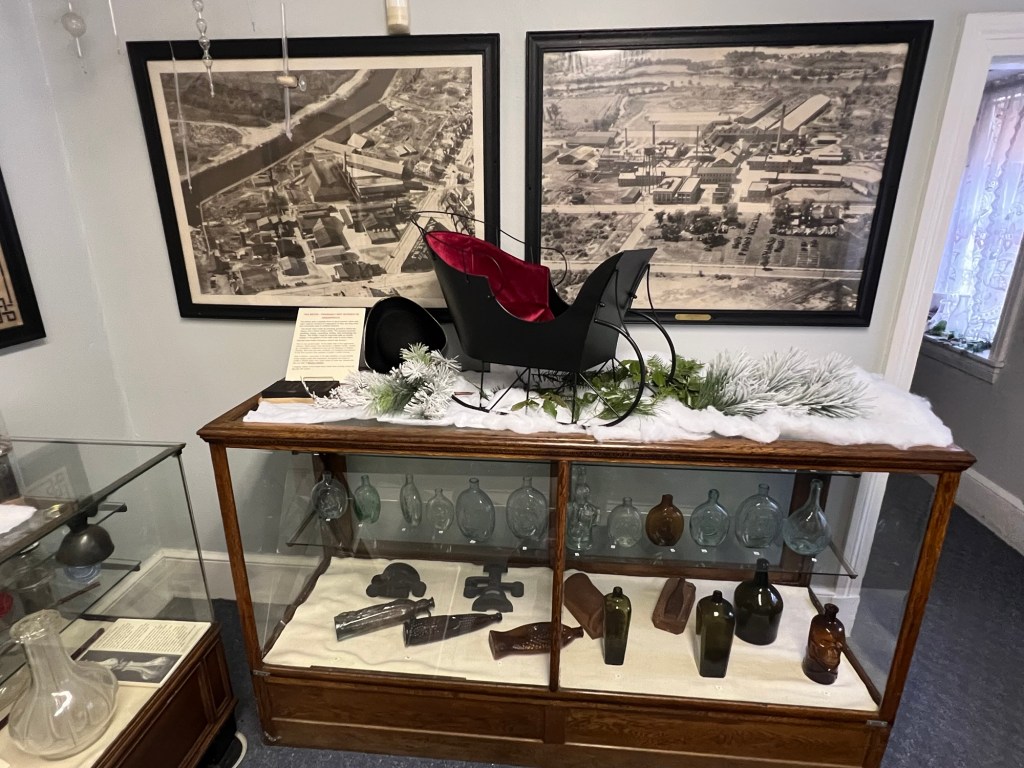
The glass display

The Wood family tree and the progression of the business of the family

The local amusement park display

The local factory display

Pictures of the mansion since 1814

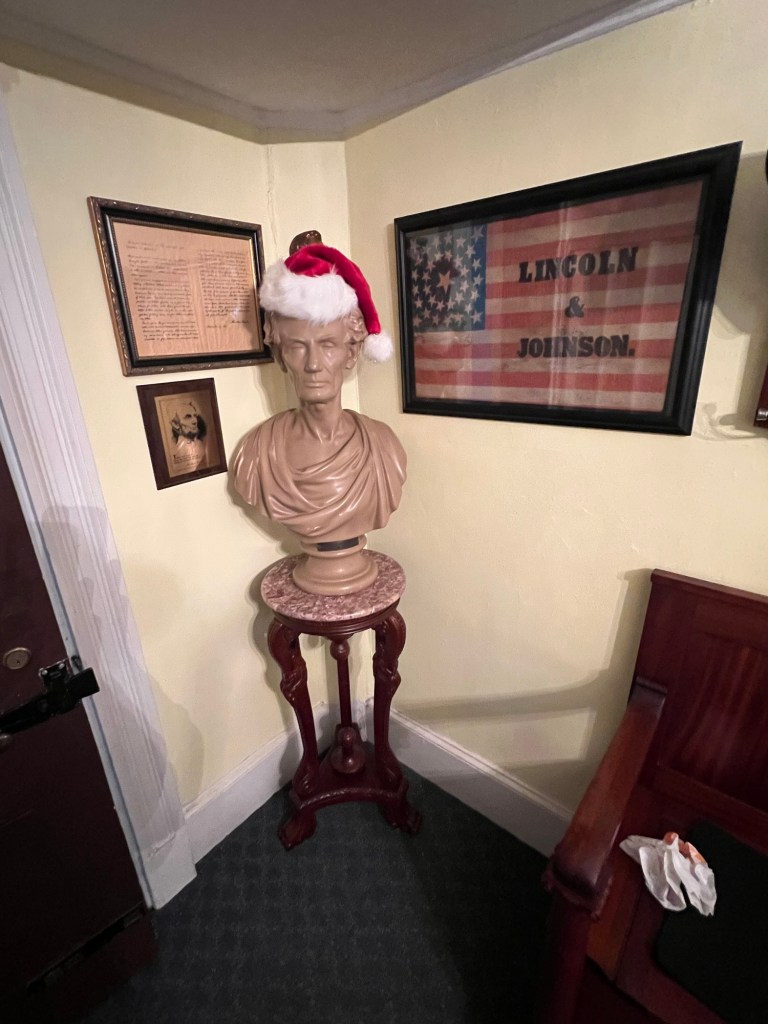
The Lincoln display

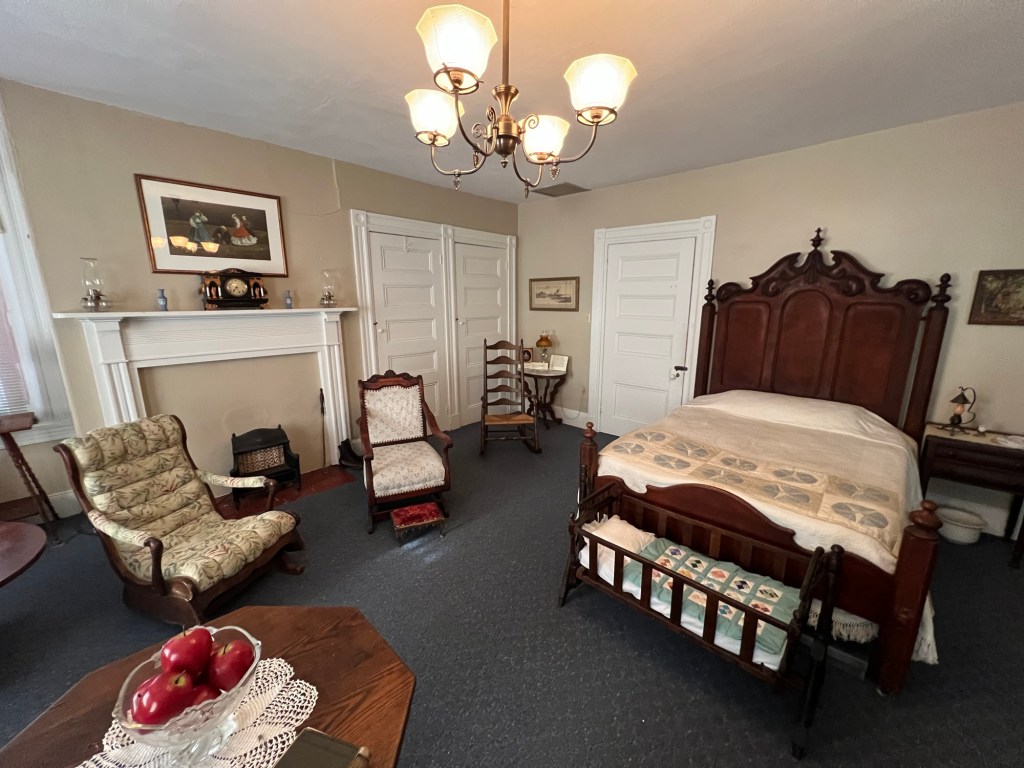
The main bedroom

The main bedroom

The Children’s display

The Children’s Toy Display

The Children’s Toy display

The Trolley display

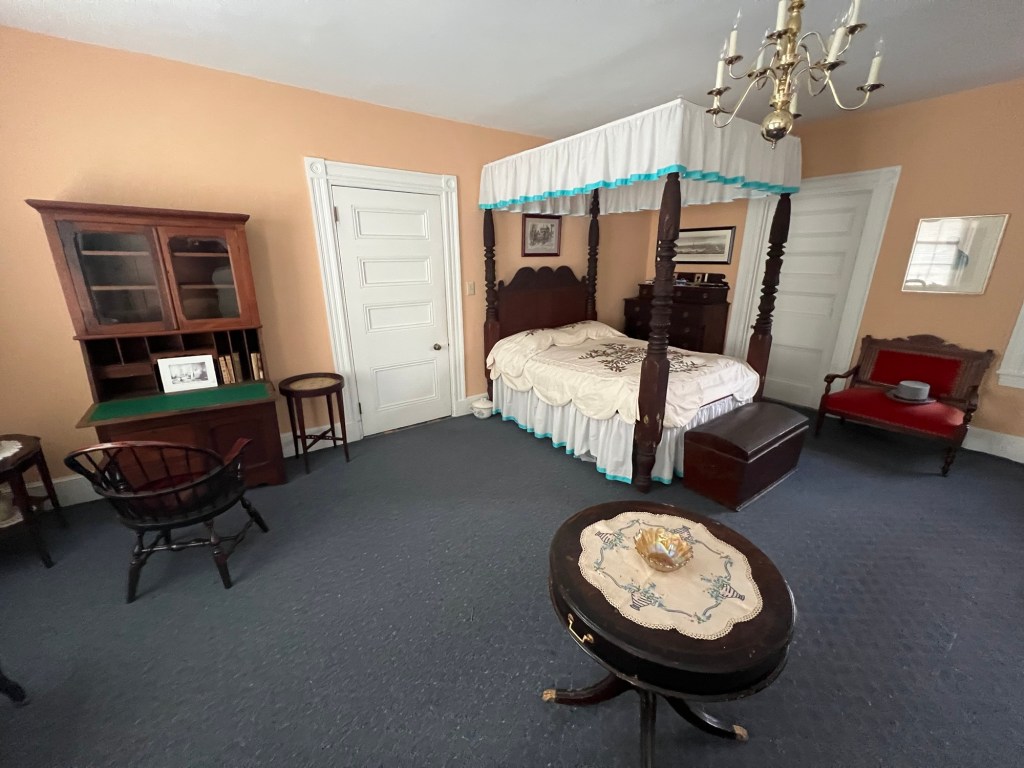
The other Bedroom display

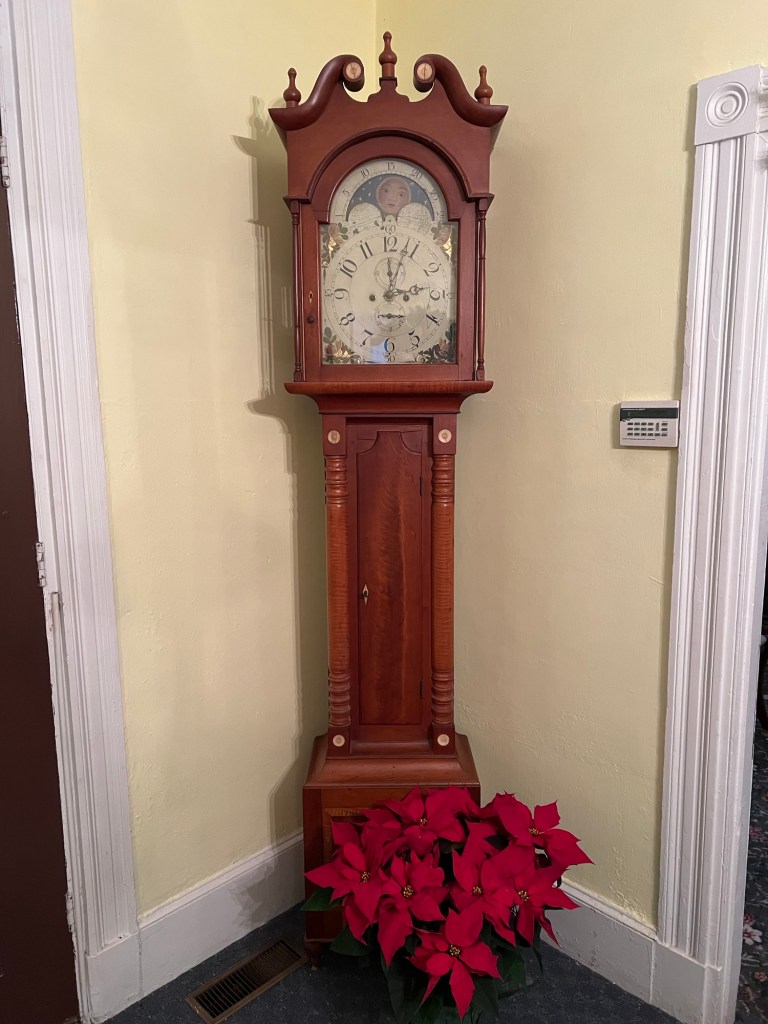
This beautiful Grandfather clock was made Salem, NJ

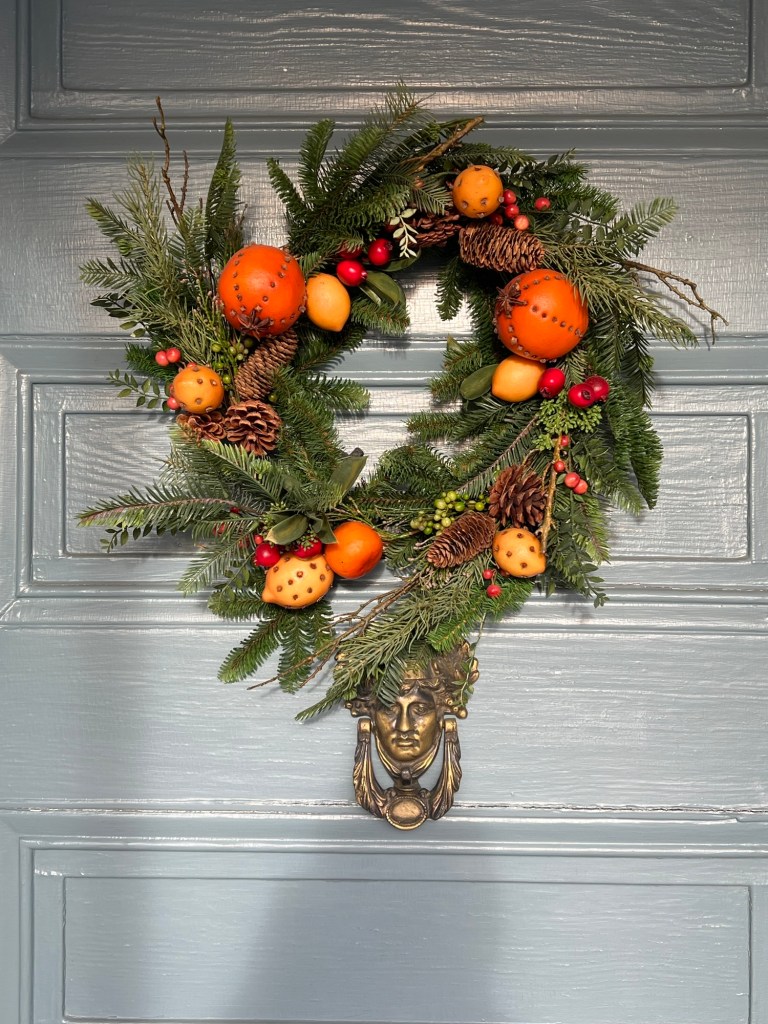
The beautiful display on the front door when you leave the house. Everything had been decorated for the holidays

Naval Air Station Wildwood Aviation Museum                     500 Forrestal Road                                                                Cape May Airport, Rio Grande, NJ 08242

Naval Air Station Wildwood Aviation Museum 500 Forrestal Road Cape May Airport, Rio Grande, NJ 08242

Naval Air Station Wildwood Aviation Museum

500 Forrestal Road

Cape May Airport

Rio Grande, NJ 08242

(609) 886-8787

Open: Sunday-Saturday 10:00am-4:00pm

Take Flight

https://www.facebook.com/aviationmuseum/

My review on TripAdvisor:

https://www.tripadvisor.com/Attraction_Review-g46341-d1881607-Reviews-Naval_Air_Station_Wildwood_Aviation_Museum-Cape_May_Cape_May_County_New_Jersey.html

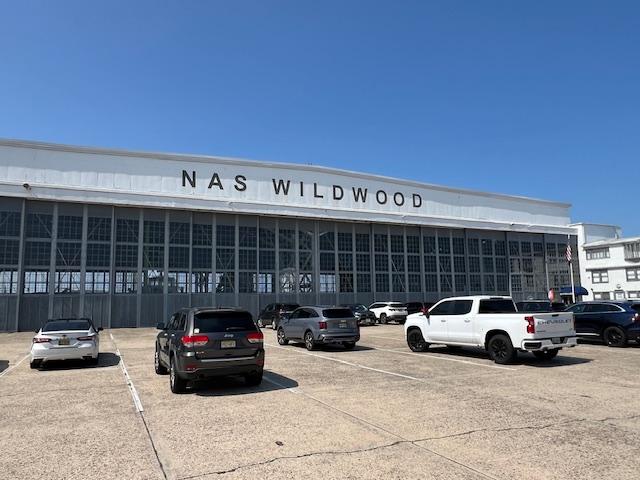
The front of the museum

The Naval Air Station Wildwood Aviation Museum is located at the back of the Cape May Airport. Just follow the road to the back of the airport at 500 Forrestal Road in Hangar #1.

The front of the museum

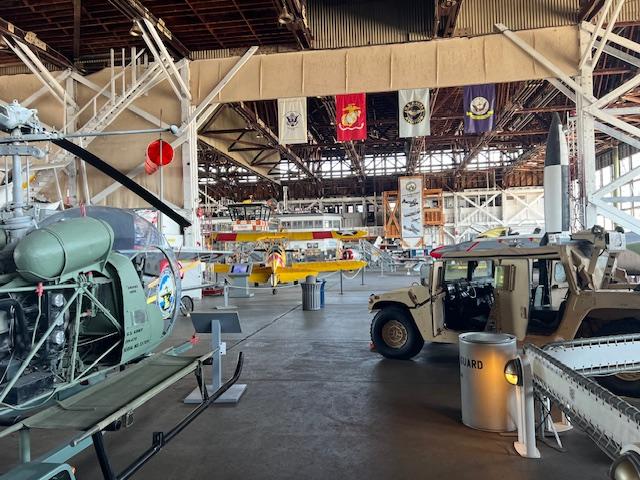
This interesting museum is a treasure trove of artifacts from WWII to today from jeeps to cars and trucks to airplanes. Some of the vehicles you can step into and see what it was like to ride these pieces of aviation history.

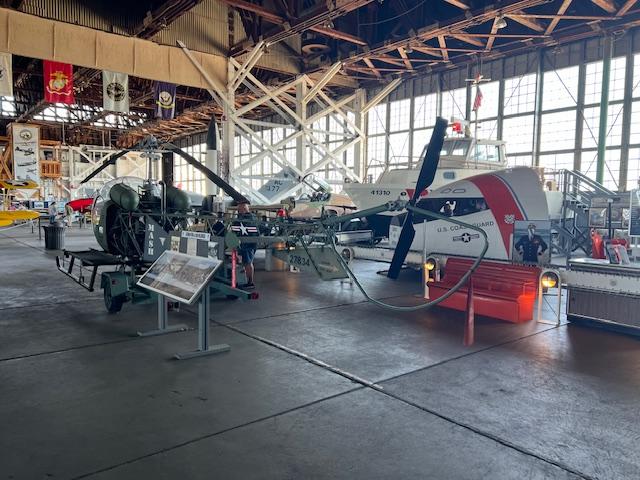
The main gallery of the Aviation Museum

There are several airplanes that with the assistance of the staff you can enter and see what air travel was like for these pilots. All the planes have been carefully restored and displayed for viewing and use by tourists. There is even a air traffic control tower you can enter and see how thing the functioning of the tower was done. These displays were interactive from the perspective of the people who once worked there.

The Hanger with plane displays

In the front of the museum as you enter, along the ways there is a display of the history of the Naval Hangar and how it developed and became part of the community. There were pictures of members walking the boardwalk in Wildwood and having a good time. There were stories of many interactions between the sailors and the locals and what an exciting time it was for everyone.

The history of the time as Wildwood Training Facility

Many local heroes stories were told all over the building of Navy personal from the area and the part that they played in the war years and when they returned. Each story board told of their early lives, how they got involved in the war, the roles that played and jobs that were accomplished and what their lives were like when they returned. The mindset of this generation is very different than from today.

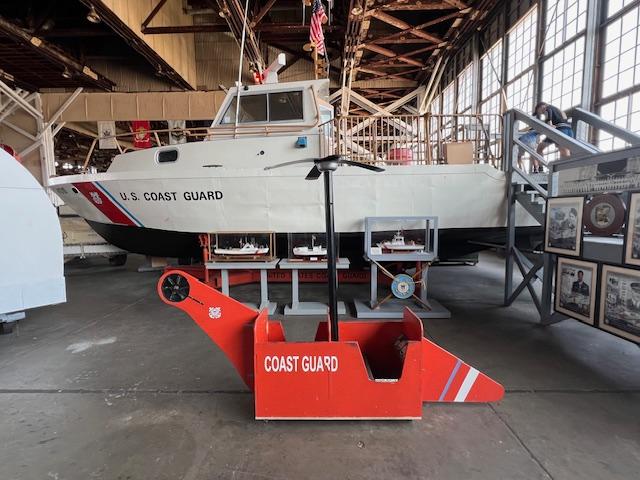
The Coast Guard display

What I really enjoyed was the documentary “Boatlift”, the story of the 9/11 rescue of thousands of people off Manhattan island on 9/11 (it was around the 20th Anniversary of the event when I toured the museum) and the bravery and involvement of boaters and sailors all over the New York maritime region. Hundreds of boats were involved in getting people to safety to New Jersey and other parts of the NYC. It was a lesson in selflessness and involvement in one of the darkest days of American history.

The main gallery of the museum

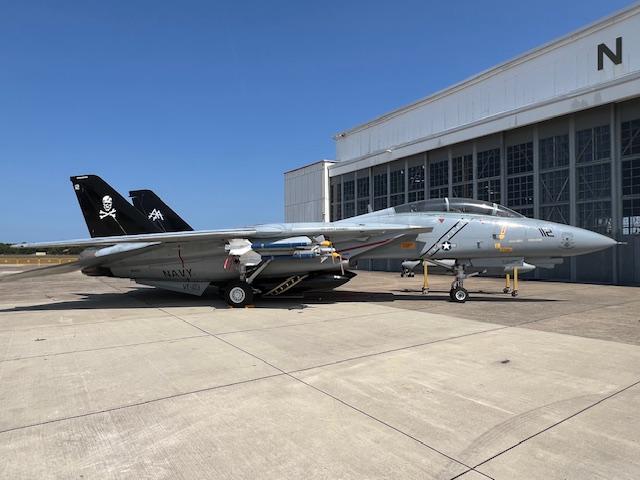
Outside the hangar, there are more planes to tour and equipment that is used. Each display is carefully explained of its role in the armed forces so take the time to read the plaques as well.

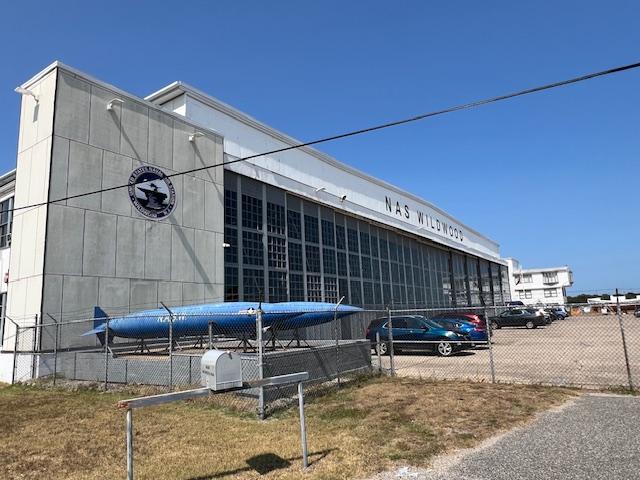
The outside of the hanger of the museum

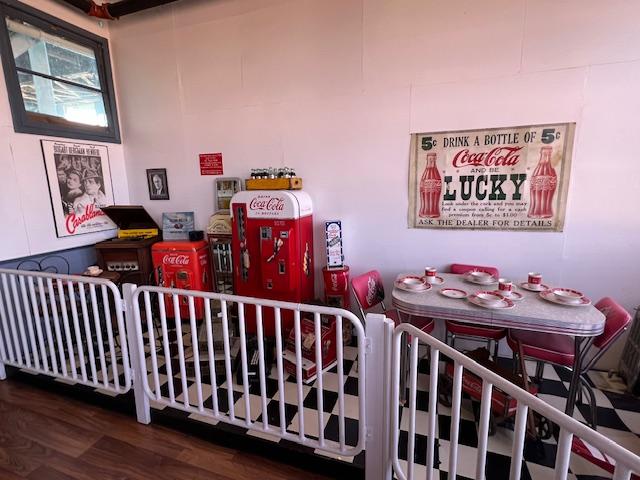
Inside the building towards the back, there is a display of commercial establishments and even the role of Coca Cola during the war and it being used in the ration boxes of the men and women fighting for our country. There were pictures of USO dances and get togethers and parties for the enlisted men.

The Coca Cola display during WWII

There is even a space shuttle piece to explore and admire showing our progression into different types of transportation over time. The museum has carefully displayed items so that there is an order to follow around the room to admire each piece. Take the time to look them over and read about them.

The MASH helicopter on display

This museum is an interesting step back in time to show the role New Jersey and Cape May County played during the war years and then going forward.

The main gallery of the Aviation Museum

The Mission of the Museum:

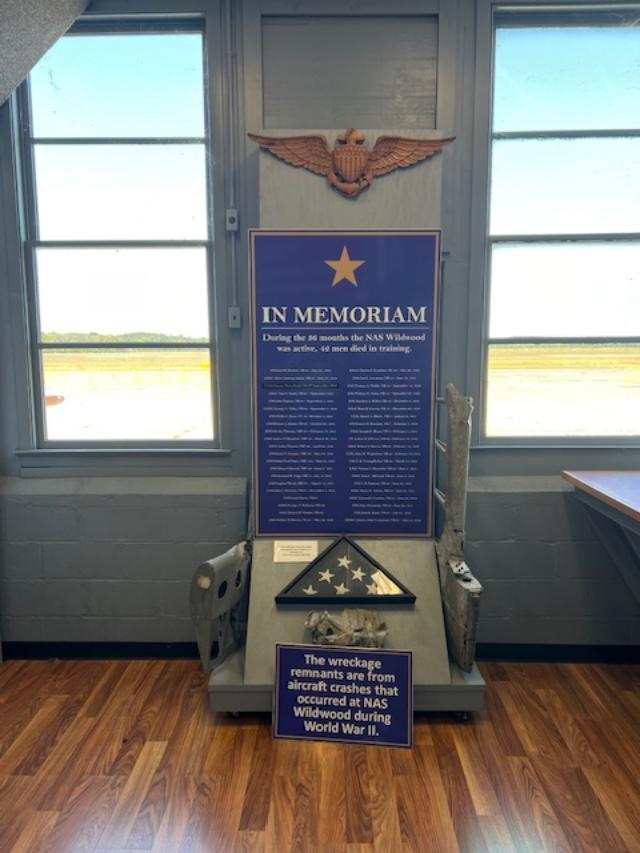
Restoring Hangar #1, educating the public on Cape May Country’s history during WWII and memorializing the 42 naval aviators who were training at the Naval Air Station Wildwood.

WWII Ends display

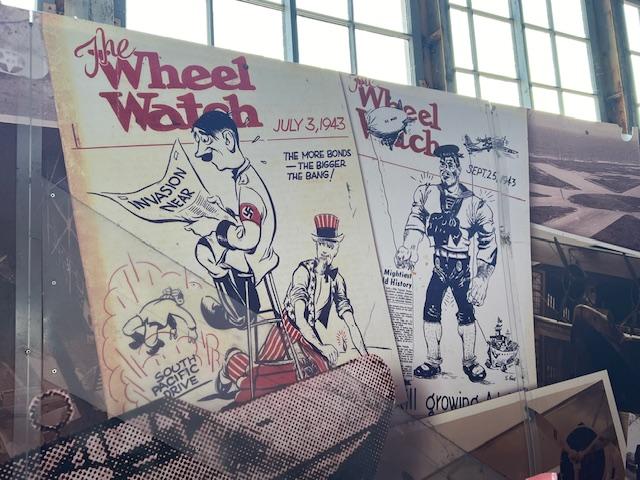
WWII Propaganda Posters

The History of the Naval Air Station Wildwood Aviation Museum:

(Taken from the Museum website)

WWII:

Following the outbreak of World War II, this all wood double wide aircraft hangar was assembled by the U.S. Navy in 1942 from a kit delivered via railroad. On April 1st, 1943, NAS Wildwood was commissioned as a training facility for dive bomber squadrons that would go on to fight in the Pacific. Between 1943 and 1945, activities included night flying and target practice over the Delaware Bay, reaching a peak of almost 17.000 takeoffs and landings in the month of October 1944. Before NAS Wildwood was decommissioned, 129 crashes occurred and 42 airmen died in training exercises.

The Memorial from the WWII

Following World War II, United States Overseas Airlines was operated out of Hangar #1, offering both national and international charter flights. The airline was owned by Dr. Ralph Cox, a dentist and U.S. navy pilot during WWII. Cox also used the hanger to display his collection of early automobiles and other transportation memorabilia including a steam locomotive.

1970-1990:

Southern Jersey Airways operated a commuter airline known as the Allegheny Commuter out of the Cape May Airport. The service was started by Captain Curt Young, ho was a bomber pilot during WWII. The Allegheny Commuter offered twenty-two daily flights between Atlantic City and Philadelphia as well as eight round trips out of Cape May.

1997-Present:

After many years of neglect, Hangar #1 was rediscovered by Dr. Joseph Salvatore and his wife, Patricia Anne, who acquired the building from Cape May County for $1.00. Listed on both the state and national registers of historic places, Hangar #1 is an exhibit in and of itself. Since 1997, the Salvatore’s and the NASW Foundation have worked hard to restore the hangar to its original condition. Today, Hangar #1 is open to the public as part of the NAS Wildwood Aviation Museum.

The main gallery at the museum

The Wyckoff Historical Society                                              The Barbershop next to the Pond                                               Wyckoff, NJ 07481

The Wyckoff Historical Society The Barbershop next to the Pond Wyckoff, NJ 07481

The Wyckoff Historical Society

The Shop next to the Pond

Wyckoff, NJ  07481

http://www.wyckoffhistory.org

Hours: Please check the website above

Fee: Please check their website

My review on TripAdvisor:

The Wyckoff Historical Society was established to research, preserve and educate about the rich history of Wyckoff, NJ. The organization was founded in 1974 and is incorporated. Recent programs included a walking tour of Wyckoff.

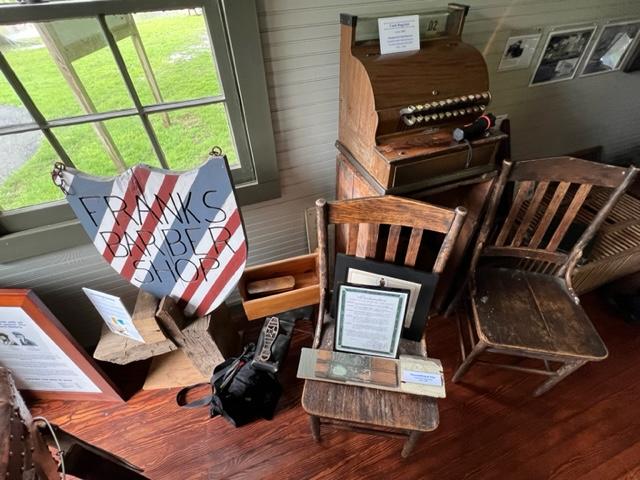
The Society recently restored the old Wyckoff barbershop that was donated to them and now sits on the town property by the Zabriskie Pond and the historic Zabriskie Home. Inside the building houses all sorts of local artifacts, farm tools and vintage furniture along with historic photos of the town of Wyckoff, NJ.

The little building sits right on the Zabriskie Pond.

The Zabriskie Pond in Wyckoff, NJ

History of the Museum:

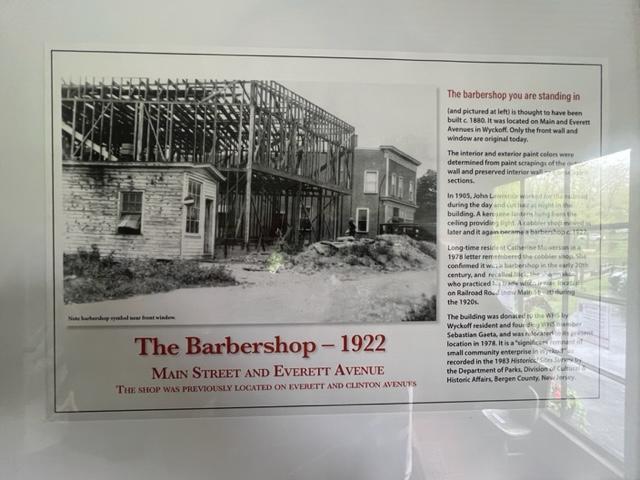
This 1890’s structure was recorded as being a barbershop in 1905 when it was owned by John Lawrence, who worked for the railroad by day and cut hair at night. It was also a cobbler shop for several years and again a barbershop. The building was on Main Street and Everett Avenue relocating to its current home and donated to the Wyckoff Historical Society by resident and member, Sebastian Gaeta.

The farming display at the Barbershop Museum

The history of the building

The building was neglected for several years and was restored several times, most recently in the summer of 2018 by the society including a full paint job of the interior and exterior and refinishing the bare floors.

The barber chair from the old barber shop

On display are artifacts from Russell Farms, a barber chair from longtime Wyckoff barber, Frank Muscara, a 1905 child’s dress, Lenape artifacts, a Hoosier cabinet and photographs.

The Native American Collection

Artifacts from Wyckoff’s past

Artifacts from old businesses in Wyckoff and the surrounding areas

The tiny museum has a display of its own history as a barbershop on the Main Street of Wyckoff, NJ and how the building served as a local center for its citizens. It was eventually moved as times changed and became the museum it is today telling the story of the Town of Wyckoff, NJ.

The history and movement of the building when it left its original location

The history of the barbershop

The history of the building and the barbershop and of Wyckoff, NJ

Where the building was located in Wyckoff, NJ

Please check their website for opening dates.

The beauty of the Zabriskie Pond on a fall day in 2022. The area is just beautiful.

The Zabriskie Pond in Wyckoff, NJ

Disclaimer: This information was taken directly from the Wyckoff Historical Society pamphlet and I give them full credit for the information. Please email them for more information.