Tag: addthistoyourgrocerycart@Wordpress.com

The Museum at FIT on the Fashion Institute of Technology Campus Seventh Avenue 227 West 27th Street New York, NY 10001-5992

The Museum at FIT on the Fashion Institute of Technology Campus

Seventh Avenue at 27th Street

New York, NY  10001-5992

(212) 217-4558

https://www.fitnyc.edu/museum/

Hours: Tuesday-Friday-12:00pm-8:00pm/Saturday-10:00am-5:00pm/Closed Sunday-Monday and all legal holidays

Fee: Free

TripAdvisor Review:

https://www.tripadvisor.com/Attraction_Review-g60763-d548861-Reviews-The_Museum_at_FIT-New_York_City_New_York.html?m=19905

This quirky little museum is located in the ‘A’ Building on the Fashion Institute of Technology campus and is a little ‘gem’ if there was ever one and I am not just saying that because I am a proud Alumnus of the college (Class of ’93). This museum is dedicated to the world of fashion and has had several revolving shows themed of fashion from the colleges extensive collection. The school really does know how to mount a show.

Please watch this video on the Museum at FIT.

About the Museum at FIT:

The Museum at FIT (MFIT) is the only museum in New York City dedicated solely to the art of fashion. Best known for its innovative and award-winning exhibitions, the museum has a permanent collection of more than 50,000 garments and accessories dating from the eighteenth century to the present, MFIT is a member of the American Alliance of Museums. Its mission is to educate and inspire diverse audiences with innovative exhibitions and programs that advance knowledge of fashion.

FIT Museum II

For more information about The Museum at FIT, please visit fitnyc.edu/museum.

The museum is part of the Fashion Institute of Technology (FIT), a college of art and design, business and technology. FIT is part of the State University of New York (SUNY) and offers nearly 50 programs leading to AAS, BFA, BS, MA, MFA, and MPS degrees.

I have been to many shows at the museum over the years and the curators do a nice job mounting show from the College’s collection and from items that they borrow from other museums.

“Paris Refashioned, 1957-1968” examined the combined influence haute couture, ready-to-wear and popular culture, highlighting how changes that took place during this time period helped to shape the fashion industry as we know it today. Exhibitions and books about this era tend to focus on London as the center of innovative, youth-oriented design but this perspective overlooks the significant role that Paris continued to play in the fashion industry.

Like England, France had a large population of young people-more than eleven million of its citizens in 1958 were under 15 years old. This generation came of age during the 1960’s, listening to their own music, watching films featuring their own movie stars and frequenting their own boutiques. Paris’s creative output was singularly dynamic, far-reaching and innovative.
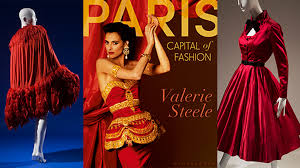
FIT Museum III

“Paris Refashioned” exhibition

Although the French ready-to-wear revolution did not truly begin until the 1960’s, the concept of lively, youth-oriented design had been set in motion during the previous decade. By the late 1950’s, a few young, talented couturiers-including Pierre Cardin, Hubert de Givenchy and Yves Saint Laurent-had made names for themselves. In 1957, the House of Christian Dior promoted 21 year old Saint Laurent to creative director.

While fashion insiders questioned the decision to place an unknown, seemingly naïve designer at the helm of such a prestigious institution, Saint Laurent’s first solo collection for Dior quickly silenced his detractors. His line of short, swinging A-line dresses-known as “Trapeze” dresses-was a critical and commercial success, ushering in an unmistakable shift toward more relaxed and ultimately, more youthful designers.

Another exhibition that I had seen in the past was “Pink: The History of Punk, Pretty and Powerful Color” running until January 5, 2019 and “Fashion Unraveled”, a guideline to ‘Behind the Seams’, ‘Repurposed Clothes’ and ‘Distressed and Deconstructed’ that ran through November 17, 2018.

The History of Pink video

I recently visited the museum for the “Dior + Balenciaga: The Kings of Couture and their Legacies”  exhibition and it was an interesting approach to fashion after WWII. Both designers brought back a very feminine and wearable look to women that accented their bodies. What I thought was interesting is that the undergarment was stitched right into the garment and was a way to fit the garment to the woman.
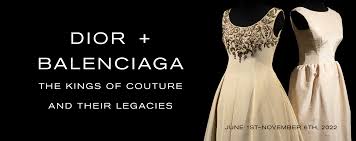
Museum at FIT III

“Dior + Balenciaga: The kings of Couture and their Legacies”

The exhibit showed a comparison of both designers and how they approached items such as dresses, coats and evening wear. Each had a way to form fit a woman. What I thought was interesting is that Dior just designed his garments and never worked on the construction whereas Balenciaga do all the draping of garments himself.

The exhibition continued with the new designers that took up the mantles of the houses when the founders died. It was a different take on the founders ideas but with a more modern twist. I think the classics still were the best  and looked more professional on a woman.

Video on “Dior + Balenciaga” exhibition

The recent exhibition “Statement Sleeves” is a retrospect on the evolution on the pattern of sleeves in a woman’s dress. These statements of fashion on the sleeve is “a sleeve, style that is exaggerated, embellished, elaborately constructed or otherwise eye-catching to the extent that it defines a garment.” (show description).
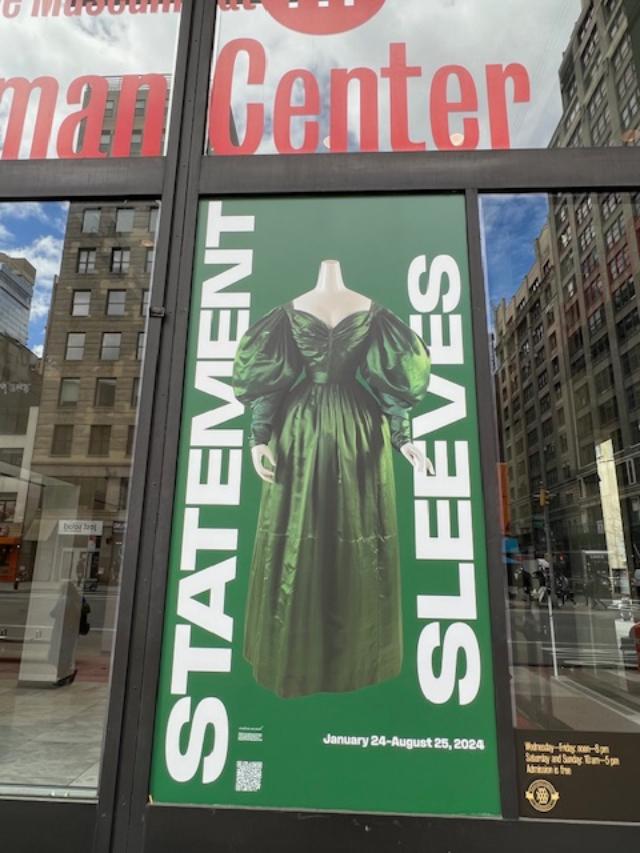
“Statement Sleeves” sign
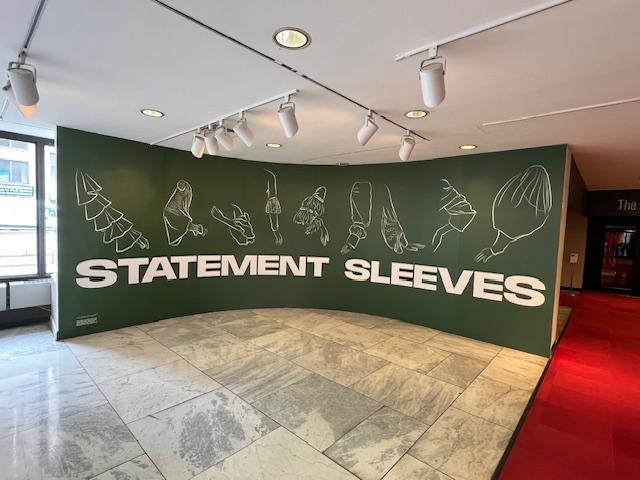
The start of the exhibition.

The front of the gallery.
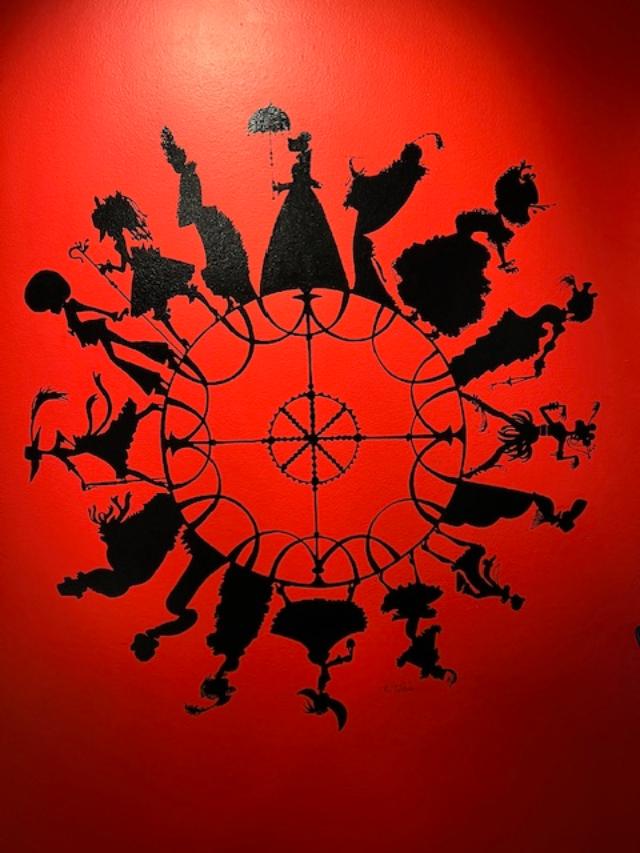
The diagram on the evolution of sleeves.

The changes in Sleeves design.

The changes in Sleeves design.
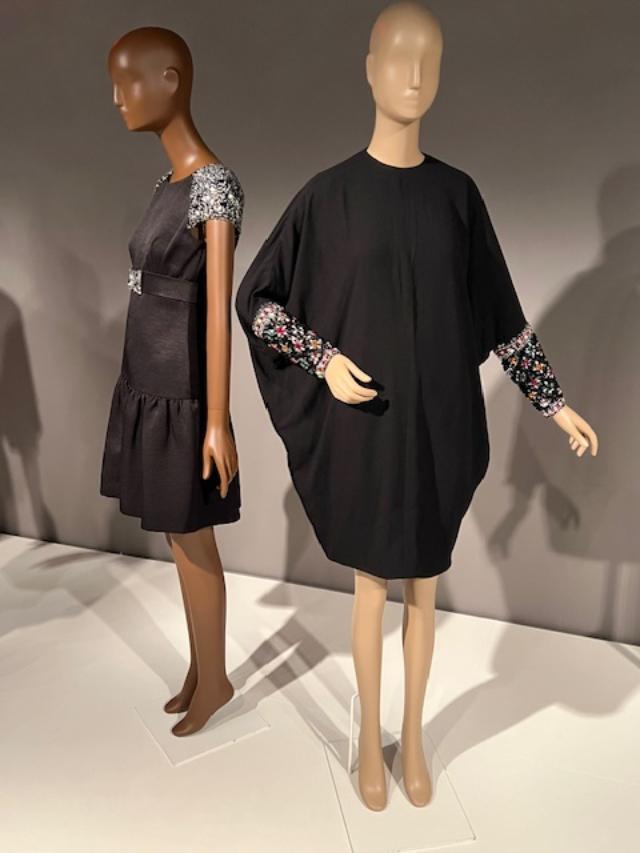
The different ways at looking at formal design.

The unique designs from the 1980’s and 1960’s.
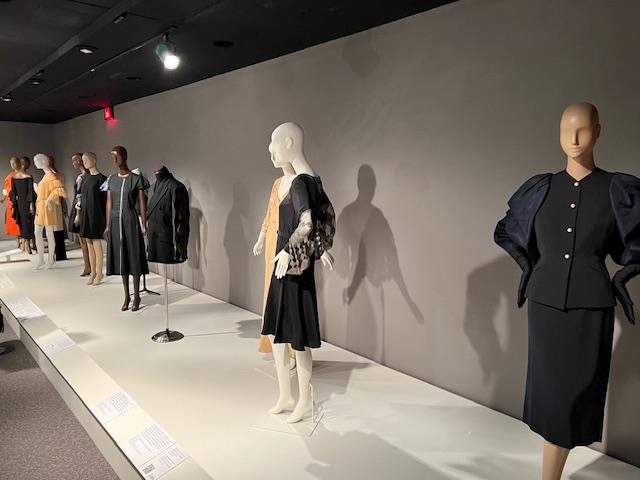
The changes of Sleeve designs over the years.

The “Power Suit” of the 1980’s.

The colorful trends in women’s wear over the years with the changes in design of the sleeves.

The exhibition of “Statement Sleeves” runs through August of 2024.

Information and History of the Museum at FIT:

(From the Museum’s website):

For further information about the Fashion Institute of Technology, please visit fitnyc.edu.

Couture Council:

An elite membership group, the Couture Council helps to support the exhibitions and programs of The Museum at FIT. Members receive invitation to exclusive events and private viewings. Annual membership is $1,000 for an individual or couple and $350 for a young associate( under the age of 35).

For more information, write to couturecouncil@fitnyc.edu or call (212) 217-4532.

Tours and donations

Every six months, a changing selection of garments, accessories and textiles from the museum’s permanent collection is put on display in the Fashion and Textile History Gallery, on the museum’s ground floor. Tours of the Fashion and Textile History Gallery and of the Special Exhibition Gallery may be arranged for a sliding fee of approximately $350. Donations of museum quality fashions, accessories and textiles are welcome.

For more information about tours, call (212) 217-4550. For information about donations, call (212) 217-4570.

All MFIT exhibitions and public programs are supported bin part by the couture council of The Museum at FIT.

The shows are continuously changing so please check the website for more detail on the current show. Below is a sampling of one of the shows earlier last year when I visited the museum.
FIT Museum

The FIT Museum has interesting exhibitions
The Mahwah Museum                                         201 Franklin Turnpike                                 Mahwah, NJ 07430

The Mahwah Museum 201 Franklin Turnpike Mahwah, NJ 07430

The Mahwah Museum

201 Franklin Turnpike

Mahwah, NJ  07430

(201) 512-0099

Home

https://mahwahmuseum.org/the-museum/

Open: Wednesday-1:00pm-4:00pm/Saturday & Sunday 1:00pm-4:00pm/Closed Monday-Tuesday Thursday-Friday

Fee: Non-Members $5.00/Members Free

TripAdvisor Review:

https://www.tripadvisor.com/Attraction_Review-g46590-d9819566-Reviews-Mahwah_Museum-Mahwah_New_Jersey.html?m=19905

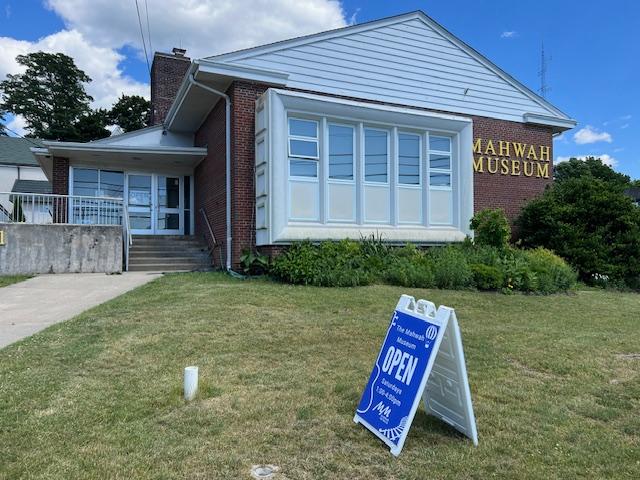
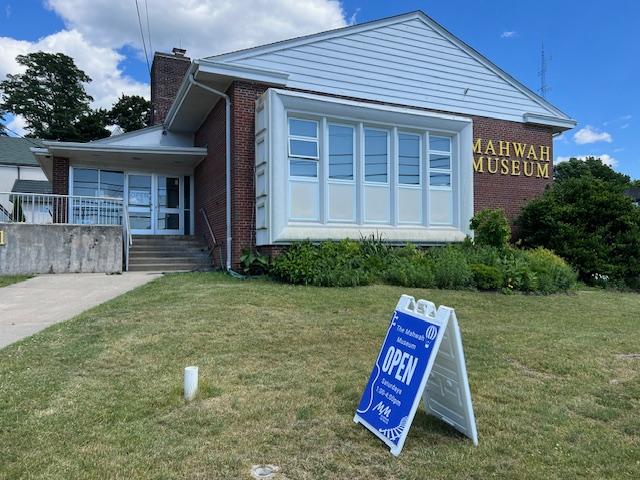
 The front of the Mahwah Museum at 201 Franklin Turnpike

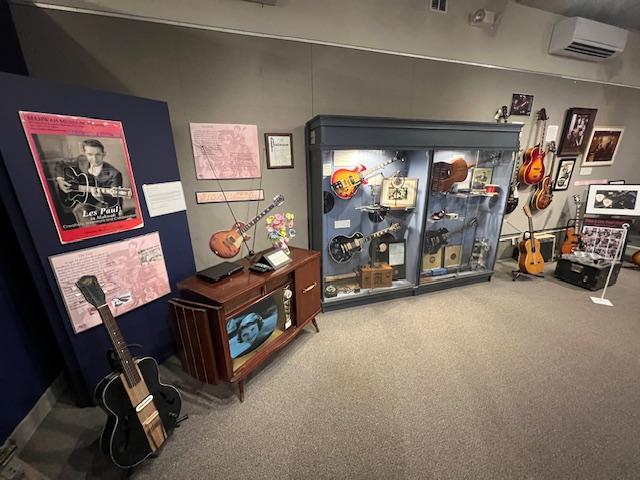
I visited the Mahwah Museum over the weekend and found a very engaging suburban museum that had interesting exhibitions on the subjects of Women’s Rights, Mahwah history, Les Paul memorabilia and train sets that would delight any child or the child within. There were a lot of small children that were getting a kick out the trains in the basement going around and around. For a small museum, it is packed with information both on local history and state history as well.
Mahwah Museum IV

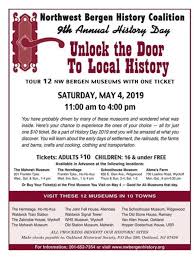
The Mahwah Museum is open during the Northwest Bergen History Coalition Weekend

The staff is very nice and very engaging with the visitors. They will walk you through some of the exhibitions, explain the concepts and make up of the exhibits. You can see most of the museum in one day but there is a lot to read so try to make a few trips to this interesting little museum in the middle of Mahwah, New Jersey.

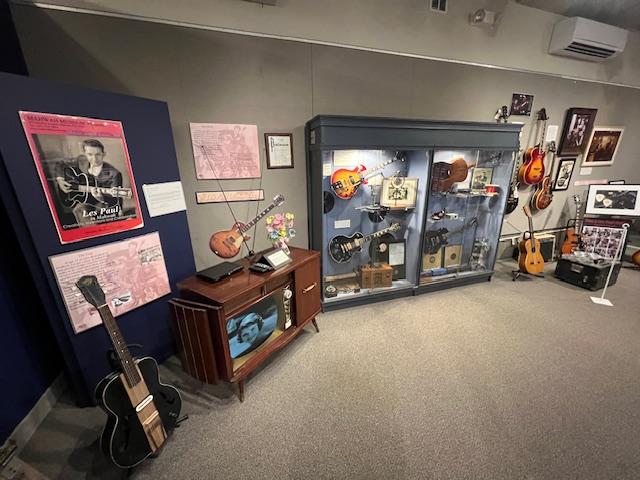
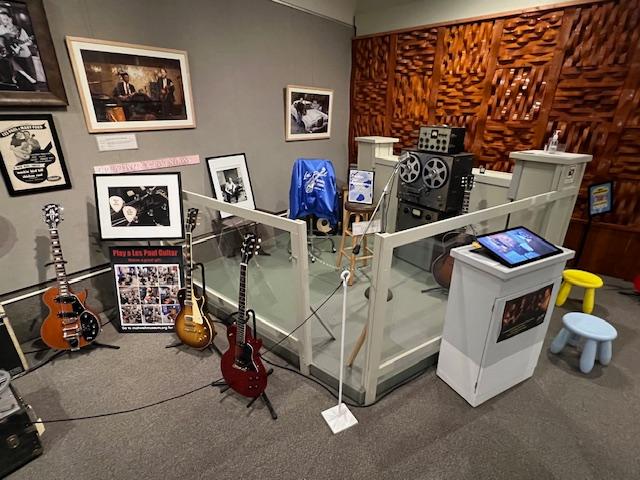
Les Paul Exhibition is one of the most famous exhibitions of the artist’s work

The Mahwah Museum history:

(This information comes from the Mahwah Museum website)

The mission of the Mahwah Museum Society is to preserve and present the history of the community and its connection to the region. Museum exhibits display information about the history of Mahwah and the surrounding community. The Museum’s collection of artifacts, photographs, historical records and documents is carefully preserved, documented and cataloged and is available by appointment to historians and researchers. By encouraging discovery, understanding and appreciation of the region’s heritage, the Museum provides perspective for the present and the future.

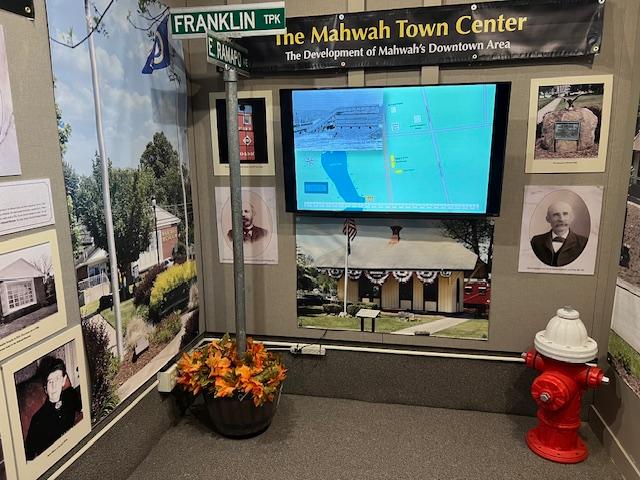
The History of Mahwah and its Business District exhibition.

The Society is comprised of the Mahwah Museum at 201 Franklin Turnpike and the Old Station Museum and Caboose at 1871 Old Station Lane. The Mahwah Museum opened in 2001 and hosts several permanent exhibitions and a main exhibit on two levels. Permanent exhibits include: Les Paul in Mahwah, The Donald Cooper Model Railroad, the Who’s Who of Mahwah, the Lee Vold Gallery and a topographical model of Mahwah Township. The main exhibit changes periodically.
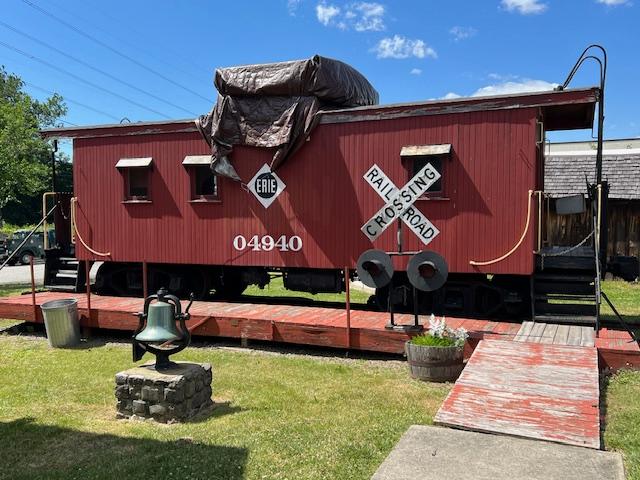
The Caboose sits in the back of the Old Station Museum in Mahwah

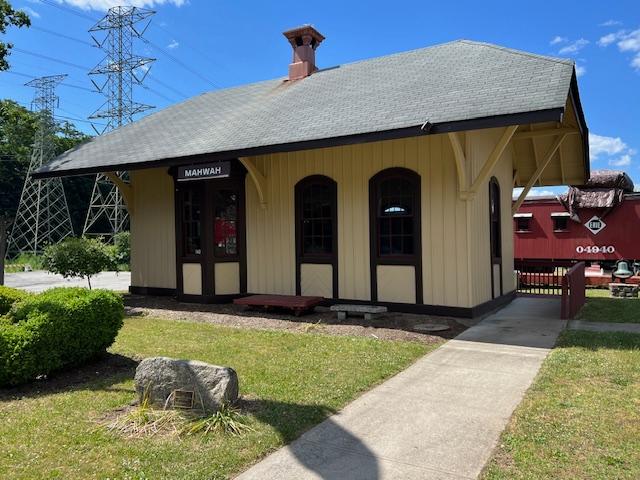
The Old Station Museum and Caboose opened in 1967. The restored Erie cupola caboose shows the daily operations of train crew life. The Old Station Museum was the original Erie Station in Mahwah built in 1871. Many Erie Railroad artifacts and photos related to passenger trains are displayed. The Museum is a great resource for adults and children. Educational programs are offered frequently.

The Old Station Museum is part of the Mahwah Museum

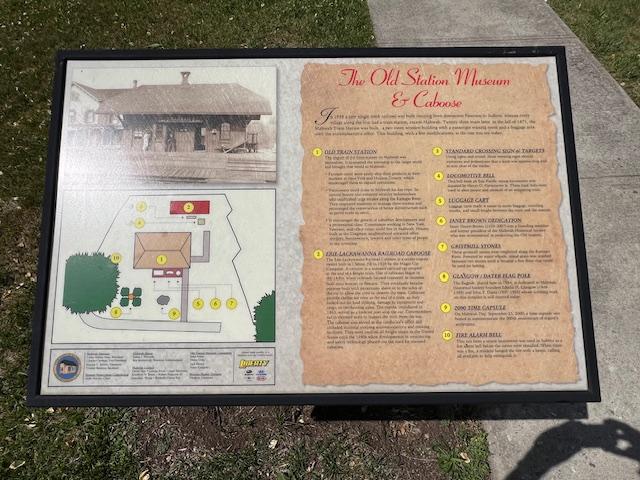
The historical sign of the Old Station Museum

The Trains of the Mahwah Museum:

The Mahwah Museum has an extensive collection of model trains representing all scales. This collection has been made possible by generous donations from the Cooper-Darboe and Margolis families.

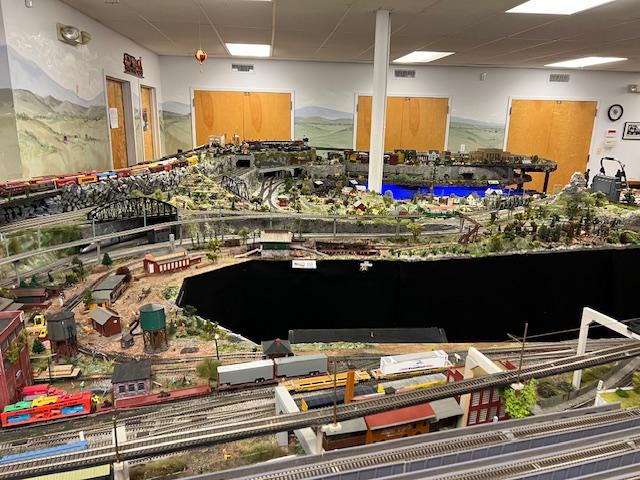
The Donald Cooper Model Train Railroad

The Donald Cooper Model Railroad:

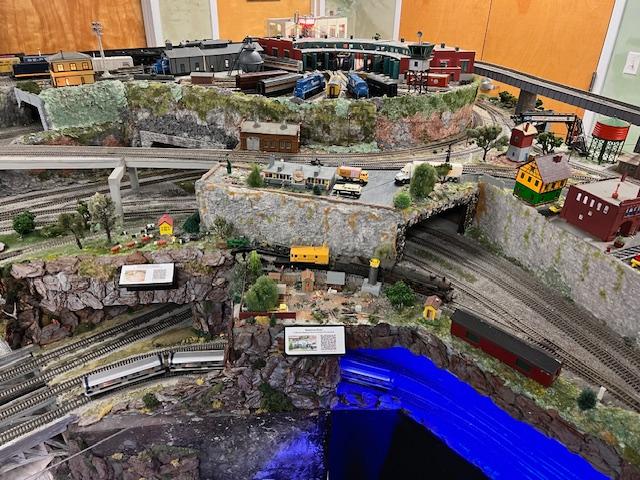
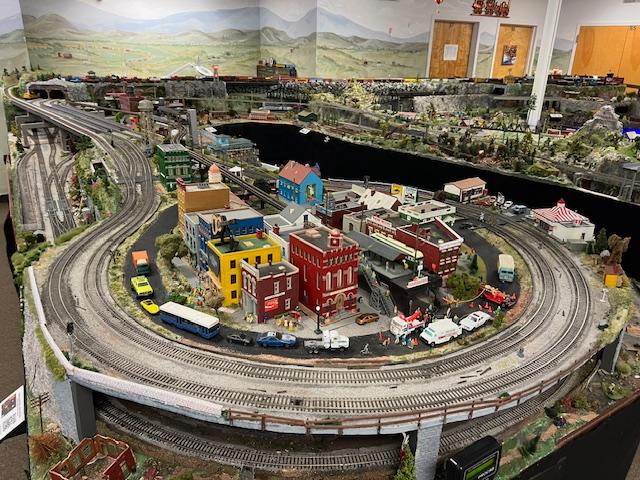
Located in the lower level of the museum, the Donald Cooper Model Railroad is a DCC powered, 28″ x 13″ operating HO gauge model railroad. Designed as a walk-in layout, the visitor can experience the sights and sounds of a real operating railroad.

The Model Train collection display

The collection that makes up the railroad was donated to the museum by Renee Cooper-Darboe of Mahwah, New Jersey. Donald Cooper lived in Mahwah on Island Road. He went to work for the Erie Railroad in Buffalo, New York as a Yard Supervisor. He was employed by the railroad until the 1960 merger with the Delaware, Lackawanna and Western. After he left the railroad, he moved back to Mahwah and began installing security systems.

The detail work on this collection is amazing!

It was during this time he met and married his wife, Renee and learned his electrical skills. After retiring, he and Renee decided to construct a model railroad representing the trains that went through his yard in Buffalo. From 1990 to 1995 Don worked constructing the tracks and doing the electrical work while Renee built the buildings and carefully placed the people in the railroad cars. Sadly, Don passed away in 1998 and the railroad sat unused for 8 years. Renee contacted the museum in 2006 and asked if we would like a “train set”. The rest, as they say, is history.

The railroad consists of four levels, a subway, two mainline tracks and a fully operational train yard. We also have a logging railroad and a trolley line. The Donald Cooper Model Railroad is a permanent exhibit of the Mahwah Museum and open during its regular operating hours on Saturday and Sunday. Volunteers are always welcome. No experience is needed. Please visit our museum website for more information.

Jerome Margolis Lionel Collection:

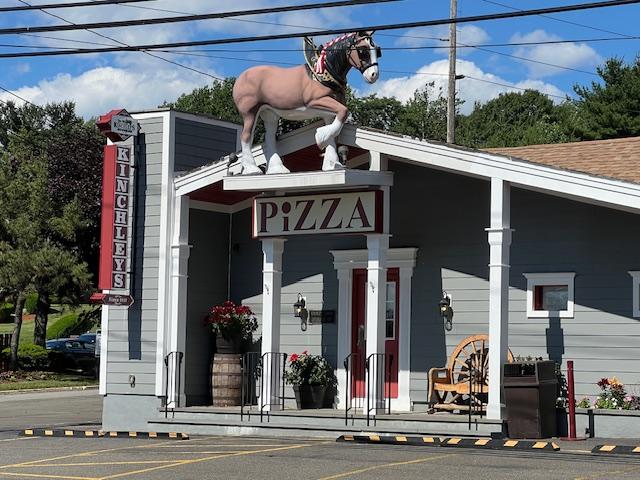
Jerome Margolis was an avid collector of Lionel “O” gauge trains. He was also the owner of one of the most popular pizza restaurants in the area, Kitchley’s Tavern. People visiting his restaurant were treated to three large display cases filled with his trains. What they didn’t know was that he had many more stored away. Thanks to his son, George, they are no longer out of view.

Kinchley’s Tavern at 586 North Franklin Turnpike in Ramsey, NJ

https://www.kinchleyspizza.com/full-menu.html

My review on TripAdvisor:

https://www.tripadvisor.com/Restaurant_Review-g46762-d540429-Reviews-Kinchley_s_Tavern-Ramsey_New_Jersey.html?m=19905

Our museum was the lucky recipient of the remainder of this collection. Currently they are in static display in out layout room for our visitors to enjoy. The collection represents many of Lionel’s most popular models from the 1970’s through 2005. The famous Santa Fe, red and silver “War-Bonnet” F7, Union Pacific “Big-Boy articulated locomotive and Pennsylvania “Mountain” steam locomotive are just a few pieces in the collection. Come and enjoy this wonderful collection of some of America’s best known locomotives.

The Les Paul Collection:

Musician Les Paul

https://en.wikipedia.org/wiki/Les_Paul

The Les Paul display

The Les Paul in Mahwah exhibit showcases many of Les’ innovations in solid body electric guitar design and multi-track sound recording.  Les called Mahwah home for nearly 60 years and is the only person to be elected to both the Inventor’s Hall of Fame and the Rock and Roll Hall of Fame.

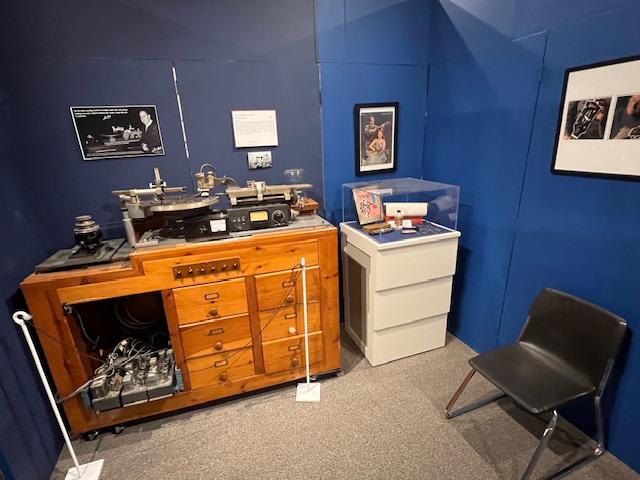
The Les Paul exhibition of recording equipment

On display are items from Les’s home studio where many of his and Mary Ford’s hits were recorded.  The Mahwah Museum is honored to house this landmark equipment which includes his recording console, an Ampex eight track stack, an Ampex 300 deck, the “Wally Box” and part of the studio wall that was expressly designed to create an echo chamber.   Also on display is Les’s disk-cutting lathe used to record sound onto acetate disks.  Among Les’s guitars on display are one of his “Klunkers” and a replica of “The Log” (an early prototype of the solid body guitar).

The Les Paul recording equipment display

Visitors may play many of the guitars through our Play a Les Paul Guitar program.  (Reservations are required.)

Ramapough Legacy ~ Heritage Exhibition:

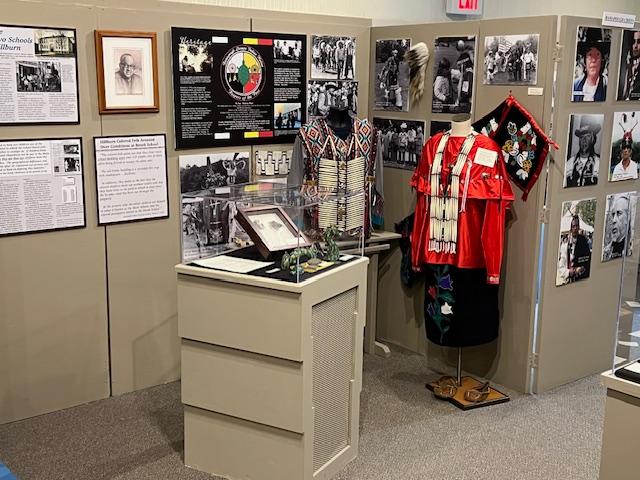
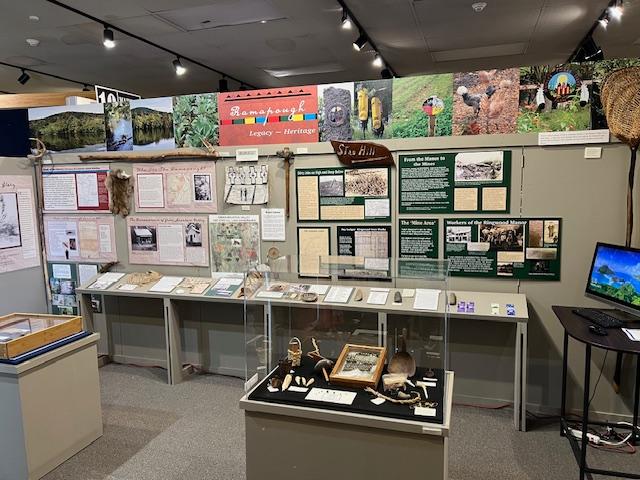
The Ramapough Lenape exhibition

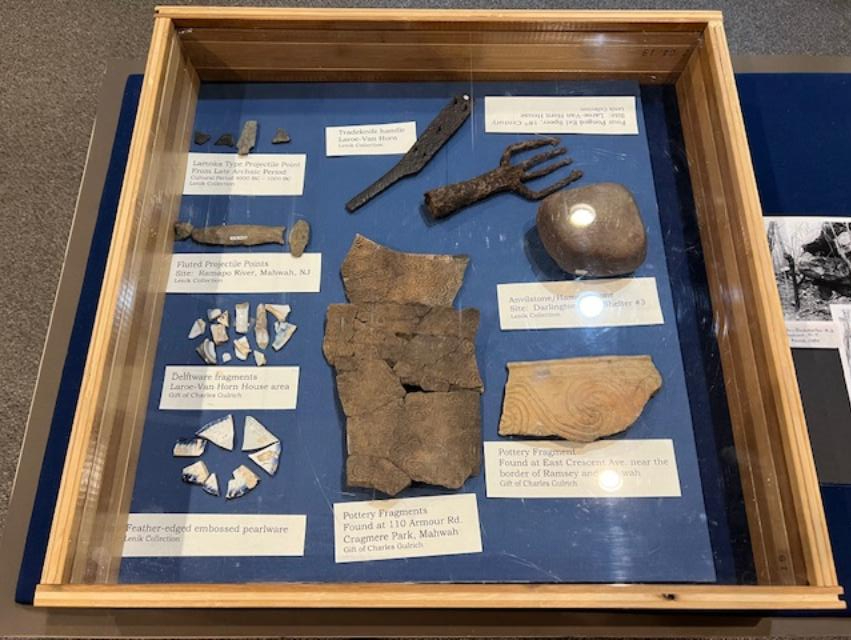
The Ramapough Lenape people have a long and complex history in the Ramapo River Valley communities of Mahwah, Ringwood, and Hillburn. Explore and learn about this Indigenous people’s history, folklore, art, craft, tools, herbs and medicines, costume, and culture.

The Native American exhibition

The Native American display

The Palisades Amusement Park exhibition:

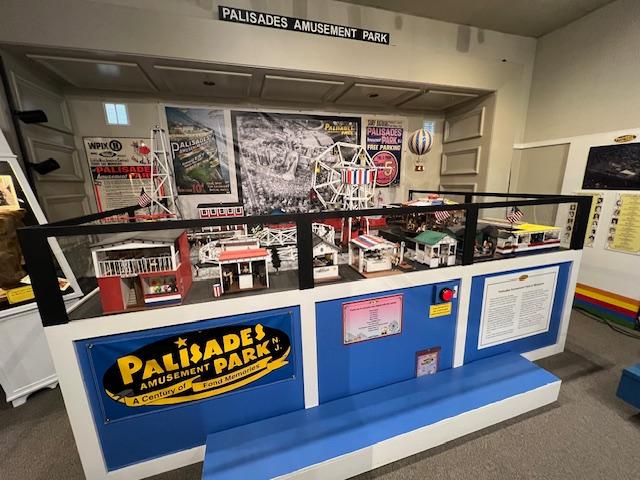
The Palisade Amusement Park sign

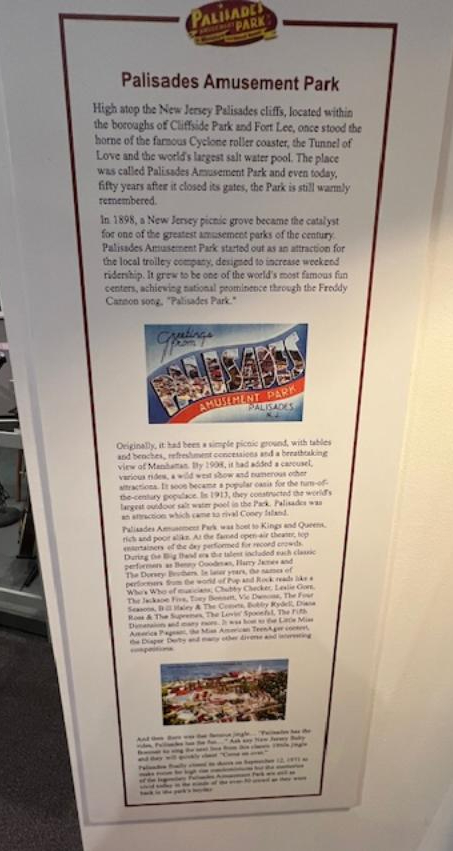
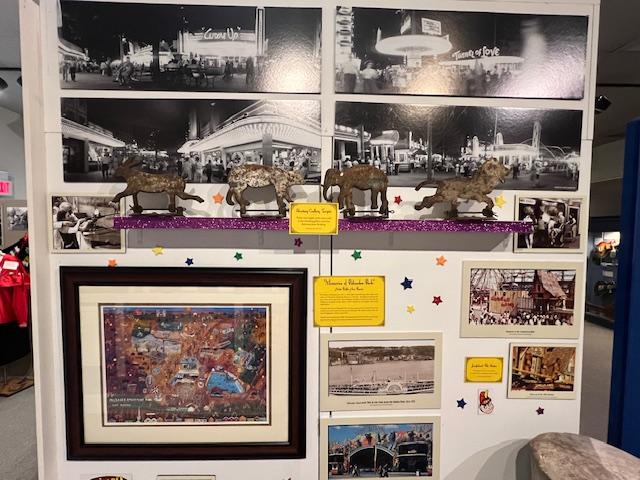
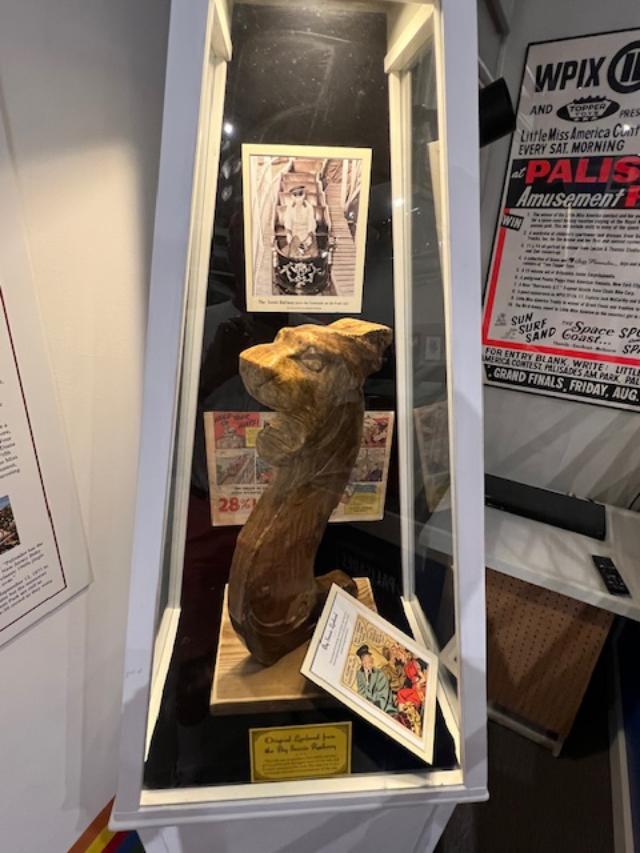
This miniature depicts the legendary Palisades Amusement Park as it would have looked in the mid 1930s. The scale of this model is 1:12, a common dollhouse scale. The original builder of the model was Joe Prisco, a longtime park employee. His estimated cost for the initial build was $40,000. Over 3,700 light bulbs and 15 power transformers were used to illuminate the rides and attractions. It was displayed at several locations in Ocean County, New Jersey in the 1990s. Prisco died in 2006.

In 2018, Vince Gargiulo, Executive Director of the Palisades Amusement Park Historical Society, traced the whereabouts of the model. The Prisco family donated what was left of the model to the historical society. To date, twenty-five pieces have been restored, including as seen in this exhibit, the Tunnel of Love, the World’s Largest Outdoor Salt Water Pool, the Ferris Wheel, the Carousel, the Free Act Stage, the Bumper Cars and much more.

The Palisades Park mini display at the Mahwah Museum

The Mahwah Museum Society is a nonprofit corporation under the laws of New Jersey and has qualified as a 501(c)(3) tax exempt entity under the Internal Revenue Code. It is governed by a volunteer Board of Trustees.

The Palisades Park display

*This information was taken from the pamphlets provided by the museum on my visit. Take the full afternoon to explore this interesting museum and their exhibitions.

*Please contact the museum for any changes in exhibitions or schedule of times.

The Morris-Jumel Mansion                                                        65 Jumel Terrace                                                                      New York, New York 10032

The Morris-Jumel Mansion 65 Jumel Terrace New York, New York 10032

The Morris-Jumel Mansion

65 Jumel Terrance

New York, NY  10032

(212) 923-8008

http://www.morrisjumel.org/

Fee: Adults:  $10/Seniors/Students: $8/Children under 12: Free/Members: Free

Open: Monday:  Closed to general public; visitation by advanced appointment only/Tuesday-Friday: 10:00am to 4:00pm/Saturday-Sunday: 10:00am to 5:00pm

The museum is closed on the following holidays: New Year’s Day, Memorial Day, Labor Day, Thanksgiving Day and Christmas Day.

TripAdvisor Review:

https://www.tripadvisor.com/Attraction_Review-g60763-d103500-Reviews-Morris_Jumel_Mansion-New_York_City_New_York.html?m=19905

The Morris-Jumel Mansion at 65 Jumel Place in the summer months

I came across the Morris-Jumel Mansion on my walk around Manhattan and noted it on my blog site “MywalkinManhattan.com”. This is the only remaining Colonial residence left on the island of Manhattan and is worth the time to take the tour of the house for its significance in the American Revolutionary War and in it’s later history.

The mansion is now going through a restoration

The Mansion and the historical district and grounds in the background

The historic plaque

The historic district outside the estate.

When touring the house, you get to see most of the rooms furnished with period furniture and some with the family belongings. The house had other uses over the years and the curators are trying bringing it back to the period of time when Madame Jumel lived there. The tour guides have some interesting stories on the colorful history of the house.

The Gardens in the early Spring months.

The crocuses and daffodils were just coming up

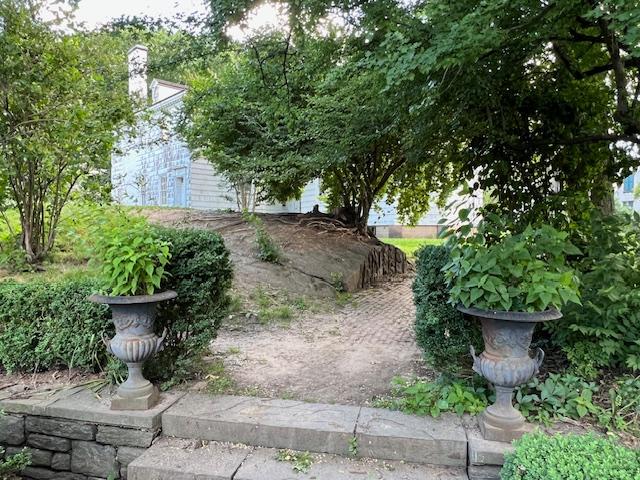
In the summer months, don’t miss the beautiful if somewhat rustic gardens that surround the house. It is very beautiful during the summer months. Check out their website for special events.

The Morris Jumel Gardens by the front gate.

The History of the Morris-Jumel Mansion:

The Morris-Jumel Mansion, Manhattan’s only remaining Colonial era residence is unique in its combination of architectural and historical significance. Built as a summer ‘villa’ in 1765 by the British Colonel Roger Morris and his American wife, Mary Philipse.

Roger Morris.jpg

Colonel Roger Morris

https://en.wikipedia.org/wiki/Roger_Morris_(British_Army_officer)

It originally commanded extensive views in all directions: of New York harbor and Staten Island to the south; of the Hudson and Harlem Rivers to the west and east and of Westchester county to the north. The estate named “Mount Morris” stretched over 130 acres from the Harlem to Hudson Rivers and the working farm grew fruit trees, and raised cows and sheep.

mary-philipse.jpg

Mary Philipse

https://en.wikipedia.org/wiki/Mary_Philipse

Colonel Morris was the son of the famous architect Roger Morris, a fact which may explain the extremely innovative features of the Mansion such as the gigantic portico, unprecedented in American architecture and the rear wing which was the first octagon built in the Colonies.

The house’s situation and large size made it ideal as military headquarters during the Revolution and it was occupied successively by Washington, General Henry Clinton and the Hessian General Baron von Knyphausen. As the Morris’s were loyal to Britain during the Revolution, so their property was seized and sold after its conclusion. In 1790, Washington returned for a cabinet dinner at which he entertained Jefferson, Adams, Madison, Hamilton and Colonel Knox among others.

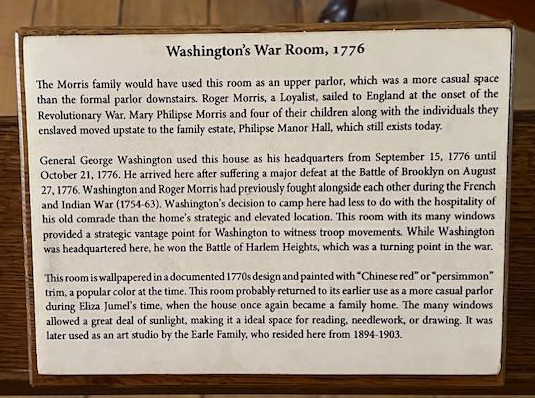
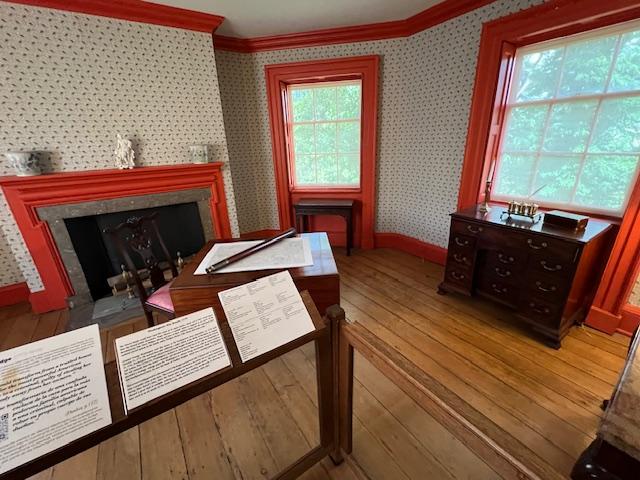
George Washington’s War Room on the second floor of the mansion

The later history of the house centers on the Jumel’s. Stephen Jumel was a wealthy French émigré, who married in 1804, his beautiful and brilliant mistress, Eliza Bowen. They bought the mansion in 1810. In 1815, they sailed to France and offered Napoleon safe passage to New York after Waterloo. Although he eventually declined the offer, they did acquire from his family many important Napoleonic relics-some of which can be seen in the blue bedroom on the second floor.

Morris-Jumel Mansion IV.jpg

Eliza Jumel and her family

https://en.wikipedia.org/wiki/Eliza_Jumel

Favorable tariffs and faster sailing technology made Atlantic trade in raw materials and luxury goods and luxury products highly lucrative.  Stephen made his fortune  as a merchant. Later as his business floundered, Eliza applied herself to the real estate trade, buying and selling land and renting properties downtown.

Morris-Jumel Mansion Entrance Hall with the portrait of King George’s brother

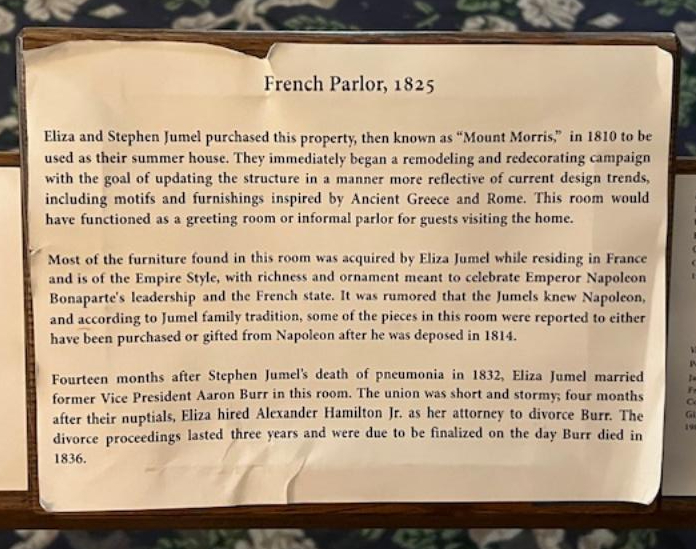
The sign for the French Parlor

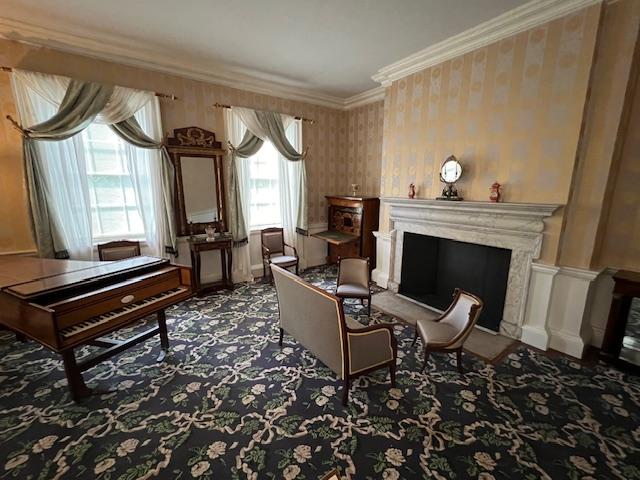
The French Parlor

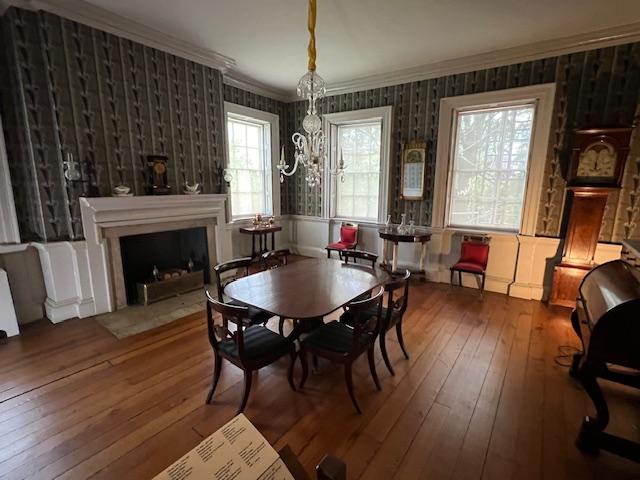
The historic sign for the Dining Room

The formal Dining Room

Her success made large profits for her husband and herself  at a time when it was very unusual for a woman to be so active in business. Stephen died in 1832 and Eliza married the ex-Vice-President Aaron Burr in the front parlor one year later.

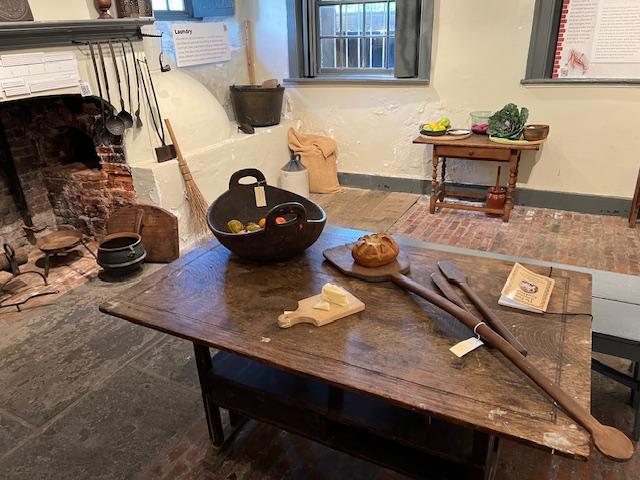
The Kitchen of the Morris Jumel Mansion is in the basement

The Kitchen preparing a Summer dinner

Preparing dinner in the Morris-Jumel Kitchen

https://www.morrisjumel.org/history

Eliza filed for divorce in 1833, a lengthy process which was not finalized until 1836 at the time of Burr’s death.  Eliza lived in the house until her death at age 90 in 1865, exactly 100 years after the mansion was built. On her death , she was considered one of the wealthiest women in America.  In 1904, the city of New York purchased the house and turned it into a museum.

The historic sign for Aaron Burr’s Bedroom

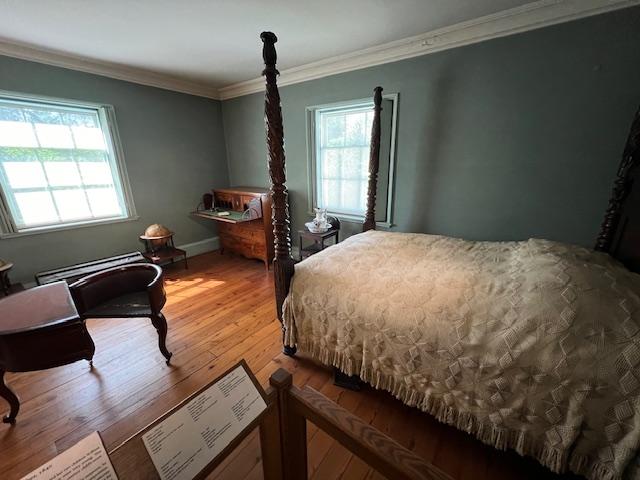
Aaron Burr’s Bedroom on the second floor.

Eliza Jumel’s Bedroom on the second floor

Eliza Jumel’s Bedroom

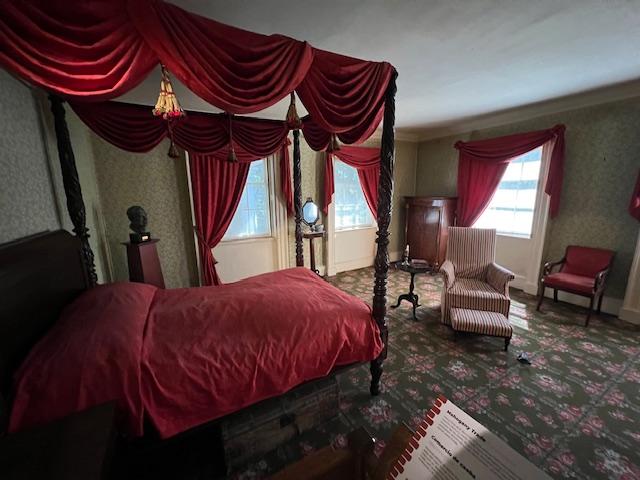
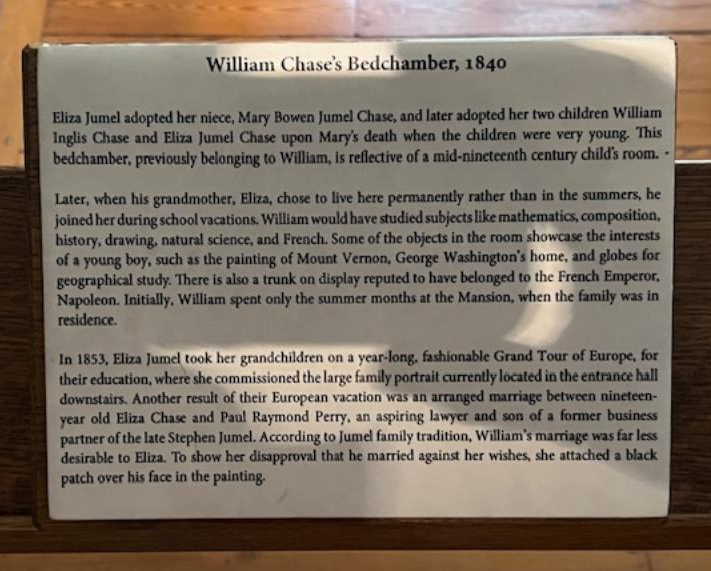
Mrs. Jumel’s grandson’s Bedroom is down the hall from the other bedrooms

William Chase, Mrs. Jumel’s grandson’s Bedroom

The upstairs Hallway and Gallery

Examples of the Mansion’s wallpaper that has been reproduced for the home.

Today, the mansion is the oldest remaining house in Manhattan and is a museum highlighting over 200 years of New York history, art and culture. The neighborhood surrounding the mansion is known as the Jumel Terrace Historic District.

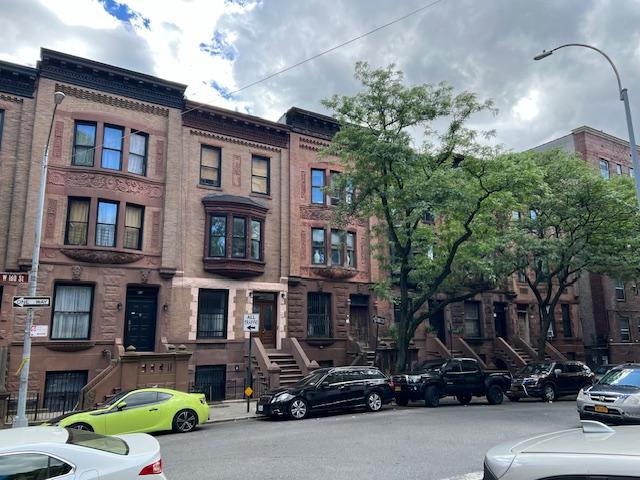
The Morris-Jumel Historic District

The Morris-Jumel Historic District

Faces stare at you from some of the brownstones

The Morris-Jumel Historical District

The hill that Roger Morris once called “Mount Morris” in the 18th century became better known as “Sugar Hill” during the Harlem Renaissance of the 1920’s.

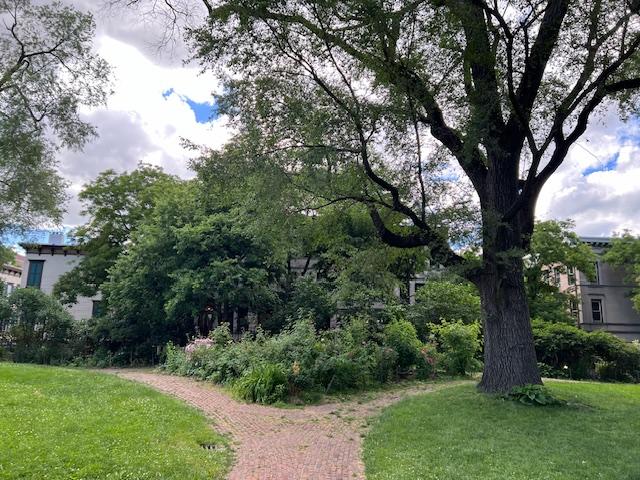
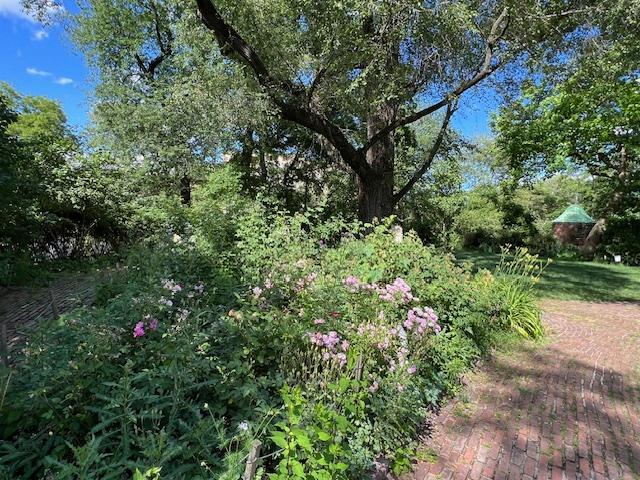
The Gardens were just starting to bloom late Spring in 2024

*The buildings in this district are protected by the New York Landmarks Commission and must be maintained as if they were new, so this is why the area has changed little over time. The Morris-Jumel Mansion is a proud member of the Historic House Trust of New York City and partner of the New York City Department of Parks & Recreation.

The Morris-Jumel Gardens in bloom in the Spring of 2024.

*This information is taken from the Morris-Jumel Mansion press release and pamphlet and from the New York City Parks Department. Please call or email the mansion in case times have changed or events planned.

The Gardens of the Morris-Jumel Estate by the historic district.

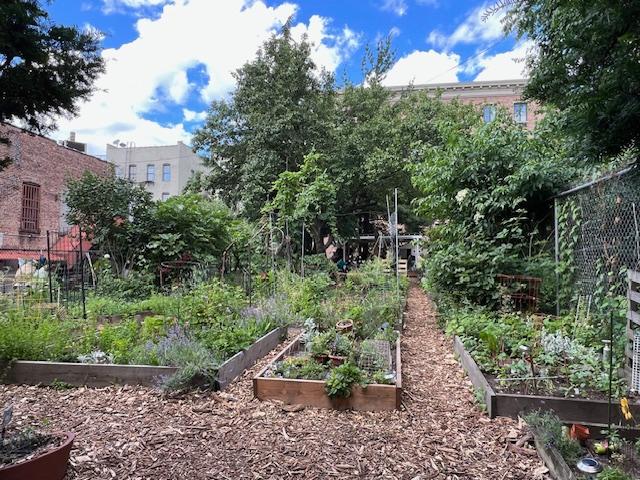
The Morris Jumel Community Garden at 455 West 162nd Street

https://www.grownyc.org/openspace/gardens/man/jumel

https://www.facebook.com/MorrisJumelGarden/

The Morris-Jumel Community Garden

The Morris-Jumel Community Garden

The Morris-Jumel Community Garden is to the north of the estate and is independent of the property. The garden is open for twelve hours a week to the outside community. It is very impressive and the residents do a good job in the planting and care of the gardens.

Welcome to ‘VisitingaMuseum.com’, a trip through unique small museums, cultural sites and parks & gardens in NYC and beyond.

Welcome to ‘VisitingaMuseum.com’, a trip through unique small museums, cultural sites and parks & gardens in NYC and beyond.

*Bloggers Note: because of the size, location and time of year these sites are open, the hours and cost to get in can change since the blog was written. Please check with the site’s website or call the site before you visit. Things change over time.

My name is Justin Watrel and welcome to ‘VisitingaMuseum.com’, a trip through cultural sites, small unique museums, historic mansions and homes and pocket parks & community gardens in New York City and beyond its borders. I created this blog site to cross reference all the cultural sites that I came across when I was traveling through Manhattan for my walking blog, “MywalkinManhattan.com”.
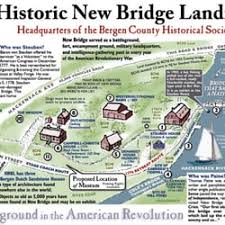
Bergen County Historical Society III

Historic New Bridge Landing

I was inspired by all these sites that I had missed over the years and never knew existed in New York City and its suburbs.  Many of these being in Bergen County, NJ where I live. I found that most people feel the same way. The only way you would know that these sites existed is by walking past them.

Schoolhouse Museum Ridgewood.png

School House Museum in Ridgewood, New Jersey

So I created this site to showcase all these smaller, largely unexplored ‘gems’ in Manhattan, the rest of New York City and places outside the greater New York City area. I concentrate on smaller, more off beat cultural sites that you might miss in the tour books or may just find by passing them on the street. This has lead me to  becoming a member of the Bergen County Historical Society in Riveredge, NJ as well as other cultural sites in the area.

Aviation Hall of Fame.jpg

The Aviation Museum in Teterboro, New Jersey

There is so many interesting historical sites, parks, gardens and homes to explore that I want to share it with all of you. They are tucked behind buildings and walls, locked behind gates or hidden behind trees only for you to want to discover them.

Ringwood Manor Christmas 2019

Ringwood Manor in Ringwood, New Jersey at Christmas

I want to give these smaller and unique ‘gems’ more exposure and ‘sing their praises’  to an audience (namely out of town tourists) who might overlook them. It is hard for a lot of these cultural site because of the lack of volunteers or volunteers getting older or the absence of money to properly advertise these sites.

Gallery Bergen Professor Show III

Juan Leon’s work at Gallery Bergen on the Bergen Community College campus in Paramus, NJ

So join me in the extension of “MywalkinManhattan.com” with my new site “VisitingaMuseum.com” and share the adventure with me. Join me also on my sister blog sites, “DiningonaShoeStringinNYC@Wordpress.com” and ‘LittleShoponMainStreet@Wordpress.com’ for restaurants and small shops.

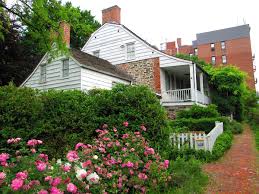
Dyckman Farm House II.jpg

The Dyckman Farm in Washington Heights in Manhattan

These sites featuring all sorts of small restaurants, bodegas and bakeries, where a quality meal can be had for $10.00 and under and unusual stores with unique merchandise that just stand out in their respective neighborhoods. It is important to support small business owners especially in this economy.

Lucy the Elephant

Lucy the Elephant in Margate, NJ

So, join me here as I take “MywalkinManhattan” to some unique and special historical sites and open spaces the New York Metropolitan area and beyond.