Tag: addthistoyourgrocerycart@Wordpress.com

Olana State Historic Site                                    5720 Route 9G                                               Hudson, NY 12534

Olana State Historic Site 5720 Route 9G Hudson, NY 12534

Olana State Historic Site

5720 Route 9G

Hudson, NY  12534

(518) 828-0135

Open: 11:00am-3:00pm (check the website for seasonality)

Directions: Located on Route 9G, five miles south of Hudson. Take NYS I-87 to Exit 21, Catskill. Take Route 23 over Rip Van Winkle Bridge. Bear right on Route 9G south. Olana is one mile on the left. Or visit our websites at http://www.Olana.org and http://www.nysparks.com.

Hours: House available by guided tour only. Call for days and hours or visit http://www.olana.org. Reservations suggested; group tours by advance reservation only. Grounds open 8:00am-sunset year around.

http://www.nyparks.com

http://www.olana.org

Admission: $10.00 Adults (Tickets depend on the type of tour you are taking)

TripAdvisor Review:

https://www.tripadvisor.com/Attraction_Review-g47931-d263717-Reviews-Olana_State_Historic_Site-Hudson_New_York.html?m=19905

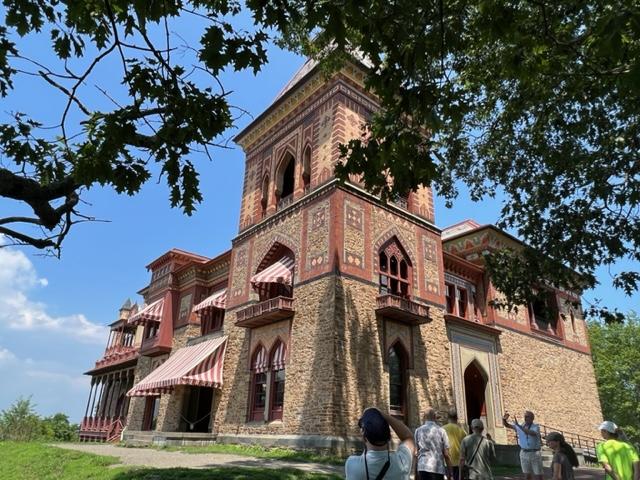
The front of Olana when we toured the house.

I had not been to the Olana Mansion since 2014 and it was finally nice to see it during the summer when everything was in bloom. The tours were every hour of the day during the warmer months with several types of tours available at different prices. There was a house and garden tour for two hours which I had just missed so I took the house tour.
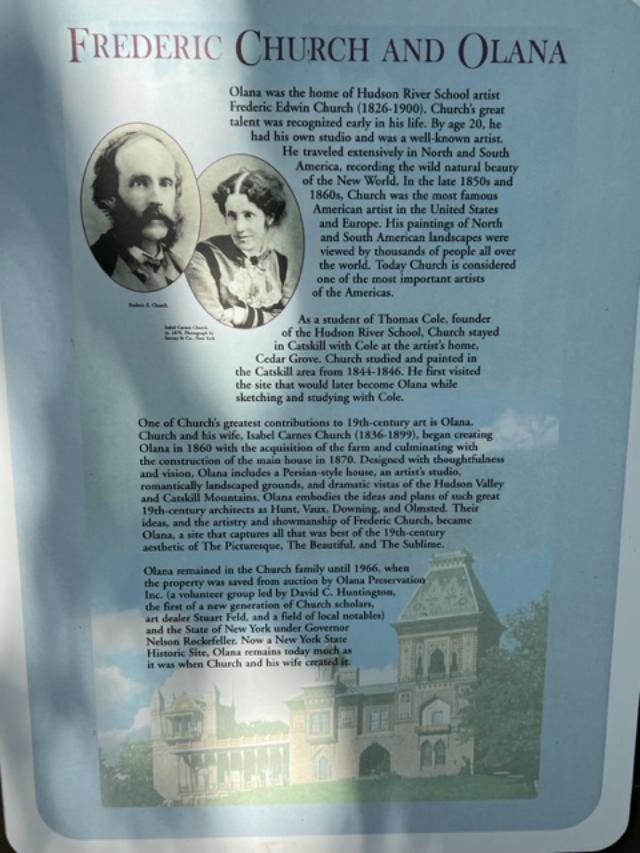
The story board of Olana pf the family

The house is filled with original family furnishings from when the house was almost sold off in the 1960’s. An industrialist saw a reason to save the house for future generations and raised the money to keep everything intact. It gave us a glimpse into the life of artist Fredrick Church and his family. The tour consists of all the bottom floors of the house and the garden. The unique part of the tour is that the man who was our tour guide partner was the last Mrs. Church’s grandnephew. So, he remembered visiting the house as a child.

We started the tour in the formal gardens that have been replanted. They were in full bloom giving us insight to how the grounds were once landscaped. The gardens were made up of mostly local flowers that were native to the area.
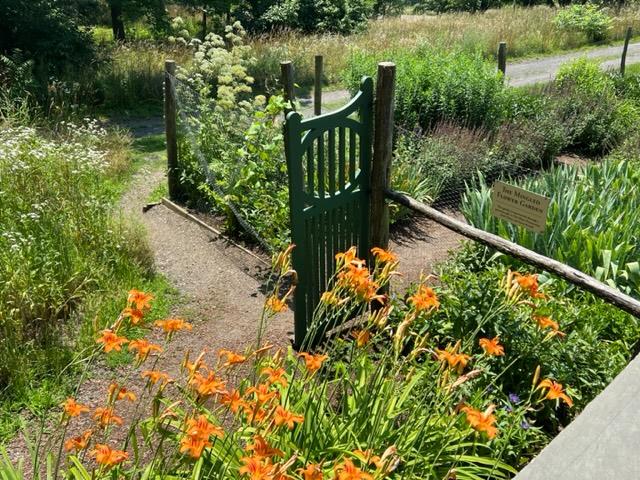
The formal gardens of Olana

The Olana gardens leading to the house.

We explored the views from the porch to see what the family would have experienced when they were at the house in season. There are breathtaking views of the Hudson River and the surrounding Catskill Mountains from the porch of the house. Things have grown in since the family’s time, but it still offers amazing vistas.
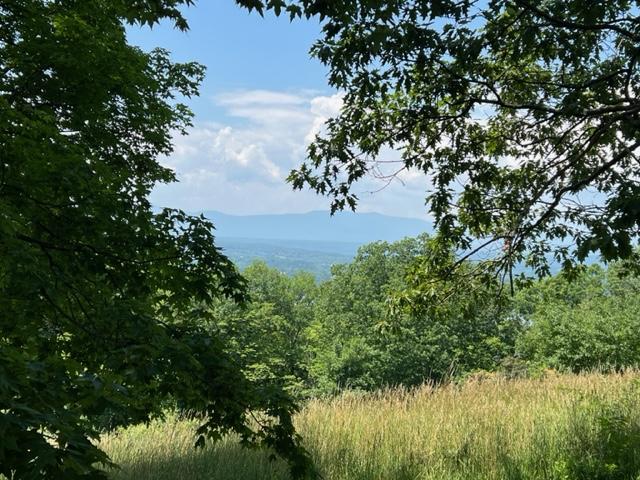
The views are beautiful from the porch.

We then toured the house’s first floor where the family did their receiving of guests, their social rooms and the offices of both Mr. & Mrs. Church. Each of the rooms still contained family heirlooms and original furnishings. We started with the Receiving Room where guests would wait to be welcomed by the family or leave a calling card that they were making a visit.

The Receiving Room in the front of Olana

When you look at the walls of the room, it is decorated with Fredrick Church’s artwork. The tour guide told us that the house had the largest collection of Fredrick Church’s paintings in the country. I took this attribute as these were the pieces that he did not sell at the time. The works of the Hudson River School and of his travels abroad were very interesting and lively.
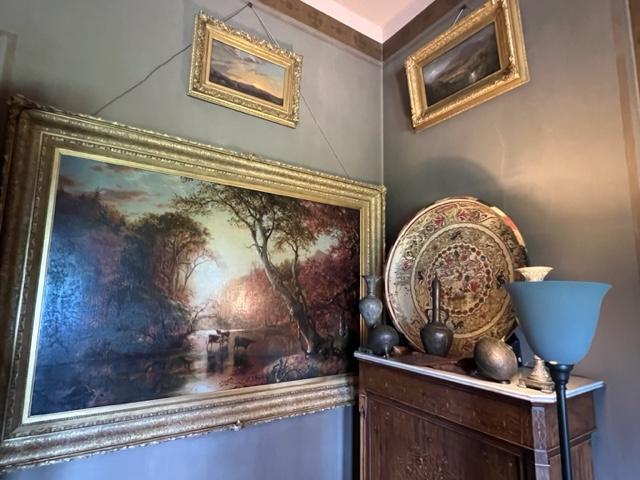
Fredrick Church paintings that line the house.

We toured the house room by room admiring the furnishings and all the artwork of Fredrick Church that lined the walls of the house. This included family members including his wife, Isabel Carnes Church, his partner for the rest of his life.

Isabel Carnes Church, the mistress of the house

On his many trips abroad, Fredrick Church painted many of the sites he had visited that included the Far and Middle East.
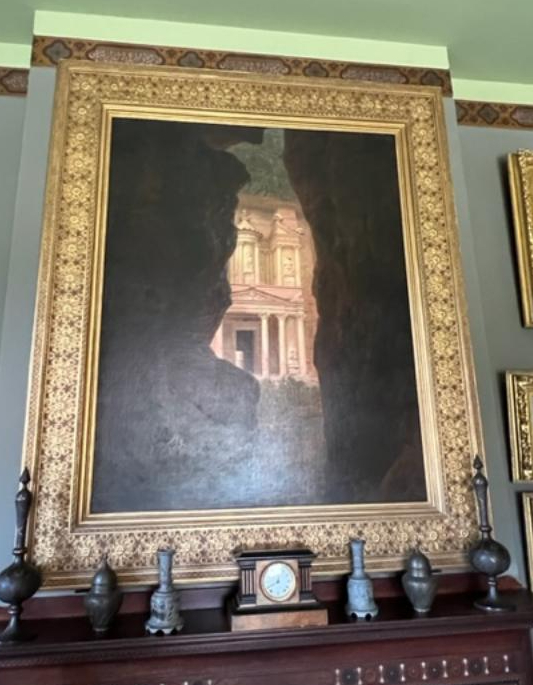
Fredrick Church’s painting of “Petra” in the Middle East.

Both Mr. and Mrs. Church kept up social appearances on top of their work. They had a steady stream of guests visit the house and there was a lot of entertaining here.
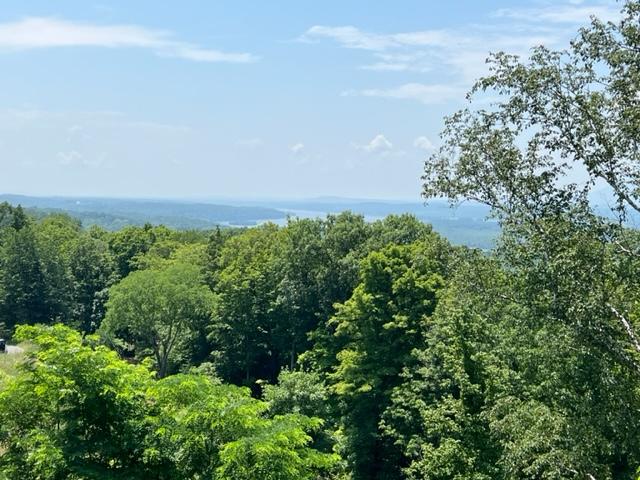
The view from the porch
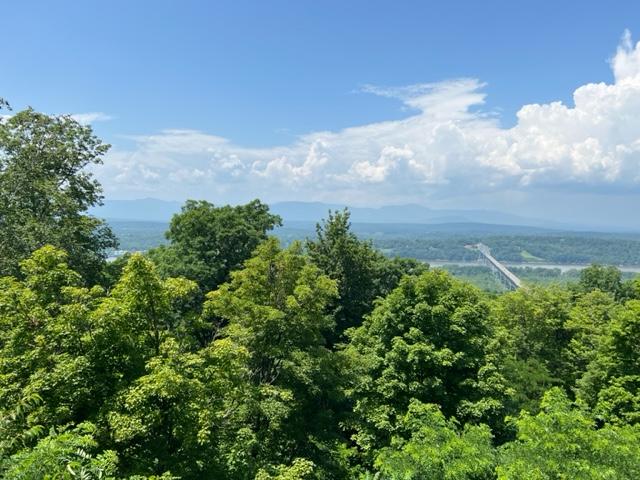
The view from the other side of the porch

We next visited the parlor, where the family would gather when they were staying at the house. There were many exotic furnishings from their trips on top of the personal family items. There were musical instruments to keep the family entertained when they were home.

The family piano in the Parlor

The formal Dining Room was more personal with a dining table that extended out for twenty people or open enough for the family to diner in this room.
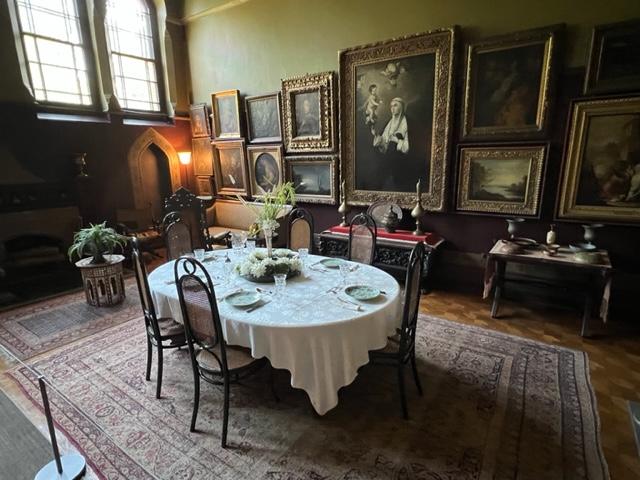
The formal Dining Room
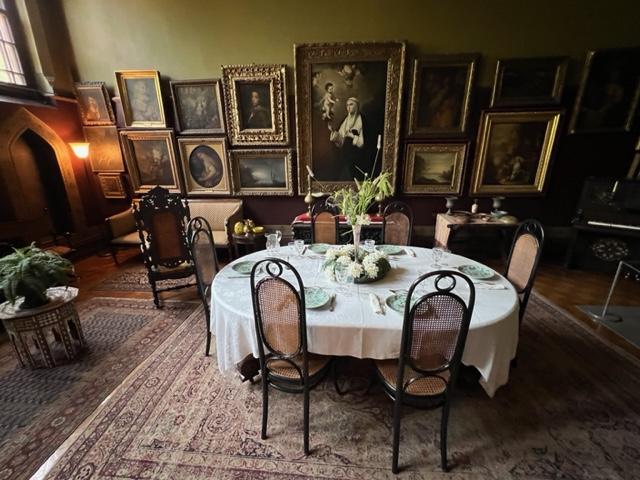
The formal Dining Room with the collection of painting that the family acquired when they were aboard.

As we finished the visit to the public rooms of the home, we toured the outside of the home as well as we exited out the side door.
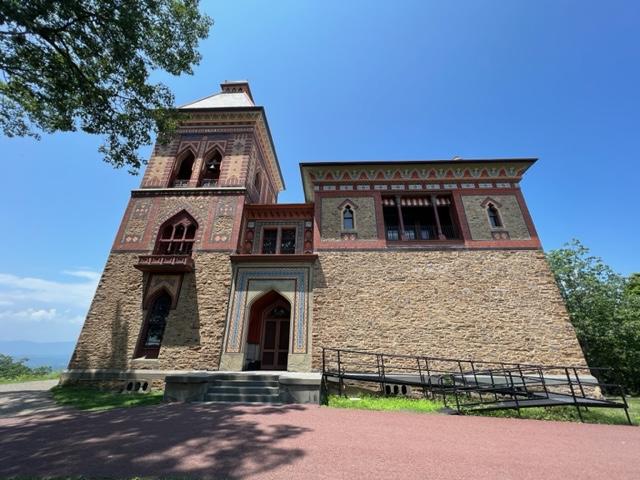
The side view of Olana

When we looked up at the home with its combination of Morrish and Arabic design we saw four teapots at the top of the tower. When asked what they meant and why they were there, no one including the tour guide knew. It was figured by a group of landscape architects that it may have something to do with longevity or renewal. This secret died with the family.
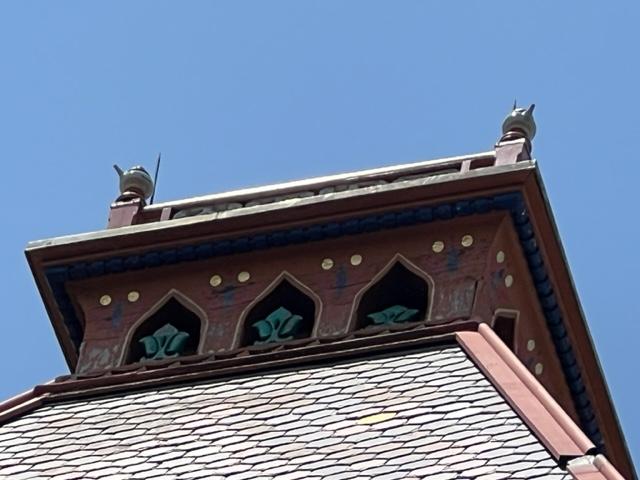
The teapots line the roof.

The tour is very interesting and gives you a view on the house and on the family who lived there and how they lived when they were in residence here. They entertained, they worked, they traveled, and they made great art. The location on the hill in the Hudson River Valley shows their investment in the location. This was all kept intact after the 1960’s for us to enjoy.

The views of the Hudson River Valley

History of Olana:

Olana, one of the most important artistic residences and planned landscapes in the United States, is the last and perhaps greatest masterpiece created by Hudson River School artist Fredrick Edwin Church (1826-1900). Church designed the landscape and his Persian style home on and around the same hilltop where, as an eighteen year old student, he sketched spectacular views of the Catskills and the river alongside his mentor Thomas Cole.

The view of the house from the back.

Even in an era defined by personal architectural statements, the home of Fredric and Isabel Church was unique. Delight in the Moorish details of the building and each room. View the original furnishings of the house and walk or jog along the paths and carriage drives of the surrounding landscape, also designed by Church. A designated National Historic Landmark, Olana State Historic Site opened to the public in 1967. The house, its contents and the landscape still look very much as they did in Church’s day.

The inside of Olana in the main rooms

The views of the Hudson River from the porch of the house

Decorations in the historic garden

The story of the grounds and the estate
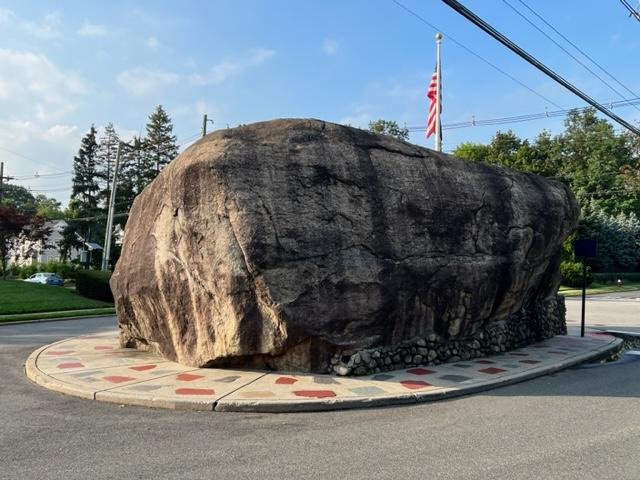
The ‘Rock’ on Rock Road off Downtown                             Glen Rock, NJ 07452

The ‘Rock’ on Rock Road off Downtown Glen Rock, NJ 07452

The “Rock”

Rock Road

Glen Rock, NJ 07452

https://www.glenrockhistory.org/photography

TripAdvisor Review:

https://www.tripadvisor.com/Attraction_Review-g46466-d2549392-Reviews-The_Rock-Glen_Rock_New_Jersey.html?m=19905

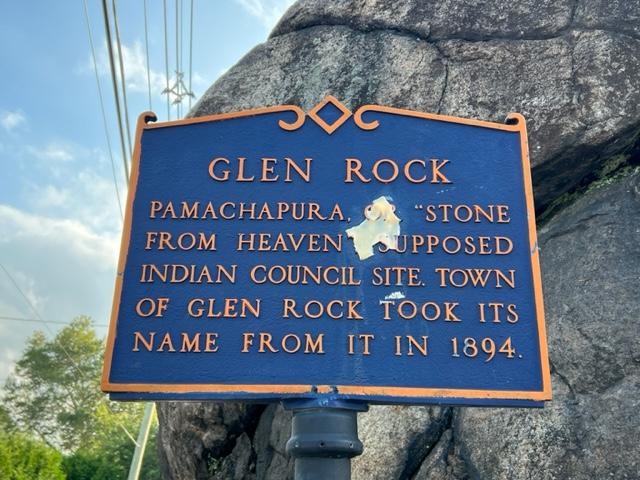
The Rock in Glen Rock, NJ.

The ‘Rock’ where the town of Glen Rock, NJ gets its name from is more than just a rock in the middle of road off the downtown. It has a rich history that is part of the history of Bergen County itself.

Glen Rock was settled around a large boulder in a small valley (glen) from which it gets its name. The boulder, a glacial erratic weighing in at 570 short tons (520t) and located where Doremus Avenue meets Rock Road is believed to have been carried to the site by a glacier that picked up the rock 15,000 years ago near Peekskill, New York and carried it for 20 miles (32km) to its present location.

The Lenape Native Americans called the boulder “Pamachapuka” (meaning ‘stone from heaven’ or ‘stone from the sky’) and used it for signal fires and as a trail marker (Wikipedia).

The Glen Rock Rock

This is an interesting part of Bergen County’s early Native American history and is located right off the downtown area of the town on Rock Road.

The Schoolhouse Museum-Ridgewood Historical Society                                                                  650 Glen Avenue                                                                Ridgewood, NJ 07450

The Schoolhouse Museum-Ridgewood Historical Society 650 Glen Avenue Ridgewood, NJ 07450

The Schoolhouse Museum-Ridgewood Historical Society

650 Glen Avenue

Ridgewood, NJ  07450

(201) 447-3242

RidgewoodHistoricalSociety@Verizon.net

Open: Sunday 2:00pm-4:00pm/Monday-Wednesday Closed/Thursday and Saturday: 1:00pm-3:00pm (please check the websites for changes in the schedule)

Admission: Donation $5.00

TripAdvisor Review:

https://www.tripadvisor.com/Attraction_Review-g46772-d10353516-Reviews-Schoolhouse_Museum-Ridgewood_New_Jersey.html?m=19905

The Ridgewood Schoolhouse museum:

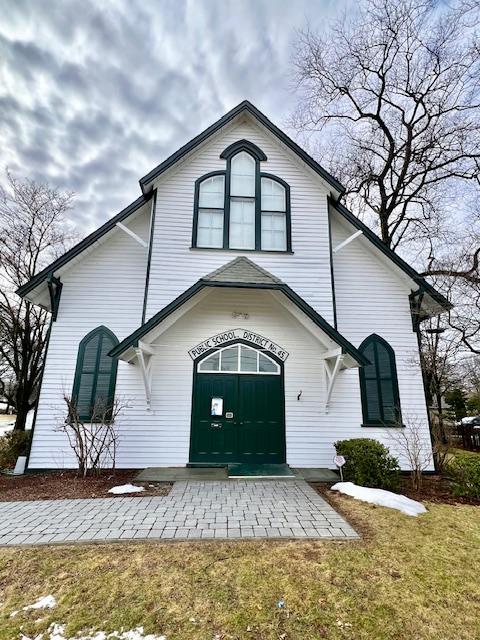
The Front of the museum

The historical sign

The historic sign

The front of the building

I have visited this interesting small history museum a few times and they do a wonderful job in presenting their displays with interesting facts catering not just to a local crowd, but anyone interested in history and events.

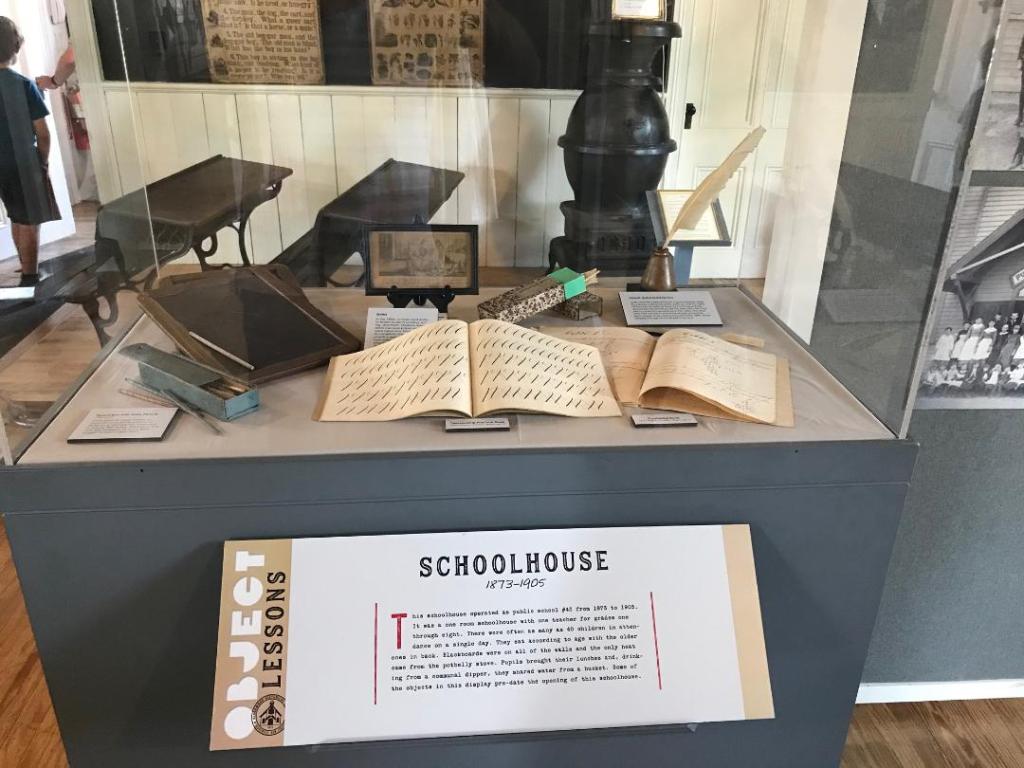
The one-room schoolhouse, built in 1872, operated as a public school until 1905. It was part of the district school system formed in 1864 or 1865, which was geographically defined rather than by township. It was operated as School District No. 45. When the towns incorporated in 1894, that district system was dissolved, and the school became part of the Ridgewood school district.

The Ridgewood Schoolhouse Museum’s permanent collection

Tradition has it that the original land grant to the Dutch Reformed congregation from Pierre Fauconier and his daughter, Magdalena Valleau, stated that room should always be given upon the church land for a school. We know that a small school building opened in 1785. A second stone school was built in 1820 and eventually replaced by a frame structure in 1845.

Eventually the present schoolhouse was built in 1872 at a cost of $4600.00. It is likely that other schools existed on the church property from the time the church was built in 1735 to 1785, for the consistory assumed responsibility for education and the exact time when that responsibility was handed over to the public is not known.

The large bell summoned children from miles away to school each morning. The original belfry is gone but the bell stands in the entryway. It was used in other schools and a church after the school closed in 1905 but was returned to the historical society in 1977.

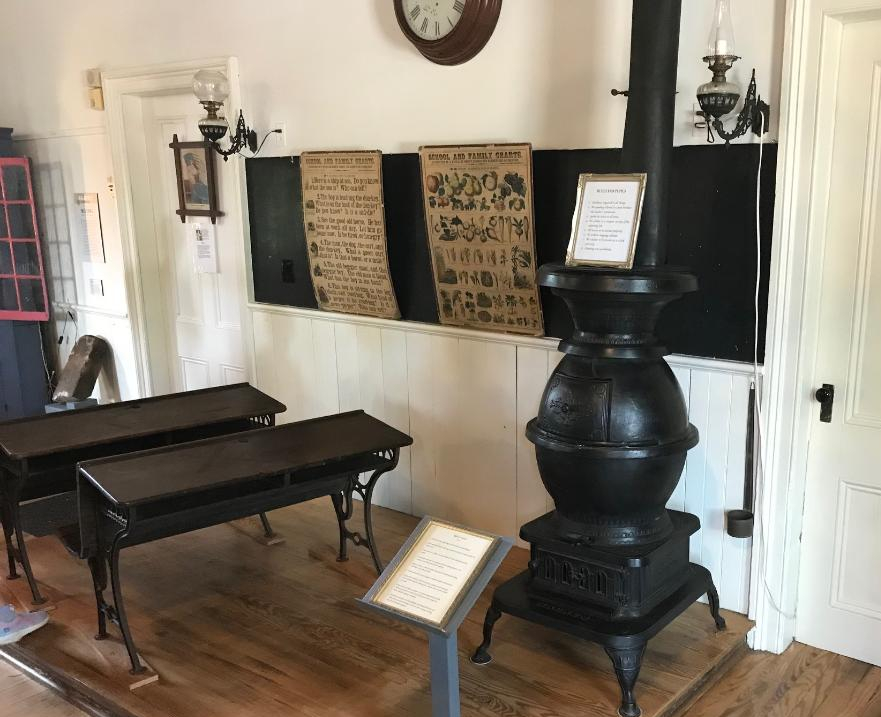
The original entry was divided into separate entrances and cloakrooms for boys and girls. The potbelly stove is original as are the windows and the two central lamps. The black boards around the room have been removed except for one behind the teacher’s platform.

There is a recreation of the old schoolhouse when you walk into the museum

When the Historical Society started the museum, the privy building was attached to the main building to provide more display area. In their special display area, they have an exhibition space for farming and a local comedian.

The schoolhouse display

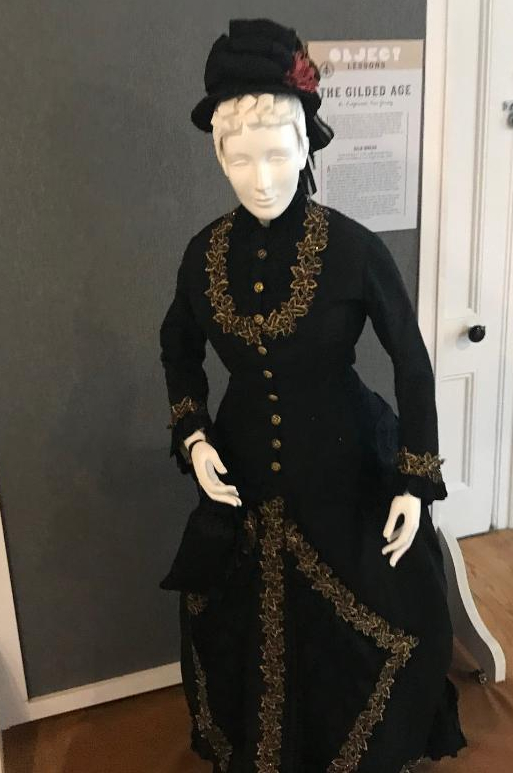
In April 2018, they have a very interesting exhibition call “The Thread of Life” which tells the story of family’s progression in home life from the end of the Civil War until the beginning of the Depression and times changed between the Civil War and WWI. Between the Victorian Era, the sinking if the Titanic and the devastation of WWI, the baby boom of the teens and the ‘Roaring Twenties’ with the stock market built changed the attitudes.

The way of life for an entire generation until the Great Depression put a halt on it. You can see the changes of behavior in the displays of clothes and household decor. It is an interesting display.

A Morning Outfit during the Victorian Age

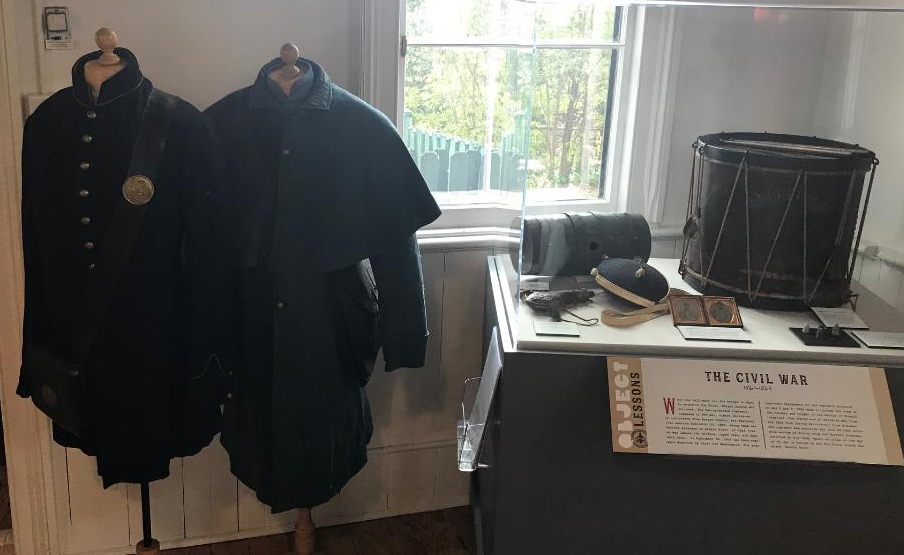
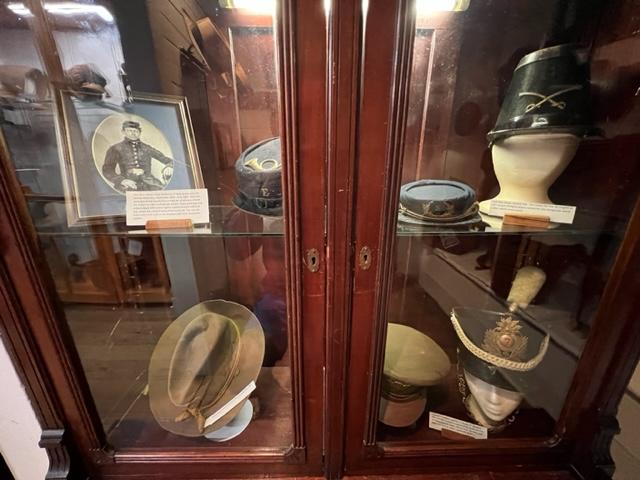
Union Army outfits and display for the “Civil War” artifacts

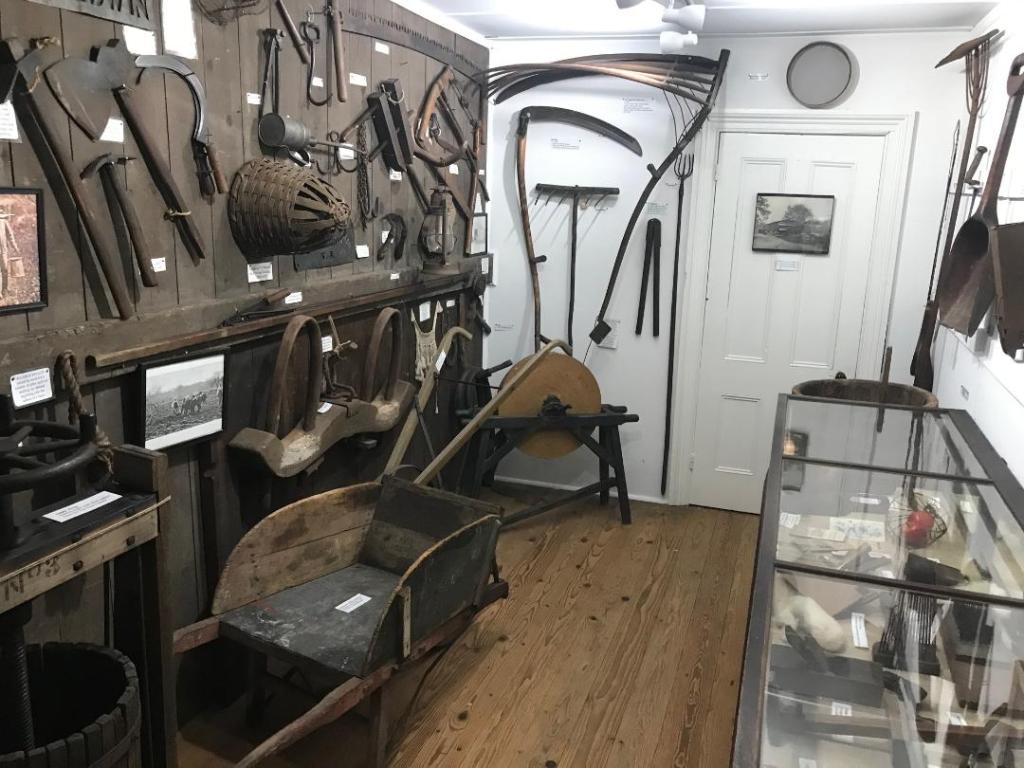
They also have an ongoing exhibition of farm equipment and a continuation of their “Farming in Bergen County” exhibition that just closed before this show. This is how farmers of Bergen County produced their crops.

Dutch items in the collection

The Blauvelt, Zabriskie and Haring families are known farming family names in Bergen County and were important in business and politics during the after the Revolutionary War.

The “Farming and Agricultural” display

Also, see their ‘Halloween Cemetery Walk” in my blog, “MywalkinManhattan.com” entry “This is Halloween” Day Ninety-Six, October 31, 2017. Don’t miss it this year!

Day Ninety-Six: This is Halloween-MywalkinManhattan.com:

https://wordpress.com/post/mywalkinmanhattan.com/7062

The Cemetery Walks in October are extremely popular

Don’t miss the “Here comes the Brides” exhibition that just opened up in May of 2019. It shows the history of formal wear for weddings along with accessories, menswear, invitations and even cakes toppers.

Schoolhouse Museum II.jpg

‘Here comes the Bride’ Exhibition 2019

In July of 2020, as Phase Three of the Opening in the State of New Jersey, the Museum is now open from 2:00pm-4:00pm for viewing with a new exhibition “A” is for Artistry: Celebrating Centuries of Art, Artists & Creativity”. The exhibit is a combination of local donated art and heirlooms from Ridgewood and the surrounding towns.
The Exhibition “A is for Artistry”

There are interesting displays of early photography and portrait painting as a way of preserving a persons’ image for the future. The use of oil painting, tin and then photo ‘sittings’ came in vogue as the technology changed.

Portraits were the form of imagetry before photography was invented

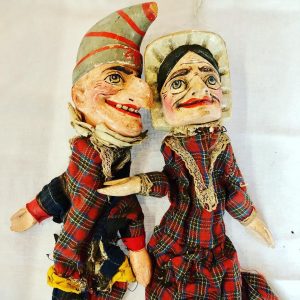
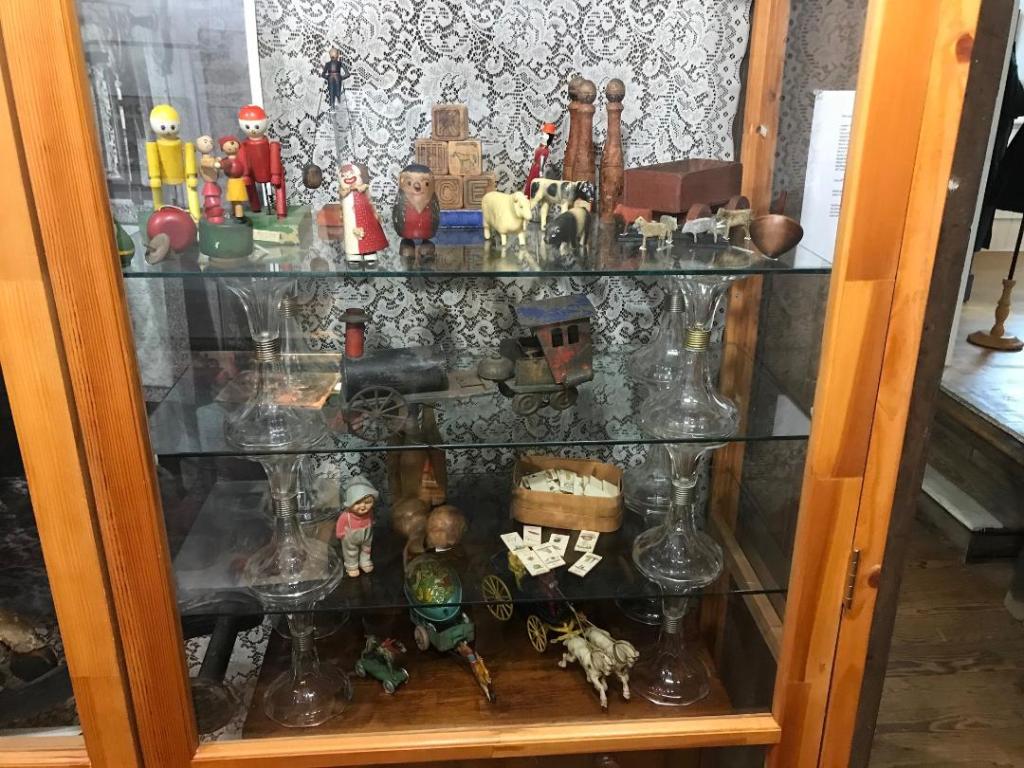
There was an interesting display of Children’s toys from the handmade farm toys of clay and corn husks to the fancier toys of bisque and cloth when imports and specialty toy stores were created for children’s playthings. They even had a collection of the famous “Punch & Judy Dolls”.

The Punch & Judy Dolls at the “A is for Artistry” exhibition

Children’s playthings over the last two hundred years

Another standout of the exhibition was the display from General Westervelt, a local citizen of Bergen County whose shipping expertise helped the North during the Civil War. His use of navigation and sailing was a detriment to the South and there was a $1000.00 bounty on his head. He died during the Civil War.

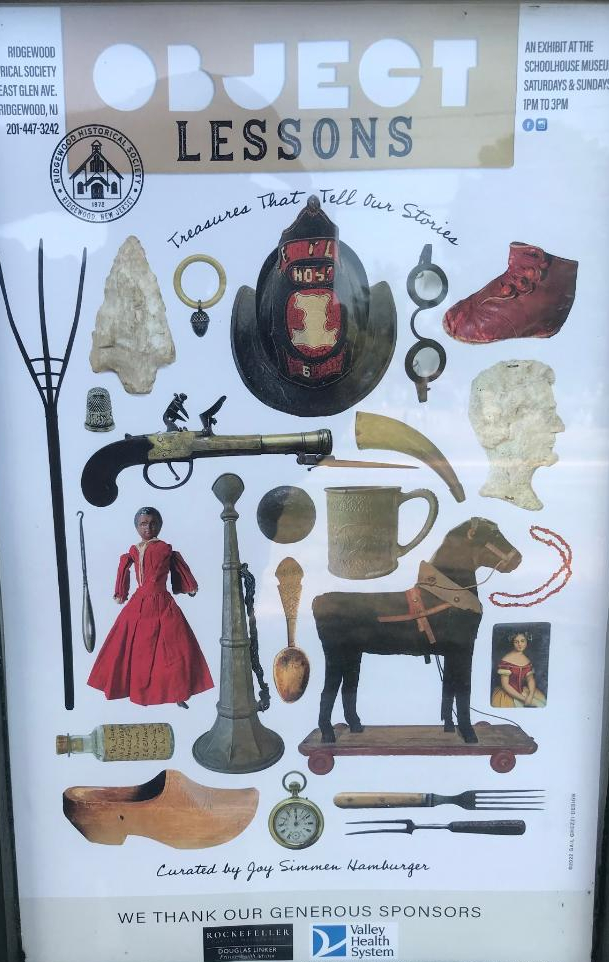
The “Object Lessons-Treasures that tell our Stories” exhibition

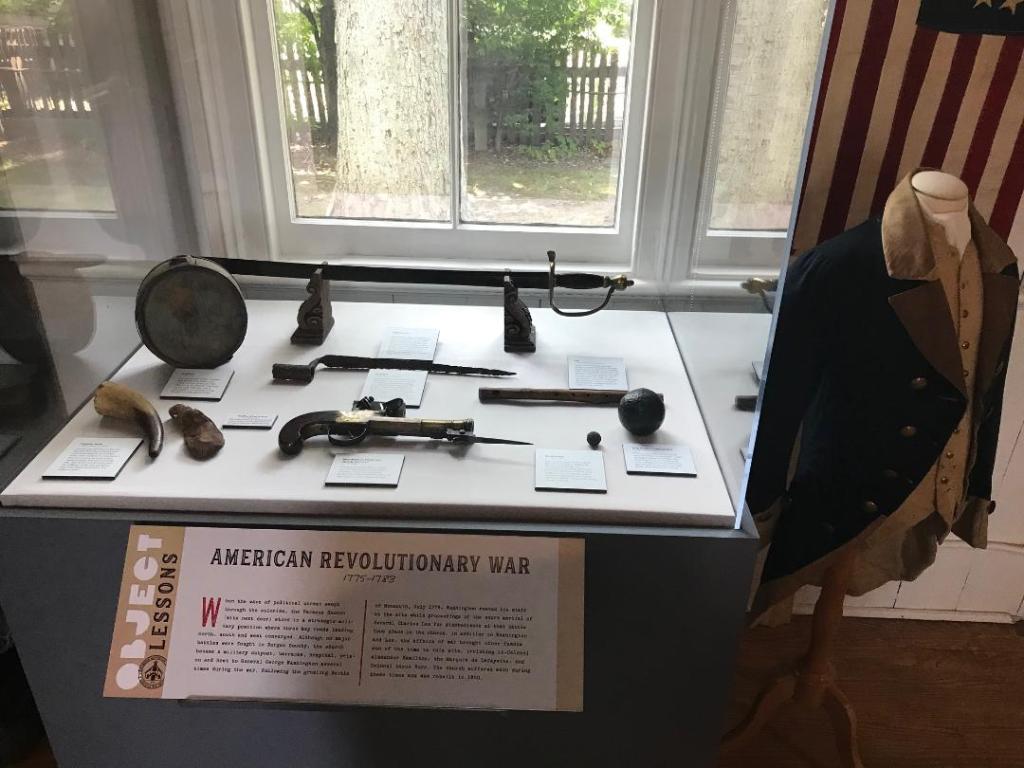
In 2022, when the Museum reopened after a long closure with COVID, they opened with two exhibitions: One was “Object Lessons-Treasures that tell our stories”, in which household objects, farming equipment and all sorts of artifacts from the pre-Revolution, Revolutionary War and Civil War periods were shown. It showed the progression that life took for families between the Revolutionary War and the beginnings of the Victorian Age.

“American Revolutionary War” display

They had local Dutch family heirlooms such as chests, cabinets, china, clothing and even documents. The average Dutch family kept their family linens, china, silver and bedding in a locked chest as these were valuable family luxuries that needed protection and proper care.

Dutch Chest with family items that were locked up.

There was a “Lincoln display” at the museum. They had a copy of the poster from the night that President Lincoln was assassinated at Ford Theater during the performance of “My American Cousin”. There was a family shot of the Lincoln family and items from the period.

The “Lincoln Display” that showed an original poster from “Our American Cousin” the night Abraham Lincoln was assassinated.

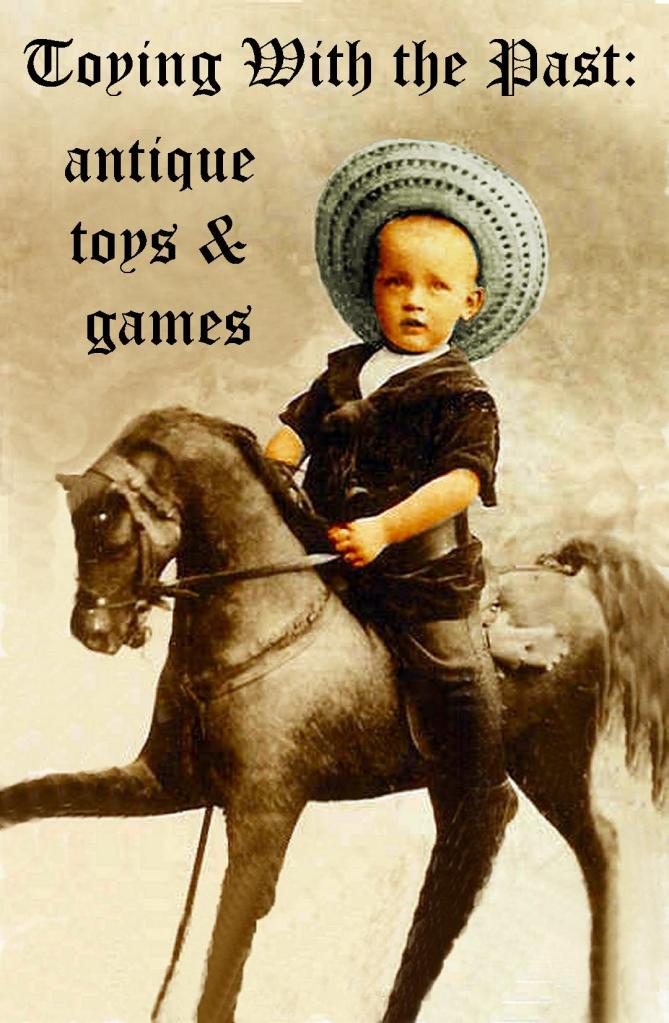
The other exhibition was “Toying with the Past: Antique Toys & Games”:

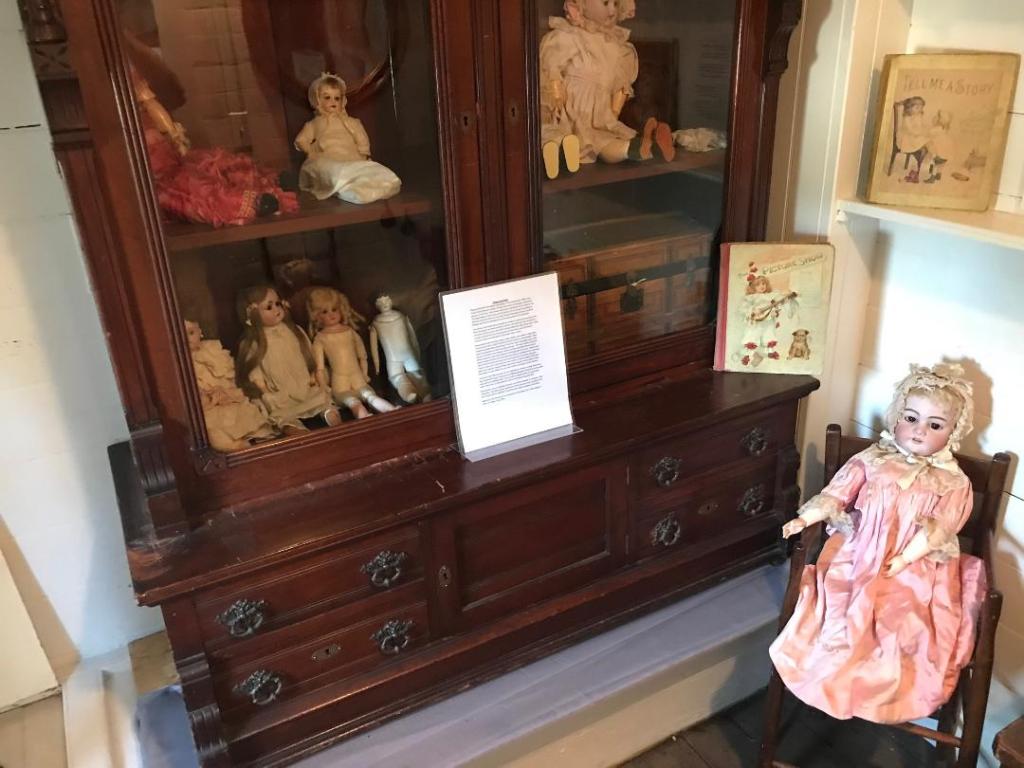
Toying with the Past was an interesting exhibition in that it showed how much toys have developed and changed over the years and how much they have stayed the same. There was a beautiful collection of china and bisque dolls, some that were made as playthings and others used as marketing tools to show women the latest fashions coming out of Europe. The dolls would be dressed in the dressmakers’ newest designs.

The Doll Collection is beautifully displayed

There were older versions of modern board games, everyday items like marbles and Jaxs. There were kitchen-based items that a little girl might be given to improve her domestic skills and there was even an early version of an “Easy Bake Oven”, with an electric oven that could be plugged in and boil water.

The items a young girl would receive to prepare her for homelife

Fancy rocking horses and dolls

Vehicles and Board Games that sparked children’s imagination

More dolls and vehicles over the last 100 years

There was also all sort of toys on wheels and rocking horses that could entertain a grumpy child for hours. They even had a selection of play clothes and school items to show what classroom work was like at the turn of the last century.

Childhood was changing for young people after the Civil War and during the Victorian Age

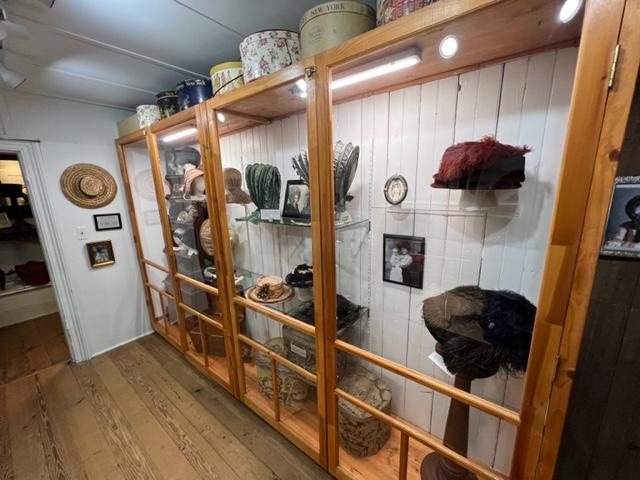
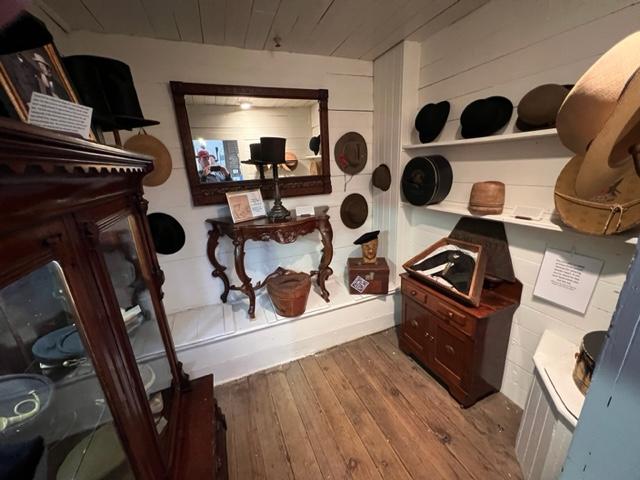
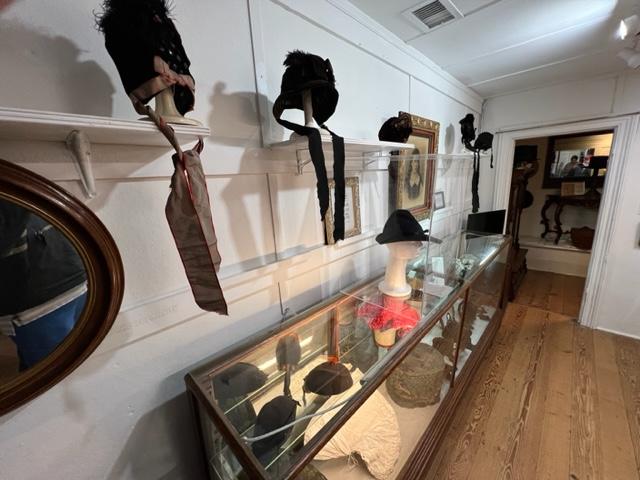
The Latest Exhibition that was on display in April 2023 was the “History of Hats” that replaced the Toy exhibiton:

Hats from all ages

Men’s hats through the ages

Military Hats

General’s Hat

Ladies bonnets

‘Fashion of the 1880’s’

Special Events and Lectures at the Museum:

Don’t miss their ‘Cemetery Walks’ during the day. I took one recently at the old Dutch Reformed Church and we discussed the history of the church, the location of the old church versus the building of the new one, which is why the cemetery looks the way it does and the locations of the tombstones as well as how time and advancement in carving went from sandstone, which fades and chips over time when to the production of granite and marble for future tombstones.
The Cemetery Walks in Valleau Cemetery across from the museum

The cemetery is filled with names famous and prominent in Bergen County and North Jersey history which includes participation in the wars and the building of Bergen County including the Westervelt’s, Van Riper’s, Haring’s, Zabriskie’s, Terhune’s, Demerest’s, Blauvelt’s and Tice’s families. It is a fascinating place to learn Bergen County history and its development.

Ridgewood Cemetery Tour

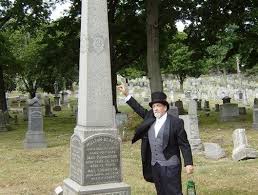
The Cemetery Tours that take place the week before Halloween are interesting as well. The paths of the Valleau Cemetery in Ridgewood are lined with candles and you follow the path with the town historian who takes you on a creepy tour of the famous dead residents of Ridgewood. These include prominent athletes, business people and local laborers. You pretty much tour about a third of the cemetery as you move from one tombstone to another met by costumed actors, who they themselves have to sit in the cemetery in the dark waiting for you. That is a horror movie into itself.

The Valleau Cemetery Walk and Lecture

The best part of the tour is you are greeted at the museum with a tour of the museum and a table laden with fresh apple cider and cider doughnuts that make the perfect refreshment on a cool fall evening. Make sure to take the 7:00pm tour when it is dark out and make the reservation well in advance as these tours fill up fast.

Taking the Cemetery Tours is interesting!

Don’t miss their upcoming tours for Halloween, Christmas and their lecture series.

Please check out the museum’s website for all their very original special programming.

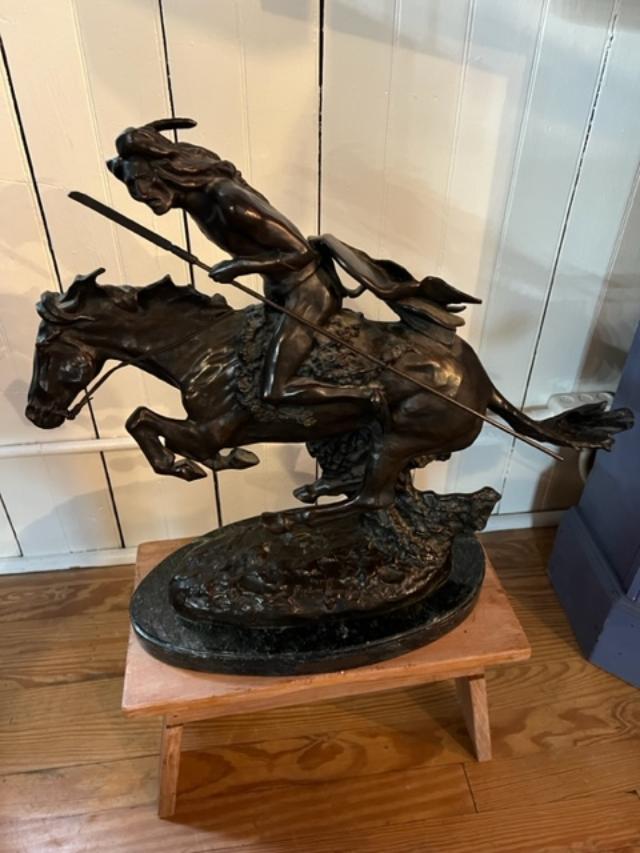
The museum’s latest acquisition, a Native American on horseback

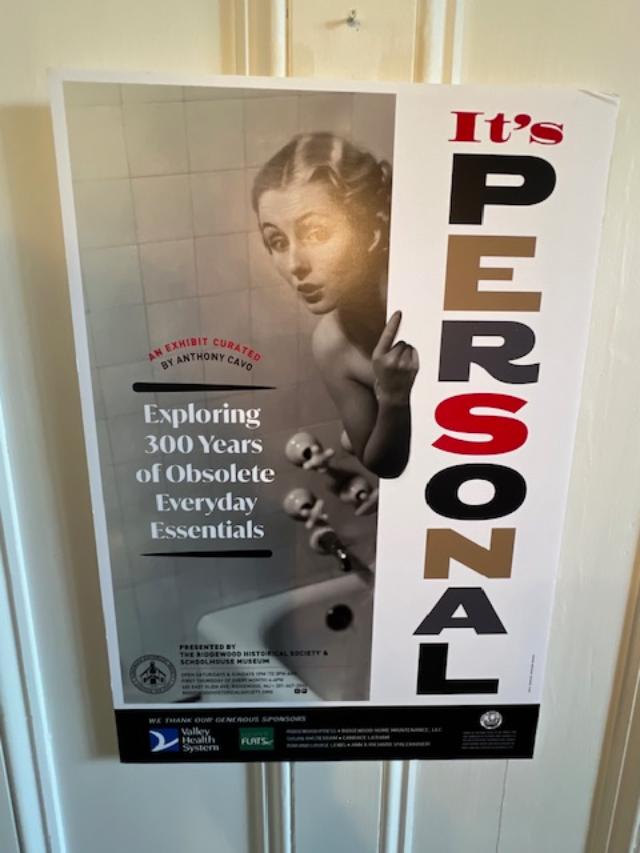
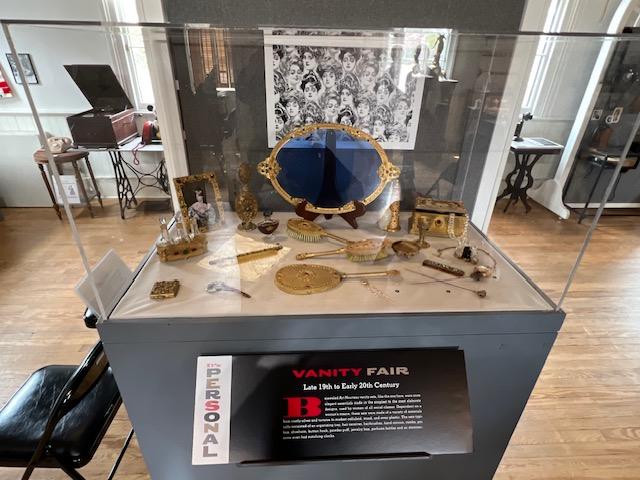
For the 2024 Northwest Bergen Historic Coalition Day, I visited the museum again and they were having an exhibition entitled “It’s Personal-100 years of obsolete Everyday Essentials”. It made me feel old when I saw a rotary phone, ink well and some of the other items that were in the exhibit. Some of them were from my generation and I do not consider myself old.

The sign from the “It’s Personal” exhibition.

The entrance to the Ridgewood Schoolhouse Museum for the “It’s Personal” exhibition

The Ridgewood Schoolhouse Museum “It’s Personal” exhibition.

The Ridgewood Schoolhouse Museum “It’s Personal” exhibition.

The Inkwell display at the “It’s Personal” exhibition to be replaced by the modern pen.

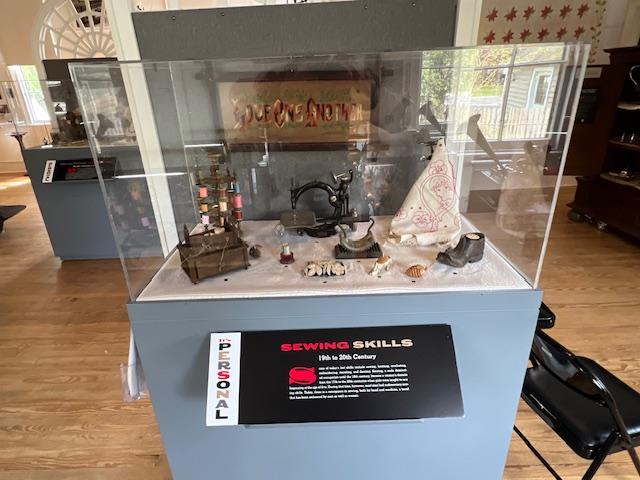
The Sewing Kit at the “It’s Personal” exhibition to be replaced by the modern sewing machine than by Ready to Wear clothing.

The Vanity which is still in use depending on the person in the “It’s Personal” exhibition.

The development of the phone and then the change to the modern cell phone in the “It’s Personal” exhibition.

The exhibition was interesting because its takes the modern perspective of the development of objects and their use over the last 100 years and show them with a modern twist on how times continue to change.

Muscota Marsh                                                                                     West 218th Street and Indian Road                                                    New York, NY 10034

Muscota Marsh West 218th Street and Indian Road New York, NY 10034

Muscota Marsh

West 218th Street & Indian Road

New York, NY 10034

(212) 639-9675

https://www.nycgovparks.org/parks/inwoodhillpark

https://www.nycgovparks.org/highlights/muscota-marsh

Open: Sunday-Saturday 6:00am-1:00am

Fee: Free/ Inside Inwood Hill Park

My review on TripAdvisor:

https://www.tripadvisor.com/Attraction_Review-g60763-d21055137-Reviews-Mucota_Marsh-New_York_City_New_York.html?m=19905

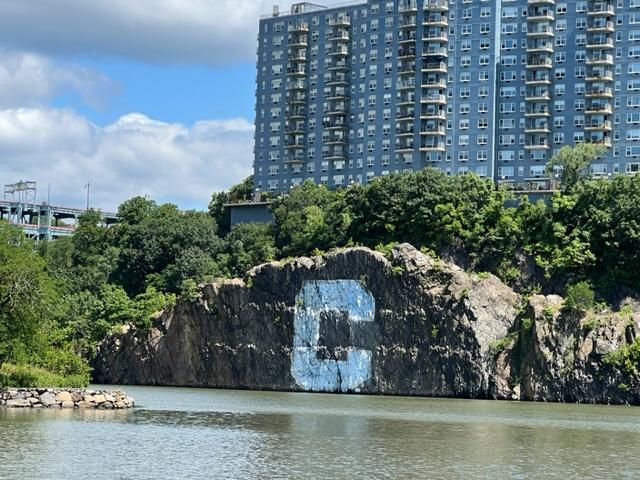
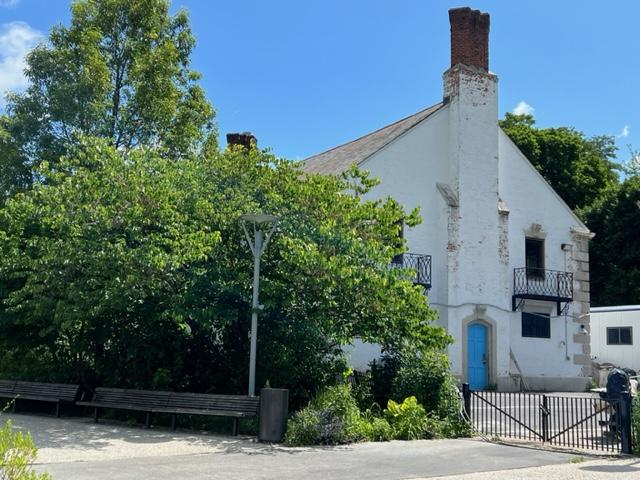
Muscato Marsh on the Columbia Campus

I came across the Muscota Marsh when I was walking the neighborhood of Inwood in 2015 and thought that this is a great site that tourists should see on top of a visit to Inwood Park and the Shorakkopoch Rock where Peter Minuet bought Manhattan from the Indians.

The Shorakkopoch Rock in Inwood Park

a

The historic Shorakkopoch rock. This is where Peter Minuet ‘bought’ Manhattan from the Native Americans

A closer view of the plaque

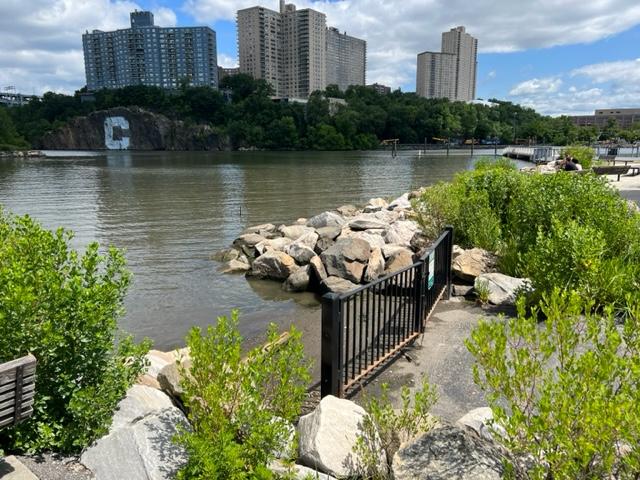
The Muscota Marsh is a one-acre public park in the Inwood section of the borough of Manhattan in New York City, on the shore of Spuyten Duyvil Creek, a section of the Harlem River. It is adjacent to the much larger Inwood Hill Park and Columbia University’s Baker Athletics Complex. The park is notable for its views and for its ecological conservation features.

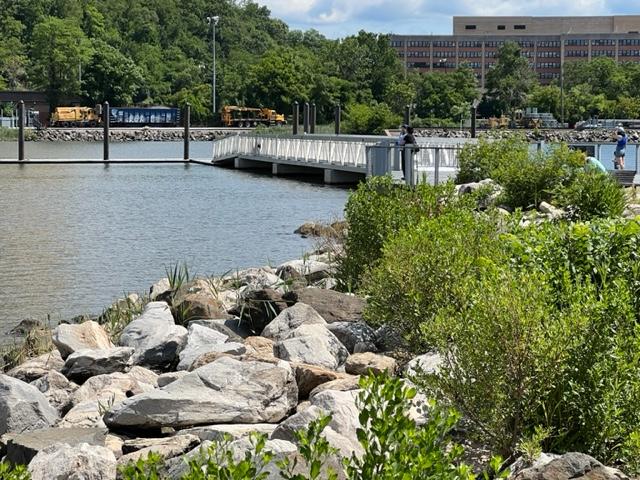
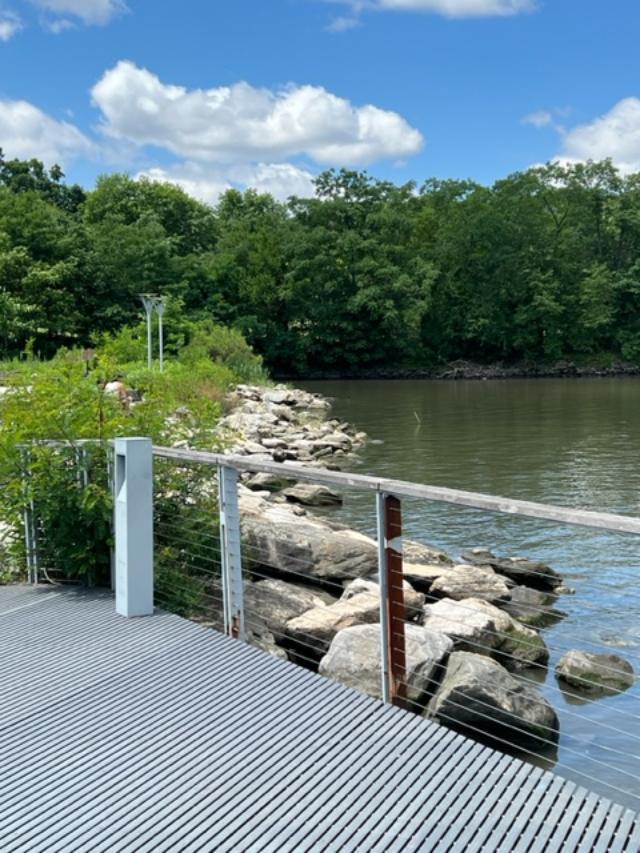
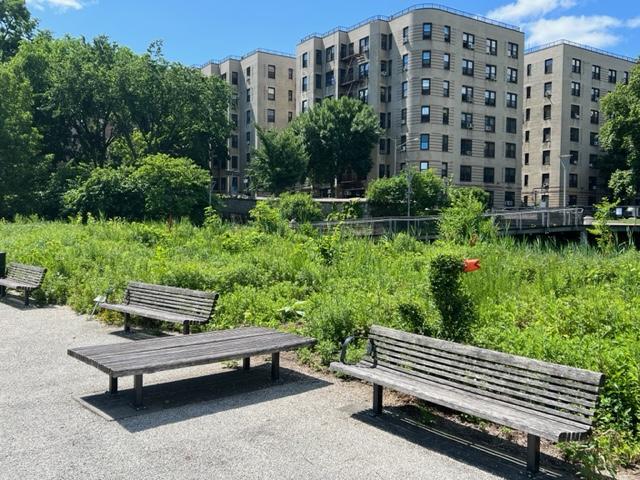
Muscota Marsh is unusual for having both a freshwater marsh and a salt marsh in such a tiny area. Besides attracting plant and animal life, these wetlands are intended to help filter rainwater runoff and thereby improve the water quality of the river. Other facilities include a dock for kayaks and canoes, benches and walking paths. A wooden deck overlooking the river provides views of Inwood Hill Park, the Henry Hudson Bridge and the New Jersey Palisades.

The Muscato Marsh is right next to the Columbia Boathouse

As this public green space, with a design inspired by tidal flats and mud ways, you can enjoy the educational richness of the marsh from the wildlife observation deck or venture out on to a wooden deck stretching out to the waterway through the native water gardens.

By the boathouse

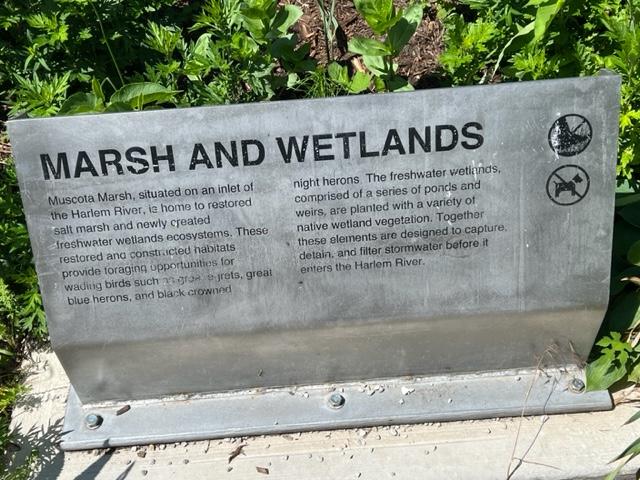
Because of the close proximity of the salt marsh and the freshwater wetlands, you’ll be able to spot beautiful wading birds like the great blue heron and the snowy egret. You can also see leopard frogs and ribbed among the dramatic colors and textures of the marsh’s native plants.

The Wetlands

Opened to the public in January 2014, the park was constructed by Columbia University as part of a deal to construct the new Campbell Sports Center within its adjacent athletics complex. It was designed by James Corner Field Operations, which is best known for its work on Manhattan’s High Line. It is cooperatively administered by the New York City Department of Parks and Recreation and Columbia, with the university providing maintenance and security.

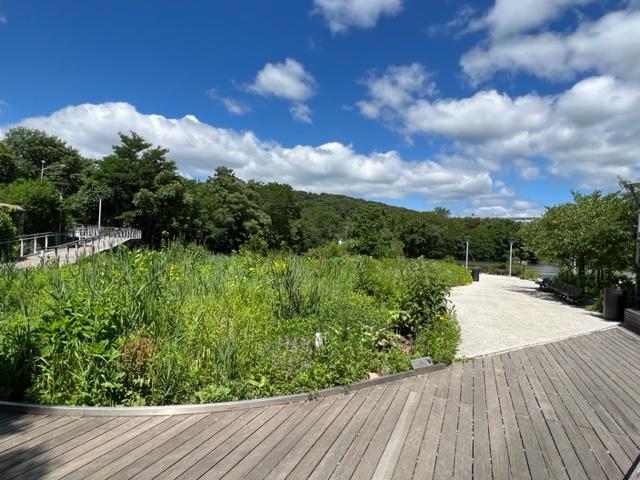
The wetlands

The park is open all year round and is free to enter. It is right next to the Columbia Stadium.

It is a nice part of the Inwood Park

The Muscato Marsh facing Inwood Hill Park

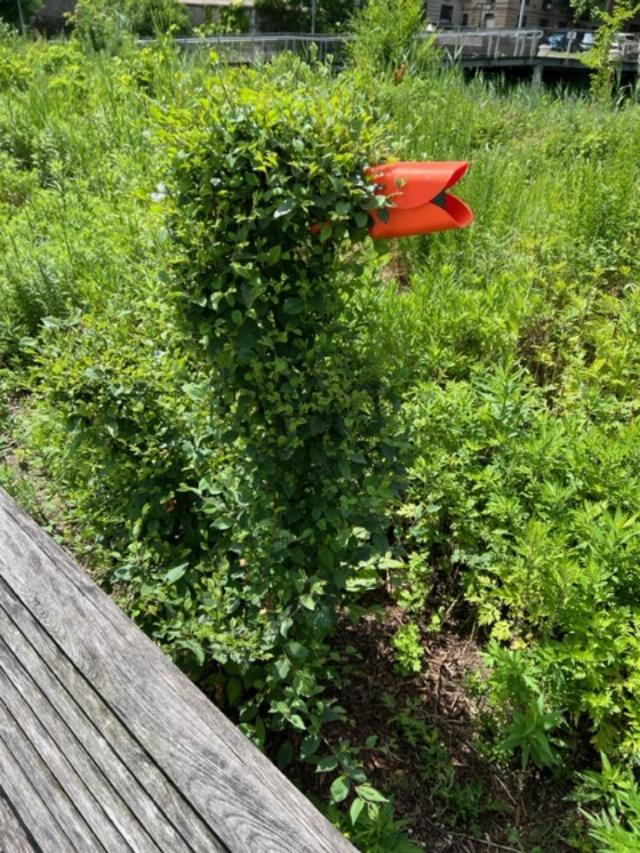
The clever duck

Disclaimer: This information was taken from the NYC Parks information guide and Wikipedia. Please check this small pocket park out for its beauty and for its importance in the environment.

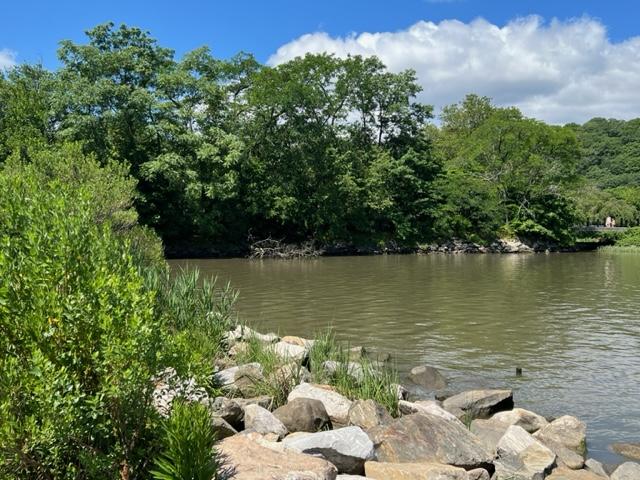
The marsh during the beginning of the summer of 2023