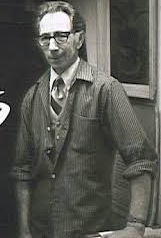
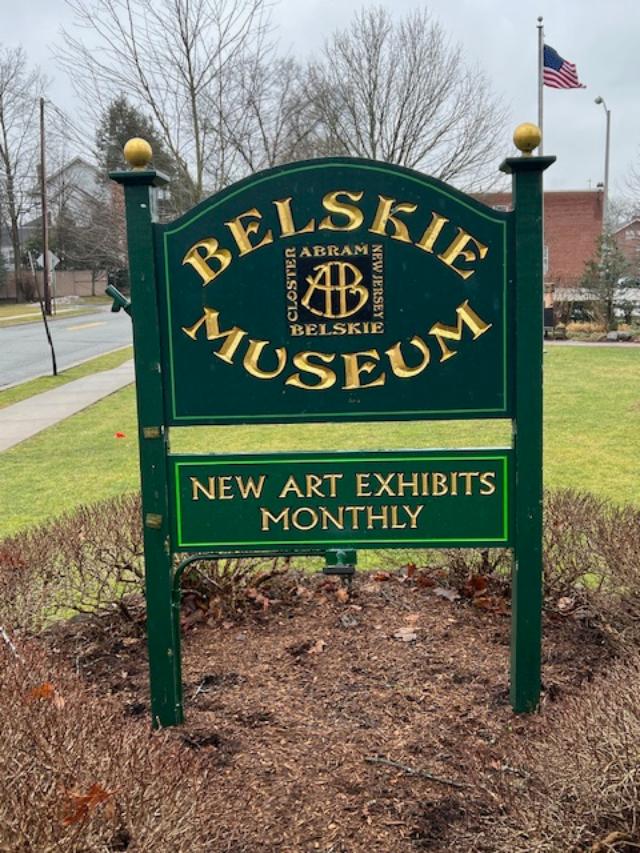
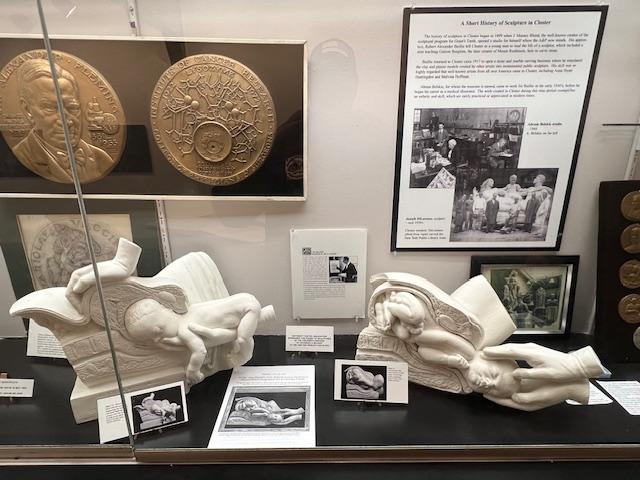
The Belskie Museum, a tax exempt non-profit corporation, was founded in Closter, New Jersey in 1993 to save, restore and exhibit the works of Abram Belskie (1907-1988), one of our country’s most accomplished sculptors and one of the most eminent medical of times.
Mr. Belskie was a resident of Closter his entire adult life.
The museum’s 3,900 square feet modern building was built entirely by the Closter Lions Club and donated to the Borough of Closter upon its completion in 1994.
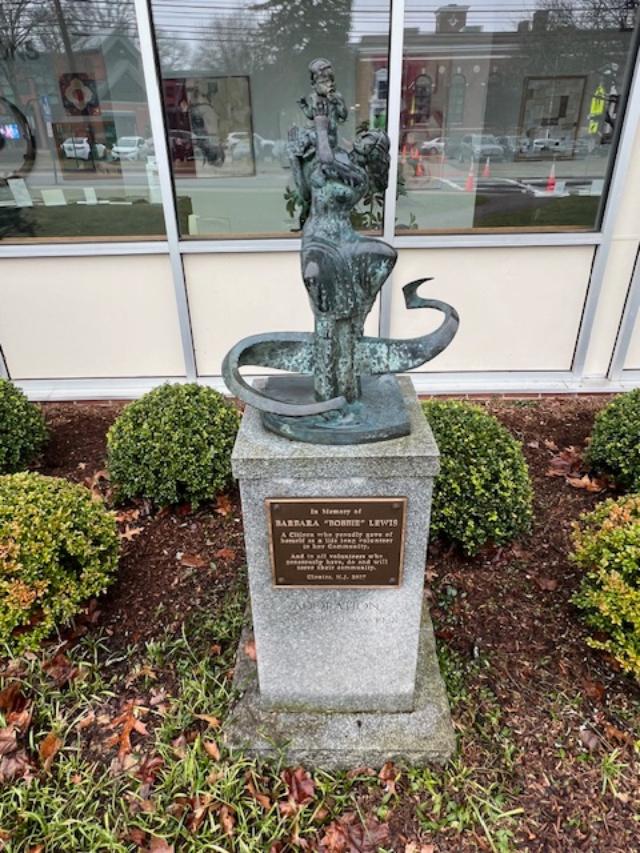
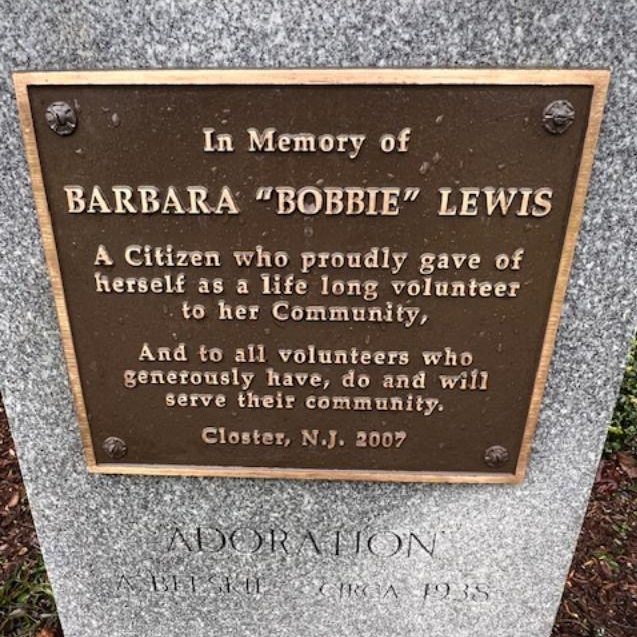
The Memorial Statue “Adoration” outside the museum.
In addition to housing the many works of Abram Belskie, the museum also hosts monthly art exhibits by local, national and international artists and as a result, has become one of Bergen County’s leading forum for the arts.
The Belskie Collection of Art:
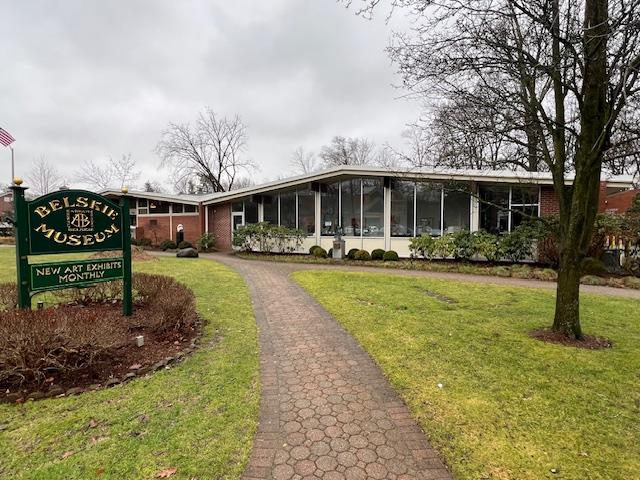
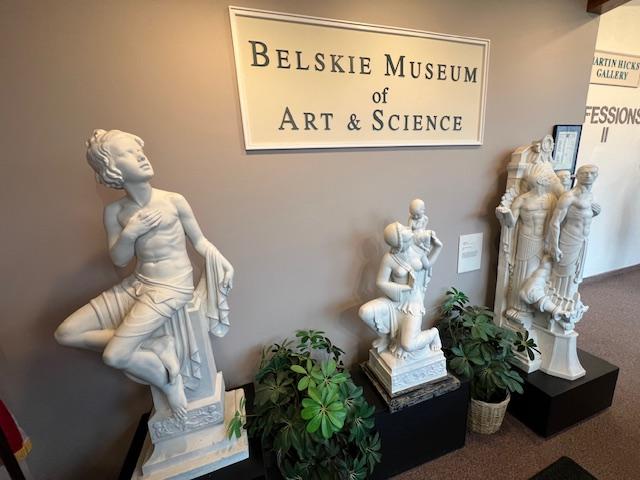
The entrance of the Belskie Museum with the works of Mr. Belskie
Past exhibitors include the estate of world famous photographer Andre Kertesz and Italian painter/sculptors Emilio & Ugo Baracco. A featured exhibit of photography in March 2003 was by Academy Award and Tony Award winning actress Ellen Burstyn. The museum also hosts exhibits from the local schools and colleges and many local artists.
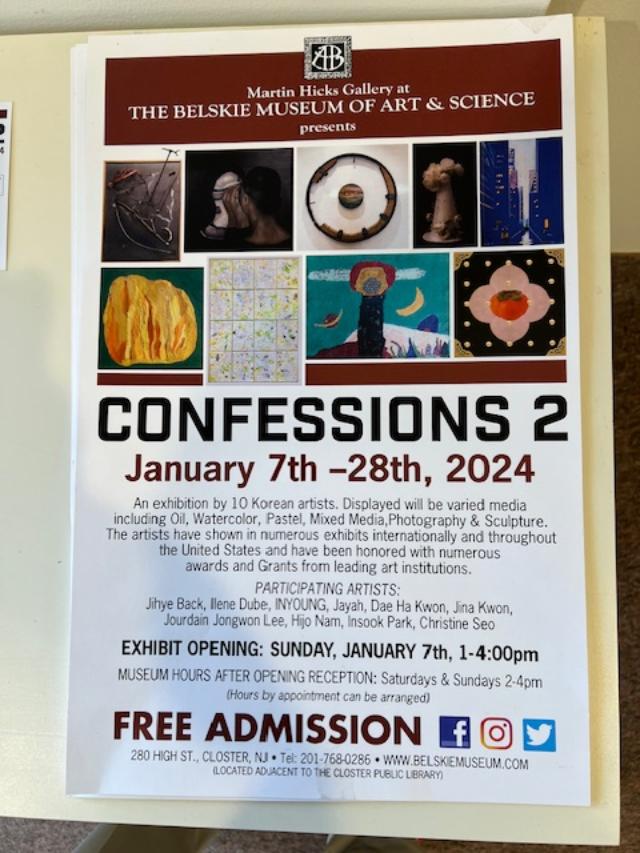
In January of 2024, the museum hosted the exhibition ‘Confessions Two’, featuring the works ten Korean artists displaying varied media including oil, watercolor, pastels, mixed media, photography and sculpture.
The “Confessions Two” Exhibition of Korean art.
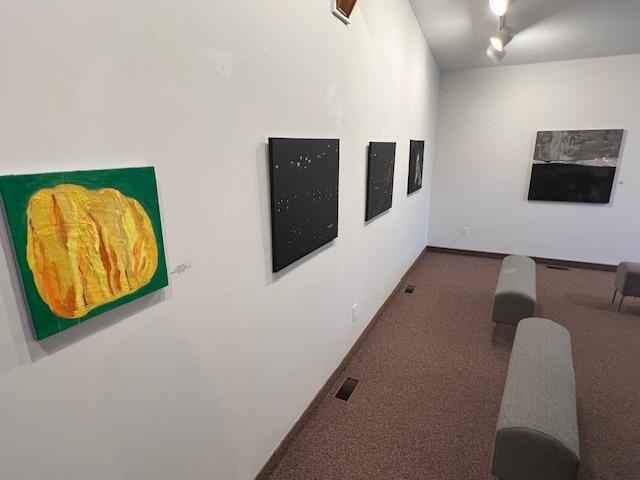
The Gallery featuring the exhibition “Confessions Two”
The museum is operated entirely by volunteers under the direction of a six-member Board of Directors (also entirely volunteer) appointed by the Borough of Closter, The Closter Lions Club and the Closter Public Library Trustees. Funding is from grants, memberships, fundraising exhibitions and donors. The museum has new art, history and science exhibits throughout the year. Open on Saturdays, Sundays and by appointment.
The works of Abram Belskie are in the back gallery.
Disclaimer: This information was taken directly from The Belskie Museum of Art & Science Inc. pamphlet. Please call the above number or email them for more information of hours of operation. The museum does change their exhibitions almost every month.
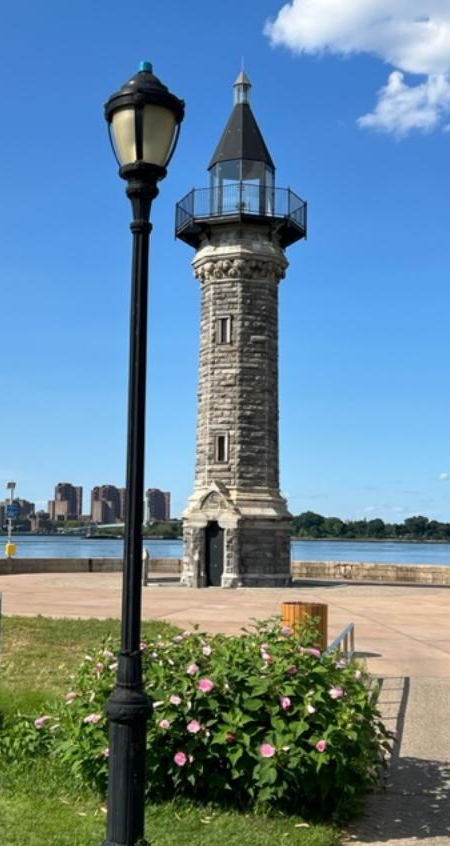
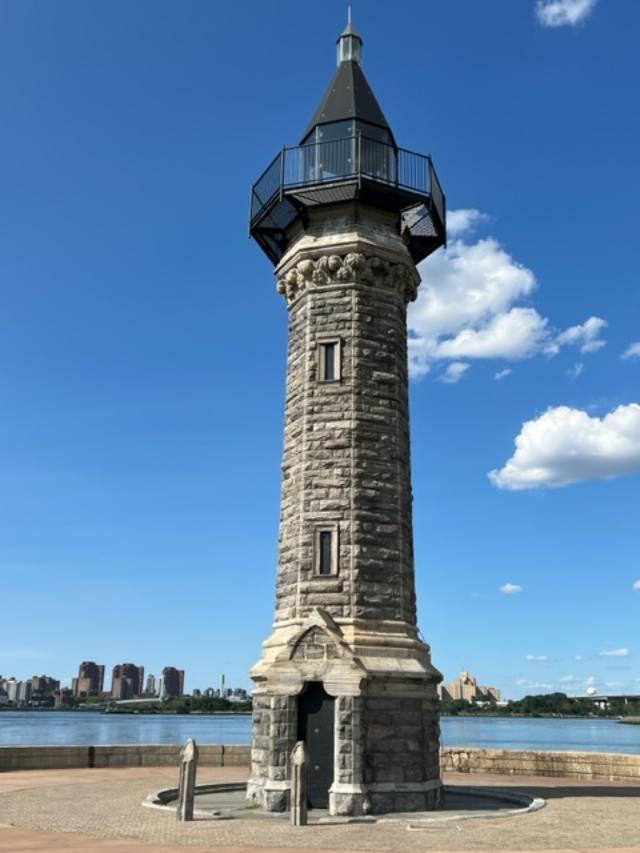
The Roosevelt Island Lighthouse is a stone lighthouse built by New York City in 1872. It is at the northeast tip of Roosevelt Island in the East River in Lighthouse Park. It was named to the National Register of Historic Places on March 16th, 1972, and was designated a New York City Landmark on March 23rd, 1976 (Wiki).
Blackwell Island, which was called Welfare Island from 1921 to 1973 and is now known as Roosevelt Island was purchased by New York City in 1828. Various facilities on the island were built including a penitentiary, almshouse, city hospital, the New York Lunatic Asylum and the Smallpox Hospital (some of these buildings still exist).
In 1872, the City of New York built a lighthouse. The supervising architect was James Renwick Jr., who also designed several other buildings on the island for the Charities and Correction Board as well as more famous works such has St. Patrick’s Cathedral. (Wiki)
Legends abound about the construction of the lighthouse. Two names, John McCarthy and Thomas Maxey, are associated with the various legends. The 1870 report of the warden of the lunatic asylum that an industrious patient had built a seawall near the asylum that had reclaimed the land. The legends indicate that he had incorporated Civil War cannons.
The park in the distance on Roosevelt Island
The legend indicates that the builder was bribed with bogus money to demolish the fort for the construction of the lighthouse. For many years, a saying was inscribed on a stone near the lighthouse:
This is the work
Was done by
John McCarthy
Who built the Light
House from the bottom to the
Top All ye who do pass by may
Pray for his soul when he dies.
Lighthouse Park from Carl Schulz Park on Manhattan Island
The lighthouse was operated by the City instead of the U.S. Lighthouse Board. In its 1893 annual report, the Lighthouse Board generally praised the operations of Blackwell Island Lighthouse but indicated that the Board has unfairly criticized because of the City’s occasional failure to keep the light in operation. The Board advocated banning private lights. The 1917 U.S. Coast Pilot indicated that there was a private light at the north end of the island. (Wiki)
The light was operated until about 1940. In the 1970’s, the lighthouse was partially restored. The restoration was completed in 1998. (Wiki)
The lighthouse is approximately 50 feet (15m) tall. It is constructed of gray gneiss, rough ashlar that was quarried on the island by inmates from the penitentiary. It has an octagonal base and an octagonal shaft. There is an entrance on the south side under a projecting gable and a pointed Gothic arch. Two south-facing slit windows in the shaft light the interior. At the top of the shaft there is a band of ornamented corbels below the gallery, which is surrounded by an iron railing. The lantern is octagonal with a shallow conical roof. An 1893 photograph and a 1903 movie show that it probably had a much taller, steeper conical cap when it was built. The optics were provided by the U.S. Lighthouse Board (Wiki).
Lighthouse Park in the winter months
Lighthouse Park is located on the northernmost section of Roosevelt Island and can be seen from Carl Schurz Park. On a beautiful sunny day, it is a very picturesque view from the park.
Lighthouse Park from Carl Schulz Park
The sculpture “The Girl Puzzle”:
Next to the lighthouse is a monument of faces dedicated to Nellie Bly and to women who have faced hardship entitled “The Girl Puzzle”. The sculpture was dedicated to journalist Elizabeth Cochrane Seaman, pen name Nellie Bly, who wrote about the abuses in the mental asylum on what was known as Mental Island at the time. She wrote the full report “Ten Days in the Mad House” on the abuses of patients.
“Girl Puzzle” by artist Amanda Matthews (Artist Bio)
The piece was created by American born artist Amanda Matthews. Ms. Matthews graduated with a BA in Studio Art from the University of Louisville and had studied abroad in Europe. She is known for her work that honors women and celebrates diversity and inclusion (Wiki).
The history sign on Nellie Bly
Each sculpture is a interpretation on Nellie Bly. It really is an interesting sculpture.
The Girl Puzzle One:
The Girl Puzzle Two:
The Girl Puzzle Three:
The Girl Puzzle Four:
The Girl Puzzle Five:
Disclaimer: this information was taken from Wikipedia site and the Roosevelt Island Historical Society. This little ‘gem’ of a park can be seen by walking to the most northern part of Roosevelt Island by way of the Main Street which runs through the island.
The Greater Newark Conservatory has been credited for much of the improvement in the City of Newark.
Having three farms, it has given new life to empty lots, given school children a chance to experience urban farming and given suburbanites a taste of country life in the city all while improving the lives of its residents. Having attended the recent “Beds & Breakfast” gardening program put on every year, I can see the outreach that the Conservatory is trying to have on people outside the city.
The Beds & Breakfast Seminar is an annual event that covers things like sustainable farming, trips for growing and pruning plants and trees and cooking classes. In the era of COVID, we had the 2021 “Beds & Breakfast” virtually this year and it was really nice because we could attend the meetings via Zoom. It was very engaging and you could ask questions online.
In the warmer months, it is nice to walk along the gardens and admire all the fruits, vegetables and plants being grown here. They have other events as well like Summer Cocktail parties and Pot Lucks.
The gardens and the new Demo building
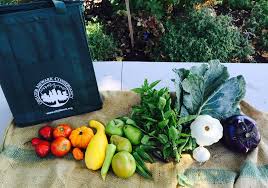
Another event I recently attending was the Conservatory’s October Fest, which was a small festival where the gardens on Prince Street were open to the public and local vendors were selling their wares at tables surrounding the main walk way of the garden. The Conservatory was also running their Youth Farm Stand as well with fresh vegetables from their ‘farm’. In 2021, they had a smaller event with vendor booths and music. It was funny to see so many people with masks in the cool weather.
Try to support the Youth Farm Stand at the Greater Newark Conservatory
In the future, there will be Pumpkin Patches by the farm and a small event for Halloween.
The History and Purpose of The Greater Newark Conservatory:
The Greater Newark Conservatory (GNC) is a non-profit organization headquartered in Newark, NJ with the state goal of promoting ‘environmental stewardship to improve the quality of life in New Jersey’s urban communities’. It offers programs for youth education, community greening and gardening, nutritional health, job training and prisoner re-entry (Wiki).
Founded in 1987, the Greater Newark’s Conservatory’s mission is to promote environmental stewardship to improve the quality of life in New Jersey’s urban communities. The 3.7 million Prudential Outdoor Learning Center, named in honor of a $750,000 grant from the Prudential Foundation, was completed in 2004 and has hosted more than 16,000 at risk inner city children for environmental education field trips since that time (Vince Baglivo, Star-Ledger 2010).
The Conservatory grounds
The first step toward making the new Center a reality was the purchase of the historic former synagogue/church building at 32-34 Prince Street in downtown Newark. Acquired by the City of Newark, the property included the building and the land that it occupies (Vince Baglivo, Star-Ledger 2010).
Educational Programs:
The Conservatory provides programs on youth education and nutritional health and cooking. In the Demonstration Kitchen program, participants are provided instruction on cooking with recipes having high nutritional value. The Newark Youth Leadership Program (NYLP) provides training to high school students in Newark through a year-round program on horticulture. The program also includes a summer internship program where high school students are assigned to various department in the Conservatory in order to gain experience with career-related skills. The summer interns also receive training on finance, public speaking and nutrition (Wiki).
Urban Farming:
One Conservatory initiative is to bolster and support urban farms in the City of Newark. The urban farms were created with the purpose of offering low-cost and healthy foods in Newark. Participants also have the option of growing their food in one of 360 private plots. In 2011, the urban farms administered by the Conservatory generated 5,000 pounds of produce. The produce is sold in local farmers’ markets. Crops raised include arugula, beets and corn. Other related programs include raising chickens and maintaining a honey apiary (Wiki).
The gardens and grounds
Job Training:
The Conservatory is community partner for the City of Newark’s prisoner re-entry programs where job training is provided to ex-offenders through its ‘Clean and Green’ program. They include vacant lots in Newark, labor in maintaining urban farms and offering instruction to school groups on the basics of farming (Wiki).
Urban Environmental Center:
The Conservatory conducts its activities primarily at the Judith L. Shipley Urban Environmental Center, the Prudential Outdoor Learning Center and at its main education building. Many educational programs take place there as well. The center was named after Judith and Walter Shipley, who were major donors of the Conservatory. The Prudential Outdoor Learning Center is 1.5 acre site located on Prince Street in Newark and contains a series of outdoor exhibits and thematic gardens (Wiki).
Programming:
Four program areas: environmental education, community greening and gardening, advocacy for environmental justice and job training, are the focus of activities involving everyone from students to seniors (Vince Baglivo Star-Ledger 2010).
Community Greening:
The Community Greening Program addresses Newark’s deficit of quality preserved open space by enhancing existing community parks, creating new pocket parks, establishing greenways and improving neighborhoods with street trees, street side planted flower barrels and community gardens. The program works with Newark residents to transform neighborhoods with curbside flower barrels and lush community gardens on former vacant lots. These urban farms increase accessibility to food sources for urban residents by providing high quality, locally grown healthy food using natural pest control methods (Vince Baglivo Star-Ledger 2010).
Disclaimer: I want to credit writer Vince Baglivo from the Star-Ledger “Greater Newark Conservatory: City’s best kept Secret” 2010 and Wikipedia (current) as well as the Greater Newark Conservatory for information on the site. Please call the above number for more information on upcoming programs.
The Meadowlands Museum is the main steward of the history and culture of the Meadowlands region and one of its leading storyteller.
The sign welcoming you
Its mission and collection, which resides in the Yereance-Berry House in southern Bergen County in Rutherford, NJ are distinctive and unique. The house too is a historic treasure and landmark and was built in 1804 by the Berry family, who were among the county’s earliest European settlers.
The front of the museum in the Spring of 2026
Rooms in the three-level American Dutch farmhouse are alive with permanent and temporary exhibits and sometimes include loaned objects from other museums and private collections. Historical artifacts like archives and photographs are mingled with textiles, furniture, housewares and artwork.
The display on the history of area
There is even correspondence by the daughters of John Rutherfurd, a close confidant of George Washington.
The display in the local artifacts
The gardens outside in the Spring of 2016
Grounds include the William Carlos Williams Poetry Garden, which acknowledges the legacy of Rutherford’s most famous native and the town’s history as a cultural center.
The everyday products of the Meadowlands Museum
Founder in 1961 as the Rutherford Junior Museum by parents of school age children to help connect them to their community, the museum is staffed by professionals assisted by dedicated volunteers and involved trustees. Interns add to the rich resource of individuals who contribute to its present and future.
A recent commercial developed by my Business 101 Class for the Meadowlands Museum for the project “Rocking it in Rutherford: Being a Tourist in your own Town”
The location of the Yereance-Berry House suggests a colonial farm dating to 1740. The oldest house in south Bergen County in close to original condition, it was part of the Historic American Building Survey project of the 1930’s. The building is also listed on the state and national registers of historic places and the Bergen County Stone House Survey.
The Yereance-Berry House is the now the Meadowlands Museum
Affiliated organization include the American Alliance of Museums, American Association for State and Local History, Meadowlands Regional Chamber of Commerce, New Jersey Association of Museums and The National Trust for Historic Preservation.
Programming & Community Service:
Free and reasonably priced services for individuals, community groups, businesses, government bodies and educational institutions are available.
*Educational programs, lectures and traveling exhibits.
The ‘Historic Rutherford Homes’ exhibition at the museum in 2026
The Historic Homes exhibition
The Historic Homes exhibition
*Customized on and off site programs.
*Collaborative ventures with a wide range of partners.
*Assistance with academic research and other archival support.
Special Events:
Special events, which often are made possible by partnerships with businesses and other organizations, are an additional way for visitors of all ages to enjoy the museum. Public and private events occur on a regular or one-time basis; many are fundraisers. Call or email for a current calendar and sponsorship possibilities. The house hosts both permanent and special exhibits.
Our permanent exhibits include:
*Yereance Berry House: During the Spring of 2026.
The outside of the museum
*Pre-electric kitchen: This unique kitchen in the basement shows off the collection of equipment that would be used in the kitchen from the Civil War to the 1950’s. There are coffee grinders, whisks, wash boards and such. It showed how much effort was put into preparing the family meal through the ages.
The Farm Kitchen of Bergen County
The Farm Kitchen at the Turn of the Century
*Meadowlands Geology: there are all sorts of rocks and gems not just from the area but all over the state. There are two different rooms one of the specimens locally and there is a separate room for glowing stones. It is very interesting to see when the lights are out.
The Mineral Collection at the Meadowlands Museum
The fluorescent Zinc display
The Mining Display
*Mining in South Bergen: This is how the county has changed when we mined ore.
The Mining Display at the Meadowlands Museum
The Mining Display
The Mining Display
*19th century Laundry Room: The Laundry room that is located in the basement has many of the things our grandparents would have used. The washboards, scrub bushes, old washing machines and ringers. Washing clothes was much harder back then.
The Wash Room of the Turn of the Century
*The wonderful Toy Exhibition of turn of the last century toys and from the 1960’s 70’s and 80’s. This contains Dolls, Board Games, play things and instruments:
The Toy Collection fascinates kids of all ages
The Factory Toys display
The wonderful toy factory in Kearny, NJ that used to produce all these wonderful toys.
The Toy Display
The Toy Display
The Doll display
The Doll display
The ‘Brownies’ display in the Toy Room
*The Bergen County Farm display:
Farming in the County in the past
The Farm display
The home Spinning Wheel display
Spinning Wheel display
The new Turn of the Century Furnace display
*Horse elevator
Recent special exhibits have included:
*High school football
*Needlecraft
*Steampunk
*Medical Innovations
*Maps of the region
*Civil Rights
*Dr. Williams’ Babies
Dr. William’s display
Dr. Williams display
Dr. William’s display
Dr. William’s display
Dr. William’s display
*World War I
Special Events:
Scarecrow Day 2018:
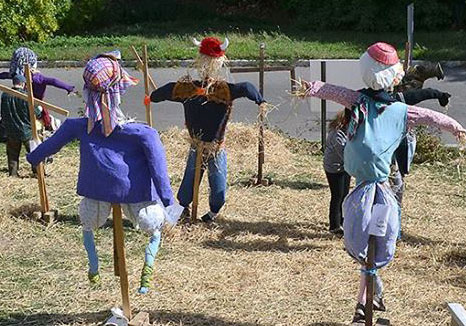
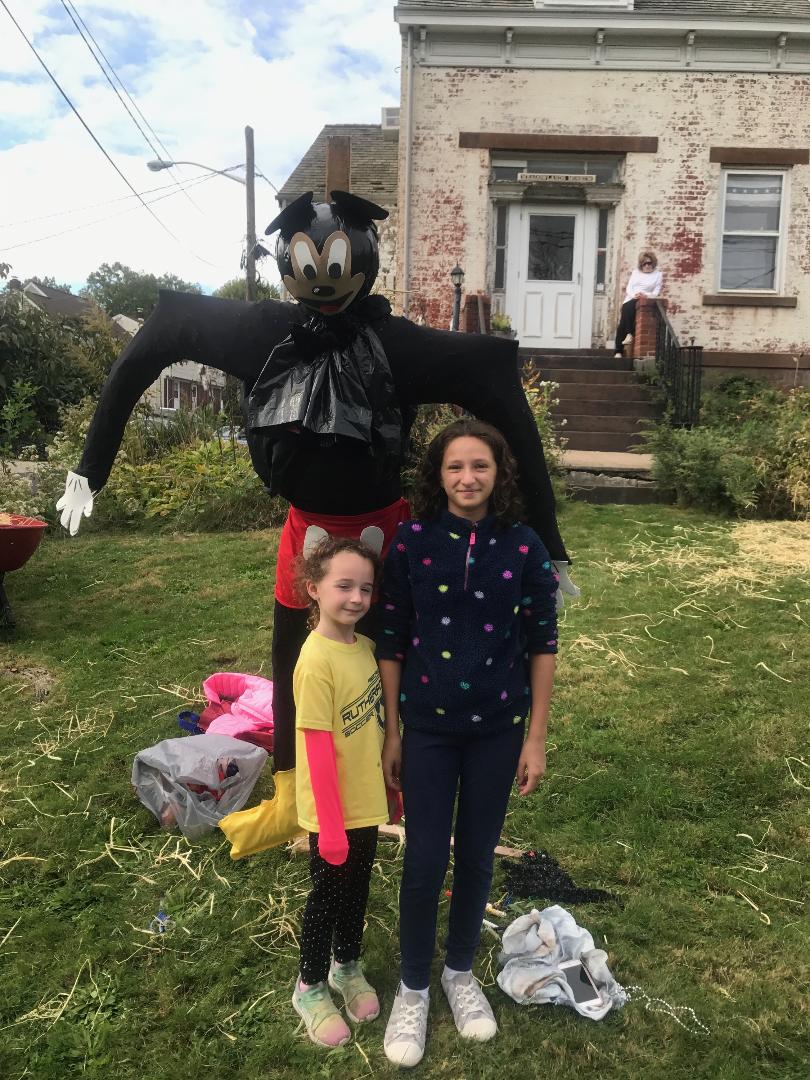
I went to the recent Scarecrow Day on October 20, 2018 where guests of the museum created their own scarecrows using their own creativity. All the scarecrows were lined up facing the street with their interesting clothes and accessories.
Each person got to use their own clothes and each one had its own style to it. It was fun watching the families show their creativity at this annual event.
Scarecrow Day at the museum in 2018
Scarecrow Day in 2021: the winners of the contest for best Scarecrow
I also stopped by for the Dutch Christmas decorations. The museum was decorated for the holidays with garland and trees. On December 1st, they had a Dutch Christmas festival (I could not attend) with food and entertainment.
Celebrating the Easter Holidays in 2026
Help tell the story…
(from the museum website)
Individuals who value the purpose and work of the Meadowlands Museum remain its inspiration and abiding spirit. Donations, memberships, sponsorship’s, grants and fundraisers are crucial elements of the museum’s financial well-being.
Admission to the museum is free but donations are greatly appreciated. Fees for events and other services vary. A personal letter to the appropriate person acknowledges a gift made in the name of an individual. Donations to provide for the buildings and grounds are valuable links to the future and a kind of giving that is among the museum’s top priorities.
Disclaimer: This information was taken directly from the Meadowlands Museum’s pamphlet. For information on the site, please call or email the museum for more information.
My Bergen Community College Team Project in 2022:
Bergecco-Parc Consulting Inc.-Rocking it in Rutherford:
My Business 101 class at Bergen Community College Lyndhurst branch visit in the Spring of 2022 for the project “Rocking it in Rutherford: Be a Tourist in your own Town”.
For Spring Semester in 2022, my Business 101-Introduction to Business class made a weekend visit to the Meadowlands Museum for the project “Rocking it in Rutherford-Be a Tourist in your own Town”. We were promoting the museum to increase tourism with a fundraiser and a barbecue. So on the weekend, I took my Team to the museum to tour it for extra credit. They ended up learning a lot about not just the museum but the history of Rutherford and Bergen County, NJ.
The project was promoting the Town of Rutherford for Domestic and Foreign Tourism and created a fundraiser and modernization of displays for the museum. This is a copy of the project, presentation and Commercials.
The Team Project “Rocking it in Rutherford: Be a Tourist in your own Town”: