Category: Smile! Your Visiting New Jersey!

Vineland Historical Society                                                                    108 South Seventh Street                                                               Vineland, NJ 08360

Vineland Historical Society 108 South Seventh Street Vineland, NJ 08360

Vineland Historical Society

108 South Seventh Street

Vineland, NJ 08360

(856) 691-1111

https://discovervinelandhistory.org

https://www.facebook.com/discovervinelandhistory.org

Open: The third Saturday of each month from 1:00pm-4:00pm

Admission: Free but donations are appreciated

My review on TripAdvisor:

https://www.tripadvisor.com/ShowUserReviews-g46890-d28176052-r1078896843-Vineland_Historical_Society-Vineland_New_Jersey.html?m=19905

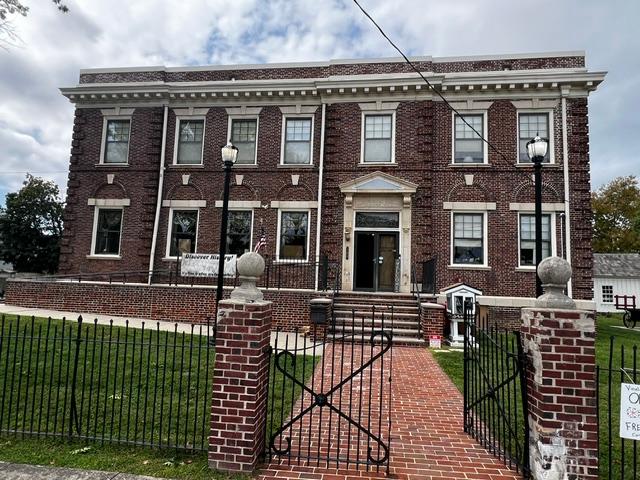
The front of the Vineland Historical Society Museum at 108 South Seventh Street in Downtown Vineland, NJ

On my off time from the Firemen’s Convention after voting, I decided to visit a group of small museums in Cumberland and Glouster Counties in New Jersey. Most of the small ones were closed or had changed their hours online but the Vineland Historical Society was open for touring and was having a speaker that day. I had been invited to come by the President of their Board of Directors about a year earlier so I was glad that I was able to visit this weekend where the schedules matched up.

What an interesting museum with its focus not just on the history of the Town of Vineland but of the surrounding communities and the impact that Vineland had and has on Urban Design, Farming, Manufacturing and Inventions that contribute to the whole country.

The museum had been designed as a Historical Museum for community leaders who wanted to share their love of historical objects and the past history of the community. This is what built the collection over the years. Each section of the museum tells a different part of Vineland’s history from the community events like its “100th Anniversary” of the town, the history of the Police, Fire and Veterans of Foreign Wars, members of the community who contributed to Women’s Suffrage and to the number of everyday products we use like Grape Juice and Marshmallow Fluff that were invented here. Each section of the museum tells an interesting story.

About the Museum:

The museum is a stop on the Woman’s Suffrage Tour

The Mission of the Museum:

The Vineland Historical and Antiquarian Society is the oldest local historical society in New Jersey and its museum is the oldest purpose-built museum in the State of New Jersey. The Society is dedicated to collecting and preserving artifacts and records related to Vineland and the South Jersey region, and to sharing that material with visitors through exhibits, programs and other appropriate venues. Vineland has a rich, culturally-diverse past that is reflected through our collections. To learn more, please contact us or make an appointment to visit. 

The Rain Garden outside the museum

The Rain Water Garden sign

The Rain Water Garden outside the museum was in full bloom at the Summer and you could see that the garden was trying to attract butterflies and other insects that would help pollinize the garden. It must be very colorful during the Spring.

The first floor of the museum is the lecture room, the library and the gift shop along with local artifacts and the Glass Manufactured Gallery

The main gallery was set for a lecture later that afternoon. On all sides of the museum tell the story and the timeline of Vineland and the surrounding communities. There is the City of Vineland and Vineland Borough and Landis Township in 1952. So you see the artifacts of the farming communities and those of the developing City (Wiki).

https://en.wikipedia.org/wiki/Vineland,_New_Jersey

The early views of the museum with the original heating unit and turn of the century shell art

Historical community information

The First floor collection of artifacts

The bust of Charles K. Landis, who founded the town

The display of the early Women’s Suffrage Movement in town, which helped women earn the right to vote. New Jersey was an early pioneer in the Movement.

The photo of Portia Kellogg Chase, an early leader in the Women’s Suffrage Movement in Vineland, NJ

https://en.wikipedia.org/wiki/Portia_Gage

The artifacts on the start of the early creation of a local family business. Putting shovel to the ground.

Early musical instruments that were part of both home and social life

The portraits of early leaders of the community and artifacts related to their families

The portrait of Charles K. Landis

https://en.wikipedia.org/wiki/Charles_K._Landis

https://www.cumberlandcountynj.gov/Charles-K-Landis

https://atlanticcityweekly.com/the-complex-life-of-charles-k-landis/article_ab932703-da12-5ee7-aa26-a1c425eb347d.html

The portrait of Portia Kellogg Chase as a young bride

https://en.wikipedia.org/wiki/Portia_Gage

https://www.findagrave.com/memorial/206936062/portia-gage

The portrait of John Gage

https://en.wikipedia.org/wiki/John_Gage_(19th-century_landowner)

https://www.findagrave.com/memorial/236816796/john-gage

Made in Vineland: A Celebration of Local Inventors and Their Creations:

The exhibition highlights the remarkable people and ideas born right here in Vineland. From everyday household items to groundbreaking innovations in transportation, food, tools, and telecommunications, this special 2026 exhibit tells the stories of local inventors whose creations shaped daily life far beyond our city. Visitors are invited to explore these inventions and the fascinating individuals behind them during our Open House held every third Saturday of the month.

The ‘Made in Vineland’ exhibition:

The inventions of the Flower vase, the Woodruff Train Car and the Self Adjusted Plane

The inventions of Angel Food Cake Marshmallow fluff

The inventions of the Grape Juice industry and Skee-ball game

The post office desk from the turn of the last century

Just off the side of the main room is the Blown Glass Room. The area is known for special sand that is used for glass making. This made the State of New Jersey one of the leading manufacturers of glass in the country at the time.

https://www.beachcombingmagazine.com/blogs/news/new-jersey-the-birthplace-of-the-american-glass-industry?srsltid=AU7gw4VmSsTWgq56VQaUU1IgBpYBhNDyFzMGxARg4JFXY0pb6nKkrDiF

The Blown Glass Room

Each of the cases displays glass for different purposes and for different industries made by different companies. The museum has a very extensive collection of glass.

The Blown Glass Room

The Blown Glass Room

The Blown Glass Room

The Grape Juice industry glass and advertising display

The founding of the Welsh Grape company

https://www.welchs.com/en-us

https://en.wikipedia.org/wiki/Welch%27s

The photo of Thomas Bramwell Welsh, the founder of the company

https://en.wikipedia.org/wiki/Thomas_Bramwell_Welch

https://christianhistoryinstitute.org/magazine/article/raise-a-juice-box

The medical glass display

The Kimble Glass Company display

The display of the artwork of glass ends and tests. These items are made what is left over after production.

The displays on the way to the second floor galleries were the early photography display and the Vineland High School display.

The early photography display

The Vineland High School display of photographs and memorabilia

https://www.vineland.org/o/vshs

https://en.wikipedia.org/wiki/Vineland_High_School

As you walk up the stairs to the second floor, you pass the Portrait Gallery of prominent family members of the community.

The family Portrait display leading to the second floor galleries

The Second floor gallery and glass display

The display on the immigrant contributions to the Vineland Community.

The Italian immigrant contributions to Vineland

The Italian immigrant artifacts

Individual display cases

Farmhouse cooking equipment

Formal wear and accessories

The Vineland Egg industry

The Vineland ‘100th Anniversary’ exhibition

The Vineland’s Veterans display

The Vineland Fire Department display

https://www.facebook.com/vinelandfire

The Military, Vineland Police and Fire Department displays

https://police.vinelandcity.org

https://www.instagram.com/vineland_police/?hl=en

The Charles K. Landis Room:

The Landis family continues to add to the Charles K. Landis Room with family furnishings and heirlooms so there are items from many different eras.

The entrance to Charles Landis Family Room

https://en.wikipedia.org/wiki/Charles_K._Landis

https://www.cumberlandcountynj.gov/Charles-K-Landis

The Landis Room display of Indian Artifacts

The inside of the room of the Landis family mementos and heirlooms donated over the years by family members

At the end of the tour by the first floor entrance were the museum library where researchers and residents can find family records.

The museum Research Room and Library

The Museum Gift shop on the first floor of the museum

Looking at the historic map of Vineland by the door as I was leaving

It was a really interesting visit to the museum and I learned not just about the history of the community but its place in New Jersey as well.

Touring historic Downtown Vineland after the tour

https://www.facebook.com/mainstreetvineland

https://www.instagram.com/mainstreetvineland

Sparta Historical Society/Van Kirk Homestead                               336 Main Street                                                                              Sparta, NJ 07871

Sparta Historical Society/Van Kirk Homestead 336 Main Street Sparta, NJ 07871

Sparta Historical Society/Van Kirk Homestead

336 Main Street

Sparta, NJ 07871

(973) 726-0883

https://www.vankirkmuseum.org/gardens.htm

https://www.sussexskylands.com/listing/sparta-historical-society-van-kirk-homestead-museum/90

Admission: The admission is free except when there is a special event and price is determined by the event

Open: Sunday 1:00pm-4:00pm (Second & Forth of each month)/Monday-Saturday Closed

The Museum is open from April-December. Please check website for seasonality.

My review on TripAdvisor:

https://www.tripadvisor.com/ShowUserReviews-g46839-d10259673-r1074643204-Sparta_Historical_Society-Sparta_New_Jersey.html?m=19905

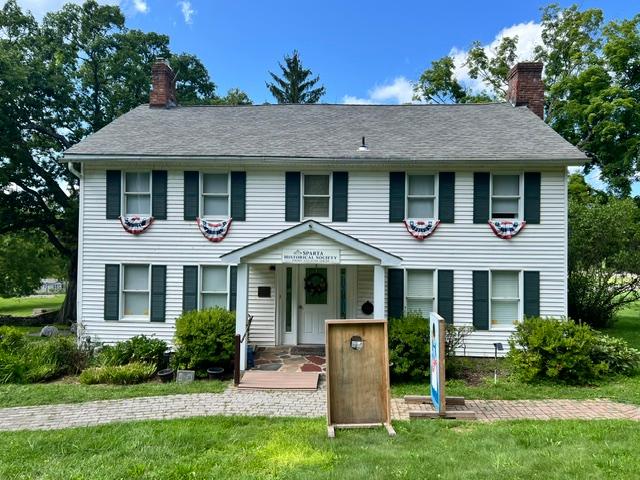
The front of the Van Kirk family home which serves as the headquarters of the Sparta Historical Society

The History of the Site:

(from the museum website)

The Van Kirk Homestead, as it stands today, is 3.5 acres. There is one outbuilding both dating from 1930s – the red carriage barn.  A detached garage, dating from the 1970s, is across from the carriage barn. The original log cabin is gone but its site is known (Sparta Historical Society website).

The house that exists today is from 1780s but because it was lived in by generational Van Kirks’ it has had a few expansions. It is this house which has been revamped into a museum.  The original part of the house has a stone basement that was opened in 2019 as two exhibit galleries.   The first floor has two original fireplaces comprised of four exhibit galleries.  The second floor has the original wide plank floors and has another three exhibit galleries (Sparta Historical Society website).

The sign in the Main Street

The historical description of the house

The main part of the house was closed due to a renovation and the members were going to be opening a new exhibition upstairs. So I toured the lower level kitchen area.

The lower level of the house which was used for the kitchen and storage areas

The history of the kitchen at the Van Kirk House:

(from the museum website)

A two-year major restoration of century comparison period kitchens with the addition of several new gifts and collection purchases.  This exhibit shows the original fireplace colonial kitchen, reopened after 100 years, and the numerous transitions experienced by American families during the Industrial Revolution and its effect on kitchen appliances (Sparta Historical Society website).

The kitchen and dining area with family China and cookware in the background

The prep area, washing equipment and summer storage area

The baking and prep area

The wash equipment and ice box and tongs in the back

The Mining Exhibition just off the kitchen:

(from the museum website)

Opened in October 2019, this permanent exhibit features original Edison artifacts, a scale model of Lime Crest Quarry, and a large fluorescent mineral display. Through these and other rare artifacts, the exhibit explores the town’s mines and the people who worked at them. Housed in the 1780 section of the Van Kirk Homestead Museum, expect insights into, and understanding of, the past which supplements our understanding of our once primary iron and lime industry in Sparta and elsewhere in Sussex County. It also provides a glimpse into the time-consuming, labor-intensive methods used in the 18th, 19th, and early 20th centuries to prepare, and ship minerals (Sparta Historical Society website).

The other side of the kitchen has an exhibition on the Mining Industry which is a big fabric of the community. The exhibition included a model of the Lime Crest Quarry and the Sterling Quarry.

The sign for the Lime Crest Quarry Model

The Mining exhibition-the Lime Crest Quarry model

The Men, Mines and Minerals exhibition with the lights off

The minerals and the clock from the mines

The Mineral exhibition with the lights off

The iron ore and the magnet exhibition

After touring the inside exhibition, I then explored the grounds which are still being used for gardens and vegetable beds for the society.

The back of the house grounds. They were setting up for an afternoon concert

The grounds of the house and the garage in the background

The family garage on the property exhibition:

(from the museum website)

Opened in August 2019, this permanent old fashioned transportation exhibit is located in the multi-year restoration project of the Nicholson Family Wagon House. On display at the Historic Transportation exhibit, you will discover a horse drawn carriage wagon, an old horse drawn sleigh, an old antique car Model T Ford and transportation artifacts. Learn how horse buggies, vintage carriages and old antique cars set the path for historic transportation to the present (Sparta Historical Society website).

The inside of the garage had a Model T car in perfect shape, a buggy and a sleigh.

The inside of the garage

The Model T car

The buggy and the sleigh in the back of the garage

The Studebaker Doctor’s buggy sign

The buggy

The Sturtevant-Larabee Sleigh sign

The sleigh

Also in the garage is various pieces of equipment and even an old gas pump

The sign for the Gilbert and Baker Self-Measuring Gas Pump

The old fashioned gas pump in the garage

Along all the walls were old pictures of the farm when it was still active and under family control

The gardens an grounds in the distance

One of the old sheds was converted into a school house and the room was set up as an old fashioned on room school house. Here kids of various ages were taught the fundamentals of Math, English and History.

The One Room Schoolhouse

The history of the Schoolhouse from the early 1900’s:

(from the museum website)

Step back in time to when classes consisted of all ages together!  Welcome to our One Room Schoolhouse exhibit which opened in 2023.  Sparta had four one room schoolhouses.   The first school was built at the Presbyterian Church in 1812 and was replaced in 1860 after a fire destroyed it. The one-room schoolhouses were established in New Jersey when a 1819 bill funded public education, and they remained active through the 1930’s, when regional schools were established. Students from grades one to eight attended these schools. Four of the structures that housed the one-room schoolhouse remain (Sparta Historical Society website).

Our schoolhouse replicates schools that were generally equipped with a teacher’s desk, student desks, a flag, a globe or map, books, a slate board, and a clock. Our schoolhouse has an 1860 map of Sussex County.  At the back of the room is an old stove similar to those used to heat the room (Sparta Historical Society website).

The inside of the One Room Schoolhouse

The Teacher’s desk

The Grounds and Gardens of the Museum:

(from the museum website)

Besides the two fenced Sparta Community Gardens, the homestead grounds have a fir pine grove, a New Jersey Champion Big Tree, a herb garden, and a continual seasonal flowering landscape (Sparta Historical Society website).

The last thing I toured at the museum was the open vegetable gardens which looked like they were getting ready to harvest.

The vegetable gardens in the back of the schoolhouse

The inside of one of the flower and vegetable gardens

The entire museum complex of the Van Kirk House, grounds with the sheds and garage and gardens on both sides.. The grounds are beautifully maintained.

Video on the site from the Sparta Historical Society:

The tour of the house:

Tour of the house and the grounds:

Historical Tour of Sparta, NJ:

The museum has interesting exhibitions and an array of special events through December 13th when the museum closes for the season. It reopens again in April with the warmer weather.

Take time to stroll the grounds and take a look at all the exhibits. It is an interesting look into New Jersey’s past.

Old Schoolhouse and Firehouse Museum                                    6 Passaic Avenue                                                                   Ogdensburg, NJ 07439

Old Schoolhouse and Firehouse Museum 6 Passaic Avenue Ogdensburg, NJ 07439

Old Schoolhouse and Firehouse Museum

6 Passaic Avenue

Ogdensburg, NJ 07439

https://www.sussex.nj.us/561/Old-Schoolhouse-Fire-Museum

https://www.facebook.com/oburghistoricalsocietypage

Open: Sunday 1:00pm-4:00pm (Only on the forth Sunday of the Month) Monday-Saturday Closed-Check the website for seasonality.

Admission: Free but a donation is appreciated

My review on TripAdvisor:

https://www.tripadvisor.com/Profile/R4960NKjustinw/mediabatch/14495681?m=19905

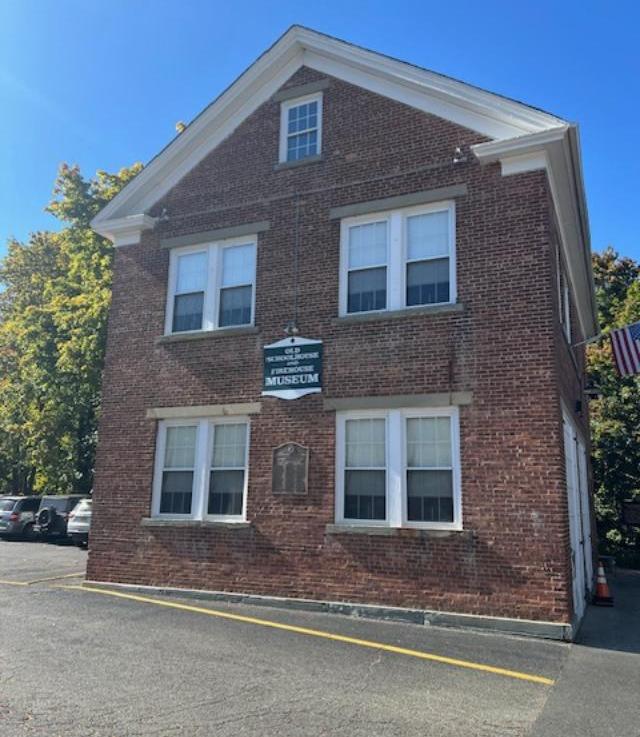
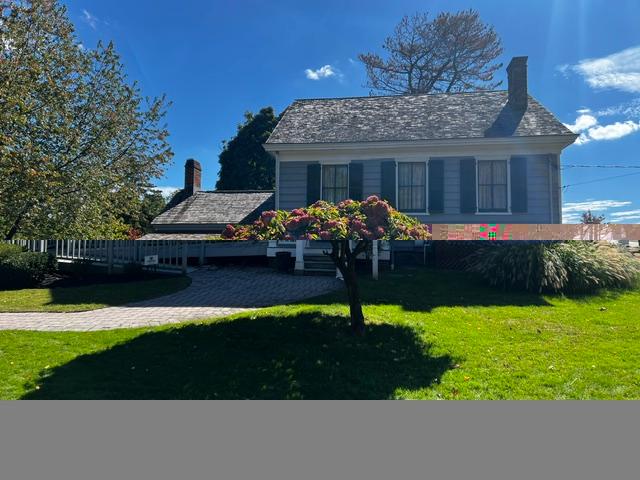
The front of the museum

I recently visited the Ogdensburg Old Schoolhouse and Firehouse Museum at 6 Passaic Avenue in Downtown Ogdensburg and discovered the community’s rich history of farming and mining in its past and its current destination as a weekend vacation spot and a up and coming bedroom community of New York City.

The County still has some farming and agriculture going on as the County continues to be built up with expats from the City, and Bergen and Morris Counties. The first floor is dedicated to the history of the Ogdensburg Fire Department with an old Engine and Ladders trucks, artifacts from the Sterling Mine just up the road and township property such as an old voting booth. You can read about the history of the Ogdensburg family as you head to the outside gallery.

The second floor has displays of various town departments including the Rescue, the Police Department and Fire Department. There are various displays of the town’s school system and various clubs in town. There are displays on the town’s mining and agricultural past with items such as farm advertising and mining equipment and minerals. Each display plays a role in the development of the community and how it progressed from farming to mining to manufacturing to the bedroom community it is today.

History of the Building:

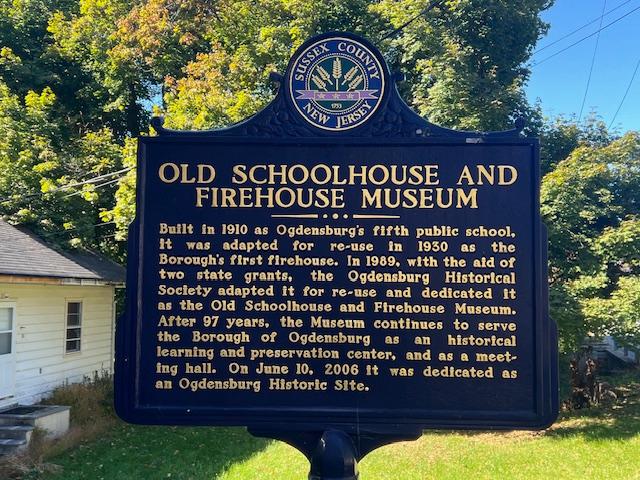
“Built in 1910 as Ogdensburg’s fifth public school, it was adapted for re-use in 1930 as the Borough’s first firehouse replacing the one built in 1872. In 1984, with the aid of two state grants, the Ogdensburg Historical Society adapted it for re-use and dedicated it as the Old Schoolhouse and Firehouse Museum in 1987.

After 97 years, the Museum continues to serve the Borough of Ogdensburg as an historical learning and preservation center, and as a meeting hall.  On June 10, 2006 it was dedicated as an Ogdensburg Historic Site.”

The historic sign of the museum

The Borough of Ogdensburg is the host of this marker commemorating the rich history provided by this building.  This building has been maintained with much thought and care and remains as a museum and meeting place for the residents of the town. The marker is located in front of the building on Passaic Avenue just off Main Street by the Ogdensburg Elementary School.  This marker was part of the 2008 placement (Museum website).

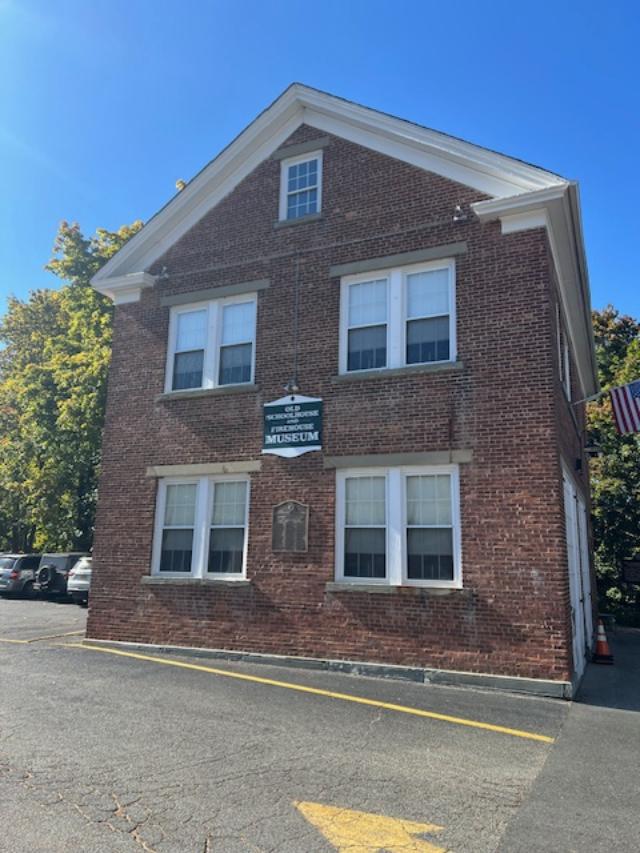
The outside of the museum which served as a school and a firehouse

The first floor of the building has the fire trucks, the history of the fire department and Ogdensburg’s 250th Anniversary of the United States on display.

The museum artifacts from the 250th celebration of the Country

The museum is on the heart of mining country of Sussex County, NJ and the museum has an interesting mineral collection along with their collection of mining artifacts.

The Mineral and Mining Collection

The museum being home to the Ogdensburg Fire Department contains the history of the local fire department along with vehicles and artifacts from the department.

https://www.facebook.com/oburgfd

The history of the Ogdensburg Fire Department

One of the early Ladder Trucks

The history of the department

One of the early Engine Trucks

The history of the department

One of the early pull hose beds pulled by men and then by horses

The first floor also contains the history of the Ogden family in the region.

The history of the Ogden family in the community

The town voting booth and a turn of the last century phone

The second floor gallery used to serve as offices and living space of the fire department.

The main gallery on the second floor

The gallery case lines are filled with memorabilia from different aspects of the community telling the story of the growth of the community that included Mining and Farming. It explains the growth into the modern suburbs of today. This includes the Fire and Police and Rescue Departments, the School System and cultural events in the community.

The main gallery on the second floor of the museum

The main gallery on the second floor

The display case of Ogdensburg departments including school, fire and police departments

The display of the Ogdensburg Police Department

https://www.facebook.com/people/Ogdensburg-NJ-Police-Department/61590226020577

The display of the Ogdensburg First Aid Squad

Blanket with historical sites and artifacts of the town of Ogdensburg, NJ

The businesses including schools and the domestic and farming industries

Each of the display cases represented different aspects of the town and has a variety of pictures and memorabilia from a variety of eras. The case lines show how the community changed over time from a mining community to the changes of a bedroom community of Newark and New York City.

The school system with classes and sports teams

https://www.obboe.org/apps/events

Household, town and business artifacts

Military and early Native American artifacts

The Glenbrook Farm Milk Bucket

The Domestic home display

The Entertainment display of recorders, phonographs, radios and early record players

The influence that Thomas Edison had on the community with new technology. Several pieces of Thomas A. Edison memorabilia are on exhibit to honor the ten years Edison spent mining iron ore at the old Edison Ore Milling Company on Sparta Mountain. Several of his phonographic inventions were created here (Ogdensburg Historical Society website).

Close up view of record players and Victrola’s

The Ogdensburg School system display

The Ogdensburg Presbyterian Church display of artifacts from inside the church

The NJ Zinc Mine display with minerals and equipment

The NJ Zinc Mine and Mineral display is a small s as molding of the museum down the street and the importance of the mining industry at the turn of the last century.

A closer look at the minerals display

A replica of a working mine operation. The machine shows how workers descending and brought up rock from the mines.

The Dedication to Mr. Waco Hadowantez, the town historian

The last display as you leave the museum is dedicated to the man who founded the historical society, Waco Hadowantez.

The museum tells an interesting story of the history of Ogdensburg and the surrounding area. It shows the importance of the Mining Community at the turn of the last century and how the community is pivoting towards tourism to tell its story.

Please contact the museum directly for seasonal hours and tours.

Stone Harbor (Tatham) Life Saving Station                                     11617 Second Avenue                                                                                  Stone Harbor, NJ 08247

Stone Harbor (Tatham) Life Saving Station 11617 Second Avenue Stone Harbor, NJ 08247

Stone Harbor (Tatham) Life Saving Station

11617 Second Avenue

Stone Harbor, NJ 08247

(609) 368-2294

https://en.wikipedia.org/wiki/U.S._Life-Saving_Station_No._35

Open: (Seasonal-June-Labor Day)

Admission: Free but they ask for a donation of $5.00

My review on TripAdvisor:

https://www.tripadvisor.com/ShowUserReviews-g46850-d14316159-r1073429644-Tatham_Life_Saving_Station_and_Museum-Stone_Harbor_Cape_May_County_New_Jersey.html?m=19905

The outside of the museum:

The Stone Harbor Life Saving Station at 11617 Second Avenue

(From the Stone Harbor Museum website)

American Legion Post 331 represents both Avalon and Stone Harbor, but also includes many members from outside the area. The Post occupies the old Tatham Life Saving Station, the oldest building in Stone Harbor, and is dedicated to the memory of PFC Stephen C. Ludlam, of Stone Harbor, New Jersey (1925-1945). Stephen was the recipient of the Distinguished Service Cross (our nation’s 2nd highest award) and Purple Heart for heroic action during the Battle of the Colmar Pocket in World War II (Stone Harbor Museum website).

The historic Life Saving Boat

The historic signs

The historic signs

The historic signs

The museum is open for limited hours Monday-Wednesday and on Fridays from 10:00am-2:00pm during the summer months and then by appointment only during the rest of the year. The building is used for the local Veterans VFW meeting place so the building is used all year round.

The outside painting of the rescue team on the outside of the old bay

(From the Stone Harbor Museum website)

Murals in the building depict the history of the building, use of life saving equipment during the 1900s and honor to our fallen soldiers. All murals were created by artist and member Mr. James J. Thompson. Memorabilia available includes the life saving surf boat, steering oars, historic photos of the Life Saving Service and wall panels describing in detail the various aspects of life saving operations. The murals, wall panels and surfboat restoration were funded by the Cape May County Board of Chosen Freeholders. Also of interest is the view from the tower which presents an excellent panorama of Stone Harbor, the ocean, Hereford Inlet and the bay (Stone Harbor Museum website).

The second painting

I took a guided tour on a recent Friday and one of the veterans gave me a very though tour of the museum and all the displays. If you like this depth of the history of both the Coast Guard, the Jersey Shore Rescues and this history of all the wars especially WWI and WWII, this museum shows that history in depth with artifacts from both local residents and members of the military from New Jersey.

The Rescue painting from the old rescue bays

We started the tour on the first floor with the history of the building, how the Jersey Shore Rescue units worked and the early formation of the Coast Guard from the earlier Rescue Units.

The painting in the lobby is rescued

The beginnings of the US Coast Guard

The building is named after local resident , Stephen Ludham. The memorial to Private First Class Stephen Ludham is located in the first room.

The memorial Stephen Ludlam

The picture of Stephen C. Ludlam

(From the American Legion Post 331 website)

The American Legion Post 331 was chartered on March 30, 1946. At the time of our organization, we received permission from Mr. and Mrs. Jesse D. Ludlam of Stone Harbor to name the new post in honor of their son, Private First Class (PFC) Steven C. Ludlam. PFC Ludlam was killed in action at the age of 19 near Ostheim, France on January 23, 1945. For his heroic action on that date, he was posthumously awarded the Distinguished Service Cross, an award second only to the Medal of Honor. His brother, John Ludlam an Army Air Corps member, was a charter member of the new post (American Legion Post 331 website).

Post 331 is unique primarily because it is fortunate enough to have been able to purchase and restore a deactivated U. S. Coast Guard (USCG) station that was formerly an 1895 U. S. Life-Saving Service (USLSS) station as its Post building. The building not only serves as a meeting place for legionnaires, but it also houses a life-saving museum on its first floor and a military museum on its second floor. The building’s tower offers a panoramic view of the southern part of Seven Mile Island (formerly Seven Mile Beach). American Legion Post 331 and Sons of The American Legion (S. A. L.) Squadron 331 members provide free tours of the historic building five days a week during the summer (American Legion Post 331 website).

Post 331 is also unique among many Posts because it services the summer resort communities of Avalon and Stone Harbor whose populations, to include active legion members, drastically fall during the off-season months. As a result, the Post is closed during the months of February and March. The Post has a membership of over 200 members. Our membership is comprised of past and present members of our nation’s military services: Army, Navy, Marine Corps, Coast Guard, Air Force and in the future US Space Force. As members of The American Legion, they carry out our goal of veterans helping veterans and our local communities (American Legion Post 331 website).

The main room on the first room where the VFW meets, there is all sorts of artifacts and pictures along the walls.

The main meeting room of the building

The beach live Guarding stations in this part of the shore district

The Rescue Stations used to line the coastline along a certain amount of miles that could be covered by Teams with the technology of the time. As modern rescue practices were developed after WWI, we saw the formation of the current US Coast Guard.

The uniform and the award to Charles M. Wright, along with his memos.

What the site looked like in the early part of the last century before Stone Harbor grew up around it.

The next memorial was to Seaman Stephen Tieser along with his uniform.

The memorial to Stephen Tieser

Stephen Teiser’s Sailor’s uniform

The uniforms and the group shot of the ‘Manning Station’, the men of the life guarding station

As we left the first floor of the station and arrived on the second floor, the first display was on the ‘Code Talkers’, the native Americans who spoke the ‘Navajo’ language, and established a code that no one could break during WWII.

The Code Talkers display. This was the basis for the movie “Windtalkers”

The second floor landing has an interesting display of artifacts, including uniforms and art from WWII.

The second floor display

The second floor WWII display

The WWI display of the ‘Doughboy’ uniform and pictures

The full uniform

The WWII display of veterans memorabilia

The museum has an interesting display of items that were taken as spoils of the war from veterans based in Germany. The collection as a lot of Nazi war items.

The Nazi memorabilia

The second floor gallery of the station

The electronic equipment used in the war

The WWII Women’s display of factory and war support

A local couple who both members of the armed forces during WWII family donated their entire collection of their parent’s memorabilia from the war years.

The collection of family memorabilia

Jay and Rosie Hart and all awards and accolades

A Japanese bomber uniform in the WWII

The Vietnam veteran display in the second floor gallery

The war display on the second floor landing

The third floor of the building had the look out and a spectacular view of the ocean.

The third floor lookout

The view from the lookout tower

The tour takes about an hour but can go longer depending on your tour guide and the amount of time you want to spend on each exhibition. It is a fascinating look not just at the history of the Legion and of the Rescue facility but of all our foreign wars. The museum is open from 10:00am-2:00pm on selected days of the week depending on the season.

The History of the American Legion Post 331:

(From the American Legion Post 331 website)

Since being chartered in 1946, Stephen C. Ludlam Post 331 of The American Legion has been welcoming veterans from all branches of our Armed Forces. The American Legion was chartered and incorporated by Congress in 1919 as a patriotic veterans organization devoted to mutual helpfulness. It is the nation’s largest wartime veterans service organization, committed to mentoring youth and sponsorship of wholesome programs in our communities, advocating patriotism and honor, promoting strong national security, and continued devotion to our fellow service members and veterans (American Legion Post 331 website).

The American Legion is a nonpartisan, not-for-profit organization with great political influence perpetuated by its grass-roots involvement in the legislation process from local districts to Capitol Hill. Legionnaires’ sense of obligation to community, state and nation drives an honest advocacy for veterans in Washington. The Legion stands behind the issues most important to the nation’s veterans community, backed by resolutions passed by volunteer leadership (American Legion Post 331 website).