Category: Exploring New Jersey

Clayton Historical Museum                                                                     29 East Avenue                                                                                      Clayton, NJ 08312

Clayton Historical Museum 29 East Avenue Clayton, NJ 08312

Clayton Historical Museum

29 East Avenue

Clayton, NJ 08312

(856) 881-3039

https://claytonhistoric.org

https://www.facebook.com/ClaytonHistoric

Open: Sunday-Friday Closed/Saturday 11:00am-1:00pm (every third Saturday)

My review on TripAdvisor:

https://www.tripadvisor.com/Profile/R4960NKjustinw/mediabatch/14542111?m=19905
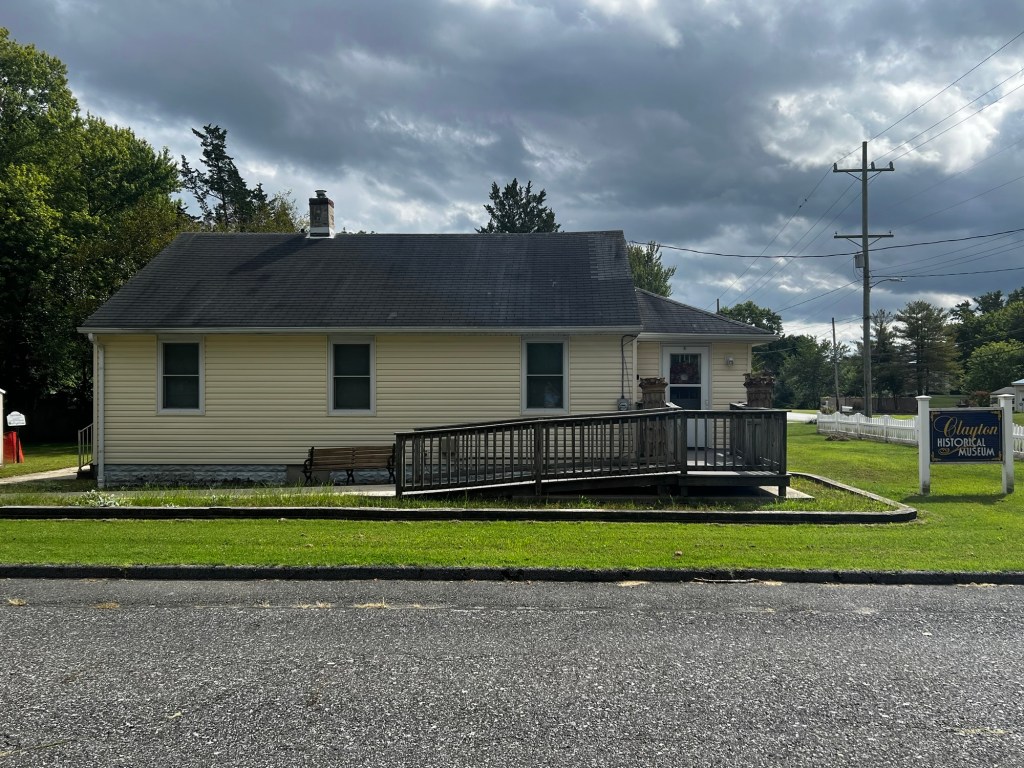
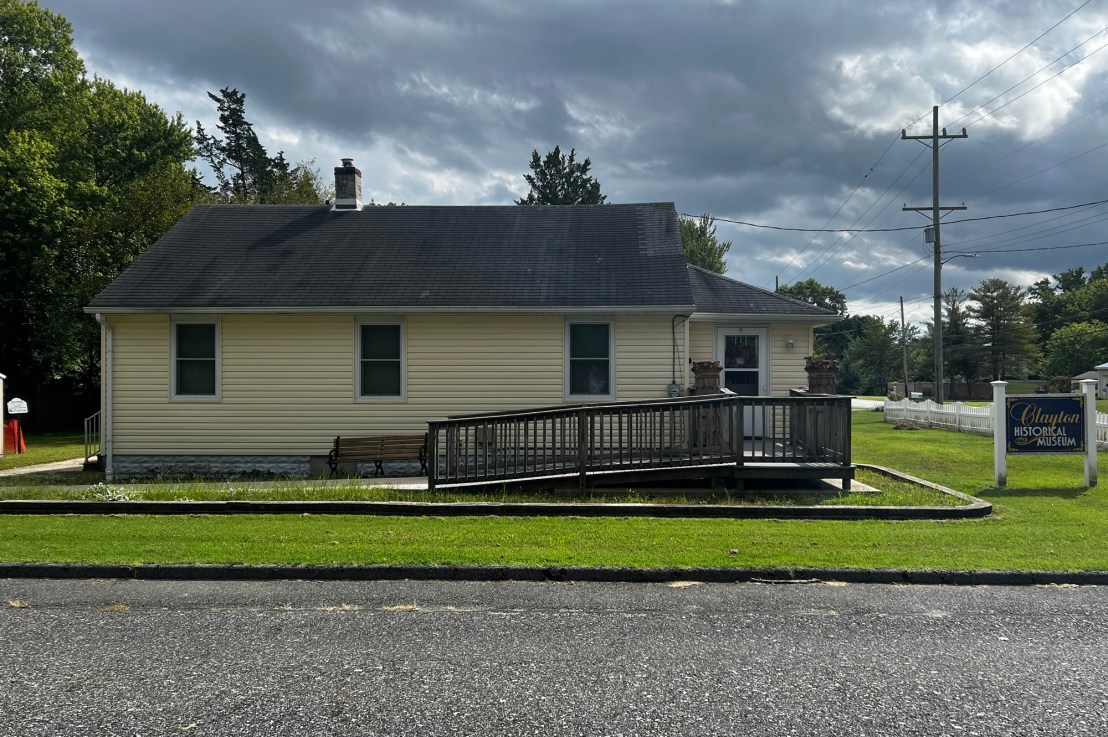
The Clayton Historical Museum at 29 East Avenue
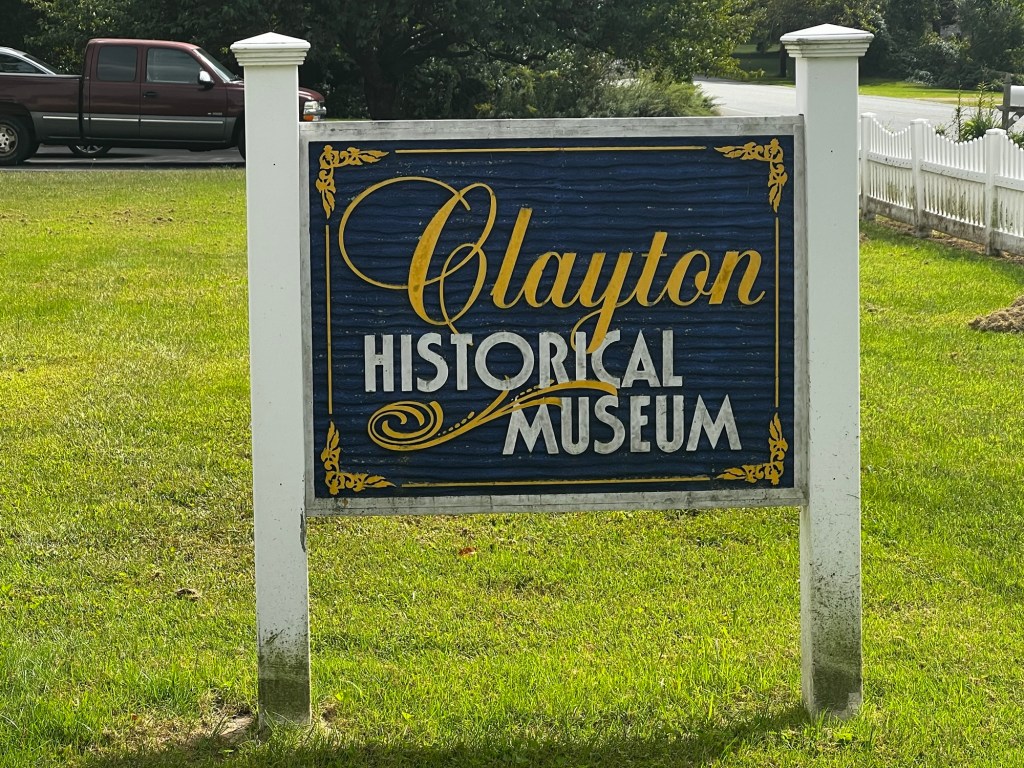
The sign welcoming you to the museum

The Clayton Historical Museum is the perfect example of a community recording and preserving its past and showing the direction of its future through historical timeline of this town. From its place in glass manufacturing the the cheer of its high school, the museum displays the community pride of Clayton, NJ.

It shows how small towns all over New Jersey can preserve their past while still being part of the community at large. Each of the rooms in the museum displays a part of the community and its progression through time.

The first small gallery is dedicated to the uniformed forces that help protect this small community, the majority of the second gallery is dedicated to the glassworks business that once dominated the area and the back gallery displays its community with schools, the business district and the continuation of the glassworks.

The docents and volunteers give you the freedom to walk around but time is limited because the museum is only open for two hours a month plus special events happening in the town.

The History of the Museum:

(From the Museum website)

Clayton Historic Preservation collects personal papers, local business and organization records, photographs, early maps, genealogies, church histories, family Bibles, historic books, newspapers, artifacts and so much more.
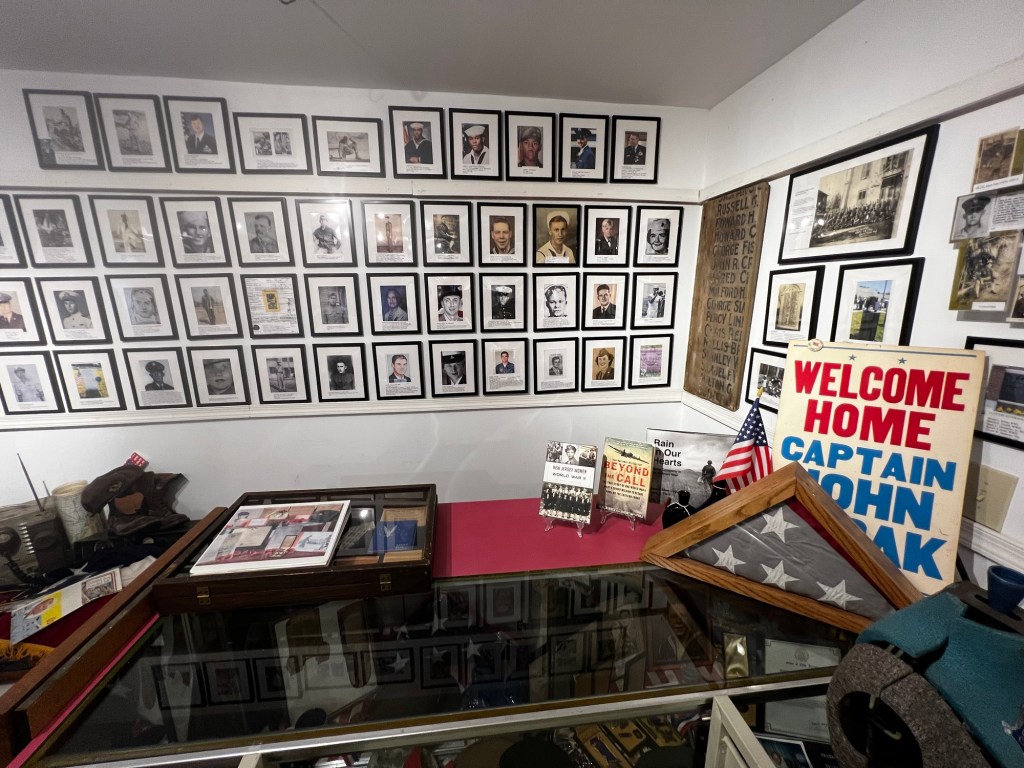
The Veteran’s Exhibition in the middle of the museum

Our museum’s archives showcases the heritage and culture of Clayton, allowing visitors to explore and appreciate the town’s fascinating journey. Clayton Historic Museum is a guardian of the borough’s rich heritage, offering visitors a journey through its exhibits and displays (Clayton Historical Society pamphlet).
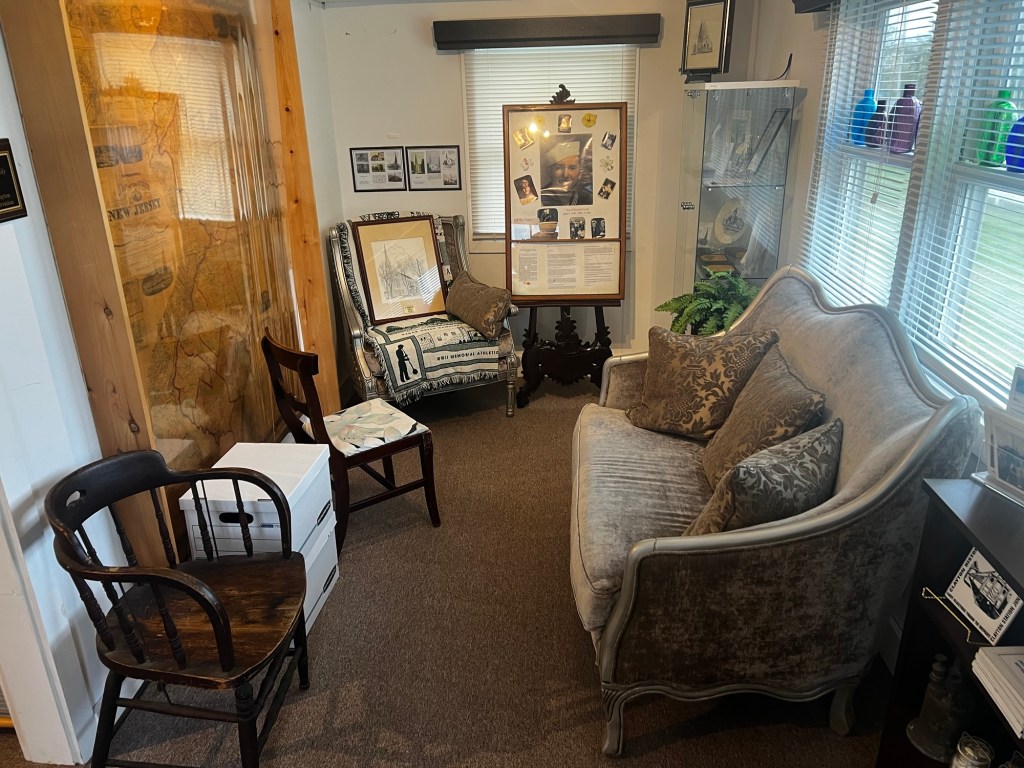
The entrance hall to the museum
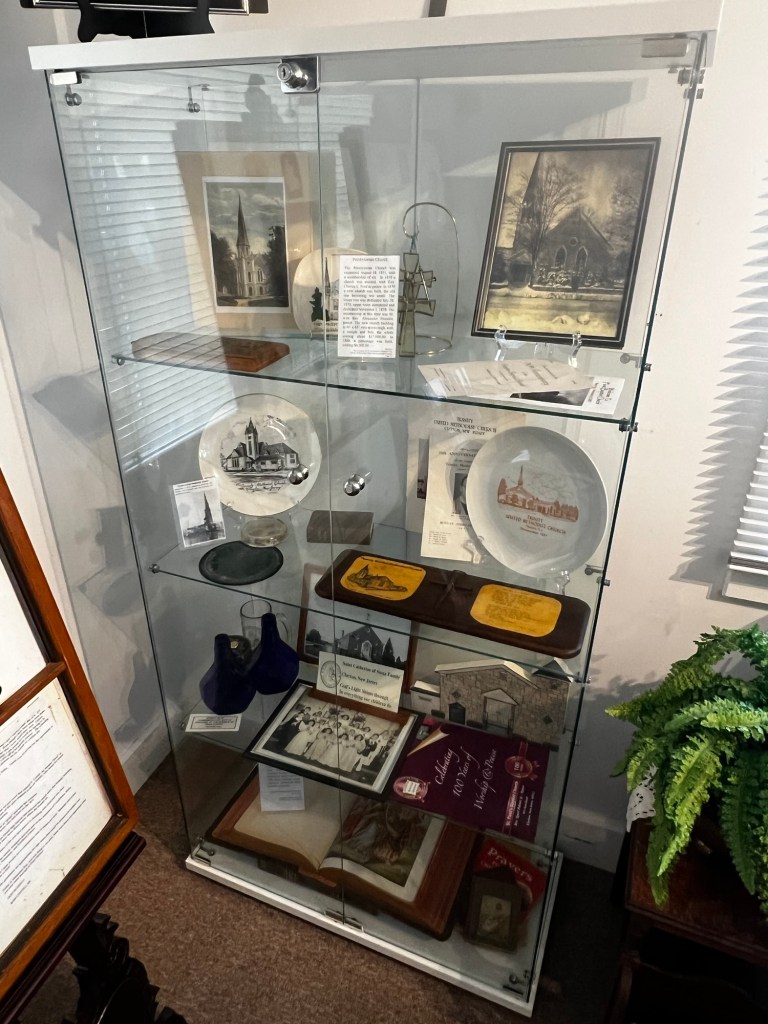
The church artifacts in the first entrance gallery

The Clayton Historic Museum fosters a sense of pride and appreciation for Clayton’s past by preserving artifacts, documenting stories and engaging the community. CHP invites residents and visitors to explore, learn and connect with the borough’s history.

As a testament to the borough’s commitment to preserving its unique identity, CHP is creating an enduring legacy for future generations(Clayton Historical Society pamphlet).

The front gallery dedicated to the town’s First Responders:
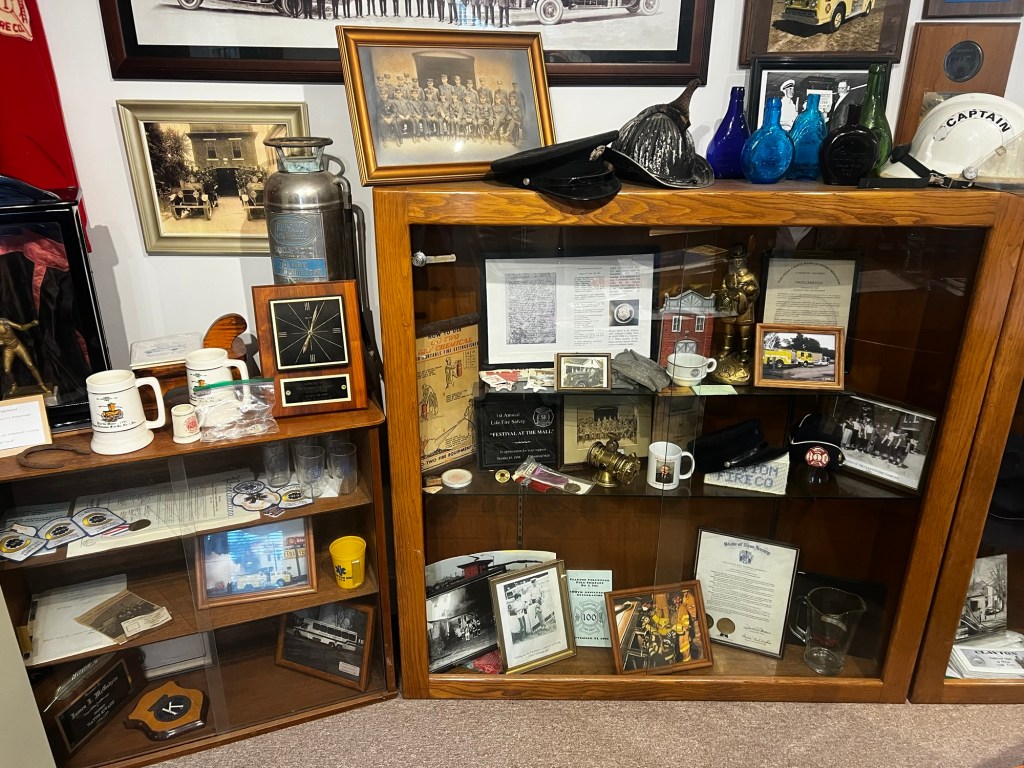
The front gallery of Clayton Fire and EMS displays
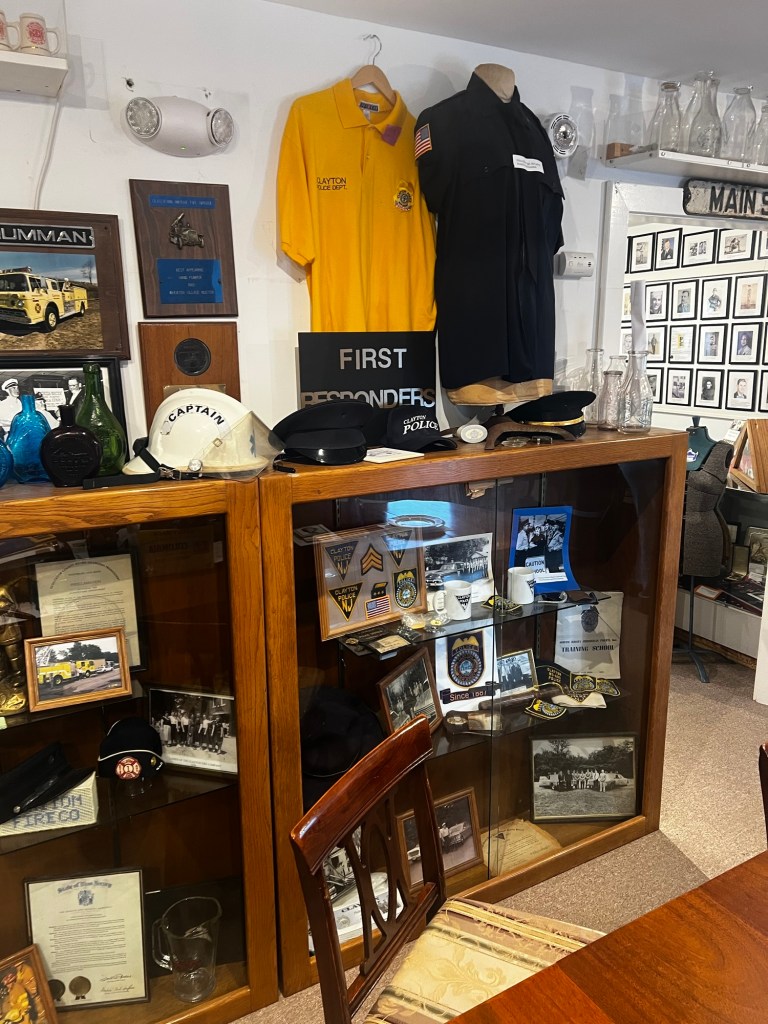
The Clayton Police and Fire Department displays
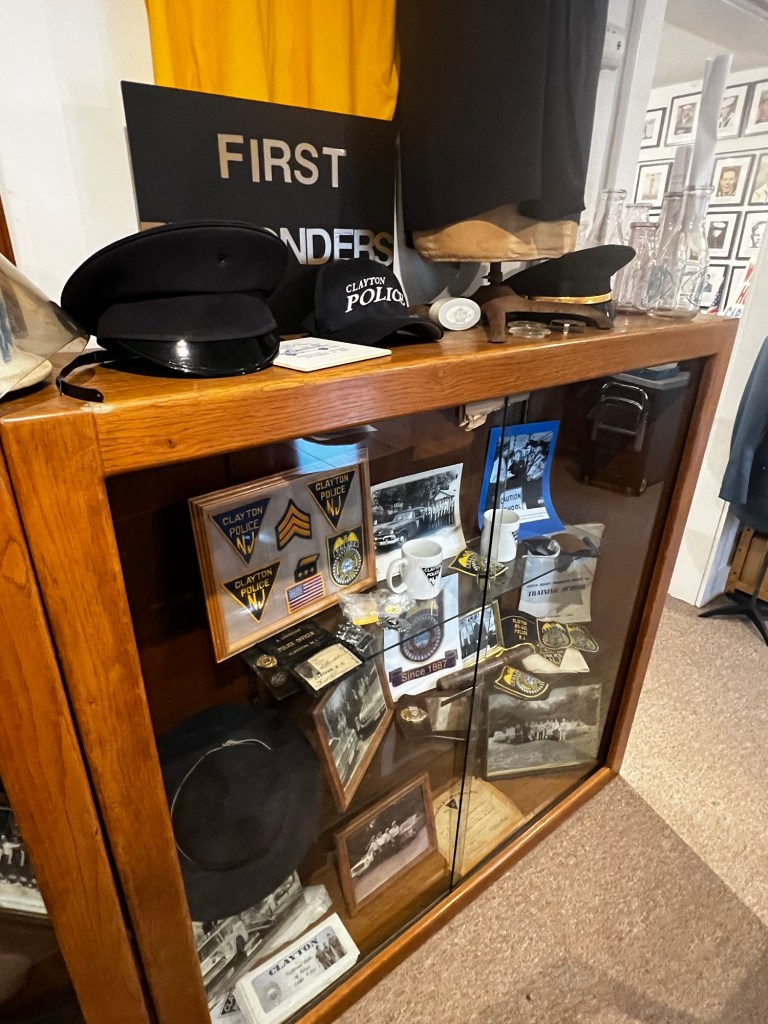
The Clayton Police display

The middle gallery is dedicated to the glassworks businesses:
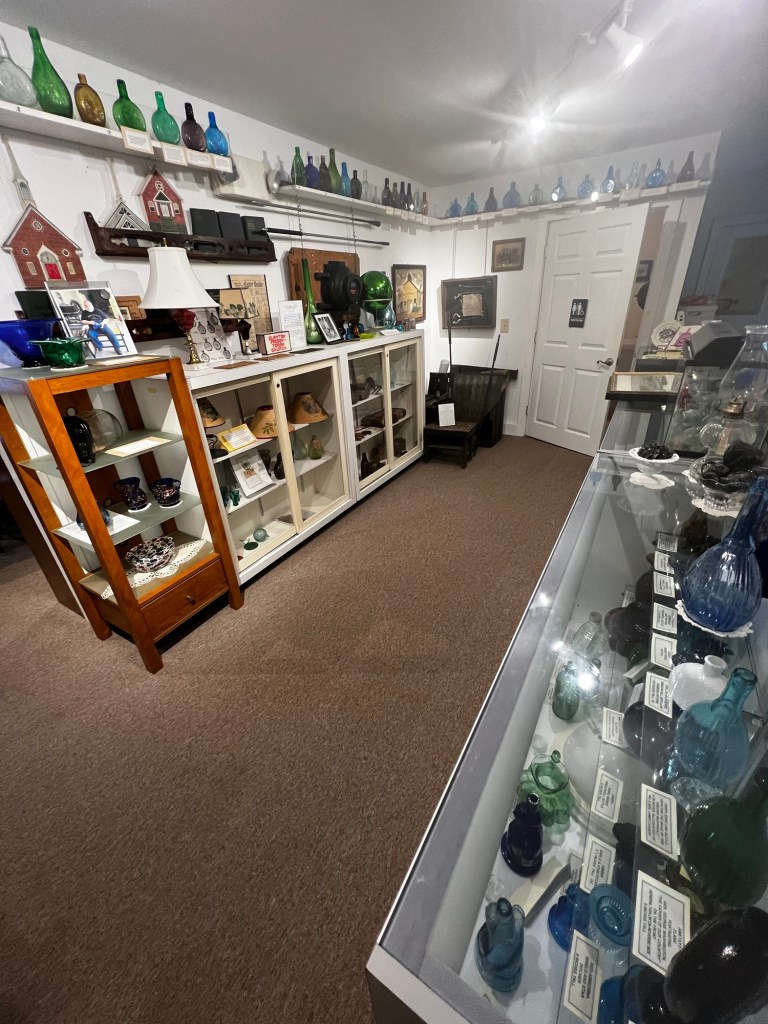
The middle gallery

The glass making industry was a majority of the work force at the turn of the last century and shows New Jersey’s craftsmanship over the years.
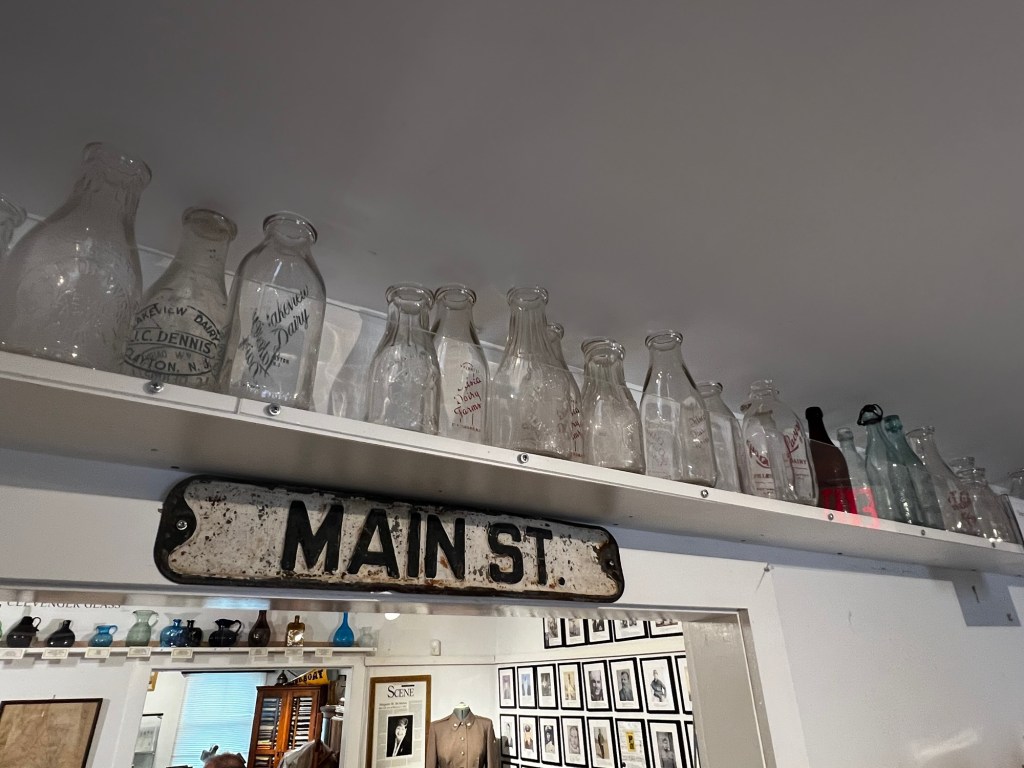
The glass milk bottles showing the areas both dairy and glass bottle industries of the past
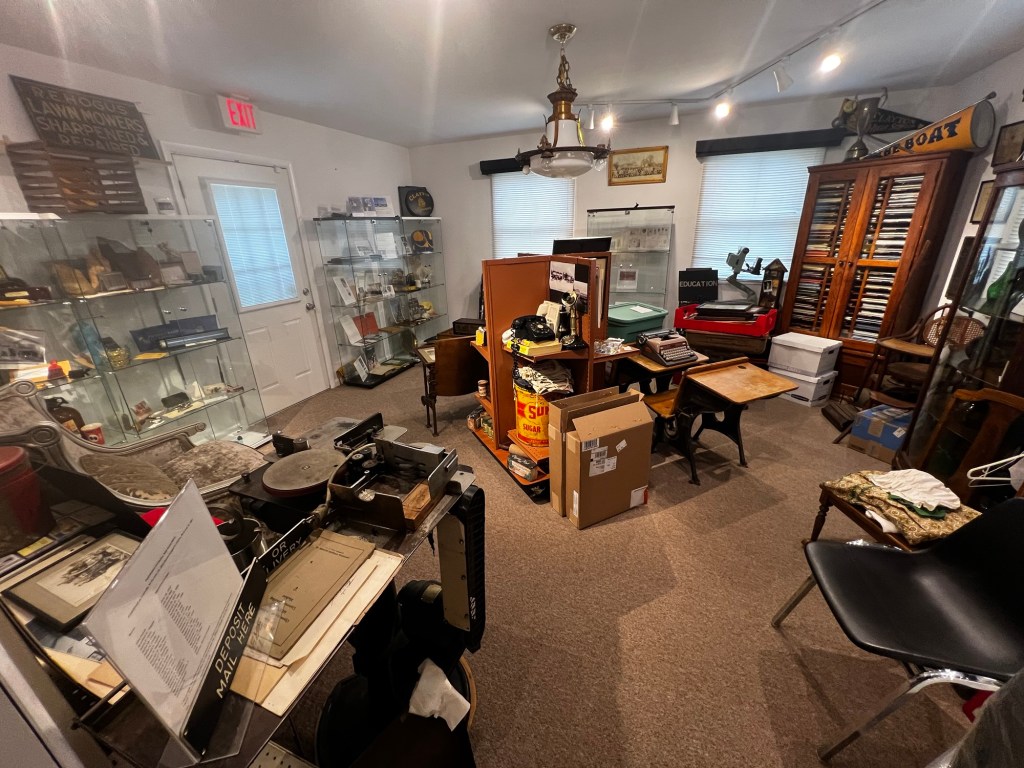
The back gallery contained a lot of Clayton’s manufacturing and retail history
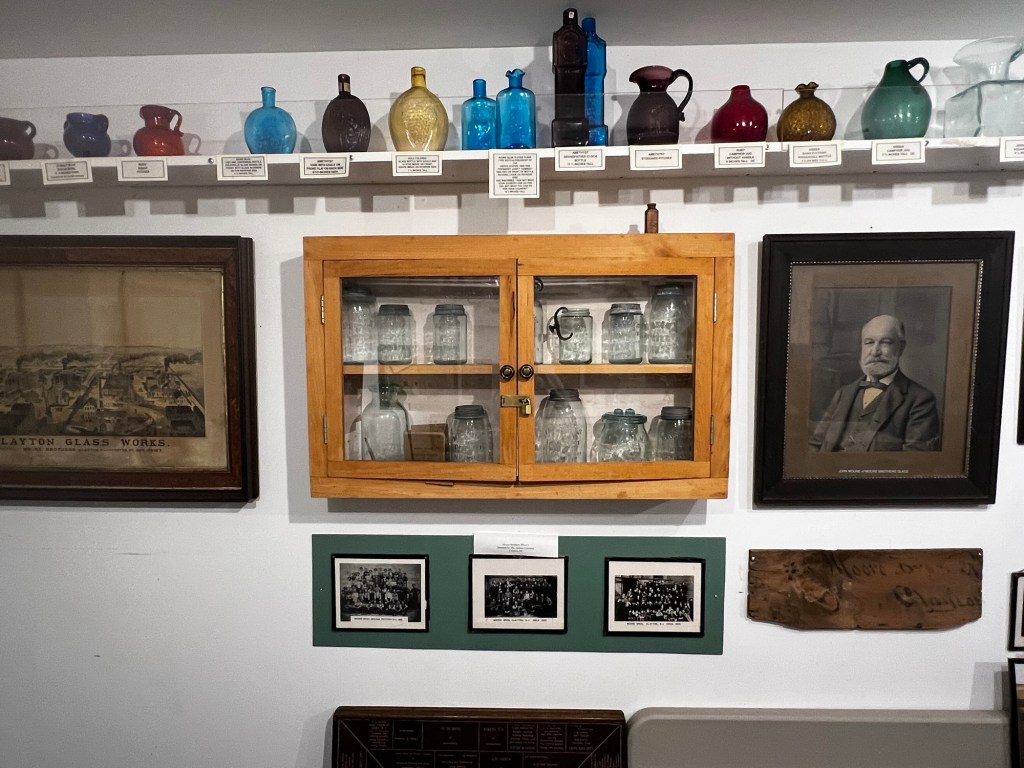
The glassworks history in the community run deep
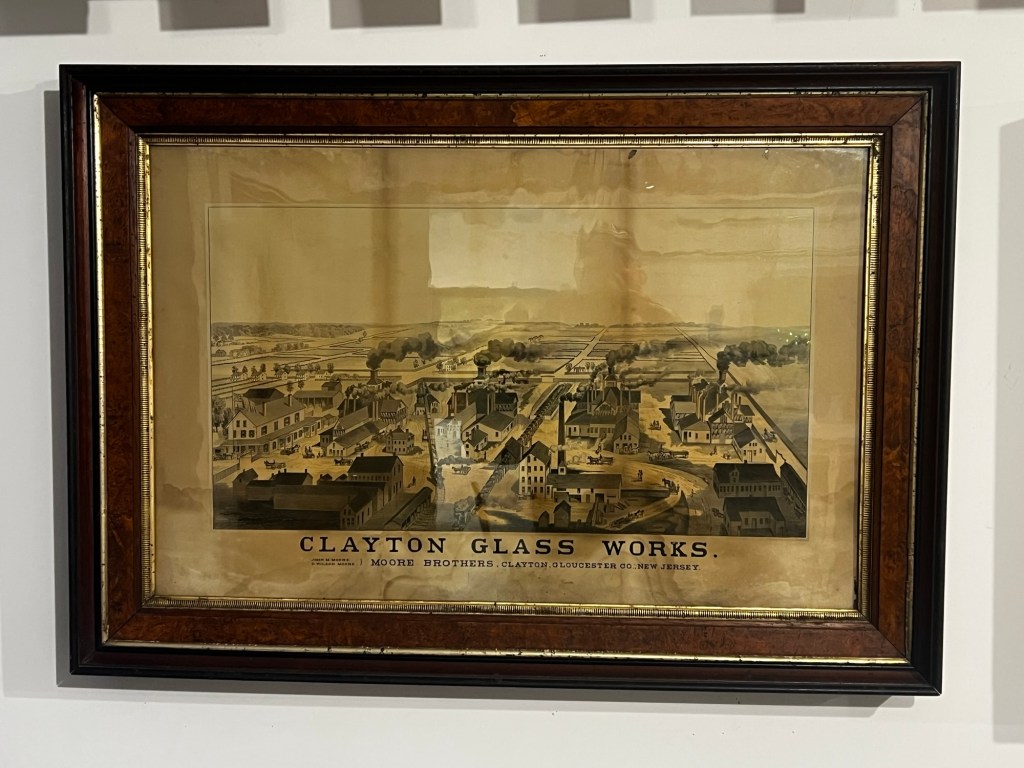
The Clayton Glass Works factory at the turn of the last century
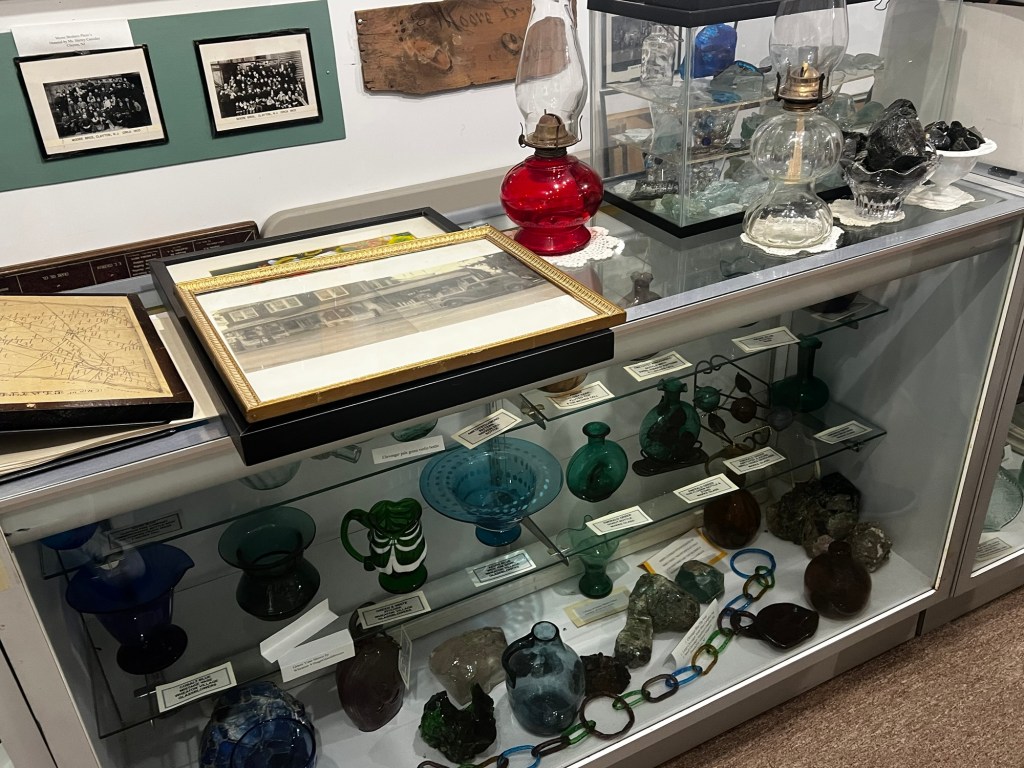
Decorative glass was one of its specialties
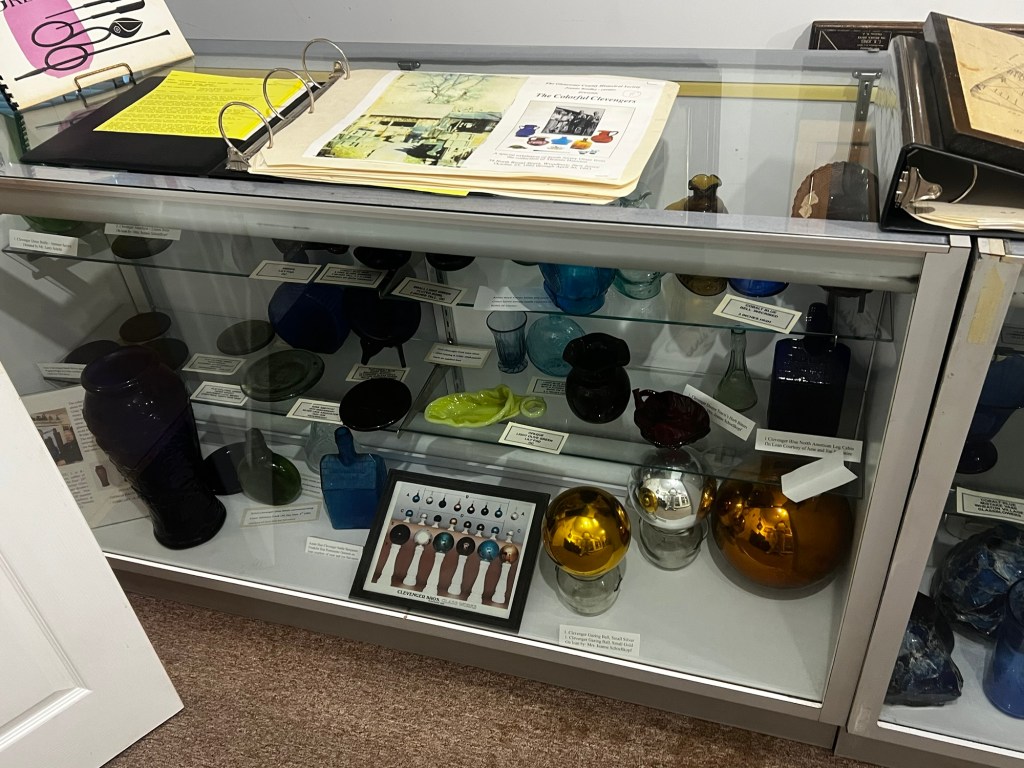
Creative glass works are part of the extensive collection at the museum
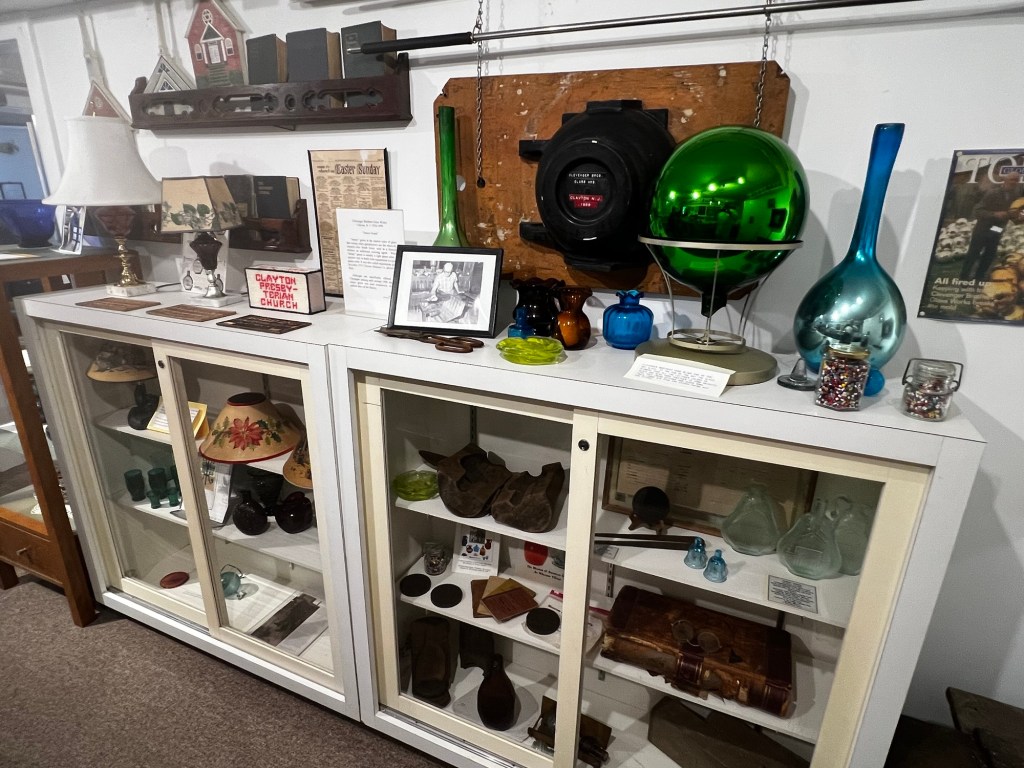
The everyday decorative items were made right here in New Jersey

The main part of the gallery discusses and displays how important the glass industry was to the community and the creativity of the artisans.
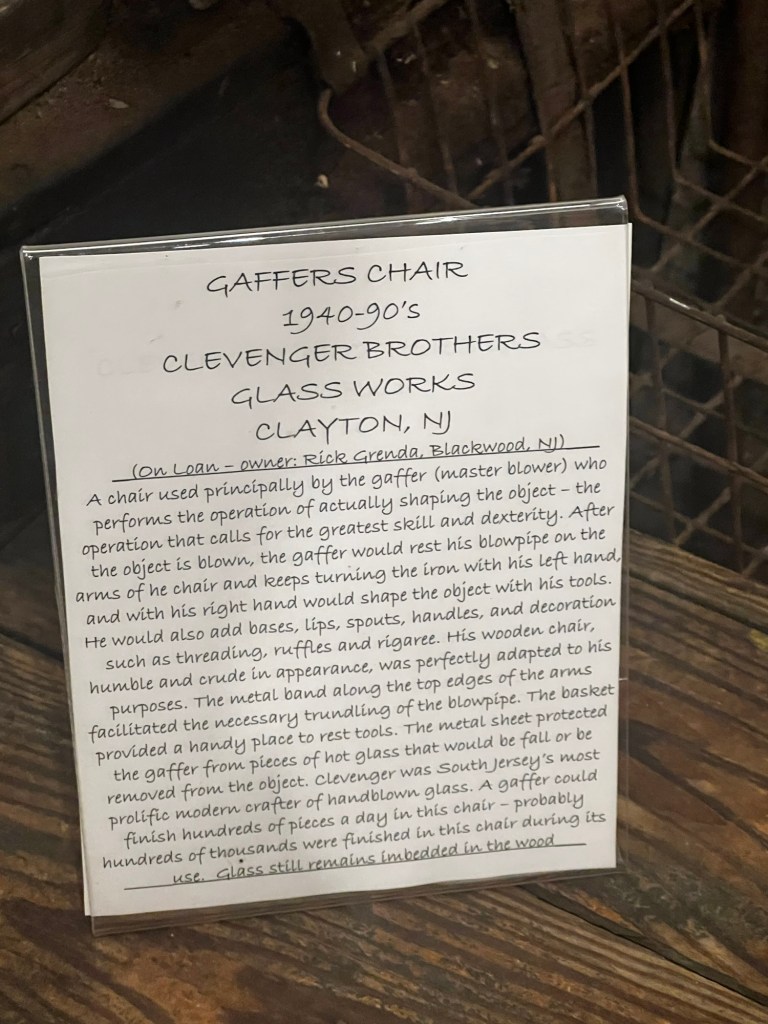
The display of the glass blowers chair and the time and effort once part of this craft
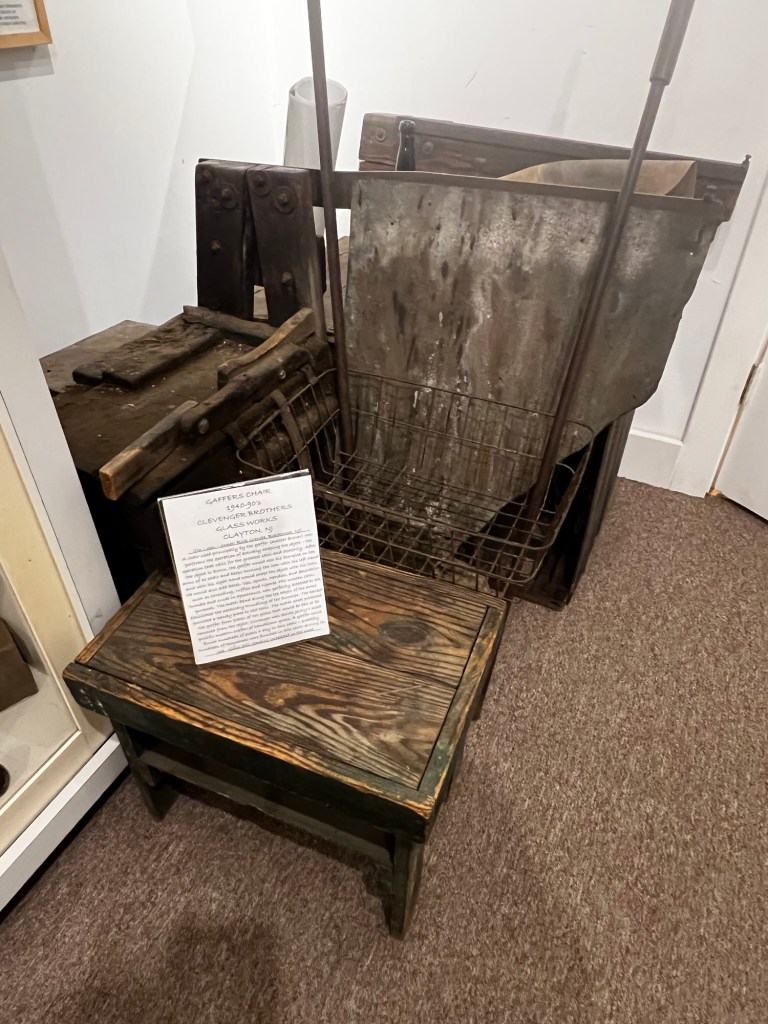
The glass blowers chair on display

The museum’s exhibits offer an overview of Clayton’s history, covering various aspects such as industry, agriculture, transportation and daily life.
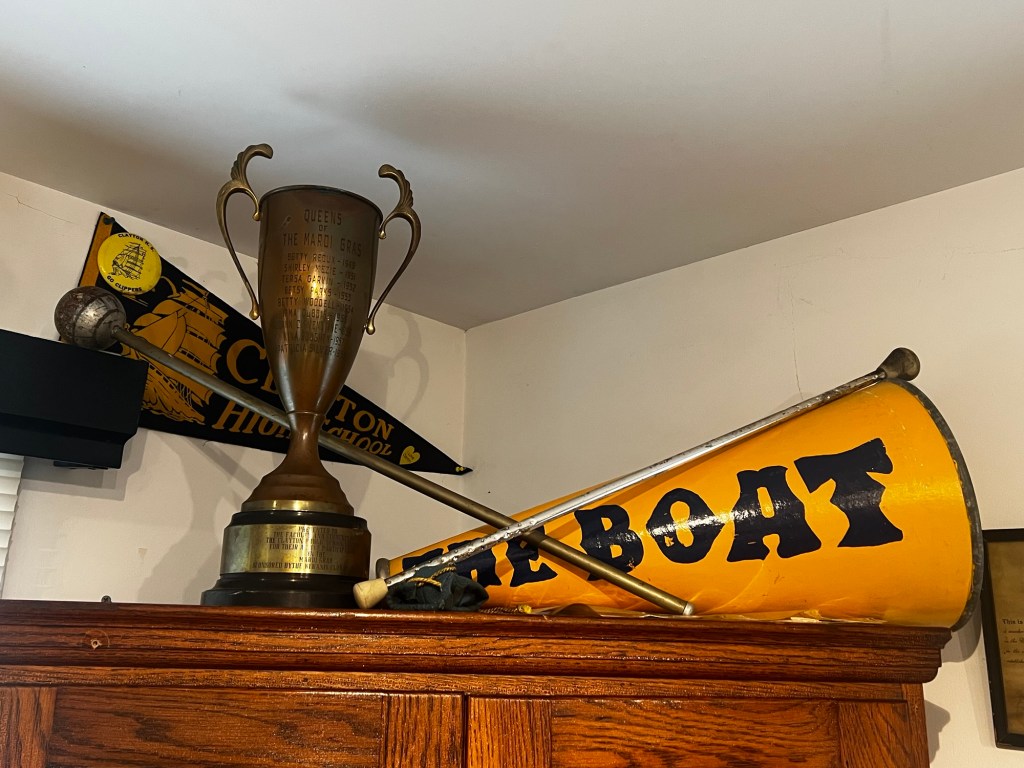
Collections from The local Clayton High School
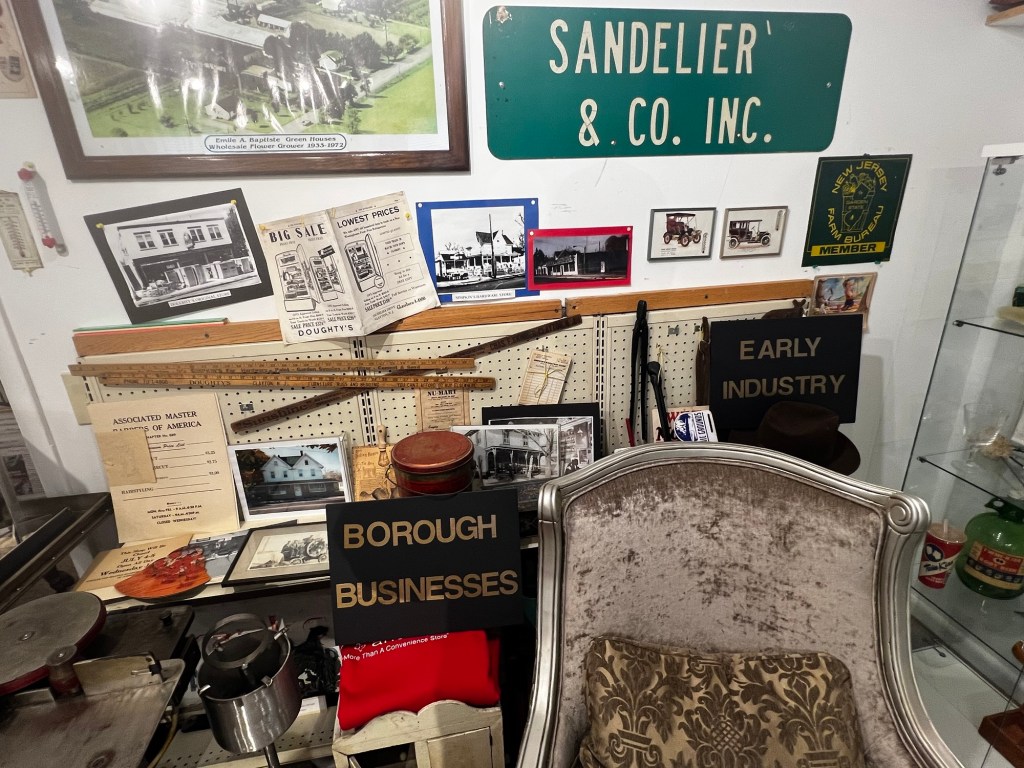
The Clayton, NJ local business district businesses

Through an assortment of photgraphs and documents, visitors can explore the Borough’s development.
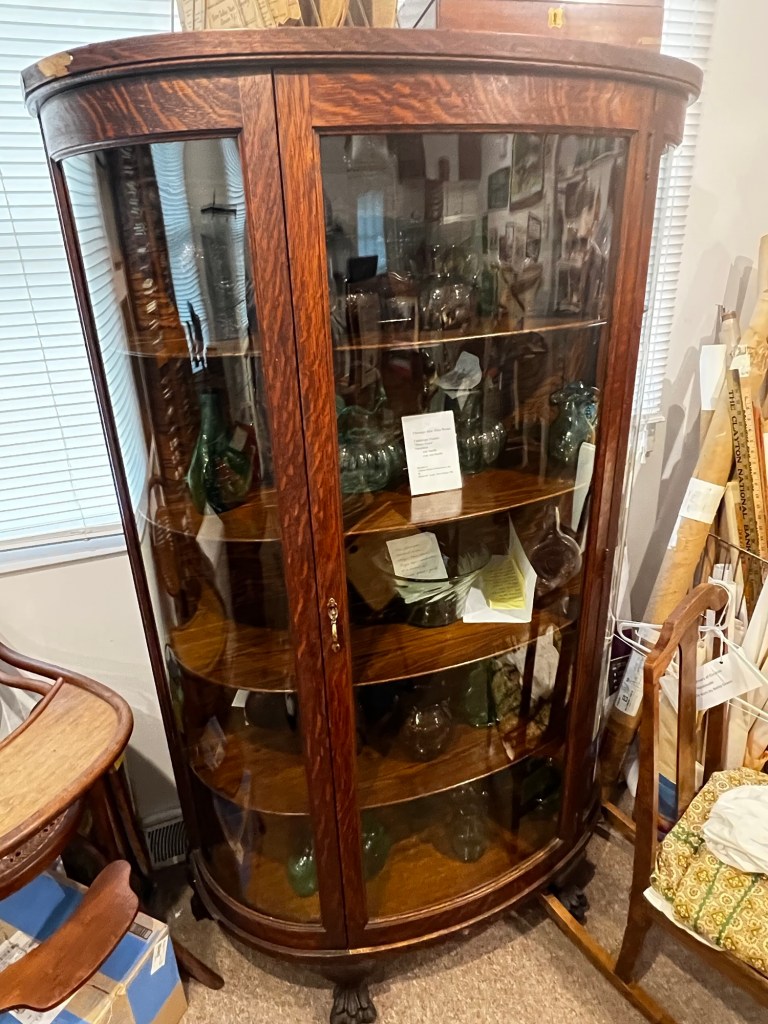
The beautiful decorative glass on display
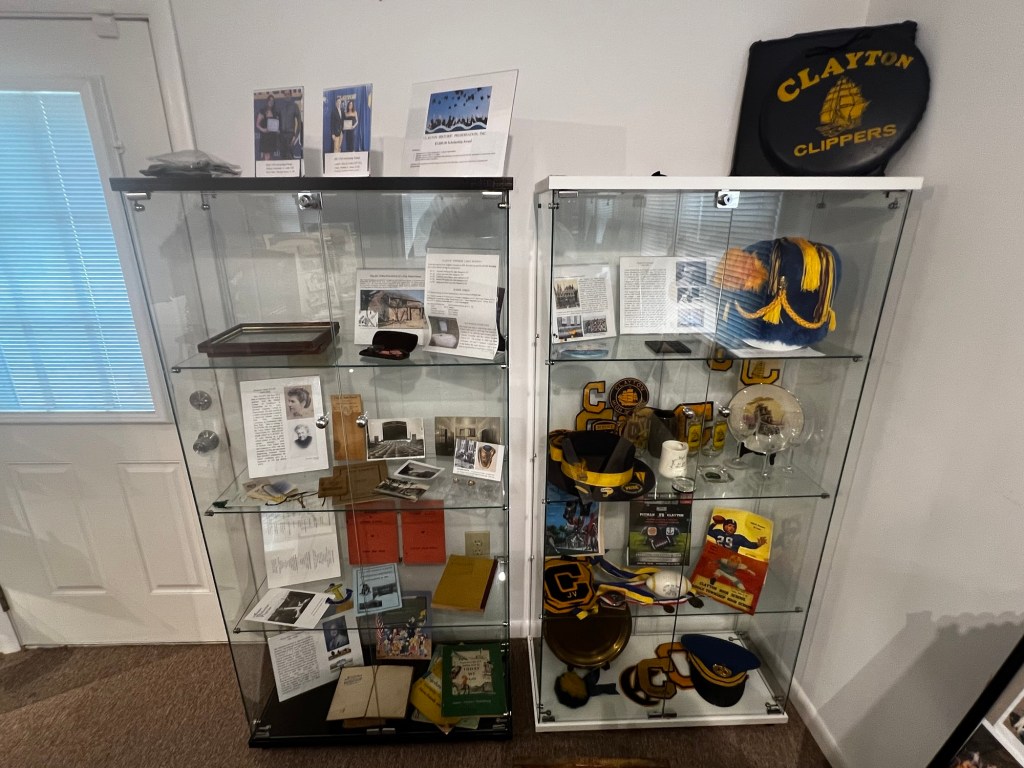
The Clayton High School display showing small town pride
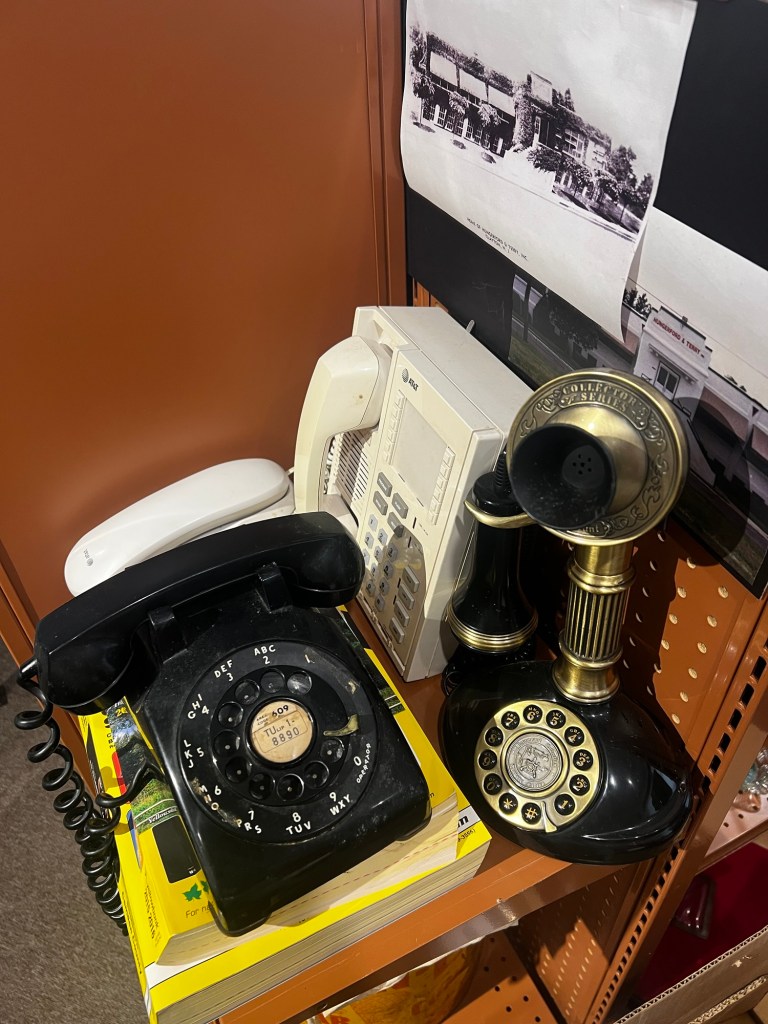
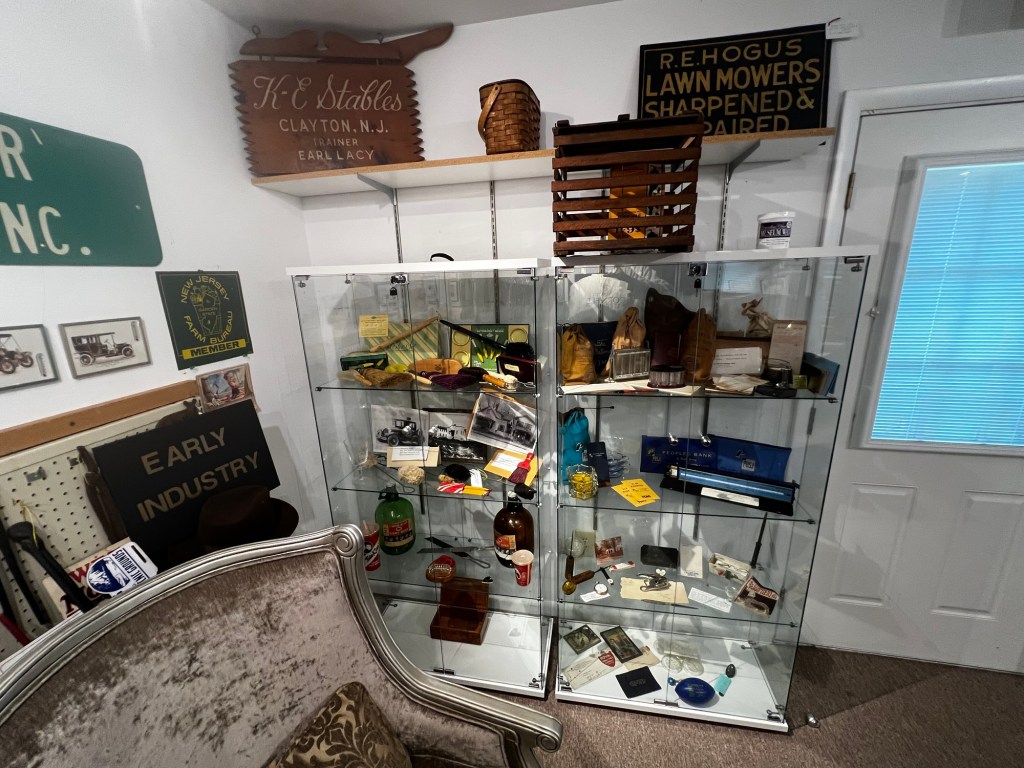
The progression of the telephone
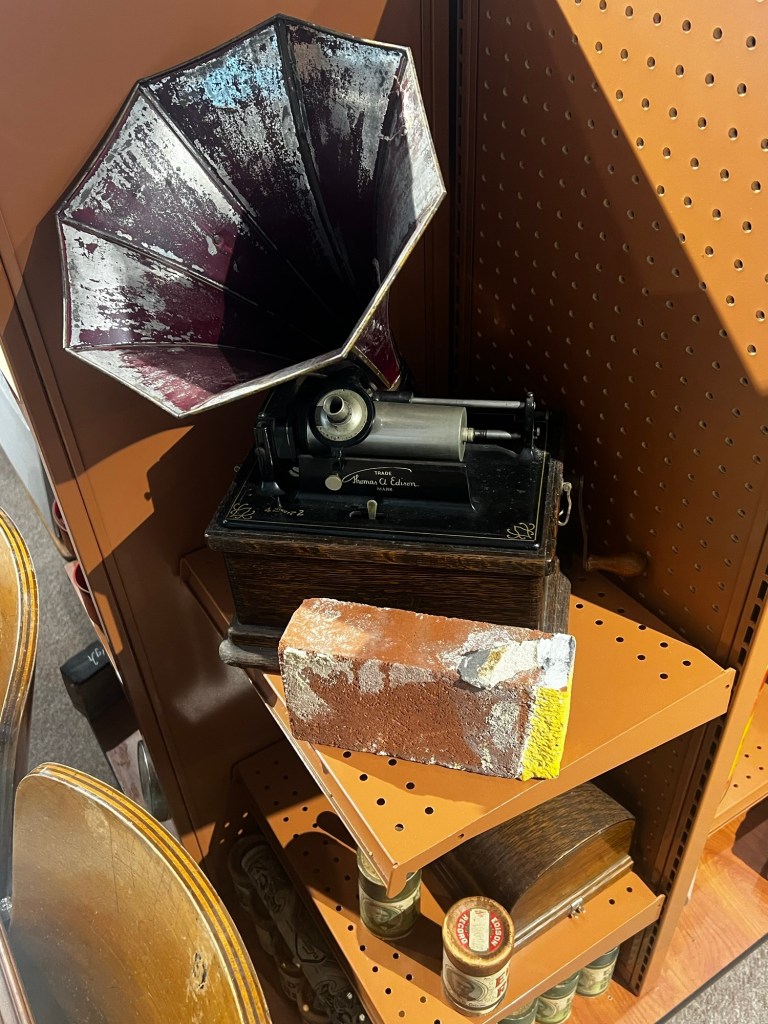
The antique Victrola got its start in the Edison labs here in New Jersey

The exhibits provide a deeper understanding of Clayton’s past, fostering an appreciation for the borough’s heritage.
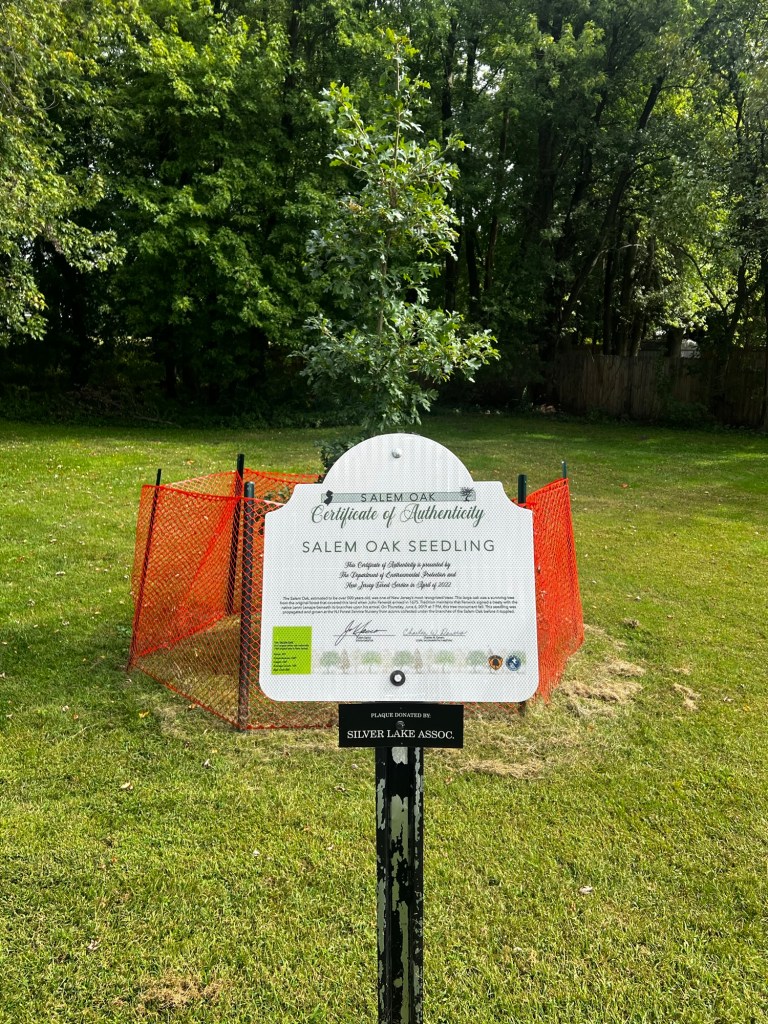
A clipping from the Salem Oak in Salem, NJ is in the yard behind the museum

The Mission Statement of the Museum:

(From the Museum website)

• Acquire and preserve documents, records and relics of the Borough of Clayton, Gloucester County and the State of New Jersey

• Encourage the protection and preservation of the historical landmarks and points of interest
Furnish historical information and documentation to the Borough

• Partner with Clayton Special Events and neighboring Preservation Associations to exchange and display historical related information, documents and artifacts
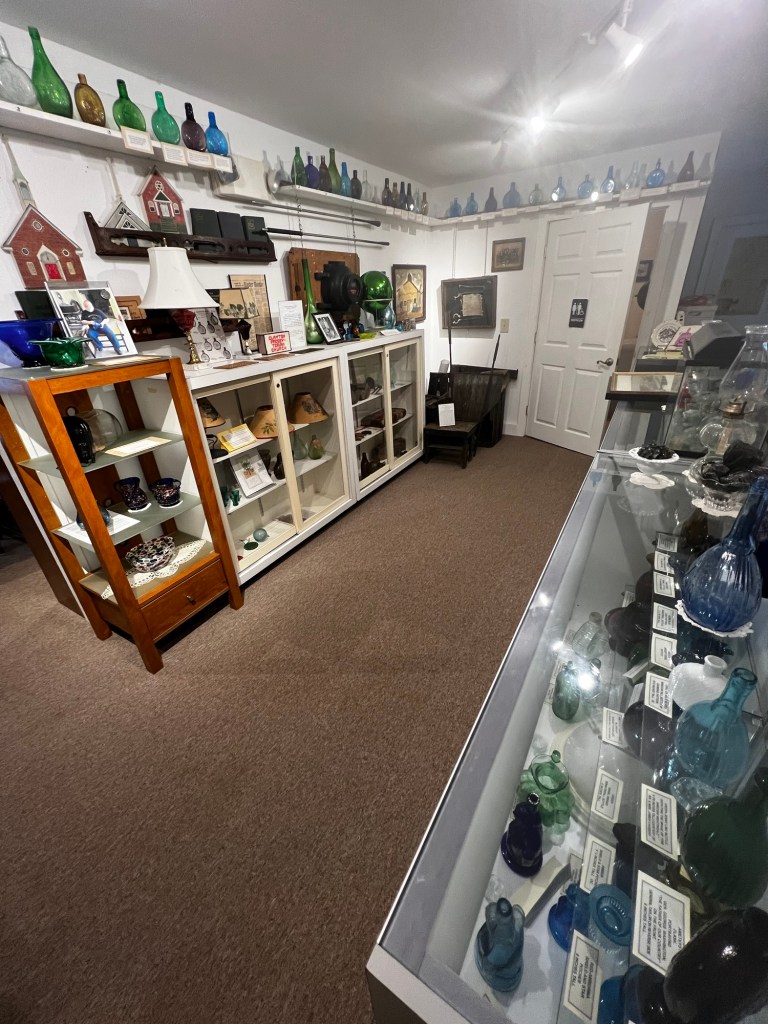
The middle gallery of the museum’s extensive glassworks collection

Remember that the museum is only open from 11:00am-1:00pm the third Saturday of the month so plan your trip to museum accordingly.
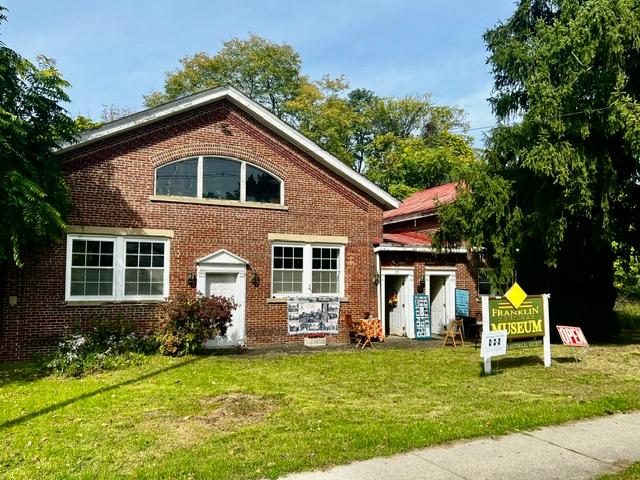
Franklin Heritage Museum                                                                   95 Main Street                                                                               Franklin, NJ 07416

Franklin Heritage Museum 95 Main Street Franklin, NJ 07416

Franklin Heritage Museum

95 Main Street

Franklin, NJ 07416

(973) 827-3481

https://www.westmilfordmessenger.com/entertainment/new-exhibits-on-display-at-franklin-heritage-museum-YTWM20060518305189997

Open: Seasonal please check the website

Admission: Free but donations are appreciated

My review on TripAdvisor:

https://www.tripadvisor.com/ShowUserReviews-g46449-d34737427-r1081595818-Franklin_Heritage_Museum_Franklin_Historical_Society-Franklin_New_Jersey.html?m=19905

The Franklin Heritage Museum at 95 Main Street

During the Annual Sussex County Heritage Weekend, one of the first stops I made was to the Franklin Heritage Museum in Downtown Franklin, NJ. The museum was the house in one of the offices of the mining company. The museum was a glimpse into community’s mining past and how it shaped this area of the State of New Jersey.

The museum sign out front

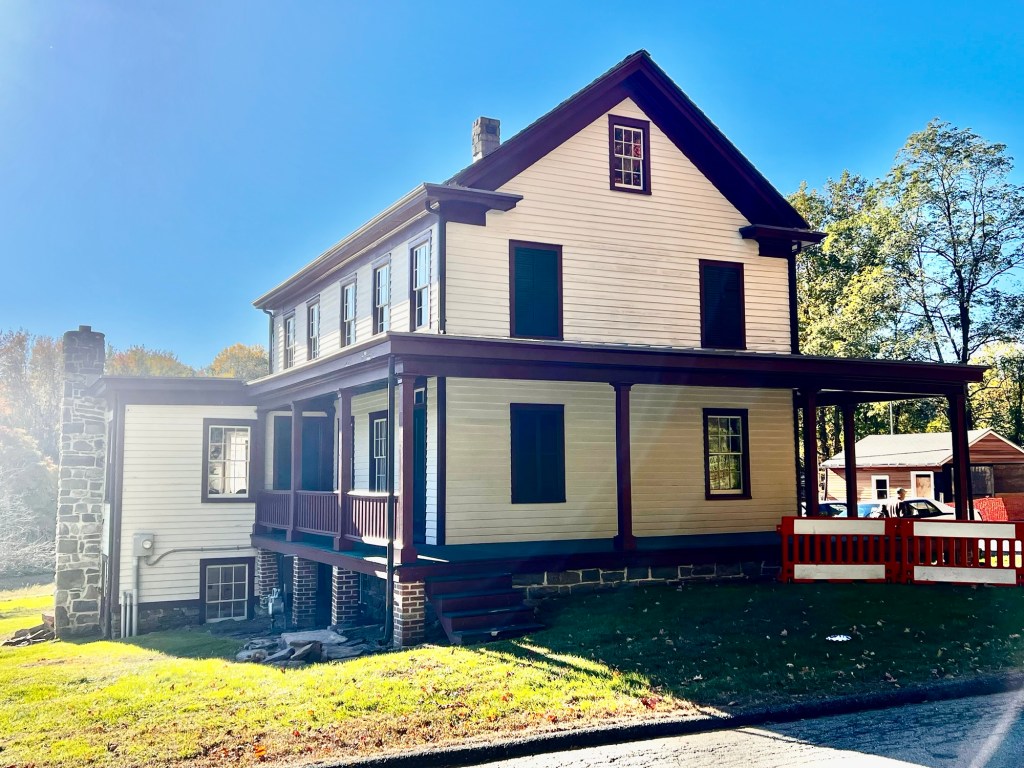
The museum building was the old New Jersey Zinc Company ‘Time Office’. This meant that the miners had to punch into their shift at the mine through this building. The old turnstile is to the right of the building.

History of the Franklin Historical Society:

(From the museum pamphlet)

The Franklin Historical Society was organized and incorporated in September 1996 as a non-profit all volunteer education association. It was founded to preserve the heritage of the Franklin Borough to create awareness of both the County and Borough of Franklin and its rich history of culture and ethnic heritage.

The Historical Society’s Museum is located at 95 Main Street in the historic Franklin Mill complex of the former New Jersey Zinc Company.

The Heritage Museum was opened to the public in April 1997 and its displays include:

Iron and Zinc Mining

Railroads

Franklin’s Churches and Schools

Franklin’s Local History

The sign for the old New Jersey Zinc Company ‘Time Office’ historical sign

https://en.wikipedia.org/wiki/Horsehead_Corporation

https://digital.sciencehistory.org/works/joj5gje

The history of the Franklin Mine and its place in New Jersey history

The smaller gallery off to the side of the building concentrates on the history of the NJ Mining industry and the many mining areas in Sussex County.

The room contains all sorts of artifacts related to the industry including both pictures and everyday equipment.

The pictures of all the miners at the company

The Mining Gallery

The Mining Gallery with equipment and artifacts for a day of working in the mines

Artifacts from home and work

This gallery was in transition with the volunteers working on the displays. This side of the museum with be on the local NJ Zinc Mine Company and its history.

The main gallery in the old Main Office space

The main gallery of the museum has a mixture of more mining artifacts and town objects that cover the history of the town.

The ‘250th Anniversary exhibition of the town and its mining past

For the ‘250th Celebration’ of our country, the museum created an interesting display of the formation of the community around the mining industry to its growth today.

The Mining and Equipment display

Community artifacts

Pictures of the police and fire department’s in this small mining community

https://www.franklintwpnj.org/departments/police-department

https://www.facebook.com/FranklinBoroughPolice

https://www.franklinfd.org

https://www.franklinborough.org/index.php/public-safety/fire-department

The main gallery display

Mining equipment in the display

The museum’s main emphasis is on the development of the mining industry both its early development up until when the mines closed in the 1980’s. The display above is on the early mining tools used by the workers.

The Mineral display

What I found interesting was all the minerals that are on display and the glow in the dark components that make these rocks special. When the lights go out, the true magic begins.

The old turnstile to enter the mining compound before the start of the shift

The back of the museum behind the fencing and the weeds, is the entrance to the old mines. Both the entrance building and entrance to the mine has been closed off for years but you can still see behind the fencing. This is the old turnstile off to the side of the building where the miners entered the complex.

Across the street from the museum is the old Hungarian Reformed Church, which is planned to be renovated.

The sign for the church

The old Hungarian church

Down the road from the downtown area where the museum is located is the Franklin Furnace Park, which is a beautiful picturesque park situated around a lake.

The historic sign for the Franklin Furnace Park

https://www.franklintwpnj.org/Home/Components/FacilityDirectory/FacilityDirectory/60/2554

All along the highway facing the park and in the park itself was the most beautiful and colorful foliage. Plan to visit the park after the museum for a colorful and relaxing break.

The foliage around the park in early October

The lake view of the park from the highway

The views from every angle of the park are breathtaking.

The view from inside the park and the footbridge to the island

The view of the park from south of the park

A view of the islands in the park

A view of the islands and the foliage

The islands and the foliage in the beginning part of October

The small center pine island

Traveling back down the road back to Route 23 South to continue my tour of museums

The view of the islands to the north in the lake

The view of the lakes from the south

The view of the foliage from the south

For a small town, Franklin offered such an interesting look at this part of New Jersey’s mining past and its transition from a mining industry to tourism based around the mines. The series of museums and cultural sites offers so much for visitors to see and experience.

A start at the Franklin Heritage Museum offers a glimpse into that past and as the museum keeps developing their exhibits will tell that story to visitors.

The Ayres/Knuth Farm Foundation                                                     25 Cooper Street                                                                                Denville, NJ 07834

The Ayres/Knuth Farm Foundation 25 Cooper Street Denville, NJ 07834

The Ayres/Knuth Farm Foundation Inc.

25 Cooper Street

Denville, NJ 07834

(973) 625-9345

Home

https://www.facebook.com/AyresKnuthFarm/

Open: See website on hours/Seasonal

My review on TripAdvisor:

https://www.tripadvisor.com/ShowUserReviews-g46392-d24065367-r838840100-Ayres_knuth_Farm-Denville_Morris_County_New_Jersey.html?m=19905

Video on the Ayres/Knuth Farm

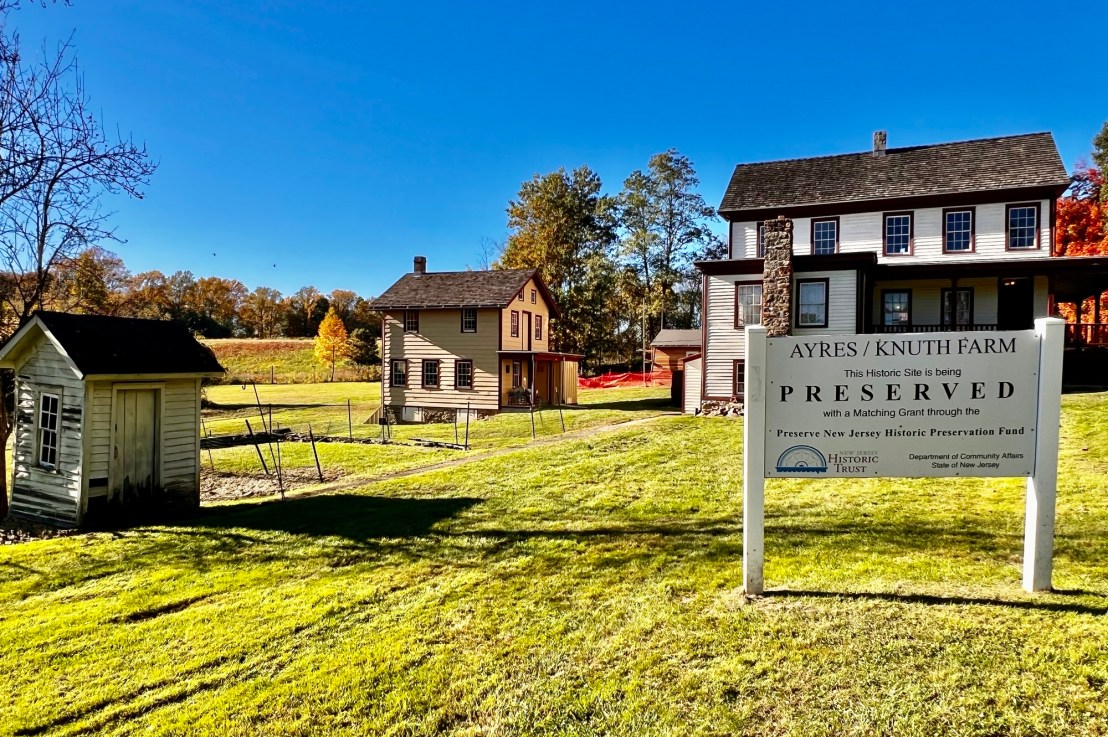
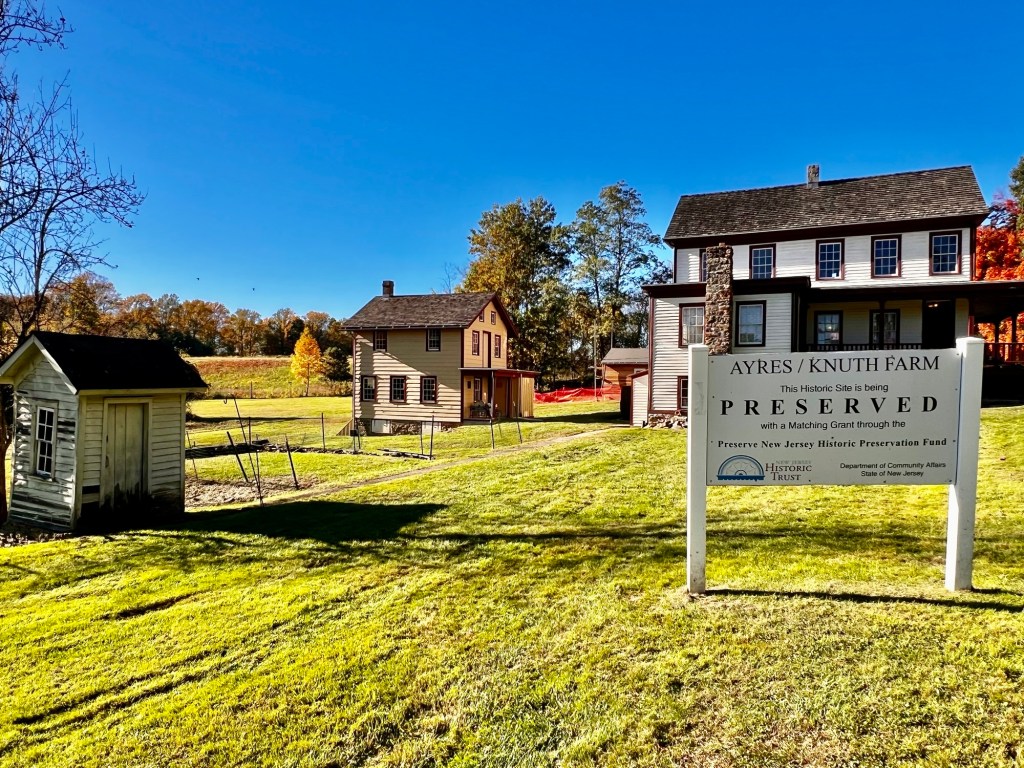
The grounds of the Aryes-Knuth Farm

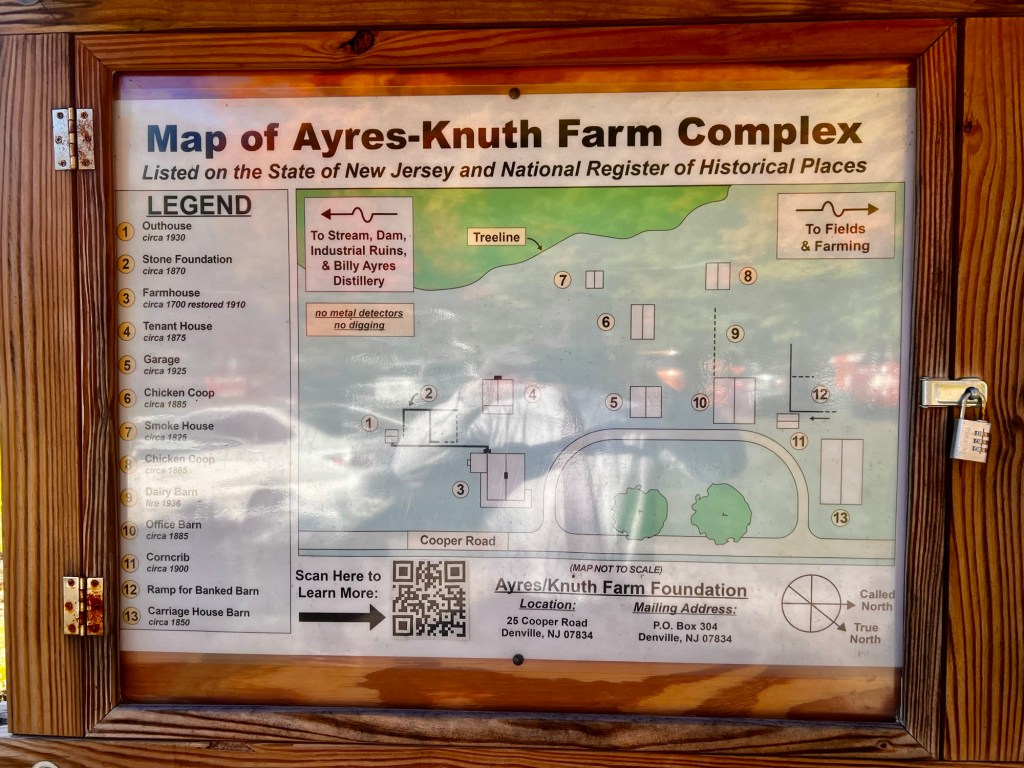
The farm sign and layout

On the second day of the Morris County, NJ “Pathways to History’ tour in 2022, I was on my way back to Morris County for a second day of adventure. My first stop on the tour was the Ayres/Knuth Farm (The Ayres/Knuth Farm Foundation Inc.), a former working farm just off Route 10. I had visited the farm/museum the previous year and on this trip got a better understanding on the workings and history of the farm. I was able to take the time to explore the buildings that were open and tour the grounds.

I visited the farm again in the Fall of 2026 for an art gallery event held in the renovated farmhouse. I got a better tour of the grounds and of the renovations going on on the property. There is a lot that needed to be repaired on the site.

The main farmhouse on the Ayres/Knuth Farm

The grounds by the main farmhouse

When I toured the farm during the Pathways event, they had a mini car show with antique cars and fire trucks owned by some of the members. Seeing some of these Model T Ford’s and Steam Engine Fire Trucks in perfect condition shows American quality motorship at its finest. It was nice that they had combined the events.

The approach on the road to the farm

What I liked about the farm is that it had been a working farm up until the last fifty years and showed the progression that the farm took in its almost 100 years in the county. The farm itself dates back to pre-Revolutionary War days with the farm being purchase in either 1735 or maybe 1759 by Obadiah Lum. The property itself was settled and developed by Daniel Ayres, who was born in New Jersey in 1778 (The Ayres/Knuth Farm Foundation).

The Ayres-Knuth Farm and the outer buildings

105 acres of land was given to him by his father-in-law, David Garrigus upon the marriage of his daughter, Hanna in 1803. His son, William took over the farm in 1856 upon the death of his father in 1856, changing the farm to add husbandry and fruit cultivation. When William retired in 1896, none of his children wanted the farm and it was sold (Ayres/Knuth Farm website).

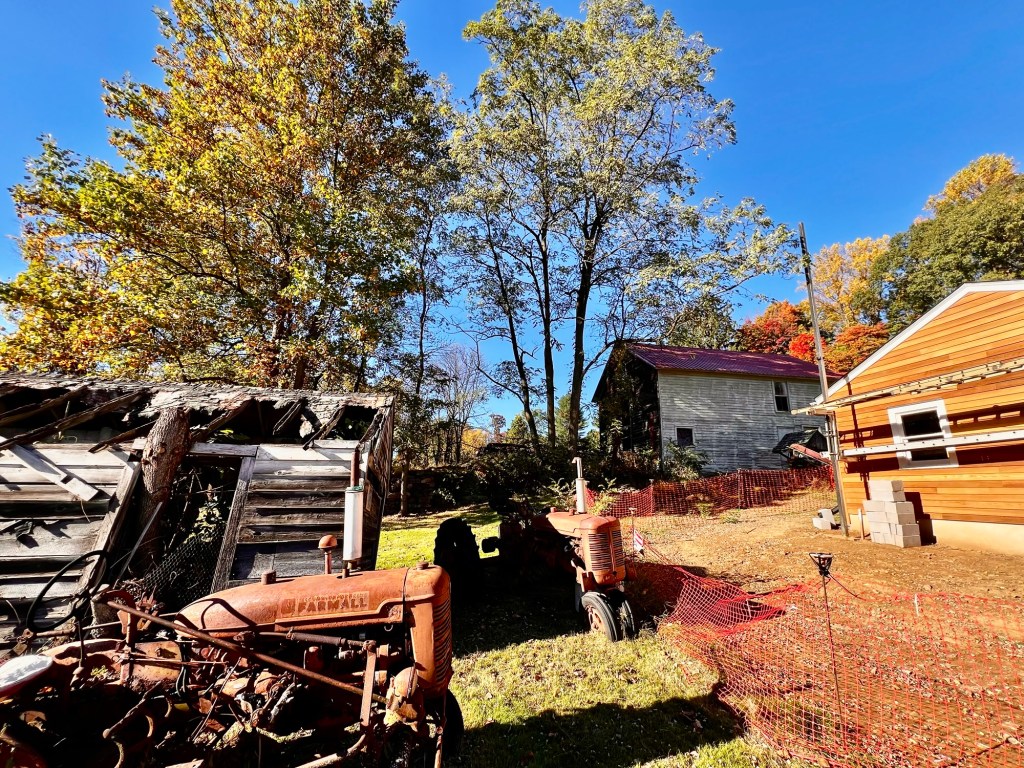
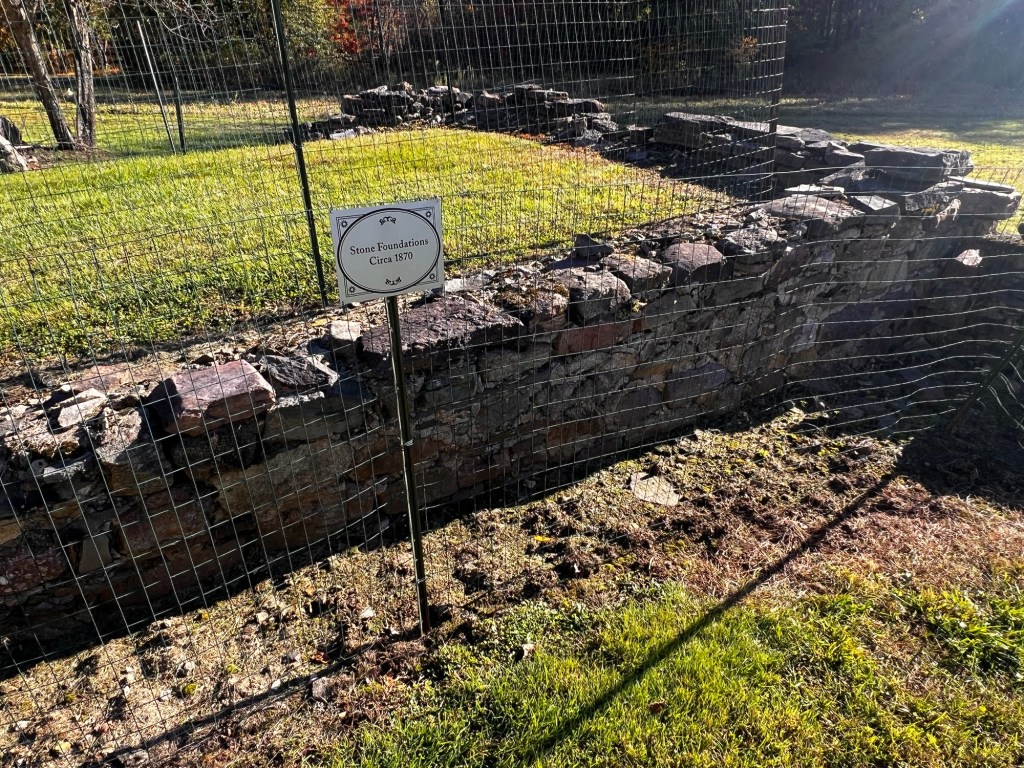
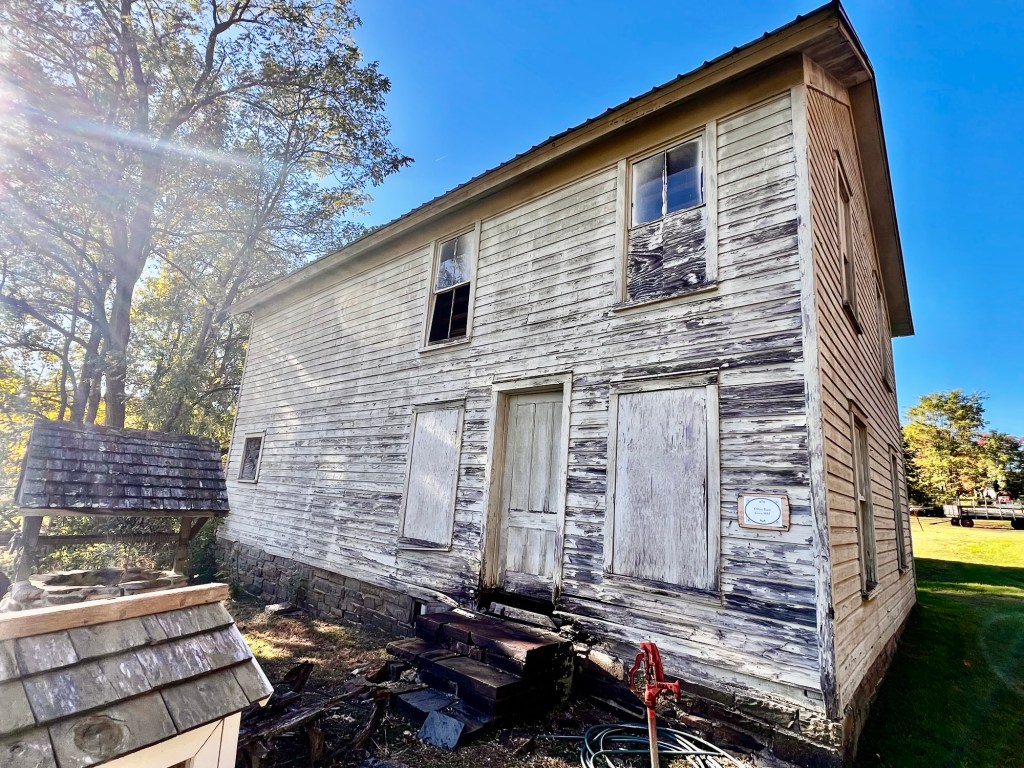
The stone foundation on the farm is being renovated

Changing hands many times, it was bought by Martin and Anna Knuth in 1906. The farm was taken over by two of their children and it remained in the family until the 1990’s upon both of their passings. In 1996, the Township of Denville purchased 52 acres of the original farm and it is now managed by the Ayres/Knuth Foundation Inc. (The Ayres/Knuth Farm Foundation).

On this clear and sunny Sunday morning, it was fun to walk around the former working farm to see how it developed. Both families learned to modernize and add to the operation. I was able to tour the smaller tenet farmhouse (built in 1895), the barn (built in 1895 (and the various outer buildings like the chicken coops (built in 1895), outhouse (built in 1930) and the Smokehouse (built in 1825). The small well was built in 1797 and was the oldest structure left on the property.

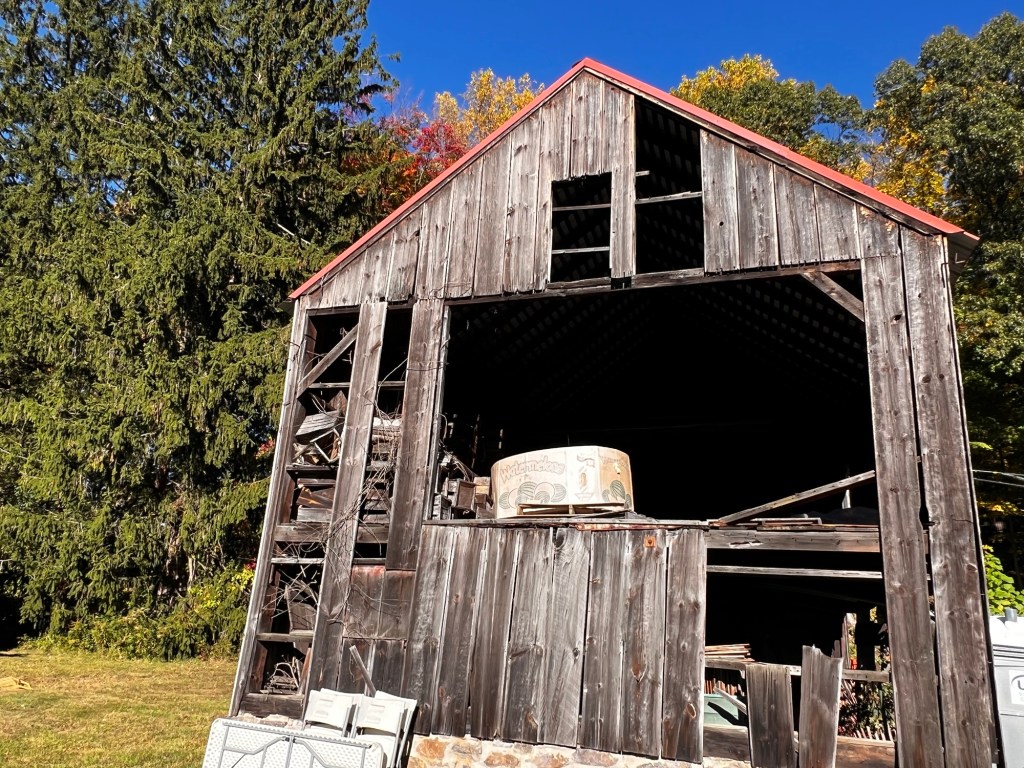
The old barn

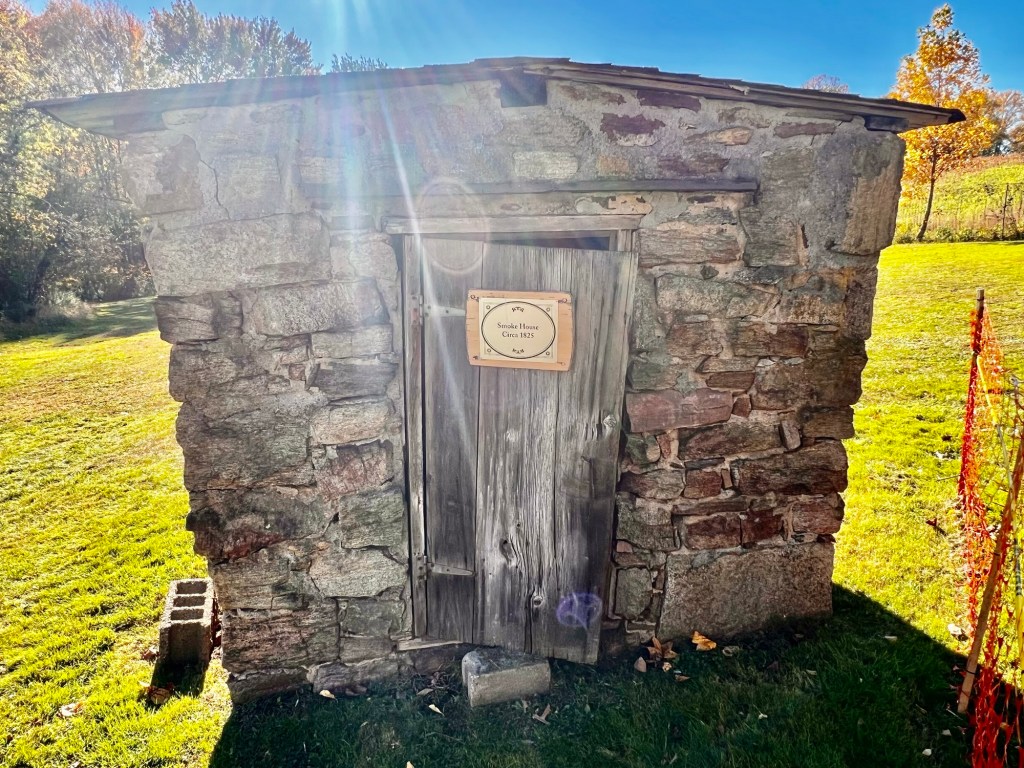
The smokehouse at the farm

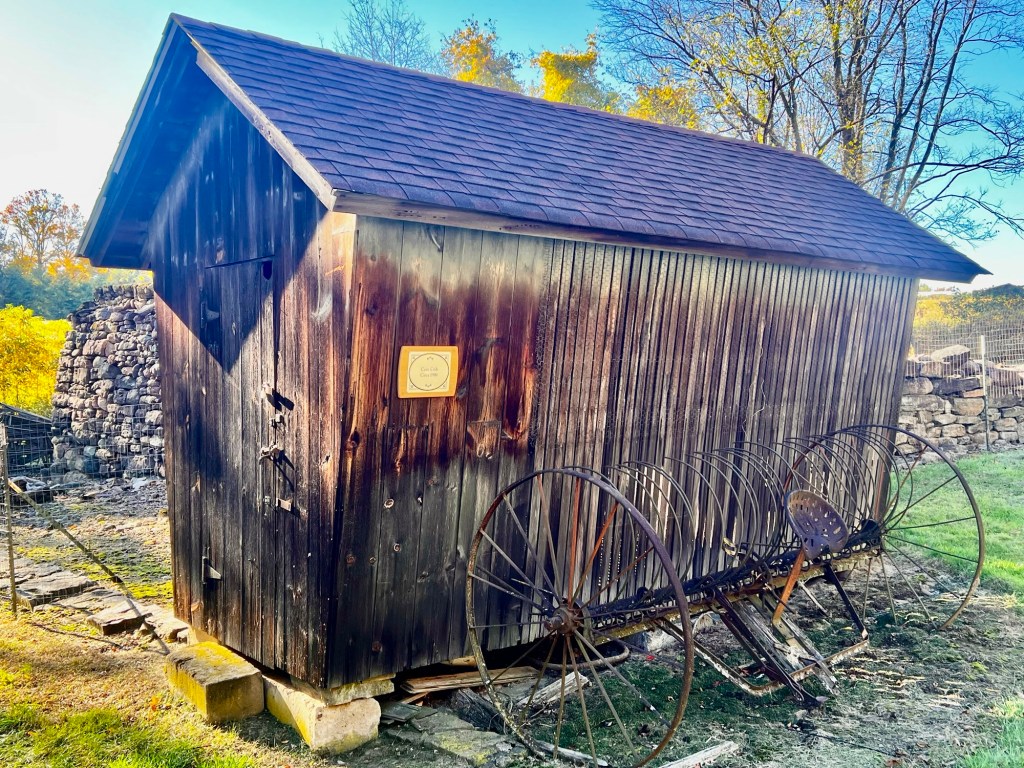
The Corn Crib on the farm

What I found interesting is that there still are tenant farmers on another tract on the property still working the land and the property is protected by grants from Morris County. So, it still is technically a working farm.

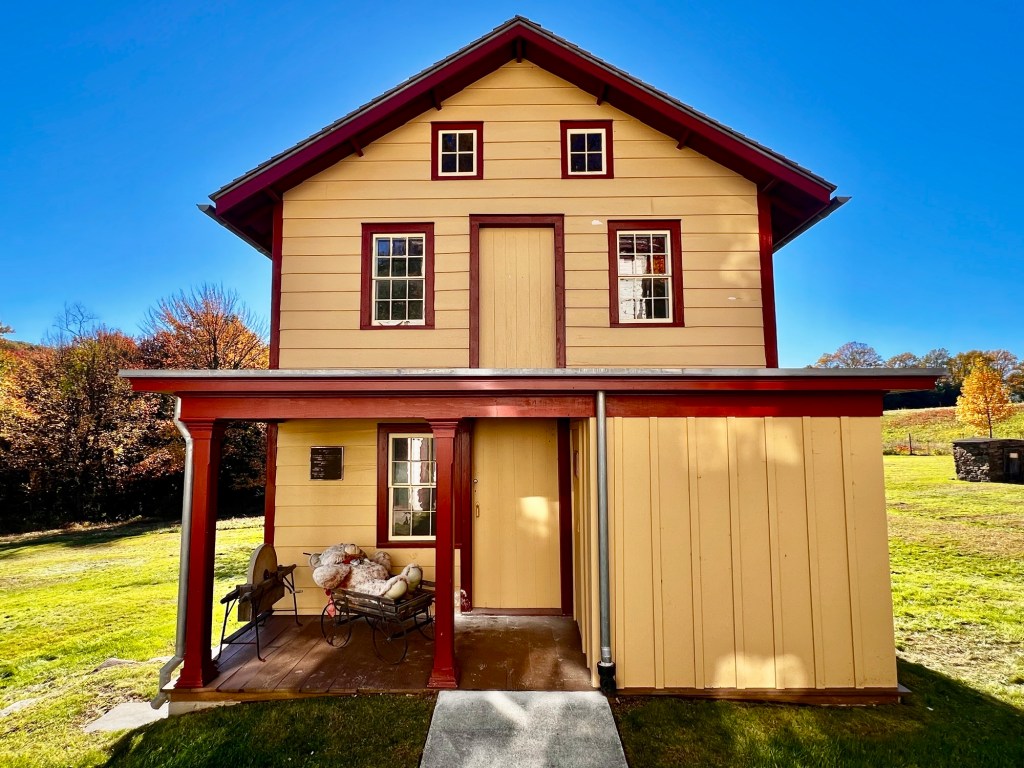
The Tenant Farmhouse

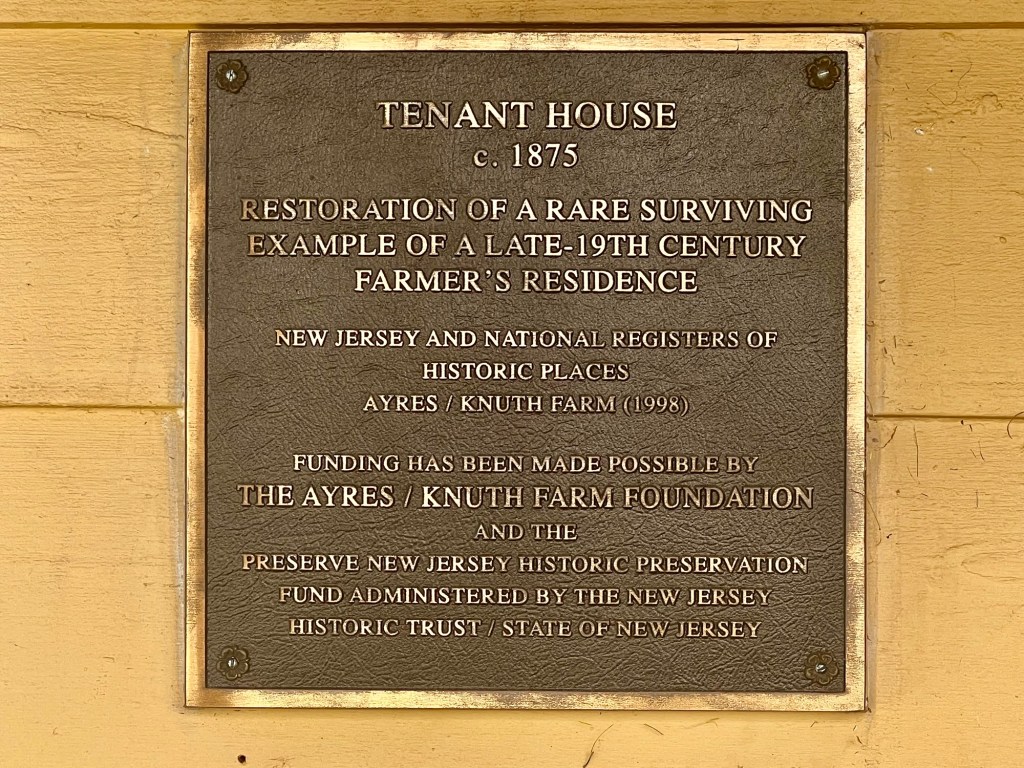
The historical sign on the Tenant House

A lot of care was taken to preserve the farm as is and the volunteers told me that there were plans to fix up the other buildings. The Tenant House needed a lot of work and was run down but the main Farmhouse had been renovated and was closed the first time I was there. It was opened for an art show when I returned in October of 2026.

Most of the farm has either been sold off or is being utilized but the core of the farm buildings can be toured, and it is interesting to see a working farm in New Jersey that dates back to the 1700’s and was still active until the mid-1990’s. That is longevity. Still is a step back into the past to see how a working farm once thrived along with the changes that came with the development of Morris County in the late 20th century. The area still has the rural feel, and the well-maintained property is a glimpse into our rural past.

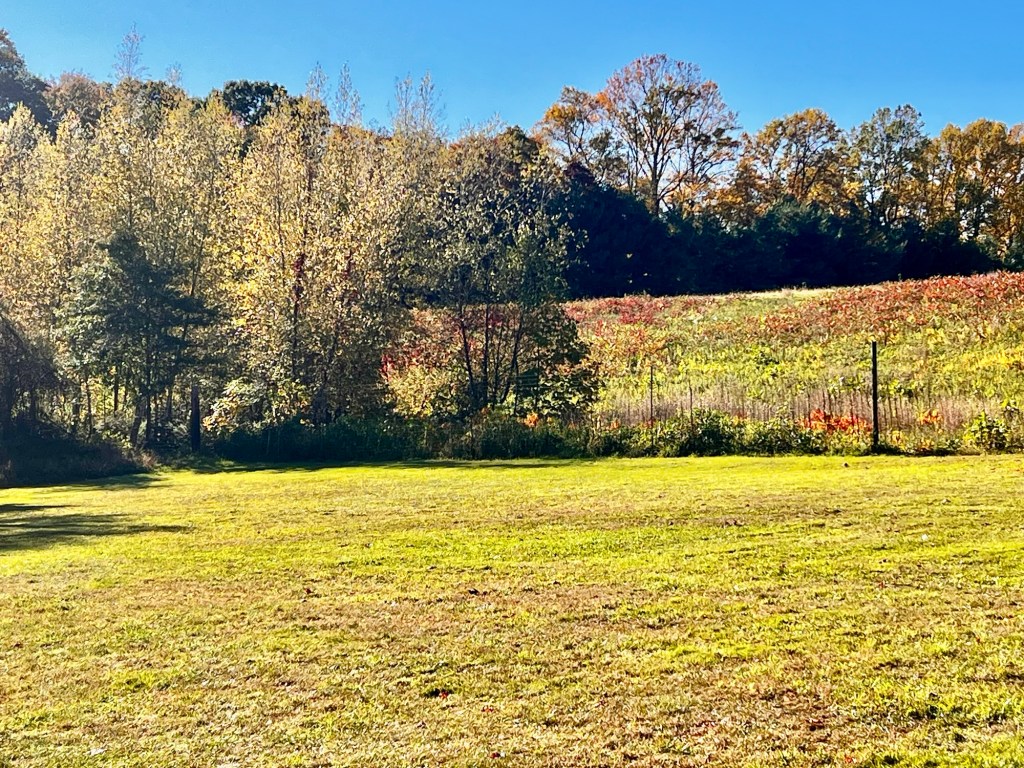
The farmland in the back of the property

History of the Ayres/Knuth Farm:

(From the Ayres/Knuth Farm Foundation Inc. site):

The Ayres/Knuth Farm has a long history not just in the County or State level but in the country. It is believed that the farm was formed around 1759 but could be as early as 1735. It was located in the Franklin section of Denville. Obadiah Lum purchased 180 acres and built the first forge and sawmill on the Den Brook.

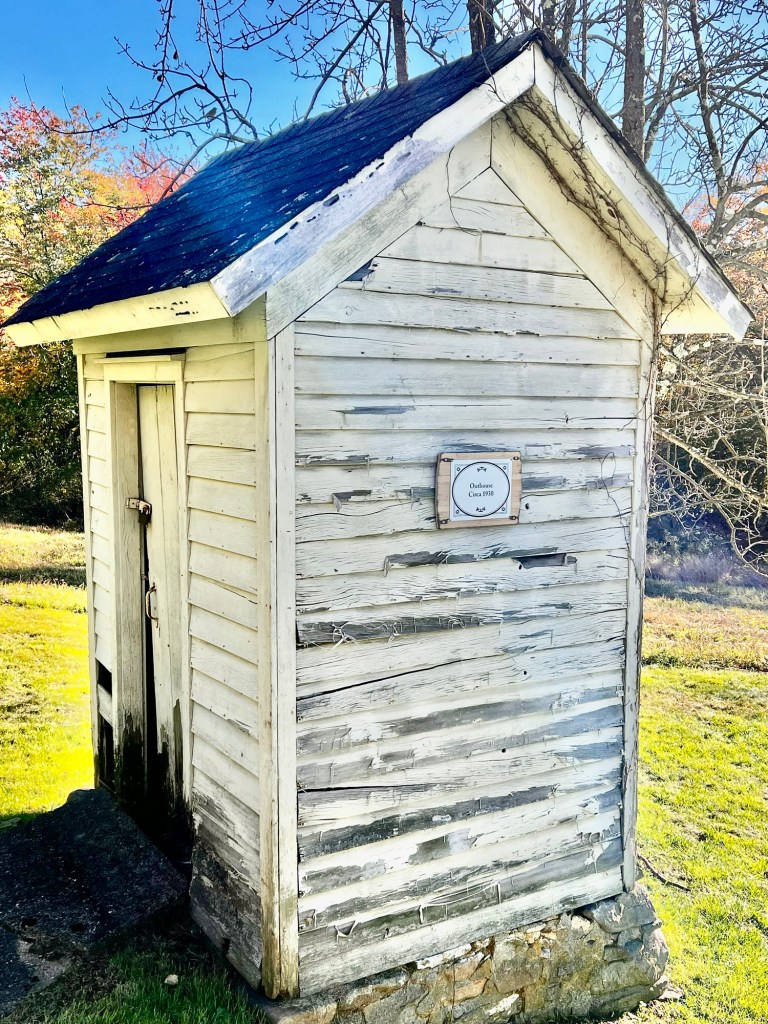
The old outhouse on the property

Lum purchased the property from Thomas and Richard Penn, the sons of proprietor, William Penn with financing from Colonel Jacob Ford, who owned extensive land including mines in Morris County. Franklin developed into one of the primary agricultural hubs of Denville due to the high quality of soil of the area and proximity to numerous towns with markets where the crops could be sold (Ayres/Knuth Farm website).

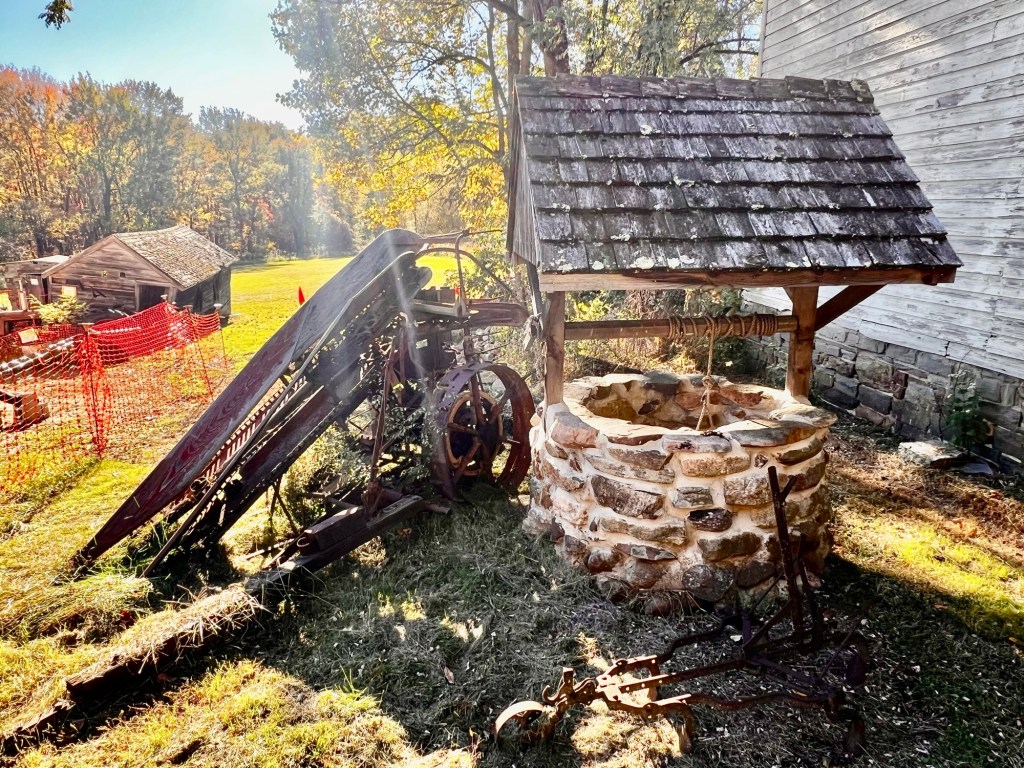
The wishing well on the property

The Ayres Farm was first settled by Daniel Ayres who was born in Middlesex County in 1778. His mother was Anna Jackson, who was the daughter of General Joseph Jackson, who was known as the founder of Rockaway. Daniel married Hanna Garrigus, the daughter of David Garrigus, who was a prominent landowner in Franklin and owner of the Franklin iron forge. In 1803, David Garrigus conveyed 105 acres to his son in law.

Daniel died in 1856 and his son, William Ayres took over the farm. In 1860, he expanded the farm to 300 acres and practiced a mixture of husbandry and a cultivation of different grains. They also raised sheep for wool and cows for butter. He built the existing farmhouse in 1855 and in the 1860’s built the Tenant House for hired hands in the expanding farm. Over time the farm grew to 500 acres.

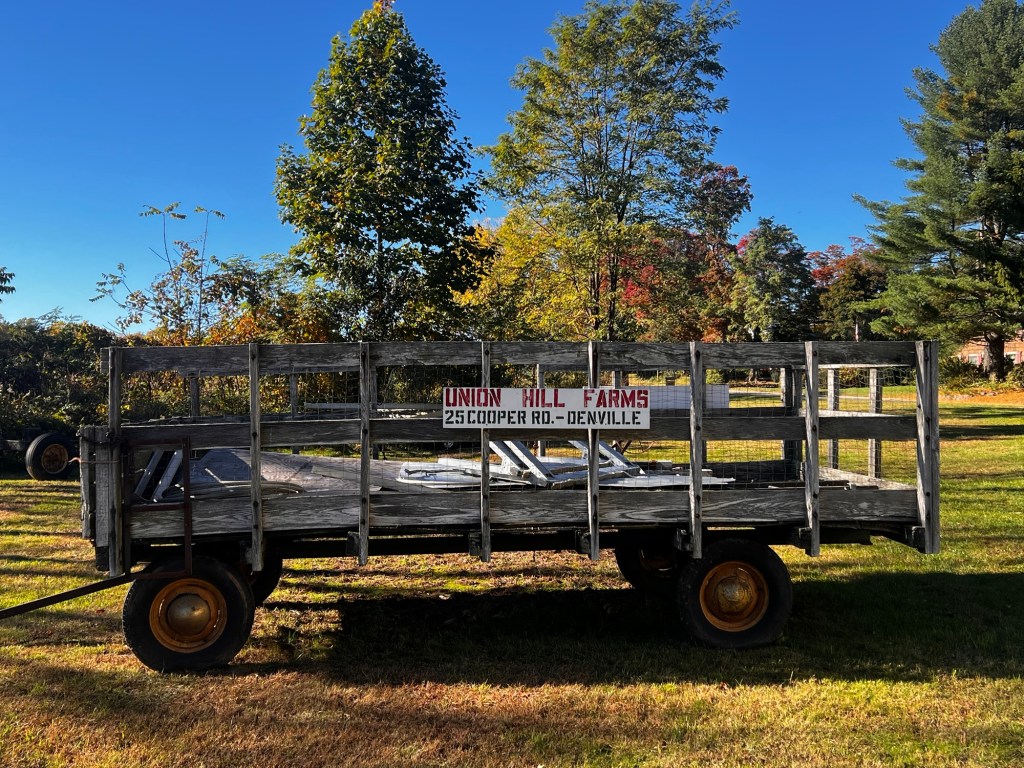
Farm transport flatbed

During the economic depression between 1873-1879, William Ayres adopted to the changes in the market and shifted the focus of the farm to dairying, poultry and vegetable farming. He also sold lumber to the railroads and expanded into fruit cultivation particularly apples, peaches and pears (Ayres/Knuth Farm website).

Looking at the farm from the baking

William Ayres retired from the farm in 1896 and since none of his children wanted to take over the operation, the property changed hands several times until 1906, when Martin and Anna Knuth purchased the farm and moved in with their five children. They kept the tradition of husbandry and fruit cultivation and a mix of vegetables as a truck farming operation (Ayres/Knuth Farm website).

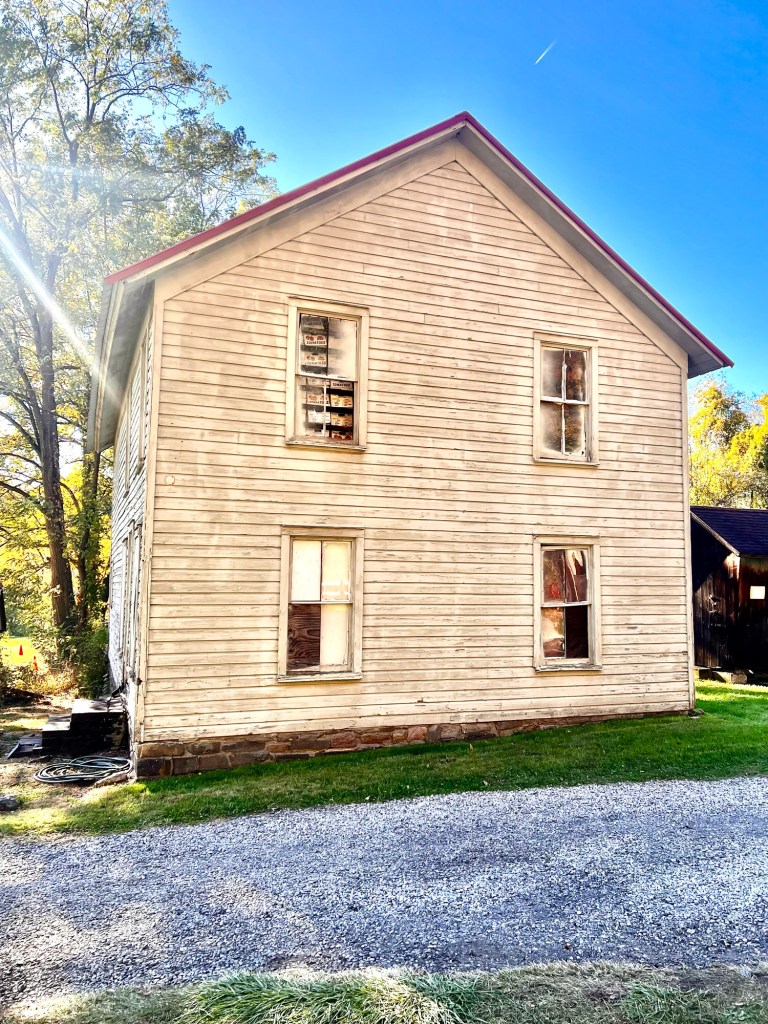
The Office Barn on the farm

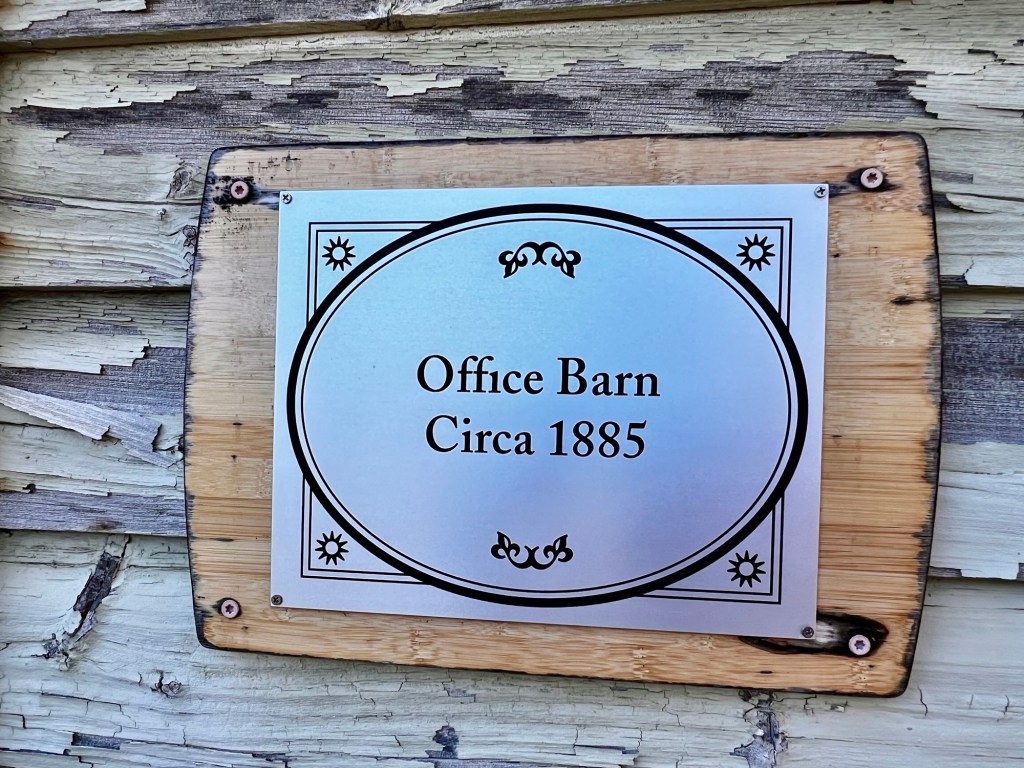
The Office Barn sign

The Barn Office from the side view

The farm faced a lot of tragedies in the 20th Century with the death of Martin Knuth in 1935. Between a destructive fire in 1936 and a lapse of insurance, the barn was not rebuilt. With an economic Depression going on in the 1930’s, the farm was largely reduced to a subsistence-level truck farm operation. Anna Knuth died in 1950 and her two children, Frank and Sue took over the operation. Both remained on the farm until their deaths in the 1990’s. They grew a variety of crops and produced eggs that were sold locally (Ayres/Knuth Farm website).

The Chicken coop is still going through a renovation

The farmhouse was not electrified until the 1960’s and indoor plumbing was never installed. In 1996, a few years after the deaths of Frank and Sue Knuth, the Township of Denville purchased the nearly 52 acres of the original Ayres/Knuth Farm and the property is now managed by the non-profit Ayres/Knuth Farm Foundation Inc.

The site now houses a series of historical buildings that is maintained by the foundation that are part of the original farm.

Visiting again in October 2026:

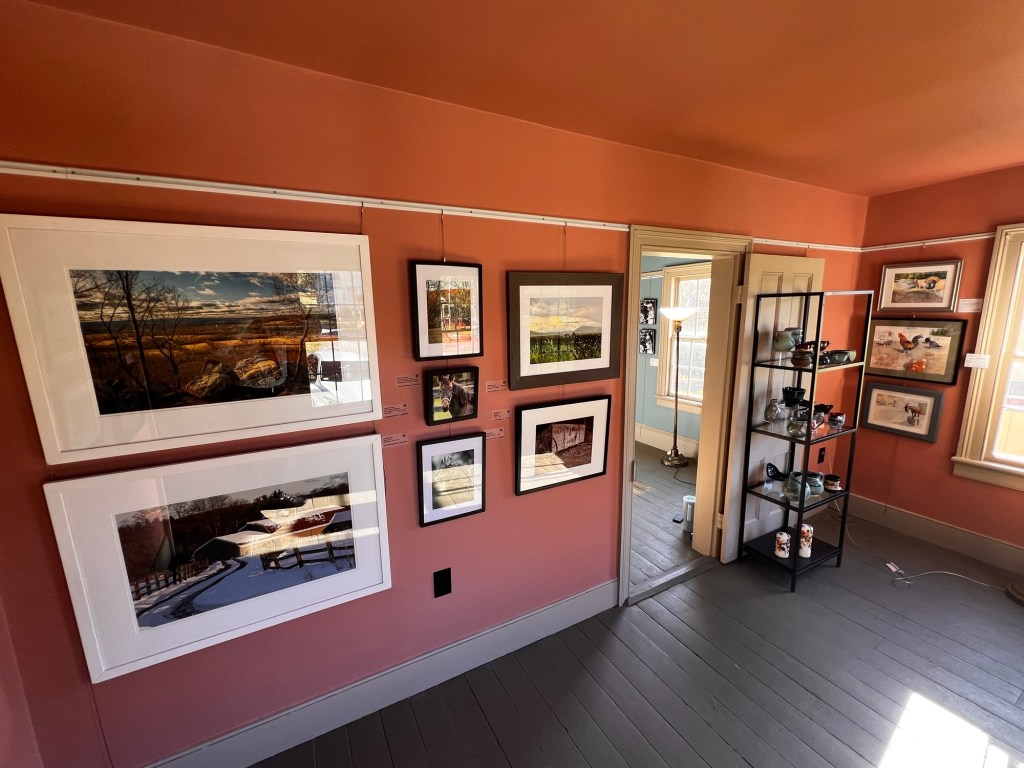
In the Fall of 2026, the farm hosted an art event I attended by the ‘Artists as Advocates’ event sponsored by the New Jersey Highlands Coalition. The exhibition entitled ‘Farming: A Highlands Heritage’ featured artists who concentrated on agricultural themed artwork.

The exhibition ‘Farming: A Highlands Heritage’ featured in October of 2026

https://highlandsart.org/13th-annual-2026-atrium

https://farmsteadarts.org/events/event-calendar.html/event/2026/08/25/1787655600/nj-highlands-art-show-/571145

The exhibition was held on the main floor of the farmhouse and not only gave everyone the opportunity to look at local art but tour the grounds on a beautiful Fall day.

After I toured the exhibition, I walked around the grounds of the farm and noted all the renovations going on with the various buildings. It will be more interactive when they are finished and you can see the historical interpretation of the farm.

The grounds were beautiful with all the foliage.

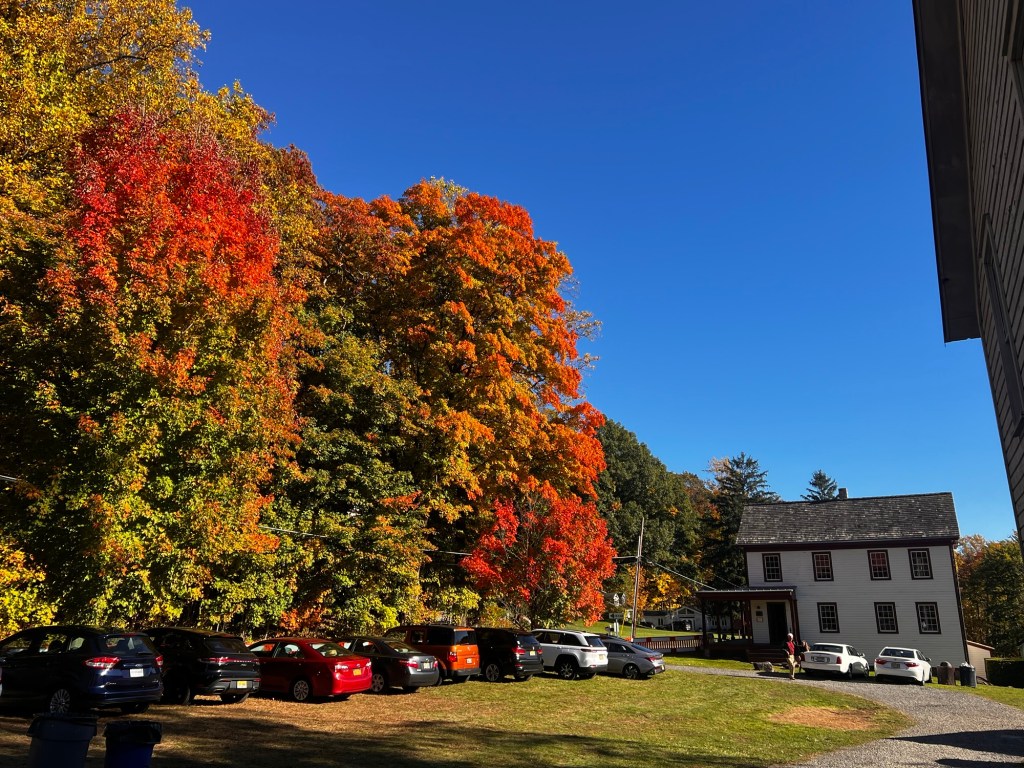
The farm property in the Fall of 2026

Grover Cleveland Birthplace                                                                   207 Bloomfield Avenue                                                                            Caldwell, NJ 07006

Grover Cleveland Birthplace 207 Bloomfield Avenue Caldwell, NJ 07006

Grover Cleveland Birthplace

207 Bloomfield Avenue

Caldwell, NJ   07006

(973) 226-0001

https://www.nps.gov/nr/travel/presidents/grover_cleveland_birthplace.html

Open:  Sunday 1:00pm-3:00pm/Monday & Tuesday Closed/Wednesday 1:00pm-3:00pm/Thursday-Saturday Closed. Closed on all major holidays. Please call in advance or check the website for times as they can vary by season.

Fee: Free New Jersey State Park System/Free Parking on premise

My review on TripAdvisor:

https://www.tripadvisor.com/Attraction_Review-g46338-d2661291-Reviews-The_Grover_Cleveland_Birthplace-Caldwell_New_Jersey.html?m=19905

The back of the property in the Fall of 2026

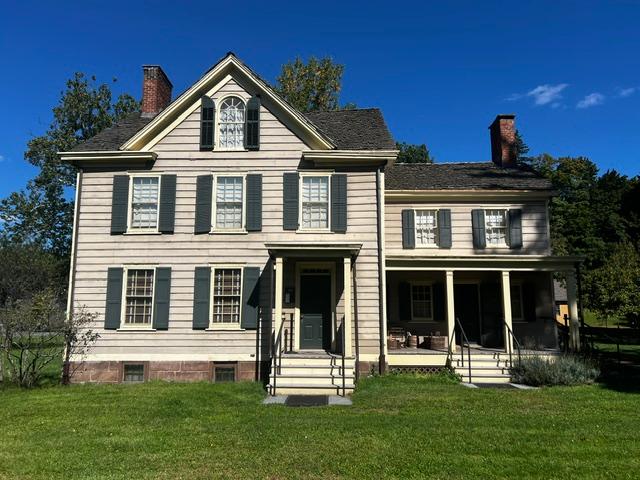
I recently visited the birthplace of of our 22nd and 24th President of the United States of America and it is an interesting look into one man’s past. The Grover Cleveland Birthplace Museum was originally the pastor’s residence for the First Presbyterian Church in Caldwell, NJ. The house sits next to the current church.

Grover Cleveland

President Grover Cleveland

https://www.whitehouse.gov/about-the-white-house/presidents/grover-cleveland

https://en.wikipedia.org/wiki/Grover_Cleveland

The historic sign on the President

The front of the house in the early Fall

What I found interesting about this historical home is that the President’s sister, Susan, saved everything of the family’s past.

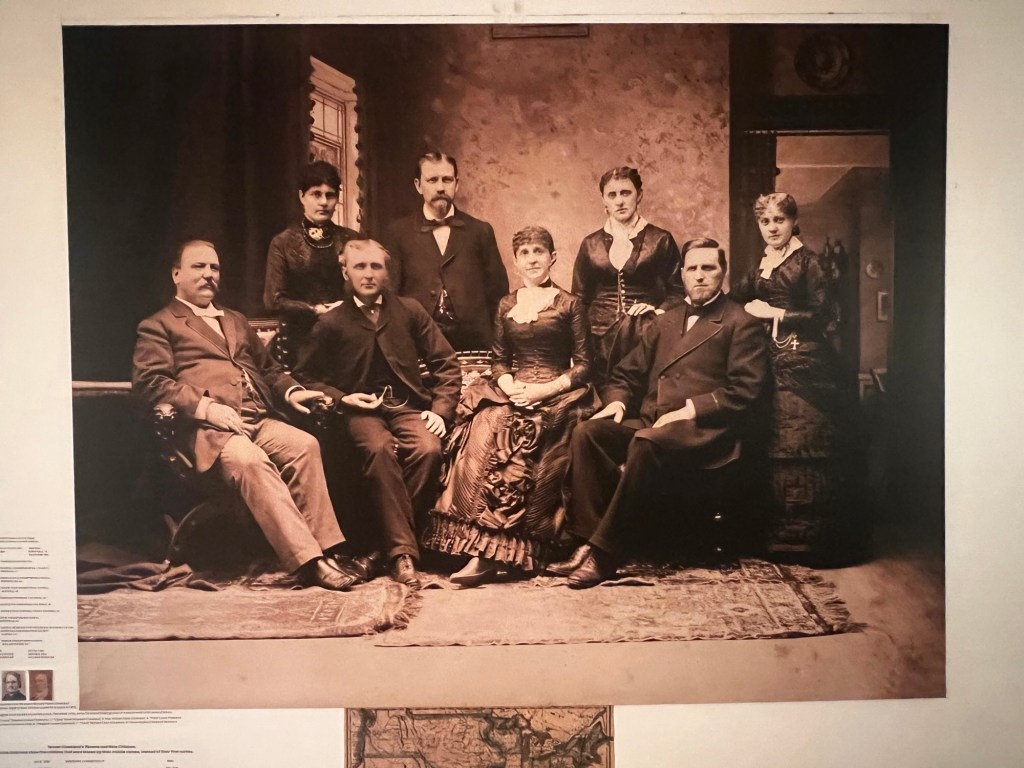
Grover Cleveland with his siblings who all survived into adulthood

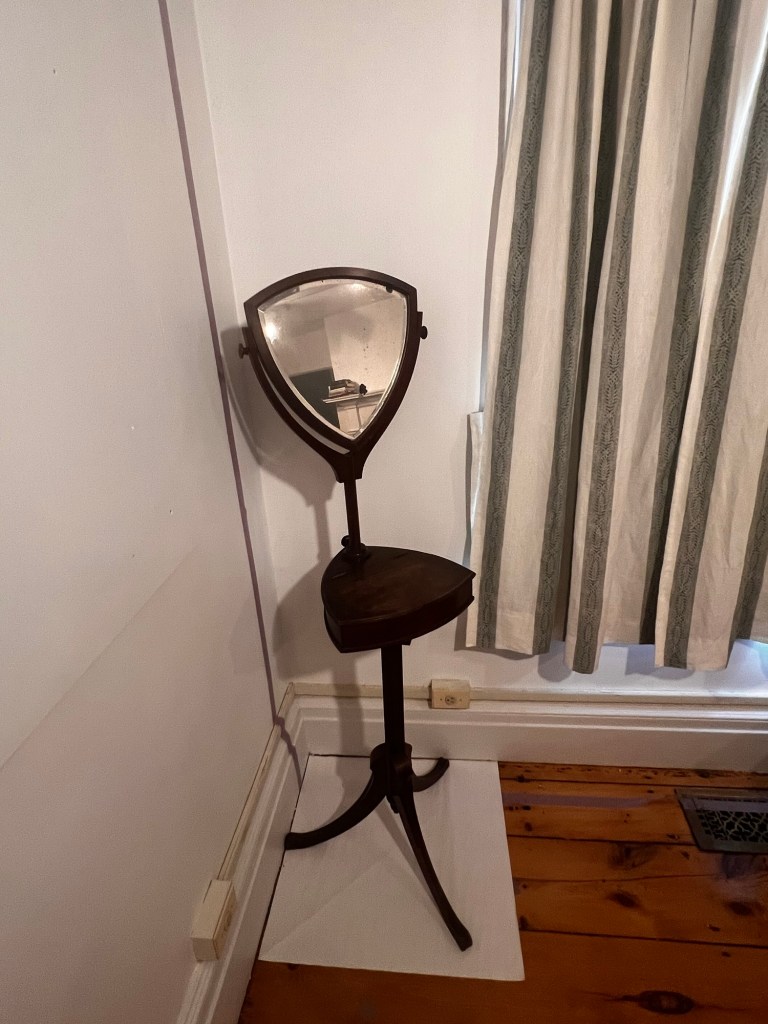
Things like furniture, home furnishings, cooking utensils, paintings and photos of the family plus personal items of the President such as his clothes, pipes, shaving kits and traveling cases so there is a lot of interesting items to see and well thought up display cases.

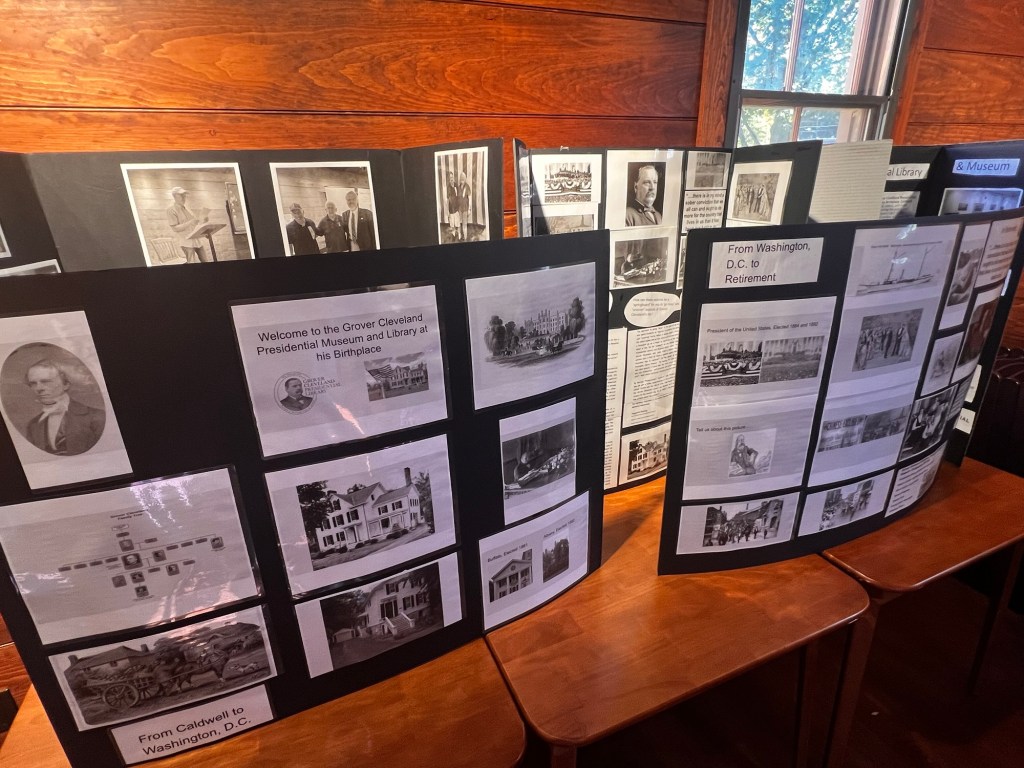
The display in the new Visitors Center

The house is broken up into the kitchen area, the living chambers, the former living room area which has most of the displays and then the front hallway where more family displays are located. In 2026, the house is currently going through a renovation and reorganization of the home so things are currently changing.

When I visited the house for a second time 2026, the main floor was being reorganized as most of the personal items had been moved to the new Visitors Center in the back of complex. The second floor was closed and new displays were being created for the President’s personal items both in the home and in the Visitors Center.

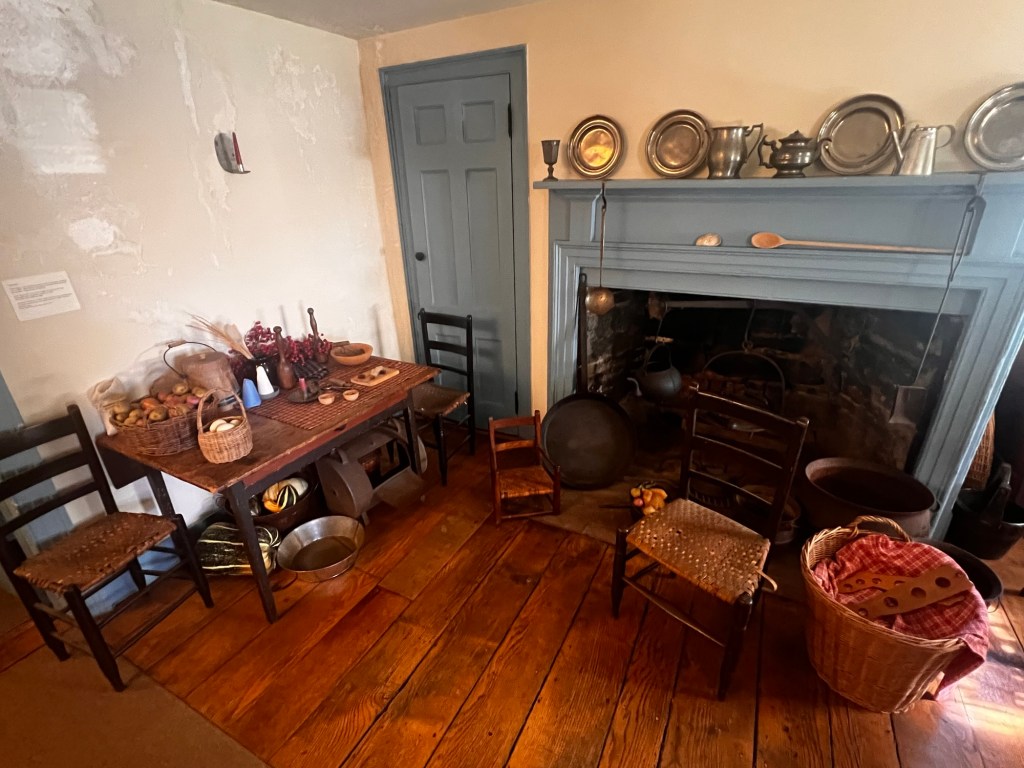
The homes kitchen for the Fall

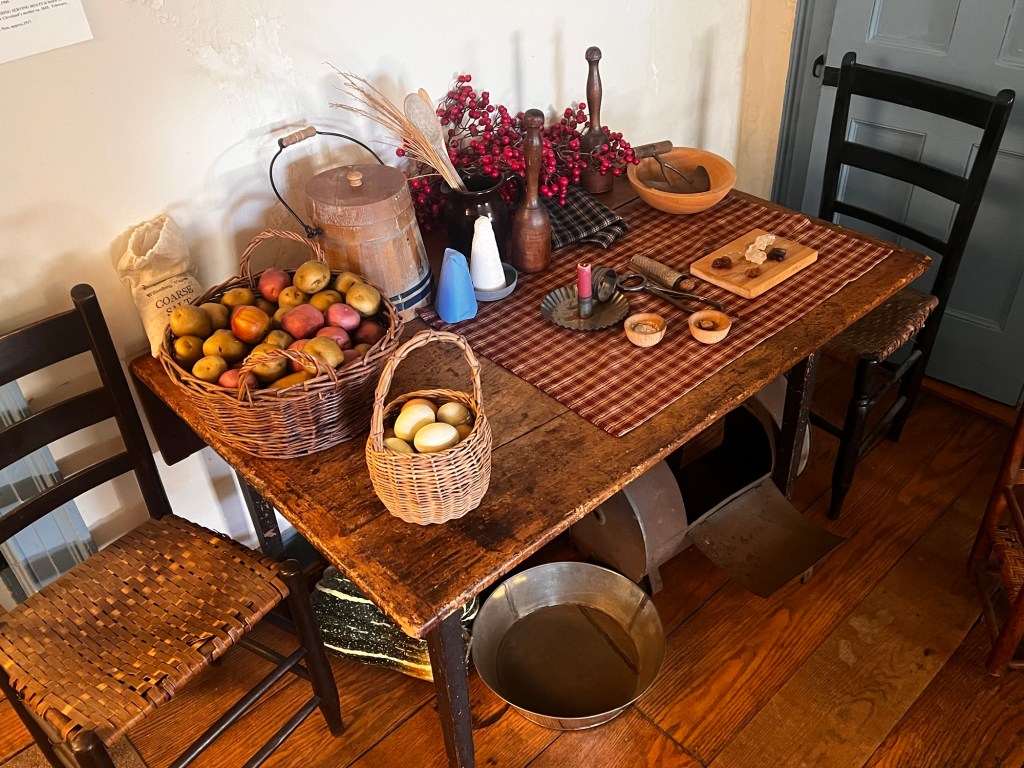
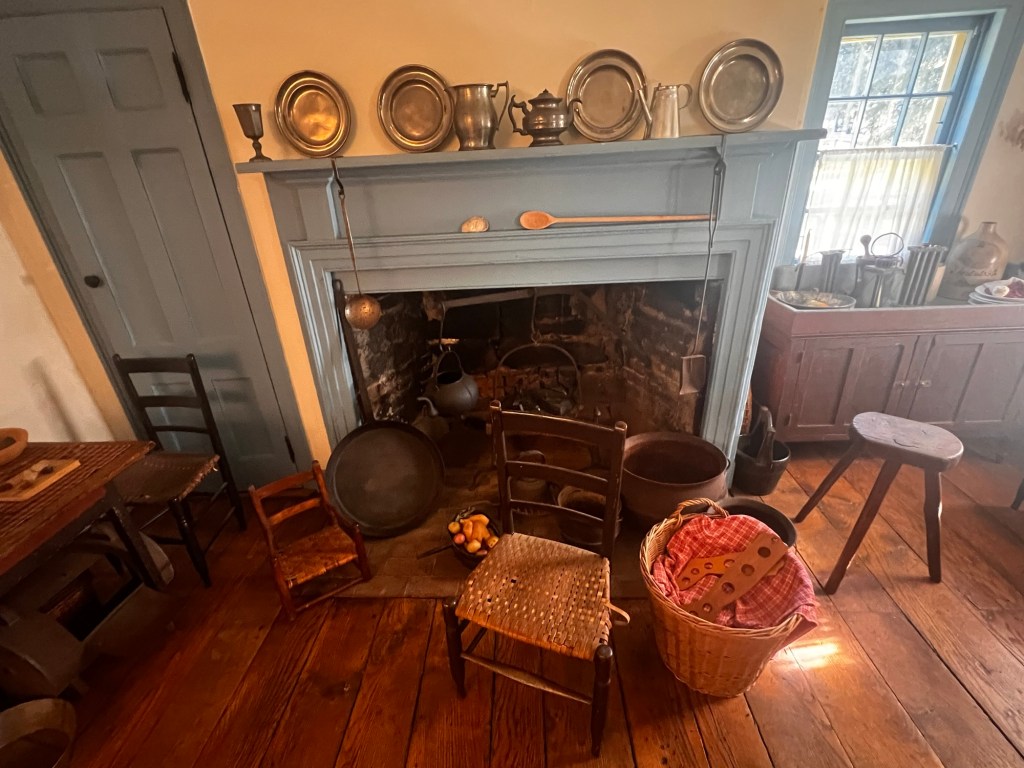
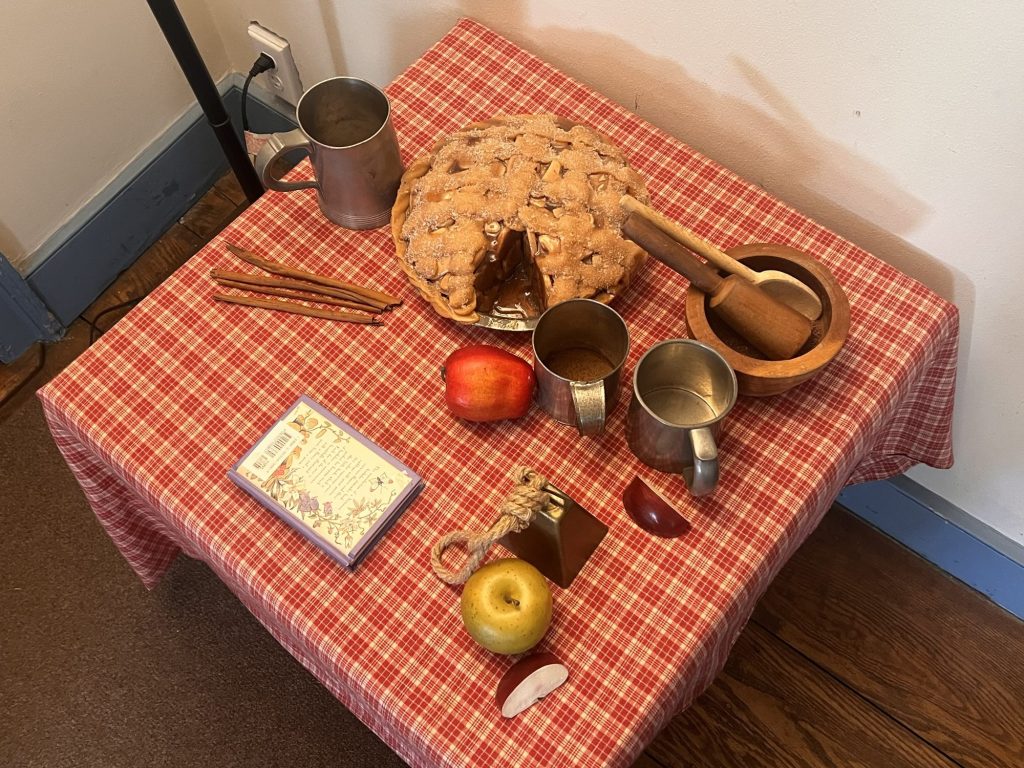
When we toured the home’s kitchen, it was set for the Fall Harvest and a hearty dinner was being cooked. Both the kitchen and fireplace hearth displayed a Fall theme.

The kitchen set from the Fall harvest

The center of the kitchen, the kitchen hearth

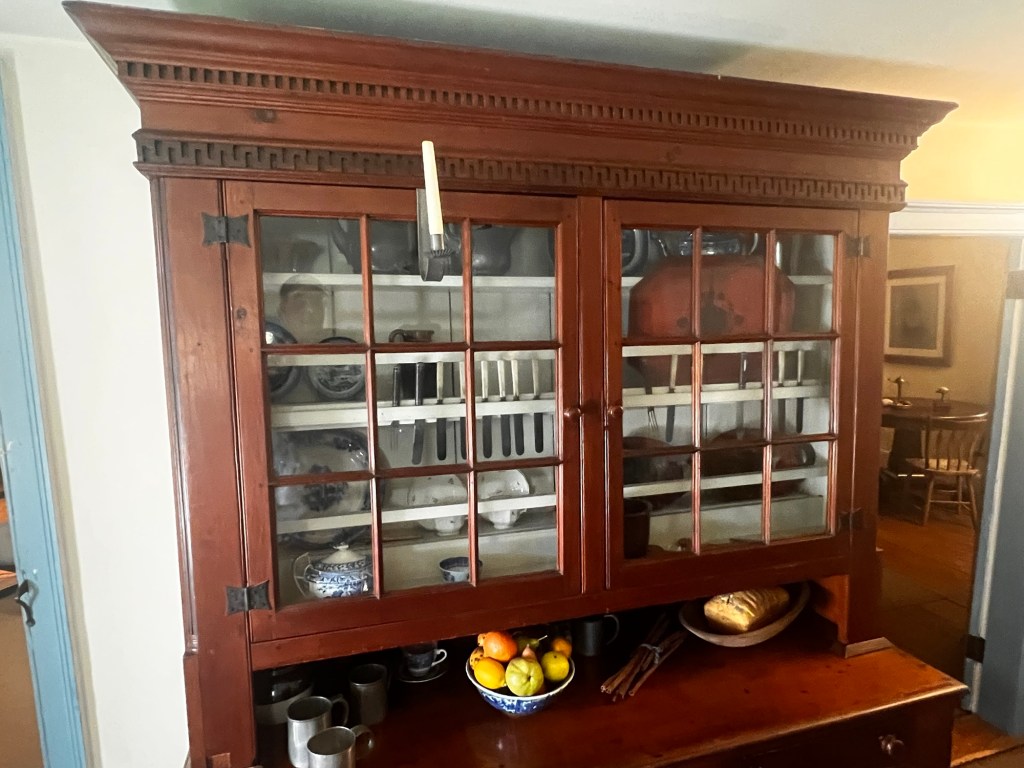
The tray and dishes to the right of the cabinet were owned by Grover Cleveland’s mother and were donated back to the museum

The kitchen prepared for a Harvest dinner

Try to take a tour with the tour guide, Paula, who knows the house backwards and forwards and gives you an interesting take on the family. She will be able to point out all the family objects and personal items that have been donated by family members. Things from formal clothes to the President’s personal shaving kit on display in the front of the house.
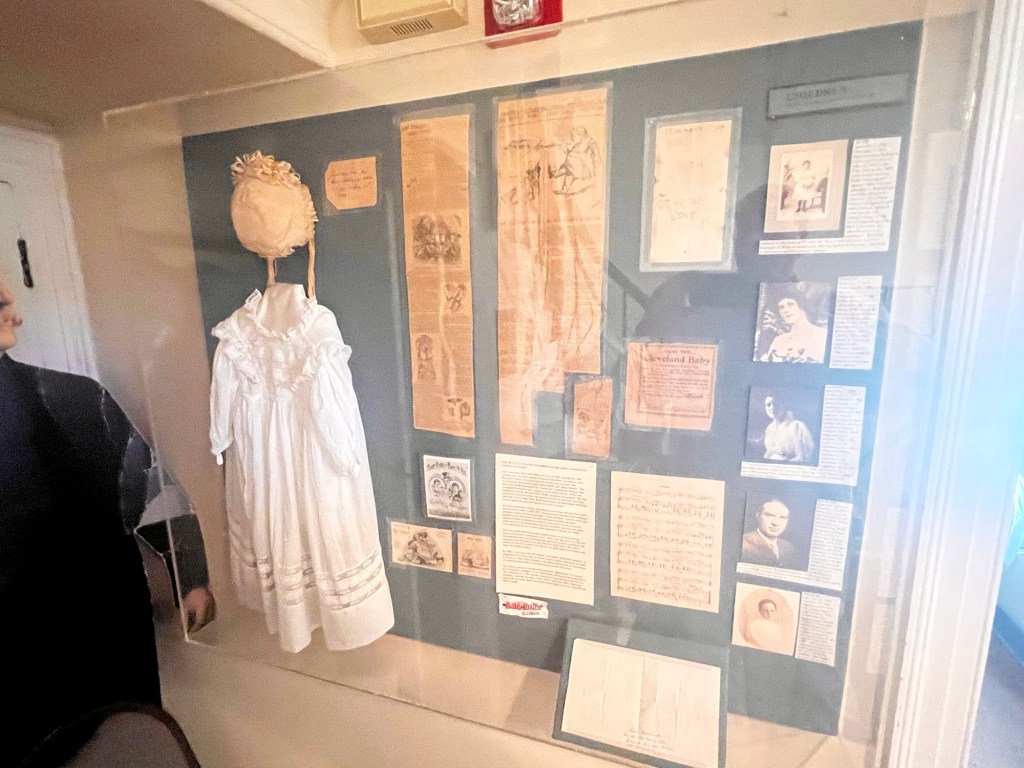
The display to Ruth Cleveland, who the Baby Ruth candy bar was named for

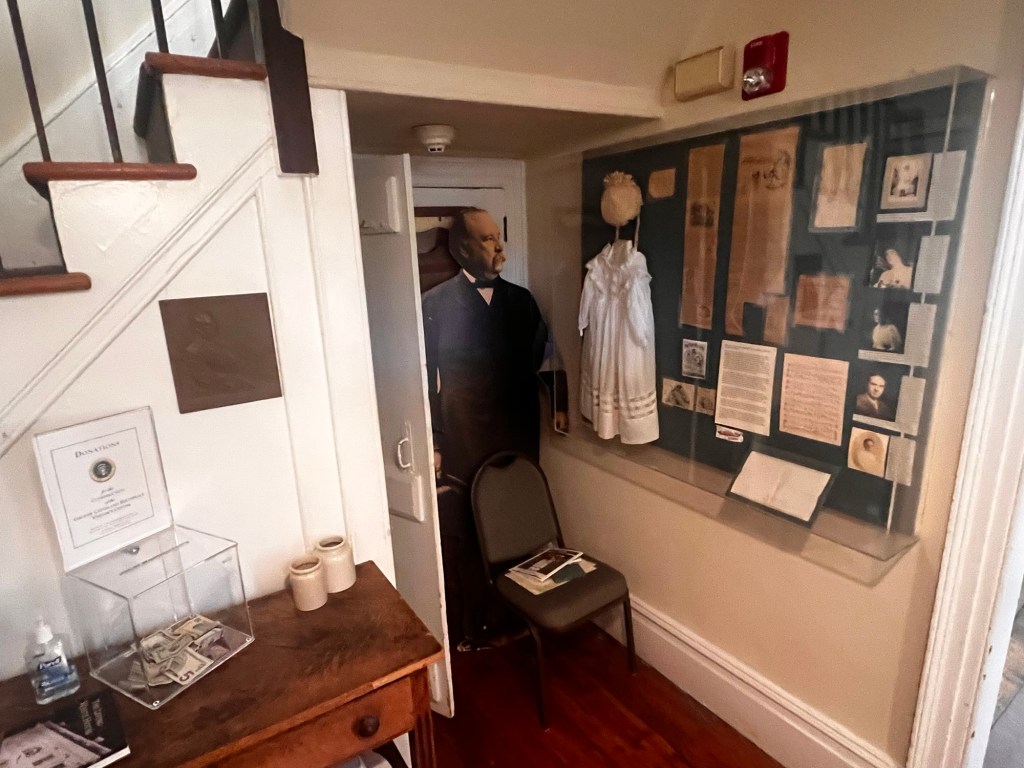
The display on the first floor dedicated to his children

The display by the first floor landing was dedicated to his daughter, Ruth, who died as a child. There is a display of her clothes and personal things along with a Baby Ruth wrapper as her name inspired the candy bar.

The whole tour takes about an hour and you will find yourself memorized  by the displays and the family history of the children and grandchildren. It is interesting to see how the family grew when they were living in Caldwell, NJ. Take some time to walk the beautiful grounds and under the shade trees on the side of the lawn. The house was especially beautiful as the foliage arrived in the early Fall.

History of the Cleveland Birthplace Museum:

(from the museum website)

Grover Cleveland’s birthplace was built in 1832 as the Manse or pastor’s residence for the First Presbyterian Church of Caldwell. Cleveland’s father, the Reverend Richard Fally Cleveland was the minister here from 1834-1841.

Grover Cleveland’s early childhood

Originally this frame home had a two-story main section with a one-story kitchen to the east and a one-story lean-to at the rear. It was enlarged several times between 1848-1870 to meet the growing needs of the Presbyterian clergy. The house is a good example of local vernacular architecture (museum website).
The front Birthplace house and the church off to the side

The historical significance of the Manse was first noted in 1881 when Cleveland was running for Governor of New York. As his political star  ascended, so did the interest in preserving his birthplace as a museum. A group of Cleveland’s friends and admirers began negotiations to purchase the Manse in 1907. Their efforts culminated in the opening of the house to the public on March 18, 1913 (museum website).

Most of the first floor rooms portray the Manse as it was in 1837, the year Grover Cleveland was born. The decidedly middle-class character of the rooms reflect the day to day life of the Reverend Richard Cleveland and his family. Among the artifacts on display from Cleveland’s early years are his cradle and original family portraits (museum website).

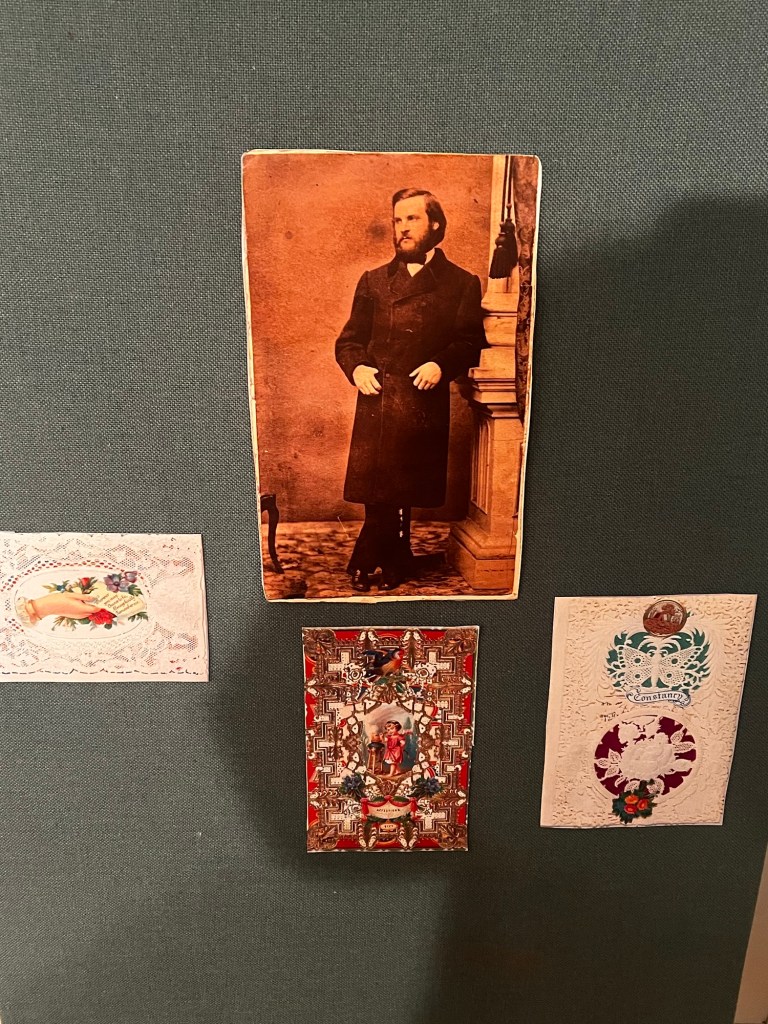
Grover Cleveland as a young lawyer

The President’s shaving table back in the museum

Contrasting sharply with the humble beginnings portrayed in these rooms, the exhibit gallery features a striking display of artifacts that reflect the financial and political success Cleveland achieved during the last quarter of the 19th Century. Here, the mud-slinging campaign of 1884, the public’s intense interest in his wife and children and America’s political climate throughout his split terms of office are explored (museum website).

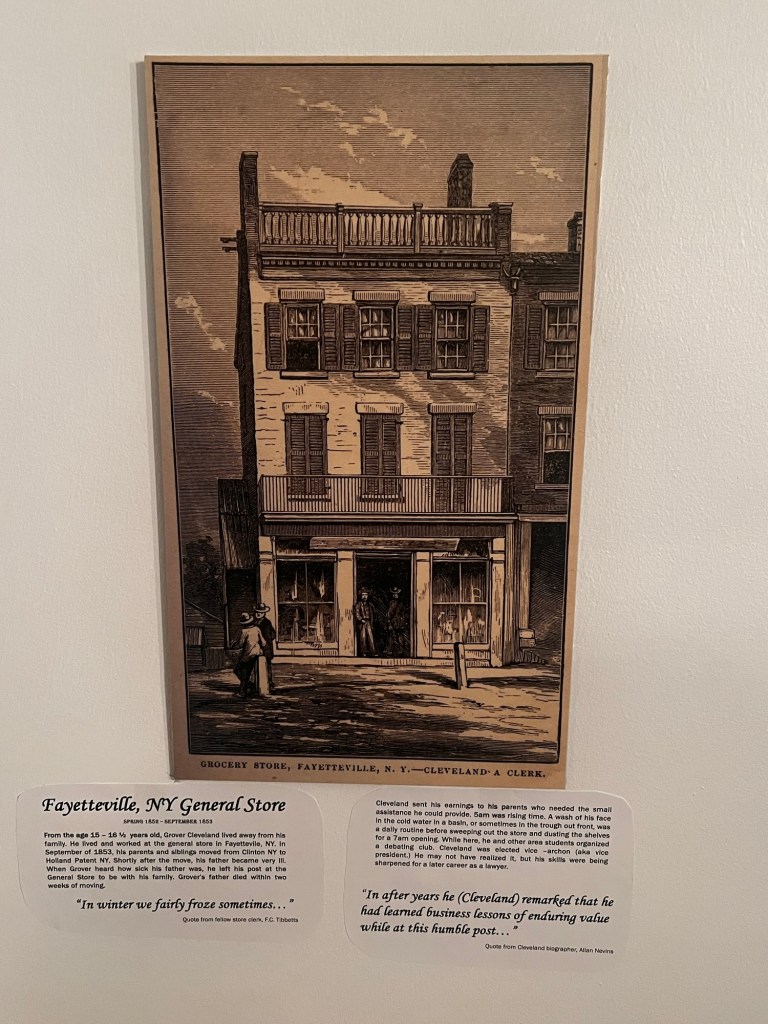
The family home in Fayetteville, NY

The Grover Cleveland Birthplace State Historic Site is the only house museum in the country dedicated to the interpretation of President Cleveland’s life. It is the nation’s leading repository of Cleveland artifacts and political memorabilia. The Grover Cleveland Birthplace is listed on the New Jersey and National Registers of Historic Places (museum website).

The President’s time in New Jersey:

(from the museum website)

Stephen Grover Cleveland was born on March 18, 1837 to the Reverend Richard Cleveland and his wife, Ann. Named for the first ordained pastor of the First Presbyterian Church at Caldwell, he would in time become known by his middle name, Grover.

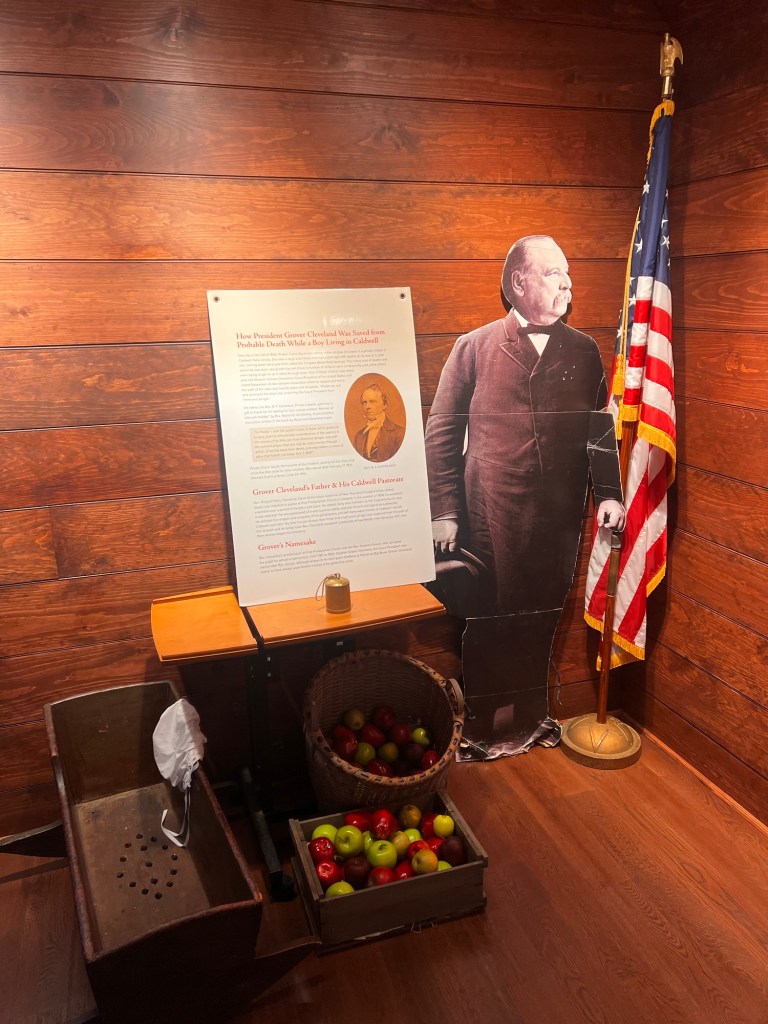
The display on the President’s life in the new Visitors Center

Cleveland was raised in a strict, modest home. As the son of a minister and the fifth of nine children, he had a religious and principled upbringing with few luxuries. When Grover was four, Reverend Cleveland moved his family to Fayetteville, NY.

(The Grover Cleveland Birthplace Museum pamphlet)

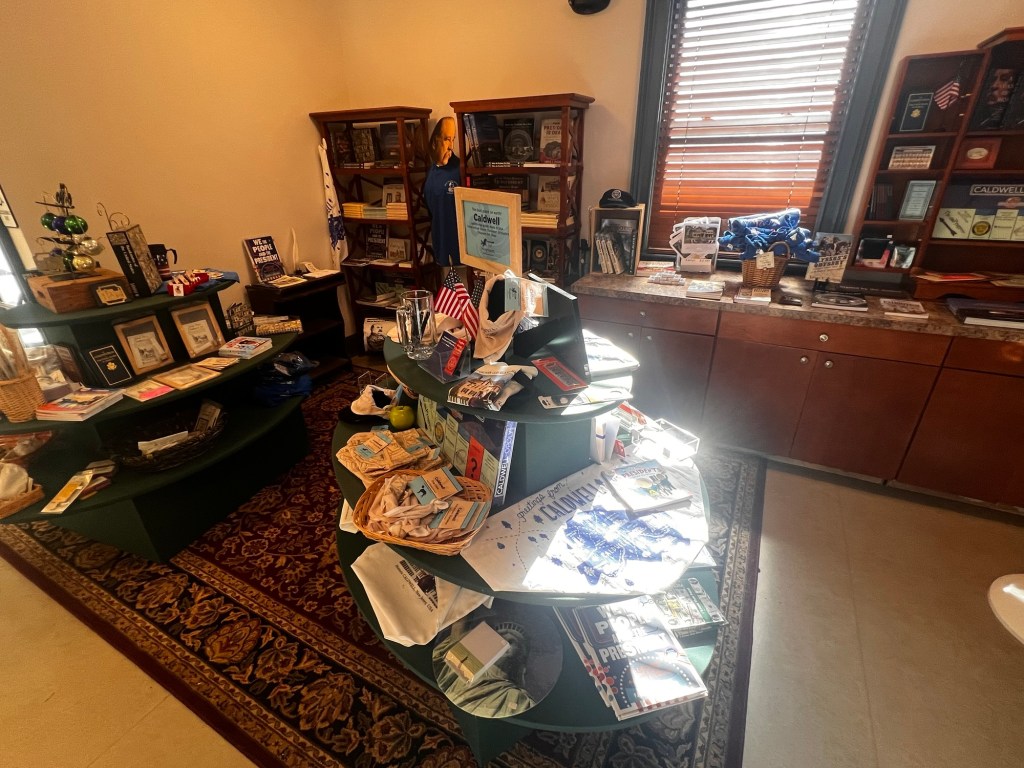
The Gift Shop in the Visitors Center