Tag: vistingamuseum.com

Hereford Inlet Lighthouse                                              111 North Central Avenue                                         North Wildwood, NJ 08260

Hereford Inlet Lighthouse 111 North Central Avenue North Wildwood, NJ 08260

Hereford Inlet Lighthouse

111 North Central Avenue

North Wildwood, NJ  08260

(609) 522-4520

http://www.herefordlighthouse.org

Open:

Mid May through October-Seven days a week: 9:00am-5:00pm

November through mid-May: Thursday-Sunday: 10:00am-1:00pm

*Days and hours may change without notice during these off-season months. Please call ahead to check on updates.

TripAdvisor Review:
https://www.tripadvisor.com/Attraction_Review-g46686-d532246-Reviews-Hereford_Inlet_Lighthouse-North_Wildwood_Cape_May_County_New_Jersey.html?m=19905

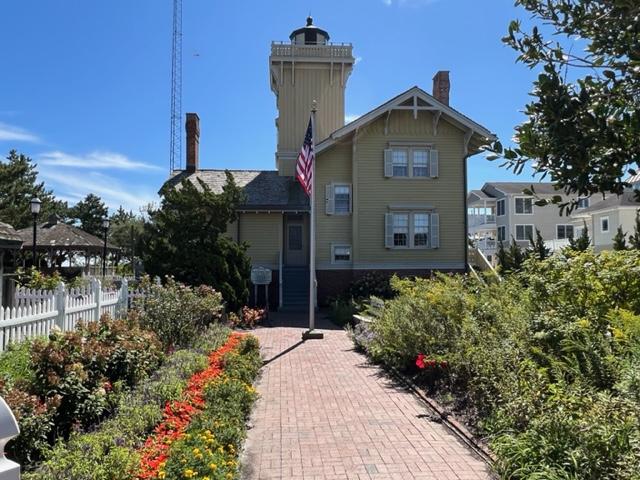
The Hereford Lighthouse in the summer of 2023.
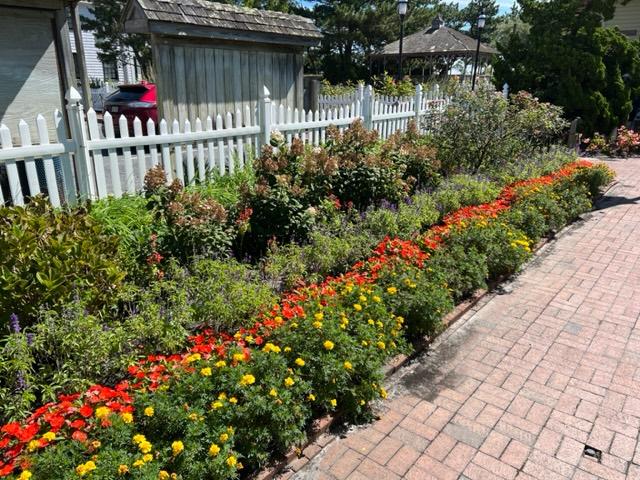
The front gardens of the lighthouse.
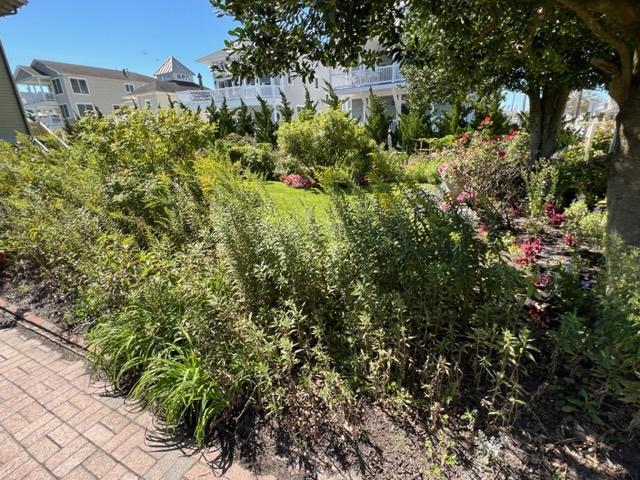
The front gardens of the lighthouse.

I visited the Hereford Lighthouse Museum recently (See my review on TripAdvisor) and toured the building and grounds. It was three floors of vintage furnishings, artifacts from the nautical era and the items from a working lighthouse, past and present.

The first floor meeting room.
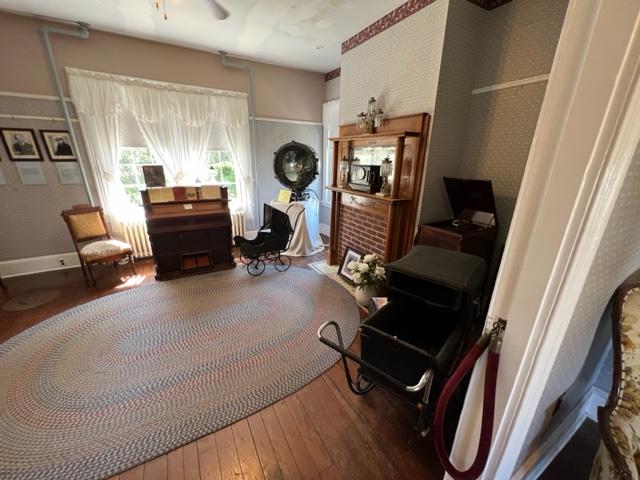
The Living Room of the Hereford Lighthouse.

The Living Room of the Hereford Lighthouse.

There was an interesting display of ship wrecks and their history, the role of lighthouses in New Jersey and their past and an interesting storyboard of the lighthouse keepers and the families that lived there at all stages of the history of the lighthouse.
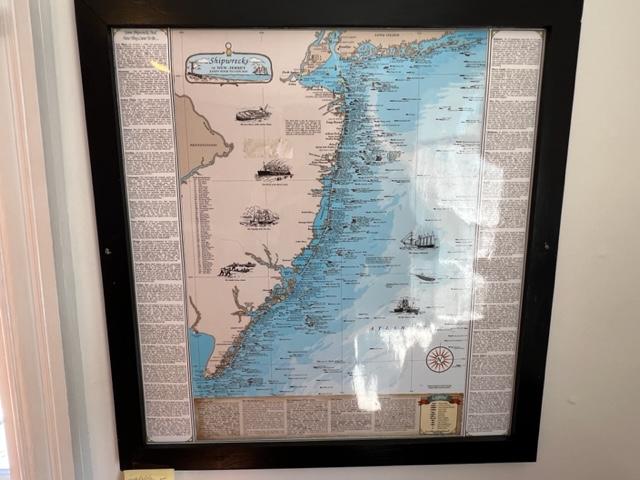
The shipwrecks of the Jersey coastline

The shipwrecks off the coast of New Jersey.

The Hereford Victorian Lighthouse Museum and Gardens is a working lighthouse as well as a museum. Visitors will learn about the historic structure’s history and get a glimpse into the life of a lighthouse keeper in the late 19th and early 20th centuries (Hereford Lighthouse Museum).

The Children who lived in the Hereford Lighthouse.

Nestled into one of the most scenic settings in the State, the lighthouse overlooks the picturesque Hereford Inlet and the Atlantic Ocean. A park surrounding the building overflows with numerous flower gardens that have won many awards. Benches, a gazebo and a seawall observation deck allow visitors to linger and take in all the beauty (Hereford Lighthouse Museum).
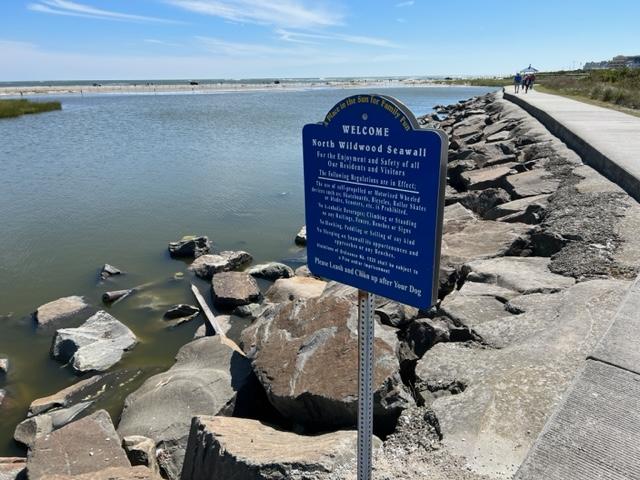
The seawall just outside the lighthouse.

There is a gift shop located on the first floor of the lighthouse.

History of the Lighthouse:

(from the museum website)
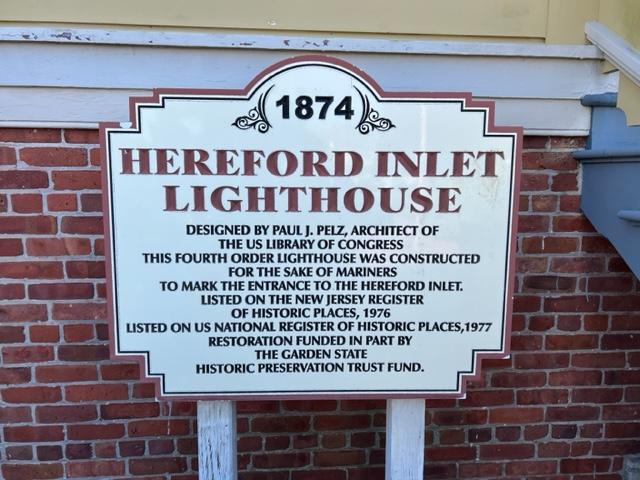
The Lighthouse sign welcomes you.

Historic and picturesque Hereford Inlet Lighthouse, a beacon of safety and assurance to the 19th century mariners, has become a cherished landmark for residents and visitors of this seashore resort community.

The Lighthouse is situated on the south side of the Hereford Inlet, which leads from the Atlantic Ocean to the famed Intra-Coastal Waterway linking Maine to Florida. First used by the 17th century whalers to haul in and butcher their catches, the Inlets use as a haven to mariners greatly increases as travel and shipping along the coast became more prevalent.
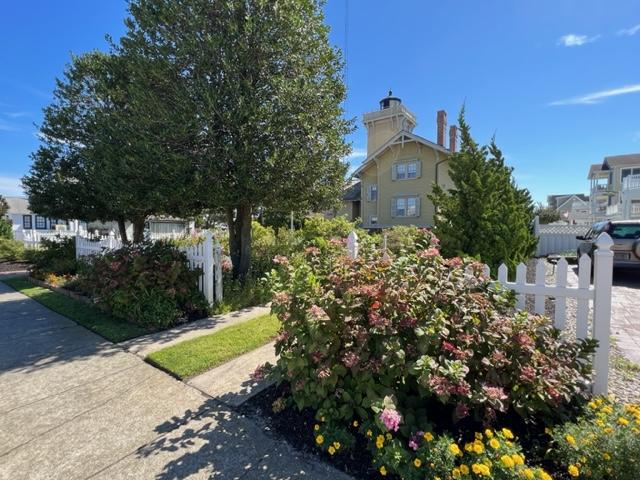
The front of the lighthouse and the front gardens.

Strong currents and shifting sandbars near the entrance to the Inlet caused frequent groundings and shipwrecks. Because of this, in 1849, a Life Saving Station was constructed along the south bank of the Hereford Inlet. A second, larger station replaced this in 1871, the time of the creation of the United States Life Saving Service. As the use of the Inlet and coastal shipping continued to increase, so did the number of shipwrecks. It became obvious that a Lighthouse was needed to mark the mouth of the Inlet.

On June 10th, 1872, Congress enacted legislation to finance the purchase of land and the construction of a fourth order Lighthouse. The site chosen held a prominent position on the dune area overlooking the approach to the Inlet.

The view from the top of the lighthouse.

Construction bean on the uninhabited barrier island on November 8, 1873 and was completed on March 30, 1874. This wood frame residential style Lighthouse was designed by the Lighthouse Boards Chief Draftsman, Paul J. Pelz. His Victorian era design is referred to as Swiss Carpenter Gothic and also Stick Style.

Hereford is the only Lighthouse like it on the East Coast although it had five sister lights on the West. Pelz designed Point Fermin, East Brother, Mare Island and Point Hueneme in California and Point Adams in Washington State. All of these were almost identical to Hereford and were built about the same time. Only Point Fermin and East Brother still exist. Paul Pelz would later garner world wide fame as the designer of the Library of Congress in Washington DC.

The view from the top of the lighthouse.

On May 11, 1874, a Notice to Mariners formally announced the start of operation of the Light. The fixed white light was located at latitude 39 degrees and longitude 74 degrees, 47 minutes. The tower height is 49 1/2 feet with the light elevation rising to 57 feet above sea level. The light is visible at a distance of 13 nautical miles.

John Marche was the first Lighthouse Keeper. He was in the post less than three months when he drowned when his boat capsized while returning to the mainland. He was replaced by a young man from Cape May Court House, Freeling Hysen Hewitt.

Freeling was a civil war veteran and a former merchant seaman. He would stay on as the keeper of the Light for the next 45 years. Freeling was considered a Pioneer of the island and among his many contributions, held the first formal religious services to occur in the Wildwood’s, in the Lighthouse parlor.

In 1888, a third larger Bibb#2 style Life Style Station was constructed three hundred feet Northwest of the Lighthouse. The Lighthouse Service and the Life Saving Service were both run by the Department of the Treasury but were separate organization. They were, however, both in the business of saving lives. The Lighthouse by warning and the Life Saving Service by rescue.

Hereford stood firm against the onslaught of the winds, rains and tides for 40 years at its original location. A severe storm in August of 1913 significantly damaged the foundation, requiring it to be moved westward 150 feet to where it sits today.

In 1915 the Coast Guard absorbed the duties of the U.S. Life Saving Service. A larger building was needed and in 1939 the modern Roosevelt Style Coast Guard Station was constructed. This Station also had a boathouse and a maintenance garage. These are the white buildings just north of the Lighthouse. 1939 was also the year that the Coast Guard took over control of the Lighthouse Service.

For the next 25 years the Hereford Lighthouse continue in operation. By the early 1960’s the Coast Guard began to automatize many of its many of its lighthouses. In 1964 this was the fate of Hereford when an automatic rotating modern optic was placed on an iron skeletal tower behind the Lighthouse. The Lighthouse was closed as was the Coast Guard Station next door. The entire property was transferred to the control of the New Jersey State Marine Police. The Police made use of the Coast Guard Buildings but the Lighthouse was boarded up and left to deteriorate for the next 18 years.

In 1982 through the long and painstaking efforts of Mayor Anthony Catanoso and his wife, Phyllis, a lease was signed Whereby the New Jersey Department of Environmental Protection turns over the stewardship of the Lighthouse to the City of North Wildwood.

The Children’s Room at the Hereford Lighthouse.

Restoration of the neglected building was immediately begun. After only ten months of intense work, on July 1, 1983, a portion of the restored building was opened to the public. Hundreds of public spirited citizens who helped raise funds for the restoration and contributed time, talent, energy and materials were on hand to celebrate the official reopening of the historic landmark for public use.
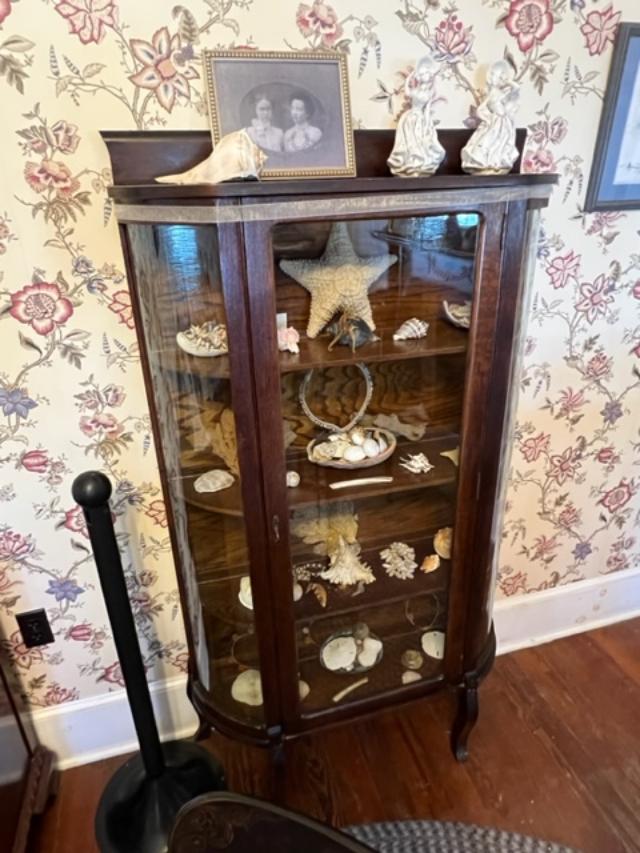
The Shell Collection in the Living Room of the Hereford Lighthouse.

In 1986, the modern automated light was removed from the iron tower and placed in the Lighthouse lantern room making it a fully functional aid to navigation once again.

Efforts were then begun to also create a museum in the Lighthouse. The interior of the building was furnished with period antiques, educational displays and lighthouse memorabilia. The 4th order Fresnel Lens was also restored and placed on display on the 2nd floor of the Lighthouse.

The Fresnel Lens at the Hereford Lighthouse

A project to improve the sandy, barren grounds into a park was undertaken by Superintendent of Parks Steve Murray, who designed the Park along with its many garden areas.

Finally an authentic restoration of the entire Lighthouse was begun in 1998 and as with many old, historic structures is always a work in progress. Grants awarded by the New Jersey Historic Trust and the N.J. Department of Transportation have helped finance this work.

The Hereford Lighthouse is listed on both the National and State Registers of Historic Places. It is also part of the New Jersey Coastal Heritage Trail.

The pictures of the Lighthouse Keepers over the years.

Keepers of The Hereford Inlet Lighthouse:

John Marche: 1874

John Nickerson: 1874

Freeling Hewitt: 1874-1919

William Hedges: 1919-1925

Laura Hedges: 1925-1926

Ferdinand Heizman: 1926-1939

Robert O’Neil: 1939-1942

George Baker: 1945-1955

Newman Bowden: 1955-1959

Bruce Bolon: 1960-1961

In the back of the Lighthouse is a wonderful set of gardens maintained by the local Garden Club.
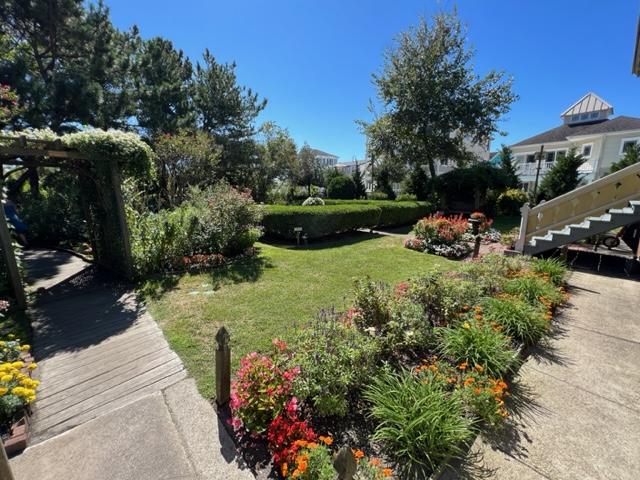
The back gardens are beautifully maintained.

The back garden paths.
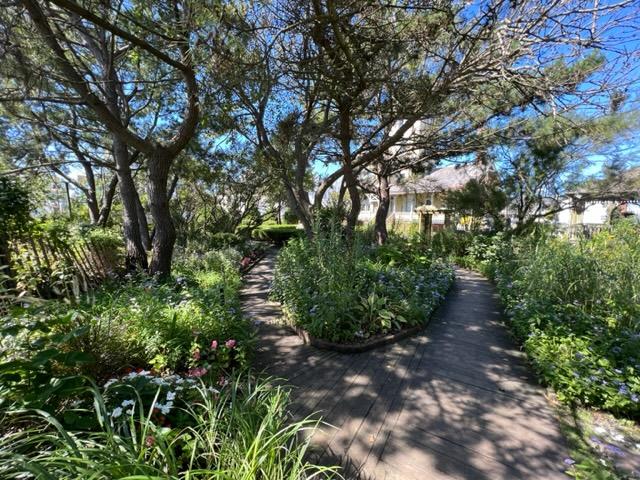
The back paths of the formal gardens in the back.

The paths leading to the seawall.

The lawns and gardens in the back of the lighthouse.

Disclaimer: This information was taken from the Hereford Lighthouse History website and I give the museum full credit for this information. Please call ahead before visiting in the off-season to see when the museum is open. It is a fascinating piece of New Jersey history.
Maywood Station Museum                                 269 Maywood Avenue                              Maywood, NJ 07607

Maywood Station Museum 269 Maywood Avenue Maywood, NJ 07607

Maywood Station Museum

269 Maywood Avenue

Maywood, NJ  07607

(201) 845-3323

http://www.maywoodstation.com

http://www.maywoodstation.com/

https://www.facebook.com/MaywoodStationMuseum/

Open: Times Vary; please check their website

Admission: Free

TripAdvisor Review:

https://www.tripadvisor.com/Attraction_Review-g46608-d2661796-Reviews-Maywood_Station_Museum-Maywood_New_Jersey.html?m=19905

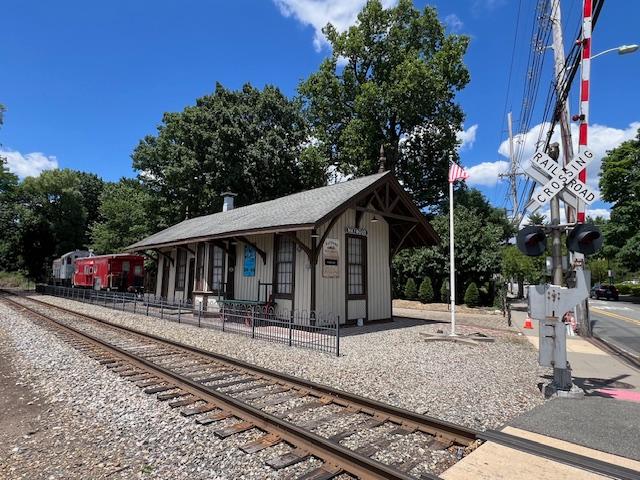
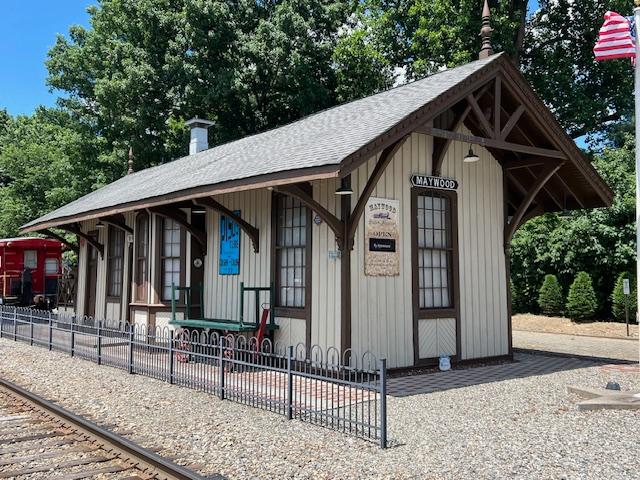
The Maywood Railroad Museum at 269 Maywood Avenue

This National Registered restored 1872 New York, Susquehanna & Western railroad station, one of oldest in New Jersey, is located in the heart of Maywood, NJ. Restored by the Maywood Station Historical Committee and opened in September 25, 2004, it contains an extensive railroad museum and collection. The site also contains a restored caboose and engine.

The museum sign welcomes you

I visited the Maywood Station Museum when it was open recently and found a fascinating collection of railroad memorabilia, Maywood fire department history and early maps of the town of Maywood. It is a treasure trove of articles for people who like to study railroad history especially its growth in small towns, early stages of industry in the town and in New Jersey.

Maywood Station Museum IV

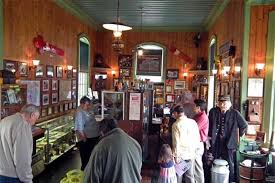
The inside of the station museum

There is a lot of items that show the history of rail service not just on the train but in the station as well. There are antique desks, phones, ticket takers, mailboxes, benches and pictures all from the turn of the last two centuries.

The Maywood Station Historical Committee (MSHC) division of New York, Susquehanna & Western Technical & Historical Society operates the Maywood Station Museum and is chartered as a tax-exempt, 501(c)3 non-profit, educational and historical organization with a mission to preserve our railroad and cultural heritage through restoration and preservation, historical awareness, archiving and interpretation, museum open houses, meetings and special events (Maywood Station Museum Committee).

The museum complex

The museum is operated and staffed by the volunteer membership of the Maywood Station Historical Committee. The main focus of the museum is concentrated on the history of Maywood Station and the New York, Susquehanna & Western Railroad and the roles they played in the development of the Borough of Maywood and the surrounding area. The museum collection contains hundreds of photographs, displays, documents, maps and artifacts covering the histories of Maywood Station, the NYS&W and local railroads, the Borough of Maywood and the local region, which are changed periodically and designed to entertain and educate visitors of all ages as well as offer a virtual timeline to these subjects.

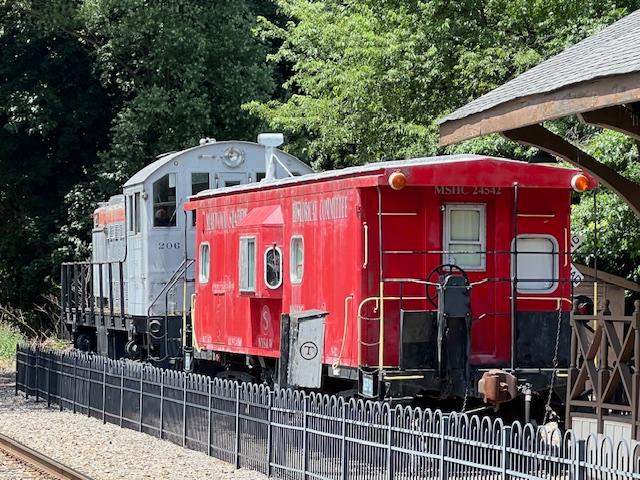
The Museum and Railroad Car

Maywood Station Museum is also the official site of the New York, Susquehanna & Western Technical & Historical Society’s (www.nyswths.org) archive, which contains thousands of drawings, maps, track diagrams, photos, timetables, documents and records covering the history of the New York, Susquehanna & Western Railroad (Wiki).

For those interested in historical buildings, meticulous care has been taken by the Maywood Station Historical Committee to show the museum in a historical context.  The museum features the original woodwork painted and stained in the original colors and original Maywood Station furnishings have been restored and displayed such as the potbelly stove, station agent’s desk, chairs, telegraph keys and freight scale. Victorian-period original light fixtures and sconces adorn the ceilings and walls. Additional items have been painstakingly reproduced to the exact original specifications of over one hundred years ago including the station benches and bay window area (Wiki).

The Maywood Station Museum collection includes a former Penn Central/Conrail N-12 class caboose, which was restored by Maywood Station Historical Committee members. Visitors to the Maywood Station Museum are invited to come aboard Caboose 24542 and view additional displays and an operating model train layout. The Maywood Station Museum collection also includes original New York, Susquehanna & Western Railroad ALCO Type-S-2 Locomotive #206, which has also been restored by Maywood Station Historical Committee members (Wiki).

On September, 10, 2009, NYS&W S-2 #206 was placed on the State of New Jersey Register of Historical Places. The locomotive was placed onto the National Register of Historical Places on March 19, 2010 (Wiki).

The History of Maywood Station:

Maywood Station Museum III

The Museum Logo

In 1871, the New Jersey Midland Railway, predecessor of today’s New York, Susquehanna & Western (NYS&W), began constructing a rail line between Newfoundland, NJ and Hackensack, NJ.  The line was part of a plan to connect with the New York & Oswego Midland (later New York, Ontario & Western) in Middletown, NY and provide rail service from the Great Lakes to New York Harbor. The residents of what would later become Maywood, which at the time was part of an area called Midland Township, saw the advantages of the new railroad and requested a stop be made.

At the time, approximately 13 homes with nearly 90 residents were in the boundaries of today’s Maywood. Soon afterward, construction of Maywood Station began. On March 11, 1872, the New Jersey Midland commenced operating trains on the new line and Maywood Station formally opened in the same paint colors you see it restored to today. Six passenger trains a day in each direction initially stopped at Maywood. It should be noted that for a brief period after that station opened, the station sign said “West Hackensack” but this removed due to the requests of local residents who wanted the station named “Maywood”, as the immediate area surrounding the station had then become known (Maywood Station Museum).

A station agent was employed and it is believed that the first agent was name George Sipley. The station agent handled passenger  baggage, freight shipments to and from the station, passenger ticketing and general functions in addition to performing the job of postmaster. In the 1872 to 1910 period, Maywood Station served as Maywood’s post office at various times when it wasn’t housed in a local merchant’s store. Another station agent/postmaster was Charles M. Berdan, who held this position in the late 1890’s into the early 1900’s. Mr. Berdan’s home was located directly across Maywood Avenue from the station and exists today. Maywood Station was also equipped with a telegraph so that the railroad could communicate between their stations and local residents could send messages around the world. The station also offered Wells Fargo and later, Railway Express Agency delivery services. These services lasted into the 1960’s (Maywood Station Museum).

When Maywood Station was built, it originally located on the south side of the current tracks. In 1893, the station was moved to its present location on the north side of the tracks due to the addition of a second set of tracks being constructed and a purchase of additional land by the railroad. At the time, several additional NYS&W stations along the line were similarly moved for the same reason. When the station was moved, it was jacked up onto the rails, the rails greased, spun around and slide approximately 30 feet closer to Maywood Avenue, then jacked up again and moved to its present  location. A new foundation was also added. It is interesting made at this time including the addition of a freight platform at the “new” rear of the station.

The Maywood, NJ Railroad Museum

The spot where Maywood Station was moved to originally included a passing siding where steam locomotives were stationed to be added, when necessary to help heavy freight trains on the several grades encountered heading west on the line. When the station was moved, the passing siding was cut back and one of the two switches was removed. The remaining trackage was then used to store freight cars, which were unloaded at the station. The siding started to the west of the station and ran 440 feet to near the rear freight platform of the station. The siding was last used in the early 1970’s and remnants of it can be seen today (Museum Station Museum).

In 1894, the approximate 1.1. square mile area that included Maywood Station, formerly part of Midland Township was incorporated as the Borough of Maywood. Also that year, the NYS&W expanded into western New Jersey and through its Wilkes-Barre & Eastern Railroad subsidiary, into the coal fields in the Pocono region of northeastern Pennsylvania. The rail line could now take a passenger from a ferry at New York City to a connection at Jersey City, NJ to almost Scranton, PA on its own rails. The added ease of transportation began to attract manufacturing to Maywood as well as a demand for new homes. In 1894, the total residents living in Maywood numbered approximately 300 but this was about to change (Maywood Station Museum).

New manufacturing and homes sprang up in the area surrounding the station and included such industry as Schaefer Alkaloids Company, Maywood Chemical Company and Maywood Art Tile Company. As these companies expanded so did Maywood’s population and by 1920 it numbered nearly 3000 (today Maywood has approximately 9,500 residents). The 1920’s also marked the height of passenger service provided by the NYS&W at Maywood Station. Thirteen passenger trains in each direction stopped at Maywood Station on a daily basis. Freight shipments continued to be delivered to the station and most of the local industry had their own rail sidings serving their plants. The NYS&W was enjoying a period of posterity and in 1920, a freight house addition was added to rear of Maywood Station and the exterior walls received a stucco finish over the existing boards and battens.

Stucco was in-vogue in the 1920’s and the NYS&W applied this material to several other stations on their line as well. In 1926, another round of various improvements were made at Maywood Station including the addition of interior men’s and women’s bathrooms, an 8-inch concrete floor installed to replace the wooden floor planking plus electrical and heating improvements. Unfortunately the Great Depression stuck in October 1929 and lasted well into the late 1930’s and the growth slowed dramatically.  In 1937, the NYS&W declared bankruptcy and shortly thereafter was spun off from its parent, the Erie Railroad, which had controlled it since 1898. Around the same time, Maywood Station’s bay window was removed due its deteriorating condition (Maywood Station Museum).

The newly independence NYS&W fought hard to survive and cut back certain services but at the same time tried innovative concepts like streamlined, self-propelled, rail passenger cars as a way of cutting costs while boosting efficiency. The railroad also quickly retired its steam locomotives and replaced them with more efficient diesel locomotives stating in 1941 and completed the program in 1947. During World War II, the fortunes of the NYS&W did improve with the wartime demands placed on America’s railroads. As in World War I, many of Maywood’s servicemen departed through Maywood Station, some never to return. By 1953, the NYS&W was solvent once again but only for a few more years. Faced with mounting losses from the passenger services it offered and America’s love affair with the automobile and a new interstate highway system, the railroad once again embarked on a period of reducing their passenger train schedules.

Losses continued and on June 30, 1966, the last passenger train called on Maywood Station as well as on the entire NYS&W, however the railroad continued to utilize the tracks at Maywood Station for their freight operations, which continues to prosper to this day. Shortly after the end of passenger service, the station was closed and was used by the NYS&W as maintenance base and for storage. Bill Spence served as Maywood Station’s last station agent. In the late 1970’s. Maywood’s Veterans of Foreign Wars (VFW) leased the station from the NYS&W to be used as a meeting hall. The VFW made a number of improvements including repainting the station, repairing cracked stucco, repairing the roof and maintaining the grounds. In the early 1990’s, the VFW moved out of the station and it remained unoccupied until June 2002, even thought the NYS&W attempted to lease it to another tenant during this period.

Faced with a pending order of demolition by the Borough of Maywood in early 2002 due to the deteriorating conditions of the station, a volunteer, 501C3 non-profit group named the Maywood Station Historical Committee Division of the New York, Susquehanna & Western Technical & Historical Society Inc. was formed on May 29, 2002 with a plan to restore the station and turn it into their museum. After several years of volunteer work to restore the station and create a museum, the group has successfully achieved their objectives and more, including placement of the station on both the National Register and State of New Jersey Register of Historic Places. The station now enjoys the notoriety as being one of the most impressive restoration projects and museum efforts to date in the State of New Jersey’s historical community (Maywood Station Museum).

I want to the thank the Maywood Station Museum for this interesting information and please check out their website at http://www.maywoodstation.com.

https://www.facebook.com/MaywoodStationMuseum/

Bertha & Karl Leubsdorf Gallery Hunter College Campus                                                                  132 East 68th Street                                            New York, NY 10065

Bertha & Karl Leubsdorf Gallery Hunter College Campus 132 East 68th Street New York, NY 10065

Bertha and Karl Leubsdorf Gallery

Hunter College Campus

132 East 68th Street

New York, NY 10065

(212) 772-4991

http://www.leubsdorf.org

http://huntercollegeartgalleries.org/

https://huntercollegeart.org/galleries

https://hunter.cuny.edu/organizer/hunter-college-art-galleries/

Open: Sunday-Monday Closed/Tuesday-Saturday: 11:00am-5:00pm-See website when open.

Admission: Free

My review on TripAdvisor:

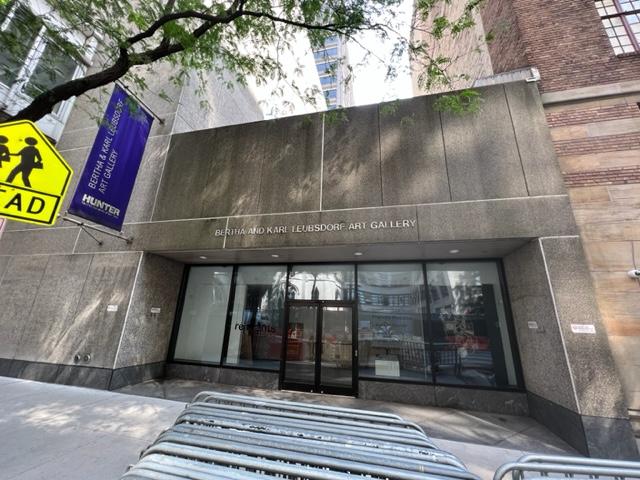
The Hunter College Museum-The Bertha and Karl Leubsdorf Gallery at 132 East 68th Street

I visited this wonderful little gallery on the main campus of Hunter College on the Upper East Side of Manhattan on my project, “MywalkinManhattan.com”. It is an interesting, small gallery that exhibits more fringe artists and collections. The best part of the gallery is that it is not overwhelming like the bigger museums in the City and you can see the whole gallery in about an hour or a little more (See my review on TripAdvisor).

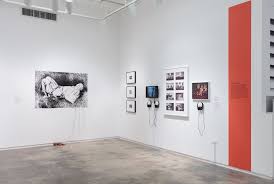
Hunter Art Gallery II

A former exhibition was: Axis Mundo: Queer Networks in Chicano L.A. is an interesting look at the Los Angeles based queer Chicanx artists between the late 1960’s and early 1990’s and is the first of its kind to excavate histories of experimental art practice, collaboration and exchange by a group of artists in Los Angeles (Hunter College Gallery).

Hunter Art Gallery III

The Axis Mundo Exhibition

Currently the museum is hosting the BFA Final Projects and there is a combination of video, paintings and photography to choose from. There is some interesting sculpture work by some of the graduating seniors so take some time in the afternoon to visit the gallery.

Hunter Art Gallery IV

The Axis Mundo Exhibition

I visited the Gallery again in March of 2021, when the campus open after COVID rules lifted. The exhibition being shown was entitled “The Black Index”, a series of Black artists were being featured.

“The Black Index” features the works of artists Dennis Delgado, Alicia Henry, Kenyatta A.C. Hinkle, Titus Kaphar, Whitfield Lovell and Lava Thomas. The artists included in The Black Index build upon the tradition of Black self-representation as an antidote to colonialist images. Using drawing, perform, performance, printmaking, sculpture and digital technology to transform the recorded image, these artists question our reliance on photography as a privileged source for documentary objectivity and understanding. Their works offer an alternative practice-a Black Index-that still serves as a finding aid for information about Black subjects, but also challenges viewers desire for classification (Hunter Gallery website).

The Black Index | 4Columns

Artist Alicia Henry’s work “Analogan III”

The works in The Black Index make viewers aware of their own expectations of Black figuration by interrupting traditional epismologies of portraiture through unexpected and unconventional depictions. These works image the Black body through a conceptual lens that acknowledges the legacy of Black containment that is always present in viewing strategies. The approaches used by Delgado, Henry, Hinkle, Kaphar, Lovell, and Thomas suggest understandings of Blackness and the racial terms of our neo-liberal condition that counter legal and popular interpretations and in turn offer a paradigmatic shift within Black visual culture (Hunter Gallery website).

The Black Index — Leubsdorf Gallery

“The Black Index” works (Hunter Gallery)

The nice part of these galleries are that it takes about 45 minutes to view the whole exhibition.

The BFA Art Show at the Hunter College Galleries

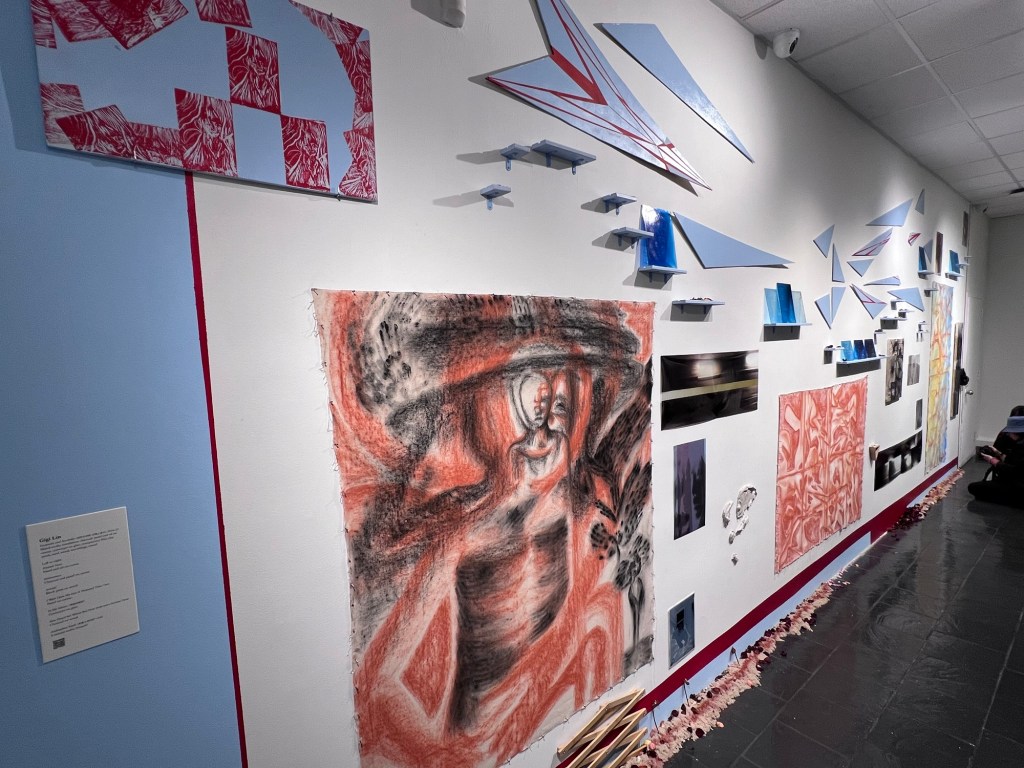
In the Spring 2025, I stopped into the galleries to visit the Undergraduate show, CODA.

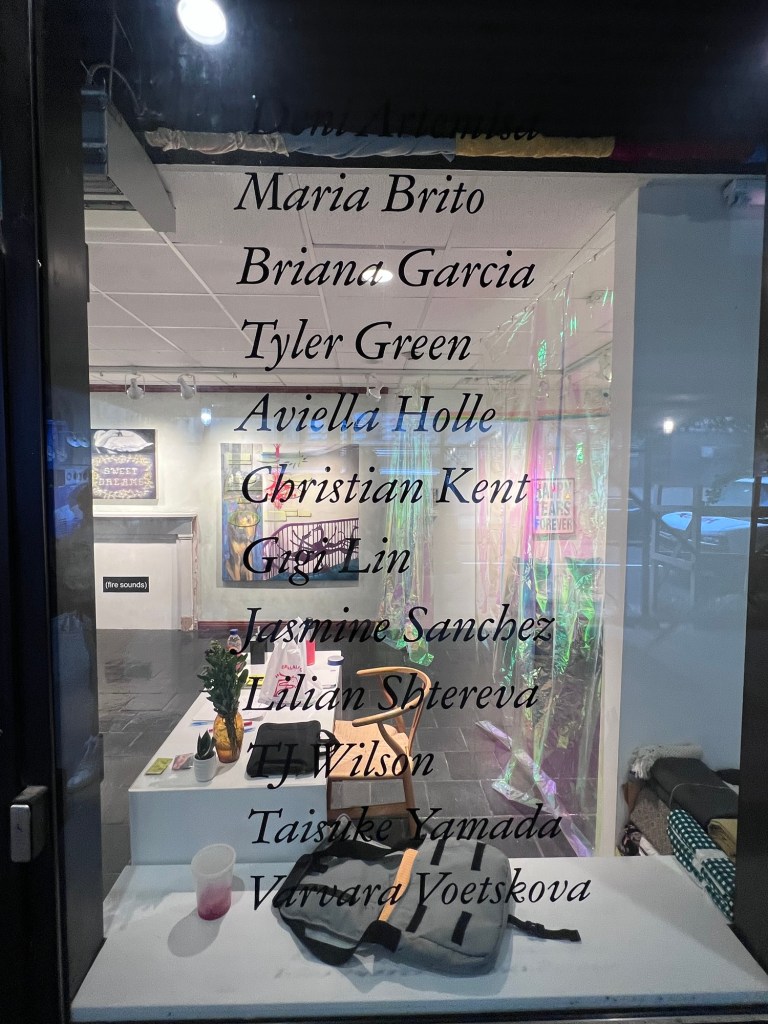
The students featured in the show

The front galleries

The entrance to the main gallery

This piece is called “Flushed Toast”

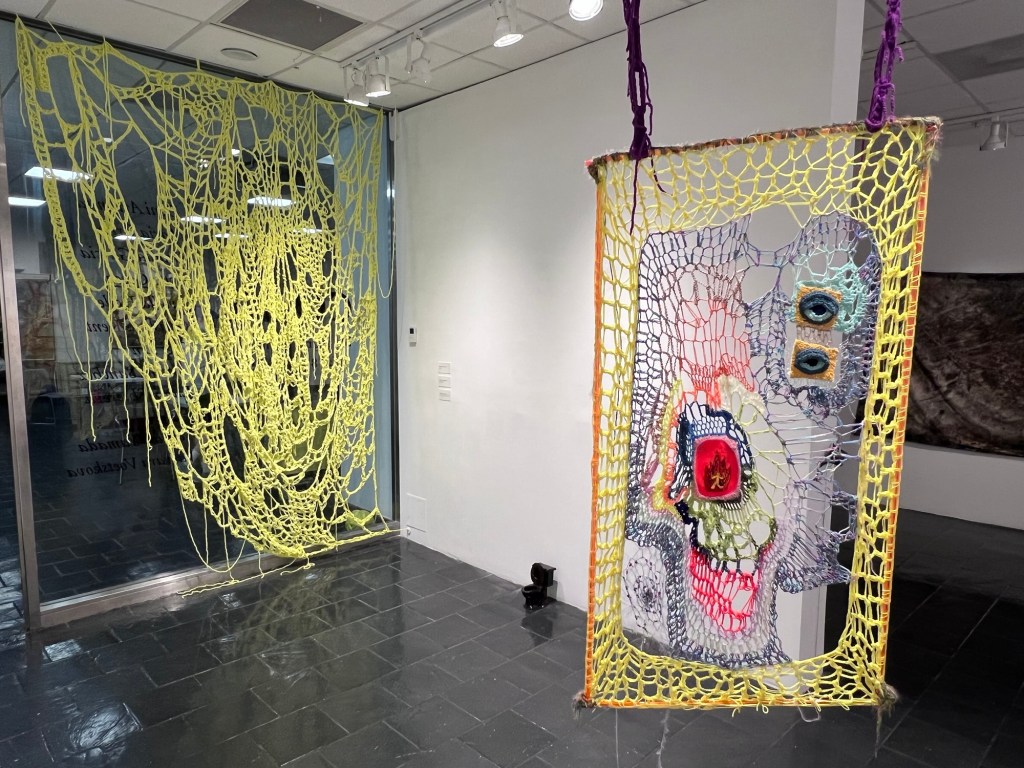
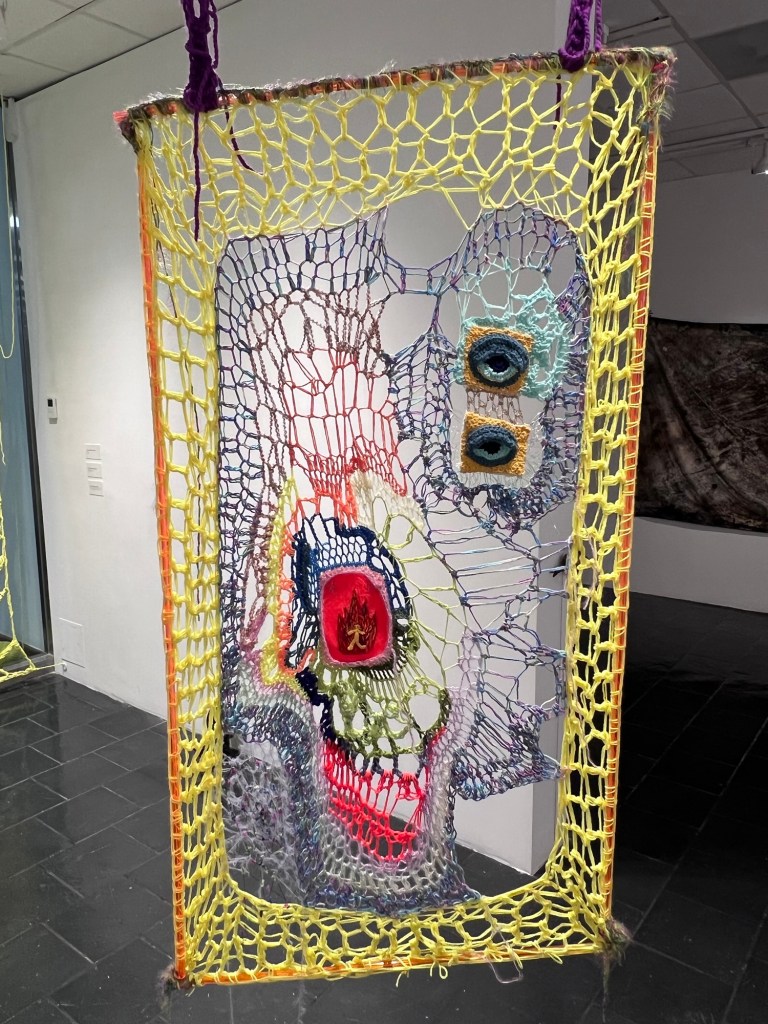
Then in the main part of the gallery, there were a few pieces of yarn work that I thought were very interesting.

The works made of acrylic yarn by artist Demi Artemisa Espinoza

Artist Demi Artemisa Espinoza works

My favorite work in the show ‘Smiling Cheek to Cheek’

In the middle of the gallery, there were interesting modern sculptures.

The middle gallery

This was quite unique

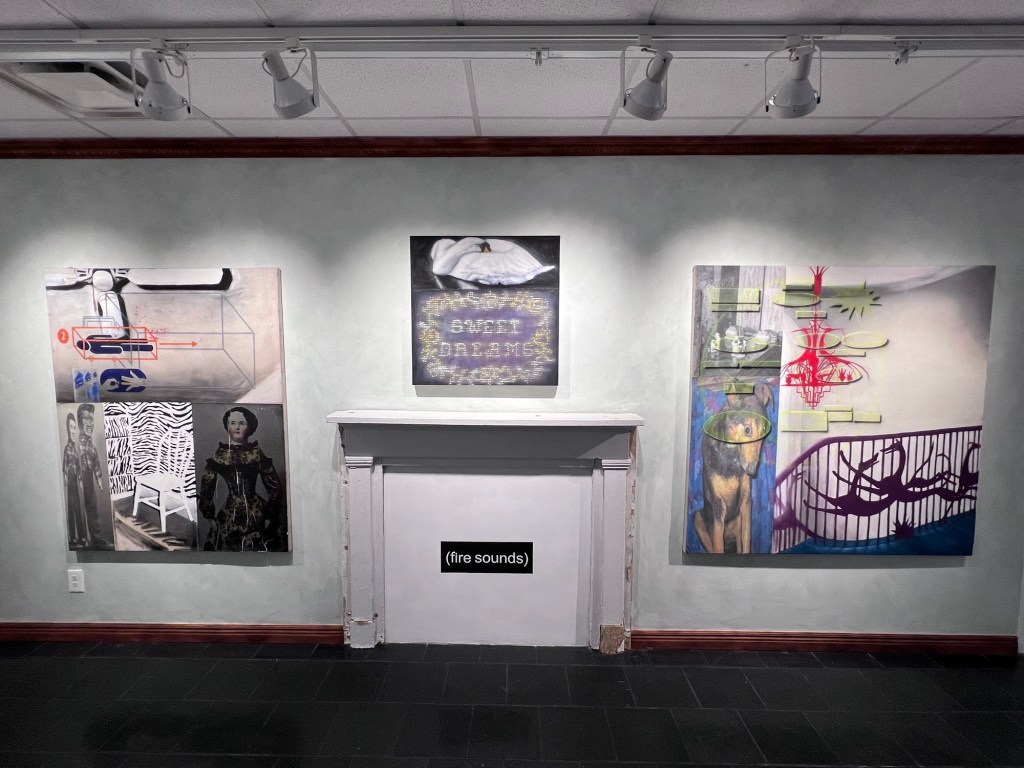
Paintings in the show

Video works from student artist Aviella Holle

Video Artist Aviella Holle

The undergraduates in this Art program did an excellent job and I thought the works were very original.

The History of the Berth and Karl Leubsdorf Gallery:

(From the Hunter College Art Galleries website)

The Bertha and Karl Leubsdorf Gallery focuses on presenting historical and scholarly exhibitions and programming that provide new scholarship on important and often under-represented artists and art movements. Located on the Hunter College’s main campus, the gallery also hosts the BFA degree exhibitions each semester.

The Hunter College Art Galleries, under the auspices of the Department of Art and Art History, have been a vital aspect of the New York cultural landscape since their inception over a quarter of a century ago. The galleries provide a space for critical engagement with art and pedagogy, bringing together historical scholarship, contemporary artistic practice and experimental methodology. The galleries are committed to producing exhibitions, events and scholarship in dialogue with the intellectual discourse generated by the faculty and students at Hunter and serve as an integral extension to the department’s academic programs.

The Museum at the Station                                                      176 Rock Road                                                                        Glen Rock, NJ 07452

The Museum at the Station 176 Rock Road Glen Rock, NJ 07452

The Museum at the Station

The Glen Rock Main Line Station

178 Rock Road

Glen Rock, NJ  07452

(201) 342-3268

http://www.glenrockhistory.org

http://glenrockhistory.wix.com/grhs

email: GRHistoricalsociety@gmail.com

Open: The last Sunday of each month from 1:00pm-3:00pm

There is no admission fee although donations are gratefully accepted.

TripAdvisor Review:

https://www.tripadvisor.com/Attraction_Review-g46608-d2661796-Reviews-Maywood_Station_Museum-Maywood_New_Jersey.html?m=19905

The Museum was featured in the project by Bergecco-Parc Consulting Inc. “I’m Glad I’m in Glen Rock, NJ: Be a Tourist in your own Town”:

https://mywalkinmanhattan.com/category/exploring-glen-rock-nj

The Video’s of the Presentation in Glen Rock City Hall.

Video One

City Hall Presentation December 2023

Video Two

Glen Rock City Hall Presentation December 2024

Video Three

Glen Rock City Hall Presentation of “I’m Glad I’m in Glen Rock, NJ” December 2023

The museum was given a Digital Marketing Campaign in the videos.

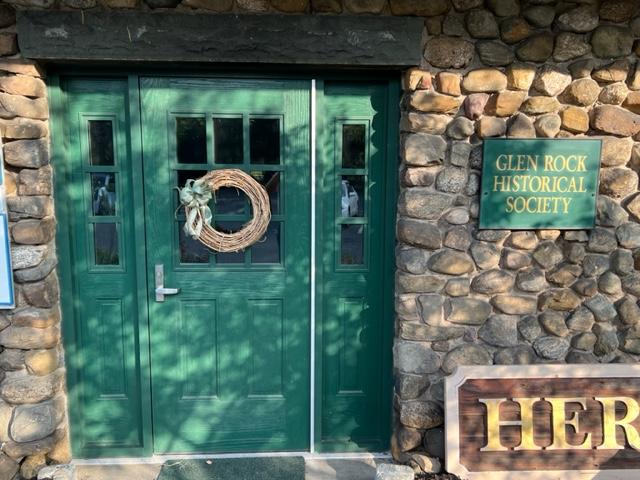
The Glen Rock Historical Society at the old train station.

I visited the Museum at the Station as my last stop on the Northwest Bergen History Coalition 8th Annual History Day tour. The station is managed by the Glen Rock Historical & Preservation Society and is housed inside the original 1905 Erie Main Line Train Station on Rock Road at the tip of downtown Glen Rock.

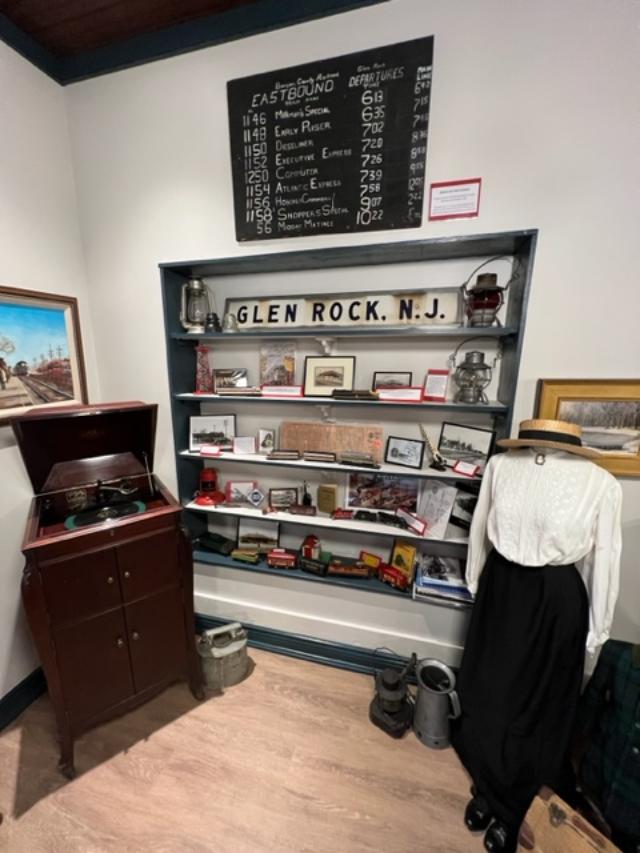
The Dispatch area of the Museum at the Station in Glen Rock, NJ

The station was at one time a destination and departure point for families and farmers, commuters and immigrants. There are permanent exhibits  on the Erie Railroad’s past and artifacts from Glen Rock’s past including clothing, furniture, toys and farm equipment.

Some of the items they have on display are an interesting toy train collection by a local resident, an old Victrola with the accompanying records, period clothing donated from local residents and local artifacts from local residents.

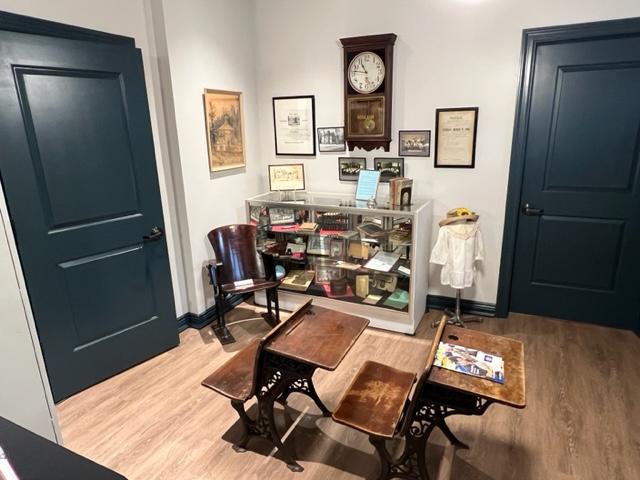
Toys and school set up at the Museum at the Station

They had a small display for the day on how immigration shaped the town of Glen Rock and it grew on the transportation that was brought to this small town. The volunteer docents who operate the museum do a nice job with the tours and in describing all the artifacts on display.

The Museum at the Station in full view

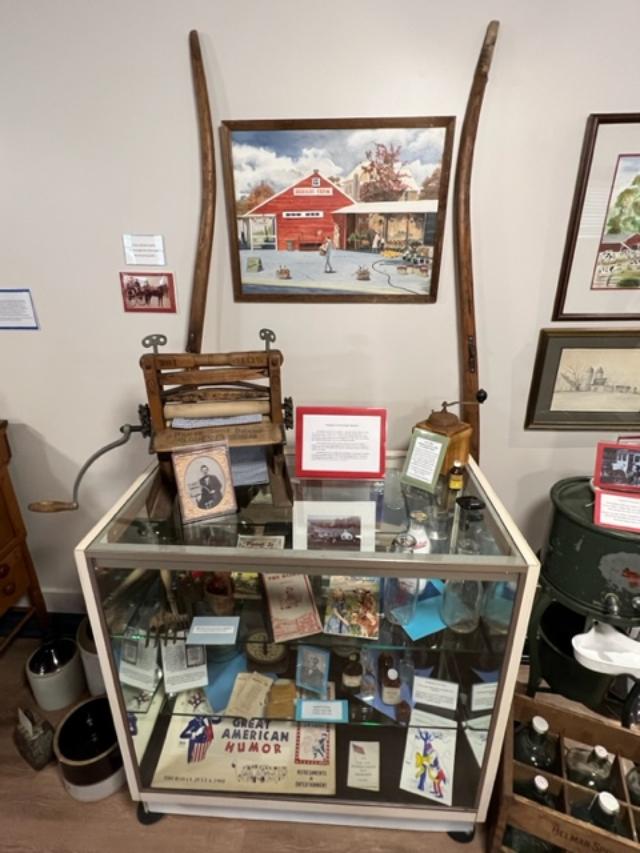
Local historical items at the museum

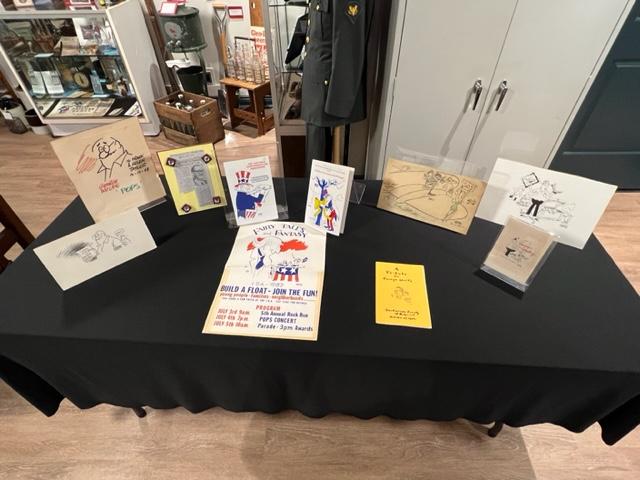
The museum was hosting an exhibition on the work of artist and cartoonist George Wolfe, who is best known for his jumbles cartoons. The artist had lived in New York City and then moved to Glen Rock in the 1970’s. His works were displayed all over the museum.

The sign for the “George Wolfe” exhibition

The work of artist and cartoonist George Wolfe at the Museum at the Station.

The original artwork of artist George Wolfe;

What is nice is that right down the road is the historic ‘Rock’ that Glen Rock is named for is a block down the road at the corner of Rock Road and Doremus Avenue. This historic landmark is a product of the its movement here in the last Ice Age. During the time of the Lenape Indian living in the area, it was considered sacred and used as a historic marker. During the Colonial era of the town, it was used as a gathering place.

The Rock at downtown Glen Rock, NJ

My blog on the Rock:

https://wordpress.com/post/visitingamuseum.com/1593

The museum is open limited times of the month so please call in advance.

The history of Glen Rock at the Museum at the Station

History of the Museum:

The Museum at the Station is housed in the 1905 Glen Rock Main Line train station. The Erie Main Line was originally part of the Paterson-Ramapo Railroad that was one of the earliest railroads in New Jersey, coming through this area in 1842. The building now houses the Glen Rock Historical and Preservation Society.

Artifacts at the museum

The Borough was incorporated in 1894 and the Museum’s collection contains many artifacts, documents and photographs illustrating  the history, growth and development of Glen Rock, NJ.

(From the Northwest Bergen History Coalition)

Disclaimer: This information was take directly from the Northwest Bergen History Coalition pamphlet and I give them full credit for the information. Please call or email the above numbers for more information.

(Please see my blogs under my site, “MywalkinManhattan.com”, ‘Days One Hundred & Nine’ and ‘Day Forty-Three’ for description of my touring days of the sites of Bergen County)

The artifacts in the museum.