The American Kennel Club Museum of the Dog at 101 Park Avenue
When I was walking the neighborhood of Murray Hill for my blog, “MywalkinManhattan.com, I came across on one of the side streets tucked into a new office building on Park Avenue, The American Kennel Club Museum of the Dog at 101 Park Avenue. This unique little museum is two floors of art dedicated to the story of the dog.
The first floor features small fossils that show the early domestication of dogs during prehistoric times with humans. They may have used them for hunting and companionship. You could see this in the burials and in the wall paintings found all over the world that they partnered with early man and helped shape their world.
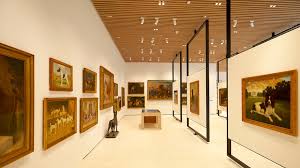
The American Kennel Club Museum of the Dog collection
Most of the paintings were from the Victorian Age (post Civil War to WWI) where the romanticized view of nature and of pet companions was emphasized. One both the first and second floor there were all sorts of paintings of various breeds of dog in all sorts of playful and working environments. There were dogs for hunting and sport, dogs as pets and dogs in playful position reacting with their masters and each other.
The Victorian approach to pets
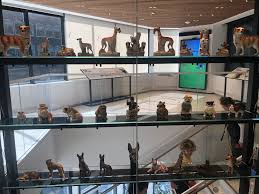
The was also porcelain figurines of dogs, statuary and trophies from various Canine Clubs all over the country. It shows the history of the dog as show with breeding and disposition counting of the way the animal was raised and trained.
The second floor had another series of paintings, a lot from the same time period and some contemporary artist’s take on modern dog owners and their relationship with their pets.
Canine Porcelains line the staircase
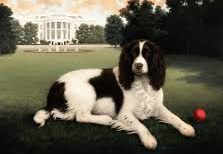
Also on the second floor was exhibition on ‘Presidential Dogs”, with the first families relationship with their dogs (and cats too) and the role that they played in White House politics. Truthfully outside of “Socks”, the Clinton’s cat, I never knew of any of the White House pets. I knew the both the Roosevelts and Kennedy’s had lots of pets in the White House, I never heard of their names or seen their pictures. So that was an eye opener.
White House pets tell their own story
Also in a special case was small fancy dog houses and dog holders for travel which was interesting to see how small dogs could travel with their masters and the expense to create a way for them to travel. These were very elaborate. I thought of some of the items I used to see at Bergdorf-Goodman when I worked there with the Ralph Lauren tote bags and fur lined sweaters and thinking this was a little much.
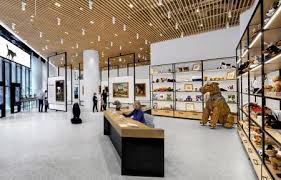
The museum also has a small gift shop on the first floor near the entrance that you should check out. There is all sorts of books and art work to look through and knick-knacks to buy with a dog them. The staff is also very nice and very welcoming.
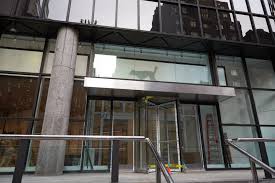
The entrance to the museum and gift shop has a nice contemporary feel to it
History of the American Kennel Club Museum of the Dog:
The American Kennel Club Museum of the Dog preserves, interprets and celebrates the role of the dogs in society and educates the public about the human-canine bond through its collection of art and exhibits that inspire engagement with dogs.
The Museum logo
Founded in 1982, the AKC Museum of the Dog was originally located in the New York Life Building at 51 Madison Avenue as a part of the AKC headquarters. In 1987, the Museum of the Dog was moved to a new location in Queeny Park, West St. Louis County, Missouri. After over 30 great years at Queeny Park, the decision was made to bring the Museum back to its original home and reunite it with the AKC headquarters and collection.
Combining fine art with high-tech interpretive displays, the Museum of the Dog’s new home at 101 Park Avenue hopes to capture the hearts and minds of visitors. Located in the iconic Kalikow Building, the Museum will offer rotating exhibits featuring objects from its 1,700 piece collection and 4,000 volume library.
Fee: Adults $22.00/Seniors (over 65) $14.00/Current Students with ID $13.00/Free to Members and Children under 12 accompanied by a parent. Free on Friday Nights from 7:00pm-9:00pm. Discount for people with disabilities $13.00-Caregiver Free.
What I love about the Morgan Library & Museum is the level of sophistication and quality of their exhibitions. The museum really makes you think when you tour their galleries and attend their lectures and gallery talks. Their docents and curators bring an exhibition to a whole new level. I always feel like I am taking a college course and will be graded afterwards. They really make you think about the work or what the author or artist is trying to say.
Two of my favorite exhibitions were the “150th Anniversary Celebration of Alice in Wonderland”, which is why I joined the Morgan Library & Museum. I loved the novel and I wanted to get some ideas for our library’s own celebration. They had the original manuscript written by Lewis Carroll, some original prints and memorabilia from various times including posters, books, artwork and decorative items.
The entrance to the “Alice in Wonderland” exhibition
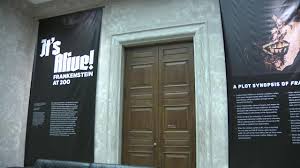
Another wonderful and interesting exhibition was on Mary Shelley’s “Frankenstein” which was a celebration of her life, her works and of the novel through the ages in both context of the novel and in Hollywood. There were various copies of the books in the exhibition as well as the history of the author’s life.
The Frankenstein print
The exhibition showed the clips of the original silent version of the film, the 1931 version with Boris Karloff and the modern version “Young Frankenstein” with Gene Wilder from 1974. I learned from the exhibition that the set used in the 1974 version of the film was from the original 1931 film and it had been in the director’s basement all those years.
The entrance to “It’s Alive: Frankenstein at 200” exhibition at the museum
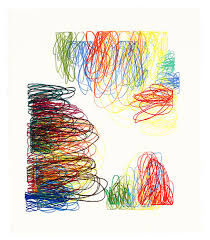
Another exhibition that was very interesting was the recent American artist Al Taylor with an showing of his drawings. The works were unusual but really stood out was his time in Hawaii and the drawings that inspired him.
Duck Bondage Study by Al Taylor
Untitled by Al Taylor
American artist Al Taylor
A YouTube video on the “David Hockney” Exhibition:
The recent David Hockney Exhibition that I missed.
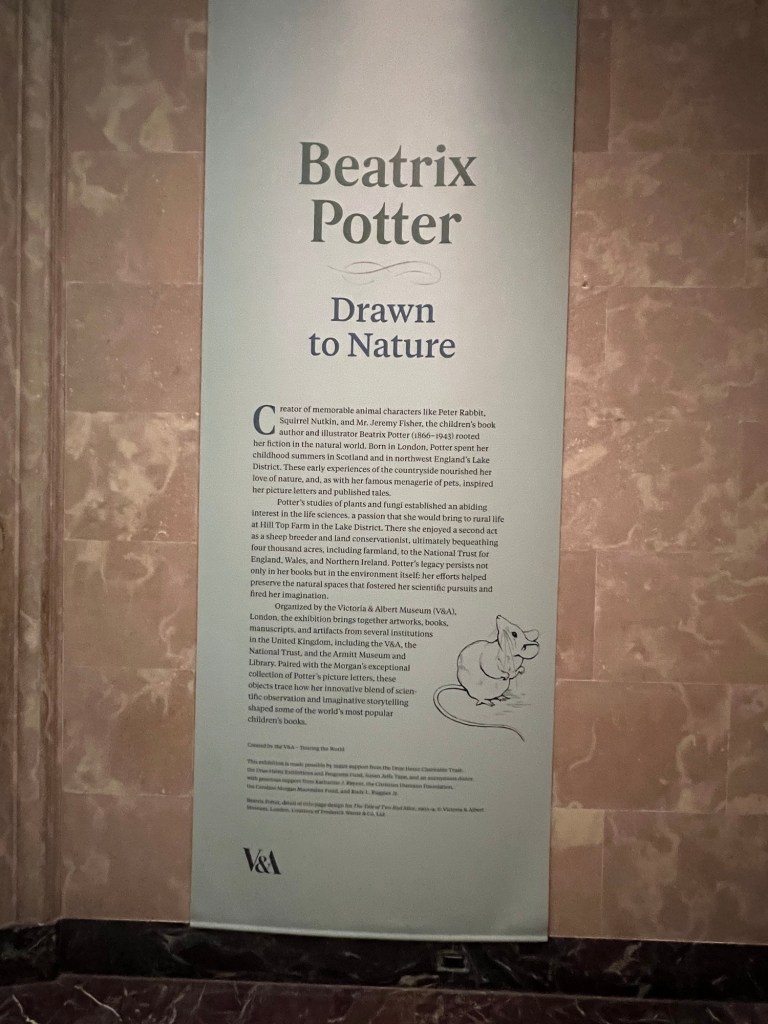
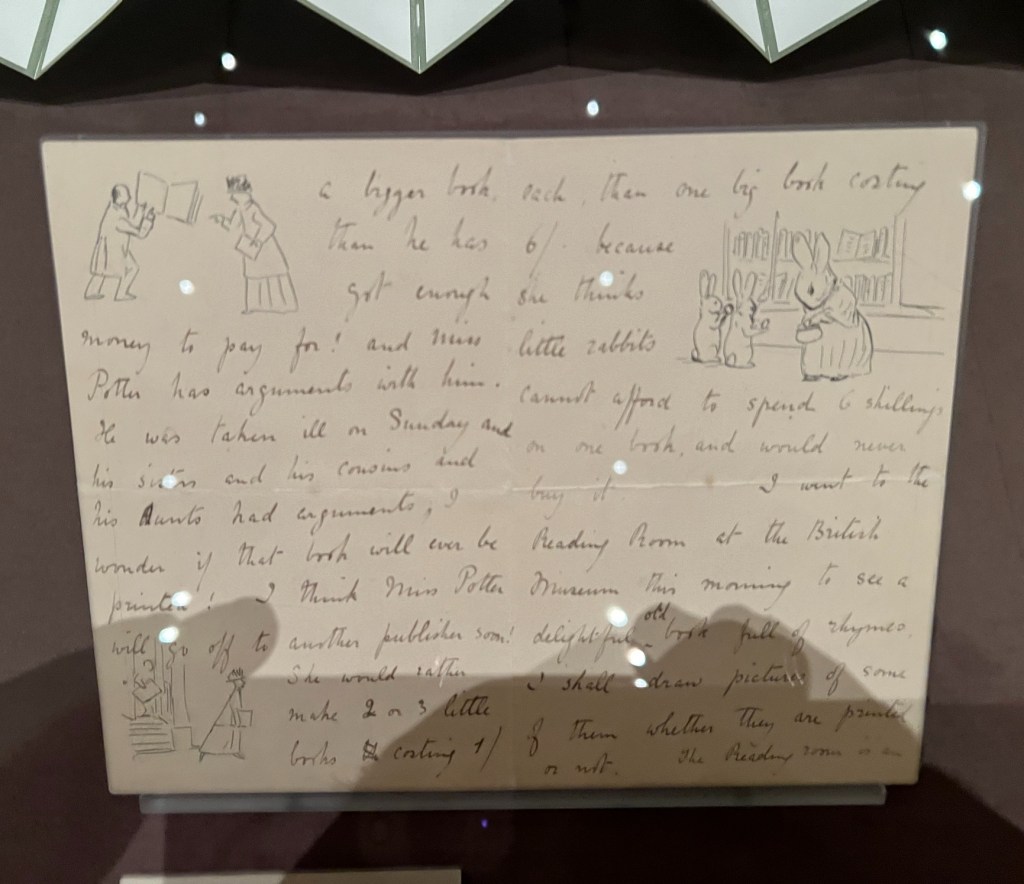
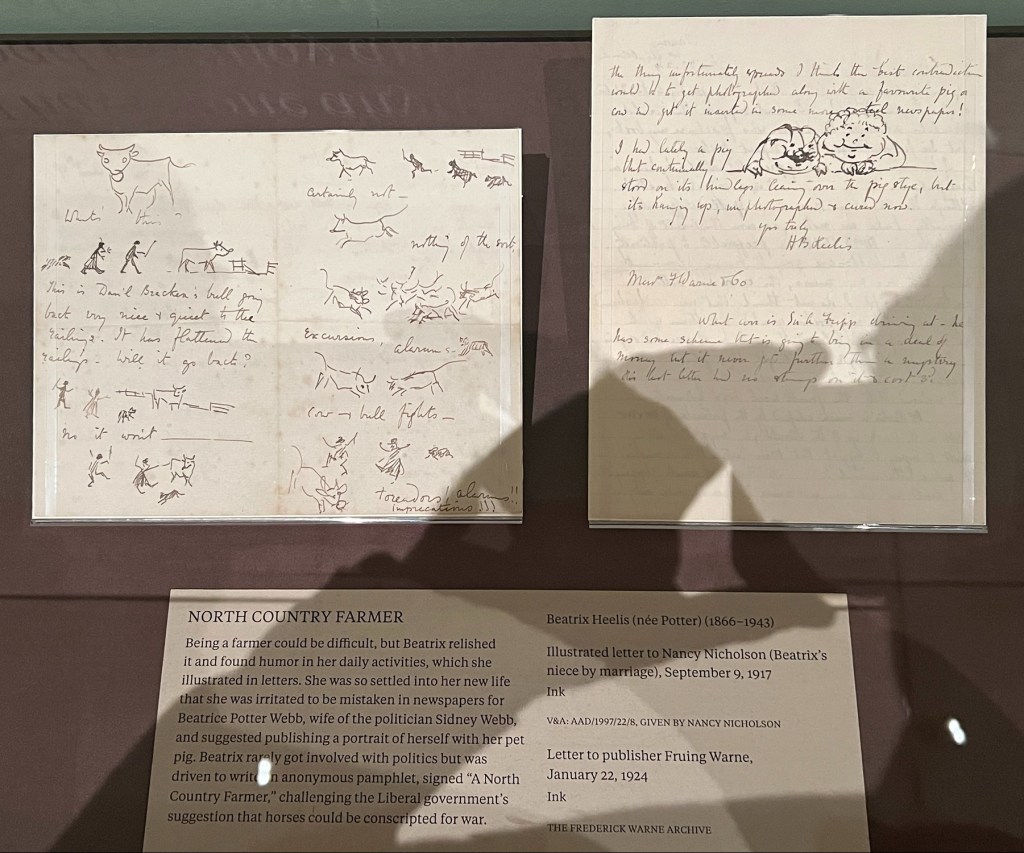
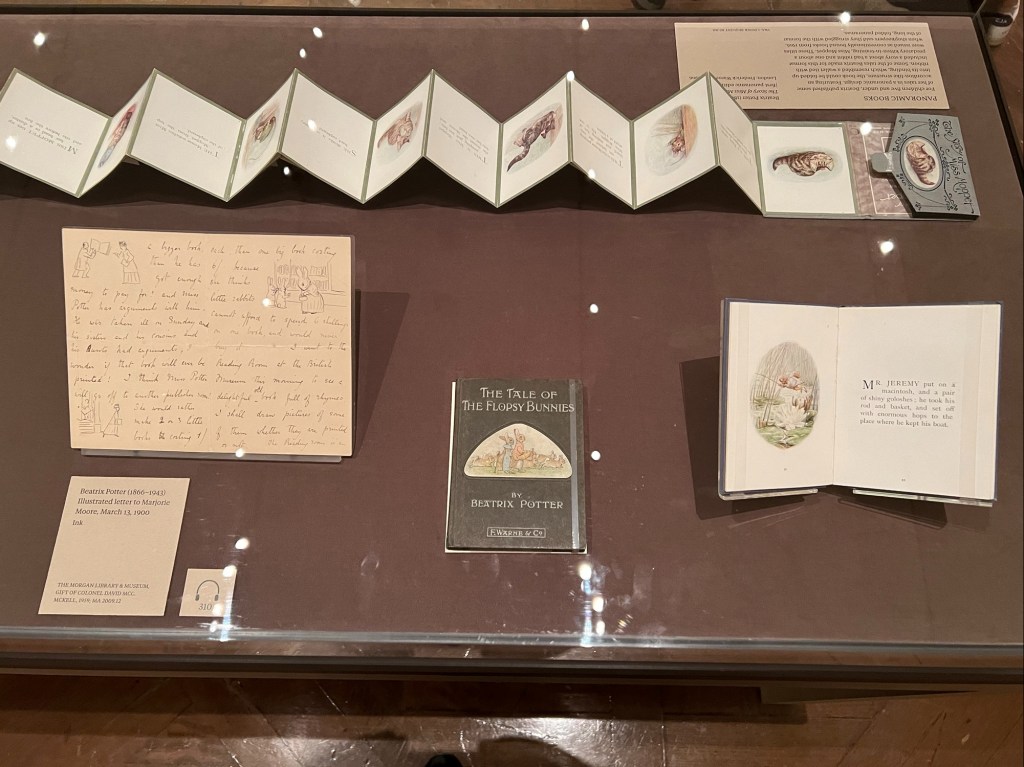
I rejoined the museum after a long COVID absence and the first exhibition that I attended was the “Beatrix Potter” exhibition on her work on Peter Rabbit. It had many of the early drawings of her children’s books as well as some of her merchandising. The exhibition discusses her life before and after her books were published and then her second act as a farmer and conservationist.
The “Beatrix Potter: Drawn to Nature” exhibition in April 2024:
Beatrix Potter: Drawn to Nature
The entrance to the gallery
The gallery opening
Here work included the initial drawings to the actual books.
Her early gift cards One of her original pieces.The main part of the exhibition.
The gallery of the exhibition
The exhibition is broken into two parts. The first part is on her early life in London with her family and her personal life as a child and an early adult. The second half of the exhibition is on her early books, manuscripts and letters. Then her later life as a ‘gentle farmer’ who ended up preserving and donation over 4000 acres of Lake District land for later generations to enjoy.
These are the original drawings for the book “The Tale of Peter Rabbit”
The original cardThe original card
Other pieces of her works.
Some of the original drawings.
Some letters that she wrote to friends.
All the wonderful novelty items that she helped create. She had a real hand in merchandising way before this became the norm in publishing. She created all the cards, stuffed animals and small books that would become her collection.
Some of her original books.The original Peter Cottontail book.The original drawing from the exhibition.
The stuffed animal of Jeremiah Puddle Duck
The sign as you enter the exhibition.
The end of the exhibition with the author holding one of her pets.
The other exhibition that I saw that day which will be closing soon is the Walton Ford exhibition. Mr. Ford’s works are a reflection on his relationship with nature with works being influenced by trips to the American Museum of Natural History. His works draw from nature.
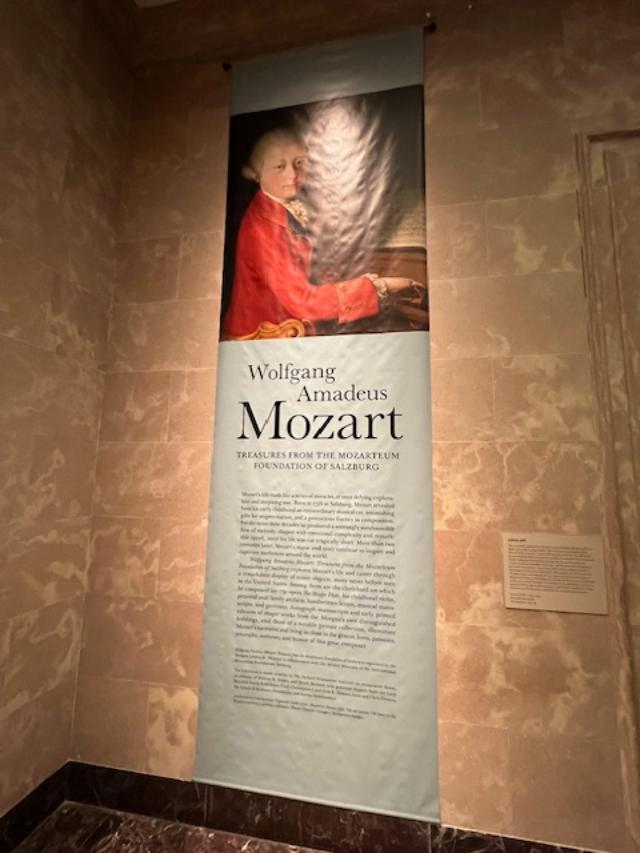
I recently visited for the “Wolfgang Amadeus Mozart: Treasures from the Mozarteum Foundation of Salzburg” exhibition on a private Members Night and it was an interesting look at his life and how his career progressed until his untimely death at an early age.
The entrance to the exhibition in March of 2026
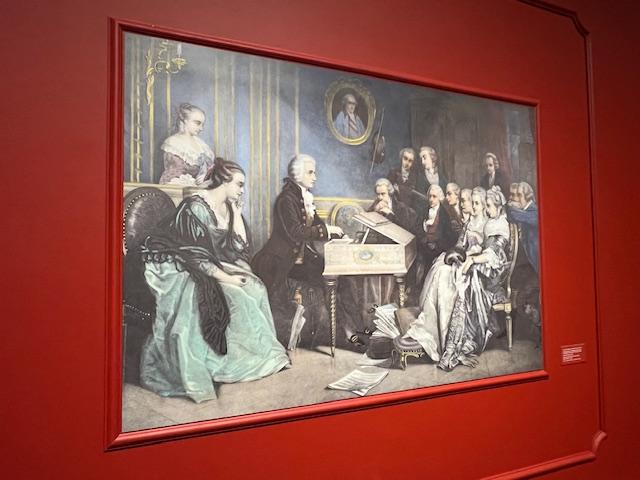
The Mozart family picture in the exhibition of the artist’s work
(From the Morgan Museum website):
The exhibition focuses on the two family chapters of Mozart’s life: his youth with his father, Leopold, and sister Nannerl in Salzburg, and his adult life with his wife, Constanze, in Vienna. After Mozart’s death in 1791, Nannerl and Constanze returned to Salzburg, where they, with the composer’s two sons, preserved and built his legacy. Their collection became the foundation of the modern-day Mozarteum (Morgan Library).
The sign for ‘Tarot Renaissance Symbols’
The exhibition sign
Video on the exhibition:
The exhibition description
Medieval era Tarot cards
Tarot card sign
The Rosenwald Tarot Card Sheet
The Rosenwald Tarot sign
Tarot Art work
Tarot Card inspired art
Evoking the cities, homes, and people that shaped the composer, the exhibition highlights Mozart’s many travels, continual quest for employment and renown, family tensions, and constant creative output amid frequent illness and other challenges. It also illustrates Mozart’s existence under aristocratic patronage, a context both foreign and familiar to modern viewers (Morgan Library).
It is nice to walk among the permanent collection of prints in the lower level and to visit the former private areas of Mr. Morgan’s home. It adds to who he was as a financier and as a homeowner. The home was not as elaborate as you would have thought.
The private part of the museum
I also enjoy the Morgan Cafe on the main level of the museum in the courtyard area of the first floor. The food is a little pricey and a limited menu but the service is wonderful and the quality of the food is very good. You will enjoy the meal and I have heard from other patrons that the Afternoon Tea is very nice as well.
They also have a Dining Room in the Library area that I have heard is very nice as well.
The Morgan Dining Room
They have a nice selection of books, cards and gifts in their Gift Shop just beyond The Morgan Dining Room. I really like their selections at the holidays and their theme books to the exhibitions especially for the “Alice in Wonderland” exhibition.
The Morgan Library giftshop
It is a nice place to take a gallery talk, then a light lunch in the main hall and then a lecture at night. It’s a great way to spend the day.
The History of the Morgan Library & Museum:
(from the Morgan Library & Museum website)
The Museum is a complex of buildings in the heart of New York City and began as the private library of financier Pierpont Morgan, one of the preeminent collectors and cultural benefactors in the United States. As early as 1890, Mr. Morgan had begun to assemble a collection of illuminated, literary and historical manuscripts, early printed books and old master drawings and prints.
Mr. Morgan’s library was built between 1902 and 1906 adjacent to his New York residence at Madison Avenue and 36th Street. Designed by Charles McKim of the architectural firm McKim, Mead & White, the library was intended as something more than a repository of rare materials. Majestic in appearance yet intimate in scale, the structure was to reflect the nature and stature of its holdings.
The side view of the Morgan Library
The result was an Italian Renaissance-style palazzo with three magnificent rooms epitomizing America’s Age of Elegance. Completed three years before McKim’s death, it is considered by many to be his masterpiece. In 1924, eleven years after Mr. Morgan’s passing, his son, J.P. Morgan Jr., known as Jack, realized that the library had become too important to remain in private hands. It what constituted one of the most momentous cultural gifts in the United States history. He fulfilled his father’s dream of making the library and its treasures available to scholars and the public alike by transforming it into a public institution.
Mr. Morgan’s private areas are part of the museum
Over the years, through purchases and generous gifts, The Morgan Library & Museum has continued to acquire rare materials as well as important music manuscripts, early children’s books, Americana and materials from the twentieth century. Without loosing its decidedly domestic feeling, the Morgan also has expanded its physical space considerably.
The Middle Eastern exhibit in the Library.
In 1928, the Annex building was erected on the corner of Madison Avenue and 36th Street, replacing Pierpont Morgan’s residence. The Annex connected to the original McKim library by means of a gallery. In 1988, Jack Morgan’s former residence, a mid-nineteenth century brownstone on Madison Avenue and 37th Street was added to the complex. The 1991 garden court was constructed as a means to unite the various elements of the Morgan campus.
JP Morgan II home which is now part of the Morgan Library.
The largest expansion in the Morgan’s history, adding 75,000 sq ft to the campus was completed in 2006. Designed by Pritzker Prize winning architect Renzo Piano, the project increases exhibition space by more than fifty percent and adds more important visitor amenities, including a new performance hall, a welcoming entrance on Madison Avenue, a new cafe and a new restaurant, a shop, a new reading room and collections storage. Piano’s design integrates the Morgan’s three historical buildings with three new modestly scaled steel and glass pavilions. A soaring central court connects the buildings and serves as a gathering place for visitors in the spirit of an Italian piazza.
The Morgan Library & Museum expansion by Renzo Piano
The Morgan Library & Museum Mission:
The mission of The Morgan Library & Museum is to preserve, build, study, present and interpret a collection of extraordinary quality, in order to stimulate enjoyment, excite the imagination, advance learning and nurture creativity.
The Dorothea Maria Gsell painting “Heron Encircled by a Snake with a worm in his Bill”
A global institution, focused on the European and American traditions, the Morgan houses one of the world’s foremost collections of manuscripts, rare books, music, drawings and ancient and other works of art. These holdings, which represent the legacy of Pierpont Morgan and numerous later benefactors, comprise a unique and dynamic record of civilization as well as an incomparable repository of ideas and of the creative process.
(From the Morgan Library & Museum website and history)
Admission: $5.00 for Adults/$3.00 for Seniors & Students/Children under 12 are free/General Admission is free on Wednesdays. Guided and group tours are available.
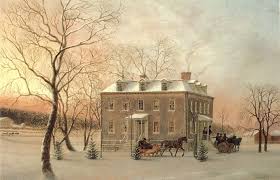
The entrance of the Van Cortlandt House decorated for the Revolutionary era Christmas
I visited the Van Cortlandt House Museum for the their Annual Christmas Decorated House event. The mansion was decorated for Christmas in the 1700’s so it was not overdone as it would during the Victorian times. The front of the house entrance was done with sprays of holly, mistletoe above the door and garlands of pine around the banister and fireplaces. The windows had candles in them and the dining room was set for Christmas luncheon in post-Revolutionary War era.
Van Cortlandt House for Christmas is Post-Revolutionary War in 2019
The entrance hall welcomes you to a Revolutionary era holiday season
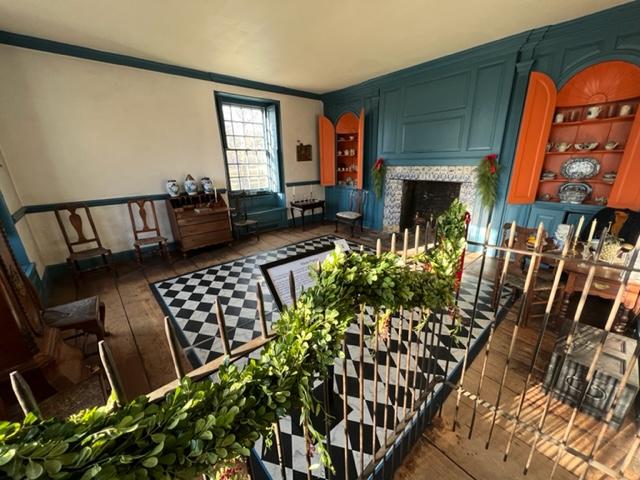
While most of the house is represented during the Dutch era with floors with no rugs, vintage furniture and decorations and the second and third floors are set for family entertainment. The first floor is set for entertaining for the holidays with the formal dining room, family parlor and the formal living room for games and dancing. The formal dining room was the only room decorated post-Revolutionary War era.
Van Cortlandt Mansion at Christmas 1800’s
The current entrance to the house from the back of the building
Until the Victorian era, Christmas was a more religious affair with church service in the morning and luncheon in the afternoon. Things were formal and less elaborate. The acts of gift giving, sleigh rides, tree decorating and card giving came during the affluence of Queen Victoria’s reign in the post Civil-War era. This is the reason why the house is decorated so simply and elegantly.
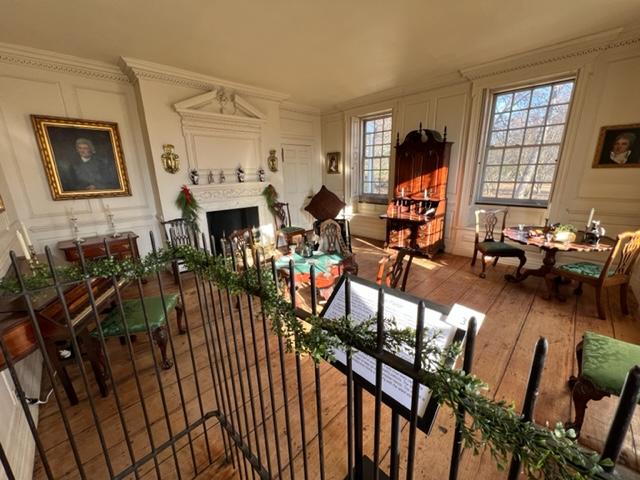
Dining Room set for Christmas lunch circa 1780’s
In 2019, the site celebrated the holidays with a Sinterklaas, a Dutch Christmas celebration, a candlelight tour and a reading from Santa Claus. Please check their website for more information on future events. The house was closed for most of the COVID years and nothing had been planned. The house was open in December of 2022 for touring again for the holidays but was not decorated as much as in the past.
In 2022, when the house reopened after a long period of COVID, the self-guided tours were back and you could tour the house at your own pace ($5.00 donation) and tour the three floors of furnished rooms. You can see how the family lived from the three generations that lived in the residence.
The tour starts at the front hallway where guests would be received for formal affairs and for business meetings with the head of the household.
You would be greeted by servants at the entrance of the home
On either side of the front hallway is the East and West Parlors where you would be directed where the family would receive you. The West Parlor would have been used for business calls and more informal meetings when meeting with the Van Cortlandt family. The family’s wealth would be on display with fine furniture, china and bric-a-brac that would show off the family’s merchant roots and business.
The West Parlor
The West Parlor decorated for Christmas
The East Parlor on the other side of the entranceway would have been used for more formal affairs. The East Parlor is where the family would formally entertain guests with dancing, music and card playing. This is where long evenings of entertaining would take place and the family would enjoy their holiday celebrations.
The East Parlor
The East Parlor decorated for the Christmas holidays
The Dining Room was toward the back of the hallway and was decorated in the Empire Design of the late 1700’s to early 1800’s. The look is very similar to styles used today and the wallpaper is a copy from one of the styles used by the family that was imported in from France. The table was set for Christmas luncheon circa the late 1780’s.
The Dining Room
The Dining Room at the Van Cortlandt House
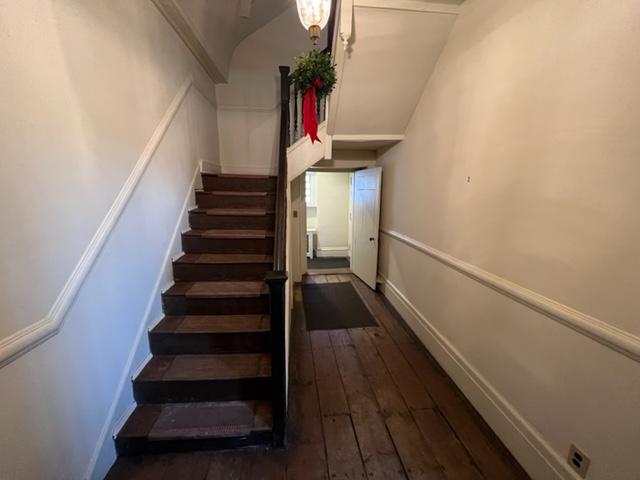
There are two sets of stairs to the second level of the house where the family bedrooms were located. There was the formal stairs and then there was the stairs that the servants used to go from floor to floor so that they would not be seen.
The steps upstairs to the second floor
On the second floor of the home are the bed chambers of the family. The main bedrooms for the family were located here and then the nursery and servants quarters were located on the Third floor of the home.
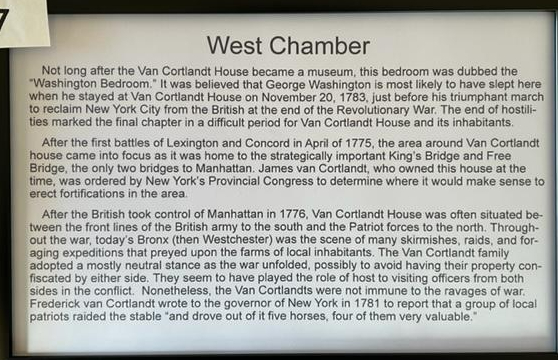
The West Chamber:
The bedroom
The ‘Washington Bedroom’ in the Van Cortlandt House
The East Chamber Bedroom:
The Bedroom:
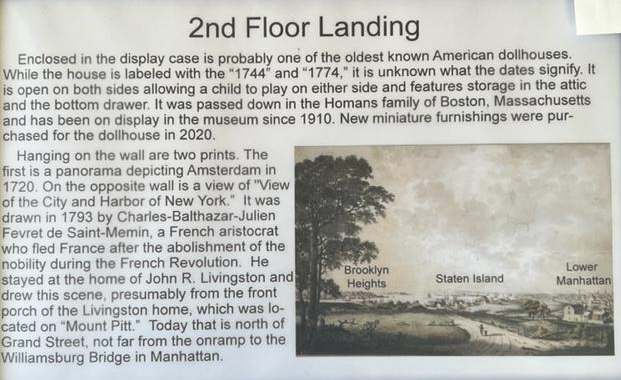
The Landing of the stairs to the third floor lead to the Nursery, an additional guest room and the enslaved servants quarters. These were kept out of site from the other members of the household. It is a reminder of the pecking order of the household and the conditions that people lived under at this time.
The Second Floor Landing leads to the nursery and servants quarters
The Dutch Chamber was formerly a guest room that is used to show life in early Colonial New York City:
The Dutch Chamber:
The Dutch Chamber shows early life in Colonial America
The Second Floor Setup:
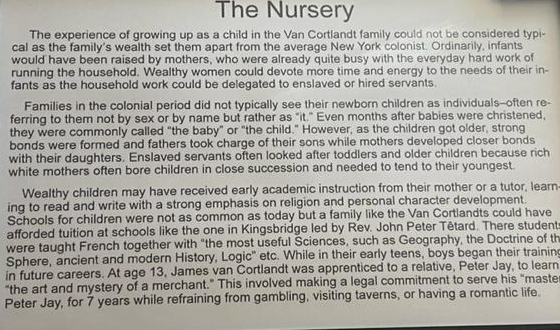
The Nursery:
The nursery set up room:
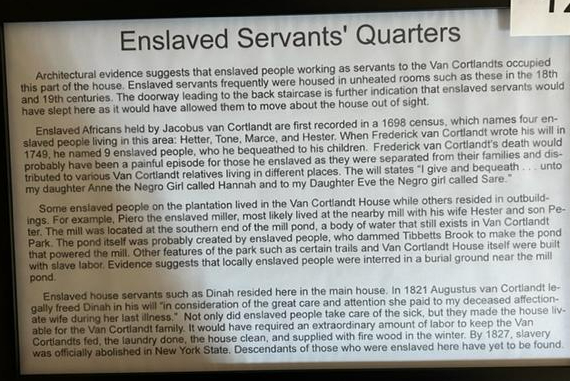
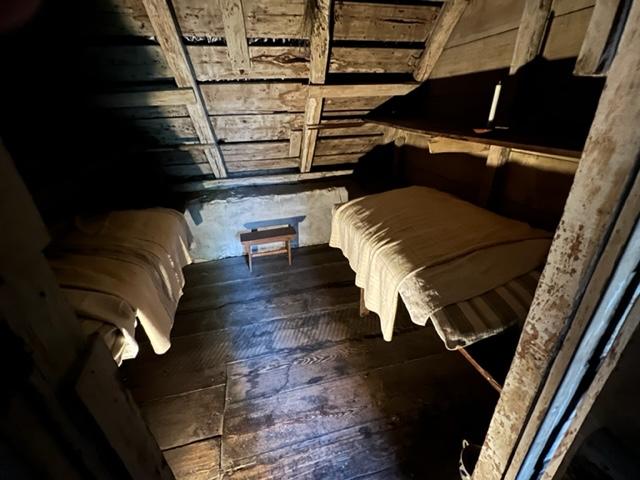
The servants quarters were to the back of the house and were not the most glamorous place to live in the house. There were drafty and not insulated. The amount of time a servant would be here would have been minimal.
The servants quarters:
The servants quarters:
History of the Van Cortlandt’s:
The Van Cortlandt House Museum, also known as Fredrick Van Cortlandt House or Van Cortlandt House, is the oldest surviving building in New York City’s borough of The Bronx. The Georgian style house, begun in 1748, was build of fieldstone by Fredrick Van Cortlandt (1699-1749) on the plantation that had been owned and farmed by his family since 1691. Fredrick intended the house to be a home for him and his wife, Francis Jay and daughters, Anna Maria, 14 and Eve, 13. His sons, Augustus, 21 and Fredrick, 19, were not intended to be permanent residents of the house.
Sadly, Fredrick died before the new house was completed. In his will written in 1759, Fredrick left the house to his son, James Van Cortlandt (1726-1781) and a lifetime tenancy to his widow, Francis Jay Van Cortlandt (1701-1780).
The Van Cortlandt House gardens in the Summer
The Van Cortlandt’s were a mercantile family prominent in New York affairs. Fredrick’s father, Jacobus, established a thriving wheat growing and processing business on the plantation including a grist mill for processing the wheat into flour and a fleet of shallow draft boats to carry the flour from the south end his lake down Tibbet’s Brook and out to the Harlem and Hudson Rivers to market. During the Revolutionary War, the house was used by Rochambeau, Lafayette and Washington.
(From History of Van Cortlandt House and Museum)
In 1887, after 140 years of occupancy by the Van Cortlandt family and the community of plantation workers, the property was sold to the City of New York and made a public parkland. Before the house became a museum, it saw a variety of uses including as a temporary police precinct house and as a dormitory for ranch hands responsible for taking care of a herd of buffalo.
Van Cortlandt House historic marker
By 1895, The National Society of Colonial Dames in the State of New York expressed their interest in restoring the house as a museum open to the public. There was only one obstacle keeping the Colonial Dames from this important project, there was no provision in the New York State Law allowing the stewardship of a publicly owned building by a private organization. Undaunted, the first Society President, Mrs. Townsend, took the Society’s cause to Albany where on May 22, 1896 in the 199th session of the New York Legislature, Chapter 837 was approved by the governor and passed by a 3/5 majority to become law.
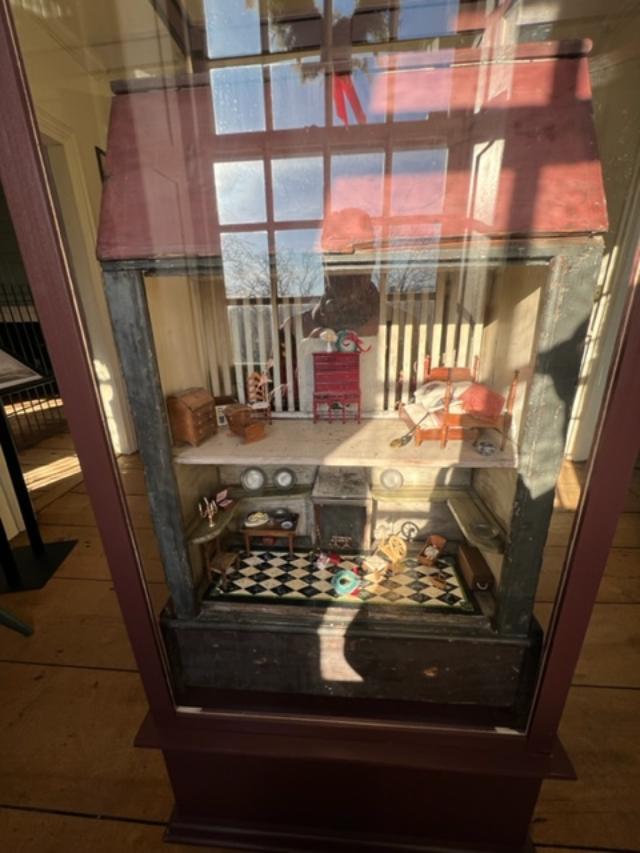
The Van Cortlandt House dollhouse
After nearly a year if repairs and restoration, Van Cortlandt House Museum was opened to great fanfare on May 25th of 1897. The original license agreement grained custody of the house to the National Society of Colonial Dames in the State of New York for a period of 25 years at a ‘peppercorn’ rent of $1.00 per year. Although the Society no longer pays the city rent, they remain, to this day as dedicated to Van Cortlandt House as they were in 1896.
Van Cortlandt Park in the Summer Months
In 1967, Van Cortlandt House was added to the National Register of Historic Places and was designated a National Historic Landmark in 1967. The house was declared a New York City Landmark on March 15, 1966, recognizing the historic and architectural importance of both the exterior and interior.
(From the Van Cortlandt House Museum NSCDNY)
The Van Cortlandt House gardens during the winter of 2022
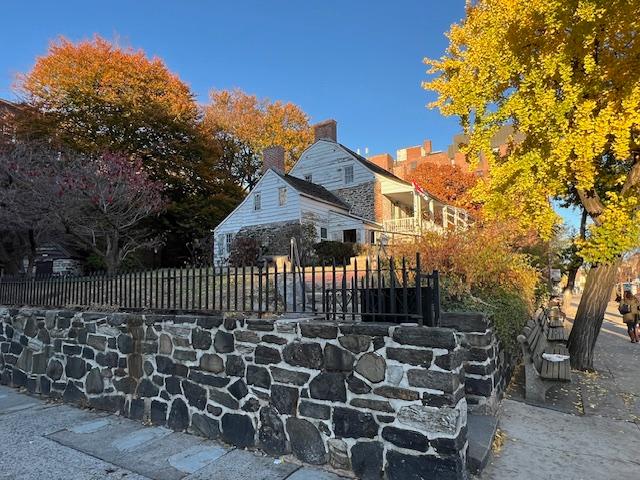
The Dyckman Farmhouse during the Christmas holidays
I visited the Dyckman Farmhouse on day during my walk around the Inwood section of Manhattan and came upon this old farmhouse in the middle of the commercial district by Columbia University’s football field. You have to take the A or the 1 Subway uptown to get there but it is one of the last vestiges of the farming community that once was Manhattan in the late 1700’s and early 1800’s.
It has been there since the family donated it to the city in 1916. It should not be missed when visiting Manhattan. I wrote more about my trip there in “MywalkinManhattan.com” blog site.
The Dyckman House in the Spring
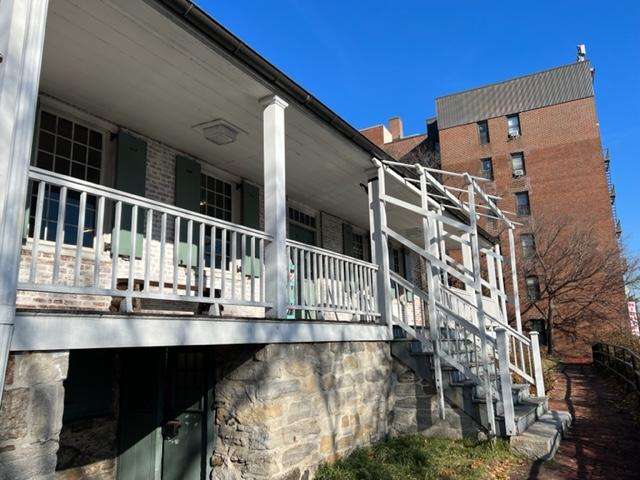
The Dyckman House, now the Dyckman Farmhouse Museum in the oldest remaining farmhouse on Manhattan Island, a remainder of New York City’s rural past. The Dutch Colonial-style farmhouse was built by William Dyckman in 1785. It was originally part of over 250 acres of farmland owned by the family. It was once the center of a thriving farm with fields and orchards of cherry, pear and apple trees. It is now located in a small park at the corner of Broadway and 204th Street in the Inwood section neighborhood of the city.
The front of the Dyckman Farmhouse
Don’t miss the self-guided tours of the house. You can tour all three floors of the house to see the bedrooms on the second and third floors and the first-floor parlor and receiving areas. The basement area has the ‘winter kitchen’ where all the cooking of the house was done, and it was the room that kept the rest of the house warm during the winter months.
The Winter Kitchen hearth for cooking meals
The Winter Kitchen
The Winter kitchen at the Dyckman Farm
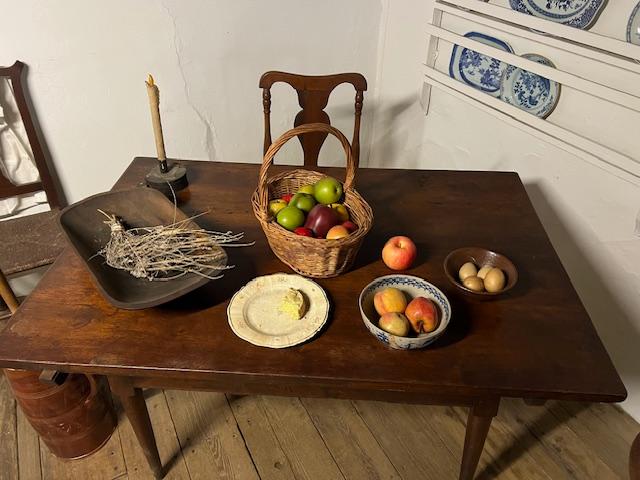
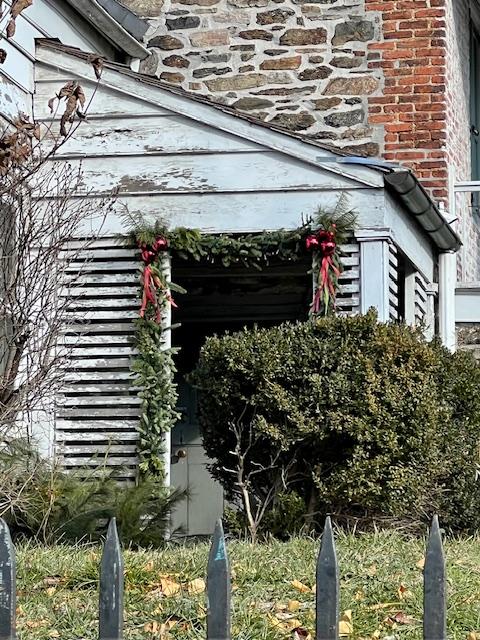
The house was slightly decorated for the Christmas holidays with garland and ivy and holly to make it look more festive. The Dyckman House was built at a time after the Revolution where the excesses of the Victorian era had not taken hold and the Christmas holidays were more subdued and concentrated on going to church and a light luncheon that afternoon. The decorations of the home reflect this.
The museum is decorated for Dutch Christmas with the bounty of the holiday season
The Farmhouse at Christmas time outside in 2025
The house decorated for the Dutch Christmas in 2025
Don’t miss the gardens in both the spring and summer to see everything in full bloom. Even in the winter it is interesting to watch the paths and see what needs to be accomplished for spring planning.
The Dyckman House in the Fall of 2025
It is an interesting look into how the Dutch farmers lived and worked.
History and Description
William Dyckman was the grandson of Jan Dyckman, who came to the area from Westphalia in 1661. Jan Dyckman, a shoemaker and another Dutch settler, Jan Nagel purchased much of the land between present 155th Street and the northern tip of the island. Members of the Dyckman and Nagel families lived on the land for three generations until the Revolutionary War broke out.
The house and front gardens during the summer months
During the Revolutionary War, the British occupation of Manhattan in 1776-83, the Dyckman’s, like many other patriots, fled the city and did not return until the British had been defeated. When the war ended and the Dyckman’s found their home and orchards had been destroyed, they built a new house on the Kingsbridge Road, now Broadway. They chose this location on a major thoroughfare in order to supplement their income by providing accommodations for travelers on their way to and from Manhattan.
William Dyckman, who inherited the family estate built the current house to replace the family house located on the Harlem River near the present West 210th Street, which he had build in 1748 and which was destroyed in the American Revolutionary War.
There was also 30 people living within three other houses scattered across the roughly 250 acre farm. The residents included laborers and other Dyckman family members. The main outbuildings for the farm were built close to the farmhouse including a cider mill, corn cribs, barns and stable (Dyckman Farmhouse Museum Alliance).
William died in 1787 and the property with its “commodious dwelling house,” and 250 acre farm was offered for sale. William’s son, Jacobus, took over the farmhouse and land and rebuilt the farm after the war. This took about five years. Jacobus altered and added to the house over the years. When Jacobus died in 1832, he left the bulk of the estate to his bachelor sons, Isaac and Michael and many members of the extended family moved in as well.
Following the death of Isaac in 1868, his nephew, James Frederick Smith, changed his name to Isaac Michael Dyckman and inherited much of the Dyckman property. When the subway lines reached the area in 1906, there was discussion about the impact on historic homes such as this.
In 1915, Mary Alice Dyckman Dean and Fannie Frederika Dyckman Welch, daughters of Isaac Michael Dyckman purchased the house with the plan of turning it into a museum. They fully restored it, furnished it and landscaped the grounds. They presented it to the City of New York in 1916 so that it could be used as a public park and museum (History of Dyckman Farm).
The house is designed with:
The Relic Room: Objects that are displayed were discovered from digs in the area.
The Relic Room at the Dyckman Farmhouse
The Second Floor Bedroom: Some of the rooms are decorated with furnishings dating from the 18th and 19th centuries and reflect colonial life around 1800.
The Second floor bedroom
The second floor bedroom during the second renovation of the home from a dormer to bedrooms
The second floor of the farmhouse had been a dormer when the home was at its height of the growing season and then later on in the house’s history was converted into regular bedrooms. The first floor bedroom was for the owner of the house for easier access to the farm and the outdoors during the growing season.
The First Floor Bedroom for the Master of the House:
The Bedrooms:
The downstairs bedroom
The Parlor Room:
The Parlor is where the family socialized and entertained their guests. The best pieces of furniture and family possessions would be shown off to visitors.
The Parlor:
The Dyckman Parlor:
Full view of the Parlor in the Dyckman Farmhouse
The Winter and Summer Kitchens: The farmhouse had two kitchen, the Winter and Summer kitchens, the Winter one would have kept the home warm in the cold months and would have been used as a non-cooking work space in the summer.
The Winter Kitchen:
The Summer kitchen is closed to the public has a small bedroom attached to it.
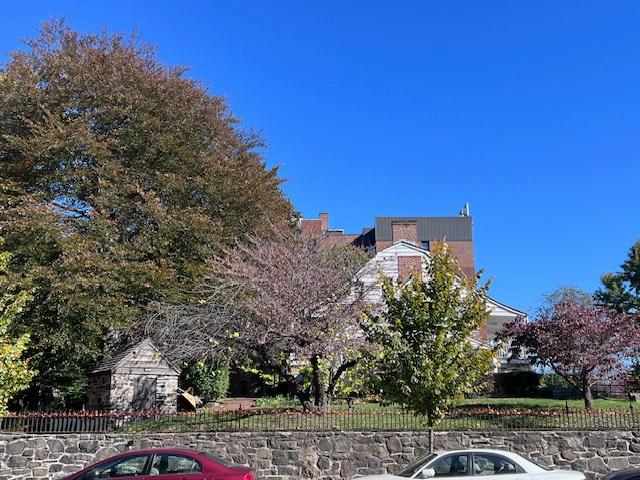
The back of the Dyckman Farmhouse with the grounds left and the old smokehouse in the distance
The Garden Area: On the half acre of family land left they have constructed a reproduction a smokehouse and outbuildings along with gardens planted with thousands of new plants that include things like bleeding hearts and foxglove.
The Hessian Military Hut recreation on the house’s property
The Hessian House recreation on the back part of the property
The gardens and smokehouse
(The Dyckman Farmhouse Museum Alliance)
The current two-story house is constructed of fieldstone, brick and white clapboard and features a gambrel roof and spring eaves. The porches typical of the Dutch Colonial style but were added in 1825. The house interior has parlors and an indoor (winter) kitchen, with floors of varying-width chestnut wood. The house outdoor smokehouse kitchen, in a small building to the south, may predate the house itself.
The Dyckman Farmhouse during the Christmas holiday season 2022
The house stayed in the family for several generations until it was sold in 1868, after which it served as a rental property for several decades. By the beginning of the 20th century, the house was in disrepair and in danger of being demolished. Two sisters of the original family and daughters of the last Dyckman child to grow up in the house, Mary Alice Dyckman Dean and Fannie Fredericka Dyckman Welch, began restoration of the farmhouse in 1915-16 under the supervision of architect Alexander M. Welch, the husband of Fannie.
They then transferred the ownership of the house to the City of New York in 1916, which opened it as a museum of Dutch and Colonial life, featuring original Dyckman family furnishings.
The Dyckman Farmhouse in Inwood during the Summer months
The farmhouse, which is not only the oldest remaining in Manhattan, but the only one in the Dutch Colonial style and the only 18th century farmhouse in the borough as well. It has New York City Landmark and a National Historic Landmark status since 1967. A major restoration of the house took place in 2003, after which it reopened to the public in the fall of 2005.
When I visited the homestead in January 2024 for the Epiphany, the house had an interesting children’s exhibition entitled “Beyond Play”, based on a child’s life on a farm back in the 1800’s. This would include simple games such as “Tag” and “Blind Man’s Bluff” and homemade wooden trucks, blocks and dolls.
The exhibition “Beyond Play”
The display of toys that child would play on the farm in the 1800’s.
The display of toys that children would play on the farm.
Walking around the Inwood neighborhood has changed a lot in a hundred years and is now home to a large Dominican population as well as the quickly gentrifying Inwood neighborhood and home to Columbia University sports.
Inwood at Broadway near the Dyckman Farmhouse
*Disclaimer: This information comes from the Historic House Trust and Wikipedia and the NYC Parks System. The site is free to visit and takes less than an hour to visit. During the summer months, it is nice to visit the gardens and property. It is a interesting property to visit and when you are through with your tour, there are many nice Spanish restaurants in the area on Broadway and along 207th Avenue corridor. It is a nice place to walk around and explore.