Tag: Exploring Murray Hill

Day Three Hundred and Ninety Eight                                          Private Members Night at the Morgan Library                                                   November 17th, 2026

Day Three Hundred and Ninety Eight Private Members Night at the Morgan Library November 17th, 2026

https://www.themorgan.org

My review on TripAdvisor:

https://www.tripadvisor.com/ShowUserReviews-g60763-d107356-r1086018769-Morgan_Library-New_York_City_New_York.html

My review on VisitingaMuseum.com

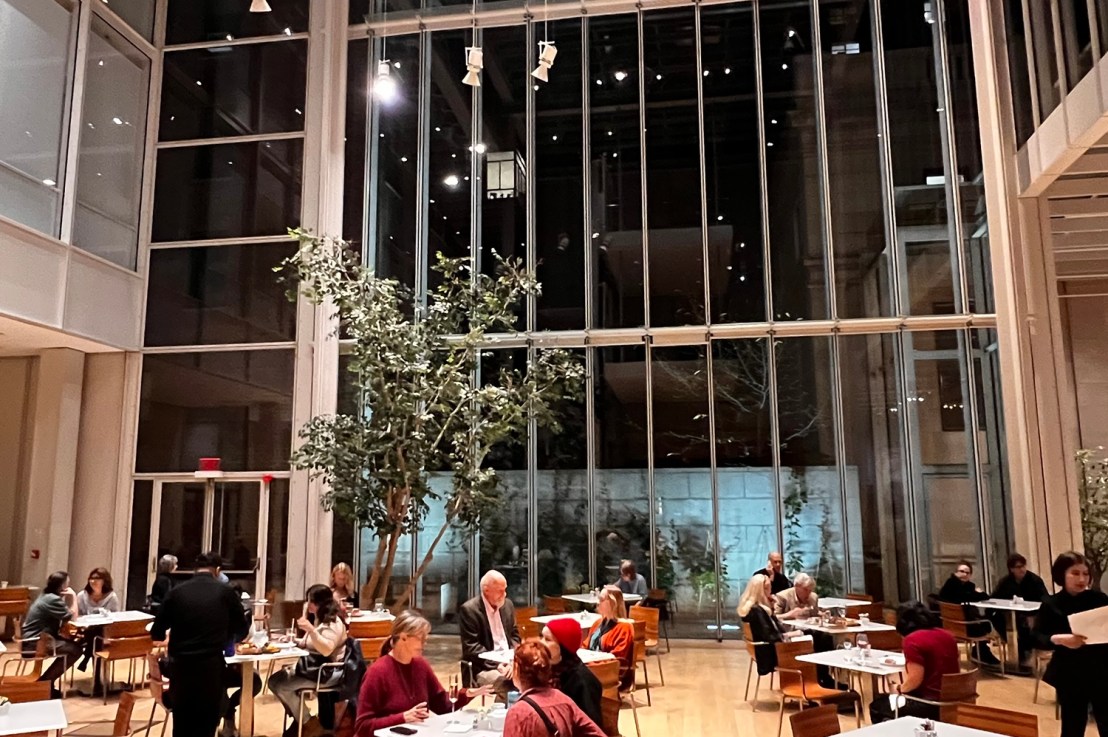
The restaurant is always busy on Member’s Night’s
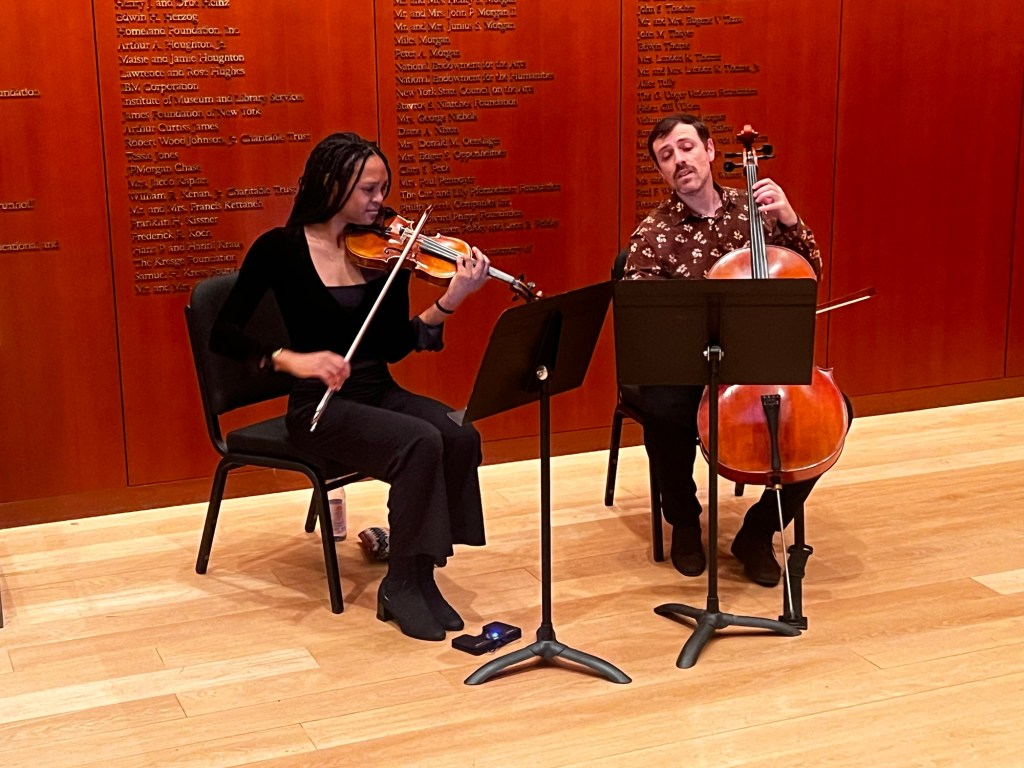
The classical duo was playing when we entered and were wonderful

The holiday season is upon us and that means that the museums are throwing open their doors to members for Private Members Nights, where museums are open after hours for us to sit back and enjoy with music and discounts in both the restaurant and the gift shop.

There were three new exhibitions for the holidays that I had not seen yet.
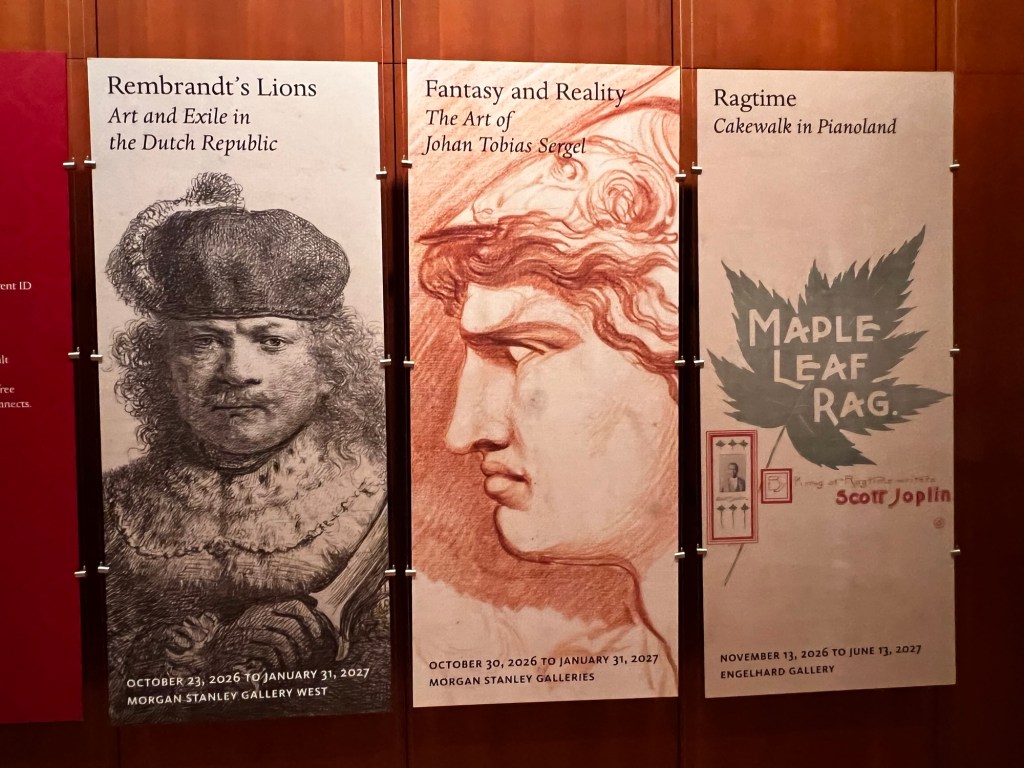
The new exhibitions

There were three new exhibitions that I had not seen yet since the last Members Night, ‘Rembrandt’s Lions’, ‘Fantasy and Reality’ and ‘Ragtime’. I took my time and went through each of them. Each left you with a lot to think about.
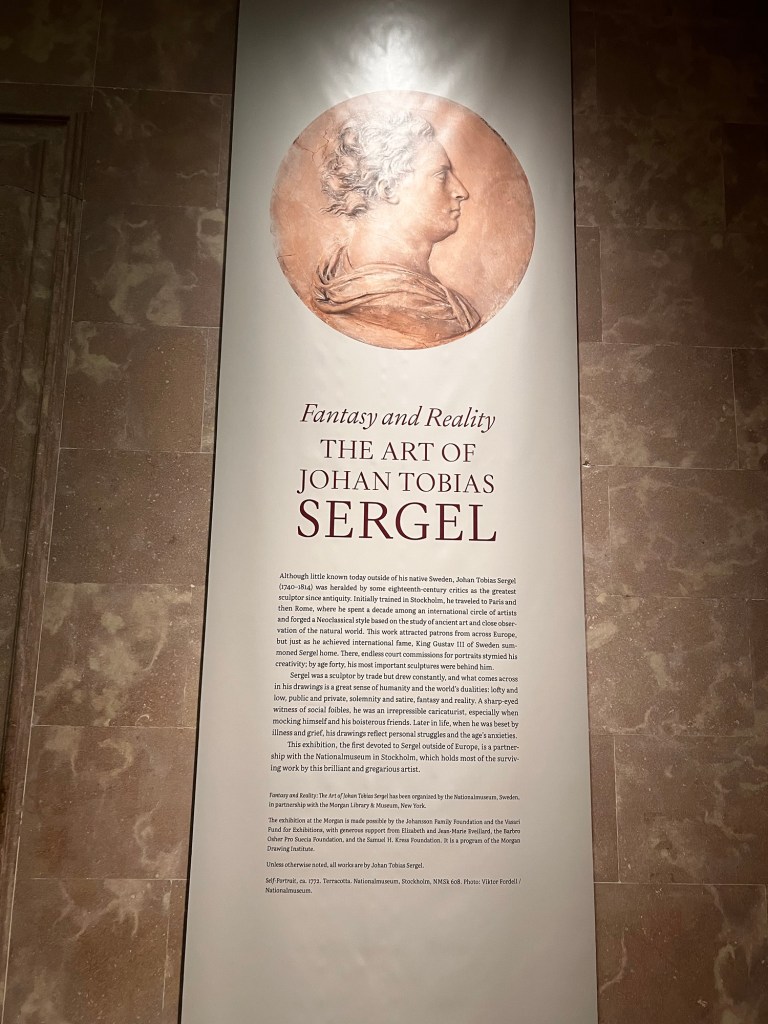
The first exhibition I saw was the John’s Tobias Sergel exhibition, an artist I had never heard of before

(From the Morgan Library and Museum website)

Though little known beyond his native Sweden, sculptor and draftsman Johan Tobias Sergel (1740–1814) was one of the most compelling artistic figures of the late eighteenth century. This exhibition—the first dedicated to Sergel outside Europe—will feature a selection of his drawings alongside sculptural works in terracotta, marble, and plaster (museum website).

Trained initially in Stockholm, Sergel spent time in Paris and, more importantly, over a decade in Rome, where his associates included a dazzling international circle of artists and patrons. Sergel’s sculpture was an important model for a generation of Neoclassical artists, but the artist’s personality is most evident in the drawings that constitute a virtual diary of his life, often in caricature. An extensive corpus of self-portraits will be joined by scores of surviving sheets that explore his artistic friendships, his relationship with King Gustav III and other figures at the court in Stockholm, and his common-law marriage to Anna Rella Hellström. His late drawings, made when Sergel was in poor health and in a state of depression, have been compared to those of Francisco Goya. Although his career spanned artistic movements from Rococo to Neoclassicism to Romanticism, Sergel also seems at times a modern figure, one whose life can offer a rich story to contemporary audiences (museum website).
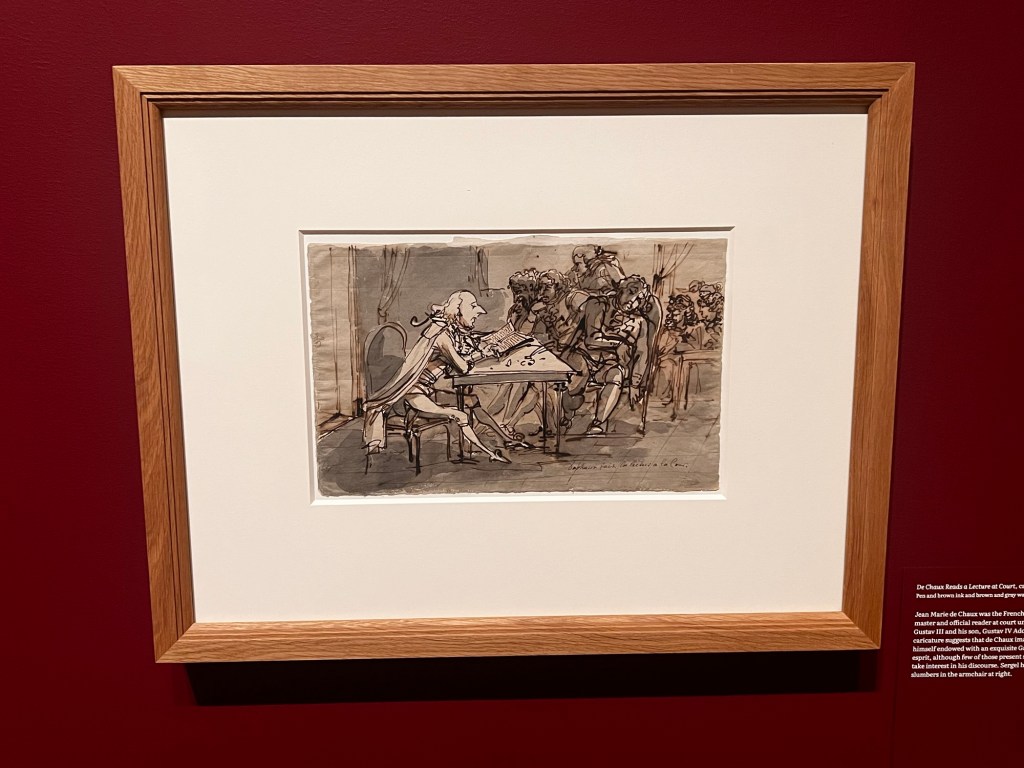
One of his drawings
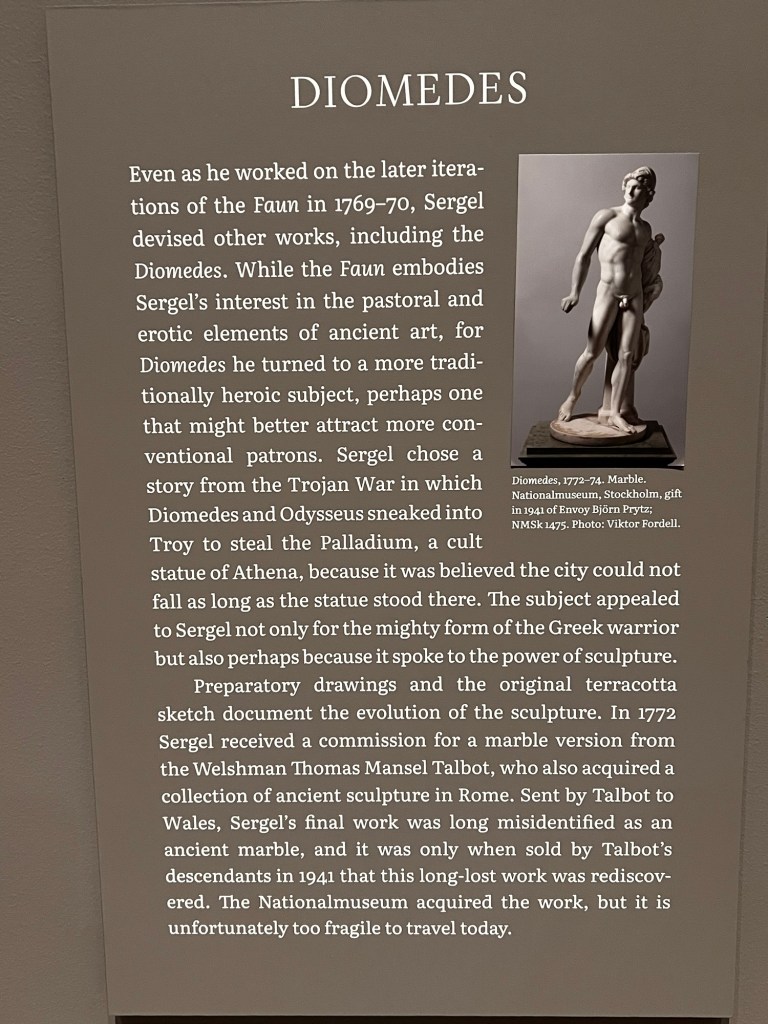
His sculpture of Diomedes
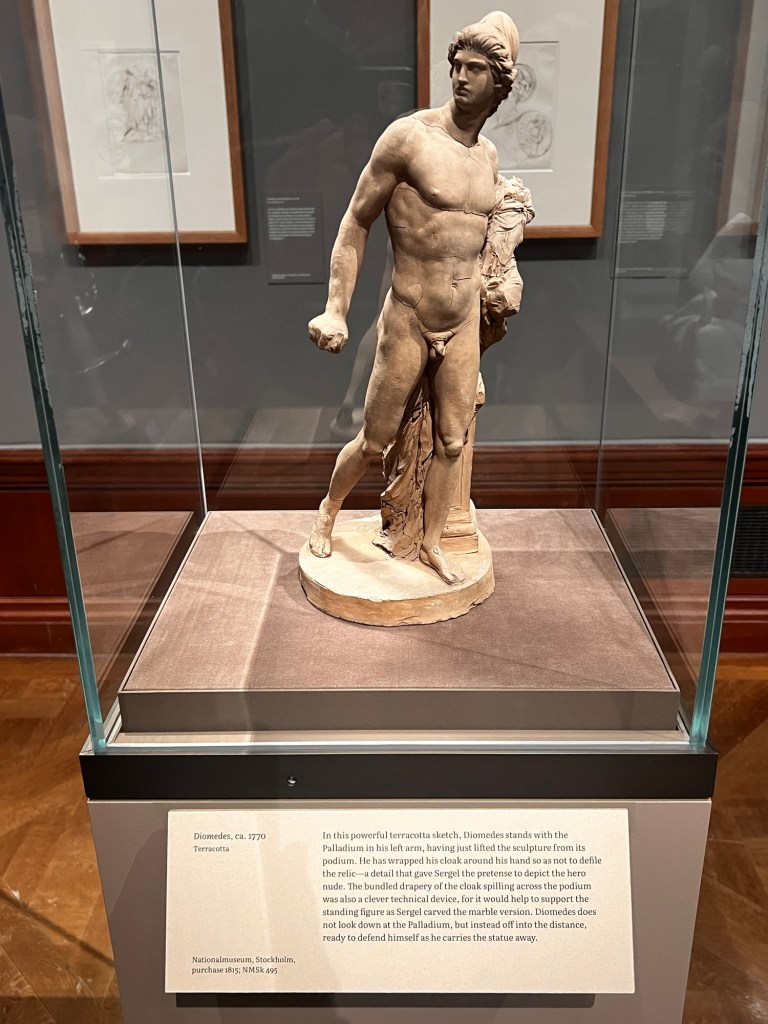
The Diomedes statute

I thought the works in this exhibition were interesting with a combination of drawings and sculpture shoeing the diversity of the artist.
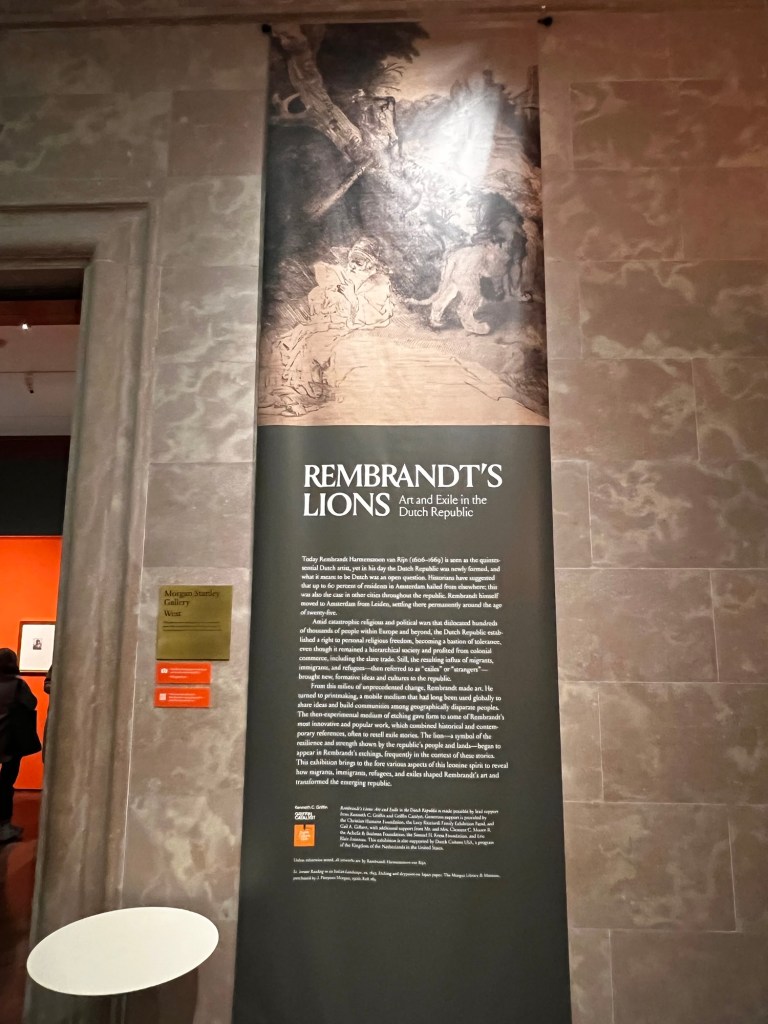
The Rembrandt’s Lion exhibition

(from the Museum website)

Although Rembrandt van Rijn (1606–1669) and his work are now seen as quintessentially Dutch, in his own time, the very definition of ‘Dutch’ identity was still being shaped. This exhibition brings together, for the first time, a remarkable group of drawings, etchings, and paintings to highlight the often overlooked but formative presence of migrants, immigrants, exiles, and refugees in Rembrandt’s world and work. It also foregrounds stories of diaspora that figure prominently in many of his etchings, newly envisioning the impact of migration on seventeenth-century life around the world (museum website).

In the seventeenth century, up to sixty percent of residents in Amsterdam—where Rembrandt lived and worked—hailed from elsewhere in the world, in part because the Dutch Republic had become a bastion in Continental Europe for religious and political tolerance, though not all people enjoyed equal freedoms, especially in Dutch colonial territories. The lion, a symbol for the fledgling Republic’s people and lands, also appears in Rembrandt’s etchings, often in the context of stories about exile, refuge, and migration. The aim of the artist is thus the aim of this exhibition: to reveal the many ‘lions’ that irrevocably shaped him and the vast, emerging Republic in which they all lived and worked (museum website).

The best impressions from the Morgan’s collection of celebrated, but rarely exhibited, etchings by Rembrandt will be presented alongside selected loans to create juxtapositions and unities between artworks that are seldom seen together (museum website).
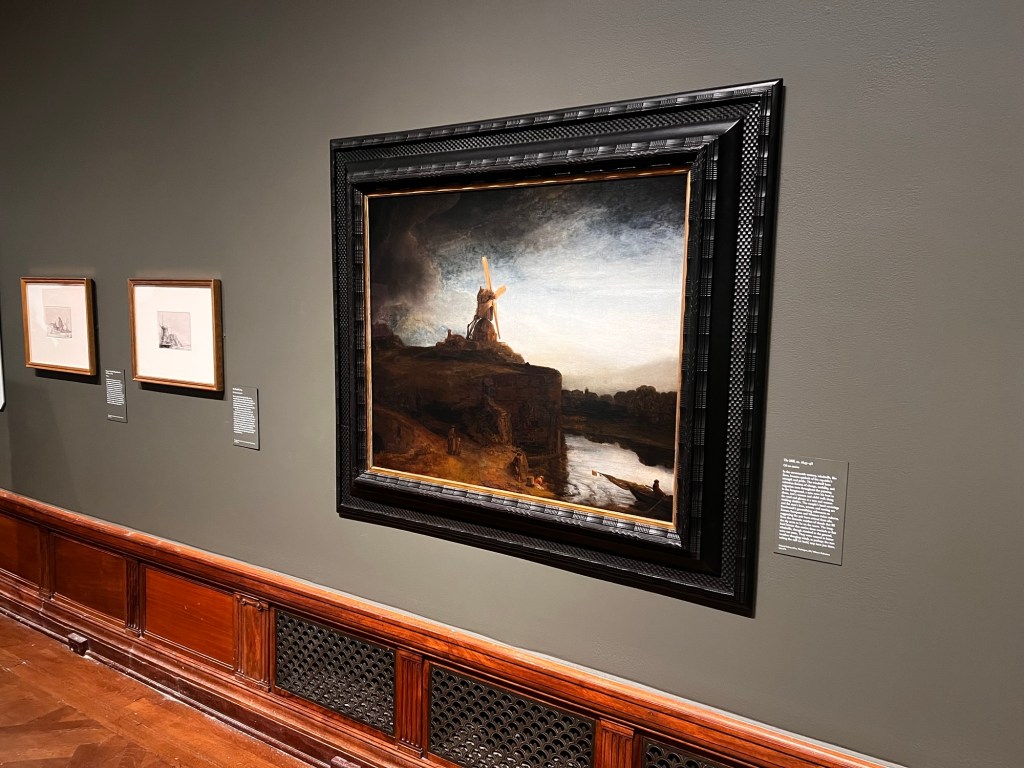
The Rembrandt’s Lion exhibition

This was a different twist to the artist as I had never see men some of his etchings and water colors. Some were comical and playful.
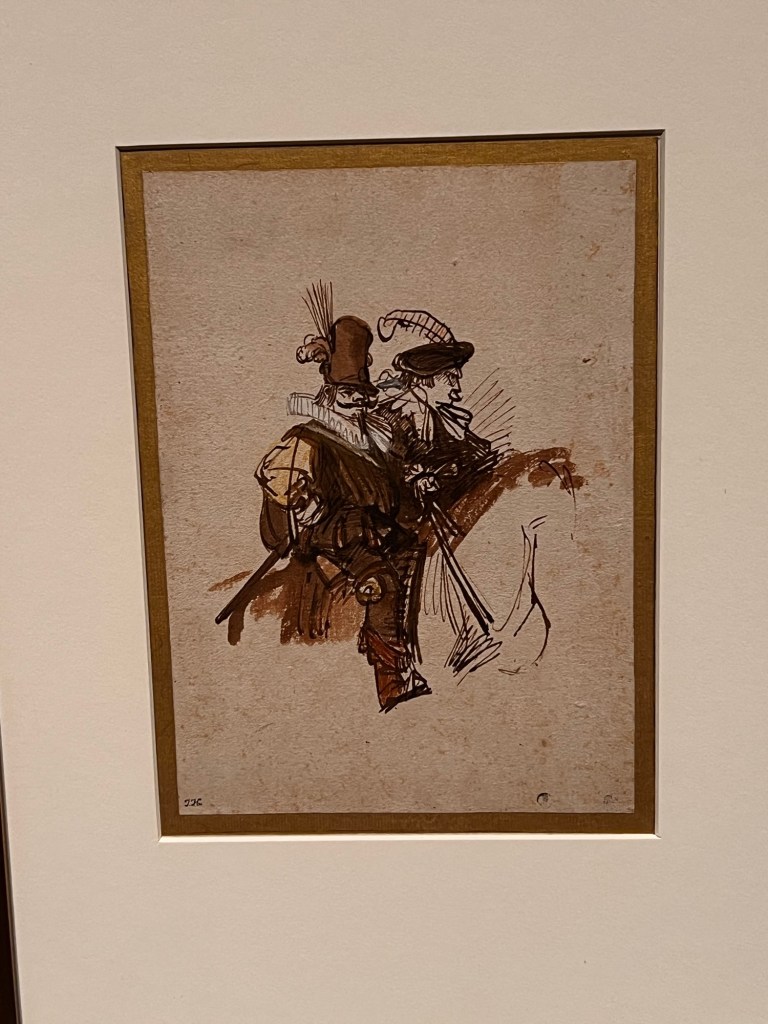
One of my favorite drawings from the exhibition ‘The Mummers on Horseback’
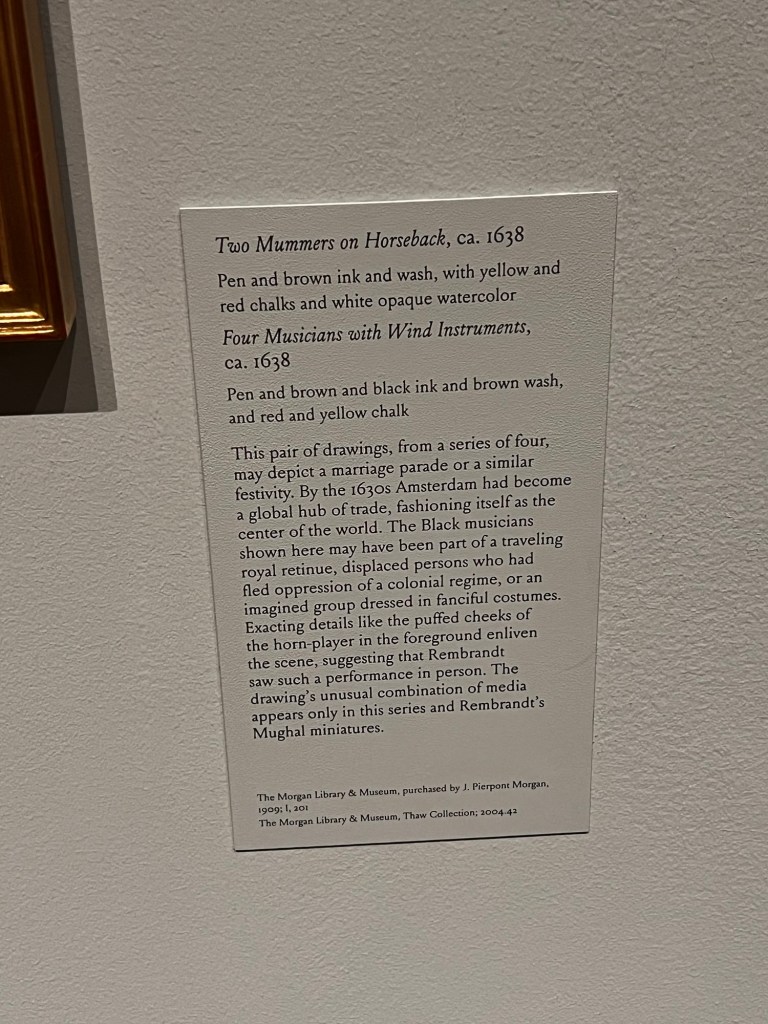
The panel on the work
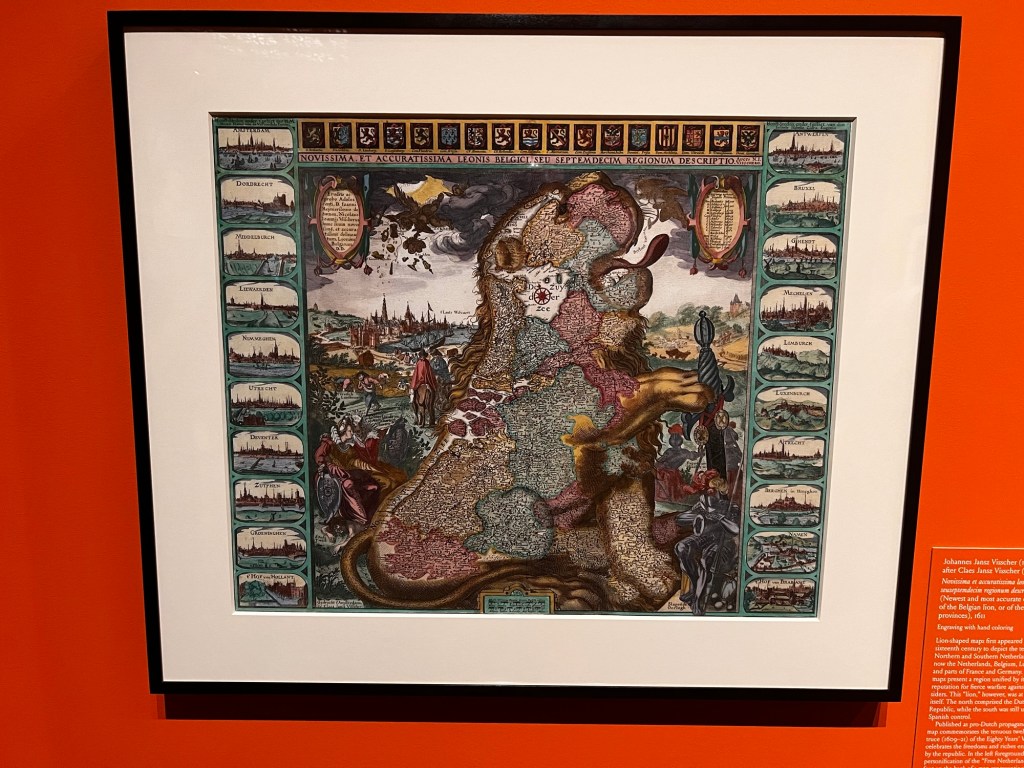
I loved this map work on the Netherlands

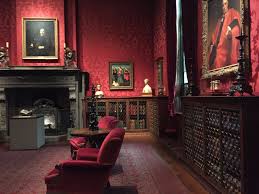
I then toured the library displays and the Ancient Mesopotamia art. I love the older part of the museum that was once part of JP Morgan’s home. A little grand for my taste but perfect at that time for the richest man in the world.
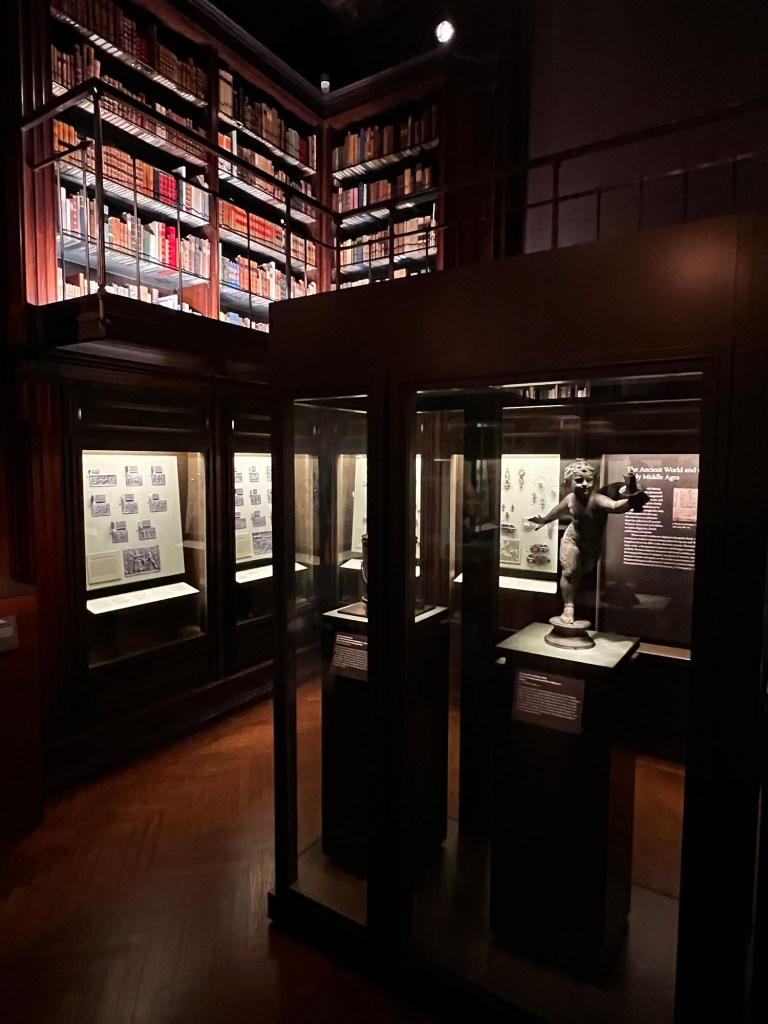
The Morgan Library were the art is displayed
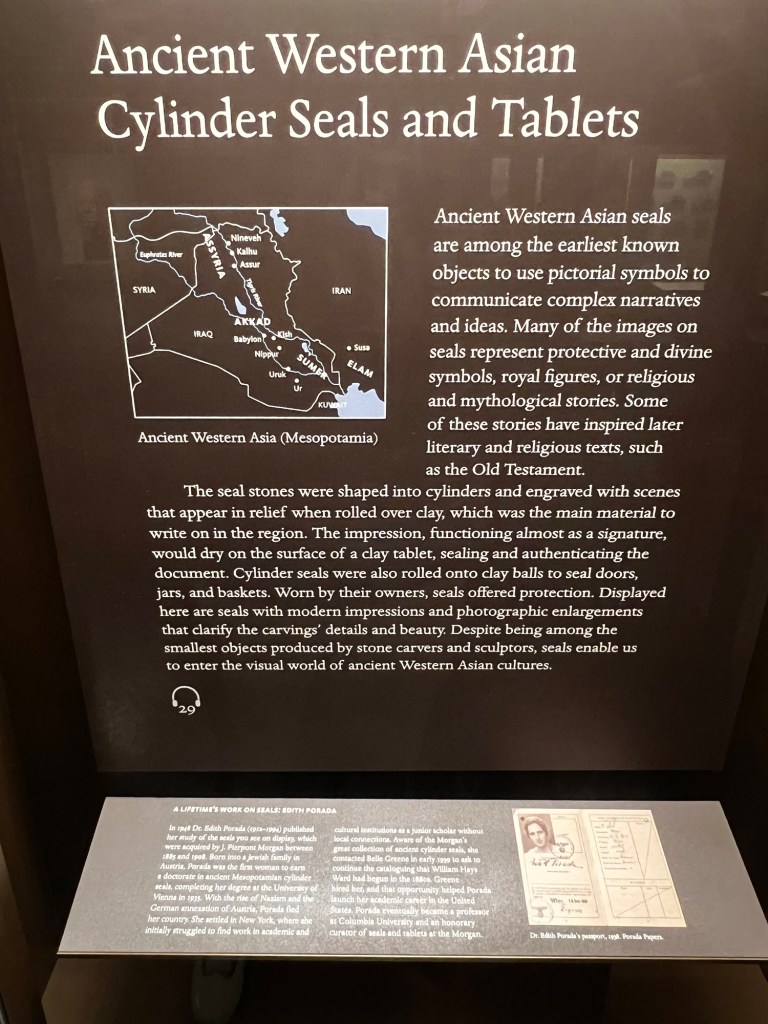
The description sign of the ancient seals
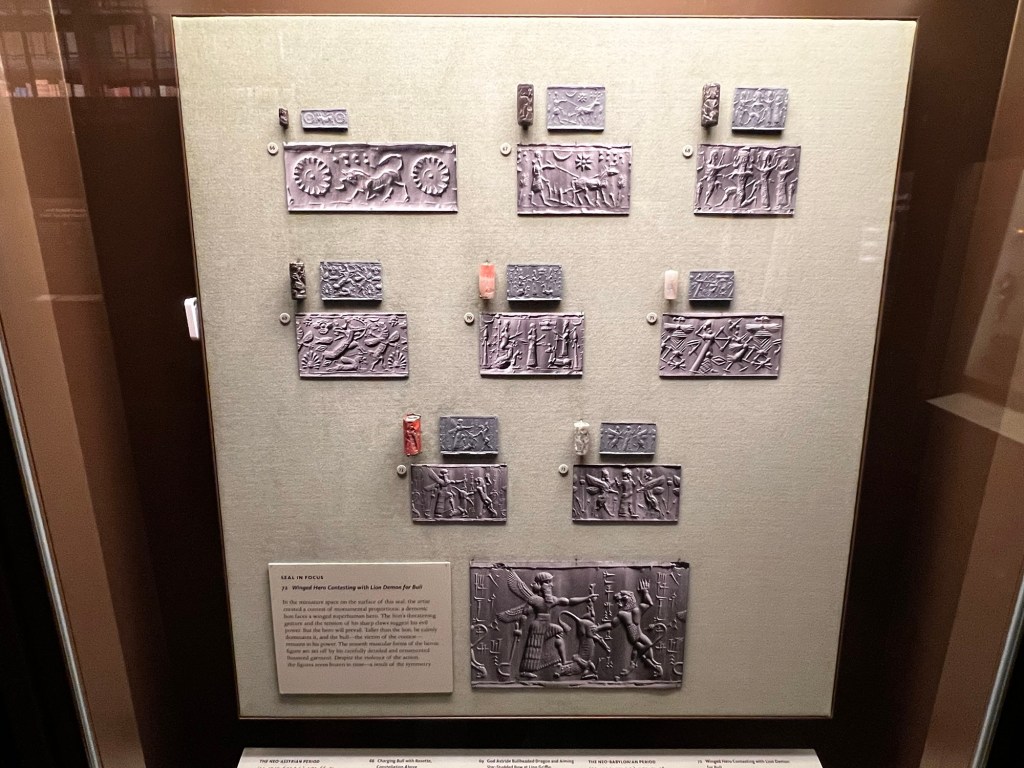
Some of the desks on display.

The ancient art from the Middle East is still some of my favorite and the collections of seals and sculptures is quite extensive. These collections are interesting in that the current regimes of these countries don’t seem to take an appreciation towards their past and some destroy these sites.
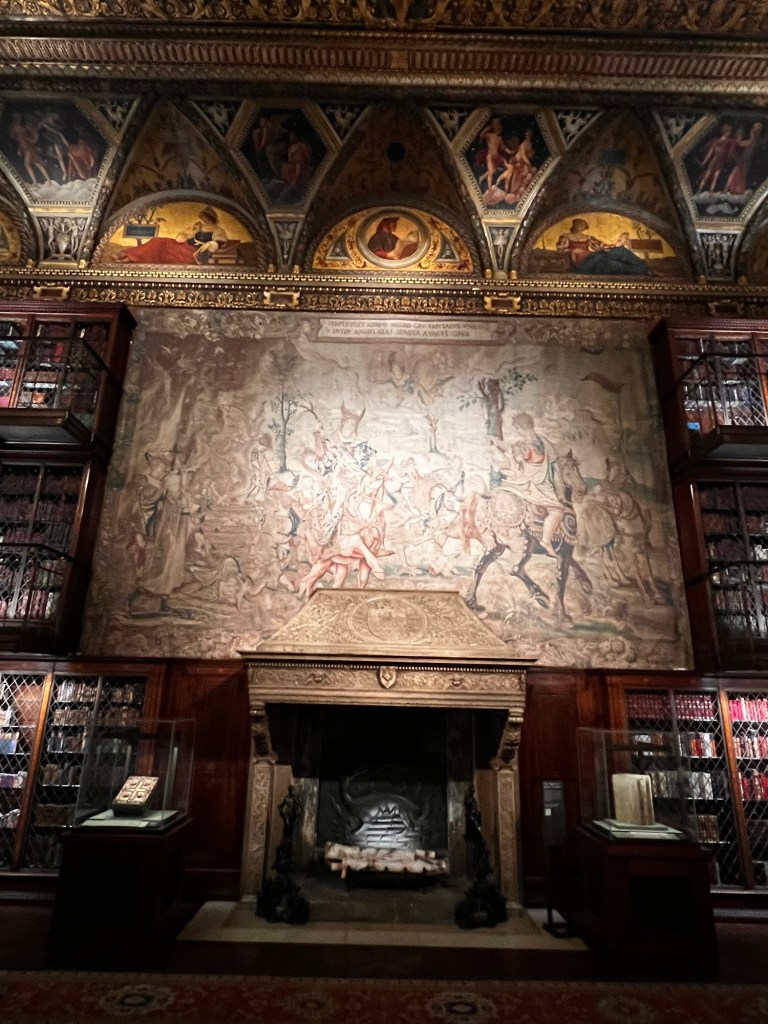
JP Morgan’s famous library is very grand

The last exhibition I toured was the ‘Ragtime’ exhibition. I loved this music from the late 1800’s to the 1920’s. Music played through the exhibition. I loved the silent films that were part of the exhibition.
The sign for the exhibition

(From the Morgan Library & Museum website)

This exhibition introduces a new generation of visitors to ragtime—one of the first truly global popular music styles. Tracing the genre’s evolution from its roots in West African rhythms and European musical traditions to its pivotal role in the emergence of jazz, the exhibition explores ragtime’s vibrant cultural legacy. Through seven thematic sections, it examines the music’s historical foundations, its rise to mainstream popularity, and its crossover into Broadway, film, and popular culture, offering a rich and comprehensive portrait of ragtime’s enduring dynamism and influence. Featuring selections from The John Davis Collection of Early Printed Musical African Americana as the foundation of the exhibition, it will also include works from the Morgan’s holdings as well as from a number of private collections (museum website).

Video of the “Cakewalk” from 1903

Visitors will encounter the fascinating juxtaposition between two of the genre’s greatest figures, Ernest Hogan (1865–1909), a pioneering Black songwriter who broke boundaries by creating a sound that resonated with the Black working classes, and Scott Joplin (1868–1917), a master of composition who elevated ragtime to a sophisticated art form. Their combined compositional range allowed for both the expression of the Black community’s experiences and aspirations through catchy melodies and relatable narratives, and the opportunity to challenge performative racial stereotypes by offering dignified and accomplished representations of Black Americans (museum website).
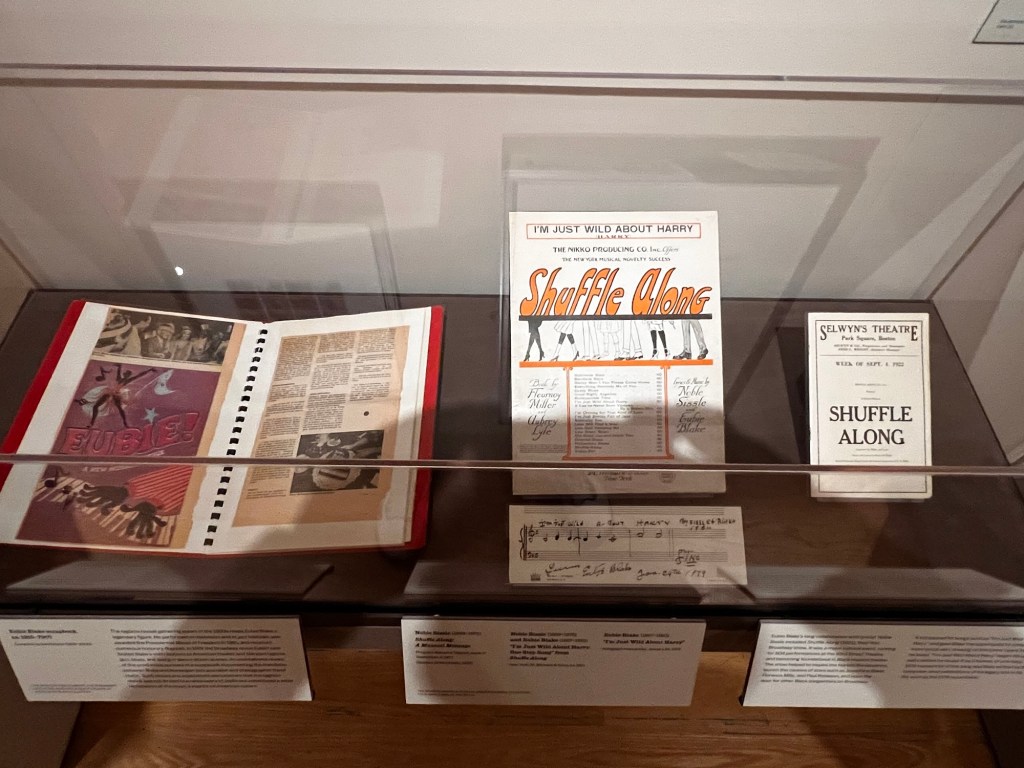
The famous show “Shuffle Along”

After the exhibition was over, I was starved but the restaurant at the museum was closing and I found to be very expensive. So I stopped by a Chinese restaurant that I had read about online around the corner from the museum, ‘Evergreen on 38th’. I was not disappointed.

My review on TripAdvisor:
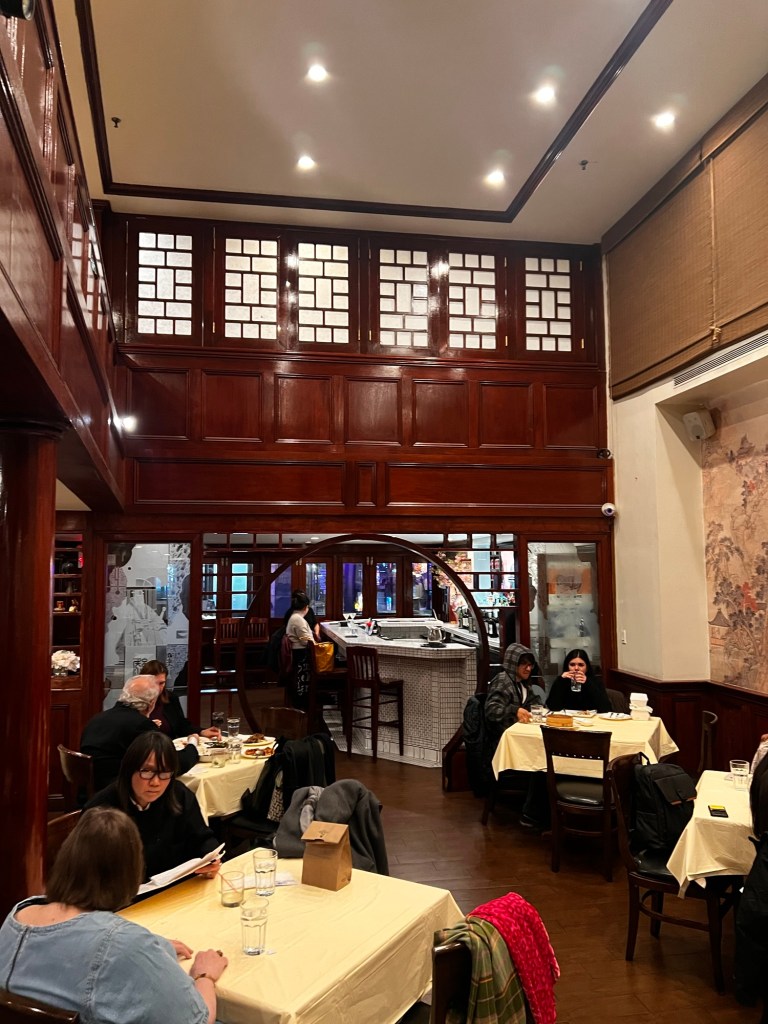
https://www.tripadvisor.com/ShowUserReviews-g60763-d496377-r1086017616-Evergreen_On_38-New_York_City_New_York.html

The dining room at Evergreen on 38th

I felt a cold coming on and needed some Hot & Sour Soup as a cure all. The start of my Dim Sum dinner was wonderful as there were so many choices on the menu.
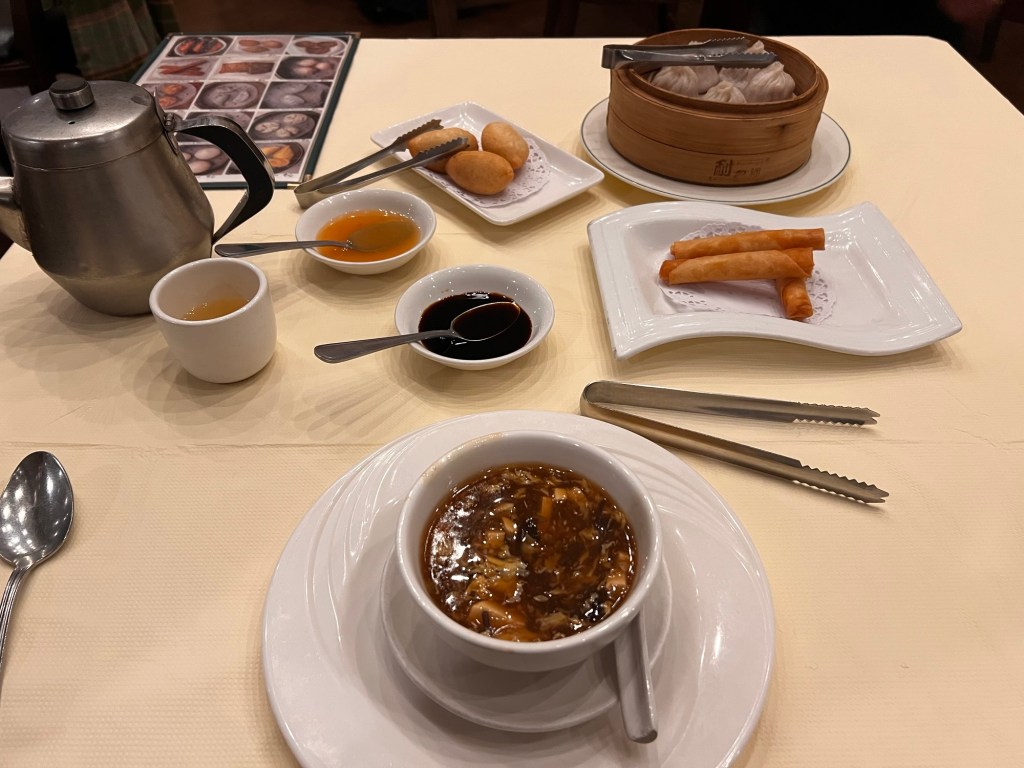
My late night meal at Evergreen on 38th

I chose the Shrimp Rolls, the Pork Soup Dumplings and the Fried Pork Puffs. Everything was so beautifully served and tasted delicious.
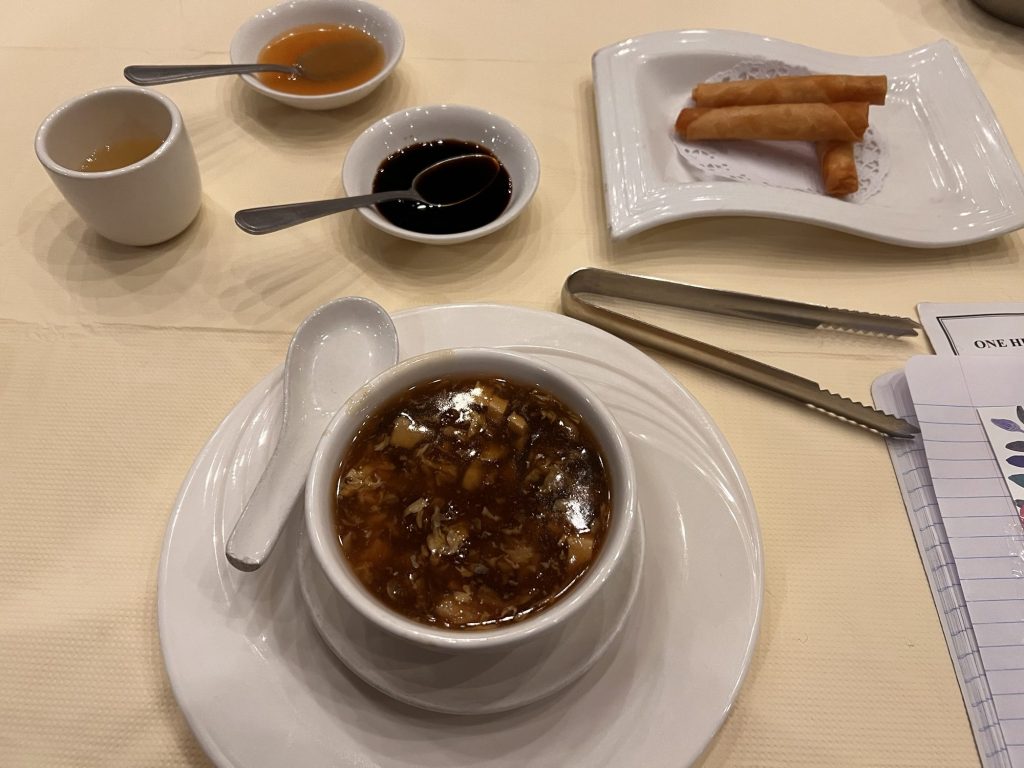
The start of my meal, the much needed Hot & Sour Soup
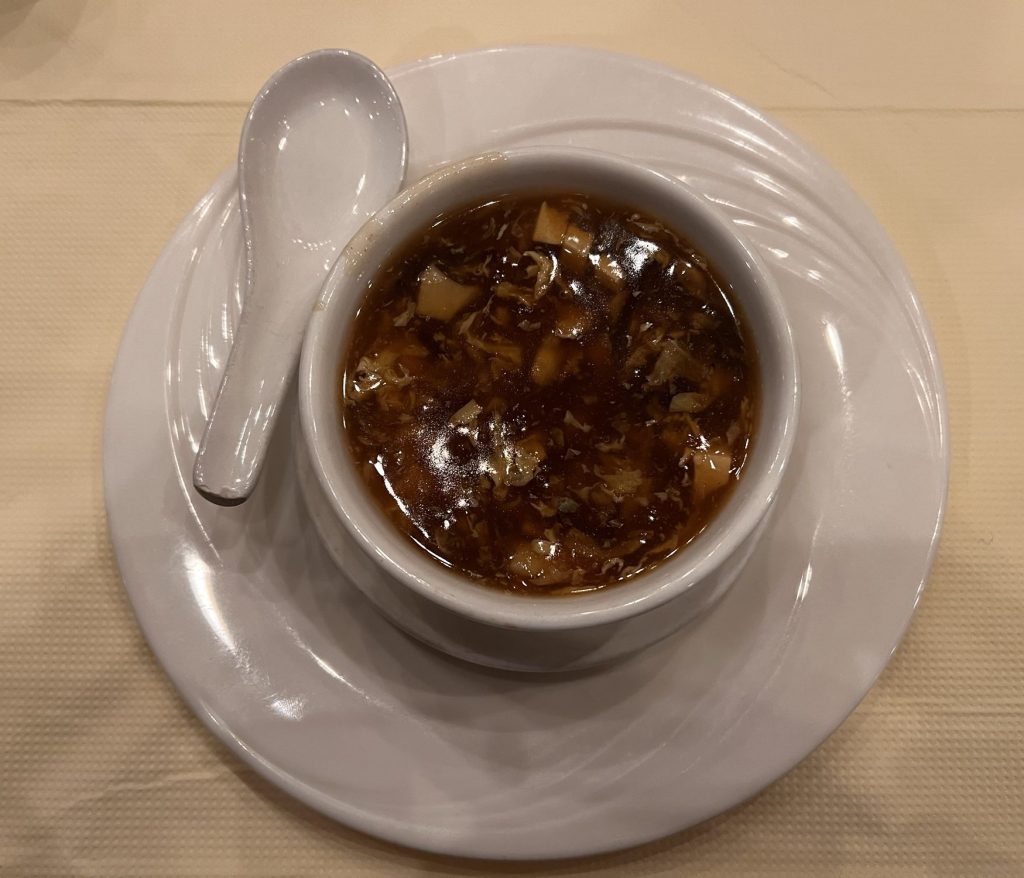
The Hot & Sour soup
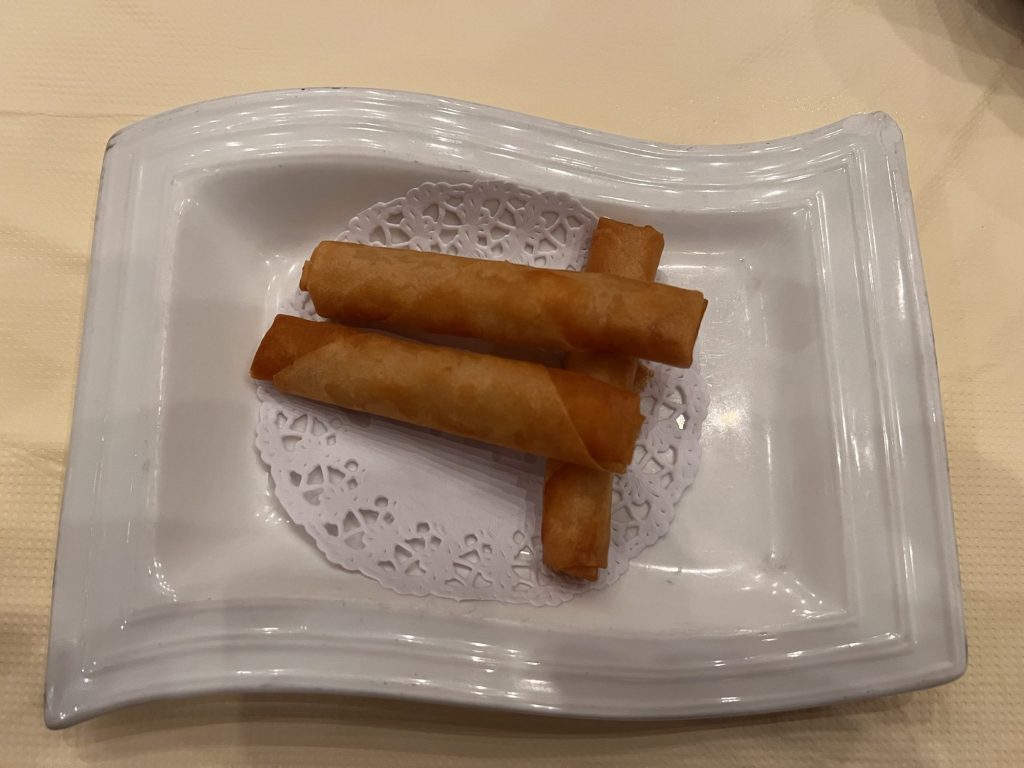
The Shrimp Roll
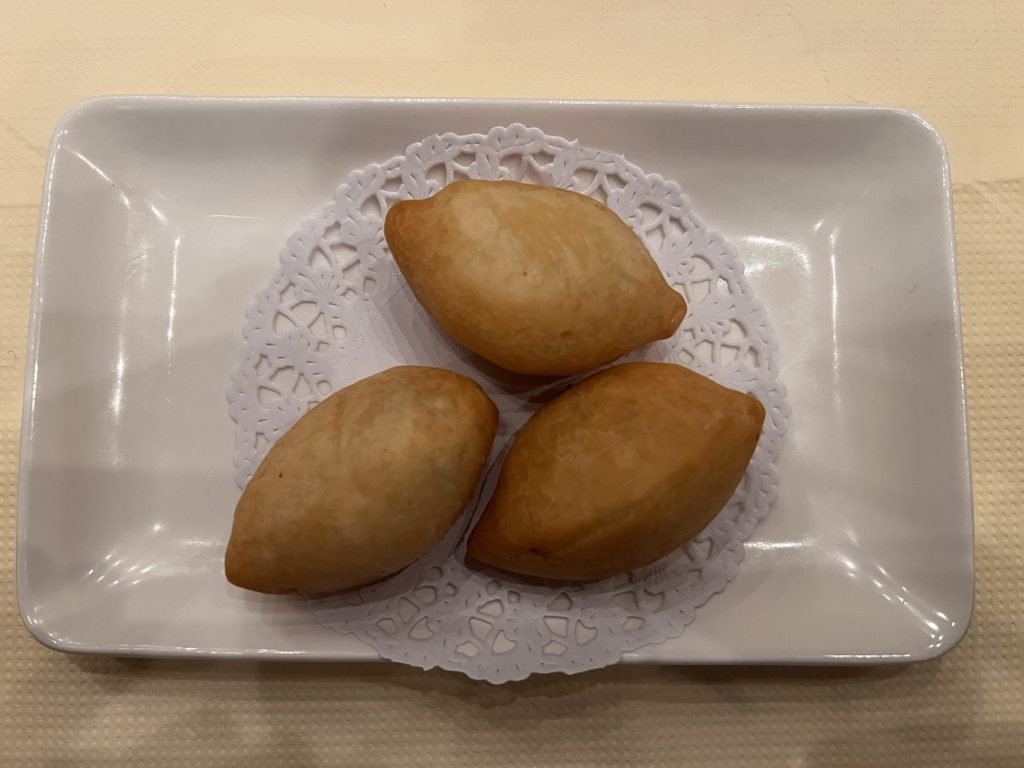
The Fried Pork Puffs
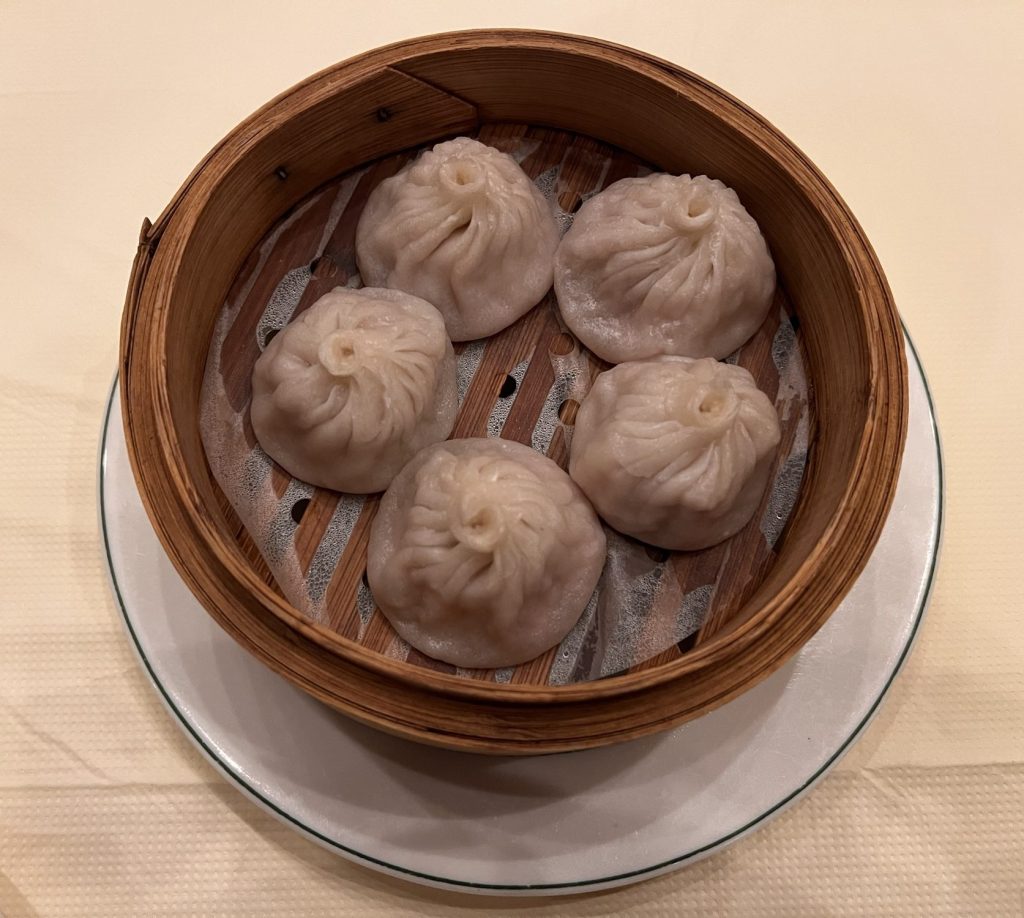
The Pork Soup Dumplings
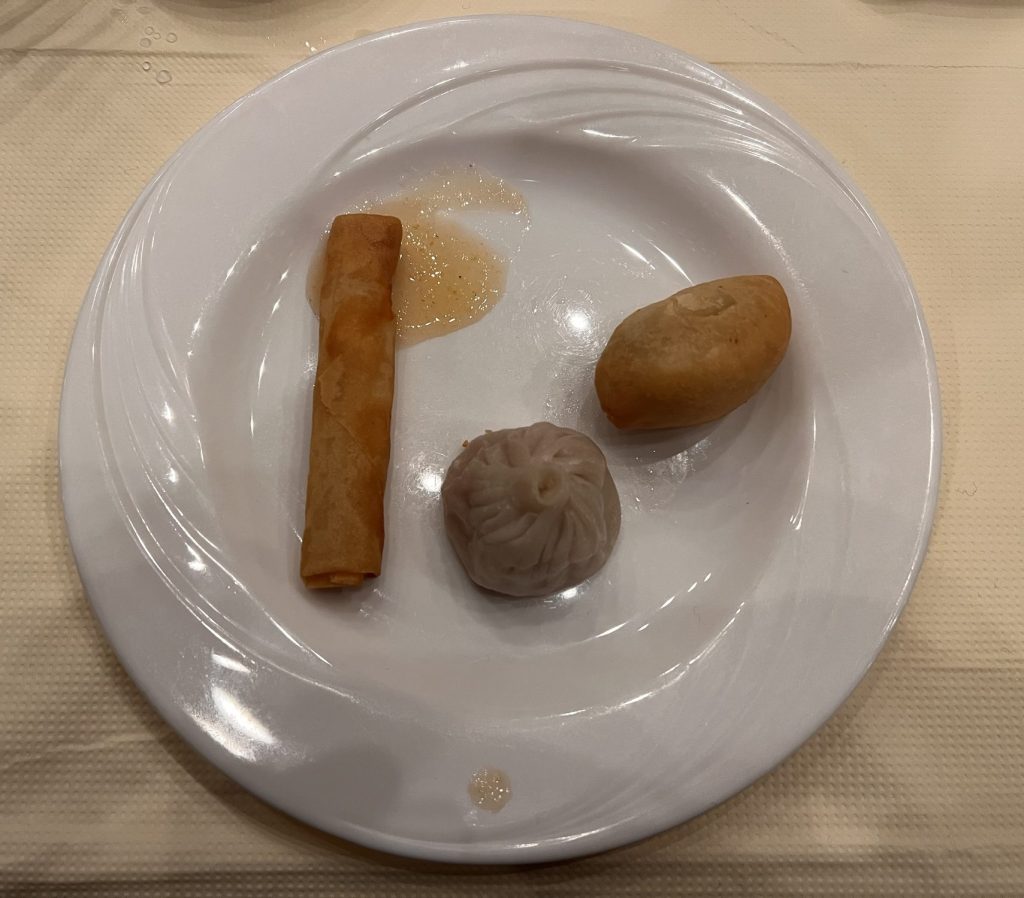
The meal was wonderful

After dinner was over, I walked around Midtown and through Bryant Park as the City prepared for the holiday season. I swear to God that the Christmas trees went up on Halloween Night. They do not even wait anymore. What a spectacular view though!
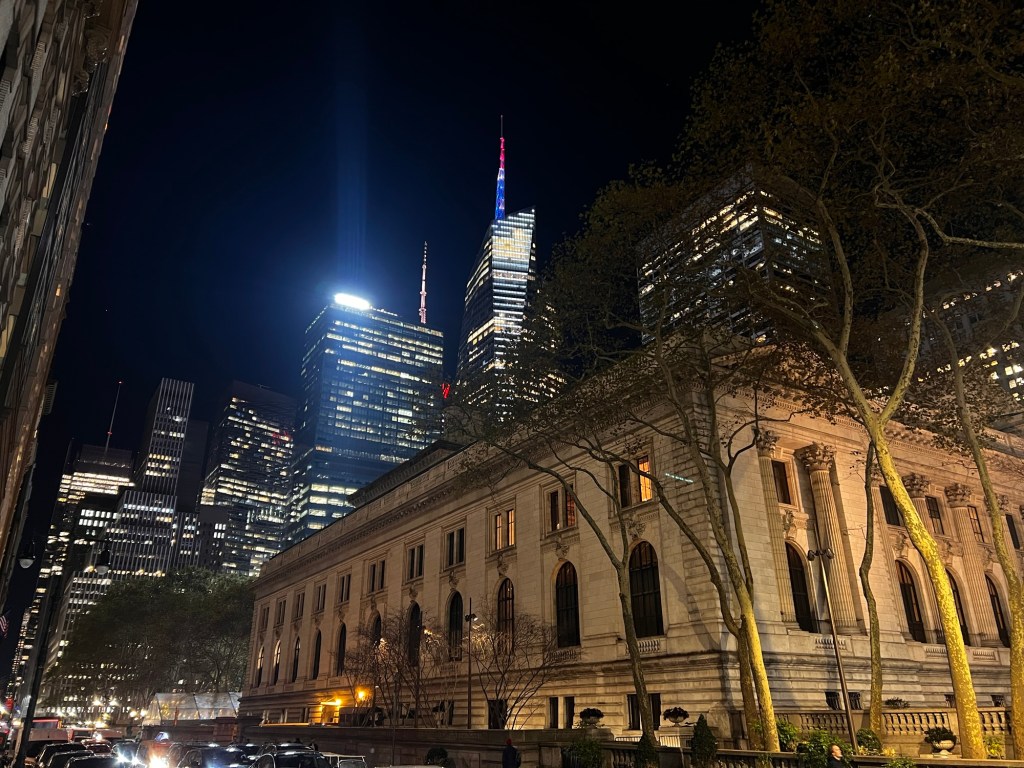
The New York Public Library at night
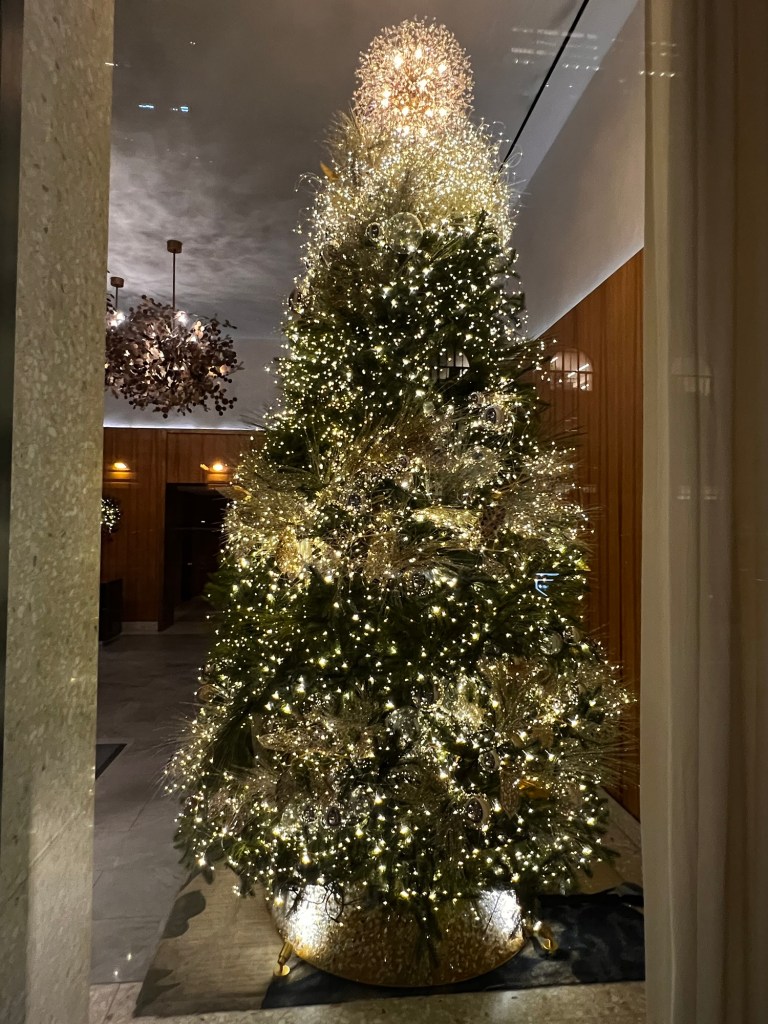
The holiday decorations at the Bryant Park hotel lobby
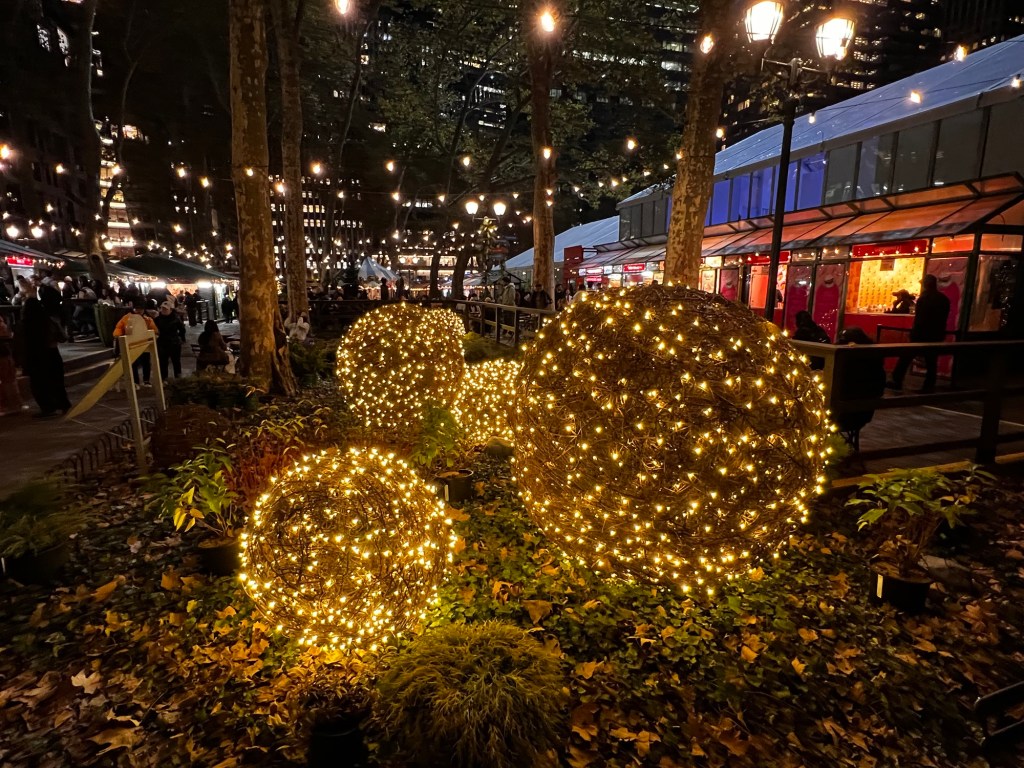
The Christmas decorations at the Bryant Park Christmas Village

https://bryantpark.org/activities/bank-of-america-winter-village-at-bryant-park
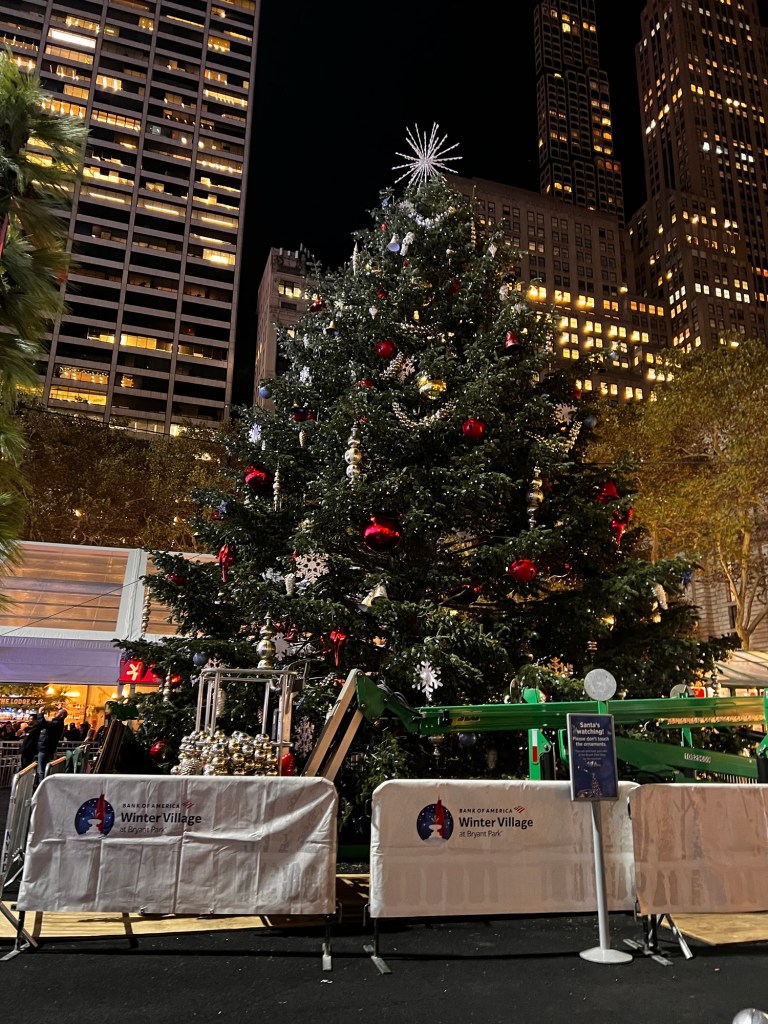
The Christmas tree in Bryant Park waiting for the tree lighting ceremony

It really was a wonderful evening in the City and much needed relaxation.

Places to Visit:

The Morgan Museum & Library

225 Madison Avenue

New York, NY 10016

(212) 685-3484

Open: Sunday 11:00am-6:00pm/Monday Closed/Tuesday-Friday 10:30am-5:00pm/Saturday 10:00am-6:00pm

Fee: Adults $22.00/Seniors (over 65) $14.00/Current Students with ID $13.00/Free to Members and Children under 12 accompanied by a parent. Free on Friday Nights from 7:00pm-9:00pm. Discount for people with disabilities $13.00-Caregiver Free.

https://www.themorgan.org/

My review on TripAdvisor:

https://www.tripadvisor.com/Attraction_Review-g60763-d107356-Reviews-The_Morgan_Library_Museum-New_York_City_New_York.html?m=19905

The Morgan Restaurant:

https://www.tripadvisor.com/Restaurant_Review-g60763-d502683-Reviews-Morgan_Cafe-New_York_City_New_York.html?m=19905

Bryant Park Christmas Village

New York Public Library

New York, NY 10018

https://bryantpark.org

https://bryantpark.org/activities/category/winter-village

Open: Sunday-Saturday 7:00am-11:00pm

My review on TripAdvisor:

My review on VisitingaMuseum.com:

Places to Eat:

Evergreen on 38th

10 East 38th Street

New York, NY 10016

(212) 448-1199

Open: Sunday-Saturday 11:00am-9:00pm

My review on TripAdvisor:

https://www.tripadvisor.com/ShowUserReviews-g60763-d496377-r1086017616-Evergreen_On_38-New_York_City_New_York.html

New York Transit Museum Gallery                                           89 East 42nd Street                                                                  New York, NY 10001

New York Transit Museum Gallery 89 East 42nd Street New York, NY 10001

New York Transit Museum Gallery

89 East 42nd Street

New York, NY 10001

(212) 878-0106

https://en.wikipedia.org/wiki/New_York_Transit_Museum

My review on TripAdvisor:
https://www.tripadvisor.com/Attraction_Review-g60763-d9873833-Reviews-New_York_Transit_Museum-New_York_City_New_York.html

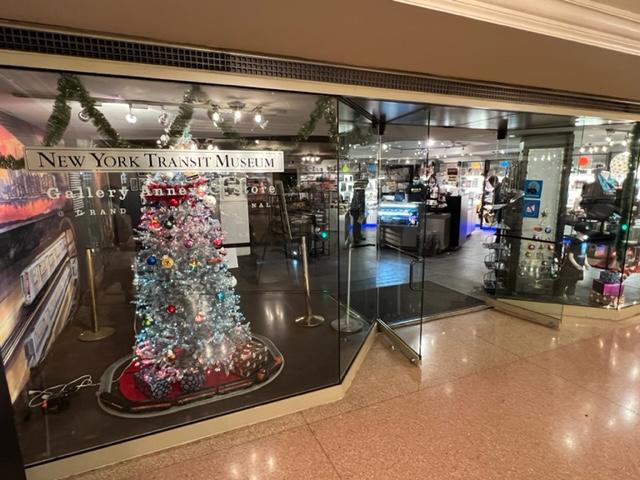
The NY Transit Museum Gallery inside Grand Central Station on the first floor

It is amazing to be in a building a record number of times and miss a small gallery that makes an impact on a visitor. This is how I felt when I entered Grand Central Station recently and discovered the New York Transit Museum Gallery. This little gem is tucked into a corner away from the ticket booths and Grand Hall and is free to the public.

The Gallery is a branch of the larger New York Transit Museum in downtown Brooklyn. This smaller space can be toured in about an hour which is perfect in case you need to spend some time in the terminal before your train. The Gallery was showing an exhibition entitled “Transit Sketches” by six artists who were based in New York City over the last 100 years. It was nice to see different perspectives of the artist though the overall theme was still the same.

The exhibition “Transit Sketches”:

“Transit Sketches” at the New York Transit Gallery

Video by Burning Hammer Productions

Tired people going to and from work. Works featured were from artists Ebony Bolt, Marvin Franklin, Naomi Grossman, Joseph Solman, Amy Tenenouser and Hank Virgona. Each artist represented a different time in the subway system, and it was nice to see that nothing really has changed over the years with the exception of the iPhone has replaced the newspaper as a place to do your work on the subway.

Each artist had their own mini gallery show in each section of the museum gallery and all the works showed people after either getting to work in the morning or after a long day at work. It showed the human side of riding the subway and just wanting to get to our destination.

Artist Ebony Bolt created a series entitled “The Bolt Dairies”, where she drew sketches of people either reading or sleeping on the subways and most of the faces were looking down. I took this that she was secretly drawing them while they were content being distracted by whatever means possible from the other riders and the books were full of overlapping faces.

Artist Ebony Bolt on her work on the inspiration of the people on the subway

https://www.theboltdiaries.com/

Artist Naomi Grossman show her works with an interesting approach of capturing the moods of the passengers as they spent their time on the train almost wishing to get off at the next stop. It was a way of looking at the patrons and capturing them after a long day at work.

Artist Naomi Grossman

https://www.naomigrossman.com/

MTA worker and Artist Marvin Franklin’s work

Artist Marvin Franklin

http://thejadesphinx.blogspot.com/2015/06/sketches-of-marvin-franklin.html

Artist Marvin Franklin was an MTA worker who worked the lines as a track worker who died on the job in 2007. He was on the job with another worker picking up a non-working dolly on the track whose lights were out and the train operator who hit them did not see them (NY Times.com). His vision to see the people who disappeared after work and became part of the fabric of the City. He showed their stories in his art.

Joseph Solman Artist

https://en.wikipedia.org/wiki/Joseph_Solman

Joseph Solman work on riders on the subway

Joseph Solman used to sketch people when they were involved in just trying to ignore what was going on around them. He caught people in a part of time of just trying to keep their space on the subway.

Artist Amy Tenenouser

https://amytenenouser.com/home.html

https://www.facebook.com/people/Amy-Tenenouser/646628208/

Artist Amy Tenenouser’s work also gives the patron a Birdseye view of average people living their lives and capturing them in a moment in time. She has a good view of the riders on the subway and a whimsical approach.

Artist Amy Tenenouser captures the everyday person.

Artist Hank Virgona

https://www.hankvirgonaart.com/

https://www.facebook.com/HankVirgona/

Hank Virgona’s work shows people in a state of mind

Hank Virgona’s career goes back to the Great Depression, and he captures like many of the artists in the exhibition the everyday person on the subway. Being a native New Yorker, he looks at the riders keeping an uncomfortable position keeping their space. I liked his work on the written word.

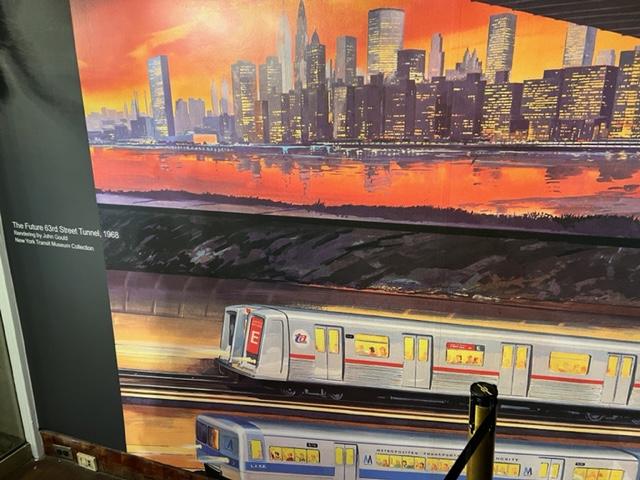
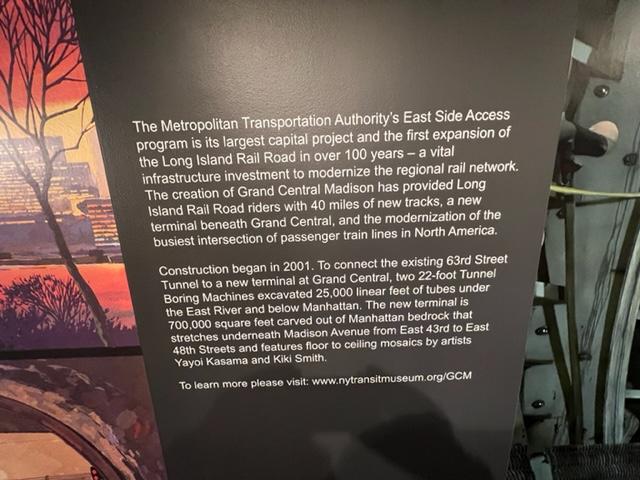
The newest exhibition is on the tunnel extension from Grand Central Terminal called the “Grand New Connection”:

The plans for the new tunnel in 1968

The East Side Access program

The new plans for the tunnel

The updates and pictures of what the tunnels are going to look like when finished

The exhibition was interesting at looking what progress in transportation can be in the modern age of New York City. The new boring machines can do a lot more that manmade labor was able to accomplish at the same time. It was interesting to see all these pictures.

The exhibition “Inspired by the MetroCard”:

I made a quick trip through Grand Central Terminal the other day and had enough time to walk through the Gallery to see the new “Inspired by the MetroCard” exhibition. I thought this was a very clever exhibit with artists using the old MetroCard for works of art especially the clothing that it inspired. The different dresses on display were really clever.

“Inspired by the MetroCard” exhibit:

(from the museum website)

FAREwell, MetroCard tells the story of the iconic fare card that reshaped daily life for millions of New Yorkers. When the MetroCard debuted in 1994, its mission was twofold: introduce new technology to the transit system and speed the elimination of tokens as a way to pay fares. In the decades that followed, the MetroCard became almost as iconic as the token itself, bearing safety reminders, commemorating anniversaries, and celebrating cultural moments. As OMNY becomes the new way to pay, the exhibition invites visitors to explore the MetroCard’s origins, its systemwide rollout, the technology behind it, and the many ways it became a cultural icon for a generation of riders (NY Transit Museum website).

“Inspired by the MetroCard” exhibition at the museum

The ‘Inspired by the MetroCard’ exhibition

The inside gallery had a variety of different pieces of art all using the old MetroCard’s, which were just replaced by a new system at the beginning of 2026. Personally I did not see much change with them. Still the works are very unique.

The dress by artist Gloria Del Rio

The sign for the dress by Gloria Del Rio

Artist Gloria Del Rio

https://www.instagram.com/gloria_del_rio

https://www.facebook.com/gloria.delrio.923

Artist Gloria Del Rio is an American born artist and fashion designer who studied at both the Parsons School of Design and the Fashion Institute of Technology. She is a fashion and swimwear designer (Artist Bio).

The wedding dress by Nina Vishneva

Artist Nina Vishneva

https://www.instagram.com/Nina.vishneva

https://www.voanews.com/author/nina-vishneva/g-oyy

(I could not find a full bio on the artist or a picture)

The sign for Nina Vishneva’s work

The gallery on the exhibition

Some of the pieces from the exhibition

The MetroCard art

The MetroCard piece by Akiva Listman “I didn’t do it”

Artist Akiva Listman

https://www.akivalistmanart.com

https://www.instagram.com/akivalistman/?hl=en

Artist Akiva Listman is a third generation New York based artist who holds a BFA with Honors from the Pratt Institute. His works draw from the City he loves and from his family history (Artist bio).

The sign for Akiva Listman’s work

I thought the exhibition was clever and very unique. I remember another gallery doing something similar when the subway tokens were taken out of service.

In the corner of the gallery there is a very extensive gift shop that features hats with subway numbers and letters representing the routes they take, games, puzzles and books that are all railroad themed catering to both children and adults. It has a nice selection of products to choose from.

The best part of the New York Transit Gallery is that it is free and a nice way to spend the afternoon while waiting to get on your train.

The gift shop at the NY Transit Museum Gallery

The History of the Transit Museum:

(From the museum’s website)

Founded in 1976, the New York Transit Museum is dedicated to telling and preserving the stories of mass transportation-extraordinary engineering feats, workers who labored in the tunnels over 100 years ago, communities that were drastically transformed and the ever-evolving technology, design and ridership of a system that runs 24 hours a day, every day of the year.

Housed underground in a authentic 1936 subway station in Downtown Brooklyn, the Transit Museum’s working platform level spans a full city block and is home to a rotating selection of twenty vintage subway and elevated cars dating back to 1907.

Visitors can board the vintage cars, sit at the wheel of a city bus, step through a time tunnel of turnstiles and explore changing exhibits that highlight the cultural, social and technology history and future of mass transit.

The New York Transit Museum is a self-supporting division of the Metropolitan Transportation Authority, Friends of the New York Transit Museum, a 501c3 not-for-profit organization was established in 1995 to promote and raise funds for the Museum’s operations and programs.

The American Kennel Club Museum of the Dog              101 Park Avenue                                                 New York, NY 10178

The American Kennel Club Museum of the Dog 101 Park Avenue New York, NY 10178

The American Kennel Club Museum of the Dog

101 Park Avenue

New York, NY 10178

(212) 696-8360

Home

https://www.facebook.com/akcmuseumofthedog/

Open: Sunday 10:00am-5:00pm/Monday-Thursday Closed/Friday-Saturday 10:00am-5:00pm

Fee: Adults $15.00/Seniors (65+), Students (13-24) & Active Military/Veterans $10.00/Children under 12 $5.00/Members Free

My review on TripAdvisor:
https://www.tripadvisor.com/Attraction_Review-g60763-d15941897-Reviews-The_American_Kennel_Club_Museum_of_the_Dog-New_York_City_New_York.html?m=19905

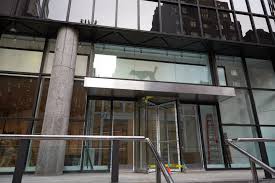
The American Kennel Club Museum of the Dog at 101 Park Avenue

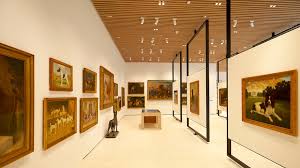
When I was walking the neighborhood of Murray Hill for my blog, “MywalkinManhattan.com, I came across on one of the side streets tucked into a new office building on Park Avenue, The American Kennel Club Museum of the Dog at 101 Park Avenue. This unique little museum is two floors of art dedicated to the story of the dog.

The first floor features small fossils that show the early domestication of dogs during prehistoric times with humans. They may have used them for hunting and companionship. You could see this in the burials and in the wall paintings found all over the world that they partnered with early man and helped shape their world.

The American Kennel Club Museum of the Dog collection

Most of the paintings were from the Victorian Age (post Civil War to WWI) where the romanticized view of nature and of pet companions was emphasized. One both the first and second floor there were all sorts of paintings of various breeds of dog in all sorts of playful and working environments. There were dogs for hunting and sport, dogs as pets and dogs in playful position reacting with their masters and each other.

The Victorian approach to pets

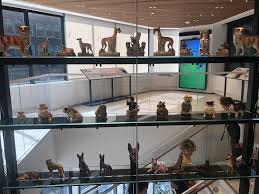
The was also porcelain figurines of dogs, statuary and trophies from various Canine Clubs all over the country. It shows the history of the dog as show with breeding and disposition counting of the way the animal was raised and trained.

The second floor had another series of paintings, a lot from the same time period and some contemporary artist’s take on modern dog owners and their relationship with their pets.

Canine Porcelains line the staircase

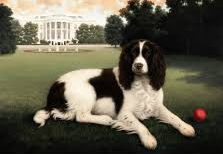
Also on the second floor was exhibition on ‘Presidential Dogs”, with the first families relationship with their dogs (and cats too) and the role that they played in White House politics. Truthfully outside of “Socks”, the Clinton’s cat, I never knew of any of the White House pets. I knew the both the Roosevelts and Kennedy’s had lots of pets in the White House, I never heard of their names or seen their pictures. So that was an eye opener.

White House pets tell their own story

Also in a special case was small fancy dog houses and dog holders for travel which was interesting to see how small dogs could travel with their masters and the expense to create a way for them to travel. These were very elaborate. I thought of some of the items I used to see at Bergdorf-Goodman when I worked there with the Ralph Lauren tote bags and fur lined sweaters and thinking this was a little much.

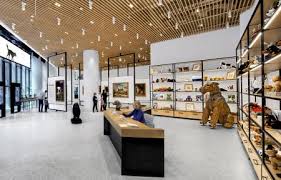
The museum also has a small gift shop on the first floor near the entrance that you should check out. There is all sorts of books and art work to look through and knick-knacks to buy with a dog them. The staff is also very nice and very welcoming.

The entrance to the museum and gift shop has a nice contemporary feel to it

History of the American Kennel Club Museum of the Dog:

The American Kennel Club Museum of the Dog preserves, interprets and celebrates the role of the dogs in society and educates the public about the human-canine bond through its collection of art and exhibits that inspire engagement with dogs.

The Museum logo

Founded in 1982, the AKC Museum of the Dog was originally located in the New York Life Building at 51 Madison Avenue as a part of the AKC headquarters. In 1987, the Museum of the Dog was moved to a new location in Queeny Park, West St. Louis County, Missouri. After over 30 great years at Queeny Park, the decision was made to bring the Museum back to its original home and reunite it with the AKC headquarters and collection.

Combining fine art with high-tech interpretive displays, the Museum of the Dog’s new home at 101 Park Avenue hopes to capture the hearts and minds of visitors. Located in the iconic Kalikow Building, the Museum will offer rotating exhibits featuring objects from its 1,700 piece collection and 4,000 volume library.

We hope to see you soon.

(From the AKC Museum of Dog website)

The Morgan Library & Museum                                                                                                225 Madison Avenue                                                                         New York, NY 10016

The Morgan Library & Museum 225 Madison Avenue New York, NY 10016

The Morgan Museum & Library

225 Madison Avenue

New York, NY 10016

(212) 685-3484

Open: Sunday 11:00am-6:00pm/Monday Closed/Tuesday-Friday 10:30am-5:00pm/Saturday 10:00am-6:00pm

Fee: Adults $22.00/Seniors (over 65) $14.00/Current Students with ID $13.00/Free to Members and Children under 12 accompanied by a parent. Free on Friday Nights from 7:00pm-9:00pm. Discount for people with disabilities $13.00-Caregiver Free.

https://www.themorgan.org/

My review on TripAdvisor:

https://www.tripadvisor.com/Attraction_Review-g60763-d107356-Reviews-The_Morgan_Library_Museum-New_York_City_New_York.html?m=19905

The Morgan Restaurant:

https://www.tripadvisor.com/Restaurant_Review-g60763-d502683-Reviews-Morgan_Cafe-New_York_City_New_York.html?m=19905

What I love about the Morgan Library & Museum is the level of sophistication and quality of their exhibitions. The museum really makes you think when you tour their galleries and attend their lectures and gallery talks. Their docents and curators bring an exhibition to a whole new level. I always feel like I am taking a college course and will be graded afterwards. They really make you think about the work or what the author or artist is trying to say.

Two of my favorite exhibitions were the “150th Anniversary Celebration of Alice in Wonderland”, which is why I joined the Morgan Library & Museum. I loved the novel and I wanted to get some ideas for our library’s own celebration. They had the original manuscript written by Lewis Carroll, some original prints and memorabilia from various times including posters, books, artwork and decorative items.

The entrance to the “Alice in Wonderland” exhibition

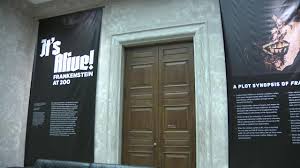
Another wonderful and interesting exhibition was on Mary Shelley’s “Frankenstein” which was a celebration of her life, her works and of the novel through the ages in both context of the novel and in Hollywood. There were various copies of the books in the exhibition as well as the history of the author’s life.

The Frankenstein print

The exhibition showed the clips of the original silent version of the film, the 1931 version with Boris Karloff and the modern version “Young Frankenstein” with Gene Wilder from 1974. I learned from the exhibition that the set used in the 1974 version of the film was from the original 1931 film and it had been in the director’s basement all those years.

The entrance to “It’s Alive: Frankenstein at 200” exhibition at the museum

Another exhibition that was very interesting was the recent American artist Al Taylor with an showing of his drawings. The works were unusual but really stood out was his time in Hawaii and the drawings that inspired him.

Duck Bondage Study by Al Taylor

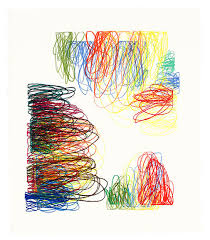
Untitled by Al Taylor

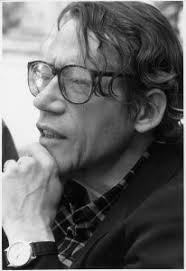
American artist Al Taylor

A YouTube video on the “David Hockney” Exhibition:

The recent David Hockney Exhibition that I missed.

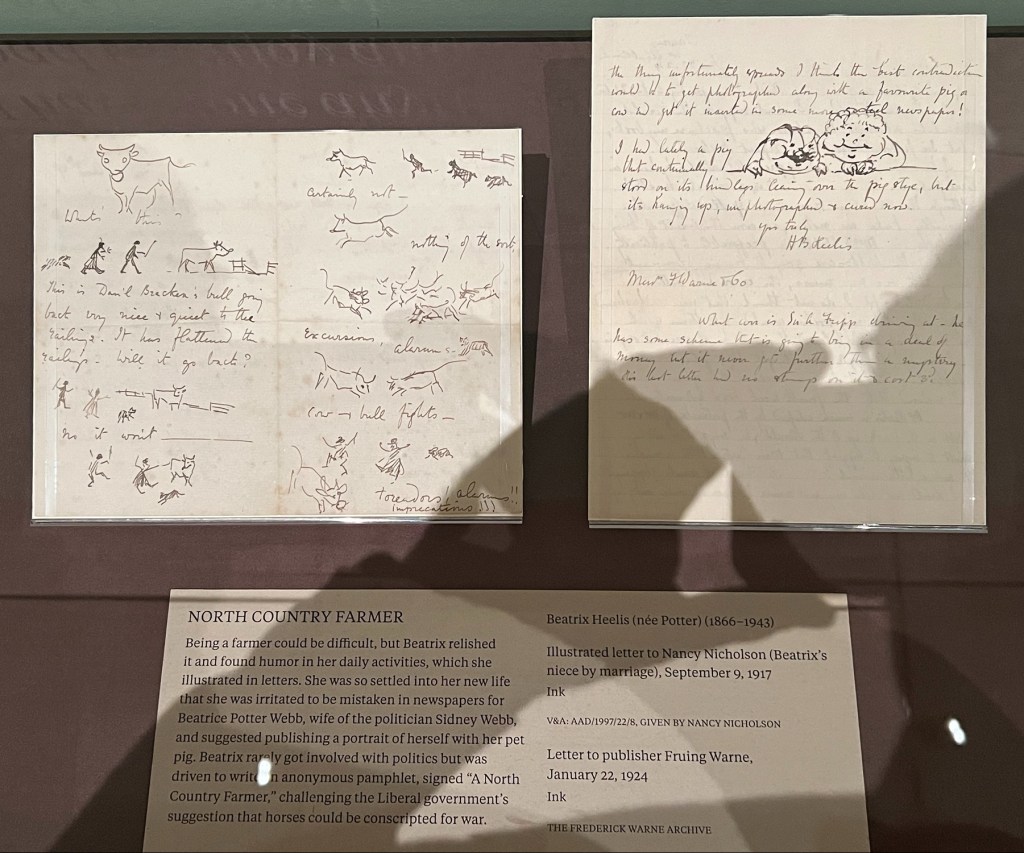
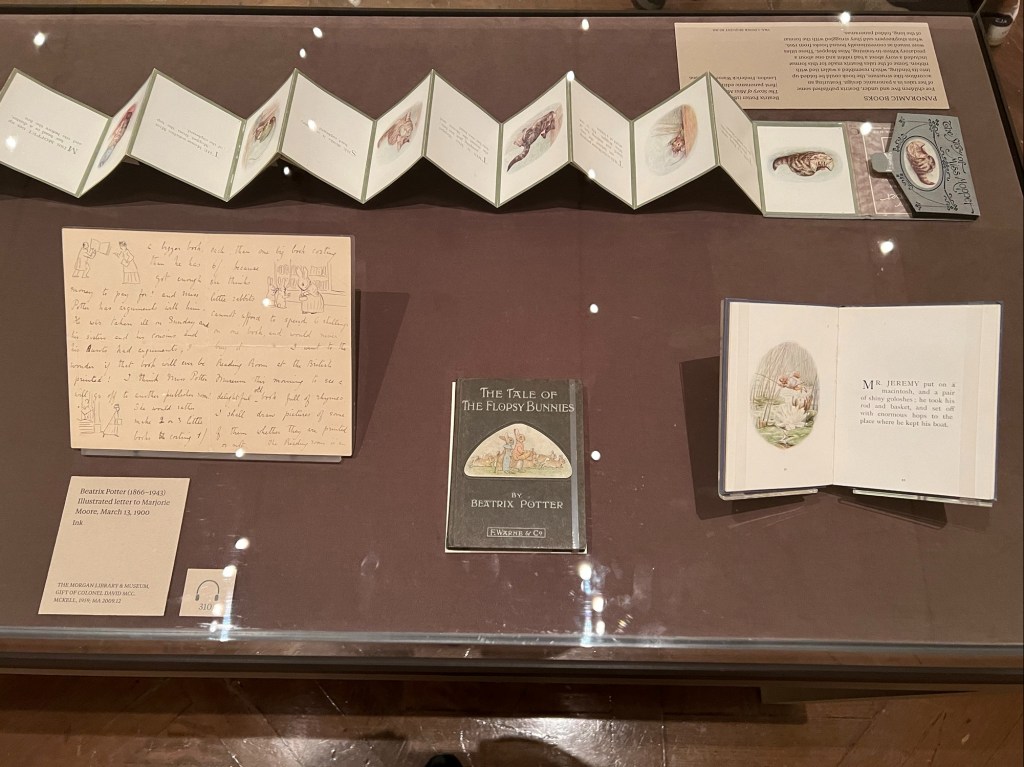
I rejoined the museum after a long COVID absence and the first exhibition that I attended was the “Beatrix Potter” exhibition on her work on Peter Rabbit. It had many of the early drawings of her children’s books as well as some of her merchandising. The exhibition discusses her life before and after her books were published and then her second act as a farmer and conservationist.

The “Beatrix Potter: Drawn to Nature” exhibition in April 2024:
Beatrix Potter: Drawn to Nature

The entrance to the gallery

The gallery opening

Here work included the initial drawings to the actual books.

Her early gift cards
One of her original pieces.
The main part of the exhibition.

The gallery of the exhibition

The exhibition is broken into two parts. The first part is on her early life in London with her family and her personal life as a child and an early adult. The second half of the exhibition is on her early books, manuscripts and letters. Then her later life as a ‘gentle farmer’ who ended up preserving and donation over 4000 acres of Lake District land for later generations to enjoy.

These are the original drawings for the book “The Tale of Peter Rabbit”

The original card
The original card

Other pieces of her works.

Some of the original drawings.

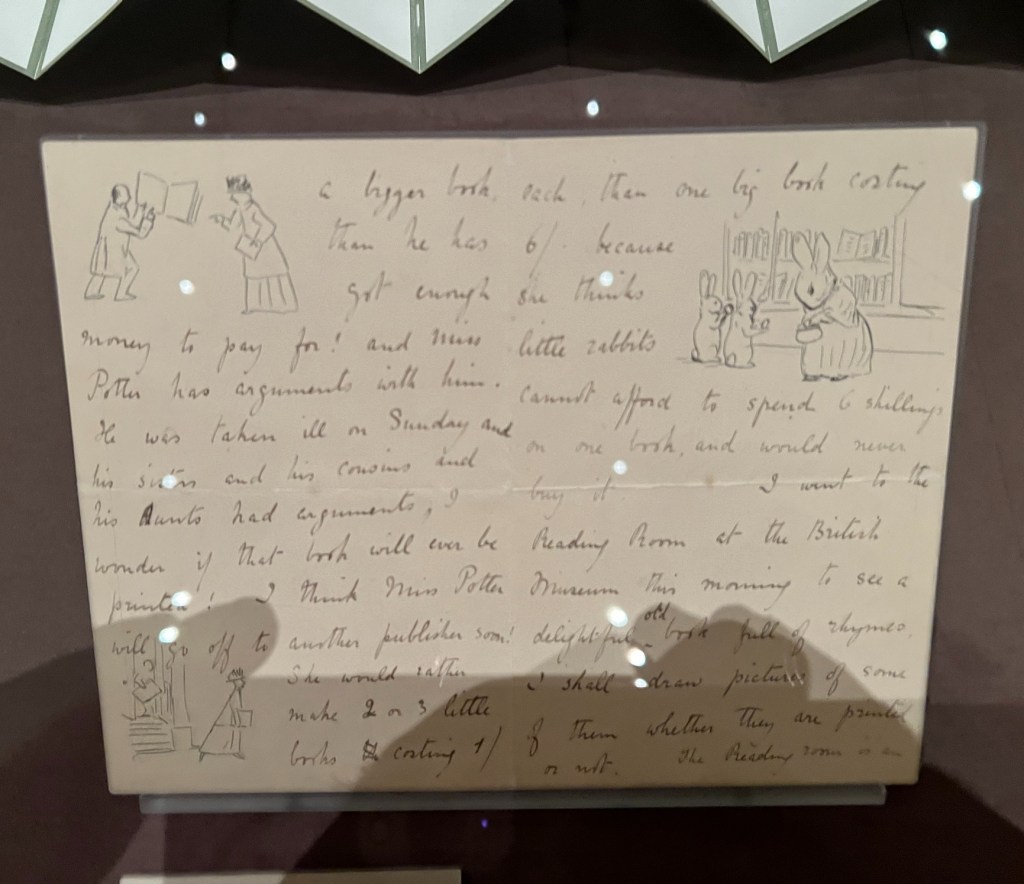
Some letters that she wrote to friends.

All the wonderful novelty items that she helped create. She had a real hand in merchandising way before this became the norm in publishing. She created all the cards, stuffed animals and small books that would become her collection.

Some of her original books.
The original Peter Cottontail book.
The original drawing from the exhibition.

The stuffed animal of Jeremiah Puddle Duck

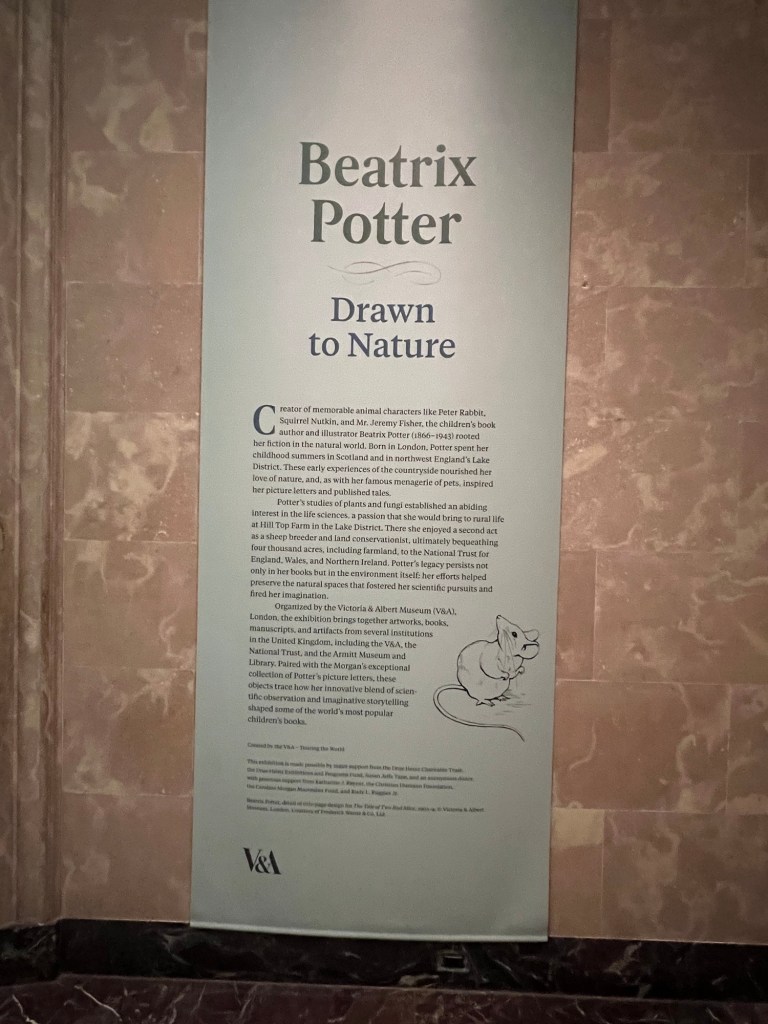
The sign as you enter the exhibition.

The end of the exhibition with the author holding one of her pets.

https://en.wikipedia.org/wiki/Beatrix_Potter

https://www.hop-skip-jump.com/

The other exhibition that I saw that day which will be closing soon is the Walton Ford exhibition. Mr. Ford’s works are a reflection on his relationship with nature with works being influenced by trips to the American Museum of Natural History. His works draw from nature.

The entrance to the exhibition

Artist Walton Ford

https://en.wikipedia.org/wiki/Walton_Ford

https://www.kasmingallery.com/artists/63-walton-ford/

The main gallery of Mr. Ford’s works.

The works with the Black Tiger

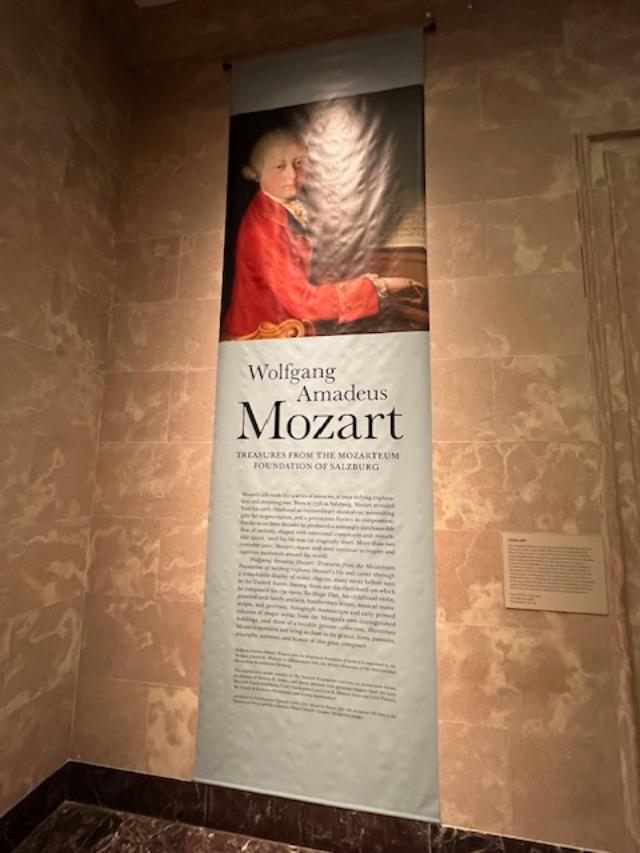
I recently visited for the “Wolfgang Amadeus Mozart: Treasures from the Mozarteum Foundation of Salzburg” exhibition on a private Members Night and it was an interesting look at his life and how his career progressed until his untimely death at an early age.

The entrance to the exhibition in March of 2026

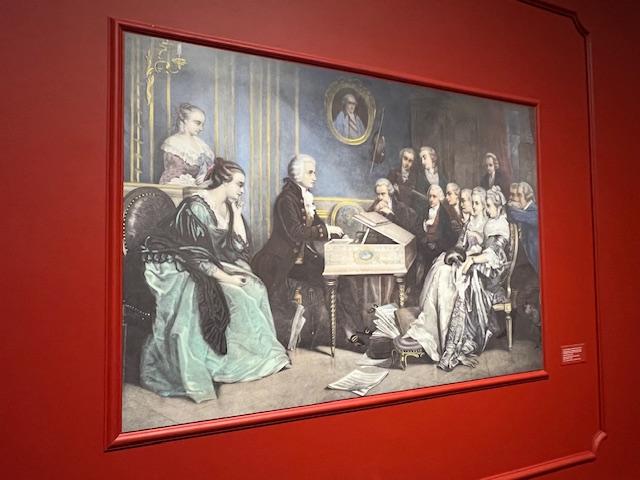
The Mozart family picture in the exhibition of the artist’s work

(From the Morgan Museum website):

The exhibition focuses on the two family chapters of Mozart’s life: his youth with his father, Leopold, and sister Nannerl in Salzburg, and his adult life with his wife, Constanze, in Vienna. After Mozart’s death in 1791, Nannerl and Constanze returned to Salzburg, where they, with the composer’s two sons, preserved and built his legacy. Their collection became the foundation of the modern-day Mozarteum (Morgan Library).

The sign for ‘Tarot Renaissance Symbols’

The exhibition sign

Video on the exhibition:

The exhibition description

Medieval era Tarot cards

Tarot card sign

The Rosenwald Tarot Card Sheet

The Rosenwald Tarot sign

Tarot Art work

Tarot Card inspired art

Evoking the cities, homes, and people that shaped the composer, the exhibition highlights Mozart’s many travels, continual quest for employment and renown, family tensions, and constant creative output amid frequent illness and other challenges. It also illustrates Mozart’s existence under aristocratic patronage, a context both foreign and familiar to modern viewers (Morgan Library).

It is nice to walk among the permanent collection of prints in the lower level and to visit the former private areas of Mr. Morgan’s home. It adds to who he was as a financier and as a homeowner. The home was not as elaborate as you would have thought.

The private part of the museum

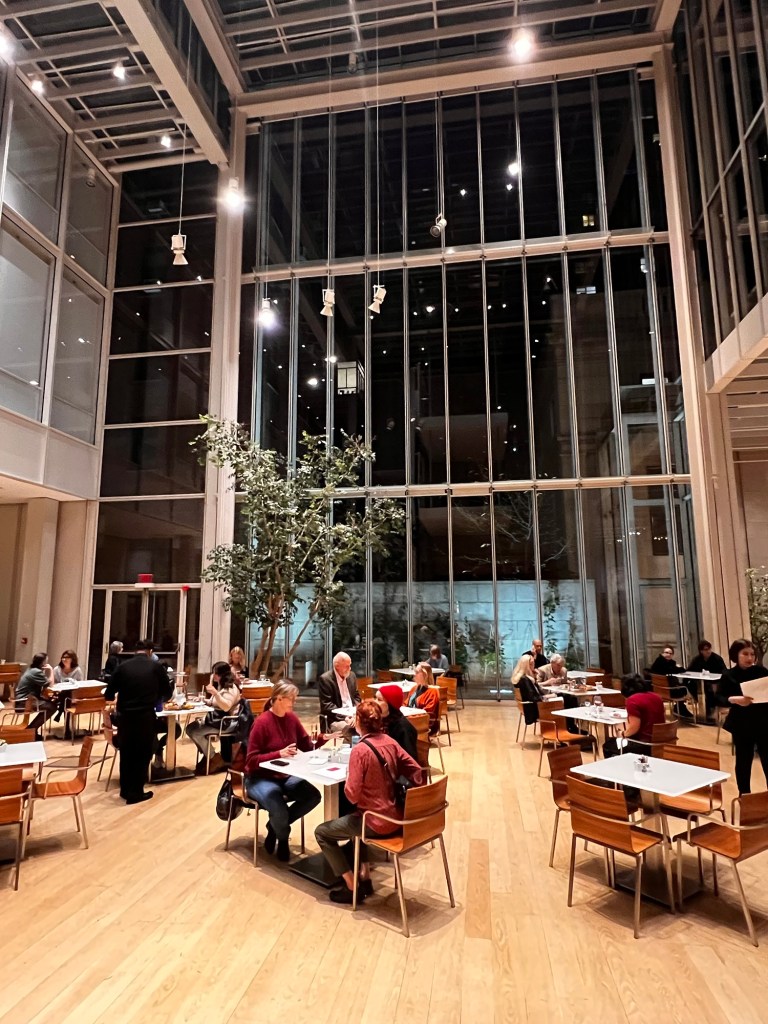
I also enjoy the Morgan Cafe on the main level of the museum in the courtyard area of the first floor. The food is a little pricey and a limited menu but the service is wonderful and the quality of the food is very good. You will enjoy the meal and I have heard from other patrons that the Afternoon Tea is very nice as well.

They also have a Dining Room in the Library area that I have heard is very nice as well.

The Morgan Dining Room

They have a nice selection of books, cards and gifts in their Gift Shop just beyond The Morgan Dining Room. I really like their selections at the holidays and their theme books to the exhibitions especially for the “Alice in Wonderland” exhibition.

The Morgan Library giftshop

It is a nice place to take a gallery talk, then a light lunch in the main hall and then a lecture at night. It’s a great way to spend the day.

The History of the Morgan Library & Museum:

(from the Morgan Library & Museum website)

The Museum is a complex of buildings in the heart of New York City and began as the private library of financier Pierpont Morgan, one of the preeminent collectors and cultural benefactors in the United States. As early as 1890, Mr. Morgan had begun to assemble a collection of illuminated, literary and historical manuscripts, early printed books and old master drawings and prints.

Mr. Morgan’s library was built between 1902 and 1906 adjacent to his New York residence at Madison Avenue and 36th Street. Designed by Charles McKim of the architectural firm McKim, Mead & White, the library was intended as something more than a repository of rare materials. Majestic in appearance yet intimate in scale, the structure was to reflect the nature and stature of its holdings.

The side view of the Morgan Library

The result was an Italian Renaissance-style palazzo with three magnificent rooms epitomizing America’s Age of Elegance. Completed three years before McKim’s death, it is considered by many to be his masterpiece. In 1924, eleven years after Mr. Morgan’s passing, his son, J.P. Morgan Jr., known as Jack, realized that the library had become too important to remain in private hands. It what constituted one of the most momentous cultural gifts in the United States history. He fulfilled his father’s dream of making the library and its treasures available to scholars and the public alike by transforming it into a public institution.

Mr. Morgan’s private areas are part of the museum

Over the years, through purchases and generous gifts, The Morgan Library & Museum has continued to acquire rare materials as well as important music manuscripts, early children’s books, Americana and materials from the twentieth century. Without loosing its decidedly domestic feeling, the Morgan also has expanded its physical space considerably.

The Middle Eastern exhibit in the Library.

In 1928, the Annex building was erected on the corner of Madison Avenue and 36th Street, replacing Pierpont Morgan’s residence. The Annex connected to the original McKim library by means of a gallery. In 1988, Jack Morgan’s former residence, a mid-nineteenth century brownstone on Madison Avenue and 37th Street was added to the complex. The 1991 garden court was constructed as a means to unite the various elements of the Morgan campus.

JP Morgan II home which is now part of the Morgan Library.

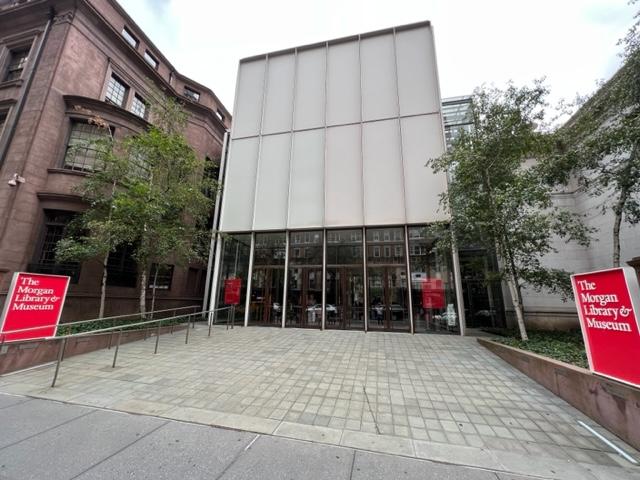
The largest expansion in the Morgan’s history, adding 75,000 sq ft to the campus was completed in 2006. Designed by Pritzker Prize winning architect Renzo Piano, the project increases exhibition space by more than fifty percent and adds more important visitor amenities, including a new performance hall, a welcoming entrance on Madison Avenue, a new cafe and a new restaurant, a shop, a new reading room and collections storage. Piano’s design integrates the Morgan’s three historical buildings with three new modestly scaled steel and glass pavilions. A soaring central court connects the buildings and serves as a gathering place for visitors in the spirit of an Italian piazza.

The Morgan Library & Museum expansion by Renzo Piano

The Morgan Library & Museum Mission:

The mission of The Morgan Library & Museum is to preserve, build, study, present and interpret a collection of extraordinary quality, in order to stimulate enjoyment, excite the imagination, advance learning and nurture creativity.

The Dorothea Maria Gsell painting “Heron Encircled by a Snake with a worm in his Bill”

A global institution, focused on the European and American traditions, the Morgan houses one of the world’s foremost collections of manuscripts, rare books, music, drawings and ancient and other works of art. These holdings, which represent the legacy of Pierpont Morgan and numerous later benefactors, comprise a unique and dynamic record of civilization as well as an incomparable repository of ideas and of the creative process.

(From the Morgan Library & Museum website and history)