Tag: Small Historical Societies in New Jersey

Beach Haven Library & Museum                                    219 North Beach Avenue                                               Beach Haven, NJ 08008

Beach Haven Library & Museum 219 North Beach Avenue Beach Haven, NJ 08008

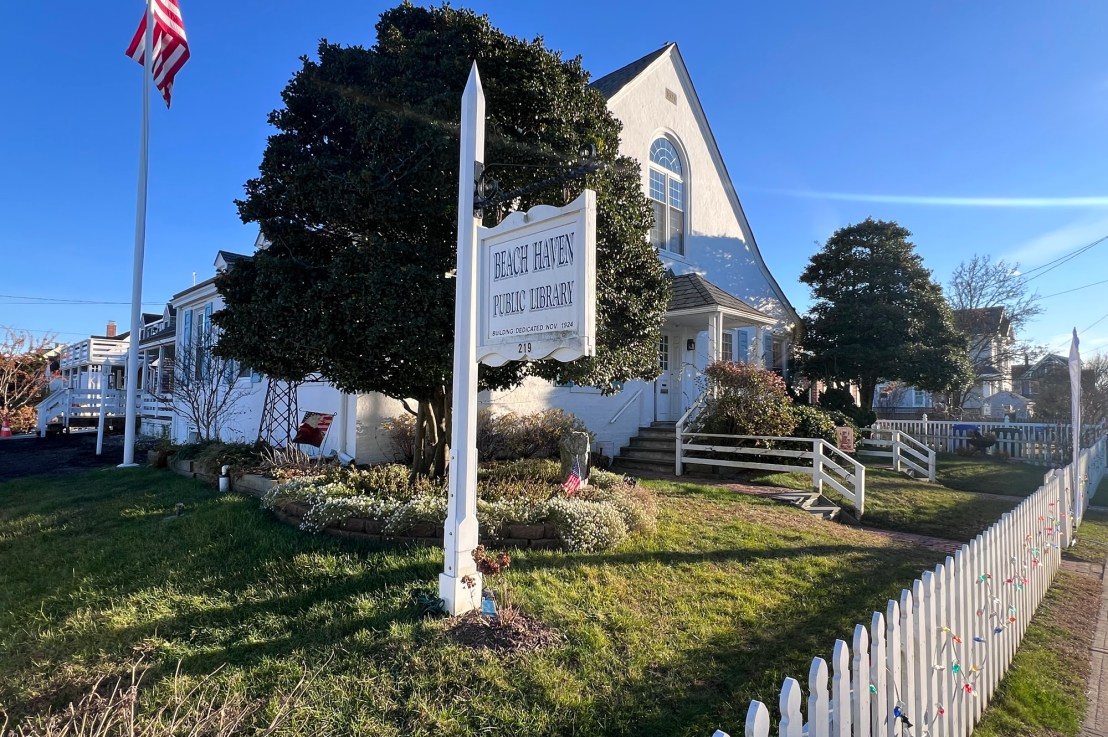
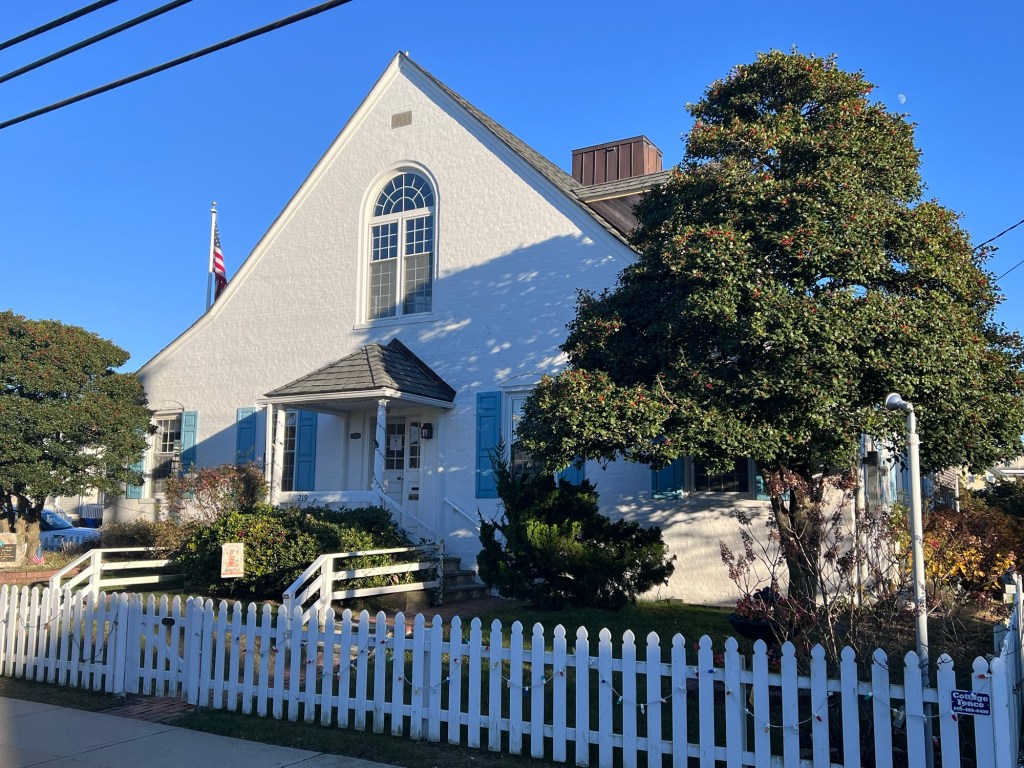
The library at 219 North Beach Haven Avenue

https://www.beachhavenlibrary.org/

https://www.instagram.com/bhpl1924/

My review on TripAdvisor:

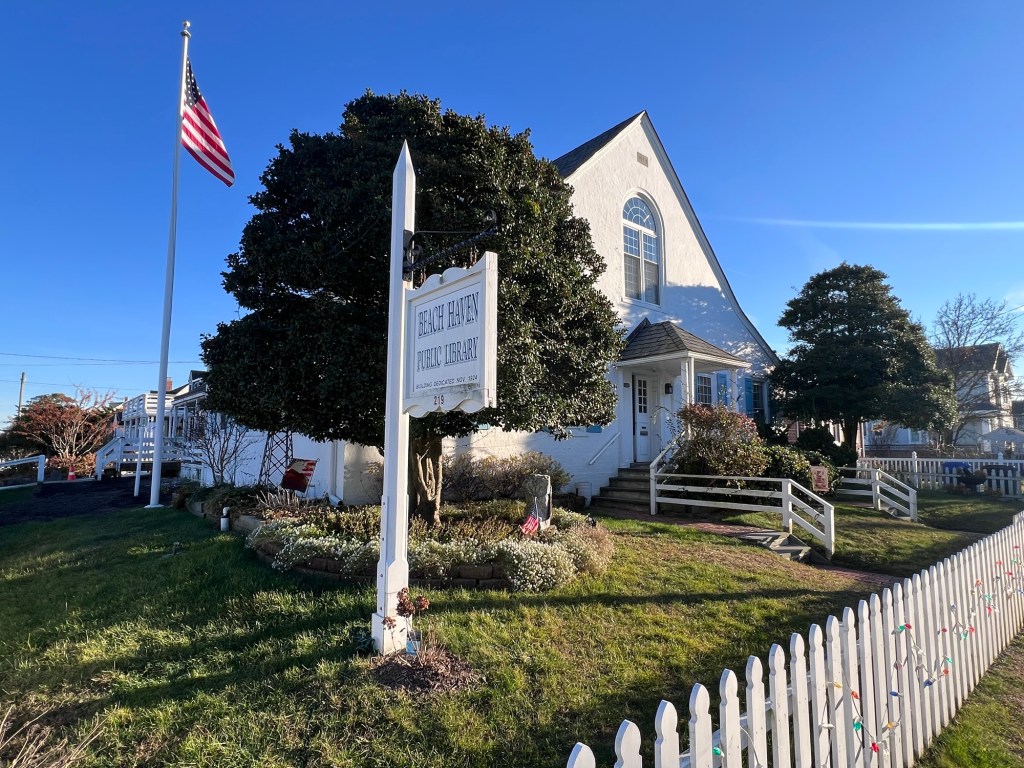
The front of the library and museum in the Fall of 2025

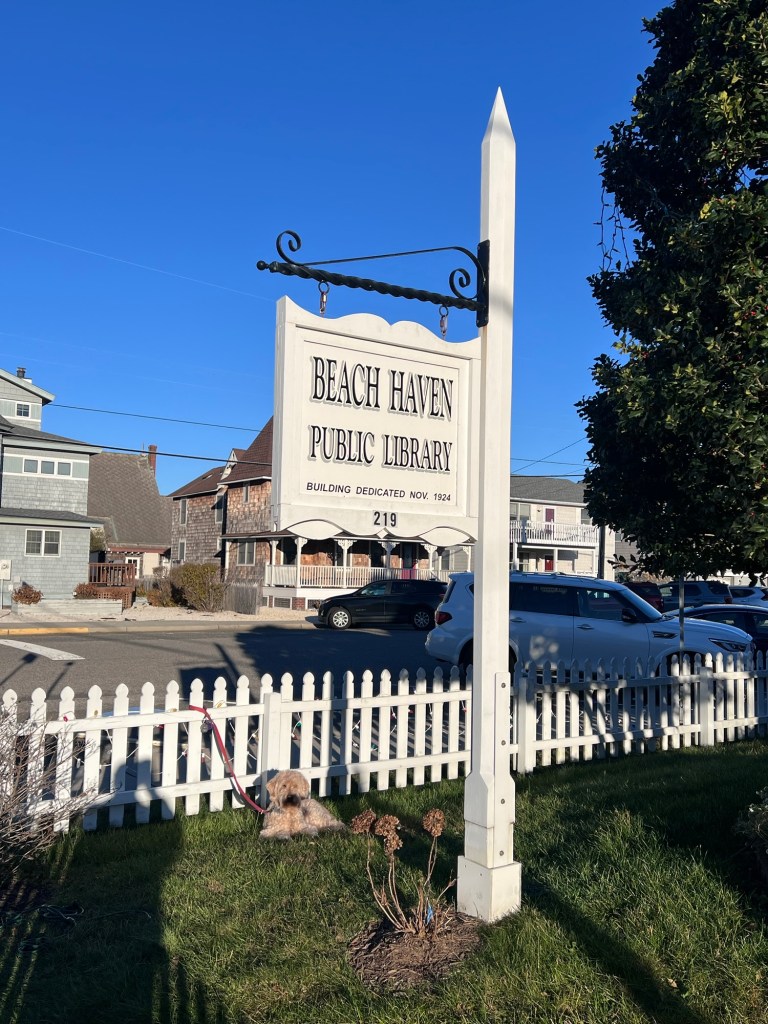
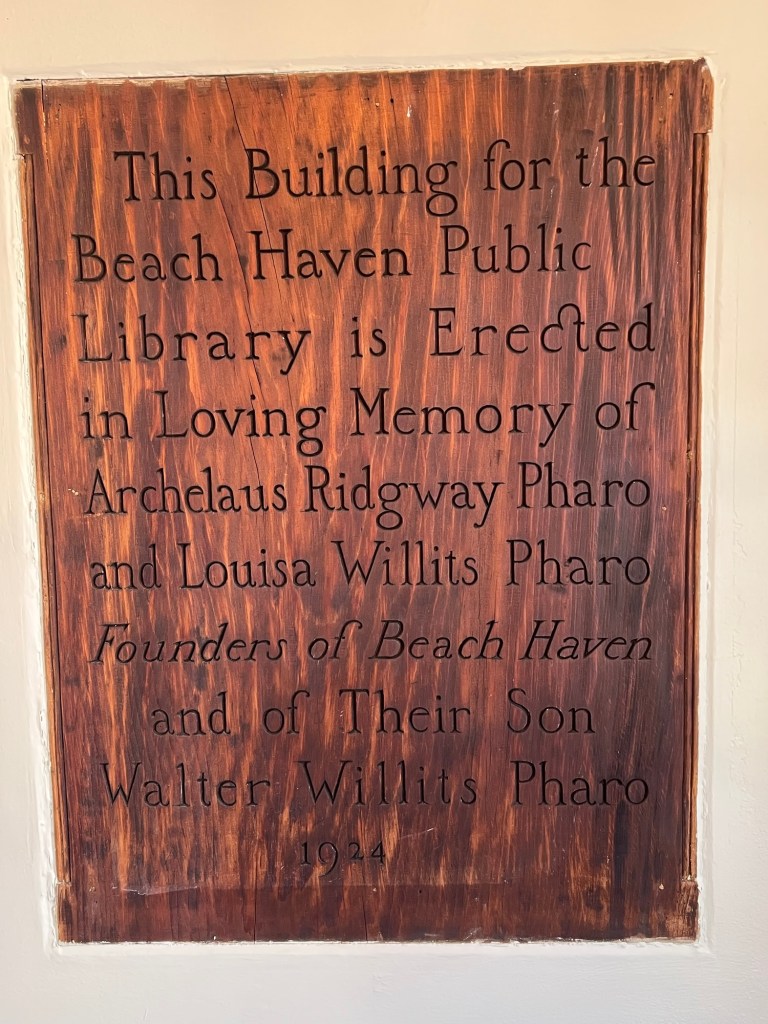
The historic sign

I recently visited the Beach Haven Library and Museum in Beach Haven during the holiday season and discovered a historical library with a rich history in both the community and on Long Beach Island.

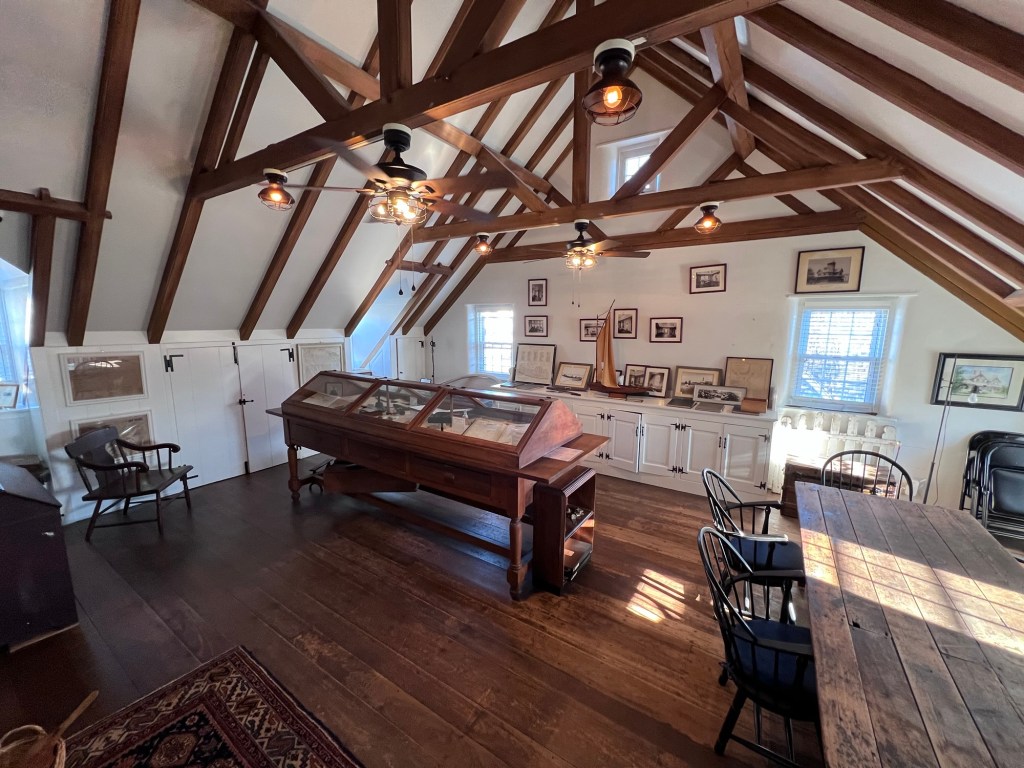
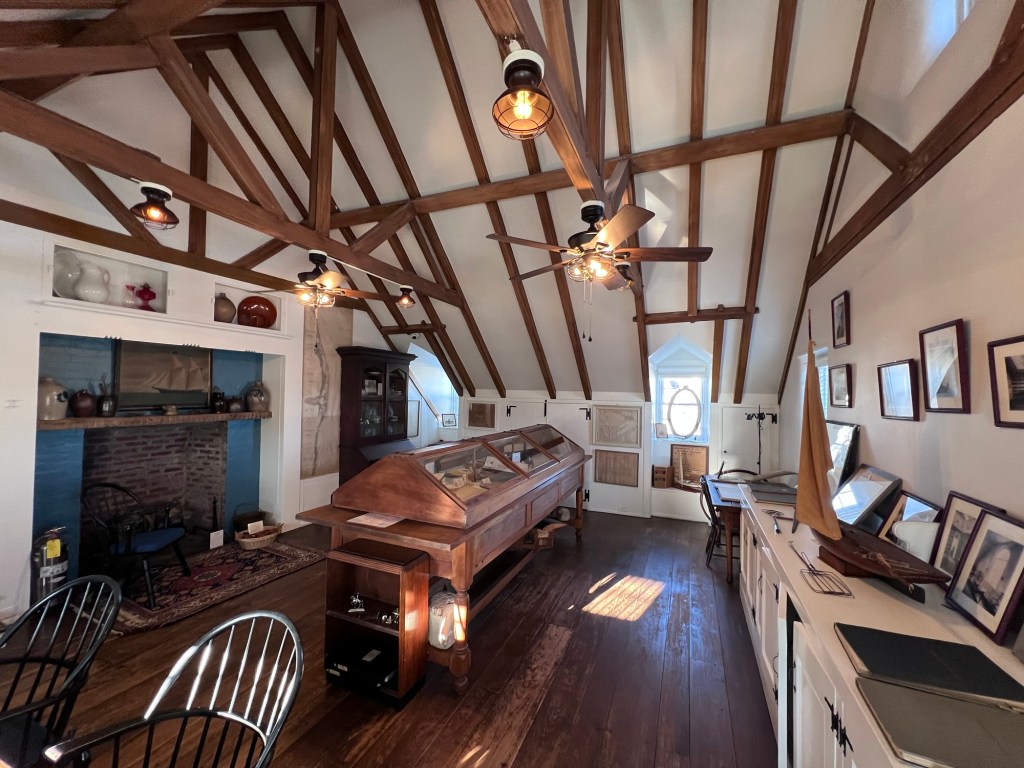
The museum on the second floor

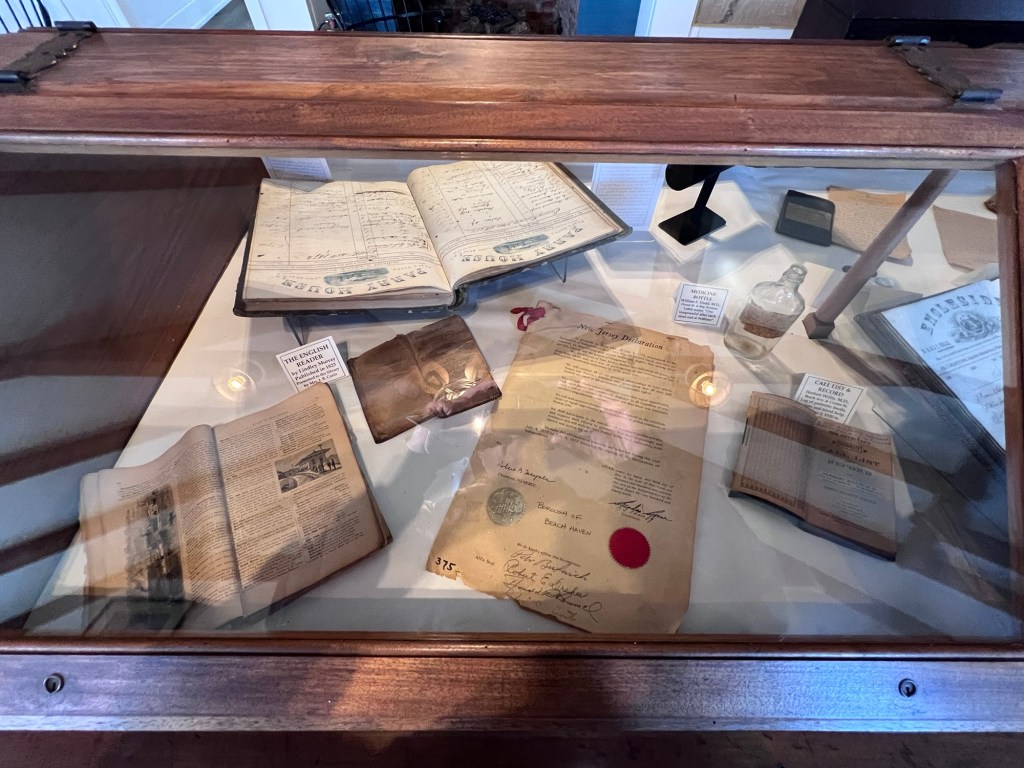
On the second floor of the library is the history room of the Beach Haven Library that contains a collection of historic artifacts and ledgers from hotels and businesses on the island. Each of the case lines tells a different story of the community from the grand hotels that once lined the shore and have since disappeared to the lives of the families that once called the island home. When I talked with one of the librarians, she told me that estates from the area donate these items to the library and this has established their collection.

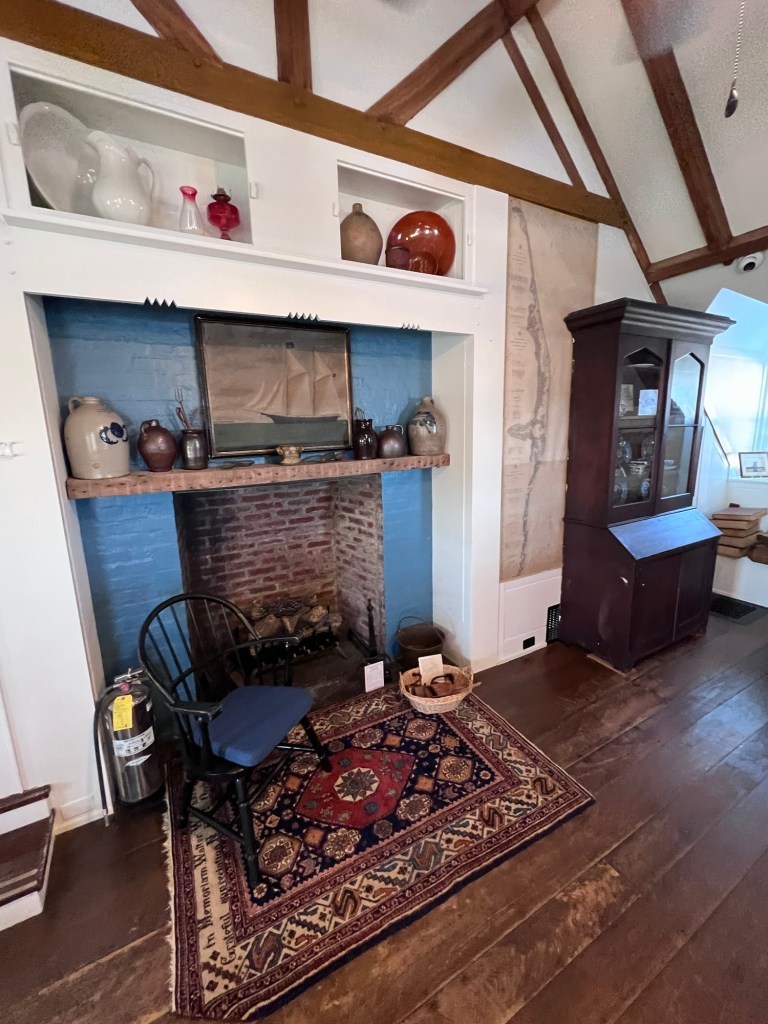
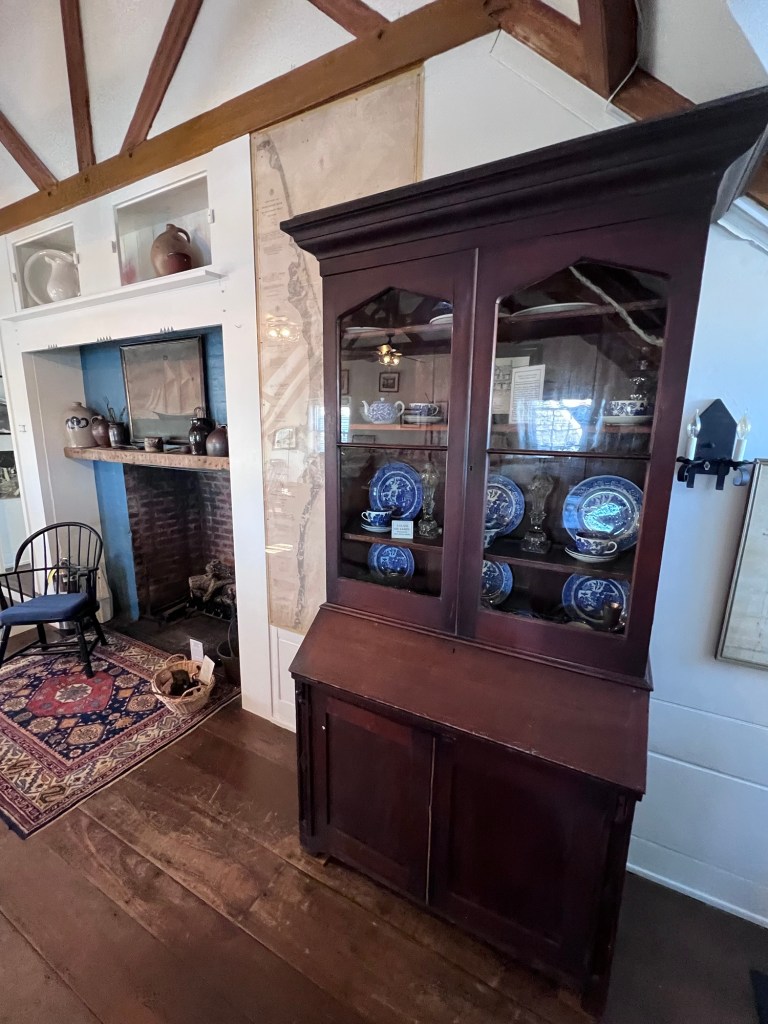
The second floor fireplace

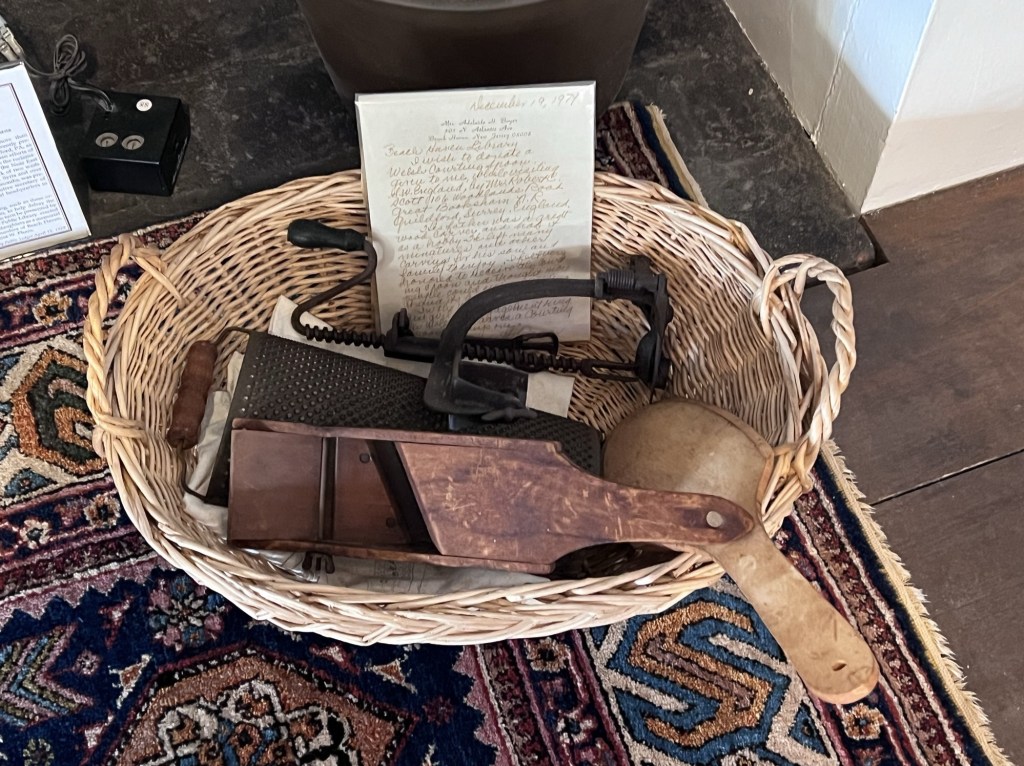
The antique kitchen equipment

The second floor of the library has another fireplace where vintage pottery and kitchen items are on display. There are also decorative pieces of pottery lining the shelves.

Historic China inside the Emily Lloyd Wilson Secretarial desk. Her father designed the Baldwin Hotel in Beach Haven.

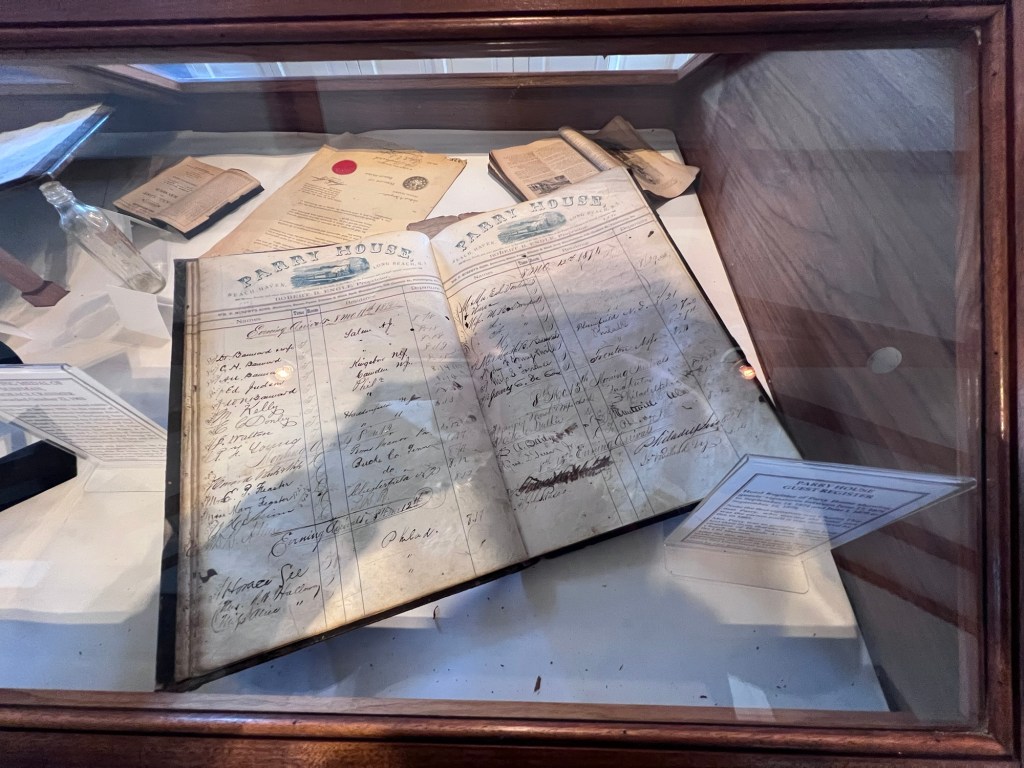
The historic ledger from the Parry Hotel

The library has another fireplace where extensive collection of hotel ledgers and artifacts.

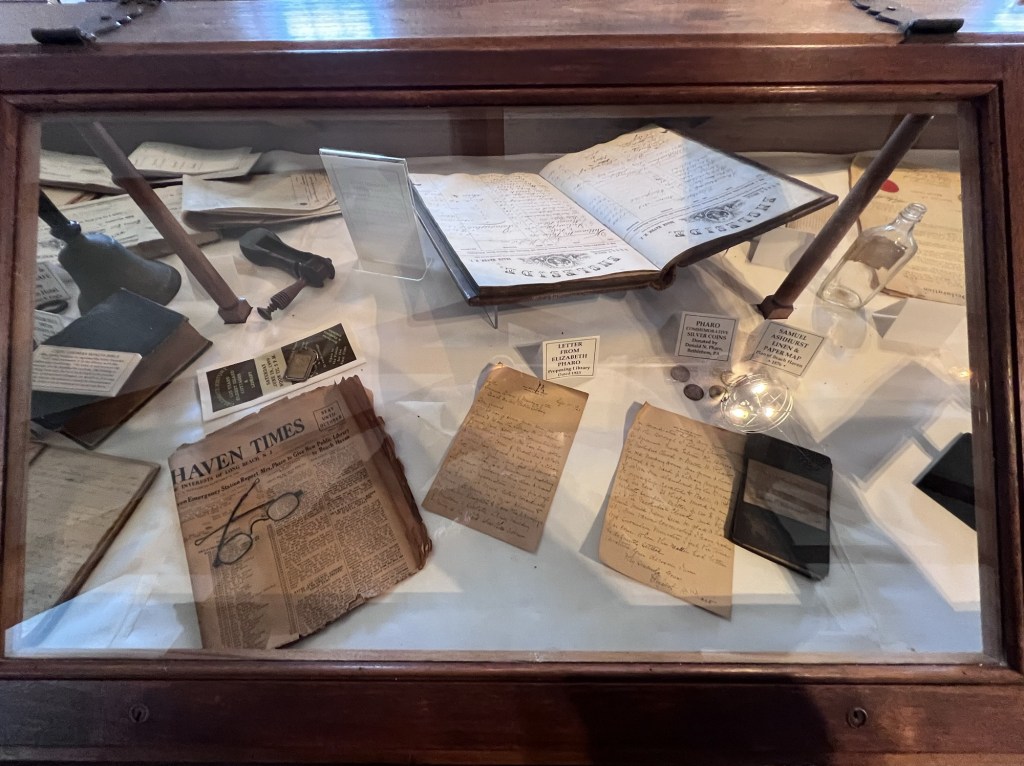
Letters from Elizabeth Pharo proposing the Library in 1923

Short History of the Library:

(From the library pamphlet)

Mrs. Pharo presented to the library board a proposal to build the library entirely at her own expense. She contacted Philadelphia architect, R. Brognard Okie to design the library. He chose the model of a Pennsylvania Farmhouse. The library was completed in the Fall of 1924. The museum is now over a hundred years old.

The dedication to Elizabeth Pharo, who dedicated the museum.

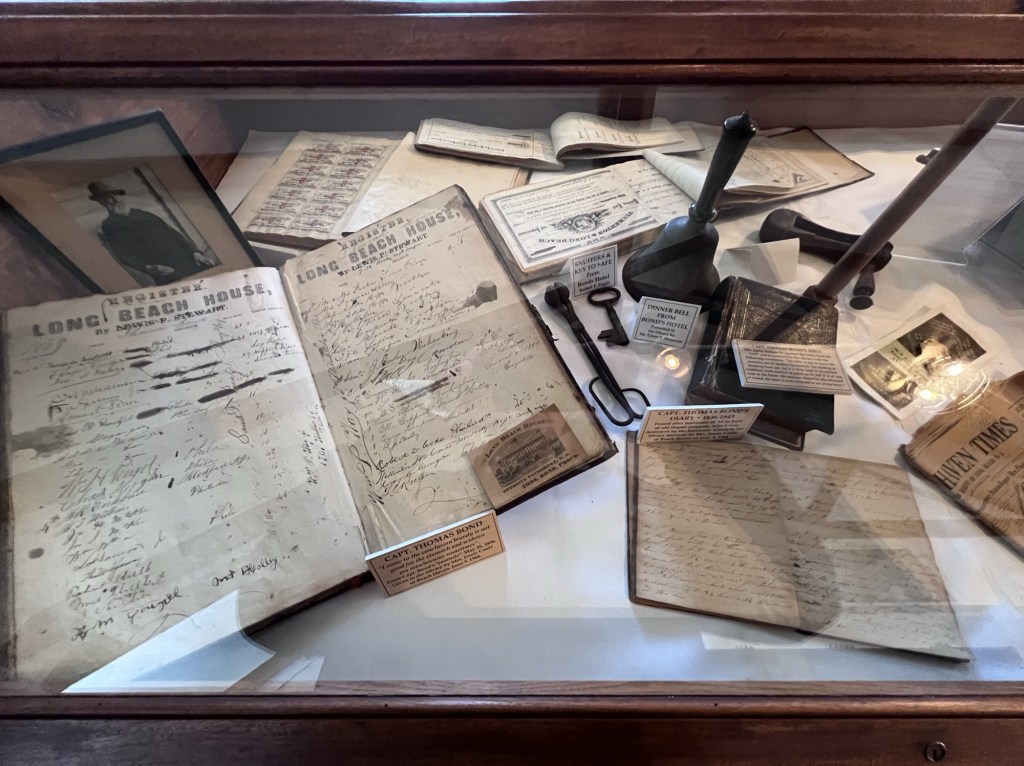
The Long Beach Island House Guest Ledger and historic items from the historic Bond Hotel

The records of the past resort town Long Beach Island used to be with guests coming from New York City, Philadelphia and beyond.

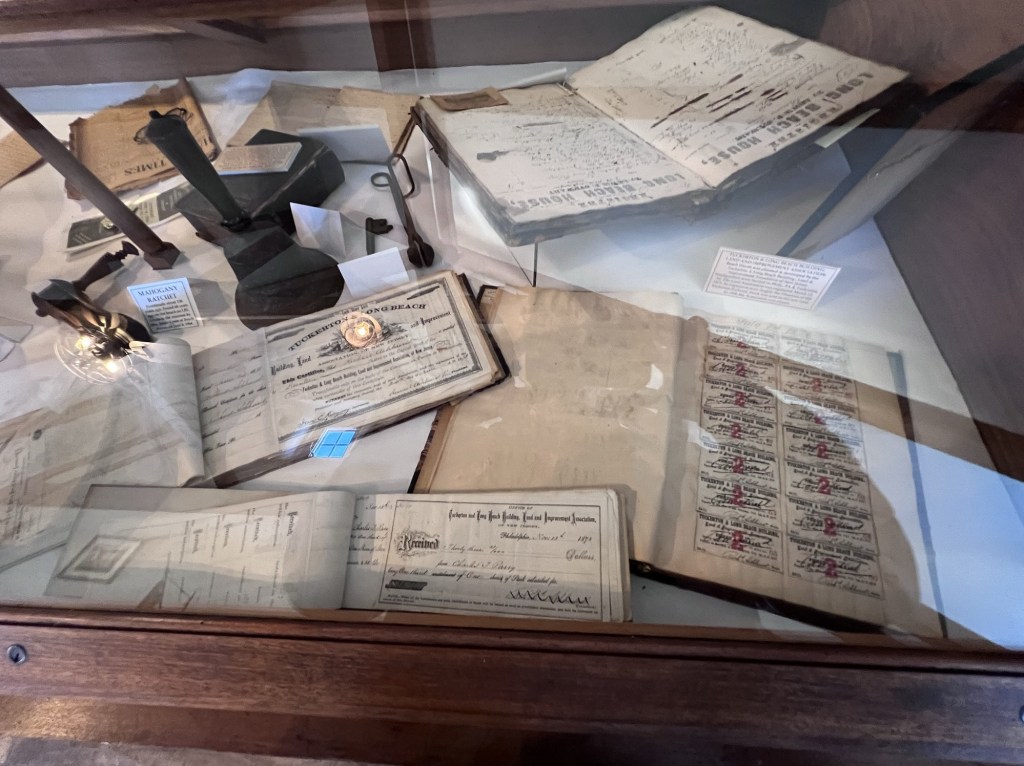
Historic items from the Tuckerton & Long Beach Building Land and Improvement Association

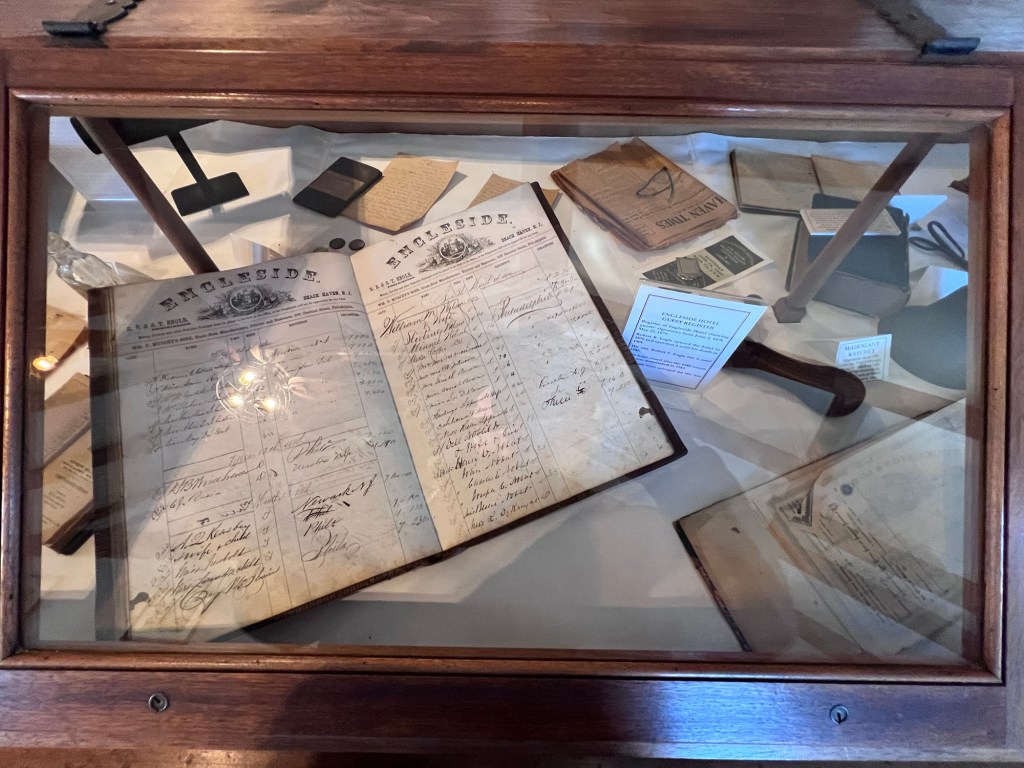
The Engleside Hotel ledger and items from the hotel

The New Jersey Declaration towards the Declaration of Independence

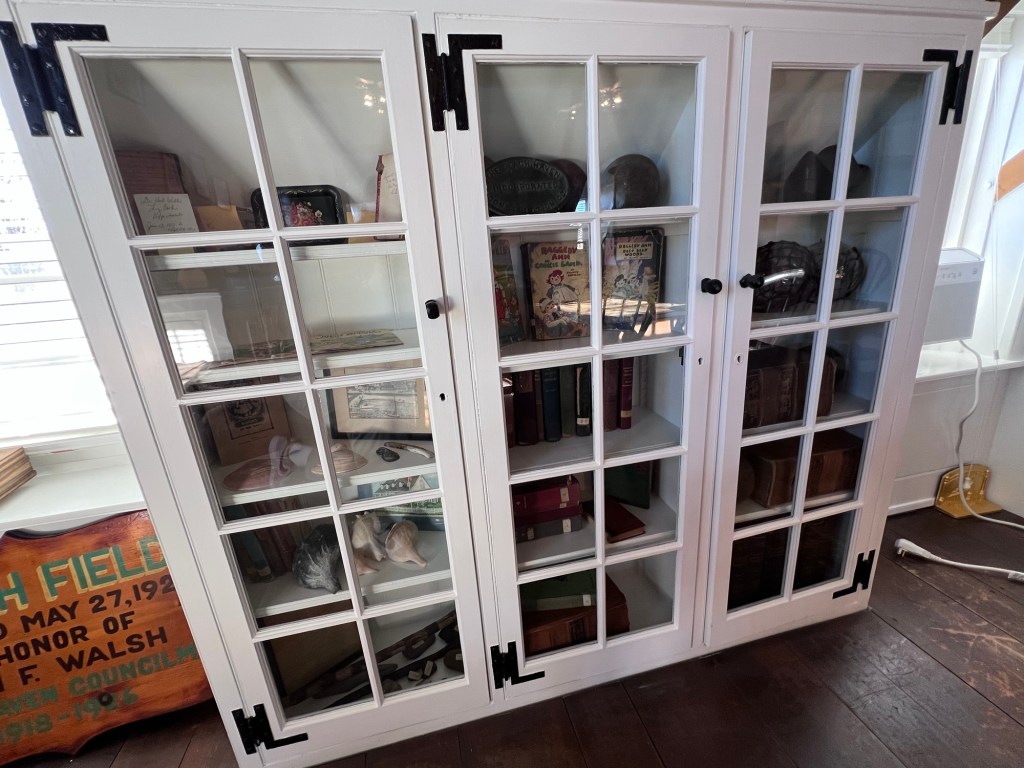
Historic books and periodicals

The library has an interesting collection of vintage and antique books that have been donated to the collection.

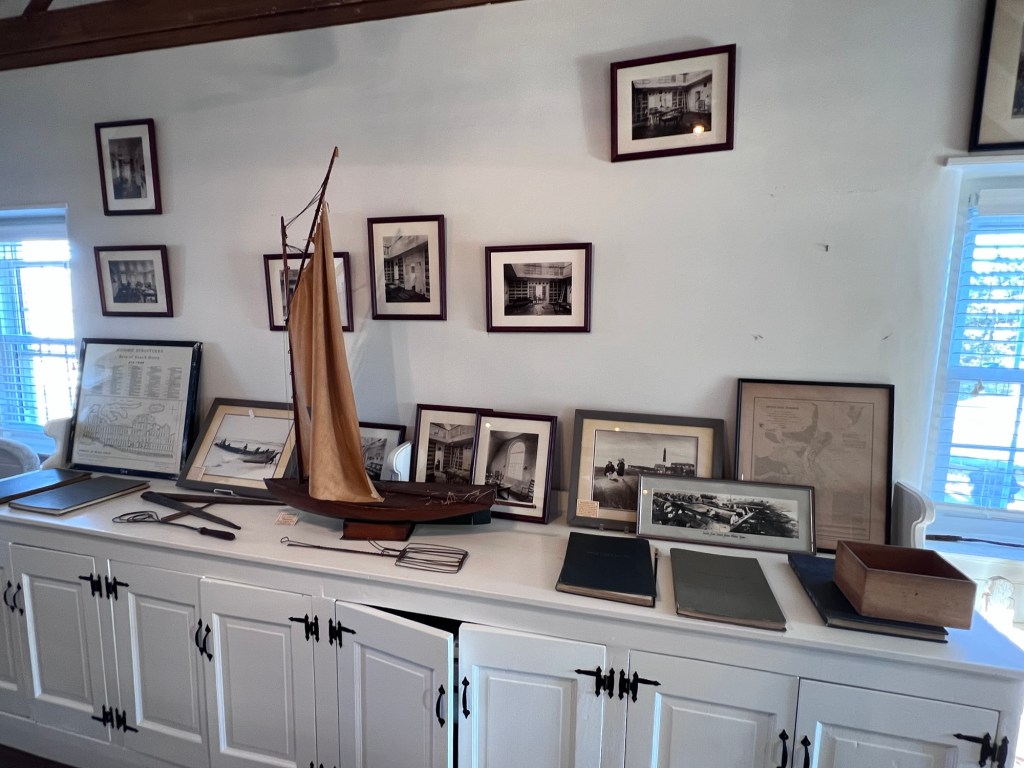
Photo display on historic sites in Beach Haven and pictures of the original library

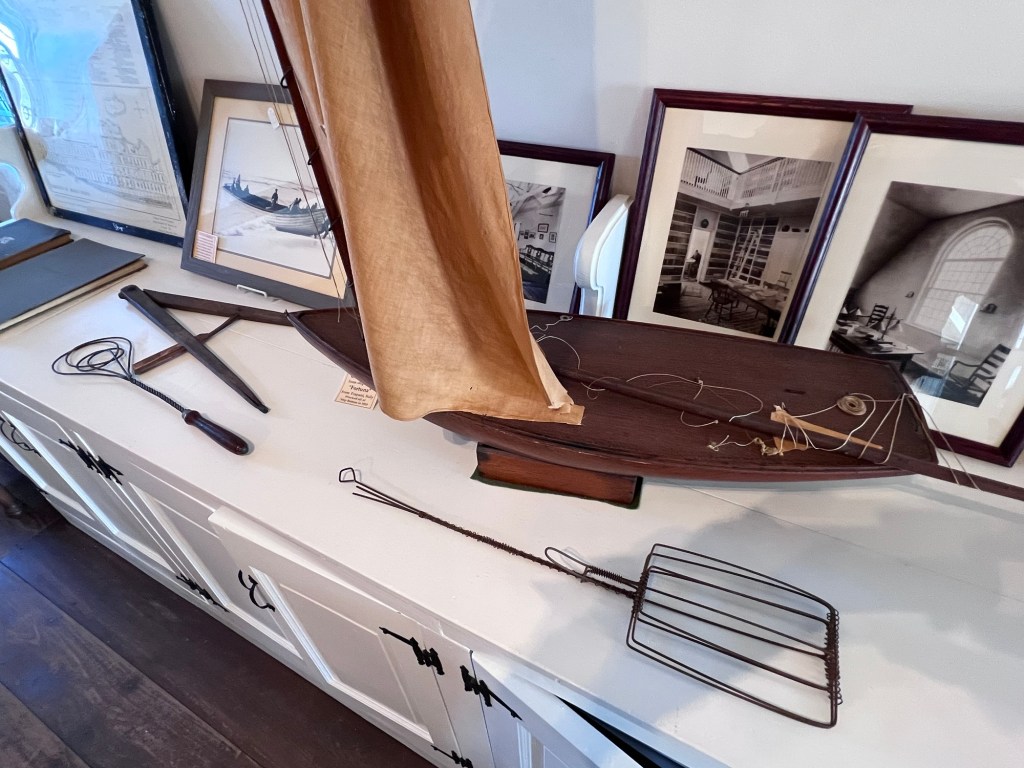
Some of the pictures are from the old library and the artifacts come from ships ground ashore. The library has a diverse collection of items to view.

The Compass from the historic shipwreck ‘Fortuna’ that wrecked off Ship Bottom in 1910 and historic boat

The second floor museum gallery holds the diverse collection of artifacts

The second floor of the 1928 building

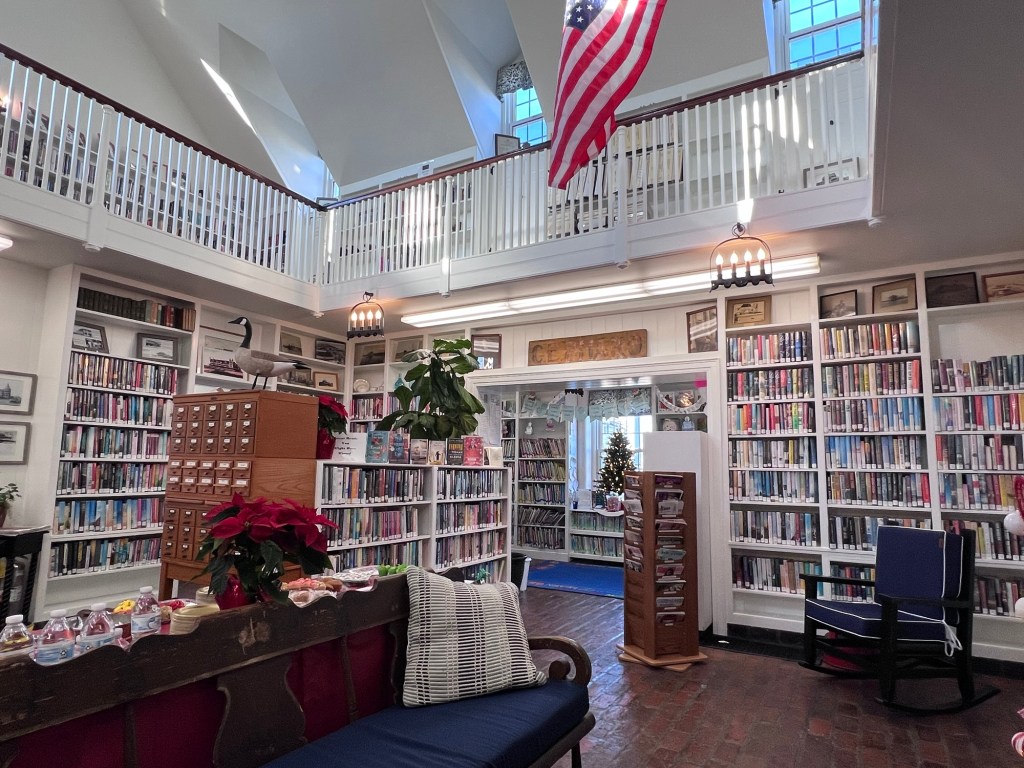
The first floor of the library has all sorts of historical artifacts along the walls

The Holiday Kickoff in 2025:

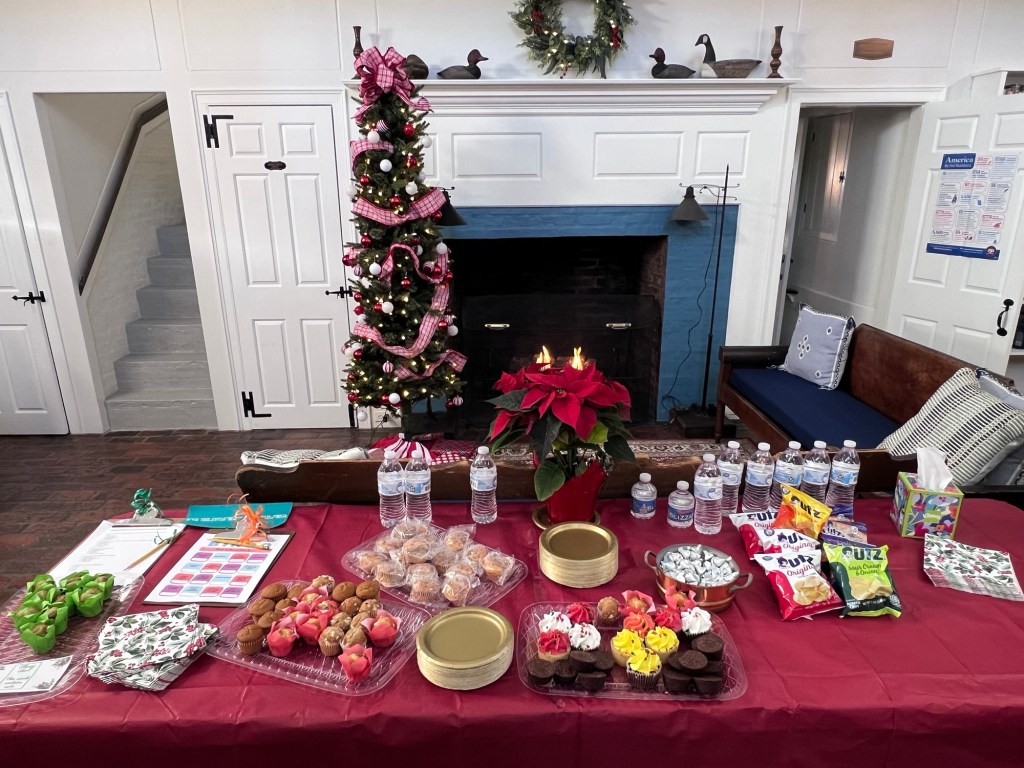
I visited during the library’s Holiday Open House with games, trivia and activities. There was also live music in the afternoon. It was a way that the library gives back to the community. It was a nice family event with good food and nice conversation with people from the community.

The Holiday Open House

The fireplace was going when I was talking to the librarians

It was a very nice family event where patrons families could relax, have something to eat and play games with their children. The Liberians could not have been more friendly and engaging with the public.

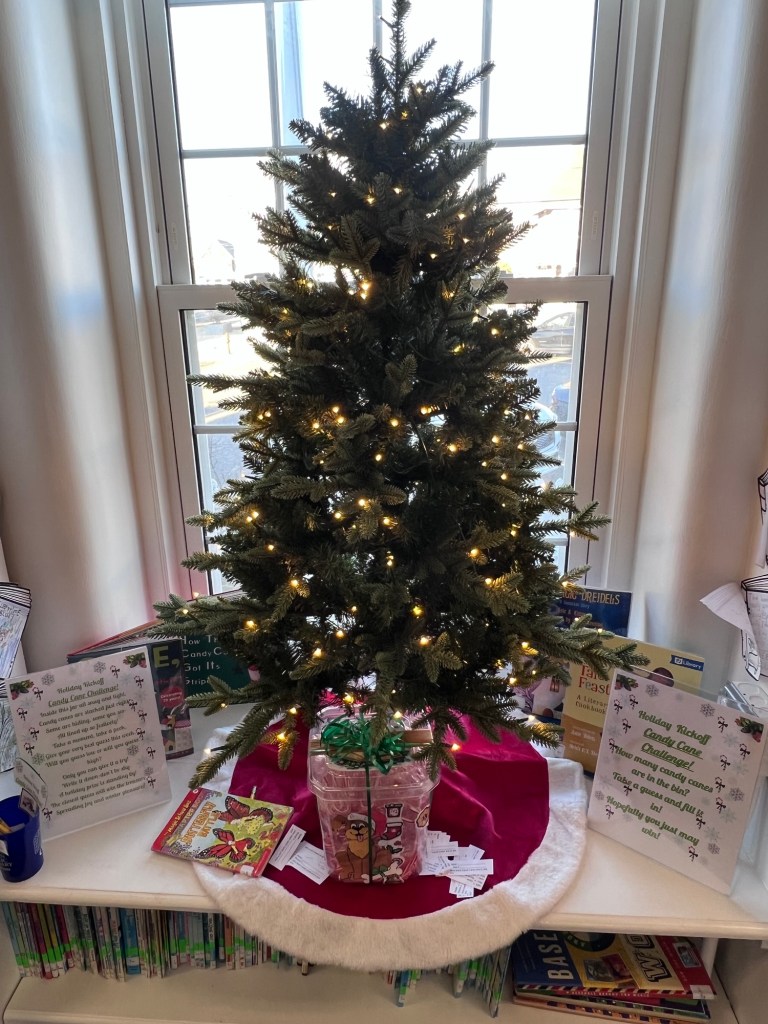
The Children’s Room had a holiday challenge

The museum is a rare gem tucked not just on the second floor but along the shelves and tables of the entire historic library giving visitors a chance to see all these historic artifacts mixed in with the library book collection.

The History of the Beach Haven Library:

(from the library website)

Attempts to establish a library in Beach Haven had begun as early as the 1880’s with a gift of books for the town’s children by Dr. Edward Williams. Williams, along with Charles Parry of the Parry House and the Baldwin Hotel, was a partner in the Baldwin Locomotive Works. The library collection was first housed in the home of Samuel Copperthwaite on Engleside Avenue. It was later moved into one of the Sunday School rooms of the Kynett Methodist Church, which had been built in 1890.

After the old Quaker Meeting House was donated to the town by Walter Pharo, the Reverend Alexander Corson of the Methodist Church began work, with the help of his wife, to turn the former Meeting House into a viable library. By the time they left in 1908, it was well on its way.

In 1923, Walter’s widow, Elizabeth Pharo, presented the library’s board of trustees with a proposal to build, entirely at her own expense, a new library for the town. It would be sited two blocks away from the Methodist church on a corner lot which she owned at Third Street and Beach Avenue. The library would be dedicated to the memory of her husband’s parents, Archelaus Ridgway Pharo and Louisa Willits Pharo–the founders of Beach Haven–as well as to her late husband Walter. 

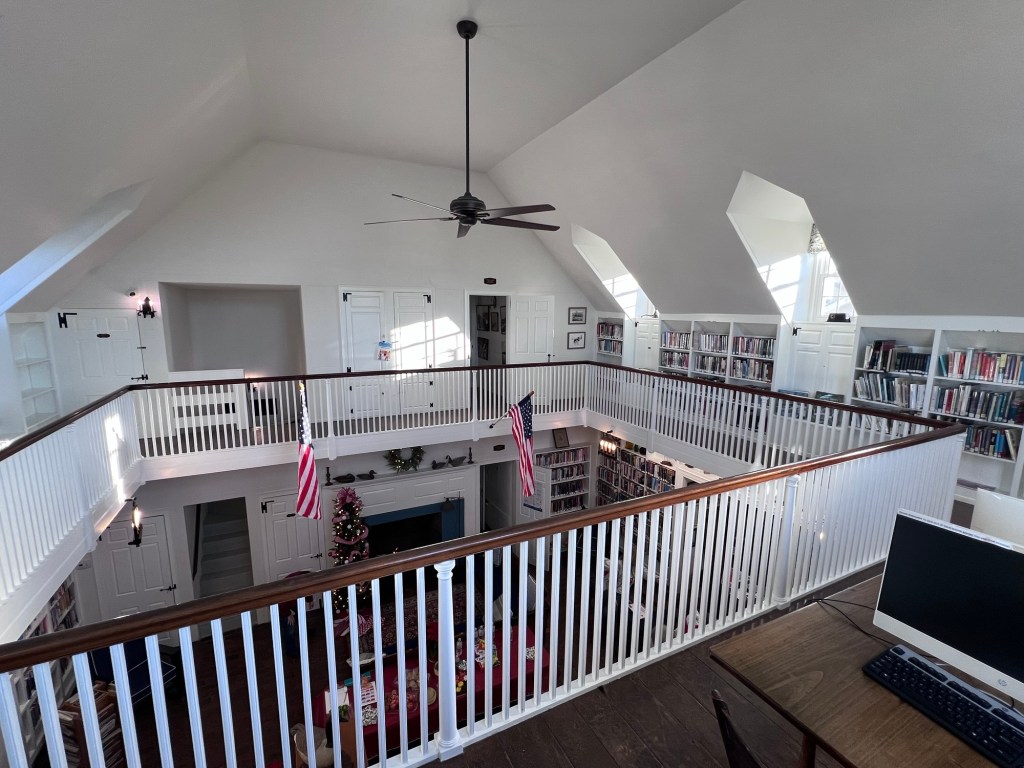
Mrs. Pharo contracted R. Brognard Okie, one of Philadelphia’s finest architects, to design the new library. He chose as his model a Pennsylvania farmhouse–not an early lifesaving station, as some believed. Unlike a traditional farmhouse, however, it would be constructed entirely of brick and steel and include several stunning features: three working fireplaces, a vaulted ceiling, and an interior balcony encircling the first floor.

Tons of concrete were poured and steel girders for the new, two-story structure were already up by the spring of 1924 on the southeast corner of Beach Avenue at Third Street. Okie moved to Beach Haven to supervise every step of the construction, which was all done by local builder Floyd Cranmer. Ten railcar loads of bricks were used to build the solid outer walls and it was soon evident that the town was to have the finest library on the New Jersey coast.

As the library neared completion in the late fall of 1924, its beauty was already drawing praise. Every window in the structure was framed with long shutters of pale green, which gleamed against the white brick exterior. A sweeping, multi-dormered black roof added a grace seldom seen in a public building. Surrounded by a low, white picket fence and later, a well-kept green lawn, it added an incomparable dignity to what, in that time period, was the town’s main street, Beach Avenue.

There are two large colonial-style working fireplaces on the first floor. One is in the main room and the other is behind it in the long back room on the ocean side of the library. Today this room houses the Mystery collection and its solid, ten-foot table makes it useful as a meeting room. In the early years, however, it served a different function–it was designated as the men’s reading room, and there male patrons could sit in large comfortable chairs to read magazines and newspapers. It was well lit by two tall French windows and it opened out onto the screened porch on the north side.

The main reading room with its vaulted ceiling is encircled with a balcony reached by a spiral stone staircase, its steps topped with thick slabs of slate. The balcony flooring is of oak, as are all of the spindles in the railings. The upstairs walls are lined with books. One great window on the west side rises ten feet to the ceiling. The rest are all set into dormers. On the east wall behind the upstairs balcony there is a door where one may step down into a well-furnished little museum with high, beamed ceilings and a huge stone fireplace. It is filled with old hotel registers, deeds, diaries, photographs and other mementos of Beach Haven’s vibrant history.

The Beach Haven Public Library is a prime architectural treasure on Long Beach Island and a direct link to a colorful past that is the town’s most precious heritage. Mrs. Elizabeth Pharo’s gift to the town, itself now almost 100 years old, is as stunning as the day it was built. The taxpayers who support it are proud of its status as the only independent library in Ocean County and have chosen to keep it that way.

U.S. Life Saving Station 30                                            801 East 4th Street                                                       Ocean City, NJ 08226

U.S. Life Saving Station 30 801 East 4th Street Ocean City, NJ 08226

U.S. Life Saving Station 30 Museum

801 East 4th Street

Ocean City, NJ 08226

(609) 398-5553

https://uslifesavingstation30.com/

https://www.facebook.com/U.S.LifeSavingStation30/

https://www.ocmuseum.org/about-us/museum-history

Open: Sunday 10:00am-4:00pm/Monday-Friday Closed/Saturday 10:00am-4:00pm

My review on TripAdvisor:

https://www.tripadvisor.com/ShowUserReviews-g46696-d14961805-r1033640492-U_S_Life_Saving_Station_30-Ocean_City_Cape_May_County_New_Jersey.html?m=19905

The front of the museum

The front sign of the building

Short History of the Museum:

(from the museum website)

Also known as the U.S. Coast Guard Station No. 126, this is the only life-saving station (now museum) of its design in NJ (1 of 6 in the country) still in existence. The designer and architect was James Lake Parkinson in a Carpenter Gothic style. This building is one of 42 stations built in New Jersey. It was also the workplace of the brave surfmen who were the beachfront First Responders of the day.

The anchor outside the building

The historical plaque outside the building

The History of the Building and Museum:

(from the State of NJ Historic website)

The U.S. Life Saving Station in Ocean City is significant as an example of a significant type of life saving station and for its association with the activities of the U.S. Life Saving Service. The building was constructed in 1885 in what was referred to as the “1882 type.” There were 25 life-saving stations constructed in this style. In 1905 the building’s footprint was expanded to nearly twice its original size. The expansion was done in a style unique to New Jersey Life Saving Stations.

In 1915 the U.S. Life Saving Service and the Revenue Cutter Service were combined to form the U.S. Coast Guard. The Coast Guard continued to utilize the building until it was decommissioned during the 1940s and sold. It was used as a private residence until the City purchased it in May 2010.

The first room inside was the formal dining room where guests who visited or who had been rescued had dined. It was a rather formal affair.

I visited the museum on a weekend day to learn of the rescue procedures and the job these men did on a day to day basis. The first thing I learned was how shifting tides can change an island.

This building which now sits about four blocks inland was once at the shoreline a hundred years ago. Talk about change and Mother Nature’s role in this.

The first room I visited was the formal dining room in the newer extension of the building. This would be where the officers and men would entertain guests and visitors to the building. It could be a casual or formal affair.

The first floor formal dining room

The entertainment for the evening was either board games or a music box

Some of the items salvaged from the sea

The Life Guard officer formal outfit was worn for formal affairs

The officers would be dressed formally to receive guests

The next room over was the Rescue room and door where the boats and other equipment would be held when the alarm sounded.

The docent discussed how the doors were opened and the boats needed to be pulled out on a stormy night. Everything you needed had to be close by, in good shape and ready to go.

The rescue boats and pulleys that would be used in the sea

The ropes and pulleys used to assist in the rescue

The lanterns were used as communication between shore watch and the tower

The equipment used to repair the items used for rescue

The rescue boat and the items used for a water rescue

The additional boats used in rescue

Some boats were used for fishing and collecting shell fish

The Sneak Box was used for duck hunting to camouflage yourself

The sneak box

We then toured the second floor sleeping room for the crew. This offered a great view of the sea when the building was at shore line. These men were given good accommodations for the time.

While not very private, it was comfortable and served its purpose for a job where you might not get a good nights sleep.

The sleeping quarters

The main sleeping room was for a crew of six

The loft lead to the tower where the look out for the evening would sleep (it is not open to tours right now).

The loft area from the window

We then headed back downstairs where we toured the station manager’s room and office.

The station manager’s room off from the kitchen

The station manager’s office where all the monthly paperwork was done and business was conducted.

The kitchen

The Station Manager’s office was right next to the kitchen stove so that the room was kept warm during the winter months and on cool nights.

The kitchen stove

All the meals for the crew and visitors were cooked either by the men or their wives might be allowed to visit and assist in duties in the building.

The kitchen

All the storage of the foodstuffs has to be accounted for because getting them was rough with no cars for transportation and no bridges to cross to the mainland.

The gift shop

The museum and grounds

The museum offers a glimpse of the everyday life of these brave men who were on call 24/7 and performed such dangerous work. Ocean City has done a wonderful job preserving this legacy.

The museum has docents on hand for more formal tours and are very detailed on their knowledge of the building and its contents. It is a very interesting look at Ocean City’s past.

Tuckerton Seaport Museum                                    120 West Main Street                                      Tuckerton, NJ 08087

Tuckerton Seaport Museum 120 West Main Street Tuckerton, NJ 08087

Tuckerton Seaport Museum

120 West Main Street

Tuckerton, NJ 08087

(609) 296-8868

Open: Sunday-Wednesday 10:00am-4:00pm/Thursday-Friday Closed/Saturday 10:00am-4:00 pm

Admission: Based on tours arranged during the season. Please check the website.

My TripAdvisor:

https://www.tripadvisor.com/ShowUserReviews-g46876-d271270-r1033440153-Tuckerton_Seaport-Tuckerton_New_Jersey.html?m=19905

The Tuckerton Museum and the Seaport at 120 West Main Street in Tuckerton, NJ

The entrance to the complex from Route 9

The entrance to the Tuckerton Seaport complex on a sunny Saturday morning

The complex was once a bustling fishing and shipping area that has now been preserved as a cultural site with tours, a series of restaurants and a museum.

The Mission of the Museum:

(from the Tuckerton Seaport Museum website)

Our mission at the Tuckerton Seaport is to preserve, present and interpret the rich maritime history, artistry, heritage and environment of the Jersey shore and the unique contributions of its baymen.

The dock area by the coffee shop

The artwork by the parking lot and coffee shop

I walked over to the main building which served as both the gift shop and museum. It was funny that the gift shop took both the first two front rooms of the museum. I had to look behind shirts to see the displays.

The docks and touring boats by the museum

The Seaport Tuckerton Museum at 120 West Main Street

The History of the Complex:

(from the Tuckerton Museum website)

Originally launched as the Barnegat Bay Decoy and Baymen’s Museum, the Tuckerton Seaport has evolved over the past twenty-two years into a community museum and community center occupying 40 acres located along historic Tuckerton Creek in Tuckerton, New Jersey. Tuckerton Seaport benefits from a prime location at the center of the Jersey shore, easily accessible via Exit 58 on the Garden State Parkway. Tuckerton Seaport works as a coastal cultural center to bring folklife traditions of the past and present to life through programs on land and water.

The museum was just opening up as I arrived and the staff was busy getting everything ready so I just walked around the museum. It is an interesting museum on New Jersey’s nautical past and the growth of the shipping and trading that went on in the turn of the last century. The museum also showed the bustling fishing industry that still exists today.

The Giant Chicken greets you at the door

The Giant Chicken was a road stop symbol of the White Way Farm Market and a tourist attraction

I thought it was rather cute and could see why people stopped

The view from the front porch of the museum was spectacular on this sunny day

The exhibit at the museum ‘Museum in the Making’, which is a through look at Tuckerton, its past and its contributions to the growth of New Jersey

The first room also served as a bustling gift shop with the main attraction this carving of the ‘Jersey Devil’

A display of Duck Decoys

A collection of woodcarvings of fisherman

The popular businesses that once lined Route 9 up and down the shore area

Displaying life down the shore in that era with quilting and sewing

The display of wood carvings and artwork on the first floor

The artworks made of driftwood by local artists

The driftwood art display on the first floor

The rooms both on the first and second floor were displayed by themes of Lenape Indian life at the shore, the Dutch and English traders, growth of shore farming, shipping and trade and fishing industries and the development of tourism in the area with steamships and the railroads.

The first room in the museum is a detailed look at the life of the Lenape and the froth of the fishing industry

The early life at the Jersey shore

The Native American display

The first part of the early development of Tuckerton started as the fishing and hunting grounds of the Native Americans until the settlement of the Dutch

The history of the Lenape

The arrival of the Europeans started the bustling shipping and trade industries that supplied the home country

With the growth of industry and farming many people started businesses to supply the population

Some started popular businesses that lasted over a century

E. Walter Parsons Jr. had a very successful fishing business that was in the family until 1984

With the rich soil in the area, local farmers worked the land providing fruits and vegetables for the growing population

Early farming equipment on display

The second floor galleries depicted the developing life at the shore with creating of modern life saving for the shipping and fishing industries and with coming of railroads, the bustling tourism industry with the change of leisure travel after the Civil War and the Industrial Revolution.

The second floor rail transportation display

The second floor display on shipwrecks off the Jersey coast

The development of modern Life Saving procedures

With storms at sea and affecting life in the area, as it still does today, there was a growth and development of modern Live-saving procedures and rescue methods.

The Life Saving exhibit

The use of the Lyle Gun in rescues

The series of pulleys and wenches are still used today in different forms. They had to create a safe way to rescue people not just from storms but accidents as well.

The Life Saving and Rescue display

Rescue display

The railroad made its way to the Jersey shore bringing tourists from both New York and Philadelphia and bustling North Jersey. This opened the area up to tourism as leisure travel grew at the end of the nineteenth century.

One example of a visiting tourist was the Cinderella Cramer display with long distance travel to the shore.

The first female passenger of the Tuckerton Railroad

Getting the rail ticket

Tourism developing at the Jersey shore

The Cinderella Cramer display representing that eras travels to the shore with Victorian standards and use of steamer trunks

Packing the steamer trunks for the long journey

Artifacts from the shore

Life at the shore still had its perils as it does today with storms affecting development and shifting shore lines

The lighthouse light display

The museum once served as a beacon for shipping and the top level served as a lookout. Today you can walk upstairs and enjoy the views.

Traveling up the tower stairs

On this beautiful sunny and clear morning that I visited, the views were spectacular.

The view of the port area of the complex

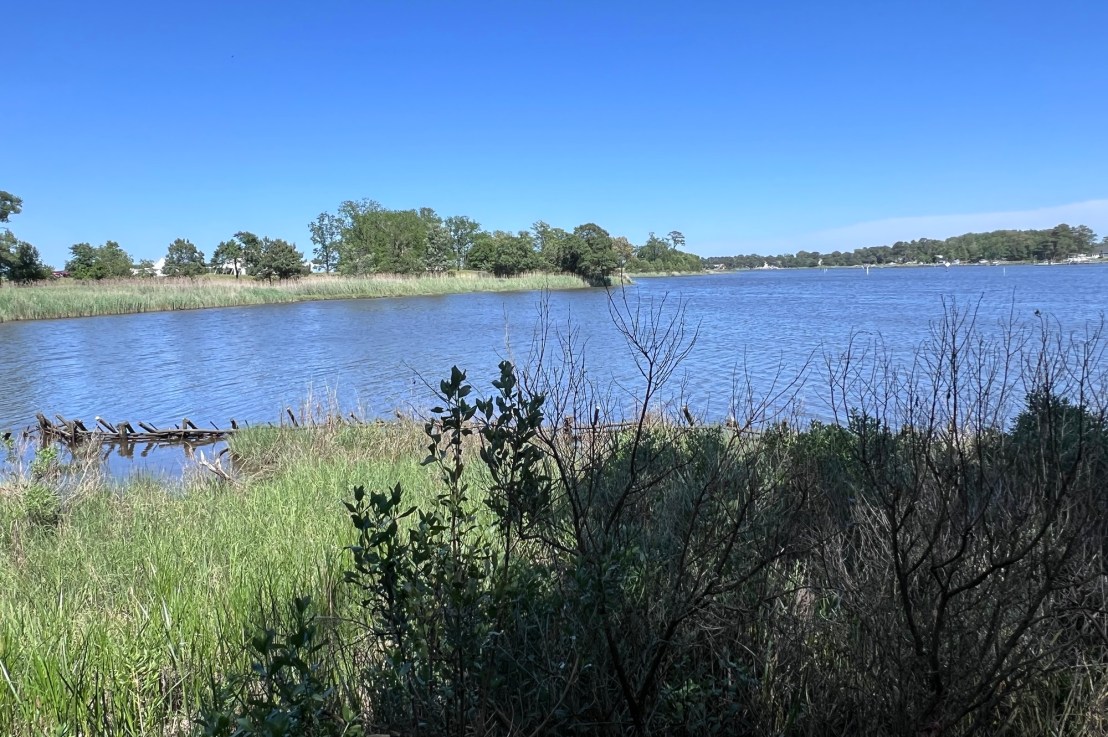
The view of the inlet and Lake Pohatcong across from Route 9

My video of the views from the top of the lookout

The Tuckerton Seaport Museum tour was a very thorough look at the community and its development over the last three hundred years. The exhibits showed the progress the community has made and where it is headed in the future as the shore communities keep changing.

With the economy, the rise of AI, climate change and overall population growth toward the shore, it will be interesting to see the changes of the future.

Leaving the museum complex at the end of the trip

Tuckerton has an interesting past as a shipping and fishing destination and now you can tour the buildings and see what life was like back then and there it is moving in to the future today.

The Endicott-Reardon Family Museum                                   3036 South Shore Road (Route 9)                        Seaville, NJ 08230

The Endicott-Reardon Family Museum 3036 South Shore Road (Route 9) Seaville, NJ 08230

The Endicott-Reardon Family Museum

3036 South Shore Road (Route 9)

Seaville, NJ 08230

(609) 624-0600

https://www.facebook.com/EndicottReardonMuseum/

https://visitnj.org/endicott-reardon-family-museum

Open: Sunday Closed/Monday 10:00am-2:00pm/Tuesday Closed/Wednesday 10:00am-2:00pm/Thursday Closed/Friday 10:00am-2:00pm/Saturday Closed. Seasonal-Seasonal Please see the website.

Admission: Free

My review on TripAdvisor”

https://www.tripadvisor.com/Attraction_Review-g46811-d20911361-Reviews-Endicott_Reardon_Family_Museum-Seaville_Upper_Township_Cape_May_County_New_Jersey.html

The front the museum

The sign welcoming you the the Endicott-Reardon Family museum

The original Endicott-Reardon Homestead that sits in the front of the museum

The entrance to the museum dedicated to the lives of both the Endicott and Reardon families.

The family artifacts and heirlooms at the museum as you enter the museum

The Endicott family display at the entrance

The museum is a real surprise as entire set of displays is dedicated to the lives of the local Reardon and Endicott families and their family items. A fascinating look of the lives of these early New Jersey families for over a hundred years. This is the collection of Harriett Reardon Bailey and her family. All these wonderful items were saved over the last 100 years and now it was time to share them with the world.

The various family items are organized by sections categorized by lifestyle and collection.

I was given a personal tour that I had arranged with the current curator who had known and worked with the owner of this extensive collection. It had been her dream to open a museum to share her collection with the public.

This beautiful, well lit and displayed collection of family heirlooms and personal items gives a glimpse of the lives of an upper middle class family in Southern New Jersey. It is organized and displayed as a household would be at that time. The first section of the museum was dedicated to items from the kitchen and preparations.

The family Living room furnishings and decorations

The family piano that once graced their Living Room

A decorative toy car used in the Living Room

The kitchen area and artifacts of the cooking and washing done in the house

The table set for a formal dinner

The next part of the exhibit was the formal Dining Room and on display were many of the China patterns that the family owned.

All the china collections the family owned plus other decorative pieces

The family collection of China and glass pieces

The family had various collections of China

Mainly of the bedroom items have been preserved too from linens to comforters to every day clothing. There are also a selection of family member’s clothing, jewelry and personal items.

The Bedroom vignette with clothing and accessories

Another view of the bedroom

Harriett Reardon Bailey had been a school teacher like her mother and there were displays of items that reflected her time in the classroom including a classroom setting.

Time on the classroom and family employment

The classroom set up

Activities and programs at the school

More local school items

There were also displays on her father’s time in the army and her uncle’s time working on the railroad with carefully preserved outfits, programs and railroad artifacts from the job.

The Railroad display

School and family items

Work on the railroad

The display on the family contribution to the armed forces

What I thought was interesting was that the founder of the museum, Harriett Reardon Bailey, had been an only child with relatives that had never been married so that she was the only child and a bit spoiled.

The Toy Room

In a separate room off the side held her extensive collection of dolls and games. She had kept all her childhood items in such beautiful shape and with great care. What impressed me was there was a picture of her as a little girl with all her dolls and stuffed animals her room and since she kept everything, they were able to recreate the display.

The picture of the owner of the museum as a little girl in her bedroom

The exact replicated display of toys in the same spots in the display

The collection of tea sets

The collection of toys and playthings are extensive and they are all in wonderful working shape

There was a large collection of dolls plus all their clothes and accessories that were kept together in her collection. Even into adulthood, all of her childhood items were kept in pristine condition.

The collectible dolls and clothing

The extensive collection of childhood dolls

The collection of China and baby dolls

The collection of baby dolls

The collection of cloth and rag dolls

The handmade dollhouse and rag dolls

The fancier imported and collectible dolls

What I thought was interesting during the tour was that the curator had said that the founder of this museum was dedicated in keeping all these items for so long and packing the house with family memorabilia. I think she knew what she was doing.

She was not just preserving memories, she was preserving a past that was fading away and the memories of a different time. As her family died, she kept their memories alive by preserving their past as well. The curator had said that she had always wanted to create a museum with all her family’s items and share them with the public. Now we get to glimpse into her family’s history and everyday life.

The museum shares with the public the day to day happenings and life of the Endicott-Reardon branches of the family and life as a middle class Victorian family. I think she preserved the best items with such care as to share them with future generations of what life was like at that time. When people knew each other and times were slower and quality mattered. I think she loved her beautiful things and wanted to share them with all of us.

The inside of the Endicott-Readon Family Museum

Video on the Museum