Category: VisitingaMuseum.com

MOCA: The Museum of Chinese in America                                                           215 Centre Street                                                New York, NY 10013

MOCA: The Museum of Chinese in America 215 Centre Street New York, NY 10013

MOCA: The Museum of Chinese in America

215 Centre Street

New York City, NY  10013

Telephone: (855) 955-4720

Fax: (212) 619-4720

Email: infor@mocany.org

Home

https://www.mocanyc.org/visit/

Hours: Tuesday-Wednesday-11:00am-6:00pm/Thursday-11:00am-9:00pm/Saturday & Sunday-11:00am-6:00pm

Fee: General Admission $10.00/Students/Seniors/Children/Military-$7.00/Free to members and people with disabilities

TripAdvisor Review:

https://www.tripadvisor.com/Attraction_Review-g60763-d136145-Reviews-Museum_of_Chinese_in_America-New_York_City_New_York.html?m=19905

The Museum of Chinese in America engages audiences in an ongoing dialogue, in which people of all backgrounds are able to see American history and society through a critical lens, to reflect on their own experiences and to make meaningful connections between the past and the present, the global and the local, themselves and others.

MOCA began in 1980 as the New York Chinatown History Project, a community-based organization founded by scholar John Kuo Wei Tchen and community activist Charles Lai to promote knowledge and understanding of the history and contributions of Chinese Americans. Today, the MOCA is a national cultural anchor and a global destination. It is located on the border of Chinatown and SoHo in New York City in its Maya Lin-designed home that was highlighted by Architectural Digest as one of Lin’s most memorable designs.

Museum of Chinese in America II

The entrance to the museum

Permanent Exhibition:

Our core exhibition, ‘With a Single Step: Stories in the Making of America’, traces more than 160 years of milestones in Chinese American History from the earliest Chinese Immigration to the struggle for citizenship to the development of our contemporary identity.

The core exhibit revolves around the Museum’s historic sky-lit courtyard, which renowned artist and designer Maya Lin has left deliberately raw and untouched as a reminder of the past and to evoke a classic Chinese courtyard house.

The permanent collection shows immigration from the earliest days during the early 1800’s with immigrants working in the mines and on the railroads doing the back-breaking work all while dealing with the problems with racism in the country at that time.

The timeline shows the development of the early Chinatowns in major cities and the growth of industries like restaurants and laundries where they could make a living. This is where the term ‘eight-pound package’ came from with a pile of clean laundry. Even in these industries, the exhibit shows the systematic racism in these fields as well.

It was not until WWII when you saw Chinese Americans fighting for their country did you see a change of attitude, but it never seemed to last long. This ongoing theme is seen throughout the exhibition up until today.

Special Exhibitions:

Our rotating galleries showcase a revolving series of MOCA-curated and visiting exhibitions featuring contemporary art, design and historical subjects.

The first time I visited the museum, I saw an exhibition of the modern twist to the ‘Chinese Restaurant’ where the foods we eat are really Chinese American cuisine that was created when immigrants came here and had to adapt to their new homeland. Items like Chop Suey and Chow Mein were inventions of new immigrants with the items they had in their pantries.

The exhibit showed how chefs of the third generation of Americans of Chinese Descent are changing these dishes by adding modern spins to the food. The exhibit featured the chefs, their restaurants and the dishes that they were creating. They were changing the cuisine again.

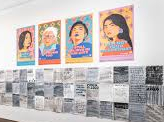
The current exhibition “Responses: Asian American Voices Resisting the Tides of Racism”, deals with the Xenophobia that came with COVID and the affects that the disease and its thought that it came from Wuhan, China has trickled down to a new hate for Americans of Asian descent. This has led to a series of assaults all over the country. The exhibition shows this type of racism throughout the history of this country and the response from the community itself.
MOCA III

“Responses: Asian American voices Resisting the Tides of Racism” exhibition

MOCA Shop:

The MOCA Shop features select items, including books, ceramics, designs by local artists and children’s gifts.

Education:

Using inquire-driven approaches, MOCA provides museum and in-school programs on Chinese American history and culture for K-12 and college students at all levels, as well as professional development workshops for teachers. These programs complement classroom learning and foster expansive opportunities for primary source-based learning and development of 21st Century skills such as critical thinking, visual media literacy and civic engagement. They present diverse layers of the Chinese American experience, using individual stories to highlight what it has meant to be Chinese in America at different moments in time, while also exanimating America’s journey as a nation of immigrants.

Family Programs:

MOCA’s family programs bring together parents, grandparents, children and grandchildren alike to participate in fun, hands on activities celebrating Chinese American heritage and history. From our annual holiday Family Festivals to our bi-monthly MOCACREATE workshops, enjoy storytelling, drop-in arts and crafts, teaching artist demonstrations, performances and more!

Public Programs:

Through its thought-provoking and multi-disciplinary programming, MOCA’s signature public programs series offers diverse perspectives on the living history of Chinese Americans and gives visitors opportunities to actively engage in shaping and influence the Chinese American cultural landscape.

Tours:

MOCA offer dynamic educator-led tours of our exhibitions and guided walking tours of New York Chinatown for all ages, designed to encourage meaningful ties between visitors’ lives and the history, culture and diverse experiences of people of Chinese descent in the United States.

Preserve your family Legacy:

As visitors enter the Museum, they are greeted with the Journey Wall, a custom art installation created fro the main lobby of MOCA’s space by Maya Lin.

The wall is composed of bronze tiles through which Chinese Americans can honor and remember their family roots. Each tile is inscribed with an individual’s or family’s name and place of origin with their home in America. The complete wall will highlight the expansiveness of the Chinese American diaspora.

To become a permanent part of the Museum epic narrative, your family can place a tile on the Journey Wall.

Museum of Chinese in America IV

For more information or to make a reservation for a tile, please contact the Development department at (855) 955-MOCA or email development@mocanyc.org. All gifts are tax-deductible to the full extent of the law.

Collections:

MOCA’s ever-expanding archives and permanent collections are comprised of more than 65,00 artifacts, letters, written records, oral histories, textiles, photographs and videos. The collections highlight the varied threads of the Chinese American diaspora, exploring how they intersect and diverge, illuminating the ways in which they are intimately interwoven within the broader multicultural fabric of the United States.

Museum of Chinese in America III

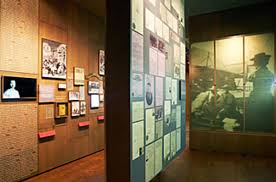
Galleries at the museum

Research services are available by appointment on weekdays at MOCA’s Collections & Research Center, located at MOCA’s original site at 70 Mulberry Street, which is housed in a historic public school building dating back to the 19th century. MOCA continues to make the museum’s resources available to researchers around the world through its Collections Online. Currently, researchers are able to search more than 10,000 item records and archival finding aids online via PastPerfect and Archives. Space.
Museum of Chinese in America

Galleries at the museum

MOCA’s Commitment:

*Presenting relevant historical and contemporary exhibitions.

*Collecting and preserving Chinese American history.

*Transforming how our audience learn, engage and use technology to explore history, identity, culture and community.

*Creating curricula and educational programs for students and teachers and offering resources for researchers.

*Cultivating community-based projects and collecting oral histories.

*Hosting films, festivals, performances, readings, workshops and conferences on topics relevant to MOCA’s mission.

Book your group visit today! (855) 955-6622.

Visit MOCA:

Our beautiful 16,000 square foot space at 215 Centre Street is designed by artist and designer Maya Lin. It is a national home for the precious narratives of diverse Chinese American communities and strives to be a model among interactive museums. MOCA brings to life the journeys, memories and contributions of the enduring Chinese American legacy.

Support MOCA:

MOCA relies on the generosity of private individuals, corporations and foundations to fulfill its mission to preserve and present Chinese American history and culture. Funding from donations and memberships provides critical support for our collections, exhibitions, educational initiatives, public programs and operations. To learn more about supporting MOCA or to make a specific gift, please visit https://secure.mocanyc.org/donation/or contact the Development department at development@mocanyc.org.

Membership Benefits:

MOCA members see it first! Enjoy exclusive benefits, including free gallery admission, invitations to exhibition openings, opportunities to meet curators, artists and performers and discounts at the MOCA Shop, as well as at select community partners. To join or renew your membership, please visit mocanyc.org/membership or call (855) 955-6622.

Interns & Volunteers:

MOCA is always seeking dedicated individuals to assist us in our work. Please visit our website for more information.

Transportation:

N,Q,R,J,Z and 6 trains to Canal Street, M9, M15, M103 buses. The nearest parking lot is located at Centre and Hester Streets. Citi Bike station on Howard and Hester Streets.

MOCA Free First Thursdays: Free gallery admission first Thursday of each month except on major holidays. Made possible through the generosity of the New York City Department of Cultural Affairs and J.T. Tai & Co. Foundation.

Access & Accessibility:

MOCA is committed to making its collection, buildings, programs and services accessible to visitors of all abilities. For more information, please visit mocanyc.org/visit/accessibility.

http://www.mocanyc.org

*Disclaimer: This information is taken directly from the MOCA pamphlet. Things are subject to change by the organization so please call-in advance for any special services.

Shorakkopoch Rock Inwood Hill Park New York, NY 10034

Shorakkopoch Rock

Inwood Hill Park

New York, NY  10034

(212) 639-9675

https://www.nycgovparks.org/parks/inwoodhillpark

https://www.nycgovparks.org/parks/inwood-hill-park/monuments

https://www.atlasobscura.com/places/shorakkopoch

Open: Sunday-Saturday 6:00am-1:00pm

My review on TripAdvisor:

https://www.tripadvisor.com/Attraction_Review-g60763-d21055143-Reviews-Shorakkopoch_Rock-New_York_City_New_York.html?m=19905

Located in Inwood Hill Park and part of the NYC Parks System. The rock was dedicated on February 2, 1954 by the Peter Minuet Post #1247, American Legion.

I came across the Shorakkopoch Rock, the noted spot that Peter Minuet has been said to have bought the island of Manhattan from the Indians. No one is too sure where the spot of the ‘transaction’ took place as some feel it may have been closer to downtown by the Bowling Green, where the original Dutch settlement was located or maybe he traveled to them, we will never know. What we do know is that he said the transaction took place under a tulip tree and in this spot used to be a tulip tree that was over 220 years old before it died.

Shorakkopoch Rock

The rock reads:

Shorakkopoch: According to legend, on this site of the rock, principal Manhattan Indian Village, Peter Minuet in 1626, purchased Manhattan Island for trinkets and beads them worth about 60 guilders. This boulder also marks the spot where a tulip tree (Liriodendron Tulipifera)  grew to a height of 165 feet and a girth of 20 feet. It was until its death in 1932 at the age of 220 years old, the oldest living link with the Reckgawawang Indians, who lived here. Dedicated as part of New York City’s 300th Anniversary celebration by the Peter Minuet Post 1247 American Legion 1954.

For more information on the rock, please contact the Art & Antiquities  at (212) 360-8143.

Disclaimer: This information was taken form the NYC Parks Department website.

Please take time out when visiting Manhattan to see this important piece of the city’s history as the city itself was founded on this very site.

Muscota Marsh                                                   West 218th Street and Indian Road                  New York, NY 10034

Muscota Marsh West 218th Street and Indian Road New York, NY 10034

Muscota Marsh

West 218th Street & Indian Road

New York, NY 10034

(212) 639-9675

https://www.nycgovparks.org/parks/inwoodhillpark

https://www.nycgovparks.org/highlights/muscota-marsh

Open: Sunday-Saturday 6:00am-1:00am

Fee: Free/ Inside Inwood Hill Park

My review on TripAdvisor:

https://www.tripadvisor.com/Attraction_Review-g60763-d21055137-Reviews-Mucota_Marsh-New_York_City_New_York.html?m=19905

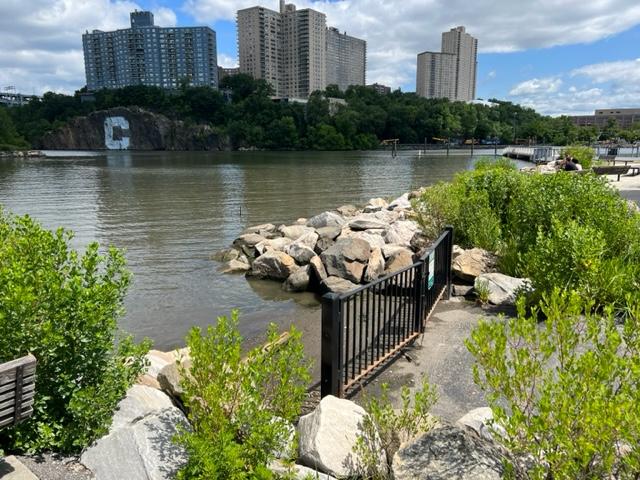
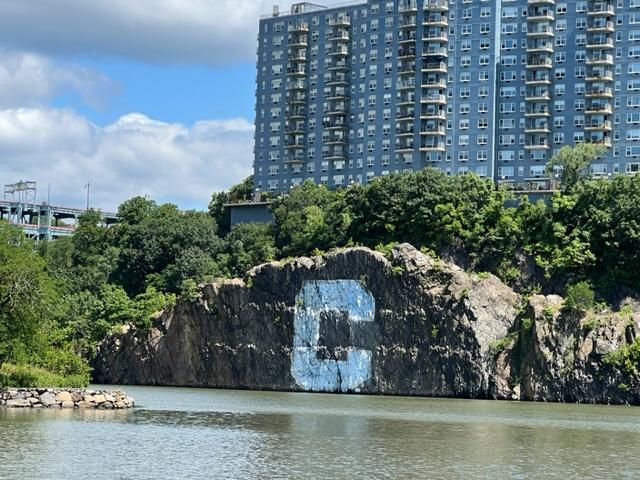
Muscato Marsh on the Columbia Campus

I came across the Muscota Marsh when I was walking the neighborhood of Inwood in 2015 and thought that this is a great site that tourists should see on top of a visit to Inwood Park and the Shorakkopoch Rock where Peter Minuet bought Manhattan from the Indians.

The Shorakkopoch Rock in Inwood Park

Shorakkopoch Rock

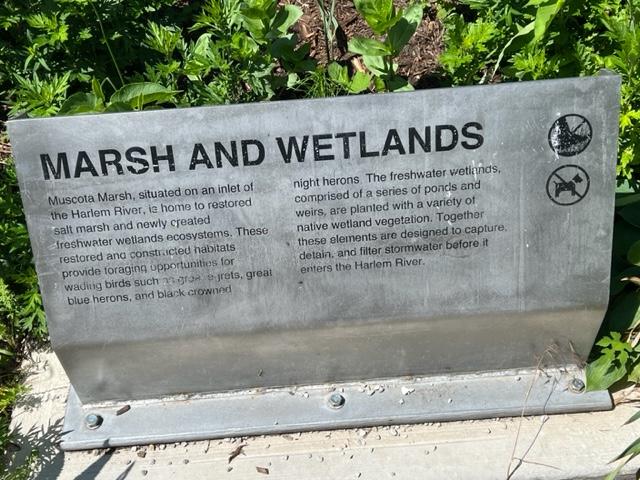
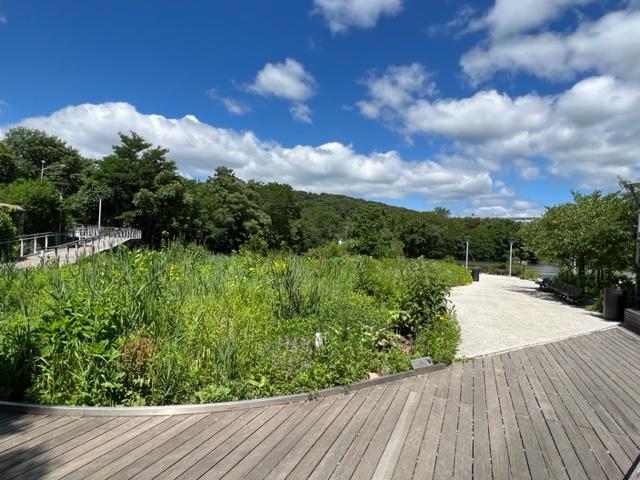
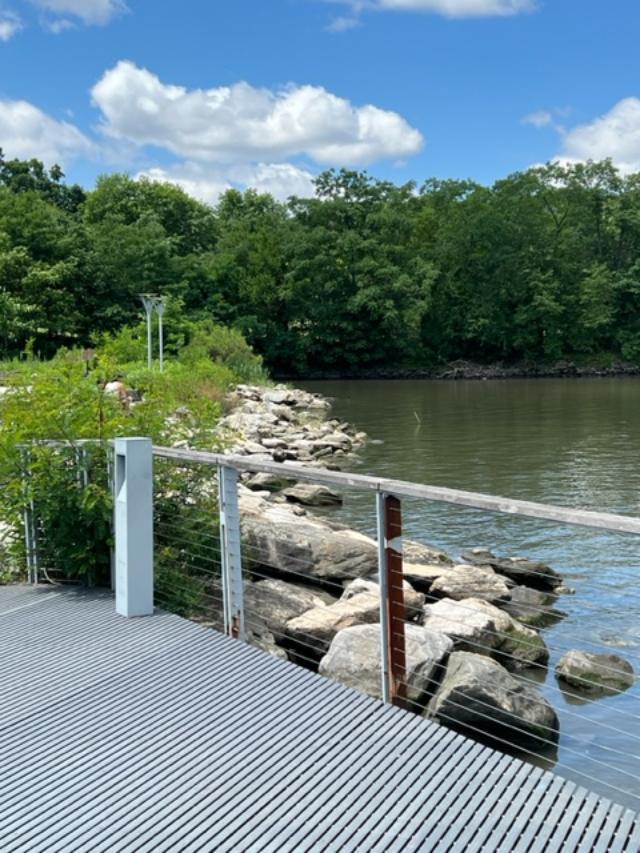
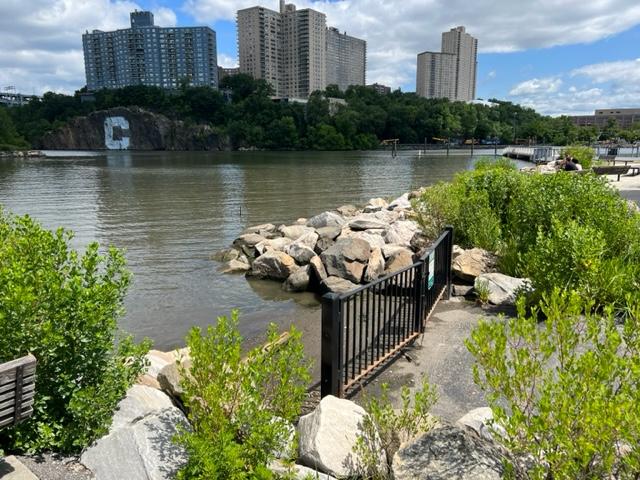
The Muscota Marsh is a one-acre public park in the Inwood section of the borough of Manhattan in New York City, on the shore of Spuyten Duyvil Creek, a section of the Harlem River. It is adjacent to the much larger Inwood Hill Park and Columbia University’s Baker Athletics Complex. The park is notable for its views and for its ecological conservation features.

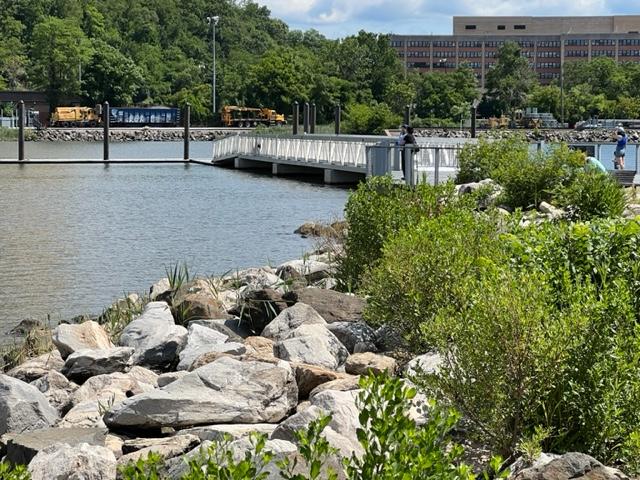
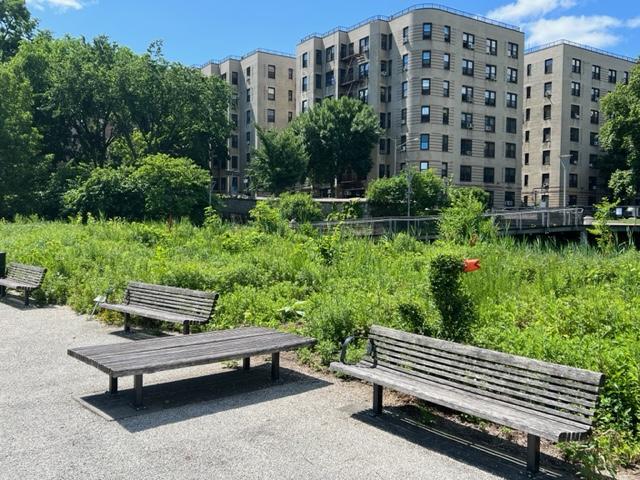
Muscota Marsh is unusual for having both a freshwater marsh and a salt marsh in such a tiny area. Besides attracting plant and animal life, these wetlands are intended to help filter rainwater runoff and thereby improve the water quality of the river. Other facilities include a dock for kayaks and canoes, benches and walking paths. A wooden deck overlooking the river provides views of Inwood Hill Park, the Henry Hudson Bridge and the New Jersey Palisades.

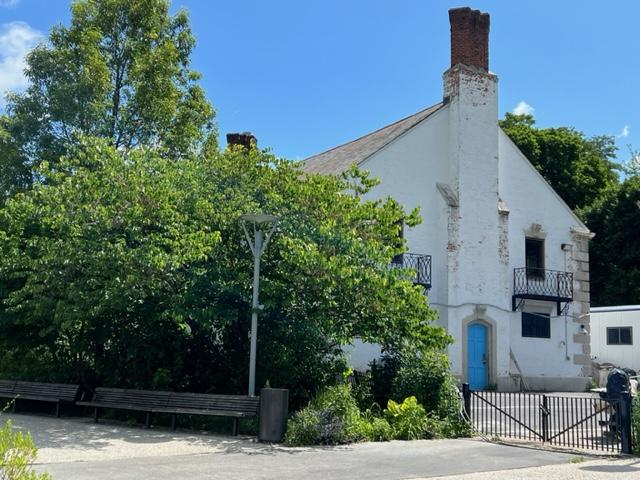
The Muscato Marsh is right next to the Columbia Boathouse

As this public green space, with a design inspired by tidal flats and mud ways, you can enjoy the educational richness of the marsh from the wildlife observation deck or venture out on to a wooden deck stretching out to the waterway through the native water gardens.

By the boathouse

Because of the close proximity of the salt marsh and the freshwater wetlands, you’ll be able to spot beautiful wading birds like the great blue heron and the snowy egret. You can also see leopard frogs and ribbed among the dramatic colors and textures of the marsh’s native plants.

The Wetlands

Opened to the public in January 2014, the park was constructed by Columbia University as part of a deal to construct the new Campbell Sports Center within its adjacent athletics complex. It was designed by James Corner Field Operations, which is best known for its work on Manhattan’s High Line. It is cooperatively administered by the New York City Department of Parks and Recreation and Columbia, with the university providing maintenance and security.

The wetlands

The park is open all year round and is free to enter. It is right next to the Columbia Stadium.

It is a nice part of the Inwood Park

The Muscato Marsh facing Inwood Hill Park

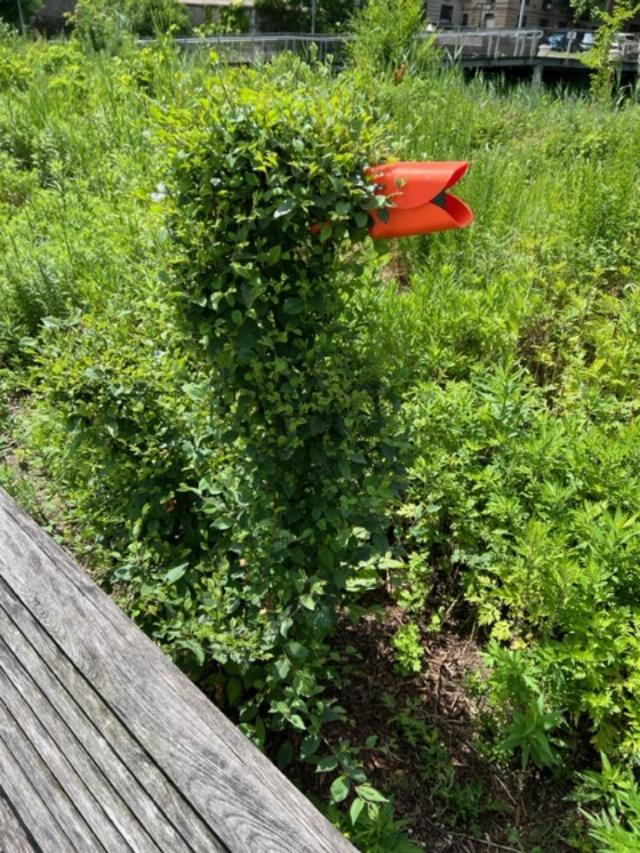
The clever duck

Disclaimer: This information was taken from the NYC Parks information guide and Wikipedia. Please check this small pocket park out for its beauty and for its importance in the environment.

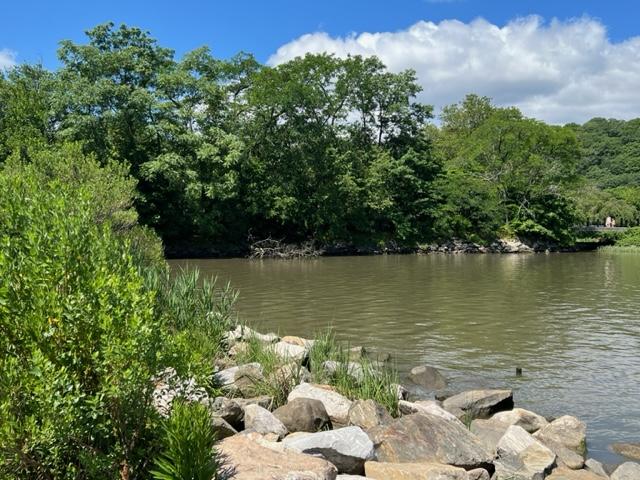
The marsh during the beginning of the summer of 2023

Pascack Historical Society Museum                                                (John C. Storms Museum)                                                                     19 Ridge Avenue                                                                                Park Ridge, NJ 07656

Pascack Historical Society Museum (John C. Storms Museum) 19 Ridge Avenue Park Ridge, NJ 07656

The Pascack Historical Society Museum (John C. Storms Museum)

19 Ridge Avenue

Park Ridge, NJ  07656

Phone: (201) 573-0307

Open on Sundays from 1:00pm-4:00pm; Admission is Free. Gift Shop hours are when the museum is open. (Holiday Excepted).

http://www.pascackhistoricalsociety.org

http://www.facebook.com/pascackhistoricalsociety

TripAdvisor Review:

https://www.tripadvisor.com/Attraction_Review-g46713-d12610386-Reviews-Pascack_Historical_Society_Museum-Park_Ridge_New_Jersey.html?m=19905

The Pascack Valley Historical Society is now celebrating their 75th Anniversary.

Pascack Historical Society IV

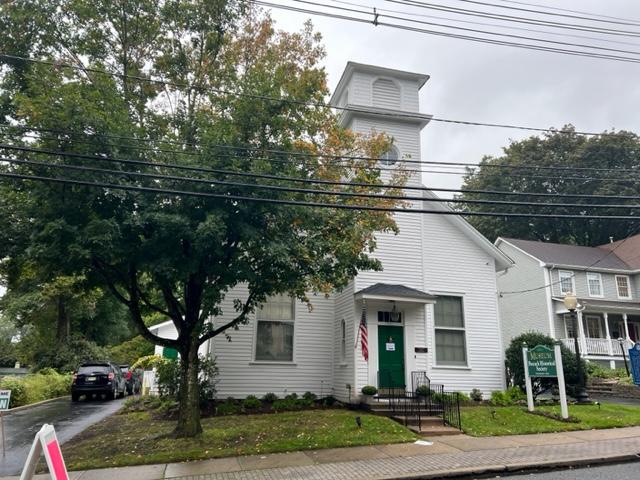
The Pascack Historical Society Museum (John C. Storms Museum), headquarters of the award-winning Pascack Historical Society, is located in the 1873 church building that was dedicated by the Reverend Henry Ward Beecher. The building and all the exhibitions have gone through an extensive renovation and have been reinstalled with more signage and information. Please check out their new displays.

The sign that greets you in the front of the building.

The Historical Marker in front of the building.

As you enter the building, you are welcomed to a comfortable spot.

The extensive exhibits include a general store, colonial kitchen, a Victorian Living Room, dolls, clothing and other displays of American life in the Pascack Valley. The front gallery as you enter serves as a classroom and lecture hall for the society. There you can see a variety of artifacts in the collection from china to guns and clothing.

Artifacts in the front room.

Artifacts in the first gallery.

A collection of antique guns in the front gallery.

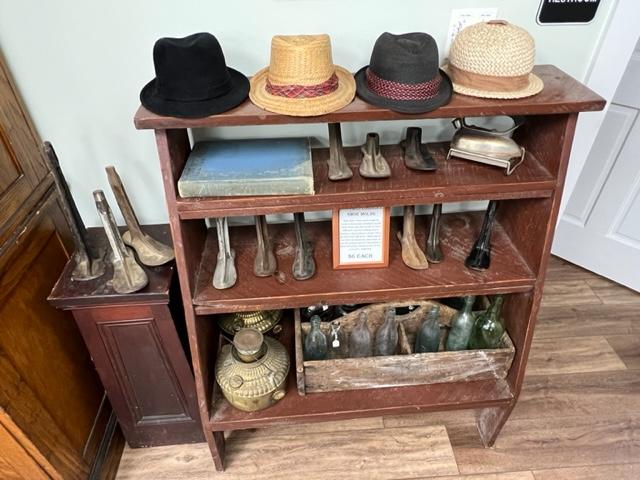
A selection of hats in the front gallery.

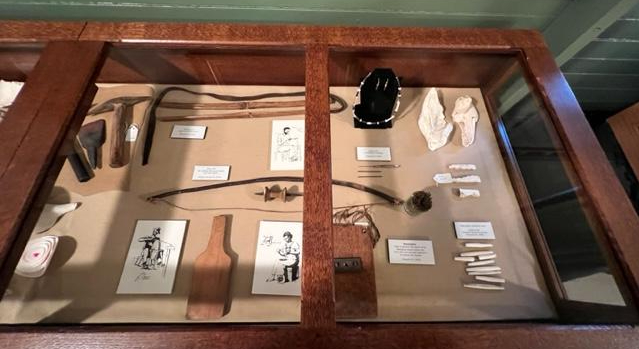
There is also a special exhibition that features the world’s only wampum drilling machine as well as a collection of early colonial currency.

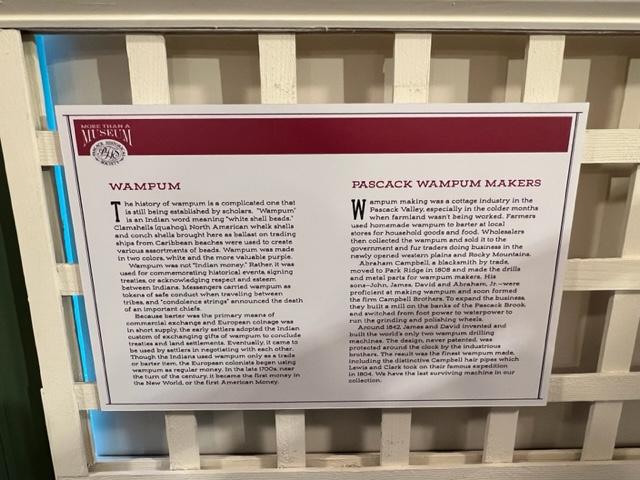
The Wampum Machine sign and how Wampum is made.

Their early Colonial Financial exhibits include an early wampum machine that the tour guide had said that it was the only one of its kind that made a type of rolled wampum from the inner section of a conch shell. Early New Jersey currency is well represented in the collection with several types of dollar bills at a time when states printed their own currency for its citizens. Really take a look at the early detail  work of these bills.

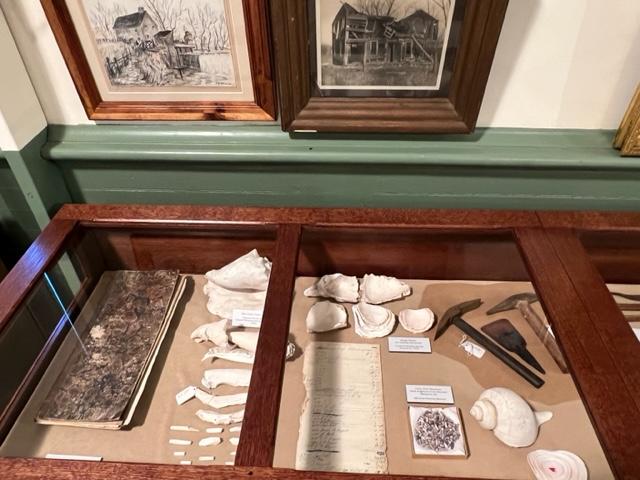
The Wampum display of shells and tools.

The uses of Wampum and how it is made.

The oldest working Wampum machine in the world.

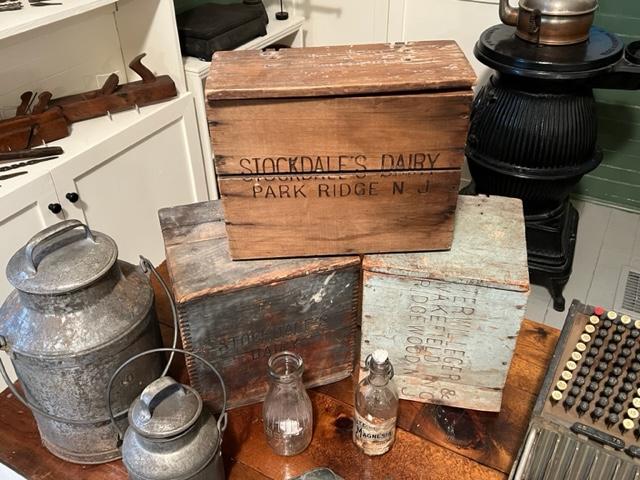
The Van Ripper General Store exhibition features many types of early Colonial artifacts that include weights and measures, food items found in an early grocery store, turn of the last century bottles and many types of appliances for cooking. Several treasures are tucked here and there to create the mood of shopping at the turn of the last century in Bergen County. There are classic groceries, weights and measures to weight groceries and several artifacts from the Van Ripper and Stockdale Farms which used to be located in the area.

The General Store sign

The General Store display.

Stockdale’s Dairy Farm was a popular farm in Park Ridge before the 1960’s.

Tools need on the farm and in the home.

The Tool display at the General Store.

The Toy Collection is extensive and covers several time periods. They have a interesting collection of dolls over the ages that include cloth and china dolls that would cater to children from different economic status. There are also games, wooden and metal pull toys and hobby toys such as marbles and jacks.

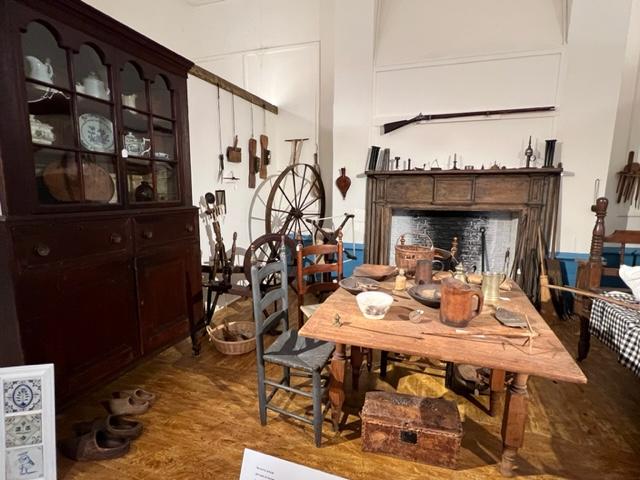
The Early Dutch Farmhouse Kitchen & Dining Room features one of the first beds that has no mattress but constructed by a series of ropes that are tightened. The tour guide explained that this might be where the expression “Sleep tight and don’t let the bed bugs bite” might have come from as the ropes needed to be tightened each evening before the family went to bed.

Early Dutch life sign.

The exhibit also had early furniture hatches, chamber pots, a butter churner, various chairs that were manufactured in the area and several detailed decorative pieces.

The Early Dutch Kitchen and Living Space

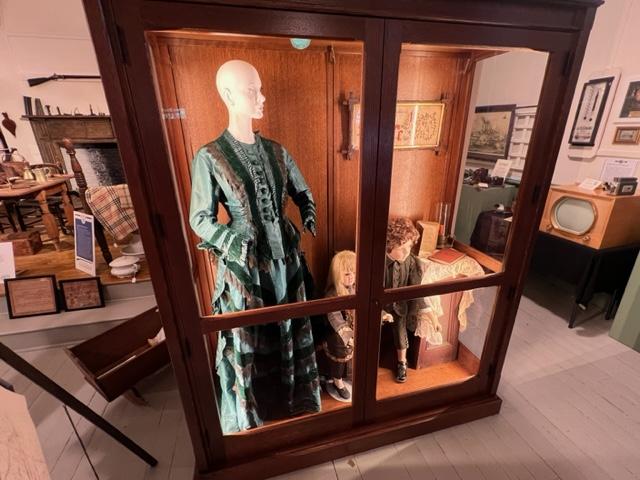
The Victorian Dress of the church visitation.

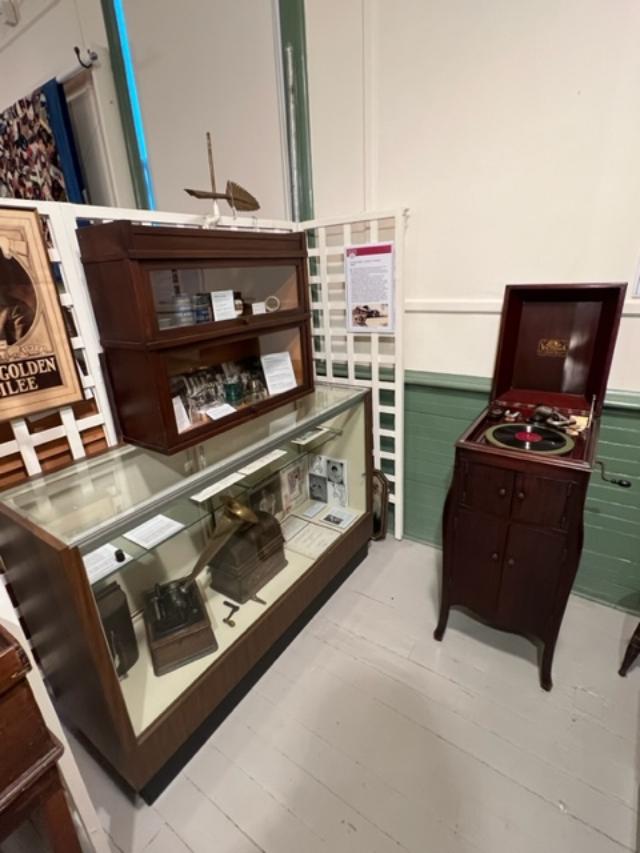
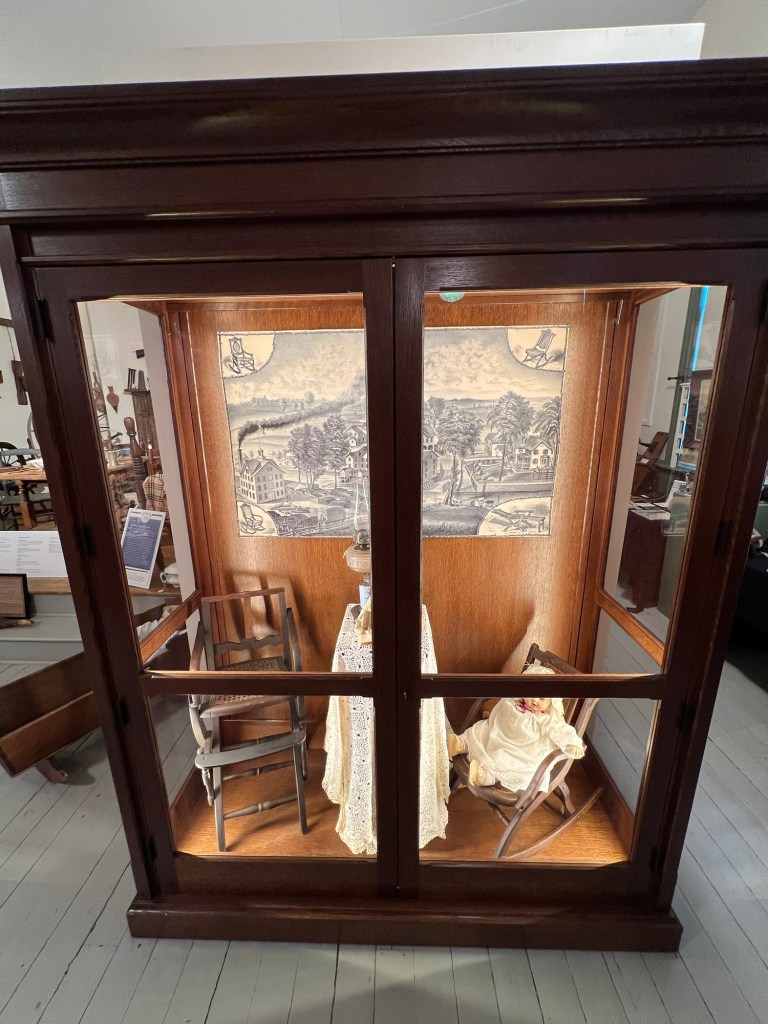
The Victorian Living Room features many plush pieces of furniture, decorative knick-knacks that used to dominate the décor and a graceful piano with mother of pearl keys and decorative carved sides. This model was one of maybe a hundred made for a very elite client. The display also featured one of the early record players that still works.

The ‘Victorian Afternoon’ exhibition in 2024:

The sign for the Victorian home:

The ideal Victorian Home ‘Parlor’

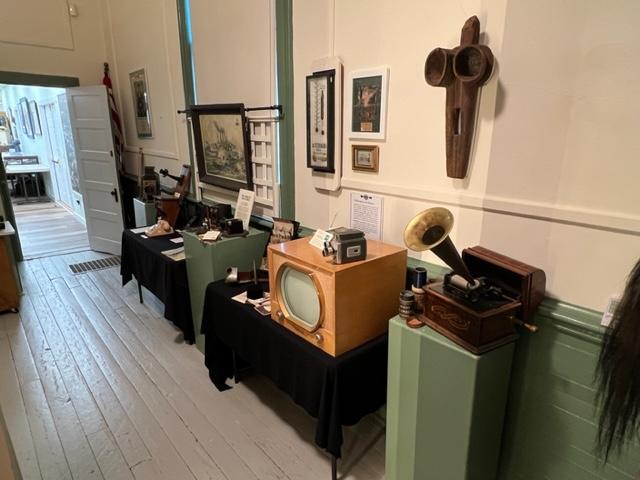
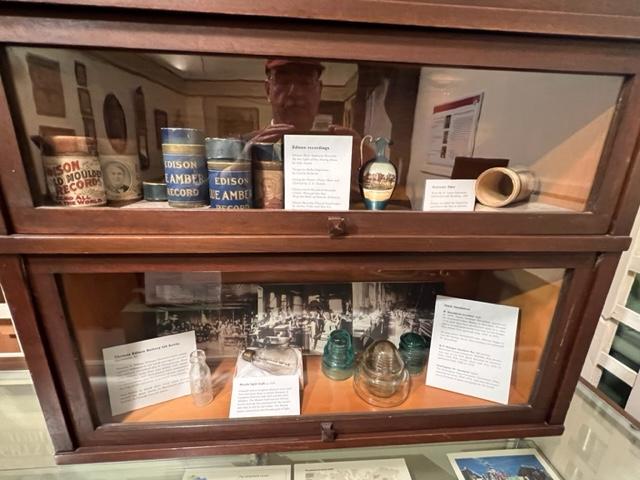
Early Edison products

Early Edison recording equipment was not just musical but decorative.
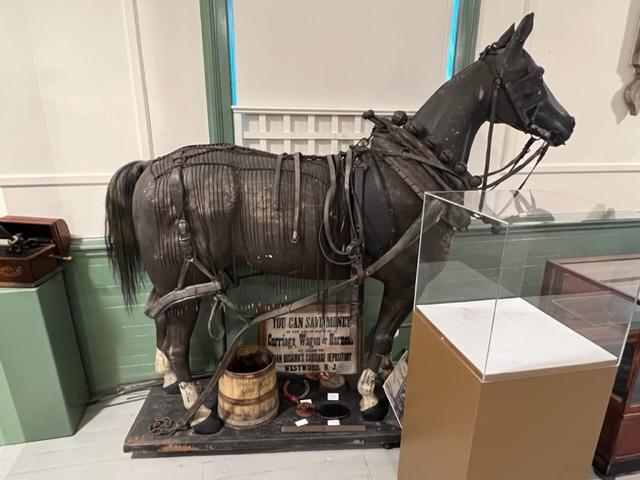
The horse display.

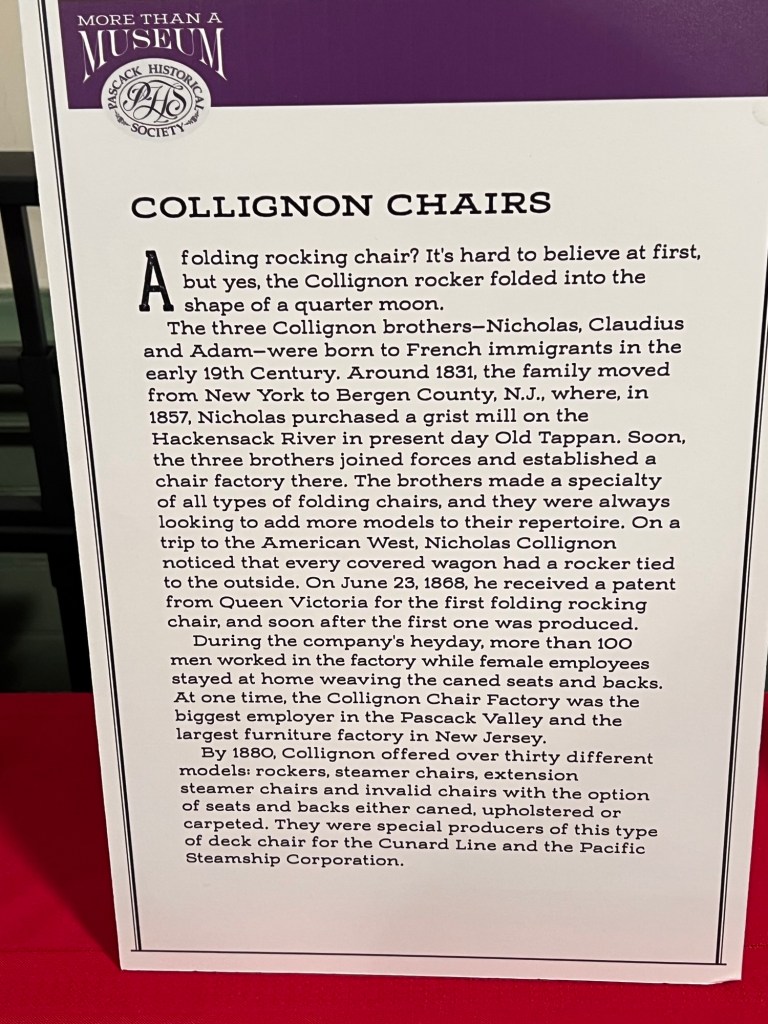
The new exhibition 2025: ‘Collignon Chairs’

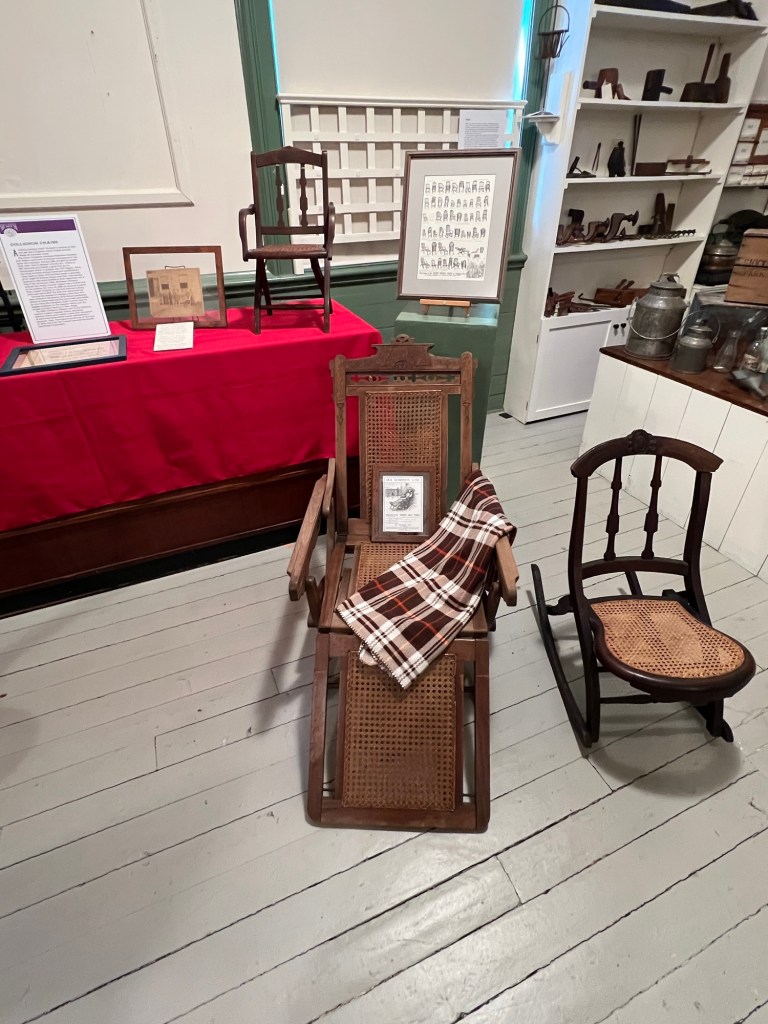
The exhibition is on the Collignon Chair factory of River Vale, NJ and the selection of chairs that the factory once manufactured.

The sign from the exhibition

Some of the collection of Collignon chairs on display including the popular deck chair used on streamlines.

The popular folding rocker from the collection

The display of chairs and a drawing of the old factory

Off to the side, there is an early sleigh and horse display, an exhibit of typewriters and carbon paper as I found out the area was once the leading manufacturer for carbon paper and a complete workshop with tools from all eras.

Typewriter collection at the museum.

Early Electronics

The schoolhouse desk of the school master.

The workshop is a very detailed in its artifacts with early saws, hammers and items that even I could not figure out what they were.

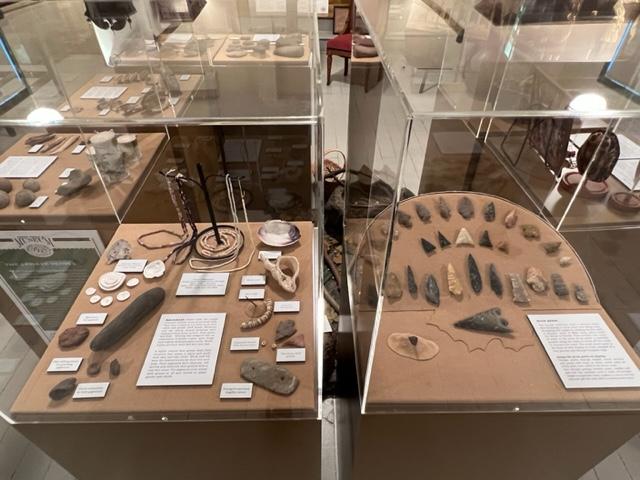
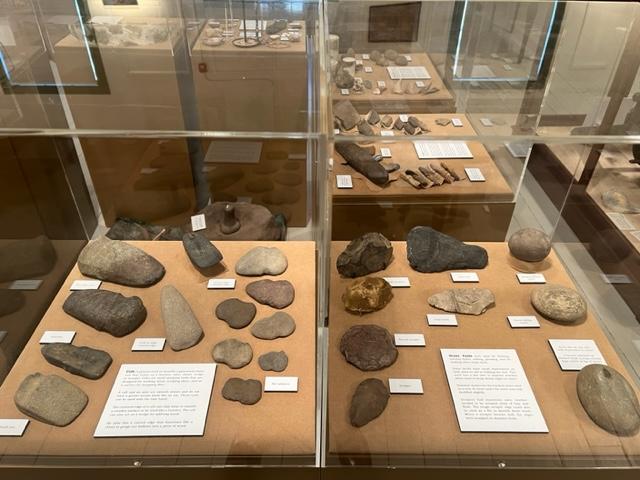
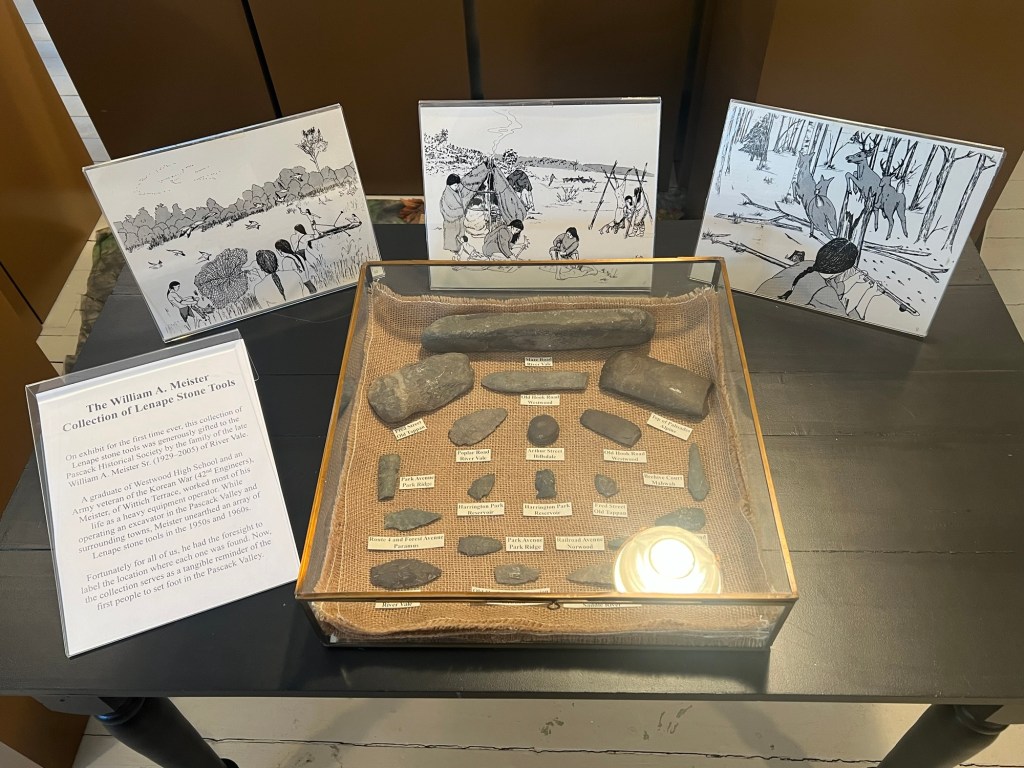
In the main room, there are more cases of toys, Revolutionary items and Native American artifacts to explore.

Native American Artifacts

The Lenape display

The Native American display.

A small gift shop is off to the side selling items donated by members.

Become a Friend: From the Friends of the Pascack Historical Society Museum pamphlet:

Pascack Historical Society Information and History:

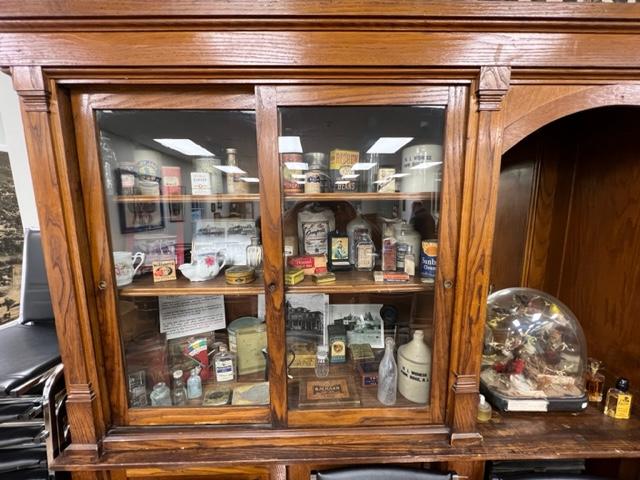
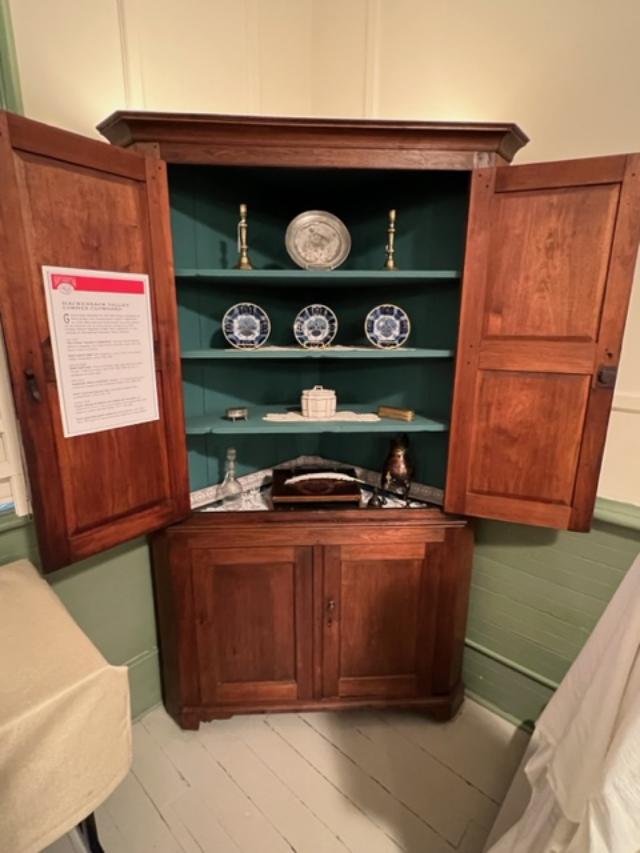
The Corner Cupboard of early American china.

(From their pamphlet):

Membership Benefits:

Become a member of the Pascack Historical Society, a 501C3 organization. Dues are modest and membership has its privileges!

  1. One year of free admission to the museum and most of its activities.
  2. A one year subscription to the Society’s award-winning quarterly newsletter, RELICS.
  3. 10% discount on museum gift shop items (Sale items and new books excluded).
  4. 50% discounts on programs for children and adults.
  5. You will receive Members Only advance notice mailings and emails about upcoming events and activities.
  6. Members only “behind the scenes tours” of the museum. (By Appointment Only).
  7. You will have the satisfaction of knowing you have joined the ranks of the area’s most passionate historical preservationists, who have a commitment to educate and enrich their neighbors’ lives-young and old.

The Military embellishments

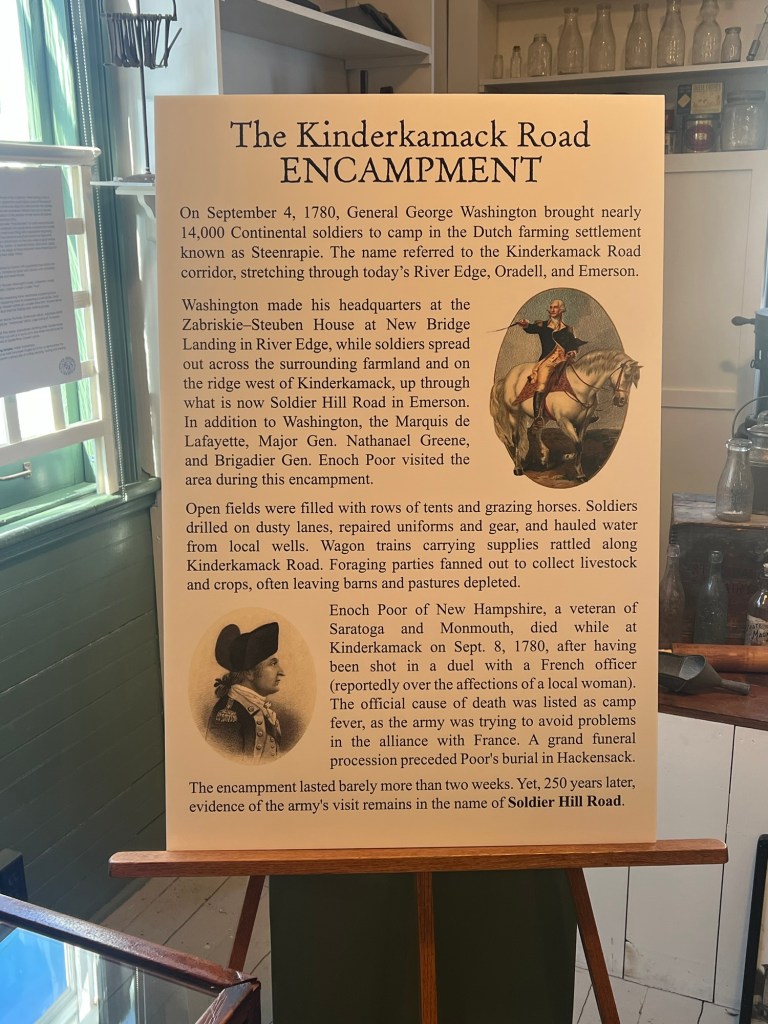
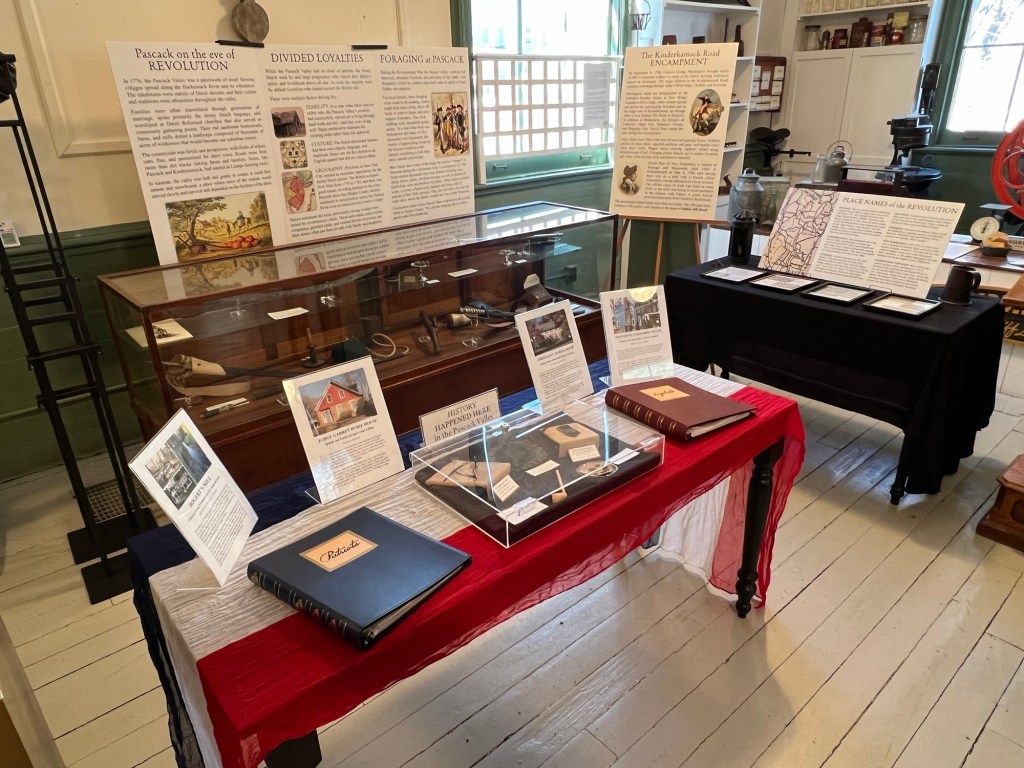
In 2026, the museum was celebrating the ‘250th Anniversary’ of the Revolutionary War and had an exhibition of artifacts from the Pascack Valley.

The ‘250th Anniversary’ of Revolutionary War

This included all the stops that General Washington made in Bergen County, battles and confrontations with British soldiers and family battles by members who were loyalists and patriots.

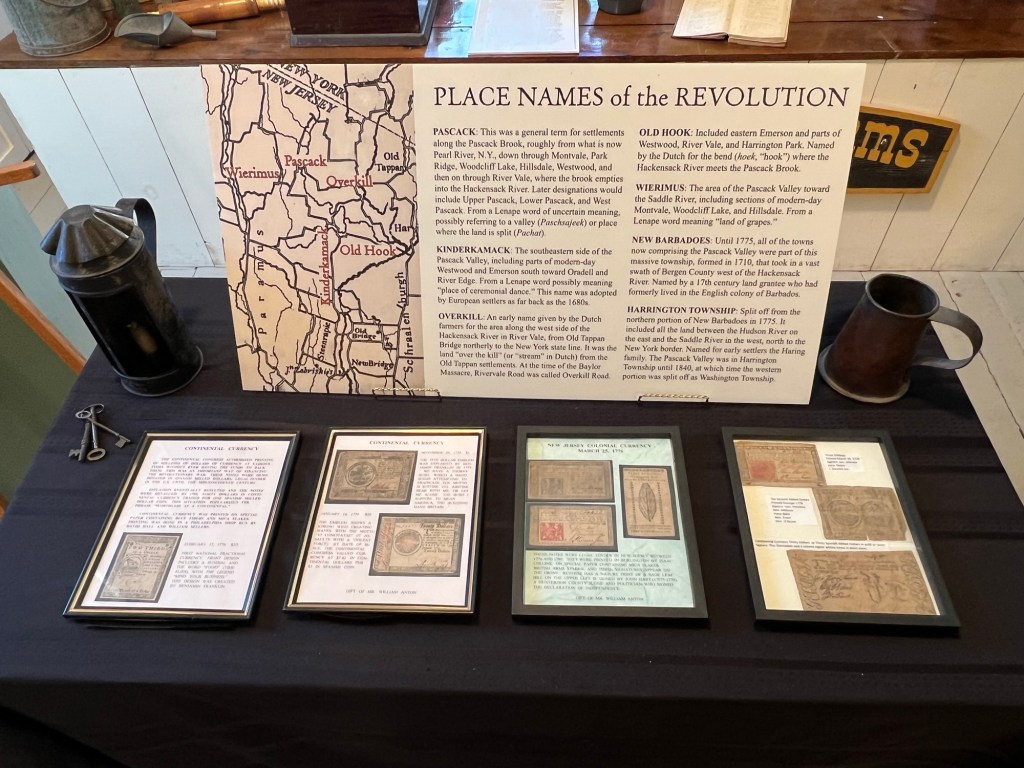
The currency of the war years

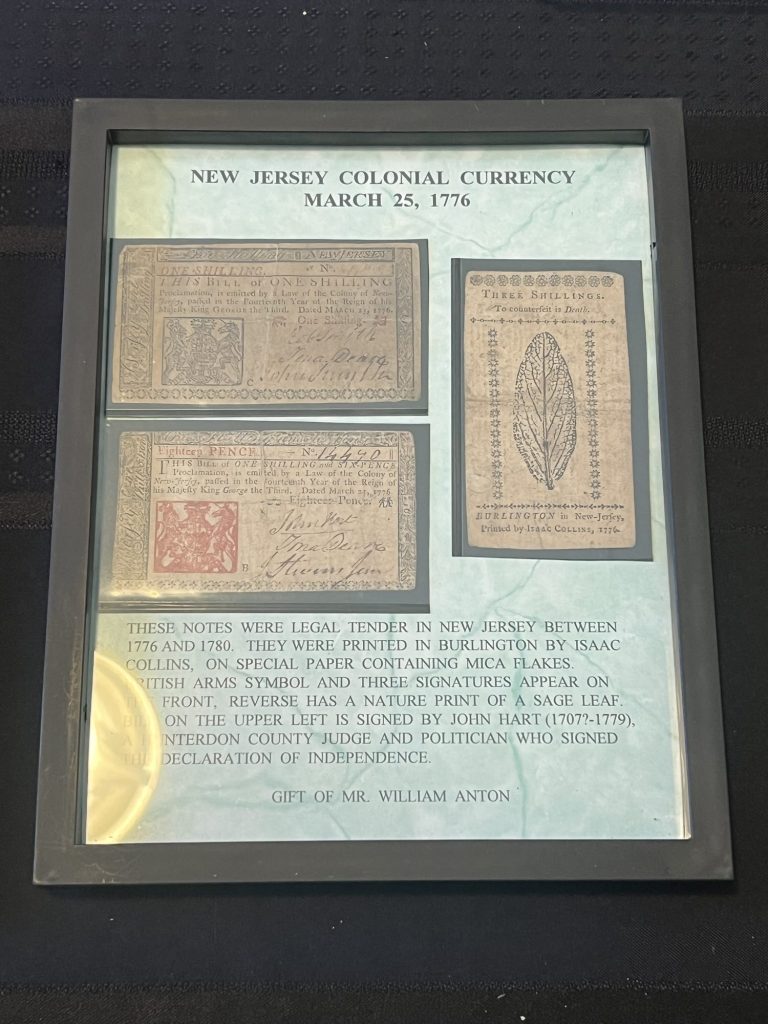
The exhibitions shows New Jersey’s contributions to the war effort. This part of the exhibition has Colonial currency from New Jersey.

New Jersey Colonial Currency

The full exhibition of the ‘250th Anniversary’ of the Revolution War

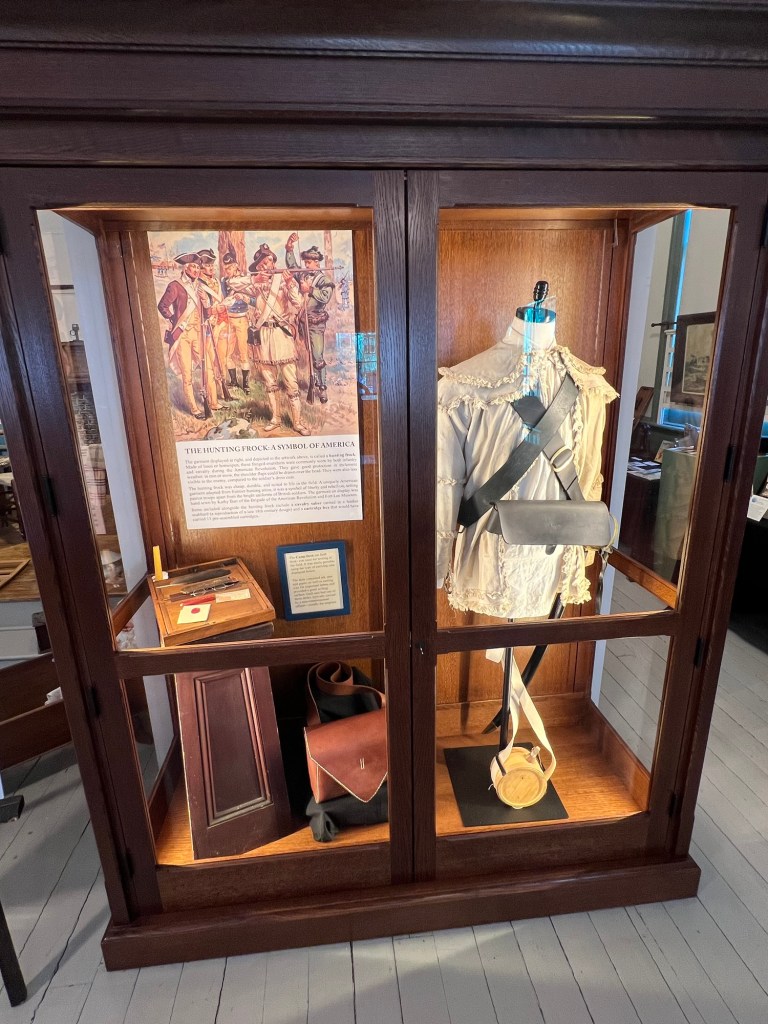
Uniforms and accessories of the War years

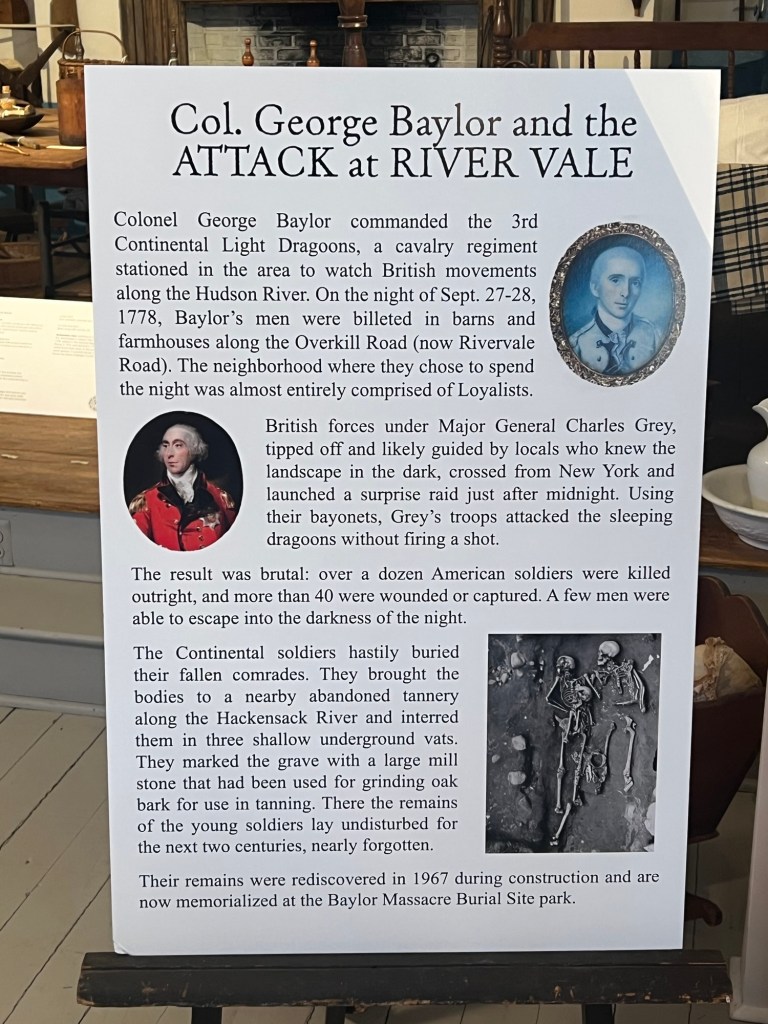
The Baylor Massacre attack

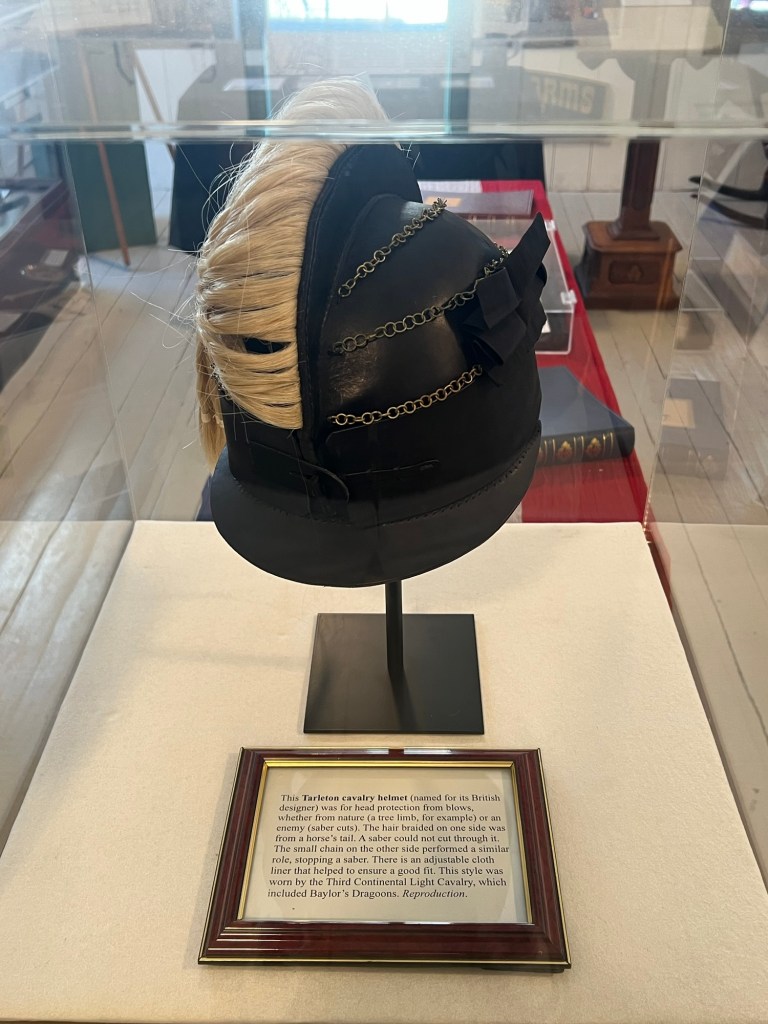
The Tarlatan Calvary helmet

The Lenape artifacts from that era

Membership Opportunities:

Preserving and disseminating local history is a labor of love when you become a PHS member. It is a partnership between you and your fellow members. We encourage you to think about volunteering at some level at the museum or its events. Check out the volunteer opportunities below and give us a call if you would like to participate in any of them.

  1.  Docent: Act as a guide when people visit the museum. A simple one-day training session is all it takes.
  2. Researcher: Do you like to wander through books and archives searching for answers to questions?
  3. Archivists: Preserve and catalog the history of the Pascack Valley.
  4. Educators: Work with youngsters and licensed teachers at Society events.
  5. Tech Savvy: Volunteer your time to help with our website or graphic design.
  6. Handy Helpers: Do you like to repair things? Can you sew, do carpentry? This might be for you.

*Disclaimer: Information on Volunteer and Membership opportunities are taken directly from the Pascack Historical Society Museum pamphlet. Most of the descriptions of the displays is what I was able to see in my short time visiting. The museum has a treasure trove of items to look at in detail.

The Reformed Dutch Church with its Colonial cemetery and the Wortendyke Barn is right down the road so take a few hours to explore the area. The members of the Wortendyke family are buried in the church’s cemetery.

Visit from Bergen Community College for the Bergecco- Parc Consulting Inc. on April 9th, 2025: for the ‘Bergen 250’ project:

The project we created for the “Bergen 250: the 250th Anniversary of the Revolutionary War” that was created:

https://mywalkinmanhattan.com/tag/bergen-250-the-250th-anniversary-of-the-revolutionary-war-in-bergen-county-nj/

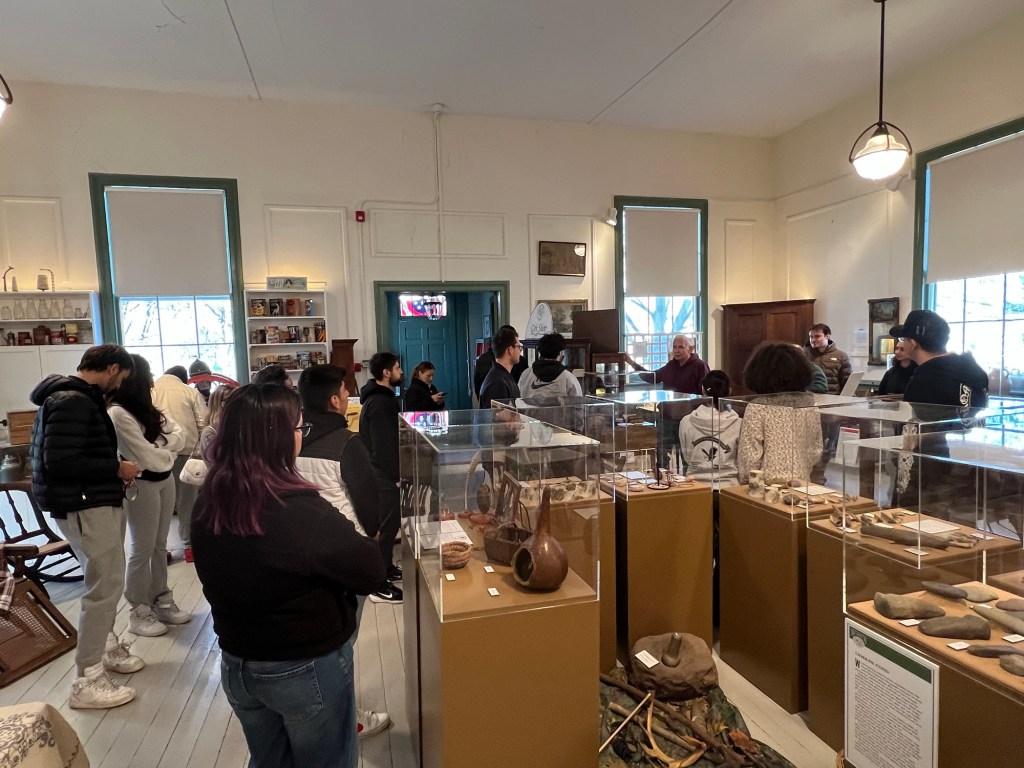
As part of my International Marketing class, I took my students to visit the three sites for our project on the ‘Bergen 250’:

The students toured the museum with the assistance of the Museum’s Board members

As part of the assignment for our ‘Farm to Table Dinner’, the project starts here with a Cocktail Party and tour of the museum. The back room of the museum was where the party takes place and then the guests would tour the museum before heading to dinner at the Wortendyke Barn down the road.

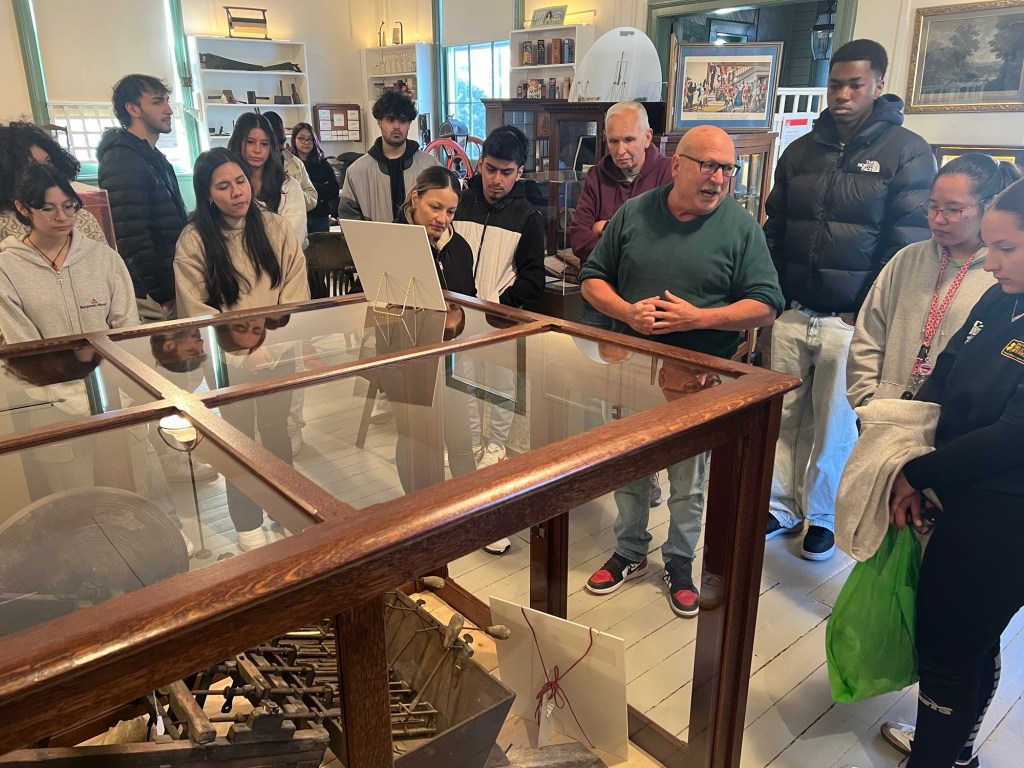
Peter Meany, the First Vice President of the Board explaining the Wampum machine to the students. This form of Native American currency is the only machine in the world like it and is a rare artifact.

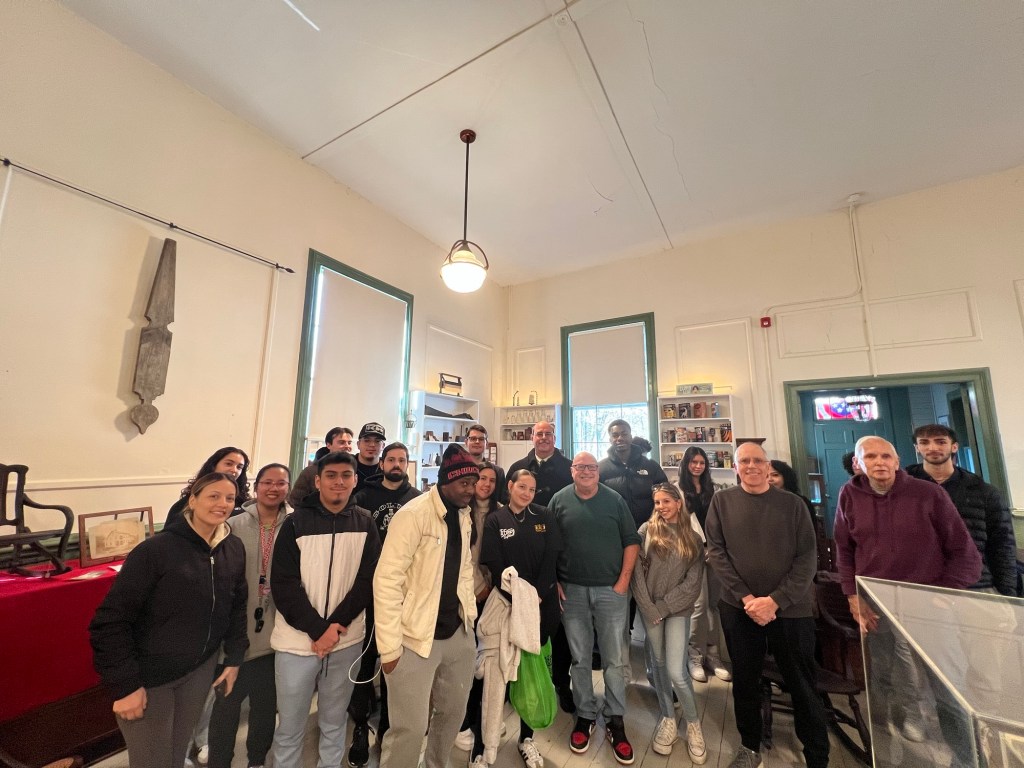
Our Team group picture at the Pascack Valley Historical Society with members of the Museum’s Executive Board Peter Meany, Ralph Donnell Jr. and Christopher Kersting.

We want to thank the Board for taking time out of their busy schedule to support the students on this project.