Category: Railroad Museums of New York

The Trolley Museum of New York                                            89 East Strand                                              Kingston, NY 12401

The Trolley Museum of New York 89 East Strand Kingston, NY 12401

The Trolley Museum of New York

89 East Strand

Kingston, NY 12401

(845) 331-3399

http://www.tmny.org/

https://www.facebook.com/trolleymuseumny/

Open: Sunday & Saturday 12:00pm-5:00pm/Monday-Friday Closed-May through October so please check the website.

Fee: Adults $6.00/Children over Five (5) and Seniors $4.00/Children under Five/Active Military with ID and their families/Members Free

Trolley Rides leave Gallo Park at 12:30pm/1:30pm/2:30pm & 3:30pm.

My review on TripAdvisor:

https://www.tripadvisor.com/Attraction_Review-g48003-d4755385-Reviews-Trolley_Museum_Of_New_York-Kingston_Catskill_Region_New_York.html?m=19905

The Kingston Trolley Museum at 39 East Strand

When I was visiting Kingston, NY again for my blog, “MywalkinManhattan.com”, I came across the Trolley Museum that was down the road from the NY Maritime Museum and the harbor for the ‘Hudson River Cruises”. This unique museum has a lot of interactive things for a family to do including riding a trolley through the harbor of the Kingston Roundout to Kingston Point Park right on the Hudson River. On a beautiful sunny day there is nothing like it.
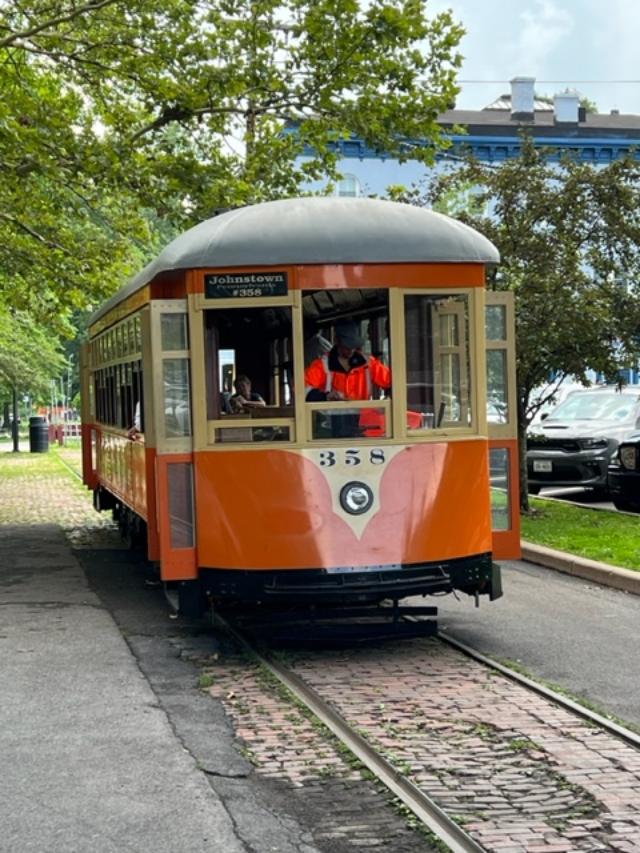
The first part of the trip took us to the Kingston Roundout

I just made the first trip on the trolley. You start at the front of the museum and then you take a short trip to the downtown and we picked up other passengers. It was then off for a short trolley trip following the river up to Kingston Point Park and the picnic grounds there.
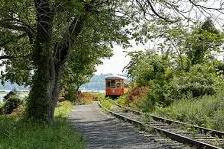
The Trolley Museum

The Trolley arriving at Kingston Point Park

The foliage was amazing at the park with hues of gold and red and the trees were just coming into their peak. We only had about a half hour to stay at the park and look around but it was a real delight of colors and the views of the river just shined in the sun. It was very picturesque especially with sailboats passing by.

The Trolley stops at Kingston Point Park

On our way back to the museum, you could see the lighthouse from its perch at the mouth of the inlet. People were starting to take the Hudson River Cruise in the distance which I had made two weeks earlier. When I got back to the museum, I toured all the buses, subway cars and the Path train that they had in the parking lot. I could see this live in Manhattan so I went to visit the museum. The nice part about the museum is how interactive it is and how you can pace yourself through all the displays.
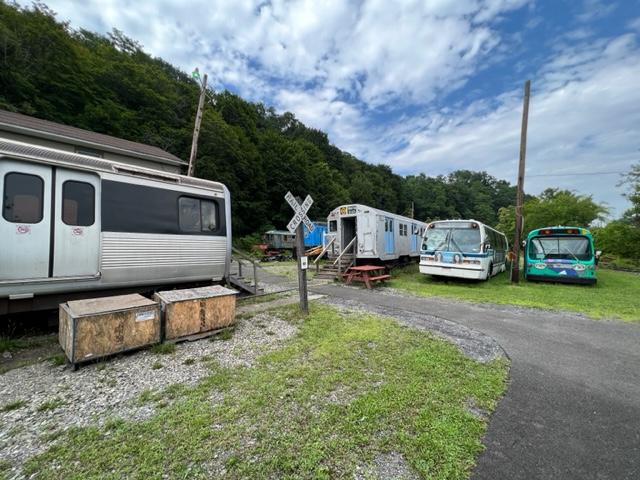
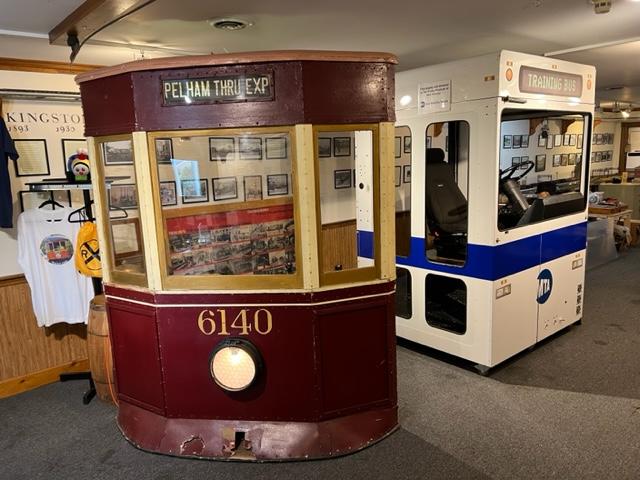
You can tour old subway cars, buses and an old Path Train

There were small exhibits on the history of the trolley cars in cities, the development of the cars as a mode of transportation starting with horses to the electrical age.

Old New York City subway car

There was also a small display on glass fixtures used in the electrical lines before the new cabling systems came in and another hats and uniforms used on the trolley cars over the years. There are also displays of signs and posters for the different lines.
The inside of the Kingston Maritime Museum
The Subway display at the Kingston Trolley Museum

It is a small museum but for families, there is a lot to climb through and tour around and just taking the trolley up to the park is worth the price of the ticket.

The conductor operations room display at the Kingston Trolley Museum

History of The Trolley Museum of New York:

The Trolley Museum of New York is a non-profit educational museum founded in 1955. The goals of the museum are to offer rides to the public, exhibits and educational programs sharing the rich history of rail transportation and the role it played in the development of the Hudson Valley region. In addition to static displays of trolley, subway and rapid transit cars from the United States and Europe, a trolley ride runs 1 1/2 miles from Gallo Park at the foot of Broadway in downtown Kingston, NY to Kingston Point Park on the shore of the Hudson River, using a renovated 1925 trolley. Along the way, we stop at the Museum grounds.

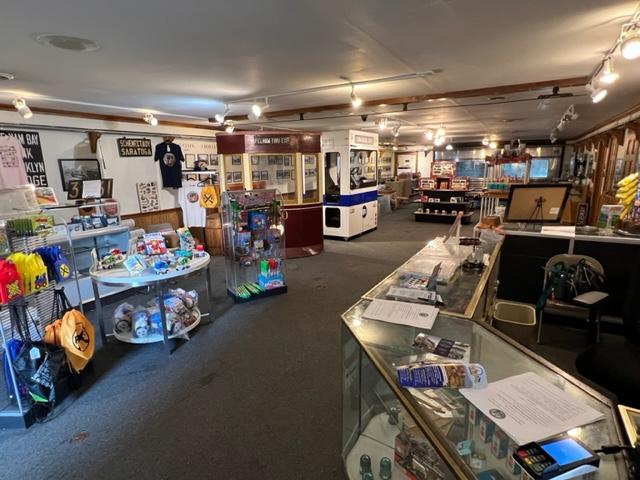
The inside of the Kingston Trolley Museum

The Museum is on the original site of the Ulster and Delaware Railroad yards at Milepost 1. Our shop building is built on the foundation of the U & D engine building house which existed at the turn of the century. The upper level includes a Visitor’s Center featuring seasonal and permanent displays, a video viewing area and large windows overlooking the restoration shop. Visitors can see up to eight trolleys being housed and restored below.

The outside of the Kingston Trolley Museum

One of the cars in the restoration shop is our 1897 wooden trolley car from Olso, Norway. This car is one of four cars that we have on display that are 100 plus years old.

The public transport display inside the Kingston Trolley Museum

Your Donations:

All of the Museum staff are volunteers. There are many projects, both large and small, all of which require funding to complete. Chief among these are the installation of overhead electric wire, trolley restoration and the expansion and rehabilitation of track. Your donations will help to provide vital support for these projects and others.

Inside the Kingston Trolley Museum

(This information comes from The Trolley Museum of New York’s pamphlet and I give them full credit for it).

Walkway Across the Hudson State Historic Park 87 Haviland Road                                       Highland, NY 12528

Walkway Across the Hudson State Historic Park 87 Haviland Road Highland, NY 12528

Walkway Across the Hudson State Historic Park

87 Haviland Road

Highland, NY 12528

(845) 834-2867

https://parks.ny.gov/parks/178/details.aspx

Open: Sunday-Saturday Dawn to Dusk/Office Open 8:00am-4:30pm Daily

Fee: Vehicle Fee $5.00/Educational Programs Adults $5.00/Students $2.00

My review on TripAdvisor:

https://www.tripadvisor.com/Attraction_Review-g48443-d2249606-Reviews-Walkway_Over_the_Hudson_State_Historic_Park-Poughkeepsie_New_York.html?m=19905

The history of Walkway over the Hudson River

This is the best way to experience seeing the Hudson River by walking on top of it. It is especially nice on a beautiful day.

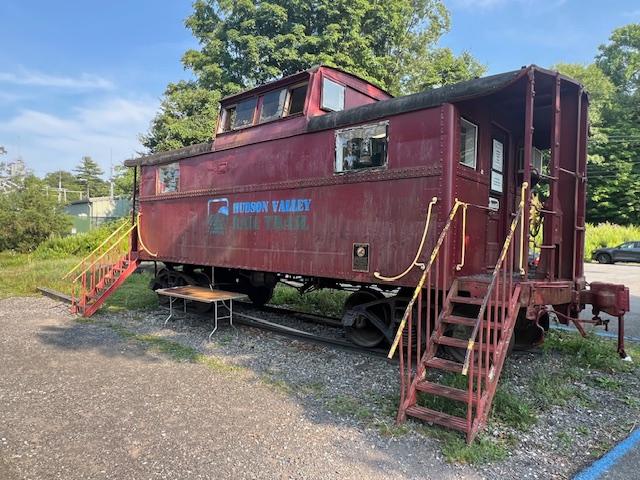
The rail car from the entrance to the Walkway by the Highland Park side of the walk

The day I walked over the “Walkway over the Hudson” it was a rather cool September day in the last days of the summer but still it was a spectacular day to see the river with blue skies and sunshine. I also revisited the Walkway in July of 2024 and the views are just as amazing when everything in full bloom.

The history of the bridge that crosses the Hudson River

The start of the walk by the Highland NY side of the bridge

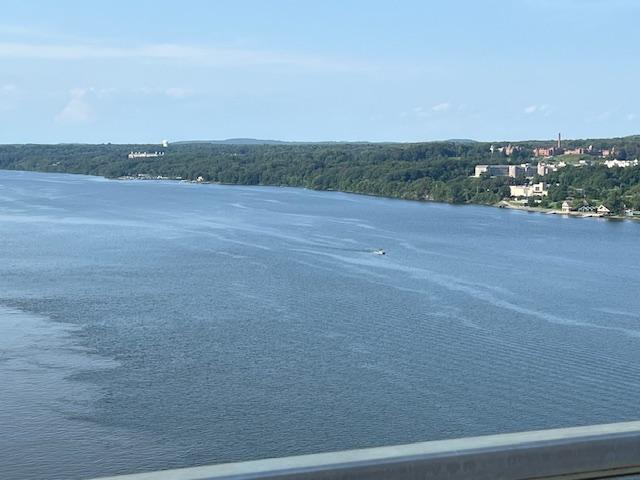
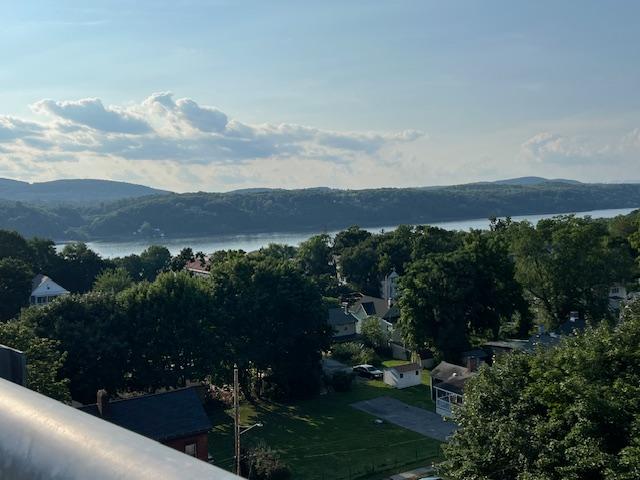
The views from the bridge on the Highland NY side

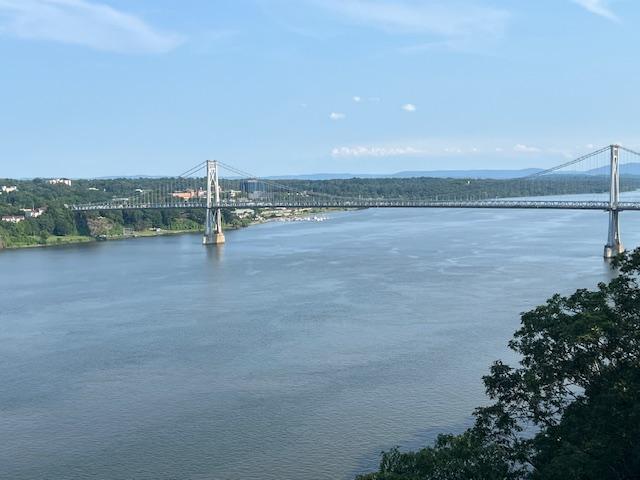
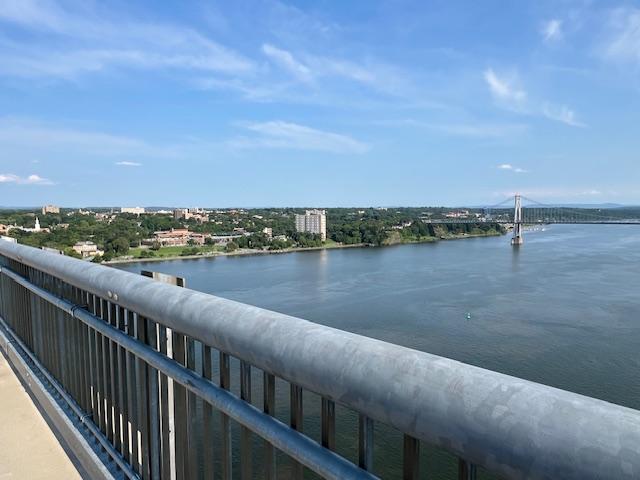
The views of the Mid Hudson Bridge

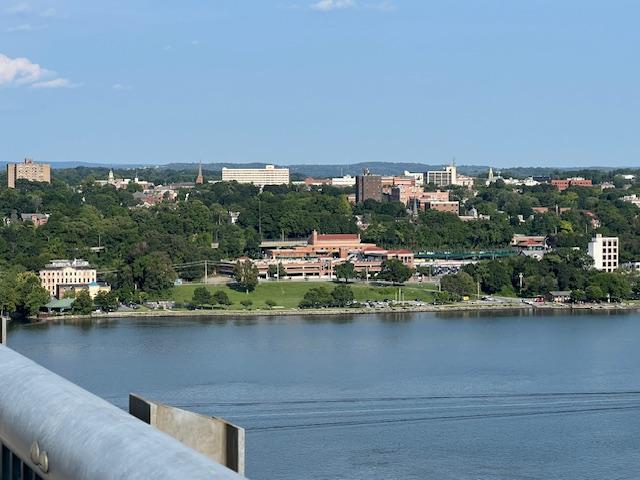
The views of Poughkeepsie and Hyde Park

On both sides of the bridge, there are small parks to sit and relax. There are signs all over the bridge to tell the story of the bridge and the people who helped save it. The best part is to just sit around the rails and see the views of the Hudson River. On the Poughkeepsie side of the river, you have the entrance to the Little Italy section of city right near the riverfront. Since my initial walk, three of the restaurants have closed since COVID.

The historic sign at the halfway point

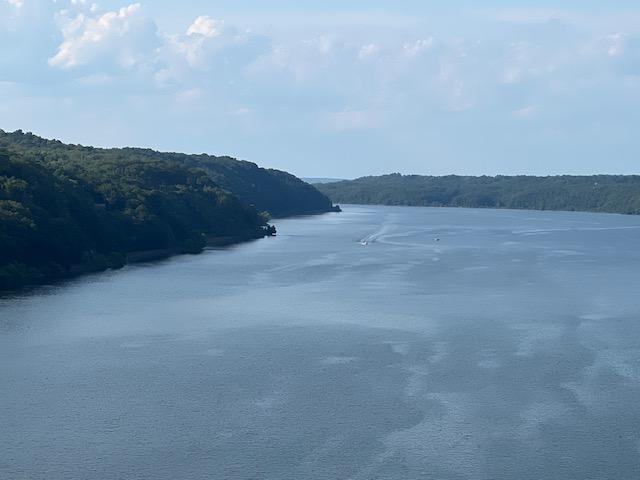
Looking up the Hudson River to the north of the bridge

Looking north to Hyde Park, NY

Looking south down the Hudson River

What is nice too is when you are leaving the Walkway is that you can tour Little Italy and Downtown Poughkeepsie. The Riverfront area of the City is changing quickly and new bars and restaurants are opening.

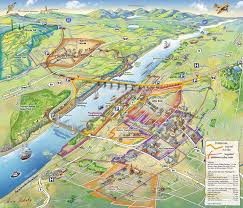
The towns and neighborhoods to visit after leaving the Walkway in Poughkeepsie and Highland NY

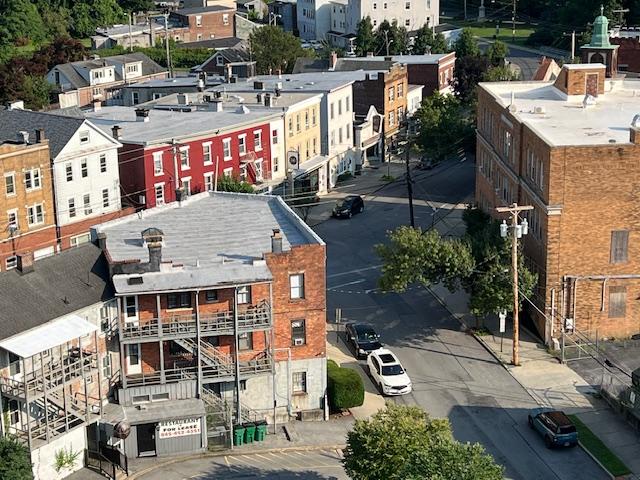
The Little Italy section of Poughkeepsie from the Walkway over the Hudson

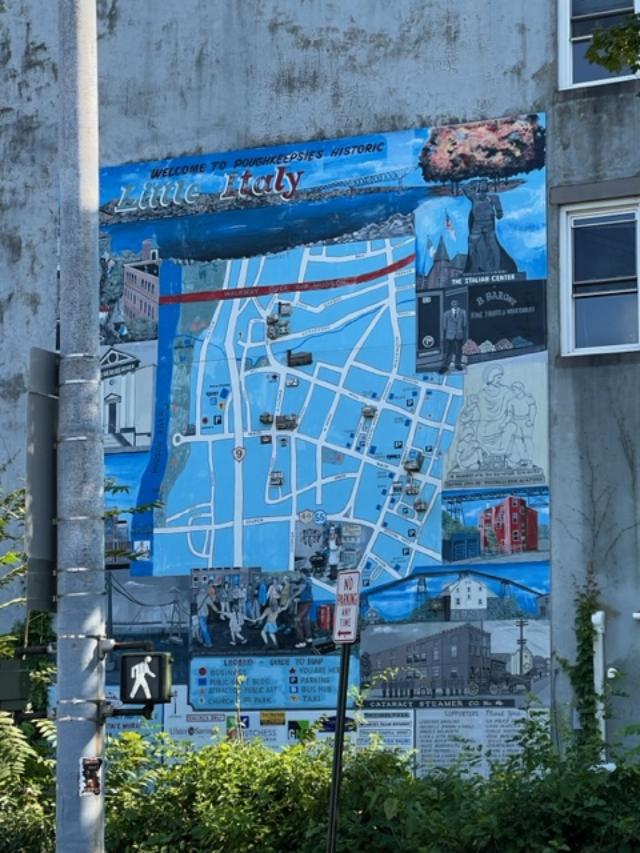
The sign in Little Italy in Poughkeepsie

The history of the ‘Walkway Across the Hudson’:

The bridge now known as the Walkway Over the Hudson opened in 1889 as the Poughkeepsie-Highland Railroad Bridge to transport western raw materials to eastern industrial centers. Rosendale cement was used in the original construction of the piers. At the same time of its opening, it was the longest bridge in the world.

Downtown Poughkeepsie in front of me

In addition to freight trains, the bridge hosted passenger trains connecting Boston, New York, Harrisburg, Philadelphia, Baltimore and Washington as early as 1890. Trolley cars termed “rapid transit” were modified to run on both trolley and railroad tracks and served tourists, students and shoppers (from New Paltz to Lucky Platt’s). Special West Point Football trains ran from 1921-1930. Circus trains, milk trains, trains for hogs and cattle-the uses were varied and the impact was huge. At its peak as many as 3,500 rail cars crossed the bridge each day.

The waterfront of Poughkeepsie

There were two sets of tracks until 1918 when gauntlet track, also called interleaved track, was installed to handle the weight of diesel locomotives. It was removed in 1958.

Looking south down the Hudson River

During World War II the bridge was painted black to make it less visible in the event of an attack. Painting continued until the 1960’s. The high quality of the steel used in the original construction does not need to be painted. Metal experts during reconstruction stated that the absence of paint in fact helped keep the steel in the good condition it is in today.

The Poughkeepsie waterfront

The fire that destroyed the tracks in 1974 was probably started by a spark from a train’s brakes. From Carleton Mabee’s ‘Bridging the Hudson’, page 247: “An hour after a Penn Central train with 100 cars crossed the bridge on May 8, 1974, a thick cloud of black smoke hung over the bridge. Wooden ties were smoldering and wooden walkways were burning, fanned by a moderate breeze. Because Penn Central had no guards or maintenance men on the bridge at the time, the fire was not quickly reported. When firemen arrived at the site, they found they could not easily pump water up to the top of such a high bridge.

Downtown Poughkeepsie from the bridge near the waterfront

When firemen arrived arrived at the site, they found they could not easily pump water up to the top of such a high bridge. When they tried turning on the water to flow into the bridge. When they tried turning on the water to flow into the steel pipe which ran the length of the bridge, a line meant to help fight fires, they found that because it had not been drained the previous winter, it had burst at several points-Penn Central had known it but had not repaired it.”

View from the bridge on the Poughkeepsie side right near Little Italy

It was rebuilt and re-opened in October 2009 as the Walkway Over the Hudson State Historic Park thanks to the efforts of a dedicated friends group, the Dyson Foundation, many donors and New York State.

The Highland Park side of the bridge at dusk

At 212 feet above the Hudson River, this 1.28 mile linear park boasts scenic views north to the Catskills and south to the Hudson Highlands.

The Walkway is amazing on a sunny day

The Walkway is part of the Hudson Valley Rail Trail Network and was inducted into the Rail-Train of Fame in 2016, it connects Ulster County’s Hudson Valley Rail Train to the William R. Steinhaus Dutchess Rail Trail.

The ADA compliant 21 story glass elevator provides seasonal access from Poughkeepsie waterfront at Upper Landing Park a short walk from the Metro North train station.

The Walkway welcomes more than 500,000 visitors annually from all over the world who enjoy walking, cycling and running amidst its scenic beauty.

Today, the Walkway is operated and owned by NYS Office of Parks, Recreation and Historic Preservation and the NYS Bridge Authority it is open year round, offering programs, events and tours made possible through membership and donations to the Walkway organization.

(This information was taken from the Walkway over the Hudson website and pamphlet and I give them full credit for all of this information).

Welcome to ‘VisitingaMuseum.com’, a trip through unique small museums, cultural sites and parks & gardens in NYC and beyond.

Welcome to ‘VisitingaMuseum.com’, a trip through unique small museums, cultural sites and parks & gardens in NYC and beyond.

*Bloggers Note: because of the size, location and time of year these sites are open, the hours and cost to get in can change since the blog was written. Please check with the site’s website or call the site before you visit. Things change over time.

My name is Justin Watrel and welcome to ‘VisitingaMuseum.com’, a trip through cultural sites, small unique museums, historic mansions and homes and pocket parks & community gardens in New York City and beyond its borders. I created this blog site to cross reference all the cultural sites that I came across when I was traveling through Manhattan for my walking blog, “MywalkinManhattan.com”.

Bergen County Historical Society III

Historic New Bridge Landing

I was inspired by all these sites that I had missed over the years and never knew existed in New York City and its suburbs.  Many of these being in Bergen County, NJ where I live. I found that most people feel the same way. The only way you would know that these sites existed is by walking past them.

Schoolhouse Museum Ridgewood.png

School House Museum in Ridgewood, New Jersey

So I created this site to showcase all these smaller, largely unexplored ‘gems’ in Manhattan, the rest of New York City and places outside the greater New York City area. I concentrate on smaller, more off beat cultural sites that you might miss in the tour books or may just find by passing them on the street. This has lead me to  becoming a member of the Bergen County Historical Society in Riveredge, NJ as well as other cultural sites in the area.

Aviation Hall of Fame.jpg

The Aviation Museum in Teterboro, New Jersey

There is so many interesting historical sites, parks, gardens and homes to explore that I want to share it with all of you. They are tucked behind buildings and walls, locked behind gates or hidden behind trees only for you to want to discover them.

Ringwood Manor Christmas 2019

Ringwood Manor in Ringwood, New Jersey at Christmas

I want to give these smaller and unique ‘gems’ more exposure and ‘sing their praises’  to an audience (namely out of town tourists) who might overlook them. It is hard for a lot of these cultural site because of the lack of volunteers or volunteers getting older or the absence of money to properly advertise these sites.

Gallery Bergen Professor Show III

Juan Leon’s work at Gallery Bergen on the Bergen Community College campus in Paramus, NJ

So join me in the extension of “MywalkinManhattan.com” with my new site “VisitingaMuseum.com” and share the adventure with me. Join me also on my sister blog sites, “DiningonaShoeStringinNYC@Wordpress.com” and ‘LittleShoponMainStreet@Wordpress.com’ for restaurants and small shops.

Dyckman Farm House II.jpg

The Dyckman Farm in Washington Heights in Manhattan

These sites featuring all sorts of small restaurants, bodegas and bakeries, where a quality meal can be had for $10.00 and under and unusual stores with unique merchandise that just stand out in their respective neighborhoods. It is important to support small business owners especially in this economy.

Lucy the Elephant

Lucy the Elephant in Margate, NJ

So, join me here as I take “MywalkinManhattan” to some unique and special historical sites and open spaces the New York Metropolitan area and beyond.