Category: Railroad Museums of New York

Empire State Railway Museum                                                          70 Lower 70 High Street                                                            Phoenicia, NY 12464

Empire State Railway Museum 70 Lower 70 High Street Phoenicia, NY 12464

Empire State Railway Museum

70 Lower 70 High Street

Phoenicia, NY 12464

(845) 688-7501

https://www.esrm.com/

https://en.wikipedia.org/wiki/Empire_State_Railway_Museum

Open: Sunday 10:00am-4:00pm/Monday-Friday Closed/Saturday 10:00am-4:00pm (the museum is seasonal and closes Columbus Day weekend until the next April)

Admission: Free but donations are accepted

My review on TripAdvisor:

https://www.tripadvisor.com/Attraction_Review-g48391-d587665-Reviews-Empire_State_Railway_Museum-Phoenicia_Catskill_Region_New_York.html

The front of the Empire State Railway Museum

The History of the Rail Station:

(From the museum pamphlet)

The Empire State Railway Museum is housed in the historic, restored Phoenicia Railway Station, which was built in 1899 and example of the stations built by the Ulster & Delaware Railroad.

From the 1800’s through the 1940’s, the steam locomotives of the Ulster & Delaware climbed the mountain grades bound for the grand hotels and boarding houses of the Catskills. The trains carried thousands of passengers over the years. This transportation system was instrumental in the region becoming famous. All the trains stopped at the Phoenicia Station. Beside the passenger trains, there were many freight trains carrying lumber, blue stone, dairy and agricultural products bound for New York City and beyond.

The History of the Museum:

(From the museum website)

Founded in 1960 and then moved to Phoenicia in 1983. The historic Phoenicia Station, built in 1899, allow visitors to view the three interior rooms of the building. Enjoy the unique architecture of the Waiting Room with its framed artwork, photographs and artifacts on display. Step into the Agent’s Office and view the diorama with the HO-scaled layout of the Ulster & Delaware Railroad as it was in the early 1900s, plus several other dioramas and antique telegraph equipment (The Empire State Railway Museum website).

The front of the museum station

The welcoming sign to the Museum in the Summer of 2026

The Mission of the Museum:

The Empire State Railway Museum’s mission is to preserve the history of the Catskill Mountain and surrounding railroads and their impact on our culture, society, economy and communities through education, interpretation, restoration and preservation of not only railroad records, photographs, equipment, cars and locomotives, but also that of the personal histories and recollections of those involved with and affected by the railroads (Empire State Railway Museum website).

The Rail Explorers Building

When I visited the museum for the first time, I started with a tour of the grounds where the tracks are still being used for recreation purposes by the bike business that runs on the tracks next to the museum.

The railway on the museum’s grounds

I then toured the caboose that has been restored and displayed outside where the trains used arrive from the City. The museum did a nice job with the restoration showing was life was like on the train lines back at the turn of the last century.

The caboose car at the museum

The caboose car was acquired recently is from the Leigh Valley, PA line and is from the 1940’s (Museum pamphlet).

The inside of the caboose

The view from the back of the caboose

The cooking area of the caboose

The views from the caboose of the railways

I then toured the barn where train cars were being restored. This was fascinating. The volunteers are restoring all these train pieces back to their original glory with a small staff of volunteers.

The barn where the train cars are being restored and renovated

The cars being renovated

The front of the locomotive

Fixing the locomotive equipment

The sides of the cars being restored

It was fascinating to see how these train cars were being cared for by a small army of people and for the many hours it takes to care for these train pieces.

The inside of the museum and the building once served as the train station bringing people from the City to the Hudson River Valley for recreation and tourism to the Grand Hotels. The original waiting room has a rustic opened ended look about it and still looks like it is ready to welcome people from the early 1900’s.

The inside of the old train station that serves as the gallery

I love how elaborate the main Waiting Room was with the dark woods and rustic appearance, which must have fascinated visitors to the hotels when they arrived.

The history of the train station

The hallway that leads to waiting rooms and the old offices

The artifacts from railways

The sides of the museum displayed all sorts of artifacts that would have been used on the lines for maintenance and construction. There is all sorts of lanterns and lights on the tables and shelves.

The train artifacts

Lanterns, spikes and oil cans used on the rail lines

The lanterns used on the rail lines by workers at the station

The signal lights used on the train lines

All around the museum, the history of the area is told in pictures from the turn of the last century. People arriving to the area, the construction of the rail lines, the development of the Grand Resorts and the functions of the trains. It was an interesting history of the affects of the railroads on rural areas.

The development on three rail industry in the area

The construction of the Ashoken Reservoir

The Grand Hotels that brought tourism to the area

The area once boast the Grand Hotels of the Catskills long before air travel. Once upon a time, this was only accessible to the wealthy by carriage but with the coming of the railroads, opened these resorts up to a larger clientele. The famous Mountain House Hotel and others are featured in this display.

A video discussions on the tools to repair the rails

Rail and tourism artifacts from the era

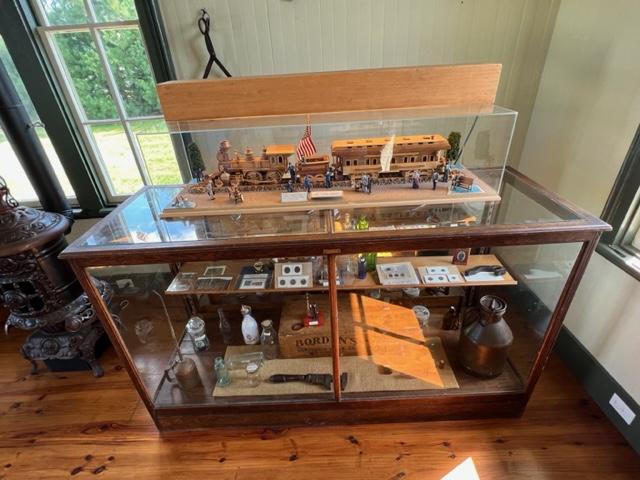
In the center of the museum, there was a display case of many artifacts used in the rail service. All sorts of tools of the trade, functions of the rails and memoribilia are displayed in these cases.

The museum artifacts in the displays cases

The display of the rail cars and movements

Servicing the railroad

The deeds and business of the railroad

The workings of the railroads

The old Brake Stand of the rail yard on display

Off to the side of the old Waiting Room was the Conductor’s old office, which was now another gallery of model trains. The displays showcased the old railroads and have all sorts of artifacts on the Conductor’s old office and life at the station.

The Conductor’s old office now the Model Train Room

The model of the old railways

The Conductor’s old desk

A picture of the old station

The pot belly stove that kept him warm in the colder months

At the end of the tour is a small gift shop and information area of other cultural sites to visit. There is all sorts of information about the area and other cultural sites in the area.

The Gift Shop

The information area

The museum is an interesting look at travel after the Civil War until after WWII when the area opened up to automobiles. Jet travel in the 1960’s changed the area again as families left these grand hotels and traveled to places like Florida and the Caribbean.

It is an interesting peek at the past and the volunteers really showcase all their restoration work.

D & H Canal Historical Society and Museum       23 Mohonk Road                                                 High Falls, NY 12440

D & H Canal Historical Society and Museum 23 Mohonk Road High Falls, NY 12440

D & H Canal Historical Society and Museum

23 Mohonk Road

High Falls, NY 12440

(845) 687-9311

https://www.canalmuseum.org/museum-and-visitor-center

https://www.facebook.com/DHCanalMuseum/

Open: Summer Hours (May 1st-September 30th) Sunday-Saturday 10:00am-5:00pm

Admission: Suggested donation $12.00/Pay as you wish.

My review on TripAdvisor:

https://www.tripadvisor.com/Attraction_Review-g47891-d3535614-Reviews-The_D_H_Canal_Historical_Society_and_Museum-High_Falls_Catskill_Region_New_York.html

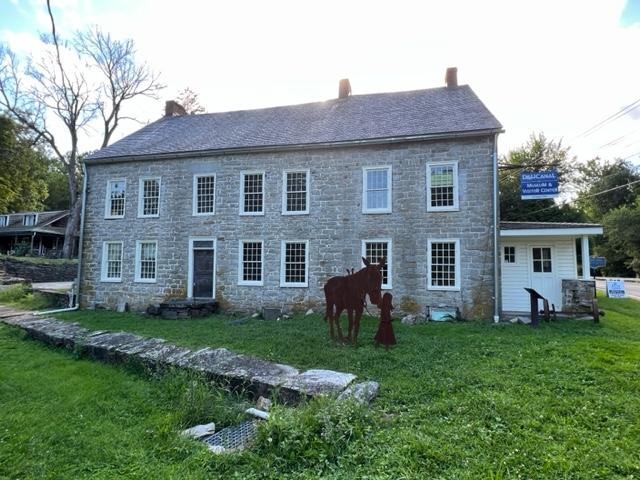
The D & H Canal Museum at 23 Mohonk Road

The D & H Canal Museum is an interesting mix of history of transportation, commerce and growth in this part of New York State. The museum is housed in the old DePuy Canal House at Lock 16 on the canal route (which is located just outside with weeds and over-growth hiding it), which was built in 1797 and was enlarged in 1820 to serve workers and travelers on the D & H Canal. The museum itself had gone through many transitions from tavern to canal offices to a high-end restaurant and then to the current status as a museum.

Lock 16 on the canal route sits just outside of the museum.

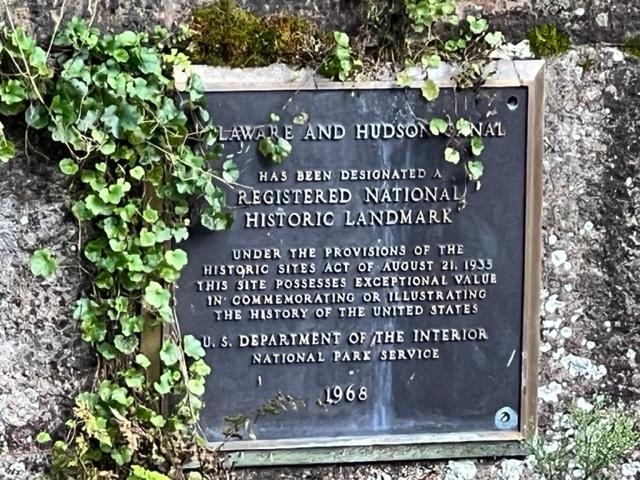
The canal historical marker.

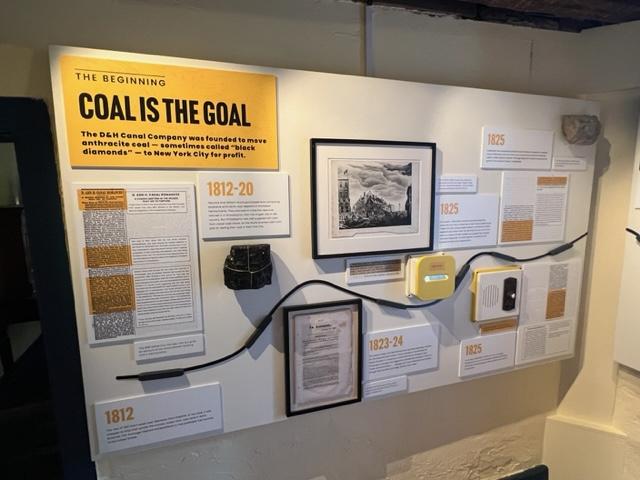
The museum is interesting in that it shows the progress of how the canal was built and how the area opened up to commerce of both people and merchandise. It also shows the importance in shipping coal from its source to its end destination in New York City and how it helped grow that city as well.

The front gallery as you enter.

The entrance of the museum gives a romanced view of the canal and transportation along the route. Artist William Rickarby’s painting “High Falls on the Rondout” is the theme of the room with the painting blown up to show life on the canal. It gives a view of how the canal’s played a part in everyday life.

The original watercolor painting “High Falls on the Rondout Creek” by artist William Rickarby.

The painting’s description

The museum is broken down into four separate galleries explaining the canal development, Transporation and shipping, the types of products being shipped along the route. Coal being mined in Pennsylvania could now be shipped to New York City more quickly than before and the connections to other lines of the canal brought in other produce.

The main gallery tells the story of the development of the cabling system that helped develop the bridges of the canal route.

The D & H Canal route for shipping.

The movement of coal from Pennsylvania to New York City.

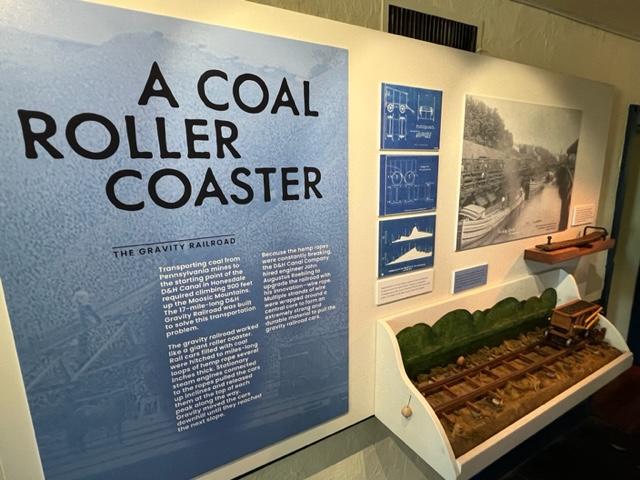
The new Robling cable system changes everything.

Coal mining and its role in the growth and use in cities.

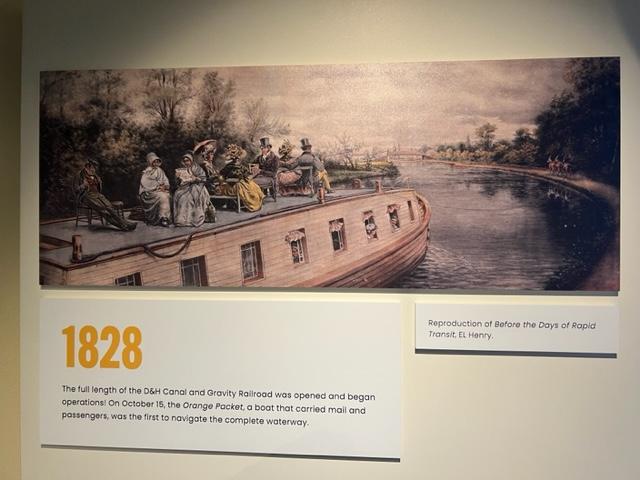
Before the railroads, the canals also began a source of leisure travel.

The second gallery explains coal mining manufacturing. The finding of the ore and its use in a modern society. This shows its importance at that time in our history.

The shipping of coal.

The second gallery on the development of the canal.

John Augustus Roebling and his creation of the wire rope cable.

Items for the use of mules that were used along the canal route.

Items used for canal safety while in transport.

The last gallery was the part of the building that the family had used for a tavern for travelers along the canal route. This room still has that feel of a restaurant and along the tables you can see the old menus and a description of entertainment at the time.

The use of the building as a pub for travelers along the canal route.

The pub description of the DePuy family. They used this building to entertain visitors who worked and traveled along the canal route. The building was later used as a four-star restaurant until 2017 when the building was turned into the museum.

The outside of the old restaurant extension.

The old Lock 16 that is now covered with weeds, but you can still hear the water underneath.

There are still traces of the glory days of the canal covered by weeds, trees and bush. The canal is long gone but its development, growth and final demise and rebirths as an attraction are shown in different stages of the galleries. For those who have interest in the growth of New York State in both mining and farming and transport to New York City, the museum tells that story not just in story boards but by experiencing it with props and pictures.

The History of the D & H Canal (The Delaware & Hudson Canal):

(from the D & H Canal Museum pamphlet)

This 108 mile, 108 lock waterway carried anthracite coal from Pennsylvania mines to the Hudson River at Kingston, NY between 1828 and 1898. Conceived by the Wurts brothers, it served as a means to market their coal in New York City. Associated with feats of civil engineering, the D & H Canal transformed the mid-Hudson River Valley in size and economic development.

The D & H Canal Company was privately financed by investors after seeing a Wall Street demonstration of the hot burning anthracite coal in January 1825. Benjamin Wright and John B. Jervis were hired to survey the route and engineer this canal, which started in Honesdale, followed the Lackawaxen and Delaware Rivers to what is currently Port Jervis. It then headed northeastern through the valley between the Shawangunk Ridge and the Catskill Mountains and ran alongside the Roundout Creek to the Hudson River.

The canal was constructed in less than three years by an estimated 10,000 workers, using only picks, shovels, draft animals and blasting powder. Industries developed along the canal route to exploit local resources such as lumber, agricultural products and bluestone. Natural cement, which hardened well under water was discovered near High Falls in 1825 and would later be used to construct structures such as the Brooklyn Bridge, the Statue of Liberty and the Washington Monument.

Another innovation was the wire suspension bridge designed by John Roebling (of Brooklyn Bridge fame). He built four suspension aqueducts for the D & H Canal during the 1840’s.

The gravity railroad was devised to transport coal from the fields near Carbondale to the canal terminals at Honesdale and Hawley. Railcars were pulled up the mountains using mules and ropes and descended by gravity. Although attempts to use steam locomotives proved unsuccessful, the trial run of the Stourbridge Lion is considered the first commercial use of a locomotive in the US.

One of the largest firms of its era, the Delaware & Hudson Canal Corporation pioneered corporate management practices and built one of the first US railroads. Railroads led to the end of the canal era and most of the D & H Canal was drained after the 1898 season.

The remnants of the D & H Canal.

Hopewell Depot Museum                                                                                 36 Railroad Avenue                                                                 Hopewell Junction, NY 12533

Hopewell Depot Museum 36 Railroad Avenue Hopewell Junction, NY 12533

Hopewell Depot Museum

36 Railroad Avenue

Hopewell Junction, NY 12533

(845) 226-7003

Home

Open: Please check website for hours (right now every Saturday 10:00am-2:00pm)

Admission: Free but donations are accepted

My review on TripAdvisor:

https://www.tripadvisor.com/Attraction_Review-g47922-d13000900-Reviews-Hopewell_Depot-Hopewell_Junction_New_York.html

The Hopewell Depot at 36 Railroad Avenue

The Hopewell Depot and grounds

I visited the Hopewell Depot one weekend and found it to be a very interesting look at the rail service during its development in the Hudson River Valley. The rail service changed the way business was done in the valley for farmers and opened the whole area up for development.

The rival commuter lines than merged together to make a better lines of transportation and bring people not just through the area but to help build the communities and their businesses that they are today. Each section of this small museum tells the story of that development.

The front gallery of the museum

The potbelly stove that warmed riders before their rides.

The community gallery

The front section of the museum which houses the gift shop and welcome area once served as the waiting room for the train station. This had been a smaller line once serving between Poughkeepsie and Connecticut and then later on to the rest of New York State and as a line to transport agricultural products between the Valley and the growing market in New York City.

The tops of telephone poles

The middle section of the museum houses the Train Manager’s office and an office for communication to outside communities. Here the train depot manager would run the day in day out services of the trains and their functions with the bigger lines and the Western Union communications area would service the community with messages and services to the outside.

The Train Station Manager’s office

The Western Union/Communications office

The back section is where you could buy your tickets and converse with other people taking the railroad. Here are displays on the railroad lines, the products that were serviced through the rails like the big Borden Foods display, whose factory was located right next to the train station and had serviced all the dairy farmers in the community bringing fresh milk to New York City and beyond.

The back gallery of the museum

The back gallery

The Train Lamp display

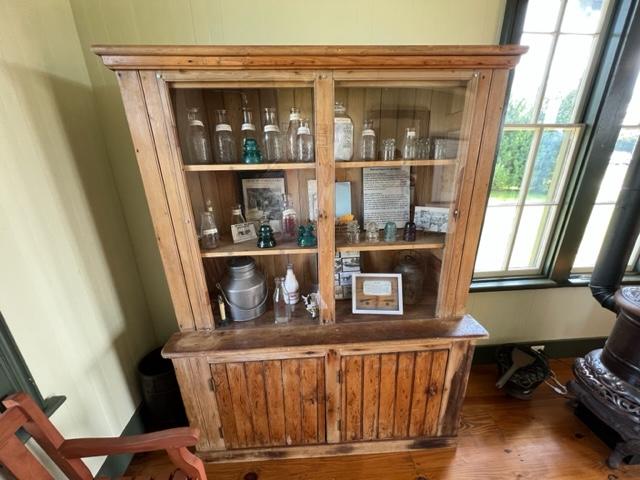
The Borden Milk display in honor of the dairy industry locally owned Borden plant.

The museum also has displays on the workings of the railroads and how they functioned, how the community was formed and grew around the railroads and all sorts of equipment and items that made the operation work. The museum volunteers have done an excellent job telling the story of how Hopewell Junction and the surrounding towns developed and grew.

The Community Development display

The “Working” display of the growth of trains

Outside the building, the museum volunteers are working on renovating a donated caboose that was once used on another line. Here I saw the Train conductors operation area, the sleeping quarters and a small kitchen. I thought that was fascinating because I never knew what this car contained and never knew it was living quarters for the conductor. I can see the potential of kids wanted to climb all over this and want to know what life was like on the trains.

The Caboose on the back of the property

The inside sleeping quarters of the caboose

The overall sleeping area

The kitchen area

History of the Hopewell Depot:

The Hopewell Depot was built in 1873 by a Millbrook-led rail investment group that changed names several times between 1869 and 1873. Originally, the Dutchess & Columbia RR established a north-south short-haul coal route to Connecticut also serving the communities in the center of the country. The Hopewell community grew up around the Depot.

The grounds of the museum

In 1888, after Poughkeepsie’s great railroad bridge (now the “Walkway Over the Hudson) was built, the Dutchess County RR pushed southeastward and arrived in Hopewell Junction in 1892, creating a 4 way hub. In the next decade, the lines through Hopewell became part of the Central New England Railway system. In 1927, they came under full control of the New Haven RR until it failed in 1968. The Poughkeepsie RR Bridge burned in 1974 and the local rail service ended here in 1982.

The Hopewell Depot Mission:

Privately owned and operated since 1996, Hopewell Depot has progressed entirely through the work of volunteers from all walks of life.

The old baggage cart

The Visitor Center offers a variety of information on the local area and items for sale. The interior museum rooms present a host of interactive displays and artifacts about the region and the great era of railroads in general. The grounds contain the Interlocking Signal Tower with a special exhibit loft and public restrooms and the Rudberg Pavilion is open to visitor as a rest area.

Hopewell Depot Museum is on the National Register of Historic Places and is a fully chartered NYS museum. Its mission is to present the complex as a historical and educational experience for the regional community and provide an informative, recreational venue the public can enjoy with pride.

The Depot in the summer months.

The tiny caboose

Getting to know the museum on YouTube

The Century Museum and Collectors Association         Dutchess County Fairgrounds                                               6636 Route 9                                                                Rhinebeck, NY 12572

The Century Museum and Collectors Association Dutchess County Fairgrounds 6636 Route 9 Rhinebeck, NY 12572

The Century Museum and Collectors Association Dutchess County Fairgrounds 6636 Route 9 Rhinebeck, NY 12572

(845) 876-4000

https://centurymuseum.wixsite.com/home

https://www.dutchessfair.com/explore/fair-features/

Open: When the fairgrounds are open Spring, Summer and Fall for events

Admission: Free

My review on TripAdvisor:

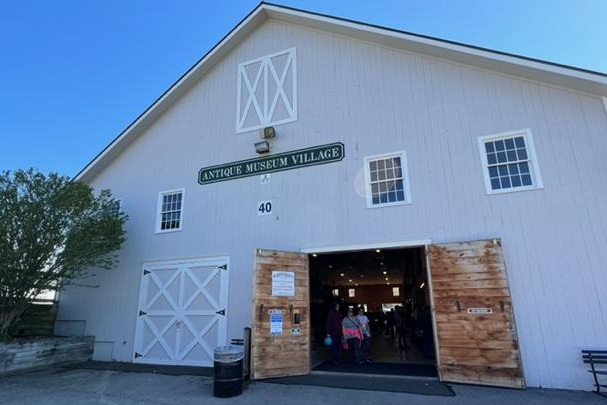
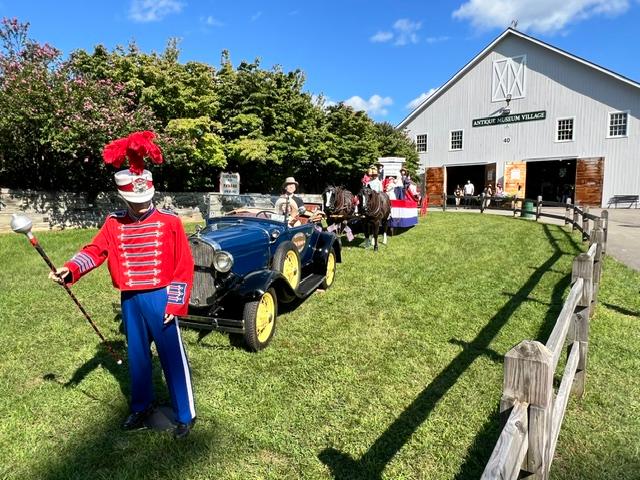
The Century Museum Village inside the Dutchess County Fairgrounds

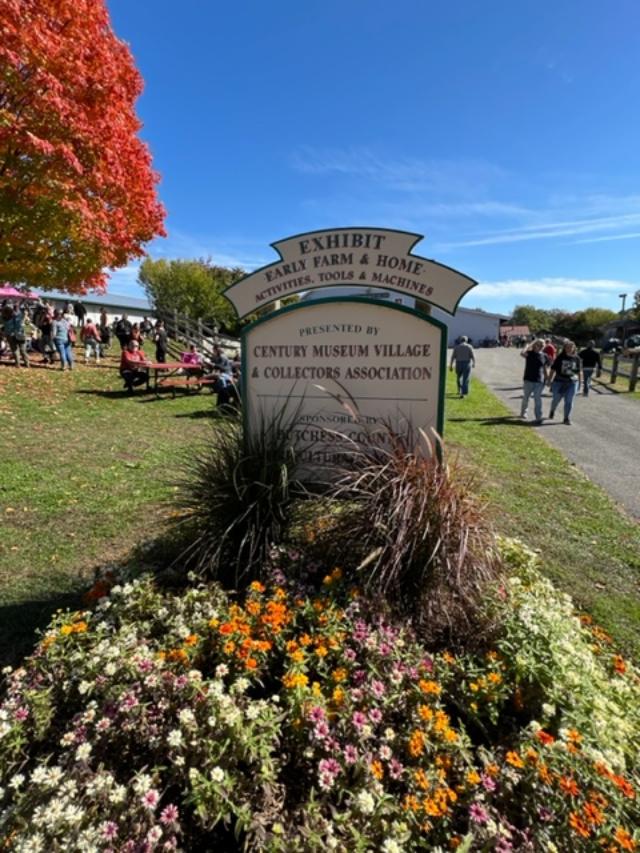
The front gardens of the museum

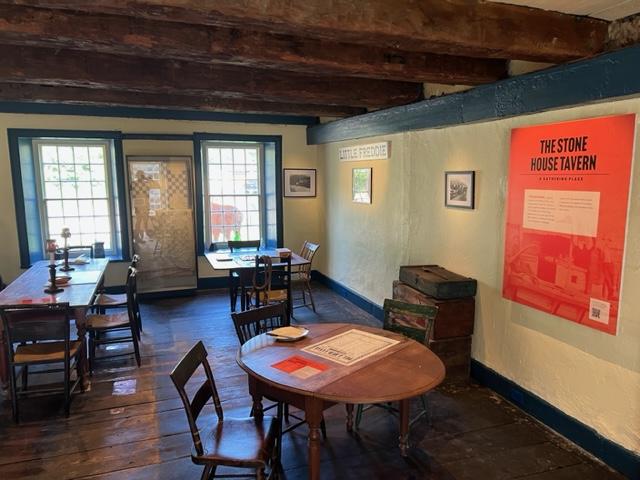
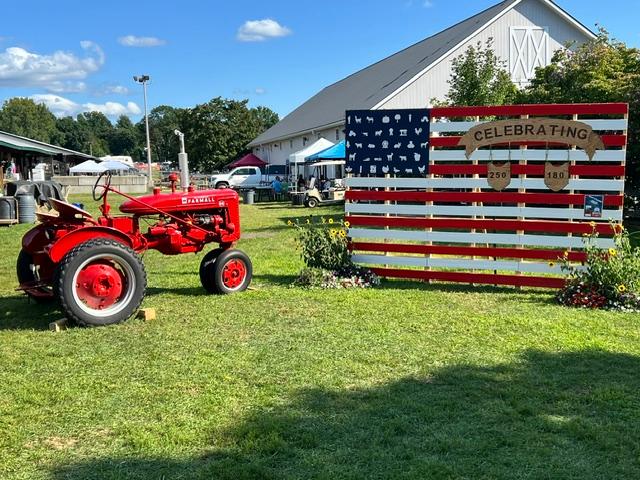
The museum display in the Summer of 2026 for the 250th Anniversary of the United States

When the Dutchess County Fairgrounds are open for the season for big events in the Spring, Summer and Fall, the fairgrounds open their historical museums that are located on the property. These include the School House Museum and the Train Station Museum and the when the volunteers are there the Dutchess County Volunteer Firemen’s Museum. The main museum is the Century Museum Village, a look at rural life in Dutchess County at the turn of the last century.

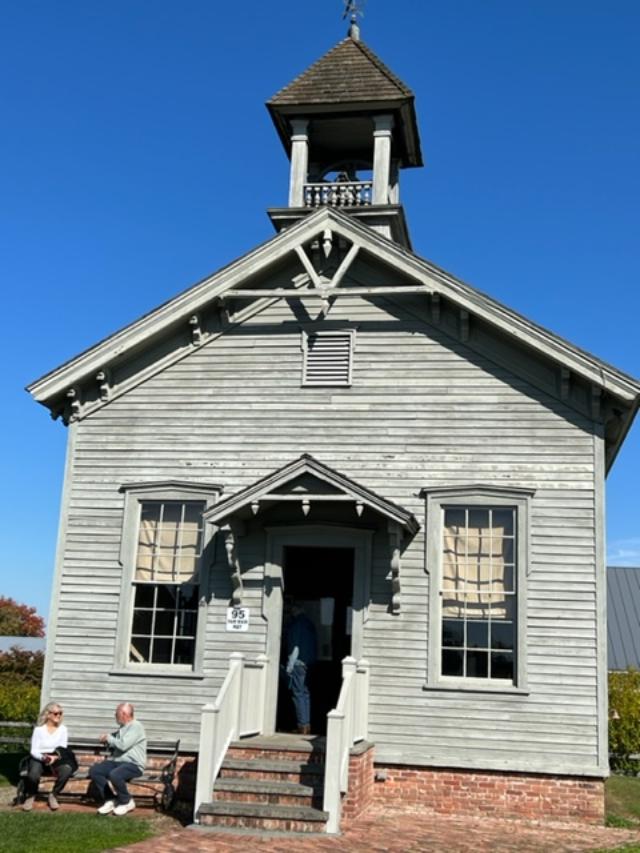
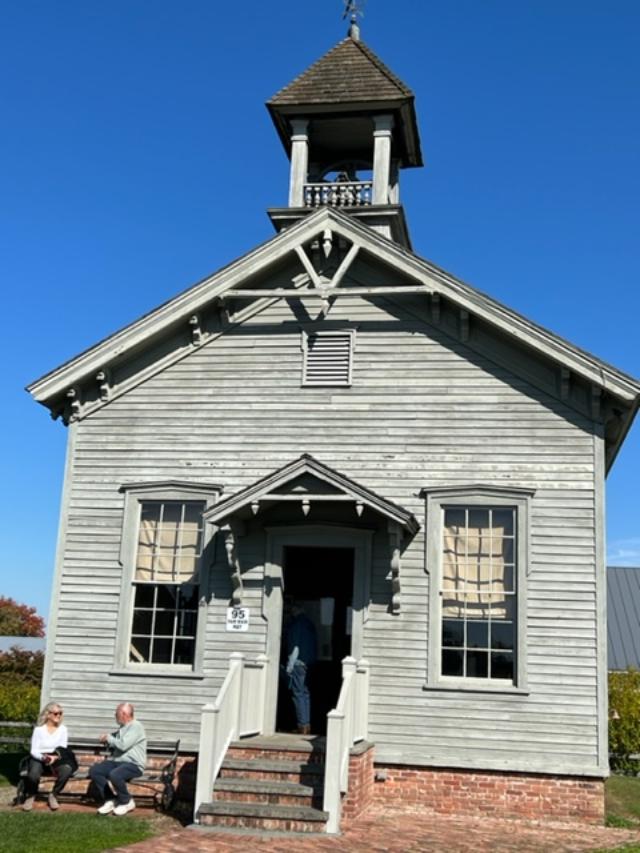
The Schoolhouse Museum in the Century Museum Village

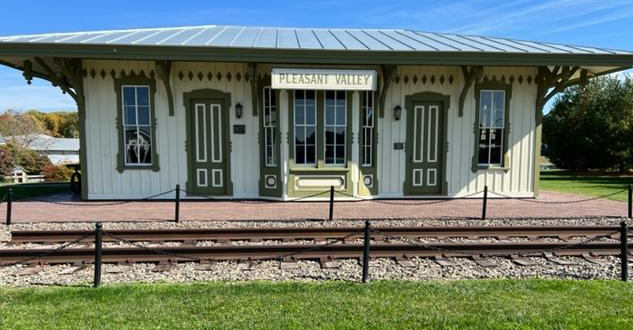
The Train Station Museum at the Century Museum Village

The Century Museum Village gives an interesting look of the changes in life in rural communities all over the United States until the start of WWII. Farming communities had their own way of life, their own clubs and organizations and traditions that were different from City residents. Life on the farm was productive but hard work. As time rolled on, modern conveniences found their way to these communities but as we see by all the machinery, there was still a lot of work to done.

As you progress through the different displays and dioramas, you can see how life improved over time. Progress swept through these communities between WWI and WWII and with the spread of the second industrial revolution after WWII and the change of the consumer market. The advent of the modern highways, the newly built suburbs and movement out of the cities changed these regions even more.

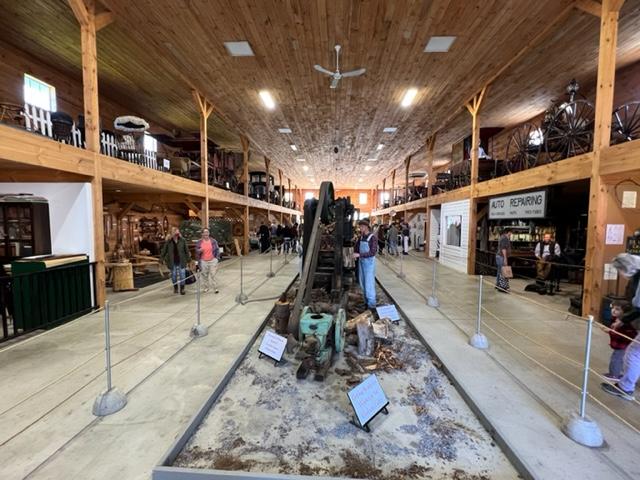
The entrance of the museum and the various dioramas

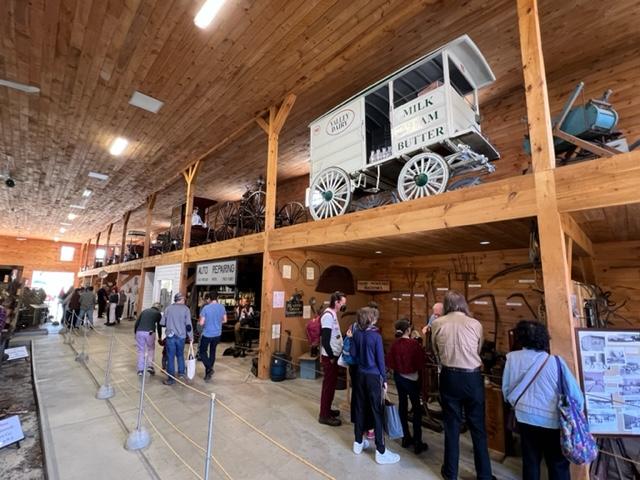
The museum is lined with different displays of life in the rural community and the advancements made in these communities between about 1880-1930.

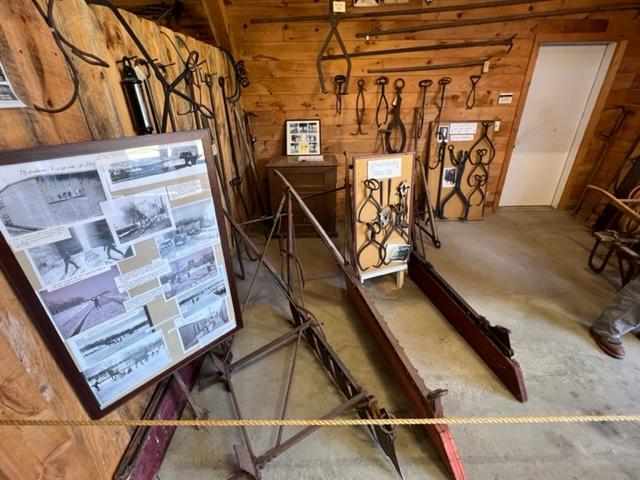
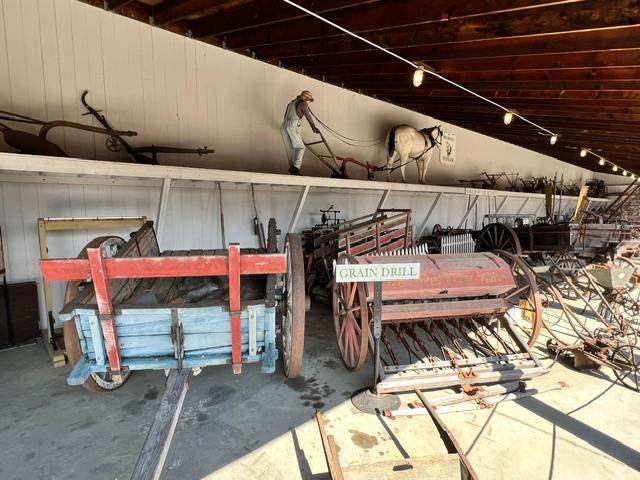
The Advancement in farming practices and equipment

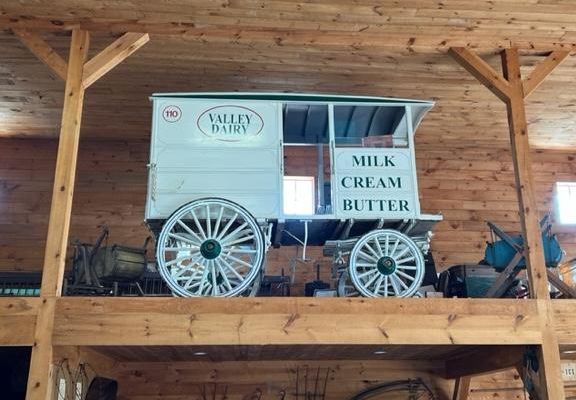
The Milk Man buggy

Ice block industry for refrigeration

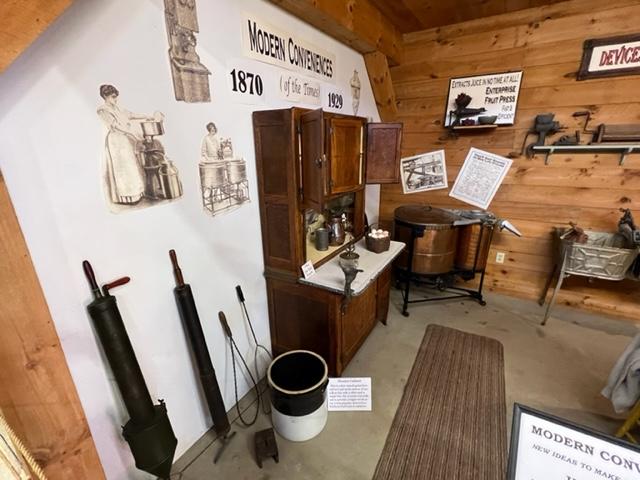
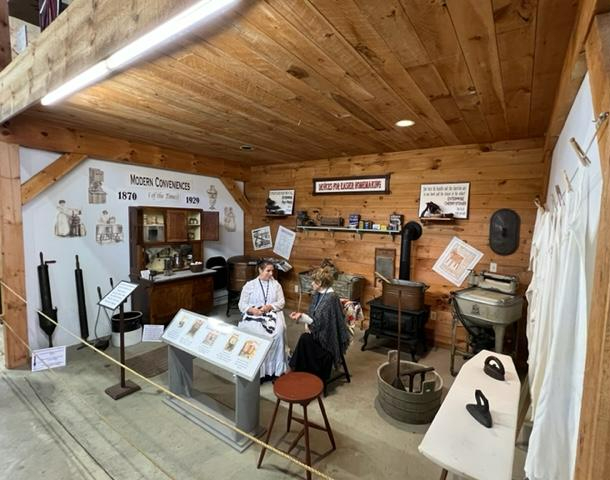
The household for the farmhouse wife started to become easier with new machinery to help around the house. Modern ways of washing clothes, cooking food and cleaning the house started to make life a bit easier in the household. This left time for a social life and to tend to other things around the house.

The Modern Conveniences of the home

The modern household items to make life easier from 1870-1929

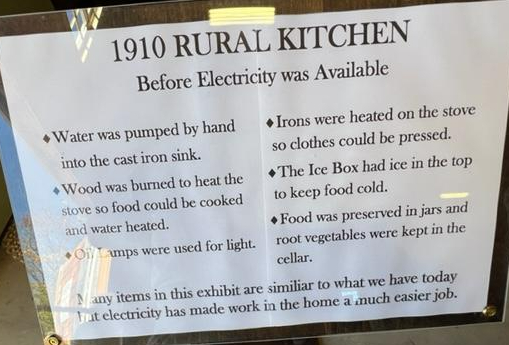
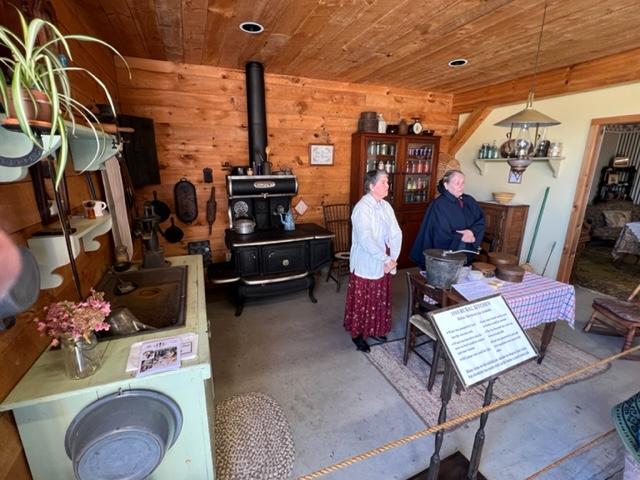
The modern kitchen before electricity came out to the country was still run by coal and wood. Modern electricity would not start until after WWI and even then was not available to everyone. Cooking and washing had gotten easier but still required some work on a everyday basis.

The Kitchen in the Country

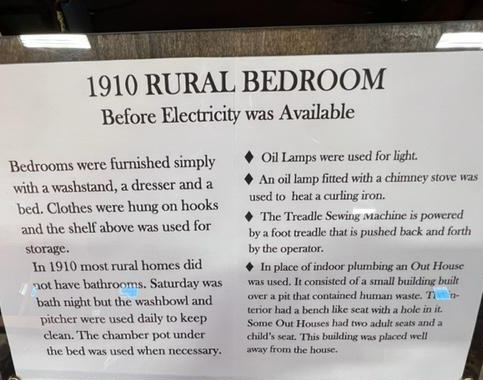
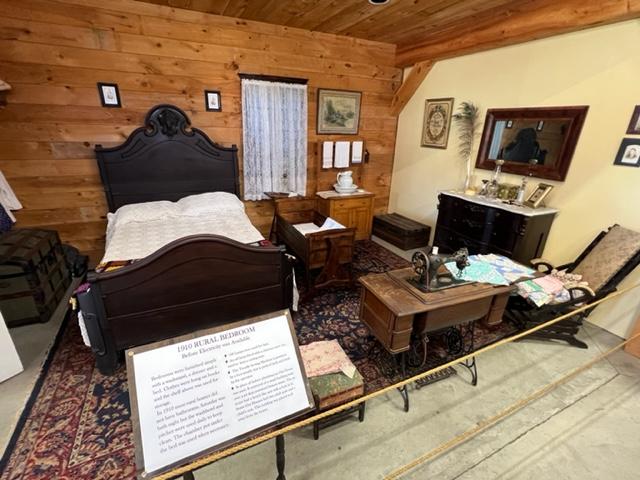
The home decor had changed after the Civil War to WWI with the changes in mass production and industrialization. Furniture, rugs, lamps and pictures had become available in all makes and sizes for sale both through catalogs and General stores or maybe a trip to the City to a Department store. People were able to furnish their homes nicer due to mass production and changes in quality of home furnishings.

The Rural Bedroom

Bedrooms have not changed much since then

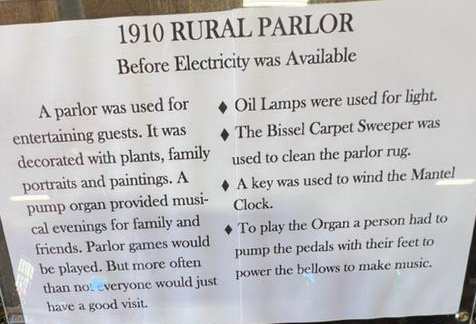
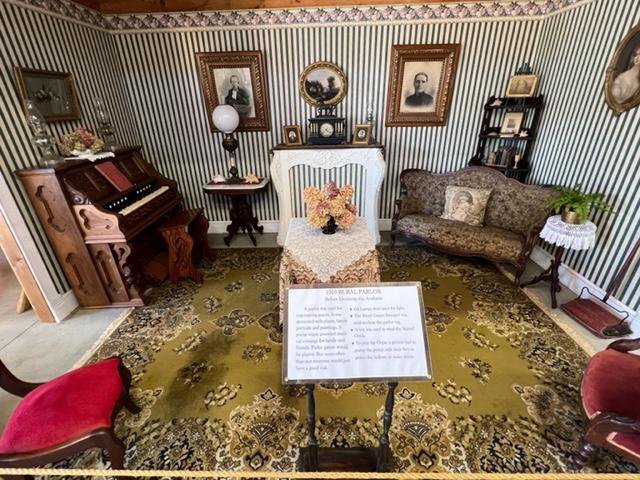
The idea of the Parlor is equivalent to our modern Living Room. It is usually the room that all socializing is done in, where the family’s best furniture and knick-knacks were placed. It was the nicest room in the house.

The Rural Parlor

The finest home furnishes and the pride of the home was displayed in the parlor.

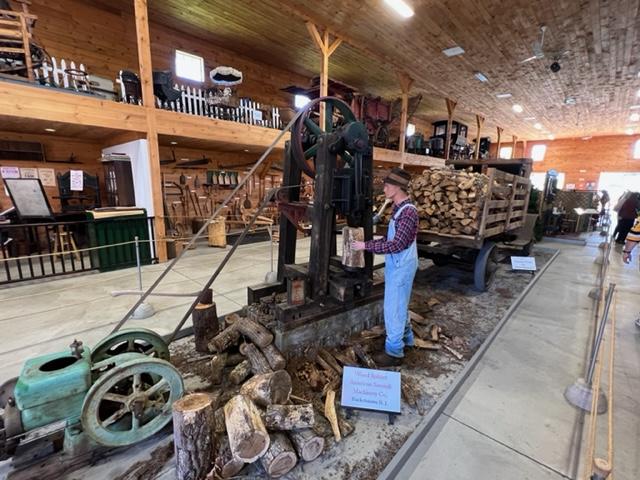
Both inside and outside the home there would be changes in the way people lived over a fifty year period. There would be changes in plumbing, carpentry and printing. Modernization would change the way people did their jobs and the way they interacted with their customers.

Modern Machinery

A better way to chop wood

Modern pump processes

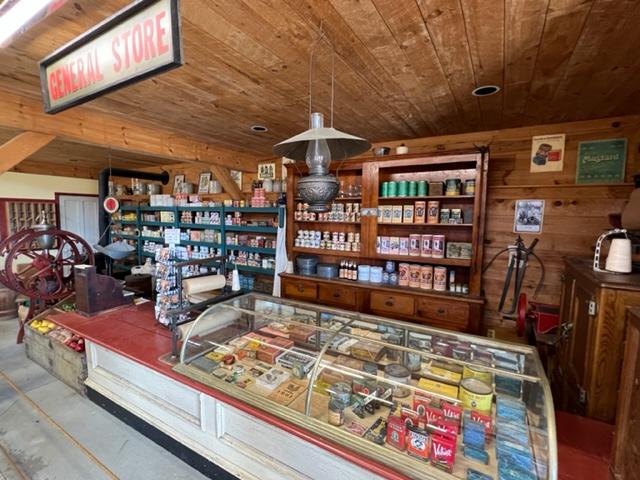
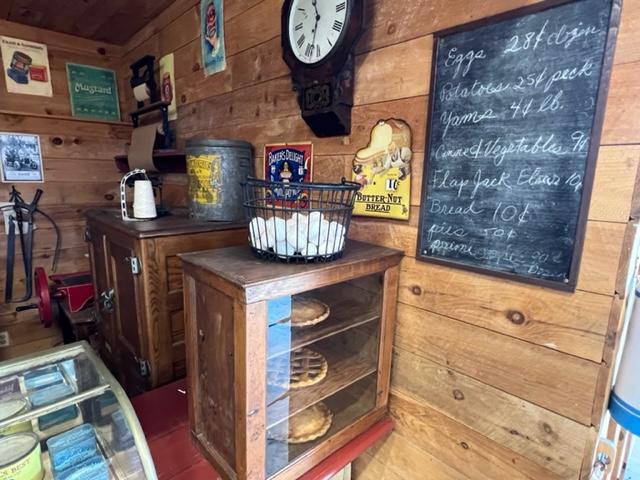
Shopping was beginning to change after the Civil War as well. The days of people making everything at home was not longer necessary as more and more consumer items became available. Clothing, dishes, toys and hardware could be bought at the General store along with prepared and bakery items. It made life for the rural housewife easier.

The General Store

Prepared items in the General Store

The bakery items and things for sale at the General Store

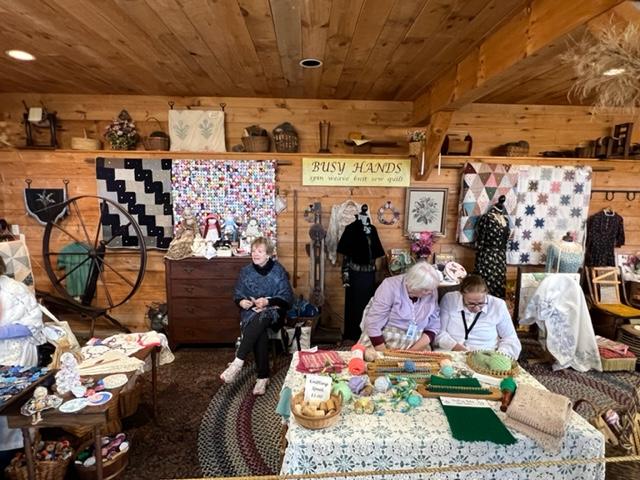
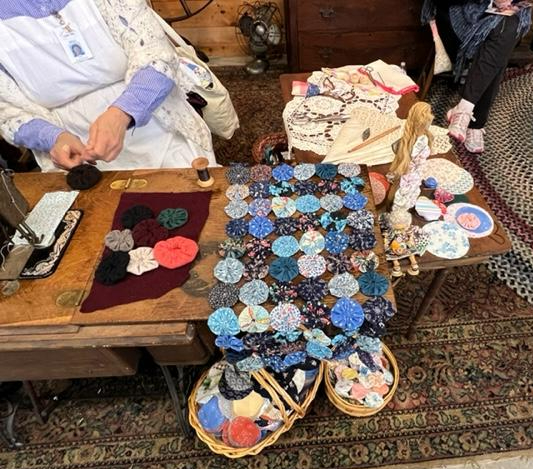
Quilting has always been a social affair with women meeting and gossiping while working on projects on their own or one big project for the home.

Women working together making quilts and sewn items for the home.

Crocheting for the home

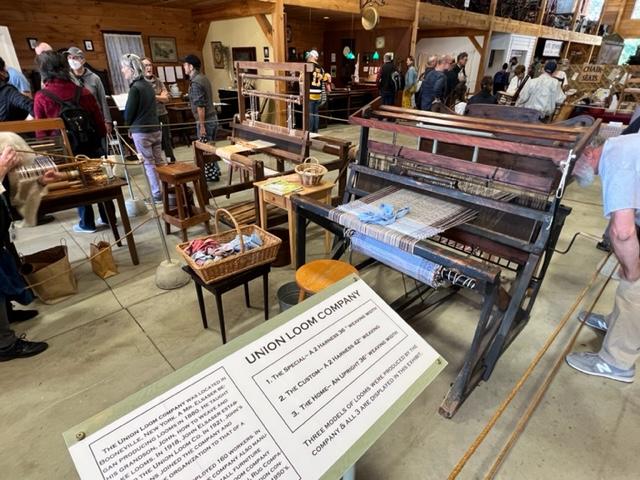
Use of Looms for clothing and rugs

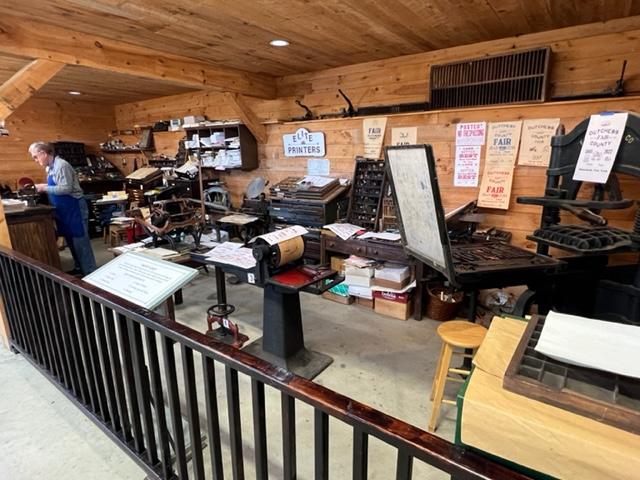
Modern printing took a turn as more modern machines made it easier to produce printing items for playbills, newspapers and magazines. The end of the WWI our modern magazines were being created. The way trades were changing more modern equipment was being used in every industry.

The Printing Press as things start to automat

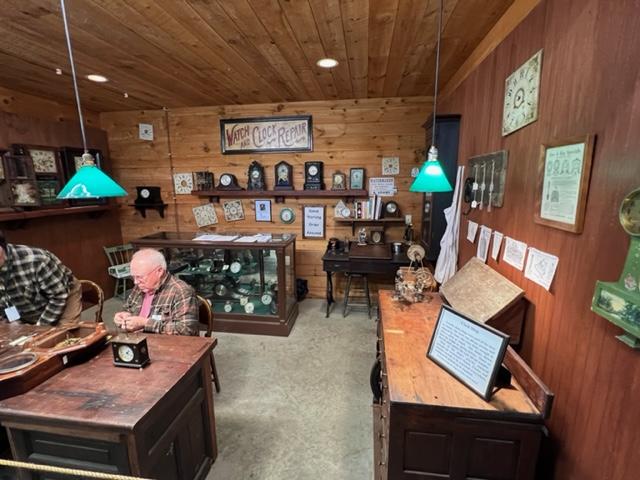
The Clock Maker

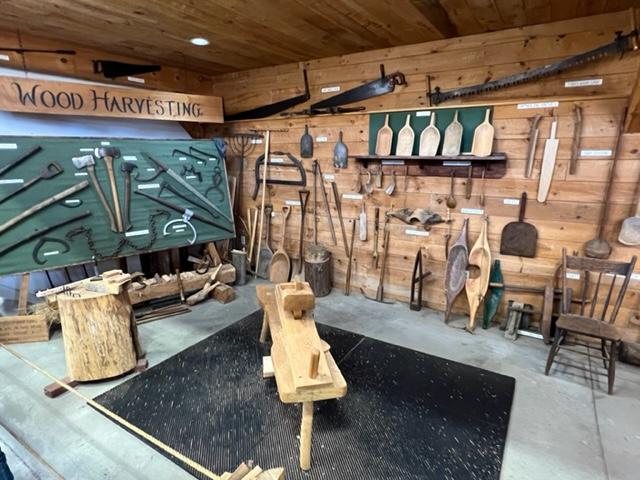
Wood Harvesting

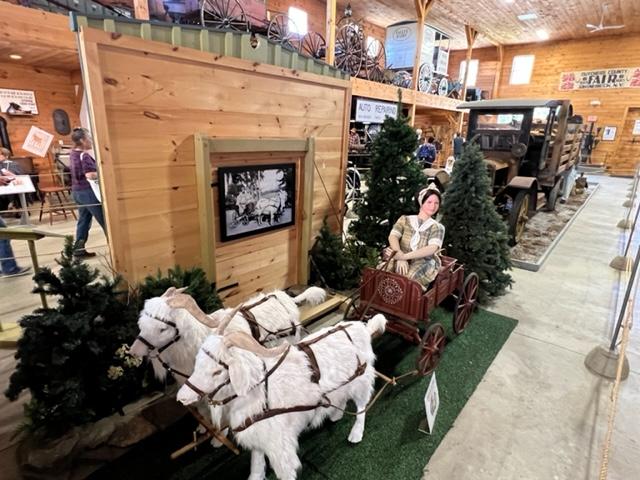
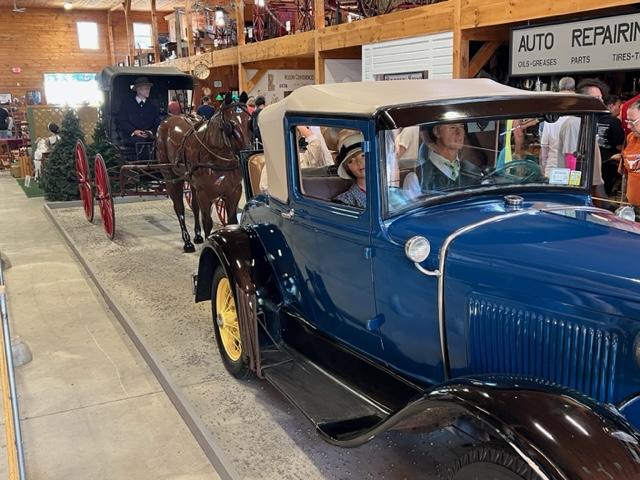
Transportation continued to improve as we moved from the horse and buggy to the modern carriage to the automobile. Improvements continued when mass production started with the Model T Ford and just kept improving. Still even today we like the idea of horse drawn carriages and sleigh rides as a traditional part of our past that we like to maintain especially during the holidays.

Horse Drawn carriages and Model T’s

The Modern modes of transportation

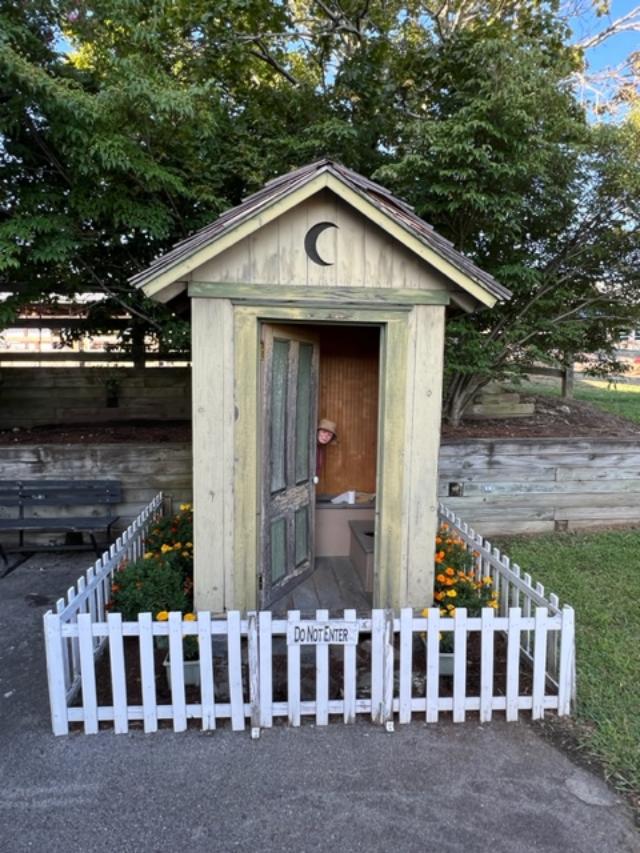
The Outhouse

The School House Museum:

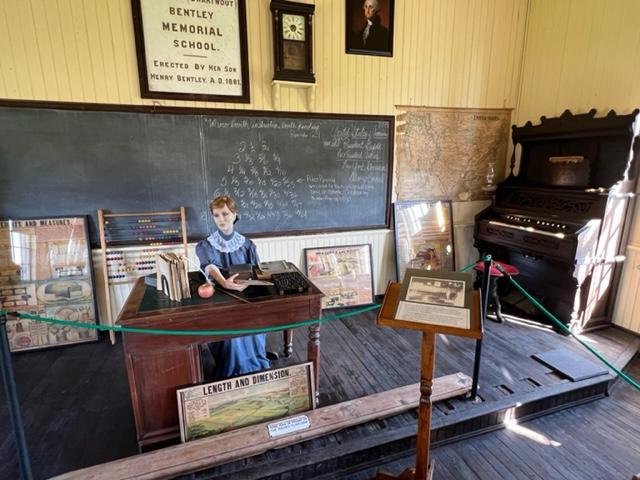
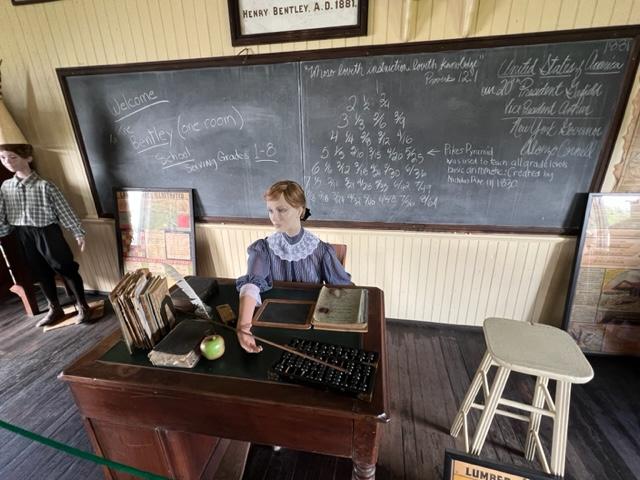
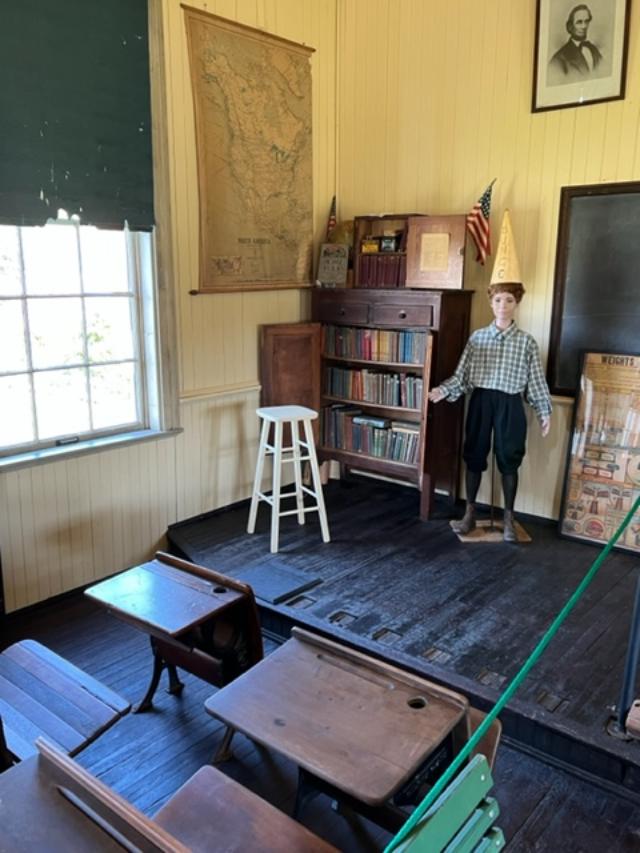
The Modern School has not changed much since its rural past. I just think you can’t hit a student with a ruler anymore and I could not see a student with a Dunce cap in today’s politically correct world. The blackboard has not gone out of style as well as a teacher teaching the next generation.

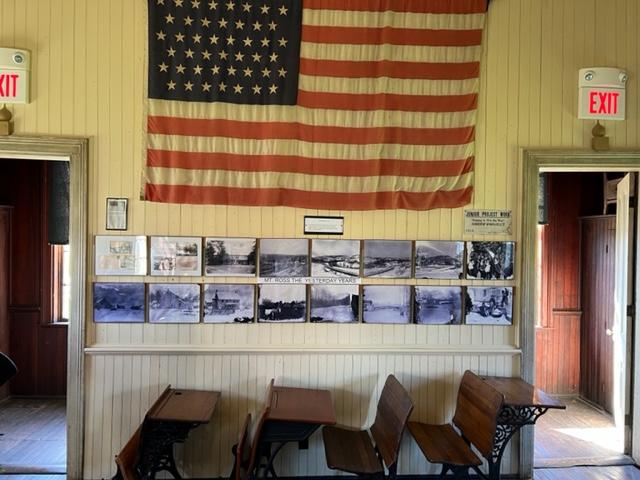
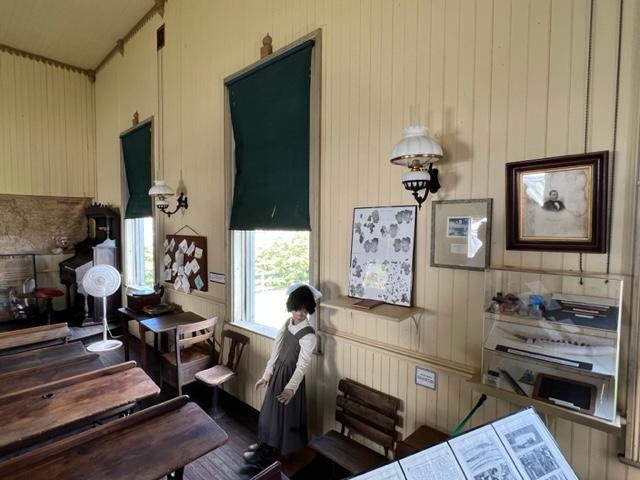
The One Room School House Museum

The school room set up still remains the same to a certain point.

The Teacher still leads the class

I don’t think would happen to the modern student

The One Room School House set up.

The Schoolhouse Museum

As the museum shows us, somethings have changed and some things remain the same. At some point, we did things right.

The Train Museum

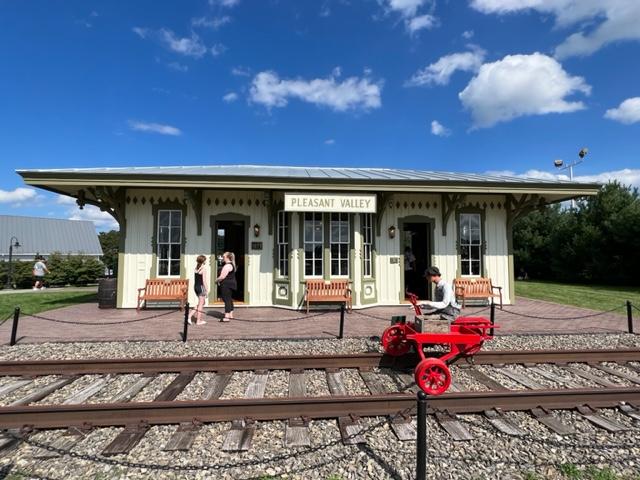
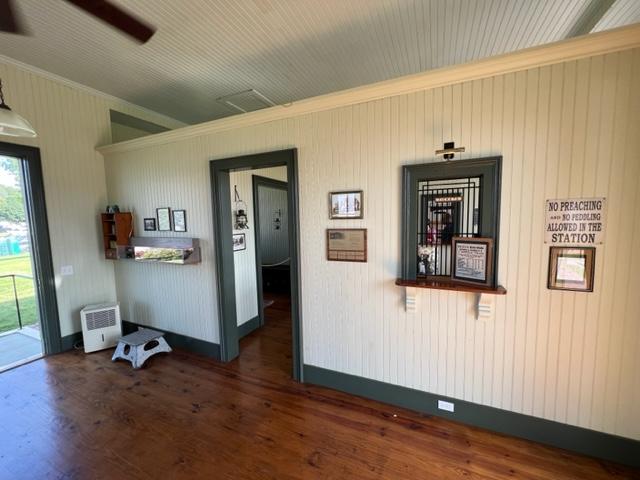
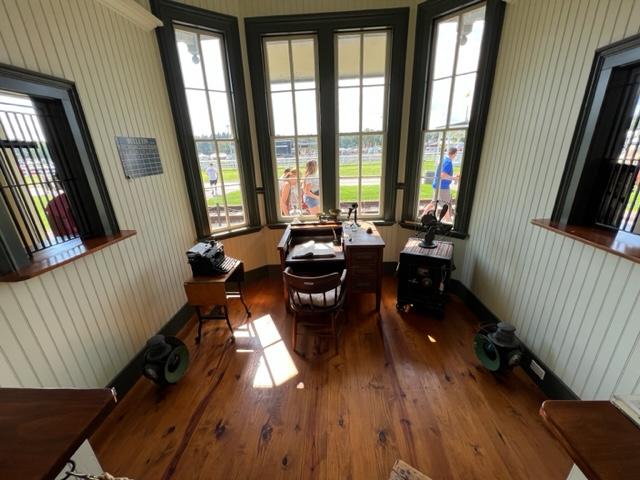
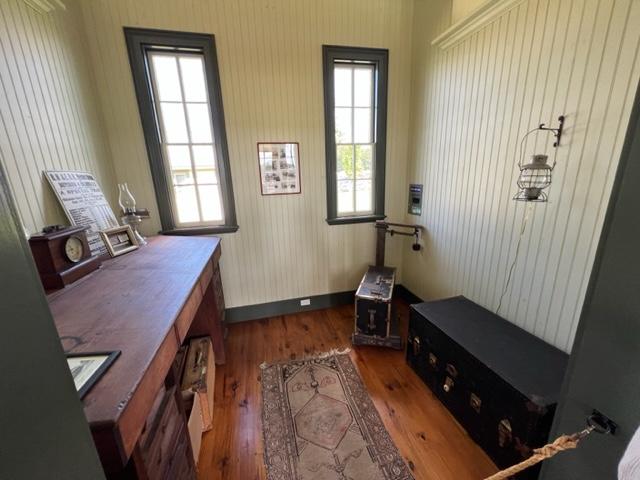
The Pleasant Valley Train Museum at the fairgrounds is a simulated train station that was moved here from the old site. Inside it has been renovated to reflex train travel at the turn of the last century with artifacts from the time period from the late 1800’s to the early 1900’s. You get to see what life was like for the station manager and passengers at that time.

The Pleasantville Train Museum at the Dutchess County Fairgrounds

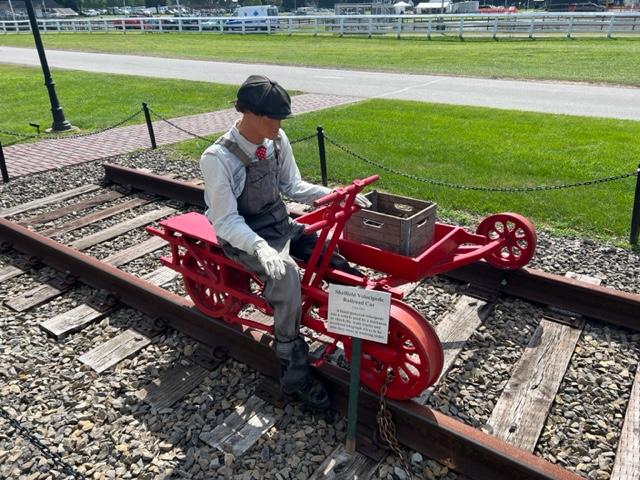
The hand cart at the turn of the last century.

The inside of the train station.

The train manager’s office at the Train Museum.

The Luggage Room at the Train Museum.

Artifacts at the Train Museum.

Artifacts from the train lines at the Train Museum

The series of buildings are a look at rural life in Dutchess County between the Civil War and WWI. Some things have changed and some have stayed the same.

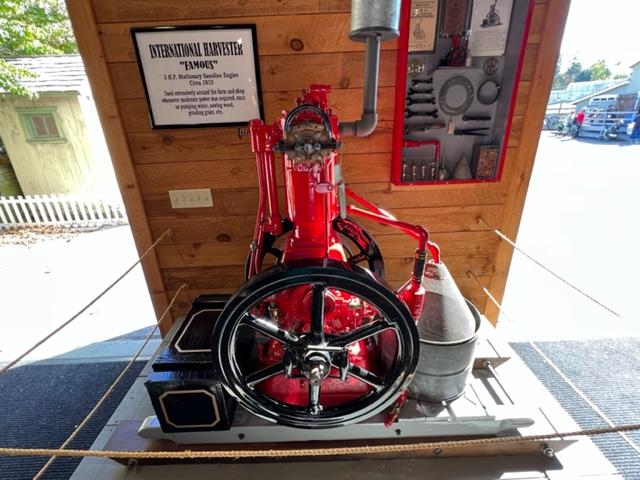
Outside the museum, there is all sorts of farm equipment and displays of engines

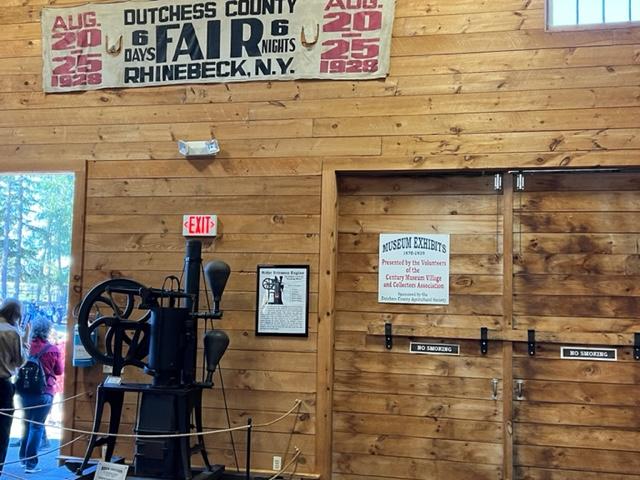
The engine demonstrations on the side of the museum showing the latest technology in the turn of the last century

The museum had a demonstration of the engines and farm equipment on the afternoons I visited the museum over the years and it is very interesting how these early machines were powered with these early gas generated engines.

The museum’s 250th Anniversary of the United States display outside the museum