Category: Exploring Tarrytown NY

Old Dutch Reformed Church                                                         403 Broadway                                                                      Sleepy Hollow, NY 10591

Old Dutch Reformed Church 403 Broadway Sleepy Hollow, NY 10591

Old Dutch Reformed Church

403 Broadway

Sleepy Hollow, NY 10591

https://reformedchurchtarrytowns.org/old-dutch-church/

https://www.facebook.com/theolddutchchurch/

Open: During Church Services and special events-Check their website.

My review on TripAdvisor:

https://www.tripadvisor.com/Attraction_Review-g48622-d104751-Reviews-Old_Dutch_Church_and_Burying_Ground-Sleepy_Hollow_New_York.html

The Old Dutch Reformed Church of Sleepy Hollow

I love visiting the Old Dutch Reformed Church of Sleepy Hollow and its cemetery. The church itself is steeped in history but made famous by “The Legend of Sleepy Hollow” by Washington Erving, a local resident. The church was the inspiration for the book and to this day it is still celebrated during the Halloween season with Open Houses and storytelling. I have visited the church to hear storyteller Jonathan Kurk tell the story of Ichabod Crane and then at Christmas to hear “A Christmas Carol” by Charles Dickens. These are musts when you are visiting the church.
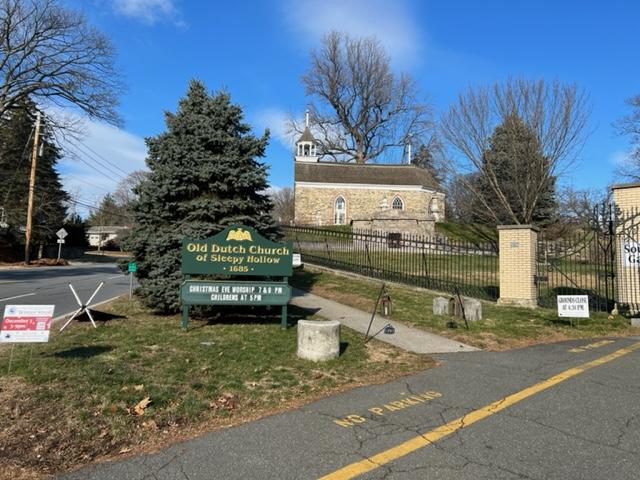
The Old Dutch Reformed Church of Sleepy Hollow

Though the cemetery stretches for miles it is the part by the church that is the most interesting. The tombstones are over 300 years old and some weather beaten to wear the tombstones are unknown. Still it has that classic look with faded cracked tombstones and large shade trees where you might think a ghost or ghoul would pop out. It is a classic Dutch Church cemetery of the Hudson Valley and I highly recommend the cemetery walking tour where you can visit the graves of many famous resident of the cemetery including Washington Irving. Whether the fall or the spring, it is fascinating to walking among the graves and just pay your respects to these people.
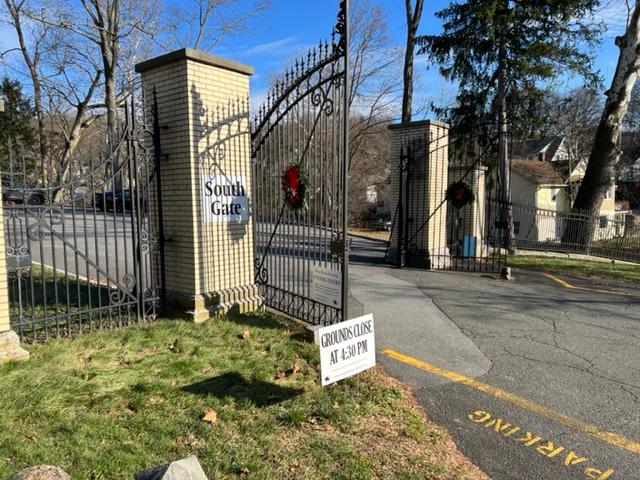
The gates leading to the cemetery

The Church that inspired a legend:

(From the Reformed Church website)

When Washington Irving set his ghost story about the Headless Horseman at the Old Dutch Church of Sleepy Hollow, he made the church world-famous. Ever since the publication of The Legend of Sleepy Hollow in 1819-20, visitors have come to see where Ichabod Crane led the choir and courted Katrina Van Tassel among the old gravestones in the churchyard and looked for the grave of the Headless Horseman in the Old Burying Ground.
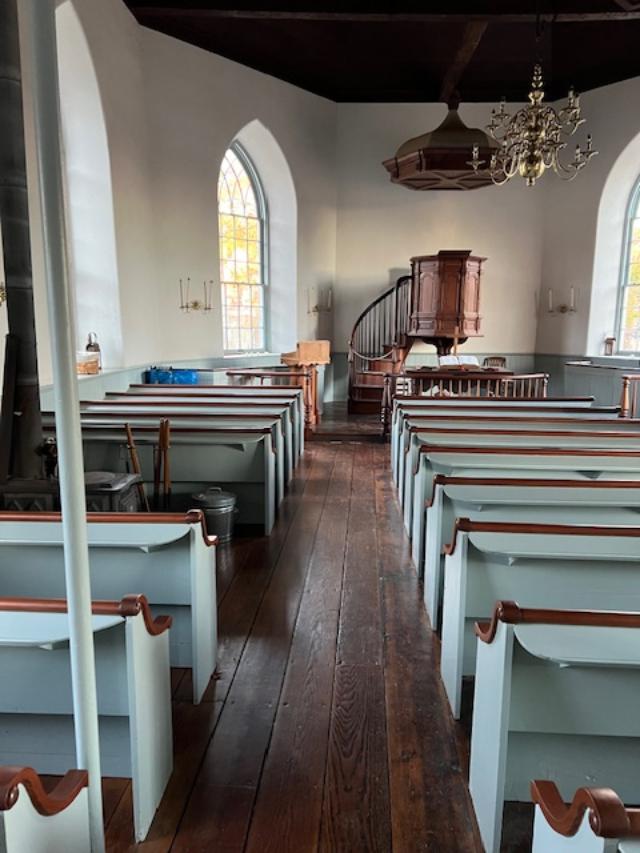
The inside pew of the church

The church was already old when Irving first saw it, when he was a teenager. It was built in 1685 and formally organized as Dutch Reformed in 1697. It served as the congregation’s home for more than 150 years, until a new building was constructed. Even then, it was retained for worship on summer Sundays and special holidays. This custom continues today.

The pews and pulpit inside the Old Dutch Reformed Church

This inscription on the bell that hangs in the belfry of the Old Dutch Church of Sleepy Hollow has been a comfort to the congregation through war and peace, personal joys and tragedies, since it was commissioned in Holland and installed in the belfry. Most historians date the church’s construction to 1685, the year engraved on the bell.

The back part of the pees

The church is recognized as the oldest extant church in New York and a National Historic Landmark. The Old Dutch Burying Ground, which surrounds it on three acres, is believed to predate the church. Washington Irving is buried just up the hill, in the Sleepy Hollow Cemetery adjacent.
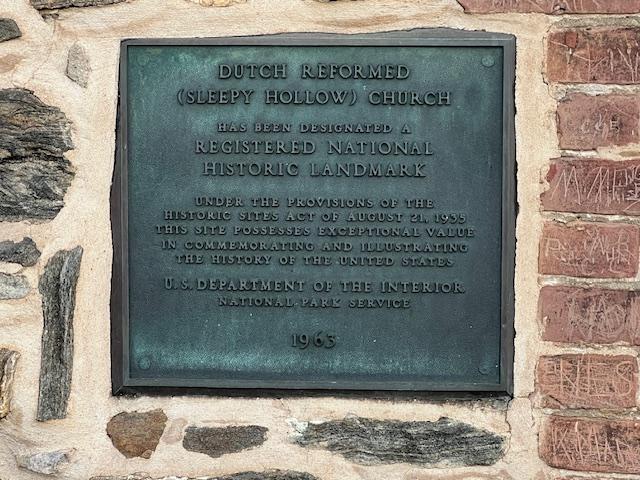
The historic marker

During Holy Week and Easter, the Reformed Church holds Good Friday services and an Easter Sunrise service at the Old Dutch Church. Summer worship services at Old Dutch feature “Seven Sundays of Worship and Music,” with guest musicians each Sunday morning during the season.

The Church’s historic marker

The History of the Church:

(from the church website)

The Reformed Church of the Tarrytowns in Tarrytown. NY , serves both Tarrytown and Sleepy Hollow, NY. It was constructed in 1837 as an extension of the Old Dutch Church of Sleepy Hollow to serve the Tarrytown community.
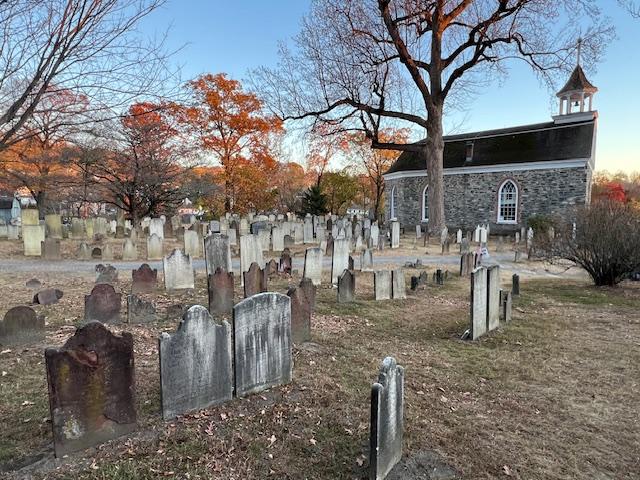
The graveyard by the church in the Fall of 2024

The new community of Dutch Reformed would have had its own Elders and and Deacons shared a minister with the Old Dutch Church of Sleepy Hollow. That church has a similar arrangement with the Dutch Reformed at Cortlandt Manor dating from 1697 when the Sleepy Hollow community was first recorded as established, though the structure had been completed in 1685 and the community had been there for long before. The Cortlandt Manor community had its own Elders and Deacons but recognized the community at Sleepy Hollow as its head, and regularly went down to the village for services and to record their births and marriages.

The oldest part of the graveyard near the church

The community at Tarrytown became independent from Sleepy Hollow in the 1850s and soon after dropped the “Dutch” association from its name. As the Sleepy Hollow community diminished and the Old Dutch Church of Sleepy Hollow became less used, the Tarrytown community adopted the name for their landmark church the Reformed Church of the Tarrytowns, adding that it was a “continuation of the Old Dutch Church of Sleepy Hollow.”

The family plots in the oldest part of the graveyard

Presenting an impressive façade on North Broadway, the structure’s steeple remains the highest point on North Broadway and the tallest physical structure in Tarrytown, despite not being built on the heights of the city. The church’s porch of four columns supporting an extended pediment offers a refined architectural addition to the business district of historic Tarrytown.

The Historic church and cemetery

The Church’s cemetery

The tree is so old that the tombstone is inside of the trunk

During my many visits to the church, I have heard Master Storyteller Johnathan Kruk perform and tell his stories of “The Headless Horseman” during Halloween and of “Scrooge” during Christmas time. Here are some of his videos of his performances.

Storyteller Jonathan Kruk singing the story of the ‘Headless Horseman”

The Church Marker

The famous bridge was once here

Master Storyteller Jonathan Kurk telling the story of the ‘Headless Horseman”. He is excellent!
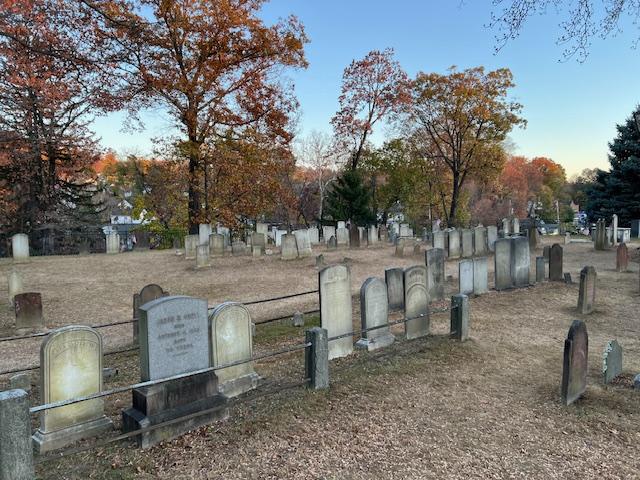
The graveyard in the Fall of 2024

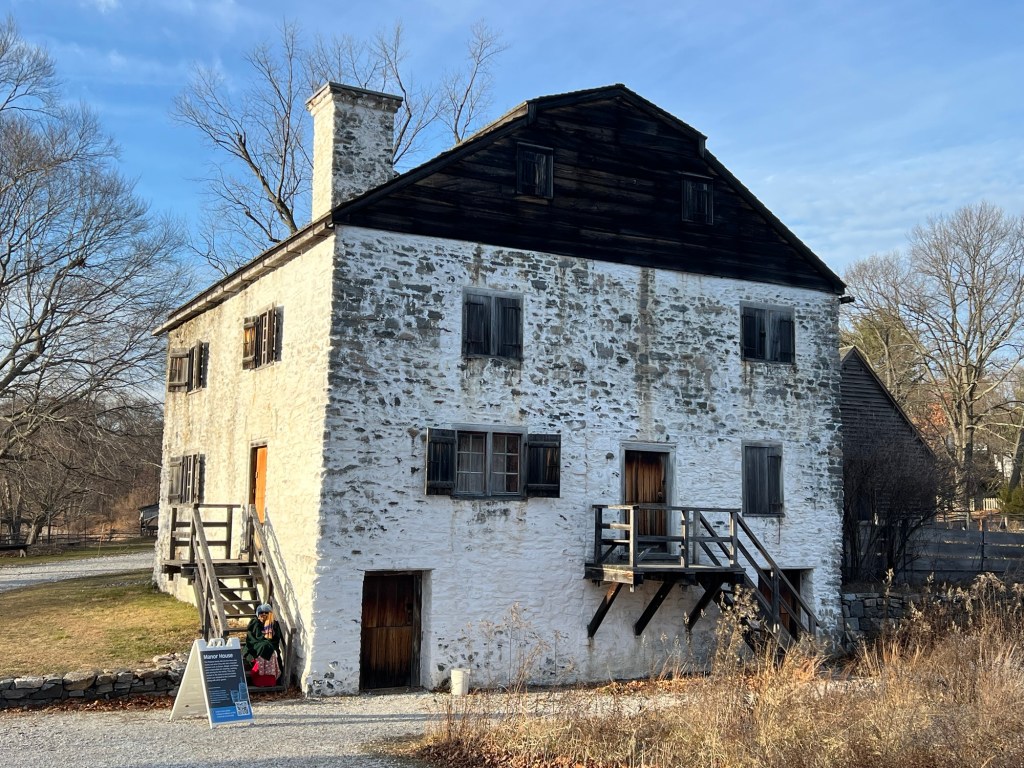
Philipsburg Manor House                                                        381 North Broadway                                                            Sleepy Hollow, NY 10591

Philipsburg Manor House 381 North Broadway Sleepy Hollow, NY 10591

Philipsburg Manor House

381 North Broadway

Sleepy Hollow, NY 10591

(914) 336-6900

Open: Please check the website for COVID updates

Fee: Please check the website for the COVID updates

My review on TripAdvisor:

https://www.tripadvisor.com/Attraction_Review-g48622-d299069-Reviews-Philipsburg_Manor-Sleepy_Hollow_New_York.html

The Philipsburg Manor House

I have visited the Philipsburg Manor House and Estate many times over the years. During the “Headless Horseman” Halloween activities, the house is open for tours. You are able to tour the rooms and see the home in a spooky environment. The house was lit by candles and the tour guides lead you through the house.

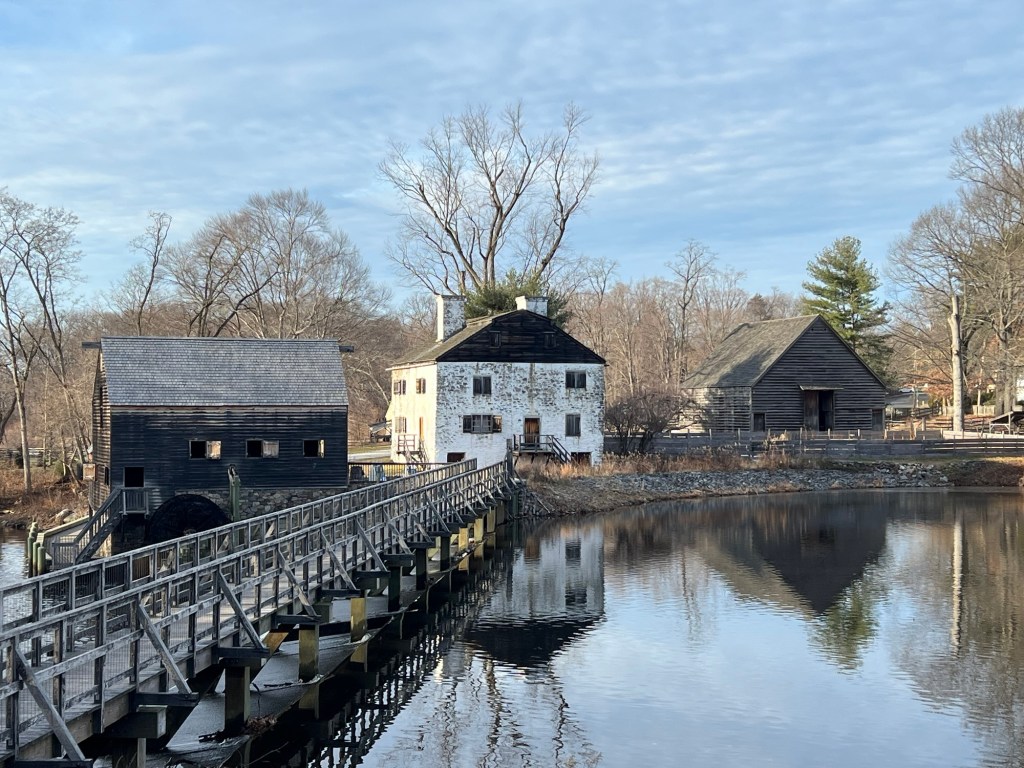
The Manor House from the bridge over the creek

During a special event at the holidays, the house had seasonal decorations, lit by a combination candles and open hearth fires in the fireplace and tour guides explained a Colonial holiday season.

The estate during the day

The Manor House as it was explained to me was a place where the Philipse family stayed when they were away from the main family mansion and was doing business on the estate. So the home was comfortable and workable and functional but not luxurious as the main manor house where the family lived.

The back gardens are used during the Spring and Summer to grow fruits and vegetables

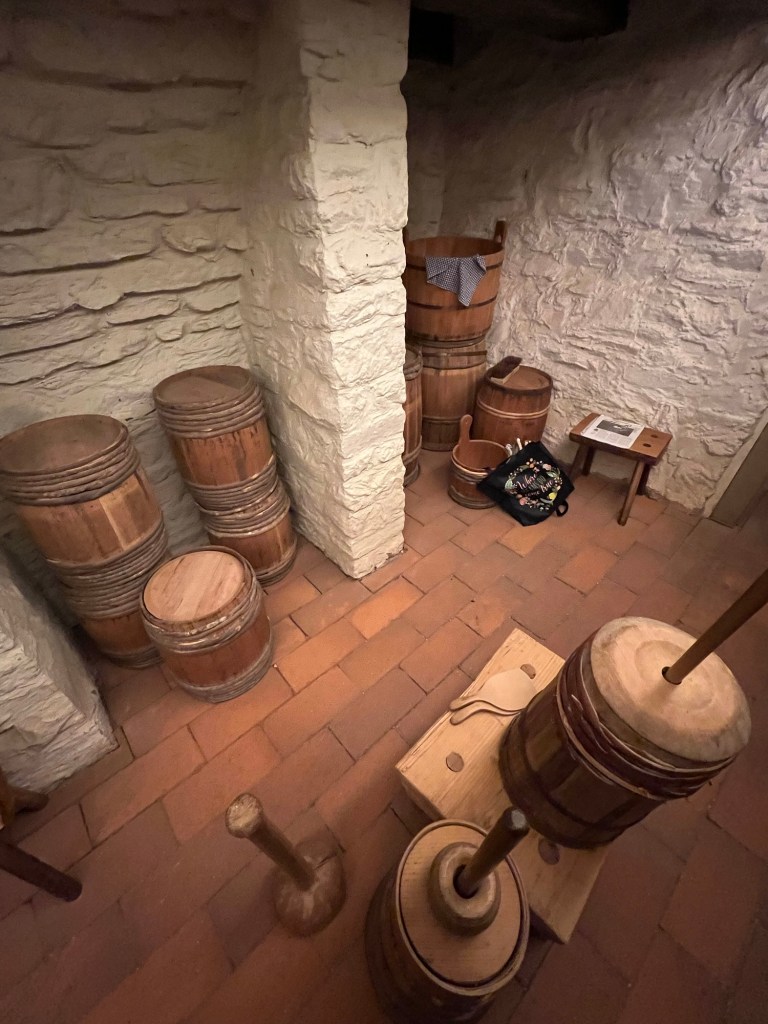
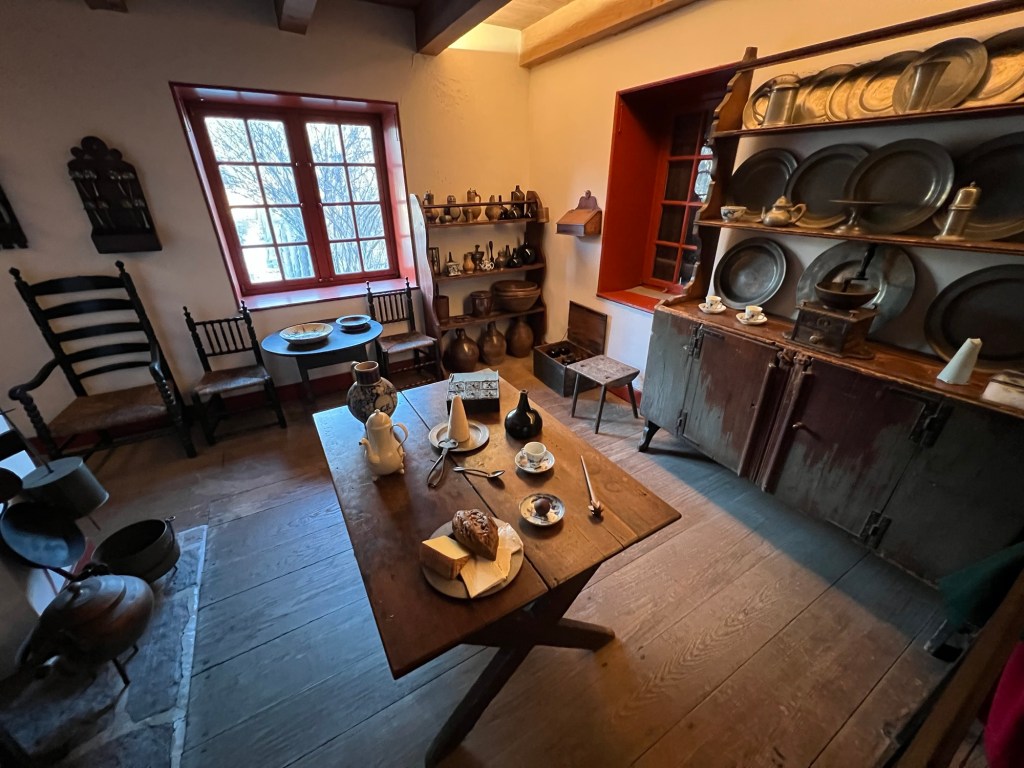
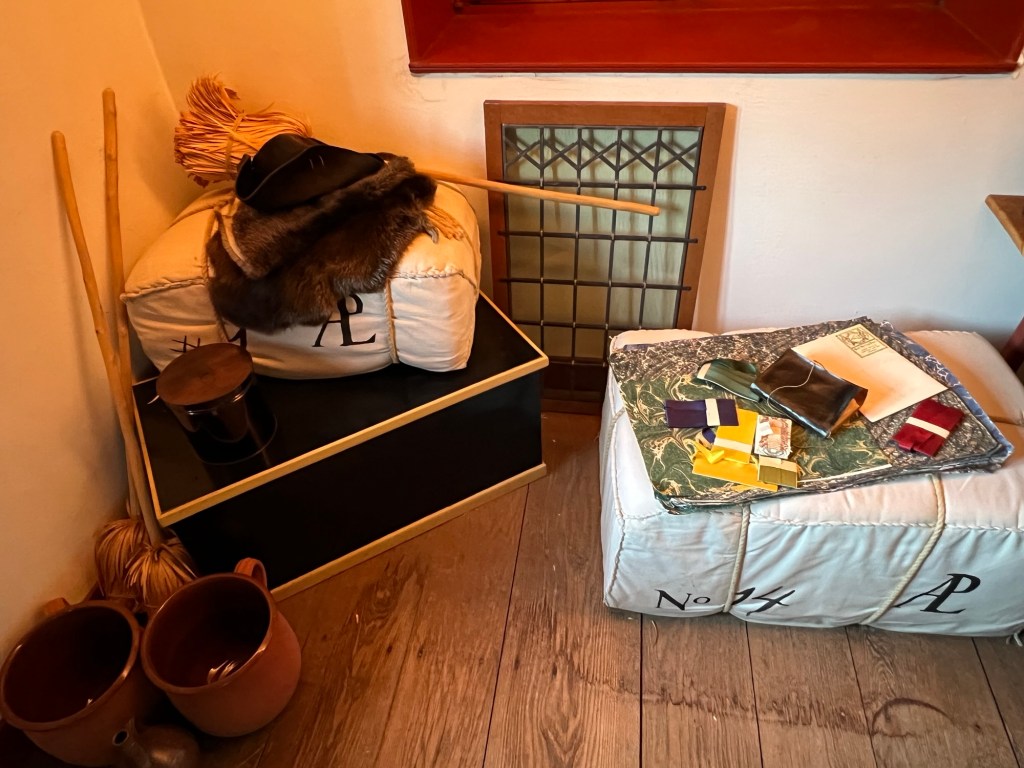
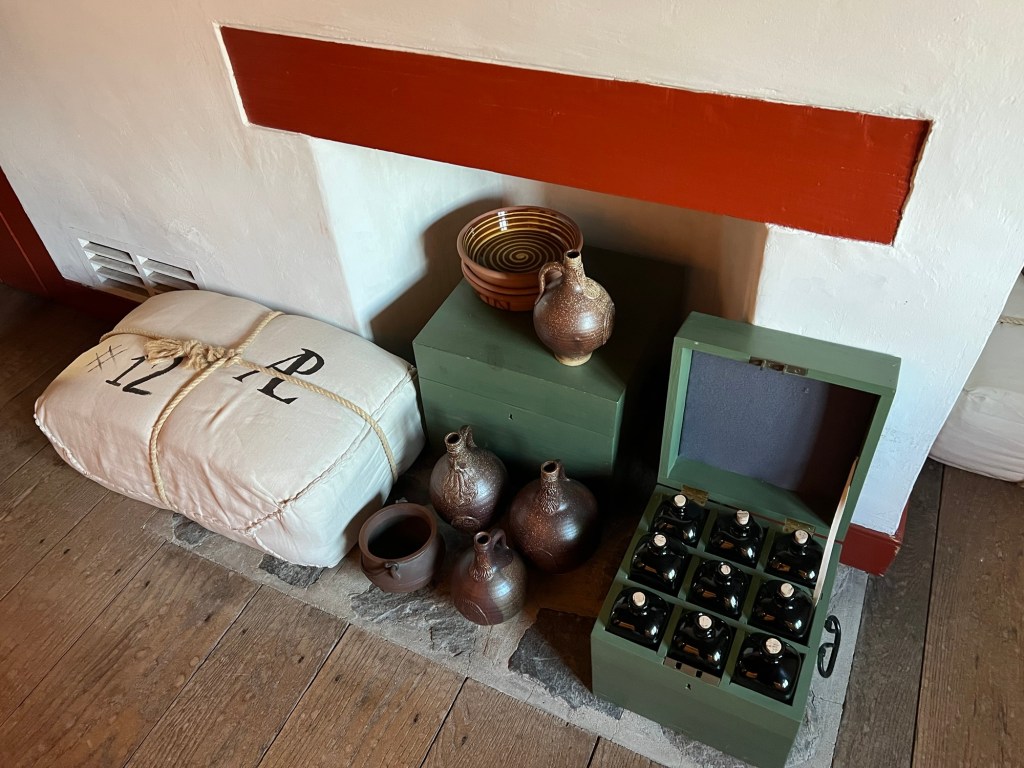
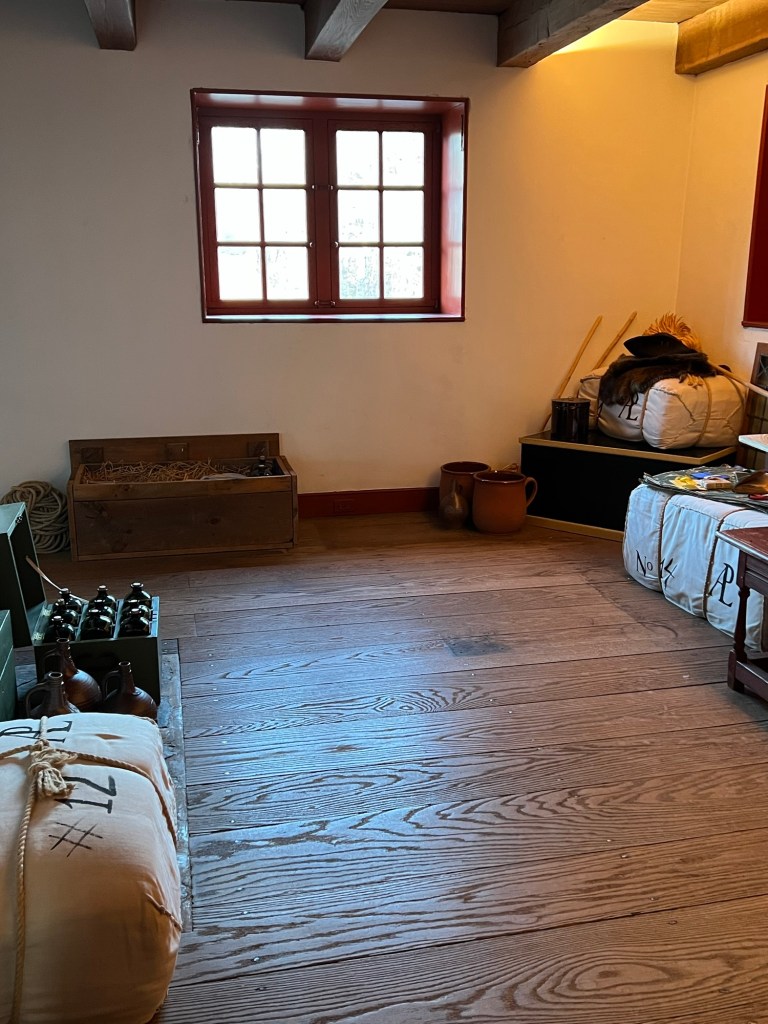
The kitchen, common room and bedrooms were nicely furnished at the time for the owners visits but was not elegant in the form of the main manor house. This was full working estate at all times. The Mill is located near the manor house and their are walking paths around the house.

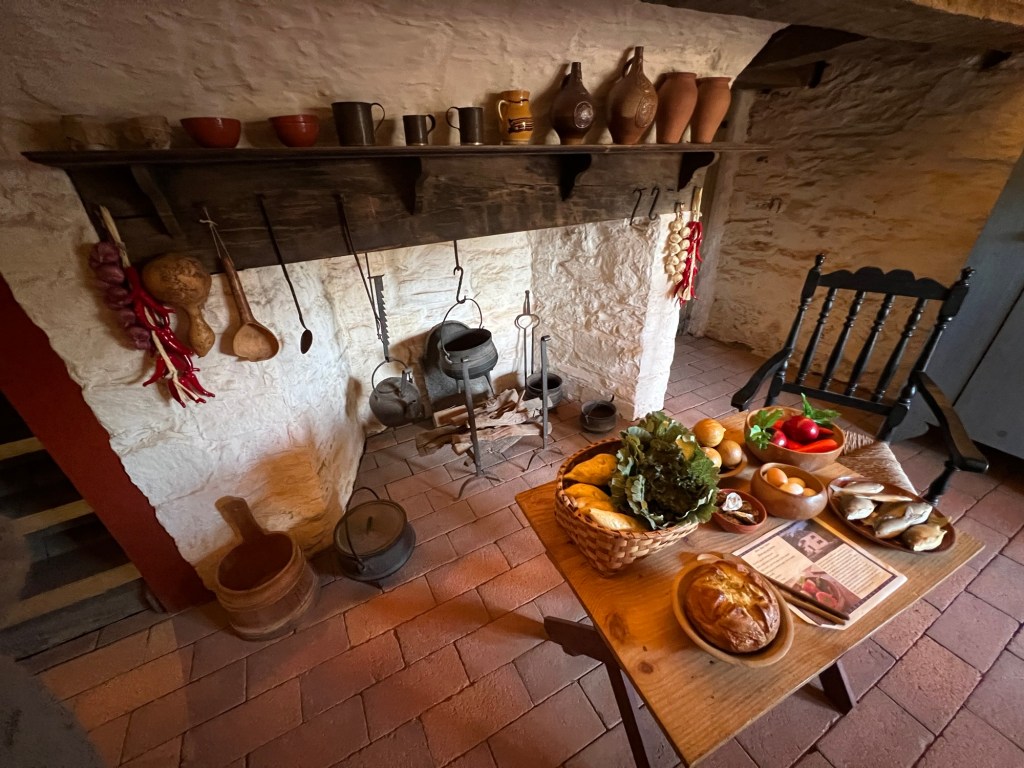
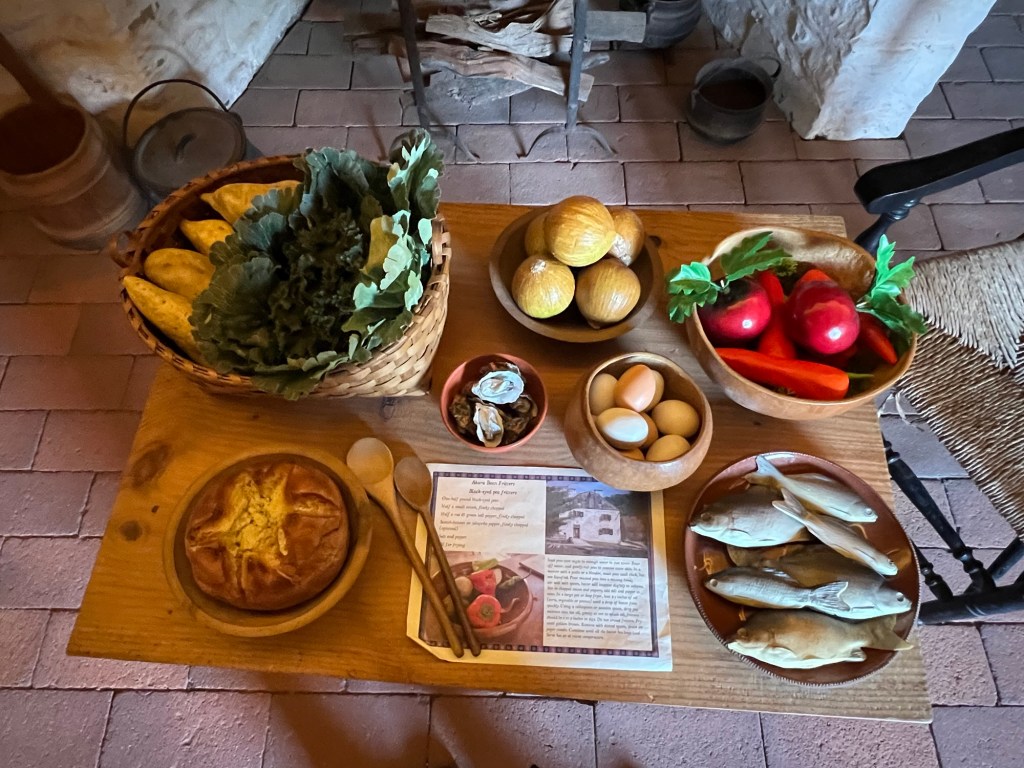
The kitchen at the manor house was functional but not elaborate

During the Halloween season, both Tarrytown and Sleepy Hollow are busy with activities with readings, cemetery tours, ‘haunted events’ and other activities. Please check out the Historic Hudson Valley website for the roster of events. Things have changed since the era of COVID.

a recreation of the bedroom at the Philipsburg Manor

During the Christmas holidays, the house in the past was decorated for Christmas but in the post-COVID time, the house was just open for tours. In December 2022, I got to visit the house the week before Christmas before it closed for the season. Like most older historical homes and sites will be closed until the Spring so this was the last opportunity to see the house and grounds. Unlike the past, the house was kept in regular touring state. We got to tour the kitchens and bedrooms of the home and heard a talk on how the how was run when Mr. Philispe was not in residence. This was strictly a working farm and mill for the family with the main residence being closer to the City.

The estate at the close of winter

Most of the action was outdoors with tours of the mill, the outside ovens used for the family’s bakery business and outdoor gardens that were cleared out for the winter months.

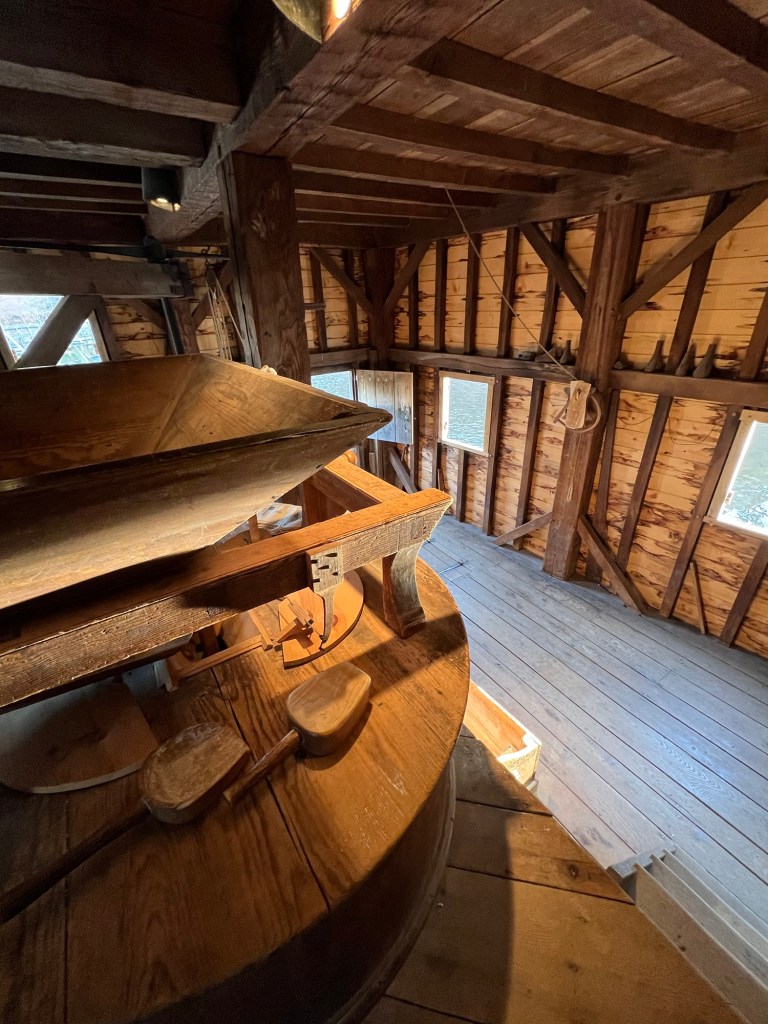
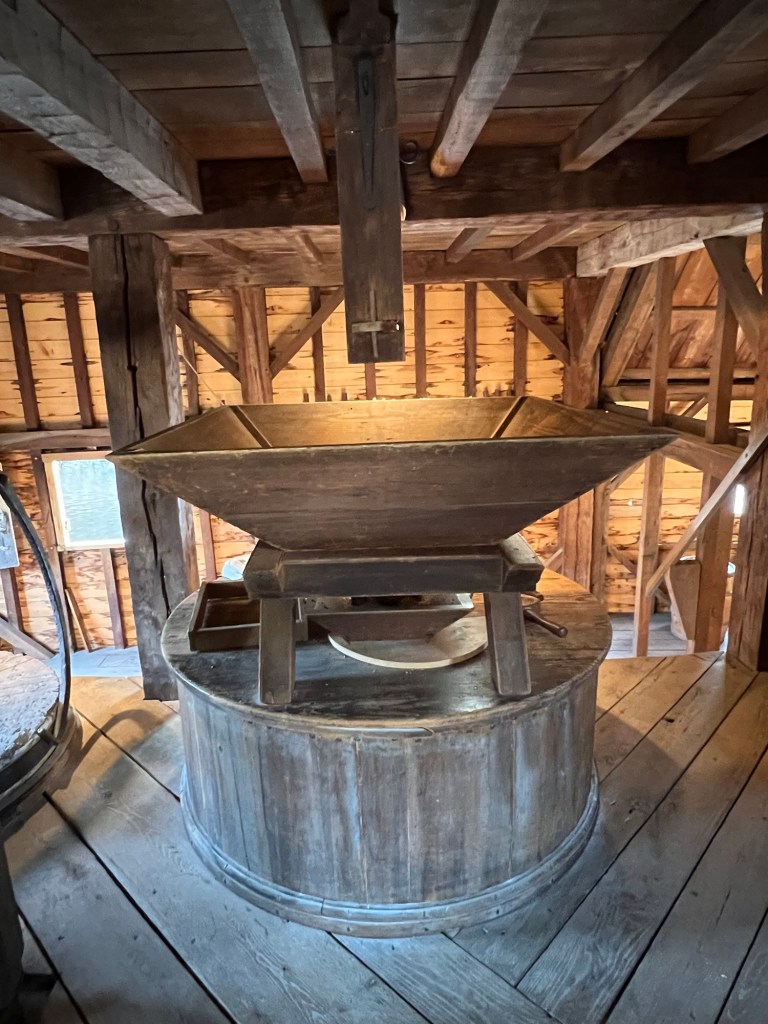
The Mill is where the process of converting wheat grown on the estate was made into flour for the New York market

The Milling wheel to process wheat to flour

The History of the Philipsburg Manor House:

(WIKI/Historic Hudson River Valley Society)

The manor house in the Fall of 2024

The grounds around the park

The sunset over the estate in the Fall of 2024

The Philipsburg Manor House is an historic house in the Upper Mills Section of the former sprawling Colonial-era estate known as Philipsburg Manor. Together with the water mill and the trading site the house is operated bas a non-profit museum by the Historical Hudson River Valley. It is located on US 9 in the Village of Sleepy Hollow, NY. (Wiki)

The Philipsburg Manor House and Mill area of the estate

The Manor House dates from 1693 when wealthy Province of New York merchant Frederick Philipse was granted a charter for 52,00 acres along the Hudson River by the British Crown. He built this facility at the meeting of the Pocantico and Hudson Rivers as a provisioning depot for the family Atlantic sea trade and as headquarters for a worldwide shipping operation. For more than thirty years, Frederick and his wife, Margaret and later his son Adolph shipped hundreds of African men, women and children as slaves across the Atlantic. The manor was tenanted by farmers of various European backgrounds and operated by enslaved Africans (Wiki).

Recreation of the baking operations on the estate

The baking oven

Baking hardtack at the ovens. This would have been used for shipping voyages.

At the outbreak of the American Revolutionary War, the Philipses supported the British Crown and their landholdings were seized and auctioned off. The manor house was used during the war, most notably by British General Sir Henry Clinton during the militaries in 1779. It was there that he wrote what is known as the Philipsburg Proclamation, which declared all Patriot-owned slaves to be freed and that blacks taken prisoner while serving in Patriot forces would be sold in slavery (Wiki/Hudson River Valley History).

Touring the Dutch barns for wheat seed processing

The processing of wheat and straw

A National Historic Landmark in 1961, the farm features a stone manor house filled with a collection of 17th and 18th Century period furnishings, a working water-powered grist mill and millpond, an 18 century barn, a slave garden and reconstructed tenant farm house (Wiki/Hudson River Valley History).

Philipsburg Manor in the Fall of 2024

During the season when the estate is open for visitors, there are costumed interpreters who reenact life in pre-Revolutionary War times doing various chores around the estate. During the Halloween season, the home is open for haunted tours of the manor during the “Headless Horseman” event. During the Christmas holiday season, the home is open for seasonal activities. Please check the website during COVID for activities (Historic Hudson River Valley).

The Philipsburg Manor and grounds in the Fall of 2024

Welcome to ‘VisitingaMuseum.com’, a trip through unique small museums, cultural sites and parks & gardens in NYC and beyond.

Welcome to ‘VisitingaMuseum.com’, a trip through unique small museums, cultural sites and parks & gardens in NYC and beyond.

*Bloggers Note: because of the size, location and time of year these sites are open, the hours and cost to get in can change since the blog was written. Please check with the site’s website or call the site before you visit. Things change over time.

My name is Justin Watrel and welcome to ‘VisitingaMuseum.com’, a trip through cultural sites, small unique museums, historic mansions and homes and pocket parks & community gardens in New York City and beyond its borders. I created this blog site to cross reference all the cultural sites that I came across when I was traveling through Manhattan for my walking blog, “MywalkinManhattan.com”.

Bergen County Historical Society III

Historic New Bridge Landing

I was inspired by all these sites that I had missed over the years and never knew existed in New York City and its suburbs.  Many of these being in Bergen County, NJ where I live. I found that most people feel the same way. The only way you would know that these sites existed is by walking past them.

Schoolhouse Museum Ridgewood.png

School House Museum in Ridgewood, New Jersey

So I created this site to showcase all these smaller, largely unexplored ‘gems’ in Manhattan, the rest of New York City and places outside the greater New York City area. I concentrate on smaller, more off beat cultural sites that you might miss in the tour books or may just find by passing them on the street. This has lead me to  becoming a member of the Bergen County Historical Society in Riveredge, NJ as well as other cultural sites in the area.

Aviation Hall of Fame.jpg

The Aviation Museum in Teterboro, New Jersey

There is so many interesting historical sites, parks, gardens and homes to explore that I want to share it with all of you. They are tucked behind buildings and walls, locked behind gates or hidden behind trees only for you to want to discover them.

Ringwood Manor Christmas 2019

Ringwood Manor in Ringwood, New Jersey at Christmas

I want to give these smaller and unique ‘gems’ more exposure and ‘sing their praises’  to an audience (namely out of town tourists) who might overlook them. It is hard for a lot of these cultural site because of the lack of volunteers or volunteers getting older or the absence of money to properly advertise these sites.

Gallery Bergen Professor Show III

Juan Leon’s work at Gallery Bergen on the Bergen Community College campus in Paramus, NJ

So join me in the extension of “MywalkinManhattan.com” with my new site “VisitingaMuseum.com” and share the adventure with me. Join me also on my sister blog sites, “DiningonaShoeStringinNYC@Wordpress.com” and ‘LittleShoponMainStreet@Wordpress.com’ for restaurants and small shops.

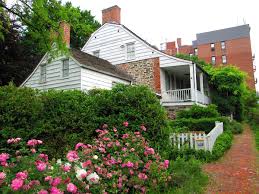
Dyckman Farm House II.jpg

The Dyckman Farm in Washington Heights in Manhattan

These sites featuring all sorts of small restaurants, bodegas and bakeries, where a quality meal can be had for $10.00 and under and unusual stores with unique merchandise that just stand out in their respective neighborhoods. It is important to support small business owners especially in this economy.

Lucy the Elephant

Lucy the Elephant in Margate, NJ

So, join me here as I take “MywalkinManhattan” to some unique and special historical sites and open spaces the New York Metropolitan area and beyond.