Tag: LittleShoponMainStreet@Wordpress.com

Aviation Hall of Fame                                                               400 Fred Wehran Drive                                                        Teterboro, NJ 07608

Aviation Hall of Fame 400 Fred Wehran Drive Teterboro, NJ 07608

Aviation Hall of Fame

400 Fred Wehran Drive

Teterboro, NJ  07608

(201) 288-6344

http://www.njahof.org

Home

Open: Monday Closed/Tuesday-Sunday: 10:00am-4:00pm/Three Sessions Daily: 10:30 AM-Noon, 12:30 PM-2:00 PM, and 2:00 PM-3:30 PM

Admission: Adults $20.00/Seniors and Children 3-12 $15.00/Children Under 2 Free

TripAdvisor Review:

https://www.tripadvisor.com/Attraction_Review-g46865-d3474448-Reviews-Aviation_Hall_of_Fame_of_New_Jersey-Teterboro_New_Jersey.html?m=19905

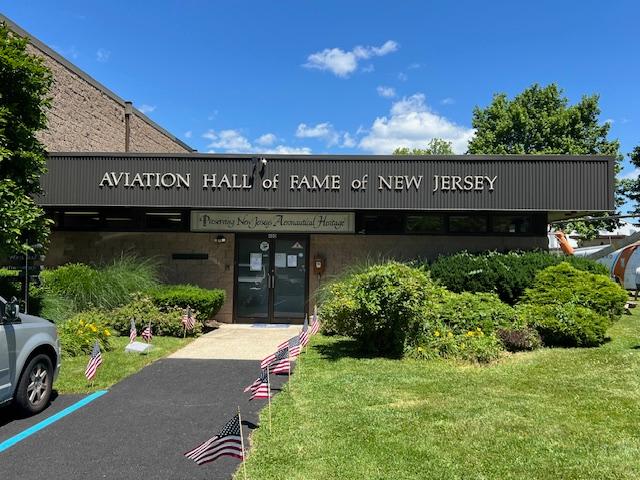
 The Aviation Hall of Fame Museum at 400 Fred Wehran Drive

The Wright Brothers display
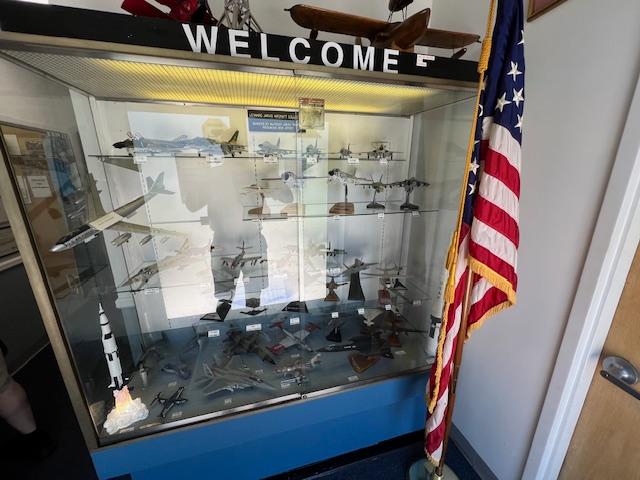
The Welcome display when you walk into the museum.

The Aviation Hall of Fame Museum of NJ is a very unique museum if you are interesting in everything aviation from the history of flight starting with the Wright Brothers, the World War drama and battles and the influence of the NASA and members from New Jersey who have made a difference in the department.
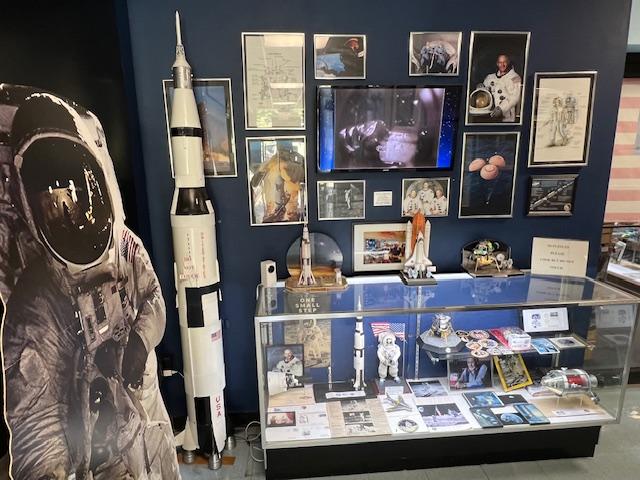
NASA Display featuring Montclair, NJ resident Buzz Aldrich

There is a lot of interactive displays during “Open Cockpit Days” at the museum and equipment that you can walk into and explore from planes and rescue trucks. There is even a First Class section of a TWA flight. I was impressed that the airline even had a standard of dress for the flight.
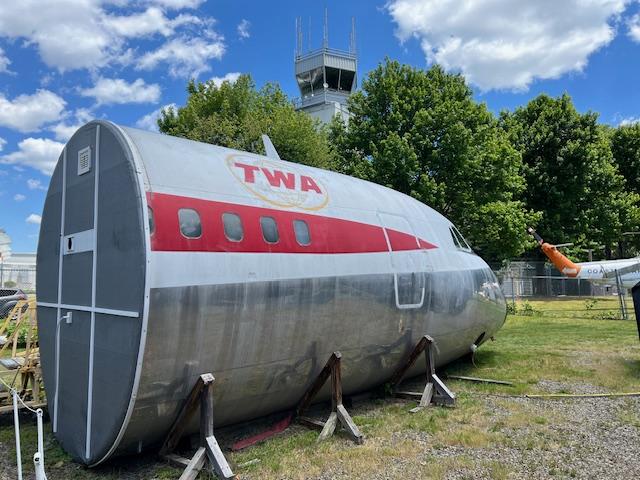
The front of the TWA Flight plane
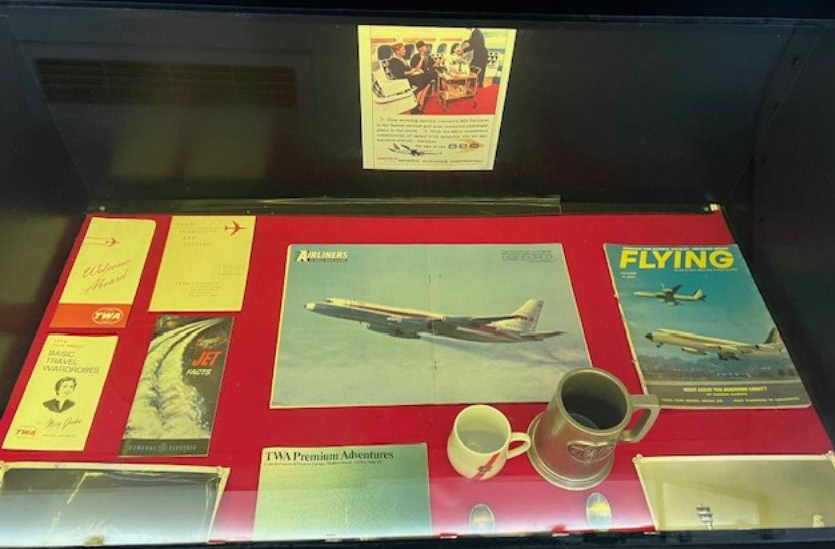
The TWA Display of items from the ‘Golden Era’ of flying

The History of the Museum:

(from the museum website)

Founded in 1972, the Aviation Hall of Fame & Museum of New Jersey is dedicated to the preservation of the Garden State’s distinguished, two century aviation and space heritage. The men and women whose outstanding aeronautical achievements have brought world-wide recognition to the state are enshrined in the Hall of Fame.

The Aviation Hall of Fame in the main part of the first floor

The inductees in the Hall of Fame

The Kelly Brothers from West Orange, NJ

Some of the most famous inductees

The recently expanded museum offers visitors an opportunity to view historic air and space equipment and artifacts, photographs, fine art and an extensive model collection. The library has more than 4000 volumes and hundreds of aviation video tapes. The New Jersey Aviation Hall of Fame & Museum offers education programs for individuals or groups. Participants learn history and science.

The “Flying Aces” display

Our Aeronautical History Hunt is available to groups that visit the museum. By seeking the answers to historical New Jersey aviation questions, students develop problem solving, logic and communication skills. Our ‘Dare to Fly’ program, developed for children ages 7 to 15 focuses on ballooning and powered flight. Participants design, build and fly their gliders. Organize a small group and call for dates.

(Information from New Jersey’s Aviation Museums)

Museum Guide: A companion virtual tour for your electronic device is available free at http://www.njahof.org/

Welcome to the First State Aviation Hall of Fame in the Nation!

Founded in 1972, the Aviation Hall of Fame and Museum of New Jersey (AHOF-NJ) is dedicated to the preservation of the Garden State’s distinguished aviation and space heritage. The men and women whose outstanding aeronautical achievements have brought world-wide acclaim to the state are enshrined in the AHOFNJ.

The set-up of the Museum:

Raymond R. Wells Theater

The first stop on your self-guided tour is in our 60 seat theater where you will experience the saga of NJ aerospace history in our information and concise nine-minute film “Flight”.

The Naval Display in the Flight Theater

Buzz Aldrin Exhibit:

Jersey boy makes good on the first mission to the moon. The story of his life and his time with the space program

The NASA Display with Buzz Aldrin

The full display

NASA Display

Hall of Fame:

Enter the heart of our museum and meet the men and women who embody NJ’s rich heritage of flight.

The NJ Aviation Hall of Fame

Dehmel Room:

See the world’s first electronic flight simulator built by legendary Curtiss-Wright, at one time the Garden State’s biggest aerospace company. The room also contains information about barnstormers, Tuskegee Airmen, flying aces, Flying Tigers, Enola Gay, etc.
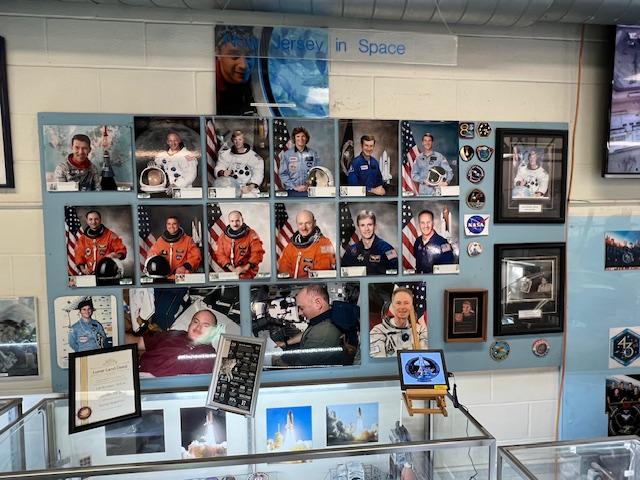
NASA Hall of Fame

New Jersey Women in Aviation display

The Curtis Wright equipment

The Great Room:

History comes alive with air and space equipment, artifacts, photographs, fine art, multimedia displays, hands-on exhibits and interactive simulators.

Exhibits are:

*The worlds first hover craft

*Women in Aviation

The Amelia Earhart display

The New Jersey Women in Aviation display

*Aircraft and rocket engines built in NJ

*International Space Station Exhibit

*Dassault Fundamentals of Flight Exhibit

*Scorpion helicopter

*Actual fragments from the ill-fated German Zeppelin, The Hindenburg
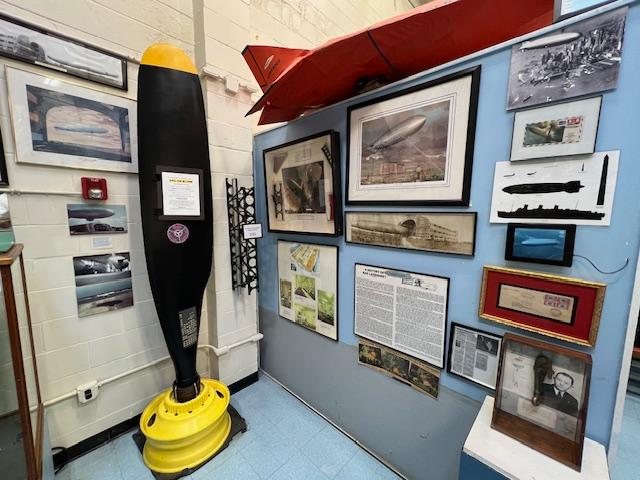
The Hindenburg disaster

The artifacts from the Hindenburg disaster

*Hot-air balloon basket

*Working jet engine

*”Touchable parachute

*Curtis-Wright display

*Rutan “Quickie” home-built experimental aircraft

*Overhead Gallery

Outdoor Displays:
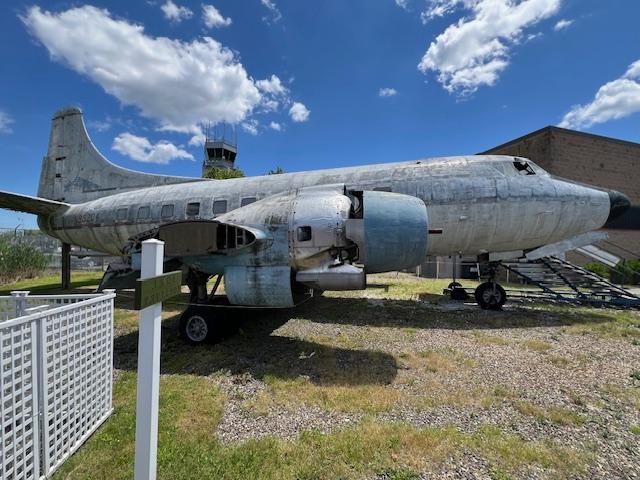
The outdoor plane display

Our outdoor displays incorporate a Martin 202A airliner from the 1950’s. Bell Cobra attack helicopter that flew actual combat missions during the Vietnam War. Bell 47-one of the first practical helicopters. Coast Guard Sikorsky helicopter. Lockheed LASA-60 bush plane. Grumman OV-1A Mohawk. Walters Airport Rescue & Firefighting Vehicle. Convair 880 Jetliner Cockpit (during open cockpit weekends.)

The helicopter display

The Jeeps and planes
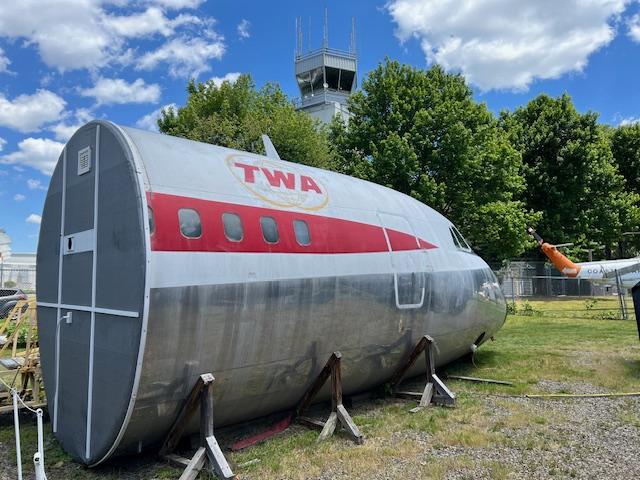
The TWA display

Second Floor: From the balcony, enjoy the view of The Great Room. Sit in the cockpit of our “Little Cut Up” make-believe airplane and make things move on the wings and tail.
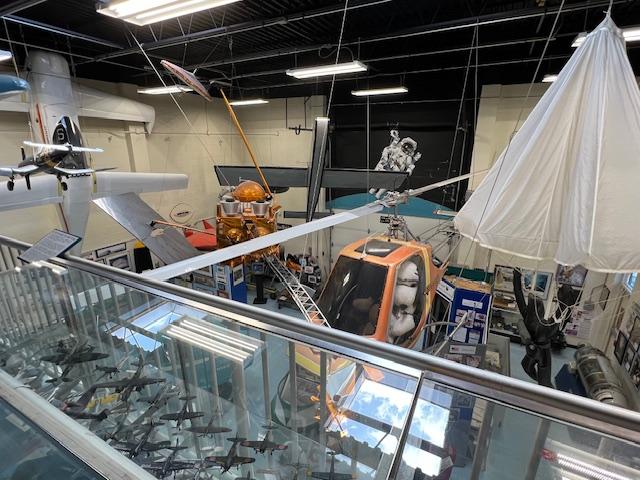
View from the second floor
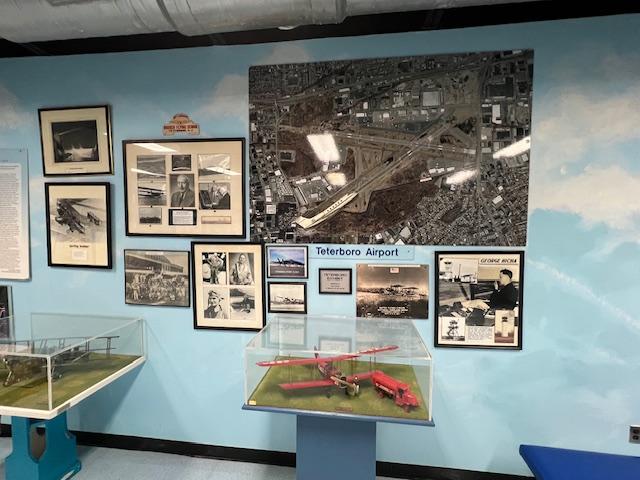
The Teterboro Airport display

The area also includes: Newark Airport Diorama, B-52 ejection seat, Richard E. Byrd Exhibit, barnstormers, model airplane collection, Peoples Express exhibit, the NJ designed “Para-Plane”, a working airport beacon and Clarence Chamberlin Exhibit.

The Jump Seat display on the second floor of the museum

Silvio Cavalier Research Library: This library contains over 3,500 volumes and videos on aviation and space history.

Gift Shop: Don’t forget to visit the gift shop, brimming with aviation related gifts, books and mementos for yourself, family and friends.

Tours-Parties: We offer group tours, birthday parties and our educational Dare-To-Fly program for young groups. Call for details.

Special Events: Four times a year we have Open Cockpit Day where you and your family can sit in the pilot seat of airplane and helicopter cockpits. In December, Santa will fly over the museum in a helicopter, then visit with the children.
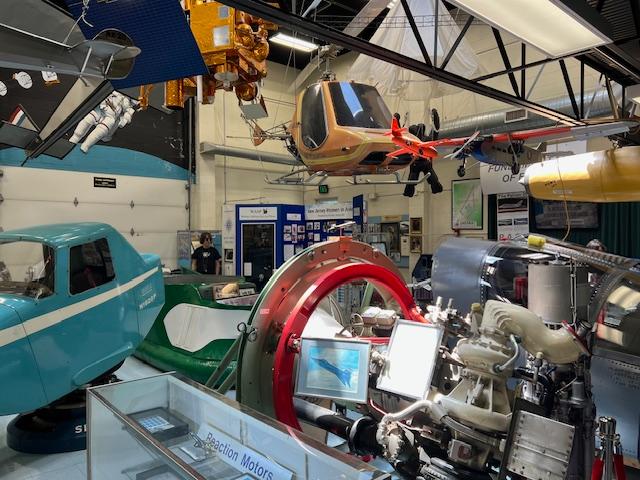
The vehicle display on the first floor

The Aviation Hall of Fame and Museum of New Jersey (AHOF) reserves the right to use for promotional purposed any photograph/video taken at AHOF or any AHOF event. By visiting AHOF or participating in any AHOF event, you are permitting AHOF to use these images.

This is such a great museum for families and especially for children.

(Information from the AHOF Museum Guide)

Disclaimer: This information was taken directly from the AHOF pamphlets and I give them full credit for the information. Please call the museum for any further information.
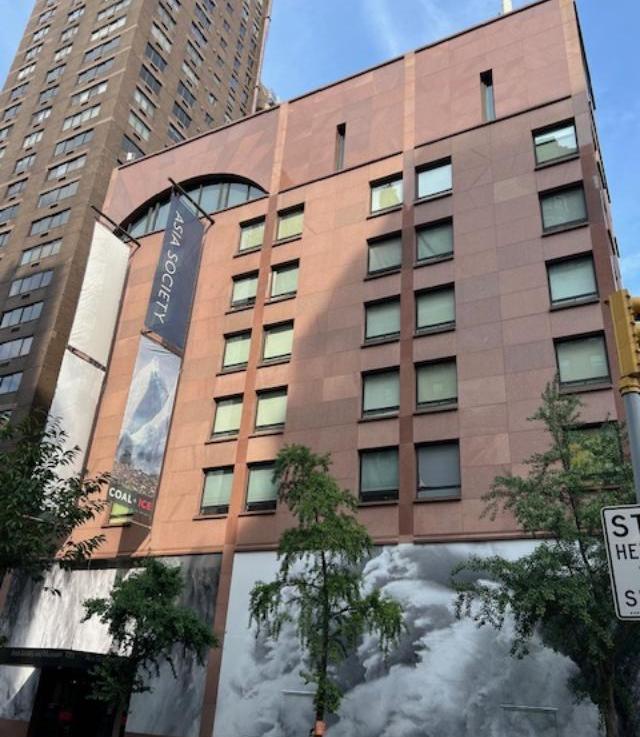


Asia Society and Museum                                    725 Park Avenue at 70th Street                         New York, NY 10021

Asia Society and Museum 725 Park Avenue at 70th Street New York, NY 10021

Asia Society & Museum

725 Park Avenue At 70th Street

New York, NY 10021

(212) 288-6400

AsiaSociety.org/NY

https://asiasociety.org/new-york

Open:

Museum: Tuesday-Sunday-11:00am-6:00pm, Friday-11:00am-9:00pm

Asia Store: Monday-Sunday-11:00am-6:00pm, Friday-11:00am-9:00pm

Garden Court Cafe: Tuesday-Sunday, 11:30am-3:00pm; Reservations: (212) 570-5202

Asia Society is closed on major holidays. Please check AsiaSociety.org/NY for updates on museum, store and cafe hours.

Fee: $12.00 Adults/$10.00 Seniors/$7.00 Students with ID/Free to members and children under 16/Free Admission Fridays, 6:00pm-9:00pm

Adult, Student and Teacher tours:

For information or to schedule a tour, call (212) 327-9237

*Wheelchair accessible/available for use during visits/Complimentary cell phone audio tour available/Assistive listening devices and headsets available for many programs. 

TripAdvisor Review:

https://www.tripadvisor.com/Restaurant_Review-g60763-d531995-Reviews-Asia_Society_and_Museum_Garden_Court_Cafe-New_York_City_New_York.html?m=19905


History of the Museum:

Asia Society II

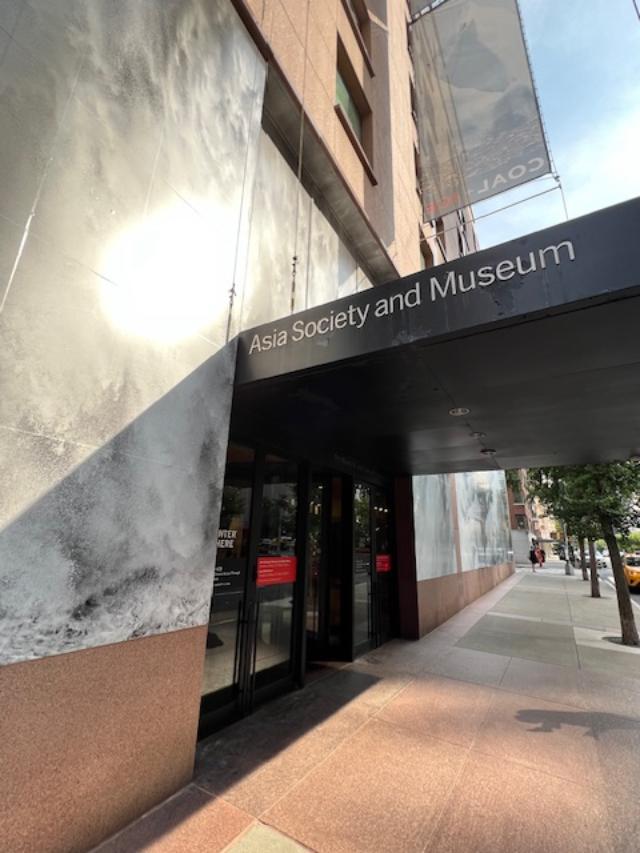
The entrance to the Asian Society Museum

John D. Rockefeller 3rd (1906-1978) , who established Asia Society in 1956, firmly believed that art was an indispensable tool for understanding societies. From 1963 to 1978, he and his wife, Blanchette Hooker Rockefeller (1909-1992), worked with art historian Sherman E. Lee (1918-2008) as an advisor to build the Mr. and Mrs. John D. Rockefeller 3rd Collection, which was later bequeathed to Asia Society.

Asian Society Museum

The Rockefeller Collection

The group of spectacular historical objects they assembled-including sculpture, painting and decorative arts-became the core of the Asia Society Museum Collection and is world renowned. The Collection, now consisting of approximately 300 pieces, is distinguished by the high proportion of acclaimed masterpieces, to which additional high-quality gifts and acquisitions have been added since the original bequest to Asia Society. The Collection has particular strengths in Chinese ceramics of the Song and Ming periods, Chola-period Indian bronzes and Southeast Asian sculptures.

Extraordinary examples of decorative art in the acclaimed Asia Society Museum collection include a number of superior East Asian ceramics, which make up more than one-third of the Collection. A luminous pair of twelfth-century Korean bowl and saucer sets, covered with the celebrated celadon glaze of the Goryeo period and an extraordinary tea leaf jar, decorated with mynah birds and accented with silver by Japanese ceramic artist Nonomura Ninsei (active ca. 1646-1677) are among the ceramic highlights.

Asia Society III

Walking around the museum

An exquisite solid silver Chinese stem up that dates to the late seventh or early eighth century also stands out as an exceptional masterpiece of decorative art within the Collection. The skill of the craftsman is evident in the fine embossing, chasing and engraving of the birds, flowers and scrolling vines on the exterior of the cup.

Two other great strengths of the Collection are Hindu and Buddhist sculpture from South and Southeast Asia. An eleventh-century processional sculpture of the elephant-headed Hindu deity Ganesha is an endearing example produced by the South Indian master bronze casters at that time and one of the fifteen important Chola-period bronzes in the Collection.

Another great treasure is a rare eighth-century inscribed and dated inlaid-brass crowned Buddha seated on a lotus rising from water inhabited by serpent deities (nagas) from Kashmir or northern Pakistan. A sculpture of the serene and slender Buddhist Bodhisattva Maitrya stands just over an impressive three-feet tall and represents the pinnacle of Thai metal casting during the eighth-century.

These objects and the Asia Society Museum Collection as a whole continue to be an important means for sharing the talent, imagination, and deep history of the peoples of Asia with audiences all over the world.

(From: Masterpieces from the Asia Society Museum Collection)

We are …Policy

With top-level experts and advisors-including former heads of state and cabinet officials, CEOs, civil society leaders and scholars-the Asia Society Policy Institute creates solutions that advance Asia’s prosperity, security and sustainability. Its projects include working to strengthen regional security institutions and mechanisms in Asia, assessing the impact of China’s rise and tracking its economic reform program, recommending pathways to an inclusive and high-standard Asian trade architecture, charting a path for India’s admission to APEC and designing strategies for Northeast Asian economics to link carbon markets and reduce greenhouse gas emissions.

The Asia Society Center on U.S. China Relations seeks to build mutual understanding between the two countries through projects and events on policy, culture, business, media, economics, energy and the environment.

We are…Arts

Transforming Americans understanding of Asia through exhibitions and performing arts was at the heart of our founder’s vision. The bequest of the Mr. & Mrs. John D. Rockefeller 3rd Collection of traditional Asian art in 1979 spurred the building of our New York headquarters. Today, our ground-breaking exhibitions of traditional, modern and contemporary art-as well as performing arts, film and author programs-are presented to the highest acclaim at our centers in New York, Hong Kong and Houston and at venues all over the world. Global initiatives such as the Arts & Museum Summit bring together museum and cultural leaders from across Asia, the United States and Europe further appreciation of Asian arts.

Asia Society I

The gift shop at the Asia Society

We are …Education

A rising Asia requires a rising generation of students to understand its cultures and complexities. The Center for Global Education at Asia Society has developed an internationally recognized approach to foster the global competence of students, aiming to improve the capacity of 100,000 educators to instill global competence in 4 million youth by 2030. We partner with leaders and institutions from around the world to transform teaching and develop global-ready students. We also lead a major effort to bring Mandarin language instruction and the study of China and Chinese culture to children in the United States and to bring global learning to American after school programs, in pursuit of best practices in global education.

(From Asia Society pamphlet)

Asia Society is a non-profit, nonpartisan organization offering dynamic public programming at our cultural centers in New York, Hong Kong and Houston and at our other global locations in the United States, Asia and Europe.

Asia Society appreciates the support of its members, who aid our vital mission of preparing Asians and Americans for a shared future. For more information, AsiaSociety.org.

Disclaimer: This information was taken directly from the pamphlets from the Asia Society in New York City. I give them full credit for all the information. Please see the above hours and programs and call the above numbers for more information.

John Fell House                                                                         475 Franklin Turnpike                                                           Allendale, NJ 07401

John Fell House 475 Franklin Turnpike Allendale, NJ 07401

John Fell House

475 Franklin Turnpike

Allendale, NJ  07401

(201) 783-8754

http://www.johnfellhouse.org

http://www.johnfellhouse.org/

http://www.johnfellhouse.org/history/

http://www.johnfellhouse.org/events/

Open: For special events and for corporate events. Please check their website for details.

TripAdvisor Review:

https://www.tripadvisor.com/Attraction_Review-g29737-d10356749-Reviews-The_John_Fell_House-Allendale_New_Jersey.html?m=19905

The John Fell House in April 2023 for the Northwest Bergen Historical Coalition event

I visited the John Fell House in May 2016 for the Northwest Bergen History Coalition 6th Annual History Day on “Day Forty-Three” of “MywalkinManhattan.com” blog site. The house is a stately home that sits at a busy point of the Franklin Turnpike, once the main artery of this part of Bergen County.

I was not too sure what this was as it was at the back of the house. I thought it might be a food cellar.

The only problem I found about visiting the John Fell home is that it is barely furnished. Most of these homes in Bergen County have furniture or heirlooms left by the family and this house is more used for entertaining. There are displays all over the house.

The backyard of the John Fell House in Allendale, NJ

The house is operated by the Concerned Citizens of Allendale and sits on 2.8 acres of land which includes the stately home, the Gothic Revival Barn, wetlands and old-growth trees. The house is across from the Celery Farm Bird Sanctuary, which was once part of the estate and is open to walkers year round (BCHS).

The front room of the John Fell Houser

The historic John Fell House is named in recognition of Founding Father, John Fell, a revolutionary war patriot, who purchased the property in 1766.

The Living Room at the Fell House in the late 1800’s addition

The house is located on the march route of Rochambeau’s army, on its way in 1781 to Yorktown, Virginia and the Seige of Yorktown that would decide the American Revolutionary War (Wiki).

The Music Room at the Fell House

The Living Room in the new addition of the house

The history of the Strawberry industry

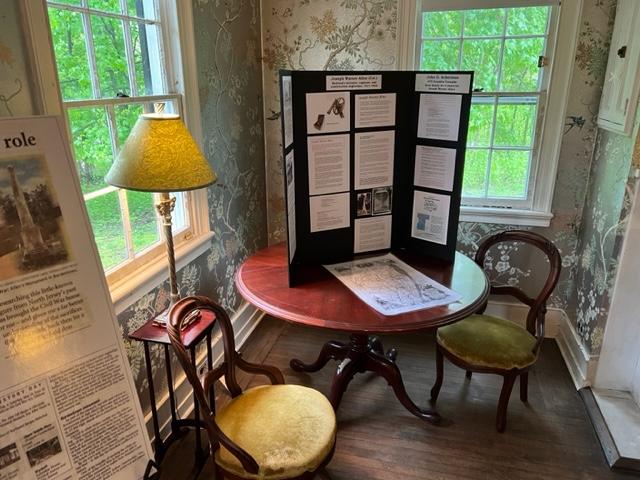
The inside of the Fell House:

https://history.house.gov/People/Listing/F/FELL,-John-(F000065)/

John Fell (1721-1798) was an American merchant and jurist. He was born in New York City in 1721, he was engaged in overseas trade and has acquired a small fleet of ships by the time he moved to Bergen County, NJ in the 1760’s and lived at ‘Peterfield’, a home in present day Allendale, NJ (that is now known as the ‘John Fell House’) (Wiki).

The original part of the house from the 1700’s

The main room of the original 1700’s part of the house

The Living and Dining Room of the original house

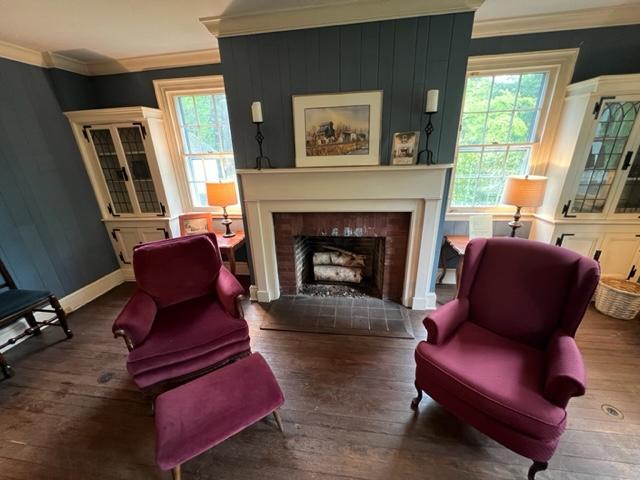
The original fireplace in the older part of the house

The inside of the Fell House

He served as judge of the court of common please in Bergen County from 1766 to 1774. With the coming of the American Revolutionary War, he became chairman of Bergen County’s committee of correspondence and the committee of safety. He was Bergen County’s leading delegate to the Provincial Congress of New Jersey in 1775. In 1776, Fell was elected to a one-year term in the New Jersey Legislative Council representing Bergen County.

The antique dishware and tea pots in the kitchen at the John Fell House

The house is open for all sorts of special events and can be rented out. Please check out their website above for more details.

Nicholas Roerich Museum                                                                       319 West 107th Street                                                                                  New York, NY 10025

Nicholas Roerich Museum 319 West 107th Street New York, NY 10025

Nicholas Roerich Museum

319 West 107th Street

New York, NY  10025

(212) 864-7752

Open: Monday: Closed/Tuesday-Friday: 12:00pm-4:00pm/Saturday-Sunday: 2:00pm-5:00pm

Closed: Major holidays

Admission: Admission is free, though donations are welcome.

http://www.roerich.org

http://www.roerich.org/

TripAdvisor Review:

https://www.tripadvisor.com/Attraction_Review-g60763-d136141-Reviews-Nicholas_Roerich_Museum-New_York_City_New_York.html?m=19905

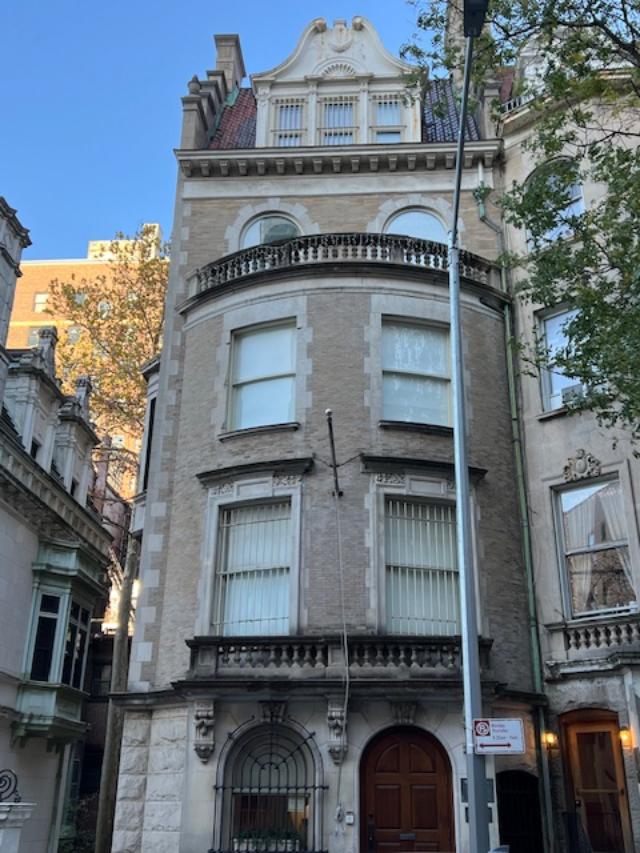
The front of the museum

This small museum in the Upper West Side neighborhood of Manhattanville is easy to miss. It is in a small brownstone on West 107th Street right near Riverside Drive. You can see the plaque for the museum to the right of the building and there is a side door to get in. The admission is free but they do ask for a donation if you can do it.

The gallery on the second floor

The museum is a specialty collection of the works of artist Nicholas Roerich. They are mostly landscapes and religious themed that cover three floors of the museum.

The is a beauty to all his works especially the ones concentrated in the Himalayas with their colorful and spiritual themes.

The artist’s portrait of his mother on the third floor

It takes about an hour to an hour and a half  to see all the floors. A nice touch they had in the afternoon that I was there was a piano player whom you could hear play throughout the brownstone. When you go, it will be a pleasant afternoon where you are not fighting the crowds of the larger museums.

The art pieces enlighten you and I felt gave you a sense of hope.

(The following information is from the museum website)

Artist Nicholas Roerich

(From the museum website)

The Nicholas Roerich Museum was founded in 1949 to house a permanent collection of over two hundred paintings by the Russian-born artist, poet, philosopher and humanitarian, Nicholas Roerich. The museum also houses a library of books and maintains an archive and a collection of artifacts relating to the areas of Roerich’s interests (Museum guide).

The Mission of the Museum:

The mission of the Nicholas Roerich Museum is essentially a narrow one: to make available to the public the full range of Roerich’s accomplishments. These, however, are not narrow; they cover the realms of art, science, spirituality, peacemaking and more. Because Roerich’s  activities ranged widely, so do the museum’s.

The second floor galleries

The Museum Collection:

Nicholas Roerich is known first and foremost as a Russian-born artist. His paintings, of which there are thousands around the world, explore the mythic origins, the natural beauty and the spiritual strivings of humanity and of the world.

One of the more spiritual paintings in the collection

The museum houses approximately two hundred of these works and keeps most of them permanently on display for visitors who come from around the world. Indeed, for many of these visitors, the museum is a destination of great importance; the paintings speak to them of their own inner yearnings and possible fulfillment. For them, Roerich’s paintings are a kind of teaching-about spiritual development about culture and its role in human life and about opportunities for the achievement of peace in a fractious world.

The second floor galleries

The beautiful landscapes on the second floor

Publications & Booklist:

The museum also keeps in print a number of books by and about Roerich and his life and work and a substantial stock of postcards and reproductions of his paintings. These too are seen by many as more than just prints; they are hung in homes with a degree of appreciation that is not often given to such things.

The gallery on the first floor with some of the more religious works

Cultural Events:

In addition to these functions, the museum also maintains an active schedule of cultural activities. 

The second floor galleries

It was Roerich’s fervent belief that the role of cultural development in the peace and evolution of the world is fundamental and that it is therefore the responsibility of those who work in creative and cultural fields to strive always for that peace and evolution and for those goals to be the chief impulses guiding their creative work. Information about these ideas is always available.

The second floor gallery with Asian themed art

The Roerich Pact & the Banner of Peace:

The museum sustains an ongoing effort to spread public awareness of the intermingled roles of peace and culture and the ways in which each sustains the other. Information and materials about The Roerich Pact and the Banner of Peace are always available.

The patronage of the museum through the Katherine Campbell-Stibbe Foundation

Throughout this century of wars and national struggles, the yearning of the public for ways of achieving peace has been great; the ideas of the Pact and the Banner provide a welcome answer to those yearnings.

The history of the museum through the years

As Roerich’s ideas become better known around the world, attendance at the Museum grows and requests for information and materials about him and his art and social achievements increase.

The gift shop on the first floor. The director of the museum even sells honey from the beehives on top of his building.

*This information is from the Museum’s website.

Disclaimer: This information was taken from a combination of the museum’s website and from the biography of the artist.

The first floor galleries