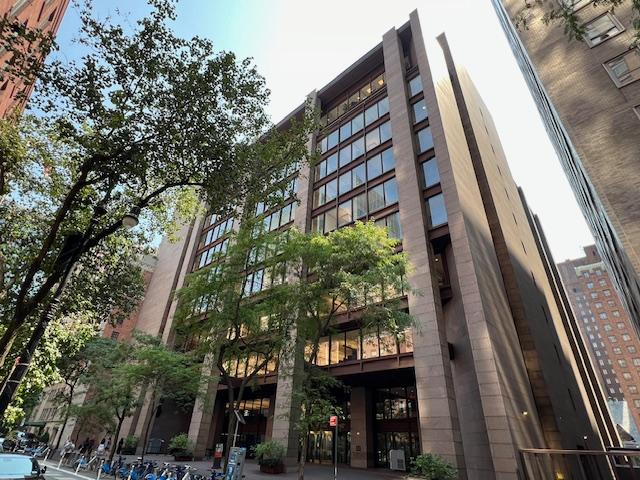
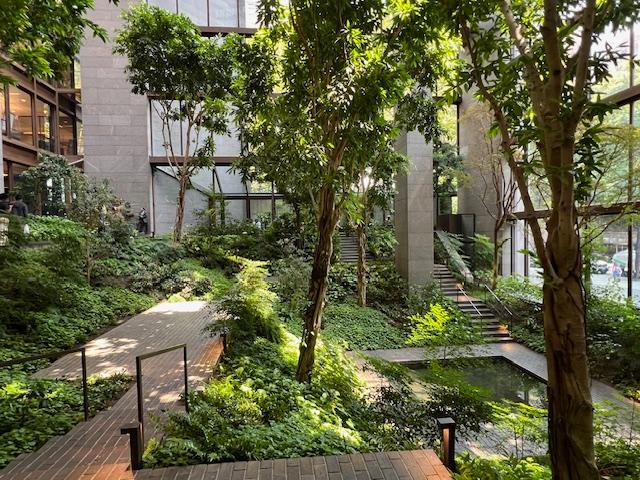
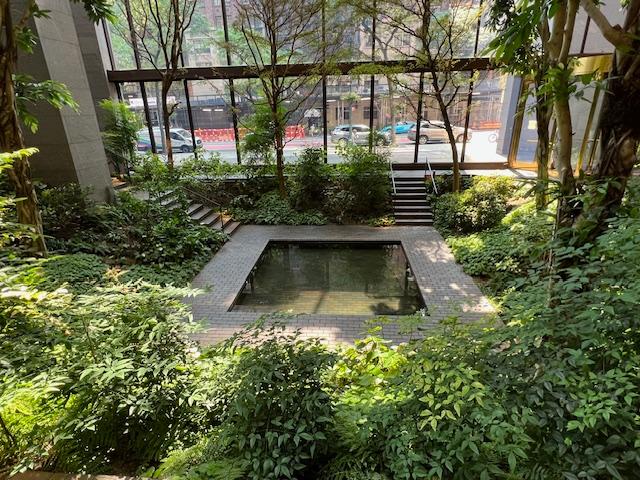
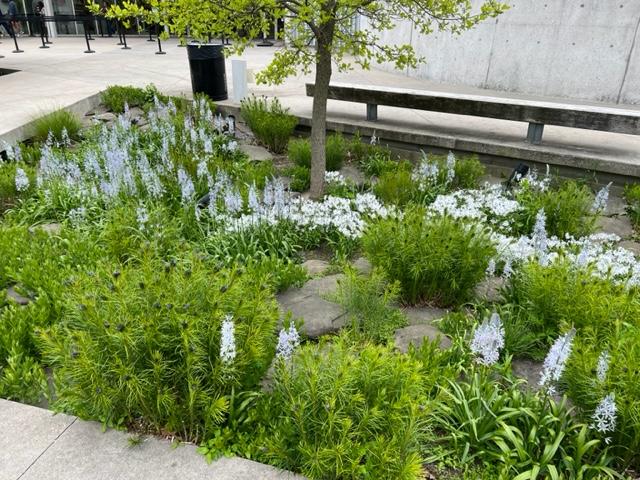
The Ford Foundation Building at 320 East 43rd Street in the Turtle Bay neighborhood. Take time after visiting the gallery to tour the gardens in the lobby.
When I was touring the Turtle Bay neighborhood for my blog, “MywalkinManhattan.com”, I toured the Ford Foundation Building on East 43rd Street and wondered through the lobby area gardens I came across the Ford Foundation Gallery, which is just off the main lobby. The small gallery delves into some deep material on social commentaries about life and the artists featured have some pretty interesting perspectives on their work.
The Ford Gallery gardens inside the building
The pool of the Ford Foundation Garden
The beauty of the Ford Foundation gardens
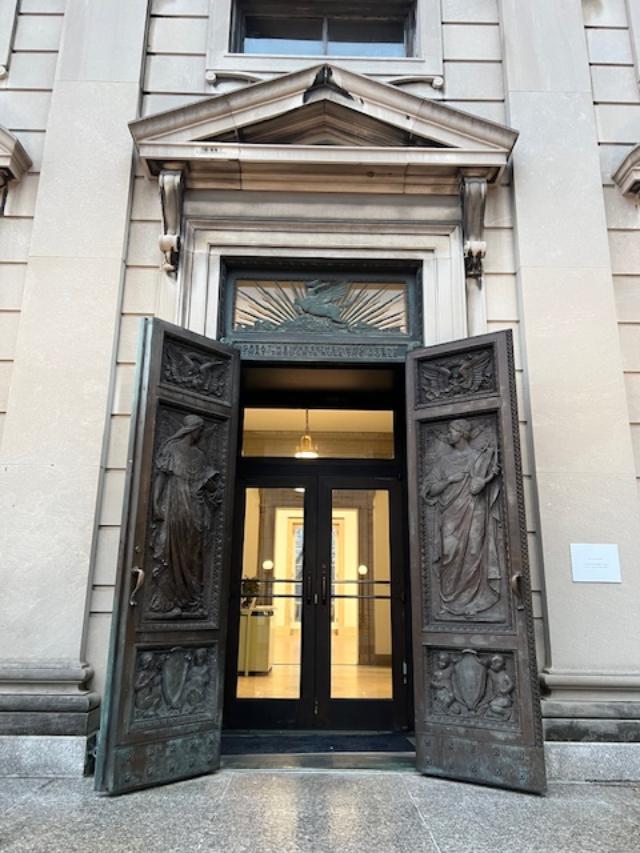
The Ford Foundation Gallery entrance
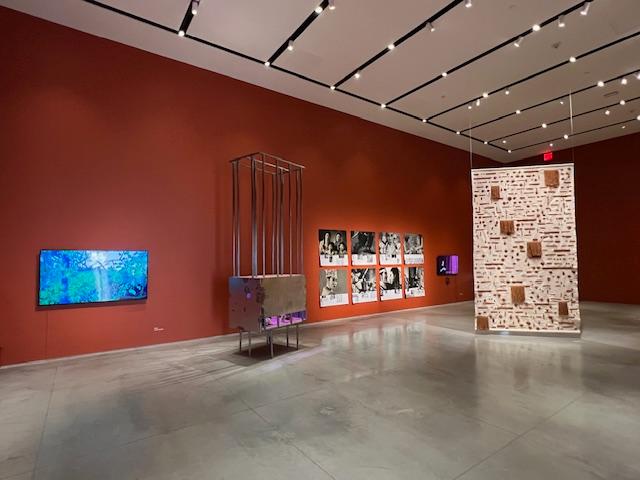
The first exhibition I saw there was “Radical Love”, a theme is dealing with ‘love as the answer to a world in peril’. This interesting exhibition offers multidisciplinary art dealing with human nature and society. How different cultures show their respect and love to one another. It is an interesting mix of paintings, photos and video art from all over the world with each other showing their interpretation of dealing with the issues in life. You really have to read between the lines with this exhibition.
The ‘Radical Love’ exhibition at the new Ford Foundation Gallery
(from the museum website on the exhibition)
Through the theme of Utopian Imagination, the trilogy of exhibitions in the gallery’s inaugural year create a trajectory toward a more just future. The first exhibition, Perilous Bodies(March 4 – May 11, 2019), examined injustice through the intersecting lens of violence, race, gender, ethnicity, and class. Radical Love responds to the first show by offering love as the answer to a world in peril.
Love, in the context of this exhibition, is defined by a commitment to the spiritual growth and interconnectedness of the individual, their community, and stewardship of the planet. Guided by the powerful words of bell hooks, “Were we all seeing more images of loving human interaction, it would undoubtedly have a positive impact on our lives.” The works in Radical Love are grounded in ideas of devotion, abundance, and beauty; here, otherness and marginality is celebrated, adorned, and revered. The Utopian Imagination exhibition trilogy concept was developed by Jaishri Abichandani.
In 2024, I saw the new show “Cantando Bajito Incantations“:
The sign from the exhibition:
(from the website)
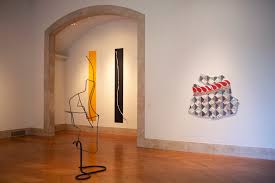
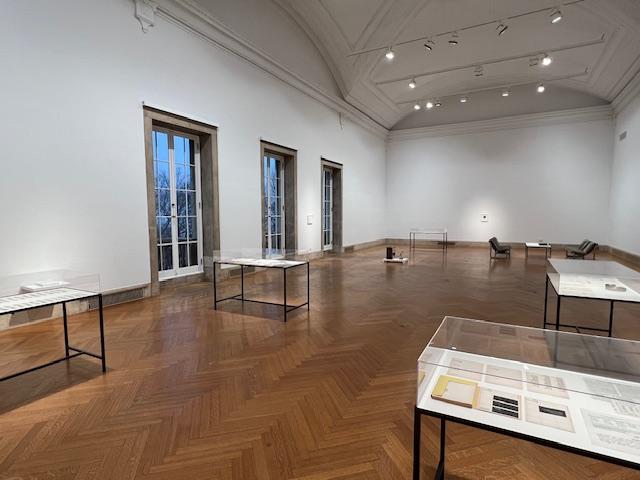
The Gallery
Work from the exhibition
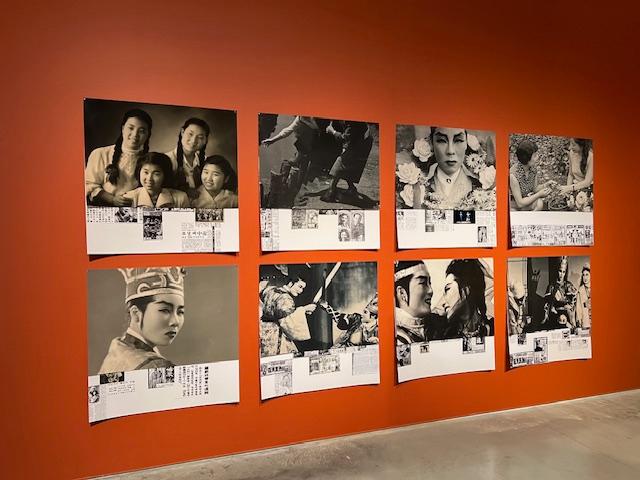
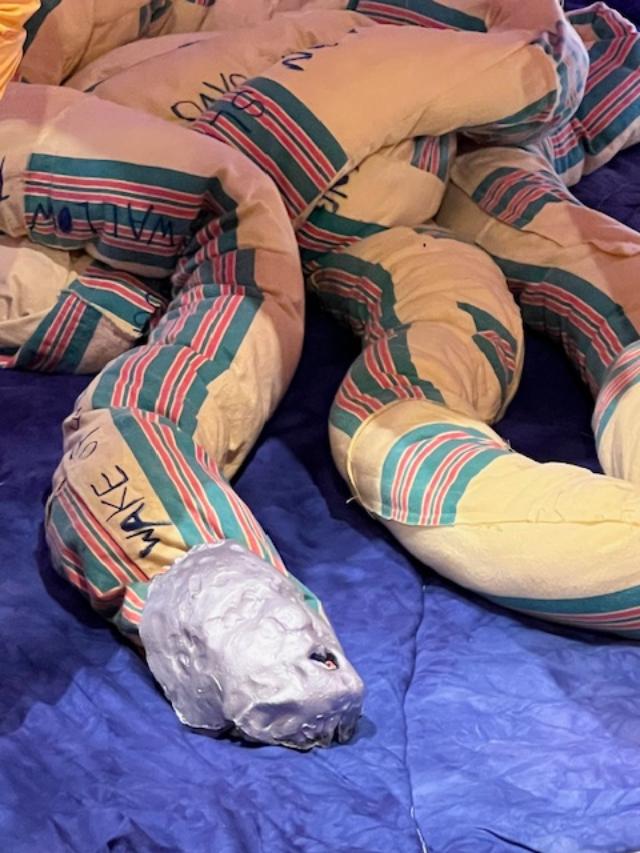
Translated into English as “singing softly,” the exhibition series title is drawn from a phrase used by Dora María Téllez Argüello, a now-liberated Nicaraguan political prisoner, to describe the singing exercises she did while she was incarcerated in isolation. Helping her to conserve her voice and defeat the political terror she endured, Téllez’s quiet singing became a powerful strategy for survival and resistance. Conceived in three movements, Cantando Bajito features artists who explore similar forms of creative resistance in the wake of widespread gender-based violence. The second chapter, Cantando Bajito: Incantations, brings together artists who consider ancestral, contemporary, and future-facing networks of support and care that safeguard feminized bodies through forms of knowledge transmission.
Work from the exhibition
Such networks—symbolic systems, subversive spaces, or covert forms of language—are as varied as the communities that develop them. They include Nüshu, a form of script passed from mother to daughter in China; the use of henna as an agent of protection; and forms of therapeutic communication that have been deemed “gossip.” All have long existed, whether in the shadows or in plain sight. Preserved not in written history but in the body, these channels prepare feminized bodies for potential violence while giving them tools to resist it.
Works from the show
Works from the show
From inside the tent
The History of the Ford Foundation Gallery and it’s recent opening:
(From the museum website)
This new 1,900 square foot gallery space opened in February of 2019 after a two-year renovation of the Ford Foundation Building. The Ford Foundation Gallery will be an innovative exhibition space dedicated to presenting multidisciplinary art, performance and public programming by artists committed to exploring issues of justice and injustice. In creating a space for artists whose work addresses pressing social issues, the foundation continues its decades long history of investing in the arts to advance human welfare (Ford Foundation Press Release).
Athi-Patra Ruga’s ‘Umesiyakazi in Waiting’
With a mission focused on addressing inequality in all its forms and providing more than $600 million annually in grant support to organizations on four continents, the Ford Foundation is a natural home for art that challenges viewers to grapple with fundamental questions of fairness and dignity. Three exhibitions in this inaugural year offer varied interpretations on the theme of Utopian Imagination (Ford Foundation Press Release).
The gallery is small and you can see these exhibitions in under an hour.
The front of the American Museum of Arts & Letters at 633 West 155th Street
I was finally able to visit the American Academy of Arts and Letters on the last day it was open for the year to the public. It was for the ‘Ceremonial Exhibition: Work by New Members and Recipients of Awards’, an exhibition on members art that was chosen specifically for the show. Most of the work was very contemporary and some a little political. It was interesting work by new artists that filled the small gallery rooms.
The front of the American Museum of Arts & Letters
One of the buildings was used for the contemporary art while the one across the courtyard was used for the more architectural pieces. The galleries are small but the art was impressive. What I liked when I talked with one of the women who worked there said to me that after the show, the pieces would be donated to galleries and museums all over the country. The galleries are only open four months out of the year and this was the last day of the exhibition so the work being shown will be gone.
I visited the museum in January 2025 and it had just reopened after a three year renovation after it had been closed since Pre-COVID and it is now fully open with a new exhibitions. All the galleries are brightly lit and displaying new exhibitions.
The entrance to the museum from the courtyard
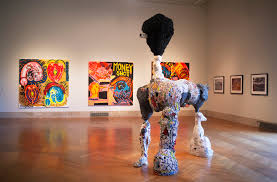
Some of the pieces that really stood out when I visited in 2019 were by Judith Bernstein, a contemporary painter who seems to not like the current administration too much. The themes were on power and money and corruption in the administration. Her work really shows what she personally thinks of our President. Her ‘Trump Genie” was very clever and I can see this in a major museum in the future.
Judith Bernstein’s work
Other work in the main gallery in 2019 were by artists Stephen Westfall with ‘Solid Gone’, Hermine Ford with ‘Paris, France’ and Paul Mogensen with several ‘Untitled’ pieces. The contemporary works I was not sure what the meaning of them were but they were colorful.
The works of the artists of the front gallery
One of the pieces in the front gallery that really stood out was by artist Francesca Dimattio, ‘She-wolf’ which was a classic Greek character made of porcelain, enamel, paint and steel.
‘She-wolf’ by Francesca Dimattio
There were light installations in 2019 that were very interesting by artist James O. Clark. He had one piece, ‘Wunnerful, Wunnerful’, which is a work that just keeps being creating itself by bubbles and ink markers moving along a turntable that stops and starts.
There was a permanent exhibition of Charles Ives home in Connecticut that was transported and recreated here. His studio and works are featured here as well as his family life. There are copies of his works in the display cases and his career.
The museum in 2025 was fully open with the exhibition by artist Christine Kozlov, a contemporary Video artist whose works were being featured in the main gallery.
The main gallery of the Kristine Kozlov exhibition
In more than fifty artworks arrayed across four galleries at Arts and Letters, Christine Kozlov shows the breadth of Conceptual artist Christine Kozlov’s practice with a focus on works from the mid-1960s through the late 1970s. Nearly all of the works Kozlov contributed to public exhibitions during this period will be on view, many of which were created for landmark exhibitions of Conceptual art such as: One Month (1969), organized by Seth Siegelaub; Information (1970), curated by Kynaston McShine at the Museum of Modern Art, New York; Arte de Sistemas organized by Jorge Glusberg / CAYC—Centro de Arte y Comunicación at the Museo De Arte Moderno (1971); and the Number Shows, a series of exhibitions curated by Lucy Lippard between 1969 and 1974 (American Museum of Arts & Letters website).
Part of the Kristine Kostov exhibition
Works by artist Christine Kozlov
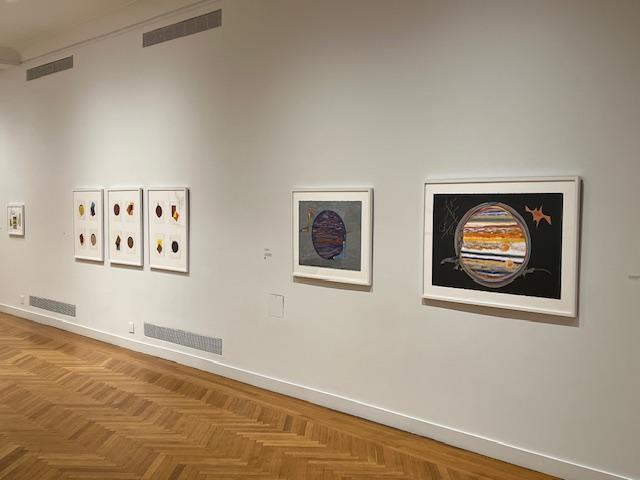
The next exhibition that I viewed was by artist Wadada Leo Smith, which consisted of an exhibition based on colors and sounds. You could take the headsets around the gallery and tour and admire the work with the sounds of the musical groups.
The gallery with works by artist Wadada Leo Smith
Wadada Leo Smith (b. 1941, Leland, MS) is a composer-performer and Arts and Letters member. Formerly an educator at CalArts, he has influenced decades of musicians and artists, including Raven Chacon. In Kosmic Music, Smith’s first solo exhibition in New York, he shares over fifty years of Ankhrasmation (Museum website).
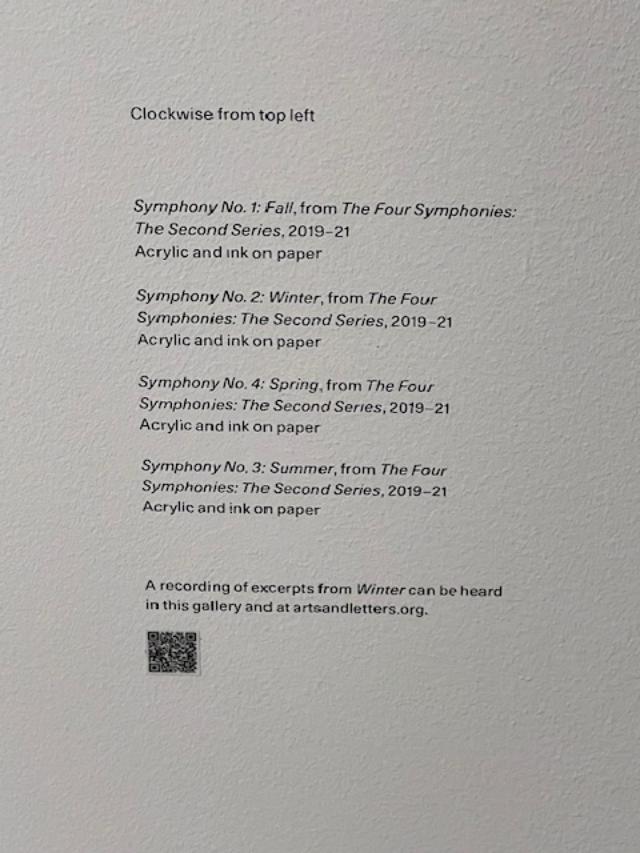
The “Sphere” works by artist Wadada Leo Smith
Ankhrasmation is a musical language Smith began exploring in 1965. Smith does not consider Ankhrasmation to be his creation but rather something he discovered. The name derives from Ankh,anancient Egyptian symbol of life; Ras,an Ethiopian word for leader or father; and Ma, for mother. The distinctive language uses line, color, and shape to designate musical components such as tonal range and intensity of activity. For Smith, performing Ankhrasmation requires focused practice and “having that space in your heart and mind so that you can play from inspiration.” (Museum website).
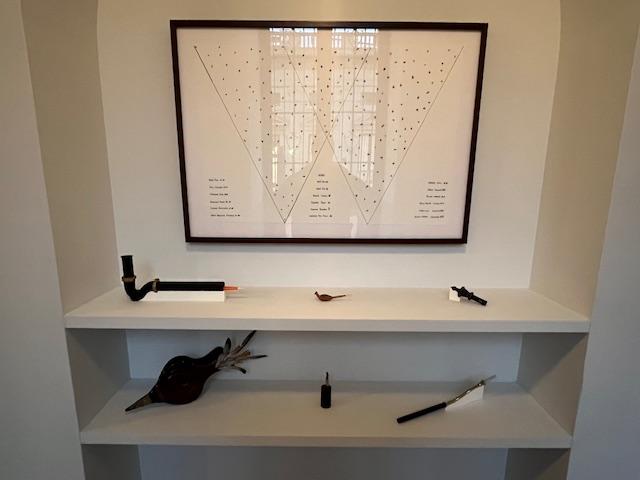
The last exhibition I saw was in the gallery across the courtyard from the main museum was by artist Raven Chacon. You would walk in the main gallery to the sounds of birds both living and extinct. Just five minutes in the main gallery by myself and I felt like Tippi Hedren in the movie “The Birds”. There were all sorts of bird sounds with no birds around.
The instruments that the artist uses to achieve the sounds of the birds
When Raven Chacon (b. 1977, Fort Defiance, Navajo Nation) visited Arts and Letters for the first time, he paused in our North Gallery to clap his hands, then counted how long it took for the room to go silent. It took around six seconds—a long rate of decay. Standing in that echoing chamber, Chacon noted the building’s Beaux Arts design by Cass Gilbert, with its imported Spanish tile and cage-like glass ceiling that filters the sky. He became curious to learn the history of the land it sits on, once owned by John James Audubon, who purchased it in 1841 with funds from the sale of his illustrated Birds of America (Museum website).
Chacon is a composer and artist who frequently works with the materials and histories of a given site and who considers, as he puts it, “what has been silenced and what happens when it is not.” For the past year, he has worked on Aviary, his site-specific commission for the North Gallery, creating a soundscape that makes space and time for careful listening (Museum website).
Museum Mission:
(from the museum website)
The American Academy of Arts & Letters was founded in 1898 as an honor society of the country’s leading architects, artists, composers and writers. Charter members include William Merritt Chase, Kenyon Cox, Daniel Chester French, Childe Hassam, Henry James, Theodore Roosevelt, Elihu Vedder and Woodrow Wilson. The Academy’;’s 250 members are elected for life and pay no dues.
The main gallery of the museum
In addition to electing new members as vacancies occur, the Academy seeks to foster and sustain an interest in Literature, Music and the Fine Arts by administering over 70 awards and prizes, exhibiting art and manuscripts, funding performances of new works of musical theater and purchasing artwork for donation to museums across the country.
Collections:
(from the museum website)
The Academy’s collection, which are open to scholars by appointment, contain portraits and photographs of members, as well as paintings, sculptures, drawings, prints and decorative art objects. The library has more than 25,000 books by or about members. The archives house correspondence with past members, press clippings, institutional records and original manuscripts of musical and literary works.
History:
(from the museum website)
The National Institute of Arts & Letters, the parent body of the Academy, was founded in 1898 for “the advancement of art and literature”. The Institute met for the first time in New York City in February 1899 and began electing members that fall. Architects, artists, writers and composers of notable achievement were eligible and membership was soon capped at 250. In 1913, President Taft signed an act of Congress incorporating the organization in the District of Columbia.
American Academy of Arts & Letters at twilight
In 1904, The Institution created the American Academy of Arts & Letters, a prestigious inner body of its own members that modeled itself on the Academie francaise. The first seven members of the Academy were William Dean Howells, Augustus Saint-Gaudens, Edmund Clarence Stedman, John La Farge, Mark Twain, John Hay and Edward MacDowell. Those seven then chose eight more and so on, until the full complement of 30 and later 50 was reached. Only after being elected to the Institute, was a member eligible for elevation to the Academy. This bicameral system of membership continued until 1993, when the Institute dissolved itself and all 250 members were enrolled in the American Academy of Arts and Letters.
The Academy inaugurated its annual awards program in 1909 with the Gold Medal for Sculpture. Since then, over 70 awards and prizes have been endowed through gifts and bequests or established by the Academy’s board of directors in the fields of architecture, art, literature and music. There are conferred each year at the Ceremonial in May when new members are inducted and a distinguished speaker is invited to deliver the Blashfield Address.
In 2005, the Academy purchased the former headquarters of the American Numismatic Society, the neighboring building on Audubon Terrace. A Glass Link now connects the Academy’s existing galleries to newly renovated ones in the former Numismatic building. These new galleries house the permanently installed Charles Ives Studio.
I have visited the Lefferts Historic House a few times when visiting the Brooklyn Botanical Gardens, The Brooklyn Museum and the Prospect Park Zoo, all of which are in the same cultural district of the neighborhood. The house is located near the entrance of Prospect Park just behind the Brooklyn Botanical Garden and right next to the zoo and the carousel.
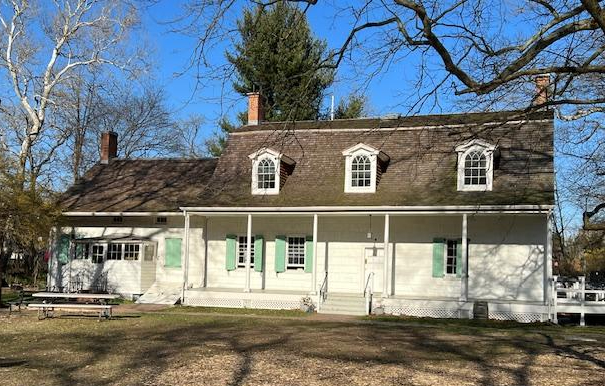
The Lefferts Homestead in 2023
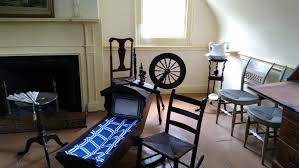
The house sits on a plot of the park to give it the look of the house when it sat in a rural setting in Brooklyn about twelve blocks away. When walking into the house, there are a few rooms that are furnished and have period pieces in them to show what the house must have looked like in the late 1700’s and early 1800’s. Most of the house is used for touring and for groups doing projects and games. You can’t go upstairs anymore. The house will be going through a renovation soon so watch the website for more information on that.
The historic objects of the house
The outside of the house has wooded grounds with a working garden, an outside oven and historic objects that bring the period back to tourists and residents alike of what life must have been like when it was a working farm. When in season, you can walk amongst the vegetable and flower gardens and talk to the docents about the history of the house.
The grounds of the Lefferts Homestead with the stables and smokehouse
The house is part of the Historic House Trust and part of the Prospect Park Alliance.
History of the Lefferts Historic House:
The Lefferts family was one of the original settlers in Brooklyn with Lefferts Pieterson buying 58 acres of land here in 1687 and built the original homestead on that property. In 1776, the house was destroyed by American troops before the Battle of Brooklyn so that the British could not use it. The house was rebuilt in 1783 by one of his descendants (Prospect Park Alliance).
The current house was the home of Continental Army Lieutenant Pieter Lefferts and was built in 1783. It was originally located on Flatbush Avenue near Maple Street. When Pieter died the house was passed onto his son, John and then when John passed, the house was inherited by his daughter, Gertrude Lefferts Vanderbilt. The house was lived in by four generations of the Lefferts family.
The Lefferts Homestead
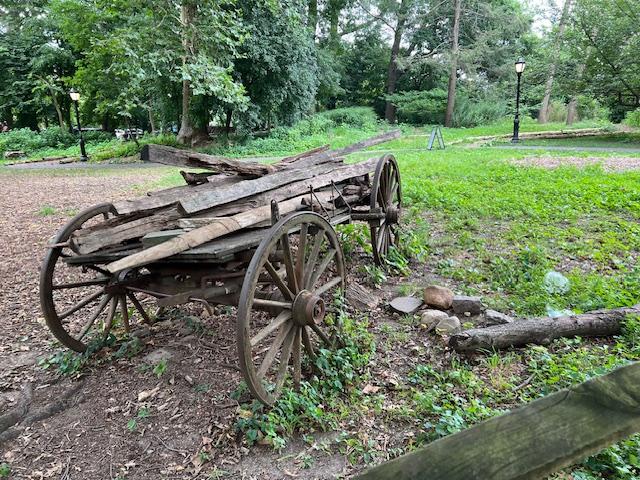
The cart on the front of the property
With impending development of the area around the house at the end of the 19th century, John Lefferts estate offered to donate it to the City on the condition that house be moved to City owned property for historic preservation and protection. It was opened as a museum in 1920 by the Fort Green Chapter of the Daughters of the American Revolution (Wiki).
The history of the house
The house is currently used as a Children’s Museum and Cultural site and open year-round.
The lawn and formal gardens on the Brooklyn Parkway entrance.
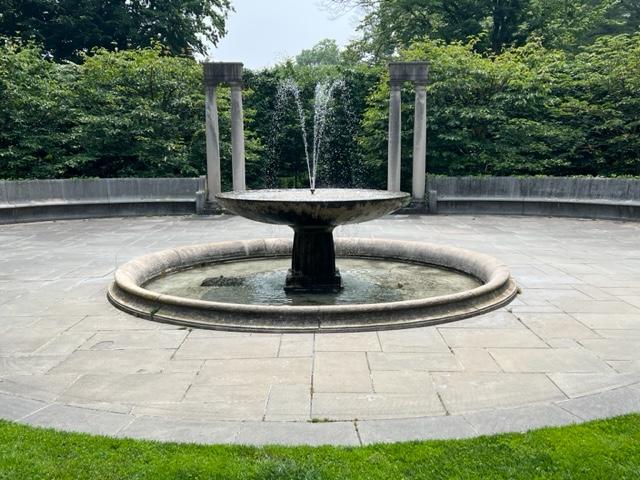
The beautiful fountain at the end of the formal gardens at the main entrance.
The daffodils in full bloom at the entrance of the gardens.
I have been a member of the Brooklyn Botanical Garden since 2002 and have never been bored on a trip to the gardens. In every season there is something new to see.
On a recent trip to the Gardens in 2024, the Garden was ablaze with the colors of almost a thousand purple crocuses that lined the hills on the Prospect Park side of the lawns. Beautiful purple and while colors were in full bloom and Mother Nature shined in the COVID era with all of us socially distanced but still enjoying the park.
Crocus Hills ablaze in purple in 2024
The purple crocuses in full bloom in 2024.
The beautiful purple crocuses in full bloom.
The crocuses only last about a week or two and with the inconsistency with the weather in 2024, they lasted only about ten days and then the weather went back down to the low 40’s. While I was taking pictures of the crocuses, I walked around the gardens and came across the Snowdrops and the Ironweed flowers were also in bloom. These sensitive flowers are only in bloom for just about two weeks.
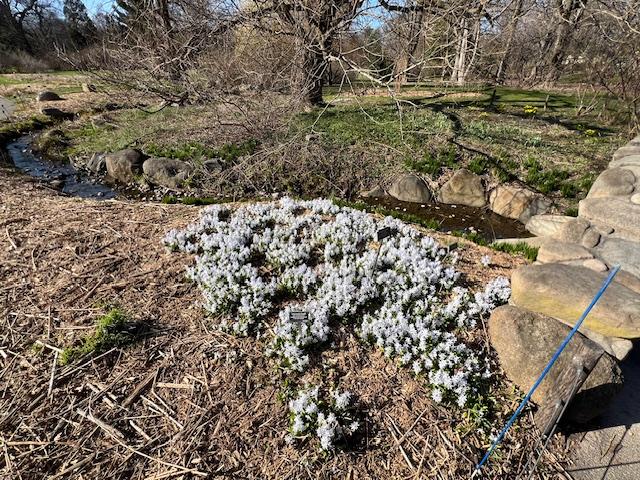
The Snowdrops in full bloom in the gardens in 2024.
The Snowdrops up close.
The Ironweed just as beautiful. To see these graceful flowers in bloom are a real treat.
The Ironweed flowers in bloom right by the stream.
The Ironweed flowers in full bloom.
An Azalea that was early blooming in the garden in 2024.
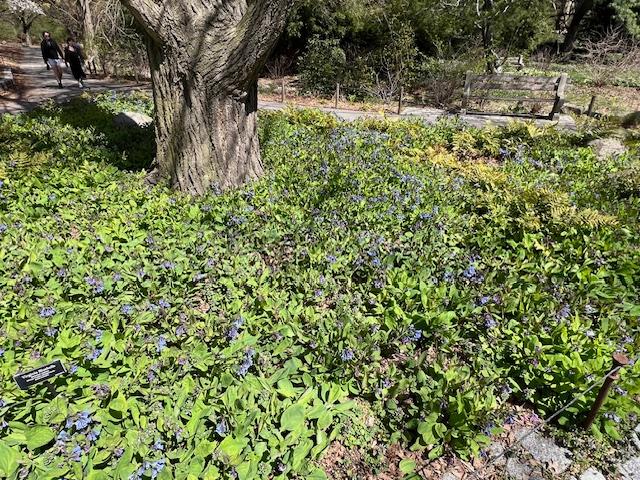
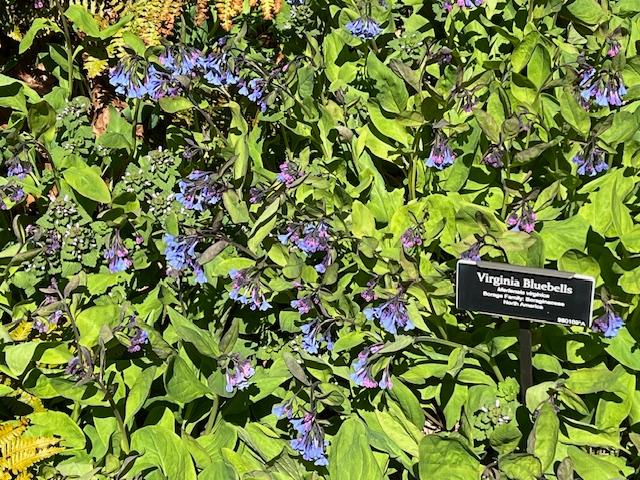
The Virginia Bluebells came out just as the Daffodils were at their peak in bloom. When you walked around this part of the Gardens, it was quite spectacular with colors.
The Virginia Bluebells at their peak during the Eclipse.
The Virginia Bluebells in bloom in early April.
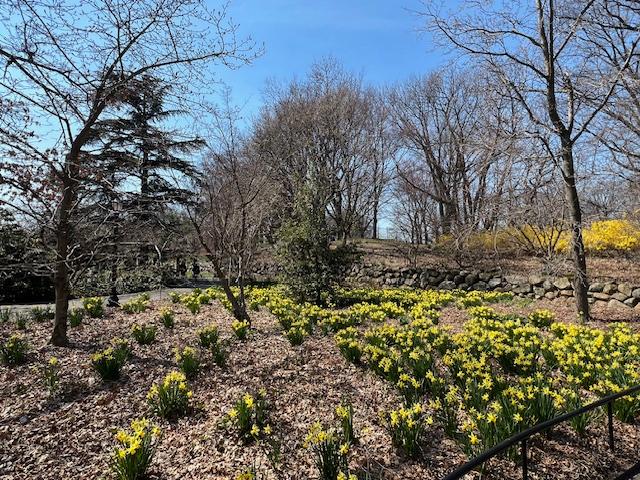
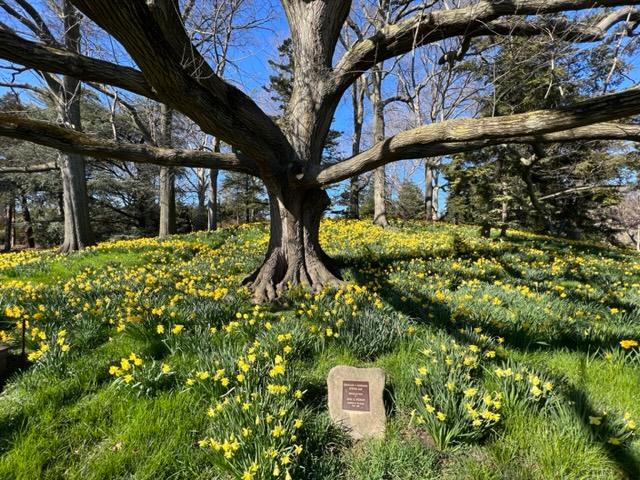
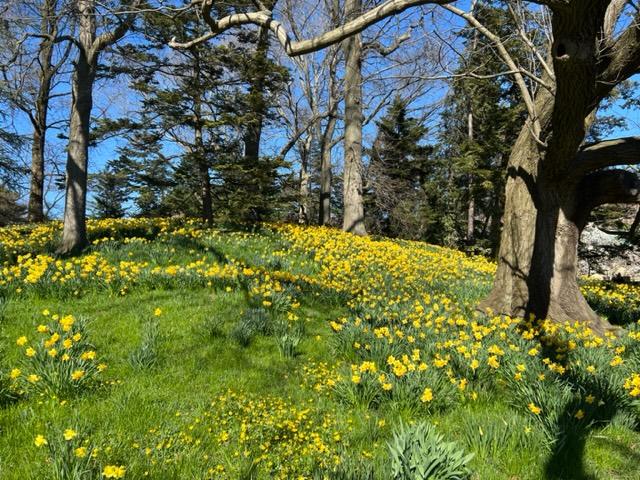
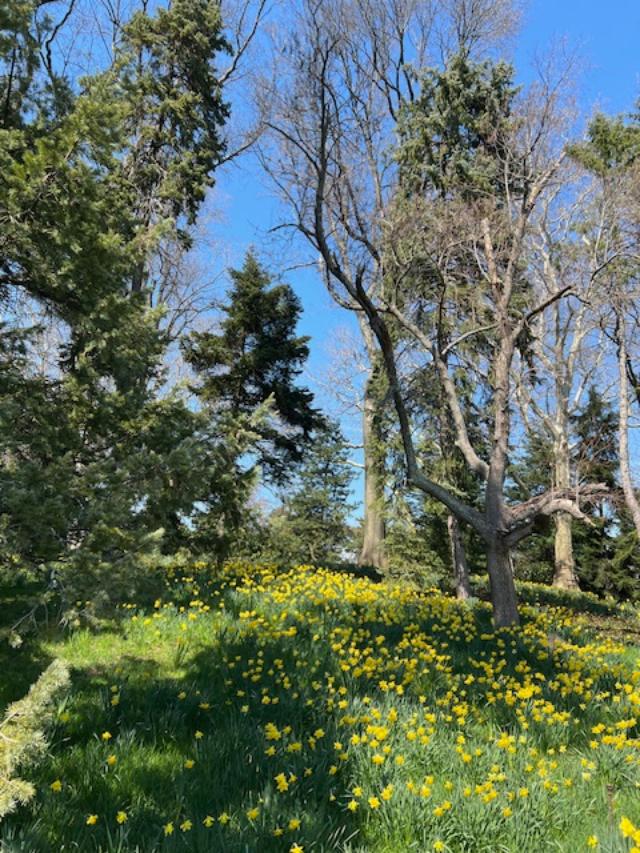
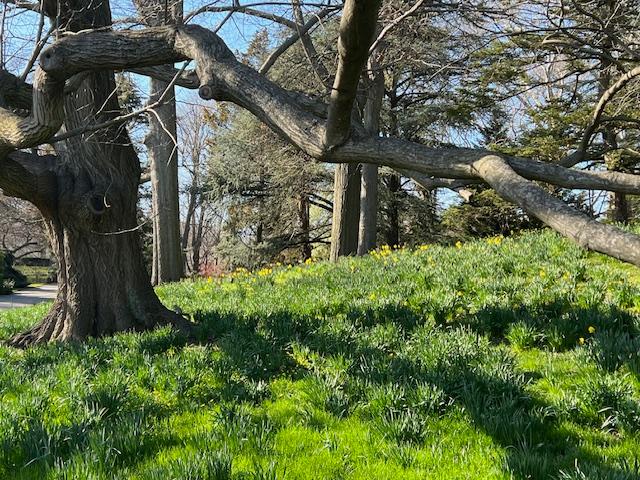
In the beginning of the Spring, Daffodil Hill is in full bloom and is a very impressive site. Hundreds of trumpet Daffodils line the hill of this side of the gardens surrounding the old oak trees.
Daffodil Hill in the Spring of 2023
Daffodil Hill in the Spring
Daffodil Hill
Daffodil Hill in all its beauty
The video tour of Daffodil Hill at its magnificent brillance
Daffodil Hill in full bloom in 2026
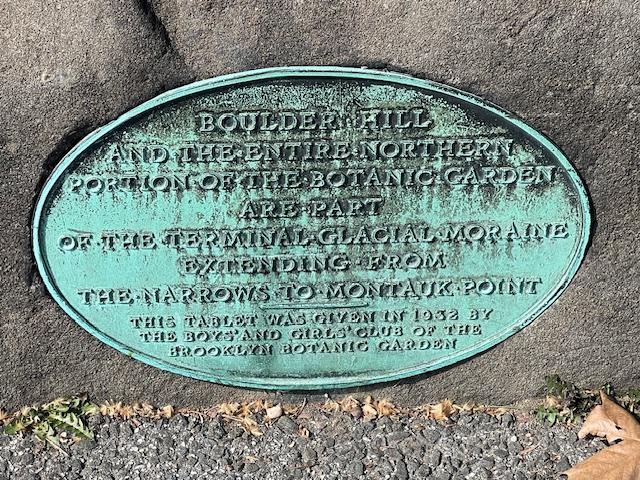
The Hybrid Oak plaque of this gracious oak tree.
There are fields of yellow on yellow and yellow on orange flowers surrounding the paths against the backdrop of the green lawns. The whole hill is a sea of yellows and whites against the trees which are bursting with new buds. This beautiful scene lasts only about a week to two weeks at full bloom in the first weeks of April.
Daffodil Hill in Spring 2023
Daffodil Hill with the Magnolia Plaza in the background
Daffodil Hill in 2024
Daffodil Hill in March 2024 was in full bloom even in the cold weather.
The beauty of Daffodil Hill in March of 2024.
The Daffodil Hill plaque in the garden.
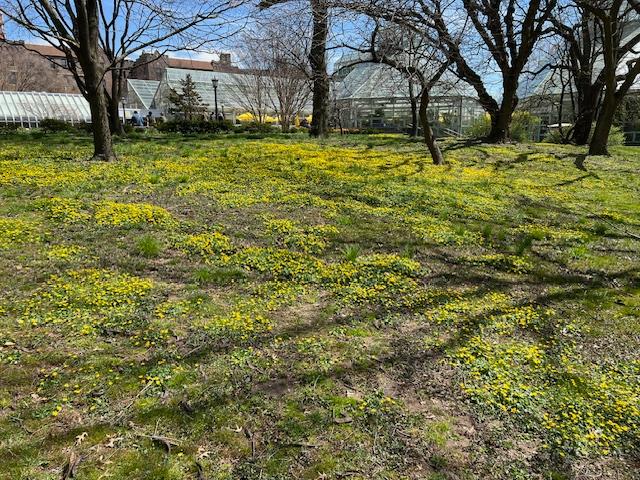
Another beautiful flower was in full bloom all over the garden on the hill across from Daffodil Hill. I was not sure what these tiny flowers were called but they blanketed the hills and lawns around the greenhouses during the Solar Eclipse in 2024.
The tiny yellow flowers in bloom during the Solar Eclipse.
These tiny yellow flowers were in full bloom on the day of the Solar Eclipse in 2024.
I visited the Brooklyn Botanic Garden in March of 2024 and took the 1:00pm ‘Highlights” tour of the garden. The tour guide was shocked that we had almost twenty people on a tour on a cool Friday afternoon but we were an enthusiastic bunch. We got to see most of the garden and the one hour tour went from one hour to an hour and a half.
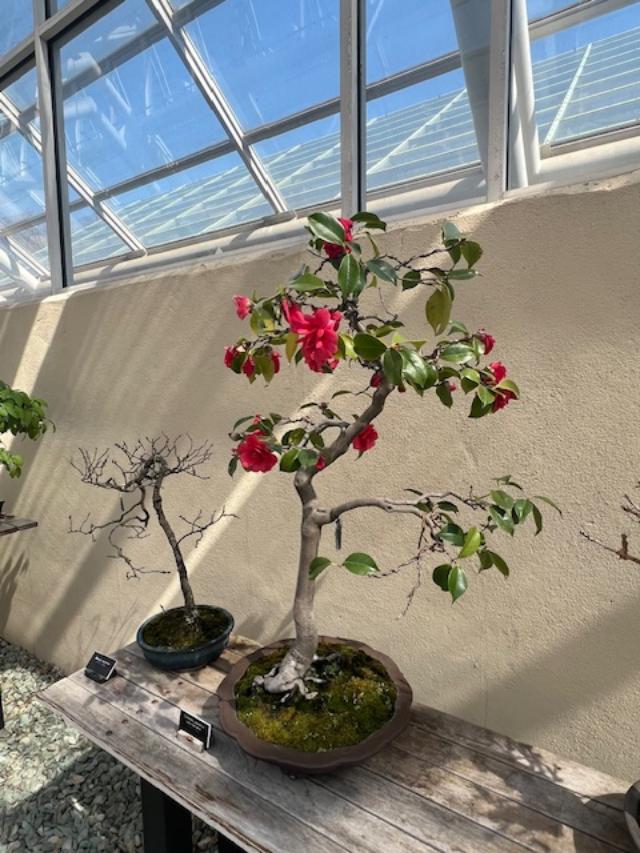
We toured the Bonsai Garden first and we admired these well pruned trees some of which are over thirty years old.
The Bonsai Tree display in March of 2024.
The beautiful flowering trees of the Bonsai display.
The flowering and well pruned trees of the Bonsai gallery.
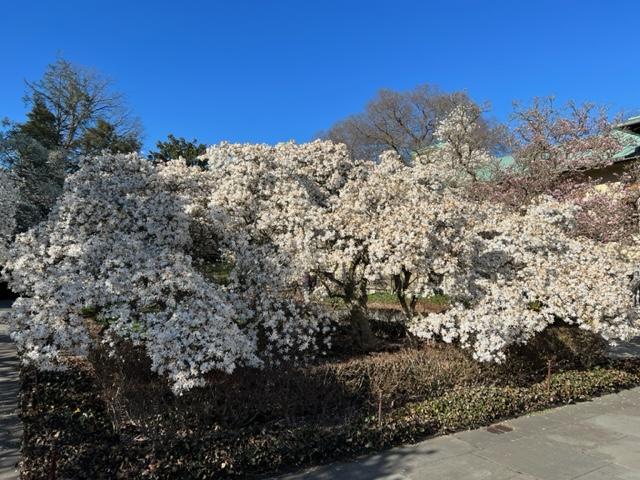
Magnolia Plaza where all the old flowering Magnolia trees bloom in full force in the Spring. The bright white and pink flowers are quite brilliant in colors and the sweet smell of the trees is wonderful. All the trees were just bursting with colors of pink, mauve and white.
Magnolia Plaza in the Spring of 2023
When it comes to the end of the season, you will be walking into a snow shower of colorful petals practically ‘snowing’ on you. You can smell the sweet petals on the flowering trees, and it is the most amazing site with the daffodils on the hill in the background. The scents of everything are just enjoyable. It is Mother Nature at her best.
The beauty of the Magnolia trees in the Magnolia Plaza
The next beautiful display is the Cherry Blossoms’ that bloom at the end of April. It is ablaze in all sorts of shades of pink and white. It brings the whole city out to see Mother Nature’s display of art.
Day Seventy-Four “Cherry Blossom Festival-Sakura Matsuri”:
The big Japanese festival happens during this time and the park is full of all sorts of artists, dancers and musicians who have come to perform for the many members entering the park.
The Cherry Blossoms in 2023
The Cherry Blossoms were just blooming in April of 2023
In 2021, the growing season on the Cherry Trees was hit with many days of rain that knocked the petals off the trees early. Still, I was able to get into the gardens by the end of the first week of May and they were still spectacular but limited in their petals. There are many species of Cherry Trees, so they are timed differently in flowering.
The Cherry Blossoms in the Japanese Gardens in Spring 2023
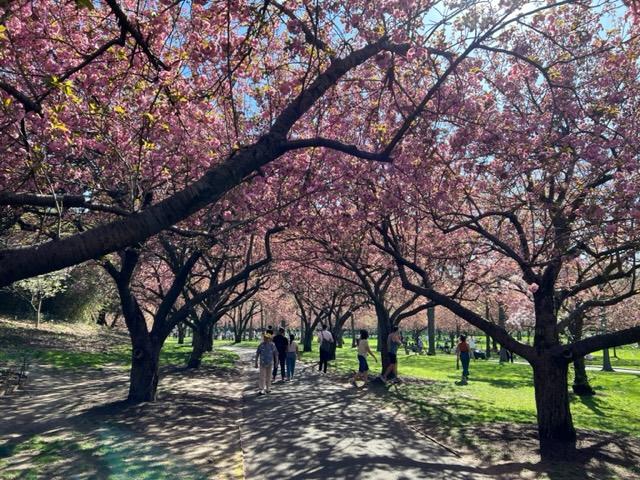
In 2022, the fluffy cherry blossoms were in full bloom, like a graceful wish. When I went to visit them in early May, they were in full bloom and all the paths in the main garden were awash with pink and green. With the lawn being a deep green, the effect was really beautiful, and people were all over the place taking pictures and smelling the flowers. This was the same at the height of their blooming in 2024.
The Cherry Blossom Lawn in 2024.
The lawn was packed with visitors that afternoon in early April 2024.
The beautiful canopy of blossoms that afternoon were just breathtaking.
People like myself just relaxed on the lawn and enjoyed the sunshine and the blossoms.
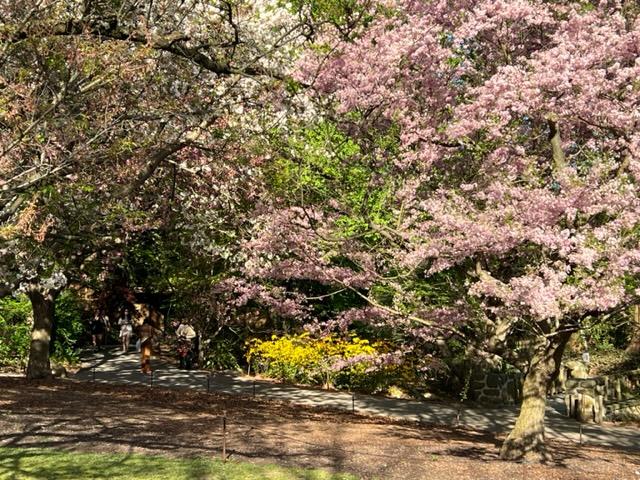
Spring has arrived in the gardens in April 2024.
The Cherry Blossom canopy path.
The canopy of trees.
The blossoms were amazing this year
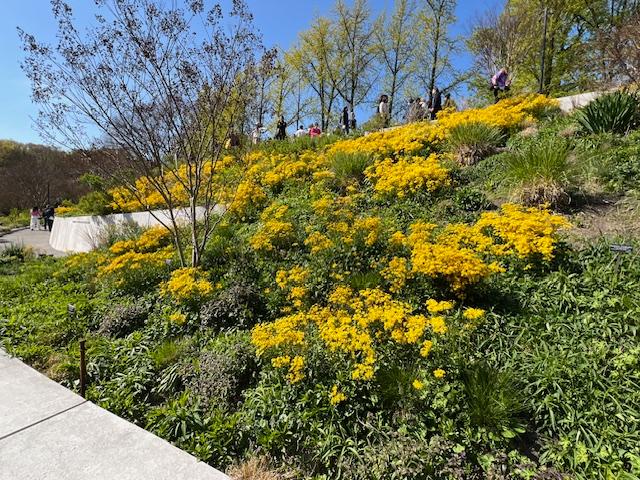
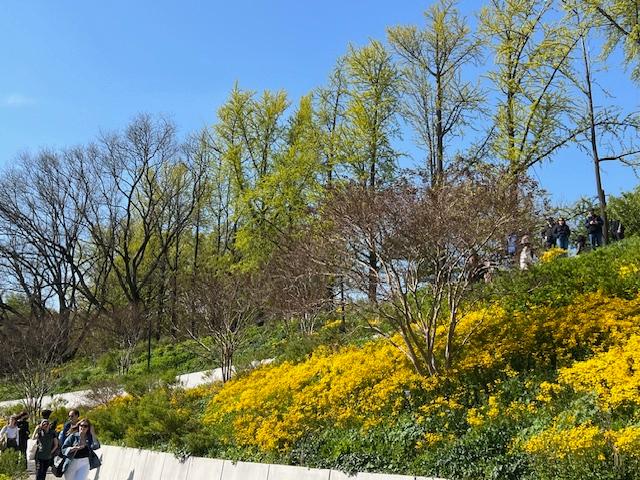
The Golden Rods were also in full bloom when the Cherry Blossoms were and it made quite a site.
The beauty of ‘Golden Rod Hill’ in the early Spring April 2024.
I had not seen the Cherry Blossoms in full bloom in Brooklyn in over three years, concentrating on seeing the ones in Newark, NJ’s Branch Brook Park and Washington DC Tidal Basin. All three are quite amazing in their own way.
I had to walk through the main lawn, the Japanese Garden and the back paths several times just to take it all in. The next rainstorm they would be gone again but for now you could bask in these gorgeous blossoms.
The Japanese Gardens in Spring 2023
The Japanese Garden in the Spring of 2023
Later in 2023, the gardens sponsored an open-air art show with artist Jean-Michel Othoniel entitled “The Flowers of Hypnosis-The Gold Rose”. These interesting golden globe sculptures were located in different parts of the gardens especially in the Japanese Gardens and pools.
The Jean-Michel Othoniel exhibition
One of the sculptures in the Frangrance Garden
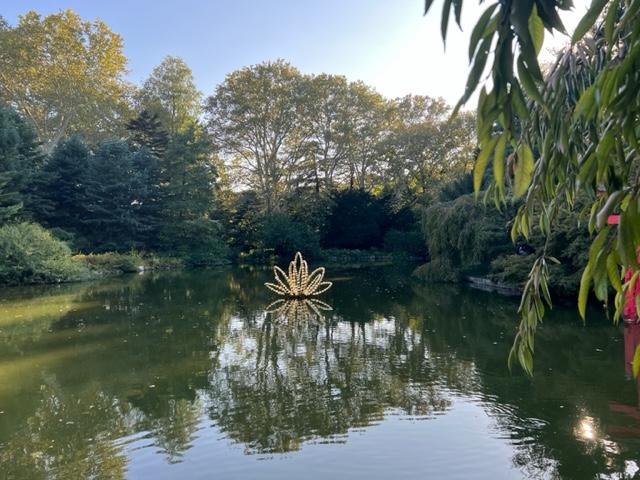
The sculpture “The Golden Lotus” in the Japanese Garden Pond
The sign on the event
The “Golden Lotus” sculptures at the Japanese Gardens.
“The Gold Rose” sculptures in the Japanese Gardens.
When the Brooklyn Botanic Garden is in full bloom with these trees, there is nothing like it. The Japanese Festival had been cancelled and the blooms in Washington DC had bloomed two weeks early and Branch Brook Park in Newark had already peaked so this is where to be at to see Cherry Trees at their finest.
In 2023, the Cherry Blossoms in the gardens were the last ones to bloom behind both Washington DC and Newark, NJ. The species that is dominate in the gardens are the last to bloom and the big pink fluffy flowers were just sprouting in April of 2023.
The bluebells were blooming at the same time and showed their beauty in the gardens just as the trees started to sprout their buds. It was natures way of welcoming in the Spring. It is amazing to see all of this knowing that I was just in the gardens five months ago walking through the Christmas Light Show.
The Bluebells and Ironweed are in full bloom in April 2023
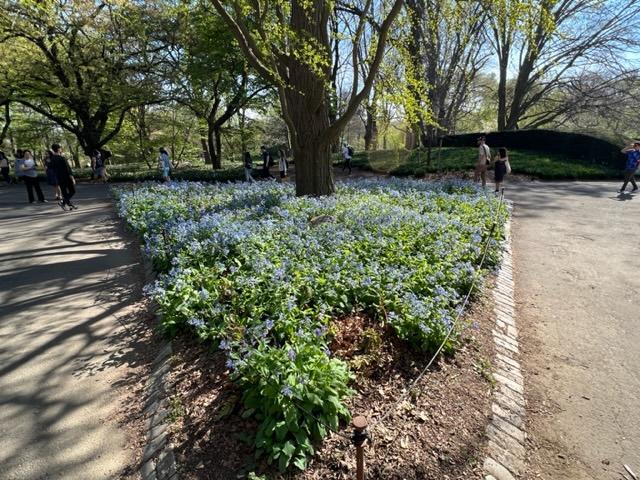
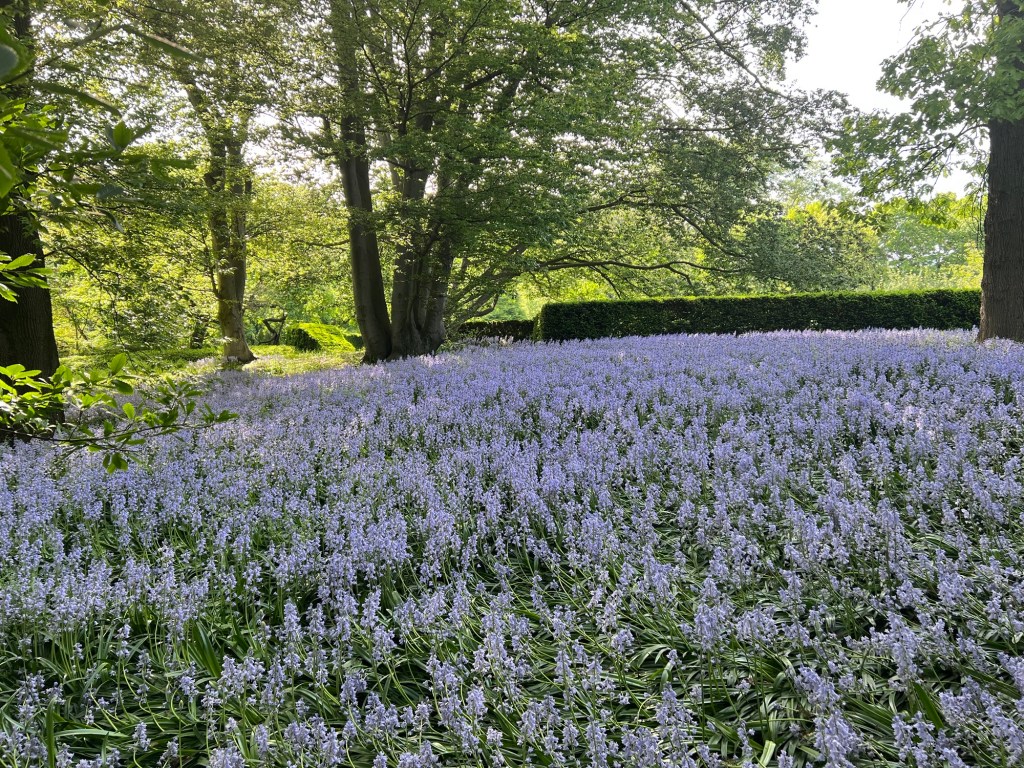
Right off the Cherry Tree Arcade is the paths leading to the back part of the gardens and you will see all the purple and blue Bluebells and Ironweed as well as the purple corn flowers lining the paths. It is quite spectacular as you see hundreds of these flowers surrounding the trees and walkways. I had never seen this before.
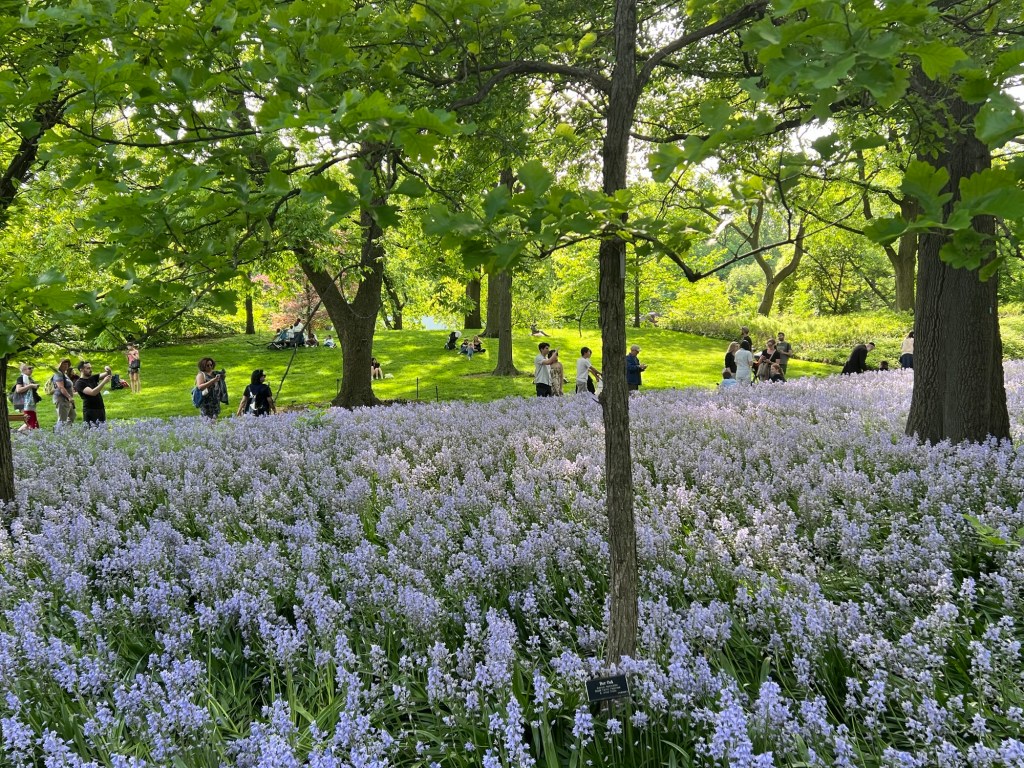
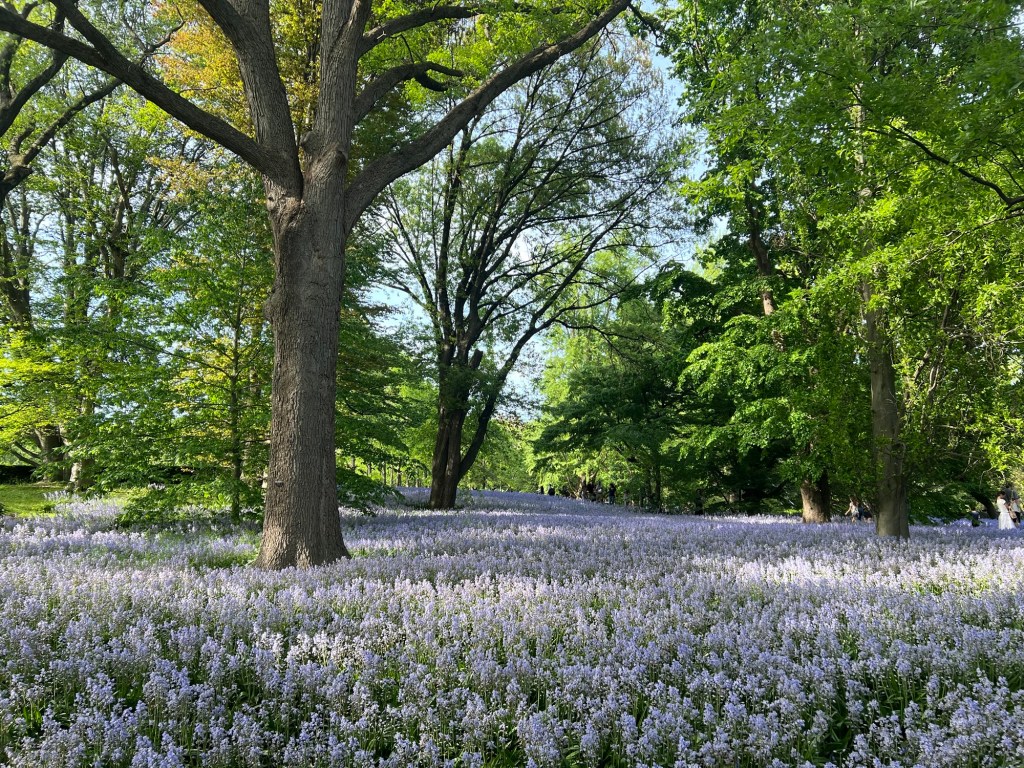
In May 2025, the Bluebells had really spread through this section of the gardens and had taken over this corner of the gardens.
The sea of light purple was spectacular
The crowds really enjoyed looking at the flowers
It was a gorgeous day
These flowers really spread
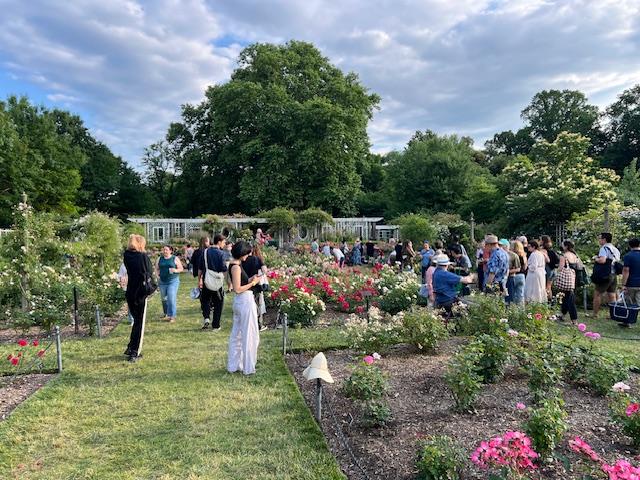
In June, The Rose Garden festival takes place with hundreds of types of roses blooming in the same time period. This is when the members Rose Night happens with an evening of music, cocktails and looking over the flowering bushes all over the gardens. They even create a Rose Petal cocktail for the event that is interesting.
Recently in May of 2021, the Garden sponsored “An Evening of Remembrance and Reflection” with the anniversary of the George Floyd incident and New Yorkers came out to show their support. It was an evening of jazz that brought members out on this warm spring evening.
It also gave everyone a chance to walk through the Cranford Gardens which were in full bloom and perfumed the gardens with sweet scents of the flowers. There were roses of all colors in full bloom about two weeks ahead of schedule. So it was nice to see all the flowers at full peak lining the pathways.
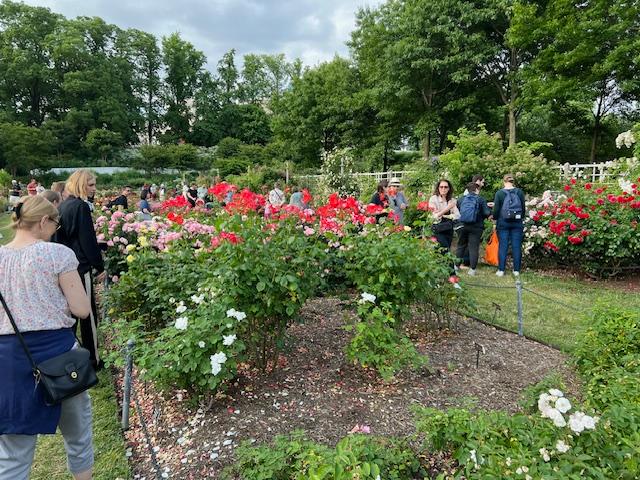
Rose Garden Rose Night in 2017 and at “An Evening of Remembrance and Reflection” in 2021
In July 2021, as the Gardens have opened to the public since the COVID pandemic rules have lifted, there have been weekly Jazz Concerts in the Cherry Tree lawn. Recently I attended the concert of the Brownstone Jazz Ensemble who performed with a few guest singers. It was a cool sunny summer night and the perfect evening to have a picnic in the Gardens and enjoy the music.
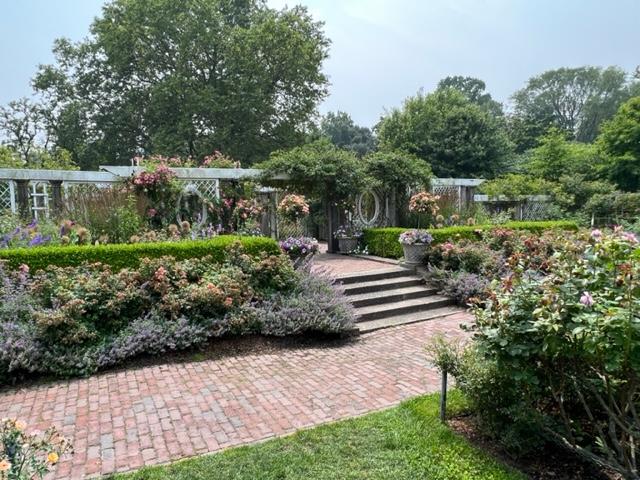
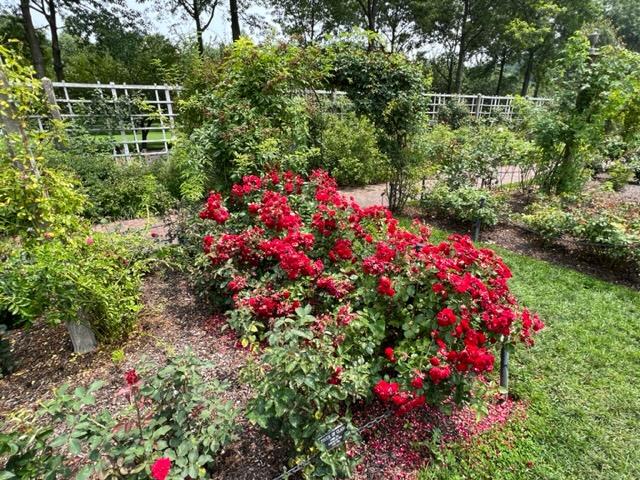
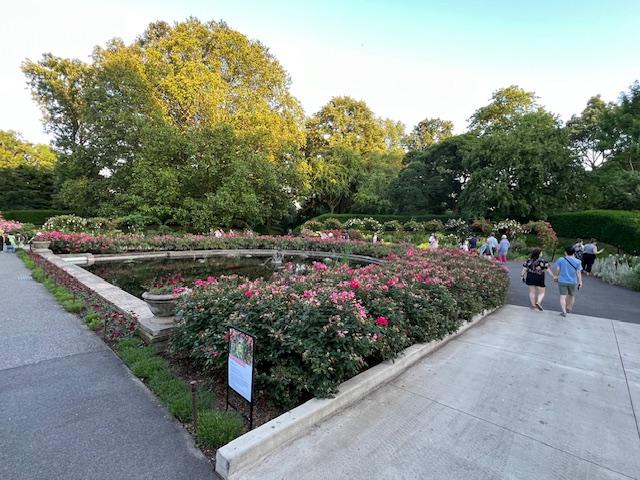
The Cranford Rose Garden in bloom
The Cranford Garden shows its true colors in early June and pre-COVID, Rose Night was when all the roses were supposedly at their peak. They were at their peak about two weeks earlier but the display was still amazing.
Visiting the Brooklyn Botanic Garden before Rose Night in 2026:
I got an email from the Brooklyn Botanic Garden saying that the Cranford Rose Garden was at its peak of blooming and that I should see it while it was at its prime. I was busy at work and was able to travel down to down to the gardens a few days later. Talk about perfect timing as the petals just started to fall.
The Cranford Rose Garden at peak is one of the most beautiful sites. The colors and the fragrances are just amazing. I could not attend “Rose Night” in 2026 because of a prior commitment plus it would be a gloomy night with the threat of rain. So I went the Friday afternoon for the event the next Wednesday.
The Cranford Rose Garden in bloom
The Cranford Rose Garden is amazing from every angle and the views from the top of the hill overlooking the garden shows the extensive amounts of roses planted and the array of colors.
The beds of roses of all colors and species
The entrance to the Cranford Rose Garden is full of an array of different types of colorful flowers
The beautiful and diverse flowers in the Cranford Rose Garden
The beauty of flowers up close
All sorts of roses line the trellis borders of the Rose Garden
What I love about walking around is that you can see the diversity of the roses. The garden is planted with different species so they bloom at different times giving the beds an array of colors at different times. Along the beds and trellis everything bloomed so vibrantly.
The beautiful orange roses that lined the trellis
The colorful trellis pathways
The reds and pinks in full bloom
Roses lining the lamppost
Admiring the beds of roses at the Cranford Rose Garden
Purple reins supreme
Walking through the trellis pathways of red
The beauty of the trellis
The back part of the garden
The back terrace of the Cranford Rose Garden
The elegant statuary of the rose garden and the sun dial
The back Terrace area
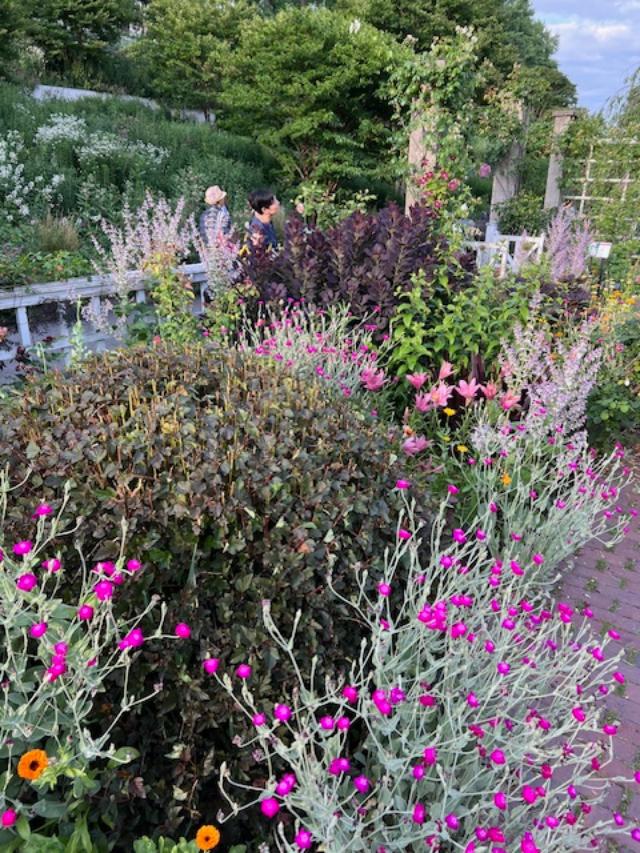
The back of the Cranford Rose Garden is lined with all sorts of flowering plants having a rainbow of colors.
Walking through the terrace gardens
The beautiful roses in the back of the garden
The roses in the back of the Cranford Gardens
Walking out the back of the gardens
The back path of the Cranford Rose Garden
The fountain in the back of the Cranford Garden
Visiting the Cranford Rose Garden when it flowering is one of the most interesting collection of colors and scents. This is why I try to time my visits around the blooming of the flowers.
Special Events at the Brooklyn Botanic Garden:
Private Members “Jazz Night”
The private members nights are evenings where we can picnic on the lawns while listening to music on the lawns of the Garden.
Members Jazz Night July 2026
The Summer Solstice Event:
There was a special Summer Solstice Event on the longest day of the year. The musicians started the music before twilight and it was a warm and breezy evening with excellent entertainment.
The Summer Solstice event
Becoming a member of the Brooklyn Botanical Garden has its advantages too. In August, in the height of the summer they have the member’s movie night where members from all over the area sit in the Cherry Blossom field to watch an outdoor movie. I have seen family films “Willy Wonka and the Chocolate Factory”, “The Goonies”, “Moonstruck”, “The Fabulous Mr. Fox” (which was not too fabulous of a film) and in 2023 “The Muppets take Manhattan”.
Day Eighty-Seven “Members Movie Night 2017 and 2022:
It is a nice evening of relaxing on the cool grass, eating a light picnic dinner and sitting under the stars watching a film. Could there be any other New York moment to enjoy?
Willy Wonka and the Chocolate Factory was the best film in the gardens.
“The Goonies” was another popular hit with the members.
“The Moonstruck” trailer
The “Muppets take Manhattan” trailer
“A Bugs Life” Trailer
The Fall months bring the changing of the leaves on the trees and all the late flowers that come out in September and October. During the holiday season there is not much to see in the park, especially during the winter months outside but there is a tropical display under glass in the enclosed buildings on the property and the Bonsai Garden display of plants also in the glassed-in enclosure. There are lots of walking tours of the new water gardens, rock gardens and of the Japanese Gardens.
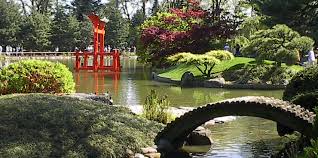
The Japanese Gardens at the Brooklyn Botanical Garden
In the winter months though, there is a quiet elegance to the gardens. It is so quiet with all the plants in hibernation that it is nice to just walk through the gardens and imagine what they will look like in four months when Spring arrives again. Most of the gardens were shut due to COVID in December of 2020 but still you could walk around most of the gardens.
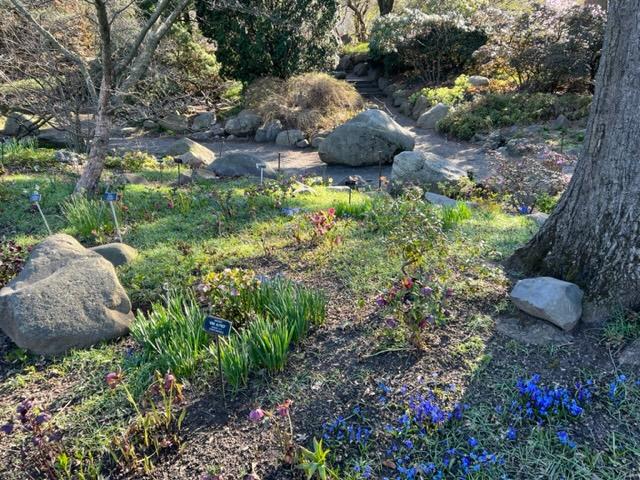
The Rock Garden in the Spring 2023
The Rock Garden at the Brooklyn Botanic Gardens
The robin’s arrival in the garden means that Spring in on its way
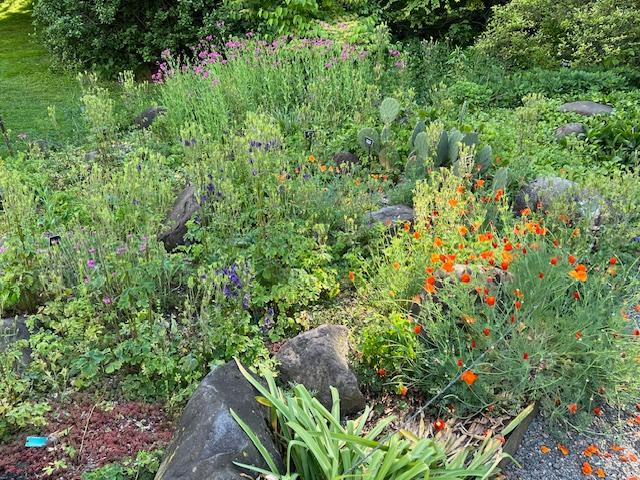
The Rock Garden in the June 2024
The Rock Garden in June 2024
Don’t miss the Japanese Garden’s during the winter months as the pine trees and green bushes add a little Spring to the cold months of the Winter. There is still so much green in this area of the gardens. There is something to be said about walking around the gardens in the cool weather.
The Cherry blossoms as you enter the Japanese Gardens
The Japanese Garden in Summer 2023
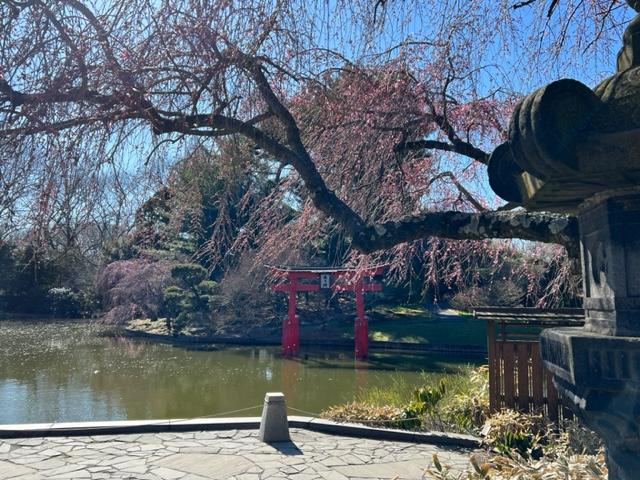
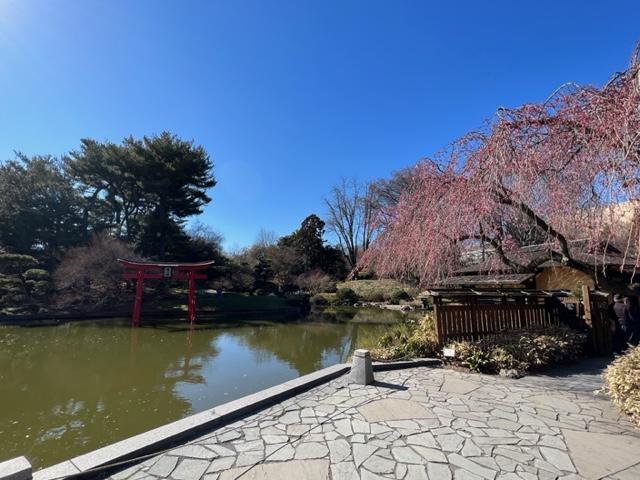
In March of 2024, the tour took us through the late Winter/early Spring Japanese Garden. Things were just coming into bloom.
The Japanese Gardens just starting to bloom in March of 2024.
The Japanese Gardens just coming into bloom.
The Japanese Garden in the middle of the afternoon.
White Cherry Tree in the late Winter/early Spring
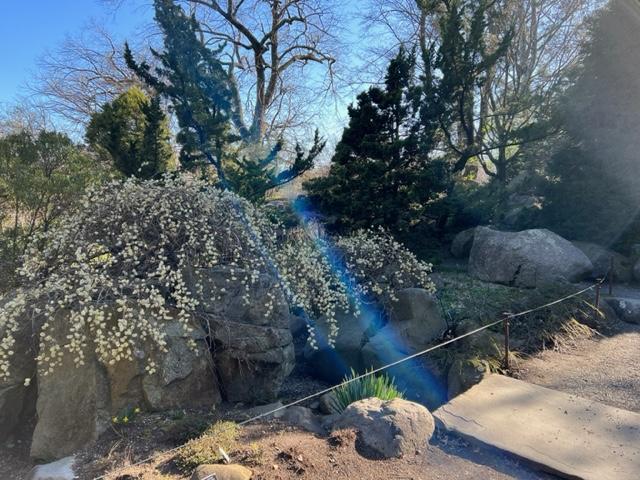
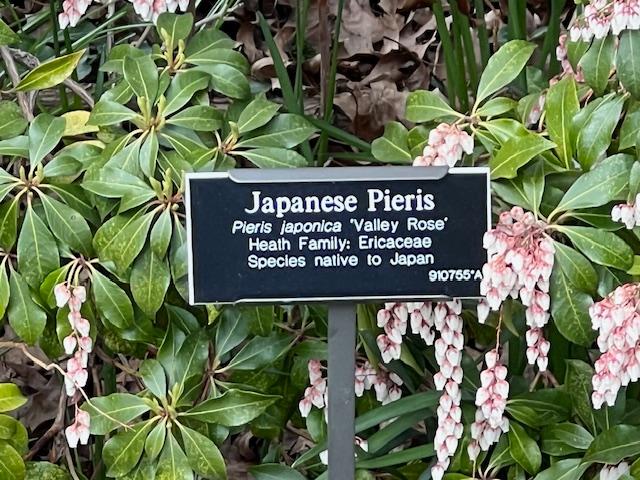
The Japanese Pieris Tree in the gardens was in full bloom on this early Spring day
The Japanese Pieris tree was in full bloom in March 2024.
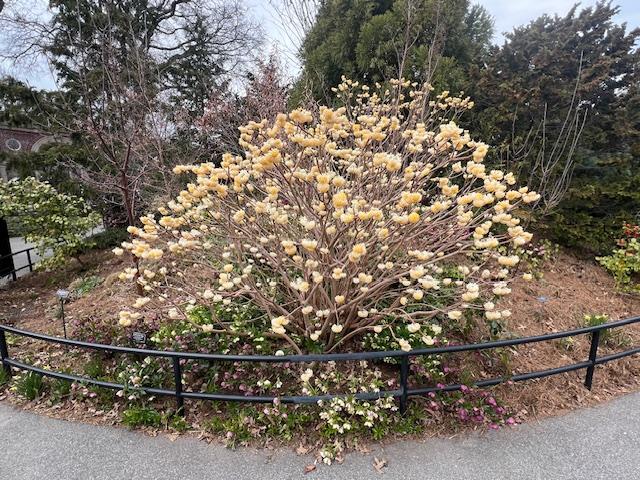
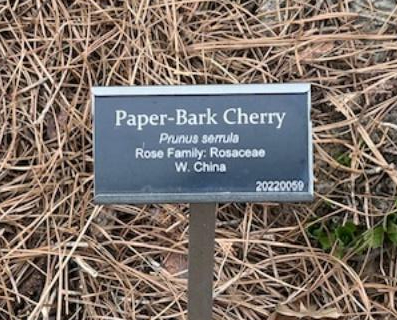
The Paper Bark Cherry Tree was in full bloom too and smelled of Butter and Lemon. It had the most amazing fragrance.
The Paper Bark Cherry Tree has the most amazing smell.
I passed this little bird chopping away at the berries left on this tree.
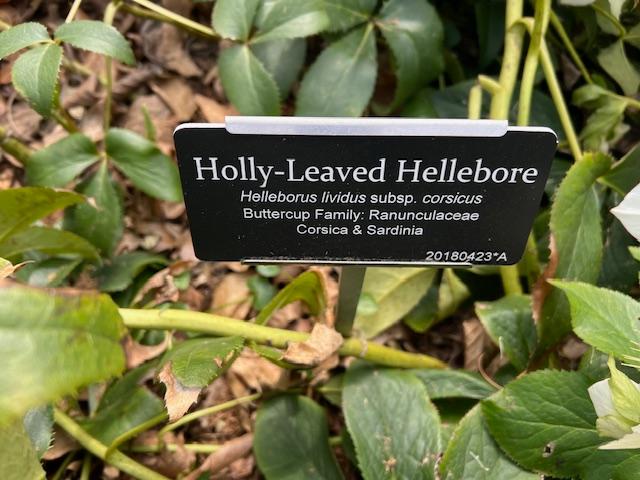
The Holly-Leaved Hellebore in full bloom by Daffodil Hill.
The Holly-Leaved Hellebore was in full bloom at this time.
The complexity of the gardens shows their true beauty from season to season when flowers and trees come into bloom and show their true beauty.
The beauty of the Spring at the Brooklyn Botanic Gardens
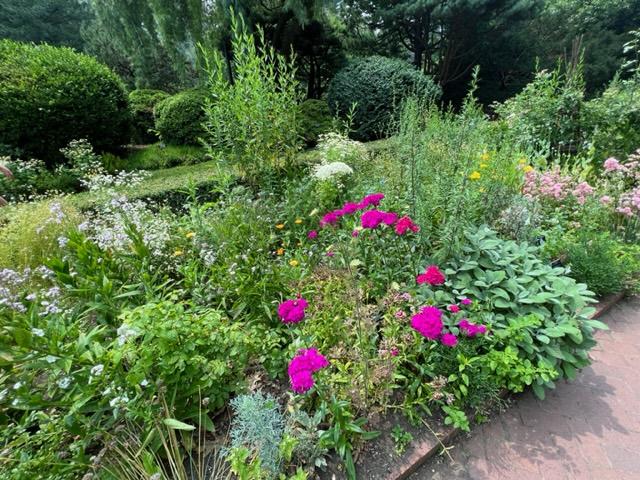
The Frangrance Garden was in full bloom both in the Spring and later summer months. The beauty of this garden is the array of flowers and plants that make a perfect design in the small space flanked by a small fountain of a boy who always looks so mysterious.
The Frangrance Garden in the late summer
The Frangrance Gardens in the Spring
The beauty of the Frangrance Gardens.
The mysterious little boy in the fountain.
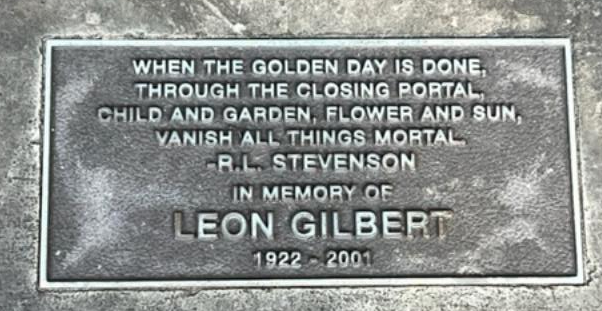
The plaque near the fountain dedicated in Memory to Leon Gilbert.
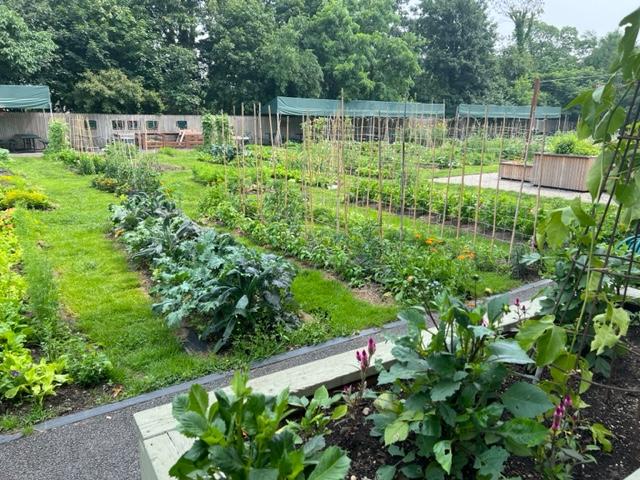
Walking through the Children’s Garden when it was at the end of the season and harvest time, you could see the last of the summer vegetables being picked and some fall vegetables coming up.
The Children’s Cottage where the magic happens.
The Children’s Gardens in the Summer months.
The Marsh Gardens
The Marsh Gardens
The Marsh Gardens
The flowers by the Lilly Pond in the summer of 2023.
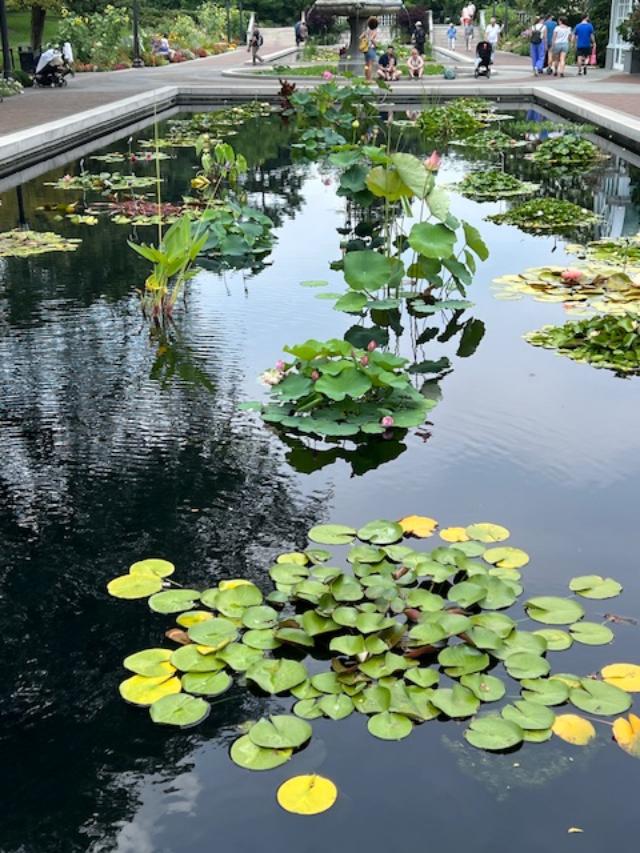
The Lotus Pools are in full bloom in late July and the pools were wash with pinks, purples and yellows both in the main pools and the fountain by the Rose Garden. This was in the summer of 2024.
The Rain Garden by the Washington Avenue entrance.
The Shakespeare Garden in the Spring of 2026:
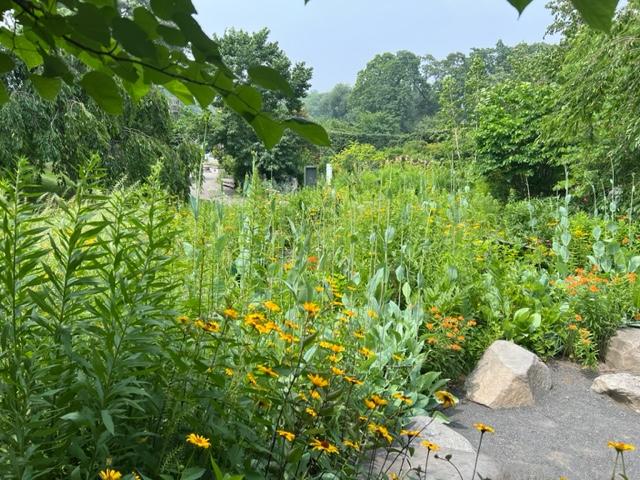
The Shakespeare Garden at its peak at the Brooklyn Botanic Garden was at its peak in blooming in early July of 2026.
The Shakespeare Gardens in Summer of 2026
The Shakespeare Gardens in the Summer of 2026
The Shakespeare Garden in the Spring of 2026
Being a member also has its privileges. You have a great restaurant in the late Spring and Summer months, the Magnolia Cafe, which has been closed because of COVID but will reopen soon. The Cherry Blossom Festival and Rose Garden Nights for members and the August Movie night which is really a treat. Hundreds of people picnicking on the lawn watching family friendly films like ‘The Goonies’ and ‘Willy Wonka and the Chocolate Factory’.
The gift shop at the Brooklyn Botanic Gardens
The gift shop on Rose Night 2024
The gift shop on Rose Night 2024
The Lightshow in December 2022
The Lightshow in December of 2022
The Japanese Gardens during the Lightshow in December 2022
The lightshow during the holidays is an experience.
During the Summer of 2023, the Gardens had a wonderful exhibition in the greenhouses “Plants of Little Caribbean”, which highlights the important culinary plants that grow in the region. Some of these plants are staples of the Caribbean food supply.
The “Trees of Little Caribbean” exhibit
Plants of the Caribbean
Plants of the Caribbean
Plants of the Caribbean
Plants of the Caribbean
Plants of the Caribbean
The greenhouses are home to many exotic plants and trees.
Another special event that happened in 2024 was the viewing of the Solar Eclipse. The Gardens were packed with people viewing the first major Eclipse in almost 100 years.
I finally settled in and sat in a small incline across from Daffodil Hill so I could admire the flowers in between the glimpses of the solar eclipse. We lucked out and it started off as a sunny day. We had some cloud coverage during the show but with the glasses on, it was an interesting show.
The sun as the celestial show begun.
The problem with the eclipse was that we were too far away from the path to really see the show so you could only see it through the glasses. The sun still looked like it was shining.
Just as the moon started to cross the sun.
The clouds kept rolling in and out, but it was not as gloomy as they thought the weather would be that afternoon.
The start of the show as the moon started to cross the sun.
Only through the glasses could see the passing which took a little over two hours to finish and it was not a complete eclipse from our viewpoint. It was still interesting to see.
The crowd was really getting into it and everyone was becoming the experts by the end of the afternoon.
In between the moon crossing the path of the sun (you could not look at this all the time), I admired the flowers blooming around us.
The Magnolia Gardens right across from the incline where we were all sitting.
It was a nice break from looking at the sun. I picked the best location in the garden to both view the eclipse and the flowers.
The moon crossing the sun at the midpoint. You could see nothing without the glasses.
The sun was totally covered by about 3:20pm and then started its movement away from the sun.
The moon moving away from the sun.
By 4:20pm, the eclipse was over, and most people left the gardens by that point. Others just relaxed and enjoyed the beautiful sunny afternoon that we were finally having. It had been such a cold early Spring (so much for Phil’s prediction). with temperatures in the low 40’s until just recently.
Some of the crowd lingering at the end of the show.
I left the gardens around 5:00pm after most of the crowds left and enjoyed one more walk around the gardens. Some of the flowers were at their peak and would not be in bloom when I returned the next time. I wanted to enjoy them now.
Leaving the Magnolia Garden.
Passing the Japanese Gardens when the crowds were gone, I finally got to enjoy the paths.
The path by the Japanese Garden
The Magnolia trees around the corner from the Frangrance Gardens.
The Cherry trees in the Japanese Gardens were in full bloom and were quite a show themselves. It was so colorful reflecting off the pool.
The beauty of the Cherry trees in full bloom.
The paths around the Japanese Gardens pool were crowed.
The vibrant light and dark pinks and mauve of the trees.
The Japanese Gardens at their peak bloom.
I went to the “Lightscape” show again during the Holidays in 2024 and they were even more amazing than the last time I went:
On the Sunday of the last day of the Christmas season, I visited the Brooklyn Botanic Garden to see their lightshow ‘Lightscape’ which I had seen a few years earlier. It was the last night to see it and it was crowded and really cold.
The problem was that the weather had turned really cold and it was in the low thirties even in the early evening. So I really had to bundle up for these visits. The show itself was well worth the trip.
The map would take us all over the gardens
The lit tree army the entrance of the gardens
Then I entered the ‘Canopy of Light’ with its magical lights and music
At the entrance of the show was the breathtaking ‘Canopy of Light’
The beautiful multi lights with music
The lights moved to ‘Let it Snow’
I continued down the path to the Japanese Garden and saw the most spectacular light and water show in the lake of the garden.
The colors and fountains swayed to the music
What gorgeous colors
The movements and music were wonderful
The amazing water show in the Japanese Garden
The end of the show was beautiful
I ended up seeing the water show twice because I knew they would not let me turnaround to see it again. The I turned down the path.
The lights in the trees were amazing
The field of white lit roses
A closer look at the white roses
I continued down the path to the next display
I next moved on to the main lawn where the sculpture ‘Singularity’ was displayed. You could not stare at it too long or it could hypnotize you.
The sculpture ‘Singularity’
The sculpture ‘Singularity’
I walked around the Water Lilly ponds whose flowers would bloom again in the summer but had sculptures of Butterflies floating around in them.
These were called ‘Butterfly Effect’
The ‘Butterfly Effect’
I love the way the sculptures swayed and moved in the pond to the music. The Yellow Magnolia, the Garden’s restaurant was open that evening and was packed with people eating dinner. There was no way of getting in so I moved on down the path.
The pathways were lit with all sorts of colors
The next sculpture was ‘One Small Thing’ and the sculpture ‘Halo’ that lit the way in the back of the Gardens.
‘One Small Thing’
The lights alone the path for ‘One Small Thing’
The came the sculptures for ‘Halo’
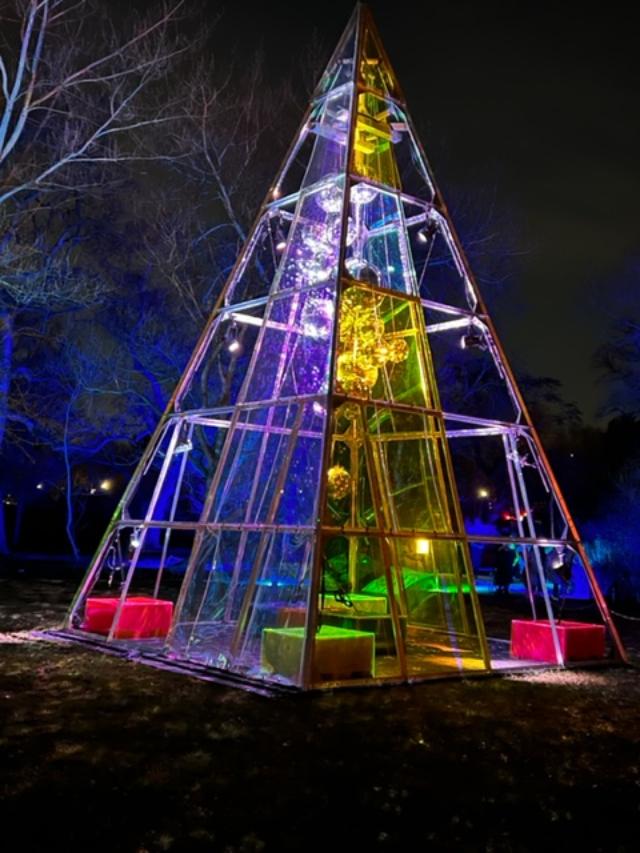
The next interactive and musical sculpture was ‘Alumine’ which looked like trees in a Dr. Seuss book. Colorful and fun!
Walking through the ‘Alumine’ sculptures
The experience of walking through ‘Alumine’ is like walking through ’Whoville’ in the winter
The lights here changed color every minute and were so amazing.
As I left ‘Alumine’, the next series of sculptures were light shows with dazzling colors and music. This is what made this show stand out more than the shows of the past.
The beautiful lights lit the path through dormant trees
The colors kept changing
As I walked down the path, I entered ‘Rainbow Road’ with it colorful disco lights and energetic soundtrack.
The outdoor lights and music makes you feel like you are in a discotheque
I stayed here the longest to listen to the 70’s soundtrack
The music was fantastic that night
I moved on to the area of the gardens between where the crocuses will grow in two months and near Daffodils Hill was another amazing display entitled ‘Anemonia’. These sculptures looked like futuristic lamps.
The ‘Anemonia’ sculptures
The ‘Anemonia’ lit beautifully
The next light display rivaled the ‘Happy Waters’ was ‘Interface’, a display of memorizing lights and music. I stayed for three shows as it was so dazzling.
The ‘Anemonia’ sign
The lights and sounds of ‘Interface’
The sights and sounds of ‘Interface’
The show ended with some of the spectacular lights
I then walked through the ‘Neon Network’ to get to where the Cherry Blossom Esplanade dazzled everyone in April with its beautiful, fluffy pink blossoms. It was other bright colors showcasing this part of the gardens.
The ‘Neon Network’ sign
Walking through the ‘Neon Network’
The ‘Neon Network’
Walking through the ‘Neon Network’
The ‘Neon Network’ led to the last spectacular displays of lights in the Cherry Blossom Esplanade, ‘Winter Reflection’, a celebration of lights, trees and snowflakes.
The colors of ‘Winter Reflections’
The colors of ‘Winter Reflections’The
Video on ‘Winter Reflections’:
The tree brightly lit in ‘Winter Reflections’
The dazzling colors of ‘Winter Reflections’
To really appreciate the shoe of ‘Winter Reflections’ you had to walk up the pathways overlooking the Esplanade.
The pathway through the Cherry Esplanade was spectacular
The lightshow for ‘Winter Reflections’ was most entertaining from the top of the hill
The video of the show from the top of the hill show it’s true beauty and entertainment:
One of the most memorable show off ‘Lightscapes’
After I saw the show twice before I headed out of the gardens. I walked through the ‘Winter Cathedral’ which had been the biggest part of the light show a couple of years ago. This is most impressive.
The ‘Winter Cathedral’ at the end of the tour
The lights are so spectacular in the evening
The last display before I left the park was the ‘Lantern Garden’ at the original area of the gardens entrance.
The sign for ‘The Lantern Garden’
The ‘Lantern Garden’ at the end of the garden
The ‘Lantern Garden’
I exited the gardens after almost two hours of walking around and it started to get cold outside. It was still really busy in the gardens as the later ticket holders will still coming in.
The exit of the show at the Eastern Parkway entrance
Chinese New Year:
In January of 2025, I attended a talk about the plants associated with the Lunar New Year by member Sabrina Lee. Ms. Lee who is a docent at the Gardens pointed out all the plants that were part of the Chinese New Year tradition.
Docent Sabrina Lee giving the talk on Chinese New Year at the Brooklyn Botanic Garden
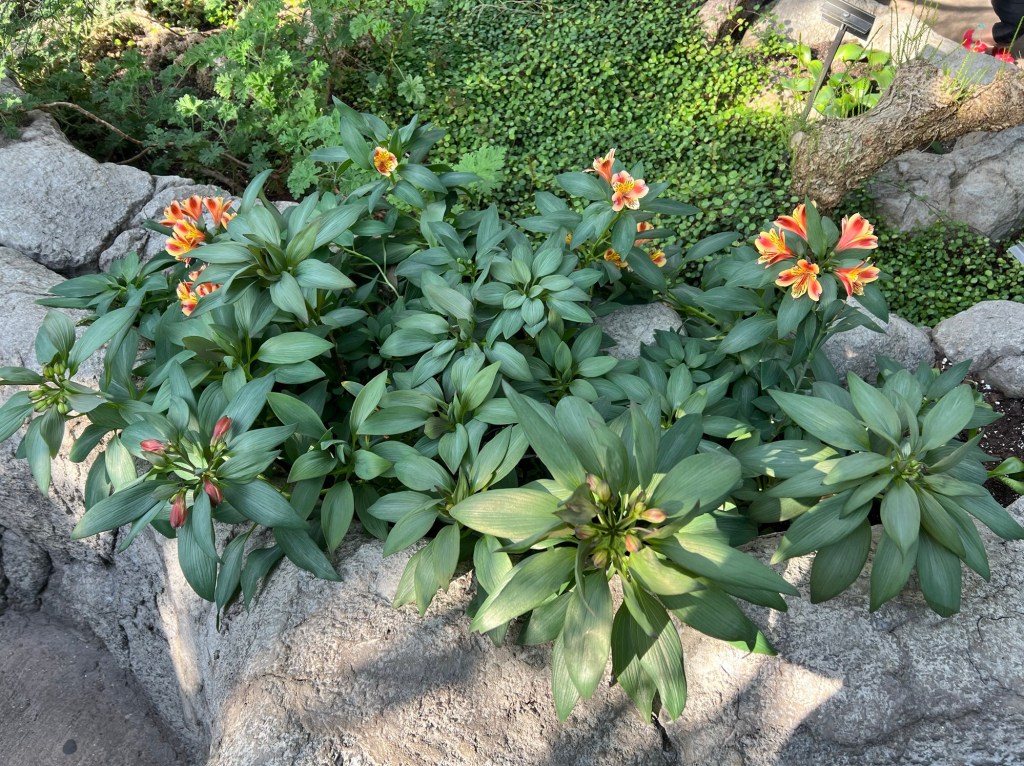
The Orchid and Clementine plants for gift giving
The Bamboo plants which are part of the celebration
What I learned from the talk was the symbolism that comes from these plants and why they were they were so important to the holiday.
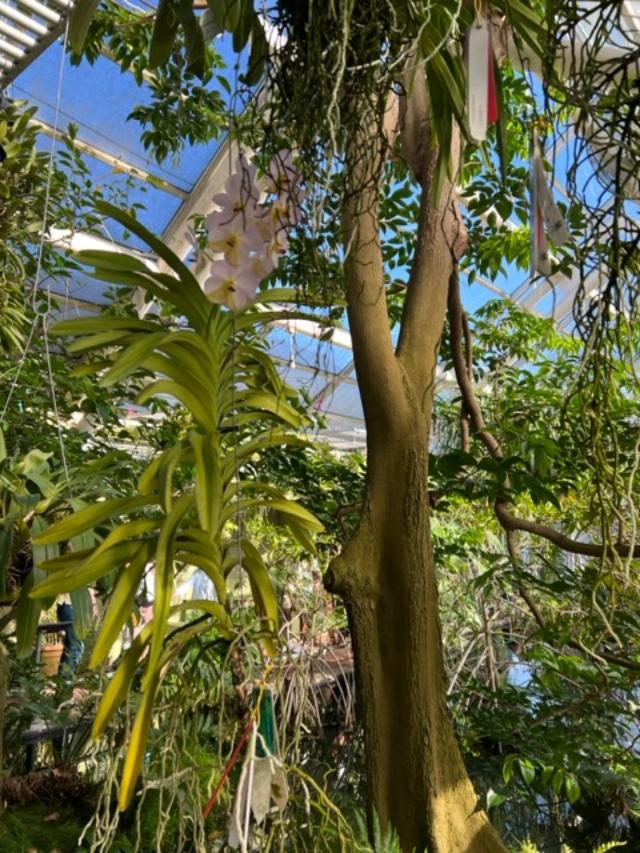
Then she gave us about forty-five minutes to travel to through the various exhibits in the Steinway Conservatory and visit the various plants associated with the New Year which were marked with special red Snake signs.
The Chinese Rain Bell plant
The Banana Tree
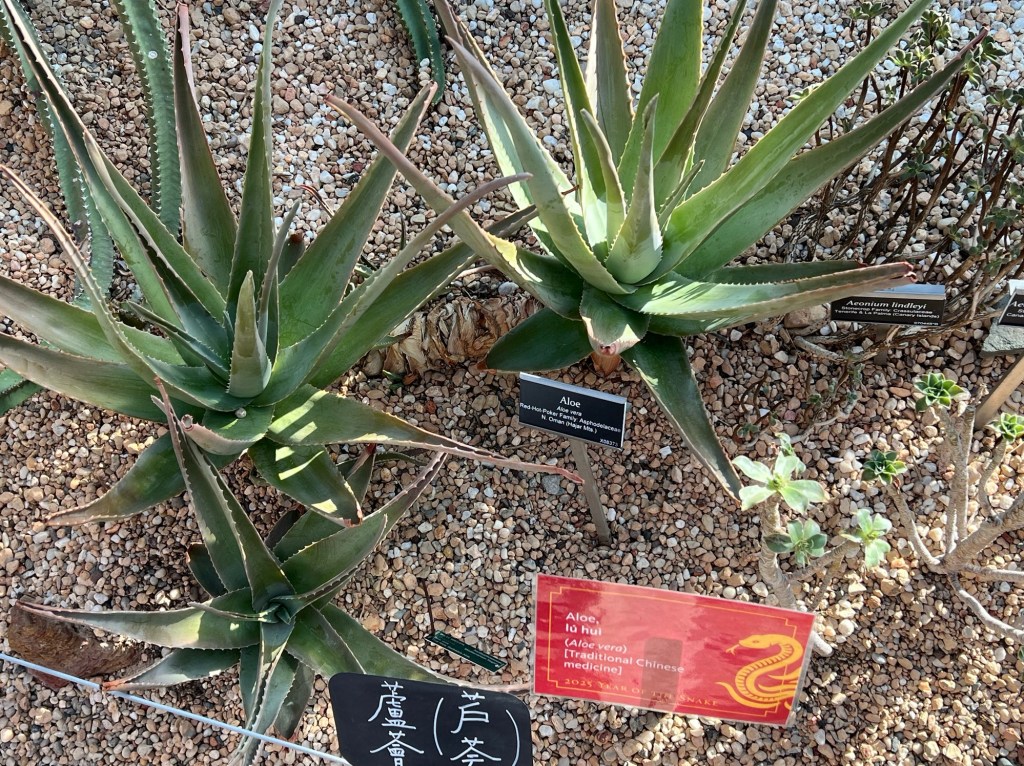
The Aloe plant for healing
The Banana tree
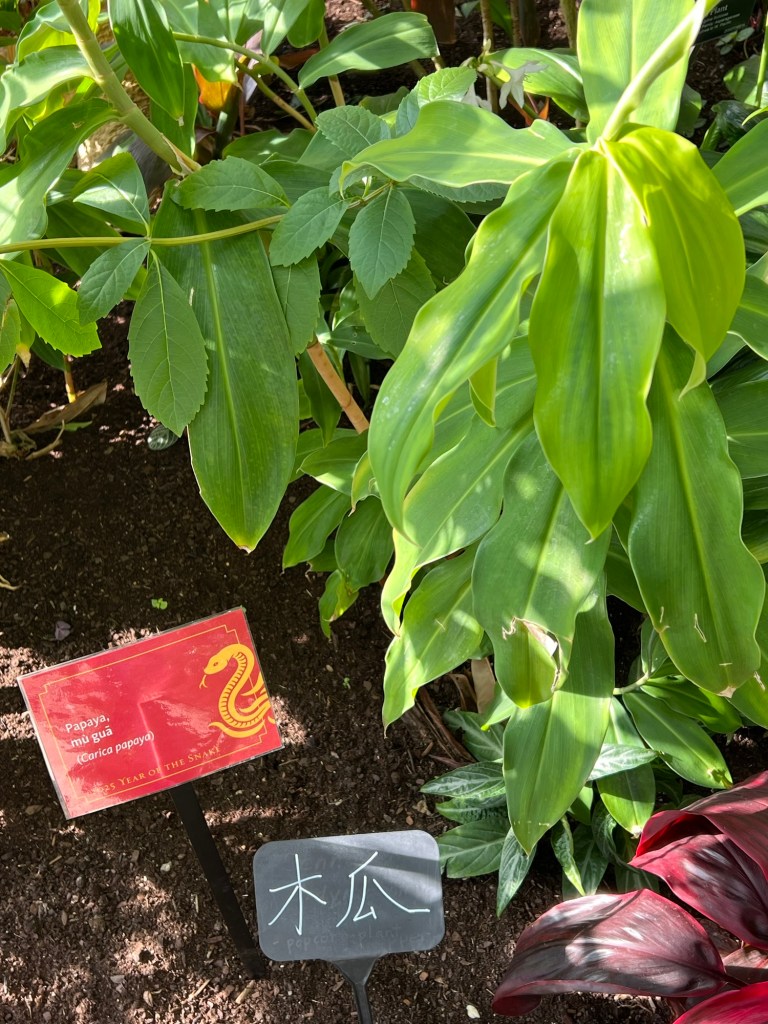
The Papaya tree
The Golden Shrimp Lollipop plan
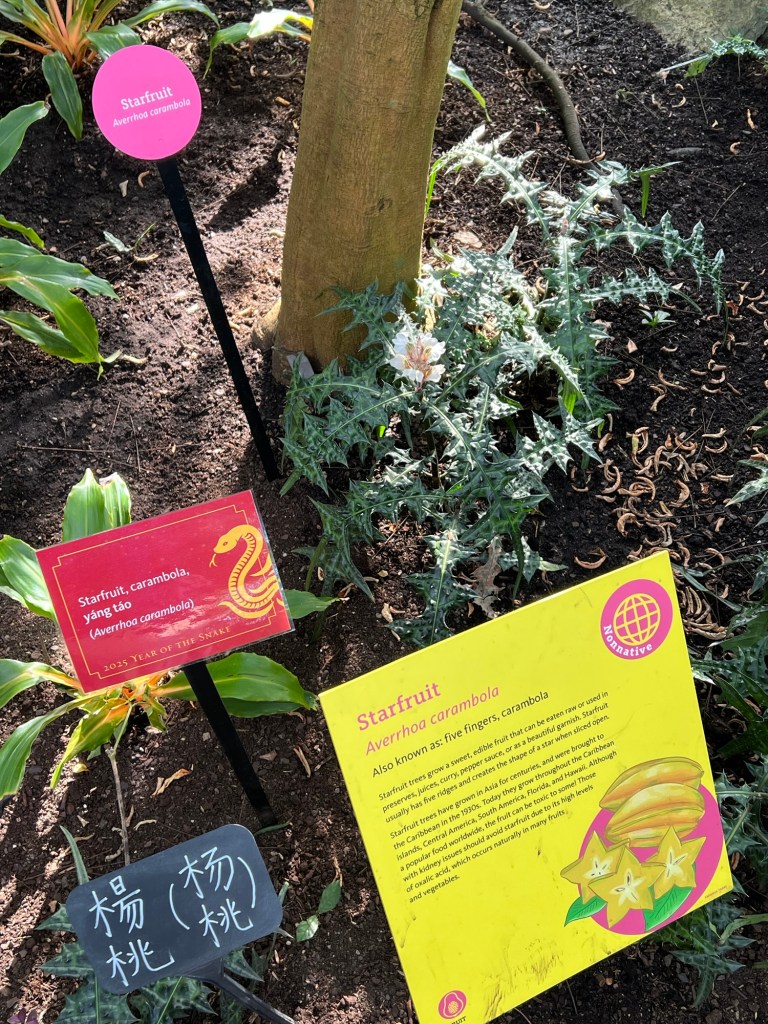
The Starfruit plant
As we walked through the various halls of the Conservatory with the warm tropical halls, we got to see other plants in bloom and growing in the temperature controlled climate.
The Cactus display
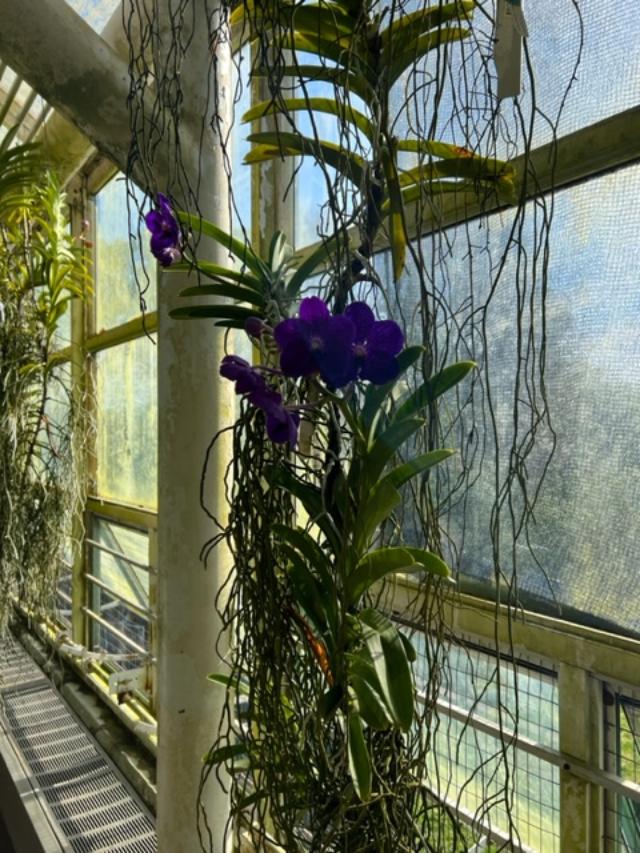
The beautiful tropical flowers
The lushness of the Tropical exhibition
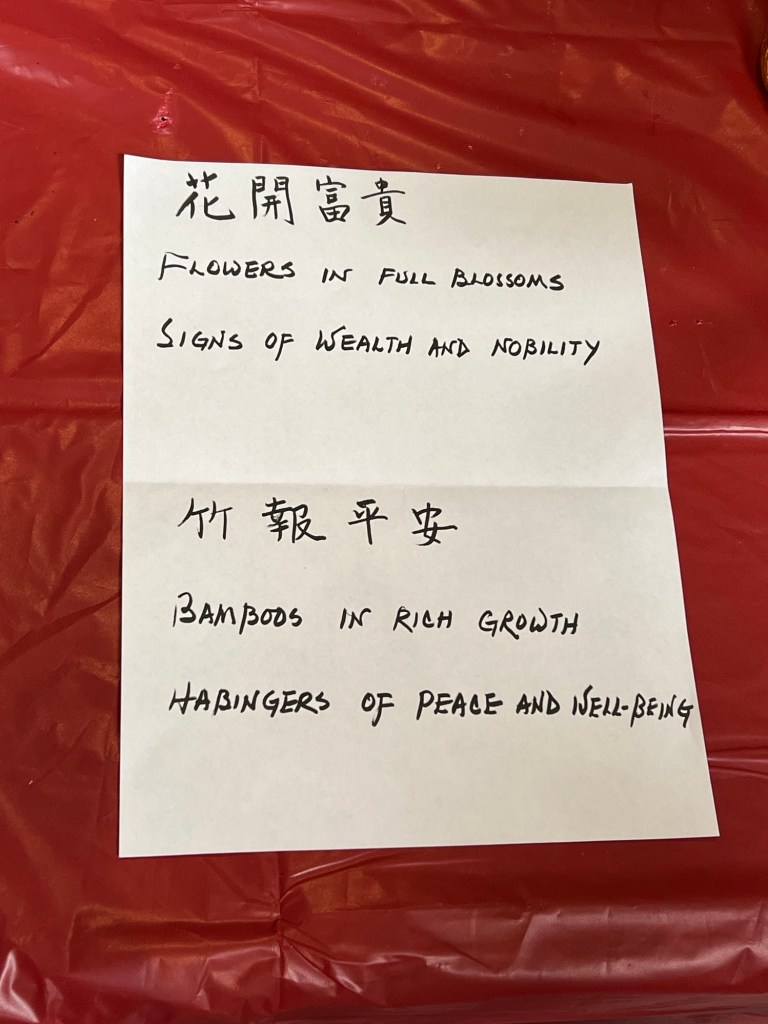
Ms. Lee even gave a beautiful calligraphy page with the symbols of the New Year After the Tour was over, I walked around the gardens which were still covered with snow from the recent storm. It made all more beautiful.
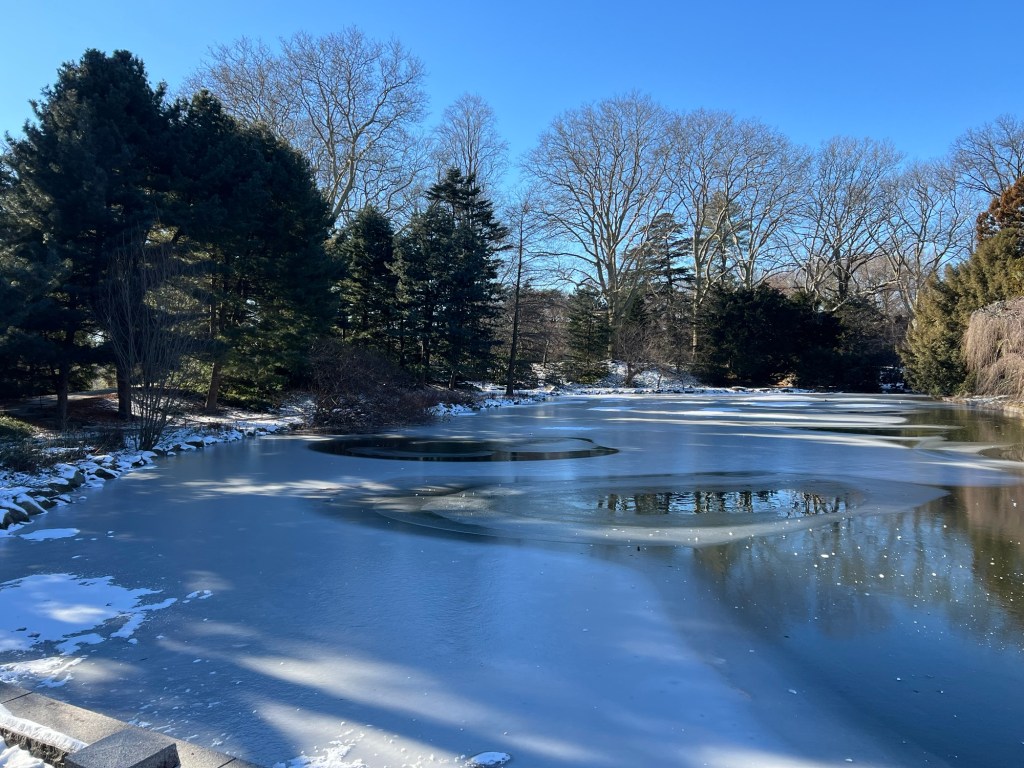
The beauty of the Japanese Garden in the Winter
The Japanese Garden during the Lunar New Year
The pond at the Japanese Garden
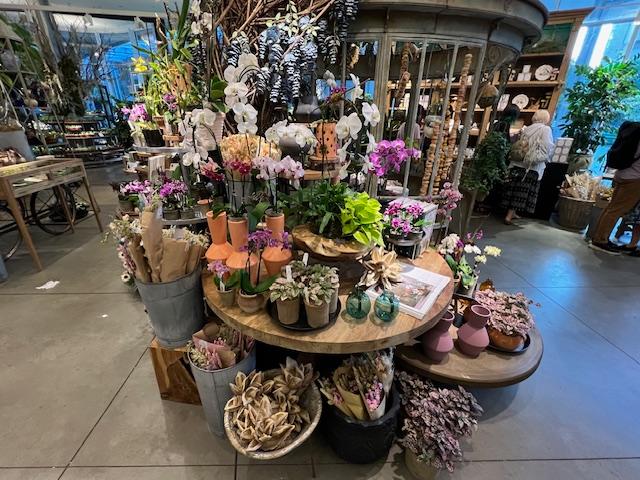
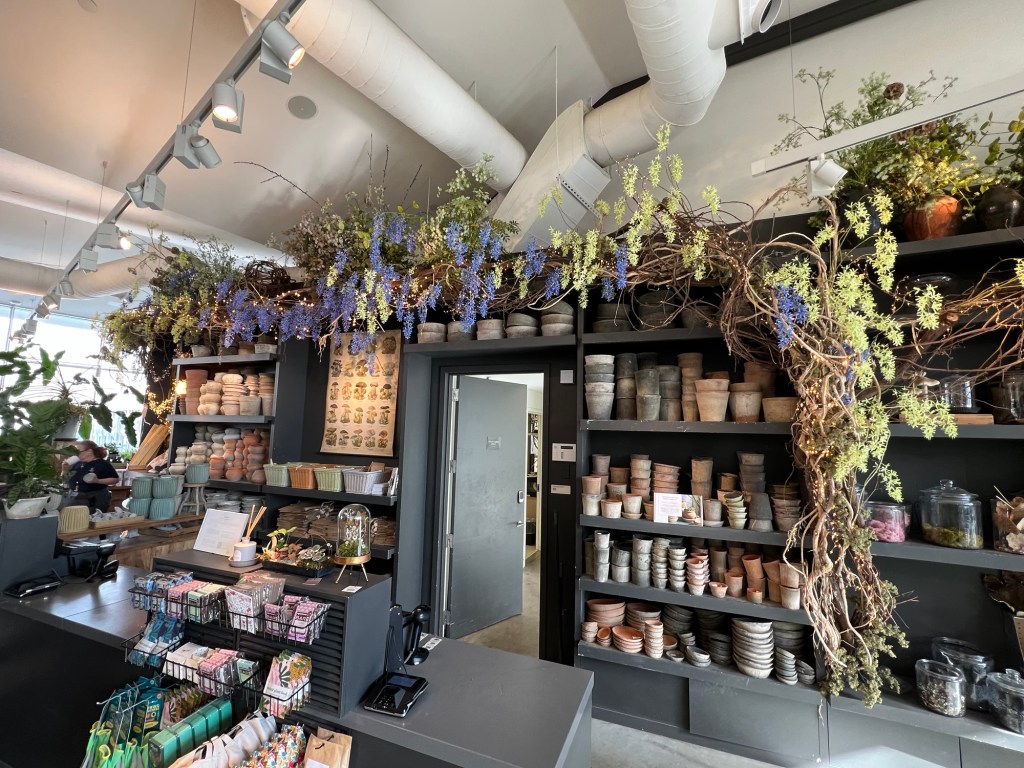
Then I visited the gift shop at the Gardens that was decked out for the Spring.
The new ‘Terrarium’ gift shop
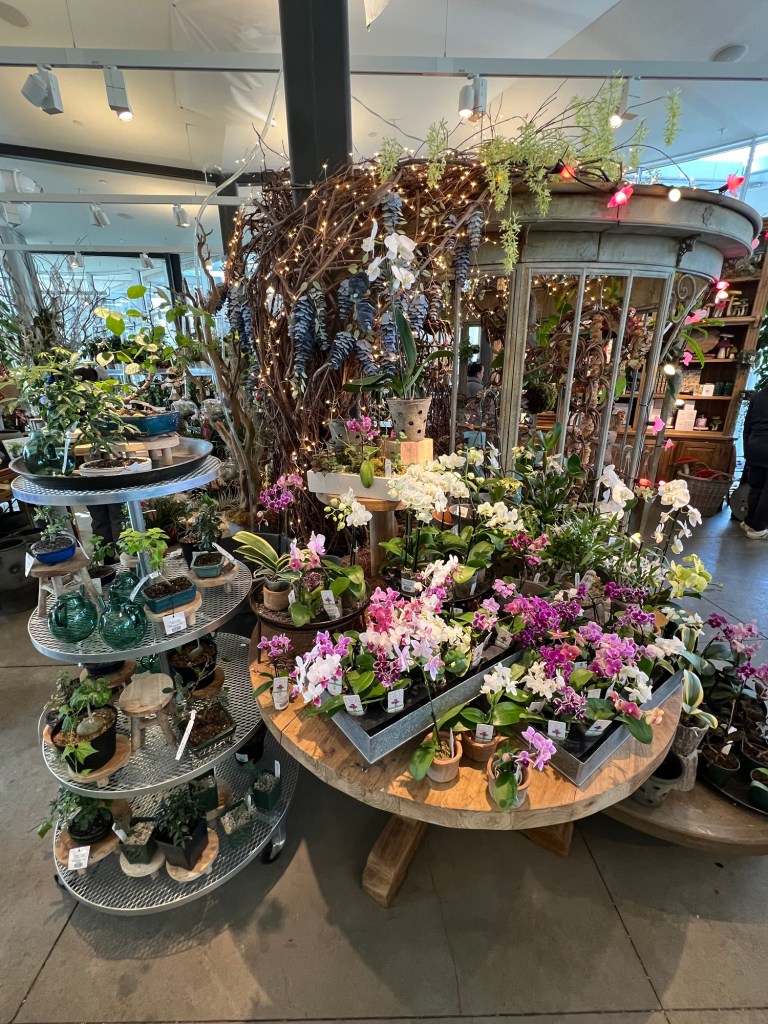
Even the gift shop was in full bloom that day
I am always amazed by these Gardens. Even in the dead of Winter there is always something
The summer months offer all sorts of activities but the weather has been a pain. Either it is too hot or it rains. They have cancelled two evenings concerts on us.
This is when it is great to be a member of the Gardens!
History of the Brooklyn Botanical Garden:
Early plans for Prospect Park called for the park to straddle Flatbush Avenue. The City of Brooklyn purchased the land for this purpose in 1864. When Fredrick Law Olmsted and Calvert Vaux brought their final plans to the city for approval in the 1860’s, they had eliminated the problematic decision along Flatbush. The northeast portion went unused, serving as an ash dump (WIKI).
Legislation in 1897 as the city moved toward consolidation reserved 39 acres for a botanical garden and the garden itself was founded in 1910. The garden was initially know as the Institute Park. It was run under the auspices of the Brooklyn Institute of Arts and Sciences, which included (until the 1970’s) the Brooklyn Museum, Brooklyn Children’s Museum and Brooklyn Academy of Music. It opened as the Brooklyn Botanical Garden on May 13, 1911 with the Native Flora Garden being the first established section (WIKI).
Harold Caparn was appointed as the landscape architect in 1912. Caparn designed most of the rest of the grounds over the next three decades, including the Osborne Gardens, Cranford Rose Garden, Magnolia Plaza and the Plant Collection. Construction of the Laboratory Building and Conservatory began in 1912 and the building was dedicated in 1917. The building-now simply the Administration Building-was designed in the Tuscan Revival style by William Kendal for McKim, Mead & White, the architectural firm that built the Brooklyn Museum, Manhattan Municipal Building and many other prominent New York City buildings. It was designated a New York City Landmark in 2007 (WIKI).
The cherry blossoms starting to bloom
The Magnolia trees in full bloom in 2023
The Specialty Gardens & Collections include:
The Cherry Trees
Japanese Hill-Pond Collection
Cranford Rose Garden
Native Flora Garden
Alice Recknagel Ireys Fragrance Garden
Children’s Garden
Water Garden
The Water Garden in April 2023
The Water Garden in April 2023
Other Gardens:
Plant Family Collection:
The Bonsai Collection
The Bonsai Collection
The Bonsai Collection
Steinhardt Conservatory
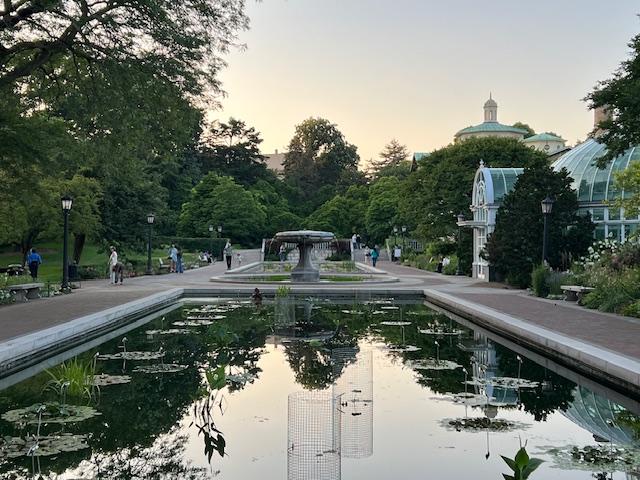
The Reflection pool by the Steinhardt Conservatory
The Garden Fountain
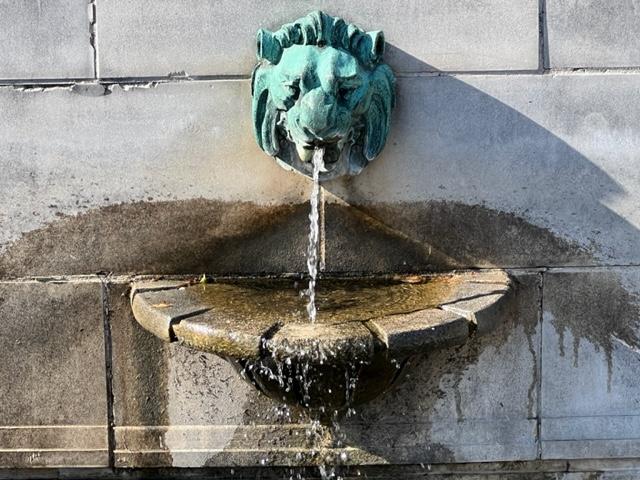
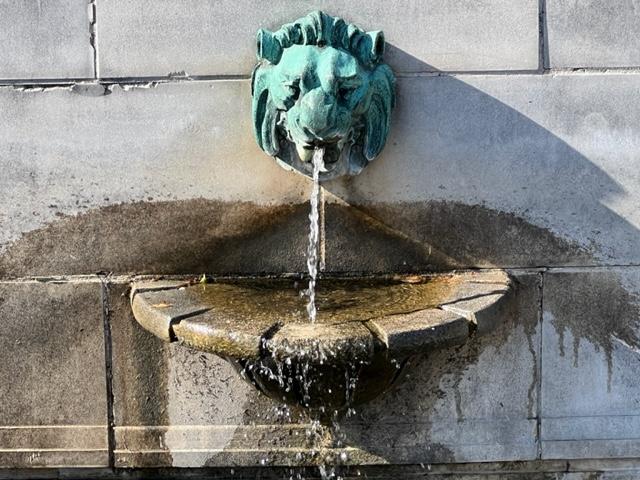
The Lion Fountain
The beautiful tulips in bloom by the reflection pool
The magnificent Fish Fountain by the reflection pool
Fighting Developers trying to build around the gardens perimeters:
Fight For Sunlight!
Text Sunlight to 484848 to help protect Brooklyn’s Garden from new buildings that would block vital sunlight to our plants.
bbg.org/sunlight
Brooklyn Botanic Garden’s Fight for Sunlight!
Brooklyn Botanical Garden’s Fight for Sunlight!
Brooklyn Botanic Garden’s plant collections are under serious threat from a proposed massive building development including two 39 story towers at 960 Franklin Avenue (the spice factory site) just 150 ft from the Garden.
The buildings for the ‘Fight for the Sunlight’ proposal (The proposal was struck down in 2022!)
Towers of this size would block hours of sunlight to the Garden’s 23 conservatories, greenhouses and nurseries. These facilities grow plants for the entire 52 acre Garden and serve as a hub for community and educational programs.
Current zoning protects the Garden’s access to sunlight by capping building height at this location. These laws must remain in place to prevent irreparable damage to the Garden. Join us in signing a petition to City officials to protect the integrity and beauty of Brooklyn’s Garden.
Three ways to take Action!
Enroll in mobile updates by texting SUNLIGHT to 484848. We’ll text you new ways to get involved and important upcoming campaigns dates.
Sign the Garden’s petition at bbg.org/sunlight urging elected officials to protect the irreplaceable assets of Brooklyn Botanic Garden and oppose high-rise construction at this location. While you’re there, opt in to receive campaign updates so you can make sure your voice is heard on this issue.
Check out our Fight for Sunlight exhibit in the Conservatory to learn more about this project and why it has to be stopped. Share your support on social media using #FightFor Sunlight to tag your photos taken at the Garden.
Magnolia Plaza and Daffodil Hill in Spring 2023
bbg.org/sunlight
Disclaimer: Please call the Brooklyn Botanical Garden for more information on the gardens. The “Fight for the Light” campaign can be found online and on the Garden’s website for more information.