Category: Exploring Inwood

Fort Tryon Park                                                                           Riverside Drive to Broadway                                                                    New York, NY 10040

Fort Tryon Park Riverside Drive to Broadway New York, NY 10040

Fort Tyron Park

Riverside Drive to Broadway

New York, NY  10040

https://www.nycgovparks.org/parks/fort-tryon-park

https://www.nycgovparks.org/parks/fort-tryon-park/history

Open: Sunday-Saturday 6:00am-1:00am

My review on TripAdvisor:
https://www.tripadvisor.com/Attraction_Review-g60763-d2305249-Reviews-Fort_Tryon_Park-New_York_City_New_York.html?m=19905

The Front of Fort Tyron Park

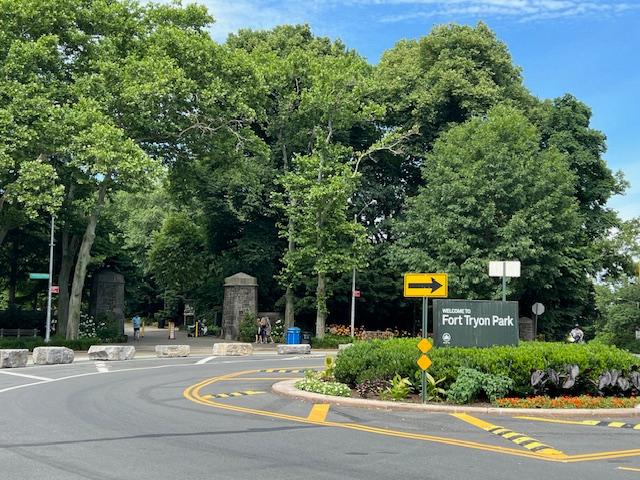
The entrance of the park

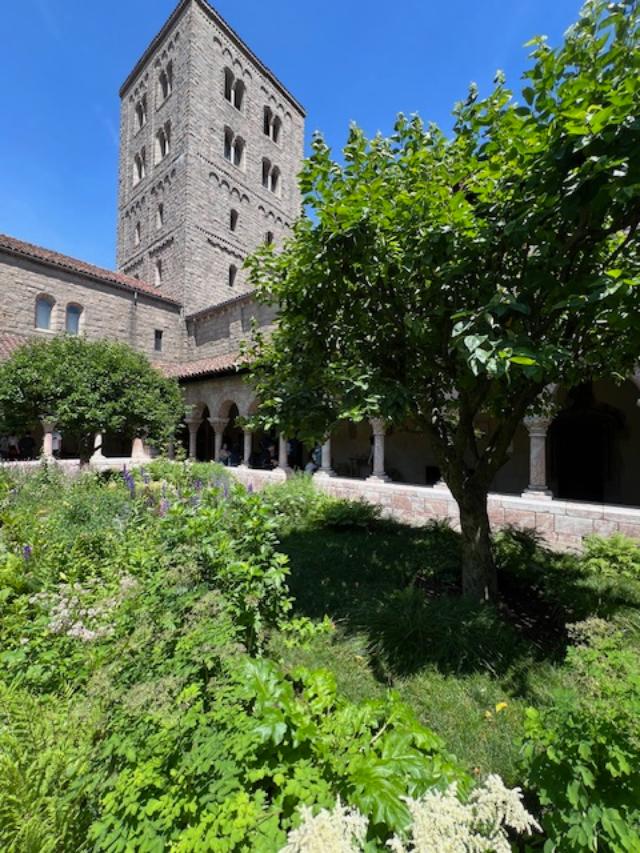
I love Fort Tryon Park in Upper Manhattan. It is one of the most beautiful parks in New York City. It is a park of rolling hills, stone paths that hug the hills, interesting garden that are ablaze when in season, shady tree sitting areas and is home to many playgrounds and the Cloisters Museum which is part of the Metropolitan Museum of Art. It has so much to offer a visitor coming into Manhattan from exploring the woods that line the path to looking at interesting art at the museum. This 67 acre park is one of the interesting and complex in New York City.
A city view of the beauty of the park by the Hudson River

The view from The Cloisters by the Hudson River

When you enter the park from Inwood by Broadway, you enter through Ann Loftus Park which is named after a local community leader and is one of the popular parks with kids and families in the area. In the summer months, the fountains and water fixtures are going strong and the kids run around them while the parents lie under shade trees talking to one another.

Ann Loftus Playground

https://www.nycgovparks.org/parks/fort-tryon-park/highlights/11234

When taking the path from Ann Loftus Park and winding up the hills of woods and rock formations is the Hudson River looming in the distance with spectacular views of the Palisades and the large cliffs of Fort Lee, NJ on the other side.

The bathrooms in Ann Loftus Playground

Anne Susan Cahill Loftus biography:

At the top of hill like a crown jewel is the Medieval Galleries of the Metropolitan Museum of Art’s Cloisters Museum. Filled with all the Met’s collections of Religious and Medieval art set into themes of old churches, stained glass windows, flowered courtyards and vistas of the river, it is the perfect place to wonder around.

The Met-Cloisters Museum

Don’t miss the “Hunt of the Unicorn” tapestries.
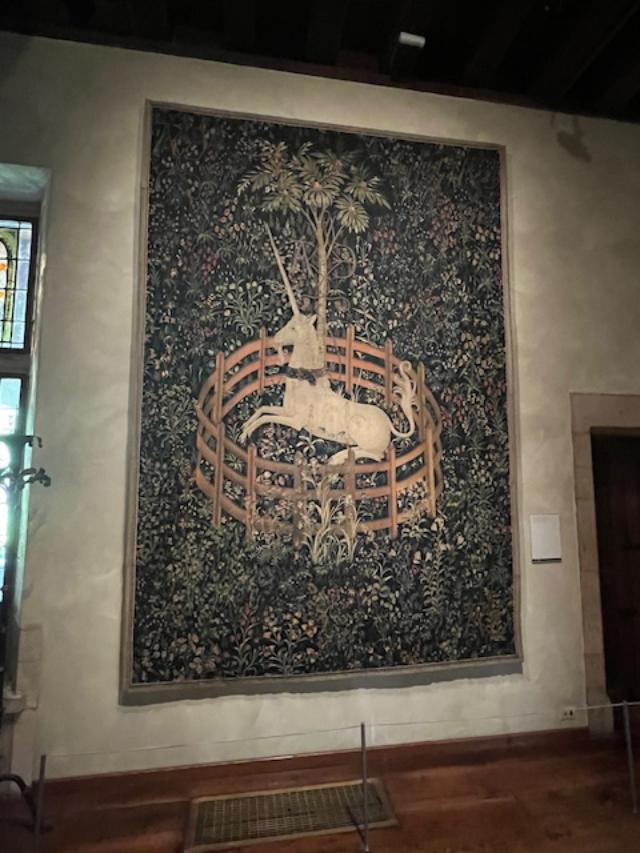
The Hunt of the Unicorn Tapestry

The Cloisters:

https://www.metmuseum.org/visit/plan-your-visit/met-cloisters

My review on TripAdvisor:

https://www.tripadvisor.com/Attraction_Review-g60763-d106609-Reviews-The_Met_Cloisters-New_York_City_New_York.html?m=19905

As you pass the Cloisters and walk further in to the park, there is still so much more to see and do. The Linden Terrace overlooks the Hudson River with its large shade trees over head and its stone benches to sit and just look in the distance or read a book. This was the site of the original Fort Tryon and is the highest location in the park.
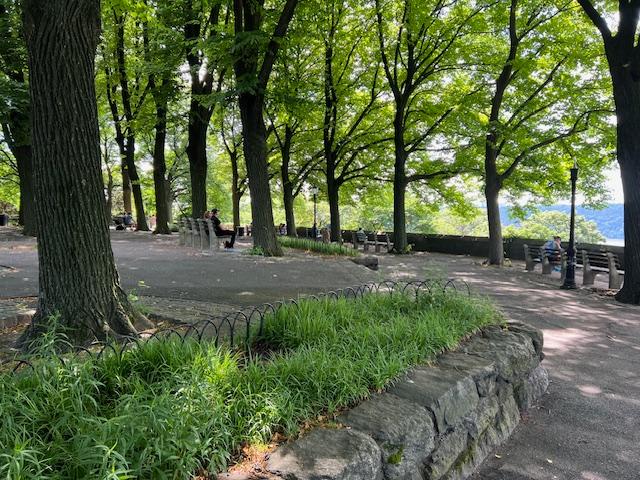
Linden Terrace is a nice place to relax and read a book
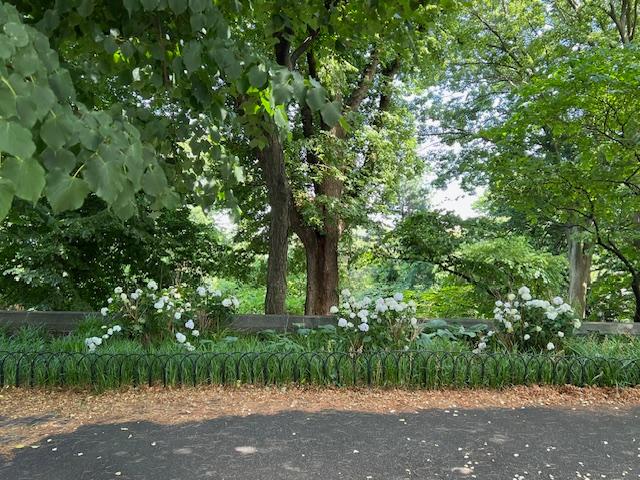
The flowers by the Linden Terrace

Further down in the other entrance of the park is Heather Garden, a large path of flowers , bushes and trees with benches lining it. The garden was the Olmstead Brothers when the park was taking shape and is a beautiful place to walk in the Spring and Summer months when the park is in full bloom.

The stairs leading to the Linden Terrace

The plaque for Fort Tryon

The anniversary plaque

The Stan Michels Promenade
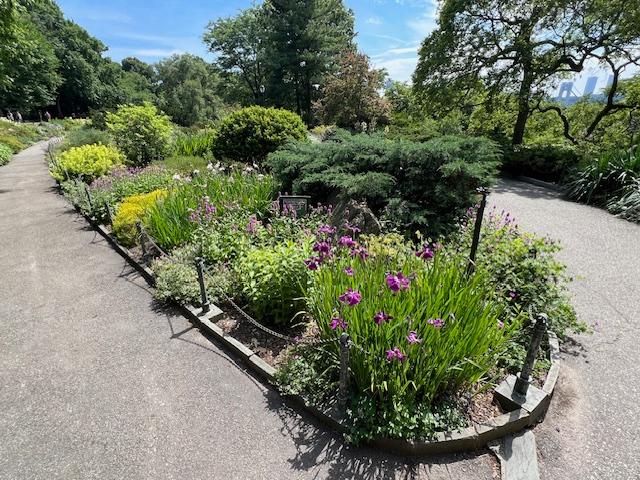
The Heather Garden in the front

The Heather Garden was recently remodeled to follow the original design by the Olmstead Brothers.
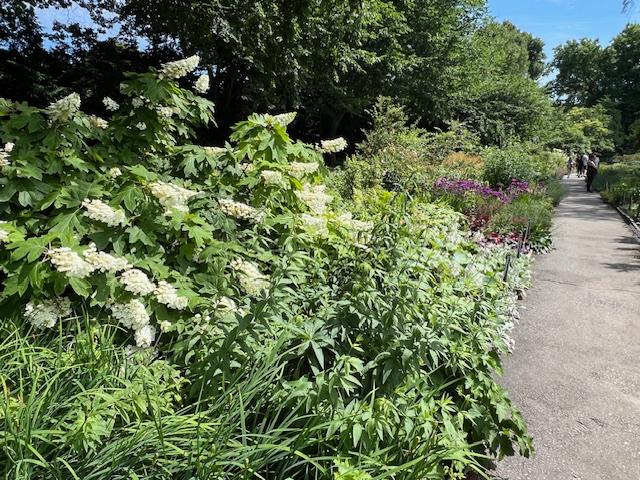
The Heather Gardens

The Heather Gardens in full bloom

The Gardens facing the George Washington Bridge

The Gardens in full view

There is even a terrace restaurant in the middle of the park, the New Leaf Cafe (See review on TripAdvisor-Closed in 2018) which sits off to the side of the Corbin Circle on the other side of the park. The food is over-rated and very expensive. The last time I ate there the menu was pretty standard. It is a great to take out of towners who want a view of something. It is not worth the trip. The views are nice and in the summer months it is pretty but the food and service are standard. Inside the park in 2026, a new restaurant has replaced the former New Leaf Cafe, Le Bonnefont, a Modern French restaurant.

The Bonnefont Restaurant replaced the New Leaf Cafe

https://thebonnefont.com

https://www.facebook.com/groups/432657521042383/posts/1318136805827779

My review on TripAdvisor:

The New Leaf Cafe in Fort Tyron Park (Closed in 2018)

My review on TripAdvisor:

https://www.tripadvisor.com/Restaurant_Review-g60763-d478282-Reviews-New_Leaf_Restaurant_Bar-New_York_City_New_York.html?m=19905

The new Bonnefont Restaurant is open for lunch and brunch

The restaurant was closed that afternoon but I was able to look at the menu online and it is an interesting menu. The cuisine is a mixture of French and Contemporary cooking.

The park has so much to offer in all months of the year especially in the Spring and Summer.

The entrance to Fort Tryon Park
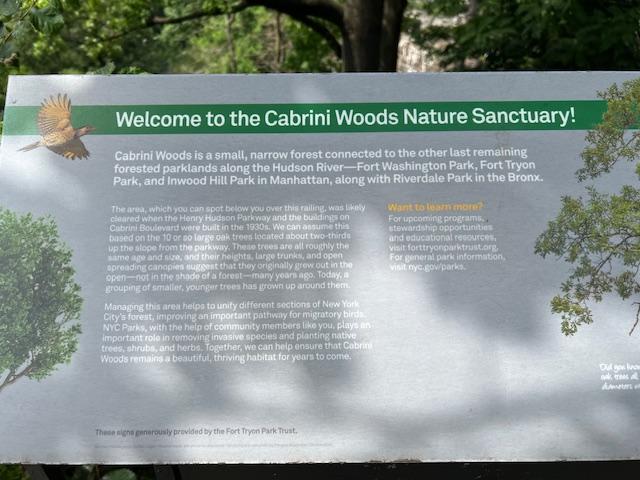
Cabrini Woods Nature Sanctuary in the front of the park
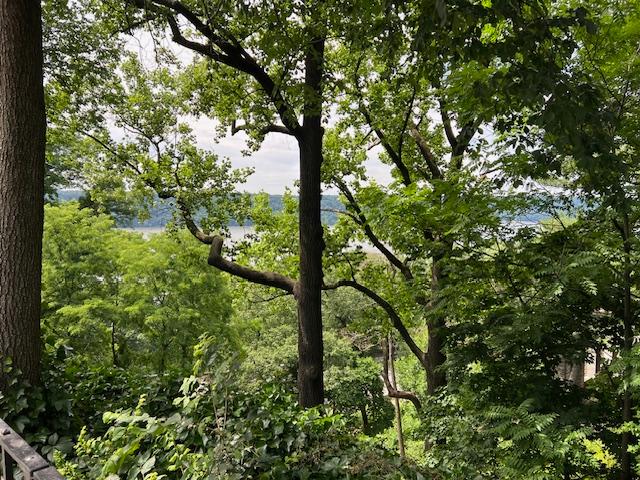
The Cabrini Sanctuary in the Spring 2024

History of Fort Tryon Park:

The area was known by the local Lenape Indians as Chquaesgeck and by the Dutch settlers as Lange Bergh (Long Hill). During the Revolutionary War, the Battle of Fort Washington was fought on this site. The park is built on a high formation of Manhattan schist with igneous intrusions and glacial striations from the last Ice Age (Wiki).
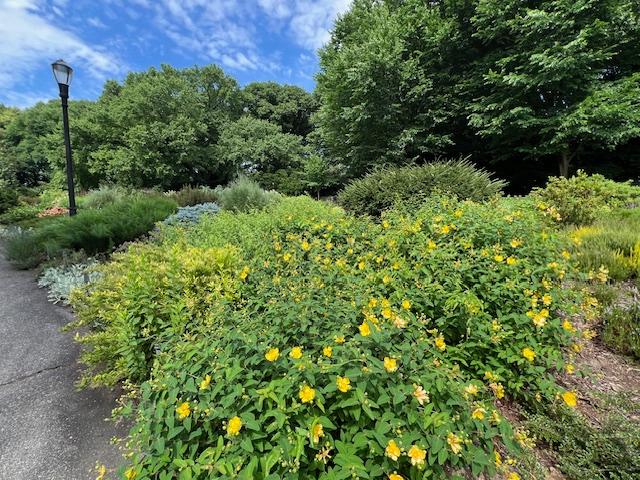
The gardens in the Fort Tryon Park

John D. Rockefeller Jr. bought up most the land in 1917, which by that point had been old estates, to create Fort Tryon Park. He hired the Olmstead Brothers firm, under the direction of Fredrick Law Olmstead Jr., the son of the designer of Central Park,  to design the park and James W. Dawson to create a planting plan. Mr. Rockefeller also bought the collection of Medieval art from sculptor George Gray Barnard and it was the cornerstone of The Cloisters Museum which was built in 1939 (Wiki).

The Fort Tryon gardens in full bloom

The stairs in the park

Through the years the park has seen its ups and downs especially in the 1970’s and 80’s with the decline of finances in New York City. There were extensive renovations when finances got better in the late 90’s and parts of the park were fully renovated. The Fort Tyron Park Trust, a non-profit organization was founded in 1998 to help maintain the park (Wiki).

The Scandinavian Orchestra played in June 2024

Video on the show:

Today it is just an amazing park!

The Jacob Javits Playground is really popular
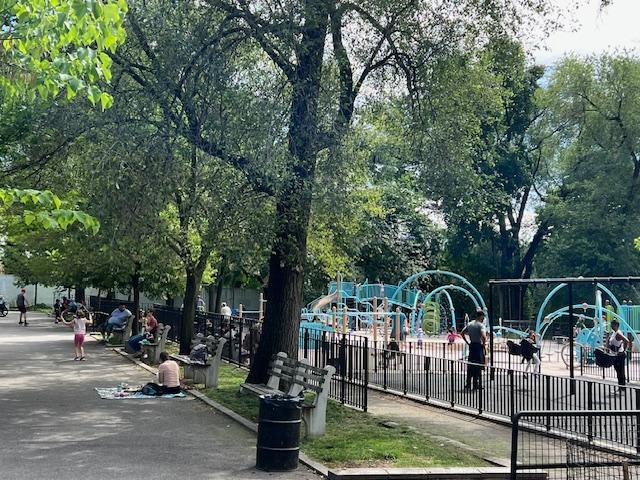
The Javits Playground was very popular

https://www.nycgovparks.org/parks/fort-tryon-park/highlights/8724

On the recent Great Saunter walk in 2025:

When I walked through the park on the recent Great Saunter walk in 2025, they rerouted us through the park when the Riverwalk was closed for renovation. The park was in full bloom and it was the most spectacular day for a visit.
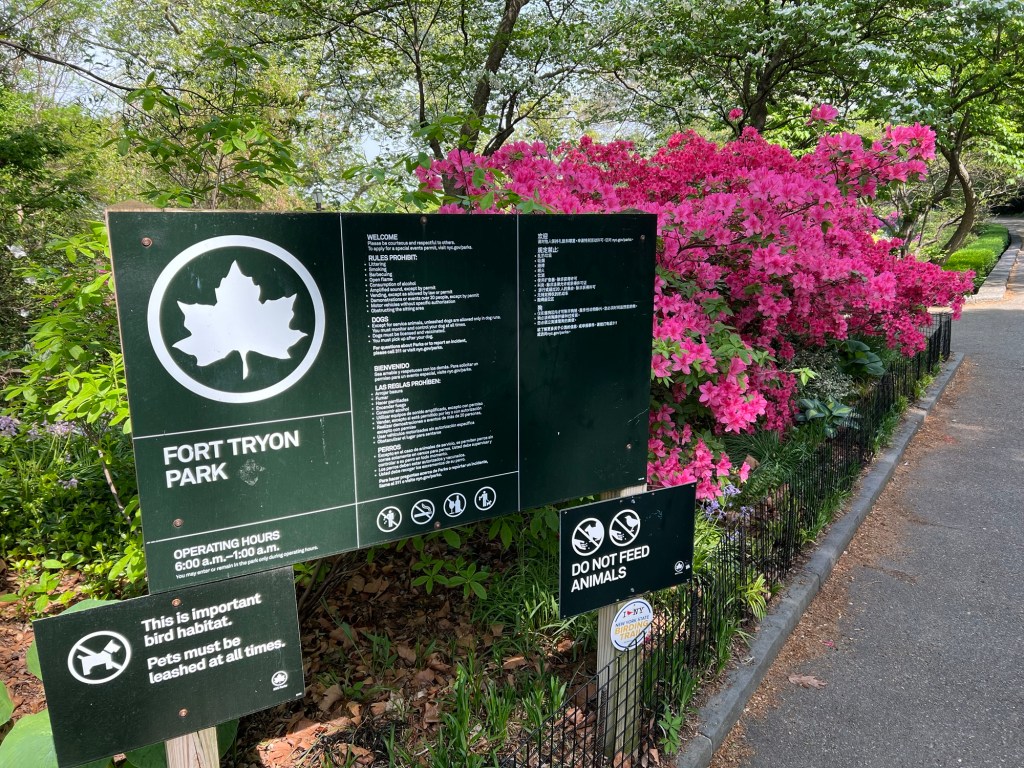
The entrance of the park on that sunny afternoon

The beautiful colorful tulips at the entrance of the park

The colorful gardens were in full bloom

Everyone was routed through the park on the way to Inwood Park for our rest stop. What I found strange was that the park was so beautiful in full bloom and people were not stopping to relax and just enjoy the views. The gardens were amazing and so colorful.

I stopped to look at the beautiful rock garden

The entrance to Heather Garden in the Spring of 2026:

The pathways through the Heather Gardens

Walking through the Heather Garden

The gardens

Walking through The Heather Garden

Walking through the Heather Garden

The other side to Heather Park

Walking through the Gardens

Walking through the pathways of the gardens

Walking around the gardens

Walking back through the gardens to the Fort Tryon location

Walking to the Fort Tryon site

The Fort Tryon site

Walking through Fort Tryon Park during the Great Saunter in 2025:

Welcome to Upstate Manhattan!

I thought this was so clever. One of the volunteers made this sign up which was so funny!

We walked through the park on our way through the park on the way to Inwood Park.

American Academy of Arts Letters                                                    633 West 155th Street                                                                        New York, NY 10032

American Academy of Arts Letters 633 West 155th Street New York, NY 10032

American Academy of Arts & Letters

633 West 155th Street

New York, NY 10032

(212) 368-5900

Academy@Artsandletters.org

https://artsandletters.org/

Hours: Thursday-Sunday-1:00pm-4:00pm/Open During Exhibitions times only or by appointment (Mid-March-Mid-April; Mid-May-Mid-June)

Fee: Free

My review on TripAdvisor:

https://www.tripadvisor.com/ShowUserReviews-g60763-d548512-r682038708-American_Academy_of_Arts_and_Letters-New_York_City_New_York.html?m=19905

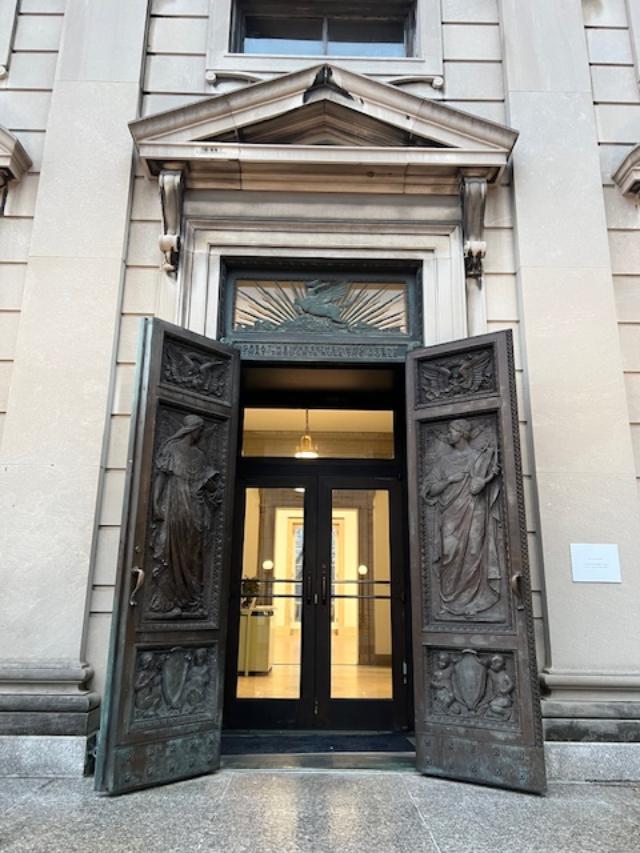
The front of the American Museum of Arts & Letters at 633 West 155th Street

I was finally able to visit the American Academy of Arts and Letters on the last day it was open for the year to the public. It was for the ‘Ceremonial Exhibition: Work by New Members and Recipients of Awards’, an exhibition on members art that was chosen specifically for the show. Most of the work was very contemporary and some a little political. It was interesting work by new artists that filled the small gallery rooms.

The front of the American Museum of Arts & Letters

One of the buildings was used for the contemporary art while the one across the courtyard was used for the more architectural pieces. The galleries are small but the art was impressive. What I liked when I talked with one of the women who worked there said to me that after the show, the pieces would be donated to galleries and museums all over the country. The galleries are only open four months out of the year and this was the last day of the exhibition so the work being shown will be gone.

I visited the museum in January 2025 and it had just reopened after a three year renovation after it had been closed since Pre-COVID and it is now fully open with a new exhibitions. All the galleries are brightly lit and displaying new exhibitions.

The entrance to the museum from the courtyard

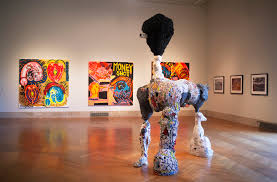
Some of the pieces that really stood out when I visited in 2019 were by Judith Bernstein, a contemporary painter who seems to not like the current administration too much. The themes were on power and money and corruption in the administration. Her work really shows what she personally thinks of  our President. Her ‘Trump Genie” was very clever and I can see this in a major museum in the future.

American Academy of Arts & Letters III

Judith Bernstein’s work

Other work in the main gallery in 2019 were by artists Stephen Westfall with ‘Solid Gone’, Hermine Ford with ‘Paris, France’ and Paul Mogensen with several ‘Untitled’ pieces. The contemporary works I was not sure what the meaning of them were but they were colorful.

American Academy of Arts & Letters V

The works of the artists of the front gallery

One of the pieces in the front gallery that really stood out was by artist Francesca Dimattio, ‘She-wolf’ which was a classic Greek character made of porcelain, enamel, paint and steel.

American Academy of Arts & Letters VI

‘She-wolf’ by Francesca Dimattio

There were light installations in 2019 that were very interesting by artist James O. Clark. He had one piece, ‘Wunnerful, Wunnerful’,  which is a work that just keeps being creating itself by bubbles and ink markers moving along a turntable that stops and starts.

There was a permanent exhibition of Charles Ives home in Connecticut that was transported and recreated here. His studio and works are featured here as well as his family life. There are copies of his works in the display cases and his career.

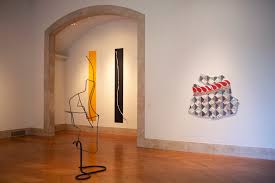
The museum in 2025 was fully open with the exhibition by artist Christine Kozlov, a contemporary Video artist whose works were being featured in the main gallery.

The main gallery of the Kristine Kozlov exhibition

In more than fifty artworks arrayed across four galleries at Arts and Letters, Christine Kozlov shows the breadth of Conceptual artist Christine Kozlov’s practice with a focus on works from the mid-1960s through the late 1970s. Nearly all of the works Kozlov contributed to public exhibitions during this period will be on view, many of which were created for landmark exhibitions of Conceptual art such as: One Month (1969), organized by Seth Siegelaub; Information (1970), curated by Kynaston McShine at the Museum of Modern Art, New York; Arte de Sistemas organized by Jorge Glusberg / CAYC—Centro de Arte y Comunicación at the Museo De Arte Moderno (1971); and the Number Shows, a series of exhibitions curated by Lucy Lippard between 1969 and 1974 (American Museum of Arts & Letters website).

Part of the Kristine Kostov exhibition

Works by artist Christine Kozlov

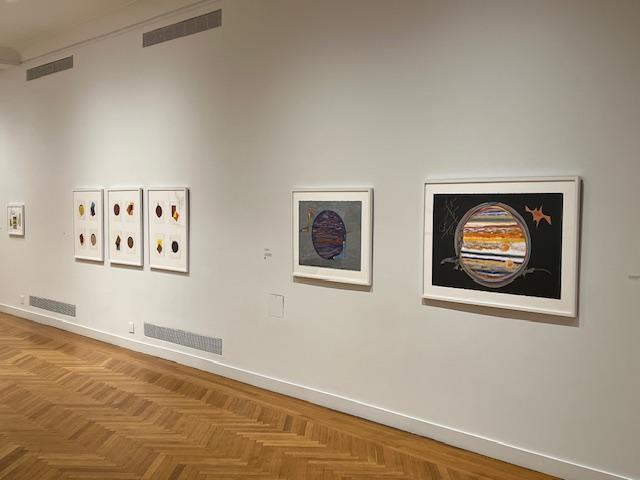
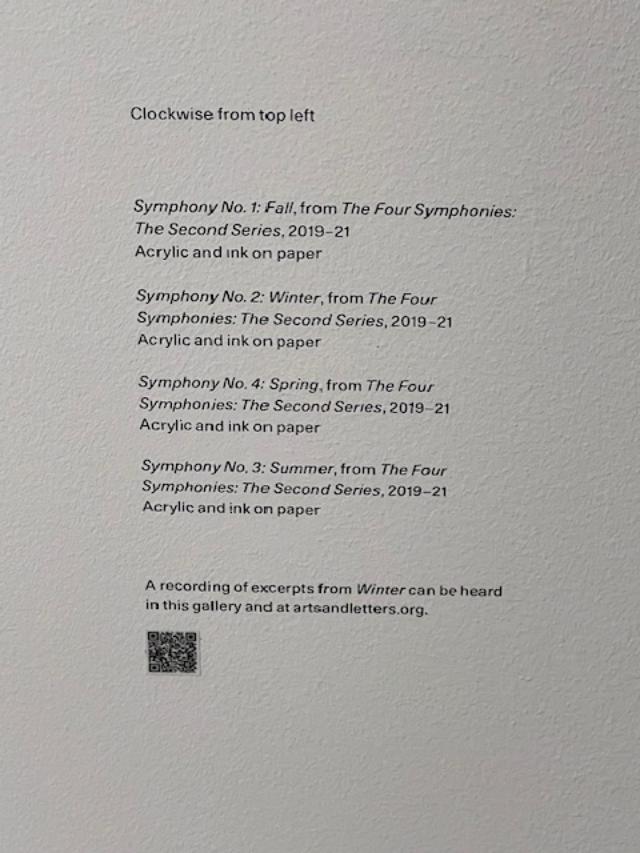
The next exhibition that I viewed was by artist Wadada Leo Smith, which consisted of an exhibition based on colors and sounds. You could take the headsets around the gallery and tour and admire the work with the sounds of the musical groups.

The gallery with works by artist Wadada Leo Smith

Wadada Leo Smith (b. 1941, Leland, MS) is a composer-performer and Arts and Letters member. Formerly an educator at CalArts, he has influenced decades of musicians and artists, including Raven Chacon. In Kosmic Music, Smith’s first solo exhibition in New York, he shares over fifty years of Ankhrasmation (Museum website).

The “Sphere” works by artist Wadada Leo Smith

Ankhrasmation is a musical language Smith began exploring in 1965. Smith does not consider Ankhrasmation to be his creation but rather something he discovered. The name derives from Ankh, an ancient Egyptian symbol of life; Ras, an Ethiopian word for leader or father; and Ma, for mother. The distinctive language uses line, color, and shape to designate musical components such as tonal range and intensity of activity. For Smith, performing Ankhrasmation requires focused practice and “having that space in your heart and mind so that you can play from inspiration.” (Museum website).

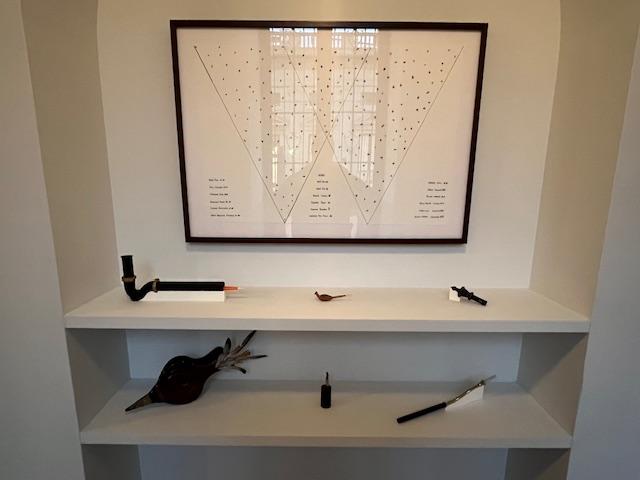
The last exhibition I saw was in the gallery across the courtyard from the main museum was by artist Raven Chacon. You would walk in the main gallery to the sounds of birds both living and extinct. Just five minutes in the main gallery by myself and I felt like Tippi Hedren in the movie “The Birds”. There were all sorts of bird sounds with no birds around.

The instruments that the artist uses to achieve the sounds of the birds

When Raven Chacon (b. 1977, Fort Defiance, Navajo Nation) visited Arts and Letters for the first time, he paused in our North Gallery to clap his hands, then counted how long it took for the room to go silent. It took around six seconds—a long rate of decay. Standing in that echoing chamber, Chacon noted the building’s Beaux Arts design by Cass Gilbert, with its imported Spanish tile and cage-like glass ceiling that filters the sky. He became curious to learn the history of the land it sits on, once owned by John James Audubon, who purchased it in 1841 with funds from the sale of his illustrated Birds of America (Museum website).

Chacon is a composer and artist who frequently works with the materials and histories of a given site and who considers, as he puts it, “what has been silenced and what happens when it is not.” For the past year, he has worked on Aviary, his site-specific commission for the North Gallery, creating a soundscape that makes space and time for careful listening (Museum website).

Museum Mission:

(from the museum website)

The American Academy of Arts & Letters was founded in 1898 as an honor society of the country’s leading architects, artists, composers and writers. Charter members include William Merritt Chase, Kenyon Cox, Daniel Chester French, Childe Hassam, Henry James, Theodore Roosevelt, Elihu Vedder and Woodrow Wilson. The Academy’;’s 250 members are elected for life and pay no dues.

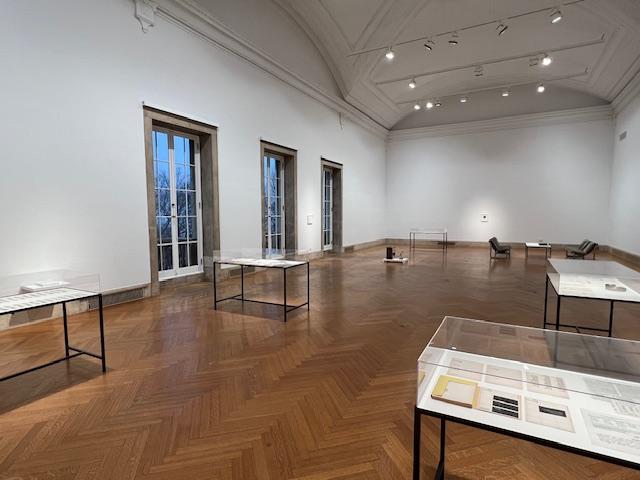
The main gallery of the museum

In addition to electing new members as vacancies occur, the Academy seeks to foster and sustain an interest in Literature, Music and the Fine Arts by administering over 70 awards and prizes, exhibiting art and manuscripts, funding performances of new works of musical theater and purchasing artwork for donation to museums across the country.

Collections:

(from the museum website)

The Academy’s collection, which are open to scholars by appointment, contain portraits and photographs of members, as well as paintings, sculptures, drawings, prints and decorative art objects. The library has more than 25,000 books by or about members. The archives house correspondence with past members, press clippings, institutional records and original manuscripts of musical and literary works.

History:

(from the museum website)

The National Institute of Arts & Letters, the parent body of the Academy, was founded in 1898 for “the advancement of art and literature”. The Institute met for the first time in New York City in February 1899 and began electing members that fall. Architects, artists, writers and composers of notable achievement were eligible and membership was soon capped at 250. In 1913, President Taft signed an act of Congress incorporating the organization in the District of Columbia.

American Academy of Arts & Letters at twilight

In 1904, The Institution created the American Academy of Arts & Letters, a prestigious inner body of its own members that modeled itself on the Academie francaise. The first seven members of the Academy were William Dean Howells, Augustus Saint-Gaudens, Edmund Clarence Stedman, John La Farge, Mark Twain, John Hay and Edward MacDowell. Those seven then chose eight more and so on, until the full complement of 30 and later 50 was reached. Only after being elected to the Institute, was a member eligible for elevation to the Academy. This bicameral system of membership continued until 1993, when the Institute dissolved itself and all 250 members were enrolled in the American Academy of Arts and Letters.

The Academy inaugurated its annual awards program in 1909 with the Gold Medal for Sculpture. Since then, over 70 awards and prizes have been endowed through gifts and bequests or established by the Academy’s board of directors in the fields of architecture, art, literature and music. There are conferred each year at the Ceremonial in May when new members are inducted and a distinguished speaker is invited to deliver the Blashfield Address.

In 2005, the Academy purchased the former headquarters of the American Numismatic Society, the neighboring building on Audubon Terrace. A Glass Link now connects the Academy’s existing galleries to newly renovated ones in the former Numismatic building. These new galleries house the permanently installed Charles Ives Studio.

(The Academy of Arts & Letters Website)

Shorakkopoch Rock Inwood Hill Park New York, NY 10034

Shorakkopoch Rock

Inwood Hill Park

New York, NY  10034

(212) 639-9675

https://www.nycgovparks.org/parks/inwoodhillpark

https://www.nycgovparks.org/parks/inwood-hill-park/monuments

https://www.atlasobscura.com/places/shorakkopoch

Open: Sunday-Saturday 6:00am-1:00pm

My review on TripAdvisor:

https://www.tripadvisor.com/Attraction_Review-g60763-d21055143-Reviews-Shorakkopoch_Rock-New_York_City_New_York.html?m=19905

Located in Inwood Hill Park and part of the NYC Parks System. The rock was dedicated on February 2, 1954 by the Peter Minuet Post #1247, American Legion.

I came across the Shorakkopoch Rock, the noted spot that Peter Minuet has been said to have bought the island of Manhattan from the Indians. No one is too sure where the spot of the ‘transaction’ took place as some feel it may have been closer to downtown by the Bowling Green, where the original Dutch settlement was located or maybe he traveled to them, we will never know. What we do know is that he said the transaction took place under a tulip tree and in this spot used to be a tulip tree that was over 220 years old before it died.

The Shorakkopoch Rock at the edge of the pathways leading into Inwood Park

The plaque on the the rock reads:

Shorakkopoch: According to legend, on this site of the rock, principal Manhattan Indian Village, Peter Minuet in 1626, purchased Manhattan Island for trinkets and beads them worth about 60 guilders. This boulder also marks the spot where a tulip tree (Liriodendron Tulipifera)  grew to a height of 165 feet and a girth of 20 feet. It was until its death in 1932 at the age of 220 years old, the oldest living link with the Reckgawawang Indians, who lived here. Dedicated as part of New York City’s 300th Anniversary celebration by the Peter Minuet Post 1247 American Legion 1954.

As you stroll down the path from this spot in the park and continue along the path, you will come across Shorakkopoch Rock, a boulder marking the site where Peter Minuit bought the island of Manhattan from the native Reckgawawang Indians for about 60 guilders of trinkets and beads in 1626.

Peter Minuit

Peter Minuit buying the Island of Manhattan

https://www.thirteen.org/dutchny/interactives/manhattan-island

Peter Minuit III

Peter Minuit

https://www.britannica.com/biography/Peter-Minuit

The boulder marks the spot of a giant 280-year-old 165-foot tulip tree once stood until it died in 1932. Legend has it that this is the spot of one of the greatest real estate investments took place. It is such an important part of Manhattan history that most tourists miss.

For more information on the rock, please contact the Art & Antiquities  at (212) 360-8143.

Disclaimer: This information was taken form the NYC Parks Department website.

Please take time out when visiting Manhattan to see this important piece of the city’s history as the city itself was founded on this very site.

Muscota Marsh                                                                                     West 218th Street and Indian Road                                                    New York, NY 10034

Muscota Marsh West 218th Street and Indian Road New York, NY 10034

Muscota Marsh

West 218th Street & Indian Road

New York, NY 10034

(212) 639-9675

https://www.nycgovparks.org/parks/inwoodhillpark

https://www.nycgovparks.org/highlights/muscota-marsh

Open: Sunday-Saturday 6:00am-1:00am

Fee: Free/ Inside Inwood Hill Park

My review on TripAdvisor:

https://www.tripadvisor.com/Attraction_Review-g60763-d21055137-Reviews-Mucota_Marsh-New_York_City_New_York.html?m=19905

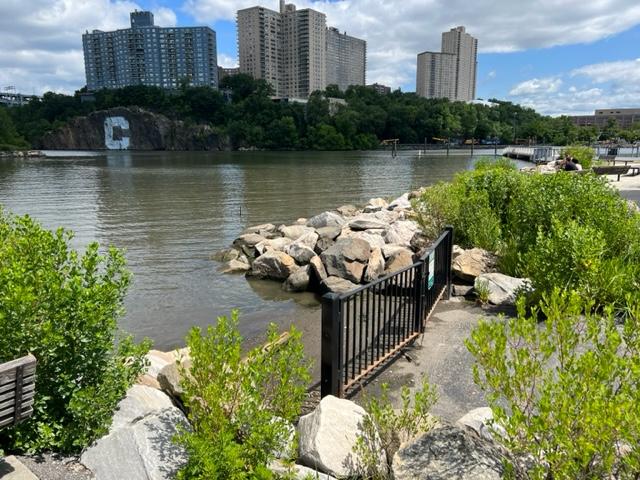
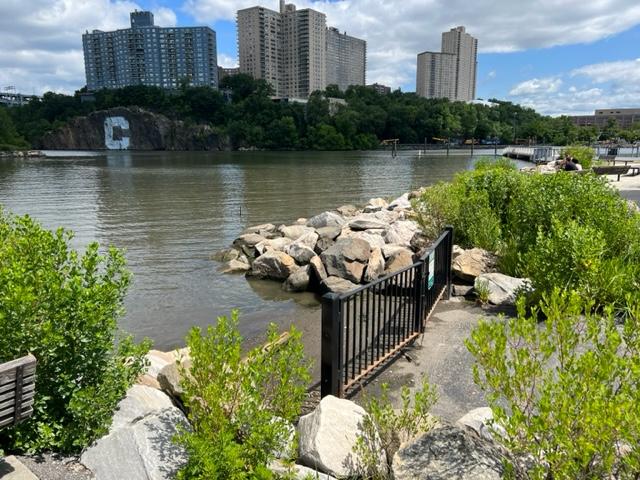
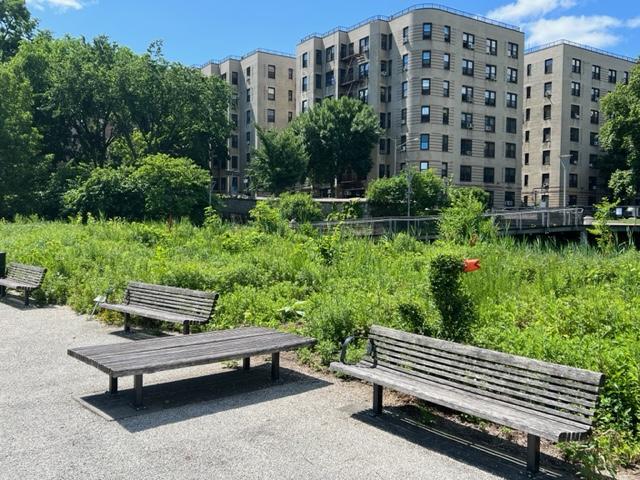
Muscato Marsh on the Columbia Campus

I came across the Muscota Marsh when I was walking the neighborhood of Inwood in 2015 and thought that this is a great site that tourists should see on top of a visit to Inwood Park and the Shorakkopoch Rock where Peter Minuet bought Manhattan from the Indians.

The Shorakkopoch Rock in Inwood Park

a

The historic Shorakkopoch rock. This is where Peter Minuet ‘bought’ Manhattan from the Native Americans

A closer view of the plaque

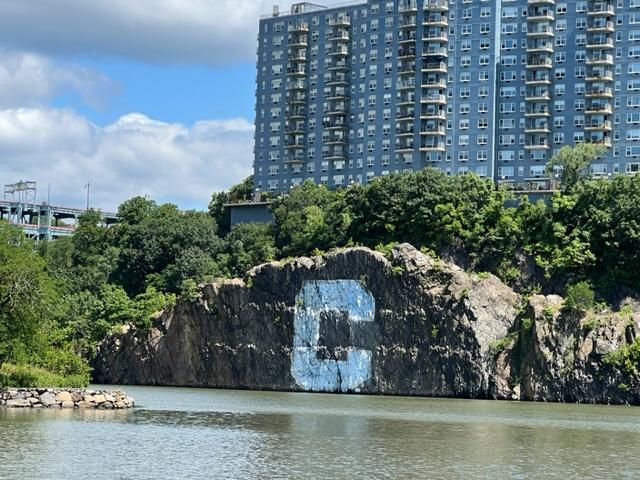
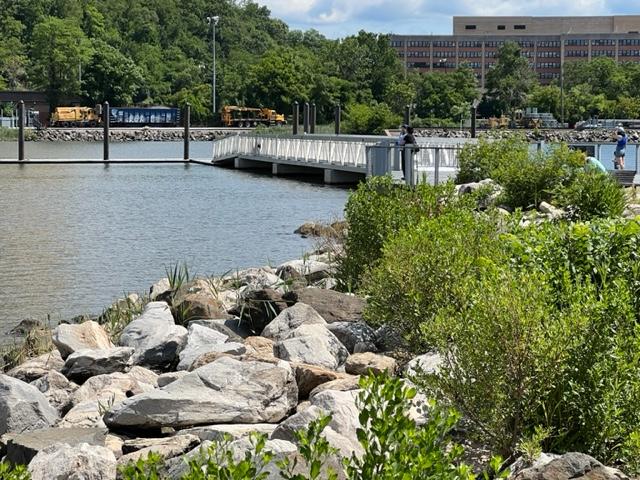
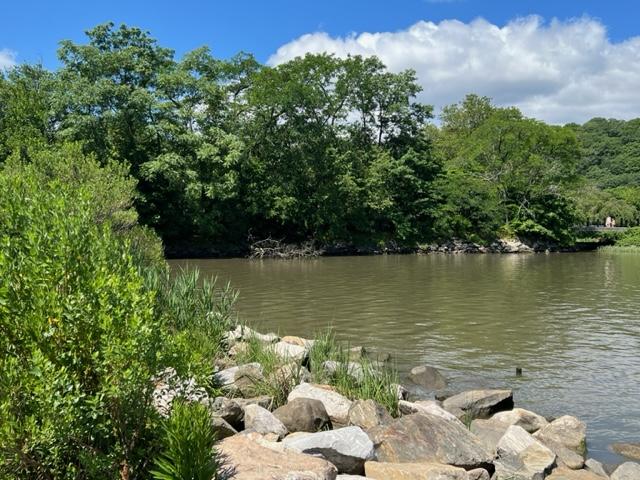
The Muscota Marsh is a one-acre public park in the Inwood section of the borough of Manhattan in New York City, on the shore of Spuyten Duyvil Creek, a section of the Harlem River. It is adjacent to the much larger Inwood Hill Park and Columbia University’s Baker Athletics Complex. The park is notable for its views and for its ecological conservation features.

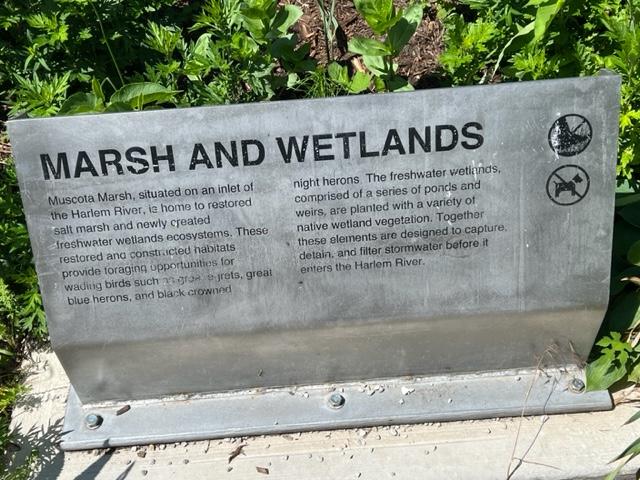
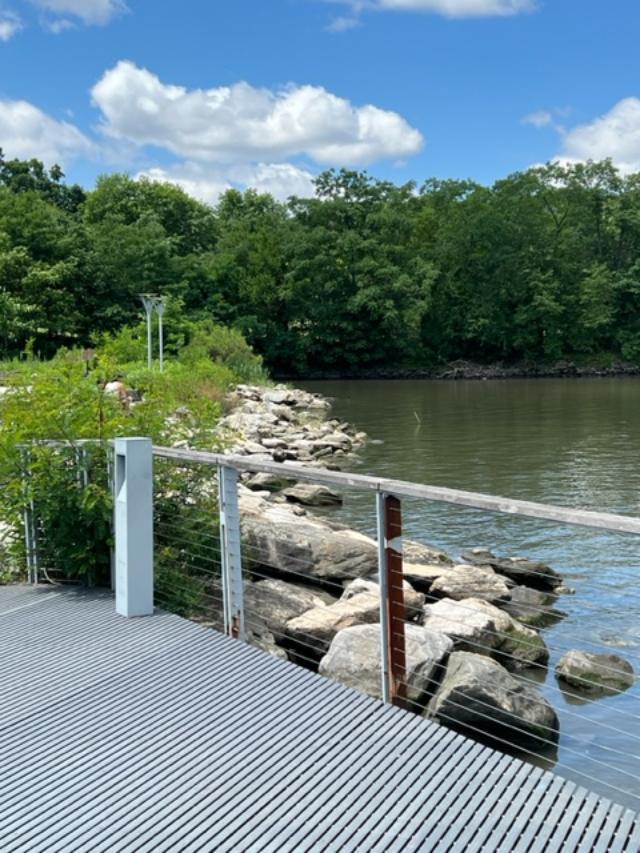
Muscota Marsh is unusual for having both a freshwater marsh and a salt marsh in such a tiny area. Besides attracting plant and animal life, these wetlands are intended to help filter rainwater runoff and thereby improve the water quality of the river. Other facilities include a dock for kayaks and canoes, benches and walking paths. A wooden deck overlooking the river provides views of Inwood Hill Park, the Henry Hudson Bridge and the New Jersey Palisades.

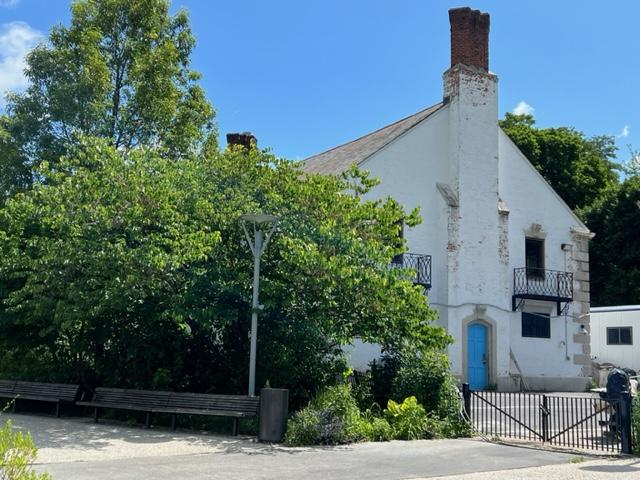
The Muscato Marsh is right next to the Columbia Boathouse

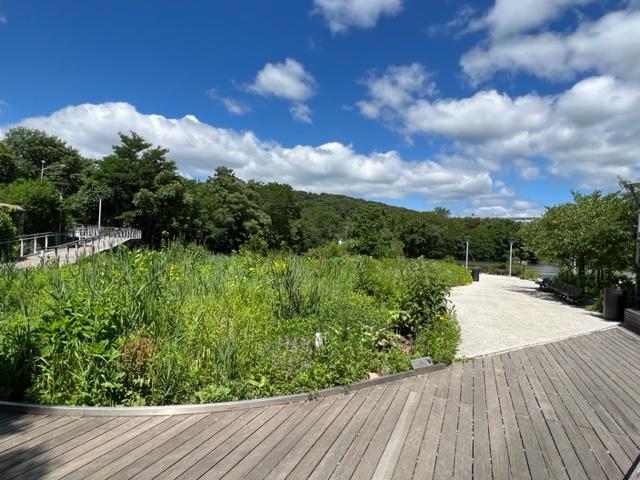
As this public green space, with a design inspired by tidal flats and mud ways, you can enjoy the educational richness of the marsh from the wildlife observation deck or venture out on to a wooden deck stretching out to the waterway through the native water gardens.

By the boathouse

Because of the close proximity of the salt marsh and the freshwater wetlands, you’ll be able to spot beautiful wading birds like the great blue heron and the snowy egret. You can also see leopard frogs and ribbed among the dramatic colors and textures of the marsh’s native plants.

The Wetlands

Opened to the public in January 2014, the park was constructed by Columbia University as part of a deal to construct the new Campbell Sports Center within its adjacent athletics complex. It was designed by James Corner Field Operations, which is best known for its work on Manhattan’s High Line. It is cooperatively administered by the New York City Department of Parks and Recreation and Columbia, with the university providing maintenance and security.

The wetlands

The park is open all year round and is free to enter. It is right next to the Columbia Stadium.

It is a nice part of the Inwood Park

The Muscato Marsh facing Inwood Hill Park

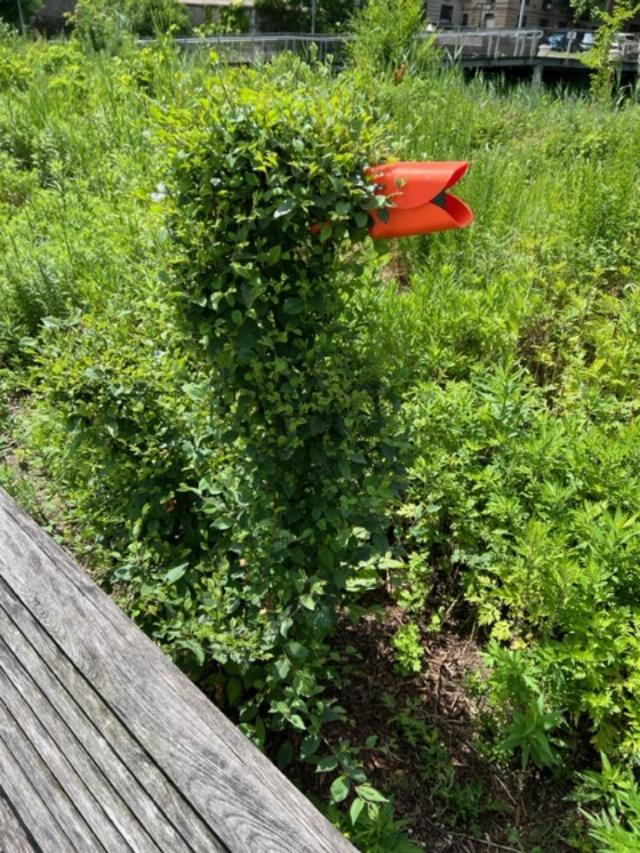
The clever duck

Disclaimer: This information was taken from the NYC Parks information guide and Wikipedia. Please check this small pocket park out for its beauty and for its importance in the environment.

The marsh during the beginning of the summer of 2023