Category: Botanical Gardens and Parks

Assateague Island National Seashore                 7307 Stephen Decatur Highway                    Berlin, MD 21811

Assateague Island National Seashore 7307 Stephen Decatur Highway Berlin, MD 21811

Assateague Island National Seashore

7307 Stephen Decatur Highway

Berlin, MD 21811

(410) 641-2120

http://www.dnr.state.md.us/public-lands/eastern/assateague.asp

https://www.nps.gov/asis/index.htm

TripAdvisor Review:

https://www.tripadvisor.com/Attraction_Review-g57603-d106596-Reviews-Assateague_Island_National_Seashore-Assateague_Island_Maryland.html?m=19905

Bloggers Note: Over the holidays we visited this national park in Delaware when we were visiting my mother. We went to see the wild horses. The horses were so used to seeing humans that they just ignored us. On a beautiful day, it is nice to visit the island and just look at the ocean.

Barrier Islands are among the most dynamic land forms on earth. From ocean to bay, Assateague Island is defined by change.

The rhythms of tides and seasons shape the island. The smallest gust of wind or gentlest of waves moves sand in a ceaseless rearrangements of island terrain. While summer waves and long-shore currents may build a wide beach, most of the year sand is scoured from the shore and moved southward leaving a narrow, steep shoreline. Storms can create inlets or fill them in. They can cut away dunes and wash sand across the island. The retreating dunes mark the islands’s westward movement. New habitats are created-old ones are reinvented. Plants and animals shift and adapt in counterpoint to these changes. On Assateague Island, nature’s rhythmic processes are a brilliant display.
Assateague Island III

Natural zones shaped and reshaped by wind, wave and current characterize Assateague Island. Distinct plant and animal communities have adapted to each zone. This north-facing view depicts these habitats, left to right from bay to ocean.

Coastal Bays:

Chincoteague Bay and two smaller bays separate Assateague from the mainland. They provide an environment rich in aquatic life and vital to ocean ecosystems. The warm, shallow waters create a productive nursery for mussels, crabs, clams, terrapin and fish. Twice a day, tides rejuvenate these areas and ferry aquatic animals out to the ocean or into the relative safety of the bays.

Just beneath the bays’ surface, in the shadowy world of the seagrass meadows, diverse marine life thrives. Blue carbs molt, hidden in the grasses. Young fish find refuge from predators. Seahorses and pipefish, vulnerable in open water, depend on grasses for anchorage and safe haven. Mud-loving creature cluster around roots. These are the secret gardens of the coastal bays.

Assateague Island II

Salt Marsh:

Once considered worthless, salt marshes are incredibly valuable areas. They are complex ecosystems defined by the constant ebb and flow of salt water. Tides transport nutrients into the marsh and detritus (decaying plants and animals) out into the bay. Scavengers, like snails, amphipods and fiddler crabs, feed on detritus. They in turn are food for high tide visitors to the salt marsh like fish and crabs. When the tide is out, a banquet is exposed in the mudflats where birds feast on the small creatures that inhabit this transitional area. Few plants can thrive in a salt marsh. Cordgrass, salt meadow hay and saltwort are among those that can. These plants create shelter for willet and rail and hunting grounds for Northern harrier and raccoon. Horses can often be seen grazing on marsh grasses.

Maritime Forest:

The forest edge is bordered by a shrub thicket on both bay and ocean sides. This is another transition area between distinct communities. Greenbrier, highbrush blueberry and bayberry thrive here. Trees, stunted and sculptured by salt-laden winds, mingle with shrubs and vines. Guarded by this thicket, the maritime forest is sheltered from much of the wind and provides habitat for some of Assteague’s other residents. While lobolly pine is the dominant tree, southern wax myrtle, American holly and red cedar survive in the shaded understory. The forest is home to white-tailed and sika deer, raccoons and birds like the yellow-rumped warbler and Eastern towhee. Predators like great horned owls and red fox hunt small mammals, birds and reptiles in the woodland.

Dunes and Upper Beach:

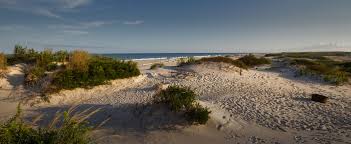
The dunes and upper beach are always in motion. Windblown sand and salt dictate the plant and animal life of this stark environment. Less salt-tolerate plants like beach heather and seaside goldenrod hide on the leeward side of dunes, sheltering the small but fierce dune wolf spider as it hunts its insect prey. Plants trap sand, elevate dunes and form a malleable barrier against the assault of wind and water. Where overwash does occur, piping plovers and other birds find prized nestling habitat. The primary beach front dunes are dominated by American beach grass, with its extensive root system and ability to tolerate relentless exposure to the elements. Many creatures visit the beach but ghost crabs enjoy a great view from oceanfront burrows.

Asseategue Island

The wild horses on the island are a main attraction

Ocean:

So visually compelling are the surf and ocean that it is easy to forget how much happens beneath the surface. Mole crabs, coquina clams and small invertebrates thrive in the inter-tidal zone where crashing waves deliver food and render all homes temporary.  Shore-birds dance away from the surf while attempting to dine on creatures concealed in the sand.

The ocean food web starts with phytoplankton. Most other marine life is dependent upon these tiny plant for survival. The oceans support more than half the species on earth, yet 95% of these waters remains unexplored, offering endless possibilities for discovery.

Surf and Seashore Safety:

National Park Service lifeguards cover North Ocean Beach (Maryland) and Tome Cover Beach (Virginia, in the National Wildlife Refuge) in Summer only Assateague State Park also had lifeguards in the summer.

Mats and floats except U.S. Coast Guard-approved personal flotation devices are prohibited at all life-guarded beaches. Surf conditions are posted in multiple locations near the beach. Learn about rip currents (seaward currents) and their danger at http://www.ripcurrents.noaa.gov. Never swim alone.

Prevent overexposure to sunlight with sunscreen or protective clothing. Biting insects are abundant spring through autumn. Insect repellent and/or protective clothing are recommended.

About your visit:

Assateague Island National Seashore is open year-round. Camping is allowed in designated areas only. Campers may not bring firewood from out of state. Firewood must be purchased locally. Assateague Island Visitor Center is open from 9:00am-5:00pm year round except Thanksgiving Day and December 25th. Here you can get information and see aquariums, a touch tank, exhibits, maps and a film about the island’s wild horses. You can register for camping and get permits for the Over Sand Vehicle (OSV) zone at the campground office on the island. Dates and hours vary for Toms Cove Visitor Center. Contact the park for information; phone and website at right.

Chincoteague National Wildlife Refuge, managed by the U.S. Fish and Wildlife Service is open year-round. The Herbert H. Bateman Educational and Administrative Center is open year-round except December 25th and January 1st. Hours vary seasonally. Contact the refuge for information; phone and website at right.

Assateague State Park’s beach and parking lot are open year-round, 9:00am to sunset. Contact the park for camping information; phone and website at right.

Accessibility: Visitor centers, restrooms, bookstores and some trails are wheelchair-accessible. Service animals are welcome. Call each area for more specifics.

Regulations: Call or visit each area’s website for regulations on firearms, pets, personal watercraft and more.

Assateague Island National Seashore is one of over 390 parks in the National Park System. To learn more about national parks, visit http://www.nps.gov.

The Parks:

Assateague State Park: Maryland’s only oceanfront state park has two miles of beach for swimming, surfing and fishing. Lifeguarded areas are available Memorial Day through Labor Day. The campground is open late April through October Campsites include fire rings, picnic tables and bathhouses with warm showers. A small number of electric hookups are available. Reservations are recommended. Alcohol is prohibited in all areas of the state park. A park store is open seasonally, offering food and souvenirs. Pets are permitted with restrictions in designated areas. The marina/boat launch; located on the mainland side of the Verrazano Bridge, is a popular fishing and crabbing spot and features seasonal kayak rentals. Visit the Nature Center in the campground for live animal exhibits, arts and crafts and family fun. Entrance fees apply. Assateague State Park offers something for everyone.

Assateague State Park

7307 Stephen Decatur Highway

Berlin, MD  21811

(410) 641-2120

http://www.dnr.state.md.us/public-lands/eastern/assateague.asp

Assateague Island National Seashore:

Explore the national seashore and discover the mysteries of a barrier island. Before traveling across the Verrazano Bridge to the Maryland end of the island begin your visit at the Assateague Island Visitor Center. Watch a film about the wild horses. The visitor center also includes restrooms, a gift shop, exhibits, aquariums and staff to provide information and orientation. Touch a sea snail or horseshoe crab. Ask at the information desk for a Junior Ranger booklet and have some family fun.

Enjoy the park roads by bike. Observe wild horses feeding in the salt marsh. During summer, visit the Beach Hut for supplies and beverages and swim at the lifeguarded North Ocean Beach. Camping is available a year-round and reservations are encouraged April 15th through October 15th. Expect rustic conditions, vault toilets and coldwater showers. Electric hookups are not provided. Pets are permitted in designated  areas. Avid paddlers and hikers should not miss the countryman camping experience. The Over Sand Vehicle (OSV) zone provides an adventurous getaway (permit required). Nature trails, beach-combing and ranger-led programs will bring back childhood memories, while guided kayak tours and campfire programs will make new ones. Entrance fees apply.

Assateague National Seashore

7206 National Seashore Lane

Berline, MD  21811

(410) 641-1441

http://www.nps.gov.asis

Chincoteague National Wildlife Refuge:

Originally established to protect migratory birds, the refuge today is a destination for birders, beachcombers, anglers and outdoor enthusiasts. Careful management of freshwater pools and marshes provides ideal habitat and feeding areas for migratory waterfowl, shorebirds and other wetland-dependent species. The refuge is a paradise for birders and photographers. Walk or bike the trails to catch a glimpse of the rare Delmarva Peninsula fox squirrel or the Chincoteague ‘ponies’. Drive the Wildlife loop around Snow Goose Pool between 3:00pm and dusk. Expect Toms Cover Hook to be closed during the nesting season of the threatened piping plover. Visit the Refuge-operated Herbert H. Bateman Educational and Administrative Center and the National Seashore-operated Toms Cove Visitor Center for exhibits, programs and assistance. There is no camping in the refuge, so check in the nearby community of Chincoteague. A lifeguarded beach is available Memorial Day to Labor Day. Pets are prohibited Entrance fees apply.

Chincoteague National Wildlife Refuge

8231 Beach Road

Chincoteague, VA  23336

(757) 336-6122

chinco.fws.gov

Disclaimer: This information is taken directly from the National Park Service pamphlet on Assateague Island National Seashore State Park. It is really a fascinating place. It covers both Delaware and Maryland. Please check out the website and call for more information.  Don’t miss this interesting ‘gem’.


Shorakkopoch Rock Inwood Hill Park New York, NY 10034

Shorakkopoch Rock

Inwood Hill Park

New York, NY  10034

(212) 639-9675

https://www.nycgovparks.org/parks/inwoodhillpark

https://www.nycgovparks.org/parks/inwood-hill-park/monuments

https://www.atlasobscura.com/places/shorakkopoch

Open: Sunday-Saturday 6:00am-1:00pm

My review on TripAdvisor:

https://www.tripadvisor.com/Attraction_Review-g60763-d21055143-Reviews-Shorakkopoch_Rock-New_York_City_New_York.html?m=19905

Located in Inwood Hill Park and part of the NYC Parks System. The rock was dedicated on February 2, 1954 by the Peter Minuet Post #1247, American Legion.

I came across the Shorakkopoch Rock, the noted spot that Peter Minuet has been said to have bought the island of Manhattan from the Indians. No one is too sure where the spot of the ‘transaction’ took place as some feel it may have been closer to downtown by the Bowling Green, where the original Dutch settlement was located or maybe he traveled to them, we will never know. What we do know is that he said the transaction took place under a tulip tree and in this spot used to be a tulip tree that was over 220 years old before it died.

Shorakkopoch Rock

The rock reads:

Shorakkopoch: According to legend, on this site of the rock, principal Manhattan Indian Village, Peter Minuet in 1626, purchased Manhattan Island for trinkets and beads them worth about 60 guilders. This boulder also marks the spot where a tulip tree (Liriodendron Tulipifera)  grew to a height of 165 feet and a girth of 20 feet. It was until its death in 1932 at the age of 220 years old, the oldest living link with the Reckgawawang Indians, who lived here. Dedicated as part of New York City’s 300th Anniversary celebration by the Peter Minuet Post 1247 American Legion 1954.

For more information on the rock, please contact the Art & Antiquities  at (212) 360-8143.

Disclaimer: This information was taken form the NYC Parks Department website.

Please take time out when visiting Manhattan to see this important piece of the city’s history as the city itself was founded on this very site.

Muscota Marsh                                                   West 218th Street and Indian Road                  New York, NY 10034

Muscota Marsh West 218th Street and Indian Road New York, NY 10034

Muscota Marsh

West 218th Street & Indian Road

New York, NY 10034

(212) 639-9675

https://www.nycgovparks.org/parks/inwoodhillpark

https://www.nycgovparks.org/highlights/muscota-marsh

Open: Sunday-Saturday 6:00am-1:00am

Fee: Free/ Inside Inwood Hill Park

My review on TripAdvisor:

https://www.tripadvisor.com/Attraction_Review-g60763-d21055137-Reviews-Mucota_Marsh-New_York_City_New_York.html?m=19905

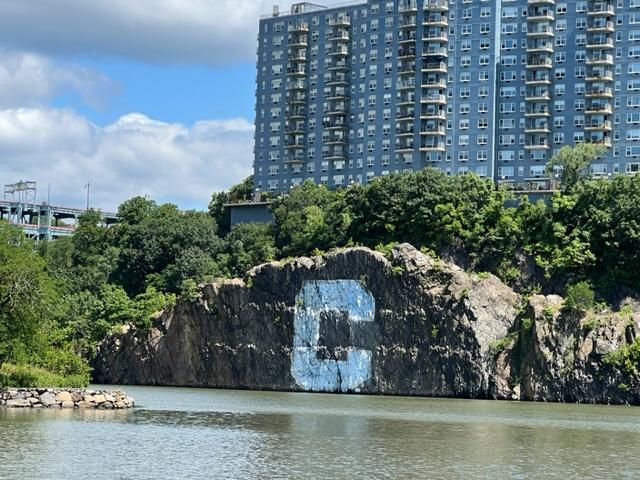
Muscato Marsh on the Columbia Campus

I came across the Muscota Marsh when I was walking the neighborhood of Inwood in 2015 and thought that this is a great site that tourists should see on top of a visit to Inwood Park and the Shorakkopoch Rock where Peter Minuet bought Manhattan from the Indians.

The Shorakkopoch Rock in Inwood Park

Shorakkopoch Rock

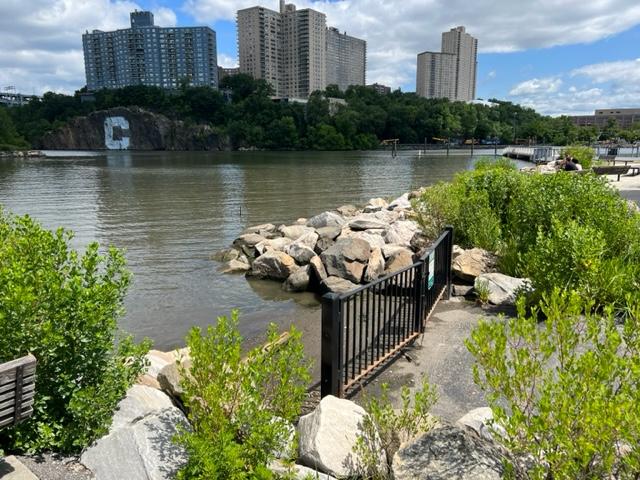
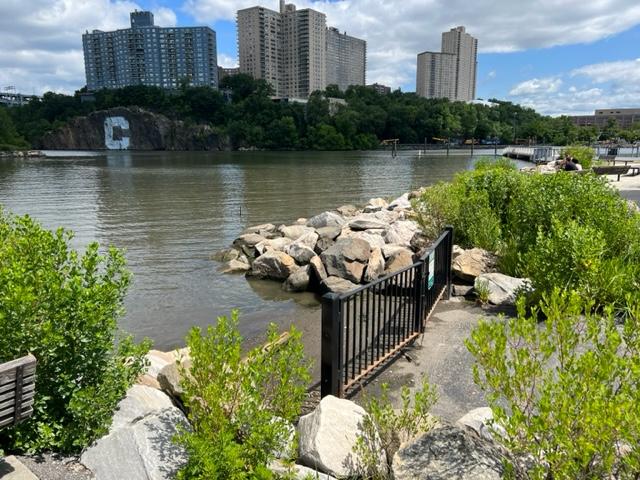
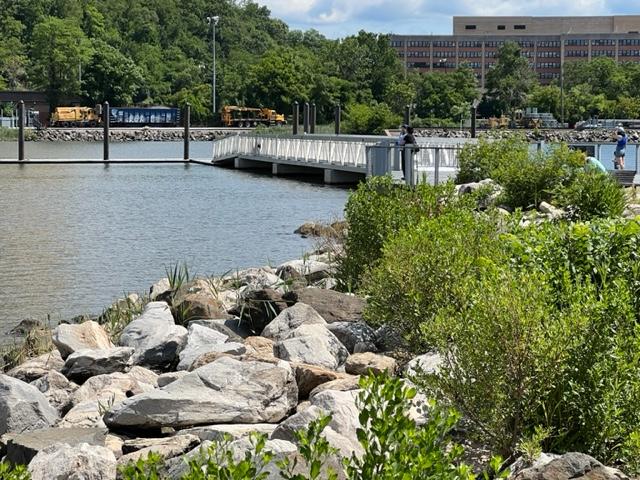
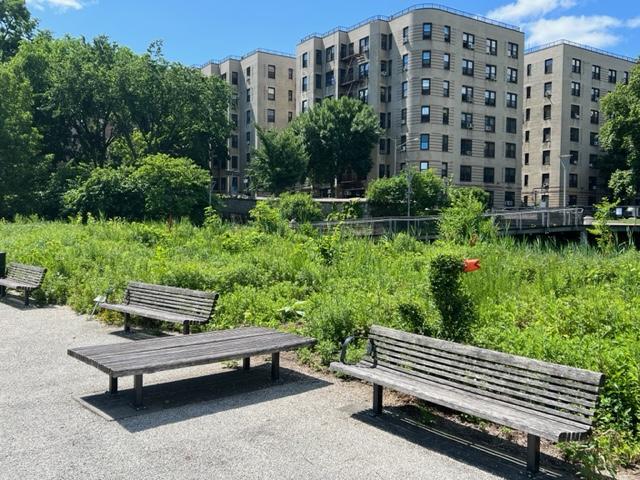
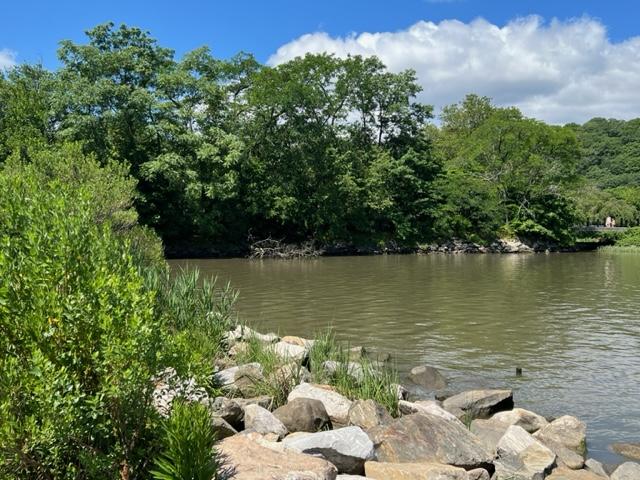
The Muscota Marsh is a one-acre public park in the Inwood section of the borough of Manhattan in New York City, on the shore of Spuyten Duyvil Creek, a section of the Harlem River. It is adjacent to the much larger Inwood Hill Park and Columbia University’s Baker Athletics Complex. The park is notable for its views and for its ecological conservation features.

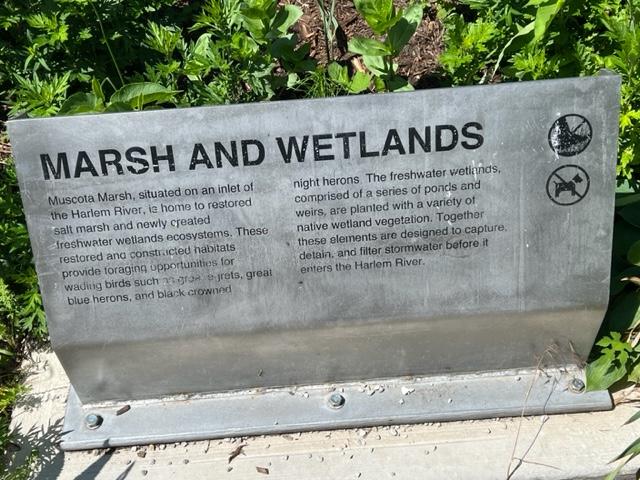
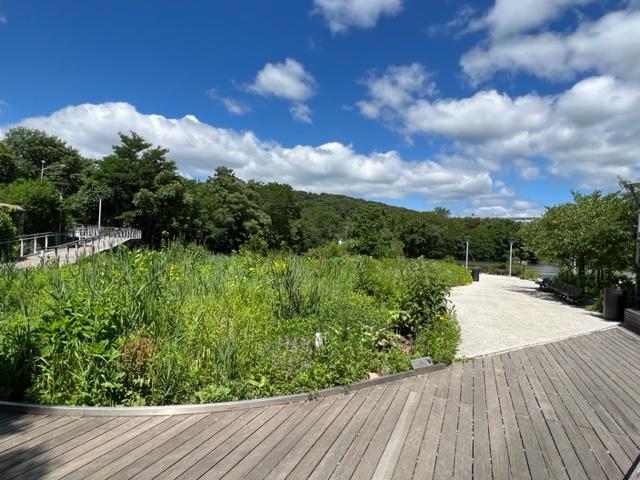
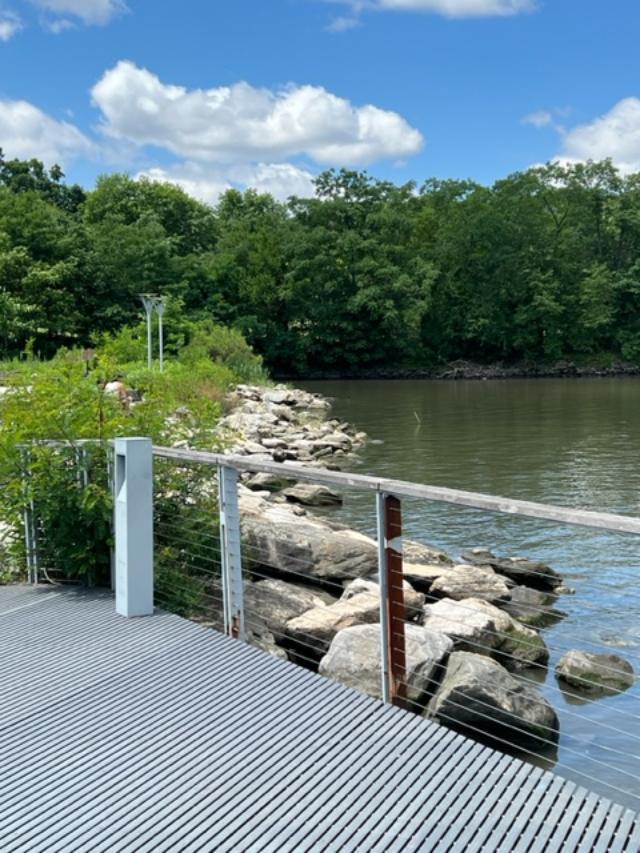
Muscota Marsh is unusual for having both a freshwater marsh and a salt marsh in such a tiny area. Besides attracting plant and animal life, these wetlands are intended to help filter rainwater runoff and thereby improve the water quality of the river. Other facilities include a dock for kayaks and canoes, benches and walking paths. A wooden deck overlooking the river provides views of Inwood Hill Park, the Henry Hudson Bridge and the New Jersey Palisades.

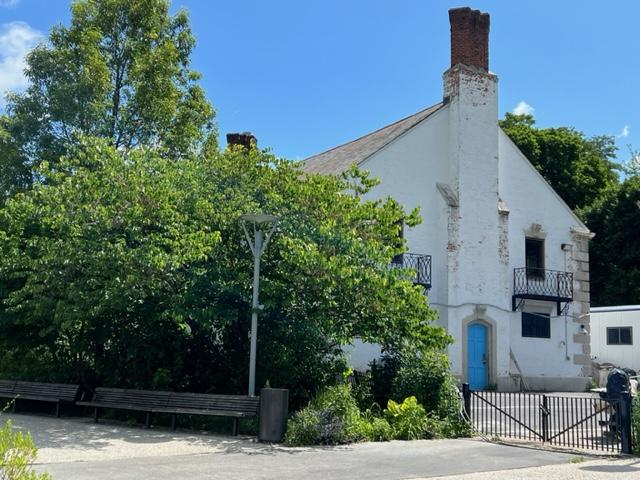
The Muscato Marsh is right next to the Columbia Boathouse

As this public green space, with a design inspired by tidal flats and mud ways, you can enjoy the educational richness of the marsh from the wildlife observation deck or venture out on to a wooden deck stretching out to the waterway through the native water gardens.

By the boathouse

Because of the close proximity of the salt marsh and the freshwater wetlands, you’ll be able to spot beautiful wading birds like the great blue heron and the snowy egret. You can also see leopard frogs and ribbed among the dramatic colors and textures of the marsh’s native plants.

The Wetlands

Opened to the public in January 2014, the park was constructed by Columbia University as part of a deal to construct the new Campbell Sports Center within its adjacent athletics complex. It was designed by James Corner Field Operations, which is best known for its work on Manhattan’s High Line. It is cooperatively administered by the New York City Department of Parks and Recreation and Columbia, with the university providing maintenance and security.

The wetlands

The park is open all year round and is free to enter. It is right next to the Columbia Stadium.

It is a nice part of the Inwood Park

The Muscato Marsh facing Inwood Hill Park

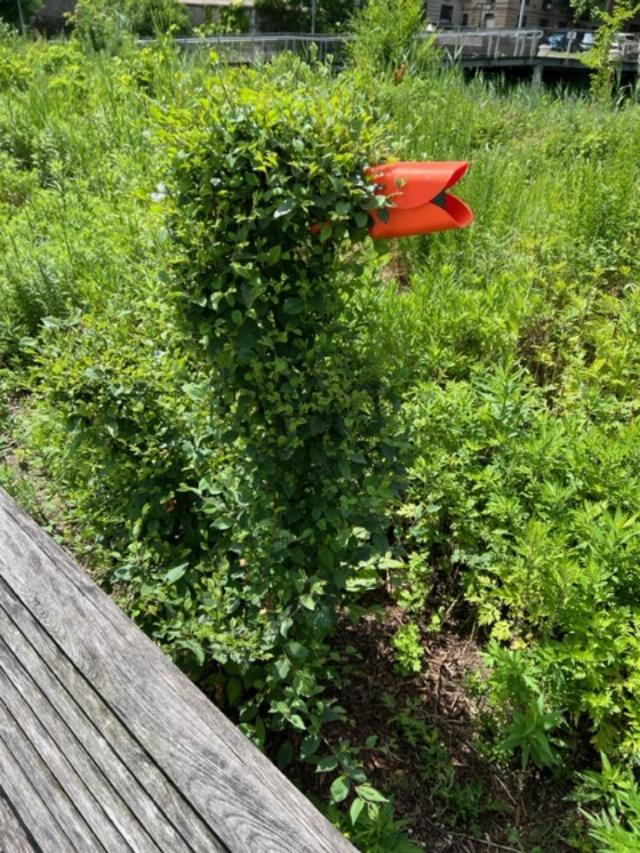
The clever duck

Disclaimer: This information was taken from the NYC Parks information guide and Wikipedia. Please check this small pocket park out for its beauty and for its importance in the environment.

The marsh during the beginning of the summer of 2023

Central Park Conservatory Garden Located between 104th and 106th Streets by Fifth Avenue                                            New York, NY 10029

Central Park Conservatory Garden Located between 104th and 106th Streets by Fifth Avenue New York, NY 10029

The Central Park Conservatory Garden

Located between 104th and 106th Streets off Fifth Avenue

New York, NY 10029

https://www.centralparknyc.org/

https://www.centralpark.com/visitor-info/central-park-conservancy/

Hours: Depends on the season and the Dawn to Dusk rule

Hours of Operation:

November-February (8:00am-5:00pm)

March (8:00am-6:00pm)

April (8:00am-7:00pm)

May (August 14th 8:00am-8:00pm)

August 15-31 (8:00am-7:30pm)

September (8:00am-7:30pm)

http://www.centralparknyc.org/things-to-see-and-do/#what_lawns-and-landscapes

Fee: Free

TripAdvisor Review:

https://www.tripadvisor.com/Attraction_Review-g60763-d272517-Reviews-Conservatory_Garden-New_York_City_New_York.html?m=19905

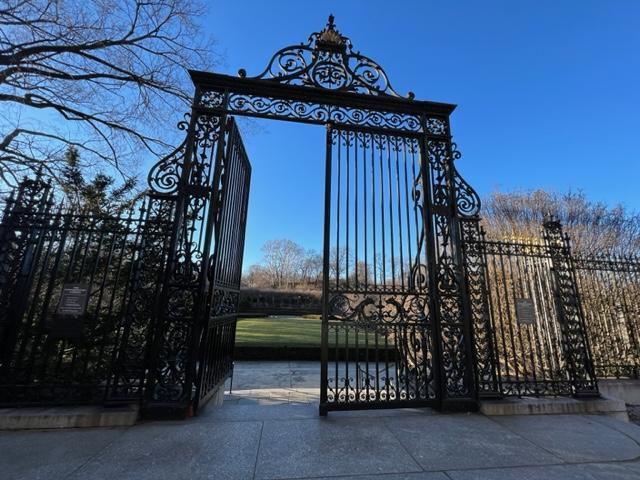
The entrance to the Central Park Conservatory Garden in Winter 2023 (The Vanderbilt Gates)

The map of the gardens

This time of the year (Spring) the Central Park Conservatory is in full bloom and its magnificence is at its finest in the Spring and Summer months. In May, the tulips and daffodils are just finishing their flowering and the lilacs are just finishing their blooming and still fragrant the garden. The lawns are all a deep green and the dogwood trees are just starting to bloom around the rings of the gardens.

The newly renovated pathways

Don’t miss walking around the Gardens off to the side closest to the Harlem Meir as they are open through the renovation. You will see beds of flowers along the fountain’s edge and can admire all the sculpture. What is most impressive is that in-between the Gardens is a vast green lawn surrounded by trees. The lawn of the Conservatory is nice to just admire with the trees lining it on all sides.

Central Park Conservatory Garden Spring 2025

The best time to come to the Conservatory Gardens is in early to late Spring and the early Summer when everything is in full bloom. This is when Mother Nature shows us her great magic.

The Central Park Conservatory in the Spring of 2025

The beauty of the Central Park Conservatory is that it blooms all year around except the winter and even then, there is a quiet elegance to the garden.

The gardens in full bloom in Summer 2025

History of The Central Park Conservatory:

The Central Park Conservatory Garden is the only formal garden in Central Park, New York City and is located approximately between 104th and 106th Street on Fifth Avenue in NYC. The Garden consists of about six acres of formal landscaping of trees, shrubs and flowers. The formal garden is divided into three smaller gardens each with a distinct style: Italian, French and English. The Central Conservatory Garden is an officially designated Quiet Zone and offers a calm and colorful setting for a leisurely stroll and intimate wedding.

The Central Park Conservatory in the Spring 2025

It takes its name from a conservatory that stood  on the site from 1898 to 1934. The park’s head gardener used the glasshouses to harden hardwood cuttings for the park’s plantings. After the conservatory was torn down, the garden was designed by Gilmore D. Clarke, landscape architect for Robert Moses, with planting plans by M. Betty Sprout and constructed and planted by WPA workers, it was opened to the public in 1937.

The Garden is composed of three distinct parts, skillfully restored since the 1980’s and is accessible through the Vanderbilt Gate at Fifth Avenue and 105th Street, a quarter south of the park’s northeast corner.

The Vanderbilt Gate at the Central Park Conservatory

The Vanderbilt Gate once gave access to the forecourt of Cornelius Vanderbilt II’s chateau designed by George Browne Post, the grandest of the Fifth Avenue mansions of the Gilded Age, at 58th Street and Fifth Avenue, sharing the Plaza with Plaza Hotel. The wrought iron gates with cast iron and repousse details, were designed by Post and executed in an iron foundry in Paris.

The fountain at the Central Park Conservatory


The fountain statuary in the main gardens.

Below the steps flanked by Cornelian cherry, the central section of the Conservatory Garden is a symmetrical lawn outlined in clipped yew, with a single central fountain jet at the rear. It is flanked by twin aisles of crabapples and backed by a curved wisteria pergola against the steep natural slope, that is dominated at its skyline by a giant American Sycamore.

Otherwise there is no flower color; instead on any fine Saturday afternoon in June, it is a scene of photography sessions for colorful wedding parties for which limousines pull up in rows on Fifth Avenue.

The Cherry Trees at the gardens in 2019

To the left of the south side is the garden of mixed herbaceous borders in wide concentric bands around The Secret Garden water lily pool, dedicated in 1936 to the memory of Frances Hodgson Burnett with sculpture by Bessie Potter Vonnoh.

Some large shrubs, like tree lilac, magnolias, buddleias and Cornus alba ‘elegantissima’ provide vertical structure and offer light shade to offset the sunny locations, planted by Lynden Miller with a wide range of hardy perennials and decorative grasses, intermixed with annuals planted to seem naturalized. This  garden has seasonal features to draw visitors from April through October.

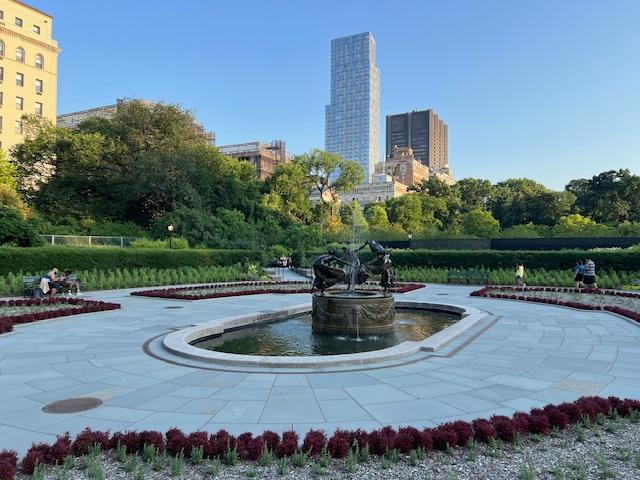
To the right of the central formal plat is a garden also in concentric circles, round the Untermyer Fountain, which was donated by the family of Samuel Untermyer in 1947. The bronze figures, Three Dancing Maidens by Walter Schott (1861-1938) were executed in Germany about 1910 and formed a fountain at Utermyer’s estate “Greystone” in Yonkers, New York.

The Untermyer Fountain

https://www.centralparknyc.org/locations/untermyer-fountain

https://en.wikipedia.org/wiki/Untermyer_Fountain

This section of the Conservatory Garden has two dramatic seasons of massed display of tulips in the spring and Korean chrysanthemums in the fall. Beds of satolina clipped in knotted designs with contrasting bronze-leaved bedding begonias surround the fountain and four rose arbor gates are planted with reblooming ‘Silver Moon’ and ‘Betty Prior’ roses.

The French Gardens at the Central Park Conservatory in Summer 2025

After the Second World War the garden had become neglected and by the 1970’s became a wasteland. It was restored and partially replanted under the direction of horticulturist and urban landscape designer Lyden Miller to reopen in June 1987. The overgrown, top-heavy crabapples were freed of water shoots and pruned up to a higher scaffold for better form. The high-style mixed planting was the first to bring estate garden style to urban parks, part of the general of Central Park under Elizabeth Barlow Rogers of the Central Park Conservancy.

The Conservatory in the early Spring of 2025

(This information directly from Wikipedia and has many sources)