Tag: nyc museums

Nicholas Roerich Museum                                    319 West 107th Street                                        New York, NY 10025

Nicholas Roerich Museum 319 West 107th Street New York, NY 10025

Nicholas Roerich Museum

319 West 107th Street

New York, NY  10025

(212) 864-7752

Open: Monday: Closed/Tuesday-Friday: 12:00pm-4:00pm/Saturday-Sunday: 2:00pm-5:00pm

Closed: Major holidays

Admission: Admission is free, though donations are welcome.

http://www.roerich.org

http://www.roerich.org/

TripAdvisor Review:

https://www.tripadvisor.com/Attraction_Review-g60763-d136141-Reviews-Nicholas_Roerich_Museum-New_York_City_New_York.html?m=19905

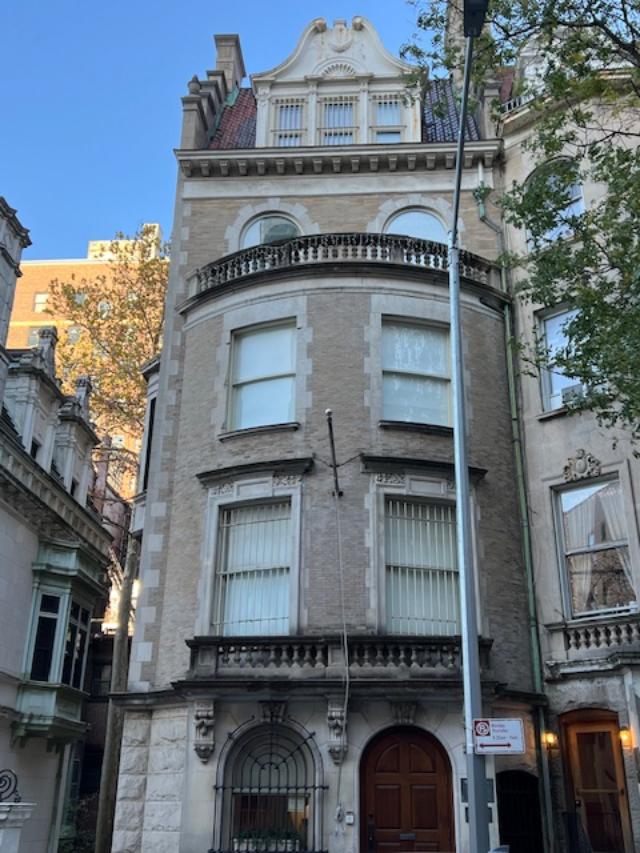
The front of the museum

This small museum in the Upper West Side neighborhood of Manhattanville is easy to miss. It is in a small brownstone on West 107th Street right near Riverside Drive. You can see the plaque for the museum to the right of the building and there is a side door to get in. The admission is free but they do ask for a donation if you can do it.

The museum is a specialty collection of the works of the former owner of the house and artist Nicholas Roerich. They are mostly landscapes and religious themed that cover three floors of the museum. It takes about an hour to an hour and a half  to see all the floors. A nice touch they had in the afternoon that I was there was a piano player whom you could hear play throughout the brownstone. When you go, it will be a pleasant afternoon where you are not fighting the crowds of the larger museums.

Nicholas Roerich

Artist Nicholas Roerich

The Nicholas Roerich Museum was founded in 1949 to house a permanent collection of over two hundred paintings by the Russian-born artist, poet, philosopher and humanitarian, Nicholas Roerich. The museum also houses a library of books and maintains an archive and a collection of artifacts relating to the areas of Roerich’s interests (Museum guide).

The Mission of the Museum:

The mission of the Nicholas Roerich Museum is essentially a narrow one: to make available to the public the full range of Roerich’s accomplishments. These, however, are not narrow; they cover the realms of art, science, spirituality, peacemaking and more. Because Roerich’s  activities ranged widely, so do the museum’s.

Nicholas Roerich Museum I

The Museum Collection:

Nicholas Roerich is known first and foremost as a Russian-born artist. His paintings, of which there are thousands around the world, explore the mythic origins, the natural beauty and the spiritual strivings of humanity and of the world. The museum houses approximately two hundred of these works and keeps most of them permanently on display for visitors who come from around the world. Indeed, for many of these visitors, the museum is a destination of great importance; the paintings speak to them of their own inner yearnings and possible fulfillment. For them, Roerich’s paintings are a kind of teaching-about spiritual development about culture and its role in human life and about opportunities for the achievement of peace in a fractious world.

Nicholas Roerich Museum II

Publications & Booklist:

The museum also keeps in print a number of books by and about Roerich and his life and work and a substantial stock of postcards and reproductions of his paintings. These too are seen by many as more than just prints; they are hung in homes with a degree of appreciation that is not often given to such things.

Cultural Events:

In addition to these functions, the museum also maintains an active schedule of cultural activities.  It was Roerich’s fervent belief that the role of cultural development in the peace and evolution of the world is fundamental and that it is therefore the responsibility of those who work in creative and cultural fields to strive always for that peace and evolution and for those goals to be the chief impulses guiding their creative work. Information about these ideas is always available.

The Roerich Pact & the Banner of Peace:

The museum sustains an ongoing effort to spread public awareness of the intermingled roles of peace and culture and the ways in which each sustains the other. Information and materials about The Roerich Pact and the Banner of Peace are always available. Throughout this century of wars and national struggles, the yearning of the public for ways of achieving peace has been great; the ideas of the Pact and the Banner provide a welcome answer to those yearnings.

As Roerich’s ideas become better known around the world, attendance at the Museum grows and requests for information and materials about him and his art and social achievements increase.

*This information is from the Museum’s website.

Disclaimer: This information was taken from a combination of the museum’s website and from the biography of the artist.


The National Jazz Museum in Harlem                    58 West 129th Street, Ground Floor                  New York, NY 10027

The National Jazz Museum in Harlem 58 West 129th Street, Ground Floor New York, NY 10027

The National Jazz Museum in Harlem

58 West 129th Street, Ground Floor

New York, NY  10027

http://www.jazzmuseuminharlem.org

http://jazzmuseuminharlem.org/

https://www.facebook.com/nationaljazzmuseum/

(212) 348-8300

Suggested donation of $10.00 but whatever you can give.

Open: Sunday-Monday: 11:00am-5:00pm/Tuesday-Wednesday Closed/Thursday-Saturday: 11:00am-5:00pm

Fee: Free with Donation

Founded in 1997

Transportation: Subway 2 or 3 to 125th Street and then walk up to 129th Street

TripAdvisor Review:

https://www.tripadvisor.com/Attraction_Review-g60763-d6953125-Reviews-The_National_Jazz_Museum_in_Harlem-New_York_City_New_York.html?m=19905

I came across this little museum when I was touring Central Harlem. This museum is more like a small gallery and it is dedicated to the history of jazz in Harlem. The front section is set up like someone in Harlem’s salon with furniture from the era and sheet music from the artists. The look is based on ‘Rent Parties’ that people used to have to bring their friends over to help pay the monthly rent. The back section of the museum is dedicated to jazz and related music with a sitting area and pictures all over the wall of different era’s including the new artists of today. Jazz music plays throughout.

National Jazz Museum in Harlem

The Mission of the Museum:

The National Jazz Museum in Harlem, a Smithsonian Affiliate,  preserves, promotes and presents jazz by inspiring knowledge, appreciation and celebration of jazz locally, nationally and internationally.

It is the thriving center for jazz that stimulates hearts and minds and reaches out to diverse audiences to enjoy this quintessential American music. The museum was founded in 1997 by Leonard Garment, Counsel to two U.S. Presidents and an accomplished jazz saxophonist, Abraham D. Sofaer, a former U.S. District Judge, who gave the initial gift in honor of his brother in law, Richard J. Scheuer and matching funds from the Upper Manhattan Empowerment Zone.

National Jazz Museum in Harlem II

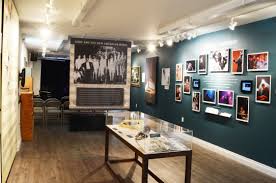
Displays inside the museum

The Museum is committed to keeping jazz present and exciting in the lives of a broad range of audiences: young and old, novice and scholar, artist and patron, enthusiast and curious listener. From its new location in the center of Harlem, the Museum serves the local community and welcomes visitors from across the U.S. and internationally.

The National Jazz Museum in Harlem’s vision is to establish a permanent home in Harlem for collections, programs and performances that stimulate creativity and excitement about the past, present and future of jazz and its artists (The Jazz Museum in Harlem vision statement-pamphlet).

In 2013, an exciting new era began for the Museum. We created and implemented a new strategic plan that made education central to our mission. The Museum now offers year-round educational programs for students of all ages. We also developed a new membership program with exclusive content and benefits to reach out to the worldwide jazz community.

National Jazz Museum of Harlem

The inside of the National Jazz Museum of Harlem

In 2015, after 15 years at the East Harlem location, we moved to 58 West 129th Street in Central Harlem. Our new space is designed to give our visitors an immersive jazz experience, in the heart of what has become Harlem’s new cultural and entertainment district. The ultimate, long-term goal is to secure a permanent home in Harlem with space enough to showcase Harlem’s vast contributions to jazz, American music and world history.

Each year, the Museum produces and presents more than 80 free programs in New York City, engaging hundreds of professional jazz artists and reaching nearly 20,000 people from around the world. The Museum is a hub for live performances, exhibitions and educational programs. It is also home to our widely acclaimed Savory Collection, which includes more than 100 hours of live recordings of jazz legends made from New York City radio broadcasts aired between 1935 and 1941 (Wiki site and Museum website).

National Jazz Museum of Harlem III

The current exhibition is Vi*bra*tion: The history of Jazz from Louis Armstrong to Miles Davis: Their Work and Harlem Air Shaft (large musical manuscripts on the wall).

The Leadership of the Museum is under musicians Jonathan Batiste, Co-Artistic Director and Christian McBride, Co-Artistic Director.


The Coney Island Museum                                 1208 Surf Avenue                                       Brooklyn, NY 11224

The Coney Island Museum 1208 Surf Avenue Brooklyn, NY 11224

The Coney Island Museum

1208 Surf Avenue

Brooklyn, NY  11224

(718) 372-5159

Open:

Summer: (June-Labor Day Weekend) Monday- Saturday 12:00pm-6:00pm/ Sunday 2:00pm-6:00pm

Fall/Winter/Spring: (September-May) Monday-Saturday 12:00pm-6:00pm/Sunday 2:00pm-6:00pm

Admission: $5.00 Adults/Members Free/Residents, Seniors & Children under 12 $3.00

http://www.coneyisland.com

https://www.coneyisland.com/event/coney-island-museum

TripAdvisor Review:

https://www.tripadvisor.com/Attraction_Review-g60827-d555621-Reviews-The_Coney_Island_Museum-Brooklyn_New_York.html?m=19905

The Coney Island Museum at 1208 Surf Avenue

The Coney Island Museum is an interesting place specializing in the history of Coney Island from the time of the Native American settlement to modern history. The history covers from the Dutch visiting the island for pleasure to the mid-1800’s and after the Civil War when time off and weekend pleasures became the rage.

The stretch of Surf Avenue where the museum is located.

The museum covers the history of the three great amusement parks, Steeplechase, Luna and Dreamland when they were all in their heyday until they all burned down or closed. This history includes the rise of Astroland and the current Luna Park.

The History of the Luxury Hotels of Coney Island

The History of the Amusement Parks:

Three great amusement parks dominated Coney Island in the early part of the last century with roots in the old Sea Lion Park and with the innovations and hope of Astroland and the rise of Luna Park again.

Sea Lion Park

Steeplechase Park

Luna Park

Dreamland Park

The rise of Astroland and the new Luna Park are showing signs of the rebirth of Coney Island.

The Astroland Exhibit at the museum

There is loads of memorabilia from all ages and all sorts of novelties from the rides such as the hall of mirrors, bumper cars and old cars and carts. Postcards from different eras also give an interesting look of the past so take time to look at each one.

The back galleries on the old amusement parks.
The history of some of the famous restaurants such as Child’s, Nathan’s and Feldman’s are discussed and their impact on the cuisine of Coney Island from the days of the clams to the revolution of the current hot dog.

The Child’s Restaurant artwork from the building.

The Feldman doors from the original restaurant

Some of the exhibitions cover the development of the area as a pleasure seeking attraction and as a luxury resort for wearied New Yorkers. What started as hotel resort and racing capital developed into an amusement area for the thrill seeking and for those who were looking for an escape for fun. It shows the growth and enhancement of the City reflected into the development of Coney Island itself mirroring what is happening in the City currently.

The amusements and bumper cars in the main gallery

The Bumper Car exhibit

Coney Island amusements

If you are interested in the history of Coney Island, then the Coney Island Museum is a nice was to spend the afternoon. There are tours daily and don’t forget to visit the Sideshow downstairs, which shows on the hour. The fee is $5.00.

The Mission of Coney Island USA:

Coney Island USA exists to defend the honor of America popular culture through innovative exhibitions and performances. Presenting and producing exciting new works, our approach is rooted in mass culture and the traditions of P.T. Barnum, dime museums, burlesque, circus sideshows, vaudeville and Coney Island itself. Preserving and championing a set of uniquely American visual and performing art  forms, we seek to create an international forum for cultural preservation and discourse and where Coney Island represents these impulses, we strive to make it once again a center for live art and entrepreneurial spirit (CIUSA).

The ‘Reinventing Coney Island’ exhibit

Coney Island USA operates a multi-arts center in a landmark building in the heart of Coney Island. We produce and present programming in three unique venues: the Coney Island Museum, Sideshows by the Seashore and the Shooting Gallery/Arts Annex. Serving both New York City and an international community that includes visitors to Coney Island and enthusiasts of various cultural forms, our signature activities include the Mermaid Parade, the Coney Island Circus Sideshow, the Coney Island Museum, Coney Island Film Festival and new theatrical work (CIUSA).

The Coney Island Wax Museum exhibit

The Wax Museum exhibit

In existence since 1980, Coney Island USA has developed and produces a number of different programs including some of New York City’s best loved summer programming, such as the Mermaid Parade and the Coney Island Circus Sideshow. Coney Island USA also operates the Coney Island Museum and produces Ask the Experts, Burlesque at the Beach, the Coney Island Hot Rod Festival, Congress of Curious Peoples, Funhouse Philosophers, Magic at Coney, The Mermaid Ball and the Coney Island Sideshow School. Coney Island USA also produces the Coney Island Film Festival in association with indiefilmpage.com (CIUSA).

The Mangel’s family history in the amusement industry.

The display of amusement offerings from the Mangel’s family company.

The Museum’s video:

Video on the Coney Island Museum

Disclaimer: This information on Coney Island USA was taken directly from their website. Don’t miss this wonderful piece of Coney Island history in one building and plan this as part of your trip to Coney Island along with the Cyclone, Nathan’s, the Wonder Wheel and the beach.

Also part of the museum is the Coney island Pinball Museum with classic pinball games to play and the Coney Island Museum bar, a great place to relax and have a drink. There is also the Coney Island Freak Show that is part of the museum and has several shows a day.

The Coney Island Pinball Museum

The Coney Island Pinball Museum is part of the Coney Island Museum

Some of the pinball machines in the museum.

The Coney Island Museum bar-the perfect place for a drink.

The Frances Lehman Loeb Art Center/Vassar College                                                                  124 Raymond Avenue                                             Poughkeepsie, NY 12604

The Frances Lehman Loeb Art Center/Vassar College 124 Raymond Avenue Poughkeepsie, NY 12604

The Frances Lehman Loeb Art Center/Vassar College

124 Raymond Avenue

Poughkeepsie, NY  12604

(845) 437-5632

fllac.vassar.edu

https://fllac.vassar.edu/

blogs.vassar.edu/fllaceducation

Open: Sunday 1:00pm-5:00pm/Monday Closed/Tuesday-Saturday 10:00am-5:00pm

TripAdvisor Review:

https://www.tripadvisor.com/Attraction_Review-g48443-d2419076-Reviews-Frances_Lehman_Loeb_Art_Center_at_Vassar_College-Poughkeepsie_New_York.html?m=19905

The Loeb Museum at Vassar College

Visiting The Frances Lehman Loeb Art Center is a wonderful afternoon out. Its best to park in the North Campus parking lot. You can walk the campus on a nice day down to the museum and enjoy the campus architecture. The campus is straight out of an Ivy League handbook. The museum is located by the front gate of the campus, and you can tour the whole museum in about two hours comfortably.

Take time to walk the Art Garden next to it and they have a really nice little downtown off North Campus to wonder around the restaurants and shops. See my review of Pizzeria Bacio Ristorante at 7 Collegeview Avenue near North Campus. The food is excellent!

The Art Sculpture Garden at the Loeb Museum

The Frances Lehman Loeb Art Center opened in 1864 as the Vassar College Art Gallery. The founding members of the college’s Board of Trustees understand art to be an integral part of the academic experience. Vassar therefor became the first college or university in the United States to include an art museum as part of its original plan. Since its inception, the museum has remained a significant part of the Vassar experience.

The Contemporary Galleries at the Loeb Museum

The Frances Lehman Loeb Art Center is a cultural destination both for the Vassar College community and for visitors from the region and around the world who are attracted by the breadth and quality of the art on view. It is unique to the region in its combination of stellar temporary exhibitions and an ongoing installation of the permanent collection that features art through the ages, from ancient Egypt to the present.

Ancient Art gallery with items from Egypt, Greece and Rome.

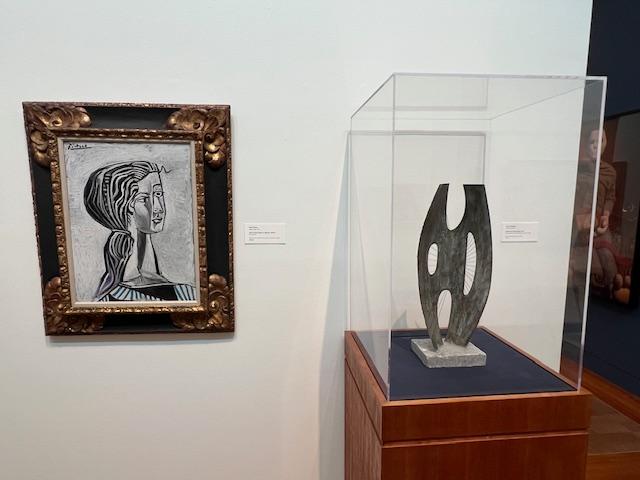
The collection began with an initial gift from Matthew Vassar of 3,800 works of art, including an important group of Hudson River School paintings and British watercolors. Today, the Art Center’s collection has grown to over 18,000 works of art that span antiquity to the present. Notable holdings include the Warburg Collection of Old Master prints and a wide range of works by major European and American twentieth-century painters, including Georgia O’Keeffe, Pablo Picasso, Jackson Pollock, Joan Miro, Mark Rothko and Andy Warhol.

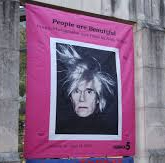
The Andy Warhol exhibition was being shown on my first trip to the museum

https://www.vassar.edu/theloeb/publications/people-are-beautiful-prints-photographs-and-films-andy-warhol

I went to the museum recently before the closing of the “Beyond the Threshold: Tibetan Contemporary Art” and “Mastery and Merit: Art from the Jack Shear Collection” and got to view the galleries before they closed for the evening. Admittingly I am no expert of Buddhist art, but the Jack Shear collection gave you a perspective on the religion.  The art portrayed Buddha in many forms as Divine. The contemporary works were very interesting as it delved into what modern Tibetans all over the world see in the form of current happenings, playing off other famous works of art (such as the modern version of the Mona Lisa) and a contemporary take on the Buddha. 

The modern take on Buddha from a contemporary perspective

https://www.vassar.edu/theloeb/exhibitions/beyond-threshold-tibetan-contemporary-art

The shows revolve on a continual basis and there are shows being mounted at various times of the year.

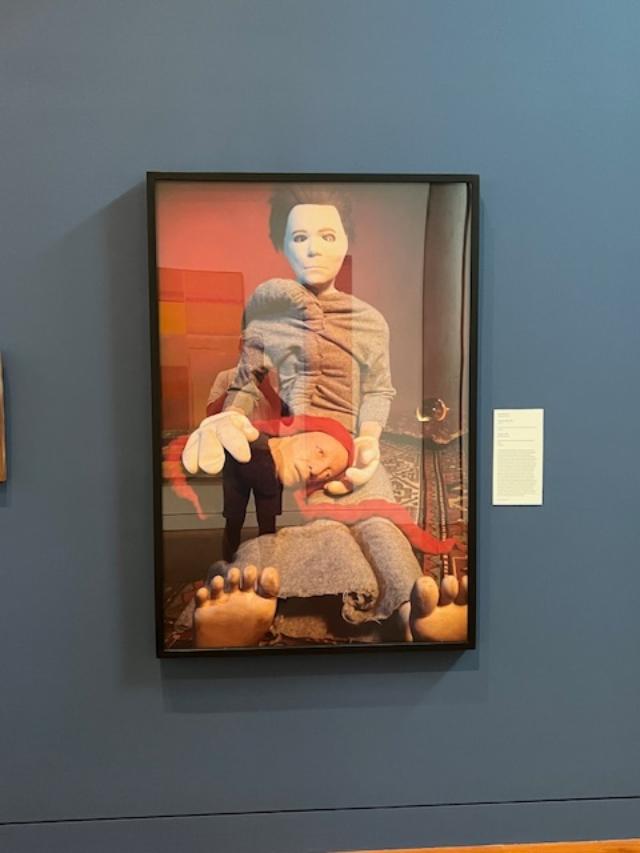
Cindy Sherman Art in the collection

The Art Center is housed in a building designed by Cesar Pelli and completed in 1993. The Hildegarde Krause Baker, class of 1911, Sculpture Garden includes works by Frank Stella, Gaston Lachaise and Anthony Caro, among others.

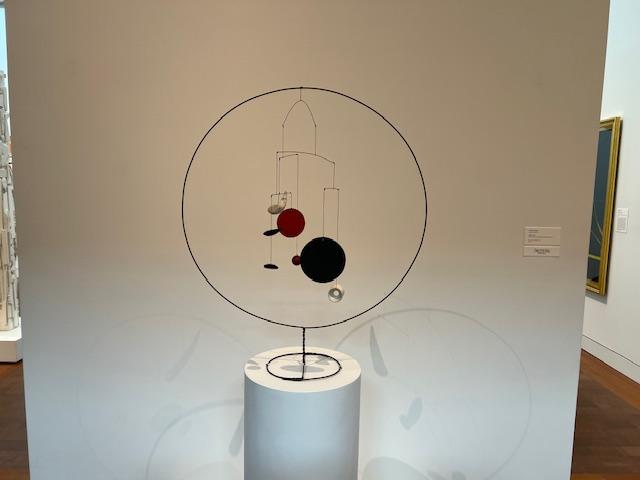
The Alexander Calder work “Mobile” in the collection

Tourism information on the museum:

There are tours for School Groups, Adult Groups, Individuals and Self-Guided for individuals. Please call the museum for more information on this. A centerpiece of the Loeb’s programming is Late Night at the Loeb, held weekly on Thursday evenings. Programming for Late Night is spearheaded by the Loeb Student Committee who organize activities and offerings for students and the general public.
There are creative happens every week. You can also join as a member and there are opportunities to volunteer at the museum.  To learn more about both of these, please call (845) 437-5237.
The famous Picasso is to the left

Disclaimer: This information about the museum came from the museum pamphlets. Please call the above numbers for more information or email them. It is a great afternoon out to just tour the museum and then walk around the campus on a nice day.

The “Stokers of the Earth” painting by Roberto Matta

“Stokers of the Earth” sign