Tag: LittleShoponMainStreet@Wordpress.com

The Museum of Sex                                              233 Fifth Avenue (@27th Street)                      New York, NY 10016

The Museum of Sex 233 Fifth Avenue (@27th Street) New York, NY 10016

The Museum of Sex

233 Fifth Avenue (@27th Street)

New York, NY  10016

(212) 689-6337

Open: Sunday-Thursday 10:30am-11:00pm/Friday & Saturday 10:30am-12:00am

Fee: General Admission $20.50/$3.00 off for Students, Seniors and Military

My review on TripAdvisor:

https://www.tripadvisor.com/Attraction_Review-g60763-d525259-Reviews-Museum_of_Sex-New_York_City_New_York.html?m=19905

The Museum of Sex at 233 Fifth Avenue.

I made my first visit to the Museum of Sex in New York City and highly recommend it. I have to admit it is different but what I like about the museum is that it doesn’t try to hide the subject and it also just doesn’t jump out at you. It is an interesting progression in art and I saw this in the exhibition “The History of Pornography”,  where the films were set up in order since the Victorian times. Sometimes it had to go underground due the times but pornography has been around since the days of the media.

The exhibition shows early pictures and viascopes of sexual acts and the early films date back to the Silent era. The exhibition covers from the Silent era to present times and the advancement of sex in films once the Hayes Code was broken in the 1960’s. With the relaxed rules and the mainstream films of “Tie Me Up Tie Me Down” and “Deep Throat”, you can see the progression of this as an art form and progression of the way the films were made.

Another great exhibition that I saw was “Punk Lust: Raw Provocation 1971-1985”. This show matches nicely with the current show on the “Punk Movement” at the Museum of Arts & Design. It was interesting to see the posters, flyers, clothes and hear the music of the era. Just at the height of the ‘Sexual Revolution’ and into the fragments of the Disco era came a new sound and way to dress that started in the early 80’s before the progression of the Reagan years in Washington DC, this movement came with a new sound with Punk, New Wave and Technographic and a new way to dress provocative without being too revealing.

Museum of Sex III.jpg

“Punk Lust” exhibition

As the museum was quoted saying: “The survey looking at the way Punk Culture used the language of sexuality, both visually and lyrically, to transgress and defy, whether in the service of political provocation, raw desire or just to break through the stifling gender norms and social expectations that punks refused to let define them.”

Museum of Sex II

“Punk Lust” exhibition

On a more recent trip to the museum, three exhibitions were open and all very interesting, highlighting different types of eroticisms. These countered different parts of the artworld. Also, in the post-COVID era, all the interactive displays opened up and I was able to visit and experience each of these as well. These are the most fun!

The Andy Warhol exhibition:

“Looking at Andy Looking” exhibition:

(from the museum website)

This exhibition will explore themes of intimacy and voyeurism, including the depiction of homosexual desire, in Warhol’s early years of filmmaking. In films and footage from 1963-64, we witness the artist beginning to figure out what he could do and say with his newest plaything: the 16mm camera.

“Looking at Andy Looking”

(from the museum website)

Filmmaking is a mechanical art, but it can capture real people on the surface and below. Andy Warhol (1928-1987) lived much of his life “on the surface.” He embraced mechanical techniques like screen-printing, photography, and film, but Andy himself was not a machine. Behind the cool, detached persona was the highly personal—and above all queer—perspective of an inveterate experimenter.

The exhibition I saw was the “Artifact” exhibition from the Museum of Sex’s collection of items exploring how we look at sexual encounters. What is sex and how does a play a role in our lives?

“Artifact: Selection from a Secret Collection”

(from the museum website)

Gathered from the Museum of Sex’s permanent collection of more than 15,000 objects as well as from other notable collections and institutes of antiques, medical history and sexology, Artifact (xxx): Selections from Secret Collections presents an intimate exploration of how sex manifests across culture through art, science, and design. An early vibrator made in Great Britain, a lotus shoe worn by a woman in China, and a Braille issue of Playboy magazine provide insight into prevailing belief systems and societal taboos across geography and time.

Hugh’s Hefner’s smoking jacket

Jeweled Bra

(from the museum website)

Fulfilling a wide range of functions from artwork, medical devices and pop-culture mementos to guidebooks and accessories used for enhancing pleasure or pain, these objects tell the stories of the expansive yet nuanced influence of sexuality throughout history.

Candy pants from the 1970’s

Deep Throat Memorabilia

The memory of the movie a movie ‘Deep Throat’’

Intercourse Chair

Another exhibition that I enjoyed on my last trip to the Museum of Sex was the “I Licked it, It’s Mine” exhibition on exotic paintings and sculpture.

The ‘Licked it, it’s Mine’ exhibition sign

(from the museum website)

What does it mean to be “consumed” by lust, or to “possess” another? The artists Oh de Laval, Shafei Xia, and Urara Tsuchiya explore every manner of appetite, from sublimated yearning to all-consuming hunger. United by an irreverent, tongue-in-cheek approach to the erotic and a flair for fantasy, the paintings and ceramic sculptures in this exhibition move between pulpy melodrama and decorative daintiness.

Along the way, sexuality is experienced as love, but also as competition, involving our animal natures—and sometimes even the swapping of human and animal roles.

The gallery for ‘I licked it, it’s mine’ exhibition

The literature from the exhibition explaining the works

These were some of my favorite works from the exhibition:

The exotic works

The unusual works

The unique paintings and ceramics

One of my favorite pieces from the exhibition. I thought this was quite exotic.

I walked next through Carn-O-Rama and experienced the workings behind the scenes of a traveling carnival reaching the suburbs. I always thought it was just lights, rides and cotton candy. There is more to it than that.

After my visits to the three galleries, I took a took to the interactive section of the museum and experienced Funland, where I walked though Stardust Lane and all the lights and sounds of the mirrored rooms.

A Video walk through Funland is a lot of fun. It really pleases the senses.

I next took a trip to Super Funland and this was my trip through Stardust Lane. This is all lights and mirrors and it was an unusual walk through the museum that challenges the senses. Walking through Super Funland is a voyage in the wild with mirrors and music.

It get pretty interesting walking through here.


In another video walk through of Funland, I met a lot of interesting people on my walk through the museum. It really puts you into a interesting mood.

The pathway around the museum took me to other interactive exhibitions. Jump for joy was a very interesting interactive world of different sexual parts and mood lighting.

The ‘Jump for Joy’ exhibition

Then I walked through ‘Lucky Land’

Then I walked through and climbed ‘The Pink Palace’, a series of colored features that led through what looked like another sexual parts. This is called the ‘ClimbX”.

The colored building blocks of the exhibition of “ClimbX”

The colored blocks of the exhibition “ClimbX”

Another object to climb through on your way out of the exhibition.

It really is an interesting museum to visit. You really have to stop and enjoy the pleasures of each floor. You have to take the time experience all the sights and sounds. The funny part of leaving the museum is that there is an exotic food vendor on Fifth Avenue with the most unusual items he sells.

The Erotic Waffle food truck just outside the museum. Not your kids food truck. The truck sold sexual organ pastries, waffles and other exotic items. You have to stop by when you are in the neighborhood!

History of the Museum of Sex:

(This comes from the Museum of Sex History Website)

The Mission of the Museum of Sex is to preserve and present the history, evolution and culture significance of human sexuality. The museum produces exhibitions, publications and programs that bring  the best of current scholarship to the wildest possible audiences and is committed to encouraging public enlightenment, discourse and engagement.

The Museum of Sex

The Beginning:

When the Museum of Sex first emerged on New York City’s Fifth Avenue on October 5th, 2002, it was without precedent in the museum world. In the development of its inaugural award winning exhibition NYCSEX: How New York Transformed Sex in America, the Museum created a board of comprised of leading scholars and historians. The Museum’s advisory board has guided curators and guest curators towards research resources, pertinent collections and exhibition relevant artists. Advisors such as Steven Heller, Timothy J. Gilfoyle, PhD, Mike Wallace PhD and June Reinisch, Director Emeritus for The Kinsey Institute  for Research on Sex, Gender and Reproduction as well as institutional collaborations with New York University’s Center for the Study of Gender and Sexuality, Planned Parenthood Federation of America, New York Historical Society and the Lower East Side Tenement Museum have contributed to making the Museum of Sex one of the most dynamic and innovative institutions in the world.

Design has played a pivotal role in both exhibition development and execution with world-renowned design firms such as Pentagram Design Inc, Casson Mannand 2×4, helping to transform the galleries and historic building over the last six years. The museum’s building, built in the area of New York formerly known as the “Tenderloin,” a district of NYC made notorious by the 19th century for its bordellos, dance halls, theaters and saloons, serves as a New York City landmarked site.

Our Work:

Since its inception, the Museum of Sex has generated over 30 exhibitions and 6 virtual installments, each in keeping with the Museum’s mission of advocating open discourse surrounding sex and sexuality as well as striving to present to the public the best in current scholarship, unhindered by self-censorship. With each new exhibition, lecture series, event and publication, the Museum of Sex is committed to addressing a wide range of topics, while simultaneously highlighting material and artifacts from different continents, cultures, time periods and media.

Our Collection:

The Museum’s permanent collection of over 20,000 artifacts is comprised of works of art, photography, clothing and costumes, technological inventions and historical ephemera. Additionally, the museum houses both a research library as well as an extensive multimedia library, which includes 8mm, Super 8mm, 16mm, BETA, VHS and DVD’s. From fine art to historical ephemera to film, the Museum of Sex preserves an ever-growing collection of sexually related objects that would otherwise be destroyed and discarded due to their sexual content.

Our Public:

In a short time, the Museum has received attention from academic institutions, major publications, media outlets and celebrities, positioning the Museum of Sex within the realm of academia and pop culture alike. The Museum has been featured in numerous publications including The New York Times, The New Yorker, Esquire and Time and on television broadcasts ranging from CNN to IFC to NBC’s Law & Order Criminal Intent. Award-winning advertising campaigns in print and television media have sealed the Museum’s arrival as a cultural touchstone.

Accolades continue to pour in from visitors and the press in every corner of the world, inspiring the Museum of Sex to continually surpass its own high expectations. Future planned exhibitions and events-the likes of which have never been offered by any other institution-are guaranteed to captivate and resonate, securing the Museum of Sex a well-deserved, distinguished place in history (Museum of Sex History)

Ukrainian Institute of America                                2 East 79th Street                                                New York, NY 10021

Ukrainian Institute of America 2 East 79th Street New York, NY 10021

Ukrainian Institute of America

2 East 79th Street

New York, NY  10021

(212) 288-8660

Open: Sunday 12:00pm-6:00pm/Monday Closed/ Tuesday-Saturday 12:00pm-6:00pm

Fee: Adults $8.00/ Seniors $6.00/ Students with current ID $4.00/Children under 12 Free/ Members Free

My review on TripAdvisor:

https://www.tripadvisor.com/Attraction_Review-g60763-d5953575-Reviews-Ukrainian_Institute_of_America-New_York_City_New_York.html?m=19905

The Ukrainian Institute of America at 2 East 79th Street

I was really impressed by the Ukrainian Institute of America on a recent visit. I must have passed this building a hundred times on my way to the Metropolitan Museum of Art and never thought twice of it. I was sorry  I did as you will miss a lot by not walking in. The galleries are really impressive and the main gallery on the bottom gives you an interesting look at the history of the Ukrainian.

The first floor gallery discusses the formation of the country, a bit about its history and its ties to Europe and to Russia, its religious past and the current state of affairs of the country including its recent split of the eastern sections of the country and Crimea to Russia. Its a country in turmoil considering they want to join the European Union. It is a country in flux and on the cusp of entering the 21st Century with some of its past still tugging at it. Like all countries, it will prevail on the will of it’s people. There is a lot of solid history here and a country ready to enter its future.

Ukrainian Institute II

The artwork of artist Vasyl Diadyniuk

The second and third floor galleries are full of art work from Ukrainian artists that is on sale and each of the galleries is dedicated to certain artists selling their works at somewhat hefty prices. Still you get to see the developments of the artists both here and abroad.

The forth floor is dedicated to special exhibitions. There are two shows going on now. One is by artist Vasyl Diadyniuk and another show is by artist Alexander Archipenko.

Ukrainian Institute III

The artwork of artist Alexander Archipenko

The Museum has an interesting history.

Ukrainian Institute of America History:

The Ukrainian Institute of America Inc. is a non-profit organization whose primary mission is to showcase and support Ukrainian culture. To that end, the Institute affords the general public an opportunity to learn about Ukraine and how the Ukrainian spirit expresses itself, with special emphasis on the creative arts.

Founded more than fifty years ago by William Dzus, a prominent Ukrainian industrialist and philanthropist, the Institute sponsors:

*Art exhibitions

*Music concerts

*film screenings

*theater presentations

*Poetry readings

*Lectures and symposia

*Educational programs

*Children’s events

*Documentation center

The history of the building:

The building that is home to the Institute, the National Historic Landmark Harry F. Sinclair House is one of the few remaining examples of the splendid mansions that prominent citizens of New York City built in the 19th Century. The mansion was built in 1897 for Isaac D. Fletcher, a wealthy banker and broker, by the architect C.P.H. Gilbert. Executed in Gothic Revival style, the building is richly decorated with intricate crockets, carvings, moldings, pinnacles and other exquisite details. Six stories high, partly surrounded by a dry moat, the Institute features stately rooms that are magnificently proportioned and lavishly finished (Institute History).

Ukranian Institute of America

The C.P.H. Gilbert house

In 1887, manufacturer, Isaac D. Fletcher, commissioned famed Gilded Age architect, C.P.H. Gilbert to design the mansion. When Mr. Fletcher died,  left this mansion and his art collection to the Metropolitan Museum of Art, which sold it to Harry F. Sinclair, founder of Sinclair Oil Company and also famous for his involvement in the Teapot Dome affair. The last private owner was Augustus Van Horne Stuyvesant Jr., the last descendant of Peter Stuyvesant, who was the first governor of New Amsterdam, today’s New York City bought the house in 1930 and lived here with his sister, Anne. The house was sold as part of the estate when Mr. Stuyvesant died in 1953. The Ukrainian Institute of America acquired the mansion in 1955 (Institute History).

A key goal of the Institute is to continue to preserve this extraordinary fragment of the city’s history for the benefit of all citizens of New York. The house still retains its wooden moldings and the house looks as if its residents just moved out.

Ringwood Manor-A New Jersey State Park      1304 Sloatsburg Road                             Ringwood, NJ 07456

Ringwood Manor-A New Jersey State Park 1304 Sloatsburg Road Ringwood, NJ 07456

Ringwood Manor-A New Jersey State Park

1304 Sloatsburg Road

Ringwood, NJ  07456

Phone: (973) 962-7031/Fax: (973) 962-2247

http://www.ringwoodmanor.org

http://www.ringwoodmanor.org/

http://www.ringwoodmanor.org/tours.html

Fee: Adults $3.00/Children 6-12 $1.00/Children 5 and under Free

Donation for the holidays: $10.00

Open: Please see website for details during the seasons.

Review on TripAdvisor:

https://www.tripadvisor.com/Attraction_Review-g46774-d9564482-Reviews-Ringwood_Manor-Ringwood_New_Jersey.html?m=19905

I have visited the Ringwood Manor during the Christmas holidays over the last four years and it keeps getting better. Each room in the house is tastefully decorated for the holidays. The West Milford Garden Club does an excellent job decorating every year and in the post-COVID environment, it is nice to see such a beautiful and well thought out display for Christmas.

The outside of the house was decorated with garland and ribbons and welcomed visitors with Christmas cheer.

The entrance of Ringwood Manor.

The entrance to the estate.

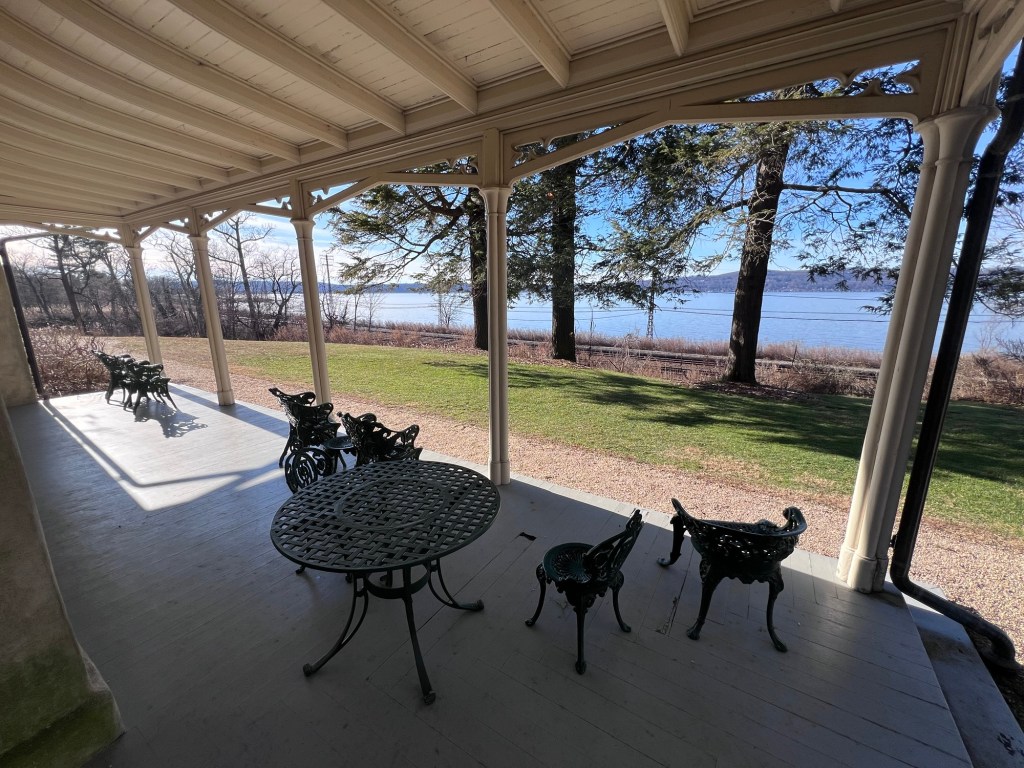
The patio of Ringwood Manor.

The outside of the house was tastefully decorated in garland and bows.

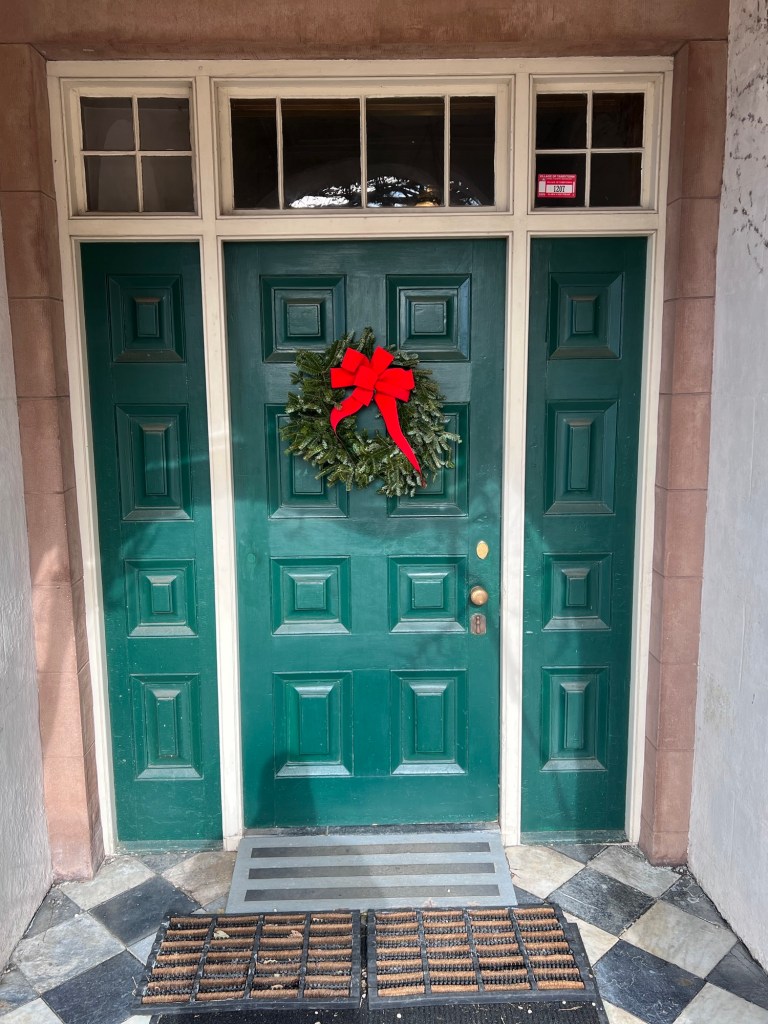
The decorated front door on the Ryerson side of Ringwood Manor.

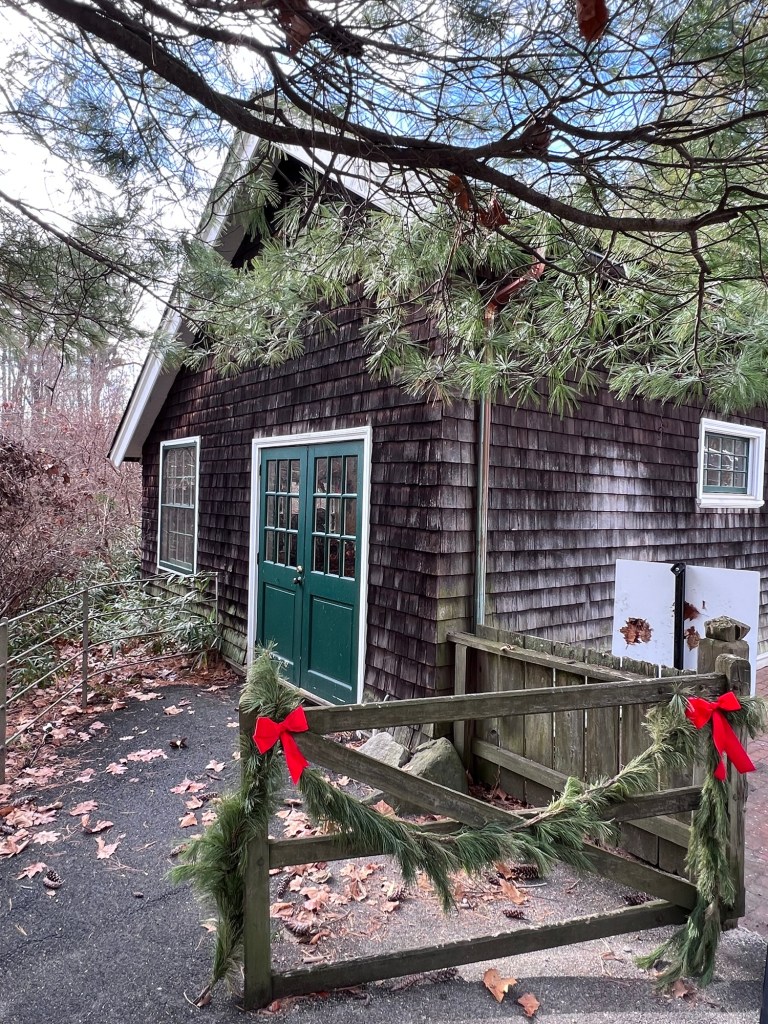
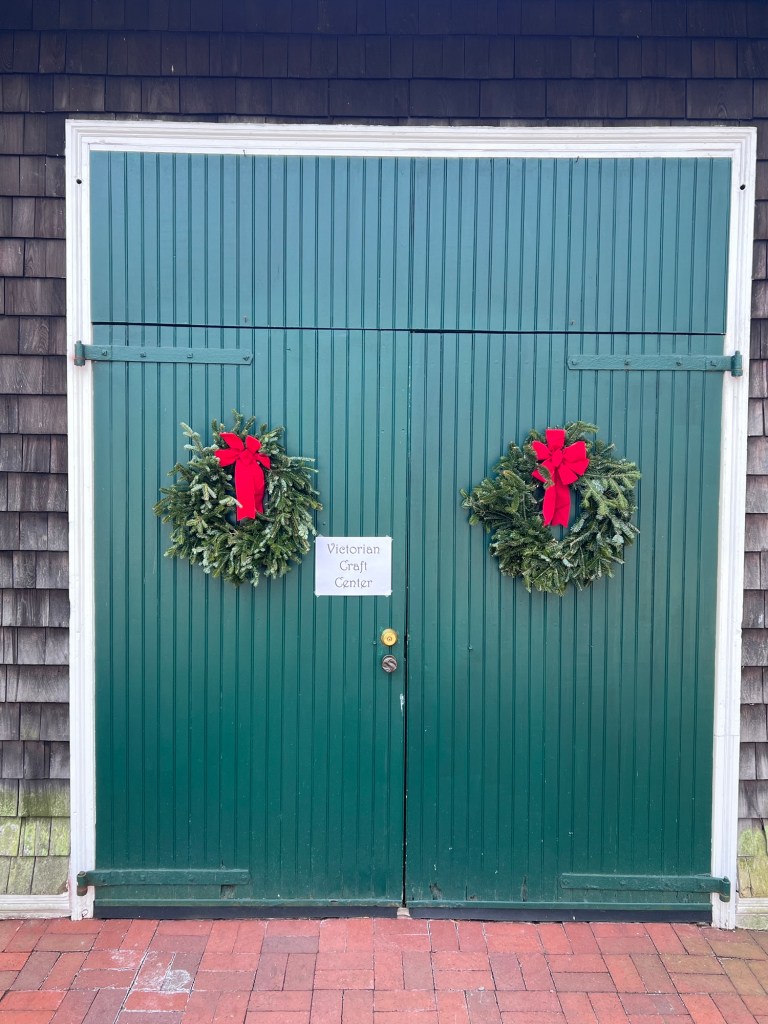
The decorated carriage house.

When you walk into the home, the first rooms is decorated tastefully around a collection of antique guns and hunting equipment. The Great Hall was decorated with garland and ornaments with a large tree in the corner.

The Great Hall of the Ringwood Manor when you enter for Christmas.

The Great Hall upon entering.

The Chamber Gun display.

The Chamber Gun display in the Great Hall of Ringwood Manor.

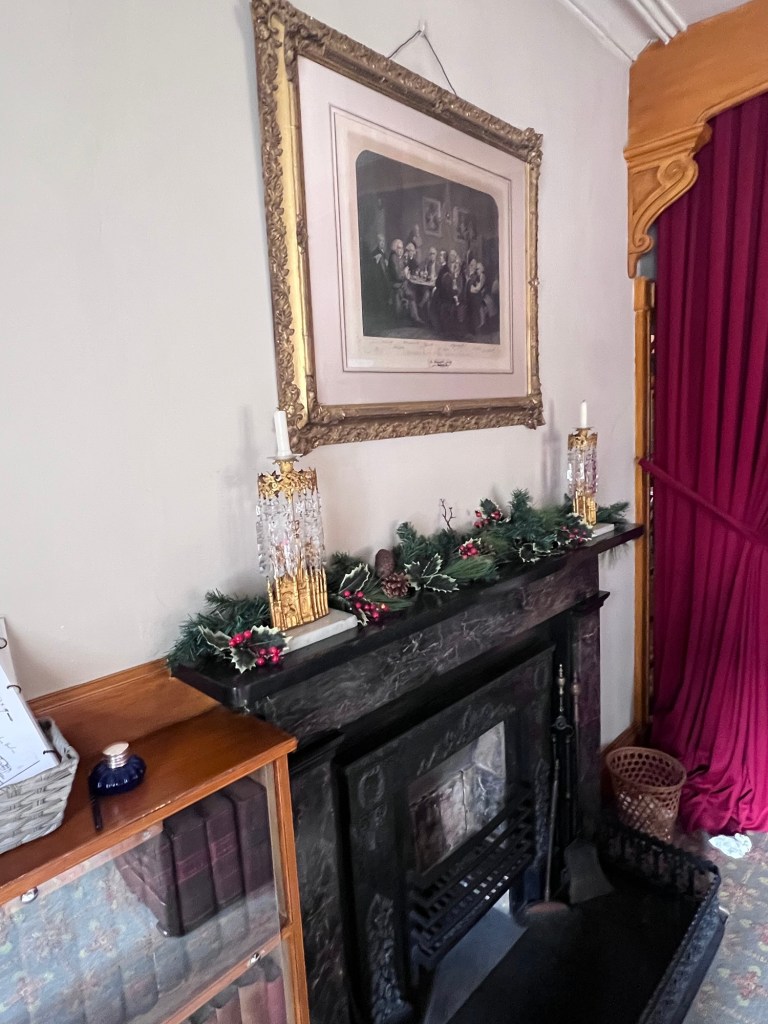
The Great Hall fireplace decorated for the holidays.

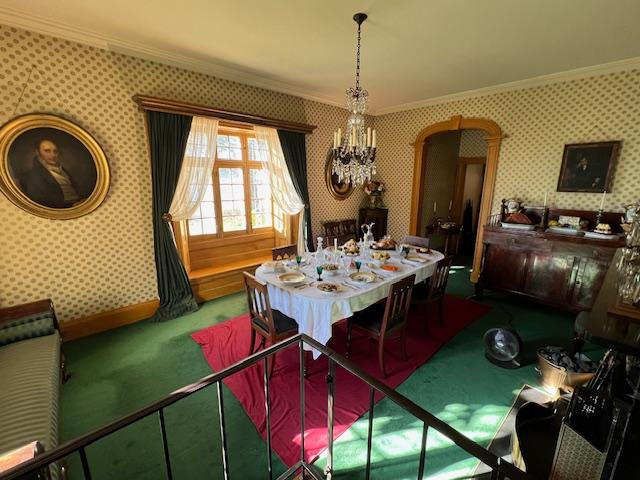
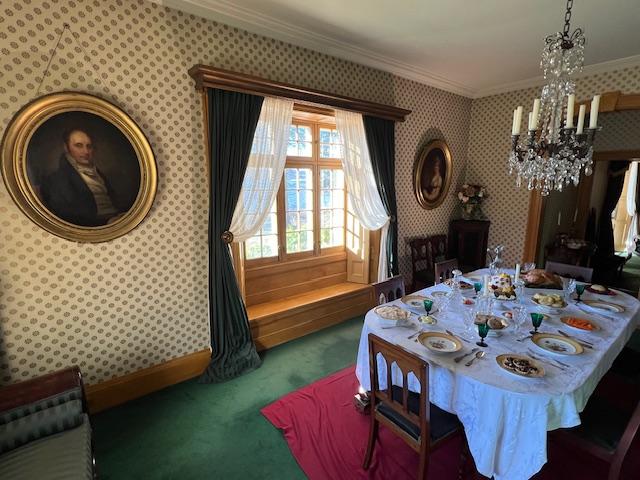
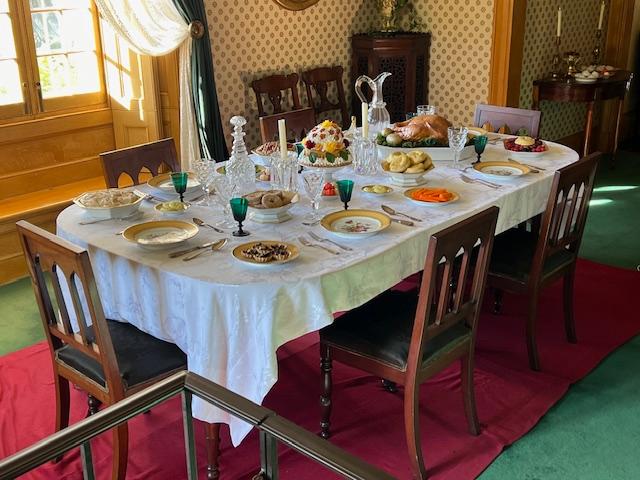
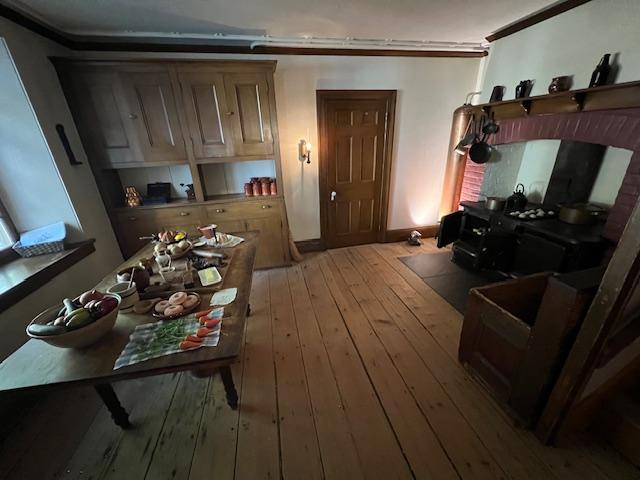
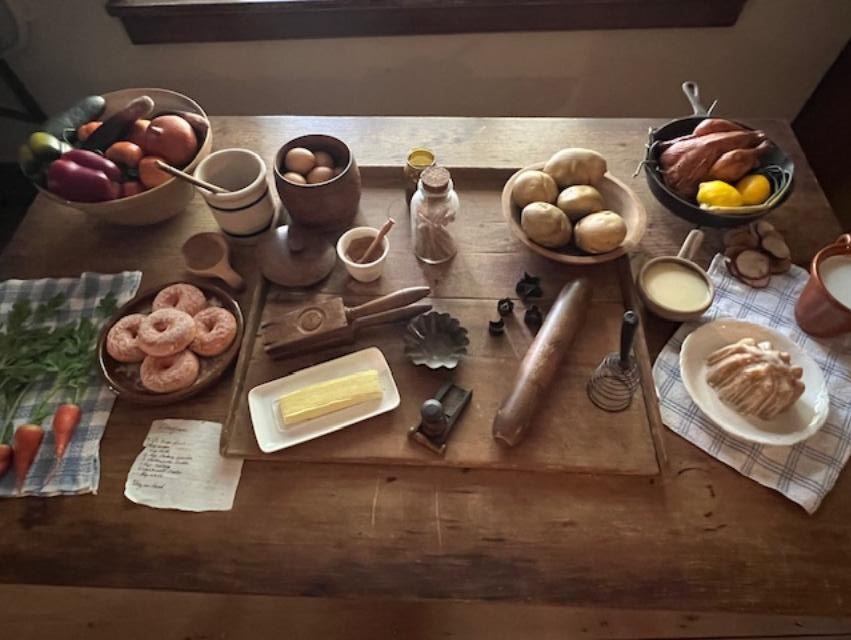
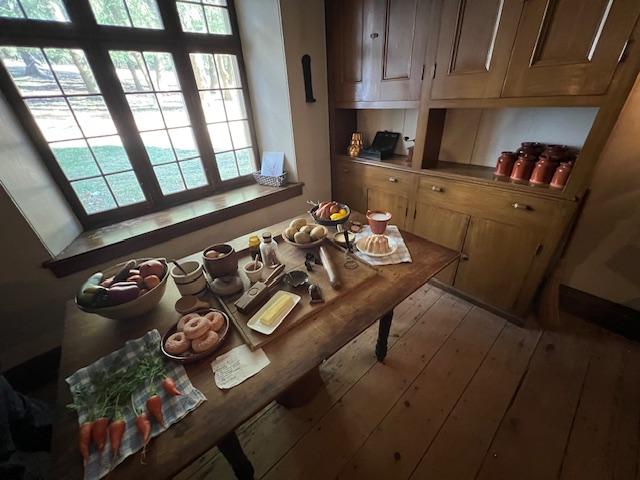
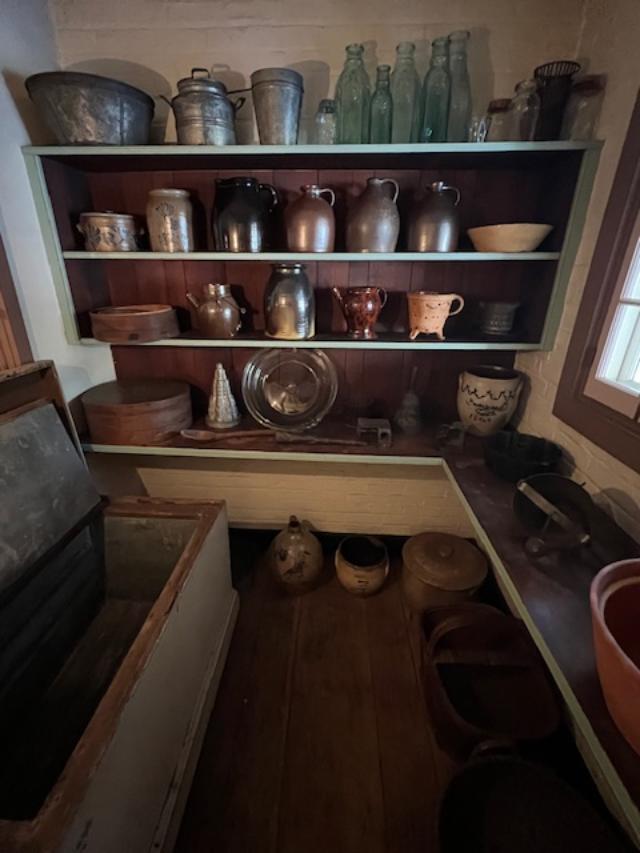
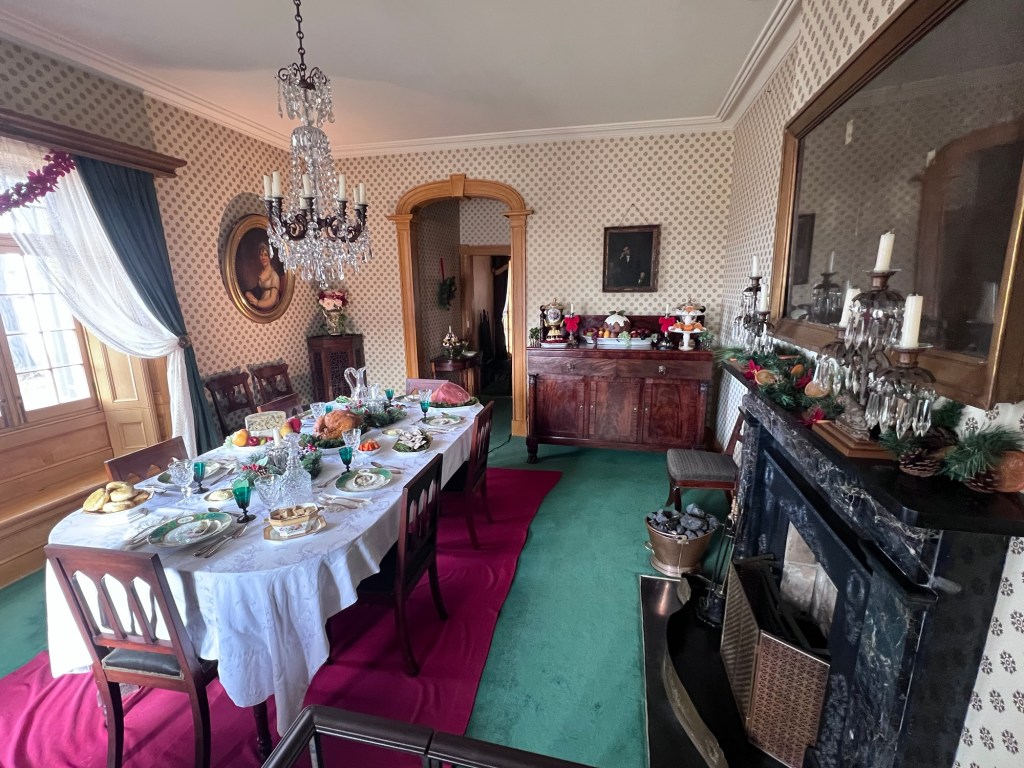
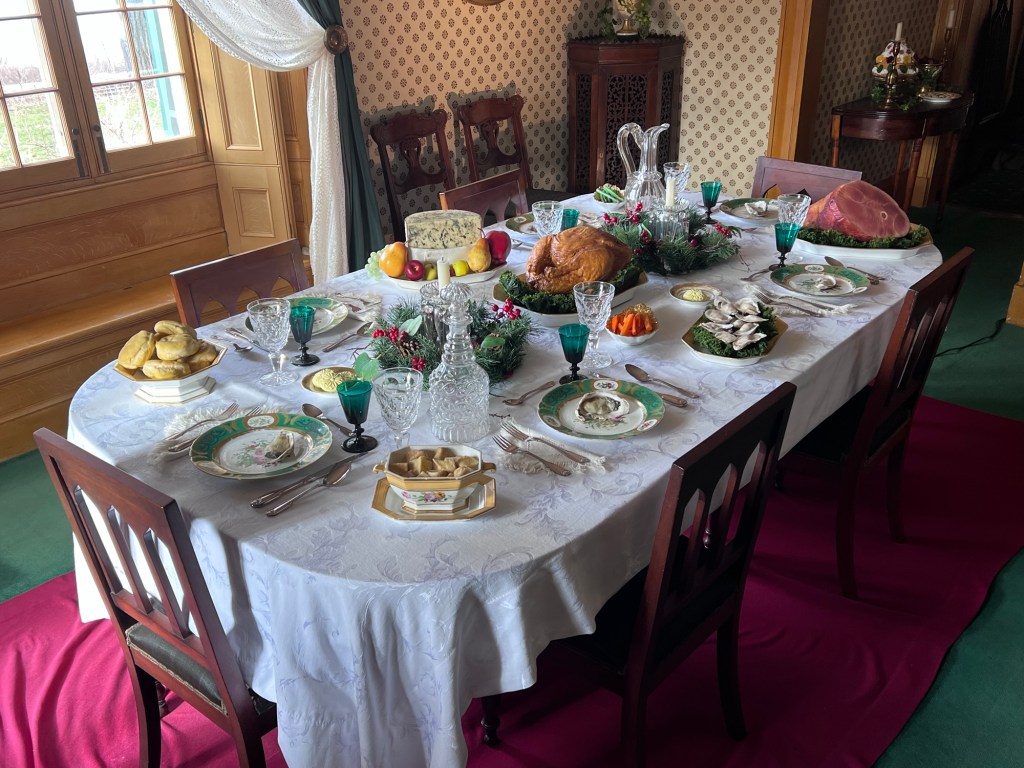
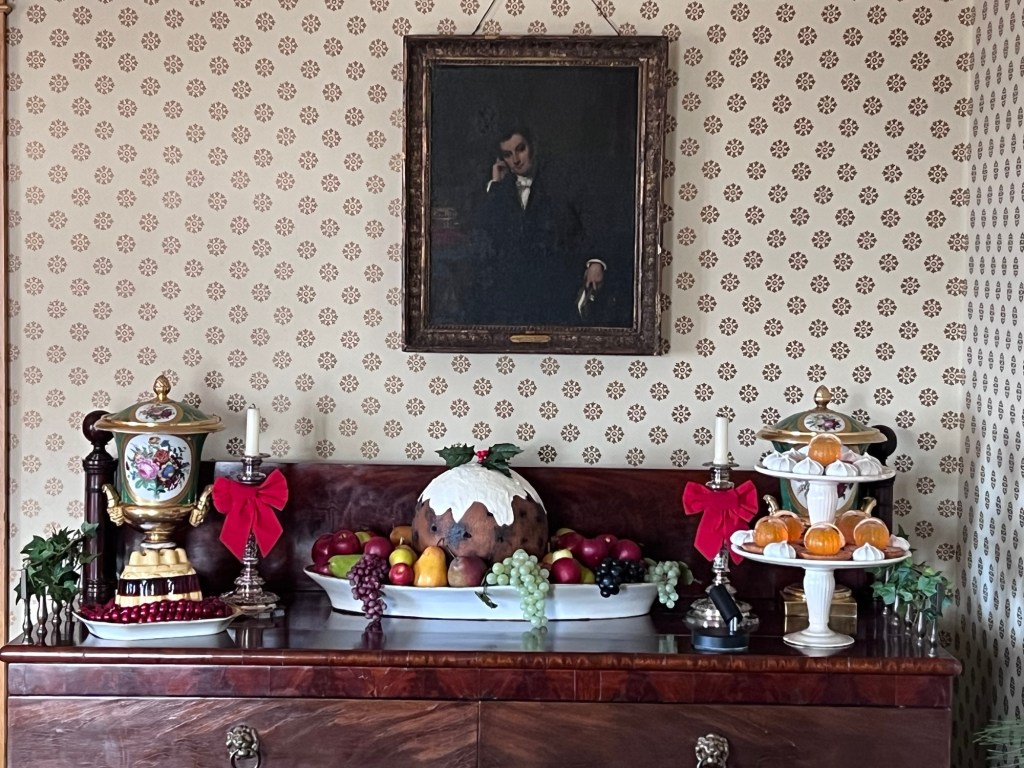
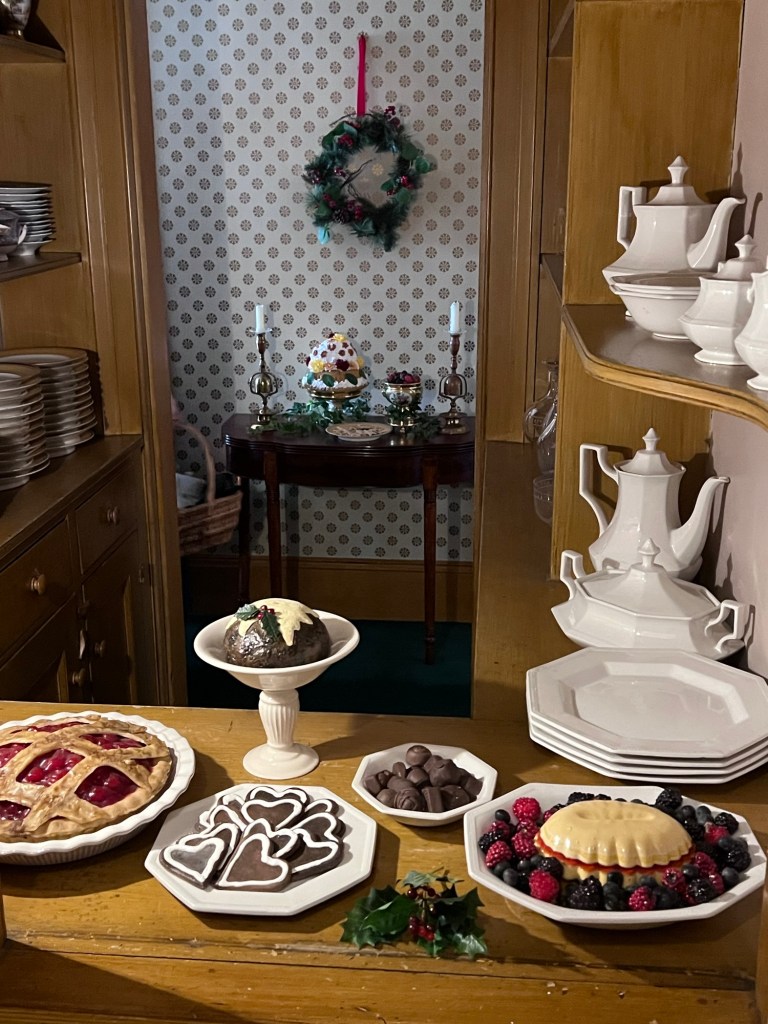
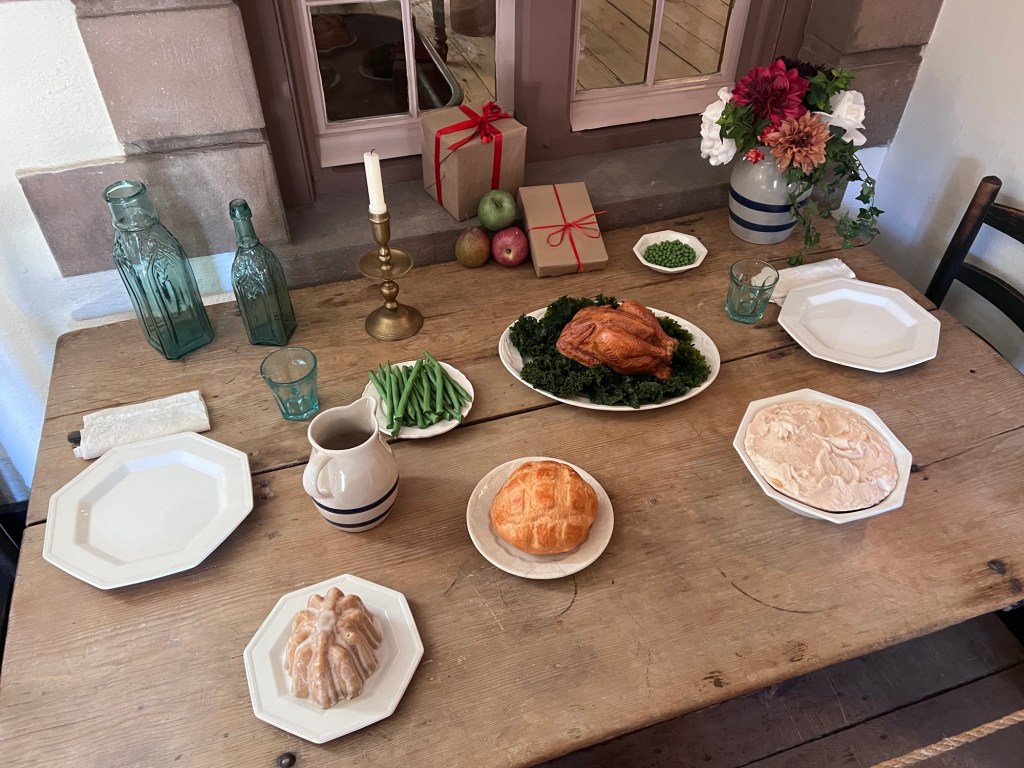
The formal dining room was set for Christmas dinner for the family after church. The elegant china was set on the table with poppers and small Christmas gifts for the guests. The side boards were set with the dinner entrees and sides for the family meal. There was a little discussion of how the Hewitt family would entertain during the holidays and in 2019 and in 2023, they opened up the kitchen and Butler’s pantry for touring.

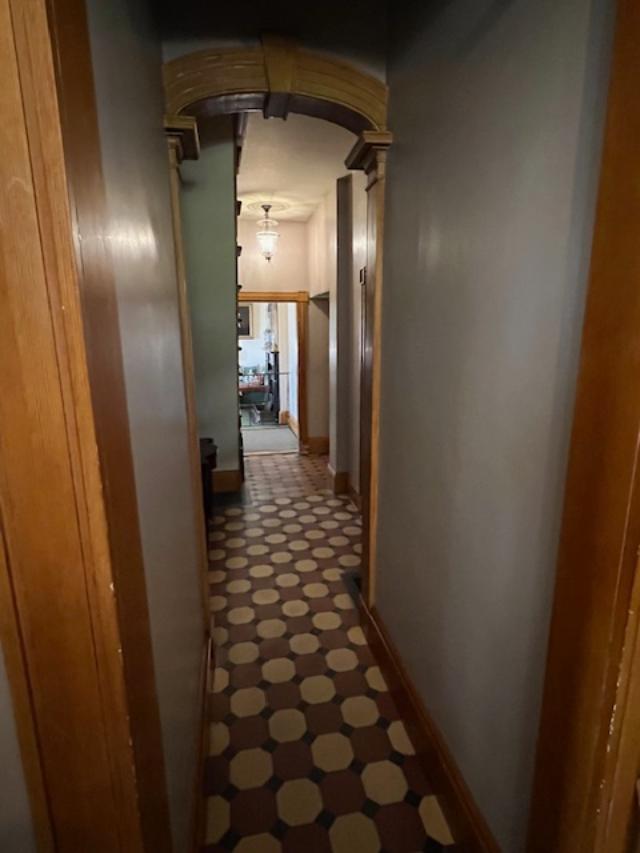
The Hallway leading to the formal Dining Room.

The decorated staircase in the Great Hall

The Great Hall hallway

The Dining Room sign

The Dining Room at the Ringwood Manor.

The Dining Room set for Christmas dinner.

Dining Room set for Christmas dinner beautifully.

The details of the Dining Room

The Dining Room paintings and details.

Preparing for the holidays in the Dining Room

The statuary of the Dining Room

The lighting fixtures of the Dining Room.

Each room was set for the holidays with garlands, trees and decorations. As it was explained to me on another house tour during the holidays, the Victorians would normally only decorate one or two rooms for the holidays and not the whole house. The whole house might be decorated based on the wealth of the family and the amount of servants to take care of the home. Needles would have to cleaned up and the trees would have to be attended to on a daily basis.

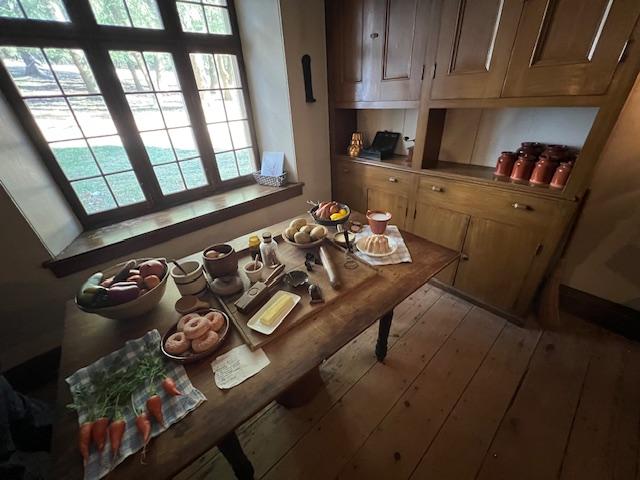
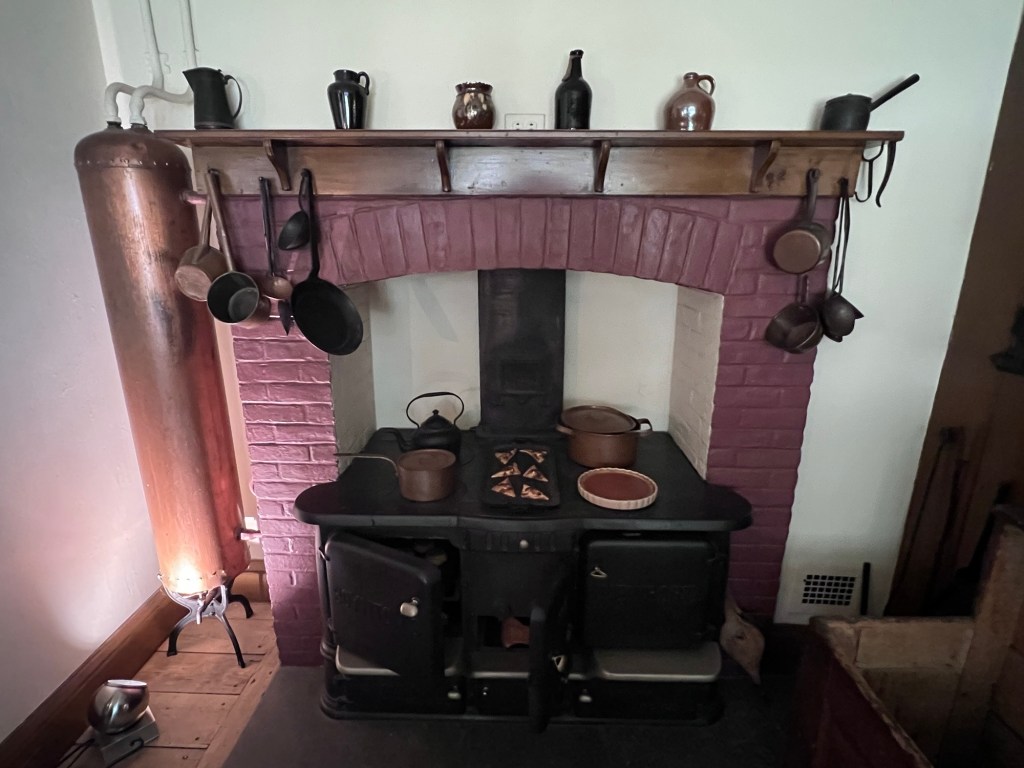
the Butler’s Pantry just off the Dining Room

The Butler’s Pantry in preparation for Christmas dinner

The Christmas treats in the Butler’s Pantry.

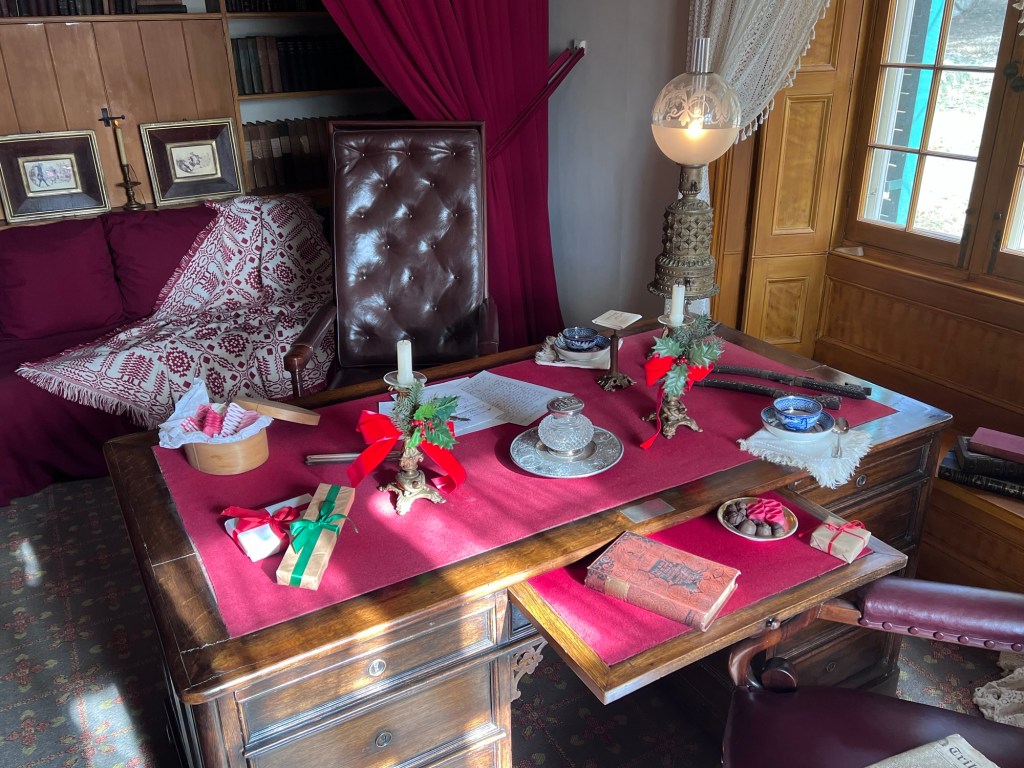
I then walked back through the house and passed by the Office on my way to the social rooms of the first floor. The office is where business was taken care by Mr. Hewitt when he was in residence.

Mr. Hewitt’s Office decorated for Christmas

Mr. Hewitt’s office at Christmas time.

The Christmas tree in Mr. Hewitt’s office.

Before I left this part of the house, I passed the Breakfast Room which is just off the Dining Room. It had beautifully decorated for a Christmas breakfast.

The Breakfast Room sign

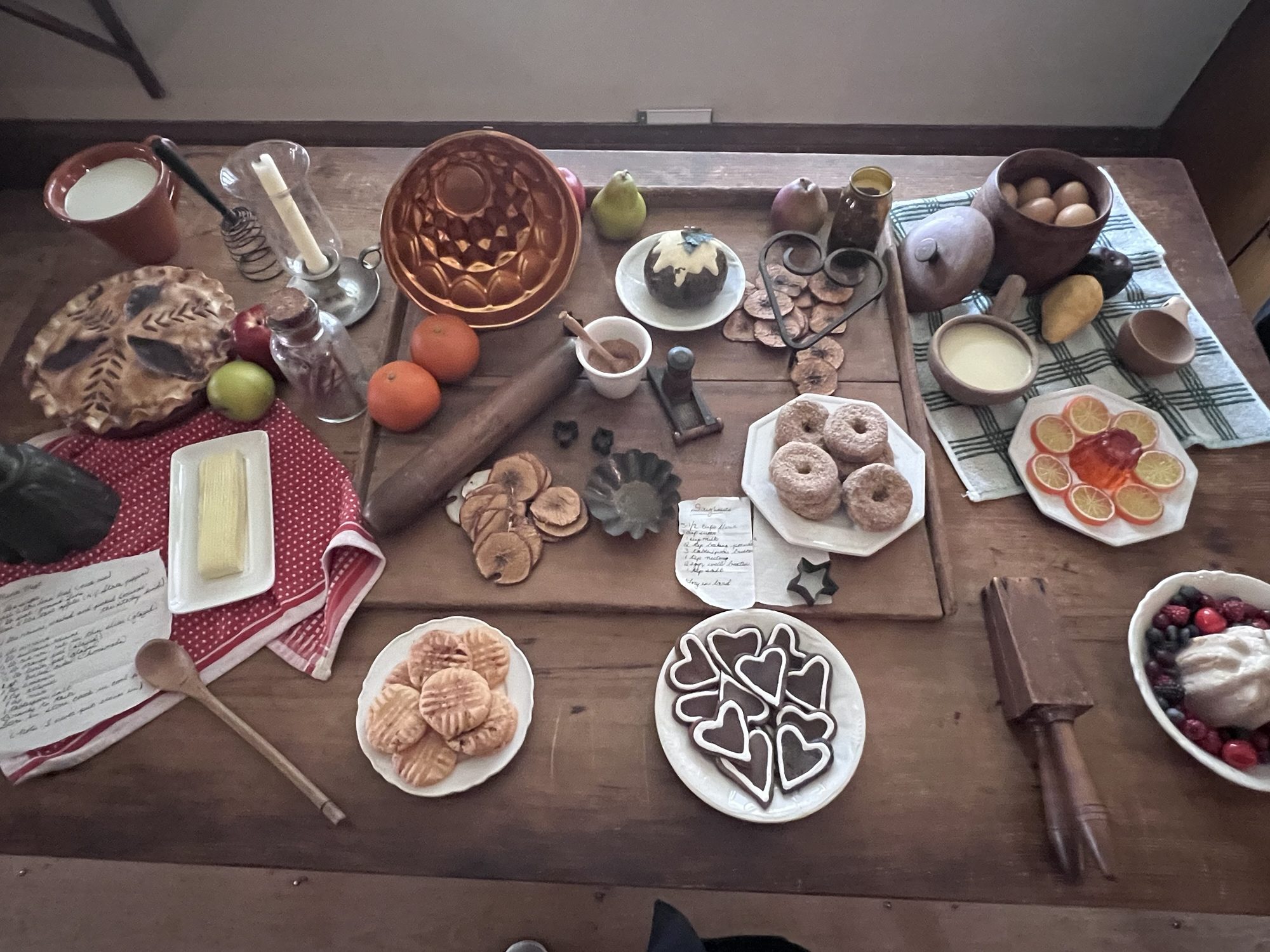
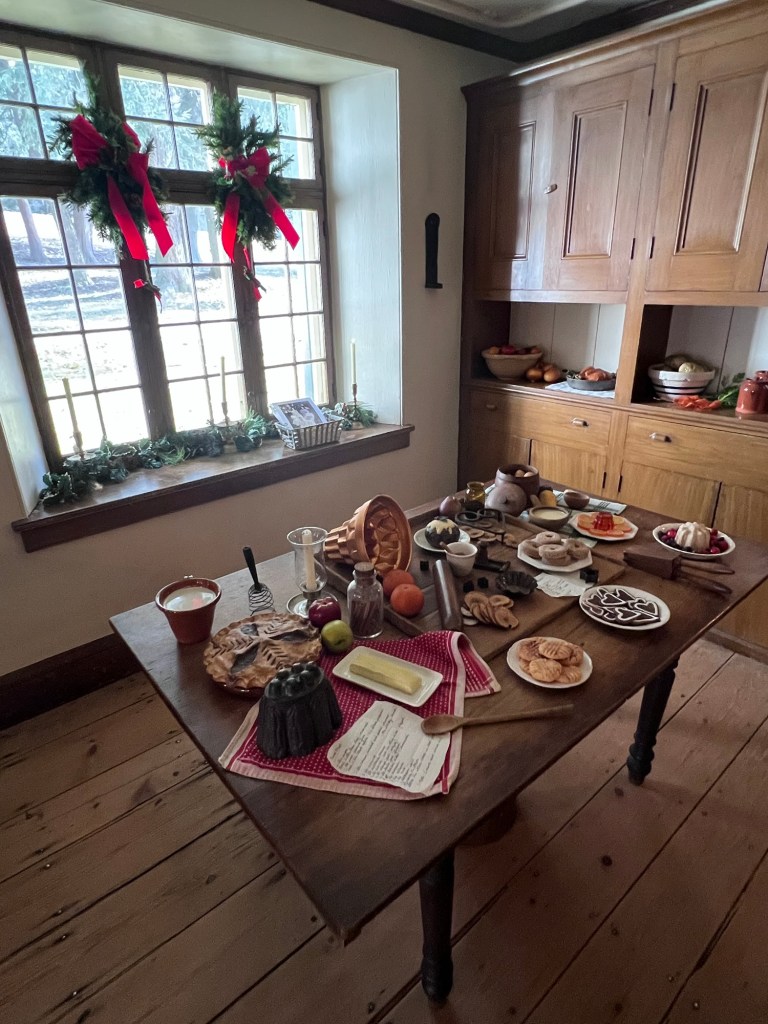
The Breakfast Room was decorated with desserts and sweets for the Christmas holidays.

The Breakfast Room beautifully decorated for the holidays.

The Breakfast Room for a Christmas feast.

The Christmas tree in the Breakfast Room.

Before entering the Great Hall, I visited the Receiving Room, where guests waited until dinner was served.

The Waiting Room

The Waiting Room was for guests to relax and wait for Mr. & Mrs. Hewitt.

The Waiting Room fireplace is nicely decorated.

The ‘Birdcage’ in the Waiting Room

Passing through the Great Hall again, I entered what had once been the original Ryerson House built in the early 1800’s. The first room on the tour of this side of the house was the French Drawing Room decked out for the holidays. This room was used by the ladies after dinner was over to converse and get away from their husbands, who would have still been in the dining room.

French Drawing Room, the “Withdrawing” room.

The French Drawing Room

The French Drawing Room in all its Christmas glory.

The Christmas tree in the French Drawing Room

The fireplace in the French Drawing Room.

On the other side of the house is the original Ryerson mansion that was added on by the Hewitt’s when they bought the house. The older house had the original moldings and windows from the early 1800’s and that side of the house had a different feel to it starting with the original entrance and staircase.

The Ryerson Staircase and foyer sign

The Ryerson Staircase and foyer

The decorated Ryerson staircase.

One of the nicest rooms that was decorated was the screened in porch. Here there was a tree set with presents, hot house flowers and garland lining the room. The sunlight shined throughout the room and the decorations sparkled.

The South Ryerson Parlor

The South Ryerson South Parlor

The fireplace in the South Parlor.

The latest addition to the house was the screened in porch, The Glass Piazza, of the house which was used in the summer months for rest and relaxation. The screen in porch was beautifully decorated for the holidays with all sorts of Christmas trees and decorations.

The Glass Piazza, the screened in porch of the main house.

The Glass Piazza decked out at Christmas time.

The doll mini tea service in the Glass Piazza.

The Glass Piazza set for tea at the holidays.

The Glass Piazza at Christmas time.

The beautiful Christmas tree in the Glass Piazza in 2023.

When you leave the Glass Piazza, you enter the original part of the house again with the North Ryerson Parlor. This room was used by the family for less formal affairs but it was still decked out of the holidays.

The North Ryerson Parlor

The Ryerson North Parlor decorated for tea.

The Ryerson North Parlor fireplace decorated for Christmas time.

The last room I visited on the tour was the Music Room in the original Ryerson House. The room was used by both the Ryerson’s and the Hewitt’s for social occasions and the Hewitt’s were all musically inclined.

The Music Room at the Ringwood Manor

The Music Room at the Ringwood Manor.

The Music Room at the Ringwood Manor.

The fireplace in the Music Room decked out for the holidays.

The Music Room during Christmas time.

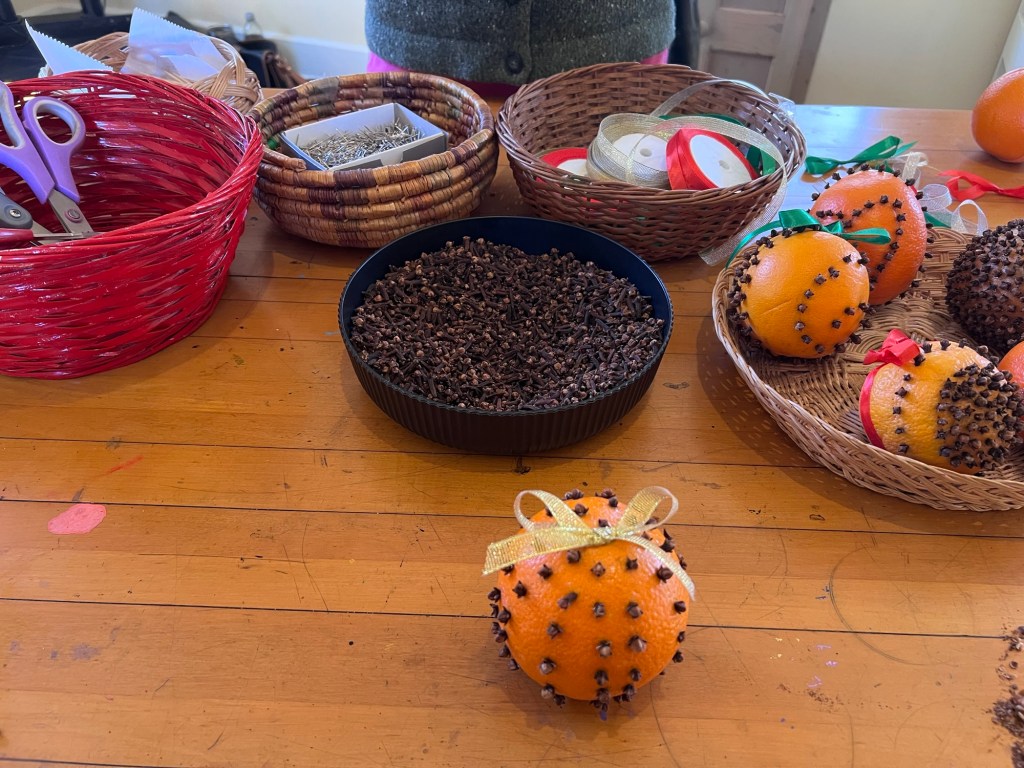
Each room had a docent to explain the decor or what the room’s use had been in the family’s time. A visitor can roam the house at their leisure and see the rooms as many times as they want. There is also a gift shop in a room off the formal dining room that contains some beautiful Christmas crafts for sale by the Women’s Club of New Milford. Some of these women are very creative and sell the most amazing Christmas ornaments made of glitter, wood, branches, walnuts and moss.

Ringwood Manor Christmas 2019 II

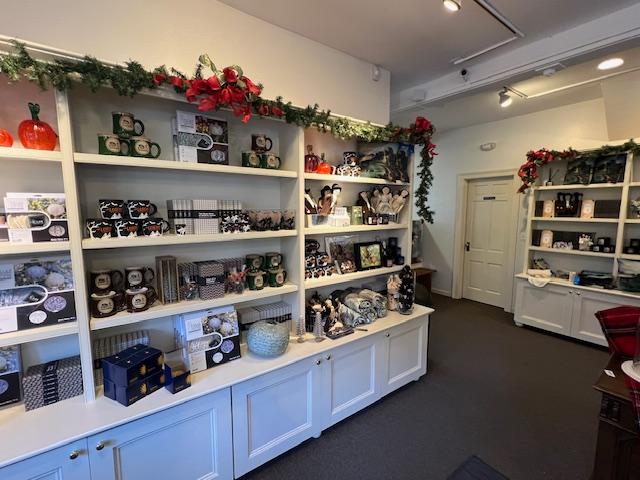
The Gift Shop in the old Carriage House was filled with homemade goodies and handmade crafts and ornaments.

The decor of the home changes over time and there are different things to see every year. The barn also on the property as you drive in has more artwork and crafts. In the Gardener’s Shed next to the house, the Society has a small cafe with sandwiches, desserts and coffee/tea/hot chocolate.

The Carriage House was used as a gift shop and a place to get something to eat.

The tour of Ringwood Manor is wonderful during the holiday season and the rest of the house opens up during the warmer months of the year.

History of the House:

This 582 acre historic site is open to the public year round. The historic house museum, Ringwood Manor is open Wednesday to Sundays year round.

History of 19th Century Manor House and Landscape:

The present manor house was begun by Martin J. Ryerson in 1807. He and his sons controlled not only the iron mines and forges on the property but also operated productions at four other locations in the area. The Ryerson family resided in their 10 room Federal style home for almost 50 years.

The entrance to the historical home.

In 1853, the Ryerson’s house and property were purchased by business partners Peter Cooper and his son in law Abram S. Hewitt. The 22,000 acre ironworks and the Ryerson’s home were purchased for a sum of $100,000. Their company, Cooper-Hewitt & Company, grew to be the fifth largest corporation in the United States. The Hewitt’s, one of the most influential and wealthiest families of the 19th century, fell in love with the Ringwood estate.

The expanded Ringwood Manor estate in the winter months.

Ringwood manor at the holidays.

They decided to make this site of their summer home, naming it The Forges and Manor of Ringwood. They enlarged the home of the Ryerson’s, constructing major additions or renovations in 1864, 1875, 1900 and 1910. The completed 51 room house is 226.5 feet long and features 28 bedrooms, 24 fireplaces and 13 bathrooms and more than 250 windows. The house was built in an eclectic style, typical of the Victorian period. In 1875, the Manor House was an excellent example of the Gothic Revival style of architecture. By 1900, the Hewitt’s changed the exterior facade to its present appearance, adding the neo-classical portico and columns of the front porch and affixing white stucco to the exterior walls. The furnishings of the house reflect the varying tastes and styles of the family and time period.

Ringwood Manor during the holidays.

The formal gardens surrounding the Manor House were developed by Mrs. Hewitt and her daughter, Eleanor around 1900. Their design was influenced by the Hewitt’s many trips overseas. The gardens possess a mysterious old world charm that captivates visitors as they enjoy the serenity of reflecting pools and the progression of blooms from early spring to late fall. Placed throughout the garden are French and Italian statuary and garden ornaments as well many interesting architectural items from New York City acquired while Abram Hewitt served as Mayor and Congressman. Examples of these features include columns from the old New York Life building, gates from the Astor family’s home and gate posts from Columbia College. Relics from the iron company that are found on the grounds include a trip hammer and anvil, cog wheel and a Dictator-class mortar the base of which was created by the Hewitt’s company and used at the Battle of Vicksburg in Mississippi during the Civil War.

History of Ringwood, NJ:

Colonial Ringwood:

Long before the Forges & Manor of Ringwood existed this property was occupied by the Native American people. Prehistoric artifacts found on the grounds confirm their inhabitants back to the Archaic and Woodlands periods. Living in a hunting and farming paradise, these Munsee-speaking Lenape peoples dwelled at the head of the Topompock or Ringwood River Valley. This paradise attracted colonial prospectors, who by 1740, came for the iron ore found in the ground. Recognizing the rich magnetite ores, Cornelius Board settled here in 1739 and first utilized the property for iron mining. He was followed shortly thereafter by the Ogden family who established the Ringwood Company and built the first blast furnace here in 1742.

After twenty years of production, a German promoter, Peter Hasenclever, organized the American Iron Company to exploit the resources in colonial North America, purchasing the Ringwood area in 1764. He would also develop forges at Long Pond and Charlotteburg but made Ringwood the center of his iron empire. Hasenclever established iron plantations and developed the production of flax and timber across 50,00 acres of land stretching through New Jersey and New York, from present day Butler to New Foundland and Nova Scotia. The iron was said to have been “the best iron in the American colonies.” Robert Erskine, the last ironmaster of the American Iron Company, was sent from England in 1771 and would manage the company during the Revolutionary War.

(History of Ringwood, NJ)

Van Cortlandt House Museum in Van Cortlandt Park at Broadway & West 246 Street                                              Bronx, NY 10471

Van Cortlandt House Museum in Van Cortlandt Park at Broadway & West 246 Street Bronx, NY 10471

Van Cortlandt House Museum

Van Cortlandt Park at Broadway & West 246 Street

Bronx, NY  10471

(718) 543-3344

infor@vchm.org

Open: Tuesday-Friday 10:00am-4:00pm/Saturday & Sunday 11:00am-4:00pm

Admission: $5.00 for Adults/$3.00 for Seniors & Students/Children under 12 are free/General Admission is free on Wednesdays. Guided and group tours are available.

Review on TripAdvisor:

https://www.tripadvisor.com/Attraction_Review-g47369-d103501-Reviews-Van_Cortlandt_House-Bronx_New_York.html?m=19905

The Van Cortlandt House:

Welcome:

Van Cortlandt House during Christmas time

The entrance of the Van Cortlandt House decorated for the Revolutionary era Christmas

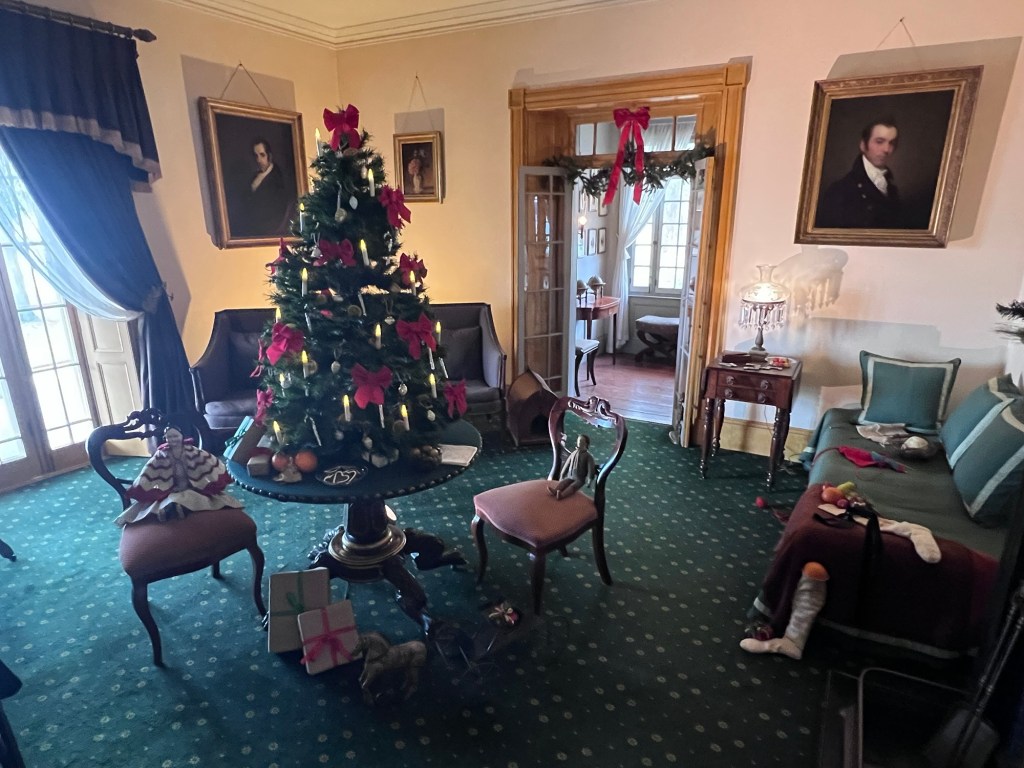
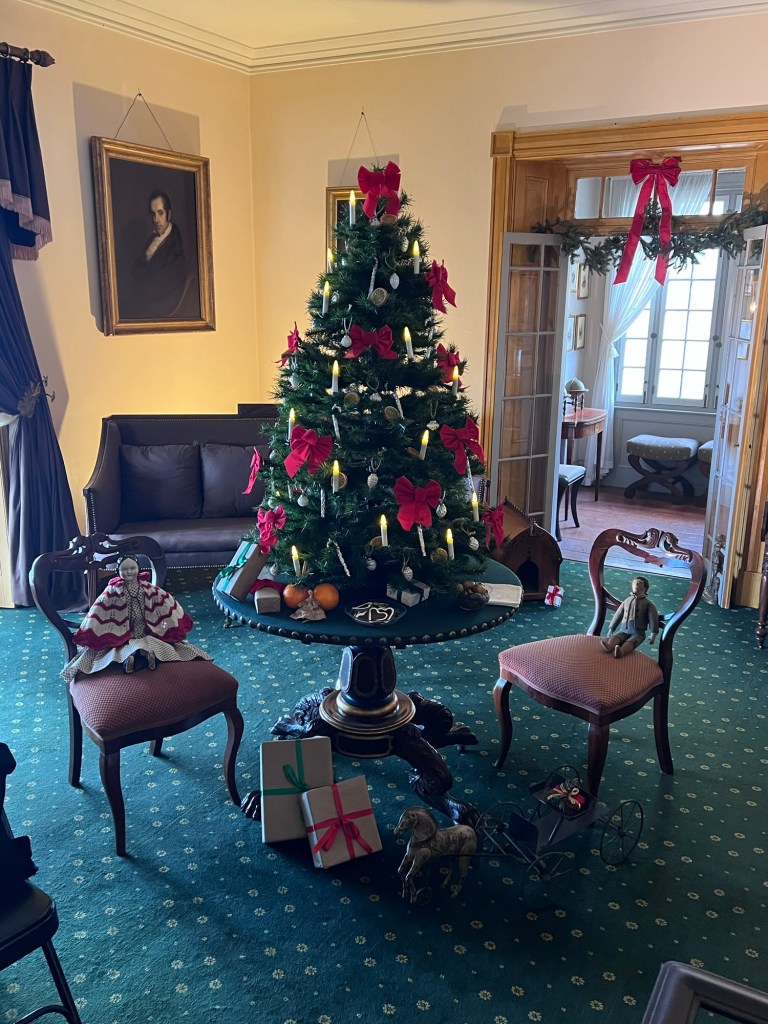
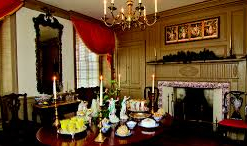
I visited the Van Cortlandt House Museum for the their Annual Christmas Decorated House event. The mansion was decorated for Christmas in the 1700’s so it was not overdone as it would during the Victorian times. The front of the house entrance was done with sprays of holly, mistletoe above the door and garlands of pine around the banister and fireplaces. The windows had candles in them and the dining room was set for Christmas luncheon in post-Revolutionary War era.

Van Cortlandt House VI.jpg

Van Cortlandt House for Christmas is Post-Revolutionary War in 2019

The entrance hall welcomes you to a Revolutionary era holiday season

While most of the house is represented during the Dutch era with floors with no rugs, vintage furniture and decorations and the second and third floors are set for family entertainment. The first floor is set for entertaining for the holidays with the formal dining room, family parlor and the formal living room for games and dancing. The formal dining room was the only room decorated post-Revolutionary War era.

van cortlandt mansion xmas ii

Van Cortlandt Mansion at Christmas 1800’s

The current entrance to the house from the back of the building

Until the Victorian era, Christmas was a more religious affair with church service in the morning and luncheon in the afternoon. Things were formal and less elaborate. The acts of gift giving, sleigh rides, tree decorating and card giving came during the affluence of Queen Victoria’s reign in the post Civil-War era. This is the reason why the house is decorated so simply and elegantly.

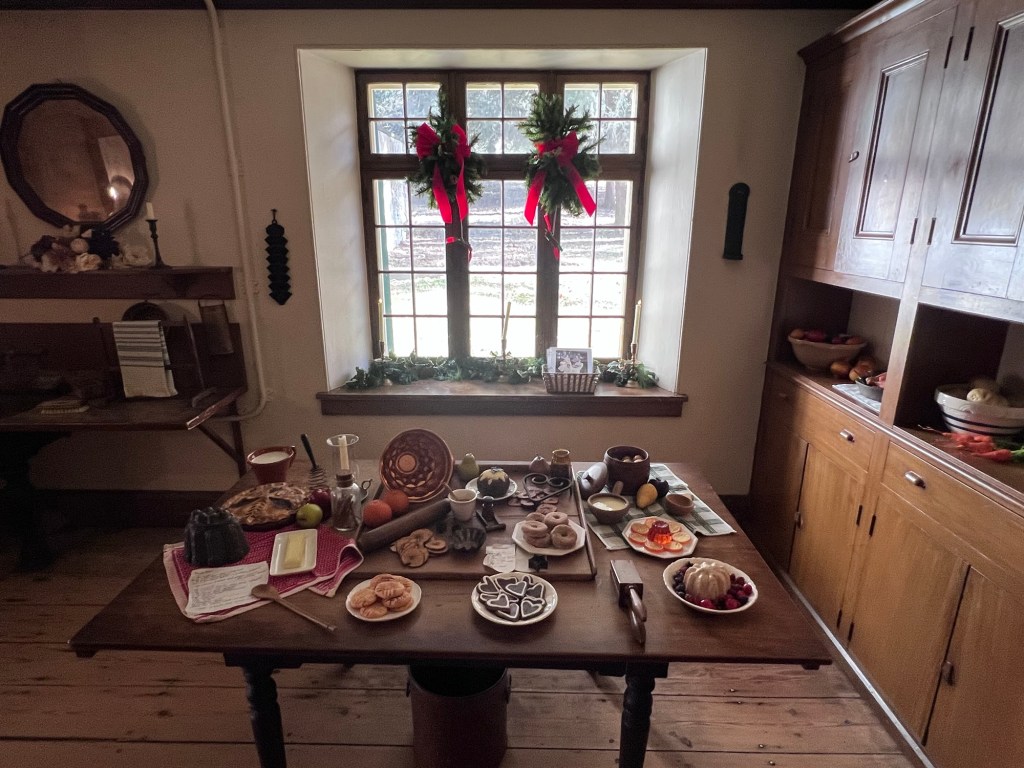
Dining Room set for Christmas lunch circa 1780’s

In 2019, the site celebrated the holidays with a Sinterklaas, a Dutch Christmas celebration, a candlelight tour and a reading from Santa Claus. Please check their website for more information on future events. The house was closed for most of the COVID years and nothing had been planned. The house was open in December of 2022 for touring again for the holidays but was not decorated as much as in the past.

In 2022, when the house reopened after a long period of COVID, the self-guided tours were back and you could tour the house at your own pace ($5.00 donation) and tour the three floors of furnished rooms. You can see how the family lived from the three generations that lived in the residence.

The tour starts at the front hallway where guests would be received for formal affairs and for business meetings with the head of the household.

You would be greeted by servants at the entrance of the home

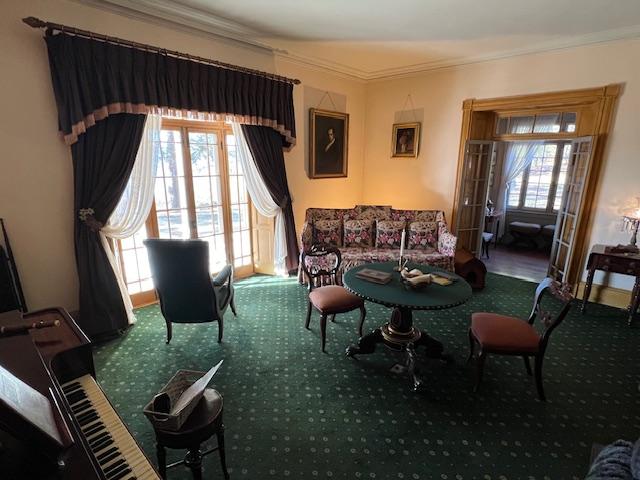
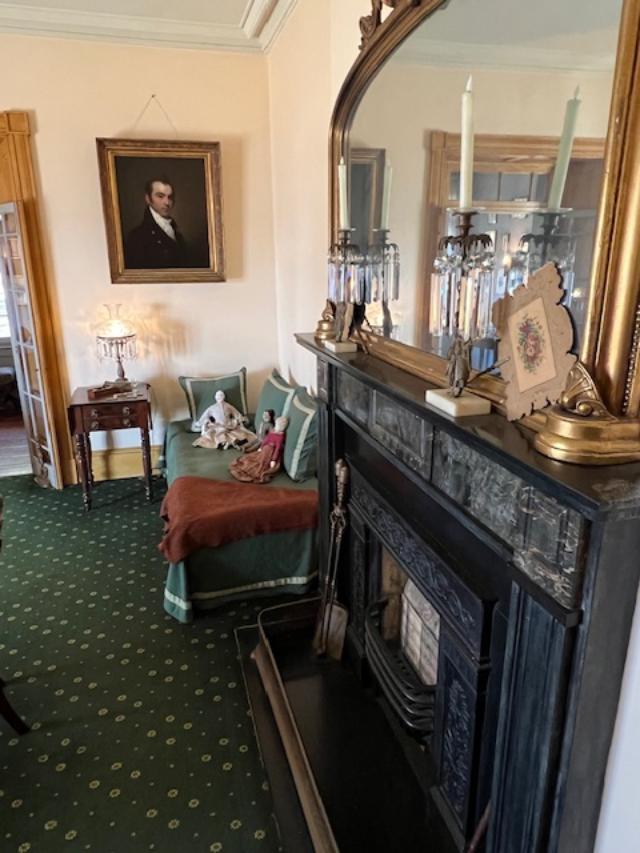
On either side of the front hallway is the East and West Parlors where you would be directed where the family would receive you. The West Parlor would have been used for business calls and more informal meetings when meeting with the Van Cortlandt family. The family’s wealth would be on display with fine furniture, china and bric-a-brac that would show off the family’s merchant roots and business.

The West Parlor

The West Parlor decorated for Christmas

The East Parlor on the other side of the entranceway would have been used for more formal affairs. The East Parlor is where the family would formally entertain guests with dancing, music and card playing. This is where long evenings of entertaining would take place and the family would enjoy their holiday celebrations.

The East Parlor

The East Parlor decorated for the Christmas holidays

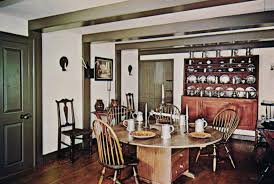
The Dining Room was toward the back of the hallway and was decorated in the Empire Design of the late 1700’s to early 1800’s. The look is very similar to styles used today and the wallpaper is a copy from one of the styles used by the family that was imported in from France. The table was set for Christmas luncheon circa the late 1780’s.

The Dining Room

The Dining Room at the Van Cortlandt House

There are two sets of stairs to the second level of the house where the family bedrooms were located. There was the formal stairs and then there was the stairs that the servants used to go from floor to floor so that they would not be seen.

The steps upstairs to the second floor

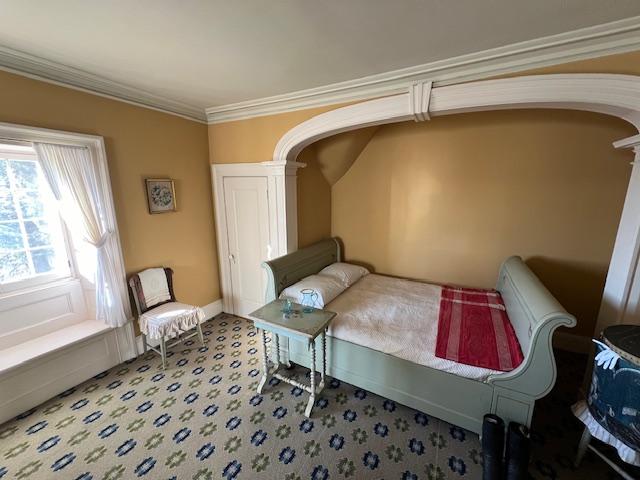
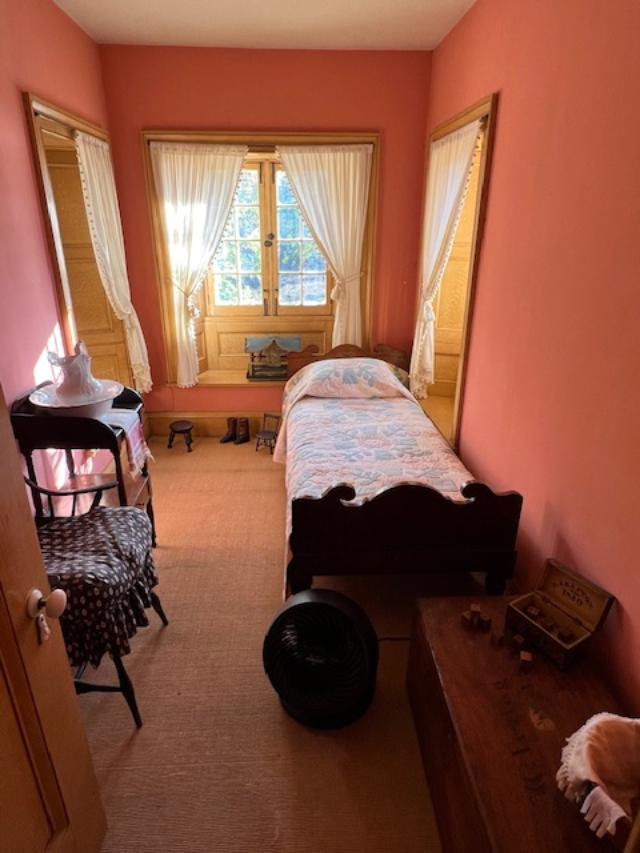
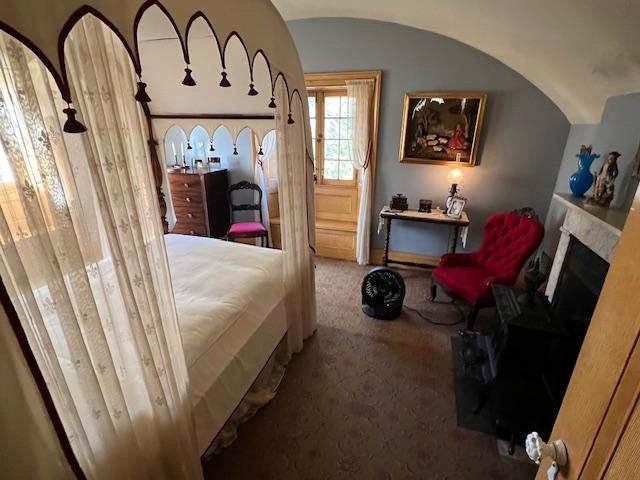
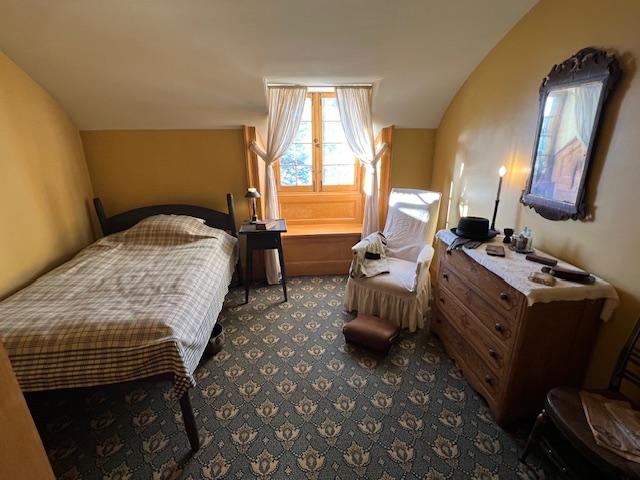
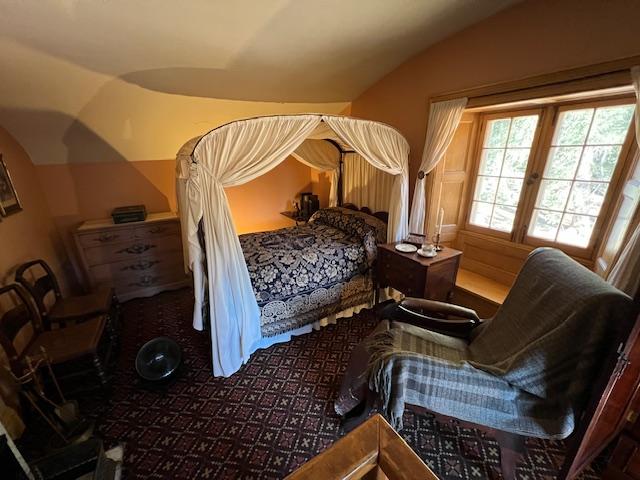
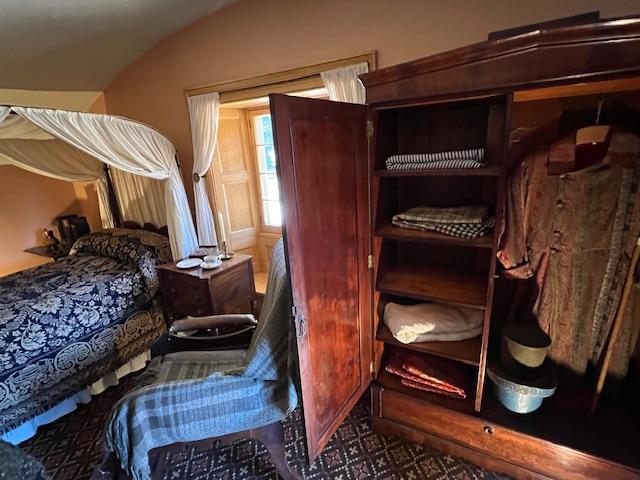
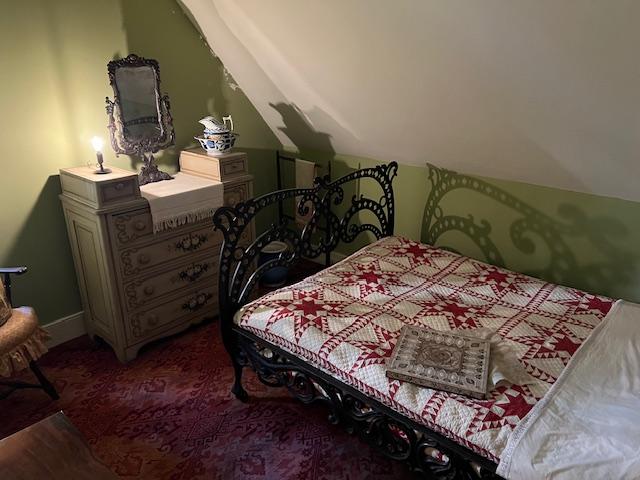
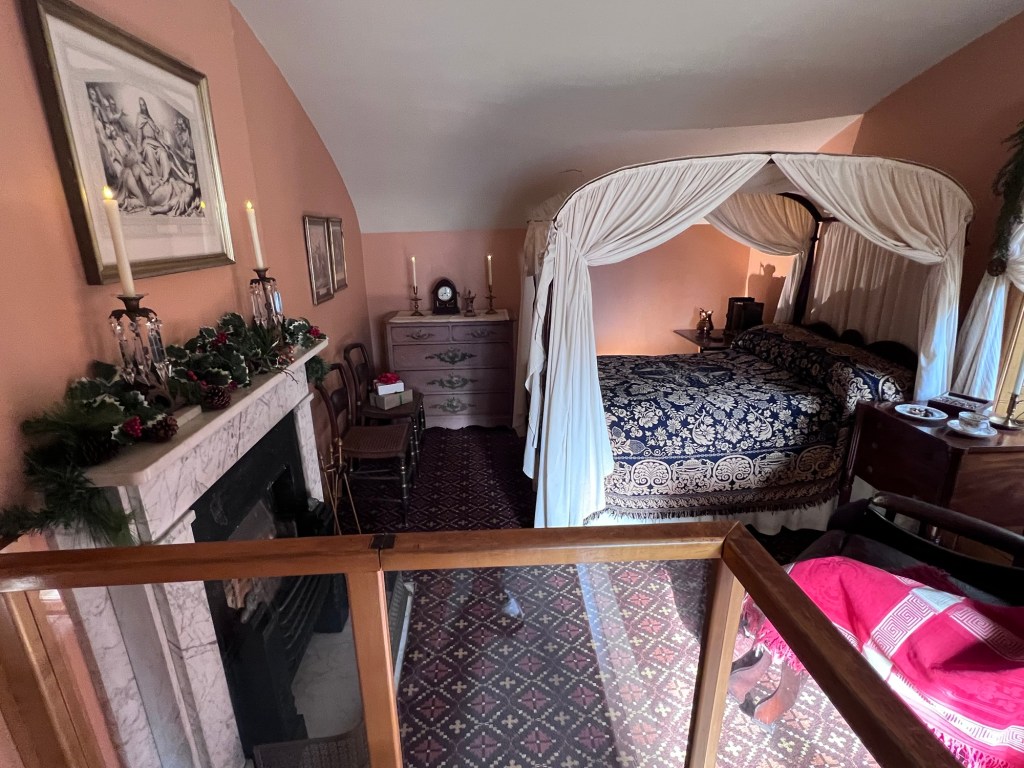
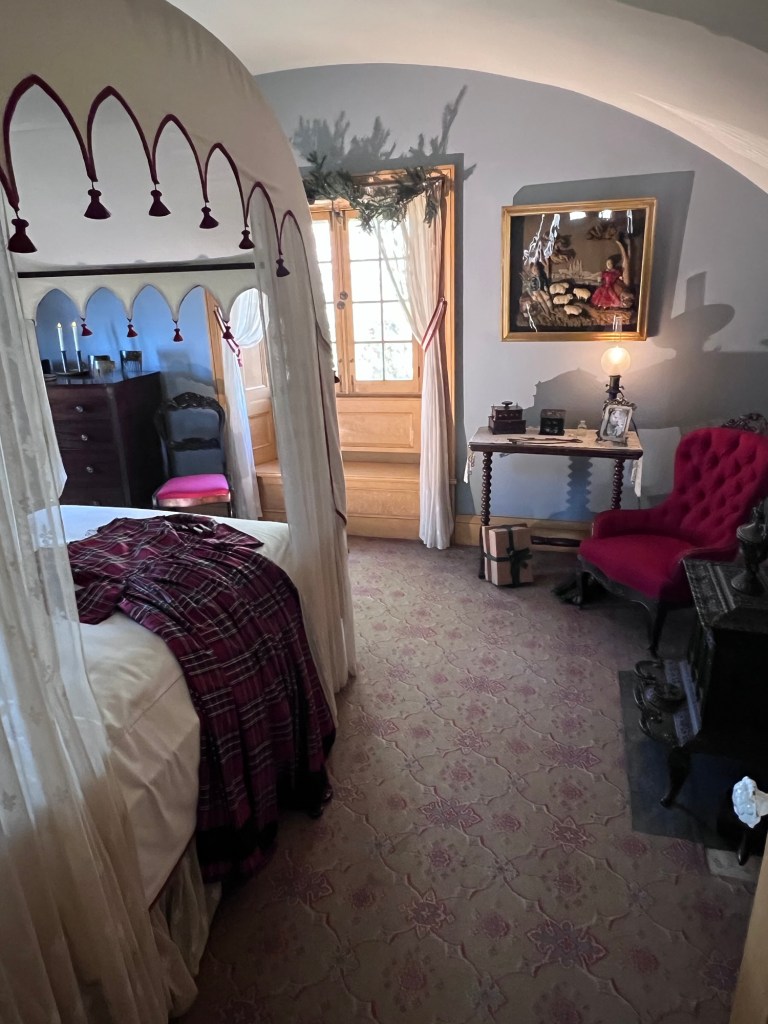
On the second floor of the home are the bed chambers of the family. The main bedrooms for the family were located here and then the nursery and servants quarters were located on the Third floor of the home.

The West Chamber:

The bedroom

The ‘Washington Bedroom’ in the Van Cortlandt House

The East Chamber Bedroom:

The Bedroom:

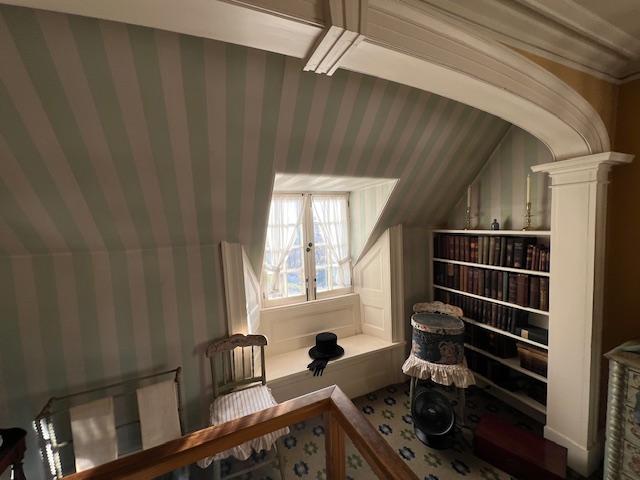
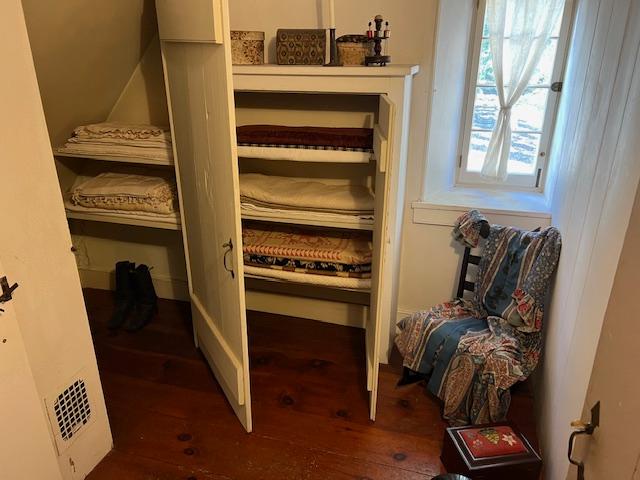
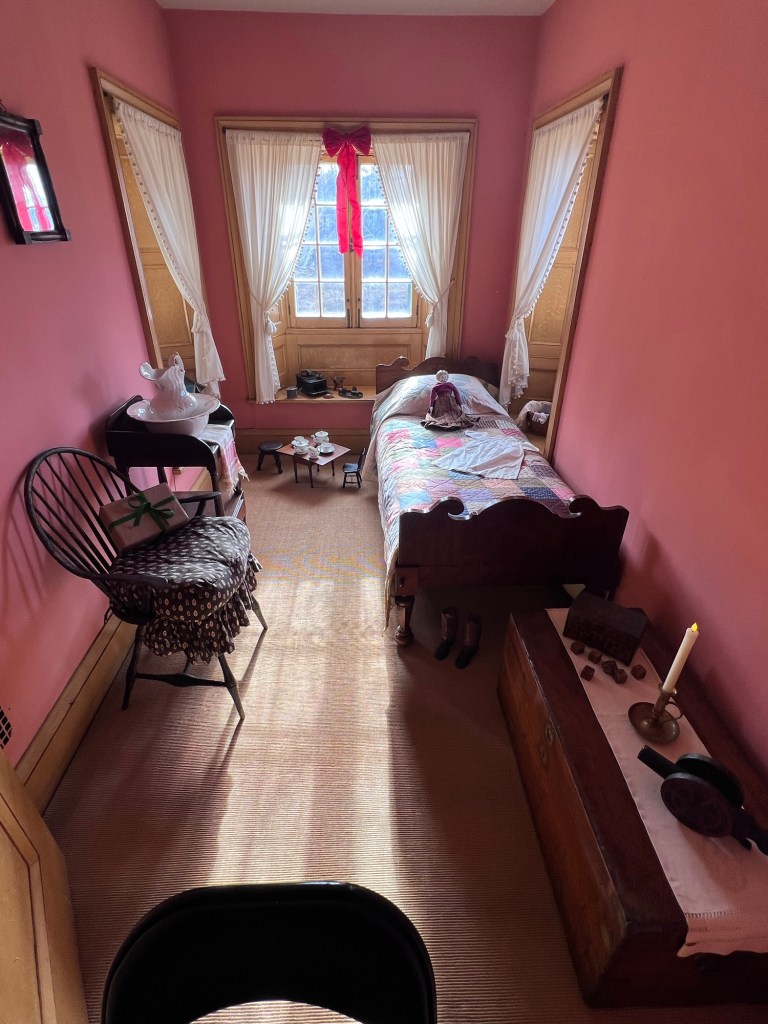
The Landing of the stairs to the third floor lead to the Nursery, an additional guest room and the enslaved servants quarters. These were kept out of site from the other members of the household. It is a reminder of the pecking order of the household and the conditions that people lived under at this time.

The Second Floor Landing leads to the nursery and servants quarters

The Dutch Chamber was formerly a guest room that is used to show life in early Colonial New York City:

The Dutch Chamber:

The Dutch Chamber shows early life in Colonial America

The Second Floor Setup:

The Nursery:

The nursery set up room:

The servants quarters were to the back of the house and were not the most glamorous place to live in the house. There were drafty and not insulated. The amount of time a servant would be here would have been minimal.

The servants quarters:

The servants quarters:

History of the Van Cortlandt’s:

The Van Cortlandt House Museum, also known as Fredrick Van Cortlandt House or Van Cortlandt House, is the oldest surviving building in New York City’s borough of The Bronx. The Georgian style house, begun in 1748, was build of fieldstone by Fredrick Van Cortlandt (1699-1749) on the plantation that had been owned and farmed by his family since 1691. Fredrick intended the house to be a home for him and his wife, Francis Jay and daughters, Anna Maria, 14 and Eve, 13. His sons, Augustus, 21 and Fredrick, 19, were not intended to be permanent residents of the house.

Sadly, Fredrick died before the new house was completed. In his will written in 1759, Fredrick left the house to his son, James Van Cortlandt (1726-1781) and a lifetime tenancy to his widow, Francis Jay Van Cortlandt (1701-1780).

Van Cortlandt House IV.jpg

The Van Cortlandt House gardens in the Summer

The Van Cortlandt’s were a mercantile family prominent in New York affairs. Fredrick’s father, Jacobus, established a thriving wheat growing and processing business on the plantation including a grist mill for processing the wheat into flour and a fleet of shallow draft boats to carry the flour from the south end his lake down Tibbet’s Brook and out to the Harlem and Hudson Rivers to market. During the Revolutionary War, the house was used by Rochambeau, Lafayette and Washington.

(From History of Van Cortlandt House and Museum)

In 1887, after 140 years of occupancy by the Van Cortlandt family and the community of plantation workers, the property was sold to the City of New York and made a public parkland. Before the house became a museum, it saw a variety of uses including as a temporary police precinct house and as a dormitory for ranch hands responsible for taking care of a herd of buffalo.

Van Cortlandt House historic marker

By 1895, The National Society of Colonial Dames in the State of New York expressed their interest in restoring the house as a museum open to the public. There was only one obstacle keeping the Colonial Dames from this important project, there was no provision in the New York State Law allowing the stewardship of a publicly owned building by a private organization. Undaunted, the first Society President, Mrs. Townsend, took the Society’s cause to Albany where on May 22, 1896 in the 199th session of the New York Legislature, Chapter 837 was approved by the governor and passed by a 3/5 majority to become law.
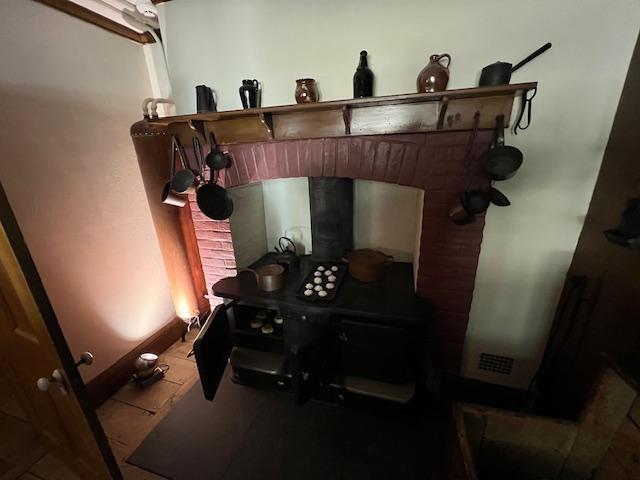
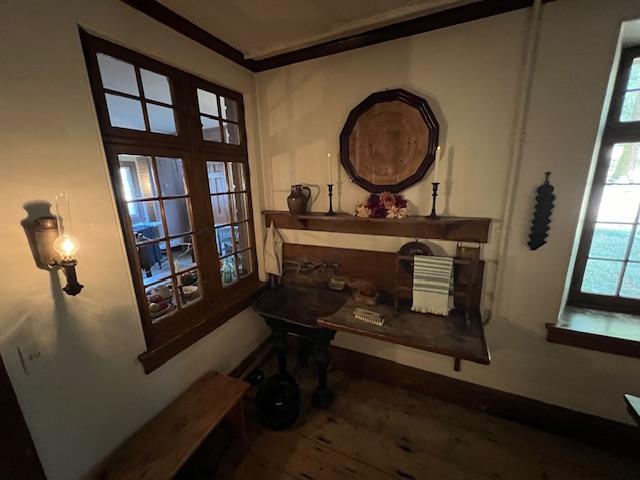
The Van Cortlandt House dollhouse

After nearly a year if repairs and restoration, Van Cortlandt House Museum was opened to great fanfare on May 25th of 1897. The original license agreement grained custody of the house to the National Society of Colonial Dames in the State of New York for a period of 25 years at a ‘peppercorn’ rent of $1.00 per year. Although the Society no longer pays the city rent, they remain, to this day as dedicated to Van Cortlandt House as they were in 1896.

Van Cortland Park.jpg

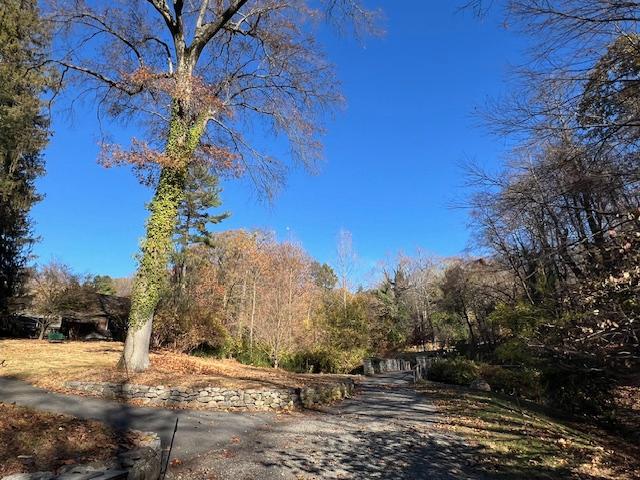
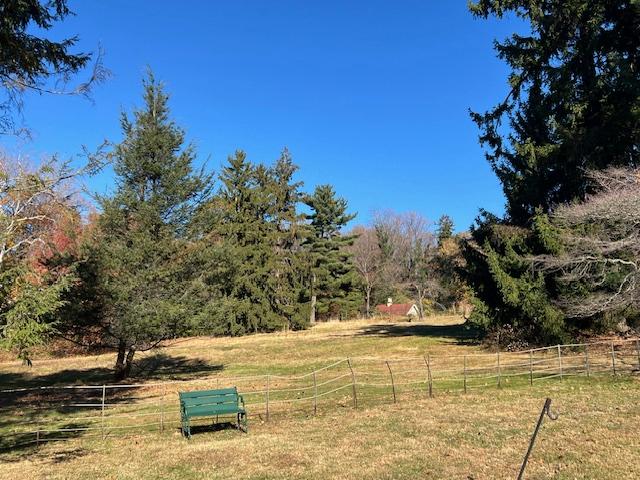
Van Cortlandt Park in the Summer Months

In 1967, Van Cortlandt House was added to the National Register of Historic Places and was designated a National Historic Landmark in 1967. The house was declared a New York City Landmark on March 15, 1966, recognizing the historic and architectural importance of both the exterior and interior.

(From the Van Cortlandt House Museum NSCDNY)

The Van Cortlandt House gardens during the winter of 2022

The General Porter Statute in front of the house