Tag: littleshoponmainstreet.com

Bertha & Karl Leubsdorf Gallery Hunter College Campus                                                                  132 East 68th Street                                            New York, NY 10065

Bertha & Karl Leubsdorf Gallery Hunter College Campus 132 East 68th Street New York, NY 10065

Bertha and Karl Leubsdorf Gallery

Hunter College Campus

132 East 68th Street

New York, NY 10065

(212) 772-4991

http://www.leubsdorf.org

http://huntercollegeartgalleries.org/

https://huntercollegeart.org/galleries

https://hunter.cuny.edu/organizer/hunter-college-art-galleries/

Open: Sunday-Monday Closed/Tuesday-Saturday: 11:00am-5:00pm-See website when open.

Admission: Free

My review on TripAdvisor:
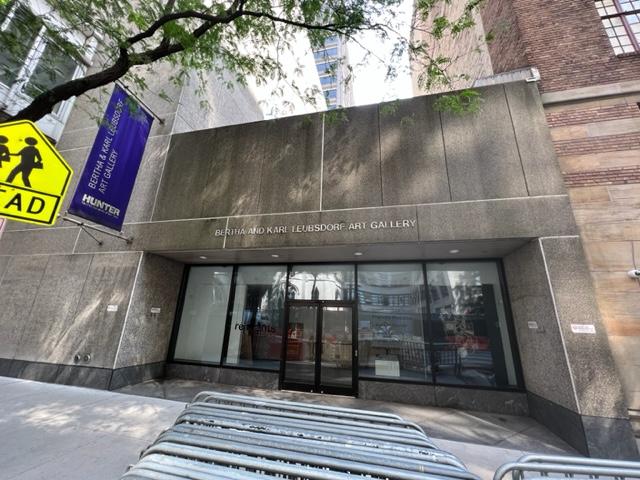
The Hunter College Museum-The Bertha and Karl Leubsdorf Gallery at 132 East 68th Street

I visited this wonderful little gallery on the main campus of Hunter College on the Upper East Side of Manhattan on my project, “MywalkinManhattan.com”. It is an interesting, small gallery that exhibits more fringe artists and collections. The best part of the gallery is that it is not overwhelming like the bigger museums in the City and you can see the whole gallery in about an hour or a little more (See my review on TripAdvisor).

Hunter Art Gallery II

A former exhibition was: Axis Mundo: Queer Networks in Chicano L.A. is an interesting look at the Los Angeles based queer Chicanx artists between the late 1960’s and early 1990’s and is the first of its kind to excavate histories of experimental art practice, collaboration and exchange by a group of artists in Los Angeles (Hunter College Gallery).

Hunter Art Gallery III

The Axis Mundo Exhibition

Currently the museum is hosting the BFA Final Projects and there is a combination of video, paintings and photography to choose from. There is some interesting sculpture work by some of the graduating seniors so take some time in the afternoon to visit the gallery.
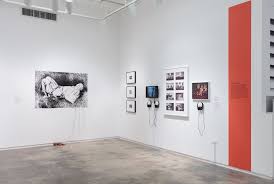
Hunter Art Gallery IV

The Axis Mundo Exhibition

I visited the Gallery again in March of 2021, when the campus open after COVID rules lifted. The exhibition being shown was entitled “The Black Index”, a series of Black artists were being featured.

“The Black Index” features the works of artists Dennis Delgado, Alicia Henry, Kenyatta A.C. Hinkle, Titus Kaphar, Whitfield Lovell and Lava Thomas. The artists included in The Black Index build upon the tradition of Black self-representation as an antidote to colonialist images. Using drawing, perform, performance, printmaking, sculpture and digital technology to transform the recorded image, these artists question our reliance on photography as a privileged source for documentary objectivity and understanding. Their works offer an alternative practice-a Black Index-that still serves as a finding aid for information about Black subjects, but also challenges viewers desire for classification (Hunter Gallery website).

The Black Index | 4Columns

Artist Alicia Henry’s work “Analogan III”

The works in The Black Index make viewers aware of their own expectations of Black figuration by interrupting traditional epismologies of portraiture through unexpected and unconventional depictions. These works image the Black body through a conceptual lens that acknowledges the legacy of Black containment that is always present in viewing strategies. The approaches used by Delgado, Henry, Hinkle, Kaphar, Lovell, and Thomas suggest understandings of Blackness and the racial terms of our neo-liberal condition that counter legal and popular interpretations and in turn offer a paradigmatic shift within Black visual culture (Hunter Gallery website).

The Black Index — Leubsdorf Gallery

“The Black Index” works (Hunter Gallery)

The nice part of these galleries are that it takes about 45 minutes to view the whole exhibition.

The BFA Art Show at the Hunter College Galleries

In the Spring 2025, I stopped into the galleries to visit the Undergraduate show, CODA.
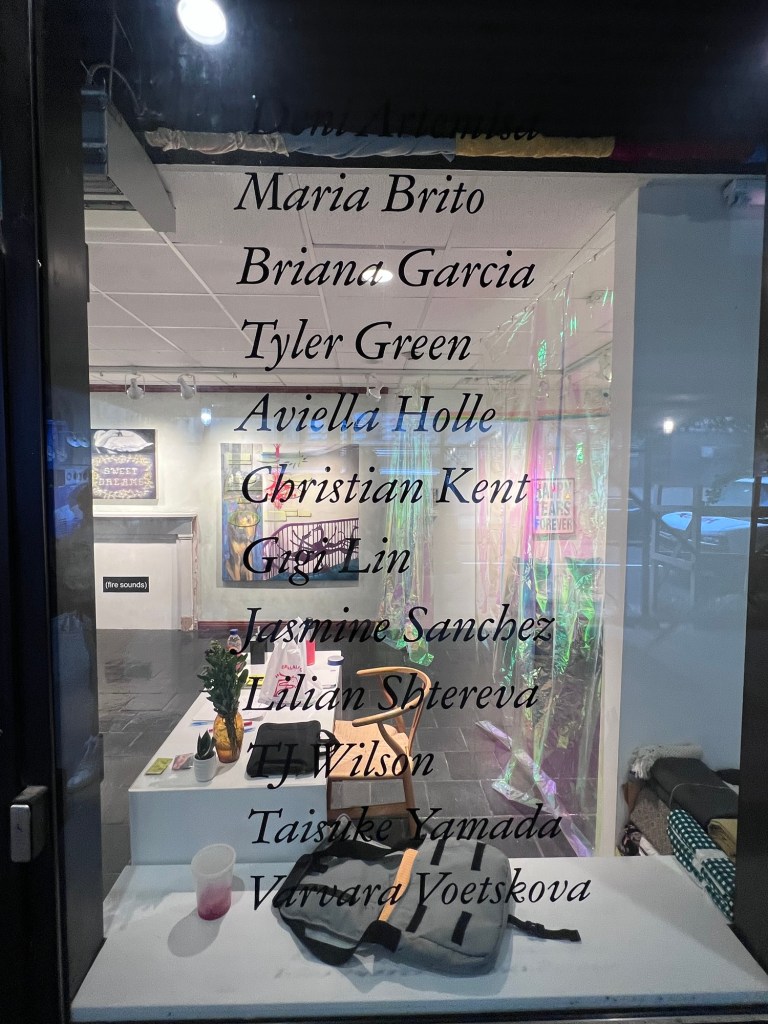
The students featured in the show
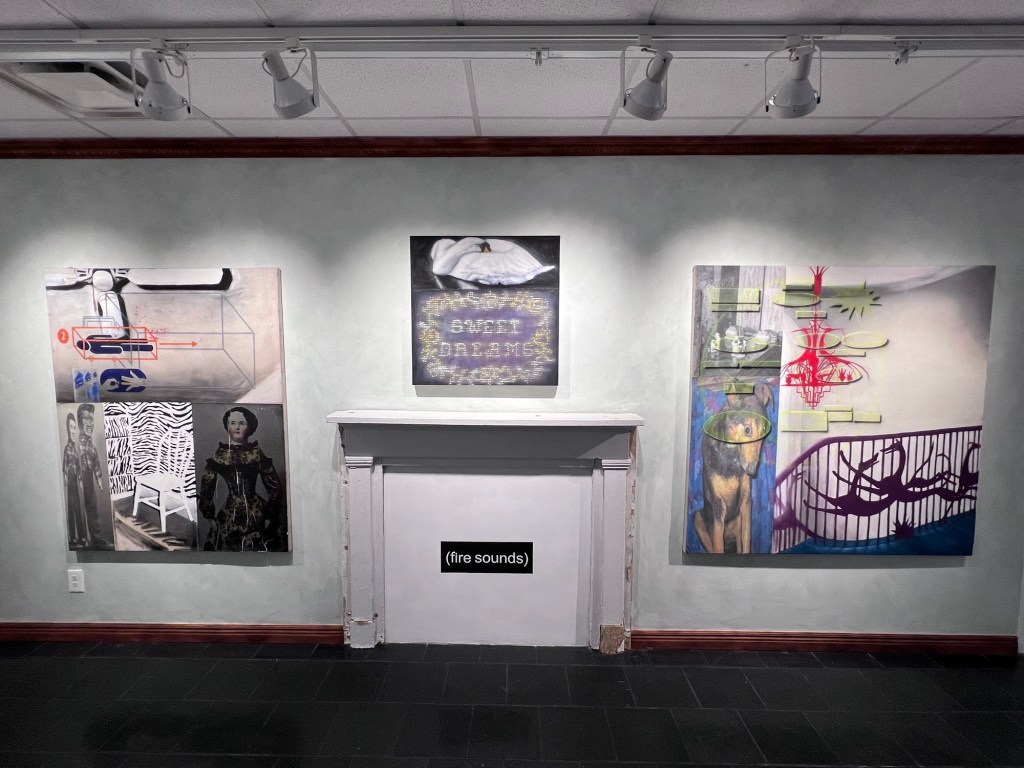
The front galleries
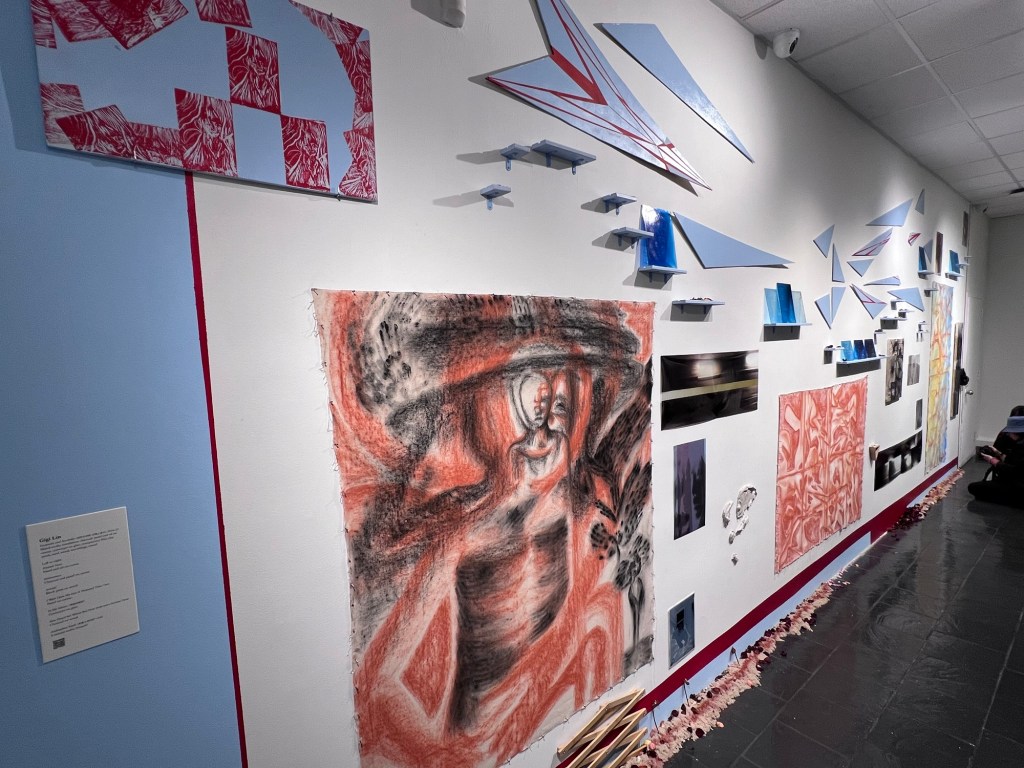
The entrance to the main gallery

This piece is called “Flushed Toast”

Then in the main part of the gallery, there were a few pieces of yarn work that I thought were very interesting.
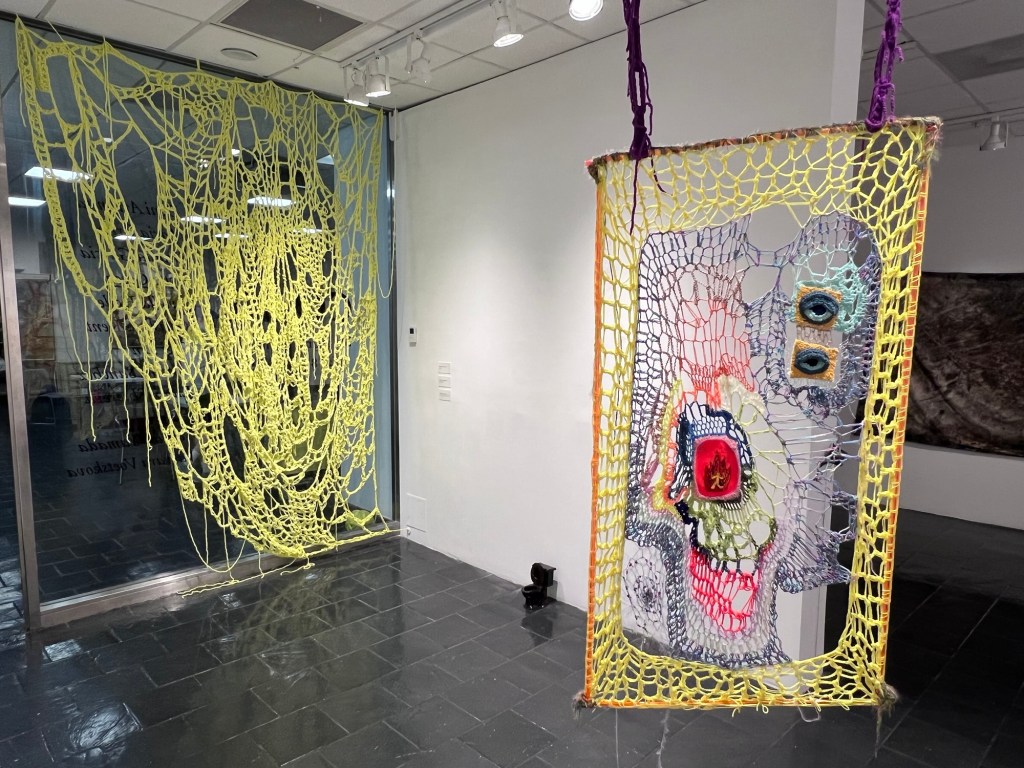
The works made of acrylic yarn by artist Demi Artemisa Espinoza

Artist Demi Artemisa Espinoza works
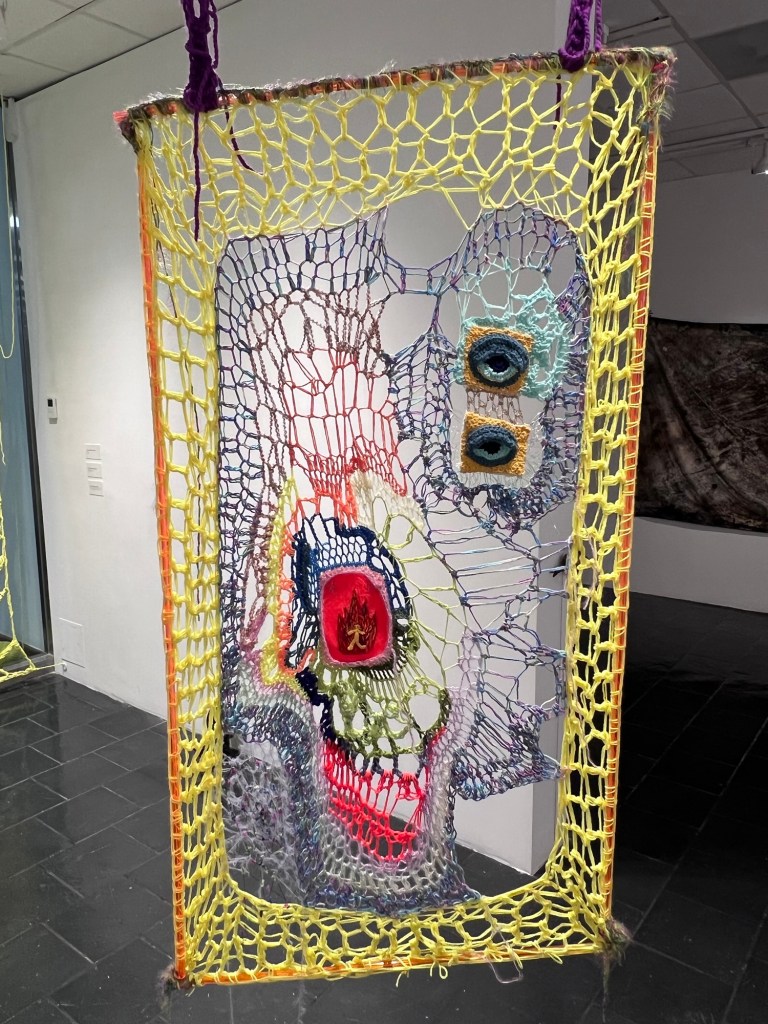
My favorite work in the show ‘Smiling Cheek to Cheek’

In the middle of the gallery, there were interesting modern sculptures.

The middle gallery

This was quite unique

Paintings in the show

Video works from student artist Aviella Holle

Video Artist Aviella Holle

The undergraduates in this Art program did an excellent job and I thought the works were very original.

The History of the Berth and Karl Leubsdorf Gallery:

(From the Hunter College Art Galleries website)

The Bertha and Karl Leubsdorf Gallery focuses on presenting historical and scholarly exhibitions and programming that provide new scholarship on important and often under-represented artists and art movements. Located on the Hunter College’s main campus, the gallery also hosts the BFA degree exhibitions each semester.

The Hunter College Art Galleries, under the auspices of the Department of Art and Art History, have been a vital aspect of the New York cultural landscape since their inception over a quarter of a century ago. The galleries provide a space for critical engagement with art and pedagogy, bringing together historical scholarship, contemporary artistic practice and experimental methodology. The galleries are committed to producing exhibitions, events and scholarship in dialogue with the intellectual discourse generated by the faculty and students at Hunter and serve as an integral extension to the department’s academic programs.
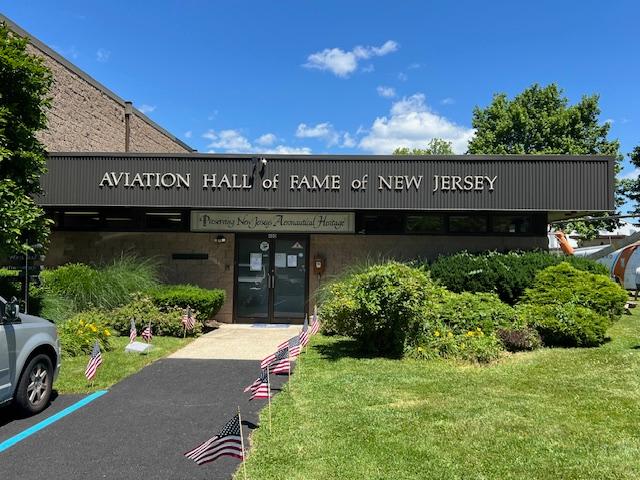
Aviation Hall of Fame                                                               400 Fred Wehran Drive                                                        Teterboro, NJ 07608

Aviation Hall of Fame 400 Fred Wehran Drive Teterboro, NJ 07608

Aviation Hall of Fame

400 Fred Wehran Drive

Teterboro, NJ  07608

(201) 288-6344

http://www.njahof.org

Home

Open: Monday Closed/Tuesday-Sunday: 10:00am-4:00pm/Three Sessions Daily: 10:30 AM-Noon, 12:30 PM-2:00 PM, and 2:00 PM-3:30 PM

Admission: Adults $20.00/Seniors and Children 3-12 $15.00/Children Under 2 Free

TripAdvisor Review:

https://www.tripadvisor.com/Attraction_Review-g46865-d3474448-Reviews-Aviation_Hall_of_Fame_of_New_Jersey-Teterboro_New_Jersey.html?m=19905

 The Aviation Hall of Fame Museum at 400 Fred Wehran Drive

The Wright Brothers display

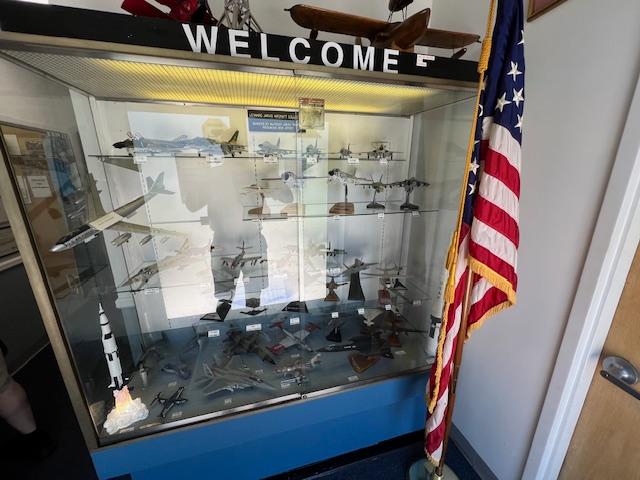
The Welcome display when you walk into the museum.

The Aviation Hall of Fame Museum of NJ is a very unique museum if you are interesting in everything aviation from the history of flight starting with the Wright Brothers, the World War drama and battles and the influence of the NASA and members from New Jersey who have made a difference in the department.

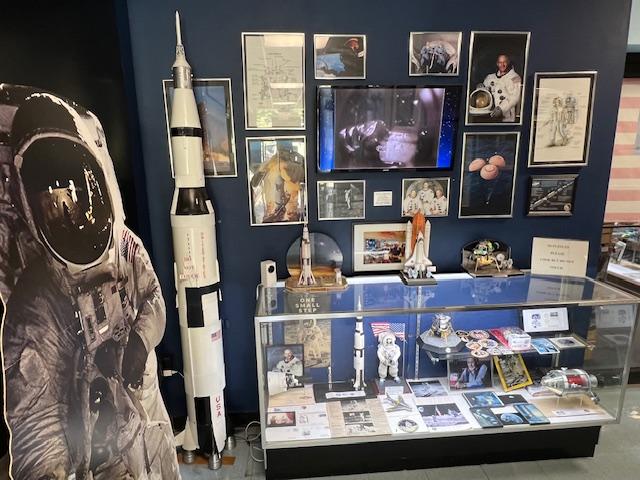
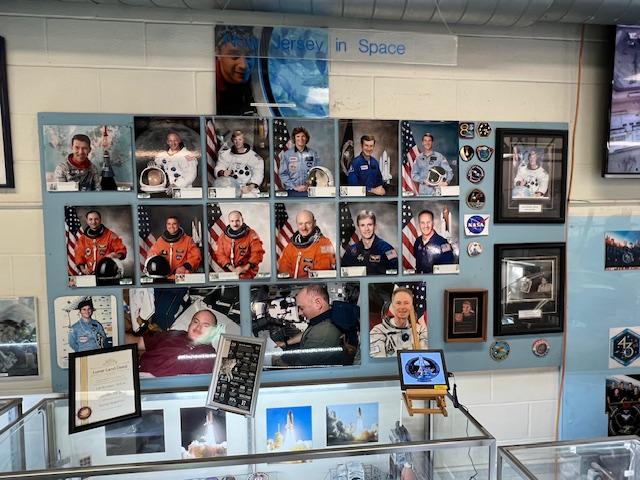
NASA Display featuring Montclair, NJ resident Buzz Aldrich

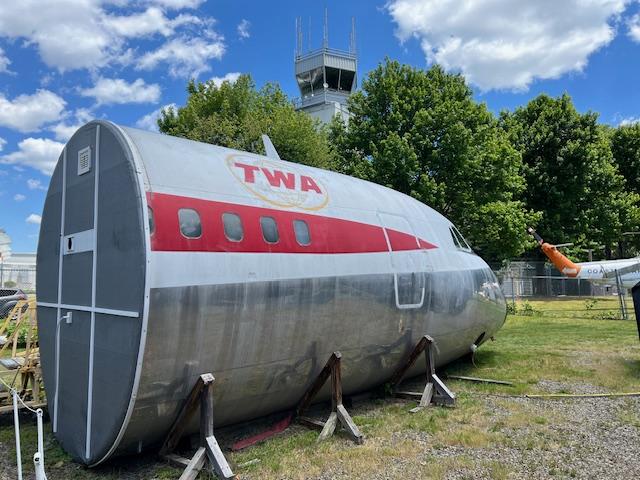
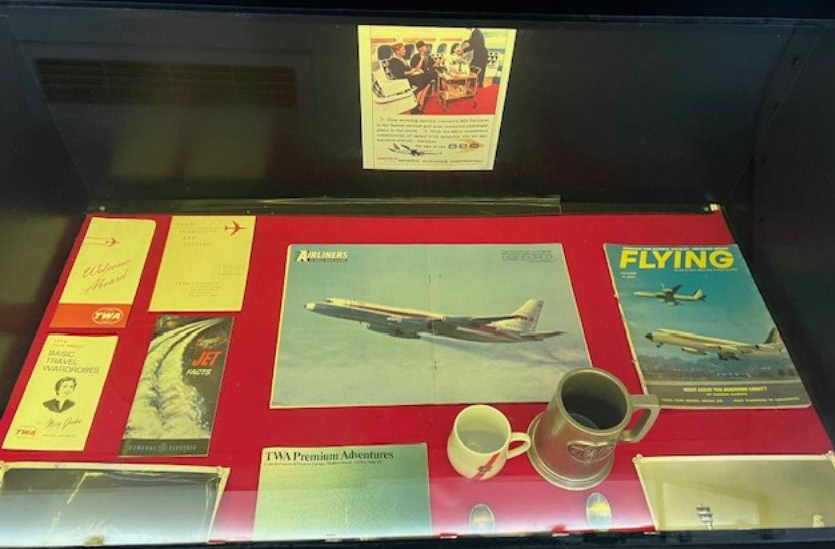
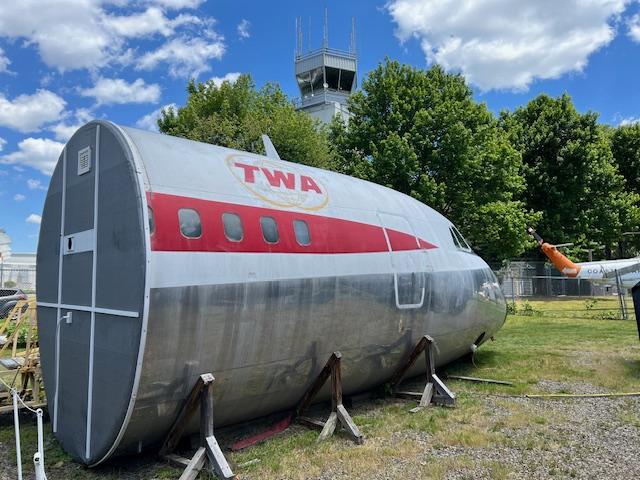
There is a lot of interactive displays during “Open Cockpit Days” at the museum and equipment that you can walk into and explore from planes and rescue trucks. There is even a First Class section of a TWA flight. I was impressed that the airline even had a standard of dress for the flight.

The front of the TWA Flight plane

The TWA Display of items from the ‘Golden Era’ of flying

The History of the Museum:

(from the museum website)

Founded in 1972, the Aviation Hall of Fame & Museum of New Jersey is dedicated to the preservation of the Garden State’s distinguished, two century aviation and space heritage. The men and women whose outstanding aeronautical achievements have brought world-wide recognition to the state are enshrined in the Hall of Fame.

The Aviation Hall of Fame in the main part of the first floor

The inductees in the Hall of Fame

The Kelly Brothers from West Orange, NJ

Some of the most famous inductees

The recently expanded museum offers visitors an opportunity to view historic air and space equipment and artifacts, photographs, fine art and an extensive model collection. The library has more than 4000 volumes and hundreds of aviation video tapes. The New Jersey Aviation Hall of Fame & Museum offers education programs for individuals or groups. Participants learn history and science.

The “Flying Aces” display

Our Aeronautical History Hunt is available to groups that visit the museum. By seeking the answers to historical New Jersey aviation questions, students develop problem solving, logic and communication skills. Our ‘Dare to Fly’ program, developed for children ages 7 to 15 focuses on ballooning and powered flight. Participants design, build and fly their gliders. Organize a small group and call for dates.

(Information from New Jersey’s Aviation Museums)

Museum Guide: A companion virtual tour for your electronic device is available free at http://www.njahof.org/

Welcome to the First State Aviation Hall of Fame in the Nation!

Founded in 1972, the Aviation Hall of Fame and Museum of New Jersey (AHOF-NJ) is dedicated to the preservation of the Garden State’s distinguished aviation and space heritage. The men and women whose outstanding aeronautical achievements have brought world-wide acclaim to the state are enshrined in the AHOFNJ.

The set-up of the Museum:

Raymond R. Wells Theater

The first stop on your self-guided tour is in our 60 seat theater where you will experience the saga of NJ aerospace history in our information and concise nine-minute film “Flight”.

The Naval Display in the Flight Theater

Buzz Aldrin Exhibit:

Jersey boy makes good on the first mission to the moon. The story of his life and his time with the space program

The NASA Display with Buzz Aldrin

The full display

NASA Display

Hall of Fame:

Enter the heart of our museum and meet the men and women who embody NJ’s rich heritage of flight.

The NJ Aviation Hall of Fame

Dehmel Room:

See the world’s first electronic flight simulator built by legendary Curtiss-Wright, at one time the Garden State’s biggest aerospace company. The room also contains information about barnstormers, Tuskegee Airmen, flying aces, Flying Tigers, Enola Gay, etc.

NASA Hall of Fame

New Jersey Women in Aviation display

The Curtis Wright equipment

The Great Room:

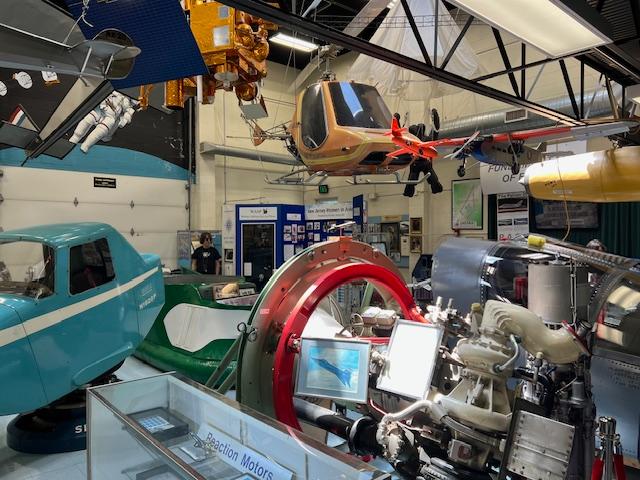
History comes alive with air and space equipment, artifacts, photographs, fine art, multimedia displays, hands-on exhibits and interactive simulators.

Exhibits are:

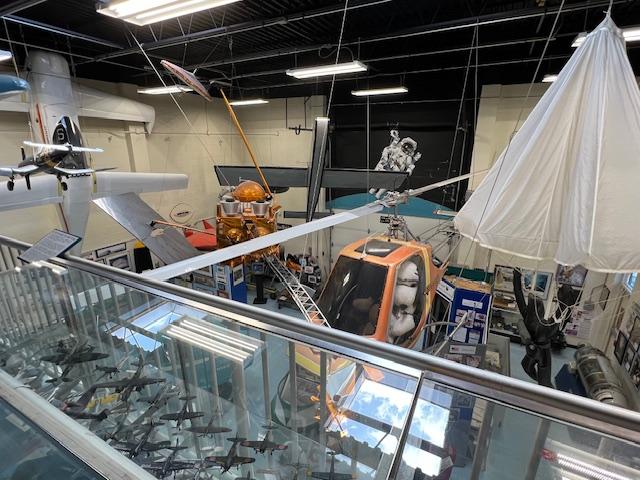
*The worlds first hover craft

*Women in Aviation

The Amelia Earhart display

The New Jersey Women in Aviation display

*Aircraft and rocket engines built in NJ

*International Space Station Exhibit

*Dassault Fundamentals of Flight Exhibit

*Scorpion helicopter

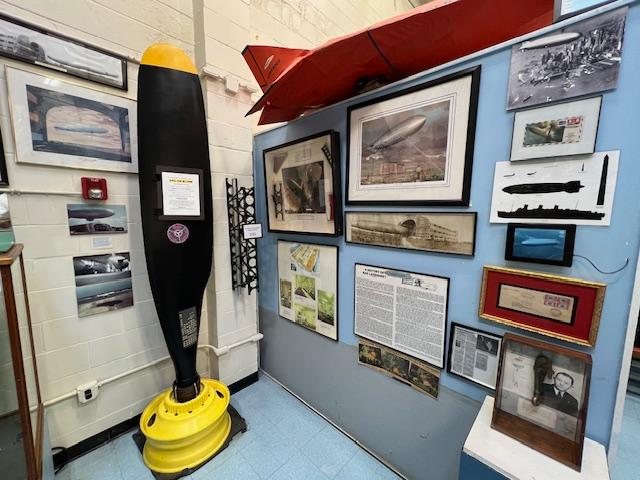
*Actual fragments from the ill-fated German Zeppelin, The Hindenburg

The Hindenburg disaster

The artifacts from the Hindenburg disaster

*Hot-air balloon basket

*Working jet engine

*”Touchable parachute

*Curtis-Wright display

*Rutan “Quickie” home-built experimental aircraft

*Overhead Gallery

Outdoor Displays:

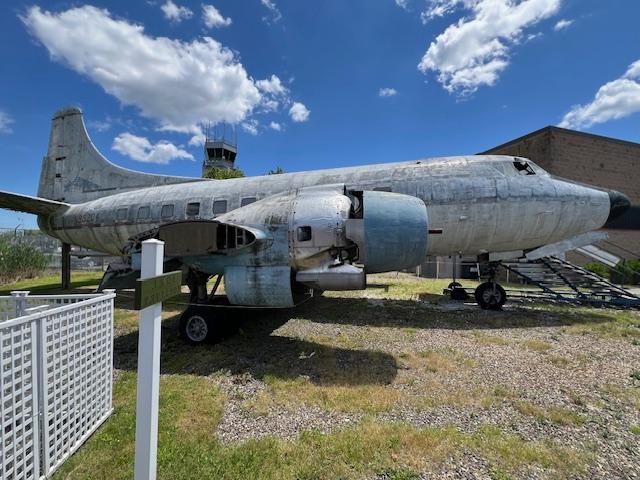
The outdoor plane display

Our outdoor displays incorporate a Martin 202A airliner from the 1950’s. Bell Cobra attack helicopter that flew actual combat missions during the Vietnam War. Bell 47-one of the first practical helicopters. Coast Guard Sikorsky helicopter. Lockheed LASA-60 bush plane. Grumman OV-1A Mohawk. Walters Airport Rescue & Firefighting Vehicle. Convair 880 Jetliner Cockpit (during open cockpit weekends.)

The helicopter display

The Jeeps and planes

The TWA display

Second Floor: From the balcony, enjoy the view of The Great Room. Sit in the cockpit of our “Little Cut Up” make-believe airplane and make things move on the wings and tail.

View from the second floor

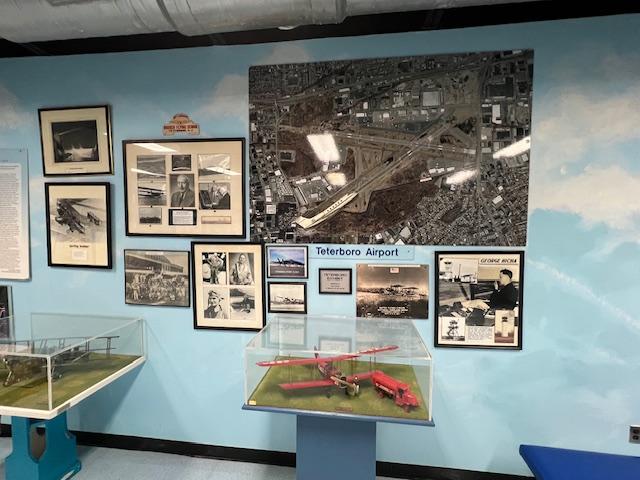
The Teterboro Airport display

The area also includes: Newark Airport Diorama, B-52 ejection seat, Richard E. Byrd Exhibit, barnstormers, model airplane collection, Peoples Express exhibit, the NJ designed “Para-Plane”, a working airport beacon and Clarence Chamberlin Exhibit.

The Jump Seat display on the second floor of the museum

Silvio Cavalier Research Library: This library contains over 3,500 volumes and videos on aviation and space history.

Gift Shop: Don’t forget to visit the gift shop, brimming with aviation related gifts, books and mementos for yourself, family and friends.

Tours-Parties: We offer group tours, birthday parties and our educational Dare-To-Fly program for young groups. Call for details.

Special Events: Four times a year we have Open Cockpit Day where you and your family can sit in the pilot seat of airplane and helicopter cockpits. In December, Santa will fly over the museum in a helicopter, then visit with the children.

The vehicle display on the first floor

The Aviation Hall of Fame and Museum of New Jersey (AHOF) reserves the right to use for promotional purposed any photograph/video taken at AHOF or any AHOF event. By visiting AHOF or participating in any AHOF event, you are permitting AHOF to use these images.

This is such a great museum for families and especially for children.

(Information from the AHOF Museum Guide)

Disclaimer: This information was taken directly from the AHOF pamphlets and I give them full credit for the information. Please call the museum for any further information.


Gethsemane Cemetery                                 Between Summit Place & Liberty Street north of Route 46                                                             Little Ferry, NJ 07643

Gethsemane Cemetery Between Summit Place & Liberty Street north of Route 46 Little Ferry, NJ 07643

Gethsemane Cemetery

Between Summit Place & Liberty Street

(with entrance on Summit Place north of Route 46)

Little Ferry, NJ  07643

Hours: Secured historic site: Open by appointment only.

Contact: (201) 336-7267

Call for accessibility information.

http://www.co.bergen.nj.us/parks

Free admission

My review on TripAdvisor:

The three times I have visited the Gethsemane Cemetery, it was a very quiet place to reflect on the people who are buried here. Located by a stretch of Route 46 West, you would hardly notice it was there. Sitting on a small hill above the highway lies some of our Counties most prominent Black citizens as well as just ordinary people and freed slaves who were denied entry into other church cemeteries. They were interned here in their own cemetery.

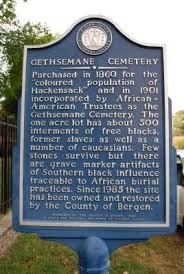
Gethsemane Cemetery is located west of the Hackensack River in southwest Bergen County on a one acre sandy hill located in Little Ferry, NJ. The 1860 deed of sale identifies it as a “burial ground for the colored population of the Village of Hackensack.” In 1901, it was turned over to seven African-American trustees and incorporated as Gethsemane Cemetery.

Gethsemane Cemetery IV

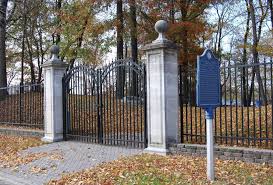
The entrance to the Gethsemane Cemetery in Little Ferry, NJ

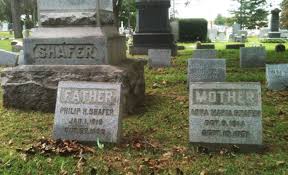
Although there are only 50 graves stones, the graves of over 500 people have been documented, including that of Elizabeth Dulfer, who was born a slave (c 1790), freed in 1822 and died in 1880. She became one of the wealthiest business owners and landholders in Bergen County. Three Civil War veterans, Peter Billings, Silas M. Carpenter and William Robinson are also buried here.

Gethsemane Cemetery II

Gethsemane Cemetery figured the center of controversy surrounding the burial of Samuel Bass, sexton of Hackensack’s First Baptist Church. When he died on January 22, 1884, his family wanted to bury him in the Hackensack Cemetery but was refused due to his race. Mr. Bass was then buried in Gethsemane Cemetery.

New Jersey Governor, Leon Abbett, protested the denial: “The Legislator should see that the civil and political rights of all men, whether white or black are protected…It ought not be tolerated in this State that a corporation whose existence depends on the Legislature’s will…should be permitted to make a distinction between a white man and a black man.” Two months later in March 1884, New Jersey’s “Negro Burial Bill” was passed desegregating cemeteries in New Jersey.

In 1985, Bergen County acquired the neglected cemetery and dedicated it as a County Historic Site. It was entered into the New Jersey and National Registers of Historic Places in 1994 for the historical significance it played in the enactment of N.J.’s early Civil Rights legislation and for containing evidence of West African burial customs.

Gethsemane Cemetery

The County of Bergen marker

In 2003, the county celebrated the dedication of new meditation areas and historic interpretive panels that tell Gethsemane’s story and lists the names of 515 people known to be buried here.

Gethsemane Cemetery III

The cemetery markers

New mediation areas and historic panels tell the story of the cemetery and list the names of 515 people who were buried here.

The cemetery is open only a few times a year to the public for special holidays and events. I came for the Juneteenth Celebration of the emancipation of slavery from the Union on June 19th. There was an independent tour on your own of the cemetery and the panels. If you had any questions, there are County representatives to guide you through.
The Gethsemane Cemetery in the Fall

(Information taken from the Bergen County Parks System guide).

Disclaimer: This information was taken directly from the Bergen County Parks Directory. Please call or email the above information for more details on visiting the cemetery. It can be opened for private tours.

Zabriskie-Quackenbush House                                                421 Franklin Avenue                                                       Wyckoff, NJ 07481

Zabriskie-Quackenbush House 421 Franklin Avenue Wyckoff, NJ 07481

Zabriskie-Quackenbush House

421 Franklin Avenue

Wyckoff, NJ  07481

http://www.zabriskiehousewyckoffnj.org

https://www.wyckoff-nj.com/zabriskie-house-board-trustees

https://www.facebook.com/wyckoffzabriskiehouse

Open: Please check out their website for the dates when the house is open to the public.

TripAdvisor Review:

https://www.tripadvisor.com/Attraction_Review-g46945-d10359429-Reviews-The_Zabriskie_House-Wyckoff_New_Jersey.html?m=19905

I visited the Zabriskie House in May 2016 and 2019 for the Northwest Bergen History Coalition 6th Annual History Day. The house is left the way the last owner. Grace Zabriskie,  willed it to the town with all the original furnishings.

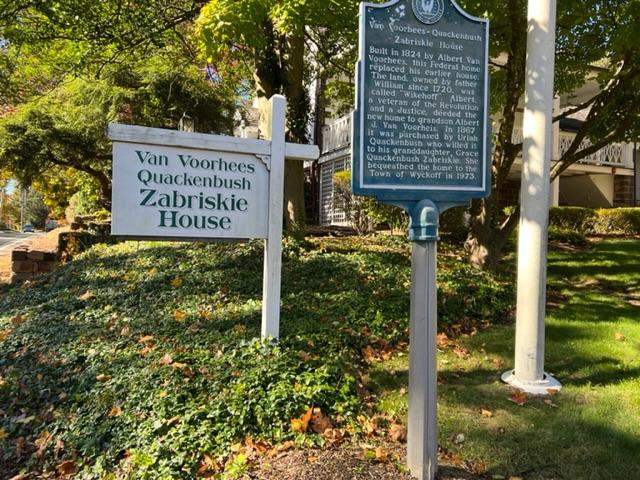
The historic signage

It has period furnishes, family heirlooms and antiques. The docents will take you on a tour of the house and show you where all the later additions were added and how they make up the whole house. As you walk through the house, you can see the difference in structure of the home plus how the last owner lived.

Zabriske House I

The Zabriske House in Wyckoff, NJ

Don’t miss touring the gardens in the Spring as Mrs. Zabriskie worked with a Botanist to plant the gardens to bloom at different times. She planted it in stages so that she could entertain in them but still treated the gardens similar to the house as if you had to walk into a room. It is very nice and colorful in the Spring.

I have visited the house during the Northwest Bergen History Day and I was able to take a lot of pictures of the gardens next to the house on a rather gloomy day. The gardens were in full bloom in the middle of spring and the rain added a layer of beauty to the flowers and flowering bushes that lined the paths. They did a nice job maintaining the house.

On the terrace there are people to guide you through the house and docents to take tours. The ladies had a nice reception laid out for all of the people who came to visit.

The Van Voorhees-Quackenbush-Zabriskie House in the Fall of 2022

The original stone structure of the Van Voorhees-Quackenbush-Zabriskie House was built in 1730 by William Van Voorhees. It is believed to be the oldest house in Wyckoff, NJ. In 1824, William’s son, Albert, completed a major addition to the house in the classically Dutch colonial style. The original structure then became the dining room (NWBHC).

The historic part of the house from the 1700’s

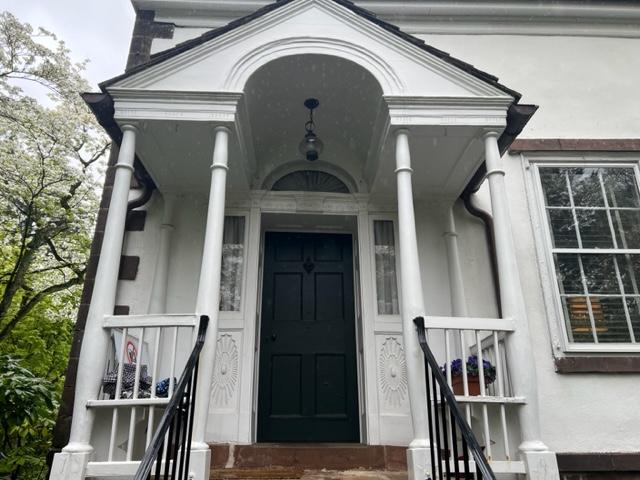
The entrance of the Zabriskie House

History of the House: (Taken from the Wyckoff History Page)

The Van Voorhees-Quackenbush-Zabriskie House has been a local landmark for over 275 years and is believed to be the oldest structure in the Town of Wyckoff, NJ. In 1720, William and John Van Voor Haze, yeoman of Bergen County, purchases 550 acres of land in what is now Wyckoff. The brothers were descended from Dutch settlers who emigrated from Holland in 1660 (Wyckoff History).

The historic part of the house

The first stone house was built circa 1730 by William. The land was cleared and the family farmed, raising table crops and staples such as grain, corn, potatoes and grapes. Over time, apple orchards and dairy farming became main occupations in the area. The Jersey Dutch were especially skilled at animal husbandry. They were considered the best farmers and gardeners in the American Colonies (Wyckoff History).

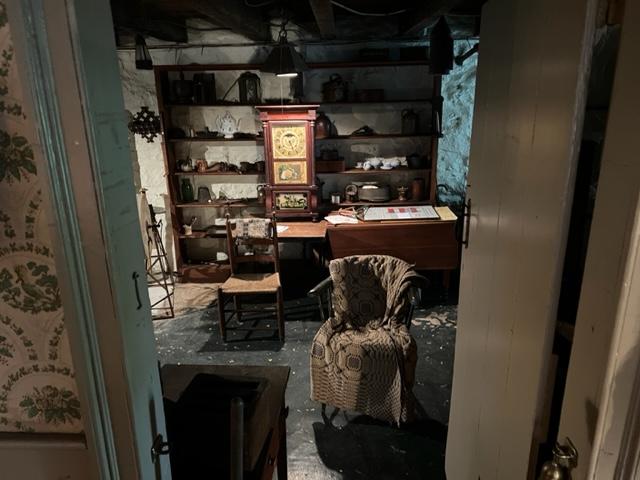
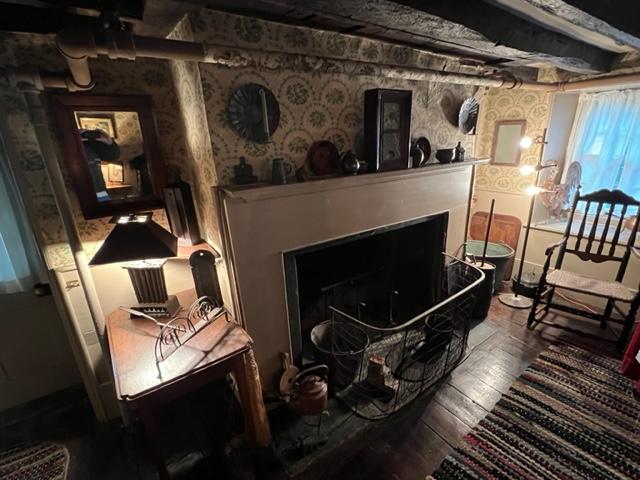
The historic kitchen in the original part of the house

There were only about 20 families in the area in 1775, when the house served as the village store and tavern. William’s son, Albert, served in the Militia in the Revolutionary War. The original stone structure later became the dining room of the house, when a large addition was added in 1824 by William’s son, Albert when he was 86 years old. He had just one son, John, but likely expanded the house for his nine grandchildren and their wives and children. Over the years, in addition to serving as a home, the house served as a not only home, tavern and store but also as a hotel and ballroom for area parties (Wyckoff History).

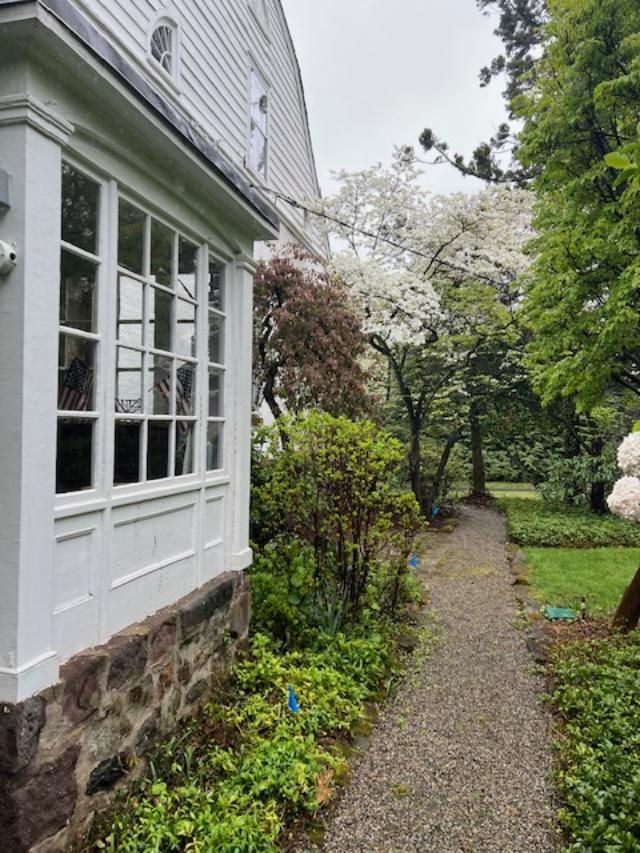
The gardens on the side of the house

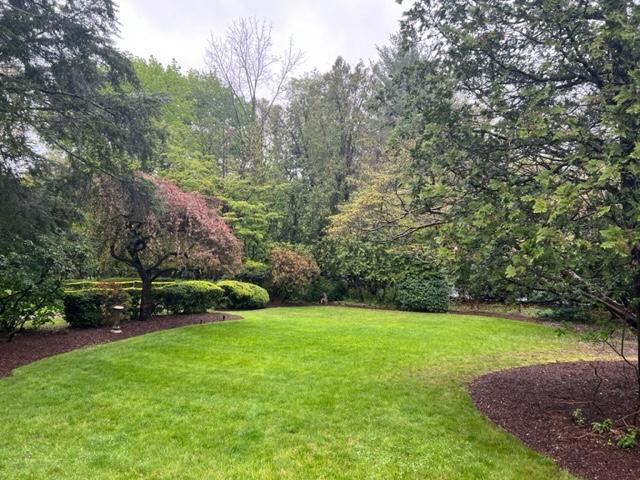
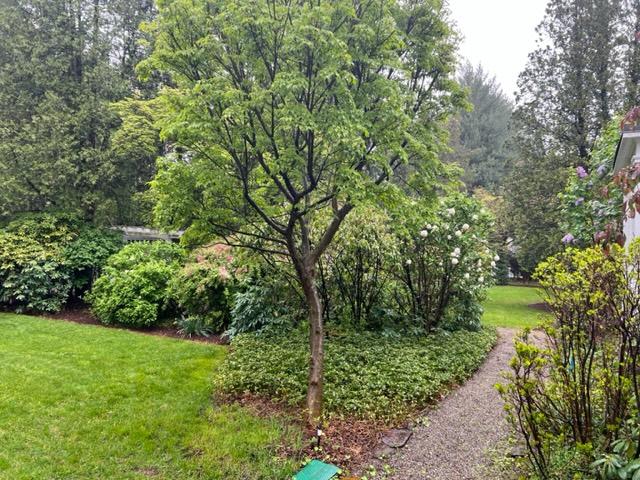
The gardens in April 2023 on a gloomy day

The original 1730 house has a steeply pitched roof and overhanging eaves designed to protect the building and foundation from rain. It has a two piece “Dutch” door to allow ventilation while keeping animals outside. Inside is a five foot high fireplace which originally was the sole source of heat and was used for all cooking (Wyckoff History).

The pathways to the gardens to the side of the house

The lawn next to the house

The pathways next to the house

The pathway to the gardens

The much larger 1824 structure is three stories originally tall with a sub-basement. It contains four fire places, again for heat. It has two half and four quarter moon windows and two oval windows. There are four bedroom with pegs to hand clothes on (no closets then). Its exterior demonstrates the classic Dutch Gambrel roof with an upper 23 degree roof line and then a lower 45 degrees roof line. This beautiful design was developed by the Dutch in northern New Jersey and up the Hudson River and is found nowhere else in the world. The typical Dutch front porch has two benches on either side of the entrance (Wyckoff History).

The house in the Fall

The property left the Van Voorhees family in the mid-1800’s. In 1867, it was purchased by Uriah Quackenbush. Uriah and Keziah Quackenbush had one son, John, who died as a young adult. Grace Quackenbush was his only child and was two years old when he died. She was raised in the house by her grandparents, who left the property to her when they passed on, after Grace had married John Zabriskie (Wyckoff History).

The Zabriskie Pond across the street

During her lifetime, Grace modernized the house (including adding an indoor bathroom) and restored the appearance of the home using authentic period antique furniture and furnishings. She also created three beautiful formal gardens on the landscaped property with her friend, Mrs. Elizabeth Spencer, a botany major (Wyckoff History).

The house is considered one of the finest examples of American architecture in northern New Jersey. The current House Museum has been called one of the finest in New Jersey. In 1973, Mrs. Grace Q. Zabriskie, who was the last resident, willed the house and its antique furnishings to the Township of Wyckoff, when she died that year. The “Zabriskie” house belongs to everyone in Wyckoff to enjoy (Wyckoff History).

The Zabriskie Pond in the Fall of 2022

Please check out their website for when the house is open to the public.