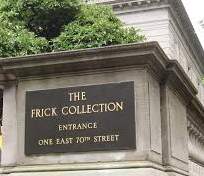
I visited The Frick Collection for the first time when I was walking the Upper East Side for my project, “MywalkinManhattan” Day One Hundred and Twelve-Walking the Upper East Side”. In all the years I had been coming into Manhattan I had never been inside. So I stopped for the afternoon to see what it was like inside the old Frick Mansion.
When you first walk into the museum, in the inside of the main foyer of the house there is fountain with a large indoor pool with benches, the perfect place to relax after the long walk outside. All around the pool are various doors and windows that lead to the rooms that house the collection.
The Fountain area
All around the house you will see famous Old Master’s paintings, statuary and porcelain figurines. While I was visiting there, I stopped in to see the new exhibition “George Washington Statuary Collection”.
The “George Washington” exhibition showed the creation of the statue for the Virginia State Capital that was destroyed by fire in the last century. All of the models and drawings were accompanying the display to see how the work was created.
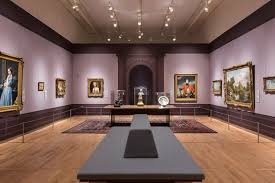
After that, I just walked through the galleries to see all the paintings and sit by the fountain in the middle of the old house. Each of the rooms houses each part of the Mr. Frick’s Collection plus new pieces that continue to be added.
The inside galleries
Before you leave, remember to check out their gift shop which has interesting items for sale and copies of the art in various forms to take home. Also on a nice day take time to walk around the gardens. For a mansion on Fifth Avenue, it is cared for beautifully and is well cared for just as the Frick’s would have done.
History of The Frick Collection:
The Frick Collection is house in the former residence of Henry Clay Frick (1849-1919), which was designed by Thomas Hastings and constructed in 1913-14. After Mrs. Frick’s death in 1931, changes and additions to the building were by the architect John Russell Pope and in 1935 the Collection was opened to the public.
The Collection preserves the ambiance of Mr. Frick’s private house and visitors are therefore asked to observe regulations necessary for protecting the works of art and their domestic setting:
*Because few ropes or cases are used to guard fragile objects, children under ten are not admitted to the Collection.
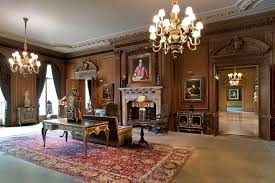
Inside the Frick Collection
*Group visits are by appointment only and large groups must be divided into parties of no more than ten. Lecturing in the galleries is prohibited.
*Free checking is provided in the coat room. Coats (if not worn), packages, umbrellas and large handbags must be checked.
The Collection includes some of the best known paintings by the greatest European artists, major works of sculpture (among them one of the finest groups of small bronzes in the world), superb eighteenth-century French furniture and porcelains, Limoges enamels, Oriental rugs and other works of remarkable quality.
Inside the Frick Collection
Disclaimer: This information was taken directly from The Frick Collection Museum pamphlet and I give the museum full credit for this information. Please check out times and dates before you visit.
Note: The Skylands Manor is decorated for the holidays during the first week of December and only for one weekend as it used for a banquet facility the rest of the time and as a hotel. The first weekend of December is when local Gardening groups are assigned one room to decorate and they have one week to put it together, display their ideas and explain how they did it to the public.
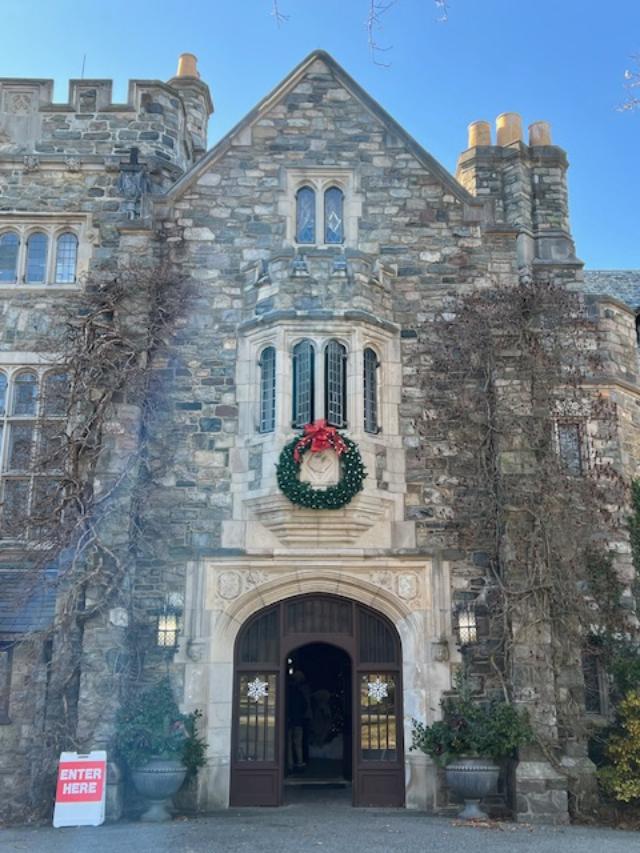
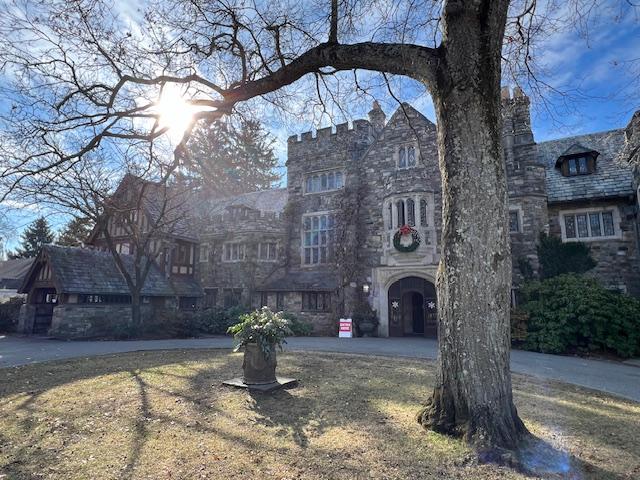
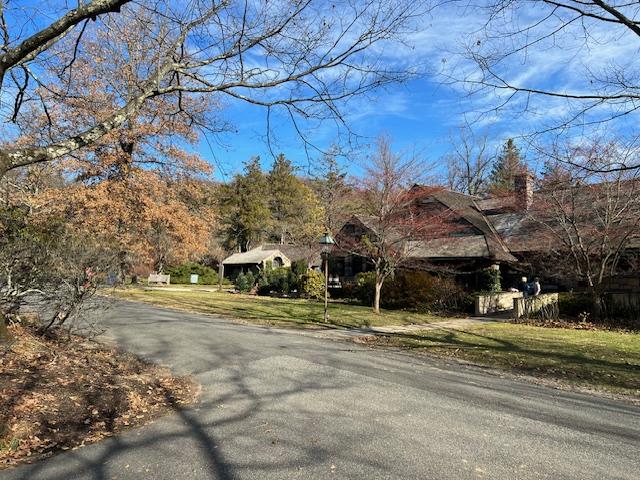
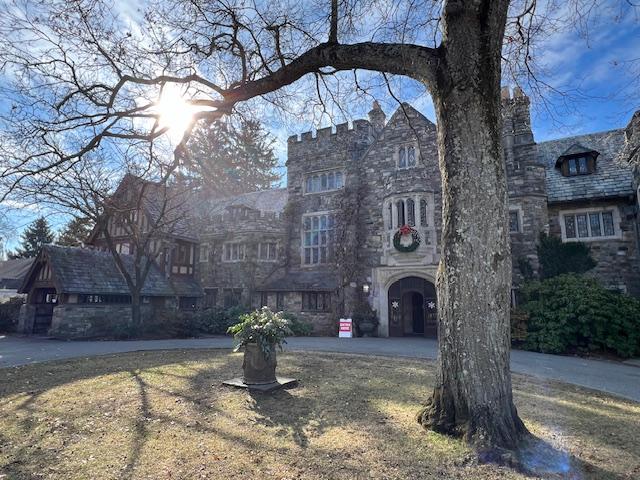
The front of the Skylands Manor during Christmas time.
The best day to go is the Thursday afternoon opening as it is the quietest day of the four day event with Saturday being the busiest. The best time on Thursday to come is in the morning.
Each of the eleven rooms that were decorated for the event were amazing each with their own decor, docents and gardeners and theme to the room. The Entrance Hall was elegant with its garland and potted plants, the Octagon Hall used its space wisely with a series of trees and hot house flowers. The women who decorated it had a phenomenal sense of space.
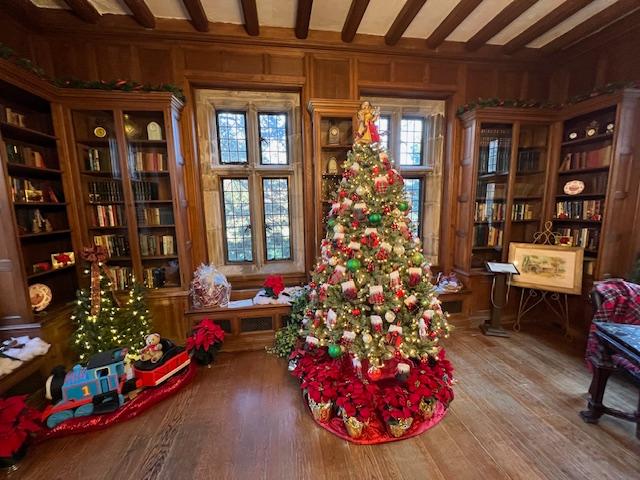
The Teaneck Garden Club did a great job decorating the Library with an elegant Christmas Tree and vintage ornaments. Some of the gardeners also came in vintage clothing of the area.
Each room had its own personality and was a combination of Christmas decorations and holiday plants.
The Manor home decorated for Christmas.
In 2019:
In 2019, the decorations were not as elaborate as the previous two years. The snow storm before the event may have put a damper on a few of the groups decorating. Still the best day to visit the manor is Thursday afternoon as it is the quietest time and you can take the best pictures.
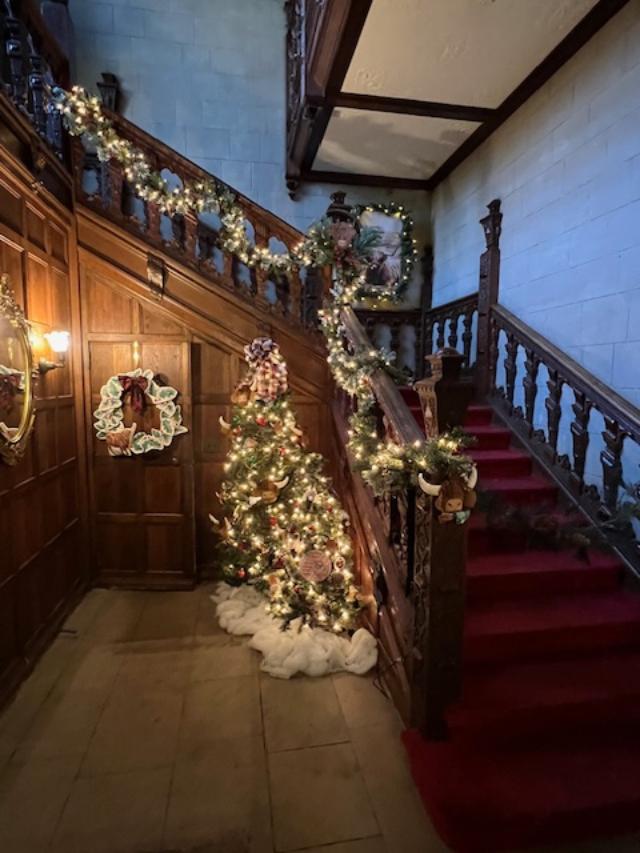
The two best rooms in the manor in 2019 were the Entrance Hall and Grand Staircase decorated by the Magnificent Seven, a group of volunteers whose theme was ‘The Secret Life of Gnomes’ and the trees and staircases were studded with gnomes, large and small, on the trees and wreathes surrounding the stairs.
The other room that was very impressive was the Center Hall whose theme was the “Enchanted Forest, full of little fairies and painted rocks and jeweled winged ornaments. When you looked at the detail work of the trees and table displays you could see the work that went into the decor. Each little fairy on the stands and trees had immense detail and took a lot of time. This display was done by the Friends of Laurelwood Arboretum in Wayne, NJ.
Skylands Manor in 2019
The rest of the rooms in the manor were really pared down from 2018 and did not have the same elaborate details to them. The Library and Study did not have half of the display items that they did in the past.
The Carriage House on the estate.
The Carriage House was used as a restaurant and a gift shop during the event.
The fee to enter the home is still $10.00. The carriage house is being used for a cafe with Chicken Salad sandwiches and hot dogs with toppings. There are all sorts of crafts for sale.
The Carriage House for Lunch.
The menu at the pop-up restaurant at the Skylands Manor.
Watch the calendar for 2024 in early December for the next display.
The Display in 2023:
It was just breathtaking!
This was the first time I had visited the mansion
I was able to visit on Thursday morning and the crowds were very small. This is the best time to come to the Skylands Manor.
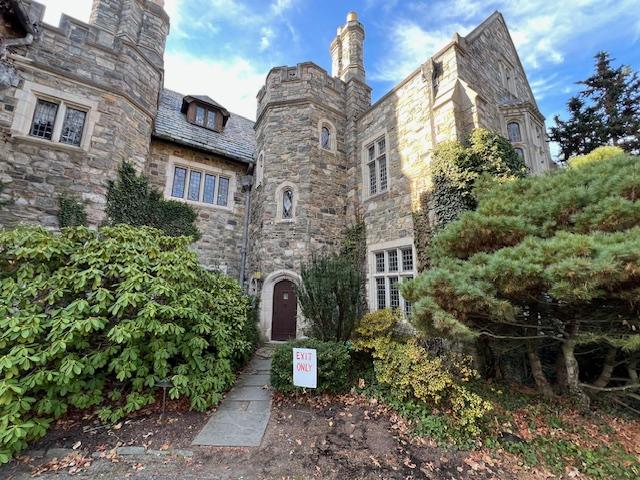
The front door leading inside of the house.
The house looked amazing as usual and because I came the first day in the morning, it was the perfect time to visit the manor while the crowds were away.
The entrance to the self-guided walking tour of Skylands Manor.
The tour was really spectacular in 2023. The whole house was decorated so beautifully.
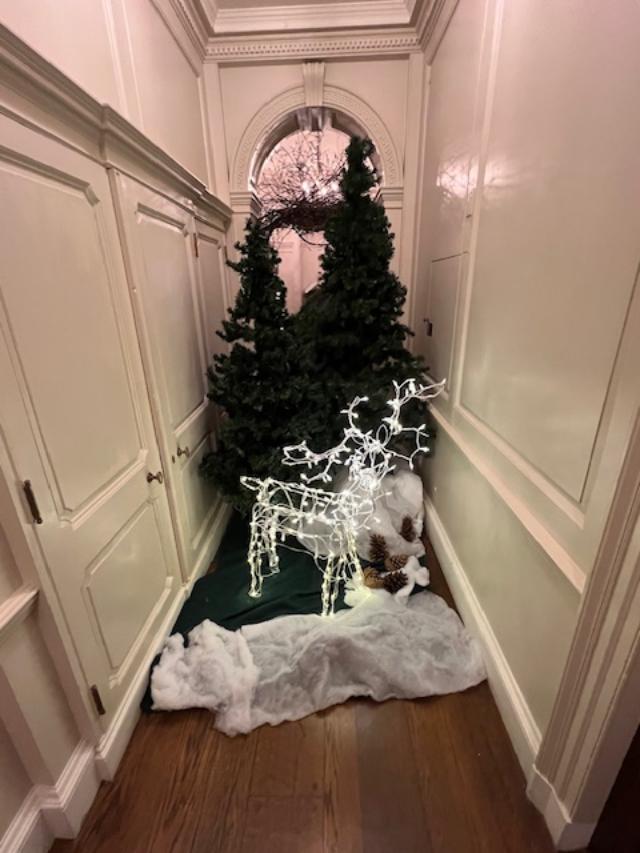
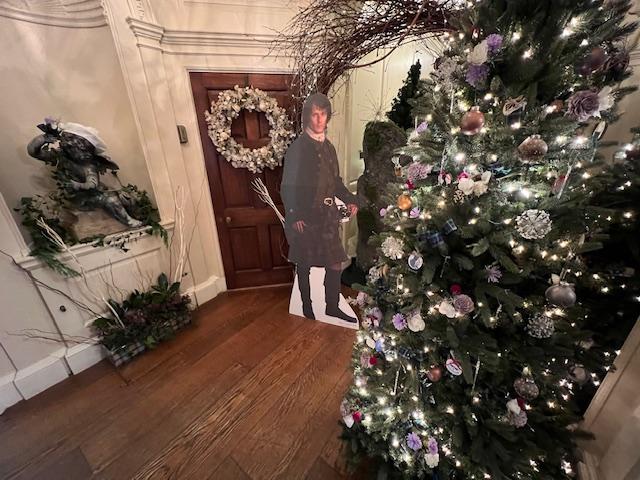
The entrance to the house was decorated by the Passaic County Parks and Recreation. This display was based on the magic of the Scottish Highlands.
After passing through the entrance of the house, it was off to the Ladies Parlor of the home and the decorations of the Garden Club of Teaneck. Then off to the Dining Room that was decorated by the Master Gardeners of Bergen County.
The Dining Room was just breathtaking.
The Dining Room was festive with lots of lit Christmas trees.
The Dining Room was quite elaborate.
The Master Gardeners of Bergen County were very detail orientated with their display spreading the Christmas cheer as you entered the house. The next room was the Breakfast Room with beautiful sunlight coming into the room and views of the gardens that are dormant at this time.
The theme of the Breakfast Room was that of enchanted forests with sacred fairy springs and moss covered meadows. The Breakfast Room was decorated also by the Master Gardeners of Bergen County.
A beautiful view of the Breakfast Room done by the Master Gardeners of Bergen County.
The decorations of the Breakfast Room were quite elaborate.
The side of the Breakfast Room.
As I left the Breakfast Room, I entered The Center Hall where the many faucets of Robert Burns, the Scottish author of “My Heart is in the Highlands” themed room was decorated by the Ringwood Garden Club.
The Center Hall of the manor house.
The Center Hall led to the back porch that was decorated by the Demarest Garden Club.
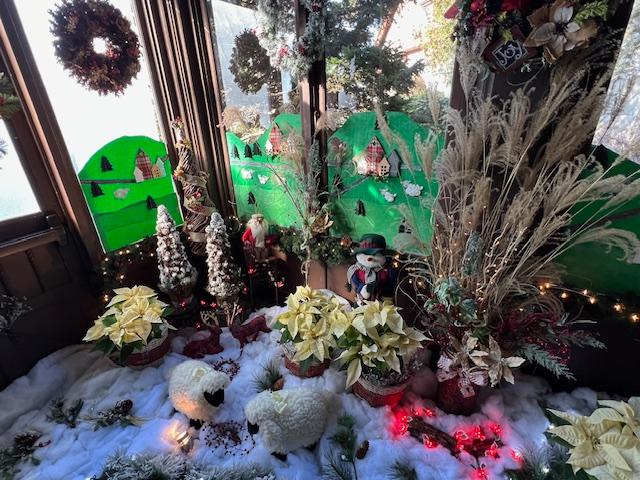
The Back Porch of the house just off the Center Hall.
The room was done with the theme “We wish you Blythe Yule as you enter a pastoral view of Holidays in the Highlands”.
The next room I visited the was The Great Hall, which is a Jacobean style interior designed to impress with its arched beams, paneled walls and spectacular stained glass windows (Skylands pamphlet).
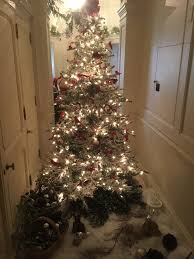
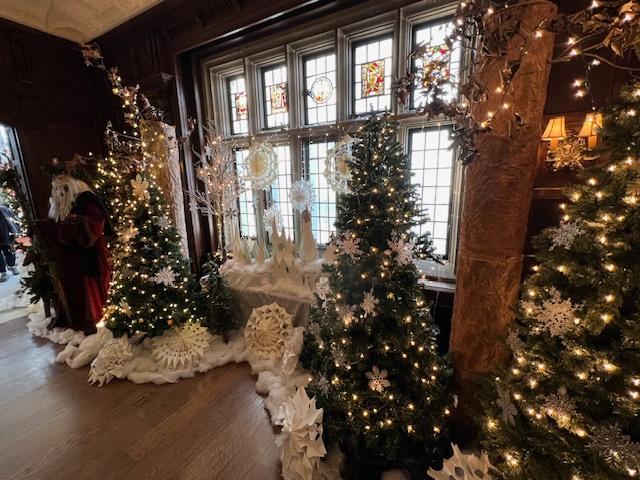
The Great Hall Christmas tree
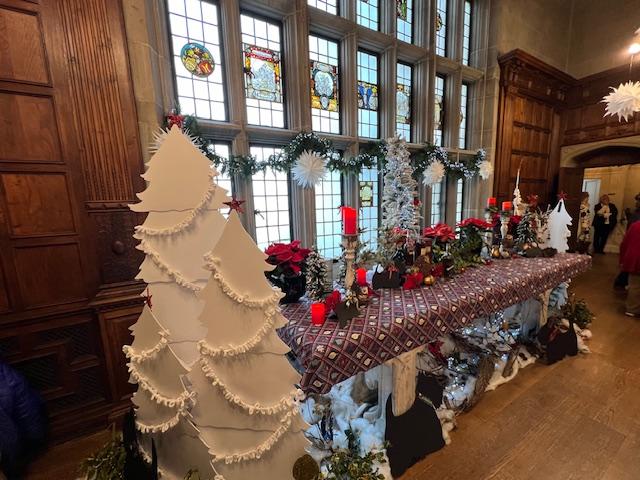
The Great Hall by the stained glass window.
The Great Hall decorations by the fireplace off to the side.
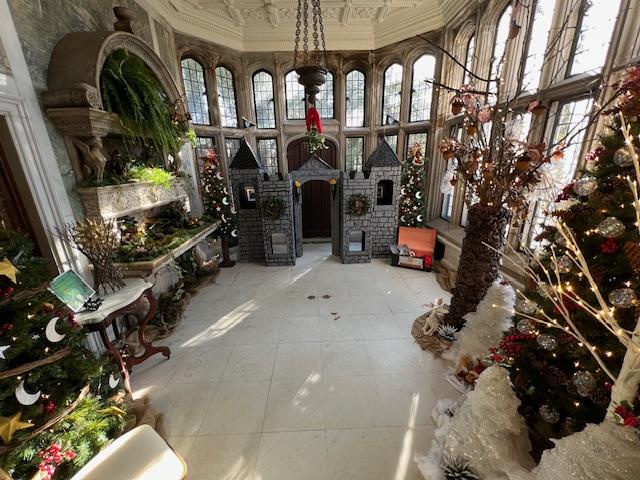
I next walked through The Octagonal Hall, that is the transition room between The Great Hall and The Withdrawing Room/Living Room. This was transformed into a boutique lounge with custom made furniture and decor. Festive pops of pattern and color create a merry, modern vibe (Skylands pamphlet). The Octagonal Hall was designed by Stephanie Graham and Diane Simon.
The entrance to the Octagonal Hall
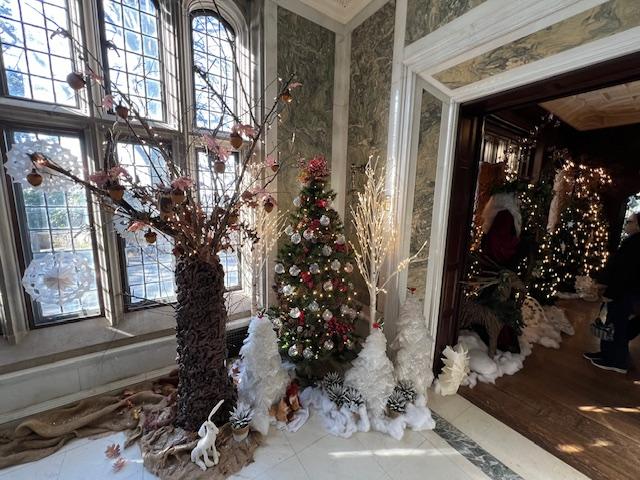
The decorations of The Octagonal Hall
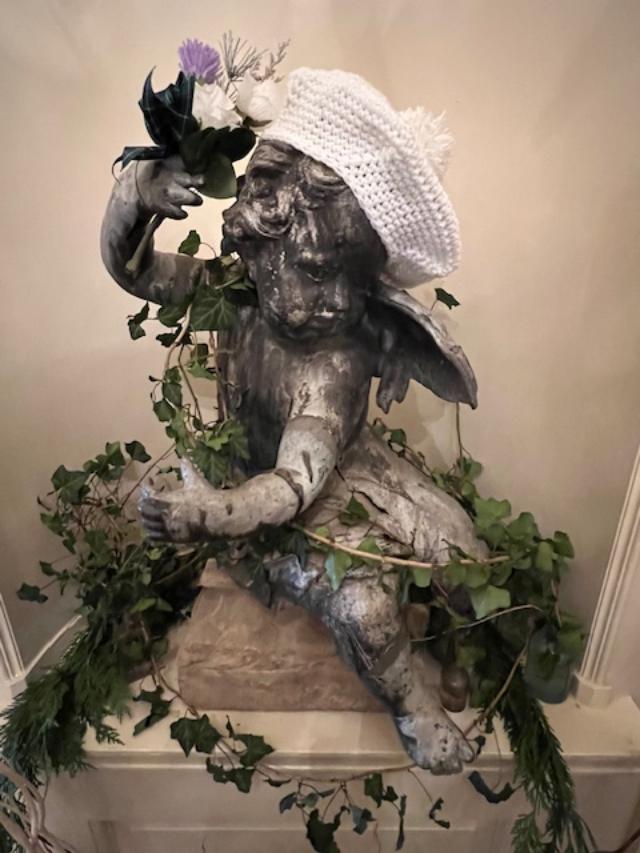
The statuary in the room beautifully embellished.
The Living Room was decorated to celebrate a Hip Highland Holiday and transformed into a boutique lounge with custom made furniture and decor. The Living Room/Withdrawing Room was designed by local artists Nicole Cohen (Teaneck), Brenda Gallagher (Upper Saddle River) and Lisa Williamson (Ridgewood).
The Living Room in full view.
We were joined by the Winter Queen in the Living Room who was roaming around the manor home engaging with all the guests who attended that morning.
A modern twist to the Christmas tree in the Living Room.
The display by the stained glass windows.
The festive trees of the Living Room
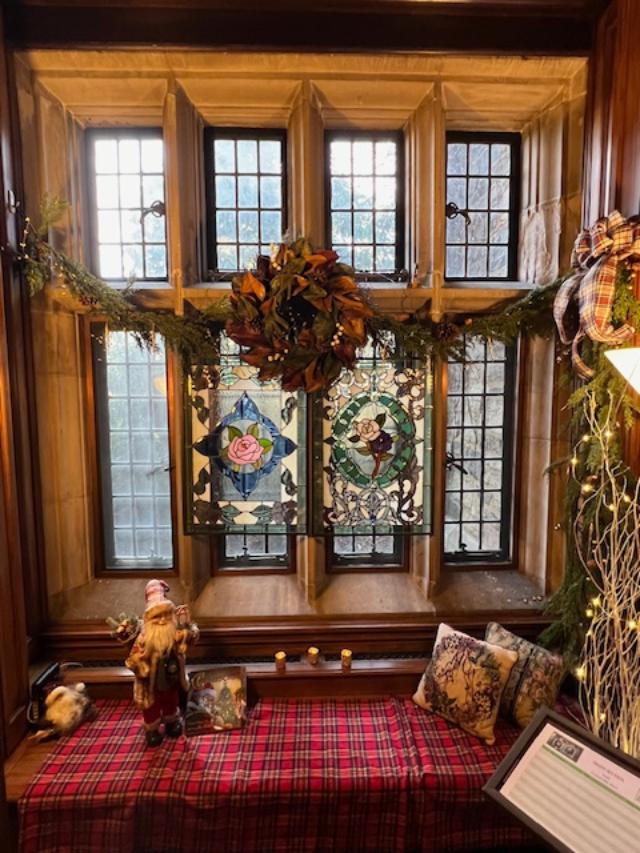
Transitioning out of the Living Room into the The Study, this room with its window seat is the perfect place to curl up with a good book or share stories of Christmas on a snowy afternoon. The study was designed by artist Linda Karen.
The window seat in The Study.
The dark wood paneling of The Study.
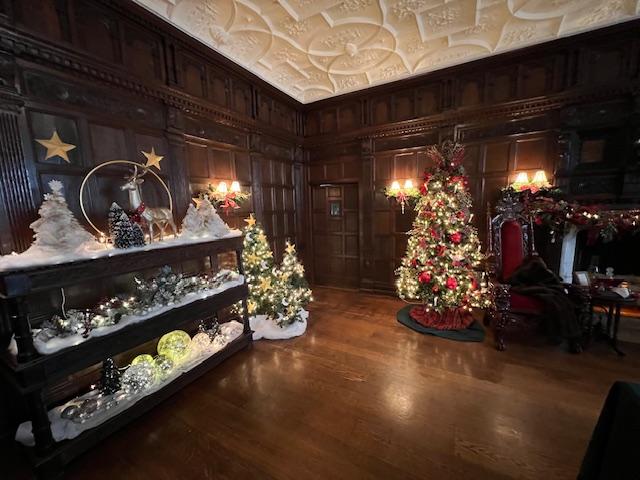
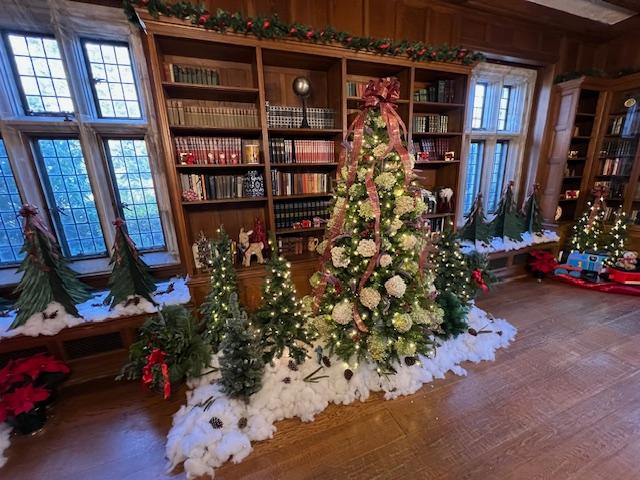
The last room on the tour was The Library that is resplendent with the holiday tree decorated with hundreds of lights and a myriad of ornaments representing the Scottish heritage of its owners (Skylands pamphlet). This room was designed by the Master Gardeners of Passaic County.
The Library at the Skylands Manor decked out for the holidays.
The Library in full view.
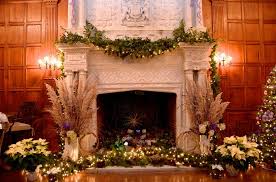
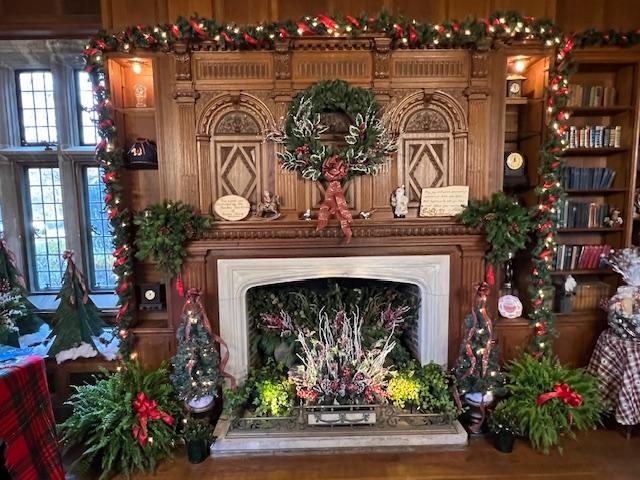
The fireplace in The Library is beautifully decorated for the holidays.
The Library in all its Christmas glory.
The Living Room was the last decorated room in the manor home for the holidays. I exited by the back door and then explored the grounds and the dormant gardens and look out areas of the estate that must look quite spectacular in the Spring and Summer months. I headed back to the Carriage House to look at the menu and explore the gift shop. This display is only open the first weekend of December and then for the rest of the year, the manor house is used for banquets and meetings and as a B & B. Until next year.
The front of the Carriage House where the restaurant and gift shop were located during the event.
History of the Skylands Manor & People:
The entrance to the manor that morning.
Clarence McKenzie Lewis bought Skylands in 1922 from the estate of Francis Lynde Stetson, who founded Skylands in 1891. Mr. Lewis was educated in England and Germany. While he was there, his widowed mother, Helen Forbes Lewis married William Salomon, founder of the New York banking house. Upon his return, Lewis attended Columbia University, where he received a Civil Engineering degree in 1898. In 1908, he married and bought a country place in Mahwah; it was there that Lewis became interested in horticulture.
The front of the manor home.
Helen Lewis Salomon, the mother of Clarence Lewis, was widowed in 1919. Not only thereafter, she and her bereaved son agreed to a joint project; she wanted a Tudor-style showplace; he wanted plants and gardens. Mrs. Salomon worked closely with the architect on Skylands Manor but she died in 1927 before its completion.
The entrance to the Walled Gardens.
John Russell Pope (1874-1937) “an architect born to work, in the grand style” was educated at City College, Columbia University, the American Academy in Rome and the Ecole des Beaux Arts in Paris. He trained under Bruce Price, the master builder of Tuxedo Park. Pope designed many outstanding public buildings, such as the Jefferson Memorial and the National Gallery of Art.
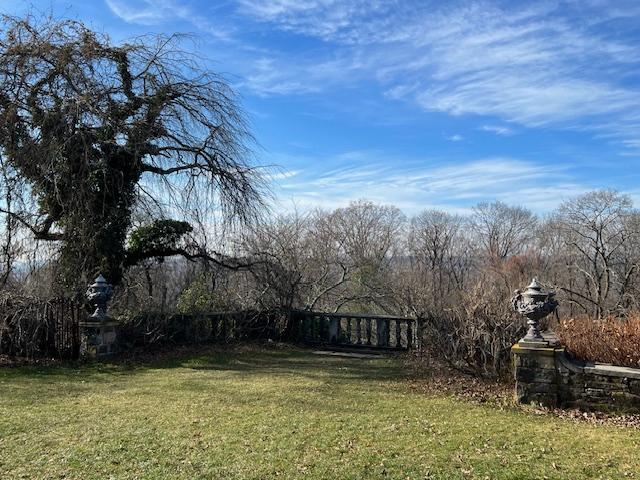
The estate gardens overlooking the mountains and the valley below.
Tutor Architecture originated in England in the late Gothic period and continued to be popular into the Renaissance. It features half-timbering on the exterior, crenelated walls, large groups of rectangular windows, oriel or bay windows and intricate chimney complexes The interiors usually had large central halls, wood paneling, molded plaster ceilings and elaborately carved staircases. Tudor Revival became a popular style for the elegant country houses of wealthy Americans.
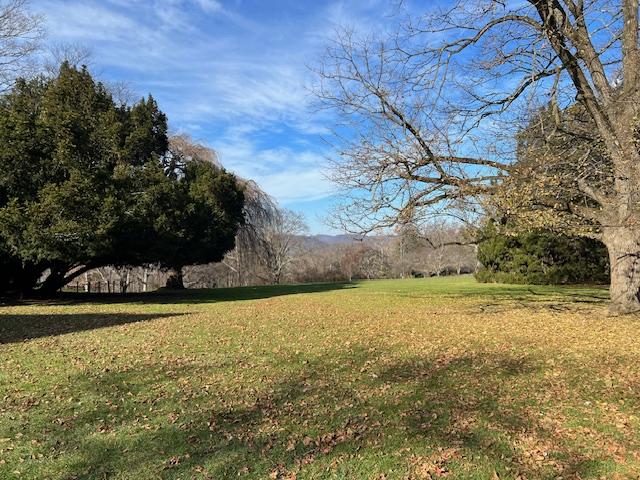
The estate grounds.
The builder of Skylands was the Elliot C. Brown Co., of New York City, which also built the country homes of Franklin Delano Roosevelt at Hyde Park and E. Roland Harriman (Arden House).
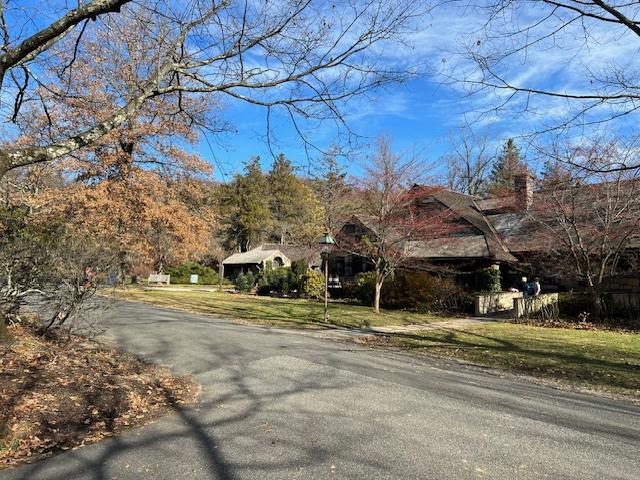
The house as you enter the drive.
Samuel Yellin (1885-1940) decorative metal designer and craftsman, who performed to call himself “the blacksmith”, fashioned the lanterns. electrical fixtures, lamps, gate, and spiral staircase rail for Skylands Manor.
The side of the estate that afternoon in the late fall.
Native Granite for the exterior walls of Skylands was quarried at Pierson Ridge above Emerald Pond in the eastern part of the property in Bergen County.
Mrs. Salomon purchased a collection of antique Stained Glass Medallions from an English collector. The 16th century German, Bavarian and Swiss panes were set in leaded windows by Heinegke & Smith of New York City.
The entrance to the Botanical Garden.
Disclaimer: This information on the details of the history of Skylands Manor was taken directly from their pamphlet and I give them full credit for it. Please call the manor for times that it is open as it is used a banquet/catering facility and a B & B.
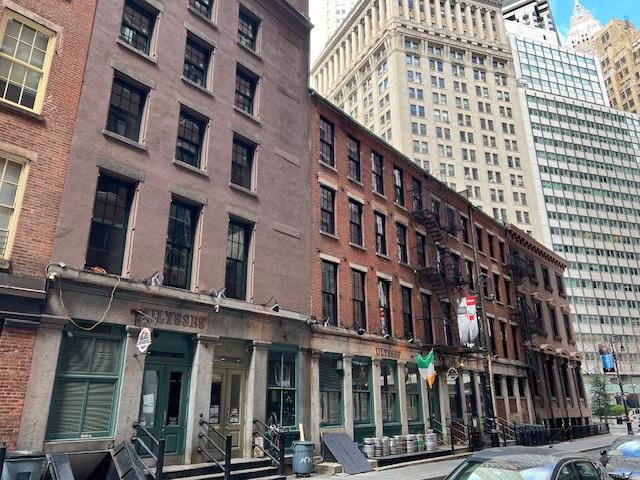
As part of my tour of Historic Bars and Pubs on Day One Hundred and Thirteen with the Cornell Club on May 9th, 2018, we toured the famous ‘Stone Street’ one of the original paved streets of Manhattan. You will not find architecture or pavings like this left in New York City. Here and there are streets or buildings that represent these times during the early to mid-1800’s but they are few and scattered in remote spots all over the island. Here the street still represents a different era of Manhattan.
The stores in the 90’s had been either boarded up or were used but in horrible shape. During the business hours not too many people inhabited this area of Lower Manhattan and it was ignored. The neighboring South Street Seaport was being transformed in the mid 80’s into a type of historic theme park and entertainment center by the Rouse Corporation. It put these old neighborhoods back into vogue and people started to return again.
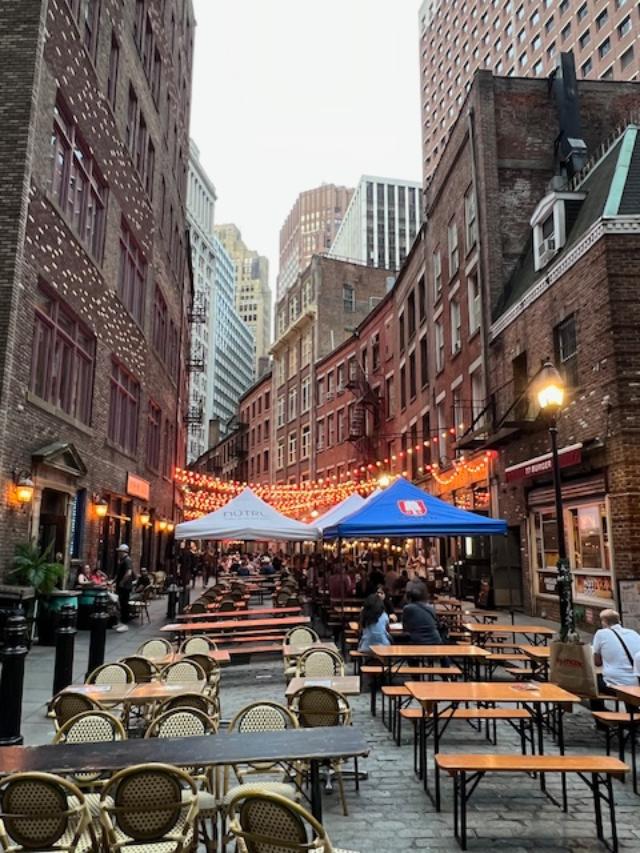
Over time, especially after 9/11 and the changes in downtown Manhattan, the street is now home to many trendy bars and restaurants and a hang out for the downtown business crowd. During the recent walking tour, the place was hopping with people spilling out of restaurants, ordering drinks during happy hour and eating pizza at the local pizzeria.
During ‘Happy Hour’ after work, the place is mobbed with people milling around having a good time. The tables toward the end of the street are filled with tourists taking pictures and at one end of the street is the famous “India House” and at the other is the Frances Tavern where George Washington gave his troops his farewell address.
Stone Street’s India House
It is not only a historical neighborhood but loaded with things to see and do. The buildings which were once in horrible shape have been brought back to life and repositioned to use for the meals and entertainment. It is interesting to see how a neighborhood comes back in full circle in a 150 years.
The Stone Street dining area in the warmer months.
History of the area:
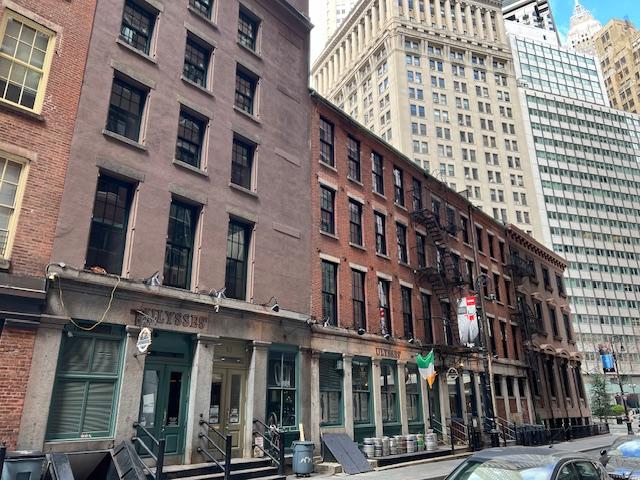
Stone Street is a short street in Manhattan’s Financial District. It originally ran from Broad Street to Hanover Square but was divided into two sections by the construction of the Goldman Sachs building at 85 Broad Street in the 1980’s. Today the cluster of historic buildings along Stone, South William, Pearl Streets and Coenties Alley form the Stone Street Historic District.
The area burned during the Fire of 1835
Stone Street is one of New York’s oldest streets. It was originally known by its Dutch name, Hoogh Staet (High Street). In 1632, the Dutch West India Company built the first commercial brewery in North America there. Around 1656, Hoogh Straet was shifted about twenty to twenty-five feet to align it with Brouwer Street, the extension of Hoogh Straet west of the Gracht and which in 1658 became the first paved street in Nieuw Amsterdam. Following the British conquest of the colony, the name Hoogh Straet was translated to High Street. It was then called Duke Street for the Duke of York during most of the 18th century. Leveled in 1771 and 1790, it was renamed Stone Street in 1794 because of it’s cobblestone paving as New Yorkers abandoned reminders of British Rule.
The Fire of 1835
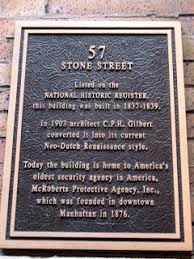
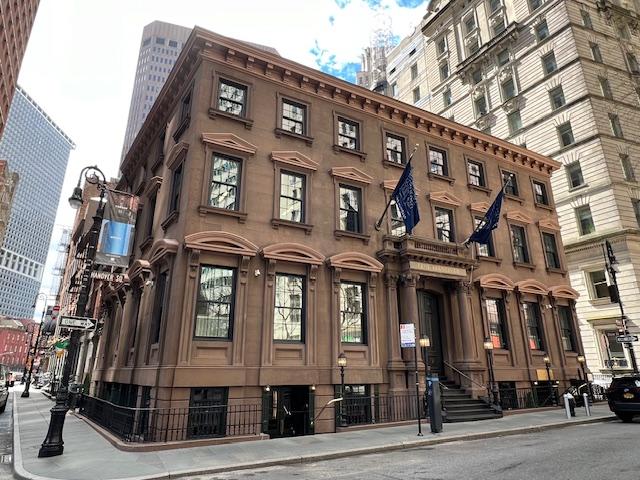
The street’s stores and loft were built for dry-goods merchants and importers, shortly after the Great Fire of 1835, which destroyed many remnants of New Amsterdam. Most buildings were used as storage. The building at 57 Stone Street was rebuilt in 1903 by C.P.H, Gilbert in Dutch Colonial Revivial architecture at the behest of the owner, Amos F. Eno as son of Amos R. Eno. The buildings to the back on South William 13-23 also were reconstructed in the Dutch revival style, evoking New Amsterdam.
Stone Street at night
Today is a busy series of bars and restaurants.
Following many decades of neglect, a joint partnership between the Landmarks Preservation Commission and other city agencies, the Alliance for Downtown New York and Stone Street owners has transformed Stone Street from a derelict back alley into one of Downtown’s liveliest scenes. Restored buildings, granite paving, bluestone sidewalks and period lights set the stage for the half dozen restaurants and cafes, whose outdoor tables are very popular on warm summer nights.
The eastern portion of the street and the surrounding buildings have been protected since 1996 by the New York City Landmarks Preservation Commission as the Stone Street Historic District and is pedestrian only. The historic district is now populated by several restaurants and bars and has a outdoor dining when the weather permits. The India House historic landmark is located at the Hanover Square end of the street.
(This information was taken directly from Wikipedia and I give them full credit)
Admission: $5.00 for Adults/$3.00 for Seniors & Students/Children under 12 are free/General Admission is free on Wednesdays. Guided and group tours are available.
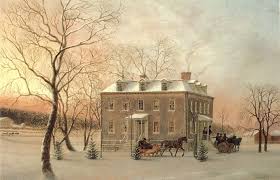
The entrance of the Van Cortlandt House decorated for the Revolutionary era Christmas
I visited the Van Cortlandt House Museum for the their Annual Christmas Decorated House event. The mansion was decorated for Christmas in the 1700’s so it was not overdone as it would during the Victorian times. The front of the house entrance was done with sprays of holly, mistletoe above the door and garlands of pine around the banister and fireplaces. The windows had candles in them and the dining room was set for Christmas luncheon in post-Revolutionary War era.
Van Cortlandt House for Christmas is Post-Revolutionary War in 2019
The entrance hall welcomes you to a Revolutionary era holiday season
While most of the house is represented during the Dutch era with floors with no rugs, vintage furniture and decorations and the second and third floors are set for family entertainment. The first floor is set for entertaining for the holidays with the formal dining room, family parlor and the formal living room for games and dancing. The formal dining room was the only room decorated post-Revolutionary War era.
Van Cortlandt Mansion at Christmas 1800’s
The current entrance to the house from the back of the building
Until the Victorian era, Christmas was a more religious affair with church service in the morning and luncheon in the afternoon. Things were formal and less elaborate. The acts of gift giving, sleigh rides, tree decorating and card giving came during the affluence of Queen Victoria’s reign in the post Civil-War era. This is the reason why the house is decorated so simply and elegantly.
Dining Room set for Christmas lunch circa 1780’s
In 2019, the site celebrated the holidays with a Sinterklaas, a Dutch Christmas celebration, a candlelight tour and a reading from Santa Claus. Please check their website for more information on future events. The house was closed for most of the COVID years and nothing had been planned. The house was open in December of 2022 for touring again for the holidays but was not decorated as much as in the past.
In 2022, when the house reopened after a long period of COVID, the self-guided tours were back and you could tour the house at your own pace ($5.00 donation) and tour the three floors of furnished rooms. You can see how the family lived from the three generations that lived in the residence.
The tour starts at the front hallway where guests would be received for formal affairs and for business meetings with the head of the household.
You would be greeted by servants at the entrance of the home
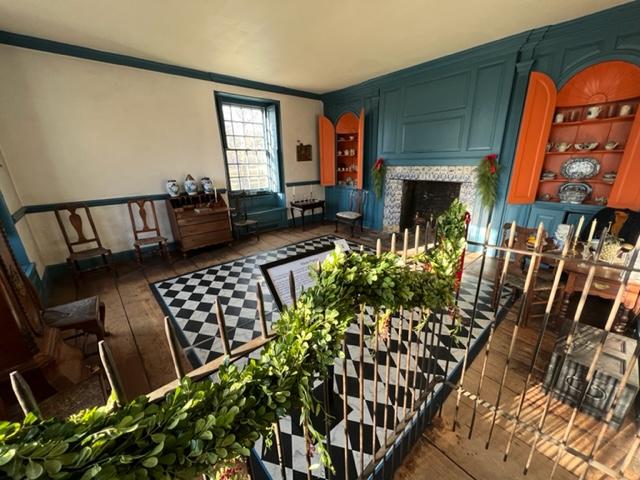
On either side of the front hallway is the East and West Parlors where you would be directed where the family would receive you. The West Parlor would have been used for business calls and more informal meetings when meeting with the Van Cortlandt family. The family’s wealth would be on display with fine furniture, china and bric-a-brac that would show off the family’s merchant roots and business.
The West Parlor
The West Parlor decorated for Christmas
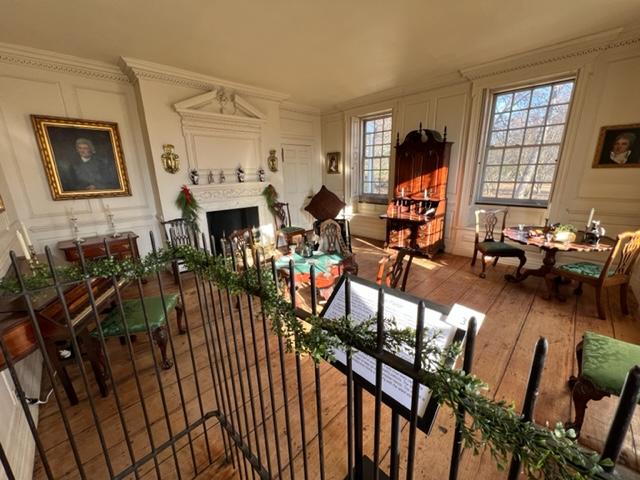
The East Parlor on the other side of the entranceway would have been used for more formal affairs. The East Parlor is where the family would formally entertain guests with dancing, music and card playing. This is where long evenings of entertaining would take place and the family would enjoy their holiday celebrations.
The East Parlor
The East Parlor decorated for the Christmas holidays
The Dining Room was toward the back of the hallway and was decorated in the Empire Design of the late 1700’s to early 1800’s. The look is very similar to styles used today and the wallpaper is a copy from one of the styles used by the family that was imported in from France. The table was set for Christmas luncheon circa the late 1780’s.
The Dining Room
The Dining Room at the Van Cortlandt House
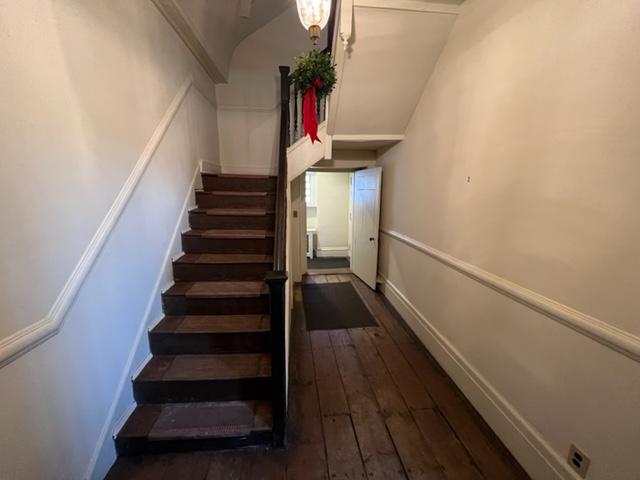
There are two sets of stairs to the second level of the house where the family bedrooms were located. There was the formal stairs and then there was the stairs that the servants used to go from floor to floor so that they would not be seen.
The steps upstairs to the second floor
On the second floor of the home are the bed chambers of the family. The main bedrooms for the family were located here and then the nursery and servants quarters were located on the Third floor of the home.
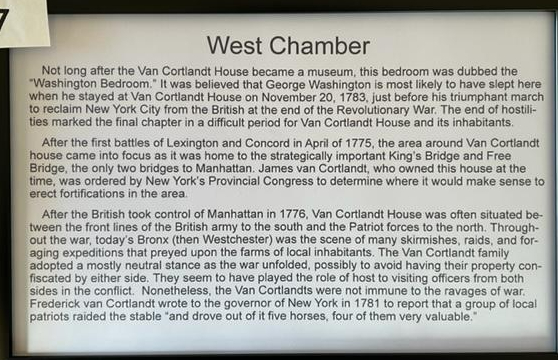
The West Chamber:
The bedroom
The ‘Washington Bedroom’ in the Van Cortlandt House
The East Chamber Bedroom:
The Bedroom:
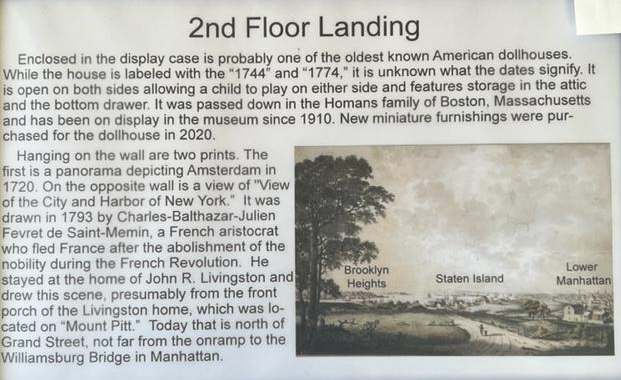
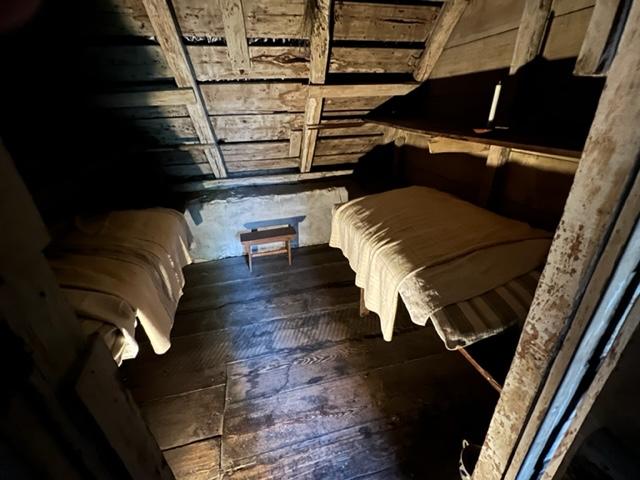
The Landing of the stairs to the third floor lead to the Nursery, an additional guest room and the enslaved servants quarters. These were kept out of site from the other members of the household. It is a reminder of the pecking order of the household and the conditions that people lived under at this time.
The Second Floor Landing leads to the nursery and servants quarters
The Dutch Chamber was formerly a guest room that is used to show life in early Colonial New York City:
The Dutch Chamber:
The Dutch Chamber shows early life in Colonial America
The Second Floor Setup:
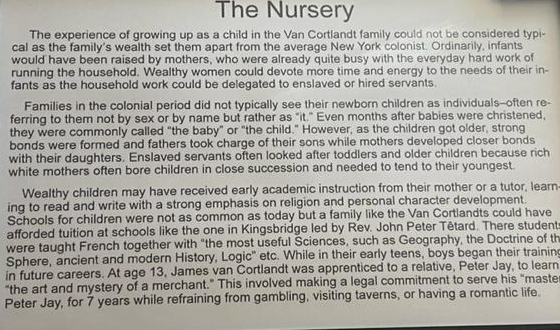
The Nursery:
The nursery set up room:
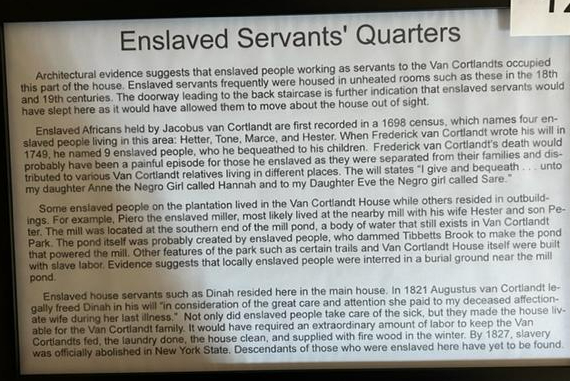
The servants quarters were to the back of the house and were not the most glamorous place to live in the house. There were drafty and not insulated. The amount of time a servant would be here would have been minimal.
The servants quarters:
The servants quarters:
History of the Van Cortlandt’s:
The Van Cortlandt House Museum, also known as Fredrick Van Cortlandt House or Van Cortlandt House, is the oldest surviving building in New York City’s borough of The Bronx. The Georgian style house, begun in 1748, was build of fieldstone by Fredrick Van Cortlandt (1699-1749) on the plantation that had been owned and farmed by his family since 1691. Fredrick intended the house to be a home for him and his wife, Francis Jay and daughters, Anna Maria, 14 and Eve, 13. His sons, Augustus, 21 and Fredrick, 19, were not intended to be permanent residents of the house.
Sadly, Fredrick died before the new house was completed. In his will written in 1759, Fredrick left the house to his son, James Van Cortlandt (1726-1781) and a lifetime tenancy to his widow, Francis Jay Van Cortlandt (1701-1780).
The Van Cortlandt House gardens in the Summer
The Van Cortlandt’s were a mercantile family prominent in New York affairs. Fredrick’s father, Jacobus, established a thriving wheat growing and processing business on the plantation including a grist mill for processing the wheat into flour and a fleet of shallow draft boats to carry the flour from the south end his lake down Tibbet’s Brook and out to the Harlem and Hudson Rivers to market. During the Revolutionary War, the house was used by Rochambeau, Lafayette and Washington.
(From History of Van Cortlandt House and Museum)
In 1887, after 140 years of occupancy by the Van Cortlandt family and the community of plantation workers, the property was sold to the City of New York and made a public parkland. Before the house became a museum, it saw a variety of uses including as a temporary police precinct house and as a dormitory for ranch hands responsible for taking care of a herd of buffalo.
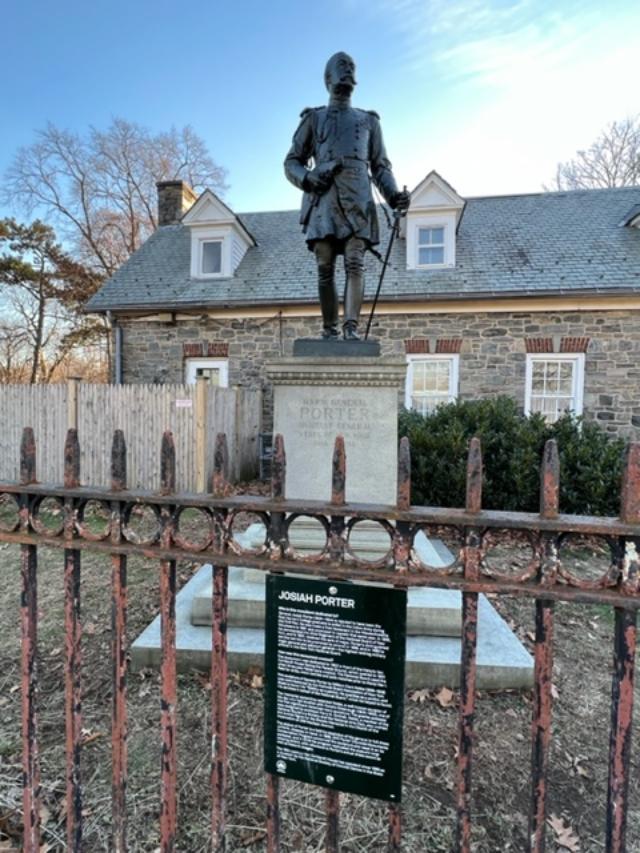
Van Cortlandt House historic marker
By 1895, The National Society of Colonial Dames in the State of New York expressed their interest in restoring the house as a museum open to the public. There was only one obstacle keeping the Colonial Dames from this important project, there was no provision in the New York State Law allowing the stewardship of a publicly owned building by a private organization. Undaunted, the first Society President, Mrs. Townsend, took the Society’s cause to Albany where on May 22, 1896 in the 199th session of the New York Legislature, Chapter 837 was approved by the governor and passed by a 3/5 majority to become law.
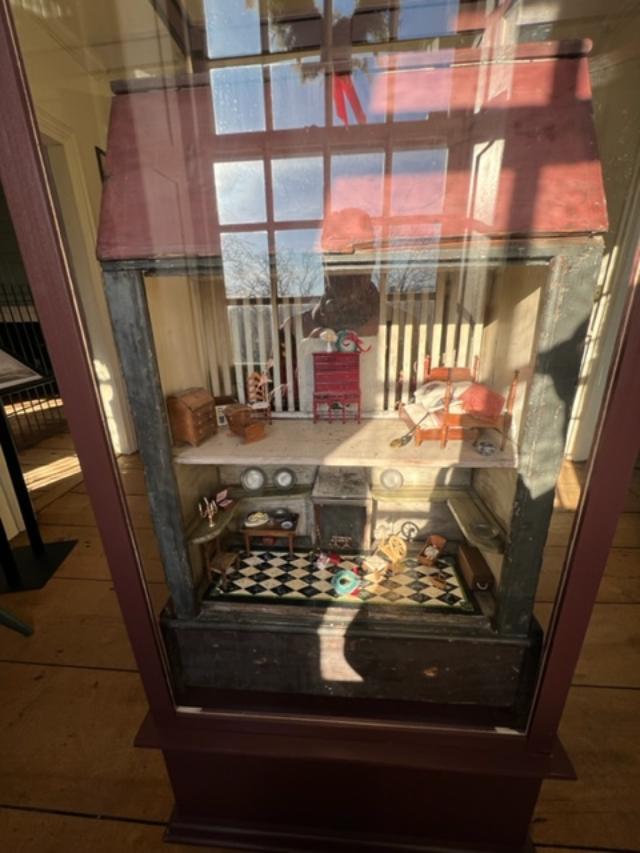
The Van Cortlandt House dollhouse
After nearly a year if repairs and restoration, Van Cortlandt House Museum was opened to great fanfare on May 25th of 1897. The original license agreement grained custody of the house to the National Society of Colonial Dames in the State of New York for a period of 25 years at a ‘peppercorn’ rent of $1.00 per year. Although the Society no longer pays the city rent, they remain, to this day as dedicated to Van Cortlandt House as they were in 1896.
Van Cortlandt Park in the Summer Months
In 1967, Van Cortlandt House was added to the National Register of Historic Places and was designated a National Historic Landmark in 1967. The house was declared a New York City Landmark on March 15, 1966, recognizing the historic and architectural importance of both the exterior and interior.
(From the Van Cortlandt House Museum NSCDNY)
The Van Cortlandt House gardens during the winter of 2022












































 Visiting a Museum: The Unique, Unusual, Obscure and Historical