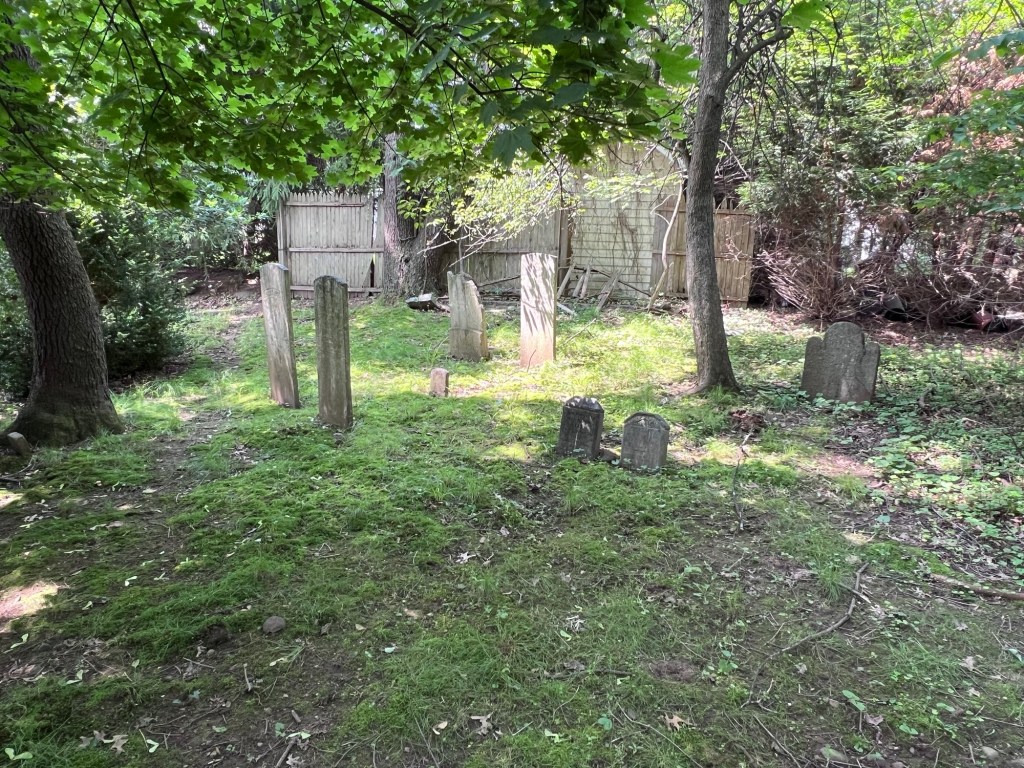
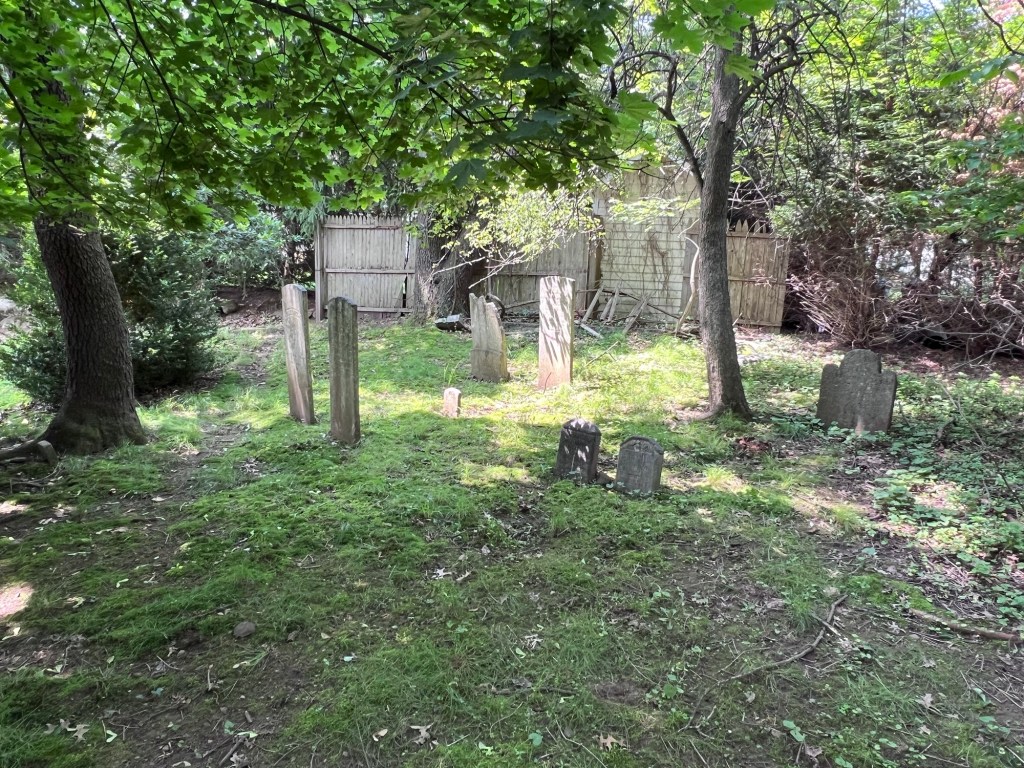
The cemetery is in a quiet corner between two house in what was once the Haring Farm
The family that is buried here:
(From the Dutch Door Genealogy website)
When some of this property, which originally had belonged to Abraham Jans Haring
according to the Zabriskie genealogy, was sold in 1785, ownerhip of the burial plot
was retained, and is described as being one square chain, which is 66 feet on each
side.
HARING FAMILY BURIAL PLOT AT NORWOOD, BERGEN COUNTY, N.J.
ON THE PROPERTY NOW KNOWN AS THE ALLISON FARM.

10718  Abraham J. Haring    d.1.1.1801  b.9.30.1720  a.80.3.1 (Tap. #358)

       Broken stone

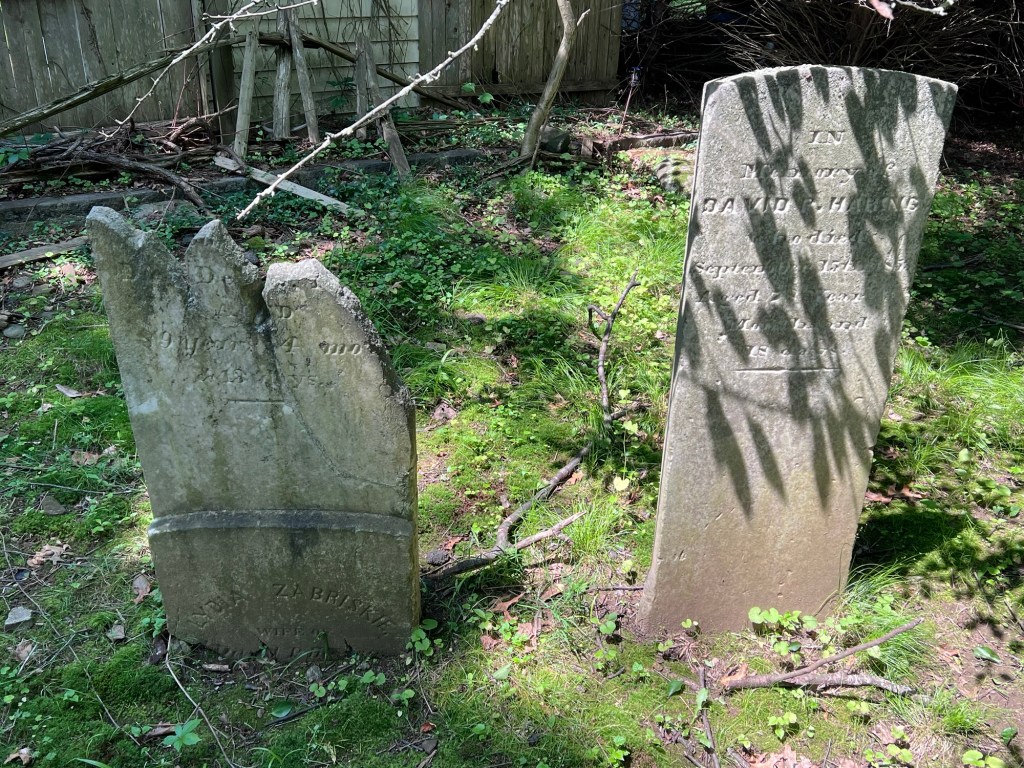
10719  David P. Haring      d.9.15.1853   a.78.3.18  (Tap.#2418)

10720  Lydia Zabriskie  w. of        (Sch.p.186)
       David P. Haring      d.12.30.1869  a.89.4.13

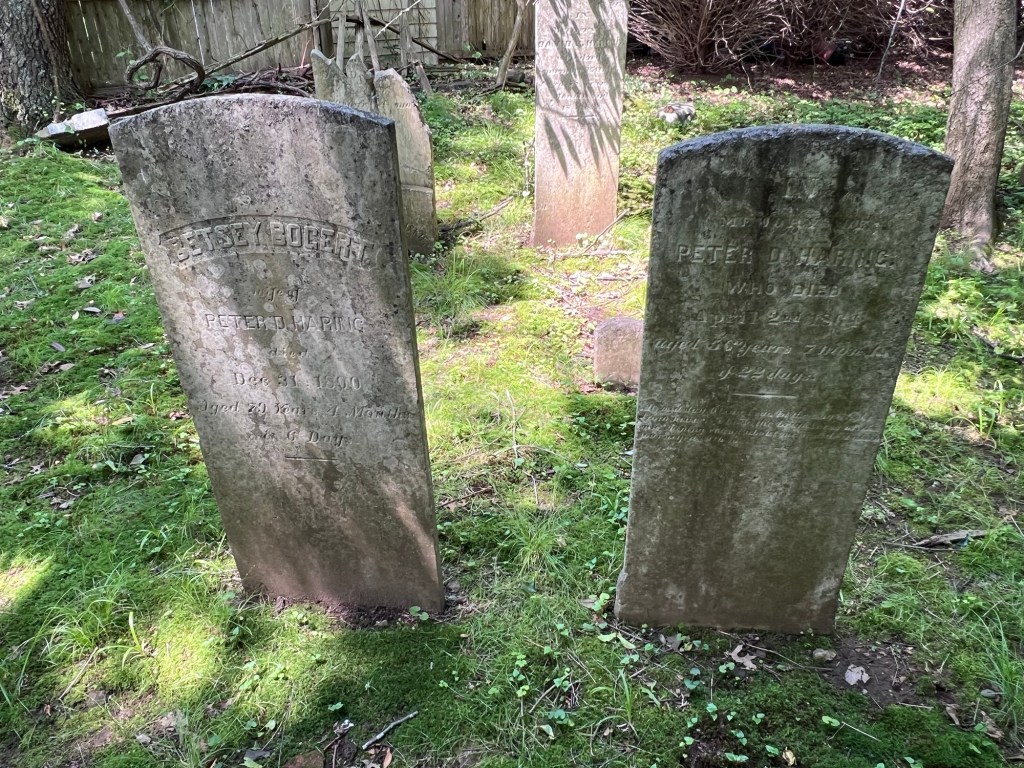
10721  Peter D. Haring      d.4.2.1864   a.56.7.22  (Tap.#3727)

10722  Betsey Bogert   w.
       Peter D. Haring      d.12.31.1890   a.79.4.6

10723  Ruth Haring          d.3.3.1876    a.0.2.14

10724  Bessie Haring        d.10.2.1877   a.0.7.24
Betsey Bogart Haring and Peter Haring
Ruth and Bessie Haring who died as children
The tombstone of Cornelius Haring (I could barely read this)
Admission: Free, the gates are open across from the baseball field.
My review on TripAdvisor:
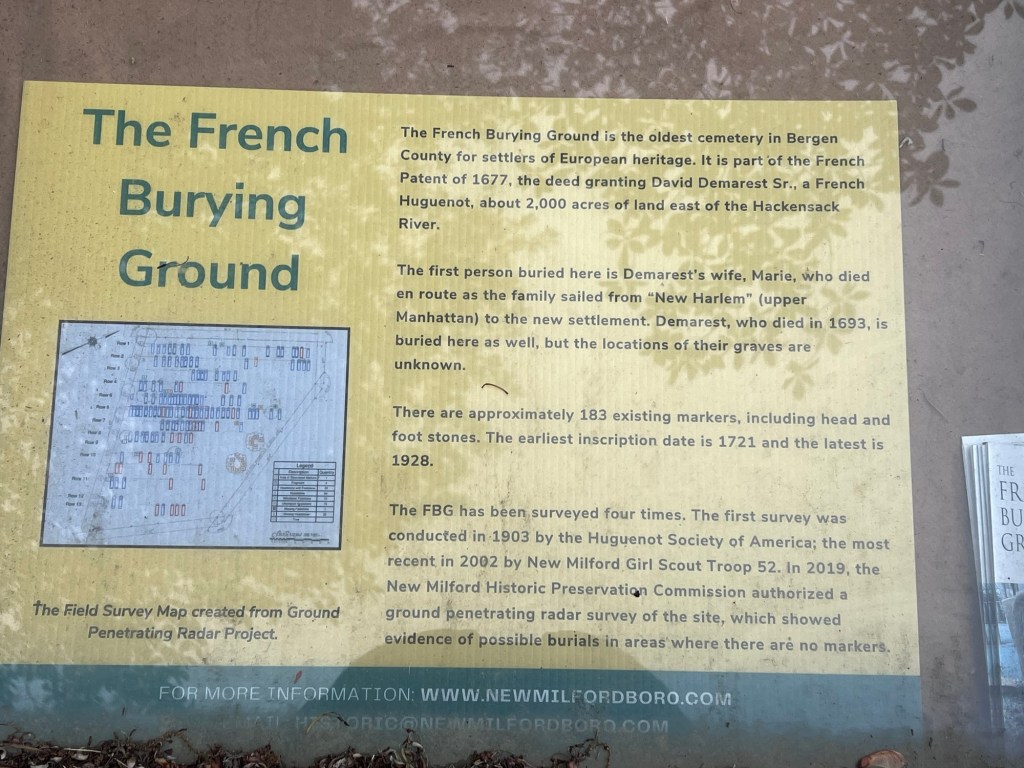
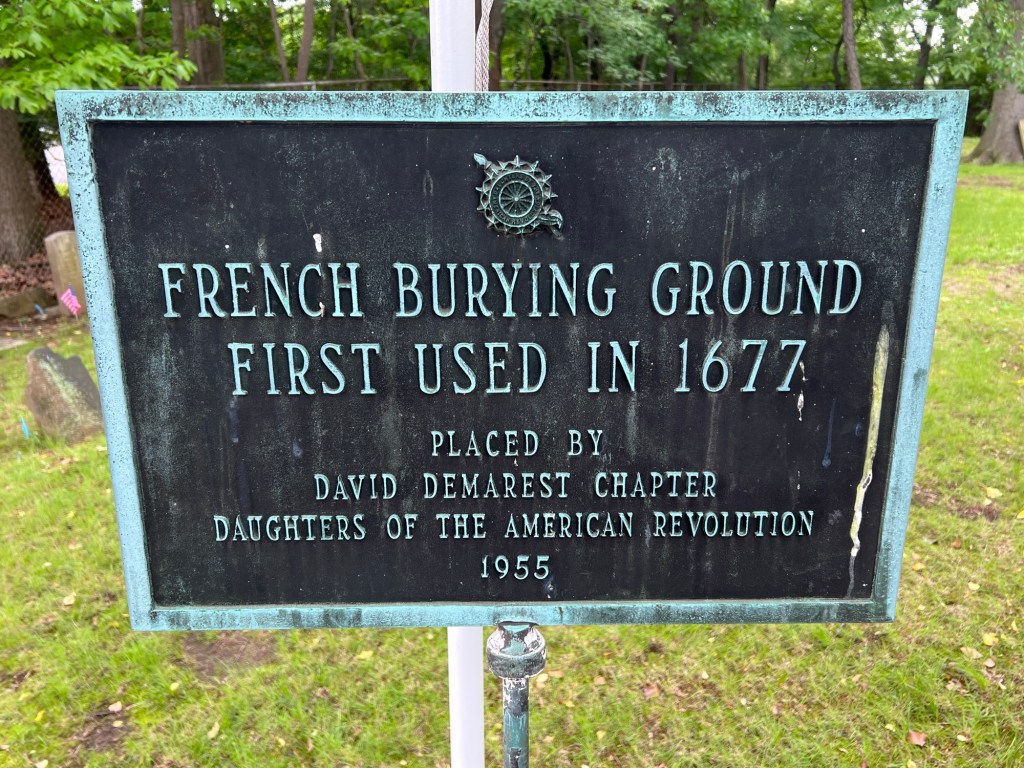
The sign for the French Burying Ground
The historic marker in the front of the cemetery
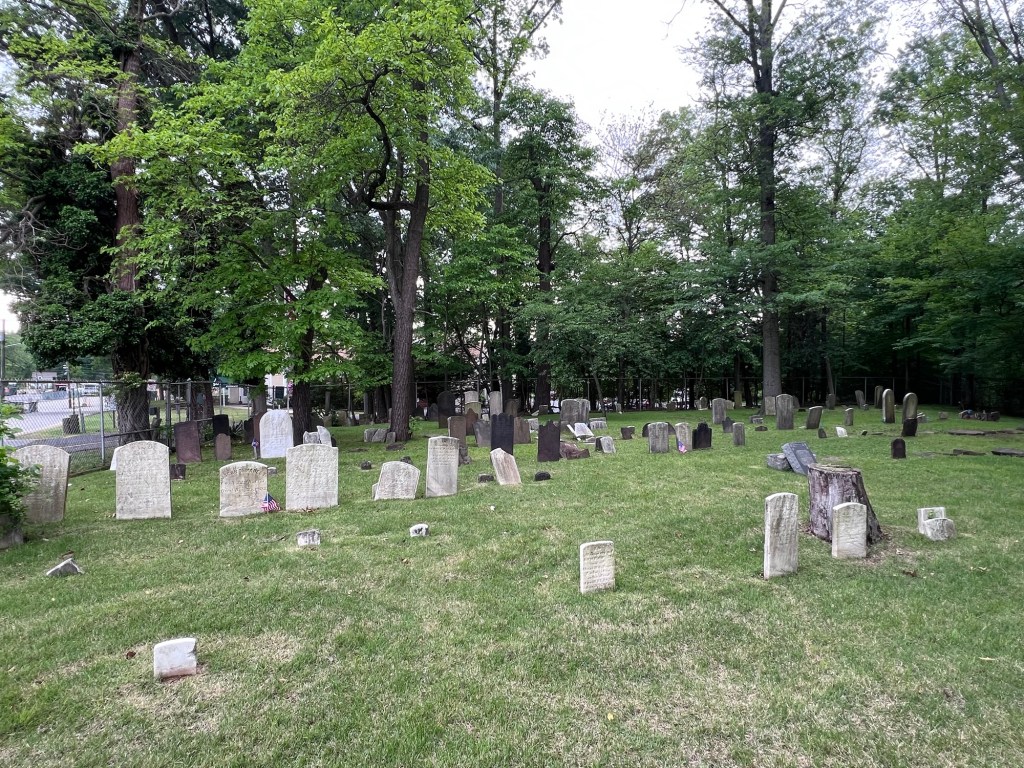
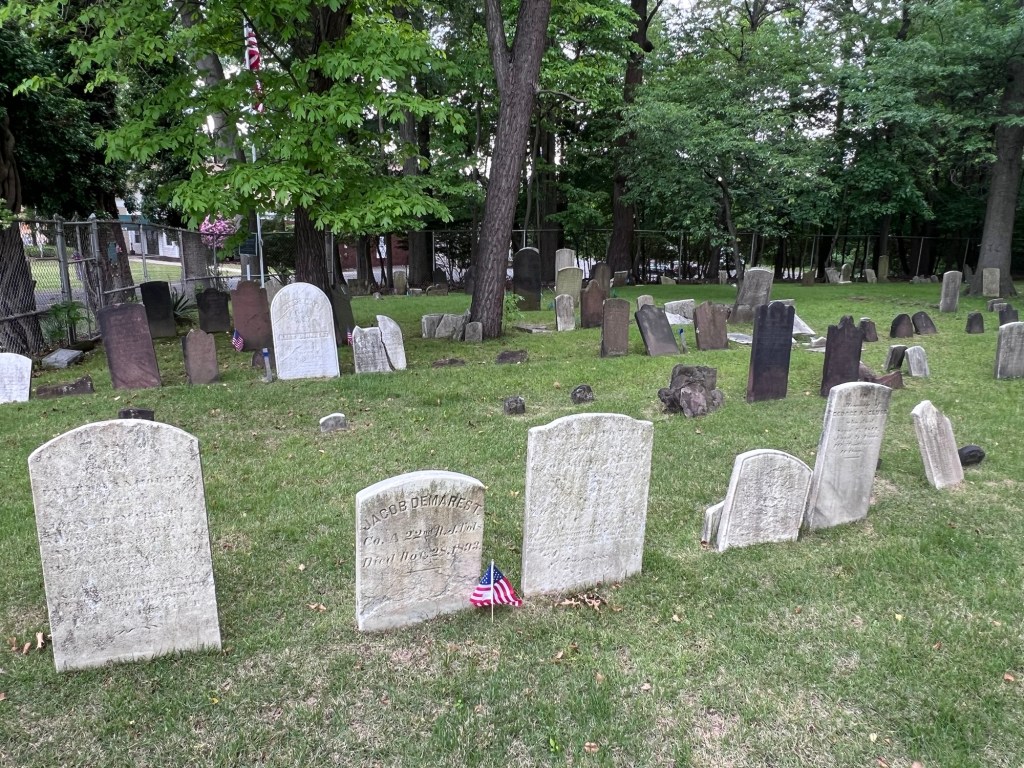
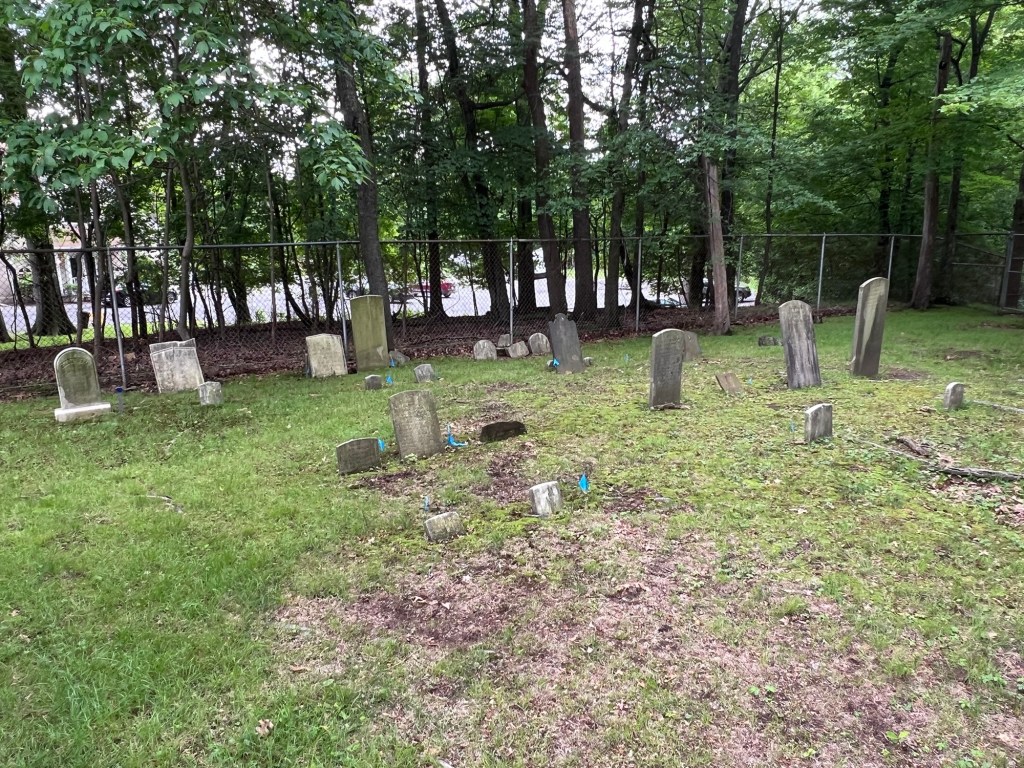
The French Burying Ground
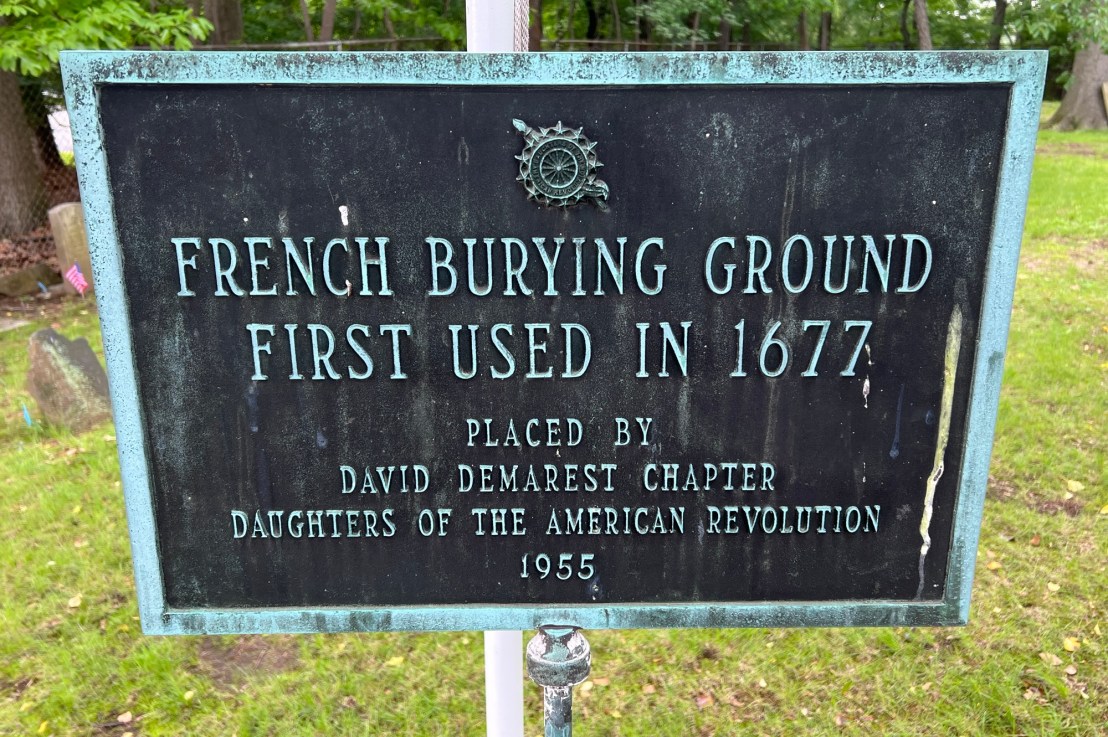
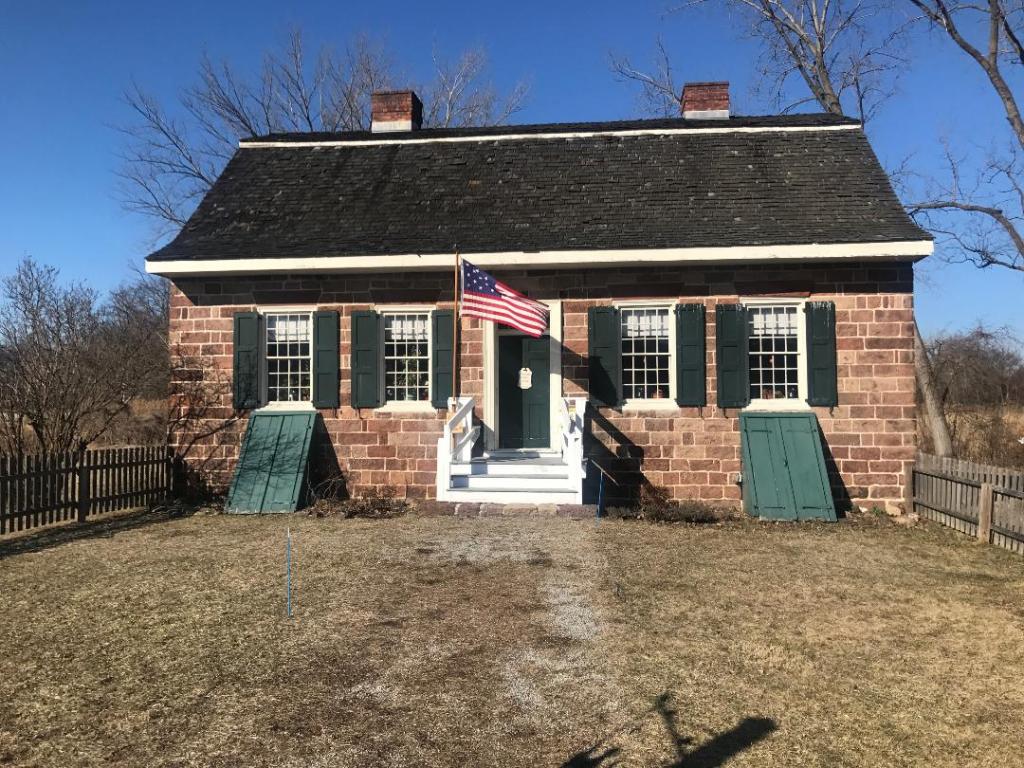
The French Ground is a small historic cemetery once sat next to the French Church and the David Demarest House, that has since been moved to the Bergen County Historical Society site.
The Demarest House at the Bergen County Historical Society
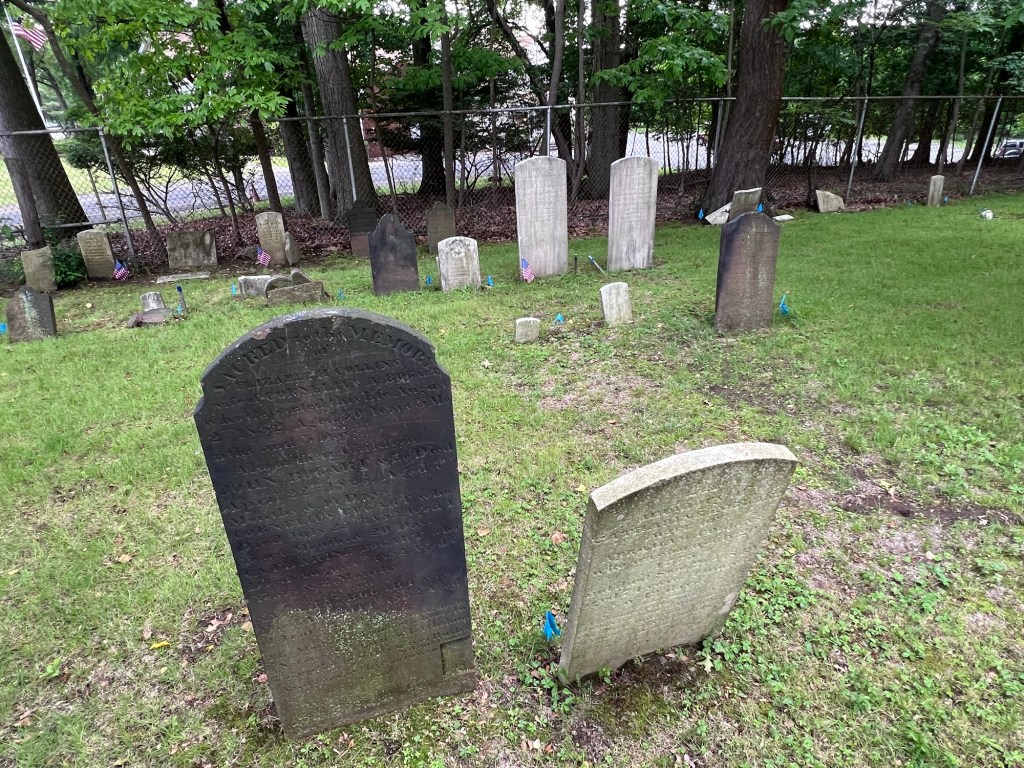
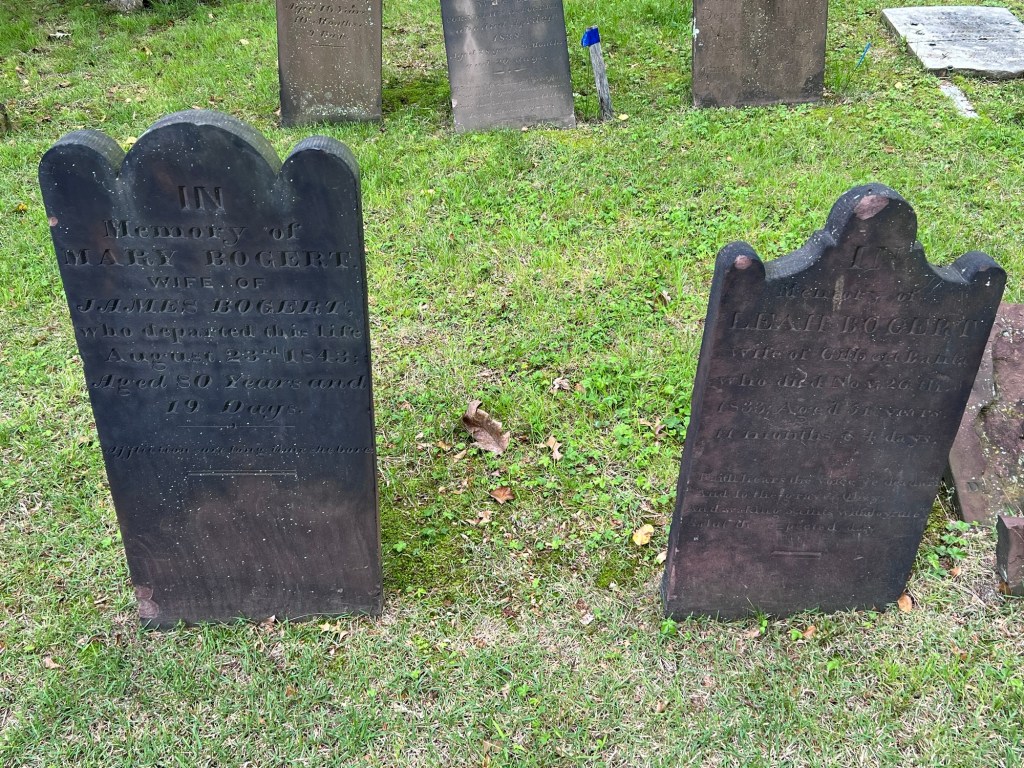
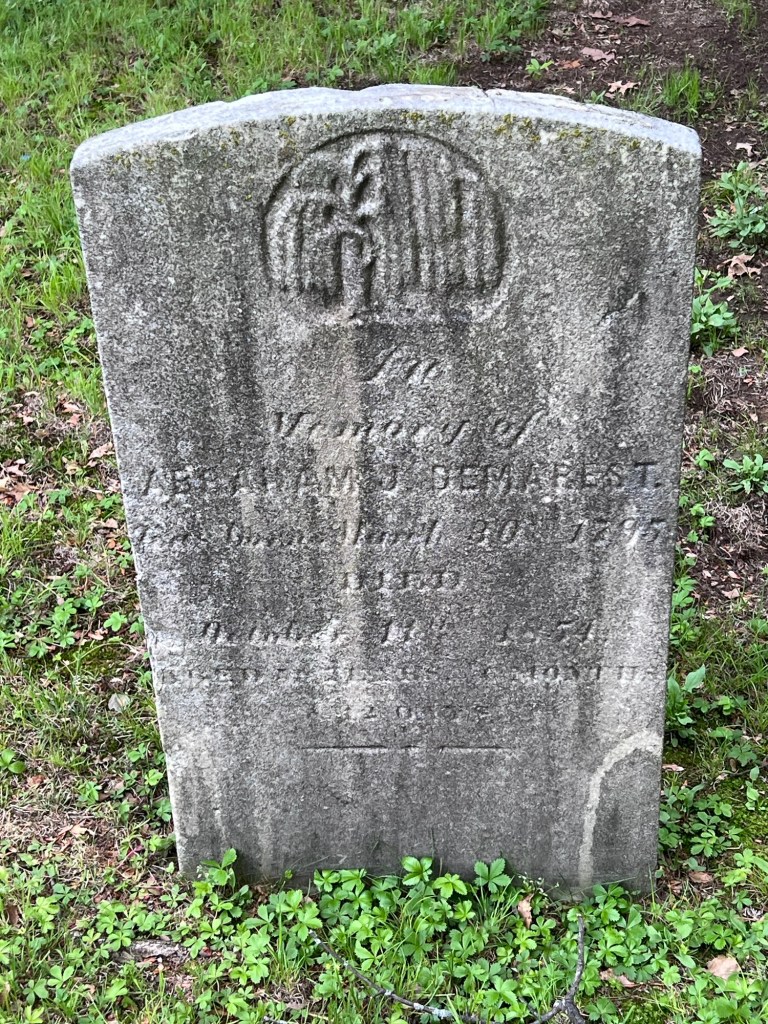
The graves of members of the Bogert, Demarest and Christi families
The History of the French Burying Ground:
(from the New Jersey Historic Trust)
Thought to be oldest cemetery in Bergen County, the French Huguenot-Demarest Cemetery was established in 1677 as the final resting place for prominent French Huguenot and Dutch settlers in the eighteenth and nineteenth centuries. David Demarest purchased approximately 2,000 acres of land along the east bank of the Hackensack River from Native Americans in 1677 to establish a colony of French-Huguenots.
The cemetery is all that remains of the original French-Huguenot colony and has more than four dozen descendants of Demarest family buried on site. The Borough of New Milford acquired the property in 2018 and has been working closely with the New Milford Historic Preservation Commission to plan for its restoration and future interpretation.
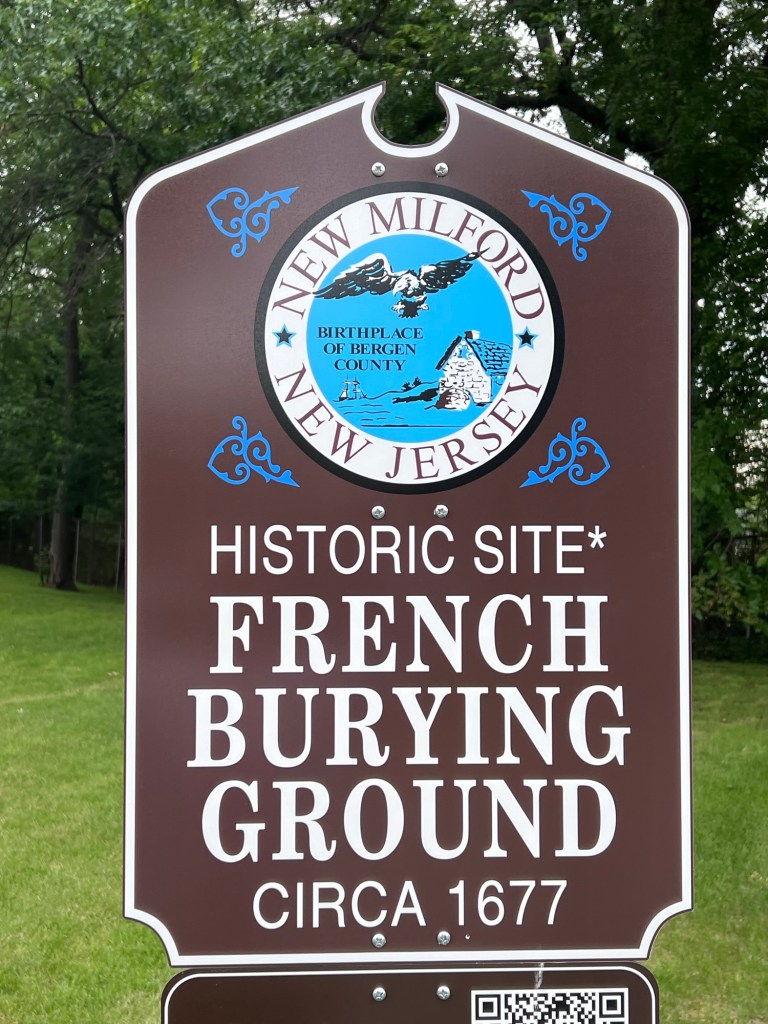
The French Burying site sign
My International Marketing class at Bergen Community College recently did a complete study and marketing plan for the “Bergen250” on the Revolutionary War veterans buried at graveyards and cemeteries all over Bergen County, NJ:
For a Mapping of all the historic graveyards and cemeteries, I had the students visit all the sites that the Daughters of the American Revolution had researched and I had the students find all the locations, photo the tombstones and create a bio on each of the veterans. I enclosed a copy of their work above.
My blog on the historic graveyards and cemeteries of Bergen County:
The cemetery (technically a graveyard since there was a church once here) is the final resting place of many of Bergen Counties Revolutionary War veterans as well as many prominent families including the Demarest, the Bogert and the Christie families. These were some of the founding families of Bergen County.
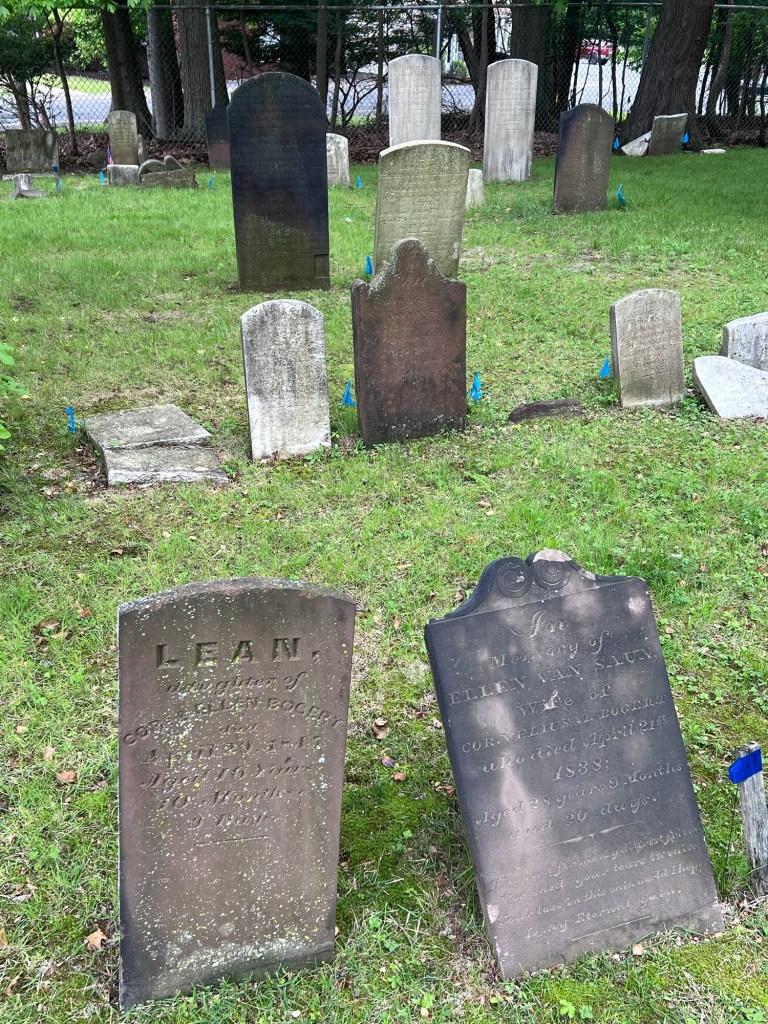
The graves of the prominent Bogert and Van Saun families
The cemetery has a quiet elegance about it with the many different styles of tombstones and the sheer history of these families and their contributions to the creation of our country.
The historical marker notes the cemetery was first used in 1677 after an agreement with the Native Americans
The back part of the cemetery
Members of the Bogert family
Members of the prominent Bogert family
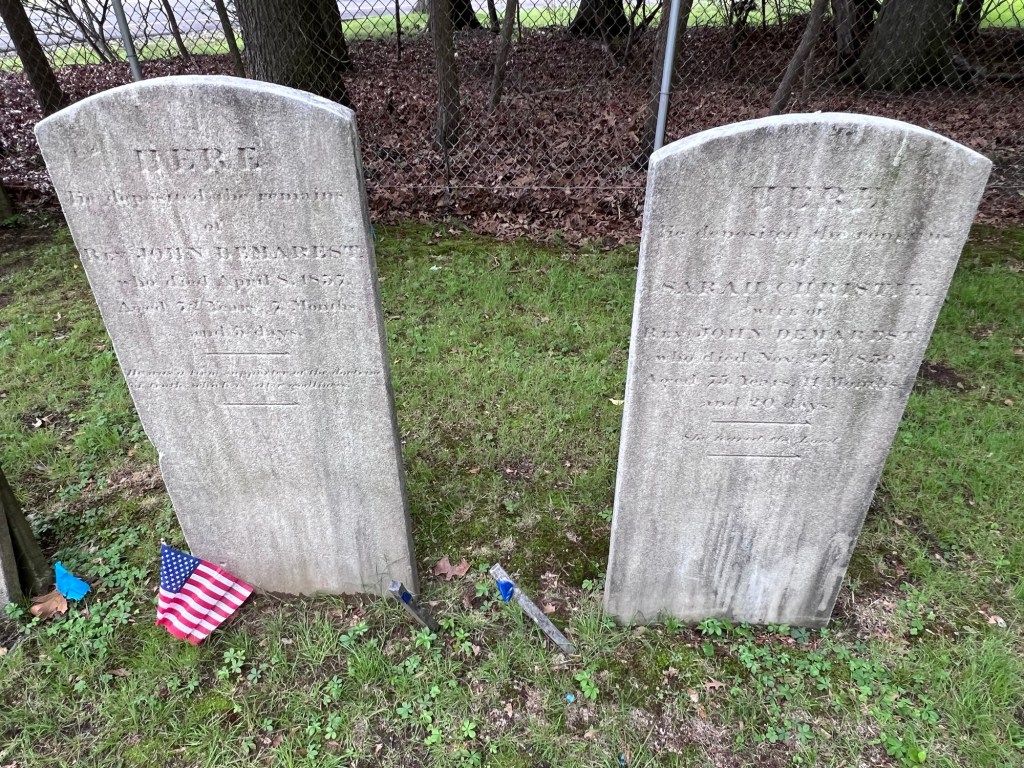
Members of the prominent Demarest family with Revolutionary War veteran Reverend John Demarest
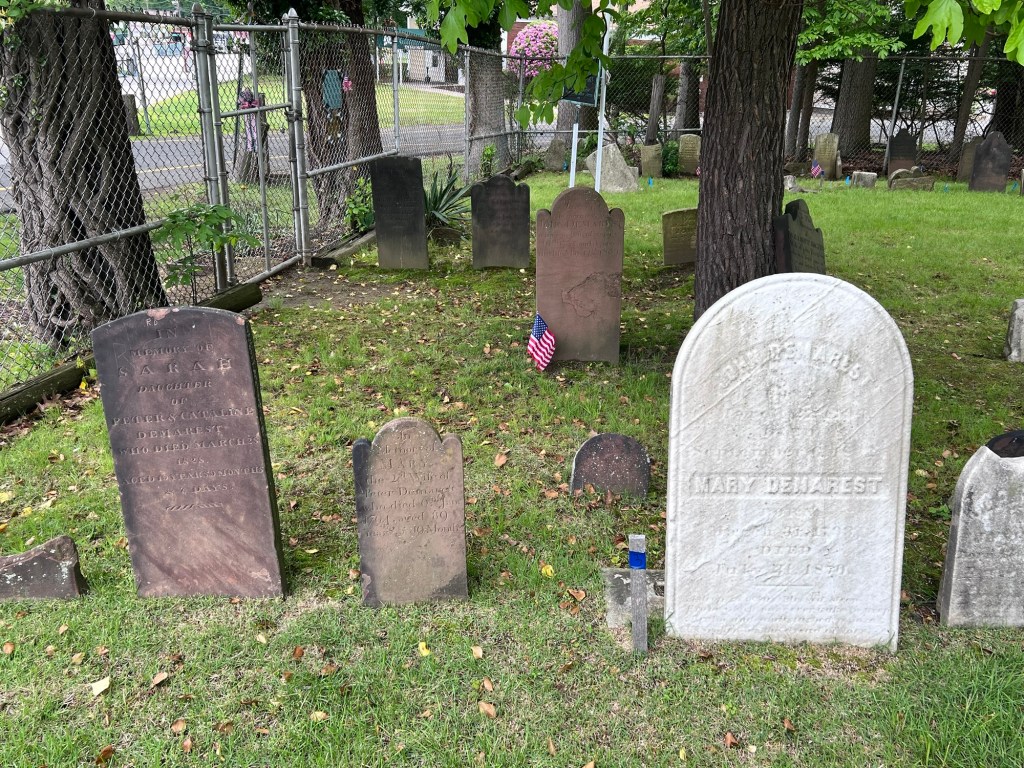
Members of the prominent Demarest family
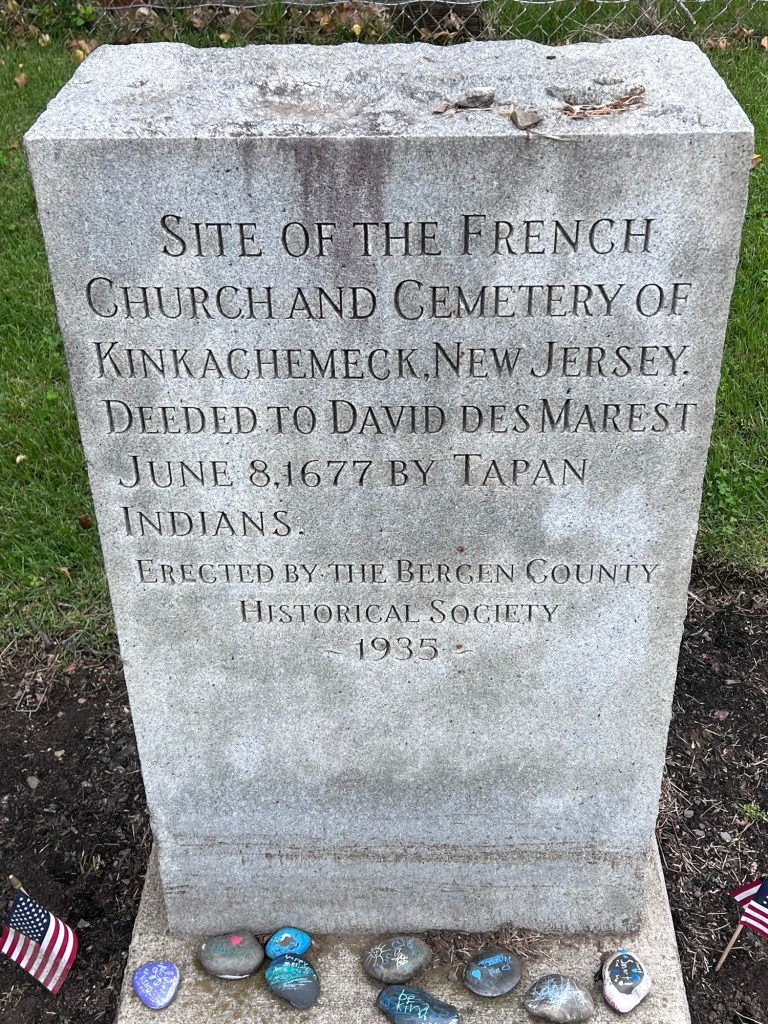
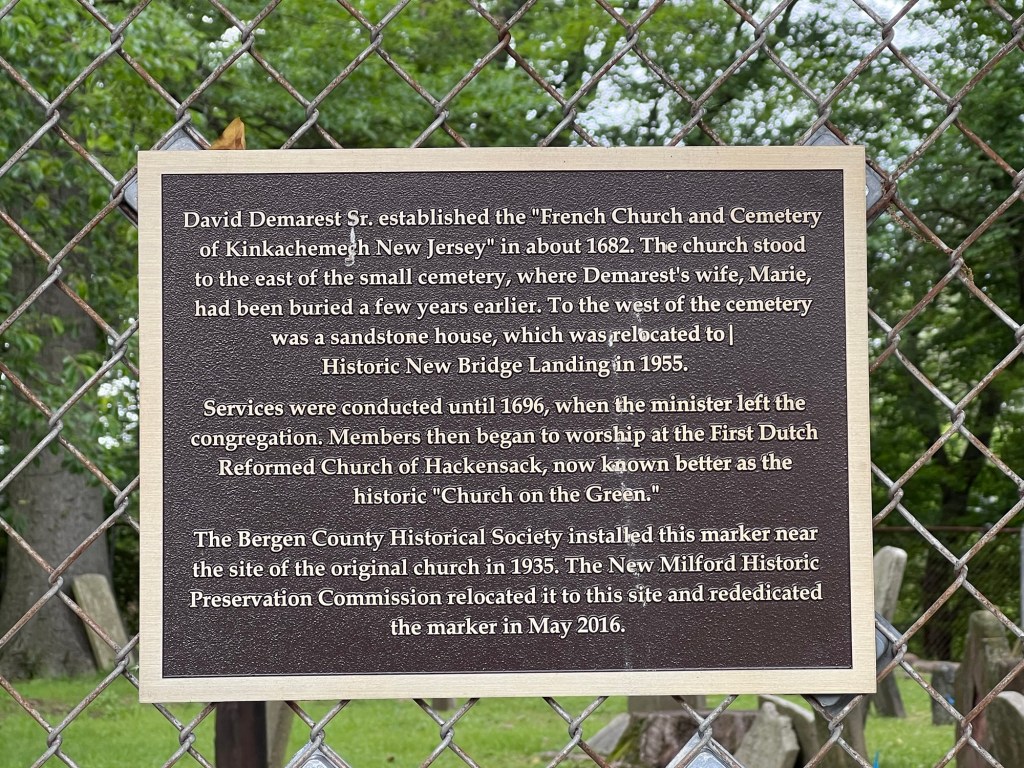
The historic marker of the original church site
There are many of the veterans of the Revolutionary War buried at the site some of which survived the battles and went on to have productive lives in their communities.
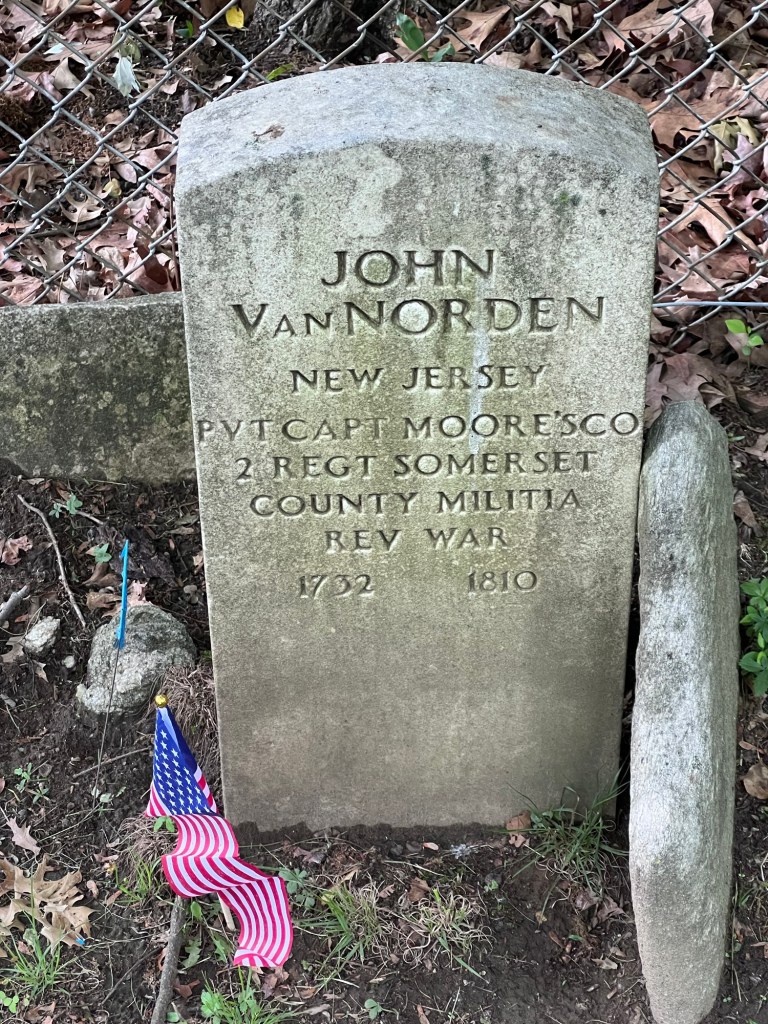
Veteran John Van Norden
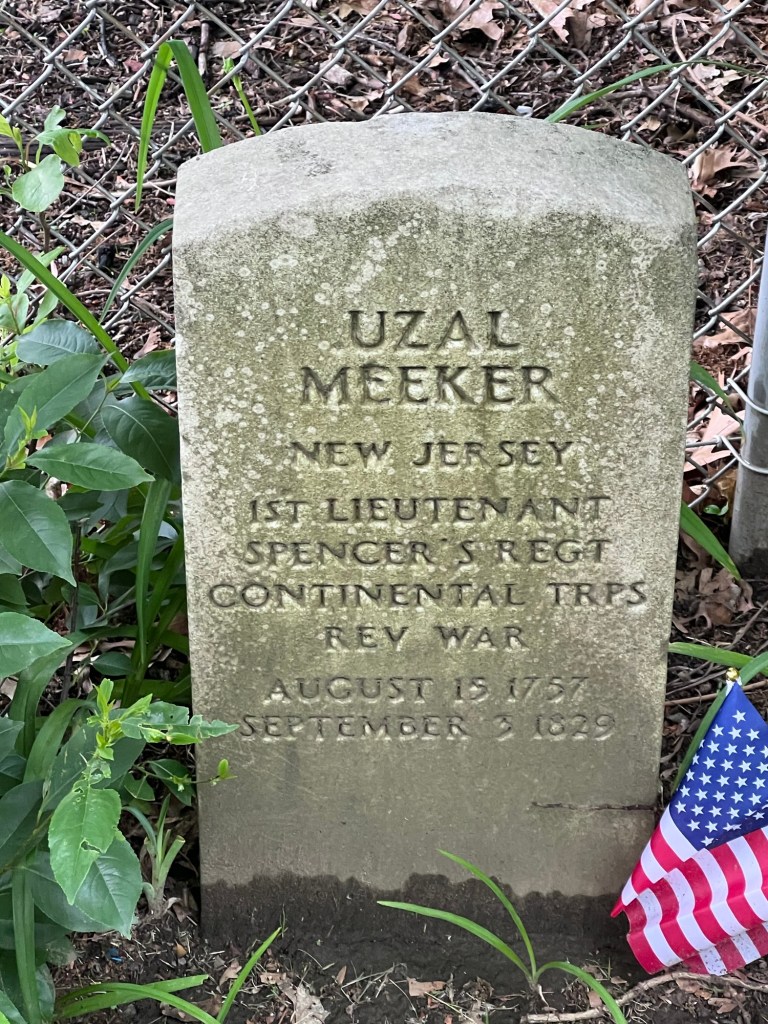
Veteran Uzal Meeker
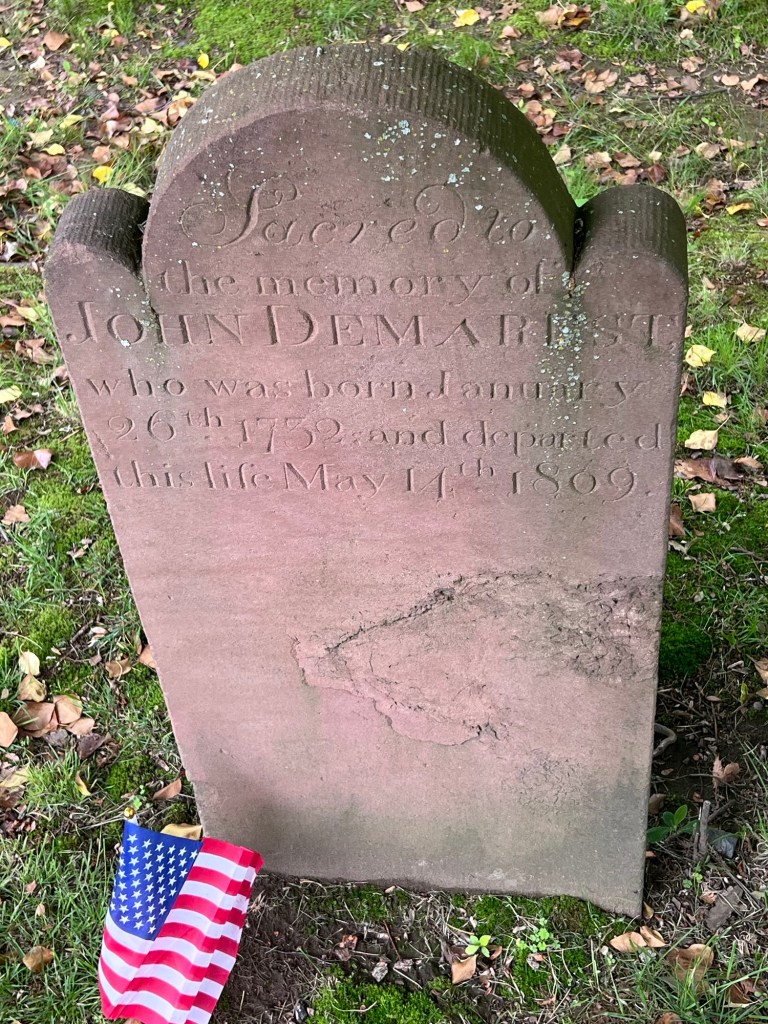
Veteran John Demarest
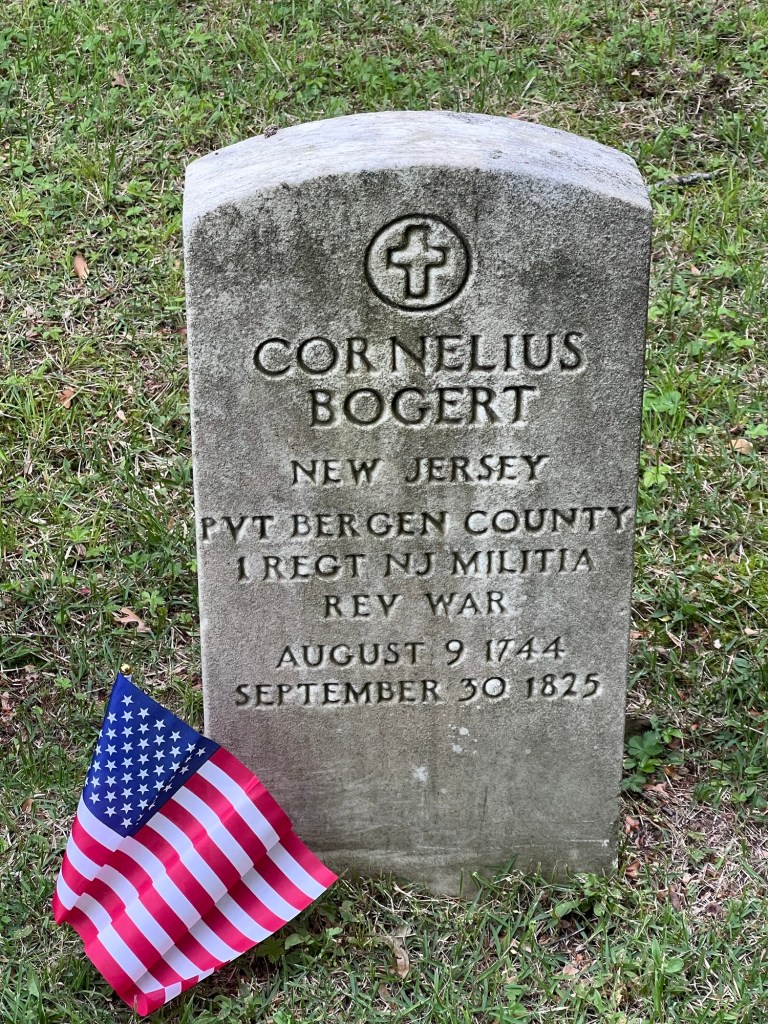
Veteran Cornelius Bogert
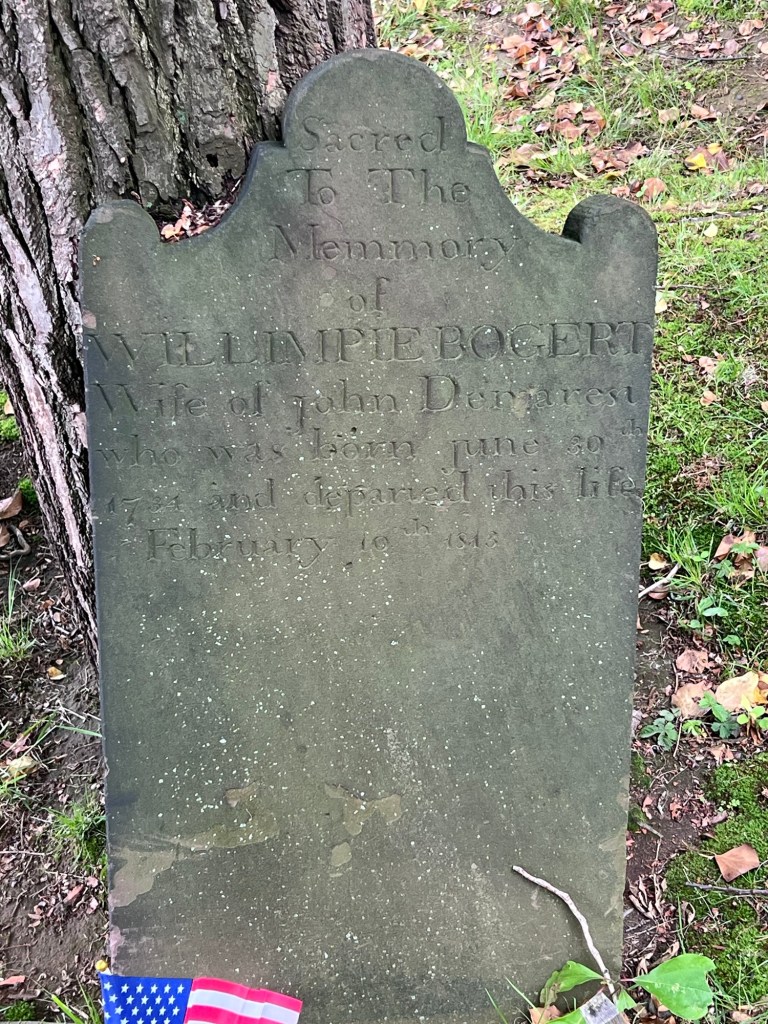
Veteran Willimpie Bogart Demarest
The grave of Patriot Abraham Demarest
This cemetery, like the rest of the small cemeteries and graveyards that dot Bergen County show the history and significance of these families contributions of the residents of early Bergen County and how they shaped the founding of this country.
The Perry family cemetery is a small family plot in Harrington Park, NJ and example of a time when families still buried their loved ones on property that family’s thought would be there for generations. Many generations of the family are buried here showing the family’s love of this land but like too many tiny cemeteries throughout Bergen County have been lost in time by the family buried there.
Today it sits quiet and respectful and somewhat over grown. Nature now surrounds it.
The Perry Cemetery History:
(From the Harrington Park Historical Society)
The Perry Cemetery is a small family burial ground located on what was the farm of David Perry (1809-1871). The Old Burying Ground cemetery is part of the land apportioned to Garret Huybertsen Blauvelt, son of one of the original sixteen grantees of the Tappan Patent approved by the Governor of New York in 1686. Although there are believed to be earlier ones, the first known burial was in 1722 and the last in 1905.
The Perry Family Cemetery sits quietly on a stretch of Old Hook Road
(From the Harrington Park Historical Society)
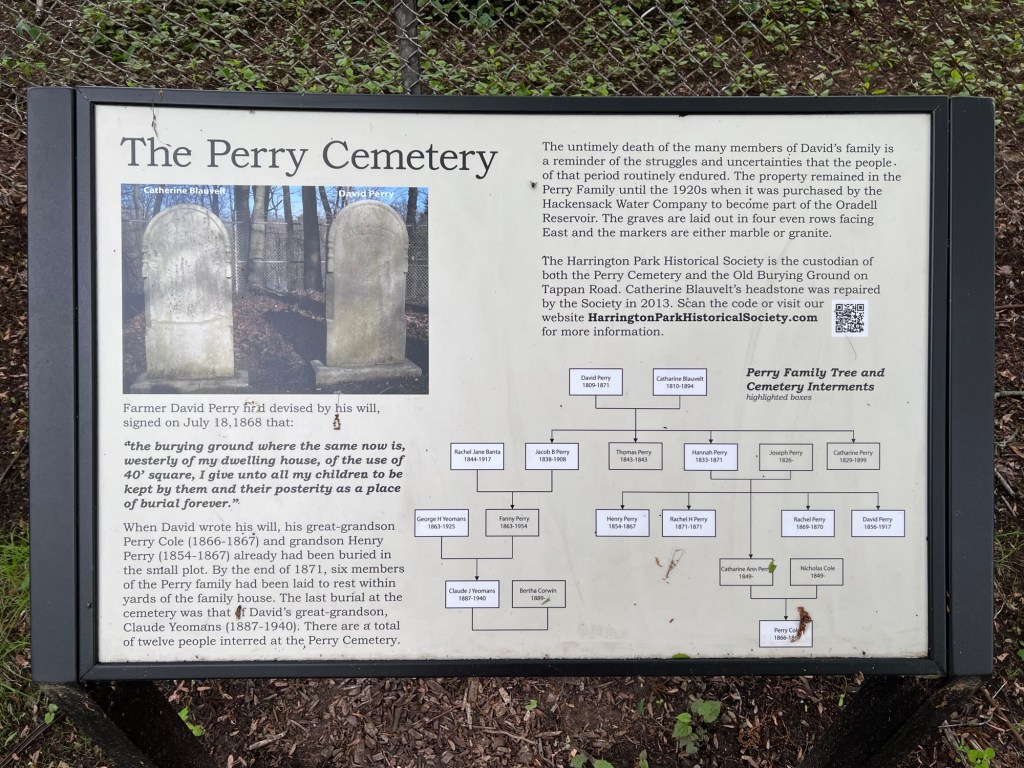
The Perry Cemetery is situated in the Borough of Harrington Park on Old Hook Road, east of Bogert’s Mill Road opposite the United Water Company building. David Perry had devised by his will, signed on July 18,1868 that: “the burying ground where the same now is, westerly of my dwelling house, of the use of 40’ square, I give unto all my children to be kept by them and their posterity as a place of burial forever.”
The Perry family treeofloved ones buried at the cemetery
(From the Historical Marker Database)
When David wrote his will, his great-grandson Perry Cole (1866-1867) already had been buried in the small plot. By the end of 1871, six members of the Perry Family had been laid to rest within yards of the family house. The last burial at the cemetery was that of David’s great-grandson, Claude Yeomans (1887-1940). There are a total of twelve people interred at the Perry Cemetery.
The untimely death of many members of David’s family is a reminder of the struggles and uncertainties that people of that period routinely endured. The property remained in the Perry Family until the 1920s when it was purchased by the Hackensack Water Company to become part of the Oradell Reservoir. The graves are laid out in four even rows facing East and the markers are either marble or granite.
The Perry Family tree starting with the marriage of David Perry to Catherine Blauvelt
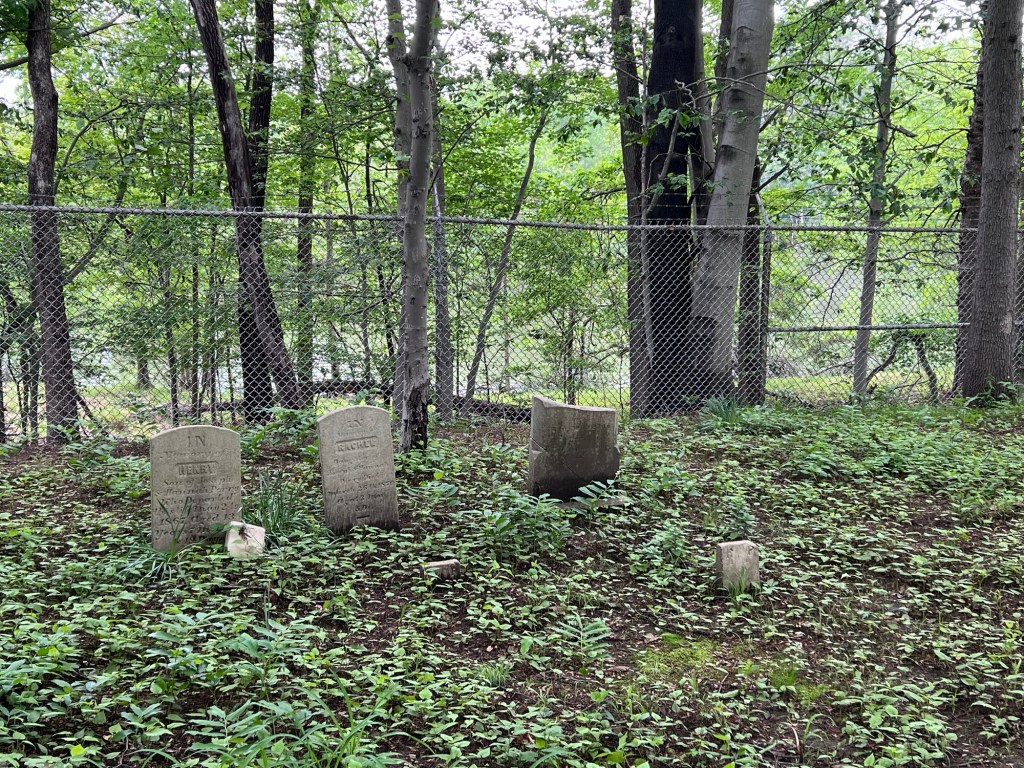
Son Henry and Daughter Rachel’s tombstones
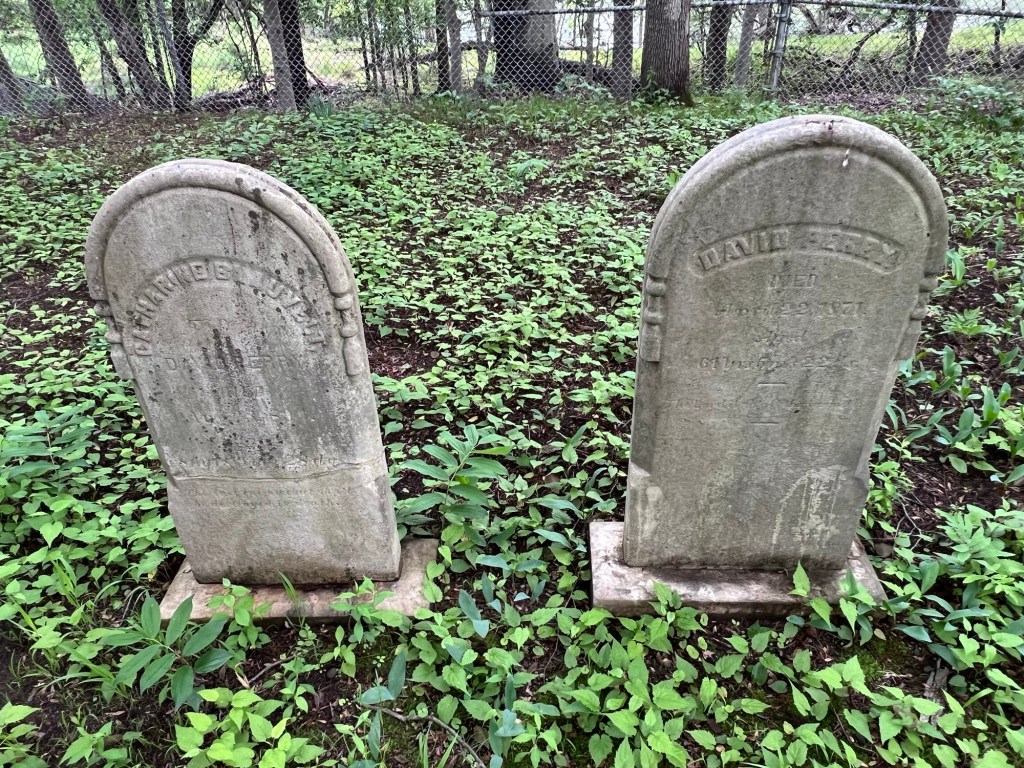
Patriarchs David Perry and his wife, Catherine Blauvelt Perry
The last David Perry to be buried in the family plot
The family plot facing the stream
The Patriarchs of the family stand in the middle
The newest graves in the cemetery
The latest burials in the family plot
Video on the Perry Cemetery from the Harrington Park Historical Society
My International Marketing class at Bergen Community College recently did a complete study and marketing plan for the “Bergen250” on the Revolutionary War veterans buried at graveyards and cemeteries all over Bergen County, NJ:
For a Mapping of all the historic graveyards and cemeteries, I had the students visit all the sites that the Daughters of the American Revolution had researched and I had the students find all the locations, photo the tombstones and create a bio on each of the veterans. I enclosed a copy of their work above.
My blog on the historic graveyards and cemeteries of Bergen County:
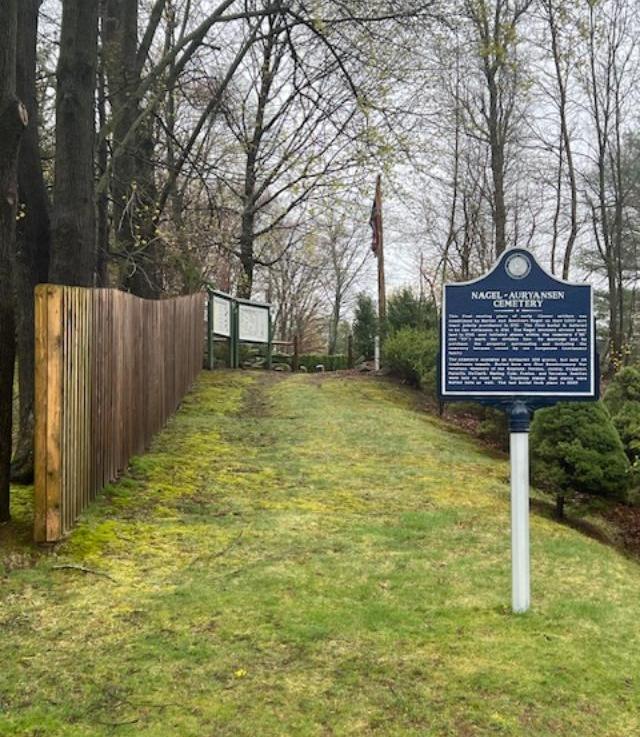
The entrance to the Nagel/Auryansen Cemetery in Closter, NJ
The historic marker sign
The History of the Cemetery:
(From the Boro of Closter, NJ website)
The Naugle/Auryansen Cemetery is significant in the early settlement period of Closter’s history. Documented burials date to circa 1722 and include Dutch pioneer families with names like Vervalen, Naugle (Nagle), DeClark, Ferdon, Parsells, Auryansen, Demarest, Haring, Cole, Kearney, Montague and Bogert. Seven Soldiers, Closter farmers, who served in the Bergen County Militia during the Revolutionary war and one veteran from the War of 1812 are known to be among the interred.
The cemetery once known only as the “Burying Place,” was part of the original lands purchased in 1710 by the Naugle brothers, Barent and Resolvent. They divided their lands in 1748 and the division stones carved with their initials (“BN” and “RN”) are still visible in the middle of the cemetery.
Later, the place became known as the Auryansen Grave Yard because this family took title to the land upon which it sits. Many of the sandstone and frame houses built by these families and their descendants are still standing in the Borough today.
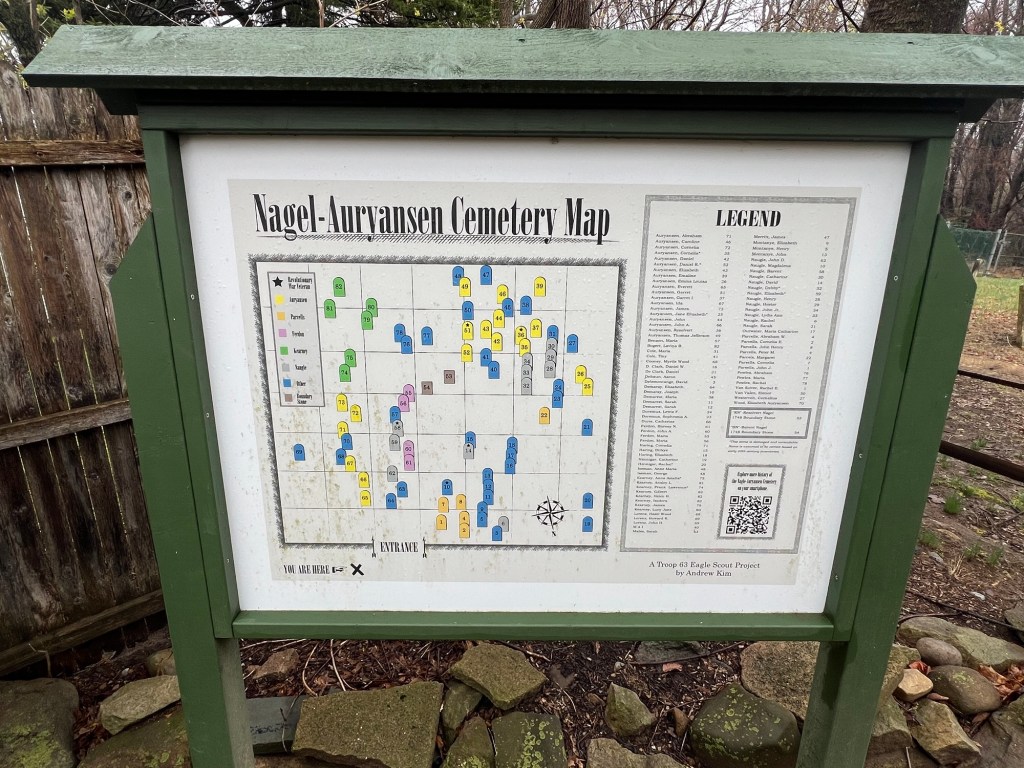
The description sign of the cemeteries plot locations
The plot location sign
The Historical Maintenance and care of the cemetery in the modern era:
(from the Boro of Closter, NJ website)
In 1996, the Closter Historical Society undertook a three year project to restore the 19th century sandstone gravemarkers. At that time a complete survey was done of the tombstones in the Cemetery and Tim Adriance is in the process of preparing this information for publication. In 1961 Ralph Heaton of the American Legion obtained official granite plaques from the Veterans Administration and placed them at the foot of five Revolutionary soldiers’ graves.
Various caretakers have helped maintain and clean the cemetery through the years. Presently, Tim Adriance, the Auryansen family historian is the caretaker. This is still an active cemetery. From: 1999 “Revisions and Update” of the Historic Sites Survey, by Pat Morillo for the Closter Historic Preservation Commission – attached to the Bergen County Historic Sites Survey: Borough of Closter dated 1981-1982.
Recent work on the cemetery grounds has been overseen by the Closter Historic Preservation Commission and undertaken by the Closter DPW, as well as local Eagle Scouts. The cemetery now has an attractive rustic wooden fence and gate at the Susan Drive entrance, a newly refurbished flagpole with an historic American flag, new fencing along the perimeter, and other improvements to the Susan Drive entrance.
In 2010, the Bergen County Historical Society erected an historic blue marker describing the site. This marker is located at the Susan Drive entrance. The Cemetery is open to the public through the new gate at the entrance on Susan Drive, between house numbers 42 and 50 Susan Drive, off Ruckman Road. This gate is unlocked, though the gate off the Hickory Lane entrance remains padlocked to prevent damage from off-road vehicles passing through the cemetery.
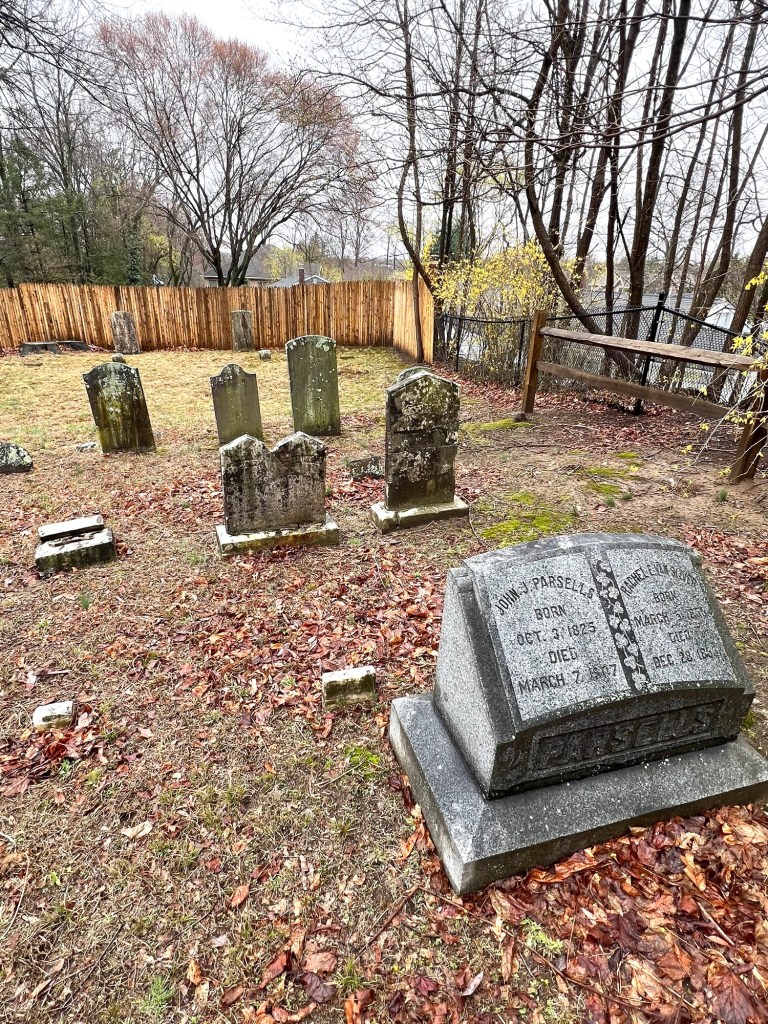
The inside of the cemetery on s gloomy afternoon
The Nagel family plot inside the cemetery
My International Marketing class at Bergen Community College recently did a complete study and marketing plan for the “Bergen250” on the Revolutionary War veterans buried at graveyards and cemeteries all over Bergen County, NJ:
For a Mapping of all the historic graveyards and cemeteries, I had the students visit all the sites that the Daughters of the American Revolution had researched and I had the students find all the locations, photo the tombstones and create a bio on each of the veterans. I enclosed a copy of their work above.
My blog on the historic graveyards and cemeteries of Bergen County:
I visited the Nagel-Auryansen Cemetery one gloomy afternoon. This small cemetery is one of about a half dozen in Bergen County, NJ that were once part of family homesteads that are long gone.
These once important family farms started to disappear after the Civil War and with the coming of income tax, smaller families and automation of farming, these farms disappeared. These small cemeteries are what remains of these families legacies.
The grave of resident Abraham Auryansen
The Auryansen family plot inside the cemetery
The Nagel family plot inside the cemetery
The Auryansen family plot inside the cemetery towards the back
The Nagel and Haring family gravestones
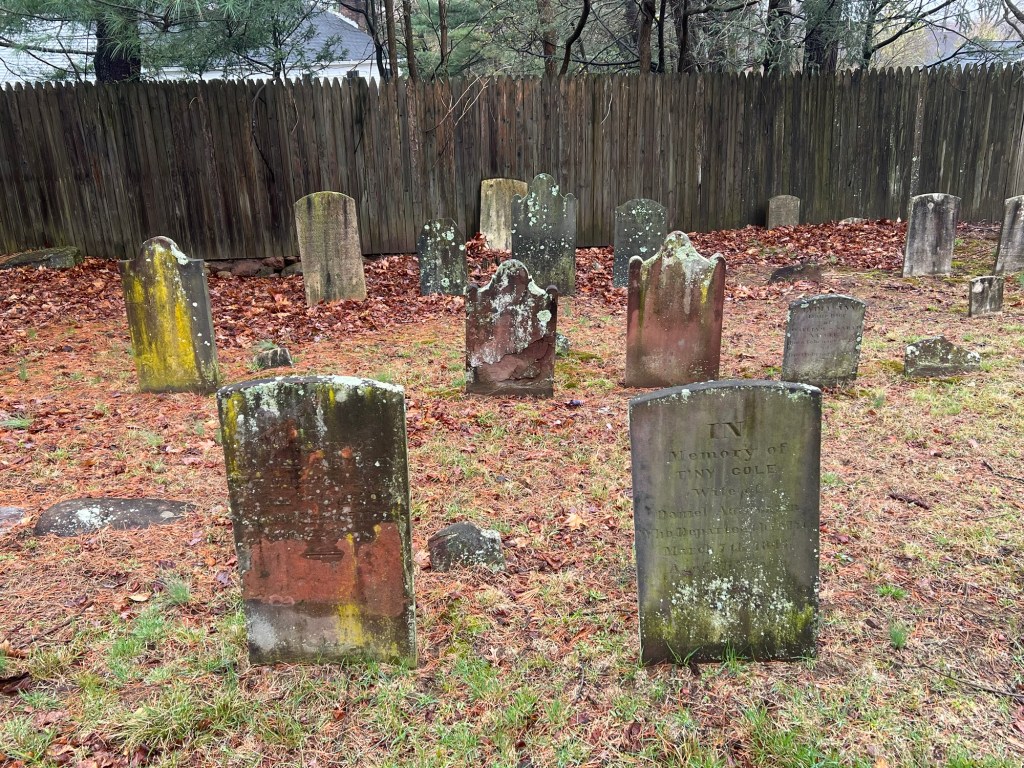
The gravestones closer to the entrance of the cemetery
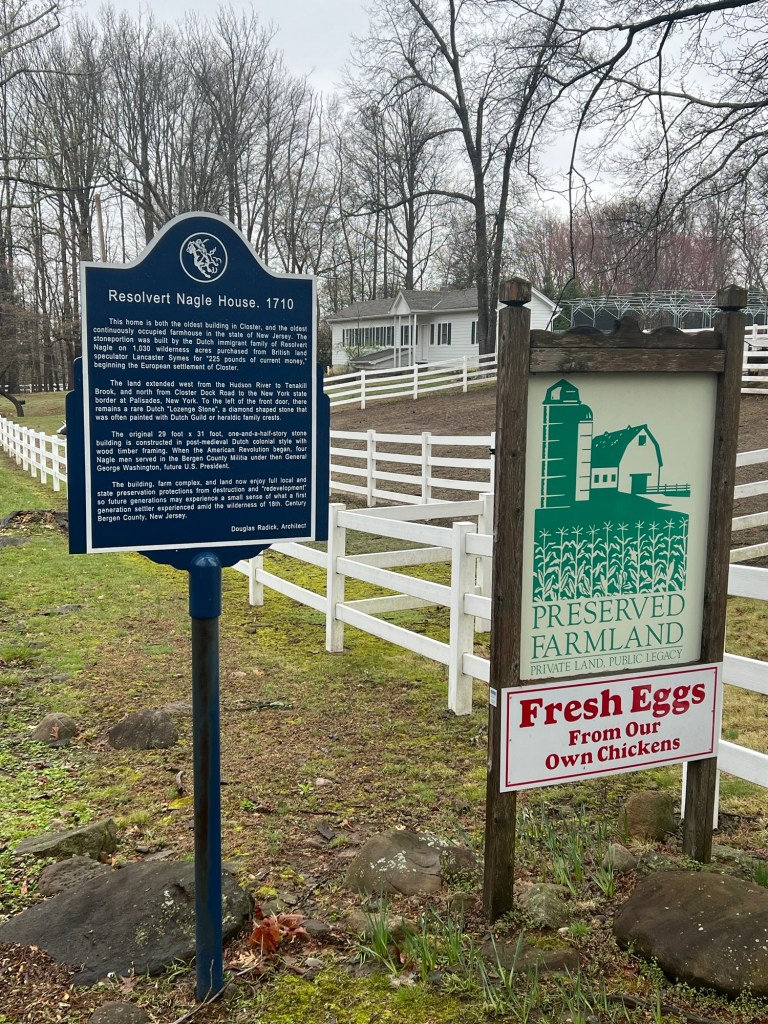
On the next block over, the original family farmhouse along with the Metropolitan farm still exists. The family farmhouse and nursery are still part of the community. It is the oldest continuous farms in the State of New Jersey.
The Metropolitan Farm is home to the Resolvert Nagel Farmhouse and farm
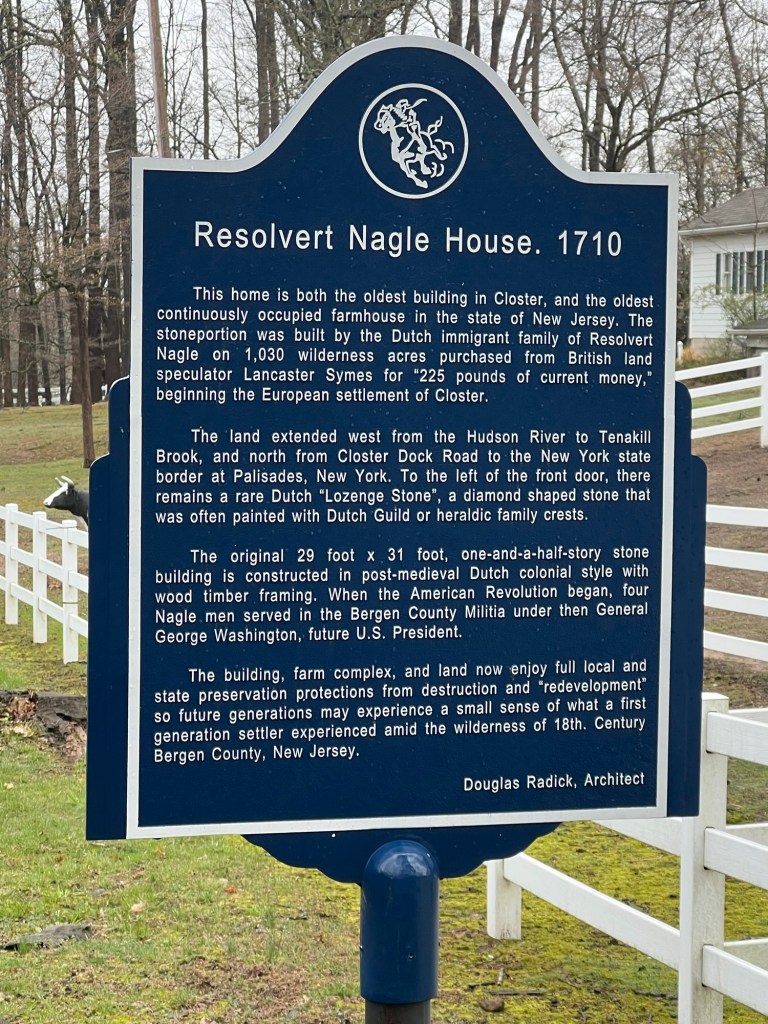
The historic marker to the home
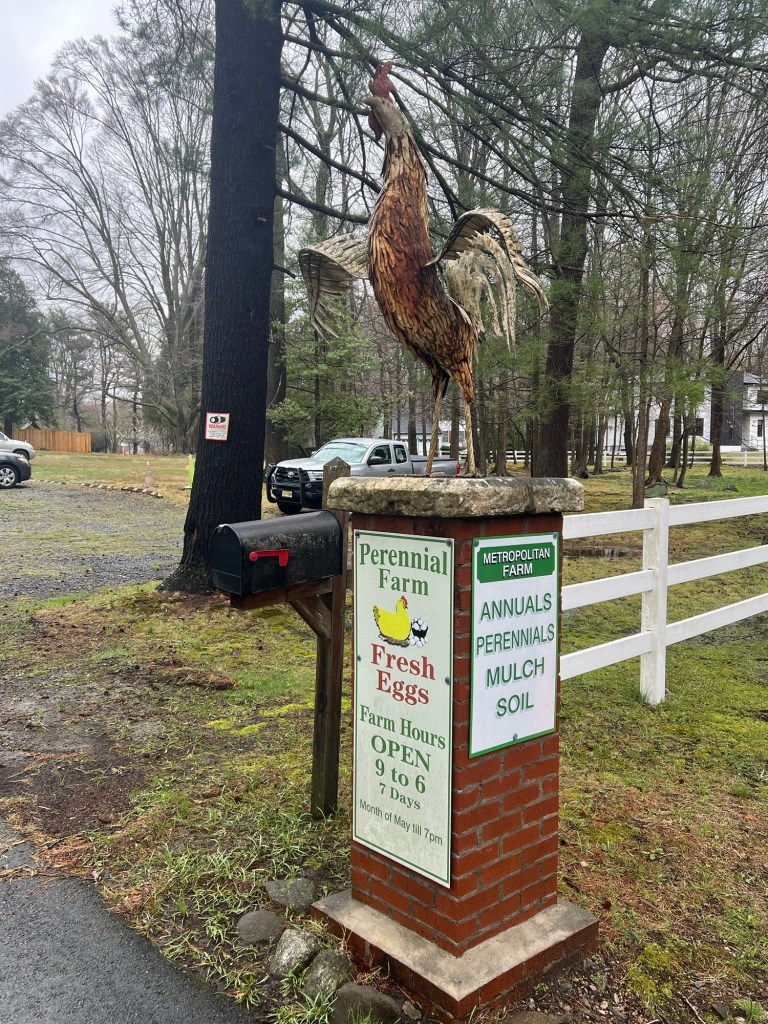
The entrance to the Metropolitan Farm at 119 Hickory Lane in Closter, NJ
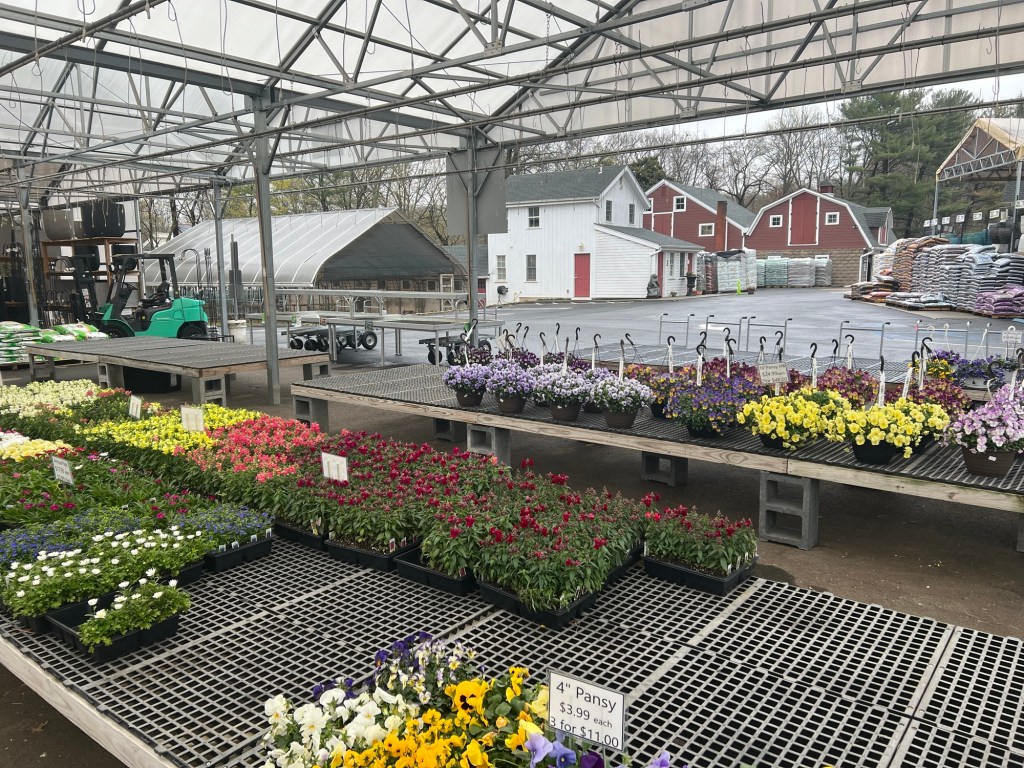
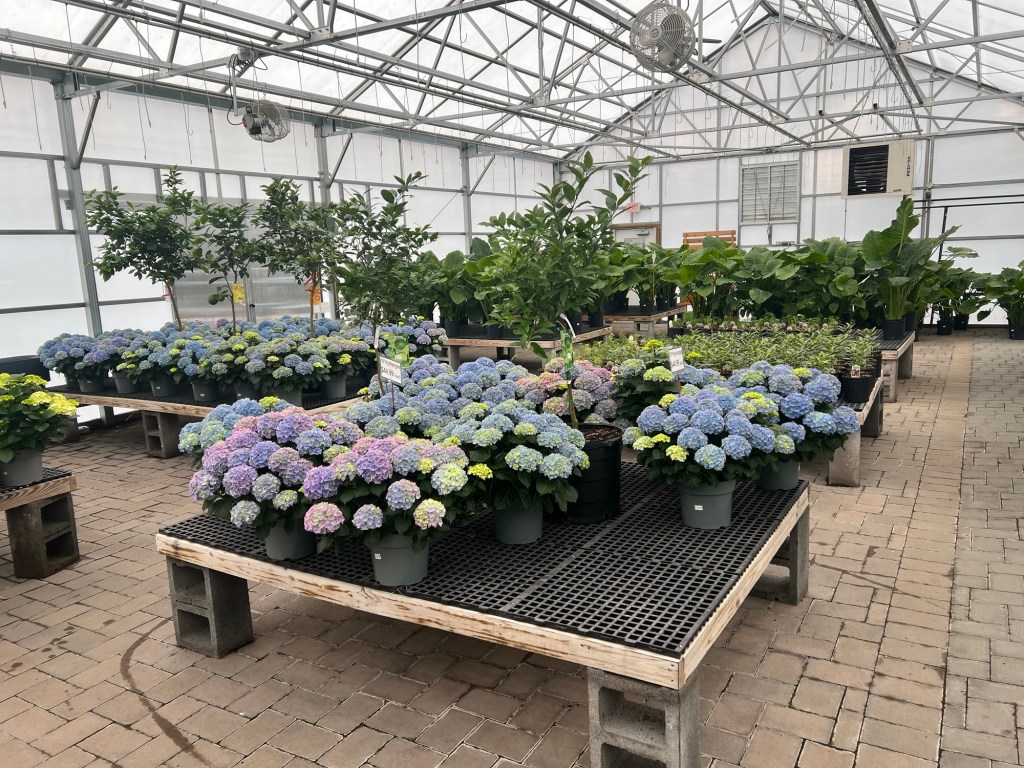
Started in 2012, our farm is located on the property which is the oldest working farm in the State of New Jersey. Every year, we are improving our ability to help you and make it more convenient to access our 70.000 perennials.
Our perennial growers have been working with perennials in Northern New Jersey for over 30 years. In that time, they have discovered what works the best and what thrives in our hot summers and survives our bitter cold winters. We overwinter all our perennials that we carry and our products are ready to be planted and enjoyed wherever you may place them.
The original section of the Nagel family farmhouse
The History of the farmhouse:
(from the Metropolitan Farm website)
The Stone Farmhouse dates back to the early 1700’s. The Auryansen/Naugle family lived here for generations and owned over 1000 acres from the Hudson River to the farm. (Currently parts of Alpine and Closter). It was sold to several other families and was put into the Historic Commission in 1980. The house was sold to the current owners in 2012 along with the rest of the property and was renovated to restore some of its original beauty and architecture. Part of the current family lives there now.
The modern farmhouse today with modern addition
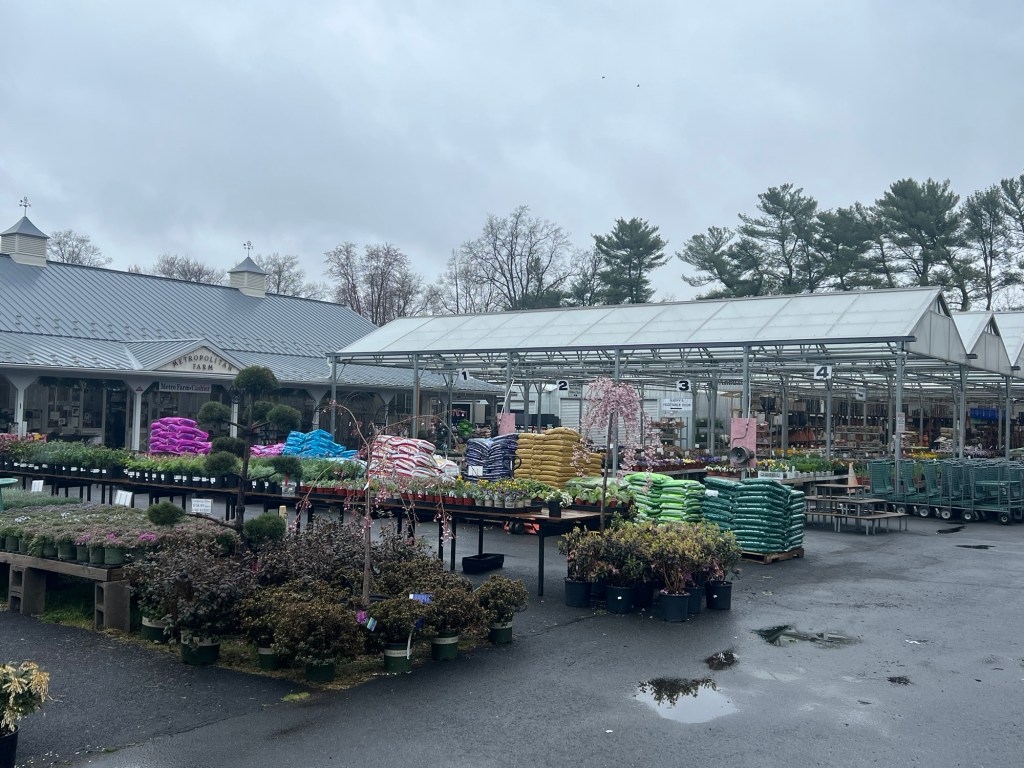
The Metropolitan Farm and Nursery
The outside plants at the farm
The outside plant and shrubs
The perennials for sale on the farm
The greenhouse flowers
The greenhouse flowers and plants
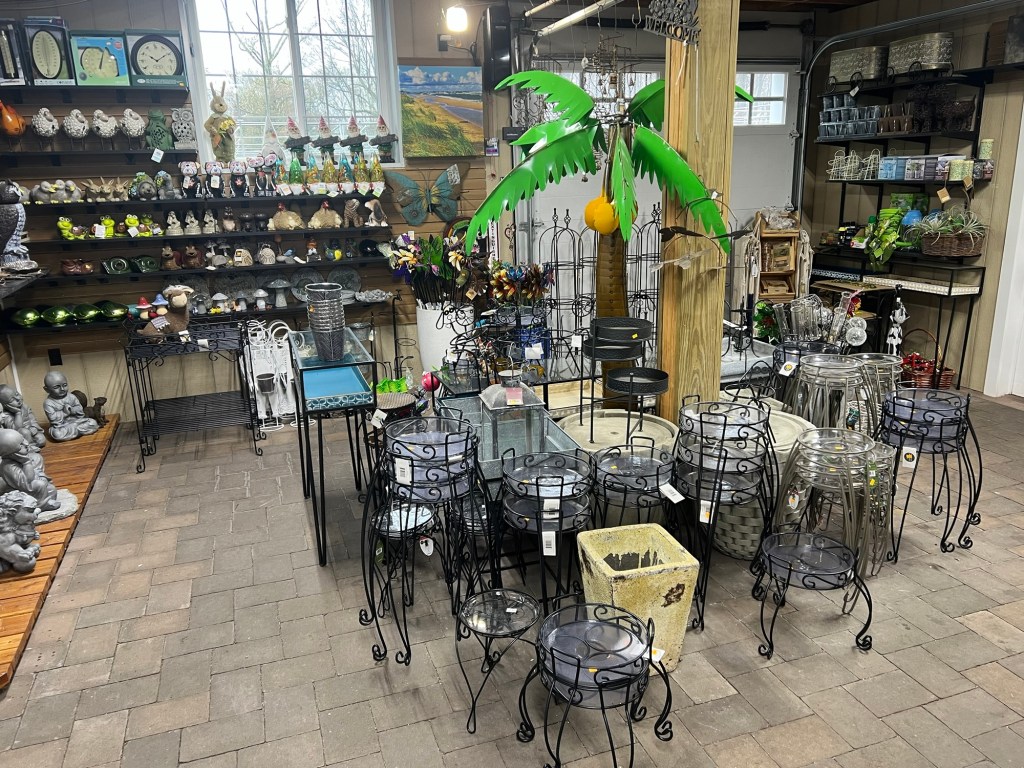
The inside of the farm store
Inside the farm store
The beautiful flowers on sale at the store
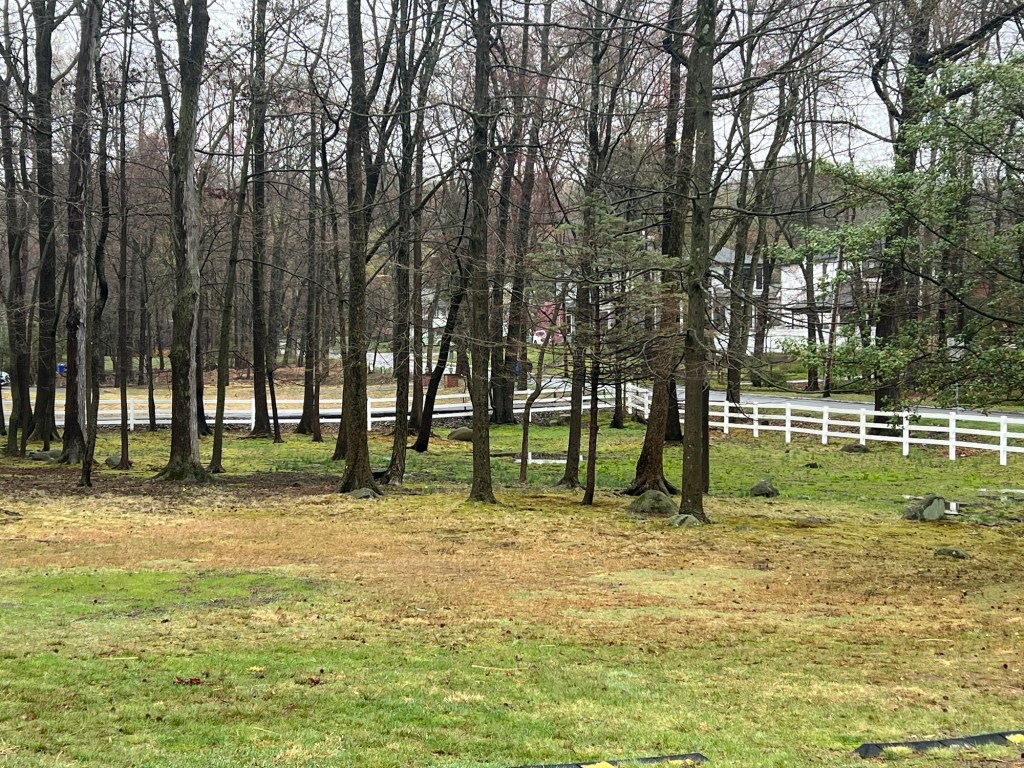
The outside grounds and the property left of this historical farm in Closter, NJ
It is interesting to see how the legacy of this family still lives on in the Twentieth century as a nursery farm but it shows how it has matured and adapted to today’s population.
Some of the descendants of these families still call Bergen County home and are also names we see on streets, towns and schools in the area.