Category: Zoos and Aquariums

The American Kennel Club Museum of the Dog              101 Park Avenue                                                 New York, NY 10178

The American Kennel Club Museum of the Dog 101 Park Avenue New York, NY 10178

The American Kennel Club Museum of the Dog

101 Park Avenue

New York, NY 10178

(212) 696-8360

Home

https://www.facebook.com/akcmuseumofthedog/

Open: Sunday 10:00am-5:00pm/Monday-Thursday Closed/Friday-Saturday 10:00am-5:00pm

Fee: Adults $15.00/Seniors (65+), Students (13-24) & Active Military/Veterans $10.00/Children under 12 $5.00/Members Free

My review on TripAdvisor:
https://www.tripadvisor.com/Attraction_Review-g60763-d15941897-Reviews-The_American_Kennel_Club_Museum_of_the_Dog-New_York_City_New_York.html?m=19905

The American Kennel Club Museum of the Dog at 101 Park Avenue

When I was walking the neighborhood of Murray Hill for my blog, “MywalkinManhattan.com, I came across on one of the side streets tucked into a new office building on Park Avenue, The American Kennel Club Museum of the Dog at 101 Park Avenue. This unique little museum is two floors of art dedicated to the story of the dog.

The first floor features small fossils that show the early domestication of dogs during prehistoric times with humans. They may have used them for hunting and companionship. You could see this in the burials and in the wall paintings found all over the world that they partnered with early man and helped shape their world.
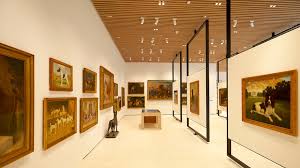
The American Kennel Club Museum of the Dog collection

Most of the paintings were from the Victorian Age (post Civil War to WWI) where the romanticized view of nature and of pet companions was emphasized. One both the first and second floor there were all sorts of paintings of various breeds of dog in all sorts of playful and working environments. There were dogs for hunting and sport, dogs as pets and dogs in playful position reacting with their masters and each other.

The Victorian approach to pets

The was also porcelain figurines of dogs, statuary and trophies from various Canine Clubs all over the country. It shows the history of the dog as show with breeding and disposition counting of the way the animal was raised and trained.

The second floor had another series of paintings, a lot from the same time period and some contemporary artist’s take on modern dog owners and their relationship with their pets.
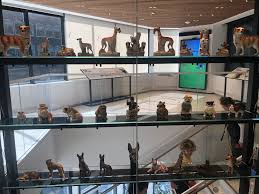
Canine Porcelains line the staircase

Also on the second floor was exhibition on ‘Presidential Dogs”, with the first families relationship with their dogs (and cats too) and the role that they played in White House politics. Truthfully outside of “Socks”, the Clinton’s cat, I never knew of any of the White House pets. I knew the both the Roosevelts and Kennedy’s had lots of pets in the White House, I never heard of their names or seen their pictures. So that was an eye opener.
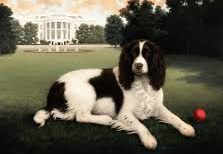
White House pets tell their own story

Also in a special case was small fancy dog houses and dog holders for travel which was interesting to see how small dogs could travel with their masters and the expense to create a way for them to travel. These were very elaborate. I thought of some of the items I used to see at Bergdorf-Goodman when I worked there with the Ralph Lauren tote bags and fur lined sweaters and thinking this was a little much.

The museum also has a small gift shop on the first floor near the entrance that you should check out. There is all sorts of books and art work to look through and knick-knacks to buy with a dog them. The staff is also very nice and very welcoming.
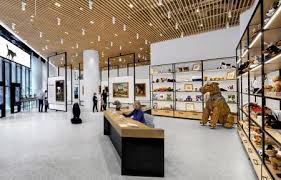
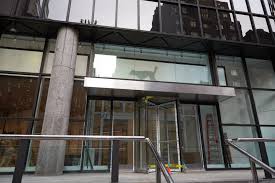
The entrance to the museum and gift shop has a nice contemporary feel to it

History of the American Kennel Club Museum of the Dog:

The American Kennel Club Museum of the Dog preserves, interprets and celebrates the role of the dogs in society and educates the public about the human-canine bond through its collection of art and exhibits that inspire engagement with dogs.
The Museum logo

Founded in 1982, the AKC Museum of the Dog was originally located in the New York Life Building at 51 Madison Avenue as a part of the AKC headquarters. In 1987, the Museum of the Dog was moved to a new location in Queeny Park, West St. Louis County, Missouri. After over 30 great years at Queeny Park, the decision was made to bring the Museum back to its original home and reunite it with the AKC headquarters and collection.

Combining fine art with high-tech interpretive displays, the Museum of the Dog’s new home at 101 Park Avenue hopes to capture the hearts and minds of visitors. Located in the iconic Kalikow Building, the Museum will offer rotating exhibits featuring objects from its 1,700 piece collection and 4,000 volume library.

We hope to see you soon.

(From the AKC Museum of Dog website)

Prospect Park Zoo                                                 450 Flatbush Avenue                                  Brooklyn, NY 11225

Prospect Park Zoo 450 Flatbush Avenue Brooklyn, NY 11225

The Prospect Park Zoo

450 Flatbush Avenue

Brooklyn, NY 11225

(718) 220-5100
https://prospectparkzoo.com/

Open: Sunday 10:00am-5:30pm/Monday-Friday 10:00am-5:00pm/Saturday 10:00am-5:30pm

Admission: Adults $9.95/Seniors $7.95/Children from 3-12 $6.95/Children under 3 are Free/Members Free

My review on TripAdvisor:

https://www.tripadvisor.com/Attraction_Review-g60827-d283820-Reviews-Prospect_Park_Zoo-Brooklyn_New_York.html?m=19905

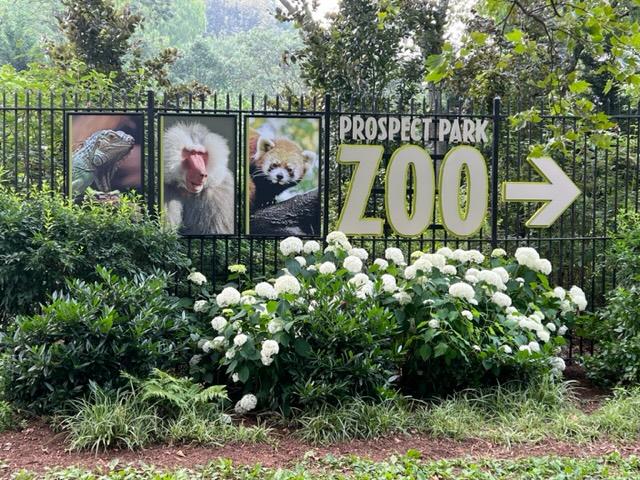
The entrance to the Prospect Park Zoo

The Prospect Park Zoo is one of my ‘go to’ places along with the Brooklyn Museum and the Brooklyn Botanical Garden when visiting Brooklyn. The three popular destinations are all in the same neighborhood and if you have a full day is worth the subway ride from Manhattan to visit.

On a nice day, the best place to start is the Brooklyn Botanical Garden at opening, then head over through the back part of the garden to Prospect Park and walk to the entrance near Flatbush Avenue and go past the carousel and enter the Zoo past the old Leffert’s Homestead. The Zoo is just past that.

My review on TripAdvisor:

https://www.tripadvisor.com/Attraction_Review-g60827-d103505-Reviews-Lefferts_Homestead-Brooklyn_New_York.html?m=19905

My review of the Leffert’s Homestead on VisitingaMuseum.com:

https://wordpress.com/block-editor/post/visitingamuseum.com/2864

The grounds of the Lefferts Homestead grounds

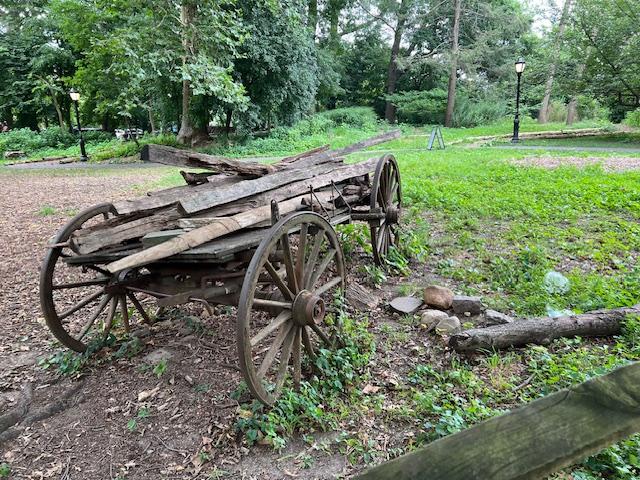
The old cart outside of the Lefferts House

The best part of the Prospect Park Zoo is that like the Central Park Zoo it is small enough to see in one day and be able to enjoy the exhibitions in one afternoon and still have time for lunch.

The Map of the Zoo

The Zoo has gone through a lot of improvements since COVID and reopened. There is a unique sculpture garden when you walk inside.

The Prospect Park Zoo Sculpture Garden at the entrance

Fish Sculptures at the entrance

The sculptures at the entrance of the zoo by artist Mags Harries

Artist Mags Harries

https://www.magsharries.com/maybe-home

https://smfa.tufts.edu/directory/mags-harries

Artist Mags Harries is an Wales born artist who graduated the Leicester College of Art with a Diploma in Art and Design and Illinois University, Carbondale with a Master of Fine Arts. She is known for her creative sculptures and their use in enhancing public spaces (Artist bio/Tufts.edu).

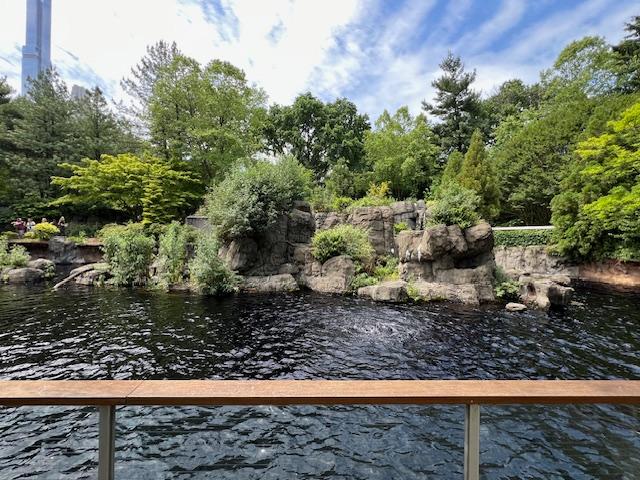
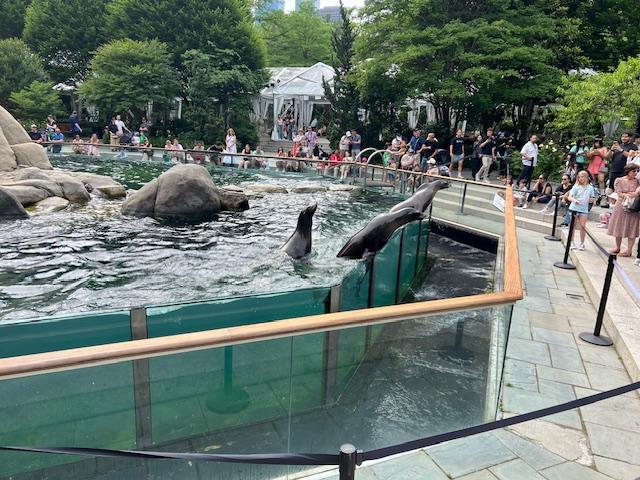
The main focus of the zoo when you walk through the gates is the seal tanks. These playful animals spend most of their time swimming around or sunning themselves on a warm day. During the feeding schedule, it is interesting to see how they interact with the trainers.

The Seal Tanks at the entrance of the Zoo

The Seal tanks when you walk in are very active

Walking further into the zoo you will walk past the Hall of Animals, where all the smaller animals and amphibians like frogs, snakes and turtles are located. These are a lot of fun for the smaller children who may not see these things in their backyards or even in the parks anymore.

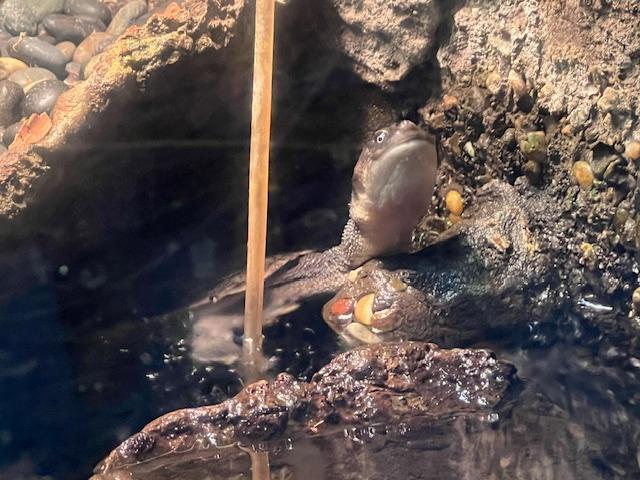
The rare Longnecked Turtle in the Small Animals exhibition

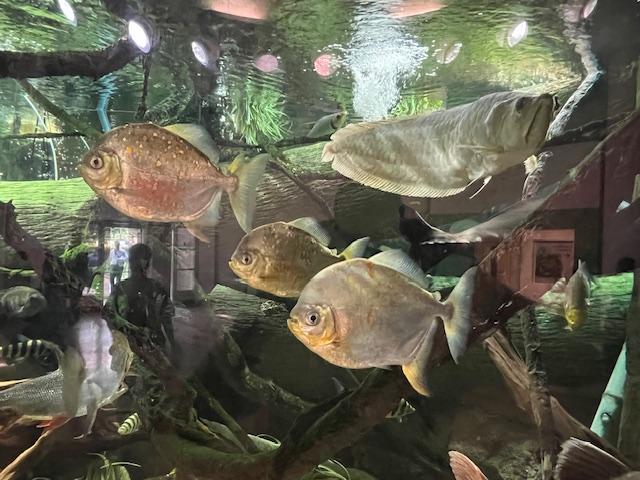
The Fish tank at the Small Animals exhibition

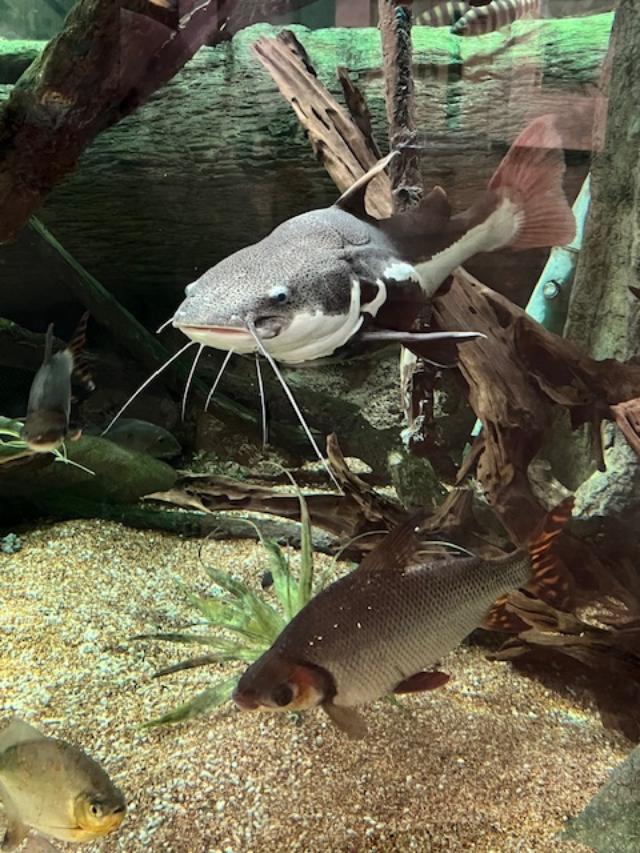
The catfish in the Fish Tank at the Small Animals exhibition

I went to the Bird Cages and saw a Kookaburra bird from Australia. He looked at me like I looked at him. He had the most inquisitive look on his face.

The Kookaburra looking at me

The Kookaburra looking around the cage

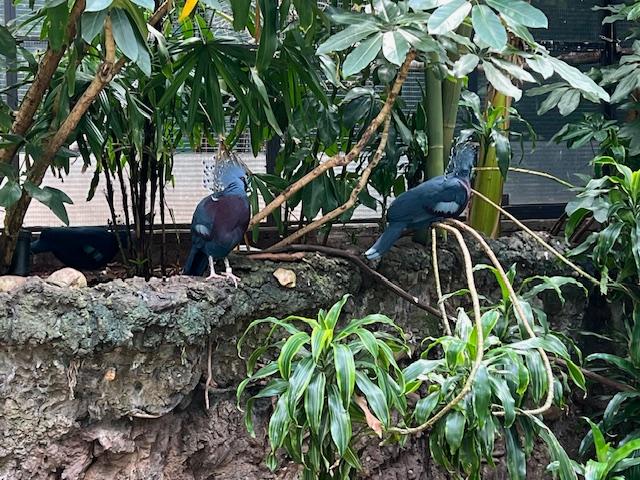
The Victorian Pigeons with their beautiful colors and feathers

The tropical hornbill birds

As I sat down to rest after visiting both the Brooklyn Museum and the Brooklyn Botanic Garden, a peacock walked past me looking for food. It must be very used to humans because he just ignored me and kept on walking.

The peacock at the zoo just does his own thing

Beyond that is the Barn, where your horses and cows are located and they even have a pair of turkeys, which makes for interesting conversation for children who wonder where they come from at Thanksgiving. The turkeys here are more bred than the wild ones you will see in the woods. They also have sheep, pigs and lambs that you can feed.

The gardens leading to the Barn area

The gardens leading to the Barn area

The different barnyard animals were in the process of being feed and taken care of by their trainers. If you put food in front of them though, they cam running. The kids were having a ball feeding them snacks.

The Barn pens at the zoo

Lambs and calf’s in the Barnyard at the zoo

The lambs hoping they would be fed by the visitors

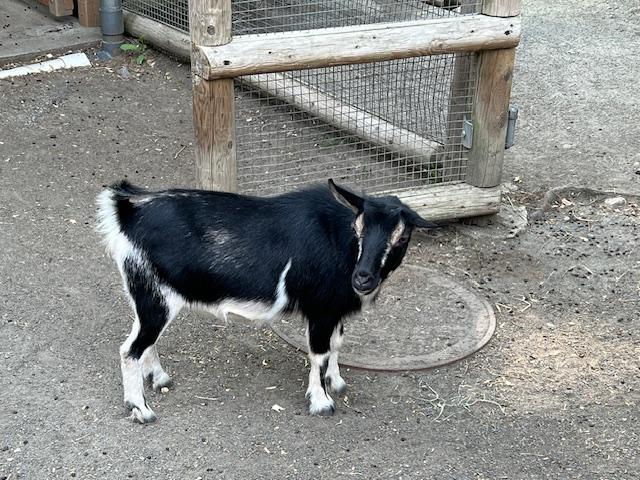
The friendly lamb in the pens

The sheep at the barnyard

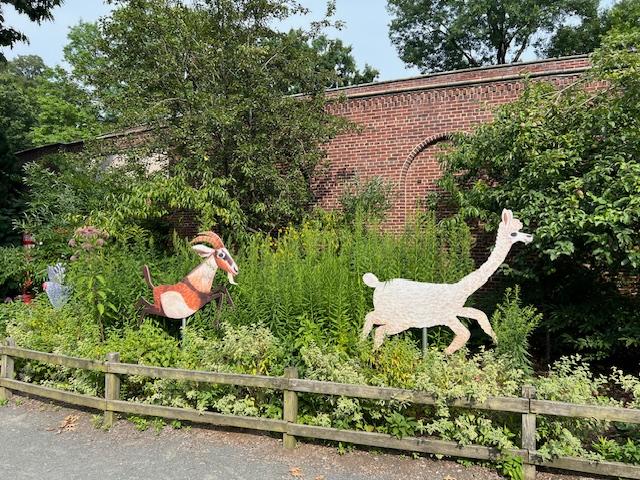
The animal sculptures just outside the Barnyard display

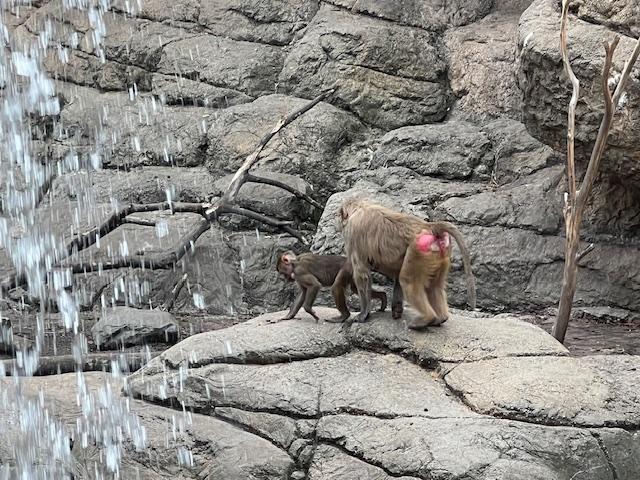
Next to the Hall of Animals is the Animal Lifestyle exhibition where a lot of the gorillas and monkeys are located. It is funny to watch their mannerisms and see ourselves and out behaviors in them. I guess a couple of thousand years never really separated us that much and we still are a lot alike.

The Baboons at the Hall of Animals

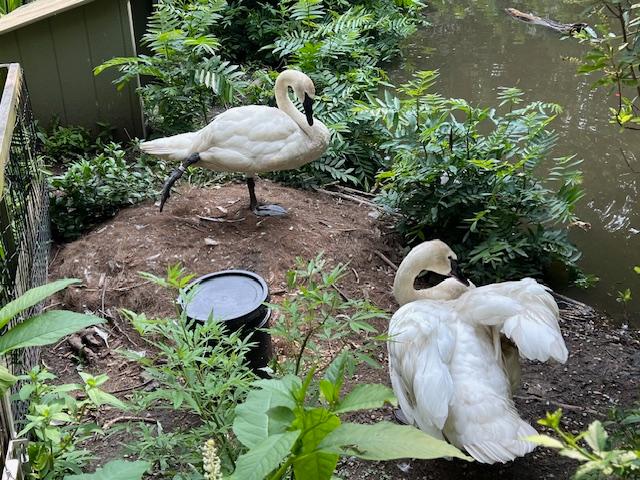
From there you will take the Discovery Trail to see more familiar animals that you might see in every day nature such as deer, foxes, porcupines, ducks and geese in a more natural habitat where they can roam free. The space is limited but they look a lot happy to move around than some of the other animals.

The swans on the Discovery Trail

The swans on the trail

All trails lead back to the Seal Tanks where the popular feeding time gathers a crowd and you will see the care that many of the trainers and zoo keepers give to their residents. There is a lot of love for these animals that is given and I can see a lot of respect.

Relaxing by the Seal Tanks

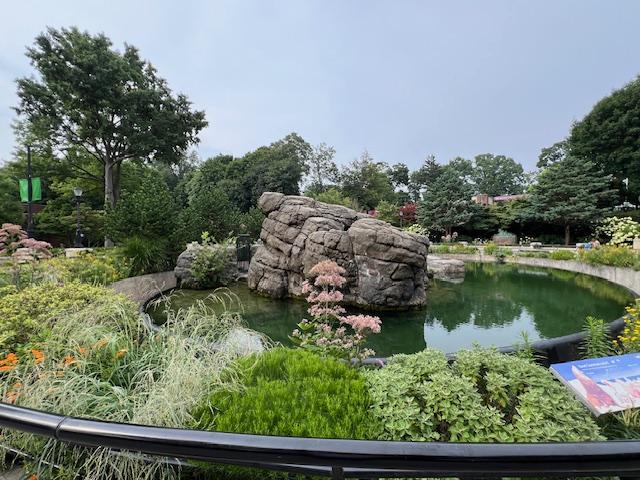
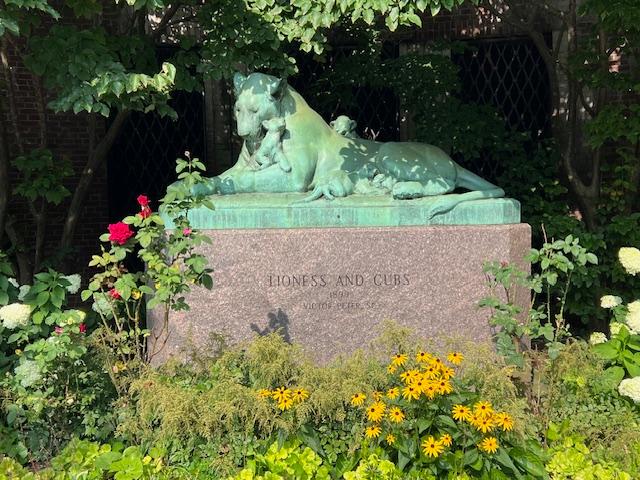
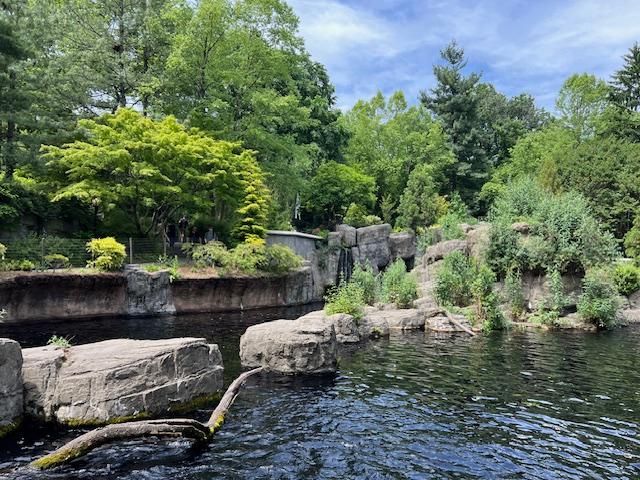
I got to sit and relax by the Seal Tanks and just enjoy the afternoon. The landscaping around the main Seal Tanks were in full bloom. I also never noticed the statuary around the pool.

The landscaped stairs leading to the zoo from the main road

‘Lioness and Cubs’ by French sculptor Victor Peter

https://www.nycgovparks.org/about/history/zoos/prospect-park

Artist Victor Peter

https://www.metmuseum.org/art/collection/search/208856

Artist Victor Peter is a French born artist known for his realistic sculptures.

A trip to the snack shop and gift shops at the zoo are expensive and cater to the tourists. They are not as nicely merchandised as the Bronx Zoo or the Central Park Zoo. Still they are fun to visit once or twice.

The Prospect Park Zoo is still a nice afternoon out for families and a nice way to communicate with nature.

The History of the Prospect Park Zoo:

The Prospect Park Zoo is a 12 acre zoo located in Prospect Park, Brooklyn and as of 2016 houses 864 animals. The zoo was originally part of the plan of Prospect Park as a “Zoological Garden” in the western part of the park. The zoo was not part of the finished plan in the park in 1874 by designers Fredrick Law Olmsted and Calvert Vaux.

The original zoo layout

The park design included a Wild Fowl Pond in the northern part of the park that was stop off for water birds and a Deer Paddock in the southern part of the zoo where deer lived in a penned area.

In the 1890’s, gardens were created for park enjoyment and a informal Menagerie was created by the Brooklyn Parks Commission, George V. Brower, when the donation of small bear, white deer, seven seals, a cow and twelve peacocks came into the possession of the park.

In 1934, Parks Department head Robert Moses set a plan to reconstruct the City’s Parks and under the Works Progress Administration started to revamp the park system. In March of that year architect Aymar Embury II set to design the new zoo with six new buildings and centered by a Seal Pool.

By the 1970’s, the zoo faced disrepair and was neglect for the animals. It was considered one of the worst zoo’s in the country according to the press and finally in 1980, the Koch Administration signed a 50 year agreement with the NY Zoological Society, now called the Wildlife Conservation Society, which was also administrating the Central Park and Queens Zoo.

The park closed in 1988 for a five year, 37 million dollar renovation that gutted all the pits and cages but saved the historic buildings and statuary. The new zoo opened in 1993 with a new name, “The Prospect Park Wildlife Conservation Center” and a philosophy of educating children. The zoo along with the Queens Zoo have had some shortfalls in the past but have the full support of the Society and the public since the early 2000’s. Still the zoo remains popular with families from all over Brooklyn and the world.

The main view of the zoo

(This information is provided by Wiki and the Wildlife Conservatory website and I give them both full credit for the information)

Central Park Zoo                                                  Fifth Avenue and East 64th Street                     New York, NY 10021

Central Park Zoo Fifth Avenue and East 64th Street New York, NY 10021

Central Park Zoo

Fifth Avenue and East 64th Street

New York, NY 10021

(212) 439-6500

https://centralparkzoo.com/

Open: Sunday-Saturday 10:00am-4:30pm

Fee: Adults $12.00/Seniors (65+) $10.00/Children (3-12)$8.00/Total Experience Adults $16.00/Seniors (65+) $15.00/Children (3-12) $12.00

My review on TripAdvisor:

https://www.tripadvisor.com/Attraction_Review-g60763-d267703-Reviews-Central_Park_Zoo-New_York_City_New_York.html?m=19905

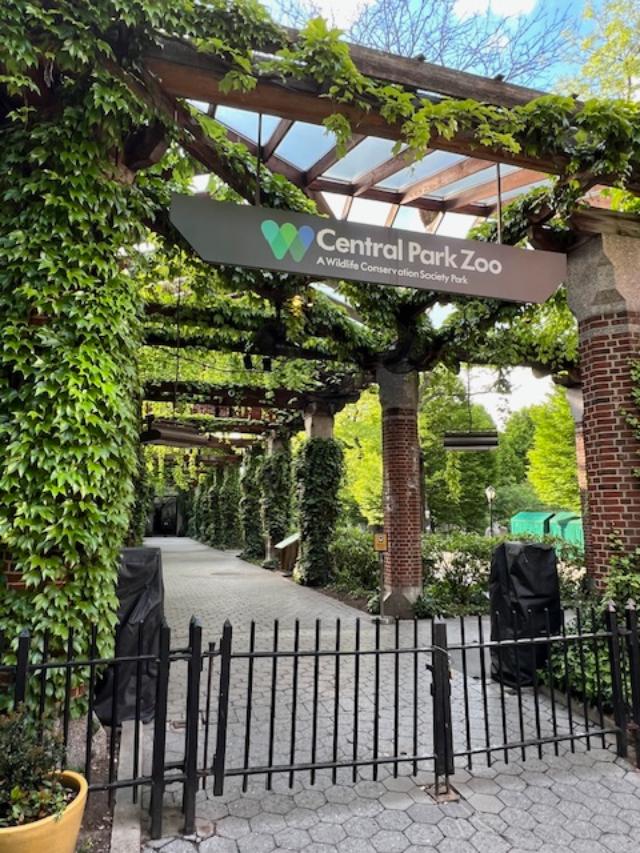
The entrance of the zoo in Central Park

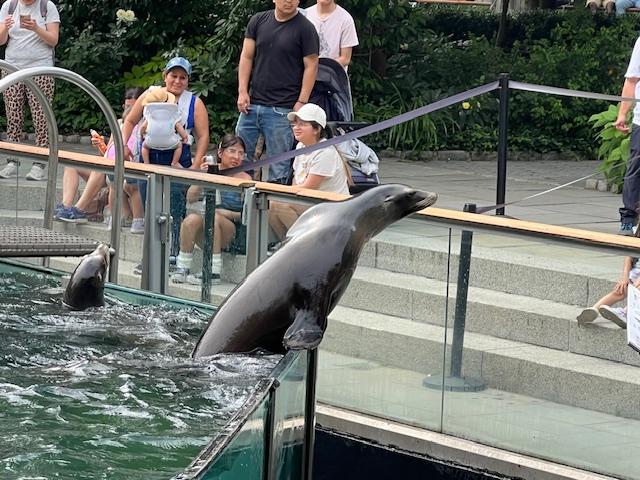
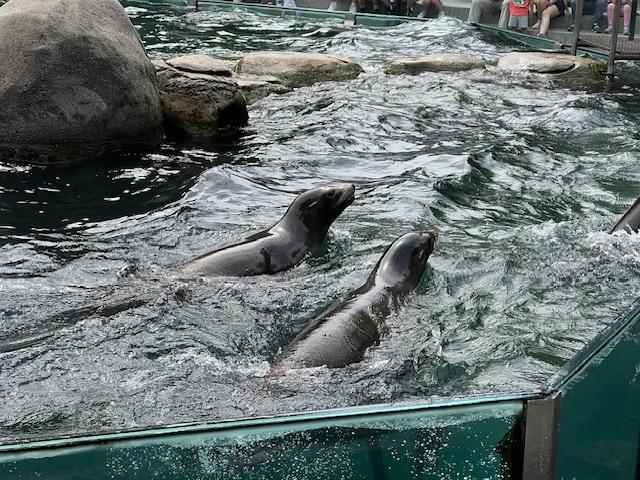
I love coming to the Central Park Zoo when I am visiting the Upper East Side. The zoo is a nice to just relax and reflect from the hustle and bustle of the City. On a quiet midweek day, there is nothing like going to the 2:00pm seal feeding at all times of the year. The seals get so excited and the humans like seeing the seals in their playful mood.

The seals can be very friendly and don’t mind humans around.

The seals like to reach out for attention.

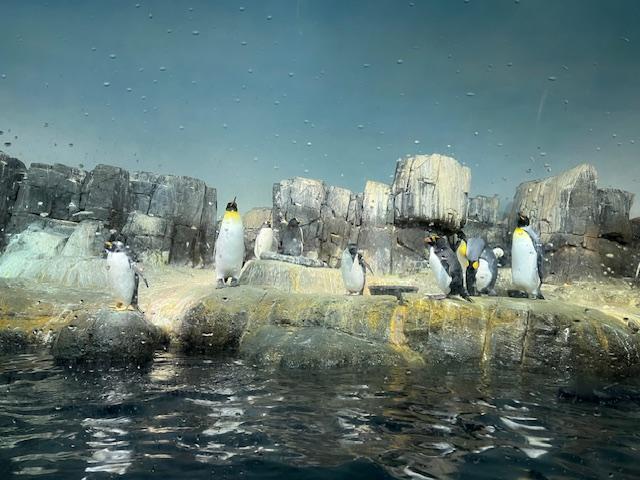
The zoo is small so touring it will only take about an hour or so to see all the exhibitions. You have a choice of seeing the monkeys, the birds, the seals and the penguins. They finally moved the polar bear out of the zoo a few years ago and he always looked so bored with his life. He would give you a look like ‘get me out of here’.

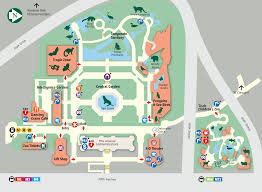
The Central Park Zoo is set up with different exhibitions.

The smaller animals like the monkeys and the penguins look like they are having more fun in their enclosed homes with more room to move around. They always look at us as visitors in an amusing way like why are we so interested in them. It is an interesting interaction with the animals there to see their reaction to us.

The Monkey Island

The Monkey Island with the monkeys hiding that afternoon.

There is also more birds, amphibians and bats to see in other exhibitions around the zoo and smaller outside areas to view the smaller animals such as pandas and leopards that have finally been given space to roam around.

The Penguins are very playful all day long.

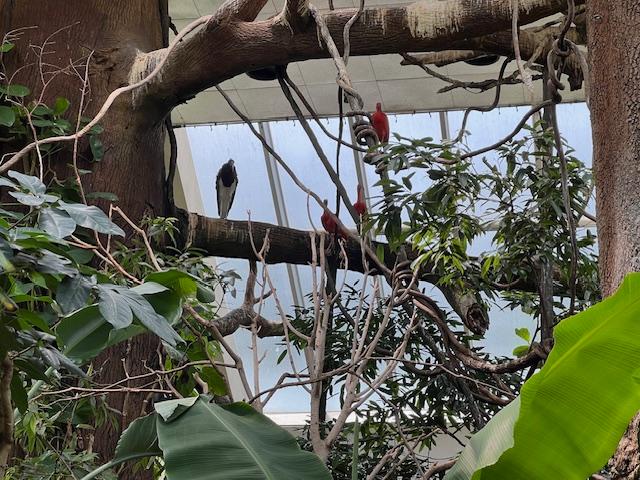
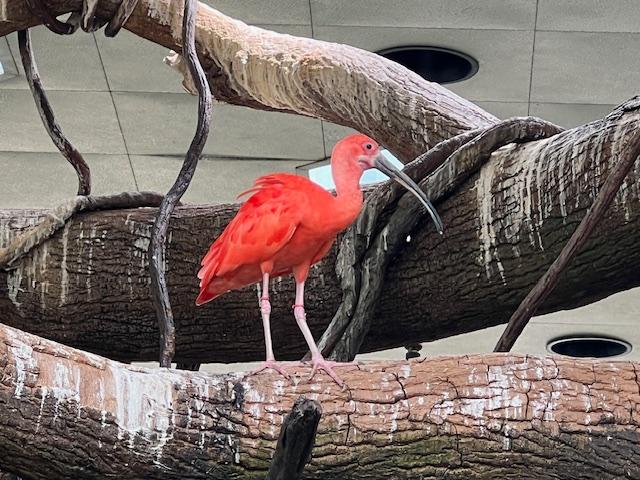
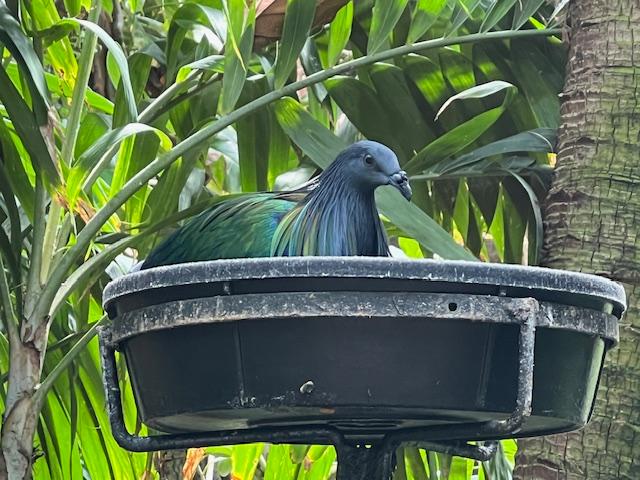
The Bird Sanctuary is another popular section of the zoo. There are all sorts of rare and exotic birds to see and watch in a copy of their native habitat. I thought they looked a little bored seeing the same birds day after day.

The birds have a lot of space to fly around but seemed a bit bored.

The pink Heron

The Bird Sanctuary

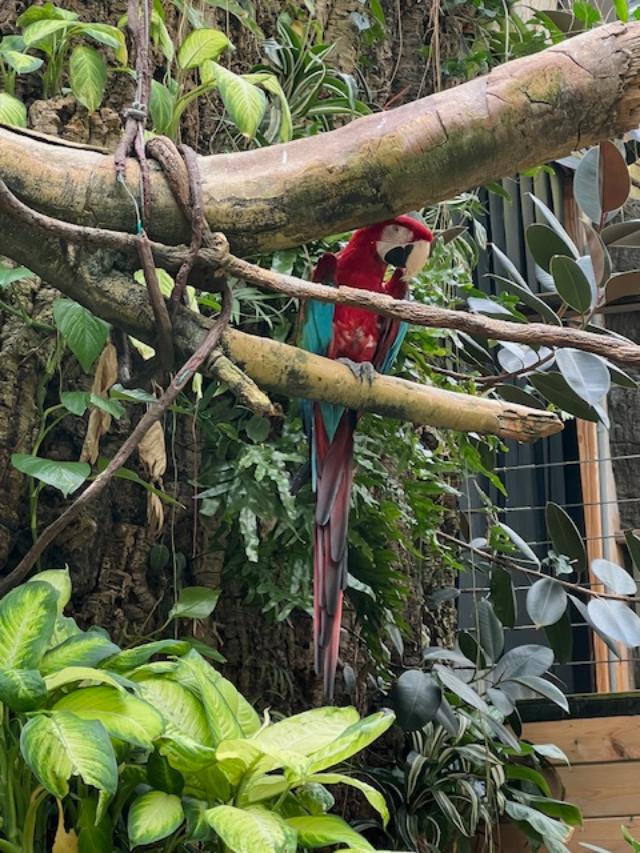
The parrot seemed a little bored.

The Birds feeding themselves.

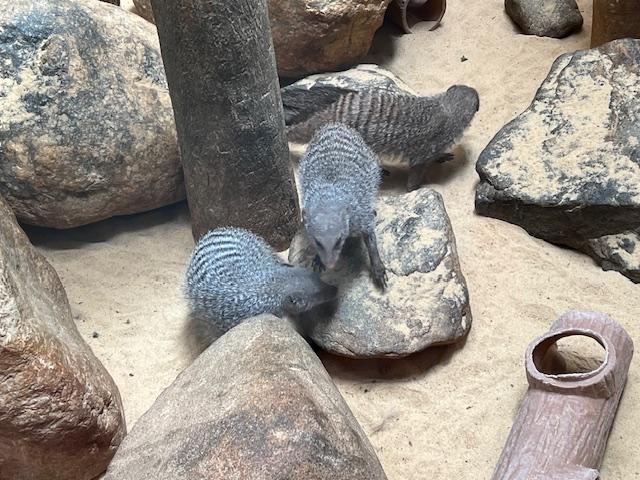
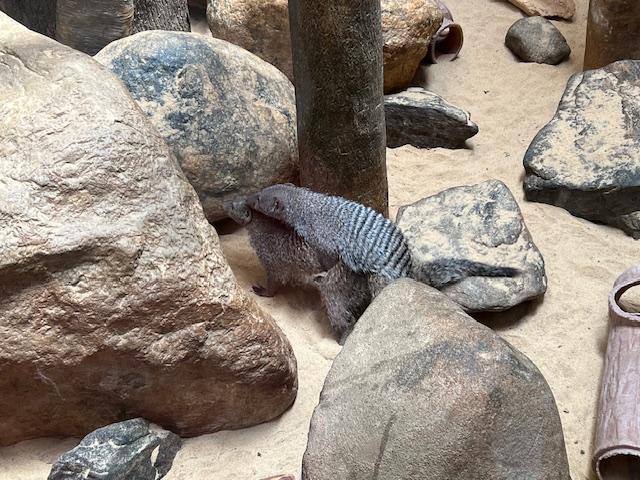
In the small animal exhibition, the mongooses were putting on quite a show for all of us. It looked liked they were mating in front of the crowd.

The mongooses running around.

These two looked like they were mating.

It is a nice walk around the zoo and the perfect way to spend a sunny afternoon.

There is also a nice gift shop just outside the zoo and the Dancing Crane Cafe is the zoo restaurant which is over-priced and the food the few times I have tried it was mediocre. It is not like the cafe up at the Bronx Zoo that was pretty decent.

The Dancing Crane Restaurant

https://centralparkzoo.com/plan-your-visit/dining

My review on TripAdvisor:

https://www.tripadvisor.com/Restaurant_Review-g60763-d5585261-Reviews-Dancing_Crane_Cafe-New_York_City_New_York.html?m=19905

Don’t miss the hourly concert at Delacorte Clock when the animal sculptures dance to the music played. It is such an enjoyable experience.

History of the Zoo:

The Zoo was not originally part of the layout for Central Park when designed by Fredrick Law Olmstead and Calvert Vaux. A small menagerie developed on the edge of the park with exotic animals that had been donated to the park starting with a bear cub tied to a tree in 1859 and a monkey in 1860. Other animals came later including cranes, a peacock and a goldfish.

The original menagerie

In 1860, the American Zoological and Botanical Society wanted to create a zoo somewhere in New York City. In 1864, the zoo received a formal charter, making it the second publicly owned zoo behind the Philadelphia Zoo. Though a formal zoo had not yet been created, the menagerie, with its free admission and good location made it the most popular attraction in Central Park.

By the 1930’s, the menagerie had become run down and was not sufficient to hold the animals. In 1834, Mayor Fiorello La Guardia hired Robert Moses to head the unified Parks Department and a new more formal zoo was created. The new zoo was opened on December 2nd, 1934 and by 1936 over six million people had visited the zoo.

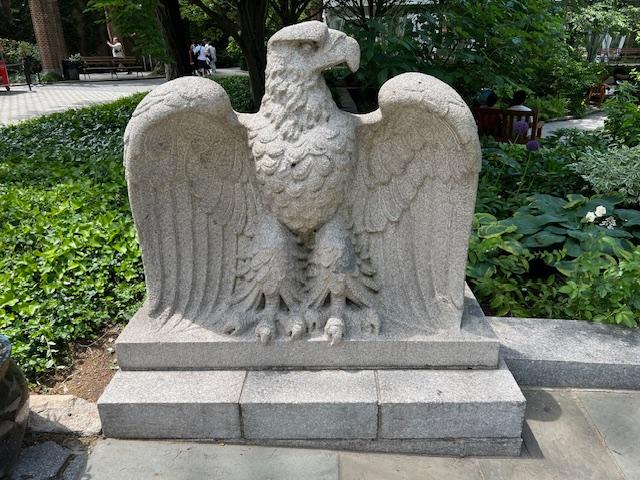
The eagle statues dotted the zoo.

By 1967, the zoo was again falling apart due to years of negligence and budget cuts. New York City’s fiscal crisis had affected the Parks System and conditions had gone downhill. In 1980, The Wildlife Conservatory (the former NY Zoological Society) signed a fifty year agreement in April of that year and started a renovation of the zoo from 1982 to its opening in 1988.

When the Zoo opened in August of 1988, the concept of the zoo had changed. The Wildlife Conservation Society had taken over the Queens Zoo, the Prospect Park Zoo in Brooklyn and already had possession of the Bronx Zoo and the direction of the society was toward conservation and care of animals while the Prospect Zoo was to be used as a Children’s Zoo and the Queens Zoo would concentrate on North American animals. The Children’s Zoo next to the Central Park Zoo went through its own renovation in the late 1990’s and is now called the Tisch Children’s Zoo after businessman, Laurence Tisch who had donated most of the money for the renovation.

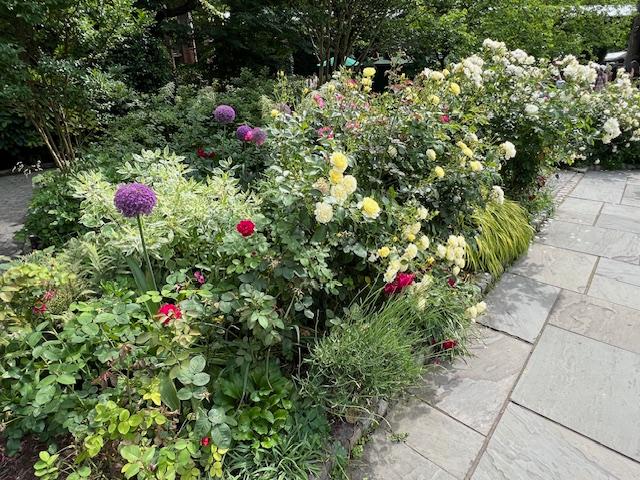
The gardens make a big impact around all the exhibitions.

(This information was taken from both Wiki and the Central Park Zoo History)

The zoo has the most amazing view of Central Park South. This neighborhood lines the southern part of the park.

Day One Hundred and Sixty-Five: Bergecco-Parc Consulting Inc. presents “From Revolution to Renewal-Exploring Historic Bergen County, NJ”          Essentials of Marketing Class Project-Bergen Community College                                           April 27th, 2020

Day One Hundred and Sixty-Five: Bergecco-Parc Consulting Inc. presents “From Revolution to Renewal-Exploring Historic Bergen County, NJ” Essentials of Marketing Class Project-Bergen Community College April 27th, 2020

To all your history buffs, please visit Bergen County, NJ for interesting experience of visiting our historical sites and restaurants. Check out our Team Project from Bergecco-Parc Consulting Inc. “From Revolution to Renewal-A Historical Tour of Bergen County”.

Professor Justin Watrel, CEO & Co-Founder Bergecco-Parc Consulting Inc.

jwatrel's avatarmywalkinmanhattan

I had the most interesting semester for Spring Term at the college where I work. Everything started off fine. We had classes in the the afternoon, good discussions on Marketing and had a very successful Team Project marketing the Lyndhurst Snack Shop, the new Bulldog Cafe, for business (See Day One Hundred and Fifty-Nine in MywalkinManhattan.com):

https://wordpress.com/post/mywalkinmanhattan.com/12969

BCC Bulldogs

The Bulldog Cafe on the Third Floor of the Bergen Community College Campus

https://www.facebook.com/gdsbulldogcafe/

My review on TripAdvisor:

https://www.tripadvisor.com/Restaurant_Review-g46586-d20210133-Reviews-Bulldog_Cafe-Lyndhurst_New_Jersey.html?m=19905

The Project I gave the students:

BCC-Bergecco-Parc Consulting Inc. Snack Shop Project 2020

I had just handed out the next Team Project, “From Revolution to Renewal: Exploring the  Historic Bergen County”, a major tourism project I wanted to the students to work on for the remainder of the semester the week before the break. I had the students to break up into groups and get to know one another and get their game plans…

View original post 3,084 more words