Category: VisitingaMuseum.com

Waldwick Signal Tower                                                               1 Bohnert Place                                                                  Waldwick, NJ 07463

Waldwick Signal Tower 1 Bohnert Place Waldwick, NJ 07463

Waldwick Signal Tower

1 Bohnert Place

Waldwick, NJ  07463

http://www.wctower@optimum.net

http://www.allaboardwaldwick.org/

https://www.facebook.com/pages/Erie-Railroad-Signal-Tower-Waldwick-Yard/135792839782599

Open: Please note the website for when the two buildings, the tower and the railroad station museum are open.

TripAdvisor Review:

https://www.tripadvisor.com/Attraction_Review-g46892-d10366154-Reviews-Erie_Railroad_Signal_Tower-Waldwick_New_Jersey.html?m=19905

This was the second time I visited the Waldwick Signal Tower, one of the last surviving of its kind on the railroad line. The architectural Queen Anne Style depot was built in 1886. The depot was called ‘Waldwick’ meaning “Light in the Woods”. The railroad signal tower was erected in 1890 in a similar style as the depot (Waldwick Historical Society).

The Signal Tower sign welcomes you.

The history of the Signal Tower as it was once one of six towers between New York and New Jersey.

The tower is a two story museum right next to the tracks in a rather obscure location in the back which you have to reach coming off Hopper Road to 1 Bohnert Place and the parking lot is off to the side.

The Signal Tower still sits on the Pascack Line that leads into New York City.

There is some walking here and not ADA accessible as the building was built so long ago but you can see it from a car from the parking lot and get a feel for its look and purpose at an earlier time in history. The main room downstairs had an interesting exhibition of railroad deeds from the various railroads that used to be part of the system of Bergen County whereas the upstairs which can be reached from the outside.
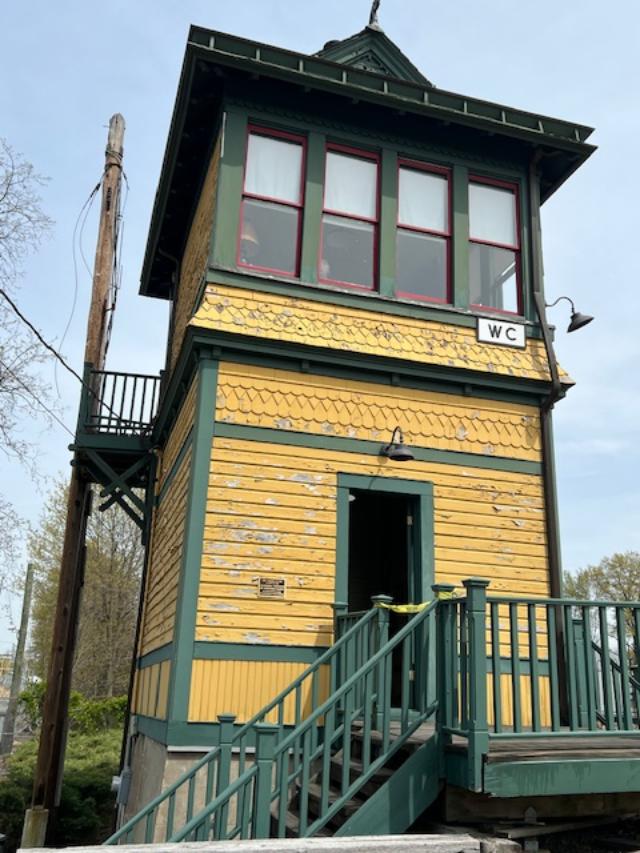
The outside of the Waldwick Signal Tower.

On the lower level of the Signal Tower has the exhibitions on the artifacts of the train station that includes the signal lightening, telephone pole protectors and items used at the station.

The downstairs gallery at the Waldwick Signal Tower.

The schedules and signal lights of the tower.

The map of the railroad into New York City and out into the suburbs.

The exhibition on the signal lights used by the conductors on the rail line.

Upstairs you get a better view of the tracks and the surrounding area. There was a train video going the first time I was there and there are members of the Waldwick Historical Society on hand to answer any questions.

The upstairs Conductor’s office is set up as it would have during the time of the tower in service.

The tower’s signal board on the second floor.

The tower is well organized with exhibitions on both floors and in a very interesting way. The displays are interactive and very detailed and the volunteers were there to talk to visitors about the site.

Waldwick Signal Tower History:

Waldwick’s Train Signal Tower is both historically and architecturally significant. It is a rare historical treasure for its residents and railroad enthusiasts from far and wide. Before the turn of the 20th Century, the Waldwick rail yard was an active repair depot and turn station for the Erie Main Line from Jersey City, NJ to Port Jervis, NY and was a major employer in Waldwick thus  contributing  to the borough’s residential and commercial growth.

The ornate Queen Anne style building was built in 1890 and housed the mechanism connecting switches and signals allowing trains to safely move from one track to another. The tower men who operated the switches by hand had great power indeed in their time.
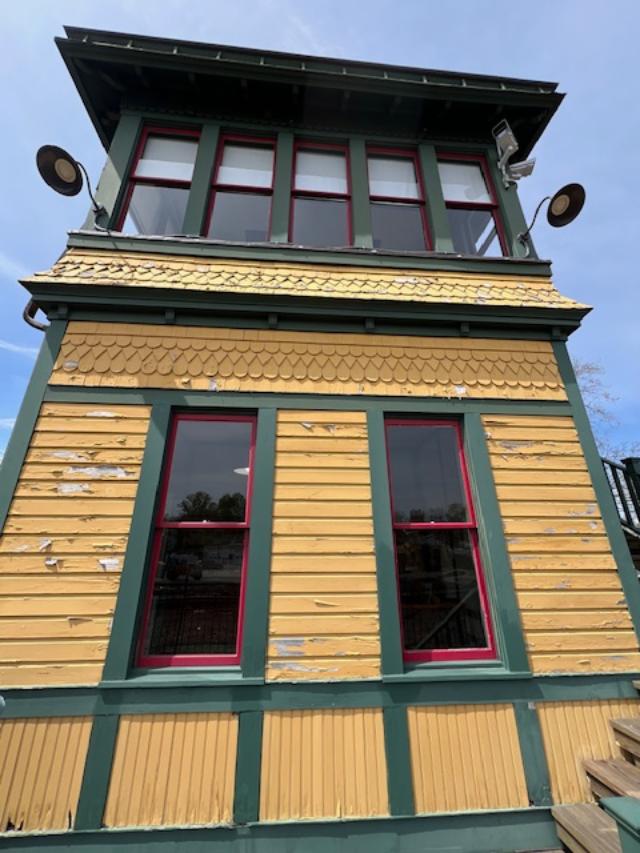
Another view of the signal tower.

By the mid-1980’s, upgrades in computerized signal equipment warranted the elimination of the tower. The tower was slated for demolition in June 1987. The Waldwick Historical Society members led by Kay Williams campaigned to place the tower on The National Registry of Historical Places. This accomplishment allowed the tower to at least stay dormant till the next wave of enthusiasts came along in 1999.

Waldwick Signal Tower III

The tower before the renovation

Michael Brunkhorst and Glenn Corbet banded together a group of citizens to form the All Aboard committee of Waldwick’s Historical Society. Curtis Springfield of Wanaque, who is the great-grandson of the renowned locomotive engineer, Harvey Springfield, got wind of the tower’s trials. He stepped up to the plate and purchased the tower for $6,000 then gave the Tower to the Borough of Waldwick as a gift to preserve for future generations in honor of the trainman’s family name.

The small All Aboard group set out to create awareness of the tower’s existence and it’s plight. Before long, fund drives were organized grant applications were filed. The response of a number of supporters including Mr. Robert Keeble, have given this project a solid start.

Meticulous measures are currently being made and can now be witnessed at the track end of Bohnert Place, to maintain the tower’s historical authenticity. Attention is being given to the placement of exact shaped decorative shingles and the repair and replacement of the original slate roof are among the initial stages of it’s restoration.

Waldwick Signal Tower

The Waldwick Signal Tower in the Spring 2024.

The Mission Statement:

The All Aboard continues seeking membership and financial support to complete the tower with the vision of becoming “The Harvey Springfield Memorial Tower at Waldwick” for generations of Waldwick citizens and for rail enthusiasts everywhere. If funding continues the tower is sure to be the pride of Waldwick with time and care.

This information comes from the Waldwick Historical Society’s pamphlet.

All Aboard Waldwick

Bless this tower, standing tall,

With Memories we share with all;

Bless the levers standing there,

Their work now finished,

with a prayer;

Bless this time in history now,

Remembering its always, this we vow;

Bless the ones who share this song,

And keep us all in health and strong.

Words by Helen Taylor.

A Brief History of the Borough of Waldwick

Pre-1700: Lenni-Lepane Indians inhabited the land.

1600’s: European farmers settled the land.

Late 1700’s: Franklin Turnpike is a toll road.

1840’s: The railroad connecting Jersey City with Suffern is built and ran through Waldwick, then named New Prospect.

1852: Erie Railroad Company takes over the railroad.

1880: New Prospect becomes a depot.

1886: An architectural Queen Anne Style depot is built. The Depot is called ‘Waldwick’ meaning “Light in the Woods”. The depot brings more commerce to the area also called ‘Orville Township’.

1890: The Railroad Signal Tower is erected in a similar style as the Depot.

1919: The small railroad hamlet is incorporated as the Borough of Waldwick.

The history of the tower.

Disclaimer: This information is taken directly from the Waldwick Historical Society pamphlet and I give them full credit for the information. Try to take time to see both  the tower and the museum by the train station. The Whistle Stop Restaurant is around the corner and has a reputation for excellent sandwiches and ice cream.

The Waldwick Whistle Stop Restaurant at 27 Fredrick Street.

https://www.facebook.com/waldwickwhistlestop

My review on TripAdvisor:

https://www.tripadvisor.com/Restaurant_Review-g46892-d8660054-Reviews-Waldwick_Whistle_Stop-Waldwick_New_Jersey.html?m=19905

My review on DiningonaShoeStringinNYC@Wordpress.com:

The burgers here are really good as are the chicken fingers.

The Cheeseburgers and fries are excellent and very reasonable at the Waldwick Whistle Stop Restaurant.
The Old Station Museum                                      171 Old Station Lane                                   Mahwah, NJ 07430

The Old Station Museum 171 Old Station Lane Mahwah, NJ 07430

The Old Station Museum

171 Old Station Lane

Mahwah, NJ  07430

(201) 512-0099

http://www.mahwahmuseum.org

http://mahwahmuseum.org/mahwah-history/old-station-timetable/

https://mahwahmuseum.org/the-old-station-museum/

*The Museum is currently closed for the season yet it was open for this event. It will reopen in late June. Admission to the museum is $3.00 per person over the age of 16 and is free for kids under 16 years of age.

TripAdvisor Review:

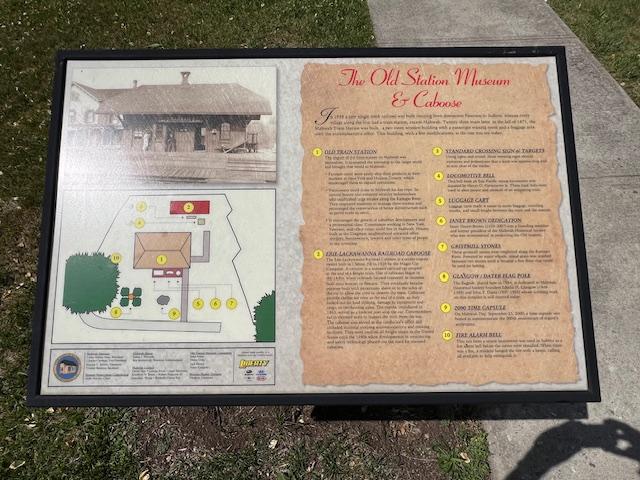
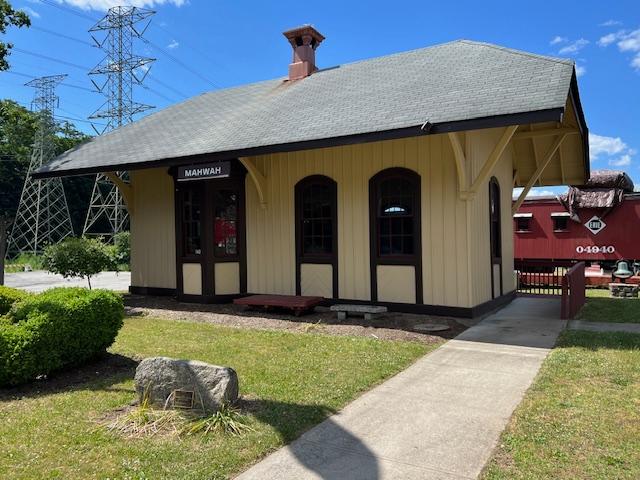
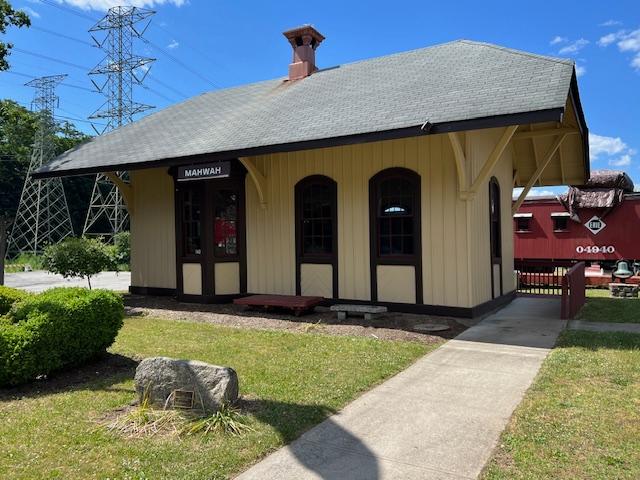
 The front of the Old Station Museum in Downtown Mahwah, NJ

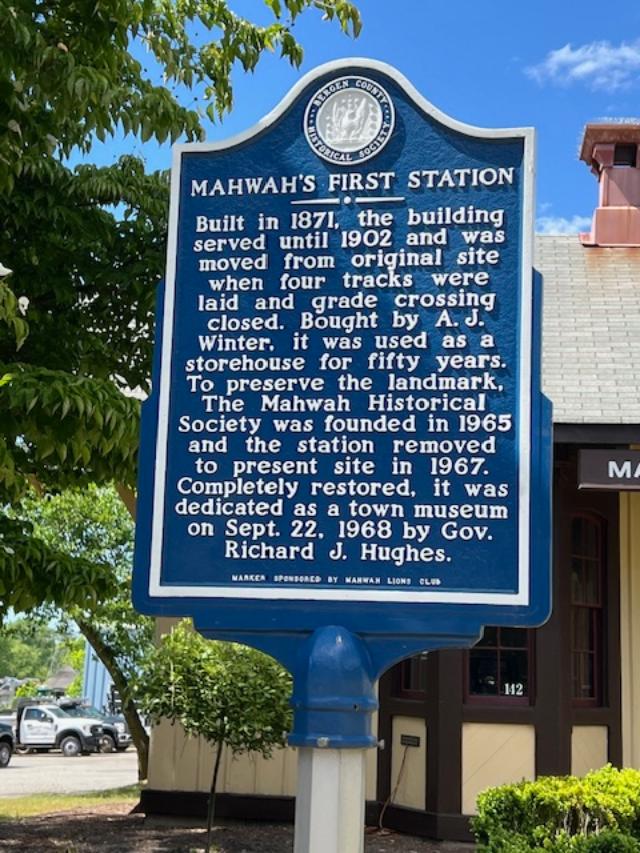
The historic Marker for the Old Train Station

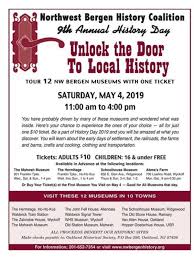
As part of my tour on the Eighth Annual Northwest Bergen History Coalition Day, I visited the Old Station Museum, which is partnered with the Mahwah Museum (mentioned in this blog also) and its concentration is on the history of trains and the trains that serviced the area.

Old Station Museum VI

They had an interesting exhibition on the trains that used to run in the area before they consolidated years ago, the companies that ran them and a full train display (as well as there is a complete train set in the lower level of the Mahwah Museum that you should not miss. It will bring the kid out in you).

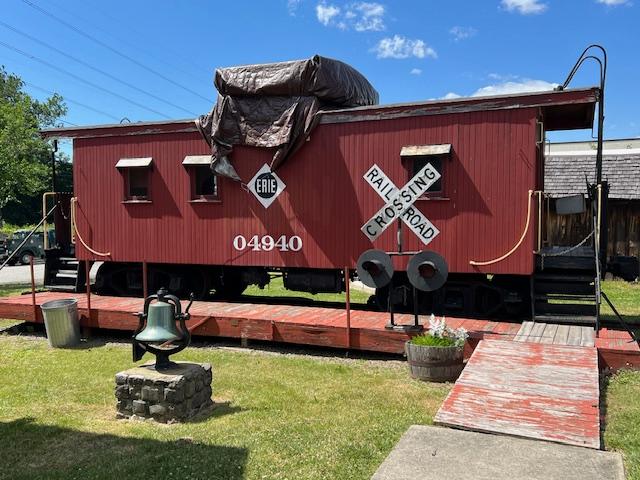
The Old Caboose in the back of the museum is open for touring in the summer months

One of the displays that I really liked was the Pullman Car exhibition of menus, china and other things that were used on the car to make service the best it could be. Like they mentioned in the display, food was a loss leader to the company which was made up in the ticket itself but it is what made the experience for the passenger. It what was brought them to the train in the first place. All I could keep thinking of was Eve Marie Saint in ‘North by Northwest’ when she was dining with Cary Grant.

Old Station Museum IV

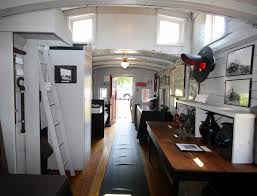
The inside of the Caboose at the Old Station Museum in Mahwah.

The best part of the museum is when you tour the museum’s caboose that is located in the back of the museum. There are displays of the men that worked the line and their role in the railroad as well as a display of their living conditions. With new technology the caboose went out of service and there are very few left now. You really see the caboose from inside out and its purpose on the train.

The historical sign in front of the museum

The exhibition at the station this season features several models built by former Mahwah resident, Hollis C. Bachmann. Mr. Bachmann constructed a model of N.Y.C. #999 and several other trolleys. We are fortunate to receive a donation of this balance of Mr. Bachmann’s collection from his niece, Kay Doody. Mr. Bachmann had built out model of the North Jersey Rapid Transit interurban car (trolley) that ran from Suffern to Paterson. You may remember seeing that model in our main museum building. It was constructed of tin cars, was two feet in length and included a detailed interior, having taken Mr. Bachmann six months to build. Please come by and see these really nicely detailed creations that are the offspring of that trolley.

The Old Station Museum established in 1967 is located in a building that was the original station on the Erie Railroad in Mahwah. It was rescued from destruction, first by the Winters family and later by the Mahwah Historical Society. It contains many interesting artifacts given to the museum by collectors of railroad memorabilia. It also features a 1929 Erie cupola caboose which has been recently restored. There is a scale model of the Erie system and photos of the early days of railroading in Mahwah and along the rest of the mainline.

In 1848, the Paterson and Ramapo Railroad was built through Mahwah to carry passengers and freight from New York City via Paterson  to the mainline of the Erie Railroad located in Suffern, New York. From there, connections could be made to upstate New York then Chicago and on to the west.

In 1871, the leaders of Mahwah petitioned the Erie to allow a stop at a new station in Mahwah. The 1871 station remained in service until 1904 when the Erie expanded to four tracks and raised the roadbed from the ground level. The second station remained until 1914 when it was destroyed by fire. The current station was built in 1914 and still serves commuters today.

Disclaimer: This information was taken directly from the museum’s website and I give them full credit for all of the work. The museum will be reopening in June so be on the lookout for more information on events at the museum. It is a great place for kids.


Nicholas Roerich Museum                                    319 West 107th Street                                        New York, NY 10025

Nicholas Roerich Museum 319 West 107th Street New York, NY 10025

Nicholas Roerich Museum

319 West 107th Street

New York, NY  10025

(212) 864-7752

Open: Monday: Closed/Tuesday-Friday: 12:00pm-4:00pm/Saturday-Sunday: 2:00pm-5:00pm

Closed: Major holidays

Admission: Admission is free, though donations are welcome.

http://www.roerich.org

http://www.roerich.org/

TripAdvisor Review:

https://www.tripadvisor.com/Attraction_Review-g60763-d136141-Reviews-Nicholas_Roerich_Museum-New_York_City_New_York.html?m=19905

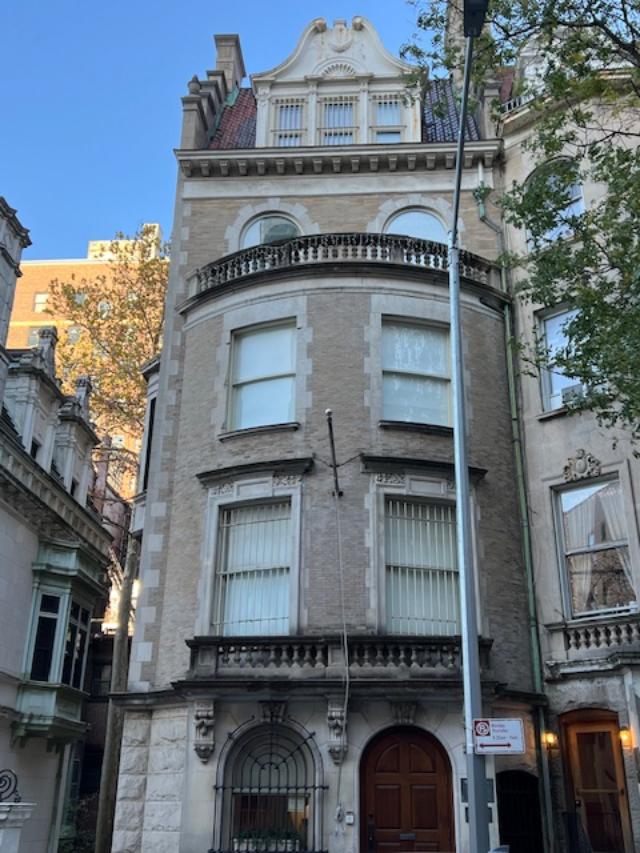
The front of the museum

This small museum in the Upper West Side neighborhood of Manhattanville is easy to miss. It is in a small brownstone on West 107th Street right near Riverside Drive. You can see the plaque for the museum to the right of the building and there is a side door to get in. The admission is free but they do ask for a donation if you can do it.

The museum is a specialty collection of the works of the former owner of the house and artist Nicholas Roerich. They are mostly landscapes and religious themed that cover three floors of the museum. It takes about an hour to an hour and a half  to see all the floors. A nice touch they had in the afternoon that I was there was a piano player whom you could hear play throughout the brownstone. When you go, it will be a pleasant afternoon where you are not fighting the crowds of the larger museums.

Nicholas Roerich

Artist Nicholas Roerich

The Nicholas Roerich Museum was founded in 1949 to house a permanent collection of over two hundred paintings by the Russian-born artist, poet, philosopher and humanitarian, Nicholas Roerich. The museum also houses a library of books and maintains an archive and a collection of artifacts relating to the areas of Roerich’s interests (Museum guide).

The Mission of the Museum:

The mission of the Nicholas Roerich Museum is essentially a narrow one: to make available to the public the full range of Roerich’s accomplishments. These, however, are not narrow; they cover the realms of art, science, spirituality, peacemaking and more. Because Roerich’s  activities ranged widely, so do the museum’s.

Nicholas Roerich Museum I

The Museum Collection:

Nicholas Roerich is known first and foremost as a Russian-born artist. His paintings, of which there are thousands around the world, explore the mythic origins, the natural beauty and the spiritual strivings of humanity and of the world. The museum houses approximately two hundred of these works and keeps most of them permanently on display for visitors who come from around the world. Indeed, for many of these visitors, the museum is a destination of great importance; the paintings speak to them of their own inner yearnings and possible fulfillment. For them, Roerich’s paintings are a kind of teaching-about spiritual development about culture and its role in human life and about opportunities for the achievement of peace in a fractious world.

Nicholas Roerich Museum II

Publications & Booklist:

The museum also keeps in print a number of books by and about Roerich and his life and work and a substantial stock of postcards and reproductions of his paintings. These too are seen by many as more than just prints; they are hung in homes with a degree of appreciation that is not often given to such things.

Cultural Events:

In addition to these functions, the museum also maintains an active schedule of cultural activities.  It was Roerich’s fervent belief that the role of cultural development in the peace and evolution of the world is fundamental and that it is therefore the responsibility of those who work in creative and cultural fields to strive always for that peace and evolution and for those goals to be the chief impulses guiding their creative work. Information about these ideas is always available.

The Roerich Pact & the Banner of Peace:

The museum sustains an ongoing effort to spread public awareness of the intermingled roles of peace and culture and the ways in which each sustains the other. Information and materials about The Roerich Pact and the Banner of Peace are always available. Throughout this century of wars and national struggles, the yearning of the public for ways of achieving peace has been great; the ideas of the Pact and the Banner provide a welcome answer to those yearnings.

As Roerich’s ideas become better known around the world, attendance at the Museum grows and requests for information and materials about him and his art and social achievements increase.

*This information is from the Museum’s website.

Disclaimer: This information was taken from a combination of the museum’s website and from the biography of the artist.


The National Jazz Museum in Harlem                    58 West 129th Street, Ground Floor                  New York, NY 10027

The National Jazz Museum in Harlem 58 West 129th Street, Ground Floor New York, NY 10027

The National Jazz Museum in Harlem

58 West 129th Street, Ground Floor

New York, NY  10027

http://www.jazzmuseuminharlem.org

http://jazzmuseuminharlem.org/

https://www.facebook.com/nationaljazzmuseum/

(212) 348-8300

Suggested donation of $10.00 but whatever you can give.

Open: Sunday-Monday: 11:00am-5:00pm/Tuesday-Wednesday Closed/Thursday-Saturday: 11:00am-5:00pm

Fee: Free with Donation

Founded in 1997

Transportation: Subway 2 or 3 to 125th Street and then walk up to 129th Street

TripAdvisor Review:

https://www.tripadvisor.com/Attraction_Review-g60763-d6953125-Reviews-The_National_Jazz_Museum_in_Harlem-New_York_City_New_York.html?m=19905

I came across this little museum when I was touring Central Harlem. This museum is more like a small gallery and it is dedicated to the history of jazz in Harlem. The front section is set up like someone in Harlem’s salon with furniture from the era and sheet music from the artists. The look is based on ‘Rent Parties’ that people used to have to bring their friends over to help pay the monthly rent. The back section of the museum is dedicated to jazz and related music with a sitting area and pictures all over the wall of different era’s including the new artists of today. Jazz music plays throughout.

National Jazz Museum in Harlem

The Mission of the Museum:

The National Jazz Museum in Harlem, a Smithsonian Affiliate,  preserves, promotes and presents jazz by inspiring knowledge, appreciation and celebration of jazz locally, nationally and internationally.

It is the thriving center for jazz that stimulates hearts and minds and reaches out to diverse audiences to enjoy this quintessential American music. The museum was founded in 1997 by Leonard Garment, Counsel to two U.S. Presidents and an accomplished jazz saxophonist, Abraham D. Sofaer, a former U.S. District Judge, who gave the initial gift in honor of his brother in law, Richard J. Scheuer and matching funds from the Upper Manhattan Empowerment Zone.

National Jazz Museum in Harlem II

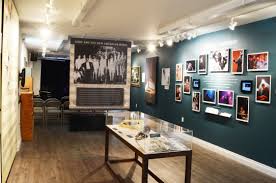
Displays inside the museum

The Museum is committed to keeping jazz present and exciting in the lives of a broad range of audiences: young and old, novice and scholar, artist and patron, enthusiast and curious listener. From its new location in the center of Harlem, the Museum serves the local community and welcomes visitors from across the U.S. and internationally.

The National Jazz Museum in Harlem’s vision is to establish a permanent home in Harlem for collections, programs and performances that stimulate creativity and excitement about the past, present and future of jazz and its artists (The Jazz Museum in Harlem vision statement-pamphlet).

In 2013, an exciting new era began for the Museum. We created and implemented a new strategic plan that made education central to our mission. The Museum now offers year-round educational programs for students of all ages. We also developed a new membership program with exclusive content and benefits to reach out to the worldwide jazz community.

National Jazz Museum of Harlem

The inside of the National Jazz Museum of Harlem

In 2015, after 15 years at the East Harlem location, we moved to 58 West 129th Street in Central Harlem. Our new space is designed to give our visitors an immersive jazz experience, in the heart of what has become Harlem’s new cultural and entertainment district. The ultimate, long-term goal is to secure a permanent home in Harlem with space enough to showcase Harlem’s vast contributions to jazz, American music and world history.

Each year, the Museum produces and presents more than 80 free programs in New York City, engaging hundreds of professional jazz artists and reaching nearly 20,000 people from around the world. The Museum is a hub for live performances, exhibitions and educational programs. It is also home to our widely acclaimed Savory Collection, which includes more than 100 hours of live recordings of jazz legends made from New York City radio broadcasts aired between 1935 and 1941 (Wiki site and Museum website).

National Jazz Museum of Harlem III

The current exhibition is Vi*bra*tion: The history of Jazz from Louis Armstrong to Miles Davis: Their Work and Harlem Air Shaft (large musical manuscripts on the wall).

The Leadership of the Museum is under musicians Jonathan Batiste, Co-Artistic Director and Christian McBride, Co-Artistic Director.