Category: Historic sites of Delaware

Lewes Life Saving Station & Museum                                                            2 Shipcarpenter Street                                                                        Lewes, DE 19958

Lewes Life Saving Station & Museum 2 Shipcarpenter Street Lewes, DE 19958

Lewes Life Saving Station & Museum

2 Shipcarpenter Street

Lewes, DE. 19958

(302) 645-7670

Open: Sunday-Tuesday Closed/Wednesday-Saturday 10:00am-4:00pm (In Season April 1st-October 11th-closed the rest of the year)

Admission: Free but a $5.00 donation is appreciated

My review on TripAdvisor:

https://www.tripadvisor.com/ShowUserReviews-g34028-d17640480-r1060547919-Lewes_Life_Saving_Station_Museum-Lewes_Delaware.html?m=19905

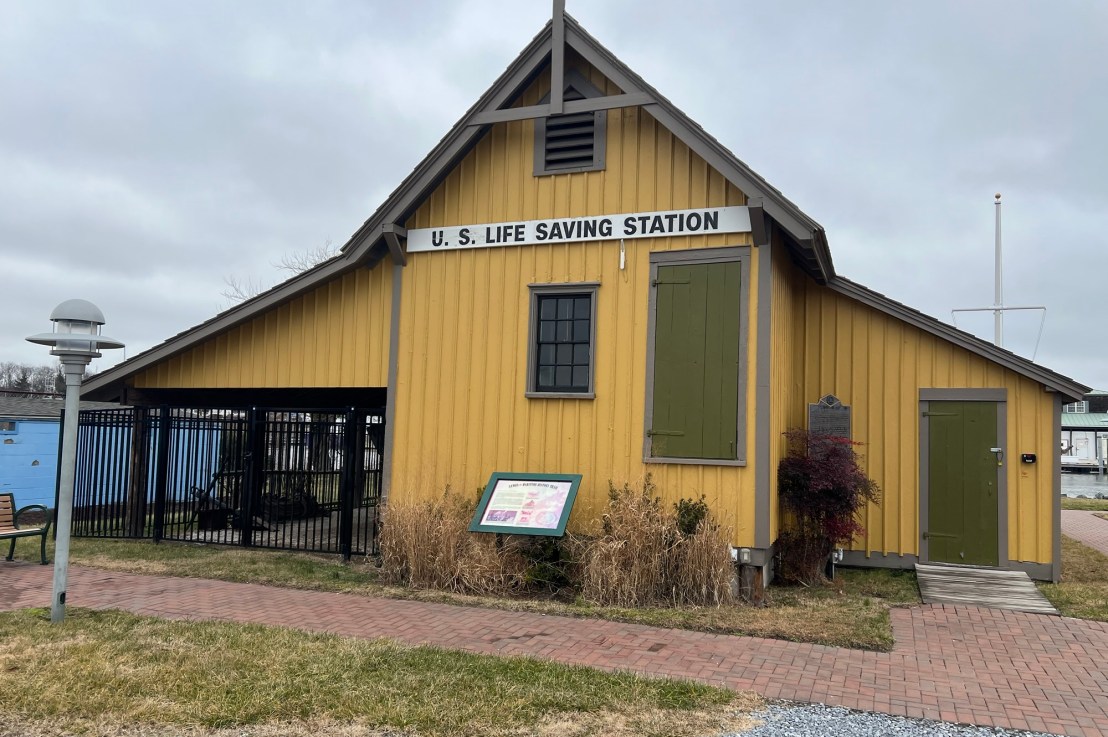
The back of the Lewes Lifeguard Station Museum
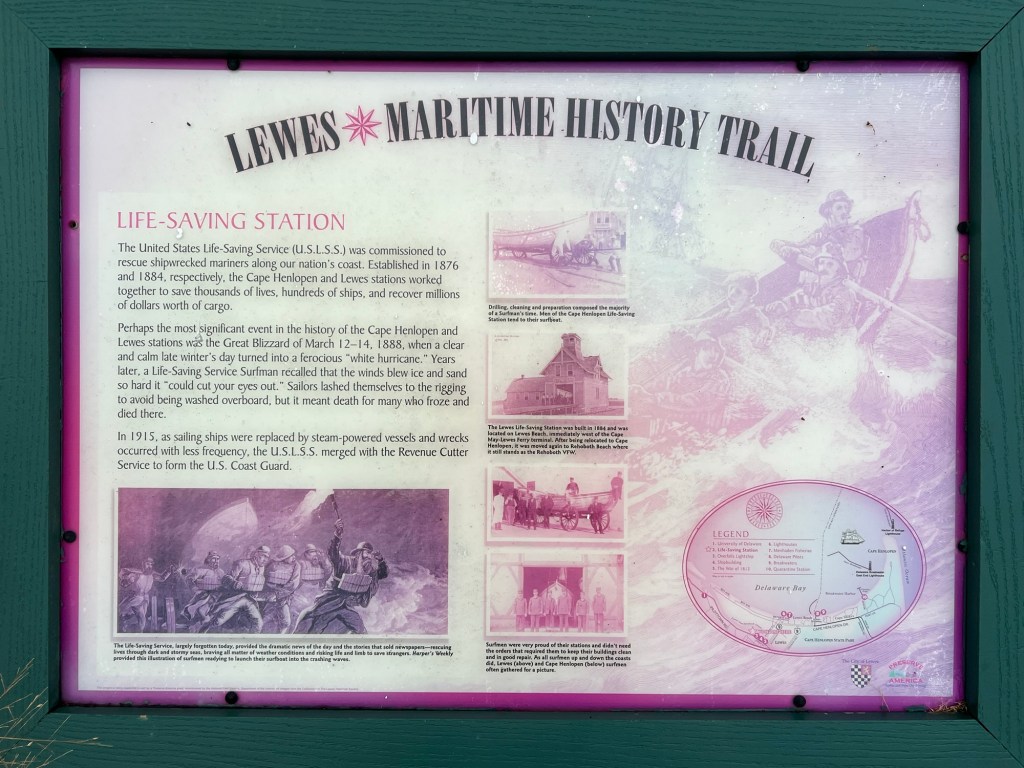
The description sign up front

I recently visited Lewes, DE for ‘Maritime Day’ by the harbor and there were a lot of interesting booths on the watersheds, environmental agencies that discussed their purpose with harbor issues and what the town of Lewes does for the environment.
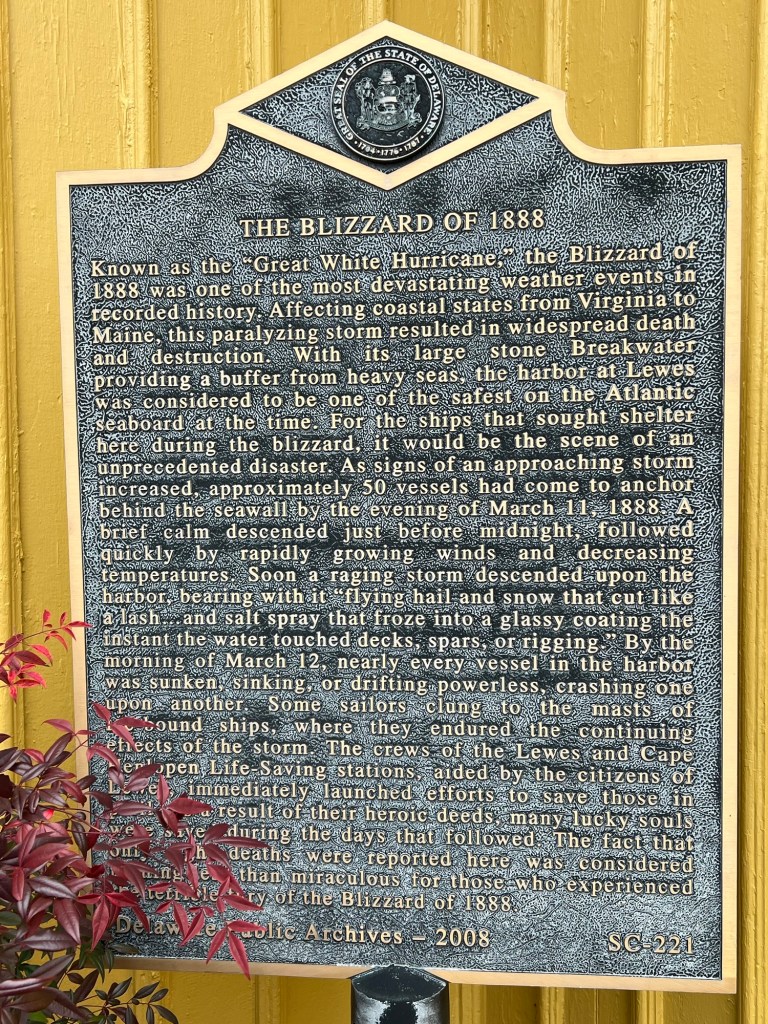
The historic Blizzard from 1888

History of the Lewes Life Saving Station & Museum:

(From Historic Lewes.com)

It was also a busy station, guarding both the mouth of Delaware Bay and the protected waters created by the massive breakwaters of the National Harbor of Refuge. Its string of Keepers and their six- or seven-man crews of Surfmen enacted scores of rescues through the years and in particular won great praise for their tireless heroics during the Great White Hurricane of 1888, when they pulled scores of sailors from the frigid waters and iced-over hulks of wrecked vessels to safety.
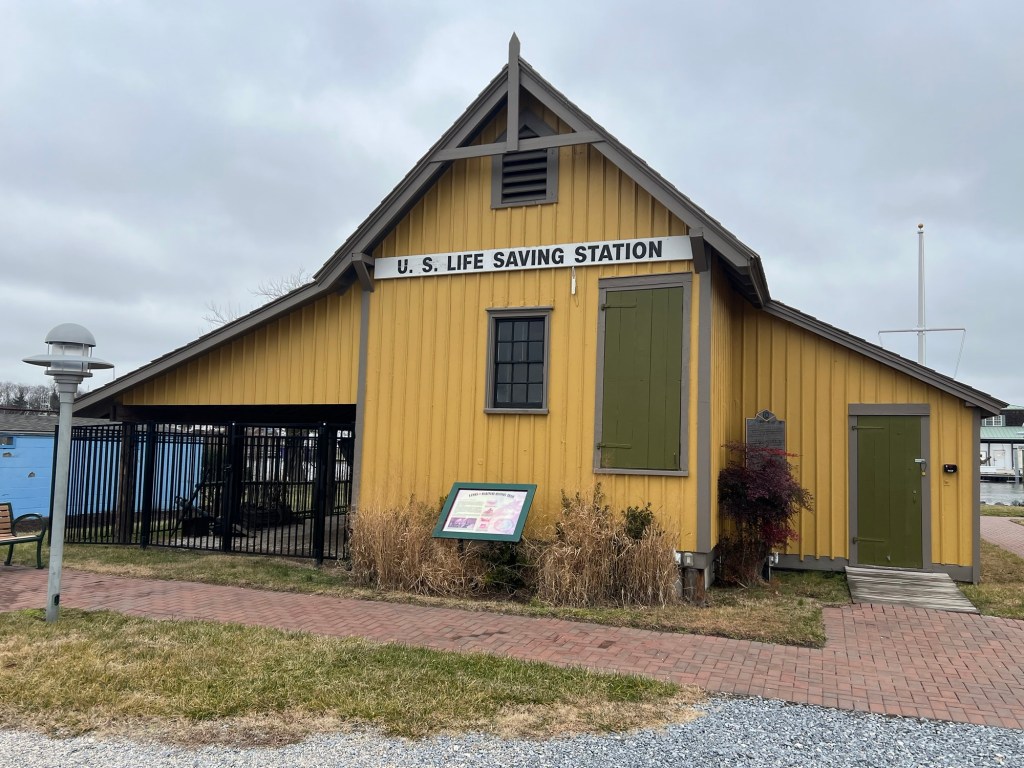
The front of the museum

The History of the Lewes Lifeguard Museum:

(From the Historic Lewes.com)

The United States Life-Saving Service (USLSS) protected the American coast and saved lives in peril at sea from 1871 until 1915, when it became a part of the new United States Coast Guard (USCG). This incredible humanitarian mission came to Lewes in 1884, making it the fourth of six stations to be established in Delaware. Lewes was among the most desirable stations for the Keepers and Surfmen who manned it, with its original location on the site of the present-day Cape May-Lewes Ferry Terminal placing it not far from town and therefore civilization.

The view of the harbor which has changed over the years

I spent my time touring the Lewes Lifeguard Museum, which is an interesting little museum on the history of life saving along the Delaware coast. The museum’s artifacts show some of the earliest and innovative forms of rescue equipment from before the Civil War. This was the precursor to the United States Coast Guard.

The inside of the museum

The lower part of the museum contained most of the equipment, items like rescue ropes, wenches, rescue apparatus, lanterns and uniforms like jackets and boots.

Pulled and equipment used to rescue stranded people

History of the Lewes Historical Museum:

(Historic Lewes.com)

The United States Coast Guard maintained the Station Lewes from 1915 until 1969, when it was closed, declared surplus, and sold. The original main station building was relocated numerous times and still stands today, heavily modified, as the Rehoboth Beach VFW. The Boat House preserved by Historic Lewes, a unique 1884 addition to the USLSS station intended to launch lifeboats on a marine railway directly into the harbor, was acquired from the Pilots’ Association of the Bay & River Delaware in 1979 and moved to its present home at Canalfront Park. It stands proudly beside the Lightship OVERFALLS (LV-118), together commemorating the nation’s and community’s efforts to preserve life on hazardous waters.

The bullies and wenches used by the men

Information in the Lewes Life Saving Station

Biography of the men who worked there

Information on the Boat House

Some of the ropes and wenches used in the rescue procedures

On the other side of the building was the rescue boat the ‘Life Car’, a rudimentary form of rescue boat that the docents said was effective but clunky and hard to use. It shows how we have progressed in life saving.

The Life Car rescue unit

Information on the ‘Life Car’

The ‘Life Car’

The ores and other rescue equipment used

The small rope cannon

The ores

The rope equipment

The story of the ‘Great White Hurricane of March 1888’

The Men’s Dining area in the front of the building

There was no living area in the facility but a place to gather the team, eat and socialize when manning the station.

History of Lewes Lifeguard Museum:

(From the Lewes Lifeguard.com)

Guests visiting the USLSS Boat House today will find it furnished just as Keeper John Clampitt and his courageous Surfmen left it on March 12, 1888, as they pushed out into the roaring gale and whipping snow for their finest hours. It also features a display of early life-saving equipment, including the rope-and-pulley Breeches Buoy rescue system, a steel life-car, and a rare 1887 Long Branch, New Jersey-style surfboat under restoration.

The dining area and the schedule

The dining room table

The Lewes Life Saving Station & Museum is an example of early beach and shipping rescue at the East Coast Shore. It also shows the daily life of these brave men and how lonely and dangerous this job could be. It shows how times have progressed and how they have stayed the same. To save people and property.
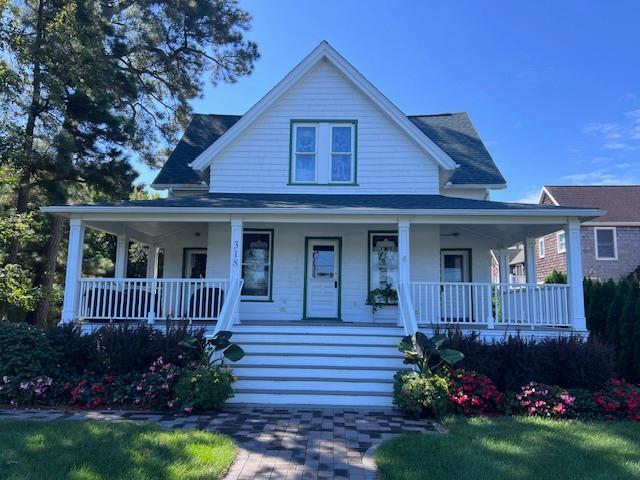
Dinker-Irvin Museum                                                  318 Garfield Parkway                                                Bethany Beach, DE 19930

Dinker-Irvin Museum 318 Garfield Parkway Bethany Beach, DE 19930

Dinker-Irvin Museum

318 Garfield Parkway

Bethany Beach, DE 19930

https://www.townofbethanybeach.com/110/Town-Museum

https://en.wikipedia.org/wiki/Dinker-Irvin_House

https://visitsoutherndelaware.com/listing/bethany-beach-dinker-irvin-museum

My review on TripAdvisor:

https://www.tripadvisor.com/ShowUserReviews-g33997-d33496882-r1029950348-Dinker_Irvin_Museum-Bethany_Beach_Delaware.html?m=19905

The front of the museum

History of the Museum:

(from the museum website)

Located across from Central Park at 318 Garfield Parkway, this beautifully restored cottage offers visitors an immersive experience of an historically significant early 1900’s home and a glimpse of what life was like during the early days of the town.  It is one of the few remaining original cottages in Bethany Beach and the oldest public building in town.  It served as a U.S. Post Office from 1922-25. 

The sign in the front

The historic sign

The backyard of the home

I arranged a personal tour with members of the Board of the Dinker-Irvin House Museum and I got to see one of the few remaining shore homes from the turn of the last century.

The Virtual tour of the Museum

Sneak Peek view of the museum

The History of Bethany Beach

The Dinker-Irvin House is an example of early beach living on the Delaware coast. This small home was just enough space for a family to live comfortably at the shore for the summer season before and after it was a religious retreat.

The antiques of the time period in the front entrance

This interesting little shore home shows life in early Bethany Beach similar to the development of shore communities up and down the Eastern seaboard first as religious retreats then with the changes of the modern work week with leisure travel.

The history of the cottage:

The background of William Dinker, the original owner of the home

Mr. Dinker’s family history. The house was first owned by the Dinker family and then the Irwin family.

The Irwin family history

The second family, the Irvin’s buys the home

The history of the development of the museum

The front of the museum building was dedicated to the history of beach life in Bethany. This was complete with bathing outfits and the history of swimming for pleasure. One covered up at the shore to show respect and modesty.

The bathing costumes from the turn of the last century

Life at the beach

Swimming at the shore would change a lot in the next 100 years.

Life Guard uniform

The modern life guards were developed in response to the increasing tourism and modern ocean swimming. In 1942, the beach community got its first female life guard, Marjorie Townsend Bramhall Slaughter. Her two sons would follower her into the profession.

The first female life guard in Bethany Beach

The start of tourism in Bethany Beach started first with ship then by rail and then by car. As the modern highways brought more people to the shore, the town continued to progress.

Early tourism and travel to Bethany Beach

The kitchen was original to the house and some of the original items to the home are on display. As small as the house was meals were still a serious affair at the shore. Fresh fish, fruits and vegetables were all available at farm stands as they are today.

The kitchen of a beach town

The kitchen of a beach home

The ice box of the turning of the last century

The hand pump

The kitchen items, foods and recipes

The kitchen provided a look of what was in the pantry at the time. The kitchen even included recipes for meals that would have been popular at the time.

The house served as the post office at that time

The house once served as the post office for the community.

The collection travel postcards in the museum’s collection. This shows the progression of working people at the time and how leisure travel became popular first with the railroads and then by car.

The Horse Racing in the area

The Chautauqua Assembly records on display

The development of religious communities at the beach

The museum gives a glimpse of the past of this diverse beach community from its development as a religious retreat to its development as the modern resort of today.

Bethany Beach History Museum                                      214 Garfield Parkway                                            Bethany Beach, DE 19930

Bethany Beach History Museum 214 Garfield Parkway Bethany Beach, DE 19930

Bethany Beach History Museum

214 Garfield Parkway

Bethany Beach, DE. 19930

(302) 539-8011

https://www.townofbethanybeach.com/110/Town-Museum

https://www.visitdelaware.com/listing/bethany-beach-museum/4112/

Admission: Free

Open: Sunday Closed/Monday-Friday 8:00am-4:00pm/Saturday Closed

My Review on TripAdvisor:

https://www.tripadvisor.com/Attraction_Review-g33997-d33672776-Reviews-Bethany_Beach_History_Museum-Bethany_Beach_Delaware.html

The entrance to the museum from Bethany Beach City Hall

The City Hall sign

The History of the Museum:

(from the museum website)

The museum is right in the hallway of the museum. Just go through the front door and the museum is to the right. The Bethany Beach History Museum is currently located in the foyer of the Town Hall at the intersection of Garfield Parkway and Route 1. The exhibits contain memorabilia and photographs from the Bethany Beach area

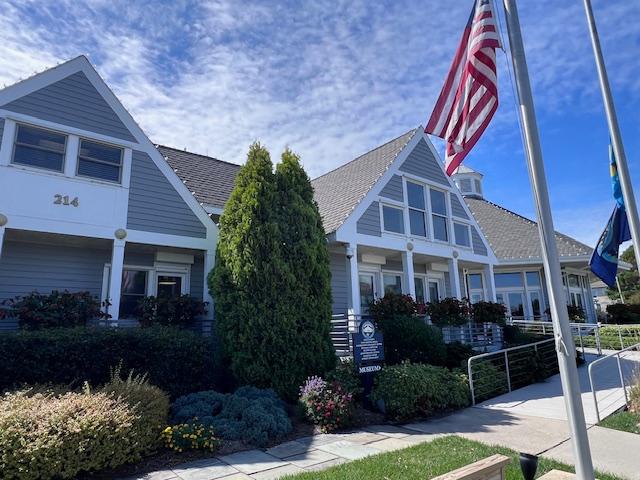
The front of the museum building

The museum is run by volunteers who work on the displays and set the exhibitions. The exhibits that were part of the museum display were the history of the Bethany Beach Lifeguards, the Bethany Beach Women’s Club and the history of Bethany Beach.

The inside of the museum

The first display was on the history of Bethany Beach as a religious community. This was a display on the Tabernacle and the religious services.

The history of the town as a Methodist community.

The history of worship in the community

There was also an interesting display on the Native American tribes and their using the community as a fishing and hunting spot during the summer months.

The Native American history of the community and the dedication of the Chief Little Owl statue

The Chief Little Owl statute outside of City Hall

Chief Little Owl

The display of natural disasters in the town including the 1962 flood

The museum has displays of various aspects of the community from the farming industry to

The displays of the town’s history

The town’s Methodist past

The town’s Religious past

The early farming industry of the town

The start of the family resort

The Storms of the past especially the 1962 storm

The development of the town as a community

The back part of the gallery

The back gallery displayed the history of all the clubs and organizations of the town. These included the Woman’s Club, Police and Fire Departments and many of the civic clubs in this small beach town.

The history of the Women’s Club

The history of the Native Americans in the area

The museum also had a wonderful display on their Life Guards in town and the history of search and rescue.

The history of the Life Guards in Bethany Beach

The Life Guard uniform

The history of the Civic organizations in town

For such a small town, the town has such a rich history and an interesting past. For a beach community, there has been and still is a lot to get involved in.

The museum does a nice job displaying these accomplishments and an interesting perspective on a small town.

Bethany Beach Nature Center                                        807 Garfield Parkway                                                Bethany Beach, DE 19930

Bethany Beach Nature Center 807 Garfield Parkway Bethany Beach, DE 19930

Bethany Beach Nature Center

807 Garfield Parkway

Bethany Beach, DE 19930

(302) 537-7680

https://www.townofbethanybeach.com/397/Nature-Center

https://visitsoutherndelaware.com/listing/bethany-beach-nature-center

Open: Sunday-Monday Closed/Tuesday-Friday 10:00am-3:00pm/Saturday 10:00am-12:00pm

Admission: Free

My review on TripAdvisor:

https://www.tripadvisor.com/Attraction_Review-g33997-d1632695-Reviews-Bethany_Beach_Nature_Center-Bethany_Beach_Delaware.html

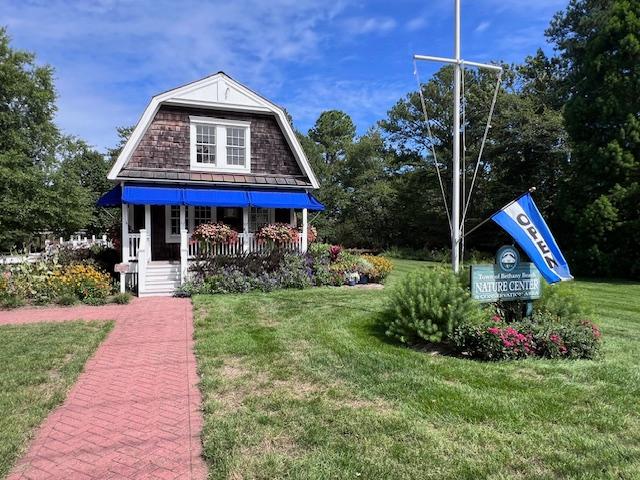
The front of the Bethany Beach Nature Center

The Nature Center sign

The wonderful little natural preserve is the perfect getaway on a sunny day. With something for the whole family, there are nature paths, gardens, aquatic tanks to view and even a butterfly area, the preserve is a nice way to spend the afternoon.

The front of the historic Addy Cottage

The historic Addy Cottage building

The Addy Cottage historic marker

The history of the Addy houses

The cottage where the Nature Center is located is an example of early beach homes in the community. Once a series of homes by the same family , this is the last surviving home in the series.

The History of the Bethany Nature Center:

(from the center’s website)

The Addy Cottage houses the Bethany Beach Nature Center.  It was built circa 1903 by John Addy, one of the Pittsburgh Six that founded Bethany Beach.  Located on the 26 acre Delaware land conservation trust, the property was originally owned by the heirs of the Natter Family.  

In 2001 the U.S. Fish and Wildlife Service, Delaware Division of Parks and Recreation, and the Town of Bethany Beach successfully funded the acquisition of this natural land to be preserved for all future generations in Bethany Beach.

The inside of the Nature Center

The inside of the nature center is perfect for children and families with interactive games and playthings plus fish and turtle tanks.

The fish display

The Box turtle display

The Box turtle display

Finding this Baby Terrapin turtle hiding in the display

The Box Turtle display

The Box Turtle display

The Red Eared Slider Turtle display

The Aquatic display of marine life in the community

The highlight of the visit on a beautiful sunny afternoon is the half a mile long Baldwin Trail into the marshes.

The entrance to the Baldwin Tral

The dedication sign

The pathways as part of the trails

The Garden of Native Plants was in full bloom at the end of the summer and I started my walk of the Nature Center here.

The Garden of Native Plants

The entrance to the Gardens

The gardens were still in full bloom when I visited and offered a sanctuary for insects and birds who were flying all over the place. There were areas to sit under the shade and paths to walk down to admire the gardens.

The center of the garden

The gardens in bloom toward the end of the summer

A view of the gardens from the back

I then continued down the path and toured the area by the wetlands. The back trails took you to the marshes.

The sign for the wetlands

The pathway into the Wetlands

The wetlands were very picturesque with the marshes glistening in the light. The trees still reflected a summer not quite over.

The entrance to the wetlands

The pathway to the pools

The beauty of the pools

After I left the pools, I headed to the back of the Wetlands area, to the woods and marshes.

The pathways to the back of the marshes

The marshes

The Hard Surface runoff

The back paths were dense with trees and brush but you could still hear the running of water and the birds calling.

The paths to the back part of the natural preserve

The natural preserve

It was such a beautiful day

The fresh water marshes

The fresh water marshes

The fresh water marshes

The very back of the fresh water marshes

Heading back to the Visitors Center

When I headed back to the Natural Preserve, I visited the other part of the gardens again.

People were reading books and relaxing

Visiting the Butterfly Gardens

The flowers were in full bloom

The gardens in the back of the Nature Center

Off to the side of the property, the catch basin was planted as a Butterfly Garden. The area was full of flowers and plants to attract butterflies and other insects.

The Rain Garden

The Rain Garden in bloom

Then it just so happened that a butterfly flew in the gardens. He just sat there not doing anything and I actually yelled at him to open up so I could take a picture of him.

The butterfly flew into the gardens

He listened and opened up and after I showed him the picture he flew away. Everyone is a critique.

The Nature Preserve is the perfect place to just walk around and just relax. When the weather is beautiful, there is nothing like it. Take time to walk the paths and enjoy the surrounding environment. You will surprised what small creature might pop up.

Video on touring the Nature Center:

Visiting the Nature Center: