Category: Historic Homes in New York

Olana State Historic Site                                    5720 Route 9G                                               Hudson, NY 12534

Olana State Historic Site 5720 Route 9G Hudson, NY 12534

Olana State Historic Site

5720 Route 9G

Hudson, NY  12534

(518) 828-0135

Open: 11:00am-3:00pm (check the website for seasonality)

Directions: Located on Route 9G, five miles south of Hudson. Take NYS I-87 to Exit 21, Catskill. Take Route 23 over Rip Van Winkle Bridge. Bear right on Route 9G south. Olana is one mile on the left. Or visit our websites at http://www.Olana.org and http://www.nysparks.com.

Hours: House available by guided tour only. Call for days and hours or visit http://www.olana.org. Reservations suggested; group tours by advance reservation only. Grounds open 8:00am-sunset year around.

http://www.nyparks.com

http://www.olana.org

Admission: $10.00 Adults (Tickets depend on the type of tour you are taking)

TripAdvisor Review:

https://www.tripadvisor.com/Attraction_Review-g47931-d263717-Reviews-Olana_State_Historic_Site-Hudson_New_York.html?m=19905

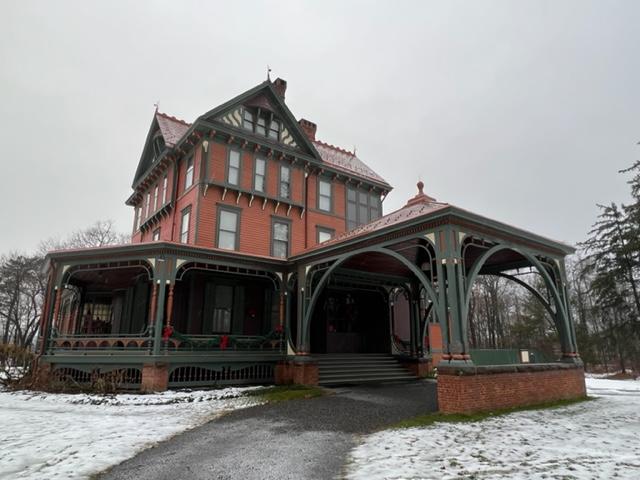
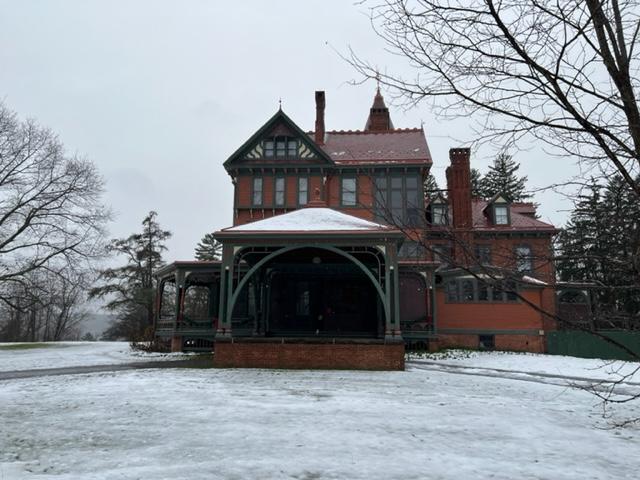
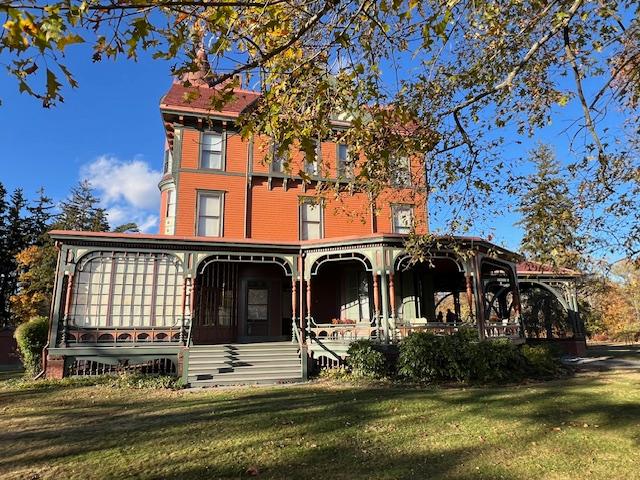
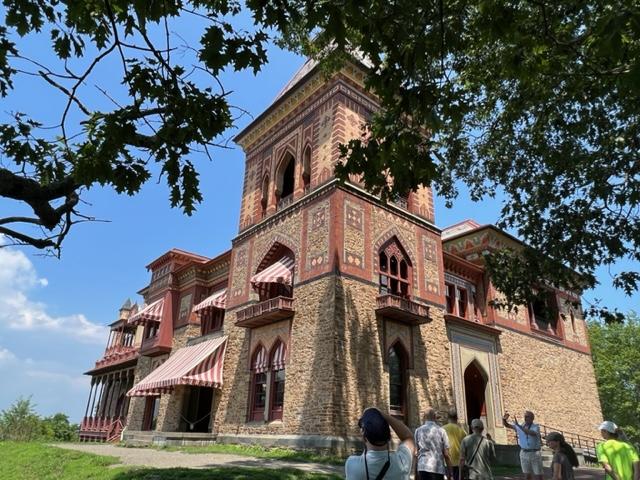
The front of Olana when we toured the house.

I had not been to the Olana Mansion since 2014 and it was finally nice to see it during the summer when everything was in bloom. The tours were every hour of the day during the warmer months with several types of tours available at different prices. There was a house and garden tour for two hours which I had just missed so I took the house tour.
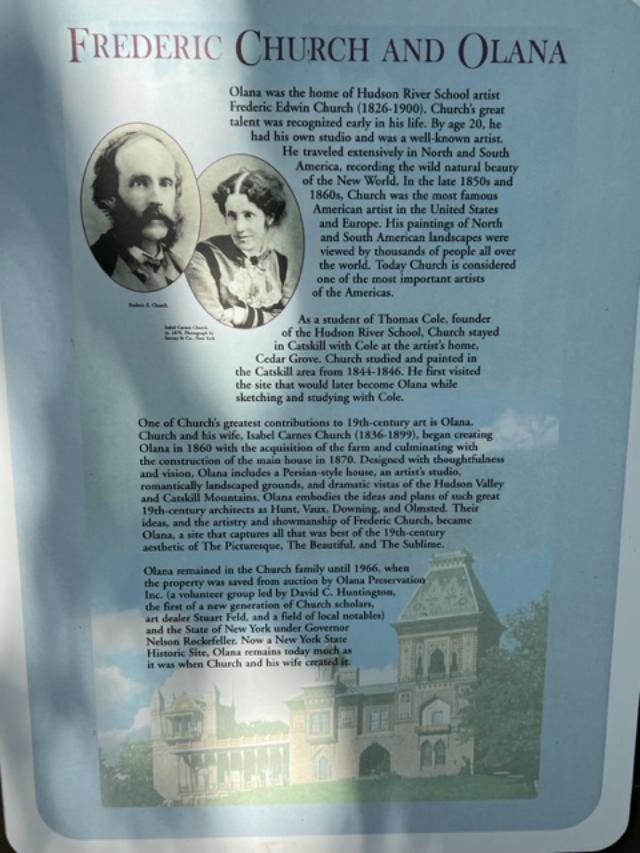
The story board of Olana pf the family

The house is filled with original family furnishings from when the house was almost sold off in the 1960’s. An industrialist saw a reason to save the house for future generations and raised the money to keep everything intact. It gave us a glimpse into the life of artist Fredrick Church and his family. The tour consists of all the bottom floors of the house and the garden. The unique part of the tour is that the man who was our tour guide partner was the last Mrs. Church’s grandnephew. So, he remembered visiting the house as a child.

We started the tour in the formal gardens that have been replanted. They were in full bloom giving us insight to how the grounds were once landscaped. The gardens were made up of mostly local flowers that were native to the area.
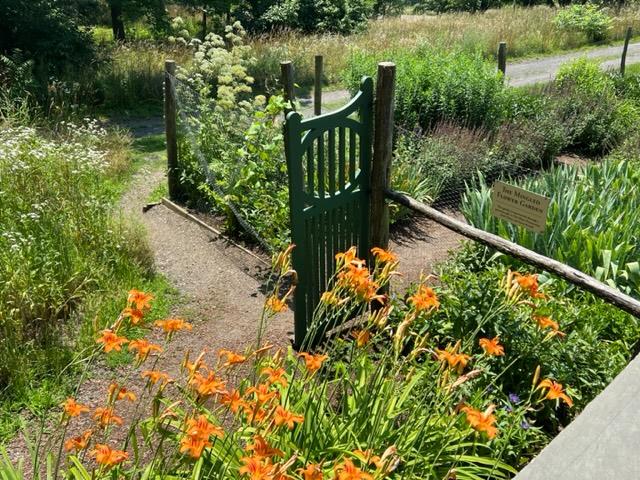
The formal gardens of Olana

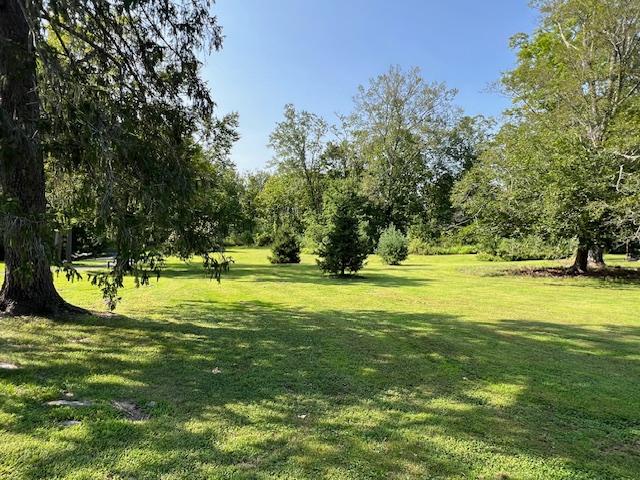
The Olana gardens leading to the house.

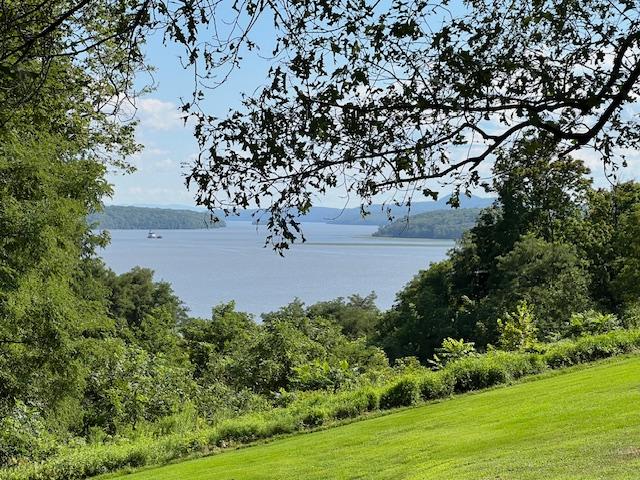
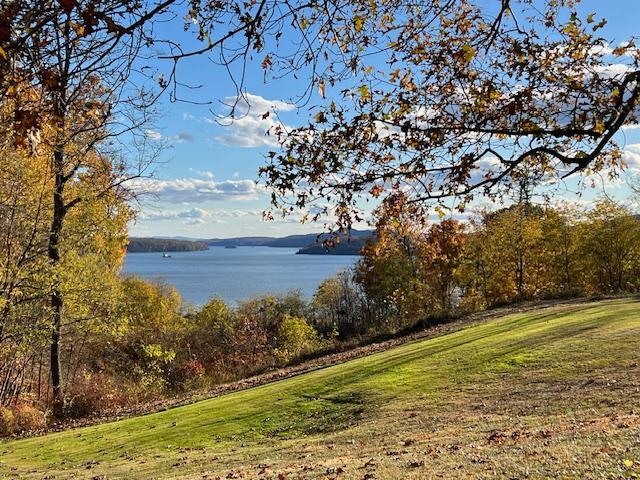
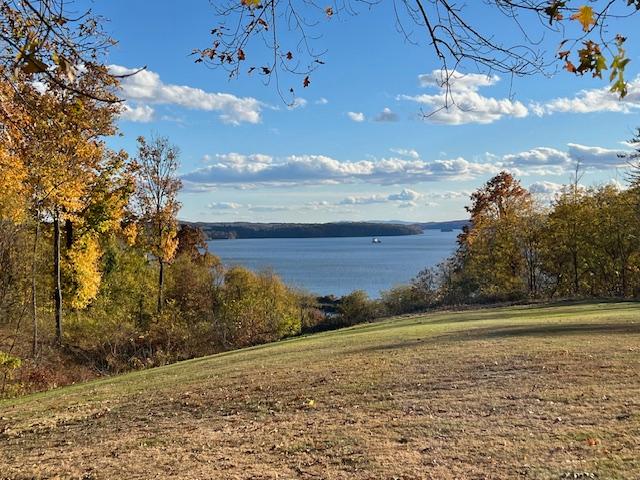
We explored the views from the porch to see what the family would have experienced when they were at the house in season. There are breathtaking views of the Hudson River and the surrounding Catskill Mountains from the porch of the house. Things have grown in since the family’s time, but it still offers amazing vistas.
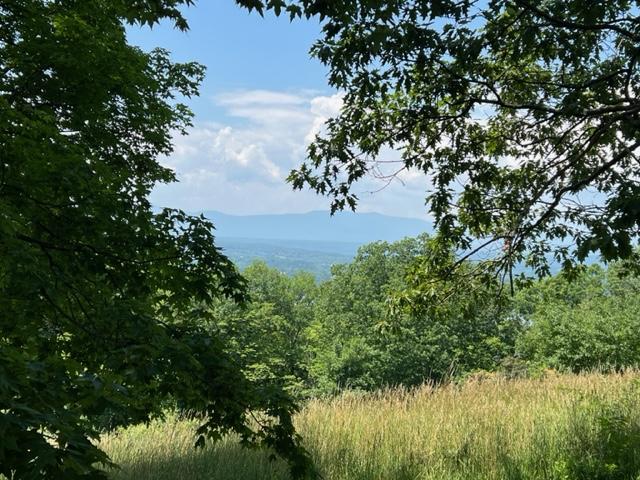
The views are beautiful from the porch.

We then toured the house’s first floor where the family did their receiving of guests, their social rooms and the offices of both Mr. & Mrs. Church. Each of the rooms still contained family heirlooms and original furnishings. We started with the Receiving Room where guests would wait to be welcomed by the family or leave a calling card that they were making a visit.

The Receiving Room in the front of Olana

When you look at the walls of the room, it is decorated with Fredrick Church’s artwork. The tour guide told us that the house had the largest collection of Fredrick Church’s paintings in the country. I took this attribute as these were the pieces that he did not sell at the time. The works of the Hudson River School and of his travels abroad were very interesting and lively.
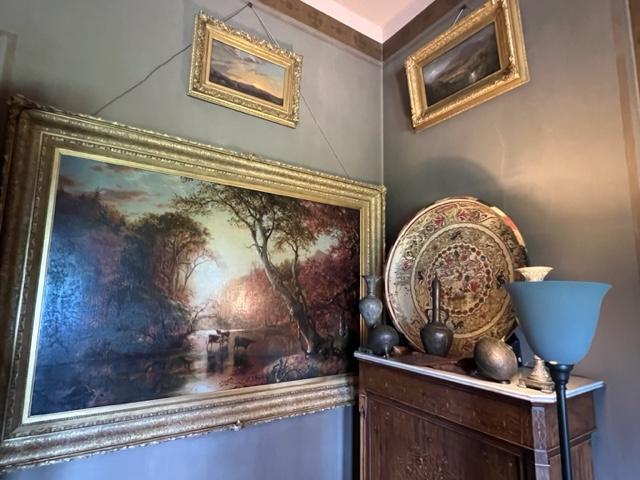
Fredrick Church paintings that line the house.

We toured the house room by room admiring the furnishings and all the artwork of Fredrick Church that lined the walls of the house. This included family members including his wife, Isabel Carnes Church, his partner for the rest of his life.

Isabel Carnes Church, the mistress of the house

On his many trips abroad, Fredrick Church painted many of the sites he had visited that included the Far and Middle East.
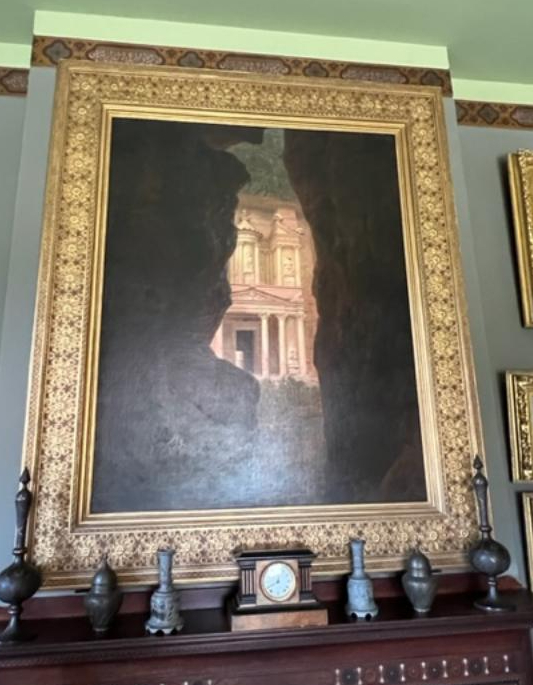
Fredrick Church’s painting of “Petra” in the Middle East.

Both Mr. and Mrs. Church kept up social appearances on top of their work. They had a steady stream of guests visit the house and there was a lot of entertaining here.
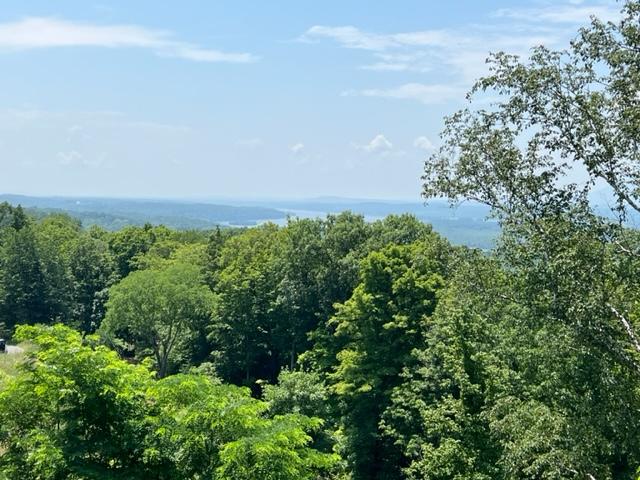
The view from the porch
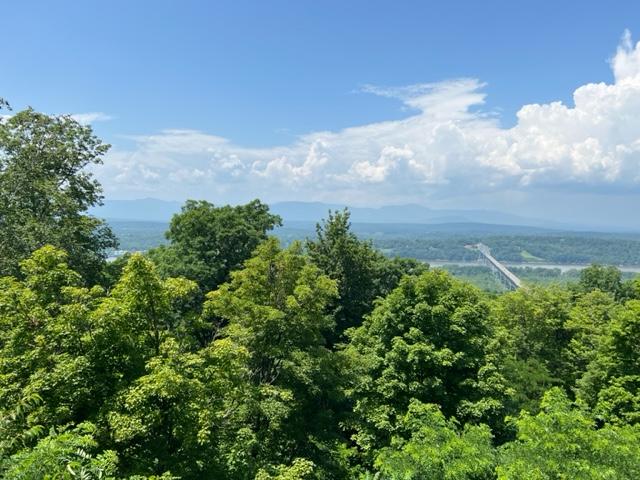
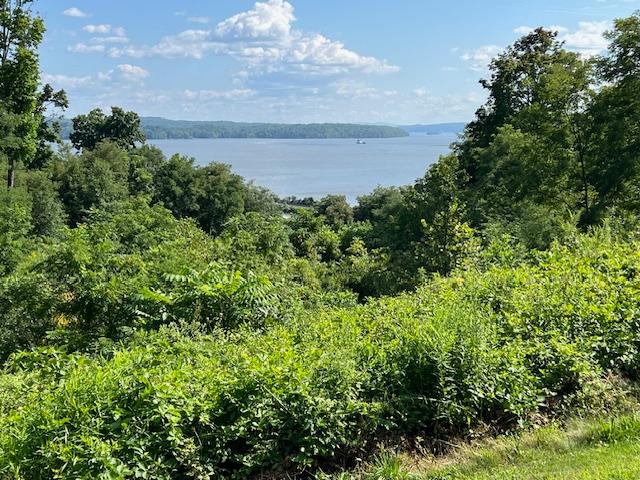
The view from the other side of the porch

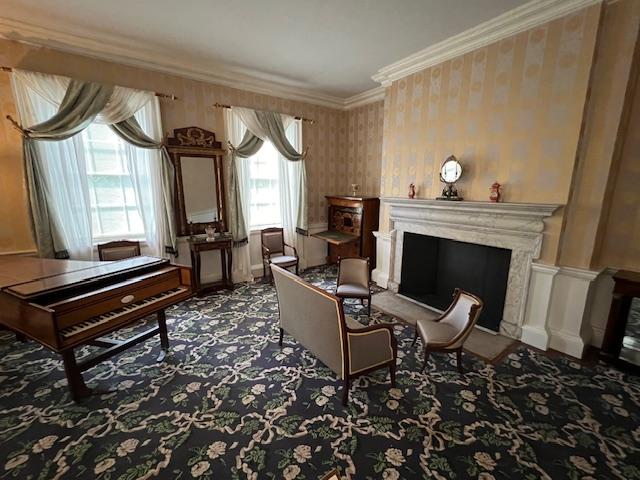
We next visited the parlor, where the family would gather when they were staying at the house. There were many exotic furnishings from their trips on top of the personal family items. There were musical instruments to keep the family entertained when they were home.

The family piano in the Parlor

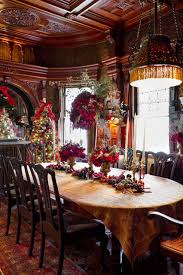
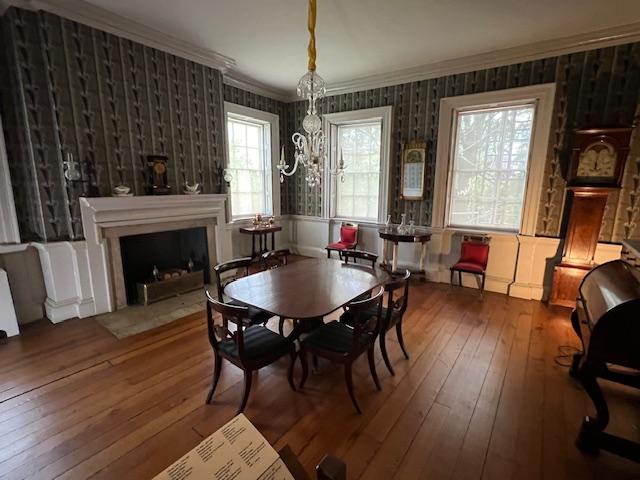
The formal Dining Room was more personal with a dining table that extended out for twenty people or open enough for the family to diner in this room.
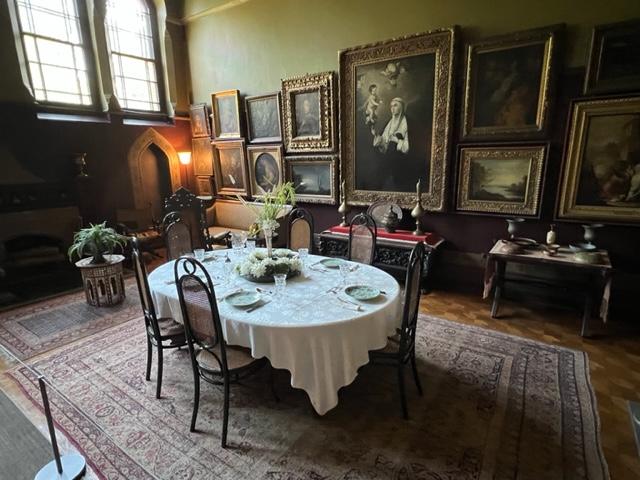
The formal Dining Room
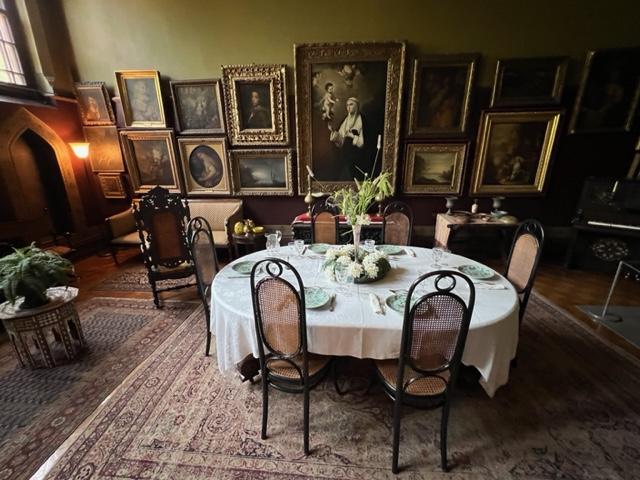
The formal Dining Room with the collection of painting that the family acquired when they were aboard.

As we finished the visit to the public rooms of the home, we toured the outside of the home as well as we exited out the side door.
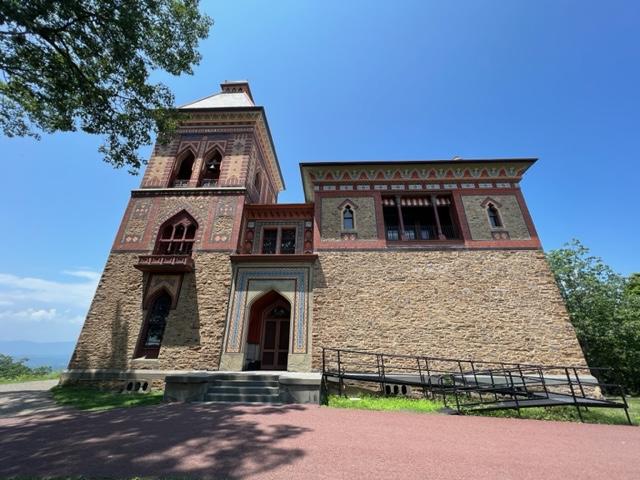
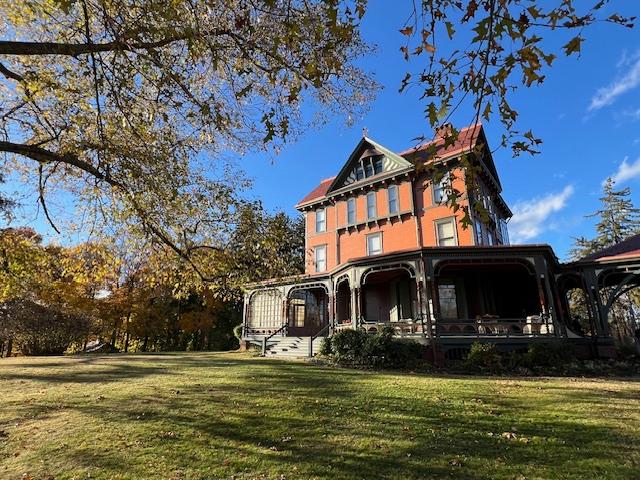
The side view of Olana

When we looked up at the home with its combination of Morrish and Arabic design we saw four teapots at the top of the tower. When asked what they meant and why they were there, no one including the tour guide knew. It was figured by a group of landscape architects that it may have something to do with longevity or renewal. This secret died with the family.
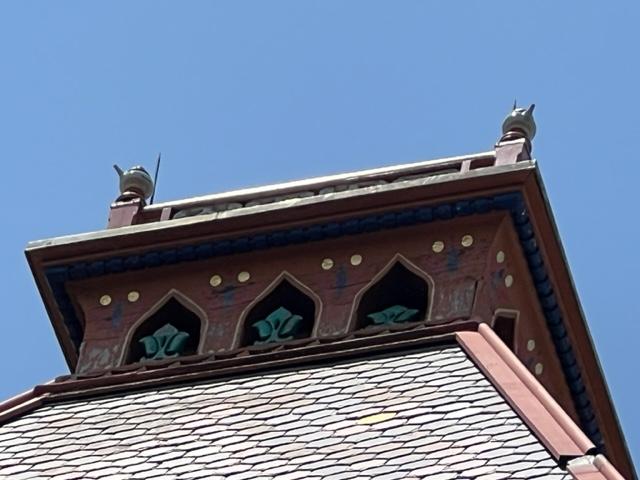
The teapots line the roof.

The tour is very interesting and gives you a view on the house and on the family who lived there and how they lived when they were in residence here. They entertained, they worked, they traveled, and they made great art. The location on the hill in the Hudson River Valley shows their investment in the location. This was all kept intact after the 1960’s for us to enjoy.

The views of the Hudson River Valley

History of Olana:

Olana, one of the most important artistic residences and planned landscapes in the United States, is the last and perhaps greatest masterpiece created by Hudson River School artist Fredrick Edwin Church (1826-1900). Church designed the landscape and his Persian style home on and around the same hilltop where, as an eighteen year old student, he sketched spectacular views of the Catskills and the river alongside his mentor Thomas Cole.

The view of the house from the back.

Even in an era defined by personal architectural statements, the home of Fredric and Isabel Church was unique. Delight in the Moorish details of the building and each room. View the original furnishings of the house and walk or jog along the paths and carriage drives of the surrounding landscape, also designed by Church. A designated National Historic Landmark, Olana State Historic Site opened to the public in 1967. The house, its contents and the landscape still look very much as they did in Church’s day.

The inside of Olana in the main rooms

The views of the Hudson River from the porch of the house

Decorations in the historic garden

The story of the grounds and the estate

Wilderstein Historic Site                                                            330 Morton Road                                                        Rhinebeck, NY 12572

Wilderstein Historic Site 330 Morton Road Rhinebeck, NY 12572

Wilderstein Historic Site

330 Morton Road

Rhinebeck, New York 12572

(845) 876-4818

http://www.wilderstein.org

Home

Open: Thursday-Sunday 1:00pm-4:00pm/Closed Monday-Wednesday

Fee: $10.00 donation at the Holidays/$16.00 Adults/$10.00 Seniors & Students/Children Under 12 free

Visit Wilderstein-With its exquisite Queen Anne mansion and Calvert Vaux designed landscape, this historic estate is widely regarded as the Hudson Valley’s most important example of Victorian architecture.

TripAdvisor Review:

https://www.tripadvisor.com/Attraction_Review-g48486-d263984-Reviews-Wilderstein_Historic_Site-Rhinebeck_New_York.html?m=19905

The welcome sign for the estate
Wilderstein from the driveway at Christmas

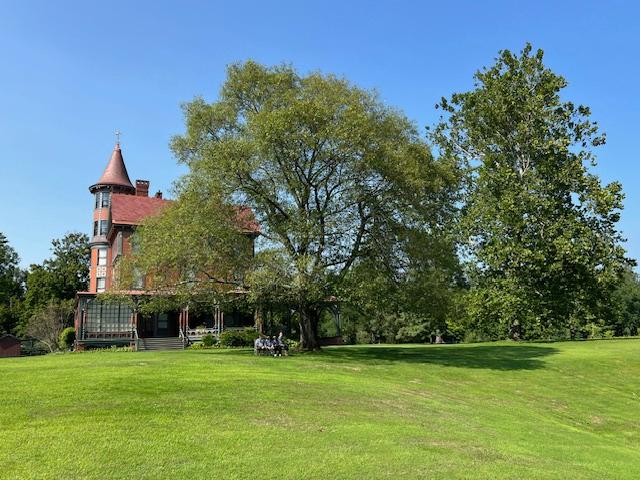
The estate during the summer of 2024

I just visited Wilderstein for my third time at Christmas and it never gets boring. The house is so beautiful on its own, with its elegant woodwork and interesting family are portraits sometimes even the decorations get lost in its beauty.

The Wilderstein Carriage entrance

The carriage entrance in the summer of 2024

The entrance to Wilderstein at Christmas 2022

The same entrance in the Summer in 2024

Only the first floor is open to tourists (the rest of the house is under restoration and they fare hoping to open some rooms on the second floor by 2020) so the tour of the Receiving Room, The Dining Room, Living Room, Kitchen and Library does not take too long. Though take time to admire the rooms full of furniture that was owned by the Suckely family.

When you walk into the main hallway, you are greeted by portraits of the Suckley family descendants who line the walls of the house.  To the left is the grand staircase to the upper floors and right behind that is the library.

wilderstein-mansion-staircase.jpg

The staircase was decorated for Christmas

Off to the right is the Receiving Room which is still in need of a renovation as the silk furnishings and wall coverings need a lot of work. Still there is almost rotting elegance to it all as if you can still see how beautiful the room must have looked when it was new.

That lead to the Family Living Room with it’s breathtaking views of the Hudson River. The room had the family Christmas tree in it and was all set out for tea. Here was one of the most livable rooms in the house where the family must have gathered every night to enjoy each others company.

The Formal Dining Room with its heavy wood paneling and carved wood work is extremely detailed accented by stained glass windows and more portraits of the family tree. The room was decked out with holiday decorations and laid out for Christmas dinner.

Wilderstein Mansion III.jpg

The Family Dining Room decked out for Christmas

Off to the side of the Dining Room was the Butler’s pantry which Ms. Suckley used as her kitchen in the later years and was equipped with a modern oven and refrigerator. It must have been a very comfortable place to cook in.

Down the hall off to the side of the formal staircase is the Library where Ms. Suckley slept in her later years but still had loads of books lining the walls and a giant fireplace in the middle of the wall to keep the room warm. The whole room was lined with ivy and garland which gave it a festive look.

Wilderstein Mansion Library.jpg

The Wilderstein Library decked out for Christmas

Touring the house takes about an hour as the first floor is the only floor open right now and there is only five rooms to tour. Take time to walk the grounds especially during the warmer months. There is a spectacular view of the Hudson River from the house and grounds. It must have been fun to sit on the veranda in the summer months and just look at the river.

The view from Wilderstein is amazing! This was in the Summer of 2024

The view of the Hudson River during the Summer of 2024

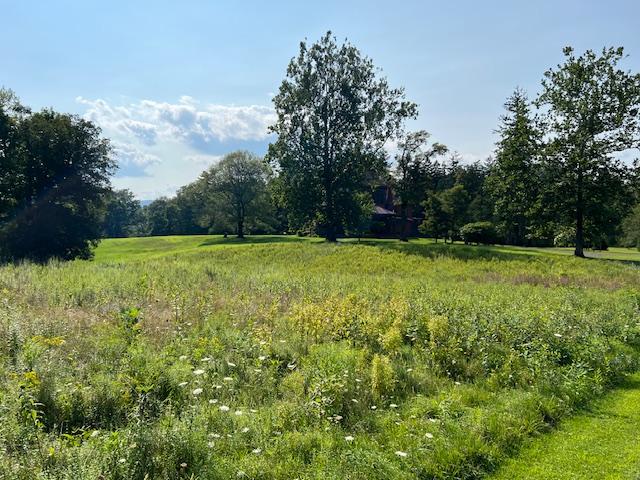
In the Summer of 2024, I was able to take time to tour the grounds, it has the most amazing views of the Hudson River. There was beautiful views of the grounds, the Hudson River and the fields of wildflowers. Just walking around the grounds it has colorful flowers, wonderful shade trees and a relaxing environment. It is so relaxing in the late afternoon.

No wonder Daisy Suckley never wanted to leave this house.

The view of the lawn overlooking the Hudson River at Christmas time

The estate in the Summer of 2024

History of Wilderstein Mansion:

The Mansion: Originally built in 1852 as a restrained Italianate Villa, the house was transformed in 1888 into the elaborate Queen Anne Victorian mansion seen today. The house was designed by Poughkeepsie architect Arnout Cannon who transformed the original two story Italianate villa that had been designed in 1852 by architect John Warren Rich to the Queen Anne style mansion of today.

Wilderstein estate in the summer

The Landscape: Renowned landscape architect Calvert Vaux designed Wilderstein’s romantic grounds taking advantage of the varied topography and magnificent views of the Hudson. It was laid out in the ‘American Romance’ style of landscape.

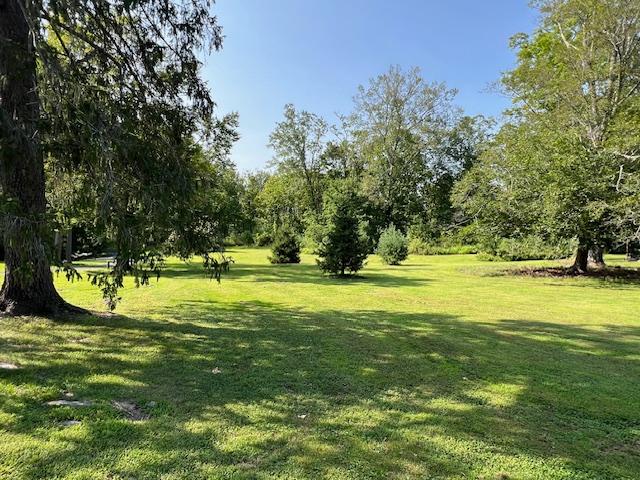
The grounds in the Summer of 2024

The fields of wildflowers on the estate

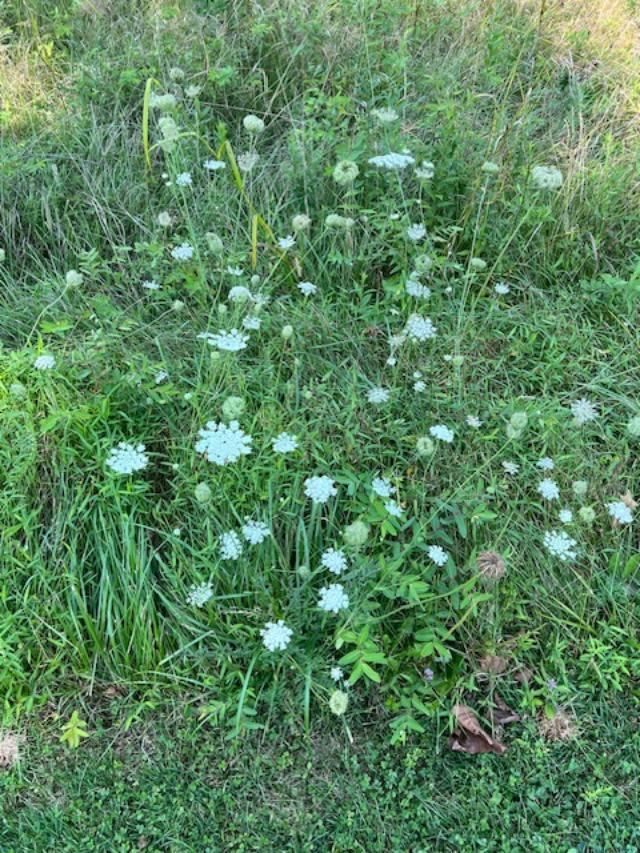
Queen Ann Lace on the estate

The Family: Wilderstein was home to three generations of the Suckley family. The last family member to live at Wilderstein was Margaret (Daisy)  Suckley, whose extraordinary friendship with Franklin Delano Roosevelt has been well-chronicled and is the subject of much interest.

The Mansion Interiors: Joseph Burr Tiffany decorated the first floor of the mansion in eclectic mix of styles. The interiors are virtually untouched since 1888 and contain original woodwork, stained glass, wall coverings and furniture.

Wilderstein at Christmas time

The mansion in the Summer of 2024

Mansion Information:

Directions: From the center of Rhinebeck travel south on Route 9, take first right to Mill Road and go 2.2 miles, take right to Morton Road (County Route 85) and Wilderstein’s entrance is one quarter mile on the left.

Hours: Tours May to October, Thursday through Sunday, from 1:00pm until 4:00pm (last tour at 3:30pm) and weekends in December. Group tours by advance reservation.

Disclaimer: This information is taken from the Wilderstein Historic Site pamphlet. Please call the site for more information.

The driveway at Wilderstein in the winter months

The grounds in the Summer of 2024

The view of the estate in the Summer of 2024

Wilderstein in the Fall of 2024

Wilderstein in the Fall of 2024

Wilderstein in the Fall of 2024

The views from Wilderstein in Fall 2024

Dyckman Farmhouse Museum                                              4881 Broadway at 204th Street                                              New York, New York 10034

Dyckman Farmhouse Museum 4881 Broadway at 204th Street New York, New York 10034

The Dyckman Farmhouse

4881 Broadway at 204th Street

New York, NY  10034

(212) 304-9422

dyckmanfarmhouse.org

for front page

Hours:

Winter Schedule: November-April Friday and Saturday 11:00am-4:00pm

Monday-Wednesday: Groups by Appointment Only; Groups of 10 or more by appointment

Thursday-Saturday: 11:00am-4:00pm

Sunday: 11:00am-3:00pm

Fee: Donation Based

My TripAdvisor Review:

https://www.tripadvisor.com/Attraction_Review-g60763-d108018-Reviews-Dyckman_Farmhouse_Museum-New_York_City_New_York.html?m=19905

The Dyckman Farmhouse during the Christmas holidays

I visited the Dyckman Farmhouse on day during my walk around the Inwood section of Manhattan and came upon this old farmhouse in the middle of the commercial district by Columbia University’s football field. You have to take the A or the 1 Subway uptown to get there but it is one of the last vestiges of the farming community that once was Manhattan in the late 1700’s and early 1800’s.

It has been there since the family donated it to the city in 1916. It should not be missed when visiting Manhattan. I wrote more about my trip there in “MywalkinManhattan.com” blog site.

Dyckman Farm House II

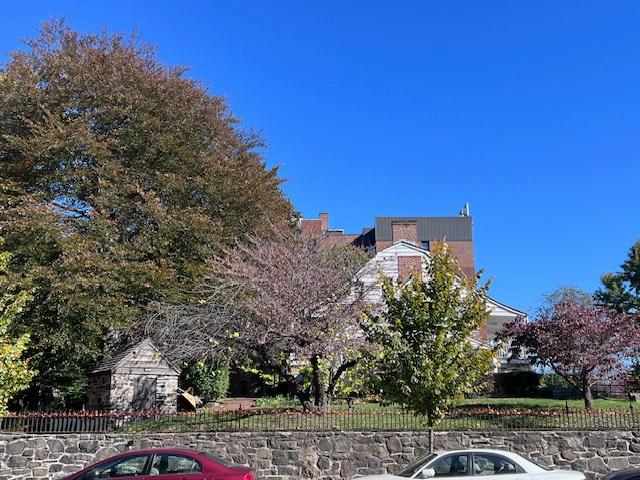
The Dyckman House in the Spring

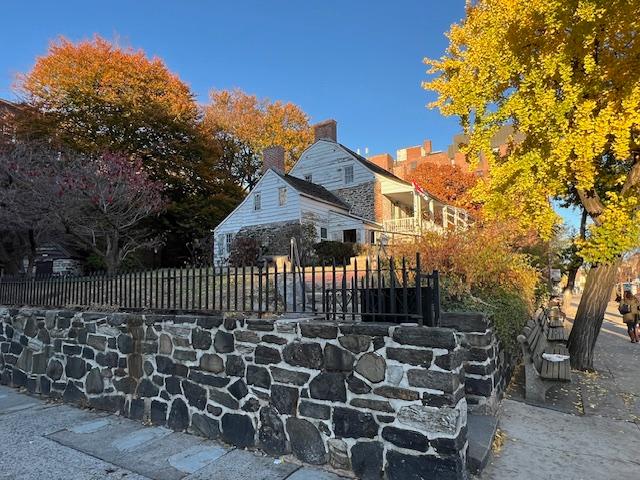
The Dyckman House, now the Dyckman Farmhouse Museum in the oldest remaining farmhouse on Manhattan Island, a remainder of New York City’s rural past. The Dutch Colonial-style farmhouse was built by William Dyckman in 1785. It was originally part of over 250 acres of farmland owned by the family. It was once the center of a thriving farm with fields and orchards of cherry, pear and apple trees. It is now located in a small park at the corner of Broadway and 204th Street in the Inwood section neighborhood of the city.

The front of the Dyckman Farmhouse

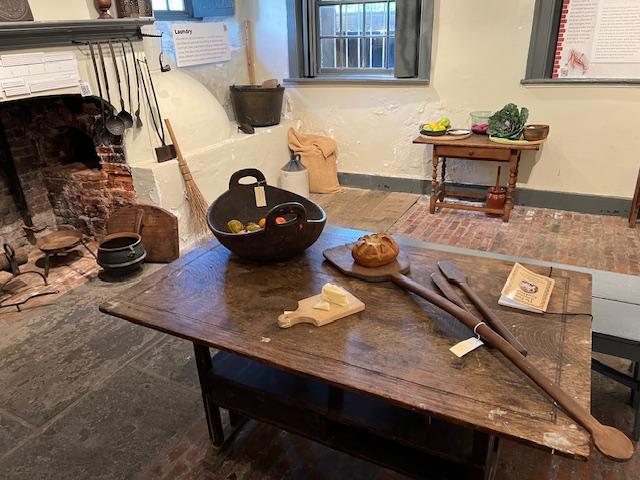
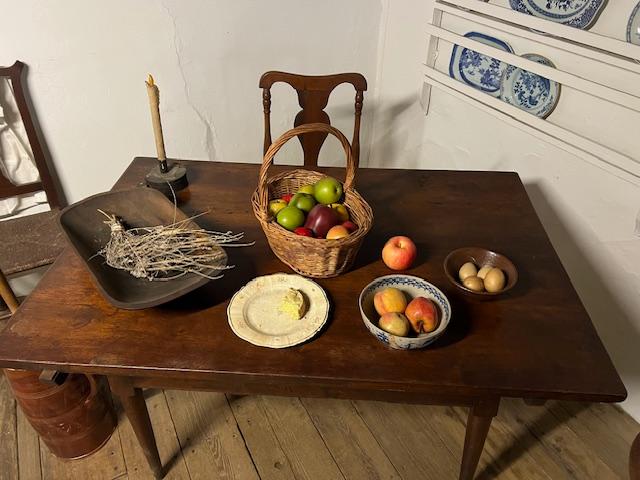
Don’t miss the self-guided tours of the house. You can tour all three floors of the house to see the bedrooms on the second and third floors and the first-floor parlor and receiving areas. The basement area has the ‘winter kitchen’ where all the cooking of the house was done, and it was the room that kept the rest of the house warm during the winter months.

The Winter Kitchen hearth for cooking meals

The Winter Kitchen

The Winter kitchen at the Dyckman Farm

The house was slightly decorated for the Christmas holidays with garland and ivy and holly to make it look more festive. The Dyckman House was built at a time after the Revolution where the excesses of the Victorian era had not taken hold and the Christmas holidays were more subdued and concentrated on going to church and a light luncheon that afternoon. The decorations of the home reflect this.

The museum is decorated for Dutch Christmas with the bounty of the holiday season

The Farmhouse at Christmas time outside in 2025

The house decorated for the Dutch Christmas in 2025

Don’t miss the gardens in both the spring and summer to see everything in full bloom. Even in the winter it is interesting to watch the paths and see what needs to be accomplished for spring planning.

The Dyckman House in the Fall of 2025

It is an interesting look into how the Dutch farmers lived and worked.

History and Description

William Dyckman was the grandson of Jan Dyckman, who came to the area from Westphalia in 1661. Jan Dyckman, a shoemaker and another Dutch settler, Jan Nagel purchased much of the land between present 155th Street and the northern tip of the island. Members of the Dyckman and Nagel families lived on the land for three generations until the Revolutionary War broke out.

dyckman farm house III

The house and front gardens during the summer months

During the Revolutionary War, the British occupation of Manhattan in 1776-83, the Dyckman’s, like many other patriots, fled the city and did not return until the British had been defeated. When the war ended and the Dyckman’s found their home and orchards had been destroyed, they built a new house on the Kingsbridge Road, now Broadway. They chose this location on a major thoroughfare in order to supplement their income by providing accommodations for travelers on their way to and from Manhattan.

William Dyckman, who inherited the family estate built the current house to replace the family house located on the Harlem River near the present West 210th Street, which he had build in 1748 and which was destroyed in the American Revolutionary War.

There was also 30 people living within three other houses scattered across the roughly 250 acre farm. The residents included laborers and other Dyckman family members. The main outbuildings for the farm were built close to the farmhouse including a cider mill, corn cribs, barns and stable (Dyckman Farmhouse Museum Alliance).

William died in 1787 and the property with its “commodious dwelling house,” and 250 acre farm was offered for sale. William’s son, Jacobus, took over the farmhouse and land and rebuilt the farm after the war. This took about five years. Jacobus altered and added to the house over the years. When Jacobus died in 1832, he left the bulk of the estate to his bachelor sons, Isaac and Michael and many members of the extended family moved in as well.

Following the death of Isaac in 1868, his nephew, James Frederick Smith, changed his name to Isaac Michael Dyckman and inherited much of the Dyckman property. When the subway lines reached the area in 1906, there was discussion about the impact on historic homes such as this.

In 1915, Mary Alice Dyckman Dean and Fannie Frederika Dyckman Welch, daughters of Isaac Michael Dyckman purchased the house with the plan of turning it into a museum. They fully restored it, furnished it and landscaped the grounds. They presented it to the City of New York in 1916 so that it could be used as a public park and museum (History of Dyckman Farm).

The house is designed with:

The Relic Room: Objects that are displayed were discovered from digs in the area.

The Relic Room at the Dyckman Farmhouse

The Second Floor Bedroom: Some of the rooms are decorated with furnishings dating from the 18th and 19th centuries and reflect colonial life around 1800.

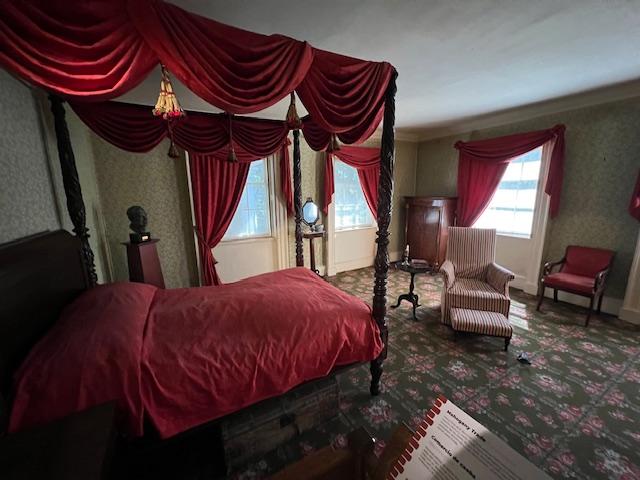
The Second floor bedroom

The second floor bedroom during the second renovation of the home from a dormer to bedrooms

The second floor of the farmhouse had been a dormer when the home was at its height of the growing season and then later on in the house’s history was converted into regular bedrooms. The first floor bedroom was for the owner of the house for easier access to the farm and the outdoors during the growing season.

The First Floor Bedroom for the Master of the House:

The Bedrooms:

The downstairs bedroom

The Parlor Room:

The Parlor is where the family socialized and entertained their guests. The best pieces of furniture and family possessions would be shown off to visitors.

The Parlor:

The Dyckman Parlor:

Full view of the Parlor in the Dyckman Farmhouse

The Winter and Summer Kitchens: The farmhouse had two kitchen, the Winter and Summer kitchens, the Winter one would have kept the home warm in the cold months and would have been used  as a non-cooking work space in the summer.

The Winter Kitchen:

The Summer kitchen is closed to the public has a small bedroom attached to it.

The back of the Dyckman Farmhouse with the grounds left and the old smokehouse in the distance

The Garden Area: On the half acre of family land left they have constructed a reproduction a smokehouse and outbuildings along with gardens planted with thousands of new plants that include things like bleeding hearts and foxglove.

The Hessian Military Hut recreation on the house’s property

The Hessian House recreation on the back part of the property

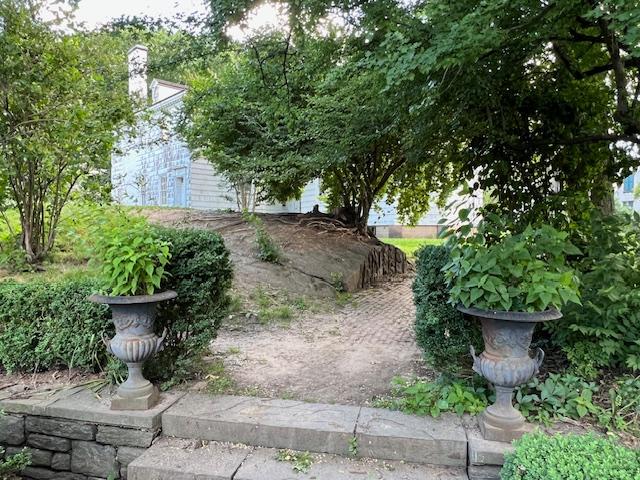
The gardens and smokehouse

(The Dyckman Farmhouse Museum Alliance)

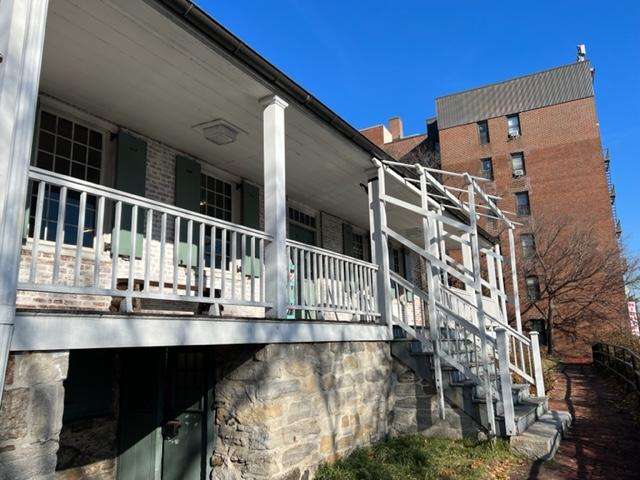
The current two-story house is constructed of fieldstone, brick and white clapboard and features a gambrel roof and spring eaves. The porches typical of the Dutch Colonial style but were added in 1825. The house interior has parlors and an indoor (winter) kitchen, with floors of varying-width chestnut wood. The house outdoor smokehouse kitchen, in a small building to the south, may predate the house itself.

The Dyckman Farmhouse during the Christmas holiday season 2022

The house stayed in the family for several generations until it was sold in 1868, after which it served as a rental property for several decades. By the beginning of the 20th century, the house was in disrepair and in danger of being demolished. Two sisters of the original family and daughters of the last Dyckman child to grow up in the house, Mary Alice Dyckman Dean and Fannie Fredericka Dyckman Welch, began restoration of the farmhouse in 1915-16 under the supervision of architect Alexander M. Welch, the husband of Fannie.

They then transferred the ownership of the house to the City of New York in 1916, which opened it as a museum of Dutch and Colonial life, featuring original Dyckman family furnishings.

The Dyckman Farmhouse in Inwood during the Summer months

The farmhouse, which is not only the oldest remaining in Manhattan, but the only one in the Dutch Colonial style and the only 18th century farmhouse in the borough as well. It has New York City Landmark and a National Historic Landmark status since 1967. A major restoration of the house took place in 2003, after which it reopened to the public in the fall of 2005.

When I visited the homestead in January 2024 for the Epiphany, the house had an interesting children’s exhibition entitled “Beyond Play”, based on a child’s life on a farm back in the 1800’s. This would include simple games such as “Tag” and “Blind Man’s Bluff” and homemade wooden trucks, blocks and dolls.

The exhibition “Beyond Play”

The display of toys that child would play on the farm in the 1800’s.

The display of toys that children would play on the farm.

Walking around the Inwood neighborhood has changed a lot in a hundred years and is now home to a large Dominican population as well as the quickly gentrifying Inwood neighborhood and home to Columbia University sports.

Inwood at Broadway near the Dyckman Farmhouse

*Disclaimer: This information comes from the Historic House Trust and Wikipedia and the NYC Parks System. The site is free to visit and takes less than an hour to visit. During the summer months, it is nice to visit the gardens and property. It is a interesting property to visit and when you are through with your tour, there are many nice Spanish restaurants in the area on Broadway and along 207th Avenue corridor. It is a nice place to walk around and explore.

The Morris-Jumel Mansion                                                        65 Jumel Terrace                                                                      New York, New York 10032

The Morris-Jumel Mansion 65 Jumel Terrace New York, New York 10032

The Morris-Jumel Mansion

65 Jumel Terrance

New York, NY  10032

(212) 923-8008

http://www.morrisjumel.org/

Fee: Adults:  $10/Seniors/Students: $8/Children under 12: Free/Members: Free

Open: Monday:  Closed to general public; visitation by advanced appointment only/Tuesday-Friday: 10:00am to 4:00pm/Saturday-Sunday: 10:00am to 5:00pm

The museum is closed on the following holidays: New Year’s Day, Memorial Day, Labor Day, Thanksgiving Day and Christmas Day.

TripAdvisor Review:

https://www.tripadvisor.com/Attraction_Review-g60763-d103500-Reviews-Morris_Jumel_Mansion-New_York_City_New_York.html?m=19905

The Morris-Jumel Mansion at 65 Jumel Place in the summer months

I came across the Morris-Jumel Mansion on my walk around Manhattan and noted it on my blog site “MywalkinManhattan.com”. This is the only remaining Colonial residence left on the island of Manhattan and is worth the time to take the tour of the house for its significance in the American Revolutionary War and in it’s later history.

The mansion is now going through a restoration

The Mansion and the historical district and grounds in the background

The historic plaque

The historic district outside the estate.

When touring the house, you get to see most of the rooms furnished with period furniture and some with the family belongings. The house had other uses over the years and the curators are trying bringing it back to the period of time when Madame Jumel lived there. The tour guides have some interesting stories on the colorful history of the house.

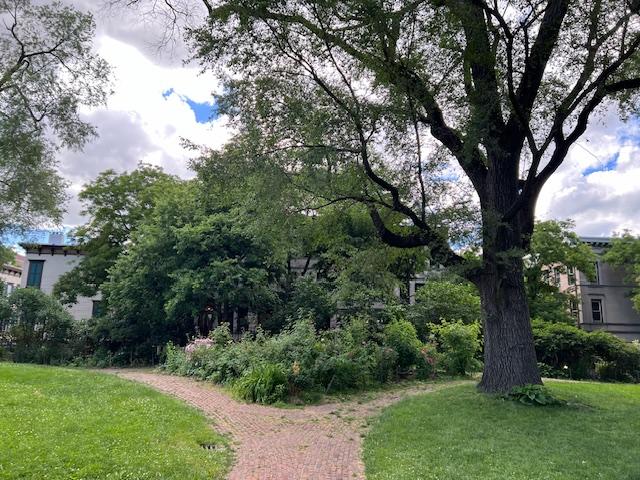
The Gardens in the early Spring months.

The crocuses and daffodils were just coming up

In the summer months, don’t miss the beautiful if somewhat rustic gardens that surround the house. It is very beautiful during the summer months. Check out their website for special events.

The Morris Jumel Gardens by the front gate.

The History of the Morris-Jumel Mansion:

The Morris-Jumel Mansion, Manhattan’s only remaining Colonial era residence is unique in its combination of architectural and historical significance. Built as a summer ‘villa’ in 1765 by the British Colonel Roger Morris and his American wife, Mary Philipse.

Roger Morris.jpg

Colonel Roger Morris

https://en.wikipedia.org/wiki/Roger_Morris_(British_Army_officer)

It originally commanded extensive views in all directions: of New York harbor and Staten Island to the south; of the Hudson and Harlem Rivers to the west and east and of Westchester county to the north. The estate named “Mount Morris” stretched over 130 acres from the Harlem to Hudson Rivers and the working farm grew fruit trees, and raised cows and sheep.
mary-philipse.jpg

Mary Philipse

https://en.wikipedia.org/wiki/Mary_Philipse

Colonel Morris was the son of the famous architect Roger Morris, a fact which may explain the extremely innovative features of the Mansion such as the gigantic portico, unprecedented in American architecture and the rear wing which was the first octagon built in the Colonies.

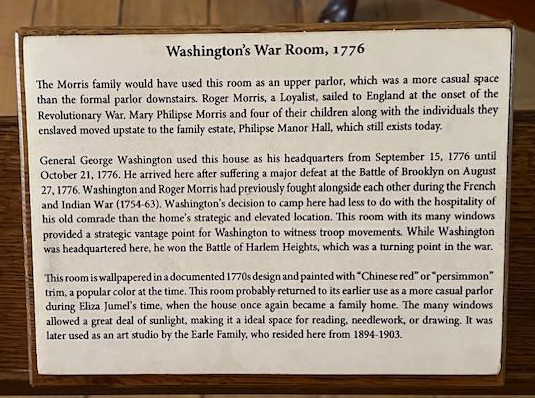
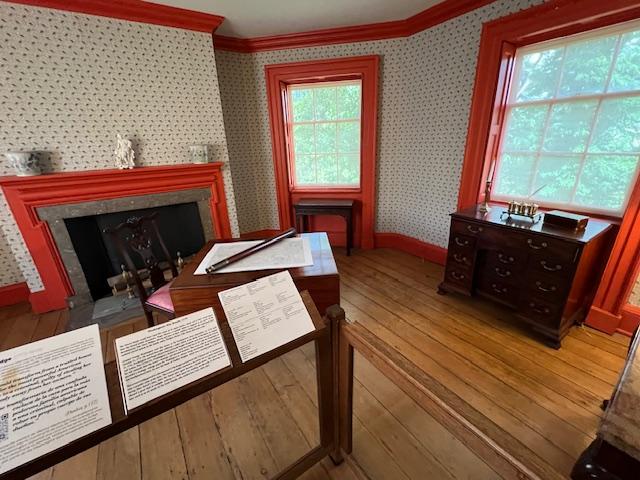
The house’s situation and large size made it ideal as military headquarters during the Revolution and it was occupied successively by Washington, General Henry Clinton and the Hessian General Baron von Knyphausen. As the Morris’s were loyal to Britain during the Revolution, so their property was seized and sold after its conclusion. In 1790, Washington returned for a cabinet dinner at which he entertained Jefferson, Adams, Madison, Hamilton and Colonel Knox among others.

George Washington’s War Room on the second floor of the mansion

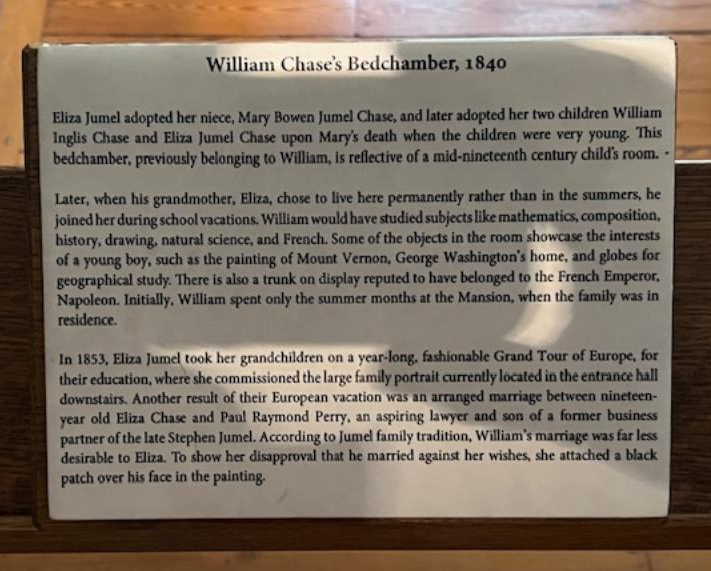
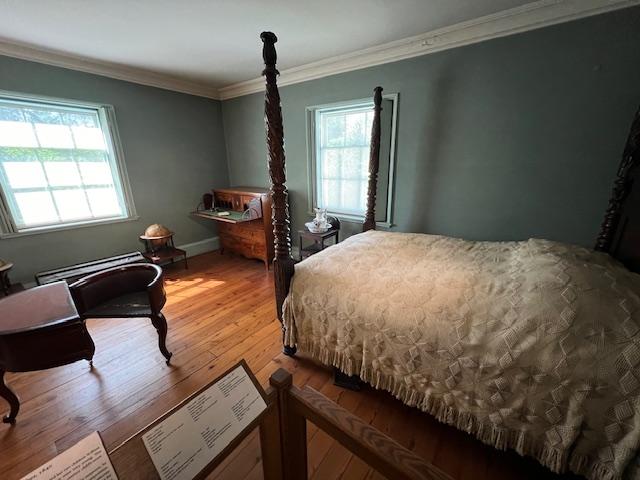
The later history of the house centers on the Jumel’s. Stephen Jumel was a wealthy French émigré, who married in 1804, his beautiful and brilliant mistress, Eliza Bowen. They bought the mansion in 1810. In 1815, they sailed to France and offered Napoleon safe passage to New York after Waterloo. Although he eventually declined the offer, they did acquire from his family many important Napoleonic relics-some of which can be seen in the blue bedroom on the second floor.

Morris-Jumel Mansion IV.jpg

Eliza Jumel and her family

https://en.wikipedia.org/wiki/Eliza_Jumel

Favorable tariffs and faster sailing technology made Atlantic trade in raw materials and luxury goods and luxury products highly lucrative.  Stephen made his fortune  as a merchant. Later as his business floundered, Eliza applied herself to the real estate trade, buying and selling land and renting properties downtown.
Morris-Jumel Mansion Entrance Hall with the portrait of King George’s brother

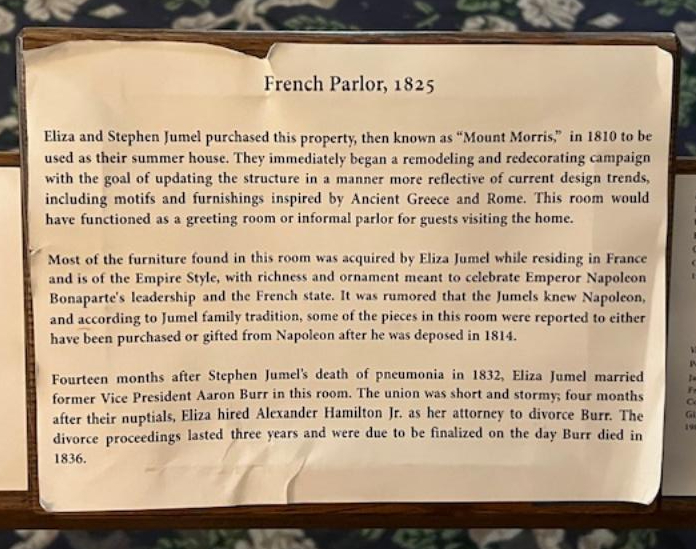
The sign for the French Parlor

The French Parlor

The historic sign for the Dining Room

The formal Dining Room

Her success made large profits for her husband and herself  at a time when it was very unusual for a woman to be so active in business. Stephen died in 1832 and Eliza married the ex-Vice-President Aaron Burr in the front parlor one year later.

The Kitchen of the Morris Jumel Mansion is in the basement

The Kitchen preparing a Summer dinner

Preparing dinner in the Morris-Jumel Kitchen

https://www.morrisjumel.org/history

Eliza filed for divorce in 1833, a lengthy process which was not finalized until 1836 at the time of Burr’s death.  Eliza lived in the house until her death at age 90 in 1865, exactly 100 years after the mansion was built. On her death , she was considered one of the wealthiest women in America.  In 1904, the city of New York purchased the house and turned it into a museum.

The historic sign for Aaron Burr’s Bedroom

Aaron Burr’s Bedroom on the second floor.

Eliza Jumel’s Bedroom on the second floor

Eliza Jumel’s Bedroom

Mrs. Jumel’s grandson’s Bedroom is down the hall from the other bedrooms

William Chase, Mrs. Jumel’s grandson’s Bedroom

The upstairs Hallway and Gallery

Examples of the Mansion’s wallpaper that has been reproduced for the home.

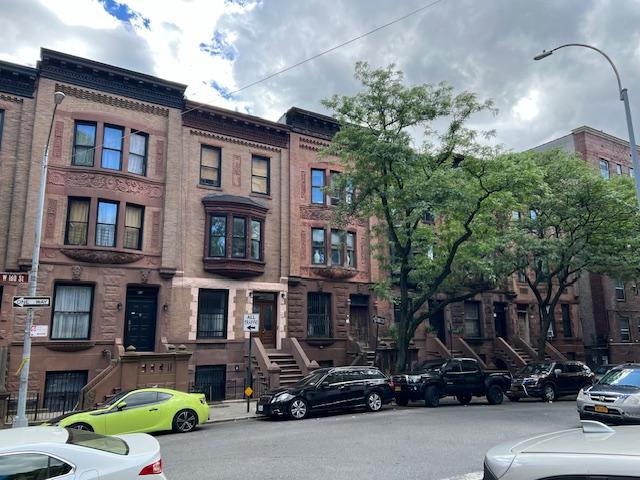
Today, the mansion is the oldest remaining house in Manhattan and is a museum highlighting over 200 years of New York history, art and culture. The neighborhood surrounding the mansion is known as the Jumel Terrace Historic District.

The Morris-Jumel Historic District

The Morris-Jumel Historic District

Faces stare at you from some of the brownstones

The Morris-Jumel Historical District

The hill that Roger Morris once called “Mount Morris” in the 18th century became better known as “Sugar Hill” during the Harlem Renaissance of the 1920’s.

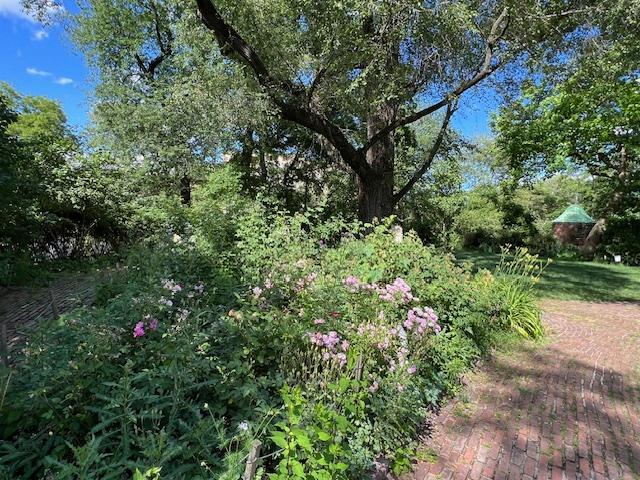
The Gardens were just starting to bloom late Spring in 2024
*The buildings in this district are protected by the New York Landmarks Commission and must be maintained as if they were new, so this is why the area has changed little over time. The Morris-Jumel Mansion is a proud member of the Historic House Trust of New York City and partner of the New York City Department of Parks & Recreation.

The Morris-Jumel Gardens in bloom in the Spring of 2024.

*This information is taken from the Morris-Jumel Mansion press release and pamphlet and from the New York City Parks Department. Please call or email the mansion in case times have changed or events planned.

The Gardens of the Morris-Jumel Estate by the historic district.

The Morris Jumel Community Garden at 455 West 162nd Street

https://www.grownyc.org/openspace/gardens/man/jumel

https://www.facebook.com/MorrisJumelGarden/

The Morris-Jumel Community Garden

The Morris-Jumel Community Garden

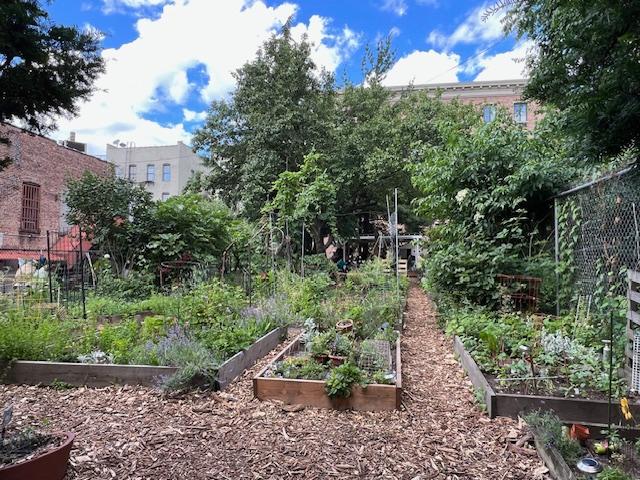
The Morris-Jumel Community Garden is to the north of the estate and is independent of the property. The garden is open for twelve hours a week to the outside community. It is very impressive and the residents do a good job in the planting and care of the gardens.