Tag: Historic Museum

The Mahwah Museum                                         201 Franklin Turnpike                                 Mahwah, NJ 07430

The Mahwah Museum 201 Franklin Turnpike Mahwah, NJ 07430

The Mahwah Museum

201 Franklin Turnpike

Mahwah, NJ  07430

(201) 512-0099

Home

https://mahwahmuseum.org/the-museum/

Open: Wednesday-1:00pm-4:00pm/Saturday & Sunday 1:00pm-4:00pm/Closed Monday-Tuesday Thursday-Friday

Fee: Non-Members $5.00/Members Free

TripAdvisor Review:
https://www.tripadvisor.com/Attraction_Review-g46590-d9819566-Reviews-Mahwah_Museum-Mahwah_New_Jersey.html?m=19905

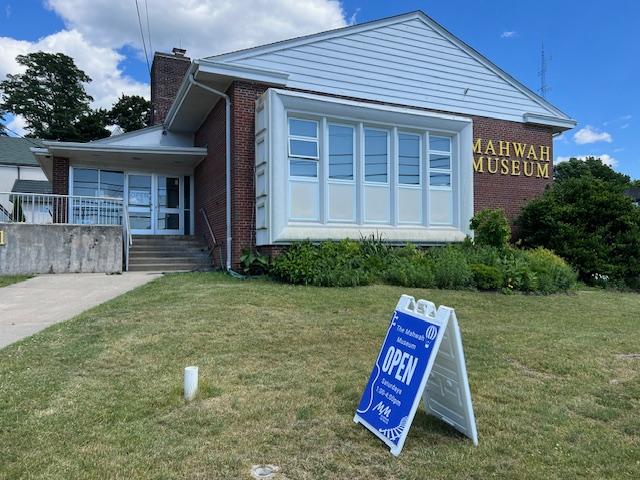
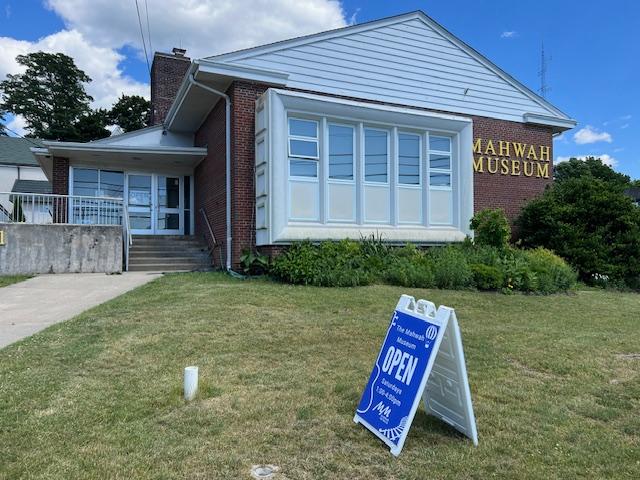
 The front of the Mahwah Museum at 201 Franklin Turnpike

I visited the Mahwah Museum over the weekend and found a very engaging suburban museum that had interesting exhibitions on the subjects of Women’s Rights, Mahwah history, Les Paul memorabilia and train sets that would delight any child or the child within. There were a lot of small children that were getting a kick out the trains in the basement going around and around. For a small museum, it is packed with information both on local history and state history as well.
Mahwah Museum IV

The Mahwah Museum is open during the Northwest Bergen History Coalition Weekend

The staff is very nice and very engaging with the visitors. They will walk you through some of the exhibitions, explain the concepts and make up of the exhibits. You can see most of the museum in one day but there is a lot to read so try to make a few trips to this interesting little museum in the middle of Mahwah, New Jersey.
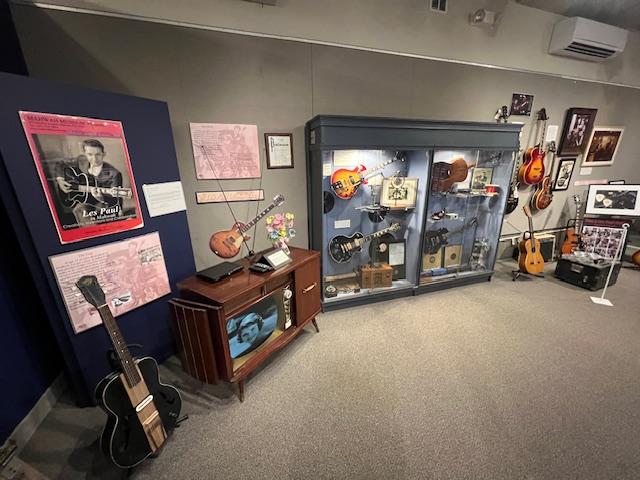
Les Paul Exhibition is one of the most famous exhibitions of the artist’s work

The Mahwah Museum history:

(This information comes from the Mahwah Museum website)

The mission of the Mahwah Museum Society is to preserve and present the history of the community and its connection to the region. Museum exhibits display information about the history of Mahwah and the surrounding community. The Museum’s collection of artifacts, photographs, historical records and documents is carefully preserved, documented and cataloged and is available by appointment to historians and researchers. By encouraging discovery, understanding and appreciation of the region’s heritage, the Museum provides perspective for the present and the future.
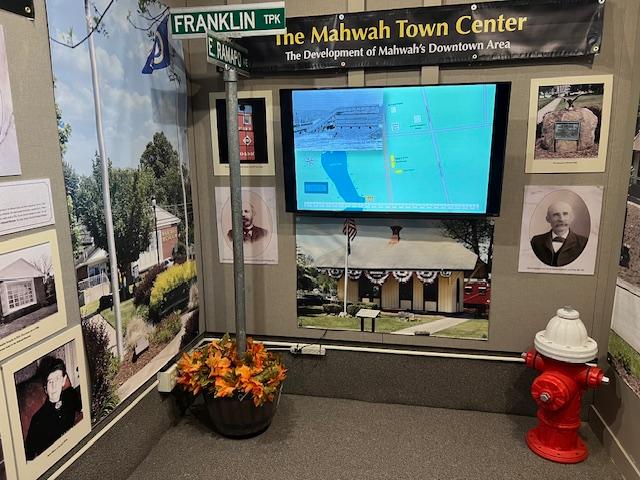
The History of Mahwah and its Business District exhibition.

The Society is comprised of the Mahwah Museum at 201 Franklin Turnpike and the Old Station Museum and Caboose at 1871 Old Station Lane. The Mahwah Museum opened in 2001 and hosts several permanent exhibitions and a main exhibit on two levels. Permanent exhibits include: Les Paul in Mahwah, The Donald Cooper Model Railroad, the Who’s Who of Mahwah, the Lee Vold Gallery and a topographical model of Mahwah Township. The main exhibit changes periodically.
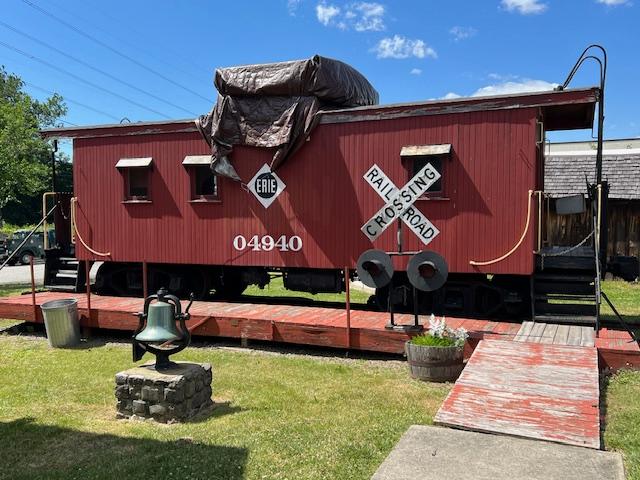
The Caboose sits in the back of the Old Station Museum in Mahwah

The Old Station Museum and Caboose opened in 1967. The restored Erie cupola caboose shows the daily operations of train crew life. The Old Station Museum was the original Erie Station in Mahwah built in 1871. Many Erie Railroad artifacts and photos related to passenger trains are displayed. The Museum is a great resource for adults and children. Educational programs are offered frequently.
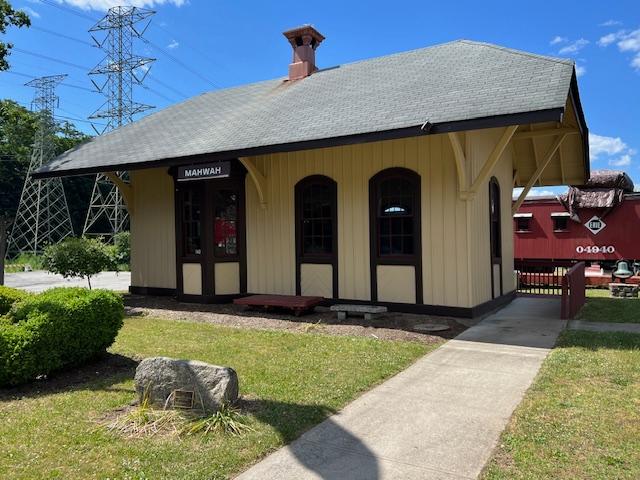
The Old Station Museum is part of the Mahwah Museum
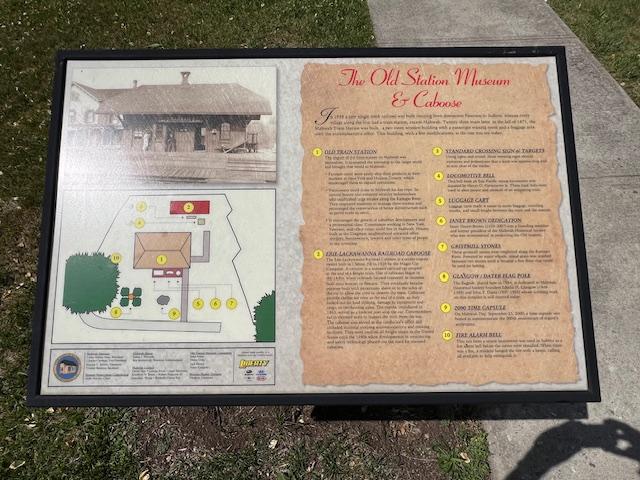
The historical sign of the Old Station Museum

The Trains of the Mahwah Museum:

The Mahwah Museum has an extensive collection of model trains representing all scales. This collection has been made possible by generous donations from the Cooper-Darboe and Margolis families.
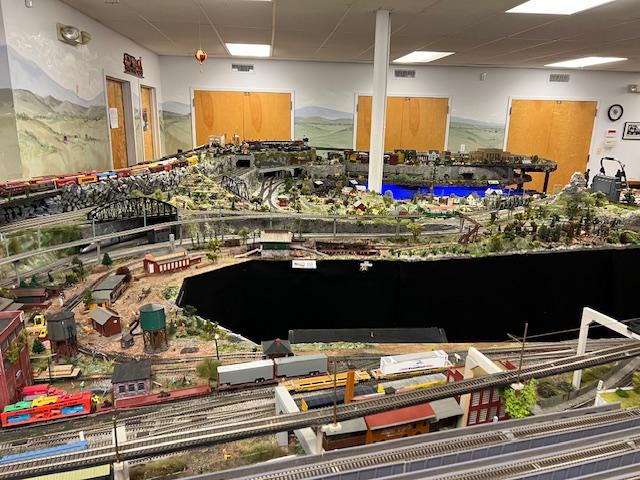
The Donald Cooper Model Train Railroad

The Donald Cooper Model Railroad:

Located in the lower level of the museum, the Donald Cooper Model Railroad is a DCC powered, 28″ x 13″ operating HO gauge model railroad. Designed as a walk-in layout, the visitor can experience the sights and sounds of a real operating railroad.
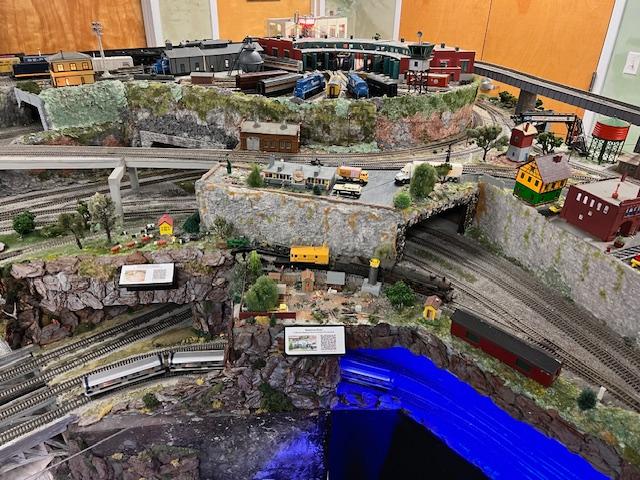
The Model Train collection display

The collection that makes up the railroad was donated to the museum by Renee Cooper-Darboe of Mahwah, New Jersey. Donald Cooper lived in Mahwah on Island Road. He went to work for the Erie Railroad in Buffalo, New York as a Yard Supervisor. He was employed by the railroad until the 1960 merger with the Delaware, Lackawanna and Western. After he left the railroad, he moved back to Mahwah and began installing security systems.
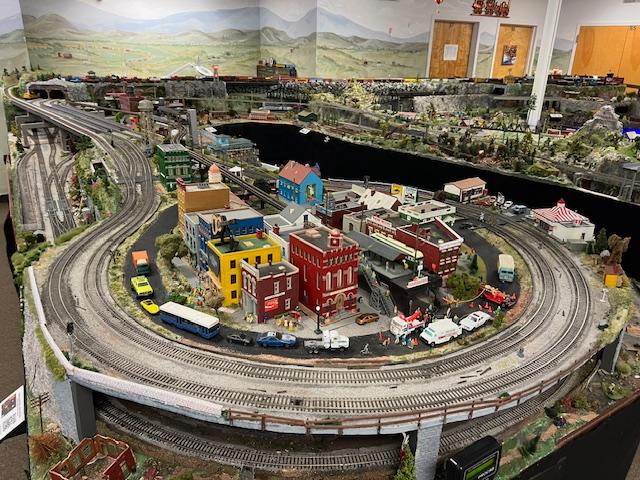
The detail work on this collection is amazing!

It was during this time he met and married his wife, Renee and learned his electrical skills. After retiring, he and Renee decided to construct a model railroad representing the trains that went through his yard in Buffalo. From 1990 to 1995 Don worked constructing the tracks and doing the electrical work while Renee built the buildings and carefully placed the people in the railroad cars. Sadly, Don passed away in 1998 and the railroad sat unused for 8 years. Renee contacted the museum in 2006 and asked if we would like a “train set”. The rest, as they say, is history.

The railroad consists of four levels, a subway, two mainline tracks and a fully operational train yard. We also have a logging railroad and a trolley line. The Donald Cooper Model Railroad is a permanent exhibit of the Mahwah Museum and open during its regular operating hours on Saturday and Sunday. Volunteers are always welcome. No experience is needed. Please visit our museum website for more information.

Jerome Margolis Lionel Collection:

Jerome Margolis was an avid collector of Lionel “O” gauge trains. He was also the owner of one of the most popular pizza restaurants in the area, Kitchley’s Tavern. People visiting his restaurant were treated to three large display cases filled with his trains. What they didn’t know was that he had many more stored away. Thanks to his son, George, they are no longer out of view.
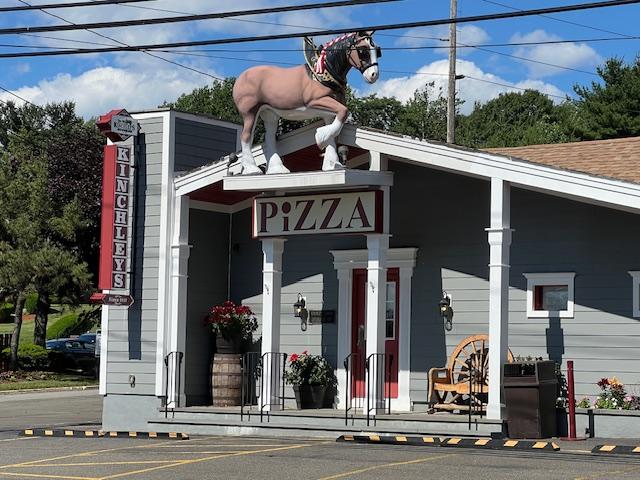
Kinchley’s Tavern at 586 North Franklin Turnpike in Ramsey, NJ

https://www.kinchleyspizza.com/full-menu.html

My review on TripAdvisor:

https://www.tripadvisor.com/Restaurant_Review-g46762-d540429-Reviews-Kinchley_s_Tavern-Ramsey_New_Jersey.html?m=19905

Our museum was the lucky recipient of the remainder of this collection. Currently they are in static display in out layout room for our visitors to enjoy. The collection represents many of Lionel’s most popular models from the 1970’s through 2005. The famous Santa Fe, red and silver “War-Bonnet” F7, Union Pacific “Big-Boy articulated locomotive and Pennsylvania “Mountain” steam locomotive are just a few pieces in the collection. Come and enjoy this wonderful collection of some of America’s best known locomotives.

The Les Paul Collection:
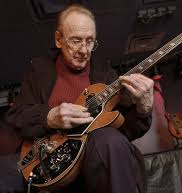
Musician Les Paul

https://en.wikipedia.org/wiki/Les_Paul
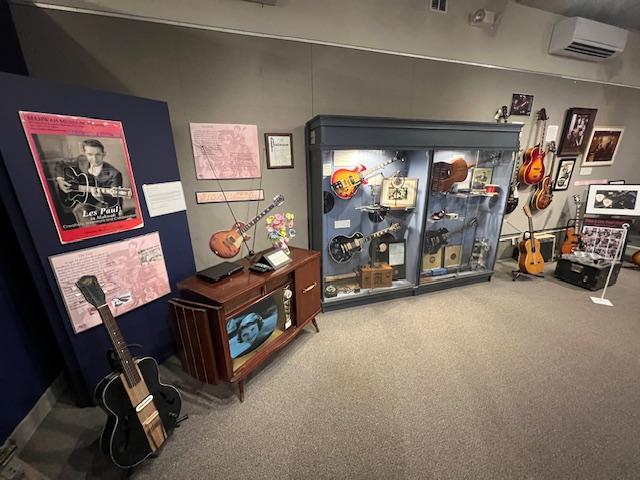
The Les Paul display

The Les Paul in Mahwah exhibit showcases many of Les’ innovations in solid body electric guitar design and multi-track sound recording.  Les called Mahwah home for nearly 60 years and is the only person to be elected to both the Inventor’s Hall of Fame and the Rock and Roll Hall of Fame.
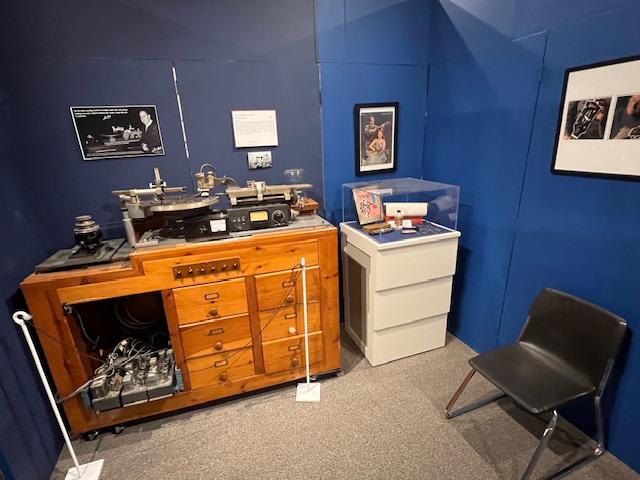
The Les Paul exhibition of recording equipment

On display are items from Les’s home studio where many of his and Mary Ford’s hits were recorded.  The Mahwah Museum is honored to house this landmark equipment which includes his recording console, an Ampex eight track stack, an Ampex 300 deck, the “Wally Box” and part of the studio wall that was expressly designed to create an echo chamber.   Also on display is Les’s disk-cutting lathe used to record sound onto acetate disks.  Among Les’s guitars on display are one of his “Klunkers” and a replica of “The Log” (an early prototype of the solid body guitar).
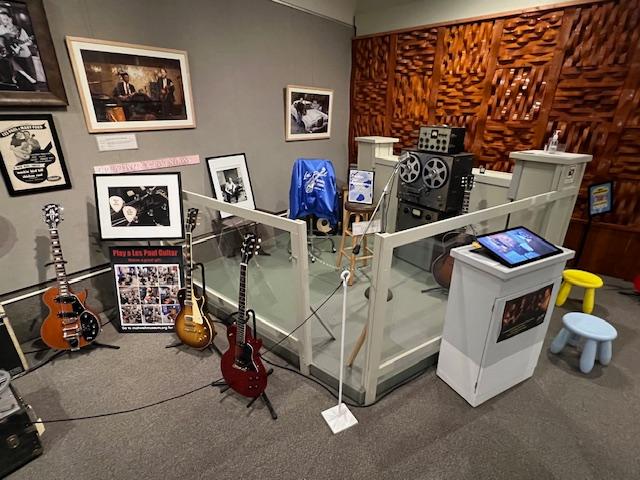
The Les Paul recording equipment display

Visitors may play many of the guitars through our Play a Les Paul Guitar program.  (Reservations are required.)

Ramapough Legacy ~ Heritage Exhibition:
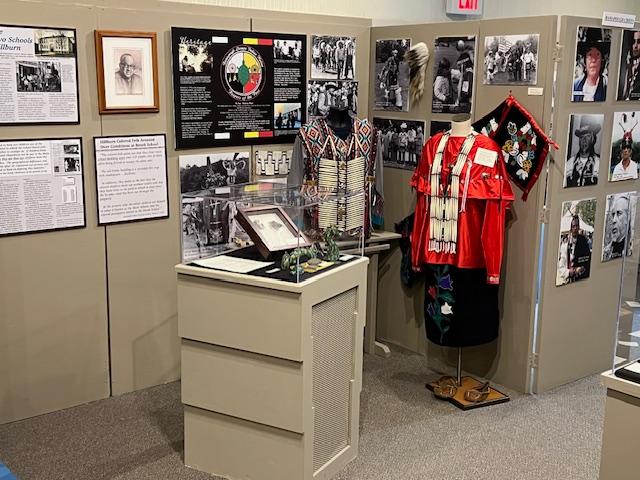
The Ramapough Lenape exhibition

The Ramapough Lenape people have a long and complex history in the Ramapo River Valley communities of Mahwah, Ringwood, and Hillburn. Explore and learn about this Indigenous people’s history, folklore, art, craft, tools, herbs and medicines, costume, and culture.
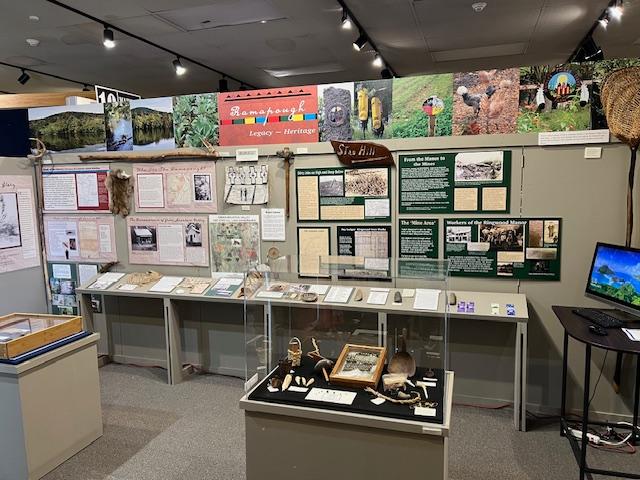
The Native American exhibition
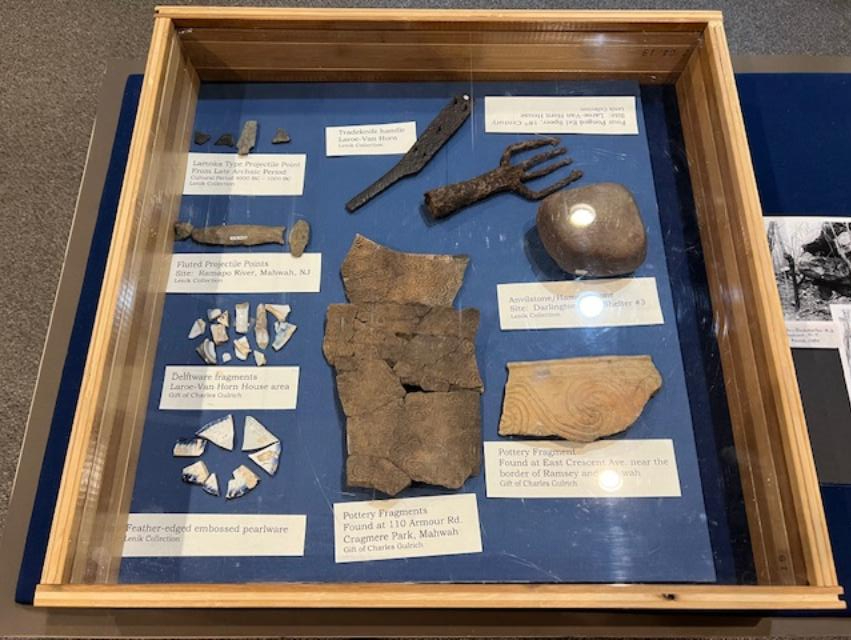
The Native American display

The Palisades Amusement Park exhibition:
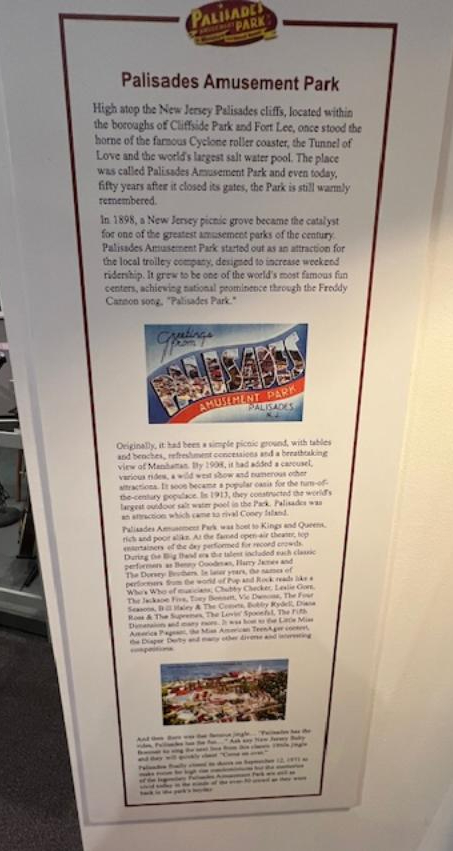
The Palisade Amusement Park sign

This miniature depicts the legendary Palisades Amusement Park as it would have looked in the mid 1930s. The scale of this model is 1:12, a common dollhouse scale. The original builder of the model was Joe Prisco, a longtime park employee. His estimated cost for the initial build was $40,000. Over 3,700 light bulbs and 15 power transformers were used to illuminate the rides and attractions. It was displayed at several locations in Ocean County, New Jersey in the 1990s. Prisco died in 2006.
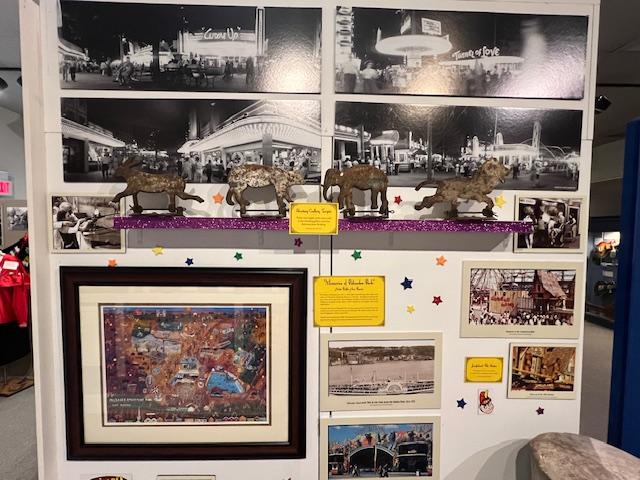
In 2018, Vince Gargiulo, Executive Director of the Palisades Amusement Park Historical Society, traced the whereabouts of the model. The Prisco family donated what was left of the model to the historical society. To date, twenty-five pieces have been restored, including as seen in this exhibit, the Tunnel of Love, the World’s Largest Outdoor Salt Water Pool, the Ferris Wheel, the Carousel, the Free Act Stage, the Bumper Cars and much more.
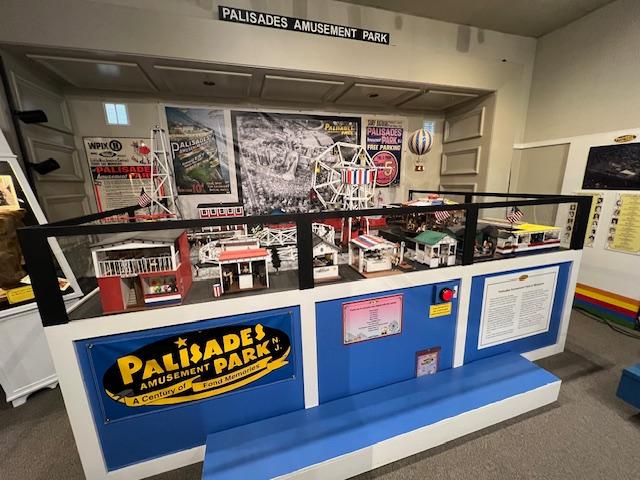
The Palisades Park mini display at the Mahwah Museum

The Mahwah Museum Society is a nonprofit corporation under the laws of New Jersey and has qualified as a 501(c)(3) tax exempt entity under the Internal Revenue Code. It is governed by a volunteer Board of Trustees.
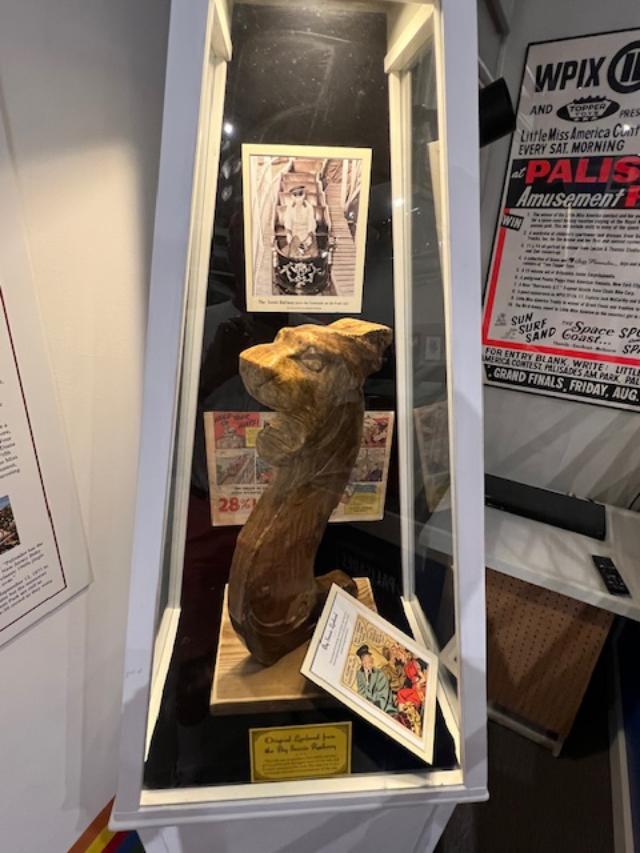
The Palisades Park display

*This information was taken from the pamphlets provided by the museum on my visit. Take the full afternoon to explore this interesting museum and their exhibitions.

*Please contact the museum for any changes in exhibitions or schedule of times.

The Fritz Behnke Historical Museum of Paramus                330 Paramus Road                                      Paramus, NJ 07652

The Fritz Behnke Historical Museum of Paramus 330 Paramus Road Paramus, NJ 07652

The Fritz Behnke Historical Museum of Paramus

330 Paramus Road

Paramus, NJ  07652

(201) 445-1804

Home

Open: Sunday-1:00pm-5:00pm

Fee-Free with donations

TripAdvisor Review:

https://www.tripadvisor.com/Attraction_Review-g46712-d4973052-Reviews-Fritz_Behnke_Historical_Museum-Paramus_New_Jersey.html?m=19905

http://www.ParamusHistoricalMuseum.com

Driving Directions:

From Highway 17 & 4 proceed west on Route 4 approximately 1 mile to Paramus Road. Exit toward Ridgewood. Continue north through the traffic light. Pass a cemetery and a golf course. The museum is next on the right.

The front of the Fritz Behnke Historical Museum on 330 Paramus Road

I visited The Fritz Behnke Historical Museum of Paramus, NJ the other day after passing it for many years and found a smaller museum that told the history of Paramus, NJ. It has interesting displays on the agricultural past of the County of Bergen. Fred Behnke, the founder’s son, took me on the tour of his father’s masterpiece and I found the displays to be interesting and engaging.

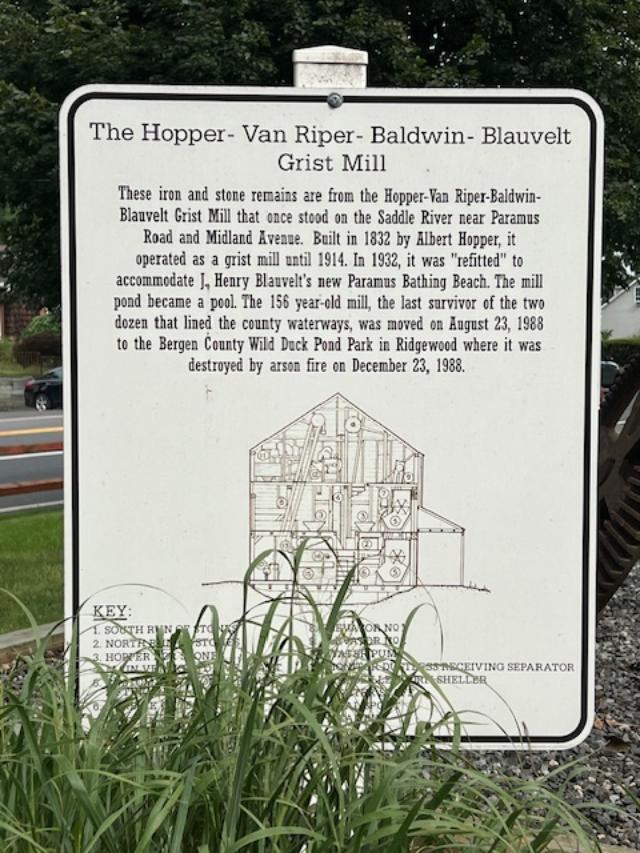
The Grist Mill sign from the old mill

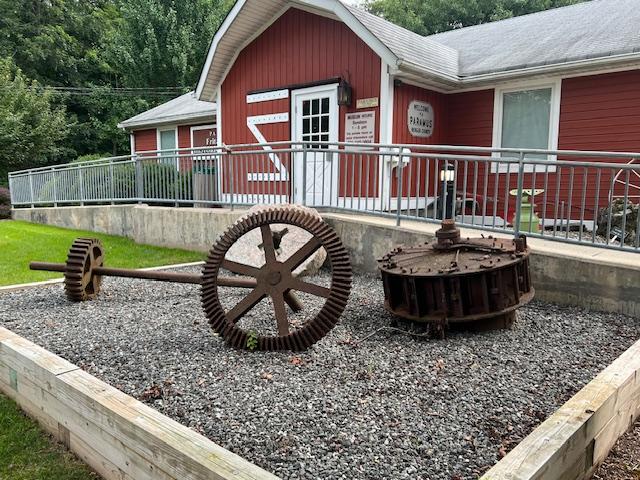
The Grist Mill pieces in the new display outside the museum

The sign that welcomes you to the museum

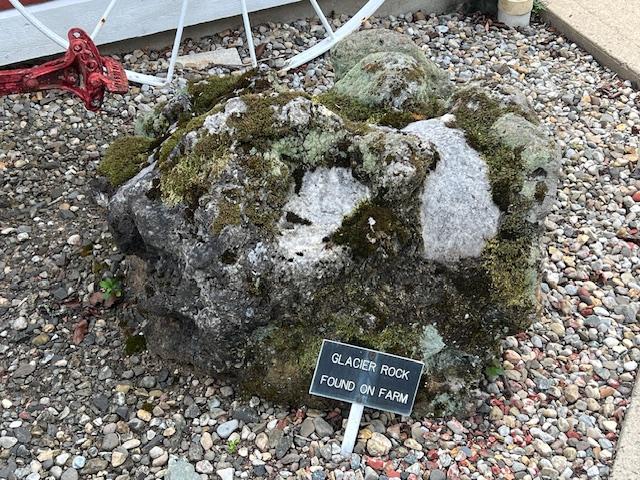
The Glacier Rock in the front of the museum

The farming hoe display in the front of the museum

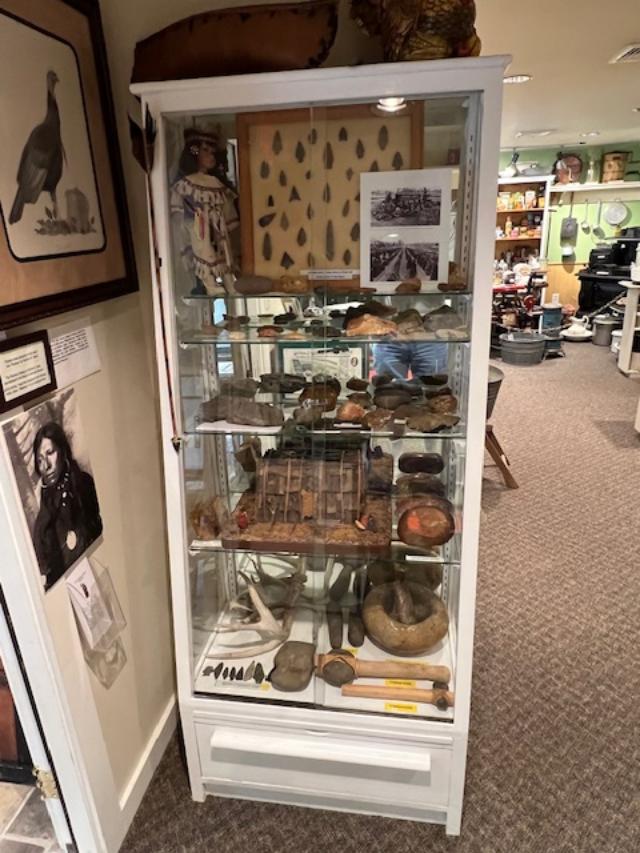
He showed me equipment that had been in his family for generations and some of the Indian artifacts that his family had found on the property which gave more depth to the history of the property as it had been farmed by local Native American tribes.

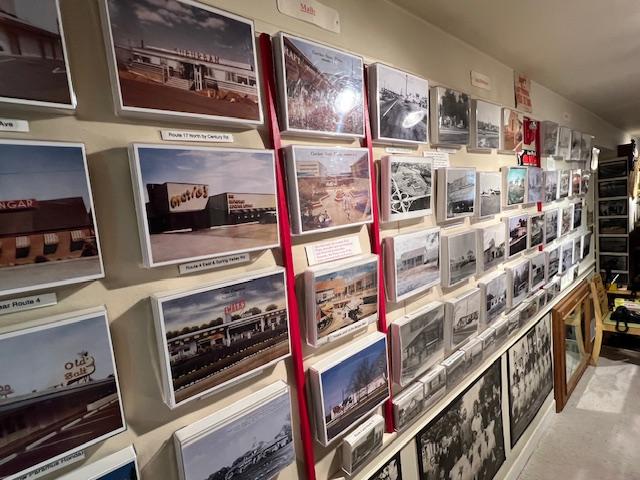
The Fritz Behnke Historical Museum contains 2 floors of artifacts dating back to the early 1900’s when there were many farms in the Bergen County area.

Take the time to visit the basement and watch their history video. It is very interesting short on the history of the museum and the borough of Paramus. If you are from Bergen County and grew up here in the 70’s and 80’s, you will recognize a lot of the changes that have happened over the last forty years. It is a real reflection on the changes of Bergen County, NJ over the last 100 years. The museum is only open on Sunday’s so plan accordingly.
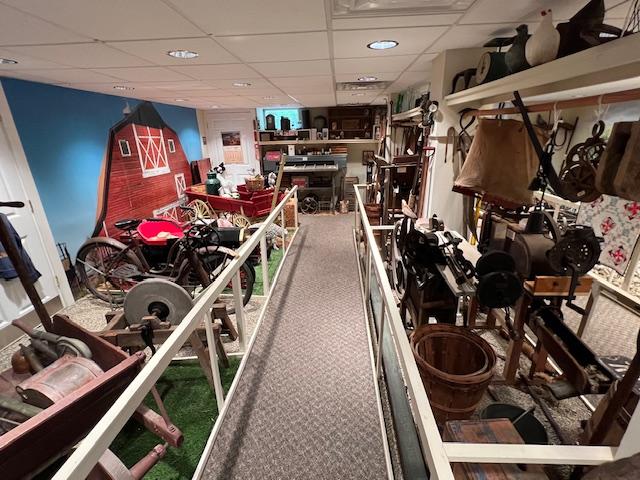
The Farming gallery in the basement in of the museum

The Behnke family farming equipment

The farming equipment on display for use on the farm

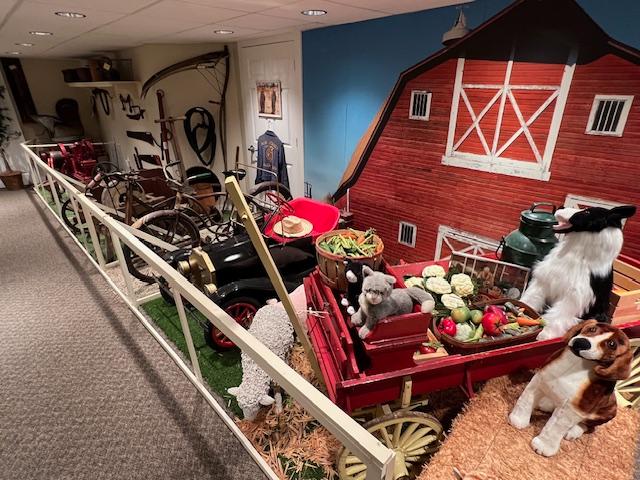
The farm crops and the recreation around the farm

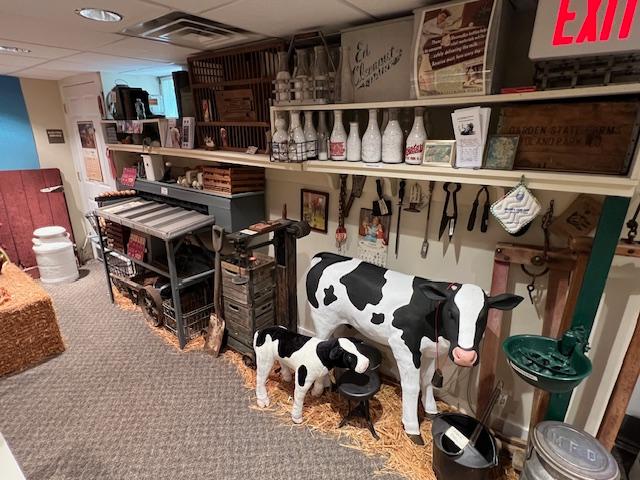
The Egg Sorter and the Dairy industry for milking and bottles

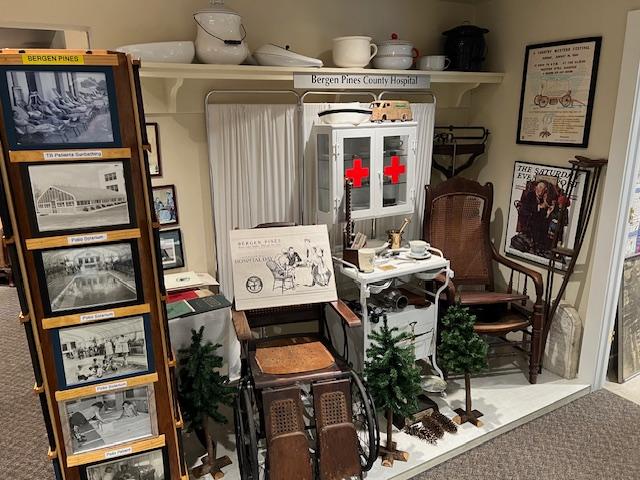
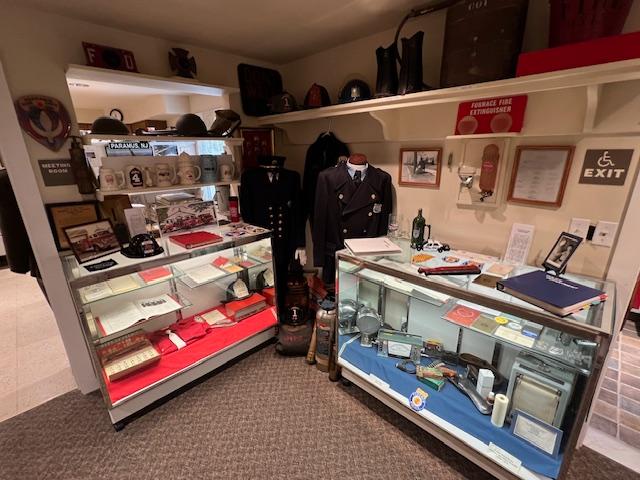
The main floor had an exhibit of Police and Fire Department memorabilia, an being the exhibit displaying  the history of Bergen Pines County Hospital and a display of an old school room. This was Paramus during different eras.

The Paramus Fire Department

The Paramus Fire Department

The Police and Fire Department displays

The hospital display

The School room display from the turn of the century until today

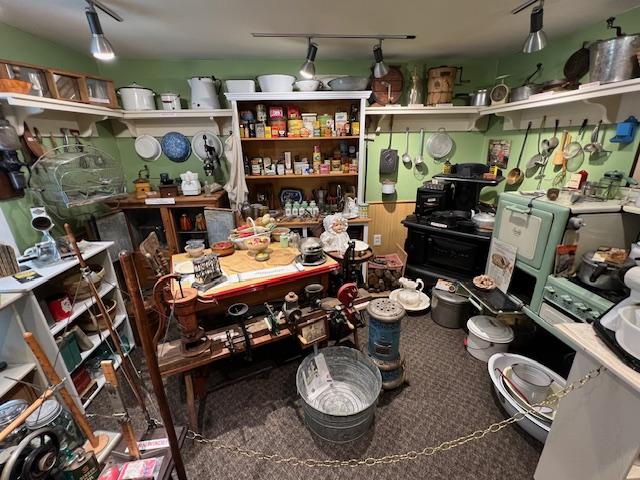
There is an area showing household cleaning and laundry items, including one of the first electric washing machines, a duplicate of which is at the Smithsonian Museum. The kitchen area displays many old devices, used in cooking and includes an old ice box and a wood-burning stove as well as a early gas stove.

The Farmhouse kitchen

The Children’s Toy exhibition

The toys that have not changed over the years for children to enjoy

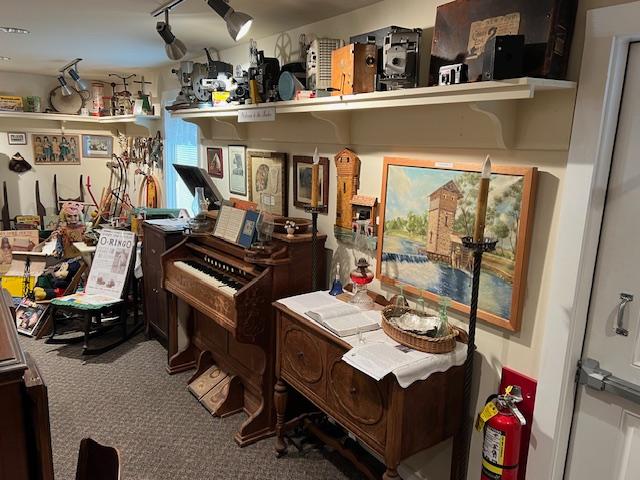
The Kids Room contains many old toys such as strap-on ice and roller skates, dolls, doll houses and cast metal farm tractors. In the parlor area there are old wind up phonographs and a church organ. In the corridors there are many photographs showing the Paramus of yesteryear.

The 1930’s items in the room

The room in the 1930’s and 40’s

The history of Paramus, NJ is explained at the museum

On the lower lever is an interesting 12-minute video presentations on the history of Paramus. There are also displays of woodworking, blacksmithing and farming. The farm display depicts the two distinct differences in Paramus farming that of the celery farms in the muck soil on the west side of town and vegetable farms in the brown soil on the east side of town. There are many different farming items displayed including an egg sorting machine and a shovel hand carved from one piece of wood.

The history of the radios and record player

More household items over time

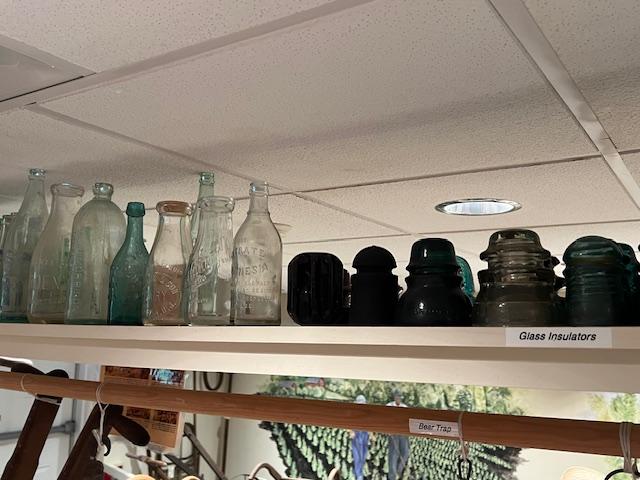
The bottles and glass insulators from the top of telephone poles

Special Notes in History provided by the museum:

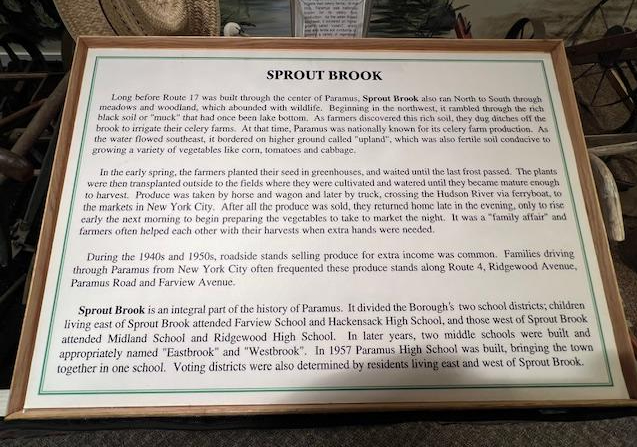
The History of Sprout Brook: Long before Route 17 was built through the center of Paramus, Sprout Brook also ran north to south through meadows and woodland, which abounded with wildlife. Beginning in the northwest, it rambled through the rich black soil or ‘muck’ that had once been a lake bottom.

The dark soil farm on one side of the brook

The Light Farm soil on the other side of the stream

As farmers discovered the rich soil, they dug ditches off the brook to irrigate their celery farms. At that time, Paramus was nationally known for its celery farm production. As the water flowed southeast, it bordered on higher ground called ‘upland’, which was also fertile soil conducive to growing a variety of vegetables like corn, tomatoes and cabbage.

The Sprout Brook history and farming

In the early Spring, the farmers planted their seed in greenhouses and waited until the last frost passed. The plants were then transported outside to the filed where they were cultivated and watered until they became mature enough to harvest. Produce was taken by horse and wagon and later by truck crossing the Hudson river via ferry board to the markets in New York City.

The colored eggs from different species of chickens

After all the produce was sold, they returned home late in the evening only to rise early the next morning to begin preparing the vegetables to take to market that night. It was a ‘family affair’ and farmers often helped each other with their harvests when extra hands were needed.

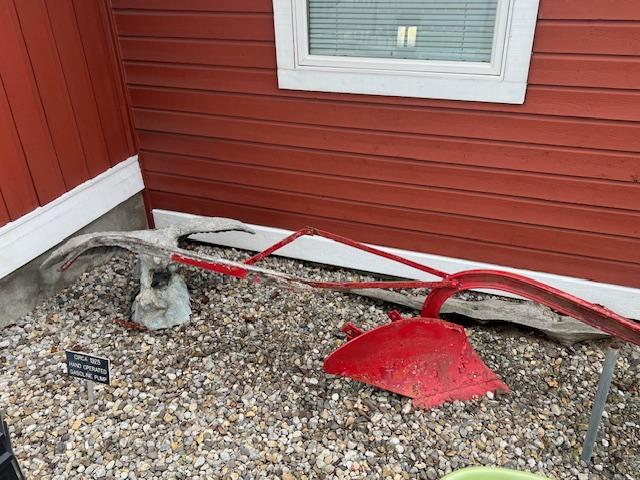
An early plow of an early design

During the 1940’s and 1950’s, roadside stand selling produce for extra income was common. Families driving through Paramus from New York City often frequented these produce stands along Route 4, Ridgewood Avenue, Paramus Road and Farview Avenue.

Items for life on the farm

The Farms of Bergen County, NJ

Sprout Brook is an integral part of the history of Paramus. It divided the Borough’s two school districts; the children living east of the Sprout Brook attended Farview School and Hackensack High School and those west of Sprout Brook attended Midland School and Ridgewood High School. In later years, two middle schools were built and appropriately named “Eastbrook” and “Westbrook”. In 1957, Paramus High School was built bringing the town together in one school. Voting districts were also determined by residents living east and west of Sprout Brook.

The Paramus High School Display

History of the Lenape Indians: The Indians of Bergen County, the Lenni Lenape Indians settled in the area for many reasons. The climate was ideal all year so they could survive during the winter months. Also the Ramapo Mountains made an ideal place to live. The shale rock overhangs were like caves that provided protection from the weather. There was abundant water in the area from the Hackensack and Saddle Rivers, Sprout Brook and many ponds that provided good fishing and navigation.

The Lenape Native American display

The wild animals in the area came to drink at these waterways thus providing great opportunities for hunting. The land was also fertile, which made for good farming such as corn (or Maize) and other root crops. These crops attracted many birds such as quail, pheasant and of course, the wild turkey which hare still in the area today.

Our early settlers traded with the Indians. Mrs. Lawrence, the one room school teacher was of Indian descent. As the early farmers in the area plowed their fields, they found arrowheads, tomahawks and grinding stones. The Lenni Lenape called this area “Perapepus”, which meant rich or fertile land. Through the years, the name changed several times until it became Paramus.

The museum also has the history of the Paramus Fire and Police Departments as well as the early Bergen Pines Hospital.

The history of the Police and Fire Departments

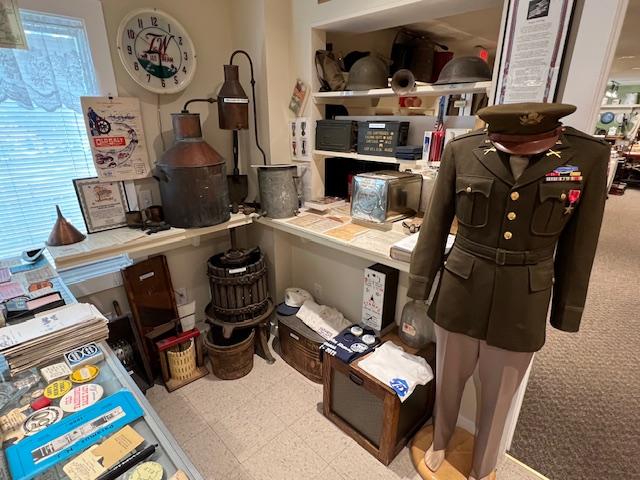
The Military display

There was also a wonderful display of old businesses in Bergen County. For many residents who grew up in the area will recognize from the 1960’s and 1970’s. There were menus, dishes and meal set ups on display reminding us of dining from that era.

Businesses from Paramus and from Bergen County

Businesses in Paramus and Bergen County, NJ

The new “Fireplace Hamburger” display for the well-known restaurant that closed during COVID

*This little gem of a museum is only open one day a week but can be opened to accommodate groups so please call the museum for details. The museum is free to the public but please leave a donation to help with the costs of the museum. It is well worth the trip if you like the history early farming communities or want the know the history of Bergen County.

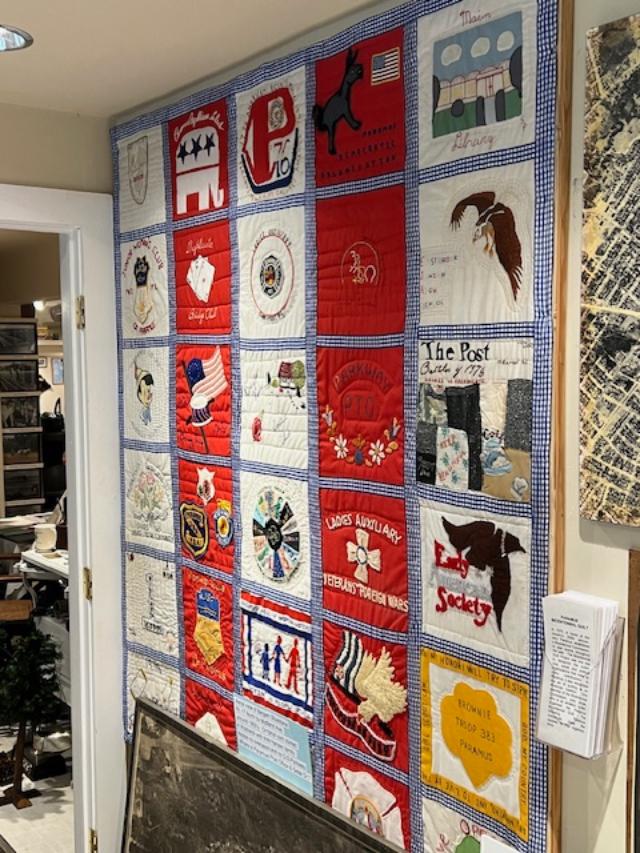
The Paramus Quilt display

The “Whatchamacallit” display

My Marketing Class at Bergen Community College Project promoting the museum:

The Blog on the whole project:

In October of 2024, I partnered with the museum to a Destination Tourism project to assist the museum in targeting to a new visitor with new Digital Marketing. I thought the museum had a lot of potential that had not been tapped into and thought this would be the perfect challenge to for the students to give the museum a fresh perspective.

I made an appointment with the staff at the museum and asked if they would partner with me for a Marketing project and they gladly accepted.

I arranged the class to have a field trip to the Behnke Museum during class time but I also arranged an extra credit trip the Sunday before so the students could get a glimpse of the museum ahead of time.

My class on their field trip to the Behnke Museum in Paramus, NJ

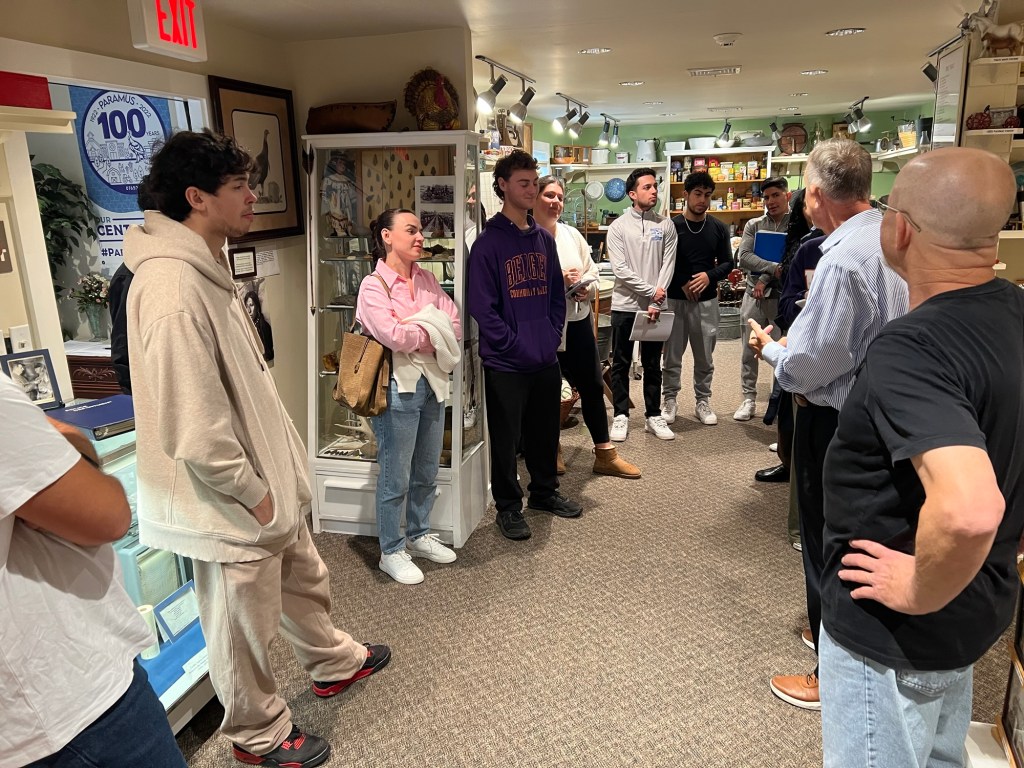
Then during class time we took a more formal tour of the museum with the founder’s son, Fred Behnke and his Volunteer Board, who gave us a better perspective of the museum.

The students at the Behnke Museum during our field trip

The class getting the tour from the founder’s son, Fred Behnke

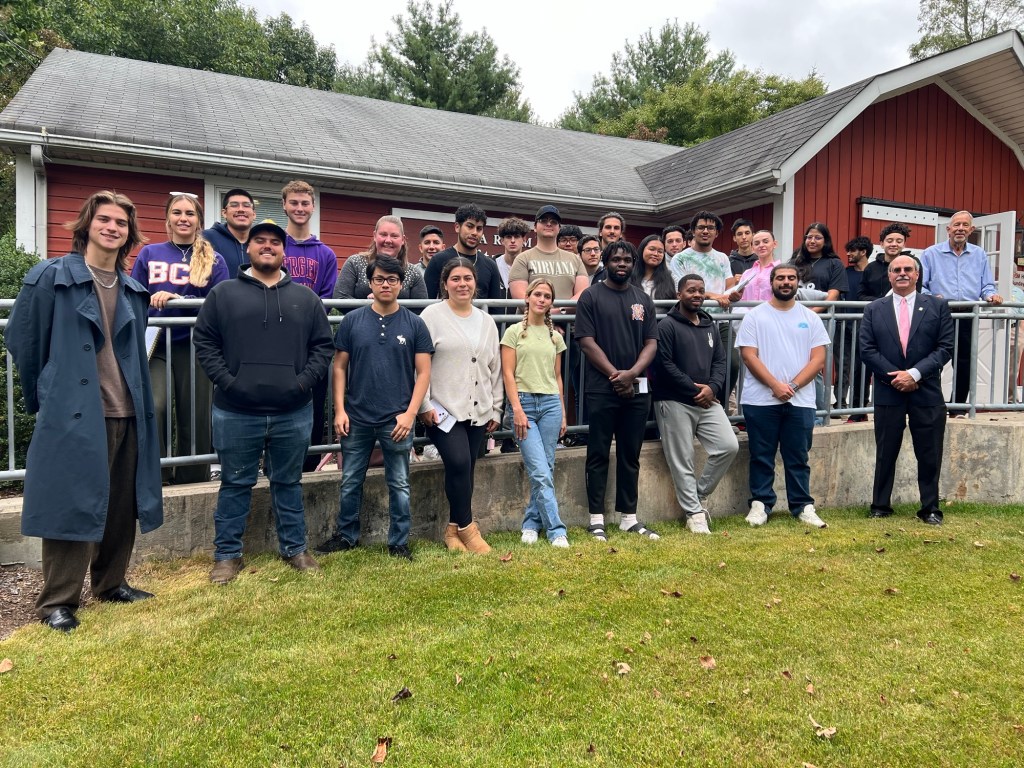
After the tour was over, our class took a group picture

I had the students write a paper on their thoughts of improving the museum and the broke them into groups based on their thoughts. They had one week to put their game plan together and then they presented it to myself and the museum.

This is their presentation:

The Student Consultants had a week to put the Presentation together and create a commercial to promote the museum and their PowerPoint on their ideas to create excitement at the museum. Here is their project Presentation and PowerPoint on the project. Please remember that they had seven days to do this.

The PowerPoint:

https://drive.google.com/file/d/1atn7BlTHfG88tND0P8fU1yNzmEpFrEG4/view?usp=gmail

The Video of the Presentation:

https://www.youtubeeducation.com/watch?v=krZNmHevETA

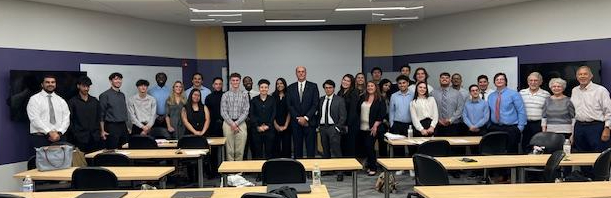
The Team Picture after the Behnke Museum Presentation to the Museum Volunteer Staff:

The Bergecco-Parc Consulting Inc. Paramus Team for the Behnke Museum

The Behnke Museum Volunteer Staff was impressed with the students ideas and thought there was a lot good ideas that they can use.

Commercial Group One:

Commercial Group Two:

Marketing Commercial Team Two:

Commercial Group Three:

Marketing Commercial Team Three:

Commercial Group Four:

I could see by the reaction of the museum that they were please with the project and I hope it helps them in the future. It really is a great museum.

The Hispanic Society of America                          613 West 155th Street                                        New York, NY 10032

The Hispanic Society of America 613 West 155th Street New York, NY 10032

The Hispanic Society of America

613 West 155th Street

New York, NY  10032

(212) 926-2234

Hours: Sunday 12:00pm-5:00pm/Monday-Wednesday Closed/Thursday-Saturday 12:00pm-5:00pm

museum@hispanicsociety.org

TripAdvisor Review:

https://www.tripadvisor.com/Attraction_Review-g60763-d110237-Reviews-Hispanic_Society_of_America-New_York_City_New_York.html?m=19905

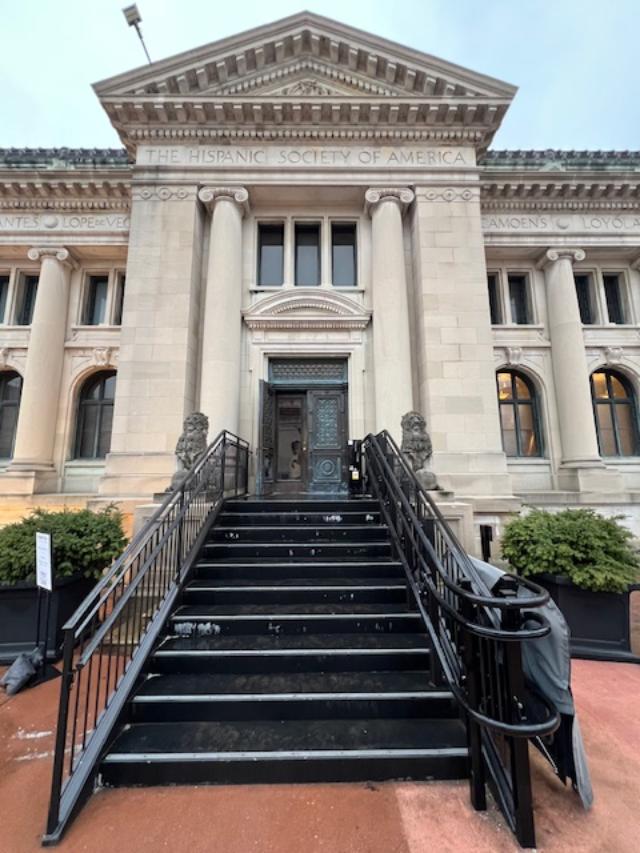
The front of the Hispanic Society of America at 613 West 155th Street

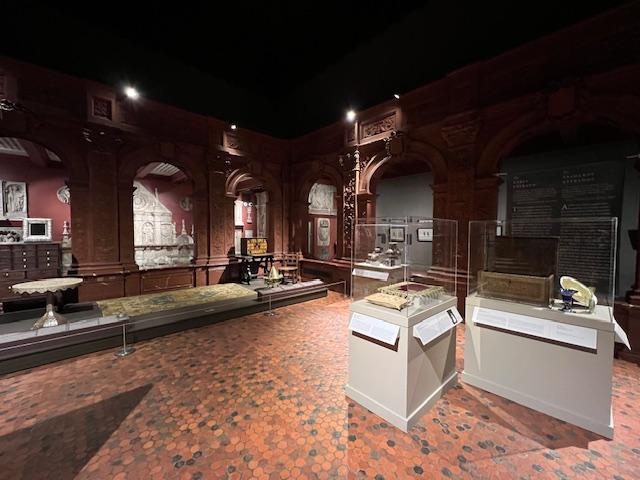
I visited the Hispanic Society of America in 2025 to see the new exhibition “A Room of Her Own”, where I saw where women made their homes their domain. In the exhibition, I saw how women made rooms in their homes their place of business, rest and socialization. They bought and designed these rooms with the most beautiful, tasteful and costly items that they could afford to show their taste and design. It showed how female Hispanic Society carved a place for themselves in a male dominated society. The elaborate objects showed the taste and the creativity of the artists themselves. It was a very unique exhibition.

The exhibition sign for “A Room of Her Own”

The exhibition explores the rich history of the estrado—a woman’s private drawing room found in early modern Spain and the Spanish Americas—and illuminates the estrado’s long-overlooked role in female agency, social practices, and intercultural exchange. A Room of Her Own features decorative objects, paintings, textiles, rare books, and engravings from the Hispanic Society’s unrivaled collection, with many works on view for the first time (museum website).

The items from “A Room of Her Own” that would have decorated their homes

This landmark exhibition traces the evolution of the sala de estrado from Islamic al-Andalus to the Americas, where it flourished until the collapse of the Spanish Empire. Described in the Diccionario de Autoridades (Madrid, 1732) as the “set of furniture used to cover and decorate the place or room where the ladies sit to receive visitors,” the estrado was a room or designated area where women engaged in elaborate social practices and displayed their collections of valuable objects from the Americas, Asia, and Europe (Museum website).

Some of the beautiful decorative items from the exhibition

The well-appointed estrado has long been a focal point of opulence and intrigue in traveler accounts, inventories, legal records and works of fiction. Designed for upper-class interiors and inhabited by elite women of European, Indigenous American and West African descent, the estrado paradoxically becomes a locus of female agency and subversion within a place of confinement. The exhibition engages a comprehensive array of archival sources and objects to question the values historically imposed on gender stereotypes and behaviors and highlights the estrado’s importance as a symbol of power, wealth, and virtue (Museum website).

The history of the Museum:

(From the Museum website)

The Hispanic Society of America was founded as a free museum and research library in 1904 by the American Scholar and philanthropist Archer Milton Huntington (1870-1955). Over the past century, the Hispanic Society has promoted the study of the rich artistic and cultural traditions of Spain and Portugal and their areas of influence in the Americas and throughout the world. The Museum and Library constitute the most extensive collection of Hispanic art and literature outside of Spain and Latin America.

The main gallery of the Hispanic Society of America

Archer Huntington’s fascination with Spanish culture started at the age of twelve; by fourteen he had begun to study the Spanish language and by nineteen he revealed his aspiration to found a “Spanish Museum”. As Huntington’s enthusiasm grew he became increasingly committed to the creation of an institution that would encompass all facets of Hispanic culture. Working toward this goal, Huntington began his collection with Spanish rare books and manuscripts; then decorative arts; followed by paintings and sculpture-all of which now fill the galleries of The Hispanic Society of America.

The Catholic symbols and artifacts and artwork of the Hispanic Society of America

Today the Hispanic Society Museum and Library builds upon the legacy of Huntington through an active acquisitions program as well as public programs that reach out to new audiences through collaborative exhibitions, educations, and publications.

Portrait of the Dutchess of Alba by Goya

The Hispanic Society is especially rich in paintings, drawings and prints by Francisco de Goya (1746-1828), one of the most inventive artists of his time. Goya’s iconic 1797 Portrait of the Duchess of Alba dressed in black as a Spanish maja, is the most renowned painting in the collection.

Paintings:

(from the Museum website)

The Museum offers a panoramic survey of Spanish painting and drawing dating from the Middle Ages up to the early 20th century with particular strengths in the Golden Age (1550-1700) and the 19th century. Notable among 16th century paintings are the Portrait of the Duke of Alba by Antonis Mor (1516/19-1576) and the Holy Family by El Greco (Domenikos Theotokopoulos, 1541-1614).

Three portraits by Spain’s preeminent  master, Diego Vaelazquez (1599-1660), represent the heights of Spanish painting in the 17th century: Gaspar de Guzman, Conde-Duque de Olivares; Portrait  of a Little Girl and Camillo Astalli, Cardinal Pamphili. The collection also includes works by other acknowledged masters of the period, such as Jusepe de Ribera (1591-1652), Francisco de Zurbaran (1598-1664) and Bartolome Esteban Murillo (1617-1682).

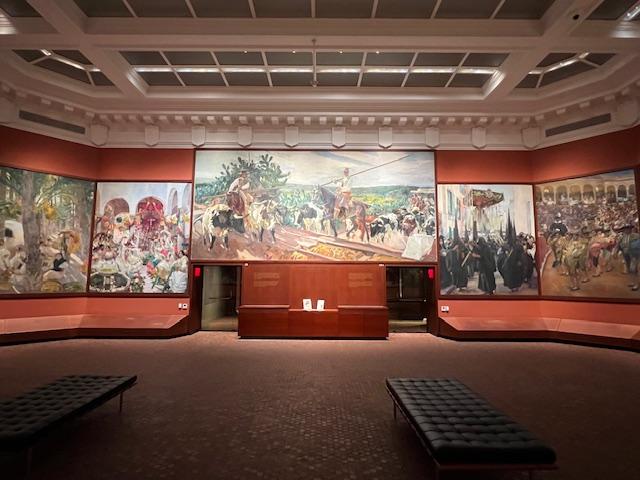
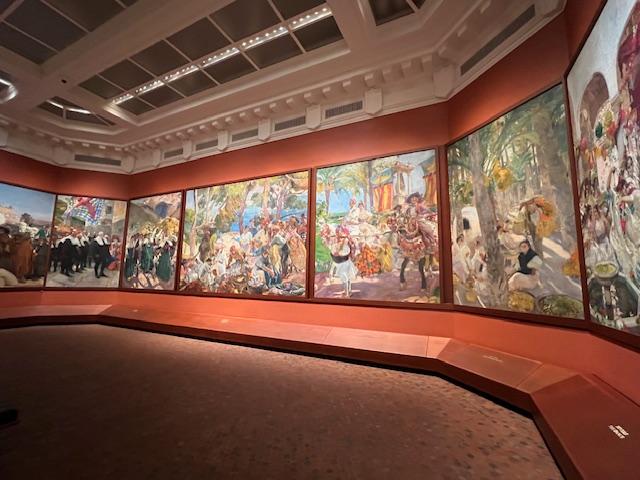
The gallery of Joaquin Sorolla y Bastida’s “Vision of Spain”

“The Vision of Spain” gallery painting

The “Vision of Spain” painting

The sign explaining the artwork

The “Festival of Bread” painting as part of the display

Among the most popular works at the Hispanic Society are those by Spain’s “painter of light” Joaquin Sorolla y Bastida (1863-1919), present a celebration of regional costumes and cultures that surround the visitor with the artist’s “vision of Spain”. The Museum also possesses an outstanding selection of works by late 19th and early 20th century artists.

The painting a “Day in Seville” as part of the display

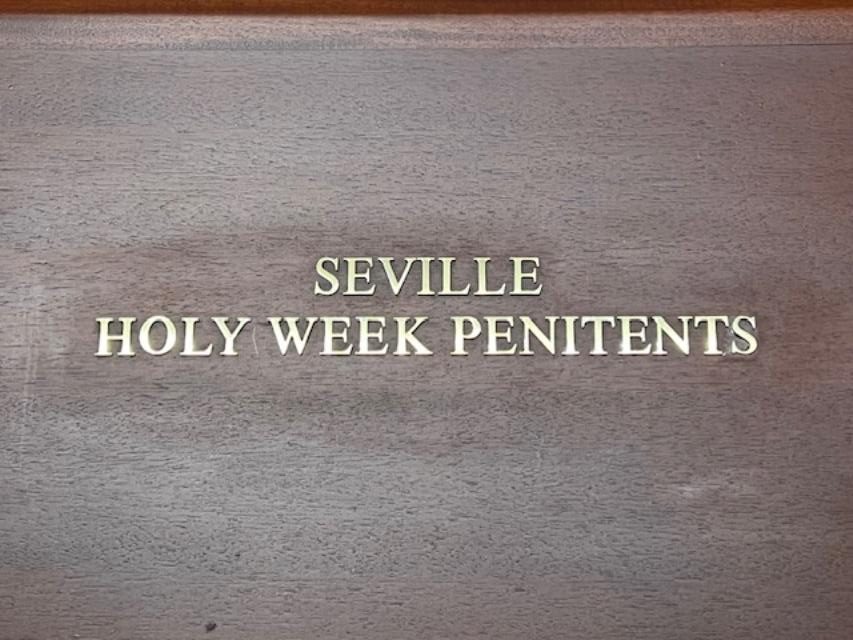
The “Holy Week Penitents” in the display

The sign for “Holy Week Penitents”, people who admit to their sins and wrongdoings

Decorative Arts:

(from the Museum website)

The Hispanic Society is renowned for its decorative arts from Spain, Portugal, Latin America, the Philippines and Portuguese India. Ceramics represent one of the most significant facets of the collection, ranging from  three-thousand-year old Bell-Beaker pottery to contemporary works. The collection of Spanish lusterware, numbering over 150 pieces, is considered the finest in the United States. This distinctly Spanish style of ceramics flourished between the 15th and 17th centuries as artisans combined Islamic and Western traditions to produce objects of incomparable beauty. Important examples of decorative and utilitarian earthenware and soft-paste porcelain from various workshops complete the collection-including works from Talavera de la Reina, Alcora and Buen Retiro in Spain and Puebla de lost Angeles and Tonala in Mexico.

The decorative items in the collection

Other decorative arts include silver, glassware, secular and ecclesiastical furniture, decorative ironwork and textiles dating from between the 15th and 19thy centuries. The processional custodia by Cristobal Beceril (1533-1585) is one of the highlights of the magnificent collection of Spanish and Latin American gold and silver ars sacra and jewelry. Textiles in the collection range from luxurious silks of medieval Islamic Spain to domestic needlework of the early 20th century. Hispano-Muslim textiles include fine gold, silk, and satin brocades from the 13th through the 15th century. An exquisite ‘Alhambra silk” (ca. 1400) from Granada recalls the repeating geometrical pattern and Kufic inscriptions which decorate the famous Alhambra palace.

Archaeology:

(from the Museum website)

Huntington’s fascination with the ancient past of the Hispanic world led him to sponsor significant archaeological expeditions and excavations in Spain and the Americas. He conducted excavations in 1898 near Seville at the site of the Roman City of Italica, birthplace of the emperors Hadrian and Trajan. Through these excavations and subsequent acquisitions, the Hispanic Society has been able to assemble the most important collection of Spanish antiquities outside Spain. This wealth of objects from Spain’s Bronze Age to the period of Roman rule features works from Ibero-Phoenician, Greek and Celtiberian cultures in addition to the extensive collection of Roman ceramics, glass, metalwork, mosaics and statuary.

Sculpture:

(from the Museum website)

In addition to Ancient and Classical sculpture, the Hispanic Society collection contains extraordinary Islamic and Christian works dating from the Middle Ages to the early 20th century. A cylindrical ivory box signed by the Islamic master Khalaf (ca. 966) at the Umayyad court at Madinat al-Zahra stands out for the beauty of its intricate carving. Supreme examples of the heights which Spanish sculpture reached in the 16th century are found in the Gothic and Renaissance tombs of the Bishop of Palencia and the Duchess of Albuquerque from the monastery of San Francisco de Cuellar, along with the two magnificent effigies of Suero de Quinones and Elvria de Zuniga by Leone and Pompeo Leoni.

The Hispanic Society of America has some interesting pieces of art

Pedro de Mena’s haunting representation of the young Saint Acisclus, patron saint of Cordoba, stands out as one of the finest examples of 17th century Spanish polychrome sculpture of her era, are rich in exquisite detail. An impressive ensemble of monumental sculpture also graces Audubon Terrace with the iconic equestrian statute of El Cid and limestone reliefs of Don Quixote and Boabdil, all by noted American sculptor, Anna Hyatt Huntington (1876-1973).

Library:

(from the Museum website)

With more than 600,000 books, manuscripts, documents and letters dating from the 10th century to the present day, the Library of the Hispanic Society offers unparalleled resources for researchers interested in the history and culture of the Spanish and Portuguese speaking worlds. The manuscripts and rare books section comprises over 15,000 books printed before 1701 including some 250 incunabula (books printed before 1500) as well as first editions of the most significant literary works in the Spanish language such as Tirant lo Blanc, Celestina and Don Quixote.

The collection of Hispanic manuscripts, extraordinary rich in material and scope is the most extensive outside Spain. It encompasses medieval charters, holograph royal letters, sailing charts, illuminated bibles and books of hours as well as historical and literary manuscripts from the 10th to the 20th century.

The library’s invaluable holdings from the America’s include some of the earliest  books printed in Mexico, Peru, Guatemala and Puerto Rico. First editions of works by many of Latin America’s greatest writers, such as Sor Juana Ines de la Cruz, form an integral part of the collection. The library also conserves one of the largest and most important collections in the United States of historical  manuscripts and documents pertaining to Latin America and the Philippines from the 16th through 19th century.

Prints & Photographs:

(from the Museum website)

Over 15,000 prints afford a unique glimpse of the graphic arts in Spain. The collection contains incomparable engravings by 17th-century artists such as Ribera, yet its greatest strengths are in the 18th and 19th centuries including almost all of Goya’s prints, many in multiple editions. The department also has an extraordinary assemblage of illustrations of Don Quixote, totaling more than 4000 engravings, etchings and lithographs.

The section of photographs holds over 176,000 black and white images documenting life and customs in the Hispanic world. Many of these images now preserve a way of life irrevocably lost. Among the most notable and rarest are those from the 19th century but the department also features more than 15,000 photographs made by Hispanic Society curators and staff who traveled throughout Spain and Latin America in the 1920’s.

Publications, Group Visits & Education:

(from the museum website)

For over a century, the Hispanic Society has maintained an active publication program. Books and other publications relating to the collections as well as postcards, note cards and posters are available from the Museum bookstore.

The Hispanic Society is dedicated to educational programs for students of all ages. The education department provides gallery talks, group tours and activities and materials for educators.

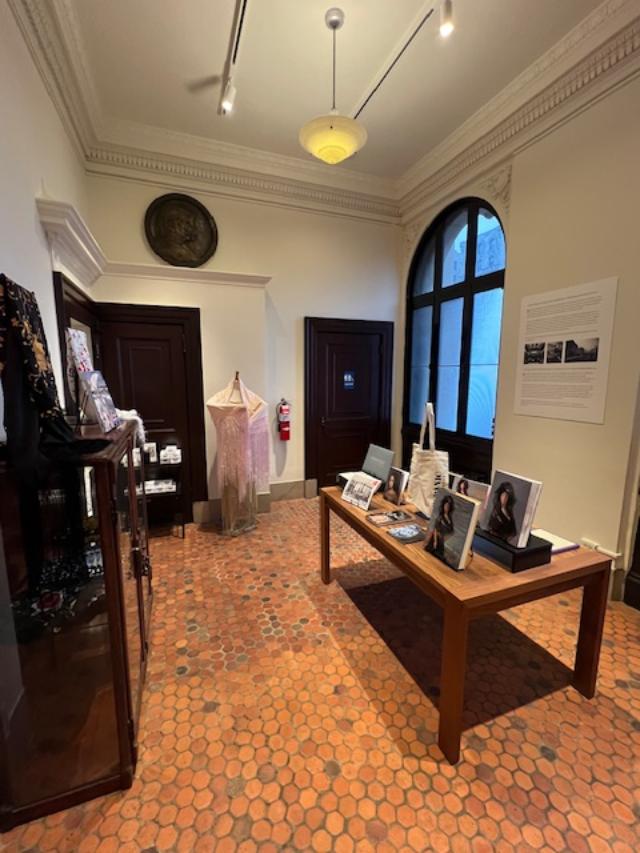
The Hispanic Society gift shop

For further information on current programs, group tours, special events and on becoming a member of The Friends of the Hispanic Society visit our website, hispanicsociety.org or call (212) 926-2234.

(This information is taken from the Hispanic Society of America’ brochure)