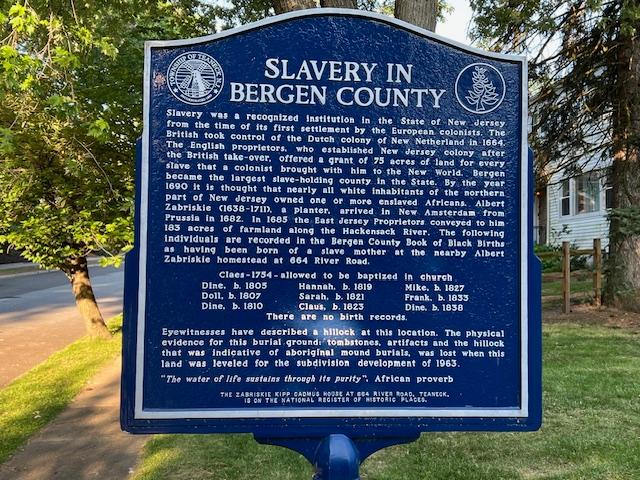
The historic marker for the Teaneck Historic Burial Ground for slaves in Bergen County.
Located on Pomander Walk Road near the Hackensack River, this land was in use as a burial ground by the Native Americans prior to the arrival of the European settlers. This site might have been used for hundreds of years as a burial site for the Native peoples.
African slaves, who worked the farmland of the early European settlers, like the Zabriskie’s who owned the 125 acre farm that surrounded it, were subsequently buried at this location as were some of the early settlers. In 1663, the great elder, Oratam, was the Chief Sachem for the Ackingsacks, who lived along the Hackensack River. Oratam promised to give Sarah Kiersted a parcel of land between the Hackensack River and Overpeck’s Creek called “Neck of Land”.
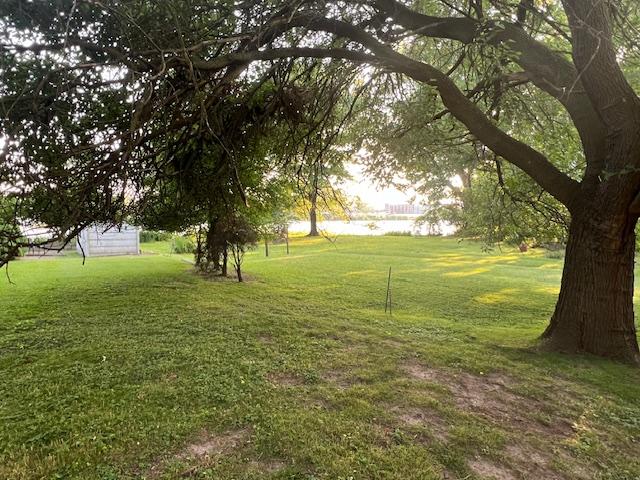
The location of the site on the side of the Hackensack River
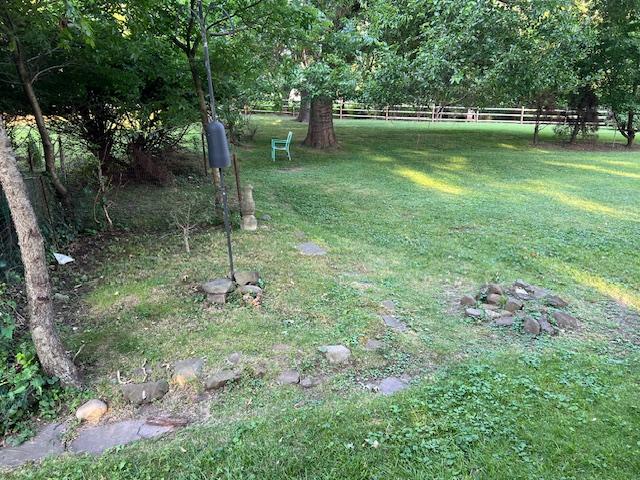
The site of the graveyard in Teaneck, NJ
It consisted of 2,260 acres which included Teaneck, Bogota and Ridgefield Park. The original patent was dated October 21, 1667. On March 25, 1685, the East Jersey Proprietors conveyed 183 acres of this patent, located on the Hackensack River in what is now Teaneck, to Albert Sabboresco (Zabriskie) of Bergen, a planter/farmer.
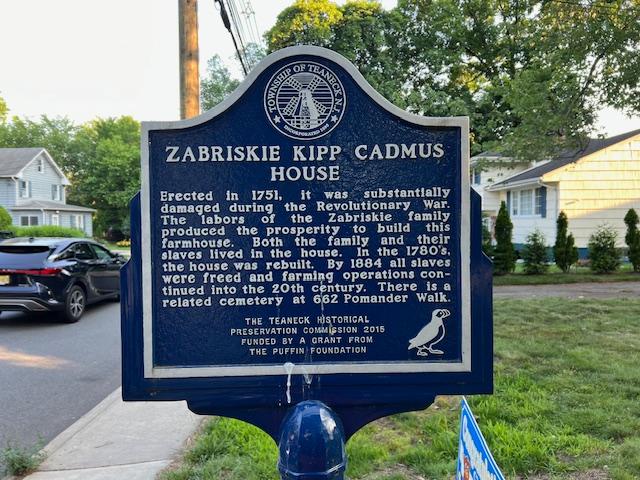
The Zabriskie House on Cadmus Street one block over is not open to visitors (privately owned)
The Zabriskie Homestead in Teaneck, NJ
Albert Zabriskie, his descendant and later Henry Kip, owned the enslaved African American men, who were used to work the farmland and build the early colonial sandstone houses. Even though slavery was outlawed in 1804, the last slaves were not freed until 1865 making New Jersey the last of the Northern States to abolish slavery.
The Zabriskie-Kipp Homestead in Teaneck, NJ is not open to the public. The historic Zabriskie-Kip Farmhouse (now a private residence) is located around the corner from the site on a buff on River Road facing the Hackensack River.
The site is right by a cove in the Hackensack River
To prevent the loss of this sacred ground, the ‘Coalition to Preserve Teaneck’s Native American/African Slave/Settler Cemetery’, was organized. With the Coalition’s encouragement, in 2006 Teaneck bought this open parcel of land on the banks of the Hackensack River. It can be visited during daylight hours and is designated with a Blue Historic Marker erected by the town of Teaneck, NJ.
The historic site by the Hackensack River in Teaneck, NJ.
The gravesite today along the Hackensack River
Disclaimer: This information was taken directly from the handout from the Bergen County Division of Cultural and Historic Affairs. There is no fee for this site but be warned, there is not much to see. There will be plantings and a small memorial is being planned (the above plaque from the town of Teaneck, NJ).
Don’t miss this little hidden site in Old Tappan, NJ. The Baylor Massacre site holds a rich history in the county and in the country’s founding. It will make you realize what an important role that the State of New Jersey had in the Revolutionary War and the lives sacrificed to win the war. My hats off to these brave men and women who helped fight for our freedom.
The Baylor Massacre site in the Fall
This quiet little park sits off to the side by the river and you will need to take time to walk the paths and enjoy the reading the signing. The sacrifice that these men made during the war effort and the way they were treated by the British in the act of war was deplorable. That and the fact that their own countrymen from Bergen County turned them into the British was unbelievable.
The Baylor Massacre history:
After midnight on September 28, 1778 during America’s Revolutionary War, the brutal surprise attack by the British forces on the sleeping men of the 3rd Continental Light Dragoons began. Today this is known as the Baylor Massacre. Nowa County-owned historic park and burial ground, the Baylor Massacre Site is located along the Hackensack River in River Vale in Northern Bergen County, New Jersey.
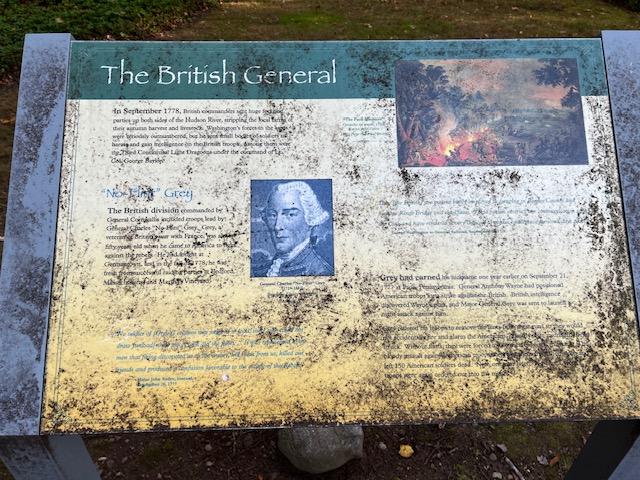
In the Autumn of 1778, British General Cornwallis occupied southern Bergen County with a force of 5000 soldiers. Their purpose was to gather and forage for food to feed the army that would be garrisoned in New York City during the upcoming winter. Bergen County, with its fertile land and industrious Jersey Dutch farms, was a major source for food for both armies during the Revolution.
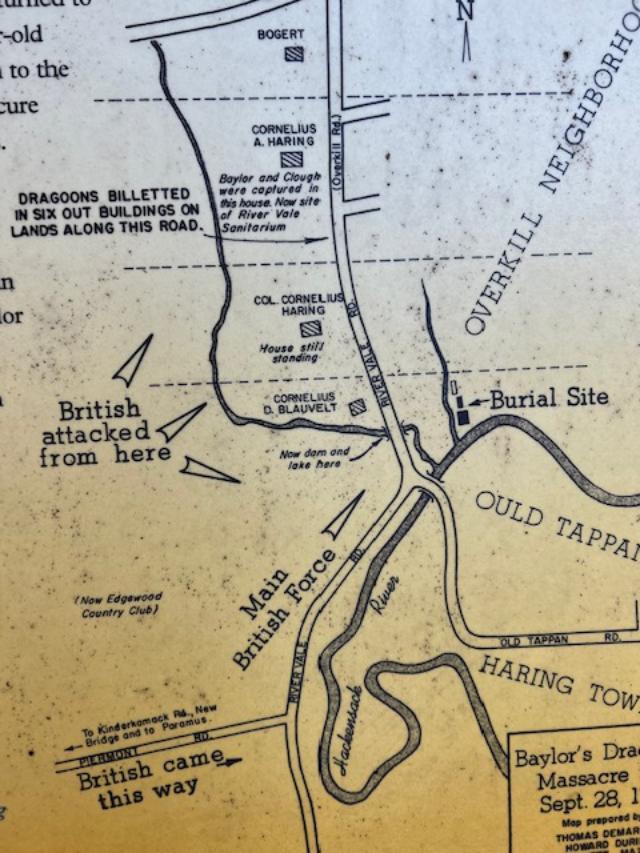
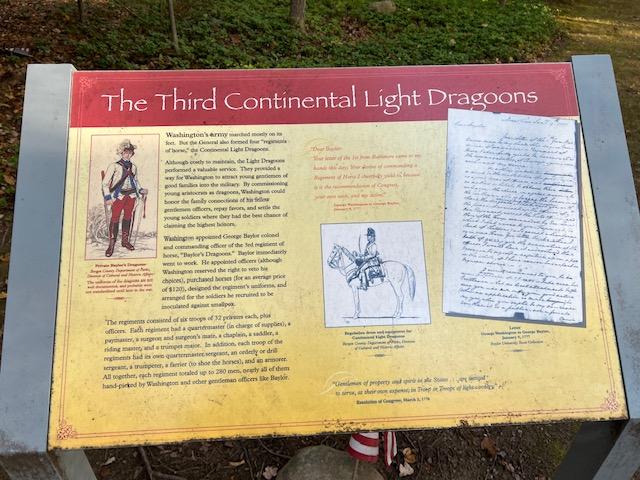
The Third Continental Light Dragoons, under the command by Lt. Colonel George Baylor, was one of four regiments of dragoons authorized by the Continental Congress. On the 27th of September, these 104 officers and men were dispatched to watch the bridge over the Hackensack River at the intersection of modern Rivervale and Old Tappan Roads to support General Wayne and his men in Tappan, New York.
The British forces were lead by General Charles “No Flint” Grey, who earned his nickname in the 1777 battle with General Wayne’s Pennsylvania troops when he ordered his men to remove the flints from their muskets to prevent an accidental gunshot and to use bayonets to insure the surprise of a nighttime attack. These tactics were used again in River Vale.
Grey’s men used their muskets to club and their bayonets to stab the sleeping dragoons. Eleven were killed immediately. Three more including 2nd in Command Major Alexander Clough (Washington’s Chief of Intelligence for the Hudson Valley), died of their wounds in Tappan the following day. Records indicate that as many as 22 men died some several weeks later. Two officers and 37 men, most of who were wounded, managed to escape into the night. One British soldier was killed when shot by a dragoon.
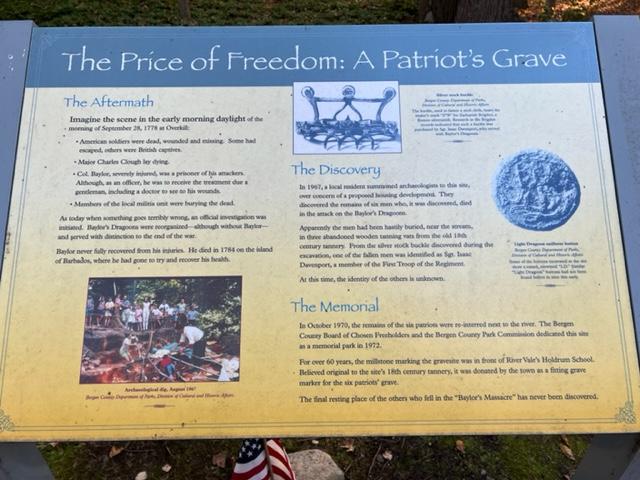
Grey’s men quickly gathered their prisoners and captured American equipment and continued up North. Fortunately General Wayne had been alerted of the movement of the British and had evacuated Tappan. The next day a detachment of the Bergen County Militia was dispatched to River Vale to locate any survivors. Finding six of the dead patriots at the bridge and fearing the possible return of British troops, they hurried to bury them in three abandoned leather tanning vats by the river.
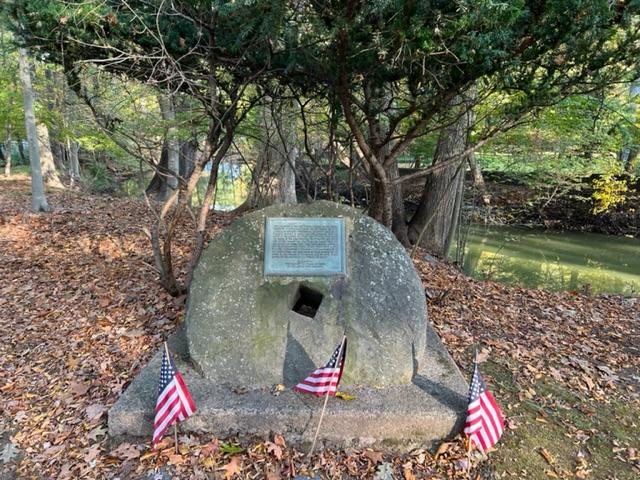
The burial location was passed on by word of mouth for many generations. The only physical maker was the abandoned millstone from the tannery. Abram C. Holdrum removed the millstone from the site around 1900. For many years it was displayed in from of the local Holdrum School.
In 1967, a local resident became alarmed that a new housing development would destroy this historic burial site. Through careful research the approximate location of the burials was identified. County Freeholder D. Bennett Mazur was contacted and as a result, the County sponsored an archaeological dig that located six sets of remains. The County eventually acquired the site and dedicated it as a County Park. In 1974, the patriots’ remains were re-interred in the park and the original millstone was donated to serve as their gravestone.
In 2003, the County dedicated new interpretive panels and accessible pathways at the Baylor Massacre site. It is open year round during daylight hours.
WWW.BERGEN.NJ.US
Disclaimer: This information was taken from the County Pamphlet: 2015 Bergen County Division of Cultural and Historic Affairs. The Bergen County Division of Cultural & Historic Affairs received an operating support grant from the New Jersey Historical Commission, a division of the Department of State. I give them full credit for this information.
The Baylor Massacre site in the fall of 2022
The Park in the fall months
Note from the Blogger: it is easy to miss the site so watch for the markers. For those interesting in the historical background of the Revolutionary War and New Jersey’s role in the war, take the time to visit this and other sites around Bergen County, New Jersey. They may be small but very significant.
Watch this interesting video that someone posted on YouTube.com
The grounds of the park
The grounds of the park in the fall
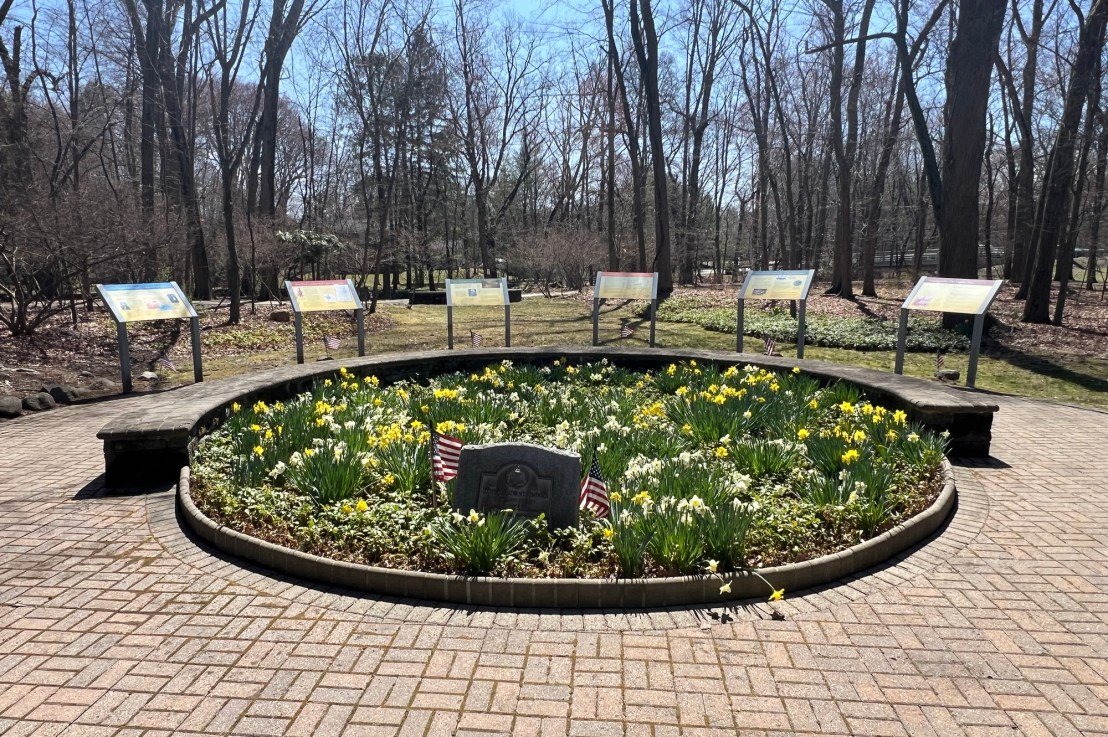
The site in the early Spring of 2025
The information signs of the site
The pathways by the river
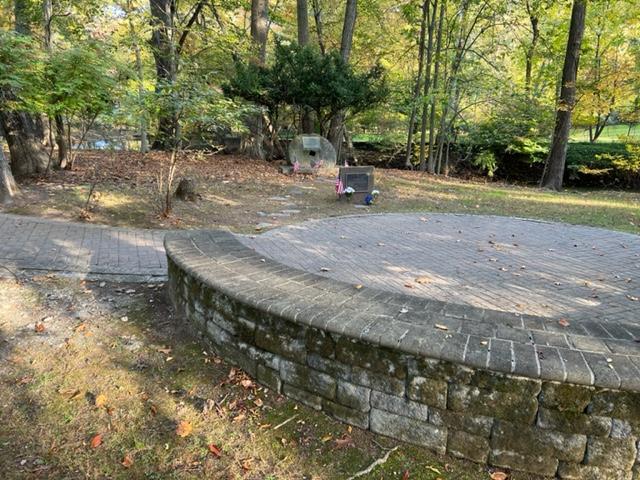
The gravesite and memorial
The pathways around the park
The pathways around the park
The historic marker in the early Spring
In April of 2025, I took my students from Bergen Community College to the site for a project that we were working on for the ‘Bergen 250’. Most of the students did not know this place existed.
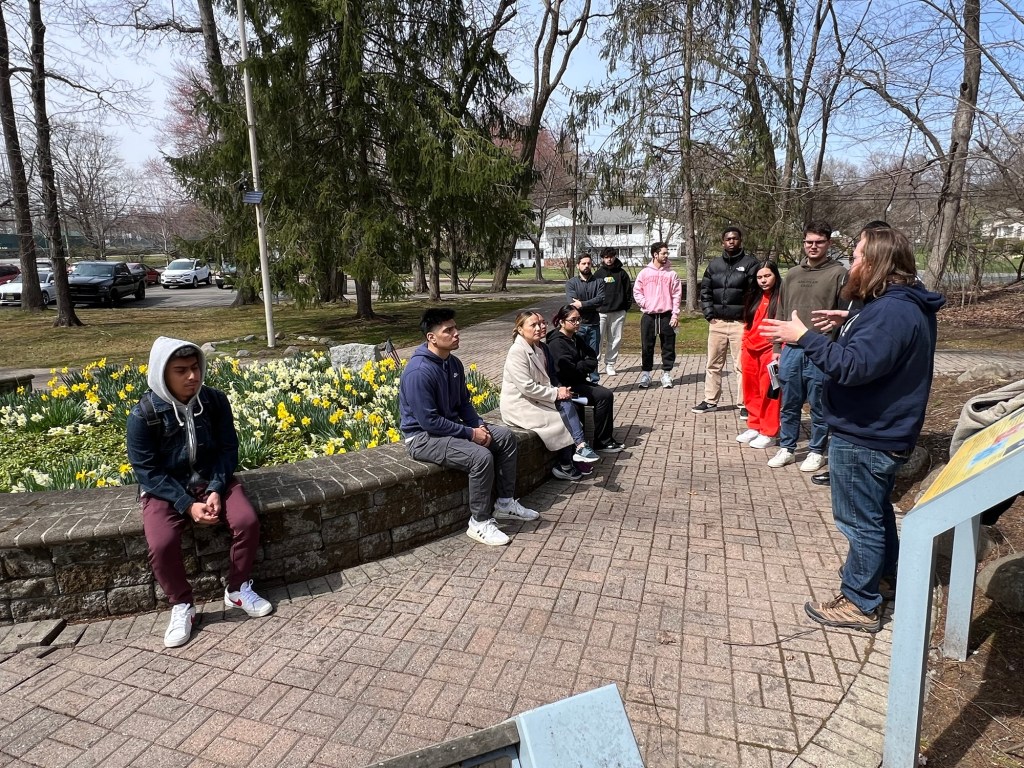
A talk with Colin Knight from the County Historical Division with my students
Me with my students at the Baylor Massacre site
A group picture near the county marker and garden with my students
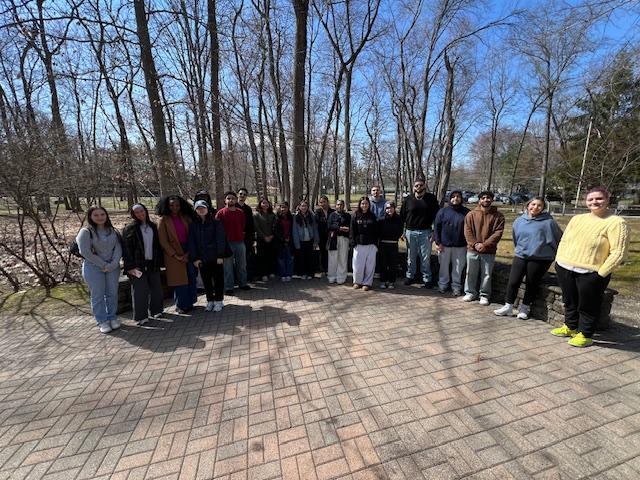
I returned to the Baylor Massacre Site again in 2026 when my students were doing another project for the Bergen 250, mapping the historic cemeteries and graveyards of the Revolutionary War Veterans. Here is the group shot from that trip.
Professor Justin Watrel’s International Marketing class at the Baylor Massacre site in March 2026.
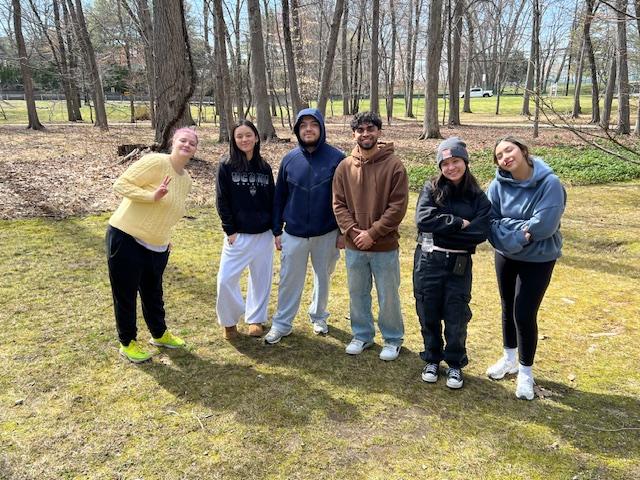
Some of the Executive Team at the Baylor Massacre site in March 2026


















 Visiting a Museum: The Unique, Unusual, Obscure and Historical