Category: Historic Homes in New York

Washington Irving’s Sunnyside                                     3 West Sunnyside Lane                              Irvington, NY 10533

Washington Irving’s Sunnyside 3 West Sunnyside Lane Irvington, NY 10533

Washington Irving’s Sunnyside

3 West Sunnyside Lane

Irvington, NY  10533

(914) 591-8763

Admission: Please see their website

Open: Please check the website for seasonality

My review on TripAdvisor:
https://www.tripadvisor.com/Attraction_Review-g48720-d3680157-Reviews-Sunnyside-Tarrytown_New_York.html?m=19905

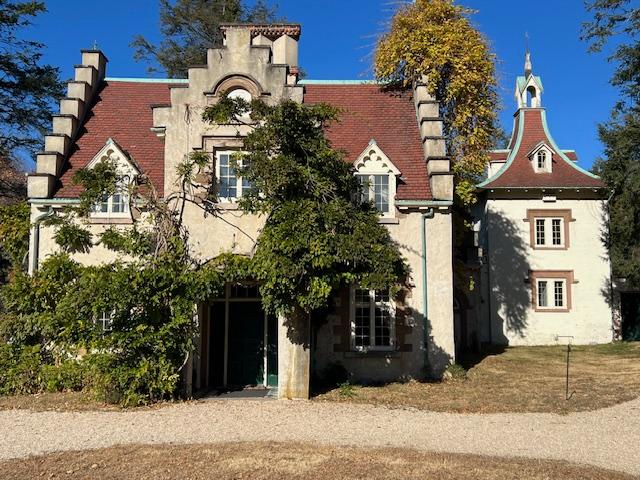
The front of Sunnyside in the Fall of 2024

Washington Irving’s home, Sunnyside is open during the warmer months of the year, closing at the end of October. The house looks like a enchanted cottage with almost a fairy like appearance right on the banks of the Hudson River with the most spectacular views of the river valley and the Tappan Zee Bridge in the distance.
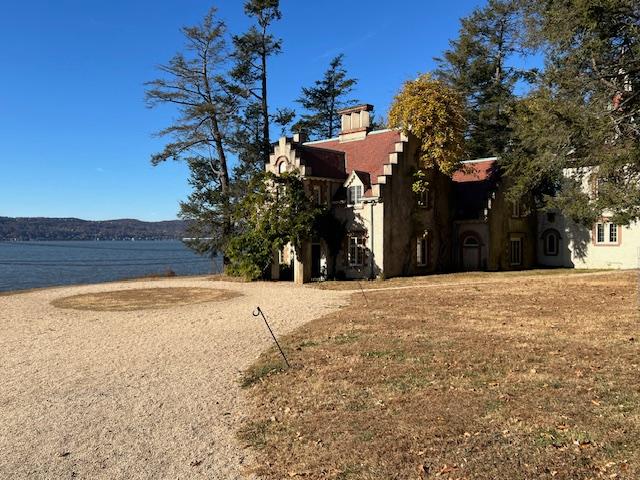
Sunnyside during the Fall of 2024

The house was designed by architect George Harvey and reflects the Dutch Colonial Revival, Scottish Gothic and Tudor Revival influences with wisteria growing up and around it and a jagged crow stepped gable.
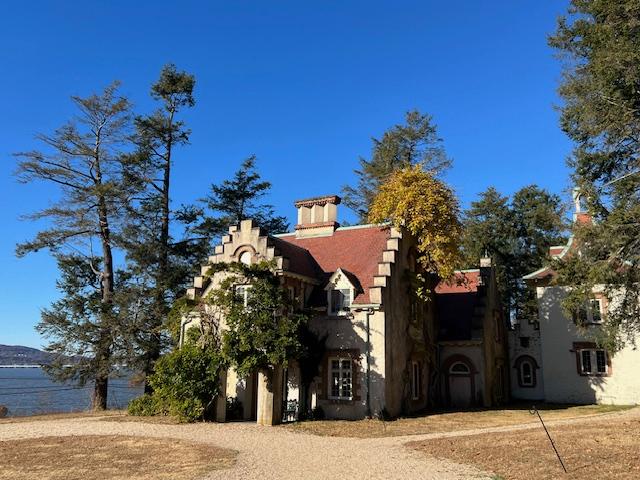
The front of Sunnyside in the Fall of 2024

When walking through the home, you will see the study where Washington Irving conducted the business of the house and did his writing. To the other side of the house, you will see the living room and small dining room where the family used to entertain.
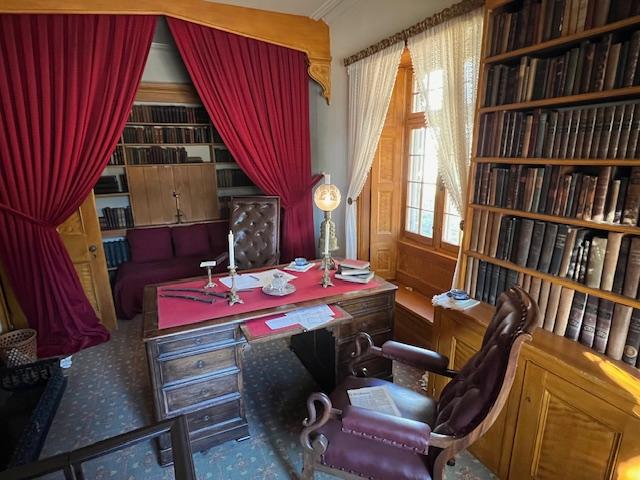
Washington Irving’s Study
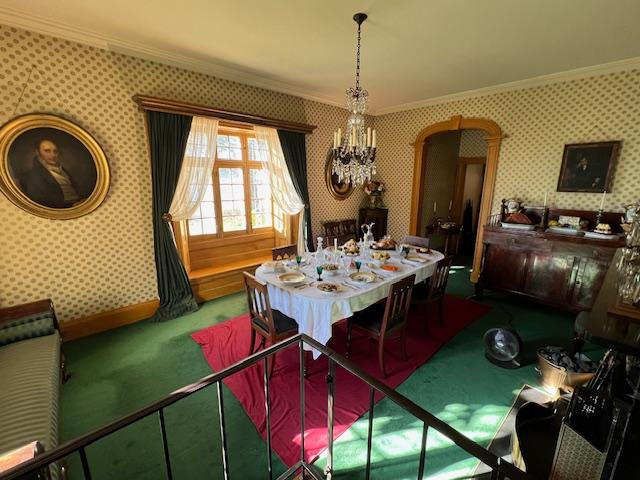
The Dining Room set for a formal lunch
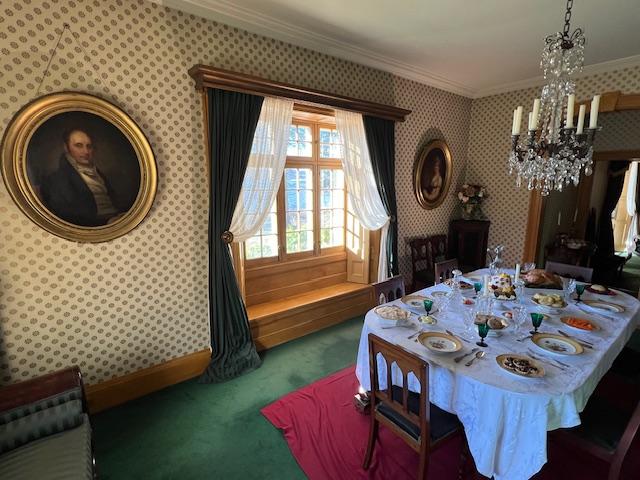
The Dining Room in the Fall of 2024
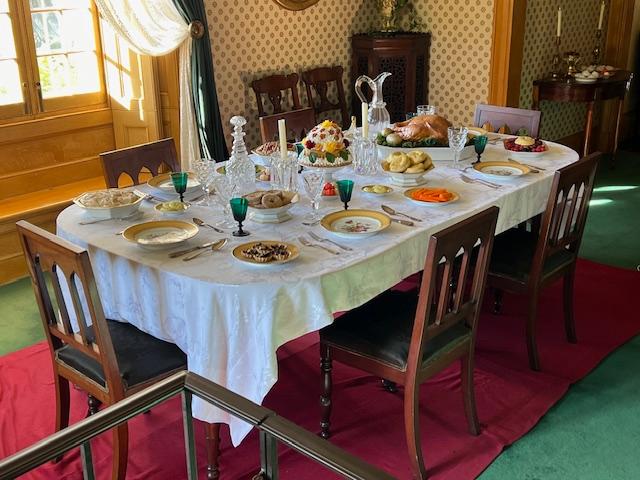
The formal meal at the afternoon
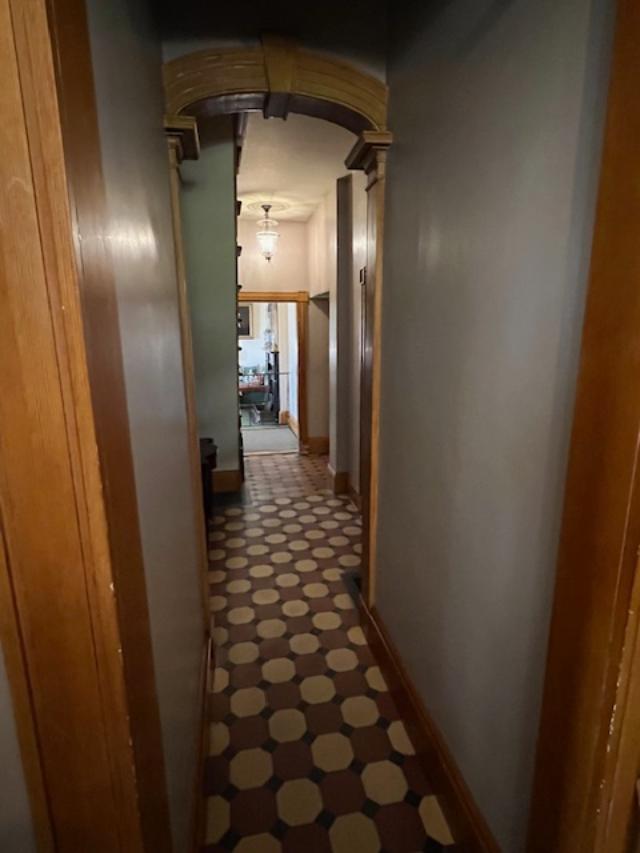
The hallway between the Dining Room and the Living Room
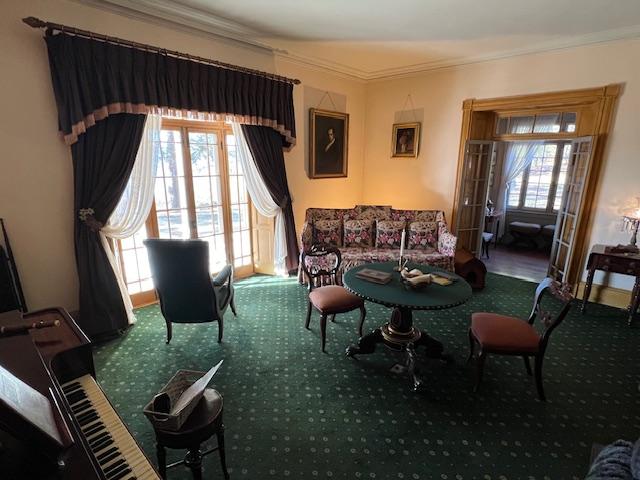
The Living Room where the family gathered and entertained visitors
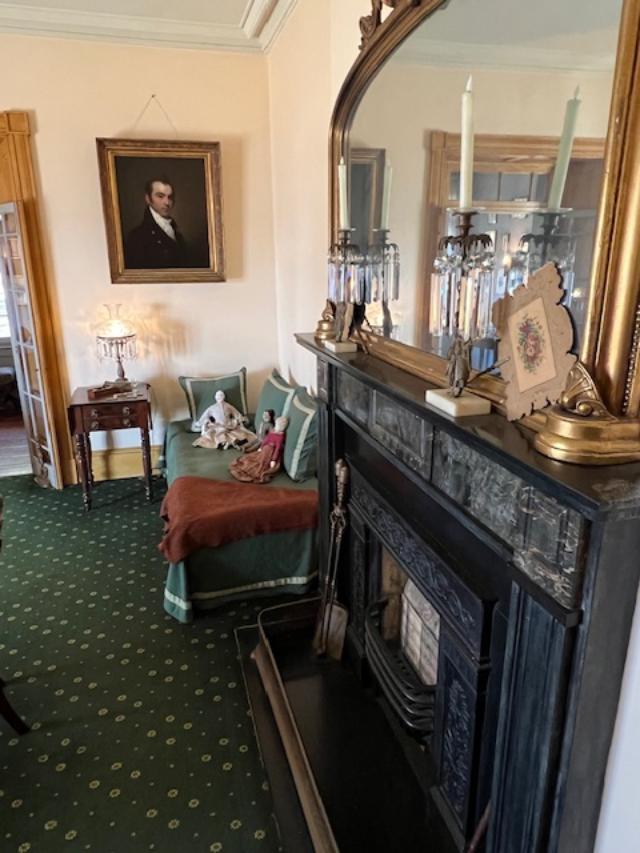
The Living Room of Sunnyside

The upstairs contains small bedrooms where Washington Irving, his brother, Ebeneezer and his five nieces lived on and off when they were living at the house. Washington’s brother’s business had failed and the family came to live with him. Two of the nieces never married and ran the home for their uncle.
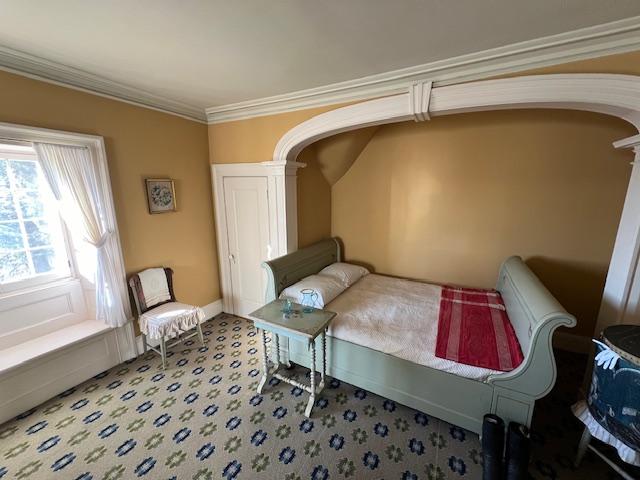
The Guest bedroom at Sunnyside
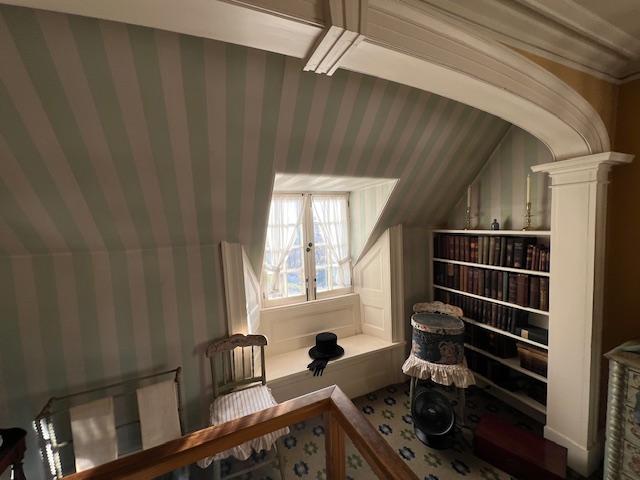
The Guest Bedroom
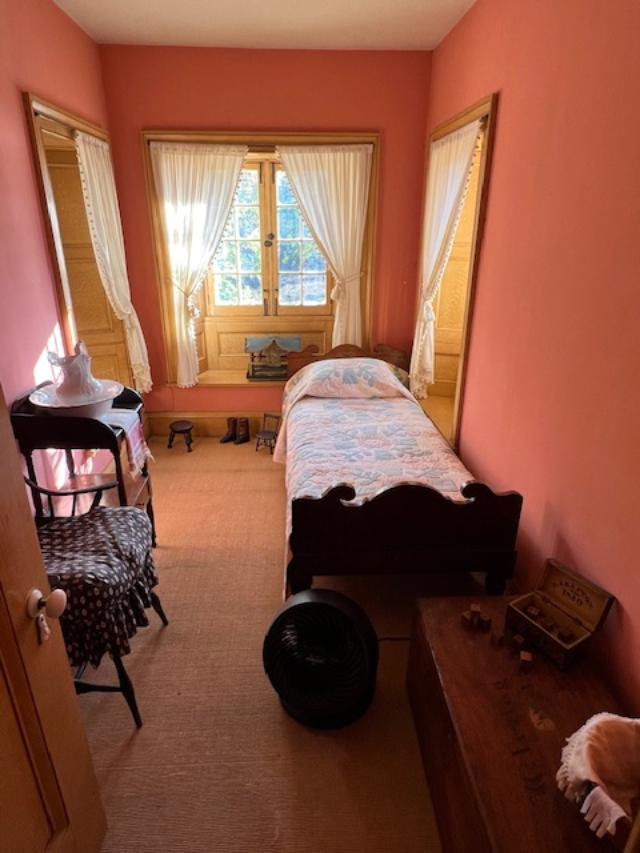
The Children’s Bedroom that catered to the little guests

The house is nicely furnished in the most modern decor of its time but is not an elaborate house. It is a home and not a weekend mansion and this ten acre estate was a once a  working farm. In the back of the house, there is an ice house and a barn show where the people who worked on the estate kept the house running.
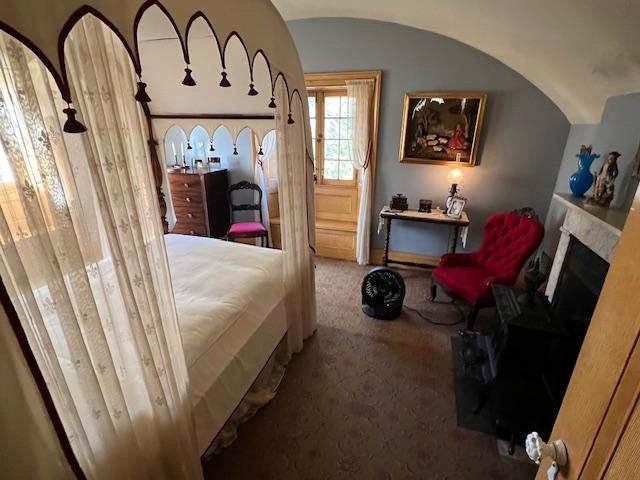
Ebenezer’s daughter’s room
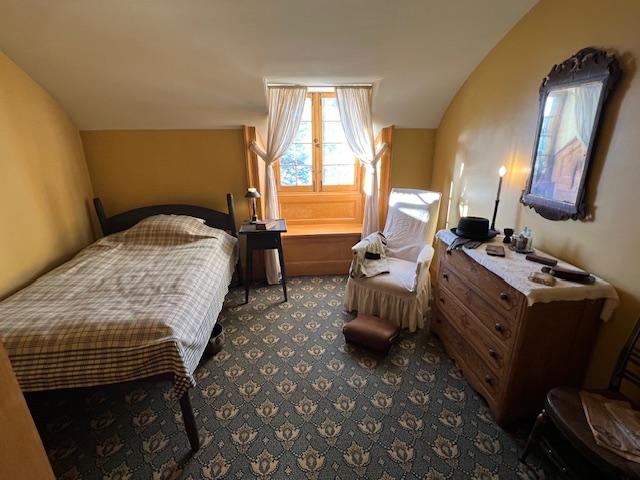
Ebenezer’s Room in Sunnyside; Ebenezer was Washington Irving’s Older Brother
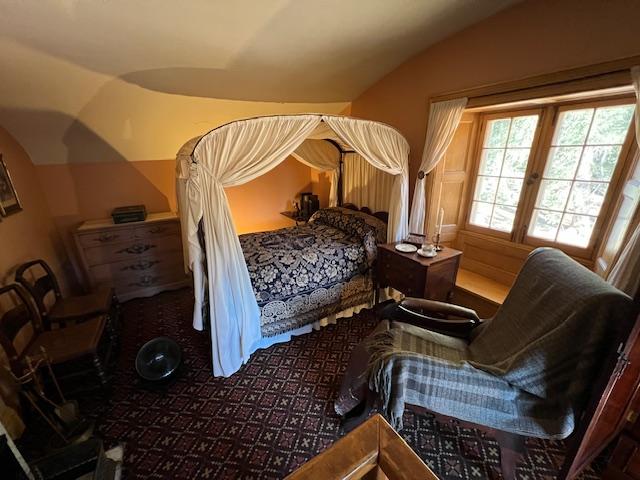
Washington Irving’s bedroom
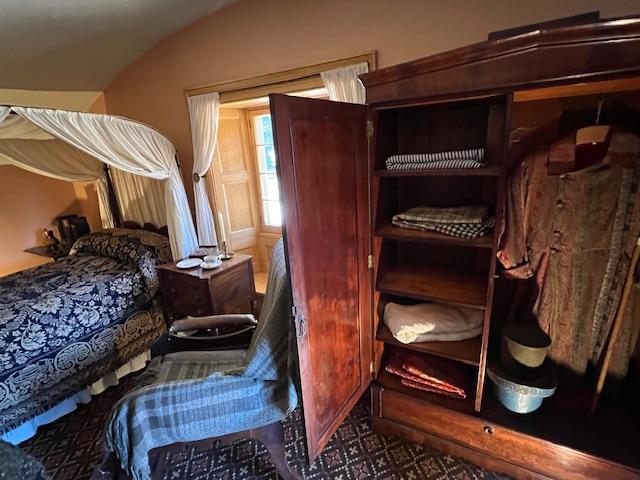
Washington Irving’s bedroom

The view of the river is one of the most spectacular in the Hudson River Valley as its at the widest part of the Hudson River. You can see the cliffs of New Jersey on the other side with views of Nyack and the Tappan Zee Bridge in the background.
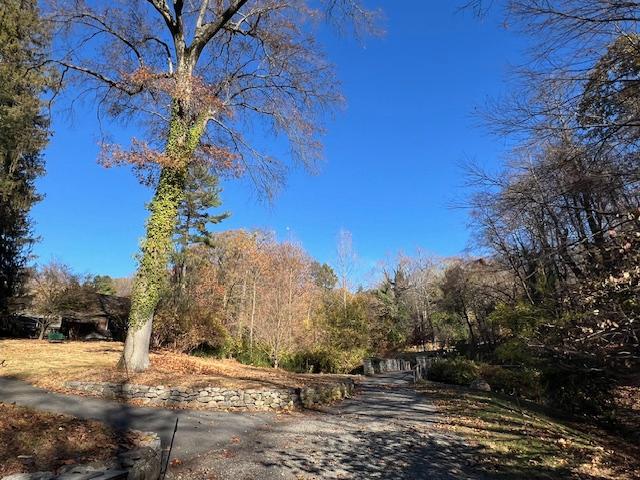
The grounds of Sunnyside
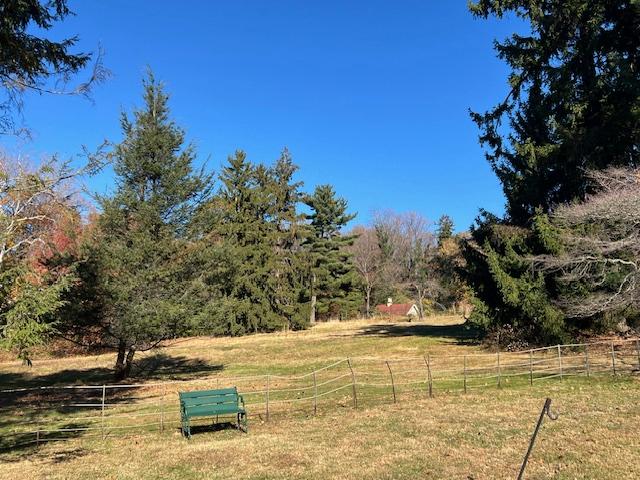
The grounds of Sunnyside

During the Fall season there are all sorts of activities going on at the estate and the tours are a very interesting look at life at that time. The Kitchen staff ran the home for social calls and main family meals as well as all the things it took to run the household.
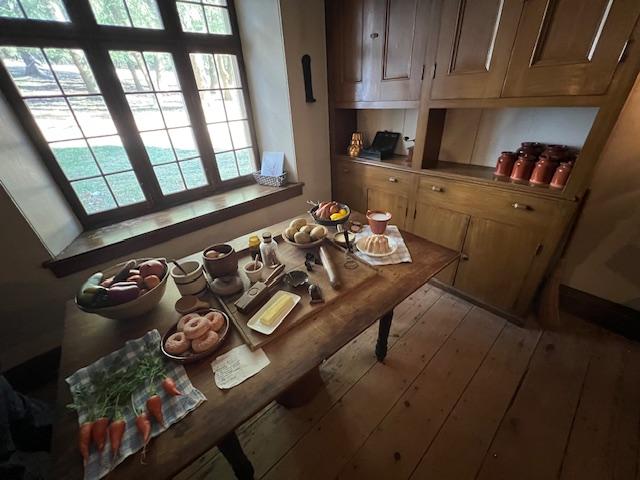
The Sunnyside Kitchen
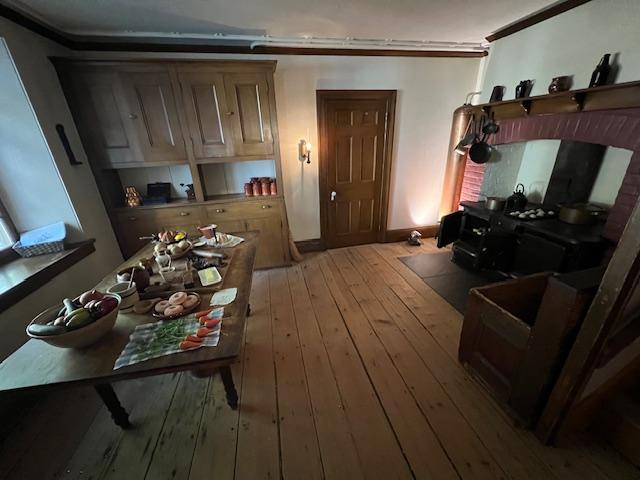
The kitchen and pantry area
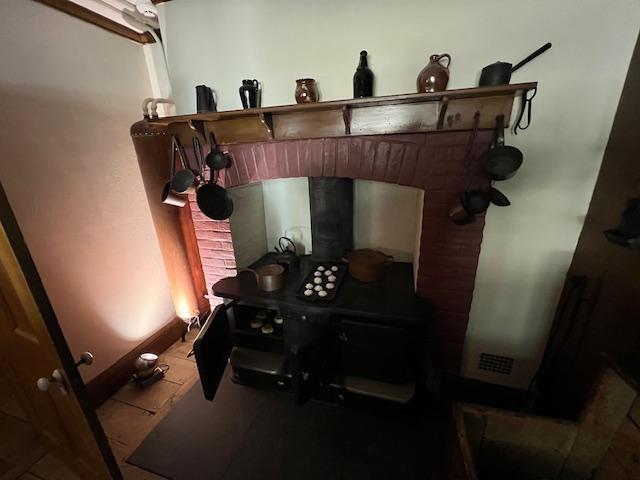
The stove in the kitchen
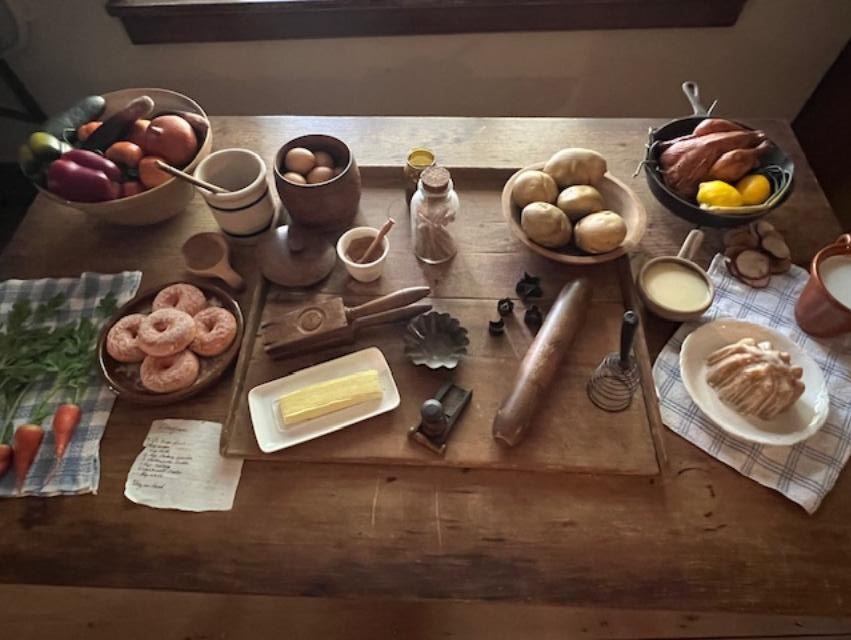
The delicious items that were prepared in the Country kitchen
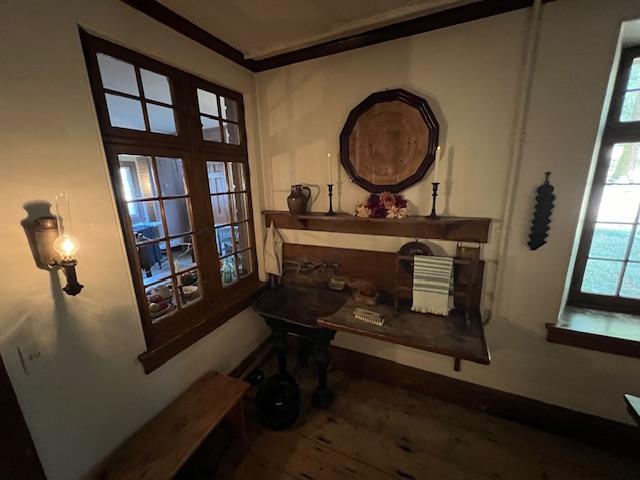
The sink area of the kitchen
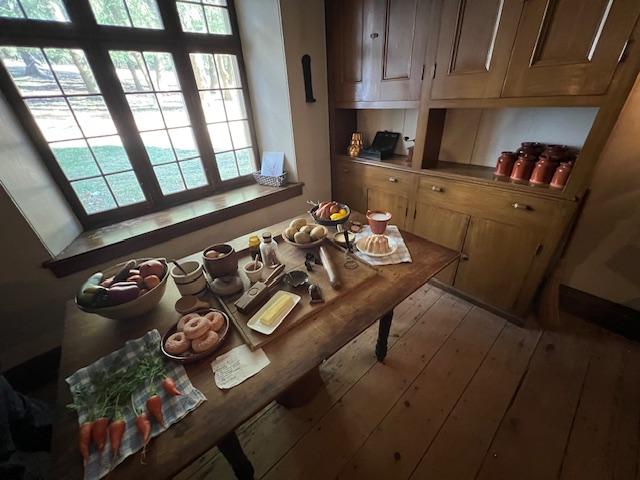
The Cooks Kitchen
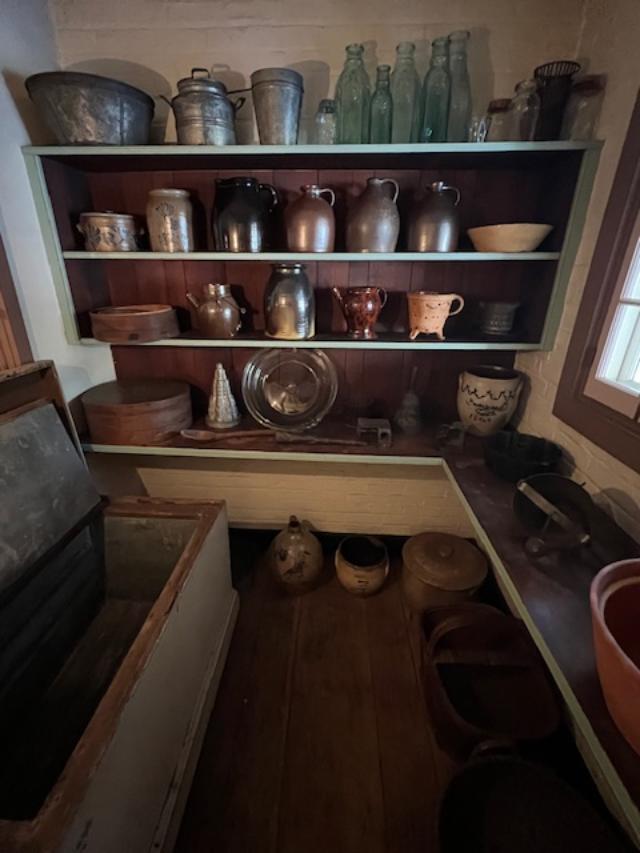
The Pantry
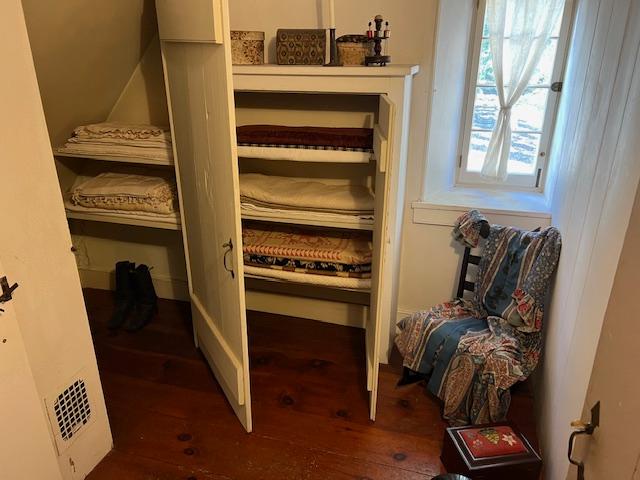
The Linen Room
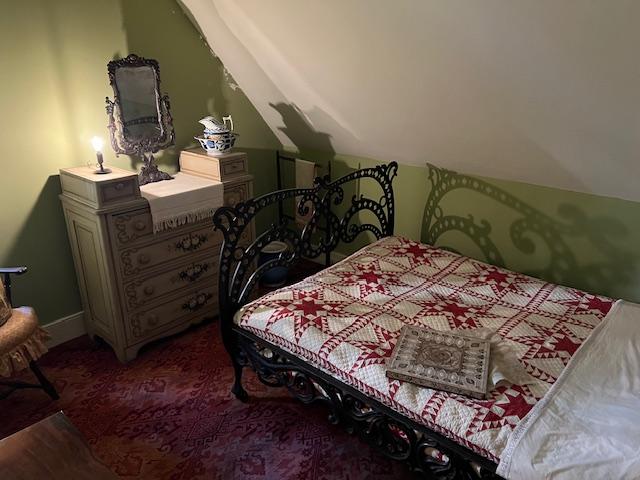
The Sewing Room for the family

The History of Sunnyside:

The estate was once the home of Wolfert Acker called Wolfert’s Roost and was part of the Manor of Philipsburg and this home was once a simple two room stone tenant farmhouse built around 1690.
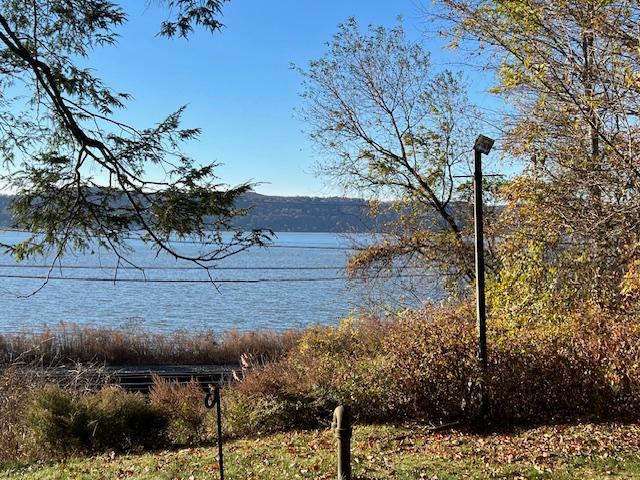
The patio view from the back of the house

The property came into the hands of the Van Tassel family, who were married into the Eckert family and owned it until 1802. That year, 150 acres were deeded to the family of Benson Ferris, one time clerk of the Old Dutch Church of Sleepy Hollow, whose wife, Maria Acker, was a descendant of Wolfert Acker’s.
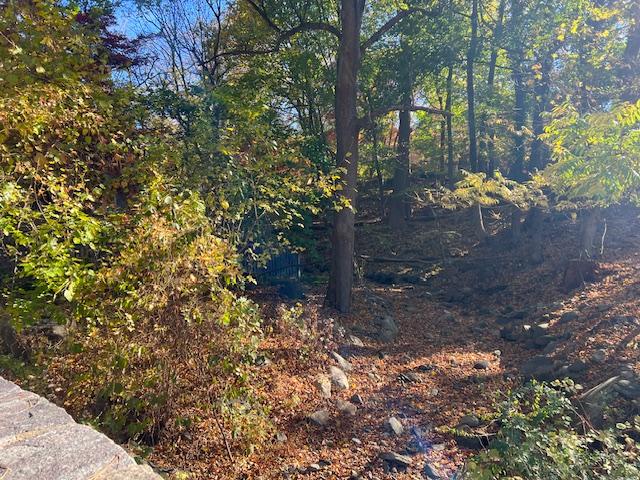
The grounds of Sunnyside

In 1832, Washington Irving visited his nephew, Oscar Irving, who lived near the old stone farmhouse and was looking for a home at the time. He purchased the property on June 7, 1835 and would add to the property.
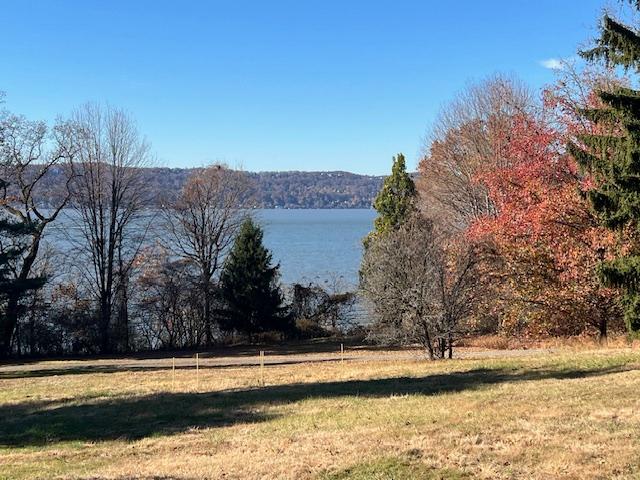
The view of the house of the Hudson River

Irving wrote a story, “Wolfert’s Roost”, about Acker and the site. In a letter to his brother Peter, he described it as “a beautiful spot, capable of being made a little paradise…I have had an architect up there and shall build upon the old mansion this summer. My idea is to make a little nookery somewhat in the Dutch style, quaint but unpretending. It will be of stone.” He asked his neighbor to help him remodel the house and landscape the grounds in Romantic style adding a brook and waterfall.
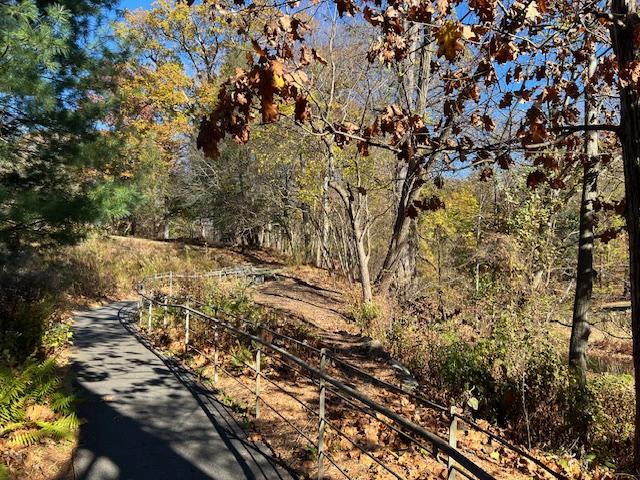
The grounds of Sunnyside

The house became a major spot of people visiting the area to meet the author. In 1842, he was appointed to be the Ambassador of Spain and left the estate in the care of his brother and four daughters. He returned in 1846 and added to the home the ‘Spanish Tower” in 1847. This added four more bedrooms to the home.
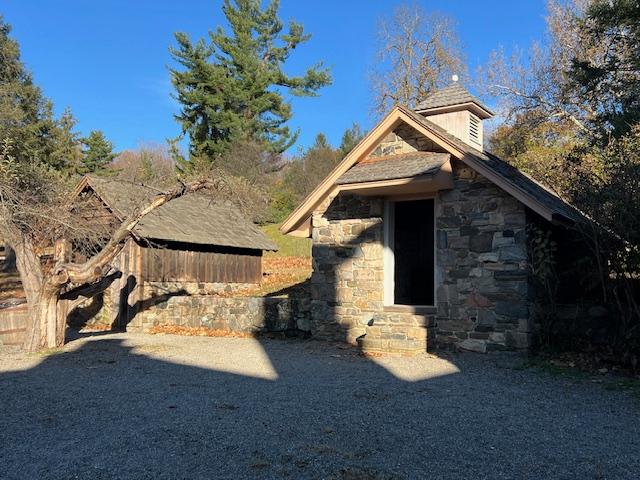
The Smokehouse
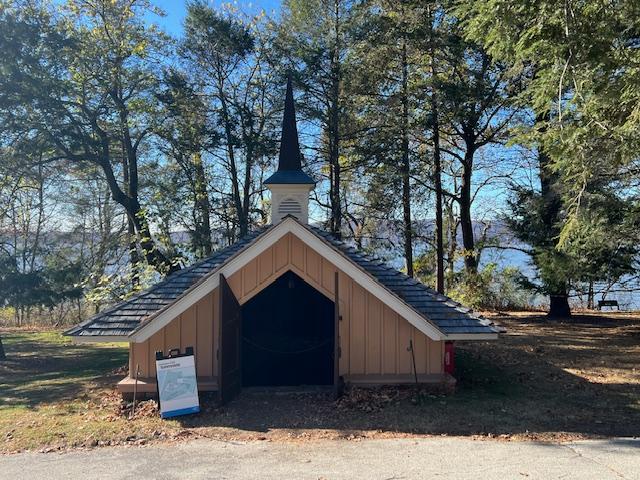
The Ice House at Sunnyside
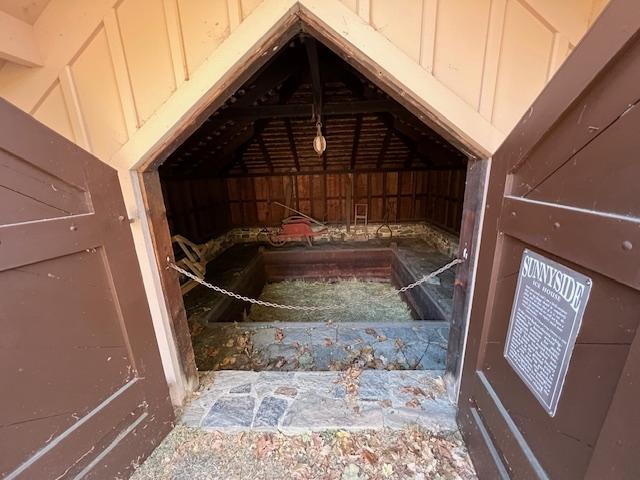
The Ice House
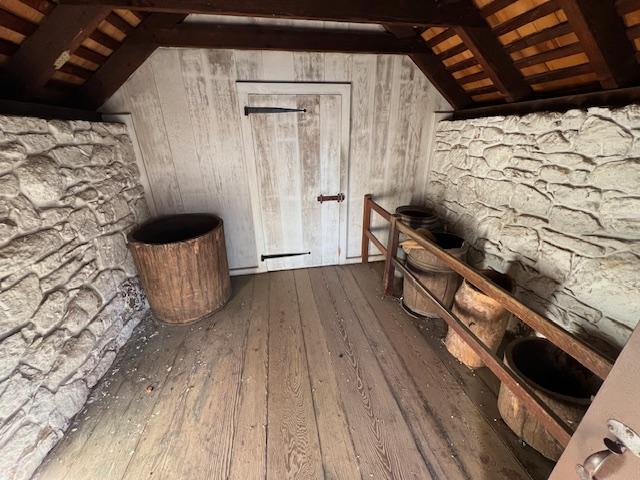
The Fruit Cellar

Irving died in the house in 1859 of a heart attack at age 76.

The house was purchased from Louis Irving by John D. Rockefeller Jr. and was restored for historic preservation. It was opened to the public in 1947.
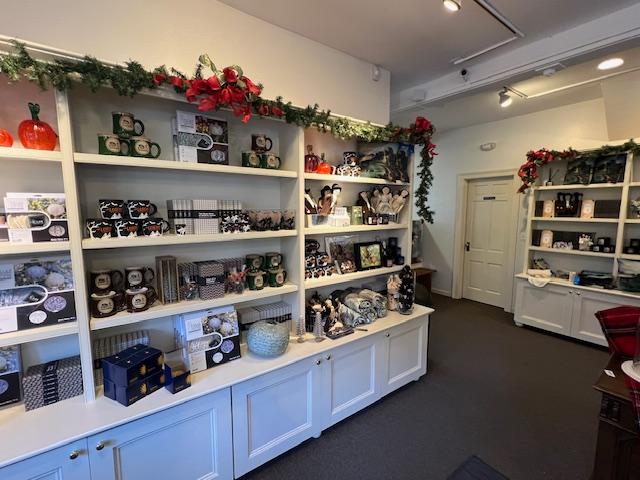
The grounds has a very nice gift shop

In 2025, I visited Sunnyside during the holidays to see what Christmas would have been like in the pre-Civil War era. These were not the elaborate times of the Victorian era but still the life of an Upper Middle Class families who celebrated the spirit of the holiday.

I visited the estate for a special Victorian event with refreshments, creating crafts and a special open tour of the home decorated for the Christmas holidays.
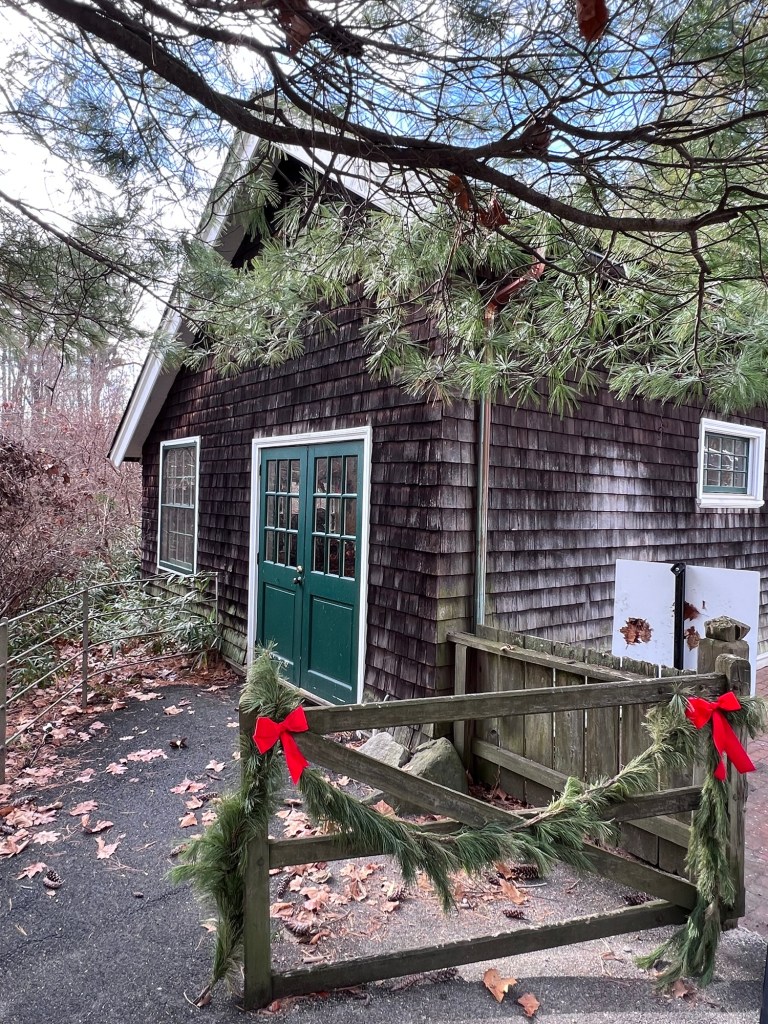
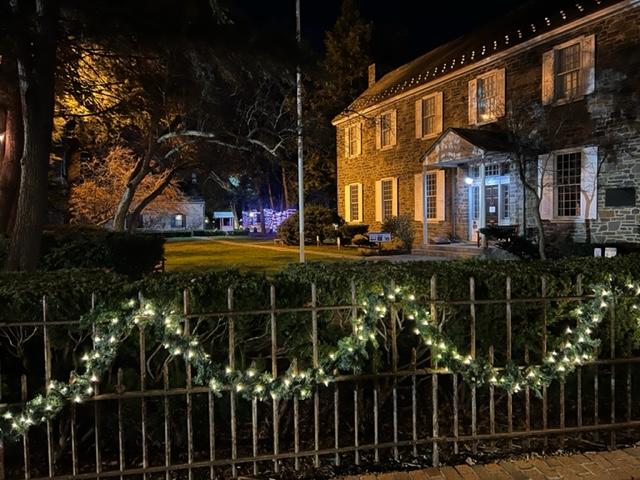
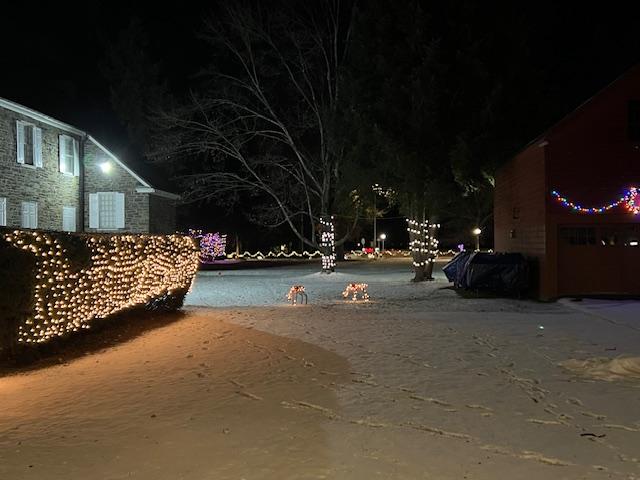
The property decorated during the holidays
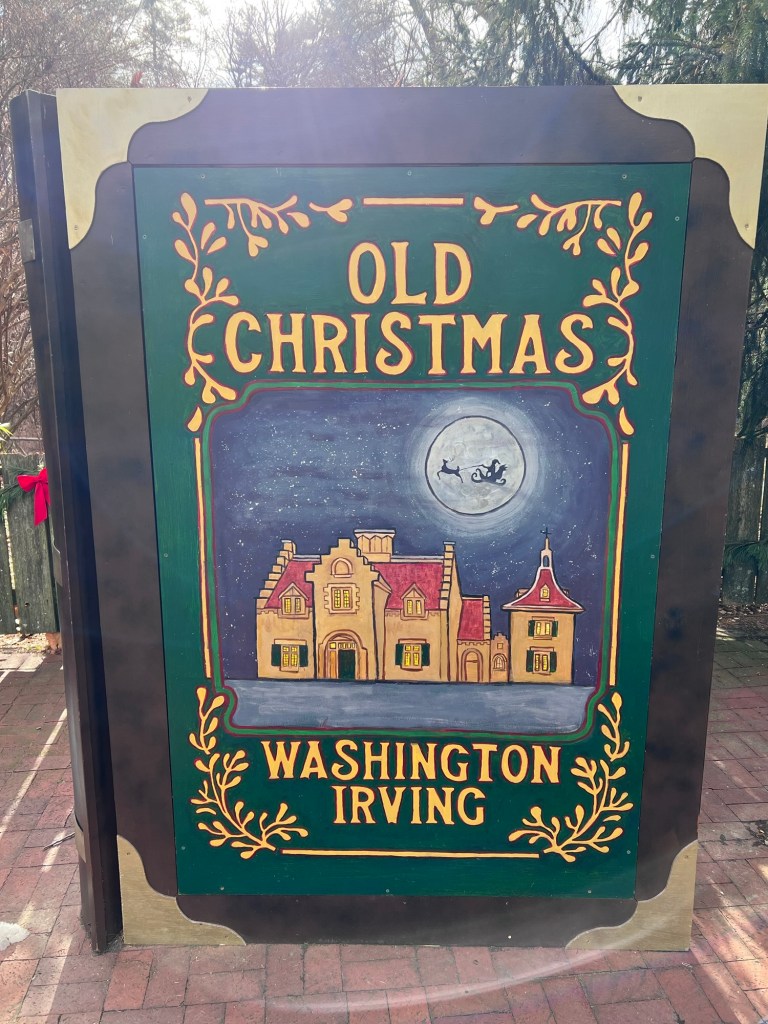
The holiday events at the estate
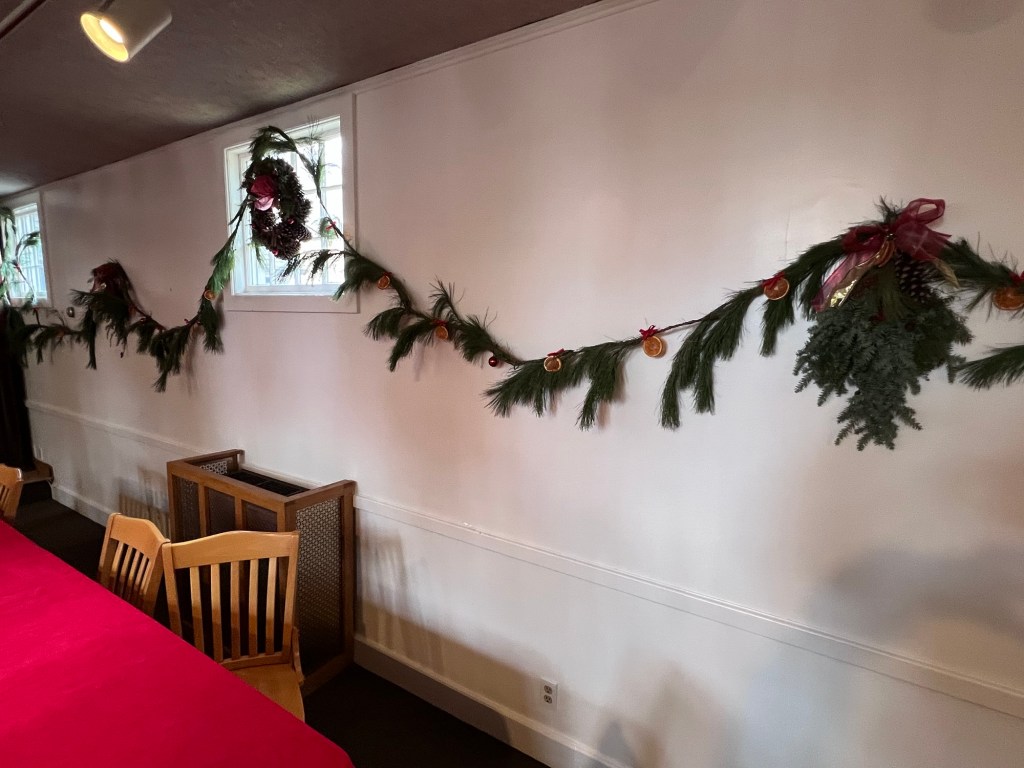
The meeting room was decorated for the holidays for refreshments and good conversation
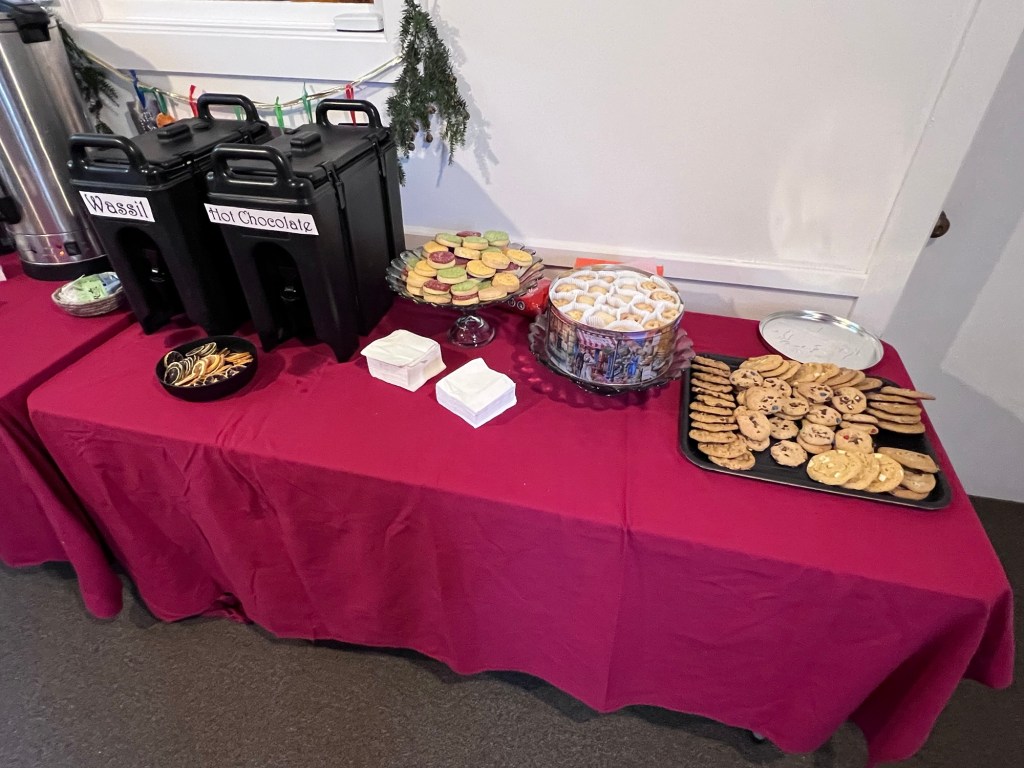
The refreshments at the Open House included cookies, candies, Hot Cider Wassil and Hot Chocolate and Tea
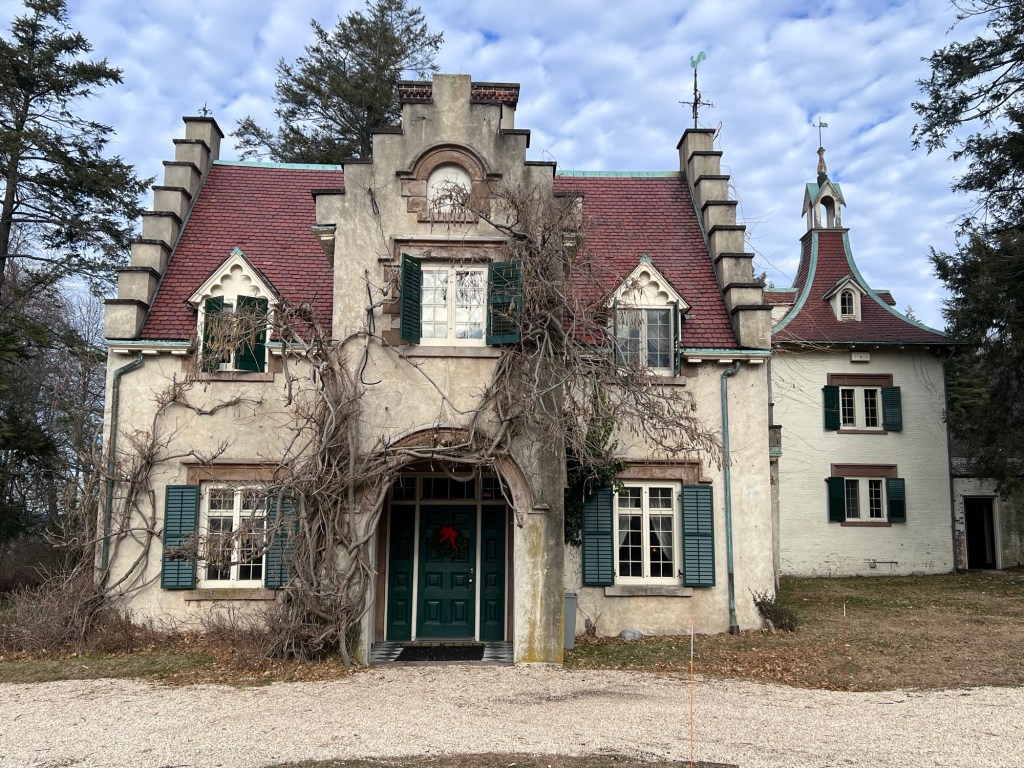
Sunnyside at Christmas time
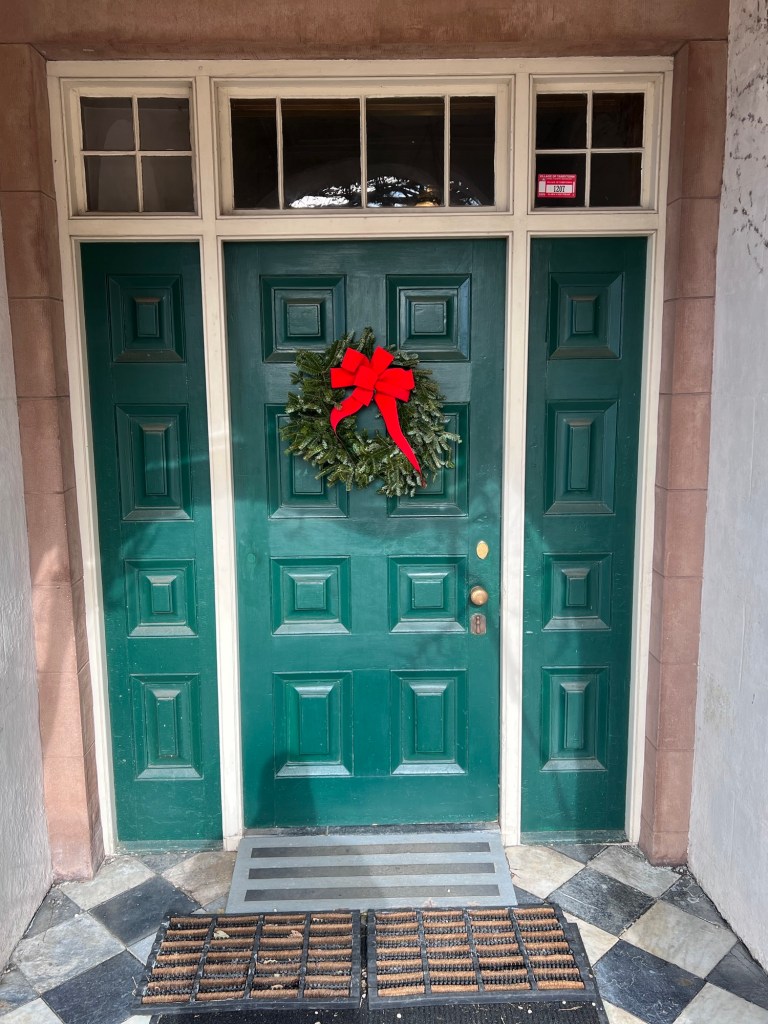
The Sunnyside front door at the holidays
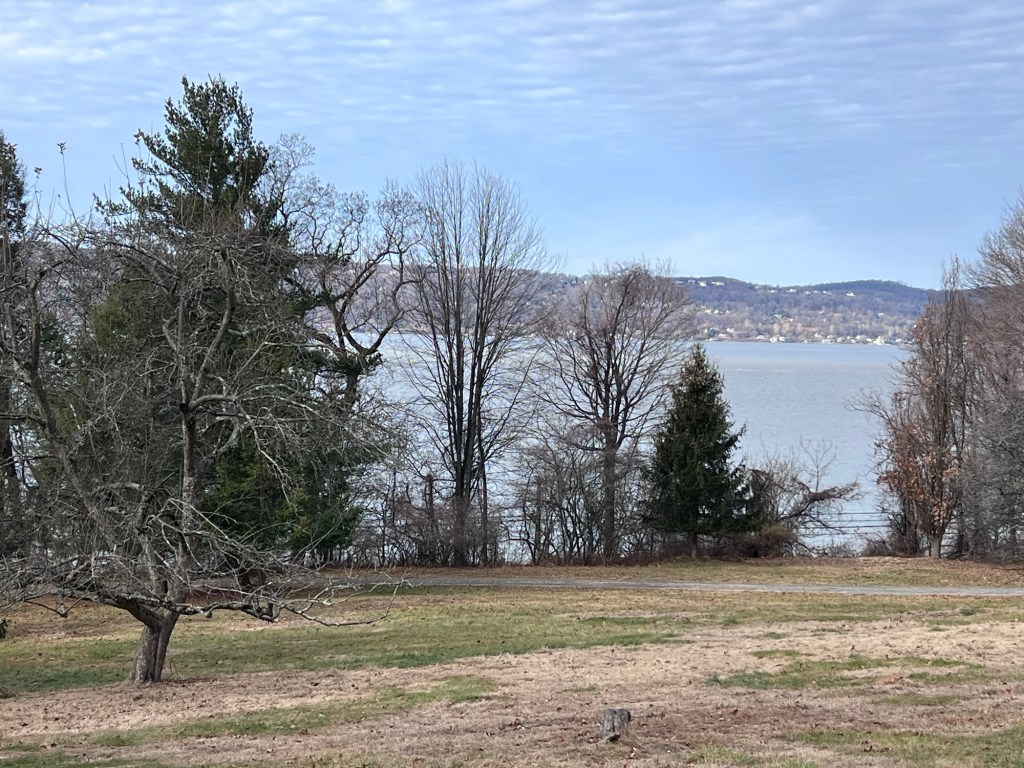
The beautiful view of the estate overlooking the Hudson River

When you enter the house, the first room to the left is the office of Washington Irving. There was a bed in the room for last night work and the room decorated for the holidays.
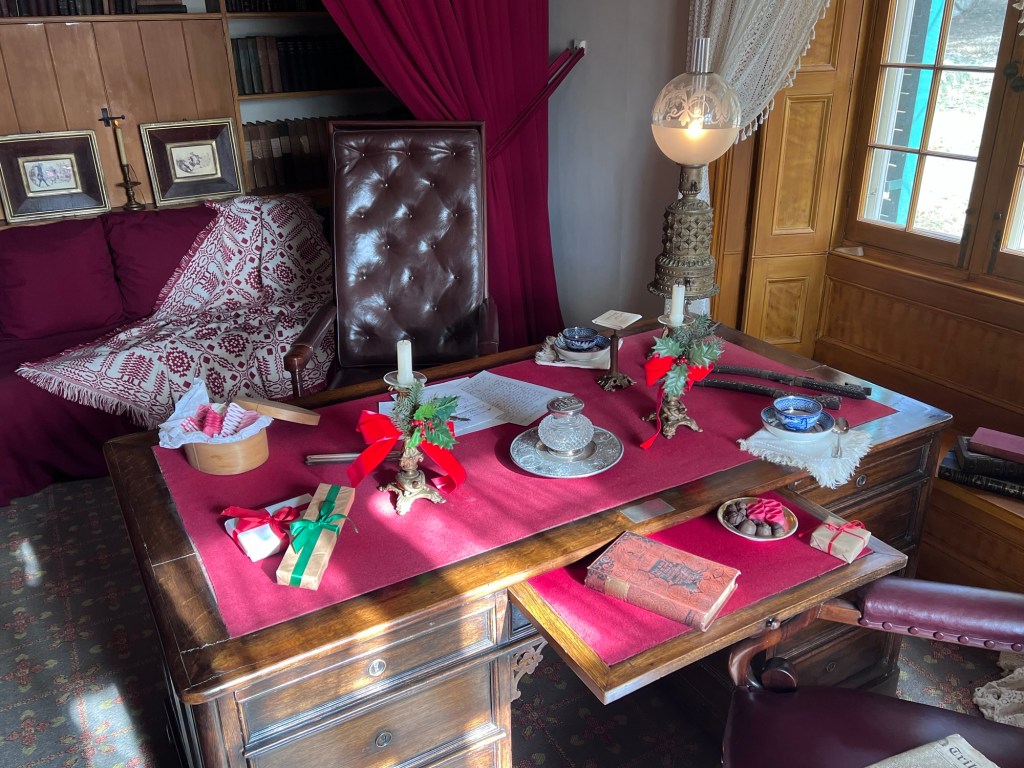
Washington Irving’s office during the holidays
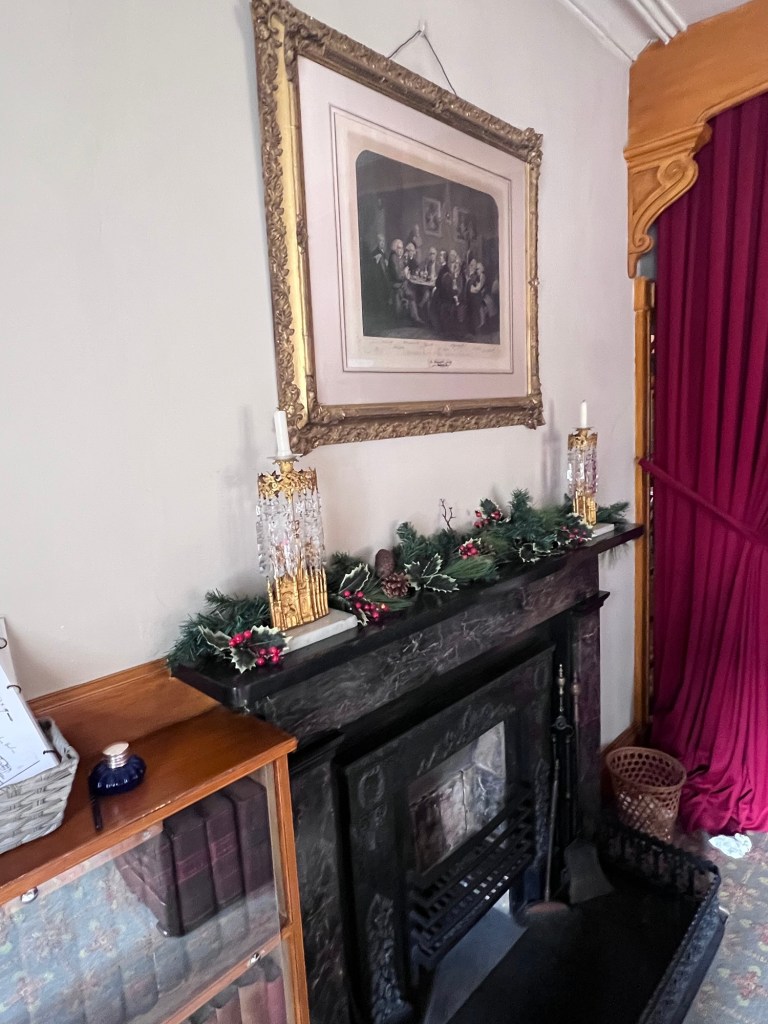
The fireplace in the author’s office

Nothing says entertaining than the dining room with a holiday lunch set with family china and all the delicacies of the time.
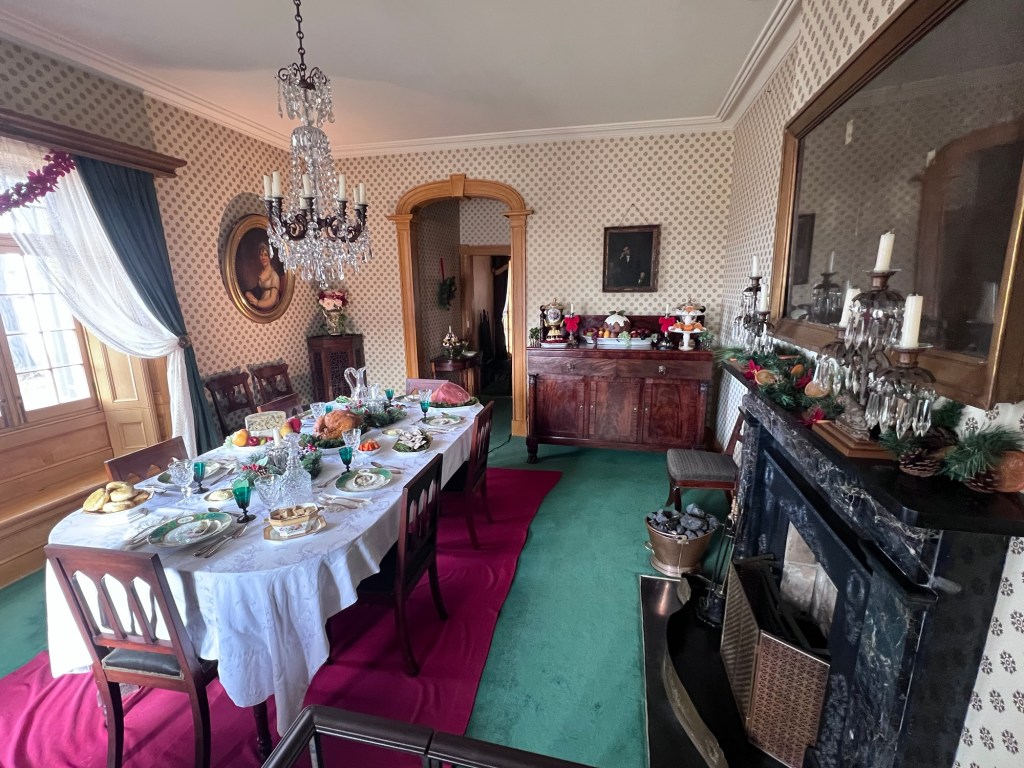
The Dining Room set for a holiday lunch
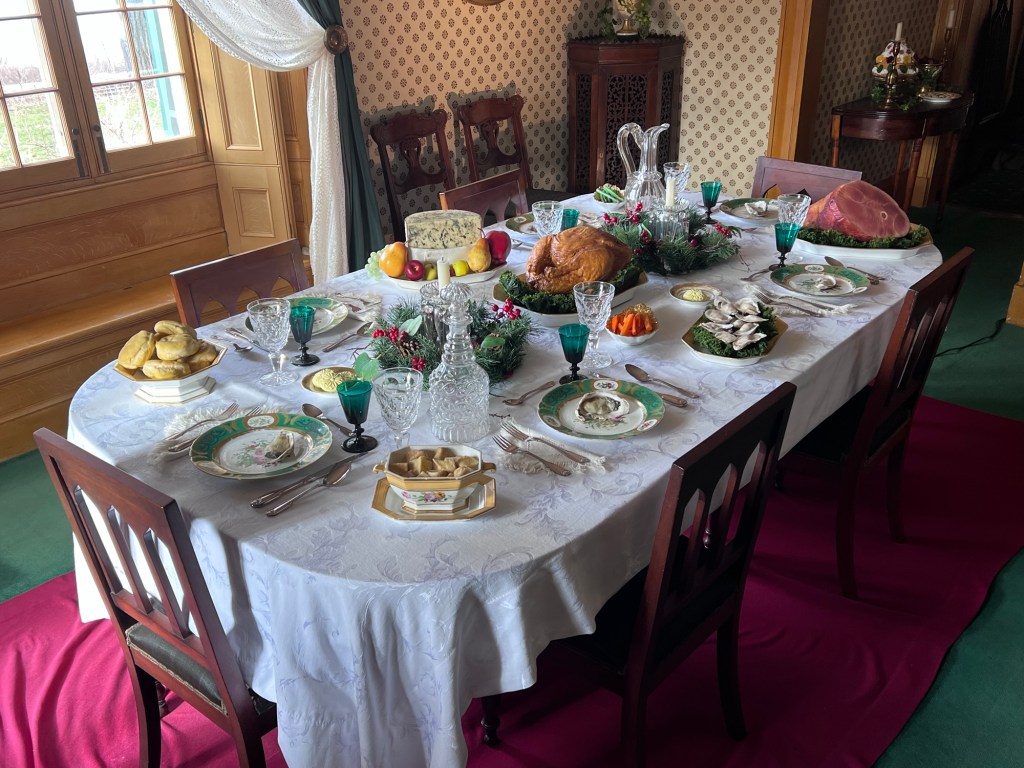
The Dining Room table set for Christmas lunch
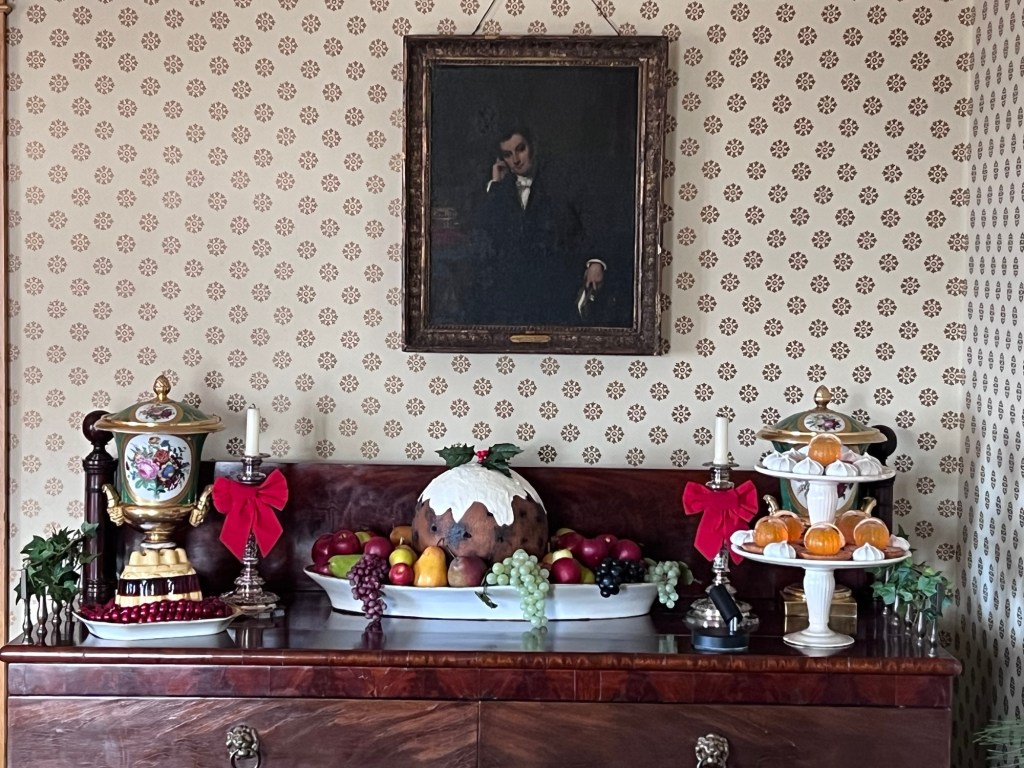
The Christmas desserts showcasing the Christmas pudding
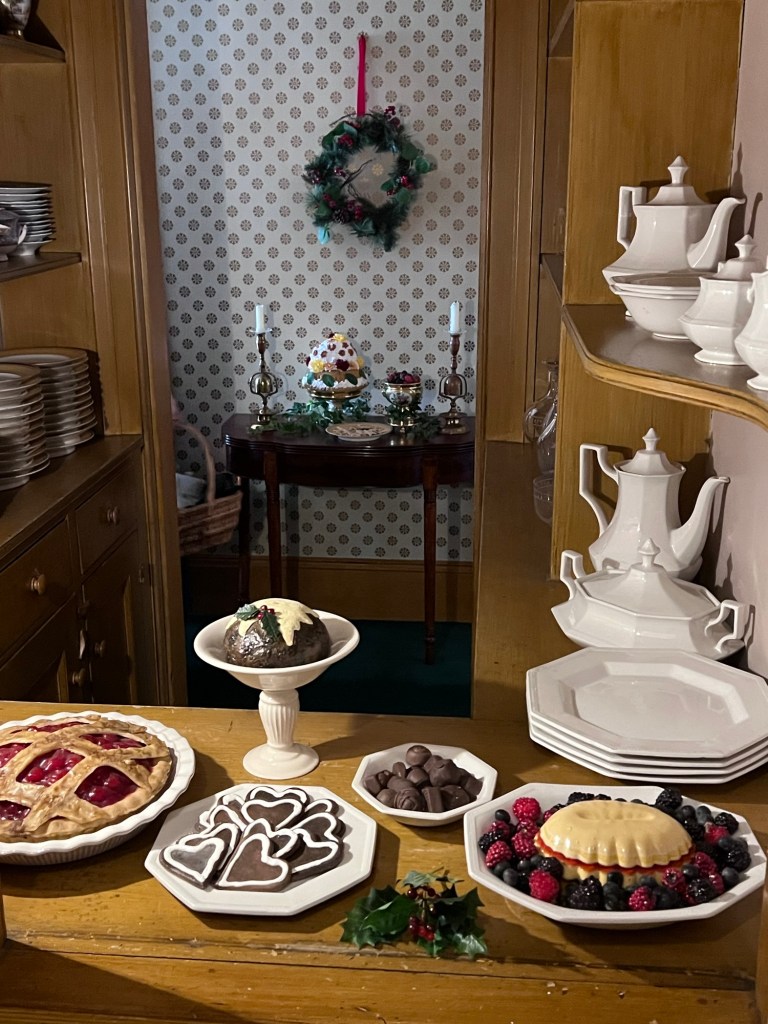
The pantry set for Afternoon Tea
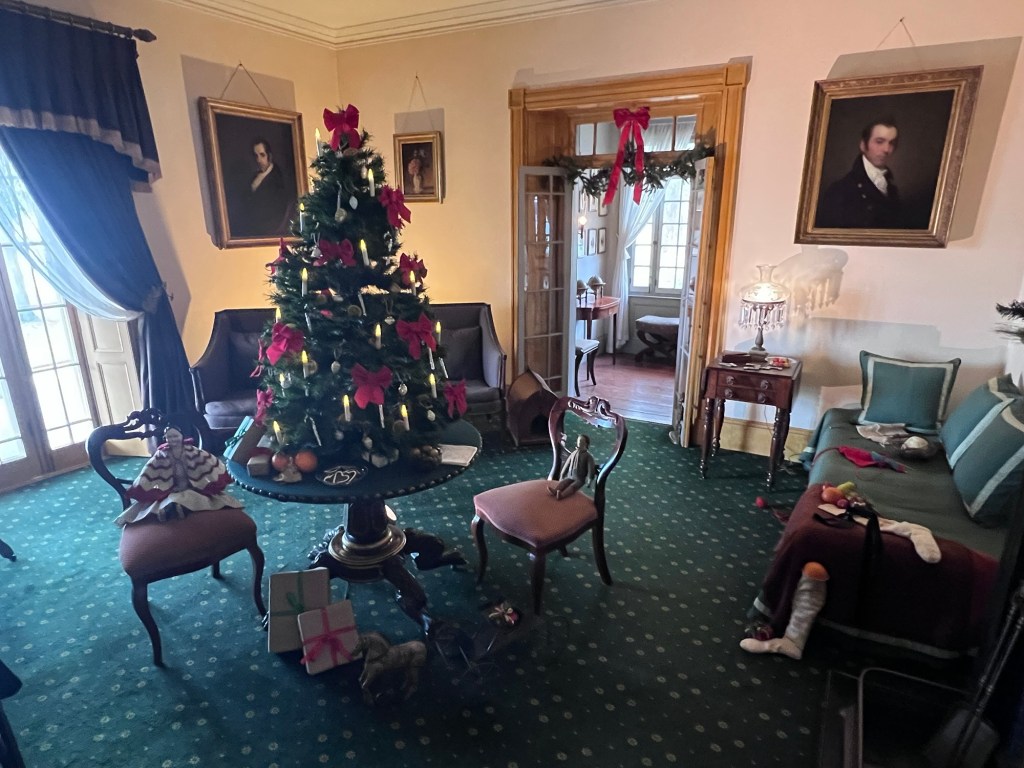
The Living Room decorated for the holidays with a Table tree, fashionable for the times.
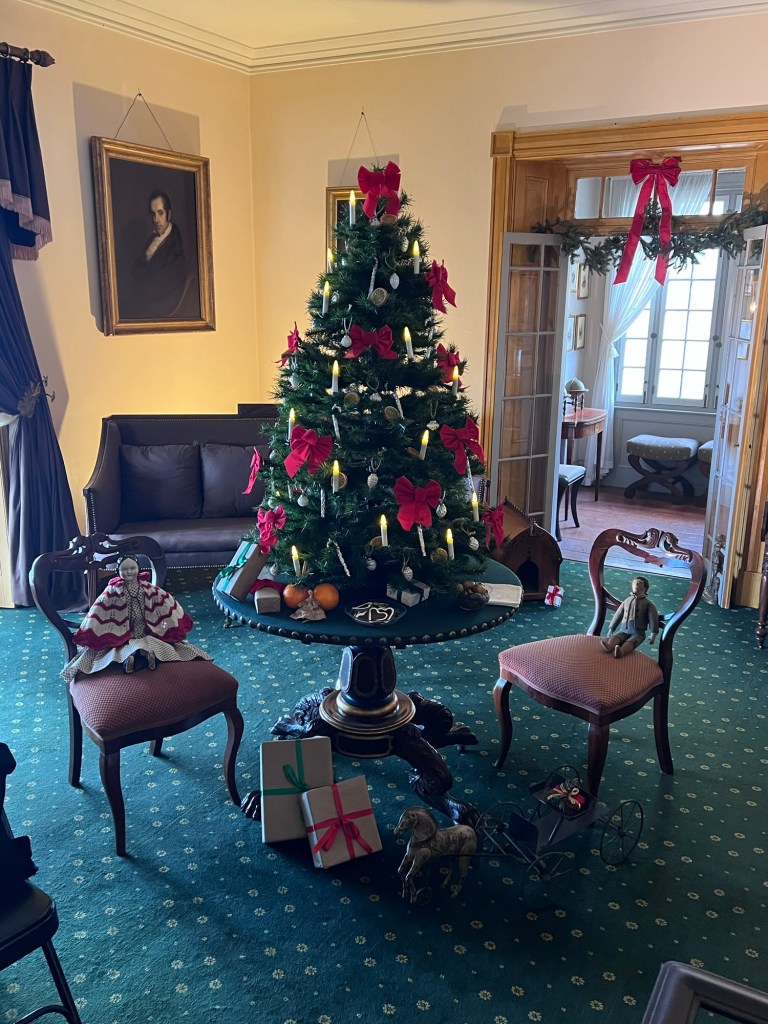
The Table tree in the Living Room
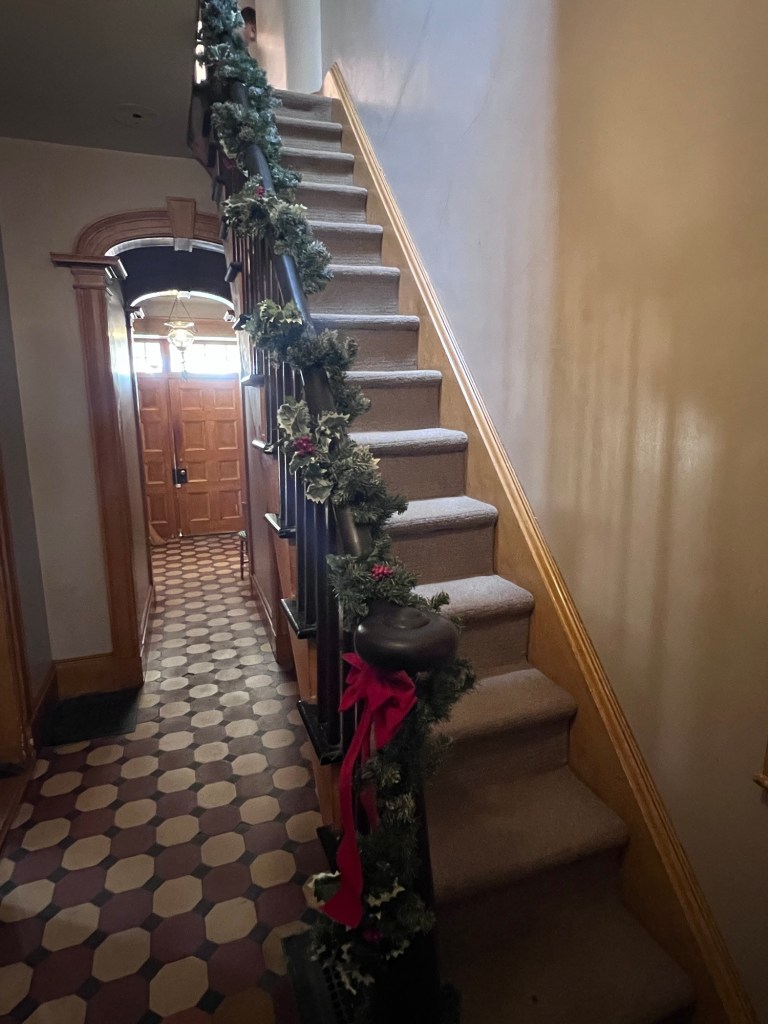
The hallway and stairs decorated for the holidays
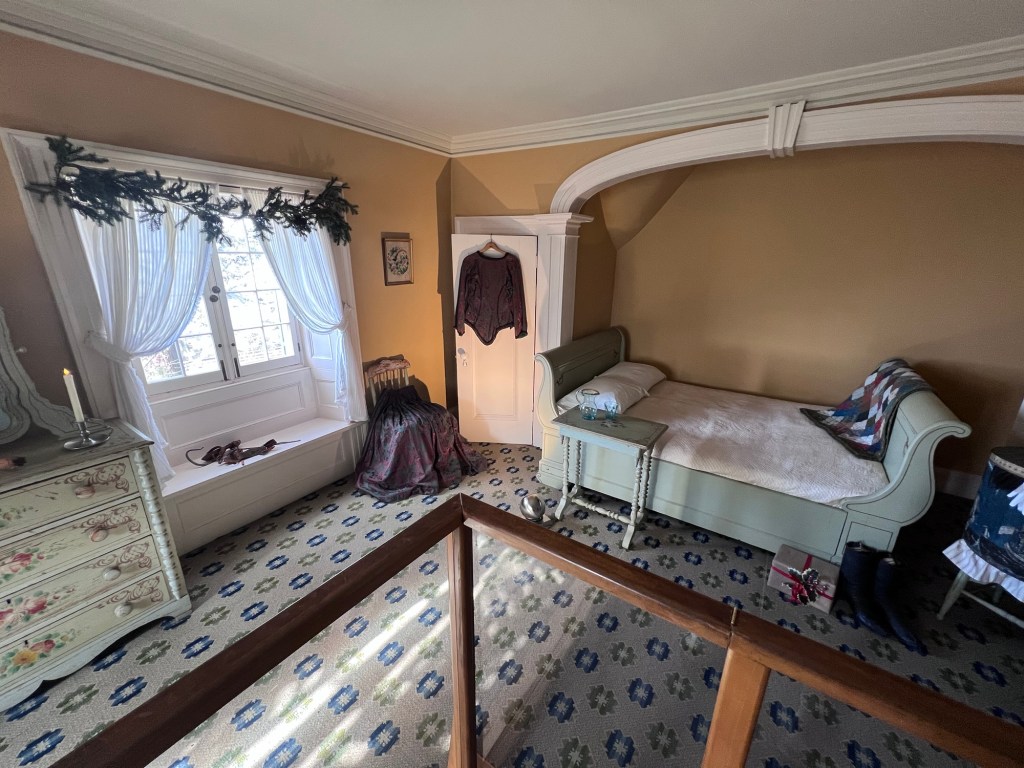
The French inspired bedroom
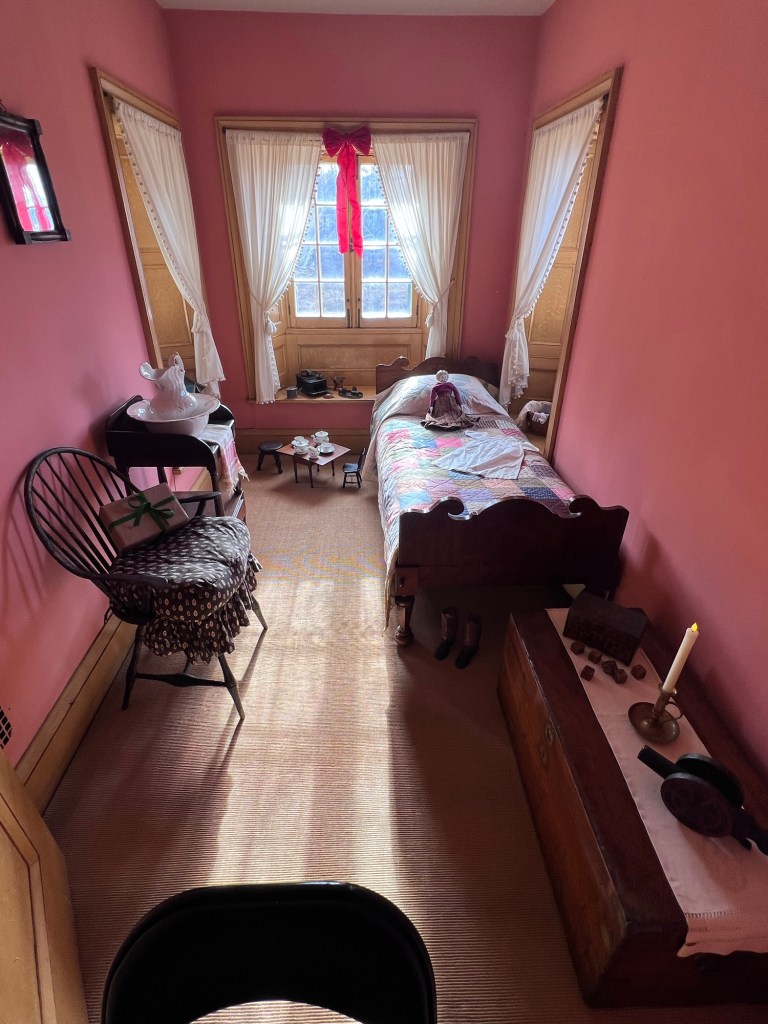
The Children’s room of a visiting niece
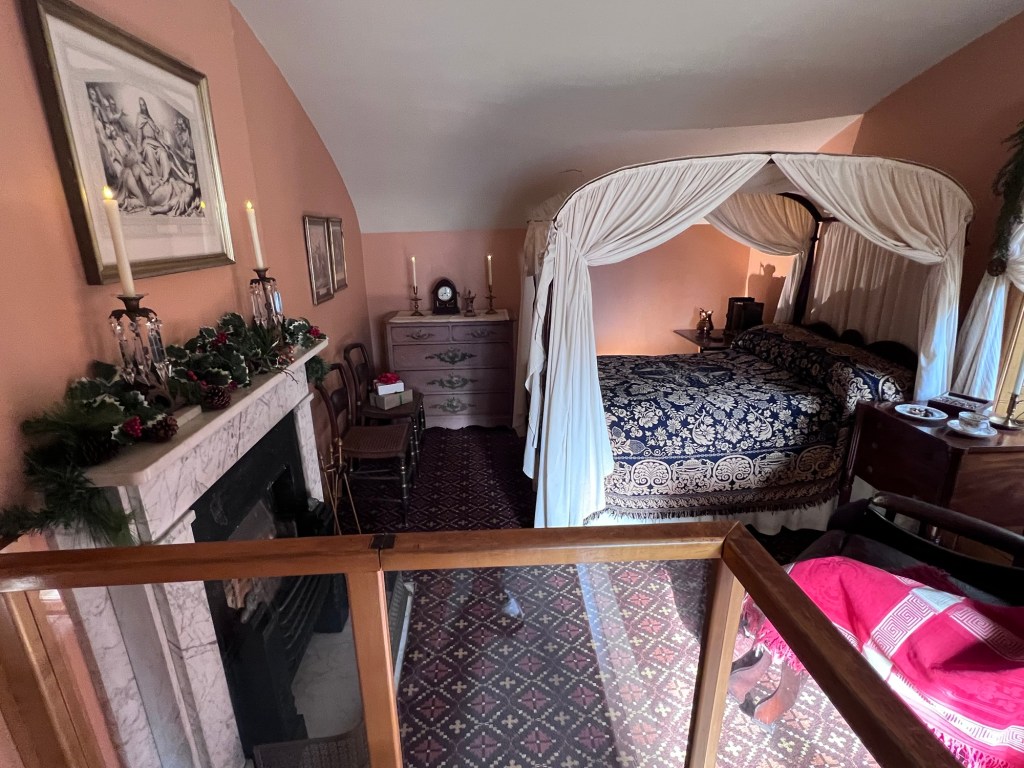
Washington Irving’s bedroom
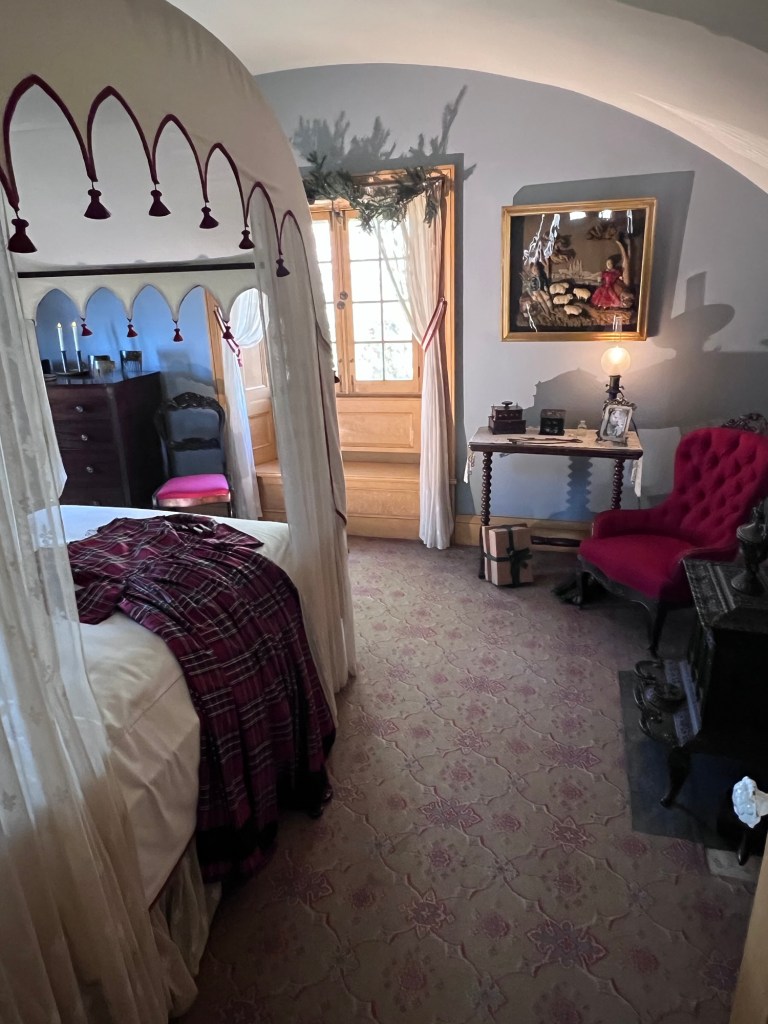
The niece’s bedroom of those that lived with him

My last part of the tour led to the behind the scenes of how the household runs with the kitchen, washrooms and sewing room.
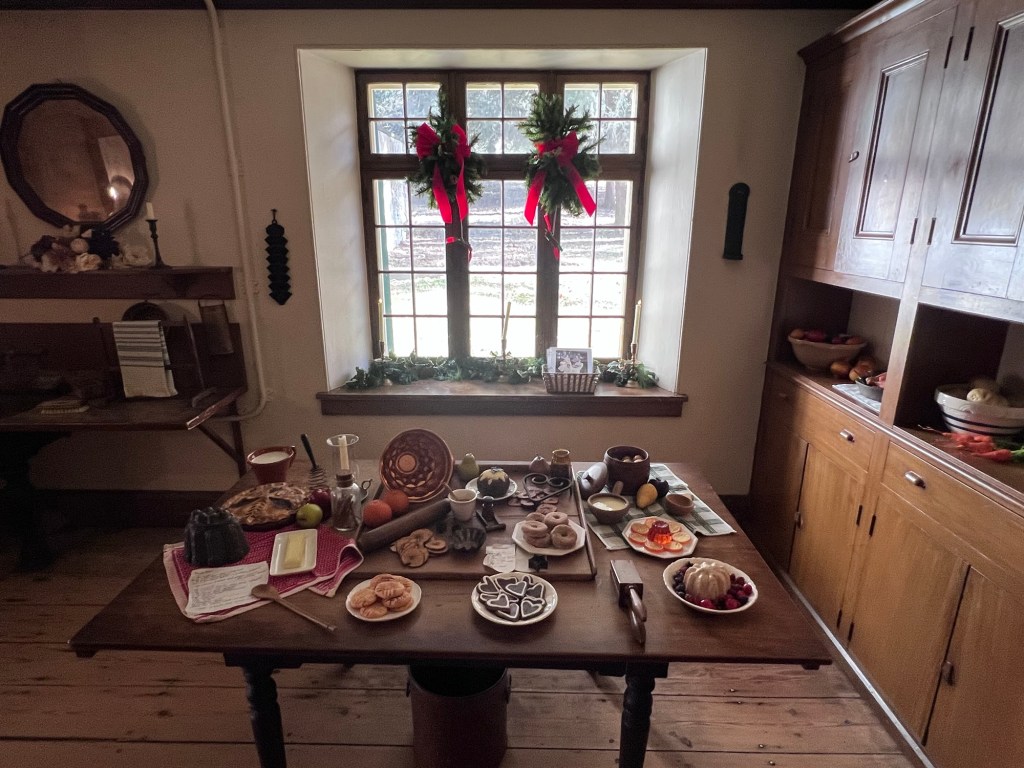
The Christmas dinner being prepared for the family
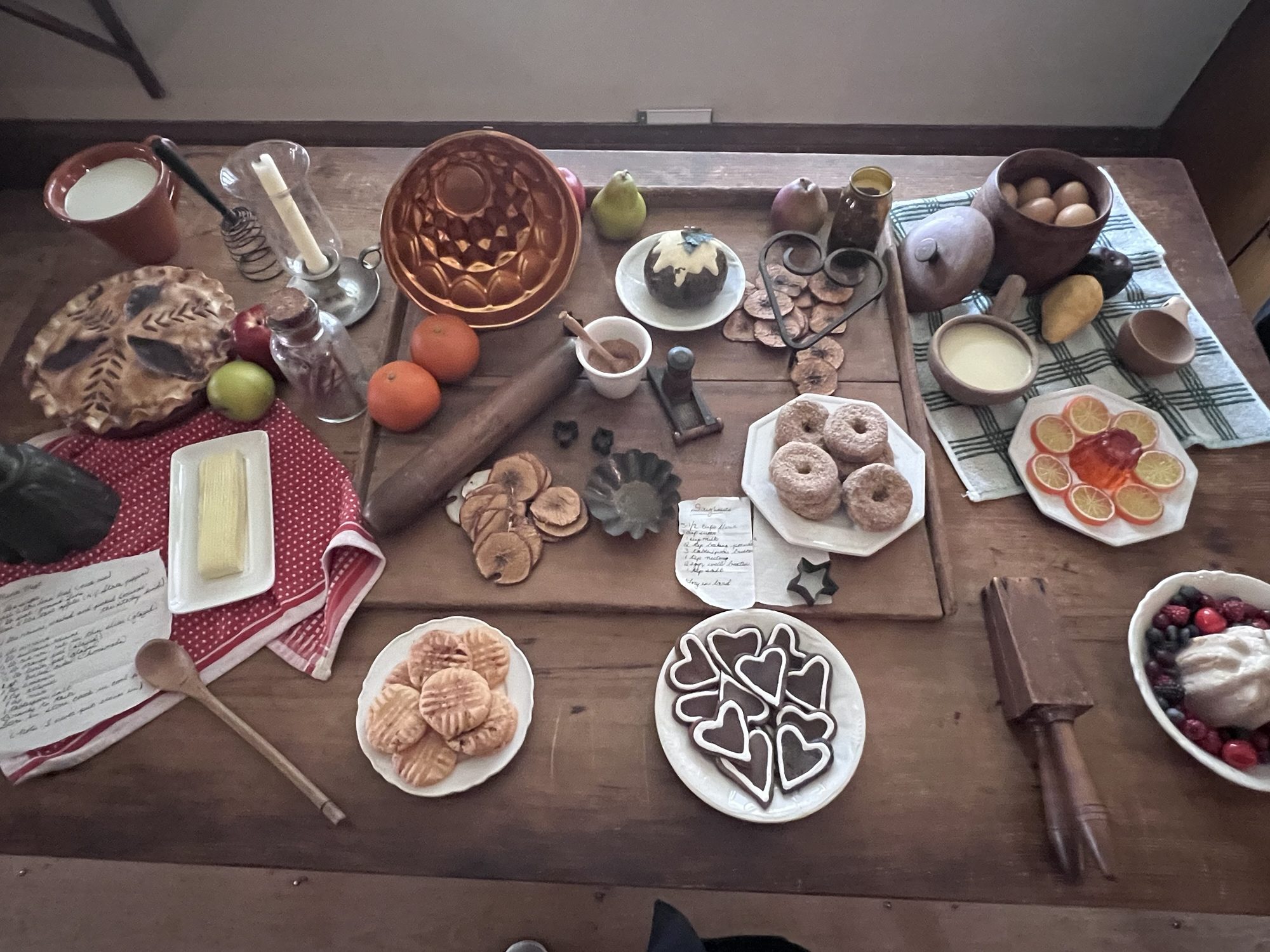
The delicious foods prepared for the family meals including cookies, pies and a favorite treat, doughnuts
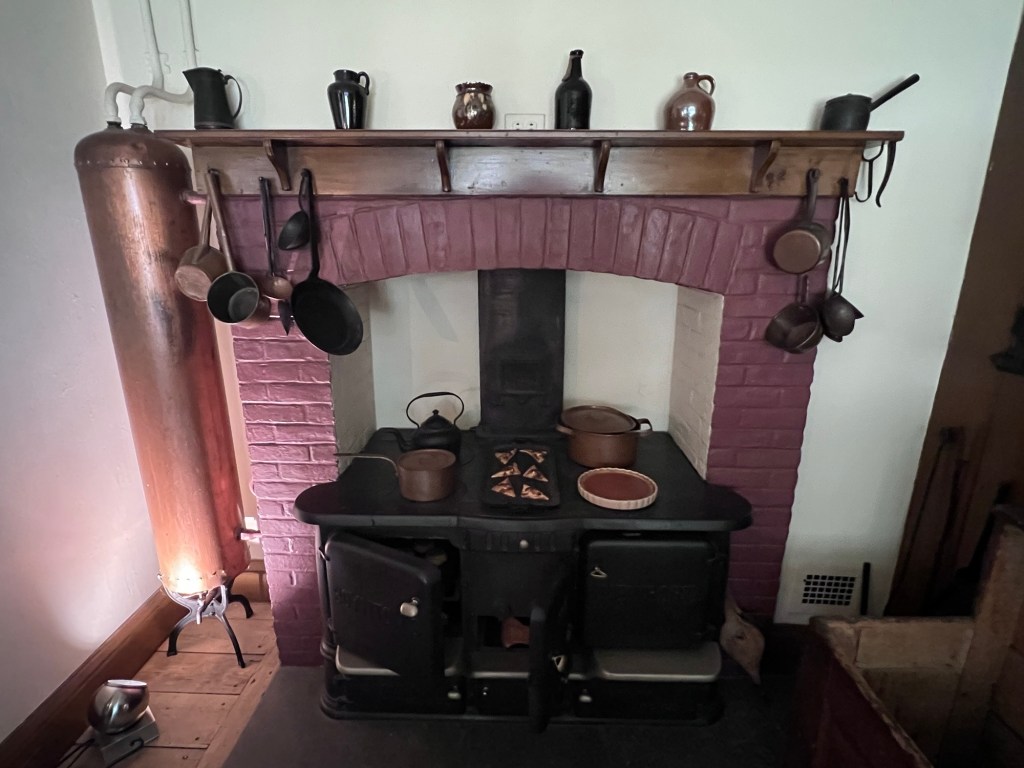
The kitchen stove where all the family meals were cooked
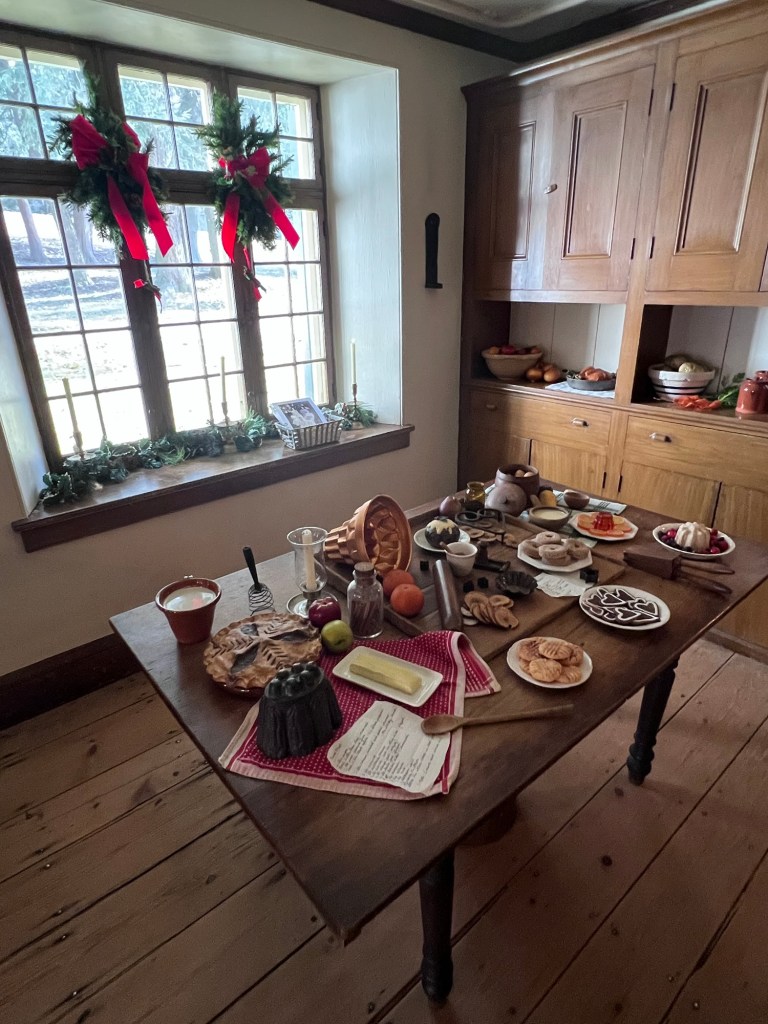
The house kitchen is decorated for the holidays
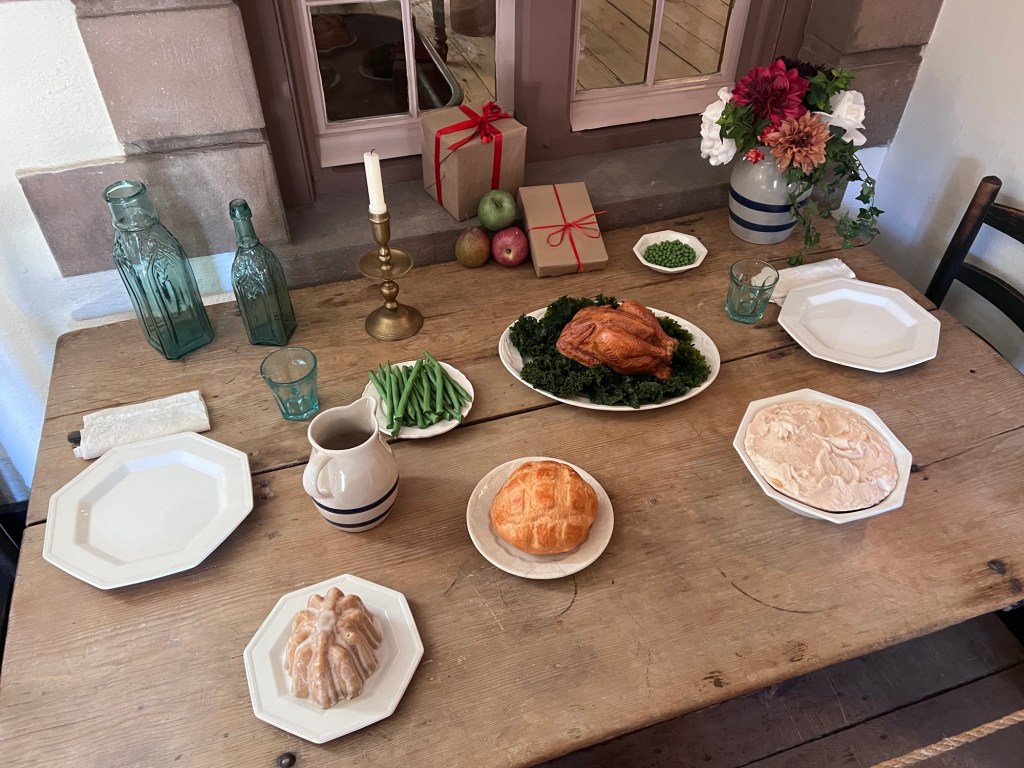
The staff holiday dinner was less elaborate but still very festive
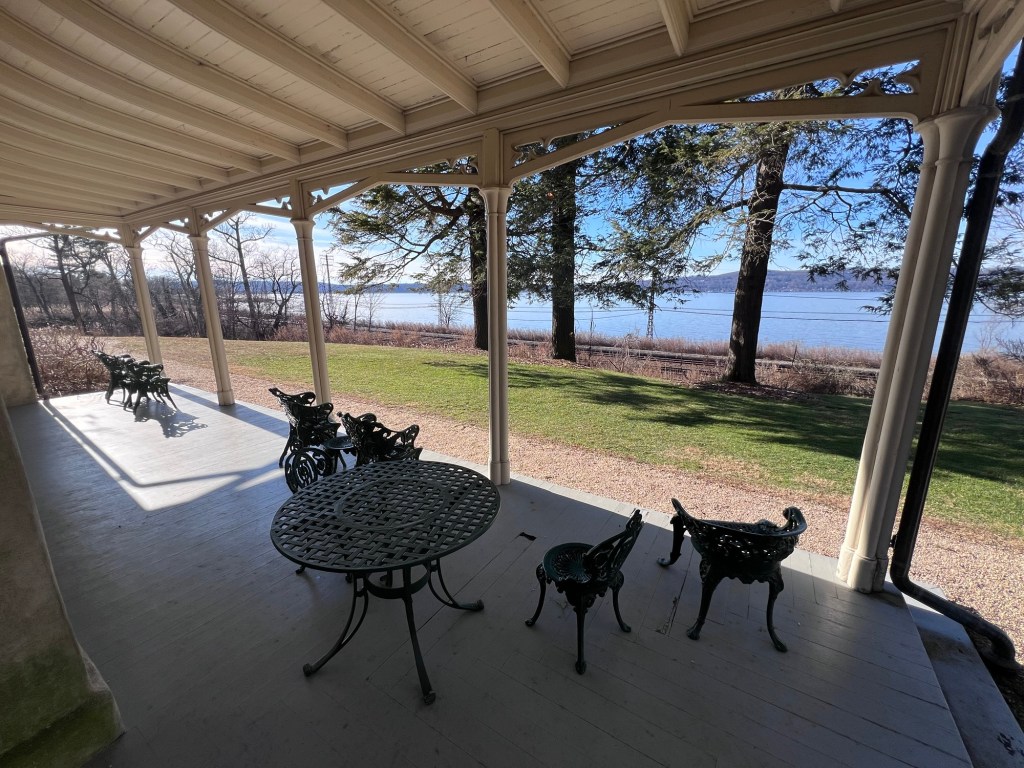
The patio off the kitchen overlooking the Hudson River

After the tour was over, I joined other guests making crafts such as Christmas crackers, creating ornaments and making pumices, the oranges studded with clovers.
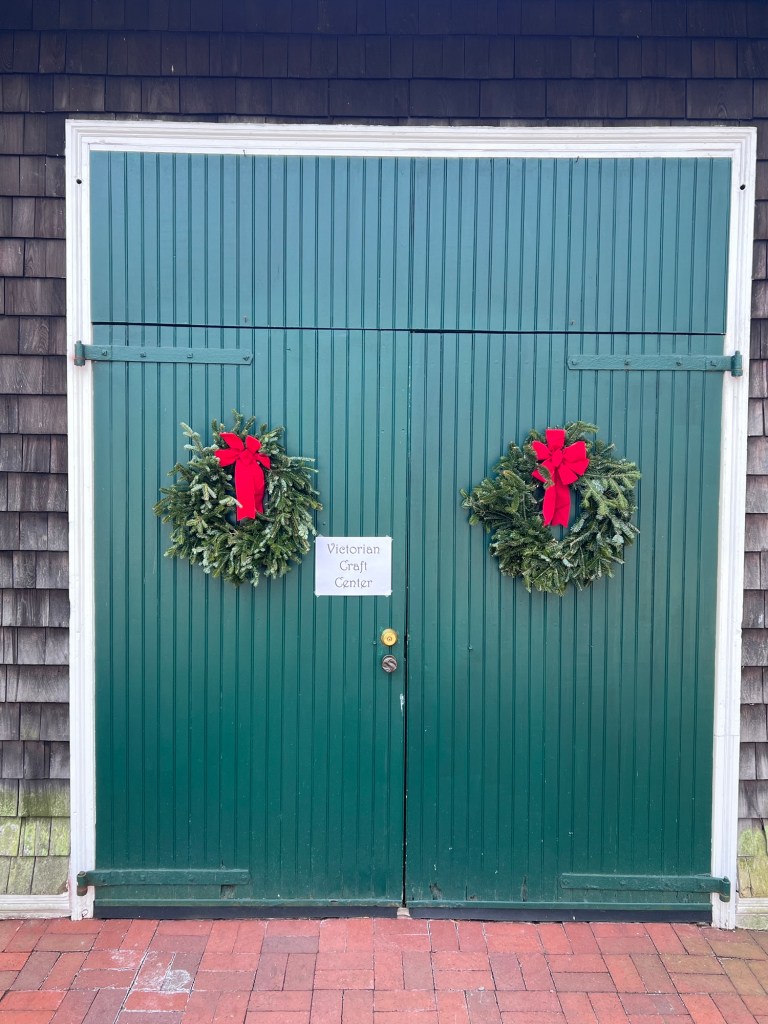
The festive barn where crafts were created
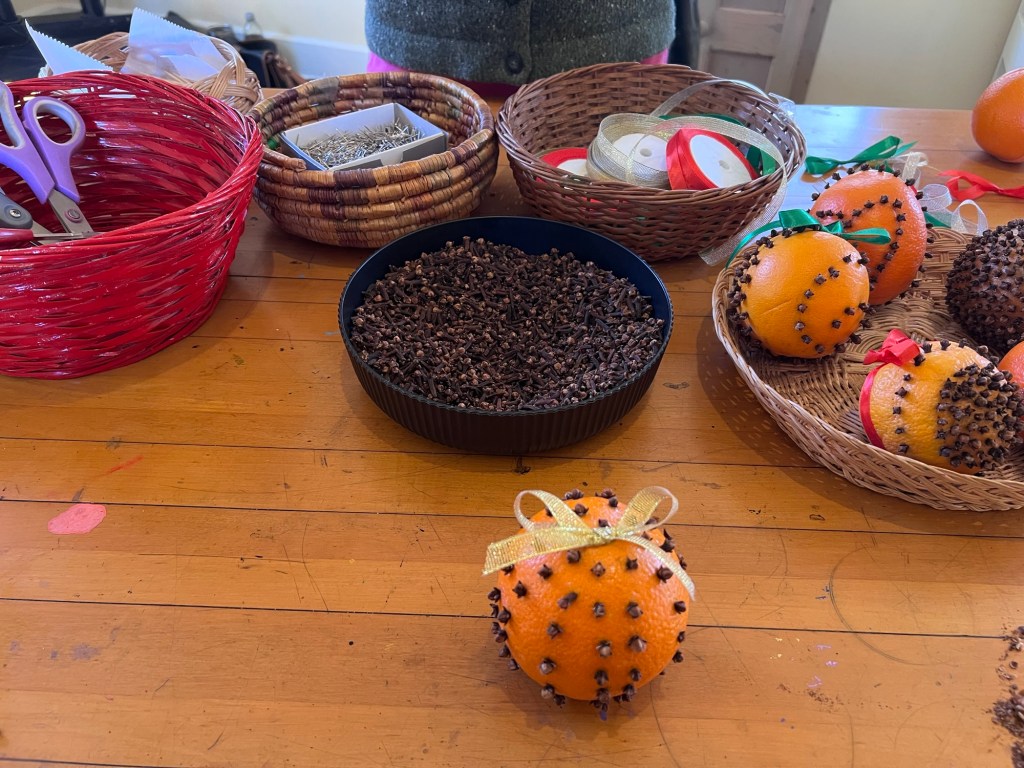
Me making my pumice for the holidays

Visiting Sunnyside during the holidays is a special trip to the past to join the Irving family in their celebration. Not as elaborate as some of the Victorian mansions of the Hudson River Valley but a look at a family whose celebration was similar to our own. Their traditions are the basis of our own of food, family and fun.
Van Cortlandt Manor                                                                  5 Riverside Avenue                                                           Croton-on-the-Hudson, NY 10502

Van Cortlandt Manor 5 Riverside Avenue Croton-on-the-Hudson, NY 10502

Van Cortandt Manor

5 Riverside Avenue

Croton-on-the-Hudson, NY  10502

(914) 366-6900

Open: See website for seasonal hours

My review on TripAdvisor (Manor and Pumpkin Blaze):

https://www.tripadvisor.com/Attraction_Review-g47560-d116391-Reviews-Van_Cortlandt_Manor-Croton_on_Hudson_New_York.html?m=19905

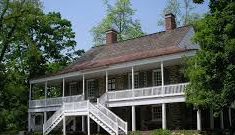
A trip to the Van Cortlandt Manor in Croton-on-the-Hudson is an interesting step back into the Colonial history of this country. During the summer, there is an interesting walking tour of the home offered usually from the end of July to Labor Day. Then the house is closed to prepare for the huge ‘Pumpkin Blaze’ during the months of October and November and then the house is shut down until the spring.

The house tour is interesting because it shows the home as a working farm and place of commerce for the family. This was not a weekend home for the family working in the City but crops being grown for shipping, vibrant gardens that supplied the house and a small tavern for travelers along the Albany Post Road as well as a place for shipping goods down the rivers.

van-cortlandt-manor-1.jpg

Van Cortlandt Manor

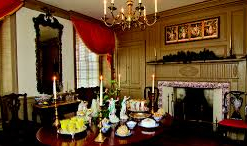
The home is furnished in the most modern furnishings of the time and you can see how the house reflected the needs of the family at that time. It was more of a home than a luxurious place to entertain. The furnishes are practical, very in fashion of the time and nicely decorated.

van-cortlandt-manor-ii.jpg

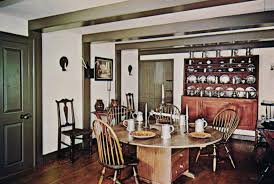
The Dining Room

The tour of the kitchens and storage areas show that even in what was the modern era was not such easy living without servants. The estate was somewhat self-contained with animals and provisions being raised on the land and there is even an area where fabric such as flax and cotton where spun and made into clothing.

Van Cortlandt Manor III.jpg

The kitchen dining area

The upstairs bedrooms show that the linens were under lock and key even with the servants and that the rooms were well-appointed and comfortable. A lot of the family heirlooms still reside in the house and it gives you a perfect look at what life must have been like when the family lived here.

Don’t miss the gardens as well. Some have been over-grown because of the lack of volunteers but still you can see the beauty of the flowers and trees around the house. The house sits right on the cross between the Croton and Hudson rivers and even though it is now grown in, you can see that the house stood at one of the busiest sections of Upstate commerce.

The Pumpkin Blaze-Hudson Valley Historical Association:

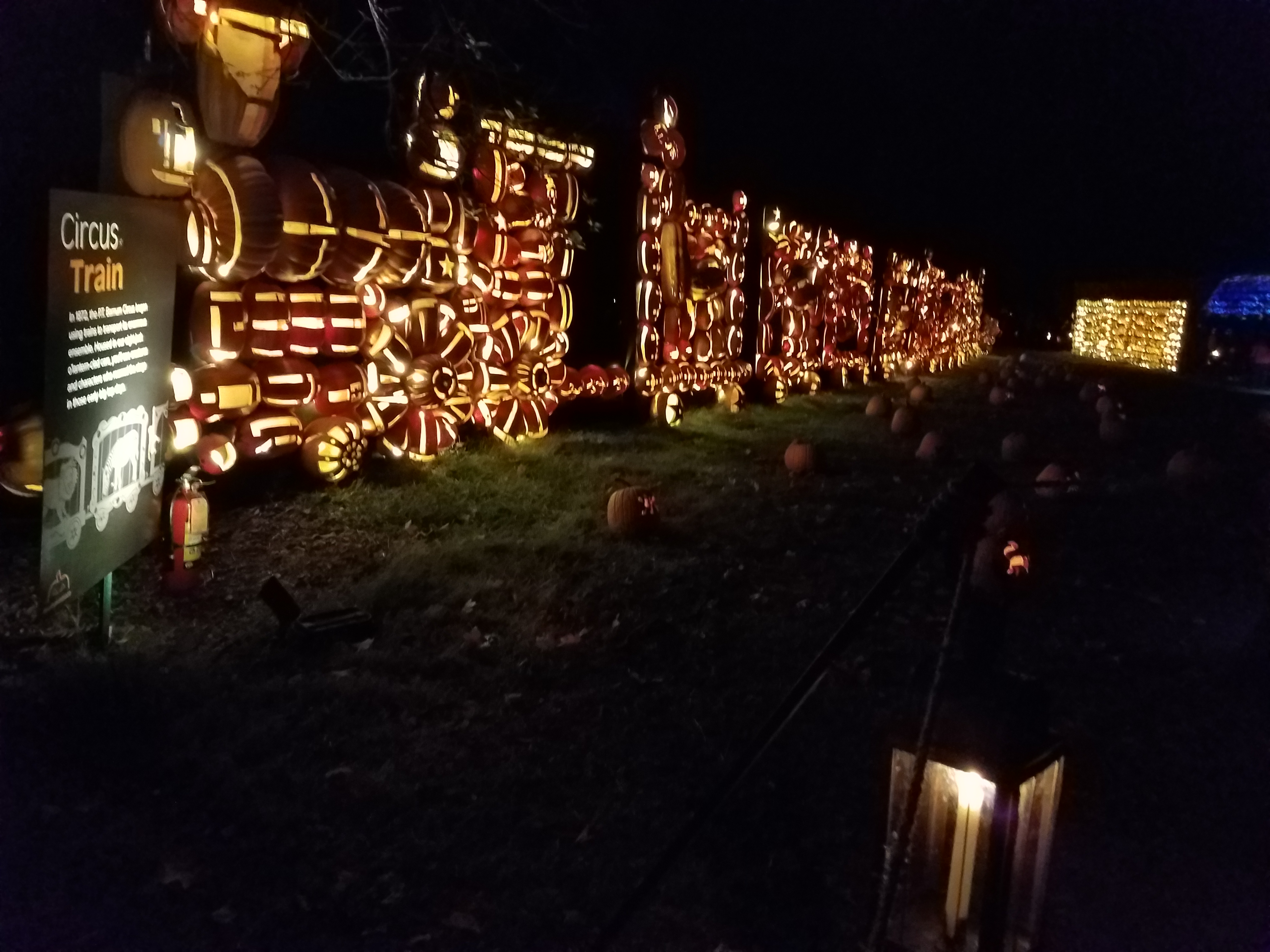
During the months of Halloween, there are thousands of pumpkins that line the walks and beautiful displays to see along the paths of the estate and the river. This event is sponsored by the Hudson Valley Historical Association and is one of their biggest fundraisers. Don’t miss this annual event every fall.

The Blaze is amazing!

The Pumpkin Blaze in 2019:

371.jpg

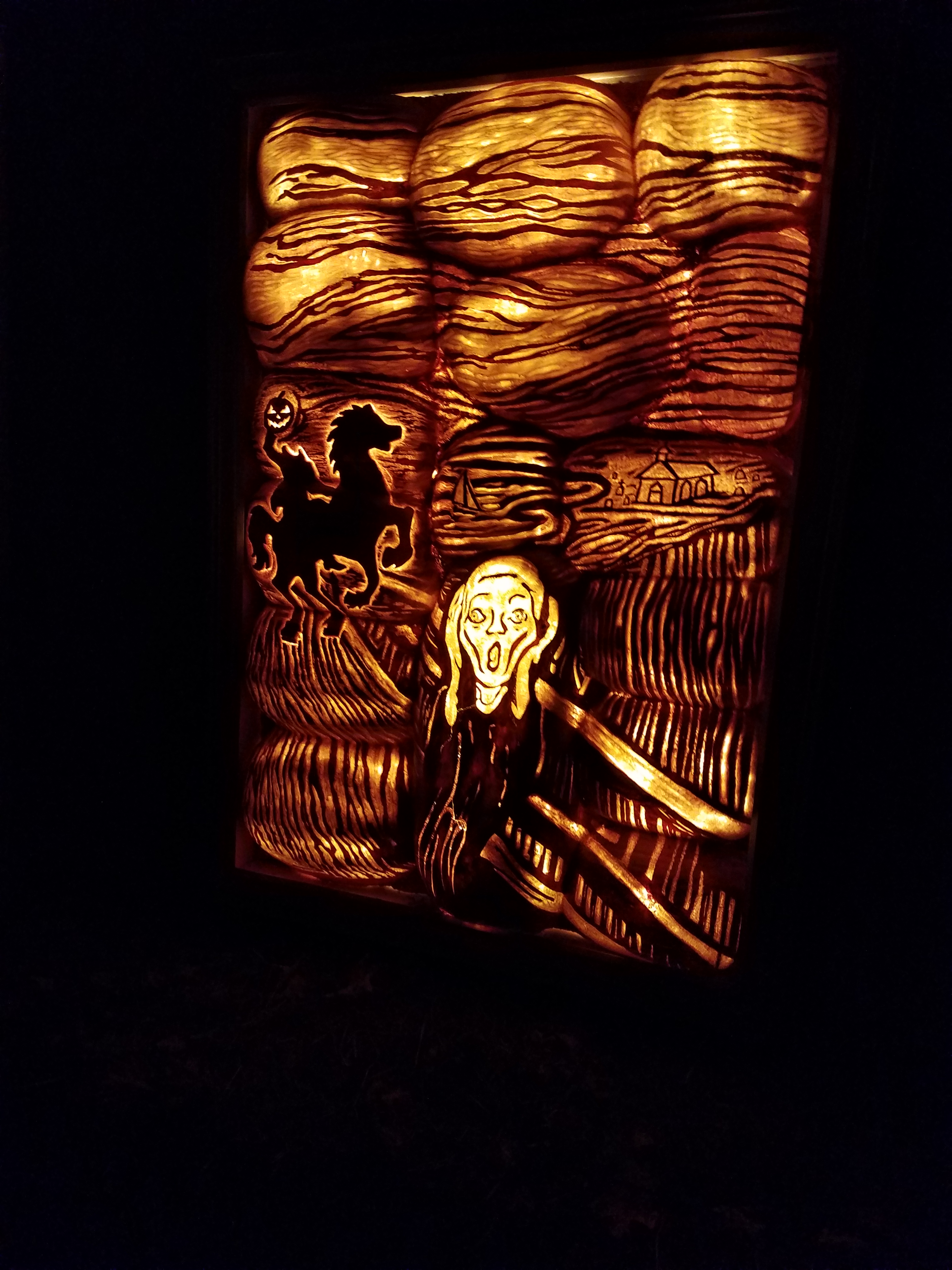
Some pictures from the MoMA Pumpkin Museum:

368

Their version of “The Scream”:

366
393

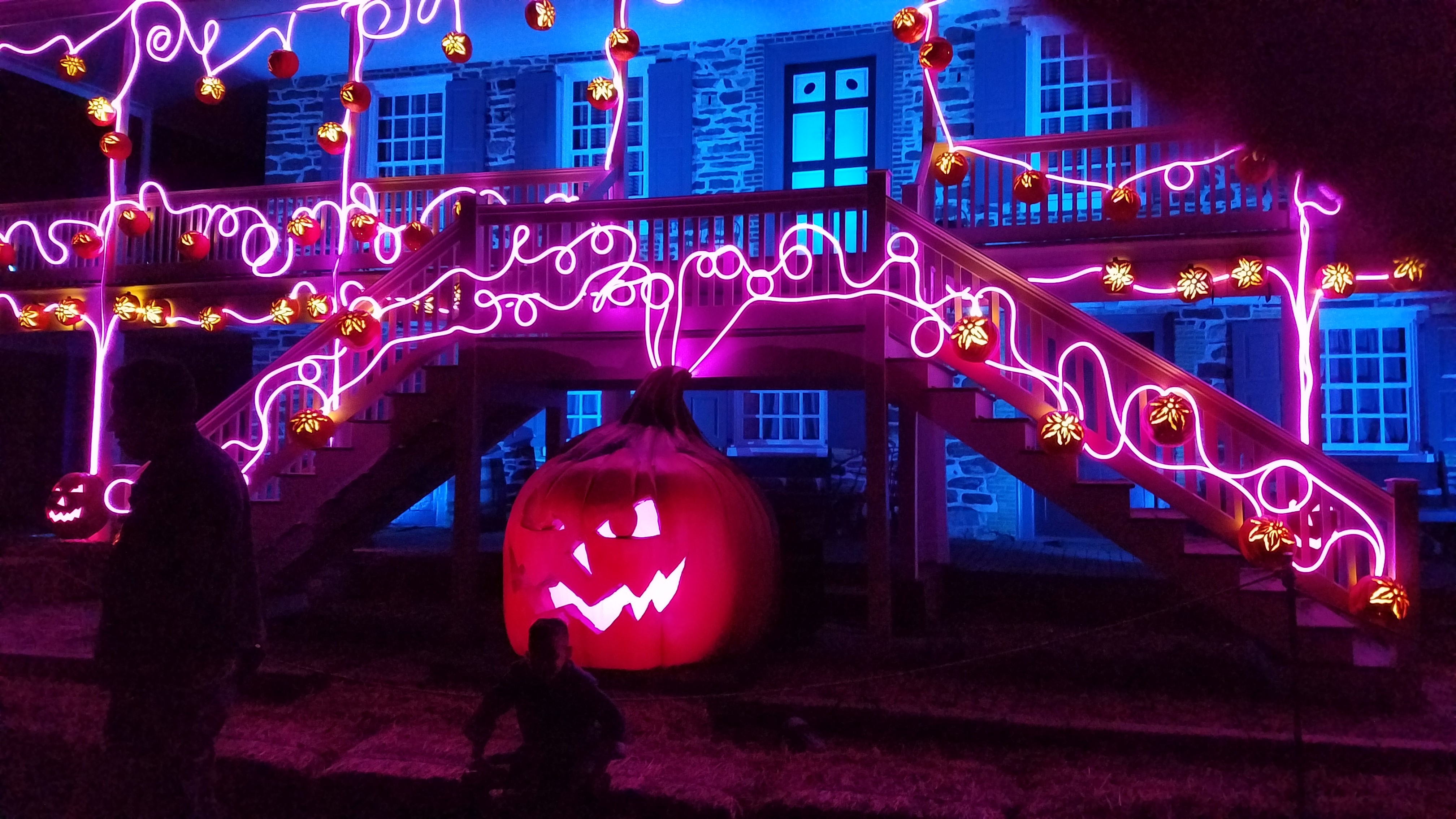
The Van Cortlandt Manor ablaze with lights and sounds

406

Justin Watrel at the Pumpkin Blaze

412

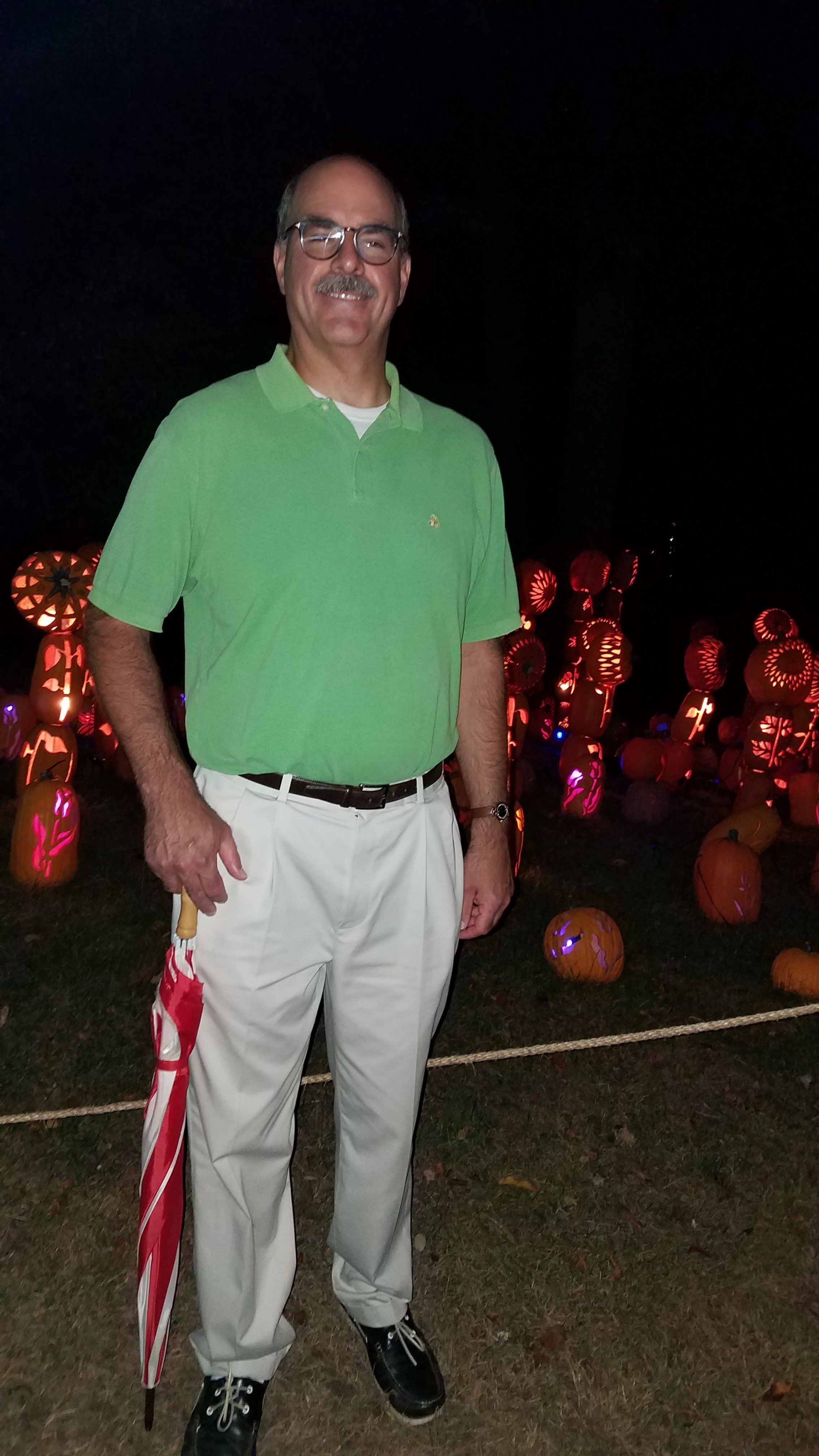
My Aunt and I at the Pumpkin Blaze in 2019

The Pumpkin Blaze in 2022:

Entering the Pumpkin Blaze in 2022

Pumpkins greeting you in all shapes and sizes

The Pumpkin Planetarium at the Pumpkin Blaze

Pumpkin Bee Hive

The “Terror Zee Bridge” at the Pumpkin Blaze

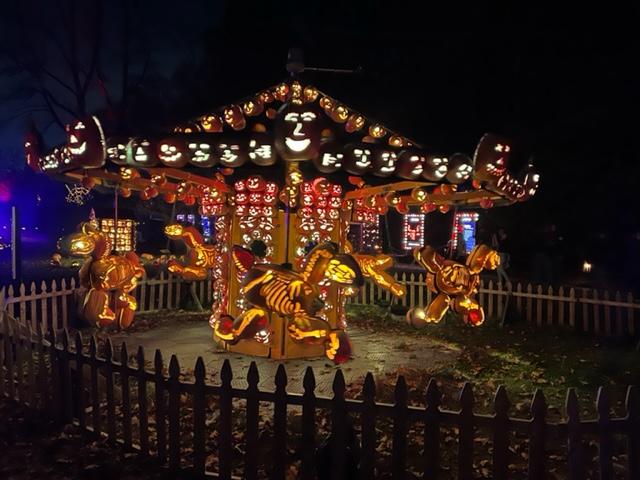
The Pumpkin Carousel

The Pumpkin Fire Services

The Headless Horseman is the theme of many October festivals in the Hudson River Valley

The History of the Van Cortlandt Manor:

By Royal Charter, Van Cortlandt Manor was originally a 86,000 acre tract granted as a patent to Stephanus Van Cortlandt in 1697 by King William III, stretching from the Hudson River on the west to the first boundary line between the Province of New York and the Colony of Connecticut, on the east, twenty English miles in length by ten miles in width in shape nearly a rectangular parallelogram forming, “The Manor of Cortlandt”.

The massive holding was acquired by direct purchase from the Indians, in part by Stephanus van Cortlandt, a native born Dutch gentleman of New York and in part by others whose titles he subsequently bought, this tract together with a small tract on the west side of the Hudson River opposite the promontory of Anthony’s Nose, which he also purchased from the Indians.

The Manor House was built sometime before 1732 but was not any owner’s principal residence until a grandson, Pierre Van Cortlandt, moved there in 1749. At the time the manor house was on a 1000 acre portion of the original tract.

Pierre brought his family to the estate in 1749 and established the manor into it most vibrant days, according to some. During this period, the manor was operating an apple orchard, dairy farm, a bee house, a kiln, a tavern and a carpenter and blacksmith shops. Van Cortlandt Manor was a self-sustaining community while Pierre and his family resided in the estate. At this time, tensions leading to the Revolutionary War were building and the manor would become a place of wartime retreat.

Pierre sided with the colonies and the manor was used to assist the Continental Army, using its resources to make food and supplies. Pierre was involved with military legislature and his son Philip was a soldier for the Continental Army. Eventually Pierre and his family vacated the manor in the thick of war. The manor was ransacked by the British Army and left in poor standing. Philip, becoming a brigadier general by the war’s end, returned and along with his sister, Catherine, brought the manor back to working order.

Van Cortlandt Manor became an essential stop on the route from New York to Albany in the years that followed the war. The mills were once again thriving and provided the community and travelers with food, supplies and lodging. Pierre and his wife did not return until 1803 once the manor was in full working order again. The manor was passed down in the family until it was sold to a non-relative, Otis Taylor in 1945. By this time, the property had lost its luster and was not the flourishing estate it had once been.

In 1953, John D. Rockefeller Jr. purchased the property and began restoring the manor to previous prominence. In 1961, Van Cortlandt Manor became registered as a National Historic Landmark.

Disclaimer: This information on the history of the house was provided by Wiki and I give them full credit on the information.

Places to Eat:

Located in the ShopRite Mall next to the Blaze:

The food at New Happy Garden in the Shoprite Mall is excellent and you can sit down in the restaurant. It is the perfect place for lunch or dinner before or after the Blaze. Their Lo Mein and General Tso’s Chicken are excellent. Please read my reviews on TripAdvisor.

New Happy Garden

440 South River Side Avenue

Croton on the Hudson, NY  10520

(914) 271-7888/8268

https://www.menupix.com/westchester/restaurants/3212099/Dong-Happy-Garden-Menu-Croton-On-Hudson-NY

Open: Sunday 12:00pm-9:00pm/Monday Closed/Tuesday-Saturday 11:00am-10:00pm

My review on TripAdvisor:

https://www.tripadvisor.com/Restaurant_Review-g47560-d4616434-Reviews-Dong_Happy_Garden-Croton_on_Hudson_New_York.html?m=19905

The Senate House                                                                      296 Fair Street                                                                Kingston, NY 12401

The Senate House 296 Fair Street Kingston, NY 12401

The Senate House

296 Fair Street

Kingston, NY  12401

(845) 338-2786

http://www.palisadeparksconservancy.org

http://senatehousekingston.org/

Open: Sunday 1:00pm-5:00pm/Wednesday-Saturday 10:00am-5:00pm (April 15-October 31). Open by Appointment only (November 1-April 14)

Fee: Adults $4.00/Seniors (62+) $3.00/Children under 12 and under Free

My review on TripAdvisor:

https://www.tripadvisor.com/Attraction_Review-g48003-d3225491-Reviews-Senate_House_State_Historic_Site-Kingston_Catskill_Region_New_York.html

The recently reopened Senate House in 2023

I recently spent my afternoon at the Senate House and Museum in Kingston, NY taking a tour of the museum and the House next door. The Senate House itself had just finished its renovation and the gardens were in full bloom in 2023. It was a quiet afternoon, and I was the only patron for most of the afternoon. The grounds were full of beautiful foliage and flowers, so it was nice to walk around the grounds.

The Senate House story board

The Senate House had just reopened in 2023 after almost a four year renovation and because of the closure during COVID. The grounds are very pretty and well-landscaped and the outside has had a lot done to the gardens. The house was built for merchant Abraham Van Gaasbeek and his family. It stayed in the family for generations.

The Senate House at 296 Fair Street

We were able to tour the inside of the house and see the renovations that the State of New York made on this important structure. The home has been renovated by the state but the tour guide told us not with the historical integrity it should have had. It was not to the total interpretation of the life in the house. Still, it told the story about the people that lived there.

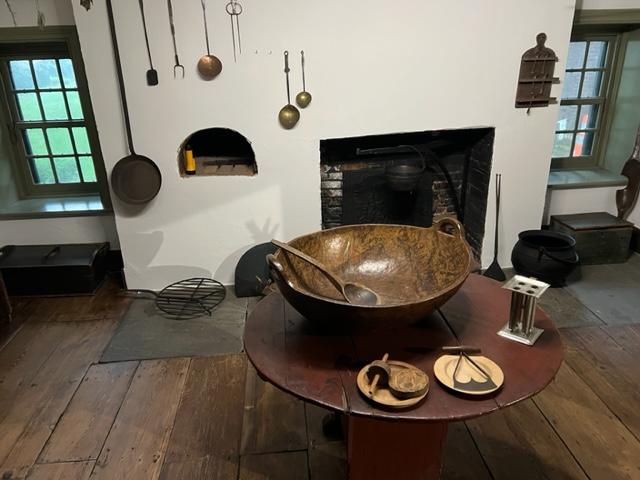
The Senate House Kitchen

Here you see the beehive oven, the working fireplace and many household items including waffle makers, cookie molds and candle making tools. The daily household tasks would be time consuming.

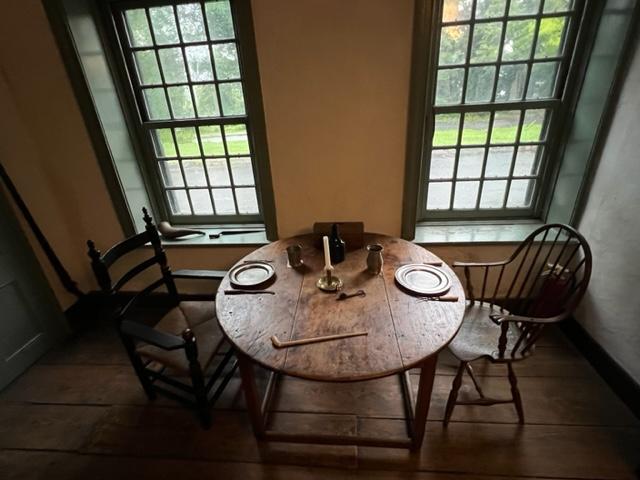
The Dining Space

The bedroom

In the original part of the house, the dining space and bedroom would be in a one room section of the home and as the family got larger, the house was added on to on both sides.

The Parlor

The Parlor was the fanciest room in the house with the best furnishings, decorations and a place of social interactions with guests. This rooms was for adult use at that time.

The Meeting Room for the leaders in change.

This was the room where plans by the patriots were made that changed the course of New York and the rest of the country. Now that the Senate House home is open again, you get a feel for what these people must have went through in developing the country during the Revolutionary War years.

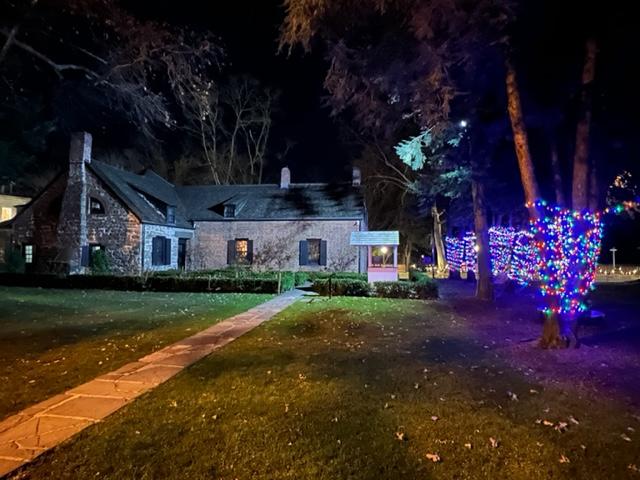
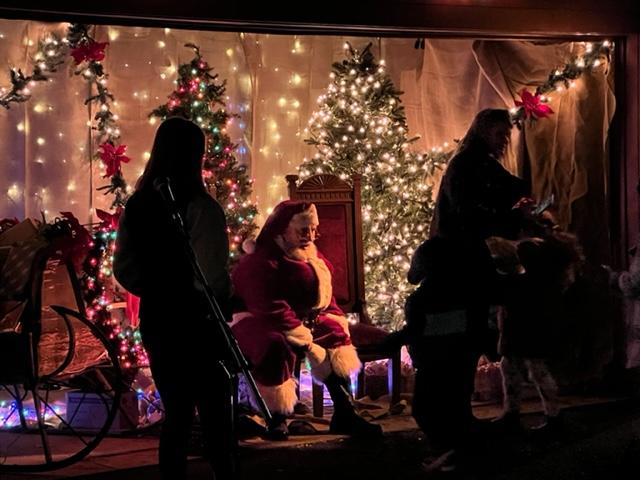
When I visited the Senate House at the holidays for the “Snowflake Festival”, it was still closed for renovation but the grounds were open for touring, music and for a visit with Santa. It was a magical night on the grounds of the historical site and people had a nice time that evening. The grounds and the other buildings were decked out for the holidays.

The Senate House decked out for the Christmas holidays at the “Kingston Snowflake Festival” in 2022

The Senate House property decorated for the Kingston Snowflake Festival in 2022

Santa’s visit at the Senate House property in 2022

The history of the Kingston Stockade section of the city.

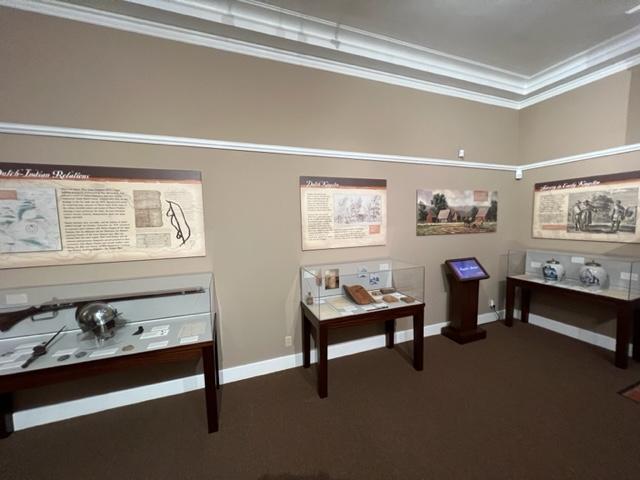
The main part of the park is the Senate House Museum, which is broken into three sections. The right side of the museum is the history of the City of Kingston and the matching artifacts. There is a description of manufacturing, merchant class and its military prominence. Here I learned about the growth of Kingston and its founding, its strategic spot on the Hudson River in the early colony, its role as diplomats to the Native Americans, which was not so pleasant and its growth after the war.

The first floor exhibitions on early life in Kingston

The history of the City of Kingston is described with the Native American settlements and the trade with the Dutch, the unsettling relationships that the two groups had with each other, the War years, the growth of industry and trade in early New York and manufacturing in the area.

The Native American exhibition

Early manufacturing and life in Kingston

The Artist’s sign

The Vanderlyn Exhibition of artist John Vanderlyn’s art

Artist John Vanderlyn’s works are featured on this part of the museum.

The left side of the museum is dedicated to the locally born artist, John Vanderlyn. His paintings line the walls of the museum of the artist at different stages of his career. His work was ahead of its time for the area, and it was noted in the collection that he forced himself to commission portraits to survive. His works advanced for the time because of his studying abroad now line the walls of the best museums in the country.

The exhibition of John Vanderlyn’s portraits

Artist John Vanderlyn’s bio in the museum

Members of the extended Vanderlyn family portraits

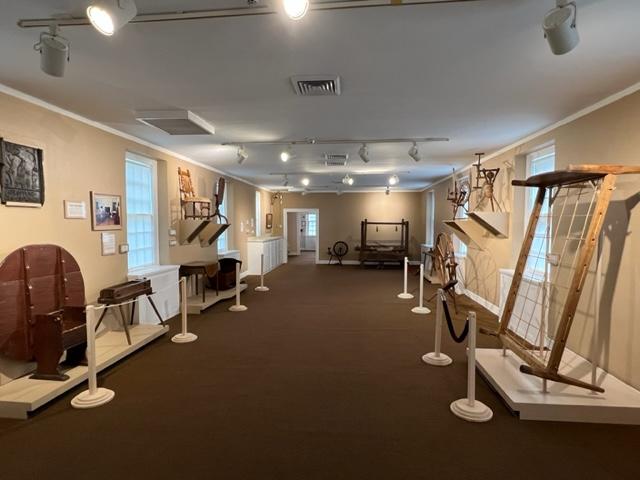
The second floor holds the furniture that is not historically correct with the Senate House and comes from different time periods. There is furniture, beds and chairs, spinning wheels, chamber pots and all sorts of accessories for the home and their uses in everyday life. Vintage furnishings with explanations on their use are a big part of the exhibit.

Artifacts from the past are displayed here

The everyday items used to spin material and create clothing

The Loughran House next door houses more of the furniture of the house and has a new exhibition “Back to the Future: The Evolution of Senate House”. This houses artifacts from the house.

The Senate House property during the “Kingston Snowflake Festival” in 2022

The Senate House property during Christmas 2024

The Senate House property during Christmas 2024

History of the Senate House:

(From Wiki/Office of Parks, Recreation and Historic Preservation pamphlet)

Amidst the turmoil of a British military invasion in the fall of 1777, the elected representations of rebellious New Yorkers met in Kingston to form a new state government. While convened in Kingston in September and October, New York’s first Senate met in the simple stone house of merchant Abraham Van Gaasbeek.

Here they adopted a system comprising of a senate, assembly, governor and judiciary that still exists today. Every one of the assembled delegates risked his life and property by being so openly disloyal to the Crown. Indeed, all were forced to flee for their lives when the British attacked and burned Kingston on October 16th.

While convened in Kingston in September and October, New York’s first Senate met in the simple stone house of Abraham Van Gaasbeek, a prosperous merchant trader who had suffered financial losses as a result of the war and personal losses in the recent deaths of his wife, Sara, his daughter and infant granddaughter. It was Sara’s grandfather, Wessel Ten Broeck, who built the original section of the house in 1676.

At first called Wiltwyck, Kingston was the third “city” established in the Dutch Colony of New Netherland. Planned and developed by the Dutch Governor Peter Stuyvesant in 1656, the town was renamed Kingston after the colony was seized by the English in 1664.

Wessel Ten Broeck’s one room Dutch style house was enlarged by succeeding owners in the 18th century. Each change reflected the increasing fortunes of the Ten Broeck/Van Gaasbeek family and demonstrated a gradual acceptance of English styles and customs over the persistent influence of the early Dutch. Kingston at the time of the American Revolution was still a noticeably “Dutch” town and most of its citizens supported the American cause. British Major General John Vaughan justified his destruction of the city because it was a “nursery for almost every villain in the country.”

In 1887, to recognize Senate House’s role in the formation of New York State, New York State acquired the property, which quickly became a vital community museum. A two-story Museum Building was constructed in 1927 to house and display the site’s burgeoning collection. Among its treasures are: major works by John Vanderlyn and other members of the Vanderlyn family of Kingston. The museum also includes the site’s popular new exhibit: “Kingston Stockage: New Netherlands’ Third City,” discussing Kingston’s early history.

(New York State Park History)

Senate House V

The Kingston Stockade: The City’s formation from the beginning

Ukrainian Institute of America                                2 East 79th Street                                                New York, NY 10021

Ukrainian Institute of America 2 East 79th Street New York, NY 10021

Ukrainian Institute of America

2 East 79th Street

New York, NY  10021

(212) 288-8660

Open: Sunday 12:00pm-6:00pm/Monday Closed/ Tuesday-Saturday 12:00pm-6:00pm

Fee: Adults $8.00/ Seniors $6.00/ Students with current ID $4.00/Children under 12 Free/ Members Free

My review on TripAdvisor:

https://www.tripadvisor.com/Attraction_Review-g60763-d5953575-Reviews-Ukrainian_Institute_of_America-New_York_City_New_York.html?m=19905

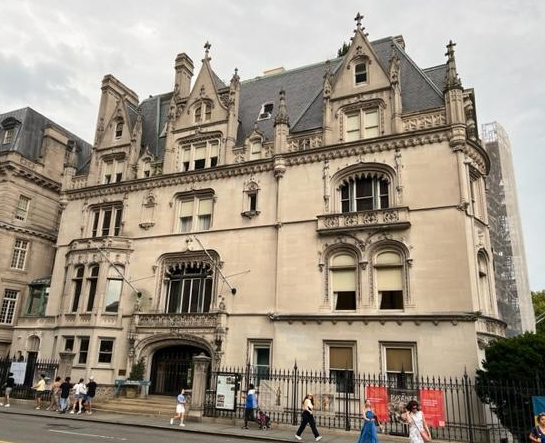
The Ukrainian Institute of America at 2 East 79th Street

I was really impressed by the Ukrainian Institute of America on a recent visit. I must have passed this building a hundred times on my way to the Metropolitan Museum of Art and never thought twice of it. I was sorry  I did as you will miss a lot by not walking in. The galleries are really impressive and the main gallery on the bottom gives you an interesting look at the history of the Ukrainian.

The first floor gallery discusses the formation of the country, a bit about its history and its ties to Europe and to Russia, its religious past and the current state of affairs of the country including its recent split of the eastern sections of the country and Crimea to Russia. Its a country in turmoil considering they want to join the European Union. It is a country in flux and on the cusp of entering the 21st Century with some of its past still tugging at it. Like all countries, it will prevail on the will of it’s people. There is a lot of solid history here and a country ready to enter its future.

Ukrainian Institute II

The artwork of artist Vasyl Diadyniuk

The second and third floor galleries are full of art work from Ukrainian artists that is on sale and each of the galleries is dedicated to certain artists selling their works at somewhat hefty prices. Still you get to see the developments of the artists both here and abroad.

The forth floor is dedicated to special exhibitions. There are two shows going on now. One is by artist Vasyl Diadyniuk and another show is by artist Alexander Archipenko.

Ukrainian Institute III

The artwork of artist Alexander Archipenko

The Museum has an interesting history.

Ukrainian Institute of America History:

The Ukrainian Institute of America Inc. is a non-profit organization whose primary mission is to showcase and support Ukrainian culture. To that end, the Institute affords the general public an opportunity to learn about Ukraine and how the Ukrainian spirit expresses itself, with special emphasis on the creative arts.

Founded more than fifty years ago by William Dzus, a prominent Ukrainian industrialist and philanthropist, the Institute sponsors:

*Art exhibitions

*Music concerts

*film screenings

*theater presentations

*Poetry readings

*Lectures and symposia

*Educational programs

*Children’s events

*Documentation center

The history of the building:

The building that is home to the Institute, the National Historic Landmark Harry F. Sinclair House is one of the few remaining examples of the splendid mansions that prominent citizens of New York City built in the 19th Century. The mansion was built in 1897 for Isaac D. Fletcher, a wealthy banker and broker, by the architect C.P.H. Gilbert. Executed in Gothic Revival style, the building is richly decorated with intricate crockets, carvings, moldings, pinnacles and other exquisite details. Six stories high, partly surrounded by a dry moat, the Institute features stately rooms that are magnificently proportioned and lavishly finished (Institute History).

Ukranian Institute of America

The C.P.H. Gilbert house

In 1887, manufacturer, Isaac D. Fletcher, commissioned famed Gilded Age architect, C.P.H. Gilbert to design the mansion. When Mr. Fletcher died,  left this mansion and his art collection to the Metropolitan Museum of Art, which sold it to Harry F. Sinclair, founder of Sinclair Oil Company and also famous for his involvement in the Teapot Dome affair. The last private owner was Augustus Van Horne Stuyvesant Jr., the last descendant of Peter Stuyvesant, who was the first governor of New Amsterdam, today’s New York City bought the house in 1930 and lived here with his sister, Anne. The house was sold as part of the estate when Mr. Stuyvesant died in 1953. The Ukrainian Institute of America acquired the mansion in 1955 (Institute History).

A key goal of the Institute is to continue to preserve this extraordinary fragment of the city’s history for the benefit of all citizens of New York. The house still retains its wooden moldings and the house looks as if its residents just moved out.