Category: Exploring the Financial District

One World Trade Observatory 285 Fulton Street New York, NY 10007

One World Trade Observatory 285 Fulton Street New York, NY 10007

One World Trade Center Observatory

285 Fulton Street

New York, NY 10007

(844) 696-1776

Open: Sunday-Saturday 9:00am-9:00pm (hours change seasonally)

Admission: See the website for prices depending on individual and group prices seasonally

My review on TripAdvisor:

https://www.tripadvisor.com/Attraction_Review-g60763-d8072300-Reviews-One_World_Observatory-New_York_City_New_York.html

Though it is not a museum, it is a view of the world. I had been to the original World Trade Center three times before 9/11 and the views were just amazing. There is nothing like it as the Empire State Building’s are a bit different.
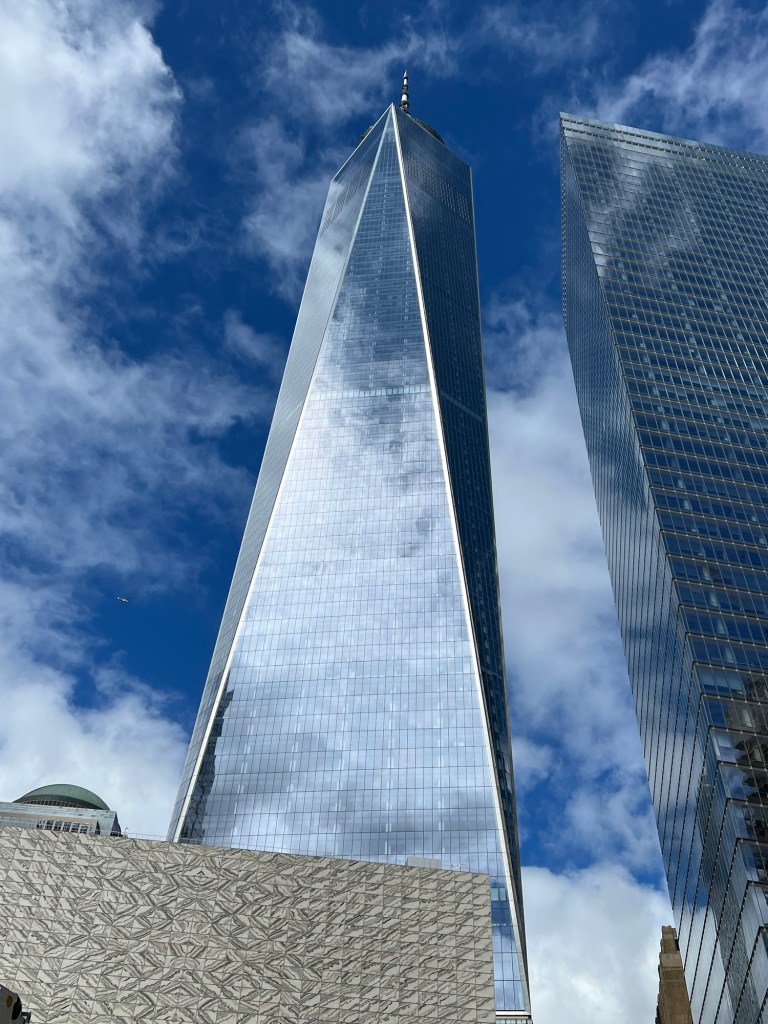
One World Trade-The former Freedom Tower

https://www.officialworldtradecenter.com/en/local/things-to-do/one-world-observatory.html

The building itself is very impressive to visit (quite frankly I would NEVER want to work here) but with its past leery of anything else. Too many people died on this site and I would not want to work in an office here no matter what company. I would want a parachute in my office at all times. Still this was going to be my second trip to the top of the building since 2015 when I visited with my best friend, Kris.

I had won two tickets to the Observatory from a contest at NYU and had set VIP tickets to skip the line to go to the top. At 10:00am in the morning, there was no line to skip. I went right to the top with not that many people there at that time. If you get there early in the morning in the off season, there are no crowds.
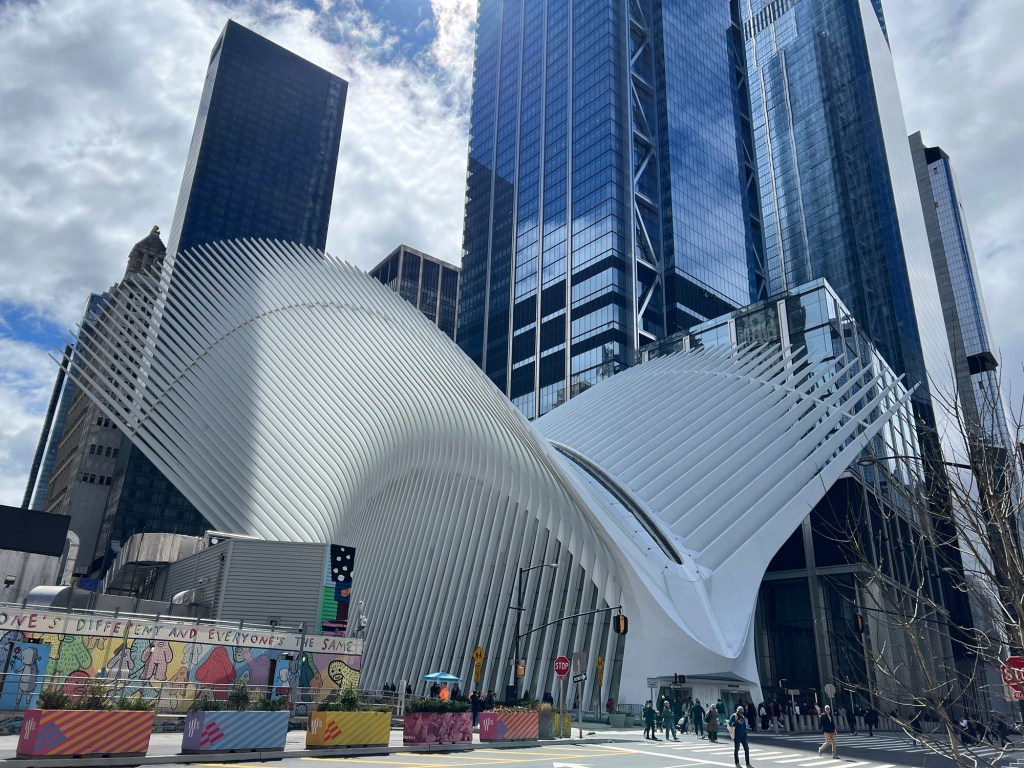
The site is still so impressive. This is the Occulus right by the Tower.

One World Observatory is at the top of the tallest building in the Western Hemisphere, One World Trade Center. The Observatory is located on the 100th, 101st, and 102nd floors encompassing over 125,000 square feet. You’ll take an incredible Sky Pod Elevator ride to the top. Once aloft guests can explore three levels of the Observatory filled with innovation and inspiration. One World Observatory offers views of New York City’s iconic sights, surrounding waters, and iconic skyline – amazing 360 views for up to 45 miles in every direction (One World Trade Center website).
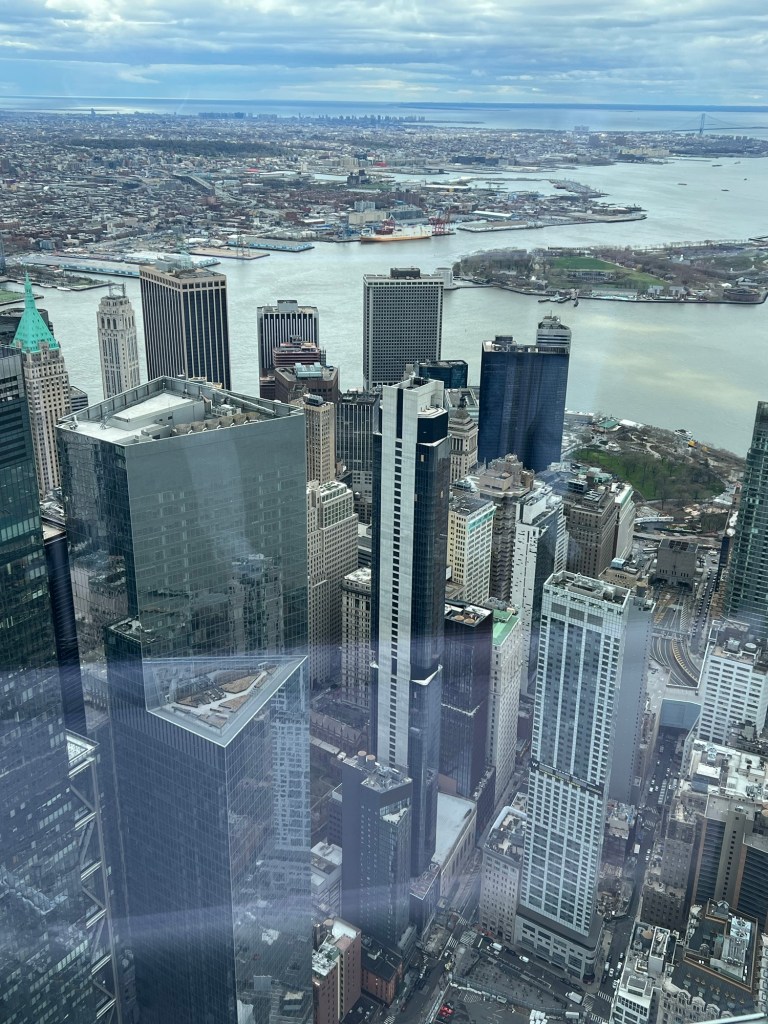
The views from the top are so impressive of downtown and Governors Island.
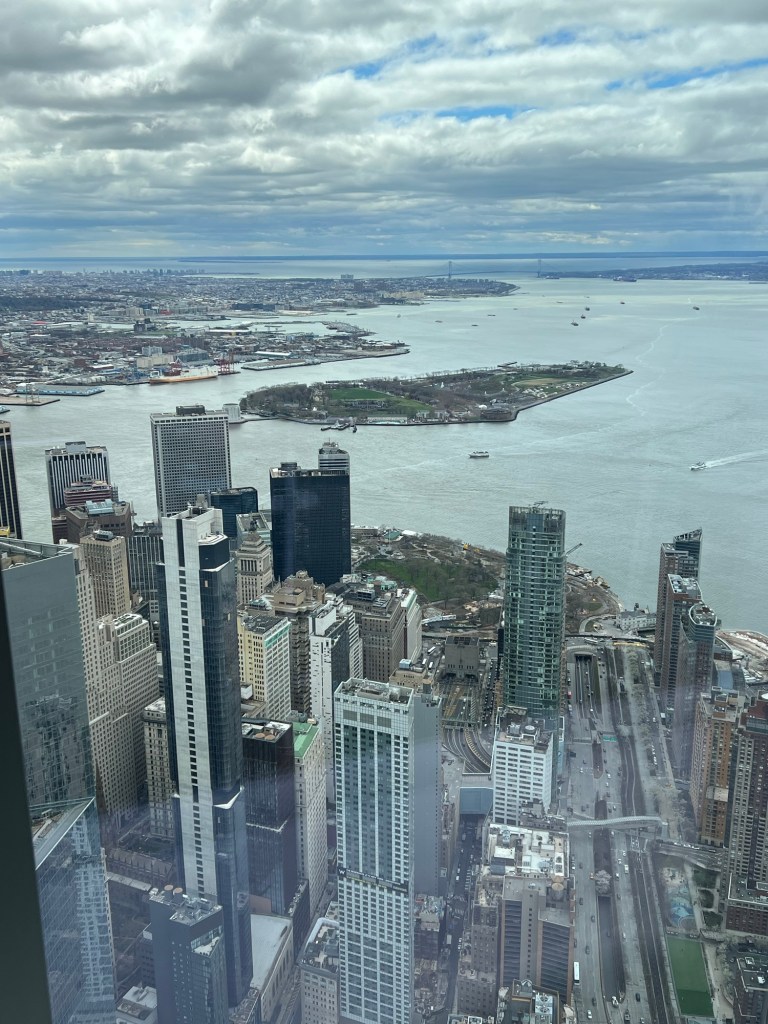
Governors Island in the foreground and lower Manhattan. This is the original colony.
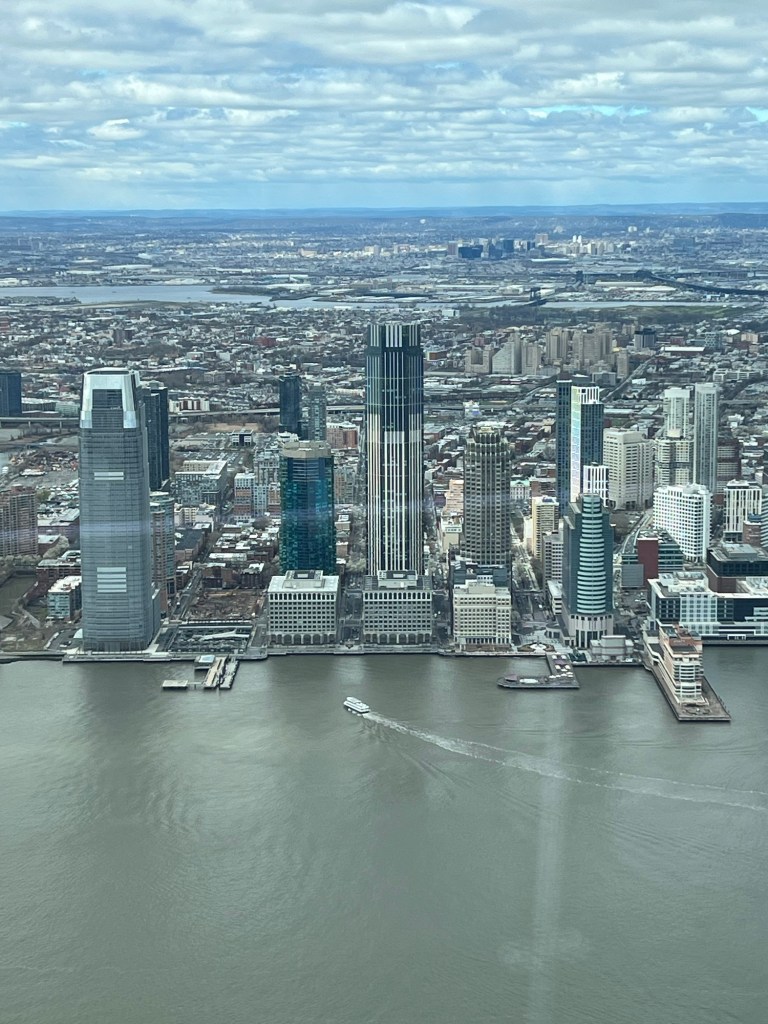
The views of Downtown Jersey City and the Waterfront are so spectacular.

The Statue of Liberty seemed so close.

The views of Downtown Brooklyn were amazing.
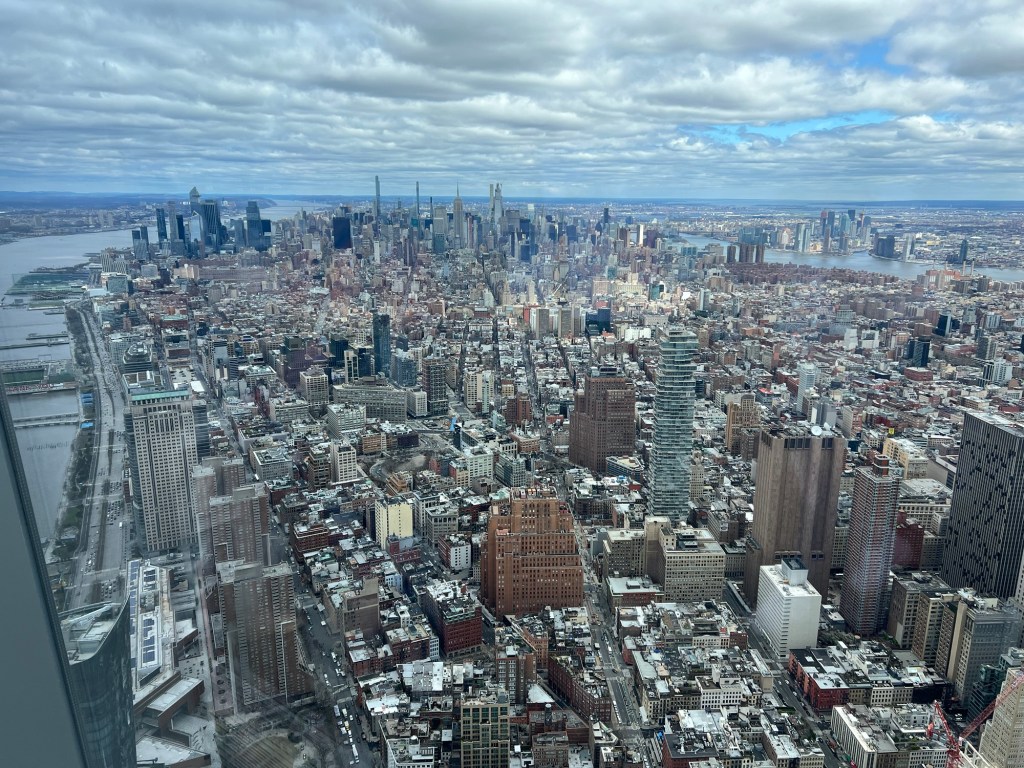
Midtown was so impressive on a clear day. You can see all the way up to Central Park.

Even the Battery was so impressive from this vantage point along the Hudson River.
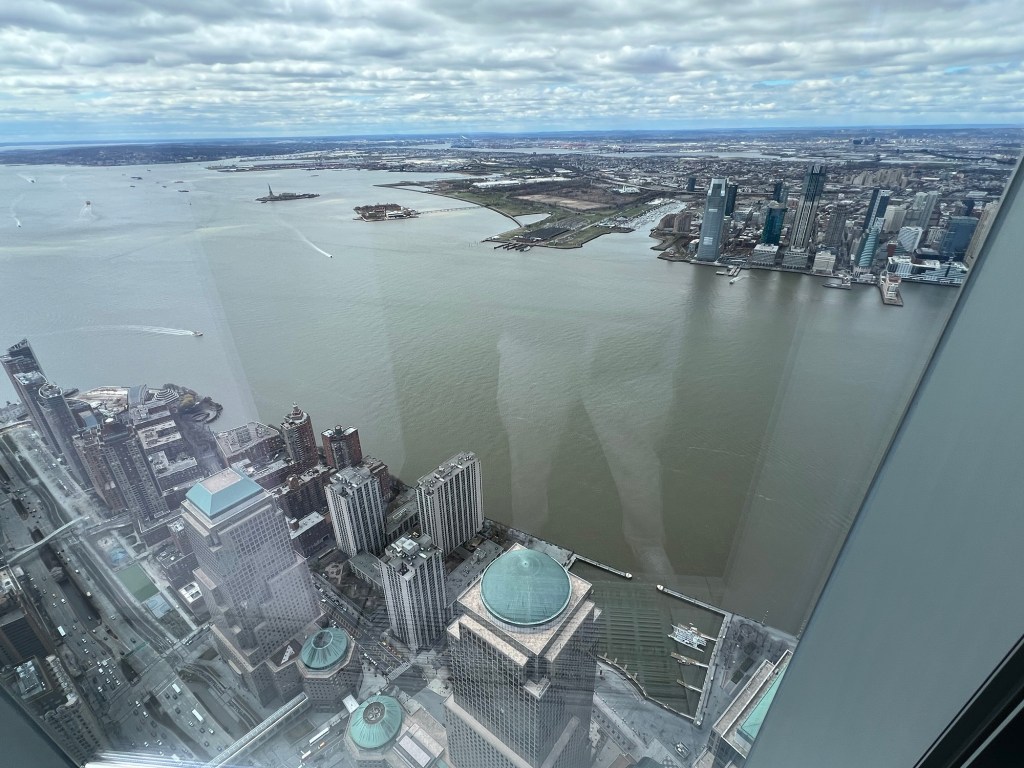
Another shot of the Battery and Jersey City.
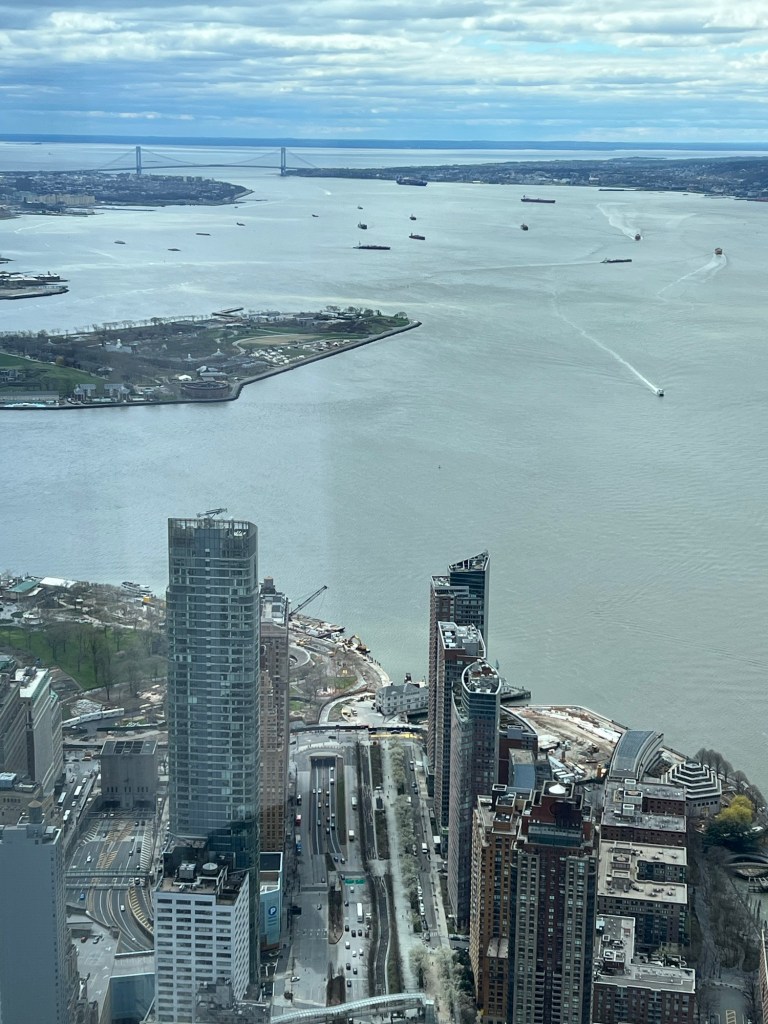
The views of New York Harbor are spectacular.

The Oculus and the Memorial Pools of the 9/11 Memorial from the top of the Observatory.
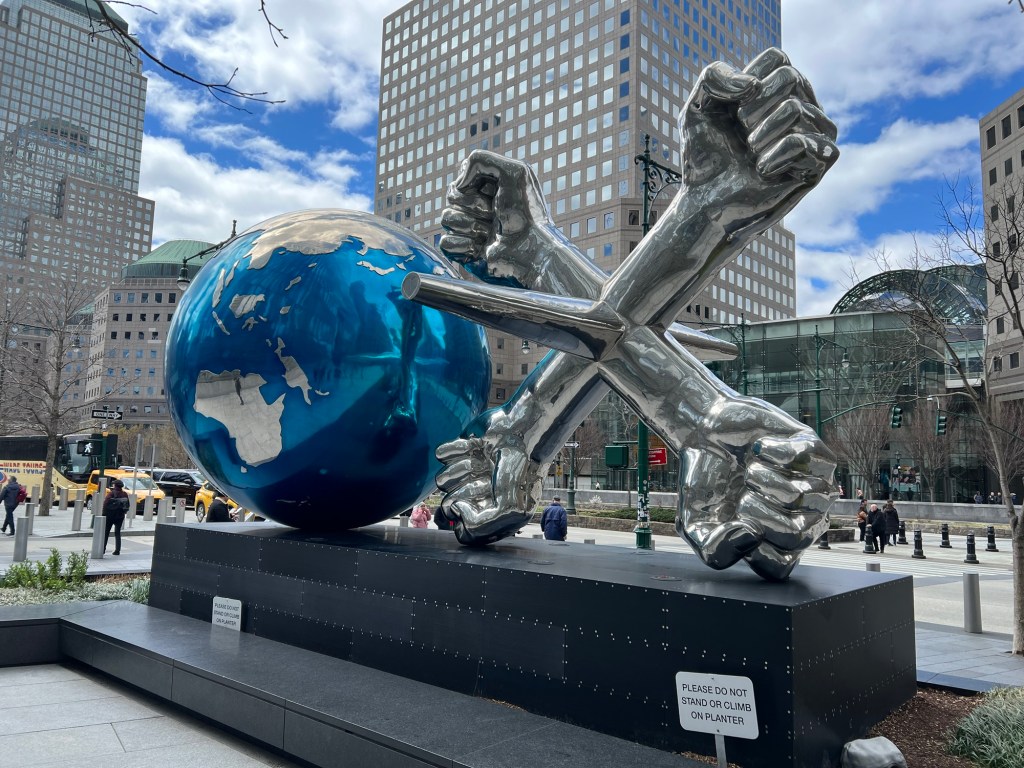
This interesting sculpture, XO World Project, is at the entrance when you leave the building.

https://www.officialworldtradecenter.com/en/local/things-to-do/events/xo-world-project.html#:~:text=The%20XO%20WORLD%20PROJECT%2C%20created,and%20love%20around%20the%20world.

The XO World Project was created by artist Daniel Anderson, features two sculptures, “XO PLAY” and “XO WORLD,” that encourage peace and love around the world. “XO PLAY,” on display in the Oculus, depicts children playing a game of jacks, symbolizing childhood innocence and harmony with the world. “XO WORLD,” on display just outside One World Trade Center at West Plaza, features a 12-foot “Jack” from the game of Jacks with an “X” representing “love” in universal sign language and “O” representing the world (World Trade Center website).

Artist Daniel Anderson

https://www.danielandersonart.com/

Contemporary abstract sculptor and painter Daniel Anderson was born and raised in Pompton Plains, New Jersey. His interest and passion for art began at an early age and led him to be recruited and to receive a scholarship to attend the College of Visual & Performing Arts at Syracuse University in New York. He continued his formal education in Florence, Italy, and was the sole artist from New York City selected to participate in an annual residency program in Melbourne, Australia (Artist’s website).

The sculpture is a visual expression of the powerful message of equality, unity, peace, and love. This use of iconography and symbolism is meant to connect with the hearts and minds of the masses as it is intended to motivate, activate, and further progress humanity (Artist’s website). 

“As our society faces unprecedented challenges stemming from a global pandemic, economic recovery, racial inequity, and territorial conflicts, World Peace Day offers the perfect backdrop to unveil these two inspiring sculptures intended to bring people together,” said Anderson (Business Wire.com)

The view from the bottom when you leave.

The view from the 9/11 Memorial Park.
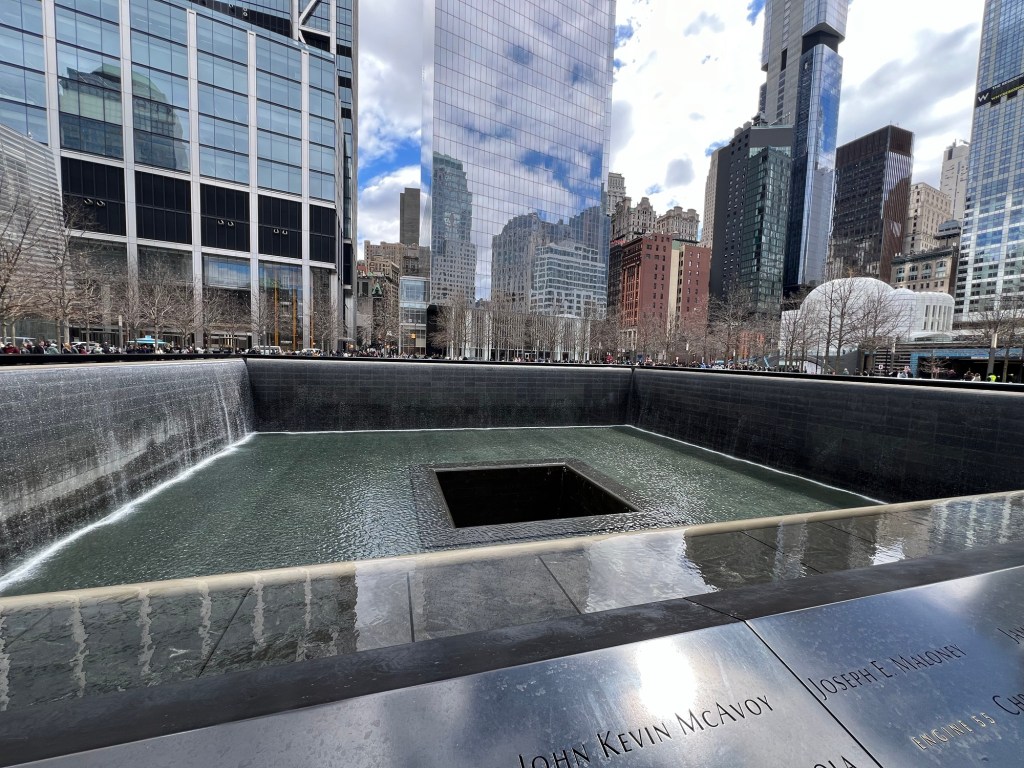
The 9/11 Memorial Pools which are the footprint of the original Trade Center Buildings.

https://www.911memorial.org/visit/memorial/about-memorial

This memorial still gets me choked up with what happened here over twenty years ago. I still see flags and flowers of near loved ones names along the edges of the pools. It is nice that family members still remember their family here.
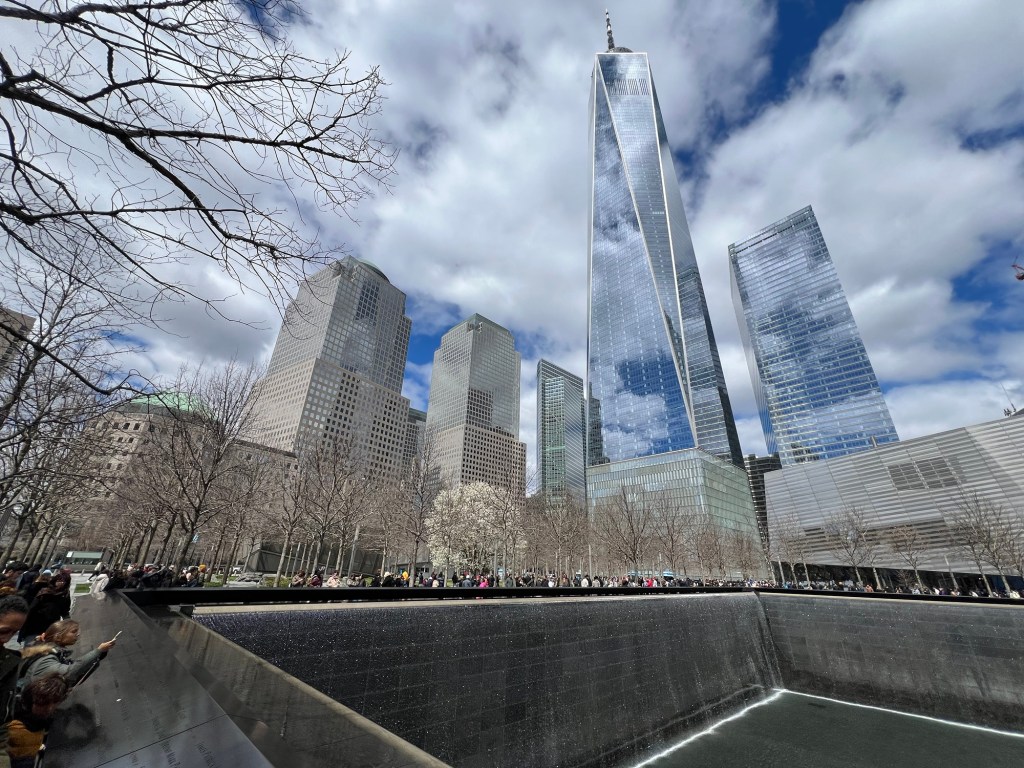
The skyline of the park from the Memorial pools.

The pools are reminder of time when the world went mad. Those feelings are still simmering under the surface of society today.
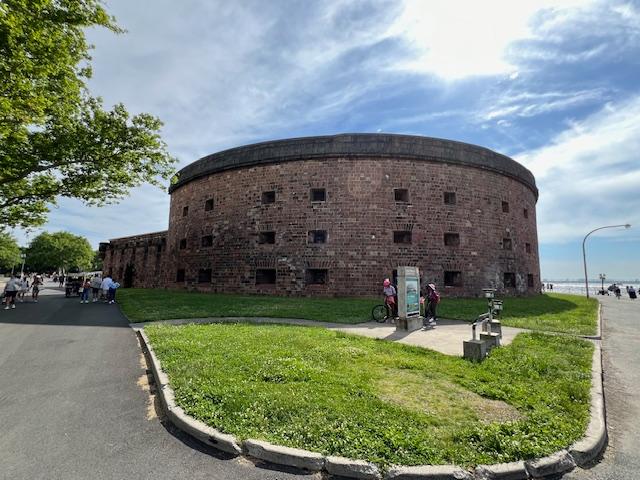
Castle Williams                                           Governors Island                                                 New York, NY 10004

Castle Williams Governors Island New York, NY 10004

Castle Williams

Governors Island

New York, NY 10004

(212) 825-3054

Open: Check the website. It varies by season

https://www.nps.gov/gois/learn/historyculture/castle-williams.htm

https://www.nps.gov/gois/planyourvisit/explore-castle-williams.htm

My review on TripAdvisor:

https://www.tripadvisor.com/Attraction_Review-g60763-d6952984-Reviews-Castle_Williams-New_York_City_New_York.html?m=19905

My trip to Governors Island on MywalkinManhattan.com in 2018 and 2024:

https://wordpress.com/post/mywalkinmanhattan.com/7658

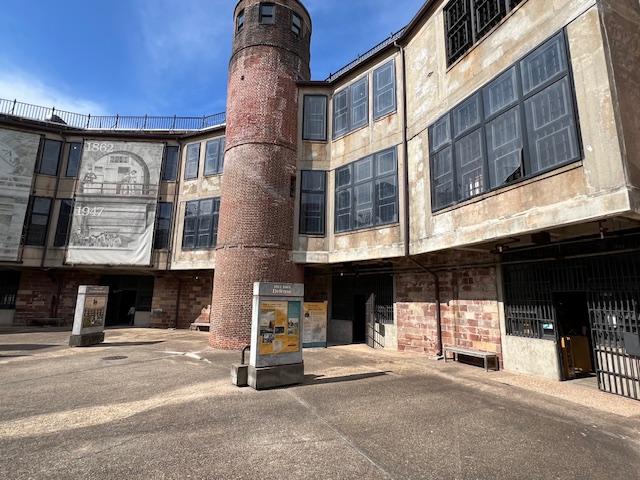
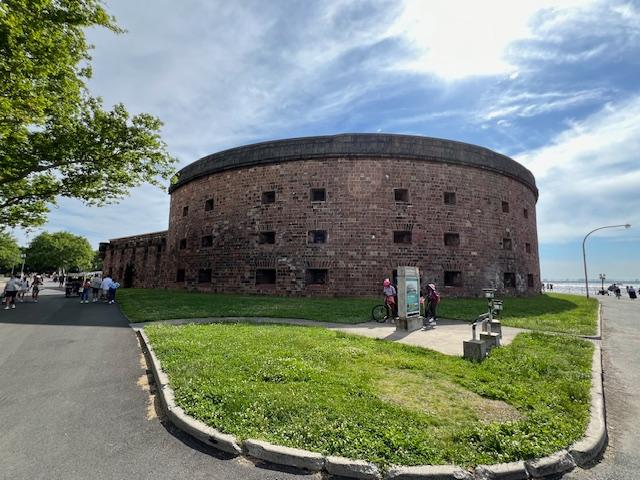
Castle Williams Fort as you enter from the main walkway

I have toured Castle Williams several times when visiting Governors Island over the last two years. The fort sits at a strategic site on the island facing Manhattan. The fort was originally built to protect New York City from the British during the War of 1812. The British knowing that the City had been fortified for battle never attacked New York.

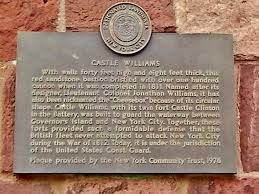
The historic plaque

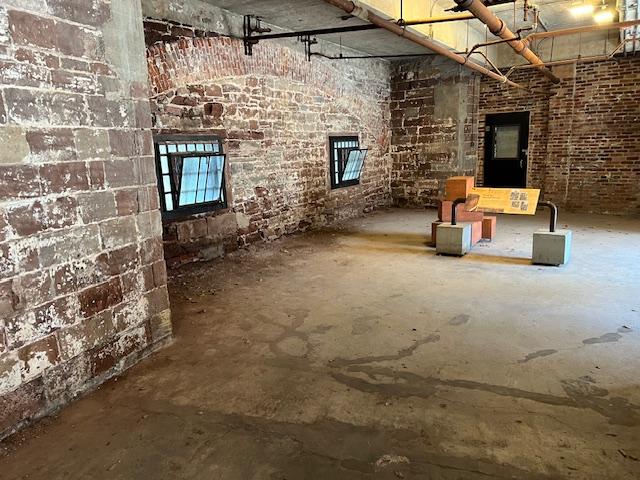
The tour takes place twice a day for about an hour and you tour the first two levels of the fort. There are all sorts of signs around to show the history of the fort and its uses over the years. The one thing they don’t like is you touching the walls as the fort is still pretty fragile.

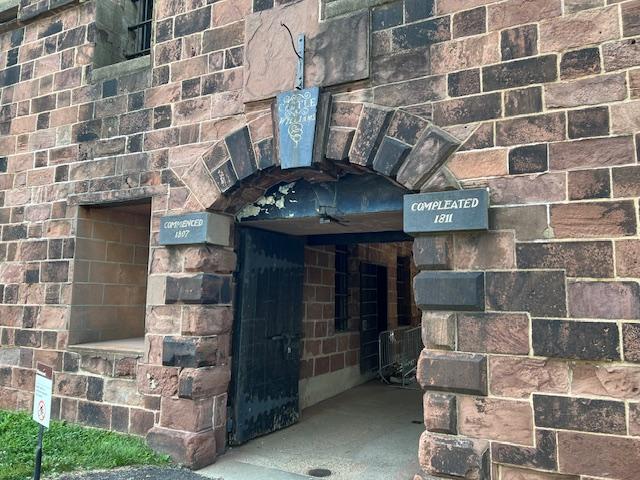
The entrance to this historic fort.

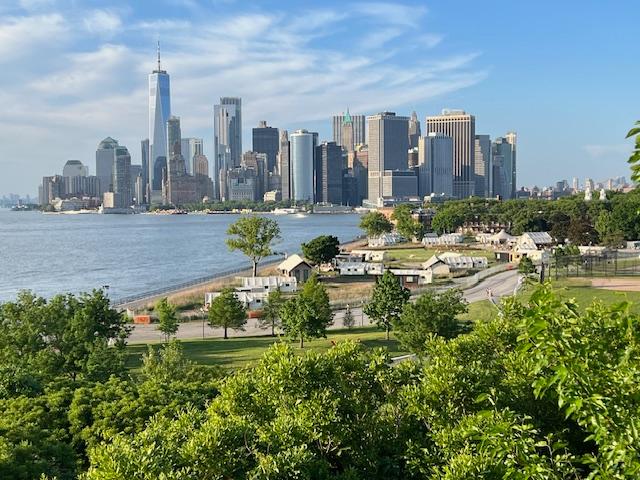
The nicest part of the tour is the observation deck at the top of the fort and the views of the Lower Manhattan skyline. It is a spectacular view of the harbor. You can see by the view why the fort was built where it was built and for its purpose before the War of 1812.

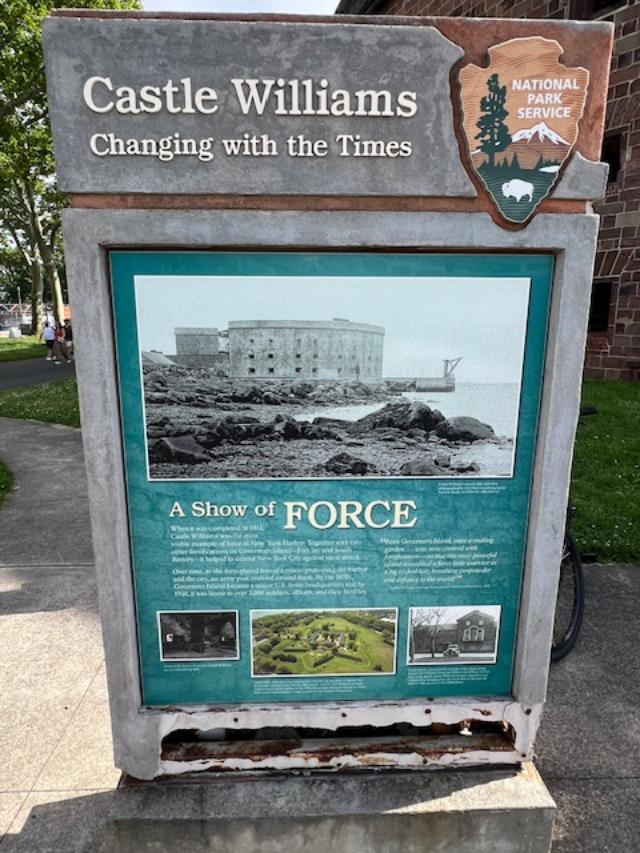
The sign welcoming you to the fort.

It really is a treat to see how fortifications mattered for cities in this time of history in this country.

The History of Castle Williams:

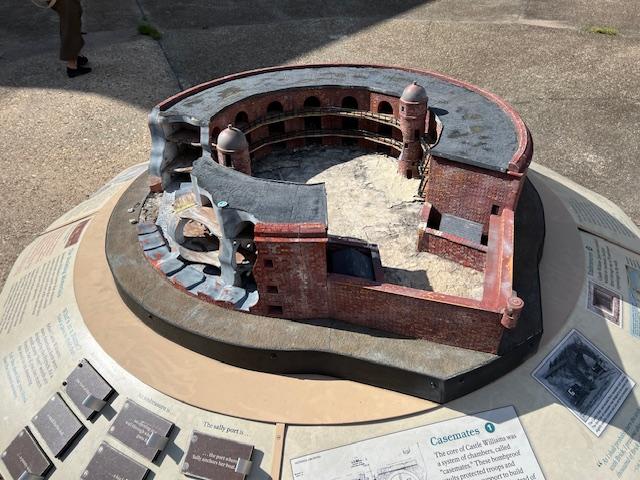
The model of Castle Williams inside the fort.

Castle Williams is a circular defensive work of red sandstone on the west point of Governors Island in New York Harbor. It was designed and erected between 1807 and 1811. It was designed by the Chief Engineer of the U.S. Army Corps of Engineers, Lieutenant Colonial Jonathan Williams for whom the fort was named after. It was considered a prototype for new forms of coastal fortification.

The fort from the outside

The castle was one component of a larger defensive system for the inner harbor that included Fort Jay and the South Battery on Governors Island, Castle Clinton at the tip of Manhattan, Fort Gibson at Ellis Island and Fort Wood, which is now the base of the Statue of Liberty on Liberty Island. This system of forts came to be known as the Second American System of coastal defense and existed to protect harbors like the one in New York from British interference with American Shipping.

The inside courtyard of the fort.

Its usefulness as a fort began to end in the 1830’s, so Castle Williams subsequently served as barracks for the island’s garrison and new and transient troops. The castle was then remodeled by the U.S. Army for use as a prison in various forms during the Civil War and through the first half of the 20th Century.

In 1901, Secretary of War Elihu Root, who worked hard to modernize the Army, made a commitment to preserve the castle and overruled army leaders who wanted to demolish both it and Fort Jay. By 1903, the castle was fitted up as a model, state of art prison facility. In 1947, extensive renovations were carried out with the wooden catwalks replaced by concrete enclosed walk ways, hiding the beautiful stone arches on the third level and resulting in the industrial appearance of the courtyard today. Castle Williams ceased operations as a military prison in 1965 just before the U.S. Army left Governors Island.

The inside of the prison cell.

The Castle again faced a demolition challenge as Coast Guard officials in Washington DC, who took control of Governors Island in 1966, wanted to demolish it. Instead, the castle was remodeled as a youth community center with a nursery, meeting rooms for Scouts and clubs, a woodworking shop, art studios, a photography laboratory and a museum. By the late 1970’s, the community center moved to another location and the fort became the grounds-keeping shop for the Coast Guard base.

Over time, the roof failed and broken windows allowed serious water damage to occur inside the castle. In the mid-1990s, the roof was replaced and new windows stopped further water damage to the structure but the interior remains closed until it can be made safe for public access. The National Park Service proposes to stabilize and restore the castle and eventually provide access to the roof, allowing the public to admire the harbor and the modern skyline of the great city (this has since opened on my last visit).

The view from the top of the hill on Governor’s Island.

Castle Williams was individually listed in the National Register of Historic Placed on July 31, 1972. It was recorded by the Historical American Buildings Survey in 1983. It was designated a National Historic Landmark in 1985 and the New York City Landmarks Historic District in 1996. It has been part of the Governors Island National Monument by Presidential Proclamations signed in 2001 and 2003.

(This information was provided by the National Park System Division of Cultural Affairs).

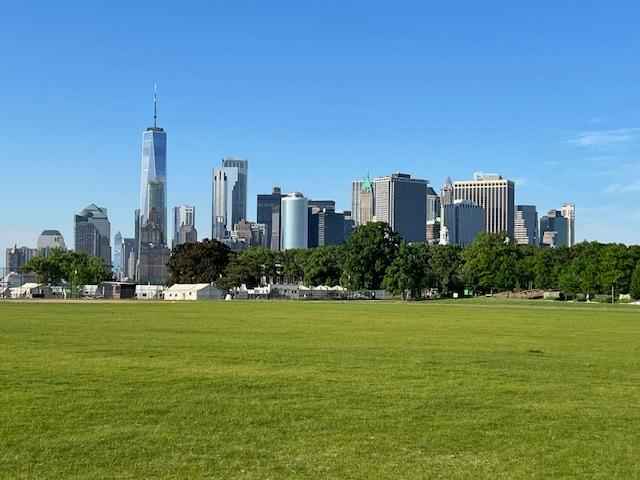
The lawn of Governor’s Island overlooking Lower Manhattan.

Visiting Stone Street in Lower Manhattan September 2017, November 2019 and April 2024

Visiting Stone Street in Lower Manhattan September 2017, November 2019 and April 2024

Visiting Stone Street in Lower Manhattan:

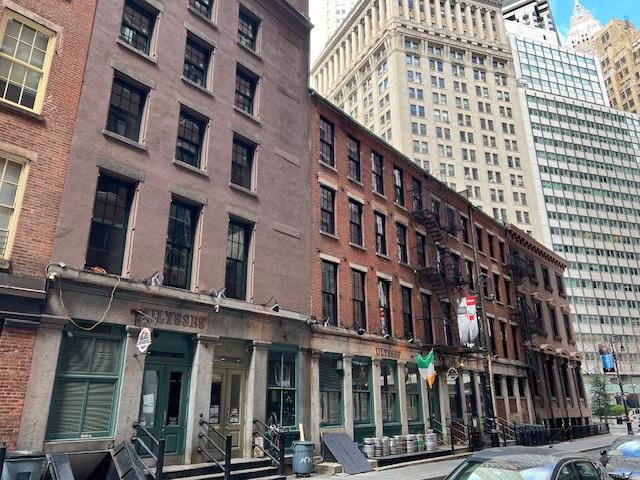
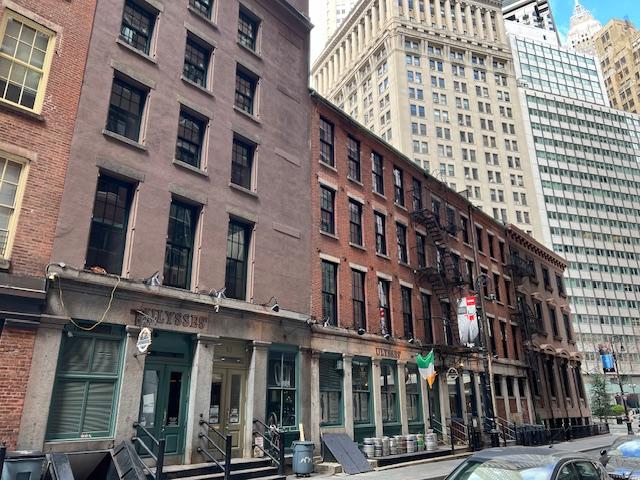
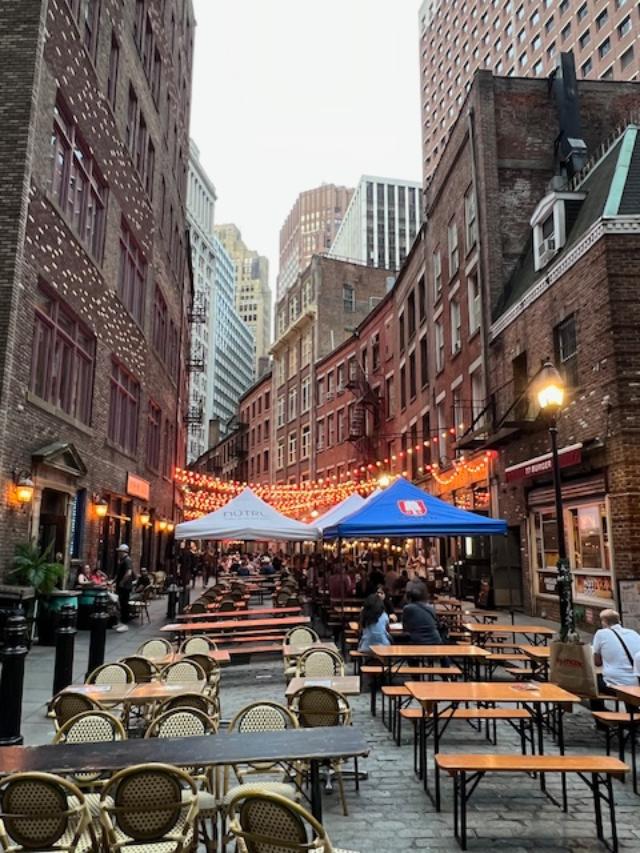
As part of my tour of Historic Bars and Pubs on Day One Hundred and Thirteen with the Cornell Club on May 9th, 2018, we toured the famous ‘Stone Street’ one of the original paved streets of Manhattan. You will not find architecture or pavings like this left in New York City. Here and there are streets or buildings that represent these times during the early to mid-1800’s but they are few and scattered in remote spots all over the island. Here the street still represents a different era of Manhattan.

Stone Street IV

The stores in the 90’s had been either boarded up or were used but in horrible shape. During the business hours not too many people inhabited this area of Lower Manhattan and it was ignored. The neighboring South Street Seaport was being transformed in the mid 80’s into a type of historic theme park and entertainment center by the Rouse Corporation. It put these old neighborhoods back into vogue and people started to return again.

Over time, especially after 9/11 and the changes in downtown Manhattan, the street is now home to many trendy bars and restaurants and a hang out for the downtown business crowd. During the recent walking tour, the place was hopping with people spilling out of restaurants, ordering drinks during happy hour and eating pizza at the local pizzeria.

During ‘Happy Hour’ after work, the place is mobbed with people milling around having a good time. The tables toward the end of the street are filled with tourists taking pictures and at one end of the street is the famous “India House” and at the other is the Frances Tavern where George Washington gave his troops his farewell address.

Stone Street’s India House

It is not only a historical neighborhood but loaded with things to see and do. The buildings which were once in horrible shape have been brought back to life and repositioned to use for the meals and entertainment. It is interesting to see how a neighborhood comes back in full circle in a 150 years.

The Stone Street dining area in the warmer months.

History of the area:

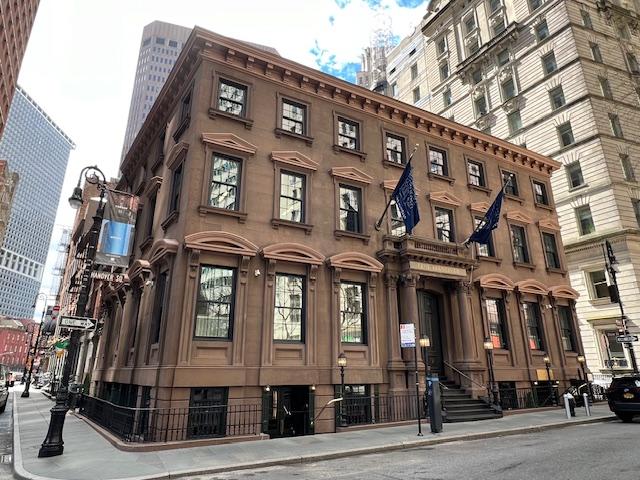
Stone Street is a short street in Manhattan’s Financial District. It originally ran from Broad Street to Hanover Square but was divided into two sections by the construction of the Goldman Sachs building at 85 Broad Street in the 1980’s. Today the cluster of historic buildings along Stone, South William, Pearl Streets and Coenties Alley form the Stone Street Historic District.

Fire of 1835 III

The area burned during the Fire of 1835

Stone Street is one of New York’s oldest streets. It was originally known by its Dutch name, Hoogh Staet (High Street). In 1632, the Dutch West India Company built the first commercial brewery in North America there. Around 1656, Hoogh Straet was shifted about twenty to twenty-five feet to align it with Brouwer Street, the extension of Hoogh Straet west of the Gracht and which in 1658 became the first paved street in Nieuw Amsterdam. Following the British conquest of the colony, the name Hoogh Straet was translated to High Street. It was then called Duke Street for the Duke of York during most of the 18th century. Leveled in 1771 and 1790, it was renamed Stone Street in 1794 because of it’s cobblestone paving as New Yorkers abandoned reminders of British Rule.

Fire of 1835

The Fire of 1835

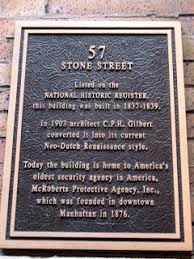
The street’s stores and loft were built for dry-goods merchants and importers, shortly after the Great Fire of 1835, which destroyed many remnants of New Amsterdam. Most buildings were used as storage. The building at 57 Stone Street was rebuilt in 1903 by C.P.H, Gilbert in Dutch Colonial Revivial architecture at the behest of the owner, Amos F. Eno as son of Amos R. Eno. The buildings to the back on South William 13-23 also were reconstructed in the Dutch revival style, evoking New Amsterdam.

Stone Street at night

Today is a busy series of bars and restaurants.

Following many decades of neglect, a joint partnership between the Landmarks Preservation Commission and other city agencies, the Alliance for Downtown New York and Stone Street owners has transformed Stone Street from a derelict back alley into one of Downtown’s liveliest scenes. Restored buildings, granite paving, bluestone sidewalks and period lights set the stage for the half dozen restaurants and cafes, whose outdoor tables are very popular on warm summer nights.

The eastern portion of the street and the surrounding buildings have been protected since 1996 by the New York City Landmarks Preservation Commission as the Stone Street Historic District and is pedestrian only. The historic district is now populated by several restaurants and bars and has a outdoor dining when the weather permits. The India House historic landmark is located at the Hanover Square end of the street.

(This information was taken directly from Wikipedia and I give them full credit)

Charging Bull                                                 Bowling Green Park                                            New York, NY 10004

Charging Bull Bowling Green Park New York, NY 10004

Charging Bull

Bowling Green Park

New York City, NY  10004

http://www.chargingbull.com/

TripAdvisor Review:

https://www.tripadvisor.com/Attraction_Review-g60763-d1605557-Reviews-Charging_Bull_Wall_Street_Bull-New_York_City_New_York.html?m=19905

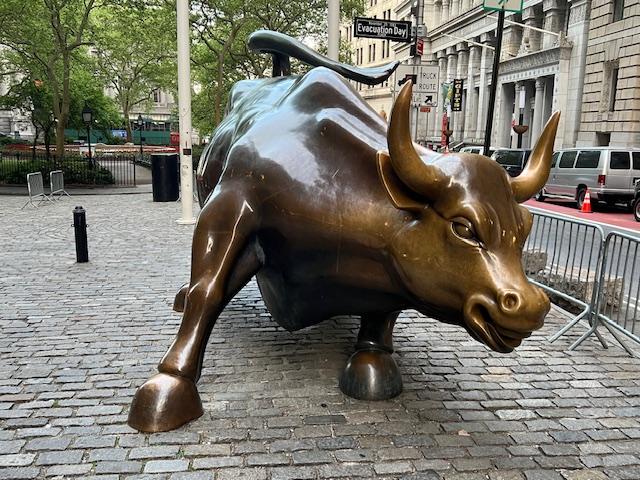
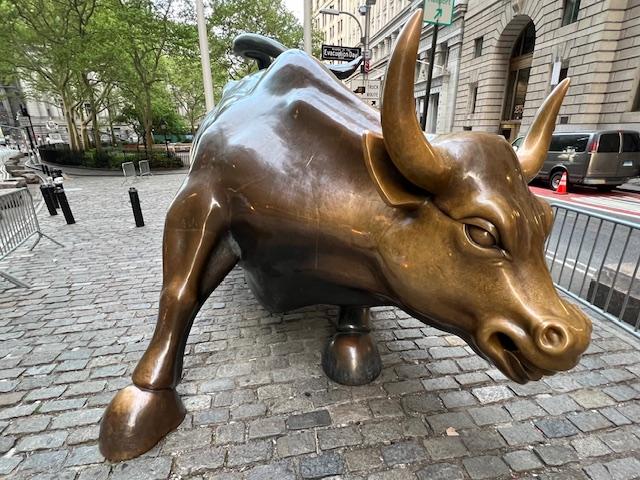
When you are in lower Manhattan and are visiting the Battery Park and/or Wall Street area don’t miss the Charging Bull statue by artist Arturo Di Modica. The artist created this piece of ‘guerrilla’ art after the Crash of 1987, when we were about to enter the depths of another major recession, one that went from the end of 1987 until the summer of 1995.

This interesting piece of New York history is actually a recent addition to the street art of New York City. The statue was created and cast in 1987 following the Crash and made its first appearance outside the New York Stock Exchange on December 15, 1989.

The bull according to the artist, “represents the symbol of the strength and power of the American people’ following the Crash. It has taken on many meanings since such as the power of Wall Street and the progressiveness of money and power in the Financial industry.

During the high tourist season expect to see the statue surrounded by tourist taking pictures in all directions. The statue of ‘Charging Bull’ is now paired with ‘Fearless Girl’ by artist Kristen Visbal. Some have commented that it has changed the meaning of the statue but I think it is how you interpret both works. Its best to visit and make your own opinion.

Fearless Girl Statue II

The ‘Charging Bull’ with ‘Fearless Girl’

While you are visiting the statue, take time to visit this historic section of Manhattan and visit the other sites that include Bowling Green Park, the Museum of the Native Americans, Frances Tavern and Stone Street as well as the boats to Governor’s, Ellis and Liberty Islands. It is a wonderful way to spend the afternoon.

Please refer to my blog, ‘MywalkinManhattan.com’- “Day One Hundred and Thirteen Tour of Historic Pubs and Bars in Lower Manhattan with the Cornell Club” for a full list of things to see in this section of the City.

History of Charging Bull:

Construction and installation:

The Bull by Bowling Green Park in the early morning hours.

The bull was cast by the Bedi-Makky Art Foundry in Greenpoint, Brooklyn. Di Modica spent around $360,000 to create, cast and install the sculpture following the 1987 stock market crash as a symbol of the ‘strength and power of the American people’. The sculpture was Di Modica’s idea and in an act of ‘guerrilla art’, Bedi Makky Art Foundry and Di Modica trucked it to Lower Manhattan. On December 15, 1989, they installed it beneath a 60 foot (18m) Christmas tree in the middle of Broad Street in front of the New York Stock Exchange as a Christmas gift to New Yorkers. That day, hundreds of onlookers stopped to admire and analyze it as Di Modica handed out copies of a flier about his artwork (Wiki).

NYSE officials called the police later that day and the NYPD seized the sculpture and placed it into a impound lot. The ensuing public outcry led the New York City Department of Parks & Recreation to reinstall it two blocks south of the Exchange in the Bowling Green, with a ceremony on December 21, 1989. It faces up Broadway at Whitehall Street (Wiki).

Confusion over ownership:

The sculpture technically has a temporary permit allowing it to stand on city property since the city does not own the sculpture but the temporary permission has lasted since 1989, when city officials said the new location would not be permanent. Art on loan is usually limited to a year’s display and although the city does not buy art, it does accept donations. A writer in the New York Daily News wrote in 1998 that the statue’s placement was ‘beginning to look a mite permanent.’ According to an article in Art Monthly, Di Modica as well as officials and New Yorkers, ‘view it as a permanent feature of Lower Manhattan (Wiki).

In 2004, Di Modica announced that the bull sculpture was for sale, on condition the buyer does not move it from its present location. Di Modica continues to own the artistic copyright to the statue. In 2006, Di Modica sued Walmart and other companies for illegally benefiting from his copyright, by selling replicas of the bull and using it in advertising campaigns. In 2009, Di Modica sued Random House for using a photo of the bull on the cover of a book discussing the collapse of financial services firm Lehman Brothers (Wiki).

Artist Arturo Di Modica:

Arturo Di Modica artist

Artist Arturo Di Modica

http://www.artnet.com/artists/arturo-di-modica/

Arturo Di Modica first conceived of the Charging Bull as a way to celebrate the can-do spirit of America and especially New York, where people from all over the world come regardless of their origin or circumstances and through determination and hard work overcome every obstacle to become successful. It’s this symbol of virility and courage that Arturo saw as the perfect antidote to the Wall Street Crash of 1987.

The artist was born in Vittoria, Italy in 1941 and studied at the Academia Del Nudo Libra in Florence, Italy in 1960. In 1973, he relocated to New York City to a Lower Manhattan space. ‘Charging Bull’ is his most famous piece (Artnet).