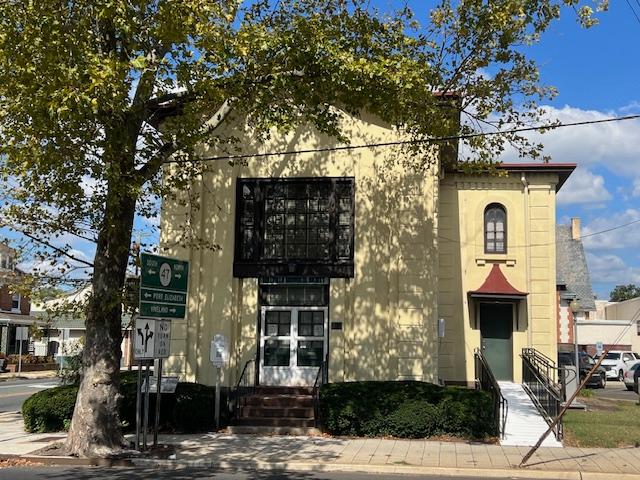
The Millville Historical Society at 200 East in tv Main Street
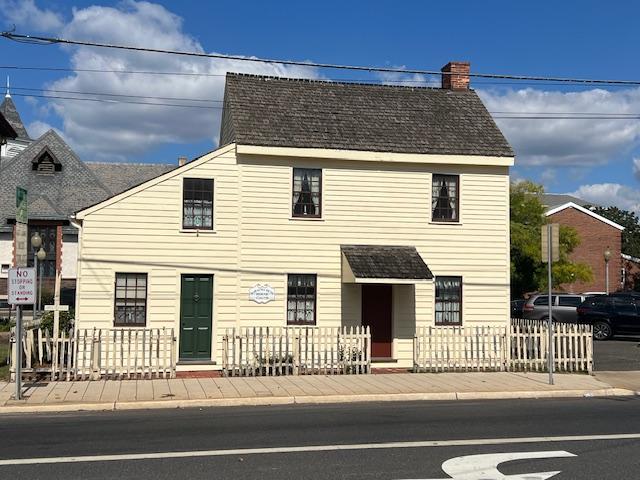
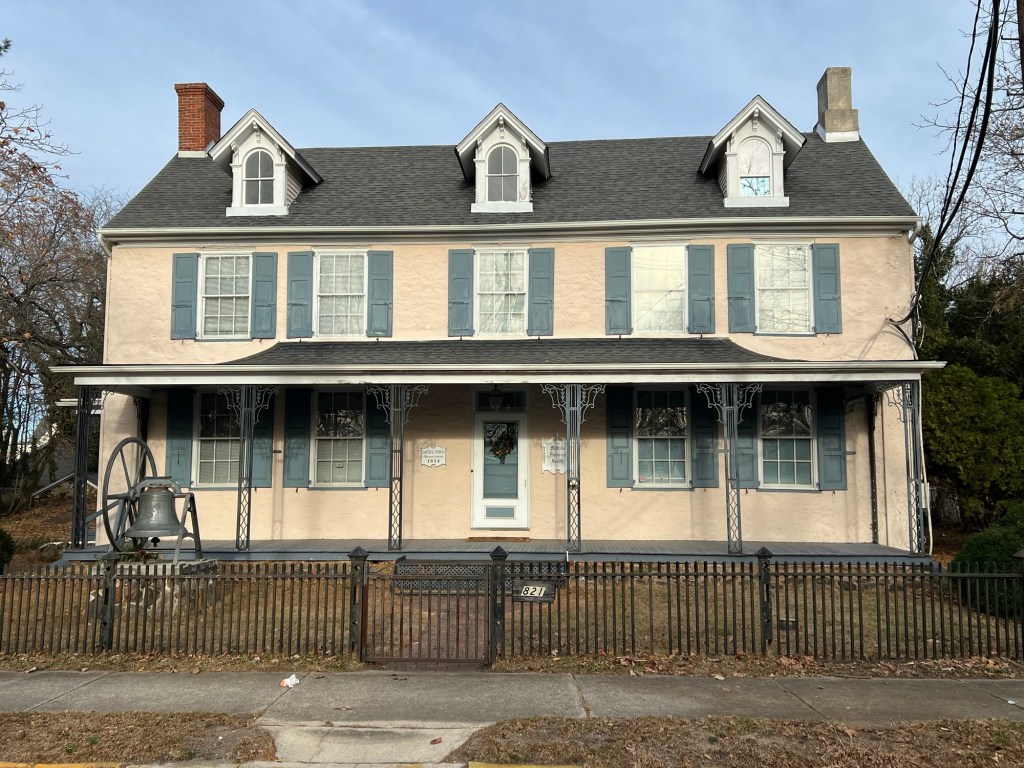
The Baracha-Dunn House right next door to the Historical Society is open for touring.
History of the museum:
(from the museum’s website)
The Millville Historical Society has been preserving Millville, New Jersey’s past for over nine decades. Incorporated in 1927, the organization’s headquarters and archives depositary is located in the historic 1857 Millville Bank at 200 E. Main St., Millville.
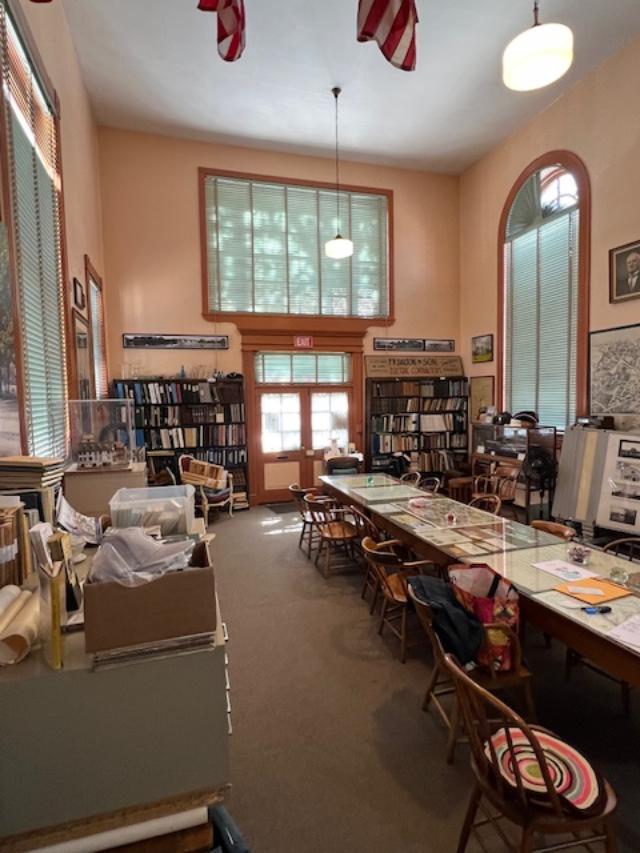
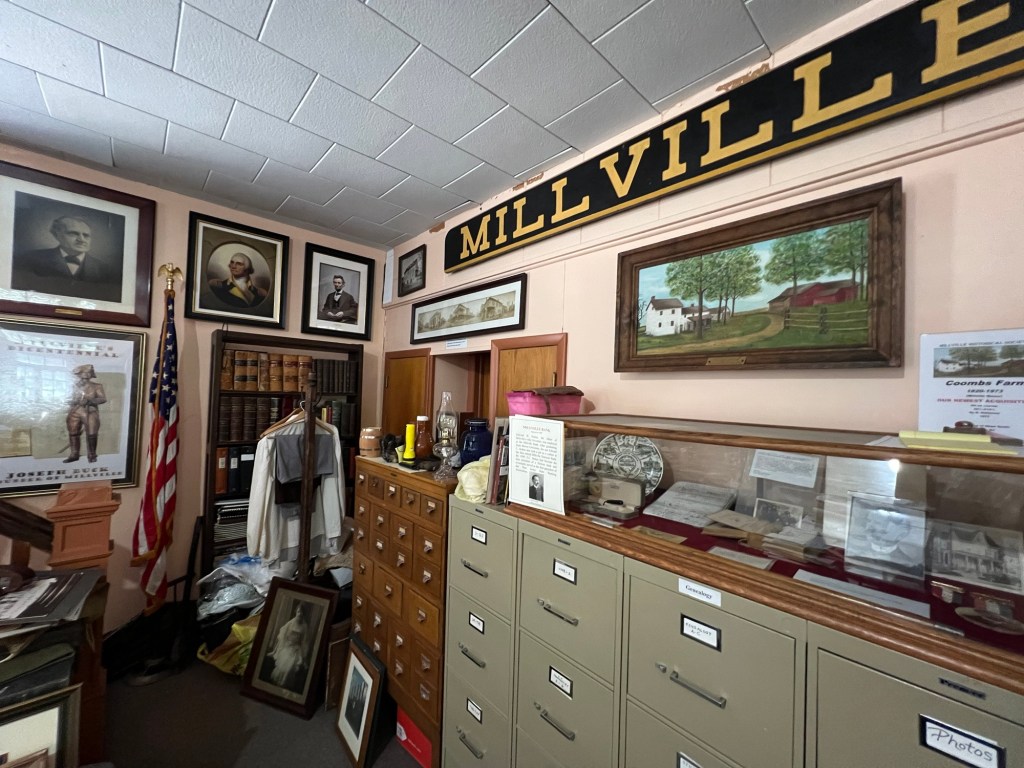
The main gallery of the Millville Historical Society
The Society has been entrusted with the care of three of Millville’s most historic structures: the 1857 Bank building at 200 E. Main Street, the 1798 Baracha Dunn House, and the 1814 Wood Mansion House.
Admission to all buildings is free. Donations are gratefully accepted.
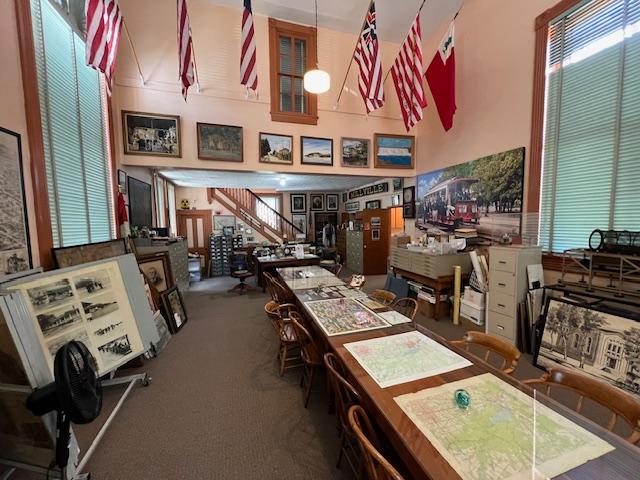
The main gallery of the Millville Historical Society from the front door
I recently visited the Millville Historical Society and got to tour the museum and the historical home next door. The main part of the museum is built inside a historic bank that the Society took over in the 1970’s. All the displays are showcased around the museum.
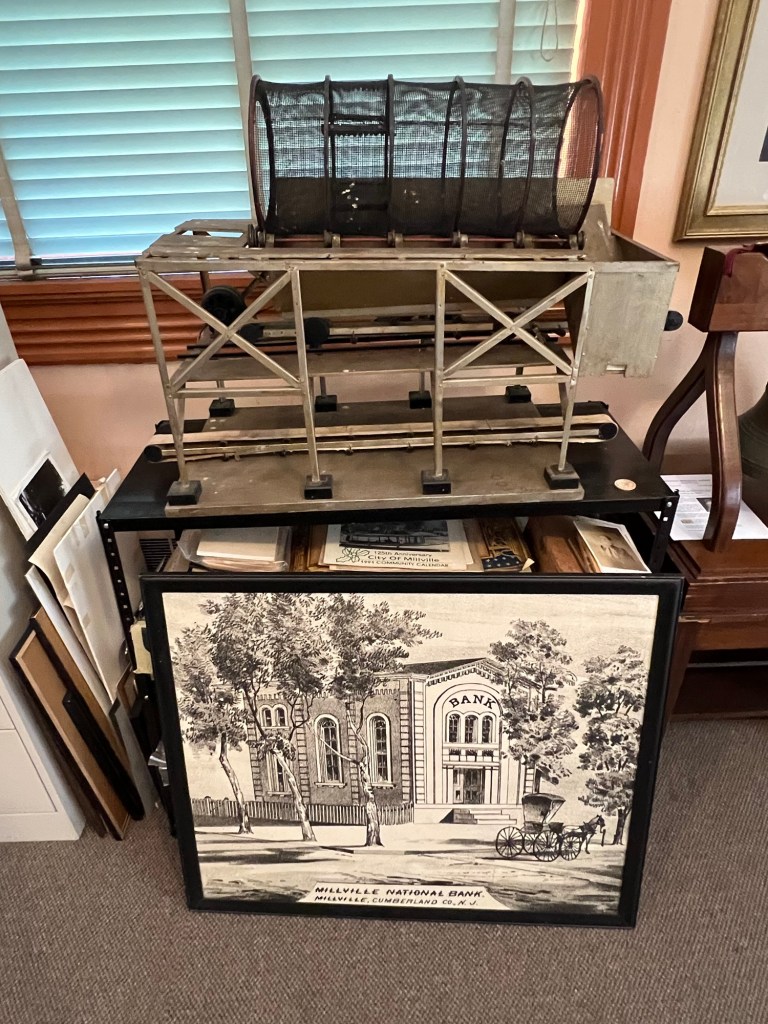
The original picture of the Millville National Bank during the turn of the last century
One of the first displays you will see is the original drawing of the bank. This beautiful historic building sits on the very edge of the downtown as you enter Millville. On the top of the display was a model of a sand separator that was in the creation of glass which the area was known for in the previous century.
The historic map of Downtown Millville, NJ
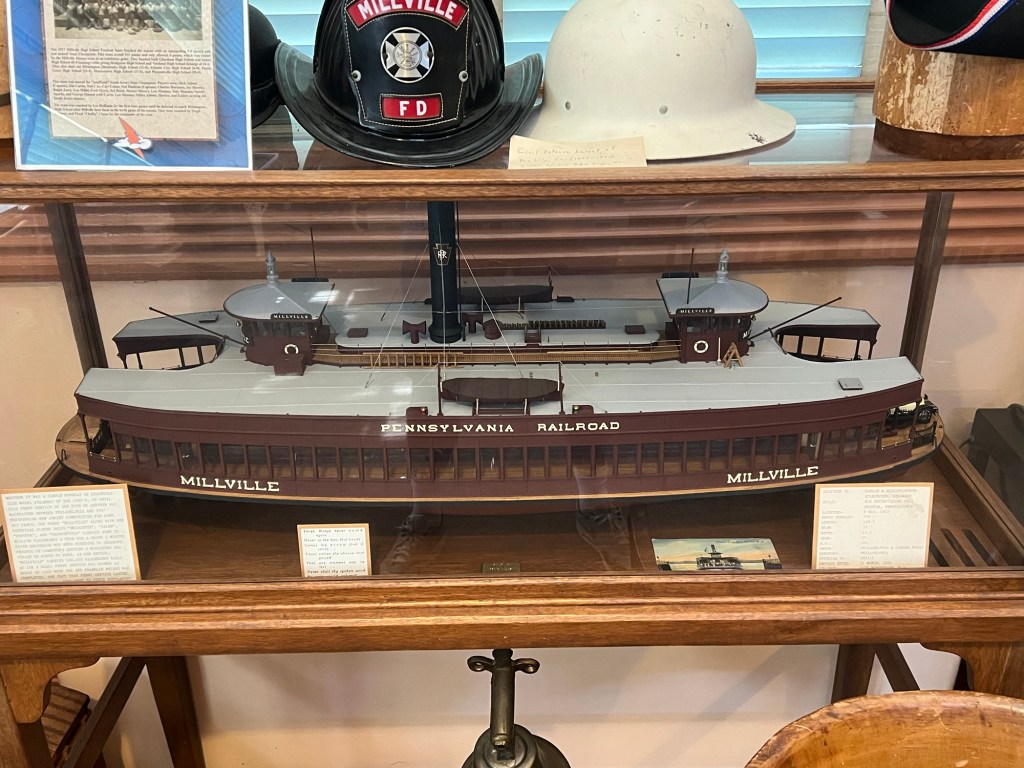
Another display has a model one of the major ferries that once ran in Millville.
The model of the Millville
The ferry that once ran in the area
The pictures of when the boat was christened
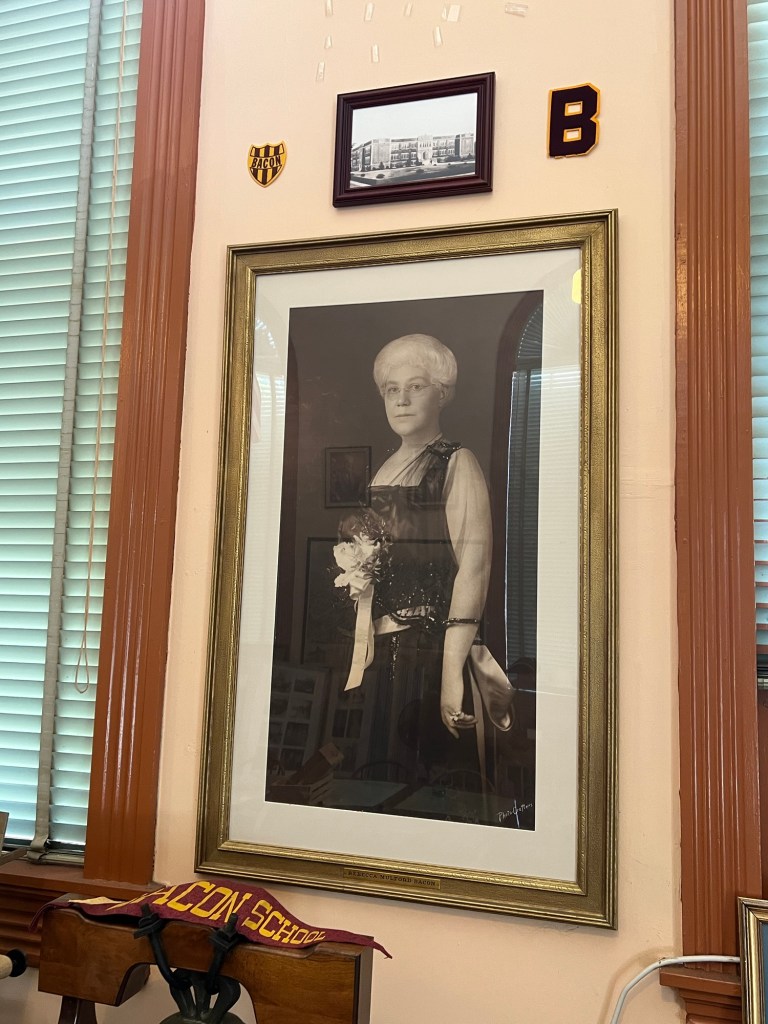
There was school display with one of the old bells of the school’s in Millville and a picture of one of its long serving principles, Rebecca Mulford Bacon.
The bell from the schoolhouse
Principal Rebecca Milford Bacon
The Principal’s plaque
The museum houses the recorded history of the town and the genealogy of the town and its citizens for people to research.
The Research Library along with more artifacts
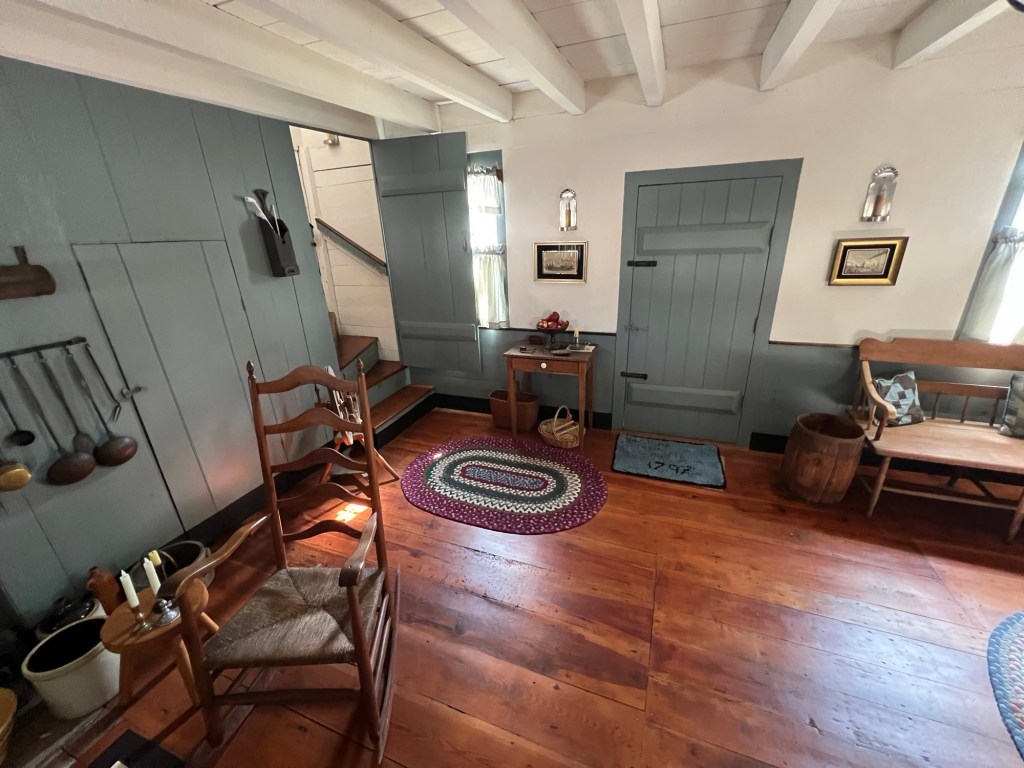
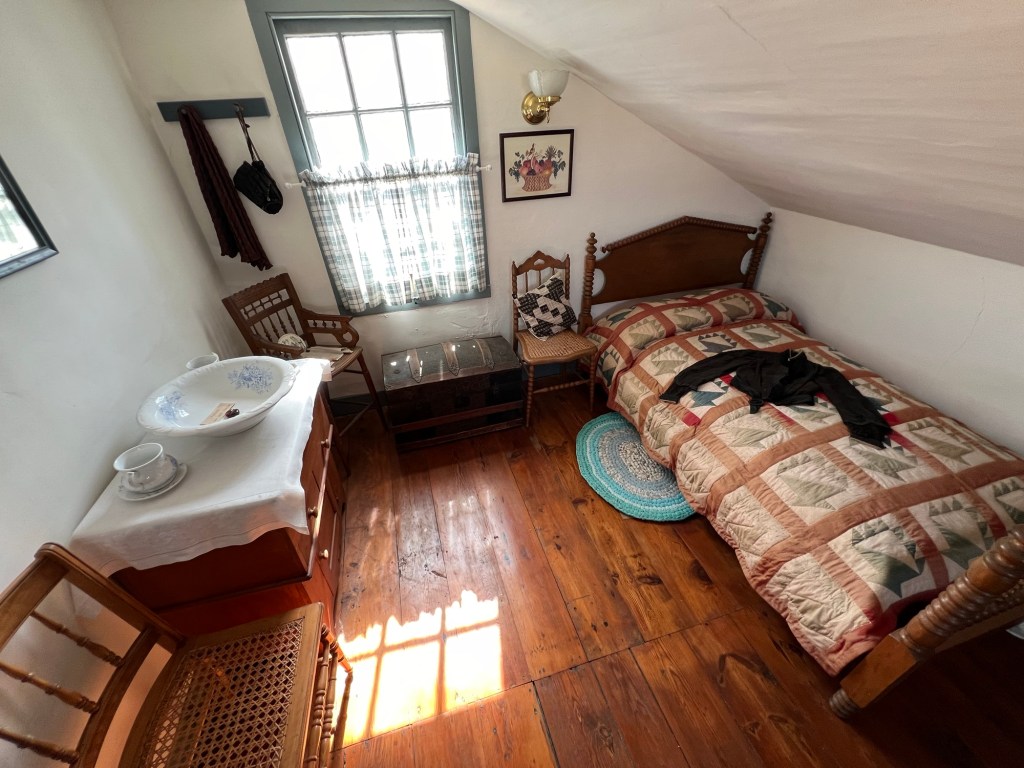
After I toured the displays along the perimeter of the museum, I had a tour of the Baracha-Dunn House next door which was part of the historical society’s complex. These historic buildings were built in the late 1700’s and the addition in the early 1800’s. The tour takes you through both the main house and the later addition both upstairs and downstairs.
The Barack’s-Dunn house was open for a tour
The entrance the house from the street
The main room of the original house with the hearth in the main room for cooking and for heat in the house
The hearth is the center of the house
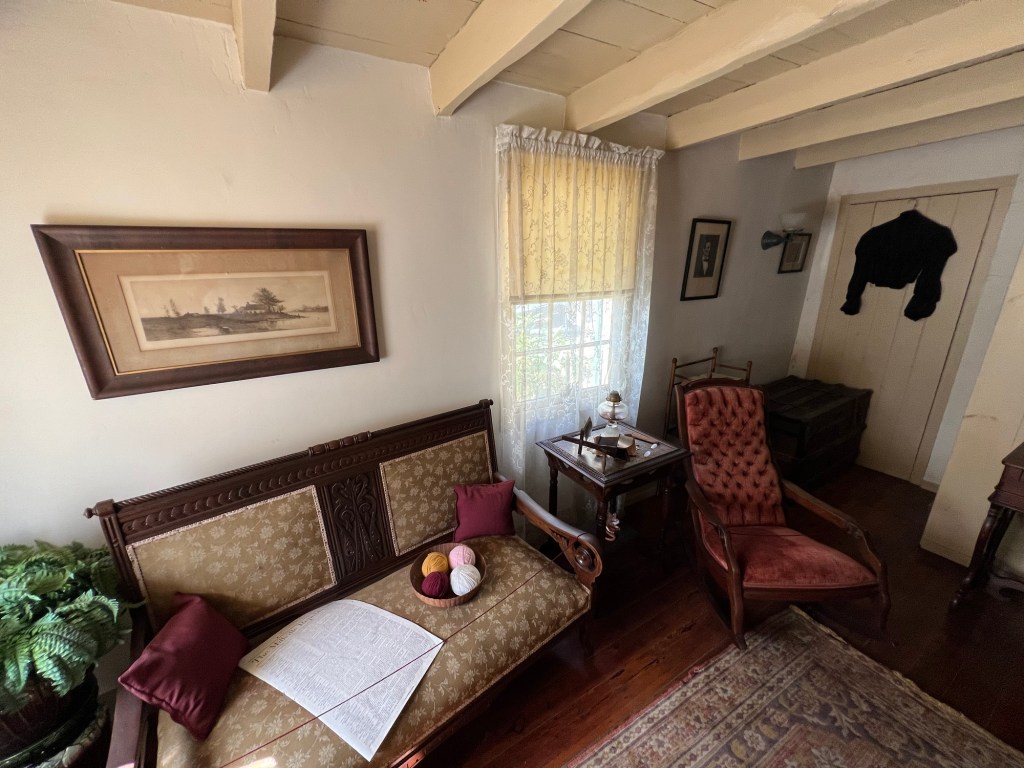
The Living Room of the main home
The Living Room of the home
The Living Room
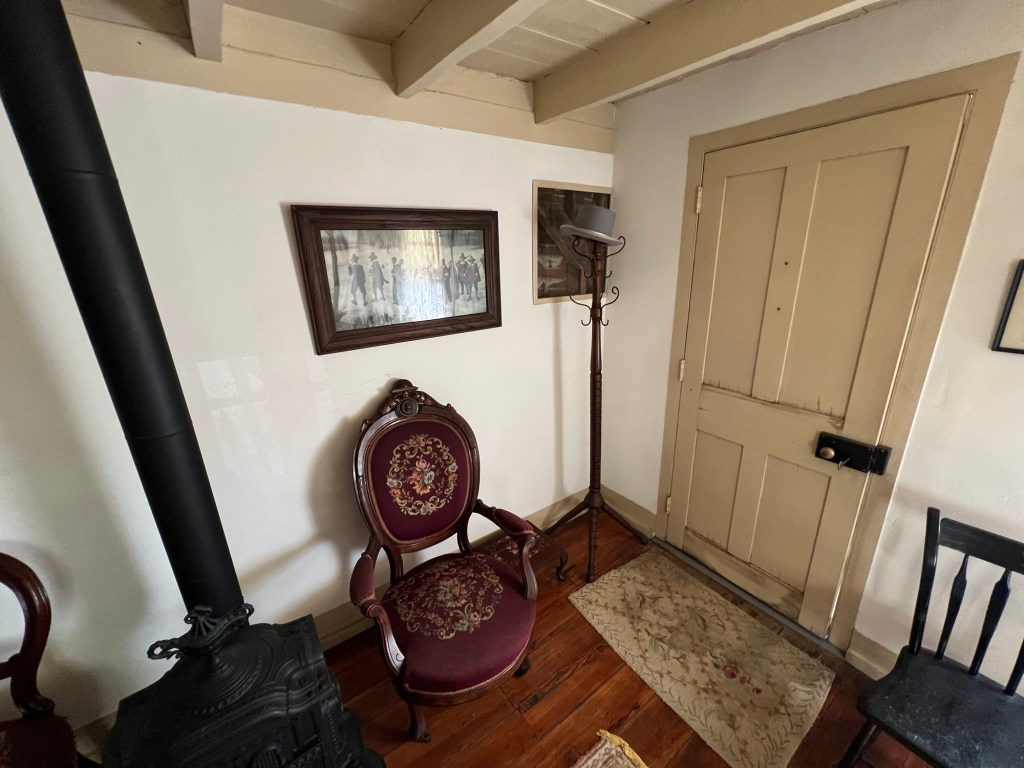
The other side of the house which was the later addition to the home offered more rooms.
The Living Room from the main door
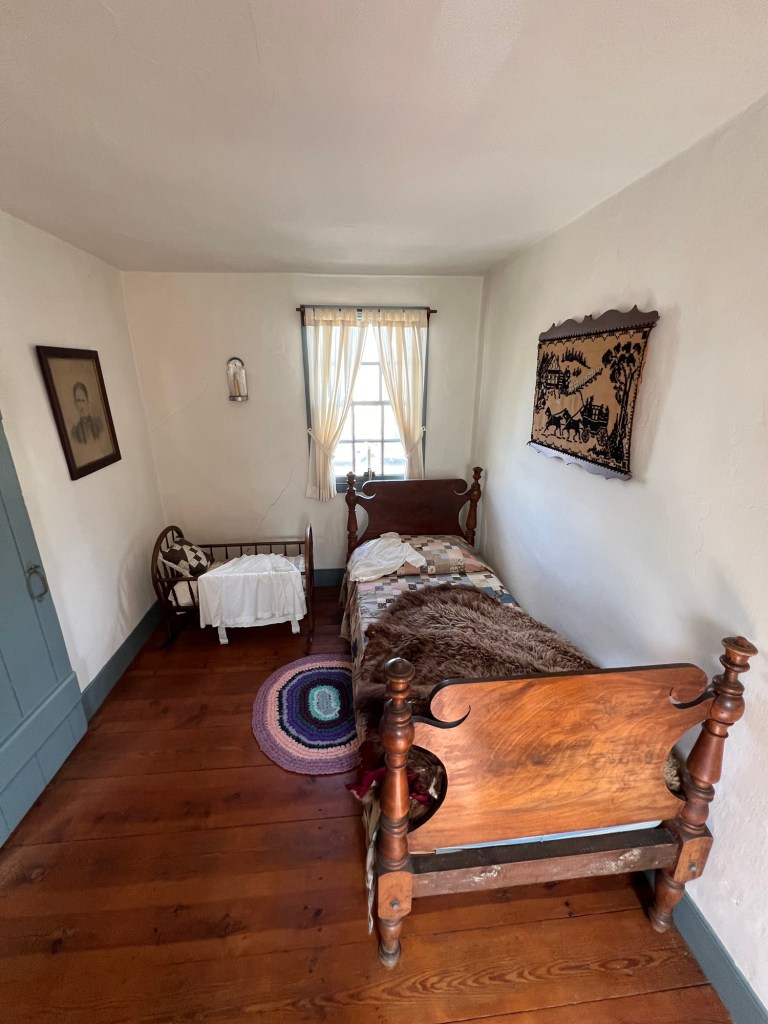
We walked up the narrow stairs to the second floor to the bedrooms. Each small room on the second floor was furnished with period furniture.
The bedroom on one side of the house
The second floor bedroom the leads to the attic
The second floor bedroom
This room led to the connected room on the other side of the floor
The small room on the second floor
The bedroom on the second floor
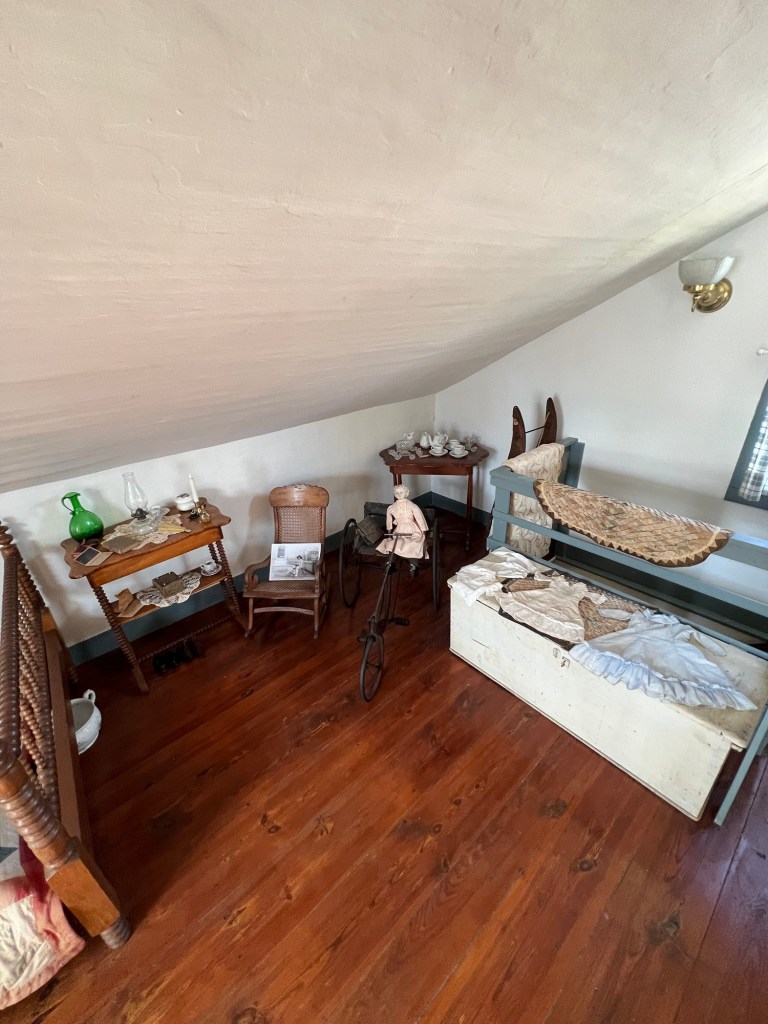
The Children’s room display of toys, furniture and clothing
The display of Children’s item
The house really showed life in the early parts of the 1800. The home’s period furniture decorates all the rooms in this home. The museum has another historical home in the downtown area that was closed that day. The museum offers a glimpse of Millville in its past.
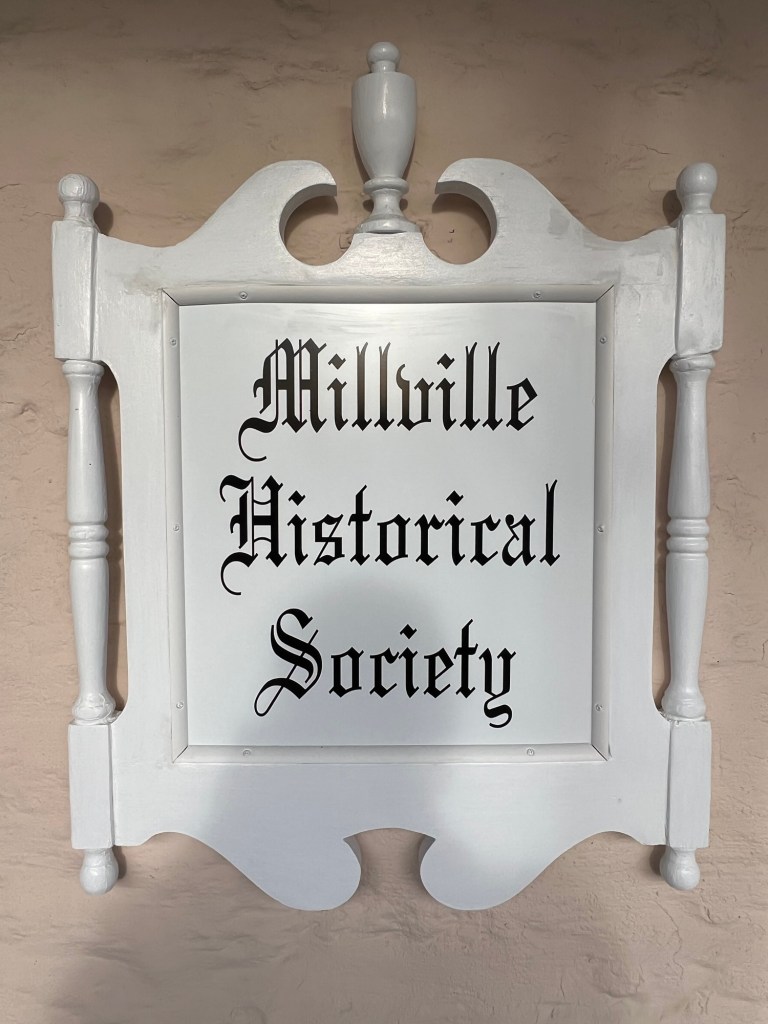
The historical sign outside the museum
On my second trip to the Millville Historical Society, I was able to visit the Wood Mansion from 1814. The home had been home to generations of the Wood family, the founders of Wawa, among other businesses.
The Wood Family Mansion
The Historical Society Museum sign
The David Wood Historical sign
The Living Room decorated for the holidays
The Victorian Christmas tree in the formal parlo
The Christmas decorations in the Living Room
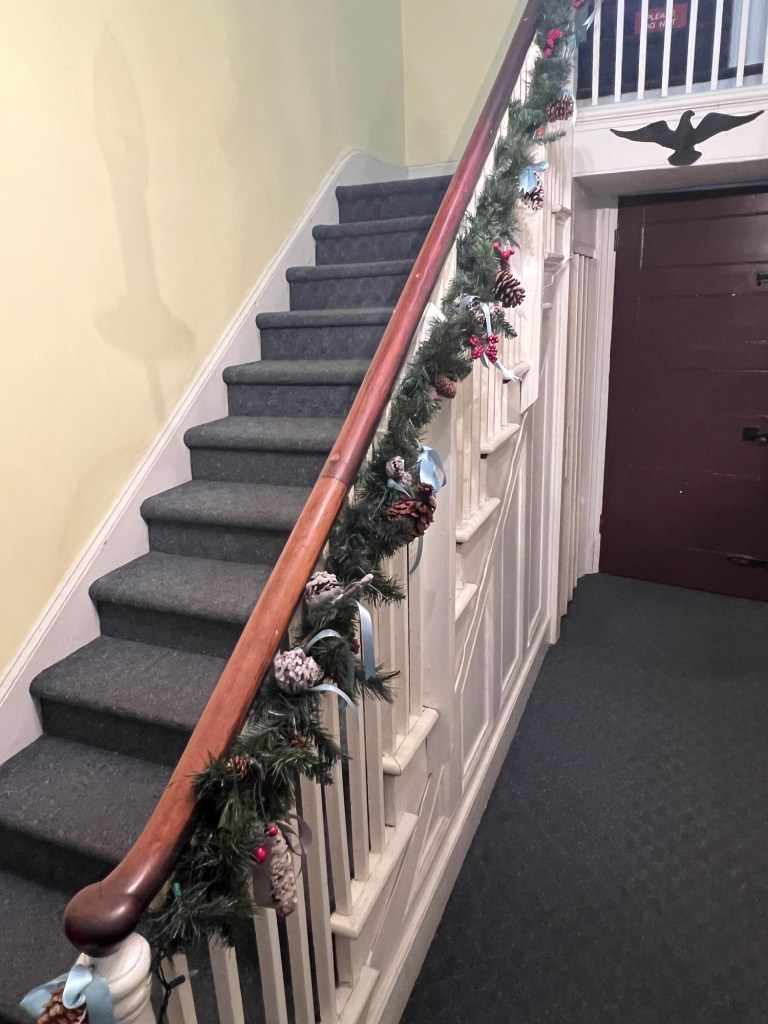
Th bannister decorated for the holidays
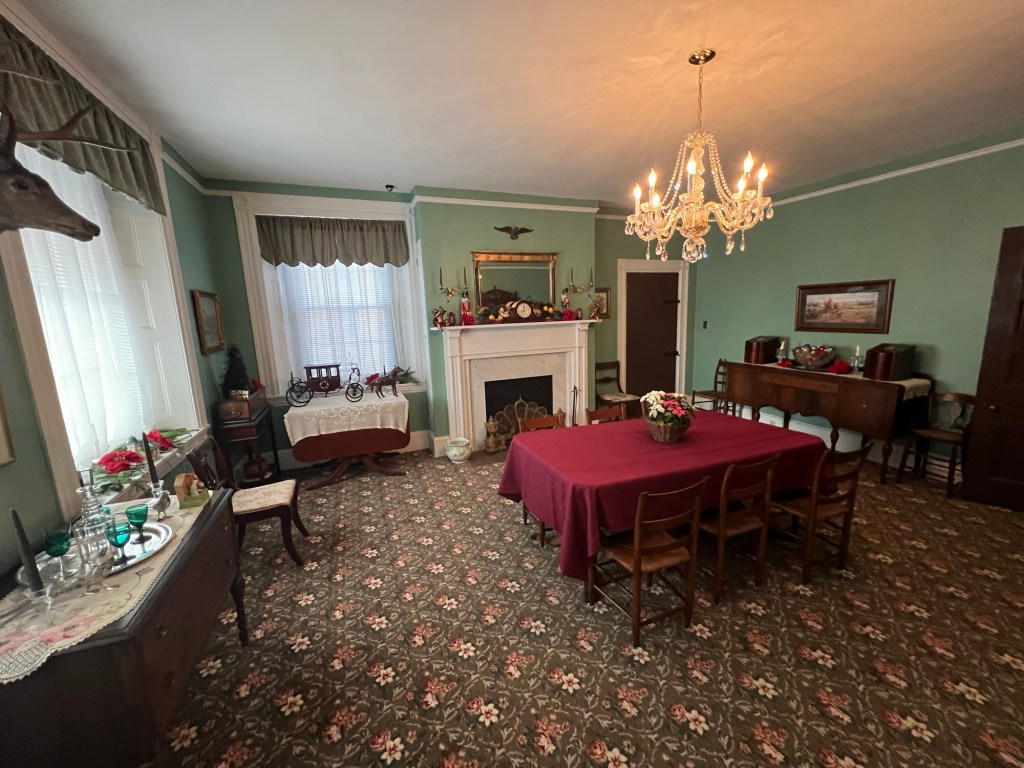
The Dining Room decorated for the holidays
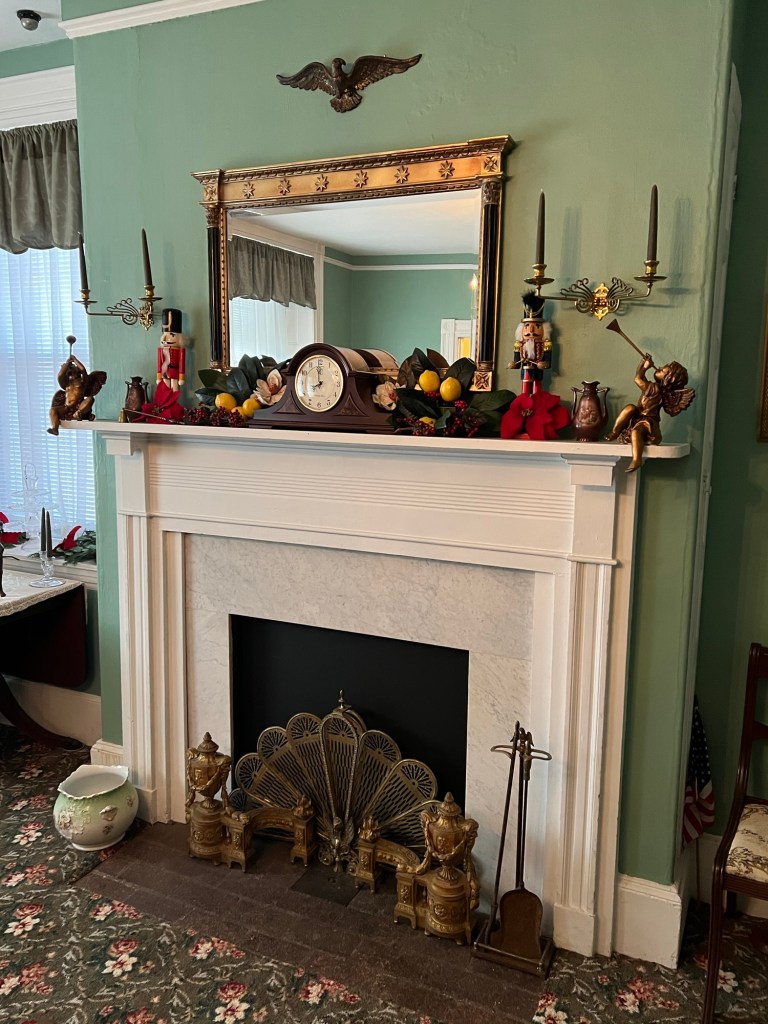
The mantle in the Dining Room decorated for the holidays
The dish-ware area
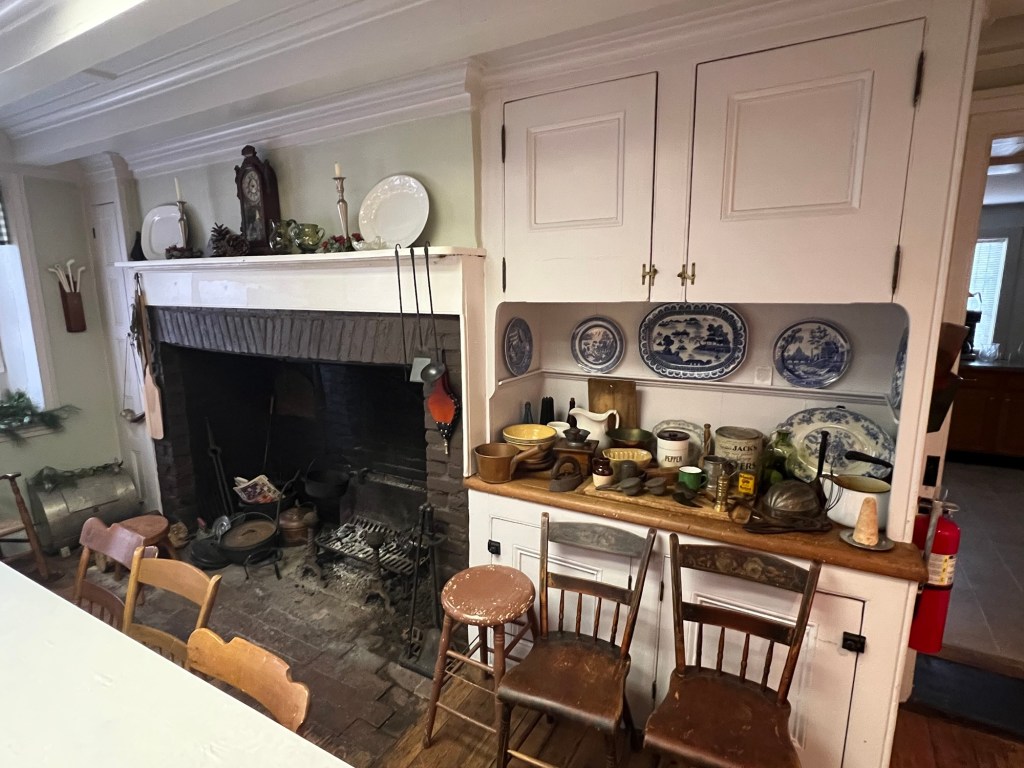
The kitchen fireplace
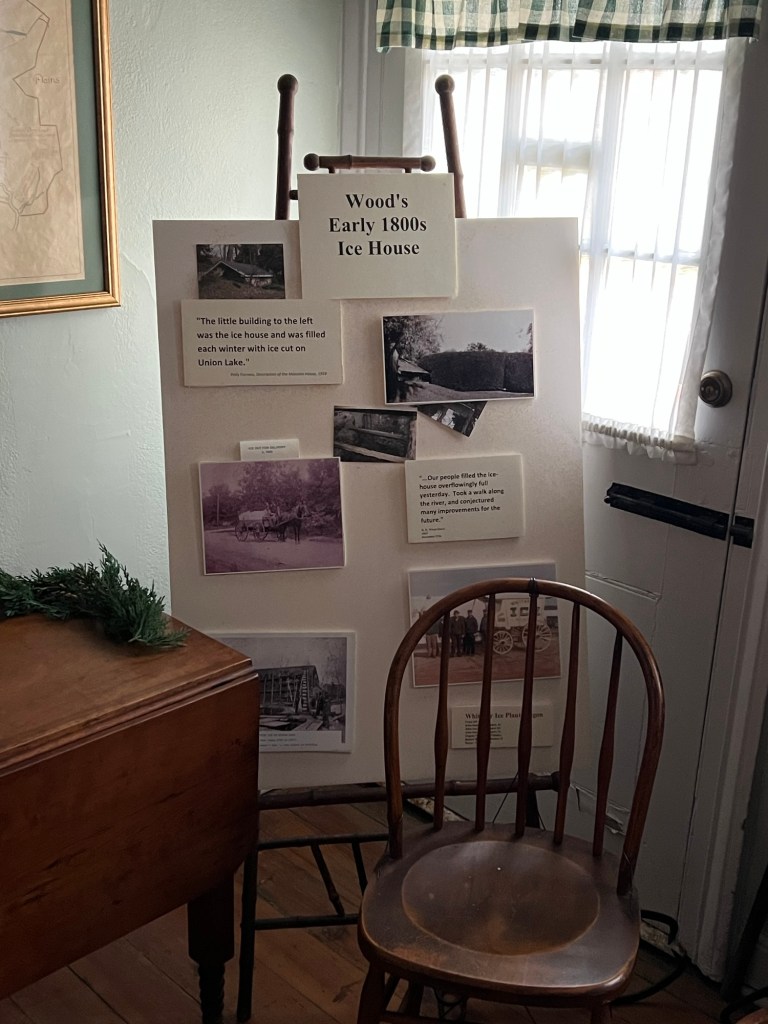
The Ice House display under renovation
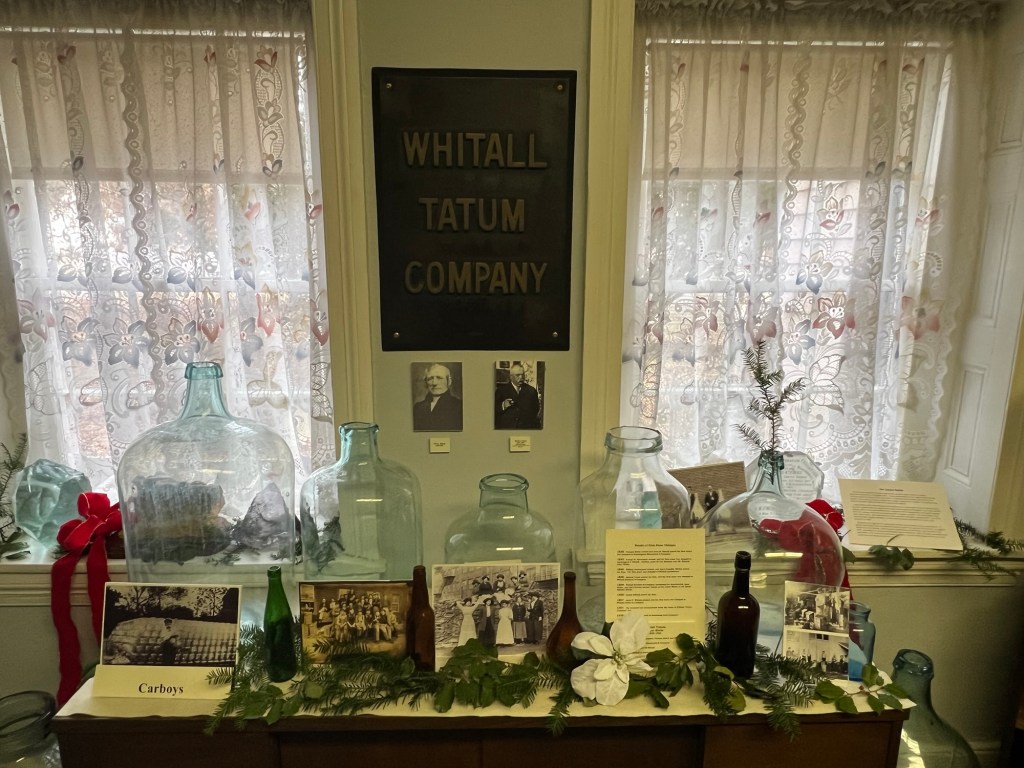
The Whitall Tatum glass display
The Whitall Glass display
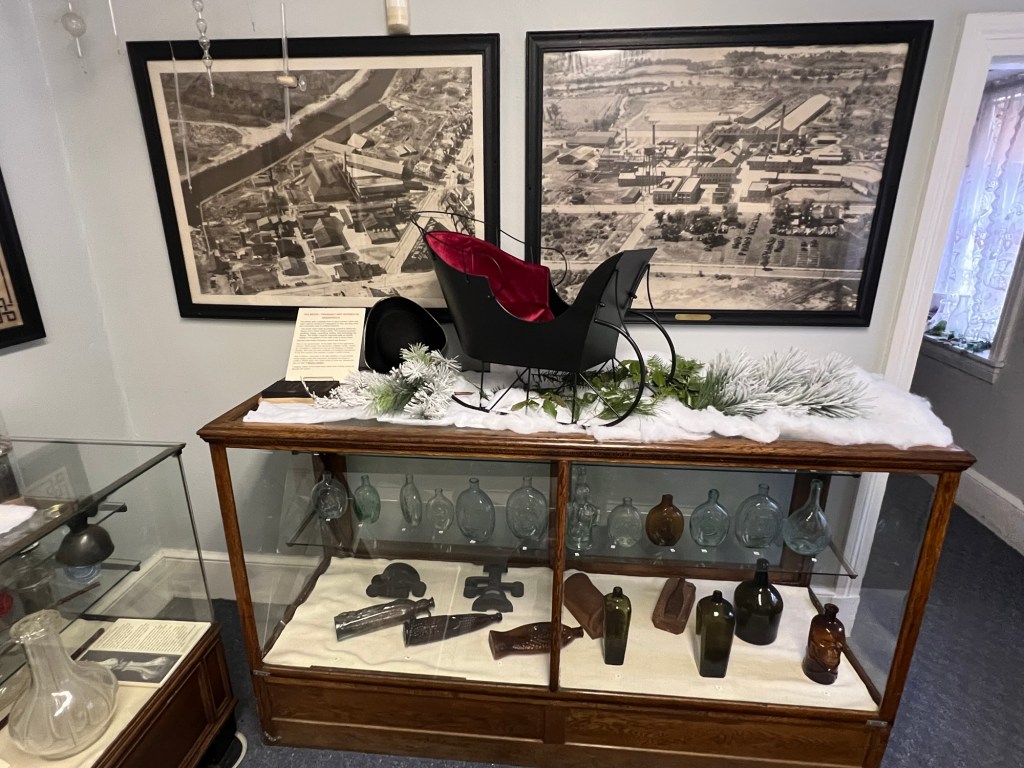
The glass display
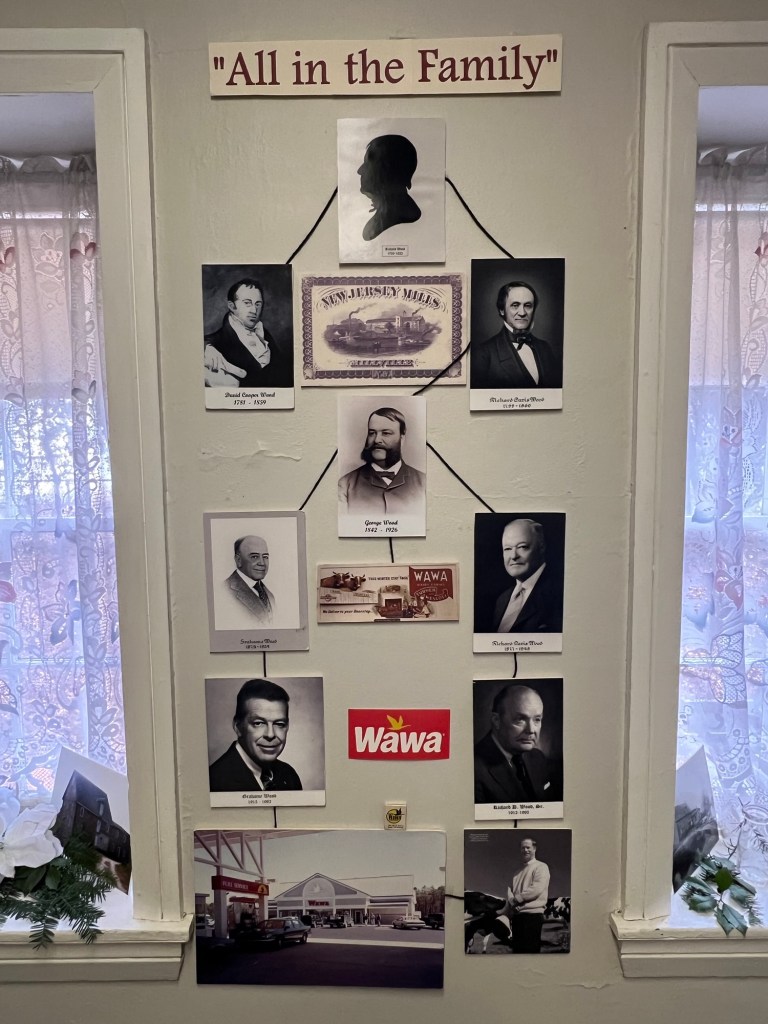
The Wood family tree and the progression of the business of the family
The local amusement park display
The local factory display
Pictures of the mansion since 1814
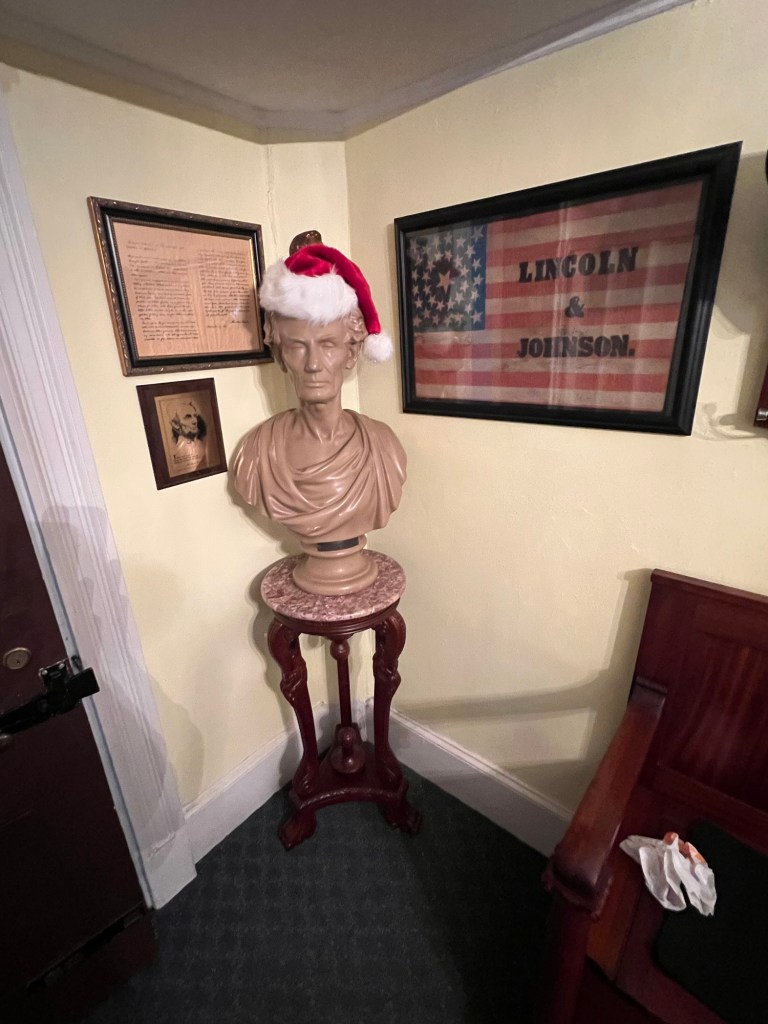
The Lincoln display
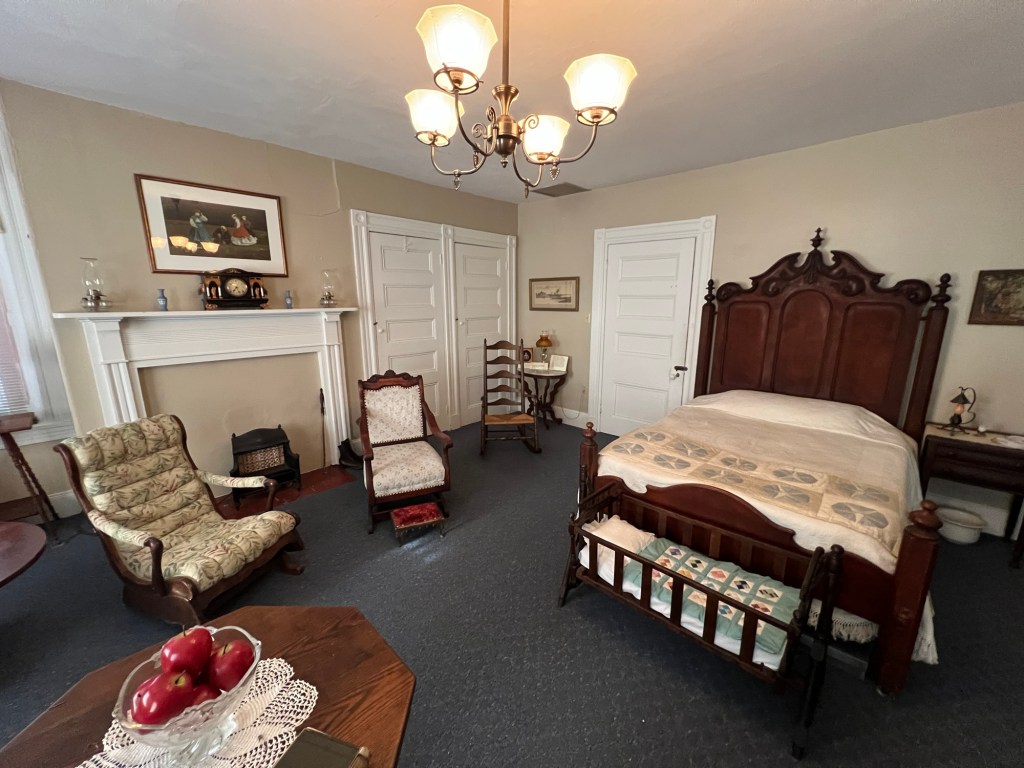
The main bedroom
The main bedroom
The Children’s display
The Children’s Toy Display
The Children’s Toy display
The Trolley display
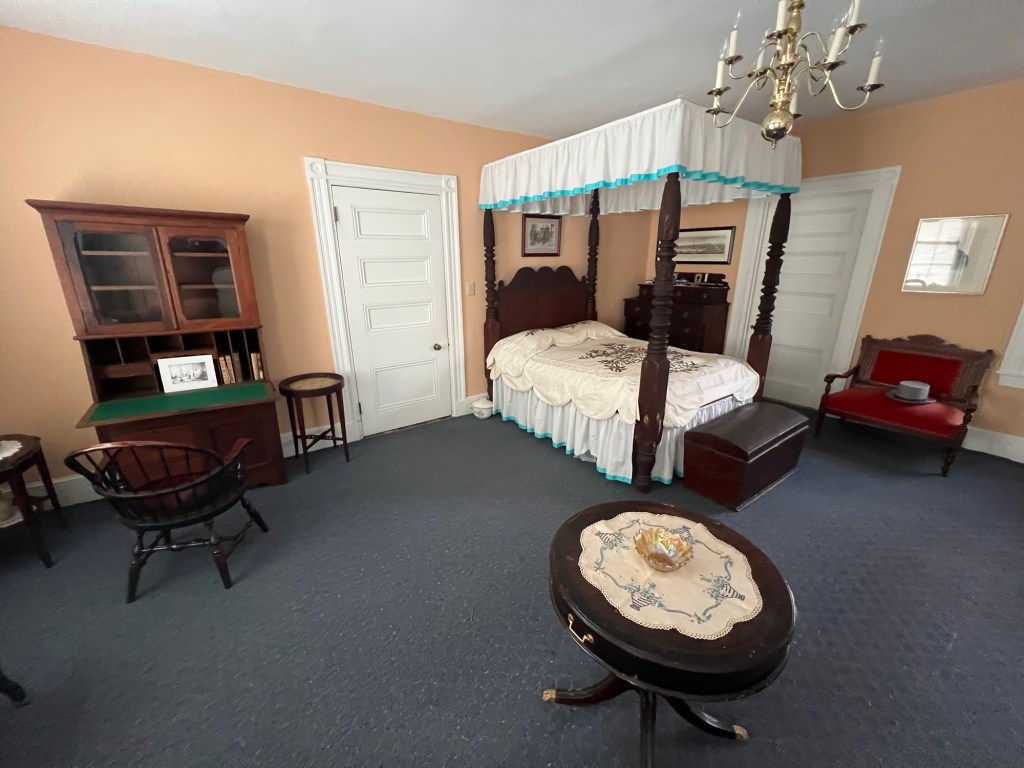
The other Bedroom display
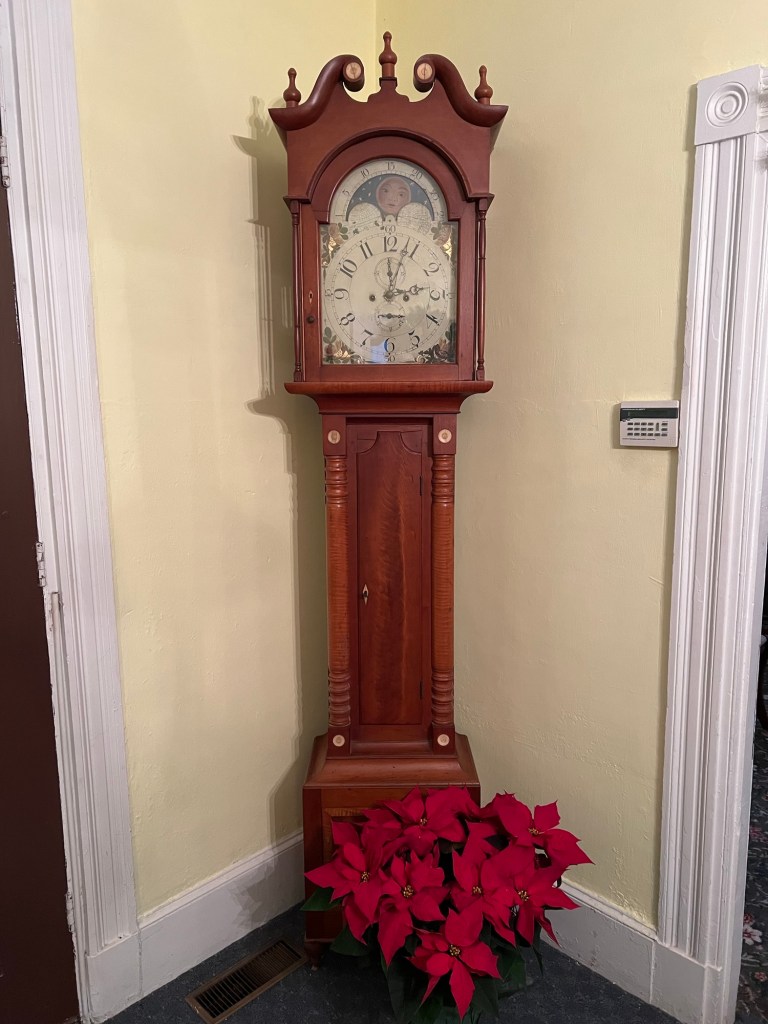
This beautiful Grandfather clock was made Salem, NJ
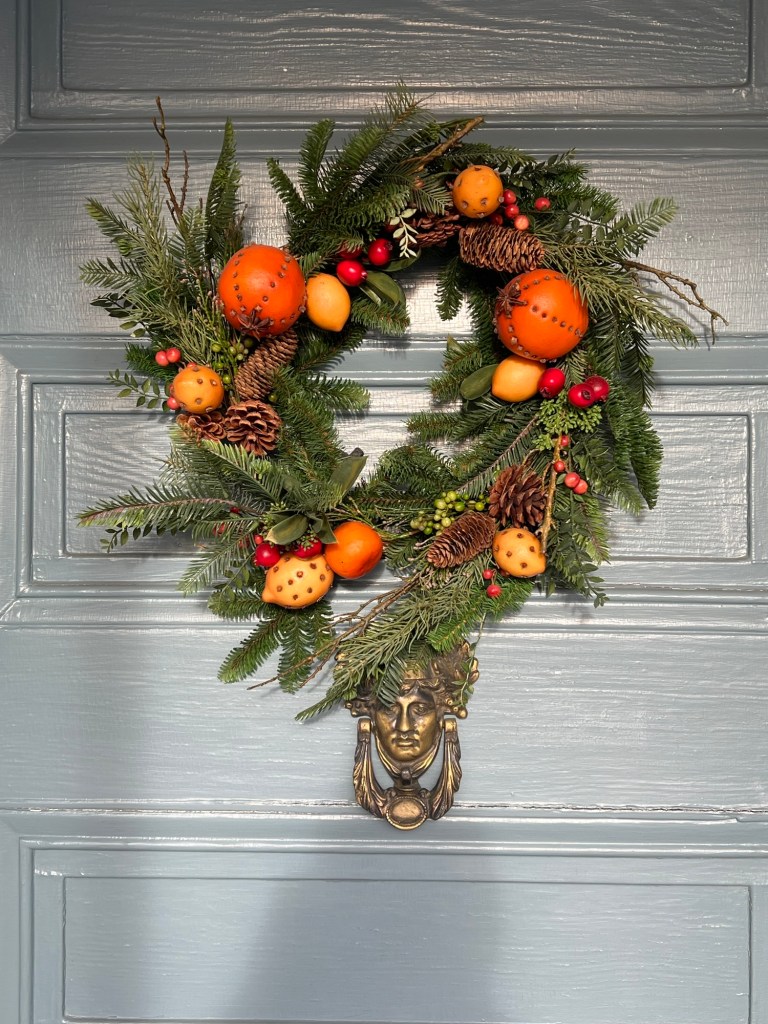
The beautiful display on the front door when you leave the house. Everything had been decorated for the holidays
The Borough of Rockaway Historical Museum at 199 West Main Street
The sign that welcomes you to the museum
When I visited the Borough of Rockaway Historical Museum, I like probably everyone else got the Rockaway Township Historical Society and Museum mixed up with the Borough of Rockaway Historical Committee and Museum. One is in the Township of Rockaway and one is in the Borough of Rockaway which are two different towns.
That was confusing enough and the fact that Google had them as closed on the Google website (which I changed). I was lucky to get there with just over an hour to visit the museum.
The museum was worth the trip. Located in Downtown Rockaway, NJ, the museum was near all the restaurants and shops downtown plus a historic cemetery at the Presbyterian Church. The whole museum you can see in an hour so it was just perfect.
The front gallery of the museum
The front gallery is dedicated to town history and the Morris Canal. The Morris Canal was the reason for the growth in this area of New Jersey and was built on the wealth of the farmers crops, coal and light manufacturing. Items were then sent to New York City and Philadelphia.
The railroads would change this later but would be where the early growth of this area would come from.
Pictures of the Morris Canal in the area
Pictures of the early Morris Canal in Rockaway, NJ
Artifacts of early Rockaway history including bottles and newspapers
WWII listing of Veterans lost in the war
The second small gallery showcased former businesses of the Town of Rockaway, NJ from the Downtown merchants to the larger, more commercial businesses. Most do not exist anymore.
The businesses of old Rockaway and the surrounding area
Artifacts from the McKinnon Axe Factory
The businesses with high school memorabilia
The McKinnon Axe Factory
The McKinnon Ace factory was once a major employer and manufacturer in the town. Long out of business, the museum has lots of pictures and artifacts from the company.
Artifacts from the McKinnon Axe Factory
Artifacts from the McKinnon Axe Factory
Old businesses from Downtown Rockaway
Most of these old businesses do not exist anymore but their memories live on in these displays with artifacts from a lot of these businesses.
Old businesses in the Rockaway
The Beaver Brook Dairy Farm
In the back gallery, the museum had more displays of the high school and displays on the history of the Rockaway Police and Fire Department. There was historical maps of the area and a small Military display. They even had an original land deed from one of the earliest settlers living in the area.
There were even pictures of the old quarry of the town that once sat behind the museum. It shows how the town keeps changing.
The display of Rockaway High School memorabilia
Graduation and Washington trip photos
The Military display and historic maps of Rockaway
A closer look at the Military display and the local hero’s of the town. The display showcased some of the residents in town who made important contributions to the military effort including a Four Star General.
The historic map of early Rockaway Village
The Military, Fire and Police Department displays
Artifacts and memorabilia from the Fire and Police Departments of Rockaway
The display of Rockaway schools and pictures of the City Fathers who ran the Borough of Rockaway
The old quarry that sat behind the historical society that is now Recreational space and ball fields showing how the town keeps changing
This little hidden gem is located just off the main downtown and should not be confused with the Historical Society of the Township of Rockaway, which is another town with it’s own Society.
There is a lot to see at the museum and is a nice way to get to know a little about the history of the area. This includes local family history as well.
The Jackson Family land deed of one of the old families of Rockaway
Walking around Downtown Rockaway, NJ after the tour of the museum:
Around the corner in Downtown Rockaway is the First Presbyterian Church of Rockaway at 35 Church Street, where members of three Jackson family members and many original settlers were buried.
The old cemetery behind the church were many original families are buried
The history of the First Presbyterian Church of Rockaway’s Historical Cemetery:
(from the church website)
Part of the present-day cemetery was believed to be an old Native American burial ground. Colonial settlement took hold here in Rockaway, Morris County New Jersey, around the year 1720, and considerable business formed around 1730 with the building of the Job Allen Sr. Iron Works. Tradition states that this particular spot was selected as a burial ground by the earliest families. On March 2, 1758, the Presbyterian Church was founded and organized. The first Meeting House constructed of wood, was built in 1758-60, primarily by Job Allen Sr. Job Allen Jr. would complete the construction of the Meeting House some 36 years later in 1794. The present church sanctuary was built in 1832.
The original church property consisted of 10 acres and 30 perch, which used to cover property west of Wall Street, and also included property across the street from the present church. Some of the earliest settlers whose grave sites are unknown and forgotten can be under the large church parking lot or even under some of the cemetery roads.
On September 27th, 1773, David Beaman: a founding member, deacon, chorister, elder of the Rockaway Presbyterian Church, was voted “to take care of the burying yard, to tell people where to bury their dead, and to advertise it through the parish.” This makes him the first sexton at the Rockaway Presbyterian Church. Ironically, David Beaman is buried in a grave that was never marked. He passed away in 1802 and has a cenotaph in the cemetery. Thomas Conger became sexton in 1797. Revolutionary War veteran, David Gordon, became sexton in 1802. People used to call him “the old sexton.” His broken tombstone bears the same inscription. He held the position as sexton for over 30 years. He died in 1852 at the age of 92 years and 10 months. In 1832 William Wear became the sexton for the “new church”, having “the privilege of tilling and pasturing the graveyard.” After his service there was Silvanus Howell in 1840, in 1845 Samuel Garrigus, then John B. Kelsey and Fredrick Star, then David Hamilton in 1858, Joseph H. Beach in 1864, then John Gordon Mott (David Gordon’s grandson) in 1875, who held the position for an astounding 47 years! He was also the first sexton who kept accurate records. He was assisted by William Rogers and Peter Beatty in the last few years of his tenure. Peter Carlyon followed John Gordon Mott in 1923 retiring in 1955. The oldest gravestone is dated April 8th, 1762. David Estill lost his beloved wife Mary at the age of 24 years.
There are estimated to be 47 Revolutionary War veterans buried here, including a Hessian Soldier named Leopold Zindle (d. 1821), some accounts say around 100 people buried here participated in the conflict. The Morris County- New Jersey Militia’s highest ranking officer, Brigadier General William Winds is buried in the small knoll behind the church. He was also elected as one of three delegates from Morris County to the New Jersey Convention which ratified the Constitution of the United States for the state of New Jersey in 1788. He died in 1789.
There are 16 War of 1812 veterans interred in the cemetery, 6 War of 1812 “peace time era” service members of the Morris County N.J. Militia, 132 Civil War veterans, 13 Spanish American War veterans, 89 WWI veterans, as of December 2021 there are 168 WWII veterans, 41 Korean War veterans, 20 Vietnam War veterans resting in peace. There are approximately 7,000 people interred in the cemetery.
In 1861 – 1865 the cemetery was surveyed and plotted, and walkways and roads were constructed. In 1933 part of George W. Stickle’s will was bequeathed to the cemetery. Part of the money was used to erect the iron spiked fence that surrounds half of the property (from the church website).
The section of the Jackson family plots
The Jackson family plot in the cemetery
The museum is a treasure trove of information of Rockaway’s and central New Jersey’s past. It is interesting to see how the area had changed and how it will continue to progress in the future.
On the recommendation of the head of the museum, who was also a town Councilman, I walked down into the downtown area to have lunch. I stopped at Anthony’s Pizzeria at 51 West Main Street for lunch. I just wanted a slice of pizza.
The historic building at the crossroads of Downtown Rockaway at 51 West Main Street
Anthony’s Pizzeria at 51 West Main Street has been in business for 45 years and a town staple.
I ordered a slice of pizza and a Coke and while I was talking to the owner, I looked into the pizza case and saw an unusually large slice of Cheese pizza. He explained it was their specialty stuffed pizza and it had everything in it from ham, pepperoni, sliced meatballs, onions, peppers and olives etc.
When I told him I was not thrilled with cooked vegetables on pizza, he insisted I try a slice and cut me a piece to try complimentary. He was a good salesman. He warmed it up and I have to say that I was pretty impressed by it. The layers of ingredients give it its complex and combination of spicy and tangy flavors
There is a lot in that slice of pizza
I have to say that I was impressed by it. I would have left out the olives but still it had a unique flavor and with a small side of their homemade red sauce makes a perfect meal onto itself. The pizza here is excellent, the service is really friendly and the prices are really reasonable.
It was almost like COVID never happened. It’s nice to know that some restaurant owners are not gouging. My lunch here was excellent.
It really was a nice afternoon in Downtown Rockaway, NJ even on a gloomy afternoon.
On the second day of the Morris County, NJ “Pathways to History’ tour in 2022, I was on my way back to Morris County for a second day of adventure. My first stop on the tour was the Ayres/Knuth Farm (The Ayres/Knuth Farm Foundation Inc.), a former working farm just off Route 10. I had visited the farm/museum the previous year and on this trip got a better understanding on the workings and history of the farm. I was able to take the time to explore the buildings that were open and tour the grounds.
I visited the farm again in the Fall of 2026 for an art gallery event held in the renovated farmhouse. I got a better tour of the grounds and of the renovations going on on the property. There is a lot that needed to be repaired on the site.
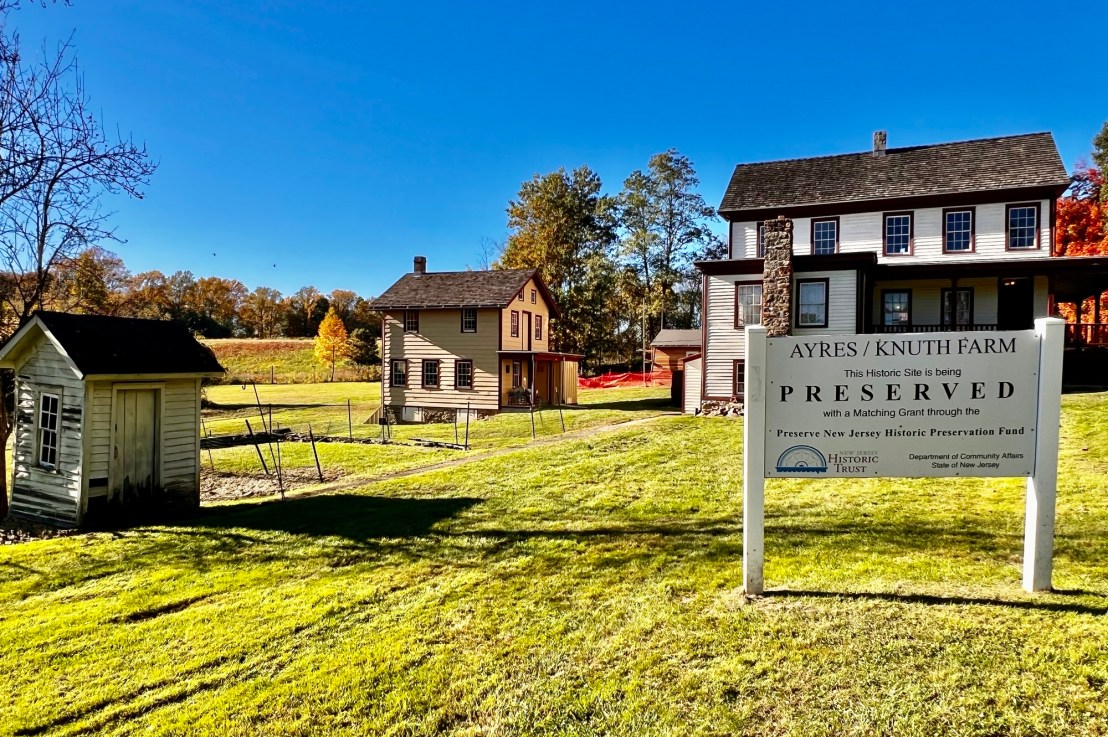
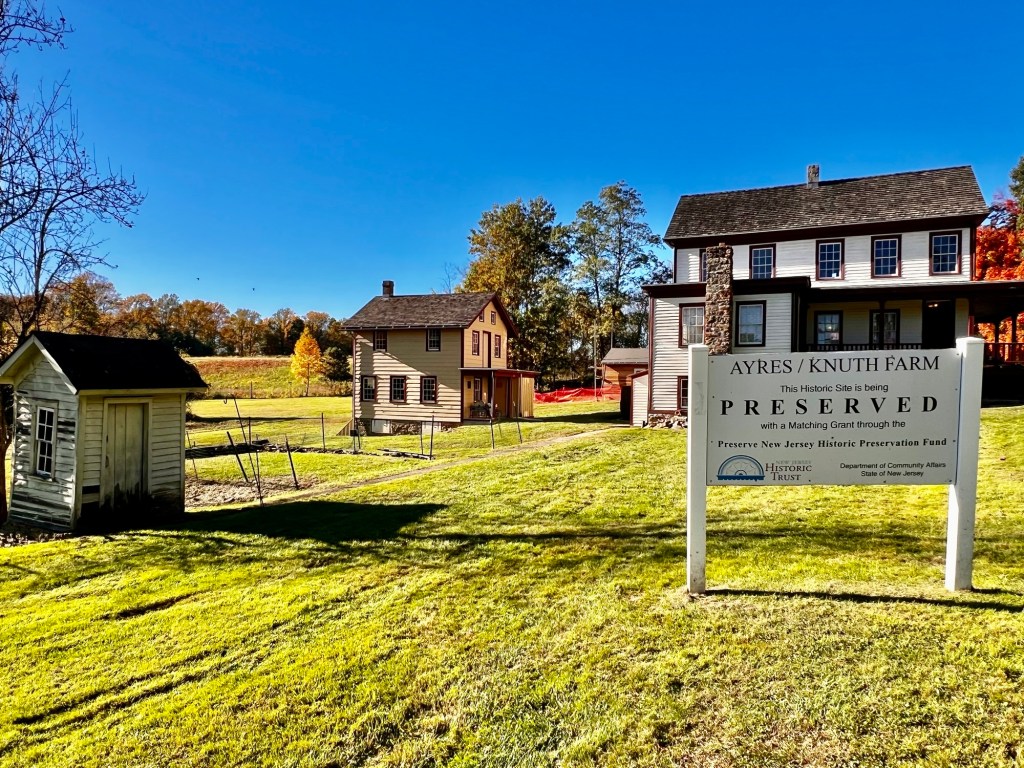
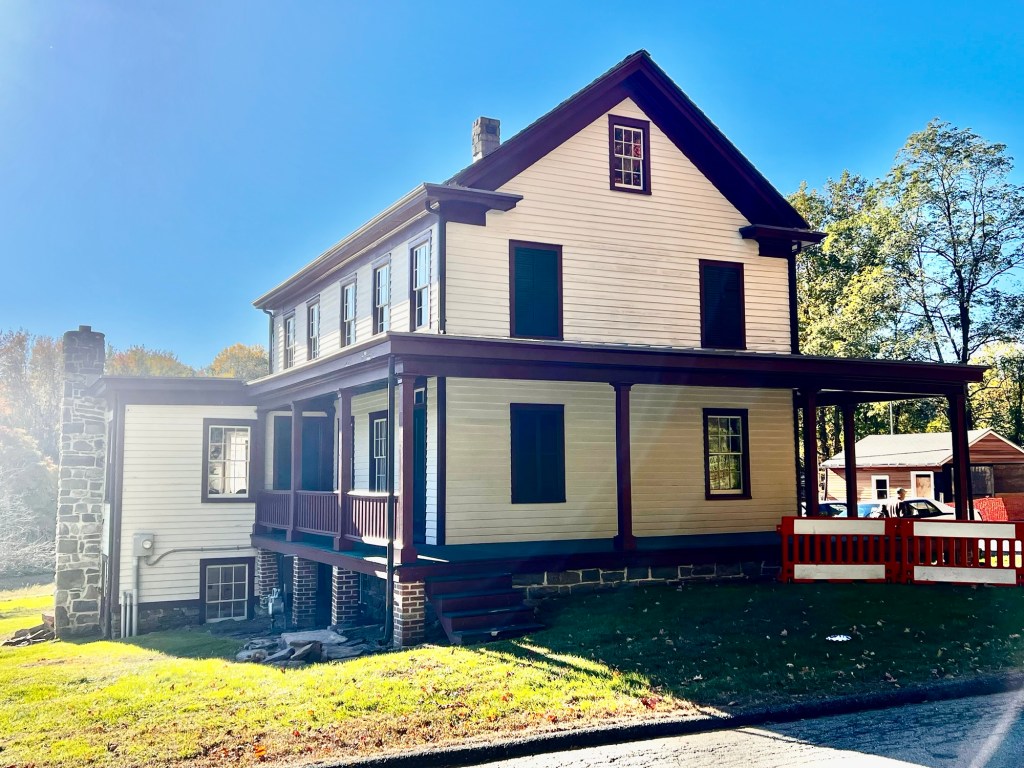
The main farmhouse on the Ayres/Knuth Farm
The grounds by the main farmhouse
When I toured the farm during the Pathways event, they had a mini car show with antique cars and fire trucks owned by some of the members. Seeing some of these Model T Ford’s and Steam Engine Fire Trucks in perfect condition shows American quality motorship at its finest. It was nice that they had combined the events.
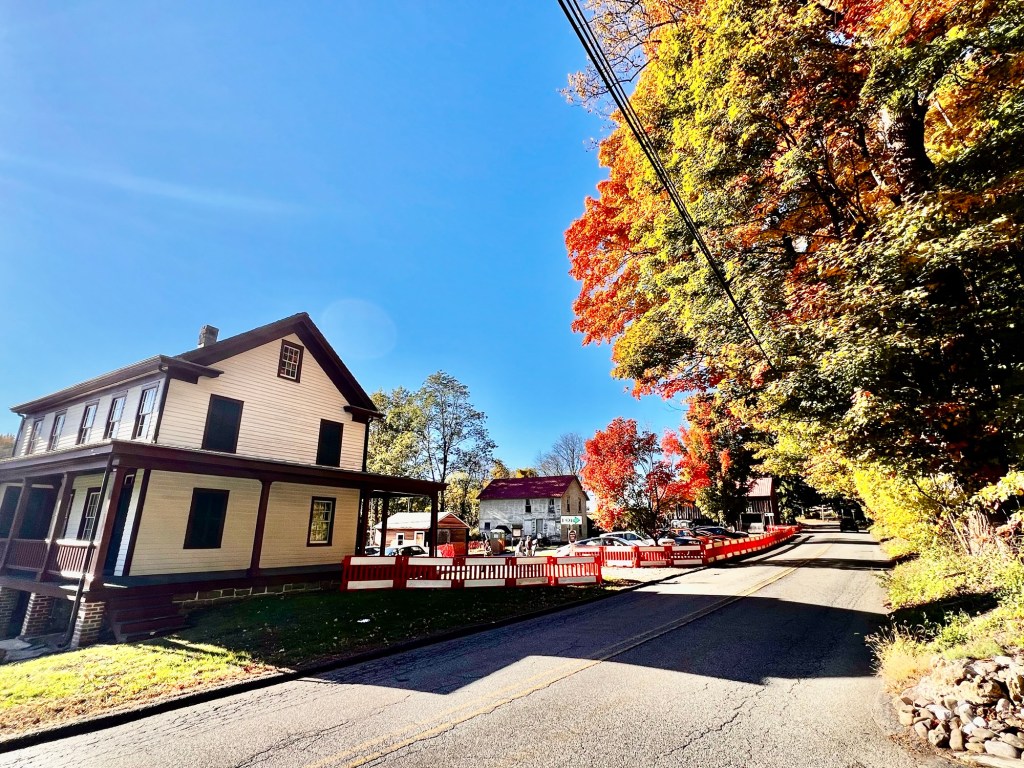
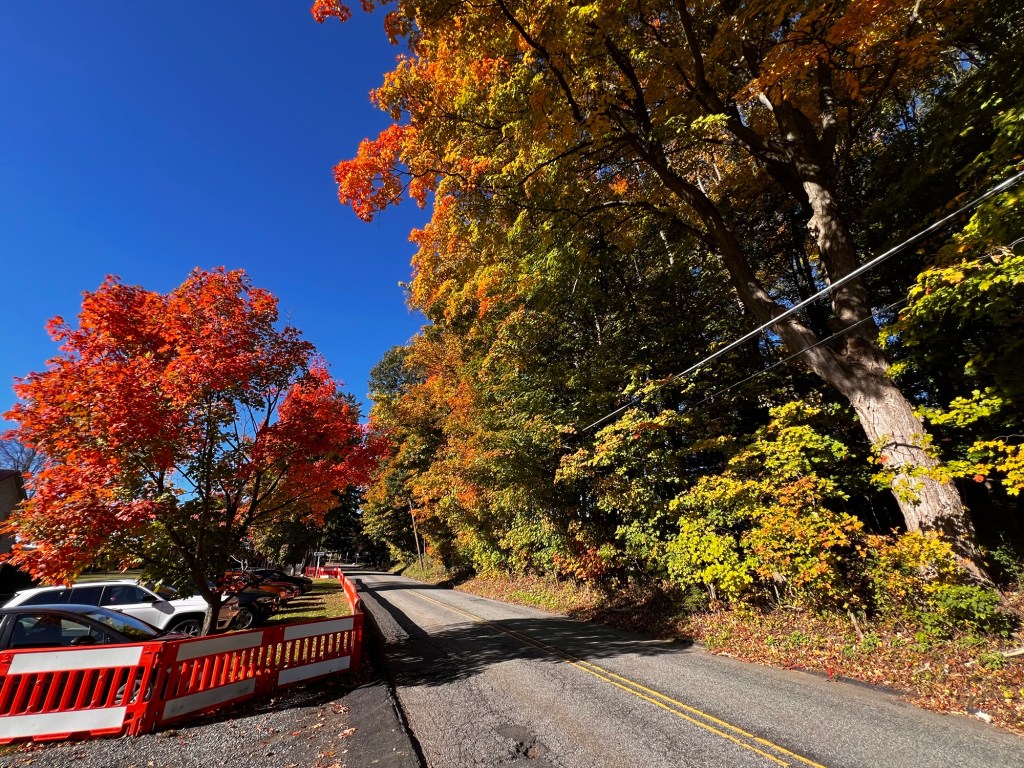
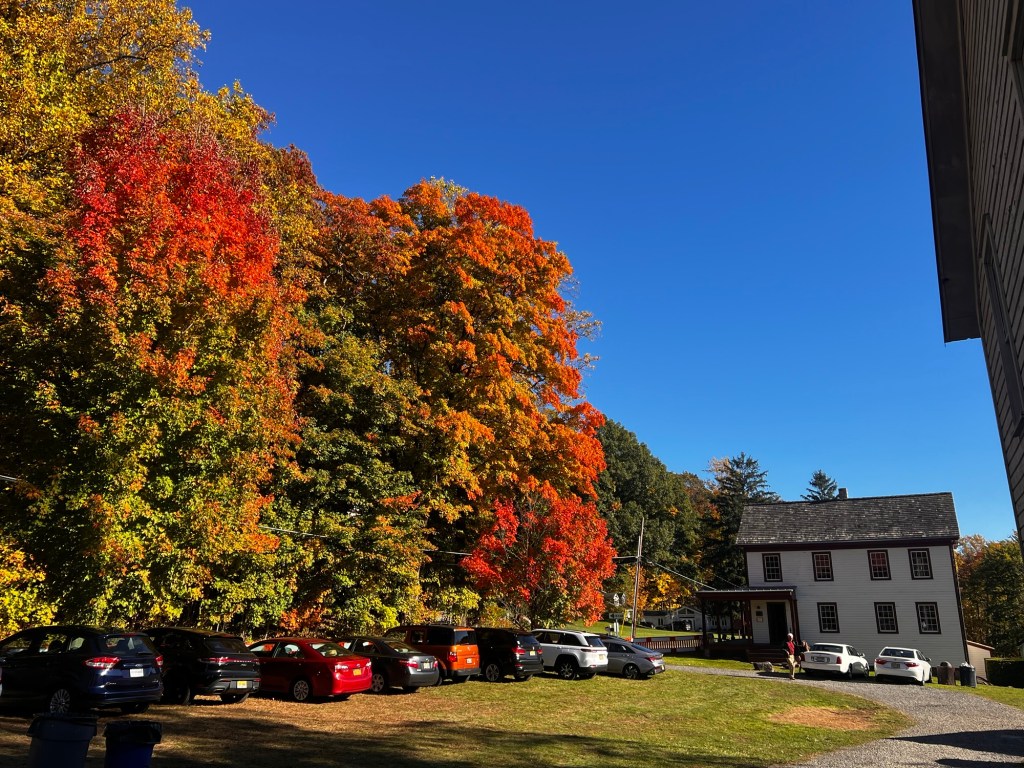
The approach on the road to the farm
What I liked about the farm is that it had been a working farm up until the last fifty years and showed the progression that the farm took in its almost 100 years in the county. The farm itself dates back to pre-Revolutionary War days with the farm being purchase in either 1735 or maybe 1759 by Obadiah Lum. The property itself was settled and developed by Daniel Ayres, who was born in New Jersey in 1778 (The Ayres/Knuth Farm Foundation).
The Ayres-Knuth Farm and the outer buildings
105 acres of land was given to him by his father-in-law, David Garrigus upon the marriage of his daughter, Hanna in 1803. His son, William took over the farm in 1856 upon the death of his father in 1856, changing the farm to add husbandry and fruit cultivation. When William retired in 1896, none of his children wanted the farm and it was sold (Ayres/Knuth Farm website).
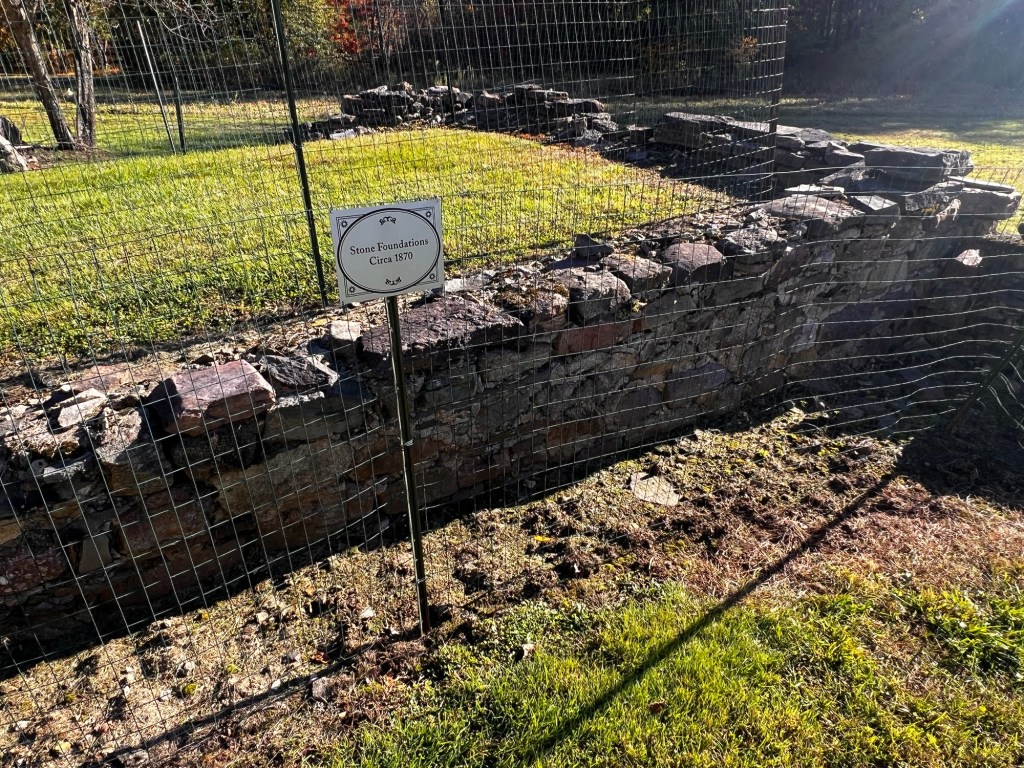
The stone foundation on the farm is being renovated
Changing hands many times, it was bought by Martin and Anna Knuth in 1906. The farm was taken over by two of their children and it remained in the family until the 1990’s upon both of their passings. In 1996, the Township of Denville purchased 52 acres of the original farm and it is now managed by the Ayres/Knuth Foundation Inc. (The Ayres/Knuth Farm Foundation).
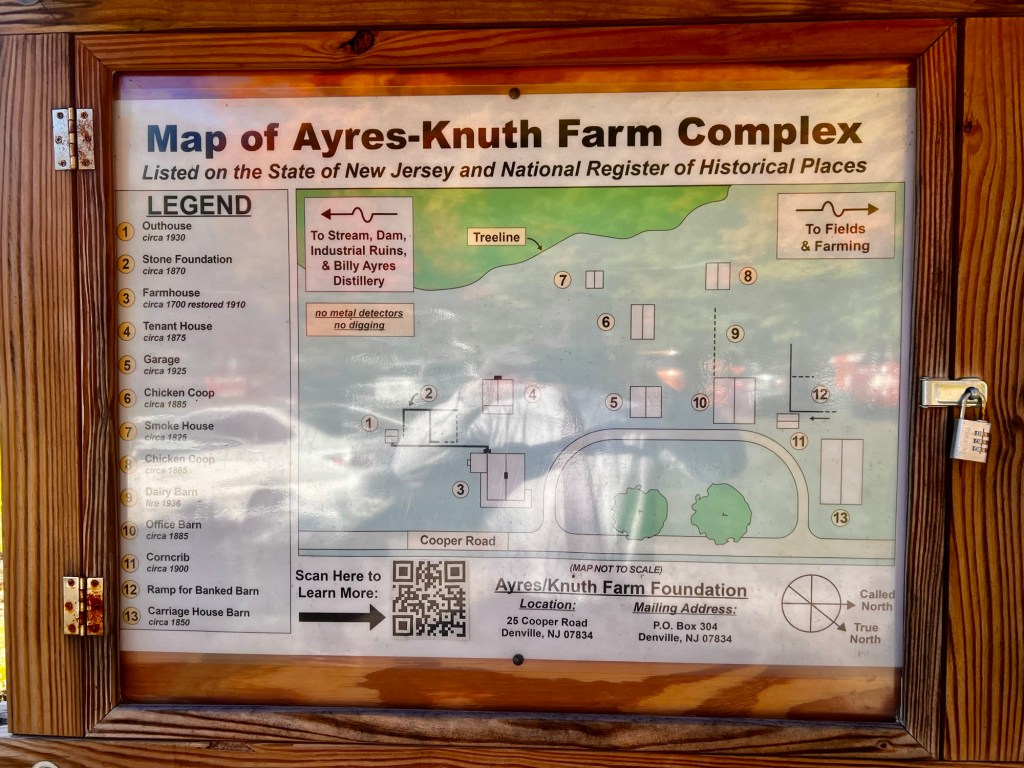
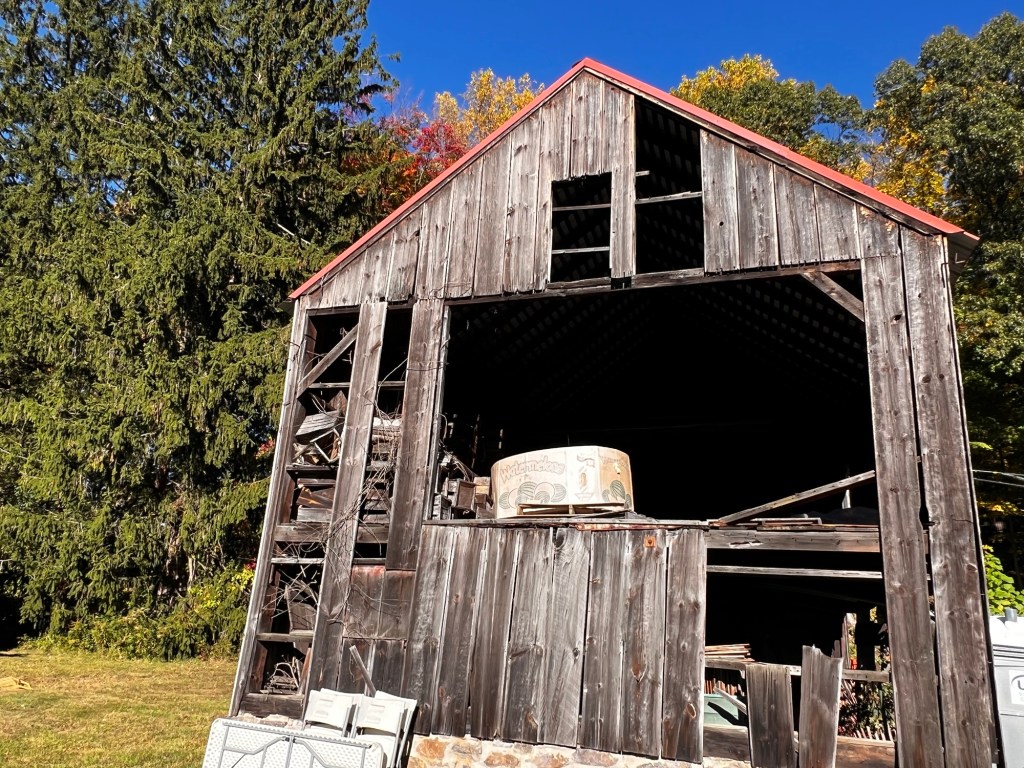
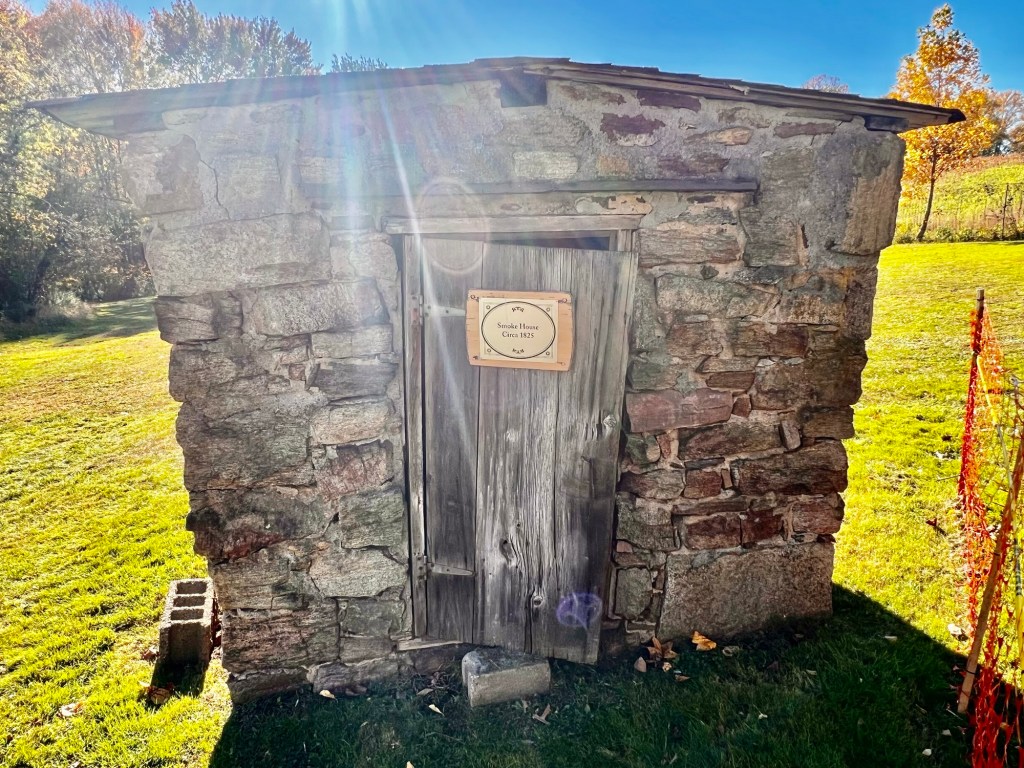
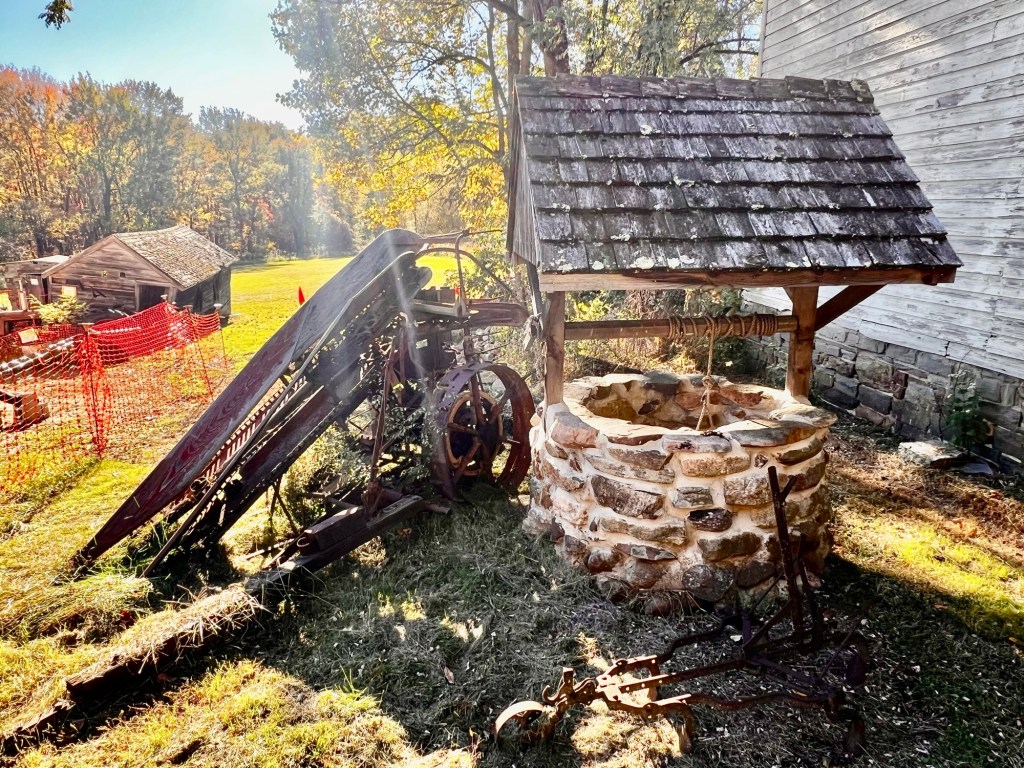
On this clear and sunny Sunday morning, it was fun to walk around the former working farm to see how it developed. Both families learned to modernize and add to the operation. I was able to tour the smaller tenet farmhouse (built in 1895), the barn (built in 1895 (and the various outer buildings like the chicken coops (built in 1895), outhouse (built in 1930) and the Smokehouse (built in 1825). The small well was built in 1797 and was the oldest structure left on the property.
The old barn
The smokehouse at the farm
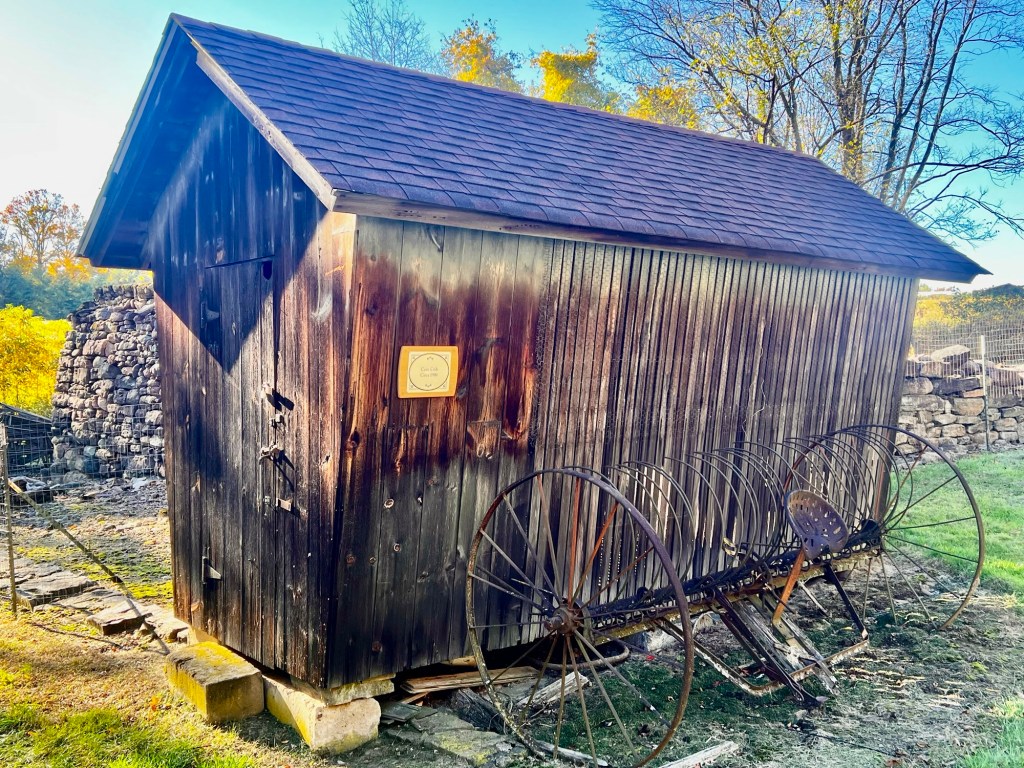
The Corn Crib on the farm
What I found interesting is that there still are tenant farmers on another tract on the property still working the land and the property is protected by grants from Morris County. So, it still is technically a working farm.
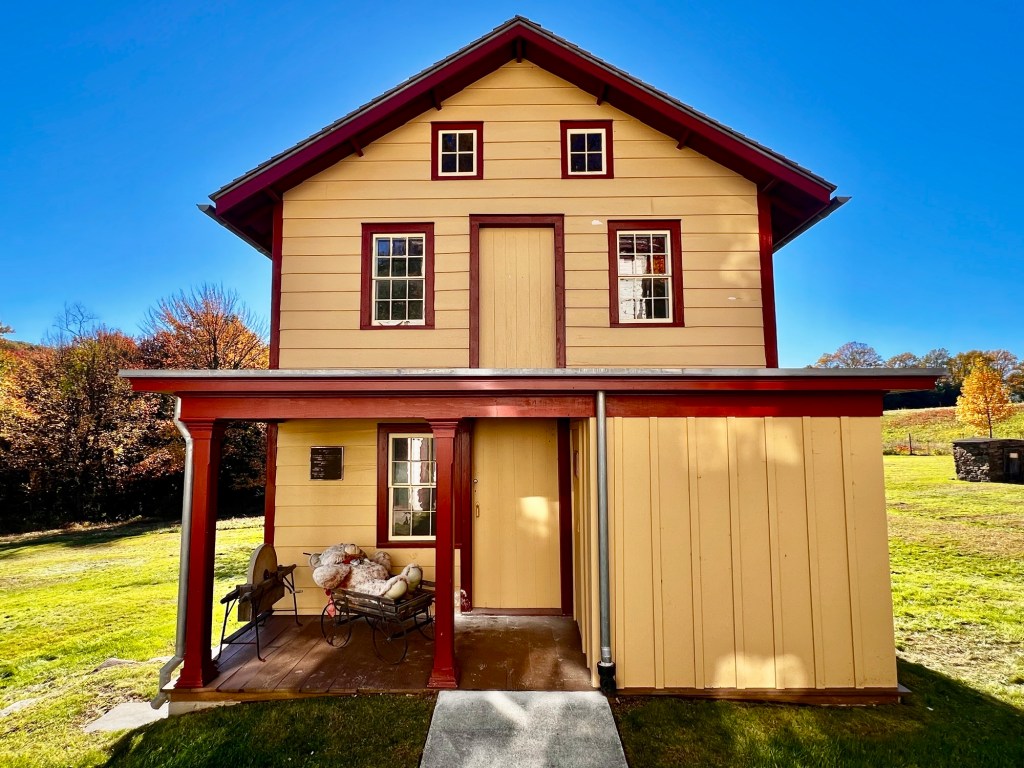
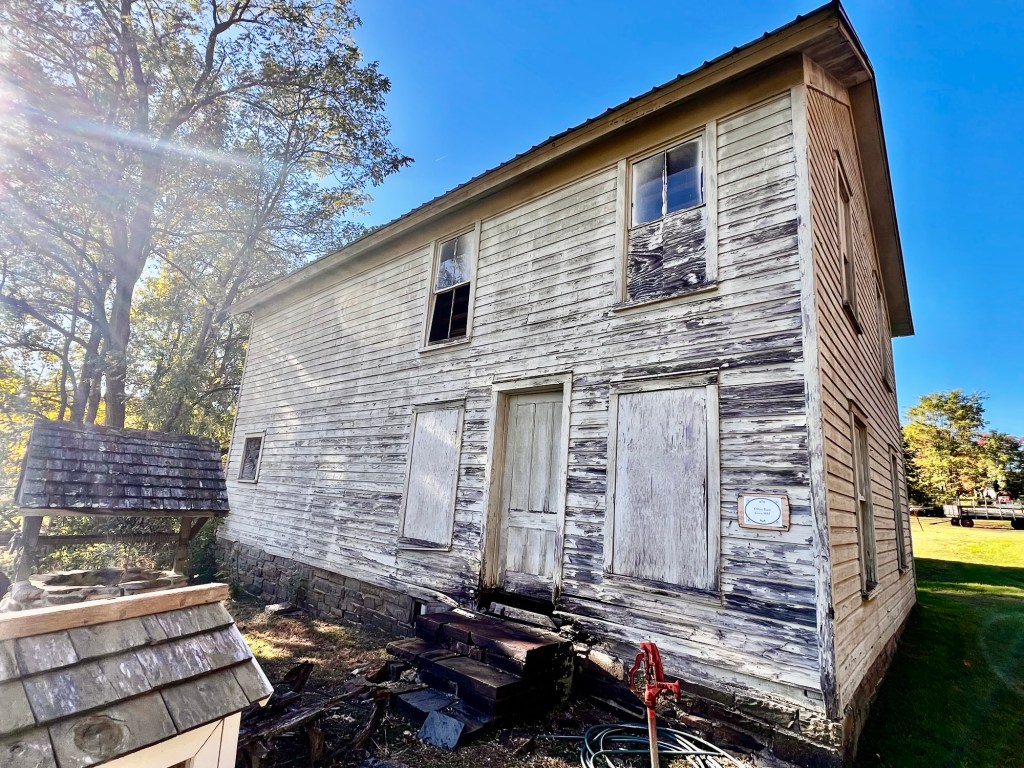
The Tenant Farmhouse
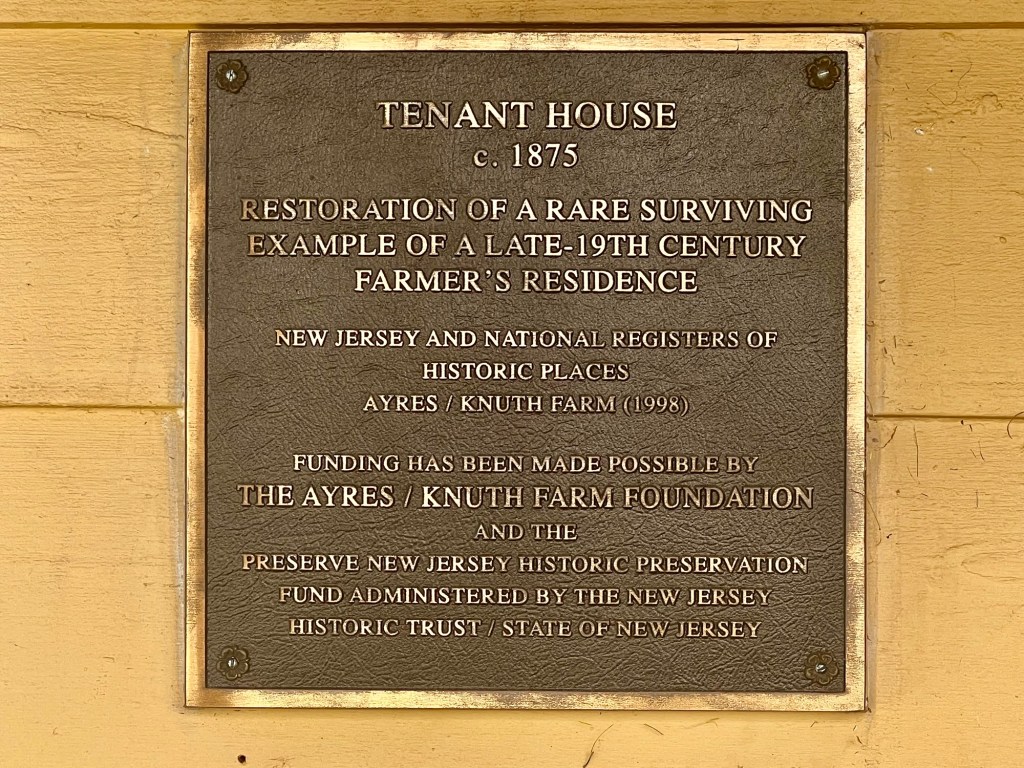
The historical sign on the Tenant House
A lot of care was taken to preserve the farm as is and the volunteers told me that there were plans to fix up the other buildings. The Tenant House needed a lot of work and was run down but the main Farmhouse had been renovated and was closed the first time I was there. It was opened for an art show when I returned in October of 2026.
Most of the farm has either been sold off or is being utilized but the core of the farm buildings can be toured, and it is interesting to see a working farm in New Jersey that dates back to the 1700’s and was still active until the mid-1990’s. That is longevity. Still is a step back into the past to see how a working farm once thrived along with the changes that came with the development of Morris County in the late 20th century. The area still has the rural feel, and the well-maintained property is a glimpse into our rural past.
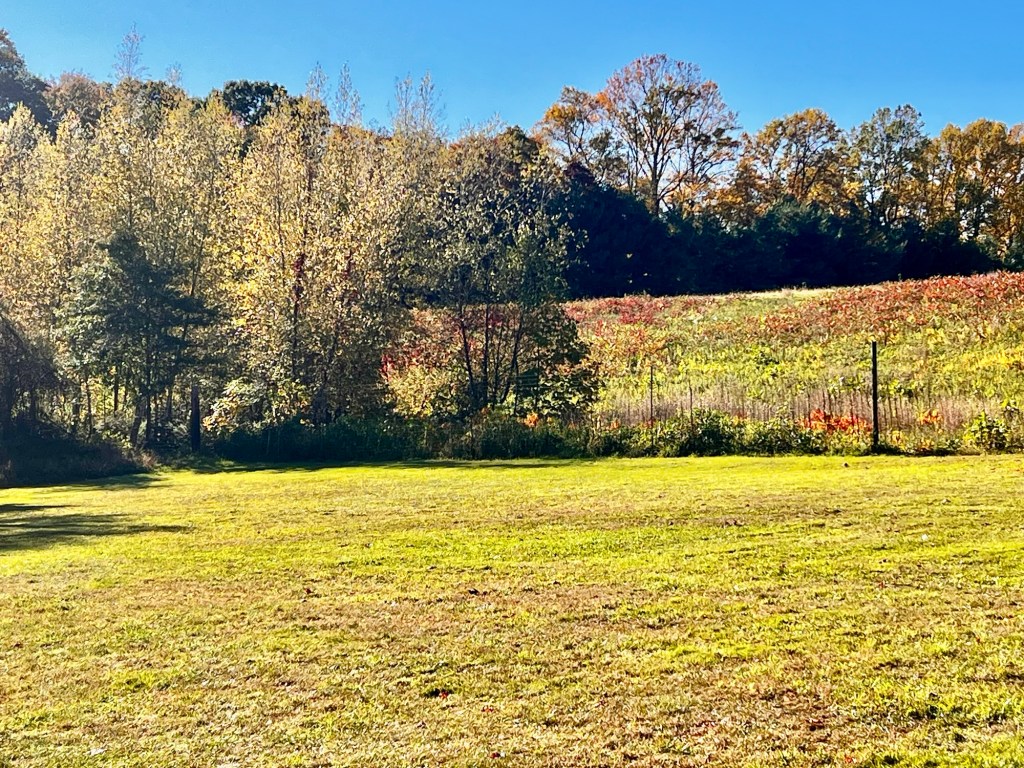
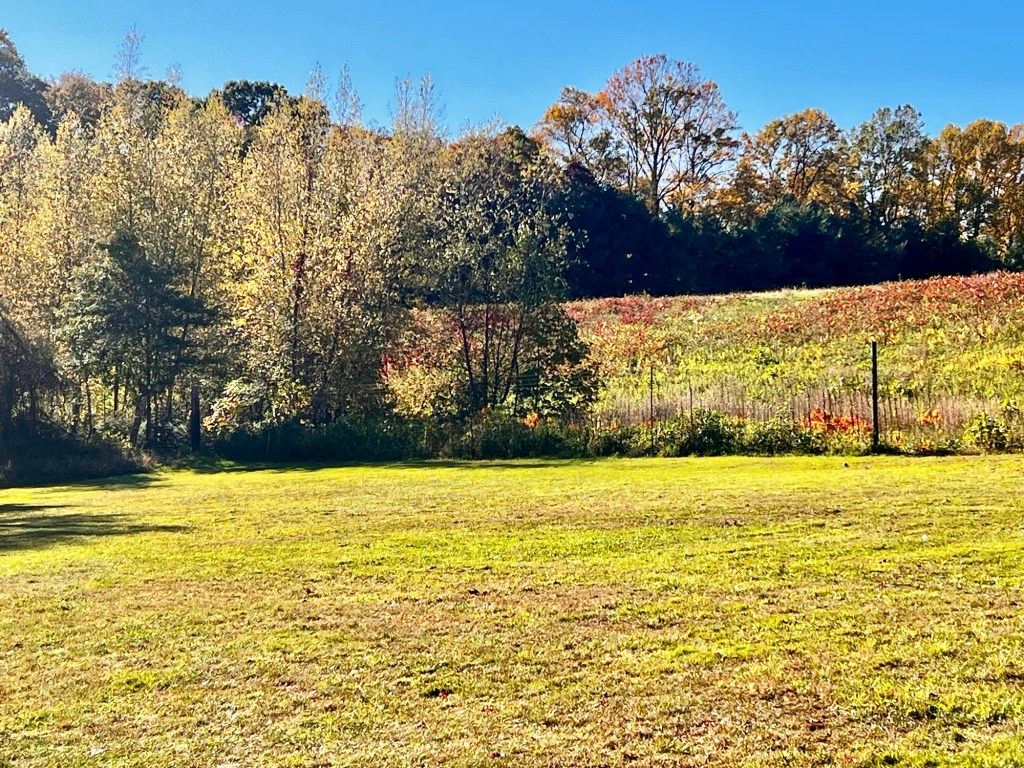
The farmland in the back of the property
History of the Ayres/Knuth Farm:
(From the Ayres/Knuth Farm Foundation Inc. site):
The Ayres/Knuth Farm has a long history not just in the County or State level but in the country. It is believed that the farm was formed around 1759 but could be as early as 1735. It was located in the Franklin section of Denville. Obadiah Lum purchased 180 acres and built the first forge and sawmill on the Den Brook.
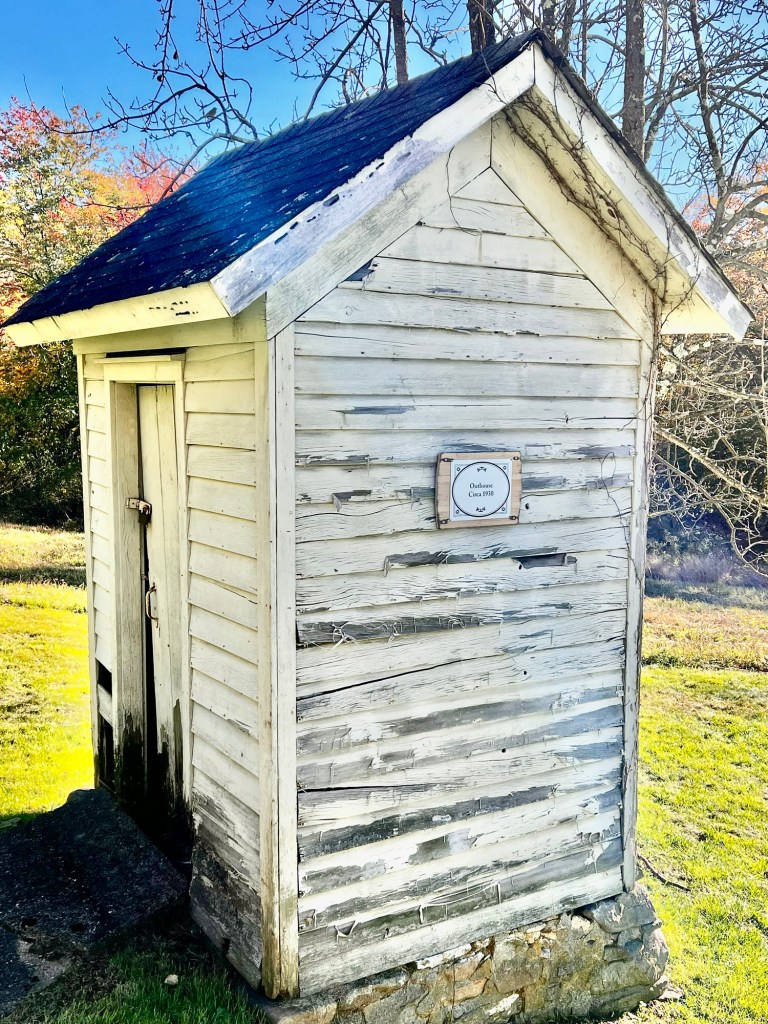
The old outhouse on the property
Lum purchased the property from Thomas and Richard Penn, the sons of proprietor, William Penn with financing from Colonel Jacob Ford, who owned extensive land including mines in Morris County. Franklin developed into one of the primary agricultural hubs of Denville due to the high quality of soil of the area and proximity to numerous towns with markets where the crops could be sold (Ayres/Knuth Farm website).
The wishing well on the property
The Ayres Farm was first settled by Daniel Ayres who was born in Middlesex County in 1778. His mother was Anna Jackson, who was the daughter of General Joseph Jackson, who was known as the founder of Rockaway. Daniel married Hanna Garrigus, the daughter of David Garrigus, who was a prominent landowner in Franklin and owner of the Franklin iron forge. In 1803, David Garrigus conveyed 105 acres to his son in law.
Daniel died in 1856 and his son, William Ayres took over the farm. In 1860, he expanded the farm to 300 acres and practiced a mixture of husbandry and a cultivation of different grains. They also raised sheep for wool and cows for butter. He built the existing farmhouse in 1855 and in the 1860’s built the Tenant House for hired hands in the expanding farm. Over time the farm grew to 500 acres.
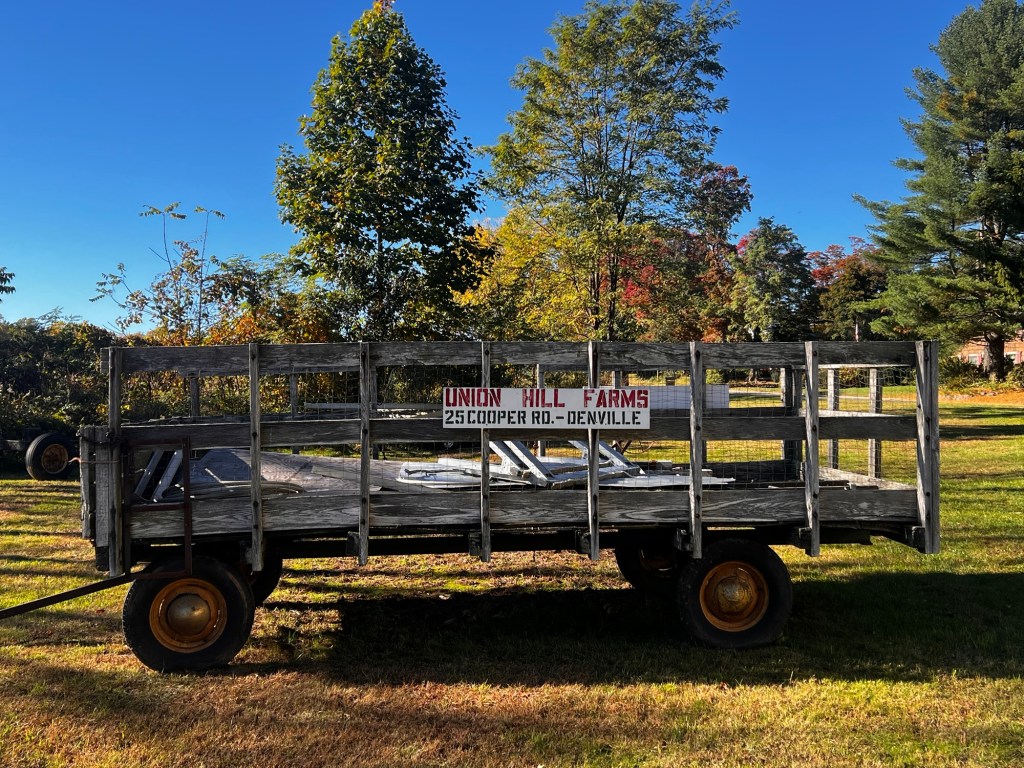
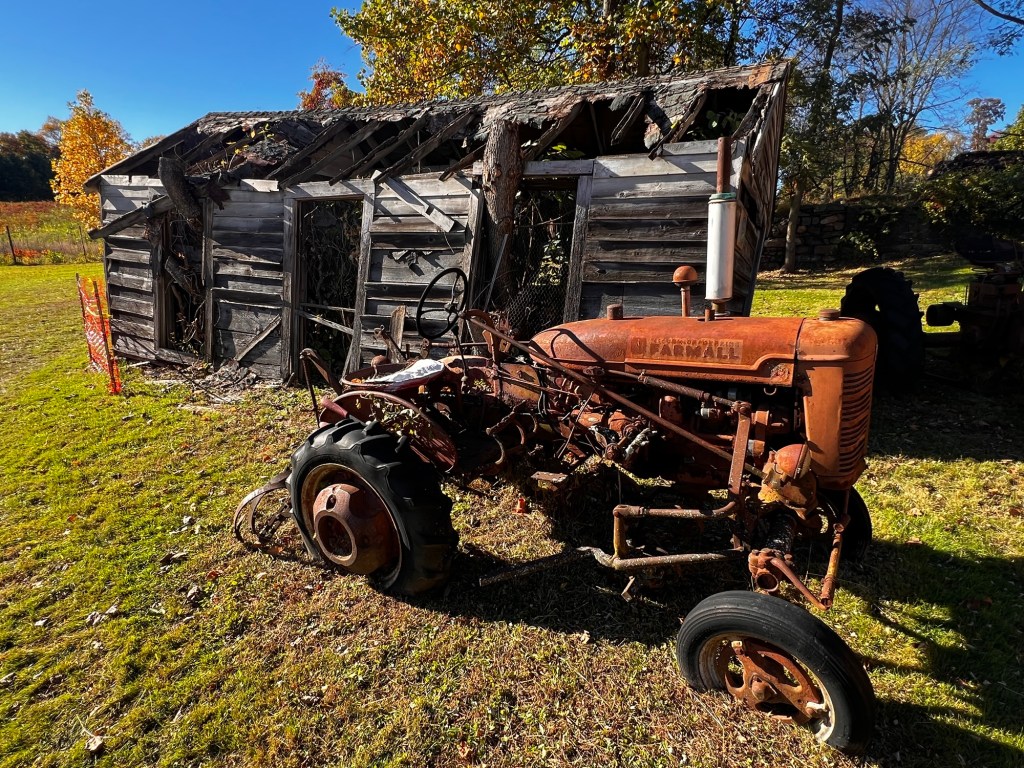
Farm transport flatbed
During the economic depression between 1873-1879, William Ayres adopted to the changes in the market and shifted the focus of the farm to dairying, poultry and vegetable farming. He also sold lumber to the railroads and expanded into fruit cultivation particularly apples, peaches and pears (Ayres/Knuth Farm website).
Looking at the farm from the baking
William Ayres retired from the farm in 1896 and since none of his children wanted to take over the operation, the property changed hands several times until 1906, when Martin and Anna Knuth purchased the farm and moved in with their five children. They kept the tradition of husbandry and fruit cultivation and a mix of vegetables as a truck farming operation (Ayres/Knuth Farm website).
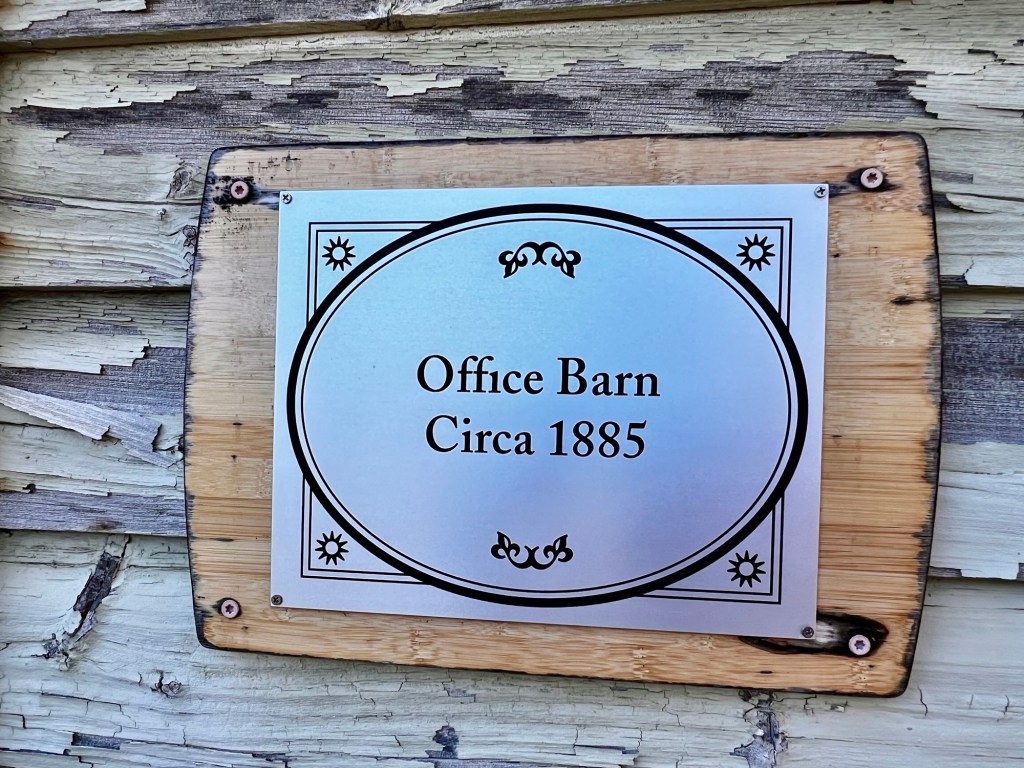
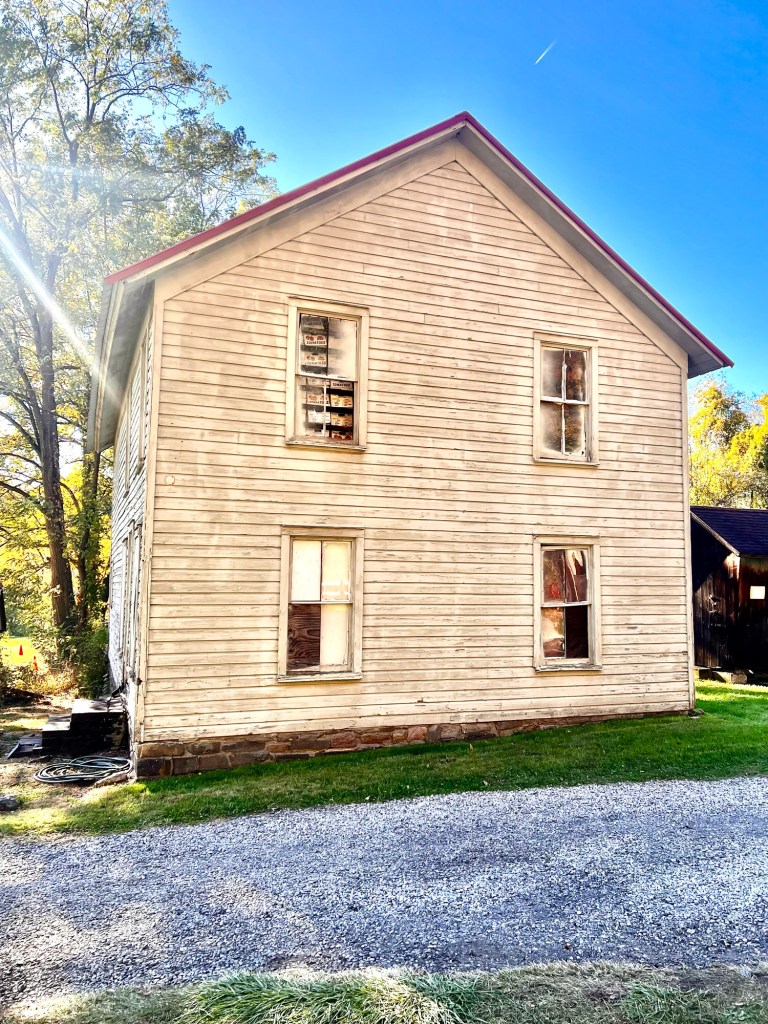
The Office Barn on the farm
The Office Barn sign
The Barn Office from the side view
The farm faced a lot of tragedies in the 20th Century with the death of Martin Knuth in 1935. Between a destructive fire in 1936 and a lapse of insurance, the barn was not rebuilt. With an economic Depression going on in the 1930’s, the farm was largely reduced to a subsistence-level truck farm operation. Anna Knuth died in 1950 and her two children, Frank and Sue took over the operation. Both remained on the farm until their deaths in the 1990’s. They grew a variety of crops and produced eggs that were sold locally (Ayres/Knuth Farm website).
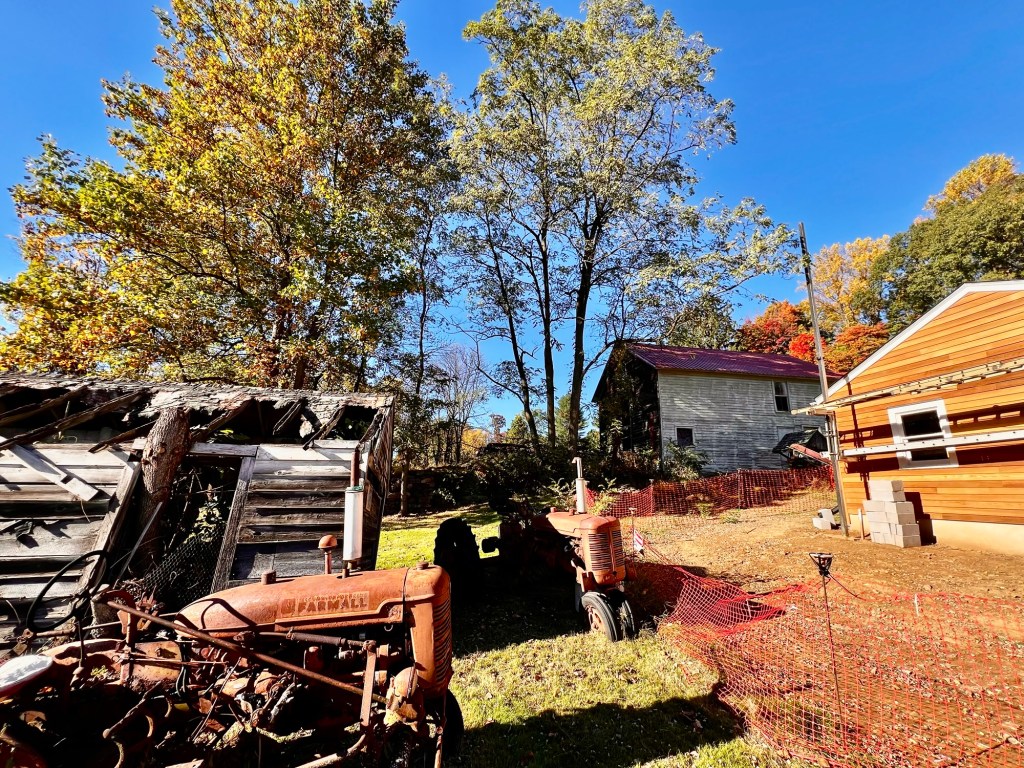
The Chicken coop is still going through a renovation
The farmhouse was not electrified until the 1960’s and indoor plumbing was never installed. In 1996, a few years after the deaths of Frank and Sue Knuth, the Township of Denville purchased the nearly 52 acres of the original Ayres/Knuth Farm and the property is now managed by the non-profit Ayres/Knuth Farm Foundation Inc.
The site now houses a series of historical buildings that is maintained by the foundation that are part of the original farm.
Visiting again in October 2026:
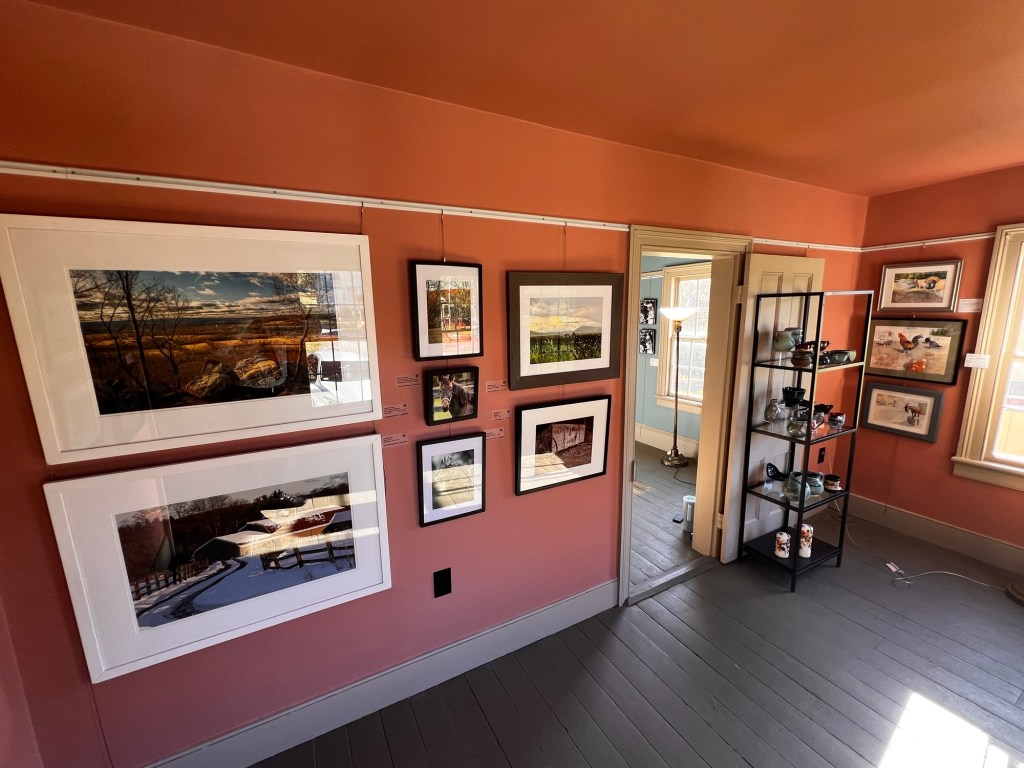
In the Fall of 2026, the farm hosted an art event I attended by the ‘Artists as Advocates’ event sponsored by the New Jersey Highlands Coalition. The exhibition entitled ‘Farming: A Highlands Heritage’ featured artists who concentrated on agricultural themed artwork.
The exhibition ‘Farming: A Highlands Heritage’ featured in October of 2026
The exhibition was held on the main floor of the farmhouse and not only gave everyone the opportunity to look at local art but tour the grounds on a beautiful Fall day.
After I toured the exhibition, I walked around the grounds of the farm and noted all the renovations going on with the various buildings. It will be more interactive when they are finished and you can see the historical interpretation of the farm.