There is always a lot of excitement when a new art exhibition is ready to open. It is even better when the museum opens it to its members first before the public gets a glimpse. It gives a chance to see the exhibitions before it opens to the public.
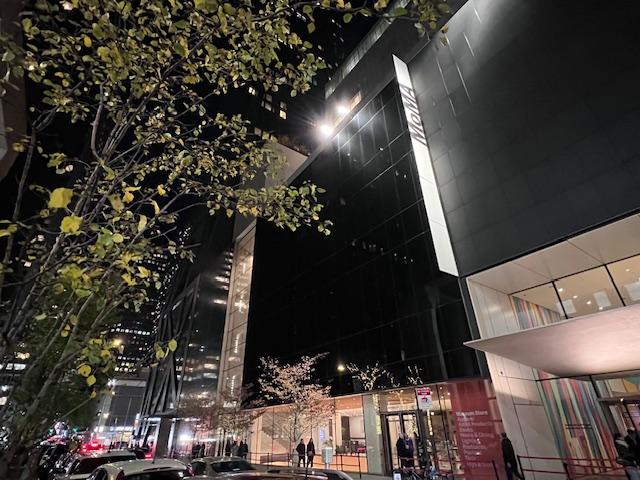
The long line of MoMA members waiting to get into the museum for the opening night of Artist Ruth Asawa’s exhibition
I noticed this year especially and right before Thanksgiving, all the museums are throwing open their doors for Member’s Nights. I have been invited to five Members Nights at museums all over the City. You can’t attend them all.
The excitement the museum creates for these evenings
Video of entering the museum at the start of the opening with 80’s Japanese Pop Music
I think in an economy like this, these Members Nights are one of the best ways to engage with the membership for both donations and renewals of memberships especially before the holiday season. Plus it gives the members a wonderful night out to see the exhibitions ahead of time and enjoy the evening after a long week at work.
Born on a farm in Southern California, Asawa began her arts education when she was a teenager and she and her family were among the thousands of persons of Japanese descent who were forcibly incarcerated by the US government during World War II. It was at the internment camp that Asawa began taking classes in painting and drawing. After her release, Asawa studied to be a teacher but was unable to get a license because of her Japanese heritage, so she enrolled at Black Mountain College, an experimental art school in North Carolina. Asawa took classes from and worked alongside fellow artists Josef Albers, Robert Rauschenberg, Merce Cunningham, and R. Buckminster Fuller. Black Mountain was also where she met her husband, the architect Albert Lanier.
I loved her wire woven sculptures.
The wire woven sculptures were the standouts of the exhibition
I thought these were a unique design
I liked here colorful paintings, these are of her child’s footprints. I loved the idea that her children were involved with the art
The patrons enjoying the art
The display of the wire art
The displays were impressive and graceful
The colorful faces looked tired
The look of nature in the wire art in the form of trees
I loved her works of food
At the end of the exhibition and the evening, I joined everyone on the main floor where the bar and gift shop were located. The main floor was the busiest part of the museum. I wondered if some of these people even went upstairs to see the exhibition or just stayed downstairs to socialize.
The main floor of the museum is always packed with people
Share in the excitement of the Membership opening
These evenings always get my mind off the stress of life. It is nice to just be in Midtown Manhattan and be in the moment. It is nice to see art, hear music and walk through the museum.
I visited the Hopewell Depot one weekend and found it to be a very interesting look at the rail service during its development in the Hudson River Valley. The rail service changed the way business was done in the valley for farmers and opened the whole area up for development.
The rival commuter lines than merged together to make a better lines of transportation and bring people not just through the area but to help build the communities and their businesses that they are today. Each section of this small museum tells the story of that development.
The front gallery of the museum
The potbelly stove that warmed riders before their rides.
The community gallery
The front section of the museum which houses the gift shop and welcome area once served as the waiting room for the train station. This had been a smaller line once serving between Poughkeepsie and Connecticut and then later on to the rest of New York State and as a line to transport agricultural products between the Valley and the growing market in New York City.
The tops of telephone poles
The middle section of the museum houses the Train Manager’s office and an office for communication to outside communities. Here the train depot manager would run the day in day out services of the trains and their functions with the bigger lines and the Western Union communications area would service the community with messages and services to the outside.
The Train Station Manager’s office
The Western Union/Communications office
The back section is where you could buy your tickets and converse with other people taking the railroad. Here are displays on the railroad lines, the products that were serviced through the rails like the big Borden Foods display, whose factory was located right next to the train station and had serviced all the dairy farmers in the community bringing fresh milk to New York City and beyond.
The back gallery of the museum
The back gallery
The Train Lamp display
The Borden Milk display in honor of the dairy industry locally owned Borden plant.
The museum also has displays on the workings of the railroads and how they functioned, how the community was formed and grew around the railroads and all sorts of equipment and items that made the operation work. The museum volunteers have done an excellent job telling the story of how Hopewell Junction and the surrounding towns developed and grew.
The Community Development display
The “Working” display of the growth of trains
Outside the building, the museum volunteers are working on renovating a donated caboose that was once used on another line. Here I saw the Train conductors operation area, the sleeping quarters and a small kitchen. I thought that was fascinating because I never knew what this car contained and never knew it was living quarters for the conductor. I can see the potential of kids wanted to climb all over this and want to know what life was like on the trains.
The Caboose on the back of the property
The inside sleeping quarters of the caboose
The overall sleeping area
The kitchen area
History of the Hopewell Depot:
The Hopewell Depot was built in 1873 by a Millbrook-led rail investment group that changed names several times between 1869 and 1873. Originally, the Dutchess & Columbia RR established a north-south short-haul coal route to Connecticut also serving the communities in the center of the country. The Hopewell community grew up around the Depot.
The grounds of the museum
In 1888, after Poughkeepsie’s great railroad bridge (now the “Walkway Over the Hudson) was built, the Dutchess County RR pushed southeastward and arrived in Hopewell Junction in 1892, creating a 4 way hub. In the next decade, the lines through Hopewell became part of the Central New England Railway system. In 1927, they came under full control of the New Haven RR until it failed in 1968. The Poughkeepsie RR Bridge burned in 1974 and the local rail service ended here in 1982.
The Hopewell Depot Mission:
Privately owned and operated since 1996, Hopewell Depot has progressed entirely through the work of volunteers from all walks of life.
The old baggage cart
The Visitor Center offers a variety of information on the local area and items for sale. The interior museum rooms present a host of interactive displays and artifacts about the region and the great era of railroads in general. The grounds contain the Interlocking Signal Tower with a special exhibit loft and public restrooms and the Rudberg Pavilion is open to visitor as a rest area.
Hopewell Depot Museum is on the National Register of Historic Places and is a fully chartered NYS museum. Its mission is to present the complex as a historical and educational experience for the regional community and provide an informative, recreational venue the public can enjoy with pride.
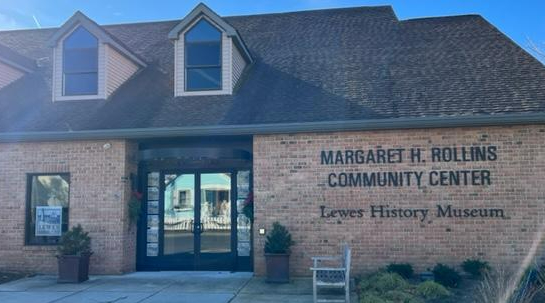
When I was visiting Rehoboth Beach, DE recently the museum I had wanted to visit in Rehoboth was closed for the day, so I remembered that there were a few museums in Lewes, DE, a small town right down the highway so I headed there and found the Lewes History Museum at 101 Adams Avenue. The museum was the old library which has since moved across the street.
The entrance to the museum
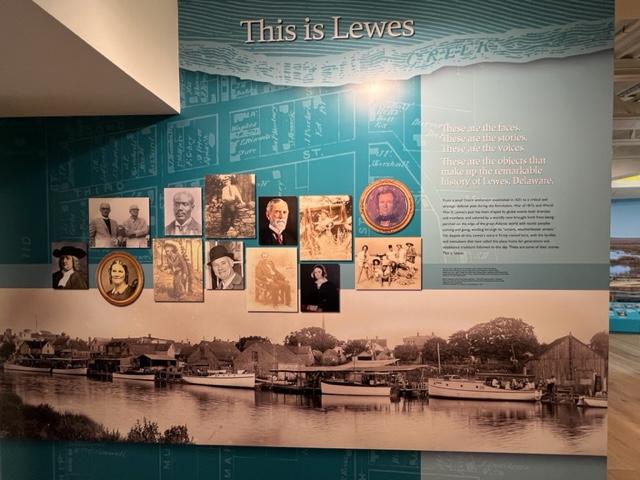
The museum is very interesting and well set up. The museum is one big room that is broken down in different sections which helps explain the history of the town. Each display moves you through the museum in a chorological order of how the town developed.
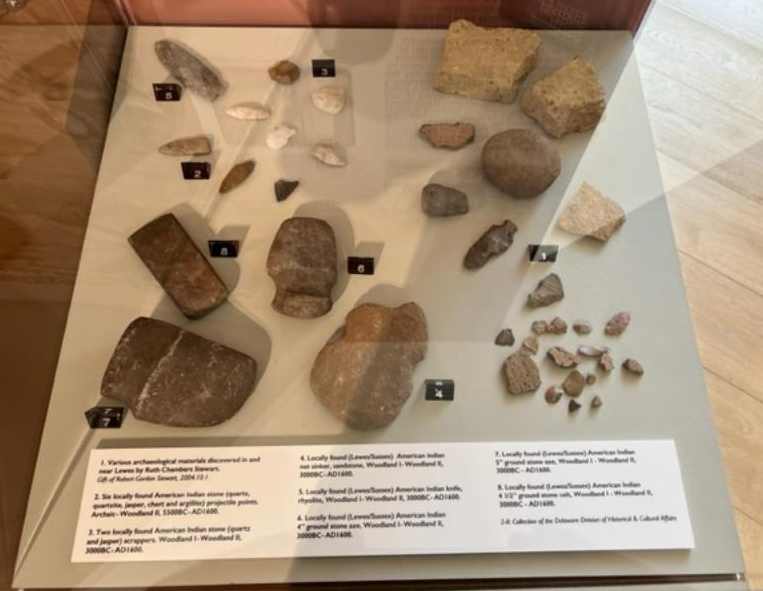
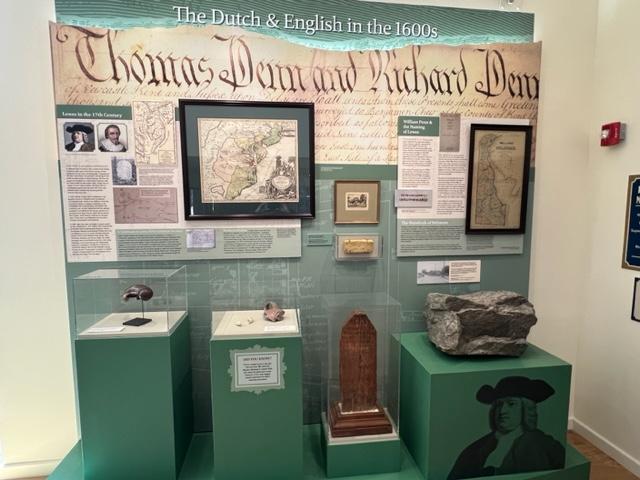
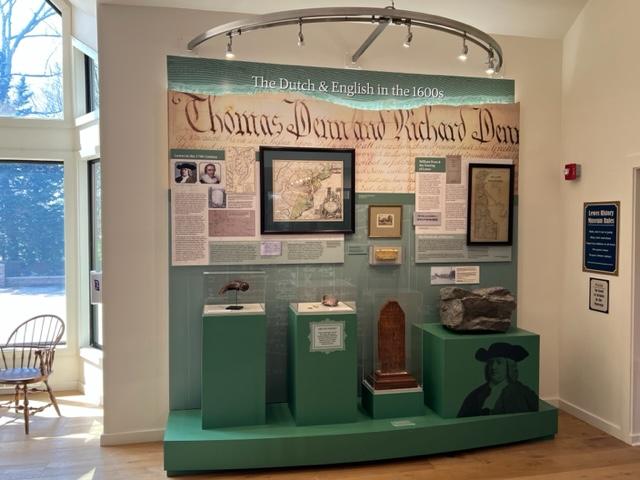
The museum starts with a display on early Native American history which then moves to the colonization of the Dutch and British in the area. There are all sorts of interesting artifacts that tell the story of the Revolutionary War by way of the residents.
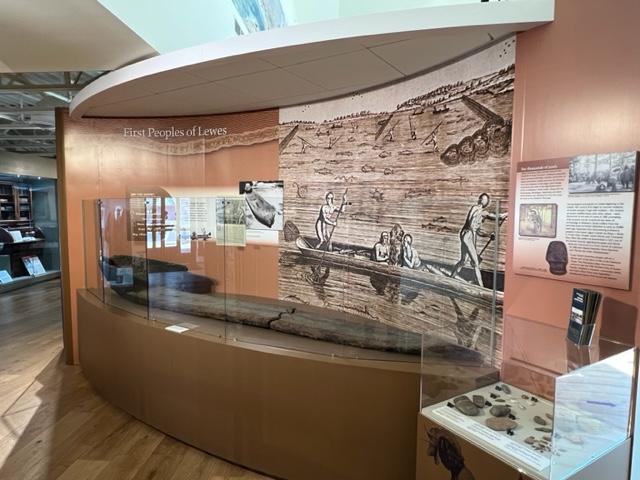
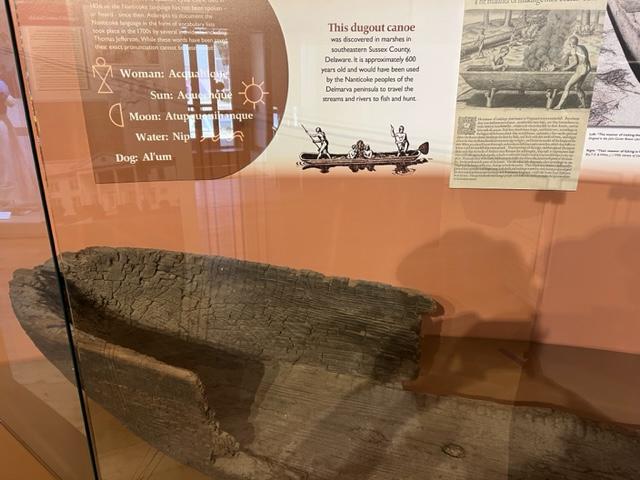
There are displays on the way homes were designed and decorated as well as the role that Lewes played during the war. There have been a lot of soldiers who had died in the war with their stories being told by the museum. There are also discussions about the interaction between the Native population with the colonists. The Native American collections featured the lives of the tribes that lived in the area of Lewes. They had found this canoe when dredging the area.
The Lewes History Museum’s displays are informative
Life in the Dutch colony was featured after the Native American display as the next group took over this area from the Native Americans. Delaware had been part of the original Dutch colony. When we were taking a tour and the guide said that technically Delaware was part of Maryland but the Dutch stood strong against the British at that time, the area stayed independent but not for long.
The Dutch Colony
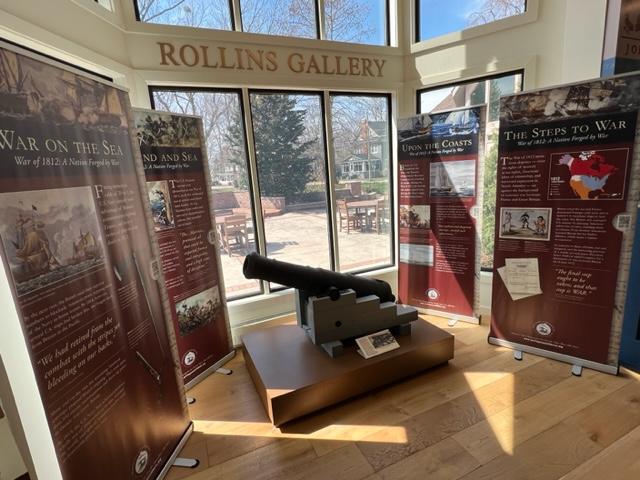
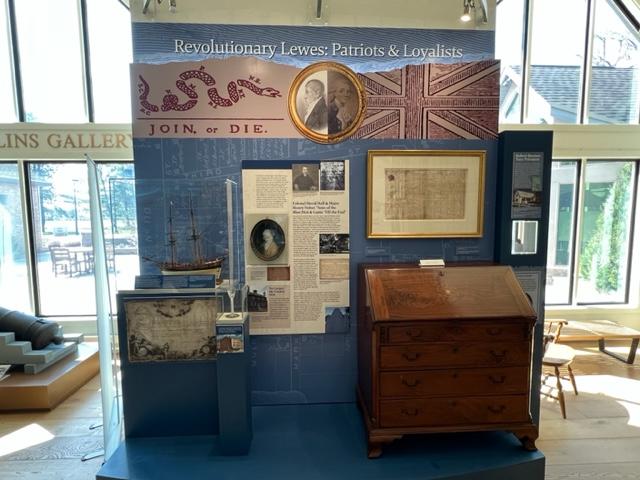
The Revolutionary War came to Delaware but it never saw the fighting that the other colonies saw. Still the state had to be on guard at all times and there were British War ships off the coast of Lewes that did do some damage.
Revolutionary War display
The displays held some interesting artifacts including a ‘toasting glass’ from the evening in Fraunces Tavern where George Washington said farewell to his troops. The docent said that he had kept the glass all those years and it was passed down from generation to generation until it made its way to the museum as a donation.
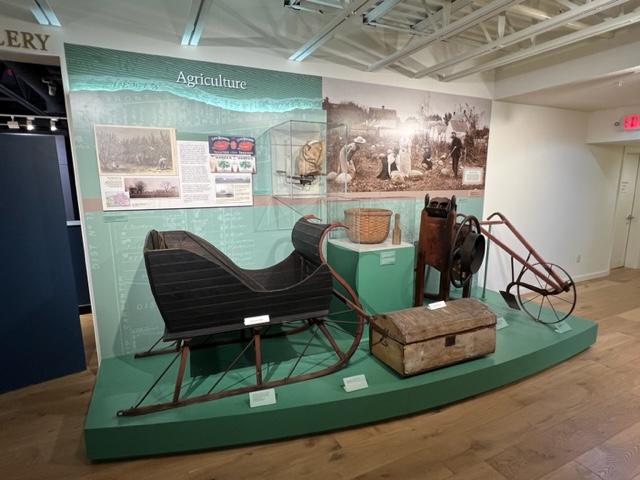
The Farming and Dairy industries played a role in Delaware’s history but because of the type of soil that Lewes had it was not meant for many crops. Wheat, some vegetables and the dairy industry played a role in the business of Lewes.
The Dairy and Agriculture industries of Lewes
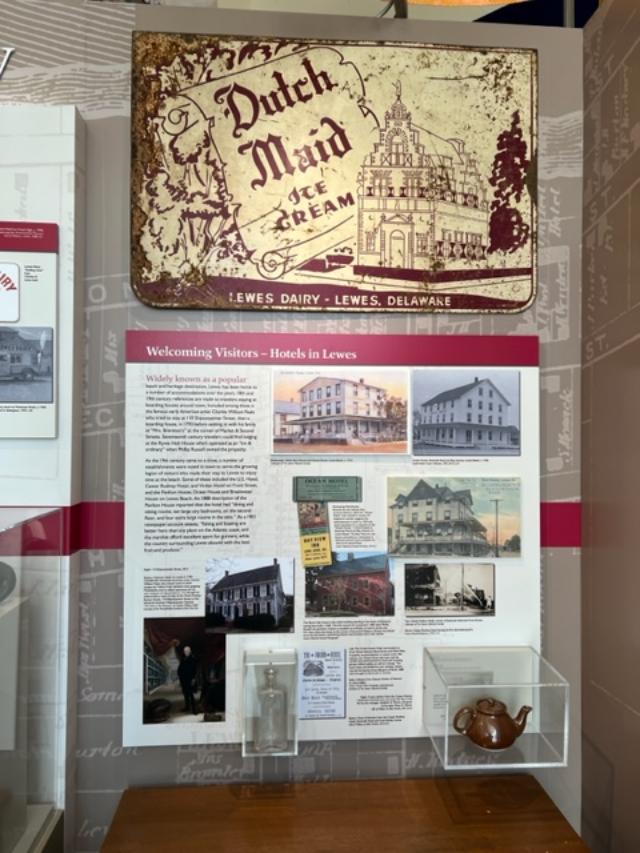
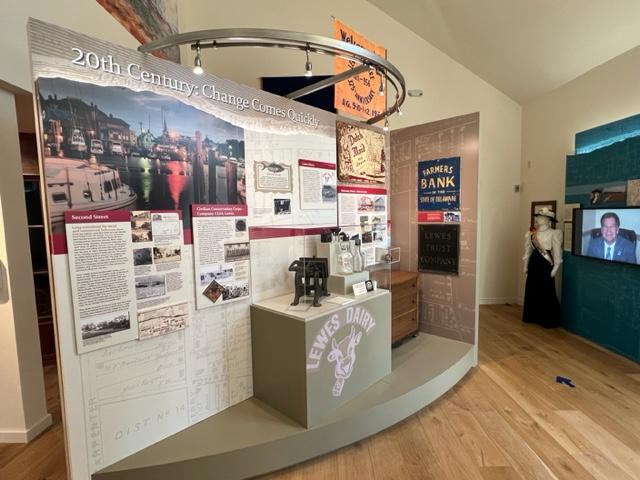
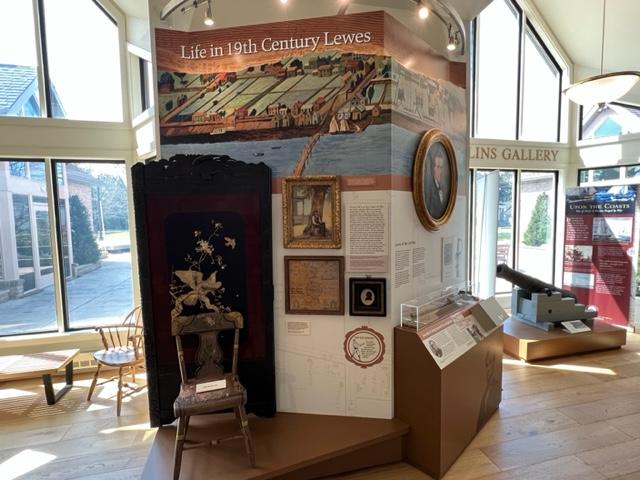
There is a section on the development of businesses and Lewes as a resort town. The section on Lewes developing as a resort town was interesting with the advent of ocean swimming, boating and beach recreation. There is also a section on 19th and 20th century business in Lewes that kept up with the times.
20th Century Business
19th Century Business
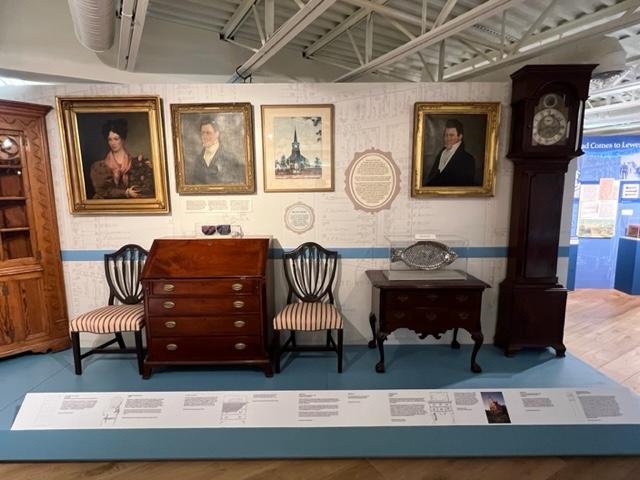
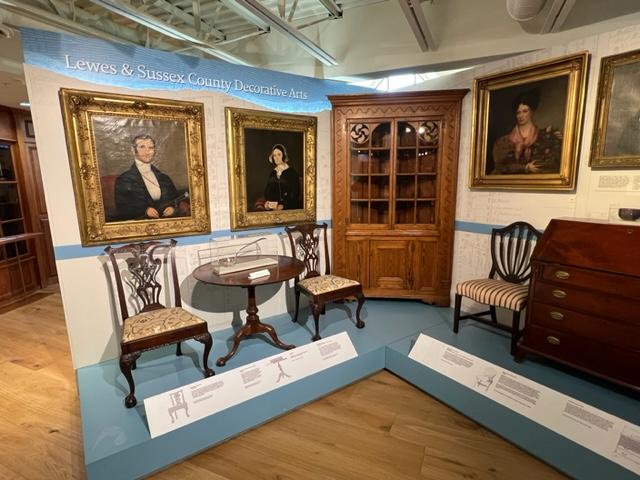
There was an interesting display on Victorian furniture and decorating for the home. The decorative arts section showed how Victorian families set up their homes and how status symbols like fine furniture and family portraits played an important role in society.
Display on Decorative Arts of the Home
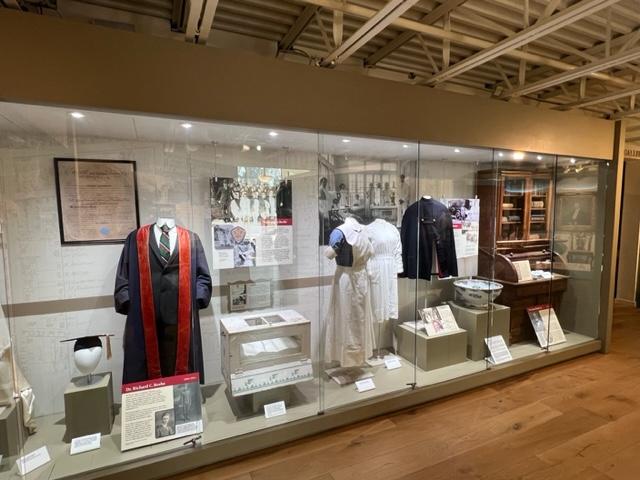
There was a detailed display on the Beebe family and the growth of their well-known hospital. The family started with three beds in a home to the giant hospital that it is today. You can read about the family members contributions both to the hospital and the community.
The history of the Beebe Hospital Family and the growth of the hospital
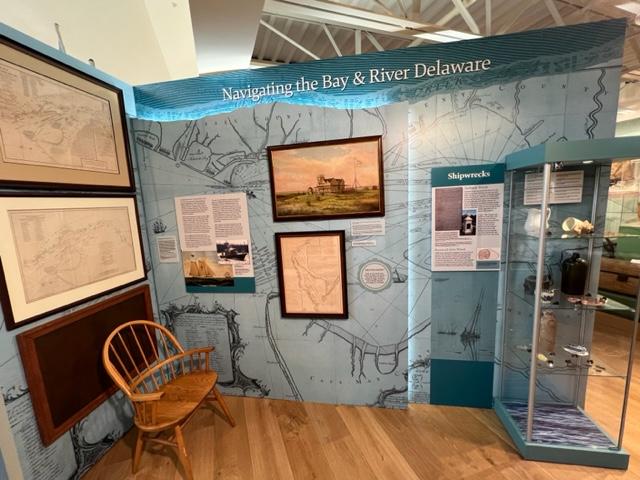
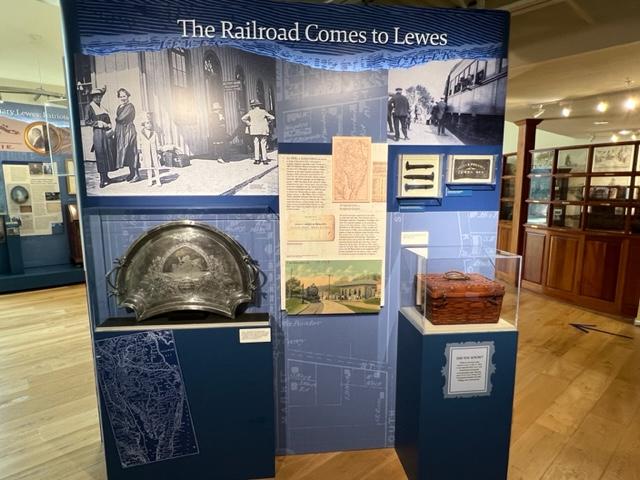
The area developed and entered the modern era with displays on Public Service, The shipping industry and the growth of the railroads in the area that helped open Lewes up as a resort. As the modes of transportation changed so did Lewes with each step.
The Shipping Industry
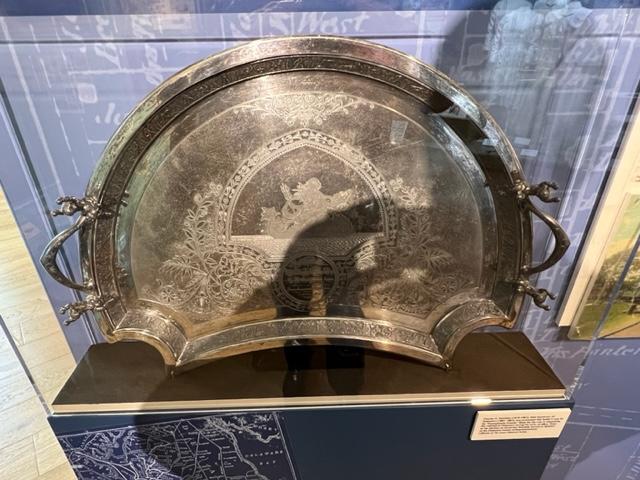
The presentation plate as part of the railroad display
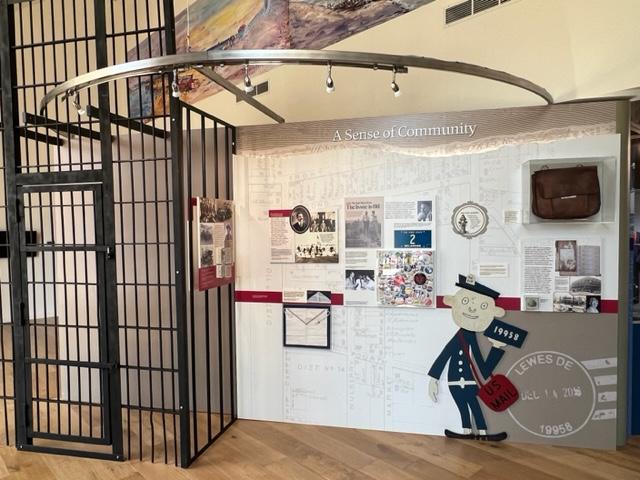
Public Service and a sense of community
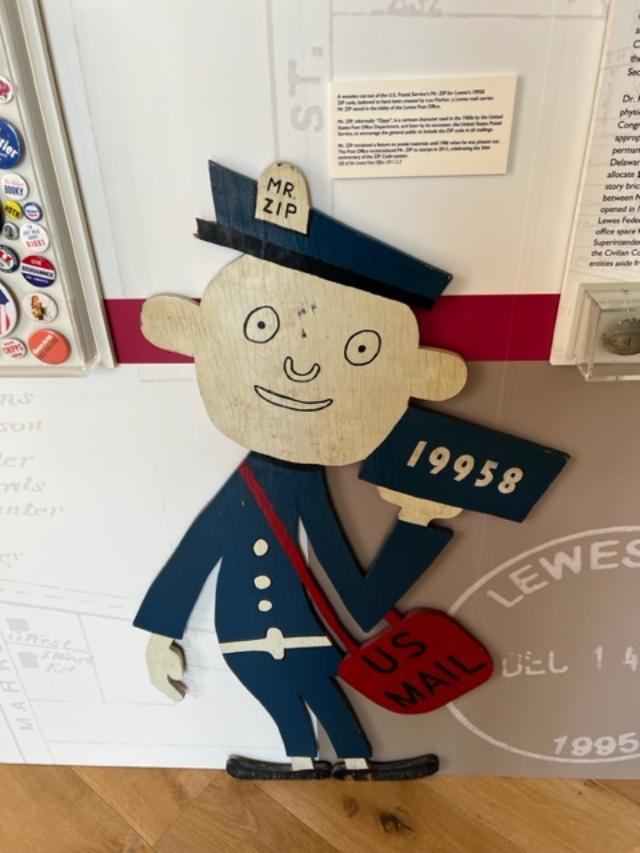
Zippy
The museum will take about an hour to comfortably walk through. It is a interesting and fun way to know the history of Lewes, De. The detail and interesting artifacts makes it a very engaging museum. The docents are really nice and helpful in explaining the displays.
The History of the Lewes History Museum:
(From the Museum website):
The Lewes History Museum is located in the Margarat H. Rollins Community Center at 101 Adams Avenue in Lewes, DE. For 54 years, The Lewes Historical Society has collected and preserved tens of thousands of historic artifacts, artwork, documents, maps and photos. Now it the support from the City of Lewes, a gift of $500,000 from the Ma-Ran Foundation and generous donations, this incredible collection is on continuous display at the Lewes History Museum.
The museum serves as the primary source of information about Lewes for visitors, researchers, students and residents. Enjoy ongoing exhibits featuring Lewe’ maritime history, decorative arts and artists, famous families of Lewes and how our region is seen through environmental change. The museum provides ongoing seminars, symposia and presentations along with a wing for community non-profit gatherings.
The popular Children’s Discovery Center is house inside the museum and is currently closed at this time. The Discovery Center offers an interactive, fun and educational experience for children of all ages. At the Center, children can experience 19th century Delaware by interacting in a replica general store and post office, playing around a scaled model of Cape Henlopen Lighthouse with a Morse code station, foghorn and reflecting lights. The Center also houses a Delaware River Pilots’ simulation module, a electronic table-top boat-building area and a lighthouse “keepers cottage”.
The community center is the centerpiece of the cultural campus in Lewes, including 18 miles of trails, a concert stage, parks, a children’s garden and the Lewes Public Library.
I visited the “Little Red Schoolhouse” Museum in Florham Park as part of the Morris County’s “Pathways to History” event that is held every May. This interesting little museum showcases the town’s historical collection of items from the 1800’s and 1900’s dealing with all aspects of town life.
In the back there is a small classroom set up keeping with the theme of the building. This lets students who are visiting the building of their counterpart’s early education with desks, ink wells and chalk boards that have not changed that much over the years.
Not much has changed in the modern classroom over the years
There is early century clothing, farming equipment from the town’s farming past and event Native American objects found in the town and in private collections. Other items included decorative items from the home including dishware, home products and furnishings. Each section of the museum is divided up by lifestyle.
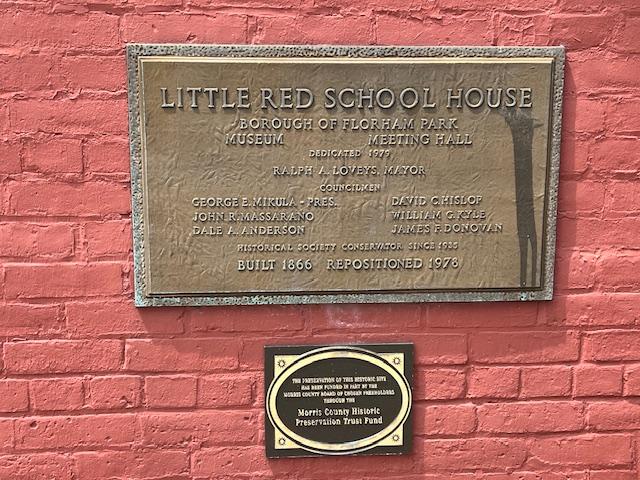
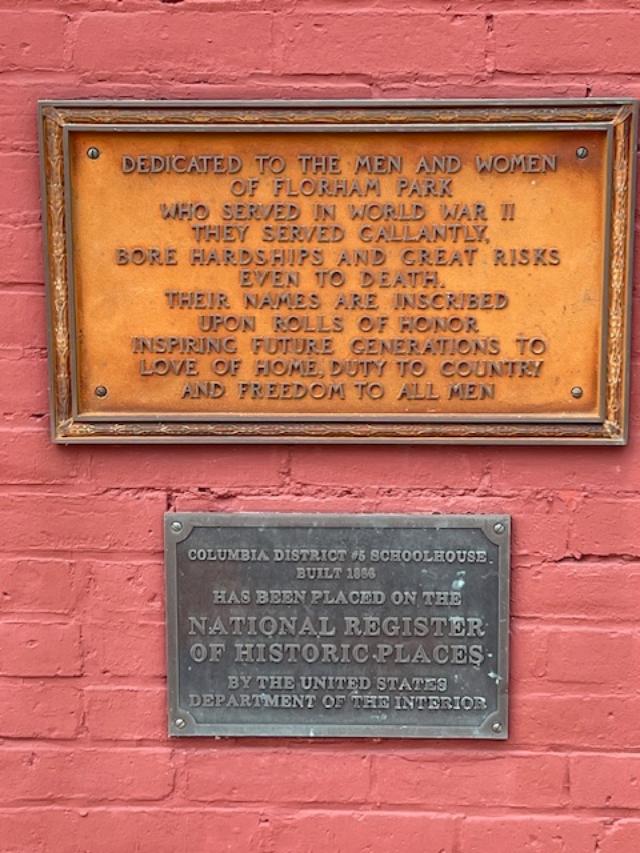
The museum’s historic plaque
The docents that day explained that the items were reflect the town’s past and some came from families that have been in town for years. The museum reflects the community spirit of town’s past. It explains that times have progressed but not changed too much over the years.
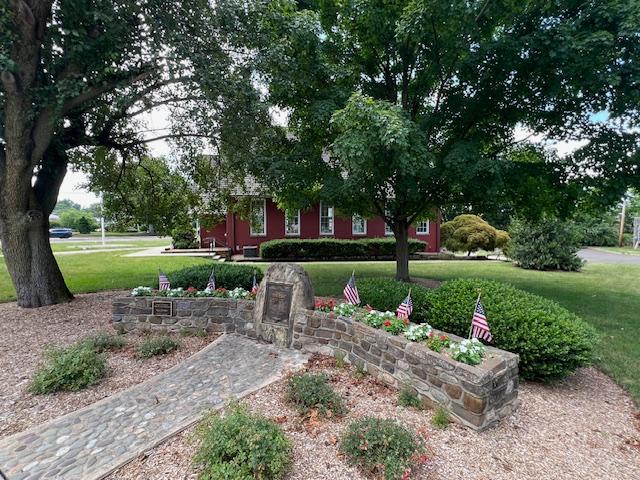
The Veteran’s Monument outside the museum
History of the Little Red Schoolhouse Museum:
(From the Museum Website)
By Kat Kurylko, Research Assistant
In 1830, the residents of Columbia, now Florham Park, sought to improve their thriving farming and broom-making community by establishing a public school for the local children. Therefore, a small schoolhouse, Columbia School #5, was built on the corner of Columbia Turnpike and Ridgedale Avenue and dedicated it on February 17th, 1831. Schooling at the “little red frame building” prospered and so by the 1850’s, the building was “in condition of dilapidation rendering it unfit to be occupied” due to overcrowding.
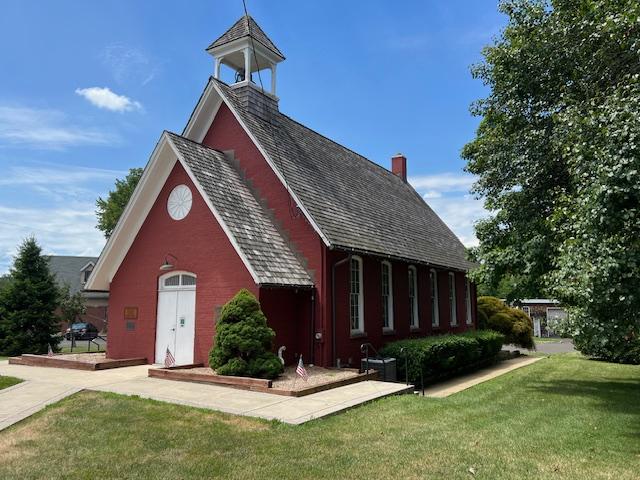
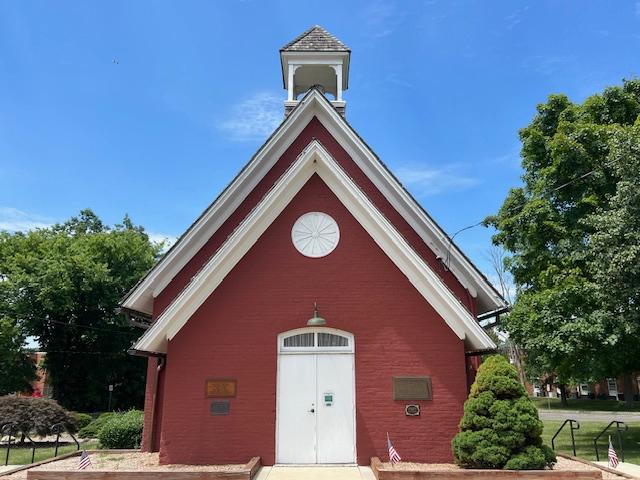
The schoolhouse from the front
On March 1st, 1867, nearly 50 children attended their first class in a new one-room brick schoolhouse. The use of brick added prestige but great expense to the project, accounting for nearly half of the budget. The new building was designed based on principles found in Henry Barnard’s book, “School House Architecture. Much like Thomas Kirkbride’s progressive hospital designs (illustrated locally at Greystone Park Psychiatric Hospital), Barnard’s method School attendance continued to grow and by 1914, a four-room annex building, which could accommodate 78 students was built on the school’s property and the earlier brick building served as an auditorium. Eventually, the community outgrew both buildings and in 1934, the borough’s current middle school was constructed.
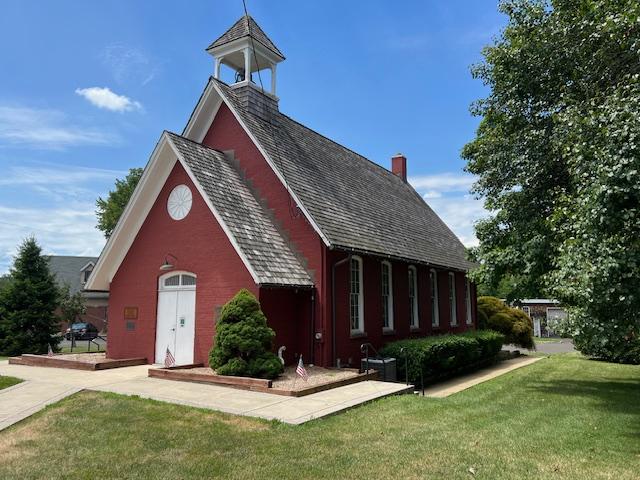
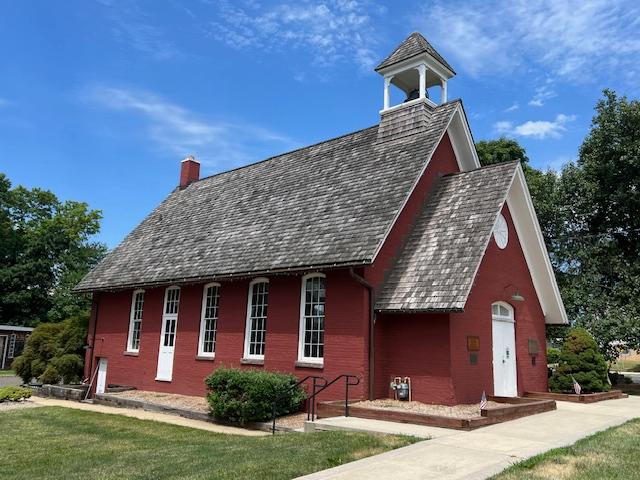
The schoolhouse from the side view
Founded in the 1930’s to preserve the “Little Red Schoolhouse”, the Historical Society of Florham Park now operates the building as a museum. A source of great pride for the local community, the building stands in nearly the same location on the corner of Columbia Turnpike and Ridgedale Avenue, although moved back to accommodate the expansion of Columbia Turnpike. Listed on the NJ and National Registers of Historic Places since the early 1970’s, today the building serves as a reminder of the community’s rural roots.
The “Little Red Schoolhouse” Museum historic plaques
(From the Morris County site):
The Little Red Schoolhouse & Museum:
Florham’s Park’s iconic Little Red Schoolhouse was built in 1866 at a cost $2,250. Its open belfry and gable-end entrance instantly identify it as a typical 19th century one-room schoolhouse. The Italianate one-story narrow red brick masonry building is an architectural marvel with its steep roof, tall windows and elaborate arches.
Inside, part of the museum is set up as a 19th century classroom, where small groups can enjoy a lecture. The museum has a variety of artifacts from the 1800’s and 1900’s, vintage school desks and broom-making equipment. Its location at the historic crossroads of Florham Park has remained a key reminder of the borough’s rural origins. The schoolhouse is a stop each fall on the free “Pathways of History” event (which I was on that day I visited).
Of Special Note:
*In 1978, the schoolhouse was moved back several yards to accommodate the expanded Columbia Turnpike.
*The schoolhouse is also known as Columbia School District Number 5 Schoolhouse.
*The schoolhouse is the borough’s icon, appearing on the town flag, letter head, website and public works and first responder vehicles.






 Visiting a Museum: The Unique, Unusual, Obscure and Historical