Tag: Historical Sites

Lucy the Elephant: A National Historical Landmark 9200 Atlantic Avenue Margate, NJ 08402

Lucy the Elephant: A National Historical Landmark

9200 Atlantic Avenue

Margate, NJ  08402

(609) 823-6473

http://www.LucyTheElephant.org

https://www.facebook.com/elephantlucy/

Open: The hours for the structure change throughout the year, so please check the website for time availability of the park and structure.

Admission: $8.00 Adults/$4.00 Children/Children under 2 free

Group Tours & Information:

Lucy is available year round for groups of 10 or more by appointment. For special holiday hours and weather closings, please call or check our website.

How to get to Lucy:

It is best to check the website for your location to the structure. For detailed instructions, please visit http://www.lucythe elephant.org.

TripAdvisor Review:

https://www.tripadvisor.com/Attraction_Review-g46600-d518065-Reviews-Lucy_the_Elephant-Margate_City_New_Jersey.html?m=19905

Lucy from the beach side view

The welcome sign

I visited Lucy the Elephant in the fall of 2015 right before Christmas on a tour I was taking of Southern New Jersey and the shoreline. This unique structure was built to attract people to the shore to buy land and for development.

The view from the parking lot

There were two other ‘Lucy’s’ built one of them being the former ‘Elephant Hotel’ in Coney Island that burned down in the last century.

The front view of the elephant

This well preserved building has been renovated and part of the Jersey shore lore. It is well worth the visit in the off season on a nice day. I unfortunately visited on a rainy day in 2015 and was not able to go to the top and still have a free pass to go whenever I want to visit again. 

Entering the elephant through the winding stairs

Still I was able to take the spiral staircase to her belly to learn the history of the structure and that is very interesting.

Lucy the Elephant in its full glory

I started my tour in 2025 at the door of her base

I visited Lucy again in 2025 and was finally able to visit the top of the statue, the howdah, and able to take in the view of the ocean and the surrounding area. Try to visit “Lucy” when it is a sunny day out. You will be able to take in the spectacular view of the ocean.

The tour starts in her inside, looking over the displays and where the bar was located where the owner would ply investors with liquor to have them invest in beach real estate.

Inside of Lucy the Elephant: the history and displays

The inside of Lucy on a recent tour

Touring the inside of Lucy

I was able to take my time because I visited in the off season on a nice day and since J was the only one on the tour, I got to take my time and talk with the tour guide.

I got to look through Lucy’s eyes and see the views of the ocean and of the surrounding areas was interesting.

Lucy’s eyes and truck

Lucy’s left eye

Lucy’s right eye

The former bathroom inside of Lucy

The inside displays of Lucy

The skylight that illuminates the inside

Then it was time to walk up to the howdah and enjoy the view. It was a somewhat over cast day but you could still enjoy the view.

The view from the howdah on the top of the elephant

The roof of the howdah

The view of the beach from the howdah

The view of Margate from the howdah

The view from the howdah showcases the view of both the beach and the City of Margate. You can see from mikes around and on a hot day, the breezes are amazing.

The restored wood work

The video of the views

The tour of Lucy is about an hour but the history of this shore landmark and its influence in shore real estate and the development of these towns is so interesting.

Leaving the elephant we could see her behind

The History of Lucy the Elephant:

Lucy was built by a real estate speculator who owned a great many parcels of open land at the Jersey shore. In order to attract visitors and potential buyer, he built Lucy as a novelty amusement. He patented his idea, ensuring that Lucy would remain a unique piece of architecture.

Eventually, a popular hotel business was built around Lucy. Presidents and royalty came from around the world to stay at the neighboring Elephant Hotel and climb the stairs to Lucy’s howdah.

Lucy facing the ocean

During her history, Lucy has survived hurricanes, ocean floods and even a fire accidentally stated by some inebriated party-goers when she served as tavern. However, by the 1960’s, it became apparent there was one disaster Lucy could not overcome-neglect. By that time, the once proud jewel of the South Jersey Isles had become an almost hopeless, condemned structure.

Eventually a developer purchased Lucy’s lot and intended to build a new condominium building on the site. The beach and the ocean could stay-but the elephant had to go!

Lucy the Elephant III.jpg

Lucy the Elephant near the wrecking ball

To the rescue came the Save Lucy Committee. Within weeks, this small, concerned group of ordinary citizens had raised enough money to move the entire decaying structure two blocks away to a new site owned by the city. Thirty years and over one million dollars later, Lucy has been completely restored to her original splendor, inside and out.

In 1976, Lucy was designated a National Historic Landmark by the United States Government as the oldest surviving example of a unique form of “zoomorphic” architecture. Today, she is every bit as popular and beloved as she ever was.

The history of the elephant

The history of the park

The history of Lucy

The history of the park and who saved it

About the Park:

Lucy the Elephant is located along the beach in Josephine Harron Park (named for our co-founder) in Margate, NJ. Lucy is six stories high and is listed on the National Park Registry of Historical Landmarks. Our park is fenced and contained, making child supervision easy. Picnic tables are on site for eating outdoors. We also have friendly, trained volunteers and staff to assist you during your visit. On the tour, you will learn about Lucy’s unique architecture and her colorful history.

Lucy facing the sea

You will get to climb a spiral staircase through her insides and all the way up to the howdah on her back, providing a spectacular 360 degrees view of the surrounding shore area. Kids and adults alike are sure to enjoy visiting the only elephant in the world “you can walk through and come out alive”.

Lucy is also available by appointment for schools, groups and special events such as weddings or birthday parties. There are guided tours, a gift shop, free parking and all major credit cards are accepted.

Lucy the Elephant symbol of the town

Lucy from the front of the parking lot

Lucy from the ticket booth across the street

This information was taken from the pamphlet from The Save Lucy Committee.  For more information, visit the online website at http://www.LucyTheElephant.org

*Disclaimer from author: All this information is located both on the pamphlet and on the website. Visiting Lucy is a treat and should be visited by all residents of New Jersey.

The gift shop the supports raising much needed funds for restoration.

Visit downtown Margate for lunch after your visit

Downtown Margate after my tour

I went to Pierre’s Pizza at 7 North Washington Avenue for lunch. Their cheese pizza is wonderful. The restaurant is two blocks from Lucy.

Pierre’s Pizza at 7 North Washington Street in Margate, NJ

https://www.pierrespizzamenu.com/

My review on TripAdvisor:

https://www.tripadvisor.com/Restaurant_Review-g46600-d475155-Reviews-Pierre_s_Pizza-Margate_City_New_Jersey.html?m=69573

The inside of the pizzeria

Their delicious cheese pizza is over-sized, crisp and has a nice tasting sauce.

The Little Red Lighthouse in Fort Washington Park 178th Street by the George Washington Bridge New York, NY 10033

The Little Red Lighthouse: Fort Washington Park

178th Street under the George Washington Bridge

New York, NY  10033

https://www.nycgovparks.org/parks/fort-washington-park/highlights/11044

TripAdvisor Review:

https://www.tripadvisor.com/Attraction_Review-g60763-d2368581-Reviews-Little_Red_Lighthouse-New_York_City_New_York.html?m=19905


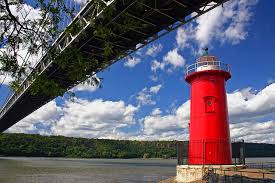
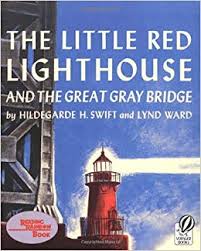
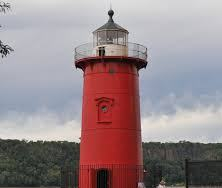
*I came across the Little Red Lighthouse when I was touring Fort Washington Park one afternoon on the walk and did not realize how famous this landmark was in literature. It was part of the book, “The Little Red Lighthouse and the Great Gray Bridge”. It is a small landmark but on a nice day it offers great views of the river and the surrounding park.

Little Red Lighthouse II.jpg

The Little Red Lighthouse & Fort Washington Park (Text is part of the Historical Signs Project).

The Little Red Lighthouse stopped being used as a functional lighthouse long ago but over the years this 40-foot-high structure has become a beacon of another kind. Located underneath the George Washington Bridge along this treacherous section of the Hudson River once known as Jeffrey’s Hook, this is one of the few surviving lighthouses in New York City and serves as a quaint reminder of the area’s history.

Long ago, Native Americans known locally as the Wiechquaesgeck-part of the Lenape tribe-inhabited much of upper Manhattan and eastern New Jersey. The Wiechquaesgeck and later the Dutch and English colonists, fished and hunted along the banks of the Hudson River. The Hudson was also an important route for travel, connecting upstate cities such as Albany to New York City and the Atlantic Ocean. As traffic increased along the river, so did the number of shipwrecks at Jeffery’s Hook. In an attempt to reduce the accidents, a red pole was placed at Jeffrey’s Hook jutting out over the river to warn travelers of danger. In 1889, two 10-candlepower lanterns were placed on the pole to aid navigation. Much of the land surrounding the lighthouse, including the riverbanks of Jeffery’s Hook was acquired by the City in 1896 and became known as Fort Washington Park.

little-red-lighthouse-iii.jpg

In the early 20th Century, barge captains carrying goods up and down the Hudson demanded a brighter beacon. The Little Red Lighthouse had been erected at Sandy Hooks, New Jersey in 1880 where it used a 1,000 pound fog signal and flashing red light to guide ships through the night. It became obsolete and was dismantled in 1917. In 1921, the U.S. Coast Guard reconstructed this lighthouse on Jeffrey’s Hook in an attempt to improve navigational aids on the Hudson River. Run by a part-time keeper and furnished with a battery-powered lamp and a fog bell, the lighthouse, then known as Jeffery’s Hook Lighthouse was an important guide to river travelers for ten years. The George Washington Bridge opened in 1931 and the brighter lights of the bridge again made the lighthouse obsolete. In 1948, the Coast Guard decommissioned the lighthouse and its lamp was extinguished.

The Coast Guard planned to auction off the lighthouse but an outpouring of support fro the beacon helped save it. The outcry from the public  was prompted by the children’s book, ‘The Little Red Lighthouse and the Great gray Bridge’, written by Hildegarde Swift and Lynd Ward in 1942. In the popular book, the Little Red Lighthouse is happy and content until a great bridge is built over it. In the end, the lighthouse learns that it still has an important job to do and that there is still a place in the world for an old lighthouse.  The classic tale captured the imaginations of children and adults, many of whom wrote letters and sent money to help save the icon from the auction block.

On July 23, 1951, the Coast Guard gave the property to Parks and on May 29, 1979, the Little Red Lighthouse was added to the National Register of Historical Places. It did not receive much attention over the years until City Comptroller Harrison J. Goldin worked with Parks Commissioner Henry J. Stern to find funding for its restoration. In 1986, Parks hosted a party in honor of the lighthouse’s 65 anniversary and to celebrate a $209,000 renovation of the lighthouse that included reconstruction of the concrete foundation and the installation of new steel doors. In the year 2000, the lighthouse received a fresh coast of red paint that is true to its original, historic color along with new interior lighting and electric lines. Today the Little Red Lighthouse remains a stalwart symbol of the area’s heritage, lighting the way into the city’s past.

The Little Red Lighthouse is owned by the New York City Department of Parks & Recreation and is a member  of the Historic House Trust of New York City.

Little Red Lighthouse.jpg

*This information comes off the New York City Department of Parks & Recreation website. I would advise because of the isolated location of the lighthouse in the park to visit at daylight hours.

The Morris-Jumel Mansion                                                        65 Jumel Terrace                                                                      New York, New York 10032

The Morris-Jumel Mansion 65 Jumel Terrace New York, New York 10032

The Morris-Jumel Mansion

65 Jumel Terrance

New York, NY  10032

(212) 923-8008

http://www.morrisjumel.org/

Fee: Adults:  $10/Seniors/Students: $8/Children under 12: Free/Members: Free

Open: Monday:  Closed to general public; visitation by advanced appointment only/Tuesday-Friday: 10:00am to 4:00pm/Saturday-Sunday: 10:00am to 5:00pm

The museum is closed on the following holidays: New Year’s Day, Memorial Day, Labor Day, Thanksgiving Day and Christmas Day.

TripAdvisor Review:

https://www.tripadvisor.com/Attraction_Review-g60763-d103500-Reviews-Morris_Jumel_Mansion-New_York_City_New_York.html?m=19905

The Morris-Jumel Mansion at 65 Jumel Place in the summer months

I came across the Morris-Jumel Mansion on my walk around Manhattan and noted it on my blog site “MywalkinManhattan.com”. This is the only remaining Colonial residence left on the island of Manhattan and is worth the time to take the tour of the house for its significance in the American Revolutionary War and in it’s later history.

The mansion is now going through a restoration

The Mansion and the historical district and grounds in the background

The historic plaque

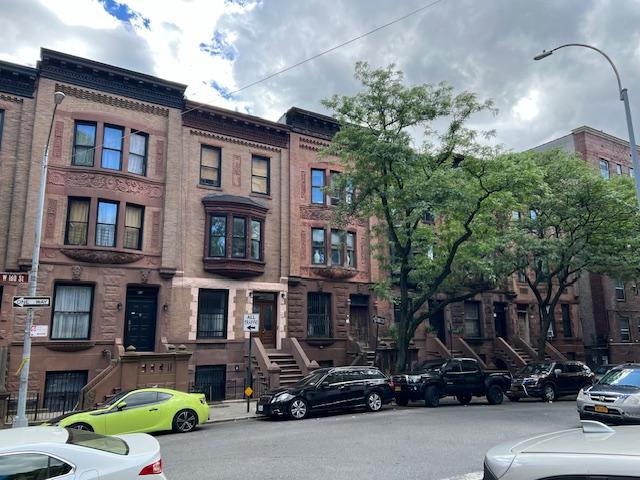
The historic district outside the estate.

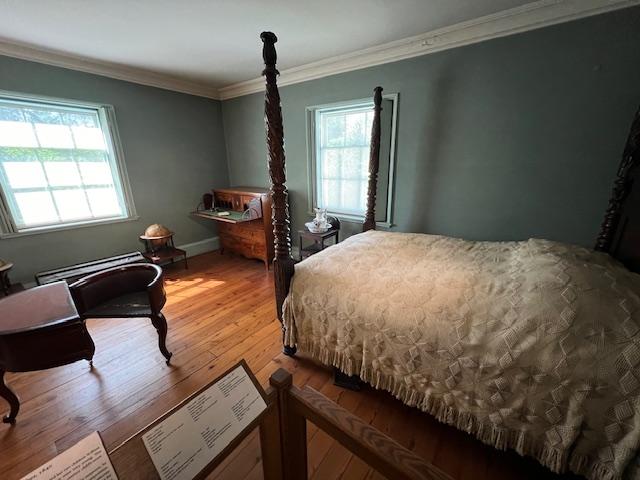
When touring the house, you get to see most of the rooms furnished with period furniture and some with the family belongings. The house had other uses over the years and the curators are trying bringing it back to the period of time when Madame Jumel lived there. The tour guides have some interesting stories on the colorful history of the house.

The Gardens in the early Spring months.

The crocuses and daffodils were just coming up

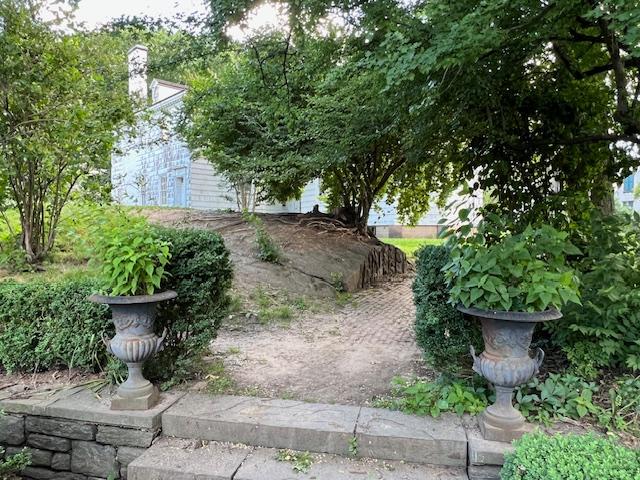
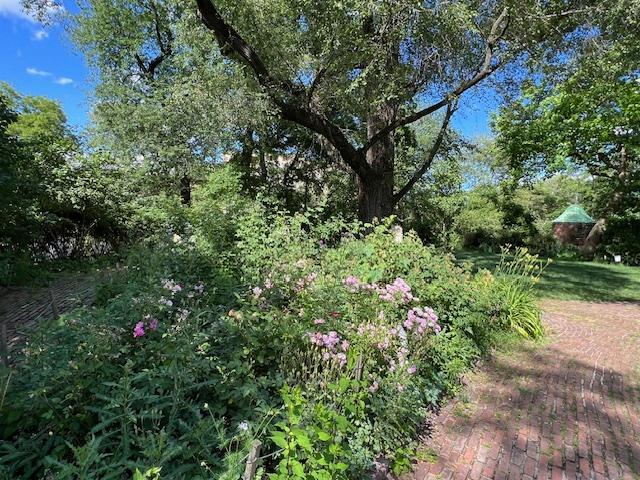
In the summer months, don’t miss the beautiful if somewhat rustic gardens that surround the house. It is very beautiful during the summer months. Check out their website for special events.

The Morris Jumel Gardens by the front gate.

The History of the Morris-Jumel Mansion:

The Morris-Jumel Mansion, Manhattan’s only remaining Colonial era residence is unique in its combination of architectural and historical significance. Built as a summer ‘villa’ in 1765 by the British Colonel Roger Morris and his American wife, Mary Philipse.

Roger Morris.jpg

Colonel Roger Morris

https://en.wikipedia.org/wiki/Roger_Morris_(British_Army_officer)

It originally commanded extensive views in all directions: of New York harbor and Staten Island to the south; of the Hudson and Harlem Rivers to the west and east and of Westchester county to the north. The estate named “Mount Morris” stretched over 130 acres from the Harlem to Hudson Rivers and the working farm grew fruit trees, and raised cows and sheep.

mary-philipse.jpg

Mary Philipse

https://en.wikipedia.org/wiki/Mary_Philipse

Colonel Morris was the son of the famous architect Roger Morris, a fact which may explain the extremely innovative features of the Mansion such as the gigantic portico, unprecedented in American architecture and the rear wing which was the first octagon built in the Colonies.

The house’s situation and large size made it ideal as military headquarters during the Revolution and it was occupied successively by Washington, General Henry Clinton and the Hessian General Baron von Knyphausen. As the Morris’s were loyal to Britain during the Revolution, so their property was seized and sold after its conclusion. In 1790, Washington returned for a cabinet dinner at which he entertained Jefferson, Adams, Madison, Hamilton and Colonel Knox among others.

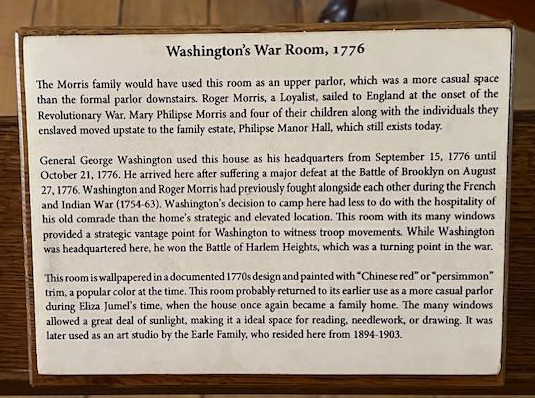
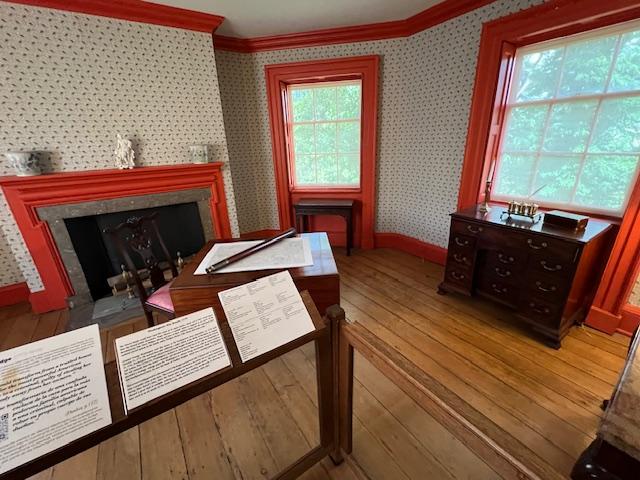
George Washington’s War Room on the second floor of the mansion

The later history of the house centers on the Jumel’s. Stephen Jumel was a wealthy French émigré, who married in 1804, his beautiful and brilliant mistress, Eliza Bowen. They bought the mansion in 1810. In 1815, they sailed to France and offered Napoleon safe passage to New York after Waterloo. Although he eventually declined the offer, they did acquire from his family many important Napoleonic relics-some of which can be seen in the blue bedroom on the second floor.

Morris-Jumel Mansion IV.jpg

Eliza Jumel and her family

https://en.wikipedia.org/wiki/Eliza_Jumel

Favorable tariffs and faster sailing technology made Atlantic trade in raw materials and luxury goods and luxury products highly lucrative.  Stephen made his fortune  as a merchant. Later as his business floundered, Eliza applied herself to the real estate trade, buying and selling land and renting properties downtown.

Morris-Jumel Mansion Entrance Hall with the portrait of King George’s brother

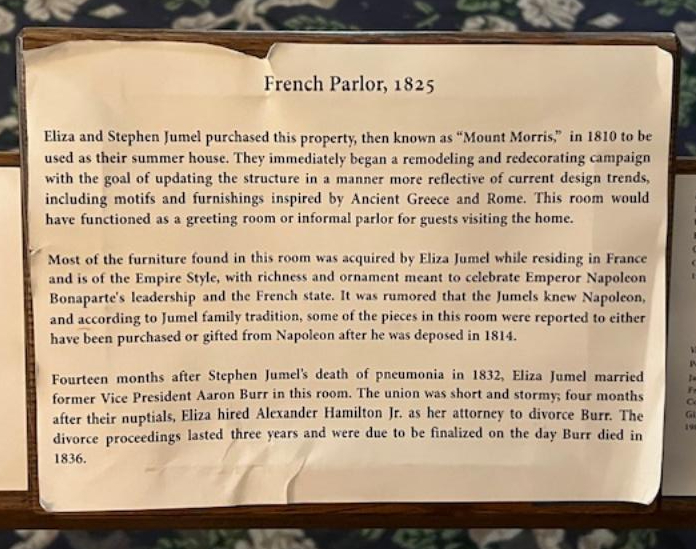
The sign for the French Parlor

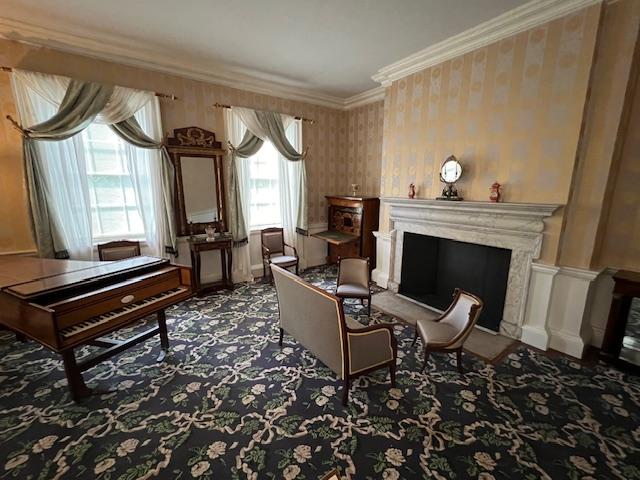
The French Parlor

The historic sign for the Dining Room

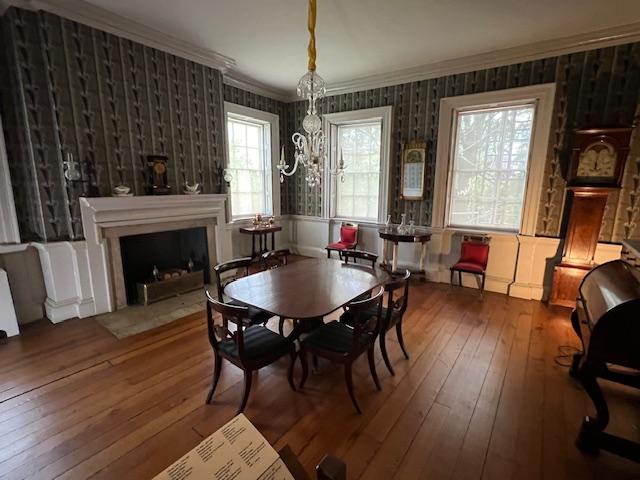
The formal Dining Room

Her success made large profits for her husband and herself  at a time when it was very unusual for a woman to be so active in business. Stephen died in 1832 and Eliza married the ex-Vice-President Aaron Burr in the front parlor one year later.

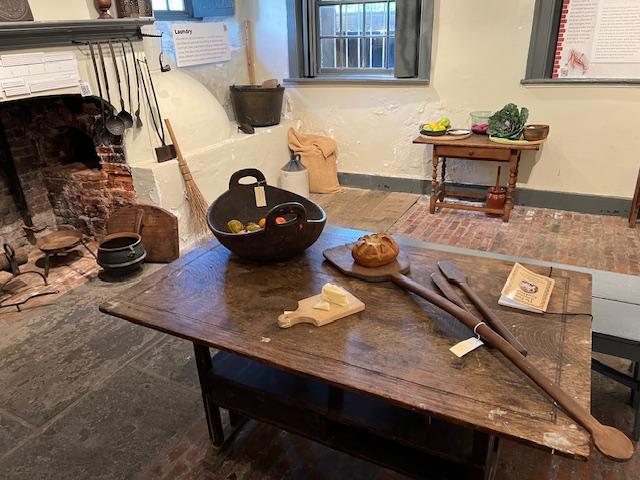
The Kitchen of the Morris Jumel Mansion is in the basement

The Kitchen preparing a Summer dinner

Preparing dinner in the Morris-Jumel Kitchen

https://www.morrisjumel.org/history

Eliza filed for divorce in 1833, a lengthy process which was not finalized until 1836 at the time of Burr’s death.  Eliza lived in the house until her death at age 90 in 1865, exactly 100 years after the mansion was built. On her death , she was considered one of the wealthiest women in America.  In 1904, the city of New York purchased the house and turned it into a museum.

The historic sign for Aaron Burr’s Bedroom

Aaron Burr’s Bedroom on the second floor.

Eliza Jumel’s Bedroom on the second floor

Eliza Jumel’s Bedroom

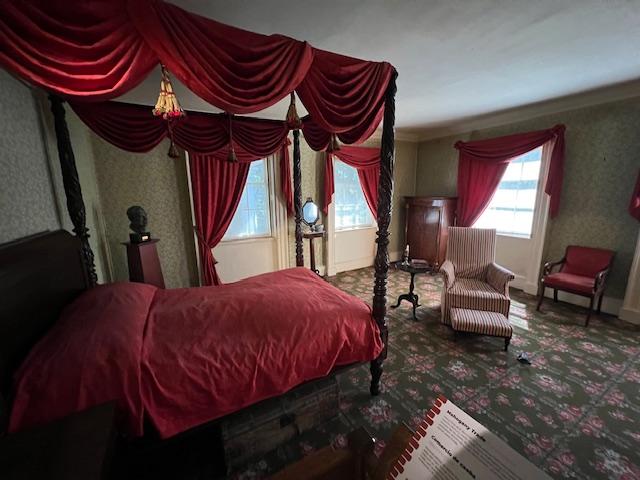
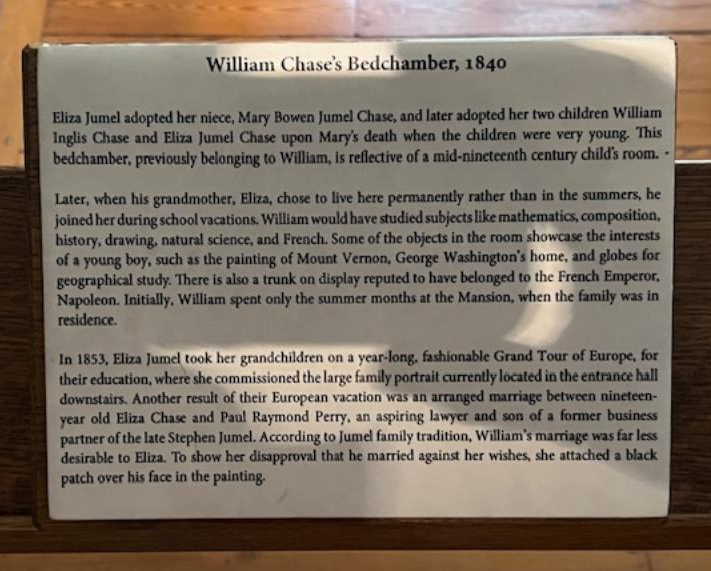
Mrs. Jumel’s grandson’s Bedroom is down the hall from the other bedrooms

William Chase, Mrs. Jumel’s grandson’s Bedroom

The upstairs Hallway and Gallery

Examples of the Mansion’s wallpaper that has been reproduced for the home.

Today, the mansion is the oldest remaining house in Manhattan and is a museum highlighting over 200 years of New York history, art and culture. The neighborhood surrounding the mansion is known as the Jumel Terrace Historic District.

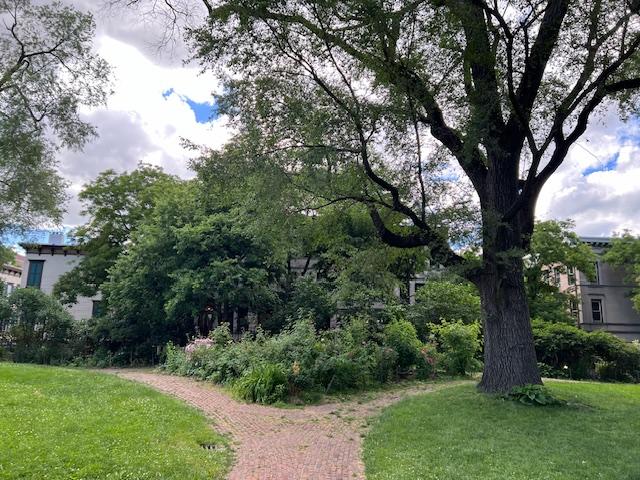
The Morris-Jumel Historic District

The Morris-Jumel Historic District

Faces stare at you from some of the brownstones

The Morris-Jumel Historical District

The hill that Roger Morris once called “Mount Morris” in the 18th century became better known as “Sugar Hill” during the Harlem Renaissance of the 1920’s.

The Gardens were just starting to bloom late Spring in 2024

*The buildings in this district are protected by the New York Landmarks Commission and must be maintained as if they were new, so this is why the area has changed little over time. The Morris-Jumel Mansion is a proud member of the Historic House Trust of New York City and partner of the New York City Department of Parks & Recreation.

The Morris-Jumel Gardens in bloom in the Spring of 2024.

*This information is taken from the Morris-Jumel Mansion press release and pamphlet and from the New York City Parks Department. Please call or email the mansion in case times have changed or events planned.

The Gardens of the Morris-Jumel Estate by the historic district.

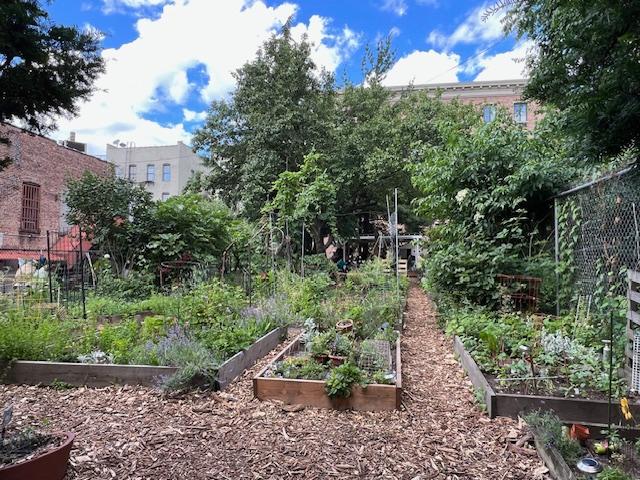
The Morris Jumel Community Garden at 455 West 162nd Street

https://www.grownyc.org/openspace/gardens/man/jumel

https://www.facebook.com/MorrisJumelGarden/

The Morris-Jumel Community Garden

The Morris-Jumel Community Garden

The Morris-Jumel Community Garden is to the north of the estate and is independent of the property. The garden is open for twelve hours a week to the outside community. It is very impressive and the residents do a good job in the planting and care of the gardens.

The Hamilton Grange National Memorial          414 West 141st Street                                         New York, NY 10031

The Hamilton Grange National Memorial 414 West 141st Street New York, NY 10031

The Hamilton Grange

414 West 141st Street

New York, NY  10031

(646) 548-2310

http://www.nps.gov/hagr

Hours: Wednesday-Sunday-9:00am-5:00pm/Closed Monday-Tuesday

Fee: Donation

TripAdvisor Review:

https://www.tripadvisor.com/Attraction_Review-g60763-d105813-Reviews-Hamilton_Grange_National_Memorial-New_York_City_New_York.html?m=19905

Alexander Hamilton’s Summer Home

In the late 1700’s, well-to-do dwellers moved to Harlem Heights in the summer, seeking its cool breezes. They also wanted to avoid yellow fever, a summer threat in lower Manhattan, Hamilton and his wife, Elizabeth  (of the influential Schuyler family) often visited friends here and decided to build their own retreat.

In 1802, they moved in and Hamilton began commuting to his downtown law office, a 90 minute carriage trip. He and Elizabeth also began to entertain friends, colleagues and leader in their elegant home and gardens. Little did Hamilton know that his time at The Grange would be brief.

Hamilton Grange home

Witness to Slavery:

Alexander Hamilton (1755-1804) grew up on Nevis and St. Croix, islands in the Caribbean, where thousands of enslaved Africans labored in sugar cane fields. As a clerk for a shipping company, young Hamilton worked directly with ship captains bringing in their human cargo. This experience haunted him and lead to his lifelong opposition to slavery.

The portrait of Alexander Hamilton in the home

Saved by a Hurricane:

Hamilton’s mother, Rachel, raised him and his brother along. A shop owner, she died of yellow fever when Hamilton was in his early teens. That’s when he started working at the shipping company. He impressed his boss with his energy, ambition and intelligence. Then the local newspaper published his letter describing a devastating hurricane. Townspeople were so taken by his writing that hey helped pay his way to America to further his education. In the letter, he wrote: …’the ear-piercing shrieks of the distressed were sufficient to strike astonishment into Angels’.

The bust of Alexander Hamilton in the house’s Entrance Hall

In America:

Hamilton plunged into American life. He enrolled in King’s College (now Colombia University) in New York. He wrote passionately about the revolutionary ideas of American rebels. When the fighting began, young Hamilton joined them. By the time he married at 25, he was a published writer, seasoned military leader and a close friend of George Washington.
Alexander Hamilton.jpg

Alexander Hamilton

https://en.wikipedia.org/wiki/Alexander_Hamilton

Family Man:

Hamilton and Elizabeth loved children. They had eight of their own and took in others. Hamilton’s work as a lawyer helped pay bills while he served the county with little if any pay.

The Alexander Hamilton statue in the church yard.

The Duel:

After years of differences, Aaron Burr challenged Hamilton to a duel in 1804. Burr, now the country’s vice-president, felt he had to defend his honor. Friends tried to soothe both men but failed. Facing possible death, Hamilton wrote letters to his friends and family. After he died from Burr’s bullet, Elizabeth read his letter and these final words: ‘Adieu, best of wives and best of women. Embrace all my darling children for me’.

Hamilton’s study just off the Entrance Hall of the home

The Living Room

The Living Room

The Dining Room

The Dining Room

The Dining Room table

Elizabeth Carries On:

Family friends made sure Elizabeth had enough money to live with her children at The Grange. She preserved Hamilton’s thousands of letters, essays and other writings. She also started an orphanage and was its director into her 80’s. At age 91, she went to live with a daughter in Washington DC. She charmed presidents and other dignitaries until she died in 1854 at age 97.

Elizabeth Schuyler.jpg

Elizabeth Schuyler

https://en.wikipedia.org/wiki/Elizabeth_Schuyler_Hamilton

Alexander Hamilton: Soldier, Founder and Philosopher:

Revolutionary War Days:

By age 21, Alexander Hamilton identified  himself with the revolutionary cause. He organized an artillery unit that defended New York City and fought in New Jersey and Pennsylvania. George Washington noticed Hamilton’s daring and intelligence and appointed him as a personal aide.

Hamilton’s new job required him to be writer, diplomat and advisor to Washington. Even so, Hamilton ached to return to battle. Eventually, Washington appointed him Colonel of an infantry brigade. Hamilton led a major attack in the battle of Yorktown in 1781.

Bold Ideas for New Times:

As a lawyer after the war, Hamilton defended New York citizens who had been loyal to Britain. He argued the new treaties and laws protecting all citizens and that loyalists would help rebuild the city. He also led the New York Manumission Society, which protected and educated free and enslaved African-Americans.

At the 1787 Constitution Convention, Hamilton argued for a strong central government. With James Madison and John Jay, he wrote essays explaining the new Constitution and urging citizens to vote for its ratification. Politicians and judges still consult “The Federalist Papers” about the meaning of the US Constitution.

The Hamilton Study

In the New Government:

As first Secretary of the Treasury, Hamilton recommended the federal government pay off states debts, tax imported goods, establish a national bank and promote manufacturing. His ideas worried Sectary of State Thomas Jefferson, who believed the federal government did not have powers. Hamilton argued the Constitution supported flexible ‘implied powers.’ Congress and the Supreme Court agreed. By the end of Hamilton’s term, the country had excellent credit and a strong economy.

The Hamilton Grange Dining Room

A Controversial Citizen:

Hamilton resumed his law practice in 1795 after leaving federal service. His clients included free and enslaved African-Americans whom he helped for no pay. He also defended a newspaper editor sued for slander by Thomas Jefferson. Hamilton argued journalists had the same rights as citizens to freedom of speech. His victory strengthened United States citizens’ First Amendment rights.

Hamilton often criticized President Jefferson’s government and his vice-president, Aaron Burr. His harsh words about Burr lead to the duel that ended Hamilton’s life. Alexander Hamilton’s short and controversial life left the United States poised to become a powerful nation something he dreamed of but did not see.

The view of the house from St. Nicholas Park

Visiting the site:

The Hamilton Grange Gardens

Planning your visit:

Hamilton Grange is on West 141st Street between Convent and St. Nicholas Avenues, its third location. In 1889, the city began building new streets across the estate. A church bought The Grange and moved it to safety two blocks away. In 2008, the National Park Service moved it to its current location, still on the original estate.

Hamilton Grange is open year-round, 9:00am to 5:00pm, Wednesday through Sunday except Thanksgiving and Christmas. Exhibits and a film highlight Hamilton’s major achievements. Guided tours are first-come, first-serve and limited to 15 visitors. Enjoy quiet activities on the grounds.

Hamilton Grange Display Room

We strive to make our facilities, services and programs accessible to all. Call or visit our website.

Hamilton Grange is near bus routes and subway stations; see maps at right. Visit http://www.mta.info for routes and schedules. All applicable federal, state and city laws and regulations apply here.

The Hamilton Grange Information Room

Hamilton Grange National Memorial is one of over 390 parks in the National Park System. To learn more about national parks, visit http://www.rips.gov.

The Information Room

*This information was taken off the pamphlet available at the site put out by the National Park Service, U.S. Department of the Interior: National Memorial New York and I give them full credit for the information.

*Bloggers Note: Because of the Musical on Broadway presently, the site has gotten very busy during the summer months but don’t let that deter you from visiting. The house and the tour are very interesting.

I mentioned this on my blog “MywalkinManhattan” when visiting this part of Harlem. There are a lot of nice restaurants close by and the SUNY campus is right there to relax in. The neighborhood is save but still you have to watch yourself anytime you walk around NYC.