Tag: DiningonaShoeStringinNYC@Wordpress.com

Mount Vernon Hotel Museum & Garden           421 East 61st Street                                            New York, NY 10065

Mount Vernon Hotel Museum & Garden 421 East 61st Street New York, NY 10065

Mount Vernon Hotel Museum & Garden

421 East 61st Street

New York, NY  10065

(212) 838-6878

http://www.mvhm.org

Open: Tuesday-Sunday-11:00am-4:00pm (check the website during each season)

Fee: Adults $15.00/Seniors & Students $12.00/Children 16-12 $5.00/Children under 12 Free

TripAdvisor Review:

https://www.tripadvisor.com/Attraction_Review-g60763-d309468-Reviews-Mount_Vernon_Hotel_Museum_Garden-New_York_City_New_York.html?m=19905

The Mount Vernon Hotel Museum at 421 East 61st Street
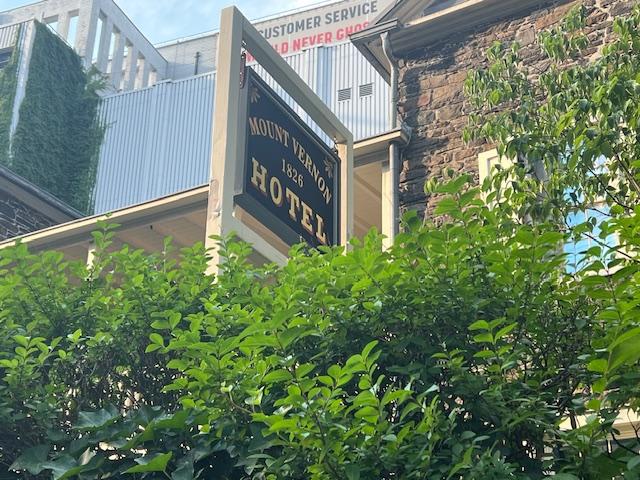
Mount Vernon historical sign during the summer months

The history of the building

The model of the building

I had come across the Mount Vernon Hotel Museum when I was walking on East 61st Street for my blog and went to take the tour of the building. It is a one hour (or more as I there for almost two hours but I was by myself) tour of both floors. You start with a film and a quick talk about the history of the building. The hotel building has had several owners and uses over its over hundred years.

I visited the museum during the holiday season in 2025 and I got to see all the decorations around the hotel. There was elegant decorations in most of the rooms and got to see how people ate during the holiday season as well as with visits guests would have indulged in when they came for the day.

Then you start the tour of the upper room where the ladies would gather and talk. This is where they might have tea, musical recitals and read and sew. They would gather with other women for conversation and debate.

The Upstairs foyer gallery

The foyer landing decorated for the holidays with the former traveler, James Taylor, who discussed in his memoir about visiting the hotel

The Ladies Parlor

The upstairs is where the sleeping rooms and the ladies parlors are located, where female guests would enjoy tea, games, music and reading. The main landing was for dancing and for gatherings.

The Ladies Palour with the Chinese writing desk and festive decorations.

The room set for tea with Englishware

The holiday set up afternoon service

The sleeping rooms were kept simple and functional

The Men’s game room

The main floor was the Men’s gaming rooms, where there is a bar and two rooms for male activities such as cards, gambling and reading. Here the men would discuss politics and business over a drink and games of chance.

The main games room

The main entrance was used as the dining room for dinner (our lunch), which was the biggest meal of the day served around 2:00pm.

The bar area where spirits are sold

The afternoon supper was part of the package and couples would join one another for a several course meal, which would serve as the main meal of the day.

Dinner time at the Mount Vernon Hotel Museum

The tour guide went over what would have been served, menu’s and meal times. Dinner would have been served at 2:00pm, tea time would have been around 4:00pm-6:00pm and Supper around 8:00pm.

The multi course meal for everyday on display

The meal would include popular dishes such as turkey and oysters and a specialty, Turtle soup. Fresh vegetables and fancy desserts would be part of the package.

The tour of the kitchen show preparation of foods, recipe books and all kitchen equipment including the stoves and baking materials.

The kitchen for both the hotel and house

The kitchen used to cook afternoon meals

The area used for baking and roasting

If you like the history of “Old New York” and like old homes, hotels and buildings, this is a very interesting tour that deals with the City’s growing middle-class and the new ‘leisure time’ that was coming with the changes in the work week. There are many pieces of period furniture all over the building that show the growth of affluence of the time.

The side board set with holiday desserts

The side board ladened with holiday treats

Don’t miss the formal walled in garden in the back. It is a place of relaxation from the rest of the city. There are stone walk ways and landscaped gardens as well as an herb garden. The building is owned and maintained by the Colonial Dames of America.

The walled gardens during the winter

The walled garden in the winter

I revisited the museum for the holidays and the hotel was decked out in garland and holy based on the decor traditional for the Revolutionary War era Christmas. The archways and tables were lined with greenery and the tables were loaded with oranges plunged with cloves to give the homes at that time a rich citrus smell.

The downstairs dining table was set for a Christmas meal of wild turkey, mock turtle soup, and apple and pumpkin pies. This would have been served in the afternoon as the main meal while it was still light out.

Holiday goodies at the Mount Vernon Hotel Museum getting ready for the holidays

There had been a light snow while we were touring the hotel so when we visited the gardens, it really did have that Christmas feel to it with that light snow all over the pine and the bushes.

How the neighborhood has changed

The old stable area

During the time of the Revolutionary War and afterwards, homes were not as elaborately decorated as they would have been during Victorian times after the Civil War. Homes were lined with greenery that would have given the home the fragrant smell of pine and strings of cranberries and popcorn would have been used to decorate mantles.

The hotel decorated for the holidays

The hotel was getting ready for one of its many special events during the holidays so there was a lot of commotion going on downstairs. It is a very festive looking place for the holidays so try to tour it when it is open in the month of December.

The museum in the 2025 holiday season  

What is the Museum:

Constructed in 1799 as a carriage house and converted into a ‘day hotel’ in 1826, the Museum transports visitors back to Mount Vernon Hotel, a 19th Century country resort for New Yorkers escaping the crowded city below 14th Street.

The model of the original house layout

Recognizing the building as one of the few remaining 18th century sites and the only surviving day hotel in New York City Historic Landmark in 1967, added to the National Register of Historic Places in 1973 and accredited by the American Association of Museums in 1983.

History of the House:

The Mount Vernon Hotel Museum & Garden presents the period of the Mount Vernon Hotel which operated from 1826 until 1833.

Constructed in 1799 as a carriage house for a 23 acre estate and converted into the Mount Vernon in 1826, this stone building sits on land originally owned by Colonel William Stephens Smith and his wife, Abigail Adams Smith, the daughter of John Adams.

This fashionable country resort was popular among New Yorkers who wished to escape the hustle among the bustle of the city, which at that time extended only as far north 14th Street. The Hotel advertised “free from the noise and dust of the public roads and fitted up and intended for only the most gentle respectable” clientele. In those days, one could take the stagecoach or steamboat up to 61st Street spend the day at the hotel sipping lemonade in the ladies parlor or playing cards in the gentlemen’s.

In 1833, the house became the home for three generations of a New York City family. In 1905, as the area became more industrialized, the building was purchased by Standard Gas Light Company (today’s Con-Edison). The Colonial Dames of America, a woman’s patriotic society purchased the building in 1924 and did an extensive restoration to the structure, the Colonial Dames opened the site to the public in 1939. The building endures as a rare reminder of an important era in New York City’s history.

What the organization does:

*Welcome 5000 school children annually in grades-pre-K through high school for field trips.

*Summer History Weeks for children ages 6-12

*A Summer High School Internship for 15 students to support college readiness skills and career exploration.

*Two summer Hearst Fellowships for undergraduates or graduate students.

*40+public programs each year, including:

-monthly free Story time

-monthly Lunchtimes lectures

-holiday programs, garden concerts, hands on craft and cooking workshops.

*Temporary exhibitions on facets of life in early 19th century NYC, some promoting local contemporary artists.

*Special programs for individuals with Alzheimer’s and their caregivers.

*Outreach programs to schools, senior centers and homeless shelters.

*Themed group tours focused on 19th century food, decorative arts or literature.

*Three options for team building events.

*Two free admission days: Smithsonian Museum Day and Open House New York.

Programs are made possible in part by the support of the New York City Department of Cultural Affairs in partnership with the City Council and Council Member Ben Kallos, the New York State Council on the Arts with the support of Governor Andrew Cuomo and the New York State Legislature, the Manhattan Borough President Gale Brewer, the Institute of Museum and Library Services, the Rosenthal Foundation and the Michael Tuch Foundation.

(Mount Vernon Hotel Pamphlet)

The Colonial Dames of America:

With these words, spoken in April 1890, Maria Denning “May” Van Rensselaer imitated what was to become the oldest colonial lineage society for women in the United States. The Colonial Dames of America. Its mission is to preserve historic sites and objects, award scholarships, educate the public about American history, inspire patriotism and promote fellowship among its members.

(The Colonial Dames of America information).

The backyard gardens in the Winter time

Video on the museum
Gracie Mansion Carl Schurz Park                                                   East 88th Street and East End Avenue                                          New York, NY 10128

Gracie Mansion Carl Schurz Park East 88th Street and East End Avenue New York, NY 10128

Gracie Mansion

Carl Schurz Park

East 88th and East End Avenue

New York, NY  10128

(212) 570-4773

Hours: Mondays only-10:30am. 12:00pm and 1:30pm. See their website at www1.nyc.gov/site/Gracie/visit/visit page or gracieinfo@cityhall.nyc.gov

http://www.historichousetrust.org

https://www.nycgo.com/events/gracie-mansion-tours

https://www.graciemansion.org/

Admission: $10.00

TripAdvisor Review:

https://www.tripadvisor.com/Attraction_Review-g60763-d136688-Reviews-Gracie_Mansion-New_York_City_New_York.html?m=19905

Hours: There are free house tours at 10:30am, 12:00pm and 1:30pm on Mondays only. Check their website for availability. This is one of the few rare treats of New York if you can snare one of the tours of Gracie Mansion. It is a really interesting tour of the first floor rooms and entrance to the gardens of this historic home and the Mayor of New York City’s residence.

This was really a wonderful tour of the mansion given by a woman who has been a docent for twenty years and has seen the changes of the administrations. We went room by room and discussed how the Gracie’s then the Wheaton’s and the other families who lived here use the house until Robert Moses, the great City Planner, decided this should become the Mayor’s residence.

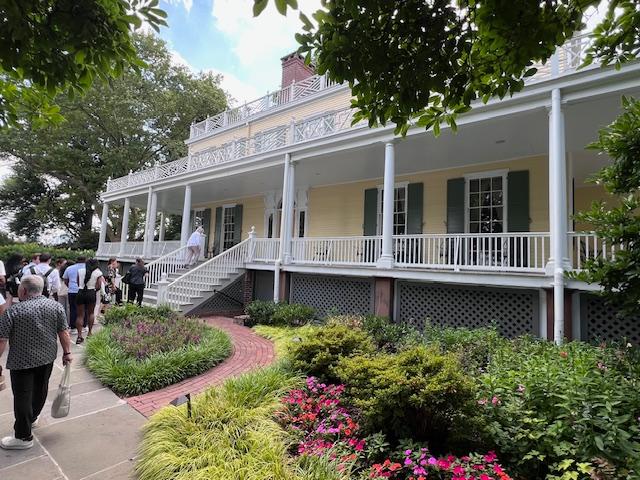
The front of the mansion at the start of the tour in the Summer of 2025

The formal gardens in front of the house in full bloom

The formal gardens to the side of the house near the parking lot

We started the tour on the front porch of the old Gracie Mansion

The tour consists of the first floor only and you can not take pictures inside with the exception of the Wagner Ballroom. We saw the formal entrance, the Living Room, Library, Dining Room and then the hallway leading to the front of the house to the Susan Wagner Ballroom, the newest extension of the house (the front section is the original section of the home built during the Gracie period).

The front rooms you are not allowed to take pictures so as you tour the Living Room, the Dining Room and Parlor rooms, you can not take pictures. When we left the older section of the home and entered the hallway to the Susan Wagner Ballroom added in the Wagner Administration, then you could take pictures in this room only (outside the gardens).

The inside of the Susan Wagner Ballroom

The Chandelier in the ballroom was from an old mansion downtown

The Bayard Fireplace from the Bayard Mansion once located in lower Manhattan

The Wagner Ballroom details

History of the Mansion and Gracie Family:

Gracie Mansion, built in 1799 by shipping merchant Archibald Gracie, is the last of the elegant county estates that once lined Manhattan’s East River shore. Gracie hosted elegant dinner parties at his country estate for visitors including Alexander Hamilton, Rufus King, Joseph Bonaparte and Washington Irving.

Archiebald Gracie

Archibald Gracie

https://en.wikipedia.org/wiki/Archibald_Gracie

Major losses during the years after the War of 1812 forced Gracie to sell his estate in 1823 to Joseph Foulke. In 1857, the Mansion was bought by Noah Wheaton. After Wheaton’s death in 1896, the City of New York appropriated the estate, incorporating ts 11 acres of grounds into the surrounding park that was renamed Carl Schurz Park in 1910.

After years as a comfort station and ice cream stand, Gracie Mansion became the first home of the Museum of the City of New York. When the museum moved to a larger building, Parks Commissioner Robert Moses convinced  City Authorities to designate the Mansion as the official residence of the Mayor. In 1942, Fiorello H. La Guardia moved into Gracie Mansion.
In 1966, the Mansion was enlarged with the construction of the Susan E. Wagner Wing, which includes a ballroom and two additional rooms. Under the guidance of the Gracie Mansion Conservatory, major restorations to the Mansion were undertaken between 1981 and 1984 and in 2002.

The 2002 restoration transformed Gracie Mansion into the “People’s House” and increased accessibility to the public and City agencies. First Lady Rosalyn Carter and South African President Nelson Mandela are among the many notable visitors.

Gracie Mansion II.jpg

Gracie Mansion at the turn of the last century

Gracie Mansion is owned by the New York City Department of Parks & Recreation, operated by the Gracie Mansion Conservatory and is a member of the Historic House Trust.

(Gracie Mansion Pamphlet)

Gracie Mansion Conservatory:

After years of neglect and continual erosion of any trace of history, Mayor Edward I. Koch and founding Chair Joan K. Davison, established the Gracie Mansion Conservatory in 1981. as a public./private partnership.. Under its guidance, the first major restoration of the house was undertaken between 1981 and 1984. Besides creating a connection between  the original house  and the Wagner Wing, this effort included the display of art, furniture and decorative objects either  purchased or more often, lent by the City’s many cultural institutions. The Charter mandate of the Conservatory was not to seal the residence in the past (especially as there is no record of how it originally appeared inside) but to protect its history while accommodating change and progress by successive generations of New Yorkers.

The Gracie Mansion Conservatory continues to operate as a charitable organization dedicated to enhancing and enlivening its namesake. Its mission is to preserve and honor Gracie Mansion’s Federal Period origins while also making sure it remains as forward-looking and welcoming as the city it serves. An increasing  share of this work focuses on exploring the many different people and cultures whose contributions to Gracie Mansion and the New York at large gone unrecognized for far too long. The Conservatory also works to improve the surrounding landscape and gardens and provide public programming and educational services, including publications and tours for local school students, especially those studying in New York State’s 7th grade social studies curriculum.

(Gracie Mansion Conservatory pamphlet)

Disclaimer: This information was taken from the Gracie Mansion Conservatory pamphlet press kit given on my tour and I give the Conservatory full credit for it. Please check the website for tour information or call them to find out about group tours.

It really is a great tour!

Westwood Heritage Society Museum/Westwood Train Station Broadway and Westwood Avenue                                Westwood, NJ 07675

Westwood Heritage Society Museum/Westwood Train Station Broadway and Westwood Avenue Westwood, NJ 07675

Westwood Heritage Society Museum

Westwood Train Station

Broadway & Westwood Avenue

Westwood, NJ 07675

(201) 666-9682

http://www.westwoodheritage.org

https://www.facebook.com/hfwhalen/

Hours: The Second Saturday of every month; 10:00am-2:00 pm

Admission: Free

TripAdvisor Review:

I had visited the Westwood Heritage Society Museum during its one day opening in the month and no one was there to greet me. It seems that they closed at noon. I was able to walk around the train station’s main room and look around at all the old pictures of town, its history and the interesting facts of how the town grew

Westwood NJ Rail Station where the museum is located

The Westwood NJ Train Station is the home for the Westwood Heritage Society Museum

Many prestigious families of Bergen County, NJ have helped shape the town including members of the Demerest, Blauvelt, Wortendyke and Haring families. These early members of Bergen County Society have left their mark on the politics and construction of the current town. These names are part of the founding families of the town.

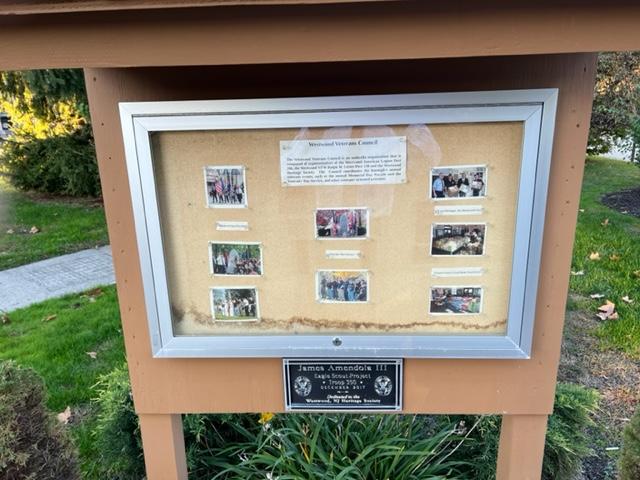
The sign in Veterans Park

There are displays of family life in town, life on the railroads, the history of how the railroad came to town, the growth of the town, residents of the town and a display on railroad conductor, Mr. Blauvelt himself.

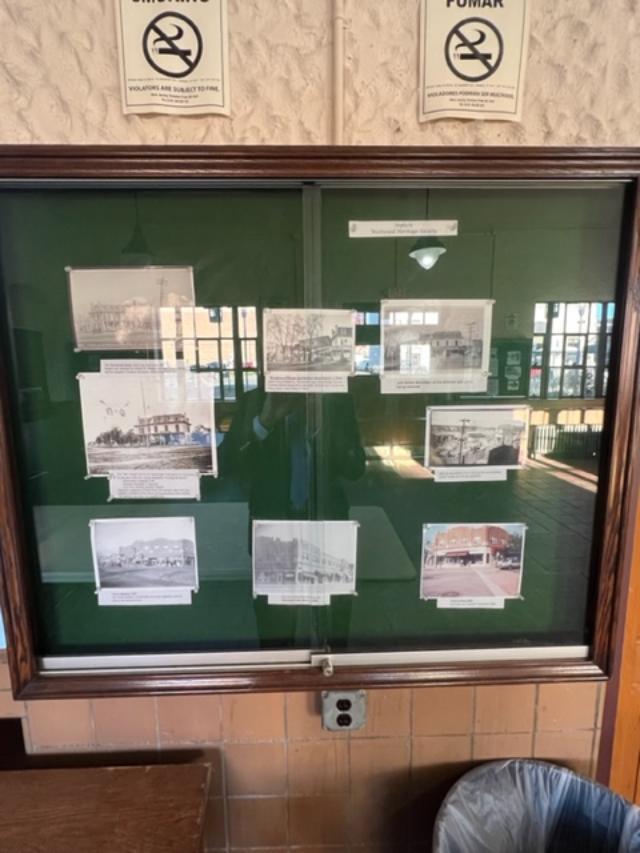
There are many sets of pictures in the display cases and there is an on-going slide show of pictures on the main wall of the terminal showing the past and present of the town.

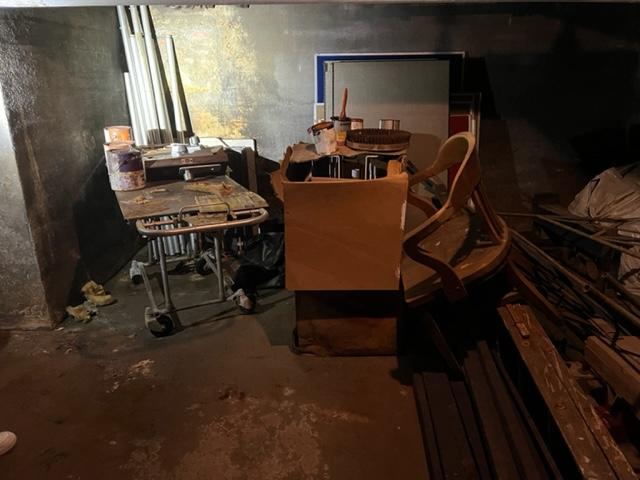
They let us tour the bomb shelter that is beneath the train station. This is interesting.

I recently toured the museum with my students on the second Saturday in November of 2022 and met with the members of the Westwood Heritage Society. They put all their displays out when the museum was open from 10:00am-12:00pm. There were some interesting things to see. There was the history of the businesses, schools, the fire and police department and town government. They had some interesting artifacts from Veterans of the Wars as well.
Displays of memorabilia at the museum
If you like the history of railroads into the new suburbs or are from Westwood and are interested in its history, this museum is worth coming to for the afternoon. Take time to walk along the tables and view all the artifacts. There are some interesting things to see.
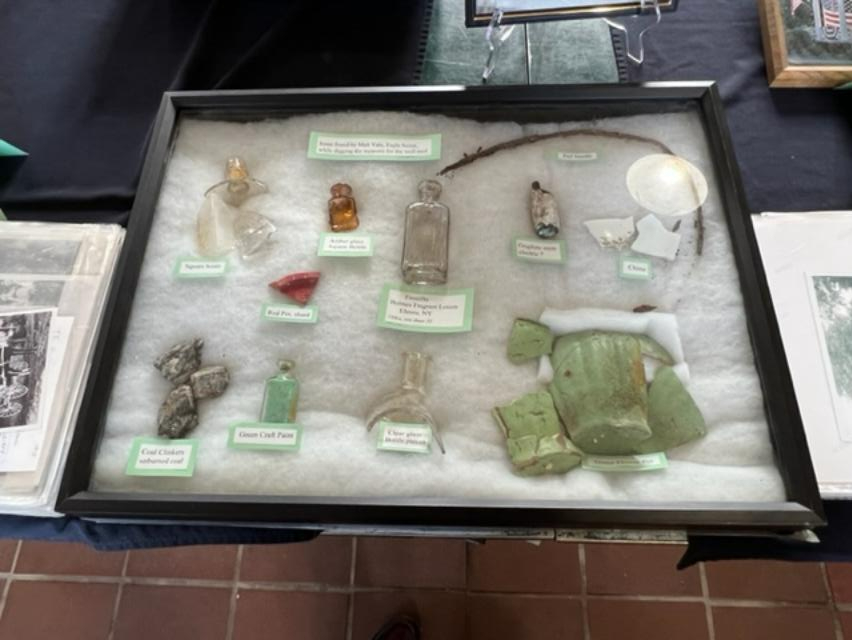
The glassworks of Westwood

Some of the items from the veterans of foreign wars.

Artifacts from the railroad

The main building of the train station is always open during business hours, so you will have plenty of time to look at all the displays. If you get there on the second Saturday of the month, you might get to talk with a member of the Heritage Society. It only takes about an hour to see all the displays.

The history of the town is in all these notebooks

History:

The Westwood Museum, which is housed in the Westwood Train Station building, was established and held its ‘Grand Opening’ on Memorial Day of 2002.

The Museum serves as an exhibit gallery for the numerous artifacts of Westwood’s past and records of its history that have been acquired or compiled by the Society.
Westwood Heritage Society Museum III

Historic Westwood, NJ

The Historic Displays that line the walls on the history of the town:

Historic homes and businesses of prominent members of the Westwood community

Historic Homes of Westwood

Historic businesses in Westwood

Prominent residents of Westwood, NJ

Historic Downtown Westwood NJ

The commercial we created for the Downtown Westwood, NJ for Bergecco-Parc Consulting Inc.

The Project for “It’s Wonderful in Westwood, NJ-Be a Tourist in your Own Town”:

https://mywalkinmanhattan.com/tag/exploring-downtown-westwood-nj

The Hewitt Gallery of Art Department of Art & Art History/                        Marymount College Manhattan                                                           221 East 71st Street                                                                            New York, NY 10021

The Hewitt Gallery of Art Department of Art & Art History/ Marymount College Manhattan 221 East 71st Street New York, NY 10021

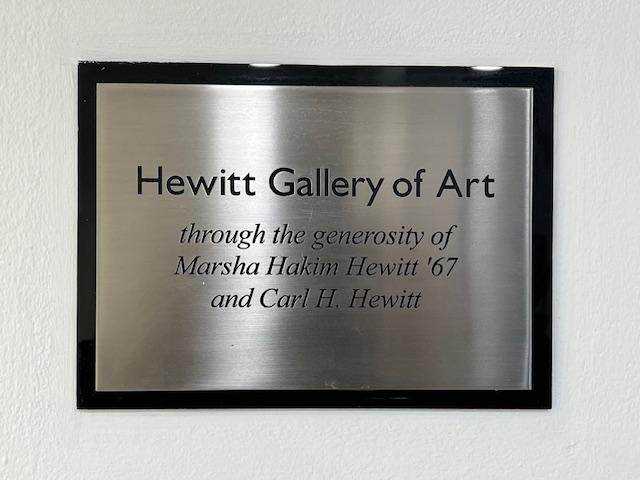
The Hewitt Galley of Art

Department of Art & Art History

Marymount College Manhattan

221 East 71st Street

New York, NY 10021

(212) 517-0400

http://www.mmm.edu/departments/art/the-hewitt-gallery-of-art.php

Admission: Free

Hours: Open when the building is open

My review on TripAdvisor:

https://www.tripadvisor.com/ShowUserReviews-g60763-d32972661-r994090482-The_Hewitt_Gallery_of_Art-New_York_City_New_York.html?m=19905

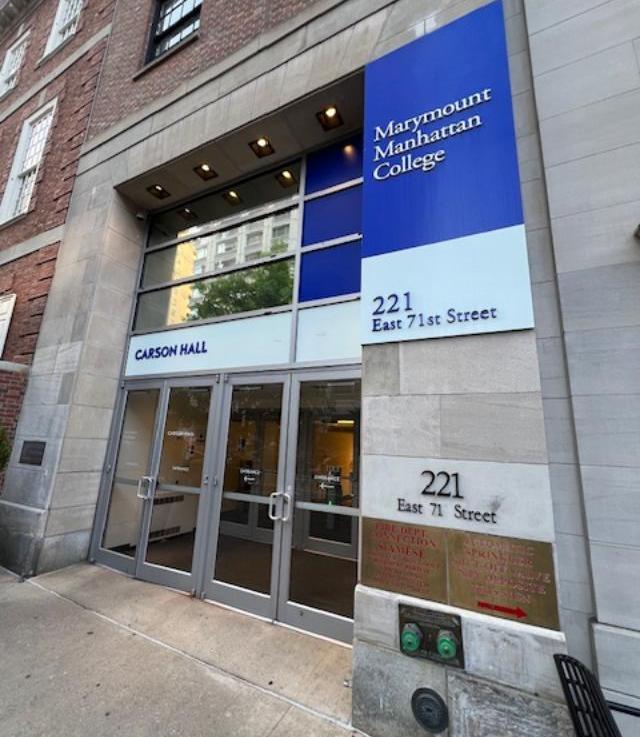
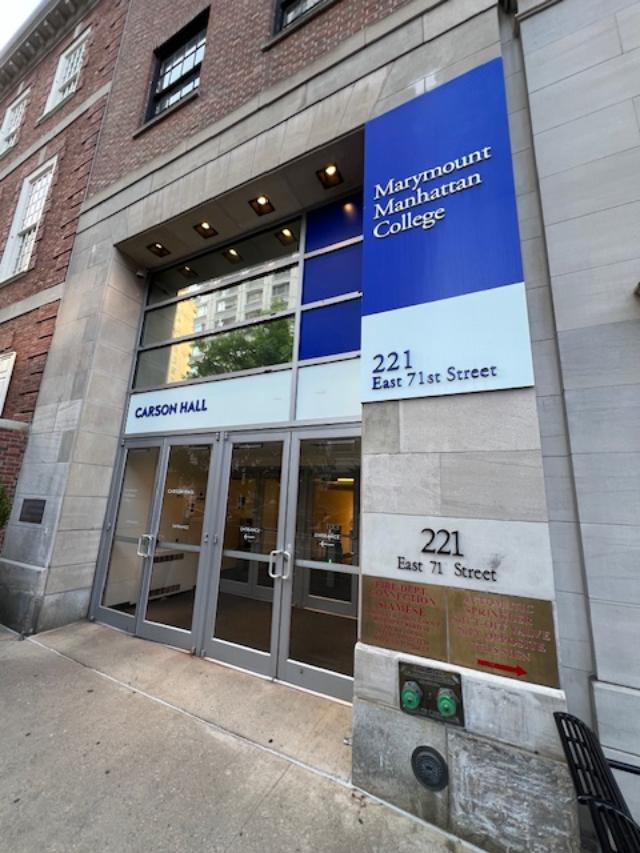
The entrance to Marymount College’s Carson Hall where the gallery is located.

I came across The Hewitt Gallery of Art when I was exploring the Upper East Side for my project, ‘MywalkinManhattan.com’ and found myself walking into the Department of Art & Art History on the Marymount Manhattan College campus.

The Hewitt Gallery on the Marymount Campus

The Hewitt Art Gallery:

The Hewitt Gallery of Art

In conjunction with the exhibitions, gallery receptions give students the opportunity to engage with professional artists, critics, collectors and curators. Many of the exhibiting artists are also guest presenters in our Art and Art History classes.

This small but unique gallery was showing the Senior Class’s Thesis Show where several members of the Senior Class were showing their final projects in the three hallways of the gallery. The students did a good job mounting their works and each was different in their own way, some pictures, some video, some painting. You got to walk through the first floor to admire the work and the best part was that the gallery was free.

The main gallery on the first floor

The student artwork in the back gallery

The Hewitt Gallery of Art, comprised of the Esplanade and the adjacent Black and White Galleries in Nugent Hall and Carson Hall, offers the Marymount Manhattan community exposure to professional artists and to the larger art world.

The Gallery is known in the New York art community as an alternative exhibition space showcasing contemporary art of emerging and mid-career artists. Innovative and challenging works of art reflecting a wide range of concerns and styles are presented in changing thematic exhibitions. Recent professional exhibitions have been ‘Altered States’, ‘Art & Politics: See it Now!’, ‘The Selfie & Others’, ‘Self-similarity in Math’, Nature and Art’ and ‘The Mind’s Eye: Sight & Insight’. The current exhibition that I visited in 2025 was “Echoing Identities” Light & Form”.

The Black and White Galleries

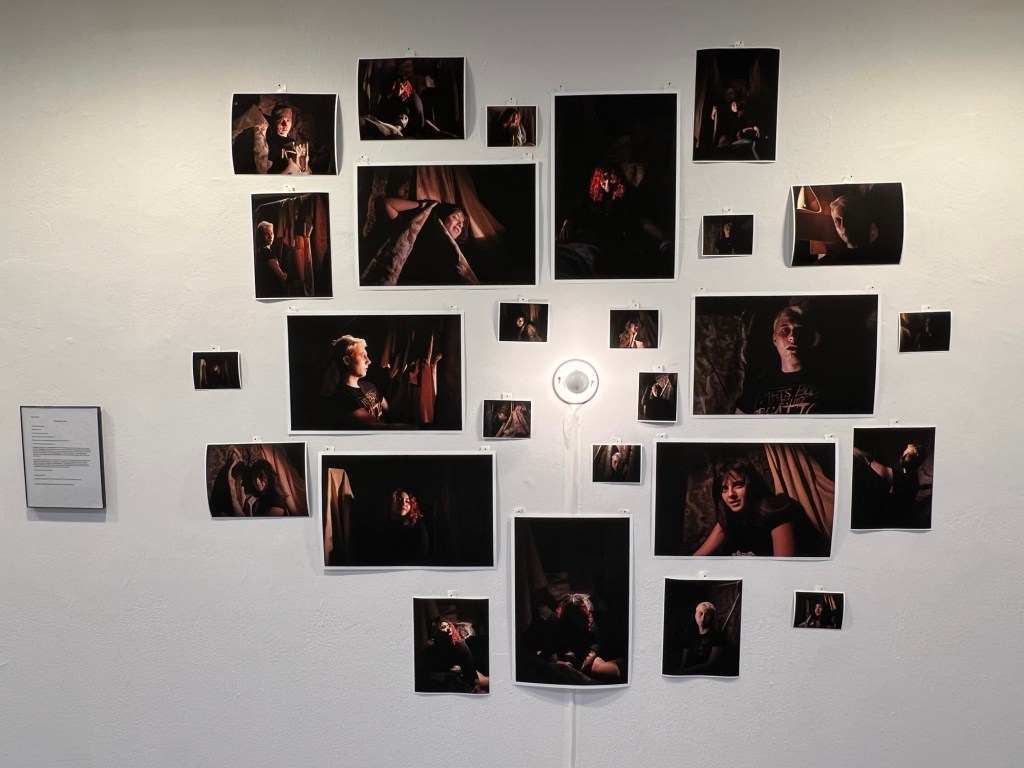
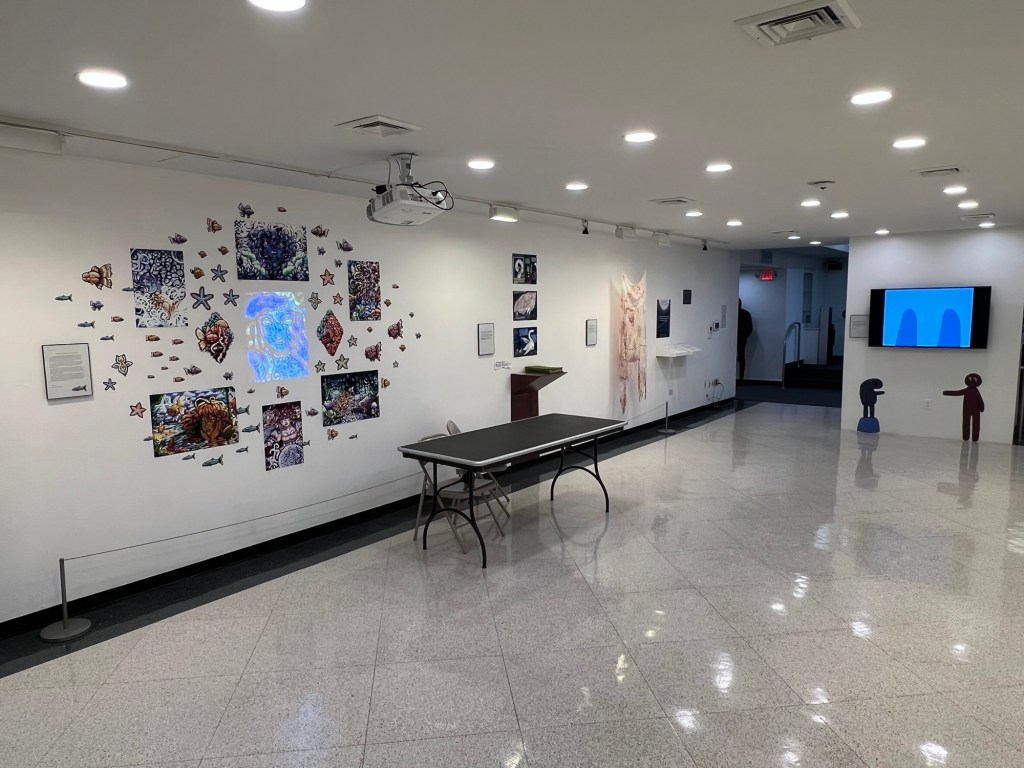
The Echoing Identities: Light & Sound exhibition

When I visited the Gallery in 2025, the Graduate students were exhibiting their Senior project and the show was entitled ‘Echoing Identities: Light & Form’. Each student explored their work with their own original pieces.

The entrance of the Gallery to the ‘Echoing Identities

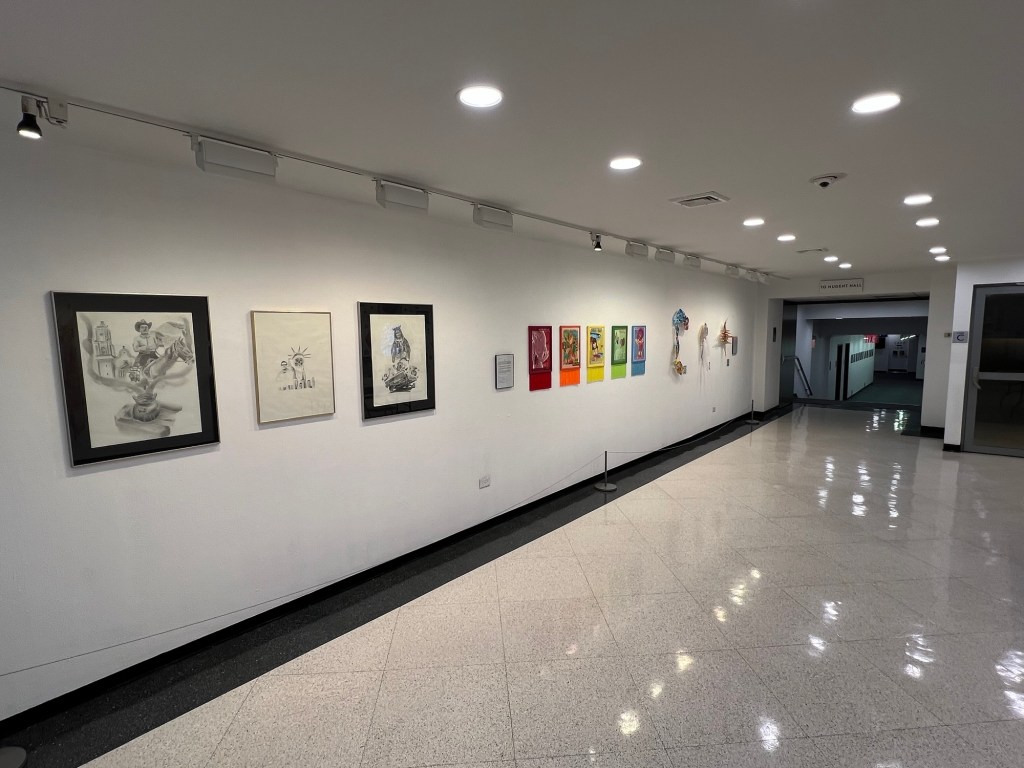
The exhibition had many different mediums from cloth and textiles to sculpture and print. There was also a mixture of video and printed media.
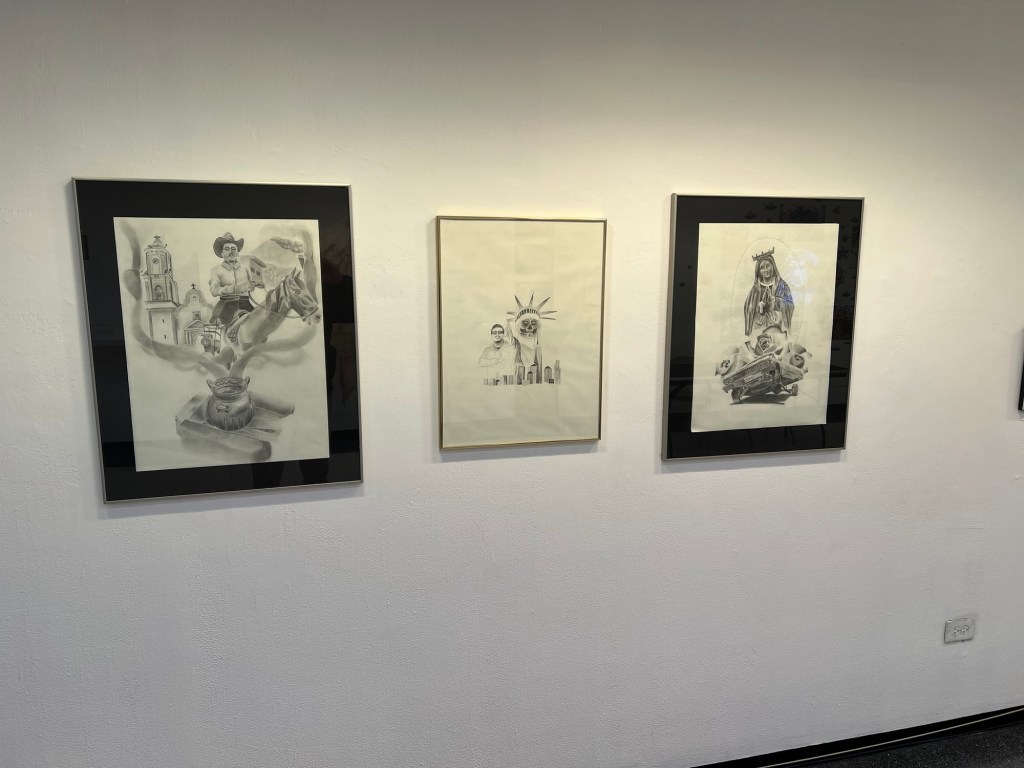
The Mexican inspired works

The sign for Gray Laxton’s work

The works by artist Gray Laxton

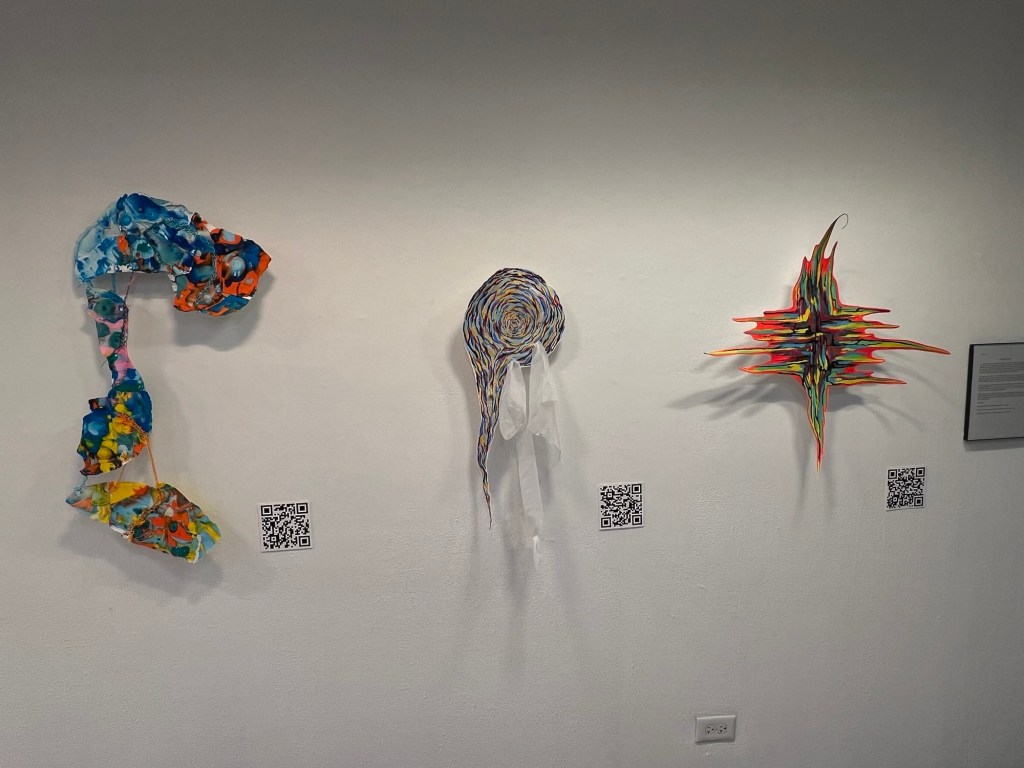
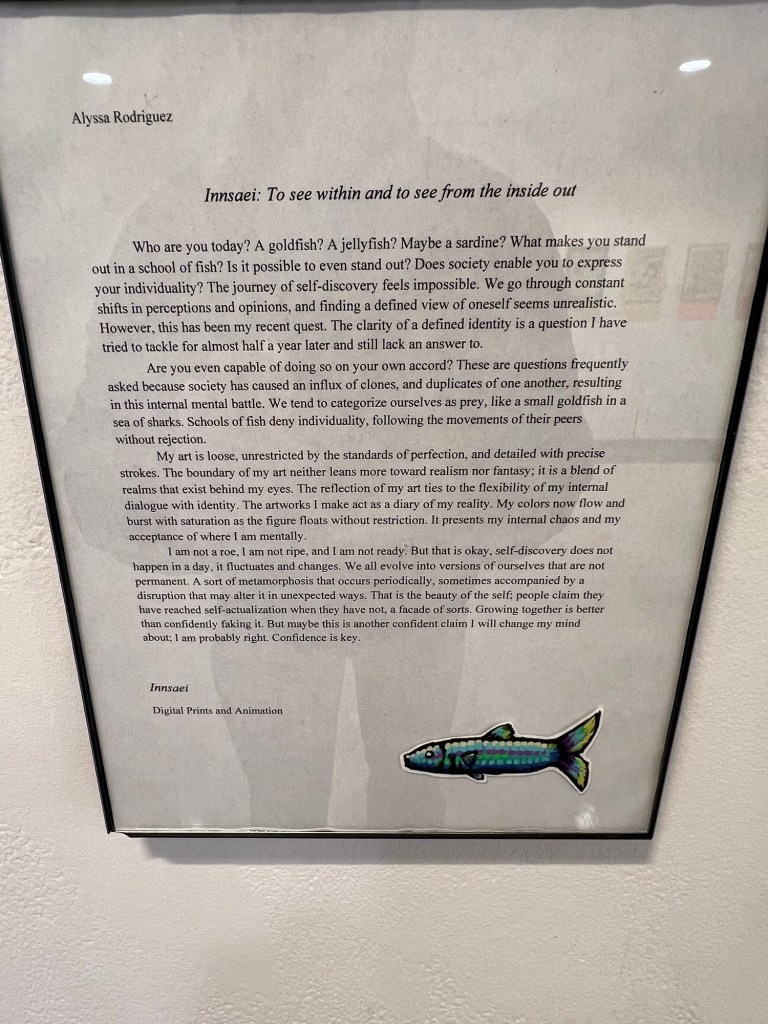
The sign for artist Alyssa Rodriguez

The piece by artist Alyssa Rodriguez

The sign for Alice Linkh’s work and my favorite in the show ‘Alice and Compony’ based on a story that she created and a book her grandmother created for her based on the story she told her after a dream she had. I loved both the book and the art that was related to it.

The original artwork for ‘Alice and Company’:

The book Alice Linkh’s grandmother created

The book and artwork for ‘Alice and Company

I thought it was a cute story of a little girl who worked with animals to repair the moon when it was damaged. I thought it was a clever children’s dream that made an interesting story.

The room off to the side of the Gallery, the Black and White Gallery offers more contemporary works of the students.

The Black and White Gallery

The works of some of the graduating students

The sign for ‘Finding the Sun’ by artist Ethan Foley

The work ‘Finding the Sun’

One of the clothing art sculpture

The students did a great job on their final projects. Each student gave their perspective in a very original way.

Marymount Art Gallery Junior Art Exhibition in Spring 2026:

The Marymount Junior Art Exhibition

https://www.mmm.edu/departments/art/the-hewitt-gallery-of-art.php

The Junior Art Exhibition

The Art Exhibition of the Junior Class of Marymount College and the contemporary art that they created in the Spring of 2026.

The Blue Doll

The Junior Art Event

The Junior Art Show

The ceramic display

History of the Museum:

The Hewitt Gallery of Art is a laboratory for and an extension of the pedagogy of the Art Department programs.

The Hewitt Gallery provides opportunities for art majors to gain first-hand experience in exhibiting their Senior Thesis projects, as well as having solo exhibitions in their spring semester. Juniors also exhibit in an annual group exhibition and students are able to curate and organize shows in conjunction with their mentors and the Gallery Director.