Tag: diningonashoestringinnyc.com

The Museum at FIT on the Fashion Institute of Technology Campus Seventh Avenue 227 West 27th Street New York, NY 10001-5992

The Museum at FIT on the Fashion Institute of Technology Campus

Seventh Avenue at 27th Street

New York, NY  10001-5992

(212) 217-4558

https://www.fitnyc.edu/museum/

Hours: Tuesday-Friday-12:00pm-8:00pm/Saturday-10:00am-5:00pm/Closed Sunday-Monday and all legal holidays

Fee: Free

TripAdvisor Review:

https://www.tripadvisor.com/Attraction_Review-g60763-d548861-Reviews-The_Museum_at_FIT-New_York_City_New_York.html?m=19905

This quirky little museum is located in the ‘A’ Building on the Fashion Institute of Technology campus and is a little ‘gem’ if there was ever one and I am not just saying that because I am a proud Alumnus of the college (Class of ’93). This museum is dedicated to the world of fashion and has had several revolving shows themed of fashion from the colleges extensive collection. The school really does know how to mount a show.

Please watch this video on the Museum at FIT.

About the Museum at FIT:

The Museum at FIT (MFIT) is the only museum in New York City dedicated solely to the art of fashion. Best known for its innovative and award-winning exhibitions, the museum has a permanent collection of more than 50,000 garments and accessories dating from the eighteenth century to the present, MFIT is a member of the American Alliance of Museums. Its mission is to educate and inspire diverse audiences with innovative exhibitions and programs that advance knowledge of fashion.

FIT Museum II

For more information about The Museum at FIT, please visit fitnyc.edu/museum.

The museum is part of the Fashion Institute of Technology (FIT), a college of art and design, business and technology. FIT is part of the State University of New York (SUNY) and offers nearly 50 programs leading to AAS, BFA, BS, MA, MFA, and MPS degrees.

I have been to many shows at the museum over the years and the curators do a nice job mounting show from the College’s collection and from items that they borrow from other museums.

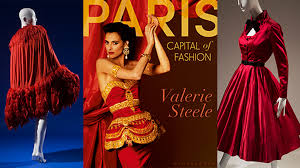
“Paris Refashioned, 1957-1968” examined the combined influence haute couture, ready-to-wear and popular culture, highlighting how changes that took place during this time period helped to shape the fashion industry as we know it today. Exhibitions and books about this era tend to focus on London as the center of innovative, youth-oriented design but this perspective overlooks the significant role that Paris continued to play in the fashion industry.

Like England, France had a large population of young people-more than eleven million of its citizens in 1958 were under 15 years old. This generation came of age during the 1960’s, listening to their own music, watching films featuring their own movie stars and frequenting their own boutiques. Paris’s creative output was singularly dynamic, far-reaching and innovative.
FIT Museum III

“Paris Refashioned” exhibition

Although the French ready-to-wear revolution did not truly begin until the 1960’s, the concept of lively, youth-oriented design had been set in motion during the previous decade. By the late 1950’s, a few young, talented couturiers-including Pierre Cardin, Hubert de Givenchy and Yves Saint Laurent-had made names for themselves. In 1957, the House of Christian Dior promoted 21 year old Saint Laurent to creative director.

While fashion insiders questioned the decision to place an unknown, seemingly naïve designer at the helm of such a prestigious institution, Saint Laurent’s first solo collection for Dior quickly silenced his detractors. His line of short, swinging A-line dresses-known as “Trapeze” dresses-was a critical and commercial success, ushering in an unmistakable shift toward more relaxed and ultimately, more youthful designers.

Another exhibition that I had seen in the past was “Pink: The History of Punk, Pretty and Powerful Color” running until January 5, 2019 and “Fashion Unraveled”, a guideline to ‘Behind the Seams’, ‘Repurposed Clothes’ and ‘Distressed and Deconstructed’ that ran through November 17, 2018.

The History of Pink video

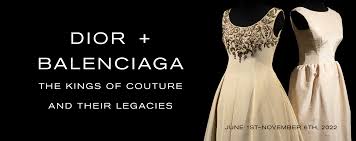
I recently visited the museum for the “Dior + Balenciaga: The Kings of Couture and their Legacies”  exhibition and it was an interesting approach to fashion after WWII. Both designers brought back a very feminine and wearable look to women that accented their bodies. What I thought was interesting is that the undergarment was stitched right into the garment and was a way to fit the garment to the woman.
Museum at FIT III

“Dior + Balenciaga: The kings of Couture and their Legacies”

The exhibit showed a comparison of both designers and how they approached items such as dresses, coats and evening wear. Each had a way to form fit a woman. What I thought was interesting is that Dior just designed his garments and never worked on the construction whereas Balenciaga do all the draping of garments himself.

The exhibition continued with the new designers that took up the mantles of the houses when the founders died. It was a different take on the founders ideas but with a more modern twist. I think the classics still were the best  and looked more professional on a woman.

Video on “Dior + Balenciaga” exhibition

The recent exhibition “Statement Sleeves” is a retrospect on the evolution on the pattern of sleeves in a woman’s dress. These statements of fashion on the sleeve is “a sleeve, style that is exaggerated, embellished, elaborately constructed or otherwise eye-catching to the extent that it defines a garment.” (show description).
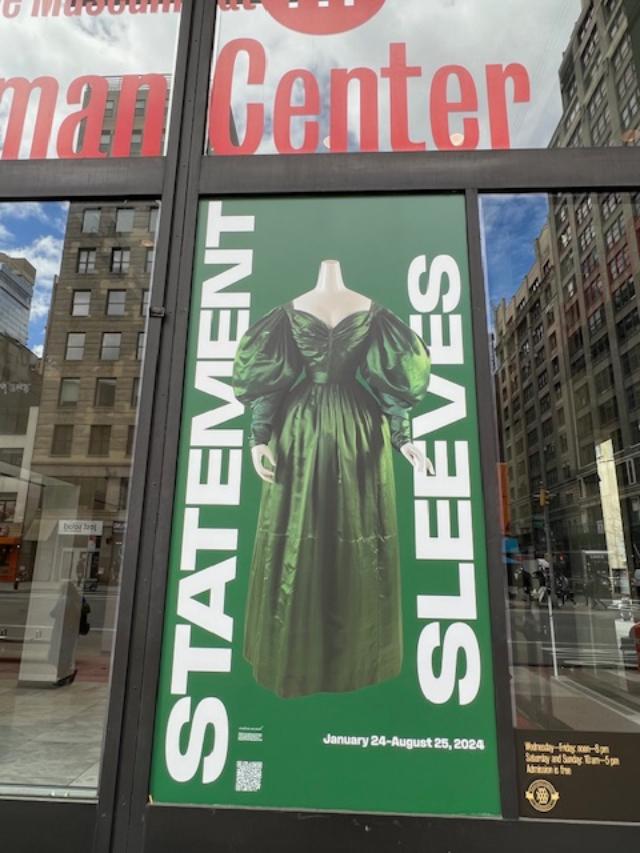
“Statement Sleeves” sign
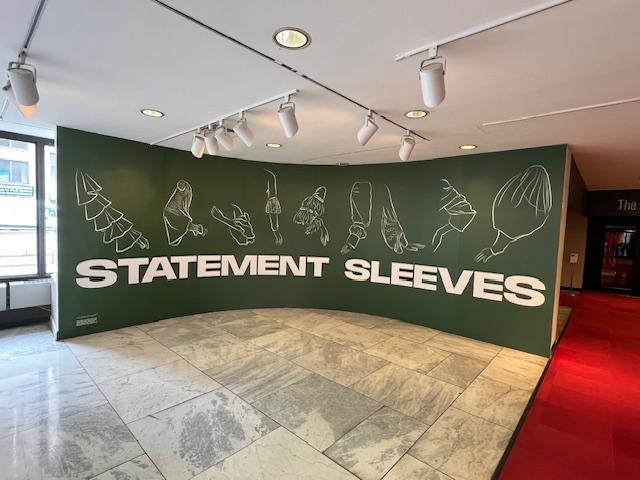
The start of the exhibition.

The front of the gallery.
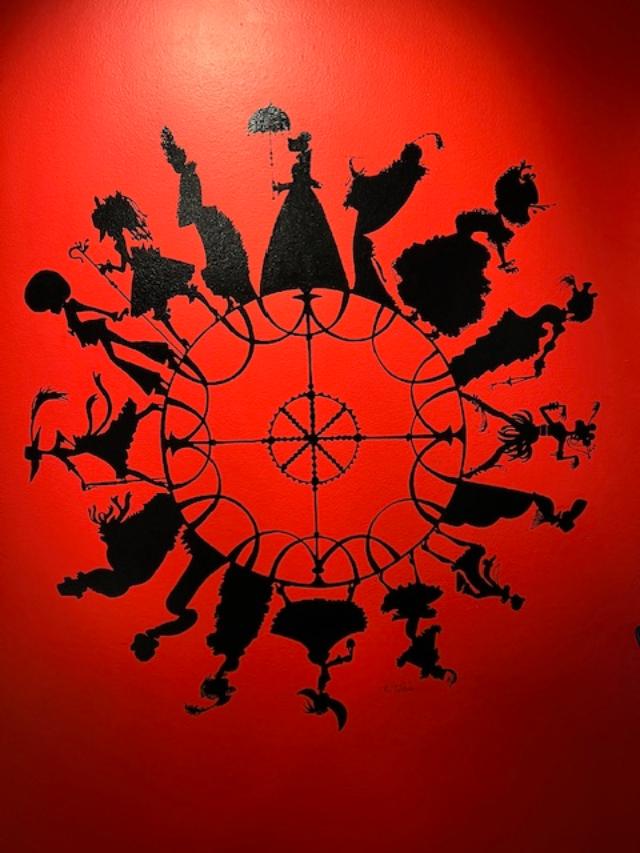
The diagram on the evolution of sleeves.

The changes in Sleeves design.

The changes in Sleeves design.
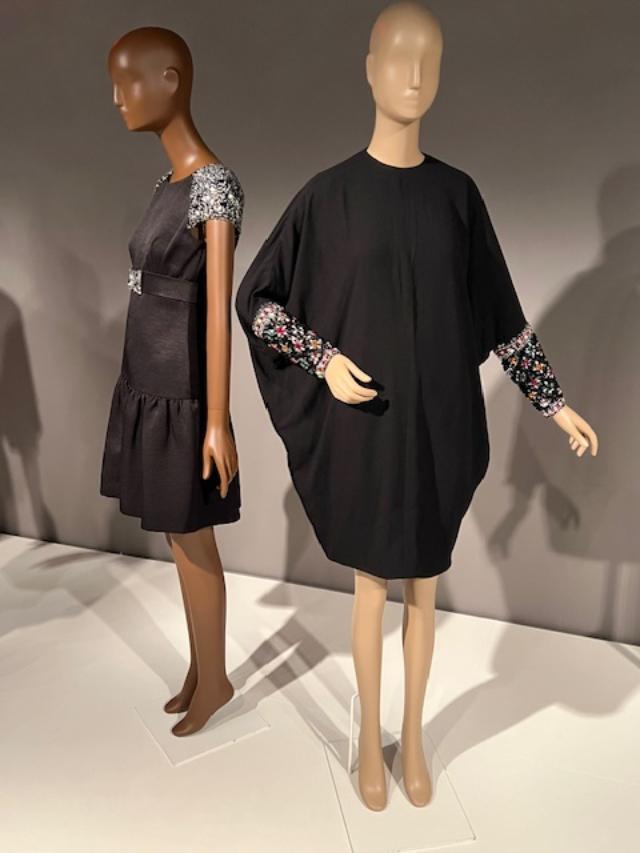
The different ways at looking at formal design.

The unique designs from the 1980’s and 1960’s.
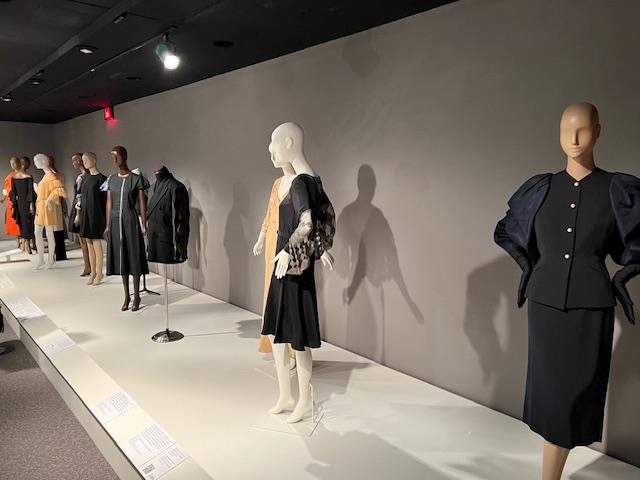
The changes of Sleeve designs over the years.

The “Power Suit” of the 1980’s.

The colorful trends in women’s wear over the years with the changes in design of the sleeves.

The exhibition of “Statement Sleeves” runs through August of 2024.

Information and History of the Museum at FIT:

(From the Museum’s website):

For further information about the Fashion Institute of Technology, please visit fitnyc.edu.

Couture Council:

An elite membership group, the Couture Council helps to support the exhibitions and programs of The Museum at FIT. Members receive invitation to exclusive events and private viewings. Annual membership is $1,000 for an individual or couple and $350 for a young associate( under the age of 35).

For more information, write to couturecouncil@fitnyc.edu or call (212) 217-4532.

Tours and donations

Every six months, a changing selection of garments, accessories and textiles from the museum’s permanent collection is put on display in the Fashion and Textile History Gallery, on the museum’s ground floor. Tours of the Fashion and Textile History Gallery and of the Special Exhibition Gallery may be arranged for a sliding fee of approximately $350. Donations of museum quality fashions, accessories and textiles are welcome.

For more information about tours, call (212) 217-4550. For information about donations, call (212) 217-4570.

All MFIT exhibitions and public programs are supported bin part by the couture council of The Museum at FIT.

The shows are continuously changing so please check the website for more detail on the current show. Below is a sampling of one of the shows earlier last year when I visited the museum.
FIT Museum

The FIT Museum has interesting exhibitions
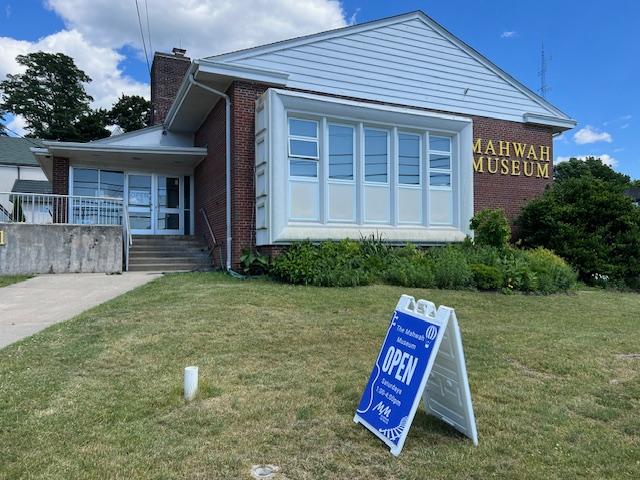
The Mahwah Museum                                         201 Franklin Turnpike                                 Mahwah, NJ 07430

The Mahwah Museum 201 Franklin Turnpike Mahwah, NJ 07430

The Mahwah Museum

201 Franklin Turnpike

Mahwah, NJ  07430

(201) 512-0099

Home

https://mahwahmuseum.org/the-museum/

Open: Wednesday-1:00pm-4:00pm/Saturday & Sunday 1:00pm-4:00pm/Closed Monday-Tuesday Thursday-Friday

Fee: Non-Members $5.00/Members Free

TripAdvisor Review:

https://www.tripadvisor.com/Attraction_Review-g46590-d9819566-Reviews-Mahwah_Museum-Mahwah_New_Jersey.html?m=19905

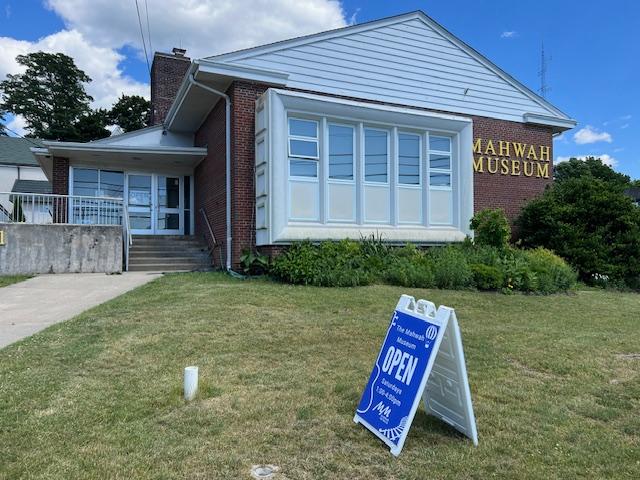
 The front of the Mahwah Museum at 201 Franklin Turnpike

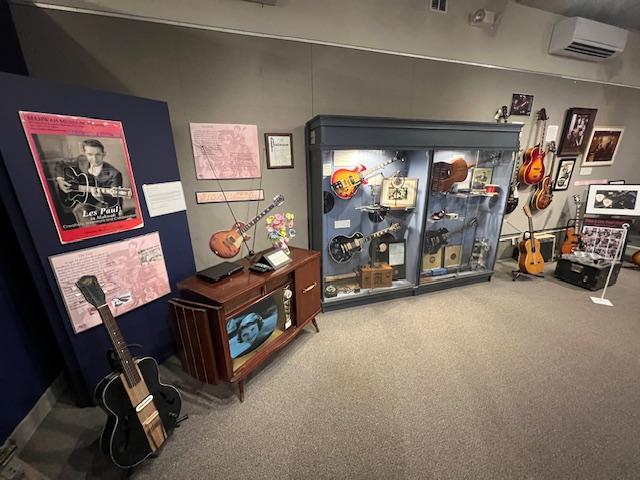
I visited the Mahwah Museum over the weekend and found a very engaging suburban museum that had interesting exhibitions on the subjects of Women’s Rights, Mahwah history, Les Paul memorabilia and train sets that would delight any child or the child within. There were a lot of small children that were getting a kick out the trains in the basement going around and around. For a small museum, it is packed with information both on local history and state history as well.
Mahwah Museum IV

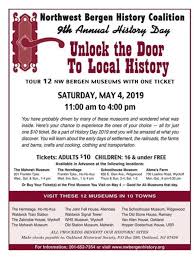
The Mahwah Museum is open during the Northwest Bergen History Coalition Weekend

The staff is very nice and very engaging with the visitors. They will walk you through some of the exhibitions, explain the concepts and make up of the exhibits. You can see most of the museum in one day but there is a lot to read so try to make a few trips to this interesting little museum in the middle of Mahwah, New Jersey.

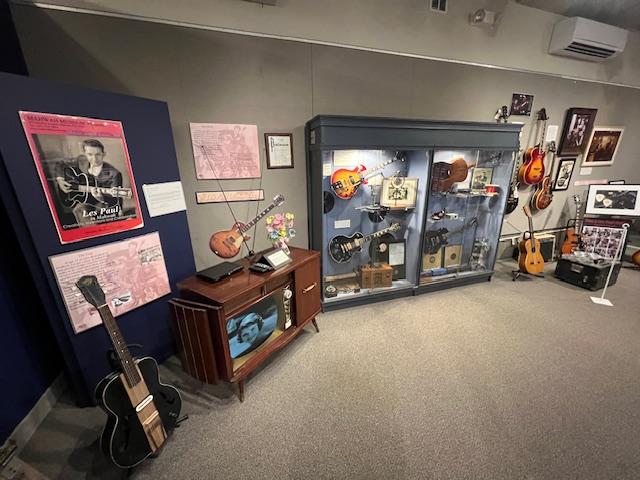
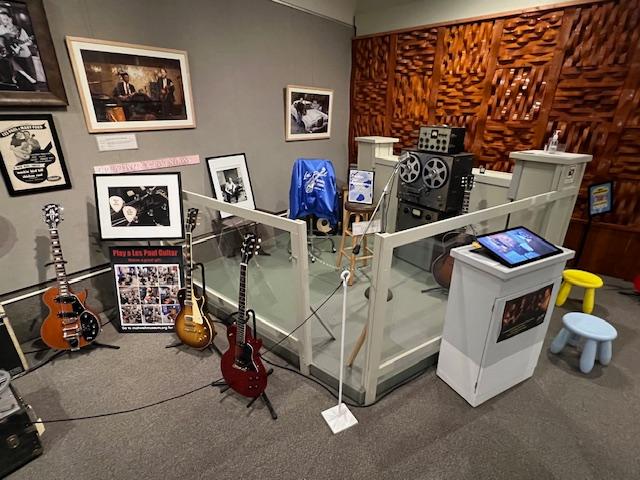
Les Paul Exhibition is one of the most famous exhibitions of the artist’s work
The Mahwah Museum history:

(This information comes from the Mahwah Museum website)

The mission of the Mahwah Museum Society is to preserve and present the history of the community and its connection to the region. Museum exhibits display information about the history of Mahwah and the surrounding community. The Museum’s collection of artifacts, photographs, historical records and documents is carefully preserved, documented and cataloged and is available by appointment to historians and researchers. By encouraging discovery, understanding and appreciation of the region’s heritage, the Museum provides perspective for the present and the future.

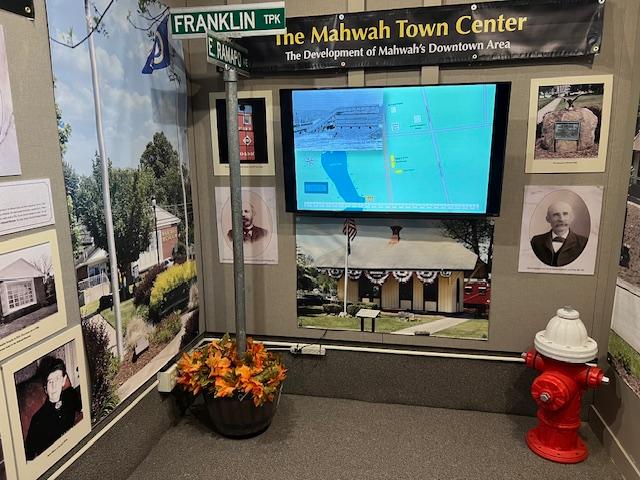
The History of Mahwah and its Business District exhibition.

The Society is comprised of the Mahwah Museum at 201 Franklin Turnpike and the Old Station Museum and Caboose at 1871 Old Station Lane. The Mahwah Museum opened in 2001 and hosts several permanent exhibitions and a main exhibit on two levels. Permanent exhibits include: Les Paul in Mahwah, The Donald Cooper Model Railroad, the Who’s Who of Mahwah, the Lee Vold Gallery and a topographical model of Mahwah Township. The main exhibit changes periodically.

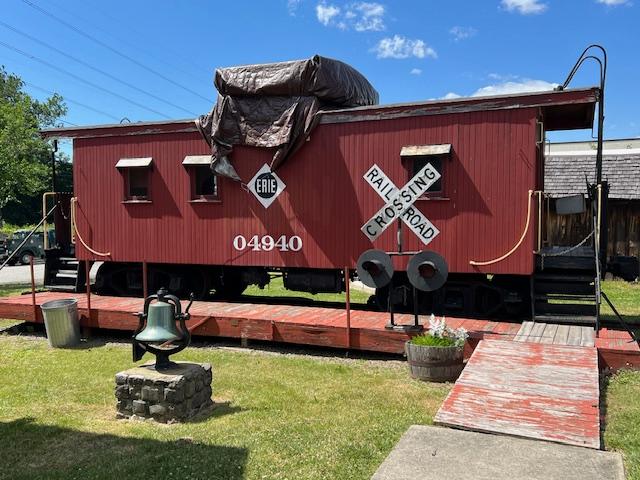
The Caboose sits in the back of the Old Station Museum in Mahwah

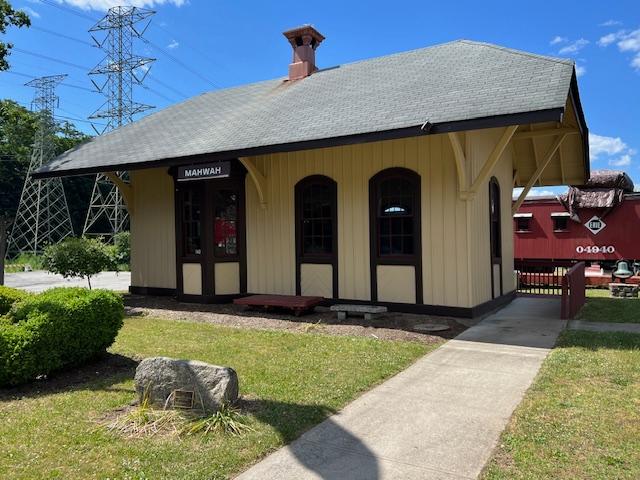
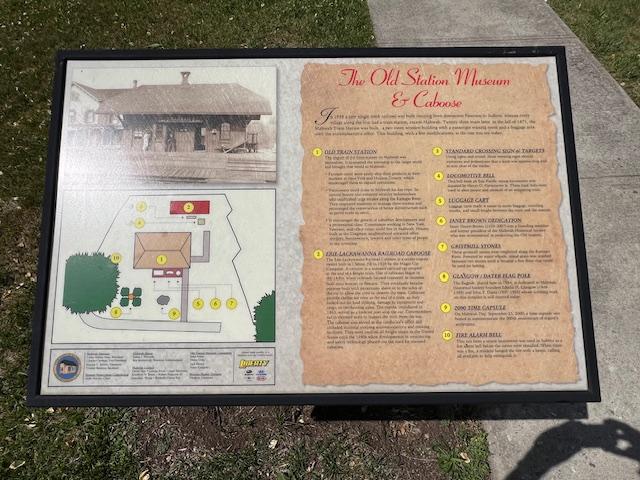
The Old Station Museum and Caboose opened in 1967. The restored Erie cupola caboose shows the daily operations of train crew life. The Old Station Museum was the original Erie Station in Mahwah built in 1871. Many Erie Railroad artifacts and photos related to passenger trains are displayed. The Museum is a great resource for adults and children. Educational programs are offered frequently.

The Old Station Museum is part of the Mahwah Museum

The historical sign of the Old Station Museum

The Trains of the Mahwah Museum:

The Mahwah Museum has an extensive collection of model trains representing all scales. This collection has been made possible by generous donations from the Cooper-Darboe and Margolis families.

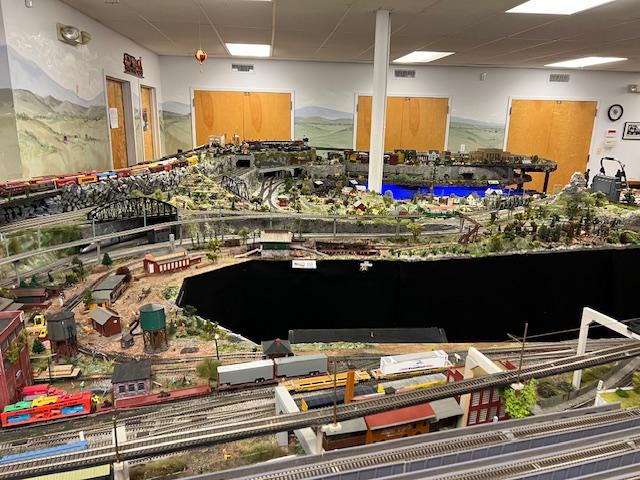
The Donald Cooper Model Train Railroad

The Donald Cooper Model Railroad:

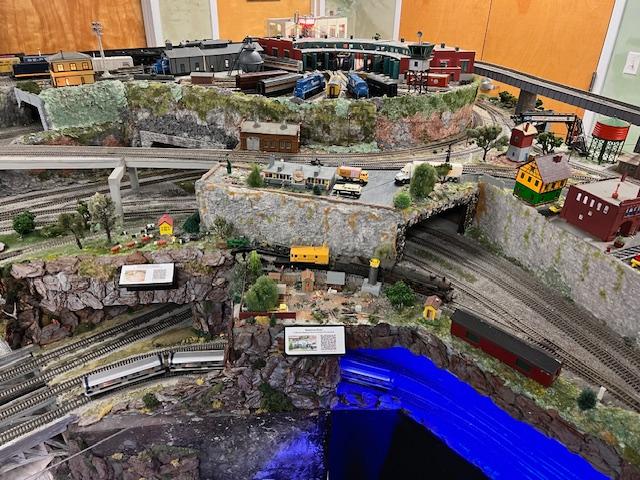
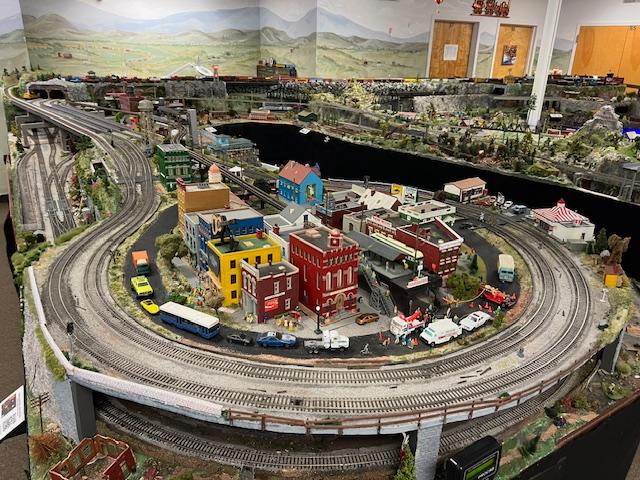
Located in the lower level of the museum, the Donald Cooper Model Railroad is a DCC powered, 28″ x 13″ operating HO gauge model railroad. Designed as a walk-in layout, the visitor can experience the sights and sounds of a real operating railroad.

The Model Train collection display

The collection that makes up the railroad was donated to the museum by Renee Cooper-Darboe of Mahwah, New Jersey. Donald Cooper lived in Mahwah on Island Road. He went to work for the Erie Railroad in Buffalo, New York as a Yard Supervisor. He was employed by the railroad until the 1960 merger with the Delaware, Lackawanna and Western. After he left the railroad, he moved back to Mahwah and began installing security systems.

The detail work on this collection is amazing!

It was during this time he met and married his wife, Renee and learned his electrical skills. After retiring, he and Renee decided to construct a model railroad representing the trains that went through his yard in Buffalo. From 1990 to 1995 Don worked constructing the tracks and doing the electrical work while Renee built the buildings and carefully placed the people in the railroad cars. Sadly, Don passed away in 1998 and the railroad sat unused for 8 years. Renee contacted the museum in 2006 and asked if we would like a “train set”. The rest, as they say, is history.

The railroad consists of four levels, a subway, two mainline tracks and a fully operational train yard. We also have a logging railroad and a trolley line. The Donald Cooper Model Railroad is a permanent exhibit of the Mahwah Museum and open during its regular operating hours on Saturday and Sunday. Volunteers are always welcome. No experience is needed. Please visit our museum website for more information.

Jerome Margolis Lionel Collection:

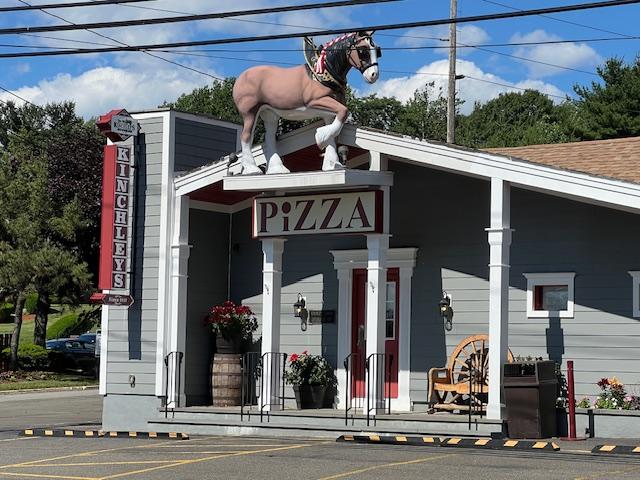
Jerome Margolis was an avid collector of Lionel “O” gauge trains. He was also the owner of one of the most popular pizza restaurants in the area, Kitchley’s Tavern. People visiting his restaurant were treated to three large display cases filled with his trains. What they didn’t know was that he had many more stored away. Thanks to his son, George, they are no longer out of view.

Kinchley’s Tavern at 586 North Franklin Turnpike in Ramsey, NJ

https://www.kinchleyspizza.com/full-menu.html

My review on TripAdvisor:

https://www.tripadvisor.com/Restaurant_Review-g46762-d540429-Reviews-Kinchley_s_Tavern-Ramsey_New_Jersey.html?m=19905

Our museum was the lucky recipient of the remainder of this collection. Currently they are in static display in out layout room for our visitors to enjoy. The collection represents many of Lionel’s most popular models from the 1970’s through 2005. The famous Santa Fe, red and silver “War-Bonnet” F7, Union Pacific “Big-Boy articulated locomotive and Pennsylvania “Mountain” steam locomotive are just a few pieces in the collection. Come and enjoy this wonderful collection of some of America’s best known locomotives.

The Les Paul Collection:

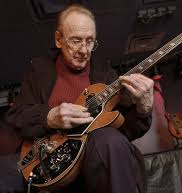
Musician Les Paul

https://en.wikipedia.org/wiki/Les_Paul

The Les Paul display

The Les Paul in Mahwah exhibit showcases many of Les’ innovations in solid body electric guitar design and multi-track sound recording.  Les called Mahwah home for nearly 60 years and is the only person to be elected to both the Inventor’s Hall of Fame and the Rock and Roll Hall of Fame.

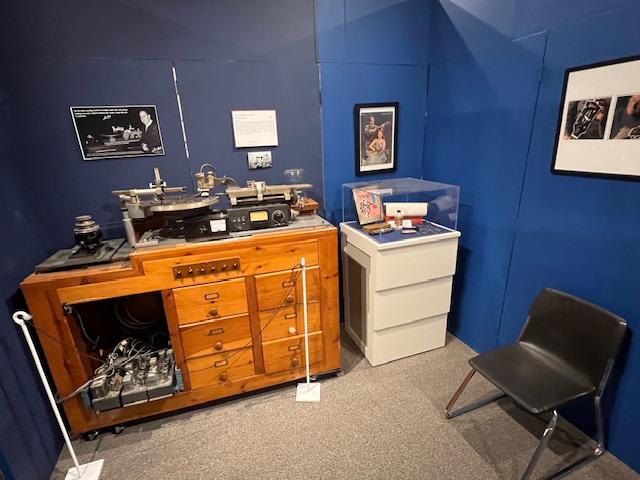
The Les Paul exhibition of recording equipment

On display are items from Les’s home studio where many of his and Mary Ford’s hits were recorded.  The Mahwah Museum is honored to house this landmark equipment which includes his recording console, an Ampex eight track stack, an Ampex 300 deck, the “Wally Box” and part of the studio wall that was expressly designed to create an echo chamber.   Also on display is Les’s disk-cutting lathe used to record sound onto acetate disks.  Among Les’s guitars on display are one of his “Klunkers” and a replica of “The Log” (an early prototype of the solid body guitar).

The Les Paul recording equipment display

Visitors may play many of the guitars through our Play a Les Paul Guitar program.  (Reservations are required.)

Ramapough Legacy ~ Heritage Exhibition:

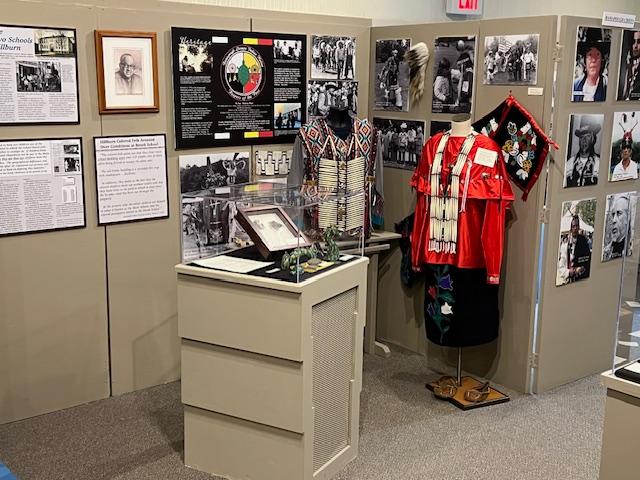
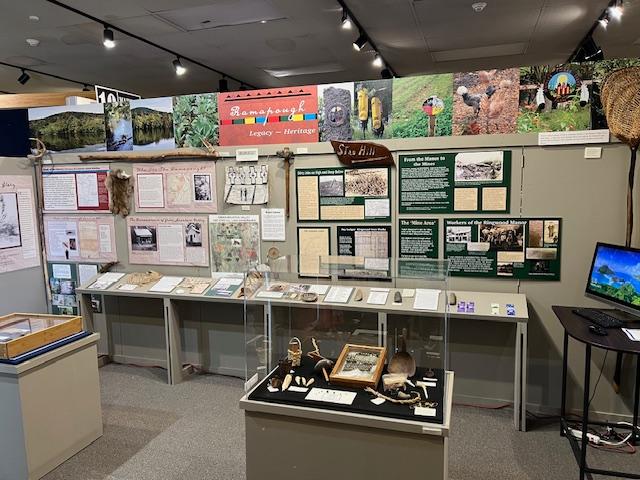
The Ramapough Lenape exhibition

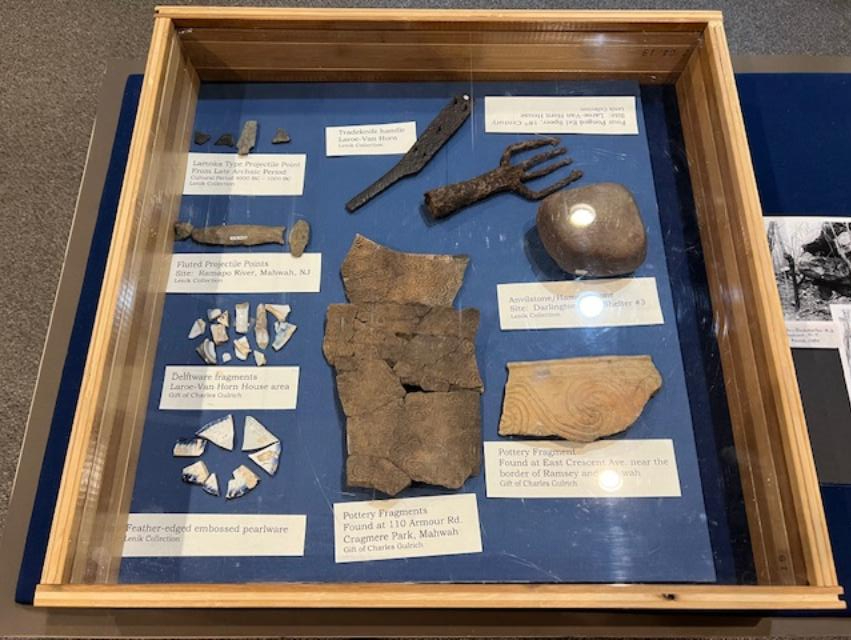
The Ramapough Lenape people have a long and complex history in the Ramapo River Valley communities of Mahwah, Ringwood, and Hillburn. Explore and learn about this Indigenous people’s history, folklore, art, craft, tools, herbs and medicines, costume, and culture.

The Native American exhibition

The Native American display

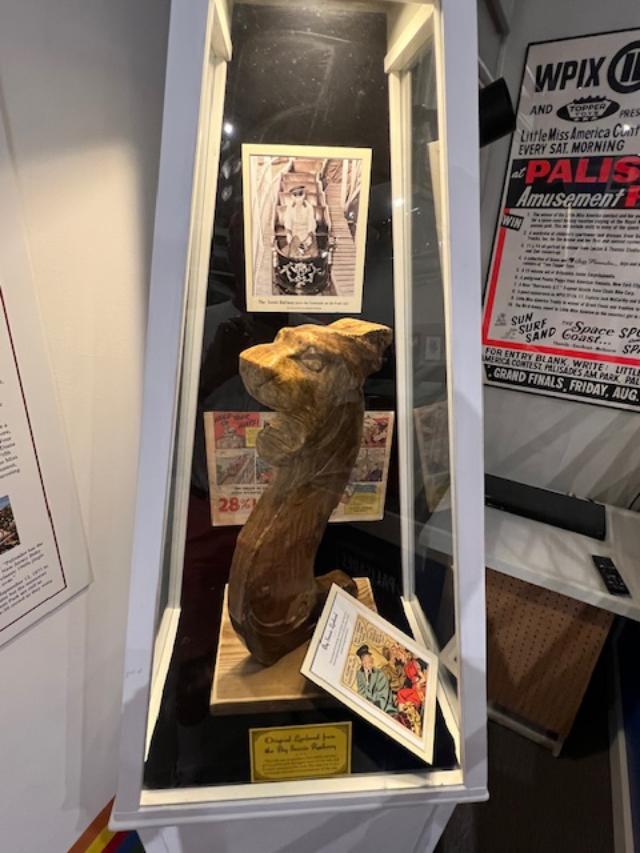
The Palisades Amusement Park exhibition:

The Palisade Amusement Park sign

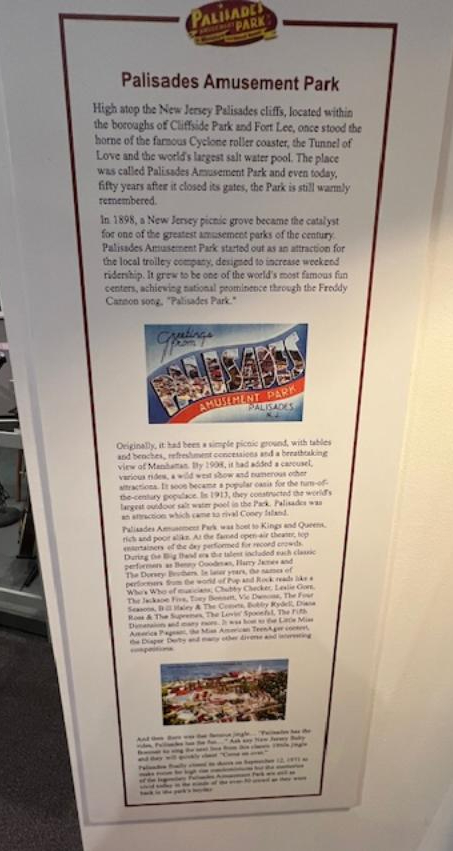
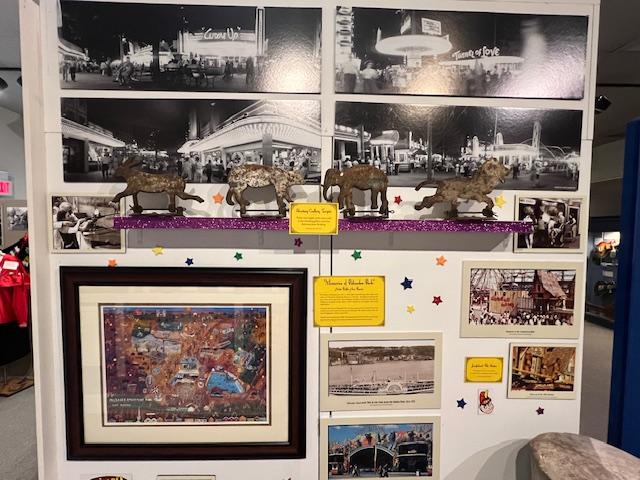
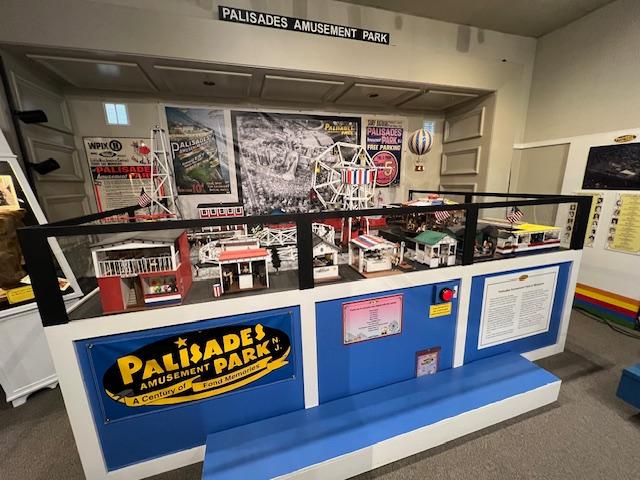
This miniature depicts the legendary Palisades Amusement Park as it would have looked in the mid 1930s. The scale of this model is 1:12, a common dollhouse scale. The original builder of the model was Joe Prisco, a longtime park employee. His estimated cost for the initial build was $40,000. Over 3,700 light bulbs and 15 power transformers were used to illuminate the rides and attractions. It was displayed at several locations in Ocean County, New Jersey in the 1990s. Prisco died in 2006.

In 2018, Vince Gargiulo, Executive Director of the Palisades Amusement Park Historical Society, traced the whereabouts of the model. The Prisco family donated what was left of the model to the historical society. To date, twenty-five pieces have been restored, including as seen in this exhibit, the Tunnel of Love, the World’s Largest Outdoor Salt Water Pool, the Ferris Wheel, the Carousel, the Free Act Stage, the Bumper Cars and much more.

The Palisades Park mini display at the Mahwah Museum

The Mahwah Museum Society is a nonprofit corporation under the laws of New Jersey and has qualified as a 501(c)(3) tax exempt entity under the Internal Revenue Code. It is governed by a volunteer Board of Trustees.

The Palisades Park display

*This information was taken from the pamphlets provided by the museum on my visit. Take the full afternoon to explore this interesting museum and their exhibitions.

*Please contact the museum for any changes in exhibitions or schedule of times.
Baylor Massacre Burial Site                                           Rivervale Road & Red Oak Drive                                      River Vale, NJ 07675

Baylor Massacre Burial Site Rivervale Road & Red Oak Drive River Vale, NJ 07675

The Baylor Massacre Burial Site

486 Rivervale Drive

Rivervale Road and Red Oak Drive

River Vale, NJ  07675

http://www.bergencountyhistory.org/Pages/baylormassacre.html

Open: Dawn to Dusk

My review on TripAdvisor:

https://www.tripadvisor.com/Attraction_Review-g46777-d12277914-Reviews-Baylor_Massacre_Burial_Site-River_Vale_New_Jersey.html?m=19905

Don’t miss this little hidden site in Old Tappan, NJ. The Baylor Massacre site holds a rich history in the county and in the country’s founding. It will make you realize what an important role that the State of New Jersey had in the Revolutionary War and the lives sacrificed to win the war.  My hats off to these brave men and women who helped fight for our freedom.

The Baylor Massacre site in the Fall

This quiet little park sits off to the side by the river and you will need to take time to walk the paths and enjoy the reading the signing. The sacrifice that these men made during the war effort and the way they were treated by the British in the act of war was deplorable. That and the fact that their own countrymen from Bergen County turned them into the British was unbelievable.

The Baylor Massacre history:

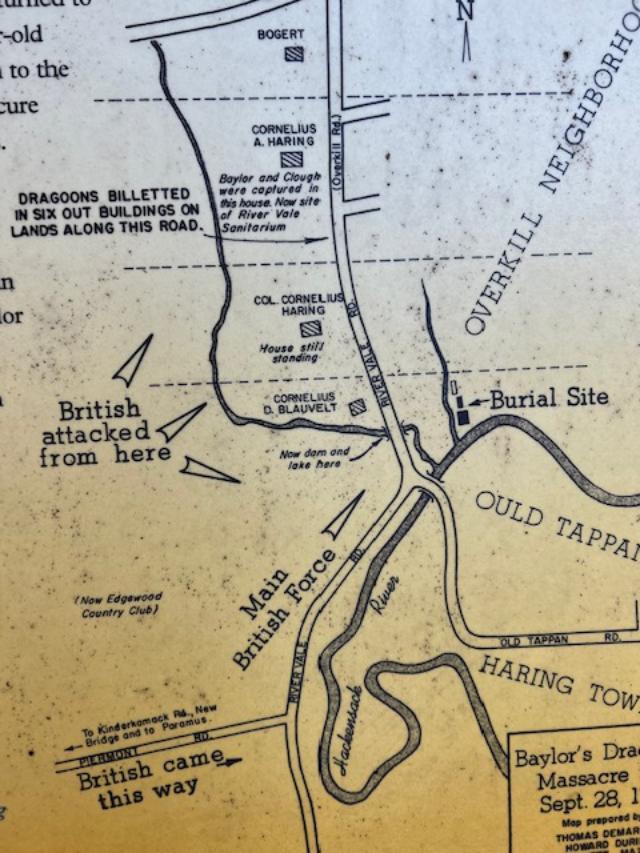
After midnight on September 28, 1778 during America’s Revolutionary War, the brutal surprise attack by the British forces on the sleeping men of the 3rd Continental Light Dragoons began. Today this is known as the Baylor Massacre. Nowa County-owned historic park and burial ground, the Baylor Massacre Site is located along the Hackensack River in River Vale in Northern Bergen County, New Jersey.

In the Autumn of 1778, British General Cornwallis occupied southern Bergen County with a force of 5000 soldiers. Their purpose was to gather and forage for food to feed the army that would be garrisoned in New York City during the upcoming winter.  Bergen County, with its fertile land and industrious Jersey Dutch farms, was a major source for food for both armies during the Revolution.

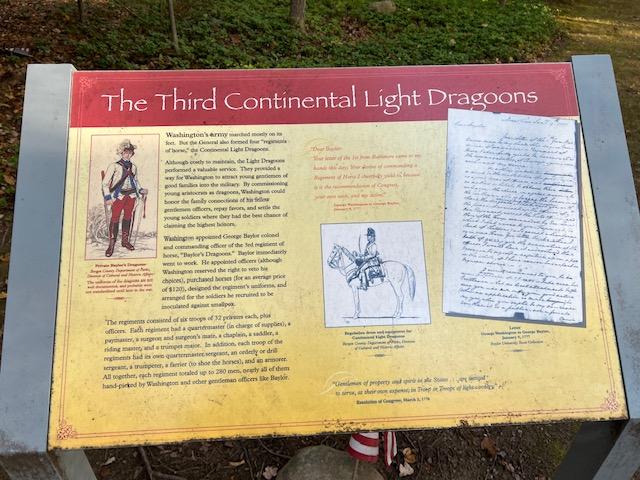
The Third Continental Light Dragoons, under the command by Lt. Colonel George Baylor, was one of four regiments of dragoons authorized by the Continental Congress. On the 27th of September, these 104 officers and men were dispatched to watch the bridge over the Hackensack River at the intersection of modern Rivervale and Old Tappan Roads to support General Wayne and his men in Tappan, New York.
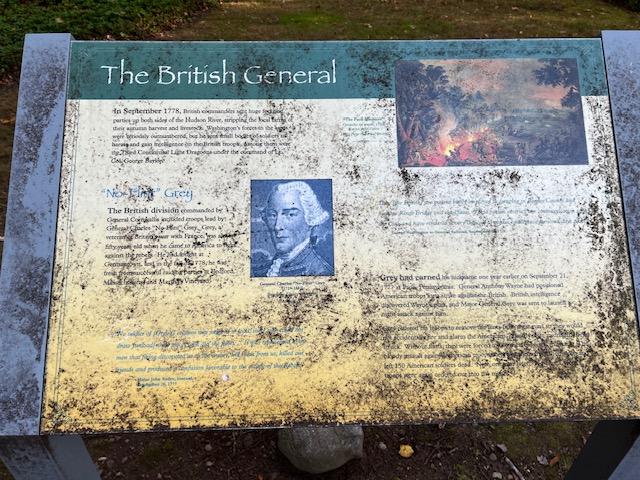
The British forces were lead by General Charles “No Flint” Grey, who earned his nickname in the 1777 battle with General Wayne’s Pennsylvania troops when he ordered his men to remove the flints from their muskets to prevent an accidental gunshot and to use bayonets to insure the surprise of a nighttime attack. These tactics were used again in River Vale.

Grey’s men used their muskets to club and their bayonets to stab the sleeping dragoons. Eleven were killed immediately. Three more including 2nd in Command Major Alexander Clough (Washington’s Chief of Intelligence for the Hudson Valley), died of their wounds in Tappan the following day.  Records indicate that as many as 22 men died some several weeks later. Two officers and 37 men, most of who were wounded, managed to escape into the night. One British soldier was killed when shot by a dragoon.

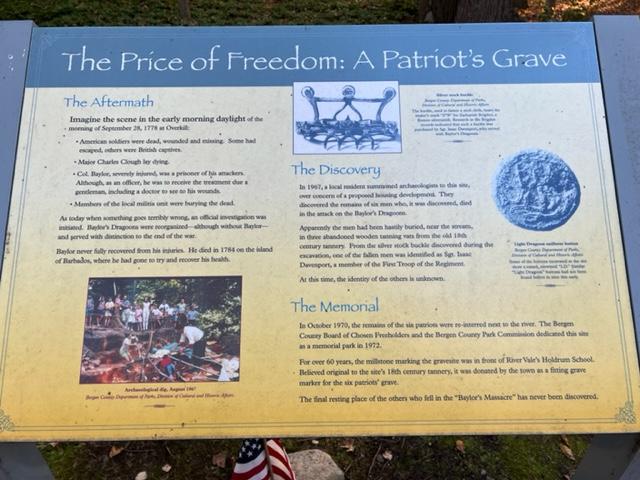
Grey’s men quickly gathered their prisoners and captured American equipment and continued up North. Fortunately General Wayne had been alerted of the movement of the British and had evacuated Tappan. The next day a detachment of the Bergen County Militia was dispatched to River Vale to locate any survivors. Finding six of the dead patriots at the bridge and fearing the possible return of British troops, they hurried to bury them in three abandoned leather tanning vats by the river.

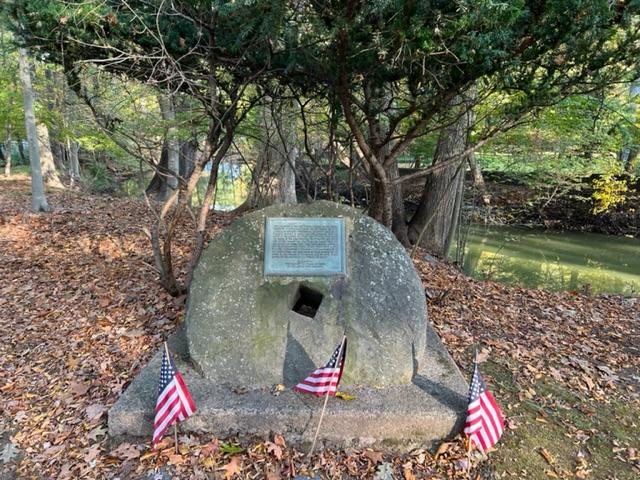
The burial location was passed on by word of mouth for many generations. The only physical maker was the abandoned millstone from the tannery. Abram C. Holdrum removed the millstone from the site around 1900. For many years it was displayed in from of the local Holdrum School.

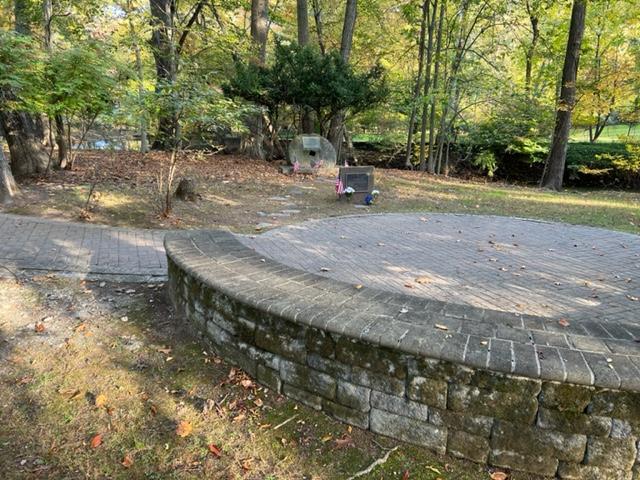
In 1967, a local resident became alarmed that a new housing development would destroy this historic burial site. Through careful research the approximate location of the burials was identified. County Freeholder D. Bennett Mazur was contacted and as a result, the County sponsored an archaeological dig that located six sets of remains. The County eventually acquired the site and dedicated it as a County Park. In 1974, the patriots’ remains were re-interred in the park and the original millstone was donated to serve as their gravestone.

In 2003, the County dedicated new interpretive panels and accessible pathways at the Baylor Massacre site. It is open year round during daylight hours.

WWW.BERGEN.NJ.US

Disclaimer: This information was taken from the County Pamphlet: 2015 Bergen County Division of Cultural and Historic Affairs. The Bergen County Division of Cultural & Historic Affairs received an operating support grant from the New Jersey Historical Commission, a division of the Department of State. I give them full credit for this information.

The Baylor Massacre site in the fall of 2022

The Park in the fall months

Note from the Blogger: it is easy to miss the site so watch for the markers. For those interesting in the historical background of the Revolutionary War and New Jersey’s role in the war, take the time to visit this and other sites around Bergen County, New Jersey. They may be small but very significant.

Watch this interesting video that someone posted on YouTube.com

The grounds of the park

The grounds of the park in the fall

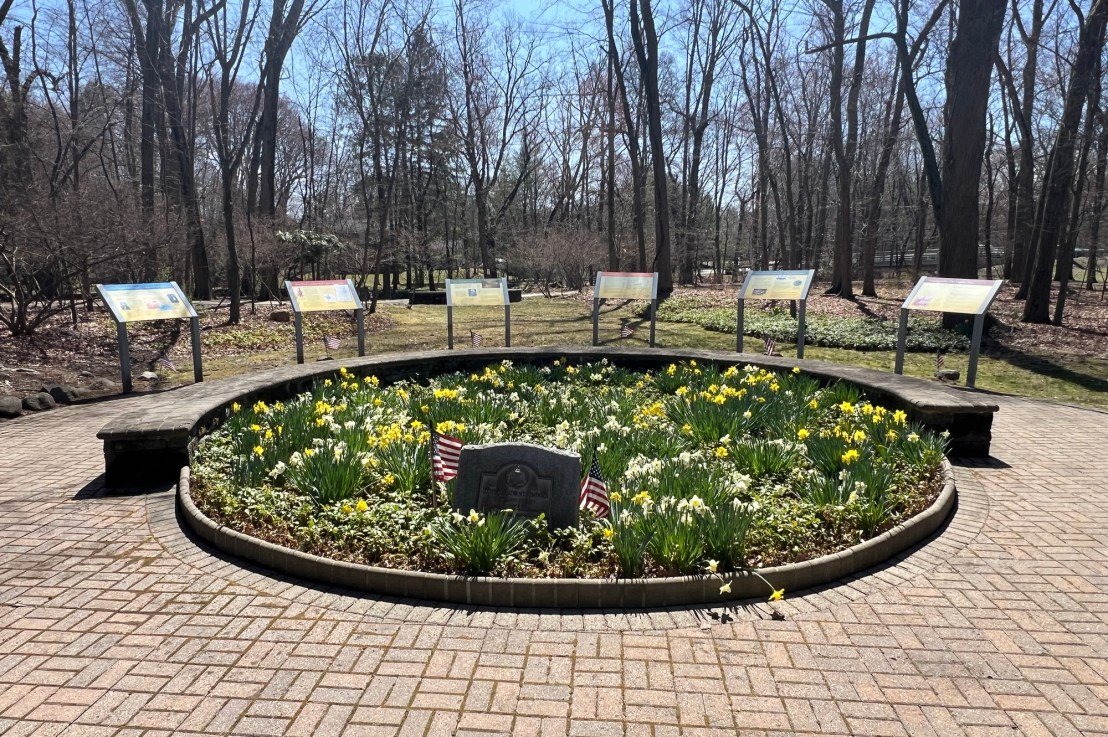
The site in the early Spring of 2025

The information signs of the site

The pathways by the river

The gravesite and memorial

The pathways around the park

The pathways around the park

The historic marker in the early Spring

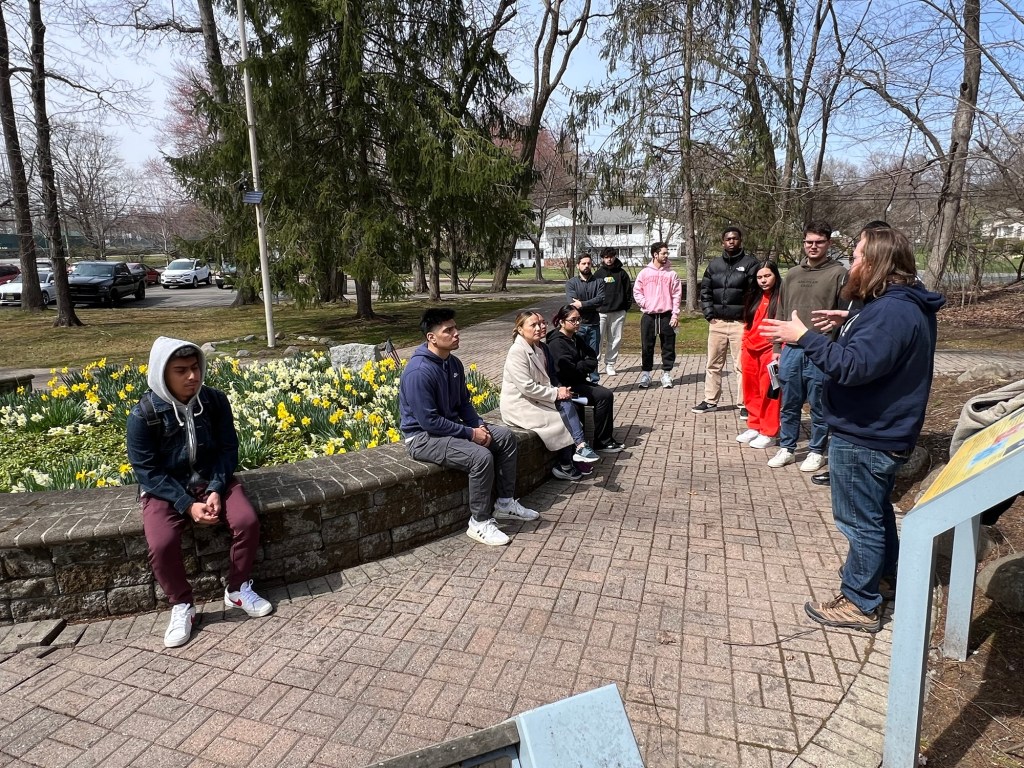
In April of 2025, I took my students from Bergen Community College to the site for a project that we were working on for the ‘Bergen 250’. Most of the students did not know this place existed.

A talk with Colin Knight from the County Historical Division with my students

Me with my students at the Baylor Massacre site

A group picture near the county marker and garden with my students