There is always a lot of excitement when a new art exhibition is ready to open. It is even better when the museum opens it to its members first before the public gets a glimpse. It gives a chance to see the exhibitions before it opens to the public.
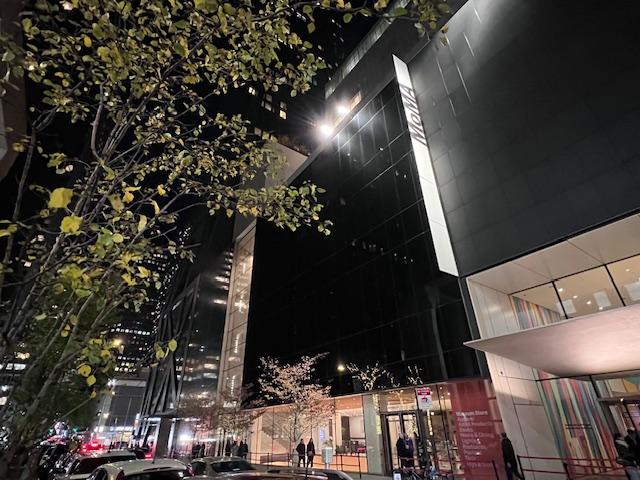
The long line of MoMA members waiting to get into the museum for the opening night of Artist Ruth Asawa’s exhibition
I noticed this year especially and right before Thanksgiving, all the museums are throwing open their doors for Member’s Nights. I have been invited to five Members Nights at museums all over the City. You can’t attend them all.
The excitement the museum creates for these evenings
Video of entering the museum at the start of the opening with 80’s Japanese Pop Music
I think in an economy like this, these Members Nights are one of the best ways to engage with the membership for both donations and renewals of memberships especially before the holiday season. Plus it gives the members a wonderful night out to see the exhibitions ahead of time and enjoy the evening after a long week at work.
Born on a farm in Southern California, Asawa began her arts education when she was a teenager and she and her family were among the thousands of persons of Japanese descent who were forcibly incarcerated by the US government during World War II. It was at the internment camp that Asawa began taking classes in painting and drawing. After her release, Asawa studied to be a teacher but was unable to get a license because of her Japanese heritage, so she enrolled at Black Mountain College, an experimental art school in North Carolina. Asawa took classes from and worked alongside fellow artists Josef Albers, Robert Rauschenberg, Merce Cunningham, and R. Buckminster Fuller. Black Mountain was also where she met her husband, the architect Albert Lanier.
I loved her wire woven sculptures.
The wire woven sculptures were the standouts of the exhibition
I thought these were a unique design
I liked here colorful paintings, these are of her child’s footprints. I loved the idea that her children were involved with the art
The patrons enjoying the art
The display of the wire art
The displays were impressive and graceful
The colorful faces looked tired
The look of nature in the wire art in the form of trees
I loved her works of food
At the end of the exhibition and the evening, I joined everyone on the main floor where the bar and gift shop were located. The main floor was the busiest part of the museum. I wondered if some of these people even went upstairs to see the exhibition or just stayed downstairs to socialize.
The main floor of the museum is always packed with people
Share in the excitement of the Membership opening
These evenings always get my mind off the stress of life. It is nice to just be in Midtown Manhattan and be in the moment. It is nice to see art, hear music and walk through the museum.
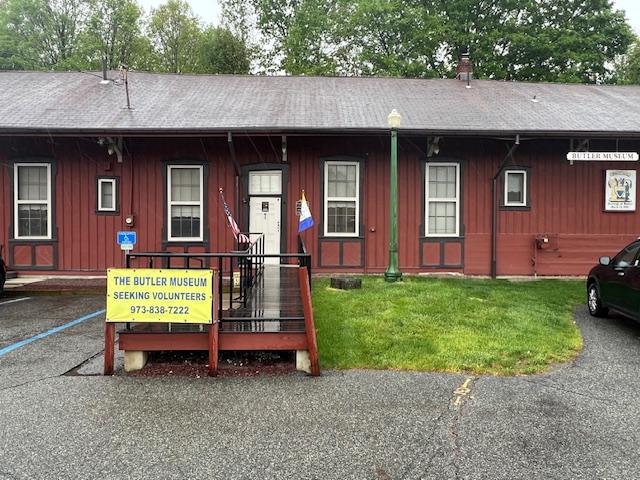
The Butler Museum is housed in the former New York Susquehanna and Western Railroad station. Constructed in 1888, it was remodeled in the 1890’s and in 1907, when a freight room was added to the northwestern end of the building. A major restoration took place from 2011 to 2015. Purchased by the Borough of Butler for a museum just in time for the Bicentennial Celebration in 1976, the museum houses a large collection of artifacts of local and regional significance.
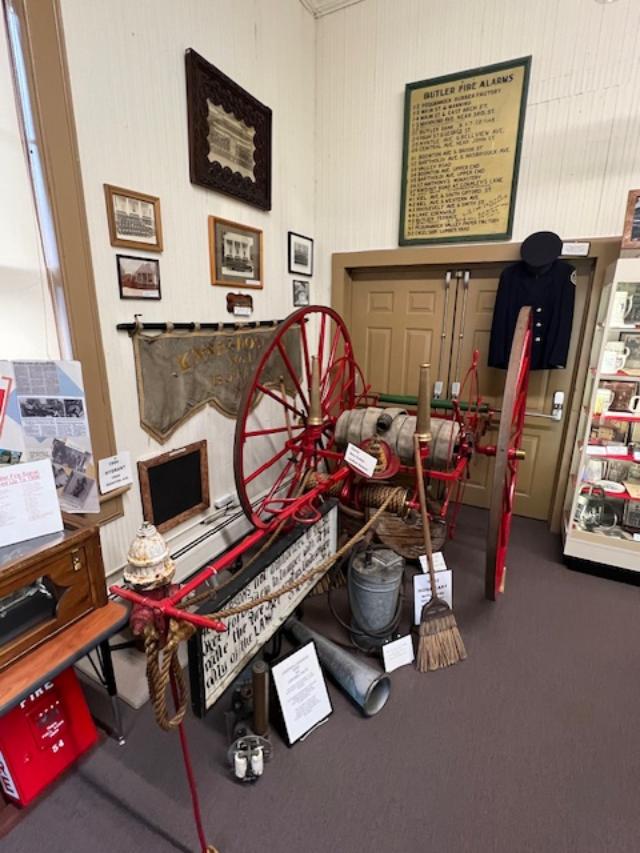
The Butler Fire and Police Department artifacts.
Exhibits highlight the social, educational, fraternal, political, and business life of the community. Unique to the Butler Museum are artifacts pertaining to the Statue of Liberty, statue designer Frederic Bartholdi, and his friend Richard Butler, for whom the town is named. Mr. Butler was an important member of the committee that raised the funds to construct the statue’s pedestal (Pathways to History of Morris County website).
The Statue of Liberty exhibition.
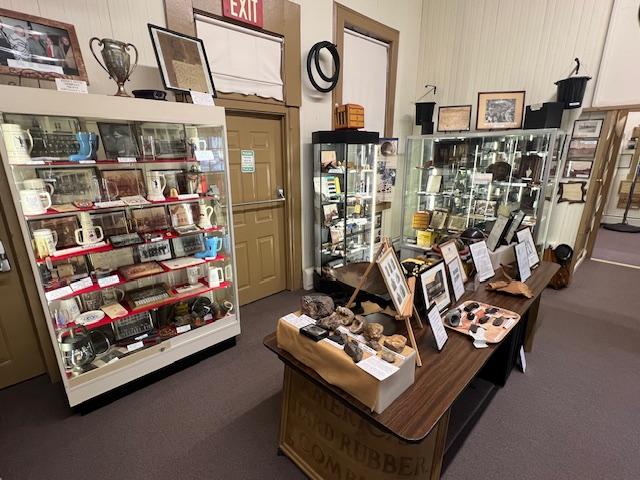
Displays also include products manufactured by the American Hard Rubber Company, the area’s largest employer from the 1880’s to the late 1950’s. Development of items such as Ace Bowling Balls and Ace Combs can be traced from blueprints and salesman samples to the finished products.
The Ace Company exhibit
The resource center presents the opportunity to view past copies of local newspapers, almost a century of Butler High School yearbooks, and a pictorial history of Main Street, Butler.
The Butler Museum main gallery with the Ace Rubber exhibition as well as the Butler Fire and Police departments. The displays represent years of tradition in the town.
The Butler Museum main gallery. The Ace Company exhibition.
The Butler Museum’s local town history display.
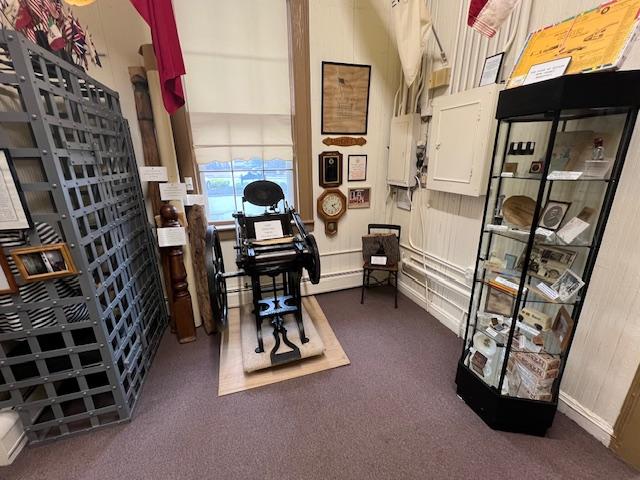
The Printing industry of the town of Butler, NJ.
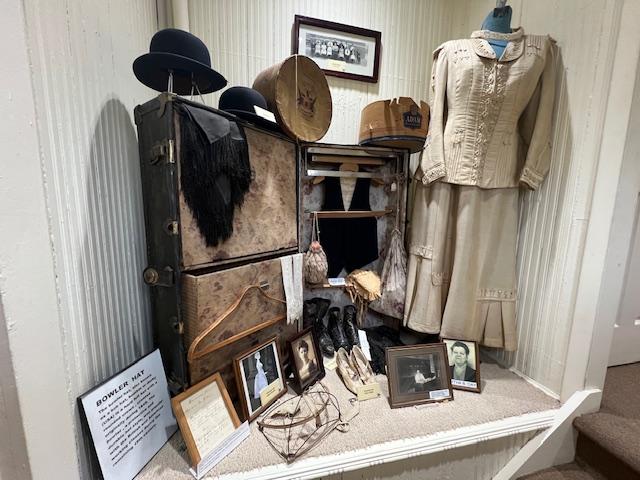
The display of vintage clothing.
The museum has a wonderful display of artifacts that tell the story of the town and show the progression of the town’s growth. The docents do a nice job of telling that story of the town they love so much. It is a very fascinating museum when you tour all the interesting things that the museum has in its collections.
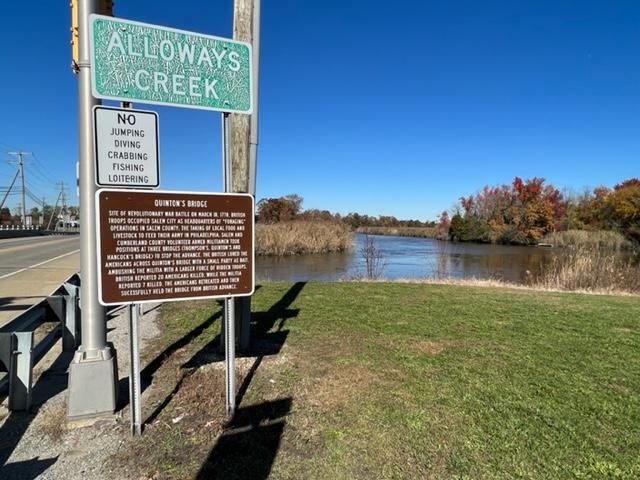
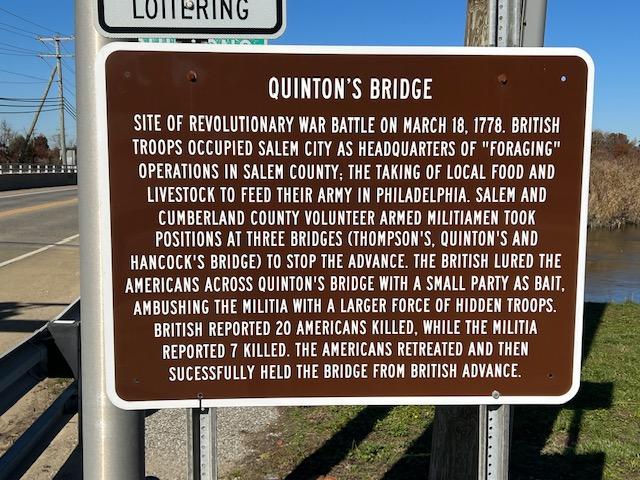
If you blink your eye, you will pass this bridge along the Alloway Creek just outside of Alloway, NJ, a sleepy little town just outside the County seat of Salem, NJ. What may seem like just a bridge with an historical marker once held a big place in the history of the Revolutionary War for this part of New Jersey. This was once a major travel and transport point during the area’s heyday of the farming industry in the early part of the country’s history, supplying food for the Philadelphia and lower New Jersey area.
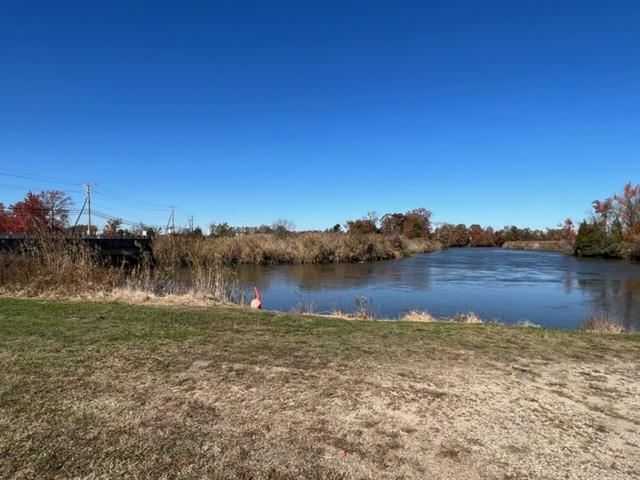
Today the Alloway Creek is used more for fishing and recreation from I saw the afternoon I visited the site but once upon a time, this was a busy throughfare for travel. The creek was used for transport and the road was a crossways between all the small communities in the area.
Take time to stop in the parking lot next to the bridge and take a look at the significance of this area and what this meant in the context of the war years.
Alloway Creek today in 2022
History of Quinton’s Bridge at Alloway Creek:
(From Revolutionary War New Jersey.com):
In March of 1778, a group of about 1500 British troops under the command of Charles Mawhood occupied the town of Salem. Their objective was to confiscate cattle, hay and corn to bring across the Delaware River to Philadelphia, which was then controlled by the British.
Local citizen had moved some of the cattle south of Salem, past Alloways Creek to keep it from the British. Alloways Creek extends abou thirty miles inland from the Delaware River, creating a natural southern boundary that could only be crossed at three bridges in the area; Quinton’s Bridge, Hancock’s Bridge about four miles east of here and Thompson’s Bridge about five miles to the west. Salem and Cumberland County militiamen took positions at the bridges to stop the British from moving past them.
The British made an attack on Quinton’s Bridge on March 18th. During the attack, the British lured about 200-300 of the militamen across the bridge into an ambush feigning a retreat. The British had actually hidden some of their soldiers in a house near the creek and when the militiamen moved past them, the soldiers rushed out of the house to cut off the militiamen’s retreat to the bridge. Militiamen were captured or killed but their defense of the bridge held and the British were not able to cross Alloways Creak at Quinton’s Bridge.
Three days later an attack was made on the militiamen at Hancock’s Bridge in which militiamen were bayoneted to death in their sleep in a nearby house.
A Video on the Washington Township Historical Society
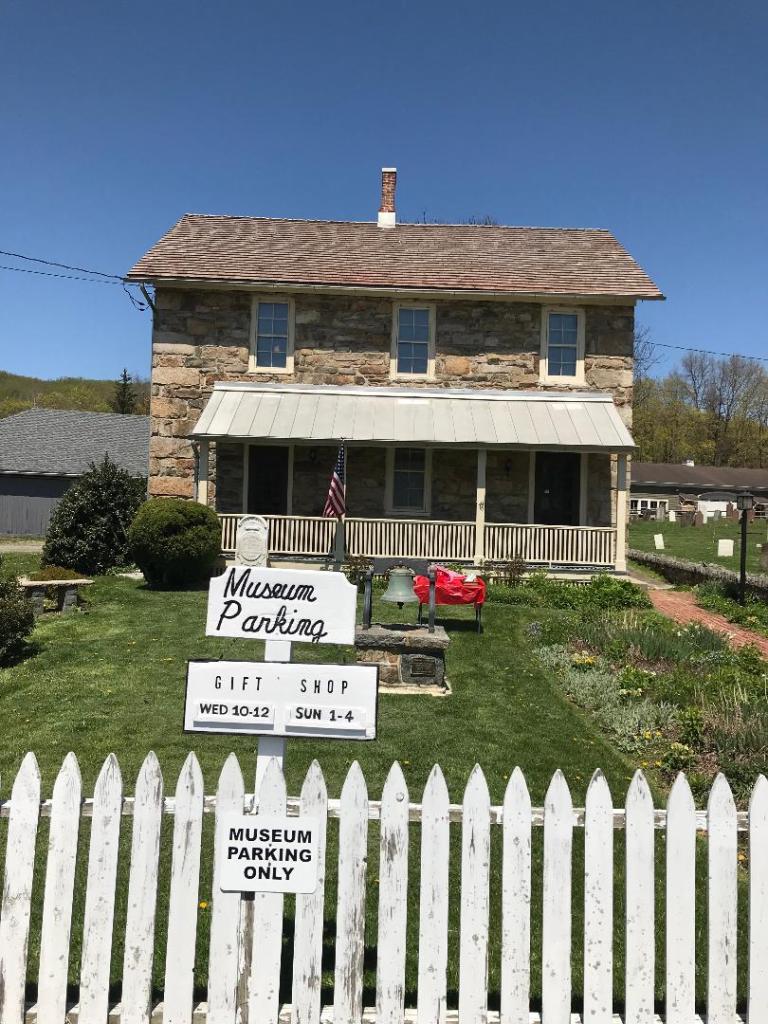
I came to the Washington Township Historical Site as part of Morris County’s “Pathways of History” tour and visited the Union Schoolhouse Museum and then the Union Church and Burial Ground that is located right next door on the same property. This sleepy little town was once a bustling manufacturing site with the sawmill and Ghrist around the corner and the Welsh Farms Ice Cream factory up the street from the site.
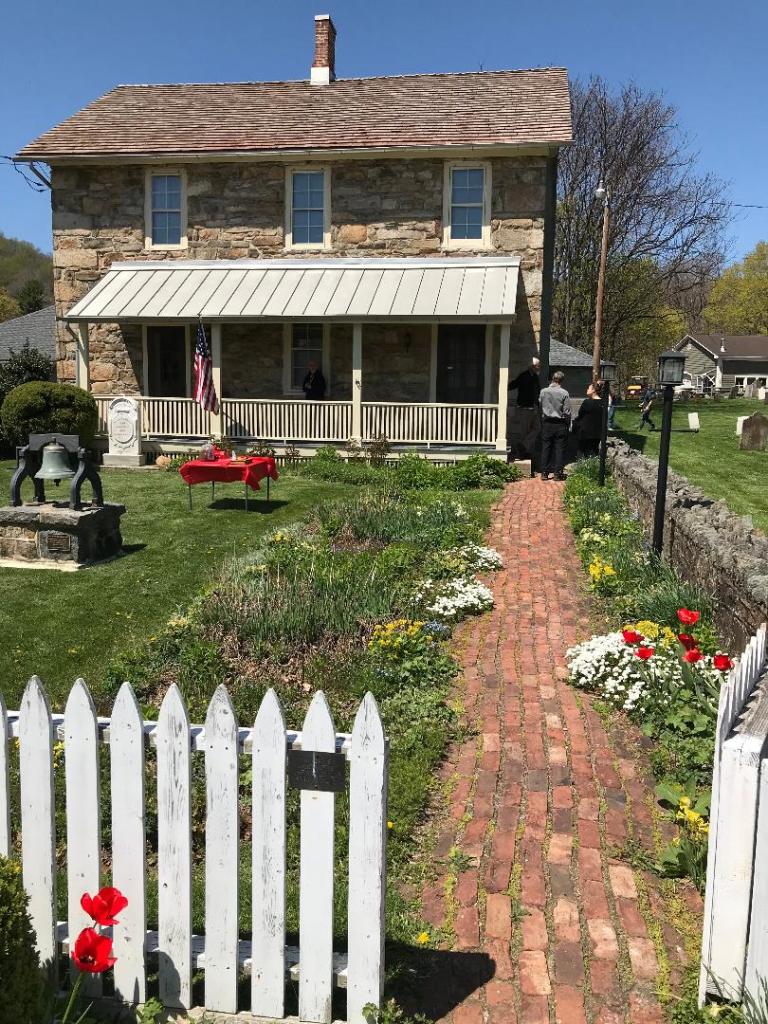
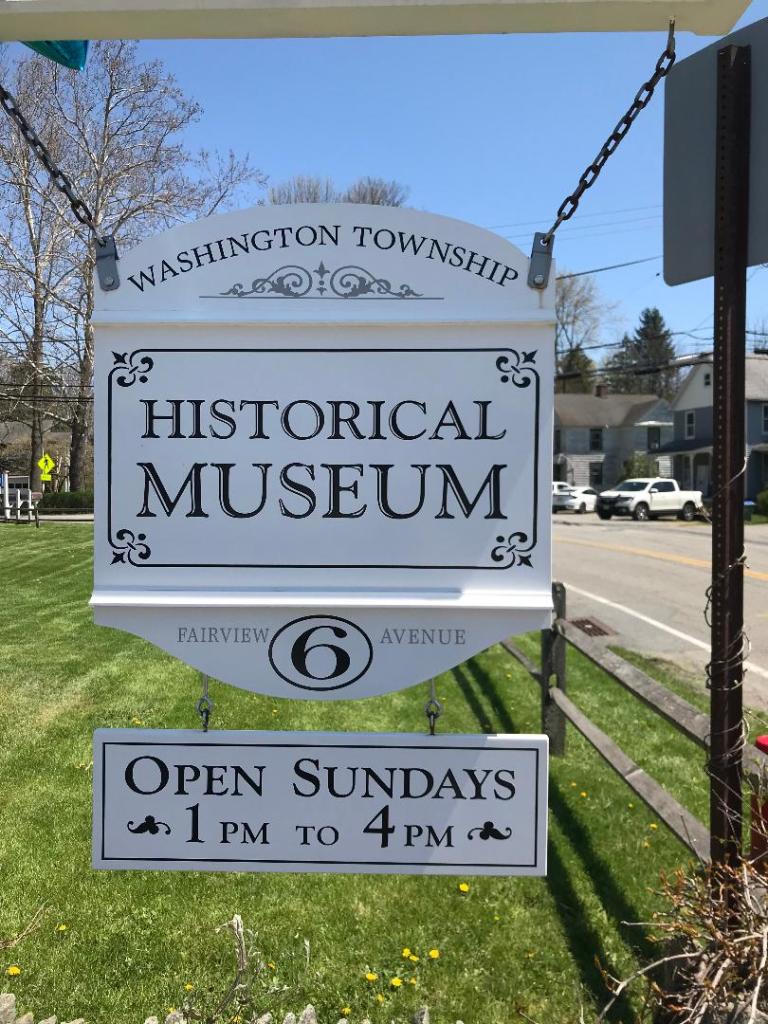
The Union Schoolhouse Museum at 6 Fairview Avenue
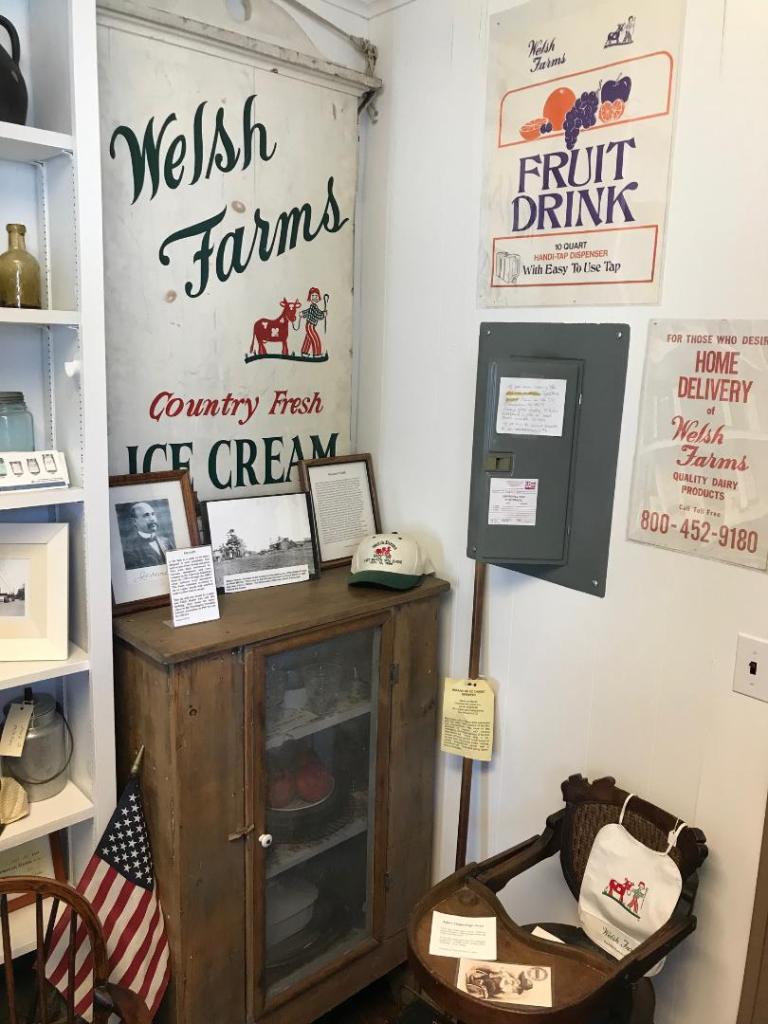
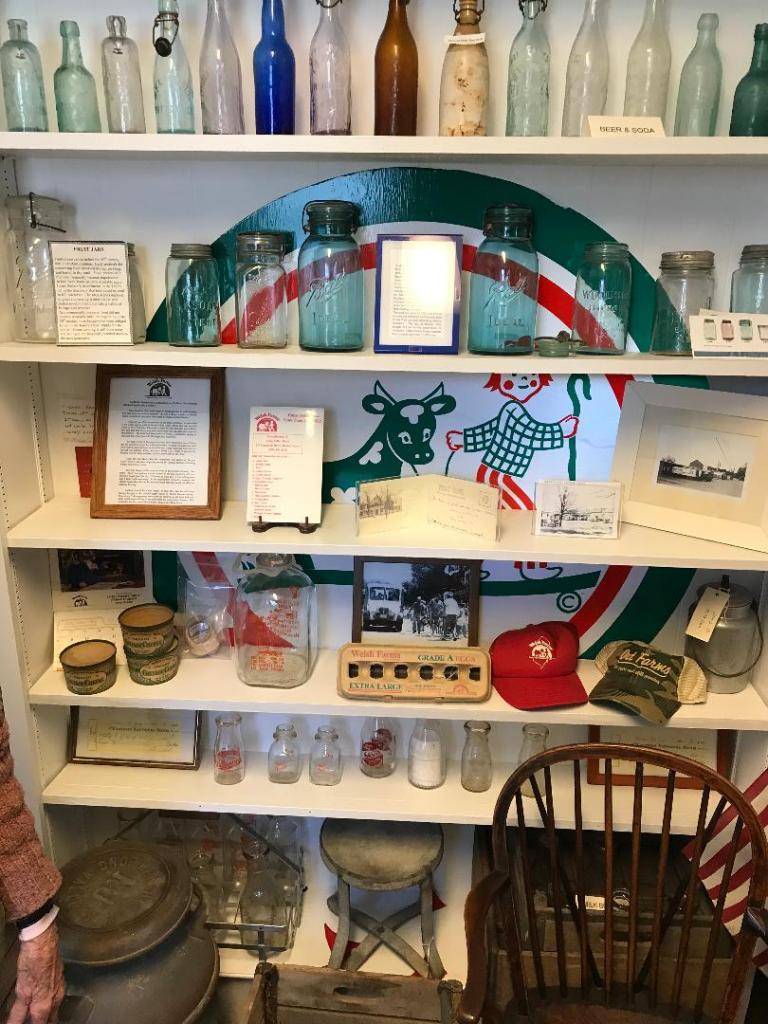
The museum, which was once the town’s schoolhouse, is an engaging site that showcases how the town developed over the last two hundred years. On the bottom floor, the society has Native American artifacts, period furniture and clothing and in the back of the museum is a full display of the original Welsh Farms Ice Cream factory. The Welsh’s were a very prominent family from the area.
The Welsh Farms Ice Cream Factory display
Some of the old bottles and equipment from the factory
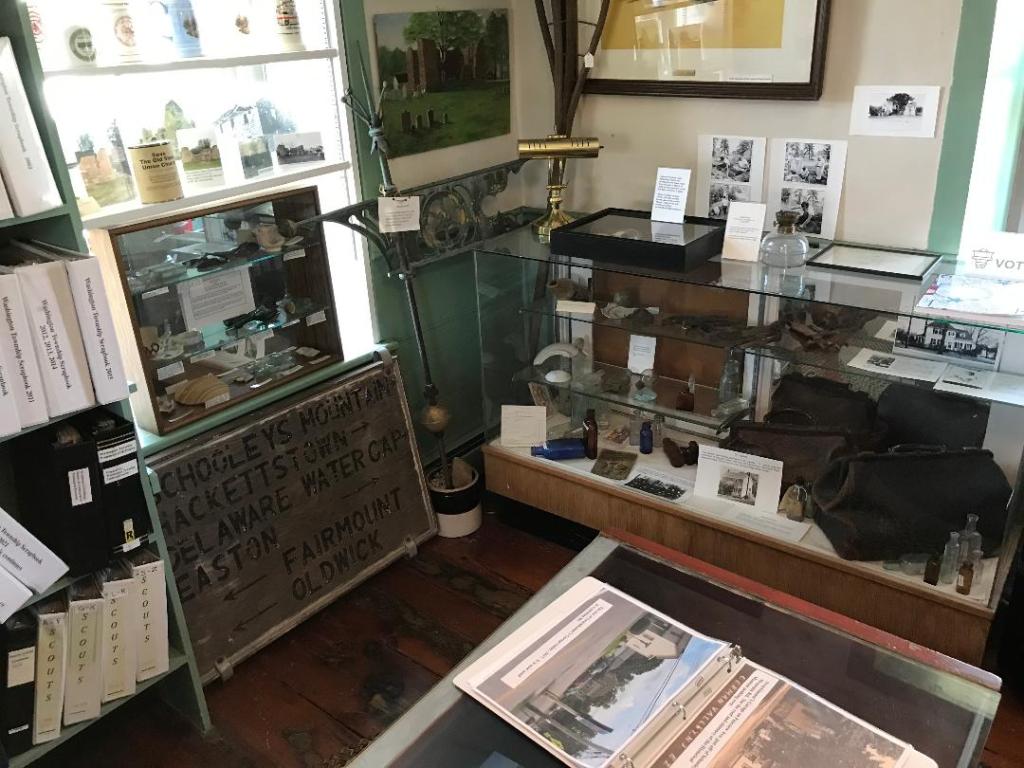
The second floor of the museum has a display of town memorabilia from different businesses, farming equipment from the area’s agricultural past and pictures of businesspeople and prominent citizens of the town. It shows how the commercial past of the community kept evolving.
Display of the town memorabilia
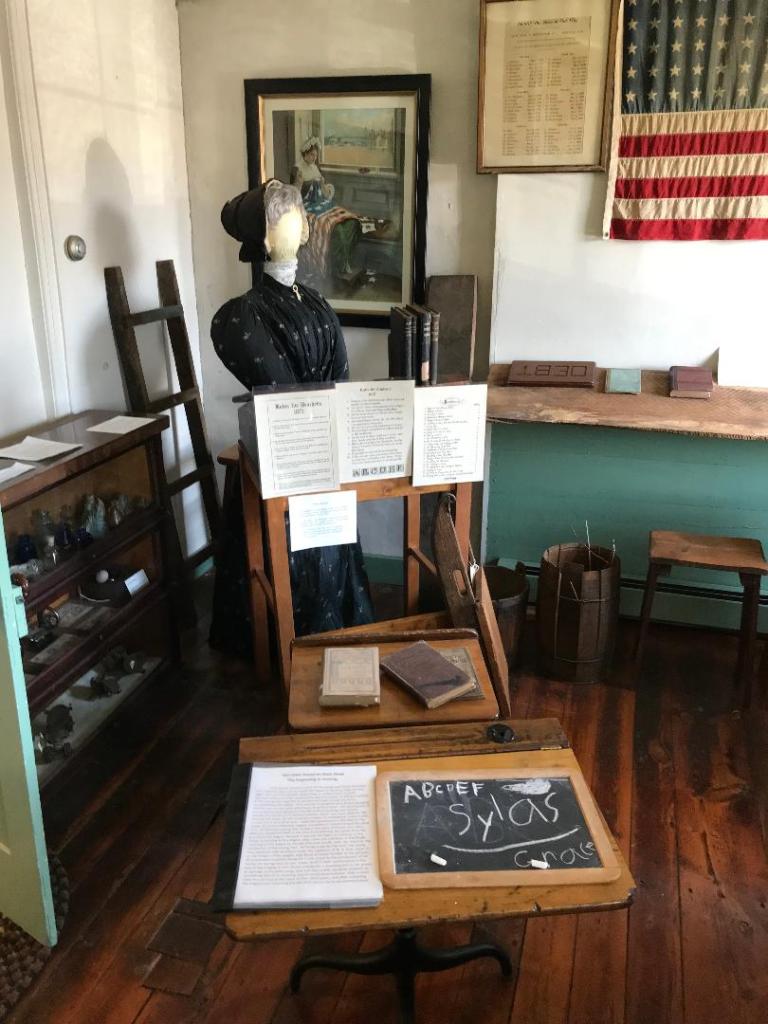
To the side of the second floor is a display of a period schoolroom from the time that the building served as a school of the local population. You can see that not much has changed over the years.
School rooms of the past are not too different from today
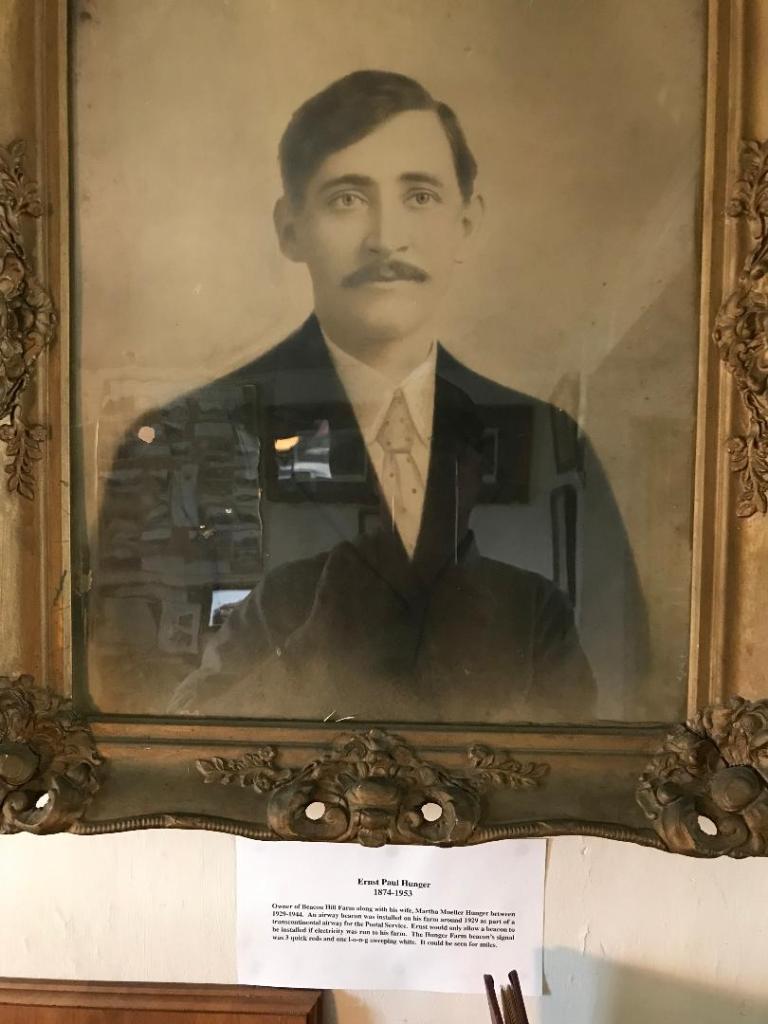
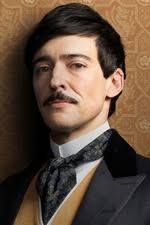
The one thing that creeped me out was a picture of a local businessman from the 1800’s who looked exactly like the actor, Blake Ritson, who plays “Oscar Van Rijin” in the TV show “The Gilded Age”. These men are almost 100 years apart and he looks like the actor from that exact time period.
The picture is of local businessman Ernest Paul Hunger
This picture is of actor Blake Ritson who plays “Oscar Van Rijin” in “The Gilded Age”
I had to take this picture because everyone says you have a twin from the past and I can tell that these two men look exactly alike in the same clothing. What is really interesting is that they are the same age at the same time period. Like that picture of the gentleman from the 1880’s that looks exactly like actor Nicolas Cage, I think there is some weird time travel here. It is almost like the film “Time after Time”.
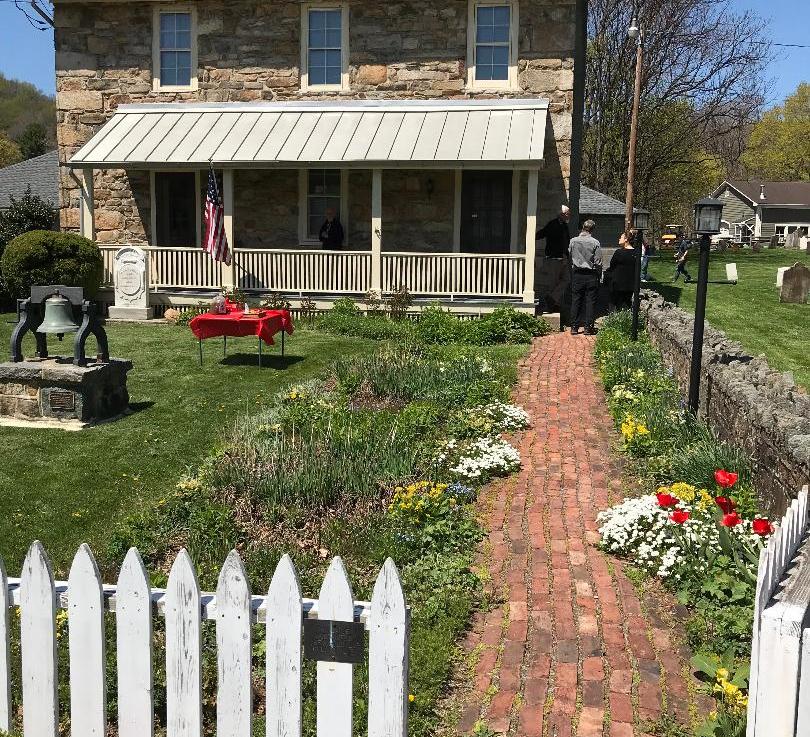
After touring the whole museum, I went next door to visit the church and the cemetery for a tour. When I exited the museum, I had not really noticed the beauty of the gardens that surrounded the museum. The local garden club had done a great job in landscaping and planting the walled garden around the museum. In the early Spring, it was a colorful display of flowers.
The walled garden was so colorful in the early spring
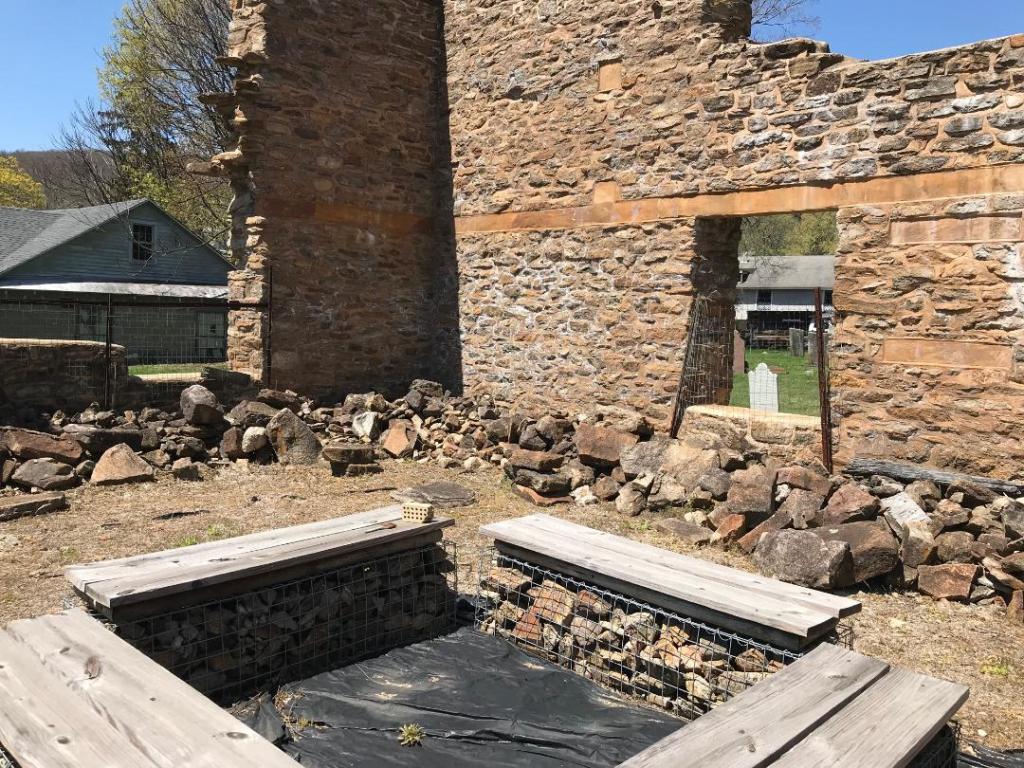
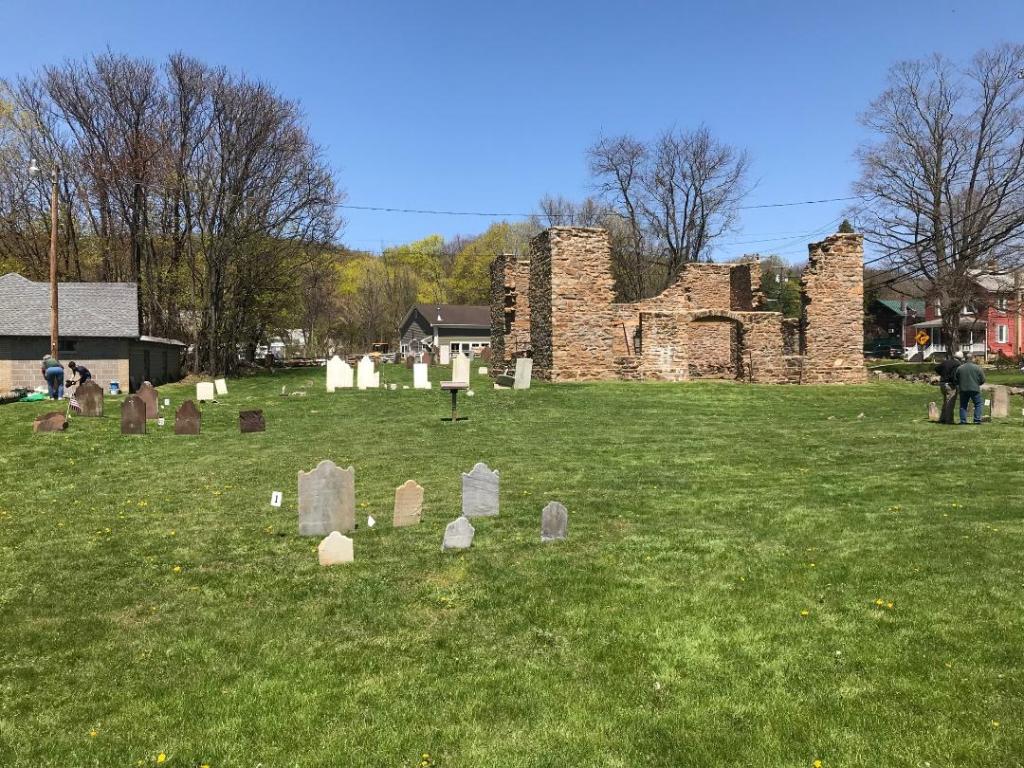
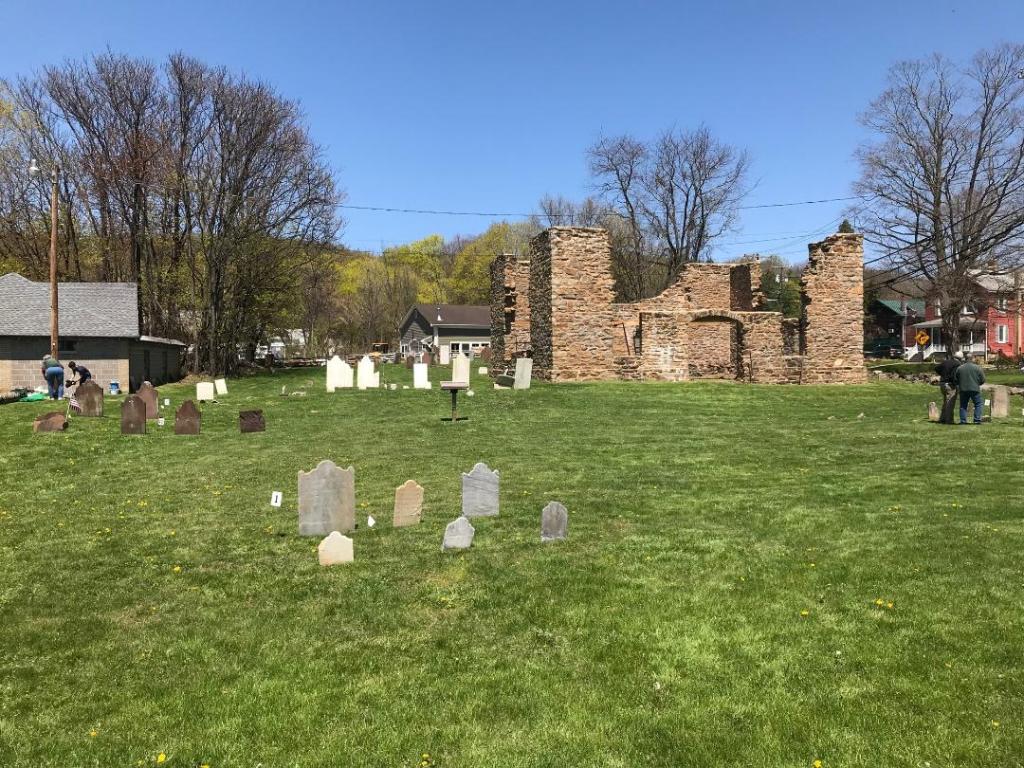
The cemetery walk was intriguing in that you got to walk through the ruins of the old church and get to see how it was once constructed. It gave me insight of how big these churches were at one time and building construction was in early colonial New Jersey.
The ruins of the old Union Church
The Union Church surrounded by the cemetery
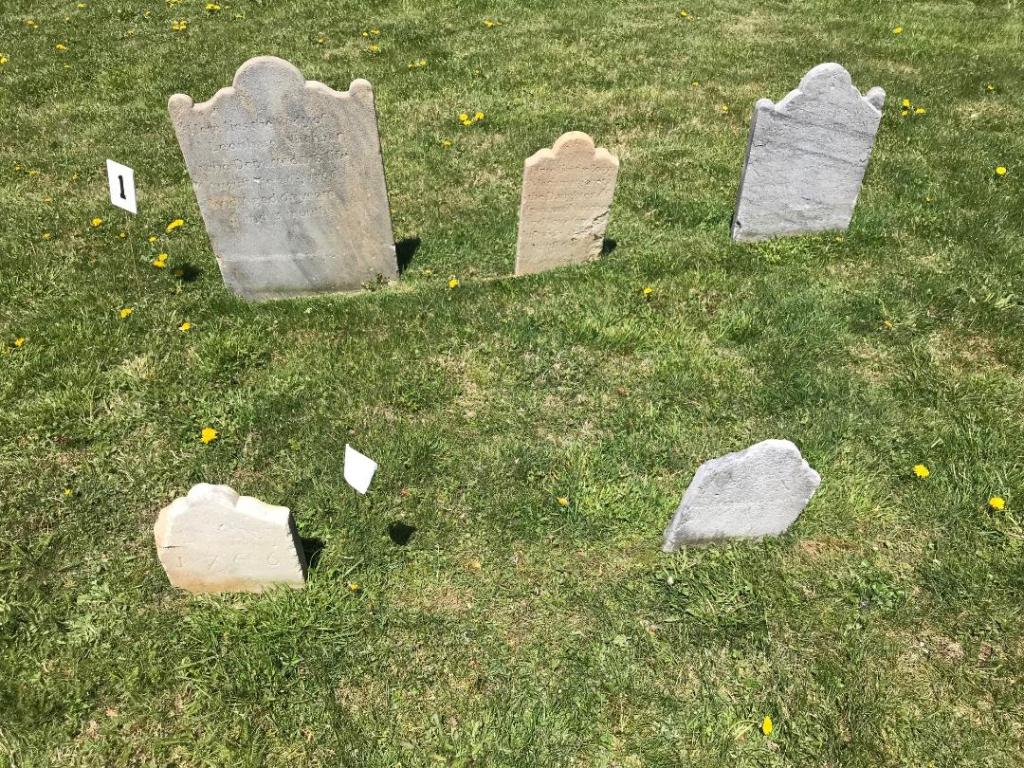
When we visited each family’s plot, there was a discussion about what contributions that everyone made to the town and their place in society. What was interesting was that the volunteers were cleaning the tombstones with tombstone cleaner, and I had wondered when we were taking the tour why they looked so new. There is a lot of care of the people of this cemetery.
The Welsh Farm Family plot at the Union Church was just cleaned
The whole site is an interesting look into the community’s past by a group of volunteers who give it their all to make the site interesting, historical, visually engaging to the visitor and offer a surprise or two into history that you may not know of New Jersey. One the warm, sunny day that we visited the site, it made it even nicer to walk around and have the time to soak it all in.
When you visit the Union Schoolhouse and Union Church and Burial Ground take the time out to take the formal tour of the site. It is very informative to a past that is not so different from today. It offers a lot of insight of people’s lives of this community.
The history of the Union Church and Cemetery Site:
(From the Washington Township Historical Society pamphlet)
Mission: To bring together people interested in the history of Washington Township, Morris County, NJ and promote a better appreciation of our American heritage.
The history of the site:
European settlement had begun in Long Valley by 1730. The early settlers, primarily from Germany and Holland, came fleeing religious persecution, an oppressive tax burden and hoping for a better life in America.
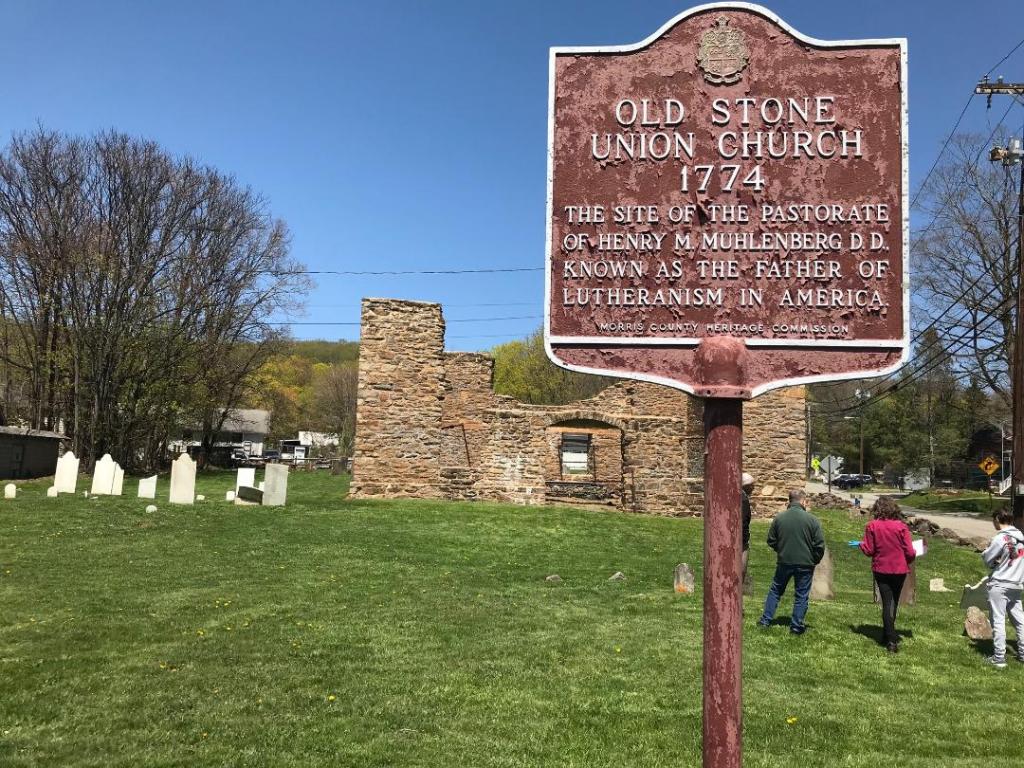
In 1749, a joint log meeting house had been built near the site of the Stone Church by the Zion Lutherans and Dutch Reformed Congregations. During these early times the congregations were served either by preachers from these churches or by laymen. One of the ministers of the time was Henry M. Muhlenberg, who has been called the Father of the Lutheran Church in America. His son, John Peter also ministered to the Raritan Valley before 1772. In 1776, John left his church in Virginia to raise and lead a regiment in the American Revolution, serving with distinction and retiring as a brevet major general.
On February 4th, 1774, the Dutch Reformed and German Lutheran congregations drew up articles and agreements that provided for the building of a joint meetinghouse. “Whereas we the members of the Evangelical Reformed Congregation and we, the members of the Evangelical Lutheran Congregation are willing to build a meeting house jointly, “Acted the 4th day of February 1774, which is testified to by: Henry Muhlenberg Jr., deputy director of Zion’s Welsch; Diedric Strubel; Conrad Rorick; Casper Eick; Anthon Waldorf; Adam Lorenz; Philip Weis; Christopher Karn; Leonard Neighbour; Roulof Roulofsen; John Schwackhammer; Andrew Flock.”
Let the Building Begin:
According to local tradition, the stone used to construct the building of the meetinghouse, the people of the two congregations turned out in a body to cart the stone. It had been a previous agreement, that whoever on the day appointed, should bring the first load, should receive the honor of having his horse decorated with flags and ribbons. The story goes that Judge David Welsch, then 17, secretly loaded his wagon and hid it that night. The next day, wagons came like thunder from all parts of the valley. Although David Welsch was confident of winning, he was almost beaten. Before he could unload his wagon, all of German Valley was on the ground.”
A Stately and well built structure:
A description of the Stone Church was given during a sermon by Reverend Alfred Hiller in July 1876. He said, “it was a heavy gallery on the one side and across each end; the entrance on one side (south), under the gallery and on the opposite side (north) was the pulpit, one of the Jack in the Pulpit style, with sounding board suspended above. There is no chimney on the church, in the center of the church, a space about eight feet square was made with a dirt floor and on the square a great mass of charcoal was burned, the congregation getting for their share at least the smell of the fire.”
The Old Stone Church today
Historic photographs indicate the building had a clipped-gable or jerkin-head roof with roof ridge parallel to the longer north and south walls. The two-story church, three bays wide and two bays deep, featured a wide and two bays deep, featured a wide central entry surmounted by a segmental arch, as were the windows. The walls were of coursed rubble stone construction, pointed with a white lime-rich mortar, except on the south or front elevation which was stuccoed and “penciled” with white pointing to replicate regular ashlar stone. However, this may have been a later 19th century embellishment.
Decline:
In 1832, both congregations decided to separate houses of worship. Since that time the Old Stone Church has stood abandoned and surrounded by the graves of the early congregants. Despite efforts at stabilization between the 1960’s and the 1980’s, the deterioration continued until recent efforts spearheaded by the members of the Washington Township Historical Society with permission of The Zion Lutheran and Long Valley Presbyterian Churches have improved this.
The Old Stone Church with the cemetery surrounding it










 Visiting a Museum: The Unique, Unusual, Obscure and Historical