I put my walk of the Garment District on hold as many of the museums are having their Private Members nights before the holidays get into the full swing. It gives the members a chance to really enjoy the museums before the City gets crazy with tourists and people are beginning to return to the City.
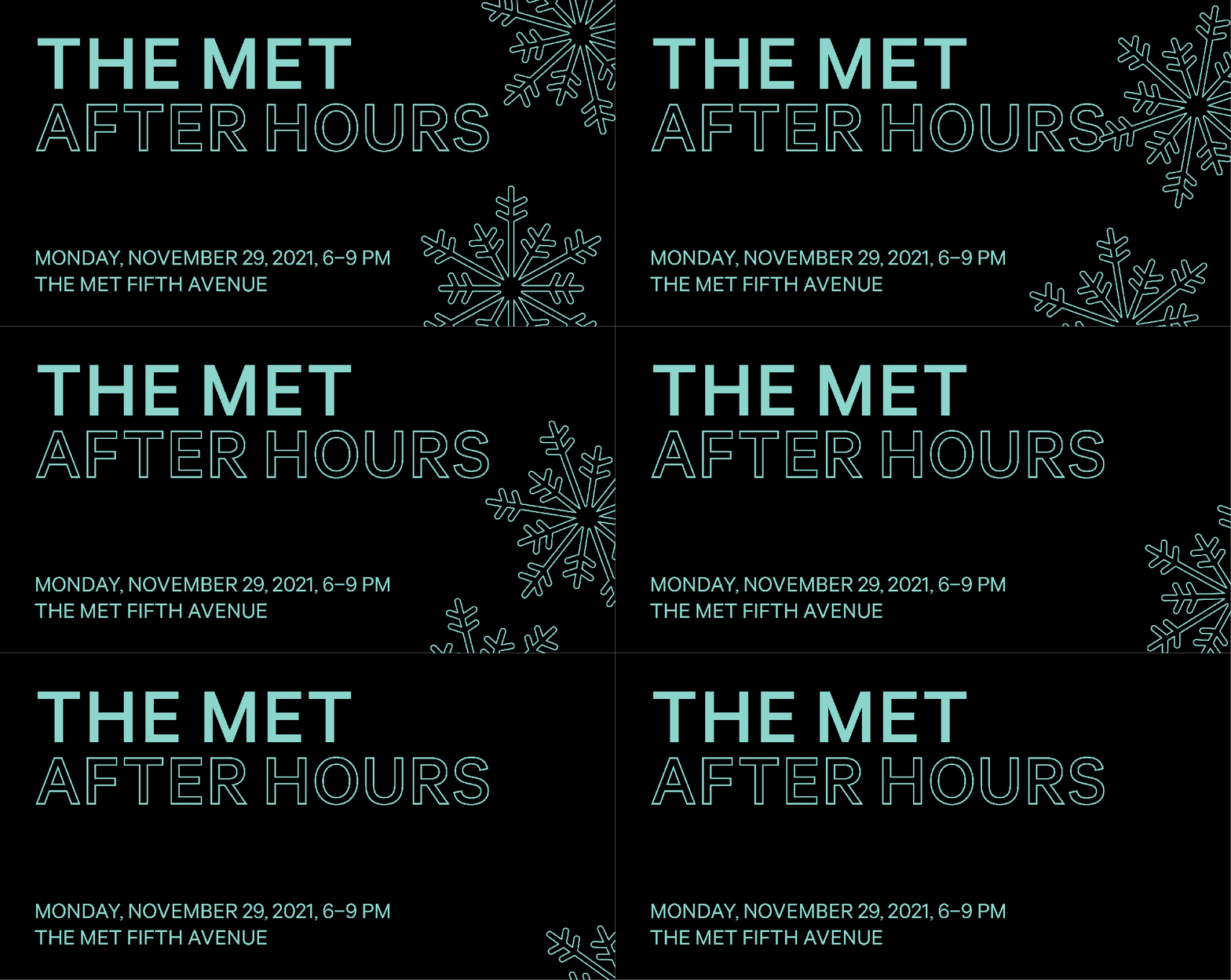
My first event that I attended was “The Met After Hours” event. It was a well-attended event that members were able to explore the first floor at their own leisure for three hours.
It really was a wonderful night. First it was a warm and clear evening and you could see the stars because it gets dark at 5:00pm. We as members got to the museum before 5:00pm and waited in a long line by the Member’s Entrance on…
I have been to the South Street Seaport dozens of times over the years and can’t believe that I never noticed this memorial dedicated to those lost in the Titanic disaster. I was visiting the Seaport recently after finishing another walk down the length of Broadway for my blog, “MywalkinManhattan.com” and was walking past the Seaport on my way to Chinatown. Something about it this time caught my attention and I stopped to look at the dedication of this small lighthouse.
It was really touching to see that the people from the 1912 disaster were not forgotten in New York City, its ultimate destination. This was the work of Molly Brown, the ‘Unsinkable Molly Brown’ from the movie. She wanted to be sure that the people who survived were never forgotten. The small lighthouse structure sits at the entrance to the main part of the seaport on an island just off the cobblestone walkway into the complex.
The Memorial plaque on the lighthouse
The tower that it was originally placed a top of the Seamen’s Church Institute Building and it was put up for sale and demolished in 1965 and the small lighthouse memorial was donated to the South Street Seaport Museum. It was placed in its current location in 1976 (Friends of the Lighthouse).
The little lighthouse is a touching reminder of Manhattan’s connection to the event over 100 years ago. Try not to miss it when you are visiting the Seaport.
The history of the Titanic Memorial Lighthouse:
(This is from the Friends of the Titanic Memorial Lighthouse website)
On April 15th, 1913, one year after the sinking of the Titanic, the Titanic Memorial Lighthouse and Time Ball, mounted atop the Seamen’s Church Institute, were dedicated to honor the passengers, officers and crew who perished in the tragedy. The dedicatory service opened with a hymn and prayer and then Rt. Rev. David h Greer, Bishop of New York, read the following lines of dedication:
“To the glory of Almighty God and in loving memory of those passengers, officers and crew who lost their lives in the foundering of the steamship, Titanic, on April 15, 1912, I, David Hummell Greer, Bishop of New York and president of the Seamen’s Church Institute of New York, do solemnly dedicate the Titanic Memorial Lighthouse Tower. As its light by night shall guide pilgrims and seafaring men from every clime into this port, so may they follow Him who is the Light of Life across the waves of this troublesome world to everlasting life and looking at noon toward this place to note the time of day, may they remember that our days pass as the swift ships and in view of the shortness and uncertainty of human life, strive to fulfill their duty well as the beat preparation for Eternity. Amen.”
The Titanic Memorial Lighthouse exhibited a fixed green light that could be seen throughout New York harbor and down as far as Sandy Hook. Five minutes before noon each day, a time ball would be hoisted to the top of a steel rod mounted atop the lighthouse and dropped at the stroke of twelve as indicated over the wires from Washington DC. According to The Lookout, the magazine of the Seamen’s Church Institute, the Titanic Memorial Lighthouse would be a much needed daily reminder for ‘in a busy, carless city the average person so soon forgets’.
The Seamen’s Church Institute was established in 1834 and had announced plans for its new twelve story headquarters at South Street and Coenties Slip in Lower Manhattan several years before the loss of the Titanic. The Flemish style building was meant to reflect new York’s Dutch origins and was to be crowned by a tower whose beacon would welcome incoming seamen. The cornerstone for the building was laid one day after the sinking of the Titanic and a week later the institute announced the lighthouse atop their building would be a memorial to the victims of the tragedy.
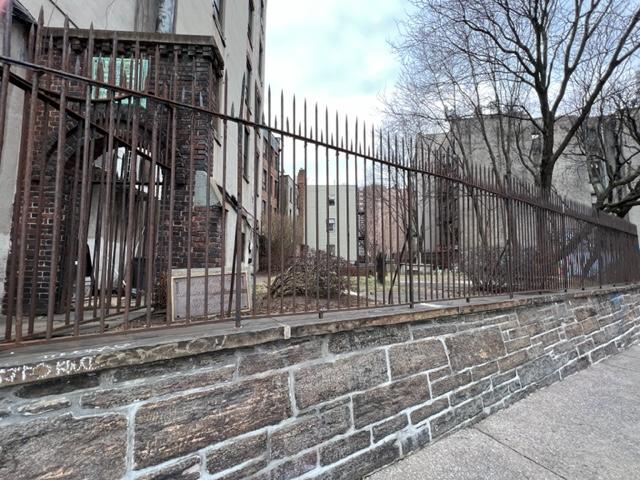
There are times that I walk around Manhattan and things just pop out at you. Tucked inside small pockets of the City are small community gardens, detailed statues, street art and sometimes a small cemetery. I had passed the First Shearith Israel Graveyard or also known as the Chatham Square Cemetery many times when visiting Chinatown since I was a kid. This tiny elevated pocket square of land is located next to a building and locked behind a gate just off St. James Place right at the end of Mott Street strip of Chinatown.
You really have to look for this at the side of 55-57 St. James Place
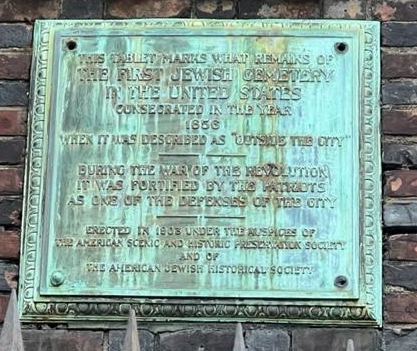
This is the oldest Jewish Cemetery in Manhattan that was in use from 1683 to 1833. The site of the cemetery was originally on a hill overlooking the East River in an open area at the northern periphery of the British-Dutch colonial settlement. The plot was purchased in 1682 by Joseph Bueno de Mesquita and the cemetery’s first interment was for his relative, Benjamin Bueno de Mesquita. The cemetery expanded in the 1700’s from Chatham Square to the upper part of Oliver Street to Madison Avenue (Wiki).
The original map of the Dutch Colony (New York Historical Society)
In 1823, a City ordinance prohibited burials south of Canal Street and the congregation opened a second burial spot at West 11th Street. A third cemetery was opened at 21st Street west of Sixth Avenue. The size of the cemetery has been reduced over the years because of development and most of the bodies were removed and moved to the other cemeteries. In 1851, the City again prohibited burials below 86th Street and the congregations again opened a fourth cemetery in Ridgewood, Queens. In 1855, with more development changing the area again and over two hundred graves were removed from the site. Only about hundred remain (Wiki).
The inside of the cemetery
Two of the most notable people buried here are Reverend Gershom Mendes Seixas (1745-1816), the first American born Jewish spiritual leader and Dr. Walter Jonas Judah, the second person of the Jewish faith to attend an American Medical School (now Columbia University) and the first native born one. (Wiki). There are also 18 Jewish Revolutionary War era veterans and patriots buried here.
History of the Jewish Settlement in Dutch New York:
In September of 1654, just after the Jewish New Year, twenty-three Jews, mostly of Spanish and Portuguese origin arrived in Manhattan. These people had been living in Recife, the former capital of the 17th Century Dutch Brazil. When the Portuguese defeated the Dutch for control of Recife and brought with them the Inquisition, the Jews of that area left. Some returned to Amsterdam, where they had originated and others moved around the Caribbean to other islands. These twenty-three arrived in New York due a series of unseen events (Big Apple Secrets).
Governor Peter Stuyvesant did not want to permit them to stay but these settlers fought for their rights and won permission to remain. In 1655, the Jewish settlers applied to the Dutch authorities for permission to purchase a parcel of land as an exclusive place to bury their dead. In February of 1656, appealed “that consent may be given” for the purchase. In 1644, the British took New Amsterdam and renamed it New York and the Jews were granted more civil rights. In 1706, they had organized their own congregation, Shearith Israel (Big Apple Secrets).
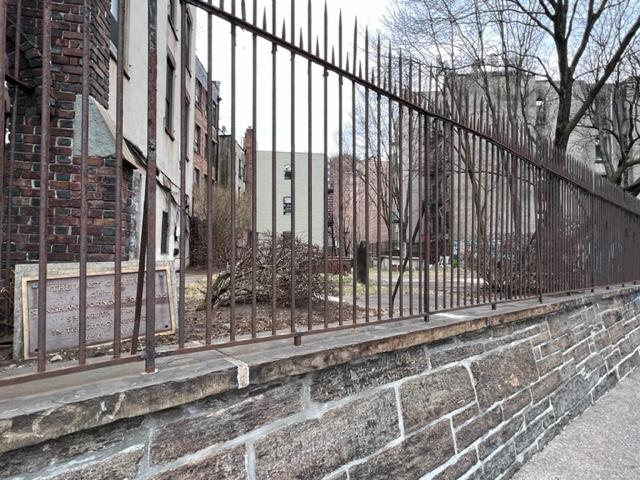
The cemetery for the most part is pad locked but you can view the outside from the street level. The cemetery is open on Memorial Day for services to the members of the armed services but for the most part you have to view the cemetery from the street level.
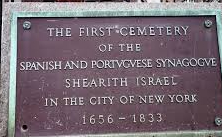
The plaque that you can see at eye level just inside the cemetery.
This unique plot of land is easy to miss so look for the plaque at eye level as you pass it.
Fee: Adults $22.00/Seniors (over 65) $14.00/Current Students with ID $13.00/Free to Members and Children under 12 accompanied by a parent. Free on Friday Nights from 7:00pm-9:00pm. Discount for people with disabilities $13.00-Caregiver Free.
What I love about the Morgan Library & Museum is the level of sophistication and quality of their exhibitions. The museum really makes you think when you tour their galleries and attend their lectures and gallery talks. Their docents and curators bring an exhibition to a whole new level. I always feel like I am taking a college course and will be graded afterwards. They really make you think about the work or what the author or artist is trying to say.
Two of my favorite exhibitions were the “150th Anniversary Celebration of Alice in Wonderland”, which is why I joined the Morgan Library & Museum. I loved the novel and I wanted to get some ideas for our library’s own celebration. They had the original manuscript written by Lewis Carroll, some original prints and memorabilia from various times including posters, books, artwork and decorative items.
The entrance to the “Alice in Wonderland” exhibition
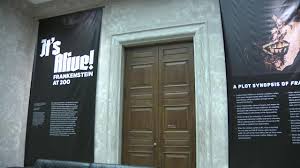
Another wonderful and interesting exhibition was on Mary Shelley’s “Frankenstein” which was a celebration of her life, her works and of the novel through the ages in both context of the novel and in Hollywood. There were various copies of the books in the exhibition as well as the history of the author’s life.
The Frankenstein print
The exhibition showed the clips of the original silent version of the film, the 1931 version with Boris Karloff and the modern version “Young Frankenstein” with Gene Wilder from 1974. I learned from the exhibition that the set used in the 1974 version of the film was from the original 1931 film and it had been in the director’s basement all those years.
The entrance to “It’s Alive: Frankenstein at 200” exhibition at the museum
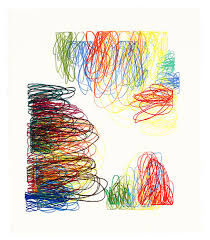
Another exhibition that was very interesting was the recent American artist Al Taylor with an showing of his drawings. The works were unusual but really stood out was his time in Hawaii and the drawings that inspired him.
Duck Bondage Study by Al Taylor
Untitled by Al Taylor
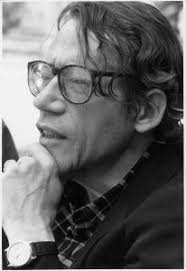
American artist Al Taylor
A YouTube video on the “David Hockney” Exhibition:
The recent David Hockney Exhibition that I missed.
I rejoined the museum after a long COVID absence and the first exhibition that I attended was the “Beatrix Potter” exhibition on her work on Peter Rabbit. It had many of the early drawings of her children’s books as well as some of her merchandising. The exhibition discusses her life before and after her books were published and then her second act as a farmer and conservationist.
The “Beatrix Potter: Drawn to Nature” exhibition in April 2024:
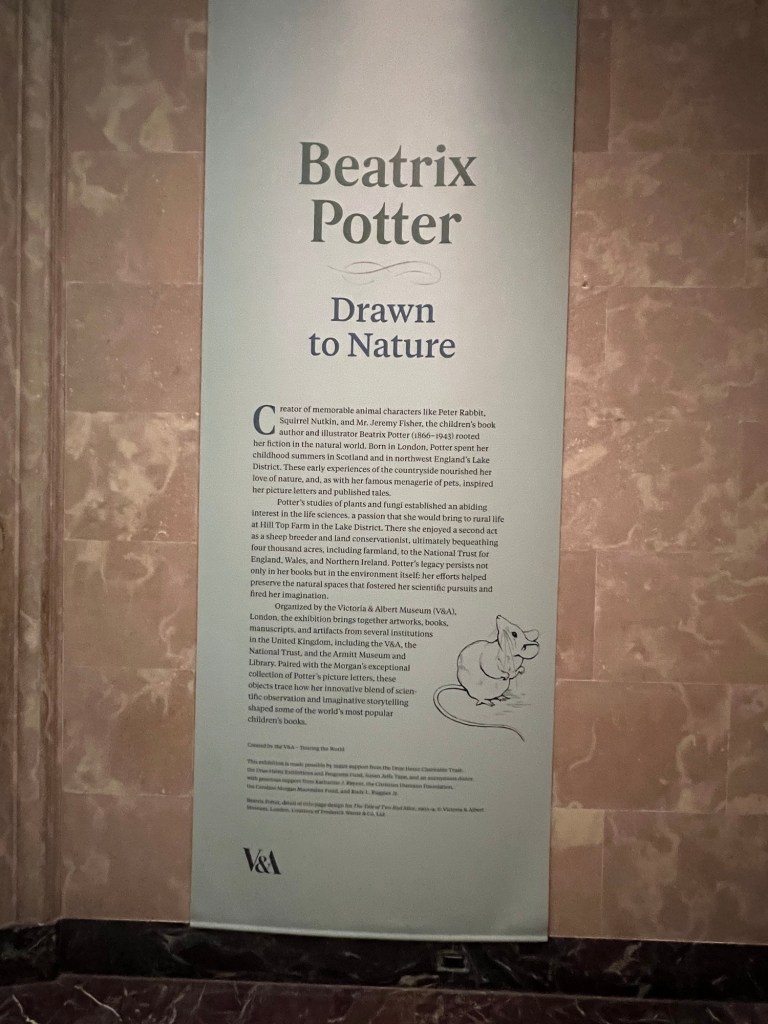
Beatrix Potter: Drawn to Nature
The entrance to the gallery
The gallery opening
Here work included the initial drawings to the actual books.
Her early gift cards One of her original pieces.The main part of the exhibition.
The gallery of the exhibition
The exhibition is broken into two parts. The first part is on her early life in London with her family and her personal life as a child and an early adult. The second half of the exhibition is on her early books, manuscripts and letters. Then her later life as a ‘gentle farmer’ who ended up preserving and donation over 4000 acres of Lake District land for later generations to enjoy.
These are the original drawings for the book “The Tale of Peter Rabbit”
The original cardThe original card
Other pieces of her works.
Some of the original drawings.
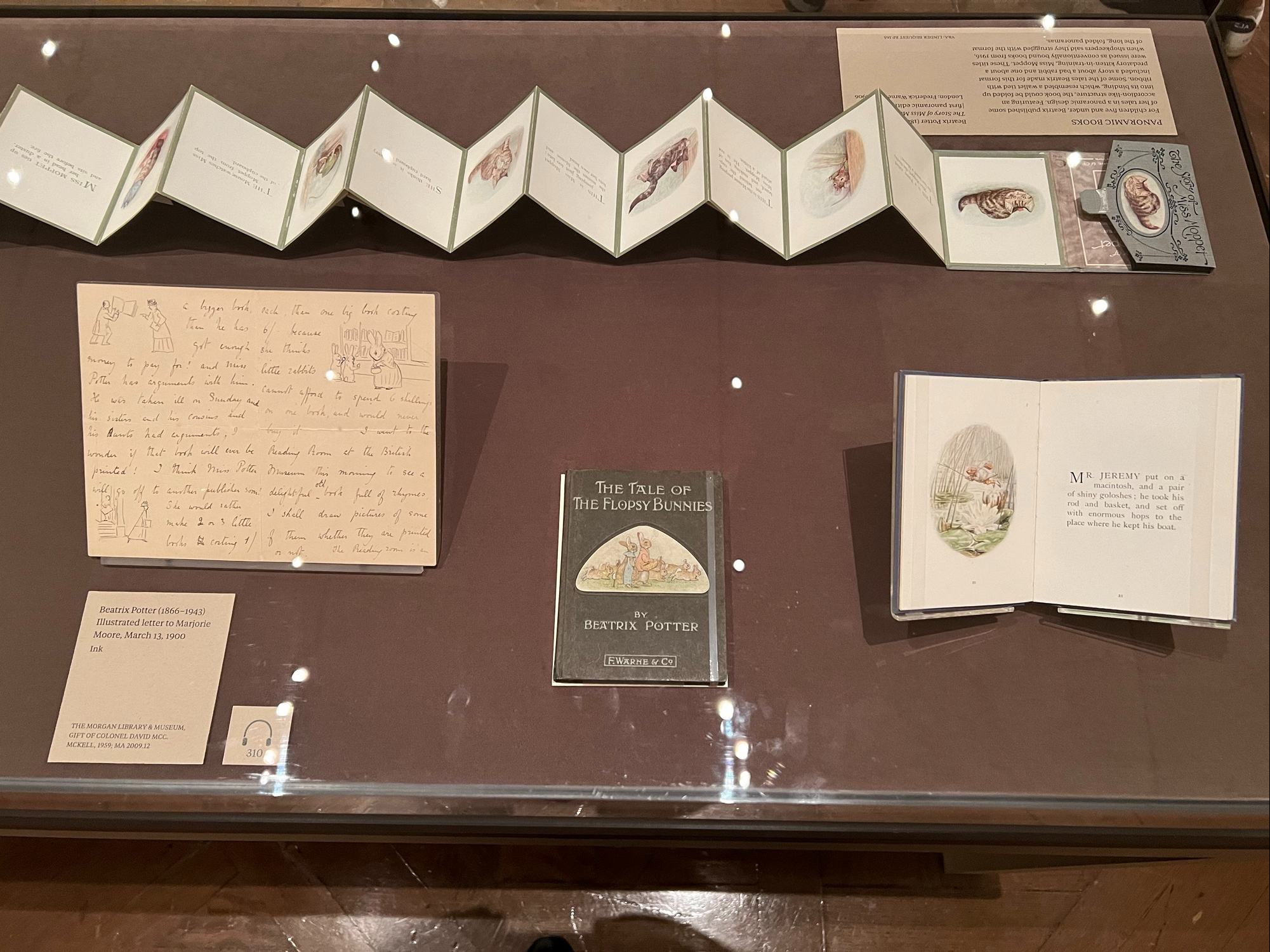
Some letters that she wrote to friends.
All the wonderful novelty items that she helped create. She had a real hand in merchandising way before this became the norm in publishing. She created all the cards, stuffed animals and small books that would become her collection.
Some of her original books.The original Peter Cottontail book.The original drawing from the exhibition.
The stuffed animal of Jeremiah Puddle Duck
The sign as you enter the exhibition.
The end of the exhibition with the author holding one of her pets.
The other exhibition that I saw that day which will be closing soon is the Walton Ford exhibition. Mr. Ford’s works are a reflection on his relationship with nature with works being influenced by trips to the American Museum of Natural History. His works draw from nature.
It is nice to walk among the permanent collection of prints in the lower level and to visit the former private areas of Mr. Morgan’s home. It adds to who he was as a financier and as a homeowner. The home was not as elaborate as you would have thought.
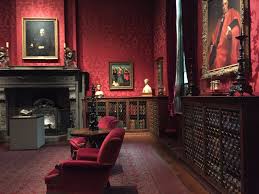
The private part of the museum
I also enjoy the Morgan Cafe on the main level of the museum in the courtyard area of the first floor. The food is a little pricey and a limited menu but the service is wonderful and the quality of the food is very good. You will enjoy the meal and I have heard from other patrons that the Afternoon Tea is very nice as well.
They also have a Dining Room in the Library area that I have heard is very nice as well.
The Morgan Dining Room
They have a nice selection of books, cards and gifts in their Gift Shop just beyond The Morgan Dining Room. I really like their selections at the holidays and their theme books to the exhibitions especially for the “Alice in Wonderland” exhibition.
The Morgan Library giftshop
It is a nice place to take a gallery talk, then a light lunch in the main hall and then a lecture at night. It’s a great way to spend the day.
The History of the Morgan Library & Museum:
(from the Morgan Library & Museum website)
The Museum is a complex of buildings in the heart of New York City and began as the private library of financier Pierpont Morgan, one of the preeminent collectors and cultural benefactors in the United States. As early as 1890, Mr. Morgan had begun to assemble a collection of illuminated, literary and historical manuscripts, early printed books and old master drawings and prints.
Mr. Morgan’s library was built between 1902 and 1906 adjacent to his New York residence at Madison Avenue and 36th Street. Designed by Charles McKim of the architectural firm McKim, Mead & White, the library was intended as something more than a repository of rare materials. Majestic in appearance yet intimate in scale, the structure was to reflect the nature and stature of its holdings.
The side view of the Morgan Library
The result was an Italian Renaissance-style palazzo with three magnificent rooms epitomizing America’s Age of Elegance. Completed three years before McKim’s death, it is considered by many to be his masterpiece. In 1924, eleven years after Mr. Morgan’s passing, his son, J.P. Morgan Jr., known as Jack, realized that the library had become too important to remain in private hands. It what constituted one of the most momentous cultural gifts in the United States history. He fulfilled his father’s dream of making the library and its treasures available to scholars and the public alike by transforming it into a public institution.
Mr. Morgan’s private areas are part of the museum
Over the years, through purchases and generous gifts, The Morgan Library & Museum has continued to acquire rare materials as well as important music manuscripts, early children’s books, Americana and materials from the twentieth century. Without loosing its decidedly domestic feeling, the Morgan also has expanded its physical space considerably.
The Middle Eastern exhibit in the Library.
In 1928, the Annex building was erected on the corner of Madison Avenue and 36th Street, replacing Pierpont Morgan’s residence. The Annex connected to the original McKim library by means of a gallery. In 1988, Jack Morgan’s former residence, a mid-nineteenth century brownstone on Madison Avenue and 37th Street was added to the complex. The 1991 garden court was constructed as a means to unite the various elements of the Morgan campus.
JP Morgan II home which is now part of the Morgan Library.
The largest expansion in the Morgan’s history, adding 75,000 sq ft to the campus was completed in 2006. Designed by Pritzker Prize winning architect Renzo Piano, the project increases exhibition space by more than fifty percent and adds more important visitor amenities, including a new performance hall, a welcoming entrance on Madison Avenue, a new cafe and a new restaurant, a shop, a new reading room and collections storage. Piano’s design integrates the Morgan’s three historical buildings with three new modestly scaled steel and glass pavilions. A soaring central court connects the buildings and serves as a gathering place for visitors in the spirit of an Italian piazza.
The Morgan Library & Museum expansion by Renzo Piano
The Morgan Library & Museum Mission:
The mission of The Morgan Library & Museum is to preserve, build, study, present and interpret a collection of extraordinary quality, in order to stimulate enjoyment, excite the imagination, advance learning and nurture creativity.
The Dorothea Maria Gsell painting “Heron Encircled by a Snake with a worm in his Bill”
A global institution, focused on the European and American traditions, the Morgan houses one of the world’s foremost collections of manuscripts, rare books, music, drawings and ancient and other works of art. These holdings, which represent the legacy of Pierpont Morgan and numerous later benefactors, comprise a unique and dynamic record of civilization as well as an incomparable repository of ideas and of the creative process.
(From the Morgan Library & Museum website and history)
















 Visiting a Museum: The Unique, Unusual, Obscure and Historical