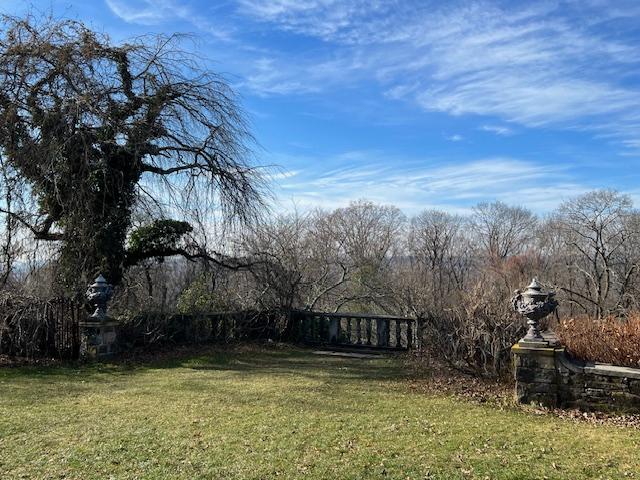
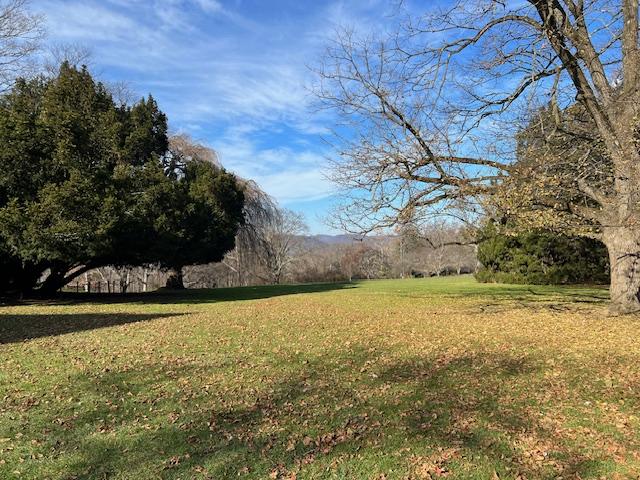
Tag: Small Historical Societies in New Jersey

Morris Museum                                                         6 Normandy Heights Road                   Morristown, NJ 07960

Morris Museum 6 Normandy Heights Road Morristown, NJ 07960

Morris Museum

6 Normandy Heights Road

Morristown, NJ  07960

(973) 971-3700

https://morrismuseum.org/

Open: Sunday 12:00pm-5:00pm/Monday Closed/Tuesday-Saturday 11:00am-5:00pm

Fee:  Adults $10.00/Children (3-18)  & Seniors $7.00/Children under 3 & Active Military & Members Free

My review on TripAdvisor:

https://www.tripadvisor.com/Attraction_Review-g60906-d3179939-Reviews-Morris_Museum-Morristown_Morris_County_New_Jersey.html?m=19905

 The front of the Morris Museum

The old Mansion part of the museum

This was the second time I visited the Morris Museum and on every trip I learn something new. The first time I had visited the museum it was right after the movie ‘Hugo’ had opened which was a story that involved the automata (moveable animals and people mechanical objects) so my dad and I toured the permanent exhibit and then toured the rest of the museum.

The Guinness Galleries of Automata

The gallery of Automata

When I arrived at the museum at 2:00pm recently, the museum was having a talk and a demonstration on the automata and musical boxes and that was very interesting. These mechanical wonders have been around since the 1300’s being perfected in the Arabic countries by clockmakers and craftsmen at the time.

The exhibition galleries

The movie “Hugo”

The lecture was on how they were constructed and perfected over time to make them more reasonable to a growing market and how they were replaced when phonographs, radios, record players and tapes gradually progressed to change the market and make them obsolete. 
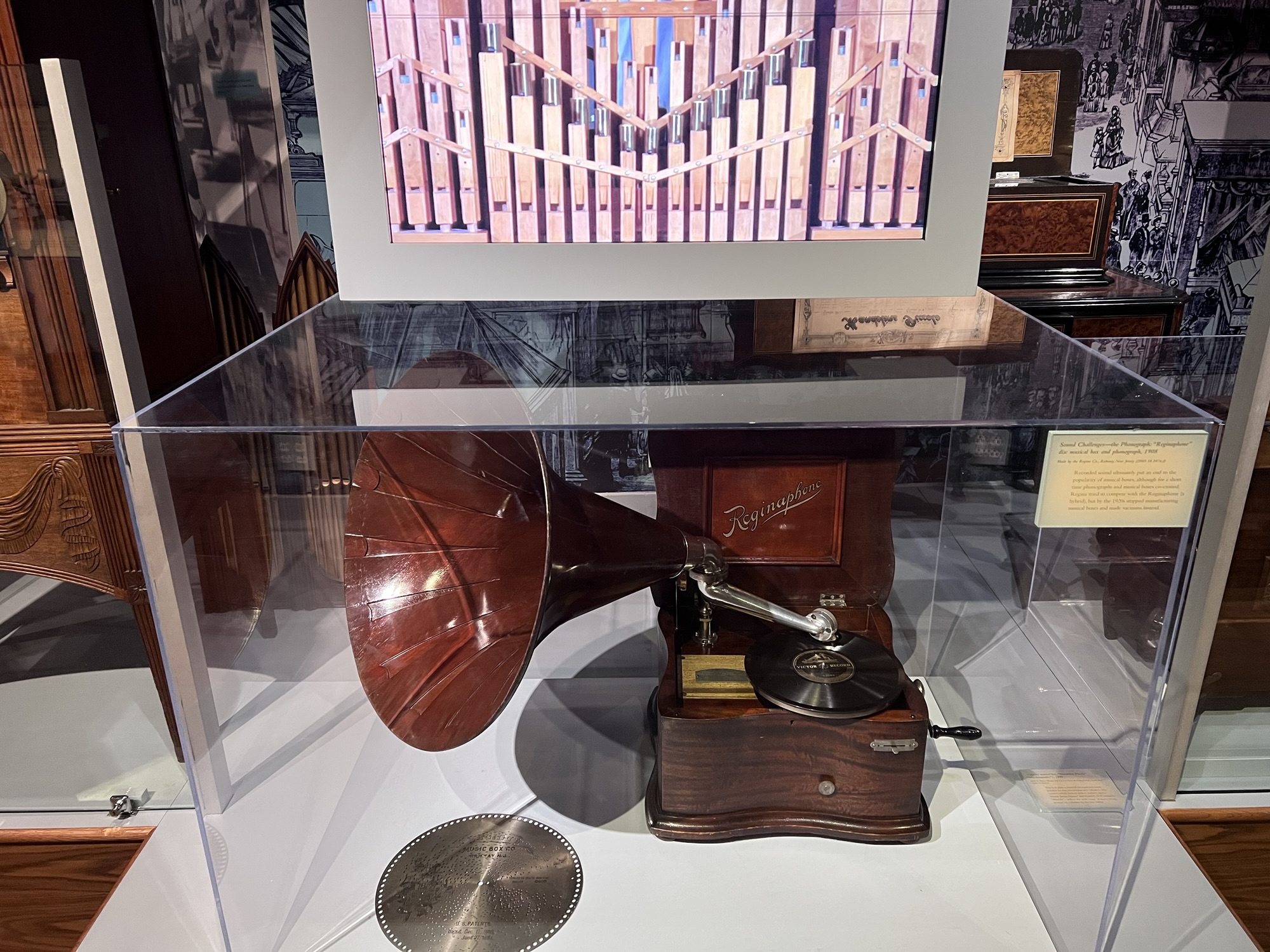
A old Victrola record player

We got to hear an example of each of the objects and it was fascinating that during the Industrial Revolution how paper rolls changed the cost of these objects making them available to all classes. Today’s talking dolls and music boxes are descended from these innovative items.

The Automata at the Morris Museum

The fancy music boxes

Amusing children’s toys

The beautiful French workmanship
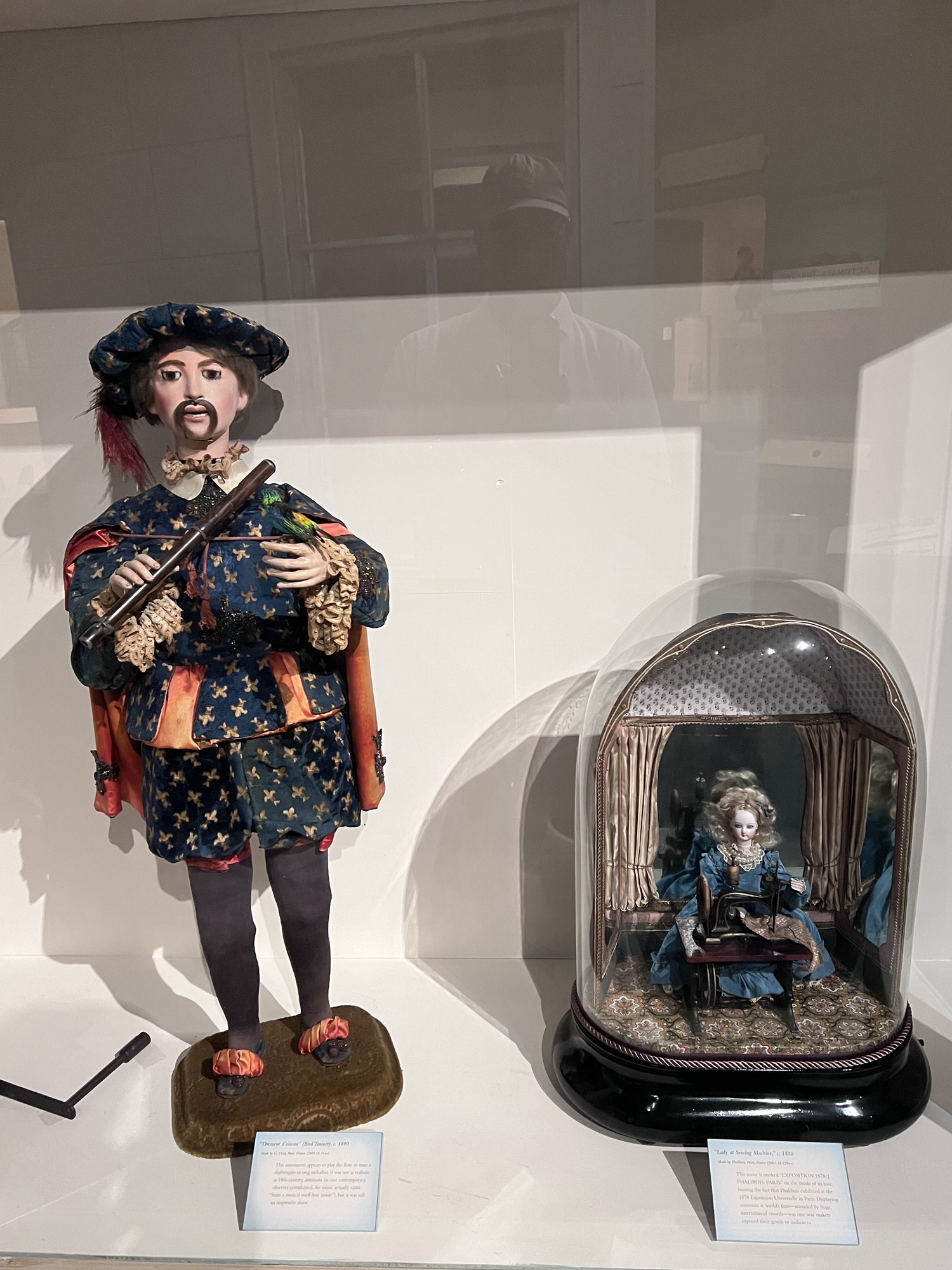
The beautiful pieces from the 1800’s

After the talk, I walked around the Museum to see parts of it that I had not visited on my last trip. For a small suburban museum, the museum is packed with all sorts of artifacts from Native American art to dinosaur relics and fossils found in the State of New Jersey.

The Dinosaur Room
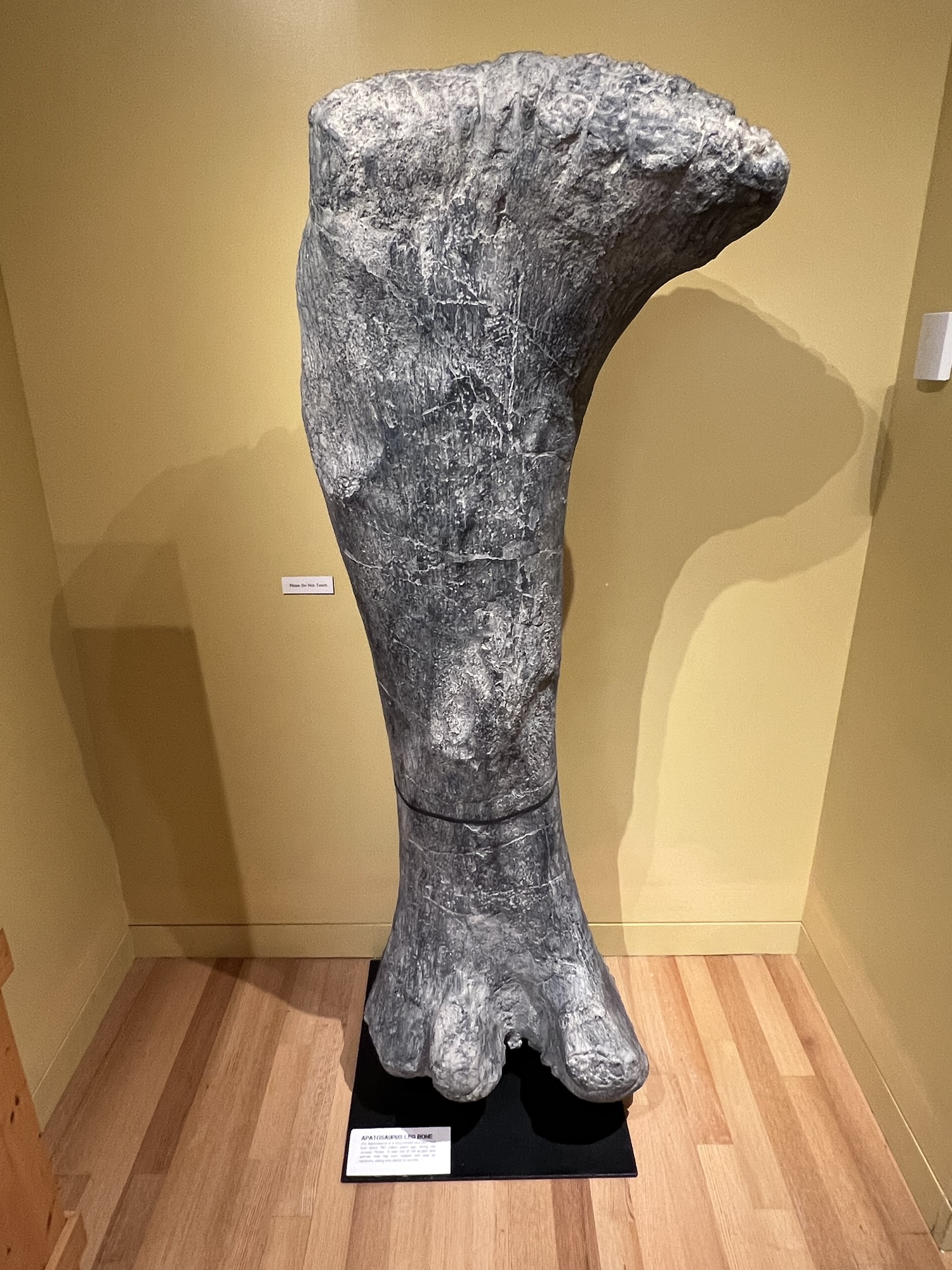
Dinosaur femur
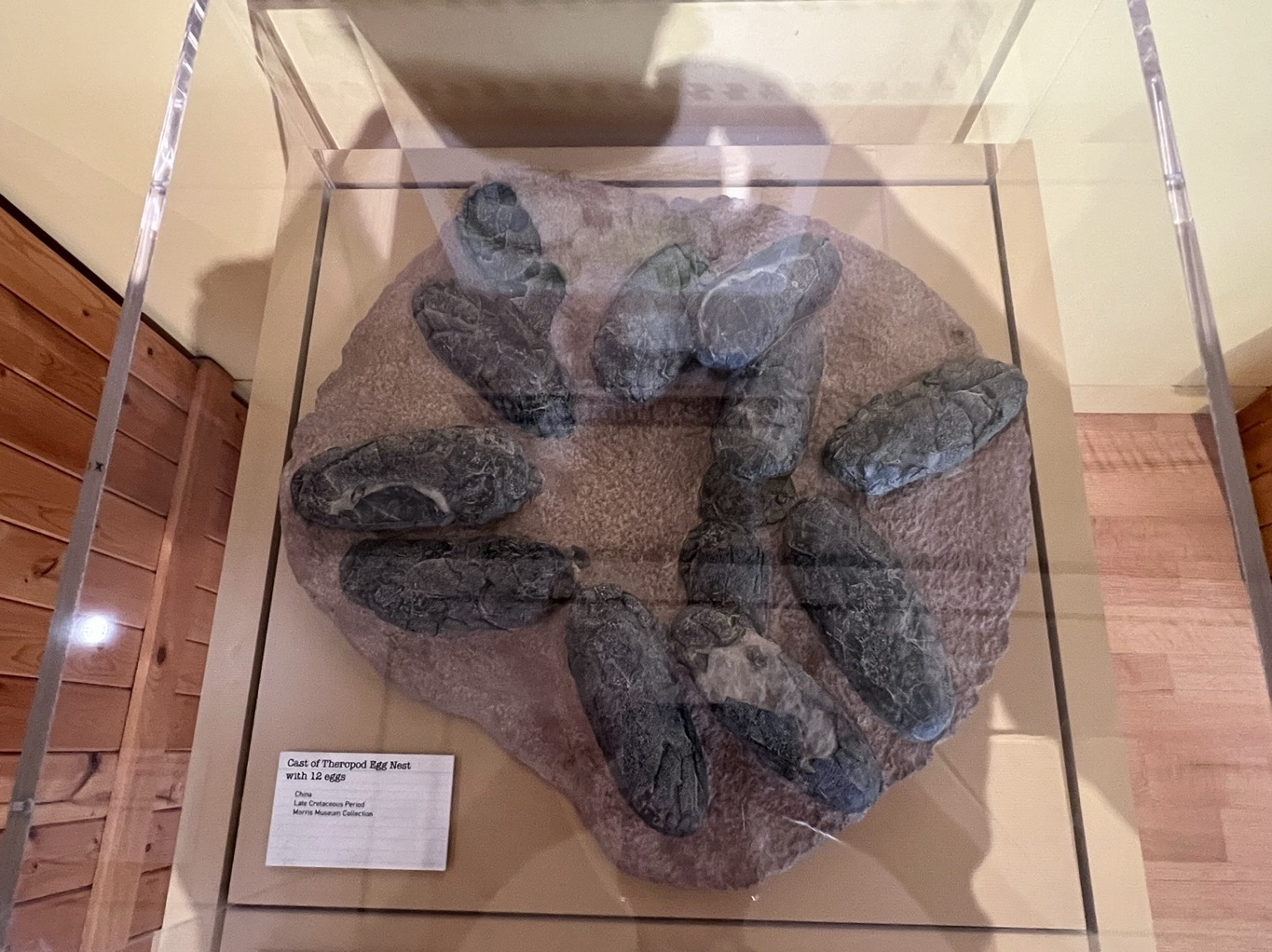
Dinosaur eggs

In the original Frelinghuysen Mansion section of the museum, you can visit the Dodge Room which was dedicated to Geraldine Rockefeller Dodge, a great patron of the Arts. The room contains vintage furniture and paintings and shows what the room may have looked like when the Frelinghuysen’s lived here.

The Dodge Room at the Morris Museum
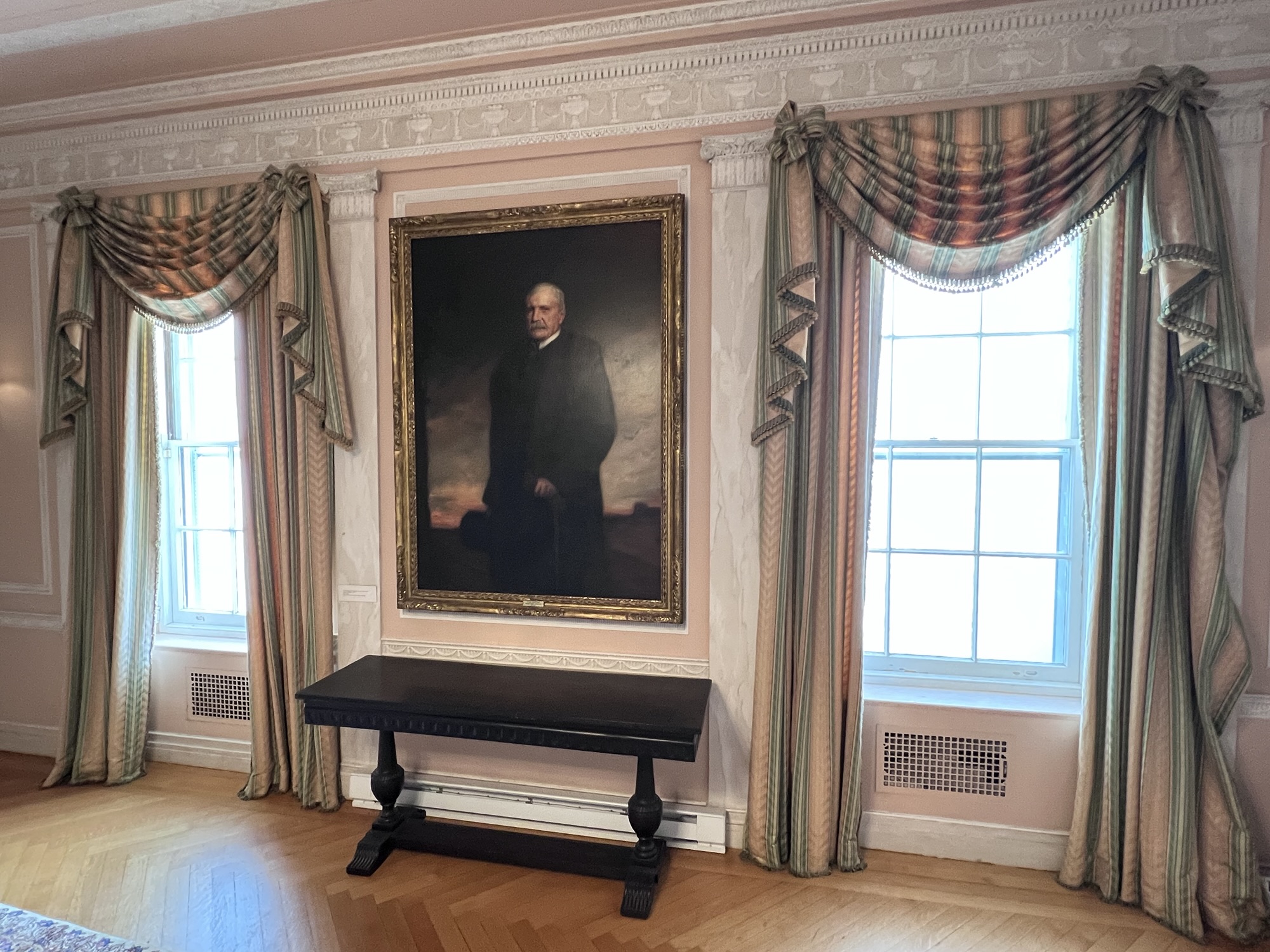
The portrait of William Rockefeller

The museum also had really interesting exhibits from travelling shows including the Artist Alan Feltus exhibition of paintings

The Artist Alan Feltus exhibition

https://morrismuseum.org/on-view/current/alan-feltus-a-painters-painter

Artist Alan Feltus is an American figurative painter whose paintings present a series of contrived interior vignettes that simultaneously use a casual familiarity of contemporary life while arranging the figures and their surroundings with a precision and order from a bygone artistic tradition (Morris Museum website).
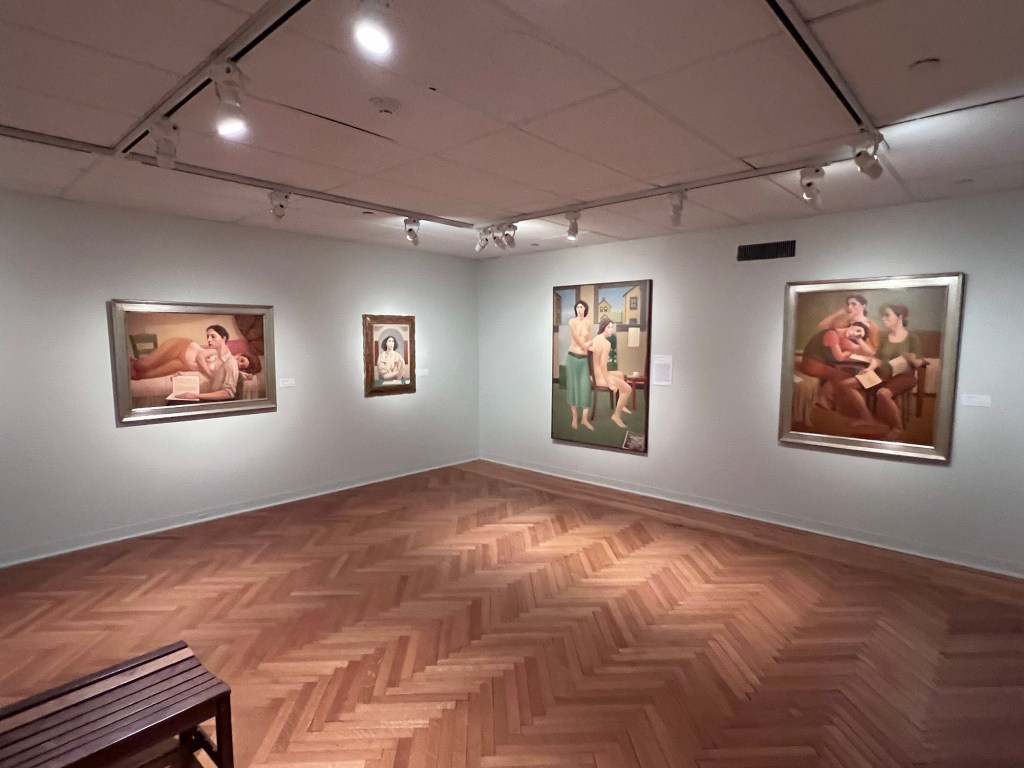
The Feltus exhibition in May 2025

There was another exhibition that I visited that afternoon by the Artist James Prosek “At Work”.

https://morrismuseum.org/on-view/current/james-prosek
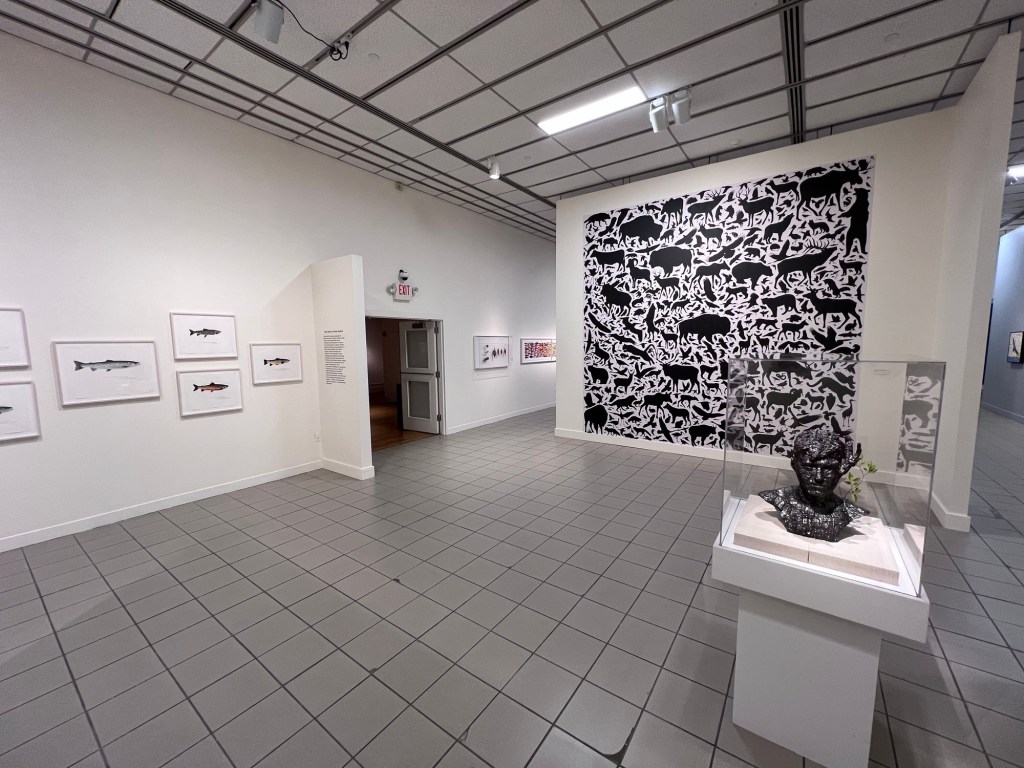
Some of the works by James Prosek
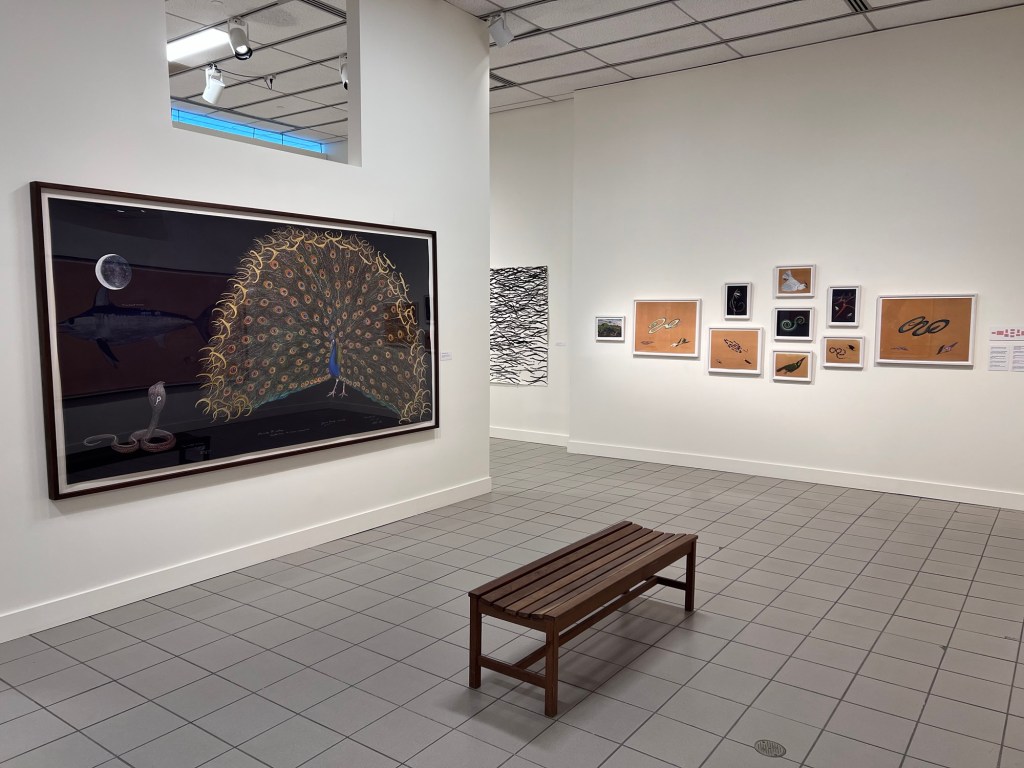
Works from the Prosek exhibition
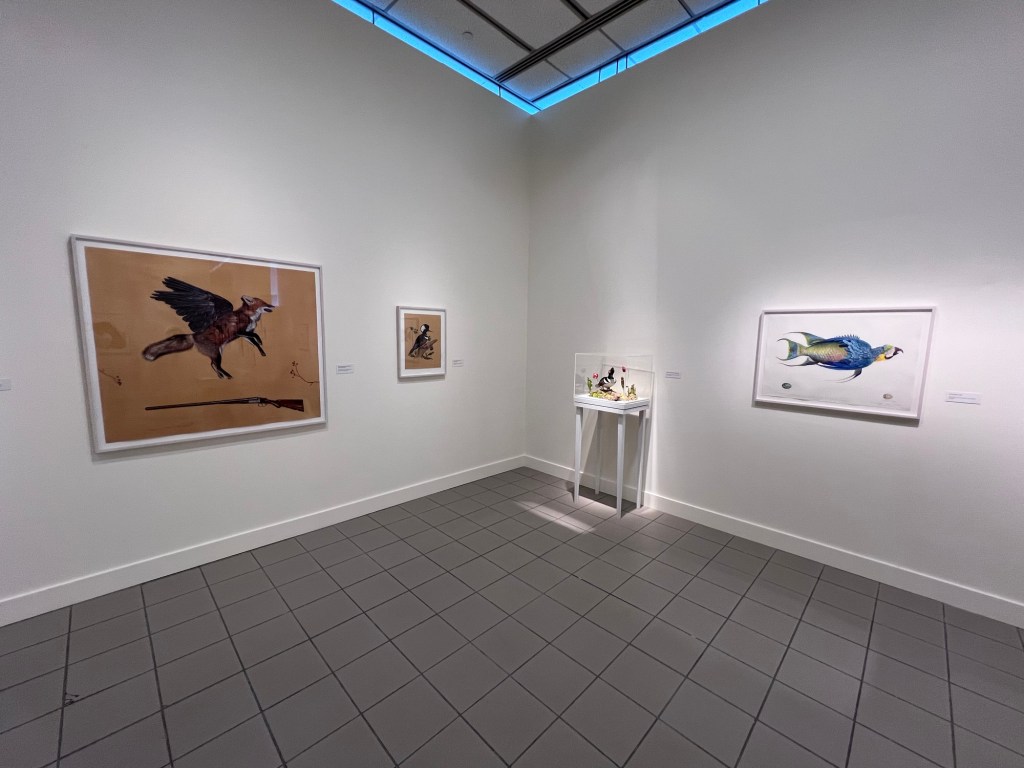
Works from the Prosek exhibition
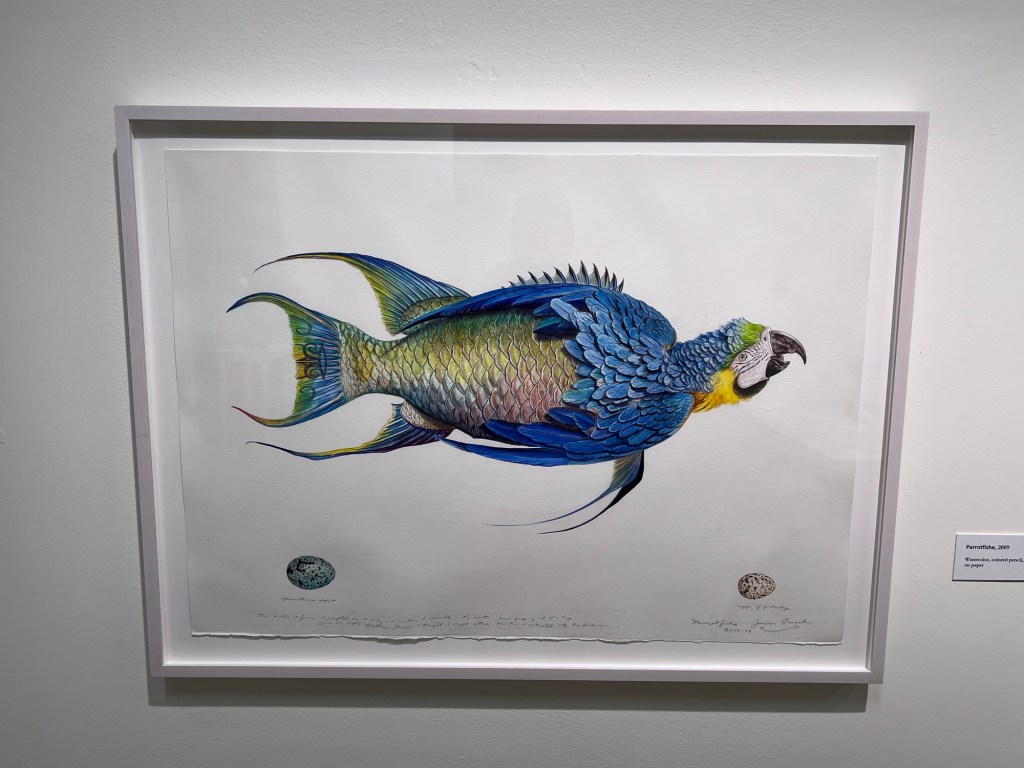
One of my favorite pieces from the collection

Some of the sculpture pieces from the Prosek exhibition

There is a lot to see and do at the museum for all ages and if none of these appeal to you there is also the theater. The Morris Museum has a lot to offer everyone.

The Museum Mission:

The Morris Museum celebrates art, science, history and the performing arts by providing engaging exhibitions and programs, all of which are designed to excite the mind and promote cultural interests. The Museum strives to educate, entertain and inspire diverse audiences of all ages, abilities and backgrounds (Museum site)

History of the Museum:

(from the Museum website)

In 1913, objects collected for display in a curio cabinet at the Morristown Neighborhood House formed the beginning of the Morris Museum Collection. Originally known as the Morristown Children’s Museum, education has been an intrinsic part of the Museum’s mission from the start. Mrs. Aldus Pierson, the Museum’s first head worker, introduced children to world cultures through the exploration of cultural artifacts. Generous donors began giving Mrs. Pierson interesting objects that they had acquired in their travels around the world. By 1927, the collection had expanded to seven rooms encompassing the first floor of the Neighborhood House’s annex. Displays included the world and children’s toys.

In 1938, the Museum moved to the Maple Avenue School building and shared space with the Morristown Board of Education and the Morris Junior Colleges until 1956. This enabled the Museum to enhance its programs for children and establish a link between its offerings and the curricula of area schools. This strong educational focus developed and continues to the present. The museum was incorporated in 1946, and its collections and services continued to expand. During this time, the Museum was at the forefront of presenting new trends in museum education through the modern use of dioramas, panels and niches. The outreach education program began in 1950 with in-school presentations to eight Morris County school including talks about American Indian culture.

The Kay WalkingStick Collection

The Museum’s first Director, Mr. Chester H. Newkirk made a significant impact on the development of the Museum’s programs, collections and services. During his 25 years of leadership (1956-1981), the collections of fine and decorative arts, toys and American Indian artifacts were greatly enhanced. In 1964, having outgrown its fourth location, the Museum purchased Twin Oaks, the former Frelinghuysen estate.
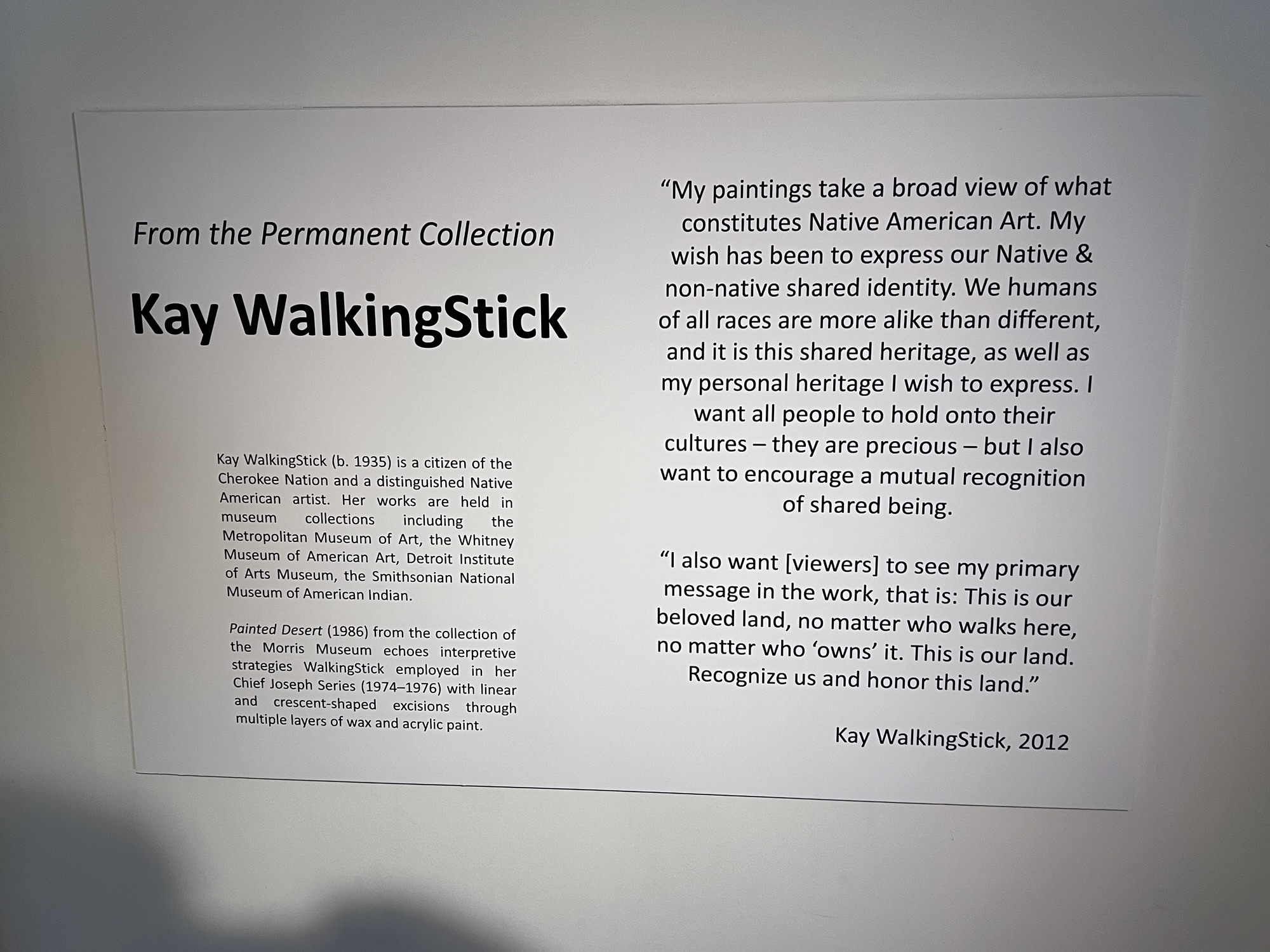
The Kay WalkingStick Collection

The Kay WalkingStick Collection
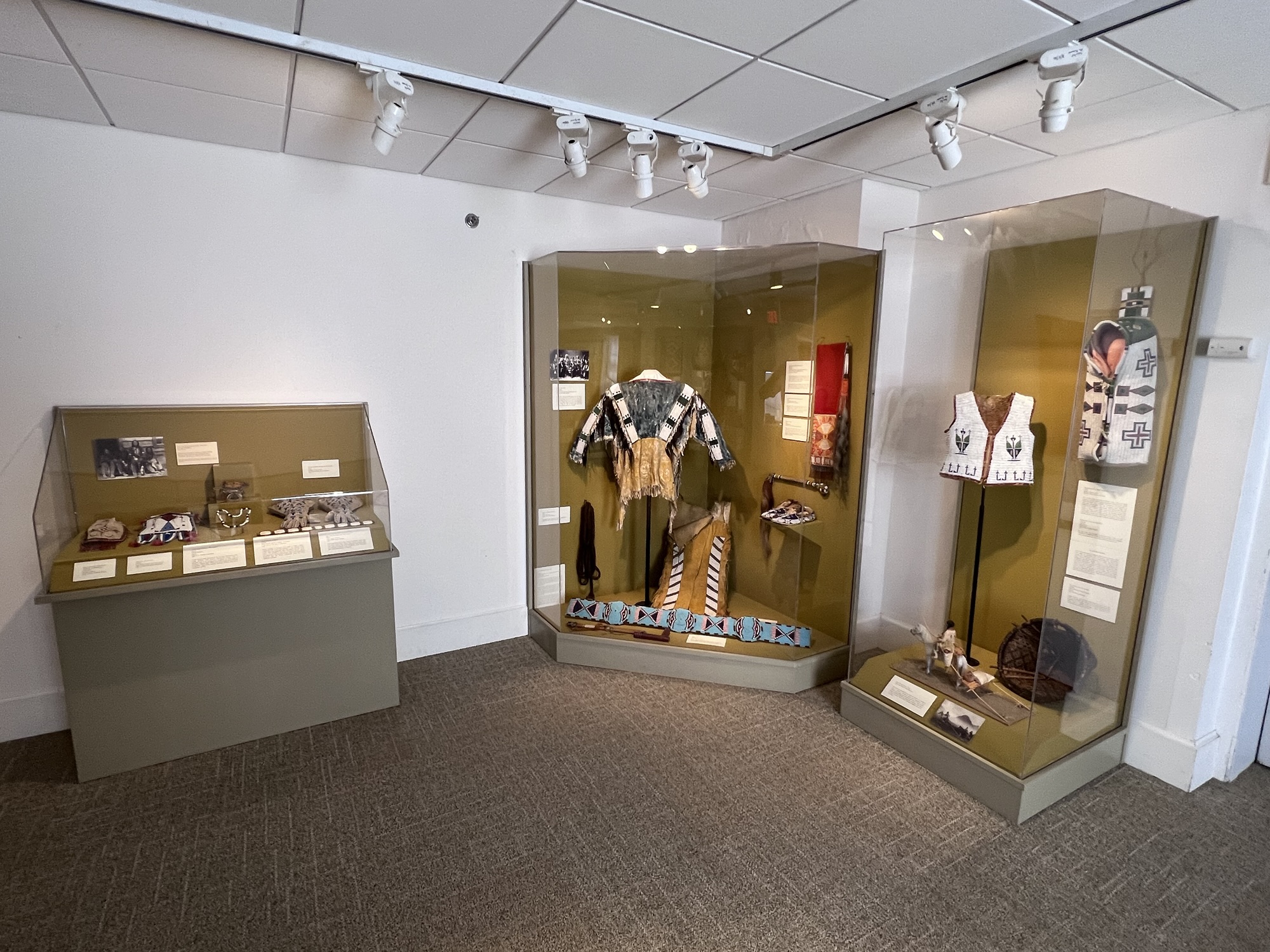
The Kay WalkingStick Collection

The Kay WalkingStick Collection

Today, the Georgian-style mansion functions as the heart of the Morris Museum’s operations. In 1969, the institution was renamed the Morris Museum of Arts and Sciences, reflecting it growing emphasis on visual art and the expansion of its offerings for all ages. In response to the Museum’s increasing activities, successful capital campaigns enabled additions to the facility to be built.

Art of the Sublime in the lower level of the mansion

In 1970, gallery space was expanded and a 312 seat theater was added, which was later named the Bickford Theater. In 1973, the Morris Museum became the first museum in New Jersey to be accredited by the American Association of Museums. In 1985, its name was changed to the Morris Museum. In 1990, the Museum complex was further expanded to 75,524 sq. ft.
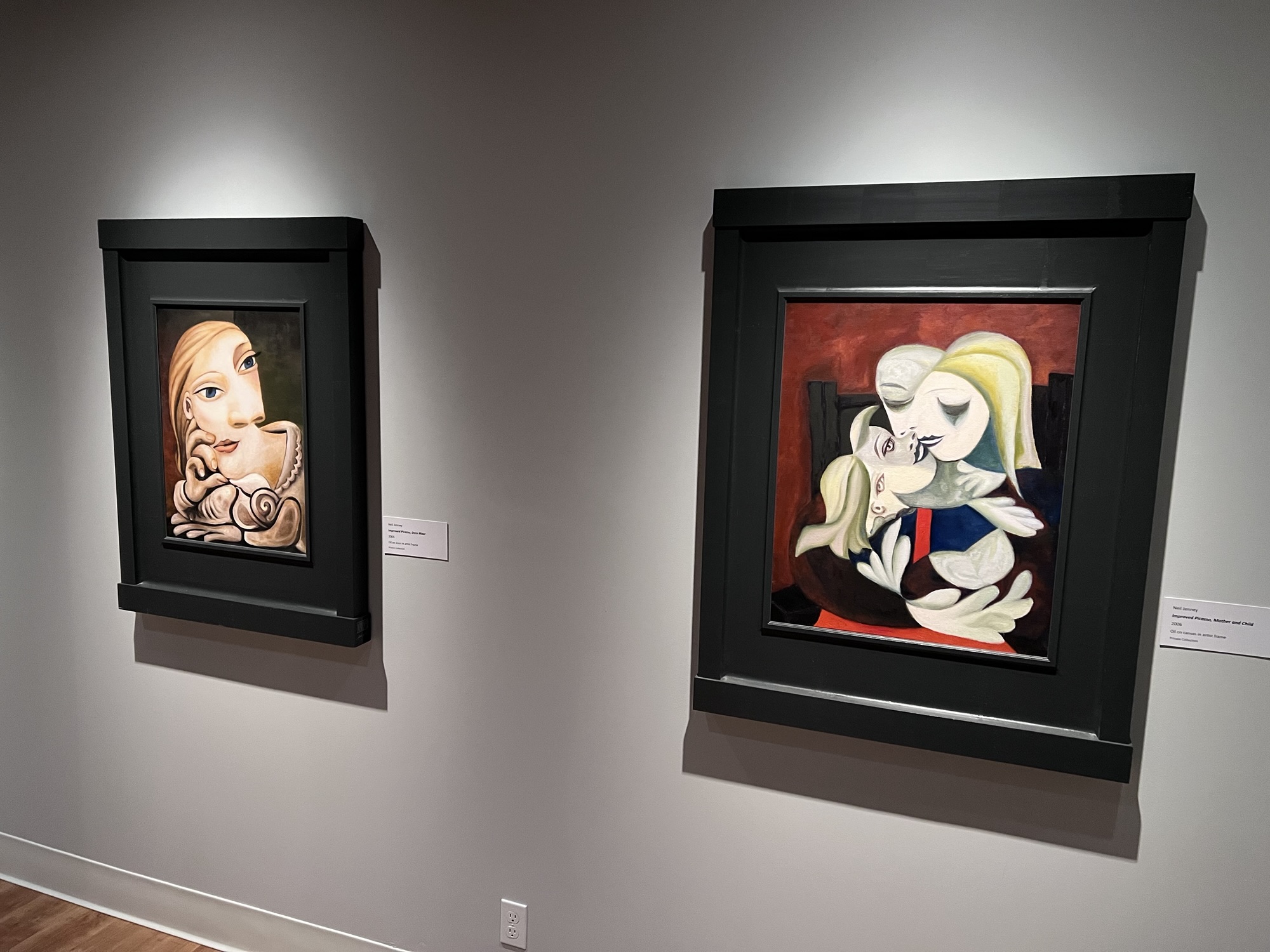
Artist Neil Jenner works “Improved Picasso”

https://morrismuseum.org/on-view/current/neil-jenney-pablo-picasso

Artist Neil Jenney pursues realism as a style and a philosophy. Mostly self-taught, he attended the Massachusetts College of Art in 1964 and moved to New York in 1966, where he has lived and worked since (Morris Museum website).

The Morris Museum’s Bickford Theater is a cultural hub for the very best of the performing arts in Morristown and beyond. Approaching its 50th anniversary, it will shine with even more dynamic, multifaceted and relevant programming, including a partnership with London-based National Theater Live; two film series and unique film festivals; traveling professional productions, a new lecture series, story-telling workshops, jazz, classical and community concerts children’s theater and more.

In 2003, the Museum was awarded the Murtough D. Guinness Collection, one of the world’s most important collections of mechanical musical instruments and automata (robotic figures of animals and people).

The beautiful pieces in the automata collection
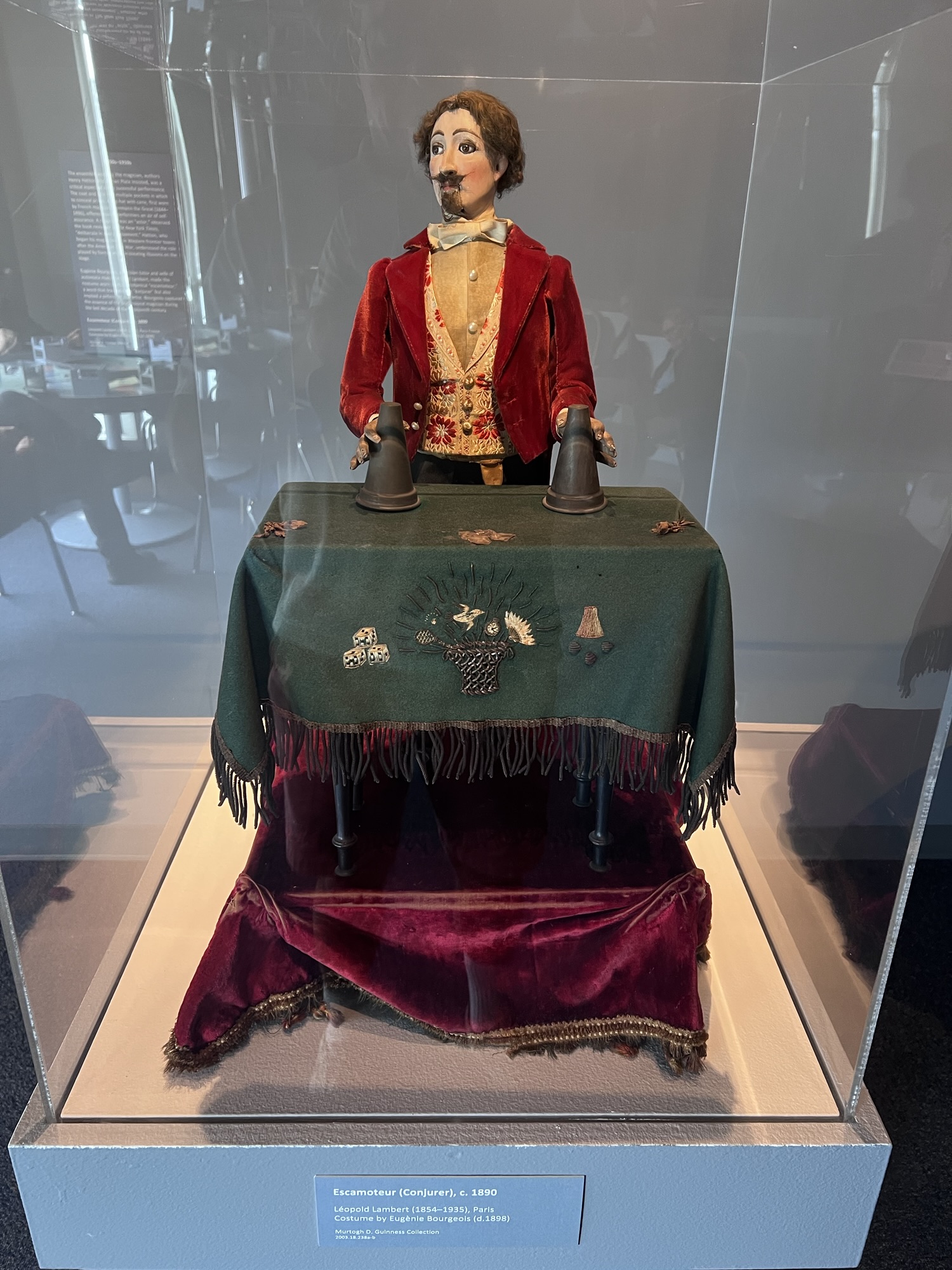
This collection further enhances the Morris Museum’s role as a major cultural center and travel destination for the arts, sciences and humanities. This 750 object collection reflects innovative technology, exquisite craftsmanship, compelling sound and important cultural heritage.
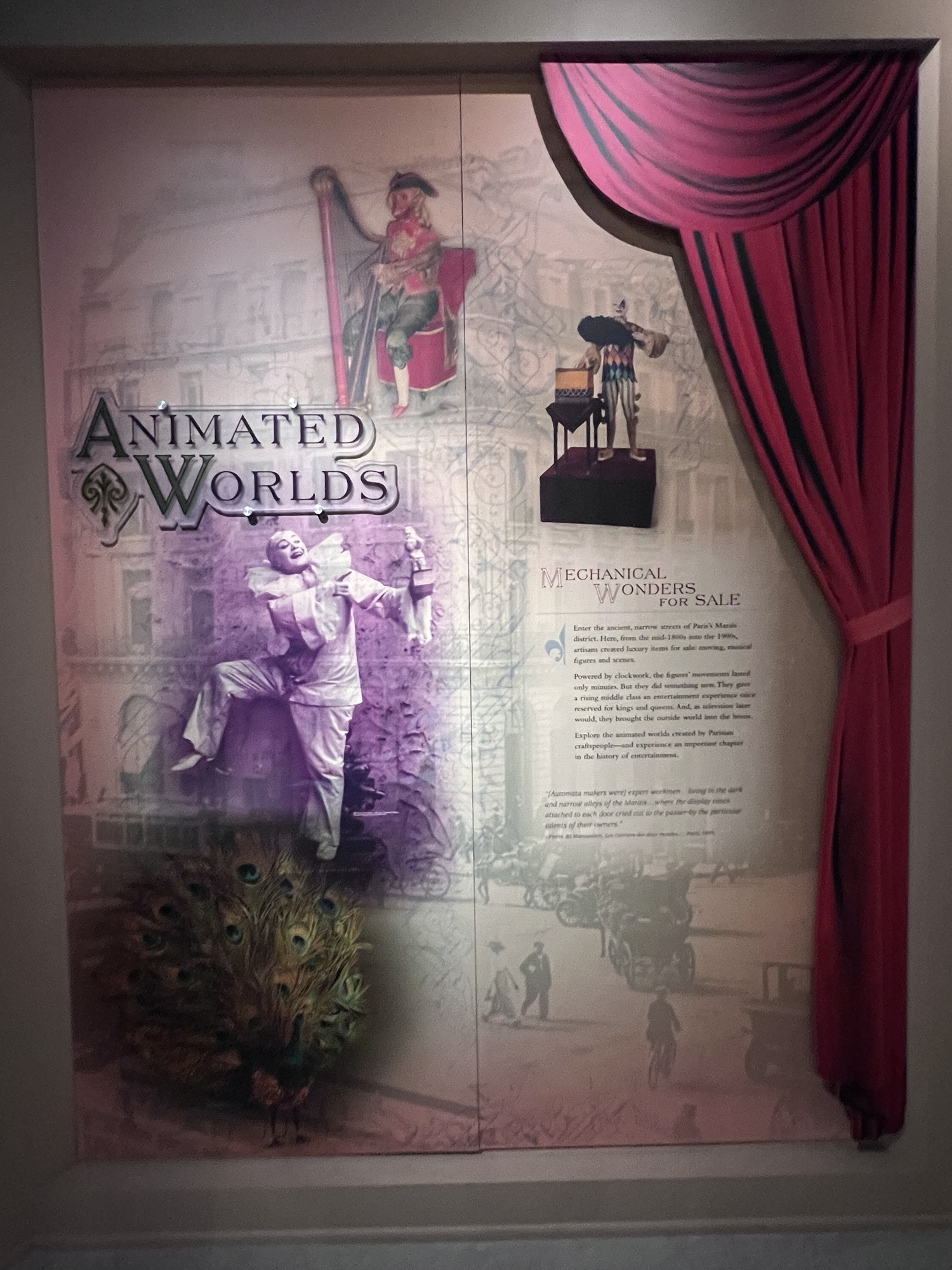
This is one of the extensive collections in the country

In recognition of what is the Museum’s most renowned collection, the Museum launched a major capital expansion project that resulted in a 5000 square foot gallery devoted to showcasing the history of mechanical music and automata, a grand Entrance Pavilion and a sky-lighted Court and expanded upper galleries.

Today, the Morris Museum is the only accredited museum in the United States with a theater and one of New Jersey’s most dynamic cultural institutions, serving more than 300,000 persons each year, two thirds of whom are children. Audiences are drawn from all twenty-one counties throughout the state and reflect the social-economic and ethnic spectrum that define northern and central New Jersey.

In 2008, the Museum was named Outstanding Arts Organization by the Arts Council of Morris area, in recognition of its exceptional accomplishments and commitment to improving the quality of life in the community through the arts. The Morris Museum has been recognized as a Major Arts  institution by the New Jersey Council on the Arts/Department of State (2006-2017 eleven consecutive years) in recognition of the Museum’s solid history of artistic excellence, substantial programming and board public service. The New Jersey State Council on the Arts further distinguished the Morris Museum by bestowing the Council’s Citation of Excellence (2007-2013 seven consecutive years). The Morris Museum is a leading cultural institution in the state, upholding the highest standards of artistic excellence, educational innovation, fiscal responsibility, community engagement, audience impact and leadership in the arts community (Museum website).

(This information comes from the Morris Museum website on their history and I give them full credit for the information)

Automata Gallery

Don’t forget to visit the Gift Shop on the way out. There are all sorts of interesting items to choose from including stuffed animals and books.
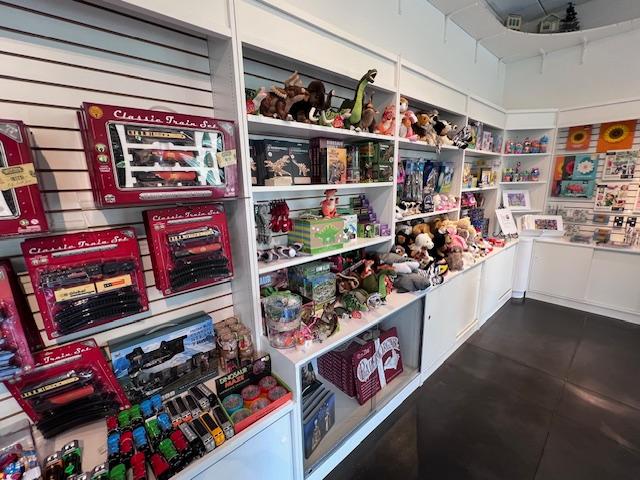
The Morris Museum Gift Shop
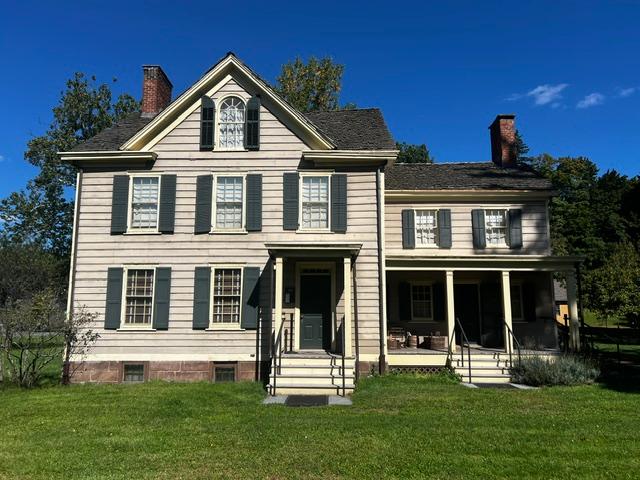
Grover Cleveland Birthplace                                                                   207 Bloomfield Avenue                                                                            Caldwell, NJ 07006

Grover Cleveland Birthplace 207 Bloomfield Avenue Caldwell, NJ 07006

Grover Cleveland Birthplace

207 Bloomfield Avenue

Caldwell, NJ   07006

(973) 226-0001

https://www.nps.gov/nr/travel/presidents/grover_cleveland_birthplace.html

Open:  Sunday 1:00pm-3:00pm/Monday & Tuesday Closed/Wednesday 1:00pm-3:00pm/Thursday-Saturday Closed. Closed on all major holidays. Please call in advance or check the website for times as they can vary by season.

Fee: Free New Jersey State Park System/Free Parking on premise

My review on TripAdvisor:

https://www.tripadvisor.com/Attraction_Review-g46338-d2661291-Reviews-The_Grover_Cleveland_Birthplace-Caldwell_New_Jersey.html?m=19905

The back of the property in the Fall of 2026

I recently visited the birthplace of of our 22nd and 24th President of the United States of America and it is an interesting look into one man’s past. The Grover Cleveland Birthplace Museum was originally the pastor’s residence for the First Presbyterian Church in Caldwell, NJ. The house sits next to the current church.

Grover Cleveland

President Grover Cleveland

https://www.whitehouse.gov/about-the-white-house/presidents/grover-cleveland

https://en.wikipedia.org/wiki/Grover_Cleveland

The historic sign on the President

The front of the house in the early Fall

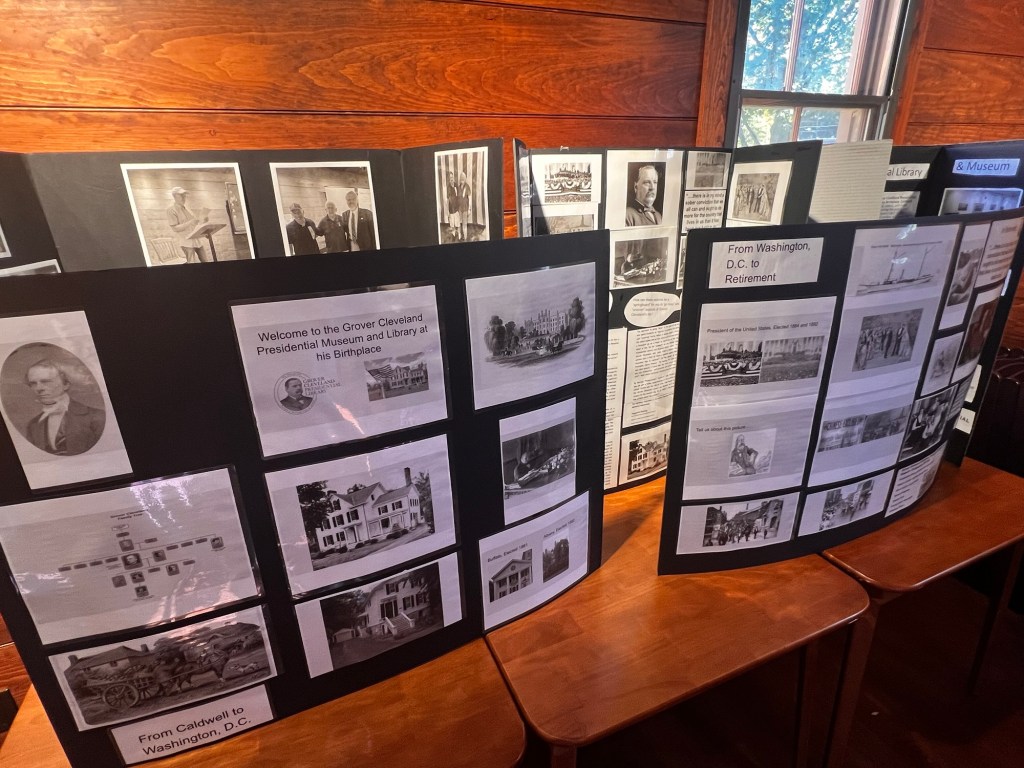
What I found interesting about this historical home is that the President’s sister, Susan, saved everything of the family’s past.

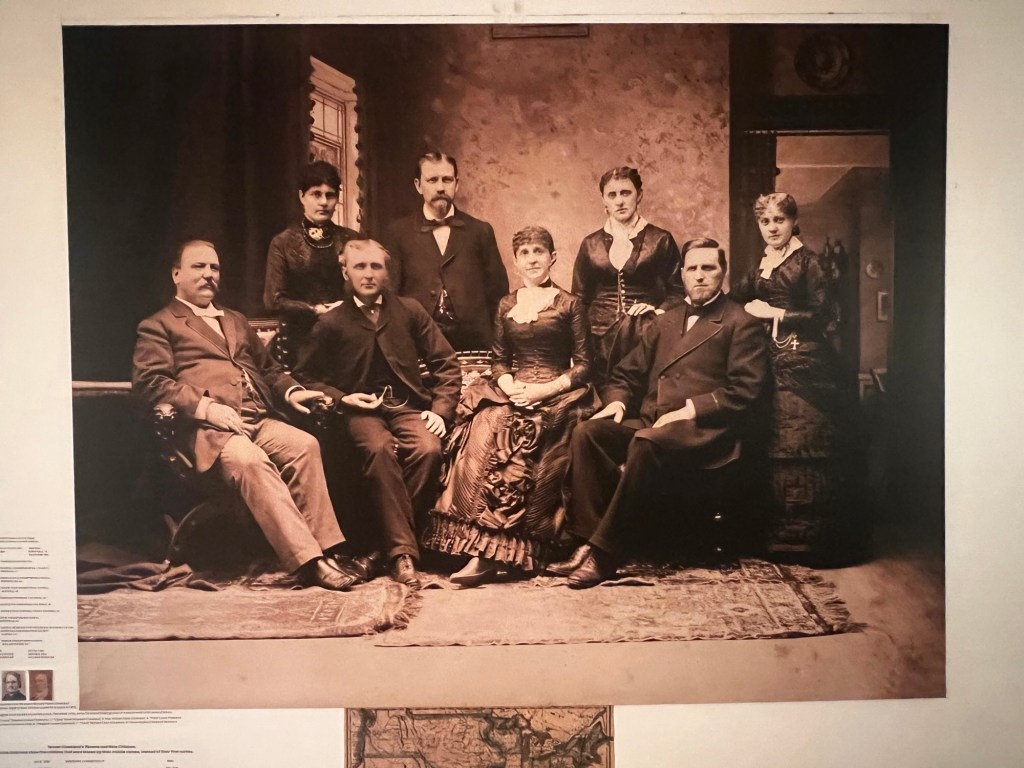
Grover Cleveland with his siblings who all survived into adulthood

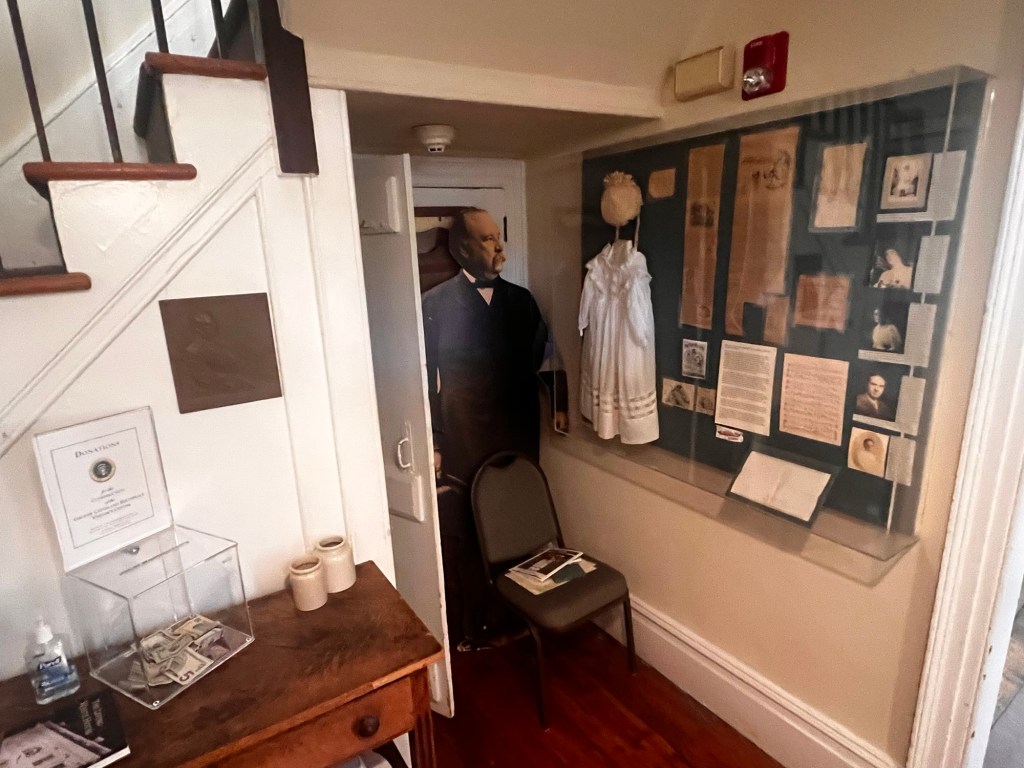
Things like furniture, home furnishings, cooking utensils, paintings and photos of the family plus personal items of the President such as his clothes, pipes, shaving kits and traveling cases so there is a lot of interesting items to see and well thought up display cases.

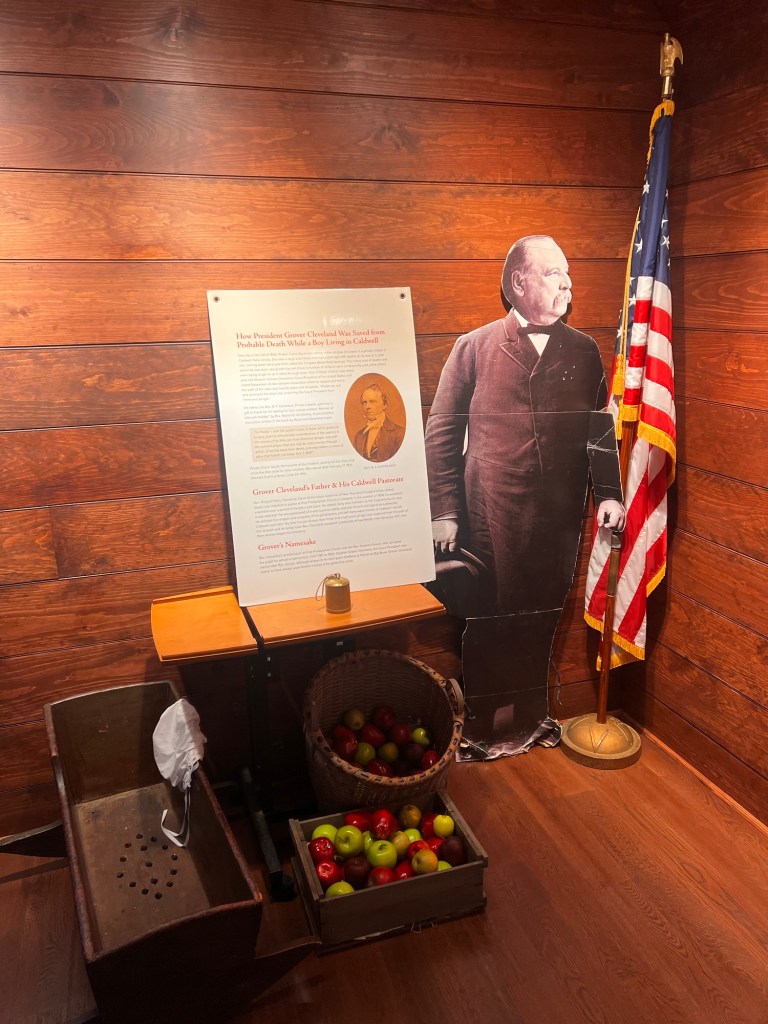
The display in the new Visitors Center

The house is broken up into the kitchen area, the living chambers, the former living room area which has most of the displays and then the front hallway where more family displays are located. In 2026, the house is currently going through a renovation and reorganization of the home so things are currently changing.

When I visited the house for a second time 2026, the main floor was being reorganized as most of the personal items had been moved to the new Visitors Center in the back of complex. The second floor was closed and new displays were being created for the President’s personal items both in the home and in the Visitors Center.

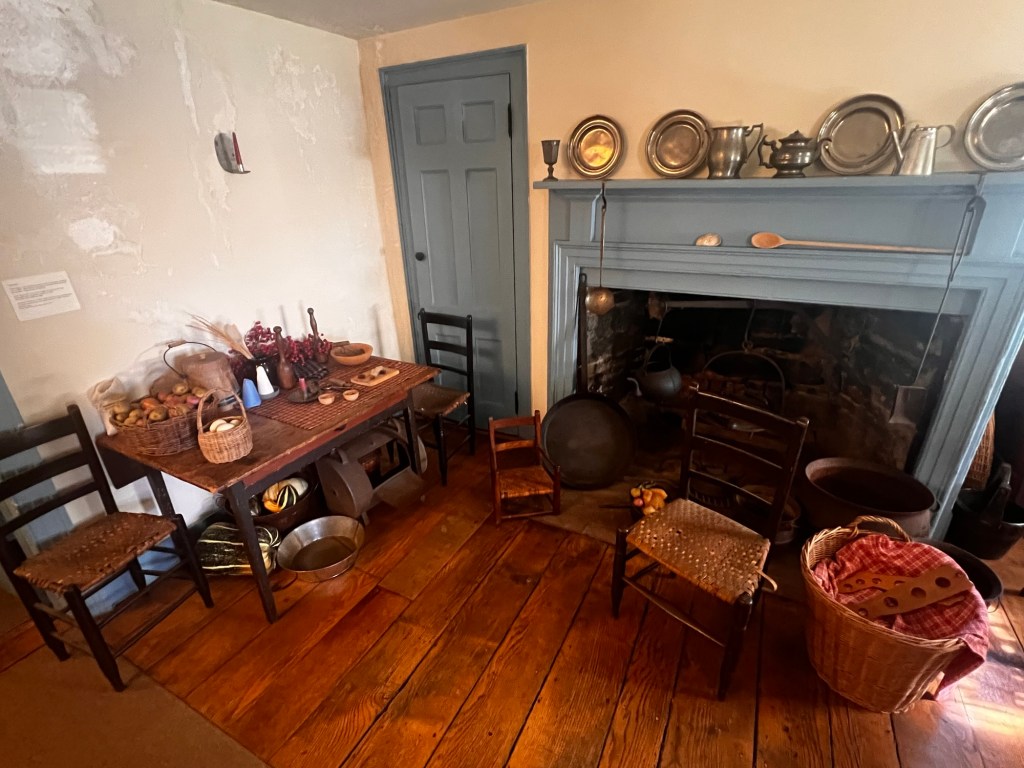
The homes kitchen for the Fall

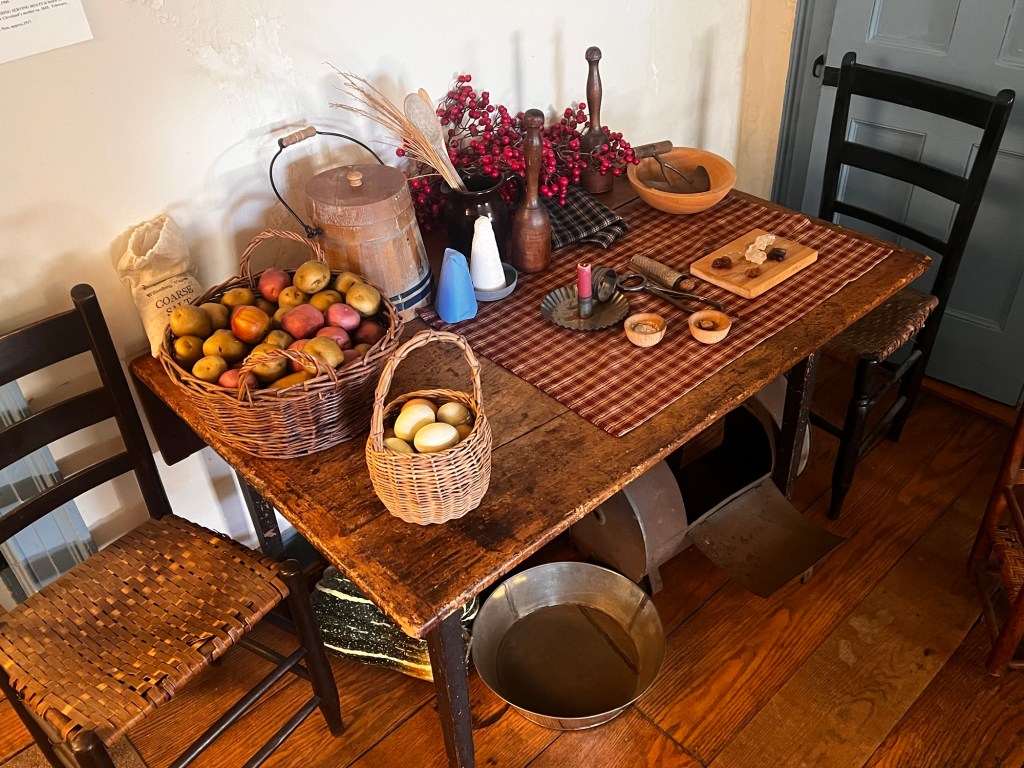
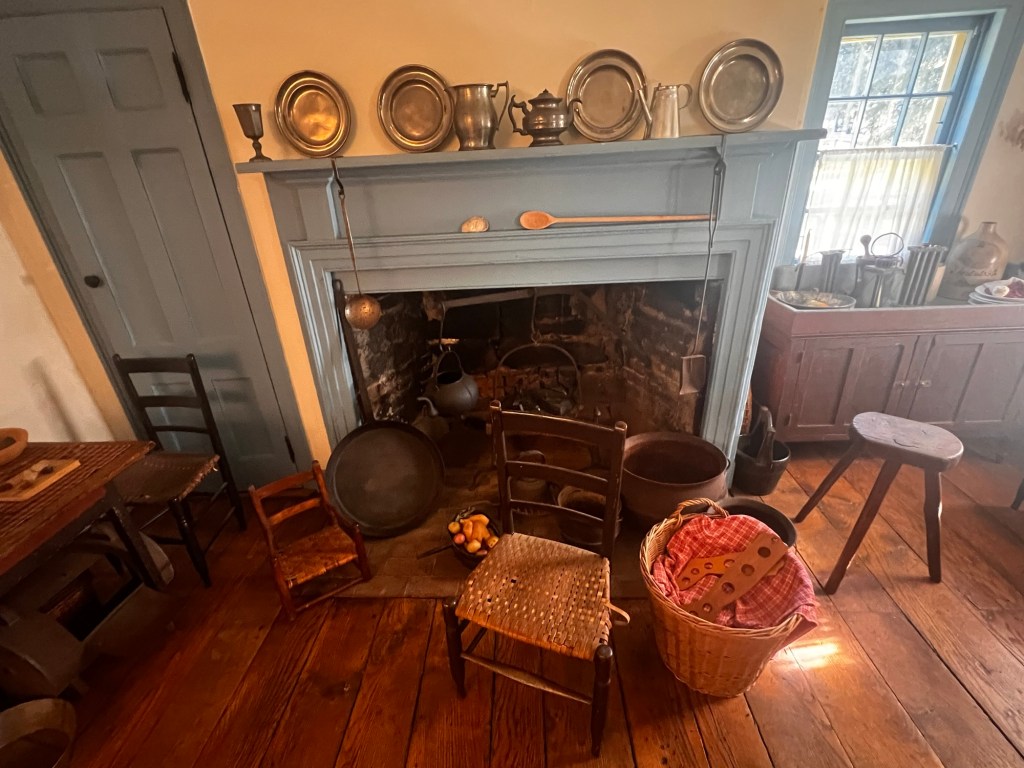
When we toured the home’s kitchen, it was set for the Fall Harvest and a hearty dinner was being cooked. Both the kitchen and fireplace hearth displayed a Fall theme.

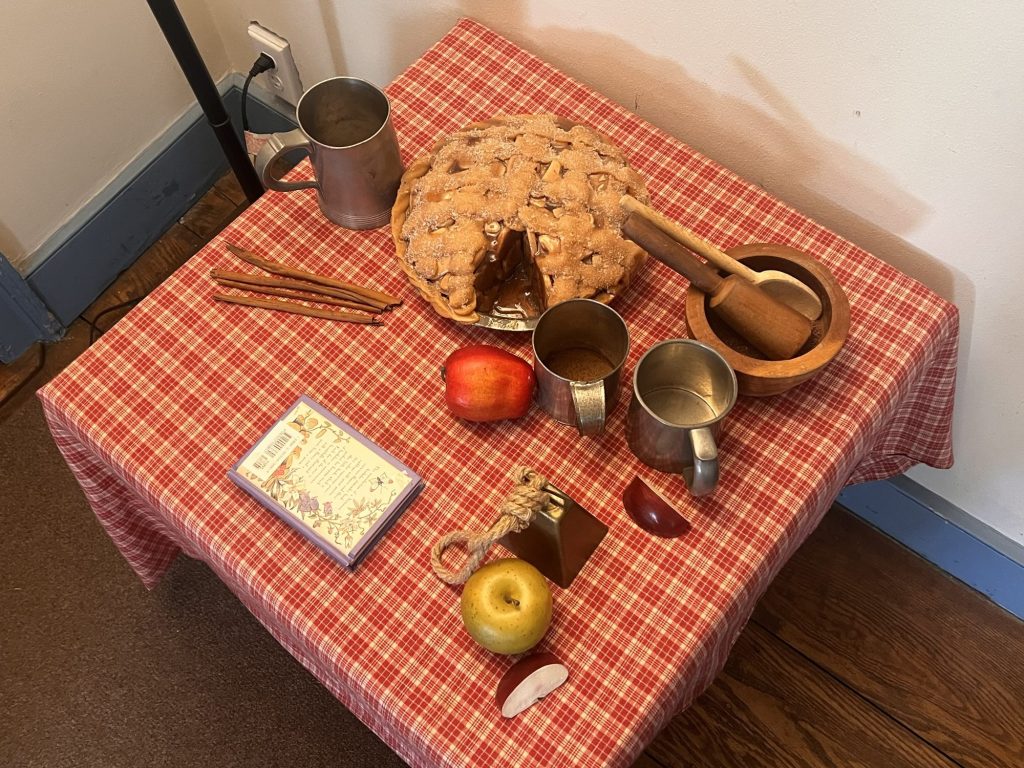
The kitchen set from the Fall harvest

The center of the kitchen, the kitchen hearth

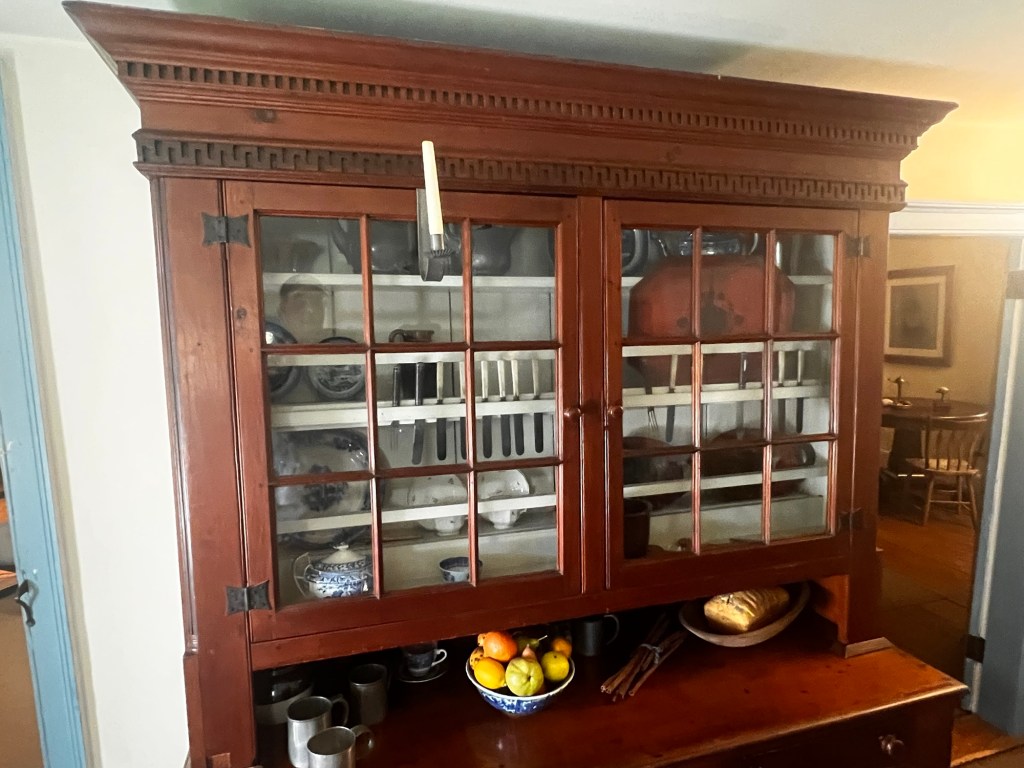
The tray and dishes to the right of the cabinet were owned by Grover Cleveland’s mother and were donated back to the museum

The kitchen prepared for a Harvest dinner

Try to take a tour with the tour guide, Paula, who knows the house backwards and forwards and gives you an interesting take on the family. She will be able to point out all the family objects and personal items that have been donated by family members. Things from formal clothes to the President’s personal shaving kit on display in the front of the house.

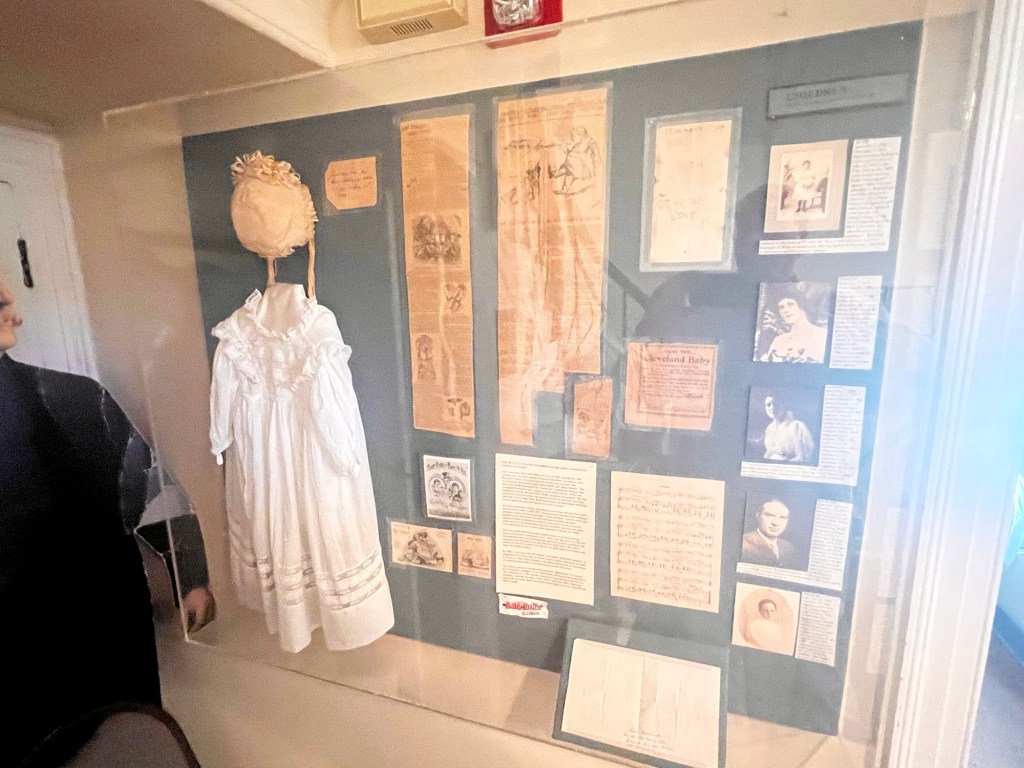
The display to Ruth Cleveland, who the Baby Ruth candy bar was named for

The display on the first floor dedicated to his children

The display by the first floor landing was dedicated to his daughter, Ruth, who died as a child. There is a display of her clothes and personal things along with a Baby Ruth wrapper as her name inspired the candy bar.

The whole tour takes about an hour and you will find yourself memorized  by the displays and the family history of the children and grandchildren. It is interesting to see how the family grew when they were living in Caldwell, NJ. Take some time to walk the beautiful grounds and under the shade trees on the side of the lawn. The house was especially beautiful as the foliage arrived in the early Fall.

History of the Cleveland Birthplace Museum:

(from the museum website)

Grover Cleveland’s birthplace was built in 1832 as the Manse or pastor’s residence for the First Presbyterian Church of Caldwell. Cleveland’s father, the Reverend Richard Fally Cleveland was the minister here from 1834-1841.

Grover Cleveland’s early childhood

Originally this frame home had a two-story main section with a one-story kitchen to the east and a one-story lean-to at the rear. It was enlarged several times between 1848-1870 to meet the growing needs of the Presbyterian clergy. The house is a good example of local vernacular architecture (museum website).

The front Birthplace house and the church off to the side

The historical significance of the Manse was first noted in 1881 when Cleveland was running for Governor of New York. As his political star  ascended, so did the interest in preserving his birthplace as a museum. A group of Cleveland’s friends and admirers began negotiations to purchase the Manse in 1907. Their efforts culminated in the opening of the house to the public on March 18, 1913 (museum website).

Most of the first floor rooms portray the Manse as it was in 1837, the year Grover Cleveland was born. The decidedly middle-class character of the rooms reflect the day to day life of the Reverend Richard Cleveland and his family. Among the artifacts on display from Cleveland’s early years are his cradle and original family portraits (museum website).

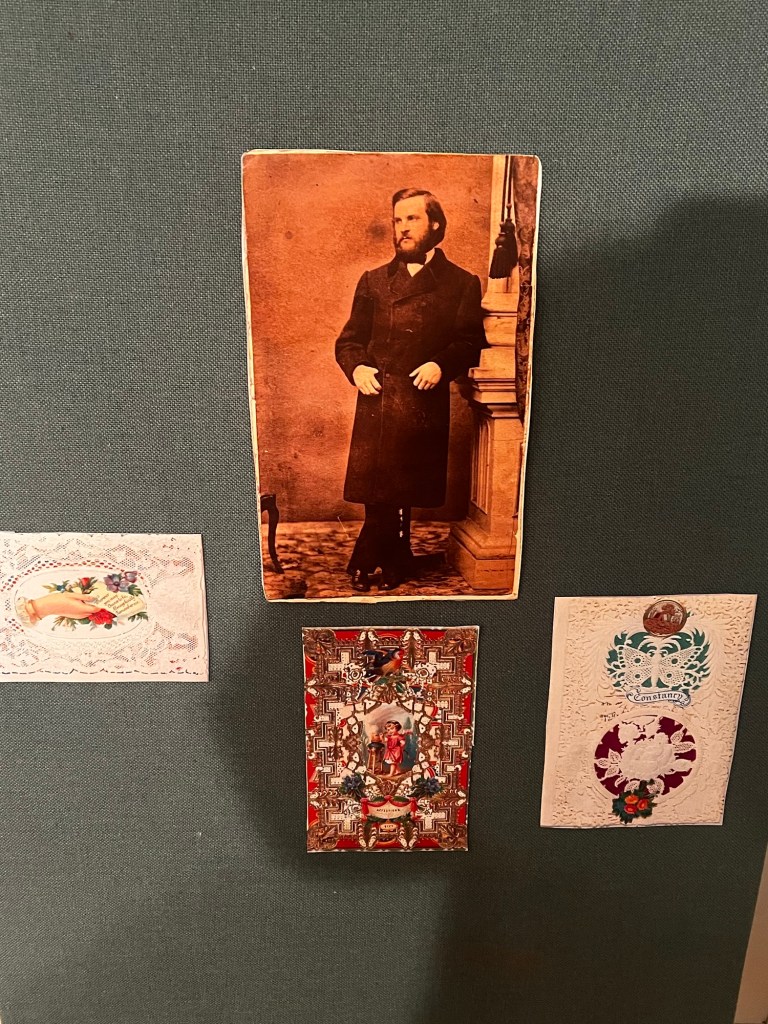
Grover Cleveland as a young lawyer

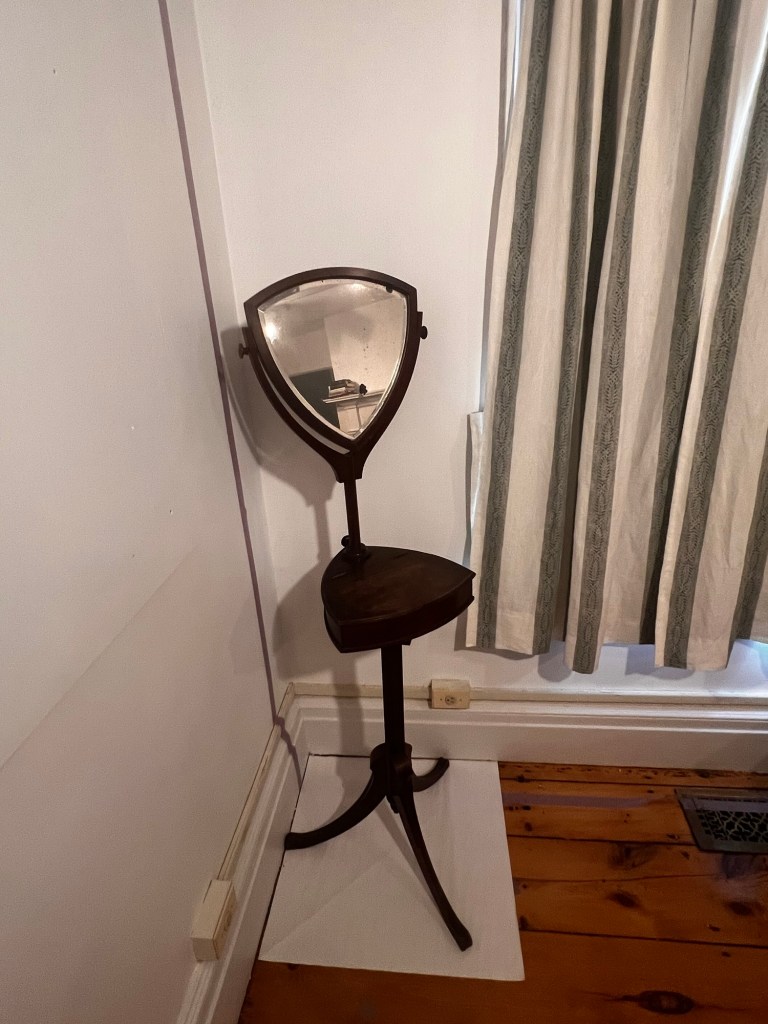
The President’s shaving table back in the museum

Contrasting sharply with the humble beginnings portrayed in these rooms, the exhibit gallery features a striking display of artifacts that reflect the financial and political success Cleveland achieved during the last quarter of the 19th Century. Here, the mud-slinging campaign of 1884, the public’s intense interest in his wife and children and America’s political climate throughout his split terms of office are explored (museum website).

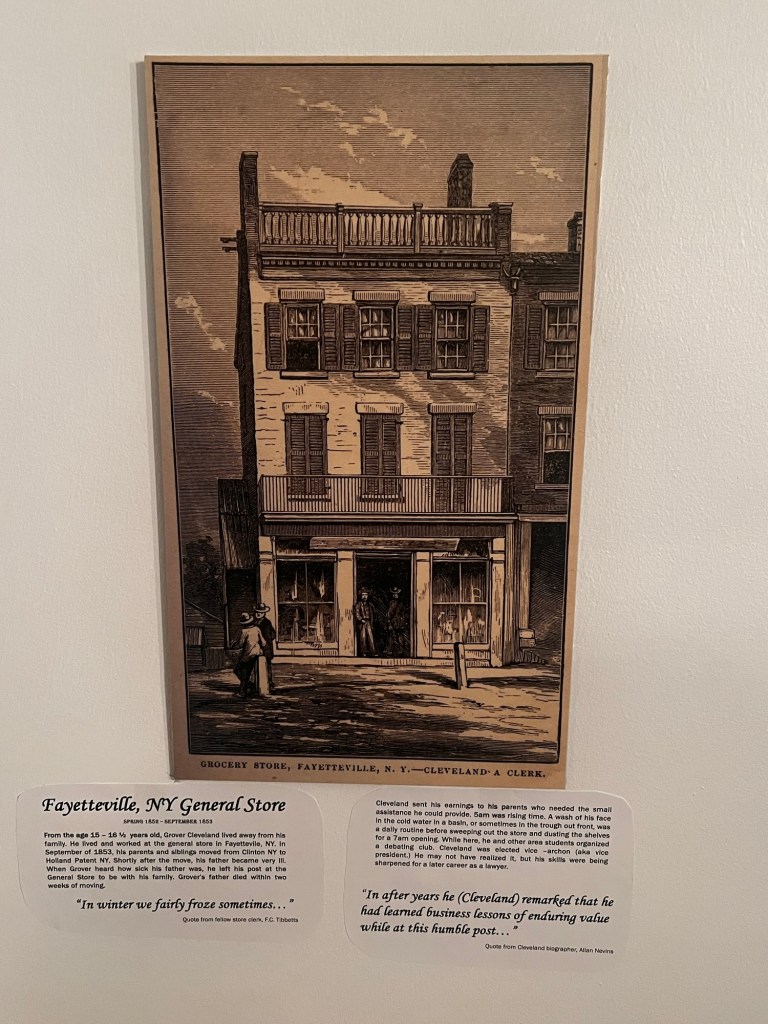
The family home in Fayetteville, NY

The Grover Cleveland Birthplace State Historic Site is the only house museum in the country dedicated to the interpretation of President Cleveland’s life. It is the nation’s leading repository of Cleveland artifacts and political memorabilia. The Grover Cleveland Birthplace is listed on the New Jersey and National Registers of Historic Places (museum website).

The President’s time in New Jersey:

(from the museum website)

Stephen Grover Cleveland was born on March 18, 1837 to the Reverend Richard Cleveland and his wife, Ann. Named for the first ordained pastor of the First Presbyterian Church at Caldwell, he would in time become known by his middle name, Grover.

The display on the President’s life in the new Visitors Center

Cleveland was raised in a strict, modest home. As the son of a minister and the fifth of nine children, he had a religious and principled upbringing with few luxuries. When Grover was four, Reverend Cleveland moved his family to Fayetteville, NY.

(The Grover Cleveland Birthplace Museum pamphlet)

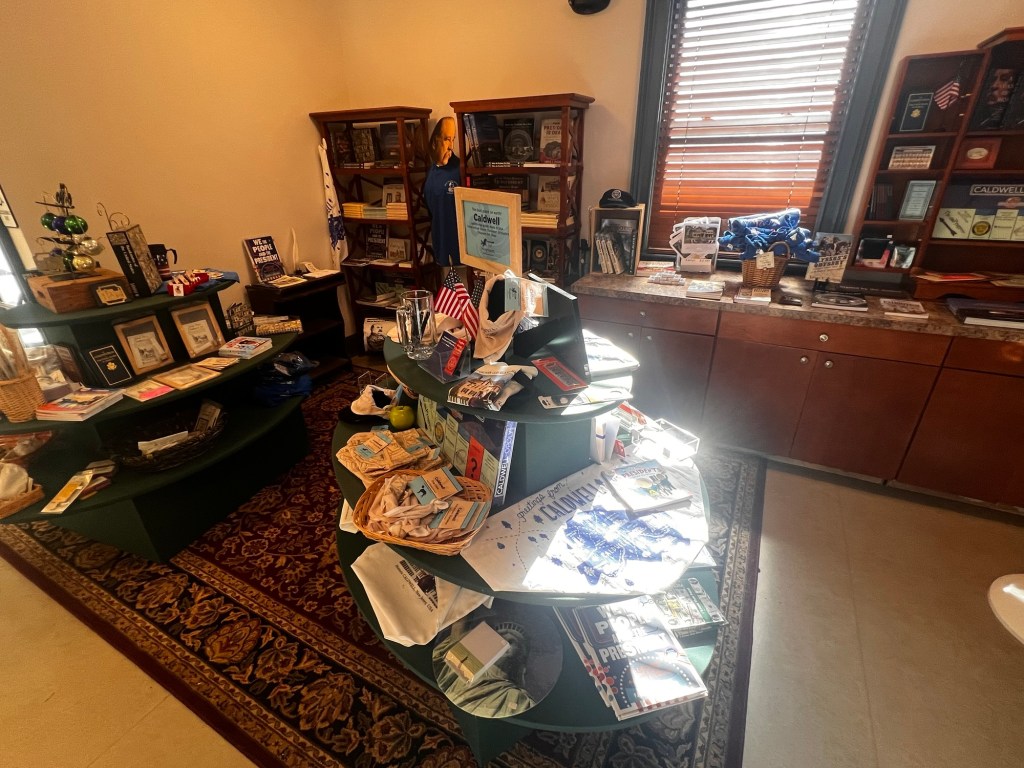
The Gift Shop in the Visitors Center

The Paterson Museum                                                                              2 Market Street                                                                              Paterson, NJ 07501

The Paterson Museum 2 Market Street Paterson, NJ 07501

The Paterson Museum

2 Market Street

Paterson, NJ  07501

(973) 321-1260

Open: Monday-Friday 10:00am-4:00pm/Sunday-Sunday 12:30pm-4:30pm

Fee: Free

http://www.thepatersonmuseum.com/

http://www.patersonmuseum.com

https://www.patersonnj.gov/department/?structureid=16

My review on TripAdvisor:

https://www.tripadvisor.com/Attraction_Review-g46718-d2704664-Reviews-Paterson_Museum-Paterson_New_Jersey.html?m=19905

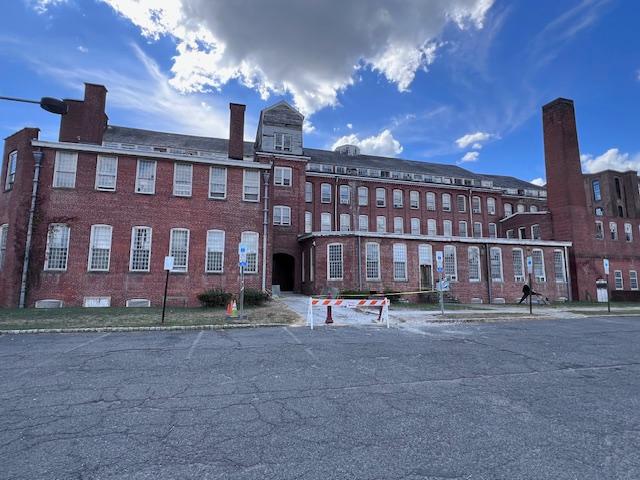
The front of the museum

The Paterson Museum is an interesting museum of the history of the City of Paterson, NJ. The museum is broken into different sections of the City’s history. The museum discusses from the time that the Lenape Indians lived in the area to the rise of colonization and then to how it developed into the Silk City  through city planning and placement. The museum covers the history of the City of Paterson in the industrial Age as well with the rise of the Silk Industry, the Wright Airplane Factory, the Colt Revolver and the growth of the hospital industry in the City.

Paterson Fire Department

The Public Safety exhibition

Paterson Steam Engine

Take time to look at the live displays of minerals, Native American artifacts, old fire department equipment and the life and times of its native son, Lou Costello.

The inside of the Paterson Museum

The nice part of this museum is that the parking is free, it can be toured in about two to three hours and it is walking distance to the Paterson Falls and to Little Peru restaurants. It is also free.

The Paterson Falls up the road

Little Peru down the road

The Introduction:

The Welcome Center

The Paterson Museum offers a ‘History within History’ experience. Located inside the former erecting shop if the Rogers Locomotive & Machine Works, the museum, presents a glimpse of the rich history and the many factors that gave rise to Paterson, New Jersey: “America’s First Planned Industrial City.”

From the natural wonders and the first inhabitants of the land that lay below and above the ground to the vital role Paterson played in setting of our nation’s industrial course. Through the museum’s exhibits. you’ll find out why Paterson was known for more than a century as the “Silk City.”

Silk City

You’ll discover that Paterson was at the forefront of locomotive, submarine and airplane engine development. And that’s just the beginning of our story. By the time you finish your visit, you will want to learn more about this city that surrounds the Great Falls.

The Exhibitions:

Paterson Residents: There are exhibitions on such celebrity natives as Lou Costello and his life after living in Paterson are shown in detail.

The Lou Costello exhibition

The Lou Costello exhibition

Baseball players, football players and actors have shown against all odds and color barriers they found success in the world with Paterson being their roots.

Sports in Paterson, NJ

The Silk Industry

Silk City: The history of Paterson as ‘Silk City’ features winders, warpers and power-looms that produced beautiful fabrics. How the Falls and the location of the City of Paterson played its part in the garment industry at the turn of the last century. Not just in the silk industry but also in other companies like the Wright Aeronautical Corporation and the their time as a manufacturer in Paterson.

The Paterson Fire Department

The Paterson Fire and Police Departments: The history and development of both the Paterson Police and Fire Departments are told through pictures, stories, uniforms and equipment through the ages. There are many turn of the last century fire trucks in the museum.

World War Exhibition: The museum has a wonderful exhibition on the history of Paterson and the role it played in the World Wars. There are all sorts of uniforms, munitions and stories to tell.

The War years

The Veterans exhibition

Geographical: There is a whole side exhibition of gems and minerals both native and from all over the country at the museum and a full display of native New Jersey stone formations. There is also a discussion of how the Falls played such an important role inf the development not just of the City of Paterson but of New Jersey as well.

The Minerals

Alexander Hamilton Exhibit: The history and life of Alexander Hamilton is told from the time he was born in the Caribbean to his coming to the United States, his marriage and his rise through the ranks of the government. There is how he helped develop the banking industry and paying of the government debts to his fall from grace and his eventual fatal duel with Aaron Burr.

The Alexander Hamilton exhibit

Lenape Indian Culture: The Lenape Native American culture is shown how the tribes developed, lived, worked and hunted and gathered to create the society that was in place before colonization.

The Lenape exhibit

There are all sorts of tools, displays on their regions of living, language, housing (there is a recreation of a Tee Pee here), that native wardrobe and a complete display of tools and arrow heads. It is a very detailed account of life as a Lenape Indian.

Lenape Exhibition at the Paterson Art Museum

The Lenape Indian exhibition

The Lenape exhibition

The museum shows the history not just of Paterson but of the surrounding areas and how growth of the City of Paterson made an impact on the region.

The history of Paterson, NJ

The history of Paterson, NJ

The history of Paterson, NJ at 109 years old

Skylands Manor-New Jersey Botanical Garden                                    5 Morris Road                                                                                   Ringwood, NJ 07456

Skylands Manor-New Jersey Botanical Garden 5 Morris Road Ringwood, NJ 07456

Skylands Manor-New Jersey Botanical Garden

5 Morris Road

Ringwood, NJ  07456

(973) 962-9370

http://www.ringwoodmanor.org/Victorian-Christmas.html

Open: Check website for details

Fee: Check the website for details

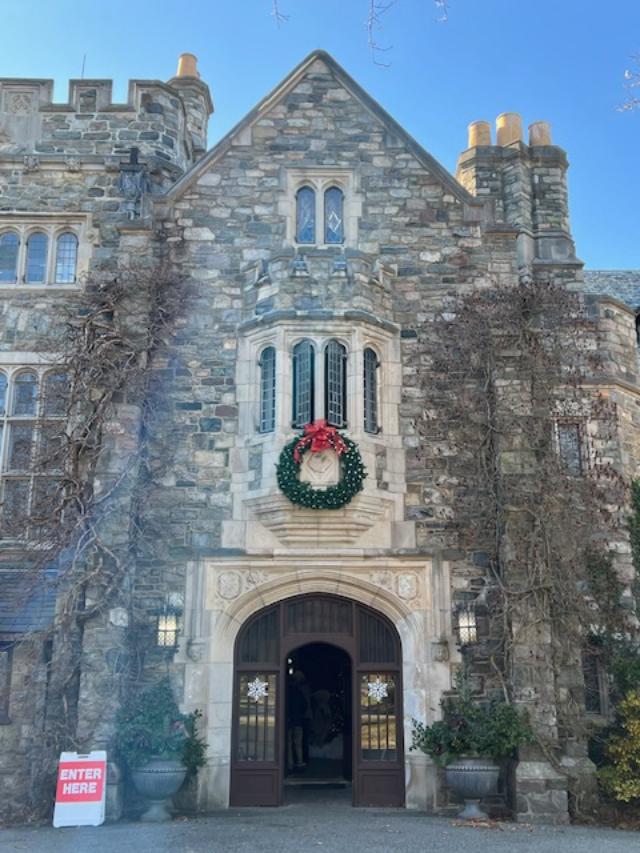
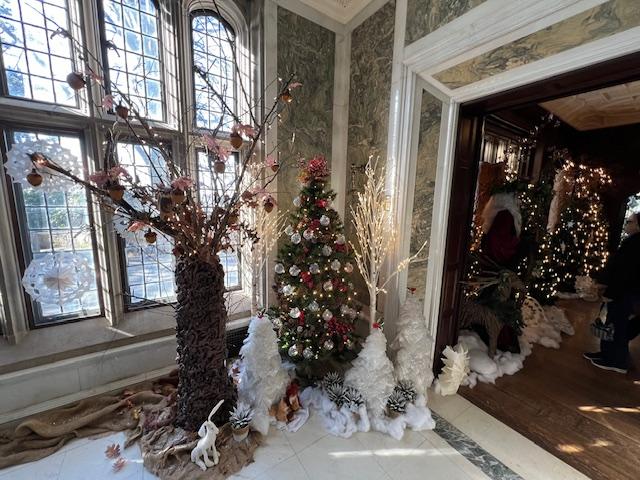
The Skylands Manor at Christmas time.

Note: The Skylands Manor is decorated for the holidays during the first week of December and only for one weekend as it used for a banquet facility the rest of the time and as a hotel. The first weekend of December is when local Gardening groups are assigned one room to decorate and they have one week to put it together, display their ideas and explain how they did it to the public.

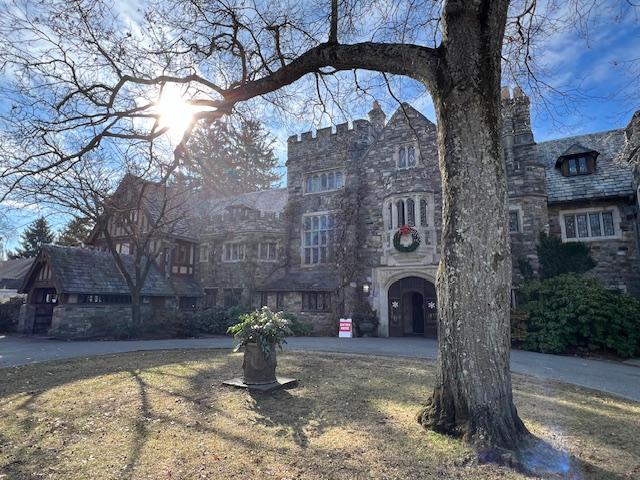
The front of the Skylands Manor during Christmas time.

The best day to go is the Thursday afternoon opening as it is the quietest day of the four day event with Saturday being the busiest. The best time on Thursday to come is in the morning.

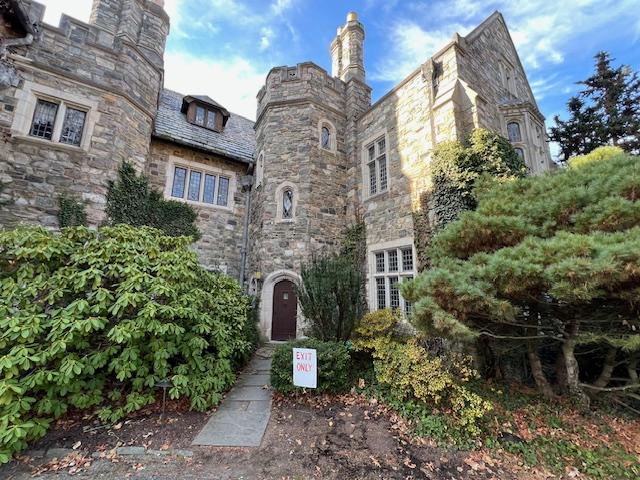
The side entrance to the Skylands Manor.

My review on TripAdvisor:

https://www.tripadvisor.com/Hotel_Review-g46774-d1140628-Reviews-The_Castle_at_Skylands_Manor-Ringwood_New_Jersey.html?m=19905

Skylands Manor during Christmas Time:

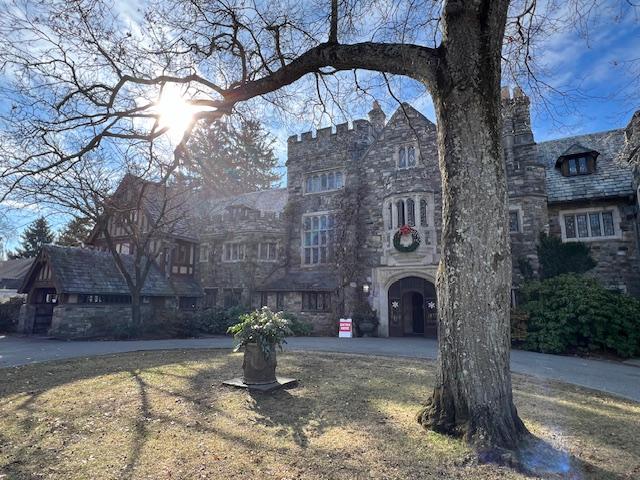
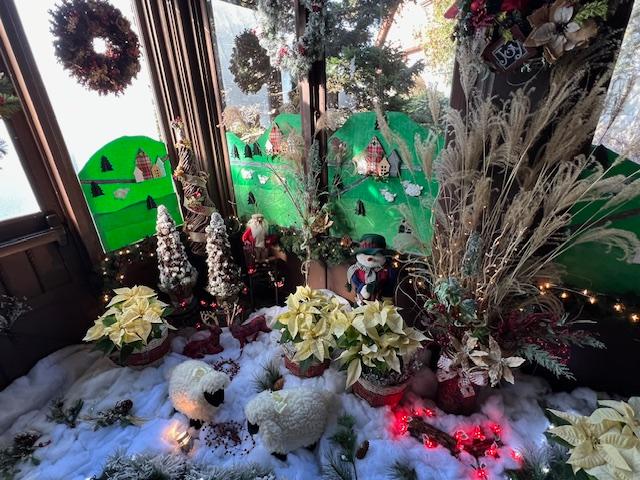
The Manor home decorated for Christmas.

In 2019:

In 2019, the decorations were not as elaborate as the previous two years. The snow storm before the event may have put a damper on a few of the groups decorating. Still the best day to visit the manor is Thursday afternoon as it is the quietest time and you can take the best pictures.

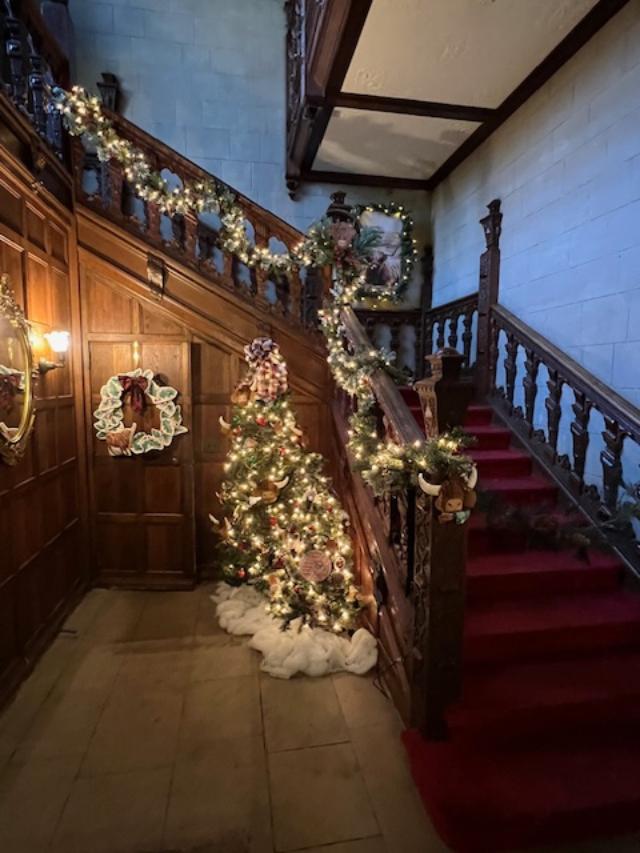
The two best rooms in the manor in 2019 were the Entrance Hall and Grand Staircase decorated by the Magnificent Seven, a group of volunteers whose theme was ‘The Secret Life of Gnomes’ and the trees and staircases were studded with gnomes, large and small, on the trees and wreathes surrounding the stairs.

The other room that was very impressive was the Center Hall whose theme was the “Enchanted Forest, full of little fairies and painted rocks and jeweled winged ornaments. When you looked at the detail work of the trees and table displays you could see the work that went into the decor. Each little fairy on the stands and trees had immense detail and took a lot of time. This display was done by the Friends of Laurelwood Arboretum in Wayne, NJ.

The rest of the rooms in the manor were really pared down from 2018 and did not have the same elaborate details to them. The Library and Study did not have half of the display items that they did in the past.

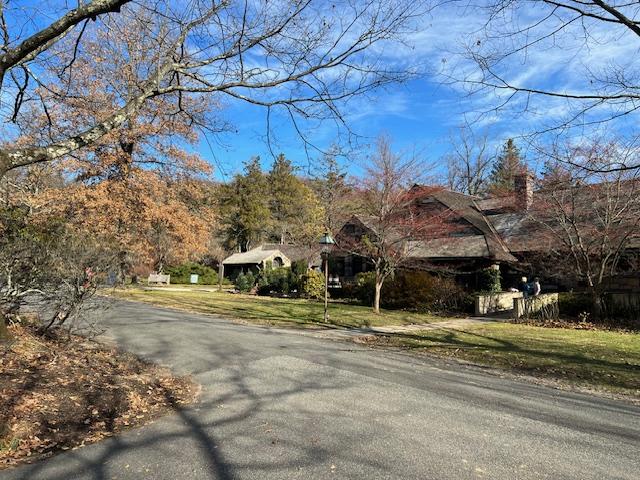
The Carriage House on the estate.

The Carriage House was used as a restaurant and a gift shop during the event.

The fee to enter the home is still $10.00. The carriage house is being used for a cafe with Chicken Salad sandwiches and hot dogs with toppings. There are all sorts of crafts for sale.

The Carriage House for Lunch.

The menu at the pop-up restaurant at the Skylands Manor.

Watch the calendar for 2024 in early December for the next display.

Visiting Skylands Manor in 2023:

I was able to visit on Thursday morning and the crowds were very small. This is the best time to come to the Skylands Manor.

The front door leading inside of the house.

The house looked amazing as usual and because I came the first day in the morning, it was the perfect time to visit the manor while the crowds were away.

The entrance to the self-guided walking tour of Skylands Manor.

The tour was really spectacular in 2023. The whole house was decorated so beautifully.

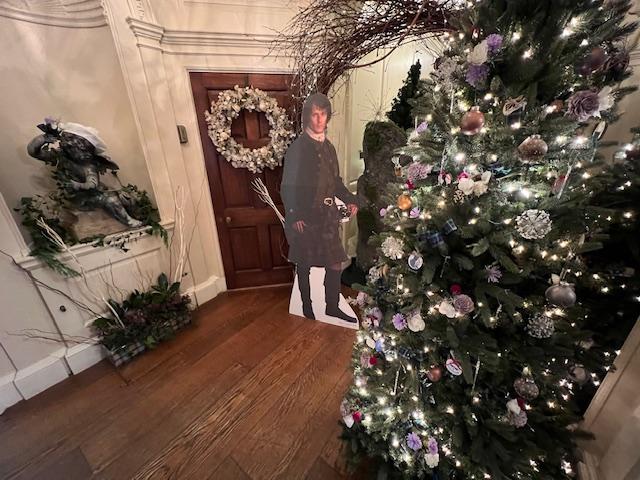
The entrance to the house was decorated by the Passaic County Parks and Recreation. This display was based on the magic of the Scottish Highlands.

After passing through the entrance of the house, it was off to the Ladies Parlor of the home and the decorations of the Garden Club of Teaneck. Then off to the Dining Room that was decorated by the Master Gardeners of Bergen County.

The Dining Room was just breathtaking.

The Dining Room was festive with lots of lit Christmas trees.

The Dining Room was quite elaborate.

The Master Gardeners of Bergen County were very detail orientated with their display spreading the Christmas cheer as you entered the house. The next room was the Breakfast Room with beautiful sunlight coming into the room and views of the gardens that are dormant at this time.

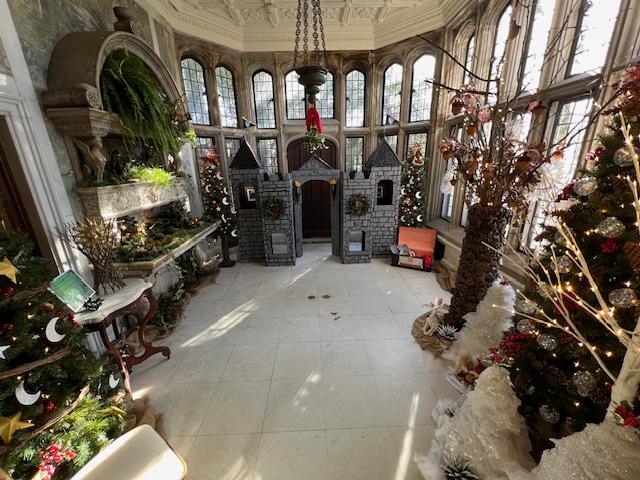
The theme of the Breakfast Room was that of enchanted forests with sacred fairy springs and moss covered meadows. The Breakfast Room was decorated also by the Master Gardeners of Bergen County.

A beautiful view of the Breakfast Room done by the Master Gardeners of Bergen County.

The decorations of the Breakfast Room were quite elaborate.

The side of the Breakfast Room.

As I left the Breakfast Room, I entered The Center Hall where the many faucets of Robert Burns, the Scottish author of “My Heart is in the Highlands” themed room was decorated by the Ringwood Garden Club.

The Center Hall of the manor house.

The Center Hall led to the back porch that was decorated by the Demarest Garden Club.

The Back Porch of the house just off the Center Hall.

The room was done with the theme “We wish you Blythe Yule as you enter a pastoral view of Holidays in the Highlands”.

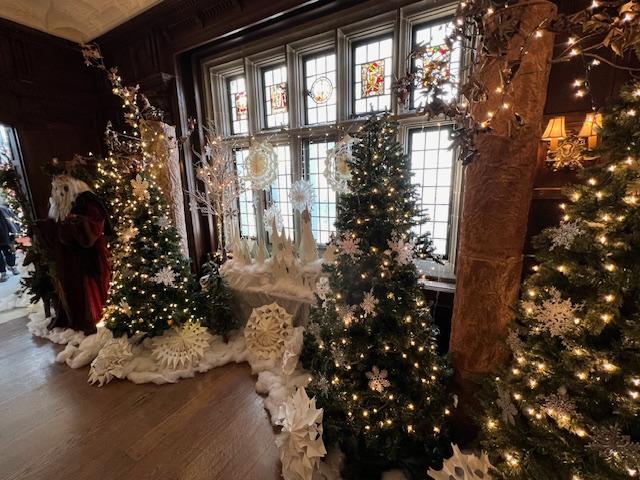
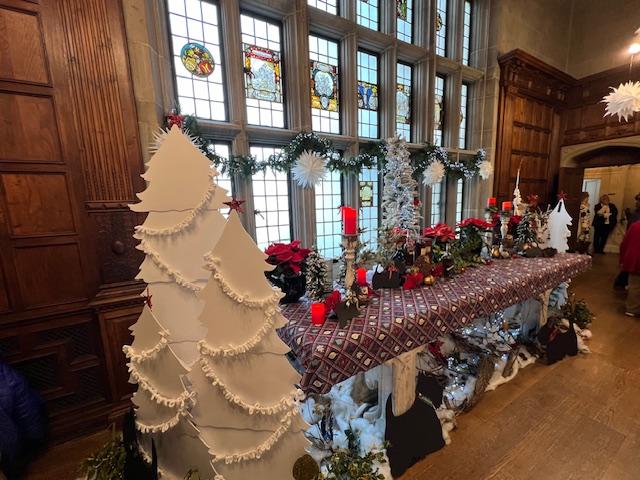
The next room I visited the was The Great Hall, which is a Jacobean style interior designed to impress with its arched beams, paneled walls and spectacular stained glass windows (Skylands pamphlet).

The Great Hall Christmas tree

The Great Hall by the stained glass window.

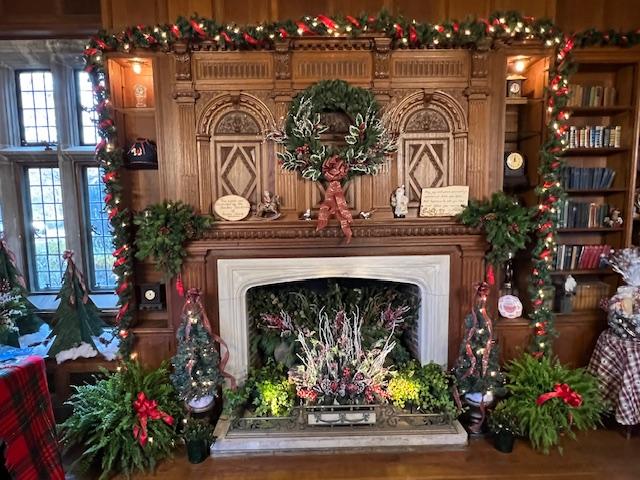
The Great Hall decorations by the fireplace off to the side.

I next walked through The Octagonal Hall, that is the transition room between The Great Hall and The Withdrawing Room/Living Room. This was transformed into a boutique lounge with custom made furniture and decor. Festive pops of pattern and color create a merry, modern vibe (Skylands pamphlet). The Octagonal Hall was designed by Stephanie Graham and Diane Simon.

The entrance to the Octagonal Hall

The decorations of The Octagonal Hall

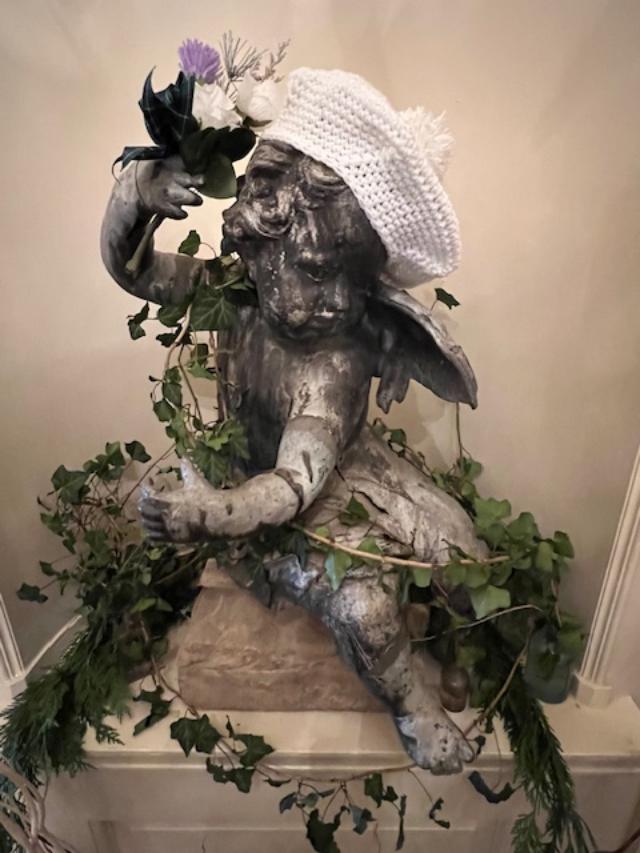
The statuary in the room beautifully embellished.

The Living Room was decorated to celebrate a Hip Highland Holiday and transformed into a boutique lounge with custom made furniture and decor. The Living Room/Withdrawing Room was designed by local artists Nicole Cohen (Teaneck), Brenda Gallagher (Upper Saddle River) and Lisa Williamson (Ridgewood).

The Living Room in full view.

We were joined by the Winter Queen in the Living Room who was roaming around the manor home engaging with all the guests who attended that morning.

A modern twist to the Christmas tree in the Living Room.

The display by the stained glass windows.

The festive trees of the Living Room

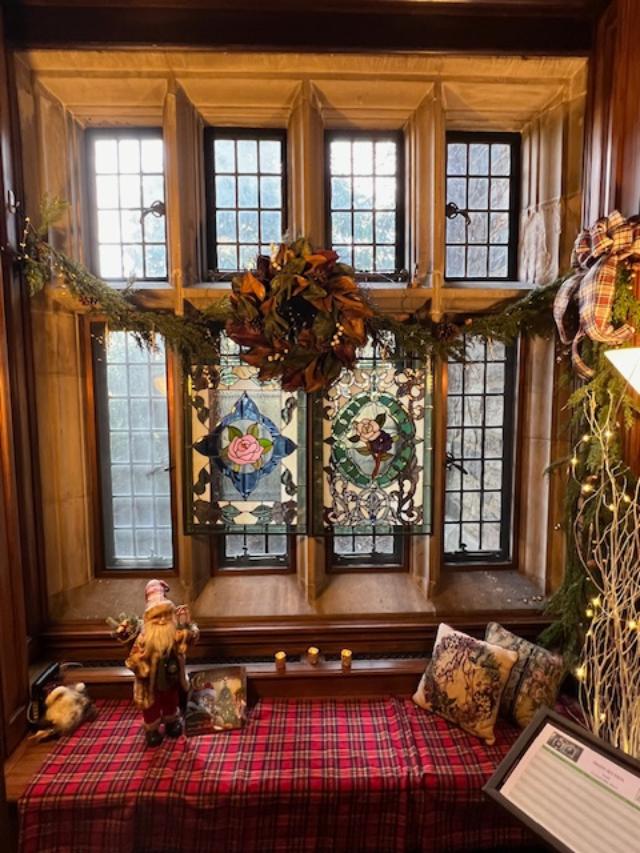
Transitioning out of the Living Room into the The Study, this room with its window seat is the perfect place to curl up with a good book or share stories of Christmas on a snowy afternoon. The study was designed by artist Linda Karen.

The window seat in The Study.

The dark wood paneling of The Study.

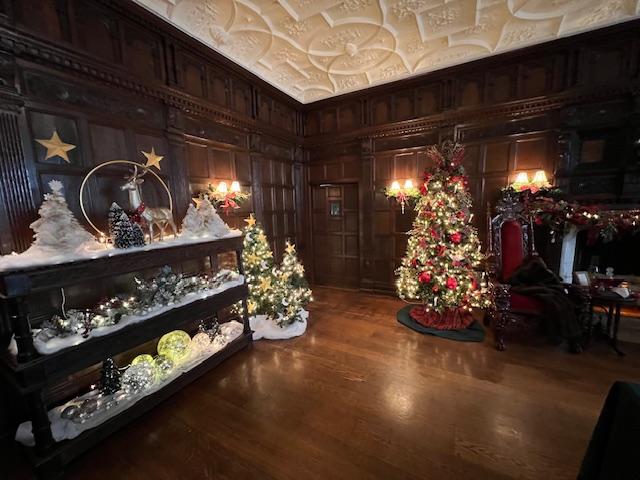
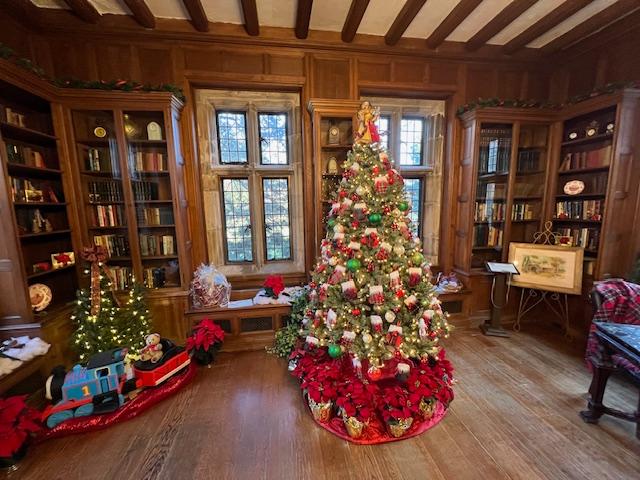
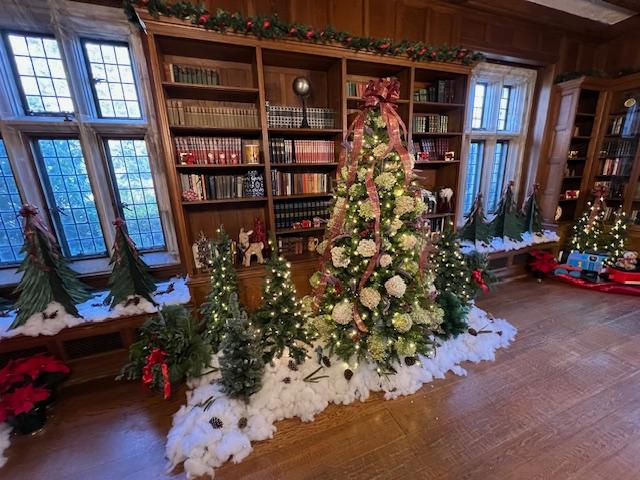
The last room on the tour was The Library that is resplendent with the holiday tree decorated with hundreds of lights and a myriad of ornaments representing the Scottish heritage of its owners (Skylands pamphlet). This room was designed by the Master Gardeners of Passaic County.

The Library at the Skylands Manor decked out for the holidays.

The Library in full view.

The fireplace in The Library is beautifully decorated for the holidays.

The Library in all its Christmas glory.

The Living Room was the last decorated room in the manor home for the holidays. I exited by the back door and then explored the grounds and the dormant gardens and look out areas of the estate that must look quite spectacular in the Spring and Summer months. I headed back to the Carriage House to look at the menu and explore the gift shop. This display is only open the first weekend of December and then for the rest of the year, the manor house is used for banquets and meetings and as a B & B. Until next year.

The front of the Carriage House where the restaurant and gift shop were located during the event.

History of the Skylands Manor & People:

The entrance to the manor that morning.

Clarence McKenzie Lewis bought Skylands in 1922 from the estate of Francis Lynde Stetson, who founded Skylands in 1891. Mr. Lewis was educated in England and Germany. While he was there, his widowed mother, Helen Forbes Lewis married William Salomon, founder of the New York banking house. Upon his return, Lewis attended Columbia University, where he received a Civil Engineering degree in 1898. In 1908, he married and bought a country place in Mahwah; it was there that Lewis became interested in horticulture.

The front of the manor home.

Helen Lewis Salomon, the mother of Clarence Lewis, was widowed in 1919. Not only thereafter, she and her bereaved son agreed to a joint project; she wanted a Tudor-style showplace; he wanted plants and gardens. Mrs. Salomon worked closely with the architect on Skylands Manor but she died in 1927 before its completion.

The entrance to the Walled Gardens.

John Russell Pope (1874-1937) “an architect born to work, in the grand style” was educated at City College, Columbia University, the American Academy in Rome and the Ecole des Beaux Arts in Paris. He trained under Bruce Price, the master builder of Tuxedo Park. Pope designed many outstanding public buildings, such as the Jefferson Memorial and the National Gallery of Art.

The estate gardens overlooking the mountains and the valley below.

Tutor Architecture originated in England in the late Gothic period and continued to be popular into the Renaissance. It features half-timbering on the exterior, crenelated walls, large groups of rectangular windows, oriel or bay windows and intricate chimney complexes The interiors usually had large central halls, wood paneling, molded plaster ceilings and elaborately carved staircases. Tudor Revival became a popular style for the elegant country houses of wealthy Americans.

The estate grounds.

The builder of Skylands was the Elliot C. Brown Co., of New York City, which also built the country homes of Franklin Delano Roosevelt at Hyde Park and E. Roland Harriman (Arden House).

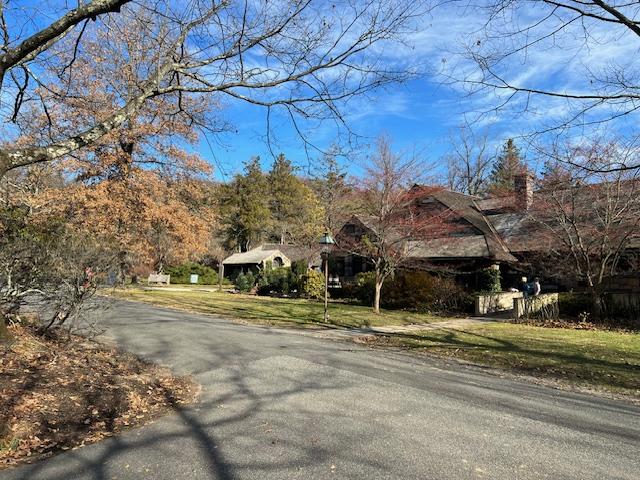
The house as you enter the drive.

Samuel Yellin (1885-1940) decorative metal designer and craftsman, who performed to call himself “the blacksmith”, fashioned the lanterns. electrical fixtures, lamps, gate, and spiral staircase rail for Skylands Manor.

The side of the estate that afternoon in the late fall.

Native Granite for the exterior walls of Skylands was quarried at Pierson Ridge above Emerald Pond in the eastern part of the property in Bergen County.

Mrs. Salomon purchased a collection of antique Stained Glass Medallions from an English collector. The 16th century German, Bavarian and Swiss panes were set in leaded windows by Heinegke & Smith of New York City.

The entrance to the Botanical Garden.

Disclaimer: This information on the details of the history of Skylands Manor was taken directly from their pamphlet and I give them full credit for it. Please call the manor for times that it is open as it is used a banquet/catering facility and a B & B.

The NJ Botanical Gardens just off the Manor House:

I visited the NJ Botanical Gardens in the Fall of 2026 just as all the Fall flowers were in bloom. With the foliage in the background mountains, it gave the whole garden colorful effect on the late afternoon. I will have to remind myself to visit the gardens again in the Spring and early Summer next year. There is a real complexity to these gardens during each season. This warrants a visit again in the Spring and Summer of 2027.

Skylands Manor Garden:

The Pump House at the start of the Gardens

The Pump House used to irrigate the estate

The Orchard on the lawn of the edge of the estate

The Butterfly Garden sign

Even though Fall began the early Fall flowers were still in bloom

The main part of the Gardens

The Gardens with the Fall foliage in the way

The foliage was just beginning in the Gardens

I noticed this beautiful seating area in the corner of the Gardens

Looking at the length of the gardens from the center point stonework

The center point stone vase

The Rose Garden in the second set of Gardens was still in bloom

The Gardens were filled with statuary. Mostly little angels and fairies

The Fall flowers were in full bloom

The second set of Gardens were lined with small bushes and more colorful flowers

The beautiful flowers of the Fall

The Perennial Garden was still in bloom at the time of my visit

The Fall foliage served as a backdrop for the Gardens

The Gardens were so beautifully maintained

The archway into the Gardens from the main house

The beautiful flowers lining the edges of the Gardens

The Rock Garden

I thought this was so beautiful

I thought this garden was so pretty in the third set of Gardens

I though of the angels as a good sign

The flowers were so colorful by the archway

The full view of the Gardens from the lawn and orchard

The view of the mountains in the distance

The Rose Garden on the edge of the lawn

The variety of flowers on the Gardens

The view of the lawn and mountains on the background

The lawn looking north

Leaving the Gardens to head back to the parking lot

The view from the parking lot