Tag: photography

Day Three Hundred and Sixty-Five Artist Party-Ruth Asawa-Member’s Night at the MoMA November 22nd, 2025

Day Three Hundred and Sixty-Five Artist Party-Ruth Asawa-Member’s Night at the MoMA November 22nd, 2025

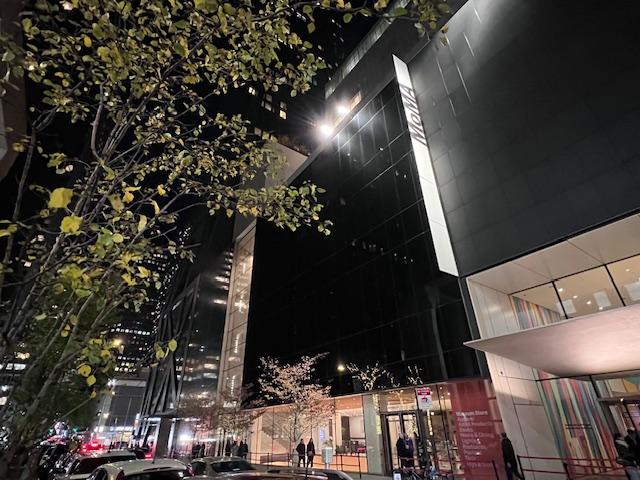
The front of the Museum of Modern Art on 11West 53rd Street

https://www.moma.org/

My review on TripAdvisor:

https://www.tripadvisor.com/ShowUserReviews-g60763-d105126-r1040038069-The_Museum_of_Modern_Art_MoMA-New_York_City_New_York.html?m=19905

There is always a lot of excitement when a new art exhibition is ready to open. It is even better when the museum opens it to its members first before the public gets a glimpse. It gives a chance to see the exhibitions before it opens to the public.

The long line of MoMA members waiting to get into the museum for the opening night of Artist Ruth Asawa’s exhibition

I noticed this year especially and right before Thanksgiving, all the museums are throwing open their doors for Member’s Nights. I have been invited to five Members Nights at museums all over the City. You can’t attend them all.

The excitement the museum creates for these evenings

Video of entering the museum at the start of the opening with 80’s Japanese Pop Music

I think in an economy like this, these Members Nights are one of the best ways to engage with the membership for both donations and renewals of memberships especially before the holiday season. Plus it gives the members a wonderful night out to see the exhibitions ahead of time and enjoy the evening after a long week at work.

The opening of the Ruth Asawa Retrospect

Artist Ruth Asawa

https://en.wikipedia.org/wiki/Ruth_Asawa

The biography of the artist and her works

https://www.moma.org/artists/21-ruth-asawa

Biography of Artist Ruth Asawa:

(from the Museum of Modern Art website)

Born on a farm in Southern California, Asawa began her arts education when she was a teenager and she and her family were among the thousands of persons of Japanese descent who were forcibly incarcerated by the US government during World War II. It was at the internment camp that Asawa began taking classes in painting and drawing. After her release, Asawa studied to be a teacher but was unable to get a license because of her Japanese heritage, so she enrolled at Black Mountain College, an experimental art school in North Carolina. Asawa took classes from and worked alongside fellow artists Josef AlbersRobert RauschenbergMerce Cunningham, and R. Buckminster Fuller. Black Mountain was also where she met her husband, the architect Albert Lanier.

I loved her wire woven sculptures.

The wire woven sculptures were the standouts of the exhibition

I thought these were a unique design

I liked here colorful paintings, these are of her child’s footprints. I loved the idea that her children were involved with the art

The patrons enjoying the art

The display of the wire art

The displays were impressive and graceful

The colorful faces looked tired

The look of nature in the wire art in the form of trees

I loved her works of food

At the end of the exhibition and the evening, I joined everyone on the main floor where the bar and gift shop were located. The main floor was the busiest part of the museum. I wondered if some of these people even went upstairs to see the exhibition or just stayed downstairs to socialize.

The main floor of the museum is always packed with people

Share in the excitement of the Membership opening

These evenings always get my mind off the stress of life. It is nice to just be in Midtown Manhattan and be in the moment. It is nice to see art, hear music and walk through the museum.

U.S. Life Saving Station 30                                            801 East 4th Street                                                       Ocean City, NJ 08226

U.S. Life Saving Station 30 801 East 4th Street Ocean City, NJ 08226

U.S. Life Saving Station 30 Museum

801 East 4th Street

Ocean City, NJ 08226

(609) 398-5553

https://uslifesavingstation30.com/

https://www.facebook.com/U.S.LifeSavingStation30/

https://www.ocmuseum.org/about-us/museum-history

Open: Sunday 10:00am-4:00pm/Monday-Friday Closed/Saturday 10:00am-4:00pm

My review on TripAdvisor:

https://www.tripadvisor.com/ShowUserReviews-g46696-d14961805-r1033640492-U_S_Life_Saving_Station_30-Ocean_City_Cape_May_County_New_Jersey.html?m=19905

The front of the museum

The front sign of the building

Short History of the Museum:

(from the museum website)

Also known as the U.S. Coast Guard Station No. 126, this is the only life-saving station (now museum) of its design in NJ (1 of 6 in the country) still in existence. The designer and architect was James Lake Parkinson in a Carpenter Gothic style. This building is one of 42 stations built in New Jersey. It was also the workplace of the brave surfmen who were the beachfront First Responders of the day.

The anchor outside the building

The historical plaque outside the building

The History of the Building and Museum:

(from the State of NJ Historic website)

The U.S. Life Saving Station in Ocean City is significant as an example of a significant type of life saving station and for its association with the activities of the U.S. Life Saving Service. The building was constructed in 1885 in what was referred to as the “1882 type.” There were 25 life-saving stations constructed in this style. In 1905 the building’s footprint was expanded to nearly twice its original size. The expansion was done in a style unique to New Jersey Life Saving Stations.

In 1915 the U.S. Life Saving Service and the Revenue Cutter Service were combined to form the U.S. Coast Guard. The Coast Guard continued to utilize the building until it was decommissioned during the 1940s and sold. It was used as a private residence until the City purchased it in May 2010.

The first room inside was the formal dining room where guests who visited or who had been rescued had dined. It was a rather formal affair.

I visited the museum on a weekend day to learn of the rescue procedures and the job these men did on a day to day basis. The first thing I learned was how shifting tides can change an island.

This building which now sits about four blocks inland was once at the shoreline a hundred years ago. Talk about change and Mother Nature’s role in this.

The first room I visited was the formal dining room in the newer extension of the building. This would be where the officers and men would entertain guests and visitors to the building. It could be a casual or formal affair.

The first floor formal dining room

The entertainment for the evening was either board games or a music box

Some of the items salvaged from the sea

The Life Guard officer formal outfit was worn for formal affairs

The officers would be dressed formally to receive guests

The next room over was the Rescue room and door where the boats and other equipment would be held when the alarm sounded.

The docent discussed how the doors were opened and the boats needed to be pulled out on a stormy night. Everything you needed had to be close by, in good shape and ready to go.

The rescue boats and pulleys that would be used in the sea

The ropes and pulleys used to assist in the rescue

The lanterns were used as communication between shore watch and the tower

The equipment used to repair the items used for rescue

The rescue boat and the items used for a water rescue

The additional boats used in rescue

Some boats were used for fishing and collecting shell fish

The Sneak Box was used for duck hunting to camouflage yourself

The sneak box

We then toured the second floor sleeping room for the crew. This offered a great view of the sea when the building was at shore line. These men were given good accommodations for the time.

While not very private, it was comfortable and served its purpose for a job where you might not get a good nights sleep.

The sleeping quarters

The main sleeping room was for a crew of six

The loft lead to the tower where the look out for the evening would sleep (it is not open to tours right now).

The loft area from the window

We then headed back downstairs where we toured the station manager’s room and office.

The station manager’s room off from the kitchen

The station manager’s office where all the monthly paperwork was done and business was conducted.

The kitchen

The Station Manager’s office was right next to the kitchen stove so that the room was kept warm during the winter months and on cool nights.

The kitchen stove

All the meals for the crew and visitors were cooked either by the men or their wives might be allowed to visit and assist in duties in the building.

The kitchen

All the storage of the foodstuffs has to be accounted for because getting them was rough with no cars for transportation and no bridges to cross to the mainland.

The gift shop

The museum and grounds

The museum offers a glimpse of the everyday life of these brave men who were on call 24/7 and performed such dangerous work. Ocean City has done a wonderful job preserving this legacy.

The museum has docents on hand for more formal tours and are very detailed on their knowledge of the building and its contents. It is a very interesting look at Ocean City’s past.

Bethany Beach Nature Center                                        807 Garfield Parkway                                                Bethany Beach, DE 19930

Bethany Beach Nature Center 807 Garfield Parkway Bethany Beach, DE 19930

Bethany Beach Nature Center

807 Garfield Parkway

Bethany Beach, DE 19930

(302) 537-7680

https://www.townofbethanybeach.com/397/Nature-Center

https://visitsoutherndelaware.com/listing/bethany-beach-nature-center

Open: Sunday-Monday Closed/Tuesday-Friday 10:00am-3:00pm/Saturday 10:00am-12:00pm

Admission: Free

My review on TripAdvisor:

https://www.tripadvisor.com/Attraction_Review-g33997-d1632695-Reviews-Bethany_Beach_Nature_Center-Bethany_Beach_Delaware.html

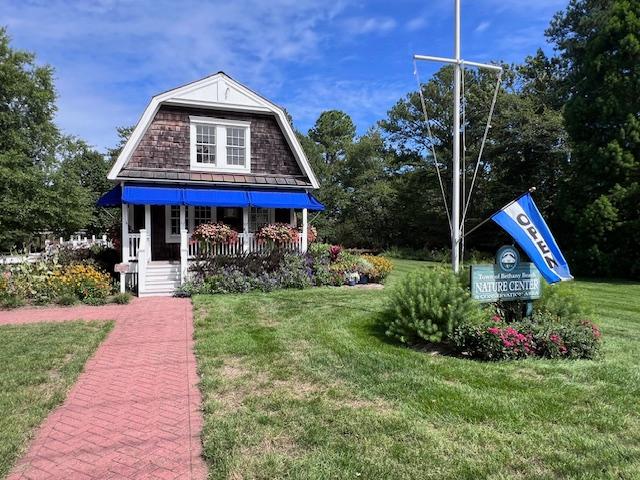
The front of the Bethany Beach Nature Center

The Nature Center sign

The wonderful little natural preserve is the perfect getaway on a sunny day. With something for the whole family, there are nature paths, gardens, aquatic tanks to view and even a butterfly area, the preserve is a nice way to spend the afternoon.

The front of the historic Addy Cottage

The historic Addy Cottage building

The Addy Cottage historic marker

The history of the Addy houses

The cottage where the Nature Center is located is an example of early beach homes in the community. Once a series of homes by the same family , this is the last surviving home in the series.

The History of the Bethany Nature Center:

(from the center’s website)

The Addy Cottage houses the Bethany Beach Nature Center.  It was built circa 1903 by John Addy, one of the Pittsburgh Six that founded Bethany Beach.  Located on the 26 acre Delaware land conservation trust, the property was originally owned by the heirs of the Natter Family.  

In 2001 the U.S. Fish and Wildlife Service, Delaware Division of Parks and Recreation, and the Town of Bethany Beach successfully funded the acquisition of this natural land to be preserved for all future generations in Bethany Beach.

The inside of the Nature Center

The inside of the nature center is perfect for children and families with interactive games and playthings plus fish and turtle tanks.

The fish display

The Box turtle display

The Box turtle display

Finding this Baby Terrapin turtle hiding in the display

The Box Turtle display

The Box Turtle display

The Red Eared Slider Turtle display

The Aquatic display of marine life in the community

The highlight of the visit on a beautiful sunny afternoon is the half a mile long Baldwin Trail into the marshes.

The entrance to the Baldwin Tral

The dedication sign

The pathways as part of the trails

The Garden of Native Plants was in full bloom at the end of the summer and I started my walk of the Nature Center here.

The Garden of Native Plants

The entrance to the Gardens

The gardens were still in full bloom when I visited and offered a sanctuary for insects and birds who were flying all over the place. There were areas to sit under the shade and paths to walk down to admire the gardens.

The center of the garden

The gardens in bloom toward the end of the summer

A view of the gardens from the back

I then continued down the path and toured the area by the wetlands. The back trails took you to the marshes.

The sign for the wetlands

The pathway into the Wetlands

The wetlands were very picturesque with the marshes glistening in the light. The trees still reflected a summer not quite over.

The entrance to the wetlands

The pathway to the pools

The beauty of the pools

After I left the pools, I headed to the back of the Wetlands area, to the woods and marshes.

The pathways to the back of the marshes

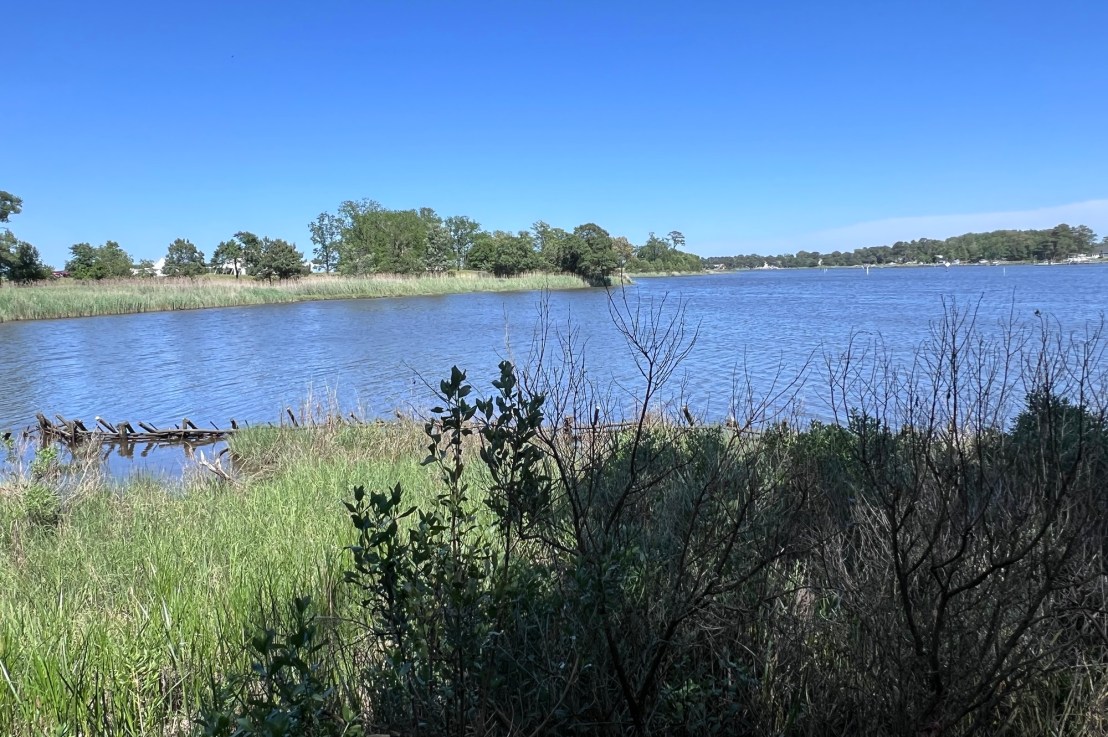
The marshes

The Hard Surface runoff

The back paths were dense with trees and brush but you could still hear the running of water and the birds calling.

The paths to the back part of the natural preserve

The natural preserve

It was such a beautiful day

The fresh water marshes

The fresh water marshes

The fresh water marshes

The very back of the fresh water marshes

Heading back to the Visitors Center

When I headed back to the Natural Preserve, I visited the other part of the gardens again.

People were reading books and relaxing

Visiting the Butterfly Gardens

The flowers were in full bloom

The gardens in the back of the Nature Center

Off to the side of the property, the catch basin was planted as a Butterfly Garden. The area was full of flowers and plants to attract butterflies and other insects.

The Rain Garden

The Rain Garden in bloom

Then it just so happened that a butterfly flew in the gardens. He just sat there not doing anything and I actually yelled at him to open up so I could take a picture of him.

The butterfly flew into the gardens

He listened and opened up and after I showed him the picture he flew away. Everyone is a critique.

The Nature Preserve is the perfect place to just walk around and just relax. When the weather is beautiful, there is nothing like it. Take time to walk the paths and enjoy the surrounding environment. You will surprised what small creature might pop up.

Video on touring the Nature Center:

Visiting the Nature Center:

Historical Society of Penns Grove, Carney’s Point and Oldmans                                                                                      48 West Main Street                                                        Pennsgrove, NJ 08069

Historical Society of Penns Grove, Carney’s Point and Oldmans 48 West Main Street Pennsgrove, NJ 08069

Historical Society of Penns Grove, Carney’s Point and Oldmans

48 West Main Street

Pennsgrove, NJ 08069

(856) 299-1556

https://www.facebook.com/Historical-Society-of-Penns-GroveCarneys-Point-Oldmans-116286428399994/

Open: Sunday 1:00pm-3:00pm (Seasonal)/Monday-Saturday Closed

Admission: Free but donations are suggested and recommended to help operate the museum

My review on TripAdvisor:

https://www.tripadvisor.com/ShowUserReviews-g46723-d27075535-r973452214-Historical_Society_Penns_Grove-Penns_Grove_New_Jersey.html?m=19905

The Penns Grove Historical Society at 48 West Main Street

This was when the museum was decorated for Christmas in 2023

The Penns Grove Historical Society sign that welcomes you to the museum

The Mission Statement for the Historical Society of Penns Grove, Carneys Point and Oldmans:

The mission of the Society is to collect, study and conserve such historical materials as they relate to the towns and their inhabitants, especially of the early settlement. It shall preserve relics and property of the past, both real and personal as may be given, bequeathed, purchased, loaned or otherwise acquired by the Society. It shall be the Society’s responsibility to use the collection for the education, enjoyment and benefit of the general public.

After almost two years of trying to visit this small historical society, the trips aligned and J was able to visit the Penns Grove Historical Society and delightful and very engaging exhibitions. What was sad was that people missed this wonderful well thought out museum when visiting the area. The museum has so much charm and such interesting exhibitions to walk through.

Entering the museum and the sign for the main exhibition ‘The Clothes we Wore’

There were three exhibitions showing when I came to visit. One was “On the Waterfront” on the Penns Grove waterfront. This describes the shipping and fishing industry that the town had before the building of the factories and the Delaware Memorial Bridge. Each display case has different aspects of the industries.

The seafarer and shipping artifacts

This exhibit shows how much the Delaware Bay has changed over the last 100 years.

The pictures and description of the native coastline around the Delaware River

Pictures of the Fishing Industry that was once part of the fabric of the town

The next was the exhibition, “The Clothes We Wore” was an extensive look at the retail community of Downtown Penns Grove, NJ before the coming of the malls and changes of traffic patterns into town. It is also a look at the changes in the way we dress not just to go out but how we dress every day.

When you walk the exhibition you can see the array of stores from shoe stores to hats that people used to don until the mid 1960’s and the coming of ‘Flower Power’. Each store had its specialty and catered to a specific client. It is interesting how each stores had it own display of wares and its use in our wardrobes. It also shows a very vibrant downtown that is now part of its past.

Each store had its own display along with the advertising in a time when shopping was leisurely and we took time out to try things on. Pride in appearance was a big part of who we are as people.

Dresses and suits were once part of our everyday wardrobe

The Millinery shop where hats and gloves were part of the wardrobe

Shoes shined for work every day were part of the uniform

Accessories built the character of our wardrobe

More hats that showed the personality of the wearer

The different advertising for the various merchants that made up the downtown

A glimpse of the downtown in its heyday

The infant and children’s clothing was a bit more formal even at public school

We pampered babies even back then. Their wardrobes were always special

Poland’s Department Store downtown was the place to shops before malls took over

Gloves, hats and corsets were once part of a woman’s wardrobe

The stores that once catered to the well heeled and the every day customers when service was not a chore

Preparing for a formal occasion or for long distance travel

The back part of the exhibition with all the beautifully made clothing

The formal parlor display when entertaining guests was a ritual in good manners and social etiquette. This is where the mannequin of ‘Grandma’ stands guard over her guests. Things were more formal back then.

Grandma stands guard watching and engaging her guests

The last exhibition was entitled “It’s Elementary” on the town’s school system. The displays in the back of the museum discuss the modes of transportation before cars and highways became part of the fabric. The progression of the schools in Penns Grove were on display as well with class pictures, school trips, awards and pictures of the schools themselves before regionalization and building of new schools.

The history of the Penns Grove School system in the exhibition “It’s Elementary”

The history of early schools in Penns Grove

The corner stone of the Penns Grove School

A classic trip to Washington DC and Mount Vernon were part of the school traditions even in the 1920’s

The trolley system between Penns Grove and Pennsville all the way out to Salem, the County Seat were part of the way people travelled before cars became part of the fabric of our society.

The old trolley system

The main gallery of the museum

The museum has a lot to offer in such a small space . It packed with interesting information on a community that no longer exists but is part of its not so distant past. It shows how a community keeps progressing and writes its own future.

The museum is open once a week for touring on Sunday’s through Thanksgiving and then closes for the season reopening in March and April for visitors. I told them they could market the current exhibition as “Christmas Shopping in Penns Grove” and keep it open through December with a visit from a department store Santa. A nice twist to three excellent exhibitions.