Tag: NJ

The Old Stone House                                                                   538 Island Road                                                                       Ramsey, NJ 07446

The Old Stone House 538 Island Road Ramsey, NJ 07446

The Old Stone House

538 Island Road

Ramsey, NJ  07446

(201) 327-2655

http://www.RamseyHistorical.org

https://www.facebook.com/pages/Old-Stone-House-Museum/448284202043523

Open: Four times a year, for special events and by special appointment only. Call for hours.

Fee: Voluntary donations

TripAdvisor Review:
https://www.tripadvisor.com/Attraction_Review-g46762-d20323524-Reviews-The_Old_Stone_House_Ramsey_Historical_Society-Ramsey_New_Jersey.html?m=19905

The Old Stone House in April 2023 for the Northwest Bergen History Day tours

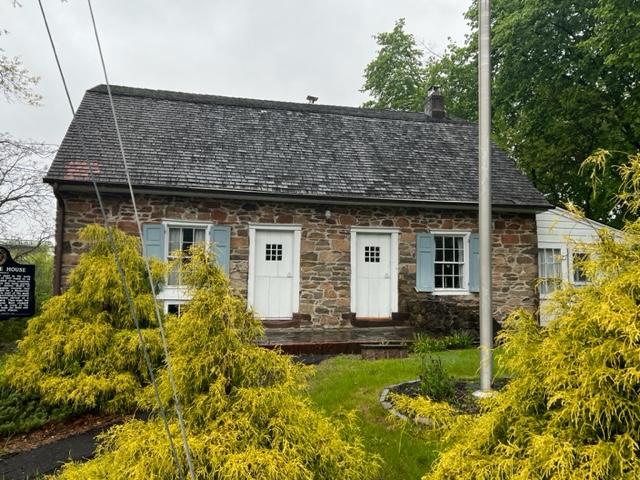
I visited ‘The Old Stone House’ during the Northwest Bergen History Coalition’s 8th Annual History Day.  This Dutch stone farmhouse is one of the oldest buildings in Ramsey, NJ. It has been known as the Westervelt-Ackerson House to the families that built it and have lived in it in the past. The house is on the State and National Registers of Historic Places.

The house sits on a bluff that overlooks the highway but at one time was a 300 acre farm. The house’s furnishings on the first floor are period to the house with some of the original doors and windows of the house. There are still many original features in the house.
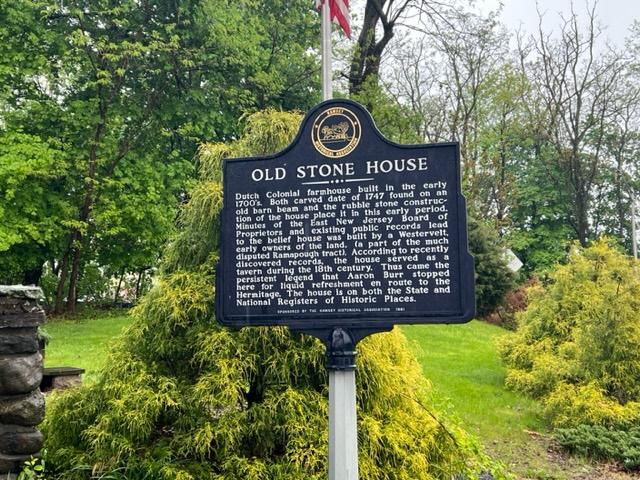
The Old Stone House signage

The first floor has a exhibit on the armed services and off to the side of the house which had once served as a antique shop to the last two owners of the house is a general store exhibition.
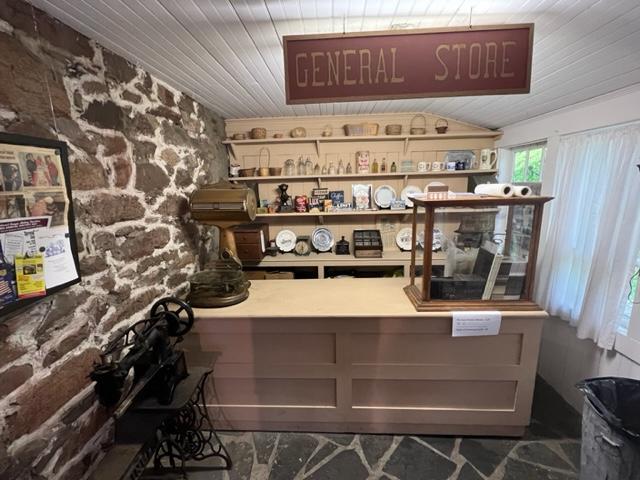
The General Store display on the first floor

The Armed Forces Display was very touching

The first floor is designed as most Dutch homes were at the time in the farming community. The kitchen was the center point of the home as a source of heating and cooking. The other rooms were connected so that the heat from the fireplace could spread through the home. It was simply furnished to reflect the life on the farm.
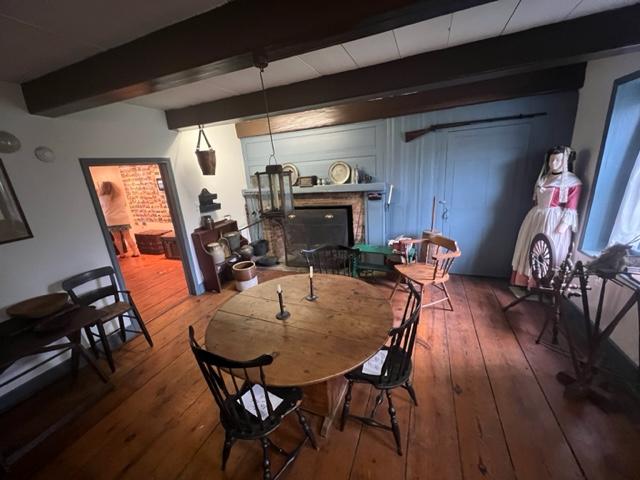
Another view of the Dining Room

As time went on and the family got more affluent, better furnishings were bought for the home. The house today reflects that home that would have been during the late 1700’s early 1800’s life on the farm.
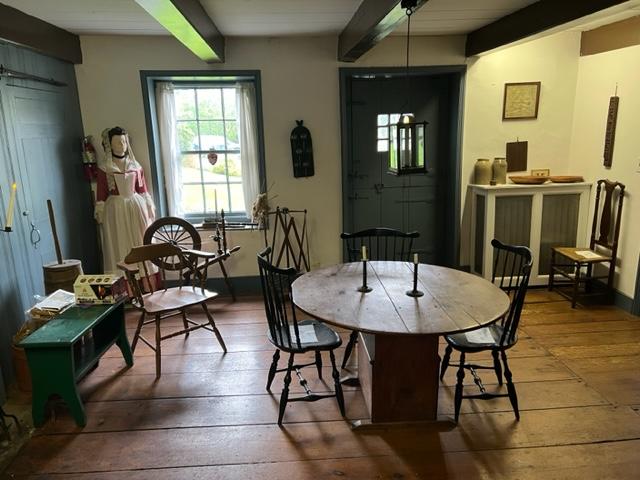
The Old Stone House kitchen
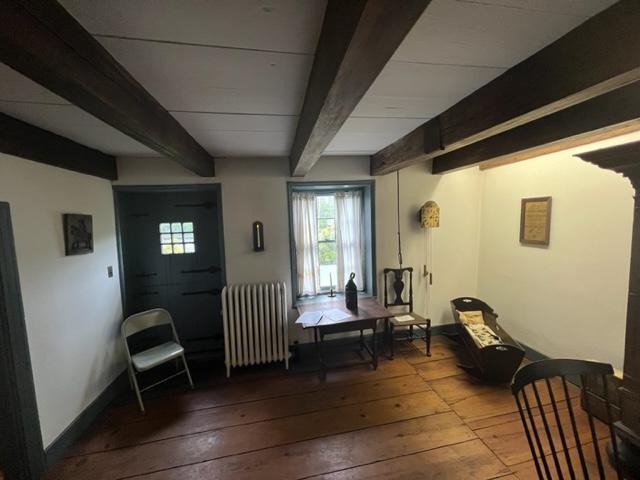
The Old Stone House parlor
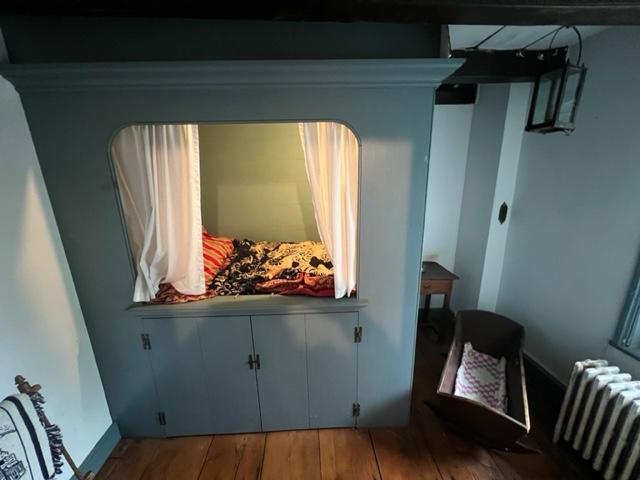
The Old Stone House Bedroom
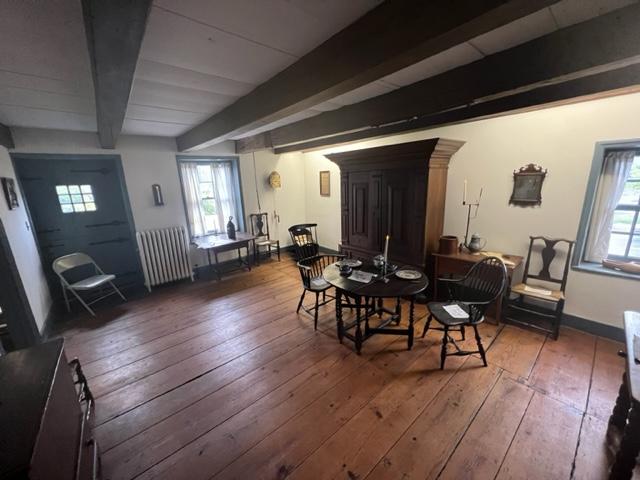
The Old Stone House Living Room

Old Stone House Living Room
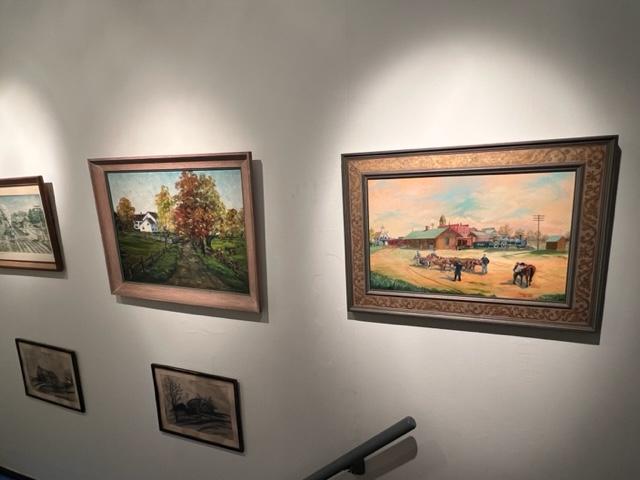
The upstairs painting and art collection

On the second floor are two children’s displays, one of toys and the other is set up like a school. There are period furnishings and children’s playthings in both rooms. The upstairs was finished off the house in the 1920’s.
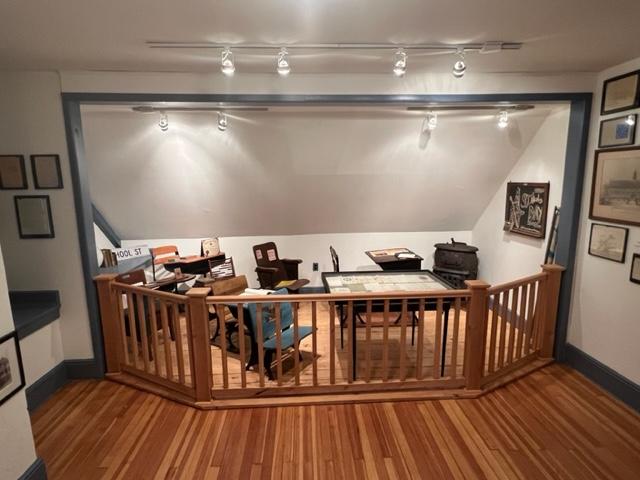
The Old Stone House Schoolhouse display
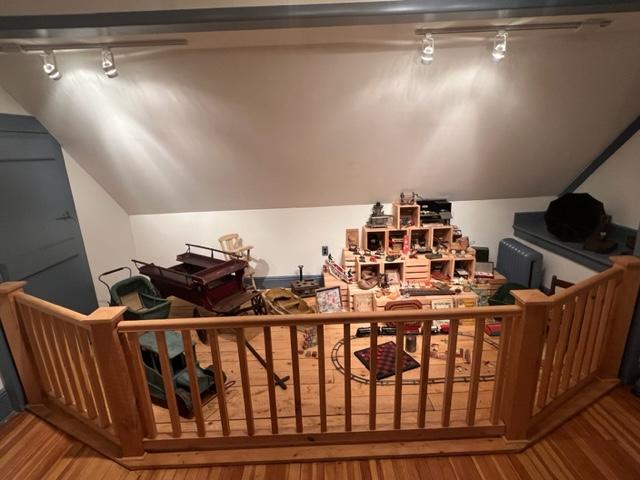
The Old Stone House Toy Display
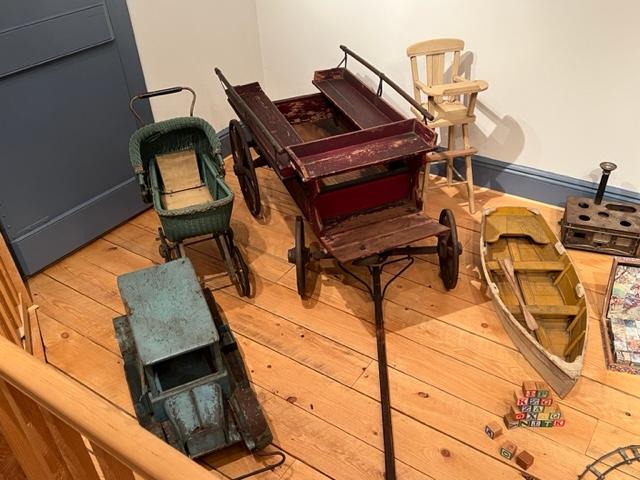
Antique Toys
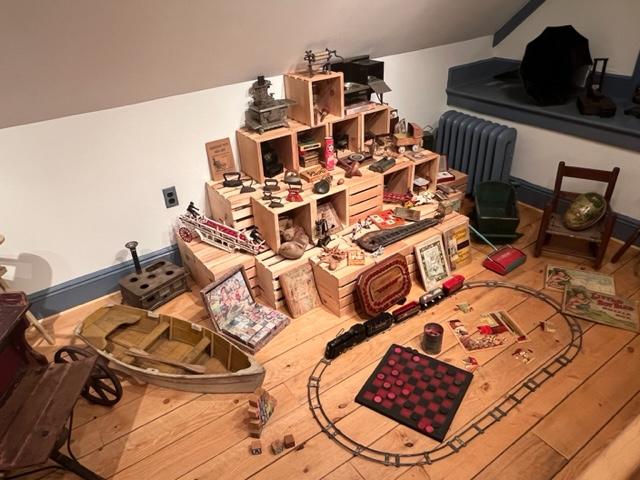
Antique Toy Display

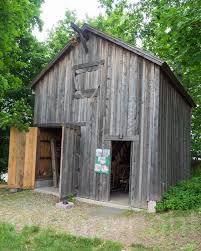
The barn off to the side of the house was moved to the property and holds a collection of period farm equipment.
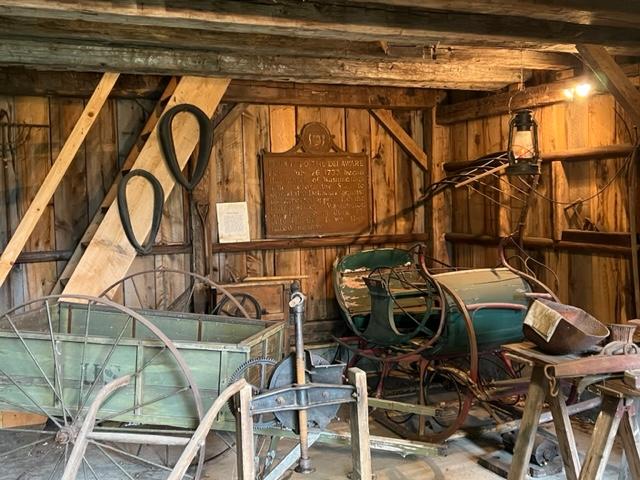
The Old Stone House barn and farming equipment
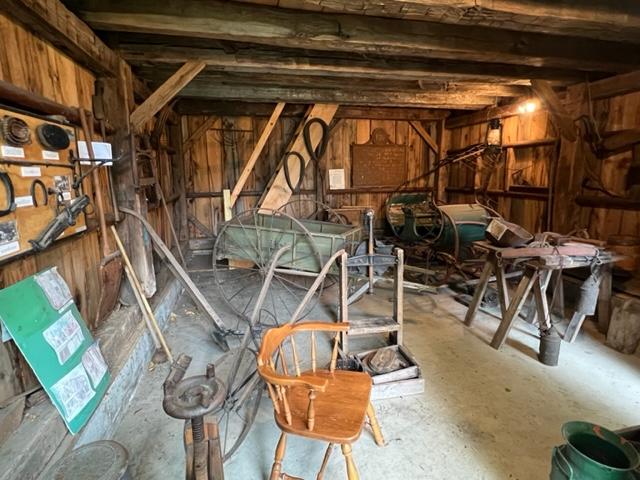
The Old Stone House barn equipment
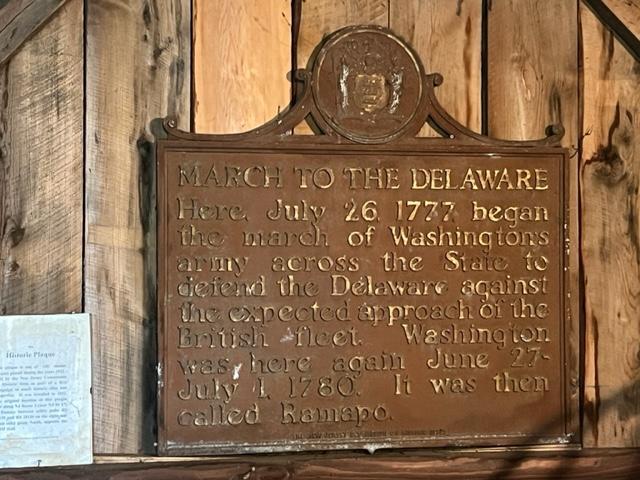
A historic marker in the barn

The house had been used as a private home for most of its history as well as a tavern during the late 1700 to early 1800’s. In the modern age, it was used as a antique store for the last two residents.

During the holidays, there is a big Christmas ‘Sinterklaas Festival’ (Dutch Christmas) that happens in early December.
Old Stone House II.jpg

The Old Stone House Barn

The History of the house:

(from the museum website)

The house has had many owners who have put their own touches to the ownership of the house. The original part of the house was built around 1746 by the original owner of the house, Jan Westervelt. This may have been part of the land leased to Uriah and Ruloff Westervelt in 1744. The land was part of the Ramapough Tract for the Proprietors and was from Peter Fauconier, one of its original purchasers (RHS).

The Ramapough Tract is situated between  the Ramapo Mountains and the Saddle River. It was purchased from the Indians on November 18, 1709 and it was acknowledged by the Indians at Tappan before Cornelius Harring, the Justice of the Peace. The land was passed through the Westervelt family through the early 1800’s until it was sold outside the family in 1837.

From there the house had multiple owners until it was sold to the State of New Jersey in 1955 and is now leased to the borough of Ramsey for a dollar and is maintained by the Ramsey Historical Society.

The Old Stone House

My class promotion of the Borough of Ramsey for the project “It’s Razzling in Ramsey: Be a Tourist in your Own Town”:

The blog on this project:

https://mywalkinmanhattan.com/category/exploring-ramsey-nj/

In the Fall of 2024, I created a Team Project with my students at Bergen Community College that promoted the Borough of Ramsey for Destination Tourism. Part of this project was a trip to the Old Stone House with the assistance of the Ramsey Historical Society, our class toured the museum and understood its rich history not just in Ramsey but in Bergen County.
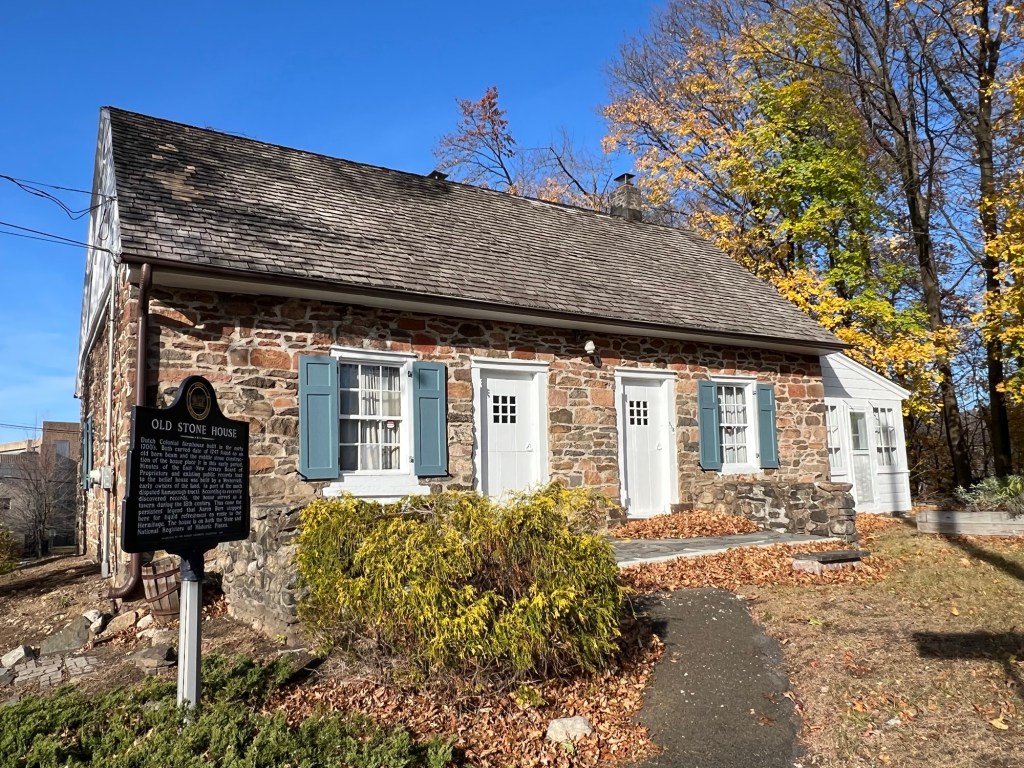
Touring the Old Stone House right before Thanksgiving
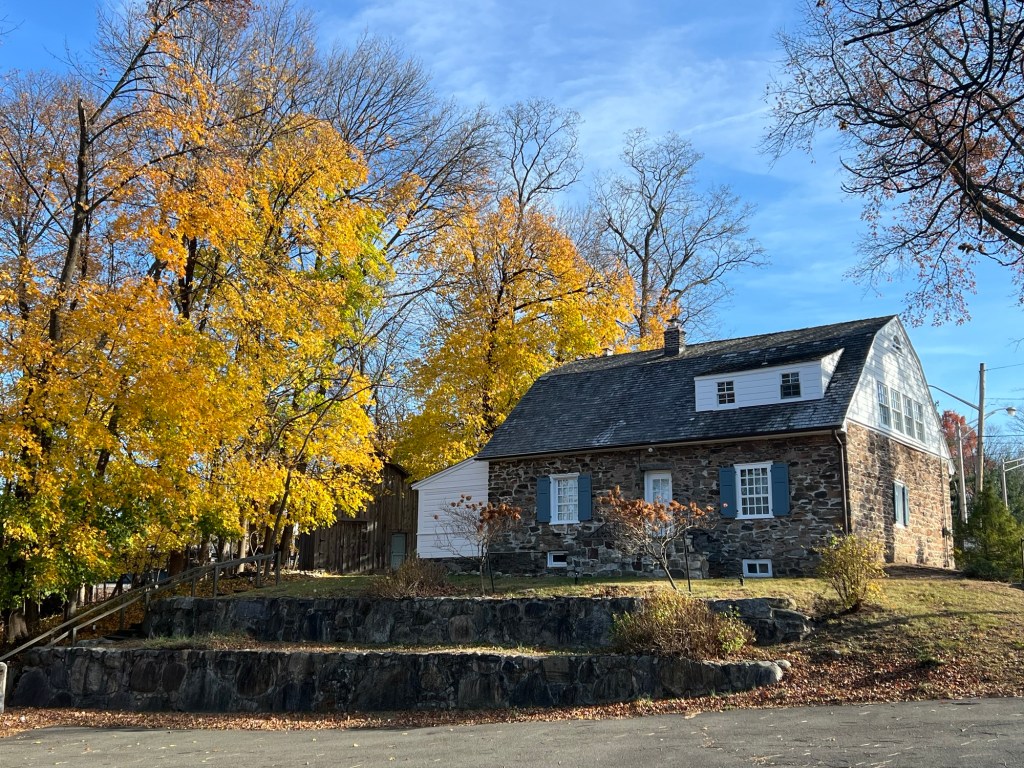
The Old Stone House from the street

The barn on the property

The President of the Ramsey Historical Society tour us on a tour of the barn, the grounds and then around the house. He explained the town’s past and its place from Colonial to modern times.
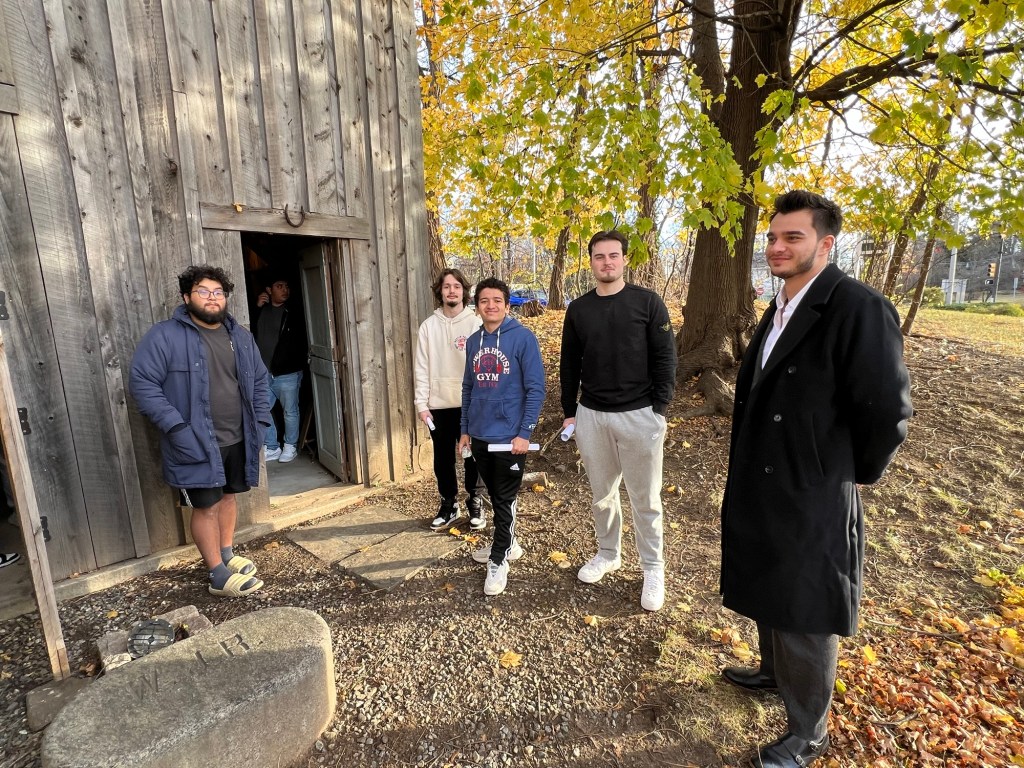
My students exploring the barn

Taking class pictures outside the barn
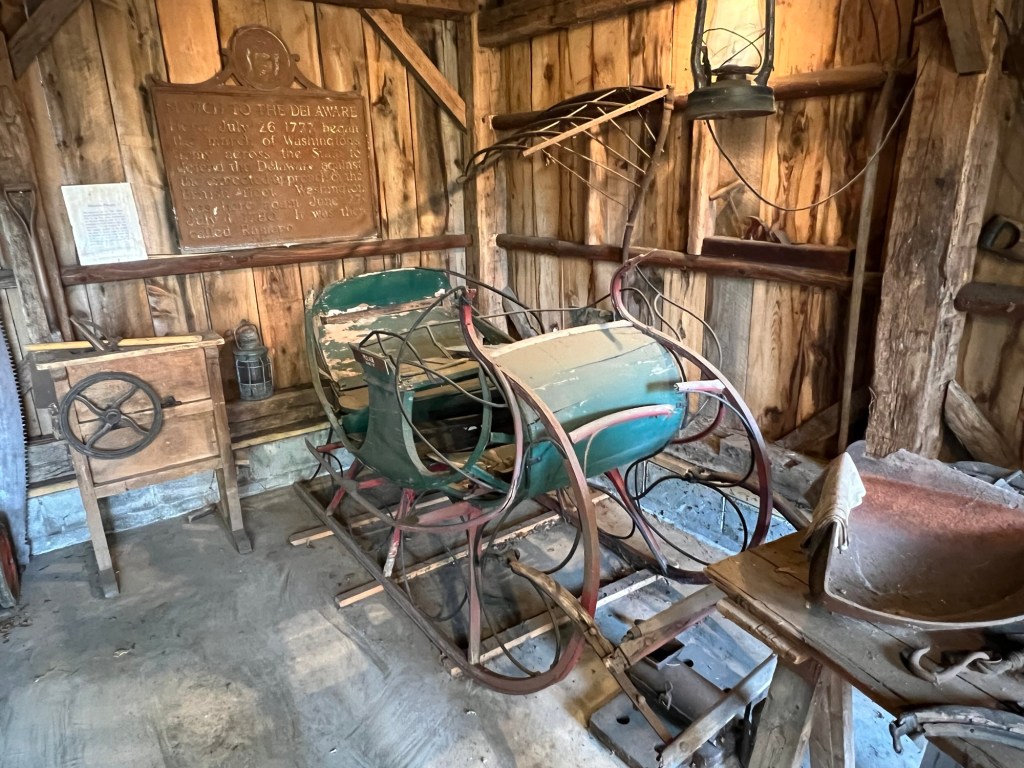
Touring inside the barn with its farm equipment and sleighs
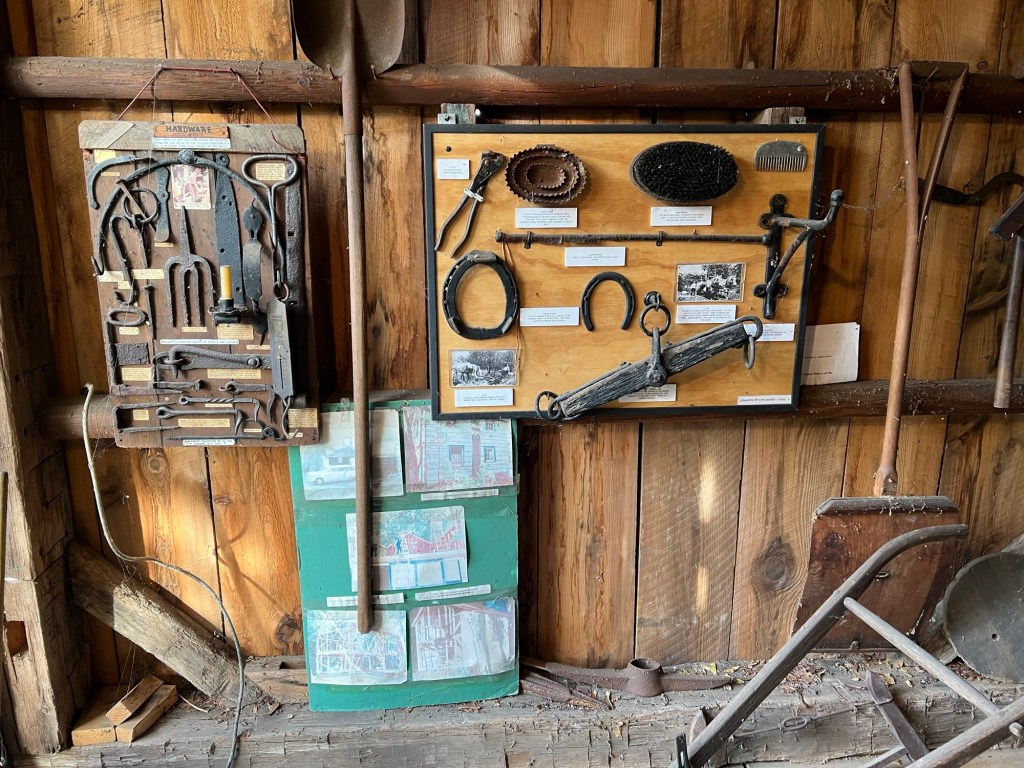
Looking at the farm equipment from all ages
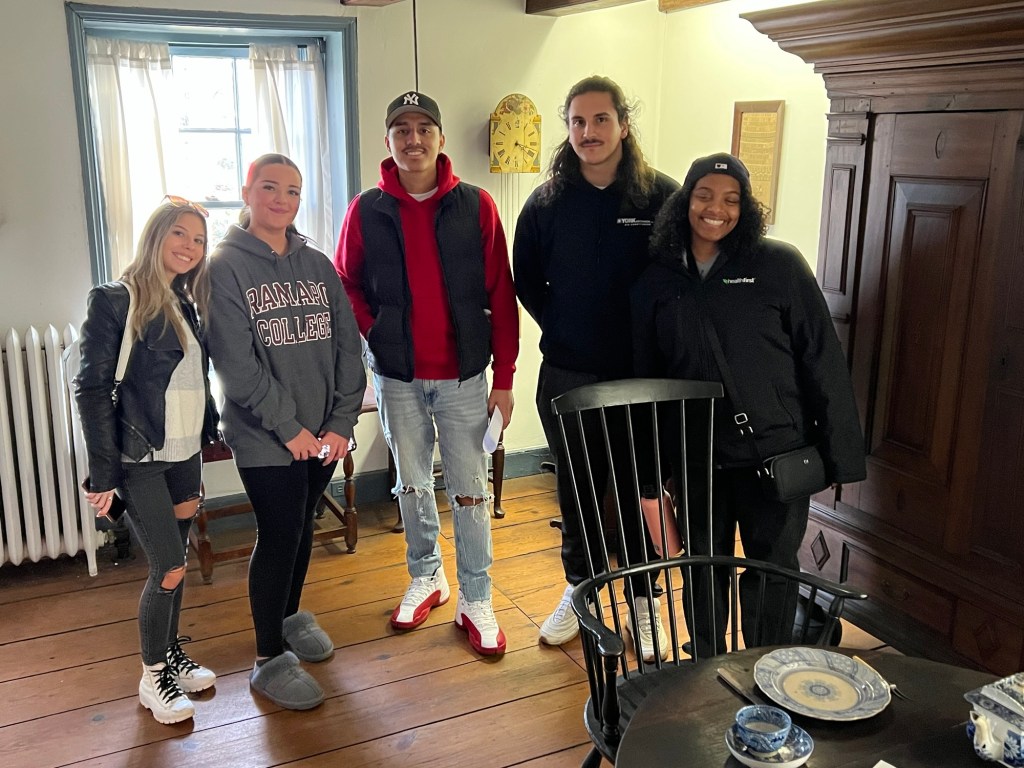
My students touring the Old Stone House
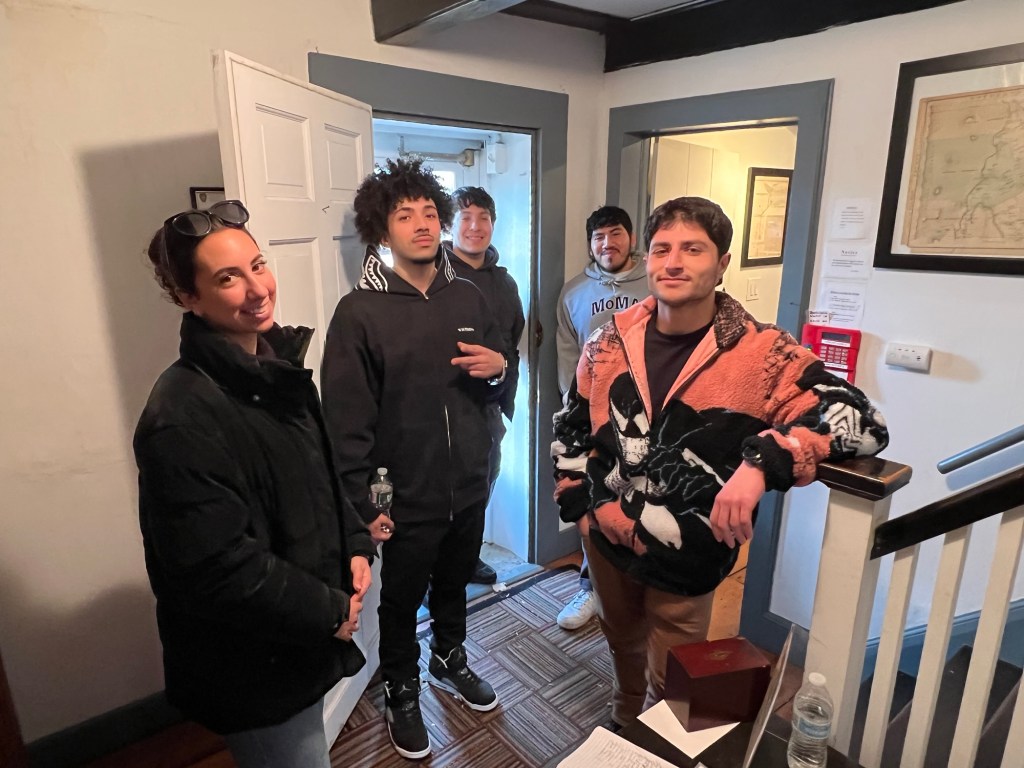
My students touring the museum
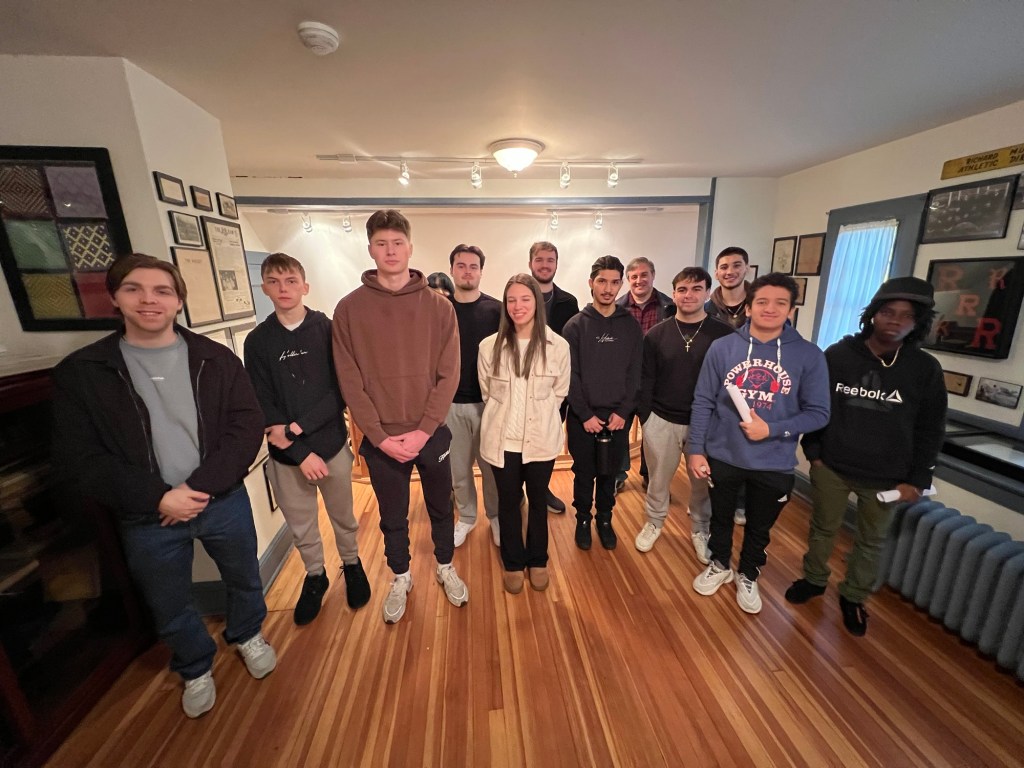
A group of my students touring the museum to promote it for tourism
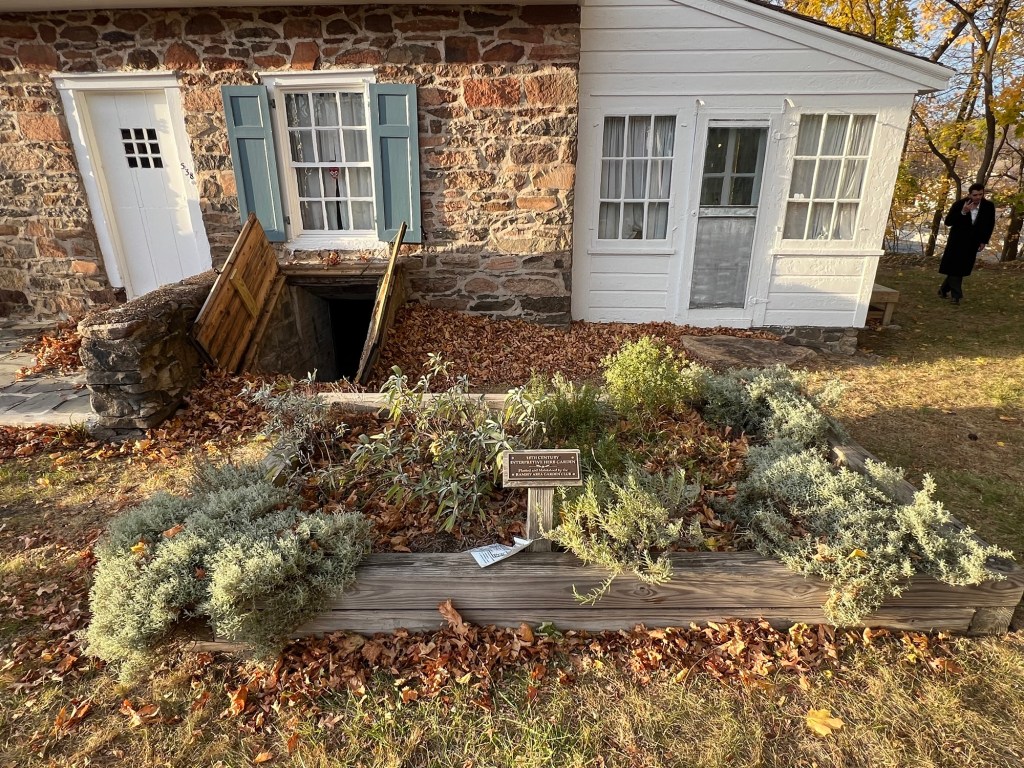
The Historical Society even let us tour the basement
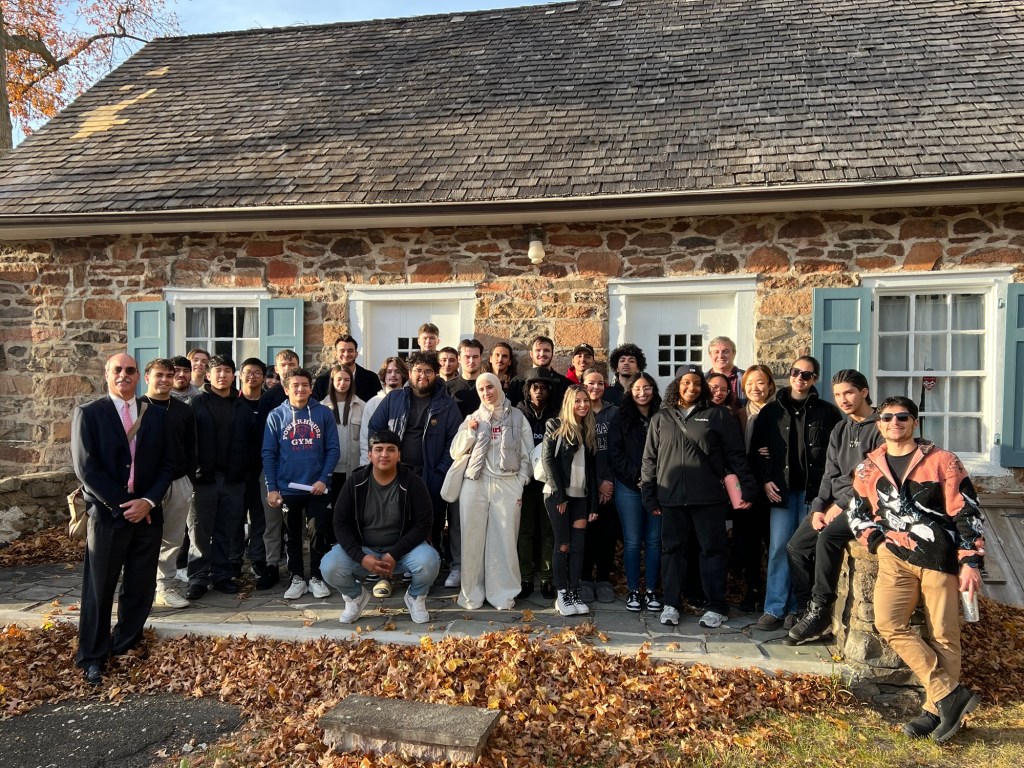
The Team group picture of all my students touring on the walking tour of the Old Stone House in November 2024.

They created the very funny and clever “Visit from Mr. Pumpkin” event for the project. Here is a link to the video:

https://www.youtubeeducation.com/watch?v=qbs2jhkrNWE

The students did an excellent job on the project and you can see the whole present above through the blog and its links. It was the perfect showcase to this hidden gem of a museum.

The Museum at the Station                                                      176 Rock Road                                                                        Glen Rock, NJ 07452

The Museum at the Station 176 Rock Road Glen Rock, NJ 07452

The Museum at the Station

The Glen Rock Main Line Station

178 Rock Road

Glen Rock, NJ  07452

(201) 342-3268

http://www.glenrockhistory.org

http://glenrockhistory.wix.com/grhs

email: GRHistoricalsociety@gmail.com

Open: The last Sunday of each month from 1:00pm-3:00pm

There is no admission fee although donations are gratefully accepted.

TripAdvisor Review:

https://www.tripadvisor.com/Attraction_Review-g46608-d2661796-Reviews-Maywood_Station_Museum-Maywood_New_Jersey.html?m=19905

The Museum was featured in the project by Bergecco-Parc Consulting Inc. “I’m Glad I’m in Glen Rock, NJ: Be a Tourist in your own Town”:

https://mywalkinmanhattan.com/category/exploring-glen-rock-nj

The Video’s of the Presentation in Glen Rock City Hall.

Video One

City Hall Presentation December 2023

Video Two

Glen Rock City Hall Presentation December 2024

Video Three

Glen Rock City Hall Presentation of “I’m Glad I’m in Glen Rock, NJ” December 2023

The museum was given a Digital Marketing Campaign in the videos.

The Glen Rock Historical Society at the old train station.

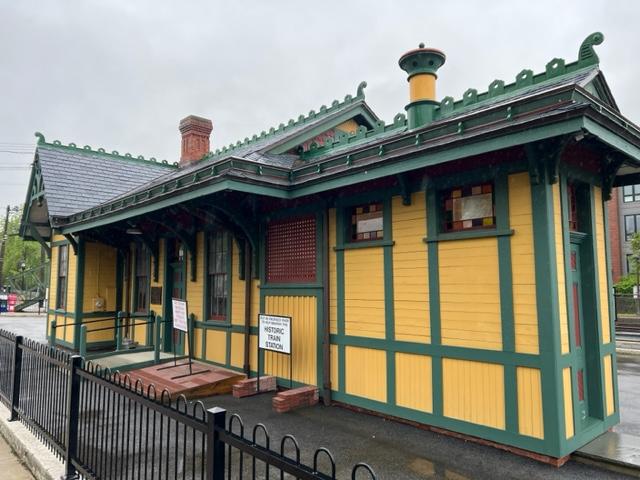
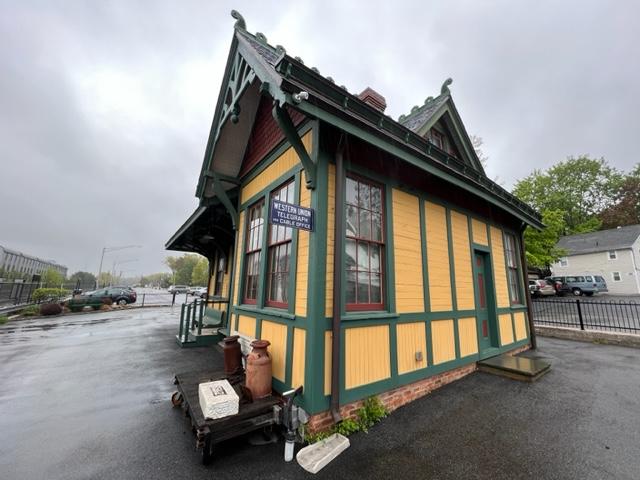
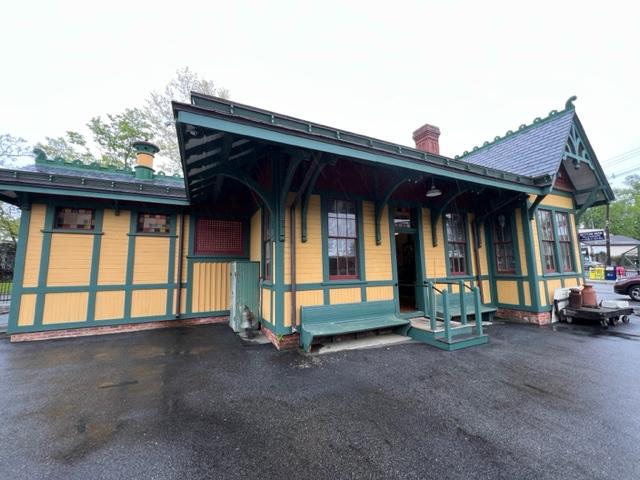
I visited the Museum at the Station as my last stop on the Northwest Bergen History Coalition 8th Annual History Day tour. The station is managed by the Glen Rock Historical & Preservation Society and is housed inside the original 1905 Erie Main Line Train Station on Rock Road at the tip of downtown Glen Rock.

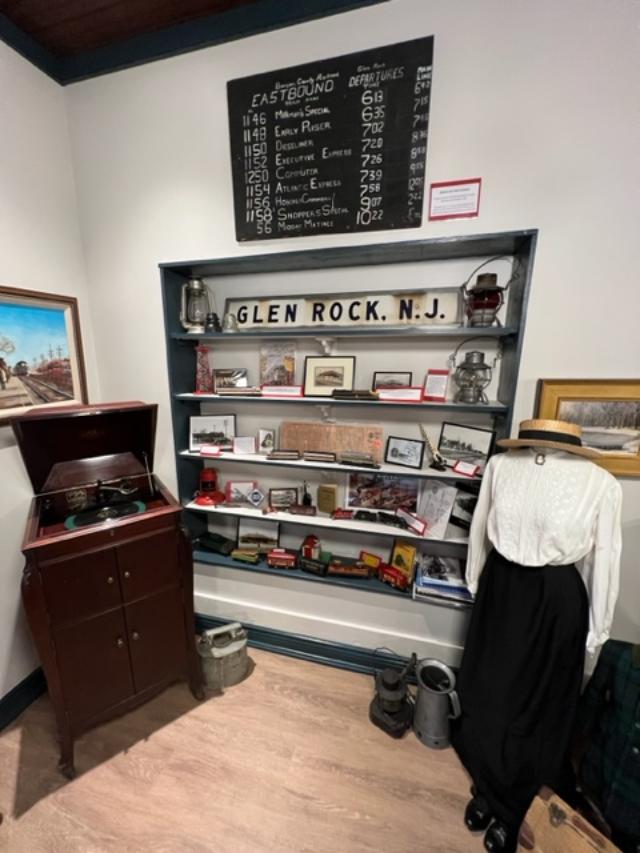
The Dispatch area of the Museum at the Station in Glen Rock, NJ

The station was at one time a destination and departure point for families and farmers, commuters and immigrants. There are permanent exhibits  on the Erie Railroad’s past and artifacts from Glen Rock’s past including clothing, furniture, toys and farm equipment.

Some of the items they have on display are an interesting toy train collection by a local resident, an old Victrola with the accompanying records, period clothing donated from local residents and local artifacts from local residents.

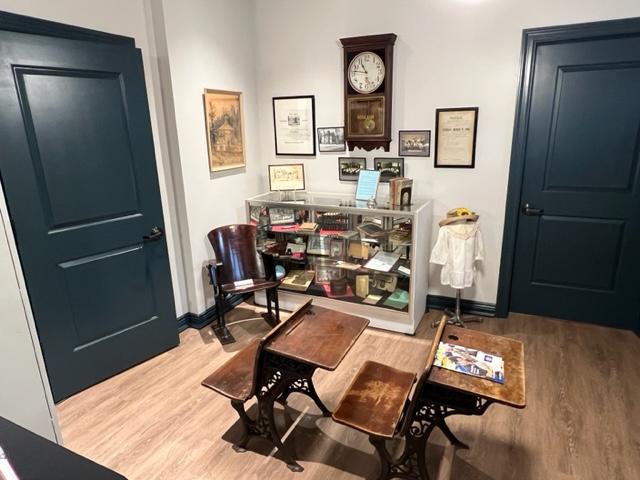
Toys and school set up at the Museum at the Station

They had a small display for the day on how immigration shaped the town of Glen Rock and it grew on the transportation that was brought to this small town. The volunteer docents who operate the museum do a nice job with the tours and in describing all the artifacts on display.

The Museum at the Station in full view

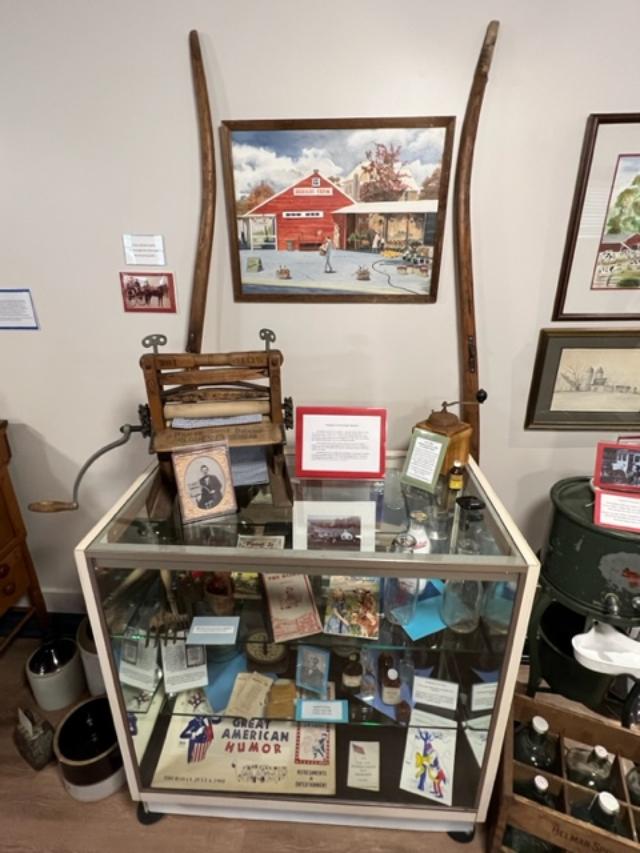
Local historical items at the museum

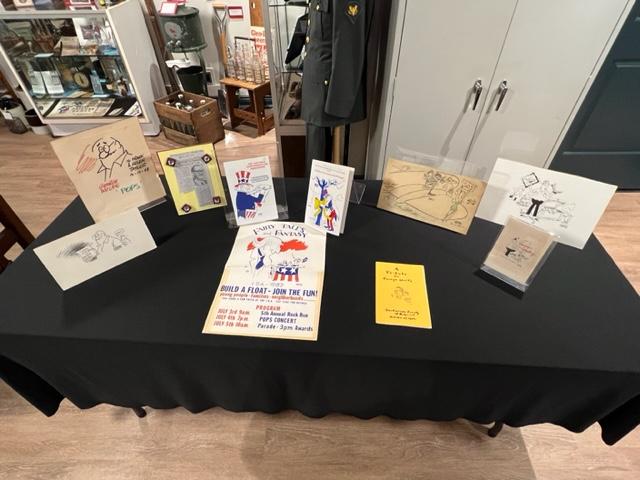
The museum was hosting an exhibition on the work of artist and cartoonist George Wolfe, who is best known for his jumbles cartoons. The artist had lived in New York City and then moved to Glen Rock in the 1970’s. His works were displayed all over the museum.

The sign for the “George Wolfe” exhibition

The work of artist and cartoonist George Wolfe at the Museum at the Station.

The original artwork of artist George Wolfe;

What is nice is that right down the road is the historic ‘Rock’ that Glen Rock is named for is a block down the road at the corner of Rock Road and Doremus Avenue. This historic landmark is a product of the its movement here in the last Ice Age. During the time of the Lenape Indian living in the area, it was considered sacred and used as a historic marker. During the Colonial era of the town, it was used as a gathering place.

The Rock at downtown Glen Rock, NJ

My blog on the Rock:

https://wordpress.com/post/visitingamuseum.com/1593

The museum is open limited times of the month so please call in advance.

The history of Glen Rock at the Museum at the Station

History of the Museum:

The Museum at the Station is housed in the 1905 Glen Rock Main Line train station. The Erie Main Line was originally part of the Paterson-Ramapo Railroad that was one of the earliest railroads in New Jersey, coming through this area in 1842. The building now houses the Glen Rock Historical and Preservation Society.

Artifacts at the museum

The Borough was incorporated in 1894 and the Museum’s collection contains many artifacts, documents and photographs illustrating  the history, growth and development of Glen Rock, NJ.

(From the Northwest Bergen History Coalition)

Disclaimer: This information was take directly from the Northwest Bergen History Coalition pamphlet and I give them full credit for the information. Please call or email the above numbers for more information.

(Please see my blogs under my site, “MywalkinManhattan.com”, ‘Days One Hundred & Nine’ and ‘Day Forty-Three’ for description of my touring days of the sites of Bergen County)

The artifacts in the museum.

Waldwick Museum of Local History                                           4 Hewson Avenue                                                                 Waldwick, NJ 07463

Waldwick Museum of Local History 4 Hewson Avenue Waldwick, NJ 07463

Waldwick Museum of Local History

4 Hewson Avenue

Waldwick, NJ  07463

(201) 873-8913

http://www.WaldwickMuseum.org

https://www.facebook.com/waldwick.MLH/

The Museum is open one Sunday afternoon a month and for special events only.

TripAdvisor Review:

https://www.tripadvisor.com/Attraction_Review-g46892-d14049026-Reviews-Waldwick_Museum_of_Local_History-Waldwick_New_Jersey.html?m=19905

The Waldwick Museum of Local History

The Museum sign

I visited the Waldwick Museum of Local History during the Northwest Bergen History Coalition 8th Annual History Day for their exhibition, “How Immigration & the Railroad Shaped our Towns”. They currently have an exhibition on the “100th Anniversary of Waldwick”. The Waldwick Museum is in the restored 1887 Railroad Station, which has served the town of Waldwick and the surrounding towns.

The back of the museum

The Museum is having been planned for years and the restoration was spearheaded by Doug Cowie, the Vice-President of the Waldwick Community Alliance, who at the ribbon cutting ceremony at the opening on May 22nd, 2016, thanked resident, Kay Williams. Ms. Williams formed the Waldwick Historical Society in 1977.

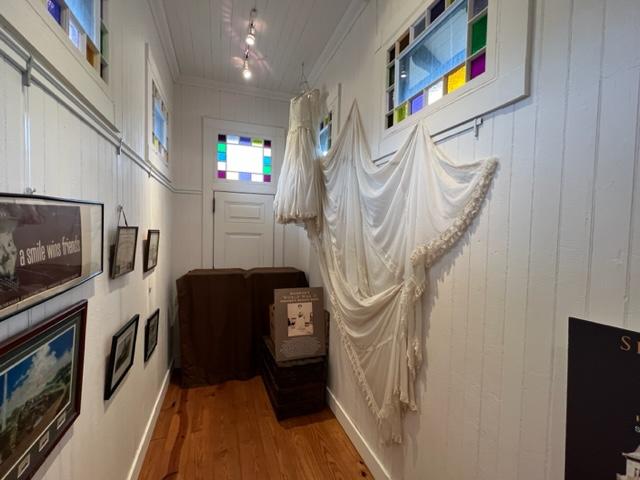
The Wedding Dress display

The town is celebrating their 100 Anniversary and the new exhibition at the museum reflects it with exhibitions and memorabilia from the town of Waldwick. The currently exhibition is broken down into sections.

The Train Booth Display

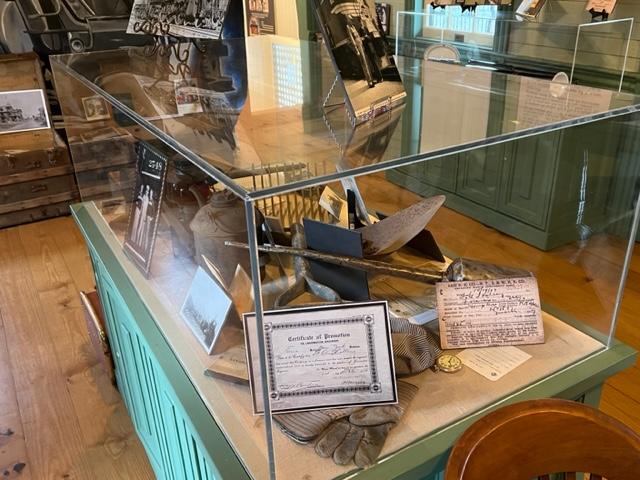
The conductor’s Office right next to the Ticket Booth

The Conductor’s collection of artifacts

The main part of the museum has the history of the town displayed including the schools, police and fire departments and town organizations. The history of the railroad service in town is displayed of how it developed and the how the town grew around the station. Since the town is celebrating its ‘100th Birthday’, there are all sorts of pictures of the town at various stages.

The Railroad display

The inside displays

The museum is only open once a month so please check their website.

In a ‘Brief History of the Borough of Waldwick’, the timeline for the town is:

Pre-1700: Lenni-Lenape Indians inhabited the land.

1600’s: European farmers settled the land.

Late 1700’s: Franklin Turnpike is a toll road.

1840’s: The Railroad connecting Jersey City with Suffern is built and ran through Waldwick, then named New Prospect.

1852: Erie Railroad Company takes over the railroad.

1880: New Prospect becomes a depot.

1886: An architectural Queen Anne Style depot is built. The depot is called ‘Waldwick’ meaning “Light in the Woods”. The depot brings more commerce to the area also called Orville Township.

1890: The Railroad Signal Tower is erected in a similar style as the Depot.

1919: The small railroad hamlet is incorporated as the Borough of Waldwick.

When I visited the museum that day, the theme of the day was how immigration had changed the suburbs and how the Town of Waldwick had a increase of Italian immigrants move into the town bringing their traditions with them and how it shaped the town.

The Railroad Display

The Railroad Display

The Museum Displays

They also had an extensive exhibition of the town’s railroad past with maps and pictures of the old railroads. The pictures are accompanied with memorabilia from the railroad era. There is also artifacts from the town in different eras on display.

The museum has limited hours and is run by volunteers. It is open one afternoon a month and for special events.

History of the Waldwick Train Station:

The Waldwick Railroad Station is one of the few extant frame terminal predating 1900 on the Erie Railroad line in New Jersey. Planned and built in 1887, the structure’s Queen Anne style is representative of the small suburban railroad depots erected throughout the United States in the last quarter of the 19th century. In 1996, the Station was named to the National Registry of Historic Places as well as the New Jersey Registry of Historic Places.

The Waldwick Town History Displays

It also serves as home to the Waldwick Museum of Local History where exhibits commemorate life in the late 19th and the early 20th centuries and the impact that the railroad has had on the Borough of Waldwick and the surrounding area. The Waldwick Community Alliance (WCA) has complied a collection of hundreds of historical photographs and documents as well as artifacts from that time that are or will be on display. The WCA exhibits these historic artifacts along with others that are donated and collected.

The Waldwick Town History Displays

(The Waldwick Historical Society)

Disclaimer: This information was from the Waldwick Historical Society and I give them full credit for this information.

The African Art Museum of the SMA Fathers (Society of African Missions)                                                                             23 Bliss Avenue                                                                              Tenafly, NJ 07670

The African Art Museum of the SMA Fathers (Society of African Missions) 23 Bliss Avenue Tenafly, NJ 07670

The African Art Museum of the SMA Fathers (Society of African Missions)

23 Bliss Avenue

Tenafly, NJ  07670

(201) 894-8611

http://www.smafathers.org/museum

https://smafathers.org/museum/

https://smafathers.org/museum/about-us/

Open: 8:00am-5:00pm Seven Days a week

Please contact us for group tours.

Fee: Free admission but a donation is suggested.

TripAdvisor Review:

https://www.tripadvisor.com/Attraction_Review-g46863-d3967225-Reviews-African_Art_Museum_of_the_Society_of_African_Missions-Tenafly_New_Jersey.html?m=19905

I recently revisited the African Museum of Art on the SMA Father’s and on this trip really took my time to learn about the Mission and study the art in the various displays. Each country that the Mission is involved with is represented here with detailed information on the meaning of the art and its purpose. It is an interesting approach to understanding the culture of each of these countries.

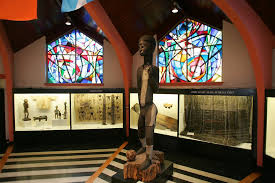
The beautiful stained glass windows line the ceiling and walls and has a beautiful effect in the room on a sunny day.

The sculpture in the middle of the main hall

The History of the Museum:

(From the museum website)

This museum was established in 1980 and is one of the only rare few in the United States dedicated solely to the arts of Africa. Its permanent collections, exhibited on a rotating basis, offer a unique advantage in the study and research of sub-Saharan sculpture and painting, costumes, textiles and decorative arts, religion and folklore.

The main hall of the museum

The history of the Mission

The history of the Mission

The history of the Mission

The African Art Museum of the SMA Fathers is one of five museums around the world founded and maintained by the Society of African Missions, an International Roman Catholic missionary organization that serves the people of Africa.

The display case that line the main hall

The display case that line the main hall

The art works up close

The descriptions of the works

The display case that line the main hall

Some of the works up close

The description of the masks

The display case that line the main hall

The museum is the continued vision of SMA’s founder, Bishop Melchior de Marion Bresillac (1813-1859). The French-born clergyman urged his Society to respect and preserve the culture of the peoples they serve, the unique among the missionaries of his time. (This information is provided by the museum).

Some of the works being featured in the exhibition

Their current exhibitions is on the “Africanizing of Christian Art” which shows the 20th Century encounter between Catholic Christianity and the visual culture of the Yoruba, a prominent west African people of southwest Nigeria under the conditions of late colonization (This information provided by the museum).

The hallway off the main room

Linking the walls of the main room are wooden carved doors from a palace in Africa. The interesting detail work tells it own story.

The description of one of the doors

Panel One

Panel Two

Panel Three

Panel Four

The collection contains many works in the form of masks, textile work, religious figurines and decorative arts. Each display case shows a different theme in the art.

The works of art in the cases

The puppets in the case

The works of art lining the cases

The engaging Mask collection

The museum is the main hallway of the church. I found it a quiet place where you could really concentrate on the beauty of the art. It grounds are also nice to walk around in in the nice weather.

The Chapel just off the museum is interesting to visit. I wondered how many people came to serve here and how the service was performed.

The main chapel of the mission

The beautiful stained glass windows in the chapel

The museum is a true hidden gem of wonderful and interesting testimonial and contemporary art. An inspiring museum if you take the time to really enjoy it.