The Ukrainian Institute of America at 2 East 79th Street
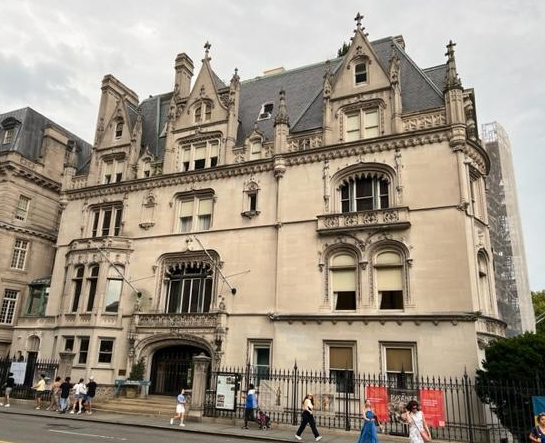
I was really impressed by the Ukrainian Institute of America on a recent visit. I must have passed this building a hundred times on my way to the Metropolitan Museum of Art and never thought twice of it. I was sorry I did as you will miss a lot by not walking in. The galleries are really impressive and the main gallery on the bottom gives you an interesting look at the history of the Ukrainian.
The first floor gallery discusses the formation of the country, a bit about its history and its ties to Europe and to Russia, its religious past and the current state of affairs of the country including its recent split of the eastern sections of the country and Crimea to Russia. Its a country in turmoil considering they want to join the European Union. It is a country in flux and on the cusp of entering the 21st Century with some of its past still tugging at it. Like all countries, it will prevail on the will of it’s people. There is a lot of solid history here and a country ready to enter its future.
The artwork of artist Vasyl Diadyniuk
The second and third floor galleries are full of art work from Ukrainian artists that is on sale and each of the galleries is dedicated to certain artists selling their works at somewhat hefty prices. Still you get to see the developments of the artists both here and abroad.
The forth floor is dedicated to special exhibitions. There are two shows going on now. One is by artist Vasyl Diadyniuk and another show is by artist Alexander Archipenko.
The artwork of artist Alexander Archipenko
The Museum has an interesting history.
Ukrainian Institute of America History:
The Ukrainian Institute of America Inc. is a non-profit organization whose primary mission is to showcase and support Ukrainian culture. To that end, the Institute affords the general public an opportunity to learn about Ukraine and how the Ukrainian spirit expresses itself, with special emphasis on the creative arts.
Founded more than fifty years ago by William Dzus, a prominent Ukrainian industrialist and philanthropist, the Institute sponsors:
*Art exhibitions
*Music concerts
*film screenings
*theater presentations
*Poetry readings
*Lectures and symposia
*Educational programs
*Children’s events
*Documentation center
The history of the building:
The building that is home to the Institute, the National Historic Landmark Harry F. Sinclair House is one of the few remaining examples of the splendid mansions that prominent citizens of New York City built in the 19th Century. The mansion was built in 1897 for Isaac D. Fletcher, a wealthy banker and broker, by the architect C.P.H. Gilbert. Executed in Gothic Revival style, the building is richly decorated with intricate crockets, carvings, moldings, pinnacles and other exquisite details. Six stories high, partly surrounded by a dry moat, the Institute features stately rooms that are magnificently proportioned and lavishly finished (Institute History).
The C.P.H. Gilbert house
In 1887, manufacturer, Isaac D. Fletcher, commissioned famed Gilded Age architect, C.P.H. Gilbert to design the mansion. When Mr. Fletcher died, left this mansion and his art collection to the Metropolitan Museum of Art, which sold it to Harry F. Sinclair, founder of Sinclair Oil Company and also famous for his involvement in the Teapot Dome affair. The last private owner was Augustus Van Horne Stuyvesant Jr., the last descendant of Peter Stuyvesant, who was the first governor of New Amsterdam, today’s New York City bought the house in 1930 and lived here with his sister, Anne. The house was sold as part of the estate when Mr. Stuyvesant died in 1953. The Ukrainian Institute of America acquired the mansion in 1955 (Institute History).
A key goal of the Institute is to continue to preserve this extraordinary fragment of the city’s history for the benefit of all citizens of New York. The house still retains its wooden moldings and the house looks as if its residents just moved out.
I recently visited the Leslie-Lohman Museum to see the second half of the “Art After Stonewall” exhibition that I saw at the Grey Gallery at New York University. The art is from just before the Gay Rights Movement just before the Stonewall Uprising and into the depths of the AIDS crisis of the early to mid-80’s.
It was interesting to see the perspective of people ‘coming out’ after the suppression of the 50’s and early 60’s and the wanting to conform to societies standards. People gravitated to the cities to find themselves and found an embracing community that was not always accepted by the status quo of the City. It was that suppression building up on conformity to be a certain type person that lead to riots, that being tired of being harassed all the time.
‘Art After Stonewall’ (picture of Devine)
There was a lot of lesbian art and the changes women felt at the time. Some was the changes in attitude and some of it was militant to the way the outside community treated these women. It was interesting to see the changes in less than a decade of how people saw themselves and the changes that people were capable of making.
‘Art After Stonewall’
The show closed on July 21st, 2019 but there are more shows in the future. The best part of the museum is that they have a suggested donation so if you do not have a lot of money it is a nice way to spend the afternoon and then explore SoHo and Chinatown.
History of the Leslie-Lohman Museum:
We can trace the origins of the Leslie-Lohman Museum back to the civil rights movement of the late 1960’s. In the moment of the Woodstock Music and Art Fair and the Stonewall Inn Uprising, gay art collectors Charles Leslie and Fritz Lohman presented their first exhibition in their SoHo loft in the summer of 1969. This weekend show featured downtown gay artists and was a complete success in attracting over 300 visitors-it because a seminal moment in the history of the Leslie-Lohman Museum and LGBTQ arts and culture.
In the midst of the 70’s gay liberation movement, our founders continued to collect and display the work of gay artists in various storefronts in SoHo while advocating for the preservation of the neighborhood, its unique architecture and the nascent community of artists living and working in its spacious lofts. Finally, settling in a basement gallery at 127-B Prince Street, this space became host to many art exhibitions and various cultural programs.
During the AIDS pandemic of the 80’s, Charles and Fritz created a refuge for ailing artists and their work. Along with providing care and lodging for them, they rescued the work of dying artists from families who, out of shame ignorance, wanted to destroy it. This led to the creation of the Leslie-Lohman Art Foundation in 1987 and to its ever-expanding collection of art. Through perseverance against the federal government, averse to approving a “gay art” organization, the foundation was finally granted tax-exempt in 1990.
Today, thanks to the hard work of generations of activities and artists, our community has gained greater visibility. However, the fight for our rights is not over. The foundation has transitioned into a museum that aims to preserve LGBTQ cultural identity and build community, reclaim scholarship from a queer artists and cultural workers. As we continue to stand at the intersection of art and social justice, we act as a cultural hub for LGBTQ individuals and their communities.
I am finding more and more that the university art galleries are mounting very interesting and clever exhibitions and some as edgy as their large museum counterparts. I recently attended the ‘Art After Stonewall’ exhibition which is created as a two part exhibition with the Leslie-Lohman Museum of Gay and Lesbian Art to showcase the post Stonewall riots to the beginning of the AIDS crisis.
“Art After Stonewall” exhibition
The exhibition was an interesting mix of pictures, video, graphic paintings and posters and documentary work combined to show the mood of the times. Some of the most impressive works came from clips of documentaries on Andy Warhol’s ‘Factory Movies’, and the documentaries on ‘Tongues Untied’ and ‘Paris is Burning’ about the gay crisis about men of color and the racism that they faced even within the Gay Community.
The East Village Art Community from the 1980’s “Art After Stonewall”
Some of the photos of then fringe neighborhoods are funny to see as they have been gentrified beyond what anyone could have thought thirty years ago from the early 1980’s. The East Village of back then and of today are world’s apart.
The College did a good job mounting the show and telling the story that is both humorous and sad at the same time. Also, the Grey Gallery is small so you can get through the exhibition in about an hour.
The Grey Gallery exhibition “Art After Stonewall” This is a Keith Haring poster.
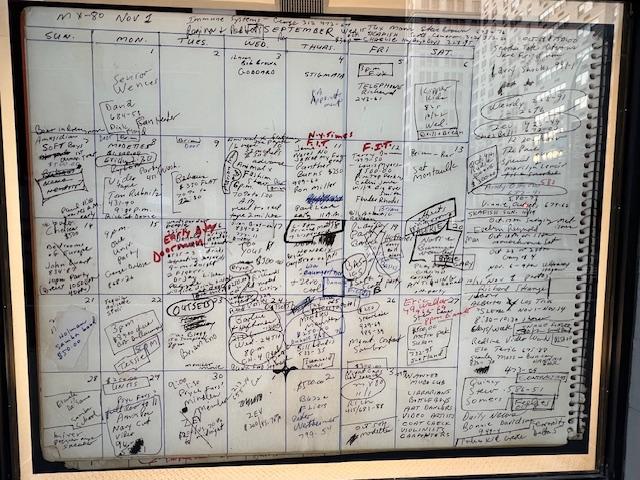
The most recent exhibition that I visited “Mudd Club 1978-1983: The Stephen Mass Papers” and the people who had visited the club at that time.
The Broadway Windows of the “The Mudd Club” exhibition in the NYU Broadway building.
In collaboration with NYU Fales Library and Special Collections, 80WSE Gallery presents an exhibition featuring materials from The Stephen Mass Papers, focusing on the legendary Mudd Club venue in New York City (1978-1983) through photographs and extensive notes. Located at the street-level Broadway Windows gallery and Project Space, the exhibition materializes the file structures of the archive and select visual documents contained within the collection.
The Broadway Windows of “The Mudd Club”.
The archival extracts provide rare insight into an important epicenter of downtown art, music, fashion, and culture at a transitional point in New York City and American life marked by rapid urban gentrification and the dawn of The Reagan Era. Within this atmosphere, post-punk musicians, independent designers, contemporary artists, and celebrities coalesced to animate the Mudd Club ‘cabaret’.
The Broadway windows of the “The Mudd Club”.
Acquired by Fales in 2019, the Stephen Mass Papers spans 16.75 Linear Feet in 24 manuscript boxes, 3 half manuscript boxes, 2 small flat boxes, 2 oversize flat boxes, 1 media box, 1 oversize folder in shared housing, and 1 sound reel in shared housing, including 33.92 Megabytes in 167 computer files, 1 sound tape reels , 1 videocassettes (u-matic), 10 audiocassettes, and 6 film reels.
The Broadway Windows of the “Mudd Club”.
“Stephen Mass is an entrepreneur who co-founded the Mudd Club located at 77 White Street in downtown New York City in 1978 along with art curator Diego Cortez and Anya Phillips. The venue became a focal point of the downtown music, art, and cultural scene in the late 20th century, showcasing the intersections of popular and avant-garde performance culture, gender and sexuality, celebrity culture, music, visual art, fashion, film, and nightlife.
The opening sign from the Grey Gallery on the NYU Campus.
The Stephen Mass Papers (inclusive dates 1940-2019, bulk dates 1978-2009) documents the founding and operation of the Mudd Club in New York City, Mass’s other entrepreneurial ventures in New York, and his nightclubs and restaurants in Berlin, as well as his personal life and family history. Consisting of both paper and electronic formats, the collection includes extensive notebooks and notes containing the planning and working notes for Mass’s various endeavors, financial and legal documents, promotional materials for events (such as posters, flyers, and newsletters), ephemera (differentiated from promotional material, as promotional material Mass collected from other clubs or organizations), press coverage, and photographic materials such as prints, negatives, and slides.”
The Grey Gallery exhibition of the “Mudd Club 1978-1983: The Stephen Mass Papers”.
—Fales Library and Special Collections
The Fales Library & Special Collections comprises 350,000 volumes of book and print items, over 11,000 linear feet of archive and manuscript materials, and about 90,000 audiovisual elements.
In 2024, the Grey Gallery moved to its new home at 18 Cooper Square and has a whole new contemporary look to it.
The history of the Grey Gallery on the NYU Campus.
Works from the permanent collection at the new “Grey Gallery” at 18 Cooper Square.
The front of the gallery for the “Americans in Paris” exhibition
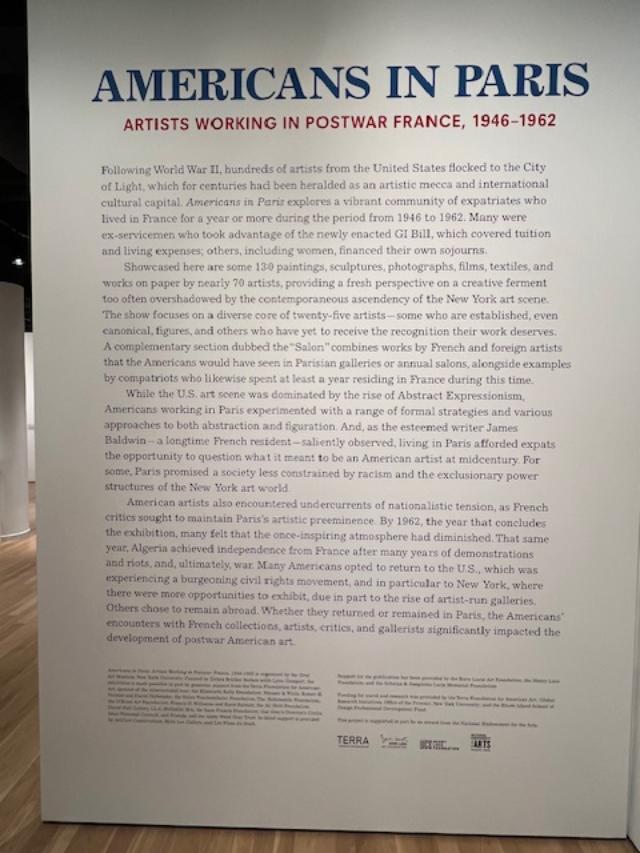
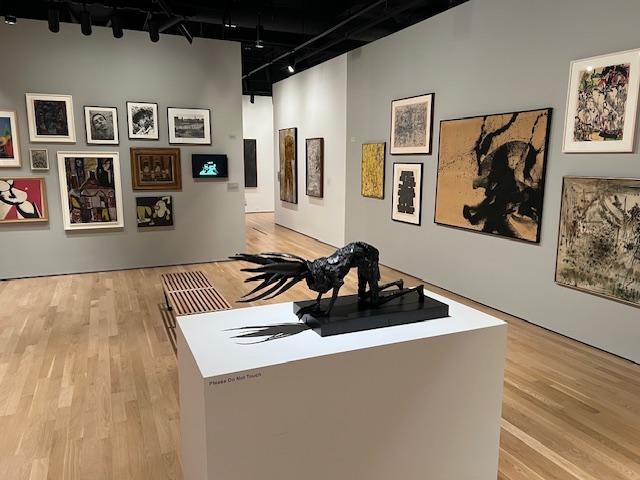
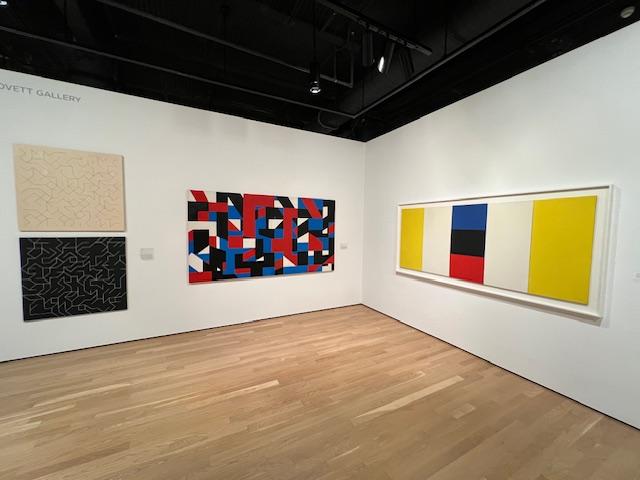
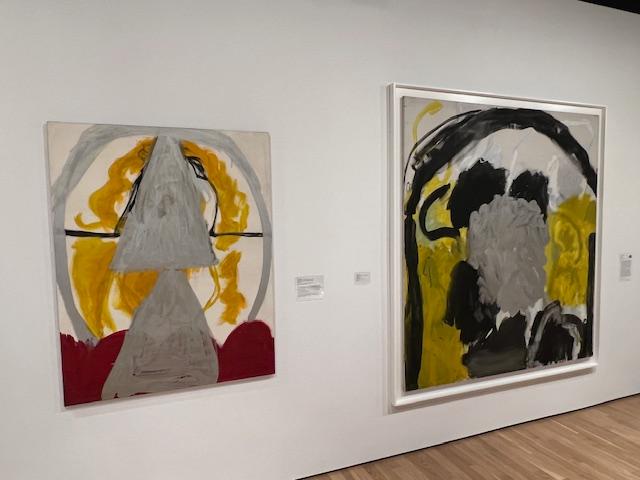
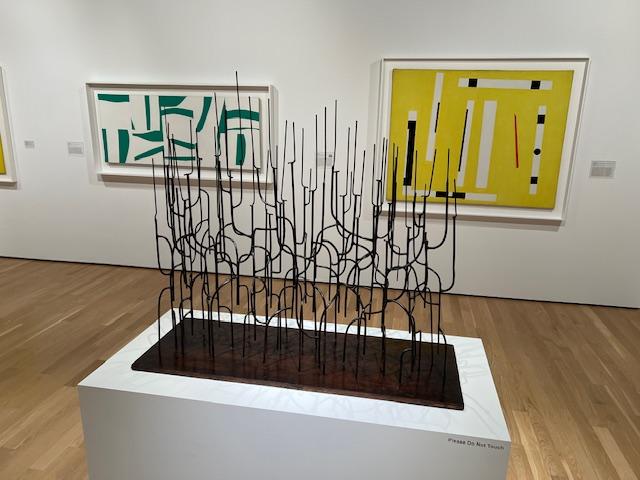
I was invited to a new exhibition open to students at NYU “American’s in Paris”, an exhibition of American artists who had been living and creating their art in the City of Lights after WWII until the 1960’s.
The sign for the “American in Paris” exhibition.
The entrance to the new Grey Galleries.
The back Galleries for the “Americans in Paris” exhibition.
The works of the artist “Kimber Smith” in the “American in Paris” exhibition.
The exhibition “American’s in Paris” with artist Joan Mitchell’s work.
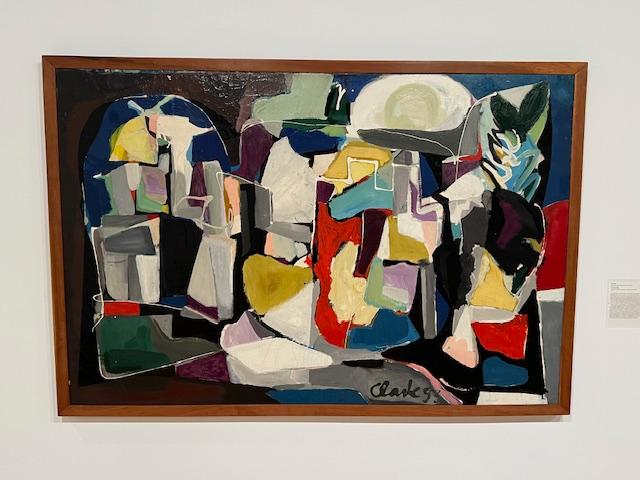
The exhibition “American’s in Paris” work by artist Ed Clark.
The works of artist Henry Cousin’s in the exhibition “American’s in Paris”.
The galleries of the Grey Art Galleries
Peter Saul’s “Man in Electric Chair”
“Man in Electric Chair”
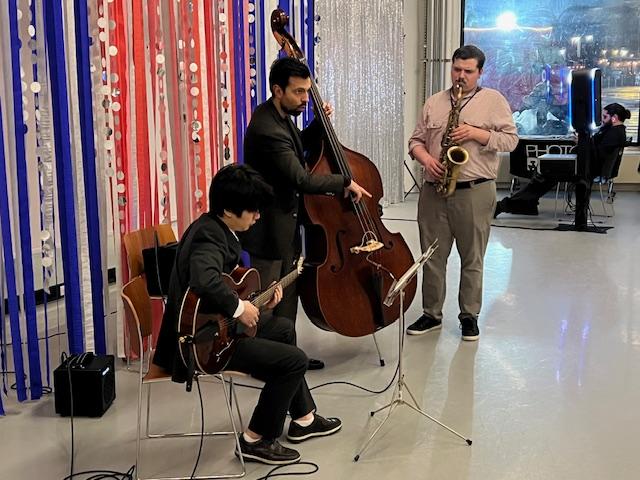
The Jazz band entertaining us at the opening of the “Americans in Paris” exhibition.
As an Alumnus of NYU, I now come for the exhibitions and just enjoy myself. I came in for the newest exhibition.
The exhibition in 2024 was “Make Way for Berthe Weill”: Art Dealer of the Parisian Avant-Garde
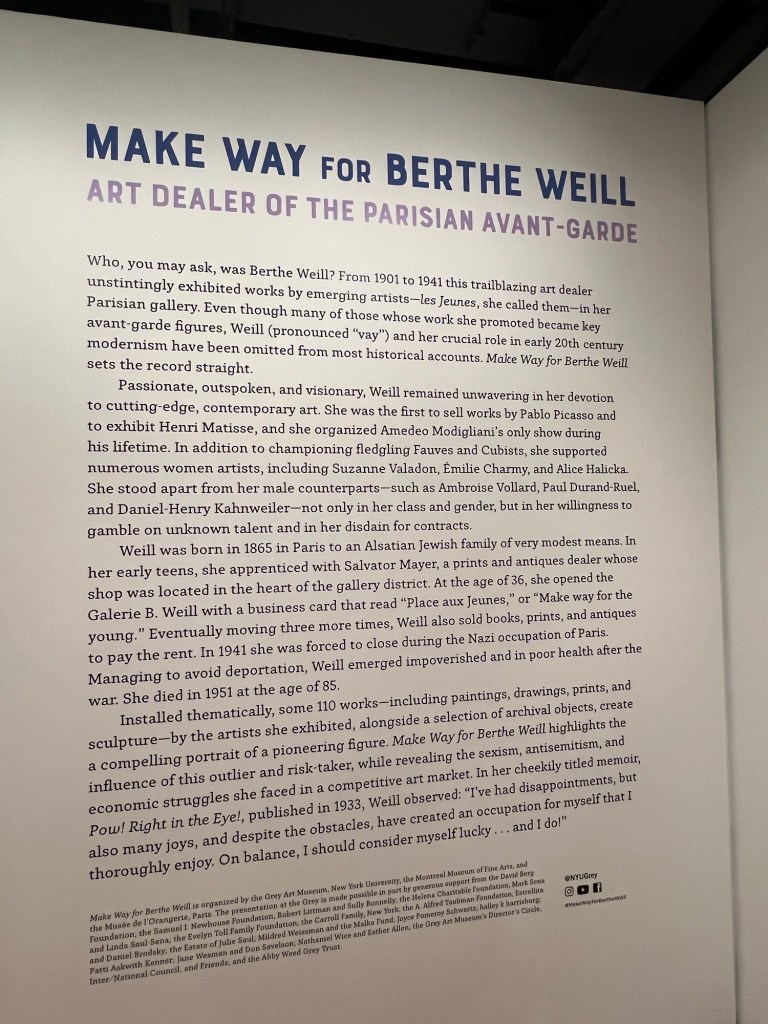
The main sign from the exhibition
(from the Grey Gallery website)
Make Way for Berthe Weill: Art Dealer of the Parisian Avant-Garde surveys the groundbreaking career of the first woman modern art dealer. Berthe Weill (1865–1951) championed many fledgling masters of modern art early on—such as Pablo Picasso, Henri Matisse, and Amedeo Modigliani—as well as numerous others who did not achieve wide acclaim. Yet her role in early 20th century modernism has been omitted from most historical accounts.
The exhibition will feature some 110 paintings, drawings, prints, and sculpture—many of which were shown at her gallery during the first four decades of the 20th century. Examining Weill’s contributions to the history of modernism as a gallerist, a passionate advocate of contemporary art, and a Jewish woman, it brings to light the remarkable achievements of a singular figure who overcame sexism, antisemitism, and economic struggles in her quest to promote emerging artists (From the NYU-Grey Gallery website).
The timeline of her career
The gallery that night
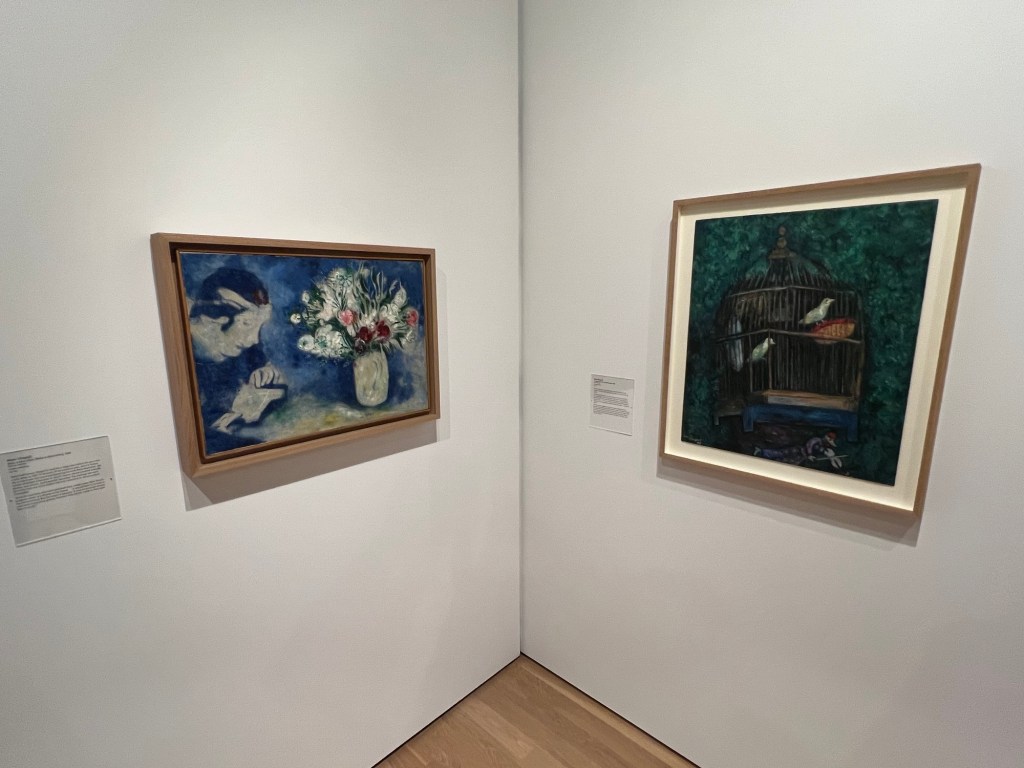
The art featured were artists promoted by the art dealer
The artwork by female artist Emilie Charmy
The work by artist Mark Chagall
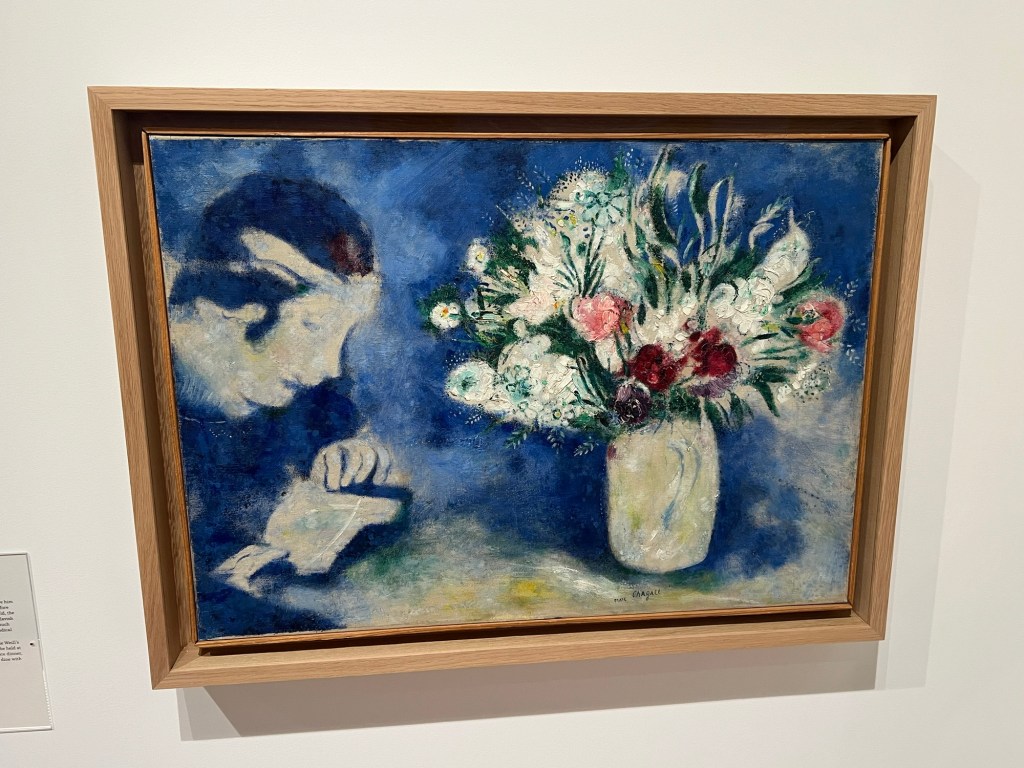
One of my favorite pieces in the show by Mark Chagall
The Mission of the Grey Art Gallery:
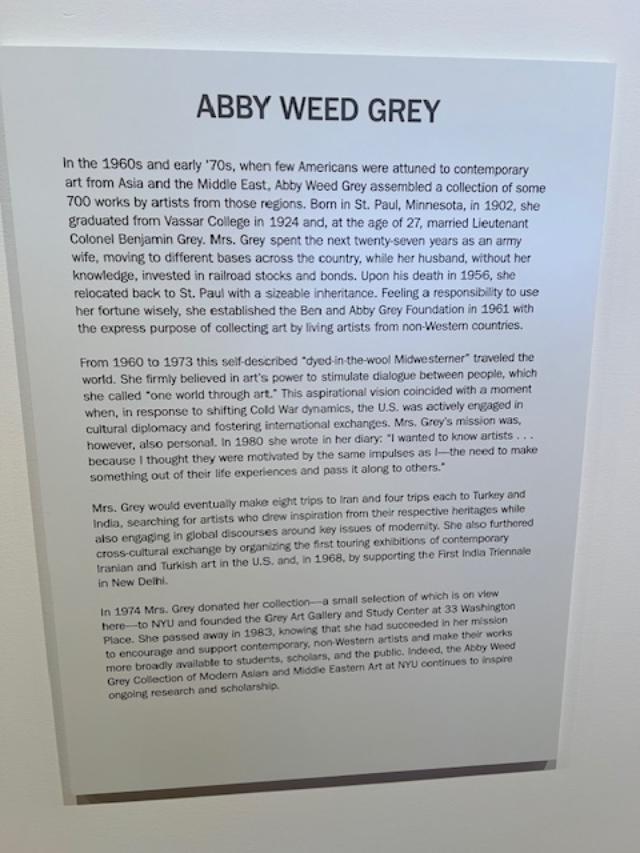
The Grey Art Gallery is New York University’s fine arts museum, located on historic Washington Square Park in New York City’s Greenwich Village. As a university art museum, the Grey Art Gallery functions to collect, preserve, study, document, interpret and exhibit the evidence of human culture. While these goals are common to all museums, the Grey distinguishes itself by emphasizing art’s historical, cultural and social contexts, with experimentation and interpretation as integral parts of the programmatic planning. Thus, in addition to being a place to view the objects of material culture, the Gallery serves as a museum-laboratory in which a broader view of an object’s environment enriches our understanding of its contribution to civilization (NYU Grey Gallery History)
The History of the Grey Art Gallery at New York University:
The Grey Art Gallery is located within New York University’s Silver Center-the site of NYU’s original home, the legendary University Building (1835-1892). Winslow homer, Daniel Huntington, Samuel Colt, George Innes and Henry James all lived and worked there, as did Professor F.B.Morse, who established the first academic fine arts department in America on the site now occupied by the Grey Art Gallery.
Demolished in 1892, the original building was replaced by the Main Building (renamed the Silver Center in 2002). Here was located, from 1927 to 1942, A. E. Gallatin’s Museum of Living Art, NYU’s first art museum and the first institution in this country to exhibit work by Picasso, Leger, Miro, Mondrian, Arp and members of the American Abstract Artists group. Gallatin aspired to create a forum for intellectual exchange, a place where artists would congregate to acquaint themselves with the latest developments in contemporary art. In 1975, with a generous gift from Mrs. Abby Weed Grey, the Museum’s original space was renovated, office and a collection storage facility were added and the doors were reopened as the Grey Art Gallery (Museum history).
Exhibitions organized by the Grey Art Gallery encompass aspects of all the visual arts: painting, sculpture, drawing and printmaking, photography, architecture and decorative arts, video, film and performance. In addition to originating its own exhibitions, some of which travel throughout the United States and abroad, the Gallery hosts traveling exhibitions. Award-winning scholarly publications, distributed worldwide are published by the Grey Art Gallery. In conjunction with its exhibitions, the Grey also sponsors public programs including lectures, symposia, panel discussions and films (Museum history).
The new Gallery is at 18 Cooper Square.
(This was taken from the Museum’s website).
Enjoying a evening at the Grey Gallery
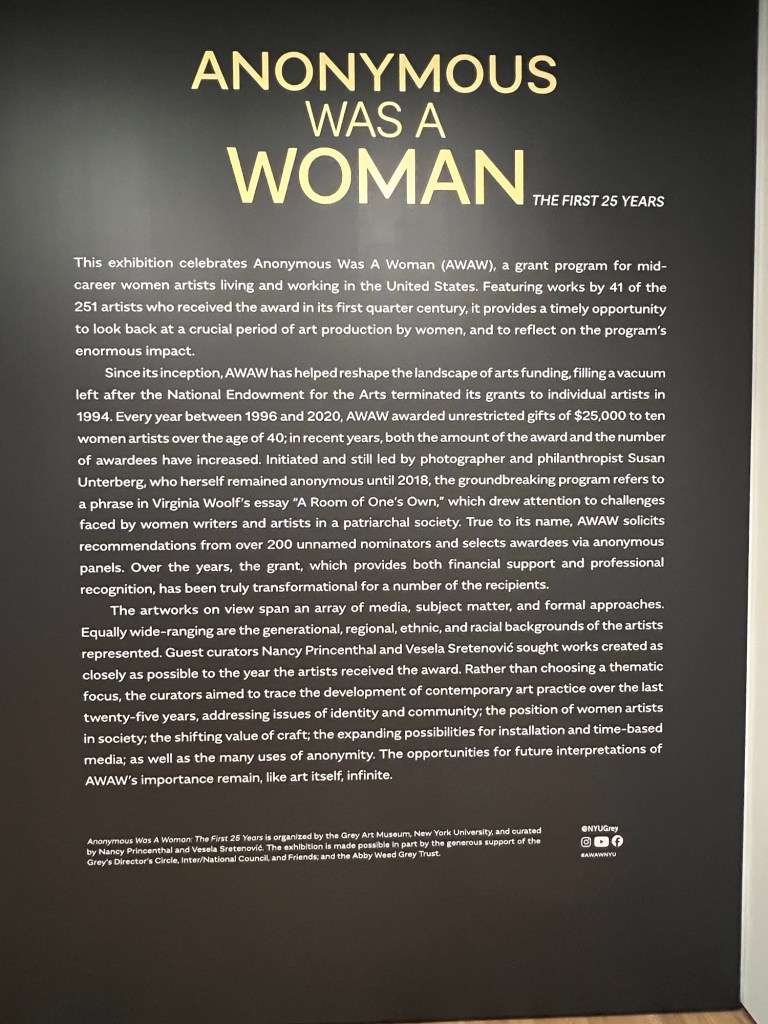
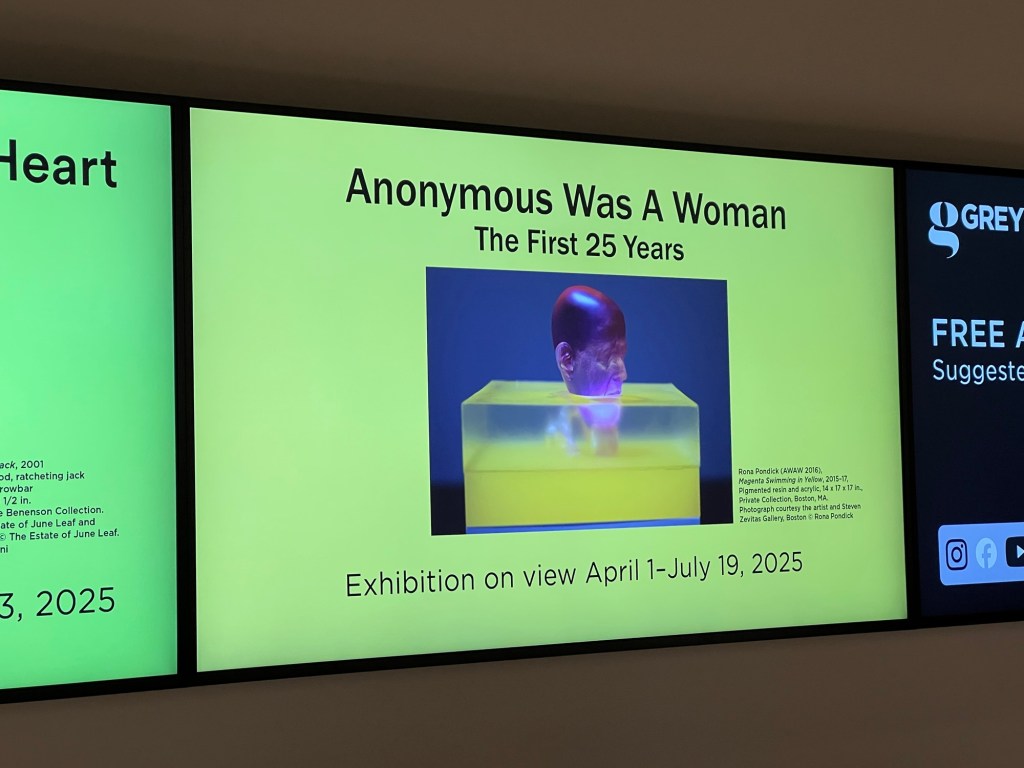
The new exhibition in the spring of 2025 was ‘Anonymous was a Woman’ , an execution on the ‘Anonymous was a Woman’s and the great programs effects on mid-Career female artists in the Unit.
The information sign in the front gallery
The entrance of the gallery the night of the exhibition
The entrance to the Grey Art Museum
This was the sign inside for the exhibition
The inside gallery at the start of the show showcasing the collection on display
The main gallery at Grey Gallery
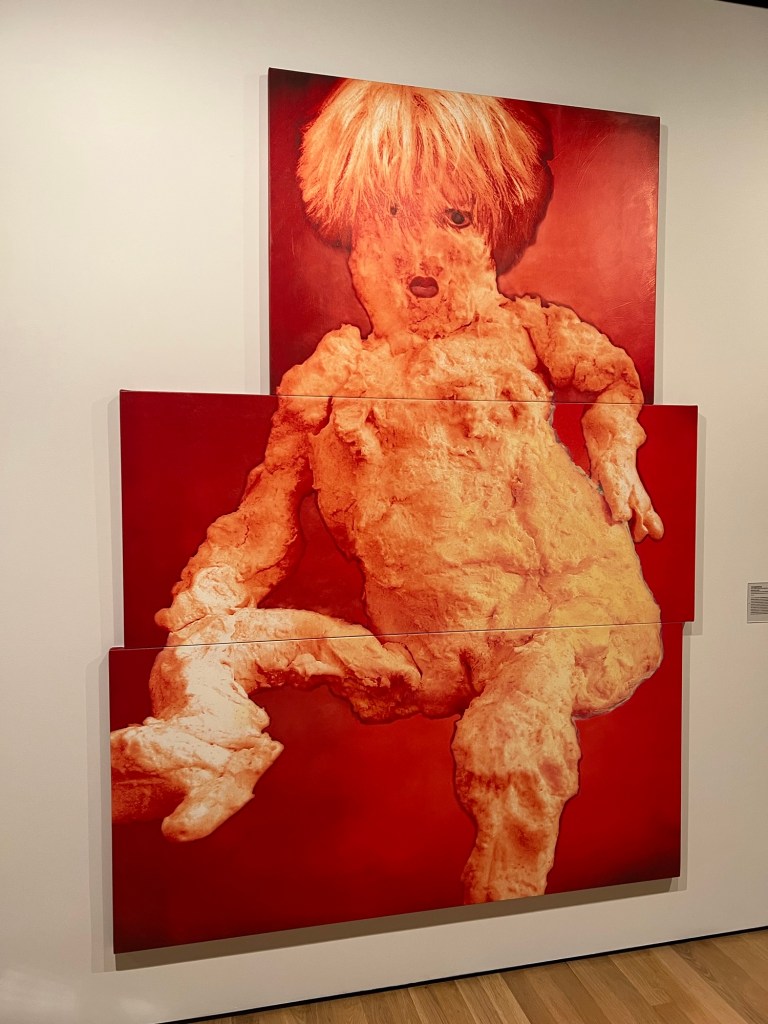
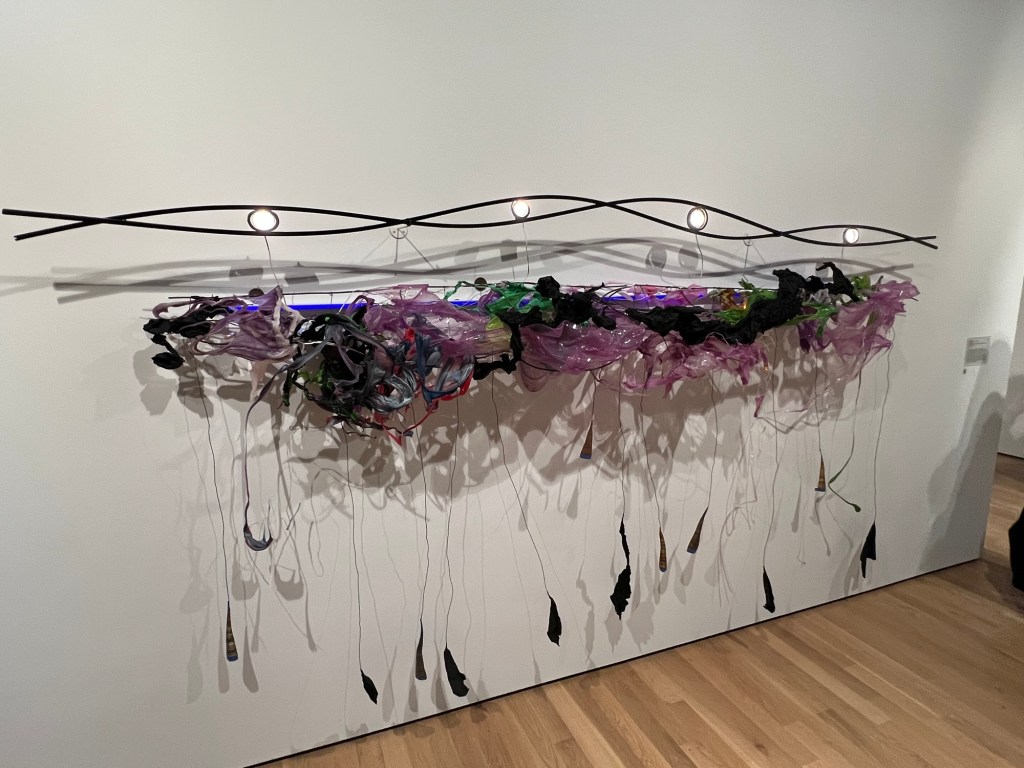
These were the pieces from the show that I found most impressive:
One of the more unusual paintings from the exhibition ‘Monalisa’ by artist Ida Applebroog
The sign for ‘Monalisa’ by Artist Ida Applebroog
The sculpture ‘Rom’s Delhi’ by artist Judy Pfaff
The sign for ‘Rom’s Delhi’
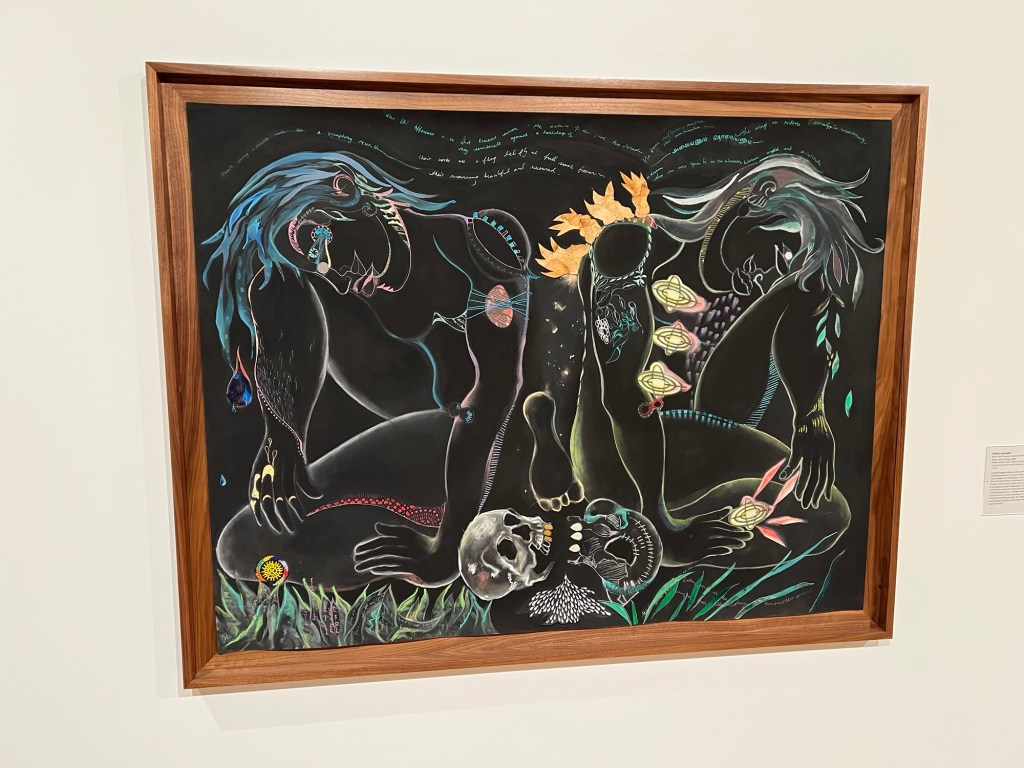
The painting ‘Svati: Now and Then’ by Artist Chita Ganesh
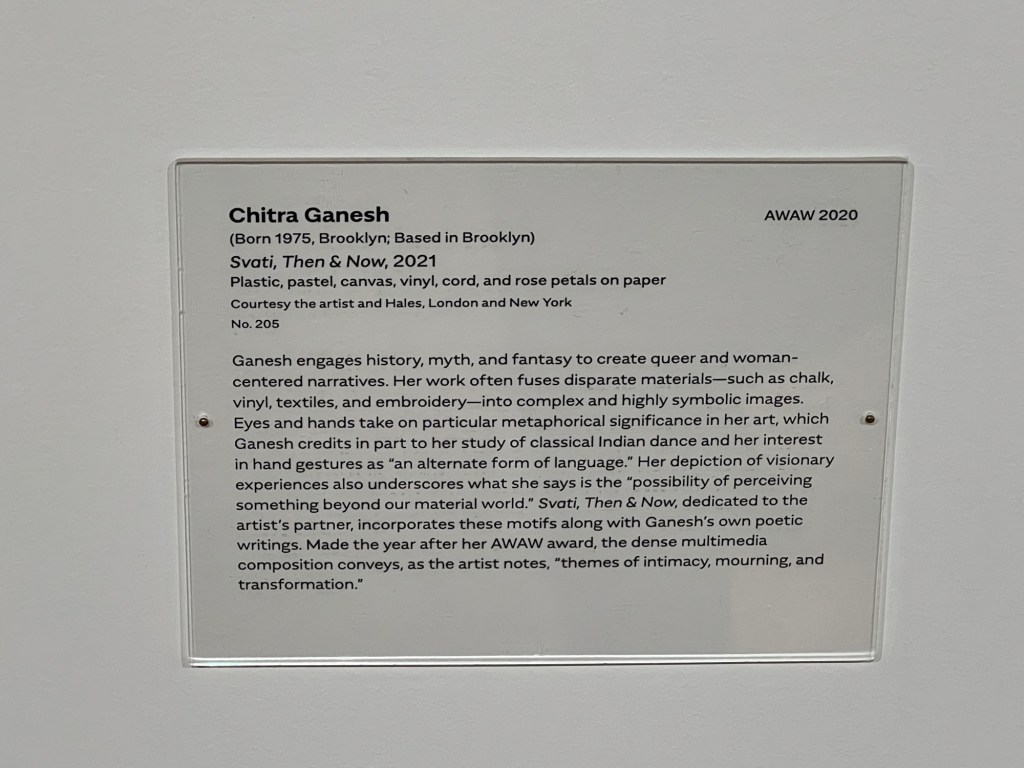
The sign for ‘Svanti: Now and Then’
The sculpture ‘Untitled #1242’ by Artist Petah Coyne
The sign for the sculpture
The sculpture ‘Bones 2000’ by Artist Polly Apfelbaum
The sign for the sculpture
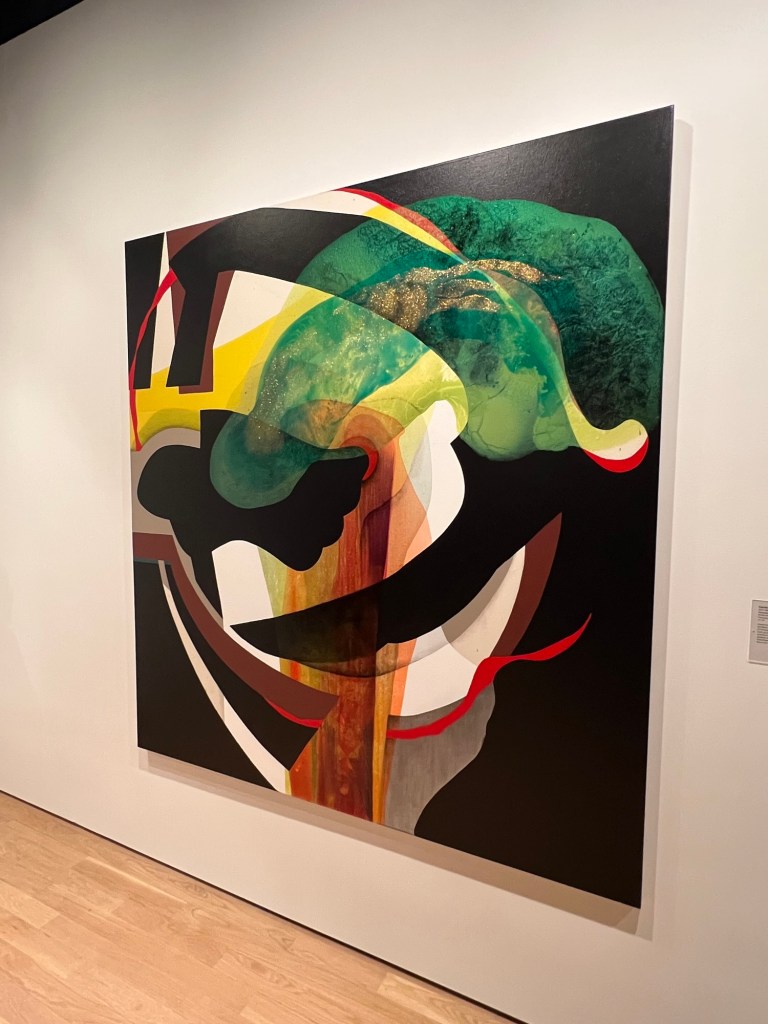
The painting ‘Flamethrower’ by Artist Carrie Moyer
The sign for the painting
The crowd at the end of the evening at the
‘Opening Night’
This unusual sculpture in the middle of the room
Astor Court at the end of the evening at the Grey gallery
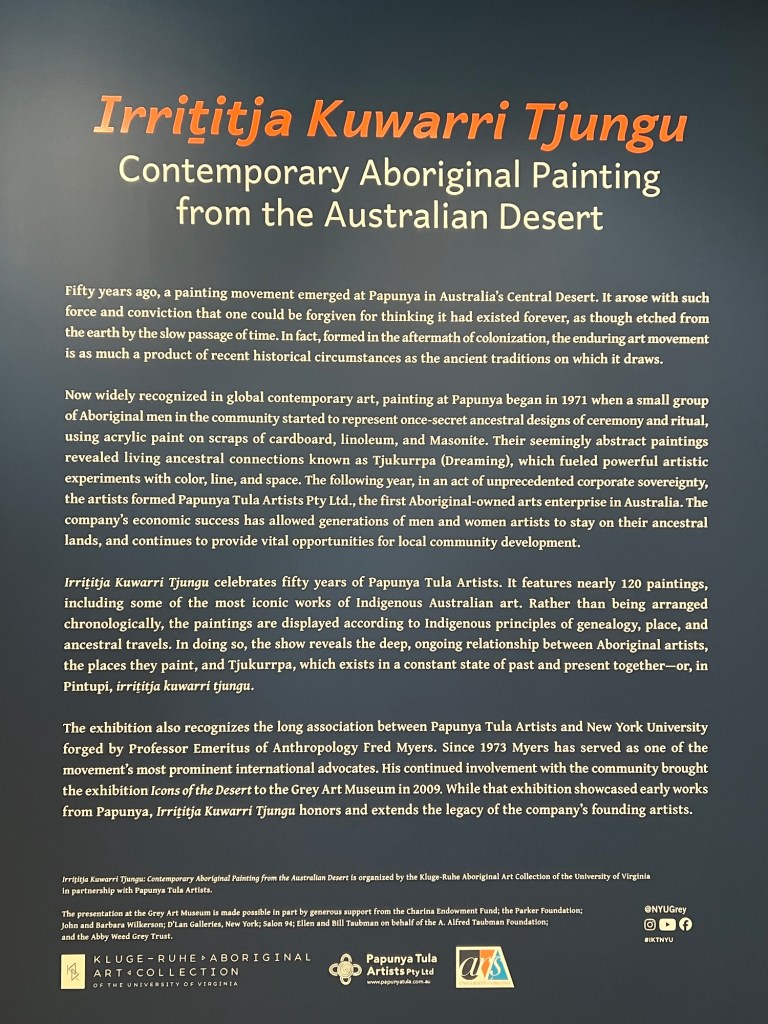
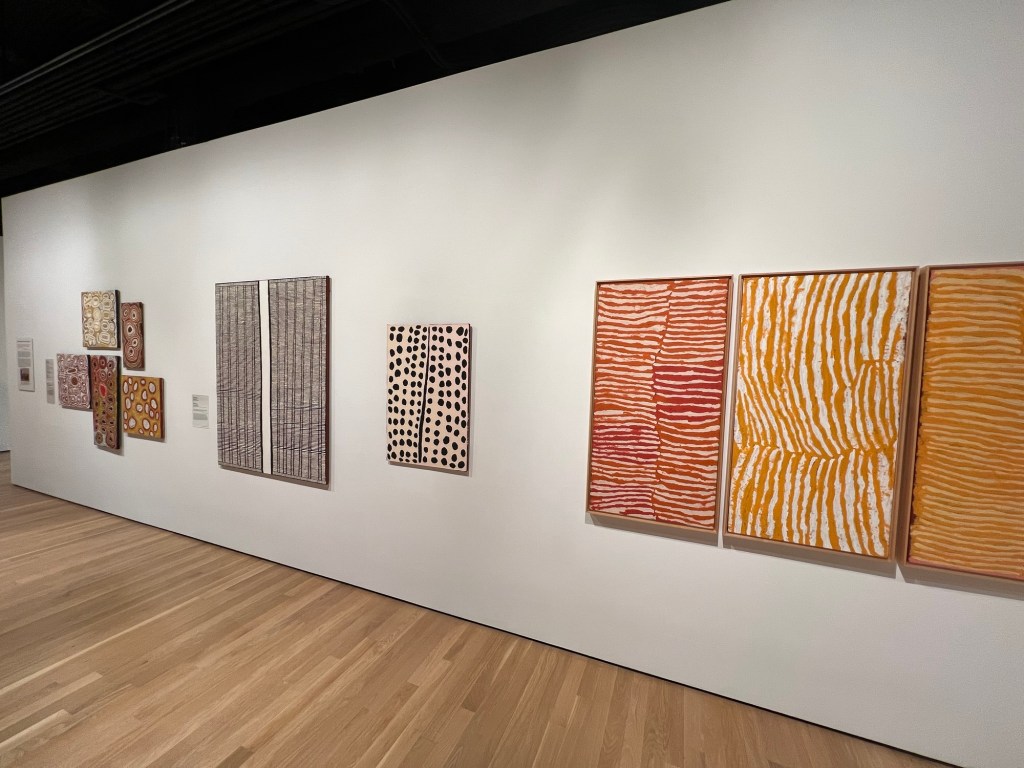
I recently attended the ‘Irrititja Kuwaiti Tjungu‘ exhibition on Aboriginal art. It was a very interesting look at Native Art from Australia. This exhibition opened in February of 2026 and the artists were in attendance to talk about their works.
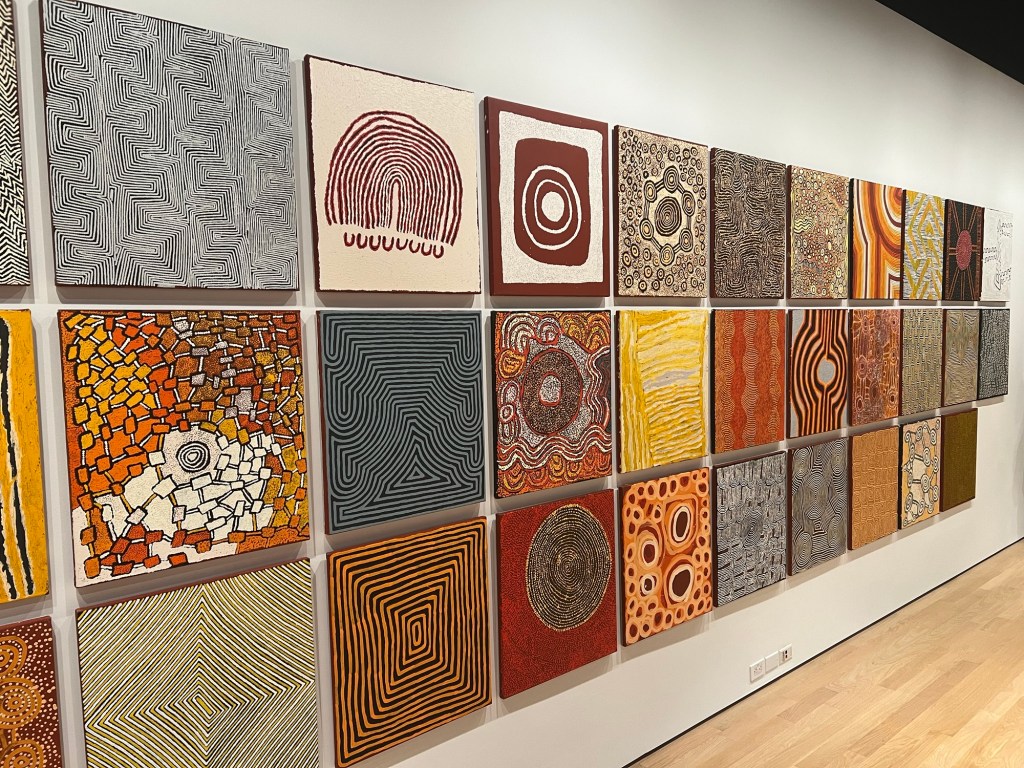
Irriṯitja Kuwarri Tjungu celebrates fifty years of Papunya Tula Artists. It features nearly 120 paintings, including some of the most iconic works of Indigenous Australian art. Rather than being arranged chronologically, the paintings are displayed according to Indigenous principles of genealogy, place, and ancestral travels. In doing so, the show reveals the deep, ongoing relationship between Aboriginal artists, the places they paint, and Tjukurrpa, which exists in a constant state of past and present together—or, in Pintupi, irrititja kuwarri tjungu.
The exhibition also recognizes the long association between Papunya Tula Artists and New York University forged by Professor Emeritus of Anthropology Fred Myers. Since 1973 Myers has served as one of the movement’s most prominent international advocates. His continued involvement with the community brought the exhibition Icons of the Desert to the Grey Art Museum in 2009. While that exhibition showcased early works from Papunya, Irrititja Kuwarri Tjungu honors and extends the legacy of the company’s founding artists.
The promotion sign for the exhibition
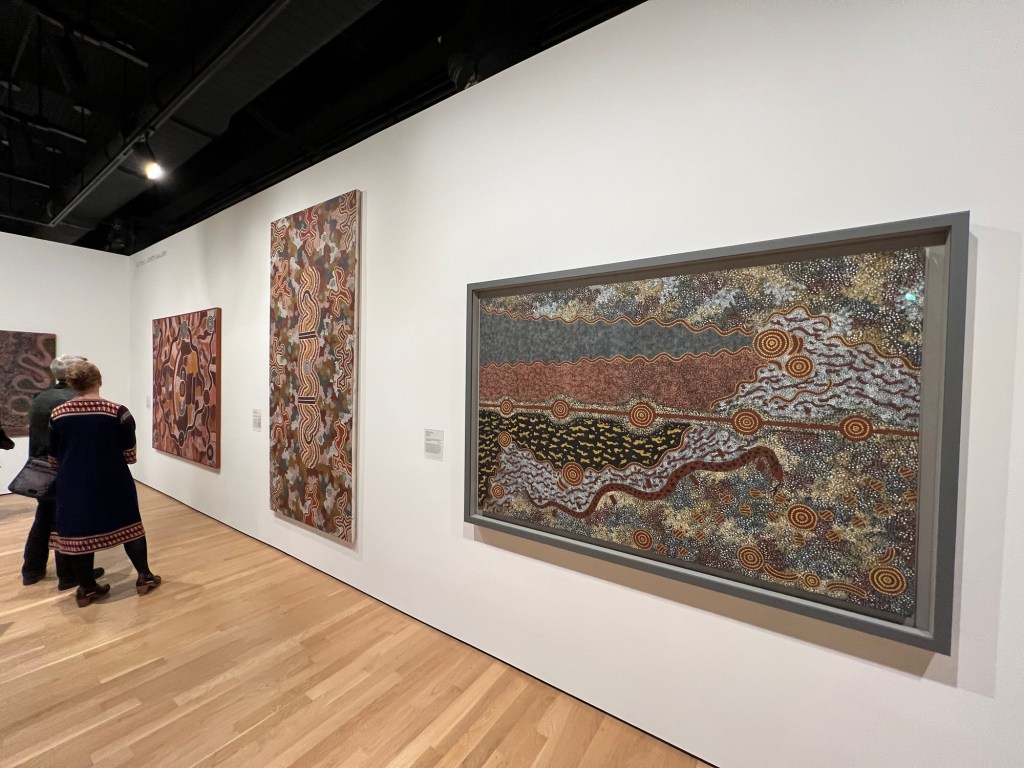
The art exhibition in the main gallery
Some of the works in the main gallery
(from the NYU/Grey Gallery website):
Fifty years ago, a painting movement emerged at Papunya in Australia’s Central Desert. It arose with such force and conviction that one could be forgiven for thinking it had existed forever, as though etched from the earth by the slow passage of time. In fact, formed in the aftermath of colonization, the enduring art movement is as much a product of recent historical circumstances as the ancient traditions on which it draws.
Now widely recognized in global contemporary art, painting at Papunya began in 1971 when a small group of Aboriginal men in the community started to represent once-secret ancestral designs of ceremony and ritual, using acrylic paint on scraps of cardboard, linoleum, and Masonite. Their seemingly abstract paintings revealed living ancestral connections known as Tjukurrpa (Dreaming), which fueled powerful artistic experiments with color, line, and space. The following year, in an act of unprecedented corporate sovereignty, the artists formed Papunya Tula Artists Pty Ltd., the first Aboriginal-owned arts enterprise in Australia. The company’s economic success has allowed generations of men and women artists to stay on their ancestral lands, and continues to provide vital opportunities for local community development.
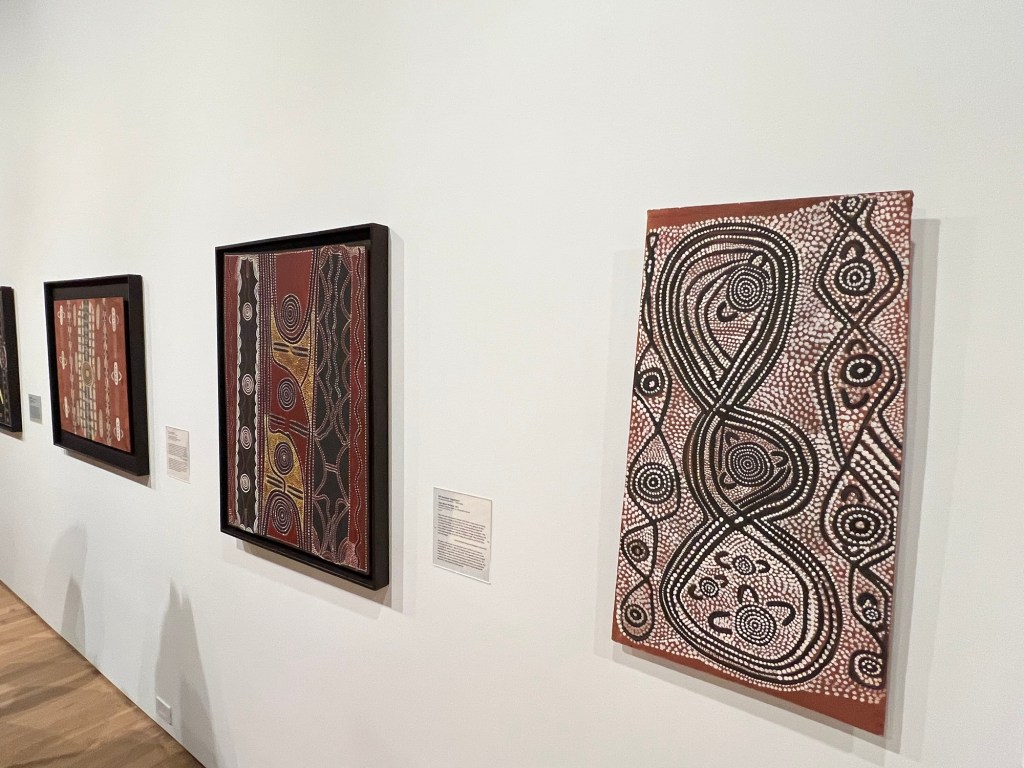
These were some of my favorite pieces of art from the exhibition:
One of the pieces I admired in the exhibit
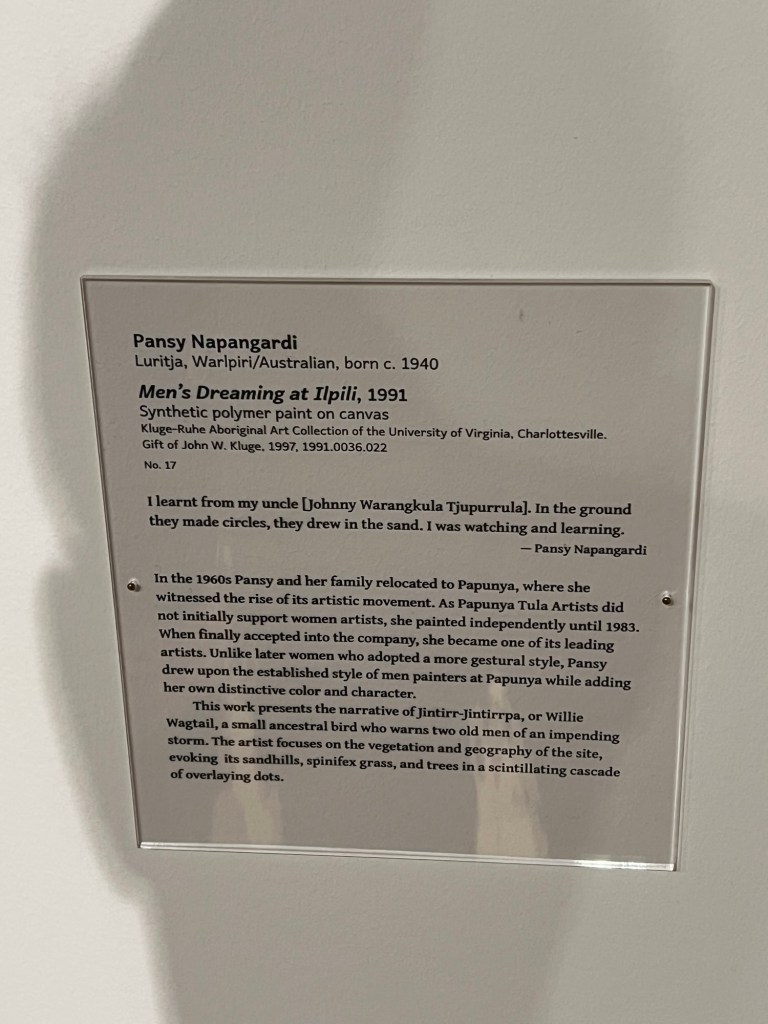
‘The Men’s Dreaming at Iloilo’
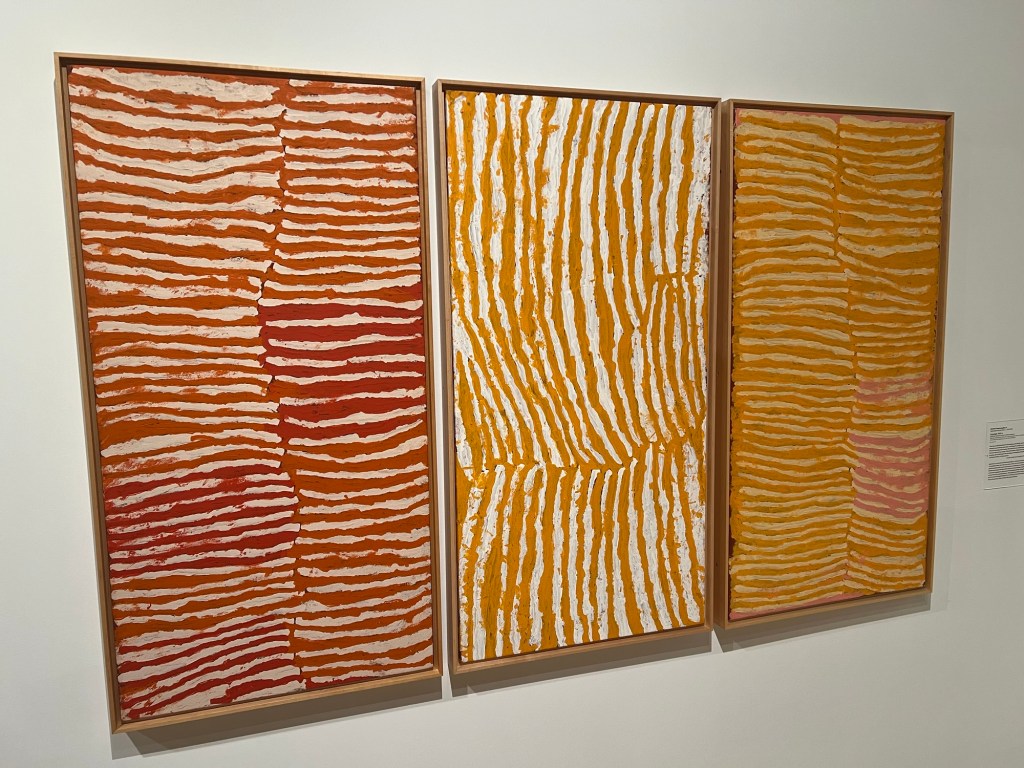
I thought this colorful work was interesting
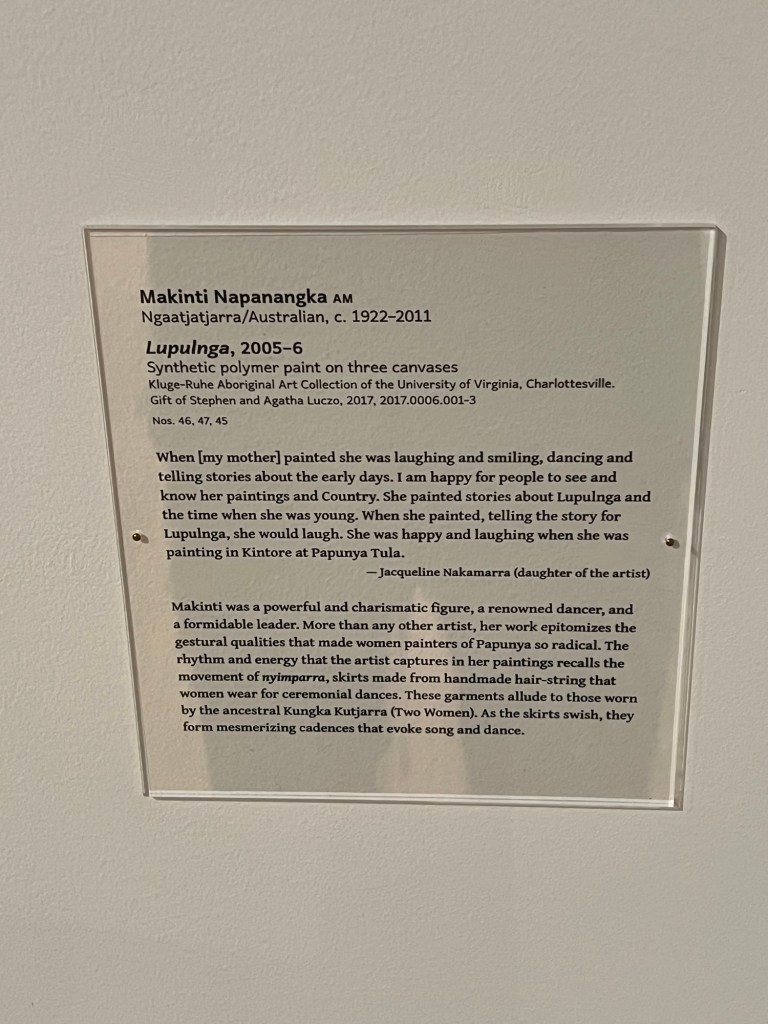
The work ‘Lupuinga’
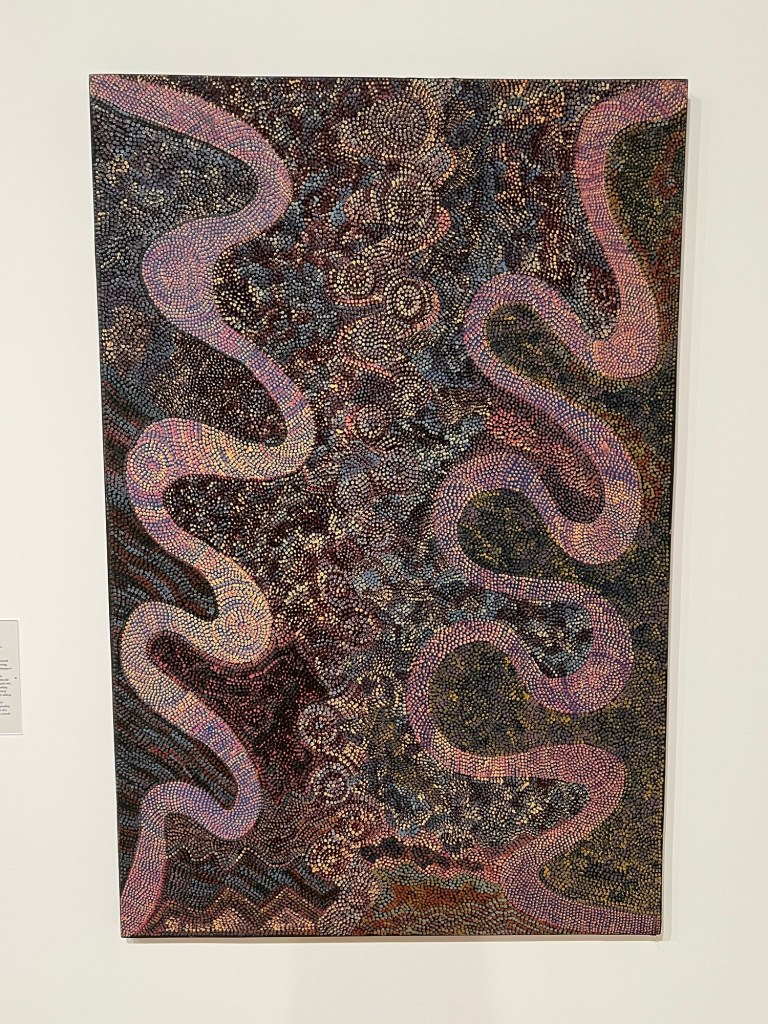
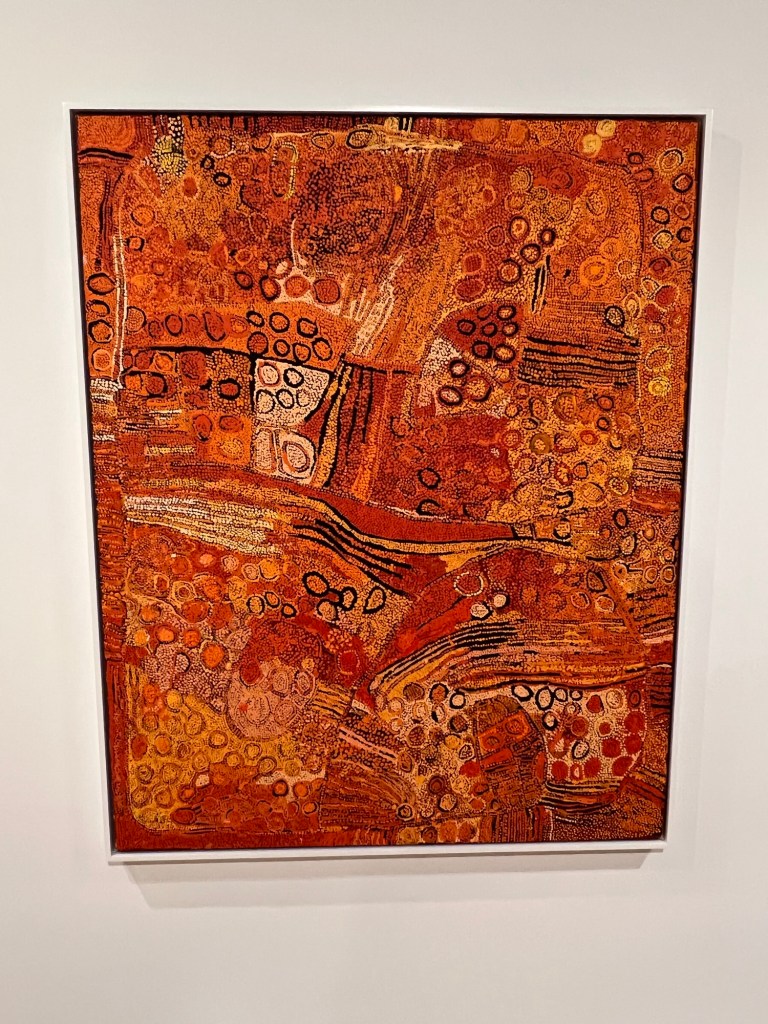
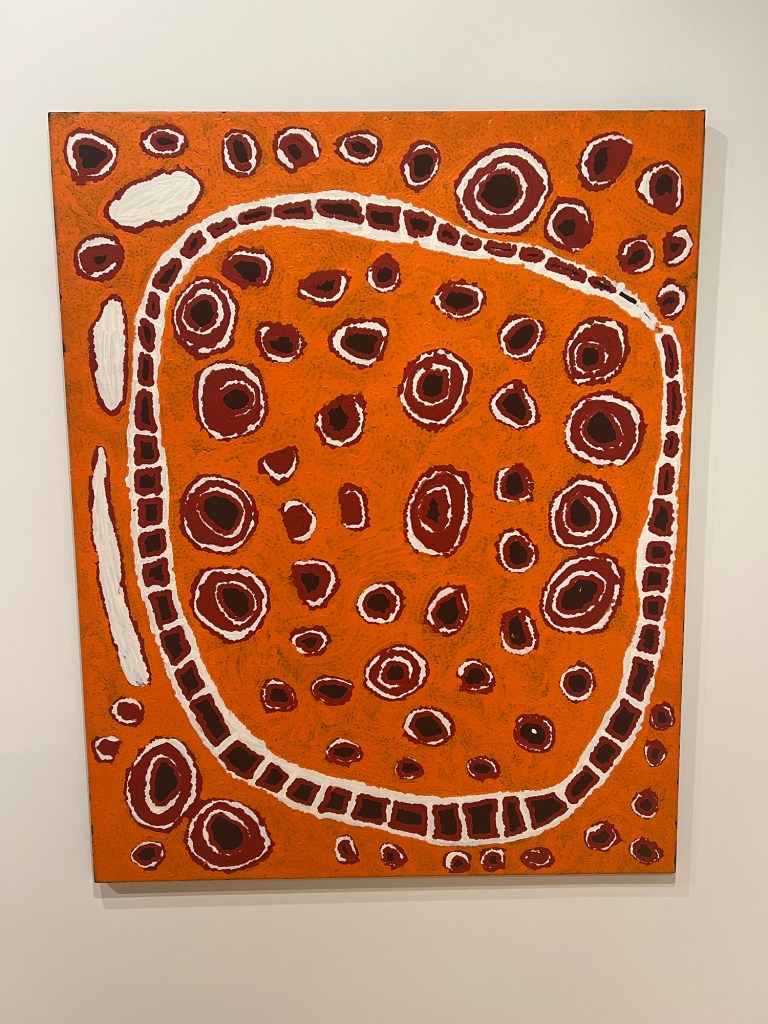
I loved the powerful colors of this painting
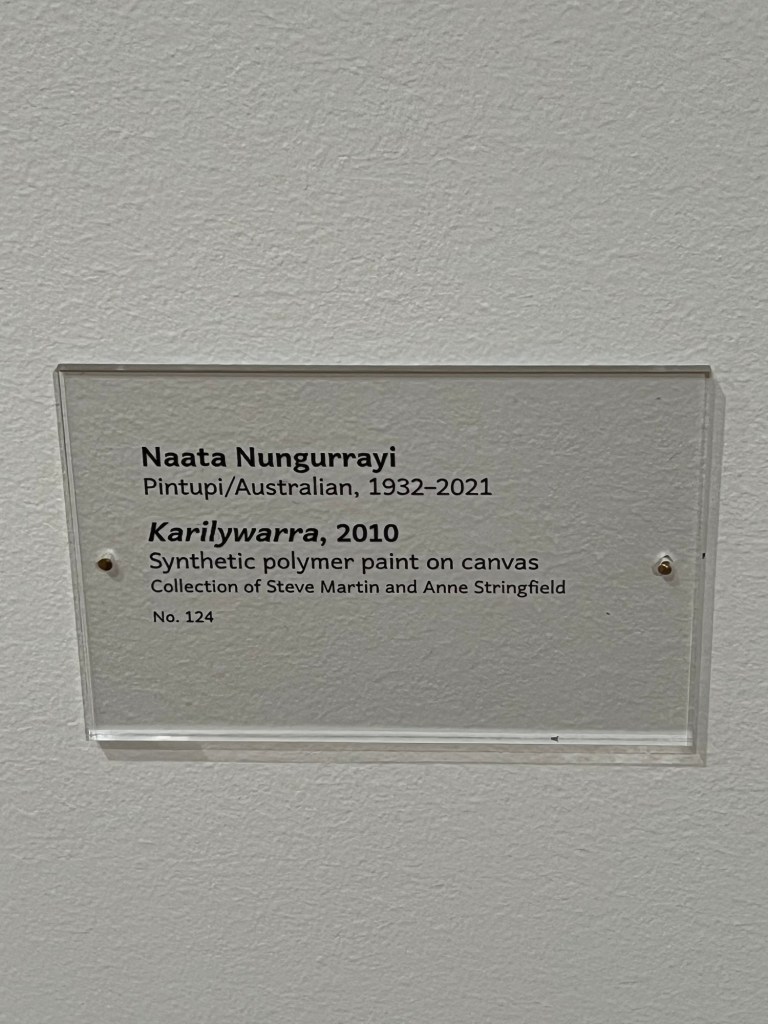
The ‘Karilywarra’ work is very colorful
This painting I thought would be interesting in textiles
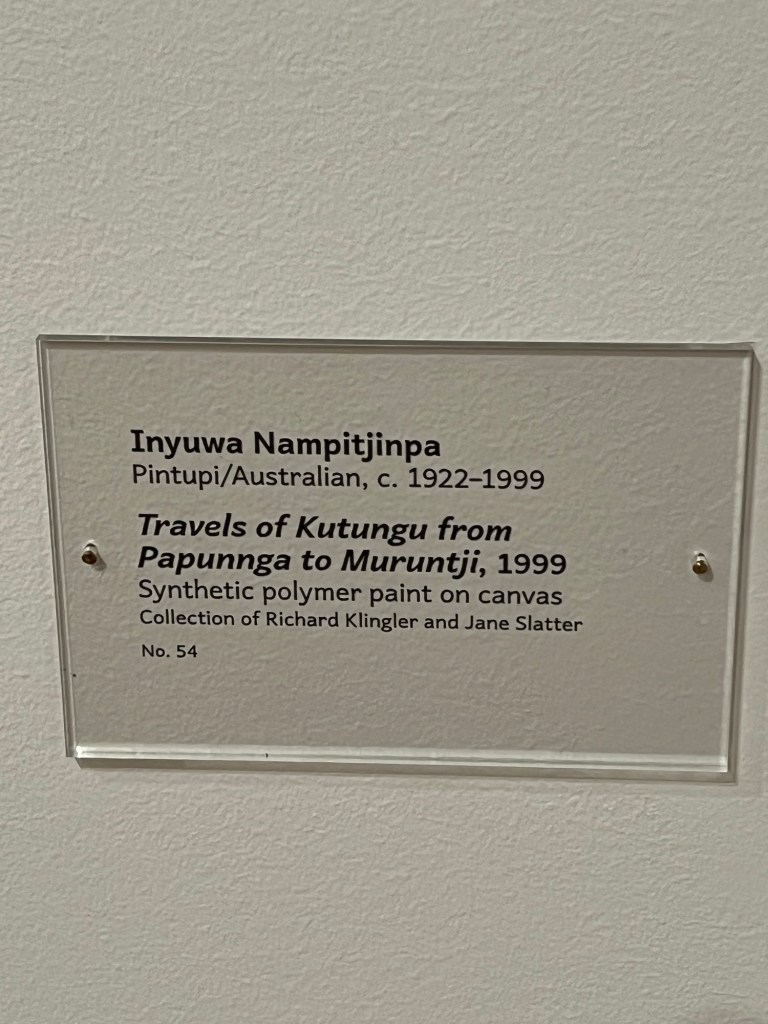
The painting ‘Travels of Kutungu from Papunnga to Muruntji’
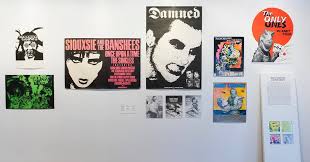
I recently visited the Museum of Arts & Design for the “Too Fast to Live, Too Young to Die: Punk Graphics 1976-1986” exhibition on the rise of Punk and New Wave music that came onto to the radar during the end of the Vietnam War to the Second Reagan Administration. I remember how the music was changing from folk and funk to the beginnings of ‘Underground’ music and then the rise of the Disco era.
The posters of ‘Punk Graphics’
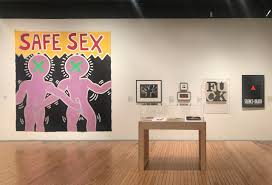
The exhibition displayed all the posters and flyers from the clubs like the Mudd Club, CBGB’s, Max’s Kansas City and Danceteria when they were in their heyday. Groups that were included in the exhibition were such known names as DEVO, The Talking Heads, Blondie, Richard Hell and The B52’s. This was at a time of collages and photocopying so the posters and flyers could be rudimentary but made their point. It got people into the door.
It was also a time that graffiti artists could show their work off and integrated themselves into the music scene. So it is a nice combination of music, video and pictures. Take time out to listen to the songs and really look at the pictures at the music leaders at the time. It really does capture a moment in history.
‘Punk Graphics’
I also got to see the Roger Brown exhibition of paintings and ceramic work which bought to light the artists paintings along with items that he found over the years to match with his work. It was different.
The latest exhibition running through the holidays and into the new year of 2020 is the Anna Sui, the American designer, exhibition with a retrospect of her work over the last twenty years.
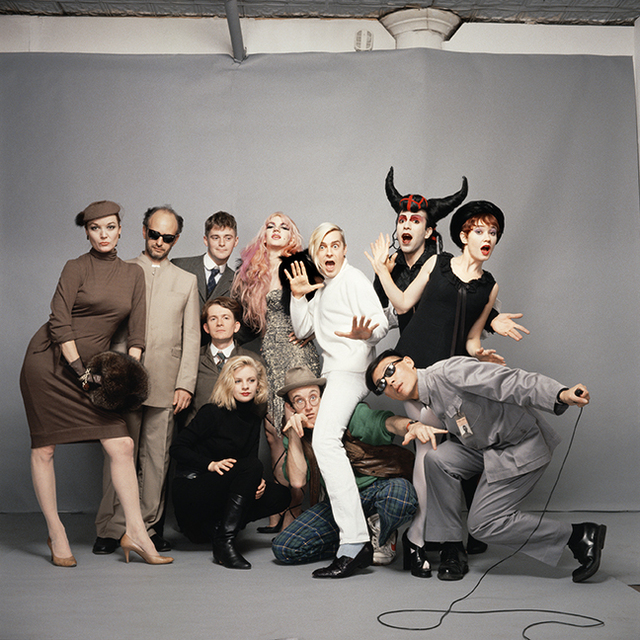
Designer Anna Sui at the opening of the exhibition of her work
Ms. Sui’s works can be labelled as Grunge, Surfer, Street Wise and Classic. The exhibition covers her clothing line, jewelry and accessories and extensive cosmetic line. When I was taking the walking tour of the exhibition, the docent said that she was involved in every aspects of her business as well as the runway shows. It was a unique display of her work over her career.
History of the Museum of Arts & Design:
The museum first opened its doors in 1956 as the Museum of Contemporary Crafts whose original mission of recognizing the craftsmanship of contemporary artists. Nurtured by the vision of philanthropist and craft patron, Aileen Osborn Webb, the museum mounted exhibitions that focused on the materials and techniques associated with craft disciplines. From the earliest years, the Museum celebrated the changing roles of craftsmanship in society, served as an important advocate for emerging artists and linked art to industry (Wiki).
From 1963 to 1987, under the directorship of Paul J. Smith, the Museum presented dynamic and often participatory exhibitions that reflected the social currents of the era and broke down hierarchies in the arts with the celebration of popular culture and mundane materials. In 1979, the Museum reopened as the American Craft Museum in an expanded location at 44 West 53rd Street. To accommodate its ever-growing programming, the Museum relocated again in 1986 to its 18,000 square foot home at 40 West 53rd Street, where it remained until 2008 (Wiki).
The next ten years were a period of rapid growth and change as the American Craft Council was restructured and the Museum and the Council were established as independent organizations. Holly Hotchner was appointed as director of the Museum in 1996 and served as director for 16 years until 2013. Hotchner initiated a comprehensive strategic planning process that expanded the Board of Trustees, curatorial staff and exhibition and educational program. This process led to the Museum’s name change in 2002 to the Museum of Arts & Design to reflect the institution’s increasingly interdisciplinary collections and programming. The continued growth of MAD’s collections, public programs and attendance resulted in its successful 2002 bid to the New York Economic Development Corporation to acquire the building at 2 Columbus Circle (Wiki).
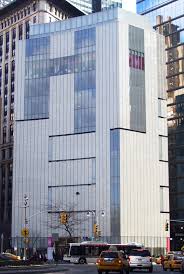
The Museum opened in its new home at 2 Columbus Circle to great controversy. The purposed changes to the building originally designed by Edward Durrell Stone sparked a preservation debate by many artists. The new building was designed by Brad Cloepfil of Allied Works Architecture in September 2008. With its facade of glazed terra-cotta tile and fritted glass, the Jerome and Simona Chazen Building reflects MAD’s craft heritage and permanent collection and animates Columbus Circle (Wiki).






























 Visiting a Museum: The Unique, Unusual, Obscure and Historical