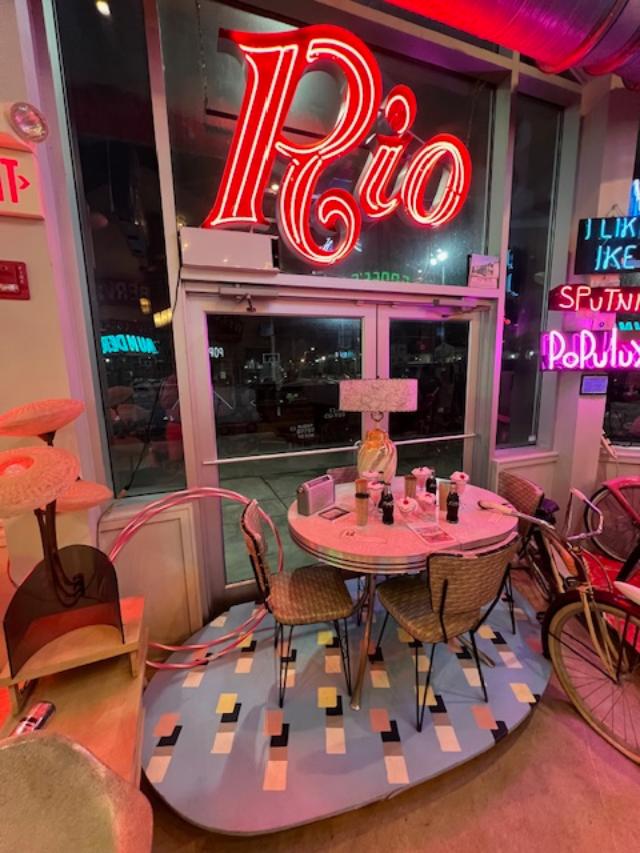
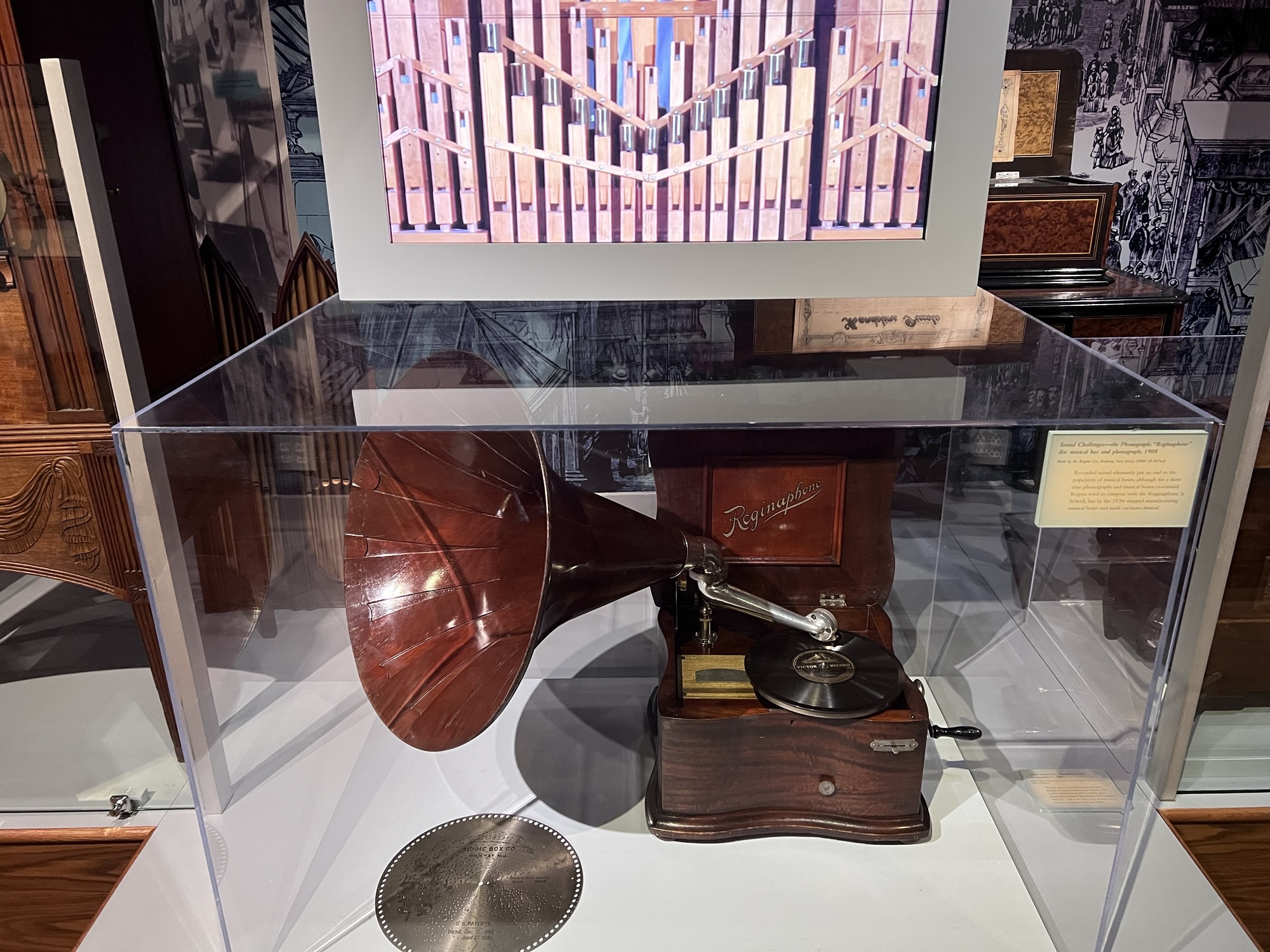
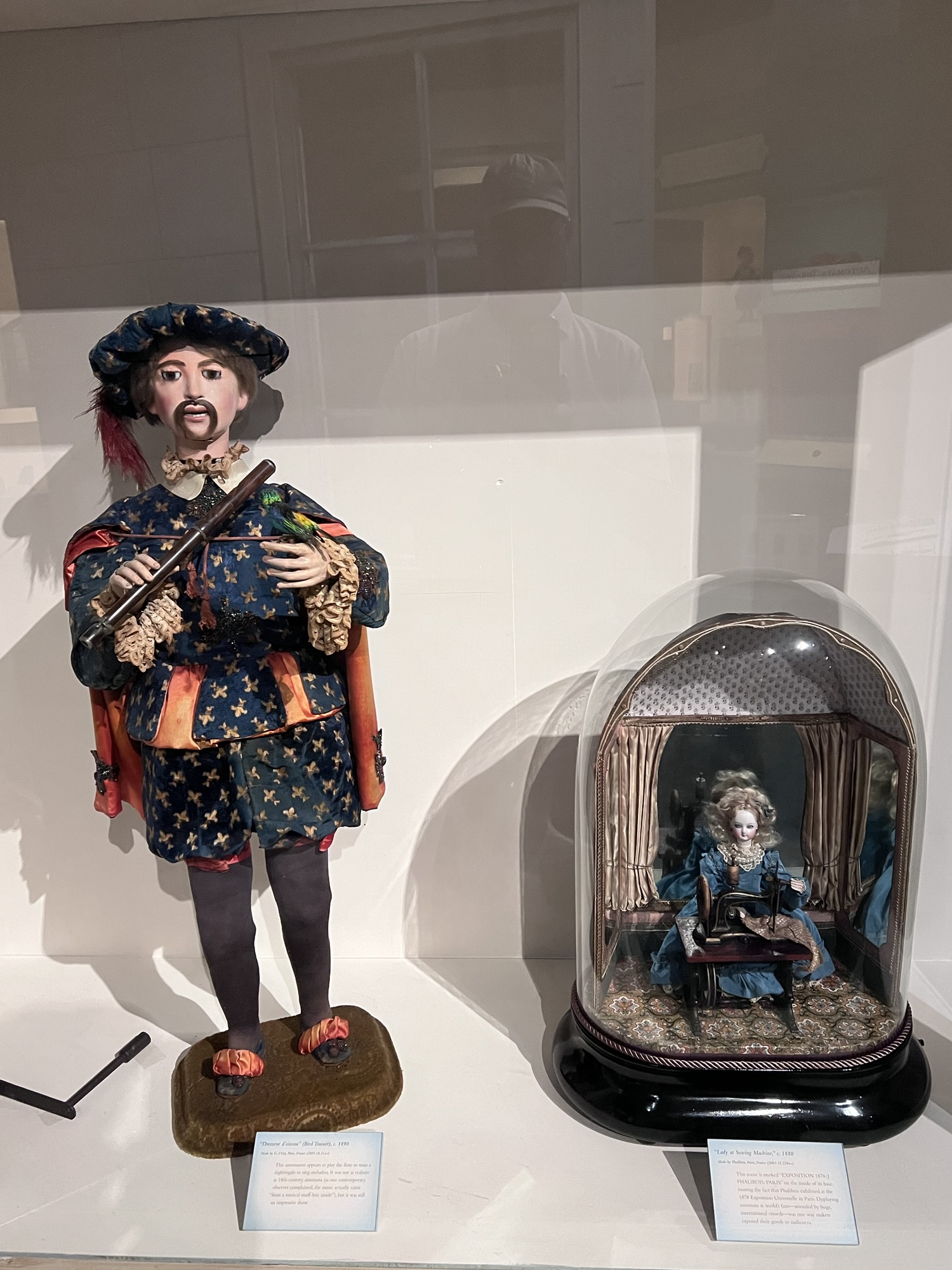
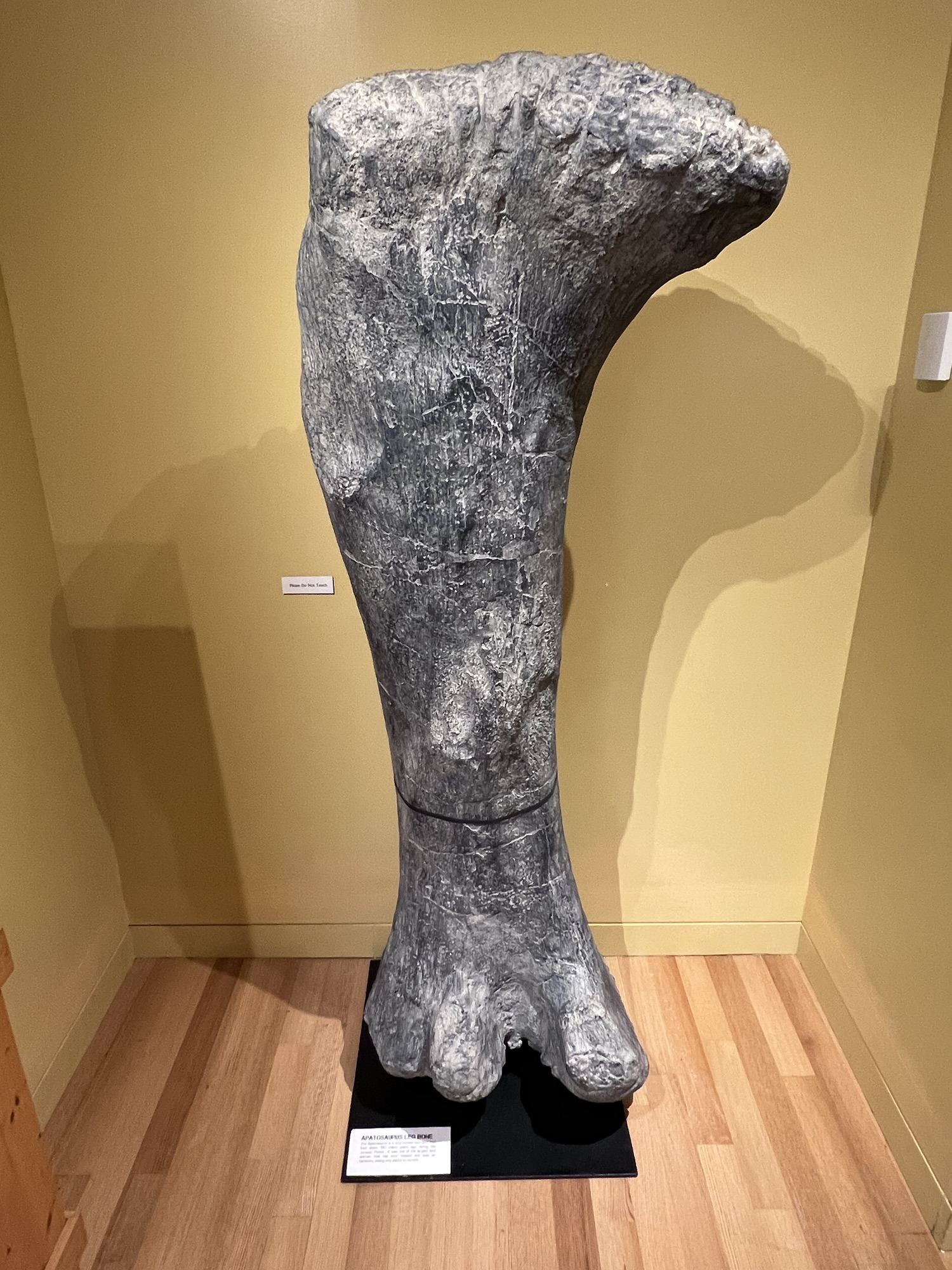
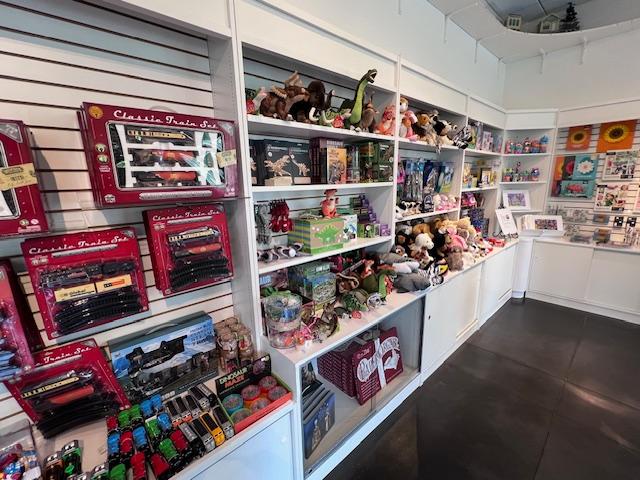
The Paterson Museum is an interesting museum of the history of the City of Paterson, NJ. The museum is broken into different sections of the City’s history. The museum discusses from the time that the Lenape Indians lived in the area to the rise of colonization and then to how it developed into the Silk City through city planning and placement. The museum covers the history of the City of Paterson in the industrial Age as well with the rise of the Silk Industry, the Wright Airplane Factory, the Colt Revolver and the growth of the hospital industry in the City.
Paterson Fire Department
The Public Safety exhibition
Paterson Steam Engine
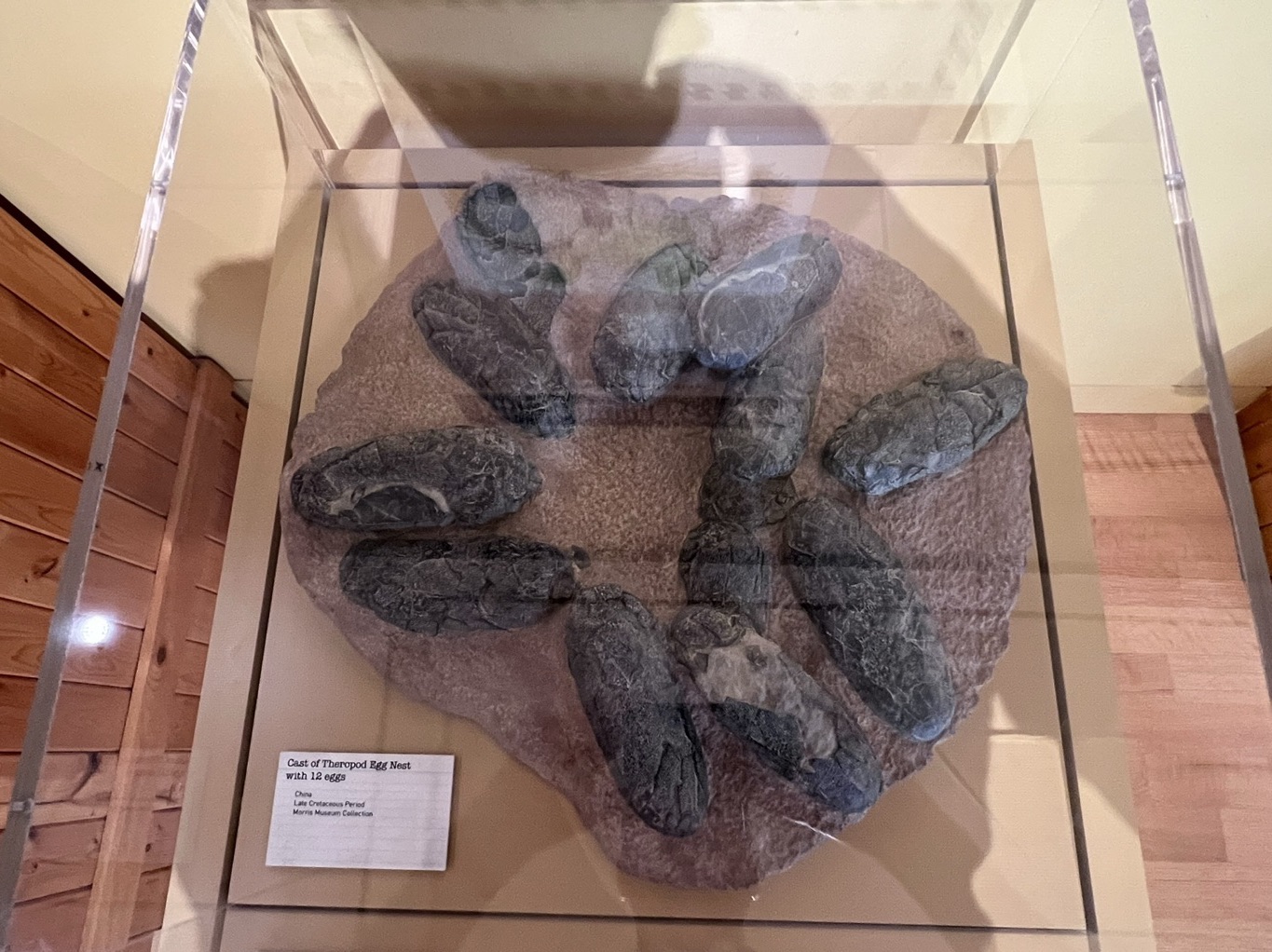
Take time to look at the live displays of minerals, Native American artifacts, old fire department equipment and the life and times of its native son, Lou Costello.
The inside of the Paterson Museum
The nice part of this museum is that the parking is free, it can be toured in about two to three hours and it is walking distance to the Paterson Falls and to Little Peru restaurants. It is also free.
The Paterson Falls up the road
Little Peru down the road
The Introduction:
The Welcome Center
The Paterson Museum offers a ‘History within History’ experience. Located inside the former erecting shop if the Rogers Locomotive & Machine Works, the museum, presents a glimpse of the rich history and the many factors that gave rise to Paterson, New Jersey: “America’s First Planned Industrial City.”
From the natural wonders and the first inhabitants of the land that lay below and above the ground to the vital role Paterson played in setting of our nation’s industrial course. Through the museum’s exhibits. you’ll find out why Paterson was known for more than a century as the “Silk City.”
Silk City
You’ll discover that Paterson was at the forefront of locomotive, submarine and airplane engine development. And that’s just the beginning of our story. By the time you finish your visit, you will want to learn more about this city that surrounds the Great Falls.
The Exhibitions:
Paterson Residents: There are exhibitions on such celebrity natives as Lou Costello and his life after living in Paterson are shown in detail.
The Lou Costello exhibition
Baseball players, football players and actors have shown against all odds and color barriers they found success in the world with Paterson being their roots.
Sports in Paterson, NJ
The Silk Industry
Silk City: The history of Paterson as ‘Silk City’ features winders, warpers and power-looms that produced beautiful fabrics. How the Falls and the location of the City of Paterson played its part in the garment industry at the turn of the last century. Not just in the silk industry but also in other companies like the Wright Aeronautical Corporation and the their time as a manufacturer in Paterson.
The Paterson Fire Department
The Paterson Fire and Police Departments: The history and development of both the Paterson Police and Fire Departments are told through pictures, stories, uniforms and equipment through the ages. There are many turn of the last century fire trucks in the museum.
World War Exhibition: The museum has a wonderful exhibition on the history of Paterson and the role it played in the World Wars. There are all sorts of uniforms, munitions and stories to tell.
The War years
The Veterans exhibition
Geographical: There is a whole side exhibition of gems and minerals both native and from all over the country at the museum and a full display of native New Jersey stone formations. There is also a discussion of how the Falls played such an important role inf the development not just of the City of Paterson but of New Jersey as well.
The Minerals
Alexander Hamilton Exhibit: The history and life of Alexander Hamilton is told from the time he was born in the Caribbean to his coming to the United States, his marriage and his rise through the ranks of the government. There is how he helped develop the banking industry and paying of the government debts to his fall from grace and his eventual fatal duel with Aaron Burr.
The Alexander Hamilton exhibit
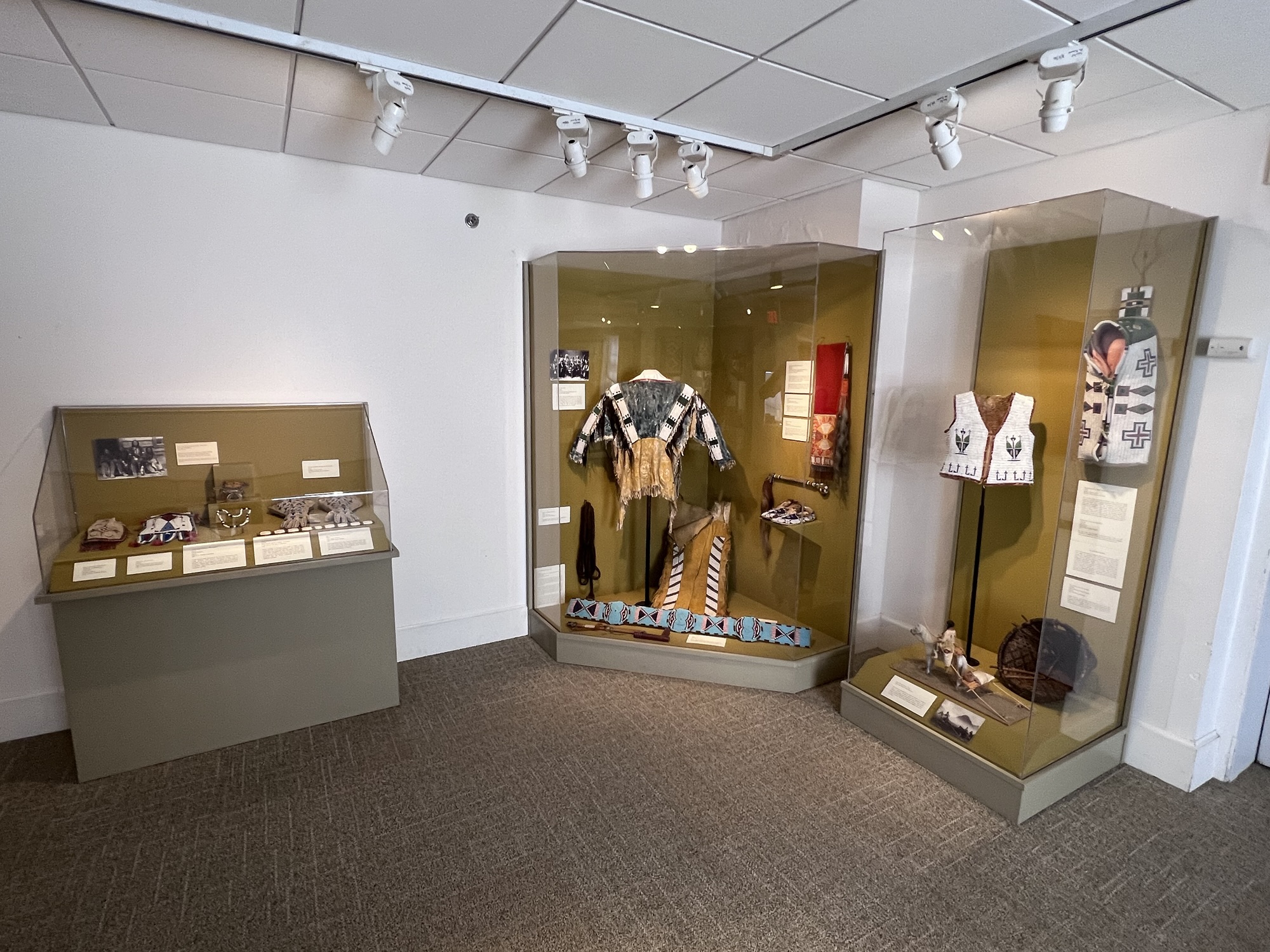
Lenape Indian Culture: The Lenape Native American culture is shown how the tribes developed, lived, worked and hunted and gathered to create the society that was in place before colonization.
The Lenape exhibit
There are all sorts of tools, displays on their regions of living, language, housing (there is a recreation of a Tee Pee here), that native wardrobe and a complete display of tools and arrow heads. It is a very detailed account of life as a Lenape Indian.
Lenape Exhibition at the Paterson Art Museum
The Lenape Indian exhibition
The Lenape exhibition
The museum shows the history not just of Paterson but of the surrounding areas and how growth of the City of Paterson made an impact on the region.
The front of the Staten Zoo on Groundhog’s Day in 2025
The ceremony for Groundhog’s Day in 2025
I wanted to celebrate Groundhog’s Day this year and had fully planned to go to Punxsutaway, PA to see the Groundhog’s Day festival again (see Day Thirty-Seven of ‘MywalkinManhattan’) but a ‘Arctic Vortex’ swept all over the Midwest with its fringes reaching the middle of Pennsylvania. It would be 30 degrees on Groundhog’s Day with a temperature of 4 degrees that night. The thought of sitting in Gobbler’s Knob in almost 0 weather had no appeal to me and I changed my plans. I had remembered that there was a festival on Staten Island at the Staten Island Zoo with ‘Staten Island Chuck’ on Groundhog’s Day so off I went early the next morning to see the groundhog see his shadow.
Staten Island Chuck during the ceremony in 2025
The Staten Island Zoo had a fun and engaging Groundhog’s Day ceremony (see Day One Hundred and Thirty One of ‘MywalkinManhattan’) with a musical concert with the students of P.S. 29 and a private band who made up a song to go with the festival. At 8:00am, they presented Staten Chuck to the audience and he told us that there would be an early spring (its still freezing out!).
The Groundhog’s Day ceremony in 2025
The video on the event in 2025:
After the ceremony was over, the Zoo gave us plenty of time to explore the park before it opened to the public. With it being so cold outside, a lot of the outdoor animals were not in their pens outside but I was able to most of the exhibits.
Map of the Staten Island Zoo
I was able to visit all the inside exhibitions which was nice because the crowds began to thin as the morning went on. It is a nice sized zoo with a lot of indoor exhibitions for a rainy or cold day. I visited the Birds of Prey exhibit which contains many types of birds in their simulated natural habitat. There were some interesting colorful birds that the zoo keepers took out so that we could see them up close.
The Bird display at the zoo
There was a Fox exhibition where the small furry creatures were crawling and climbing all over the rocks and formations. They just stared at me looking at them leading me to believe that they were used to humans looking at them. There were all sorts of animals that stare back at you. The Meerkats were very playful and really started at me like they knew who I was.
The Meerkat display inside
The Meerkats are so playful when I was visiting
The video on these Meerkats playing in front of me:
The Meerkats being playful and trying to get my attention:
The furry anteater
I walked through the African, Tropical Forest and the Aquarium which were located towards the front of the zoo. I walked through the aquarium which is small but still nice and you are able to see many types of fish and plant life.
The Aquarium tanks at the zoo
The Aquarium tanks from the Asian River Tank
The Starfish tank in the tanks
The Pacific Kelp Forest with kelp and starfish
The Red Bellied Pacu fish display in the Jungle exhibition
The Pacu sign describing the fish
The Pacu fish in the display
In the African exhibition, I loved looking at the bearded monkeys who just looked back at me and then it was off to the reptile wing to look at snakes, turtles and frogs.
The display of the Lemur monkeys
The Lemur just stared at me
I went outside later in the morning and looked at the horses (who looked freezing) and the kangaroos, who looked at me like they wanted to run back inside (it was about 35 degrees at that point). The emus looked at me with desperation as well like ‘at least he is going to feed us’ look.
The Llamas and Pony looked at me like they were shivering
None of the outdoor animals looked comfortable in this weather. Even Staten Island Chuck was inside because his keeper said that it was too cold even for him to be outside.
The Llamas looking at all of us when we were walking around
The one thing about the Staten Island Zoo is that it is compact and you can see the whole zoo in one afternoon. There is also plenty of parking behind the zoo in the park.
The small goats at the zoo
The Leopard exhibition and the poor Leopard looked so cold
The Leopard looked so cold
The Zoo also has a nice gift shop, where a ‘Staten Island Chuck’ stuffed animal will cost you $20.00 ( in 2020 I bought the little stuffed animal. It is really cute). There is also a restaurant with stand kid fare like chicken fingers and burgers in the afternoon hours. There selection of doughnuts are really good. For a dollar, it is worth the trip.
The Staten Island Zoo Snack Shop
The menu is very basic but the food is really good
I ate a early lunch at the Snack Shop and the food is very reasonable. I got a Grilled Cheese with Bacon with a side of French Fries and a Coke and it was really good. The selection of items are the typical items that appeal to children and adults alike.
The Grilled Cheese lunch at the Staten Island Zoo Snack Shop
I would highly suggest the Grilled Cheese with Bacon as savory and buttery and was really gooey. The perfect comfort food on a cold day.
The Grilled Cheese with Bacon was the perfect lunch on a cold day
The gift shop has a lot of fun things to buy and I did buy a Staten Island Chuck in 2020 when I visited the second time. It really is a great toy and memento of the event.
The stuffed Staten Island Chuck is the perfect gift to remember the event
The Groundhog Day ceremony in 2020!
Watch the video on the event right before the country’s shutdown:
Check out my blog on ‘Visiting the Staten Island Zoo for the Groundhog’s Celebration Day One Hundred and Thirty-One’:
After visiting the zoo, take time to walk through the park and then walk down Forest Avenue to visit the shops and restaurants. Don’t miss Bruno’s and Moretti’s Bakery’s for a snack.
Very clever cartoon when the Mayor dropped the Groundhog.
Chuck predicted Spring would come early in 2025
Spring is in the air in 2025
The History of the Staten Island Zoo:
(from the Zoo website)
In August 1933, the Staten Island Zoological Society was created and the park built by the Civilian Conservation Corps. On March 25, 1935, the Egbert-Robillard Bill was passed by the New York State Senate to have the city provide maintenance for the zoo. Two months later on May 7, 1935, the Governor of New York signed an agreement to allocate public fund for the zoo to cover operational and maintenance costs while the exhibits, animal care and educational programs were to be maintained by the Staten Island Zoological Society. With the land now owned by the city and a program to convert the 8 acre estate into a zoo. The zoo opened to the public on June 10, 1936 and was considered the first U.S. “educational zoo”. (Wiki)
The murals made of tile in the Jungle exhibit
Staten Island Zoological Society:
(from the Zoo website)
Unlike all the other zoos in New York City, which are operated by the Wildlife Conservation Society, the Staten Island Zoo is operated by the Staten Island Zoological Society which was created in August 1933 under the organization of Harold O’Connel. Local legend maintains that the society was partially formed from the Staten Island Reptile Club, which was located nearby on Britton Street and Broadway.
The Reptile Room at the Zoo
The snakes in the Reptile Room
Although no written documentation exists regarding the merger it would explain the newly formed Staten Zoological Society’s affinity for reptiles and why the zoo was (and still is) known for its extensive reptile collection. Just short of one year after its organization on July 24, 1934, the Staten Island Zoological Society was officially incorporated. (Wiki)
Chuck’s Home at the Zoo
Chuck looked really cold in 2025
The zoo is home to Staten Island Chuck, a groundhog who is the official Groundhog Day forecaster for New York City and Grandpa, a black-handed Spider Monkey, who made local newspapers when he accurately ‘predicted’ the outcome of six out of nine matches during the U.S. Open Tennis Championship. (Wiki)
The presentation in 2019:
Staten Island Chuck Festival 2019
The presentation in 2025 at the Staten Island Zoo:
The musical performance of the band live singing ‘Staten Island Chuck’:
The live musical performance at the event
There was also a second song about Groundhog’s Day:
The second song on Groundhog’s Day
The ceremony was a little on the long side because every politician had to chime in but still was a lot of fun:
The Opening Ceremony in 2025
The next person to talk was the Zoo Director:
The Staten Island Zoo directors speech
It was nice to welcome back the choir of P.S. 29 in Staten Island who had entertained us back in 2019. They had not been there in 2020 during the start of the pandemic.
The musical performance of P.S. 29
The prediction of an early Spring:
The prediction was of an early Spring
Meanwhile in Punxsutawney Phil predicted six more weeks of Winter. It depends on who you want to listen to in the forecast. Once they finished the ceremony, everyone took pictures with Chuck and then they put the poor, cold guy away.
Chuck’s home at the Zoo
Chuck’s private home at the zoo
His personal sign
The story of the Groundhog
The sign on Groundhog’s Day at the Staten Island Zoo
Springwood, the home of the Roosevelt family in Hyde Park, NY
I have visited the childhood home of Franklin Delano Roosevelt many times over the years. It is an interesting part of not just Hudson River Valley history but of American history.
Parts of the house were built in the late 1700’s and added on later by the families who lived in the house. Franklin D. Roosevelt’s father bought the house and continued to add on to it. Most of the estate is still intact as well as the homes that the President built separate from the main house to give he and his wife some privacy from his mother, Sara Delano Roosevelt, who owned the home until her death.
The entrance to Springwood was decorated for the holidays
Visiting Springwood is like a step back in time. Unlike the grand mansions of the Mill’s and Vanderbilt’s up and down Route 9, Springwood looks more like a home just on a larger scale. The self-guided tour takes you through the first story of the house which includes the dining room, living room, sitting rooms and offices of the President and of his mother, who ran the staff and the household.
The inside of Springwood as you enter the foyer which was decorated for Christmas
The house is done in dark woods, representing a time before the Victorian age when the Federalist look was in and the later additions represent the trends in Victorian style. The furnishings were functional and very homey not like the elaborate ‘over the top’ furnishes in some of the other mansions. The Roosevelt’s were old money Hudson River Valley compared to the Vanderbilt’s who money was earned after the Civil War and did not have to prove themselves to Upper Crust Society.
The Living Room/Parlor of the house where people would gather after dinner
I was impressed with the amount of sporting goods, stuffed animal species and just the general hominess of the house. It looked like someone still lived there. The downstairs area for the servants and the kitchen are functional and not huge. This is a house that was built for a family and for entertainment but not on the scale of the Astor’s or Vanderbilt’s. It ran for a growing family that lived in the house.
The Library and the Dining Room were decorated for Christmas as well as the foyer was decked with garland and bows. I am not sure how many times the family celebrated Christmas here being in the White House but I am sure that the family came home for the holidays. Mrs. Roosevelt, Franklin’s mother, ran the roost so the house functioned a certain way while she was alive.
Our first part of the self-guided tour was of the Living Room, Dining Room and Library on the first floor. The Living Room was smaller than most of the homes in this area again reflecting that the mansion was a home not a showplace. It was used all year long by Franklin’s family and was built to accommodate the growing family that he and Eleanor had created.
Th tour guide told us that the house was set up for Christmas the last year that FDR was alive and they had taken it from pictures and accounts that the family had done that year. The Dining Room had been set for Christmas lunch circa 1940’s with elaborate china and silver and even a children’s table so the kids would not be left out.
Christmas lunch at Springwood
The full Dining Room with the kids table in the background
The Library was decorated for the holidays as it had FDR’s last year alive and everything the site did was based on those pictures and accounts from family members.
The Library has gone through a full renovation and was decorated beautifully for the holidays
The Library was a very comfortable place to relax and socialize
The Christmas tree and the family presents in the Library
At the holidays when I visited in 2019, the house was going to be closed in April of 2020 for a full restoration and renovation of the lights, interior alarms and plumbing for about a year so the only Christmas decorations in the house was a tree in the library (the books had started to be removed from the shelves) and the formal dining room had been set for dinner. The rest of the mansion was in the process of being packed up so we didn’t get to tour it that time. During December 2022, the whole house was finally opened post-COVID and renovation and you could see it all in its glory.
Springwood at Christmastime
Even the upstairs bedrooms looked like any other American home at the time but a touch bigger. I could see by Eleanor’s room that she did not spend much time there. You can see where the adjustments were made when the President developed polio. I am glad that the man showed determination and did not let that stop him in his life. It proved to me that a disability limits you only if you let it.
The upstairs held the bedrooms of Mrs. Roosevelt, Franklin, Eleanor and the all the children. Each room was carefully cleaned and refreshed during the renovation so they look pristine now as if the family was still living there.
Eleanor Roosevelt’s Bedroom
Sara Roosevelt’s Bedroom
The Pink Room is where the King and Queen of England stayed when they visited the Roosevelts
The Pink Room where dignitaries stayed
Franklin Delano Roosevelt’s Bedroom
Franklin’s bedroom
The modern bathroom with indoor plumbing
There was a large household staff to take care of things on the estate and in the house. The kitchen was the last stop on the tour in the basement. There must have been a lot of action here with such a big household to feed.
The kitchen at Springwood
The kitchen at Springwood was a busy place with so many people in the household and visiting
The grounds were interesting. The formal rose gardens are beautiful when in season and the estate does have views of the river. On the grounds of the estate as well is the Presidential Library, Museum and the gravesites of the President and his wife, Eleanor. Thes are located in the Rose Gardens that they loved so much.
The Springwood Estate
The Stables were very elaborate and held the trophies and ribbons of the family’s champion horses. The stables are now long empty but still display all the glories of the past when this was still a working farm.
The Stables
The inside of the Stables
The only problem we faced on our visit in the Summer of 2019 was that the house was that a sweltering heat wave hit the Valley and the humidity hit 98 degrees. The house was boiling hot because they could not open the windows for fresh air and the whole house smelled musty and old. That is the bad part of all that wood trimming and paneling, it does smell when it is hot.
Still the ranger talked about the history of the house and the role it played not just with the government influence during WWII but at the holidays and how Sara Delano Roosevelt had influence on her family.
Still it was an interesting tour that takes about 45 minutes and is an important part of the foundation of a very important family.
History of FDR at Springwood:
Franklin’s father, James Roosevelt purchased the 110 acre estate in 1867 for $40,000. The property included a house overlooking the Hudson River and a working farm. FDR was born in the house on January 30, 1882, the only child of Sara and James Roosevelt. Growing up with a view of the majestic Hudson River, he developed a love of the river and the valley through which it flowed. By age eight, he was sailing the Hudson. As a young adult, racing his ice yacht “Hawk” was a favorite winter pastime.
Franklin accompanied his father on daily horseback rides. During these times, he became immersed in the land, its history and particularly the trees. In later years, he expanded his parents’ land holding to nearly 1,500 acres and planted over half a million trees. His interest in tree farming translated into a New Deal program, the Civilian Conservative Corps (CCC). The CCC provided jobs to unemployed men age 17-28. Over 10 years, enrollees planted over three billion trees and built over 800 parks nationwide.
Surrounded by the rich agricultural heritage of the Hudson Valley all his life, FDR felt a strong affinity with farmers. One of the first New Deal programs instituted during the Great Depression, the Agricultural Adjustment Act, was designed to help farmers retain their land. His subsistence homestead projects relocated poverty-stricken families into government subsidized rural communities that provided decent housing, cooperative work and farming and schools.
When Franklin Roosevelt married Eleanor Roosevelt in 1905, they resided in both at Hyde Park and their New York townhouse. Franklin and Eleanor had six children, one who died in infancy. FDR supervised the expansion and redesign of the house to accommodate his growing family and his political ambitions, ensuring it reflected the Dutch Colonial architecture of the Hudson Valley.
FDR contracted polio in 1921 and was paralyzed from the waist down. He held out hope for a cure but was never able to walk again unaided. The multi-level home was adapted to his needs with ramps along the short steps. The trunk lift, installed years before the onset of FDR’s polio became his transportation to the second floor.
In 1932, FDR was elected to the first of an unprecedented four terms as President of the United States. His presidency redefined the role of government in America, establishing programs designed to improve the lives of all Americans. These programs included Social Security, the Federal Deposit and Insurance Corporation, the Securities & Exchange Commission, the establishment of minimum wage and unemployment insurance.
During his 12 years as President, FDR led the nation through an economic crisis of enormous proportions and the Second World War. He continually returned to this home he loved, seeking strength and relaxation. He entertained foreign dignitaries here including British Prime Minister Winston Churchill. In the small study, FDR and Churchill initiated a document known as the “Hyde Park Aide Memoire”, that outlined possible future uses of the atomic bomb.
On the afternoon of April 12, 1945, FDR died from a cerebral hemorrhage in Warm Springs, GA. He was laid to rest on April 15th in the rose garden here. One year after his death on April 12, 1946, the home was opened to the public. At the dedication, Eleanor Roosevelt said, “I think Franklin realized that people would understand the rest and peace and strength which he gained here and perhaps go away with some sense of healing and courage themselves.”
(Home of Franklin Delano Roosevelt National Historic Site pamphlet)
History of the Springwood:
The estate was part of the 1697 agreement of the English Crown that gave 220 square miles to a group of nine businessmen from New York City. To ensure that everyone had access to the river, the land was divided into “Water Lots”, one of which was deeded to William Creed, one of the nine partners.
The central part of Springwood is believed to have been formed from a large farmhouse which was constructed around the year 1800 in the Federal style. In 1845, the estate was purchased by Josiah Wheeler, a merchant from New York City. Wheeler undertook a remodeling of the house, giving it a then fashionable Italianate style with a three story town at the south end as well as front and rear piazzas spanning the entire length of the house.
In 1866, the estate which has been reduced to one square mile, James Roosevelt bought the house and expanded the main house adding the servants wing, two more rooms and the carriage house. James Roosevelt passed away in 1900.
In 1915, FDR and his mother, Sara made the final additions and renovations to the house for the growing family and for entertaining political and family friends. Sara Roosevelt used the New York firm of Hoppin & Koen and doubled the size of the house by adding two large fieldstone wings (designed by FDR), a tower and a third story with a flat roof. The clapboard exterior of the house was replaced by stucco and most of the porch was replaced with a fieldstone terrace with a balustrade and a small columned portico around the entrance. The inside layout of the house was redesigned also to accommodate FDR’s growing collections of books, paintings, stamps and coins.
The grounds were also changed with the planting of almost 400,000 trees all over the estate in a thirty year period. Today large portions of the estate have been turned over to the Forestry Department of Syracuse University.
(Wiki)
Disclaimer: The history of the Springwood and of FDR are living there was taken from Wiki writings and the pamphlet of The Franklin Delano Roosevelt National Site and I give their writers full credit for the information. Please see the attachments from the National Park site for more information.
As part of my tour of Historic Bars and Pubs on Day One Hundred and Thirteen with the Cornell Club on May 9th, 2018, we toured the famous ‘Stone Street’ one of the original paved streets of Manhattan. You will not find architecture or pavings like this left in New York City. Here and there are streets or buildings that represent these times during the early to mid-1800’s but they are few and scattered in remote spots all over the island. Here the street still represents a different era of Manhattan.
The stores in the 90’s had been either boarded up or were used but in horrible shape. During the business hours not too many people inhabited this area of Lower Manhattan and it was ignored. The neighboring South Street Seaport was being transformed in the mid 80’s into a type of historic theme park and entertainment center by the Rouse Corporation. It put these old neighborhoods back into vogue and people started to return again.
Over time, especially after 9/11 and the changes in downtown Manhattan, the street is now home to many trendy bars and restaurants and a hang out for the downtown business crowd. During the recent walking tour, the place was hopping with people spilling out of restaurants, ordering drinks during happy hour and eating pizza at the local pizzeria.
During ‘Happy Hour’ after work, the place is mobbed with people milling around having a good time. The tables toward the end of the street are filled with tourists taking pictures and at one end of the street is the famous “India House” and at the other is the Frances Tavern where George Washington gave his troops his farewell address.
Stone Street’s India House
It is not only a historical neighborhood but loaded with things to see and do. The buildings which were once in horrible shape have been brought back to life and repositioned to use for the meals and entertainment. It is interesting to see how a neighborhood comes back in full circle in a 150 years.
The Stone Street dining area in the warmer months.
History of the area:
Stone Street is a short street in Manhattan’s Financial District. It originally ran from Broad Street to Hanover Square but was divided into two sections by the construction of the Goldman Sachs building at 85 Broad Street in the 1980’s. Today the cluster of historic buildings along Stone, South William, Pearl Streets and Coenties Alley form the Stone Street Historic District.
The area burned during the Fire of 1835
Stone Street is one of New York’s oldest streets. It was originally known by its Dutch name, Hoogh Staet (High Street). In 1632, the Dutch West India Company built the first commercial brewery in North America there. Around 1656, Hoogh Straet was shifted about twenty to twenty-five feet to align it with Brouwer Street, the extension of Hoogh Straet west of the Gracht and which in 1658 became the first paved street in Nieuw Amsterdam. Following the British conquest of the colony, the name Hoogh Straet was translated to High Street. It was then called Duke Street for the Duke of York during most of the 18th century. Leveled in 1771 and 1790, it was renamed Stone Street in 1794 because of it’s cobblestone paving as New Yorkers abandoned reminders of British Rule.
The Fire of 1835
The street’s stores and loft were built for dry-goods merchants and importers, shortly after the Great Fire of 1835, which destroyed many remnants of New Amsterdam. Most buildings were used as storage. The building at 57 Stone Street was rebuilt in 1903 by C.P.H, Gilbert in Dutch Colonial Revivial architecture at the behest of the owner, Amos F. Eno as son of Amos R. Eno. The buildings to the back on South William 13-23 also were reconstructed in the Dutch revival style, evoking New Amsterdam.
Stone Street at night
Today is a busy series of bars and restaurants.
Following many decades of neglect, a joint partnership between the Landmarks Preservation Commission and other city agencies, the Alliance for Downtown New York and Stone Street owners has transformed Stone Street from a derelict back alley into one of Downtown’s liveliest scenes. Restored buildings, granite paving, bluestone sidewalks and period lights set the stage for the half dozen restaurants and cafes, whose outdoor tables are very popular on warm summer nights.
The eastern portion of the street and the surrounding buildings have been protected since 1996 by the New York City Landmarks Preservation Commission as the Stone Street Historic District and is pedestrian only. The historic district is now populated by several restaurants and bars and has a outdoor dining when the weather permits. The India House historic landmark is located at the Hanover Square end of the street.
(This information was taken directly from Wikipedia and I give them full credit)