Tag: Walk Manhattan

Central Park Zoo                                                  Fifth Avenue and East 64th Street                     New York, NY 10021

Central Park Zoo Fifth Avenue and East 64th Street New York, NY 10021

Central Park Zoo

Fifth Avenue and East 64th Street

New York, NY 10021

(212) 439-6500

https://centralparkzoo.com/

Open: Sunday-Saturday 10:00am-4:30pm

Fee: Adults $12.00/Seniors (65+) $10.00/Children (3-12)$8.00/Total Experience Adults $16.00/Seniors (65+) $15.00/Children (3-12) $12.00

My review on TripAdvisor:
https://www.tripadvisor.com/Attraction_Review-g60763-d267703-Reviews-Central_Park_Zoo-New_York_City_New_York.html?m=19905

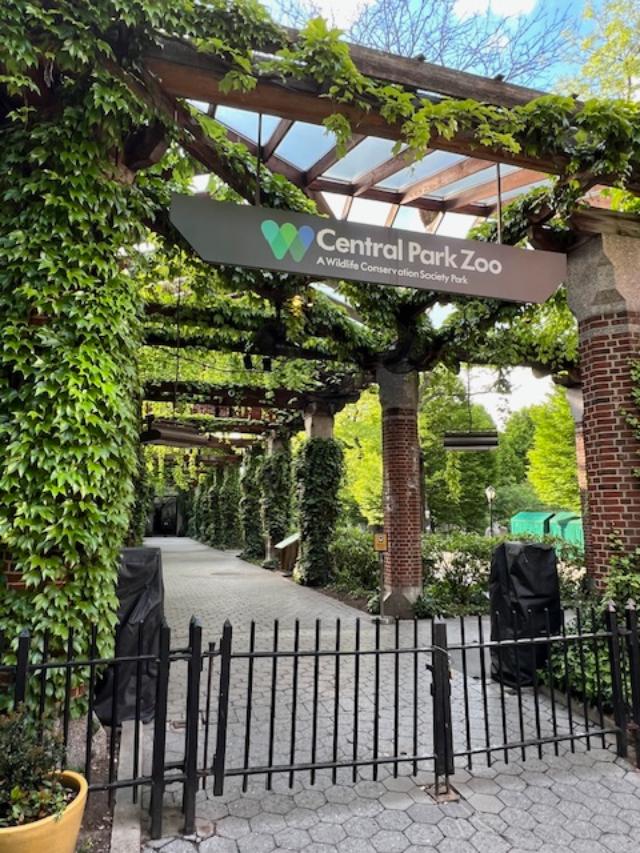
The entrance of the zoo in Central Park

I love coming to the Central Park Zoo when I am visiting the Upper East Side. The zoo is a nice to just relax and reflect from the hustle and bustle of the City. On a quiet midweek day, there is nothing like going to the 2:00pm seal feeding at all times of the year. The seals get so excited and the humans like seeing the seals in their playful mood.
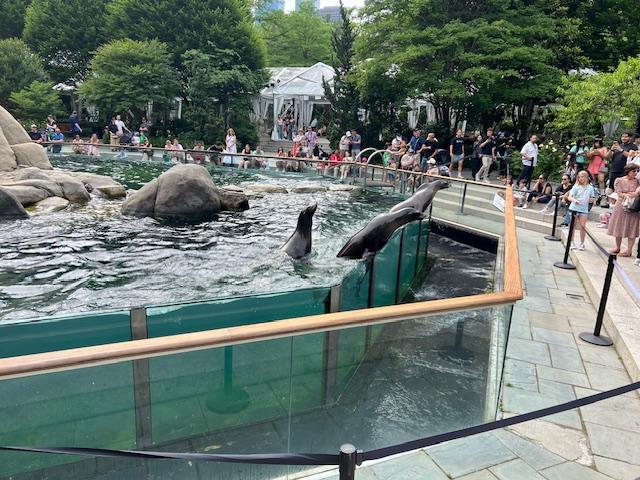
The seals can be very friendly and don’t mind humans around.
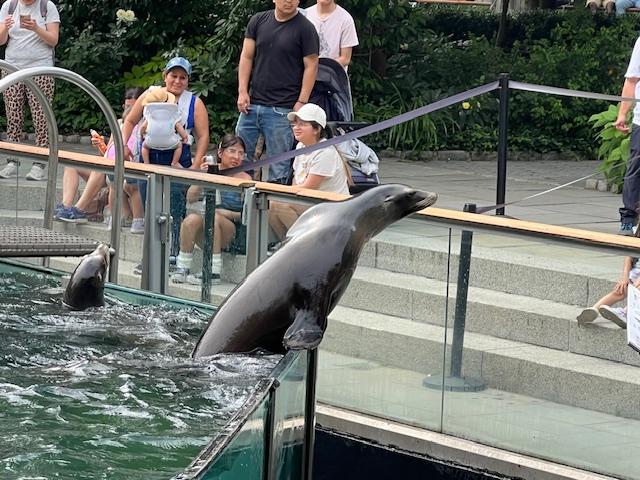
The seals like to reach out for attention.
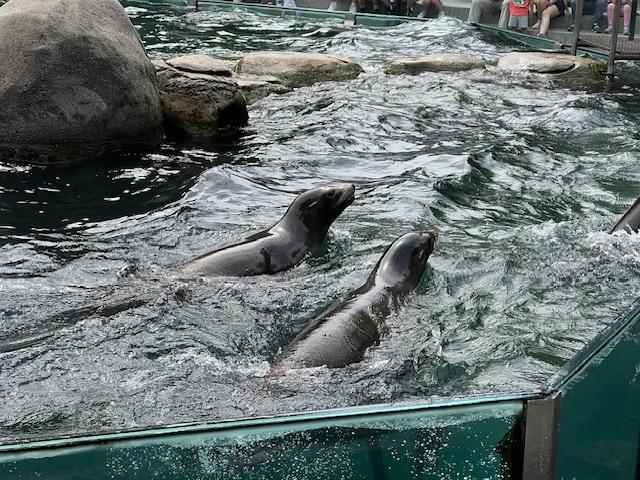
The zoo is small so touring it will only take about an hour or so to see all the exhibitions. You have a choice of seeing the monkeys, the birds, the seals and the penguins. They finally moved the polar bear out of the zoo a few years ago and he always looked so bored with his life. He would give you a look like ‘get me out of here’.
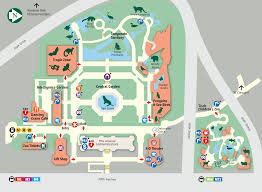
The Central Park Zoo is set up with different exhibitions.

The smaller animals like the monkeys and the penguins look like they are having more fun in their enclosed homes with more room to move around. They always look at us as visitors in an amusing way like why are we so interested in them. It is an interesting interaction with the animals there to see their reaction to us.
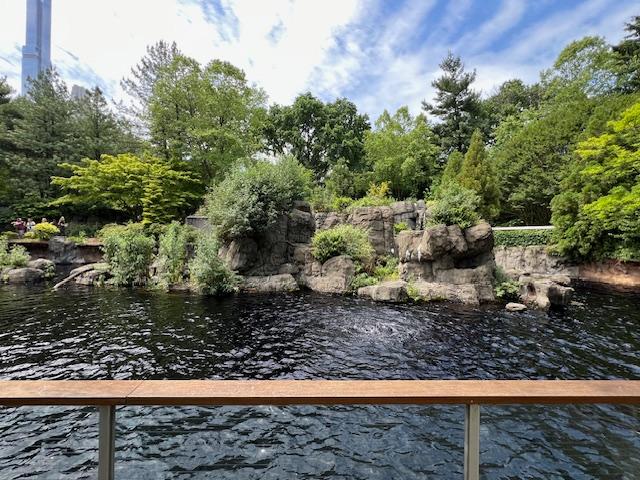
The Monkey Island
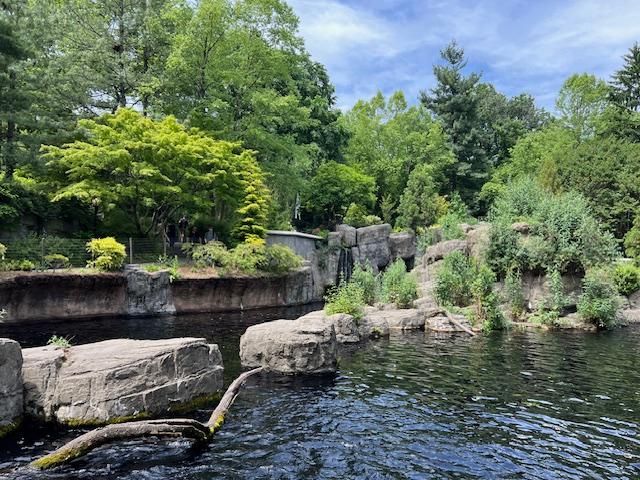
The Monkey Island with the monkeys hiding that afternoon.

There is also more birds, amphibians and bats to see in other exhibitions around the zoo and smaller outside areas to view the smaller animals such as pandas and leopards that have finally been given space to roam around.
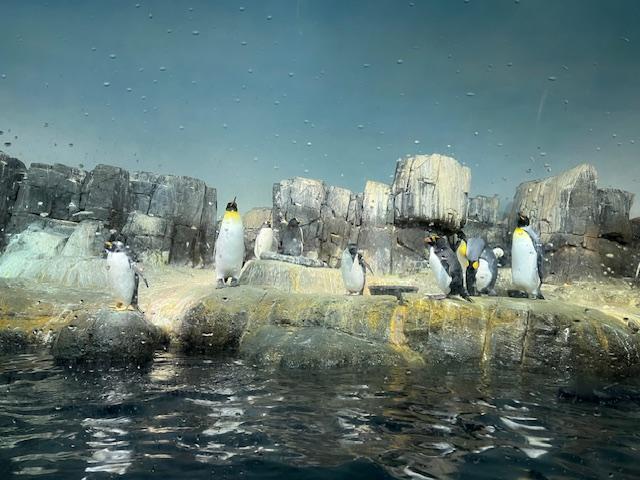
The Penguins are very playful all day long.

The Bird Sanctuary is another popular section of the zoo. There are all sorts of rare and exotic birds to see and watch in a copy of their native habitat. I thought they looked a little bored seeing the same birds day after day.
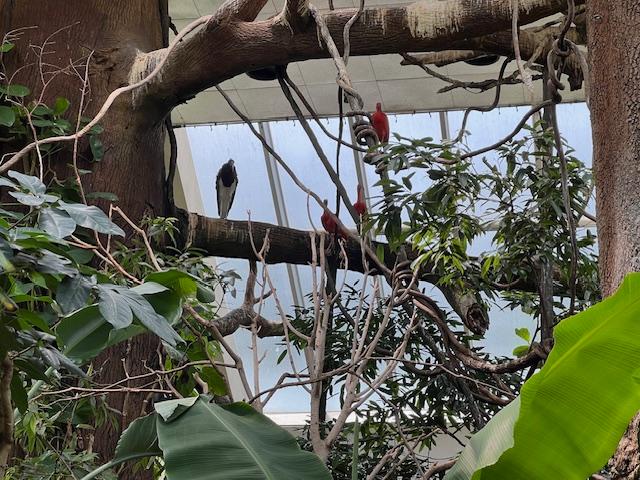
The birds have a lot of space to fly around but seemed a bit bored.
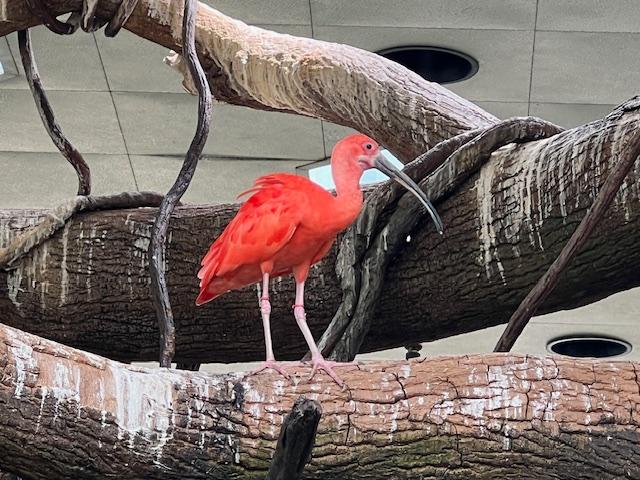
The pink Heron
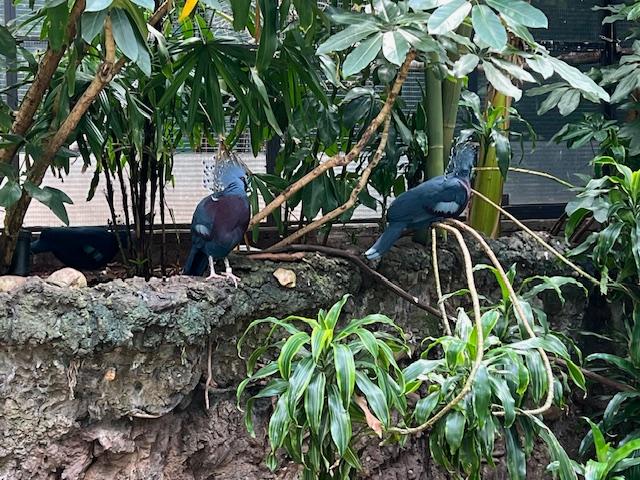
The Bird Sanctuary
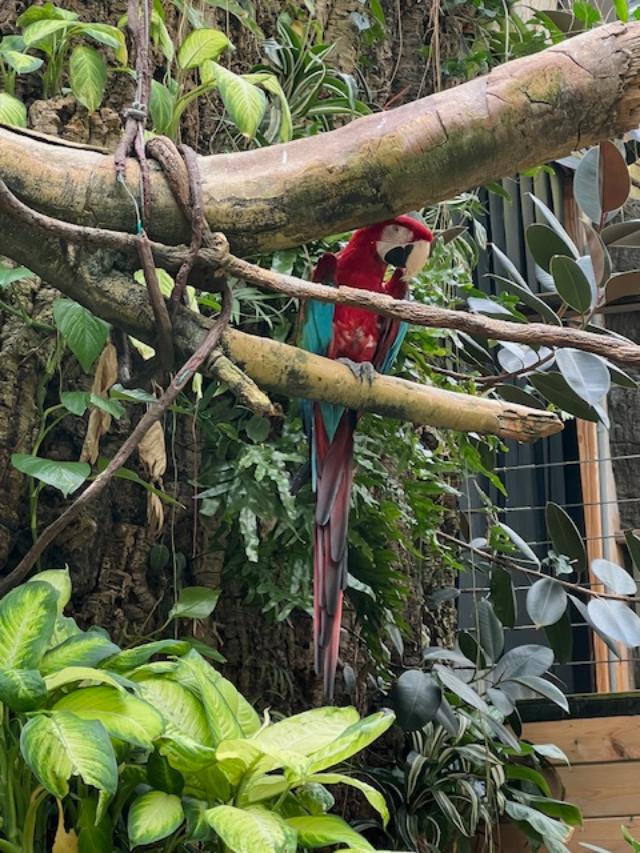
The parrot seemed a little bored.
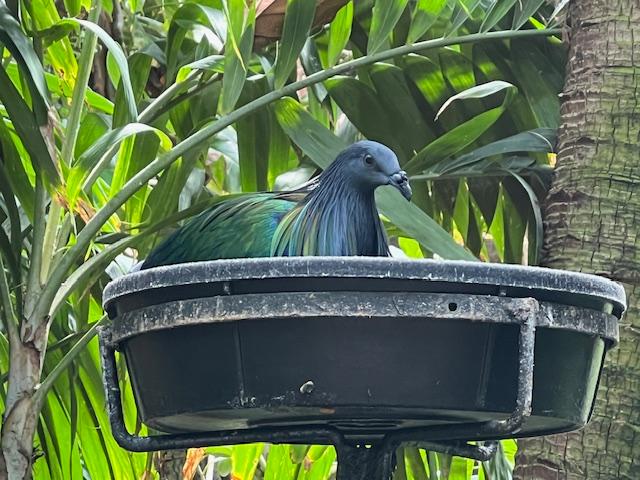
The Birds feeding themselves.

In the small animal exhibition, the mongooses were putting on quite a show for all of us. It looked liked they were mating in front of the crowd.
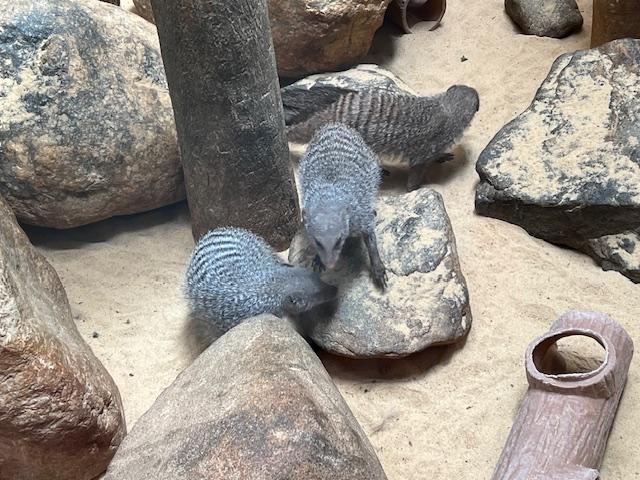
The mongooses running around.
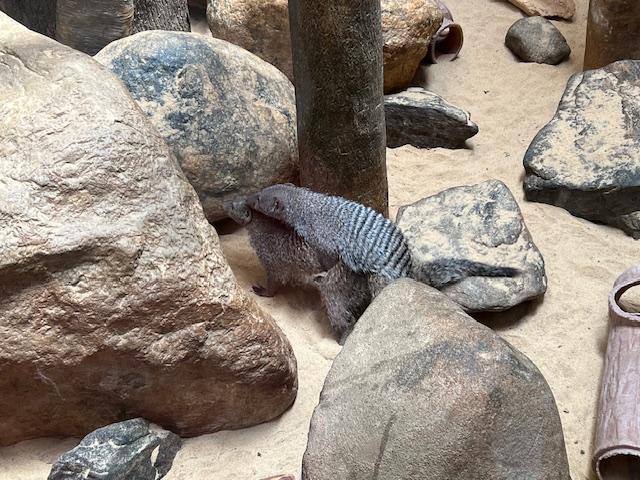
These two looked like they were mating.

It is a nice walk around the zoo and the perfect way to spend a sunny afternoon.

There is also a nice gift shop just outside the zoo and the Dancing Crane Cafe is the zoo restaurant which is over-priced and the food the few times I have tried it was mediocre. It is not like the cafe up at the Bronx Zoo that was pretty decent.

The Dancing Crane Restaurant

https://centralparkzoo.com/plan-your-visit/dining

My review on TripAdvisor:

https://www.tripadvisor.com/Restaurant_Review-g60763-d5585261-Reviews-Dancing_Crane_Cafe-New_York_City_New_York.html?m=19905

Don’t miss the hourly concert at Delacorte Clock when the animal sculptures dance to the music played. It is such an enjoyable experience.

History of the Zoo:

The Zoo was not originally part of the layout for Central Park when designed by Fredrick Law Olmstead and Calvert Vaux. A small menagerie developed on the edge of the park with exotic animals that had been donated to the park starting with a bear cub tied to a tree in 1859 and a monkey in 1860. Other animals came later including cranes, a peacock and a goldfish.

The original menagerie

In 1860, the American Zoological and Botanical Society wanted to create a zoo somewhere in New York City. In 1864, the zoo received a formal charter, making it the second publicly owned zoo behind the Philadelphia Zoo. Though a formal zoo had not yet been created, the menagerie, with its free admission and good location made it the most popular attraction in Central Park.

By the 1930’s, the menagerie had become run down and was not sufficient to hold the animals. In 1834, Mayor Fiorello La Guardia hired Robert Moses to head the unified Parks Department and a new more formal zoo was created. The new zoo was opened on December 2nd, 1934 and by 1936 over six million people had visited the zoo.
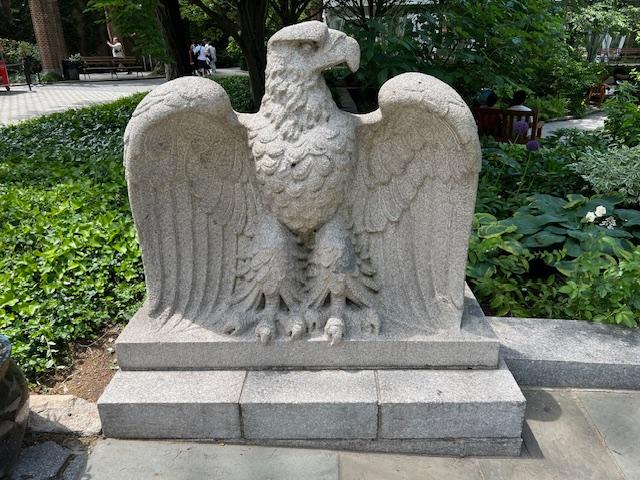
The eagle statues dotted the zoo.

By 1967, the zoo was again falling apart due to years of negligence and budget cuts. New York City’s fiscal crisis had affected the Parks System and conditions had gone downhill. In 1980, The Wildlife Conservatory (the former NY Zoological Society) signed a fifty year agreement in April of that year and started a renovation of the zoo from 1982 to its opening in 1988.

When the Zoo opened in August of 1988, the concept of the zoo had changed. The Wildlife Conservation Society had taken over the Queens Zoo, the Prospect Park Zoo in Brooklyn and already had possession of the Bronx Zoo and the direction of the society was toward conservation and care of animals while the Prospect Zoo was to be used as a Children’s Zoo and the Queens Zoo would concentrate on North American animals. The Children’s Zoo next to the Central Park Zoo went through its own renovation in the late 1990’s and is now called the Tisch Children’s Zoo after businessman, Laurence Tisch who had donated most of the money for the renovation.
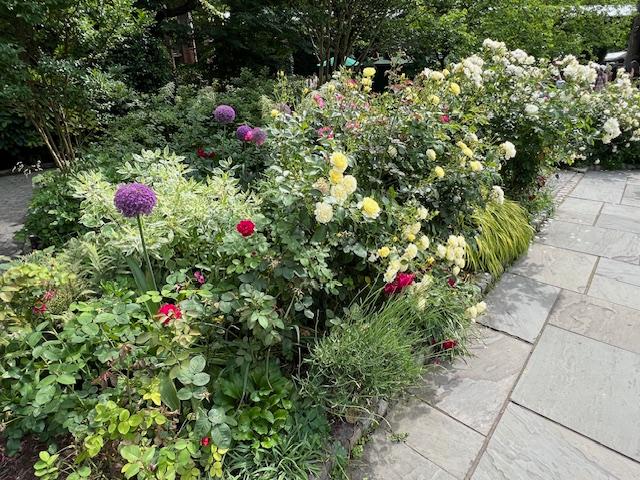
The gardens make a big impact around all the exhibitions.

(This information was taken from both Wiki and the Central Park Zoo History)

The zoo has the most amazing view of Central Park South. This neighborhood lines the southern part of the park.
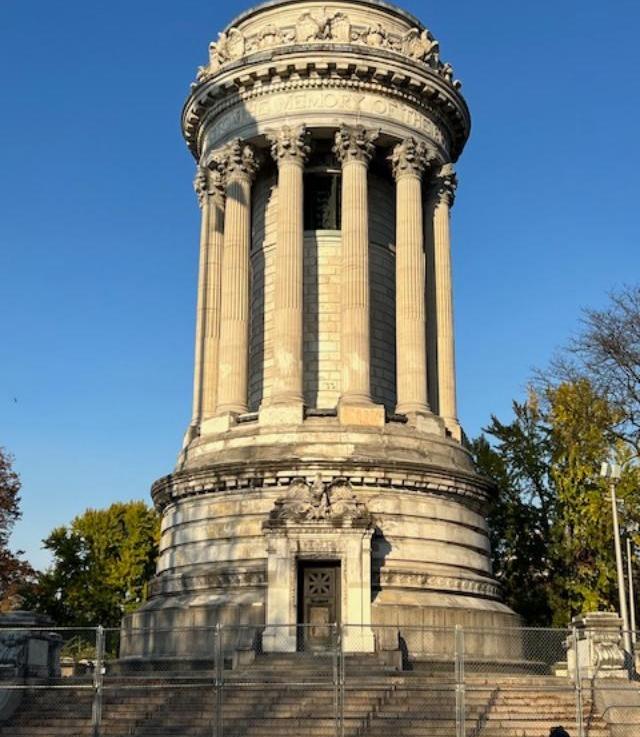
The Soldiers’ and Sailors’ Monument Riverside Drive and West 86th Street                                New York, NY 10024

The Soldiers’ and Sailors’ Monument Riverside Drive and West 86th Street New York, NY 10024

The Soldiers and Sailors Monument

Riverside Drive and West 86th Street

New York, NY  10024

https://www.nycgovparks.org/park-features/riverside-park/virtual-tour/soldiers-sailors-monument

https://riversideparknyc.org/places/soldiers-and-sailors-monument/

Open: When the Riverside Park is open. The Monument is fenced off right now because of restoration.

My review on TripAdvisor:

https://www.tripadvisor.com/Attraction_Review-g60763-d7269561-Reviews-Soldiers_and_Sailors_Monument_New_York-New_York_City_New_York.html?m=19905

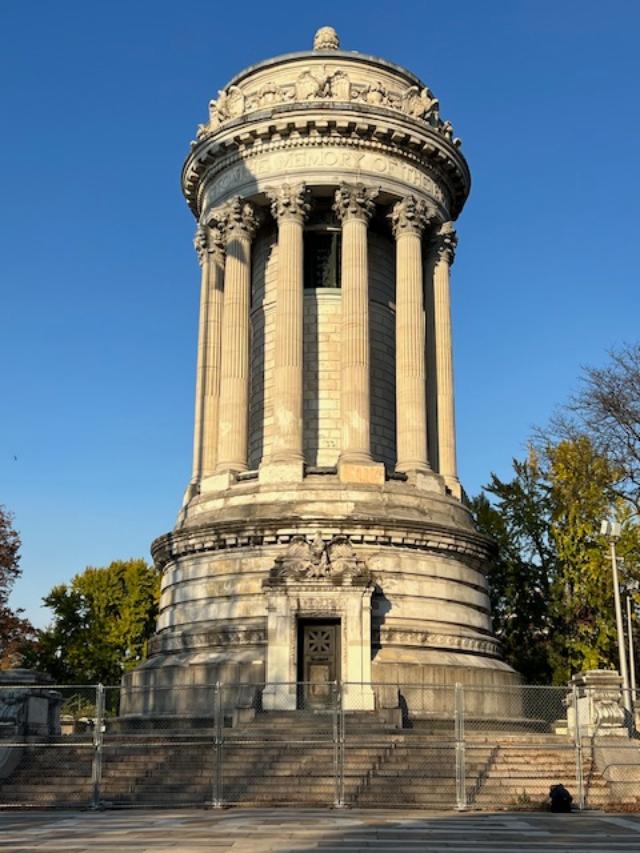
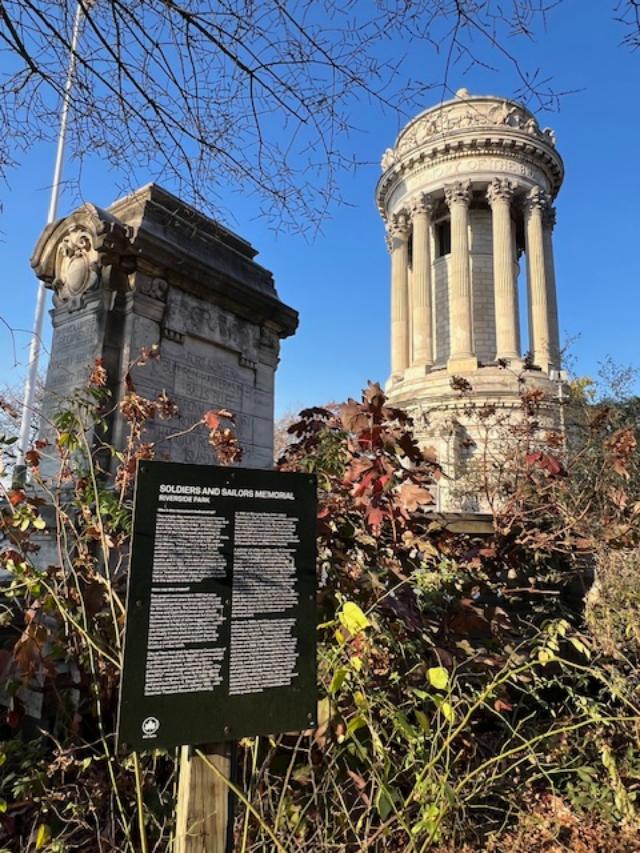
The Soldiers & Sailors Monument in the Fall of 2024

I had passed the Soldier’s and Sailors’ Monument when I was walking the Upper West Side of Manhattan for my blog ‘MywalkinManhattan.com’. It sits in an almost graceful state of disrepair behind fencing protecting it from people. It seems that it had been in a state of decay since the start of construction in 1900.

The monument is still under renovation and you can only walk around it

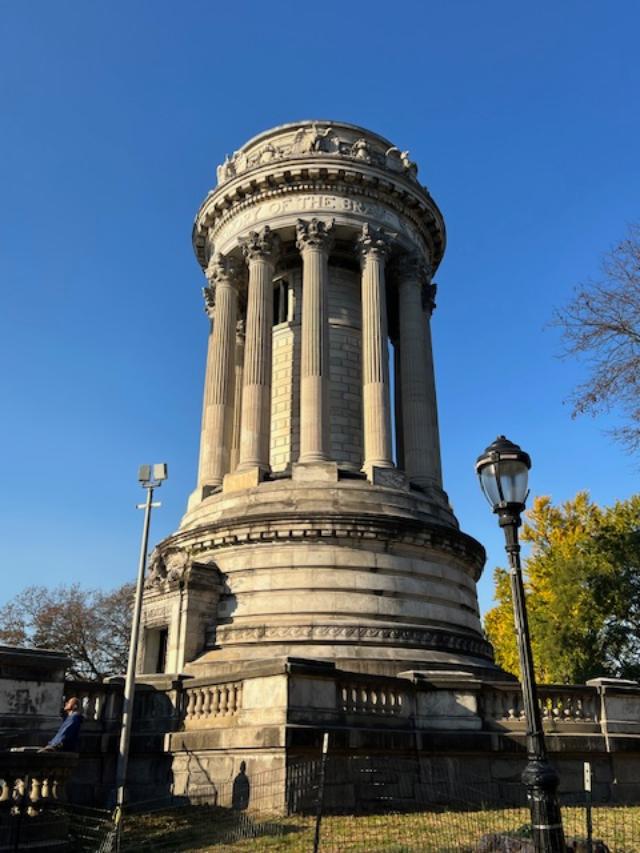
I walked all around the monument while walking Riverside Park thinking it was a small copy of a Greek Temple or another smaller burial site like Grant’s Tomb. You could see where the gaps in the structure were and the need for repair from the stairs to the platform. Still there is a beauty in its details.

The monument in the late afternoon

Reading in a recent issue of The Spirit, it seems that the New York Landmarks Conservatory and the local government officials want to put money into its repair. This beautiful landmark is going to need a lot of time and care in the future. Let’s hope they agreed to it.

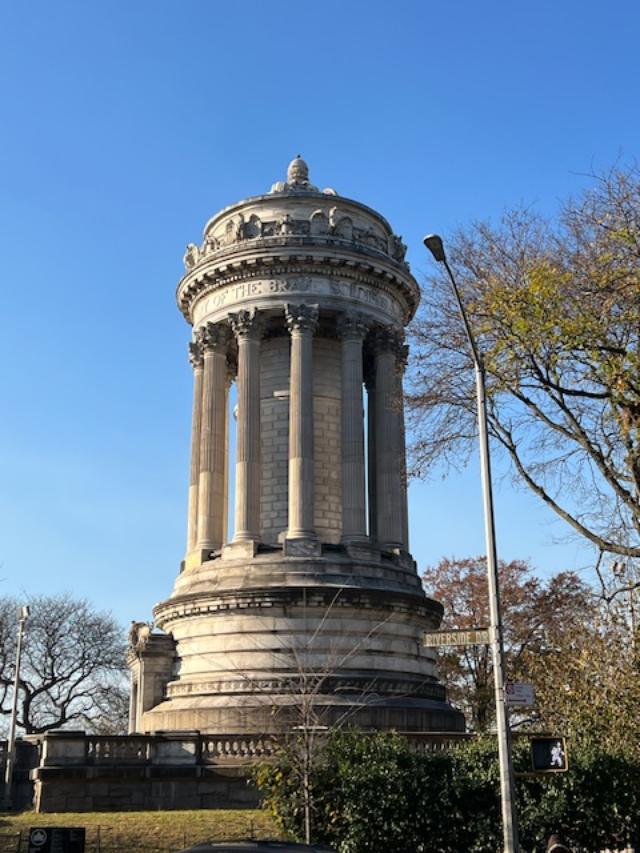
The monument still under renovation

History of the Soldiers’ and Sailors’ Monument:

(from the parks website)

The monument was first suggested in 1869 after the Civil War and was put on the back burner until 1893 when a nostalgia for the Civil War sweep across the country. The State of New York established a Board of Commission to create a monument to the soldiers’ and sailor’s who had served in the Union Army during the American Civil War (Wiki).

The ground was broke for the monument in 1900 and was completed in 1902 and it was dedicated on Memorial Day in 1902 with President Theodore Roosevelt officiating and a parade of Civil War veterans parading up Riverside Drive (Wiki).

Sailors and Soldiers Monument

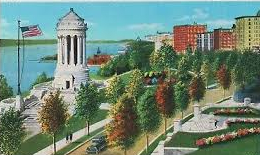
The Monument when it opened

The monument was designed by architects Charles and Arthur Stoughton and the ornamental features were carved by architect Paul E. M. Duboy. The monument takes the form of a peripteral Corinthian temple raised on a high base with a tall cylindrical rusticated cella, that carries a low conical roof like a lid ringed by twelve Corinthian columns. The entrance has the names of the New York volunteer regiments and the battles in which they served as well as the Union Generals . The monument was designed a New York City landmark in 1976 and a State landmark in 2001 (Wiki).

The monument has been plagued with repairs since it was built and according to reports it is in need of desperate repairs. I could tell by the cracks and missing marble that their were flaws in its construction since it had been built.

Still it graces the entrance of Riverside Park with it’s beauty. Look at its details in the carvings and it look of a Greek temple. It is really impressive especially in the summer months with the park behind it in full display. You can’t get too close to the monument in its current state.

The Highbridge Water Tower                                            Highbridge Park                                                                   Washington Heights, NYC 10022

The Highbridge Water Tower Highbridge Park Washington Heights, NYC 10022

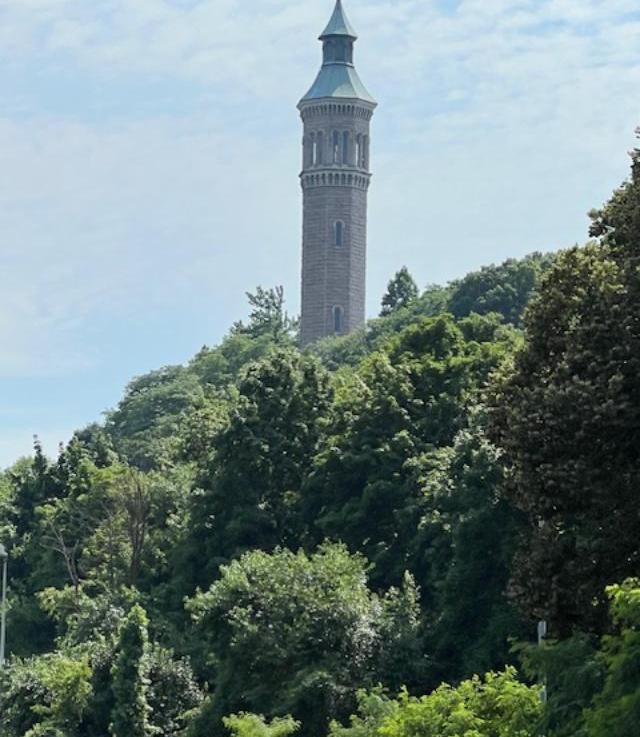
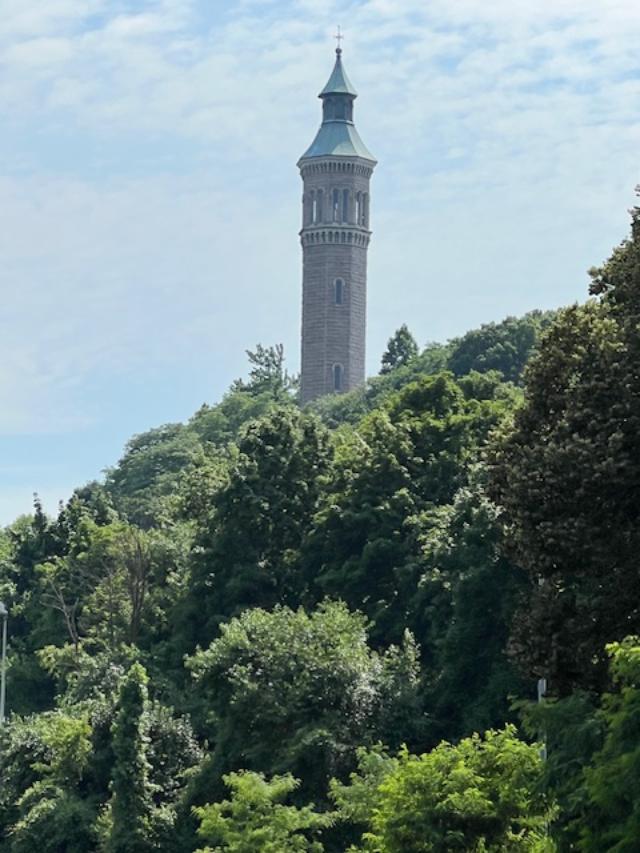
The Highbridge Water Tower in Highbridge Park

Washington Heights around 174 Street

New York, NY  10022

https://www.nycgovparks.org/planning-and-building/capital-project-tracker/project/5937

https://www.nycgovparks.org/park-features/highbridge-park/planyc

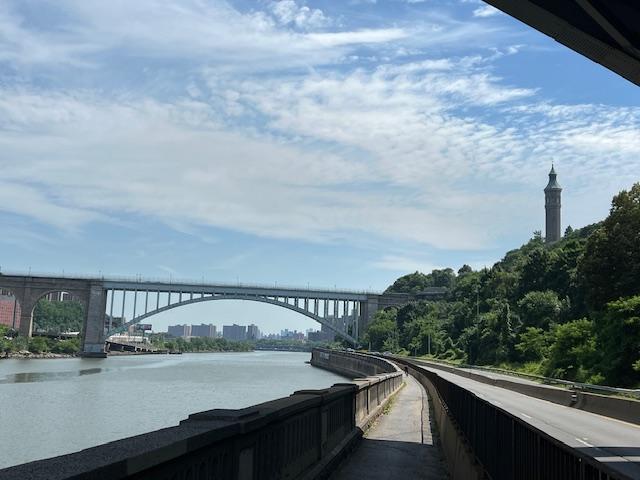
The tower from the FDR Drive walkway from below

When I was walking through High Bridge Park while exploring Washington Heights for my blog, ‘MywalkinManhattan.com’, I came across the Water Tower inside the park right next to the pool that was closed for the season and the Highbridge Walkway, which used to be the old aqueduct that used to bring fresh water into New York City.

The Highbridge Water Tower when I walked “The Great Saunter” through the neighborhood in 2023.

The Highbridge Water Tower is nearly 200 feet tall and stands around 174th Street in Washington Heights. The tower used to hold a 47,000-gallon water tank that was fed by the Croton Aqueduct. The Highbridge next to it was the last leg of the aqueduct’s forty-mile journey from upstate New York to Manhattan and is the oldest surviving bridge in New York City (T.M.Rives 2012).

The Highbridge in Highbridge Park

The tower itself was built between 1866-1872 by architect John B. Jervis in the Romanesque Revival and  neo-Greco styles and had a seven acre reservoir next to it. It opened in 1872 and was fully working in 1875. In 1949, the Water tower was disconnected from the system. The tower like the rest of the park had sat in disrepair for years and was restored between 1989-1990 (Wiki). The tower is now going through another restoration that should be finished by April of 2021 (NYCParks.com).

When I visited in the park that summer and then again in the Fall, it was behind fencing because it was still unsafe.

Highbridge Park is beautiful in the Spring and Fall but not the safest park in NYC.

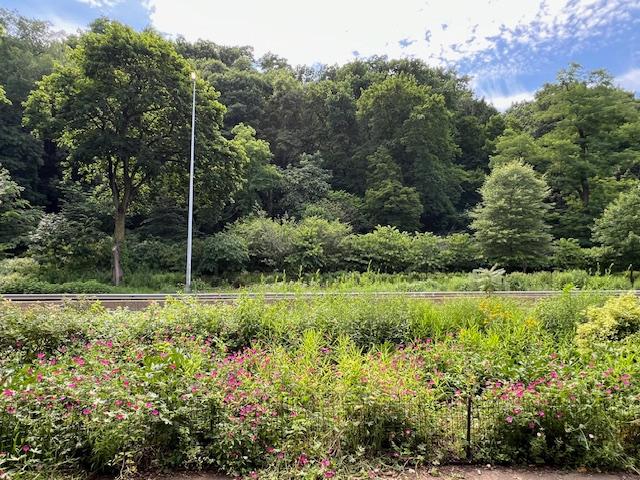
Walking the paths of Highbridge Park

Highbridge Park is a wonderful park to walk around in in the middle of the day during the warmer months. I would not venture around it later at night or in the winter months. It can be a bit desolate and when you walk around the paths by the river with all the abandoned cars and graffiti can be a bit dangerous. I got some looks when walking around.

High Bridge Park V

This was at the bottom of the bridge just off the path.

Sara Delano Roosevelt Memorial House             47-49 East 65th Street                                        New York, NY 10065

Sara Delano Roosevelt Memorial House 47-49 East 65th Street New York, NY 10065

Sara Delano Roosevelt Memorial House

47-49 East 65th Street

New York, NY  10065

(212) 650-3174

Roosevelt House History

Sara Delano Roosevelt Library

Open: To Groups on Fridays and Saturdays and to individuals on Saturdays 10:00am/12:00pm/2:00pm

Fee: Free to Individuals/Donations welcome-Groups tours are $100.00 for up to five people with an additional $15.00 fee per person. There is also an administration fee of $25.00 for groups over 20 people.

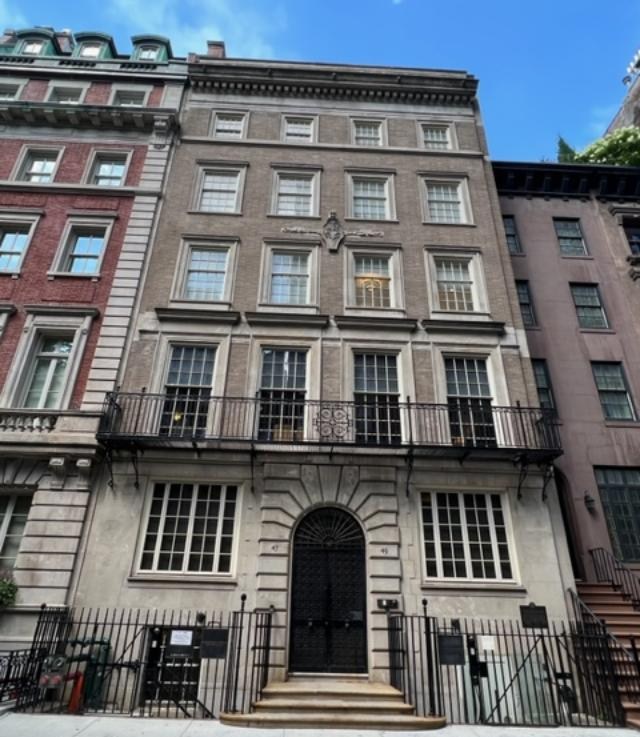
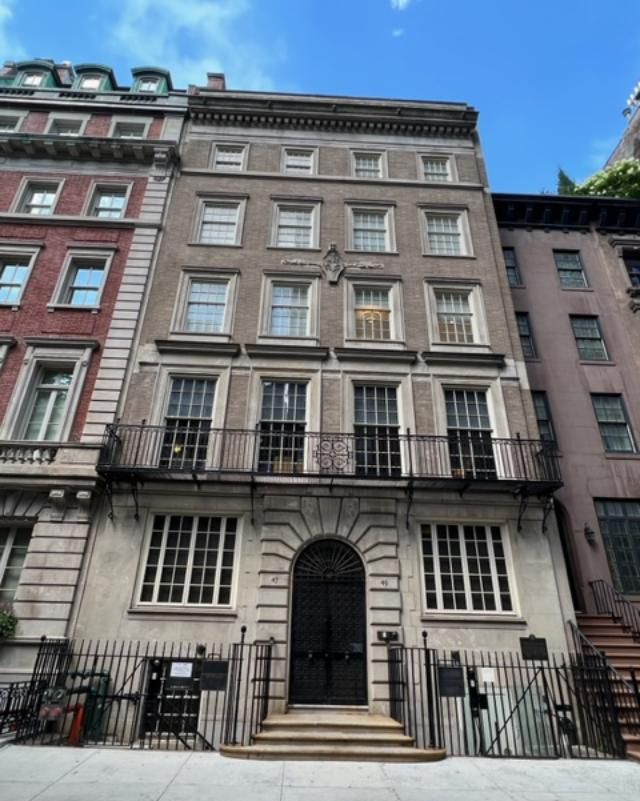
The Sara Delano Roosevelt Home at 47-49 East 65th Street

It is amazing what you discover when you are walking around the Upper East Side of Manhattan. I was exploring the Streets of the Upper East Side for my blog, ‘MywalkinManhattan’ and when walking around the Hunter College Campus came across the Sara Delano Roosevelt Memorial House at 47-49 East 65th Street.

This beautiful brownstone was built as a wedding present to Franklin Delano Roosevelt and his wife, Eleanor and their future family by his mother Sara Delano Roosevelt. It was their New York City residence until they moved to the White House. His mother continued to use the house until her death in 1941 when the home was sold to Hunter College.

Tours are available when the building is open (Hunter College is currently closed) and you can tour the whole house. The home was listed on the National Register of Historic Places in 1980.

History of the Sara Delano Roosevelt Memorial House:

The Neo-Georgian townhouse was designed by architect Charles A. Platt for Sara Ann Delano Roosevelt in 1907. It originally held “two mirror-image residences with a single facade and entrance. Each floor had its own front reception room with a welcoming fireplace. Rear parlous could be combined through sliding doors

The mansion at 47-49 East 65th Street on the Upper East Side

The house was given to the Roosevelt’s by Franklin’s mother as a wedding gift for them. The house originally two homes and Franklin’s mother had doors put in place so she could enter their part of the home whenever she wanted. The house was used by Sara Ann Delano Roosevelt from its completion in 1908 to her death in 1941 and intermittently by the Roosevelts until the sale to Hunter College in 1943.

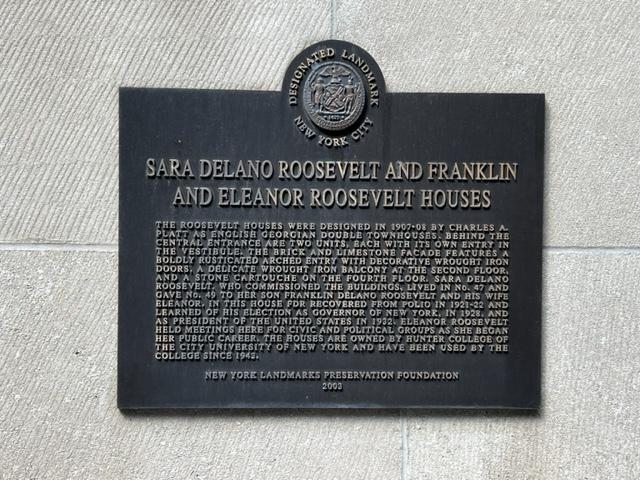
The house historical marker

After his mother’s death in 1941, President Roosevelt and his wife placed the house up for sale and a non-profit consortium was organized to purchase the house on behalf of Hunter College.

Sara Delano Roosevelt House IV

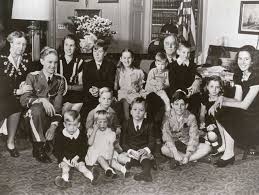
The Extended Roosevelt family

The house was closed in 1992 and reopened in 2010 after an $18 million renovation. Leslie E Robertson Associates was the structural engineers on this renovation. The building is currently used by Hunter College as the Roosevelt House Public Policy Institute at Hunter College or just known as the Roosevelt House.

Sara Delano Roosevelt House

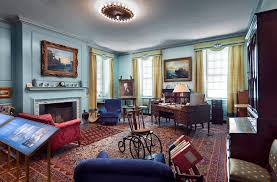
The inside of the house’s museum

(Disclaimer: This information was from Wiki and I give them full credit for the History of the Roosevelt House).

Video’s Related to the House on YouTube:

Visiting the Roosevelt House:

The History of the House: