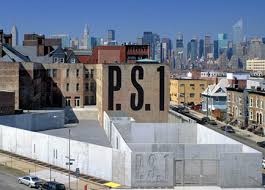
I recently visited the MoMa PS 1 in Long Island City for a private members night and was really blown away by the exhibitions that I saw there. It is all contemporary art but really edgy, probably more innovative than some of the things in the main branch of the museum. Even the clientele was different. I was one of the oldest people there and I am in my early 50’s. There must have been three people older than me.
The museum is built into an old elementary school and with the rooms there some have been merged together for bigger exhibitions and others were smaller and showcased a newer artist or an individual work. The works from current artists are very unusual and I guess you have to like very contemporary art.
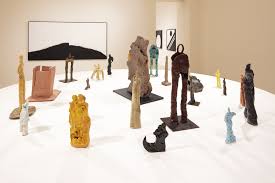
Some of the pottery from artist Simone Fattal “Works and Days”
I saw the work from artist Simone Fattal who is from Lebanon. I have to admit her works are eclectic. Her pottery looks like a third grader did it. I was not very impressed even though everyone oohhed and aahhed. It was very unusual.
I also saw the work of artist Gina Beavers whose works have someone always looking at you. Her eye portraits were different but they reminded me of some of Salvatore Dali works of the 50’s. Her works look at you from every direction with a look of judgement.
Artist Gina Beavers works “The Life I Deserve”
One exhibition which was loosely based on the movie “The Shining” by artist Julie Becker. The whole exhibition is made of works that looked like someone just left the room. There were creepy office set ups and hallways. The work was almost surreal itself by trying to confuse you and throw you off balance with her art.
Artist Jule Becker “I must Create a Masterpiece to pay the Rent”
I was able to quickly tour the whole museum which is not as big as its counterpart in Manhattan. It just has a different feel and direction to it.
What was nice about the evening was there was music outside for people to enjoy and there were hammocks that were art of a display at the entrance of the museum. It is a smaller museum that showcases the newer artists and gives them a voice. I have to say one thing is that the museum does fit into the neighborhood as Long Island City is going through a huge building boom and renovation/gentrification of the surrounding area. There is a lot of street art in the area and a lot of residents who look ‘bohemian’ to say the least. It was enlightening night of music and art.
History of MoMA PS 1:
MoMA PS 1 is one of the oldest and largest non-profit contemporary art institutions in the United States. An exhibition space rather than a collecting institution, MoMA PS 1 devotes its energy and resources to displaying the most experimental art in the world. A catalyst and an advocate for new ideas, discourses and trends in contemporary art, MoMA PS 1 actively pursues emerging artists, new genres and adventurous new work by recognized artists in an effort to support innovation in contemporary art. MoMA PS 1 achieves this mission by presenting its diverse program to a broad audience in a unique and welcoming environment in which visitors can discover and explore the work of contemporary artists. Exhibitions at MoMa PS 1 include artist’s retrospectives, site-specific installations, historically surveys, arts from across the United States and the world and a full schedule of music and performance programming.
MoMA PS 1 was founded by Alanna Heiss as the Institute for Art and Urban Resources Inc., an organization devoted to organizing exhibitions in underutilized and abandoned spaces across New York City. In 1976, it opened the first major exhibition in its permanent location in Long Island City, Queens with the seminal Rooms exhibition. An invitation for artists to transform the building’s unique spaces. Rooms established the MoMA PS 1 tradition of transforming the building’s spaces into site-specific art that continues today with long term installation by James Turrell, William Kentridge, Pipilotti Rist, Lawrence Weiner and others.
For the next twenty years, the building was used as studio, performance and exhibition spaces in support of artists from around the world. After a building-wide renovation, PS 1 Contemporary Art Center (now MoMA PS 1) reopened in 1997, confirming its position as the leading contemporary art center in New York. True to the building’s history and form, the renovation preserved much of the original architecture as well as most of its unique classroom-sized galleries.
In 2000, P.S. 1 Contemporary Art Center became an affiliate of The Museum of Modern Art to extend the reach of both institutions and combine MoMA PS 1’s contemporary mission with MoMa’s strength as one of the greatest collecting museums of modern art.
A true artistic laboratory, MoMa PS 1 aspires to maintain its diverse and innovative activities to continue to bring contemporary art to international audiences.
(This information was taken from the MoMA PS 1 website and I give them full credit for the information. Please see the web link above for more information).
The front of the Japan Society on 333 West 47th Street.
I recently visited the Japan Society for the ‘Japan Cuts’ film festival 2019 to see four films as part of the festival. I had visited the Society years ago for a ‘Monsters’ exhibition which coincided with the dropping of the Atom Bomb. It was told to me during the tour of the exhibition that the Godzilla movies were the Japanese reaction to the dropping of the bombs and the effects of nuclear was on nature.
The inside lobby of the Japan Society
This time around it was a little more upbeat. I went to see new films by Japanese directors who are looking at contemporary culture a little more differently that film makers of the past. I was most impressed with “Dance with Me”, a light weight musical that reminded me of 1960’s musicals that came out in the United States and “Whole” about Japanese who come from mixed backgrounds and their role in society. It was nice to sit back and watch the films and participate in the Q & A’s.
My favorite scene from “Dance with Me” “Happy Valley”
It was also nice to walk around the building to see the indoor gardens and pools that are located in the lobby area of the building. The building does have a feeling of Ying and Yang. There will be more exhibitions in the Fall.
The inside of the lobby of the Japan Society
The opening film “Dance with Me”
The Q & A at Japan Cuts for “Dance with Me”:
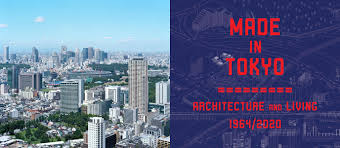
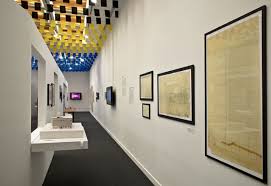
I recently visited the Japan Society for the “Made in Tokyo” exhibition on the development of architecture in the City of Tokyo between the 1962 and the 2020 Olympic Games. The exhibition showed the development and progress of the City since the bombings in WWII and how the City has rethought the building and rebuilding of the City since.
“Made in Tokyo”
Just like in the United States old department stores and office buildings are finding new use and older buildings in fringe and outside rural areas are becoming tech hubs. It was interesting so see how they were reworking old turn of the last century buildings and homes as incubators for the ‘computer age’.
The “Made in Japan” exhibition is closing at the Japan Society on January 26th, 2020. If you like the history of architecture this is an exhibition not to be missed.
The “Made in Tokyo” exhibition at the Japan Society
I recently went to the Japan Society for the screening of the famous movie, “Ringu” which is the original version of the American film, “The Ring”. It is rarely shown, and you can’t find it on YouTube or in the local libraries, so it was a treat to see this film. It was also the first time I had been in the museum since COVID closed everything down and it was nice to visit again.
Guess what I found on YouTube the next morning: “Ringu” the comparison:
Still, it was nice to go to the museum again and just relax for the evening.
The Trailer of “Ringu”
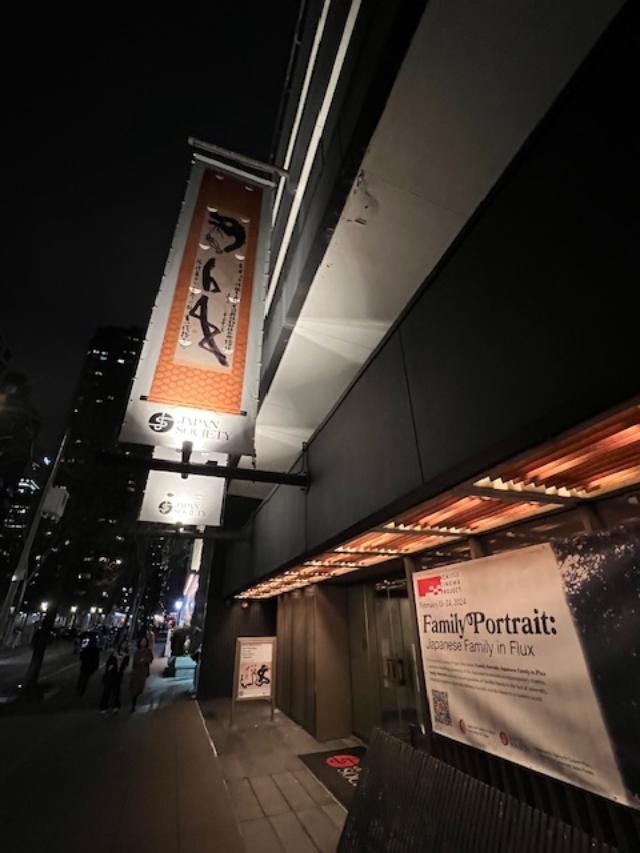
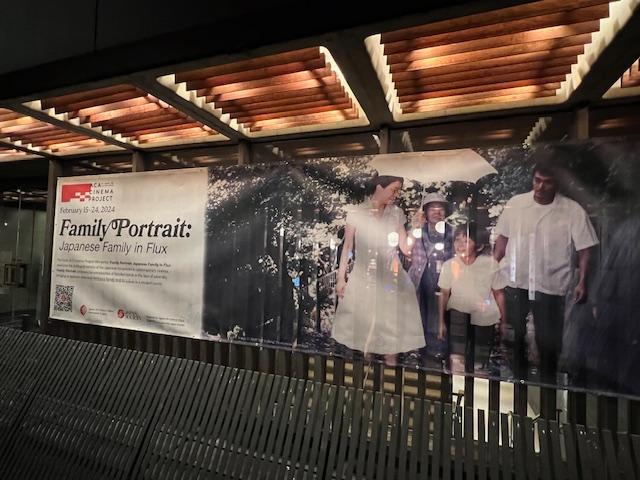
I recently went to see the “Family Portrait: Japanese family in Flux Series” in 2024 on some of the more contemporary films of Japan from the 1980’s and 90’s that are outside the studio system. These films dealt with real issues that most studio films don’t want to touch. I saw a film about a woman with terminal cancer and all the secrets of her past came out and the problems she had to face when the end was coming. Many twists and turns. The films dealt with these issues in a mature way and the series was very successful.
The sign for this amazing series of films.
The Japan Society mission:
The Japan Society is a non-profit organization formed in 1907 to promote friendly relations between the United States and Japan. Its headquarters, the youngest landmark building in New York was designed by Junzo Yoshimura and opened in 1971 at 333 East 47th Street near the United Nations. With a focus on promoting “arts and culture, public policy, business, language and education,” the organization has regularly held events in its many facilities including a library, art gallery and theater since its opening. After suspending all activities during World War II, Japan Society expanded under the leadership of John D. Rockefeller III (Wiki).
History:
In 1907, Tamemoto Kuroki and Goro Ijuin were chosen to represent Japan at the Jamestown Exposition. They attended a welcome dinner in New York with Japanese ambassador to the United States, Shuzo Aoki, where there was talk of forming an organization to promote US-Japan relations in the city. Two days later at a luncheon held by Kuroki, Japan Society was born. The organization would be run by Aoki, then Honorary President of the Japan Society of the UK and John Huston Findley.
Japan Society spent the next forty years hosting events in honor of Japanese royalty, giving annual lectures on a wide range of topics and presenting art exhibits that drew in thousands of New Yorkers. In 1911, Lindsay Russell, another founding member of the society and later president, met with Emperor Meiji and spent his visit to Japan encouraging more societies to form there and throughout the United States.
Japan Society was soon incorporated under New York law and finally found a home near one of Russell’s work offices, though it continued to relocate throughout its history before its current headquarters was opened in 1971. At this time, Japan Society and its members began to express interest in improving teaching about Japan in the United States. The organization began sponsoring trips to the country, publishing books and sent a report to the Department of Education about the portrayal of Japan in American textbooks.
It remained active during World War I, operating as it had for the last seven years but the organization became more political when it began associating with the Anti-Alien Legislative Committee, an advocacy group that spoke out against yellow peril. Russell and Hamilton Holt, another founding member used the organization’s publication to defend all of Japan’s actions at the time. Unbeknownst to anyone at the time, even one of Japan Society’s writers secretly worked for the Japanese government with the task of improving Japan’s imagine in the United States. The organization eventually realized the dangers of taking sides and by 1924 stopped publishing any political commentary.
By the 1930’s, membership had dropped significantly due to financial difficulties and the Second Sino-Japanese War. Following the attack on Pearl Harbor in 1941, Henry Waters Taft immediately resigned as president after serving from 1922 to 1929 and again from 1934. Russell also stepped down as one of Japan Society’s directors. All activities were suspended and would not resume until the Treaty of San Francisco was signed in 1951.
John D. Rockefeller III served as president from 1952 to 1969 and then as Chairman of the Board until his death in 1978. He accompanied John Foster Dulles on his trip to Japan that eventually led to the signing of the 1951 treaty. Rockefeller, a supporter of the Institute of Pacific Relations, who visited Japan in 1929 during one of its conferences, wanted to contribute to bettering US-Japan relations after the war and believed there needed to be non-governmental organizations like Japan Society in each country in order for such friendly relations to exist.
Under Rockefeller’s leadership, Japan Society expanded and talk began to find a permanent headquarters for it. It shared offices with another Rockefeller-led organization, Asia Society but as the two organizations continued to grow during the 1960’s, it became increasingly clear that Japan Society needed its own building. After receiving donations from Rockefeller and other members, construction began on “Japan House” in 1967. Designed by Junzo Yoshimura, whose work also includes Asia Society’s headquarter, it became the first building in New York of contemporary Japanese architecture. On September 13, 1971, it was finally opened to the public after a ceremony attended by Prince Hitachi. He echoed Russell’s first words about Japan Society, calling for “closer people-to-people” contact between countries.
Japan Society building
(This information was taken from Wiki and I give them full credit for the information. I also included information of Japan Society).
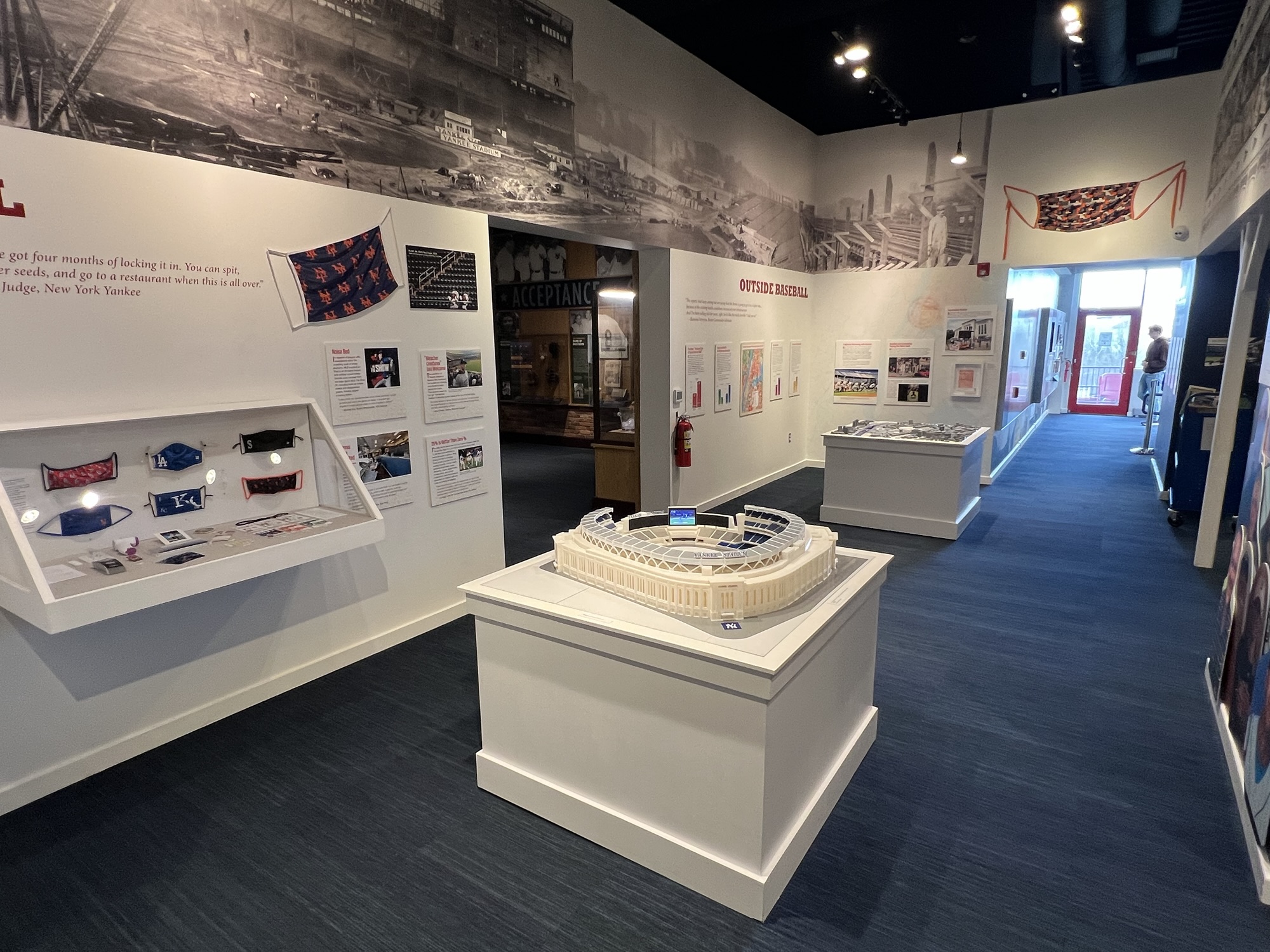
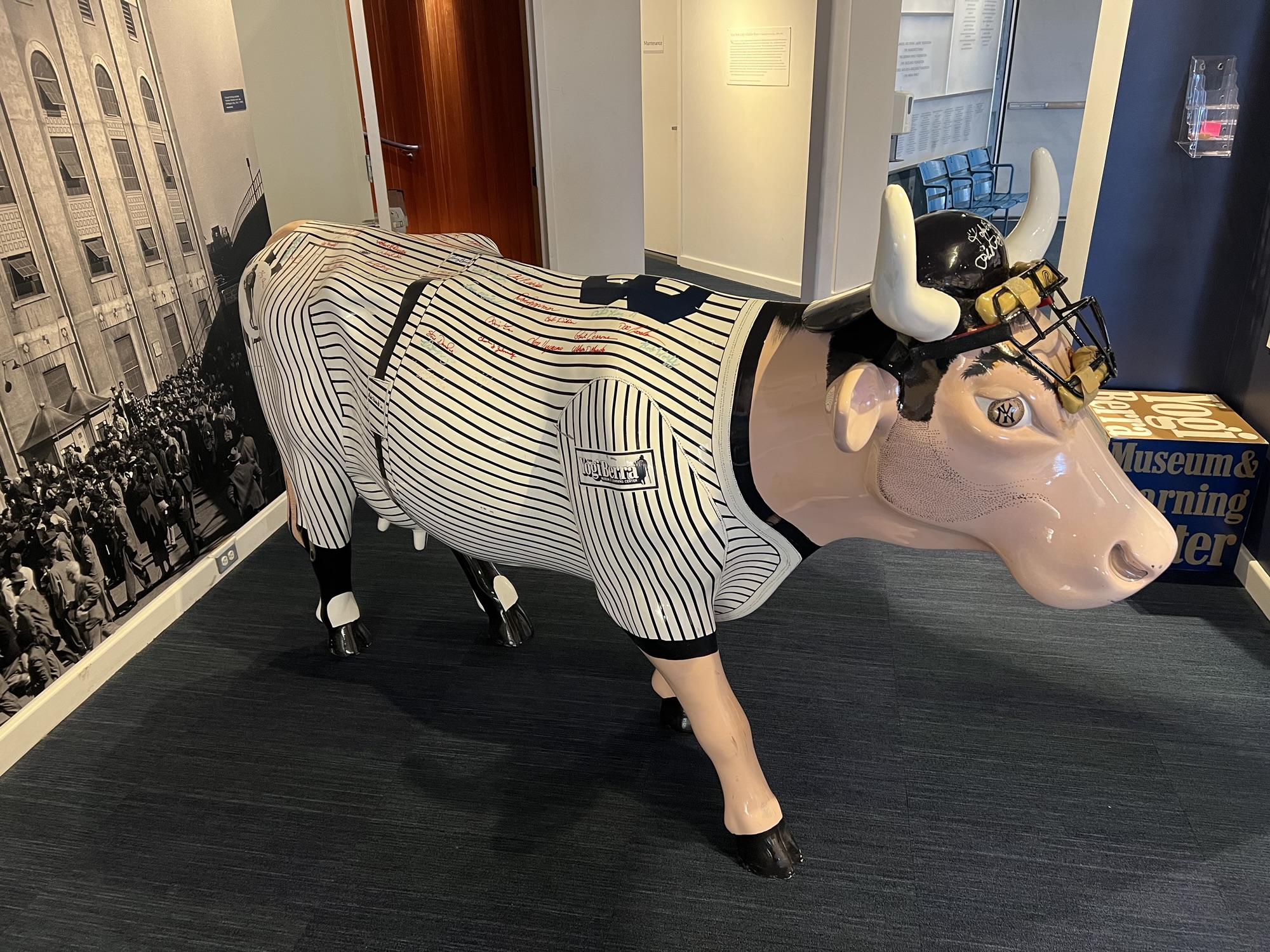
I went to the Yogi Berra Museum for the first time and I really enjoyed myself not just as a Yankee fan but learning the life behind the man. I did not know very much about Yogi Berra and his life but it is an interesting look at someone’s life and how his sport molded him to be the player and the family man he was in life.
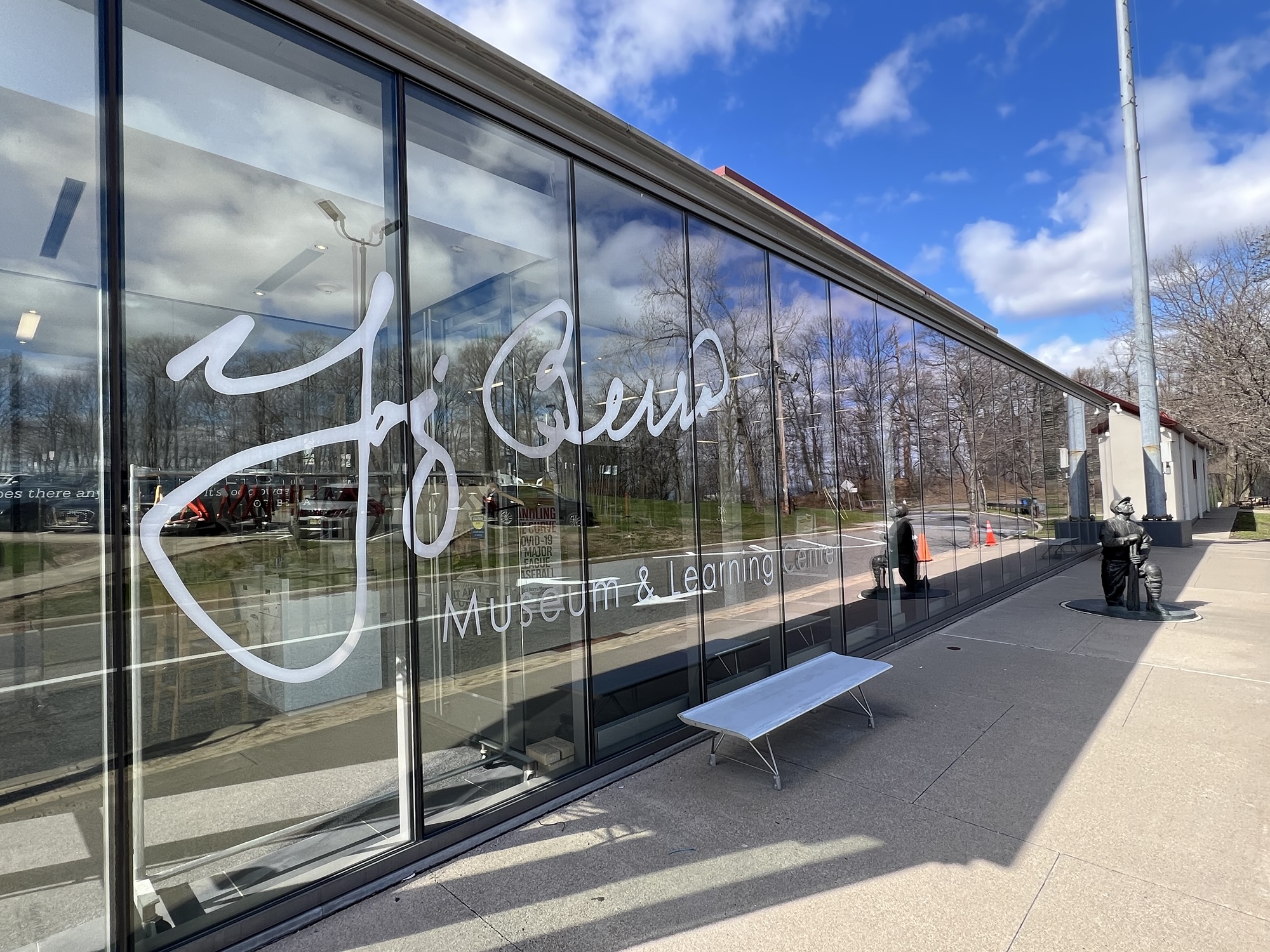
The entrance to the museum for a life well lived
I never realized he was born in St. Louis and how his life in baseball came about. The museum takes Yogi Berra’s life from the time he was born and his family life growing up to how he became a ball player to his life in the minors and then to his life as a Yankee.
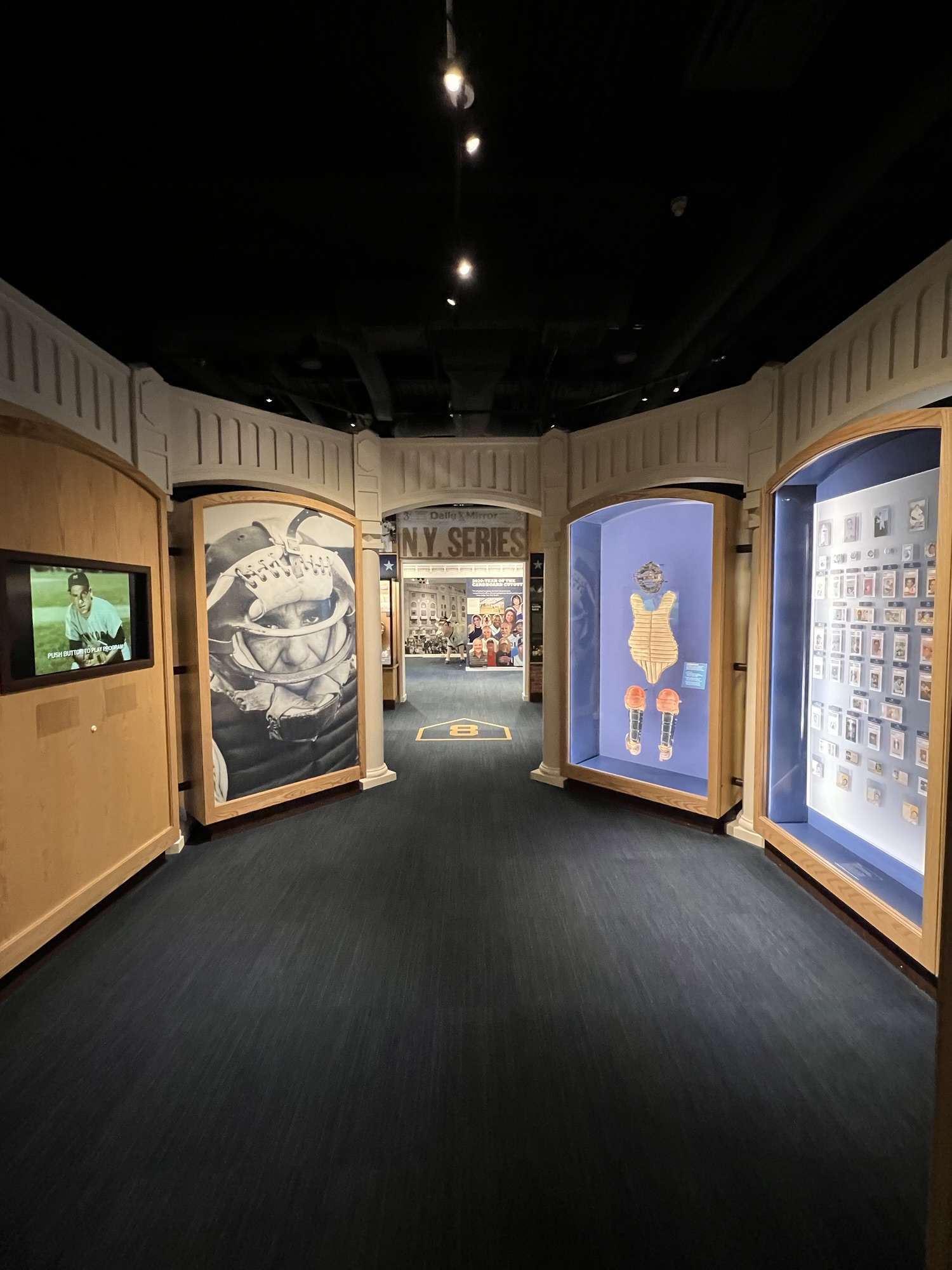
The career of Yogi Berra
The movie theater
He really was the ultimate leader and Yankee at the golden years of the team when they won five consecutive championships.
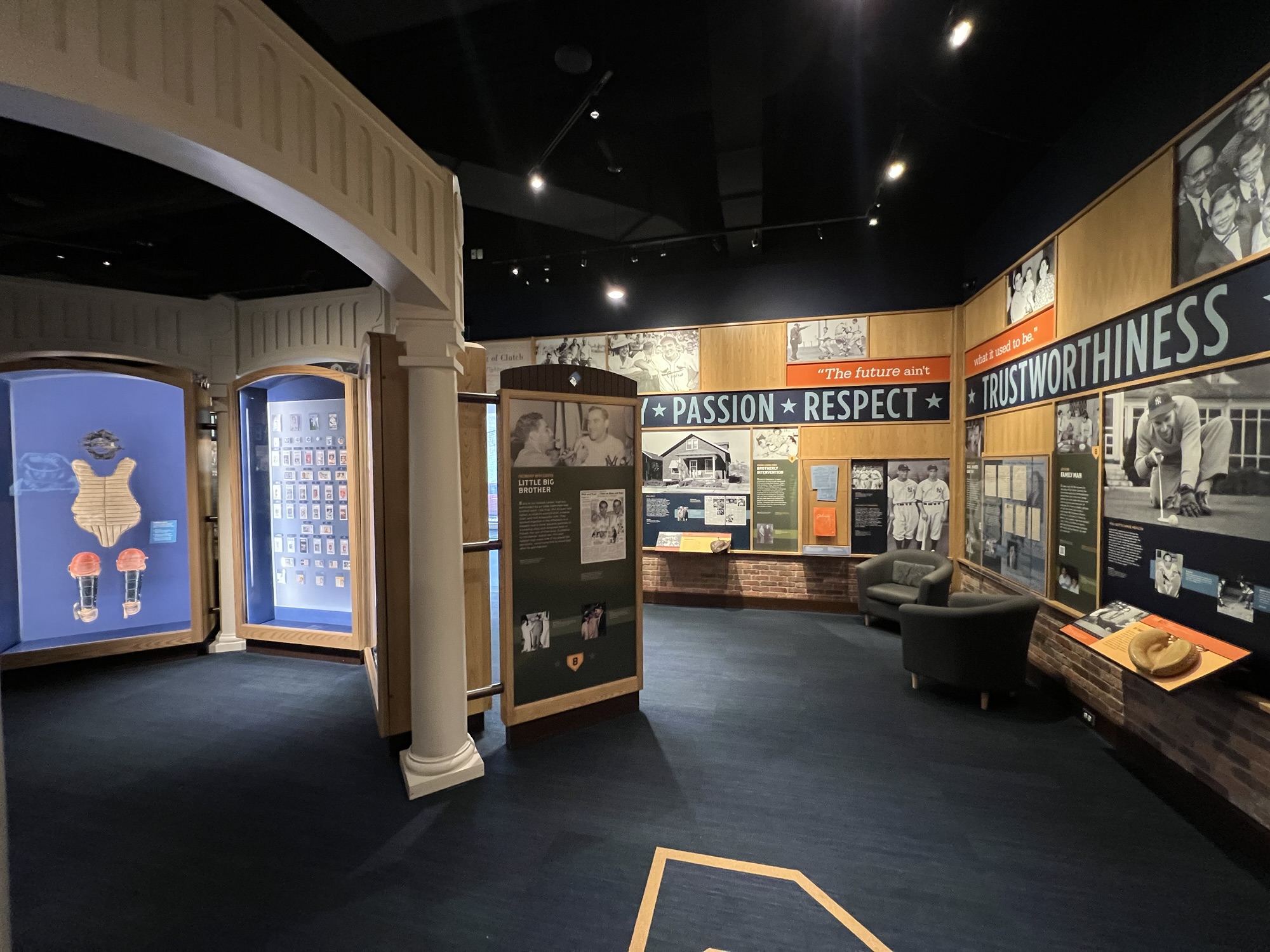
The case lines at the Museum
The museum also covered his post player life and his time coaching the Mets and winning other championships. It was also interesting to see how his family life shape him. He had been married over 60 years to his wife and had three boys and eleven grandchildren and how close he was with his family. I also liked his interaction with the new players and mentoring young players.
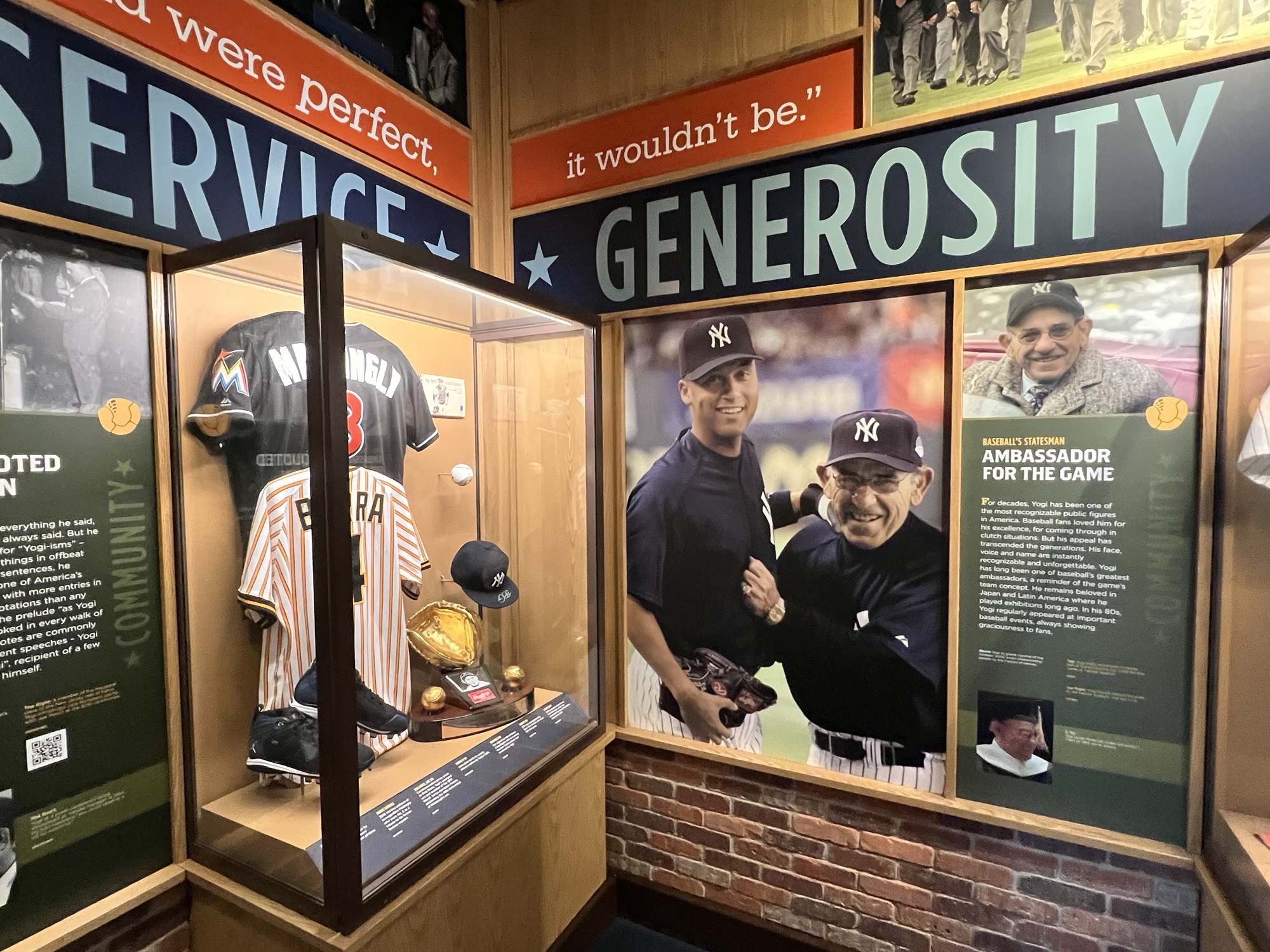
Taking a picture with ‘The Captain’ Derek Jeter
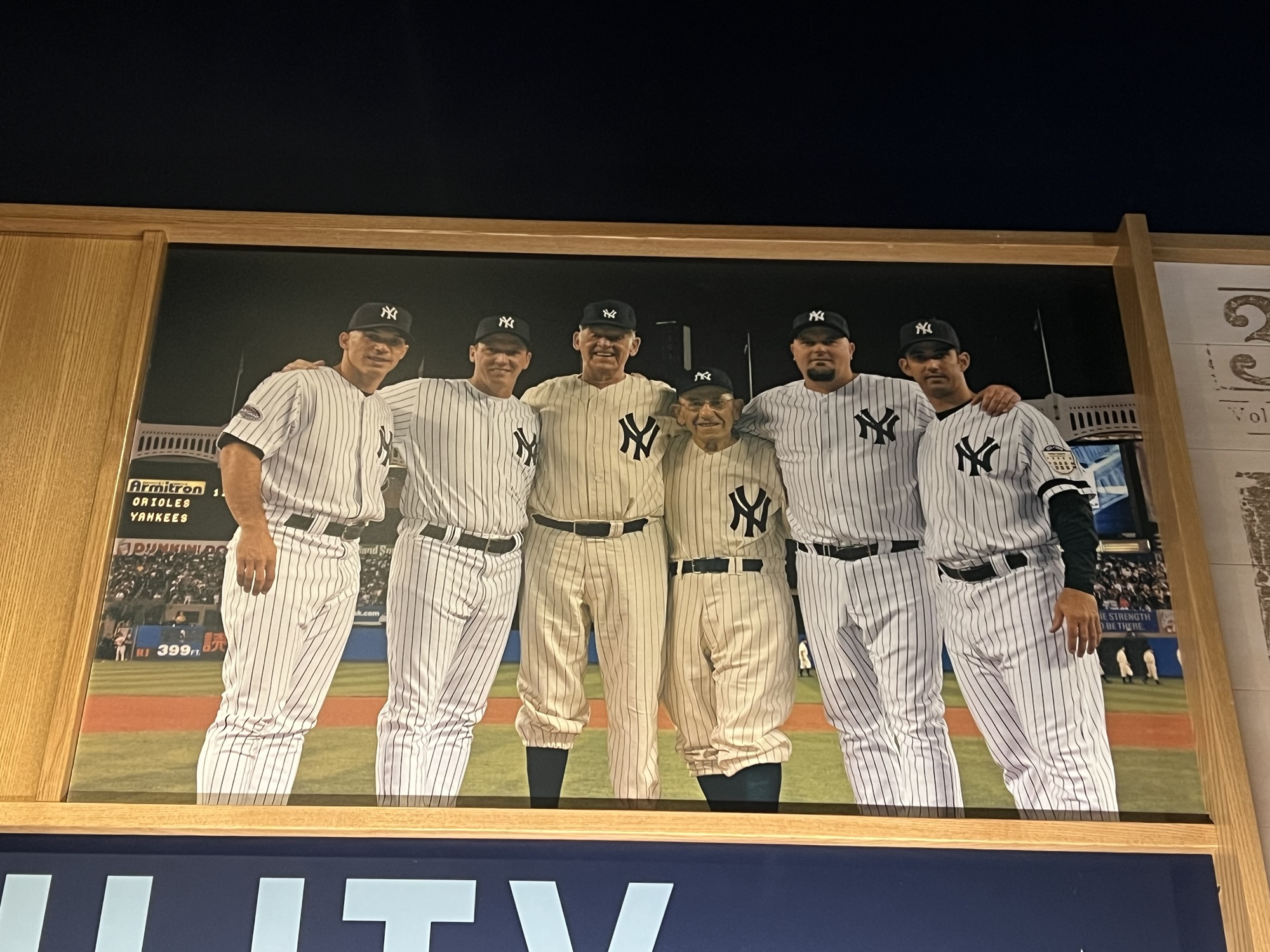
The best pictures that stood out was his photo with Derek Jeter and the second was the group photo of the three perfect game pitchers and catchers with Yogi Berra and Don Larsen in the middle of the photo.
The pitchers and catchers with the ‘perfect game’
That captured the true spirit of the Yankees. They knew how to win.
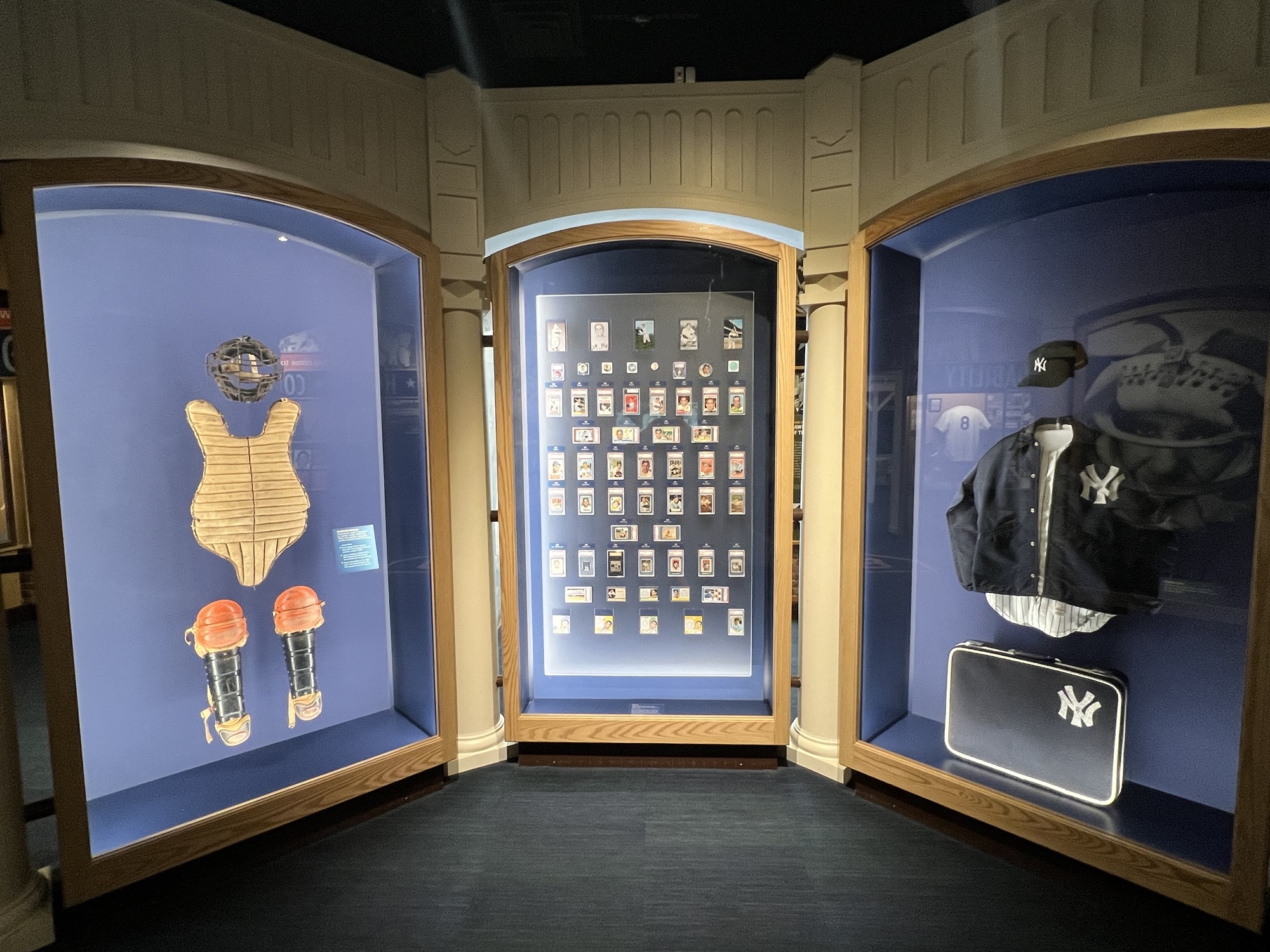
Memorabilia at the Museum
What was fun to see is all the World Series Rings that he won on display. It was a tribute to such a storied career and life. The Yogism’s that he was quoted as saying as “It ain’t over till it’s over” told of his character and his spirit in life.
The growing accomplishments in his life
The one thing that stood out in the museum was that it was the story of a man who had a life well lived and had the balance of family, career and friends along the way that showed how even from humble beginnings you can achieve great things. He even got the Medal of Freedom after his death in 2015 which showed the effect he had on people.
All the World Series rings he won
For any true Yankee fan, I highly recommend a visit to the museum, not just for the pictures and stores and baseball memorabilia but to see a person who was his own man in life.
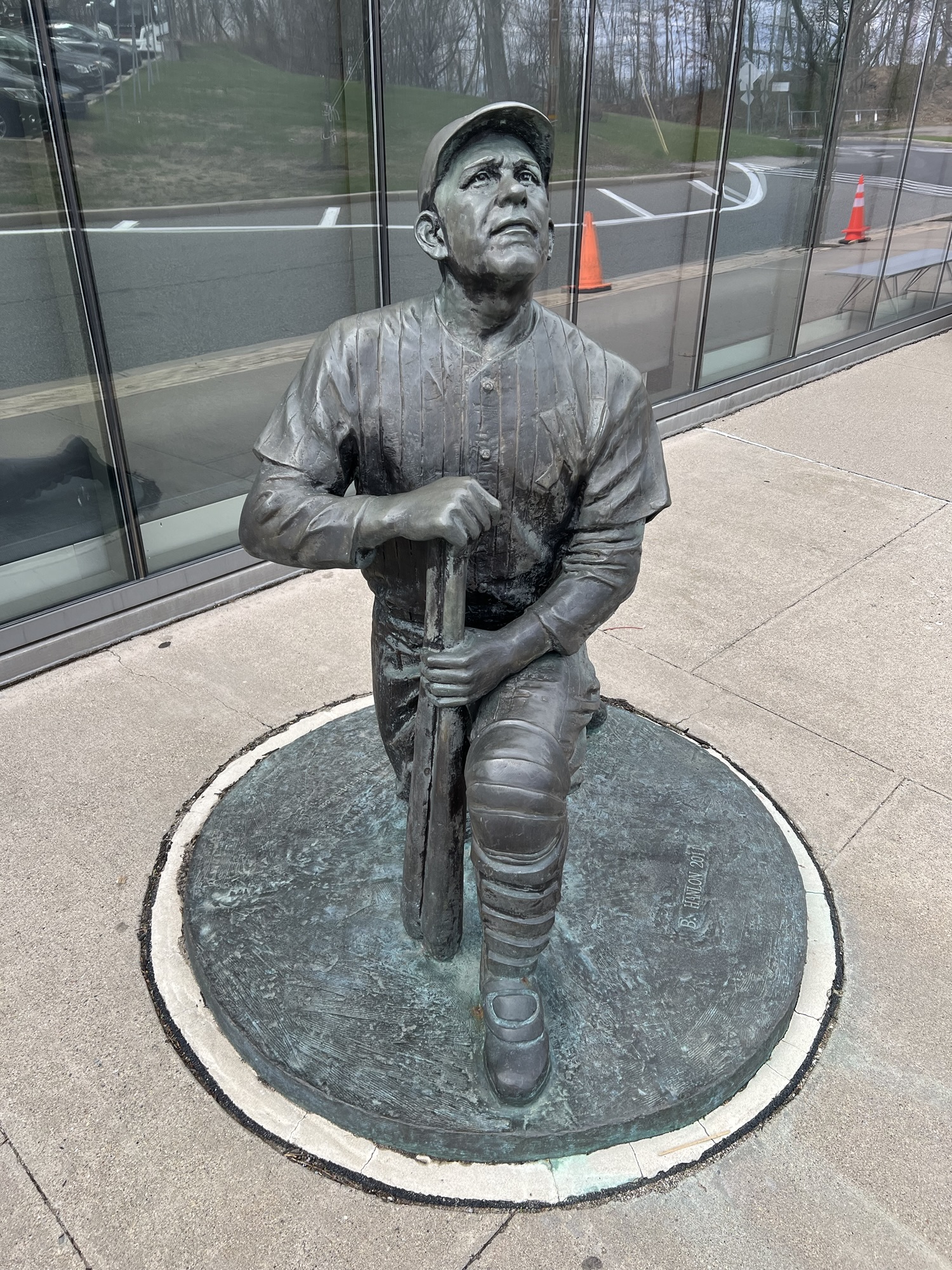
The statue of Yogi Berra outside the museum
Hats off to Yogi Berra that the town of Montclair would honor one of its citizens in such a way. It is really was a great museum.
The Yogi Berra Museum on the Montclair University Campus
The handprints of the family
History of the Museum: (Wiki)
The Yogi Berra Museum and Learning Center is a museum on the main campus of Montclair State University in Little Falls, NJ. It serves to honor the career of Yogi Berra, who played for the New York Yankees of Major League Baseball and was inducted into the National Baseball Hall of Fame. The museum which contains artifacts from Berra’s career, opened on December 4th, 1998. It is adjacent to Yogi Berra Stadium.
“The Friends of Yogi Inc”, a nonprofit organization, raised two million through donations to build the museum to honor Yogi Berra, who played his entire Major League Baseball career for the New York Yankees. John McMullen, the owner of the New Jersey Devils of the National Hockey League was among the museum’s benefactors. The museum was built adjacent to Yogi Berra Stadium, which hosts the New Jersey Jackals, a Minor League Baseball team in the American Association of Independent Professional Baseball and the Montclair State Red Hawks baseball team.
The museum was dedicated in October 1998, with fellow Baseball Hall of Famers Ted Williams and Larry Doby in attendance. It opened to the public on December 4th. In 2010, IKON 5 Architects redesigned the museum and Brian Hanlon sculpted a statue of Berra to go in front of the museum.
The entrance to the museum
Berra had feuded with Yankees owner, George Steinbrenner since Steinbrenner fired him 16 games into the 1985 season. Berra refused to be involved in Yankees events, including Yankee games. In January 1999, Berra and Steinbrenner resolved their feud with a public event at the Yogi Berra Museum.
Berra frequented visited the museum for signings, discussions and other events. It was his intention to teach children important values such as sportsmanship and dedication, both on and off the baseball diamond.
On October 8th, 2014, a burglary occurred at the museum, in which a team of “professional” thieves stole specific pieces of Berra’s memorabilia.
Exhibits: (Wiki)
The museum contains items from Berra’s career, including baseball cards, a jacket worn by Berra while throwing out the first pitch of Game 1 of the 2009 World Series, two of his MLB MVP awards and all ten World Series rings he received as a player. Following the resolution of Berra’s feud with Steinbrenner, the Yankee loaned the Commissioner’s Trophy from the 1998 World Series to the museum.
The statue signed by visiting ball players
In 2013, the museum teamed up with Athlete Ally to develop an exhibit called “Championing Respect”. which aims to support the inclusion of LGBT athletes in sports. An exhibit in 2014 celebrated the 75th Anniversary of Lou Gehrig’s farewell speech.
The museum offers a wide range of school and public programs on all aspects of sports and society. It conducts guided school tours and education programs, provides off-site assemblies on anti-bullying and sportsmanship and also collaborates with Montclair State University on programs examining topical issues in media and sports.
Yogi Berra with Babe Ruth
In promoting the values of respect and sportsmanship, the Museum in partnership with Investors Bank and the Super Essex Conference, developed a Best Teammate Award program in 2013, recognizing outstanding leadership by student-athletes. The museum also offers an array of summer camps, including youth baseball and softball camps.
(This information comes from Wiki)
After a visit to the museum, I stopped in the stadium behind the museum and watched Montclair University’s Baseball team play Stockton University.
The Yogi Berra Stadium at Montclair State University
I relaxed with a $1.00 hot dog and Coke and watched the game at Yogi Berra Stadium. It was a great way to spend the afternoon. It was fun to just relax in the afternoon and watch people having a good time.
I think watching the game with a good hot dog and Coke is the best.
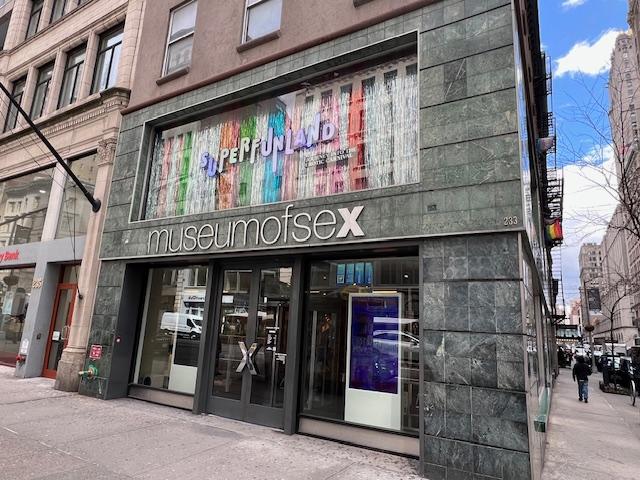
I made my first visit to the Museum of Sex in New York City and highly recommend it. I have to admit it is different but what I like about the museum is that it doesn’t try to hide the subject and it also just doesn’t jump out at you. It is an interesting progression in art and I saw this in the exhibition “The History of Pornography”, where the films were set up in order since the Victorian times. Sometimes it had to go underground due the times but pornography has been around since the days of the media.
The exhibition shows early pictures and viascopes of sexual acts and the early films date back to the Silent era. The exhibition covers from the Silent era to present times and the advancement of sex in films once the Hayes Code was broken in the 1960’s. With the relaxed rules and the mainstream films of “Tie Me Up Tie Me Down” and “Deep Throat”, you can see the progression of this as an art form and progression of the way the films were made.
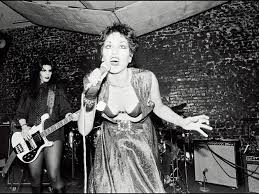
Another great exhibition that I saw was “Punk Lust: Raw Provocation 1971-1985”. This show matches nicely with the current show on the “Punk Movement” at the Museum of Arts & Design. It was interesting to see the posters, flyers, clothes and hear the music of the era. Just at the height of the ‘Sexual Revolution’ and into the fragments of the Disco era came a new sound and way to dress that started in the early 80’s before the progression of the Reagan years in Washington DC, this movement came with a new sound with Punk, New Wave and Technographic and a new way to dress provocative without being too revealing.
“Punk Lust” exhibition
As the museum was quoted saying: “The survey looking at the way Punk Culture used the language of sexuality, both visually and lyrically, to transgress and defy, whether in the service of political provocation, raw desire or just to break through the stifling gender norms and social expectations that punks refused to let define them.”
“Punk Lust” exhibition
On a more recent trip to the museum, three exhibitions were open and all very interesting, highlighting different types of eroticisms. These countered different parts of the artworld. Also, in the post-COVID era, all the interactive displays opened up and I was able to visit and experience each of these as well. These are the most fun!
The Andy Warhol exhibition:
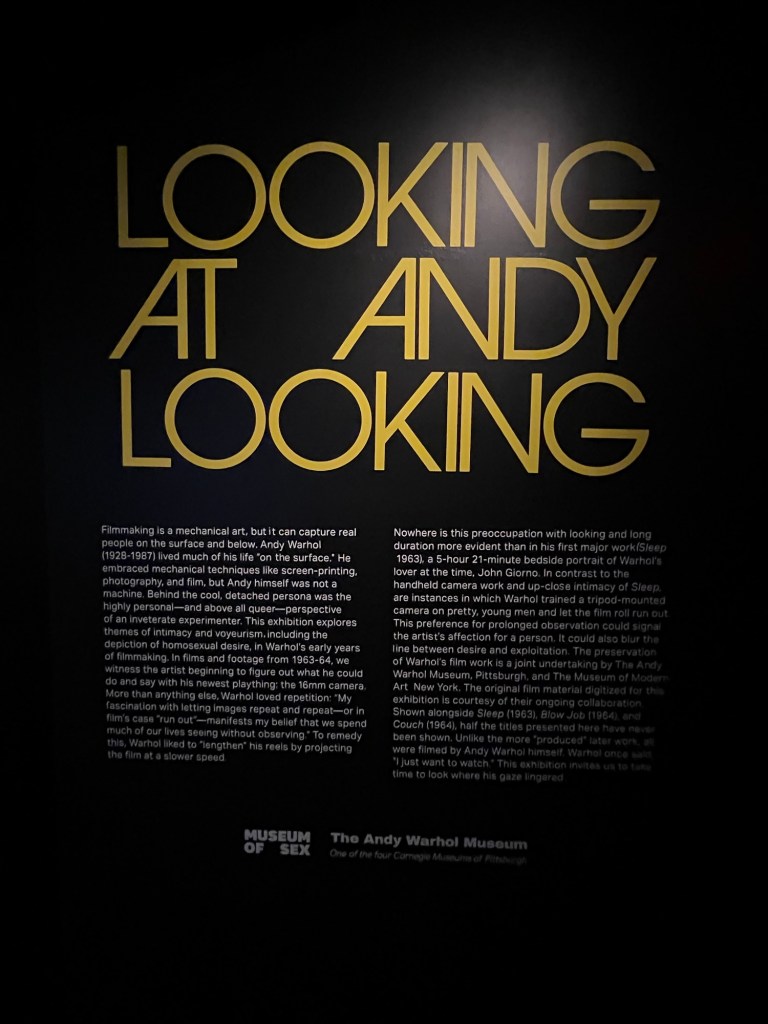
“Looking at Andy Looking” exhibition:
(from the museum website)
This exhibition will explore themes of intimacy and voyeurism, including the depiction of homosexual desire, in Warhol’s early years of filmmaking. In films and footage from 1963-64, we witness the artist beginning to figure out what he could do and say with his newest plaything: the 16mm camera.
“Looking at Andy Looking”
(from the museum website)
Filmmaking is a mechanical art, but it can capture real people on the surface and below. Andy Warhol (1928-1987) lived much of his life “on the surface.” He embraced mechanical techniques like screen-printing, photography, and film, but Andy himself was not a machine. Behind the cool, detached persona was the highly personal—and above all queer—perspective of an inveterate experimenter.
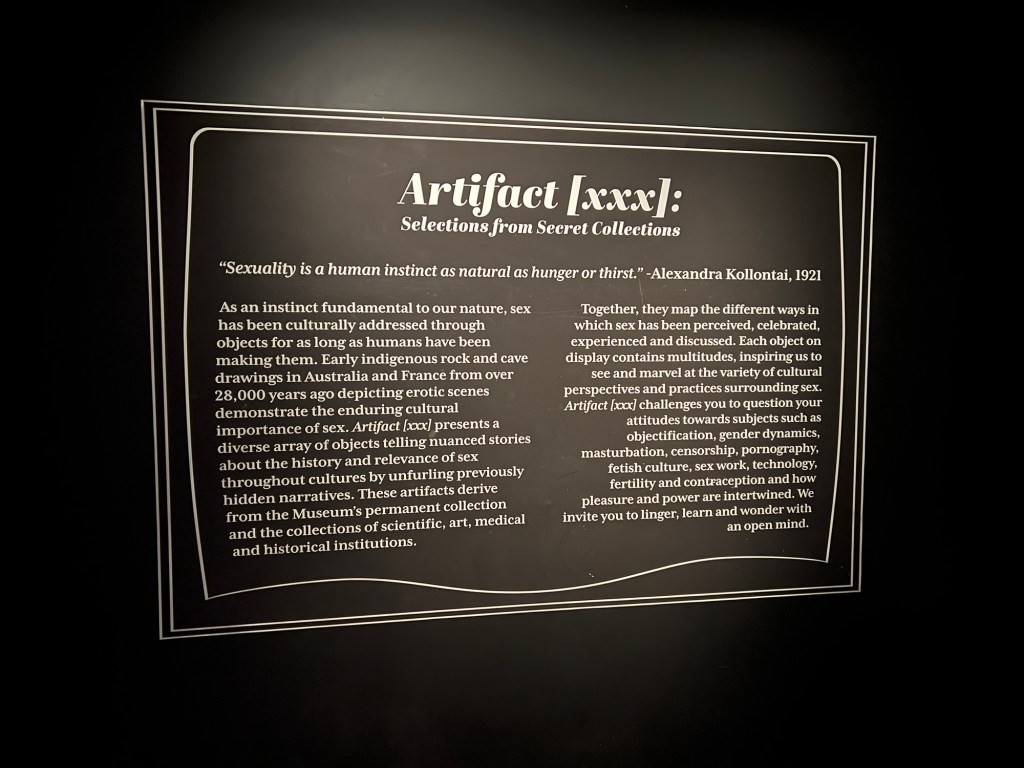
The exhibition I saw was the “Artifact” exhibition from the Museum of Sex’s collection of items exploring how we look at sexual encounters. What is sex and how does a play a role in our lives?
“Artifact: Selection from a Secret Collection”
(from the museum website)
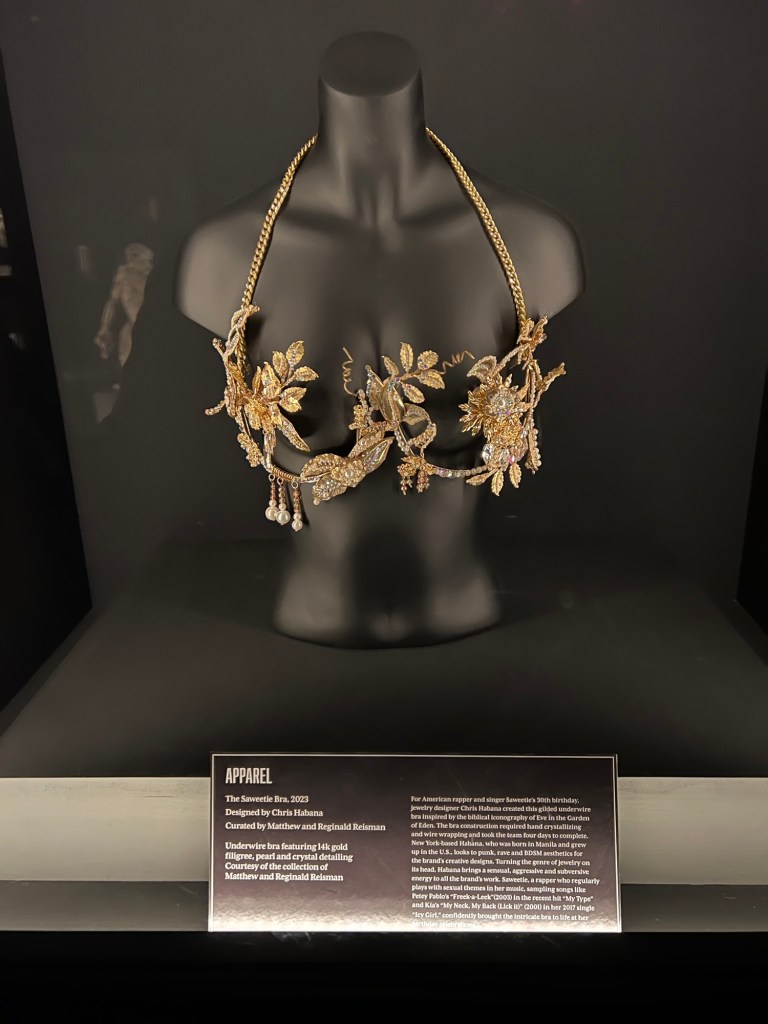
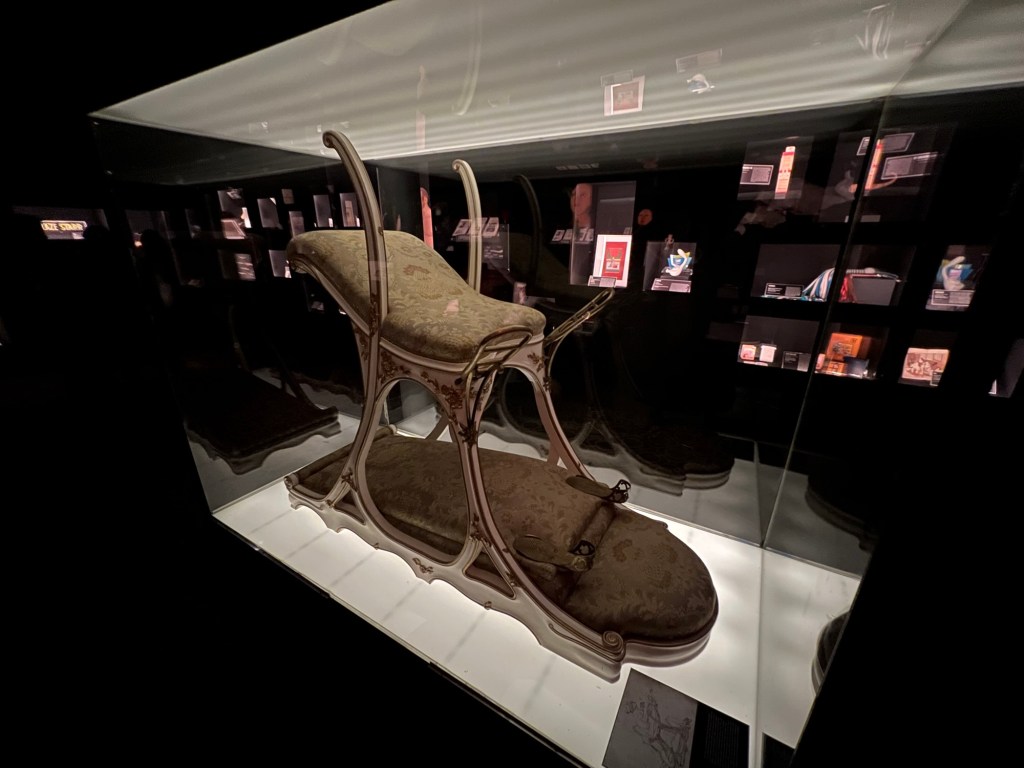
Gathered from the Museum of Sex’s permanent collection of more than 15,000 objects as well as from other notable collections and institutes of antiques, medical history and sexology, Artifact (xxx): Selections from Secret Collections presents an intimate exploration of how sex manifests across culture through art, science, and design. An early vibrator made in Great Britain, a lotus shoe worn by a woman in China, and a Braille issue of Playboy magazine provide insight into prevailing belief systems and societal taboos across geography and time.
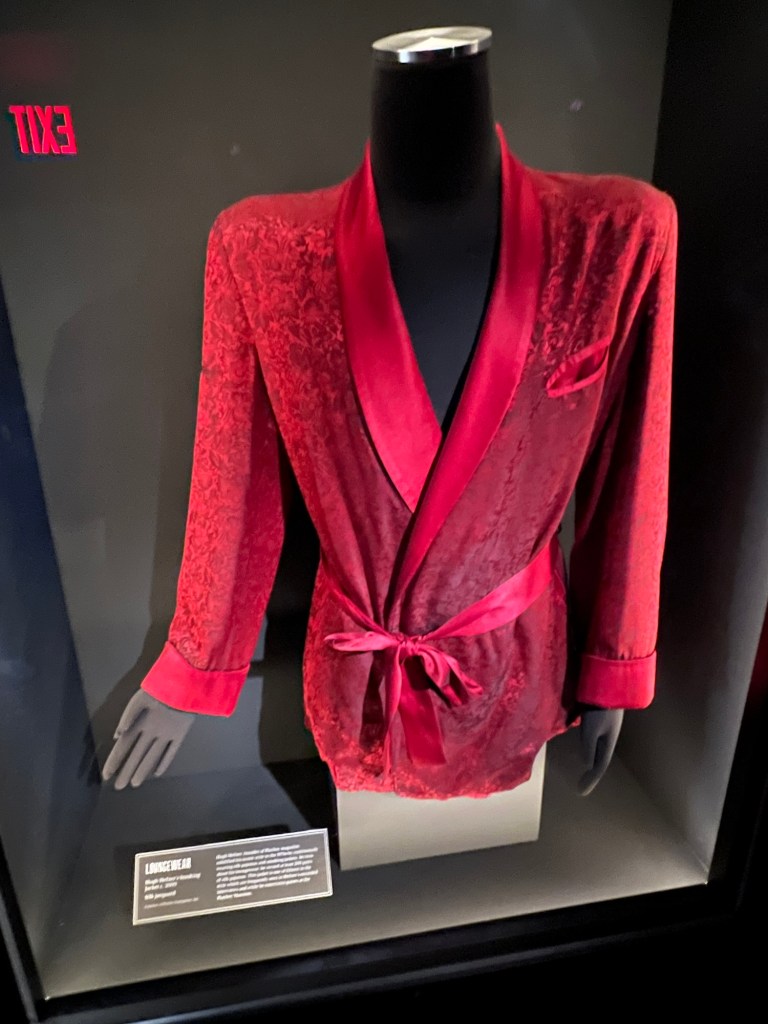
Hugh’s Hefner’s smoking jacket
Jeweled Bra
(from the museum website)
Fulfilling a wide range of functions from artwork, medical devices and pop-culture mementos to guidebooks and accessories used for enhancing pleasure or pain, these objects tell the stories of the expansive yet nuanced influence of sexuality throughout history.
Candy pants from the 1970’s
Deep Throat Memorabilia
The memory of the movie a movie ‘Deep Throat’’
Intercourse Chair
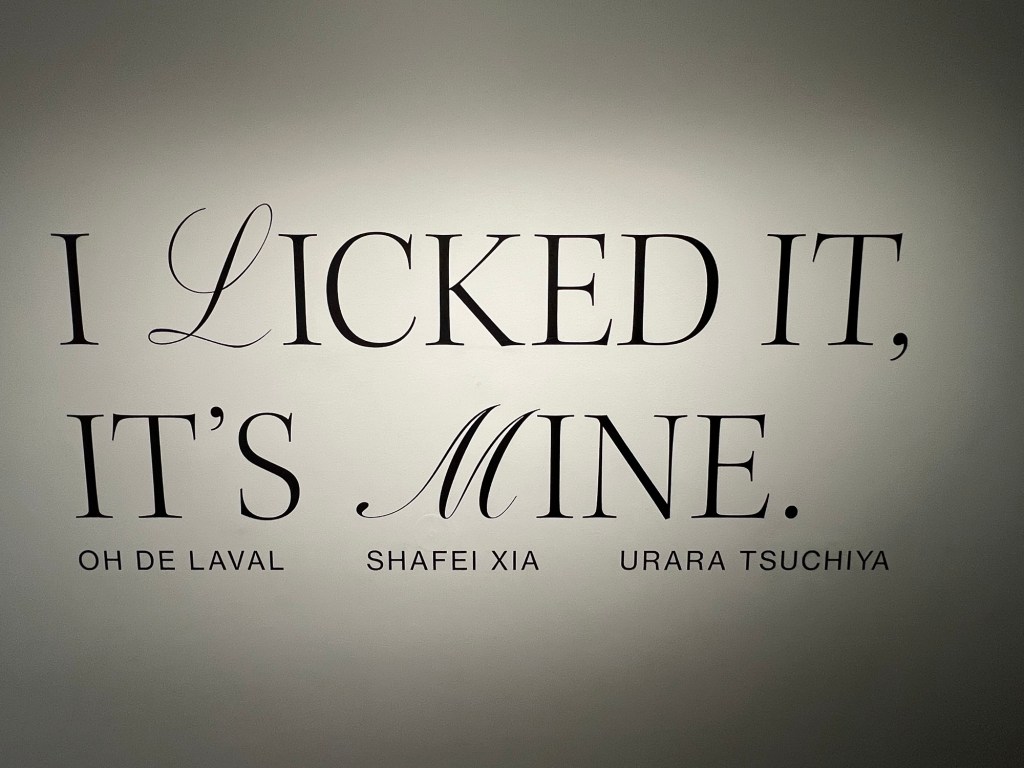
Another exhibition that I enjoyed on my last trip to the Museum of Sex was the “I Licked it, It’s Mine” exhibition on exotic paintings and sculpture.
The ‘Licked it, it’s Mine’ exhibition sign
(from the museum website)
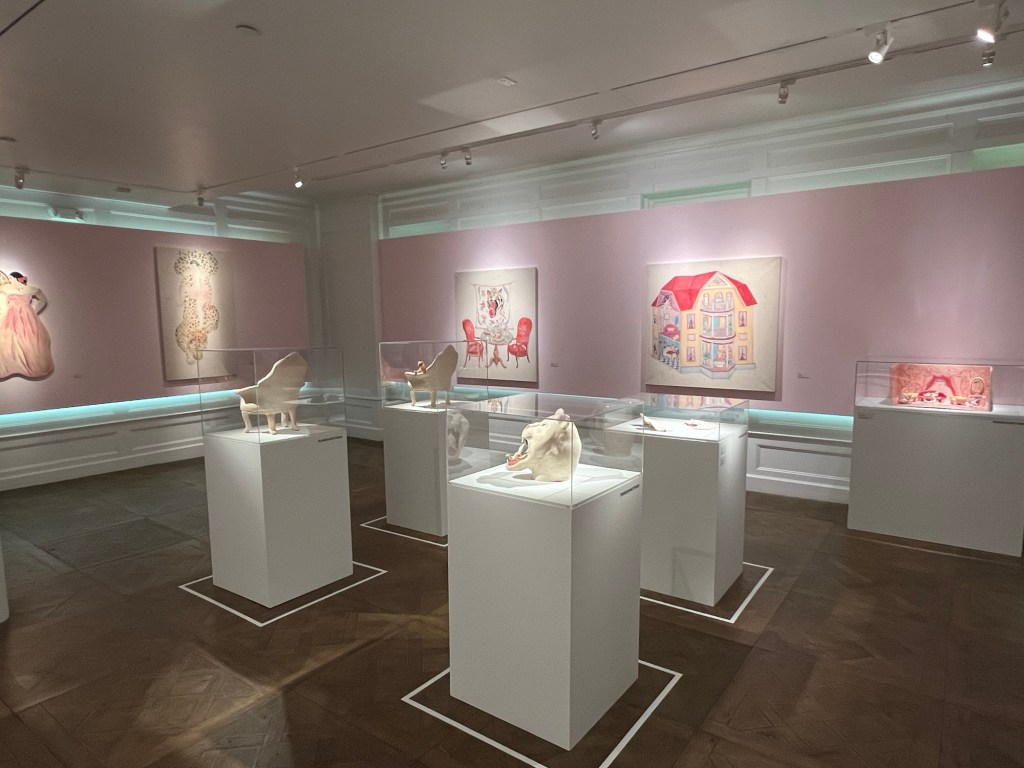
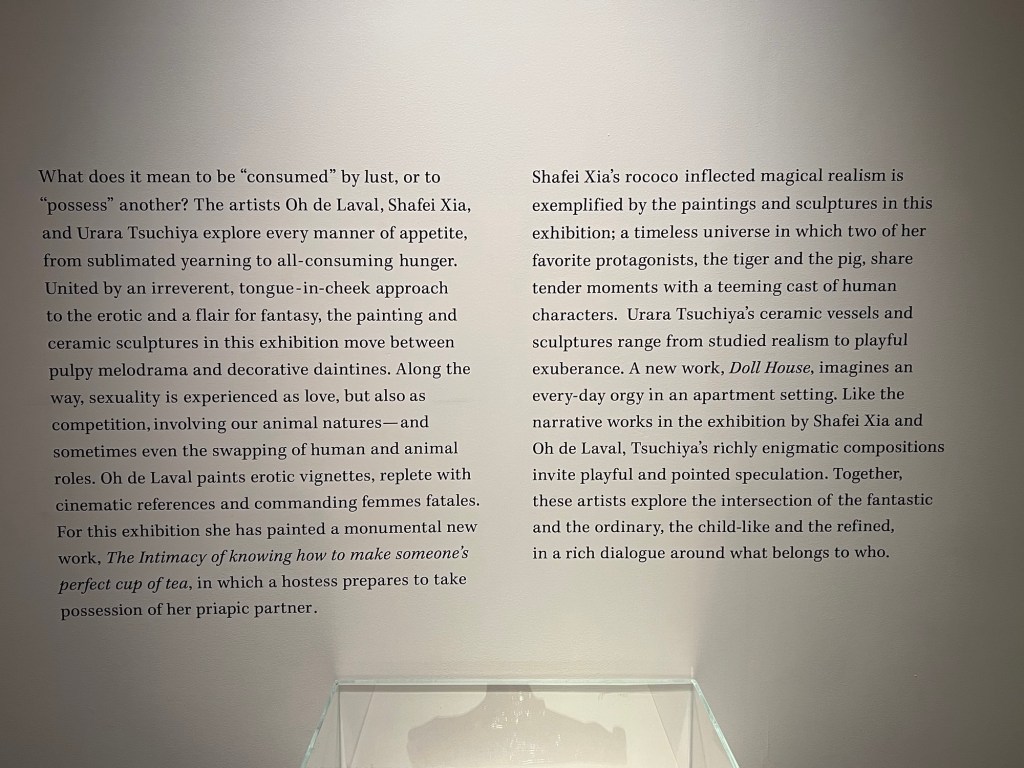
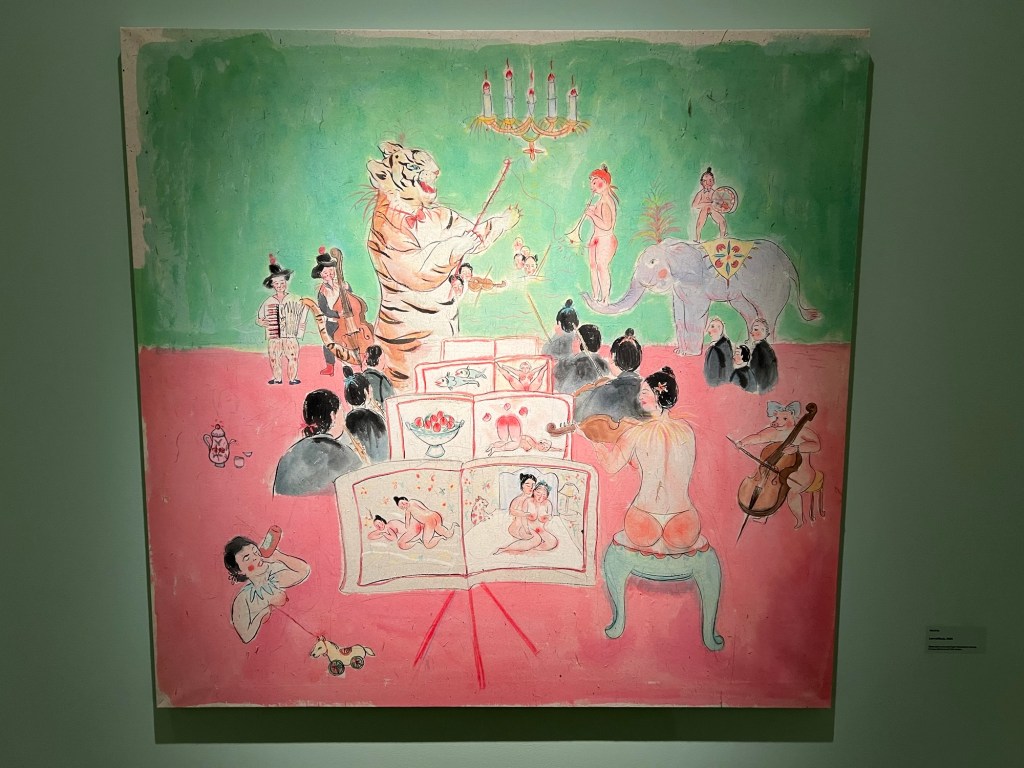
What does it mean to be “consumed” by lust, or to “possess” another? The artists Oh de Laval, Shafei Xia, and Urara Tsuchiya explore every manner of appetite, from sublimated yearning to all-consuming hunger. United by an irreverent, tongue-in-cheek approach to the erotic and a flair for fantasy, the paintings and ceramic sculptures in this exhibition move between pulpy melodrama and decorative daintiness.
Along the way, sexuality is experienced as love, but also as competition, involving our animal natures—and sometimes even the swapping of human and animal roles.
The gallery for ‘I licked it, it’s mine’ exhibition
The literature from the exhibition explaining the works
These were some of my favorite works from the exhibition:
The exotic works
The unusual works
The unique paintings and ceramics
One of my favorite pieces from the exhibition. I thought this was quite exotic.
I walked next through Carn-O-Rama and experienced the workings behind the scenes of a traveling carnival reaching the suburbs. I always thought it was just lights, rides and cotton candy. There is more to it than that.
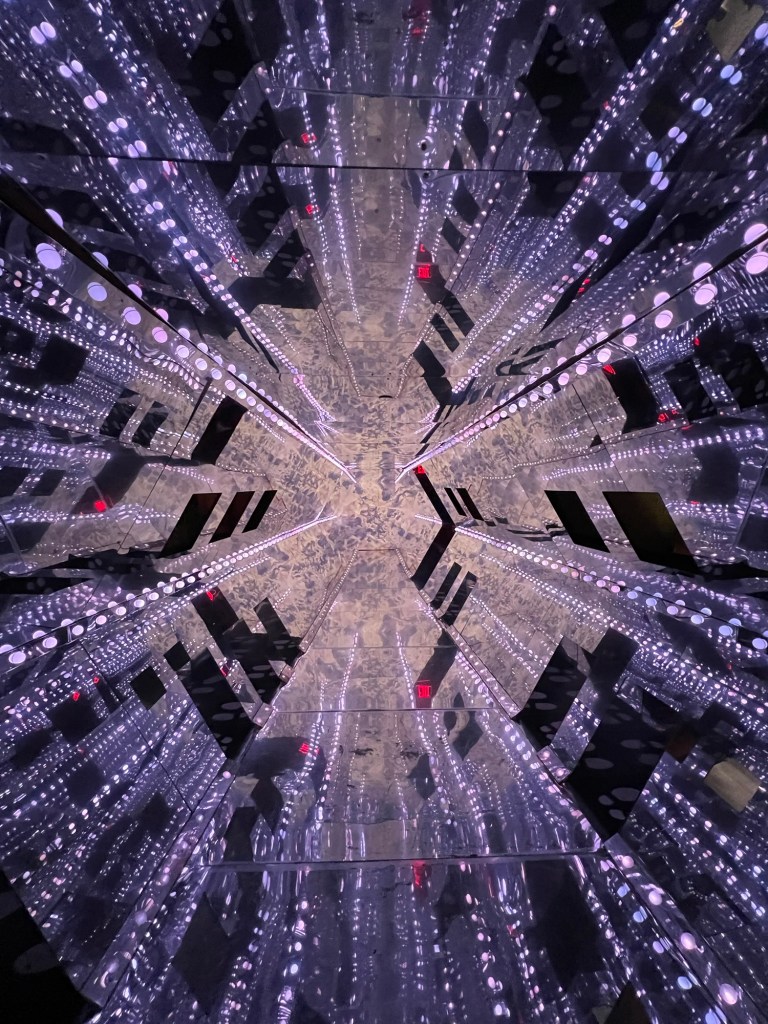
After my visits to the three galleries, I took a took to the interactive section of the museum and experienced Funland, where I walked though Stardust Lane and all the lights and sounds of the mirrored rooms.
A Video walk through Funland is a lot of fun. It really pleases the senses.
I next took a trip to Super Funland and this was my trip through Stardust Lane. This is all lights and mirrors and it was an unusual walk through the museum that challenges the senses. Walking through Super Funland is a voyage in the wild with mirrors and music.
It get pretty interesting walking through here.
In another video walk through of Funland, I met a lot of interesting people on my walk through the museum. It really puts you into a interesting mood.
The pathway around the museum took me to other interactive exhibitions. Jump for joy was a very interesting interactive world of different sexual parts and mood lighting.
The ‘Jump for Joy’ exhibition
Then I walked through ‘Lucky Land’
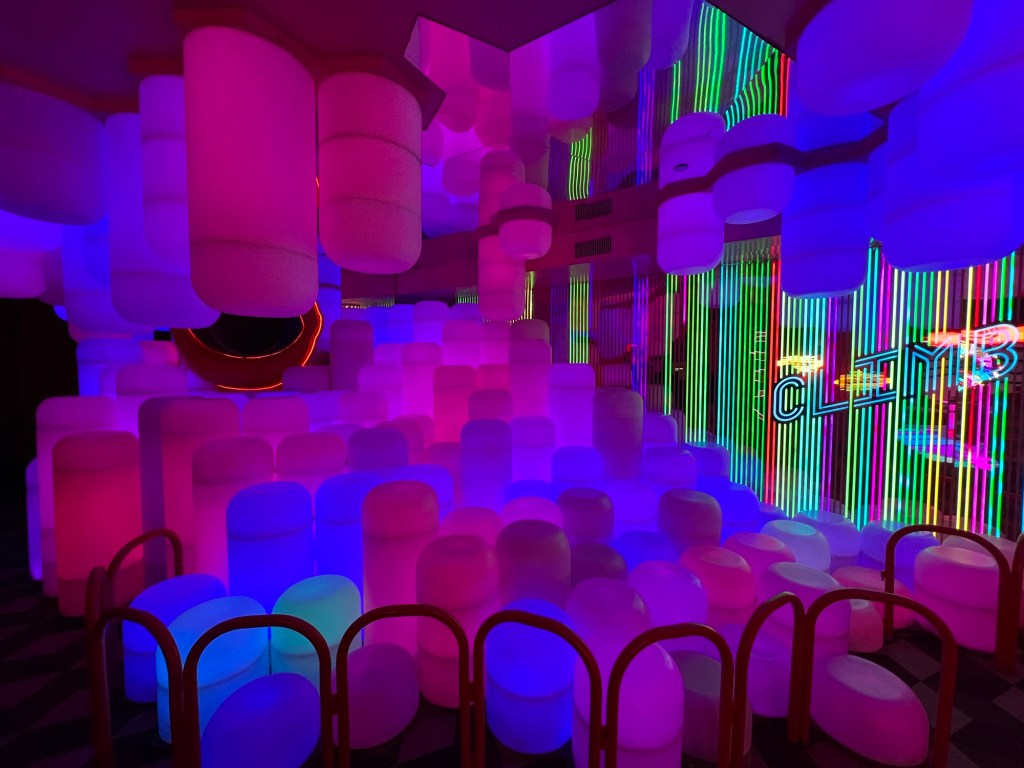
Then I walked through and climbed ‘The Pink Palace’, a series of colored features that led through what looked like another sexual parts. This is called the ‘ClimbX”.
The colored building blocks of the exhibition of “ClimbX”
The colored blocks of the exhibition “ClimbX”
Another object to climb through on your way out of the exhibition.
It really is an interesting museum to visit. You really have to stop and enjoy the pleasures of each floor. You have to take the time experience all the sights and sounds. The funny part of leaving the museum is that there is an exotic food vendor on Fifth Avenue with the most unusual items he sells.
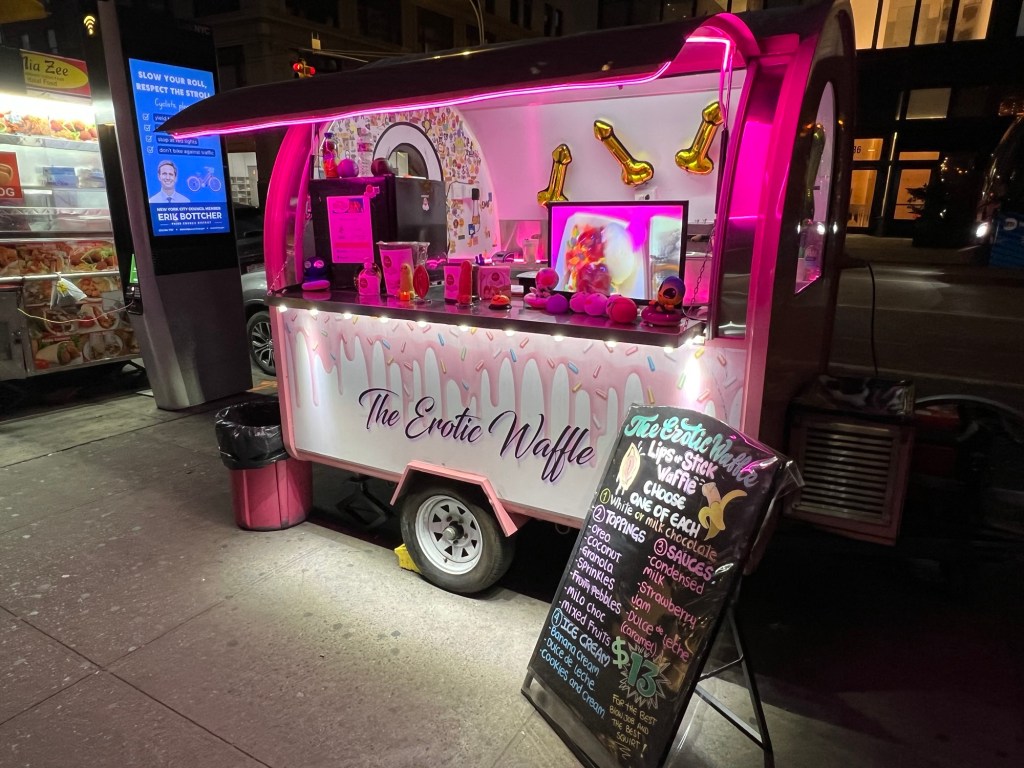
The Erotic Waffle food truck just outside the museum. Not your kids food truck. The truck sold sexual organ pastries, waffles and other exotic items. You have to stop by when you are in the neighborhood!
History of the Museum of Sex:
(This comes from the Museum of Sex History Website)
The Mission of the Museum of Sex is to preserve and present the history, evolution and culture significance of human sexuality. The museum produces exhibitions, publications and programs that bring the best of current scholarship to the wildest possible audiences and is committed to encouraging public enlightenment, discourse and engagement.
The Museum of Sex
The Beginning:
When the Museum of Sex first emerged on New York City’s Fifth Avenue on October 5th, 2002, it was without precedent in the museum world. In the development of its inaugural award winning exhibition NYCSEX: How New York Transformed Sex in America, the Museum created a board of comprised of leading scholars and historians. The Museum’s advisory board has guided curators and guest curators towards research resources, pertinent collections and exhibition relevant artists. Advisors such as Steven Heller, Timothy J. Gilfoyle, PhD, Mike Wallace PhD and June Reinisch, Director Emeritus for The Kinsey Institute for Research on Sex, Gender and Reproduction as well as institutional collaborations with New York University’s Center for the Study of Gender and Sexuality, Planned Parenthood Federation of America, New York Historical Society and the Lower East Side Tenement Museum have contributed to making the Museum of Sex one of the most dynamic and innovative institutions in the world.
Design has played a pivotal role in both exhibition development and execution with world-renowned design firms such as Pentagram Design Inc, Casson Mannand 2×4, helping to transform the galleries and historic building over the last six years. The museum’s building, built in the area of New York formerly known as the “Tenderloin,” a district of NYC made notorious by the 19th century for its bordellos, dance halls, theaters and saloons, serves as a New York City landmarked site.
Our Work:
Since its inception, the Museum of Sex has generated over 30 exhibitions and 6 virtual installments, each in keeping with the Museum’s mission of advocating open discourse surrounding sex and sexuality as well as striving to present to the public the best in current scholarship, unhindered by self-censorship. With each new exhibition, lecture series, event and publication, the Museum of Sex is committed to addressing a wide range of topics, while simultaneously highlighting material and artifacts from different continents, cultures, time periods and media.
Our Collection:
The Museum’s permanent collection of over 20,000 artifacts is comprised of works of art, photography, clothing and costumes, technological inventions and historical ephemera. Additionally, the museum houses both a research library as well as an extensive multimedia library, which includes 8mm, Super 8mm, 16mm, BETA, VHS and DVD’s. From fine art to historical ephemera to film, the Museum of Sex preserves an ever-growing collection of sexually related objects that would otherwise be destroyed and discarded due to their sexual content.
Our Public:
In a short time, the Museum has received attention from academic institutions, major publications, media outlets and celebrities, positioning the Museum of Sex within the realm of academia and pop culture alike. The Museum has been featured in numerous publications including The New York Times, The New Yorker, Esquire and Time and on television broadcasts ranging from CNN to IFC to NBC’s Law & Order Criminal Intent. Award-winning advertising campaigns in print and television media have sealed the Museum’s arrival as a cultural touchstone.
Accolades continue to pour in from visitors and the press in every corner of the world, inspiring the Museum of Sex to continually surpass its own high expectations. Future planned exhibitions and events-the likes of which have never been offered by any other institution-are guaranteed to captivate and resonate, securing the Museum of Sex a well-deserved, distinguished place in history (Museum of Sex History)


























 Visiting a Museum: The Unique, Unusual, Obscure and Historical